
HOMESTEAD II

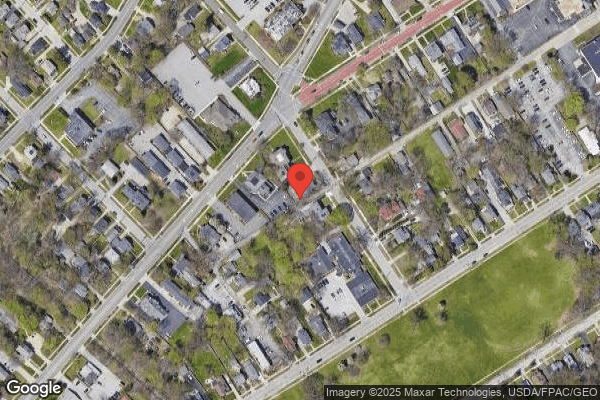
60 WOOD ST, PAINESVILLE, OH 44077 (440) 352-0788
For profit - Corporation 46 Beds SABER HEALTHCARE GROUP Data: November 2025
Trust Grade
75/100
#276 of 913 in OH
Last Inspection: January 2025

Within standard 12-15 month inspection cycle. Federal law requires annual inspections.

Overview

Homestead II in Painesville, Ohio, has a Trust Grade of B, indicating it is a good option for families, though not without some concerns. Ranked #276 out of 913 facilities in Ohio, it sits in the top half, and is #5 out of 14 in Lake County, meaning there are a few better local choices. The facility's trend is stable, with five issues noted in inspections that have not increased over recent years. Staffing is a weakness, earning only 1 out of 5 stars, and while the turnover rate is average at 56%, it suggests some instability among staff. There have been no fines, which is a positive sign, and the facility has a decent level of RN coverage. However, there are notable concerns regarding care. For example, the facility failed to properly store insulin and testing solutions, which could affect all residents. Additionally, there were issues with misappropriation of controlled medications affecting several residents, and a lack of adequate supervision for a resident during an outside appointment, raising potential safety concerns. Overall, while there are strengths in the home's rating and absence of fines, families should weigh these against the highlighted weaknesses.

Trust Score
B
75/100
In Ohio
#276/913
Top 30%
Safety Record
Low Risk
No red flags
Inspections
Holding Steady
2 → 2 violations
Staff Stability
⚠ Watch
56% turnover. Above average. Higher turnover means staff may not know residents' routines.
Penalties
✓ Good
No fines on record. Clean compliance history, better than most Ohio facilities.
Skilled Nurses
○ Average
Each resident gets 30 minutes of Registered Nurse (RN) attention daily — about average for Ohio. RNs are the most trained staff who monitor for health changes.
Violations
✓ Good
Only 5 deficiencies on record. Cleaner than most facilities. Minor issues only.
★★★★☆
4.0
Overall Rating
★☆☆☆☆
1.0
Staff Levels
★★★★★
5.0
Care Quality
★★★★☆
4.0
Inspection Score
Stable
2022: 2 issues
2025: 2 issues

The Good

  • 5-Star Quality Measures · Strong clinical quality outcomes
  • Full Sprinkler Coverage · Fire safety systems throughout facility
  • No fines on record

Facility shows strength in quality measures, fire safety.

The Bad

Staff Turnover: 56%

Near Ohio avg (46%)

Frequent staff changes - ask about care continuity

Chain: SABER HEALTHCARE GROUP

Part of a multi-facility chain

Ask about local staffing decisions and management

Staff turnover is elevated (56%)

8 points above Ohio average of 48%

The Ugly 5 deficiencies on record

Sept 2025 1 deficiency
CONCERN (D) 📢 Someone Reported This

A family member, employee, or ombudsman was alarmed enough to file a formal complaint

Potential for Harm - no one hurt, but risky conditions existed

Accident Prevention (Tag F0689)

Could have caused harm · This affected 1 resident

**NOTE- TERMS IN BRACKETS HAVE BEEN EDITED TO PROTECT CONFIDENTIALITY** Based on record review, interview, and self-reported incident (SRI) review, the facility failed to provide adequate supervision ...

Read full inspector narrative →
**NOTE- TERMS IN BRACKETS HAVE BEEN EDITED TO PROTECT CONFIDENTIALITY** Based on record review, interview, and self-reported incident (SRI) review, the facility failed to provide adequate supervision for a Resident #45 for an outside appointment. This affected one (Resident #45) of four residents reviewed for appointments. The facility census was 44. Findings include:Review of the closed medical record for Resident #45 revealed an admission date of 06/24/25. Diagnoses included gastrointestinal tumor, malignant neoplasm of the liver and bile duct, chronic obstructive pulmonary disease (COPD). There was no diagnosis of dementia. The resident was discharged home on [DATE]. Review of the plan of care dated 06/24/25 revealed Resident #45 required supervised leave of absence (LOA). Review of the 5-day Minimum Data Set (MDS) assessment dated [DATE] revealed Resident #45 had intact cognition. Review of the baseline care plan report dated 07/01/25 and reviewed with Resident #45 and family revealed Resident #45's appointments on 07/03/25 and on 07/10/25 stated daughter to transport written beside the appointments. The appointment on 07/07/25 did not have anything written beside it. Review of the Director of Nursing (DON's) note dated 07/07/25 at 6:40 A.M. per charge nurse, Resident #45 left the facility via Lake [NAME] for his scheduled urology appointment. Review of facility SRI tracking number 262468 and investigation dated 07/07/25 revealed Resident #45 was admitted to the facility on [DATE] with multiple follow-up doctor appointments. The appointments were placed in Matrix, and transportation was set up with Lake [NAME] transportation services. A care plan meeting for short term residents (PATH meeting) was held with the resident and his daughter where she stated that she may be cancelling appointments. She was advised at that time to let the nursing staff know so the transportation could be cancelled and the order removed from our system. On 07/03/25 Resident#45 attended an appointment using Lake [NAME] services without incident. On 07/07/25 the resident had a scheduled urology appointment, Lake [NAME] transported him leaving the building around 6:40 A.M. Around 9:22 A.M. the facility received a call from the urology department that the resident had not been picked up. Resident #45's return trip was scheduled for 8:45 A.M. to 9:15 A.M. The building contacted Lake [NAME] for an estimated time of arrival (ETA) and it was reported Resident #45 was marked as will call. The facility informed Lake [NAME] that Resident #45 needed a return trip. Lake [NAME] stated that he would be picked up. Resident #45's daughter called the facility around 10:30 A.M. stating that the appointment had been cancelled and questioned why the resident had gone to the appointment. The resident's daughter was unable to state who she informed at the facility that she had cancelled the appointment. No nursing staff at the building were notified of the appointment being cancelled. The urology office was called by the facility to confirm that the appointment had been cancelled, and the scheduling department stated that it had been cancelled and rescheduled for 07/07/25. Resident #45's daughter drove to the appointment office and picked up Resident #45. She took the resident back to his assisted living apartment rather than returning to the facility. Interview on 09/05/25 at 8:54 A.M. the DON revealed the facility typically asks family to go on appointments with a resident. Depending on cognition, the facility will send a staff member with the resident. Transportation was usually arranged through Lake [NAME]. Pick up and return times are scheduled. Lake [NAME] had a 30-minute window. Interview on 09/05/25 at 10:58 A.M. with Receptionist/Human Resources (HR)/Payroll #203 revealed on 07/07/25 the facility received a phone call between 10:00 A.M. to 10:30 A.M. from a doctor's office saying Resident #45 was waiting to be picked up from his appointment. She called Lake [NAME] and was told pick up was marked as will call. Receptionist/HR/payroll #203 told them it couldn't be because the facility had a return time written down. Lake [NAME] informed her that they had already been there and left. With Lake [NAME] you call and wait on hold or have option for them to call you back. The facility was talking to the doctor's office, Lake [NAME], and the office again. The doctor's office also called the resident's daughter. Resident #45's daughter called and said she would pick the resident up, but she wasn't bringing him back here. Interview on 09/05/25 at 1:29 PM. With Resident #45's daughter said she didn't even know the facility was taking the resident to an appointment that day. She had cancelled the appointment. The facility didn't call her. At the last appointment she had come to the facility to go with her father to an appointment, and the facility had arranged for a staff member to go with him. When she picked up her father from the appointment 07/07/25, he was very upset and very hungry. He had not had anything to eat that day and it was almost noon. She could not believe the facility had sent him to the appointment unattended. Interview on 09/05/25 at 1:50 P.M. the DON verified Resident #45 had been sent to the appointment 07/07/25 unaccompanied by staff or family. This deficiency represents noncompliance investigated under Master Complaint Number 1392904 (OH00165517) and Complaint Number 1392903 (OH00167496).
Jan 2025 1 deficiency
CONCERN (F)

Potential for Harm - no one hurt, but risky conditions existed

Deficiency F0761 (Tag F0761)

Could have caused harm · This affected most or all residents

Based on observation, interview, record review, and facility policy review, the facility failed to properly store labeled, non-expired insulin and Tuberculin testing solution inside refrigerators whic...

Read full inspector narrative →
Based on observation, interview, record review, and facility policy review, the facility failed to properly store labeled, non-expired insulin and Tuberculin testing solution inside refrigerators which were routinely defrosted and contained no food items. This affected one resident (#32) and had the potential to affect all 42 residents residing in the facility. The facility reported eight residents (#6, #11, #14, #23, #30, #32, #34 and #245) who received insulin. Findings include: Observation of medication storage on 12/31/24 at 8:20 A.M. with Licensed Practical Nurse (LPN) #526 revealed the 200-unit medication refrigerator had a large amount of ice buildup in the freezer area and three individual serving sized containers of ice cream stored for use. Within the same refrigerator, there was a Lantus insulin injectable pen stored not inside a labeled container and was without a prescription type label for proper identification. Instead, the pen had a last name written on it with a black marker but no first name to accurately identify a resident it belonged to. In addition, the refrigerator had one opened vial of Tuberculin testing solution stored inside which was undated. Interview at the time of the observation with Licensed Practical Nurse (LPN) #526 verified the findings. Observation of medication storage on 12/31/24 at 8:32 A.M. with the Director of Nursing (DON) revealed the 100-unit medication refrigerator had one opened vial of Tuberculin testing solution stored inside which was undated. In addition, the refrigerator had one opened vial of Lispro insulin for Resident #32 with an opened date of 11/05/24 written on it, which indicated the insulin was expired. Interview at the time of the observation with the DON verified the findings. Review of the medical record for Resident #32 revealed an admission date of 10/30/24 and diagnosis of diabetes mellitus type two. There was no active order in the medical record for Lispro insulin injectable solution from a vial. Review of the facility policy, Storage and Expiration Dating of Medications and Biologicals, dated 12/01/07 revealed the facility should ensure food was not stored in the refrigerator/freezer where medications were stored, ensure expired medications were stored separately from other medications until destroyed or returned, ensure opened medications had a recorded opened date on the primary medication container, ensure medications were stored in the original containers in which received, and reorder medications with illegible, worn, makeshift, incomplete, damaged or missing labels.
Oct 2022 2 deficiencies
CONCERN (D)

Potential for Harm - no one hurt, but risky conditions existed

ADL Care (Tag F0677)

Could have caused harm · This affected 1 resident

**NOTE- TERMS IN BRACKETS HAVE BEEN EDITED TO PROTECT CONFIDENTIALITY** Based on interview, record review, and facility policy review the facility failed to provide showers as scheduled. This affected...

Read full inspector narrative →
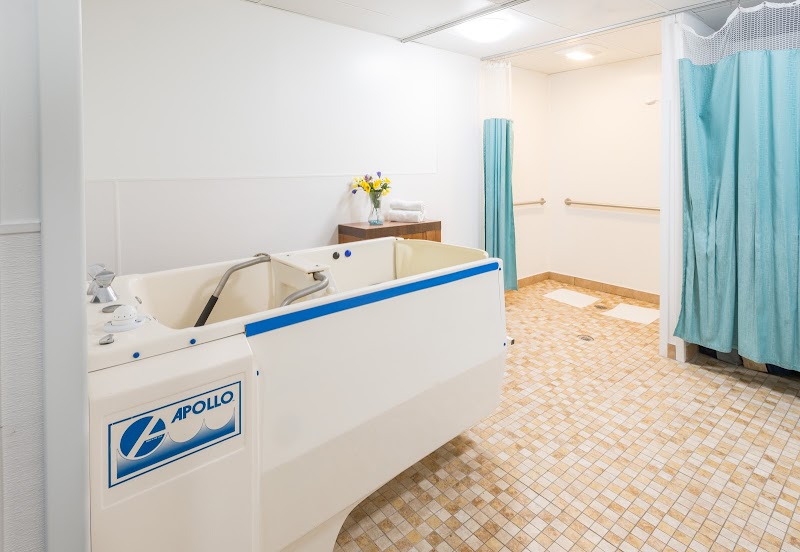
**NOTE- TERMS IN BRACKETS HAVE BEEN EDITED TO PROTECT CONFIDENTIALITY** Based on interview, record review, and facility policy review the facility failed to provide showers as scheduled. This affected two (Resident's #5 and #6) of three residents reviewed for showers. The facility census was 40. Findings include: 1. Review of the medical record for Resident #5 revealed and admission date of 08/25/21. Diagnoses included Parkinson's disease, hydrocephalus, type two diabetes mellitus, and obstructive and reflux uropathy. Review of the quarterly Minimum Data Set (MDS) 3.0 assessment dated [DATE] revealed Resident #5 had mild cognitive impairment. Resident #5 required extensive assistance of two staff for bed mobility, transfers, dressing, toileting, and personal hygiene; supervision with set-up help only for eating; and physical help of one staff for bathing. Resident #5 had an indwelling catheter for urine and was always continent of bowel. Review of the care plan dated 10/02/22 revealed Resident #5 had a self-care deficit related to diagnoses. Interventions included to assist with activities of daily living, dressing, grooming, toileting, feeding, and oral care. Review of the nursing assistant documentation revealed Resident #5 was scheduled for a shower every Monday and Thursday on the night shift. Review of the shower documentation from 09/13/22 to 10/12/22 revealed Resident #5 only received one shower on 10/11/22. Interview on 10/11/22 at 11:04 A.M. with Resident #5 revealed he had not had a shower in two weeks until this morning. Interview on 10/12/22 at 1:41 P.M. with the Director of Nursing (DON) verified there was no documented evidence of showers for Resident #5 from 09/13/22 through 10/12/22, except for 10/11/22. 2. Review of the medical record for Resident #6 revealed an admission date of 03/30/22. Diagnoses included vascular dementia without behavioral disturbances, hypertension, and atherosclerotic heart disease of native coronary artery without angina pectoris. Review of the quarterly MDS 3.0 assessment dated [DATE] revealed Resident #6 had moderate cognitive impairment. Resident #6 required extensive one-staff physical assistance for bed mobility, transfers, dressing, and personal hygiene; supervision with set-up help only for eating; and extensive two-staff physical assistance for toilet use. Resident #6 required physical help of one staff for bathing. Resident #6 was occasionally incontinent of urine and always continent of bowel. Review of the care plan dated 10/04/22 revealed Resident #6 had an activities of daily living/self-care deficit related to his diagnoses. Interventions included to assist with dressing, grooming, toileting, feeding, and oral care. Review of the physician's order dated 10/07/22 for Resident #6 revealed he was to have a shower every Monday and Friday during the day shift. Review of the nursing assistant documentation from 09/13/22 to 10/12/22 revealed Resident #6 had refused a shower on 09/21/22 and only received showers on 09/25/22 and 10/07/22. Interview on 10/11/22 at 11:18 A.M. with Resident #6's wife revealed sometimes when she visited him, he was stinky, but the staff reports to her he is getting bathed as scheduled. Interview on 10/12/22 at 1:41 P.M. with the DON confirmed Resident #6 did not have documented evidence of showers as scheduled. Review of the facility policy on bathing/showering/ and scheduling policy, revised 09/09/22, revealed residents will be bathed or showered according to their preferences to maintain healthy hygiene and skin condition. When the shower or bath is complete the nursing assistant will document the activity on the shower sheet or in point of care section in the electronic record. If the bath/shower cannot be given or the resident refuses the nursing assistant will promptly report this to the charge nurse. The charge nurse will speak to the resident who refuses to ascertain why they are refusing and to determine if alternative arrangements that suit the resident can be made. If the resident continues to refuse the charge nurse will document the resident's refusal in the medical record.
CONCERN (D)

Potential for Harm - no one hurt, but risky conditions existed

Infection Control (Tag F0880)

Could have caused harm · This affected 1 resident

**NOTE- TERMS IN BRACKETS HAVE BEEN EDITED TO PROTECT CONFIDENTIALITY** Based on observation, interview, record review, and facility policy review the facility failed to administer medications to Resi...

Read full inspector narrative →
**NOTE- TERMS IN BRACKETS HAVE BEEN EDITED TO PROTECT CONFIDENTIALITY** Based on observation, interview, record review, and facility policy review the facility failed to administer medications to Resident #41 in a manner to prevent infection. This affected one (Resident #41) of three residents observed for medication administration. The facility census was 40. Findings include: Review of the medical record for Resident #41 revealed an admission date of 05/06/21. Diagnoses included hypertension, hypothyroidism, and type two diabetes mellitus without complications. Review of the physician's order for Resident #41 dated 05/07/21 revealed an order to administer Januvia (diabetic medication) 50 milligrams (mg) one time daily. Review of the quarterly Minimum Data Set (MDS) 3.0 assessment dated [DATE] revealed Resident #41 had severe cognitive impairment. Resident #41 required supervision with set-up help only for bed mobility; supervision with one-staff assistance for transfers, eating, and toilet use; and extensive one-staff physical assistance for dressing and personal hygiene. Observation of medication administration on 10/13/22 at 8:43 A.M. with Licensed Practical Nurse (LPN) #523 for Resident #41 revealed while pushing out the Januvia tablet from the medication packaging into the medication cup, the Januvia tablet fell on top of the medication cart. LPN #523 then immediately picked up the Januvia tablet with her bare hands and placed in the medication cup with Resident #41's other pills. LPN #523 then took the medication cup and administered the medications to Resident #41. Interview on 10/13/22 at 8:55 A.M. with LPN #523 confirmed she did drop the Januvia tablet out of the medication packaging onto the surface of the medication cart. She also confirmed she had picked the Januvia tablet up with her bare hands and placed it in the medication cup with Resident #41's other medications and administered it to her. LPN #523 reported since she had cleaned her medication cart that morning and was using hand sanitizer in between resident care she felt everything was clean. Review of the facility policy general dose preparation and medication administration, revised 01/01/22, revealed if medication which is not in a protective container is dropped, facility staff should discard it according to facility policy.
Nov 2019 1 deficiency
CONCERN (E)

Potential for Harm - no one hurt, but risky conditions existed

Deficiency F0602 (Tag F0602)

Could have caused harm · This affected multiple residents

Based on review of the facility self-reported incident (SRI), interview and policy review, the facility failed to prevent misappropriation of controlled medications. This affected seven residents (Res...

Read full inspector narrative →
Based on review of the facility self-reported incident (SRI), interview and policy review, the facility failed to prevent misappropriation of controlled medications. This affected seven residents (Resident #3, Resident #13, Resident #21, Resident #27, Resident #95, Resident #96 and Resident #97) of seven reviewed for misappropriation of medications. This had the potential to affect all residents residing in the facility. The facility census was #40. Findings include: Review of the SRI, tracking number 181304 and the corresponding investigation completed on 10/04/19 revealed on 09/25/19 at 11:14 P.M. the Director of Nursing (DON) was notified the medication count was off by one medication card of narcotics and one narcotic count sheet. On 10/26/19 the DON reviewed all narcotic count sheets and the shift to shift narcotic count sheets for the month of 09/19. Several narcotic count sheets were noted to be missing. The facility checked the September 2019 narcotic delivery report against the current medications in the cart and the completed narcotic count sheets. The DON noted there were multiple medication cards delivered and signed into the medication cart with no narcotic count sheet available. The DON listed the resident's and medications missing and noted a pattern of the same few residents, all with similar medications. Seven residents (Resident #3, Resident #13, Resident #21, Resident #27, Resident #95, Resident #96 and Resident #97) were identified as the residents without narcotic count sheets. Oxycodone (narcotic pain medication), Oxycodone-Acetaminophen (narcotic pain medication) and Hydrocodone-Acetaminophen (narcotic pain medication) were identified as the medications involved. The facility then launched a formal investigation. The police were called. An officer came to the facility and opened a police report (#19-20017) and obtained a list of nurses in facility to begin the investigation. On Friday, 09/27/19, all nurses were contacted by the administrator to come into the facility and complete drug screening. All drug screens came back negative for illicit drugs. The DON went through the shift to shift sheets and cataloged which nurse had signed out the medication for which there were missing count sheets. 28 of 31 medications were signed out on the shift to shift sheets by Licensed Practical Nurse (LPN) #200. On 10/01/19 the decision was made to suspend LPN #200 pending investigation. On 10/02/19 the audit was completed. On 10/03/19 LPN #200's written statement was obtained with no new information noted. LPN #200 was officially terminated on 10/03/19. The facility was awaiting the police decision to charge the nurse or the pharmacy decision that nurse did in fact alter narcotic prescriptions to report nurse to The Ohio Board of Nursing. Interview on 11/24/19 at 10:38 A.M. with the DON and Administrator revealed when they found out about the missing medications they investigated. They interviewed all of the facilities nurses and had all of them drug tested. The residents involved were interviewed and were not found to have been affected by the missing medications. The facility had contacted The Ohio Department of Health (ODH), submitted a SRI, contacted The Ohio Board of Nursing and the local police. Interview on 11/26/19 at 9:20 A.M. with the DON and the Administrator revealed LPN #200 never admitted to taking the medications, but it was clear from the investigation. A total of 527 doses of medication had been found to be missing. LPN #200 was suspended during the investigation and then terminated on 10/03/19. Review of the Ohio Resident Abuse Policy, Section: Abuse, Neglect and Exploitation, dated 07/17, revealed the facility would not tolerate abuse, neglect, mistreatment, exploitation of resident and misappropriation of residents property by anyone. Misappropriation was defined as the deliberate misplacement, exploitation, or wrongful, temporary or permanent use of a residents belongings or money without the resident's consent.
Understanding Severity Codes (click to expand)
Life-Threatening (Immediate Jeopardy)
J - Isolated K - Pattern L - Widespread
Actual Harm
G - Isolated H - Pattern I - Widespread
Potential for Harm
D - Isolated E - Pattern F - Widespread
No Harm (Minor)
A - Isolated B - Pattern C - Widespread

Questions to Ask on Your Visit

  • "Why is there high staff turnover? How do you retain staff?"
  • "Can I speak with families of current residents?"
  • "What's your RN coverage like on weekends and overnight?"

Our Honest Assessment

Strengths
  • • No major safety red flags. No abuse findings, life-threatening violations, or SFF status.
  • • No fines on record. Clean compliance history, better than most Ohio facilities.
  • • Only 5 deficiencies on record. Cleaner than most facilities. Minor issues only.
Concerns
  • • 56% turnover. Above average. Higher turnover means staff may not know residents' routines.
Bottom line: Generally positive indicators. Standard due diligence and a personal visit recommended.

About This Facility

What is Homestead Ii's CMS Rating?

CMS assigns HOMESTEAD II an overall rating of 4 out of 5 stars, which is considered above average nationally. Within Ohio, this rating places the facility higher than 99% of the state's 100 nursing homes. This rating reflects solid performance across the metrics CMS uses to evaluate nursing home quality.

How is Homestead Ii Staffed?

CMS rates HOMESTEAD II's staffing level at 1 out of 5 stars, which is much below average compared to other nursing homes. Staff turnover is 56%, which is 10 percentage points above the Ohio average of 46%. High turnover can affect care consistency as new staff learn residents' individual needs. RN turnover specifically is 83%, which is notably high. RNs provide skilled clinical oversight, so turnover in this role can affect medical care quality.

What Have Inspectors Found at Homestead Ii?

State health inspectors documented 5 deficiencies at HOMESTEAD II during 2019 to 2025. These included: 5 with potential for harm.

Who Owns and Operates Homestead Ii?

HOMESTEAD II is owned by a for-profit company. For-profit facilities operate as businesses with obligations to shareholders or private owners. The facility is operated by SABER HEALTHCARE GROUP, a chain that manages multiple nursing homes. With 46 certified beds and approximately 43 residents (about 93% occupancy), it is a smaller facility located in PAINESVILLE, Ohio.

How Does Homestead Ii Compare to Other Ohio Nursing Homes?

Compared to the 100 nursing homes in Ohio, HOMESTEAD II's overall rating (4 stars) is above the state average of 3.2, staff turnover (56%) is near the state average of 46%, and health inspection rating (4 stars) is above the national benchmark.

What Should Families Ask When Visiting Homestead Ii?

Based on this facility's data, families visiting should ask: "How do you ensure continuity of care given staff turnover, and what is your staff retention strategy?" "Can you walk me through typical staffing levels on day, evening, and night shifts?" "Can I visit during a mealtime to observe dining assistance and food quality?" "How do you handle medical emergencies, and what is your hospital transfer rate?" These questions are particularly relevant given the facility's high staff turnover rate and the below-average staffing rating.

Is Homestead Ii Safe?

Based on CMS inspection data, HOMESTEAD II has a clean safety record: no substantiated abuse findings (meaning no confirmed cases of resident harm), no Immediate Jeopardy citations (the most serious violation level indicating risk of serious injury or death), and is not on the Special Focus Facility watch list (a federal program monitoring the lowest-performing 1% of nursing homes). The facility has a 4-star overall rating and ranks #1 of 100 nursing homes in Ohio. While no facility is perfect, families should still ask about staff-to-resident ratios and recent inspection results during their visit.

Do Nurses at Homestead Ii Stick Around?

Staff turnover at HOMESTEAD II is high. At 56%, the facility is 10 percentage points above the Ohio average of 46%. Registered Nurse turnover is particularly concerning at 83%. RNs handle complex medical decisions and coordinate care — frequent RN changes can directly impact care quality. High turnover means new staff may not know residents' individual needs, medications, or preferences. It can also be disorienting for residents, especially those with dementia who rely on familiar faces. Families should ask: What is causing the turnover? What retention programs are in place? How do you ensure care continuity during staff transitions?

Was Homestead Ii Ever Fined?

HOMESTEAD II has no federal fines on record. CMS issues fines when nursing homes fail to meet care standards or don't correct problems found during inspections. The absence of fines suggests the facility has either maintained compliance or corrected any issues before penalties were assessed. This is a positive indicator, though families should still review recent inspection reports for the full picture.

Is Homestead Ii on Any Federal Watch List?

HOMESTEAD II is not on any federal watch list. The most significant is the Special Focus Facility (SFF) program, which identifies the bottom 1% of nursing homes nationally based on persistent, serious quality problems. Not being on this list means the facility has avoided the pattern of deficiencies that triggers enhanced federal oversight. This is a positive indicator, though families should still review the facility's inspection history directly.