
VANCREST OF PAYNE

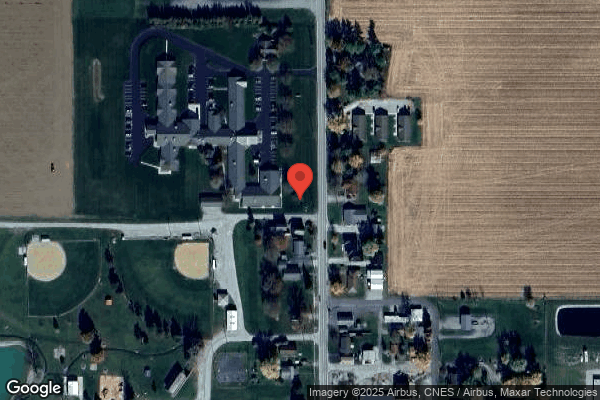
650 NORTH MAIN STREET, PAYNE, OH 45880 (419) 263-0191
For profit - Corporation 40 Beds VANCREST HEALTH CARE CENTERS Data: November 2025
Trust Grade
90/100
#187 of 913 in OH
Last Inspection: January 2023

Over 2 years since last inspection. Current conditions may differ from available data.

Overview

Vancrest of Payne has an excellent Trust Grade of A, indicating it is highly recommended for families seeking a nursing home. It ranks #187 out of 913 facilities in Ohio, placing it in the top half, and is the best option in Paulding County. The facility is improving, having reduced reported issues from 2 in 2023 to just 1 in 2024. However, staffing is a concern with a rating of 2 out of 5 stars and a turnover rate of 36%, which is below the state average, indicating some staff stability, but still room for improvement. While there have been no fines, which is a positive sign, recent inspections revealed significant concerns, including medication errors for a resident with a seizure disorder and delays in personal hygiene care for another resident, highlighting areas that need attention despite the facility's strengths in overall care quality.

Trust Score
A
90/100
In Ohio
#187/913
Top 20%
Safety Record
Low Risk
No red flags
Inspections
Getting Better
2 → 1 violations
Staff Stability
○ Average
36% turnover. Near Ohio's 48% average. Typical for the industry.
Penalties
✓ Good
No fines on record. Clean compliance history, better than most Ohio facilities.
Skilled Nurses
○ Average
Each resident gets 31 minutes of Registered Nurse (RN) attention daily — about average for Ohio. RNs are the most trained staff who monitor for health changes.
Violations
✓ Good
Only 5 deficiencies on record. Cleaner than most facilities. Minor issues only.
★★★★★
5.0
Overall Rating
★★☆☆☆
2.0
Staff Levels
★★★★★
5.0
Care Quality
★★★★★
5.0
Inspection Score
Stable
2023: 2 issues
2024: 1 issues

The Good

  • 5-Star Quality Measures · Strong clinical quality outcomes
  • Full Sprinkler Coverage · Fire safety systems throughout facility
  • No fines on record
  • Staff turnover below average (36%)

    12 points below Ohio average of 48%

Facility shows strength in quality measures, fire safety.

The Bad

Staff Turnover: 36%

Near Ohio avg (46%)

Typical for the industry

Chain: VANCREST HEALTH CARE CENTERS

Part of a multi-facility chain

Ask about local staffing decisions and management

The Ugly 5 deficiencies on record

Oct 2024 1 deficiency
CONCERN (D) 📢 Someone Reported This

A family member, employee, or ombudsman was alarmed enough to file a formal complaint

Potential for Harm - no one hurt, but risky conditions existed

Deficiency F0760 (Tag F0760)

Could have caused harm · This affected 1 resident

**NOTE- TERMS IN BRACKETS HAVE BEEN EDITED TO PROTECT CONFIDENTIALITY** Based on medical record review, staff interview, physician interview, and review of medication information from Medscape, the fa...

Read full inspector narrative →
**NOTE- TERMS IN BRACKETS HAVE BEEN EDITED TO PROTECT CONFIDENTIALITY** Based on medical record review, staff interview, physician interview, and review of medication information from Medscape, the facility failed to administer seizure medications for a resident who was admitted to the facility from the hospital with a new onset of seizure disorder resulting in significant medication errors. This affected one (Resident #30) of three residents reviewed for medication administration. The facility census was 29. Findings include: Review of the medical record of Resident #30 revealed an admission date of 09/12/24, a transfer to the hospital on [DATE] and then discharged home on [DATE], with a return to the facility on [DATE] after retruning to the hosptial on 09/29/2024. Diagnoses included unspecified convulsions, Parkinson's disease with dyskinesia without mention of fluctuations, repeated falls, wedge compression fracture of T5-T6 vertebra (on admission), and type II diabetes mellitus. Review of the admission Minimum Data Set assessment dated [DATE] revealed Resident #30 was cognitively intact and required supervision assistance for toileting, bathing, and dressing. Review of the progress note dated 09/25/24 at 8:21 A.M. LPN #100 documented Resident #30 was nonresponsive and shaking all over with seizure-like activity. Resident #30 was sent to the emergency room. Further review of the medical record revealed Resident #30 returned to the facility from the hospital on [DATE] at approximately 4:15 P.M. with a new diagnosis of new onset seizures. Review of the hospital discharge paperwork dated 10/10/24 revealed new orders for Keppra (anticonvulsant medication) 1000 milligrams by mouth twice daily for convulsions and Vimpat (anticonvulsant medication) 100 mg by mouth twice daily for convulsions. Review of the document titled, Electronically Transmitted Prescription, dated 10/10/24 at 8:19 P.M. revealed the pharmacy was advised of the admission medications for Resident #30. The form did not indicate if the medications were ordered as stat. Review of the Medication Administration Record (MAR) revealed the Keppra and Vimpat were not administered on 10/10/24. Further review of the medical record revealed no documentation the physician was notified Keppra and Vimpat were not administered. Review of the progress note dated 10/10/24 at 11:23 P.M. documented by Licensed Practical Nurse (LPN) #106, revealed Resident #30 was alert and oriented to person, place, time, and event, pleasant and cooperative. Her speech was clear. Focal seizure-like activity had been noted during supper lasting 10 minutes. Seizure precautions were in place and Resident #30 had been able to answer questions during the active episode. Blood pressure, heart rate, and respiratory rate were within normal limits. Resident #30 remained continent of bowel and bladder with minimal intermittent urinary incontinence. The documentation is absent of any family or physician notification. Review of the progress note dated 10/11/24 at 9:01 A.M. documented by Registered Nurse (RN) #128, revealed the nurse was alerted to Resident #30's room by son-in-law. Upon entry to the room, RN #128 noted Resident #30 lying in bed, her body was shaking, her eyes were fixed open and pupils dilated. Resident #30 was not responsive to verbal or tactile stimuli. Resident #30's respirations varied but the partial oxygen saturation remained between 89 to 97% (percent) on room air. The episode occurred for an extended period with the convulsions slowly subsiding. The Director of Nursing (DON) arrived at the room and the son-in-law refused to have Resident #30 transported to the emergency room stating ,what good would it do? She will end back up in a larger hospital and she does not want to be there. The DON notified the physician of the interaction. Review of the progress note at 9:45 A.M., documented by RN #166, revealed a late entry: received orders from Nurse Practitioner to administer two mg of Ativan twice to help control the seizures and a one time dose to administer Keppra 1000 mg liquid orally. A progress note, on 10/11/24 at 4:21 P.M. documented by RN #128 revealed an order to begin Diastat (anticonvulsant) rectally as needed. Review of the MAR revealed Levetiracetam (Keppra) 100 mg per milliliters (ml), 10 ml was administered 10/11/24 at 9:34 A.M. Review of the pharmacy, Delivery Sheet, dated 10/11/24 and time stamped 12:22 P.M. revealed six tablets of Keppra 1000 mg was delivered, along with 11 other medications for Resident #30. Interview on 10/22/24 at 8:40 A.M. with the Director of Nursing (DON) revealed Resident #30 arrived at the facility on 10/10/24 at a little after 4:00 P.M. without the transferring hospital having given any report. The facility did not have some of her medications. Interview on 10/22/24 at 3:00 P.M. with Pharmacist #500 revealed medications were delivered on 10/11/24 between 1:00 P.M. and 1:30 P.M. which included Keppra 1000 mg six tablets, among others. Interview on 10/31/24 at 9:34 A.M. with LPN #101 revealed she had been on duty when Resident #30 arrived back to the facility from the hospital on [DATE]. LPN #101 stated she had put the medication orders into the computer. She stated she normally will also print out a copy of the orders and fax them to the pharmacy but could not be certain she had done that. The facility does not keep a record of fax transactions. Telephone interview on 10/31/24 at 9:39 A.M. with Certified Nurse Practitioner (CNP) #500 revealed she had not been contacted related to the unavailability of the Keppra and Vimpat. CNP #500 stated if she would have been notified, she would have called the pharmacy herself or called a local pharmacy to have an emergency supply drop shipped and also given an order for an as needed medication the facility does have in the emergency box. She further reported having been called on 10/11/24 of the active seizure occurring and had given the Ativan order and added the Diastat order. CNP #500 stated she had attempted to have Resident #30 returned to the hospital numerous times and the family refused. Interview on 10/31/24 at 10:30 A.M. with the DON revealed the Keppra liquid was borrowed from another resident. Telephone interview on 10/31/24 at 11:02 A.M. with RN #128 revealed she guessed Resident #30's seizure began on 10/11/24 a little after 8:00 A.M. RN #128 stated she remained with Resident #30 for the duration and had sent a State Tested Nursing Assistant (STNA) to get another nurse. RN #128 stated the DON came and assisted and got the order for the Ativan. Interview on 10/31/24 at 11:54 A.M. with the DON revealed there was no documentation in the medical record indicating the physician was made aware of Keppra and Vimpat not being available for Resident #30. The DON further verified the medications were not administered timely. Review of medication information from Medscape at https://reference.medscape.com/drug/keppra-spritam-levetiracetam-343013#91 revealed Vimpat and Keppra are used for seizure disorder. Further review revealed, Do not stop taking this medication without consulting your doctor. Your seizures may become worse when the drug is suddenly stopped. This deficiency represents non-compliance investigated under Complaint Number OH00159061.
Jan 2023 2 deficiencies
CONCERN (D)

Potential for Harm - no one hurt, but risky conditions existed

ADL Care (Tag F0677)

Could have caused harm · This affected 1 resident

**NOTE- TERMS IN BRACKETS HAVE BEEN EDITED TO PROTECT CONFIDENTIALITY** Based on observations, staff interviews, record review, and policy review, the facility failed to ensure a dependent resident re...

Read full inspector narrative →
**NOTE- TERMS IN BRACKETS HAVE BEEN EDITED TO PROTECT CONFIDENTIALITY** Based on observations, staff interviews, record review, and policy review, the facility failed to ensure a dependent resident received timely personal hygiene care. This affected one resident (#11) out of two residents reviewed for activities of daily living (ADL). The facility identified all 24 residents required assistance from staff with bathing and dressing. The facility census was 24. Findings include: Review of the medical record for Resident #11 revealed an admission date of 01/31/20. Diagnoses included Alzheimer's disease, restlessness and agitation, and cognitive communication deficit. Review of the quarterly Minimum Data Set (MDS) assessment dated [DATE] revealed Resident #11 had impaired cognition and required extensive assistance of one person for personal hygiene. Review of the current care plan for Resident #11 revealed an ADL self-care deficit related to chronic pain, osteoarthritis, Alzheimer's, dementia, and need for limited assistance in ADL function. Interventions included extensive assistance of one person for personal hygiene. Review of the bathing schedule revealed Resident #11 received a shower on 01/16/23. Observations on 01/17/23 at 9:45 A.M. revealed Resident #11 was dressed and sitting on her bed playing cards. Resident #11 had several long, white hairs coming from her chin. Subsequent observation on 01/18/23 at 8:54 A.M. revealed Resident #11 sitting in her recliner and playing cards. Resident #11 remained with several long, white hairs coming from her chin. Observation and interview on 01/19/23 at 8:08 A.M. with the Director of Nursing (DON) revealed Resident #11 was in her room and Resident #11 had long white hairs coming from her chin. The DON verified the hairs were present and visible. The DON said the State Tested Nurse Aides (STNAs) were expected to provide shaving for residents. Interview on 01/19/23 at 8:12 A.M., with STNA #342 verified she had shaved Resident #11 in the past and Resident #11 had not resisted care. Interview on 01/19/23 at 10:44 A.M., with STNA #358 verified Resident #11 had some hairs coming from her chin which were long enough to shave. Review of the facility policy titled Activities of Daily Living AM/PM Care, undated revealed residents were assisted at appropriate level for mouth care, hair care, and shaving, etc.
MINOR (C)

Minor Issue - procedural, no safety impact

Deficiency F0888 (Tag F0888)

Minor procedural issue · This affected most or all residents

Based on staff interview, review of the staffing schedule, review of the Staff Coronavirus Disease 2019 (COVID-19) Vaccination Matrix, review of the facility policy, and review of the Centers of Medic...

Read full inspector narrative →
Based on staff interview, review of the staffing schedule, review of the Staff Coronavirus Disease 2019 (COVID-19) Vaccination Matrix, review of the facility policy, and review of the Centers of Medicare and Medicaid Services (CMS) memorandum QSO-23-02-ALL, the facility failed to ensure staff were COVID-19 vaccinated, had an approved exemption, or had been identified as appropriate for a temporary delay per Center for Disease Control and Prevention (CDC) guidance. The vaccination rate for the facility was calculated at 98.8%. This had the potential to affect all 24 residents currently residing in the facility. Findings include: Review of the Staff Vaccination COVID-19 log, provided on 01/17/23, revealed the facility had 82 employees with 47 employees vaccinated, 34 employees with granted exemptions, and one employee (State Tested Nursing Aide #346) who was partially vaccinated. Interview on 01/17/23 at 12:29 P.M. with the Administrator revealed State Tested Nurse Aide (STNA) #346 was hired on 05/09/22 and received the first dose of a two-dose COVID-19 vaccination on 06/21/22 and had not received the second COVID-19 vaccination dose. Subsequent interview with the Administrator on 01/18/23 at 4:14 P.M. revealed STNA #346 never tested positive for COVID-19 since his hire date on 05/09/22. The Administrator confirmed on 01/19/23 at 8:41 A.M. that STNA #346 did not receive his first COVID-19 vaccination dose prior to his hire date. Interview with the Director of Nursing (DON) on 01/19/23 at 2:39 P.M., verified STNA #346 worked consistently at the facility since he was hired, and worked throughout the facility. Review of the staff schedule for December 2022 and January 2023 revealed STNA #346 worked throughout the facility on multiple days monthly. Review of the Centers for Medicare & Medicaid Services (CMS) memorandum, QSO-23-02-ALL regarding COVID-19 health care staff vaccination, dated 10/26/22, revealed CMS expects all providers' and suppliers' staff to have received the appropriate number of doses of the primary vaccine series unless exempted as required by law, or delayed as recommended by the Centers for Disease Control and Prevention (CDC). Facility staff vaccination rates under 100% constitute noncompliance under the rule. Review of the facility policy titled COVID-19 Vaccine Mandate Policy, dated November 2021 revealed all facility staff are required to have received at least one dose of a Food and Drug Administration (FDA)-authorized COVID-19 vaccine by the first day of employment.
Aug 2019 2 deficiencies
CONCERN (D)

Potential for Harm - no one hurt, but risky conditions existed

Transfer Notice (Tag F0623)

Could have caused harm · This affected 1 resident

**NOTE- TERMS IN BRACKETS HAVE BEEN EDITED TO PROTECT CONFIDENTIALITY** Based on medical record review, staff interview and policy review, the facility failed to issue written notice of the reasoning ...

Read full inspector narrative →
**NOTE- TERMS IN BRACKETS HAVE BEEN EDITED TO PROTECT CONFIDENTIALITY** Based on medical record review, staff interview and policy review, the facility failed to issue written notice of the reasoning for transfer to the hospital to the resident and/or resident representative. This affected one (#21) of one resident reviewed for hospitalizations. The facility census was 22. Findings include: Review of Resident #21's medical record revealed the resident was admitted to the facility on [DATE]. Diagnoses included acute and chronic respiratory failure with hypercapnia, chronic obstructive pulmonary disease, congestive heart failure, stage three chronic kidney disease, atrial fibrillation, urinary tract infection, alkalosis, overactive bladder, hypothyroidism, history of venous thrombosis and embolism, gastroesophageal reflux disease, chronic pain, headache, muscle weakness, difficulty walking, cataract, major depressive disorder, morbid obesity, fracture of left toes, nonspecific abnormal finding of lung field, low back pain, anemia and constipation. Review of the medical record for Resident #21 revealed the resident was transferred to the hospital by ambulance on 07/15/19 at 12:14 P.M. Resiident #21 returned to the facility on [DATE] at 4:32 P.M. Additional review of Resident #21's medical record revealed the resident was also transferred to the hospital by ambulance on 07/23/19 at 2:37 P.M. Resident #21 had not returned to the facility as of 08/20/19. The medical record had no evidence of the written notifications being provided to the resident and/or resident representative at the 07/15/19 or 07/23/19 discharge. Interview on 08/20/19 at 2:27 P.M. with Social Services Manager (SSM) #100 confirmed Resident #21's medical record had no documented written notifications being provided to the resident and/or resident representative. Review of a facility policy titled Transfer and Discharge, dated 11/2017, revealed notice will be provided to the resident and the resident's representative(s) of the transfer or discharge and the reasons for the move in writing in a language and manner they understand.
CONCERN (D)

Potential for Harm - no one hurt, but risky conditions existed

Deficiency F0625 (Tag F0625)

Could have caused harm · This affected 1 resident

**NOTE- TERMS IN BRACKETS HAVE BEEN EDITED TO PROTECT CONFIDENTIALITY** Based on medical record review, policy review and staff interview, the facility failed to issue written notice of the bed hold p...

Read full inspector narrative →
**NOTE- TERMS IN BRACKETS HAVE BEEN EDITED TO PROTECT CONFIDENTIALITY** Based on medical record review, policy review and staff interview, the facility failed to issue written notice of the bed hold policy to a resident's representative. This affected one (#21) of one resident reviewed for hospitalizations. The total facility census was 22. Findings include: Review of Resident #21's medical record revealed the resident was admitted to the facility on [DATE]. Diagnoses included acute and chronic respiratory failure with hypercapnia, chronic obstructive pulmonary disease, congestive heart failure, stage three chronic kidney disease, atrial fibrillation, urinary tract infection, alkalosis, overactive bladder, hypothyroidism, history of venous thrombosis and embolism, gastroesophageal reflux disease, chronic pain, headache, muscle weakness, difficulty walking, cataract, major depressive disorder, morbid obesity, fracture of left toes, nonspecific abnormal finding of lung field, low back pain, anemia and constipation. Review of the medical record for Resident #21 revealed the resident was transferred to the hospital by ambulance on 07/15/19 at 12:14 P.M. Additional review of Resident #21's medical record revealed the resident was also transferred to the hospital by ambulance on 07/23/19 at 2:37 P.M. The medical record had no evidence of the resident representative being notified of the bed hold policy or bed hold days for the 07/15/19 and 07/23/19 transfers. Interview with Social Services Manager (SSM) #100 on 08/20/19 on 2:27 P.M. confirmed the facility did not issue a written notice of the bed hold policy to the resident or representative related to the resident's discharges to the hospital on [DATE] and 07/23/19. SSM #100 confirmed the facility was only providing the bed hold policy upon initial admission to the facility.
Understanding Severity Codes (click to expand)
Life-Threatening (Immediate Jeopardy)
J - Isolated K - Pattern L - Widespread
Actual Harm
G - Isolated H - Pattern I - Widespread
Potential for Harm
D - Isolated E - Pattern F - Widespread
No Harm (Minor)
A - Isolated B - Pattern C - Widespread

Questions to Ask on Your Visit

  • "Can I speak with families of current residents?"
  • "What's your RN coverage like on weekends and overnight?"

Our Honest Assessment

Strengths
  • • Grade A (90/100). Above average facility, better than most options in Ohio.
  • • No major safety red flags. No abuse findings, life-threatening violations, or SFF status.
  • • No fines on record. Clean compliance history, better than most Ohio facilities.
  • • Only 5 deficiencies on record. Cleaner than most facilities. Minor issues only.
Concerns
  • • No significant concerns identified. This facility shows no red flags across CMS ratings, staff turnover, or federal penalties.
Bottom line: Generally positive indicators. Standard due diligence and a personal visit recommended.

About This Facility

What is Vancrest Of Payne's CMS Rating?

CMS assigns VANCREST OF PAYNE an overall rating of 5 out of 5 stars, which is considered much above average nationally. Within Ohio, this rating places the facility higher than 99% of the state's 100 nursing homes. This rating reflects solid performance across the metrics CMS uses to evaluate nursing home quality.

How is Vancrest Of Payne Staffed?

CMS rates VANCREST OF PAYNE's staffing level at 2 out of 5 stars, which is below average compared to other nursing homes. Staff turnover is 36%, compared to the Ohio average of 46%. This relatively stable workforce can support continuity of care.

What Have Inspectors Found at Vancrest Of Payne?

State health inspectors documented 5 deficiencies at VANCREST OF PAYNE during 2019 to 2024. These included: 4 with potential for harm and 1 minor or isolated issues.

Who Owns and Operates Vancrest Of Payne?

VANCREST OF PAYNE is owned by a for-profit company. For-profit facilities operate as businesses with obligations to shareholders or private owners. The facility is operated by VANCREST HEALTH CARE CENTERS, a chain that manages multiple nursing homes. With 40 certified beds and approximately 31 residents (about 78% occupancy), it is a smaller facility located in PAYNE, Ohio.

How Does Vancrest Of Payne Compare to Other Ohio Nursing Homes?

Compared to the 100 nursing homes in Ohio, VANCREST OF PAYNE's overall rating (5 stars) is above the state average of 3.2, staff turnover (36%) is near the state average of 46%, and health inspection rating (5 stars) is much above the national benchmark.

What Should Families Ask When Visiting Vancrest Of Payne?

Based on this facility's data, families visiting should ask: "Can you walk me through typical staffing levels on day, evening, and night shifts?" "Can I visit during a mealtime to observe dining assistance and food quality?" "How do you handle medical emergencies, and what is your hospital transfer rate?" "Can I speak with family members of current residents about their experience?" These questions are particularly relevant given the below-average staffing rating.

Is Vancrest Of Payne Safe?

Based on CMS inspection data, VANCREST OF PAYNE has a clean safety record: no substantiated abuse findings (meaning no confirmed cases of resident harm), no Immediate Jeopardy citations (the most serious violation level indicating risk of serious injury or death), and is not on the Special Focus Facility watch list (a federal program monitoring the lowest-performing 1% of nursing homes). The facility has a 5-star overall rating and ranks #1 of 100 nursing homes in Ohio. While no facility is perfect, families should still ask about staff-to-resident ratios and recent inspection results during their visit.

Do Nurses at Vancrest Of Payne Stick Around?

VANCREST OF PAYNE has a staff turnover rate of 36%, which is about average for Ohio nursing homes (state average: 46%). Moderate turnover is common in nursing homes, but families should still ask about staff tenure and how the facility maintains care continuity when employees leave.

Was Vancrest Of Payne Ever Fined?

VANCREST OF PAYNE has no federal fines on record. CMS issues fines when nursing homes fail to meet care standards or don't correct problems found during inspections. The absence of fines suggests the facility has either maintained compliance or corrected any issues before penalties were assessed. This is a positive indicator, though families should still review recent inspection reports for the full picture.

Is Vancrest Of Payne on Any Federal Watch List?

VANCREST OF PAYNE is not on any federal watch list. The most significant is the Special Focus Facility (SFF) program, which identifies the bottom 1% of nursing homes nationally based on persistent, serious quality problems. Not being on this list means the facility has avoided the pattern of deficiencies that triggers enhanced federal oversight. This is a positive indicator, though families should still review the facility's inspection history directly.