PICKERINGTON CARE AND REHABILITATION

1300 HILL ROAD NORTH, PICKERINGTON, OH 43147 (614) 863-1858
For profit - Corporation 96 Beds EMBASSY HEALTHCARE Data: November 2025
Trust Grade
70/100
#321 of 913 in OH
Last Inspection: August 2024

Within standard 12-15 month inspection cycle. Federal law requires annual inspections.

Overview

Pickerington Care and Rehabilitation has a Trust Grade of B, indicating it is a good choice for families seeking care, as it falls in the range of 70-79, which is solid but not outstanding. It ranks #321 out of 913 facilities in Ohio and #2 out of 9 in Fairfield County, placing it well within the top half of options available. The facility is improving, as the number of issues reported decreased from 13 in 2023 to 11 in 2024. While staffing received a below-average rating of 2 out of 5 stars, the turnover rate of 46% is slightly better than the state average, indicating some stability among staff. There have been no fines reported, which is a positive sign, and the RN coverage is average, meaning that while it is adequate, there is room for improvement in clinical oversight. However, there are some areas of concern. Recent inspections revealed issues such as failure to properly dispose of expired Covid-19 vaccine syringes, which could pose a risk to residents receiving vaccines. Additionally, infection control practices during blood glucose monitoring were lacking, as a shared glucometer was not properly disinfected between uses for different residents. Lastly, the facility did not adequately address the care needs for a resident with a severe pressure ulcer, which raises concerns about the quality of care provided. While there are strengths in some aspects, families should be aware of these weaknesses when considering this facility for their loved ones.

Trust Score
B
70/100
In Ohio
#321/913
Top 35%
Safety Record
Low Risk
No red flags
Inspections
Getting Better
13 → 11 violations
Staff Stability
⚠ Watch
46% turnover. Above average. Higher turnover means staff may not know residents' routines.
Penalties
✓ Good
No fines on record. Clean compliance history, better than most Ohio facilities.
Skilled Nurses
✓ Good
Each resident gets 46 minutes of Registered Nurse (RN) attention daily — more than average for Ohio. RNs are trained to catch health problems early.
Violations
⚠ Watch
35 deficiencies on record. Higher than average. Multiple issues found across inspections.
★★★★☆
4.0
Overall Rating
★★☆☆☆
2.0
Staff Levels
★★★★★
5.0
Care Quality
★★★☆☆
3.0
Inspection Score
Stable
2023: 13 issues
2024: 11 issues

The Good

  • 5-Star Quality Measures · Strong clinical quality outcomes
  • Full Sprinkler Coverage · Fire safety systems throughout facility
  • No fines on record

Facility shows strength in quality measures, fire safety.

The Bad

Staff Turnover: 46%

Near Ohio avg (46%)

Higher turnover may affect care consistency

Chain: EMBASSY HEALTHCARE

Part of a multi-facility chain

Ask about local staffing decisions and management

The Ugly 35 deficiencies on record

Dec 2024 4 deficiencies
CONCERN (D) 📢 Someone Reported This

A family member, employee, or ombudsman was alarmed enough to file a formal complaint

Potential for Harm - no one hurt, but risky conditions existed

Pressure Ulcer Prevention (Tag F0686)

Could have caused harm · This affected 1 resident

**NOTE- TERMS IN BRACKETS HAVE BEEN EDITED TO PROTECT CONFIDENTIALITY** Based on observation, medical record review, policy review and interview, the facility failed to provide adequate care and servi...

Read full inspector narrative →
**NOTE- TERMS IN BRACKETS HAVE BEEN EDITED TO PROTECT CONFIDENTIALITY** Based on observation, medical record review, policy review and interview, the facility failed to provide adequate care and services to treat pressure ulcers for Resident #100. This affected one resident (#100) of three residents sampled for pressure ulcers. The facility census was 65. Findings include: Medical record review revealed Resident #100 was admitted on [DATE] with diagnoses including aortic aneurysm, cerebral infarction, respiratory failure with ventilator dependence, contractures, functional quadriplegia and encephalopathy. Review of the Specialty Physician Wound Evaluation and Management Summary dated 09/11/24 revealed Resident #100 had a sacrum Stage IV (full-thickness skin and tissue loss with exposed or directly palpable fascia, muscle, tendon, ligament, cartilage or bone in the ulcer) pressure wound that had epithelialized and resolved. The specialty physician signed off on care of the resident on this date as the sacrum area had resolved and made recommendations to continue present skin care and breakdown prevention. Review of the quarterly Minimum Data Set 3.0 assessment dated [DATE] revealed Resident #100 was severely impaired for daily decision-making, had no pressure ulcers, was at risk for pressure ulcer development and had a pressure relieving device on the bed. Review of the Braden Score Evaluation assessment dated [DATE] revealed Resident #100 was at high risk for pressure ulcer development. The resident was completely limited (unresponsive, does not moan, flinch, or grasp to painful stimuli, due to diminished level), occasionally moist, was bedfast (confined to bed), completely immobile; was on a tube feeding to meet nutritional needs, and friction and shearing were a problem (required moderate to maximum assistance in moving; complete lifting without sliding against sheets is impossible; frequently slides down in bed or chair; requiring frequent repositioning with maximum assistance; spasticity, contractures or agitation leads to almost constant friction). Review of the nursing Skin Grid Non-Pressure assessment dated [DATE] revealed Resident #100 developed a right lateral sacrum abscess 1.5 centimeters (cm) in length (l) by 1.0 (cm) in width (w). There was no depth (d) or drainage, and the abscess was assessed to be intact; however, a treatment was initiated to cleanse the area with wound cleanser, pat dry, apply Calcium Alginate to the wound bed and cover with gauze island with border. Review of the Calcium Alginate dressing guidelines dated 01/21/21 revealed these dressings were not indicated for dry wounds. Review of the physician Progress Note dated 10/17/24 revealed reason for the visit was to address chronic conditions including a sacral wound and to continue wound care and protein for healing. The present illness assessment included Resident #100 was nonverbal, did not follow commands and Assistant Director of Nursing (ADON) #202 reported concern for new abscess wound on the resident's bottom. Physician #201 documented upon assessment of the area, it was consistent with a chronic sacral ulcer and recommended the wound team to evaluate for possible debridement if noted to be appropriate. Review of the electronic Physician Orders revealed the sacral wound treatment dated 10/16/24 to cleanse, apply Calcium Alginate and cover had been discontinued on 10/18/24. Review of the CNP (certified nurse practitioner) Progress Note dated 10/21/24 revealed nursing requested Resident #100 be seen related to concerns including a possible wound infection. CNP #214 to continue wound treatment and have wound physician evaluate the resident. Review of Physician #201's Progress Note dated 10/22/24 revealed to continue wound treatment, protein for healing, and have the wound team evaluate. Review of the medical record revealed no documented evidence a wound treatment was completed to Resident #100's sacral pressure ulcer on 10/19/24, 10/20/24, 10/21/24 or 10/22/24. Review of the Specialty Physician Wound Evaluation & Management Summary dated 10/23/24 revealed initial assessment of Resident #100's sacral wound. Physician #213 assessed the sacral wound as a Stage IV sacrum pressure ulcer measuring 1.8 cm (l) by 4.0 cm (w) by 0.3 cm (d) with moderate serous exudate. Additional wound details included the family had insisted on lowering tube feed rate causing malnutrition. Treatment plan included Calcium Alginate once a day with gauze island with border. Review of the electronic Physician Orders dated December 2024 included an air mattress to bed (dated 03/22/24). The air mattress order did not include what setting the air mattress pump was to be set (i.e. static (firm) or low air loss alternating). A treatment dated 10/23/24 was ordered to cleanse the sacrum wound, pat dry, place Calcium Alginate to the wound bed and cover with gauze island with border daily and as needed. Review of the electronic Treatment Administration Record (TAR) dated 10/23/24 through 12/26/24 revealed the sacral pressure ulcer treatment was ordered to be completed daily; however, the order was entered in the computerized system to be every shift and the treatment was completed twice a day. Review of the care plan: Actual Area of Skin Impairment related to abscess to sacrum revised 12/11/24 revealed interventions including to continue treatment as ordered by the physician and nurse practitioner. Review of the care plan: Potential for Alteration in Skin Integrity revised 12/11/24 revealed Resident #100 required protective/preventative skin care maintenance related to bowel incontinence, decreased mobility, history of previous skin breakdown, impaired cognition, enteral nutrition and family placing copious blankets and pads under the resident despite education on risks. Interventions included an air mattress to promote comfort and prevent skin breakdown, encourage to float heels and to turn and reposition every two hours and as needed. On 12/26/24 at 10:05 A.M., observation revealed two pressure relief boots were in a chair in the resident's room. Resident #100 was observed lying in bed on an air mattress set to static (a firm surface that makes it easier for the patient to transfer or reposition. The static mode prevents the patient from bottoming out when in a sitting position. The static button needed to be pressed again to switch back to alternating mode). Licensed Practical Nurse (LPN) #203 pulled back the resident's blanket and the resident had a pillow between his knees and under his left hip. Bilateral heels were observed pressed against the mattress, and this was verified by LPN #203 at the time of the observation. LPN #203 opened seven packages of split sponges, sprayed wound cleanser to the split sponges, removed her gloves and washed hands with soap and donned new gloves. LPN #203 then removed the old dressing exposing a large irregularly shaped sacral stage IV pressure ulcer measuring approximately 4.0 cm (l) by 6.0 cm (w) by 0.3 cm (d) with exposed bone, brown eschar, and moderate drainage with a foul odor. LPN #203 discarded the saturated dressing in the trash, used the split sponges to cleanse the wound by dabbing and wiping the wound in a downward motion. The split sponges did not appear to be overly wet and when LPN #203 wiped the entire length of the wound in a downward motion, red bleeding was observed. Hands were washed and new gloves donned, and LPN #203 ripped the upper aspect of the calcium alginate dressing leaving the edges frayed and placed it over the wound extending approximately 1.0 inch beyond the perimeter of the wound. The area was then covered with a gauze island with border. LPN #203 removed her gloves, washed her hands and positioned the resident. LPN #203 and LPN #206 left the room and Certified Nurse Assistant (CNA) #205 positioned the resident in bed and exited the resident's room. The trash with the soiled pressure ulcer dressing and supplies was left in the resident's room. An odor was noted coming from the soiled dressing in the trash. CNA #205 verified the soiled dressing and supplies were not removed from the room and reentered the room and stated she could take them to the soiled utility room for the nurse. On 12/26/24 at 2:06 P.M., interview with ADON #202 verified Resident #100's sacrum dressing changes were not completed as ordered. ADON #202 stated the wound was classified as a non-pressure wound due to starting as an abscess and turning and repositioning the resident due to his ventilator status was completed using subtle position changes. On 12/26/24 at 3:13 P.M., interview with LPN #203 verified the above treatment observation and verified Resident #100 was unable to transfer or reposition himself, was dependent on staff for all care, the resident was to be positioned at a 30 to 45 degree angle and the air mattress was firm. Review of the policy: Pressure Injury Prevention and Management revised 06/01/24 revealed the facility was committed to the prevention of avoidable pressure injuries unless clinically unavoidable, and to provide treatment and services to heal the pressure ulcer/injury, prevent infection and the development of additional pressure ulcers/injuries. The facility was to establish and utilize a systematic approach for pressure injury prevention and management, including prompt assessment and treatment; intervening to stabilize, reduce or remove underlying risk factors; monitoring the impact of the interventions; and modifying the interventions as appropriate. Review of the policy: Turning and Repositioning revised 06/01/24 revealed repositioning techniques in bed included to ensure heels were floating off the surface of the bed with pillows or devices designed to do so. Review of the Clinical UM Guideline: Pressure Reducing Support Surfaces - Groups 1, 2 & 3 revised 08/08/24 revealed a pressure reducing support surface is designed to prevent or promote the healing of certain types of pressure ulcers by reducing or eliminating tissue interface pressure. Most of these devices reduce interface pressure by conforming to the contours of the body so that pressure is distributed over a larger surface area rather than concentrated on a more restricted site. A Group 2 pressure reducing support surfaces included a powered pressure reducing mattresses, semi-electric hospital beds with powered pressure reducing mattresses, powered pressure reducing mattress overlays, advanced non-powered pressure reducing mattresses and advanced non-powered pressure reducing mattress overlays. A powered pressure reducing mattress (alternating pressure, low air loss, or powered flotation without low air loss) is characterized by all of the following: An air pump or blower that provides either sequential inflation and deflation of the air cells or a low interface pressure throughout the mattress. Inflated cell height of the air cells through which air is being circulated is 5 inches or greater. Height of the air chambers, proximity of the air chambers to one another, frequency of air cycling (for alternating pressure mattresses), and air pressure provide adequate member lift, reduce pressure, and prevent bottoming out and a surface designed to reduce friction and shear. It could be placed directly on a hospital bed frame. This deficiency represents noncompliance investigated under Complaint Number OH00160978.
CONCERN (D) 📢 Someone Reported This

A family member, employee, or ombudsman was alarmed enough to file a formal complaint

Potential for Harm - no one hurt, but risky conditions existed

Medical Records (Tag F0842)

Could have caused harm · This affected 1 resident

**NOTE- TERMS IN BRACKETS HAVE BEEN EDITED TO PROTECT CONFIDENTIALITY** Based on observation, medical record review, policy review and interview, the facility failed to maintain accurate medical recor...

Read full inspector narrative →
**NOTE- TERMS IN BRACKETS HAVE BEEN EDITED TO PROTECT CONFIDENTIALITY** Based on observation, medical record review, policy review and interview, the facility failed to maintain accurate medical records for Resident #100. This affected one resident (#100) of three residents sampled. The facility census was 65. Findings include: Medical record review revealed Resident #100 was admitted on [DATE] with diagnoses including aortic aneurysm, cerebral infarction, respiratory failure with ventilator dependence, functional quadriplegia and encephalopathy. Review of the quarterly Minimum Data Set (MDS) 3.0 assessment dated [DATE] revealed Resident #100 was severely impaired for daily decision-making, had no pressure ulcers and had a pressure relieving device on the bed. Review of the nursing Skin Grid Non-Pressure assessment dated [DATE] revealed Resident #100 developed a right lateral sacrum abscess 1.5 centimeters (cm) in length (l) by 1.0 (cm) in width (w). Review of the physician Progress Note dated 10/17/24 revealed reason for the visit was to address chronic conditions including sacral wound and to continue wound care and protein for healing. The present illness assessment included Resident #100 was nonverbal, did not follow commands and Assistant Director of Nursing (ADON) #202 reported concern for new abscess wound on the residents bottom. Physician #201 documented upon assessment of the area, it was consistent with a chronic sacral ulcer and recommended the wound team to evaluate for possible debridement if noted to be appropriate. Review of the Nursing Progress Note dated 10/22/24 by Licensed Practical Nurse (LPN) #203 revealed Resident #100's skin was intact. Review of the Specialty Physician Wound Evaluation & Management Summary dated 10/23/24 revealed a Stage IV sacrum pressure ulcer measuring 1.8 cm (l) 4.0 cm (w) by 0.3 cm (d) with moderate serous exudate. Review of Resident #100's medical record revealed weekly sacral wound nursing assessments completed 10/16/24 through 12/23/24 of the sacral pressure ulcer were documented as a non-pressure wound. On 12/26/24 at 9:48 A.M., interview with ADON #202 stated Resident #100's sacrum wound started off as an abscess and was documented as a non-pressure wound even though the sacrum wound was assessed by the physician to be consistent with a chronic pressure ulcer. On 12/26/24 at 12:38 P.M., interview with LPN #203 verified Resident #100's skin was not intact on 10/22/24. This deficiency was an incidental finding identified during the complaint investigation.
CONCERN (D) 📢 Someone Reported This

A family member, employee, or ombudsman was alarmed enough to file a formal complaint

Potential for Harm - no one hurt, but risky conditions existed

Infection Control (Tag F0880)

Could have caused harm · This affected 1 resident

**NOTE- TERMS IN BRACKETS HAVE BEEN EDITED TO PROTECT CONFIDENTIALITY** Based on observation, medical record review and interview, the facility failed to maintain acceptable infection control practice...

Read full inspector narrative →
**NOTE- TERMS IN BRACKETS HAVE BEEN EDITED TO PROTECT CONFIDENTIALITY** Based on observation, medical record review and interview, the facility failed to maintain acceptable infection control practices and ensure accurate isolation precaution sign were removed when ordered. This affected two residents (#9 and #103) during random observations. The facility census was 65. Findings include: 1. Medical record review revealed Resident #103 was admitted on [DATE] with diagnoses including primary central nervous system lymphoma, altered mental status, anxiety disorder, malignant neoplasm of overlapping sites of the brain and depression. Review of the electronic Physician Orders dated December 2024 revealed Resident #103 utilized an air mattress to her bed. Review of the Braden Score Evaluation dated 12/21/24 revealed Resident #103 was at low risk for skin breakdown. On 12/26/24 at 8:12: A.M. and 9:58 A.M., observation of Resident #103's room revealed the footboard was missing and the air mattress pump was sitting on the floor with no barrier. The front of the air mattress pump could not be seen from the hallway, and it was unknown at that time if the pump was functioning. On 12/26/24 at 9:59 A.M. to 10:01 A.M., observation of Resident #103's room with Occupational Therapist (OT) #204 revealed Resident #103 was lying in bed on her back. OT #204 verified the footboard was missing from the resident's bed, and the air mattress pump was sitting on the floor without a barrier. Observation of the pump with OT #204 revealed the pump was not on and the air mattress was deflated. Resident #103 was asked if the bed was comfortable, and she stated the mattress was not comfortable. OT #204 verified the above at the time of the observation. On 12/26/24 at 11:29 A.M., interview with Registered Nurse (RN) #207 stated the pump was not functioning at the time of the observation because it had been determined that the electrical plug had been pulled out of the wall when moving the bed. RN #207 stated normally the air mattress pump attached to the footboard of the bed, but Resident #103's bed did not have one so that was why it was on the floor. RN #207 verified the air mattress pump should not have been sitting on the floor without a barrier. 2. Medical record review revealed Resident #9 was admitted on [DATE] with diagnoses including acute respiratory failure with ventilator dependence, heart failure, tracheostomy and pneumonia. Review of the Physician Orders dated 12/10/24 revealed Meropenem (antibiotic) one gram intravenous every eight hours for Klebsiella pneumoniae, extended-spectrum beta-lactamases (ESBL) for ten days. Contact and droplet isolation precautions were to be initiated through 12/20/24. On 12/26/24 at 1:37 P.M. and 2:00 P.M., observation revealed a droplet isolation sign was posted to Resident #9's door. A visitor was observed sitting next to the resident's bed in a chair without the use of any personal protective equipment (PPE). On 12/26/24 at 2:06 P.M., interview with the Assistant Director of Nursing (ADON) #202 verified the isolation precautions were posted on the resident's door and visitors should be wearing PPE if in a room of a resident on droplet isolation. ADON #202 checked the physician orders, confirmed the resident isolation precautions were ordered through 12/20/24 but the sign had not been removed from the resident's door. This deficiency was an incidental finding identified during the complaint investigation.
MINOR (C) 📢 Someone Reported This

A family member, employee, or ombudsman was alarmed enough to file a formal complaint

Minor Issue - procedural, no safety impact

Staffing Information (Tag F0732)

Minor procedural issue · This affected most or all residents

Based on observation and interview, the facility failed to ensure daily nursing staff data was posted as required. This had the potential to affect all 65 residents residing within the facility. Find...

Read full inspector narrative →
Based on observation and interview, the facility failed to ensure daily nursing staff data was posted as required. This had the potential to affect all 65 residents residing within the facility. Findings include: On 12/26/24 at 8:10 A.M., observation of the reception area revealed the Daily Staffing Log posted was dated 12/24/24. This was verified by Business Office Manager (BOM) #211 at the time of the observation. On 12/26/24 at 9:17 A.M., interview with BOM #211 verified the nursing staff information had not been posted on 12/25/24 or 12/26/24 because staff responsible for posting the data was off on 12/25/24 due to the holiday and were just now returning to work. On 12/26/24 at approximately 4:15 P.M., interview with the Administrator stated the required nursing staff information was behind the posting dated 12/24/24 but had not been flipped over on 12/25/24. This deficiency was an incidental finding identified during the complaint investigation.
Aug 2024 7 deficiencies
CONCERN (D)

Potential for Harm - no one hurt, but risky conditions existed

Resident Rights (Tag F0550)

Could have caused harm · This affected 1 resident

**NOTE- TERMS IN BRACKETS HAVE BEEN EDITED TO PROTECT CONFIDENTIALITY** Based on observation, record review, interview and facility policy review, the facility failed to ensure one resident (#175) was...

Read full inspector narrative →
**NOTE- TERMS IN BRACKETS HAVE BEEN EDITED TO PROTECT CONFIDENTIALITY** Based on observation, record review, interview and facility policy review, the facility failed to ensure one resident (#175) was treated with respect and dignity. This affected one of one resident reviewed for dignity. The facility census was 72. Findings Include: Review of the medical record for Resident #175 revealed an initial admission date of 07/18/24 with the diagnoses including but not limited to human metapneumovirus pneumonia, pneumonitis due to inhalation of food and vomit, pulmonary fibrosis, Parkinsonism, dementia with moderate mood disorder, dystonia, anxiety disorder, depression, presence of neurostimulator, insomnia, hypertension, gastro-esophageal reflux disease, history of malignant neoplasm of prostate, acquired absence of other genital organs, vitamin D deficiency, generalized muscle weakness, dysphagia, unspecified voice and resonance disorder and other symbolic dysfunctions. Review of the resident's admission assessment with baseline plan of care dated 07/18/24 revealed the resident was dependent on staff for all activities of daily living (ADL) care. The assessment indicated the resident was alert and oriented to name and place only and the resident's speech was unclear. The assessment indicated the resident was incontinent of bladder, however the resident's bowel continence was not assessed. Review of the plan of care dated 07/19/24 revealed the resident required assistance for ADL related to Parkinson's disease. Interventions included apply house moisture barrier cream after each incontinence episode, assist with choosing appropriate clothing as needed, encourage and allow resident to complete self care as able, inspect skin condition daily during personal care and report any impaired areas to the charge nurse, keep call light in reach while in bed, observe for changes in ADL ability and adjust assistance as needed, praise for ADL self-performance, provide assistive devices to increase ADL self care as needed, provide incontinence care with routine rounds and as needed, resident is totally dependent and does not participate in any aspect of the task, resident requires weight-bearing assistance, staff will anticipate needs, staff will assist as needed with daily hygiene and will assist with showering residents per facility policy weekly and therapy as ordered for improvement in ADL self care. Review of the resident's comprehensive Minimum Data Set (MDS) assessment dated [DATE] revealed the assessment was still in progress. Observation on 07/31/24 at 8:15 A.M. revealed Resident #175 was sitting up in his Broda chair with a hospital gown on and a blanket covering him. Observation on 07/31/24 at 9:05 A.M. revealed Resident #75 was sitting in his Broda chair with a hospital gown on and a blanket covering his legs. Further observation revealed the gown had fallen down to the resident's waist exposing his chest to staff and passerbys. On 07/31/24 at 11:30 A.M., interview with State Tested Nursing Assistant (STNA) #642 revealed the resident normally did not keep his clothing on put will keep the hospital gown on. The STNA was informed of the multiple observations of the gown down around his waste with his chest exposed to passer [NAME] from the door. The STNA stated, Well night shift got him up. When asked if he had to stay in the hospital gown all day due to night shift getting him up the STNA stated, I don't know, I didn't think about it, I have been busy. The STNA verified the resident should have been dressed in his personal clothing. Observation on 07/31/24 at 9:50 A.M., revealed Resident #175 was being pushed down the hallway by a male visitor in his Broda chair. The resident remained in a hospital gown with a blanket covering his legs. The male visitor had placed shoes on the resident. Review of the facility policy titled, Resident Rights, dated 03/01/23 revealed the facility will ensure that all direct care staff members, including contractors and volunteers are educated on the right of residents and the responsibility of the facility to properly care for its resident's.
CONCERN (D)

Potential for Harm - no one hurt, but risky conditions existed

Comprehensive Assessments (Tag F0636)

Could have caused harm · This affected 1 resident

**NOTE- TERMS IN BRACKETS HAVE BEEN EDITED TO PROTECT CONFIDENTIALITY** Based on record review, interview and Long Term Care Facility Resident Assessment Instrument 3.0 Manual review, the facility fai...

Read full inspector narrative →
**NOTE- TERMS IN BRACKETS HAVE BEEN EDITED TO PROTECT CONFIDENTIALITY** Based on record review, interview and Long Term Care Facility Resident Assessment Instrument 3.0 Manual review, the facility failed to complete an initial comprehensive, accurate standardized Minimum Data Assessment (MDS) within the first 14 days following admission to the facility for two residents (#175 and #177) and failed to accurately assess and code the oral status of one resident (#30) on the annual MDS. This affected three residents (Resident #175,#177, and #20) of 20 sampled residents. The facility census was 72. Findings Include: 1. Review of the medical record for Resident #175 revealed an initial admission date of 07/18/24 with the diagnoses including but not limited to human metapneumovirus pneumonia, pneumonitis due to inhalation of food and vomit, pulmonary fibrosis, Parkinsonism, dementia with moderate mood disorder, dystonia, anxiety disorder, depression, presence of neurostimulator, insomnia, hypertension, gastro-esophageal reflux disease, history of malignant neoplasm of prostate, acquired absence of other genital organs, vitamin D deficiency, generalized muscle weakness, dysphagia, unspecified voice and resonance disorder and other symbolic dysfunctions. Review of the resident's Minimum Data Set (MDS) list revealed the resident admitted to the facility on [DATE] with an initial comprehensive assessment reference date (ARD) of 07/22/24. The comprehensive MDS assessment with the ARD date of 07/22/24 remains in progress. On 08/01/24 at 10:31 A.M., interview with Licensed Practical Nurse (LPN) #519 MDS Coordinator revealed she completed the MDS assessments, however a corporate Registered Nurse (RN) signs the assessment as being completed and accurate. On 08/01/24 at 10:43 A.M., interview with LPN #519 verified the initial comprehensive MDS assessment was not completed within the first 14 days of the resident's stay at the facility as required. 2. Review of the medical record for Resident #177 revealed an initial admission date of 07/12/24 with the diagnoses including but no limited to metabolic encephalopathy, acute respiratory failure with hypoxia, acute respiratory failure with hypercapnia, sepsis, diabetes mellitus, severe morbid obesity, pneumonia, dependence on ventilator, hyperlipidemia, hypotension, anxiety disorder, retention of urine, dependence on other enabling machines and devices, obstructive sleep apnea, dependence on supplemental oxygen, pulmonary hypertension, bed confinement status, gastro-esophageal reflux disease, hypothyroidism, chronic pain and anemia. Review of the resident's Minimum Data Set (MDS) list revealed the resident admitted to the facility on [DATE] with an initial comprehensive assessment reference date (ARD) of 07/16/24. The comprehensive MDS assessment with the ARD date of 07/16/24 remains in progress. On 08/01/24 at 10:31 A.M., interview with LPN #519 MDS Coordinator revealed she completed the MDS assessments, however a corporate Registered Nurse (RN) signs the assessment as being completed and accurate. On 08/01/24 at 10:43 A.M., interview with LPN #519 verified the initial comprehensive MDS assessment was not completed within the first 14 days of the resident's stay at the facility as required. 3. Review of the medical record for Resident #30 revealed an admission date of 01/07/19 and diagnoses of dementia and delusional disorder. He was on a regular diet. An oral assessment completed 10/05/23 stated the resident had no natural teeth or had fragments (edentulous). The denture section was blank and there were no comments on the assessment to describe the resident's dental condition. The annual minimum data set assessment completed 10/05/23 documented no to the resident being edentulous or having tooth fragments. Oral assessments completed by the facility on 02/23/24 and 05/23/24 documented no to the resident being edentulous or having tooth fragments. There was no further description of the residents dental status on the assessments by the facility. Review of dental consultations revealed on 04/11/24 the resident was noted to have three root tips only and no dentures. On 05/28/24 the dental consult notes described the resident as edentulous. Observations on 07/29/24 at 11:26 A.M. revealed Resident #30 not to have any visible teeth. Interview with Minimum Data Set (MDS) nurse #519 on 08/01/24 at 2:00 P.M. confirmed the annual MDS was not coded accurately to reflect the resident's edentulous status. Review of the Long Term Care Facility Resident Assessment Instrument 3.0 Manual dated 10/23 revealed a MDS assessment must be completed on all residents in the facility. The initial comprehensive MDS assessment must be completed by the fourteenth day of the resident's admission (admission date plus 13 calendar days).
CONCERN (D)

Potential for Harm - no one hurt, but risky conditions existed

Assessment Accuracy (Tag F0641)

Could have caused harm · This affected 1 resident

Based on observations, medical record review, staff interview, and policy review, the facility failed to comprehensively assess residents for possible medication side effects. This affected two (Resid...

Read full inspector narrative →
Based on observations, medical record review, staff interview, and policy review, the facility failed to comprehensively assess residents for possible medication side effects. This affected two (Resident #11 and Resident #19) of 20 sampled residents. The facility census was 72. Findings include: 1. Review of the medical record for Resident #19 revealed an admission date of 12/23/19 and diagnoses of schizophrenia and parkinson's disease. The resident was receiving an antipsychotic medication (Seroquel 250 milligrams daily), an atypical antipsychotic (nuplazid 34 mg daily), an anticonvulsant medication (Depakote 1000 mg daily), an antidepressant/sedative medication (trazodone 50 mg daily), an antianxiety medication (Ativan 1 mg daily), an anxiolytic medication (buspar 15 mg daily), an antidepressant medication (sertraline 100 mg daily), and a sleep aide (melatonin 6 mg daily). Review of a minimum data set assessment of 07/01/24 revealed a brief interview for mental status score of 15 out of 15, indicating intact cognition. Observations on 07/31/24 at 9:01 A.M. and 1:36 P.M. and on 08/01/24 at 7:24 A.M. revealed Resident #19 to have movements of her mouth of like a chewing movement. Interview with Resident #19 on 07/31/24 at 9:01 A.M. revealed she does not even know that she does the movement with her mouth. Review of the plan of care dated 12/24/19 revealed the resident was on antipsychotic therapy and the goal was to remain free from adverse effects. Interventions included monitoring for extrapyramidal side effects (a group of side effects that can affect the motor system and occur due to the use of certain medications, especially antipsychotics and can include involuntary movements, muscle stiffness, and tremors). The plan of care indicated using an AIMS test (abnormal involuntary movement scale) every six months and as needed to assess the severity of involuntary movements. It also stated to monitor and report side effects. The plan of care stated to observe, document, and report any movement disorders. Review of AIMS evaluations completed for Resident #19 on 11/16/23, 02/16/24, and 05/17/24 indicated no facial movements, no lip movements, no jaw movements, and no tongue movements. In addition, review of medication administration records for May, June, and July 2024 revealed monitoring for medication side effects each shift documented no side effects related to movement disorder. Review of psychiatry progress notes for 07/29/24 revealed it was documented the resident had no abnormal movements. Interview with Licensed Practical Nurse (LPN) #560 on 08/01/24 at 7:29 A.M. confirmed Resident #19 had involuntary mouth movements for many years. She stated it was possibly due to the psychiatric medications she was taking or could be due to parkinsons disease. She stated AIMS testing was done to monitor for this. Interview with the Administrator and Director of Nursing on 08/01/24 at 8:32 A.M. confirmed the AIMS testing for Resident #19 and the psychiatry progress notes did not identify any involuntary, abnormal movements for Resident #19. 2. Review of the medical record for Resident #11 revealed an admission date of 05/22/23 and diagnoses including schizoaffective disorder. He was receiving an antipsychotic medication (Risperdal 3 mg daily), an antianxiety medication (Vistaril 75 mg daily), a central nervous system agent (nuedexta 20-10 mg daily), and an anticonvulsant medication (valproate sodium 750 mg three times daily). A minimum data set assessment completed 05/02/24 indicated short and long term memory impairment. Observations on 07/31/24 at 9:07 A.M. and 1:36 P.M. revealed Resident #11 to have upper body tremors including his arms and hands. On 08/01/24 at 7:26 A.M. he was noted with a tremor of his left hand. Interview with Registered Nurse #572 on 07/31/24 at 9:07 A.M. confirmed the upper body tremors. She confirmed he had been on the medications for at least two years. She stated she was not aware of him having any tremors and would report it to the psychiatric nurse practitioner. Review of the plan of care dated 06/06/23 revealed a potential for adverse side effects of psychotropic drug use. The goal was for no side effects. Interventions included AIMS per policy and as needed, document side effects including movement disorders, and notify physician. Review of AIMS evaluations completed revealed on 05/22/23 he was noted to have minimal facial movements. The section on arms and hands was blank. Mild movements of legs, knees were noted. Minimal movements of neck, shoulders was noted. Review of additional AIMS evaluations on 08/23/23, 11/23/23, 02/28/24, and 05/28/24 revealed no involuntary movements were noted at all. Review of nurses notes for the past three months did not identify any tremors or involuntary movements. In addition, review of medication administration records for May, June, and July 2024 revealed monitoring for medication side effects each shift documented no side effects related to movement disorder. Review of psychiatry progress notes for 11/06/23, 03/25/24, 06/17/24, and 07/15/24 revealed fine tremors of hand documented. There was no further assessment or documentation related to what was causing or any treatment for this. Interview with the Administrator and Director of Nursing on 08/01/24 at 8:44 A.M. confirmed the recent AIMS evaluations did not identify any involuntary movements for the resident. Review of the facility policy dated 3/16 and titled Aims Assessment revealed it is the intent of the facility that residents who are on psychoactive medications be routinely monitored for indications of side effects. The AIMS assessment will be used to assess the baseline status of a resident who is admitted on a psychoactive medication or who is put on one after admission. Residents who are on a psychoactive medication will have the AIMS completed routinely and as needed if demonstrate signs/symptoms that may indicated the resident is having side effects. If the assessment shows indications of a side effect or if there is a change since the previous AIMS assessment, the physician will be notified.
CONCERN (D)

Potential for Harm - no one hurt, but risky conditions existed

Drug Regimen Review (Tag F0756)

Could have caused harm · This affected 1 resident

**NOTE- TERMS IN BRACKETS HAVE BEEN EDITED TO PROTECT CONFIDENTIALITY** Based on record review, interview and facility policy review, the facility failed to document the reason for decline in gradual ...

Read full inspector narrative →
**NOTE- TERMS IN BRACKETS HAVE BEEN EDITED TO PROTECT CONFIDENTIALITY** Based on record review, interview and facility policy review, the facility failed to document the reason for decline in gradual does reduction of antipsychotropic medications for one resident (#8). This affected one (Resident #8) of five residents reviewed for unnecessary medications. The facility census was 72. Findings Include: Review of the medical record for Resident #8 revealed an initial admission date of 03/30/22 with the latest readmission of 01/02/24 with diagnoses including acute and chronic respiratory failure with hypoxia or hyercapnia, Duchenne or [NAME] muscular dystrophy, ileus, protein calorie malnutrition, dependence on ventilator, pain, pleural effusion, acute kidney failure with tubular necrosis, neuromuscular dysfunction, anxiety disorder, hypothyroidism, depression, contracture of muscles, gastrostomy, tracheostomy, anemia, GERD, cardiomyopathy, constipation, tachycardia, contracture of left hand, dysphagia and cognitive communication deficit. Review of the plan of care dated 01/02/24 revealed the resident had potential for side effects of psychotropic drug use, antidepressant and anxiolytic drug therapy related to depression and anxiety. Interventions included AIMS per policy/as needed, document side effects of medication, observe document, report to physician as needed of signs or symptoms of drug related complications, obtain vital signs as ordered and report abnormalities to physician, report pertinent lab results to physician and review for ability to decrease dosage or discontinue as needed. Review of the resident's quarterly minimum data set (MDS) assessment dated [DATE] revealed the resident had no cognitive impairment. Review of the mood and behavior revealed the resident displayed no behaviors. The assessment indicated the resident received antianxiety, antidepressant, anticoagulant, antibiotic, opioid medications. Review of the resident's monthly physician orders for August 2024 identified orders dated 01/02/24 Buspar 10 mg via peg-tube daily for anxiety, 03/10/24 Lexapro 5 milligrams (mg) via peg-tube daily for depression and 07/24/24 Ativan 0.5 mg via peg-tube every six hours as needed for 14 days for anxiety. Review of the pharmacy recommendation dated 10/24/23 revealed the pharmacist recommended a gradual dose reduction (GDR) on the medication Lexapro 5 milligrams (mg) via peg-tube daily. The Certified Nurse Practitioner (CNP) addressed the recommendation on 11/10/24 and disagreed with the recommendation. The CNP marked a box that stated additional attempts would likely cause increased distressed behavior. The recommendation contained no rationale and/or symptoms from the CNP for the denial of the GDR. Review of the pharmacy recommendation dated 01/23/24 revealed the pharmacist recommended a gradual dose reduction (GDR) for Buspar 10 mg via peg-tube three times a day. The Certified Nurse Practitioner (CNP) addressed the recommendation on 02/14/24 and disagreed with the recommendation. The CNP marked a box that stated reduction causes target symptoms to return and/or worsen. The recommendation contained no rationale and/or symptoms from the CNP for the denial of the GDR. Review of the pharmacy recommendation dated 04/19/24 revealed the pharmacist recommended a GDR on the medication Lexapro 5 mg via peg-tube daily. The Certified Nurse Practitioner (CNP) addressed the recommendation on 04/29/24 and disagreed with the recommendation. The CNP marked a box that stated additional attempts would likely cause increased distressed behavior. The recommendation contained no rationale and/or symptoms from the CNP for the denial of the GDR. On 08/01/24 at 2:55 P.M., interview with the Director of Nursing (DON) revealed the CNP should have documented the reason for the decline in the GDR on the pharmacy recommendation. Review of the facility policy titled, Consulting Pharmacist Monthly Drug Regimen, dated 2016 revealed the resident's attending physician must document in the medical record that the identified irregularity has been reviewed and what if any action had been taken to address it. If there is to be non change in medication, the attending physician must document his or her rationale in the resident's medical record at the physician's next visit or within timeframe.
CONCERN (D)

Potential for Harm - no one hurt, but risky conditions existed

Infection Control (Tag F0880)

Could have caused harm · This affected 1 resident

**NOTE- TERMS IN BRACKETS HAVE BEEN EDITED TO PROTECT CONFIDENTIALITY** Based on observation, record review, interview and facility policy review, the facility failed to maintain infection control pra...

Read full inspector narrative →
**NOTE- TERMS IN BRACKETS HAVE BEEN EDITED TO PROTECT CONFIDENTIALITY** Based on observation, record review, interview and facility policy review, the facility failed to maintain infection control practices to prevent the potential spread of infection in the area of droplet isolation. This affected one resident (#175) of three residents reviewed for transmission based precautions (TBP). The facility census was 72. Findings Include: Review of the medical record for Resident #175 revealed an initial admission date of 07/18/24 with the diagnoses including but not limited to human metapneumovirus pneumonia, pneumonitis due to inhalation of food and vomit, pulmonary fibrosis, Parkinsonism, dementia with moderate mood disorder, dystonia, anxiety disorder, depression, presence of neurostimulator, insomnia, hypertension, gastro-esophageal reflux disease, history of malignant neoplasm of prostate, acquired absence of other genital organs, vitamin D deficiency, generalized muscle weakness, dysphagia, unspecified voice and resonance disorder and other symbolic dysfunctions. Review of the resident's nurses note dated 07/18/24 at 9:45 P.M. revealed the resident was admitted to the facility following an acute care hospital stay for human metapneumovirus pneumonia and was to be placed on droplet isolation. Review of the plan of care dated 07/19/24 revealed the resident required droplet isolation/quarantine due to human metapneumovirus. Interventions included activities staff to visit resident and decide on activities of choice the resident can do during isolation time period, encourage family and friends to visit as often as possible, isolation/quarantine maintained by staff during acute infection period, isolation/quarantine to be discontinued as soon as infection no longer exists and staff to observe resident for signs and symptoms of depression and notify psych services as needed. Review of the plan of care dated 07/19/24 revealed the resident had signs and symptoms of pneumonia. Interventions included administer antibiotics as ordered/indicated, elevate head of bed to promote better air exchange, encourage coughing and deep breathing, encourage resident to increase fluid intake if able, isolation as ordered/indicated, notify physician/family of changes in condition, observe for increase in shortness of breath, obtain oxygen saturation rate as ordered/indicated, respiratory treatments as ordered/indicated, review for increased confusion further making resident at risk for falls and suction as ordered/needed. Review of the resident's comprehensive Minimum Data Set (MDS) assessment dated [DATE] revealed the assessment was still in progress. Review of the resident's monthly physician orders for July 2024 identified orders dated 07/18/24 observe for signs/symptoms of lower respiratory to include coughing, sneezing, runny nose and fever. If noted lower respiratory symptoms please notify physician, 07/24/24 Cedi 300 milligrams (mg) by mouth twice daily for aspiration pneumonia for 10 days, 07/29/24 droplet precautions maintained every shift for Human Metapneumovirus until 08/04/24. On 07/29/24 at 9:59 A.M., observation of Resident #175 revealed Registered Nurse (RN) #617 was in the resident's room taking his blood pressure with the unit's electronic vital signs machine without the required personal protection equipment (PPE) of gown, gloves and surgical mask. Interview with RN #617 verified the lack of PPE at the time of the observation. On 07/31/24 at 9:05 A.M., observation of the Housekeeper #558 clean Resident #175's room revealed the Housekeeper was cleaning the room with a mask placed under her nose and only gloves. On 07/31/24 at 9:15 A.M., an interview with Housekeeper #558 verified the surgical mask was not being worn properly and the required PPE was not utilized. Review of the facility policy titled, Transmission Based (Isolation) Precautions, dated 09/01/22 revealed it was the facility's policy to take appropriate precautions to prevent transmission of pathogens, based on the pathogen's mode of transmission. Droplet precautions intended to prevent transmission of pathogens spread through close respiratory or mucous membrane contact with respiratory secretions. Healthcare personnel will wear a facemask for close contact with infectious resident. Based upon the pathogen or clinical syndrome, if there is risk of exposure of mucous membranes or substantial spraying of respiratory secretions were anticipated gloves, and gown as well as goggles or face shield should be worn. Residents on droplet precautions who must be transported outside of the room should wear a facemask as well.
CONCERN (D) 📢 Someone Reported This

A family member, employee, or ombudsman was alarmed enough to file a formal complaint

Potential for Harm - no one hurt, but risky conditions existed

Deficiency F0919 (Tag F0919)

Could have caused harm · This affected 1 resident

Based on observation, interview and facility policy review, the facility failed to ensure one resident's (#181) call light was within reach to call staff for assistance. This affected one of 20 sample...

Read full inspector narrative →
Based on observation, interview and facility policy review, the facility failed to ensure one resident's (#181) call light was within reach to call staff for assistance. This affected one of 20 sampled residents. The facility census was 72. Findings Include: On 07/30/24 at 1:59 P.M., observation of Resident #181 revealed his call light was laying on the floor on a floor mat next to his bed out of reach. On 07/30/24 at 2:30 P.M., interview with State Tested Nursing Assistant (STNA) #553 revealed the resident had no speech, was dependent on staff for activities of daily living and the call light was the only means to alert staff of any needs. STNA #553 verified the resident's call light was on the floor out of his reach. On 07/31/24 at 1:59 P.M., observation of Resident #181 revealed the resident's call light was laying on the floor on a floor mat next to his bed. STNA #590 verified the resident's call light was not within reach and had no ability to summon facility staff for needs. Review of the facility policy titled, Call Lights: Accessibility and Timely Response, dated 04/01/22 revealed the facility will assure the facility is adequately equipped with a call light at each resident's bedside, toilet, and bathing facility to allow residents to call for assistance. Call lights will relay directly relay to a staff member or centralized location to ensure appropriate response. With each interaction in the resident's room or bathroom, staff will ensure the call light is within reach of the resident and secured as needed. This deficiency represents non-compliance investigated under Complaint Number OH00155613.
CONCERN (F)

Potential for Harm - no one hurt, but risky conditions existed

Deficiency F0761 (Tag F0761)

Could have caused harm · This affected most or all residents

**NOTE- TERMS IN BRACKETS HAVE BEEN EDITED TO PROTECT CONFIDENTIALITY** Based on observation, interview and review of manufacture's guidelines, the facility failed to dispose expired Covid 19 vaccine ...

Read full inspector narrative →
**NOTE- TERMS IN BRACKETS HAVE BEEN EDITED TO PROTECT CONFIDENTIALITY** Based on observation, interview and review of manufacture's guidelines, the facility failed to dispose expired Covid 19 vaccine syringes. This had the potential to affect any resident receiving a Covid 19 vaccine or booster vaccine. The facility census was 72. Findings Include: Observation on [DATE] at 10:58 A.M. revealed an opened box of Spikevax (Covid 19) vaccine located in the back drawer of the medication storage refrigerator located in the North unit's medication storage room. Inside the opened box were two pre-filled syringes remaining out of the original ten pre-filled syringes with lot number #3032713 and expiration date [DATE]. There were no opened dates observed on the box or on the syringes. Interview on [DATE] at 11:10 A.M. with Licensed Practical Nurse (LPN) Unit Manager (UM) # 560 confirmed the two pre-filled syringes in the opened box of Spikevax (Covid 19) vaccine with expiration date [DATE]. LPN UM #560 stated the vaccines would be administered on request from resident. Review of the manufactures guidelines for Moderna Spikevax (Covid 19 Vaccine) Suspension for injection revised 04/24 revealed, Single dose pre-filled syringes may be stored refrigerated between 36 degrees and 46 degrees for up 30 days prior to use.
Aug 2023 13 deficiencies
CONCERN (D)

Potential for Harm - no one hurt, but risky conditions existed

Deficiency F0552 (Tag F0552)

Could have caused harm · This affected 1 resident

**NOTE- TERMS IN BRACKETS HAVE BEEN EDITED TO PROTECT CONFIDENTIALITY** Based on record reviews, facility policy, family and staff interviews the facility failed to allow Resident #61 and #31 to exerc...

Read full inspector narrative →
**NOTE- TERMS IN BRACKETS HAVE BEEN EDITED TO PROTECT CONFIDENTIALITY** Based on record reviews, facility policy, family and staff interviews the facility failed to allow Resident #61 and #31 to exercise their right to be informed, choice and participate in the care being provided. This affected two of two residents, (#61, #31) reviewed for planning and implementing care. The facility census was 70. Findings: 1. Record review of Resident #61 revealed an admission date of 05/01/23 with diagnoses including encephalopathy, gastrostomy tube, hemiplegia and hemiparesis following cerebral infarction affecting right side, chronic respiratory failure, seizures, chronic kidney disease, pressure ulcer of sacral region, anorexia, anemia, dysphagia, hypertension, aphasia, candidiasis of mouth and contracture of muscle of right hand. Review of Resident #61's Minimum Data Set (MDS) assessment dated [DATE] revealed Resident # 61's Brief Interview for Mental Status (BIMS) score was not calculated due to the resident's inability to answer the question, indicating he had a severe cognitive impairment, assessment of his activities of daily living revealed total dependence with a two-person physical assist with bed mobility, transfers, dressing, toileting, personal hygiene, and total dependence of one for eating. Review of Resident #61's plan of care dated 06/02/23, revealed a deficit for impaired cognitive process for daily decision making and to be at risk for further decline in cognitive status related to his diagnosis and interventions in place to communicate with staff, family, MD/NP regarding resident's needs. Interview on 08/09/23 at approximately 3:05 P.M. with Resident #61 and his responsible party indicated a lack of neurological physician appointment that was ordered by facility nurse practitioner in June that had never been scheduled. Interview on 08/09/23 at approximately 4:10 P.M. with Director of Nursing, (DON) revealed a referral to Ohio State University Neurology department sent on 07/12/23, and was sent to Ohio State University because, they were the only place that took urgent referrals. Interview on 08/10/23 at approximately 10:28 A.M. with Resident #61's responsible party indicated a lack of knowledge or consent of the facility to initiate or provide a referral to the Ohio State University Neurology department and per Resident #61's responsible party, he would like to remain with his previous health care providers for neurological services. 2. Review of the medical record for Resident #31 revealed an admission date of 11/11/22 with diagnoses including chronic obstructive pulmonary disease, type two diabetes, neoplasm of rectum, chronic heart failure, and non-pressure chronic ulcer of lower leg. Review of the comprehensive Minimum Data Set (MDS) 3.0 assessment dated [DATE] revealed Resident #31 had intact cognition. Review of the wound evaluation and management summary dated 08/02/23 revealed Resident #31 had a venous wound to the left leg that had been exacerbated due to infection. The wound had existed for more than 51 days it was 15 centimeters (cm) by 11 cm by 0.1 cm. The dressing plan was gentamicin ointment and alginate calcium covered by a gauze island with border applied twice a week for 30 days. A deep swab was performed on the venous wound with a recommendation for a deep wound culture. Review of Resident #31's wound culture collected 08/02/23 and reported on 08/05/23 at 3:52 P.M. revealed the final result indicated heavy growth of staphylococcus aureus and light growth of pseudomonas aeruginosa. It was suggested for clinical observation for the development of resistance after using cephalosporins (antibiotics) or extended spectrum penicillin's. Review of the progress notes from 08/02/23 to 08/07/23 revealed nothing to indicate Resident #31 had been notified of the results of the wound culture. Interview on 08/07/23 at 1:56 P.M. with Resident #31 revealed the wound doctor had wanted to check for an infection and put him on an antibiotic. Resident #31 reported he had not been started on an antibiotic and nobody had discussed with him if he had an infection. Interview on 08/08/23 at 1:48 P.M. with the Director of Nursing (DON) revealed the infection was sensitive to the ointment Resident #31 was already receiving. She verified there was no documentation to indicate Resident #31 was notified of the wound culture results or treatment plan. Review of the policy titled 'Resident Rights' Revised 03/01/23 revealed residents had the right to be informed of and participate in treatment. Including being fully informed of their health status and being informed by the physician or other professional the risks and benefits of proposed care or treatment and to be informed in advance of the care to be furnished and the type of care giver or professional that will be furnishing the care.
CONCERN (D) 📢 Someone Reported This

A family member, employee, or ombudsman was alarmed enough to file a formal complaint

Potential for Harm - no one hurt, but risky conditions existed

Notification of Changes (Tag F0580)

Could have caused harm · This affected 1 resident

**NOTE- TERMS IN BRACKETS HAVE BEEN EDITED TO PROTECT CONFIDENTIALITY** Based on observation, interviews, and record review the facility failed to document communication of change of condition requiri...

Read full inspector narrative →
**NOTE- TERMS IN BRACKETS HAVE BEEN EDITED TO PROTECT CONFIDENTIALITY** Based on observation, interviews, and record review the facility failed to document communication of change of condition requiring new antibiotic treatments of one resident (#64) out of one resident reviewed for change in condition and failed to provide failed to provide documentation of communication for resident's dental service needs and antibiotic orders for one resident (#61) out of one reviewed for dental services. The facility census was 70. Findings include: 1.Resident #64 was admitted to the facility on [DATE]. Diagnoses included Acute Respiratory failure with hypoxia, critical illness myopathy, dependence on ventilator, obstructive sleep apnea, heart failure, hypertension, repeated falls, gastroesophageal reflux disease, obstructive and reflux uropathy, tracheostomy, gastrostomy, sepsis. Review of the admission Minimum Data Set (MDS) assessment dated [DATE] for Resident #64 revealed mild cognitive impairment with no delirium or psychosis. Resident #64 had total dependence on assistance for bed mobility, personal hygiene and eating. Resident #64 did not get out of bed. Resident #64 had a tracheostomy and was ventilator dependent, had a PEG tube and received tube feedings, and an indwelling foley catheter. Resident #64 had no issues swallowing liquids. Review of physician progress note dated 07/10/23 revealed reason for visit was patient complained of suprapubic pain and diarrhea and follow-up for acute respiratory failure. Urinalysis was ordered and discussed with wife. Physician documented Resident #64 has had 2 - 3 loose stools without odor. On 07/11/23 the order for Cipro 500 milligrams (mg) twice a day for seven days indicated it was for a urinary tract infection but there is no progress note or documentation any notification to Resident#64 or family. Physician order review revealed on 07/30/23 the resident was started on Doxycycline 100 mg two times a day for 10 days for sepsis/infection. There is no documentation Resident #64, or his family were notified of the change in medication. On 08/07/23 Resident #64 was started on Zyvox 600 mg twice a day for 14 days, for upper respiratory infection. No indication of notification to family or Resident #64 was documented. Interview on 08/08/23 at 05:15 P.M. with Director of Nursing (DON) revealed the physician progress notes provided the documentation of rational for antibiotics since admission. The nursing staff do not always document but they do communicate verbally what is happening with residents. Interview on 08/09/23 at 07:57 A.M. with the Administrator confirmed the nurses were not always documenting notification of changes to families and education has been started to be sure family notifications are documented. 2. Record review of Resident #61 revealed admission dated of 05/01/23 with diagnoses including encephalopathy, gastrostomy tube, hemiplegia and hemiparesis following cerebral infarction affecting right side, chronic respiratory failure, seizures, chronic kidney disease, pressure ulcer of sacral region, anorexia, anemia, dysphagia, hypertension, aphasia, candidiasis of mouth and contracture of muscle of right hand. Review of most recent MDS dated [DATE] revealed a Brief Interview for Mental Status (BIMS) score was not calculated due to the resident's inability to answer the question, indicating he had a severe cognitive impairment. Resident # 61's assessment of his activities of daily living revealed total dependence with a two-person physical assist with bed mobility, transfers, dressing, toileting, personal hygiene, and total dependence of one for eating. Review of Resident #61's plan of care, (POC) dated 05/09/23, indicated a focus need for antibiotic therapy for an oral abscess and impaired dental status. Interventions in place included observing for possible side effects every shift related to antibiotic usage, arranging for periodic dental consultation, and to inspect oral mucous membranes and dental status during oral hygiene tasks. Review of Resident #61's record revealed a consent for treatment for dental services signed on 05/03/23. Further review revealed, physician order for nystatin suspension 100000 unit/ml four times a day starting on 05/23/23-05/29/23, record was absent for oral assessment or notification of responsible party of change of condition or consent for usage of medication. Physician order for Diflucan tablet 150 mg one by mouth daily starting 06/22/23-06/24/23, record was absent for nursing assessment for usage of medication. Physician order for Diflucan tablet 150 mg one by g-tube daily starting 07/11/23-07/13/23, record was absent for nursing assessment for usage of medication and notification of responsible party of change of condition or consent for usage of medication. Physician order for Diflucan tablet 150 mg one by mouth daily starting 08/01/23-08/03/23, record was absent for nursing assessment for usage of medication and notification of responsible party of change of condition or consent for usage of medication. Physician order for Diflucan tablet 150 mg one by mouth daily starting 08/04/23-08/10/23, record was absent for nursing assessment for usage of medication and notification of responsible party of change of condition or consent for usage of medication. Interview on 08/07/23 at approximately 12:11 P.M. with Resident #61 and his responsible party indicated a lack of dental appointment that was requested in July with concurrent treatment of dental and oral infections that were unresolved since May. Resident #61's responsible party further indicated the lack of knowledge of indication or consent for treatment of such medications related to his oral infections Interview with staff #113 on 08/10/23 approximately 10:15 A.M. revealed that on 08/09/23 Resident #61 was scheduled for an emergency dental appointment for 08/18/23 because of the previous inability to be seen by the dentist in July. Interview on 08/10/23 at approximately 10:28 A.M. with Resident #61's responsible party indicated a lack of knowledge of the emergency dental appointment for 08/18/23 that was obtained on 08/09/23 by the facility. Interview on 08/10/23 at approximately 3:10 P.M. with DON verified resident #61's medical record lacked documentation of nursing assessments for the usage of Diflucan and Nystatin and notification of Resident #61's responsible party for the usage of the medications or change of condition associated with his oral cavity. Review of facility policy, Notification of Changes dated 04/15/21 revealed, residents that were incapable of making decisions would have a representative to make decisions and would still be told what is happening to him or her. Further review revealed, the facility must inform the resident, consult with the resident's physician and or notify the resident's family member or legal representative when there is a significant change in the resident's physical, mental or psychosocial conditions, and circumstances that would require a need to alter treatment.
CONCERN (D)

Potential for Harm - no one hurt, but risky conditions existed

Comprehensive Care Plan (Tag F0656)

Could have caused harm · This affected 1 resident

**NOTE- TERMS IN BRACKETS HAVE BEEN EDITED TO PROTECT CONFIDENTIALITY** Based on medical record review, staff interview, observations, and facility comprehensive care plan policy, this facility failed...

Read full inspector narrative →
**NOTE- TERMS IN BRACKETS HAVE BEEN EDITED TO PROTECT CONFIDENTIALITY** Based on medical record review, staff interview, observations, and facility comprehensive care plan policy, this facility failed to develop a person center care plan to accurately reflect a resident target behavior of yelling. This affected one (Resident #30) of the two residents reviewed for mood and behavior care. The facility census was 70. Findings included: Review of the medical record for Resident #30 revealed an admission date of 05/24/23. Diagnosis included Alzheimer's disease, anxiety, Pseudobulbar Affect (symptoms include frequent and uncontrolled crying and/or laughing), and major depressive disorder recurrent with severe psychotic symptoms. Review of Resident #30's behavior monitoring order dated 05/25/23 and discontinued 08/09/23 revealed Behavior Monitoring due to anxiolytic medication, document number of episodes per shift of target behavior, target behavior includes, 1-withdrawn, 2-restlessness, 3-excessive worrying. Review of Resident #30's behavior monitoring order dated 08/09/23 revealed, Behavior monitoring-anxiolytic: Document number of episodes per shift of target behavior 1-withdrawn, 2-restlessness, 3-continuous yelling. Review of Resident #30's quarterly Minimum Data Set (MDS) 3.0 assessment dated [DATE] revealed a Brief Interview for Mental Status (BIMS) score of 00 indicating the resident with a severely impaired cognition for daily decision making abilities. No behaviors were noted with this assessment review. Resident #30 was noted to be receiving antipsychotic, antianxiety, and antidepressant medication daily. Review of the physician note dated 07/25/23 at 8:29 P.M. created by Certified Nurse Practitioner (CNP) #800 revealed, Stable , no new unusual behaviors noted per staff report. Per staff patient does have periods where she yells out but no acute changes noted. Review of the plan of care dated 08/07/23 revealed Resident #30 will remain safe in present environment, will adjust to nursing home placement, will have opportunities for freedom of expression and movement in a safe environment, and will maintain his/her normal living patterns. Due to Pseudobulbar effect, resident cries out without cause. Interventions include to allow adequate time to complete meals and other tasks, keep environment constant and dont make random changes, provide with sensory stimulation, remove resident to a quiet area with less stimulation if disruptive, and turn on music or television with in room. Review of the plan of care dated 08/09/23 revealed Resident #30 had the potential for mood and behavioral issues related to Alzheimer's disease, anxiety, pseudobulbar affect, depression. Interventions included to administer medication as ordered, attempt non-pharmacological interventions, attempt to provide a calm environment, follow up with psych services as needed, attempt to redirect, and if resistive to care reproach at a latter time. Observation on 08/07/23 10:01 A.M. of Resident #30 revealed resident laying supine in bed with her eyes closed. Resident #30 was noted to be yelling out every couple of seconds continuously for 10 minuets. Continued observation at 12:01 P.M. revealed resident #30 laying in bed with her eyes closed yelling out every few seconds for another 5 minutes. Observation on 08/09/23 at 6:00 A.M. of Resident #30 revealed resident laying supine in bed with her eyes closed, yelling out every few seconds. No words were noted to be yelled and this lasted for 20 minutes. Observation on 08/10/23 at 10:30 A.M. and again at 3:00 P.M. revealed Resident #30 laying in bed with her eyes closed, yelling out every few seconds. Each observation of yelling later between 10 to 15 minutes. Interview on 08/10/23 10:52 A.M. with the Director of Nursing (DON) revealed this resident has had these behaviors ever since she has been here. The staff have tried multiple attempts to help when she is yelling out including check and change if needed, repositioning, pain medication, one on one activities, getting up in the chair and it does not help. The DON claimed the residents daughter works in the facility during the day and will visit with the resident frequently during the day and it seems like the resident becomes sad in the evening hours her daughter leaves for the day, that is when the yelling seems to increase or be more frequent. The DON claimed they were going ot attempt another room change but not sure if that will help, they have done multiple room changes already and the current room mate seem to be ok with her yelling or it seems like it does not disturb her. When she starts the yelling staff will crack her door to help muffle the yell. Medications have been adjusted as well with some positive effects have come from this change, but not much. The DON confirmed the care plan did not directly address her yelling behavior and claimed the nursing behaviors monitoring was just updated on 08/09/23 to reflect the target behavior of yelling. Review of facility's policy titled Comprehensive Care Plans, dated 08/22/22 revealed 2.) The comprehensive care plan will be developed within 7 days after the completion of the comprehensive MDS assessment. Other factors identified by the interdisciplinary team, or in accordance with the resident's preference will also be addressed in the plan of care. 3.) The Comprehensive care plan will describe, at a minimum, the following: f) Resident specific interventions that reflect the resident's needs and preferences.
CONCERN (D)

Potential for Harm - no one hurt, but risky conditions existed

Deficiency F0657 (Tag F0657)

Could have caused harm · This affected 1 resident

**NOTE- TERMS IN BRACKETS HAVE BEEN EDITED TO PROTECT CONFIDENTIALITY** Based on medical record review, staff interview, dialysis center interview, and facility Dialysis policy review, this facility f...

Read full inspector narrative →
**NOTE- TERMS IN BRACKETS HAVE BEEN EDITED TO PROTECT CONFIDENTIALITY** Based on medical record review, staff interview, dialysis center interview, and facility Dialysis policy review, this facility failed to ensure Dialysis care plans were up to date to accurately reflect residents current Dialysis center and treatment days. This affected one (Resident #54) of the one resident reviewed for Dialysis care. Facility census was 70. Findings included: Review of the medical record for Resident #54 revealed an admission date of 11/16/22. Diagnoses included end stage renal disease, anemia, personal history of venous thrombosis and embolism, decreased white blood cell count, thrombocytopenia, dependence of oxygen, acute upper respiratory infection, and dependence on renal dialysis. Review of the plan of care dated 11/16/22 and revised on 12/02/22 revealed Resident #54 had potential for complications related to the diagnosis of renal failure/end stage renal disease requiring Dialysis treatment. Dialysis services were to be completed at Fresenius Kidney Care on Tuesday, Thursday, and Saturday at 10:40 A.M. Review of Resident #54's Dialysis orders for August revealed renal Dialysis was scheduled every Monday, Wednesday, and Friday at 10:30 A.M. at Davita Dialysis center. Review of Resident #54's quarterly Minimum Data Set (MDS) 3.0 assessment dated [DATE] revealed a Brief Interview for Mental Status (BIMS) score of 15 indicating an intact cognition for daily decision making abilities. Resident #54 was noted to be receiving diuretic medication daily and receiving Dialysis services. Interview on 08/09/23 at 9:30 A.M. with Fresenius Kidney Care center revealed Resident #54 was no longer a current patient at that facility. Interview on 08/09/23 at 10:41 A.M. with the Director of Nursing (DON) verified Resident #54's current care plan was not accurate and did not reflect residents current dialysis center or treatment dates. Review of facility's policy titled Dialysis Care, revised 01/2016, revealed 1.) The medical record will reflect the physicians' specific orders for each individual resident's needs for Dialysis including: a.) Orders may include fluid restriction, blood pressure, weights, labs, and days for treatment, Dialysis center of choice and medication administration of Dialysis days. 15.) Care planning for the Dialysis resident should include but not limited to: p.) Name of Dialysis Unit the resident will be receiving their treatment, days of their appointment and a phone number.
CONCERN (D)

Potential for Harm - no one hurt, but risky conditions existed

Deficiency F0679 (Tag F0679)

Could have caused harm · This affected 1 resident

**NOTE- TERMS IN BRACKETS HAVE BEEN EDITED TO PROTECT CONFIDENTIALITY** Based on record review, resident and staff interviews, the facility failed to provide activities services for two out of two res...

Read full inspector narrative →
**NOTE- TERMS IN BRACKETS HAVE BEEN EDITED TO PROTECT CONFIDENTIALITY** Based on record review, resident and staff interviews, the facility failed to provide activities services for two out of two residents, (Resident #17 and #35 ) reviewed for activities services. The census was 70. Findings: 1. Record review revealed Resident #17 was admitted to the facility 7/26/14 with diagnoses including Diabetes Mellitus, hemiplegia and hemiparesis, cerebrovascular disease, heart failure, major depressive disorder, chronic obstructive pulmonary disease, chronic pain syndrome, and cognitive communication deficit. Review of quarterly Minimum Data Set (MDS) dated [DATE] revealed resident was cognitively intact. Review of the annual activity evaluation completed on 09/01/22 revealed that Resident #17 preferred activities in own room and outside including spiritual or religious, walking/wheeling out or indoors, and watching TV. Review of plan of care dated 08/01/14 revealed an activity deficit, with interventions in place including providing 1 on 1 as needed and to invite or encourage or assist to group programs of interest. Review of Resident #17's activity logs from 06/28/23 to 08/08/23 was silent any activities attendance from 06/28/23 to 08/08/23. Interview with Resident #17 on 08/07/23 at 11:28 A.M. , stated that staff does not do activities with her anymore, that she would enjoy interaction with staff if someone would come in or be invited to go. Interview on 08/09/23 10:20 A.M. with Staff #135 verified accuracy of Resident #17's activity log, Resident #17 had not been provided with activities from 06/28/23 through 08/08/23. 2. Record review revealed Resident #35 was admitted to the facility 06/16/21 with diagnoses including, major depression, bipolar disorder, dementia, catatonic disorder, hypertension, anemia, adult failure to thrive, spinal stenosis and muscle weakness. Review of annual MDS dated [DATE] revealed resident was cognitively intact and activity preferences included, very important for Resident #35 to do her favorite activities, somewhat important to participate in religious services, go outside and get fresh air when the weather is good, to keep up with the news, and listen to music. Review of 05/27/22 activity evaluation revealed Resident #35 enjoys watching TV and staff will continue to encourage activities or 1 on 1 room visits. Review of Resident #35 plan of care dated 06/26/21 revealed interventions of 1-to-1 bedside/in room visit and activities if resident unable to attend out of room activities, turn on TV and music in room to provide sensory stimulation. Record review of Resident # 35's activity log revealed from 05/02/23 to 07/31/23 absent of documentation of any participation was provided to resident of any activities. Interview with Resident #35 on 08/07/23 at 2:20 P.M. revealed that she had not been provided with activities or 1 on 1 interaction for a long time. Interview 08/09/23 at 10:20 A.M. with Staff #135 verified accuracy of Resident #35's activity log, Resident #35 had not been provided with activities from 05/02/23 through 07/31/23 and an annual activity evaluation had not been provided for Resident #35. Review of policies labeled as activity program dated 11/2020 with revision of 8/22 states that the facility provides activities that, reflect the choices of the residents, are offered at various hours including: morning, afternoon, evening, holidays, and weekends, attempt to reflect the interests' hobbies and personal preference of the resident and appeal to men and women as well as those of various age groups residing in the facility. The facility activity program consists of individual, small, and large group activities that are designed to meet the needs and interest of residents.
CONCERN (D) 📢 Someone Reported This

A family member, employee, or ombudsman was alarmed enough to file a formal complaint

Potential for Harm - no one hurt, but risky conditions existed

Pressure Ulcer Prevention (Tag F0686)

Could have caused harm · This affected 1 resident

**NOTE- TERMS IN BRACKETS HAVE BEEN EDITED TO PROTECT CONFIDENTIALITY** Based on interview and record review the facility failed to timely implement a new treatment for Resident #40's pressure ulcer a...

Read full inspector narrative →
**NOTE- TERMS IN BRACKETS HAVE BEEN EDITED TO PROTECT CONFIDENTIALITY** Based on interview and record review the facility failed to timely implement a new treatment for Resident #40's pressure ulcer as recommended by the wound doctor. This affected one resident (#40) of eight residents with pressure ulcers reviewed. The facility census was 70. Findings include: Review of the medical record for Resident #40 revealed an admission date of 09/05/22 and diagnoses including anoxic brain damage, dependence on respirator, type two diabetes mellitus, contracture of bilateral hands and ankles, neuromuscular dysfunction of the bladder, anxiety, and cardiac arrest. Review of the quarterly Minimum Data Set (MDS) 3.0 assessment dated [DATE] revealed Resident #40 was comatose. She was totally dependent on staff for all activities of daily living. Review of the plan of care dated 07/13/23 revealed Resident #40 had a pressure ulcer to her right buttock. Interventions included an air mattress as ordered, evaluating for pain and providing interventions, continuing wound treatment as ordered, nursing to observe wound dressing daily, observing and documenting the character of the wound weekly, observing for clinical changes, pressure reducing cushion to chair and bed, and reviewing nutrition and hydration status. Review of a physician order for Resident #40 dated 07/14/23 to 07/26/23 revealed an order for her right buttock. The wound was to be cleansed with wound cleanser, collagen was to be placed over wound bed, with calcium alginate placed over the collagen, the area was to be covered with a gauze island with a border every day shift and as needed for wound care. Review of the wound physician's note dated 07/19/23 revealed Resident #40 had a pressure ulcer to her right ischium. The physician indicated the treatment was to be changed to mesalt and a gauze island with a border to be applied once daily for 30 days. Review of the physician order for Resident #40 starting 07/27/23 revealed an order for her right buttock or ischium. The wound was to be cleansed with wound cleanser, patted dry, and mesalt was to be applied to the wound bed. The wound was to be covered with a gauze island with a border every day and as needed. Interview on 08/10/23 at 3:47 P.M. with the Director of Nursing (DON) verified there had been a delay in starting the new wound treatment for Resident #40, she was not able to identify a reason for the delay. This deficiency represents non-compliance investigated under complaint number OH00145266.
CONCERN (D) 📢 Someone Reported This

A family member, employee, or ombudsman was alarmed enough to file a formal complaint

Potential for Harm - no one hurt, but risky conditions existed

Accident Prevention (Tag F0689)

Could have caused harm · This affected 1 resident

**NOTE- TERMS IN BRACKETS HAVE BEEN EDITED TO PROTECT CONFIDENTIALITY** 2. Review of the medical record for Resident #24 revealed an admission date of 11/14/22 with diagnoses including dementia, psych...

Read full inspector narrative →
**NOTE- TERMS IN BRACKETS HAVE BEEN EDITED TO PROTECT CONFIDENTIALITY** 2. Review of the medical record for Resident #24 revealed an admission date of 11/14/22 with diagnoses including dementia, psychosis, hypertension, depression, reduced mobility, cognitive communication deficit, and encephalopathy. Review of the comprehensive MDS 3.0 assessment dated [DATE] revealed Resident #24 had moderately impaired cognition. Review of the plan of care dated 07/07/21 revealed Resident #24 was at risk for falls related to history of falls, incontinence, and dependence on staff for all mobility and transfers. Interventions included anticipating and meeting resident needs, ensuring appropriate footwear, following therapy recommendations, keeping a low bed while in bed, placing call light within reach, and positioning pillows while in bed. Observation on 08/07/23 at 10:00 A.M., 1:53 P.M., and 2:50 P.M. and on 08/08/23 at 8:30 A.M., 10:40 A.M., 2:03 P.M., and 3:24 P.M. revealed Resident #24 in her bed, it did not appear to be in the lowest position. Interview on 08/08/23 at 3:24 P.M. with Licensed Practical Nurse (LPN) #114 verified Resident #24's bed was not in the lowest position; she demonstrated the bed could go lower. Review of the policy Fall Prevention Program dated 07/19/23, revealed the residents risk factors and hazards were to be evaluated when developing the comprehensive plan of care. Interventions were to be monitored for effectiveness and the plan of care was to be revised as needed. Each resident will be assessed for fall risk and will receive care and services in accordance with their individualized level of risk to minimize the likelihood of falls. This deficiency represents non-compliance investigated under complaint number OH00145437. Based on medical record review, observations, staff interview, facility fall investigations, and facility fall policy, the facility failed to ensure fall interventions were in place for residents with a history of falls or who were at risk for falls. This affected two (Resident #36 and #24) of the three residents reviewed for fall interventions. The facility census was 70. Findings include: 1) Review of the medical record for Resident #36 revealed an admission date of 11/15/22. Diagnoses included dementia without behavioral disturbances, encephalopathy, weakness, adult failure to thrive, repeated falls, abnormalities of gait, and unsteadiness on feet. Review of Resident #36's quarterly Minimum Data Set (MDS) 3.0 assessment dated [DATE] revealed a Brief Interview for Mental Status (BIMS) score of 05 out of 15 indicating a severely impaired cognition for daily decision making abilities. Resident #36 required extensive assistance from one staff member for bed mobility, dressing, personal hygiene, and total assistance from two staff members for transfers and from one staff member for toilet use, and bathing. Resident #36 was noted to experience impairment to her bilateral lower extremities and requires the use of a wheelchair for mobility. Resident #36 was noted to always be incontinent of bowel and bladder function and was noted to be free of any falls for this assessment review. Review of the plan of care dated 06/14/19 revealed Resident #36 was at risk for falls. Interventions included to implement preventative fall interventions devices, keep a low bed with a fall mat beside bed while in bed, maintain call light within reach, maintain items in reach, and positioning pillows to prevent sliding. Review of the facility's un-witnessed fall report dated 01/13/23 revealed Resident #36 had experienced an un-witnessed fall. Description included, Resident observed on floor beside bed, laying on her right side. Resident states she was trying to go to the bathroom. Resident with Dementia and incontinent. Immediate action taken included a low bed with mat to side of bed. Review of a fall risk evaluation dated 05/08/23 revealed a score of 12 indicating Resident #36 was at a high risk for experiencing a fall. Observation on 08/07/23 at 9:30 A.M., at 11:20 A.M., and at 2:30 P.M. of Resident #36 revealed resident laying supine in bed, resting with her eyes opened. Resident #36's bed was noted to be raised up in the air at about hip height and no fall mats were observed on the right side of the bed on the floor. The left side of the bed was noted to be placed up against a wall. Observation on 08/10/23 at 10:20 A.M. of Resident #36 revealed resident's bed was up in the air again, not in the lowest position, and a fall mat was not on the floor next to the right side of the bed. Interview on 08/10/23 at 10:29 A.M. with the Assistant Director of Nursing (ADON) #207 confirmed Resident #36's bed was not placed in the lowest position and a fall mat was not placed on the right side of the bed on the floor as per care plan.
CONCERN (D)

Potential for Harm - no one hurt, but risky conditions existed

Deficiency F0698 (Tag F0698)

Could have caused harm · This affected 1 resident

**NOTE- TERMS IN BRACKETS HAVE BEEN EDITED TO PROTECT CONFIDENTIALITY** Based on medical record review, staff interview, Dialysis center agreement review and facility Dialysis policy, this facility fa...

Read full inspector narrative →
**NOTE- TERMS IN BRACKETS HAVE BEEN EDITED TO PROTECT CONFIDENTIALITY** Based on medical record review, staff interview, Dialysis center agreement review and facility Dialysis policy, this facility failed to have a signed agreement between the facility and dialysis center affecting one (Resident #54) of the one resident reviewed for Dialysis services. The facility census was 70. Findings included: Review of the medical record for Resident #54 revealed an admission date of 11/16/22. Diagnoses included end stage renal disease, anemia, personal history of venous thrombosis and embolism, decreased white blood cell count, thrombocytopenia, dependence of oxygen, acute upper respiratory infection, and dependence on renal dialysis. Review of Resident #54's quarterly Minimum Data Set (MDS) 3.0 assessment dated [DATE] revealed a Brief Interview for Mental Status (BIMS) score of 15 out of 15 indicating an intact cognition for daily decision making abilities. Resident #54 was noted to be receiving diuretic medication daily and receiving Dialysis services. Review of Resident #54's Dialysis orders for August revealed renal Dialysis was scheduled every Monday, Wednesday, and Friday at 10:30 A.M. at DaVita Dialysis center. Review of the facility's Nursing Home Dialysis Transfer Agreement between the facility and DaVita (Dialysis center) revealed In witness whereof, the parties have executed this Agreement on the dates set forth by their respective names to be effective as of the Effective Date. Effective date was noted to be 08/10/23. Interview on 08/09/23 at 10:41 A.M. with the Director of Nursing (DON) verified the agreement between the facility and the Dialysis center was dated 08/10/23. Review of facility's policy titled Dialysis Care, revised 01/2016, revealed It is the policy of this facility to ensure residents that are undergoing Dialysis treatment are safe, well assessed and that the facility meet the needs of the resident in collaboration with the Dialysis Unit. 9.) There shall be a source of communication between the facility and the Dialysis Unit with each visit.
CONCERN (D) 📢 Someone Reported This

A family member, employee, or ombudsman was alarmed enough to file a formal complaint

Potential for Harm - no one hurt, but risky conditions existed

Deficiency F0757 (Tag F0757)

Could have caused harm · This affected 1 resident

**NOTE- TERMS IN BRACKETS HAVE BEEN EDITED TO PROTECT CONFIDENTIALITY** Based on interview and medical record review, the facility failed to ensure pain medication parameters were followed for Residen...

Read full inspector narrative →
**NOTE- TERMS IN BRACKETS HAVE BEEN EDITED TO PROTECT CONFIDENTIALITY** Based on interview and medical record review, the facility failed to ensure pain medication parameters were followed for Resident #62. This affected one resident (#62) of five residents reviewed for unnecessary medications. The facility census was 70. Findings include: Review of the medical record revealed Resident #62 had an admission date of 05/05/23 with diagnoses including acute and chronic respiratory failure with dependence on respirator, paraplegia, total retinal detachment, traumatic cerebral edema, dysphagia, and depression. Review of the quarterly Minimum Data Set (MDS) 3.0 assessment dated [DATE] revealed Resident #62 had intact cognition. Review of the plan of care dated 06/10/23 revealed Resident #62 had the potential for alteration in comfort or had actual alteration in comfort related to inability to move independently, skin alteration, surgical site, and trauma. Interventions included asking the resident regarding location, severity, and type of pain, attempting non-pharmacologic interventions prior to medicating, encouraging to request pain medication before it becomes severe, evaluating for effectiveness or need to have pain medication changed, offering analgesics per physician orders, and referring to pain management as indicated. Review of the physician order dated 05/05/23 revealed Resident #62 had an order for Acetaminophen 650 milligrams (mg) to be given every four hours as needed for a temperature of 100 degrees or above. Review of the Medication Administration Record (MAR) July 2023 revealed it was administered on 07/05/23 for a temperature of 98 degrees at 7:45 P.M. Review of the physician order dated 05/05/23 revealed Resident #62 had an order for Acetaminophen extra strength tablet 500 mg two tablets every eight hours as needed for pain. Review of the MAR for August 2023 revealed it Acetaminophen extra strength administered on 08/04/23 for a pain of four, on 08/04/23 for a pain of four, on 08/06/23 for a pain of eight, and on 08/07/23 for a pain of three. Review of the physician order dated 05/08/23 revealed Resident #62 had an order for Oxycodone capsule five mg two capsules to be given every six hours as needed for severe pain. Review of the MAR for July and August 2023 revealed two capsules of oxycodone were given on 07/16/23 for a pain of five, on 07/19/23 for a pain of six, on 07/20/23 for a pain of zero, and on 07/29/23 at 5:32 A.M. for a pain of zero and at 3:09 P.M. for a pain of six. Additional review revealed non-pharmalogical interventions were not attempted prior to administration of medication on 07/29/23. Review of the physician order dated 05/08/23 revealed Resident #62 had an order for Oxycodone capsule five milligrams, one capsule to be given every six hours as needed for moderate pain. Review of the MAR for July and August 2023 revealed one capsule of oxycodone was given 07/02/23 for a pain of six, on 07/03/23 for a pain of six, on 07/05/23 for a pain of three, on 07/09/23 for a pain of six, on 07/10/23 for a pain of two, on 07/15/23 for a pain of two, on 07/17/23 for a pain of six, on 07/22/23 for a pain of two, on 07/24/23 for a pain of one, on 07/25/23 for a pain of six, on 07/26/23 for a pain of five, on 07/27/23 for a pain of one, on 07/30/23 for a pain of six, on 07/31/23 for a pain of six, and on 08/08/23 at for a pain of eight. Additional review revealed non-pharmalogical interventions were not attempted prior to administration of medication on 07/05/23, 07/10/23, 07/15/23, 07/22/23, 07/24/23, and 07/27/23. Interview on 08/09/23 at 4:05 P.M. with the Director of Nursing (DON) verified a severe dose of oxycodone was provided for a pain of zero, five, and six, which would not be considered severe, and a moderate dose of oxycodone was given for pains of one, two, three, six, and eight. The moderate dose was given for pains that may be considered severe (eight), a dose that was also given for the severe medication (six), and pains that may not be considered moderate (one and two). It was also verified the Acetaminophen extra strength did not have a description for the pain it should be given for. The DON additionally verified the Acetaminophen dosed for a fever was provided when Resident #62 did not have a fever. This deficiency represents non-compliance investigated under complaint number OH00145437.
CONCERN (D)

Potential for Harm - no one hurt, but risky conditions existed

Medication Errors (Tag F0758)

Could have caused harm · This affected 1 resident

**NOTE- TERMS IN BRACKETS HAVE BEEN EDITED TO PROTECT CONFIDENTIALITY** Based on observation, interview, medical record review, and facility policy review, the facility failed to complete behavior mon...

Read full inspector narrative →
**NOTE- TERMS IN BRACKETS HAVE BEEN EDITED TO PROTECT CONFIDENTIALITY** Based on observation, interview, medical record review, and facility policy review, the facility failed to complete behavior monitoring for two residents (#16 and #30) on antianxiety medication. This affected two residents (#16 and #30) of two residents reviewed for mood and behavior. The facility census was 70. Findings include: 1. Review of the medical record for Resident #16 revealed an admission date of 03/22/22 with diagnoses including acute and chronic respiratory failure with dependence on respirator, depression, type two diabetes, heart failure, chronic kidney disease, dysphagia, and traumatic subdural hemorrhage. Review of the quarterly Minimum Data Set (MDS) 3.0 assessment dated [DATE] revealed Resident #16 had intact cognition. She received antianxiety and antidepressant medications. Review of the plan of care dated 04/07/22 revealed Resident #16 had a potential for adverse side effects of psychotropic drug use. She had anxiolytic and antidepressant drug therapy related to depression and anxiety. Interventions included documenting side effects of medication, notifying physician of changes in mental status, observing and documenting abnormal behavior or moods, observing for drug related complications, obtaining vital signs, reporting lab results, and reviewing for an ability to decrease dosage. Review of Resident #16's physician order dated 02/05/23 to 07/18/23 revealed an order for Buspirone 10 milligrams (mg) one tablet by mouth one time a day for anxiety. Review of the physician note dated 07/18/23 revealed they had been asked to see Resident #16 for increased anxiety. The physician indicated there was intermittent anxiety, particularly at night. They added an order for hydroxyzine. Review of Resident #16's physician order dated 07/07/23 to 07/21/23 revealed an order for hydroxyzine 25 mg one tablet by mouth every six hours as needed for anxiety for 14 days. Review of Resident #16's Medication Administration Record (MAR) from 07/01/23 to 07/18/23 revealed nothing related to monitoring for signs of anxiety. Additionally, 'as needed' hydroxyzine was not used during the 14 days it was ordered. Review of the physician note dated 07/18/23 revealed Resident #16 had intermittent anxiety, particularly at night. The physician indicated they would increase Buspirone to three times a day. Review of Resident #16's physician order dated 07/18/23 revealed an order for Buspirone tablet five mg two tablets to be given three times a day for anxiety. Review of Resident #16's MAR from 07/18/23 to 08/07/23 revealed nothing related to monitoring for signs of anxiety. Review of the progress notes from 07/01/23 to 08/07/23 revealed no documentation related to monitoring Resident #16 for signs of anxiety. Interview on 08/09/23 at 4:05 P.M. with the Director of Nursing (DON) verified the only documentation indicating Resident #16's anxiety were the physician's notes. She reported she had interviewed staff and found that the resident had been fighting the ventilator at night. She was unsure why the hydroxyzine was not used when her anxiety continued. 2. Review of the medical record for Resident #30 revealed an admission date of 05/24/23. Diagnoses included Alzheimer's disease, anxiety, Pseudobulbar Affect (symptoms include frequent and uncontrolled crying and/or laughing), and major depressive disorder recurrent with severe psychotic symptoms. Review of Resident #30's behavior monitoring order dated 05/25/23 and discontinued 08/09/23 revealed Behavior Monitoring due to anxiolytic medication, document number of episodes per shift of target behavior, target behavior includes, 1-withdrawn, 2-restlessness, 3-excessive worrying. Review of Resident #30's behavior monitoring order dated 08/09/23 revealed, Behavior monitoring-anxiolytic: Document number of episodes per shift of target behavior 1-withdrawn, 2-restlessness, 3-continuous yelling. Review of Resident #30's quarterly Minimum Data Set (MDS) 3.0 assessment dated [DATE] revealed a Brief Interview for Mental Status (BIMS) score of 00 out of 15 indicating the resident with a severely impaired cognition for daily decision making abilities. No behaviors were noted with this assessment review. Resident #30 was noted to be receiving antipsychotic, antianxiety, and antidepressant medication daily. Review of Resident #30's medication administration record (MAR) and treatment administration record (TAR) from 07/27/23 through 08/10/23 revealed no behaviors had been noted during these times of monitoring. Review of the plan of care dated 08/09/23 revealed Resident #30 had the potential for mood and behavioral issues related to Alzheimer's disease, anxiety, pseudobulbar affect, depression. Interventions included to administer medication as ordered, attempt non-pharmacological interventions, attempt to provide a calm environment, follow up with psych services as needed, attempt to redirect, and if resistive to care reproach at a latter time. Observation on 08/07/23 10:01 A.M. of Resident #30 revealed resident laying supine in bed with her eyes closed. Resident #30 was noted to be yelling out every couple of seconds continuously for 10 minutes. Continued observation at 12:01 P.M. revealed resident #30 laying in bed with her eyes closed yelling out every few seconds for another 5 minutes. Observation on 08/09/23 at 6:00 A.M. of Resident #30 revealed resident laying supine in bed with her eyes closed, yelling out every few seconds. No words were noted to be yelled and this lasted for 20 minutes. Observation on 08/10/23 at 10:30 A.M. and again at 3:00 P.M. revealed Resident #30 laying in bed with her eyes closed, yelling out every few seconds. Each observation of yelling later between 10 to 15 minutes. Interview on 08/10/23 10:52 A.M. with the Director of Nursing (DON) revealed yelling was a behavior for Resident #30 and has done this since she arrived here. As part of the nursing documentation and monitoring, they monitor the type of behavior each resident has and the number of occurence. The DON revealed the nursing behaviors monitoring for Resident #30 has just been updated on 08/09/23 to reflect the target behavior of yelling. Review of facility policy titled Use of Psychotropic Medication, dated 10/01/2022 revealed 11) The effects of the psychotropic medication on a resident's physical, mental, and psychosocial well-being will be evaluated on an ongoing basis.
CONCERN (D)

Potential for Harm - no one hurt, but risky conditions existed

Medical Records (Tag F0842)

Could have caused harm · This affected 1 resident

**NOTE- TERMS IN BRACKETS HAVE BEEN EDITED TO PROTECT CONFIDENTIALITY** Based on interview ,record review, and facility policy review, the facility failed to document wound treatments as completed for...

Read full inspector narrative →
**NOTE- TERMS IN BRACKETS HAVE BEEN EDITED TO PROTECT CONFIDENTIALITY** Based on interview ,record review, and facility policy review, the facility failed to document wound treatments as completed for three residents (#40, #48, and #60). This affected three residents (#40, #48, and #60) of eight residents reviewed for pressure ulcers. The facility further failed to provide documentation of oral assessments and usage of antibiotics and communication for resident's dental service needs and antibiotic orders for one resident (#61) out of one reviewed for dental services. The facility census was 70. Findings include: 1. Review of the medical record for Resident #40 revealed an admission date of 09/05/22 and diagnoses including anoxic brain damage, dependence on respirator, type two diabetes mellitus, contracture of bilateral hands and ankles, neuromuscular dysfunction of the bladder, anxiety, and cardiac arrest. Review of the quarterly Minimum Data Set (MDS) 3.0 assessment dated [DATE] revealed Resident #40 was comatose. She was totally dependent on staff for all activities of daily living. Review of the physician order dated 05/10/23 to 07/13/23 revealed an order for Resident #40's left lower extremity (LLE) to be cleansed with wound cleanser, patted dry, covered with skin prep, and left open to air. Review of the physician order dated 07/07/23 to 07/13/23 revealed an order for Resident #40's right buttock wound. The order was to cleanse wound with wound cleanser, apply triad paste, and cover with adherent foam dressing daily. Review of the physician order dated 07/14/23 to 07/26/23 revealed an order for Resident #40's right buttock wound. The order was to cleanse the wound with wound cleanser, apply collagen to wound bed, place calcium alginate over collagen and cover with gauze island with border every day. Review of the physician order dated 07/27/23 revealed an order for Resident #40's right buttock or ischium wound. The order was to cleanse with wound cleanser, pat dry, apply mesalt to wound bed and cover with gauze island with border daily. Review of the physician order dated 07/21/23 revealed an order for Resident #40's left heel wound. The wound was to be cleansed with wound cleanser, patted dry, covered with collagen and calcium alginate and a gauze island with border every day. Review of the July 2023 Medication Administration Record (MAR) revealed one missing wound treatment to the LLE on 07/11/23. Wound treatments to the right buttocks were missing on 07/11/23, 07/21/23, 07/23/23, and 07/27/23. Additionally, documentation was missing for left heel wound treatment on 07/21/23, 07/23/23, and 07/27/23. Review of the physician order dated 07/27/23 revealed an order for Resident #40's right posterior leg wound. The order was to cleanse with wound cleanser, pat dry, apply collagen and calcium alginate, and cover with gauze island with border every day. Review of Resident #40's August 2023 MAR revealed missing wound treatments to the left heel, right buttock or ischium, and right posterior leg on 08/03/23 and 08/04/23. 2. Review of the medical record for Resident #60 revealed an admission date of 03/03/23 with diagnoses including respiratory failure with dependence on respirator, encephalopathy, type two diabetes, stage four pressure ulcer of sacral region, anoxic brain damage, neuromuscular dysfunction of bladder, and cardiac arrest. Review of the comprehensive MDS 3.0 assessment dated [DATE] revealed Resident #60 was comatose. He had an indwelling catheter. Review of the physician order dated 07/08/23 to 07/26/23 revealed Resident #60 had an order related to his sacrum wound. Cleanse wound with wound cleanser, pat dry, pack with calcium alginate and silver, cover with bordered gauze island dressing every day and as needed. Review of the MAR for July 2023 revealed missing documentation on 07/11/23, 07/18/23, 07/21/23, and 07/23/23 for the sacrum wound order. Review of the physician order dated 07/27/23 revealed Resident #60 had an order related to his sacrum wound. Cleanse the wound with wound cleanser, pat dry, apply collagen to wound bed, place calcium alginate over collagen and cover with bordered gauze island dressing every day and as needed. Review of the MAR for August 2023 revealed missing documentation on 08/03/23 and 08/04/23. 3. Review of the medical record for Resident #48 revealed an admission date of 03/05/22 with diagnoses including acute and chronic respiratory failure with hypoxia with dependence on respirator, non-pressure chronic ulcer of right heel and midfoot with unspecified severity, nontraumatic intracerebral hemorrhage, peripheral vascular disease, type two diabetes, pressure ulcer of right buttock, hemiplegia and hemiparesis, and contracture's of both hands, both ankles, and left elbow. Review of the MDS 3.0 assessment dated [DATE] revealed Resident #48 was rarely or never understood. She had one stage three pressure ulcer and a venous or arterial ulcer. Review of the physician order for Resident #48 dated 07/21/23 to 07/26/23 revealed there was a physician order for a wound to her right heel. The order was to cleanse wound with wound cleanser, pat dry, apply mesalt and cover with island gauze with border every day. Review of they physician order for Resident #48 dated 07/21/23 to 07/26/23 revealed there was a physician order for a wound to the sacrum. The order was to cleanse wound with wound cleanser, pat dry, apply calcium alginate to wound bed, and cover with gauze island with border every day. Review of the physician order for Resident #48 dated 07/27/23 revealed there was a physician order for a wound to her right heel. The order was to cleanse wound with wound cleanser, pat dry, apply santyl to wound bed, place calcium alginate over santyl and cover with island gauze with border every day. Review of the physician order for Resident #48 dated 07/27/23 revealed there was a physician order for a wound to her sacrum. The order was to cleanse wound with wound cleanser, pat dry, apply mesalt to wound bed and cover with gauze island with border daily. Review of the July 2023 MAR revealed missing documentation for right heel and sacrum wound treatments on 07/21/23, 07/23/23, and 07/27/23. Review of the physician order for Resident #48 dated 08/03/23 revealed an order for the right calf wound. Cleanse the wound cleanser, pat dry, paint with betadine and leave open to air daily. Review of the August 2023 MAR revealed missing documentation for the right calf, sacrum, and right heel on 08/03/23 and 08/04/23. Interview on 08/10/23 at 1:17 P.M. with the DON verified the documentation was not completed for wound treatments as it should have been. However, she knew the wound treatments had been completed based on observation and staff interview. 4. Record review of Resident #61 revealed admission dated of 05/01/23 with diagnoses including encephalopathy, gastrostomy tube, hemiplegia and hemiparesis following cerebral infarction affecting right side, chronic respiratory failure, seizures, chronic kidney disease, pressure ulcer of sacral region, anorexia, anemia, dysphagia, hypertension, aphasia, candidiasis of mouth and contracture of muscle of right hand. Review of most recent MDS dated [DATE] revealed a Brief Interview for Mental Status (BIMS) score was not calculated due to the resident's inability to answer the question, indicating he had a severe cognitive impairment. Resident # 61's assessment of his activities of daily living revealed total dependence with a two-person physical assist with bed mobility, transfers, dressing, toileting, personal hygiene, and total dependence of one for eating. Review of Resident #61's plan of care, (POC) dated 05/09/23, indicated a focus need for antibiotic therapy for an oral abscess and impaired dental status. Interventions in place included observing for possible side effects every shift related to antibiotic usage, arranging for periodic dental consultation, and to inspect oral mucous membranes and dental status during oral hygiene tasks. Review of Resident #61's record revealed a consent for treatment for dental services signed on 05/03/23. Further review revealed, physician order for nystatin suspension 100000 unit/ml four times a day starting on 05/23/23-05/29/23, record was absent for oral assessment or notification of responsible party of change of condition or consent for usage of medication. Physician order for Diflucan tablet 150 mg one by mouth daily starting 06/22/23-06/24/23, record was absent for nursing assessment for usage of medication. Physician order for Diflucan tablet 150 mg one by g-tube daily starting 07/11/23-07/13/23, record was absent for nursing assessment for usage of medication and notification of responsible party of change of condition or consent for usage of medication. Physician order for Diflucan tablet 150 mg one by mouth daily starting 08/01/23-08/03/23, record was absent for nursing assessment for usage of medication and notification of responsible party of change of condition or consent for usage of medication. Physician order for Diflucan tablet 150 mg one by mouth daily starting 08/04/23-08/10/23, record was absent for nursing assessment for usage of medication and notification of responsible party of change of condition or consent for usage of medication. Interview on 08/07/23 at approximately 12:11 P.M. with Resident #61 and his responsible party indicated a lack of dental appointment that was requested in July with concurrent treatment of dental and oral infections that were unresolved since May. Resident #61's responsible party further indicated the lack of knowledge of indication or consent for treatment of such medications related to his oral infections Interview with staff #113 on 08/10/23 approximately 10:15 A.M. revealed that on 08/09/23 Resident #61 was scheduled for an emergency dental appointment for 08/18/23 because of the previous inability to be seen by the dentist in July. Interview on 08/10/23 at approximately 10:28 A.M. with Resident #61's responsible party indicated a lack of knowledge of the emergency dental appointment for 08/18/23 that was obtained on 08/09/23 by the facility. Interview on 08/10/23 at approximately 3:10 P.M. with DON verified resident #61's medical record lacked documentation of nursing assessments for the usage of Diflucan and Nystatin and notification of Resident #61's responsible party for the usage of the medications or change of condition associated with his oral cavity. Review of facility policy, charting and documentation dated July 2017 revealed, that all treatments and services provide to the resident, progress toward the care plan goals or any changes in the resident's medical, physical, functional, or psychosocial condition, shall be documented in the resident's medical record.
CONCERN (D)

Potential for Harm - no one hurt, but risky conditions existed

Infection Control (Tag F0880)

Could have caused harm · This affected 1 resident

**NOTE- TERMS IN BRACKETS HAVE BEEN EDITED TO PROTECT CONFIDENTIALITY** Based on observation and interviews the facility failed to ensure the urine collection bags were kept off the floor. This was ob...

Read full inspector narrative →
**NOTE- TERMS IN BRACKETS HAVE BEEN EDITED TO PROTECT CONFIDENTIALITY** Based on observation and interviews the facility failed to ensure the urine collection bags were kept off the floor. This was observed for two residents (#33 and #60) out of 14 residents with indwelling catheters. The facility census was 70. 1. Resident #33 was admitted to the facility on [DATE] with the most recent readmission [DATE]. Diagnoses include acute and chronic respiratory failure with hypoxia, dependence on ventilator, dementia, myoclonus, dysphagia, seizures, chronic kidney disease, contracture of left knee, left shoulder, and right shoulder, cystostomy, neurogenic bladder and urine retention, tracheostomy, and gastrostomy. Review of the quarterly Minimum Data Set (MDS) assessment dated [DATE] revealed Resident #33 is in a persistent vegetative state with no discernible consciousness. Resident #33 is totally dependent for all mobility and sell care categories. Resident #33 has an indwelling catheter and is always incontinent of stool. Observation on 08/09/23 at 09:34 A.M. revealed Resident #33 resting quietly positioned on right side, bed in low position, urine collection bag covered and hooked on bed frame but folded and laying on floor. Interview on 08/09/23 at 09:36 A.M. with State Tested Nursing Assistant (STNA) #134 verified urine collection bag was laying on floor. STNA#134 changed the bag position so that is remained below the bladder but was hanging on the bed frame higher so that it was not touching the floor. 2. Review of the medical record for Resident #60 revealed an admission date of 03/03/23 with diagnoses including respiratory failure with dependence on respirator, encephalopathy, type two diabetes, stage four pressure ulcer of sacral region, anoxic brain damage, neuromuscular dysfunction of bladder, and cardiac arrest. Review of the comprehensive Minimum Data Set (MDS) 3.0 assessment dated [DATE] revealed Resident #60 was comatose. He had an indwelling catheter. Observation on 08/07/23 at 9:53 A.M. and 11:50 A.M., on 08/09/23 at 3:30 P.M., and 08/10/23 at 9:10 A.M., 10:15 A.M., and 11:20 A.M. of Resident #60 revealed his foley catheter urine collection bag was lying or partially lying on the floor. Interview on 08/10/23 at 11:38 A.M. with Respiratory Therapist #122 verified Resident #60's collection bag was on the floor and should not have been there.
CONCERN (D)

Potential for Harm - no one hurt, but risky conditions existed

Antibiotic Stewardship (Tag F0881)

Could have caused harm · This affected 1 resident

**NOTE- TERMS IN BRACKETS HAVE BEEN EDITED TO PROTECT CONFIDENTIALITY** Based on medical record review, staff interview, and facility antibiotic stewardship policy review, the facility failed to ensur...

Read full inspector narrative →
**NOTE- TERMS IN BRACKETS HAVE BEEN EDITED TO PROTECT CONFIDENTIALITY** Based on medical record review, staff interview, and facility antibiotic stewardship policy review, the facility failed to ensure residents who had orders for receiving antibiotic cream had the location for the cream to be applied and a stop date for the antibiotic cream. This effected one (Resident #222) of the five residents reviewed for appropriate medication regimen. The facility census was 70. Findings included: Review of the medical record for Resident #222 revealed an admission date of 07/26/23. Diagnoses included a stable burst fracture of first lumbar vertebra, confusion of part of head, laceration without foreign body of right hand, and falls. Review of Resident #222's 5-day Minimum Data Set (MDS) 3.0 assessment dated [DATE] revealed a Brief Interview for Mental Status (BIMS) score of 13 out of 15 indicating an intact cognition for daily decision making abilities. Review of Resident #222's physician orders for August 2023 revealed a order for Bacitracin ointment, 500 units per gram. Apply to per additional direction topically every day shift. Review of the plan of care dated 08/07/23 revealed Resident #222 was on a Antibiotic Therapy related to right hand skin tear. Interventions include to administer medication as ordered, antibiotics are non-selective and may result in the eradication of beneficial microorganisms and the emergence of undesired ones, causing secondary infections such as oral thrush colitis and vaginitis, any antibiotic may cause diarrhea, nausea vomiting, anorexia, and hypersensitivity/allergic reactions, observe every shift for adverse reaction. Observe for possible side effects every shift, report pertinent lab results to the physician. Interview on 08/09/23 at 8:34 A.M. with the Director of Nursing (DON) confirmed Resident #222's antibiotic cream order did not provide a location as to where the cream was to be applied nor did it provide a stop date for this medication. The DON claimed when the facility's wound doctor made his weekly rounds he would stop in to see her and indicate a stop time and date. The DON claimed the wound doctor was scheduled to see this resident today, 08/09/23 and this would be the first time he had assessed her. Review of Resident #222's wound notes with the DON revealed the wound doctor was in the facility on 08/02/23, assessed the resident, and at that point no information was documented to acknowledge the use of a antibiotic cream, the location, or a stop date. Review of facility's policy titled Antibiotic Stewardship, dated 10/2017 revealed under section iv. Antibiotic time-out. At 72 hours after antibiotic initiation or first dose in the facility, each resident will be reassessed for consideration of antibiotic need, durations, selection, and de-escalation potential.
Jul 2021 11 deficiencies
CONCERN (D)

Potential for Harm - no one hurt, but risky conditions existed

Deficiency F0561 (Tag F0561)

Could have caused harm · This affected 1 resident

**NOTE- TERMS IN BRACKETS HAVE BEEN EDITED TO PROTECT CONFIDENTIALITY** Based on observation, record review and interview the facility failed to ensure Resident #3's food preferences/choices were hono...

Read full inspector narrative →
**NOTE- TERMS IN BRACKETS HAVE BEEN EDITED TO PROTECT CONFIDENTIALITY** Based on observation, record review and interview the facility failed to ensure Resident #3's food preferences/choices were honored for meals and failed to ensure Resident #15's preference for bathing was honored. This affected two residents (#3 and #15) of two sampled residents reviewed for choices. Findings include: 1. Review of Resident #3's medical record revealed the resident was admitted to the facility on [DATE] with diagnoses including fracture of manubrium, stable burst fracture of lumbar vertebra, contusion of thorax, fracture of left rib, weakness, wedge compression fracture of fourth lumbar, pneumonia, chronic obstructive pulmonary disease, heart failure, atrial fibrillation, nocturnal enuresis, osteoarthritis, obstructive sleep apnea, glaucoma, hyperlipidemia, irritable bowel syndrome, benign prostatic hyperplasia, dysphagia and need for assistance with personal care. Review of Resident #3's admission Minimum Data Set (MDS) 3.0 assessment, dated 07/05/2021 revealed the resident's speech was clear, he made himself understood, understands others, and his cognition was intact. Resident #3 had minimal depression, no indicators or psychosis, no behaviors, and did not reject care. Resident #3 required supervision with set up assistance to eat. Resident # 3 had no swallowing problems was 69 inches tall, weighed 160 pounds, had no significant unplanned weight changes receive a mechanically altered diet and received a therapeutic diet. Review of Resident #3's physician orders revealed an order for a regular diet mechanical soft regular consistency. Review of medical nutritional therapy assessment, dated 07/06/2021 revealed Resident #3 had a preference for orange juice and cottage cheese. Review of Resident #3's meal card revealed orange juice was listed daily for breakfast and cottage cheese was listed daily with lunch. Observation of Resident #3's meal tray on 07/20/2021 at 12:47 P.M. revealed no cottage cheese on his tray. Observation on 07/21/21 at 8:00 A.M. of Resident #3's meal tray revealed no orange juice on his tray. Observation of Resident #3's meal tray on 07/21/2021 at 9:57 A.M. revealed no orange juice on his tray. Observation of Resident #3's meal tray on 07/21/21 at 12:25 P.M. revealed no cottage cheese on his tray. Interview with Resident #3 on 07/21/2021 at 12:25 P.M. revealed sometimes he gets orange juice for breakfast and cottage cheese for lunch but lately he had not. Interview of Registered Dietitian Nutritionist (RDN) #200 on 07/21/21 at 2:55 P.M. confirmed Resident #3 should have received orange juice at breakfast and cottage cheese at lunch. 2. Review of Resident #15's medical record revealed the resident was admitted to the facility on [DATE] with diagnoses including multiple myeloma, fracture of rib, atrial fibrillation, acute respiratory failure, open wound left lower leg, open wound right lower leg, cellulitis, urinary tract infection, dysphagia and cognitive communication deficit. Review of Resident #15's bathing preference form, dated 06/17/2021 revealed he preferred a shower twice a week. Review of Resident #15's admission MDS 3.0 assessment, dated 06/24/21 revealed the resident's speech was clear, he was understood, understands others and his cognition was moderately impaired. Resident #15 had mild depression, had no indicators of psychosis, no behaviors, and did not reject care. It was very important for Resident #15 to choose between a shower or a bed bath. Resident # 15 required extensive assistance of one staff for bed mobility, extensive assistance of two staff to transfer and was dependent on one staff for bathing. Review of Resident #15's shower documentation revealed since 06/28/2021 he received three showers. Interview with Occupational Therapist #173 on 07/22/21 at 11:09 A.M. revealed this week Resident #15 got a shower. The resident indicated he was happy and reported to her this had been his first shower since being admitted to the facility. During an interview with Resident #15 on 07/22/21 at 11:26 A.M., the resident reported he had received his first shower at the facility a few days ago and it felt so good. During the interview, the resident reported he preferred a shower to a bed bath which was what staff had been providing.
CONCERN (D)

Potential for Harm - no one hurt, but risky conditions existed

Report Alleged Abuse (Tag F0609)

Could have caused harm · This affected 1 resident

**NOTE- TERMS IN BRACKETS HAVE BEEN EDITED TO PROTECT CONFIDENTIALITY** Based on record review, review of facility investigation documentation, staff interview and policy review the facility failed to...

Read full inspector narrative →
**NOTE- TERMS IN BRACKETS HAVE BEEN EDITED TO PROTECT CONFIDENTIALITY** Based on record review, review of facility investigation documentation, staff interview and policy review the facility failed to ensure a potential incident of neglect was reported to the State agency as required. This affected one resident (#77) of one resident reviewed for abuse/neglect allegations. Findings include: Record review revealed Resident #77 was admitted to the facility on [DATE] with diagnoses including systemic inflammatory response syndrome, encephalopathy, anemia, hyperlipidemia, unspecified dementia without behavioral disturbances, urinary tract infection, tachycardia, altered mental status, and delusional disorders. Review of Resident #77's medical record documentation and facility investigative documents revealed on the day the resident entered the facility (05/19/21), she was pacing around the facility, but did not exhibit any signs that she was going to leave the facility. At approximately 10:05 P.M., State Tested Nursing Assistant (STNA) staff were doing rounds when they noticed Resident #77 was not in her room. They looked all over the building and could not find her. Facility staff started a search of the immediate area, with no luck finding Resident #77. Law enforcement and facility management were notified and they assisted with the search. At approximately 11:45 P.M. (over an hour and a half later), Resident #77 was found a few blocks from the facility, keys in her pocket, stating she was heading home. The resident was returned to the facility, assessed and the facility implemented a wanderguard alerting device. The resident was monitored until the next morning; when she was discharged to a secured facility. After the facility completed their investigation, the determination was made Resident #77 walked out the front door after a staff person had unlocked it, and started walking toward her home. Prior to the investigation being completed, the facility did not know the circumstances of how Resident #77 got outside and her immediate location was unknown by staff. The incident was not reported to the State agency as a possible incident of neglect. A Brief Interview for Mental Status (BIMS) score was not calculated at the time the incident occurred, following the incident (on 05/19/21), Resident #77 was assessed to have a BIMS score of eight, which indicated she had a moderate cognitive impairment. Review of the facility Self Reported Incidents (SRI) from April 2021 to June 2021 revealed no evidence the facility reported a neglect allegation related to the elopement of Resident #77 on 05/19/21. Interview with the Administrator on 07/21/21 at 9:08 A.M. and on 07/22/21 at 11:35 A.M. confirmed the facility investigation determined Resident #77 left the facility unsupervised and attended without staff knowledge and staff were unaware of the incident at the time it occurred. Staff became aware of the incident routine rounds when it was identified the resident was missing. The Administrator confirmed the facility did not submit an SRI for a potential incident of neglect. Review of facility Abuse, Neglect, Exploitation, and Misappropriation of Resident Property policy, dated October 2020 revealed the definition of neglect was the failure of the facility, its employees, or facility service providers to provide goods and services to a resident necessary to avoid physical harm, pain, mental anguish, or emotional distress. The administrator and/or designee would notify the State department of health of all alleged violations involving neglect, as soon as possible but no later than 24 hours after the incident/allegation was made.
CONCERN (D)

Potential for Harm - no one hurt, but risky conditions existed

Transfer Notice (Tag F0623)

Could have caused harm · This affected 1 resident

**NOTE- TERMS IN BRACKETS HAVE BEEN EDITED TO PROTECT CONFIDENTIALITY** Based on record review and staff interview the facility failed to notify the State ombudsman of resident discharges. This affect...

Read full inspector narrative →
**NOTE- TERMS IN BRACKETS HAVE BEEN EDITED TO PROTECT CONFIDENTIALITY** Based on record review and staff interview the facility failed to notify the State ombudsman of resident discharges. This affected two residents (#75 and #77) of three resident discharges reviewed. Findings include: 1. Resident #75 was admitted to the facility on [DATE] with diagnoses of heart failure, abdominal aortic aneurysm, muscle weakness, hyperlipidemia, major depressive disorder, anxiety disorder, obstructive sleep apnea, atrial fibrillation, chronic obstructive pulmonary disease and adult failure to thrive. A Brief Interview for Mental Status (BIMS) score was 15, which indicated he was cognitively intact. The assessment was completed on 05/20/21. Review of Resident #75's medical record revealed the resident was discharged from the facility on 05/20/21. There was no documentation to support that the State ombudsman had been notified of this discharge. Interview with Administrator on 07/22/21 at 11:35 A.M. revealed the facility had no evidence to support the State ombudsman had been notified of the resident's discharge. 2. Resident #77 was admitted to the facility on [DATE] with diagnoses including systemic inflammatory response syndrome, encephalopathy, anemia, hyperlipidemia, unspecified dementia without behavioral disturbances, urinary tract infection, tachycardia, altered mental status, and delusional disorders. An assessment, dated 05/19/21 revealed the resident had a BIMS score of eight, which indicated she had a moderate cognitive impairment. Review of Resident #77's medical records revealed the resident was discharged from the facility on 05/20/21. There was no documentation to support the State ombudsman had been notified of this discharge. Interview with Administrator on 07/22/21 at 11:35 A.M. revealed the facility had no evidence to support the State ombudsman had been notified of the resident's discharge.
CONCERN (D)

Potential for Harm - no one hurt, but risky conditions existed

Assessment Accuracy (Tag F0641)

Could have caused harm · This affected 1 resident

**NOTE- TERMS IN BRACKETS HAVE BEEN EDITED TO PROTECT CONFIDENTIALITY** Based on record review and staff interview the facility failed to ensure Minimum Data Set (MDS) 3.0 assessments were accurate to...

Read full inspector narrative →
**NOTE- TERMS IN BRACKETS HAVE BEEN EDITED TO PROTECT CONFIDENTIALITY** Based on record review and staff interview the facility failed to ensure Minimum Data Set (MDS) 3.0 assessments were accurate to reflect the resident's status. This affected two residents (#12 and #75) of 20 residents whose MDS assessments were reviewed. Findings include: 1. Record review revealed Resident #12 was admitted to the facility on [DATE] with diagnoses including other induced secondary Parkinson's chronic kidney disease (stage III), difficulty walking, acute kidney failure, schizophrenia, obstructive sleep apnea, type II diabetes, cognitive communication deficit, major depressive disorder, heart failure, history of falling, hypertension and schizoaffective disorder. A Brief Interview for Mental Status (BIMS) score was not calculated due to the resident's inability to answer questions. This indicated she had a severe cognitive impairment. The assessment was completed on 06/18/21. Review of MDS 3.0 assessment, Section G dated 06/18/21 revealed the assessment was coded as the resident requiring total dependence (from staff) for bathing. However, reviewing the supporting documentation to assist with completing this section of the MDS, it indicated the resident only had two of the six bathing instances require total dependence. The supporting documentation indicated this section should have been coded physical help in part. Interview with MDS Staff #172 on 07/22/21 at 10:54 A.M. confirmed she had no other documentation to support why Resident #12 should have been coded as requiring total dependence in bathing. MDS Staff #172 revealed she would put notes into the MDS assessment if there was anything that would change the coding documentation, but she confirmed she did not have any extra notes. MDS Staff #172 verified the MDS assessment was inaccurately coded and should have been coded to reflect the resident required only partial help for baths/showers. 2. Record review revealed Resident #75 was admitted to the facility on [DATE] with diagnoses including heart failure, abdominal aortic aneurysm, muscle weakness, hyperlipidemia, major depressive disorder, anxiety disorder, obstructive sleep apnea, atrial fibrillation, chronic obstructive pulmonary disease, and adult failure to thrive. A Brief Interview for Mental Status (BIMS) score was 15, which indicated he was cognitively intact. The assessment was completed on 05/20/21. Review of Resident #75's medical records revealed the MDS assessment, Section A, dated 05/20/21 revealed the resident was discharged to an acute hospital. However, review of the electronic progress notes revealed the resident was actually discharged home. The MDS assessment was not accurate related to the resident's discharge location. Staff marked he was discharged to an acute hospital in error. Interview with MDS Staff #172 on 07/22/21 at 10:54 A.M. confirmed the MDS assessment for Resident #75 was incorrectly coded; it should have indicated the resident discharged to the community/home.
CONCERN (D)

Potential for Harm - no one hurt, but risky conditions existed

Deficiency F0655 (Tag F0655)

Could have caused harm · This affected 1 resident

**NOTE- TERMS IN BRACKETS HAVE BEEN EDITED TO PROTECT CONFIDENTIALITY** Based on record review and interview the facility failed to develop a baseline plan of care for Resident 15 related to bathing/p...

Read full inspector narrative →
**NOTE- TERMS IN BRACKETS HAVE BEEN EDITED TO PROTECT CONFIDENTIALITY** Based on record review and interview the facility failed to develop a baseline plan of care for Resident 15 related to bathing/personal care. This affected one resident (#15) of two sampled residents reviewed for choices. Findings include: Review of Resident #15's medical record revealed the resident was admitted to the facility on [DATE] with diagnoses that included multiple myeloma, fracture of rib, atrial fibrillation, acute respiratory failure, open wound left lower leg, open wound right lower leg, cellulitis, urinary tract infection, dysphagia, and cognitive communication deficit. Review of Resident #15's baseline care plan revealed no care plan had been developed or implemented related to showers/personal care. Review of Resident #15's admission Minimum Data Set (MDS) 3.0 assessment, dated 06/24/21 revealed the resident's speech was clear, he was understood, understands others, and his cognition was moderately impaired. Resident #15 had mild depression, had no indicators of psychosis, no behaviors and did not reject care. The assessment revealed it was very important for Resident #15 to choose between a shower or a bed bath. Resident #15 required extensive assistance of one staff for bed mobility, extensive assistance of two staff to transfer and was dependent on one staff for bathing. Interview with the Director of Nursing on 07/22/2021 at 9:30 A.M. confirmed no baseline care plan for showering had been developed for Resident #15.
CONCERN (D)

Potential for Harm - no one hurt, but risky conditions existed

Deficiency F0679 (Tag F0679)

Could have caused harm · This affected 1 resident

**NOTE- TERMS IN BRACKETS HAVE BEEN EDITED TO PROTECT CONFIDENTIALITY** Based on observation, record review, staff interview and facility policy review the facility failed to develop and implement a c...

Read full inspector narrative →
**NOTE- TERMS IN BRACKETS HAVE BEEN EDITED TO PROTECT CONFIDENTIALITY** Based on observation, record review, staff interview and facility policy review the facility failed to develop and implement a comprehensive and individualized activities program designed to offer meaningful resident activities and meet the total care needs of the residents. This affected three residents (#12, #19 and #34) of three residents reviewed for activities. Findings include: Record review revealed Resident #12 was admitted to the facility on [DATE] with diagnoses including other induced secondary Parkinson's chronic kidney disease (stage III), difficulty walking, acute kidney failure, schizophrenia, obstructive sleep apnea, type II diabetes, cognitive communication deficit, major depressive disorder, heart failure, history of falling, hypertension, and schizoaffective disorder. A Brief Interview for Mental Status (BIMS) score was not calculated due to the resident's inability to answer the questions. This indicated she had a severe cognitive impairment. The assessment was completed on 06/18/21. Record review revealed Resident #19 was admitted to the facility on [DATE] with diagnoses including encephalopathy, cerebrovascular disease, dementia, dilated cardiomyopathy, gout, muscle weakness, dysphagia, lack of coordination, anxiety disorder, heart failure, hypertension, hyperlipidemia, type II diabetes, neuromuscular dysfunction of bladder, Bell's palsy, chronic kidney disease, and atherosclerotic heart disease. A BIMS score was eight, which indicated the resident had a moderate cognitive impairment. The assessment was completed on 06/22/21. Record review revealed Resident #34 was admitted to the facility on [DATE] with diagnoses including rhabdomyolysis, encephalopathy, age related nuclear cataract, pneumonitis, pleural effusion, age related physical debility, dysphagia, hypertension, atherosclerosis, muscle weakness, and history of falling. A BIMS score was not calculated due to the resident's inability to answer questions, which identified the resident exhibited significant cognitive impairment. The assessment was completed on 06/09/21. Review of Resident #12, Resident #19, and Resident #34's medical records revealed none of residents had an activity assessment to determine what type of activities they preferred or did not prefer to attend. Review of activities logs for Resident #19 and Resident #34 since their admission and for Resident #12 for the last six months revealed no meaningful activities had been provided for any of the residents. The vast majority of the activities documented were resting/relaxation, receiving the daily chronicle and watching TV in their room. A review of each resident's care plan revealed Resident #12 and Resident #34 did not have a care plan to address activities. Resident #19 had a care plan that addressed the facility encouraging him to participate in activities and invite him to group activities. But there was no evidence to support this had occurred. Observations from 07/19/21 at 10:00 A.M. to 07/22/21 at 2:00 P.M. revealed no evidence Resident #12, Resident #19 and Resident #34 were offered to participate in any of the group activities the facility was providing. Group activities during this time period included included trivia, group chats and bingo. Interview with the Director of Nursing on 07/21/21 at 2:59 P.M. confirmed there were no activity assessments completed for Resident #12, Resident #19 or Resident #34. The DON confirmed the completion of the assessments would allow staff to know what the resident's liked to do. The DON also confirmed the documentation contained on each resident's activity log was all the information that was available regarding activity participation. These logs failed to provide evidence of any activities outside of the resident's room or in group activities. Review of the facility Activity Program policy, dated November 2020 revealed the facility would provide activity programs that were designed to meet the needs of residents and were available on a daily basis. Various activities were provided to meet the needs of residents with a range of cognitive and physical levels. The facility provides activities that reflect the choices of the residents and attempt to reflect the interests, hobbies and personal preferences of the residents.
CONCERN (D)

Potential for Harm - no one hurt, but risky conditions existed

Quality of Care (Tag F0684)

Could have caused harm · This affected 1 resident

**NOTE- TERMS IN BRACKETS HAVE BEEN EDITED TO PROTECT CONFIDENTIALITY** Based on observation, record review and interview the facility failed to timely identify and assess/monitor an area of skin impa...

Read full inspector narrative →
**NOTE- TERMS IN BRACKETS HAVE BEEN EDITED TO PROTECT CONFIDENTIALITY** Based on observation, record review and interview the facility failed to timely identify and assess/monitor an area of skin impairment to Resident #3's face. This affected one resident (#3) of two sampled residents reviewed for non-pressure skin impairment. Findings include: Review of Resident #3's medical record revealed the resident was admitted to the facility on [DATE] with diagnoses including fracture of manubrium, stable burst fracture of lumbar vertebra, contusion of thorax, fracture of left rib, weakness, wedge compression fracture of fourth lumbar, pneumonia, chronic obstructive pulmonary disease, heart failure, atrial fibrillation, nocturnal enuresis, osteoarthritis, obstructive sleep apnea, glaucoma, hyperlipidemia, irritable bowel syndrome, benign prostatic hyperplasia, dysphagia and need for assistance with personal care. Review of Resident #3's admission Minimum Data Set (MDS) 3.0 assessment, dated 07/05/2021 revealed the resident's speech was clear, he made himself understood, he understands others,and his cognition was intact. Resident #3 had minimal depression, no indicators or psychosis, no behaviors and did not reject care. Resident #3 had no skin concerns. Review of Resident #3's skin documentation revealed no breaks no skin areas were identified or monitored from 06/29/21 through 07/19/21. On 07/19/21 at 11:21 A.M. Resident #3 was observed to have a scabbed area on the left side of his nose and on his left cheek. At the time of the observation, interview with Resident #3 revealed the areas were caused by his CPAP (respiratory) machine, the areas caused him pain/discomfort and had been there for awhile. On 07/21/21 at 2:28 P.M. interview with Licensed Practical Nurse (LPN) #136 verified Resident #3 had scabbed areas on the left side of his nose and on his left cheek. LPN #136 revealed the areas had been present since admission. The LPN then stated she had not been present at the time the resident was admitted but stated she saw him shortly after. On 07/21/21 at 2:48 P.M. observation of Resident #3 with Regional Nurse #141 revealed the Regional Nurse #141 confirmed Resident #3 had scabbed areas on the left side of his nose and face. The Regional Nurse proceeded to touch the scabbed area with her bare hands and indicated they were not from pressure as they blanched. Regional Nurse #141 did not wash her hand or apply gloves prior to touching the scabbed areas on Resident #3's face. Resident #3 flinched when the nurse touched the areas and stated that hurt. Regional Nurse #141 did not wash her hands after she touched the resident's face. At the time of observation, interview with Regional Nurse #141 confirmed there was no assessment or monitoring of the scabbed areas.
CONCERN (D)

Potential for Harm - no one hurt, but risky conditions existed

Deficiency F0692 (Tag F0692)

Could have caused harm · This affected 1 resident

**NOTE- TERMS IN BRACKETS HAVE BEEN EDITED TO PROTECT CONFIDENTIALITY** Based record review, interview and facility policy review the facility failed monitor significant weight changes appropriately t...

Read full inspector narrative →
**NOTE- TERMS IN BRACKETS HAVE BEEN EDITED TO PROTECT CONFIDENTIALITY** Based record review, interview and facility policy review the facility failed monitor significant weight changes appropriately to ensure all residents maintained acceptable parameters of nutrition. This affected three residents (#12, #34 and #51) of five residents reviewed for nutrition. Findings include: 1. Record review revealed Resident #34 was admitted to the facility on [DATE] with diagnoses including rhabdomyolysis, encephalopathy, age related nuclear cataract, pneumonitis, pleural effusion, age related physical debility, dysphagia, hypertension, atherosclerosis, muscle weakness, and history of falling. A BIMS score was not calculated due to the resident's inability to answer the questions, which identified the resident to have significant cognitive impairment. The assessment was completed on 06/09/21. Review of Resident #34 medical records revealed the following weights since admission: on 06/02/21 (130 pounds), on 06/17/21 (131.1 pounds), on 06/23/21 (132 pounds), on 06/28/21 (118 pounds) and 07/05/21 (120.6 pounds). Record review revealed the resident received enteral feeding, which was changed from intermittent feeding to continuous on 06/28/21. After one day, on 06/29/21, the order was changed back to the original intermittent order, without a documented weight to verify or determine if his weight had stabilized. After 07/05/21, there was not another weight taken to determine if his weight had actually stabilized. Interview with Registered Dietitian (RD) #200 on 07/21/21 from 2:34 P.M. to 2:48 P.M. revealed she didn't know why the resident had a significant weight change. RD #200 stated, If I knew that, I would be a rich woman; I just don't have any concrete evidence to support why the resident has such a significant change. RD #200 confirmed there was no documentation to support re-weights were taken when the resident had a significant change. RD #200 revealed nursing staff were responsible for taking weights and then giving them to the nursing supervisor to review previous weights. RD #200 indicated she was confident any re-weights taken would be entered into the electronic medical record. RD #200 revealed it would be a nursing/medical decision for weights to be taken more than once a month (weekly). But when asked if she should be included in this discussion, she agreed she should/would. When asked why they did not order weekly weights to confirm Resident #34's weight had stabilized after one extra weight, she stated she felt the weight had stabilized after one week. She confirmed they changed the resident's enteral (tube) feeding order to continuous, the weight was taken again after seven days and was 2.6 pounds higher (118 pounds to 120.6 pounds). She also confirmed after the weight was 2.6 pounds higher than the last significant weight loss, they changed his tube feeding back to the original order, when he had lost approximately 14 pounds (132 pounds to 118 pounds). 2. Record review revealed Resident #51 was admitted to the facility on [DATE] with diagnoses including unspecified dementia without behavioral disturbances, congestive heart failure, repeated falls, dysphagia, anxiety disorder, delirium, edema, major depressive disorder, hypertension, tachycardia and malignant neoplasm of breast. A BIMS score was not calculated due to the resident's inability to answer the questions, which identified the resident had significant cognitive impairment. The assessment was completed on 07/06/21. Review of Resident #51's medical records revealed the following weights for the last 12 months: On 07/02/20 (175.4 pounds), 08/04/20 (172 pounds), 10/06/20 (173.8 pounds), 11/16/20 (161.2 pounds), 01/05/21 (159.1 pounds), 02/10/21 (154.6 pounds), 03/08/21 (157.4 pounds), 04/09/21 (146.4 pounds), 04/16/21 (145.6 pounds), 04/26/21 (144.2 pounds), 05/06/21 (144.6 pounds), 06/17/21 (133 pounds), 07/05/21 (133.6 pounds) and 07/09/21 (131.8 pounds). There was no evidence to support when there was more than a four pound weight change between weights that a re-weight was obtained. Review of the resident's medical record revealed Resident #51 was being primarily fed by staff and documentation supported she was eating between 50 and 75 percent each documented meal. Even with that, she was still losing weight and there was no documentation to support re-weights were taken to verify the weights. Interview with Registered Dietitian (RD) #200 on 07/21/21 from 2:34 P.M. to 2:48 P.M. revealed she didn't know why the resident had a significant weight change. RD #200 stated, If I knew that, I would be a rich woman; I just don't have any concrete evidence to support why the resident has such a significant change. RD #200 confirmed there was no documentation to support re-weights were taken when the resident had a significant change. RD #200 revealed nursing staff were responsible for taking weights and then giving them to the nursing supervisor to review previous weights. RD #200 indicated she was confident any re-weights taken would be entered into the electronic medical record. RD #200 revealed it would be a nursing/medical decision for weights to be taken more than once a month (weekly). But when asked if she should be included in this discussion, she agreed she should/would. 3. Record review revealed Resident #12 was admitted to the facility on [DATE] with diagnoses including other induced secondary Parkinson's chronic kidney disease (stage III), difficulty walking, acute kidney failure, schizophrenia, obstructive sleep apnea, type II diabetes, cognitive communication deficit, major depressive disorder, heart failure, history of falling, hypertension, and schizoaffective disorder. A Brief Interview for Mental Status (BIMS) score was not calculated due to the resident's inability to answer the questions. This indicated she had a severe cognitive impairment. The assessment was completed on 06/18/21. Review of Resident #12's medical records revealed in the last 12 months, the resident had gained 62.6 pounds (26.3% increase). The following were increases of four pounds or more, with no re-weight documented as being obtained were noted on: 09/01/20 (4.4 pounds), 11/09/20 (6.6 pounds), 12/31/20 (17.6 pounds), 02/08/21 (7 pounds), 04/09/21 (10.2 pounds) and 05/17/21 (8 pounds). Review of a nutritional assessment, dated 06/18/21 revealed the resident had a had significant weight gain and that physician was notified. However, there were no recommendations as to how they were going to educate the resident about her weight gain (only noted they would educate her if she desired to learn about weight loss), and no recommendations on how to stabilize the weight gain. In addition, the nutritional progress notes, dated 06/18/20, 02/13/21 and 04/27/21 had mention about the significant weight gain, but no recommendations to combat or stabilize. There was no evidence to support re-weights were taken in a timely manner to verify the actual weight obtained. Interview with Registered Dietitian (RD) #200 on 07/21/21 from 2:34 P.M. to 2:48 P.M. revealed she didn't know why the resident had a significant weight change. RD #200 stated, If I knew that, I would be a rich woman; I just don't have any concrete evidence to support why the resident has such a significant change. RD #200 confirmed there was no documentation to support re-weights were taken when the resident had a significant change. RD #200 revealed nursing staff were responsible for taking weights and then giving them to the nursing supervisor to review previous weights. RD #200 indicated she was confident any re-weights taken would be entered into the electronic medical record. RD #200 revealed it would be a nursing/medical decision for weights to be taken more than once a month (weekly). But when asked if she should be included in this discussion, she agreed she should/would. During the interview, RD #200 confirmed she had not offered education to Resident #12 or offered to reduce portion sizes for meals to assist with stabilizing her significant weight gain; they only monitored her weight and informed the physician about it; she stated the education had not been formally offered because the resident had never requested information about losing weight. Review of facility Weight policy, dated November 2018 revealed it was the policy of the facility to attain/maintain a resident's weight within the recommended range as appropriate in relation to their medical and physical status. Weights would be obtained in a timely and accurate manner, documented and responded to timely. If a re-weight showed the same or greater variance as above, a nurse would verify the weight was obtained correctly, and the weight or the wheelchair, cushions, splints, or other items was taken into consideration as appropriate. In the event the dietitian and the facility staff had determined reasonable interventions had been offered and there was continued weight loss, the facility would attempt to meet with the resident/resident representative and consult the physician in regards to the resident's choices and clinical indications to make a decision about the use of a feeding tube.
CONCERN (D)

Potential for Harm - no one hurt, but risky conditions existed

Respiratory Care (Tag F0695)

Could have caused harm · This affected 1 resident

**NOTE- TERMS IN BRACKETS HAVE BEEN EDITED TO PROTECT CONFIDENTIALITY** Based on observation, record review and interview the facility failed to change the humidifier bottle and oxygen tubing weekly f...

Read full inspector narrative →
**NOTE- TERMS IN BRACKETS HAVE BEEN EDITED TO PROTECT CONFIDENTIALITY** Based on observation, record review and interview the facility failed to change the humidifier bottle and oxygen tubing weekly for Resident #46 to ensure the resident's respiratory equipment was maintained in a functional and sanitary manner. This affected one resident (#46) of two residents reviewed for oxygen therapy. The facility identified seven residents (#13, #21, #33, #40, #44, #46 and #47) who received oxygen therapy. Findings include: Record review revealed Resident #46 was admitted to the facility on [DATE] with diagnoses including hemiplegia and hemiparesis following cerebrovascular disease, type one diabetes mellitus, contracture of left hand, cognitive communication deficit, acute and chronic respiratory failure, chronic obstructive pulmonary disease, heart failure, hypertension, major depressive disorder and hyperlipidemia. Review of a physician's order, dated 02/20/20 revealed an order for oxygen at two liters as needed every shift to keep oxygen saturation at 90%. Review of the 05/13/21 quarterly Minimum Data Set (MDS) 3.0 assessment revealed the resident was cognitively intact and required extensive assistance for bed mobility, personal hygiene and dressing. The assessment revealed the resident required the use of oxygen. Interview with Resident #46 on 07/20/21 at 10:40 A.M. revealed she wears her oxygen usually at night. The resident revealed she had used her oxygen last night. On 07/20/21 at 10:42 A.M. observation of Resident #46's oxygen revealed the oxygen humidifier bottle and oxygen tubing were dated 07/06/21. Interview with Registered Nurse (RN) #180 on 07/20/21 at 10:45 AM verified the date on the oxygen tubing and humidifier bottle was 07/06/21. RN #180 revealed the tubing and humidifier bottle should be changed weekly. Interview with the Director of Nursing (DON) on 07/22/21 at 10:30 A.M. revealed her expectation was for oxygen tubing and humidifier bottles to be changed at least weekly. The DON revealed it was the night shift nurses responsibility to change these.
CONCERN (D)

Potential for Harm - no one hurt, but risky conditions existed

Deficiency F0697 (Tag F0697)

Could have caused harm · This affected 1 resident

**NOTE- TERMS IN BRACKETS HAVE BEEN EDITED TO PROTECT CONFIDENTIALITY** Based on record review and interview the facility failed to ensure a pain management program for Resident #129 included monitori...

Read full inspector narrative →
**NOTE- TERMS IN BRACKETS HAVE BEEN EDITED TO PROTECT CONFIDENTIALITY** Based on record review and interview the facility failed to ensure a pain management program for Resident #129 included monitoring the resident for pain every shift as ordered by the physician. This affected one resident (#129) of four sampled residents reviewed for pain. Findings include: Review of Resident #129's medical record revealed the resident was admitted to the facility on [DATE] with diagnoses including intraductal carcinoma insitu of right breast, secondary malignant neoplasm of axilla and upper limb lymph nodes, secondary malignant neoplasm of liver and intrahepatic bile duct, secondary malignant neoplasm of bone, intraductal carcinoma insitu right breast, hypercalcemia, type two diabetes, diverticulosis if intestine, hyperlipidemia, hypothyroidism, macular degeneration, chronic obstructive pulmonary disease, disorders of the peripheral nervous system, mammograph micro calcification, morbid obesity and atrial fibrillation. The resident's diagnosis list revealed the resident was confined to bed. Review of Resident #129's physician's orders revealed an order for Acetaminophen 650 milligrams (mg) every four hours for generalized pain and an order to monitor pain level every shift. Review of Resident #129's medication administration record (MAR) for July 2021 (07/07/21 through 07/20/21) revealed a lack of evidence to support the resident's pain level was monitored each shift as ordered by the physician. On 07/21/21 at 10:52 A.M. review of Resident #129's medical record and interview with the Director of Nursing confirmed Resident #129's pain level was not monitored each shift from 07/07/21 through 07/20/21 as ordered by the physician.
CONCERN (E)

Potential for Harm - no one hurt, but risky conditions existed

Infection Control (Tag F0880)

Could have caused harm · This affected multiple residents

**NOTE- TERMS IN BRACKETS HAVE BEEN EDITED TO PROTECT CONFIDENTIALITY** Based on observation, record review, facility policy review and interview the facility failed to maintain adequate infection con...

Read full inspector narrative →
**NOTE- TERMS IN BRACKETS HAVE BEEN EDITED TO PROTECT CONFIDENTIALITY** Based on observation, record review, facility policy review and interview the facility failed to maintain adequate infection control practices during blood glucose monitoring using a shared glucometer for Resident #50 and Resident #46 and during care for Resident #3 to prevent the spread of infection. This affected three residents (#3, #46 and #50) and had the potential to affect five additional residents (#7, #35, #41, #60 and #61) who received blood glucose monitoring on the north east unit. The facility census was 69. Findings include: 1. On 07/22/21 at 11:30 A.M. Registered Nurse (RN) #123 was observed during medication administration. At the time of the observation, RN #123 was observed completing blood glucose monitoring using a facility shared glucometer for Resident #50. Observation revealed the RN failed to clean/disinfect the glucometer after use. On 07/22/21 at 11:38 A.M. RN #123 proceeded to take the same glucometer used with Resident #50 into Resident #46's room to check Resident #46's blood sugar. Prior to completing the task, the surveyor intervened and asked RN #123 about the need to clean the shared glucometer between resident use. RN #123 verified she had not cleaned the glucometer after checking Resident #50's blood sugar. On 07/22/21 at 11:40 A.M. RN #123 obtained alcohol pads from the medication cart and proceeded to wipe the glucometer and then went back into Resident #46 room to check the resident's blood glucose level. The surveyor again intervened and asked RN #123 if she had anything else to clean the blood glucose machine with which she replied she did not. However, there was a purple bottle of wipes in the bottom drawer of the medication cart that contained appropriate chemicals to kill hepatitis and the HIV virus. Interview with the Director of Nursing (DON) on 07/22/21 at 1:00 P.M. revealed the facility did not currently have any residents with hepatitis or HIV in the building. The facility identified seven residents, Resident #7, #35, #41, #46, #50 #60 and #61 who received blood glucose monitoring on the north east unit and for whom staff would use this same shared blood glucose meter (glucometer). Review of the facility policy titled Procedure For Cleaning Glucometers, dated 09/01/18 revealed the facility used a germicidal disposable wipe that was a bleach product for cleaning and disinfecting glucometers after each use. Alcohol was not an acceptable product for this purpose and was not to be used to disinfect glucometers. 2. Review of Resident #3's medical record revealed the resident was admitted to the facility on [DATE] with diagnoses including fracture of manubrium, stable burst fracture of lumbar vertebra, contusion of thorax, fracture of left rib, weakness, wedge compression fracture of fourth lumbar, pneumonia, chronic obstructive pulmonary disease, heart failure, atrial fibrillation, nocturnal enuresis, osteoarthritis, obstructive sleep apnea, glaucoma, hyperlipidemia, irritable bowel syndrome, benign prostatic hyperplasia, dysphagia and need for assistance with personal care. Review of Resident #3's admission Minimum Data Set (MDS) 3.0 assessment, dated 07/05/2021 revealed the resident's speech was clear, he made himself understood, understands others and his cognition was intact. Resident #3 had minimal depression, no indicators or psychosis, no behaviors, and did not reject care. On 07/19/21 at 11:21 A.M. Resident #3 was observed to have a scabbed area on the left side of his nose and on his left cheek. Interview with the resident at the time of the observation revealed the areas were caused from his CPAP (respiratory) machine. On 07/21/21 at 2:48 P.M. observation of Resident #3 with Regional Nurse #141 confirmed Resident #3 had scabbed areas on the left side of his nose and face. Regional Nurse #141 then proceeded to touch the scabbed areas with her bare hands and indicated they were not from pressure as they blanched. Regional Nurse #141 did not wash her hands or apply gloves prior to touching the scabbed areas on Resident #3's face. Resident #3 flinched when the nurse touched the areas and revealed that it had hurt. Regional Nurse #141 did not wash her hands after she touched the resident's face. Interview with Regional Nurse #141 at the time of the observation confirmed the lack of hand washing or glove use.
Understanding Severity Codes (click to expand)
Life-Threatening (Immediate Jeopardy)
J - Isolated K - Pattern L - Widespread
Actual Harm
G - Isolated H - Pattern I - Widespread
Potential for Harm
D - Isolated E - Pattern F - Widespread
No Harm (Minor)
A - Isolated B - Pattern C - Widespread

Questions to Ask on Your Visit

  • "Can I speak with families of current residents?"
  • "What's your RN coverage like on weekends and overnight?"

Our Honest Assessment

Strengths
  • • No major safety red flags. No abuse findings, life-threatening violations, or SFF status.
  • • No fines on record. Clean compliance history, better than most Ohio facilities.
Concerns
  • • 35 deficiencies on record. Higher than average. Multiple issues found across inspections.
Bottom line: Mixed indicators with Trust Score of 70/100. Visit in person and ask pointed questions.

About This Facility

What is Pickerington Care And Rehabilitation's CMS Rating?

CMS assigns PICKERINGTON CARE AND REHABILITATION an overall rating of 4 out of 5 stars, which is considered above average nationally. Within Ohio, this rating places the facility higher than 99% of the state's 100 nursing homes. This rating reflects solid performance across the metrics CMS uses to evaluate nursing home quality.
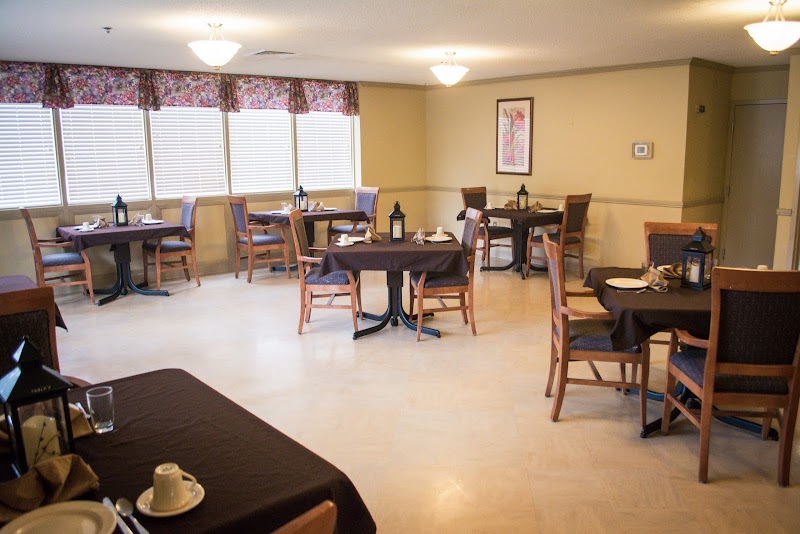
How is Pickerington Care And Rehabilitation Staffed?

CMS rates PICKERINGTON CARE AND REHABILITATION's staffing level at 2 out of 5 stars, which is below average compared to other nursing homes. Staff turnover is 46%, compared to the Ohio average of 46%.

What Have Inspectors Found at Pickerington Care And Rehabilitation?

State health inspectors documented 35 deficiencies at PICKERINGTON CARE AND REHABILITATION during 2021 to 2024. These included: 34 with potential for harm and 1 minor or isolated issues.

Who Owns and Operates Pickerington Care And Rehabilitation?

PICKERINGTON CARE AND REHABILITATION is owned by a for-profit company. For-profit facilities operate as businesses with obligations to shareholders or private owners. The facility is operated by EMBASSY HEALTHCARE, a chain that manages multiple nursing homes. With 96 certified beds and approximately 73 residents (about 76% occupancy), it is a smaller facility located in PICKERINGTON, Ohio.
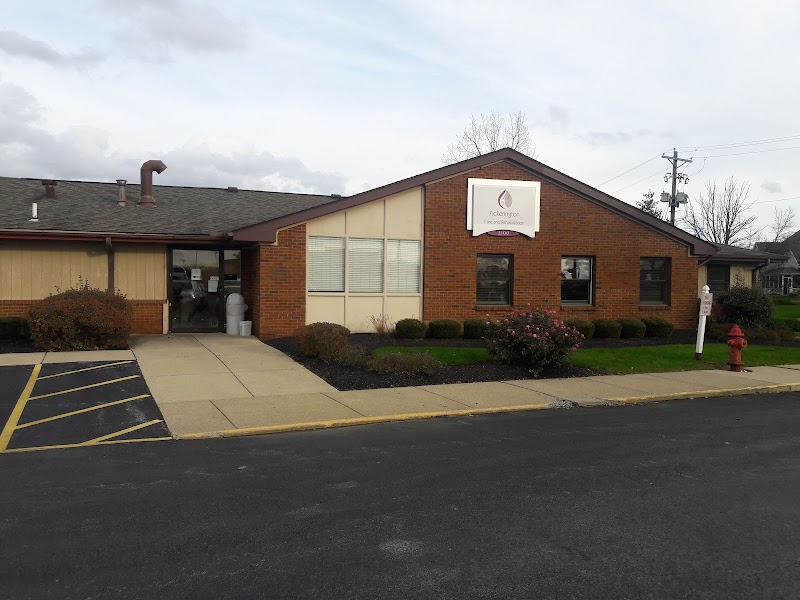
How Does Pickerington Care And Rehabilitation Compare to Other Ohio Nursing Homes?

Compared to the 100 nursing homes in Ohio, PICKERINGTON CARE AND REHABILITATION's overall rating (4 stars) is above the state average of 3.2, staff turnover (46%) is near the state average of 46%, and health inspection rating (3 stars) is at the national benchmark.

What Should Families Ask When Visiting Pickerington Care And Rehabilitation?

Based on this facility's data, families visiting should ask: "Can you walk me through typical staffing levels on day, evening, and night shifts?" "Can I visit during a mealtime to observe dining assistance and food quality?" "How do you handle medical emergencies, and what is your hospital transfer rate?" "Can I speak with family members of current residents about their experience?" These questions are particularly relevant given the below-average staffing rating.

Is Pickerington Care And Rehabilitation Safe?

Based on CMS inspection data, PICKERINGTON CARE AND REHABILITATION has a clean safety record: no substantiated abuse findings (meaning no confirmed cases of resident harm), no Immediate Jeopardy citations (the most serious violation level indicating risk of serious injury or death), and is not on the Special Focus Facility watch list (a federal program monitoring the lowest-performing 1% of nursing homes). The facility has a 4-star overall rating and ranks #1 of 100 nursing homes in Ohio. While no facility is perfect, families should still ask about staff-to-resident ratios and recent inspection results during their visit.

Do Nurses at Pickerington Care And Rehabilitation Stick Around?

PICKERINGTON CARE AND REHABILITATION has a staff turnover rate of 46%, which is about average for Ohio nursing homes (state average: 46%). Moderate turnover is common in nursing homes, but families should still ask about staff tenure and how the facility maintains care continuity when employees leave.

Was Pickerington Care And Rehabilitation Ever Fined?

PICKERINGTON CARE AND REHABILITATION has no federal fines on record. CMS issues fines when nursing homes fail to meet care standards or don't correct problems found during inspections. The absence of fines suggests the facility has either maintained compliance or corrected any issues before penalties were assessed. This is a positive indicator, though families should still review recent inspection reports for the full picture.

Is Pickerington Care And Rehabilitation on Any Federal Watch List?

PICKERINGTON CARE AND REHABILITATION is not on any federal watch list. The most significant is the Special Focus Facility (SFF) program, which identifies the bottom 1% of nursing homes nationally based on persistent, serious quality problems. Not being on this list means the facility has avoided the pattern of deficiencies that triggers enhanced federal oversight. This is a positive indicator, though families should still review the facility's inspection history directly.