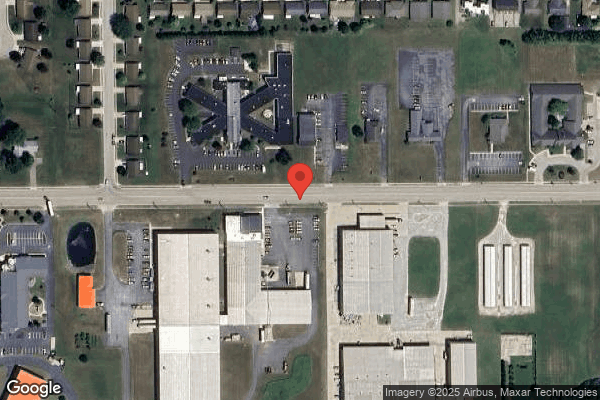
PIQUA MANOR

1840 WEST HIGH STREET, PIQUA, OH 45356 (937) 773-0040
For profit - Corporation 99 Beds HCF MANAGEMENT Data: November 2025
Trust Grade
65/100
#323 of 913 in OH
Last Inspection: June 2023

Over 2 years since last inspection. Current conditions may differ from available data.

Overview

Piqua Manor has received a Trust Grade of C+, indicating it is slightly above average in quality but not exceptional. It ranks #323 out of 913 nursing homes in Ohio, placing it in the top half, and is the best option among the six facilities in Miami County. The facility's performance is stable, with two issues reported in both 2024 and 2025. Staffing is average with a 3/5 rating and a turnover rate of 41%, which is slightly better than the state average. While there have been no fines, which is a positive sign, there have been serious incidents, including a resident suffering fractures after falling from a bed when staff left the bedside. Additionally, there were concerns about infection control practices, such as a nurse touching medications without gloves, which could risk spreading infection. Overall, Piqua Manor shows some strengths, like good health inspection ratings, but families should be aware of the incidents and strive for improvements in care practices.

Trust Score
C+
65/100
In Ohio
#323/913
Top 35%
Safety Record
Moderate
Needs review
Inspections
Holding Steady
2 → 2 violations
Staff Stability
○ Average
41% turnover. Near Ohio's 48% average. Typical for the industry.
Penalties
✓ Good
No fines on record. Clean compliance history, better than most Ohio facilities.
Skilled Nurses
○ Average
Each resident gets 37 minutes of Registered Nurse (RN) attention daily — about average for Ohio. RNs are the most trained staff who monitor for health changes.
Violations
⚠ Watch
22 deficiencies on record. Higher than average. Multiple issues found across inspections.
★★★★☆
4.0
Overall Rating
★★★☆☆
3.0
Staff Levels
★★★★☆
4.0
Care Quality
★★★★☆
4.0
Inspection Score
Stable
2024: 2 issues
2025: 2 issues

The Good

  • 4-Star Quality Measures · Strong clinical quality outcomes
  • Full Sprinkler Coverage · Fire safety systems throughout facility
  • No fines on record
  • Staff turnover below average (41%)

    7 points below Ohio average of 48%

Facility shows strength in quality measures, fire safety.

The Bad

Staff Turnover: 41%

Near Ohio avg (46%)

Typical for the industry

Chain: HCF MANAGEMENT

Part of a multi-facility chain

Ask about local staffing decisions and management

The Ugly 22 deficiencies on record

1 actual harm
Aug 2025 2 deficiencies
CONCERN (D) 📢 Someone Reported This

A family member, employee, or ombudsman was alarmed enough to file a formal complaint

Potential for Harm - no one hurt, but risky conditions existed

Report Alleged Abuse (Tag F0609)

Could have caused harm · This affected 1 resident

Based on medical record review, staff interviews, review of the facility investigation information and policy review, the facility failed to report an allegation of abuse. This affected one (#85) resi...

Read full inspector narrative →
Based on medical record review, staff interviews, review of the facility investigation information and policy review, the facility failed to report an allegation of abuse. This affected one (#85) resident out of three reviewed for abuse. The facility census was 90.Findings include:Review of the medical record for Resident #85 revealed an admission date of 08/26/22 with medical diagnoses of senile degeneration of brain, hypertension, diabetes mellitus, and unspecified psychosis. Review of an annual Minimum Data Set (MDS) assessment, dated 06/02/25, indicated Resident #85 had severe cognitive impairment and required partial/moderate staff assistance with bathing/showers, supervision with bed mobility and transfers, and set-up assistance with eating. Interviews on 08/22/25 between 9:30 A.M and 10:26 A.M. with Licensed Practical Nurse (LPN) #207 and #205 and Certified Nursing Assistant (CNA) #202, #217, and #227 all stated they were aware of an allegation that CNA #220 took a photo of Resident #85 when the resident was walking in her room topless. They all confirmed they had not been working on 06/13/25, the day of the allegation, but confirmed they received education on the facility policy for phone use at work. Interview on 08/22/25 at 11:00 A.M. with Housekeeper #231 stated on 06/13/25 she was at the nurses' station across from Resident #85's room and observed Resident #85 walking toward the closet in her room. Housekeeper #231 stated Resident #85 had pants on but was topless. Housekeeper #231 stated she observed CNA #220 state Oh, look at Resident #85. I need to take a picture and sent to Resident #85's daughter. Housekeeper #231 stated she observed STNA #220 take her phone out of her pocket, and appeared she take a picture of Resident #85. Housekeeper #231 stated she immediately reported the incident to the facility Administrator. Interview on 08/22/25 at 11:32 A.M. with Director of Nursing (DON) confirmed an allegation of abuse had been made that CNA #220 took a photo of Resident #85 while she was in her room and topless. DON stated the Administrator had been made aware of the allegation of abuse and interviewed witnesses CNA #211 and Housekeeper #231 and took their statements. DON also stated the Administrator interviewed CNA #220 who denied taking a picture of Resident #85. DON confirmed Administrator did not interview the two CNAs in training who were also present at the time of the incident per witness statements. DON confirmed the facility had not completed a Self-Reported Incident or notified Ohio Department of Health as per regulations. DON confirmed CNA #220 had been terminated on 06/13/25. Review of the facility policy titled, Abuse, Neglect, Injuries of Unknown Source, and/or Misappropriation of Resident Property, stated the facility would investigate all alleged violations involving Abuse, Neglect, Exploitation, Mistreatment of a resident or Misappropriation of Resident Property, including injury of unknown source, in accordance with the policy. Mistreatment was defined as inappropriate treatment or exploitation of a resident. The policy stated all allegations of abuse, neglect, exploitation, mistreatment of a resident, or misappropriation of resident property, and all injuries of unknown source must be immediately reported to Administrator. The policy stated allegations of abuse or serious bodily injury must be reported to Ohio Department of Health (ODH) immediately, but no later than two hours after the allegation was made. The policy continued to state the Administrator, or his/her designee would notify ODH all alleged violations involving abuse, neglect, exploitation, mistreatment of a resident, or misappropriation of resident property, and all injuries of unknown source as soon as possible but in no event later than 24 hours from the time the incident/allegation was made known to the staff member. The policy stated the investigation protocol included interviewing the resident, the accused and any witnesses.This deficiency represents non-compliance investigated under Complaint Number 1385924.
CONCERN (D) 📢 Someone Reported This

A family member, employee, or ombudsman was alarmed enough to file a formal complaint

Potential for Harm - no one hurt, but risky conditions existed

Investigate Abuse (Tag F0610)

Could have caused harm · This affected 1 resident

Based on medical record review, staff interviews, review of the facility investigation information and facility policy review, the facility failed to thoroughly investigate an allegation of abuse. Thi...

Read full inspector narrative →
Based on medical record review, staff interviews, review of the facility investigation information and facility policy review, the facility failed to thoroughly investigate an allegation of abuse. This affected one resident (#85) out of three reviewed for abuse. The facility census was 90.Findings include:Review of the medical record for Resident #85 revealed an admission date of 08/26/22 with medical diagnoses of senile degeneration of brain, hypertension, diabetes mellitus, and unspecified psychosis. Review of an annual Minimum Data Set (MDS) assessment, dated 06/02/25, indicated Resident #85 had severe cognitive impairment and required partial/moderate staff assistance with bathing/showers, supervision with bed mobility and transfers, and set-up assistance with eating. Interviews on 08/22/25 between 9:30 A.M and 10:26 A.M. with Licensed Practical Nurse (LPN) #207 and #205 and Certified Nursing Assistant (CNA) #202, #217, and #227 all stated they were aware of an allegation that CNA #220 took a photo of Resident #85 when the resident was walking in her room topless. They all confirmed that they had not been working on 06/13/25, the day of the allegation, but confirmed they received education on the facility policy for phone use at work. Interview on 08/22/25 at 11:00 A.M. with Housekeeper #231 stated on 06/13/25 she was at the nurses' station across from Resident #85's room and observed Resident #85 walking toward the closet in her room. Housekeeper #231 stated Resident #85 had pants on but was topless. Housekeeper #231 stated she observed CNA #220 state Oh, look at Resident #85. I need to take a picture and sent to Resident #85's daughter. Housekeeper #231 stated she observed CNA #220 take her phone out of her pocket, and appeared she take a picture of Resident #85. Housekeeper #231 stated she immediately reported the incident to the facility Administrator. Interview on 08/22/25 at 11:32 A.M. with Director of Nursing (DON) confirmed an allegation of abuse had been made that CNA #220 took a photo of Resident #85 while she was in her room and topless. DON stated the Administrator had been made aware of the allegation of abuse and interviewed witnesses CNA #211 and Housekeeper #231 and took their statements. DON also stated the Administrator interviewed CNA #220 who denied taking a picture of Resident #85. DON confirmed Administrator did not interview the two CNAs in training who were also present at the time of the incident per witness statements. DON confirmed the facility had not completed a Self-Reported Incident or notified Ohio Department of Health as per regulations. DON confirmed CNA #220 had been terminated on 06/13/25. Review of the facility investigation documentation revealed on 06/13/25 Administrator obtained witness statements from Housekeeper #231, CNA #211 and CNA #220. Review of witness statement from CNA #211 revealed documentation to support two CNAs in training were also present at the time of the incident. Review of the facility investigation information did not contain documentation to support the two CNAs in training were interviewed. Further review of the investigation revealed no documentation to support any residents on the hall were interviewed for concerns of abuse. Review of the facility policy titled, Abuse, Neglect, Injuries of Unknown Source, and/or Misappropriation of Resident Property, stated the facility would investigate all alleged violations involving Abuse, Neglect, Exploitation, Mistreatment of a resident or Misappropriation of Resident Property, including injury of unknown source, in accordance with the policy. Mistreatment was defined as inappropriate treatment or exploitation of a resident. The policy stated all allegations of abuse, neglect, exploitation, mistreatment of a resident, or misappropriation of resident property, and all injuries of unknown source must be immediately reported to Administrator. The policy stated allegations of abuse or serious bodily injury must be reported to Ohio Department of Health (ODH) immediately, but no later than two hours after the allegation was made. The policy continued to state the Administrator, or his/her designee would notify ODH all alleged violations involving abuse, neglect, exploitation, mistreatment of a resident, or misappropriation of resident property, and all injuries of unknown source as soon as possible but in no event later than 24 hours from the time the incident/allegation was made known to the staff member. The policy stated the investigation protocol included interviewing the resident, the accused and any witnesses.This deficiency represents non-compliance investigated under Complaint Number 1385924.
Feb 2024 2 deficiencies
CONCERN (D) 📢 Someone Reported This

A family member, employee, or ombudsman was alarmed enough to file a formal complaint

Potential for Harm - no one hurt, but risky conditions existed

ADL Care (Tag F0677)

Could have caused harm · This affected 1 resident

**NOTE- TERMS IN BRACKETS HAVE BEEN EDITED TO PROTECT CONFIDENTIALITY** Based on medical record review, observations, interviews, and policy review, the facility failed to ensure showers were provided...

Read full inspector narrative →
**NOTE- TERMS IN BRACKETS HAVE BEEN EDITED TO PROTECT CONFIDENTIALITY** Based on medical record review, observations, interviews, and policy review, the facility failed to ensure showers were provided as scheduled. This affected three (Residents #89, #72 #85) of three residents reviewed for bathing. The facility census was 94. Findings include: 1. Medical record review for Resident #89 revealed an admission date of 02/12/24 with diagnoses including but not limited to stroke, diabetes mellitus type two, carpel tunnel bilateral upper extremities, hypertension and repeated falls. Review of the Minimum Data Set (MDS) assessment dated [DATE] revealed the assessment was not completed at the time of the survey. Review of the plan of care for Resident #89 dated 02/23/24 revealed Resident #89 had an activities of daily living (ADL) self care performance deficit related to hypertension, stroke, diabetes, and cognitive impairment. Interventions included resident requires one staff participation with bathing, supervision with transfers and encouragement to use call bell for assistance. Observation and interview on 02/22/24 at 4:14 P.M. of Resident #89 stated he could not remember when his last shower was provided. Further stated unable to recall what day his showers were scheduled. Review of the response history documentation for Resident #89 dated 02/12/24 through 02/26/24 revealed no showers were documented as given for Resident #89. Interview on 02/27/24 at 2:19 P.M. with Corporate Registered Nurse (RN) #350 verified the facility did not have any additional documentation to indicate showers were provided for Resident #89. Further verified showers should have been completed two times a week. 2. Medical record review for Resident #72 revealed an admission date of 01/30/24 with diagnoses including but not limited to iron deficiency anemia, arteriovenous malformation of cerebral vessels, hypertension, and atrial fibrillation. Review of the Minimum Data Set (MDS) assessment dated [DATE] revealed the assessment was not completed at the time of the survey. Review of the plan of care for Resident #72 dated 2/12/24 revealed the resident had an ADL care performance deficit related to hemiplegia, limited mobility, pain, weakness, arteriovenous malformation of cerebral vessels. Interventions included physical therapy evaluation, occupational therapy evaluation, transfers with one or two staff members, use call bell for assistance and encourage resident to participate with each interaction. Review of the response history documentation for Resident #72 dated 01/26/24 through 02/26/24 revealed two showers were documented as given for Resident #72. Interview on 02/26/24 at 10:15 A.M. with Resident #72 revealed he was unsure of what days he received showers. Interview on 02/27/24 at 2:19 P.M. with Corporate (RN) #350 verified the facility documentation did not reflect any showers had been provided as scheduled and the facility did not have any additional documentation to indicate showers were provided for Resident #85. Further verified showers should have been completed two times a week. 3. Medical record review for Resident #85 revealed an admission date of 04/06/15 with diagnoses including but not limited to maxillary fracture, protein calorie malnutrition, dementia, urinary retention, and heart failure. Review of the MDS assessment dated [DATE] for Resident #85 revealed impaired cognition. Resident #85 was not coded with refusal for care during the assessment period. The resident required extensive assistance for bed mobility, transfers, bathing and toileting. Review of the plan of care for Resident #85 dated 12/26/23 revealed the resident had an ADL self-care performance deficit related to impaired balance, limited mobility and weakness. Interventions included physical therapy evaluation, occupational therapy evaluation, transfers with one or two staff members, use call bell for assistance and encourage resident to participate with each interaction. Review of the response history documentation for Resident #85 dated 01/26/24 through 02/26/24 revealed no showers were documented as given for Resident #85. Interview on 02/27/24 at 2:19 P.M. with Corporate (RN) #350 verified the documentation did not reflect any showers had been provided as scheduled and the facility did not have any additional documentation to indicate showers were provided for Resident #85. Further verified showers should have been completed two times a week. Review of the facility policy titled, Quality of Care Policy/Activities of Daily Living, dated 04/29/16 revealed a resident who is unable to carryout activities of daily living receives the necessary services to maintain good nutrition, grooming, personal and oral hygiene. This deficiency represents non-compliance investigated under Complaint Number OH00149959.
CONCERN (D) 📢 Someone Reported This

A family member, employee, or ombudsman was alarmed enough to file a formal complaint

Potential for Harm - no one hurt, but risky conditions existed

Pharmacy Services (Tag F0755)

Could have caused harm · This affected 1 resident

**NOTE- TERMS IN BRACKETS HAVE BEEN EDITED TO PROTECT CONFIDENTIALITY** THE FOLLOWING DEFICIENCY REPRESENTS AN INCIDENT OF PAST NONCOMPLIANCE THAT WAS SUBSEQUENTLY CORRECTED PRIOR TO THIS SURVEY. Base...

Read full inspector narrative →
**NOTE- TERMS IN BRACKETS HAVE BEEN EDITED TO PROTECT CONFIDENTIALITY** THE FOLLOWING DEFICIENCY REPRESENTS AN INCIDENT OF PAST NONCOMPLIANCE THAT WAS SUBSEQUENTLY CORRECTED PRIOR TO THIS SURVEY. Based on medical record review, facility investigation review, observations, staff and resident interviews, and facility policy review, the facility failed to administer medications according to the physician orders. This affected one (Resident #95) of three residents reviewed for medication errors. The census was 94. Findings include: Review of Resident #95's medical record revealed an admission date of 01/08/24 and discharge date of 01/19/24. Diagnoses included bacterial pneumonia, kidney disease, spinal enthesopathy, viral hepatitis C, wedge compression fracture, gout, non-Hodgkin lymphoma, irritable bowel syndrome, bipolar disorder, depression, diabetes, and high blood pressure. Review of the comprehensive Minimum Data Set (MDS) dated [DATE] revealed Resident #95 had no cognitive impairments. Resident #95 required limited assistance with bed mobility, transfers, toileting, and supervision for eating. Review of the physician orders for Resident #95 revealed an order dated 01/09/24 for Pregabalin Oral Capsule 25 milligrams (mg) one tablet daily for pain. Review of the facility medication incident report dated 01/10/24 revealed on 01/10/24 Resident #95 received Pregabalin Oral Capsule 25 mg two tablets instead of one tablet as ordered. Further review of the incident report revealed the licensed practical nurse failed to verify the order against the medication administration record before administering the incorrect dosage. Review of the pharmacy label for Resident #95 revealed the medication was filled on 01/08/24. Further review of the pharmacy label for Resident #95 revealed Pregabalin Oral Capsule 25 mg two tablets to equal 50 gm by mouth daily. Interview on 02/22/24 at 10:19 A.M. with Physician #140 verified Resident #95 had no long lasting effects from the medication error. Interview on 02/22/24 at 4:39 P.M. with Pharmacist #99 verified the label on the Pregabalin medication was not correct and should have been only one tablet. A prior prescription was used in error. Interview with the Administrator on 02/22/24 at 4:50 P.M. verified Resident #95 was given medication in error due to the nurse following the medication label and not checking it against the medication administration record first. Review of the facility policy titled, Medication Errors Policy, dated 04/29/26 revealed an error is considered when the administration of medications are given which are not in accordance with the physician orders. As a result of the incident, the facility took the following actions to correct the deficient practice by 01/19/24: • On 01/10/24, the facility notified the physician and the family of the medication error. • The medication was removed from the med cart. • On 01/10/24, Resident #95 was fully assessed by facility nursing and deemed to be in good health; there were no injuries or health declines noted. • On 01/10/24, the pharmacy was notified of the wrong prescription directions written on the label of the medication for Resident #95 • On 01/10/24, the nurse administering the medication was educated and disciplined. • On 01/19/24, the Director of Nursing audited 100 percent of all medication cards and verified no other medications differed from the MAR. • On 01/19/24, all licensed nurses were provided education regarding medication. • On 02/22/24, the facility completed follow-up cart audits with no additional problems noted. This deficiency represents non-compliance investigated under Complaint Number OH00150851.
Jun 2023 3 deficiencies
CONCERN (D)

Potential for Harm - no one hurt, but risky conditions existed

Resident Rights (Tag F0550)

Could have caused harm · This affected 1 resident

**NOTE- TERMS IN BRACKETS HAVE BEEN EDITED TO PROTECT CONFIDENTIALITY** Based on observations, medical record review, and staff interview, the facility failed to provide privacy for residents receivin...

Read full inspector narrative →
**NOTE- TERMS IN BRACKETS HAVE BEEN EDITED TO PROTECT CONFIDENTIALITY** Based on observations, medical record review, and staff interview, the facility failed to provide privacy for residents receiving enteral feedings/flushes via gastrostomy tube (g-tube). This affected two residents (#71 and #72) of three residents reviewed for dignity and respect. The facility census was 79. Findings include: 1. Medical record review for Resident #71 revealed an admission date on 05/19/23 with diagnoses including, but not limited to, acute respiratory failure, anxiety, overactive bladder, epilepsy, hypertension, and lupus. Review of the comprehensive Minimum Data Set (MDS) assessment dated [DATE] for Resident #71, revealed the resident had severely impaired cognition. Resident #71 required total dependence for eating and received all nutritional intake via a feeding tube. Review of the plan of care for Resident #71, revealed the resident was at risk for alteration in nutrition/hydration needs and the resident was dependent on staff for all nutritional and hydration needs via an enteral feeding tube. Review of the physician's orders dated 06/18/23 or Resident #71, revealed an order for Diabetisource AC (enteral liquid nutrition administered through an artificial opening in the abdomen) per g-tube at 55 milliliter/hour (mL/hr.) from 6:00 A.M. to 10:00 P.M. Orders revealed to flush the g-tube every six hours with 200 mL of water. Observation of Resident #71 on 06/28/23 at 05:30 P.M., revealed the resident was positioned in a Geri-chair in the hallway in front of the nursing station with Licensed Practical Nurse (LPN) #113 administering a water flush via the resident's g-tube. Resident #71 was observed to have an exposed abdominal area allowing visualization of the g-tube insertion site. At the same time, visitors for other residents were observed walking past Resident #71. Interview on 06/28/23 at 05:42 P.M. with LPN #105, verified all enteral feedings should occur in the resident's room or in a private area. Interview on 06/28/23 at 05:49 P.M. with LPN #113 verified she administered a water flush to Resident #71 via a g-tube in the hallway and did not provide the resident with any privacy during procedure. LPN #113 verified visitors were in the immediate area and could have observed the resident during the procedure. 2. Medical record review for Resident #72 revealed an admission date of 05/05/23 with diagnoses including, but not limited to, cerebral infarction, urinary tract infection, neurofunction of bladder, hypertension, hyperlipidemia, and hemiplegia and hemiparesis. Review of the comprehensive MDS assessment dated [DATE] for Resident #72, revealed the resident had severely impaired cognition. Resident #72 was dependent on staff for enteral feeding. Review of the plan of care for Resident #72, revealed the resident had a feeding tube related to dysphagia and was dependent on staff for tube feedings and flushes. Review of the physician's orders dated 06/06/23 for Resident #72, revealed an order for nothing by mouth (NPO) and enteral feeds every four to six hours for hydration and nutritional needs via the resident's g-tube. Observation of Resident #72's room on 06/28/23 at 5:39 P.M. with LPN #105, revealed the resident positioned in the bed with the room door open and LPN #113 was standing at the bedside administering a liquid nutrition supplement via the resident's g-tube. Observation also revealed the resident's abdominal region was uncovered allowing visualization of his g-tube insertion site. Interview on 06/28/23 at 05:42 P.M. with LPN #105 indicated all enteral feedings should occur in the resident's room and/or in a private area. LPN #105 verified the door to Resident #72's room was open as LPN #113 provided the enteral feeding via G-tube. LPN #105 indicated Resident #72's door should have been closed, or a curtain pulled to provide the resident with privacy. Interview on 06/28/23 at 05:49 P.M. with LPN #113 verified she was administered the nutritional supplement to Resident #72 via G-tube and did not provide the resident with privacy during the procedure.
CONCERN (D)

Potential for Harm - no one hurt, but risky conditions existed

Deficiency F0761 (Tag F0761)

Could have caused harm · This affected 1 resident

**NOTE- TERMS IN BRACKETS HAVE BEEN EDITED TO PROTECT CONFIDENTIALITY** Based on medical record review, staff interview, observations and review of facility policy, the facility failed to ensure pharm...

Read full inspector narrative →
**NOTE- TERMS IN BRACKETS HAVE BEEN EDITED TO PROTECT CONFIDENTIALITY** Based on medical record review, staff interview, observations and review of facility policy, the facility failed to ensure pharmaceutical medications were stored properly. This affected three residents (#17, #42 and #62) reviewed for medication storage. Facility census was 79. Findings include: 1. Medical record for Resident #17 revealed an admission date of 08/30/22 with diagnoses including, but not limited to, depression, low back pain, hypertension, right artificial hip joint and history of falling. Review of the quarterly Minimum Data Set (MDS) assessment dated [DATE] for Resident #17 revealed a mildly impaired cognition. Review of the active physician's orders dated 10/05/22 for Resident #17, revealed an order for Bengay greaseless external cream (over the counter topical pain cream) 15 percent apply to affected areas as needed and Norco (narcotic pain reliever) tablet 5-325 milligrams (mg) one tablet every six hours. Observation on 06/26/23 at 12:24 P.M. of Resident #17's bedside table revealed a tube of Bengay pain relieving cream at bedside. Interview with Resident #42 at the same time, revealed she asked the nurses to apply the medication when she could not reach it. Interview on 06/26/23 at 1:10 P.M. with Licensed Practical Nurse (LPN) #01 verified the tube of Bengay was in Resident #17's room and should not have been as the resident does not have an order for medication self-administration. Observation of Resident #17's room on 06/29/23 at 2:17 P.M with Corporate Registered Nurse (RN) #300 and Director of Nursing (DON) #117, revealed a white tablet in a clear medication administration cup on bedside table. Interview on 06/29/23 at 2:20 P.M. with Corporate RN #300 verified the observation of the white tablet in the medication cup and further verified medication should not have been left in the room unsupervised. Interview on 06/29/29 at 2:25 P.M. with LPN #18 verified she left a Norco 5-325 mg tablet in Resident #17's room without observation of the medication administration. 2. Medical record review for Resident #42 revealed an admission date of 02/14/22 with diagnoses including, but not limited to, cardiomyopathy, intervertebral disc degeneration, hypothyroidism stage three chronic kidney disease, and congestive heart failure. Review of the quarterly MDS assessment dated [DATE] for Resident #42 revealed an impaired cognition. Observation on 06/26/23 at 11:53 A.M. of Resident #42's bathroom, revealed a partially empty bottle of chlorhexidine gluconate 0.12 percent mouthwash dated 11/05/22 with a prescription pharmacy label affixed. Interview on 06/26/23 at 11:59 A.M. with LPN #113 verified Resident #42 does not have a current order for the chlorhexidine mouthwash. LPN #113 verified the medication mouth should not be in the resident's bathroom. Review of June 2023 physician orders for Resident #42 revealed no active orders for chlorhexidine gluconate 0.12 percent mouthwash. 3. Medical record review for Resident #62 revealed an admission date of 03/28/22 with diagnoses including, but not limited to, irritable bowel syndrome, unspecified psychosis, and Alzheimer's disease. Review of the quarterly MDS assessment dated [DATE] for Resident #62, revealed an intact cognition. Observation of Resident #62's room on 06/26/23 at 2:25 P.M. revealed a bottle of nystatin powder on the resident bathroom sink a prescription pharmacy label affixed. Interview on 06/26/23 at 2:31 P.M. with LPN #113 stated the medication should not be left in the resident's room. Review of the June 2023 physician's order for Resident #62 revealed an order to cleanse under bilateral breasts with soap and water and pat dry and apply antifungal powder (nystatin) two times a day and as needed. Review of 03/30/22 facility policy titled Medication Storage in the Facility revealed medications and biologicals will be stored safely, securely, and properly and medications are accessible only to licensed nursing personnel or staff member lawfully authorized to administer medications.
CONCERN (D)

Potential for Harm - no one hurt, but risky conditions existed

Infection Control (Tag F0880)

Could have caused harm · This affected 1 resident

**NOTE- TERMS IN BRACKETS HAVE BEEN EDITED TO PROTECT CONFIDENTIALITY** 3. Review of medical record for Resident #69 revealed admission date of 05/19/23. The resident was admitted with diagnoses inclu...

Read full inspector narrative →
**NOTE- TERMS IN BRACKETS HAVE BEEN EDITED TO PROTECT CONFIDENTIALITY** 3. Review of medical record for Resident #69 revealed admission date of 05/19/23. The resident was admitted with diagnoses including non-traumatic subarachnoid hemorrhage, anxiety, and chronic obstructive pulmonary disease. The admission MDS assessment dated [DATE] for Resident #69 revealed the resident had a Brief Interview Mental Status (BIMS) score of 06 indicating impaired cognition. She required extensive two-person assistance for bed mobility, transfers, toileting, and total dependence for eating. Observation of the medication administration on 06/28/23 at 8:19 A.M., revealed LPN #115 entered Resident #69's room with gloves on and no other Personal Protective Equipment (PPE) to administer the resident's morning medication. Observation revealed a posted sign on the exterior of the resident's door frame, which indicated the resident was on EBP. The sign indicated providers and staff must wear gloves and a gown for high contact care activities including central line, urinary catheter, feeding tube, and tracheostomy. Continued observation revealed Resident #69 was positioned in the bed and LPN #115 pulled up the resident's gown to expose a jejunostomy tube (j-tube). LPN #115 was observed to administer the resident's medications through the residents j-tube with no protective gown in place. Interview on 06/28/23 at 8:29 A.M., with LPN #115, verified he did not wear a protective gown as he administered medications to Resident #69 via his j-tube. Review of the facility's policy titled Enhance Barrier Precautions dated August 2022 revealed it is the intent of the facility to use EBP in addition to standard precautions for residents to prevent transmission of multi-drug resistant organisms (MDROs) in their care community. All personnel must wear gloves when high-contact resident care activities are being performed. Shared resident care equipment should be clean and disinfected. High contact resident care activities listed were dressing, bathing/showering, transferring, providing hygiene, changing linens, changing attends, or assisting with toileting, device care or use: central line, urinary catheter, feeding tube, tracheostomy/ventilator, wound care: any skin opening requiring a dressing. Based on observation, staff interview and policy review, the facility failed to ensure staff followed Enhanced Barrier Precautions (EBPs) during personal care. This affected three residents (#69, #71, and #72) of the five residents reviewed for infection control. Facility identified 39 residents who were on EBPs. The facility census was 79. Findings include: 1. Medical record review for Resident #71 revealed an admission date on 05/19/23 with diagnoses that included, but not limited to, acute respiratory failure, anxiety, overactive bladder, epilepsy, hypertension, and lupus. Review of the comprehensive Minimum Data Set (MDS) assessment dated [DATE] for Resident #71, revealed the resident had severely impaired cognition. Resident #71 required extensive assistance from two staff members for bed mobility, transfers, and toileting. Resident #71 required total dependence for eating. Resident #71 received all nutritional intake via feeding tube. Review of the plan of care dated 05/23/23 for Resident #71, revealed the resident had a gastrostomy tube (g-tube) and was in EBPs. Interventions include educate family/resident and staff on EBPs, monitor for psychosocial effects, encourage participating in activities, and go to the dining room for meals and report any concerns. Review of the physician's orders dated 06/18/23 or Resident #71, revealed an order for Diabetisource AC (enteral liquid nutrition administered through an artificial opening in the abdomen) per g-tube at 55 milliliter/hour (mL/hr.) from 6:00 A.M. to 10:00 P.M. Orders revealed to flush the g-tube every six hours with 200 mL of water. Observation on 06/26/23 at 10:20 A.M. of Resident #71's room entrance, revealed a posted sign which indicated providers and staff must wear gloves and a gown for high contact care activities including central line, urinary catheter, feeding tube, and tracheostomy. Observation of Resident #71 on 06/28/23 at 05:30 P.M., revealed the resident was positioned in a Geri-chair in the hallway in front of the nursing station with Licensed Practical Nurse (LPN) #113 administering a water flush via the resident's g-tube. Observation revealed LPN #113 did not have a gown on per EBPs. Interview on 06/28/23 at 05:42 P.M. with LPN #105, verified all staff should be wearing a protective gown when completing any g-tube procedures on Resident #71 due to the resident being on EBPs. Interview on 06/28/23 at 05:49 P.M. with LPN #113, verified she administered a water flush through Resident #71's g-tube who was on EBPs and she was not wearing a protective gown during the procedure and should have been. 2. Medical record review for Resident #72 revealed an admission date of 05/05/23 with diagnoses including, but not limited to, cerebral infarction, urinary tract infection, neurofunction of bladder, hypertension, hyperlipidemia, and hemiplegia and hemiparesis. Review of the comprehensive MDS assessment dated [DATE] for Resident #72, revealed a severe cognitive impairment. Resident #72 required extensive assistance from two staff for bed mobility, and total dependence for toileting, and transfers from two staff members. Resident #72 received abdominal tube feeding. Review of the plan of care for Resident #72 revised on 06/28/23, revealed the resident had g-tube and was on EBPs. Interventions include educate family/resident and staff on EBPs, monitor for psychosocial effects, encourage the resident to participate in activities, and go to the dining room for meals and report any concerns. Review of the physician's orders dated 06/06/23 for Resident #72, revealed an order for nothing by mouth (NPO), 225 milliliters (ml) water flush every four hours via g-tube for hydration, and an enteral feed of 360 milliliter liquid bolus every six hours via g-tube. Observation on 06/26/23 at 11.31 A.M. of Resident #72's room entrance revealed a posted sign which indicated providers and staff must wear gloves and a gown for high contact care activities including central line, urinary catheter, feeding tube, and tracheostomy. Observation of Resident #72's room on 06/28/23 at 5:39 P.M. with LPN #105, revealed the resident was resting in bed with the door to the room open and LPN #113 was standing at the bedside administering a liquid nutritional supplement to the resident via the resident's g-tube and without wearing a protective gown. Interview on 06/28/23 at 05:42 P.M. with LPN #105 verified Resident #72 was on EBPs and LPN #113 should have been wearing a protective gown during the g-tube feeding. Interview on 06/28/23 at 05:49 P.M. with LPN #113 verified that she was administering nutritional supplement to Resident #72 via a g-tube and did not have a protective gown on and should have according to the EBPs.
Mar 2023 1 deficiency 1 Harm
SERIOUS (G) 📢 Someone Reported This

A family member, employee, or ombudsman was alarmed enough to file a formal complaint

Actual Harm - a resident was hurt due to facility failures

Accident Prevention (Tag F0689)

A resident was harmed · This affected 1 resident

**NOTE- TERMS IN BRACKETS HAVE BEEN EDITED TO PROTECT CONFIDENTIALITY** Based on medical record review, staff interview, review of the fall investigation, and policy review, the facility failed to ens...

Read full inspector narrative →
**NOTE- TERMS IN BRACKETS HAVE BEEN EDITED TO PROTECT CONFIDENTIALITY** Based on medical record review, staff interview, review of the fall investigation, and policy review, the facility failed to ensure care was provided in a manner to prevent an avoidable fall with injury and was not initially thoroughly investigated to determine the root cause analysis to identify potential hazards to reduce and/or eliminate falls with major injury. This resulted in Actual Harm when State Tested Nurse Aide (STNA) #114 stepped away from the bedside while providing care for Resident #78. Subsequently, Resident #78 slid or rolled from the bed and landed on her knees complaining of right knee pain. Resident #78 was sent to the hospital where it was determined both femurs had been fractured resulting in surgical intervention. This affected one resident (#78) out of three residents reviewed for falls. The facility census was 77. Findings include: Review of the medical record for Resident #78 revealed she was admitted [DATE] and discharged [DATE]. Her diagnoses included hypertensive, osteoporosis, disorders of bone density and structure, benign neoplasm of meninges, glaucoma, obstructive sleep apnea, personal history of transient ischemic attack and cerebral infraction, and gastro-esophageal reflux disease. Review of the Minimum Data Set (MDS) admission assessment dated [DATE] revealed Resident #78 was cognitively intact. She required supervision with eating and extensive assistance with activities of daily living (ADL's). No falls since admission. Review of her Discharge MDS dated [DATE] revealed two or more falls with major injury. Review of the Care Plan for Resident #78 dated 01/03/23 revealed she was at risk for falls related to unsteady gait and balance and with a diagnosis of benign paroxysmal vertigo. Interventions included ensuring call light was within reach and encouraging use, encouraged to sit in beside chair or wheelchair and not the side of the bed, encourage appropriate footwear, monitor for dizziness and side effects of medication, therapy evaluation and treatment as needed, review past falls to determine cause and provide education and remove cause if possible to avoid further falls, keep environment clutter free and answer call light promptly due to urgency to use the restroom. Review of the Progress Notes for Resident #78 revealed a note dated 01/24/23 at 10:25 P.M. documenting she was sitting on the side of the bed and slid off onto her knees which was witnessed by the nurse aide. The Nurse Practitioner was notified of the fall and complaint of pain in the right knee and an order was obtained for an x-ray with a portable unit called for a stat x-ray. Review of the physician orders revealed 01/24/23 for an immediate (STAT) portable x-ray of the right knee due to being unable to stand. Review of a progress note dated 01/25/23 at 10:19 A.M. revealed the team met to discuss the fall of Resident #78 with staff reporting she sat on the edge of the bed often, but her knees did not straighten due to pain and the mass on her spine. Resident #78 was in therapy who reported she was having increased weakness and pain related to the mass on her spine making transfers more difficult. The team intervention was to encourage Resident #78 to sit in a bedside chair or her wheelchair rather than the side of the bed. Review of a progress note for Resident #78 on 01/25/23 at 2:03 P.M. revealed her x-ray results revealed a fracture of the distal femur with displacement and osteoporosis and osteoarthritis and she was sent to the hospital for additional evaluation and treatment. Review of the Fall Incident Report dated 01/24/23 revealed Resident #78 was sitting on the side of the bed and slid off onto her knees. She was assessed for injury or pain with pain medication given and an x-ray ordered following notification of the Nurse Practitioner due to voiced complaint of right knee pain. During an interview on 02/27/23 at 9:26 A.M., with the Medical Doctor (MD) #250 she reported she was told Resident #78's accident happened during care while Resident #78 was sitting on the edge of the bed and accidentally fell. She stated the residents center of gravity was off due to having a larger trunk and her diagnosis of osteoporosis was also a likely factor contributing to the injury. MD #250 reported there was no concern about the proper protocol of care as it was just an unfortunate, unavoidable accident from the information she was provided. During an interview on 02/27/23 at 3:00 P.M., with a Registered Nurse (RN) #115 she reported she had not witnessed the fall but was told by the aide who was in the room they were doing nightly care for Resident #78 when she slid from the bed landing on her knees. The Nurse Practitioner was notified of complaints of pain in her right knee and ordered an x-ray. RN #115 stated they saw no need to send her out based on the report she was given and a portable x-ray was ordered. During an additional interview at 5:17 P.M. with RN #115 she stated she assumed Resident #78 had been sitting on the side of the bed when she slid out as she had a history of sitting on the side of the bed but acknowledged she had not questioned the aide to clarify the exact details of how Resident #78 fell. During an interview on 02/27/23 at 3:12 P.M., with a Certified Nurse Aide (CAN) #110 she reported she was in training the day of the incident with Resident #78. She stated they were changing Resident #78's linens while she was in bed. The other STNA #114 was on her left side and CNA #110 was on her right. CNA #110 reported STNA #114 went to get a incontinence pad and Resident #78 slid and went to the floor falling on her knees. During an interview on 02/27/23 at 3:38 P.M., STNA #114 reported they had put Resident #78 in bed to change her and were providing incontinence care and changing her bedding. STNA #114 reported she rolled Resident #78 toward her and CNA #110 who was in training was on the other side of the bed. STNA #114 stated she moved for a second to grab a incontinence pad and Resident #78's legs slipped off the bed, she tried to catch her but just caught her top half trying to keep her from hitting her head and Resident #78 landed on the floor on her knees. During an additional interview with STNA #114 at 5:05 P.M. she reported the Incontinence pad she went to retrieve was in the bathroom, she saw Resident #78 starting to fall as she was returning from the bathroom with the supplies and ran to grab her to attempt to stop her fall. She verified she had been retrained and a skills check completed before working again following this incident. During an interview on 02/27/23 at 3:48 P.M., the Nurse Practitioner (NP) #225 stated she was on call on 01/24/23 and had been contacted around 10:00 P.M. to 10:30 P.M. regarding Resident #78. She stated it was reported to her Resident #78 fell to her knees during care and was complaining of right knee pain only. Based on the information provided she had not felt the need to send Resident #78 out and ordered a portable x-ray. During an interview on 02/27/23 at 4:12 P.M., with the Administrator and the Director of Nursing (DON) they reported they initially were told by the nurse Resident #78 slid off the side of the bed, so they utilized that information for their investigation. During morning meeting it was verified Resident #78 had a history of sitting on the side of the bed and the therapists reported that due to the mass on her back her legs contracted so it was unsafe for her to sit on the edge of the bed. The intervention put in place was for Resident #78 to sit in a bed side chair or in her wheelchair rather than the edge of the bed. The Administrator and the DON then reported Resident #78's family called on Friday 01/27/23 and stated Resident #78 reported to them she rolled out of bed during care. They stated they then began a second investigation based on this information. The Administrator and the DON reported they had not spoken to the aide during the first investigation as they assumed the nurse had interviewed her prior to relaying the information about the incidents and they did not talk to the aide if there was a clear-cut picture of what had occurred. As Resident #78 had also stated she slid from the bed they assumed it was from her common behavior of sitting on the side of the bed as reported by the nurse and no one investigation further. When they interviewed the STNA #114 she reported Resident #78 slide from the bed during care. The Administrator reported STNA #114 had turned to grab supplies and tried to catch Resident #78 when she saw her begin to fall. The Administrator and the DON reported STNA #114 was provided with education and skills competency on 01/28/23 before working again after this incident. They reported there had been no ongoing or follow up monitoring since that time and no other resident who STNA #114 had provided care for or who were at risk of falls had been assessed at the time of the incident for Resident #78. During a call received by the Administrator on 03/01/23 at 10:30 A.M. she reported they reinterviewed the RN, the STNA and the CNA on 02/28/23 between the hours of 3:30 P.M. and 4:00 P.M. She stated RN #115 did not change her story, STNA #114 reported she was still at bedside and had just turned to get supplies off the night stand and CNA #110 had her hands on Resident #78 at all times and CNA #110 reported she had both hands on Resident #78 at all times but was not able to catch her when she began to slide off the bed as she was on the opposite side. When notified this was not the interview obtained by the surveyor the Administrator stated every time they talked with STNA #114 she reported new or different information. Review of the policy titled Fall -Care of Fallen Resident, revised April 2001 revealed the objective was to assess any resultant injuries sustained in a fall and provide necessary treatment. Review of the procedure revealed the resident should not be left alone while staff called for help, the resident should not be moved until examined by the nurse who should check vitals and check for injuries. Notify the doctor for any orders and the family regarding the incident. Return resident to bed or chair, leaving them comfortable and with assess to their call light. Complete documentation on an incident report and submit to the Director of Nursing. Chart on the condition of the resident following the fall and every shift for 72 hours or until resident was stable. Review of the policy titled Fall Investigation - Post-Fall Protocol, revised September 2001 revealed all falls would be investigated and appropriate interventions instituted. After each fall an incident report should be completed, a post-fall investigation should be initiated by the nurse with fall risk protocol completed within 24-72 hours after the fall and interventions noted on their care plan. This deficiency represents noncompliance in Complaint Number OH00140001.
Jun 2021 3 deficiencies
CONCERN (D)

Potential for Harm - no one hurt, but risky conditions existed

Assessment Accuracy (Tag F0641)

Could have caused harm · This affected 1 resident

**NOTE- TERMS IN BRACKETS HAVE BEEN EDITED TO PROTECT CONFIDENTIALITY** Based on medical record review and staff interview, the facility failed to accurately complete a Minimum Data Set (MDS) 3.0 Asse...

Read full inspector narrative →
**NOTE- TERMS IN BRACKETS HAVE BEEN EDITED TO PROTECT CONFIDENTIALITY** Based on medical record review and staff interview, the facility failed to accurately complete a Minimum Data Set (MDS) 3.0 Assessment for a residents discharge. This affected one (#1) out of one resident reviewed for accuracy of assessments. The facility's census was 84. Findings included: Medical record review for Resident #1 revealed an admission dated of 01/27/21. Diagnoses included, acute respiratory failure, cirrhosis of liver, anemia, dysphagia, anxiety disorder, major depressive disorder, insomnia, and chronic kidney disease. Review of Resident #1 Minimum Data Set (MDS) 3.0 Assessments history, revealed a Discharge Return Anticipated assessment was completed on 01/28/21. Review of Resident #1 progress notes revealed Resident #1 went to the hospital on [DATE]. There was no evidence the Discharge Return Anticipated assessment was modified to reflect Resident #1 did not return to the facility. Interview on 06/17/21 8:41 A.M. MDS Nurse #12 verified the Resident #1 discharged to the hospital, the resident did not return and there is no plan for the resident to return to the facility. MDS Nurse #12 verified Resident #1's MDS Discharge Return Anticipated assessment was not modified to reflect Resident #1 did not return from the hospital.
CONCERN (D)

Potential for Harm - no one hurt, but risky conditions existed

Drug Regimen Review (Tag F0756)

Could have caused harm · This affected 1 resident

Based on medical record review, staff interview, and review of facility policy, the facility failed to ensure a physician reviewed and responded to pharmacy reviews. This affected three (#47, #80 and ...

Read full inspector narrative →
Based on medical record review, staff interview, and review of facility policy, the facility failed to ensure a physician reviewed and responded to pharmacy reviews. This affected three (#47, #80 and #42), out of five residents reviewed for pharmacy reviews. The facility's census was 84. Findings included: 1. Medical record review for Resident #47 revealed an admission date of 08/21/19. Diagnoses included chronic obstructive pulmonary , bipolar disease, major depressive disorder, edema, cerebrovascular, chronic respiratory failure, obstructive sleep apnea, anxiety disorder, anemia, polyneuropathy, insomnia, and type II diabetes. Review of Resident #47's Minimum Data Set Assessment 3.0 (MDS) revealed a Brief Interview for Mental Status (BIMS) score of nine, indicating Resident #47 was cognitively impaired. Review of Resident #47's pharmacy reviews revealed on 01/31/21, the pharmacist made a recommendation to evaluate the need for Trazodone and Wellbutrin. On 04/28/21, the pharmacist made a recommendation to evaluate the need for Abilify. The recommendations were blank showing no evidence the physician reviewed the medications. Interview on 06/16/21 at 3:47 P.M. the Administrator verified there was no evidence the physician reviewed the pharmacy recommendations for Resident #47. 3. Review of the medical record for Resident #42 revealed and admission date of 01/21/20. Diagnoses included anxiety disorder, altered mental status, major depressive disorder severe with psychotic symptoms, difficulty walking, long term drug therapy, urinary retention, unspecified dementia with behavioral disturbance, cognitive communication deficit, cerebral infarction, gait and mobility abnormalities, insomnia, hypertension, hyperlipidemia and muscle weakness. Review of the quarterly MDS for Resident #42 dated 04/08/21 revealed a Brief Interview for Mental Status (BIMS) of seven indicating severe cognitive impairment. Review of Resident #42's pharmacy recommendation dated 07/27/20 revealed the pharmacist requested a gradual dose reduction (GDR) for the prescribed Remeron (antidepressant) 15 milligrams (mg) orally at bedtime. The pharmacy recommendation contained no information for any physician acknowledgement and/or signature. The pharmacy recommendation dated 08/27/20 revealed the pharmacist requested a GDR for the prescribed Trazodone (antidepressant) 75 mg orally every day. The pharmacy recommendation was contained no information for any physician acknowledgement and/or signature. Continued review of the pharmacy recommendations revealed on 01/31/21 a GDR was requested for Remeron 15 mg orally every night. The pharmacy recommendation contained handwriting to decrease the Remeron to 7.5 mg orally at bedtime with a physician signature but was not dated by the physician. Review of the physician orders subsequently revealed the medication was not decreased until 03/04/21 which was 32 days after the pharmacist recommendation. On 02/24/21 the pharmacist recommended a GDR for Sertraline (antidepressant) 125 mg by mouth daily and Aripiprazole (antipsychotic) five mg orally daily. The physician declined and signed the recommendations on 04/15/21 which was 50 days after the medication review was completed by the pharmacist. Interview on 06/16/21 at 3:45 P.M. with the Administrator confirmed the monthly medication reviews contained no information for the physician addressing the dosage reductions and/or not being completed in a timely fashion from the date of the pharmacy review. The Administrator reported the pharmacy reviews should have been addressed by the prescribing physician for the identified medications. Review of the facility policy titled, Pharmaceutical Services dated 05/2017 revealed the pharmacist must report any irregularities to the attending Physician, the facility's Medical Director and the Director of Nursing. 2. Review of the medical record for Resident #80 revealed an admission date of 02/28/18. Diagnoses included hemiplegia and hemiparesis, mood disorder and anxiety disorder. Review of the MDS for Resident #80 dated 05/28/21 revealed the resident was assessed as being severely cognitively impaired. Review of the Consultant Pharmacist's Medication Regimen Review from dated 07/28/20 for Resident #80 revealed the resident currently has a as needed order for Hydroxyzine 25 milligrams (mg) by mouth twice daily for anxiety. If the medication is to continue, please provide the following documentation, which is required as part of the CMS Requirements of Participation Guidelines: 1. Specific duration of therapy: there was no response; 2. Rationale for the extended time period: there was no response. There was no signature or any kind of documentation the physician had reviewed this document. Further review date of 10/01/20 revealed per the guidelines for managing psychotropic drug therapy, the following medications are due for an evaluation for continued use: Buspar 15 mg by mouth three times a day and Zoloft 150 mg by mouth three times a day , please evaluate and consider a gradual dose reductions for the above medications and check the appropriate response. There was not a response from the physician. Interview on 06/16/21 at 3:47 P.M. the Administrator verified there was no evidence the physician reviewed the pharmacy recommendations for Resident #80.
CONCERN (D)

Potential for Harm - no one hurt, but risky conditions existed

Deficiency F0760 (Tag F0760)

Could have caused harm · This affected 1 resident

**NOTE- TERMS IN BRACKETS HAVE BEEN EDITED TO PROTECT CONFIDENTIALITY** Based on medical record review, observation, staff and physician interview, review of the facility policy and review of medicati...

Read full inspector narrative →
**NOTE- TERMS IN BRACKETS HAVE BEEN EDITED TO PROTECT CONFIDENTIALITY** Based on medical record review, observation, staff and physician interview, review of the facility policy and review of medication information from Medscape, the facility failed to ensure all contraindicated medications were not crushed prior to administration resulting in a significant medication error. This affected one (#85) out of five residents reviewed for medication administration. The current census is 84. Findings include: Review of Resident #85's medical record revealed the resident had been admitted to the facility on [DATE]. Diagnoses include hemiplegia, hyperlipidemia, occlusion of stenosis of right artery, chronic obstructive pulmonary disease, bipolar disorder, dysphagia, depression, and heart failure. Review of the comprehensive minimum data set (MDS) assessment dated [DATE] revealed the resident did not have a cognitive score coded in the MDS. Review of Resident #85's physician orders revealed on 06/01/21 the resident was ordered to receive Potassium Chloride 20 milliequivalents, (meq), extended release tablets. Review of Resident #85's physician orders revealed the physician ordered on 05/30/21 it was ok to crush medications, unless contraindicated. Review of Resident #85's progress notes dated 06/14/21 revealed nurse took resident medications, applied nicotine patch to right arm, lidocaine patch to lower back, and Bio-freeze to rest of back with sister's assistance with resident. This nurse was informed pills needed to be in applesauce and potassium crushed, this was accommodated and resident had no difficulty. Observation on 06/15/21 at 8:10 A.M. of Licensed Practical Nurse (LPN) #133 administering medications to Resident #85 revealed the nurse separated the Potassium Chloride 20 meq tablet from the other oral medications. LPN #133 was observed crushing the Potassium Chloride tablet and putting it into applesauce. Interview on 06/15/21 at 8:15 A.M. with LPN #133 revealed the nurse explained Resident #85 will not take her Potassium Chloride unless the pill is crushed. LPN #133 stated there was a physician order to crush the Potassium Chloride tablet. Interview on 06/16/21 at 3:55 P.M. with the Primary Physician #9 stated Potassium Chloride extended release tablets are contraindicated to be crushed. Per the physician another form of potassium should be offered instead of crushing the potassium tablet. Interview on 06/16/21 at 11:40 A.M. with the Administrator and the Director of Nursing (DON) verified Resident #85 receives Potassium Chloride extended release tablet orally once a day. Per the DON the potassium tablet should not be crushed. DON verified the resident and her family requested the medication be crushed. The DON stated the facility pharmacy does have liquid potassium available. Review of the facility's policy/protocol titled, 'Skill Competency Check List', dated 04/2013 revealed all resident's receiving crushed medications will have a physician order. Review of medication information from Medscape revealed crushing extended-release tablets is not recommended. This destroys their extended-release delivery mechanism and may result in potentially toxic peaks and low troughs.
Mar 2019 11 deficiencies
CONCERN (D)

Potential for Harm - no one hurt, but risky conditions existed

Assessment Accuracy (Tag F0641)

Could have caused harm · This affected 1 resident

**NOTE- TERMS IN BRACKETS HAVE BEEN EDITED TO PROTECT CONFIDENTIALITY** Based on record review and facility staff interview the facility failed to code the minimum data set 3.0 (MDS)accurately for one...

Read full inspector narrative →
**NOTE- TERMS IN BRACKETS HAVE BEEN EDITED TO PROTECT CONFIDENTIALITY** Based on record review and facility staff interview the facility failed to code the minimum data set 3.0 (MDS)accurately for one (Resident #2) of one resident reviewed for hospice services and one (Resident #192) one of four (#25, #48, and #73) reviewed for pressure ulcers. The total facility census was 104. Findings Include: 1. Review of medical record for Resident #2 revealed the resident was admitted to the facility on [DATE] with diagnoses that included cerebral palsy, constipation, glaucoma, weakness, type two diabetes, cerebral atherosclerosis, complete traumatic amputation at knee level left lower leg, contracture, depression, unspecified intellectual disabilities, hypertension, cardiac arrhythmias, gastro-esophageal reflux disease, osteoporosis, dysphagia, and osteoarthritis. Review of medical record revealed the resident started receiving hospice services on 05/23/18 for diagnosis of cerebral arteriosclerosis. Review of most recent quarterly minimum data set (MDS) dated [DATE] revealed the resident was unable to complete the brief interview of mental status, but had short and long term memory problems, had no delusions or hallucinations but had verbal behaviors four to six days of the review period and other behaviors one to three days of the review period. The resident was dependent on staff for activities of daily living. The resident was always incontinent of bowel and bladder. The question J 1400 was coded no, the question asking does the resident have a condition or chronic disease that may result in a life expectancy of less than six months, The resident was coded as receiving hospice services under section O. Review of past MDS assessments revealed J 1400 was coded no on:05/23/18, 08/23/18, and 02/08/19. During an interview with MDS Registered Nurse #250 on 03/06/19 at 2:50 P.M. the RN stated there was no signed physician documentation in the medical record regarding the resident having a life expectancy of less than six months, or section J 1400 would have been coded as yes. Upon review of the RAI manual coding instructions for section J 1400 with RN # 250 it was confirmed the MDS was coded incorrectly for section J 1400. Review of the Resident Assessment Instrument (RAI)3.0 manual revealed the minimum data set section J 1400 should be coded as yes if the medical record included physician documentation that the resident was terminally ill; or the resident was receiving hospice services. 2. Review of Resident #192's medical record revealed an admission date of 02/08/19. Medical diagnoses included diabetes mellitus, chronic obstructive pulmonary disorder, bipolar disorder, chronic kidney disease, cerebrovascular disease, malignant neoplasm of cervix, morbid obesity, and chronic pain. Review of the resident's comprehensive admission Minimum Data Set (MDS) assessment dated [DATE] revealed the resident had a brief interview for mental status (BIMS) score of 14, indicating minimal cognitive impairment. The resident was at risk for pressure ulcers and had an unhealed unstageable deep tissue injury pressure ulcer present on admission. Review of the resident's nursing skin/wound note dated 02/14/19 revealed the resident saw the wound physician. It was documented the right buttock had opened and was debrided. Measurements were 5.0 centimeters (cm) x 3.0 cm x 0.1 cm. The open area was noted to contain 90% granulation tissue and 10% slough. A treatment of calcium alginate and cover with dry protective dressing daily was initiated. The area was coded as an unstageable deep tissue injury. Review of the wound physician's noted dated 02/14/19 revealed 1.5 cm of devitalized tissue including slough biofilm, non-viable subcutaneous fat, and surrounding connective tissues at a depth of 0.1 cm was debribed, and healthy bleeding tissue was observed. The area was coded as an unstageable deep tissue injury. Review of the National Pressure Ulcer Advisory Panel revealed a stage three pressure injury was defined as full-thickness skin loss, in which adipose (fat) is visible in the ulcer and granulation tissue and epibole (rolled wound edges) are often present. Slough and/or eschar may be visible. The depth of tissue damage varies by anatomical location; areas of significant adiposity can develop deep wounds. Undermining and tunneling may occur. Fascia, muscle, tendon, ligament, cartilage and/or bone are not exposed. If slough or eschar obscures the extent of tissue loss this is an Unstageable Pressure Injury. Interview with Registered Nurse/Wound Nurse #450 on 03/06/19 at 9:08 A.M. revealed the resident's right buttock pressure ulcer should have been coded as a stage three pressure ulcer based on the description of the wound on 02/14/19. She verified the wound was coded incorrectly as an unstageable deep tissue injury on the resident's admission MDS assessment section M, dated 02/15/19.
CONCERN (D)

Potential for Harm - no one hurt, but risky conditions existed

PASARR Coordination (Tag F0644)

Could have caused harm · This affected 1 resident

**NOTE- TERMS IN BRACKETS HAVE BEEN EDITED TO PROTECT CONFIDENTIALITY** Based on medical record review and staff interview, the facility failed to ensure a resident identified with a new serious menta...

Read full inspector narrative →
**NOTE- TERMS IN BRACKETS HAVE BEEN EDITED TO PROTECT CONFIDENTIALITY** Based on medical record review and staff interview, the facility failed to ensure a resident identified with a new serious mental disorder was referred for a Level II Preadmission Screening and Resident Review (PASARR). This affected one (Resident #48) of one resident's reviewed for PASARR. The facility census was 104. Findings include: Review of Resident #48's medical record revealed an admission date of 01/04/18. Medical diagnoses included diverticulitis of large intestine with perforation and abscess, cognitive communication deficit, chronic kidney disease, bipolar disorder, seizures, major depressive disorder, and anxiety. Review of the resident's PASARR screen revealed the last one completed was dated 08/31/17. This was a level one screen and did not include the resident's diagnoses of mental illness. Review of the resident's medical diagnosis list revealed she was diagnosed with bipolar disorder on 05/19/18. Review of the resident's mental health diagnostic assessment dated [DATE] revealed she was referred due to anger problems of moderate severity, duration of less than six months. She had complaints of anxiety and depression, which were significant. The resident was receiving counseling and psychotherapy two to five times per month since 11/15/18. Review of the resident's annual comprehensive Minimum Data Set (MDS) assessment dated [DATE] revealed the resident was not considered by state level II PASARR process to have a serious mental illness and/or intellectual disability. Review of the resident's diagnoses revealed they included bipolar disorder, anxiety, and major depressive disorder. Interview with Licensed Social Worker (LSW) #520 on 03/05/19 at 12:58 P.M. verified the resident was diagnosed with bipolar disorder on 05/19/18. She verified the resident's PASARR level one screen dated 08/31/17 did not identify the resident as having a mental illness. She stated she had not submitted any additional PASARRs for the resident after the diagnosis of bipolar disorder. Further interview with LSW #520 on 03/06/19 at 10:12 A.M. revealed she found out she was supposed to submit a new PASARR when the resident had a new psychiatric diagnosis in May 2018.
CONCERN (D)

Potential for Harm - no one hurt, but risky conditions existed

Comprehensive Care Plan (Tag F0656)

Could have caused harm · This affected 1 resident

**NOTE- TERMS IN BRACKETS HAVE BEEN EDITED TO PROTECT CONFIDENTIALITY** Based on observation, medical record review, staff and resident interviews, and review of a facility policy, the facility failed...

Read full inspector narrative →
**NOTE- TERMS IN BRACKETS HAVE BEEN EDITED TO PROTECT CONFIDENTIALITY** Based on observation, medical record review, staff and resident interviews, and review of a facility policy, the facility failed to ensure a physician ordered preventative pressure ulcer intervention were included in a resident's comprehensive care plan. This affected one (Resident #192) of four residents reviewed for pressure ulcers. The facility identified 13 residents with pressure ulcers. The facility census was 104. Findings include: Review of Resident #192's medical record revealed an admission date of 02/08/19. Medical diagnoses included diabetes mellitus, chronic obstructive pulmonary disorder, bipolar disorder, chronic kidney disease, cerebrovascular disease, malignant neoplasm of cervix, morbid obesity, and chronic pain. Review of the resident's comprehensive admission Minimum Data Set (MDS) assessment dated [DATE] revealed the resident had a brief interview for mental status (BIMS) score of 14, indicating minimal cognitive impairment. The resident was at risk for pressure ulcers and had an unhealed unstageable deep tissue injury pressure ulcer to the right buttock present on admission. She had no behaviors and no rejection of care. She required extensive assistance of two plus's staff for bed mobility, toilet use, and personal hygiene. She was totally dependent for transfers. Review of the resident's physician's orders revealed an order written on 02/07/19 for heel/ankle protectors. Review of the resident's treatment administration record revealed the order was not included. Review of the resident's comprehensive care plan created on 02/08/19 and revised on 02/12/19 revealed the resident had pressure ulcers and was at risk for future pressure ulcer development. The goal was for the resident to have intact skin, free of redness, blisters or discoloration. Interventions included administering treatments as ordered and monitoring for effectiveness, educating the resident/family/caregivers as to causes of skin breakdown, the importance of taking care during ambulation/mobility, good nutrition, frequent repositioning, low air loss mattress to the bed, monitor/document/report to physician any changes in skin status, pressure relieving/reducing device on bed and chair, and to see the in house wound physician. The interventions did not include heel protectors or any mention of off-loading heels. Review of the resident's skin/wound notes dated 02/11/9, 02/14/19, 02/21/19, and 02/28/19 revealed outer heels were red and blanchable and interventions were to include heel protectors for bilateral feet. Observations of the resident in bed on 03/04/19 at 3:40 P.M., 03/05/19 at 9:37 A.M., 1:14 P.M., 3:23 P.M., and 4:42 P.M., and 03/06/19 at 8:55 A.M. revealed the resident was in bed with her heels on the mattress. She did not have her heels elevated with pillows or any other offloading device. Interview with Resident #192 on 03/04/19 at 3:40 P.M. revealed the resident was not aware she was to wear any type of heel protective devices or keep her heels elevated off the mattress. Interviews with State Tested Nursing Assistant (STNA) #470 and STNA #490 on 03/05/19 at 1:33 P.M. revealed they were not aware of an order for boots or heel protectors to offload the resident's heels. Interview with Licensed Practical Nurse (LPN) #600 on 03/06/19 at 8:55 A.M. verified the resident was in bed with her heels resting on the bed and not offloaded. Interview with Registered Nurse/Wound Nurse #450 on 03/06/19 at 9:08 A.M. revealed the resident should have been wearing heel protectors as her heels had been red since admission. She verified the resident had an order for heel/ankle protectors. She stated this was a type of cushion with a strap to protect the resident's heels from pressure. She verified the resident's care plan did not contain the intervention of heel protectors. She verified there were not heel protectors in the resident's room and the resident's heels remained red. Review of a facility policy titled Pressure Ulcer Policy revised on 04/29/16 revealed appropriate preventative interventions will be implemented. (i.e. wheelchair cushion, offloading heels, etc.). A resident with a pressure ulcer will receive interventions and monitoring to promote healing, prevent infection and prevent new ulcers from developing.
CONCERN (D)

Potential for Harm - no one hurt, but risky conditions existed

Quality of Care (Tag F0684)

Could have caused harm · This affected 1 resident

**NOTE- TERMS IN BRACKETS HAVE BEEN EDITED TO PROTECT CONFIDENTIALITY** Based on observations, medical record review, resident and staff interview and review of contingency box, the facility failed to...

Read full inspector narrative →
**NOTE- TERMS IN BRACKETS HAVE BEEN EDITED TO PROTECT CONFIDENTIALITY** Based on observations, medical record review, resident and staff interview and review of contingency box, the facility failed to ensure a resident's skin condition was monitored. This affected one (Resident #25) of two residents reviewed for skin conditions. The facility census was 104. Findings include: Review of Resident #25's medical record revealed an admission date of 02/23/13. Medical diagnoses included paraplegia, cognitive communication deficit, anxiety, chronic kidney disease, diabetes mellitus, morbid obesity, peripheral vascular disease, and neurogenic bowel. Review of the resident's Minimum Data Set (MDS) assessment dated [DATE] revealed no impairment in cognition. The resident had no behaviors and no rejection of care. He required extensive assistance with two plus staff for bed mobility and transfers. The resident was identified as at risk for pressure ulcer development. He was identified as having surgical wounds. He received surgical wound care. Review of the resident's comprehensive MDS dated [DATE] revealed a care area assessment (CAA) for skin. The CAA identified the resident was at risk for skin impairment due to needing assistance with bed mobility, transfers per hoyer lift, non-ambulatory, incontinence of bowel, obesity, and had areas of shearing with treatment in place. Review of the resident's physician's orders revealed an order dated 12/21/18 for a treatment to areas of shearing on bilateral buttocks; cleanse with soap and water, pat dry, apply alginate cut to size secure with optifoam sacral, one to each buttock every evening and as needed. Review of the resident's treatment administration record for February and March revealed the treatment had been signed off daily. It was also signed off as needed nine times in February and two times in March. Review of the resident's care plan revealed the care plan was last revised on 03/05/19. The resident was at risk for skin breakdown related to impaired mobility, obesity, use of psychotropics, history of breakdown, loss of sensation of bilateral lower extremities, suprapubic catheter, excoriated buttocks, history of post surgical area to buttocks, and refusal to turn from side to side for prevention. Interventions included treatment to buttocks as ordered and monitor effectiveness and weekly skin assessment. Review of the resident's nursing notes 02/01/19 through 03/06/19 revealed no mention of the shearing to the buttocks and no description or monitoring of the wounds. Review of the resident's weekly skin and body review assessments from 02/10/19 through 03/03/19 revealed on 02/10/19, documentation indicated no change on all sheared area noted. On 02/17/19, documentation indicated sheared areas continue to bilateral buttocks. On 02/24/19, documentation indicated no new areas noted. Shearing remains to buttocks with bleeding during treatment. Resident will not turn side to side, continues to lie on back. Will help pull self up in bed. On 03/03/19, documentation indicated no new areas noted. Nothing was documented regarding the sheared areas to the resident's buttocks. Observation of wound care on 03/06/19 at 3:30 P.M. with Registered Nurse (RN) Wound Nurse #450 revealed the resident had numerous open areas to the lower buttock/upper thigh region bilaterally, and the scrotum. All open areas were bright red and some areas were bleeding. Old scar tissue was noted across both buttocks. The resident stated he had a surgical repair of a pressure area years ago. RN #450 stated she was not following the resident as he was not being seen by the wound physician. She stated she was not aware the shearing was so bad and the nursing staff should have notified her so he could be followed by the wound physician. She stated she thought the open areas were all from shearing. Review of RN #450's skin/wound noted dated 03/06/19 at 3:30 P.M. revealed areas to old surgical areas to bilateral buttocks were shear. Area to inferior scrotum was also noted to be shearing and measured 0.5 centimeters (cm) x 2.5 cm x 0.1 cm. From this assessment, physician was contacted and order was received for resident to be seen by in house wound doctor for evaluation and treatment. Interview with the Director of Nursing on 03/07/19 at 8:40 A.M., verified there was no documentation of skin monitoring of the resident's sheared areas to his bilateral buttocks or scrotum documented on 03/03/19. She also verified the last nursing weekly assessment of the resident's wound was on 02/24/19, however no measurements or descriptions of the shearing were noted. She stated the facility did not have a policy regarding skin monitoring. Interview with RN #450 on 03/07/19 at 10:53 A.M. revealed the wound physician saw the resident on 03/07/19. He continued the calcium alginate treatment, but changed the foam dressing to an ABD dressing. Interview with Physician #500 on 03/07/19 at 1:23 P.M. revealed she assessed the resident's open areas on 03/07/19. She stated all areas were shearing and were over the old surgical areas. She stated nothing looked deeper than what a stage two pressure ulcer would present as.
CONCERN (D)

Potential for Harm - no one hurt, but risky conditions existed

Pressure Ulcer Prevention (Tag F0686)

Could have caused harm · This affected 1 resident

**NOTE- TERMS IN BRACKETS HAVE BEEN EDITED TO PROTECT CONFIDENTIALITY** Based on observation, medical record review, staff and resident interviews and review of a facility policy, the facility failed ...

Read full inspector narrative →
**NOTE- TERMS IN BRACKETS HAVE BEEN EDITED TO PROTECT CONFIDENTIALITY** Based on observation, medical record review, staff and resident interviews and review of a facility policy, the facility failed to ensure a physician ordered preventative pressure ulcer intervention was implemented for a resident with a pressure ulcer. This affected one (Resident #192) of four residents reviewed for pressure ulcers. The facility identified 13 residents with pressure ulcers. The facility census was 104. Findings include: Review of Resident #192's medical record revealed an admission date of 02/08/19. Medical diagnoses included diabetes mellitus, chronic obstructive pulmonary disorder, bipolar disorder, chronic kidney disease, cerebrovascular disease, malignant neoplasm of cervix, morbid obesity, and chronic pain. Review of the resident's physician's orders revealed an order written on 02/07/19 for heel/ankle protectors. Review of the resident's treatment administration record revealed the order was not included. Review of the resident's comprehensive care plan created on 02/08/19 and revised on 02/12/19 revealed the resident had pressure ulcers and was at risk for future pressure ulcer development. The goal was for the resident to have intact skin, free of redness, blisters or discoloration. Interventions included administering treatments as ordered and monitoring for effectiveness, educating the resident/family/caregivers as to causes of skin breakdown, the importance of taking care during ambulation/mobility, good nutrition, frequent repositioning, low air loss mattress to the bed, monitor/document/report to physician any changes in skin status, pressure relieving/reducing device on bed and chair, and to see the in house wound physician. The interventions did not include heel protectors or any mention of off-loading heels. Review of the resident's comprehensive admission Minimum Data Set (MDS) assessment dated [DATE] revealed the resident had a brief interview for mental status (BIMS) score of 14, indicating minimal cognitive impairment. The resident was at risk for pressure ulcers and had an unhealed unstageable deep tissue injury pressure ulcer to the right buttock present on admission. She had no behaviors and no rejection of care. She required extensive assistance of two plus's staff for bed mobility, toilet use, and personal hygiene. She was totally dependent for transfers. Review of the resident's skin/wound notes dated 02/11/9, 02/14/19, 02/21/19, and 02/28/19 revealed outer heels were red and blanchable and interventions were to include heel protectors for bilateral feet. Review of a skin/wound note dated 03/06/19 revealed the resident's right buttock was now being coded as stage three pressure ulcer per the physician's notes. The note also indicated the resident's admission MDS dated [DATE] was updated to reflect a stage three pressure ulcer. Observations of the resident in bed on 03/04/19 at 3:40 P.M., 03/05/19 at 9:37 A.M., 1:14 P.M., 3:23 P.M., and 4:42 P.M., and 03/06/19 at 8:55 A.M. revealed the resident was in bed with her heels on the mattress. She did not have her heels elevated with pillows or any other offloading device. Interview with Resident #192 on 03/04/19 at 3:40 P.M. revealed the resident was not aware she was to wear any type of heel protective devices or keep her heels elevated off the mattress. Interviews with STNA #470 and STNA #490 on 03/05/19 at 1:33 P.M. revealed they were not aware of an order for boots or heel protectors to offload the resident's heels. Interview with Licensed Practical Nurse (LPN) #600 on 03/06/19 at 8:55 A.M. verified the resident was in bed with her heels resting on the bed and not offloaded. Interview with Registered Nurse/Wound Nurse #450 on 03/06/19 at 9:08 A.M. revealed the resident should have been wearing heel protectors as her heels had been red since admission. She verified the resident had an order for heel/ankle protectors. She stated this was a type of cushion with a strap to protect the resident's heels from pressure. She verified the resident's care plan did not contain the intervention of heel protectors. She verified there were not heel protectors in the resident's room and the resident's heels remained red. Review of a facility policy titled Pressure Ulcer Policy revised on 04/29/16 revealed appropriate preventative interventions will be implemented. (i.e. wheelchair cushion, offloading heels, etc.). A resident with a pressure ulcer will receive interventions and monitoring to promote healing, prevent infection and prevent new ulcers from developing.
CONCERN (D)

Potential for Harm - no one hurt, but risky conditions existed

Pharmacy Services (Tag F0755)

Could have caused harm · This affected 1 resident

**NOTE- TERMS IN BRACKETS HAVE BEEN EDITED TO PROTECT CONFIDENTIALITY** Based on observations, medical record review, staff interview and review of contingency box, the facility failed to timely initi...

Read full inspector narrative →
**NOTE- TERMS IN BRACKETS HAVE BEEN EDITED TO PROTECT CONFIDENTIALITY** Based on observations, medical record review, staff interview and review of contingency box, the facility failed to timely initiate a resident's antibiotic therapy. This affected one (Resident #56) of two residents reviewed for respiratory care. The facility census was 104. Finding include: Review of Resident #56's medical record revealed the resident was admitted to the facility on [DATE] with diagnoses that included chronic respiratory failure, unspecified whether with hypoxia or hypercapnia, muscular dystrophy, gastro esophageal reflux disease, obstructive and reflux uropathy, depressive disorder, anemia, dependence on respirator, anxiety, dysphagia, gastrostomy, contracture of multiple sites, cachexia, pressure ulcer, and moderate protein calorie malnutrition. Review of the most recent quarterly minimum data set (MDS) dated [DATE] revealed the resident had a brief interview of mental status score of 15 indicting the resident was cognitively intact, had no delusions, hallucinations or behaviors, was dependent on staff for daily cares, resident was always incontinent of bowel, and had a urinary catheter. Resident #56 had functional limitations in all four extremities without prosthesis. The resident was coded for his oxygen, suctioning, tracheostomy, and invasive mechanical ventilator. Review of progress note by Certified Nurse Practitioner #600 on 10/29/18 to start Levaquin 750 milligram (mg) per G Tube daily for seven days. Review of Resident #56's October 2018 medication administration record revealed the resident was not started on Levaquin (Antibiotic) 750 mg until 10/30/18. Review of the contingency box (box of medications the facility had on stock to fill new orders received so there was no wait from pharmacy to initiate the first doses of a newly ordered medication or to use with new admit residents. ) list revealed the box contains four Levaquin 500 mg and four Levaquin 250 mg tablets. During an interview with Licensed Practical Nurse #350 on 03/06/19 at 10:25 A.M. it was revealed if a resident received a new order for an antibiotic the medication should be given as soon as possible. The nurse stated she would review the contingency box list to see if the medication was available in the box and use it from there and if the medication was not available from the contingency box she would have the medication dropped shipped from the pharmacy and stated if that occurred it would arrive in approximately four hours. During an interview with the Director of Nursing on 03/06/19 at 11:10 A.M. it was confirmed #56 had orders for an antibiotic written on 10/29/18 and the medication was not initiated until 10/30/18. The antibiotic ordered was confirmed to be available in the contingency box and should have been started at the time the order was received.
CONCERN (D)

Potential for Harm - no one hurt, but risky conditions existed

Deficiency F0757 (Tag F0757)

Could have caused harm · This affected 1 resident

**NOTE- TERMS IN BRACKETS HAVE BEEN EDITED TO PROTECT CONFIDENTIALITY** Based on record review and facility staff interview the facility failed to ensure residents did not receive excessive doses of m...

Read full inspector narrative →
**NOTE- TERMS IN BRACKETS HAVE BEEN EDITED TO PROTECT CONFIDENTIALITY** Based on record review and facility staff interview the facility failed to ensure residents did not receive excessive doses of medication. This affected one (Resident #90) of six reviewed for un-necessary. The total facility census was 104. Findings include: Review of Resident #90's medical record revealed the resident was admitted to the facility on [DATE] with diagnoses that include but are not limited to chronic diastolic heart failure, hypertensive heart disease, cellulitis of left lower limb, contusion of right knee, cognitive communication deficit, specified disorders of bone density and structure unspecified, history of falls, hyperlipidemia, age related osteoporosis, abnormalities, syncope Alzheimer's disease, hypertension, rheumatic mitral valve disease, on rheumatic aortic insufficiency, and idiopathic gout. Review of the most recent quarterly Minimum Data Set, dated [DATE] revealed the resident has a brief interview of mental status score of 7 indicating the resident has cognitive impairment, the resident had no delusions, hallucinations or behaviors during the review period. the resident requires extensive assist for hygiene, and toileting, limited assist for bed mobility transfers and supervision for eating and locomotion on and off the unit. The resident is occasionally incontinent of urine and always continent of bowel. Review of progress notes revealed the resident on 02/26/19 expressed concern that her lower extremity was swollen and discolored and slightly warm to touch the physician was updated and new order for Augmentin for seven days for possible cellulitis. Review of resident physician orders revealed the resident had orders for Augmentin tablet 875-125 MG (antibiotic) one by mouth two times a day for cellulitis for 13 administrations until finished. The medication order was written on 02/26/19. Review of the February medication administration record revealed the resident had the Augmentin started on 02/26/19 with the evening dose. The resident received two doses on subsequent days through February. Review of the March 2019 Medication Administration Record revealed the resident received two doses a day through 03/05/19 indicating the resident received a total of 15 doses and not the 13 doses on the order. Review of care plans revealed the resident had a care plan for the use of antibiotic for cellulitis and the antibiotic is in use from 02/27/19-03/05/19. During an interview with Licensed Practical Nurse (LPN) #350 on 03/06/19 at 10:25 A.M. it was confirmed the resident received 10 doses of Augmentin in March and 5 doses in February for a total for 15 doses. The nurse verified the order stated one tab two times a day for 13 administrations, LPN #350 stated the resident received unnecessary doses that were not ordered.
CONCERN (D)

Potential for Harm - no one hurt, but risky conditions existed

Antibiotic Stewardship (Tag F0881)

Could have caused harm · This affected 1 resident

Based on medical record review, staff interview and review of antibiotic stewardship program policy, the facility failed to ensure all antibiotics were assessed and reviewed as required through the fa...

Read full inspector narrative →
Based on medical record review, staff interview and review of antibiotic stewardship program policy, the facility failed to ensure all antibiotics were assessed and reviewed as required through the facility antibiotic stewardship program to ensure appropriate usage. This affected one (Resident #42) of six residents reviewed for antibiotic use. The facility census was 104. Findings include: Review of medical record for Resident #42 documented an admission date of of 06/11/18 with diagnoses including cerebral palsy, chronic obstructive pulmonary disease (COPD), muscle weakness, chronic multifocal osteomyelitis, neuromuscular dysfunction of the bladder, diabetes type two, paraplegia, Spina Bifida with hydrocephalus, dementia with behavioral disturbances, complications with skin grafts/ surgical wounds and major depression. Review of Resident #42's hospital record review dated 12/19/17 documented Resident #42 was sent back to the facility with an order to for minocycline (Antibiotic) 50 milligrams (mg) every day by mouth for skin and skin stricture infection. During this hospital admission she had no documentation of a communicable disease just a history of vancomycin-resistant enterococci (VRE). Review of Resident #42 entire medical record lacked an justification for the continue use of the minocycline. Further review of the record lacked any physician review for justification of the use or any culture performed to document Resident #42 had an active infection. Review of infection control log dated 12/23/17 documented Resident #42 was receiving minocycline due to methicillin resistant staphylococcus aureus (MRSA). Further review lacked any documentation of a positive culture or documentation the medication was reviewed as part of the antibiotic stewardship program to ensure appropriate usage. Review of the physician order dated 12/29/17 documented Resident #42 had an order for minocycline 50 mg was to be given by mouth every day prophylactically. Interview on 03/06/19 at 10:09 A.M., with Licensed Practical Nurse (LPN) #400 verified she never reviewed the use of Resident #68's antibiotic use as part of the antibiotic stewardship program. She verified the resident had been on it since 2017 and it was for the MRSA in her wounds. She then revealed she was not sure if it meets the McGreers criteria since it was never reviewed. She also verified it should have been reviewed for its continued use with appropriate physician documentation for it continued use. Interview on 03/07/19 at 2:29 P.M., with LPN #400 verified there were no other cultures of Resident #42 wounds or physician progress note reviewing the use of the antibiotic use since 2016. During the 2016 hospital admission when she was positive for MRSA but was receiving intravenous antibiotics at that time which was not the minocycline started in December 2017 during a hospital admission. Review of policy titled antibiotic stewardship dated 10/17/17 documented the facility staff including work in collaboration to prevent the unnecessary use of antibiotics. Further review documented care community would review antibiotic appropriateness and suggest alternatives in consideration with the physician and the pharmacist review.
CONCERN (D)

Potential for Harm - no one hurt, but risky conditions existed

Deficiency F0883 (Tag F0883)

Could have caused harm · This affected 1 resident

**NOTE- TERMS IN BRACKETS HAVE BEEN EDITED TO PROTECT CONFIDENTIALITY** Based on record review, policy review and facility staff interview, the facility failed to administer the influenza vaccination ...

Read full inspector narrative →
**NOTE- TERMS IN BRACKETS HAVE BEEN EDITED TO PROTECT CONFIDENTIALITY** Based on record review, policy review and facility staff interview, the facility failed to administer the influenza vaccination to one (#54) of five (#17, #37, #56, and #90) reviewed for influenza vaccinations. The facility census was 104. Findings include: Review of Resident #54's medical record revealed the resident was admitted to the facility on [DATE], with diagnoses including metabolic encephalopathy, indeterminate colitis, cognitive decline, urinary tract infection, acute kidney failure, gastro esophageal reflux disease, hypertensive heart disease, benign prostatic hypertension, symbolic dysfunctions, unspecified hearing loss, insomnia, and anxiety. Review of progress notes dated 01/03/19 at 1:04 P.M., indicated the resident approached the nurse and asked when he was going to get his flu vaccine. The nurse explained that according to his record, the resident refused. The progress note further indicated they would update the physician later for the residents request. Review of medical record revealed Resident #54 signed a consent to receive a influenza vaccine on 01/08/19. The medical record was silent to the resident receiving the vaccination. Review of the most recent quarterly minimum data set (MDS) assessment dated [DATE] revealed the resident had a brief interview of mental status (BIMS) score of 14 indicating the resident was cognitively intact. The resident was able to understand others and make self understood. The influenza vaccination was coded a refused. Review of his medication administration record for January, February and March 2019 revealed the records were silent to the resident receiving the influenza vaccine. Interview on 03/06/18 at 3:21 P.M., with Licensed Practical Nurse (LPN) #400 confirmed Resident #54 had no evidence supporting the resident had received his influenza vaccination at the facility, after the resident signed the consent to receive the vaccination on 01/08/19. Review of the Resident influenza (FLU) vaccination policy dated July 2003 and revised October 2016 revealed it was the policy of the facility with the advice of the Medical Director that all residents would be offered the influenza vaccination unless contraindicated.
CONCERN (E)

Potential for Harm - no one hurt, but risky conditions existed

Safe Environment (Tag F0584)

Could have caused harm · This affected multiple residents

**NOTE- TERMS IN BRACKETS HAVE BEEN EDITED TO PROTECT CONFIDENTIALITY** Based on record review, family and staff interview, the facility failed to maintain a homelike environment for one resident (#63...

Read full inspector narrative →
**NOTE- TERMS IN BRACKETS HAVE BEEN EDITED TO PROTECT CONFIDENTIALITY** Based on record review, family and staff interview, the facility failed to maintain a homelike environment for one resident (#63) of 15 residents (#2, #30, #37, #55, #56, #60, #61, #76, #242, #292, #295, #297, #298 and #302 ) the facility identified as requiring enteral feeding and five residents (#37, #56, #61, #62 and #297) reviewed who had incontinent care products stored on the bathroom floor of 17 (#1, #58, #76, #242, #292, #294, #295, #296, #298, #299, #302 and #303) the facility identified as requiring incontinent care products on the E and F halls. The facility failed to maintain a home like environment by ensuring the water temperature was in the correct range for three rooms (#60, #65 and #66) on the E and F halls. The total facility census was 104. Findings Include: 1. During an interview with the family of Resident #63 on 03/04/19 at 1:52 P.M. revealed there were concerns as the room where Resident #63 resided did not maintain a home like environment as it was not thoroughly cleaned and had tube feeding frequently found on the base of the tube feeding pole, sheets and various other places. The family revealed they often have to clean off the tube feeding pole themselves. The family stated the water temperature in the bathroom was very hot and the incontinent care products were kept on the floor under the open sink for the roommate in the room, the family just stated it was just not right. During an observation and interview with the Respiratory Therapist (RT) #200 on 03/06/19 7:30 A.M., it was confirmed the tube feeding pole for Resident #63 had tube feeding on the base of the pole and there was tube feeding on the bedside chair next to the resident's bed. RT #200 verified the resident rooms are cleaned by house keeping and the items cleaned included the floors, tables, bathrooms and poles and bases of the poles. 2. During an observation of resident room [ROOM NUMBER] and interview with Licensed Practical Nurse (LPN) #150 on 03/04/18 at 2:30 P.M. it was observed the water temperature of in the resident bathroom sink was 122 Fahrenheit and there was no open package of incontinent care disposable chux opened on the floor for resident use under the sink. LPN #150 confirmed the water temperature and the storage of opened package of resident incontinent care products being stored on the floor under the sink. During an observation of room [ROOM NUMBER] and interview with LPN #150 on 03/04/19 at 2:32 P.M. the water temperature in the bathroom sink was observed to be 124 degrees Fahrenheit and the LPN confirmed the temperature reading. The LPN also confirmed there were packages of disposable incontinent care products opened and on the floor stored under the sink for resident use. During an observation of room [ROOM NUMBER] and interview with Licensed Practical Nurse #150 on 03/04/19 at 2:53 P.M. it was observed the water temperature in the bathroom sink was 124 degrees Fahrenheit and there were opened packages of disposable incontinent care products on the floor under the sink. LPN #150 verified the water temperature and stated the resident incontinent care products were kept under the sink on the floor or on a shelf in the closet. Observation of the shelf revealed there was no space available for the incontinent care products. The LPN stated the residents on this hall have a lot of equipment and often the shelves have other items stored there. The residents in Rooms #60, #65, #66 where not independently mobile. Review of the Policy titled Housekeeping and Maintenance Services, section: Quality of Life, Policy Number 104.180, dated 5/2003 with a review date of February 2015 revealed the facility would provide housekeeping and maintenance services necessary to maintain a sanitary, orderly and comfortable interior. Sanitary includes, but is not limited to, preventing the spread of disease-causing organisms by keeping residents' care requirement clean and properly stored. Comfortable interior means comfortable and safe temperature level. Review of Policy titled Hot/Cold water temperatures, section: Physical Environment, Policy Number 114.920, dated 06/14/17 revealed the facility's standard for water temperatures servicing resident and visitor areas was 110 through 117 degrees Fahrenheit. Resident areas included resident bathrooms, visitor bathrooms, activity rooms, therapy rooms, soda shops, beauty parlors, central bathing area, exam rooms, dining rooms and employee break rooms.
CONCERN (F)

Potential for Harm - no one hurt, but risky conditions existed

Infection Control (Tag F0880)

Could have caused harm · This affected most or all residents

**NOTE- TERMS IN BRACKETS HAVE BEEN EDITED TO PROTECT CONFIDENTIALITY** Based on medical record review, observation, staff interview, review of the facility's legionella prevention plan, and review of...

Read full inspector narrative →
**NOTE- TERMS IN BRACKETS HAVE BEEN EDITED TO PROTECT CONFIDENTIALITY** Based on medical record review, observation, staff interview, review of the facility's legionella prevention plan, and review of facility documents, the facility failed to maintain infection control measures when a nurse touched a resident's medications with bare hands and did not wear gloves when checking a resident's blood glucose. This affected one Resident (#293) of six residents observed during medication administration. The facility also failed to separate clean and dirty laundry in the laundry room and failed to implement their legionella prevention control plan. These both had the potential to affect all 104 residents residing in the facility. The census was 104. Findings include: 1. Review of Resident #293's medical record revealed an admission date of 03/01/19. Diagnoses included spinal stenosis, chronic gout, diabetes mellitus, hypertension, and hypothyroidism. Observation of Resident #293's finger stick blood sugar (FSBS) check on 03/06/19 at 7:28 A.M., revealed licensed practical nurse (LPN) #150 was not wearing gloves. LPN #150 used a lancet and pierced the finger of Resident #293. LPN #150 then squeezed the finger of Resident #293 and obtained a blood sample to use for the blood glucose meter. During an interview on 03/06/19 at 7:30 A.M. confirmed that she had not worn gloves while checking Resident #293's FSBS. Observation of the medication administration for Resident #293 on 03/06/19 at 7:35 A.M. revealed LPN #150 opened six individually wrapped pill packets. LPN #150 opened each packet, pulled pill from packet with bare hands, and placed them in a medication cup. During an interview on 03/06/19 at 7:39 A.M. LPN #150 confirmed she touched Resident #293's medications. LPN #150 proceeded to administer the medications to Resident #293. Review of a facility document titled Skills Demonstration/Evaluations-Blood Glucose Testing dated January 2017 revealed that when performing blood glucose testing, staff were to cleanse hands with soap and water or hand sanitizer and applies gloves. 2. During an observation of the laundry room with Laundry Staff (LS) #300 on 03/06/19 at 4:10 P.M., revealed on a shelf on the dirty side of the laundry were six small pillows, a pair of soft heel off loading boots, a pair of non skid slippers and one abdominal binder. Under the shelf was a rolling laundry hamper. When asked what the items on the shelf were, LS #300 stated the items were unable to be placed in the dryer and were on the shelf drying. The laundry worker stated the facility has always used the shelf to air dry clean items that could not be placed in they dryer. After LS #300 stated it does not make sense to have them drying on the dirty side of the laundry but space was an issue and that was where there were put to dry. During an interview with the administrator on 03/07/19 at 7:45 A.M., it was revealed the facility does not have a specific policy regarding the storage of laundry. The administrator confirmed clean items should not be in the dirty area of the laundry room. Review of the Laundry Services E-3 audit tool dated May 2000 revealed clean linen was to be separated from dirty linen.3. Review if the facility risk assessment dated [DATE] documented the facility should have a water management program for the hot and cold water distribution to reduce the risk of Legionella growth and spread. These points of possible Legionella growth were documented to have chlorine testing completed on a quarterly basis. Review of Form A-0010 documented on 04/18/18 and 02/12/19 all areas assessed as a risk were not being monitored as required per the facilities Appendix B Legionella management plan for control and prevention. Further review documented chlorine testing was being completed but did not specify where the the testing was being conducted. Appendix B of the legionella program documented to test chlorine levels quarterly at the cold distribution at central shower/circulation tub and the hot distribution at the kitchen appliances and central shower/circulation tub. . On 03/07/19 at 1:04 P.M., interview with Environmental Service Supervisor #610 verified he was not doing the monitoring as it was required per the facilities risk assessment and policy. He verified he was only monitoring the entry point to the building and at the end point in the building for chorine testing on a quarterly. He further verified he was not aware he should have been conducting quarterly chlorine monitoring at all the points indicated on Appendix B as required per the facility assessment and policy. Review of Legionella policy-environmental dated 01/22/18 documented the facility would implement control measures to reduce the potential growth and spreading of Legionella. Further review documented Appendix B Legionella management plan for control and prevention dated 01/16/18 documented and identified the control measures that included quarterly testing for chlorine levels at the cold distribution for central shower/circulation tub and the hot distribution chlorine levels kitchen of the kitchen appliances and central shower/circulation tub. In addition the policy identified to document the chlorine testing on form A-0010.
Understanding Severity Codes (click to expand)
Life-Threatening (Immediate Jeopardy)
J - Isolated K - Pattern L - Widespread
Actual Harm
G - Isolated H - Pattern I - Widespread
Potential for Harm
D - Isolated E - Pattern F - Widespread
No Harm (Minor)
A - Isolated B - Pattern C - Widespread

Questions to Ask on Your Visit

  • "Can I speak with families of current residents?"
  • "What's your RN coverage like on weekends and overnight?"

Our Honest Assessment

Strengths
  • • No fines on record. Clean compliance history, better than most Ohio facilities.
  • • 41% turnover. Below Ohio's 48% average. Good staff retention means consistent care.
Concerns
  • • 22 deficiencies on record, including 1 serious (caused harm) violation. Ask about corrective actions taken.
Bottom line: Mixed indicators with Trust Score of 65/100. Visit in person and ask pointed questions.

About This Facility

What is Piqua Manor's CMS Rating?

CMS assigns PIQUA MANOR an overall rating of 4 out of 5 stars, which is considered above average nationally. Within Ohio, this rating places the facility higher than 99% of the state's 100 nursing homes. This rating reflects solid performance across the metrics CMS uses to evaluate nursing home quality.

How is Piqua Manor Staffed?

CMS rates PIQUA MANOR's staffing level at 3 out of 5 stars, which is average compared to other nursing homes. Staff turnover is 41%, compared to the Ohio average of 46%. This relatively stable workforce can support continuity of care.

What Have Inspectors Found at Piqua Manor?

State health inspectors documented 22 deficiencies at PIQUA MANOR during 2019 to 2025. These included: 1 that caused actual resident harm and 21 with potential for harm. Deficiencies causing actual harm indicate documented cases where residents experienced negative health consequences.

Who Owns and Operates Piqua Manor?

PIQUA MANOR is owned by a for-profit company. For-profit facilities operate as businesses with obligations to shareholders or private owners. The facility is operated by HCF MANAGEMENT, a chain that manages multiple nursing homes. With 99 certified beds and approximately 88 residents (about 89% occupancy), it is a smaller facility located in PIQUA, Ohio.

How Does Piqua Manor Compare to Other Ohio Nursing Homes?

Compared to the 100 nursing homes in Ohio, PIQUA MANOR's overall rating (4 stars) is above the state average of 3.2, staff turnover (41%) is near the state average of 46%, and health inspection rating (4 stars) is above the national benchmark.

What Should Families Ask When Visiting Piqua Manor?

Based on this facility's data, families visiting should ask: "Can I visit during a mealtime to observe dining assistance and food quality?" "How do you handle medical emergencies, and what is your hospital transfer rate?" "Can I speak with family members of current residents about their experience?"

Is Piqua Manor Safe?

Based on CMS inspection data, PIQUA MANOR has a clean safety record: no substantiated abuse findings (meaning no confirmed cases of resident harm), no Immediate Jeopardy citations (the most serious violation level indicating risk of serious injury or death), and is not on the Special Focus Facility watch list (a federal program monitoring the lowest-performing 1% of nursing homes). The facility has a 4-star overall rating and ranks #1 of 100 nursing homes in Ohio. While no facility is perfect, families should still ask about staff-to-resident ratios and recent inspection results during their visit.

Do Nurses at Piqua Manor Stick Around?

PIQUA MANOR has a staff turnover rate of 41%, which is about average for Ohio nursing homes (state average: 46%). Moderate turnover is common in nursing homes, but families should still ask about staff tenure and how the facility maintains care continuity when employees leave.

Was Piqua Manor Ever Fined?

PIQUA MANOR has no federal fines on record. CMS issues fines when nursing homes fail to meet care standards or don't correct problems found during inspections. The absence of fines suggests the facility has either maintained compliance or corrected any issues before penalties were assessed. This is a positive indicator, though families should still review recent inspection reports for the full picture.

Is Piqua Manor on Any Federal Watch List?

PIQUA MANOR is not on any federal watch list. The most significant is the Special Focus Facility (SFF) program, which identifies the bottom 1% of nursing homes nationally based on persistent, serious quality problems. Not being on this list means the facility has avoided the pattern of deficiencies that triggers enhanced federal oversight. This is a positive indicator, though families should still review the facility's inspection history directly.