HAMPTON WOODS NURSING CENTER, INC
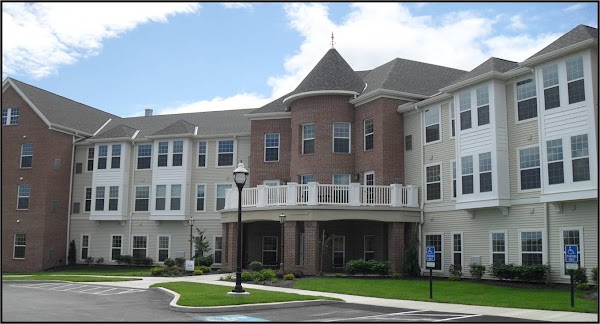
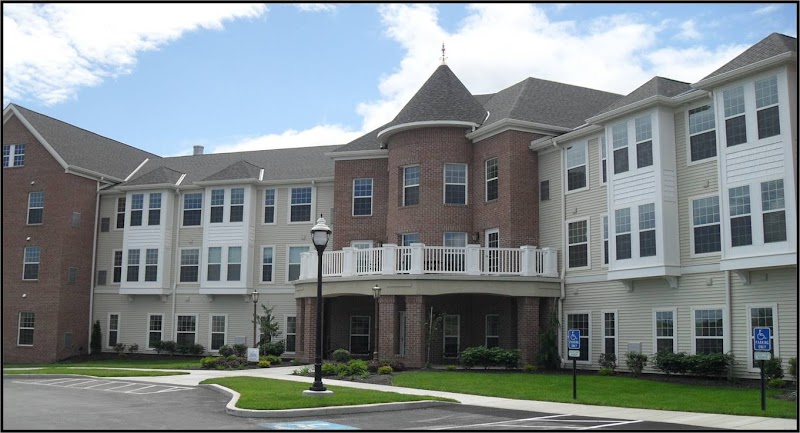
1525 EAST WESTERN RESERVE ROAD, POLAND, OH 44514 (330) 707-1300
For profit - Individual 70 Beds Independent Data: November 2025
Trust Grade
45/100
#475 of 913 in OH
Last Inspection: October 2024

Within standard 12-15 month inspection cycle. Federal law requires annual inspections.

Overview

Hampton Woods Nursing Center, Inc. has a Trust Grade of D, which indicates below-average performance and some concerning issues. They rank #475 out of 913 facilities in Ohio, placing them in the bottom half, and #17 out of 29 in Mahoning County, meaning only 16 local options are better. Unfortunately, the facility is worsening, with issues doubling from 6 in 2023 to 12 in 2024. Staffing is a concern, with a turnover rate of 70%, significantly higher than the state average, and they have less RN coverage than 83% of Ohio facilities, which can affect the quality of care. On the positive side, there have been no fines, and they received an excellent rating of 5/5 for quality measures. However, serious incidents include neglect where a resident was not properly assisted with daily activities, leading to significant bruising, and another resident developed an unstageable pressure ulcer due to a lack of timely assessments and interventions. Overall, while there are some strengths, families should be aware of the concerning issues present at this facility.

Trust Score
D
45/100
In Ohio
#475/913
Bottom 48%
Safety Record
Moderate
Needs review
Inspections
Getting Worse
6 → 12 violations
Staff Stability
⚠ Watch
70% turnover. Above average. Higher turnover means staff may not know residents' routines.
Penalties
✓ Good
No fines on record. Clean compliance history, better than most Ohio facilities.
Skilled Nurses
○ Average
Each resident gets 33 minutes of Registered Nurse (RN) attention daily — about average for Ohio. RNs are the most trained staff who monitor for health changes.
Violations
⚠ Watch
25 deficiencies on record. Higher than average. Multiple issues found across inspections.
★★★☆☆
3.0
Overall Rating
★★★☆☆
3.0
Staff Levels
★★★★★
5.0
Care Quality
★★☆☆☆
2.0
Inspection Score
Stable
2023: 6 issues
2024: 12 issues

The Good

  • 5-Star Quality Measures · Strong clinical quality outcomes
  • Full Sprinkler Coverage · Fire safety systems throughout facility
  • No fines on record

Facility shows strength in quality measures, fire safety.

The Bad

3-Star Overall Rating

Near Ohio average (3.2)

Meets federal standards, typical of most facilities

Staff Turnover: 70%

23pts above Ohio avg (46%)

Frequent staff changes - ask about care continuity

Staff turnover is elevated (70%)

22 points above Ohio average of 48%

The Ugly 25 deficiencies on record

2 actual harm
Dec 2024 1 deficiency
CONCERN (D) 📢 Someone Reported This

A family member, employee, or ombudsman was alarmed enough to file a formal complaint

Potential for Harm - no one hurt, but risky conditions existed

Deficiency F0849 (Tag F0849)

Could have caused harm · This affected 1 resident

**NOTE- TERMS IN BRACKETS HAVE BEEN EDITED TO PROTECT CONFIDENTIALITY** Based on record review and interview, the facility failed to timely notify the hospice provider of Resident #62's change in cond...

Read full inspector narrative →
**NOTE- TERMS IN BRACKETS HAVE BEEN EDITED TO PROTECT CONFIDENTIALITY** Based on record review and interview, the facility failed to timely notify the hospice provider of Resident #62's change in condition, resulting in an unwanted transfer to the Emergency Department (ED). This affected one resident (Resident #62) of three residents reviewed for falls. The facility census was 61. Findings include: Review of the medical record for Resident #62 revealed an admission date of 08/07/19 and a discharge date of 11/11/24. Diagnoses included Alzheimer's disease, muscle weakness, altered mental status, hypertension, and congestive heart failure. Review of the comprehensive Minimum Data Set (MDS) assessment dated [DATE] revealed Resident #62 was severely cognitively impaired. She required supervision for eating, partial to moderate assistance for oral and personal hygiene, substantial to maximum assistance for toileting, dressing, and was dependent for showering. She received hospice services. Review of the nurses' note dated 10/01/24 at 12:53 P.M. revealed Resident #62 was admitted to hospice services. The hospice nurse asked the facility to call hospice anytime the resident had a fall. Review of the nurse's note dated 11/01/24 at 11:15 P.M. revealed Resident #62 was found sitting on the floor just outside her bedroom door. She was assessed for injuries with none found at the time. She was assisted back to her wheelchair and returned to her bed. Resident #62's daughter and physician were notified within approximately 15 minutes of the fall. Review of the nurse's note dated 11/02/24 2:15 A.M. revealed Resident #62 was up in her wheelchair at the nurse's station when she began crying. Resident #62 reported having pain in her left hip. The physician was notified and ordered a transfer to the ED at 2:25 A.M. Resident #62's daughter was notified of the transfer to the ED on 11/02/24 at 3:02 A.M. and hospice was notified of the fall, change on condition, and transfer to the ED on 11/02/24 at 8:10 A.M. Resident #62 was admitted to the hospital for a left hip fracture. Review of the physician's orders for November 2024 revealed the family did not want Resident #62 sent to the ED for any reason, which began on 11/02/24. Interview on 12/03/24 at 1:11 P.M. with the Director of Nursing (DON) confirmed hospice was not notified of the fall or change in condition for Resident #62 in a timely manner. Interview on 12/03/24 at 1:23 P.M. with Hospice Executive Director #206 confirmed they should be notified immediately if a residents' needs changed, or a fall occurred. This deficiency represents noncompliance investigated under Master Complaint Number OH00159686.
Oct 2024 11 deficiencies
CONCERN (D)

Potential for Harm - no one hurt, but risky conditions existed

Resident Rights (Tag F0550)

Could have caused harm · This affected 1 resident

**NOTE- TERMS IN BRACKETS HAVE BEEN EDITED TO PROTECT CONFIDENTIALITY** Based on observation, interview, record review and review of the facility policy, the facility failed to ensure Resident #7 was ...

Read full inspector narrative →
**NOTE- TERMS IN BRACKETS HAVE BEEN EDITED TO PROTECT CONFIDENTIALITY** Based on observation, interview, record review and review of the facility policy, the facility failed to ensure Resident #7 was fed in a dignified manner. This affected one resident (#7) out of five residents in the facility identified as needing physical assistance with meals. The facility census was 60. Findings include: Review of the medical record revealed Resident #7 was admitted to the facility on [DATE]. Medical diagnoses included wedge compression fracture of unspecified thoracic vertebra, essential primary hypertension, moderate protein calorie malnutrition, malaise, major depressive disorder, and unspecified dementia. Review of the care plan dated 08/26/22 revealed Resident #7 was at risk for dehydration and weight loss related to dementia, malnutrition, mechanically altered diet, history of decreased appetite and not wanting supplements. Interventions included assisting with meals as needed, and encouraging completion of meals and fluids daily. Review of the annual Minimum Data Set (MDS) assessment dated [DATE] revealed Resident #7 was severely cognitively impaired. Resident #7 required setup or clean up assistance with eating, and was dependent on staff for oral hygiene, toileting hygiene, shower/bathe self, upper body and lower body dressing, and personal hygiene. Resident #7 had an indwelling urinary catheter and was frequently incontinent of bowel. Observation on 10/07/24 from 12:46 P.M. to 1:00 P.M. of the [NAME] Hall dining room revealed one large table with seven residents eating lunch. State Tested Nurse Aide (STNA) #660 was observed standing at the table while feeding lunch which consisted of lasagna, green beans, and strawberries with whipped topping to Resident #7. An empty chair was observed behind the staff member against the wall. Interview on 10/07/24 at 1:01 P.M. with STNA #660 confirmed she was standing while feeding Resident #7 and stated she was busy getting other items for residents which was why she wasn't sitting while feeding the resident. Interview on 10/08/24 at 12:14 P.M. with Dietitian #674 confirmed staff should be sitting while feeding residents. Review of the undated facility policy Feeding a Dependent Resident revealed facility staff was to sit at the same level with the resident while assisting with feeding.
CONCERN (D)

Potential for Harm - no one hurt, but risky conditions existed

Deficiency F0578 (Tag F0578)

Could have caused harm · This affected 1 resident

**NOTE- TERMS IN BRACKETS HAVE BEEN EDITED TO PROTECT CONFIDENTIALITY** Based on record review and interviews, the facility failed to ensure resident Do Not Resuscitate forms were appropriately filled...

Read full inspector narrative →
**NOTE- TERMS IN BRACKETS HAVE BEEN EDITED TO PROTECT CONFIDENTIALITY** Based on record review and interviews, the facility failed to ensure resident Do Not Resuscitate forms were appropriately filled out for Residents #262 and #15. This finding affected two residents (#262 and #15) out of two residents reviewed for advanced directives. The facility census was 60. Findings include: 1. Review of the medical record revealed Resident #262 was admitted to the facility on [DATE]. Medical diagnoses included acute kidney failure, calculus of kidney, obstructive and reflux uropathy, cognitive communication deficit, peripheral vascular disease, and occlusion and stenosis of bilateral carotid arteries. Review of Resident #262 physician orders revealed an order that stated Do Not Resuscitate Comfort Care Arrest (DNR-CCA) dated 09/18/24. Review of Resident #262's care plan dated 09/19/24 revealed the care plan did not include advanced directives. Review of the Medicare Five-Day Minimum Data Set (MDS) assessment dated [DATE] revealed Resident #262 was severely cognitively impaired. Resident #262 was independent with eating, required setup or clean-up assistance with oral hygiene, partial to moderate assistance with upper body dressing and was dependent on staff for toileting hygiene, shower/bathing, lower body dressing and putting on and taking off footwear. Resident #262 had an indwelling urinary catheter and was frequently incontinent of bowel. Review of the DNR (Do Not Resuscitate) Comfort Care form with Licensed Practical Nurse (LPN) #644 on 10/08/24 at 2:19 P.M. revealed the form for Resident #262, which was signed by Nurse Practitioner #701 on 09/18/24, revealed neither the box for DNR Comfort Care-Arrest in which all providers would treat patient as any other without a DNR order until the point pf cardiac or respiratory arrest at which point all interventions would cease, and the DNR Comfort Care protocol would be implemented or the box for DNR Comfort Care in which following the DNR protocol would be effective immediately. Interview at the time of observation with LPN #644 confirmed neither box was checked, and she would have to look into the electronic medical record to determine if Resident #262 was a DNR Comfort Care Arrest or DNR Comfort Care. 2. Review of medical record for Resident #15 revealed an admission date of 05/14/24. Diagnoses included pulmonary embolism (blood clot in lung) without acute cor pulmonale (serious heart condition that develops as a complication of advanced lung disease) , presence of cardiac pacemaker, type two diabetes mellitus with ketoacidosis (complication from having very high blood sugars) without coma, hypo-osmolality (condition of having abnormally low osmolality in the body fluids), hyponatremia (concentration of sodium in blood is abnormally low) , acute ischemic heart disease, and conduction disorder. Review of the physician orders for Resident #15 revealed an order, dated 10/04/24, for DNR Comfort Care. Review of the DNR Comfort Care form for Resident #15, which was signed by the Nurse Practitioner #701 on 10/04/24, revealed neither the box for DNR Comfort Care-Arrest or DNR Comfort Care was checked. Review of the DNR Comfort Care form and interview on 10/08/24 at 2:19 P.M. with LPN #644 revealed LPN #644 confirmed neither box was checked and, she would have to look in the electronic medical record to determine if Resident #15 was a DNR Comfort Care Arrest or DNR Comfort Care.
CONCERN (D)

Potential for Harm - no one hurt, but risky conditions existed

Notification of Changes (Tag F0580)

Could have caused harm · This affected 1 resident

**NOTE- TERMS IN BRACKETS HAVE BEEN EDITED TO PROTECT CONFIDENTIALITY** 2. Review of the medical record revealed Resident #23 had an admission date of 02/27/24. Medical diagnoses included acute kidney...

Read full inspector narrative →
**NOTE- TERMS IN BRACKETS HAVE BEEN EDITED TO PROTECT CONFIDENTIALITY** 2. Review of the medical record revealed Resident #23 had an admission date of 02/27/24. Medical diagnoses included acute kidney failure, type two diabetes mellitus, essential atrial fibrillation, and acute on chronic systolic congestive heart failure. Review of quarterly MDS assessment 09/04/24 revealed Resident #23 was moderately cognitively impaired. Resident #23 required supervision or touching assistance with eating, substantial to maximal assistance with oral hygiene, and personal hygiene and was dependent on staff for toileting, upper and lower body dressing. Resident #23 was always incontinent of bowel and bladder. Review of the physician orders for Resident #23 revealed an order dated 07/14/24 for daily weights, notify the physician with a two-pound weight gain in one day or a three to five pound weight gain in one week. Review of the documented daily weights for Resident #23 from 07/14/24 to 10/09/24 revealed resident had a daily weight gain of 5.2 pounds (lbs) from 07/24/25 to 07/25/24, 11lb weight gain from 07/27/24 to 07/28/24, 8.4lbs weight gain from 07/30/24 to 07/31/24, 15.6lbs weight gain from 08/11/24 to 08/12/24, 7.7lbs weight gain from 08/18/24 to 08/19/24, 3.8lbs weight gain from 08/30/24 to 09/01/24 and a 4.2lbs weight gain from 09/11/24 to 09/12/24 with no documentation of physician notification. Interview on 10/09/24 at 12:45 P.M. with Registered Nurse (RN) Campus Director of Nursing #700 confirmed there was no documented evidence that the physician was notified of Resident #23's weight gains on 09/12/24, 09/01/24, 08/19/24, 08/11/24, 07/31/24, 07/28/24, and 07/25/24. Review of the facility policy Diagnostic Testing/Condition Change Reporting, Residents dated 11/22 revealed the physician, resident and/or responsible party are notified when the resident's physical, communicative, psychosocial or functional status changes unexpectedly, return of abnormal lab, radiology or other diagnostic test results, the resident is injured or if treatment is significantly altered. Based on record review, interview, and review of the facility policy the facility failed to ensure the physician was notified of daily weight gains of two or more pounds in a day or of blood sugar over 300 per physician order. This affected one resident (#23) of one resident reviewed for daily weights and had the potential to affect nine residents (#1, #4, #6, #13, #16, #20, #35, #43, and #47) who had orders for daily weights. This also affected one resident (#27) out of one resident reviewed for blood sugars and had the potential to affect 12 residents (#1, #2, #10, #16, #17, #21, #24, #27, #45, #47, #52, #164) who received blood glucose monitoring. The facility census was 60. Findings include: 1. Review of the medical record for Resident #27 revealed an admission date of 12/28/20 with diagnoses including diabetes, congestive heart failure, chronic kidney disease, and altered mental status. Review of the care plan dated 12/08/23 revealed Resident #27 had diabetes. Interventions included medication as ordered, blood sugar as ordered and monitor for signs of hypoglycemia and hyperglycemia sign and symptoms. Review of the pharmacy recommendation dated 05/16/24 revealed Consultant Pharmacist #900 recommended to change blood sugar notification to the following: if blood sugar was less than 70 or greater than 300 the nurse was to notify the physician and/or nurse practitioner (NP). NP #701 signed the pharmacy recommendation in agreement. Review of the physician orders for August 2024 and September 2024 revealed Resident #27 had the following order to check his blood sugar twice a day due to diabetes and if less than 70 or above 300 notify the physician and/ or NP. Review of the nursing notes dated from 08/01/24 to 09/20/24 revealed there was no documentation the physician or NP was notified regarding elevated blood sugars as ordered by the physician. Review of the quarterly Minimum Data Set (MDS) dated [DATE] revealed Resident #27 had impaired cognition. He received insulin. Review of the August 2024 Medication Administration Record (MAR) revealed there was a physician order that Resident #27's blood sugar was to be checked twice a day, and if the blood sugar was less than 70 and/or greater than 300 the facility was to notify the physician and/or NP. The following revealed the blood sugars were either below or above the recommended parameters and the physician or NP should have been notified: 08/01/24 at 4:00 P.M. it was 326, 08/02/24 at 4:00 P.M. it was 341, 08/03/24 at 6:00 A.M. it was 308, 08/06/24 at 4:00 P.M. it was 331, 08/07/24 at 4:00 P.M. it was 320, 08/08/24 at 4:00 P.M. it was 355, 08/11/24 at 4:00 P.M. it was 359. 08/12/24 at 6:00 A.M. it was 344, 08/12/24 at 4:00 P.M. it was 324, 08/13/24 at 4:00 P.M. it was 340, 08/14/24 at 4:00 P.M. it was 348, 08/15/24 at 4:00 P.M. it was 368, 08/17/24 at 4:00 P.M. it was 355, 08/18/24 at 4:00 P.M. it was 316, 08/19/24 at 4:00 P.M. it was 390, 08/20/24 at 4:00 P.M. it was 304, 08/22/24 at 4:00 P.M. it was 398. 08/25/24 at 4:00 P.M. it was 389, 08/28/24 at 4:00 P.M. it was 308, 08/29/24 at 4:00 P.M. 318, and 08/30/24 at 4:00 P.M. it was 364. Review of the September 2024 MAR revealed there was a physician order that Resident #27's blood sugar was to be checked twice a day and if the blood sugar was less than 70 and/or greater than 300 revealed the facility was to notify the physician and/or NP. The following revealed the blood sugars were either below or above the recommended parameters and the physician or NP should have been notified: 09/02/24 at 4:00 P.M. it was 319, 09/04/24 at 4:00 P.M. it was 360, 09/06/24 at 4:00 P.M. it was 415, 09/08/24 at 4:00 P.M. it was 422, 09/09/24 at 4:00 P.M. 335, 09/10/24 at 6:00 A.M. it was 320, 09/11/24 at 4:00 P.M. it was 320, 09/12/24 at 4:00 P.M. it was 399, 09/14/24 at 4:00 P.M. it was 312, 09/16/24 at 4:00 P.M. it was 380, 09/17/24 at 4:00 P.M. it was 366, and 09/20/24 at 4:00 P.M. it was 326. Interview on 10/08/24 at 2:45 P.M. and 4:20 P.M. with the Director of Nursing (DON) verified Resident #27 had an order to notify the physician and/or NP if his blood sugar was less than 70 or if his blood sugar was above 300. She verified that she had reviewed the August 2024 and September 2024 MARs and the nursing notes, and there was no documentation that the physician was notified when Resident #27's blood sugar was above 300.
CONCERN (D)

Potential for Harm - no one hurt, but risky conditions existed

MDS Data Transmission (Tag F0640)

Could have caused harm · This affected 1 resident

Based on record review, review of the Internet Quality Improvement and Evaluation System (iQIES) Minimum Data Set (MDS) 3.0 Validation Report, staff interview, and facility policy review the facility ...

Read full inspector narrative →
Based on record review, review of the Internet Quality Improvement and Evaluation System (iQIES) Minimum Data Set (MDS) 3.0 Validation Report, staff interview, and facility policy review the facility failed to ensure Resident #19's MDS assessments were submitted in a timely manner. This affected one resident (#19) out of 23 residents reviewed for MDS submission. The facility census was 60. Findings include: Review of medical record for Resident #19 revealed an admission date of 06/23/24. Diagnoses included multiple sclerosis, depressive disorder, primary osteoarthritis, disorder of thyroid, anxiety disorder, essential hypertension (high blood pressure), and atrial fibrillation (irregular heart rhythm). Review of Resident #19's medical record revealed the 08/11/24 quarterly MDS 3.0 assessment had been completed, but there was no indication it had been submitted to the Centers for Medicare and Medicaid (CMS) as required. Review of the IQIES MDS Final Validation Report submitted on 10/08/24 at 3:49 P.M. revealed Resident #19's quarterly MDS assessment, dated 08/11/24, was submitted to CMS on 10/08/24, which was more than 14 days late. Review of the IQIES MDS Final Validation Report dated 10/08/24 and interview on 10/08/24 at 5:10 P.M. with MDS Coordinator/LPN #621 revealed Resident #19's 08/11/24 MDS assessment was submitted on 10/08/24 and confirmed it had not been submitted within 14 days after the assessment was completed as required. Review of the facility policy titled Minimum Data Set (MDS), dated May 2015, revealed the MDS coordinator would transmit all completed assessments to the appropriate state agency in a timely manner in compliance with federal regulations.
CONCERN (D)

Potential for Harm - no one hurt, but risky conditions existed

Deficiency F0657 (Tag F0657)

Could have caused harm · This affected 1 resident

**NOTE- TERMS IN BRACKETS HAVE BEEN EDITED TO PROTECT CONFIDENTIALITY** Based on record review, interview, and review of the facility policy, the facility failed to ensure comprehensive care plans ref...

Read full inspector narrative →
**NOTE- TERMS IN BRACKETS HAVE BEEN EDITED TO PROTECT CONFIDENTIALITY** Based on record review, interview, and review of the facility policy, the facility failed to ensure comprehensive care plans reflected advanced directives and indwelling urinary catheter use for Resident #262 and advanced directives and fluid restriction for Resident #15. This affected two residents (#15 and #262) out of 22 residents reviewed for care plans. The facility census was 60. Findings include: 1. Review of the medical record revealed Resident #262 was admitted to the facility on [DATE]. Medical diagnoses included acute kidney failure, calculus of kidney, obstructive and reflux uropathy, cognitive communication deficit, peripheral vascular disease, and occlusion and stenosis of bilateral carotid arteries. Review of the Medicare Five-Day Minimum Data Set (MDS) assessment dated [DATE] revealed Resident #262 was severely cognitively impaired. Resident #262 was independent with eating, required setup or clean-up assistance with oral hygiene, partial to moderate assistance with upper body dressing and was dependent on staff for toileting hygiene, shower/bathing, lower body dressing and putting on and taking off footwear. Resident #262 had an indwelling urinary catheter and was frequently incontinent of bowel. Review of Resident #262 physician orders revealed an order that stated Do Not Resuscitate Comfort Care Arrest (DNR-CCA) dated 09/18/24. Further review revealed an order dated 09/18/24 that revealed Resident #262 had an indwelling urinary (Foley) catheter to closed drain and ensure the Foley catheter bag cover was in place. Review of Resident #262's care plan dated 09/19/24 revealed care plan did not include advanced directives or the use of an indwelling urinary catheter. Interview on 10/10/24 at 8:42 A.M. with MDS Licensed Practical Nurse (LPN) #631 stated that they do not put code statuses in the resident's care plans, confirming Resident #262's care plan did not include his code status. MDS LPN #631 further stated that it was not the facility policy to include code statuses in care plans. Interview on 10/10/24 at 8:49 A.M. with Assistant Director of Nursing (ADON) #626 confirmed Resident #262's care plan did not reflect the use of an indwelling urinary catheter. Review of the facility policy Resident Care Plan dated 05/15 revealed the resident care plan is the tool used to coordinate all care provided to the resident to be sure care is necessary, appropriate, and planned to meet the individual needs of the resident consistent with the physician's plan of care. Topics included in care plans but were not limited to problems relating to diagnosis, problems following physician's orders, dietary and nutritional status problems, problems related to preventative care, refusal of care and treatment, problems related to physical deficits and advance directives. 2. Review of the medical record for Resident #15 revealed an admission date of 05/14/24. Diagnoses included pulmonary embolism (blood clot in lung)without acute cor pulmonale (serious heart condition that develops as a complication of advanced lung disease), presence of cardiac pacemaker, type two diabetes mellitus with ketoacidosis (complication from having very high blood sugars) without coma, hypo-osmolality (condition of having abnormally low osmolality in the body fluids) and hyponatremia (concentration of sodium in blood is abnormally low), acute ischemic heart disease, and conduction disorder. Review of the physician progress note dated 05/13/24 revealed during Resident #15's hospitalization, she was found to have likely chronic obstructive pulmonary disease (COPD), hyponatremia, and concerns for syndrome of inappropriate antidiuretic hormone (SIADH), a condition where the body makes too much antidiuretic hormone which causes water retention, low sodium levels, and fluid overload which is usually treated with a fluid restriction. Review of Resident #15's physician orders revealed an order dated 05/21/24 for fluid restriction 1,200 milliliters (ml) every day and an order dated 10/04/24 for DNR Comfort Care. Review of Resident #15's quarterly Nutrition assessment dated [DATE] revealed the resident continued on a 1200 ml fluid restriction with no identification on how fluids would be dispersed or tracked. Review of the care plan initiated on 05/13/24 revealed Resident #15's code status was not addressed in the care plan. Review of the nutrition care plan created on 05/13/24 revealed Resident #15 was at risk due to having diagnoses of SIADH and fluid overload, being on a diuretic, a mechanically altered diet, and history of weight loss. Interventions listed did not address the fluid restriction. Interview on 10/09/24 at 10:12 A.M. with Dietitian #674 confirmed Resident #15's care plan did not have an intervention addressing the fluid restriction. Interview on 10/10/24 at 8:42 A.M. with MDS Coordinator/LPN #621 confirmed Resident #15's care plan did not address the resident's code status since the facility did not put code status in the care plan. Review of the facility policy Resident Care Plan dated 05/15 revealed the resident care plan is the tool used to coordinate all care provided to the resident to be sure care is necessary, appropriate, and planned to meet the individual needs of the resident consistent with the physician's plan of care. Topics included in care plan but were not limited to problems relating to diagnosis, problems following physician's orders, dietary and nutritional status problems, problems related to preventative care, refusal of care and treatment, problems related to physical deficits and advance directives.
CONCERN (D)

Potential for Harm - no one hurt, but risky conditions existed

Quality of Care (Tag F0684)

Could have caused harm · This affected 1 resident

Based on observation, record review, staff interview, and review of the facility policy, the facility failed to ensure Resident #16's medication was not left at bedside unsecured. This affected one re...

Read full inspector narrative →
Based on observation, record review, staff interview, and review of the facility policy, the facility failed to ensure Resident #16's medication was not left at bedside unsecured. This affected one resident (#16) out of five residents reviewed for medication administration. The facility census was 60. Findings include: Review of the medical record for Resident #16 revealed an admission date of 05/31/22. Diagnoses included local infection of the skin and subcutaneous (under the skin) tissue, atherosclerotic heart disease, type two diabetes, chronic (congestive) heart failure (CHF), chronic kidney disease, permanent atrial fibrillation (irregular heart rhythm), schizoaffective disorder depressive type (involves both schizophrenia and a mood disorder). Review of Resident #16's physician orders reveal an order dated 09/10/24 for Potassium Chloride Extended Release 20 milliequivalent (mEq) give two tablets by mouth three times a day for health maintenance. Observation and Interview on 10/07/24 at 11:13 A.M. revealed there was a medicine cup with a one white pill sitting on Resident #16's overbed table. Interview at the time of observation with Resident #16 revealed the pill in her cup was her potassium. At the time of observation, Licensed Practical Nurse (LPN) #638 was observed at the medication cart in the common area and was asked to come into the resident's room. Observation and interview on 10/07/24 at 11:13 A.M. with LPN #638 confirmed the potassium pill was left at bedside. She stated due to the commotion of trying to find a multivitamin that had fallen and the resident asking to go to the restroom, she forgot to stay to ensure the medication was taken by the resident. Review of the facility policy titled Medication Administration, dated February 2022, revealed all medications would be administered safely and appropriately and medications would be administered only by licensed nursing personnel or by nursing students under the direct supervision of a licensed nursing instructor and or specific unit nurse.
CONCERN (D)

Potential for Harm - no one hurt, but risky conditions existed

Deficiency F0692 (Tag F0692)

Could have caused harm · This affected 1 resident

Based on observation, staff and resident interviews, medical record review, and facility policy review, the facility failed to track fluids consumed for Resident #15 as ordered by the physician. This ...

Read full inspector narrative →
Based on observation, staff and resident interviews, medical record review, and facility policy review, the facility failed to track fluids consumed for Resident #15 as ordered by the physician. This affected one resident (#15) out of one resident reviewed for fluid restriction. The facility identified three residents (#15, #17, and #214) with physician's orders for fluid restrictions. The facility census was 60. Findings include: Review of the medical record for Resident #15 revealed an admission date of 05/14/24. Diagnoses included other pulmonary embolism (blood clot in lung) without acute cor pulmonale (serious heart condition that develops as a complication of advanced lung disease), presence of cardiac pacemaker, type two diabetes mellitus with ketoacidosis (complication from having very high blood sugars) without coma, hypo-osmolality (condition of having abnormally low osmolality in the body fluids) and hyponatremia (concentration of sodium in blood is abnormally low), acute ischemic heart disease, and conduction disorder. Review of the physician progress note dated 05/13/24 revealed during Resident #15's hospitalization she was found to have likely chronic obstructive pulmonary disease (COPD), hyponatremia, and concerns for syndrome of inappropriate antidiuretic hormone (SIADH), a condition where the body makes too much antidiuretic hormone which causes water retention, low sodium levels, and fluid overload which is usually treated with a fluid restriction. Review of the nutrition care plan created on 05/13/24 revealed Resident #15 was at risk due to having diagnoses of SIADH and fluid overload, being on a diuretic, a mechanically altered diet, and history of weight loss. Interventions listed did not address the fluid restriction. Review of Resident #15's physician orders revealed an order dated 05/21/24 for fluid restriction 1,200 milliliters (ml) every day. Review of Resident #15's quarterly nutrition assessment, dated 08/27/24, revealed the resident continued a 1200 ml fluid restriction with no identification on how fluids would be dispersed or tracked. Review of the September 2024 and October 2024 Medication Administration Record (MAR) revealed nurses were acknowledging Resident #15 was on a 1200 ml fluid restriction, but there was documentation in the MAR on how the fluids were being dispersed or how much fluid the resident was consuming daily. Observation on 10/08/24 at 5:41 P.M. revealed Resident #15 received orange Jello with whipped topping for dessert. Interview on 10/08/24 at 5:43 P.M. with Registered Nurse (RN) #640 confirmed Resident #15 received the Jello and stated she shouldn't have received the Jello since she was on a fluid restriction. Interview on 10/09/24 at 9:18 A.M. with State Tested Nursing Assistant (STNA) #653 revealed she has never been told what residents are allowed to have while on a fluid restriction, but she would only give one drink with a meal. She stated for residents that had a physician's order for a fluid restriction, it would depend on the type of soup if they were allowed soup, but she knew they couldn't have Jello. She stated she had never been told how much fluid a resident could have with a meal when they were on a fluid restriction. Interview on 10/09/24 at 9:20 A.M. with STNA #655 revealed a paper comes up with the beverage cart tells them what residents were on a fluid restriction and the amount of fluids allowed in a 24 hour period. She stated she was never told how much fluid a resident was allowed when they were on a fluid restriction, but she stated one cup was 800 (ml) (one cup is 240 ml). Interview and observation on 10/09/24 at 10:02 A.M. with Registered Nurse (RN) #640 revealed the fluid restriction was broken down on a form kept on the nurse's cart. The form stated how the fluids would be dispersed when a resident was on a fluid restriction. There was a separate form for each resident on a fluid restriction. Observation of the notebook on the nurse's cart with RN #640, where the fluid restriction forms were kept, revealed there was no form for Resident #15's fluid restriction. Interview at the time of observation with RN #640 confirmed there was no form in the notebook on how fluids would be dispersed for the resident's 1200 ml fluid restriction. He confirmed there was no documentation in the medical record on how much the resident was consuming, and he had no way of knowing how much fluid the resident was consuming. Interview on 10/09/24 at 10:12 A.M. with Dietitian #674 stated there was supposed to be a fluid restriction breakdown on the nurse's cart but confirmed there was no documentation in the medical record on how much fluid was to be consumed for residents on a fluid restriction. Interview on 10/09/24 at 12:00 P.M. with Resident #15 revealed she had never been educated on the fluid restriction. She stated all she knows is that she is allowed to have one drink per meal and some water with her pills. She didn't know how much water she was allowed, and she didn't know what else she should be limiting while being on a fluid restriction. Review of the facility policy titled Fluid Restriction Policy, updated 04/12/16, revealed the purpose of the fluid restriction was to prevent fluid overload in patients at risk and to manage symptoms and improve overall health outcomes. The dietitian or designee would provide breakdown of fluids at med passes and meals. Nursing would then place the breakdown in the treatment book, track daily, and document if not being followed.
CONCERN (D)

Potential for Harm - no one hurt, but risky conditions existed

Respiratory Care (Tag F0695)

Could have caused harm · This affected 1 resident

**NOTE- TERMS IN BRACKETS HAVE BEEN EDITED TO PROTECT CONFIDENTIALITY** Based on observation, record review, and review of the facility policy, the facility failed to ensure masks or pipes for the neb...

Read full inspector narrative →
**NOTE- TERMS IN BRACKETS HAVE BEEN EDITED TO PROTECT CONFIDENTIALITY** Based on observation, record review, and review of the facility policy, the facility failed to ensure masks or pipes for the nebulizer (a machine that turns liquid medication into a fine mist) were covered when not in use for Resident #16 and #35. This affected two residents (#16 and #35) out of three residents reviewed for respiratory care. The facility identified 16 residents (#3, # 9, #10, #16, #20, #35, #39, #42, #44, #45, #50, #163, #164, #214, #215, #263) who used nebulizers. The facility census was 60. Findings include: 1. Review of the medical record for Resident #16 revealed an admission date of 05/31/22. Diagnoses included chronic diastolic (congestive) heart failure (CHF), schizoaffective disorder-depressive type, other disorders of the lung, and depression. Review of the quarterly [NAME] Data Set (MDS) assessment dated [DATE] revealed Resident #16 was cognitively intact, required partial/moderate assistance from staff for most activities of daily living, including transfers, and supervision or touch assistance from staff for wheelchair mobility. Review of Resident #16's physician orders revealed an order dated 08/17/24 for one application of albuterol sulfate (a bronchodilator which helps to relax the muscles around the lungs to help improve breathing function) inhalation nebulization solution (2.5 milligram (mg)/three milliliters (ml)) 0.083 percent to be inhaled orally via nebulizer every six hours as needed for shortness of breath. Review of the October 2024 Medication Administration Record (MAR) revealed Resident #16 hadn't received any as needed albuterol sulfate treatments for shortness of breath. Review of the care plan initiated on 09/08/23 revealed Resident #16 had altered respiratory function related to CHF and history of pneumonia. Interventions included oxygen per physician orders, aerosol treatment per physician orders, monitor and report any significant changes to the physician, monitor and report to nurse/physician any signs or symptoms or respiratory distress, changes in breathing, respiratory rate, restlessness, chills, or fever, promote comfortable sleeping position by elevating head of bed as needed. Observation and interview on 10/09/24 at 2:35 P.M. with Registered Nurse (RN) #640 confirmed Resident #16's nebulizer pipe was uncovered and was sitting on the resident's bedside table. He stated it should be covered when not in use and could not answer why it was not covered. 2. Review of the medical record for Resident #35 revealed an admission date of 10/19/22. Diagnoses included acute and chronic respiratory failure, congestive diastolic (congestive) heart failure (CHF), chronic obstructive pulmonary disease (COPD), anxiety disorder, depression, and bipolar disorder. Review of Resident #35's physician orders revealed an order dated 09/24/24 for three ml to be inhaled four times a day for shortness of breath or wheezing of Ipratropium-Albuterol Inhalation Solution (respiratory inhalant combination) 0.5-2.5(3) mg/3 ml. Review of the October 2024 MAR for Resident #35 revealed Resident #35 received Ipratropium-Albuterol inhalation solution via a nebulizer machine three to four times a day. Review of the quarterly MDS dated [DATE] revealed Resident #35 was moderately impaired cognitively, required substantial/maximum staff assistance for personal hygiene, chair to bed transfer, and mobility of her wheelchair, was dependent on staff for toileting hygiene, shower/bathe self, and shower transfers. Review of the care plan initiated on 09/08/23 which indicated Resident #35 had altered respiratory function related to CHF and COPD. Interventions included oxygen per physician orders, aerosol treatment per physician orders, monitor and report any significant changes to the physician, monitor and report to nurse/physician any signs or symptoms or respiratory distress, changes in breathing, respiratory rate, restlessness, chills, or fever, promote comfortable sleeping position by elevating head of bed as needed. Observation and interview on 10/09/24 at 2:35 P.M. with RN #640 confirmed Resident #35's nebulizer mask was uncovered and was sitting on the resident's bedside table. He stated it should be covered when not in use and could not answer why it was not covered. Interview on 10/09/24 at 2:41 P.M. with Admission/Infection Control RN #627 confirmed nebulizer pipes and masks should be rinsed, air dried after use, and then covered. Review of the facility policy titled Oral and Nasal Inhalations Administration Procedure effective dated 06/02/15 revealed before the next treatment, dissemble and clean the medicine chamber, adapter, mouthpiece or mask, and lid with soap and water, rinse thoroughly. Lay all pieces on a towel: cover with towel and air dry. Store in a clean plastic bag.
CONCERN (D)

Potential for Harm - no one hurt, but risky conditions existed

Infection Control (Tag F0880)

Could have caused harm · This affected 1 resident

**NOTE- TERMS IN BRACKETS HAVE BEEN EDITED TO PROTECT CONFIDENTIALITY** 3. Review of the medical record revealed Resident #262 was admitted to the facility on [DATE]. Medical diagnoses included acute ...

Read full inspector narrative →
**NOTE- TERMS IN BRACKETS HAVE BEEN EDITED TO PROTECT CONFIDENTIALITY** 3. Review of the medical record revealed Resident #262 was admitted to the facility on [DATE]. Medical diagnoses included acute kidney failure, calculus of kidney, obstructive and reflux uropathy, cognitive communication deficit, peripheral vascular disease, and occlusion and stenosis of bilateral carotid arteries. Review of the Medicare Five Day MDS assessment dated [DATE] revealed Resident #262 was severely cognitively impaired. Resident #262 was independent with eating, required setup or clean-up assistance with oral hygiene, partial to moderate assistance with upper body dressing and was dependent on staff for toileting hygiene, shower/bathing, lower body dressing and putting on and taking off footwear. Resident #262 had an indwelling urinary catheter and was frequently incontinent of bowel. Review of Resident #262's physician orders revealed an order dated 09/19/24 for EBP due to indwelling urinary (Foley) catheter and deep tissue injury (DTI) to the left heel (A purple or maroon localized area of discolored intact skin or blood-filled blister due to damage of underlying soft tissue due to pressure and/or shear. The area may be preceded by tissue that is painful, firm, mushy, boggy, warmer or cooler as compared to adjacent tissue). Observation on 10/07/24 at 12:01 P.M. of Resident #262 room revealed no evidence of an EBP sign indicating the need to wear PPE during hands on care. Observation on 10/09/24 1:12 P.M. of indwelling urinary catheter care for Resident #262 revealed State Tested Nurse Aide (STNA) #654 and STNA #666 knocked on door, entered resident room, performed hand hygiene and put on clean gloves. STNA #654 and STNA #666 started providing catheter care for Resident #262 with gloves being the only PPE that was worn. Once catheter care was completed, STNA #654 and STNA #666 removed their soiled gloves and performed hand hygiene. Interview on 10/09/24 at 1:20 P.M. with STNA #654 and STNA #666 confirmed the only PPE they used during catheter care was gloves. STNA #654 and STNA #666 confirmed that Resident #262 was in EBP and that they should have also worn gowns during catheter care. Interview on 10/09/24 at 2:30 P.M. with Infection Control Registered Nurse (RN) #627 stated residents who have PEG tubes, surgical wounds, Foley catheters, and peripherally inserted central catheter (PICC) were placed in EBP. Those residents identified as needing EBP get a small purple magnet above their door that identifies that they are in EBP. During care such as catheter care, wound care, turning and repositioning staff would wear designated PPE. Based on interviews, observation, record review, review of the memorandum, QSO-24-08-NH, entitled Enhanced Barrier Precautions in Nursing Homes and review of facility policy, the facility failed to ensure enhanced barrier precautions (EBP) were utilized during high contact resident care. This affected three residents (#54, #164, and #262) out of five residents observed for EBP. This had the potential to affect 22 residents (#1, #2, #3, #4, #7, #16, #21, #22, #27, #33, #37, #42, #44, #46, #54, #162, #164, #212, #214, #213, #262, and #264) who had orders for enhanced barriers. The facility census was 60. Findings included: 1. Review of the medical record for Resident #164 revealed an admission date of 03/11/24 with diagnoses including hypertension, neoplasm of the kidney, hydronephrosis (swelling of one or both kidneys due to urine build up), diabetes, neuromuscular dysfunction of the bladder, presence of nephrostomy and percutaneous endoscopic gastrostomy (PEG) tube. Review of the undated care plan revealed Resident #164 had a self-care deficit with activities of daily living (ADL) related to decreased mobility, weakness, and amputation. Interventions included assistance with all bed mobility/transfers and anticipate the resident's needs in a timely manner. Review of the undated care plan revealed Resident #164 was incontinent of bowel and had an indwelling urinary catheter due to neurogenic bladder. Interventions included catheter care per the policy, assess and report any signs of impaired catheter integrity, and monitor and report any signs of infection. Review of the annual Minimum Data Set (MDS) assessment dated [DATE] revealed Resident #164 had impaired cognition and was dependent on staff for ADL including: toileting hygiene, dressing, rolling left and right (bed mobility), and transfers. She was always incontinent of bowel and bladder. Review of the October 2024 physician orders revealed Resident #164 had an order to cleanse around her nephrostomy tube insertion site and apply abdominal (ABD) pad with tape every day shift and as needed, hospice care, cleanse around PEG tube with normal saline and apply split sponge gauze every shift, EBP due to PEG tube, and EBP due to nephrostomy tube. Observation on 10/08/24 at 9:51 A.M. revealed Registered Nurse (RN) #800 entered Resident #164's room with her morning medications to administer orally as ordered. There was no signage on Resident #164's door that she was on EBP. After administering her medications, Hospice RN #801 entered the room and they both (RN #800 and Hospice RN #801) donned gloves but no other enhanced barriers including gowns and proceeded to provide high contact care including: rolling Resident #164 left and right as Resident #164 was dependent on staff on bed mobility, provided incontinence care as she was incontinent of bowel movement, and changed her nephrostomy tube dressing to her right lower back. Interview on 10/08/24 at 11:30 A.M. with RN #800 was asked how she determined which residents were on EBP due to no signage on the entry of the doors revealed if a resident had a urinary catheter or open area requiring a dressing then they needed to wear enhanced barriers. She revealed staff went by a purple magnet in the upper corner of the door frame as she pointed to the presence of the magnet to Resident 164's door frame that indicated she was on EBP. She verified she had not donned a gown during Resident #164's high contact care including bed mobility, incontinence care, and changing of her nephrostomy tube dressing because she forgot to. Interview on 10/08/24 at 11:30 A.M. with Hospice RN #801 revealed that when she entered facilities, there was usually a sign on the entry door that indicated they were on any special precautions but verified Resident #164 was to be on EBP, and they should have worn a gown during her care. 2. Review of the medical record for Resident #54 revealed she had an admission date of 07/27/24 with diagnoses including Alzheimer's disease, urinary retention, acute cystitis with hematuria (blood in urine), and rheumatoid arthritis. Review of Medicare five-day MDS assessment dated [DATE] revealed Resident #54 had impaired cognition. She was dependent on staff for ADL, including toileting hygiene, dressing, rolling left and right (bed mobility), and transfers. She was always incontinent with bowel and bladder. Review of the October 2024 physician orders revealed Resident #54 had an order dated 10/07/24 for EBP, indwelling urinary catheter due to obstructive and reflux uropathy and indwelling urinary catheter care twice a day. Review of the care plan dated 10/07/24 revealed Resident #54 had an indwelling urinary catheter due to urinary retention and she was frequently incontinent of bowel. Interventions included catheter care per policy, assess and report any signs of impaired catheter integrity, and monitor and report any signs of infection. Observation on 10/08/24 at 3:51 P.M. of Certified Nursing Assistant (CNA) #649 and CNA #661 revealed they entered Resident #54's room to provide care. There was no signage on the outside of her room that indicated Resident #54 was on EBP. Both performed hand hygiene and donned gloves but no other personal protective equipment (PPE) such as a gown. They proceeded to provide high contact care including indwelling urinary catheter care, turning in bed as she was totally dependent on staff rolling left and right, provided incontinence care as she was incontinent of bowel movement, and assisting Resident #54 out of bed with the use of a mechanical lift to her wheelchair. Interview on 10/08/24 at 4:05 P.M. with CNA #649 and CNA #661 verified they had not worn appropriate PPE including gowns during the above care. CNA #661 stated, oh my goodness, I completely forgot as she revealed there was no sign on the outside of the door to remind staff that a resident was on EBP. CNA #649 revealed staff were to go by the small purple magnet in the corner of the doorframe indicating a resident was on EBP as he pointed to the magnet to the top corner of Resident #54's doorframe. CNA #649 revealed often they get caught up in providing care and forget to look. They verified Resident #54 was to be on EBP as she had an indwelling urinary catheter, and they should have worn gowns during her care. Interview on 10/09/24 at 2:30 P.M. with Admission/ RN/ Infection Control #627 revealed EBP were required for any high contact care including for residents with wounds, indwelling catheter, nephrostomy tubes, intravenous catheters besides peripheral access, and PEG tubes. She revealed all residents on EBP were identified with a purple magnet to the upper corner of the doorframe as the facility was trying to provide dignity and not call attention to residents on EBP as often then there is a stigma as to what was wrong with that person. She verified in the incidents observed that staff should have worn appropriate PPE, including gowns when providing high contact care especially with indwelling urinary catheter care, and nephrostomy tube dressing change. Review of the memorandum, QSO-24-08-NH, entitled Enhanced Barrier Precautions in Nursing Homes, dated 03/20/24, by the Centers for Medicare & Medicaid Services, Department of Health & Human Services revealed EBP were indicated for residents with wounds and/or indwelling medical devices even if the resident is not known to be infected or colonized with a multidrug-resistant organism (MDRO). The effective date for implementation of EBP under the guidelines was 04/01/24. Review of the facility policy labeled, Enhanced Barrier Precautions (EBP) dated April 2024 revealed the purpose of the policy was to follow the most current recommendation of the center of the disease control (CDC) and the prevention of transmitting MDRO from one resident to another. The policy revealed EBP would be followed to prevent the transfer of MDRO during high contact care activities for residents. This was applicable to include people with indwelling medical devices including urinary catheters, central vascular lines, tracheostomies, enteral feeding tubes, wound drains, and persons with chronic wounds.
CONCERN (F)

Potential for Harm - no one hurt, but risky conditions existed

Deficiency F0809 (Tag F0809)

Could have caused harm · This affected most or all residents

**NOTE- TERMS IN BRACKETS HAVE BEEN EDITED TO PROTECT CONFIDENTIALITY** Based on observation, staff and resident interviews, and review of facility mealtimes, the facility failed to ensure residents w...

Read full inspector narrative →
**NOTE- TERMS IN BRACKETS HAVE BEEN EDITED TO PROTECT CONFIDENTIALITY** Based on observation, staff and resident interviews, and review of facility mealtimes, the facility failed to ensure residents were offered a snack as required when there was greater than 14 hours between dinner and breakfast. This had the potential to affect all residents except for one resident (#44) identified by the facility as receiving nothing by mouth. The facility census was 60. Findings include: Interview on 10/08/24 at 11:52 A.M. with Resident #15 revealed the staff only bring snacks if you ask for them, and he gets hungry some nights. Interview on 10/08/24 at 11:54 A.M. with Resident #16 revealed she gets hungry at night, and the staff don't come around to ask if we want snacks. Observations during dinner time on 10/08/24 revealed Resident #6 received dinner at approximately 5:03 P.M. and breakfast on 10/09/24 at approximately 8:15 A.M., which was approximately 15 hours from dinner to breakfast, Review of undated facility document titled Hampton Woods Mealtimes revealed there were 15 hours between dinner and breakfast as evidenced by: Breakfast 1. [NAME] unit (400 rooms) 7:30 A.M. 2. Montauk unit (300 room) unit 7:50 A.M. 3. Bridge unit (100 rooms) 8:10 A.M. 4. [NAME] unit (200 rooms) 8:30 A.M. Lunch 1. [NAME] unit 11:30 A.M. 2. Montauk unit 11:50 A.M. 3. Bridge unit 12:10 P.M. 4. [NAME] unit 12:30 P.M. Dinner 1. [NAME] unit 4:30 P.M. 2. Montauk unit 4:50 P.M. 3. Bridge unit 5:10 P.M. 4. [NAME] unit 5:30 P.M. Interview on 10/09/24 at 5:10 A.M. with State Tested Nurse Aide (STNA) #703 revealed snacks were upon request. Interview on 10/09/24 at 5:16 A.M. with STNA #672 revealed snacks were upon request. Interview on 10/09/24 at 5:20 A.M. with STNA #703 and STNA #668 revealed snacks were provided upon request. Interview on 10/09/24 at 5:40 A.M. with STNA #705 revealed snacks were provided upon request. Interview on 10/09/24 at 10:12 A.M. with Dietitian #674 confirmed there was greater than 14 hours between dinner and lunch, and all residents were not being offered a substantial snack by staff. She confirmed the residents had not voted to have meals greater than 14 hours. She stated logistically with the kitchen also feeding the assisted living and the rehab unit, it was hard to feed everyone 14 hours or less between dinner and breakfast. She stated residents could receive snacks if they asked for them.
CONCERN (F)

Potential for Harm - no one hurt, but risky conditions existed

Medical Records (Tag F0842)

Could have caused harm · This affected most or all residents

Based on record review and interview, the facility failed to ensure the Tuberculosis (TB) Risk Assessment was completed in an accurate manner. This had the potential to affect all residents who reside...

Read full inspector narrative →
Based on record review and interview, the facility failed to ensure the Tuberculosis (TB) Risk Assessment was completed in an accurate manner. This had the potential to affect all residents who resided in the facility. The facility census was 60. Findings include: Review of the facility provided TB Risk Assessment revealed the assessment was completed on 01/2023. On 10/08/24 at 10:15 A.M. the Administrator was made aware that the TB Risk assessment provided was dated 01/2023 and was asked to provide an updated TB Risk Assessment. Review of updated facility provided TB Risk Assessment revealed a completion date of 01/2024. Interview on 10/08/24 at 11:45 A.M. with the Director of Nursing (DON) revealed the updated TB Risk Assessment was completed on 10/07/24. The DON further stated when she had gone through the state readiness binder to ensure everything was completed, she found that there was not an up-to-date TB Risk Assessment. The DON stated that was when she completed the TB Risk Assessment and dated it as completed 01/2024 when it was actually completed on 10/07/24.
Nov 2023 6 deficiencies 2 Harm
SERIOUS (G) 📢 Someone Reported This

A family member, employee, or ombudsman was alarmed enough to file a formal complaint

Actual Harm - a resident was hurt due to facility failures

Free from Abuse/Neglect (Tag F0600)

A resident was harmed · This affected 1 resident

**NOTE- TERMS IN BRACKETS HAVE BEEN EDITED TO PROTECT CONFIDENTIALITY** Based on observation, record review, interview, facility policy and procedure review, self-reported incident (SRI) review, and f...

Read full inspector narrative →
**NOTE- TERMS IN BRACKETS HAVE BEEN EDITED TO PROTECT CONFIDENTIALITY** Based on observation, record review, interview, facility policy and procedure review, self-reported incident (SRI) review, and facility investigation review the facility failed to prevent an incident of neglect when Resident #42 was not properly assisted with activities of daily living (ADL) including bed mobility, bathing, and incontinence care according to the resident care card to prevent an injury. Actual Harm occurred on 10/27/23 during the 7:00 P.M. to 7:00 A.M. shift when Resident #42, who was dependent on staff for ADLs, including two-person assistance for bed mobility, bathing, and toileting, was found with significant bruising including deep purple bruises on her forehead, under her left and right eyes, and on the outside of her left eye. The injuries were determined by the facility to be the result of Agency State Tested Nursing Assistant (STNA) #611 providing care without another staff member assisting on 10/27/23 during the 7:00 P.M. to 7:00 A.M. shift for the resident including a bed bath, changing all of the resident's bed linen while she was in bed, and providing incontinence care. The resident's injuries were assessed to be consistent with the resident's face being hit against the half side rail of the bed with no other explanation of the injuries provided. This affected one resident (#42) of three residents who were dependent on two staff for their ADL care, including bed mobility. The facility identified 28 residents (#1, #3, #4, #5, #7, #11, #12, #14, #17, #18, #24, #26, #31, #34, #36, #37, #39, #41, #42, #44, #46, #52, #55, #56, #57, #58, #60, and #61) who were dependent on two-staff assistance with bed mobility. The facility census was 62. Findings Include: Review of the medical record for Resident #42 revealed an admission date of 03/03/16 with diagnoses including Alzheimer's disease, psychotic disturbance, and diabetes. Review of the care plan dated 03/10/16 revealed Resident #42 had an ADL self-care performance deficit related to weakness, decreased mobility, and alteration in cognition. Interventions included bed mobility and transfer with staff assistance (refer to resident care card). Review of the quarterly Minimum Data Set (MDS) assessment dated [DATE] revealed Resident #42 had a Brief Interview for Mental Status (BIMS) score of 11 indicating moderate cognitive impairment. Resident #42 rejected care one to three days during the seven-day assessment reference period. She was dependent on staff for ADL, including rolling left and right, transfers, and toileting. She was always incontinent of bowel and bladder. Review of the resident care card dated 10/23/23 revealed Resident #42 was oriented to self only. She required a turn schedule with two-staff assistance with bed mobility, a mechanical lift (a machine that transfers a resident from surface such as wheelchair to bed) with two-staff assistance for transfers, and two-staff assistance with toileting. She was unable to ambulate. She was incontinent of bowel and bladder and was to be checked and changed every two hours. Review of the nursing note dated 10/28/23 at 10:08 A.M. and completed by Registered Nurse (RN) #607 revealed he was notified by staff that Resident #42 had bruising to her facial area. She was assessed and had deep purple bruises on her forehead, under her left and right eyes, and on the outside of her left eye. She was confused when asked how it happened and stated, it happened outside the school. Nurse Practitioner (NP) #902 was notified and ordered the resident to be sent to the emergency room (ER) for an evaluation. The Administrator and Resident #42's Power of Attorney (POA) were notified. Review of the After Visit Summary dated 10/28/23 revealed Resident #42 was seen by ER Physician #701 due to fall and closed head injury. The summary report revealed a computed tomography (CT) scan was completed of her cervical spine, facial bones, head, and left hip. She also had a chest and pelvis x-ray. All testing was essentially negative, and he recommended no new orders. Review of the nursing note dated 10/28/23 at 11:08 A.M. and completed by RN #607 revealed he received a call from the hospital, and Resident #42 would be returning to the facility as all x-rays and CT scans were negative. Review of the facility SRI tracking number 240643, dated 10/29/23 revealed the Administrator reported (to the State agency) an injury of unknown source for Resident #42. The report indicated on 10/28/23 at 8:40 A.M. STNA #608 and Agency STNA #609 notified RN #607 that Resident #42 had bruising to her face. RN #607 assessed and noted purple/red bruising to her forehead, under both eyes, and surrounding tissue of her left eye. When interviewed, Resident #42 stated, it happened outside of the school. NP #902 was notified and ordered her to be sent to the hospital for evaluation. The SRI revealed all staff were interviewed that worked from 10/27/23 7:00 A.M. to 10/28/23 at 8:40 A.M. The investigation revealed STNA #700 was assigned to Resident #42 on 10/27/23 from 7:00 A.M. to 7:00 P.M. and had not noticed any bruising. The investigation revealed the Administrator interviewed Agency STNA #611, and she had stated she noticed a bump on Resident #42's forehead and her right eye was purple when she provided her with a bed bath on 10/27/23 at 8:20 P.M. without any other staff assistance. Agency STNA #611 revealed STNA #613 was providing Resident #11 (Resident #42's roommate) a bed bath at the same time, but she had not reported the bruising to STNA #613 or RN #612 (nurse on duty) as she stated, I assumed everyone knew. Agency STNA #611 revealed she checked and changed Resident #42 throughout the rest of the night providing her care without any other staff assistance. The facility investigation concluded that it appeared the resident was turned and repositioned by Agency STNA #611 and hit her face on the half upper side rail. The SRI was substantiated, and Agency STNA #611 was not to return to the facility. As an intervention, the facility padded the residents side rails. Observation on 11/16/23 at 8:57 A.M. revealed Resident #42 had bruising of all different colors (yellow, green, blue, light purple, and dark purple) in the middle of her forehead, under and above her bilateral eyes, and on the outside (temple region) of her left eye. Attempts to interview Resident #42 were unsuccessful due to cognitive ability as she was unable to provide any details regarding how the bruises occurred. She denied pain. Interview on 11/16/23 at 2:20 P.M. with RN #607 revealed on 10/28/23 around breakfast time STNA #609 stated Resident #42 had bruising to her face. He revealed he went and assessed, and she had raccoon eyes as she had bright red to dark red to purple bruising to her bilateral eyes, forehead, and on the outside of her left eye (temple region). He stated he felt they were fresh new bruises by the appearance. He revealed he had not received anything in the report and/or seen anything in her medical record regarding the bruising. He contacted NP #902 who ordered the resident to be sent to the emergency room. He revealed there was no way the resident fell as she would have been unable to get back up unless two staff assisted with a mechanical lift as she was heavy as well as dead weight. He revealed the resident was fully dependent on two staff for her ADL care, including bed mobility, bathing, and toileting as she was difficult to roll over. He revealed he did not feel one person could safely provide ADL care to the resident. Interview on 11/16/23 at 2:38 P.M. with STNA #608 revealed she remembered collecting breakfast trays on 10/28/23 with STNA #609 and noticed Resident #42 had two huge black eyes. She revealed she had purple and black bruises all around both eyes (under and above) and on her forehead. She revealed Resident #42 required two-person assistance with her ADL care as she did not assist with rolling over. Interview on 11/16/23 at 2:49 P.M. with Agency STNA #609 revealed on 10/28/23 at approximately 8:40 A.M. when she went in with STNA #608 to change Resident #42, she noticed the resident had bruising all over her face: both eyes, bridge of her nose, and forehead. She stated she asked Resident #42 what had happened, and she stated she fell going to school but was unable to provide any other information. She stated she reported the bruises to RN #607. She revealed she did not believe the resident fell as two staff would have had to assist her up with a mechanical lift as she does not bear any weight. She stated she required two staff to assist with bed mobility and provide incontinence care as she does not roll herself and would be very hard to do alone. Interview on 11/16/23 at 5:26 P.M. with Agency STNA #611 revealed on 10/27/23 she worked 7:00 P.M. to 7:00 A.M. and the aide she was working with (STNA # 613) stated that Resident #42 and her roommate, Resident #11, were scheduled for bed baths. She stated between 7:00 P.M. and 9:00 P.M. they both went into the room at the same time. She stated STNA #613 completed the bed bath for Resident #11, and she completed the bed bath and incontinence care for Resident #42. She revealed the resident required a complete linen change during the bed bath. She verified she did not ask STNA #613 for assistance in providing the care as she completed it by herself. She stated she had never received information in report that Resident #42 required two staff assist with her ADL care and was not aware of the facility had resident care cards indicating the type of care the residents required. She stated during Resident #42's bed bath she had noticed a bruise to the middle of her forehead and underneath one of her eyes (was not sure which eye). She revealed she asked Resident #42 what happened, and she stated, she rolled out of bed. She revealed STNA #613 was on the other side of the room, and she told her about the bruise and what Resident #42 said. She revealed she told a nurse but was not sure of the nurse's name. She revealed the next day a man from the facility (unsure who) contacted her, and she told him that Resident #42 stated she rolled out of bed. She revealed throughout the night she checked and changed Resident #42, and each time she did not have any assistance. Interview on 11/16/23 at 3:33 P.M. with RN #612 revealed she worked on 10/27/23 from 7:00 A.M. to 11:30 P.M. and completed several assessments approximately every four hours on Residents #42 as she had COVID-19. She revealed she last checked her at approximately 9:30 P.M. and that Resident #42 did not have any bruising to her face. She stated Agency STNA #611 never reported to her that Resident #42 had bruising to her forehead and/or her eye. She also never reported that Resident #42 stated that she rolled out of bed. Interview on 11/16/23 at 4:50 P.M. with STNA #613 revealed on 10/27/23 from 4:00 P.M. to 10:00 P.M. Resident #42 and her roommate (Resident #11) were scheduled for bed baths. She stated she and Agency STNA #611 went into the room together, and Agency STNA #611 gave Resident #42 a bed bath at the same time she gave Resident #11 a bed bath. She stated she had not seen Resident #42 as the curtain was pulled, but she did not hear anything that appeared unusual. She stated she did not assist Agency STNA #611 with the bed bath, changing of linens, incontinence care, and/or turning Resident #42. She revealed Agency STNA #611 never told her anything about Resident #42 having bruising to her face and/or the resident stating that she rolled out of bed. Interview on 11/16/23 at 2:17 P.M. with the Administrator and Director of Nursing (DON) verified Resident #42 required two-person assistance with bed mobility, incontinence care, and bed baths. They stated staff were to check the resident care cards for what assistance a resident needed and verified Resident #42's care card stated she required two-staff assistance for the above ADL. They stated through the investigation it was determined beginning the evening of 10/27/23 Agency STNA #611 provided Resident #42 a bed bath, changed her linen, and provided incontinence care without any other staff assistance. They revealed that was the reason they concluded that the bruising to Resident #42's face most likely occurred; from Agency STNA #611 turning the resident into the side rail. They revealed as an intervention they padded the resident's half side rails. They revealed they did not feel Resident #42 fell as she was pretty heavy (her weight was 160 pounds), and she required a mechanical lift with two persons assist to transfer her. They also revealed they believed if she had fallen, she would have had bruises and/or injuries on other parts of her body, not only on her face. They stated Agency STNA #611 also verified throughout the rest of the night that she checked and changed Resident #42 also using only one person assist. Observation on 11/19/23 at 9:25 P.M. revealed Licensed Practical Nurse (LPN) #615 and STNA #617 transferred Resident #42 with a mechanical lift from her wheelchair to her bed to provide incontinence care. Resident #42 was totally dependent on the staff to roll her side to side as she did not assist. They both confirmed that they would not be able to complete her care by themselves as they stated, she was very heavy and fully dependent on care. Interview on 11/19/23 at 10:40 A.M. with Administrator revealed he had contacted Agency STNA #611 on 10/28/23 at approximately 1:00 P.M. as part of the investigation and Agency STNA #611 had stated during the bed bath she had noticed bruising to Resident #42 forehead and small purple mark by her right eye. He revealed he asked her if she reported the bruising, and she stated she had not stating, she assumed everyone knew. He revealed Agency STNA #611 had never told him that Resident #42 had stated she rolled out of bed. Interview on 11/19/23 at 12:58 P.M. with Resident #11 (Resident #42's roommate) revealed she did not know what happened to Resident #42 as she just knew one day her face was all bruised up. She denied seeing or hearing anything. Review of the facility policy labeled Activities of Daily Living, dated June 2015, revealed the purpose of the policy was to provide assistance as necessary. The policy revealed all resident functional status would be assessed and supervised as needed to assist in achieving and maintaining maximum functional ability. Review of the facility policy labeled Abuse, Alleged and/ or Actual, Neglect and Misappropriation, dated September 2016, revealed the purpose of the policy was to assure residents right to be free of verbal, physical, sexual, and mistreatment. The policy stated no employee and/or agency serving the residents would knowing abuse, mistreat, or neglect any resident of the facility. The policy revealed neglect was the reckless failing to provide a resident with treatment, care, goods, or services necessary to maintain the health and safety of the resident when the failure results in serious physical harm to the resident. This deficiency represents non-compliance investigated under Self-Reported Incident, Control Number OH00147913.
SERIOUS (G) 📢 Someone Reported This

A family member, employee, or ombudsman was alarmed enough to file a formal complaint

Actual Harm - a resident was hurt due to facility failures

Pressure Ulcer Prevention (Tag F0686)

A resident was harmed · This affected 1 resident

**NOTE- TERMS IN BRACKETS HAVE BEEN EDITED TO PROTECT CONFIDENTIALITY** Based on observation, record review, review of the facility policy and interview the facility failed to ensure timely assessment...

Read full inspector narrative →
**NOTE- TERMS IN BRACKETS HAVE BEEN EDITED TO PROTECT CONFIDENTIALITY** Based on observation, record review, review of the facility policy and interview the facility failed to ensure timely assessments were completed and adequate interventions were implemented to prevent the development of a pressure ulcer for Resident #14. Actual Harm occurred on 10/03/23 when Resident #14, who was totally dependent on staff for activities of daily living (ADL) including bed mobility, toileting, and transfers was found to have an unstageable (full thickness tissue loss in which the actual depth of the ulcer was obscured by slough/ dead skin) pressure ulcer to his left gluteal (buttock) area. There was no documented evidence of adequate intervention(s) or monitoring to prevent the development of this wound or to ensure the pressure ulcer was identified prior to being unstageable. This affected one resident (#14) of two residents reviewed for pressure ulcers. The facility census was 62. Findings include: Review of the medical record for Resident #14 revealed an admission date of 06/28/23 with diagnoses including osteomyelitis of vertebra sacral region, cerebral infarction, congestive heart failure, and diabetes. Review of the care plan dated 06/29/23 revealed Resident #14 had the potential for and/or actual skin breakdown related to decreased mobility, incontinence, friction, and diabetes. Interventions included keeping the resident's skin clean and dry, positioning him properly using devices such as pillows as needed, pressure reducing device to bed and wheelchair, and preventing skin to skin contact as much as possible. Review of the care plan dated 07/05/23 revealed Resident #14 had a self-care deficit in ADL related to weakness, decreased mobility, and cerebral vascular accident. Interventions included assisting with all transfers, assisting with bed mobility, and anticipating and meeting all needs in a timely manner. Review of the Braden scale for predicting pressure sore risk dated 09/14/23 and completed by Licensed Practical Nurse (LPN) #620 revealed Resident #14 was at risk for developing pressure ulcers because he was chair fast, very limited with mobility, and had a problem with friction and shearing. Review of the resident care card dated 09/14/23 revealed Resident #14 required two-staff assistance and was on a turn schedule for bed mobility, two-staff assistance with a mechanical lift for transfers, and two-staff assistance with toileting. Review of the significant change Minimum Date Set (MDS) assessment dated [DATE] revealed Resident #14 had impaired cognition. He was totally dependent on two staff with bed mobility, transfers, and toileting. He was unable to ambulate. He was at risk for pressure ulcers. Review of the weekly skin assessment dated [DATE] and completed by Assistant Director of Nursing (ADON)/ LPN/ Wound Nurse #620 revealed no new areas of concern, including Resident #14's left gluteal area. Review of nursing note dated 10/02/23 at 8:03 P.M. and completed by LPN #615 revealed he found a new area on Resident #15's left buttock and compromised tissue on his hip. The note revealed new orders were in place. There was no other description of the wound including stage and/or measurements. Review of the provider consultation dated 10/03/23 revealed Wound Nurse Practitioner (NP) #901 consulted, and Resident #14 had a new pressure wound to his left gluteal area which was in-house acquired. The wound was classified as unstageable and measured 7.0 centimeters (cm) in length by and 11.0 cm in width. The wound had a moderate amount of serosanguinous (thin and watery fluid that is pink in color due to the presence of small amounts of blood) drainage. The wound contained 20 percent (%) slough and 10 percent deep tissue injury (an injury to the soft tissue under the skin due to pressure and was usually over a boney prominence). She ordered a treatment for the area. Review of the skin grid dated 10/03/23 and completed by ADON/ LPN/ Wound Nurse #620 revealed Resident #14's left gluteal area originated as a facility acquired unstageable pressure ulcer on 10/03/23. The wound measured 7.0 cm in length by 11.0 cm in width, and the wound contained slough. Review of the November 2023 physician's orders revealed Resident #14 had an order dated 10/03/23 to cleanse the lower left buttock wound with normal saline, apply Medihoney (promotes a moist wound environment that aids and supports autolytic debridement), calcium alginate (dressing for moderately to heavily draining wounds), and cover with a dressing twice a day and as needed. Review of the skin grid dated 11/14/23 and completed by ADON/ LPN/ Wound Nurse #620 revealed Resident #14's left gluteal unstageable pressure ulcer continued and measured one cm in length, 7.5 cm in width and 0.1 cm in depth. The wound bed contained slough. Review of the provider consultation dated 11/14/23 revealed Wound NP #901 consulted, and the unstageable pressure ulcer was now classified as a Stage three (involved full-thickness skin loss potentially extending into the subcutaneous tissue layer) and measured a 1.0 cm in length by 7.5 cm in width by 0.1 cm in depth. The wound continued to have moderate serosanguinous drainage with 10% percent slough. The wound was debrided to remove the slough at the bedside, and Resident #14 tolerated the procedure well. Interview on 11/19/23 at 10:30 A.M. with the Director of Nursing (DON) and ADON/ LPN/ Wound Nurse #620 revealed Resident #14's wound to his left gluteal area was noted per nursing notes on 10/02/23 by LPN #615 but there was no description including stage and/or measurements of the wound. They verified the first measurements and staging of the wound was on 10/03/23 identified as facility acquired unstageable pressure ulcer that contained 20% slough per Wound NP #901's assessment on 10/03/23. They verified Resident #14 required total dependence from staff for his ADL, including for bed mobility, transfers, and toileting. Observation of the wound care on 11/19/23 at 1:06 P.M. completed by LPN #601 and LPN #615 revealed Resident #14 continued to have a pressure ulcer to his left gluteal area. LPN #615 described the wound as having small amount of white slough to the center of the wound bed with blanchable healthy skin surrounding the wound. The treatment was completed as ordered. Interview on 11/19/23 at 1:29 P.M. with LPN #615 as he was the nurse who first found the wound on 10/02/23 revealed he had to be honest stating, it had been a hot minute since the wound was found and could not recall and/or describe how the wound looked when he found it. He verified he did not include a description, and/or measurements in the nursing notes and/or on another assessment form. Review of the facility policy labeled Pressure Ulcers identification and Suggested Treatment Protocols, dated June 2015, revealed pressure ulcers would be identified and treatments would be ordered for proper healing of the wound. Review of the facility policy labeled Pressure Ulcers, Prevention and Care of, dated June 2015, revealed the purpose of the policy was to prevent impairment in the skin integrity. The protocol would be followed when a resident had a decubitus ulcer or was at high risk for developing an ulcer including care to prevent the alteration in skin integrity in all residents. This deficiency represents non-compliance investigated under Complaint Number OH00147676.
CONCERN (D) 📢 Someone Reported This

A family member, employee, or ombudsman was alarmed enough to file a formal complaint

Potential for Harm - no one hurt, but risky conditions existed

Report Alleged Abuse (Tag F0609)

Could have caused harm · This affected 1 resident

**NOTE- TERMS IN BRACKETS HAVE BEEN EDITED TO PROTECT CONFIDENTIALITY** Based on observation, record review, interview, facility policy and procedure review, self-reported incident (SRI) review, and f...

Read full inspector narrative →
**NOTE- TERMS IN BRACKETS HAVE BEEN EDITED TO PROTECT CONFIDENTIALITY** Based on observation, record review, interview, facility policy and procedure review, self-reported incident (SRI) review, and facility investigation review the facility failed to ensure an injury of unknown origin resulting in serious bodily injury for Resident #42 was timely reported to the State agency, within two hours and failed to ensure law enforcement was notified. This affected one resident (#42) of one resident reviewed for abuse. The facility census was 62. Findings include: Review of the medical record for Resident #42 revealed an admission date of 03/03/16 with diagnoses including Alzheimer's disease, psychotic disturbance, and diabetes. Review of the care plan dated 03/10/16 revealed Resident #42 had an activities of daily living (ADL) self-care performance deficit related to weakness, decreased mobility, and alteration in cognition. Interventions included bed mobility and transfer with staff assistance (refer to resident care card). Review of the quarterly Minimum Data Set (MDS) assessment dated [DATE] revealed Resident #42 had a Brief Interview for Mental Status (BIMS) score of 11, indicating moderate cognitive impairment. Resident #42 rejected care one to three days during the seven-day assessment reference period. She was dependent on staff ADL including rolling left and right, transfers, and toileting. She was always incontinent of bowel and bladder. Review of the resident care card dated 10/23/23 revealed Resident #42 was oriented to self only. She required a turn schedule with two-staff assistance for bed mobility, a mechanical lift with two-staff assistance for transfers, and two-staff assistance with toileting. She was unable to ambulate. She was incontinent of bowel and bladder and was to be checked and changed every two hours. Review of the nursing note dated 10/28/23 at 10:08 A.M. and completed by Registered Nurse (RN) #607 revealed he was notified by staff that Resident #42 had bruising to her facial area. She was assessed and had deep purple bruises on her forehead, under her left and right eyes, and on the outside of her left eye (temple area). She was confused, and when asked how it happened, she stated, it happened outside the school. Nurse Practitioner (NP) #902 was notified and ordered the resident to be sent to the emergency room (ER) for an evaluation. The Administrator and Resident #42's Power of Attorney (POA) were notified. Review of the after-visit summary from the ER dated 10/28/23 revealed Resident #42 was seen by ER Physician #701 due to fall and closed head injury. The summary report revealed a computed tomography (CT) scan was completed of her cervical spine, facial bones, head, and left hip. She also had a chest and pelvis x-ray. All testing was essentially negative, and he recommended no new orders. Review of facility SRI tracking number 240643 as created on 10/29/23 at 6:05 A.M. for injury of unknown source and submitted by the Administrator revealed on 10/28/23 at 8:40 A.M. State Tested Nurse Aide (STNA) #608 and Agency STNA #609 notified RN #607 Resident #42 had bruising to her face. RN #607 assessed the resident and noted purple/red bruising to her forehead, under both eyes, and surrounding tissue of her left eye. When interviewed, Resident #42 stated, it happened outside of the school. NP #902 was notified and ordered her to be sent to the hospital for evaluation. The SRI revealed all staff were interviewed who worked from 10/27/23 7:00 A.M. to 10/28/23 at 8:40 A.M. The investigation revealed STNA #700 was assigned to Resident #42 on 10/27/23 from 7:00 A.M. to 7:00 P.M. and had not noticed any bruising. The investigation revealed the Administrator interviewed Agency STNA #611, and she had stated she noticed a bump on Resident #42's forehead and her right eye was purple when she provided her with a bed bath on 10/27/23 at 8:20 P.M. without any other staff assistance. Agency STNA #611 revealed STNA #613 was providing a bed bath at the same time to Resident #11 (Resident #42's roommate) but had not reported the bruising to STNA #613 or RN #612 (nurse on duty) as she stated, I assumed everyone knew. Agency STNA #611 revealed she checked and changed Resident #42 throughout the rest of the night providing her care without any other staff assistance. The facility investigation concluded that it appeared the resident was turned and repositioned by Agency STNA #611 and hit her face on the half upper side rail. The SRI was substantiated, and Agency STNA #611 was not to return to the facility. As an intervention, Resident #42's top half side rails were padded. The SRI indicated that law enforcement was not notified. Observation on 11/16/23 at 8:57 A.M. revealed Resident #42 had bruising of all different colors (yellow, green, blue, light purple, and dark purple) in the middle of her forehead, under and above her bilateral eyes and on the outside (temple region) of her left eye. Attempts to interview Resident #42 were unsuccessful due to the resident's cognitive ability as she was unable to provide any details regarding how the bruises occurred. She denied pain. Interview on 11/16/23 at 2:20 P.M. with RN #607 revealed on 10/28/23 around breakfast time STNA #609 stated Resident #42 had bruising to her face. He revealed he went and assessed, and she had raccoon eyes as she had bright red to dark red to purple bruising to her bilateral eyes, forehead, and on the outside of her left eye (temple region). He stated he felt they were fresh new bruises by the appearance. He revealed he had not received anything in the report and/or seen anything in her medical record regarding the bruising. He contacted NP #902 who ordered the resident to be sent to the emergency room. He revealed there was no way that she fell as she would have been unable to get back up unless two staff assisted with a mechanical lift as she was heavy as well as dead weight. He revealed she was fully dependent on two staff for her ADL, including bed mobility, bathing, and toileting as she was difficult to roll over. He revealed he did not feel one person could safely provide her ADL. Interview on 11/16/23 at 2:38 P.M. with STNA #608 revealed she remembered collecting breakfast trays on 10/28/23 with STNA #609 and noticed Resident #42 had two huge black eyes. She revealed she had purple and black bruises all around both eyes (under and above) and on her forehead. She revealed Resident #42 required two-person assistance with her ADL as she does not assist with rolling over. Interview on 11/16/23 at 2:49 P.M. with Agency STNA #609 revealed on 10/28/23 at approximately 8:40 A.M. when she went in with STNA #608 to change Resident #42, she noticed the resident had bruising all over her face: both eyes, bridge of her nose, and forehead. She stated she asked Resident #42 what had happened, and she stated she fell going to school but was unable to provide any other information. She stated she reported the bruises to RN #607. She revealed she did not believe she fell as two staff would have had to assist her up with a mechanical lift as she does not bear any weight. She stated she required two staff to assist with bed mobility and provide incontinence care as she does not roll herself and would be very hard to do alone. Interview on 11/16/23 at 5:26 P.M. with Agency STNA #611 revealed on 10/27/23 she worked 7:00 P.M. to 7:00 A.M. and the aide she was working with (STNA # 613) stated that Resident #42 and her roommate, Resident #11, were scheduled for bed baths. She stated at between 7:00 P.M. and 9:00 P.M. they both went into the room at the same time. She stated STNA #613 completed the bed bath for Resident #11, and she completed the bed bath and incontinence care for Resident #42's. She revealed she required a complete linen change during the bed bath. She verified that she did not ask STNA #613 for assistance in providing the care as she completed it by herself. She stated she had never received information in report that Resident #42 required two staff assist with her ADL and was not aware of the facility had resident care cards indicating the type of care the residents required. She stated during Resident #42's bed bath she had noticed a bruise to the middle of her forehead and underneath one of her eyes (was not sure which eye). She revealed she asked Resident #42 what happened, and she stated, she rolled out of bed. She revealed STNA #613 was on the other side of the room, and she told her about the bruise and what Resident #42 said. She revealed she told a nurse but was not sure of the nurse's name. She revealed the next day a man from the facility (unsure who) contacted her, and she told him that Resident #42 stated she rolled out of bed. She revealed throughout the night she checked and changed Resident #42, and each time she did not have any assistance. She denied at any time Resident #42 bumping her head on the side rail during her care. Interview on 11/16/23 at 3:33 P.M. with RN #612 revealed she worked on 10/27/23 from 7:00 A.M. to 11:30 P.M. and completed several assessments approximately every four hours on Residents #42 as she had COVID-19. She revealed she last checked her at approximately 9:30 P.M. and that Resident #42 did not have any bruising to her face. She stated Agency STNA #611 never reported to her that Resident #42 had bruising to her forehead and/or her eye. She also never reported that Resident #42 stated that she rolled out of bed. Interview on 11/16/23 at 4:50 P.M. with STNA #613 revealed on 10/27/23 from 4:00 P.M. to 10:00 P.M. Resident #42 and her roommate (Resident #11) were scheduled for bed baths. She stated she and Agency STNA #611 went into the room together, and Agency STNA #611 gave Resident #42 a bed bath at the same time she gave Resident #11 a bed bath. She stated she had not seen Resident #42 as the curtain was pulled, but she did not hear anything that appeared unusual. She stated she did not assist Agency STNA #611 with the bed bath, changing of linens, incontinence care, and/or turning Resident #42. She revealed Agency STNA #611 never told her anything about Resident #42 having bruising to her face and/or the resident stating that she rolled out of bed. Interview on 11/19/23 at 10:40 A.M. with Administrator revealed he had contacted Agency STNA #611 on 10/28/23 at approximately 1:00 P.M. as part of the investigation and that Agency STNA #611 had stated during the bed bath she had noticed bruising to Resident #42 forehead and small purple mark by her right eye. He revealed he asked her if she reported the bruising and she had stated she had not and she stated she, assumed everyone knew. He revealed Agency STNA #611 had never told him that Resident #42 had stated she rolled out of bed. Interview on 11/16/23 at 2:17 P.M. with the Administrator and Director of Nursing (DON) verified Resident #42 required two-person assistance with bed mobility, incontinence care, and bed baths. They stated staff were to check the resident care cards for what assistance a resident needed and verified Resident #42's care card stated she required two-staff assistance for the above ADL. They stated through the investigation it was determined the evening of 10/27/23 Agency STNA #611 provided Resident #42 a bed bath, changed her linen, and provided incontinence care without any assistance. They revealed that was the reason they concluded that the bruising to Resident #42's face most likely occurred from Agency STNA #611 turning her into the side rail. They revealed as an intervention they padded her half side rails. They revealed they did not feel Resident #42 fell as she was pretty heavy as her weight was 160 pounds, and she required a mechanical lift with two persons assist to transfer her. They also revealed they believed if she had fallen, she would have had bruises and/ or injuries on other parts of her body, not only on her face. They stated Agency STNA #611 also verified throughout the rest of the night that she checked and changed Resident #42 also using only one person assist. They verified they had not reported the incident to the local law enforcement and/or submitted the SRI to the State agency within two hours. Interview on 11/19/23 at 12:58 P.M. with Resident #11 (Resident #42's roommate) revealed she did not know what happened to Resident #42 as she just knew one day her face was all bruised up. She denied seeing or hearing anything. Review of the facility policy labeled Abuse, Alleged and/ or Actual, Neglect and Misappropriation, dated September 2016, revealed the purpose of the policy was to assure residents right to be free of verbal, physical, sexual, and mistreatment. The policy revealed the facility would report to proper authorities as per policy. The policy revealed any injury of unknown origin involving any resident would be investigated as possible abuse. The policy did not include to ensure that all alleged violations involving abuse, neglect, exploitation, or mistreatment, including injuries of unknown source and misappropriation of resident property, are reported immediately, but not later than two hours after the allegation was made, if the events that cause the allegation involve abuse or result in serious bodily injury. The policy also did not include instances where an alleged violation of abuse, neglect, misappropriation of resident property and exploitation would be reasonable suspicion of a crime. The policy also did not include in these cases, the facility was obligated to report the reasonable suspicion of a crime to the local law enforcement. This deficiency represents non-compliance investigated under Self-Reported Incident, Control Number OH00147913.
CONCERN (D) 📢 Someone Reported This

A family member, employee, or ombudsman was alarmed enough to file a formal complaint

Potential for Harm - no one hurt, but risky conditions existed

Quality of Care (Tag F0684)

Could have caused harm · This affected 1 resident

**NOTE- TERMS IN BRACKETS HAVE BEEN EDITED TO PROTECT CONFIDENTIALITY** Based on interview, record review, and review of the facility policy the facility failed to obtain daily weights as ordered. Thi...

Read full inspector narrative →
**NOTE- TERMS IN BRACKETS HAVE BEEN EDITED TO PROTECT CONFIDENTIALITY** Based on interview, record review, and review of the facility policy the facility failed to obtain daily weights as ordered. This affected two residents (#39 and #58) out of three residents reviewed for daily weights. This had the potential to affect eight residents (#7, #13, #16, #19, #25, #39, #48, and #58) who had orders for daily weights. Findings include: 1. Review of the medical record for Resident #39 revealed an admission date of 07/20/23 with diagnoses including congestive heart failure (CHF), diabetes, hypertension, and acute kidney failure. Review of the care plan dated 07/21/23 revealed Resident #39 had an alteration in nutrition related to CHF. Interventions included obtaining a daily weight, monitoring her appetite and weight, and diet as ordered. Review of the Medicare Five-Day Minimum Data Set (MDS) assessment dated [DATE] revealed Resident #39 had impaired cognition. Her weight was 194 pounds with no weight loss. Review of the October 2023 and November 2023 physician's orders revealed Resident #39 had an order for a daily weight to be completed every night shift due to acute CHF. Review of the October 2023 Treatment Administration Record (TAR) revealed Resident #39 had an order dated 08/31/23 to have a daily weight in the morning and to call the cardiac clinic if there was a five-pound weight gain in one week. The TAR was blank from 10/10/23 to 10/19/23. Review of the weight summary dated from 10/10/23 to 10/19/23 revealed on 10/10/23 Resident #39's weight was 189 pounds and on 10/19/23 her weight was also 189.9 pounds. There were no weights recorded from 10/11/23 to 10/18/23. Review of the nutritional risk assessment dated [DATE] and completed by Dietitian #606 revealed Resident #39 had a diagnosis of CHF and was recently diuresed (an increased excretion of urine by means at times of medication) at the hospital. She was to be weighed daily. Interview on 11/19/23 at 11:35 A.M. with the Director of Nursing (DON) verified Resident #39 had an order for a daily weight to be completed, and there was no documented evidence daily weights were completed from 10/11/23 to 10/18/23. 2. Review of the medical record for Resident #58 revealed an admission date of 11/08/23 with diagnoses including atherosclerotic heart disease, hypertension, cerebral infarction, and presence of coronary bypass graft. Review of the after-visit summary from the hospital dated 11/08/23 revealed Resident #58's discharge instructions after open heart surgery included obtain a weight every morning and call the surgeon if a weight gain of three or more pounds overnight or five pounds in a week as this may be a sign of fluid retention. Review of the November 2023 Physician orders revealed Resident #58 had an order dated 11/09/23 for a daily weight to be completed in the morning and notify the physician if weight gain of three pounds in one day. Review of the November 2023 TAR revealed on 11/09/23 Resident #58 had an order to have a daily weight completed in the morning and notify the physician of weight gain of three or more pounds in a day. The TAR revealed on 11/09/23, 11/10/23, 11/12/23, 11/13/23, 11/15/23, 11/16/23, and 11/18/23 the TAR was blank. The TAR revealed on 11/10/23 and 11/14/23 the TAR was signed off, but no weight was recorded. The only two weights recorded on the MAR from 11/09/23 to 11/19/23 were on 11/17/23 and his weight was 191.2 and on 11/19/23 his weight was 191.4. Review of the care plan dated 11/09/23 revealed Resident #58 had an alteration in nutrition with diagnoses of coronary artery bypass graft (CABG) (a surgical procedure used to treat coronary heart disease by diverting blood around narrowed or clogged parts of the major arteries to improve blood flow and oxygen supply to the heart), and hypertension. Interventions included daily weight, diet as ordered, monitor appetite, and weight and notify physician of significant problems. Review of the nutritional risk assessment dated [DATE] and completed by Dietitian Tech #621 revealed Resident #58 was status post CABG surgical procedure and had an order for a daily weight to be monitored. Review of the weight summary dated from 11/09/23 to 11/19/23 revealed Resident #58 had the following weights completed: 11/09/23 his weight was 189 pounds, 11/14/23 his weight was 191.6, 11/17/23 his weight was 191.2 pounds, and on 11/19/23 his weight was 191.4. He was missing daily weights for 11/10/23, 11/11/23, 11/12/23, 11/13/23, 11/15/23, 11/16/23, and 11/18/23. Review of the Medicare Five-Day MDS assessment dated [DATE] revealed Resident #58 had intact cognition. Interview on 11/19/23 at 12:14 P.M. with Resident #58 revealed that he was to be weighed daily due to having recent heart surgery, but sometimes it did not happen as the staff just did not obtain it. Interview on 11/19/23 at 11:35 A.M. with the DON verified Resident #58's weight was not completed daily as ordered as there was no weight completed on the following days: 11/10/23, 11/11/23, 11/12/23, 11/13/23, 11/15/23, 11/16/23, and 11/18/23. Interview on 11/16/23 at 11:28 A.M. with Dietitian #606 revealed that it had been an issue at the facility with daily weights being completed. She stated residents, including Resident #39 and Resident #58, who had orders for daily weights were not obtained as ordered. Review of the undated facility policy labeled Weight and Height Measurements revealed residents were to be weighted on admission and monthly unless otherwise ordered by nursing order or the attending physician when the following conditions existed including renal failure and onset of CHF. This deficiency represents non-compliance investigated under Complaint Number OH0000147676.
CONCERN (D) 📢 Someone Reported This

A family member, employee, or ombudsman was alarmed enough to file a formal complaint

Potential for Harm - no one hurt, but risky conditions existed

Deficiency F0760 (Tag F0760)

Could have caused harm · This affected 1 resident

**NOTE- TERMS IN BRACKETS HAVE BEEN EDITED TO PROTECT CONFIDENTIALITY** Based on interview, observation, record review, and facility policy review the facility failed to ensure Resident #39 was free f...

Read full inspector narrative →
**NOTE- TERMS IN BRACKETS HAVE BEEN EDITED TO PROTECT CONFIDENTIALITY** Based on interview, observation, record review, and facility policy review the facility failed to ensure Resident #39 was free from significant medication errors. This affected one resident (#39) out of two residents reviewed for insulin administration. This had the potential to affect 15 residents (#12, #13, #14, #16, #17, #23, #27, #29, #31, #35, #39, #43, #46, #48, and #52) with orders for insulin. In addition, the facility did not ensure Resident #39 was not administered two glucagon kits (a subcutaneous injection that worked by triggering the liver to release stored sugar to raise the blood sugar) without a physician order affecting one resident (#39) out of three residents reviewed for medication administration. The facility census was 62. Findings include: 1. Review of the medical record for Resident #39 revealed an admission date of 07/20/23 with diagnoses including diabetes, acute kidney failure, and congestive heart failure (CHF). Review of the care plan dated 07/21/23 revealed Resident #39 had alteration in nutrition due to diabetes. Interventions included diet per order and encourage completion of meals. There was nothing in her care plan related to checking her blood sugars and/or administering her insulin. Review of the Medicare Five-Day Minimum Data Set (MDS) assessment dated [DATE] revealed Resident #39 had impaired cognition and received seven days of insulin injections. Review of the November 2023 physician's orders revealed Resident #39 had an order for Insulin lispro (a fast-acting insulin that should be given 15 minutes before a meal) 100 units per milliliter (ml) inject six units subcutaneously (SQ) with meals and insulin lispro injection solution inject per sliding scale SQ with meals due to diabetes. Observation on 11/16/23 at 9:04 A.M. revealed Resident #39's breakfast tray was on her bedside table off to the side of the room with a clothing protector over it appearing as she had completed her breakfast. Interview on 11/16/23 at 9:04 A.M. with Private Caregiver #603 in Resident #39's room revealed she comes in every Tuesday and Thursday from 8:00 A.M. to 3:00 P.M. to assist in caring for Resident #39. She revealed Resident #39 received her breakfast tray approximately between 8:30 A.M. to 8:45 A.M. and was finished. She revealed a nurse had not been in to check her blood sugar and/or administer her insulin while she was there. She revealed rarely do the nurses administer her insulin before and/or when she received her tray as this had been a concern as they always come in after she was finished with her meal. Observation of medication administration on 11/16/23 at 9:13 A.M. of Licensed Practical Nurse (LPN) #604 revealed she had taken Resident #39's blood sugar at approximately 8:20 A.M. and it was 220 requiring sliding scale coverage. She revealed she did not administer her insulin (lispro) routine or sliding scale order as the insulin was on the other side in another medication cart and that she needed to retrieve it. She retrieved the insulin and administered insulin lispro six units SQ per her routine order that was scheduled for 8:00 A.M. as well as her insulin lispro per her sliding scale to administer three units for blood sugar between 201 and 225 that was also scheduled at 8:00 A.M. with meals. She administered a total of nine units of lispro insulin to the right side of her abdomen on 11/16/23 at 9:47 A.M. LPN #604 then proceeded to sign off the other medication that she had administered and verified that she had already signed off the lispro insulin as given previously when she had obtained the blood sugar but had not given the insulin. She verified that she had documented a blood sugar check of 207 not 220 as she had previously told this surveyor. She revealed she had obtained her blood sugar twice, once at 8:15 A.M. that was 207 and then she took it again at approximately 8:45 A.M. and at that time her blood sugar was 220. She verified she should not have signed off her insulin as given until after it was given. She also verified that the lispro insulin was given at 9:47 A.M. and that the order was scheduled for 8:00 A.M. and was to be given with meals. She verified she had already completed her breakfast when she administered her insulin. Interview on 11/16/23 at 10:59 A.M. with the Director of Nursing (DON) revealed LPN #604 told her that she had signed off the insulin as being given when she obtained her blood sugar but had not given the insulin. She verified the expectation of the nurse was not to sign off a medication until after the medication was administered. She also verified that Resident #39's insulin lispro was scheduled to be given with meals and this morning was scheduled for 8:00 A.M. She verified that giving the insulin at 9:47 A.M. was not following the physician's order. 2. Review of medical record for Resident #39 revealed an admission date of 07/20/23 with diagnoses including diabetes, acute kidney failure, and CHF. Review of the October 2023 physician's orders and Medication Administration Record (MAR) for October 2023 revealed Resident #39 had an order dated 08/04/23 for glucose oral gel 40 percent give 15 grams by mouth as needed for hypoglycemia. The MAR revealed on 10/27/23 that the glucose oral gel was not signed off as administered as noted as given per the medication incident report and nursing notes. There was no order for Resident #39 to receive a glucagon kit (glucagon injection requiring a physician's order). Review of nursing note dated 10/27/23 at 10:41 P.M. completed by Registered Nurse (RN) #612 revealed Primary Care Physician (PCP) #900 was in to see Resident #39 and requested Resident #39 be sent to the hospital because her blood sugar was 58 despite soda with sugar, orange juice, peanut butter crackers, and the oral glycogen gel was ineffective. There was no mention in the nursing notes that glucagon kits were administered times two. Review of the medication incident report dated 10/27/23 at 10:39 P.M. revealed RN #612 administered glucose oral gel times one dose and when that was ineffective, she administered glucagon kit times two with no order for the doses. She borrowed the glucagon kits from other residents that they were prescribed for. The report revealed RN #612 stated when the glucose oral gel was ineffective, she made an emergency decision to give two glucagon kits despite knowing there was no physician order for the medication. The report revealed PCP #900 was in the facility at the time, but that RN #612 never bothered to get the orders from him to use the glucagon kits. The report revealed the final disposition of the facility investigation was RN #612 was given disciplinary action for working outside her scope of practice and was terminated from her employment. Interview on 11/16/23 at 2:17 P.M. with the Administrator and Director of Nursing revealed on 10/27/23 RN #612 administered Resident #39 two glucagon kits without a physician order. They revealed she used kits that belonged to other residents for Resident #39 and verified she failed to get a physician order despite PCP #900 being in the facility. They verified they terminated her employment as they felt RN #612 worked outside her scope of practice and even if they felt a resident could benefit from a certain medication, they were to call the physician for the order and/or if an emergency ask another nurse for assistance to call. Review of the undated policy labeled Medication Administration revealed the purpose of the policy was to ensure all medications were administered safely. The policy revealed whenever medications were administered the mode, frequency, timing, and route of administration was consistent with the prescription or order. Review of the facility policy labeled Insulin Injection Administration Procedures, dated 06/02/15, revealed the procedure to be followed included: check prescribers' order, compare medication label with medication administration record including medication expiration date, and documented the administration on the MAR including site of administration and dosage given if using sliding scale. This deficiency represents non-compliance investigated under Complaint Number OH00147676.
CONCERN (D) 📢 Someone Reported This

A family member, employee, or ombudsman was alarmed enough to file a formal complaint

Potential for Harm - no one hurt, but risky conditions existed

Deficiency F0761 (Tag F0761)

Could have caused harm · This affected 1 resident

**NOTE- TERMS IN BRACKETS HAVE BEEN EDITED TO PROTECT CONFIDENTIALITY** Based on interview, observation, record review, and pharmacy guidelines review the facility failed to ensure Resident #39's insu...

Read full inspector narrative →
**NOTE- TERMS IN BRACKETS HAVE BEEN EDITED TO PROTECT CONFIDENTIALITY** Based on interview, observation, record review, and pharmacy guidelines review the facility failed to ensure Resident #39's insulin was not expired upon administration. This affected one resident (#39) out of two residents reviewed for insulin administration. This had the potential to affect 15 residents (#12, #13, #14, #16, #17, #23, #27, #29, #31, #35, #39, #43, #46, #48, and #52) with orders for insulin. Findings include: Review of the medical record for Resident #39 revealed an admission date of [DATE] with diagnoses including diabetes, acute kidney failure, and congestive heart failure (CHF). Review of the care plan dated [DATE] revealed Resident #39 had alteration in nutrition due to diabetes. Interventions included diet per order and encourage completion of meals. There was nothing in her care plan related to the administration of her insulin. Review of the Medicare Five-Day Minimum Data Set (MDS) assessment dated [DATE] revealed Resident #39 had impaired cognition and received seven days of insulin injections during the seven-day assessment reference period. Review of the [DATE] physician's orders revealed Resident #39 had an order insulin glargine (Lantus) inject 22 units subcutaneously (SQ) in the morning due to diabetes. Observation of medication administration revealed Licensed Practical Nurse (LPN) #604 administered Resident #39 her Lantus insulin as ordered on [DATE] at 9:46 A.M. to the left side of her abdomen. The insulin was labeled that it was opened on [DATE]. Interview on [DATE] at 9:48 A.M. with LPN #604 revealed that she thought Lantus was good after being opened for three months. She verified that the Lantus was labeled and that it was opened on [DATE]. Interview on [DATE] at 10:59 A.M. with the Director of Nursing verified Lantus was only good for 28 days after being opened and that LPN #604 administered Resident #39 her Lantus with a date as opened as [DATE] (37 days). Review of the untitled and undated pharmacy guidelines regarding medication expiration once opened revealed the policy of dating all vials once opened must be always reinforced. The guideline revealed Lantus was to be used within 28 days after the first dose. This deficiency represents non-compliance investigated under Complaint Number OH00147676.
Dec 2022 1 deficiency
CONCERN (D) 📢 Someone Reported This

A family member, employee, or ombudsman was alarmed enough to file a formal complaint

Potential for Harm - no one hurt, but risky conditions existed

Report Alleged Abuse (Tag F0609)

Could have caused harm · This affected 1 resident

**NOTE- TERMS IN BRACKETS HAVE BEEN EDITED TO PROTECT CONFIDENTIALITY** Based on records review, interview, facility policy review, and review of the Ohio Department of Health Certification and Licens...

Read full inspector narrative →
**NOTE- TERMS IN BRACKETS HAVE BEEN EDITED TO PROTECT CONFIDENTIALITY** Based on records review, interview, facility policy review, and review of the Ohio Department of Health Certification and Licensing System (CALS), the facility failed to ensure allegations of misappropriation of resident medications were reported to the State Agency. This affected one (Resident #64) and had the potential to affect all 63 residents residing in the facility. Findings include: Review of the closed medical record revealed Resident #64 was admitted to the facility on [DATE] with diagnoses including type two diabetes mellitus, femur fracture, and malignant neoplasm of the large intestine. On 07/04/22, Resident #64 was discharged home and did not return to the facility. Review of the physician's orders for May 2022 included Oxycodone (opioid pain medication) 5 milligrams (mg) every four hours as needed for pain. Review of the Medication Administration Records (MARs) and Treatment Administration Records (TARs) for May 2022 revealed Oxycodone 5 mg was signed out for Resident #64 on 05/23/22 at 6:18 A.M., 05/25/22 at 9:49 P.M.; 05/26/22 at 5:31 A.M. and 9:31 P.M.; 05/27/33 at 5:27 A.M.; 05/28/22 at 5:43 A.M., 2:59 P.M. and 8:59 P.M. Review of controlled drug records (CDRs) for May 2022 for Resident #64 revealed, on 05/24/22 at 10:00 P.M. Licensed Practical Nurse (LPN) #306 signed out one tablet of Oxycodone 5 mg; on 05/26/22 at 10:30 P.M. LPN #306 signed out one tablet of Oxycodone 5 mg; on 05/27/22 at 10:30 P.M. LPN #306 signed out one tablet of Oxycodone 5 mg; on 05/28/22 at 3:00 P.M. LPN #305 signed out one tablet of Oxycodone 5 mg; on 05/28/22 at 8:59 P.M., LPN #306 signed out one tablet of Oxycodone 5 mg. Interview on 11/29/22 at 3:20 P.M. with the Administrator stated, in May 2022, LPN #306 reported there were three signatures in the CDRs for Resident #64 alleging she had removed the medication for Resident #64 when she had not signed them out, and the signatures were forgeries. The Administrator stated they initiated an investigation and reported it to the state pharmacy board, the nursing board, and local police department. The Administrator stated the criminal investigation was on-going, and they terminated the employment of LPN #305 for the suspect drug diversion. The Administrator verified he never filed a Self-Reported Incident (SRI) for the allegations of misappropriation of resident medications. Review of the Ohio Department of Health Certification and Licensing System (CALS) for the facility revealed no SRI report regarding the misappropriation of Resident #64's medication was filed. Interview on 11/29/22 at 12:34 P.M. by telephone with LPN #306 stated, in May 2022, she was preparing to sign out an ordered narcotic for Resident #64 when she observed three of her signatures for removals of the narcotic that she had not signed out, and when she was not working at the time. LPN #306 stated she immediately reported the discrepancy to the Administrator. Review of the facility Abuse, Alleged and/ or Actual Neglect and Misappropriation policy, dated 06/2018, revealed if actual knowledge, reasonable suspicions and written or verbal allegations of resident abuse, neglect or misappropriation incidents are to be reported to the Ohio Department of Health and appropriate authorities as necessary. A report is to be filed immediately and not more than five days after the allegation occurs or when the facility becomes aware of an incident has occurred.
Apr 2022 2 deficiencies
CONCERN (D)

Potential for Harm - no one hurt, but risky conditions existed

Deficiency F0569 (Tag F0569)

Could have caused harm · This affected 1 resident

Based on record review and interview, the facility failed to notify residents with a Medicaid payor source and/or their representatives when their resident fund balances reached two hundred dollars ($...

Read full inspector narrative →
Based on record review and interview, the facility failed to notify residents with a Medicaid payor source and/or their representatives when their resident fund balances reached two hundred dollars ($200.00) less than the resource limit to prevent the potential loss of eligibility for Medicaid services. This finding affected three (Residents #10, #15 and #19) of four residents reviewed for resident fund accounts. The facility census was 48. Findings include: Review of the facility Resident Trust Account Balance form dated 04/26/22 revealed Resident #10 had a balance of two thousand, four hundred, seventy dollars and twenty-eight cents ($2,470.28); Resident #15 had a balance of two thousand, four hundred, twenty-one dollars and eight-eight cents ($2,421.88); and Resident #19 had a balance of four thousand, two hundred, forty-one dollars and fifty-one cents ($4,241.51) in their resident fund accounts. Review of Residents #10, #15 and #19's medical records revealed the payor source was Medicaid. Interview on 04/26/22 at 10:40 A.M. with Medical Records #810 confirmed Residents #10, #15 and #19 had a payor source of Medicaid and were not provided notification their resident fund balances reached $200.00 less than the resource limit to prevent potential loss of eligibility for Medicaid services.
CONCERN (D)

Potential for Harm - no one hurt, but risky conditions existed

Deficiency F0761 (Tag F0761)

Could have caused harm · This affected 1 resident

Based on observation, record review and interview, the facility failed to properly store and dispose of loose or expired medications and expired glucometer control solutions as well as expired disinfe...

Read full inspector narrative →
Based on observation, record review and interview, the facility failed to properly store and dispose of loose or expired medications and expired glucometer control solutions as well as expired disinfectant wipes used to clean the medication carts and glucometers. This finding affected five residents (Residents #1, #4, #22, #32, and #147) who received blood glucose testing (BGTs) on the 300 and 400 halls and one resident (Resident #4) of one resident reviewed for expired glucagon (medication for low blood sugar) who resides on the 400 hall. The facility census was 48. Findings include: Observation on 04/27/22 at 10:50 A.M. on the 300 hall with Registered Nurse (RN) #828 during medication storage review revealed five loose medications in the medication cart. There was one yellow tablet, three white tablets, and one pink tablet. There was a bottle of disinfectant wipes with an expiration date of 10/21 stored in the cart and used to clean the glucometers after each use. There was glucometer control solution with an expiration date of 02/22 stored in the medication cart with the glucometers. Interview on 04/27/22 at 11:00 A.M. with RN #828 confirmed there were five loosed medications in the cart as well as the expired disinfectant wipes used to clean the glucometers after each use and expired glucometer control solution stored in the medication cart. Observation on 04/27/22 at 11:30 A.M. on the 400 hall Licensed Practical Nurse (LPN) #893 during medication storage review revealed Resident #4 had an expired glucagon pen in the medication cart with an expiration date of 03/22. There was a bottle of disinfectant wipes with an expiration date of 10/21 stored in the cart and used to clean the glucometers after each use. There was glucometer control solution with an expiration date of 08/18 stored in the medication cart with the glucometers. Interview on 04/27/22 at 11:40 A.M. with LPN #893 confirmed there were expired disinfectant wipes, expired glucometer control solutions and an expired glucagon pen for Resident #4 in the medication cart on the 400 hall. Record review for Residents #1, #4, #22, #32 and #147 revealed physician orders for BGT daily or before and after meals due diagnosis of diabetes.
May 2019 4 deficiencies
CONCERN (D)

Potential for Harm - no one hurt, but risky conditions existed

Quality of Care (Tag F0684)

Could have caused harm · This affected 1 resident

**NOTE- TERMS IN BRACKETS HAVE BEEN EDITED TO PROTECT CONFIDENTIALITY** Based on observation, record review and staff interview the facility failed ensure monitoring of Resident #56's condition follow...

Read full inspector narrative →
**NOTE- TERMS IN BRACKETS HAVE BEEN EDITED TO PROTECT CONFIDENTIALITY** Based on observation, record review and staff interview the facility failed ensure monitoring of Resident #56's condition following a witnessed injury to the left ankle. This affected one (Resident #56) of two residents reviewed for accidents. The facility census was 61. Findings include: Resident #56 was admitted to the facility 04/22/19 with admitting diagnoses that included cerebral infarction, hypertension, muscle weakness, dysphagia, difficulty walking, and personal history of falls. Review of the admission fall risk assessment dated [DATE] revealed the [AGE] year old resident was a high risk for falls. Review of the admission Minimum Data Set (MDS) assessment dated [DATE] revealed the resident had no cognitive impairment and required two person assist for bed mobility, transfers and toileting. Observations conducted during the breakfast meal in the 300 Hall dining room on 05/07/19 from 7:50 A.M. to 8:30 A.M. revealed Resident #56 seated in a wheelchair at the dining room table with four other residents. Resident #56 was alert and oriented, had a blanket around her shoulders and stated she felt it was chilly in the room but did not want another blanket. The observation revealed Resident #56 had an elastic bandage wrap, commonly called an ace bandage to her left ankle. An interview was conducted with Resident #56 on 05/07/19 at 10:00 A.M. in the resident's room. Observation during the interview revealed the elastic bandage was in place to the resident's ankle. Upon query, Resident #56 replied staff were transferring the resident to the toilet, turned her too hard and twisted her ankle. Resident #56 stated the injury was unintentional and did not hurt very bad now. Review of nursing progress notes, treatment records and physician orders from admission to 05/08/19 revealed no documentation of an incident or injury for Resident #56, no documentation the facility was monitoring the resident for bruising or swelling to her ankle, no documentation when or how long the resident's ankle was wrapped and no physician orders for an ace wrap to her ankle. Review of a nurses notes' dated 05/08/19 at 7:31 P.M. documented the resident had dark purple bruising to the resident's left ankle, around the second and third digits on the left foot and bruising to the right foot. Resident #56 told the nurse she did not know how the bruising occurred. The nurse notified the physician and family. An additional note at 8:18 P.M. documented the bruising may be caused from bumping feet while transferring or while propelling self in wheelchair. Review of results of a left ankle X-ray exam dated 05/08/19 at 8:21 P.M. revealed Resident #56 had a fractured left ankle. Nursing documentation dated 05/09/19 at 12:34 A.M. revealed results of X-rays of the resident's ankles and feet were sent to the physician, new orders were received for pain medication and an orthopedic consult related to the left ankle, and the resident was to be non-weight bearing to her left leg. During an interview on 05/09/19 at 9:45 A.M. with the Administrator and Director of Nursing (DON) the Administrator and DON stated in the evening on 05/08/19 staff discovered bruises to the feet and ankle of Resident #56. The Administrator stated the nurse reported the findings to the administrative team and physician, an investigation was initiated, and the resident said no one intentionally hurt her, so there was no way to determine when the injury actually occurred. The DON and Administrator were unable to explain why Resident #56 was observed with an ace wrap to her ankle two days previously but revealed they would investigate further. An interview was conducted 05/09/19 at 11:40 A.M. with the daughter of Resident #56. During the interview the daughter stated the resident had her ankle wrapped the previous week. The daughter said the resident stated staff were getting her off the toilet, turned her too fast and she twisted her ankle. The daughter stated an aide caring for the resident at the time also said the same thing about what happened but, was unable to remember which aide confirmed the injury. During an interview on 05/09/19 at 12:50 P.M. with the Therapy Director (TD) #900, TD #900 confirmed on 05/06/19 Resident #56 received therapy in the department and it was noted the resident had an ace wrap to her left ankle. TD #900 stated the reason for the ace wrap was unknown but there was no order at that time for the resident to not walk on that leg. A follow up interview was conducted with the DON and Administrator on 05/09/19 at 3:00 P.M. During the interview the DON stated further investigation by the facility revealed on 04/28/19 staff assisted Resident #56 to the toilet and back to her wheelchair and the resident told the staff she rolled her ankle. The next day when the resident had some swelling of her ankle and discomfort to the area, the nurse obtained an order for the ace wrap and ice as needed. The DON confirmed there was no documentation of the incident, the pain and swelling noted the next day or any physician order for treatment written. The DON confirmed the 04/28/19 incident and discomfort was not reported to the next shift for staff to monitor the resident's ankle for changes and document the use of the ace wrap. The DON also confirmed there was no other incident documented that might explain bruises found on the resident's ankle on 05/08/19 that led to the discovery of a fracture.
CONCERN (D)

Potential for Harm - no one hurt, but risky conditions existed

Room Equipment (Tag F0908)

Could have caused harm · This affected 1 resident

**NOTE- TERMS IN BRACKETS HAVE BEEN EDITED TO PROTECT CONFIDENTIALITY** Based on record review, observation and interviews, the facility did not ensure Resident #43 had a properly functioning call lig...

Read full inspector narrative →
**NOTE- TERMS IN BRACKETS HAVE BEEN EDITED TO PROTECT CONFIDENTIALITY** Based on record review, observation and interviews, the facility did not ensure Resident #43 had a properly functioning call light. This affected one of twenty four residents reviewed for physical environment. The facility census was 61. Findings include: Record review was conducted for Resident #43 who was admitted to the facility on [DATE] with diagnoses including stroke, protein-calorie malnutrition and feeding tube placement. The Minimum Data Set (MDS) 3.0 assessment dated [DATE] indicated the resident had mild cognitive impairment, was frequently incontinent of urine and always incontinent of bowel, and needed extensive assist of two staff for transfers and toileting. The plan of care initiated on 03/06/19 revealed he needed help with his activities of daily living and his call light should be kept within reach. Observation and interview was conducted on 05/07/19 at 3:12 P.M. with Resident #43 who revealed he had pushed his call light 15 times and no one was coming to help him. The resident pushed the call light again in front of the state agent and the call light did not activate by sound or light. LPN #816 was asked to look at his call light and verified that his call light was not working and she would notify maintenance. Observation was conducted on 5/8/19 at 8:44 A.M. of Resident #43's call light which was working by sound and light function. Interview was conducted on 05/08/19 at 9:01 A.M. with Maintenance Director (MD) #805 who verified the call light in Resident #43's room was broke and he had to replace the cord and the switch in the wall to fix it. MD #805 added he did not do routine call light audits so he would have had no way to know it had been nonfunctional unless someone reported it was not working.
CONCERN (F)

Potential for Harm - no one hurt, but risky conditions existed

Food Safety (Tag F0812)

Could have caused harm · This affected most or all residents

Based on record review, observation and interview, the facility failed to ensure food was stored at the appropriate temperatures and prepared under sanitary conditions. This had the potential to affec...

Read full inspector narrative →
Based on record review, observation and interview, the facility failed to ensure food was stored at the appropriate temperatures and prepared under sanitary conditions. This had the potential to affect 54 of 61 residents who currently resided in the facility and received meals from the kitchen. Four Residents (#11, #40, #43, and #210) were identified as not receiving food by mouth. Findings include: 1. An initial tour of the kitchen was conducted on 05/06/19 at 8:59 P.M. with the Assistant Dietary Manager (ADM) #817 and Registered Dietitian (RD) #802 who revealed a three door, stainless steel under the counter cooling unit used to store resident foods for meal service. The left door to the cooling unit was ajar with approximately a half inch gap between the seal and the door. The left door moved freely and without suction indicating that the door was unable to be securely shut. ADM #817 pointed out that the internal thermometer was reading in the red zone with a temperature of 44 degrees Fahrenheit (F). The inside of the cooling unit did not have internal walls separating each section with a door so any cold air escaping from the unit would effect the temperature of the whole unit. ADM #817 tested the remaining two doors and the doors sealed properly to the door frame. ADM #817 took internal food temperatures with a digital touch point thermometer of a pan of egg salad dated 05/04/19 and it was 44 degrees F. A small pan of noodles dated 05/06/19 measured at 44.5 degrees F. The cooler contained multiple pans of food including egg salad, noodles, luncheon meats and pancake batter which ADM #817 indicated were for the next days resident meal service. ADM #817 stated the cooling unit had been looked at by maintenance in the past (date unknown) for the same issue so she would throw the food away and have maintenance look at it in the morning. ADM #817 indicated the morning and afternoon cooks were responsible for recording temperatures on the unit in the morning and afternoon and had not reported any irregularities with the cooler temperatures. ADM #817 stated she had not checked the unit before closing the kitchen. Record review was conducted of the kitchen document titled Kitchen Refrigeration Temperature Log, dated May 2019. The documented indicated that the under the counter unit had been reading between 35-40 degrees F. An interview was conducted on 05/07/19 at 9:01 A.M. with Maintenance Director #805 who verified the loose seal on the left door of the three door under the counter cooling unit, and he said he would have a local refrigeration company look it over for repair. Record review was conducted of the facility policy titled Food Preparation and Storage, dated 2005, that indicated perishable food would be stored under refrigeration at or below 41 degrees F. 2. During the initial tour of the kitchen on 05/06/19 from 8:59 P.M. to 9:14 P.M. a large, stainless steel floor mixer was observed to be uncovered and in a high traffic area of the kitchen between the entrance door and the main food production area. Inside of the large mixing bowl was a collection of brown sediment. The entire beater shaft and beater guard that hung directly over the mixing bowl was heavily coated in a white dried on food residue. Interview was conducted on 05/06/19 at 9:14 P.M. with ADM #805 and RD #802 who verified the mixer was not clean nor covered and it was used to make various batters and dessert mixes for the resident meals.
MINOR (B)

Minor Issue - procedural, no safety impact

Abuse Prevention Policies (Tag F0607)

Minor procedural issue · This affected multiple residents

Based on record review, interview and policy review, the facility failed to implement their abuse policy related to completing employee reference checks. This had the potential to affect all 61 reside...

Read full inspector narrative →
Based on record review, interview and policy review, the facility failed to implement their abuse policy related to completing employee reference checks. This had the potential to affect all 61 residents currently residing in the facility. Findings included: Record review was conducted on 05/09/19 at 1:11 P.M. with Staff Development Director #806 of personnel files for State Tested Nursing Assistant (STNA) #812 and Housekeeping Employee (HE) #819. STNA #812's date of hire was 01/08/19 and HE #819's date of hire was 11/06/18. There was no written evidence to support prior employer or personal reference checks had been completed. Interview was conducted on 05/09/19 at 1:13 P.M. with Staff Development Director #806 who verified the files contained no written evidence that references had been checked. Review of the facility policy titled Abuse, Alleged and or Actual, Neglect and Misappropriation, dated 09/2016. The document stated all potential employees would be screened for appropriateness to the facility by checking work history and references.
Understanding Severity Codes (click to expand)
Life-Threatening (Immediate Jeopardy)
J - Isolated K - Pattern L - Widespread
Actual Harm
G - Isolated H - Pattern I - Widespread
Potential for Harm
D - Isolated E - Pattern F - Widespread
No Harm (Minor)
A - Isolated B - Pattern C - Widespread

Questions to Ask on Your Visit

  • "Why is there high staff turnover? How do you retain staff?"
  • "Can I speak with families of current residents?"
  • "What's your RN coverage like on weekends and overnight?"

Our Honest Assessment

Strengths
  • • No fines on record. Clean compliance history, better than most Ohio facilities.
Concerns
  • • 25 deficiencies on record, including 2 serious (caused harm) violations. Ask about corrective actions taken.
  • • Grade D (45/100). Below average facility with significant concerns.
  • • 70% turnover. Above average. Higher turnover means staff may not know residents' routines.
Bottom line: Trust Score of 45/100 indicates significant concerns. Thoroughly evaluate alternatives.

About This Facility

What is Hampton Woods Nursing Center, Inc's CMS Rating?

CMS assigns HAMPTON WOODS NURSING CENTER, INC an overall rating of 3 out of 5 stars, which is considered average nationally. Within Ohio, this rating places the facility higher than 0% of the state's 100 nursing homes. This mid-range rating indicates the facility meets federal standards but may have areas for improvement.

How is Hampton Woods Nursing Center, Inc Staffed?

CMS rates HAMPTON WOODS NURSING CENTER, INC's staffing level at 3 out of 5 stars, which is average compared to other nursing homes. Staff turnover is 70%, which is 23 percentage points above the Ohio average of 46%. High turnover can affect care consistency as new staff learn residents' individual needs.

What Have Inspectors Found at Hampton Woods Nursing Center, Inc?

State health inspectors documented 25 deficiencies at HAMPTON WOODS NURSING CENTER, INC during 2019 to 2024. These included: 2 that caused actual resident harm, 22 with potential for harm, and 1 minor or isolated issues. Deficiencies causing actual harm indicate documented cases where residents experienced negative health consequences.

Who Owns and Operates Hampton Woods Nursing Center, Inc?

HAMPTON WOODS NURSING CENTER, INC is owned by a for-profit company. For-profit facilities operate as businesses with obligations to shareholders or private owners. The facility operates independently rather than as part of a larger chain. With 70 certified beds and approximately 64 residents (about 91% occupancy), it is a smaller facility located in POLAND, Ohio.
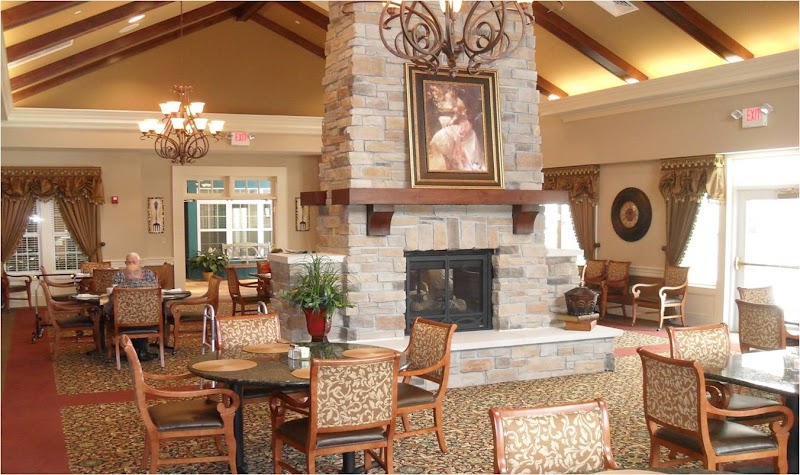
How Does Hampton Woods Nursing Center, Inc Compare to Other Ohio Nursing Homes?

Compared to the 100 nursing homes in Ohio, HAMPTON WOODS NURSING CENTER, INC's overall rating (3 stars) is below the state average of 3.2, staff turnover (70%) is significantly higher than the state average of 46%, and health inspection rating (2 stars) is below the national benchmark.

What Should Families Ask When Visiting Hampton Woods Nursing Center, Inc?

Based on this facility's data, families visiting should ask: "How do you ensure continuity of care given staff turnover, and what is your staff retention strategy?" "Can I visit during a mealtime to observe dining assistance and food quality?" "How do you handle medical emergencies, and what is your hospital transfer rate?" "Can I speak with family members of current residents about their experience?" These questions are particularly relevant given the facility's high staff turnover rate.

Is Hampton Woods Nursing Center, Inc Safe?

Based on CMS inspection data, HAMPTON WOODS NURSING CENTER, INC has a clean safety record: no substantiated abuse findings (meaning no confirmed cases of resident harm), no Immediate Jeopardy citations (the most serious violation level indicating risk of serious injury or death), and is not on the Special Focus Facility watch list (a federal program monitoring the lowest-performing 1% of nursing homes). The facility has a 3-star overall rating and ranks #100 of 100 nursing homes in Ohio. While no facility is perfect, families should still ask about staff-to-resident ratios and recent inspection results during their visit.

Do Nurses at Hampton Woods Nursing Center, Inc Stick Around?

Staff turnover at HAMPTON WOODS NURSING CENTER, INC is high. At 70%, the facility is 23 percentage points above the Ohio average of 46%. High turnover means new staff may not know residents' individual needs, medications, or preferences. It can also be disorienting for residents, especially those with dementia who rely on familiar faces. Families should ask: What is causing the turnover? What retention programs are in place? How do you ensure care continuity during staff transitions?

Was Hampton Woods Nursing Center, Inc Ever Fined?

HAMPTON WOODS NURSING CENTER, INC has no federal fines on record. CMS issues fines when nursing homes fail to meet care standards or don't correct problems found during inspections. The absence of fines suggests the facility has either maintained compliance or corrected any issues before penalties were assessed. This is a positive indicator, though families should still review recent inspection reports for the full picture.

Is Hampton Woods Nursing Center, Inc on Any Federal Watch List?

HAMPTON WOODS NURSING CENTER, INC is not on any federal watch list. The most significant is the Special Focus Facility (SFF) program, which identifies the bottom 1% of nursing homes nationally based on persistent, serious quality problems. Not being on this list means the facility has avoided the pattern of deficiencies that triggers enhanced federal oversight. This is a positive indicator, though families should still review the facility's inspection history directly.