WOODLANDS HEALTH AND REHAB CENTER
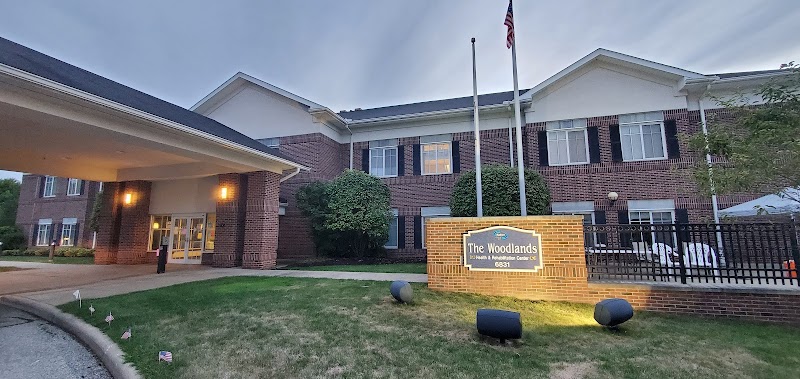
6831 NORTH CHESTNUT STREET, RAVENNA, OH 44266 (330) 297-4564
For profit - Corporation 95 Beds SABER HEALTHCARE GROUP Data: November 2025
Trust Grade
58/100
#384 of 913 in OH
Last Inspection: September 2024

Within standard 12-15 month inspection cycle. Federal law requires annual inspections.

Overview

Woodlands Health and Rehab Center has received a Trust Grade of C, which means it is considered average, ranking in the middle of the pack among nursing homes. In Ohio, it ranks #384 out of 913 facilities, placing it in the top half, and #6 out of 10 within Portage County, indicating that there are only a few local options that are better. Unfortunately, the facility's trends are worsening, with issues increasing from 3 in 2024 to 5 in 2025. Staffing here is rated 2 out of 5 stars, which reflects below-average conditions, with a 50% turnover rate that is similar to the state average. Additionally, the facility has faced $14,680 in fines, which is concerning but still average compared to other facilities in Ohio. One serious incident involved a resident who fell and fractured their hip due to a lack of supervision, indicating gaps in safety measures. Another serious finding showed that a resident's pressure ulcer went untreated for too long, leading to significant harm. On a positive note, the facility has adequate RN coverage, which is important for catching potential issues early. Overall, while there are strengths in RN staffing, the facility must address serious incidents and the increasing number of compliance issues to improve the care provided.

Trust Score
C
58/100
In Ohio
#384/913
Top 42%
Safety Record
Moderate
Needs review
Inspections
Getting Worse
3 → 5 violations
Staff Stability
⚠ Watch
50% turnover. Above average. Higher turnover means staff may not know residents' routines.
Penalties
○ Average
$14,680 in fines. Higher than 67% of Ohio facilities. Some compliance issues.
Skilled Nurses
○ Average
Each resident gets 31 minutes of Registered Nurse (RN) attention daily — about average for Ohio. RNs are the most trained staff who monitor for health changes.
Violations
⚠ Watch
21 deficiencies on record. Higher than average. Multiple issues found across inspections.
★★★★☆
4.0
Overall Rating
★★☆☆☆
2.0
Staff Levels
★★★★★
5.0
Care Quality
★★★☆☆
3.0
Inspection Score
Stable
2024: 3 issues
2025: 5 issues

The Good

  • 5-Star Quality Measures · Strong clinical quality outcomes
  • Full Sprinkler Coverage · Fire safety systems throughout facility
  • No fines on record

Facility shows strength in quality measures, fire safety.

The Bad

Staff Turnover: 50%

Near Ohio avg (46%)

Higher turnover may affect care consistency

Federal Fines: $14,680

Below median ($33,413)

Minor penalties assessed

Chain: SABER HEALTHCARE GROUP

Part of a multi-facility chain

Ask about local staffing decisions and management

The Ugly 21 deficiencies on record

2 actual harm
Jun 2025 5 deficiencies
CONCERN (D) 📢 Someone Reported This

A family member, employee, or ombudsman was alarmed enough to file a formal complaint

Potential for Harm - no one hurt, but risky conditions existed

Resident Rights (Tag F0550)

Could have caused harm · This affected 1 resident

**NOTE- TERMS IN BRACKETS HAVE BEEN EDITED TO PROTECT CONFIDENTIALITY** Based on record review, observation, interview and facility policy review, the facility did not ensure Foley catheter drainage b...

Read full inspector narrative →
**NOTE- TERMS IN BRACKETS HAVE BEEN EDITED TO PROTECT CONFIDENTIALITY** Based on record review, observation, interview and facility policy review, the facility did not ensure Foley catheter drainage bags were covered in a dignified manner. This affected one (Resident #66) out of three residents reviewed for dignity and had the potential to affect two additional (Residents #29 and #38) identified by the facility as having a Foley catheter. The facility census was 77. Findings include: Review of the medical record for Resident #66 revealed an admission date of 06/18/22. Diagnoses included irregular heartbeat, retention of urine, heart failure, high blood pressure and kidney disease. Review of the quarterly Minimum Data Set (MDS) assessment dated [DATE] revealed Resident #66 was cognitively intact. He was independent for eating, required setup help for oral and personal hygiene and was dependent upon staff for toileting, showering and dressing. Review of the care plan dated 05/14/25 revealed Resident #66 required an indwelling urinary (Foley) catheter. Interventions included measuring intake and output, keeping the tubing and parts of the drainage system off the floor, storing the collection bag inside a protective dignity pouch and avoiding lying on top of the tubing. Observation and interview on 06/23/25 at 9:55 A.M. with Resident #66 revealed he did have a Foley catheter in use. No privacy cover was observed on his catheter drainage bag. Interview at the time of the observation with Certified Nurse Aide (CNA) #201 confirmed catheter drainage bags should be covered with a privacy bag, and Resident #66 did not have a privacy bag on his catheter drainage bag. Review of the undated facility policy Resident Rights revealed the resident had the right to be treated at all times with courtesy, respect, and full recognition of dignity and individuality. This deficiency is an incidental finding identified during the complaint investigation.
CONCERN (D) 📢 Someone Reported This

A family member, employee, or ombudsman was alarmed enough to file a formal complaint

Potential for Harm - no one hurt, but risky conditions existed

Notification of Changes (Tag F0580)

Could have caused harm · This affected 1 resident

**NOTE- TERMS IN BRACKETS HAVE BEEN EDITED TO PROTECT CONFIDENTIALITY** Based on record review, interview and facility policy review, the facility failed to make the appropriate notifications when Res...

Read full inspector narrative →
**NOTE- TERMS IN BRACKETS HAVE BEEN EDITED TO PROTECT CONFIDENTIALITY** Based on record review, interview and facility policy review, the facility failed to make the appropriate notifications when Resident #79 removed his Foley catheter. This affected one (Resident #79) of three reviewed for dignity concerns. The facility census was 77. Findings include: Review of the medical record for Resident #79 revealed an admission date of 05/01/25 and a discharge date of 05/21/25. Diagnoses included dementia, failure to thrive, repeated falls, diabetes and prostate cancer. Review of the comprehensive Minimum [NAME] Set (MDS) assessment dated [DATE] revealed Resident #79 was severely cognitively impaired. He required supervision for eating, oral and personal hygiene and substantial or maximum assistance for toileting and showering. Review of the physician's orders for May 2025 revealed Resident #79 had an order to change his indwelling urinary (Foley) catheter once a day and as needed. Review of the care plan dated 05/05/25 revealed Resident #79 had an indwelling urinary catheter. Interventions included freedom from infection and urethral trauma, measuring intake and output, avoiding the tubing or any part of the drainage system from touching the floor, storing the collection bag inside a protective dignity pouch and avoiding obstructions in the drainage. Review of the nursing note dated 05/16/25 at 2:33 A.M. revealed Registered Nurse (RN) #207 was walking down the hallway when she noticed Resident #79 standing in his room. Upon entering the room, she noticed blood on the floor and the resident's Foley catheter was not in place. The Foley was noted to be intact with the balloon intact as well. The resident was assisted with a shower, and the Foley catheter was reinserted with no complaints of pain from the resident. Interview on 06/24/25 at 6:40 A.M. with RN #207 confirmed she walked by Resident #79's room and noticed he was standing near his roommate's bed with some blood on the floor. She revealed his Foley catheter had been removed, she assisted him in getting a shower and replaced the Foley catheter. She confirmed she did not notify the residents physician or family of the incident, and this was typically something that should be done when such an incident occurred. Review of the facility policy titled Resident Change in Condition Policy, dated 06/27/24, revealed a significant change of condition was a decline in a resident's status that would not normally resolve itself without intervention by staff, impacts more than one area of the resident's health status and or requires review or revision to the care plan. The physician and family or responsible party would be notified in the event of an accident or injury revolving the resident, the discovery of an injury, reaction to medication or treatment, a significant change to the residents of physical, emotional or mental condition or need to alter the resident's medical treatment including a change in provider orders. This deficiency represents noncompliance investigated under Complaint Number OH00166245.
CONCERN (D) 📢 Someone Reported This

A family member, employee, or ombudsman was alarmed enough to file a formal complaint

Potential for Harm - no one hurt, but risky conditions existed

Deficiency F0602 (Tag F0602)

Could have caused harm · This affected 1 resident

**NOTE- TERMS IN BRACKETS HAVE BEEN EDITED TO PROTECT CONFIDENTIALITY** THE FOLLOWING DEFICIENCY REPRESENTS AN INCIDENT OF PAST NON-COMPLIANCE THAT WAS SUBSEQUENTLY CORRECTED PRIOR TO THIS SURVEY. Bas...

Read full inspector narrative →
**NOTE- TERMS IN BRACKETS HAVE BEEN EDITED TO PROTECT CONFIDENTIALITY** THE FOLLOWING DEFICIENCY REPRESENTS AN INCIDENT OF PAST NON-COMPLIANCE THAT WAS SUBSEQUENTLY CORRECTED PRIOR TO THIS SURVEY. Based on record review, self-reported incident (SRI) review, interview and facility policy review, the facility failed to ensure misappropriation of medications for Resident #80. This affected one (Resident #80) of three reviewed for abuse and had the potential to affect all 77 residents residing in the facility. Findings include: Review of the medical record for Resident #80 revealed an admission date of 04/26/25 and a discharge date of 05/31/25. Diagnoses included hypertension, right femur fracture, repeated falls, diabetes, difficulty walking and need for assistance with personal care. Review of the comprehensive Minimum Data Set (MDS) assessment dated [DATE] revealed Resident #80 was cognitively intact. She was independent for eating, required supervision for oral hygiene, partial to moderate assistance for personal hygiene and was totally dependent on staff for toileting and showering. She had major surgery to repair her leg. Review of the physician's orders for April 2025 revealed an order for Tramadol (an opioid pain reliever) 50 milligrams (mg) every six hours as needed (prn). Review of the care plan dated 04/29/25 revealed Resident #80 had complaints of pain due to a right femur fracture. Interventions included assessing the effects of pain on the resident, evaluating the effectiveness and pain management interventions, eliminating environmental stimuli, administering medications and monitoring the effectiveness, and positioning for comfort with physical support as necessary. Review of SRI tracking number 259767 dated 04/27/25 revealed Registered Nurse (RN) #200 received a phone call on 04/27/25 at approximately 7:30 P.M. from RN #207 who reported the facility count sheet was off by one pill of Tramadol for Resident #80. RN #207 revealed she questioned the nurse who was finishing her shift, RN #209, about the missing Tramadol and was told she pulled the medication but it was too soon to administer it therefore, she put it in her pocket and when it was time to administer the medication she could not find it. Shortly after that time, RN #209 was asked to assist an unidentified certified nurse aide (CNA) in providing care to another resident. When she returned to the medication cart, she reported she had found the missing Tramadol for Resident #80 and had disposed of it appropriately. By the time RN #200 arrived at the facility to investigate and question RN #209, RN #209 had clocked out and left the facility. RN #200 reached out to RN #209 via text message and asked her to return to the facility to discuss the incident. RN #209 replied she would not be returning to the facility and had terminated her employment. Review of the facility investigation, dated 04/27/25, revealed the investigation included resident assessments, resident interviews, staff interviews, medical record reviews, narcotic record reviews, and staff drug screen reviews. RN #209 refused to cooperate with the investigation, and the incident was reported to the Ohio Board of Nursing. The investigation included a search of the facility sharps containers, where RN #209 reportedly discarded the Tramadol, and no discarded medication was located. Resident #80 was interviewed as part of the investigation and her electronic medical record was reviewed. A head-to-toe assessment was completed to include a pain assessment, and no negative effects to Resident #80 were noted. The allegation of misappropriation of narcotic medications was inconclusive. Interview on 06/24/25 at 11:41 A.M. with the Administrator confirmed Resident #80's medication had been misappropriated. Review of the facility policy titled Ohio Resident Abuse Policy, dated 07/11/24, revealed the facility will not tolerate abuse, neglect, mistreatment, exploitation of residents, and misappropriation of resident property by anyone. The definition of misappropriation is the deliberate misplacement, exploitation, or wrongful, temporary, or permanent use of a resident's belongings or money without the resident's consent. The facility will not employ or otherwise engage individuals who have been found guilty of abuse, neglect, or mistreatment of resident by a court of law; had a finding of abuse, neglect, mistreatment, exploitation, involuntary seclusion and/or misappropriation of property reported into a state nurse aide registry, or had a disciplinary action taken against a professional license by a state licensure body as a result of a finding of abuse, neglect, or mistreatment of residents or a finding of misappropriation of property. The deficient practice was corrected on 05/02/25 when the facility implemented the following corrective actions: • Resident #80 was assessed for pain and reported none at the time of the interview. • Nurses on duty at the time of the incident were asked to submit a urine test for drug screening. • On 04/28/25 an e-mail was sent to Pharmacist #210 informing her of the discrepancy and requesting a pharmacy representative to conduct a comprehensive narcotic audit of the facility. • RN #200 conducted an audit of each medication cart as well as the narcotic count sheets and no other discrepancies were noted. • One 05/02/25, a quality assurance and performance improvement (QAPI) meeting was held with the medical director present to discuss the incident. • The former Director of Nursing (DON) and RN #202 conducted audits of the narcotic accountability records, concluding on 04/28/25. • Residents who received narcotic medications were interviewed by the former DON and none reported concerns with receiving medications. • All nursing staff were re-educated by RN #202 regarding medication administration and documentation, concluding on 04/30/25. • Ongoing compliance with medication administration and documentation was conducted for four nurses per week for four weeks. Results were submitted to the QAPI committee for further review and recommendations. • RN #200 conducted weekly audits of as needed narcotic administration records ensuring all doses were signed and documented in the electronic medical record for four weeks. The results of the audits were submitted to the QAPI committee for further review and recommendations. This deficiency is an incidental finding identified during the complaint investigation.
CONCERN (D) 📢 Someone Reported This

A family member, employee, or ombudsman was alarmed enough to file a formal complaint

Potential for Harm - no one hurt, but risky conditions existed

Investigate Abuse (Tag F0610)

Could have caused harm · This affected 1 resident

THE FOLLOWING DEFICIENCY REPRESENTS AN INCIDENT OF PAST NON-COMPLIANCE THAT WAS SUBSEQUENTLY CORRECTED PRIOR TO THIS SURVEY. Based on record review, self-reported incident (SRI) review, facility inves...

Read full inspector narrative →
THE FOLLOWING DEFICIENCY REPRESENTS AN INCIDENT OF PAST NON-COMPLIANCE THAT WAS SUBSEQUENTLY CORRECTED PRIOR TO THIS SURVEY. Based on record review, self-reported incident (SRI) review, facility investigation review, interview and facility policy review, the facility failed to ensure residents were free from potential abuse by failing to immediately suspend a staff member after an allegation of staff-to-resident abuse. This affected one (Resident #63) of three residents reviewed for abuse and had the potential to affect all 77 residents in the facility. Findings include: Review of the medical record for Resident #63 revealed an admission date of 03/21/23. Diagnoses included a history of stroke affecting the left, dominant side, hypertension, chronic kidney disease, glaucoma, left eye blindness, osteoarthritis, diabetes and dementia. Review of the quarterly Minimum Data Set (MDS) assessment data 05/06/25 revealed Resident #63 was severely cognitively impaired. He required setup help for eating, partial to moderate assistance for oral hygiene, substantial to maximal assistance for personal hygiene and was dependent on staff for toileting, showering and dressing. Review of the facility SRI tracking number 258295 revealed on 03/15/25 at 11:10 A.M., Housekeeper #214 reported she witnessed Certified Nurse Aide (CNA) #213 physically abused resident #63. Review of the facility investigation revealed Housekeeper #214 witnessed Resident #63 telling CNA #213 he did not want deodorant on. CNA #213 forcefully took his arm and put the deodorant on anyway. Resident #63 called CNA #213 a derogatory name and swatted her away. She revealed she witnessed CNA #213 spray Resident #63 in the face with deodorant and immediately went to the nurse to report her findings. The investigation further revealed Licensed Practical Nurse (LPN) #215 continued passing medications for approximately five to ten minutes prior to addressing Housekeeper #214's concern. CNA #213 reported Resident #63 had been agitated with care and did not want CNA #213 to apply deodorant to his right arm; therefore, she respected the resident's wishes and left his room. She denied forcing the resident to use deodorant or spraying him in the face intentionally. The Administrator spoke with LPN #215 at approximately 5:30 P.M. and was told Housekeeper #214 saw CNA #213 spray Resident #63 in the face with deodorant. LPN #215 confirmed she did not immediately assess Resident #63 and waited approximately ten minutes to do so. At the time of the assessment, the resident did not look like he was in distress, nor did there appear to be any injury to his eyes. The former Director of Nursing (DON) was called at 12:41 P.M. and instructed LPN #215 to switch CNA #213's assignment. The former DON did not suspend CNA #213 upon learning of the alleged abuse. LPN #215 was suspended at 6:45 P.M. Housekeeper #214 was suspended at 6:55 P.M. for not immediately ensuring the resident's safety. The investigation included resident assessments, resident interviews, staff interviews and medical record reviews. Resident #63 was interviewed and assessed as part of the investigation, and his electronic medical record was reviewed. A head-to-toe assessment was completed, and no negative effects to the resident were noted. The allegation of abuse was unsubstantiated. Review of the care plan dated 03/19/25 revealed Resident #63 was resistive to care. Interventions included stopping and reapproaching later, maintaining a calm environment and approach to the resident, allowing the resident to choose options and actively involving the resident in his care. Resident #63 also had a self-care performance deficit. Interventions included encouraging the resident to participate in oral hygiene, only using roll on deodorant and monitoring for pain or intolerance training self-care. Interview on 06/24/25 at 11:41 A.M. with the Administrator revealed CNA #213 was suspended on 03/15/25 at 5:34 P.M. He confirmed she should have been suspended immediately upon learning of the suspected allegation of abuse. Review of the facility policy titled Ohio Resident Abuse Policy, dated 07/11/24, revealed the facility would not tolerate abuse, neglect, mistreatment, exploitation of residents, and misappropriation of resident property by anyone. If abuse was suspected, staff would immediately report the concern to their direct supervisor and not leave the resident unattended unless it was necessary to summon assistance. If a staff member was suspected of abuse, neglect, mistreatment, exploitation, involuntary seclusion and/or misappropriation of property, the facility would immediately remove the staff member from the resident care areas and that staff would remain under direct supervision until a written statement was complete or law enforcement arrived, if applicable. The accused staff member would be removed from the facility and schedule pending the outcome of the investigation. The deficient practice was corrected on 03/16/25 when the facility implemented the following corrective actions: • Upon discovery on 03/15/25, CNA #213, former DON, Housekeeper #214, and LPN #215 were suspended by the Administrator. • Resident #63 was assessed head-to-toe by a licensed nurse. • Resident #63's physician and family were notified of the incident. • An SRI was reported (there was a delay in the EIDC system working). • The Administrator began interviewing the staff in question. • Resident #63 was assessed for psychosocial decline, none noted. • All staff were educated on the abuse policy by 03/16/25 by the Administrator or designee. • The SRI investigation was completed by the Administrator and the acting DON on 03/18/25 with no negative findings. • The Administrator worked with Corporate Human Resources and provided one on one education and discipline, if applicable, CNA #213, former DON, Housekeeper #214 , and LPN #215 • To monitor and maintain ongoing compliance, the Administrator or designee will monitor for any accusations or signs and symptoms of abuse to determine if the facility followed the abuse policy three times a week for four weeks and then monthly times two months. • The results of the audits will be forwarded to the facility quality assurance and performance improvement (QAPI) committee for further review and recommendations. This deficiency is an incidental finding identified during the complaint investigation.
CONCERN (D) 📢 Someone Reported This

A family member, employee, or ombudsman was alarmed enough to file a formal complaint

Potential for Harm - no one hurt, but risky conditions existed

Accident Prevention (Tag F0689)

Could have caused harm · This affected 1 resident

**NOTE- TERMS IN BRACKETS HAVE BEEN EDITED TO PROTECT CONFIDENTIALITY** Based on observation, record review, interview and facility policy review, the facility failed to ensure fall interventions were...

Read full inspector narrative →
**NOTE- TERMS IN BRACKETS HAVE BEEN EDITED TO PROTECT CONFIDENTIALITY** Based on observation, record review, interview and facility policy review, the facility failed to ensure fall interventions were in place and falls were thoroughly investigated. This affected two (Residents #40 and #66) of three residents reviewed for falls. The facility census was 77. Findings include: 1. Review of the medical record for Resident #40 revealed an admission date of 08/08/23. Diagnoses included hypertension, dementia, muscle weakness, chronic obstructive pulmonary disease (COPD) and epilepsy. Review of the fall risk assessment dated [DATE] revealed Resident #40 was a high risk for falls. Review of the care plan dated 02/20/24 revealed Resident #40 was at risk for falls. Interventions included placing the bed against the wall, ensuring the area was free of clutter, ensuring she was wearing proper footwear, and showing her glasses were being used, ensuring common items were within reach and her call light was within reach. Review of the comprehensive Minimum Data Set (MDS) assessment dated [DATE] revealed Resident #40 was cognitively intact. She required set up and clean up help for eating and oral hygiene, substantial or maximum assistance for personal hygiene and was dependent on staff for toileting, showering and dressing. Review of the nursing note dated 06/16/25 at 3:05 A.M. revealed Resident #40 was found in her bedroom on the floor. Resident #40 was complaining of back, neck, head and pelvic pain. Vital signs were obtained while emergency medical transportation (EMT) services were called. Vital signs were within normal limits. Resident #40 had some confusion and delayed response, she could not confirm if she hit her head. She also could not explain how she rolled out of bed and onto the floor. The right-side handrail was noted to be up on the bed. The nurse asked if she was trying to sit up on the bed to which she replied, yes. EMTs arrived and the resident was taken to the local emergency department for examination, the doctor, nurse on call on, the administrator and family were notified. Review of the facility fall investigation dated 06/16/25 revealed Resident #40 rolled out of bed and complained of back, head, neck and pelvic pain. Resident #40 was not wearing footwear at the time of the fall. Vitals signs were blood pressure 120/87, pulse 72, temperature 96.5 degrees and respirations 18. Resident #40 reported a pain level of five on one to 10 scale, 10 being the worst. The investigation did not reveal any evidence if Resident #40's bed was against the wall, if her call light was in reach, or if the area was free of clutter. Interview on 06/23/25 at 3:05 P.M. with Certified Nurse Aide (CNA) #206 revealed she heard yelling from Resident #40's room and when she went to check on her, she was on the floor. She revealed she had just helped change the resident approximately 15 minutes before the fall, but she could not confirm if the residents' call light was in reach at the time of the fall, she reported Resident #40 had been more confused prior to the fall. Review of hospital discharge paperwork dated 06/16/25 revealed no negative findings on the CT scans or X-rays for Resident #40; she was discharged home. 2. Review of the medical record for Resident #66 revealed an admission date of 06/18/22. Diagnoses included irregular heartbeat, retention of urine, heart failure, high blood pressure and kidney disease. Review of the fall risk assessment dated [DATE] revealed Resident #66 was a moderate risk for falls. Review of the quarterly MDS assessment dated [DATE] revealed Resident #66 was cognitively intact. He was independent for eating, required setup help for oral and personal hygiene and was dependent on staff for toileting, showering and dressing. Review of the care plan dated 04/04/24 revealed Resident #66 was at risk for falls. Interventions included nonskid strips at bedside, toileting assistance as needed, ensuring his reaching device (a long-handled assistive device to help grasp, pick-up, or retrieve objects) was in use, ensuring the floor was clear of glare, liquids and foreign objects and proper, well-maintained footwear. Review of the physician's orders for 05/21/25 revealed an order to encourage Resident #66 to use his reacher when picking up items, nonskid strips to the bedside and bathroom floor and a Call, Don't Fall sign. Observation and interview on 06/23/25 at 2:33 P.M. with Resident #66 revealed he had a reacher, but it was at home. A reaching device was observed in front of the residents' television, at the end of the resident's bed, against the wall. Interview with CNA #201 confirmed the reacher was nowhere near Resident #66 and should be near him to help prevent the risk of falls. Review of the facility policy titled Fall Prevention and Management Policy, dated 08/06/24, revealed a fall was defined as unintentionally coming to rest on the ground, floor or other lower level. Fall risk assessments would be completed at admission, quarterly and as needed, and individualized interventions would be implemented based on those assessments and care planned accordingly. This deficiency represents noncompliance investigated under Complaint Number OH00166245.
Sept 2024 3 deficiencies
CONCERN (D)

Potential for Harm - no one hurt, but risky conditions existed

Deficiency F0578 (Tag F0578)

Could have caused harm · This affected 1 resident

**NOTE- TERMS IN BRACKETS HAVE BEEN EDITED TO PROTECT CONFIDENTIALITY** Based on record review, interview and facility policy review, the facility failed to ensure advance directive orders were consis...

Read full inspector narrative →
**NOTE- TERMS IN BRACKETS HAVE BEEN EDITED TO PROTECT CONFIDENTIALITY** Based on record review, interview and facility policy review, the facility failed to ensure advance directive orders were consistent across electronic and paper medical records. This affected two residents (#5 and #29) out of 24 resident records reviewed. Facility census was 84. Findings include: 1. Review of Resident #5's medical record revealed an admission date of [DATE] and diagnoses including depression, peripheral vascular disease, cerebral aneurysm, aphasia, dysphagia, anxiety and dementia. Review of Resident #5's quarterly minimum data set (MDS) 3.0 assessment dated [DATE] revealed Resident #5 had cognitive impairment, was dependent on toileting and required substantial/maximal assistance for bathing. Review of Resident #5's electronic medical record revealed she had an advance directive of Do Not Resuscitate Comfort Care Arrest (DNRCCA). Review of Resident #5's paper medical record revealed there was an advance directive of DNRCCA on file dated [DATE] as well as a full measures advance directive dated [DATE]. Interview on [DATE] at 8:12 A.M. with the Director of Nursing (DON) confirmed there were advance directives of full code and DNRCCA for Resident #5 in her paper chart and should not have been as this was conflicting information. The DON indicated in the event of a code, staff were to check both the electronic and paper charts for advance directives prior to proceeding with cardiopulmonary resuscitation (CPR) as indicated. 2. Review of Resident #29's medical record revealed an admission date of [DATE] and diagnoses including dementia, suicidal ideations, hypertension, depression, anxiety, chronic kidney disease and muscle weakness. Review of Resident #29's quarterly MDS 3.0 assessment dated [DATE] revealed Resident #29 had severe cognitive impairment, required supervision for eating and was dependent on staff for toileting. Review of Resident #29's electronic medical record revealed she had an advance directive of Do Not Resuscitate Comfort Care (DNRCC). Review of Resident #29's paper medical record revealed there was an advance directive of DNRCC on file dated [DATE] as well as a full measures advance directive dated [DATE]. Interview on [DATE] at 8:12 A.M. with the DON confirmed there were advance directives of full code and DNRCC for Resident #29 in her paper chart and should not have been as this was conflicting information. The DON indicated in the event of a code, staff were to check both the electronic and paper charts for advance directives prior to proceeding with CPR as indicated. Review of the facility policy, Advance Directives Protocol, no date revealed the clinical chart will identify any chosen advance directives including any applicable forms such as Do Not Resuscitate (DNR) forms. Advance directives will be reviewed at minimum annually according to MDS schedule. Utilize Advanced Directive audit tool to maintain current advance directive status readily available for review.
CONCERN (D)

Potential for Harm - no one hurt, but risky conditions existed

Deficiency F0604 (Tag F0604)

Could have caused harm · This affected 1 resident

**NOTE- TERMS IN BRACKETS HAVE BEEN EDITED TO PROTECT CONFIDENTIALITY** Based on observations, review of the medical record, interview with staff, and review of facility policy the facility failed to ...

Read full inspector narrative →
**NOTE- TERMS IN BRACKETS HAVE BEEN EDITED TO PROTECT CONFIDENTIALITY** Based on observations, review of the medical record, interview with staff, and review of facility policy the facility failed to release a restraint every two hours as ordered for Resident #22. This affected one resident ( Resident #22) of one resident reviewed for restraints. The facility census was 84. Findings include: Review of the medical record revealed Resident #22 was admitted to the facility on [DATE]. Diagnoses included Huntington's disease, dementia, anxiety disorder, dysphagia, adjustment disorder, hypertension, Alzheimer's disease, osteoarthritis, diabetes, sleep apnea, anorexia, ataxia, chronic obstruction pulmonary disease, anemia, repeated falls, dysphagia, and chorea. Review of the quarterly Minimum Data Set assessment dated [DATE] revealed Resident #22 had severely impaired cognition and used a trunk restraint daily. Review of the physician's orders revealed Resident #22 had an order for Broda chair with a torso support due to the diagnoses of Huntington's disease; release and reposition every two hours and as needed every shift for safety dated 07/02/24. Continuous observations on 09/18/24 from 11:00 A.M. through 1:05 P.M. revealed Resident #22 was up in the Broda chair with a pelvic restraint on without being released as ordered. On 09/18/24 at 1:05 P.M. an interview with State Tested Nursing Assistant #454 revealed she had not released Resident #22 restraint and was not aware of when the least time it was released. On 09/18/24 at 1:07 P.M. an interview with State Tested Nursing Assistant #449 revealed she had gotten Resident #22 up in the Broda chair around 9:30 or10:00 A.M. and that was the last time her restraint was released. She verified it had been over two hours. On 09/18/24 at 1:09 P.M. an interview with Licensed Practical Nurse #422 revealed she had not released Resident #22's restraint and was not aware of when the least time it was released. Review of the facility policy titled,Restraints, dated 01/11 with a revision date of 09/16/24 revealed physical and/or chemical restraints would be initiated only after a comprehensive review determine they are necessary to treat the resident's medical symptoms that warant their use. The plan of care would be updated and address the medical symptoms, safety issues, measures to minimize risk of resident decline and measures to maintain strength and mobility. The plan of care would also specify the type of restraint to be used, when the restraint is to be used and when it should be released. Physical restraints must be released at least 10 minutes of every 2 hours during normal waking hours to allow for resident movement, exercise, and/or toileting. If the resident does not want to exercise or toilet, their position will be changed at least every 2 hours. Review of the plan of care dated 05/08/24 with revision on 08/14/24 revealed Resident #22 was at risk for falling related to Huntington's disease and Alzheimer's dementia. Interventions included to ensure placement of floor mat alarm, two mattresses to the floor next to the bed with pad alarm, ankle weights to the Broda chair, bed against wall, bolsters to bed, Broda chair with a torso support enabler to be released and reposition every two hours and as needed, encourage helmet when up as tolerated, and nonskid socks. Review of the plan of care dated 05/08/24 with a revision date of 07/02/24 revealed Resident #22 used a physical restraint to the Broda chair with torso support related to diagnoses of Huntington's disease. It was to be release and resident reposition every two hours and as needed. Interventions included to check the restraint every 15 minutes and release every two hours and to shift the residents weight and/or change her position.
CONCERN (D)

Potential for Harm - no one hurt, but risky conditions existed

Accident Prevention (Tag F0689)

Could have caused harm · This affected 1 resident

**NOTE- TERMS IN BRACKETS HAVE BEEN EDITED TO PROTECT CONFIDENTIALITY** Based observation, interview, record review and review of the facility policy, the facility failed to ensure fall interventions ...

Read full inspector narrative →
**NOTE- TERMS IN BRACKETS HAVE BEEN EDITED TO PROTECT CONFIDENTIALITY** Based observation, interview, record review and review of the facility policy, the facility failed to ensure fall interventions were in place per the plan of care. This affected two residents (#22 and #29) of four residents reviewed for falls. Facility census was 84. Findings include: 1. Review of Resident #29's medical record revealed an admission date of 06/03/24 and diagnoses including dementia, suicidal ideations, hypertension, depression, anxiety, chronic kidney disease and muscle weakness. Review of Resident #29's quarterly minimum data set (MDS) 3.0 assessment dated [DATE] revealed Resident #29 had severe cognitive impairment, was dependent on staff for toileting and had two or more falls without injury since the last assessment. Review of Resident #29's physician's orders as of 09/18/24 revealed an order dated 09/10/24 for dycem (material added to provide grip to surfaces) to grab bar in bathroom. Review of a nurses note written by Registered Nurse (RN) #462 on 09/10/24 revealed on 09/06/24 at 8:15 A.M. Resident #29 was being assisted with toileting. Resident #29 was holding onto the grab bar in the bathroom and let go. Staff then lowered Resident #29 to the floor. Nonskid socks were in place. Vital signs stable and no injuries noted. New intervention listed was dycem to grab bar in the bathroom. Review of a plan of care dated 06/04/24 and revised 09/17/24 revealed Resident #29 was at risk of falling due to dementia and prior falls and listed an approach dated 09/11/24 for dycem to grab bar in bathroom. Review of the fall risk assessment dated [DATE] revealed Resident #29 was at high risk for falls. Observation on 09/18/24 at 2:36 P.M. with RN #467 revealed Resident #29 was in the bathroom in her room, sitting on the toilet with the door closed. No dycem was observed on either grab bar in the bathroom and no staff were present. Interview with RN#467 at the time of observation verified the dycem was not in place per Resident #29's plan of care. 2. Review of the medical record revealed Resident #22 was admitted to the facility on [DATE]. Diagnoses included Huntington's disease, dementia, anxiety disorder, dysphagia, adjustment disorder, hypertension, Alzheimer's disease, osteoarthritis, diabetes, sleep apnea, anorexia, ataxia, chronic obstruction pulmonary disease, anemia, repeated falls, dysphagia, and chorea. Review of the physician's orders revealed Resident #22 had an order for Broda chair with a torso support due to the diagnoses of Huntington's disease; release and reposition every two hours and as needed every shift for safety dated 07/02/24 and ankle weights to broda chair dated 01/24/24. Review of the quarterly Minimum Data Set assessment dated [DATE] revealed Resident #22 had severely impaired cognition and used a trunk restraint daily. Review of the plan of care dated 05/08/24 with a revision date of 07/02/24 revealed Resident #22 used a physical restraint to the Broda chair with torso support related to diagnoses of Huntington's disease. It was to be release and resident reposition every two hours and as needed. Interventions included to check the restraint every 15 minutes and release every two hours and to shift the residents weight and/or change her position. Review of the plan of care dated 05/08/24 with revision on 08/14/24 revealed Resident #22 was at risk for falling related to Huntington's disease and Alzheimer's dementia. Interventions included to ensure placement of floor mat alarm, two mattresses to the floor next to the bed with pad alarm, ankle weights to the broda chair, bed against wall, bolsters to bed, Broda chair with a torso support enabler to be released and reposition every two hours and as needed, encourage helmet when up as tolerated, and nonskid socks. Observation on 09/17/24 at 5:05 P.M. revealed Resident #22 was up in the Broda Chair in the lounge area. She was sleeping with a torso/pelvic restraint and her helmet on. She did not have the ankle weights to the Broda chair. On 09/17/24 at 5:10 P.M. an interview with Licensed Practical Nurse #469 revealed she was from sister facility and this was the first time working in this building so she did not know about the ankle weights to Resident #22 Broda chair however she did verify there was an order for them to be on her Broda Chair and they were not on it. On 09/17/25 at 5:15 P.M. an interview with State Tested Nursing Assistant (STNA) #438 revealed she did not know anything about the ankle weights and she had only worked at the facility for about a month. On 09/17/24 at 5:23 P.M. an interview with Registered Nurse # 462 revealed she did not know about the order for the ankle weights to the Broda chair but would find out more information about them. On 09/17/24 at 5:25 P.M. an interview with STNA #453 revealed Resident #22 had received a new Broda Chair and the ankle weights were not on it. He stated the wheels were wider on this chair and he did not think they really needed them on this chair like they did her other Broda Chair. He stated he would go look for them in her room and put them on her Broda Chair.
Dec 2023 2 deficiencies 1 Harm
SERIOUS (G) 📢 Someone Reported This

A family member, employee, or ombudsman was alarmed enough to file a formal complaint

Actual Harm - a resident was hurt due to facility failures

Accident Prevention (Tag F0689)

A resident was harmed · This affected 1 resident

**NOTE- TERMS IN BRACKETS HAVE BEEN EDITED TO PROTECT CONFIDENTIALITY** Based on closed record review, hospital record review, facility policy review and interview the facility failed to provide adequ...

Read full inspector narrative →
**NOTE- TERMS IN BRACKETS HAVE BEEN EDITED TO PROTECT CONFIDENTIALITY** Based on closed record review, hospital record review, facility policy review and interview the facility failed to provide adequate supervision and assistance to prevent a fall with injury for Resident #80. Following the fall, the facility failed to complete a comprehensive assessment, provide ongoing monitoring and physician notification to ensure the resident received timely medical treatment. Actual Harm occurred on 11/25/23 at 5:45 P.M. when Resident #80, who was cognitively impaired, at high risk for falls and with a history of recent falls, sustained a fall from the wheelchair in the lounge area following dinner, resulting in a left hip fracture. At the time of the fall, the facility identified the resident had wanted to go to bed and attempted to stand from the wheelchair independently (no staff were with the resident at the time of the incident). Staff failed to comprehensively assess the resident at the time of the fall and on 11/26/23 between 10:00 A.M. and 12:00 P.M. the resident's daughter requested the resident be transferred to the hospital due to increased pain. The resident was subsequently diagnosed with a left hip fracture requiring surgical intervention. This affected one resident (#80) of four residents reviewed for falls. The census was 76. Findings include: Review of the closed medical record for Resident #80 revealed an admission date of 11/14/23. On 11/26/23 the resident was discharged to the hospital. Resident #80 had diagnoses including repeated falls, type two diabetes mellitus, hypertension, weakness, cognitive communication deficit and fracture of rib on left side. Review of the physician's orders for November 2023 revealed an order for two (staff) to assist for all transfers, bed in low position, bell to wheelchair, encourage to be in common areas (initiated following falls that occurred on 11/21/23) and mat to side of bed. A fall risk assessment, dated 11/24/23 revealed the resident was at high risk for falls. Review of the Minimum Data Set (MDS) assessment, dated 11/26/23, revealed the resident had impaired cognition with a Brief Interview for Mental Status (BIMS) score of 7 out of 15. Review of a nurse's notes dated 11/25/23 at 6:19 P.M. revealed the nurse was passing medications when she heard a loud boom. Nursing assistants were collecting trays near resident when the resident fell. The resident was observed laying on his left side. The resident's vital signs were obtained, blood pressure was elevated at 183/104. The note indicated the resident indicated he was ready to lay down in bed and was assisted by two staff back into his wheelchair. The resident was assessed to have redness to the left shoulder with no other visible injuries noted. The resident was toileted and then put to bed. The nursing note documented, will continue to monitor. The next nursing note entry, dated 11/26/23 at 12:17 P.M. revealed Immediate discharge notice. bed hold notice and care plan sent with pt to hospital. Record review revealed the resident had been transferred to the emergency room on [DATE] at 12:00 P.M. The note indicated daughter in facility and updated on plan (for STAT x-ray orders to both extremities), daughter wished for resident to be sent outpatient to emergency room. The nursing note, dated 11/26/23 at 1:38 P.M. revealed Resident #80 presented with pain to the left upper and left lower extremities. The physician ordered an x-ray to both extremities STAT or to send the resident to the emergency room (ER) if not able to obtain STAT testing. The note indicated the resident's daughter was in the facility and wished for the resident to go to the ER. Review of a facility Post Fall Huddle (PFH) Form revealed Resident #80 sustained a fall on 11/25/23 at 5:45 P.M. When asked what he was trying to do, go to? What happened? The resident said he was trying to go to bed. The root cause of the fall documented on the form revealed the fall occurred because the resident was ready to lay down. A statement from the nursing assistant who witnessed the fall on 11/25/23 revealed the resident was sitting a wheelchair in the television room doorway in front of the nurse's station (so staff could see him better). The resident was highly confused. While staff were gathering up supper trays from resident rooms and loading them into the caddy, this nursing assistant saw Resident #80 stand up from his wheelchair; he very quickly stumbled fell on his side on the floor landed on his shoulder and leg. The statement indicated the nursing assistant was not fast enough to catch him. The nursing assistant notified the nurse and then they sat the resident up on his butt on the floor. The resident was lifted with a gait belt onto his wheelchair and then assisted him to bed. Interview on 12/04/23 from 10:03 A.M. to 12:15 P.M. with Certified Nurse Practitioner (CNP) #216, Licensed Practical Nurse (LPN) #212, Certified Occupational Therapy Assistant (COTA) # 218, Physical Therapy Assistant #215, Registered Nurse (RN) #220 and State Tested Nursing Assistant (STNA) #205 revealed when a resident fell they got the nurse to do an assessment prior to moving the resident from the floor. CNP #216 stated she was not notified about Resident #80's fall because she did not work that weekend. Interview on 12/04/23 at 12:16 P.M. with STNA #250 revealed she took care of Resident #80 on 11/25/23 and 11/26/23. She stated (on 11/25/23) she had heard a commotion while she was in another resident's room. By the time she came out, another STNA and nurse were with Resident #80. She did not assist at that time. She stated it was the end of her shift. She stated the next morning, on 11/26/23, she went to change the resident around 8:00 A.M. and he screamed during care. She noted the resident had a bruise on his left arm. She got the agency nurse, LPN #211, who assessed the resident's arm and leg. LPN #211 told STNA #250 not to move the resident until she called the doctor. STNA #250 stated she saw the resident's daughter in the building she thought between 10:00 A.M. to 11:00 A.M. and the daughter spoke to nurse. The daughter requested the resident be sent out to the hospital. Interview on 12/04/23 at 3:53 P.M. with the Director of Nursing (DON) revealed she was on-call the weekend of the incident and received no phone calls on 11/25/23 related to a resident fall. She questioned her Assistant Director of Nursing (ADON) who also stated she did not received any phone calls. The facility identified at the time of the resident's fall, Agency LPN #210 did not notify her, the on-coming staff, the resident's daughter or the physician of the resident's fall on 11/25/23. Interview on 12/04/23 at 4:13 P.M. with LPN #207 revealed she came on duty the following shift on 11/25/23 and had not been notified or made aware of the resident sustaining a fall on this date. Interview on 12/04/23 at 4:18 P.M. with Registered Nurse (RN) #211 revealed she heard someone yelling when she got to the nursing station on 11/26/23. She stated Resident #80 had a history of yelling out at night and was aware he had been originally admitted with diagnosis of rib fracture. She was looking at his pain medications when Resident #80 stated he needed a medic. RN #211 reviewed the resident's progress notes which was when she discovered he had sustained a fall the prior day. She assessed him then called the physician obtaining orders for STAT x-rays or to send the resident to ER. The daughter arrived during this time period and was informed of the fall at that time. Interview on 12/04/23 at 4:53 P.M. with STNA #202 revealed she was not made aware on 11/25/23 of the resident's fall that had occurred on day shift. Interview on 12/04/23 at 5:02 P.M. with the DON revealed she would have expected the nurse to do a head-to-toe assessment every shift for 72 hours following the fall. The DON verified there was no assessment completed on 11/25/23 from 7:00 P.M. to 7:00 A.M. because staff were unaware the resident had sustained a fall. Review of the hospital record for Resident #80 for his stay from 11/26/23 through 12/01/23 revealed he was admitted from the emergency department on 11/26/23 and diagnosed with a left hip fracture. The resident underwent an intramedullary nailing for the left hip on 11/28/23 and was stable to be discharged to a nursing home on [DATE]. Review of facility policy titled Fall Prevention and Management Policy, dated 12/09/19, revealed the facility will assess residents at admission, quarterly, after a fall and as needed. This deficiency represents non-compliance investigated under Complaint Number OH00148736.
CONCERN (D) 📢 Someone Reported This

A family member, employee, or ombudsman was alarmed enough to file a formal complaint

Potential for Harm - no one hurt, but risky conditions existed

Notification of Changes (Tag F0580)

Could have caused harm · This affected 1 resident

**NOTE- TERMS IN BRACKETS HAVE BEEN EDITED TO PROTECT CONFIDENTIALITY** Based on closed record review and interview the facility failed to ensure timely family and physician notification following a f...

Read full inspector narrative →
**NOTE- TERMS IN BRACKETS HAVE BEEN EDITED TO PROTECT CONFIDENTIALITY** Based on closed record review and interview the facility failed to ensure timely family and physician notification following a fall with injury for Resident #80. This affected one resident (#80) of four residents reviewed for falls. The census was 76. Findings include: Review of the closed medical record for Resident #80 revealed an admission date of 11/14/23. On 11/26/23 the resident was discharged to the hospital. Resident #80 had diagnoses including repeated falls, type two diabetes mellitus, hypertension, weakness, cognitive communication deficit and fracture of rib on left side. Review of a nurse's notes dated 11/25/23 at 6:19 P.M. revealed the nurse was passing medications when she heard a loud boom. Nursing assistants were collecting trays near resident when the resident fell. The resident was observed laying on his left side. The resident's vital signs were obtained, blood pressure was elevated at 183/104. The note indicated the resident indicated he was ready to lay down in bed and was assisted by two staff back into his wheelchair. The resident was assessed to have redness to the left shoulder with no other visible injuries noted. The resident was toileted and then put to bed. The nursing note documented, will continue to monitor. The next nursing note entry, dated 11/26/23 at 12:17 P.M. revealed Immediate discharge notice. bed hold notice and care plan sent with pt to hospital. Record review revealed the resident had been transferred to the emergency room on [DATE] at 12:00 P.M. The note indicated daughter in facility and updated on plan (for STAT x-ray orders to both extremities), daughter wished for resident to be sent outpatient to emergency room. The nursing note, dated 11/26/23 at 1:38 P.M. revealed Resident #80 presented with pain to the left upper and left lower extremities. The physician ordered an x-ray to both extremities STAT or to send the resident to the emergency room (ER) if not able to obtain STAT testing. The note indicated the resident's daughter was in the facility and wished for the resident to go to the ER. Interview on 12/04/23 from 10:03 A.M. to 12:15 P.M. with Certified Nurse Practitioner (CNP) #216 revealed she was not notified about Resident #80's fall because she did not work that weekend. Interview on 12/04/23 at 3:53 P.M. with the Director of Nursing (DON) revealed she was on-call the weekend of the incident and received no phone calls on 11/25/23 related to a resident fall. She questioned her Assistant Director of Nursing (ADON) who also stated she did not received any phone calls. The facility identified at the time of the resident's fall, Agency LPN #210 did not notify her, the on-coming staff, the resident's daughter or the physician of the resident's fall on 11/25/23. Interview on 12/04/23 at 4:13 P.M. with LPN #207 revealed she came on duty the following shift on 11/25/23 and had not been notified or made aware of the resident sustaining a fall on this date. Interview on 12/04/23 at 4:18 P.M. with Registered Nurse (RN) #211 revealed she heard someone yelling when she got to the nursing station on 11/26/23. She stated Resident #80 had a history of yelling out at night and was aware he had been originally admitted with diagnosis of rib fracture. She was looking at his pain medications when Resident #80 stated he needed a medic. RN #211 reviewed the resident's progress notes which was when she discovered he had sustained a fall the prior day. She assessed him then called the physician obtaining orders for STAT x-rays or to send the resident to ER. The daughter arrived during this time period and was informed of the fall at that time. Interview on 12/04/23 at 4:53 P.M. with STNA #202 revealed she was not made aware on 11/25/23 of the resident's fall that had occurred on day shift. This deficiency represents non-compliance investigated under Complaint Number OH00148736. This deficiency is also an example of continued non-compliance from the survey dated 11/22/23.
Nov 2023 5 deficiencies
CONCERN (D) 📢 Someone Reported This

A family member, employee, or ombudsman was alarmed enough to file a formal complaint

Potential for Harm - no one hurt, but risky conditions existed

Deficiency F0573 (Tag F0573)

Could have caused harm · This affected 1 resident

**NOTE- TERMS IN BRACKETS HAVE BEEN EDITED TO PROTECT CONFIDENTIALITY** Based on record review and interview, the facility failed to ensure Resident #80's family members were provided the proper proce...

Read full inspector narrative →
**NOTE- TERMS IN BRACKETS HAVE BEEN EDITED TO PROTECT CONFIDENTIALITY** Based on record review and interview, the facility failed to ensure Resident #80's family members were provided the proper procedure and documents necessary to access the resident's medical records from the facility. This finding affected one (Resident #80) of three residents reviewed for medical records. Findings include: Review of Resident #80's medical record revealed the resident was initially admitted don 01/05/23, readmitted on [DATE] and discharged on 04/25/23 with diagnoses including malignant neoplasm of the rectum with a colostomy. Review of Resident #80's medical record revealed the record listed the resident was the guarantor, one daughter as the power-of-attorney (POA) and emergency contact number one and another daughter as emergency contact number two. Review of Resident #80's Minimum Data Set (MDS) 3.0 assessment dated [DATE] revealed the resident exhibited intact cognition. Interview on 11/20/23 at 11:20 A.M. with Business Office Manager (BOM) #820 indicated Resident #80's daughter called to request a copy of the medical record and she was unsure of the date. BOM #820 indicated she told the family the record was part of the estate and they would have to talk to their attorney. BOM #820 did not provide Resident #80's POA/family with any necessary documents and resources to request the medical records from the facility. Telephone Interview on 11/20/23 at 12:24 P.M. with Corporate #822 with the BOM present indicated a family member may request a copy of the medical records if they fill out the facility Request for Medical Records form as well as a Next of Kin Affidavit. Corporate #822 stated if the facility had both of those documents, then the facility would provide the information requested from the family. Telephone interview on 11/20/23 at 12:39 P.M. with Resident #80's daughter confirmed she requested a copy of the medical record on 10/16/23 from BOM #820 and she was told that she needed to contact an attorney as the medical record was now part of the estate. Resident #80's daughter confirmed the facility did not provide the resources and information needed to appropriately request the resident's medical records from the facility. Review of the Medical Records Requests Policy revised 12/18/17 indicated the clinical record was the property of each facility. The information contained in the clinical record belonged to the resident. All of the resident's health care information shall be regarded as confidential and available to authorized users. The facility would make reasonable effort to disclose only the minimum amount of protected health information required to achieve/accomplish the intended purpose. This deficiency represents non-compliance investigated under Complaint Number OH00148116.
CONCERN (D) 📢 Someone Reported This

A family member, employee, or ombudsman was alarmed enough to file a formal complaint

Potential for Harm - no one hurt, but risky conditions existed

Notification of Changes (Tag F0580)

Could have caused harm · This affected 1 resident

**NOTE- TERMS IN BRACKETS HAVE BEEN EDITED TO PROTECT CONFIDENTIALITY** Based on record review and interview, the facility failed to notify Resident #80's family/power-of-attorney (POA) of a change in...

Read full inspector narrative →
**NOTE- TERMS IN BRACKETS HAVE BEEN EDITED TO PROTECT CONFIDENTIALITY** Based on record review and interview, the facility failed to notify Resident #80's family/power-of-attorney (POA) of a change in the resident's health condition in a timely manner. This finding affected one (Resident #80) of three residents reviewed for changes in condition. Findings include: Review of Resident #80's State of Ohio Health Care Power-of-Attorney form dated 07/21/22 revealed the resident's daughter was the POA for health care and listed in the medical record as emergency contact number one and the second daughter was listed as emergency contact number two. Review of Resident #80's medical record revealed the resident was initially admitted on [DATE], readmitted on [DATE] and discharged on 04/25/23 with diagnoses including malignant neoplasm of the rectum, colostomy status and difficulty in walking. Review of Resident #80's Minimum Data Set (MDS) 3.0 assessment dated [DATE] revealed the resident exhibited intact cognition. Review of Resident #80's progress note dated 02/26/23 at 5:24 P.M. revealed the resident was having increased confusion and was incontinent of urine. New orders were obtained for bloodwork including a complete blood count (CBC) and a basic metabolic panel (BMP) as well as a magnesium level. The medical record did not have evidence the POA/family were notified of the new orders for bloodwork. Review of Resident #80's progress note dated 03/01/23 at 1:22 P.M. revealed a care conference was held with the resident, the POA and the resident's sister on this date to discuss discharge planning. Review of Resident #80's medical record revealed a progress note dated 04/07/23 at 11:48 A.M. stating the nurse attempted to obtain a urine sample from the resident at 10:45 A.M. and she was unable to urinate. A straight catheter was placed in Resident #80 to obtain the urine sample and the facility was unable to obtain urine. The Director of Nursing (DON) was notified. The medical record did not have evidence the POA/family were notified of the order for a urine sample or that a straight catheter was implemented to obtain a urine sample for a test. Review of Resident #80's progress note dated 04/07/23 at 3:16 P.M. revealed the nurse inserted a Foley catheter 14 French for a one-time diagnostic test. The resident tolerated well and denied pain. The DON was notified. The medical record did not have evidence the POA/family were notified of the Foley catheter placement for a test. Interview on 11/20/23 at 2:50 P.M. with the Administrator and the Assistant Director of Nursing (ADON) confirmed Resident #80's POA/family were not notified of the above findings because the resident was alert and oriented and able to make her own decisions. Review of the Resident Change in Condition Policy revised 07/02/21 indicated the licensed nurse would recognize and intervene in the event of a change in resident condition. The physician/provider and the family/responsible party would be notified as soon as the nurse had identified the change in condition and the resident was stable. This deficiency represents non-compliance investigated under Complaint Number OH00148116.
CONCERN (D) 📢 Someone Reported This

A family member, employee, or ombudsman was alarmed enough to file a formal complaint

Potential for Harm - no one hurt, but risky conditions existed

Transfer Notice (Tag F0623)

Could have caused harm · This affected 1 resident

**NOTE- TERMS IN BRACKETS HAVE BEEN EDITED TO PROTECT CONFIDENTIALITY** Based on record review and interview, the facility failed to notify Resident #80 and/or the representative of the resident's dis...

Read full inspector narrative →
**NOTE- TERMS IN BRACKETS HAVE BEEN EDITED TO PROTECT CONFIDENTIALITY** Based on record review and interview, the facility failed to notify Resident #80 and/or the representative of the resident's discharge to the hospital in a timely manner. This finding affected one (Resident #80) of three residents reviewed for discharges. Findings include: Review of Resident #80's State of Ohio Health Care Power-of-Attorney form dated 07/21/22 revealed the resident's daughter was the POA for health care and listed in the medical record as emergency contact number one and the another daughter was listed as emergency contact number two. Review of Resident #80's medical record revealed the resident was initially admitted on [DATE], readmitted on [DATE] and discharged on 04/25/23 with diagnoses including malignant neoplasm of the rectum, colostomy status and difficulty in walking. Review of the medical record revealed Resident #80's family was notified of being sent to the hospital on [DATE], 01/23/23, 03/07/23, 04/11/23. Review of Resident #80's progress note dated 04/16/23 at 11:16 A.M. revealed the resident attempted to punch the nurse and was brought from the common area to the resident's room. Resident #80 made multiple threats to throw herself on the floor and continued to scream while in the chair to get out of bed. The resident was very confused. The physician was notified and the resident was sent to the ER. There was no evidence in the medical record Resident #80's family was notified of being sent to the ER. Review of Resident #80's progress note dated 04/16/23 at 10:48 P.M. indicated the resident was admitted to the hospital with pneumonia. Review of Resident #80's progress note dated 04/21/23 at 2:28 P.M. revealed the resident was readmitted to the facility from the hospital with an admission diagnoses of abdominal pain. Interview on 11/20/23 at 12:14 P.M. with Social Services Designee (SSD) #821 confirmed Resident #80 and/or the resident's family were not provided notice of the resident's discharge to the hospital on [DATE] in a language the resident and/or family would easily understand. This deficiency represents non-compliance investigated under Complaint Number OH00148116.
CONCERN (D) 📢 Someone Reported This

A family member, employee, or ombudsman was alarmed enough to file a formal complaint

Potential for Harm - no one hurt, but risky conditions existed

Deficiency F0625 (Tag F0625)

Could have caused harm · This affected 1 resident

**NOTE- TERMS IN BRACKETS HAVE BEEN EDITED TO PROTECT CONFIDENTIALITY** Based on record review and interview, the facility failed to notify Resident #80 and/or the representative of a bedhold notice a...

Read full inspector narrative →
**NOTE- TERMS IN BRACKETS HAVE BEEN EDITED TO PROTECT CONFIDENTIALITY** Based on record review and interview, the facility failed to notify Resident #80 and/or the representative of a bedhold notice at the time of the discharge to the hospital. This finding affected one (Resident #80) of three residents reviewed for discharges. Findings include: Review of Resident #80's State of Ohio Health Care Power-of-Attorney form dated 07/21/22 revealed the resident's daughter was the POA for health care and listed in the medical record as emergency contact number one and the another daughter was listed as emergency contact number two. Review of Resident #80's medical record revealed the resident was initially admitted on [DATE], readmitted on [DATE] and discharged on 04/25/23 with diagnoses including malignant neoplasm of the rectum, colostomy status and difficulty in walking. Review of Resident #80's progress note dated 01/16/23 at 10:55 A.M. revealed the resident has a low sodium level and the nurse practitioner (NP) provided a physician order to send the resident to the emergency room (ER) for an evaluation. Daughter number two was made aware. Review of Resident #80's medical record revealed no evidence the resident and/or representative was provided a bed hold notice for the hospital transfer on 01/16/23. Review of Resident #80's progress note dated 01/20/23 at 9:00 P.M. revealed the resident was readmitted to the facility from the hospital with a diagnosis of hyponatremia. Review of Resident #80's progress note dated 01/23/23 at 2:41 P.M. (late entry documentation) revealed the resident was tearful and restless. An order was obtained to collect urine and the urine was collected and it appeared to be loose stool. The NP was notified and an order was obtained to transport the resident to the ER for an evaluation. The daughter was at the bedside. Review of Resident #80's medical record revealed no evidence the resident and/or representative was provided a bed hold notice for the hospital transfer on 01/23/23. Review of Resident #80's medical record revealed the resident returned to the facility on [DATE]. Review of Resident #80's Minimum Data Set (MDS) 3.0 assessment dated [DATE] revealed the resident exhibited intact cognition. Review of Resident #80's progress note dated 04/11/23 at 11:22 A.M. revealed the nurse responded to the resident's call light. The resident stated she had extreme, unstageable abdominal pain and presented with a fever of 101.1. The NP was notified and the resident was sent to the ER. The Director of Nursing (DON) and daughter were notified. Review of Resident #80's medical record revealed no evidence the resident and/or representative was provided a bed hold notice for the hospital transfer on 04/11/23. Review of Resident #80's progress note dated 04/12/23 at 4:01 A.M. revealed the resident returned from the ER with no new orders. Review of Resident #80's progress note dated 04/16/23 at 11:16 A.M. revealed the resident attempted to punch the nurse and was brought from the common area to the resident's room. Resident #80 made multiple threats to throw herself on the floor and continued to scream while in the chair to get out of bed. The resident was very confused. The physician was notified and the resident was sent to the ER. Review of Resident #80's medical record revealed no evidence the resident and/or representative was provided a bed hold notice for the hospital transfer on 04/16/23. Review of Resident #80's progress note dated 04/16/23 at 10:48 P.M. indicated the resident was admitted to the hospital with pneumonia. Review of Resident #80's progress note dated 04/21/23 at 2:28 P.M. revealed the resident was readmitted to the facility from the hospital with an admission diagnoses of abdominal pain. Interview on 11/20/23 at 12:14 P.M. with Social Services Designee (SSD) #821 confirmed Resident #80 and/or the resident's family were not provided the bedhold policy when the resident was transferred and/or discharged to the hospital as identified above. This deficiency represents non-compliance investigated under Complaint Number OH00148116.
CONCERN (D) 📢 Someone Reported This

A family member, employee, or ombudsman was alarmed enough to file a formal complaint

Potential for Harm - no one hurt, but risky conditions existed

Incontinence Care (Tag F0690)

Could have caused harm · This affected 1 resident

**NOTE- TERMS IN BRACKETS HAVE BEEN EDITED TO PROTECT CONFIDENTIALITY** Based on observation, record review and interview, the facility failed to ensure Resident #60 was provided timely incontinence c...

Read full inspector narrative →
**NOTE- TERMS IN BRACKETS HAVE BEEN EDITED TO PROTECT CONFIDENTIALITY** Based on observation, record review and interview, the facility failed to ensure Resident #60 was provided timely incontinence care. This finding affected one (Resident #60) of three residents reviewed for incontinence care. Findings include: Review of Resident #60's medical record revealed the resident was admitted on [DATE] with diagnoses including anxiety disorder, depression and vascular dementia. Review of Resident #60's Minimum Data Set (MDS) 3.0 assessment dated [DATE] revealed the resident exhibited severe cognitive impairment, was frequently incontinent of bowel and bladder and required extensive one person assist for toileting. Review of Resident #60's Self-Care Deficit Care Plan revealed an intervention dated 06/06/23 to assist the resident for toileting with two staff members and a commode over the toilet and an intervention dated 9/08/23 to transfer the resident with an assist of two staff members. Observation on 11/20/23 at 9:55 A.M. with State Tested Nursing Assistant (STNA) #806 and STNA #817 revealed Resident #60 was rolled into the common bathroom area and assisted on to the toilet by the staff members. Further observation revealed the back portion of the resident's pants as well as the wheelchair were soaked with urine. The adult incontinence brief was soaked with urine. Interview on 11/20/23 at 10:05 A.M. with STNA #806 indicated the nightshift staff assisted Resident #60 out of bed and provided incontinence care prior to their shift starting at 7:00 A.M. STNA #806 was not aware when the last time Resident #60 was toileted or provided incontinence care. She indicated residents were to be checked and changed every two hours. Interview on 11/20/23 at 1:38 P.M. with STNA #805 revealed Resident #60 was toileted on nightshift around 6:00 A.M. when she was placed in her wheelchair in the common lounge area. STNA #805 indicated staff were to provide incontinence care or check and change residents at least every two hours. Review of the Morning Care policy revised 11/08/23 indicated morning care would be offered each day to promote resident comfort, cleanliness, grooming and general wellbeing.
Jul 2023 1 deficiency
CONCERN (D) 📢 Someone Reported This

A family member, employee, or ombudsman was alarmed enough to file a formal complaint

Potential for Harm - no one hurt, but risky conditions existed

Deficiency F0660 (Tag F0660)

Could have caused harm · This affected 1 resident

**NOTE- TERMS IN BRACKETS HAVE BEEN EDITED TO PROTECT CONFIDENTIALITY** Based on record review and interview, the facility failed to ensure Resident #83's discharge was orderly and included accurate m...

Read full inspector narrative →
**NOTE- TERMS IN BRACKETS HAVE BEEN EDITED TO PROTECT CONFIDENTIALITY** Based on record review and interview, the facility failed to ensure Resident #83's discharge was orderly and included accurate medications provided to the resident upon discharge home. This finding affected one (Resident #83) of four residents reviewed for discharges. Findings include: Review of Resident #83's medical record revealed an admission date of 03/28/23 and a discharge date of 04/12/23 with diagnoses including major depressive disorder, muscle weakness and cognitive communication deficit. Review of Resident #83's admission Minimum Data Set (MDS) 3.0 assessment dated [DATE] revealed she exhibited severe cognitive impairment. Review of Resident #83's nursing progress note dated 04/12/23 at 11:00 A.M. revealed she was discharged home with the brother and the medications were sent with the resident. The medications were reviewed along with the discharge orders. Review of Resident #85's medical record revealed an admission date of 03/25/23 and a discharge date of 04/20/23 with diagnoses including schizoaffective disorder, bipolar disorder and low back pain. Review of Resident #85's admission MDS 3.0 assessment dated [DATE] revealed he exhibited moderate cognitive impairment. Review of Resident #85's physician orders revealed an order dated 03/25/23 for Gabapentin (for nerve pain) give 200 mg (milligrams) by mouth three times a day for low back pain; an order dated 03/26/23 for Sertraline (Zoloft) 50 mg (antidepressant) give one time a day for bipolar/schizophrenia; and an order dated 04/01/23 for Metformin 500 mg give one tablet two times a day for diabetes. Telephone interview on 07/14/23 at 9:56 A.M. of Resident #83's brother with the Director of Nursing (DON) and Assistant Director of Nursing (ADON) #805 present revealed the resident was discharged home with three of her medication cards and three of Resident #85's medication cards. Resident #83's brother confirmed the resident did not consume any of the medications that belonged to Resident #85. Interview on 07/14/23 at 10:35 A.M. with ADON #805 confirmed Resident #83 was discharged home with three medication cards that belonged to Resident #85 including Gabapentin, Zoloft and Metformin and the brother brought the medications back to the facility. ADON #805 was unclear of how many tablets of Resident #85's Gabapentin, Zoloft and Metformin medications were on the medication cards when they were returned to the facility. Review of the Discharge Planning Policy revised 09/24/20 indicated the discharge needs of each resident would be identified and result in the development of a discharge plan for each resident. This included a reconciliation of all pre-discharge medications with the resident's post-discharge medications (both prescribed and over the counter). This deficiency represents non-compliance investigated under Complaint Number OH00143633.
Dec 2022 1 deficiency 1 Harm
SERIOUS (G) 📢 Someone Reported This

A family member, employee, or ombudsman was alarmed enough to file a formal complaint

Actual Harm - a resident was hurt due to facility failures

Pressure Ulcer Prevention (Tag F0686)

A resident was harmed · This affected 1 resident

**NOTE- TERMS IN BRACKETS HAVE BEEN EDITED TO PROTECT CONFIDENTIALITY** Based on interviews, record review and review of the facility Self-Reported Incident, the facility failed to ensure Resident #36...

Read full inspector narrative →
**NOTE- TERMS IN BRACKETS HAVE BEEN EDITED TO PROTECT CONFIDENTIALITY** Based on interviews, record review and review of the facility Self-Reported Incident, the facility failed to ensure Resident #36's left heel wound was assessed and treated timely. Actual Harm occurred on 10/19/22 when the facility failed to comprehensively assess Resident #36's left heel wound, notify the physician, and implement timely would care, resulting in the resident developing an unstageable (full thickness tissue loss but is either covered by extensive necrotic tissue or by an eschar) pressure ulcer to the left heel. This affected one resident (Resident #36) of three residents reviewed for pressure ulcers. Findings include: Review of the medical record revealed Resident #36 was admitted on [DATE] with diagnoses including diabetes mellitus, muscle weakness, vascular dementia, anxiety and delusional disorders. Review of the weekly skin evaluations for Resident #36 revealed there were no formal skin evaluations of her skin from 10/08/22 through 10/28/22. Review of the shower sheet (which included a skin evaluation) for 10/16/22 for Resident #36 revealed she had no skin issues. On 10/19/22, the shower sheet stated there was a bandage to the left heel which Registered Nurse (RN) #202 and State Tested Nurse Aide (STNA) #209 had signed. There were no shower sheets provided by the facility for any dates between 10/19/22 and 10/28/22. Review of Resident #36's medical record revealed no evidence Resident #36's left heel was assessed or treated from 10/19/22 through 10/27/22. Review of Resident #36's physician order dated 10/28/22 revealed staff were to cleanse the left heel with wound cleanser, pat dry and apply nickel thick layer of Santyl (ointment used to help the healing of ulcers) to the wound bed, apply calcium alginate (absorbent wound cover), abdominal pad (ABD) and kerlix (cling like wrapping) every night shift and as needed. There were no physician's orders for left heel treatments dated from 10/19/22 through 10/27/22 noted in her medical record. Review of the Self-Reported Incident dated 10/28/22, revealed the facility substantiated neglect after their investigation verified RN #202 did not assess Resident #36 on 10/19/22 after being updated that there was a band-aid to the left heel. Review of the staff statement, undated, from RN #202, verified she was notified of a band-aid on 10/19/22 by an STNA but did not remove the band-aid to see the area on Resident #36's left heel. Review of the staff statement, undated, from STNA #209, verified she notified the nurse of a band-aid on Resident #36's left heel on 10/19/22. She stated the nurse told her not to unwrap it and she would look at it later. Review of the nursing progress note dated 10/29/22 at 8:50 A.M. revealed Resident #36 had an unstageable wound to her left heel measuring 2.5 centimeters (cm) in length x 2.0 cm in width with an undetermined depth. It stated the area was in-house acquired. There was no documentation dated from 10/19/22 through 10/28/22 related to the left heel. Review of the weekly wound assessments dated from 10/29/22 through 12/27/22, revealed Resident #36's left heel was an unstageable pressure ulcer identified on 10/28/22. The measurements were 2.5 cm in length x 2.0 cm in width x an undetermined depth. There was noted improvement weekly and the wound was changed to a stage three pressure ulcer on 11/29/22 due to being able to visualize the wound bed. On 12/27/22, the measurements were 1.2 cm in length x 0.8 cm in width and 0.2 cm in depth. Interview on 12/28/22 at 1:29 P.M. with the Director of Nursing (DON), verified there was a delay in treatment for Resident #36's left heel. She stated on 10/19/22 a STNA took the shower sheet to the nurse and updated the nurse on a bandage to Resident #36's left heel. She stated RN #202 signed the sheet but never evaluated the area. She stated on 10/28/22 the area was brought to the attention of the previous DON who evaluated Resident #36's heel and immediately updated the physician. She verified on 10/28/22 it was an unstageable pressure ulcer to the left heel. Observation on 12/29/22 at 9:09 A.M. with RN #207 and RN #208 of Resident #36's left heel stage three pressure ulcer, revealed the dressing to be intact, clean, and dry. The dressing was dated 12/28/22. There was no drainage on the dressing. Measurements of the wound were obtained and showed improvement since 12/27/22. Review of facility policy titled Pressure Injury Prevention and Treatment, revised 09/18/20, revealed it was the facility policy that new pressure injuries would not develop unless the individual's clinical condition demonstrates that they were unavoidable. Residents would be assessed for pressure injury risk with significant change of condition. Wounds identified would be assessed initially to include, location and stage; size; exudate; pain; wound bed description; appearance of surrounding tissue; and evidence of infection. Pressure injuries identified would be documented and orders obtained from providers for treatment. At least weekly, an evaluation of the pressure ulcer/pressure injury would be documented. The facility would notify the family/resident representative and the provider of any newly acquired or worsening pressure injuries and any changes in treatment. This deficiency represents non-compliance investigated under Complaint Number OH00138263.
Jun 2022 3 deficiencies
CONCERN (D)

Potential for Harm - no one hurt, but risky conditions existed

Deficiency F0810 (Tag F0810)

Could have caused harm · This affected 1 resident

Based on observation, medical record review, and staff interviews, the facility failed to ensure residents were provided with adaptive equipment for drinking to maintain independence. This affected tw...

Read full inspector narrative →
Based on observation, medical record review, and staff interviews, the facility failed to ensure residents were provided with adaptive equipment for drinking to maintain independence. This affected two (Resident's #18 and #66) of two residents (Resident's #18 and #66) who received adaptive equipment for drinking. The facility census was 54. Findings include: 1. Review of the medical record for Resident #66 revealed an admission date of 10/05/20 with diagnoses including but not limited to diabetes mellitus, hypertension, hemiplegia, spastic hemiplegic cerebral palsy. Review of the quarterly Minimum Data Set (MDS) 3.0 assessment, dated 05/07/22, revealed Resident #66 had moderate impaired cognition and independent with set up only for eating. Review of the physician's orders for May 2022 revealed a diet order for Low Concentrated Sweets diet, regular texture with thin consistency liquids. Resident #66 was also ordered Eating with set up, all food in individual bowls, foam built up utensils and foam cups with lids & straws. Review of the diet ticket for Resident #66 revealed Resident #66 was to receive two-handled cup with two lids, all food in bowls, built -up utensils and straws. Observation of lunch meal tray line on 06/01/22 at 12:02 P.M. revealed Resident #66 was supposed to get a two-handle cup with a lid but there were no lids available for the two-handled cups. This was verified by Diet Aide (DA) #517 at time of observation. Interview and observation on 06/01/22 1:30 P.M. with Resident #66 revealed he was in bed eating lunch and drinking a cold beverage from a two handled cup with no lid and no straw. Resident #66 reported he was unable to drink his beverage without a lid and straw because he would spill it on himself. 2. Review of the medical record for Resident #18 revealed an admission date of 04/21/21 with diagnoses including but not limited to wedge compression fracture of unspecified lumbar vertebra and heart disease. Review of the comprehensive Minimum Data Set (MDS) 3.0 assessment, dated 03/11/22, revealed Resident #18 had intact cognition and was independent with set up only for eating. Review of the physician's orders for May 2022 revealed orders for a regular diet, regular texture, and thin consistency liquids. Resident #18 was also ordered foam built up utensils at all meals with two handled cups (no lids). Observation of lunch meal tray line on 06/01/22 at 12:02 P.M. revealed Resident #18 was supposed to get a two-handle cup and got a regular coffee cup. Diet Aide #517 verified this finding at time of observation. Review of the facility policy dated 04/03/22 titled, Adaptive (Assistive) Eating Devices Policy revealed adaptive assistive eating devices were provided per physician's order or as needed. Interview on 06/01/22 at 3:03 P.M. with Registered Dietitian #571 revealed she had been employed at the facility for six weeks and did tray audits once a month. She had not in-serviced dietary staff on adaptive equipment.
CONCERN (E)

Potential for Harm - no one hurt, but risky conditions existed

Deficiency F0805 (Tag F0805)

Could have caused harm · This affected multiple residents

Based on observation, interview and record review, the facility failed to serve pureed food at a smooth, proper consistency. This affected ten residents (#2, #9, #22, #32, #33, #40, #55, #59, #60 and ...

Read full inspector narrative →
Based on observation, interview and record review, the facility failed to serve pureed food at a smooth, proper consistency. This affected ten residents (#2, #9, #22, #32, #33, #40, #55, #59, #60 and #73) of ten residents who received a pureed diet as ordered by the physician. The facility census was 73. Findings include: Observation of the pureed foods preparation on 06/01/22 at 10:45 A.M. revealed during the taste test of pureed chicken, it was not smooth and not prepared by [NAME] #519 to the proper consistency. This was verified by Regional Dietitian (RD) #578 who also tasted the pureed chicken and said the consistency was not smooth like pudding. Cook #519 pureed the chicken more and subsequent taste test revealed the chicken was still not smooth consistency. This was verified by RD #578 the proper consistency was not achieved. [NAME] #519 pureed the chicken for an additional two minutes and the desired consistency was achieved, as verified by RD #578. Observation and interview on 06/01/22 of [NAME] #519 sanitizing the Robot Coupe (equipment for mechanically altering food to pureed form) used to make the pureed chicken, revealed one of the blades to the Robot Coupe was broken. Regional Dietitian #578 verified the finding and stated she would purchase a new blade right away. Review of a posting in the kitchen titled, Diet Order Cheat Sheet revealed all pureed foods should be pureed to a pudding like consistency.
CONCERN (F)

Potential for Harm - no one hurt, but risky conditions existed

Food Safety (Tag F0812)

Could have caused harm · This affected most or all residents

Based on observations, interview and record review, the facility failed to ensure the kitchen was clean and sanitary. This had the potential to affect 72 residents who received meals from the kitchen,...

Read full inspector narrative →
Based on observations, interview and record review, the facility failed to ensure the kitchen was clean and sanitary. This had the potential to affect 72 residents who received meals from the kitchen, as one resident (#28) did not eat by mouth. The facility census was 73. Findings include: During the initial tour of the kitchen on 05/31/22 at 8:30 AM revealed the mixer used to make resident's food had dried food splatter on it. This was verified by Diet Aide #516 at 8:55 AM. A revisit to the kitchen on 06/01/22 at 10:30 A.M. revealed Dietary Manager (DM) #520 testing a sanitizer bucket containing a quaternary (quat) sanitizing solution. The bucket of quat sanitizer was used to sanitize food contact and preparation surfaces in the kitchen to prevent cross contamination of foods. At the time of testing the quat sanitizer it registered only 50 parts per million (ppm) indicating it was not within the proper range of 200ppm to 400ppm for a quat sanitizer. [NAME] # 519 was present and stated the sanitizer needed to be changed because she sanitized the food preparation surface after she was preparing raw chicken. [NAME] #519 revealed the sanitizer concentration was not getting checked during the day because she didn't know how to do it. DM #520 took the bucket, refilled with quat sanitizer, dipped a quat sanitizer test strip into the bucket and it read 50 ppm. DM #520 went to the three-compartment sink, came back with another bucket of sanitizer, dipped the test strip and the strip read 200 ppm of quat sanitizer. Review of the facility policy dated 06/01/18 titled, Sanitizer Bucket Policy revealed the temperature and strength of the sanitizing bucket shall be monitored and recorded following each meal. If there is a concern about the sanitizing quality due to inappropriate sanitizer strength that cannot be resolved by the employee, the cleaning of food contact surfaces shall be stopped and reported to the DM for corrective action.
Jun 2019 1 deficiency
CONCERN (D)

Potential for Harm - no one hurt, but risky conditions existed

Respiratory Care (Tag F0695)

Could have caused harm · This affected 1 resident

**NOTE- TERMS IN BRACKETS HAVE BEEN EDITED TO PROTECT CONFIDENTIALITY** Based on observation, record review and interview, the facility failed to ensure Resident #59's oxygen was implemented according...

Read full inspector narrative →
**NOTE- TERMS IN BRACKETS HAVE BEEN EDITED TO PROTECT CONFIDENTIALITY** Based on observation, record review and interview, the facility failed to ensure Resident #59's oxygen was implemented according to the physician's orders and failed to ensure the resident's oxygen tank was replaced timely when the tank was empty. This finding affected one (Resident #59) of one resident reviewed for respiratory care. Findings include: Observation on 06/17/19 at 10:27 A.M. revealed Resident #59 was in bed in the resident's room, and the oxygen was infusing at six liters per minute (LPM) per nasal cannula (NC). The oxygen tubing and attached nasal cannula was connected to a portable oxygen concentrator. The physician's order indicated the oxygen should have been infusing at five LPM per NC. Review of Resident #59's medical record revealed the resident was admitted to the facility on [DATE] with diagnoses including chronic obstructive pulmonary disease, chronic atrial fibrillation and essential hypertension. Review of Resident #59's Minimum Data Set (MDS) 3.0 assessment dated [DATE] revealed the resident exhibited severe cognitive impairment. Review of Resident #59's physician's orders revealed an order dated 03/01/19 for oxygen at five LPM via a NC every shift which was discontinued on 06/19/19. The facility obtained a new order dated 06/19/19 for oxygen at six LPM via a humidified NC. Review of Resident #59's care planned interventions included an intervention dated 03/02/19 to administer supplemental oxygen as indicated. Observation on 06/18/19 at 1:12 P.M. with Licensed Practical Nurse (LPN) #802 confirmed Resident #59 was in bed in the resident's room, and the oxygen was infusing at 5.5 LPM per NC. The oxygen tubing and attached nasal cannula was connected to a portable oxygen concentrator. The physician's order indicated the oxygen tank should have been infusing at five LPM per NC. Interview on 06/18/19 at 1:15 P.M. with LPN ##802 confirmed Resident #59's oxygen was not infusing at the correct rate of five LPM per NC as indicated in the physician's orders. Observation on 06/19/19 at 1:48 P.M. with Registered Nurse (RN) #803 revealed Resident #59 was sitting in the television lounge on the second floor in a specialized chair. The resident was observed with an oxygen tank on the back of the resident's wheelchair. The resident was observed wearing the nasal cannula, and the attached oxygen tubing was connected to the oxygen tank on the back of the resident's wheelchair infusing at six LPM per NC. The flow meter (gauge used to administer oxygen) on the oxygen tank indicated the tank was empty. RN #803 disconnected the oxygen tubing from the oxygen tank and verified the oxygen tank was empty. Interview on 06/19/19 at 4:50 P.M. with RN #804 confirmed Resident #59 was assisted out of bed by hospice staff at 11:15 A.M. and a full oxygen tank was placed on the back of the resident's wheelchair infusing at six LPM per NC at that time. RN #804 verified the oxygen tank had enough oxygen to infuse for approximately two hours, and the oxygen tank was emptied at approximately 1:15 P.M. The resident did not receive the supplemental oxygen from approximately 1:15 P.M. to 1:45 P.M. An oxygen saturation level was obtained on the resident following the discovery and the resident's oxygen saturation level was at 99% (percent) which was normal.
Understanding Severity Codes (click to expand)
Life-Threatening (Immediate Jeopardy)
J - Isolated K - Pattern L - Widespread
Actual Harm
G - Isolated H - Pattern I - Widespread
Potential for Harm
D - Isolated E - Pattern F - Widespread
No Harm (Minor)
A - Isolated B - Pattern C - Widespread

Questions to Ask on Your Visit

  • "Can I speak with families of current residents?"
  • "What's your RN coverage like on weekends and overnight?"

Our Honest Assessment

Strengths
  • • Licensed and certified facility. Meets minimum state requirements.
Concerns
  • • 21 deficiencies on record, including 2 serious (caused harm) violations. Ask about corrective actions taken.
  • • $14,680 in fines. Above average for Ohio. Some compliance problems on record.
  • • Grade C (58/100). Below average facility with significant concerns.
Bottom line: Mixed indicators with Trust Score of 58/100. Visit in person and ask pointed questions.

About This Facility

What is Woodlands Health And Rehab Center's CMS Rating?

CMS assigns WOODLANDS HEALTH AND REHAB CENTER an overall rating of 4 out of 5 stars, which is considered above average nationally. Within Ohio, this rating places the facility higher than 99% of the state's 100 nursing homes. This rating reflects solid performance across the metrics CMS uses to evaluate nursing home quality.
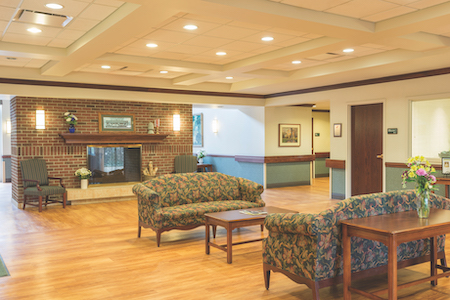
How is Woodlands Health And Rehab Center Staffed?

CMS rates WOODLANDS HEALTH AND REHAB CENTER's staffing level at 2 out of 5 stars, which is below average compared to other nursing homes. Staff turnover is 50%, compared to the Ohio average of 46%. RN turnover specifically is 60%, which is notably high. RNs provide skilled clinical oversight, so turnover in this role can affect medical care quality.

What Have Inspectors Found at Woodlands Health And Rehab Center?

State health inspectors documented 21 deficiencies at WOODLANDS HEALTH AND REHAB CENTER during 2019 to 2025. These included: 2 that caused actual resident harm and 19 with potential for harm. Deficiencies causing actual harm indicate documented cases where residents experienced negative health consequences.
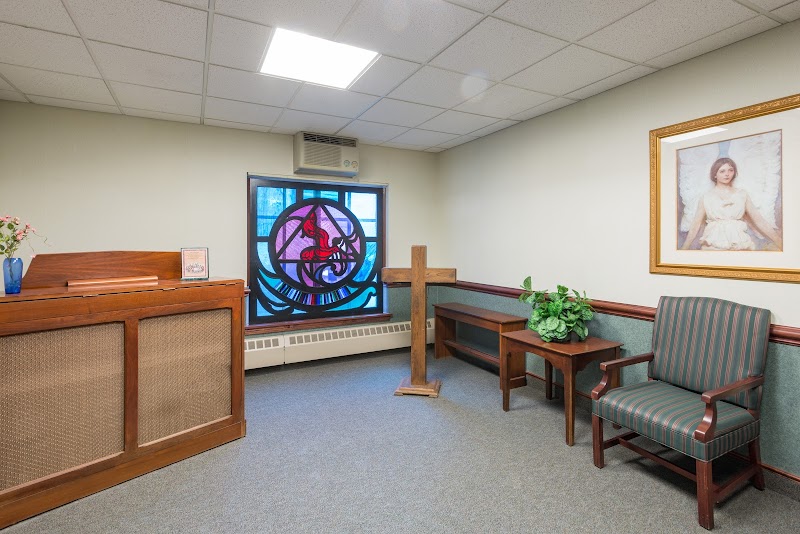
Who Owns and Operates Woodlands Health And Rehab Center?

WOODLANDS HEALTH AND REHAB CENTER is owned by a for-profit company. For-profit facilities operate as businesses with obligations to shareholders or private owners. The facility is operated by SABER HEALTHCARE GROUP, a chain that manages multiple nursing homes. With 95 certified beds and approximately 78 residents (about 82% occupancy), it is a smaller facility located in RAVENNA, Ohio.
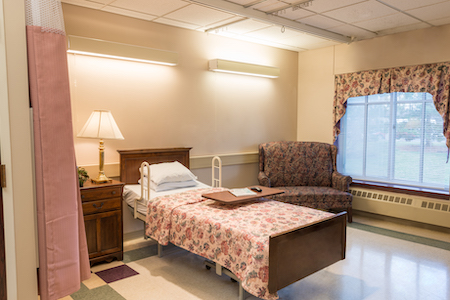
How Does Woodlands Health And Rehab Center Compare to Other Ohio Nursing Homes?

Compared to the 100 nursing homes in Ohio, WOODLANDS HEALTH AND REHAB CENTER's overall rating (4 stars) is above the state average of 3.2, staff turnover (50%) is near the state average of 46%, and health inspection rating (3 stars) is at the national benchmark.

What Should Families Ask When Visiting Woodlands Health And Rehab Center?

Based on this facility's data, families visiting should ask: "Can you walk me through typical staffing levels on day, evening, and night shifts?" "Can I visit during a mealtime to observe dining assistance and food quality?" "How do you handle medical emergencies, and what is your hospital transfer rate?" "Can I speak with family members of current residents about their experience?" These questions are particularly relevant given the below-average staffing rating.

Is Woodlands Health And Rehab Center Safe?

Based on CMS inspection data, WOODLANDS HEALTH AND REHAB CENTER has a clean safety record: no substantiated abuse findings (meaning no confirmed cases of resident harm), no Immediate Jeopardy citations (the most serious violation level indicating risk of serious injury or death), and is not on the Special Focus Facility watch list (a federal program monitoring the lowest-performing 1% of nursing homes). The facility has a 4-star overall rating and ranks #1 of 100 nursing homes in Ohio. While no facility is perfect, families should still ask about staff-to-resident ratios and recent inspection results during their visit.

Do Nurses at Woodlands Health And Rehab Center Stick Around?

WOODLANDS HEALTH AND REHAB CENTER has a staff turnover rate of 50%, which is about average for Ohio nursing homes (state average: 46%). Moderate turnover is common in nursing homes, but families should still ask about staff tenure and how the facility maintains care continuity when employees leave.

Was Woodlands Health And Rehab Center Ever Fined?

WOODLANDS HEALTH AND REHAB CENTER has been fined $14,680 across 1 penalty action. This is below the Ohio average of $33,226. While any fine indicates a compliance issue, fines under $50,000 are relatively common and typically reflect isolated problems that were subsequently corrected. Families should ask what specific issues led to these fines and confirm they've been resolved.

Is Woodlands Health And Rehab Center on Any Federal Watch List?

WOODLANDS HEALTH AND REHAB CENTER is not on any federal watch list. The most significant is the Special Focus Facility (SFF) program, which identifies the bottom 1% of nursing homes nationally based on persistent, serious quality problems. Not being on this list means the facility has avoided the pattern of deficiencies that triggers enhanced federal oversight. This is a positive indicator, though families should still review the facility's inspection history directly.