GARDENS AT ST HENRY THE
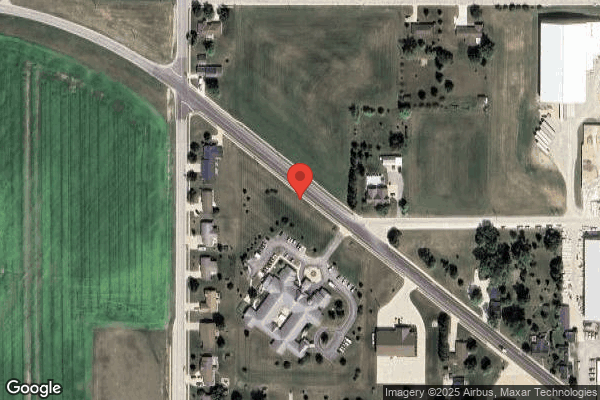
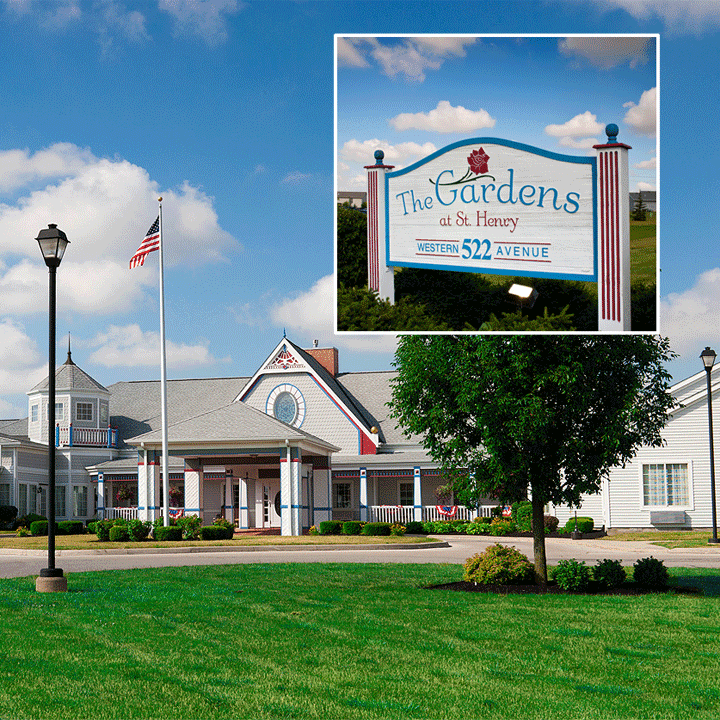
522 WESTERN AVENUE, SAINT HENRY, OH 45883 (419) 678-9800
For profit - Corporation 25 Beds LIONSTONE CARE Data: November 2025
Trust Grade
90/100
#66 of 913 in OH
Last Inspection: November 2022

Over 2 years since last inspection. Current conditions may differ from available data.

Overview

Gardens at St. Henry has received an impressive Trust Grade of A, indicating excellent quality and high recommendations from previous residents and families. It ranks #66 out of 913 nursing homes in Ohio, placing it comfortably in the top half, and is the best option among the six facilities in Mercer County. The facility is showing an improving trend, having reduced issues from four in 2018 to just two in 2022, though there are still some concerns to address. Staffing is average with a 3/5 rating and a turnover rate of 34%, which is better than the state average, suggesting that staff generally stay long enough to build relationships with residents. Notably, the home has no fines, but there were concerns regarding medication disposal and the lack of current physician orders, which could potentially affect resident safety. Additionally, oxygen tubing for one resident was not changed as per the physician's orders, highlighting areas for improvement. Overall, while there are strengths in care quality and staffing stability, families should be aware of specific procedural lapses that need attention.

Trust Score
A
90/100
In Ohio
#66/913
Top 7%
Safety Record
Low Risk
No red flags
Inspections
Getting Better
4 → 2 violations
Staff Stability
○ Average
34% turnover. Near Ohio's 48% average. Typical for the industry.
Penalties
✓ Good
No fines on record. Clean compliance history, better than most Ohio facilities.
Skilled Nurses
○ Average
Each resident gets 40 minutes of Registered Nurse (RN) attention daily — about average for Ohio. RNs are the most trained staff who monitor for health changes.
Violations
○ Average
6 deficiencies on record. Average for a facility this size. Mostly minor or procedural issues.
★★★★★
5.0
Overall Rating
★★★☆☆
3.0
Staff Levels
★★★★★
5.0
Care Quality
★★★★★
5.0
Inspection Score
Stable
2018: 4 issues
2022: 2 issues

The Good

  • 5-Star Quality Measures · Strong clinical quality outcomes
  • Full Sprinkler Coverage · Fire safety systems throughout facility
  • No fines on record
  • Staff turnover below average (34%)

    14 points below Ohio average of 48%

Facility shows strength in quality measures, fire safety.

The Bad

Staff Turnover: 34%

11pts below Ohio avg (46%)

Typical for the industry

Chain: LIONSTONE CARE

Part of a multi-facility chain

Ask about local staffing decisions and management

The Ugly 6 deficiencies on record

Nov 2022 2 deficiencies
CONCERN (D)

Potential for Harm - no one hurt, but risky conditions existed

Respiratory Care (Tag F0695)

Could have caused harm · This affected 1 resident

**NOTE- TERMS IN BRACKETS HAVE BEEN EDITED TO PROTECT CONFIDENTIALITY** Based on medical record review, observations, staff interview and review of the facility's policy, the facility failed to ensure...

Read full inspector narrative →
**NOTE- TERMS IN BRACKETS HAVE BEEN EDITED TO PROTECT CONFIDENTIALITY** Based on medical record review, observations, staff interview and review of the facility's policy, the facility failed to ensure residents oxygen tubing was changed according to the physicians orders and the facility policy. This affected one (#15) of one resident reviewed for oxygen use. The facility census was 24. Findings include: Review of the medical record for Resident #15 revealed the resident was admitted to the facility on [DATE]. Diagnoses included cerebral palsy, epilepsy, muscle weakness, hyperlipidemia, spondylosis without myelopathy, hypertension, personality disorder, fibromyalgia, and major depressive disorder. Review of the physician orders dated 06/28/21 revealed Resident #15 was to have oxygen tubing change weekly on concentrator. Review of Resident #15's medication administration record (MAR) revealed the residents oxygen tubing was to be changed weekly on Saturdays. The MAR documented Resident #15's oxygen was marked as changed on 11/05/22. Observation on 11/07/22 at 11:36 A.M., revealed Resident #15's oxygen tube was dated as being changed on 10/29/22. Observation on 11/09/22 at 10:15 A.M., revealed Resident #15's oxygen tube was dated as being changed on 10/29/22. Interview on 11/09/22 at 12:48 P.M., revealed Licensed Practical Nurse (LPN) #20 verified Resident #15's oxygen tubing was dated as being changed on 10/29/22. Interview on 11/09/22 at 1:00 P.M., with the Director of Nursing (DON) verified Resident #15's oxygen tubing is supposed to be changed according to physician orders which is weekly. The DON verified Resident #15's MAR indicated the oxygen tubing was changed on 11/05/22; however, the oxygen tubing was dated 10/29/22. Review of the facility's policy titled Oxygen Therapy, no date, revealed oxygen tubing must be dated/initialed and changed weekly per the oxygen company.
CONCERN (D)

Potential for Harm - no one hurt, but risky conditions existed

Deficiency F0757 (Tag F0757)

Could have caused harm · This affected 1 resident

**NOTE- TERMS IN BRACKETS HAVE BEEN EDITED TO PROTECT CONFIDENTIALITY** Based on medical record review, staff interview, and review of facility policy, the facility failed to ensure a resident was fre...

Read full inspector narrative →
**NOTE- TERMS IN BRACKETS HAVE BEEN EDITED TO PROTECT CONFIDENTIALITY** Based on medical record review, staff interview, and review of facility policy, the facility failed to ensure a resident was free from the unnecessary medications regarding the use of an antibiotic medication without an adequate indication for use. This affected one (#17) of six residents reviewed for unnecessary medications. The census was 24. Findings include: Review of Resident #17's medical record revealed an admission dated of 01/06/22. Diagnoses listed included epilepsy, dysphagia, aphasia, blindness, and multiple sclerosis. Review of a quarterly Minimum Data Set (MDS) assessment dated [DATE] revealed Resident #17 was severely cognitively impaired, required extensive staff assistance with activities of daily living (ADL's), and did not have a urinary tract infection (UTI) in the last 30 days. Review of MDS assessments dated 01/13/22, 04/11/22, 07/12/22, and 09/30/22 revealed Resident #17 had not had a UTI within the last 30 days of those assessments. Review of physician orders revealed an order dated 09/14/22 for Bactrim DS (antibiotic) 800-160 milligrams (mg), give one tablet by mouth (PO) one time a day every Monday, Wednesday, and Friday for monitoring. Further review of physician orders revealed an order dated 03/08/22 for Macrodantin Capsule (antibiotic) 50 mg via gastronomy tube (G-tube) one time a day for prophylactically. The order was discontinued on 09/14/22. Review of medication administration revealed Resident #17 received Macrodantin 50 mg daily starting on 03/09/22. Resident #17 continued to receive Macrodantin 50 mg daily through 09/14/22. Bactrim DS 800-160 mg was started on 09/16/22 and continued to be given through 11/07/22. Review of progress notes dated 03/08/22 revealed a new order was received for Macrodantin 50 mg daily indefinitely prophylactically for a history of an UTI. Review of a facsimile dated 09/12/22 revealed Macrodantin was suggested to be changed to Bactrim by Resident #17's neurologist. Review of physician progress notes dated 03/01/22, 04/05/22, 05/03/22, 06/07/22, 07/05/22, 08/02/22, and 09/06/22 revealed no documentation for the justification of continued use of an antibiotic for an UTI. Further review of Resident #17's medical record revealed no documentation of any UTI's or symptoms of UTI from admission [DATE] through 11/07/22. Interview with the Director of Nursing (DON) 11/09/22 08:35 A.M. confirmed there was no documented justification for the continued use antibiotic for Resident #17. The DON confirmed that Resident #17 has not had any signs of an UTI since admission to the facility. The DON confirmed the the continued use of Resident #17's antibiotic had not been addressed with Resident #17's primary care physician through the facility's antibiotic stewardship program. Review of the facility's undated policy titled Antibiotic Stewardship Program revealed residents without proof of review of infection symptoms prior to the initiation of an antibiotic will be reviewed for antibiotic holiday, culture and sensitivity results will be obtained/reviewed for sensitivity. The results of the testing ant eh recommendation for treatment will be discussed with the primary care physician (PCP) to ensure antibiotics are utilized in a responsible effective manner. Prescribers will be required to document dose, duration, and indication for all antibiotic use.
Aug 2018 4 deficiencies
CONCERN (D)

Potential for Harm - no one hurt, but risky conditions existed

Free from Abuse/Neglect (Tag F0600)

Could have caused harm · This affected 1 resident

**NOTE- TERMS IN BRACKETS HAVE BEEN EDITED TO PROTECT CONFIDENTIALITY** Based on observation, medical record review, staff interview and policy review, the facility failed to protect a resident from v...

Read full inspector narrative →
**NOTE- TERMS IN BRACKETS HAVE BEEN EDITED TO PROTECT CONFIDENTIALITY** Based on observation, medical record review, staff interview and policy review, the facility failed to protect a resident from verbal abuse and intimidation by a staff member. This affected one resident (Resident #17) of one resident reviewed for mood/behavior. The facility identified six residents (Resident #14, # 2, #17, #19, # 20, #7) with behavioral healthcare needs. The facility census was 24. Findings include: Medical record review of Resident #17 revealed an admission date of [DATE] with diagnoses including restlessness and agitation, major depressive disorder, dementia with behavioral disturbance. Review of the [DATE] admission Minimum Data Set (MDS) assessment revealed a Brief Interview for Mental Status (BIMS) score of five. The score indicated the resident had a severe cognitive deficit. The resident was admitted to skilled nursing from the assisted living due to increased confusion and behaviors. Continued review of the medical record for Resident #17 revealed a current care plan was in place for behavior issues (agitation/motor restlessness), pacing, yelling out and repetitive questions, impaired cognition, impaired thoughts, as well as, psychosocial well-being problems related to inability to concentrate and recent admission. Interventions outlined to assist the resident included: Provide emotional support and reassurance as needed to help decease/resolve anxiety, talk with resident in a low pitch, calm voice to decrease/eliminate undesired behavior, allow (resident) time to answer questions and to verbalize feelings, perceptions and fears as needed, when conflict arises, remove (resident) to a calm , safe environment and allow to vent/share feelings. If strategies are not working, leave and reapproach later if safe to do so (list of interventions not all-inclusive). Further medical record review revealed a progress note entry of concern for Resident #17. On [DATE] at 7:04 P.M., Licensed Practical Nurse (LPN) #200 documented, Resident disruptive whole shift, causing commotion in dining room, creating poor atmosphere for others trying to eat. Continued after supper. Resident was told by nurse very sternly that she had to sit down at the nurses station and stop her yelling for help. Attempted interjection, but was motioned by nurse to be quiet every time. Was able to sit at front desk for about half hour, but nurse had to pass meds from cart at front desk. Resident still occasionally trying to interrupt and making it difficult to concentrate on med pass. Another progress note entered by LPN #200 on [DATE] at 7:17 P.M. stated, Resident becoming more and more loud in her calling out Help another resident across hall from her attempted to tell her to stop yelling. Resident won't get up or do anything for herself even though she has no problems doing so. Hour of sleep (HS) care given early and medications given to aid in quieting her down. Observation of Resident #17 was conducted on [DATE] at 3:52 P.M. The elderly resident was observed to be anxious and confused. Unsure where she was, spoke of wanting to go home, said her parents would be worried about her. Resident #17 stated, I'm worrying myself sick. A nursing assistant was seated beside the resident attempting to provide 1:1 distraction and comfort. Random observations were conducted throughout the survey dates of [DATE] - [DATE]. The resident was noted to have a behavior of calling out, help me, periodically. When staff responded the resident often did not remember yelling, or have a need for assistance. Staff interview with the Director of Nursing (DON) on [DATE] at 11:37 A.M. revealed they were not aware of the incidents documented by LPN #200 in Resident #17's chart. Upon reading and reviewing entries in the progress notes dated [DATE] at 7:04 P.M., the DON stated, This is not acceptable. During continued interview, the DON agreed LPN #200 mistreated Resident #17 and the incident on [DATE] would be viewed as abusive. The DON reported she had not been aware of the incident or the nurses behavior. Review of the facility policy titled, Abuse, Neglect, Exploitation and Misappropriation Resident Property, dated [DATE] revealed the Policy statement the facility corporation will not tolerate abuse. The definition of abuse in the policy included the actions of unreasonable confinement intimidation and verbal abuse. Additionally, the policy stated, Instances of abuse of all residents, irrespective of any mental or physical condition, cause physical harm pain or mental anguish.
CONCERN (D)

Potential for Harm - no one hurt, but risky conditions existed

Abuse Prevention Policies (Tag F0607)

Could have caused harm · This affected 1 resident

**NOTE- TERMS IN BRACKETS HAVE BEEN EDITED TO PROTECT CONFIDENTIALITY** Based on observation, medical record review, staff interview and policy review, the facility failed to follow its policy and pro...

Read full inspector narrative →
**NOTE- TERMS IN BRACKETS HAVE BEEN EDITED TO PROTECT CONFIDENTIALITY** Based on observation, medical record review, staff interview and policy review, the facility failed to follow its policy and protect a resident from verbal abuse and intimidation by a staff member. This affected one resident (Resident #17) of one residents reviewed for mood/behavior. The facility identified six residents (Resident #14, # 2, #17, #19, # 20, #7) with behavioral healthcare needs. The facility census was 24. Findings include: Medical record review of Resident #17 revealed an admission date of [DATE] with diagnoses including restlessness and agitation, major depressive disorder, dementia with behavioral disturbance. Review of the [DATE] admission Minimum Data Set (MDS) assessment revealed a Brief Interview for Mental Status (BIMS) score of five. The score indicated the resident had a severe cognitive deficit. The resident was admitted to skilled nursing from the assisted living due to increased confusion and behaviors. Continued review of the medical record for Resident #17 revealed a current care plan was in place for behavior issues (agitation/motor restlessness), pacing, yelling out and repetitive questions, impaired cognition, impaired thoughts, as well as, psychosocial well-being problems related to inability to concentrate and recent admission. Interventions outlined to assist the resident included: Provide emotional support and reassurance as needed to help decease/resolve anxiety, talk with resident in a low pitch, calm voice to decrease/eliminate undesired behavior, allow (resident) time to answer questions and to verbalize feelings, perceptions and fears as needed, when conflict arises, remove (resident) to a calm , safe environment and allow to vent/share feelings. If strategies are not working, leave and reapproach later if safe to do so (list of interventions not all-inclusive). Further medical record review revealed a progress note entry of concern for Resident #17. On [DATE] at 7:04 P.M., Licensed Practical Nurse (LPN) #200 documented, Resident disruptive whole shift, causing commotion in dining room, creating poor atmosphere for others trying to eat. Continued after supper. Resident was told by nurse very sternly that she had to sit down at the nurses station and stop her yelling for help. Attempted interjection, but was motioned by nurse to be quiet every time. Was able to sit at front desk for about half hour, but nurse had to pass meds from cart at front desk. Resident still occasionally trying to interrupt and making it difficult to concentrate on med pass. Another progress note entered by LPN #200 on [DATE] at 7:17 P.M. stated, Resident becoming more and more loud in her calling out Help another resident across hall from her attempted to tell her to stop yelling. Resident won't get up or do anything for herself even though she has no problems doing so. Hour of sleep (HS) care given early and medications given to aid in quieting her down. Observation of Resident #17 was conducted on [DATE] at 3:52 P.M. The elderly resident was observed to be anxious and confused. Unsure where she was, spoke of wanting to go home, said her parents would be worried about her. Resident #17 stated, I'm worrying myself sick. A nursing assistant was seated beside the resident attempting to provide 1:1 distraction and comfort. Random observations were conducted throughout the survey dates of [DATE] - [DATE]. The resident was noted to have a behavior of calling out, help me, periodically. When staff responded the resident often did not remember yelling, or have a need for assistance. Staff interview with the Director of Nursing (DON) on [DATE] at 11:37 A.M. revealed they were not aware of the incidents documented by LPN #200 in Resident #17's chart. Upon reading and reviewing entries in the progress notes dated [DATE] at 7:04 P.M., the DON stated, This is not acceptable. During continued interview, the DON agreed LPN #200 mistreated Resident #17 and the incident on [DATE] would be viewed as abusive. The DON reported she had not been aware of the incident or the nurses behavior. Review of the facility policy titled, Abuse, Neglect, Exploitation and Misappropriation Resident Property, dated [DATE] revealed the Policy statement the facility corporation will not tolerate abuse. The definition of abuse in the policy included the actions of unreasonable confinement intimidation and verbal abuse. Additionally, the policy stated, Instances of abuse of all residents, irrespective of any mental or physical condition, cause physical harm pain or mental anguish.
CONCERN (E)

Potential for Harm - no one hurt, but risky conditions existed

Deficiency F0761 (Tag F0761)

Could have caused harm · This affected multiple residents

Based on observation, staff interview and manufacturers recommendations, the facility failed to ensure all medications and biologicals were disposed of properly. This had the potential to affect 11 re...

Read full inspector narrative →
Based on observation, staff interview and manufacturers recommendations, the facility failed to ensure all medications and biologicals were disposed of properly. This had the potential to affect 11 residents (#3, #8, #11, #16, #17, #19, #20, #21, #22, #23 and #25) who were admitted after the vial of tuberculin purified protein derivative should have been discarded. The facility census was 24. Findings include: Observation on 08/15/18 at 7:55 A.M. in the medication storae room revealed an opened vial of tuberculin purified protein derivative with an opened date of 02/19/18. Interview on 08/15/18 at 7:55 A.M. with Registered Nurse (RN) #50 provided verification of the opened date being well past the 30 day time frame recommended. Review of the manufacturers product insert revealed the vial should be discarded 30 days after opening. Review of the facility policy titled Preparation and General Guidelines: Vials and Ampules of Injectable Medications dated 08/2014 revealed vials of injectable medications are to be stored and disposed of in accordance with the manufacturer' recommendations.
CONCERN (E)

Potential for Harm - no one hurt, but risky conditions existed

Medical Records (Tag F0842)

Could have caused harm · This affected multiple residents

Based on medical record review and staff interview, the facility failed to ensure current physician orders were available. This affected 12 residents (#2, #4, #11, #13, #14, #15, #16, #19, #20, #21, #...

Read full inspector narrative →
Based on medical record review and staff interview, the facility failed to ensure current physician orders were available. This affected 12 residents (#2, #4, #11, #13, #14, #15, #16, #19, #20, #21, #23, and #26) of 20 resident records reviewed. The facility census was 24. Findings include: Review of the medical records for Residents #2, #4, #11, #13, #14, #15, #16, #19, #20, #21, #23, and #26 revealed no current physician orders for the month of August 2018. Additionally Residents #4, #13, #15, #16 and #21 had no orders listed for July 2018. Interview on 08/13/18 at 4:27 P.M. with the Director of Nursing (DON) provided verification of the lack of current physician orders in the medical records.
Understanding Severity Codes (click to expand)
Life-Threatening (Immediate Jeopardy)
J - Isolated K - Pattern L - Widespread
Actual Harm
G - Isolated H - Pattern I - Widespread
Potential for Harm
D - Isolated E - Pattern F - Widespread
No Harm (Minor)
A - Isolated B - Pattern C - Widespread

Questions to Ask on Your Visit

  • "Can I speak with families of current residents?"
  • "What's your RN coverage like on weekends and overnight?"

Our Honest Assessment

Strengths
  • • Grade A (90/100). Above average facility, better than most options in Ohio.
  • • No major safety red flags. No abuse findings, life-threatening violations, or SFF status.
  • • No fines on record. Clean compliance history, better than most Ohio facilities.
  • • 34% turnover. Below Ohio's 48% average. Good staff retention means consistent care.
Concerns
  • • No significant concerns identified. This facility shows no red flags across CMS ratings, staff turnover, or federal penalties.
Bottom line: Generally positive indicators. Standard due diligence and a personal visit recommended.

About This Facility

What is Gardens At St Henry The's CMS Rating?

CMS assigns GARDENS AT ST HENRY THE an overall rating of 5 out of 5 stars, which is considered much above average nationally. Within Ohio, this rating places the facility higher than 99% of the state's 100 nursing homes. This rating reflects solid performance across the metrics CMS uses to evaluate nursing home quality.
How is Gardens At St Henry The Staffed?

CMS rates GARDENS AT ST HENRY THE's staffing level at 3 out of 5 stars, which is average compared to other nursing homes. Staff turnover is 34%, compared to the Ohio average of 46%. This relatively stable workforce can support continuity of care.

What Have Inspectors Found at Gardens At St Henry The?

State health inspectors documented 6 deficiencies at GARDENS AT ST HENRY THE during 2018 to 2022. These included: 6 with potential for harm.
Who Owns and Operates Gardens At St Henry The?

GARDENS AT ST HENRY THE is owned by a for-profit company. For-profit facilities operate as businesses with obligations to shareholders or private owners. The facility is operated by LIONSTONE CARE, a chain that manages multiple nursing homes. With 25 certified beds and approximately 23 residents (about 92% occupancy), it is a smaller facility located in SAINT HENRY, Ohio.
How Does Gardens At St Henry The Compare to Other Ohio Nursing Homes?

Compared to the 100 nursing homes in Ohio, GARDENS AT ST HENRY THE's overall rating (5 stars) is above the state average of 3.2, staff turnover (34%) is significantly lower than the state average of 46%, and health inspection rating (5 stars) is much above the national benchmark.

What Should Families Ask When Visiting Gardens At St Henry The?

Based on this facility's data, families visiting should ask: "Can I visit during a mealtime to observe dining assistance and food quality?" "How do you handle medical emergencies, and what is your hospital transfer rate?" "Can I speak with family members of current residents about their experience?"

Is Gardens At St Henry The Safe?

Based on CMS inspection data, GARDENS AT ST HENRY THE has a clean safety record: no substantiated abuse findings (meaning no confirmed cases of resident harm), no Immediate Jeopardy citations (the most serious violation level indicating risk of serious injury or death), and is not on the Special Focus Facility watch list (a federal program monitoring the lowest-performing 1% of nursing homes). The facility has a 5-star overall rating and ranks #1 of 100 nursing homes in Ohio. While no facility is perfect, families should still ask about staff-to-resident ratios and recent inspection results during their visit.

Do Nurses at Gardens At St Henry The Stick Around?

GARDENS AT ST HENRY THE has a staff turnover rate of 34%, which is about average for Ohio nursing homes (state average: 46%). Moderate turnover is common in nursing homes, but families should still ask about staff tenure and how the facility maintains care continuity when employees leave.

Was Gardens At St Henry The Ever Fined?

GARDENS AT ST HENRY THE has no federal fines on record. CMS issues fines when nursing homes fail to meet care standards or don't correct problems found during inspections. The absence of fines suggests the facility has either maintained compliance or corrected any issues before penalties were assessed. This is a positive indicator, though families should still review recent inspection reports for the full picture.

Is Gardens At St Henry The on Any Federal Watch List?

GARDENS AT ST HENRY THE is not on any federal watch list. The most significant is the Special Focus Facility (SFF) program, which identifies the bottom 1% of nursing homes nationally based on persistent, serious quality problems. Not being on this list means the facility has avoided the pattern of deficiencies that triggers enhanced federal oversight. This is a positive indicator, though families should still review the facility's inspection history directly.