AUBURN SKILLED NURSING AND REHAB
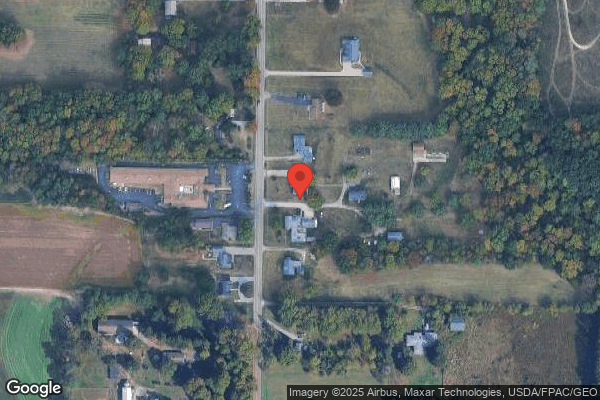
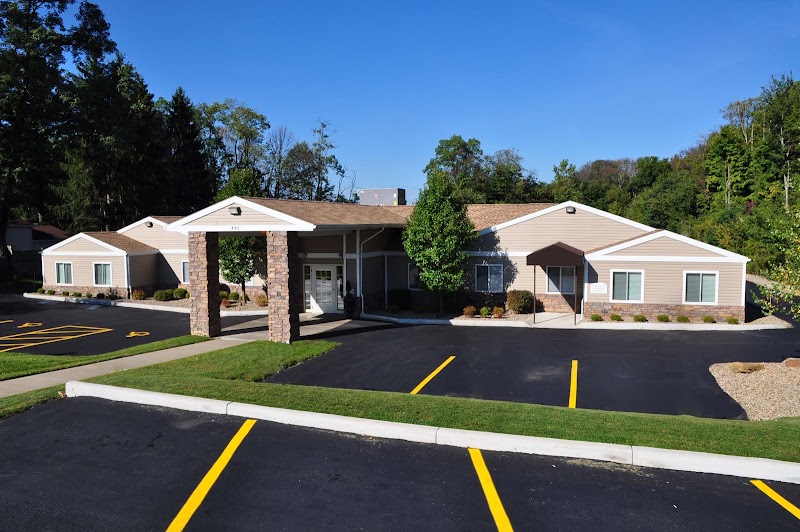
451 VALLEY ROAD, SALEM, OH 44460 (330) 537-4621
For profit - Individual 44 Beds MICHAEL SLYK Data: November 2025
Trust Grade
75/100
#214 of 913 in OH
Last Inspection: August 2023

Over 2 years since last inspection. Current conditions may differ from available data.

Overview

Auburn Skilled Nursing and Rehab in Salem, Ohio, has a Trust Grade of B, indicating it is a good choice for families, though not the top-tier option. It ranks #214 out of 913 facilities in Ohio, placing it in the top half, and #3 out of 11 in Columbiana County, meaning only two local facilities perform better. The facility is improving, with the number of issues decreasing from four in 2023 to two in 2025. However, staffing is a concern, rated only 1 out of 5 stars, with a turnover rate of 43%, which is better than the Ohio average but still indicates some instability. Notably, the facility has had no fines, which is positive, and it offers more RN coverage than 83% of state facilities, ensuring better oversight for residents' care. On the downside, there have been specific issues, such as a housekeeper not knowing whether the disinfectant used was effective, which poses an infection risk. Additionally, food safety concerns were raised when items were not held at safe temperatures, which could lead to foodborne illness. Lastly, staff members were observed not engaging with residents during meal times, which may affect the dignity and quality of their dining experience.

Trust Score
B
75/100
In Ohio
#214/913
Top 23%
Safety Record
Low Risk
No red flags
Inspections
Getting Better
4 → 2 violations
Staff Stability
○ Average
43% turnover. Near Ohio's 48% average. Typical for the industry.
Penalties
✓ Good
No fines on record. Clean compliance history, better than most Ohio facilities.
Skilled Nurses
✓ Good
Each resident gets 42 minutes of Registered Nurse (RN) attention daily — more than average for Ohio. RNs are trained to catch health problems early.
Violations
⚠ Watch
14 deficiencies on record. Higher than average. Multiple issues found across inspections.
★★★★☆
4.0
Overall Rating
★☆☆☆☆
1.0
Staff Levels
★★★★★
5.0
Care Quality
★★★★☆
4.0
Inspection Score
Stable
2023: 4 issues
2025: 2 issues

The Good

  • 5-Star Quality Measures · Strong clinical quality outcomes
  • Full Sprinkler Coverage · Fire safety systems throughout facility
  • No fines on record
  • Staff turnover below average (43%)

    5 points below Ohio average of 48%

Facility shows strength in quality measures, fire safety.

The Bad

Staff Turnover: 43%

Near Ohio avg (46%)

Typical for the industry

Chain: MICHAEL SLYK

Part of a multi-facility chain

Ask about local staffing decisions and management

The Ugly 14 deficiencies on record

Sept 2025 2 deficiencies
CONCERN (D) 📢 Someone Reported This

A family member, employee, or ombudsman was alarmed enough to file a formal complaint

Potential for Harm - no one hurt, but risky conditions existed

Resident Rights (Tag F0550)

Could have caused harm · This affected 1 resident

Based on observation, policy review, and staff/Resident interviews, the facility failed to maintain the dignity and privacy of one resident (Resident #07) of five residents reviewed for dignity and pr...

Read full inspector narrative →
Based on observation, policy review, and staff/Resident interviews, the facility failed to maintain the dignity and privacy of one resident (Resident #07) of five residents reviewed for dignity and privacy. The facility census was 42.Findings Include: Review of medical record of Resident #07 revealed initial admission to facility on 04/22/25 for diagnosis including metabolic encephalopathy, pneumonia, chronic respiratory failure, high blood pressure, major depression and anxiety, spinal cord injury, and chronic lung disease. Review of the medical record for Resident #07 revealed the Minimum Data Set 3.0 (MDS 3.0) indicated Resident #07 required moderate to substantial assistance with personal care and was dependent on wheelchair for mobility. Observation on 09/02/25 at 9:50 A.M. revealed Resident #07 in bed with bilateral heel boots on and flannel pajama pants noted to be pulled down to below the resident ' s knees, above the boots and a sheet laying across the resident's midsection. Resident #07 reported that they do this at night in case I have an accident, and I need changed, it makes it easier. Resident #07 then adjusted his sheet to cover up the pulled down flannel pants. Observation on 09/03/25 at 8:24 A.M. revealed Resident #07 lying in bed covered with a linen sheet with heel boots on bilaterally. Observation of Resident #07 revealed he was wearing flannel pajama pants pulled down to below the knees and above the boots. Resident #07 reported this was done at night to make it easier to change him if he had an accident since he was wearing heel boots while in bed. Interview on 09/03/05 at 8:26 A.M. with Assistant Director of Nursing (ADON) #160 confirmed Resident #07 pajamas being pulled down below knees and above boots. ADON #160 was not able to explain reason for this and stated the aides must be doing it. Review of facility policy titled Quality of Life-Dignity revised August 2009 revealed all residents will be treated with dignity and respect at all times including, providing for bodily privacy during assistance with personal care and during treatments procedures.This deficiency represents non-compliance investigated under Complaint Number 2578619.
CONCERN (D) 📢 Someone Reported This

A family member, employee, or ombudsman was alarmed enough to file a formal complaint

Potential for Harm - no one hurt, but risky conditions existed

Deficiency F0558 (Tag F0558)

Could have caused harm · This affected 1 resident

**NOTE- TERMS IN BRACKETS HAVE BEEN EDITED TO PROTECT CONFIDENTIALITY** Based on record review, observation and interview, the facility failed to ensure the call light was within reach, and failed to ...

Read full inspector narrative →
**NOTE- TERMS IN BRACKETS HAVE BEEN EDITED TO PROTECT CONFIDENTIALITY** Based on record review, observation and interview, the facility failed to ensure the call light was within reach, and failed to provide functional furniture to accommodate resident needs. This affected two (Resident #12 and Resident #16) of two residents reviewed for accommodation of needs. The facility census was 42.Findings include: 1. Review of the medical record for Resident #16 revealed an admission date of 12/02/23. Diagnoses included but were not limited to alopecia; cognitive communication deficit; unsteadiness on feet; hyperlipidemia; generalized anxiety disorder; essential hypertension; glaucoma; and cataracts.Review of the most recent Minimum Data Set (MDS) 3.0 assessment dated [DATE] revealed a Brief Interview for Mental Status (BIMS) of 14 out of a possible 15, indicating intact cognition. Section B of the MDS indicated the resident had moderate difficulty hearing with a device, her speech was unclear, and her vision was moderately impaired with no corrective lenses. On 09/02/2025 at 9:00 A.M., an observation of Resident #16's room revealed her call light was not in reach. The call light with a cord connected to a round orange object was lying on the floor behind her nightstand, out of reach of the resident. There was noted to be a long string, with a blue circle attached to the end, on the arm of her recliner.On 09/02/2025 at 11:50 A.M., observation revealed Resident #16 was in recliner in her room. Her call light was out of reach. When asked how she would call for help, the resident picked up a blue round object that was connected to a cord for the light, pulled it, and the light turned off. The cord for the call light was connected to an orange round object and out of reach of the resident.On 09/02/2025 2:02 P.M., interview with Registered Nurse (RN) #105 confirmed the resident could not reach her call light. The cord she indicated to be her call light was the light switch/cord.On 09/04/25 at 9:28 A.M., an interview with the Director of Nursing (DON) revealed the cord for Resident #16's call light and the cord for the overhead light were difficult to distinguish and the call light was out of reach for the resident. 2. Review of the medical record for Resident #12 revealed an admission date of 08/13/25. Diagnoses included but were not limited to bilateral primary osteoarthritis of knee, presence of left artificial knee joint, other unilateral secondary osteoarthritis of knee, post-traumatic osteoarthritis left shoulder, pulmonary embolism, aortic aneurysm of unspecified site, depression, benign neoplasm of brain, anxiety disorder, and aftercare following joint replacement surgery.Review of the most recent Minimum Data Set (MDS) 3.0 assessment dated [DATE] revealed a Brief Interview for Mental Status (BIMS) of 15 out of a total score of 15 which indicated intact cognition. Further review of the MDS revealed the resident had no behavioral issues. The resident indicated in Section F of the MDS that choices for personal care were very important to her. Section GG of the MDS indicated the resident used a walker for mobility and needed substantial/maximal assistance for upper and lower body dressing as well as toileting hygiene. She required partial/moderate assistance to shower or bathe, and to put on and take off footwear. Resident #12 also was assessed to have occasional pain, which she rated a five on a 0-10 scale, with zero being no pain and ten as the worst pain one could imagine.Review of a care plan for Resident #12, dated 08/19/25, revealed the resident was identified as having an alteration in musculoskeletal status following her joint replacement. One intervention read, anticipate and meet needs. Be sure call light is within reach and respond promptly to all requests for assistance. Interventions also included changing the surgical incision dressing per order and PRN (as needed) and modifying the environment to meet the resident's needs.On 09/02/2025 at 11:43 A.M., observation revealed the call light was observed under the covers of Resident #12's bed. The resident was in a recliner and not able to reach the call light from where she was sitting. There was a string for another call light on the floor out of the resident's reach. She indicated if she needed assistance, she would pull the string which was on the arm of the recliner. This string was for the room light.On 09/02/25 at 1:59 P.M., an observation of Resident #12's room revealed the string for the light was on the recliner and the recliner was in the reclined position. The other call light for the room was under the bed covers. Resident #12 was observed in a wheelchair. Her recliner was in the reclined position, and she reported she had issues getting out of the chair and could not get out without the assistance of her son. The footrest of the recliner would not close without significant force.On 09/02/2025 at 2:03 P.M., an observation and interview with RN #105 confirmed Resident #12's call lights were on the floor and on the bed and they were out of reach of the resident. RN #105 also confirmed Resident #12's recliner was too difficult for the resident to close and a resident who had knee surgery should have a functional chair for safety.On 09/04/2025 at 9:01 A.M., an interview with the DON revealed Resident #12 and Resident #16 had call lights which were easily confused with the light cords. She further confirmed Resident #12's recliner in her room was too difficult for a resident post knee surgery to operate safely.Review of facility policy titled Call System, Resident, dated September 2022, revealed residents were provided with a means to call staff for assistance through a communication system that directly calls a staff member or a centralized workstation. The policy further revealed each resident would be provided with a means to call staff directly for assistance from his/her bed, from toileting/bathing facilities and from the floor.
Sept 2023 1 deficiency
CONCERN (D) 📢 Someone Reported This

A family member, employee, or ombudsman was alarmed enough to file a formal complaint

Potential for Harm - no one hurt, but risky conditions existed

Deficiency F0805 (Tag F0805)

Could have caused harm · This affected 1 resident

Based on observation, record review, interview, recipe review and policy review, the facility failed to ensure Resident #6's diet consistency was provided as ordered by the physician. This affected on...

Read full inspector narrative →
Based on observation, record review, interview, recipe review and policy review, the facility failed to ensure Resident #6's diet consistency was provided as ordered by the physician. This affected one (Resident #6) of three residents reviewed for food and nutrition. The census was Findings include: Review of Resident #6's medical record revealed an admission date of 08/29/23 with diagnoses including non-traumatic intracerebral hemorrhage, pneumonia, encephalopathy, intellectual disabilities, and Parkinson's disease. Review of Resident #6's physician order, dated 08/29/23, revealed an order for a regular diet, mechanical soft texture, and thickened liquids. Observation on 09/07/23 at 12:48 P.M. revealed Resident #6 sitting in the common area, beside the nursing station and was served a solid piece of fried fish which was not a mechanically soft texture as indicated in the physician orders. During interview on 09/07/23 at 12:50 P.M., Licensed Practical Nurse (LPN) #202 confirmed Resident #6 was served a piece of fried fish and it was not a mechanically soft texture. LPN #202 further confirmed Resident #6's piece of fish was the exact texture of the fish served to the residents on a regular diet. During interview on 09/07/23 at 12:59 P.M., Dietary Manager #300 confirmed Resident #6 was served a piece of fried fish with a regular consistency, which was an error and should have been minced and/or softened with gravy based on the physician order. Review of the facility's Quantified Recipe for fish (fried and ground) dated 05/05/23 (which DM #300 indicated was the recipe used for the mechanical soft diet) revealed one fish fillet should be ground in a food processor to desired texture and served with two ounces of gravy. Review of the facility policy titled, Therapeutic Diets, dated October 2017, revealed therapeutic diets are prescribed by the attending physician to support the resident's treatment and plan of care and in accordance with his or her goals and preferences.
Aug 2023 3 deficiencies
CONCERN (D)

Potential for Harm - no one hurt, but risky conditions existed

ADL Care (Tag F0677)

Could have caused harm · This affected 1 resident

**NOTE- TERMS IN BRACKETS HAVE BEEN EDITED TO PROTECT CONFIDENTIALITY** Based on observation, medical record review, and interview, the facility failed to remove a female resident's long facial hairs....

Read full inspector narrative →
**NOTE- TERMS IN BRACKETS HAVE BEEN EDITED TO PROTECT CONFIDENTIALITY** Based on observation, medical record review, and interview, the facility failed to remove a female resident's long facial hairs. This affected one (Resident #13) of two residents reviewed for activities of daily living. The facility census was 37. Findings include: Review of Resident #13's medical record revealed diagnoses including left sided weakness and paralysis following a stroke, dementia, depression, and generalized muscle weakness. A care plan initiated 08/28/20 indicated Resident #13 required limited to extensive assistance for most activities of daily living. A quarterly Minimum Data Set (MDS) assessment dated [DATE] indicated Resident #13 was moderately cognitively impaired and required extensive assistance with personal hygiene. An Occupational Therapy Discharge summary dated [DATE] indicated Resident #13 required modified independence for hygiene and grooming. On 07/31/23 at 3:23 P.M., Resident #13 was observed propelling herself in the wheelchair in the hall. Resident #13 was confused. Long facial hairs were observed on her cheek and chin. On 08/01/23 at 2:37 P.M., Resident #13 was observed to continue to have long facial hairs. On 8/01/23 at 2:50 P.M., State Tested Nursing Assistant (STNA) #604 stated Resident #13's need for assistance with activities of daily living varied from day to day. Upon request, STNA #604 observed Resident #13 and verified she had facial hairs. STNA #604 offered to shave Resident #13 who agreed, stating she did not want a beard. During an interview on 08/07/23 at 7:58 A.M., Certified Occupational Therapy Assistant (COTA) #809 indicated modified independence for hygiene and grooming indicated Resident #13 required items to be set up or intermittent supervision and cues. COTA #809 stated if Resident #13 knew she had facial hair she would have the dexterity to remove it but she was unsure that between Resident #13's vision and the mirror placement she would have been able to ascertain she actually had facial hair.
CONCERN (D) 📢 Someone Reported This

A family member, employee, or ombudsman was alarmed enough to file a formal complaint

Potential for Harm - no one hurt, but risky conditions existed

Pressure Ulcer Prevention (Tag F0686)

Could have caused harm · This affected 1 resident

**NOTE- TERMS IN BRACKETS HAVE BEEN EDITED TO PROTECT CONFIDENTIALITY** Based on observation, medical record review, and interview, the facility failed to ensure a resident who developed a pressure ul...

Read full inspector narrative →
**NOTE- TERMS IN BRACKETS HAVE BEEN EDITED TO PROTECT CONFIDENTIALITY** Based on observation, medical record review, and interview, the facility failed to ensure a resident who developed a pressure ulcer was evaluated for a modification of interventions to prevent further pressure ulcers and to enhance healing. This affected one (Resident #26) of two residents reviewed for pressure ulcers. The facility census was 37. Findings include: Review of Resident #26's medical record revealed diagnoses included Alzheimer's disease, osteoarthritis, weakness, and history of breast cancer. A care plan initiated 04/10/23 indicated Resident #26 was at risk for impaired skin integrity related to fragile skin, incontinence, and impaired mobility. Interventions included providing barrier cream/ointment after each incontinent episode, performing skin assessments as ordered and providing pressure reduction devices if ordered. All of the interventions were dated 04/10/23. A quarterly Minimum Data Set (MDS) assessment dated [DATE] indicated Resident #26 was severely cognitively impaired, required extensive assistance of two for bed mobility and did not walk. The MDS indicated Resident #26 was at risk for the development of pressure ulcers. No skin and ulcer injury treatments were indicated. Review of a nursing note dated 07/12/23 at 3:33 A.M. revealed Resident #26 was observed to have redness to the buttocks with a small open area to the sacrum area measuring 3.5 centimeters (cm) x 0.5 cm x 0 cm. The area was cleansed and a foam border dressing was applied. The order was for the treatment to be changed every three days and as necessary until the area resolved. Review of a Braden scale assessment dated [DATE] did not reveal a risk for pressure ulcer development. Review of a wound grid dated 07/13/23 revealed the open area was assessed as a stage II (shallow) pressure ulcer to the sacrum measuring 3.56 cm x 0.5 cm x 0.1 cm with 100% epithelial tissue (thin layer of tissue that covers the body). Review of a wound grid dated 07/27/23 revealed the size of the ulcer had decreased to 2.1 cm x 0.5 cm x 0.1 cm. The wound bed was assessed as 100% epithelial tissue with scant serosanguineous drainage (clear, pale red or pink drainage). On 08/02/23 at 8:27 A.M., Resident #26 was observed sitting in a wheelchair without a pressure relief or pressure redistribution surface. State Tested Nursing Assistant (STNA) #604 transferred Resident #26 to bed and verified there was no device to offer pressure relief in the wheelchair. On 08/02/23 at 12:10 P.M. Resident #26 was sitting in the wheelchair in the dining room for lunch with no pressure relief or redistribution device noted. On 08/02/23 between 1:00 P.M. and 1:30 P.M., the Director of Nursing (DON) was interviewed regarding the lack of pressure relief surfaces in Resident #26's wheelchair. The DON stated pressure relief cushions were provided in accordance with physician orders and Resident #26 did not have an order. The DON was interviewed regarding the development of the pressure ulcer with the interventions that were currently in place (minus the treatment order) and how the facility planned to prevent any further pressure ulcers or decline in the pressure ulcer if interventions were not changed. The DON stated she would review the information but generally any resident with skin breakdown had pressure relief cushions. On 08/03/23 at 1:30 P.M., the DON was interviewed regarding the development of the pressure ulcer and stated she understood the concern that although Resident #26 had been assessed as not having a risk for pressure ulcer development on 07/12/23 she developed a pressure ulcer the same day. Staff should have recognized the interventions that had been in place had not been effective in preventing pressure ulcers and Resident #26 should have been evaluated for further additional interventions which would aid in reducing risk for future pressure ulcers/aid in healing of the current pressure ulcer. A cushion had been applied to the wheelchair after the interview on 08/03/23. This deficiency represents non-compliance identified during the investigation of Complaint Number OH00144817.
CONCERN (D)

Potential for Harm - no one hurt, but risky conditions existed

Deficiency F0697 (Tag F0697)

Could have caused harm · This affected 1 resident

**NOTE- TERMS IN BRACKETS HAVE BEEN EDITED TO PROTECT CONFIDENTIALITY** Based on observation, record review and interview, the facility failed to provide adequate pain relief for one (Resident #90) of...

Read full inspector narrative →
**NOTE- TERMS IN BRACKETS HAVE BEEN EDITED TO PROTECT CONFIDENTIALITY** Based on observation, record review and interview, the facility failed to provide adequate pain relief for one (Resident #90) of two residents reviewed for pain. The facility census was 37. Findings include: Review of Resident #90's medical record revealed diagnoses including heart failure, chronic obstructive pulmonary disease, type two diabetes mellitus, and anxiety disorder. An admission nursing assessment dated [DATE] indicated Resident #90 was assessed with an unstageable pressure ulcer (full thickness tissue loss in which actual depth of the ulcer is completely obscured) to the sacrum and suspected deep tissue injury (purple or maroon localized area of discolored intact skin or blood-filled blister due to damage of underlying soft tissue from pressure and/or shear) to the right heel. Pain was assessed using facial scales with a designation it hurt a little more than a little bit. The location of the pain was listed as the coccyx, sacrum with the pain described as pressure/burning. Nothing was listed for alleviation of pain or worsening of pain. A baseline care plan indicated interventions to monitor for pain and report unrelieved pain as indicated. Review of the August 2023 Medication Administration Record (MAR) revealed Resident #90 had received tramadol 25 milligrams (mg) on 08/01/23 at 5:30 A.M. for pain rated a 10 on a scale of 0-10 that was documented as being ineffective. On 08/01/23 at 9:03 A.M., Resident #90 was able to be heard moaning from her bed into the hall while Licensed Practical Nurse (LPN) #107 was preparing routine medications for administration. Resident #90's medications (no pain medication) were administered at 9:03 A.M. Resident #90 was noted with facial consternation. LPN #107 inquired if Resident #90 was in pain. After Resident #90 verified she was in pain, LPN #107 stated she would see if there was anything she could give Resident #90. LPN #107 returned to the med cart to sign off medications and indicated it was too early for Resident #90 to receive pain medication. The Director of Nursing (DON) had approached on an unrelated matter and LPN #107 asked what time the doctor was supposed to be in to do rounds and the DON indicated she did not have a time. On 08/01/23 at 9:45 A.M., LPN #107 was interviewed regarding the MAR indicating Resident #90 had received the ordered pain medication being administered at 5:30 A.M. which was documented as ineffective and Resident #90 remaining in pain. LPN #107 stated that was why she asked the DON when the physician was supposed to visit so she could have the pain addressed. LPN #107 confirmed she could phoned the physician's office instead of waiting on his visit (time unknown). Further review of the August MAR indicated ultram 50 mg was administered on 08/01/23 at 10:36 A.M. with a pain level of 3 recorded. On 08/01/23 at 11:00 A.M., LPN #107 was followed into Resident #90's room and LPN #107 informed Resident #90 she had a stronger dose of ultram for her and proceeded to raise the head of the bed. Resident #90 moaned and grimaced with the movement. On 08/01/23 at 2:46 P.M., Resident #90 was observed lying in bed with a relaxed facial expression, stating the pain medication helped. Resident #90 verified the pain medication given at 5:30 A.M. had been ineffective and described the pain she had been experiencing as terrible. Review of the facility's Pain Assessment and Management policy (revised March 2015) revealed a resident's pain was to be assessed routinely as needed for acute pain or significant changes in levels of chronic pain or stable chronic pain. Staff were instructed to observe a resident (during rest and movement) for physiological and behavioral (non-verbal) signs of pain. Possible behavioral signs of pain included verbal expressions such as groaning, crying, and screaming and facial expressions such as grimacing, frowning, clenching of the jaw. Ask the resident if he/she was experiencing pain. Review the medication administration record to determine how often the individual requested and received pain medication and to what extent the administered medications relieved the resident's pain. Reassess the resident's pain and consequences of pain routinely. If pain had not been adequately controlled, the multidisciplinary team, including the physician, shall reconsider approaches and make adjustments as indicated. Significant changes in the level of a resident's pain and prolonged, unrelieved pain despite care plan interventions were to be reported to the physician or practitioner.
Aug 2021 6 deficiencies
CONCERN (D)

Potential for Harm - no one hurt, but risky conditions existed

PASARR Coordination (Tag F0644)

Could have caused harm · This affected 1 resident

Based on record review and staff interview the facility failed to refer Resident #32, with a new diagnosis of schizophrenia, for a level II Pre-admission Screening and Resident Review (PASARR). This a...

Read full inspector narrative →
Based on record review and staff interview the facility failed to refer Resident #32, with a new diagnosis of schizophrenia, for a level II Pre-admission Screening and Resident Review (PASARR). This affected one (Resident #32) of one resident reviewed for PASARR. Findings include: Review of Resident #32's medical record revealed an admission date of 03/16/17 with current diagnoses including depression, bipolar disorder, anxiety disorder, vascular dementia without behavioral disturbance and schizophrenia. Review of the 07/15/21 quarterly Minimum Data Set Assessment (MDS) revealed the resident had adequate hearing, clear speech, was sometimes understood and understands and had adequate vision and corrective lenses. The resident was moderately impaired for daily decision making. The resident had trouble falling or staying asleep, or sleeping too much, feeling tired or having little energy, moving or speaking so slowly that other people could have noticed or the opposite - being so fidgety or restless that you have been moving around a lot more than usual seven to eleven days of the review period. The resident was on insulin, antipsychotics, antianxiety, and antidepressant seven days a week. The resident had a pre-admission screen and PASARR completed on 03/15/17 and 06/16/17. Neither assessment reflected a diagnosis of Schizophrenia. The PASARR was checked no, does the individual have a documented diagnoses of dementia, Alzheimer's disease, or some other organic mental disorder. The resident's last PASARR was dated 10/12/17, after a significant change admission to a psychiatric unit. The PASARR did not include the diagnoses of vascular dementia or schizophrenia. The PASARR was checked no, does the individual have a documented diagnoses of dementia, Alzheimer's disease, or some other organic mental disorder. In the section does the individual have a diagnoses of any of the mental disorders listed below it was answered without a checkmark for Schizophrenia. Review of the resident's current diagnoses included the diagnoses of vascular dementia dated 10/19/17 and a diagnosis of schizophrenia dated 03/20/18. Interview on 08/24/21 at 10:22 A.M. with Social Service #128 verified none of the completed PASARR assessments included the diagnosis of vascular dementia and no PASARR was completed following the resident's new diagnosis of schizophrenia. SS #128 revealed prior to her becoming the facility social service designee the resident was given the new diagnoses (of schizophrenia) and no PASARR was submitted for comprehensive evaluation by the state authority to determine whether the resident had mental disorder, intellectual disability or a related condition, to determine the appropriate setting for the resident for recommendation as what, if any, specialized services and/or rehabilitative services the individual needed. PASARR Level II is a comprehensive evaluation by the appropriate state-designated authority and determines whether the individual has mental disorder, intellectual disability or a related condition, determines the appropriate setting for the individual and recommends what, if any, specialized services and/or rehabilitative services the individual needs.
CONCERN (D)

Potential for Harm - no one hurt, but risky conditions existed

ADL Care (Tag F0677)

Could have caused harm · This affected 1 resident

Based on observation, record review and interview the facility failed to ensure Resident #40, who required staff assistance for activities of daily living including set up assistance with eating recei...

Read full inspector narrative →
Based on observation, record review and interview the facility failed to ensure Resident #40, who required staff assistance for activities of daily living including set up assistance with eating received adequate and timely assistance with meals. This affected one resident (#40) of two residents reviewed for activities of daily living. Findings include: Review of Resident #40's medical record revealed diagnoses including heart failure, rheumatoid arthritis, depression, and dementia. A care plan initiated 03/29/21 indicated Resident #40 required set up assistance for meals. The care plan indicated Resident #40 was at risk for decline with activity of daily living function. Interventions included assisting Resident #40 with activities of daily living as needed. A significant change Minimum Data Set (MDS) 3.0 assessment, dated 07/23/21 indicated Resident #40 required set up help for meals. On 08/24/21 when lunch was served, an unidentified staff member called Resident #40's name four times to wake her to eat. The staff member then left the room. At 12:02 P.M., Resident #40 had her eyes closed and she had not attempted to eat. Staff called Resident #40's name. After about two minutes staff left the room. At 12:05 P.M., Resident #40's eyes were closed. Resident #40's roommate told the surveyor, staff seldom stayed in the room to provide assistance to Resident #40 to eat. Family would feed her when present at meal time. Resident #40 continued to lay in bed with her eyes closed with no attempts to feed herself. At 12:26 P.M. Activity Assistant #155 arrived at the doorway and spoke to Resident #40's roommate. Resident #40 remained in bed with her eyes closed, the lunch tray in front of her and the food untouched. Continuous observations of Resident #40 between 12:05 P.M. and 12:52 P.M. revealed no staff arrived to provide assistance or to attempt to ensure Resident #40 remained awake long enough to eat. During an interview on 08/24/21 at 12:52 P.M., State Tested Nursing Assistant (STNA) #139 reported Resident #40 was dependent for many of her activities of daily living. STNA #139 revealed staff were constantly waking Resident #40 to eat. STNA #139 indicated staff needed to start feeding Resident #40 but felt the resident needed a nutritionist to evaluate her. STNA #139 was observed of the above observations in which staff were only observed entering the room once after lunch was served to awake Resident #40. STNA #139 did not deny the accuracy of the observations. After the interview, STNA #139 walked down the hall without intervening to provide assistance or encourage meal intake for Resident #40. On 08/25/21 at 1:34 P.M. interview with Rehab Tech #148 verified Resident #40 fell asleep a lot. Rehab Tech #148 indicated Resident #40 had to be awakened frequently during meals and she would place utensils in Resident #40's hand to encourage intake. Rehab Tech #148 revealed she did not stay in the room to try to keep Resident #40 awake and encourage intake or provide assistance because Resident #40 was physically able to feed herself and she was not on the list of residents who needed fed. On 08/25/21 at 3:05 P.M. interview with Licensed Practical Nurse (LPN) #164 revealed Resident #40 had several admissions and had not had a good appetite. LPN #164 acknowledged Resident #40 slept a lot. LPN #140 was informed of the observations of Resident #40 sleeping during meals without staff intervention. LPN #140 revealed residents did not have to be on a list to be fed for staff to offer assistance or stay in the room to ensure the resident stayed awake for meals.
CONCERN (D)

Potential for Harm - no one hurt, but risky conditions existed

Deficiency F0679 (Tag F0679)

Could have caused harm · This affected 1 resident

**NOTE- TERMS IN BRACKETS HAVE BEEN EDITED TO PROTECT CONFIDENTIALITY** Based on observation, record review and interview the facility failed to provide a comprehensive and individualized activity pro...

Read full inspector narrative →
**NOTE- TERMS IN BRACKETS HAVE BEEN EDITED TO PROTECT CONFIDENTIALITY** Based on observation, record review and interview the facility failed to provide a comprehensive and individualized activity program to meet the total care needs of Resident #40. This affected one resident (#40) of three residents reviewed for activities. Findings include: Review of Resident #40's medical record revealed diagnoses including heart failure, rheumatoid arthritis, depression, and dementia. An admission care plan dated 01/07/21 revealed a goal for Resident #40 to attend/participate in activities of interest. Interventions included evaluating the time awake and readiness for activity, providing a calendar of activities, and providing supplies for activities as needed. A significant change Minimum Data Set (MDS) 3.0 assessment dated [DATE] indicated Resident #40 was able to understand others and had adequate vision without the use of corrective lenses. The assessment indicated it was somewhat important for Resident #40 to have reading material, listen to music she liked, be around animals such as pets, keep up with the news, do things with groups of people, do favorite activities, go outside to get fresh air when weather was good, and participate in religious services or practices. The primary respondent for activity preferences was Resident #40. The assessment indicated Resident #40 required extensive assistance for transfers and locomotion on the unit. Observations of Resident #40 on 08/23/21 at 10:57 A.M., 11:59 A.M., 12:02 P.M., 12:53 P.M. 1:25 P.M. and 2:18 P.M., on 08/24/21 at 8:53 A.M., 11:17 A.M., between 12:05 P.M. and 12:52 P.M. and at 1:50 P.M. and on 08/25/21 at 8:18 A.M., 9:15 A.M., 11:10 A.M. and 2:40 P.M. revealed no activities being offered or provided for Resident #40. There was no television or radio/music player in the room except the roommate's television which was out of view of Resident #40. On 08/24/21 at 2:39 P.M. interview with Activity Assistant (AA) #155 revealed Resident #40 had been spending more time in bed. AA #155 revealed prior to that, Resident #40 would participate in socials, go to court chat and green thumb activities and watch television in the common area. On 08/25/21 at 1:34 P.M., Rehab Tech #148 was interviewed regarding activities she had observed Resident #40 be provided and/or participated in. Rehab Tech #148 revealed Resident #40 probably received one to one visits but she was unsure how often. Rehab Tech #148 verified she had not heard any music playing but added Resident #40 would probably benefit from having music to listen to. On 08/25/21 at 3:15 P.M., activity participation records and the most recent activity assessment (on the MDS) were reviewed with Activity Director #128. Activity Director #128 was informed of the above observations of Resident #40 with no activity stimulation except for a family visit and no evidence of activities of interest being provided over three days of observations. Activity logs revealed daily active participation in viewing television/radio was documented. When it was discussed that Resident #40 did not have a television or radio in her room and that with the privacy curtain pulled between Resident #40 and her roommate's bed it would not be possible for Resident #40 to view her roommate's television, Activity Director #128 revealed she thought Resident #40 had a television in her room. Activity Director #128 was accompanied to Resident #40's room and verified Resident #40 did not have a television/radio and would not be able to view her roommate's. Activity Director #128 was interviewed regarding how Resident #40's interest in having reading material was addressed. Activity Director #128 indicated she was uncertain if Resident #40 could see to read but acknowledged books on tape could be offered. Activity Director #128 verified the assessment indicated it was somewhat important for Resident #40 to listen to music she liked and to keep up with the news but no plans were in place to provide a means to do so unless current events were brought up during one on one visits. Activity Director #128 indicated Resident #40 loved animals and she used to have a cat. Activity Director #128 did not know what happened to the cat or if it would be an option for the family to take the cat in to visit if they still had it. Review of activity participation logs revealed one pet visit (04/11/21) and Activity Director #128 verified the facility just had a pet parade on 08/24/21. Activity Director #128 verified she had access to get books on tapes, music, and possibly a television to help meet Resident #40's stated interests. On 08/26/21 at 8:03 A.M. interview with [NAME] President of Operations (VPO) #108 revealed Resident #40's activity preference was reassessed the evening of 08/25/21 and her interests were pretty much the same. Resident #40 was provided a television and music player at that time. On 08/26/21 at 10:12 A.M. interview with Licensed Practical Nurse (LPN) #137 verified there had been no comprehensive activity care plan developed for Resident #40. The admission care plan had not been updated to reflect areas of interest or additional interventions to ensure areas of activity interests were met.
CONCERN (D)

Potential for Harm - no one hurt, but risky conditions existed

Deficiency F0760 (Tag F0760)

Could have caused harm · This affected 1 resident

**NOTE- TERMS IN BRACKETS HAVE BEEN EDITED TO PROTECT CONFIDENTIALITY** Based on record review and interview the facility failed to ensure Resident #191 was free of a significant medication error. Res...

Read full inspector narrative →
**NOTE- TERMS IN BRACKETS HAVE BEEN EDITED TO PROTECT CONFIDENTIALITY** Based on record review and interview the facility failed to ensure Resident #191 was free of a significant medication error. Resident #191, who had a critical potassium level (low potassium) did not receive Potassium medication as ordered resulting in a significant medication error for the resident. This affected one resident (#191) of nine residents observed for medication administration. Findings include: Record review revealed Resident #191 was admitted to the facility on [DATE] with diagnoses including atherosclerotic heart disease, atrial fibrillation and a cardiac pacemaker. The 08/22/21 admission orders included an order for Klor-Con Tablet Extended Release (Potassium Chloride ER) 30 milliequivalent (mEq) by mouth once a day for hypokalemia (low potassium level). The first dose was scheduled for 8:00 P.M. on 08/23/21. The resident's potassium level was 5.0 mEq/L on 08/18/21. On 08/23/21 at 3:15 A.M. a potassium level was drawn. A critical potassium level of 2.8 mEq/L, normal 3.5-5.3 mEq/L, was reported at 3:23 P.M. A fax was sent at 3:50 P.M. to the physician. A return fax included a note written with orders indicating a call to increase the potassium to twice a day and give orange juice and bananas. Review of the Medication Administration Record revealed the once a day potassium was discontinued at 5:17 P.M. before the 08/23/21 8:00 P.M. dose was administered. The potassium was rewritten to be administered twice a day on rising and in the afternoon. The first dose was scheduled to be administered the afternoon of 08/24/21. Review of the Medication Administration Record on 08/24/21 at 12:19 P.M. revealed no potassium had been administered to the resident by the facility since the critical potassium level was reported the day prior. Interview on 08/24/21 at 12:38 P.M. with [NAME] President of Operations #108 and Registered Nurse (RN) #132 verified the resident should of been administered potassium the day prior and the morning of 08/24/21 for the 2.8 mEq/L critical potassium level. RN #132 revealed when the new order for potassium twice a day was entered into the computer system it defaulted to be administered for the first time the next afternoon. RN #132 indicated the order should have been manually changed to administer the first dose the day of the order entry. The resident should have received doses of the potassium by the time of the interview.
CONCERN (E)

Potential for Harm - no one hurt, but risky conditions existed

Food Safety (Tag F0812)

Could have caused harm · This affected multiple residents

Based on observation, facility policy and procedure review and interview the facility failed to ensure all food items were held at a safe holding temperature and at point of service to prevent potenti...

Read full inspector narrative →
Based on observation, facility policy and procedure review and interview the facility failed to ensure all food items were held at a safe holding temperature and at point of service to prevent potential food borne illness. This had the potential to affect 30 residents who received meals from the kitchen and excluded Resident #26, #13 and #19 who received nothing by mouth (NPO) and Resident #15, #8, #34, #10 and #36 who received an alternative meal item during the 08/25/21 evening meal. The facility census was 38. Findings include: On 08/25/21 at 4:46 P.M. observation of tray line service for the evening meal with Dietary Supervisor #132 was completed. At 5:25 P.M. the temperature of the food items were obtained which included potato salad that was 55 degrees Fahrenheit (F). Dietary Manager (DM) #105 then re-tested the potato salad with a second thermometer because she thought the first thermometer was not calibrated correctly. The potato salad was 53 degrees F. DM #105 then tested the potato salad directly from the line tray in both a plastic bowl and then on a Styrofoam plate because DM #105 revealed she thought the plastic bowl temperature might have been heated and brought up the temperature of the potato salad. The potato salad in both the plastic bowl and the Styrofoam plate when re-tested were 52 degrees F. Interview on 08/25/21 at 5:35 P.M. with DM #105 confirmed the temperature of the potato salad was not below 52 degrees F despite the multiple testings. The facility identified 30 residents who would received the potato salad with their meal on this date. Of the total 38 residents residing in the facility, Resident #26, #13 and #19 received nothing by mouth (NPO) and Resident #15, #8, #34, #10 and #36 received an alternative meal item to the potato salad during the 08/25/21 evening meal and were therefore not affected. Review of the facility policy titled Food Preparation and Service, revised 04/2019 revealed proper hot and cold temperatures were to be maintained during food service. Cold food items should be held at 41 degrees F or below.
CONCERN (F)

Potential for Harm - no one hurt, but risky conditions existed

Infection Control (Tag F0880)

Could have caused harm · This affected most or all residents

Based on observation, record review and interview the facility failed to maintain an adequate infection control program to ensure all housekeeping staff were knowledgeable regarding disinfectant produ...

Read full inspector narrative →
Based on observation, record review and interview the facility failed to maintain an adequate infection control program to ensure all housekeeping staff were knowledgeable regarding disinfectant products to use to prevent the spread of infection. This had the potential to affect all 38 residents residing in the facility. Findings include: On 08/25/21 at 1:27 P.M. Housekeeper #107 was observed providing housekeeping services. An interview Housekeeper #107 at the time of the observation revealed Clean by Peroxy was the disinfectant the facility used. Housekeeper #107 revealed she had no idea if Clean by Peroxy required a certain contact time to be effective in disinfecting surfaces. The label did not indicate if the product was effective in disinfecting surfaces, what microorganisms it was effective against or if there was a required contact time. Housekeeper #107 revealed this was the only disinfectant product used, even if a resident had a Clostridium difficile infection. There were no residents who had clostridium difficile at the time of the survey. Housekeeper #107 revealed she had received two days of orientation and she had worked at the facility four days. On 08/25/21 at 1:30 P.M. a request was made to [NAME] President of Operations (VPO) #108 for information regarding the facility disinfectant. VPO #108 revealed Housekeeper #107 was new to the position but acknowledged she was working independently and should be knowledgeable about the products and how to use them. On 08/25/21 at 4:25 P.M. VPO #108 provided product information on Diffense disinfecting cleaner and indicated this was the product staff were supposed to use if there was a resident with Clostridium difficile. Otherwise, the facility general disinfectant (Super HDQ) was to be used which was effective against the coronavirus. VPO #108 indicated the facility did also use Clean by Peroxy as an all-purpose cleaner. On 08/26/21 at 8:10 A.M. review of the product information provided for the Clean by Peroxy revealed it was an all purpose hydrogen peroxide cleaner. The information did not indicate what, if any microorganisms, the product killed or prohibited the growth of.
Feb 2019 2 deficiencies
CONCERN (D)

Potential for Harm - no one hurt, but risky conditions existed

Abuse Prevention Policies (Tag F0607)

Could have caused harm · This affected 1 resident

**NOTE- TERMS IN BRACKETS HAVE BEEN EDITED TO PROTECT CONFIDENTIALITY** Based on observation, interview and record review the facility failed to ensure bruising of unknown origin was thoroughly invest...

Read full inspector narrative →
**NOTE- TERMS IN BRACKETS HAVE BEEN EDITED TO PROTECT CONFIDENTIALITY** Based on observation, interview and record review the facility failed to ensure bruising of unknown origin was thoroughly investigated for Resident #13 and Resident #36. This affected two of three residents reviewed for non-pressure skin areas. Findings include: 1. Resident #36 was admitted to the facility on [DATE] with diagnoses which included dementia and cerebral vascular accident (CVA), a stroke, with right sided hemiplegia (paralysis). The resident did not have any control of her right arm or right leg. Review of the annual minimum data set (MDS) 3.0 assessment dated [DATE] revealed Resident #36 was so cognitively impaired she was not able to participate in the assessment. This assessment indicated she needed extensive assistance of one staff person for transfers and toileting. Review of the nursing note dated 01/17/19 revealed the nurse observed a lump and three bruises on the resident's right shoulder. The lump measured 7.0 centimeters (cm) by 8.0 cm. Bruise #1, on the shoulder, measured 3.0 cm by 2.0 cm; bruise #2, on the shoulder, measured 1.5 cm by 1.0 cm; and bruise #3, on the lower shoulder, measured 1.5 cm by 2.0 cm. Review of the incident report revealed Resident #36 was confused and not interviewed. There were no witness statements obtained from any other residents nor were any staff interviewed in an attempt to determine how and when the lump and bruises occurred. On 02/06/19 at 10:45 A.M., observation of Resident #36's right arm and shoulder with State Tested Nursing Assistant (STNA) #1 and STNA #2 revealed a long fading purple bruise, extending down the front of her arm for almost the length of her upper arm. At the top of the upper arm, the bruising was a yellow color and covered the entire shoulder. This observation was verified by STNA #1 and STNA #2. STNA #1 proceeded to transfer the resident from the bed into the wheelchair. The resident had a brace on her right foot and was wearing shoes. STNA #1 held the resident by her waist band with one hand and up her other arm under the residents shoulder. The resident was not able to participate in elevating from the bed. Once the resident was standing she was very unstable, shaky and only able to minimally participate in the pivot transfer into the wheelchair and the resident landed hard in the chair. The resident was not able to assist in lowering herself due to STNA #1 had her left arm and the resident was not able to move her right arm. The resident was aphasic, a language disorder that affects a person's ability to communicate, and could not say what happened to her right arm and shoulder. STNA #1 verified the resident would not be able to stand on her own or transfer herself. On 02/06/19 at 11:00 A.M., interview with the resident, the Director of Nursing (DON) and Registered Nurse (RN) #3, revealed the resident would look at the surveyor but was very slow to attempt to move her head. The DON asked the resident if she remembered which STNA's just transferred her. At first she shook her head yes and then shook her head no. The DON asked if someone hurt her right arm and shoulder and the resident shook her head yes. RN #3 verified Resident #36 was not able to respond reliably at the time of the interview. On 02/06/19 at 1:00 P.M., interview with RN #3 verified a thorough investigation, including witness statements, was not completed to attempt to determine what caused the bruising to Resident #36's arm/shoulder. Review of the undated abuse prohibition, investigation and reporting policy and procedure, revealed under the section of prevention, staff were to identify events such as suspicious bruising, occurrences, patterns and trends that may constitute abuse to determine the direction of the investigation. Under the investigation section, it directed staff to include interviews with the resident, roommate and staff members on all shifts who had contact with the resident during the period of alleged incident. 2. Resident #13 was admitted to the facility on [DATE] with diagnoses which included dementia and CVA with hemiplegia (weakness on one side of the body). Review of the quarterly MDS 3.0 assessment dated [DATE] revealed Resident #13 was moderately impaired for decision making. The resident required extensive assistance of one staff person for transfers and toileting. Review of the nursing note dated 09/29/18 revealed the nurse observed a bruise on the back of Resident #13's left upper arm measuring 10.0 by 30.0 cm and was described as dark purple in color. The note said the resident was not able to reliably say how the bruising occurred. Review of the incident report revealed the resident was confused, alert to person only and had impaired memory. Review of the weekly skin assessment dated [DATE] revealed a bruise to Resident #13's left shoulder/upper arm to upper forearm (no measurements included). On 02/05/19 at 4:10 P.M., interview with the DON and RN #3 verified Resident #13 was not able to reliably say what caused the bruising. They verified there were no witness statements obtained from other residents and staff in an attempt to determine what caused the bruising. Review of the undated abuse prohibition, investigation and reporting policy and procedure, revealed under the section of prevention, staff were to identify events such as suspicious bruising, occurrences, patterns and trends that may constitute abuse to determine the direction of the investigation. Under the investigation section, it directed staff to include interviews with the resident, roommate and staff members on all shifts who had contact with the resident during the period of alleged incident.
CONCERN (E)

Potential for Harm - no one hurt, but risky conditions existed

Resident Rights (Tag F0550)

Could have caused harm · This affected multiple residents

Based on observation and interview the facility failed to ensure Resident's #13, #26, and #28 received a dignified dining experience while being fed in the dining room. This affected three of four res...

Read full inspector narrative →
Based on observation and interview the facility failed to ensure Resident's #13, #26, and #28 received a dignified dining experience while being fed in the dining room. This affected three of four residents being fed in the dining room. Findings include: On 02/04/19, during the lunch meal observation between 12:00 P.M. and 12:50 P.M., State Tested Nursing Assistant (STNA) #4 was feeding Resident #26 and #28. STNA #2 was feeding Resident #13. During the observation, STNA #4 and STNA #2 continued to have personal conversation with each other and did not include and/or acknowledge these residents they were feeding during the conversation. On 02/04/19, during the dinner meal observation between 4:50 P.M. and 5:30 P.M., revealed STNA #4 was feeding Resident #26 and #28. STNA #2 was feeding Resident #13. During the observation, STNA #4 and STNA #2 continued to have personal conversation with each other and did not include and/or acknowledge these residents during the conversation. Interviews at the time of the observation with STNA #4 and STNA #2 verified this concern. On 02/04/19 at 5:50 P.M., interview with the Administrator verified the above concerns. On 02/06/19, during the breakfast meal observation between 7:50 A.M. and 8:20 A.M., STNA #1 was feeding Resident #26 and Resident #28. STNA #6 was feeding Resident #13. During the observation, STNA #1 and STNA #6 continued to have personal conversation with each other and did not include and/or acknowledge the residents while feeding them. Resident #26 was positioned where he could not see STNA #1 and she had to reach around when providing each bite. At 8:10 A.M., Registered Nurse (RN) #3 and the Director of Nursing (DON) came to the dining room and verified STNA #1 and STNA #6 were having a personal conversation while feeding the residents. At 8:15 A.M., the DON requested STNA #1 step out of the dining room. Interview with STNA #1, with the DON present, verified she was talking with STNA #6 in stead of providing a dignified dining experience with conversation which included and/or acknowledged the residents. On 02/06/19 at 8:50 A.M., interview with STNA #6 verified she was having a personal conversation with STNA #1 when she should have been interacting with Resident #13 while she was feeding her. Review of the in-service conducted on 01/30/19, revealed issues related to customer service and dignity were covered including the review of the assistance with meals policy and procedure, revised July 2017. This policy indicated staff should keep interactions with other staff to a minimum while assisting the residents who need full assistance with meals. Residents rights were also reviewed and directed staff to ensure dignity and care for each resident was provided in a manner and in an environment that promoted maintenance or enhancement of quality of life, recognizing each resident's individuality.
Understanding Severity Codes (click to expand)
Life-Threatening (Immediate Jeopardy)
J - Isolated K - Pattern L - Widespread
Actual Harm
G - Isolated H - Pattern I - Widespread
Potential for Harm
D - Isolated E - Pattern F - Widespread
No Harm (Minor)
A - Isolated B - Pattern C - Widespread

Questions to Ask on Your Visit

  • "Can I speak with families of current residents?"
  • "What's your RN coverage like on weekends and overnight?"

Our Honest Assessment

Strengths
  • • No major safety red flags. No abuse findings, life-threatening violations, or SFF status.
  • • No fines on record. Clean compliance history, better than most Ohio facilities.
  • • 43% turnover. Below Ohio's 48% average. Good staff retention means consistent care.
Concerns
  • • 14 deficiencies on record. Higher than average. Multiple issues found across inspections.
Bottom line: Generally positive indicators. Standard due diligence and a personal visit recommended.

About This Facility

What is Auburn Skilled Nursing And Rehab's CMS Rating?

CMS assigns AUBURN SKILLED NURSING AND REHAB an overall rating of 4 out of 5 stars, which is considered above average nationally. Within Ohio, this rating places the facility higher than 99% of the state's 100 nursing homes. This rating reflects solid performance across the metrics CMS uses to evaluate nursing home quality.
How is Auburn Skilled Nursing And Rehab Staffed?

CMS rates AUBURN SKILLED NURSING AND REHAB's staffing level at 1 out of 5 stars, which is much below average compared to other nursing homes. Staff turnover is 43%, compared to the Ohio average of 46%. This relatively stable workforce can support continuity of care.

What Have Inspectors Found at Auburn Skilled Nursing And Rehab?

State health inspectors documented 14 deficiencies at AUBURN SKILLED NURSING AND REHAB during 2019 to 2025. These included: 14 with potential for harm.
Who Owns and Operates Auburn Skilled Nursing And Rehab?

AUBURN SKILLED NURSING AND REHAB is owned by a for-profit company. For-profit facilities operate as businesses with obligations to shareholders or private owners. The facility is operated by MICHAEL SLYK, a chain that manages multiple nursing homes. With 44 certified beds and approximately 39 residents (about 89% occupancy), it is a smaller facility located in SALEM, Ohio.
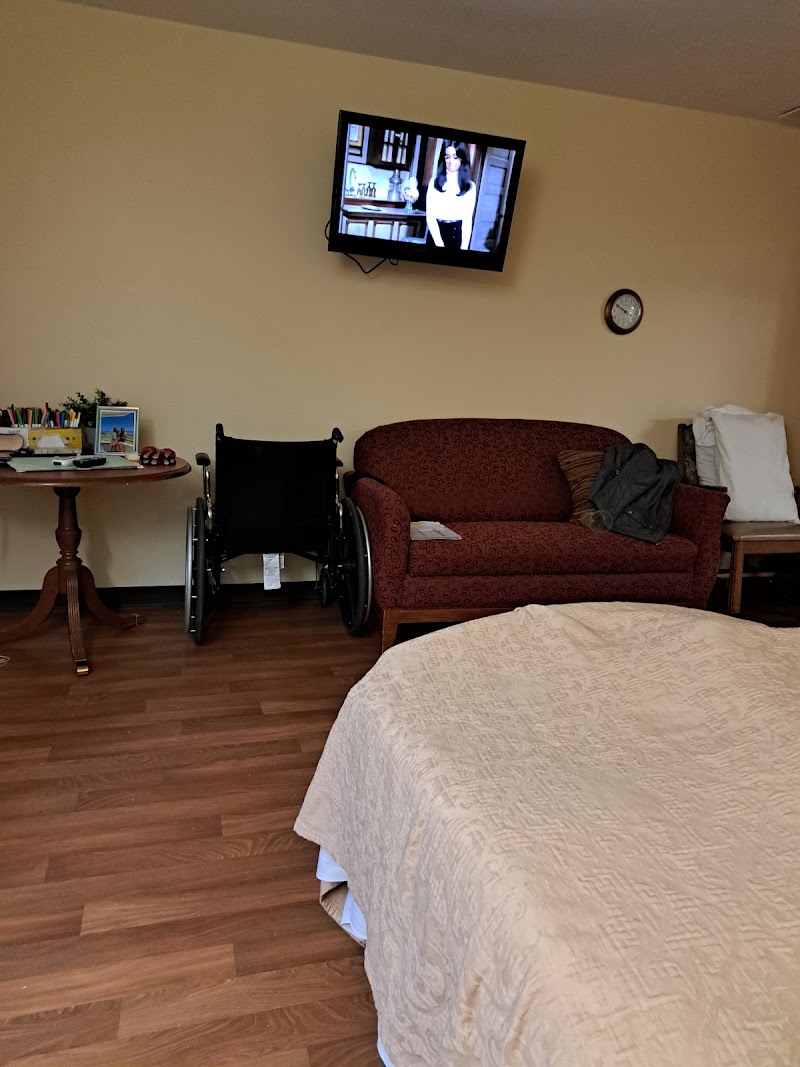
How Does Auburn Skilled Nursing And Rehab Compare to Other Ohio Nursing Homes?

Compared to the 100 nursing homes in Ohio, AUBURN SKILLED NURSING AND REHAB's overall rating (4 stars) is above the state average of 3.2, staff turnover (43%) is near the state average of 46%, and health inspection rating (4 stars) is above the national benchmark.

What Should Families Ask When Visiting Auburn Skilled Nursing And Rehab?

Based on this facility's data, families visiting should ask: "Can you walk me through typical staffing levels on day, evening, and night shifts?" "Can I visit during a mealtime to observe dining assistance and food quality?" "How do you handle medical emergencies, and what is your hospital transfer rate?" "Can I speak with family members of current residents about their experience?" These questions are particularly relevant given the below-average staffing rating.

Is Auburn Skilled Nursing And Rehab Safe?

Based on CMS inspection data, AUBURN SKILLED NURSING AND REHAB has a clean safety record: no substantiated abuse findings (meaning no confirmed cases of resident harm), no Immediate Jeopardy citations (the most serious violation level indicating risk of serious injury or death), and is not on the Special Focus Facility watch list (a federal program monitoring the lowest-performing 1% of nursing homes). The facility has a 4-star overall rating and ranks #1 of 100 nursing homes in Ohio. While no facility is perfect, families should still ask about staff-to-resident ratios and recent inspection results during their visit.

Do Nurses at Auburn Skilled Nursing And Rehab Stick Around?

AUBURN SKILLED NURSING AND REHAB has a staff turnover rate of 43%, which is about average for Ohio nursing homes (state average: 46%). Moderate turnover is common in nursing homes, but families should still ask about staff tenure and how the facility maintains care continuity when employees leave.

Was Auburn Skilled Nursing And Rehab Ever Fined?

AUBURN SKILLED NURSING AND REHAB has no federal fines on record. CMS issues fines when nursing homes fail to meet care standards or don't correct problems found during inspections. The absence of fines suggests the facility has either maintained compliance or corrected any issues before penalties were assessed. This is a positive indicator, though families should still review recent inspection reports for the full picture.

Is Auburn Skilled Nursing And Rehab on Any Federal Watch List?

AUBURN SKILLED NURSING AND REHAB is not on any federal watch list. The most significant is the Special Focus Facility (SFF) program, which identifies the bottom 1% of nursing homes nationally based on persistent, serious quality problems. Not being on this list means the facility has avoided the pattern of deficiencies that triggers enhanced federal oversight. This is a positive indicator, though families should still review the facility's inspection history directly.