BLOSSOM NURSING AND REHAB CENTER
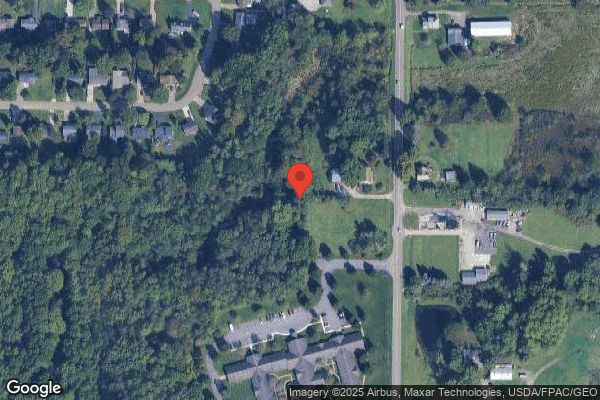

109 BLOSSOM LANE, SALEM, OH 44460 (330) 337-3033
For profit - Corporation 100 Beds ATRIUM CENTERS Data: November 2025
Trust Grade
58/100
#419 of 913 in OH
Last Inspection: December 2022

Over 2 years since last inspection. Current conditions may differ from available data.

Overview

Blossom Nursing and Rehab Center in Salem, Ohio has a Trust Grade of C, which means it is average and sits in the middle of the pack among nursing homes. It ranks #419 out of 913 in Ohio, placing it in the top half, and #5 out of 11 in Columbiana County, indicating only four local facilities are rated better. The facility is improving, with issues decreasing from two in 2023 to one in 2024. Staffing is a strength, with a rating of 4 out of 5 stars and a low turnover rate of 27%, which is well below the state average of 49%. On the downside, there have been serious concerns, such as a resident developing pressure ulcers due to inadequate care, and incidents where food was not stored or prepared properly, which could impact the health of residents. However, the facility has no fines on record and offers better RN coverage than 82% of other Ohio facilities, indicating they have strong oversight to catch potential issues.

Trust Score
C
58/100
In Ohio
#419/913
Top 45%
Safety Record
Moderate
Needs review
Inspections
Getting Better
2 → 1 violations
Staff Stability
✓ Good
27% annual turnover. Excellent stability, 21 points below Ohio's 48% average. Staff who stay learn residents' needs.
Penalties
✓ Good
No fines on record. Clean compliance history, better than most Ohio facilities.
Skilled Nurses
✓ Good
Each resident gets 42 minutes of Registered Nurse (RN) attention daily — more than average for Ohio. RNs are trained to catch health problems early.
Violations
⚠ Watch
28 deficiencies on record. Higher than average. Multiple issues found across inspections.
★★★☆☆
3.0
Overall Rating
★★★★☆
4.0
Staff Levels
★★★★☆
4.0
Care Quality
★★★☆☆
3.0
Inspection Score
Stable
2023: 2 issues
2024: 1 issues

The Good

  • 4-Star Staffing Rating · Above-average nurse staffing levels
  • 4-Star Quality Measures · Strong clinical quality outcomes
  • Low Staff Turnover (27%) · Staff stability means consistent care
  • Full Sprinkler Coverage · Fire safety systems throughout facility
  • No fines on record
  • Staff turnover is low (27%)

    21 points below Ohio average of 48%

Facility shows strength in staffing levels, quality measures, staff retention, fire safety.

The Bad

3-Star Overall Rating

Near Ohio average (3.2)

Meets federal standards, typical of most facilities

Chain: ATRIUM CENTERS

Part of a multi-facility chain

Ask about local staffing decisions and management

The Ugly 28 deficiencies on record

1 actual harm
Mar 2024 1 deficiency
CONCERN (D) 📢 Someone Reported This

A family member, employee, or ombudsman was alarmed enough to file a formal complaint

Potential for Harm - no one hurt, but risky conditions existed

Accident Prevention (Tag F0689)

Could have caused harm · This affected 1 resident

**NOTE- TERMS IN BRACKETS HAVE BEEN EDITED TO PROTECT CONFIDENTIALITY** Based on record review, interview, and policy review, the facility failed to ensure care planned fall prevention interventions w...

Read full inspector narrative →
**NOTE- TERMS IN BRACKETS HAVE BEEN EDITED TO PROTECT CONFIDENTIALITY** Based on record review, interview, and policy review, the facility failed to ensure care planned fall prevention interventions were in place to prevent falls. This affected one resident (Resident #8) of three residents reviewed for accidents. The facility census was 92. Findings include: Review of Resident #8's medical record revealed the resident was admitted to the facility on [DATE] with diagnoses including spondylosis without myelopathy or radiculopathy, dementia, difficulty walking, history of falls, and cerebral infarction. The resident was discharged on 03/16/24. Review of the plan of care, dated 09/19/23, revealed Resident #8 was at risk for falls with interventions including toileting offer every two hours, staff to check footwear when delivering tray prior to meal, apply proper non-skid footwear if found to have none on prior meal, educate on the use of the call light for assistance, and call light to be kept within reach. Review of the quarterly Minimum Data Set (MDS) 3.0 assessment, dated 01/10/24, revealed the resident had moderately impaired cognition with poor decision making. The resident required physical assistance for activities of daily living (ADLs). The resident's mobility device was a wheelchair. The assessment indicated there was one fall without injury and one fall with injury since admission or the prior assessment. Review of the fall risk assessment, dated 02/03/24, revealed Resident #8 was at a high risk for falls. Review of the Fall Investigation, dated 02/03/24, revealed the fall occurred on 02/03/24 at 4:01 A.M. The resident was last observed sleeping. The alarm sounded and the nurse entered the bathroom and observed the resident with half of his buttocks on the toilet seat and upper body was propped against a bin that was in the room. The resident was assessed and found to have an abrasion on his back with no additional injuries. The resident was not wearing non-skid footwear, which staff applied following the fall. Further review revealed a subsequent fall on 02/15/24. Review of the Fall Investigation, dated 02/15/24, revealed the fall occurred at 3:20 P.M. Staff responded to the sounding alarm and found the resident in the bathroom kneeling in front of the sink and was not wearing shoes or proper footwear. The resident did not sustain an injury. During interview on 03/25/24 at 12:24 P.M., the Director of Nursing (DON) confirmed Resident #8 was not wearing proper footwear during his falls on 02/03/24 and 02/15/24. The DON confirmed the resident's care plan indicated anti-skid footwear was to be worn by the resident. Review of the facility's policy titled, Fall Prevention and Management Policy, revision date of 02/20/20, revealed to assess resident risk for falls and implement interventions to reduce the incidence of falls and/or mitigate the risk of injury related to falls. This deficiency represents non-compliance investigated under Complaint Number OH00152119.
Sept 2023 2 deficiencies
CONCERN (D) 📢 Someone Reported This

A family member, employee, or ombudsman was alarmed enough to file a formal complaint

Potential for Harm - no one hurt, but risky conditions existed

Deficiency F0568 (Tag F0568)

Could have caused harm · This affected 1 resident

Based on review of resident accounts and interview, the facility failed to ensure accurate accounting of resident funds were maintained. This affected one (Resident #93) of three residents reviewed fo...

Read full inspector narrative →
Based on review of resident accounts and interview, the facility failed to ensure accurate accounting of resident funds were maintained. This affected one (Resident #93) of three residents reviewed for resident funds. The facility identified a total of 58 residents, both current and discharged , who had funds maintained by the facility. Findings include: Review of Resident #93's quarterly fund statement for the first quarter of 2023 revealed social security funds were credited to the account on 01/01/23 and twice on 03/01/23. No pension funds were documented as deposited in January 2023. Pension funds were deposited in February and March of 2023. A liability payment of $1102.00 was withdrawn from Resident #93's account on 01/01/23. No liability was withdrawn in February or March 2023. During review of resident personal funds accounts with Business Office Manager (BOM) #100 on 09/06/23 between 1:45 P.M. and 2:02 P.M., BOM #100 revealed Resident #93 had a patient liability amount of $1169.00 starting 01/01/23. BOM #100 verified no pension deposit was posted in January 2023 and was unable to explain why the patient liability was not withdrawn from the account (full amount) in January or any liability withdrawn in February or March 2023. The BOM verified this was not maintaining accurate records of resident accounts. This deficiency represents non-compliance investigated under Master Complaint Number OH00145438.
CONCERN (D) 📢 Someone Reported This

A family member, employee, or ombudsman was alarmed enough to file a formal complaint

Potential for Harm - no one hurt, but risky conditions existed

Deficiency F0569 (Tag F0569)

Could have caused harm · This affected 1 resident

**NOTE- TERMS IN BRACKETS HAVE BEEN EDITED TO PROTECT CONFIDENTIALITY** Based on resident funds account review, record review, and interview, the facility failed to ensure conveyance of resident funds...

Read full inspector narrative →
**NOTE- TERMS IN BRACKETS HAVE BEEN EDITED TO PROTECT CONFIDENTIALITY** Based on resident funds account review, record review, and interview, the facility failed to ensure conveyance of resident funds within 30 days of discharge or death. This affected three (Residents #93, #94, and #95) of three residents reviewed for personal funds. The census was 92. Findings include: 1. Review of Resident #94's closed medical record revealed an admission date of [DATE] with diagnoses including cerebral infarction, depression, epilepsy and type two diabetes mellitus. A quarterly Minimum Data Set (MDS) assessment dated [DATE] revealed Resident #94 was usually able to understand others. Resident #94 was assessed as moderately cognitively impaired. Resident #94 discharged to another facility on [DATE]. Review of Resident #94's personal funds consent dated [DATE] revealed Resident #94 authorized the facility to manage his personal money while he was a resident. Upon discharge, the account would be closed and the funds would be returned to Resident #94. The facility was to furnish a final statement no later than 30 days after discharge. If upon discharge, the resident had unpaid charges, the resident authorized the facility to use his personal needs account funds to pay those charges prior to refusing any excess funds to the resident. Review of Resident #94's quarterly trust fund statements for the first and second quarters of 2023 revealed deposits from Social Security on a monthly basis with interest deposited. No withdrawals from the account were documented. Review of the resident funds balance reports as of [DATE] revealed Resident #94 continued to have funds in the amount of $9659.82 at the facility. During an interview with Business Office Manager (BOM) #100 on [DATE] between 1:45 P.M. and 2:02 P.M., she reported the facility started receiving Resident #94's Social Security funds in [DATE]. Resident #94 discharged to another facility [DATE]. The facility sent a check to Resident #94 in the amount of $750 on [DATE] which accounted for a $50 allowance per month since the facility started receiving Resident #94's funds. BOM #100 stated the facility had never been informed of a patient liability amount for Resident #94. BOM #100 indicated a representative from the Department of Jobs and Family Services was notified Resident #94 was in the facility at the end of 2022 (no actual date available). Because the facility had never been informed if Resident #94 would have patient liability the facility had chosen to hold the remainder of the funds until they received a determination. BOM #100 stated she had phoned a representative from the Department of Jobs and Family Services again on [DATE]. On [DATE] at 2:34 P.M., BOM #100 stated she received a return call from Department of Job and Family Services and was informed there would be no patient liability retro charged so she could release the balance of Resident #94's funds. 2. Review of Resident #93's census information revealed notations that Resident #93 had a hospital leave on [DATE]. Another notation revealed Resident #93 expired at the hospital under hospice care on [DATE]. Review of Resident #93's revealed a check dated [DATE] to the Treasurer of the State of Ohio in the amount of $4541.08, the remainder of the balance in Resident #93's account based on the second quarter resident trust fund statement. During an interview with BOM #100 on [DATE] between 1:45 P.M. and 2:02 P.M., BOM #100 verified she had not conveyed the balance of Resident #93's funds within 30 days of her death. 3. Review of Resident #95's census information revealed Resident #95 had a hospital leave on [DATE]. A notation revealed the hospital notified the facility Resident #95 was transferred from the hospital to a hospice house on [DATE] and would not be returning to the facility. Review of Resident #95's indicated a withdraw of $63.22 to close out the account leaving a balance of $0.00. During an interview with BOM #100 on [DATE] between 1:45 P.M. and 2:02 P.M., a request was made for the check conveying Resident #95's funds. BOM #100 reported the money had not been dispersed yet and she had to send the funds to state recovery. The funds were not listed on the balance report since [DATE]. This deficiency represents non-compliance investigated under Master Complaint Number OH00145438.
Dec 2022 9 deficiencies 1 Harm
SERIOUS (G)

Actual Harm - a resident was hurt due to facility failures

Pressure Ulcer Prevention (Tag F0686)

A resident was harmed · This affected 1 resident

**NOTE- TERMS IN BRACKETS HAVE BEEN EDITED TO PROTECT CONFIDENTIALITY** Based on observation, record review and interview the facility failed to implement an individualized and effective pressure ulce...

Read full inspector narrative →
**NOTE- TERMS IN BRACKETS HAVE BEEN EDITED TO PROTECT CONFIDENTIALITY** Based on observation, record review and interview the facility failed to implement an individualized and effective pressure ulcer prevention program to prevent the in house development and/or worsening of pressure ulcers to Resident #11's bilateral heels. Actual harm occurred on 09/22/22 when Resident #11, who was severely cognitively impaired, required extensive assistance from two staff for bed mobility and was at risk for developing pressure ulcers was identified to have a blister to the left heel without evidence of adequate care/interventions to promote healing. On 09/30/22 Resident #11 was assessed to have a blister measuring 5.0 centimeters (cm) in length by 6.0 cm width with no depth to her right heel with no evidence adequate care/interventions to promote heating. On 10/13/22 the wound physician noted the left heel pressure ulcer had deteriorated and was a deep tissue injury (DTI), a persistent non-blanchable deep red, purple, or maroon areas of intact skin, non-intact skin or blood-filled blisters caused by damage to the underlying soft tissues measuring 6.7 centimeters (cm) in length by 8.0 cm width with an undetermined depth and a DTI pressure ulcer to the right heel which measured 3.7 cm by 5.0 cm and had an undetermined depth. The pressure ulcers continued to deteriorate to unstageable ulcers. The facility failed to timely implement pressure ulcer prevention measures (including pressure relief/reduction measures and a dietitian consult) to prevent and treat the ulcers. This affected one resident (#11) of five residents reviewed for pressure ulcers. Finding included: Review of the medical record revealed Resident#11 was admitted to the facility on [DATE] with diagnoses including gout, hypertension, osteoarthritis, and polyneuropathy. Review of the admission Skin assessment dated [DATE] revealed Resident #11 had no skin injuries or open areas to either of her heels. Review of the Braden scale for risk for development of pressure ulcers, dated 09/14/22 revealed Resident #11 was at risk for developing pressure ulcers. Review of the physician's orders, dated 09/14/22 revealed Resident #11 had orders for a skin assessment to be completed weekly. Review of the plan of care, dated 09/14/22 revealed Resident #11 had pressure ulcer prevention interventions to float her heels off the bed surface while in bed and to have a pressure relieving mattress. Review of the admission Minimum Data Set (MDS) 3.0 assessment dated [DATE] revealed Resident #11 had severely impaired cognition and required extensive assistance of two staff for bed mobility and transfers. She was admitted to the facility with one Stage II pressure ulcer on her coccyx. Review of the physician orders dated 09/20/22 revealed Resident #11 had orders for ProHeal (a nutritional supplement) everyday for healing and Arginaid (a protein supplement) twice daily for pressure ulcer healing. Review of a skin/body assessment, dated 09/22/22 revealed Resident #11 had a new fluid-filled blister to her left inner heel measuring 6.0 centimeters (cm) in length by 5.0 cm width with no depth noted. Review of the progress note, dated 09/22/22 at 5:26 P.M. revealed during a shower it was noticed Resident #11 had a fluid filled blister to her left inner heel. A new physician order was received to pad and protect the blister area with a thick abdominal (ABD) dressing and wrap with Kerlix gauze wrap daily and as needed. Review of a Braden scale assessment, dated 09/22/22 revealed Resident#11 was at risk for developing pressure ulcers. There was no documentation found to indicate staff were floating Resident #11's heels from the time of admission until 09/22/22 when this pressure ulcer was identified. Review of the plan of care, dated 09/27/22 revealed Resident #11 had a new intervention for a low air loss mattress. There was no physician order written for the low air loss mattress at that time. Review of a skin/body assessment, dated 09/30/22 revealed Resident #11 had new pressure area, a blister measuring 5.0 cm in length by 6.0 cm width with no depth to her right heel. A physician order was obtained this date for nursing staff to pad and protect the right heel blister with an ABD dressing and wrap with Kerlix gauze daily and as needed. Review of a wound physician note, dated 10/06/22 revealed the physician ordered a low air loss mattress, an air boot and a prealbumin test for the resident. Review of the written physician's order dated 10/06/22 revealed Resident #11 was ordered application of skin prep to her heel and cover with a ABD dressings and wrap with Kerlix gauze daily and as needed. Review of a progress note, dated 10/06/22 at 2:15 P.M. (written as a late entry dated 11/29/22 at 12:20 P.M.) revealed Resident #11 was seen by the wound physician who gave an order for an air boot. The note indicated the nurse showed the wound physician the facility's heel protectors and the physician stated those were acceptable to use in place of the air boots. Review of the physician' orders revealed there were no orders written on 10/06/22 for heel protectors or for any substitute for the air boot. Review of laboratory testing results, dated 10/07/22 revealed Resident #11 had a prealbumin level of 17 milligrams/deciliter (mg/dl) (normal range 17-34 mg/dl). Review of a wound physician's note, dated 10/13/22 revealed Resident #11's left heel was a deep tissue injury (DTI), a persistent non-blanchable deep red, purple, or maroon areas of intact skin, non-intact skin or blood-filled blisters caused by damage to the underlying soft tissues was measuring 6.7 cm in length by 8.0 cm width with an undetermined depth. The note indicated the pressure ulcer was deteriorating. Resident #11's right heel DTI measured 3.7 cm in length by 5.0 cm width with an undetermined depth and was noted to be improving. Review of the physician's orders, dated 10/13/22 revealed Resident #11 had a new order to cleanse the left and right heel DTI's with normal saline (NS), pat dry, apply oil emulsion, cover with an ABD and wrap with Kerlix gauze daily and as needed. Review of a wound physician's progress note, dated 10/20/22 revealed Resident #11's left heel DTI measured 3.2 cm in length by 3.5 cm width with an undetermined depth and was improving. The right heel DTI was measured at 4.9 cm length by 5.0 cm depth with an undetermined depth and was assessed to have deterioration. There was a new physician order to change boots from the sponge boots to prevalon pressure-relieving boots and to consult the dietitian concerning her prealbumin level. Review of the physician orders revealed no orders were written by the wound physician on 10/20/22 for prevalon boots or a dietitian consult as he indicated in his progress note. Review of the wound physician progress note, dated 10/27/22 revealed the left heel DTI was assessed to have deteriorated to an unstageable (obscured full-thickness skin and tissue loss) due to necrosis/eschar (black/dark brown dead, devitalized tissue). The wound measured 3.0 cm in length by 3.5 cm width with an undetermined depth and was covered with 70 percent eschar and 30 percent granulation (healthy tissue). Resident #11's right heel was documented as measuring 4.7 cm length by 4.7 cm width with an undetermined depth and still discolored. Review of a wound physician's note, dated 11/10/22 revealed Resident #11's left heel unstageable DTI measured 2.1 cm in length 2.8 cm width with an undetermined depth and was healing. The eschar had unroofed and the area was violet, boggy, with intact skin. The right heel DTI was assessed to have declined and was now unstageable with 100 percent necrosis and measured 2.1 cm in length by 1.5 cm width with an undetermined depth. The wound physician indicated Betadine would be ordered for treatment. Review of the plan of care, dated 11/18/22 revealed a new intervention for pressure relieving ankle foot orthotic (Prafo) boots to both of Resident #11's heels were ordered. However, there was no physician order found for Prafo boots. Review of a physician's order, dated 11/20/22 revealed Resident #11 had a new order for nursing staff to apply Betadine to both of her heels, cover with an ABD and wrap with Kerlix gauze daily and as needed. Review of the wound physician's note dated 11/25/22 revealed Resident #11's left heel unstageable DTI measured 1.6 cm in length by 2.2 cm width with an undetermined depth and had eschar. The note documented the pressure ulcer was stable. Resident #11's right heel unstageable DTI measured 2.0 cm length by 1.5 cm width with an undetermined depth and was covered 100 percent by eschar and was declining. Review of the wound physician's note, dated 12/01/22 revealed Resident #11's left unstageable heel DTI measured 1.6 cm length by 2.2 cm width with an undetermined depth and had eschar. The note indicated the pressure ulcer was stable. Resident #11's right heel was an unstageable DTI and measured 2.1 cm length by 1.3 cm width with an undetermined depth with eschar covering 100 percent of the pressure ulcer wound. On 12/04/22 at 10:00 A.M. Resident #11 was observed in bed with her feet/heels wrapped in Kerlix gauze wrap as ordered, however there was no Prafo boot to either heel (the most current intervention implemented). In addition, the resident's heels were not floated off the bed surface as a pressure reduction intervention. On 12/04/22 at 11:33 A.M., Resident #11's heels were observed propped up on a pillow and not floated off the bed to relieve pressure. Review of the physician's orders, dated 12/05/22 revealed Resident #11 had new orders for heel protectors while in bed and a low air loss mattress. On 12/06/22 at 11:20 A.M. observation of Resident #11's pressure ulcers with Licensed Practical Nurse (LPN) #859 and LPN #886 revealed the resident's left heel had two unstageable black areas, were mushy and the resident stated it hurt. The resident's right heel was observed with black eschar covering the whole heel area. The heel was mushy and the edges were red and inflamed. LPN #859 verified the observation and condition of the resident's heels. On 12/06/22 at 12:55 P.M. interview with LPN #859 revealed Resident #11 was admitted to the facility with a skin alteration to her coccyx but no skin alterations/pressure ulcers to her heels. LPN #859 verified Resident #11 was assessed to be at risk for developing pressure ulcers. LPN #859 indicated Resident #11 had a pressure reliving mattress to the bed on admission which was changed to a low air loss mattress according to the plan of care dated 09/27/22. However, the LPN then indicated the air mattress was not implemented until 10/07/22 and no physician order was written for it until 12/05/22. LPN #859 verified there was never a physician order written for the prevalon boots and no evidence Resident #11 ever received them. LPN #859 verified the plan of care dated 11/18/22 revealed a new intervention for Prafo boots for Resident #11's heels, but no physician order was written. LPN #859 verified she wrote the physician's orders for the heel protectors and loss air loss air mattress on 12/05/22. On 12/07/22 at 9:35 A.M. interview with Dietitian #889 revealed she was never consulted the resident's low pre-albumin (ordered 10/20/22). She indicated if she had been consulted, she may have adjusted supplements to add more protein to aid in healing of Resident #11's pressure ulcers. On 12/07/22 at 10:10 A.M. interview with the Director of Nursing revealed she did not know why the dietitian consult was not completed.
CONCERN (D)

Potential for Harm - no one hurt, but risky conditions existed

Deficiency F0561 (Tag F0561)

Could have caused harm · This affected 1 resident

**NOTE- TERMS IN BRACKETS HAVE BEEN EDITED TO PROTECT CONFIDENTIALITY** Based on record review and interview the facility filed to ensure Resident #36 received showers per her preference. This affecte...

Read full inspector narrative →
**NOTE- TERMS IN BRACKETS HAVE BEEN EDITED TO PROTECT CONFIDENTIALITY** Based on record review and interview the facility filed to ensure Resident #36 received showers per her preference. This affected one resident (#36) of three reviewed for choices. Findings include: Review of the medical record revealed Resident #36 was admitted to the facility on [DATE]. Diagnoses included chronic pulmonary disease, chronic respiratory failure, hypertension, atrial fibrillation, diabetes, anxiety, obstructive sleep apnea, atherosclerotic heart disease, muscle weakness, hypothyroidism, affective mood disorder, and insomnia. Review of the admission Minimum Data Set assessment dated [DATE] revealed Resident #36 had intact cognition, required extensive assistance of two staff members for bed mobility, transfers, toilet use and one staff member for dressing and personals hygiene. Review of the current facility shower schedule revealed Resident #36 was to have a shower on afternoon shift on Tuesdays, Thursdays and Saturdays. Review of progress notes from 09/23/22 to 12/04/22 revealed no evidence Resident #36 had refused to have a shower. Review of the facility showers sheets from 10/01/22 to 12/04/22 revealed Resident #36 had a shower on 10/04/22, 10/09/22, 10/13/22, 10/25/22, 11/01/22, and 12/03/22. On 12/04/22 at 9:37 A.M. an interview with Resident #36 revealed she was to receive three showers a week on Tuesdays, Thursdays and Saturdays. Resident #36 stated she has not been getting her showers. She stated the staff don't tell her why her showers aren't given, they just don't give them to her. Resident #36 said she finally got a shower the night before (12/03/22) because she raised [expletive]. On 12/06/22 at 10:19 A.M., interview with the Director of Nursing (DON) revealed staff should be completing a shower sheet when they give a resident a bath or shower. She stated she educated the staff on filling out shower sheets and to document if the resident had refused. On 12/06/22 at 3:31 P.M., interview with the DON revealed she could find any additional completed shower sheets for Resident #36 then noted above and showers were not provided as planned.
CONCERN (D)

Potential for Harm - no one hurt, but risky conditions existed

Deficiency F0583 (Tag F0583)

Could have caused harm · This affected 1 resident

**NOTE- TERMS IN BRACKETS HAVE BEEN EDITED TO PROTECT CONFIDENTIALITY** Based on observation, record review and interview the facility failed to ensure resident's confidential information was not left...

Read full inspector narrative →
**NOTE- TERMS IN BRACKETS HAVE BEEN EDITED TO PROTECT CONFIDENTIALITY** Based on observation, record review and interview the facility failed to ensure resident's confidential information was not left visible on unattended computer screens. This affected three residents (Resident #51, #67 #74) of six observed for medication administration. Findings included: 1. Review of the medical record revealed Resident #51 was admitted to the facility on [DATE]. Diagnoses included diabetes, major depressive disorder, COVID-19, dysphagia, port-traumatic stress disorder, anxiety disorder, chronic obstructive pulmonary disease, atrial fibrillation, chronic kidney disease, gout, and osteoarthritis. Observation on 12/05/22 at 11:07 A.M. revealed Licensed Practical Nurse (LPN) #815 assembled her equipment and went into the room of Resident #51 to perform blood glucose testing. LPN #815 left Resident #51's medical information on the computer screen. LPN #815 verified at 11:19 A.M. she had not closed out the resident information on her computer screen when she went into the resident's room. Review of the facility policy titled, Privacy, Dignity, and Confidentiality, dated 01/22, revealed residents had the right to privacy including the right to personal privacy and confidentiality of his or her personal and clinical records. The policy indicated residents had the right to personal privacy which included accommodations, medial treatment, written and telephone communications, personal care visits, and meetings of family and resident groups. The policy indicated resident's clinical records would be kept confidential and private. 2. Review of the medical record revealed Resident #67 was admitted to the facility on [DATE]. Diagnoses included obsessive compulsive disorder, COVID-19, anxiety disorder, hoarding disorder, adult failure to thrive, and hypothyroidism. Observation on 12/06/22 at 8:15 A.M. revealed Registered Nurse (RN) #871 went into Resident #67's room to give her medication. RN #871 left Resident #67's private medical information up on the computer screen while she was inside the resident room. At 8:25 A.M., RN #871 verified she left Resident #67's private information up on the computer screen while she was in the room. Review of the facility policy titled, Privacy, Dignity, and Confidentiality, dated 01/22, revealed residents had the right to privacy including the right to personal privacy and confidentiality of his or her personal and clinical records. The policy indicated residents had the right to personal privacy which included accommodations, medial treatment, written and telephone communications, personal care visits, and meetings of family and resident groups. The policy indicated resident's clinical records would be kept confidential and private. 3. Review of the medical record revealed Resident #74 was admitted to the facility on [DATE]. Diagnoses included cerebral infarction, COVID-19, dementia, delirium, diabetes, major depressive disorder, delusional disorder, anxiety disorder, social phobia, congestive heart failure, metabolic encephalopathy, and auditory hallucinations. Observation on 12/06/22 at 8:19 A.M. revealed RN #871 went into the room of Resident #74 to give her medication. RN #871 left Resident 74's information up on the computer screen while she was inside the room. At 8:25 A.M., RN #871 verified this concern. Review of the facility policy titled, Privacy, Dignity, and Confidentiality, dated 01/22, revealed residents had the right to privacy including the right to personal privacy and confidentiality of his or her personal and clinical records. The policy indicated residents had the right to personal privacy which included accommodations, medial treatment, written and telephone communications, personal care visits, and meetings of family and resident groups. The policy indicated resident's clinical records would be kept confidential and private.
CONCERN (D)

Potential for Harm - no one hurt, but risky conditions existed

ADL Care (Tag F0677)

Could have caused harm · This affected 1 resident

**NOTE- TERMS IN BRACKETS HAVE BEEN EDITED TO PROTECT CONFIDENTIALITY** Based on observation, record review and interviews the facility failed to ensure appropriate nail care was provided to Resident ...

Read full inspector narrative →
**NOTE- TERMS IN BRACKETS HAVE BEEN EDITED TO PROTECT CONFIDENTIALITY** Based on observation, record review and interviews the facility failed to ensure appropriate nail care was provided to Resident #32, who was dependent on staff for her personal care. This affected one of three residents reviewed for activities of daily living (ADLs). Findings included: Review of the medical record revealed Resident #32 was admitted to the facility on [DATE]. Diagnoses included dementia, chronic kidney disease, weakness, macular degeneration, diabetes, major depressive disorder, anemia, congestive heart failure, hypothyroidism, osteoarthritis, and COVID-19. Review of the plan of care dated 11/20/18 revealed Resident #32 was limited in her ability to perform all ADLs due to chronic kidney disease, acute kidney failure, and diabetes with neuropathy. Review of the quarterly Minimum Data Set assessment dated [DATE] revealed Resident #32 had moderately impaired cognition and required extensive assistance of one staff for personal hygiene. Review of the progress notes dated 05/22/22 through 11/30/22 revealed no evidence Resident #32 refused to have her finger nails cleaned and trimmed. Review of the facility shower sheets dated 09/28/22, 09/29/22, 10/05/22, 10/06/22, 10/19/22, 10/27/22, 10/29/22, 11/16/22, 11/29/22, 11/30/22, and 12/01/22 revealed no documentation that Resident #32 had her nails trimmed or cleaned. The shower sheets had a box to check if this care was provided and it was not checked on any of the shower forms for any of these dates. Observations on 12/04/22 at 9:28 A.M., 11:30 A.M. and 1:53 P.M. revealed Resident #32 had very long dirty finger nails. At 1:53 P.M., an interview with Resident #32 revealed her nails had not been trimmed in a while and she did not like them long. Observation on 12/05/22 at 9:15 A.M. revealed Resident #32's finger nails were still very long and dirty. On 12/05/22 at 11:22 A.M. interview with the Director of Nursing (DON) revealed nails should be trimmed and cleaned on shower days and as needed. The DON verified Resident #32's finger nails were long and dirty. At the time of this observation, Resident #32 stated she was glad they were going to trim them for her. Review of the undated facility policy titled, Nail Care, revealed the purpose of this procedure was to provide guidelines for the provision of care to a resident's nails for good grooming and health. Routine cleaning and inspection of nails would be provided during ADL care on an ongoing basis. Nail care including trimming and filing would be provided as needed. Nails should be kept smooth to avoid skin injury.
CONCERN (D)

Potential for Harm - no one hurt, but risky conditions existed

Quality of Care (Tag F0684)

Could have caused harm · This affected 1 resident

**NOTE- TERMS IN BRACKETS HAVE BEEN EDITED TO PROTECT CONFIDENTIALITY** Based on observation, record review and interview the facility failed to ensure Resident #23 received an appropriate substitutio...

Read full inspector narrative →
**NOTE- TERMS IN BRACKETS HAVE BEEN EDITED TO PROTECT CONFIDENTIALITY** Based on observation, record review and interview the facility failed to ensure Resident #23 received an appropriate substitution for his physician ordered nutritional supplement and the facility failed to timely assess Resdient #75 for the use of a Broda chair. This affected one of five residents reviewed for nutrition and one of one resident reviewed for a possible restraint. The facility census was 85. Finding included: 1. Review of the medical record revealed Resident #23 was admitted to the facility on [DATE]. Diagnoses included squamous cell carcinoma of skin, acute respiratory failure, severe protein calorie malnutrition, diabetes, atrial fibrillation, chronic lymphatic leukemia, major depressive disorder, chronic obstructive pulmonary disease, hypertension, atherosclerotic heart disease, nutritional deficiency, and anxiety disorder. Review of the significant change Minimum Data Set assessment dated [DATE] revealed Resident #23 had moderately impaired cognition and had a prognosis of less than six months to live. Review of the progress note dated 11/20/22 at 2:41 P.M. revealed Resident #23's appetite was very poor and he hardly ate any food but he did drink his Med Pass nutritional supplement and asked for these cold drinks frequently. Review of the current December 2022 physician orders revealed Resident #23 still had a physician order for 120 milliliters (mls) of Med Pass (nutritional supplement) three times a day. Review of the December 2022 medication administration record revealed Resident #23 did not receive the 120 mls of Med Pass on 12/03/22 and 12/04/22 because it was not available. Observation on 12/06/22 at 7:51 A.M. revealed Licensed Practical Nurse (LPN) #849 poured a five-ounce plastic cup three fourths full with Jevity 1.5 and administered it to Resident #23 to drink. LPN #849 indicated she was using it in replace of the Med Pass supplement which the resident was ordered. LPN #849 said they were not able to order Med Pass supplement due to a manufacture supply issue. The facility dietitian provided a list of supplements acceptable to use due to supply chain issues. This list revealed acceptable substitutions for the Med Pass supplement would be facility health shakes, sugar-free healthshakes, Mighty shakes or sugar-free Mighty shakes. Jevity 1.5 was not on the list of acceptable substitutions for Med Pass. Review of the manufacture information for Jevity 1.5 Cal revealed it was a calorically dense, fiber-fortified therapeutic nutrition that provided complete, balanced nutrition for long-term or short-term tube feeding and was only to be used with residents with altered taste perception. Comparison of nutritional values revealed 120 mls of Med Pass three times a day provided 720 calories and 30 grams of protein and Jevity 1.5, 120 mls, three times daily only provided 535 calories and 23 grams of protein. On 12/06/22 at 12:24 P.M. interview with Dietitian #889 revealed she was not aware nursing staff was substituting Jevity 1.5 for Med Pass for Resident #23. Dietitian #889 stated it was not a one to one equivalent replacement for Med Pass. She stated they should have been using one of the other equivalent health shakes/in-house supplements from the list she had provided to the facility for a one to one substitution when there were supply chain issues. On 12/06/22 at 3:30 P.M., interview with Resident #23 revealed the supplement the nursing staff had been giving him to drink tasted horrible. He stated he did not know what it was called but it was not the same one he had been receiving before. On 12/07/22 at 8:54 A.M., interview with the Director of Nursing verified there were no additional physician's orders obtained to change nutritional supplements for Resident #23, when the ordered Med Pass supplement was not available. 2. Observation of Resident #75 on 12/04/22 at 9:30 A.M. and at 10:25 A.M. revealed Resident #75 sitting in a reclined broda chair (an adaptive, reclining seating device) in the unit lounge area. Review of Resident #75's medical record revealed an admission date of 10/30/22 with diagnoses that included Parkinson's disease and Alzheimer's disease. The Minimum Data Set (MDS) 3.0 admission assessment dated [DATE] indicated Resident #75 had severely impaired cognition and no restraints were used and he required staff assistance for all acitivities of daily living. Review of Resident #75's nursing progress notes and occupational therapy notes revealed the use of a the broda chair had been used admission. Review of the physician's orders revealed no evidence of a physician's order in place for the use of a broda chair until 12/05/22. Review of Resident #75's assessments found no evidence of an assessment for the use of the broda chair to determine if it was a restraint or a safety intervention until 12/06/22. Interview with the Director of Nursing on 12/07/22 at 10:22 A.M. verified there was no physician's order for the use of the broda chair since admission until 12/05/22 and there was assessment of this potential physical restraint/assistive device for comfort completed until 12/06/22.
CONCERN (D)

Potential for Harm - no one hurt, but risky conditions existed

Deficiency F0685 (Tag F0685)

Could have caused harm · This affected 1 resident

Based on interview and record review, the facility failed to ensure glasses were provided for Resident #17 in a timely manner following a optometry appointment. This affected one of one resident revie...

Read full inspector narrative →
Based on interview and record review, the facility failed to ensure glasses were provided for Resident #17 in a timely manner following a optometry appointment. This affected one of one resident reviewed for vision. The facility census was 85. Findings include: Review of Resident #17's medical record revealed an admission date of 07/26/22 with diagnoses that included congestive heart failure, pressure ulcer to the sacrum and diabetes mellitus. Review of the 360 Optometry consult revealed Resident #17 was evaluated in the facility on 07/24/22. At that time the optometrist ordered new glasses pending insurance/payer approval. The Minimum Data Set (MDS) 3.0 quarterly assessment with a reference date of 11/03/22 revealed Resident #17 was alert and oriented with intact cognition. This assessment indicated Resident #17 had impaired vision and but did not use any corrective lenses. Further review of the medical record found no evidence of any approval or additional notes related to approval or lack thereof for Resident #17's glasses. Interview with Resident #17 on 12/04/22 at 10:54 A.M. revealed she had saw the optometrist several months ago and had not received her glasses which were ordered at that time. On 12/07/22 at 10:18 A.M. interview with the Director of Nursing verified Resident #17 has not received her glasses and the facility has not followed up to determine the status of glasses.
CONCERN (D)

Potential for Harm - no one hurt, but risky conditions existed

Deficiency F0805 (Tag F0805)

Could have caused harm · This affected 1 resident

**NOTE- TERMS IN BRACKETS HAVE BEEN EDITED TO PROTECT CONFIDENTIALITY** Based on observation, record review and interview, the facility failed to ensure Resident #186's meal consistency was provided p...

Read full inspector narrative →
**NOTE- TERMS IN BRACKETS HAVE BEEN EDITED TO PROTECT CONFIDENTIALITY** Based on observation, record review and interview, the facility failed to ensure Resident #186's meal consistency was provided per the physician order. This affected one (Resident #186) of seven residents reviewed for food and nutrition. Findings include: Review of Resident #186's medical record revealed she was admitted on [DATE] with diagnoses including cardiomegaly, diabetes and hemiplegia. Review of Resident #186's physician orders revealed an order dated 11/29/22 for a pureed diet with sugar substitute and thin liquids. Observation on 12/05/22 at 12:10 P.M. revealed Resident #186 was sitting in the dining room on the 100/200 units and she was served a pureed plate of stuffed cabbage with mashed potatoes. On the left side of the plate was a square piece of white cake with icing which was not pureed as indicated in the physician orders. Interview on 12/05/22 at 12:10 P.M. with Dietary Supervisor #885 confirmed Resident #186 was served white cake with icing which had a regular consistency, which was an error and it should have been a pureed consistency based on the physician orders.
CONCERN (D)

Potential for Harm - no one hurt, but risky conditions existed

Infection Control (Tag F0880)

Could have caused harm · This affected 1 resident

**NOTE- TERMS IN BRACKETS HAVE BEEN EDITED TO PROTECT CONFIDENTIALITY** Based on observation, record review and interview the facility failed to perform hand washing prior to administering insulin to ...

Read full inspector narrative →
**NOTE- TERMS IN BRACKETS HAVE BEEN EDITED TO PROTECT CONFIDENTIALITY** Based on observation, record review and interview the facility failed to perform hand washing prior to administering insulin to Resident #51 to prevent the potential spread of infection. This affected one resident (Resident #51) of two observed for injections. Findings include: Review of the medical record revealed Resident #51 was admitted to the facility on [DATE]. Diagnoses included diabetes, post-traumatic stress disorder, anxiety disorder, and chronic obstructive pulmonary disease. Review of the December 2022 physician orders revealed Resident #51 had a order for Humalog, an injectable insulin medication for diabetes, 10 units three times daily. Observation of glucometer testing on 12/05/22 at 11:07 A.M. revealed Licensed Practical Nurse (LPN) #815 assembled her equipment and went into Resident #51's room. LPN #815 completed the blood sugar test with the glucometer and placed it on Resident #51's bedside table. LPN #815 went back to the medication cart in the hallway cleaned the glucometer with a Sani-wipe, a disinfectant wipe, and placed it in a disposable plastic cup and removed her gloves. LPN #815 did not wash or sanitize her hands and proceeded to retrieve Resident #51's Humalog insulin Flex-pen from the top drawer of the medication cart. She went into Resident #51's room without washing her hands, put on gloves and administered the insulin to Resident #51. LPN #815 went back out the the medication cart and placed the insulin Flex-pen back into the top drawer of the medication cart and then sanitized her hands. Interview with LPN #815 on 12/05/22 at 11:19 A.M. verified she had not washed or sanitized her hands after obtaining the glucometer reading, touching the medication cart and prior to administering Resident #51's insulin. Review of the facility policy titled, Handwashing/Hand Hygiene, dated 04/20, revealed practicing hand hygiene was a simple effective way to prevent infections by preventing the spread of germs. Staff were directed to wash their hands after removing gloves and before and after nursing treatment or procedures.
CONCERN (E)

Potential for Harm - no one hurt, but risky conditions existed

Respiratory Care (Tag F0695)

Could have caused harm · This affected multiple residents

**NOTE- TERMS IN BRACKETS HAVE BEEN EDITED TO PROTECT CONFIDENTIALITY** Based on observation, record review and interview the facility failed ensure oxygen tubing/nasal cannulas and aerosol equipment ...

Read full inspector narrative →
**NOTE- TERMS IN BRACKETS HAVE BEEN EDITED TO PROTECT CONFIDENTIALITY** Based on observation, record review and interview the facility failed ensure oxygen tubing/nasal cannulas and aerosol equipment (tubing/mouthpieces) for respiratory treatments were changed and dated weekly and properly stored to prevent infection/contamination when not in use for Residents #8, #36, #37 and #49. This affected four of 13 residents reviewed for oxygen therapy/breathing treatments. Findings included: 1. Review of the medical record revealed Resident #36 was admitted to the facility on [DATE]. Diagnoses included chronic pulmonary (lung) disease, chronic respiratory failure, hypertension, atrial fibrillation, diabetes, anxiety, obstructive sleep apnea, atherosclerotic heart disease, affective mood disorder, and insomnia. Review of the admission Minimum Data Set (MDS) assessment dated [DATE] revealed Resident #36 was alert,oriented with intact cognition, required extensive assistance of two staff members for bed mobility, transfers, toilet use and one staff member for dressing and personal hygiene. Review of the December 2022 physician's orders revealed Resident #36 had an order for oxygen per nasal cannula at three liters continuous for comfort and for oxygen saturations below 90% and directed that oxygen tubing was to be changed and dated weekly. Resident #36 was also ordered albuterol sulfate solution for nebulization (breathing or aerosol treatments) as needed for shortness of breath. Review of the November and December 2022 Medication Administration Records (MARs) and Treatment Administration Records (TARs) revealed no documentation of Resident #36 oxygen tubing or breathing treatment tubing and mouthpiece being changed weekly. Observation on 12/04/22 at 9:37 A.M. revealed the oxygen nasal cannula (nose piece) of her portable oxygen tank for Resident #36 was laying directly on her wheelchair seat and the mouth piece for her her respiratory treatments was laying directly on her bedside table and neither were in protective bag or cover. Resident #36 was observed wearing the nasal cannula connected to the oxygen tubing from her regular oxygen concentrator. The nasal cannula attached to the oxygen tubing she was wearing, the nasal cannula lying in her wheelchair and the mouthpiece for her breathing treatment were not dated to indicate when they were last changed. On 12/04/22 at 9:37 A.M. an interview with Resident #36 revealed she has not had her oxygen tubing, nasal cannulas or aerosol mouthpiece equipment changed in weeks. On 12/04/22 at 10:17 A.M. an interview with Licensed Practical Nurse (LPN) #853 verified Resident #36's her oxygen tubing, nasal cannulas, and aerosol mouthpiece should be dated as to when they were last changed and the nasal cannula for her portable oxygen tank and the aerosol mouthpiece should be stored in a protective bag when not in use to prevent contamination. 2. Review of the medical record revealed Resident #8 was admitted to the facility on [DATE]. Diagnoses included pneumonia, congestive heart failure, atrial fibrillation, chest pain, hypertension, diabetes, anxiety disorder, hypoxemia, dyspnea, and chronic obstructive pulmonary disease. Review of the quarterly MDS assessment dated [DATE] revealed Resident #8 was alert, oriented and had intact cognition and required oxygen therapy. Review of the December 2022 physician orders revealed Resident #8 had a current order for oxygen per nasal cannula at three liters continuously for her comfort and for oxygen saturation less than 90 percent. Staff were to change her oxygen tubing weekly. Review of the November and December 2022 MARs and TARs revealed no documentation of Resident #8's oxygen tubing being changed. Observation on 12/04/22 at 10:00 A.M. revealed the oxygen tubing and nasal cannula Resident #8 was wearing and her portable oxygen nasal cannula tubing were not dated to indicate when they had last been changed. Resident #8's portable oxygen nasal cannula was not in use and was observed hanging on the back on her wheelchair. It was not in any type of protective bag. On 12/04/22 at 10:16 A.M., LPN #853 verified Resident #8's oxygen tubing and cannulas were not properly dated to determine when they were last changed and her portable oxygen cannula was not in a protective bag when not in use to prevent contamination. 3. Review of the medical record revealed Resident #37 was admitted to the facility on [DATE]. Diagnoses included respiratory failure, mental status changed, chronic kidney disease, COVID-19, heart failure, dementia, dependence on supplemental oxygen, sand sleep apnea, chronic obstructive pulmonary disease, and anxiety disorder. Review of the annual MDS assessment dated [DATE] revealed Resident #37 had moderately impaired cognition and received oxygen therapy. Review of the December 2022 physician orders revealed Resident #37 had current orders for oxygen per nasal cannula at two to four liters for resident comfort or for oxygen saturations below 90 present and for ipratropium/albuterol breathing treatments every six hours while awake. Resident #37 also had orders for the oxygen tubing and breathing treatment tubing/mouthpiece to be changed weekly. Review of the November and December 2022 MARs and TARs revealed no documentation of Resident #37's oxygen tubing or aerosol tubing/mouthpiece being changed. Observation on 12/04/22 at 9:45 A.M. revealed the aerosol mouthpiece, the portable oxygen nasal cannula/tubing and the nasal cannula/tubing on the oxygen concentrator which Resident #37 was wearing were not dated to indicated when they were last changed. The portable nasal cannula was hanging uncovered on the back of Resident #37's wheelchair and her breathing treatment mouthpiece was lying directly on her bedside stand and was not in any type of protective bag. On 12/04/22 at 10:15 A.M., LPN #853 verified Resident #37's oxygen tubing, nasal cannulas and aerosol mouthpiece/tubing should be dated as to when it was lasted changed and her portable oxygen nasal cannula and aerosol mouthpiece should be in a protective bag when not in use. 4. Review of the medical record revealed Resident #49 was admitted to the facility on [DATE]. Diagnoses included acute respiratory failure, cerebral infarction, heart failure, lymphedema, major depressive disorder, hemiplegia, and diabetes. Review of the annual MDS assessment dated [DATE] revealed Resident #49 had moderately impaired cognition, and received oxygen therapy. Review of the December 2022 physician orders revealed Resident #49 had current orders for oxygen via nasal cannula continuously, albuterol sulfate breathing treatments four times daily, and staff directed to change the oxygen tubing and breathing treatment tubing/mouthpiece every week. Review of the November and December 2022 MARs and TARs record revealed no documentation of Resident #49's oxygen tubing or breathing treatment tubing/mouthpiece being changed weekly. Observation on 12/04/22 at 10:05 A.M. revealed the oxygen tubing, nasal cannula and breathing treatment mouthpiece for Resident #49 were not dated to indicate when they were last changed. The breathing treatment mouthpiece was lying directly on Resident #49's bedside table and was not covered with any type of protective bag. On 12/04/22 at 10:17 A.M., LPN #853 verified Resident #49's is oxygen tubing, nasal cannula and breathing treatment mouthpiece were not properly dated with the date they were lasted changed. LPN #853 verified Resident #49's breathing treatment mouthpiece should be in a protective bag when not in use.
Jan 2020 6 deficiencies
CONCERN (D)

Potential for Harm - no one hurt, but risky conditions existed

Pressure Ulcer Prevention (Tag F0686)

Could have caused harm · This affected 1 resident

**NOTE- TERMS IN BRACKETS HAVE BEEN EDITED TO PROTECT CONFIDENTIALITY** Based on observation, record review and interview the facility failed to ensure a timely pressure ulcer re-assessment was comple...

Read full inspector narrative →
**NOTE- TERMS IN BRACKETS HAVE BEEN EDITED TO PROTECT CONFIDENTIALITY** Based on observation, record review and interview the facility failed to ensure a timely pressure ulcer re-assessment was completed for Resident #51, following the resident's readmission to the facility and failed to implement physician orders for pressure ulcer prevention and treatment for Resident #76. This affected two residents (#51 and #76) of four residents reviewed for pressure ulcers. The facility identified eight residents with pressure ulcers. Findings include: 1. Review of Resident #51's medical record revealed an admission date of 02/14/18 with diagnoses including end stage renal disease, acquired absence of right leg above knee amputation, periprosthetic fracture around internal prosthetic left hip joint, respiratory failure, anemia, weakness, hyperlipidemia, dependence on renal dialysis, hypothyroidism, obstructive sleep apnea, Type 2 diabetes mellitus, chronic systolic (congestive) heart failure, macular degeneration, hypertension, morbid (severe) obesity, major depressive disorder, generalized anxiety disorder, hypotension of hemodialysis, blepharitis right eye, neuromuscular dysfunction of bladder, carcinoma of endometrium, chronic kidney disease, stage 4 (severe) and gastritis. Review of the 12/19/19 quarterly Minimum Data Set (MDS) 3.0 assessment revealed the resident was independent for daily decision making, required extensive assist of two staff for bed mobility, was totally dependent of two staff for transfers, did not walk, required extensive assist of one staff for locomotion on the unit and total assist of one staff for locomotion off the unit. The assessment revealed the resident required extensive assist of one staff for dressing, was independent for eating, totally dependent of two staff for toileting, extensive assist of one staff for personal hygiene, required physical help in part of bathing of one staff. The assessment revealed the resident's balance was not steady as the resident was only able to stabilize moving from seated to standing, moving on and off the toilet and surface to surface transfer, the resident had lower extremity impairment on one side, utilized a manual wheelchair and had one Stage III (full thickness of the skin and may extend into the subcutaneous tissue layer; granulation tissue and epibole (rolled wound edges) are often present. At this stage, there may be undermining and/or tunneling that makes the wound much larger than it may seem on the surface) pressure ulcer with a pressure reducing device for chair and bed. Review of a 12/19/19 Weekly Pressure Ulcer Progress Report revealed the resident had a house acquired left ishium pressure ulcer discovered 07/30/19 that currently was a Stage III pressure ulcer measuring 2.7 centimeters (cm) in length by 1.4 cm width with 0.8 cm depth. There was a moderate amount of serosanguinous drainage with small pink granulation, large eschar and slough adherent to the wound bed and small epithelialization. Periwound has excoriation/erythema, but no crepitus, induration or edema. Review of a 12/20/19 Braden Scale for Prediction of Pressure Sore Risk revealed the resident was slightly limited for sensory perception, had very moist skin, was chair fast, had very limited mobility, excellent nutrition, problems with friction and shearing and a moderate risk for skin breakdown. The resident was hospitalized [DATE]. The hospital wound note, dated 12/27/19 included the left ishium pressure ulcer was 2.0 cm by 2.5 cm by 0.5 cm Stage III pressure ulcer with scant serosanguinous drainage and a red wound bed. The resident returned to the facility 01/03/20. The readmission skin assessment included multiple bruises covering bilateral upper extremities and antecubital regions bilaterally, petechial areas observed over anterior and posterior aspect of right stump, a scabbed area to dorsal left foot and a pre existing wound to gluteal folds present. There was no evidence of a comprehensive pressure ulcer assessment upon readmission. Review of the physician's orders included 01/03/20 a broda chair to provide postural support and comfort secondary to poor trunk control post right above the knee amputation and an order to cleanse left gluteus with soap and water, apply medihoney to wound bed and then calcium alginate, cover with border dressing, and change every other day and as needed. The first comprehensive assessment of the pressure ulcer, following re-admission, was completed 01/06/20. The pressure ulcer was 2.3 cm in length by 2.7 cm width with 0.5 cm depth with a moderate amount of serosanguinous drainage. Interview on 01/09/20 at 12:20 P.M. with the Director of Nursing (DON) verified there was not a comprehensive assessment/measurements of the existing Stage III pressure ulcer at the time of the resident's 01/03/20 readmission. The DON revealed all pressure ulcers were to be comprehensively assessed upon readmission. 2. Review of Resident #76's medical record revealed an admission date of 08/22/19 with diagnoses including osteoarthritis, right wrist, pain right wrist, hand and left hand, weakness, adult neglect or abandonment, asthma, hepatitis A, and adhesive capulitis of right shoulder. Review of the physician's orders included 08/23/18 elevate heels from bed surface while in bed and 09/01/19 low air loss mattress to bed to promote skin integrity. Review of the plan of care dated 08/23/18 revealed the resident was at risk for skin breakdown related to impaired mobility. Interventions included 06/17/19 use of a low air loss mattress to bed to promote skin integrity and float heels while in bed as resident will allow. Review of the 11/17/19 quarterly MDS 3.0 assessment revealed the resident was independent for daily decision making, required extensive assist of two staff for bed mobility, was totally dependent on two staff for transfers, required extensive assist of one staff for dressing, was independent for eating, required extensive assist of two staff for toileting, extensive assist of one staff for personal hygiene and had a pressure reducing device for bed. A 12/20/19 Braden Scale Prediction of Pressure Sore Risk included the resident had slightly limited sensory perception, was constantly moist, bedfast, completely immobile, had probably inadequate nutrition, and had a problem with friction and shear making the resident a very high risk for pressure ulcers. Observation 01/06/20 at 11:04 A.M. revealed the resident was in bed with an Airflow Aircon 2 air mattress. The motor was on the footboard in the off position. The resident's heels were not elevated or floating. Observation 01/06/20 at 6:34 P.M. revealed the Airflow Aircon 2 motor remained in the off position and the hose connecting the motor to the mattress was detached. The resident's heels were not elevated or floating at the time of the observation. Interview on 01/06/20 at 6:32 P.M. with Licensed Practical Nurse #100 verified the resident was in bed and the air mattress was not turned on and was disconnected from the mattress. Further verification occurred the resident's heels were not elevated or floating. Observation on 01/07/20 at 8:25 A.M. revealed the resident was in bed. The air mattress was in the on position but her heels were not elevated or floating. Interview with the resident at the time of the observation revealed she could not walk and didn't like to get out of bed. The resident verified her heels were not elevated and were directly on the bed. Interview on 01/07/20 at 8:44 A.M. with State Tested Nursing Assistant (STNA) #142 revealed the resident only gets out of bed for showers. STNA #142 revealed she had not noticed the air mattress was not turned on the day prior and verified she had not elevated the heels. Interview on 01/07/20 at 2:14 P.M. with the resident's son revealed the resident's heels were not elevated when he visits daily between 2-2:30 P.M. The son pulled up the covers and verified her heels were not elevated and there was not a pillow for elevation the area.
CONCERN (D)

Potential for Harm - no one hurt, but risky conditions existed

Deficiency F0688 (Tag F0688)

Could have caused harm · This affected 1 resident

Based on observation, record review and staff interview the facility failed to ensure a contracture splinting device was in place as ordered by the physician for Resident #13. This affected one reside...

Read full inspector narrative →
Based on observation, record review and staff interview the facility failed to ensure a contracture splinting device was in place as ordered by the physician for Resident #13. This affected one resident (#13) of two residents reviewed for limited range of motion. The facility identified eight residents with limited joint range of motion. Findings include: Review of Resident #13's medical record revealed an admission date of 06/09/2016 with admission diagnoses that included cerebrovascular accident with hemiplegia and hemiparesis. Review of the medical record revealed on 02/15/2019 Resident #13 had a physician order for the use of a left cock up splint to be worn from 9:00 A.M. to 5:00 P.M. to prevent further loss of range of motion. Review of the medical record found no evidence Resident #13 was receiving any physical or occupational therapy services at this time. Review of Resident #13's plan of care revealed a care plan in place for a limitation of range of motion and an intervention including the use of a left wrist cock up splint to be worn per restorative. Review of Resident #13's treatment administration record (TAR) revealed instructions for staff to apply a left wrist cock up splint at 9:00 A.M. and remove at 5:00 P.M. every day. Further review of the TAR revealed staff members signed the TAR to indicate the splint was in place every day as ordered. Observation of Resident #13 on 01/06/2020 at 10:41 A.M. revealed a left hand and wrist contracture with no evidence of any splint device in place. Continued observations on 01/06/2020 at 2:24 P.M., 01/07/2020 at 8:54 A.M., 01/07/2020 at 9:26 A.M., 01/07/2020 at 11:32 A.M., 01/08/2020 at 8:50 A.M. and 01/08/2020 at 10:05 A.M. also revealed no splint in place to Resident #13's left hand/wrist contracture. Observations revealed a splint was noted lying on top of Resident #13's dresser and not in use. Interview with State Tested Nursing Assistants (STNA) #15 and #20 on 01/08/2020 at 10:50 A.M. revealed Resident #13 was currently receiving therapy services and no longer receiving restorative services including splint placement at this time. Interview with Registered Nurse (RN) #10 on 01/08/2020 at 11:10 A.M. revealed Resident #13 was not on any type of therapy caseload and was currently receiving restorative nursing services for the use of wrist splint due to a left hand/wrist contracture. RN #10 further stated staff members should be applying Resident #13's splint every morning. RN #10 verified Resident #13 does not have a splint in place at this time.
CONCERN (D)

Potential for Harm - no one hurt, but risky conditions existed

Incontinence Care (Tag F0690)

Could have caused harm · This affected 1 resident

**NOTE- TERMS IN BRACKETS HAVE BEEN EDITED TO PROTECT CONFIDENTIALITY** Based on observation, record review and interview the facility failed to ensure physician's orders were followed for Resident #1...

Read full inspector narrative →
**NOTE- TERMS IN BRACKETS HAVE BEEN EDITED TO PROTECT CONFIDENTIALITY** Based on observation, record review and interview the facility failed to ensure physician's orders were followed for Resident #191 related to an indwelling urinary catheter and failed to ensure the resident had an appropriate indication for use of the indwelling urinary catheter. This affected one resident (#191) of two residents reviewed for indwelling urinary catheter use. The facility identified six residents with use of any indwelling urinary catheter. Findings include: Review of Resident #191's medical record revealed an admission date of 12/20/2019 with diagnoses that included left femur fracture with surgical repair and infection to the surgical area. Further review of the medical record revealed a nurse to nurse communication form from the transferring facility on 12/20/2019 that indicated the use of an indwelling urinary catheter and instructed the facility to remove the catheter in seven days. Review of the physician's orders revealed an order for the indwelling catheter to be removed in one week. Further review of the medical record found no evidence the indwelling urinary catheter was removed or evidence of an appropriate indication for continued use of the indwelling urinary catheter. Observation of Resident #191 on 01/06/2020 at 2:27 P.M. revealed the use of an indwelling urinary catheter. Continued observations on 01/07/2020 at 11:36 A.M. and 12:50 P.M. revealed the continued use of the indwelling urinary catheter. Interview with Resident #191 on 01/06/20202 at 2:30 P.M. revealed the use of the indwelling urinary catheter was due to an inability to walk or stand on her leg due to an infection. Interview with Registered Nurse (RN) #10 on 01/07/2020 at 3:15 P.M. verified the indwelling urinary catheter for Resident #191 was not removed seven days after admission on [DATE] as ordered and also verified the resident currently had no appropriate indication for continued use of the catheter.
CONCERN (D)

Potential for Harm - no one hurt, but risky conditions existed

Deficiency F0805 (Tag F0805)

Could have caused harm · This affected 1 resident

Based on observation and staff interview the facility failed to pureed food to the correct consistency. This had the potential to affect three residents (#27, #31 and #60) who received a pureed diet. ...

Read full inspector narrative →
Based on observation and staff interview the facility failed to pureed food to the correct consistency. This had the potential to affect three residents (#27, #31 and #60) who received a pureed diet. The facility census was 95. Findings include: Observation on 01/07/20 at 3:20 P.M. revealed [NAME] #104 was pureeing the supper meal. Riblet sandwiches were substituted for the ham on the Week three Day three supper menu. [NAME] #104 placed 10 and 2/3 bun halves in the cuisinart. [NAME] #104 added one half cup of water, one fourth cup barbeque sauce, one half teaspoon beef base, and two tablespoons of thickener. [NAME] #104 added 10 ounces of riblet to the mixture and blended. The mixture was placed in a tin. [NAME] #104 did not taste the mixture for consistency. When asked to check the consistency there was fibrous tissue in the puree. DM #102 tasted the puree verifying fibers were not fully broken down. [NAME] #104 returned the puree to the cuisinart and was pureed to a creamy consistency. Interview on 01/07/20 at 3:50 P.M. with DM #102 verified the riblet sandwich puree was not pureed to a smooth consistency and contained fibrous food. DM #102 verified they usually do not taste the puree for texture. [NAME] #104 revealed there were three residents, Resident #27, #31 and #60 who received pureed diets.
CONCERN (F)

Potential for Harm - no one hurt, but risky conditions existed

Menu Adequacy (Tag F0803)

Could have caused harm · This affected most or all residents

Based on observation, record review and staff interview the facility failed to ensure menu pureed and regular portion sizes were followed during the lunch meal on 01/07/20. This had the potential to a...

Read full inspector narrative →
Based on observation, record review and staff interview the facility failed to ensure menu pureed and regular portion sizes were followed during the lunch meal on 01/07/20. This had the potential to affect 94 of 94 residents who received meal trays from the facility, with the exception of Resident #141 who did not receive nutrition from the kitchen. The facility census was 95. Findings include: Review of the lunch menu/spreadsheet for the 01/07/20 lunch meal revealed the meal included mustard glazed beef, mashed potatoes, carrots or green beans, wheat bread and assorted desserts. Observation of the lunch tray line on 01/07/20 at 11:20 A.M. with [NAME] #106 and Dietary Manager #102 revealed the serving of wheat bread was not served with the lunch meal. Review of the menu spreadsheet for Week 3 Day 3 revealed the meal included one slice of wheat bread. Observation of the pureed diet revealed the pureed mustard glazed beef was served with a #8 (four ounce scoop). Review of the menu spreadsheet revealed the pureed beef was to be served with a #6 (5 1/3 ounce scoop), more than what was provided. The pureed carrots were served with a #16 (two ounce scoop). The spreadsheet listed a scoop size of a #12 (2 2/3 ounces) of carrots, more than what was provided. Interview on 01/07/20 at 11:28 A.M. with Dietary Manager #102 revealed the kitchen staff forgot to wrap the individual servings of wheat bread and it was not being served on the trays. Dietary Manager #102 verified they forgot to serve the wheat bread until it was brought to their attention the wheat bread was on the lunch menu and not being served. This affected all the residents in the facility except Resident #114 who did not receive a tray from the kitchen. DM #102 verified the pureed carrots and pureed beef were being served with a smaller scoop size than what was ordered on the Fall/winter menu Week 3 Day 3 which was signed by the Dietician. DM #102 included the pureed diets had the bread portion pureed with the beef. Interview on 01/07/20 at 3:55 P.M. with Dietician #101 revealed the scoop size of the pureed meat entree did not include adding the bread portion to the meat when pureed. Dietician #101 revealed when bread was added to the meat the serving size should go up one level to include the addition of the pureed bread which was not done.
CONCERN (F)

Potential for Harm - no one hurt, but risky conditions existed

Food Safety (Tag F0812)

Could have caused harm · This affected most or all residents

Based on observation, record review and staff interview the facility failed to ensure food was stored and prepared under sanitary conditions. This had the potential to affect 94 of 94 residents who re...

Read full inspector narrative →
Based on observation, record review and staff interview the facility failed to ensure food was stored and prepared under sanitary conditions. This had the potential to affect 94 of 94 residents who received meal trays from the facility, with the exception of Resident #141 who did not receive nutrition from the kitchen. The facility census was 95. Findings include: Initial tour of the kitchen on 01/06/20 at 9:45 A.M. revealed the following: The walk in refrigerator contained: - leftover peas which not dated - leftover beef a roni dated 12/30/19 - leftover gluten free pancake mix dated 12/18/19 In the walk in freezer: - chocolate ice cream was observed with the lid off - French toast with the bag opened and not sealed exposing the french toast the freezer air - beef tacos open to air - eggplant cutlets open to air - ground beef patties open to air The reach in refrigerator contained the following: There were three individual servings of cottage cheese dished out and not covered. There were six yogurt and eight jello in individual cups uncovered on a tray dated 01/04/20. There were cobwebs on the ansel system over the cooking stovetop surface. The shelf over the cooktop was greasy and dusty. The top of the convection oven was dusty and grimy. The steamer was leaking onto the floor. The seal on the handle side was allowing steam to escape the length of the door when shut. Review of maintenance invoices revealed the facility had diagnostics of the steamer completed and a draft pressure switch installed 08/19/19. On 09/20/19 a door gasket seal was installed. Invoices for 10/01/19 and 10/03/19 revealed the steamer was checked over. They found the unit needed descaled and a vent repiped. The steamer was replumbed and a vent pipe installed per manufacturer specification. New elbows, pipe and piping parts were installed. Descale was placed in the water reservoir, let work for an hour and flushed completely. The operation was rechecked. There was no temperatures logged for the dishwasher on 01/04/20 and 01/05/20 for the supper meal. Review of the night aide cleaning schedule revealed on Wednesday's all stainless steel shelves were to be cleaned. Review of the Storage Procedures policy revised 11/2017 revealed food should be covered, perishable dated, and stored loosely to permit circulation of air. Unwashed produce was to be stored below washed produce. Prepared perishables such as salads, puddings, milk should be stored in a refrigerator and covered until used. Leftovers were to be refrigerated immediately and used within 5-7 days with a use-by date clearly marked. All foods in the freezer were to be wrapped in moisture proof wrapping or placed in suitable containers, to prevent freezer burn. Interview during the initial tour and at 10:15 A.M. with Dietary Manager (DM) #102 verified the freezer food items were open to air, the refrigerator leftovers were undated and outdated, the shelves and ansel system had cobwebs, were dusty and grimy. Further, verified the steamer was broken leaking water on the floor and steam escaping out the side. DM #102 revealed they had tried to fix the steamer twice and it did not work Interview on 01/06/20 at 10:05 A.M. with Dietary #112 verified the food items in the reach in refrigerator were uncovered. Interview on 01/09/20 at 11:35 A.M. with DM #102 verified the steamer was better on preheat but still leaked and steam escaped on cook. DM #102 included she failed to let anyone know the steamer was still broken.
Dec 2018 10 deficiencies
CONCERN (D)

Potential for Harm - no one hurt, but risky conditions existed

Deficiency F0558 (Tag F0558)

Could have caused harm · This affected 1 resident

**NOTE- TERMS IN BRACKETS HAVE BEEN EDITED TO PROTECT CONFIDENTIALITY** Based on observation, interview and record review, the facility failed to ensure an adaptive device was in place for Resident #1...

Read full inspector narrative →
**NOTE- TERMS IN BRACKETS HAVE BEEN EDITED TO PROTECT CONFIDENTIALITY** Based on observation, interview and record review, the facility failed to ensure an adaptive device was in place for Resident #15. This affected one, Resident #15, of 28 residents reviewed. The facility census was 95. Findings include: Resident #15 was admitted [DATE] with osteomyelitis of the left heel. On 12/04/18 at 12:26 P.M., Resident #15 was observed in a wheelchair next to her bed. Resident #15 was wearing a large, firm cloth boot on the left lower leg. Her left foot was slightly elevated and resting on the pedal of the wheelchair. An interview was completed at the time of the observation. Resident #15 revealed her left foot was not secured on the footrest and frequently falls off the footpad. An interview was completed with State Tested Nurse Aide (STNA) #608 who verified the wheelchair was difficult to lock because you have to jiggle it to get it secured. STNA #608 revealed she had not reported the concern and verified other staff might not be aware of the issue. An interview was completed with Licensed Practical Nurse (LPN) #609 on 12/04/18 at 12:37 P.M. LPN #609 revealed she was not aware of the resident's concern. LPN #609 verified she would notify therapy. On 12/04/18 at 4:05 P.M., Resident #15 was sitting up in the wheelchair with her left leg resting on the footrest. A piece of blue Dycem was observed under the left foot. Dycem is a sticky material used to prevent slipping or sliding. Resident #15 revealed a physical therapist came in and checked her wheelchair. He added the material and it seemed to be a little better. On 12/05/18 at 8:30 A.M., STNA #602 was observed assisting Resident #15 into her wheelchair. STNA #602 adjusted the footrest. No Dycem was observed on the wheelchair left foot pedal. Resident #15 explained to STNA #602 that her foot had been slipping off the footrest so someone put something sticky on there but I'm not sure it's helping. It doesn't look like it's on there. An interview was completed with STNA #602 at the time of the observation. STNA #602 verified the foot pedal did not have Dycem in place. Resident #15 said I think it fell off, but it has to be around here somewhere. STNA #602 revealed she was unable to find any Dycem in the room and was not aware of the use of the Dycem. An interview was completed with the charge nurse, Licensed Practical Nurse (LPN) #610 on 12/05/18 at 8:35 A.M. LPN #610 revealed she was not aware of the use of the Dycem to stabilize the foot on the footrest. LPN #610 revealed if an order was written, or a new intervention was in place, LPN #610 was not notified.
CONCERN (D)

Potential for Harm - no one hurt, but risky conditions existed

Deficiency F0561 (Tag F0561)

Could have caused harm · This affected 1 resident

**NOTE- TERMS IN BRACKETS HAVE BEEN EDITED TO PROTECT CONFIDENTIALITY** Based on interviews, record review and observation, the facility failed to provide a tub bath to resident #57 per her choice. Th...

Read full inspector narrative →
**NOTE- TERMS IN BRACKETS HAVE BEEN EDITED TO PROTECT CONFIDENTIALITY** Based on interviews, record review and observation, the facility failed to provide a tub bath to resident #57 per her choice. This affected one, Resident #57, of 18 residents and three families interviewed for choices. The facility census was 95. Findings include: Medical record review was conducted for Resident #57 and revealed a date of birth as 02/13/39 and an admission into the facility on [DATE]. The diagnosis for admission included type two diabetes mellitus with a foot ulcer, Parkinson's Disease, osteoarthritis and depression. The comprehensive assessment (MDS 3.0) and brief interview for mental status (BIMS) score of 15 and this indicated no impairment in cognition. In an interview on 12/03/18 at 10:08 A.M. Resident #57 stated she liked tub baths and did not like showers. One day the staff pestered to take a bath and Resident #57 finally agreed. Resident #57 stated the facility does not have tub and feels the staff was not respecting her choice when keeps asking. An additional interview was conducted with Resident #57 on 12/06/18 at 1:25 P.M. Resident in bed. Stated she had wanted to take a bath on her scheduled days but was only offered showers. States she had spoken with a nurse about her choice to receive a bath versus a shower but could not state which nurse she spoke with regarding the situation. Resident #57 stated she was very concerned about it. Review of the document titled Preferences for Everyday Living Inventory - Nursing Home Version (PELI) dated 10/24/18 reveled Resident #57 had stated it was 'somewhat important to her to choose between a tub bath, shower, bed bath, or sponge bath. The document failed to specify what type of bathing was preferred. Review of the care plan for Resident #57 revealed the problem area of preferences was initially care planned upon admission and dated 10/15/18. Under the approach section to meet the needs of the resident it was stated the staff would allow the resident to choose the type of bath they prefer: (tub bath, shower, bed bath, or sponge bath.) Review of the treatment record and shower/bath records for Resident #57 revealed: Resident #57 had refused a bed bath on 11/17/18. The document for 11/19/18 did not state what type of bath/shower was provided. The document dated 11/21/18 did not specify what type of bath or shower was provided. The document dated 11/23/18 did not specify what type of bath or shower was provided. The document dated 11/26/18 stated the resident had refused a shower. The document dated 11/28/18 stated the resident had refused a shower. The document dated 11/30/18 stated the resident had been given a shower. The document dated 12/04/18 did not specify what type of bath or shower was provided. On 12/06/18 at 12:48 P.M. an interview with Licensed Practical Nurse (LPN) #301 it was stated this nurse puts out the shower schedules and everyone is on a shower schedule due to the tub being broke. If a resident did want a tub bath the facility would rent a bath tub, but this had not happened. In an interview on 12/06/18 at 1:37 P.M. with the Administrator and the Director of Nursing (DON) it was verified Resident #57 had not received tub baths. The Administrator and the DON were not able to promptly identify the location of the bath tub and reached out to the maintenance department for clarification as to the location and status of the bath tub. An interview was conducted with Administrator, the DON and health care survey team, on 12/06/18 at 1:37 P.M. It was stated the request to take a tub bath was a reasonable request according to the care plans developed. On 12/06/18 at 1:52 P.M. the Director of Maintenance (DM) #300 located a functioning walk in bath tub located on the 100 Hall in the Central Bathing Room. The bath tub was functioning properly, and hot water supply was verified on this walk-in bath tub. The Administrator and DM #300 stated they were not aware of any maintenance issues or the bath tub not functioning. Review of the document titled Social Service - Resident Choice Bathing, not dated, stated under the procedure, bullet point number one the Social Service Director will interview residents during the admission process regarding the frequency they like to bathe/shower and care plan accordingly.
CONCERN (D)

Potential for Harm - no one hurt, but risky conditions existed

Quality of Care (Tag F0684)

Could have caused harm · This affected 1 resident

**NOTE- TERMS IN BRACKETS HAVE BEEN EDITED TO PROTECT CONFIDENTIALITY** Based on record review, observation and interviews the facility did not ensure that prolonged constipation was addressed and mon...

Read full inspector narrative →
**NOTE- TERMS IN BRACKETS HAVE BEEN EDITED TO PROTECT CONFIDENTIALITY** Based on record review, observation and interviews the facility did not ensure that prolonged constipation was addressed and monitored in Resident #47. This affected one of five residents reviewed for unnecessary medications. The facility census was 95. Findings included: Record review was conducted for Resident #47 who was admitted to the facility on [DATE] with diagnoses that included type two diabetes, congestive heart failure, and depression. The Minimum Data Set assessment dated [DATE] indicated that Resident #47 was cognitively intact and needed extensive assistance with toileting. Review of the physician order dated 10/11/17 showed Resident #47 had a routine order for Senna Laxative one tablet one time per day and to record bowel movements each shift. Review of the General Flowsheet used by nursing for the months of December 2018 showed that Resident #47 had her last bowel movement on 11/29/18 and then did not have another bowel movement until 12/05/18. Review of the Medication Administration Records for December revealed that other than the routine order for Senna Laxative no other treatments were administered to treat Residents lack of a bowel movement for five days. Record review was conducted of the facility policy titled, Bowel Protocol and Preventing Constipation, dated 03/2015, which stated that if there was no bowel movement for 72 hours the nurse was to administer Milk of Magnesia (MOM) 30 cubic centimeters (cc). Per the policy if that treatment was ineffective at producing stool then the morning of day four a Dulcolax suppository was to be given and a nursing assessment to rule out impaction or obstruction was to be done for Resident #47. Per the policy if by the afternoon of day four the suppository was ineffective then the nurse was to administer a Fleet Enema after conducting a nursing assessment to rule out impaction or obstruction. Then if the Fleet enema was ineffective the physician was to be notified. Record review was conducted of the nursing progress notes from 11/26/18 to 12/04/18 and found to be void of any bowel protocol implementation nor was there any documentation that the physician had been notified of the prolonged constipation symptoms without any treatment. Interview was conducted on 12/05/18 at 2:42 P.M. with Resident #47 who revealed that she had passed a stool this afternoon but had not passed for a stool prior to that for nearly one whole week. Resident #47 denied pain, nausea, vomiting, or diarrhea but did express that her appetite was not so good over the last several days. Interview was conducted on 12/05/18 at 5:34 P.M. with licensed practical nurse (LPN) #800 who revealed she was unaware of the prolonged constipation with Resident #47 until it was pointed out by the state agent. LPN#800 verified that the last bowel movement was 11/29/18, and between 11/29/18 and 12/05/18 she had not done a nursing assessment for impaction or obstruction nor had she treated Resident #47 by the bowel protocol for constipation. LPN #800 also verified that she was the nurse for Resident #47, had not notified the physician of the constipation nor did she know that Resident #47 had a bowel movement that afternoon.
CONCERN (D)

Potential for Harm - no one hurt, but risky conditions existed

Medication Errors (Tag F0758)

Could have caused harm · This affected 1 resident

**NOTE- TERMS IN BRACKETS HAVE BEEN EDITED TO PROTECT CONFIDENTIALITY** The facility failed to ensure Resident #78 was free from unnecessary medication. This affected one of five residents reviewed fo...

Read full inspector narrative →
**NOTE- TERMS IN BRACKETS HAVE BEEN EDITED TO PROTECT CONFIDENTIALITY** The facility failed to ensure Resident #78 was free from unnecessary medication. This affected one of five residents reviewed for unnecessary medications. The facility census was 95. Findings include : Resident #78 was admitted on [DATE] with diagnoses including but not limited to Type two diabetes, Alzheimer's disease, essential hypertension and unspecified dementia with behavioral disturbance. Medications include Ativan 0.5 mg three times a day, as needed (PRN), for anxiety, Mirtzapine 7.5 mg for depression and Noroc 5-325 mg, three times a day for pain. MDS 3.0 of 10/28/18 revealed the resident was severely cognitively impaired with no behaviors, extensive assist of two for ADL, always incontinent of bladder and bowels, no falls and no pressure ulcers. Review of care plan of 11/27/18 revealed care areas for preferences, psychosocial well being, risk of complications of DM, communication deficit, risk of dehydration, antianxiety medication, antipsychotic medication, impaired mobility, use of broda chair, bathing choices, impaired vision, antidepressant, incontinence of bladder and bowels, risk/actual pain, dental , risk of skin breakdown, severe impairment related to dementia, limited in ADLs, history of falls and nutrition with goals and interventions appropriate to meet the needs of the resident. Review of the pharmacy recommendation of 06/28/18 for Ativan 0.5 mg PRN recommended either discontinuing the order or making it a regular order since PRN psychotropic should be limited to 14 days or less. The physician declined on 07/02/18, to discontinue the order or make it a regular order, with consideration to make it a routine order on his next visit. Review of the physician notes 07/02/18 to 10/02/18 revealed no mention of any change to the Ativan order. Interview on 12/06/18 at 11:42 A.M. with Licensed Practical Nurse (LPN) # 302 verified their was no follow-up by the physician to address the pharmacy recommendation.
CONCERN (E)

Potential for Harm - no one hurt, but risky conditions existed

Deficiency F0565 (Tag F0565)

Could have caused harm · This affected multiple residents

Based on record reviews, observation and interviews the facility failed to resolve the concerns brought forth at Resident Council. This affected nine Residents ( #1, #37,#40,#58,#60,#61,#62,#76, and #...

Read full inspector narrative →
Based on record reviews, observation and interviews the facility failed to resolve the concerns brought forth at Resident Council. This affected nine Residents ( #1, #37,#40,#58,#60,#61,#62,#76, and #79 of twelve (#14,#64 and #81) who regularly attended Resident Council. The facility census was 95. Findings included: Record review was conducted of the Resident Council Minutes from 11/16/17 to 11/15/18. The staffing concerns were documented in the minutes on 11/16/17 regarding medications being passed late. 12/21/17 concern was not enough nurses. 01/25/18 concern was nursing staff trying to keep up with needs but have to work two halls. The food related discussions were contained in separate meeting minutes kept by Dietary Manger #307. Review of the minutes kept by DM #307 revealed that only the menu was reviewed and there was no documentation on any food quality concerns or problem resolution of any kind. Observation was conducted on 12/04/18 at 12:16 P.M. in the facility kitchen on lunch tray line. Dietary Manager (DM) #307 instructed the staff to dish up a test tray and place it at the end of the tray cart that was being loaded for meal delivery to the 100/200 unit assisted dining room. The test tray was loaded with a main plate that consisted of baked fish, chicken and dumplings, asparagus and roasted potato pieces. The plate was set directly onto the tray without any heating pellet or thermal base and a thermal dome was placed over the plate. The test tray also consisted of hot coffee in a thermal mug with plastic lid, an 8 ounce paper carton of milk and slice of lemon cream pie. The test tray arrive to the assisted dining area in a stainless steel tray cart at 12:17 P.M. The nursing services staff passed the trays to the residents and gave the test tray to DM#307 at 12:21 P.M. DM#307 removed the thermal dome and using a calibrated touch point digital thermometer began taking the main plate temperatures of the food. The baked fish tempted at 117 degrees Fahrenheit (F). The chicken and dumplings which appeared to lack moisture tempted at 104.5 F. The asparagus portion consisted of 11 short stems and 3 small asparagus tips tempted at 101.3 F, the roasted potato pieces appeared dry and overcooked tempted at 107 F. The lemon cream pie tempted at 58.7 F. The coffee was 153 F. The 8 ounce carton of milk was 42.9 F. The meal was taste tested by the state agent and found to be barely warm in the mouth for the entire main plate. The roasted potato texture was dry. The overall flavor of the food was acceptable, the fish was moist and the asparagus was fork tender. The juices from the asparagus and fish were running into the portion of chicken and dumplings and potato, as it was all served on one plate. Interview was conducted on 12/04/18 at 12:25pm with DM#307 who verified the test tray temperatures and was unable to explain whether or not the temperatures were at an acceptable level for food palatability. DM#307 indicated that dietary had not used thermal bases or heating pellets because the pellet warmer was not working and they did not want residents to get burned on the hot pellets anyway. DM#307 next explained that they warmed plates in the plate warmer but did not use a thermal base on the bottom of the plate. DM#307 stated that she had a food council meeting monthly with the residents but did not keep a log of food concerns nor document any follow up to food concerns brought up at the meetings. Interviews were conducted on 12/07/18 from 3:08 to 4:00 P.M. with Resident #1, #37,#40,#58,#60,#61,#62,#76 and #79 at the Resident Council Meeting. These Residents voiced concerns about the lack of sufficient staffing affecting when and if showers are given, medications being passed late, toileting needs responded to in a timely manner, help getting up and dressed for the day and food being served cold and in unappetizing manner. Resident #1,#37,#58,#76 and #79 stated that they had been complaining about hot foods being served cold since last year to DM#307 and nothing had been done about it. Resident #58 and #79 said that vegetables and sandwiches were served on the same plate causing the bread to become soggy from the vegetable water running on the plate. Resident #79 said that DM#307 was made aware of that problem months ago. Resident #58 added that since the state surveyors had been in the building the vegetables were being served in bowls off of the main plate. Resident #1,#37,#58,#76 and #79 stated that food is often served dry, burnt, or overcooked and it was always the food served as leftovers from the day before which dietary designates as the alternate food items for next day meal service. All of these Residents stated they did not want to be served leftovers and had mentioned it at prior meetings with DM#307. Interview was conducted on 12/05/18 at 5:35 P.M. with DM#307 who revealed that she was the designated person who discussed food concerns with the Resident Council but she was not aware of concerns regarding food quality, food temperatures or the council not wanting to be served left overs. All the Residents at the Resident Council meeting agreed that the facility has staffing concerns and there was simply not enough nurses or aides to provide care needs in a timely manner. Residents #79 stated that she brought it up at every meeting, but she still feels like the problem has not been fixed. Interview was conducted on 12/06/18 at 8:57 A.M. with the administrator who indicated that they had not had any grievance committee meetings because there were not any unresolved grievances.
CONCERN (E)

Potential for Harm - no one hurt, but risky conditions existed

Deficiency F0725 (Tag F0725)

Could have caused harm · This affected multiple residents

Based on record review, observation and interviews the facility did not ensure sufficient nursing services staff was maintained to meet the needs of the Residents. The affected seven ( Resident #37,#4...

Read full inspector narrative →
Based on record review, observation and interviews the facility did not ensure sufficient nursing services staff was maintained to meet the needs of the Residents. The affected seven ( Resident #37,#40,#60,#61,#62,#76 and #79 ) and had the potential to affect all Residents living in the facility. The facility census was 95. Findings included: An observation was conducted on 12/03/18 at 8:00 A.M. of the outside facility property at the main entrance. On the edge of the property at the street was a sign posted that the facility was hiring nurses and nursing assistants. A record review was conducted of the facility document titled Facility Assessment, dated 11/01/18. The document stated that the Facility Assessment was reviewed with the Quality Assurance Committee on 11/26/18. The Facility Assessment specified that in order to meet the identified needs for everyday care and support of the Residents at any given time, the Nursing Services staffing needed to be maintained at the following level: four to five full time equivalent (FTE) licensed nurses working 12 hour shifts, 27 FTE Certified Nursing Assistants working eight hour shifts and five FTE Administrative Nursing personnel working eight hour shifts. A record review was conducted of the Nursing Services Staffing Schedules from 12/01/18 through 12/08/18 that were provided by the Director of Nursing (DON). The amount of FTE Certified Nursing Assistants scheduled that week were as follows: On Saturday 12/01/18 there were 19, Sunday 12/02/18 there were 21.5, Monday 12/03/18 there were 21.5, Tuesday 12/04/18 there were 21, 12/05/18 there were 23.5, 12/06/18 there were 20.5, 12/07/18 there were 20.5 and 12/08/18 there were 19.5. Based on the data documented in the Facility Assessment compared to the schedule provided by the DON, the facility was not meeting the 27 FTE Certified Nursing Assistants staffing criteria to meet the daily needs of the Residents. For the licensed nurses working 12 hour shifts the staffing numbers per day were as follows: 12/01/18 six, 12/02/18 seven, 12/03/18 seven, 12/04/18 seven, 12/05/18 six, 12/06/18 eight, 12/07/18 seven and 12/08/18 seven. The facility was meeting the FTE criteria for licensed nurses. Interviews were conducted on 12/07/18 from 3:08 to 4:00 P.M. with Resident #37,#40,#60,#61,#62,#76 and #79 at the Resident Council Meeting. These Residents voiced concerns about the lack of sufficient staffing affecting when and if showers are given, medications being passed late, toileting needs responded to in a timely manner and help getting up and dressed for the day. Resident #40 stated that on his unit there will be one midnight aide working and that aide is unable to get him up on that shift which he prefers because there are too many Residents needing get ups on that shift for one aide. Resident #40 also stated that they know he prefers showers but will often receive a bed bath due to lack of staffing. Resident #37 stated that she prefers to be showered but will be encouraged to take bed baths because the aides tell her that they do not have time to help her with a shower. Resident #60 reported that she is dependent for toileting and has sat in a wet, disposable undergarment for hours to the point that she will pull the wet undergarment off herself and throw it on the floor in her room because she is so uncomfortable. Resident #61 and #62 stated that they do not get their evening medications until 11:00 P.M. some nights because the nurse is so busy trying to help the one aide take care of everyone on the unit and help answer the call lights that the 8:00 P.M. and 9:00 P.M. medications go unpassed by the nurse until 11:00 P.M. Resident #61 also reported that when she puts her call light on the aide may answer it saying she or he will return and not come back for over 45 minutes. Resident #61 was embarrassed to say that she had soiled her bed with urine and stool on two occasions because the aides never came back to help her with toileting. Resident #76 reported that she has had so many issues with her call lights not being answered for over 35 minutes to an hour that she will make note of when she puts her call light on to bring the time span to the attention of the nurse or aide when they do answer it. Resident #76 elaborated that the aides tried their hardest to answer the lights but having only one aide assigned to a unit made it impossible to have all call lights answered timely. Shower records were reviewed for Resident #40 for September 2018 to December 2018. The records indicated that Resident #40 did not receive showers on 13 out of 43 shower days. Nursing progress notes were also reviewed for this time period and showed that there were no refusals on behalf of Resident #40. Shower records were reviewed for Resident #37 for October 2018 through December 2018. The records indicated that Resident #37 did not receive showers on nine out of 28 shower days. Nursing progress notes were also reviewed for this time period and showed that there were no refusals on behalf of Resident #37. Resident #79 pressed that the staffing concerns were brought up at Resident Council on a regular basis and things had gotten better but the Resident needs were still not being met in a timely manner based on discussion held at Resident Council over the last year. Resident #61 reported that she keeps detailed minutes from every resident council meeting which appear to her to have much more detail regarding the staffing concerns than the official Resident Council minutes kept by the facility. Record review was conducted of the Resident Council Minutes from 11/16/17 to 11/15/18. The staffing concerns were documented in the minutes on 11/16/17 regarding medications being passed late. 12/21/17 concern was not enough nurses. 01/25/18 concern was nursing staff trying to keep up with needs but have to work two halls. An interview was conducted on 12/06/18 at 6:23 P.M. with the administrator and DON. It was brought to their attention that they were not meeting the acuity needs of their Residents or staffing the number of Certified Nursing Assistants per the Facility Assessment. The administrator commented that he would need to change the Facility Assessment.
CONCERN (E)

Potential for Harm - no one hurt, but risky conditions existed

Deficiency F0761 (Tag F0761)

Could have caused harm · This affected multiple residents

Based on observation, interview and record review, the facility failed to ensure medications were secured. This had the potential to affect 43 residents residing on units 300 and 400, two of four resi...

Read full inspector narrative →
Based on observation, interview and record review, the facility failed to ensure medications were secured. This had the potential to affect 43 residents residing on units 300 and 400, two of four resident units; Residents #1, #4, #5, #14, #16, #18, #19, #20, #23, #31, #42, #44, #45, #46, #49, #51, #52, #54, #55, #56, #57, #59, #60, #61, #62, #64, #71, #72, #74, #76, #77, #78, #79, #80, #186, #187, #188, 3335, #336, #337, #338, #339 and #340. The facility census was 95. Findings include: An observation was completed on 12/06/18 at 8:14 A.M. Maintenance Supervisor (MS) #605 and Housekeeper/Maintenance Worker (HMW) #606 were standing in the open doorway of the medication storage room on the 300-400 unit. MS #605 was inside the medication storage room and appeared to be working on the open door. HMW 606 was in the doorway. No other staff were in the nurses station, medication storage room or within the immediate area. RN #607 was in an adjacent hallway passing medications. This surveyor immediately notified RN #607. RN #607 verified the observation. RN #607 verified no one was allowed to have keys to the medication room except the licensed nurses and no staff should be in the medication room without a licensed nurse. RN #607 explained this to HMW #606 and MS #607 who revealed they were fixing the medication room door. HMW #606 and MS #607 revealed they received access from another nurse working the unit. Upon entrance, the door to the medication refrigerator had a padlock in place. However, the padlock was not secured and was hanging from the door. When opened, a locked 6 inch by 3 inch container of narcotics was observed. In addition, a locked cupboard inside the medication room contained a stock supply of narcotic mediations. The medication room contained multiple stock supplies of over-the-counter medications, as well as, prescribed medications. RN #607 verified the observation at the time it occurred. Review of the policy and procedure for Storage and Expiration of Medications, Biological's, Syringes and Needles revised 01/01/13 revealed: Facility should ensure that only authorized facility staff, as defined by the facility, should have possession of the keys, access cards, electronic codes, or combinations which open medication storage areas. Authorized staff may include nursing supervisors, charge nurses, licensed nurses, and other personnel authorized to administer medications in compliance with Applicable Law.
CONCERN (E)

Potential for Harm - no one hurt, but risky conditions existed

Deficiency F0804 (Tag F0804)

Could have caused harm · This affected multiple residents

Based on record review, observation and interviews the facility failed to ensure that food was served at palatable temperatures and appetizing appearance. The effected seven Residents (#1,#19,#37,#58,...

Read full inspector narrative →
Based on record review, observation and interviews the facility failed to ensure that food was served at palatable temperatures and appetizing appearance. The effected seven Residents (#1,#19,#37,#58,#76,#78 and #79) out of 21 Residents interviewed for food. The facility census was 95. Findings included: Interview was conducted on 12/03/18 from 10:43 A.M. to 1:16 A.M. with Resident #58 and #78 who reported that the hot foods are often served cold and many times the vegetables are overcooked, served on the same plate as bread and sandwiches resulting in soggy bread. Interview was conducted on 12/04/18 at 9:50 A.M. with the family of Resident #19 who reported that hot food is usually served cold and the food is either over or undercooked. Observation was conducted on 12/04/18 at 12:16 P.M. in the facility kitchen on lunch tray line. Dietary Manager (DM) #307 instructed the staff to dish up a test tray and place it at the end of the tray cart that was being loaded for meal delivery to the 100/200 unit assisted dining room. The test tray was loaded with a main plate that consisted of baked fish, chicken and dumplings, asparagus and roasted potato pieces. The plate was set directly onto the tray without any heating pellet or thermal base and a thermal dome was placed over the plate. The test tray also consisted of hot coffee in a thermal mug with plastic lid, an 8 ounce paper carton of milk and slice of lemon cream pie. The test tray arrive to the assisted dining area in a stainless steel tray cart at 12:17 P.M. The nursing services staff passed the trays to the residents and gave the test tray to DM#307 at 12:21 P.M. DM#307 removed the thermal dome and using a calibrated touch point digital thermometer began taking the main plate temperatures of the food. The baked fish tempted at 117 degrees Fahrenheit (F). The chicken and dumplings which appeared to lack moisture tempted at 104.5 F. The asparagus portion consisted of 11 short stems and 3 small asparagus tips tempted at 101.3 F, the roasted potato pieces appeared dry and overcooked tempted at 107 F. The lemon cream pie tempted at 58.7 F. The coffee was 153 F. The 8 ounce carton of milk was 42.9 F. The meal was taste tested by the state agent and found to be barely warm in the mouth for the entire main plate. The roasted potato texture was dry. The overall flavor of the food was acceptable, the fish was moist and the asparagus was fork tender. The juices from the asparagus and fish were running into the portion of chicken and dumplings and potato, as it was all served on one plate. Interview was conducted on 12/04/18 at 12:25pm with DM#307 who verified the test tray temperatures and was unable to explain whether or not the temperatures were at an acceptable level for food palatability. DM#307 indicated that dietary had not used thermal bases or heating pellets because the pellet warmer was not working and they did not want residents to get burned on the hot pellets anyway. DM#307 next explained that they warmed plates in the plate warmer but did not use a thermal base on the bottom of the plate. DM#307 shared that the alternate meal served each day is the left overs from the main entree served the day before so that could be why some of the foods appeared dry. DM#307 stated that she had a food council meeting monthly with the residents but did not keep a log of food concerns nor document any follow up to food concerns brought up at the meetings. Interviews were conducted on 12/07/18 from 3:08 to 4:00 P.M. with Resident #1, #37,#58#,#76 and #79 at the Resident Council Meeting. These Residents voiced concerns about food being served cold and in unappetizing manner. Resident #1,#37,#58,#76 and #79 stated that they had been complaining about hot foods being served cold since last year to DM#307 and nothing had been done about it. Resident #1 shared that her asparagus was all stems, her roasted potatoes had black spots in them from being so overcooked that she could not bring herself to eat it. Resident #58 and #79 said that vegetables and sandwiches were served on the same plate causing the bread to become soggy from the vegetable water running on the plate. Resident #79 said that DM#307 was made aware of that problem months ago. Resident #58 added that since the state surveyors had been in the building the vegetables were being served in bowls off of the main plate. Resident #1,#37,#58,#76 and #79 stated that food is often served dry, burnt, or overcooked and it was always the food served as leftovers from the day before which dietary designates as the alternate food items for next day meal service. All of these Residents stated they did not want to be served leftovers and had mentioned it at prior meetings with DM#307. Interview was conducted on 12/05/18 at 5:35 P.M. with DM#307 who revealed that she was the designated person who discussed food concerns with the Resident Council but she was not aware of concerns regarding food quality, food temperatures or the council not wanting to be served left overs. DM#307 indicated that she did audit resident meal trays once per month. Record review was conducted of the facility document titled Room Tray Evaluation Form dated 11/22/18 and completed by DM#307. The form listed the food item, tray line temperature, temperature at point of service, taste and appearance. On the form for 11/22/18 the audit showed that the point of service temperatures for turkey was 130 F, whipped sweet potato was 119 F, roasted cauliflower was noted to be over cooked with a point of service temperature of 110 F and blueberry crisp temperature of 50 F. Record review was conducted of the facility menu for 12/02/18 through 12/08/18 and revealed that main entree leftovers were indeed served the next day as the alternate.
CONCERN (E)

Potential for Harm - no one hurt, but risky conditions existed

Infection Control (Tag F0880)

Could have caused harm · This affected multiple residents

**NOTE- TERMS IN BRACKETS HAVE BEEN EDITED TO PROTECT CONFIDENTIALITY** 3. Record review was conducted for Resident #47 who was admitted to the facility on [DATE] with diagnoses that included type two...

Read full inspector narrative →
**NOTE- TERMS IN BRACKETS HAVE BEEN EDITED TO PROTECT CONFIDENTIALITY** 3. Record review was conducted for Resident #47 who was admitted to the facility on [DATE] with diagnoses that included type two diabetes, congestive heart failure, and depression. The Minimum Data Set assessment dated [DATE] indicated that Resident #47 was cognitively intact and needed assistance of staff with eating. Observation was conducted on 12/04/18 at 9:08 A.M. of Resident #47 sitting in the assisted dining room. Resident #47 had in front of her a cup of coffee and a half cut peanut butter and jelly sandwich sitting on top of a plastic baggie on the table. Resident #47 was trying to grab the sandwich but dropped half of it on the floor and began to wince and cover her eyes with her hand. Activity Director #305 had been standing near the dining room talking to another resident and proceeded to walk toward Resident #47 and ask her if she could help her. Without washing her hands or putting on gloves, Activity Director #305 picked up the sandwich with her bare hands and began to tear it into small pieces and feed it to Resident #47. After feeding her several small pieces Activity Director #305 walked away to get a metal spoon, returned to the table and began trying to cut the sandwich on top of the plastic baggie with a spoon. Resident #47 began to cry and stated that she is falling apart. Resident #47 indicated to Activity Director #47 that she did not want anymore of the sandwich so Activity Director #305 stopped feeding her. Interview was conducted on 12/04/18 at 9:14 A.M. with Activity Director #305 who verified that she did not wash her hands or wear gloves before directly touching the sandwich and feeding it to Resident #47. Record review was conducted of the facility inservice titled Handwashing, dated 10/2018 that contained the signature of Activity Director #305 that she did attend the inservice. Based on observation, interview and record review, the facility failed to ensure adequate infection control practice was maintained during incontinence care for Resident #34 and during wound care for Resident #41 and during meal service for Resident #47. The affected three, Residents #34, #41 and #47 out of three reviewed for infection control. The facility census was 95. Findings include: #1. Resident #34 was admitted [DATE] with multiple sclerosis, neuromuscular dysfunction of the bladder, chronic kidney disease and dementia. Review of a nurse progress note dated 10/17/18 revealed Resident #34 had completed antibiotic medications for treatment of a urinary tract infection and had no further symptoms of infection. The same note revealed Resident #34 had been in isolation during the treatment. Review of a nurse progress note dated 10/23/18 revealed the physician ordered a repeat urinalysis to ensure the infection had resolved. Review of a urology certified nurse practitioner (CNP) progress note dated 11/09/18 revealed Resident #34 had been referred for complaints of recurrent urinary tract infections. A cystoscopy (a type of procedure performed by a urologist used to examine the inside of the tube leading to the bladder and the bladder) was recommended, scheduled, and completed 11/19/18. Review of a CNP order dated 11/20/18 revealed antibiotic therapy was ordered. The urologist referred Resident #34 to a physician specializing in infectious diseases. Resident #34 was to stay in isolation until she was seen by the specialist on 12/19/18. Resident #34 was observed on 12/05/18 at 12:10 P.M. A sign on the resident's door revealed Resident #34 was in isolation and contact precautions must be used. Contact isolation precautions are used for infections, diseases or germs that are spread by touching the patient or items in the room. Healthcare workers should wear a gown, gloves, and sometimes a mask, while in contact with the resident. Resident #34 was being treated for a urinary tract infection at the time of the observation. State Tested Nurse Aide (STNA) #601 and STNA #602 put on an isolation gown and mask. Both aides entered the resident's room, washed their hands and applied gloves. STNA #601 placed the clean linen supplies, soap, wet wash clothes and dry towels on the resident's bedside table. STNA #601 went to the opposite side of the bed. Resident #34 was positioned on her back. STNA #601 pulled down the resident's sheet. Resident #34 was lying on an incontinence with a folded sheet between her legs. The sheet was wet with urine. With her gloves hands, STNA #602 removed the soiled sheet and placed it on the edge of the incontinence pad. STNA #602 cleansed the resident's perineal area including the vaginal area and labia. STNA #602 rinsed and dried the area. STNA #602 discarded the soiled wash cloths. Then, without changing her gloves and washing her hands, STNA #602 placed her gloved hand on the resident's bare arm and both aides rolled the resident onto her right side. STNA #601 cleansed the resident's buttocks and removed and discarded the incontinence pad. With the same gloves, STNA #602 picked up a clean incontinence pad and sheet from the bedside table. At this time, STNA #601 had her hands resting on the resident's side rail. STNA #601 and #602 continued to wear the same gloves and placed a clean incontinence pad under the resident. Both STNA's covered and adjusted the resident's clean sheets. STNA #602 opened the drawer of the resident's bedside table and returned the soap to the drawer. Then, STNA #601 and #602 entered the resident's bathroom, removed their gloves and washed their hands. The observation was verified immediately following the incontinence care. Review of the undated policy and procedure for Female Perineal Care revealed after cleansing the rectal area, pat the area dry and remove the incontinence pad. Then, remove and discard the gloves. Decontaminate your hands. Review of the Post-Procedure revealed Provide comfort. Cover the person. Follow the facility policy for discarding the [bagged] soiled linen. Decontaminate your hands. #2. Resident #41 was admitted [DATE] with diagnoses including chronic obstructive pulmonary disease (COPD), cerebral vascular accident (stroke), dementia and heart failure. Resident #41 was hospitalized from [DATE] through 11/21/18 for pneumonia. Review of a current physician order revealed Resident #41 received oxygen continuously at three liters delivered via a nasal tubing. The same orders revealed Resident #41 had a pressure wound behind the right ear as a result of the oxygen tubing rubbing on his ear. Review of the same orders revealed the dressing should be changed three times each week. A wound care observation was completed on 12/05/18 at 8:50 A.M. with Licensed Practical Nurse (LPN) #603 and Assistant Director of Nursing (ADON) Registered Nurse (RN) #4. LPN #603 washed her hands, applied gloves and cleansed the area for a small amount of serosanguinous drainage (a thin, watery, pale red to pink plasma with red blood cells.) LPN #603 removed her gloves and adjusted the oxygen tubing at the resident's nares. Then, LPN #603 washed her hands and applied clean gloves. The wound measured 0.3 centimeters (cm.) x 0.3 cm. x 0.1cm. The wound bed was covered with thin yellow slough. LPN #603 applied a clean dressing and removed her gloves. Again, LPN #603 adjusted the oxygen tubing at the resident's nares prior to washing her hands. The observation was verified with LPN #603 and Registered Nurse (RN) #604 immediately following the dressing change.
CONCERN (F)

Potential for Harm - no one hurt, but risky conditions existed

Food Safety (Tag F0812)

Could have caused harm · This affected most or all residents

**NOTE- TERMS IN BRACKETS HAVE BEEN EDITED TO PROTECT CONFIDENTIALITY** Based on record review, observation and interviews the facility failed to ensure that food was stored, prepared and served under...

Read full inspector narrative →
**NOTE- TERMS IN BRACKETS HAVE BEEN EDITED TO PROTECT CONFIDENTIALITY** Based on record review, observation and interviews the facility failed to ensure that food was stored, prepared and served under sanitary conditions. This had the potential to affect all 95 Residents residing in the facility who received meals from the kitchen. The facility census was 95. Findings included: 1. Observation was made on 12/04/18 at 12:25 P.M. with DM #307 of the stainless steel plate warmer that was used to hold and warm up Resident meal plates. The entire inside of the plate warmer with heaviest build up within the creases of the adjoining walls of the unit was a build up of dried on food particles and splotches of dried liquids. The clean resident meal plates sat directly on top of the residues and this was verified with DM#307 at 12:26 P.M. Observation was made on 12/05/18 at 10:22 A.M. of the general kitchen environment with Registered Dietitian (RD) #801 and Dietary Manager (DM) #307. Next to the hand washing sink stood a waste high, gray lidded trash can with a foot pedal to open the lid. The trash can was heavily coated in dried food particles and dark brown, dried on residue over the whole surface of the trash can and lid. The entire perimeter of the kitchen floor under [NAME] the food preparation tables, behind the ice machine and heavy cooking equipment was coated in a heavy build up of black dirt, dark brown staining and old food particles. The entire surface of the tile kitchen floor lacked evidence of mopping due to a build up of dried food particles in the grout lines and a build up of gray spotty residue and dried food particles on the surface of the tiles. A small, tan, plastic waste can with a foot pedal to open the lid was housed underneath a food preparation table near the coffee machine. The entire surface area of the can was coated in large browns stains and dried on food crumbs and particles. Record review was conducted of the kitchen cleaning lists from 11/10/18 to 12/01/18. The cleaning lists indicated that outside of garbage cans were to be wiped down daily, the floor was to be swept and mopped daily and all equipment used was to be cleaned after using. 2. Interview was conducted on 12/05/18 at 9:47 A.M. with DM#307 on how the kitchen handles cooking raw pork roasts. DM#307 revealed that the pork roasts are cooked the day ahead by the 6:00 A.M. to 2:00 P.M. prep cook and put away to hold for next day meal service. DM#307 said that the entire cooking process to putting it away in the cooler is done by that position and shift. Interview was conducted on 12/05/18 at 9:55 A.M. with Dietary [NAME] (DC) #802 regarding the kitchen's procedure for cooking raw pork roast that was listed on the menu for the 12/05/18 lunch meal service. Based on the interview with DC#802, the kitchen was not following proper two stage cooling techniques to ensure safe food handling. DC#802 stated that the fresh pork roast is cooked a day ahead to an internal temperature of 165 degrees Fahrenheit (F) then left out at room temperature to cool for about an hour. DC#802 then puts the pork into the cooler, covered, labeled and dated and does not take another temperature on it until she removes it from the cooler the next day. DC#802 revealed that none of the temperatures are documented. DC#802 then reheats the pork to at least 165 degrees F for lunch meal service. DC#802 explained that the only temperature recording that is done is on the tray line food temperatures for hot and cold foods, and they do not monitor two stage cooling food temperatures. Interview was conducted on 12/05/18 at 10:05 A.M. with DM#307 who revealed that the kitchen is not practicing two stage cooling techniques in the kitchen. DM#307 verified that temperatures are taken during cooking to ensure that final cooking temperatures reach at least 165 degrees F but they have not been logging the cooling temperatures of the raw chicken, raw pork, raw beef and raw turkey after it is cooked the day ahead. DM#307 pulled out a meat inventory list and said that she was going to adapt that form to include two stage cooling Record review was conducted of the facility form titled Cooling Log, dated 11/25 to 12/01 which was produced after the interview on 12/05/18 at 10:05 A.M. with DM#307. The form had nothing on it to indicated the year of completion. DM#307 indicated that she had no additional information to share on the two stage cooling process. 3. Observation was conducted on 12/05/18 at 11:32 A.M. of tray line temperatures being conducted by DM#307. DM#307 took a yellow, touch point digital calibrated thermometer, cleaned the metal probe off with an alcohol pan and stuck it into the pork loin with only the touch point end of the metal probe piercing the meat as it should be. After obtaining a temperature of 203.6 F, DM#307 cleaned the metal probe with an alcohol pad and stuck it into the mashed potato this time submerging the end of the yellow handle into the mashed potato. DM#307 also submerged the handle of the thermometer into the pureed pork, broccoli and pasta bake. DM#307 verified at 11:35 A.M. that she did not clean the handle with alcohol nor should she put the handle in the food. An interview was conducted on 12/05/18 at 11:32 A.M. with RD #801 who verified that pushing the handle into the cooked ford is not sanitary and should not be done while taking food temperature.
Understanding Severity Codes (click to expand)
Life-Threatening (Immediate Jeopardy)
J - Isolated K - Pattern L - Widespread
Actual Harm
G - Isolated H - Pattern I - Widespread
Potential for Harm
D - Isolated E - Pattern F - Widespread
No Harm (Minor)
A - Isolated B - Pattern C - Widespread

Questions to Ask on Your Visit

  • "Can I speak with families of current residents?"
  • "What's your RN coverage like on weekends and overnight?"

Our Honest Assessment

Strengths
  • • No fines on record. Clean compliance history, better than most Ohio facilities.
  • • 27% annual turnover. Excellent stability, 21 points below Ohio's 48% average. Staff who stay learn residents' needs.
Concerns
  • • 28 deficiencies on record, including 1 serious (caused harm) violation. Ask about corrective actions taken.
  • • Grade C (58/100). Below average facility with significant concerns.
Bottom line: Mixed indicators with Trust Score of 58/100. Visit in person and ask pointed questions.

About This Facility

What is Blossom Nursing And Rehab Center's CMS Rating?

CMS assigns BLOSSOM NURSING AND REHAB CENTER an overall rating of 3 out of 5 stars, which is considered average nationally. Within Ohio, this rating places the facility higher than 0% of the state's 100 nursing homes. This mid-range rating indicates the facility meets federal standards but may have areas for improvement.
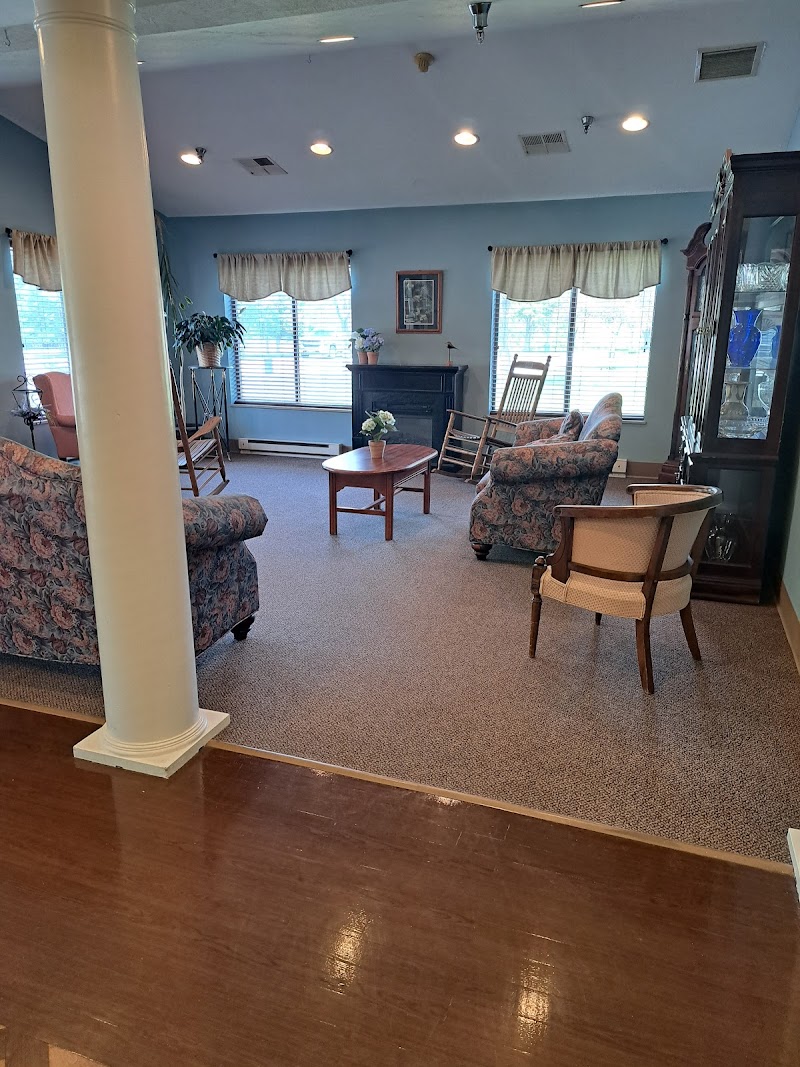
How is Blossom Nursing And Rehab Center Staffed?

CMS rates BLOSSOM NURSING AND REHAB CENTER's staffing level at 4 out of 5 stars, which is above average compared to other nursing homes. Staff turnover is 27%, compared to the Ohio average of 46%. This relatively stable workforce can support continuity of care.

What Have Inspectors Found at Blossom Nursing And Rehab Center?

State health inspectors documented 28 deficiencies at BLOSSOM NURSING AND REHAB CENTER during 2018 to 2024. These included: 1 that caused actual resident harm and 27 with potential for harm. Deficiencies causing actual harm indicate documented cases where residents experienced negative health consequences.
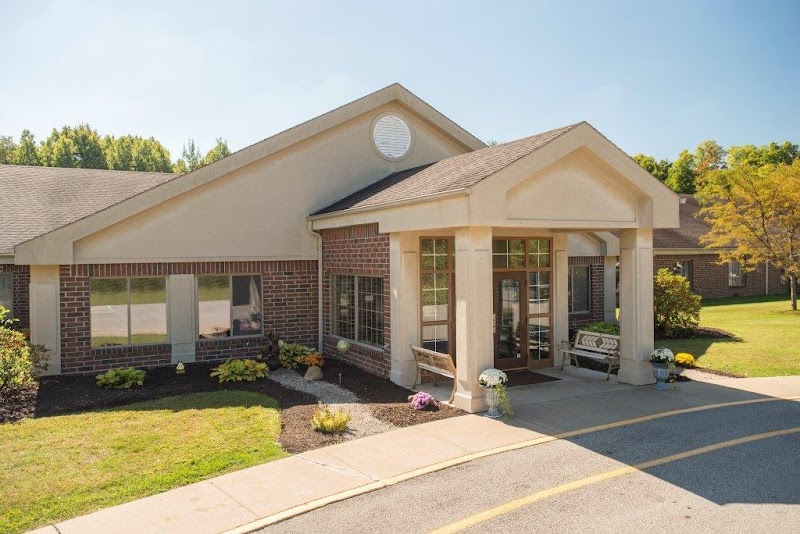
Who Owns and Operates Blossom Nursing And Rehab Center?

BLOSSOM NURSING AND REHAB CENTER is owned by a for-profit company. For-profit facilities operate as businesses with obligations to shareholders or private owners. The facility is operated by ATRIUM CENTERS, a chain that manages multiple nursing homes. With 100 certified beds and approximately 92 residents (about 92% occupancy), it is a mid-sized facility located in SALEM, Ohio.

How Does Blossom Nursing And Rehab Center Compare to Other Ohio Nursing Homes?

Compared to the 100 nursing homes in Ohio, BLOSSOM NURSING AND REHAB CENTER's overall rating (3 stars) is below the state average of 3.2, staff turnover (27%) is significantly lower than the state average of 46%, and health inspection rating (3 stars) is at the national benchmark.

What Should Families Ask When Visiting Blossom Nursing And Rehab Center?

Based on this facility's data, families visiting should ask: "Can I visit during a mealtime to observe dining assistance and food quality?" "How do you handle medical emergencies, and what is your hospital transfer rate?" "Can I speak with family members of current residents about their experience?"

Is Blossom Nursing And Rehab Center Safe?

Based on CMS inspection data, BLOSSOM NURSING AND REHAB CENTER has a clean safety record: no substantiated abuse findings (meaning no confirmed cases of resident harm), no Immediate Jeopardy citations (the most serious violation level indicating risk of serious injury or death), and is not on the Special Focus Facility watch list (a federal program monitoring the lowest-performing 1% of nursing homes). The facility has a 3-star overall rating and ranks #100 of 100 nursing homes in Ohio. While no facility is perfect, families should still ask about staff-to-resident ratios and recent inspection results during their visit.

Do Nurses at Blossom Nursing And Rehab Center Stick Around?

Staff at BLOSSOM NURSING AND REHAB CENTER tend to stick around. With a turnover rate of 27%, the facility is 19 percentage points below the Ohio average of 46%. Low turnover is a positive sign. It means caregivers have time to learn each resident's needs, medications, and personal preferences. Consistent staff also notice subtle changes in a resident's condition more quickly. Registered Nurse turnover is also low at 15%, meaning experienced RNs are available to handle complex medical needs.

Was Blossom Nursing And Rehab Center Ever Fined?

BLOSSOM NURSING AND REHAB CENTER has no federal fines on record. CMS issues fines when nursing homes fail to meet care standards or don't correct problems found during inspections. The absence of fines suggests the facility has either maintained compliance or corrected any issues before penalties were assessed. This is a positive indicator, though families should still review recent inspection reports for the full picture.

Is Blossom Nursing And Rehab Center on Any Federal Watch List?

BLOSSOM NURSING AND REHAB CENTER is not on any federal watch list. The most significant is the Special Focus Facility (SFF) program, which identifies the bottom 1% of nursing homes nationally based on persistent, serious quality problems. Not being on this list means the facility has avoided the pattern of deficiencies that triggers enhanced federal oversight. This is a positive indicator, though families should still review the facility's inspection history directly.