SALEM NORTH HEALTHCARE CENTER


250 CONTINENTAL DRIVE, SALEM, OH 44460 (330) 337-9503
For profit - Corporation 86 Beds COMMUNICARE HEALTH Data: November 2025 1 Immediate Jeopardy citation
Trust Grade
51/100
#537 of 913 in OH
Last Inspection: December 2022

Over 2 years since last inspection. Current conditions may differ from available data.

Overview

Salem North Healthcare Center has received a Trust Grade of C, indicating that it is average and falls in the middle of the pack among nursing homes. It ranks #537 out of 913 facilities in Ohio, placing it in the bottom half, and #8 out of 11 in Columbiana County, meaning only a few local options are better. The facility is currently worsening, with issues increasing from 3 in 2023 to 5 in 2024. Staffing is rated at 2 out of 5 stars, with a turnover rate of 52%, which is around the Ohio average, indicating potential instability among staff. Additionally, the center has received concerning fines totaling $23,163, which is higher than 76% of Ohio facilities, suggesting compliance issues. There is good RN coverage, exceeding that of 93% of state facilities, which is a strength since registered nurses can identify problems that nursing assistants might miss. However, there have been notable deficiencies, such as a critical incident where a resident did not receive proper monitoring and insulin administration, resulting in dangerously high blood sugar levels. Other concerns include meals not being served at the correct temperatures and improperly labeled frozen foods, which could affect the quality and safety of residents’ meals. Overall, while there are strengths in RN coverage, the facility has significant areas that require improvement.

Trust Score
C
51/100
In Ohio
#537/913
Bottom 42%
Safety Record
High Risk
Review needed
Inspections
Getting Worse
3 → 5 violations
Staff Stability
⚠ Watch
52% turnover. Above average. Higher turnover means staff may not know residents' routines.
Penalties
○ Average
$23,163 in fines. Higher than 65% of Ohio facilities. Some compliance issues.
Skilled Nurses
✓ Good
Each resident gets 52 minutes of Registered Nurse (RN) attention daily — more than average for Ohio. RNs are trained to catch health problems early.
Violations
⚠ Watch
20 deficiencies on record. Higher than average. Multiple issues found across inspections.
★★★☆☆
3.0
Overall Rating
★★☆☆☆
2.0
Staff Levels
★★★★★
5.0
Care Quality
★★☆☆☆
2.0
Inspection Score
Stable
2023: 3 issues
2024: 5 issues

The Good

  • 5-Star Quality Measures · Strong clinical quality outcomes
  • Full Sprinkler Coverage · Fire safety systems throughout facility
  • No fines on record

Facility shows strength in quality measures, fire safety.

The Bad

3-Star Overall Rating

Near Ohio average (3.2)

Meets federal standards, typical of most facilities

Staff Turnover: 52%

Near Ohio avg (46%)

Higher turnover may affect care consistency

Federal Fines: $23,163

Below median ($33,413)

Minor penalties assessed

Chain: COMMUNICARE HEALTH

Part of a multi-facility chain

Ask about local staffing decisions and management

The Ugly 20 deficiencies on record

1 life-threatening
Dec 2024 2 deficiencies
CONCERN (D) 📢 Someone Reported This

A family member, employee, or ombudsman was alarmed enough to file a formal complaint

Potential for Harm - no one hurt, but risky conditions existed

Deficiency F0757 (Tag F0757)

Could have caused harm · This affected 1 resident

Based on medical record review, staff interview, review of online medication resources, and review of facility policy, the facility failed to ensure residents did not receive unnecessary or duplicate ...

Read full inspector narrative →
Based on medical record review, staff interview, review of online medication resources, and review of facility policy, the facility failed to ensure residents did not receive unnecessary or duplicate medications. This affected one (Resident #67) of three residents reviewed for medication administration. The facility census was 66. Findings include: Review of the medical record for Resident #67 revealed an admission date of 07/23/24 and a discharge date of 09/15/24. Diagnoses included polyneuropathy, cellulitis of the lower limb, type two diabetes mellitus, lymphedema, weakness, adult failure to thrive, atrial fibrillation, oropharyngeal dysphagia, overactive bladder, Alzheimer's Disease, and vascular dementia. Review of the admission Minimum Data Set (MDS) assessment for Resident #67 dated 07/30/24 revealed the resident had severe cognitive impairment and was dependent on staff for bathing, dressing, toileting hygiene, and personal hygiene. Review of the physician's orders for Resident #67 revealed the following medication orders dated 08/15/24: • Aricept five milligrams (mg) for two weeks through 08/29/24) then increase to Aricept 10 mg daily for dementia (beginning 08/30/24). The Aricept order further specified once Resident #67 was on Namenda extended release (XR) 28mg and Aricept 10mg, he could begin taking his home medication, Namzaric 28-10mg (which contained Namenda XR 28mg and Aricept 10mg). • Namenda XR 7mg by mouth daily for two days (08/16/24 and 08/17/24), Namenda XR 14mg by mouth daily for dementia until 08/20/24, Namenda XR 21mg daily until 08/23/24, then Namenda XR 28mg by mouth daily for dementia. The order further specified once Resident #67 was on Namenda extended release (XR) 28mg and Aricept 10mg, he could begin taking Namzaric 28-10mg from his home medication supply. • Namzaric 28-10 mg (Namenda-Aricept), one capsule by mouth one time a day for dementia. The order further specified that Resident #67's wife was to supply the Namzaric, and Aricept and Namenda were to be discontinued at that time. Review of the Medication Administration Record (MAR) for Resident #67 dated August 2024 revealed the resident reached the desired dose of Namenda XR 28mg on 08/24/24 and received a daily dose of Namenda XR 28mg from 08/24/24 through 08/31/24. Further review of the August 2024 MAR revealed Resident #67 received a dose of Aricept 10mg on 08/30/24 and 08/31/24 and started receiving Namzaric 28-10mg on 08/31/24. Review of the MAR for Resident #67 dated revealed documentation Resident #67 was administered Aricept 10mg, Namenda XR 28 mg, and Namzaric ER 28-10mg (Namenda-Aricept) on 09/02/24, 09/03/24, 09/04/24, and 09/06/24. Interviews on 12/12/24 with Licensed Practical Nurse (LPN) #335 at 9:24 A.M., with LPN #337 at 12:00 P.M., with LPN #323 at 12:10 P.M. confirmed the MAR documentation indicated Aricept 10mg, Namenda XR 28mg, and Namzaric ER 28-10mg were marked as administered to Resident #67 on 08/31/24, 09/02/24, 09/03/24, 09/04/24, and 09/06/24. Interview on 12/12/24 at 12:47 P.M. with the Director of Nursing (DON) confirmed the medication orders dated 08/15/24 indicated once Resident #67 was on the desired dose of Aricpet (10mg) amd Namenda XR (28mg), he was allowed to begin taking his Namzaric 28-10, brought in from his home, but the Aricept and the Namenda were supposed to be discontinued once he started taking the Namzaric 28-10mg daily. The DON further confirmed the August 2024 MAR contained documentation Resident #67 was given Aricept 10mg, Namenda XR 28mg, and Namzaric 28-10mg on 08/31/24 and the September 2024 MAR showed Resident #67 was given Aricept 10mg, Namenda XR 28mg, and Namzaric 28-10mg on 09/02/24, 09/03/24, 09/04/24, and 09/06/24. Review of the on-line manufacturer patient Information sheet for Namzaric at https://www.rxabbvie.com/pdf/namzaric_pi.pdf#page=36 revealed the active ingredients in Namzaric were memantine HCl (Namenda) and donepezil HCl (Aricept) and that Namzaric should not be taken with any other medications that contained any of the ingredients in Namzaric. Review of the facility policy titled Medication Administration revealed medications were to be administered only as prescribed by the ordering provider and should follow acceptable standards of nursing practice. This deficiency represents noncompliance investigated under Complaint Number OH00159860.
CONCERN (F) 📢 Someone Reported This

A family member, employee, or ombudsman was alarmed enough to file a formal complaint

Potential for Harm - no one hurt, but risky conditions existed

Deficiency F0804 (Tag F0804)

Could have caused harm · This affected most or all residents

Based on resident interview, observation, staff interview, record review, and review of the facility policy, the facility failed to ensure foods were served at a palatable temperature. This had the po...

Read full inspector narrative →
Based on resident interview, observation, staff interview, record review, and review of the facility policy, the facility failed to ensure foods were served at a palatable temperature. This had the potential to affect 64 of the 66 residents (excluding Residents #16 and #65) who received meals prepared and served by the facility kitchen. The facility census was 66 Findings include: Interview on 12/10/24 at 12:18 P.M. with Resident #38 confirmed foods were not served at the right temperatures Interview on 12/10/24 at 4:00 P.M. with Resident #19 confirmed food and drinks served in the facility did not always keep the desired temperatures by the time the tray got to her. Observation of tray line on 12/11/24 at 12:35 P.M. revealed the final meal trays were plated and placed on the meal cart for the main dining hall next to the kitchen. Surveyor requested a test tray as the last lunch tray was plated. The food cart was taken from the kitchen to the dining room at 12:49 P.M. Staff delivered meals and set-up for residents eating in the dining hall from 12:49 P.M. to 1:09 P.M. Observation on 12/11/24 at 1:10 P.M. revealed Dietary Manager (DM) #384 removed the test tray from the meal cart and took food temperatures. The meatloaf was 121 degrees Fahrenheit (F), the peas were 112.1 degrees F, the au gratin potatoes were 122.9 degrees F, and the cranberry juice was 49 degrees F. The meatloaf tasted slightly warm, the peas were barely tepid, the first bite of potatoes from the bottom center of the scoop was tepid, and the bite of potatoes from the top was cold to taste. Though the juice cup remained cold to touch, the cranberry juice was not cold and not warm but was cooler than room temperature. There was no thermal pellet under the plate of the test tray. Interview on 12/11/24 at 1:15 P.M. with DM #384 confirmed she would like to see the meat temperature maintained at 130 degrees F or higher, but a minimum of 129 degrees F, by the time it reached the residents. DM #384 further confirmed the kitchen ran out of thermal pellets prior to plating the test tray and not all residents received food that was held on the meal cart on a tray which contained a thermal pellet to prevent heat loss prior to serving. Interview on 12/11/24 at 4:50 P.M. with Resident #57 confirmed hot foods got served cold at times. Further interview confirmed she participated in resident council and food committee meetings and food temperatures had been a common concern she felt had not been addressed. Interview on 12/12/24 at 5:00 P.M. with Resident #37 confirmed she felt meals in the facility were always served cold. Interview on 12/12/24 at 9:55 A.M. with DM #384 confirmed the facility was short at least 18 thermal pellets. She had informed the previous Administrator and was told to hold off on ordering more at that time. DM #384 also confirmed that the new Administrator was made aware of the concern of the shortage of thermal pellets on 12/11/24 and she ordered two dozen more for the facility on 12/11/24. Review of the food committee meeting minutes dated 09/20/24 revealed residents reported hot foods were being served cold. Review of the meeting minutes dated 10/18/24 and 11/15/24 revealed residents who participated in food committee meetings continued to report hot foods were served cold. Review of the facility policy titled Dietary Operations-Time and Temperature Control and Recording undated revealed food holding included time spent for transport and delivery of food and the Food and Drug Administration (FDA) required hot foods to be maintained at 135 degrees F or higher and all cold foods to be maintained at 41 degrees F. The policy further revealed food was to be properly covered and any holding units, which included thermal pellets, insulated carts, and holding cabinets were to be preheated and maintained in good repair. The policy also stated it was imperative to limit the time between tray preparation and meal delivery to avoid a negative impact on palatability, temperature and overall satisfaction with the meal. This deficiency represents noncompliance investigated under Complaint Number OH00159860.
Oct 2024 2 deficiencies 1 IJ
CRITICAL (J) 📢 Someone Reported This

A family member, employee, or ombudsman was alarmed enough to file a formal complaint

Immediate Jeopardy (IJ) - the most serious Medicare violation

Quality of Care (Tag F0684)

Someone could have died · This affected 1 resident

**NOTE- TERMS IN BRACKETS HAVE BEEN EDITED TO PROTECT CONFIDENTIALITY** Based on closed medical record review, review of telehealth progress notes, Life flight progress notes, policy review, and inter...

Read full inspector narrative →
**NOTE- TERMS IN BRACKETS HAVE BEEN EDITED TO PROTECT CONFIDENTIALITY** Based on closed medical record review, review of telehealth progress notes, Life flight progress notes, policy review, and interviews, the facility failed to provide adequate and necessary care to meet the total care needs of Resident #70. The facility failed to consistently monitor blood (sugar) glucose levels as ordered, failed to administer insulin as ordered and failed to monitor Resident #70, who was assessed as being severely cognitively impaired and dependent on staff for activities of daily living, after an acute/significant change in condition. This resulted in Immediate Jeopardy and actual harm with the potential for serious impairment and/or death beginning on [DATE] at 4:18 P.M. when Resident #70's blood glucose level was elevated at 517 milligram/deciliter [mg/dl] (normal-74-106 mg/dl). Insulin was administered per physician order, however no additional assessment or monitoring was documented as being completed. At 6:00 P.M., Resident #70 was assessed to be clammy and having tremors with abnormal vital signs. Resident #70's blood sugar was 324 with no intervention/insulin administered at that time. At 8:00 P.M., Resident #70's blood sugar was 274 with no additional assessment of the resident's condition at that time. On [DATE] at 5:00 A.M., no blood sugar monitoring was completed as ordered and there was no evidence Resident #70 was assessed. On [DATE] at 9:40 A.M. Resident #70's blood sugar was checked and registered high on the facility glucometer. The physician was notified and an order for additional insulin was obtained; however, no additional assessment or monitoring of the resident was completed. At 10:55 A.M., Resident #70's blood sugar was rechecked and remained high. Resident #70's vital signs were abnormal (the resident was hyperglycemic, tachycardic, diaphoretic, and unresponsive), and she was transferred to the local hospital. Upon arrival at the local hospital, it was determined Resident #70 was in diabetic ketoacidosis (life threatening complication of diabetes mellitus), had severe hypernatremia (high sodium levels indicative of dehydration) and was in septic shock (widespread infection causing organ failure and dangerously low blood pressure). Resident #70's body temperature had risen to 105.6 degrees Fahrenheit (F). Resident #70 was assessed to require emergent transport to a regional hospital. Resident #70 was subsequently airlifted to a regional hospital where she was admitted to the intensive care unit (ICU) for continued stabilization and treatment. A concern that did not rise to an Immediate Jeopardy was identified when the facility failed to ensure adequate diabetic care and monitoring (including the administration of insulin) was provided for Resident #71 and Resident #2. This affected three residents (#2, #70 and #71) of 12 residents reviewed for a change in condition. On [DATE] at 5:27 P.M., the Interim Administrator, Regional Director of Clinical Operations (RDCO) #7 and Assistant Director of Nursing (ADON) #1 were notified Immediate Jeopardy began on [DATE] when Resident #70 was noted to have an acute change in condition with lack of evidence of timely and necessary monitoring and intervention/treatment. On [DATE] at 11:04 A.M. Resident #70 was noted to be tachycardic and unresponsive with an elevated blood sugar over 500 mg/dl requiring an emergent transfer to the hospital. The resident was subsequently transferred to the local hospital and was diagnosed with diabetic ketoacidosis (due to elevated blood sugar), severe hypernatremia and septic shock. While at the hospital, her body temperature continued to rise to 105.6 degrees F when the decision was made to intubate (placement of a tube into the trachea to keep the airway open) and Life Flight her to a larger hospital where she was admitted to the ICU. The Immediate Jeopardy was removed on [DATE] when the facility implemented the following corrective actions. • On [DATE] at 11:04 A.M. 911 was called and Resident #70 was subsequently transferred to the hospital for medical intervention due to an acute/significant change in condition. The resident did not return to the facility. • On [DATE] at 6:00 P.M. Medical Director #20 was notified of the State agency concerns related to Resident #70. • On [DATE] between 6:00 P.M. and 7:00 P.M., all licensed nurses were educated by ADON #1 and Registered Nurse (RN) #21 on the facility ' s policy of Notification of Change in Condition with emphasis on timely identification, ongoing monitoring and interventions provided to treat the change in condition. • On [DATE] between 6:00 P.M. and 7:00 P.M., all licensed nurses were educated by ADON #1 and RN #21 on the facility policy identified as, Physician Orders with emphasis on medication administration of insulin and monitoring of blood glucose levels. • On [DATE] at 6:30 P.M., ADON #1 educated Licensed Practical Nurse (LPN) #4 (the nurse identified to be involved with Resident #70 ' s care) on how to contact Information Technology (IT) (for computer issues), physician orders, notification of change in condition, clinical documentation standards, blood glucose monitoring, and managing diabetic change in condition. • On [DATE] at 7:00 P.M., the Director of Nursing (DON)/designee audited the last 14 days of residents who had physician orders for insulin administration. Any resident found to have an omission of insulin administration had their physician and family notified. All concerns were addressed, and new orders were transcribed immediately. • On [DATE] at 9:00 P.M., the DON/designee, RDCO #7 and ADON #1 audited the last 14 days of residents who had physician orders for blood glucose monitoring and/or antidiabetic medications. Any resident found to have a blood glucose outside their parameters and not with the appropriate follow up had their physician and family notified. All concerns were addressed, and new orders were transcribed immediately. • On [DATE] at 10:00 P.M., the DON/designee audited the last 14 days of residents ' progress notes for a change in condition. Any resident identified with a change in condition and found not to have interventions provided had their physician and family notified. All concerns were addressed, and new orders were transcribed immediately. • On [DATE] at 6:00 A.M., ADON #1 re-educated LPN #4 in person on how to contact IT, physician orders, notification of change in condition, clinical documentation standards, blood glucose monitoring, and managing diabetic change in condition. • On [DATE] at 2:45 P.M., an Ad Hoc Quality Assurance Performance (QAPI) meeting was held with the Interim Administrator, DON, RDCO #7, ADON #1, RN #21 and Medical Director #20 to discuss the concerns involving Resident #70 and a facility corrective action plan. • On [DATE], LPN #4 received a final written warning corrective action for performance/policy violation related to medication administration, notification of change in condition, and resident monitoring. Failure to document and monitor resident in change in condition. • Beginning on [DATE] the DON/designee would audit for change in condition by reviewing the progress notes in the daily clinical meeting. This would be an ongoing process. • Beginning on [DATE] the DON/designee would complete an audit for missed/omitted insulin/antidiabetic medications and blood glucose monitoring in the daily clinical meeting. This would be an ongoing process. • Beginning on [DATE] the DON/designee would begin audits on nurses completing blood glucose checks, administering insulin as needed, and documenting the process by observing three nurses weekly for four weeks then randomly thereafter. • The Administrator and DON would continue to monitor compliance in the monthly QAPI meetings for three months then as needed for one year. • RDCO #7 would continue to monitor compliance during monthly visits for three months then on an as needed basis. Although the Immediate Jeopardy was removed on [DATE], the deficiency remained at Severity Level II (no actual harm with potential for more than minimal harm that is not Immediate Jeopardy) as the facility was in the process of implementing their corrective action and monitoring for effectiveness and on-going compliance. Findings include: 1. Review of the closed medical record revealed Resident #70 was admitted to the facility on [DATE] with diagnoses including Temefactive Multiple Sclerosis (MS), Type 1 diabetes mellitus, autistic disorder, attention-deficit hyperactivity, narcolepsy, anxiety disorder, transient alteration of awareness, other symptoms involving cognitive functions and awareness, and aphasia. Resident #70 and was discharged to the hospital on [DATE]. Review of the Nursing admission Evaluation assessment dated [DATE] revealed Resident #70 arrived at the facility on [DATE] at 12:29 P.M. with an admitting diagnosis of MS, was confused/disoriented and had a gastrostomy tube with a nocturnal enteral feeding. Resident #70 was assessed as being severely cognitively impaired. Review of the hyperglycemia care plan dated [DATE] revealed Resident #70 was admitted with Type 1 diabetes with hyperglycemia with history of long-term insulin dependence. Resident #70 had utilized an insulin pump, however had lost the insulin pump. Interventions included administer insulin injections per orders; administer medications per medical provider's orders; report abnormal findings to medical provider and resident/resident representative; observe for signs and symptoms of hyperglycemia including increased thirst, fatigue, frequent urination, dry skin, muscle cramps, abdominal pain, kussmual (deep rapid and labored) breathing, acetone breath, stupor, and obtain blood sugars per order. Review of the MS care plan dated [DATE] revealed Resident #70 was admitted with newly diagnosed MS with spastic hemiplegia with lesions. Interventions included monitor vital signs as needed and report abnormal findings to medical provider and resident/resident representative. Review of the physician orders from [DATE] revealed Resident #70 was ordered Insulin Glargine-yfgn (a long-acting insulin) subcutaneous solution pen-injector 100 unit/milliliters (ml) inject 10 units subcutaneously two times a day for diabetes scheduled in the morning between 7:00 A.M. and 10:00 A.M. and at bedtime between 9:00 P.M. and 10:00 P.M.; the order was entered on [DATE] at 9:52 P.M. into the electronic medical record (EMR). Additionally, Resident #70 was ordered Insulin Lispro [NAME] Kwikpen (a short-acting insulin) solution pen-injector 100/ml inject as per sliding scale: notify physician if [blood sugar] less than 70, if 150 - 200 give two units; 201 - 250 give four units; 251 - 300 give six units; 301 - 350 give eight units; 351 - 400 give 10 units; notify physician if greater than 401, subcutaneously four times a day for diabetes; the order began on [DATE] at 3:50 P.M. In addition, Resident #70 was also ordered Prednisone (a steroid) oral tablet 40 milligrams in the morning via feeding tube for MS. (Steroid medications can raise the glucose levels of residents with diabetes). Review of the nursing note dated [DATE] timed 5:39 A.M. revealed Resident #70's blood sugar was 545 mg/dl, the physician was notified. The note further indicated the nurse was looking through hospital paperwork. Resident #70 was on Lispro (a short-acting insulin) in hospital with last dose being given on [DATE]. Discharge orders were only for Lantus (a long-acting insulin) 10 units twice a day. The physician gave one time order for eight units of Lispro. The note indicated that the nurse would continue to monitor. Review of the [DATE] Medication Administration Record (MAR) revealed on [DATE] Resident #70's blood sugar was not obtained, and the long-acting insulin (Insulin Glargine-yfgn) was not administered as ordered. On [DATE] at 8:00 P.M. Resident #70 ' s blood sugar was not obtained as ordered to determine if the sliding scale dosage of short acting insulin (Insulin Lispro [NAME] Kwikpen) was needed, and on [DATE] at bedtime Resident #70's blood sugar was not checked to see if the sliding scale dosage of short acting insulin was needed and the ordered long-acting insulin was not administered. Review of the nurse's notes and nursing assessments in the hard chart and electronic medical record (EMR) from [DATE] to [DATE] revealed there was no corresponding documentation to support the resident's blood sugar was taken and if insulin was administered on [DATE] at bedtime for long-acting insulin and on [DATE] at 8:00 A.M. and bedtime for the short-acting or the long-acting insulin. Review of the nurse's note dated [DATE] timed 9:05 A.M. revealed a late entry admission nurse note indicating Resident #70 was admitted to the facility on Friday, [DATE] at 1:00 P.M. Review of the Medication Administration Record (MAR) from [DATE] revealed Resident #70 ' s blood sugar was not obtained, and insulin was not administered on the following six dates and times: On [DATE] at 4:30 P.M. short-acting insulin On [DATE] at 8:00 P.M. bedtime for short-acting and long-acting insulin On [DATE] at 5:00 A.M. short-acting insulin On [DATE] at 5:00 A.M. short-acting insulin On [DATE] at 8:00 P.M. and bedtime short-acting and long-acting insulin On [DATE] at 5:00 A.M. short-acting insulin Review of the eMAR - Medication Administration Note for Insulin Glargine-yfgn dated [DATE] timed 12:42 P.M. and 12:57 P.M. revealed blood sugar high, telehealth notified, additional insulin administered as ordered. Record review revealed no additional assessment of the resident's overall condition at this time related to the incident of hyperglycemia (elevated blood sugar). Review of the Telehealth physician progress note dated [DATE] timed 1:08 P.M. revealed blood sugar reading high, give additional 10 unites now, recheck in 30 minutes, call if remains above 400 mg/dl. Review of the nurse's notes, nursing assessments and weights/vital signs tab in the EMR from [DATE] revealed there was no evidence Resident #70's blood sugar was rechecked in 30 minutes. Review of Certified Nurse Practitioner (CNP) #2's progress note dated [DATE] revealed Resident #70 had been admitted to the facility on [DATE] from acute rehabilitation following a prolonged inpatient hospitalization for recently diagnosed MS with a presentation of aphasia, right hemiparesis and new demyelinating lesions on MRI. Review of systems was unable to be obtained due to aphasia, responses were limited to yes or no answers and resident did not follow commands. Type 1 diabetes with very poor glycemic control, most recent HbA1C (a blood test that measures a person's average blood sugar level over the past two to three months) was 10.1 percent (normal range below 5.7 percent) with a plan to continue basal insulin glargine 10 units twice a day, continue sliding scale insulin, continue to monitor blood glucose levels closely and hold nocturnal feedings as resident was eating 75 percent to 100 percent of all meals therefore, at this point, would not add more insulin. Review of the nurse's notes and nursing assessments in the hard chart and EMR from [DATE] to [DATE] revealed there were no corresponding evidence to show if the blood sugar was taken and if the short acting insulin was administered on [DATE] at 4:30 P.M., on [DATE] at 8:00 P.M. and bedtime for the short-acting and long-acting insulin, on [DATE] at 5:00 A.M. for the short-acting insulin, on [DATE] at 5:00 A.M. for short-acting insulin, on [DATE] at 8:00 P.M. and bedtime for the short-acting and long-acting insulin, and on [DATE] at 5:00 A.M. for the short-acting insulin. In addition, review of the eMAR - Medication Administration Note for Insulin Lispro dated [DATE] timed 12:53 P.M. revealed blood sugar read high, administered 14 units as ordered by the nurse practitioner after notification. Review of the eMAR - Medication Administration Note for Insulin Lispro dated [DATE] timed 4:18 P.M. authored by RN #3 revealed nurse practitioner notified, and order received to give 14 units of Humalog (short-acting insulin) now. Record review revealed no additional assessment of the resident's overall condition at this time related to the incidents of hyperglycemia (elevated blood sugar) noted on [DATE]. Review of the Amount Eaten documentation for Resident #70 revealed Resident #70 refused dinner on [DATE]. Review of the nurse's note dated [DATE] timed 9:26 P.M. authored by RN #3 revealed at 6:00 P.M., Resident #70 was cool and clammy, restless as in tossing head back and forth on pillow, tremors noted to all extremities. Vital signs included temperature 97.7 degrees F, pulse 124 pulse (normal 60 to 100), respirations 24 (elevated), blood pressure 148/104 (normal blood pressure 120/80), and blood sugar 324 mg/dl. When asked if she was experiencing pain, resident indicated, yes. Medicated with Tylenol which was ordered as needed at 6:30 P.M. Updated CNP #2 on change in status. New order received for Norco 5-325 (opioid pain reliever) by mouth every six hours as needed. Resident #70 was observed lying in bed at present time without tremors. Respirations were quiet and even, skin cool and dry. Review of the Skilled Documentation assessment dated [DATE] timed 8:12 A.M. authored by ADON #1 revealed the assessment incorrectly indicated Resident #70 did not have any insulin changes in the last 24 hours. There was no evidence Resident #70's vital signs were monitored, or the resident was correctly comprehensively assessed. Review of the nurse's notes, nurse's assessments, MAR from [DATE] and weights/vitals tab in the EMR revealed there was no evidence Resident #70's vital signs were monitored, or the resident was comprehensively assessed after 6:00 P.M. on [DATE] until [DATE] at 9:31 A.M. Review of the Telehealth Physician #17 progress note dated [DATE] timed 9:31 A.M. revealed the nurse called because Resident #70's blood sugar reading high, Orders were given to administer 15 units of insulin, recheck blood sugar in one hour and call if above 400 mg/dl. Review of the nurse's note dated [DATE] timed 9:40 A.M. authored by RN #6 revealed Resident #70's blood sugar read high. Telehealth was called and administered 15 units of insulin Lispro as ordered. Review of the Telehealth CNP #18 progress note dated [DATE] timed 10:53 A.M. revealed hyperglycemia high. Resident #70 received 15 units of Lispro earlier, still reading high. The note reflected the resident was on a high dose of Prednisone. Orders given to administer 10 units of Lispro now and recheck in one hour and call back if still over 400 mg/dl. Vital signs were taken with a blood pressure of 110/58. Review of the nurse's note dated [DATE] timed 10:55 A.M. authored by RN #6 revealed Resident #70 ' s blood sugar rechecked and still read high. Contacted Telehealth. Order given for 10 units of insulin Lispro. Review of the Telehealth CNP #19 progress note dated [DATE] timed 11:07 A.M. revealed the note indicated it was okay to send the resident to the emergency room due to unresponsiveness. Review of the nurse's note dated [DATE] timed 11:20 A.M. authored by RN #6 revealed order was received for Resident #70 to be transferred out to the emergency room after contacting Telehealth. The family was notified, and the resident was transferred to the emergency room. Vital signs included the resident's blood pressure was 110/58 (low), pulse 126 (high), respirations 16 and temperature was 98.2 degrees F. Review of the nurse's note dated [DATE] timed 4:23 P.M. revealed received a call from the nurse at hospital stating, the resident was being life flighted to another hospital with diagnoses of diabetic ketoacidosis (DKA), septic shock and hypernatremia. Review of CNP #2's progress note dated [DATE] timed 5:59 P.M. revealed on [DATE] at 11:04 A.M., the nurse notified her by phone Resident #70 was tachycardic to the 140's, diaphoretic, unresponsive with myoclonus (sudden involuntary muscle spasms) and blood glucose reading high. Order given to send resident to the emergency room. Review of the Minimum Data Set (MDS) 3.0 Discharge - Return Not Anticipated assessment dated [DATE] revealed Resident #70 had short term memory problems, was moderately impaired for daily decision making, and needed partial/moderate assistance with transfers from the bed to the chair, needed substantial/maximal assistance for eating, oral hygiene, bathing, and personal hygiene and was totally dependent on staff with toileting, lower body dressing and putting on and taking off footwear. Review of the emergency department physician note dated [DATE] revealed patient [Resident #70] was a type 1 diabetic with poor control with a history of MS who presented via emergency medical services (EMS) for altered mental status and high blood sugar. Facility reported that today she was only responsive to pain and her blood sugar read high on the meter. EMS reported they were unable to get a blood pressure and route. Resident with altered mental status with history and exam consistent with sepsis unclear source in the setting of diabetic ketoacidosis (DKA). The resident was placed on 15 liters non-rebreather due to her skin mottling although she was not in any respiratory distress. Intraosseous (IO) was placed and fluid resuscitation was initiated. Initial cardiac rhythm on monitor was 180 narrow complex tachycardia; patient was hypotensive. Per Advanced Cardiovascular Life Support (ACLS) protocol, she was given six milligrams of adenosine without improvement followed by 12 milligrams of adenosine while attempting to obtain an EKG. No improvement in heart rate. EKG was obtained and rhythm was revealed to be a sinus tachycardia. Continued volume resuscitation. Skin mottling improved. Mental status began to improve and her eyes would flutter open upon saying her name. Heart rate improved from 180's to 130's with fluid resuscitation and blood pressures improved from the 80's to the 100's systolic after two liters of fluid. Foley catheter placed. After three liters of fluid, the resident had not yet had any urine output. Patient hypernatremic 180 with correction for hyperglycemia and was changed to ½ normal saline. Hyperkalemia and hyperglycemia so insulin glucose tolerance test initiated. Rapid drop in insulin so insulin glucose tolerance test was discontinued and dextrose ½ normal saline was initiated. Patient was felt to have symptoms concerning for potential infection based on heart rate greater than 170, blood pressure less than 80 systolic noted at the time of initial triage. Labs were obtained .and were notable for leukocytosis greater than 20 concerning for systemic inflammatory response (SIRS). Based on findings, SIRS criteria and presumed urinary infectious source, the patient was felt to meet criteria for sepsis. The patient had corrected glucose of 166 few hours after initial presentation. This was a significant drop. Concern for rapid correction therefore considered hypertonic saline verse sodium bicarbonate. Patient was given one ampoule of sodium bicarbonate. Repeat point-of-care glucose within normal limits. Temperature went up to 105 F. Discussed case with intensivist at [regional hospital], given worsening temperature and likely neurologic cause of symptoms versus [NAME] hyperthermia, decision was made to intubate the patient and paralyze her. The resident was subsequently transferred to another hospital due to her medical needs. Review of the Life Flight CNP's progress note dated [DATE] timed 7:46 P.M. revealed Resident #70 was a resident of a skilled nursing facility (SNF) with baseline mental status that was unclear at the time. On emergency room evaluation today, Resident #70 was found to have glucose over 500 mg/dl. She was initially tachycardic (fast heart rate), hypotensive (low blood pressure) and febrile. Given adenosine (used to convert tachycardia to normal rhythm) with no change. Central line placed and volume resuscitated with three liters of normal saline and two liters of half normal saline for diabetic ketoacidosis and placed on insulin infusion. Resident #70 was also noted to have severe hypernatremia. Insulin infusion stopped after precipitous decline in glucose over one hour (>500 to 178). Ultimately, Resident #70 placed on norepinephrine (used to treat low blood pressure) for blood pressure support. Resident #70 continued to decline, becoming more somnolent and continued with rise in body temperature (temperature maximum of 105.6 F). Resident #70 intubated for airway protection. Given Dantrolene for possible neuroleptic malignant syndrome. At that time, the physician managing Resident #70 requested transfer to a larger hospital for tertiary and/or quaternary services unavailable at the referring facility. Resident #70's condition at time of exam was documented as acutely ill and critically ill. Air medical transport was requested to reduce the out-of-hospital time (22 minutes by air vs approximately 83 minutes by ground) and Resident #70's condition required emergent procedure or evaluation not available at the referring facility. Interview on [DATE] at 11:05 A.M. with CNP #2 revealed on [DATE], CNP #2 was notified Resident #70's blood sugar was greater than 500 mg/dl and CNP #2 ordered sliding scale insulin (short-acting insulin). On [DATE], CNP #2 assessed Resident #70 who was only able to provide yes/no answers and did not appropriately answer. On [DATE], CNP #2 assessed Resident #70 again who was still having hyperglycemia, so CNP #2 ordered to increase long-acting insulin to 14 units twice a day. On [DATE] at 6:22 P.M., RN #3 sent CNP #2 a text message that Resident #70 was agitated, cold and clammy, tremoring and the nurse aides were telling RN #3 that was unusual for Resident #70. RN #3 thought the resident was in pain so CNP #2 advised RN #3 to try Tylenol and CNP #2 would call in an order for Norco. CNP #2 stated she did not hear any more about Resident #70 the rest of the evening and night, so CNP #2 thought everything was fine. On [DATE] at 11:04 A.M., ADON #1 called CNP #2 saying Resident #70 ' s blood sugar was reading high, she was tachycardic in the 140 ' s, and her eyes rolled back in the back of head. CNP #2 verified Resident #70 ' s blood pressure, pulse and respirations were a little high on the evening of [DATE]. CNP #2 indicated although vital signs were not ordered, the nurses could have continued to monitor Resident #70 ' s vital signs on [DATE] into [DATE] as a nursing intervention. Interview on [DATE] at 11:55 A.M. with RN #3 revealed on [DATE], RN #3 worked from 2:00 P.M. to 6:00 P.M., which was her first time working with Resident #70. The prior nurse had reported to RN #3 the resident was having trouble with elevated blood sugars. RN #3 obtained the resident ' s blood sugar between 4:00 P.M. and 5:00 P.M. and called CNP #2 because the blood sugar was high and obtained orders to administer additional insulin and recheck the blood sugar again. RN #3 rechecked the blood sugar and it had lowered to 274 mg/dl. That evening, the nurse aides reported Resident #70 was not acting the same as she usually did. When the nurse aides were sitting and talking with Resident #70 the resident ' s tremors would cease. RN #3 did not think she rechecked Resident #70 ' s vital signs after texting with CNP #2 on [DATE] at 5:22 P.M. regarding the change in condition. RN #3 stated Resident #70 was thirsty when RN #3 administered the Tylenol to the resident. Resident #70 did not eat her dinner on [DATE] and RN #3 had to hold the cup of water and put the medication on a spoon for Resident #70 that evening. RN #3 stated she notified LPN #4 (the oncoming nurse) that something was going on with Resident #70 and keep an eye on her. Interview on [DATE] at 12:20 P.M. with RN #6 revealed on [DATE] when RN #6 arrived at the facility, Resident #70 was okay. However, after RN #6 checked her blood sugar and obtained vital signs and called Telehealth services Resident #70 was not okay and was slow to respond so the resident was sent to the hospital. Interview on [DATE] at 12:50 P.M. with Resident #70 ' s mother/resident representative revealed the Resident #70's boyfriend visited with the resident on Tuesday ([DATE]) and they video chatted with Resident #70. During this video chat Resident #70 ' s mother observed Resident #70's lips were cracked, and her skin was dry; it looked like she was dehydrated. On [DATE], Resident #70 was diagnosed with diabetic ketoacidosis and sepsis and was severely dehydrated when she arrived at the hospital, and she had to be intubated and sedated. Resident #70 ' s mother stated Resident #70 spent several weeks in the ICU at the hospital and almost died. Resident #70's mother felt Resident #70 was neglected at the facility. Interview on [DATE] at 3:35 P.M. with State Tested Nursing Assistant (STNA) #12 revealed Resident #70 was learning how to eat again and at times, the resident had to be fed and other times, the resident was supervised with eating. At times, a staff member had to hold the beverage cup for her to drink fluids. Resident #70 was incontinent and wore an incontinence brief. Interview on [DATE] at 3:50 P.M. with LPN #5 revealed the staff had to provide mostly all activities of daily living care for Resident #70 and on a couple of occasions, the resident had to be fed her meals. LPN #5 did not remember much from working night shift on [DATE] into [DATE] and she did not remember if Resident #70 ' s blood sugar was obtained but did remember the resident ' s blood sugars were fluctuating. Interview on [DATE] at 3:55 P.M. with LPN #4 revealed Resident #70 was having an extremely hard time with her blood sugars and her blood sugars were through the roof the first couple of days she was at the facility. Resident #70 had to be fed. LPN #4 did not remember anything specific from working night shift on [DATE] into [DATE] other than he was in and out of Resident #70 ' s room and gave her the nighttime medications. Interview on [DATE] at 4:15 P.M. with STNA #15 revealed Resident #70 was able to answer yes/no to questions and had to be dressed and fed meals. At times, Resident #70 was able to pick up her fluid cup and other times, staff had to assist her with fluids. Interview on [DATE] at 11:35 A.M. with RDCO #7 verified there was no evidence Resident #70's blood sugars were checked and/or administered insulin on the following dates and times: on [DATE] at bedtime, on [DATE] at 8:00 P.M. and bedtime, on [DATE] at 4:30 P.M., 8:00 P.M. and bedtime, on [DATE] at 5:00 A.M., on [DATE] at 5:00 A.M., on [DATE] at 8:00 P.M. and bedtime and on [DATE] at 5:00 A.M. RDCO #7 also verified Resident #70 ' s vital signs/overall condition was not monitored from [DATE] at 6:00 P.M. to [DATE] at 9:40 A.M. A follow up interview on [DATE] at 2:15 P.M. with RDCO #7 revealed LPN #4 was as[TRUNCATED]
CONCERN (D) 📢 Someone Reported This

A family member, employee, or ombudsman was alarmed enough to file a formal complaint

Potential for Harm - no one hurt, but risky conditions existed

Notification of Changes (Tag F0580)

Could have caused harm · This affected 1 resident

**NOTE- TERMS IN BRACKETS HAVE BEEN EDITED TO PROTECT CONFIDENTIALITY** Based on closed medical record review, policy review and interview, the facility failed to timely notify Resident #70's represen...

Read full inspector narrative →
**NOTE- TERMS IN BRACKETS HAVE BEEN EDITED TO PROTECT CONFIDENTIALITY** Based on closed medical record review, policy review and interview, the facility failed to timely notify Resident #70's representative of an acute change in condition. This affected one resident (#70) of 12 residents reviewed for notification of change. Findings include: Review of the closed medical record for Resident #70 revealed the resident was admitted to the facility on [DATE] with diagnoses of Temefactive Multiple Sclerosis (MS), Type 1 diabetes, autistic disorder, attention-deficit hyperactivity, narcolepsy, anxiety disorder, transient alteration of awareness, other symptoms involving cognitive functions and awareness and aphasia. Resident #70 was discharged to the hospital on [DATE]. Review of the Nursing admission Evaluation assessment dated [DATE] revealed Resident #70 arrived at the facility on 08/30/24 at 12:29 P.M. with an admitting diagnosis of MS, was confused/disoriented and had a gastrostomy tube with a nocturnal enteral feeding. Resident #70 was assessed as being severely cognitively impaired. Review of the nurse's note dated 09/06/24 timed 9:26 P.M. authored by Registered Nurse (RN) #3 revealed at 6:00 P.M., Resident #70 was cool and clammy, restless as in tossing head back and forth on pillow, tremors note to all extremities. Vital signs: 97.7 Fahrenheit (F), 124 pulse (normal pulse 60 to 100), 24 respirations (normal respirations 18), 148/104 blood pressure (normal blood pressure 120/80) , 324 blood sugar. When asked if she was experiencing pain, resident said, yes. Medicated with Tylenol as needed order at 6:30 P.M. Updated Certified Nurse Practitioner (CNP) #2 on change in status. New order received for Norco 5-325 by mouth every six hours as needed. Resident was observed lying in bed at present time, no tremors. Respirations were quiet and even, skin cool and dry. The nurse's note was silent to Resident #70's mother/resident representative notified of the change in condition. Interview on 10/07/24 at 12:50 P.M. with Resident #70's mother/resident revealed she was unaware of Resident #70 having tremors, being cool and clammy and tossing her head back and forth on the pillow during the evening of 09/06/24. Interview on 10/07/24 at 1:00 P.M. with RN #3 verified she did not notify Resident #70's representative of the resident's change in condition during the evening of 09/06/24. Interview on 10/08/24 at 11:35 A.M. with Regional Director of Clinical Operations (RDCO) #7 verified Resident #70's family should have been notified of Resident #70's change in condition (tremors and abnormal vital signs) on 09/06/24. Review of the facility's undated Notification of Change in Condition policy revealed the center must inform the resident, consult with the resident's physician and/or notify the resident's representative, authorized family member, or legal power of attorney/guardian when there was a change requiring such notification. Circumstances requiring notification included but were not limited to: a significant change in the resident's physical, mental, or psychosocial condition such as deterioration in health, mental or psychosocial status including but not limited to: clinical complications. This deficiency represents non-compliance investigated under Complaint Number OH00157701.
Mar 2024 1 deficiency
CONCERN (F) 📢 Someone Reported This

A family member, employee, or ombudsman was alarmed enough to file a formal complaint

Potential for Harm - no one hurt, but risky conditions existed

Food Safety (Tag F0812)

Could have caused harm · This affected most or all residents

Based on observation, staff interview, and review of the facility policy, the facility did not ensure frozen foods in the reach-in freezer were labeled and dated appropriately to prevent food spoilage...

Read full inspector narrative →
Based on observation, staff interview, and review of the facility policy, the facility did not ensure frozen foods in the reach-in freezer were labeled and dated appropriately to prevent food spoilage. This had the potential to affect 70 residents who received food from the kitchen. The facility identified three residents (#19, #22, and #30) as receiving nothing by mouth (NPO). The facility census was 73. Findings include: Observation of the kitchen on 03/12/24 from 8:35 A.M. to 8:55 A.M. with Dietary Director (DD) #320 revealed the reach in freezer in the dry storage room had multiple items in original manufacturer packaging bags that had been opened, resealed and were undated. These items included: one bag which was one fourth full of unbaked dinner rolls, one half-full bag of crinkle cut French fries, a one-fourth full bag of cauliflower, two half-full bags of broccoli florets, one one-fourth full bag of ravioli, and one bag with four pancakes in it. In addition, there was a one gallon storage bag of two unidentifiable round patties unlabeled and undated, and one undated, large gallon storage bag with a half of boneless turkey breast and several slices of turkey in it. At the time of observation DD #320 confirmed all items opened and resealed should be labeled and dated and she had been working with her new staff on the importance of dating and labeling items when opened. Review of the facility policy Receiving, revised February 2023, revealed safe handling procedures for time and temperature would be practiced in the storage of all food items, which included appropriately labeling and dating items, and all food items would be stored in a manner that ensured appropriate and timely utilization based on the principles of first in-first out inventory management. This deficiency resulted from incidental findings during the investigation of Complaint Number OH00150637.
May 2023 1 deficiency
CONCERN (D) 📢 Someone Reported This

A family member, employee, or ombudsman was alarmed enough to file a formal complaint

Potential for Harm - no one hurt, but risky conditions existed

Unnecessary Medications (Tag F0759)

Could have caused harm · This affected 1 resident

**NOTE- TERMS IN BRACKETS HAVE BEEN EDITED TO PROTECT CONFIDENTIALITY** Based on medical record review, observation, staff interview, and review of facility policy, the facility failed to maintain a m...

Read full inspector narrative →
**NOTE- TERMS IN BRACKETS HAVE BEEN EDITED TO PROTECT CONFIDENTIALITY** Based on medical record review, observation, staff interview, and review of facility policy, the facility failed to maintain a medication error rate of less than five percent (%). The medication error rate was calculated to be 10.7% and included three medication errors out of 28 medication administration opportunities. This affected two residents (#27 and #29) out of two residents observed during medication administration. The census was 65. Findings include: 1. Review of the medical record revealed Resident #29 was admitted to the facility on [DATE] and was readmitted on [DATE] with diagnoses including but not limited to heart failure, gastroesophageal reflux disease, and vitamin D deficiency. Review of Resident #29's April 2023 physician orders revealed Resident #29 had orders to receive omeprazole (proton pump inhibitor) 20 milligrams (mg) in the morning and multivitamin with minerals one daily. Observation on 05/01/23 at 9:20 A.M. revealed Registered Nurse (RN) #109 was administering medications to Resident #29. RN #109 removed omeprazole 20 mg from a bubble pack which included a message to take before eating and on an empty stomach, as well as a multivitamin (MVI) with minerals from a stock bottle which had a best by date of March 2023. When the medications were ready for administration, it was brought to the attention of RN #109 that the MVI with minerals were retrieved from a bottle which had a best by date of March 2023. Interview on 05/01/23 at 9:41 A.M. with State Tested Nurse Aide (STNA) #102 revealed Resident #29 received her breakfast tray around 7:50 A.M. Interview on 05/01/23 at 10:48 A.M. with RN #109 verified she was going to administer the multivitamin with mineral which was from a stock bottle that was past the best by date. The interview further verified the omeprazole 20 mg was administered to Resident #29 after breakfast and was not administered before eating and on an empty stomach as directed. 2. Review of Resident #27's medical record revealed an admission date of 05/01/22 and a readmission date of 04/07/23 with diagnoses including but not limited to end stage renal disease, type two diabetes, and gastroesophageal reflux disease. Review of Resident #27's April 2023 physician orders revealed Resident #27 had an order for omeprazole delayed release 20 milligrams (mg) in the morning. Observation on 05/01/23 at 9:09 A.M. revealed RN #78 was administering medications to Resident #27. RN #78 removed omeprazole 20 mg from a bubble pack which included a message to take before eating and on an empty stomach and prepared the medication for administration to Resident #27. Interview 05/01/23 at 10:50 A.M. with RN #78 verified she was going to administer the omeprazole delayed release 20 mg to Resident #27 after breakfast and not before eating and on an empty stomach as directed. Review of the facility's undated policy titled Liberalized Medication Administration, revealed proton pump inhibitors (omeprazole) will be administered 30 minutes prior to meals or at the evening medication pass. This deficiency represents non-compliance investigated under Complaint Number OH00141844.
Feb 2023 2 deficiencies
CONCERN (D) 📢 Someone Reported This

A family member, employee, or ombudsman was alarmed enough to file a formal complaint

Potential for Harm - no one hurt, but risky conditions existed

Safe Environment (Tag F0584)

Could have caused harm · This affected 1 resident

**NOTE- TERMS IN BRACKETS HAVE BEEN EDITED TO PROTECT CONFIDENTIALITY** Based on interview and record review the facility failed to ensure Resident #38's bed was functioning appropriately resulting in...

Read full inspector narrative →
**NOTE- TERMS IN BRACKETS HAVE BEEN EDITED TO PROTECT CONFIDENTIALITY** Based on interview and record review the facility failed to ensure Resident #38's bed was functioning appropriately resulting in a fall. This affected one resident (Resident #38) out of three residents reviewed for falls. Findings include: Review of Resident #38's medical record revealed an admission date of 09/05/19. Diagnoses included diabetes mellitus type two, chronic kidney disease with dependence on renal dialysis, and hemiplegia and hemiparesis following unspecified cerebrovascular disease affecting left non dominant side. Review of the quarterly Minimum Data Set (MDS) assessment dated [DATE] revealed the resident had intact cognition. The resident required extensive assistance of two staff for toileting assistance and bed mobility. Review of Resident #38's Post fall Evaluation, completed by Clinical Manger #123, revealed on 01/20/23 at 4:00 P.M. Resident #38 had a fall resulting in a trip to the emergency department. The assessment indicated Mechanical bed failure as the suspected root cause. Review of Resident #38's Care Plan, dated 01/12/23, revealed she had an activities of daily living (ADL) self-care performance deficit, requiring assistance with ADL care related cerebral infarction with left dominate hemiplegia, incontinent of bowel and bladder. Intervention included staff assistance of two for bed mobility. Observation on 02/02/23 at 9:36 A.M. of Resident #38 revealed she was resting in bed. The resident was unable to move the left side of her body. She had a baseball size area of yellowing bruising her to upper left chest. Interview on 02/02/23 at 9:36 A.M. with Resident #38 revealed State Tested Nurses Aide (STNA) #125 came into her room to provide incontinence care. STNA #125 raised the bed and had her turn on her left side. During incontinence care STNA #125 realized that the resident needed a new patch for her bottom. She left the resident in the position she was in and walked out of the room to obtain the patch. While gone the resident received a phone call and while reaching for the phone on her bedside table the movement caused the top of her bed to drop causing her to roll out of bed onto the floor. She stated she hit her head and had bruising to her left chest. She stated STNA #125 and Licensed Practical Nurse (LPN) #113 helped her back into bed. She continued that she went to the hospital to be evaluated after the incident. The resident continued that staff were aware that her bed had not be functioning appropriately. Interview on 02/02/23 at 10:30 A.M. with STNA #126 stated she frequently cared for Resident #38. She revealed that the resident's bed had not been working properly prior to her fall. She stated maintenance was aware of the malfunctioning bed. Interview on 02/02/23 10:50 A.M. with STNA #25 revealed on 01/20/23 she went into Resident #38's room to perform incontinence care. She stated that she had the resident turn to her side and realized she needed a new patch for her bottom. She stated she left the bed in the position it was in and walked out of the room to obtain a new patch. When she returned to the room the resident had rolled out of bed and was lying on the floor. She stated the resident's bed didn't always work correctly and maintenance had been aware of the issues related to bed before the residents fall. Interview on 02/02/23 at 10:55 A.M. with LPN #113 stated STNA #125 asked her for assistance when Resident #38 had her fall out of bed on 01/20/23. She confirmed that when she entered the room the bed was raised since she was just receiving incontinence care but the head of the bed was low where it malfunctioned. She stated maintenance changed out her bed after the incident. Interview on 02/02/23 at 11:05 A.M. with Maintenance Director #131 revealed he was not aware of Resident #38 having any issues with her bed prior to her fall. He stated he has had issues with the beds in the facility not functioning properly due to overheating and the motor not working correctly. He stated that he has told the STNA to switch out the beds when this happens. He also stated he does not have any work orders for the residents bed and usually just fixes things when staff tell him something is not working properly. He confirmed he does not always document when he fixes things in the facility. Interview on 02/02/23 at 11:10 A.M. with Maintenance Worker #130 revealed it was a reoccurring issue with some of the beds in the facility not functioning properly. He continued the workers know if you lower the beds down to the bottom and then raise them again they will usually work appropriately. Interview on 02/02/23 at 11:20 A.M. with STNA #119 stated prior to Resident #38's fall her bed would slope down, and buttons would not always work. Interview on 02/02/23 at 11:40 A.M. with Occupational Therapy Assistant #127 revealed when working with Resident #38 in November 2022 she was aware that the residents bed had issues causing it to get stuck at times when raising it. She stated that if you lowered it all the way down and than lifted it again it would usually work of. This deficiency represents non-compliance investigated under Complaint Number OH00139615.
CONCERN (D) 📢 Someone Reported This

A family member, employee, or ombudsman was alarmed enough to file a formal complaint

Potential for Harm - no one hurt, but risky conditions existed

Accident Prevention (Tag F0689)

Could have caused harm · This affected 1 resident

**NOTE- TERMS IN BRACKETS HAVE BEEN EDITED TO PROTECT CONFIDENTIALITY** Based on observation, interview and record review, the facility failed to ensure Resident #38 received proper assistance with ac...

Read full inspector narrative →
**NOTE- TERMS IN BRACKETS HAVE BEEN EDITED TO PROTECT CONFIDENTIALITY** Based on observation, interview and record review, the facility failed to ensure Resident #38 received proper assistance with activities of daily living to prevent a fall, failed to thoroughly assess the resident after a fall, and failed to investigate the root cause of the fall. This affected one resident (Resident #38) out of three residents reviewed for falls. Findings include: Review of Resident #38's medical record revealed an admission date of 09/05/19. Diagnoses included diabetes mellitus type two, chronic kidney disease with dependence on renal dialysis, and hemiplegia and hemiparesis following unspecified cerebrovascular disease affecting left non dominant side. Review of Resident #38's Fall Risk Observation Tool, dated 12/26/22, revealed the resident was non ambulatory, incontinent, and was at risk for falling. Review of Resident #38's Care Plan, dated 01/12/23, revealed she had an activities of daily living (ADL) self-care performance deficit, requiring assistance with ADL care related cerebral infarction with left dominate hemiplegia, incontinent of bowel and bladder. Intervention included staff assistance of two with bed mobility. Review of the quarterly Minimum Data Set (MDS) assessment dated [DATE], revealed the resident had intact cognition. The resident required extensive assistance of two staff for toileting assistance and bed mobility. Review of Resident #38's Post fall Evaluation, completed by Clinical Manger #123, revealed on 01/20/23 at 4:00 P.M. Resident #38 had a fall resulting in a trip to the emergency department. The assessment indicated mechanical bed failure as the suspected root cause. The bed was noted as being in a normal position. The assessment also noted an injury did not occur related to the fall. The evaluation failed to investigate the preceding factors leading up to the fall including the incontinence care the resident was being provided, positioning of the resident prior to her fall, the bed in an elevated level, call light placement, and witness statements from the STNA who was providing incontinence care and the witness statements from the resident who was interviewed. A skin assessment was not completed indicating whether the resident had skin impairments including bruising. Review of Resident #38's nursing note dated 01/20/23 at 8:00 P.M., revealed Resident #38 rolled out of bed at 4:00 P.M. onto the floor. STNA #125 found the resident who was alert. The resident was lifted via a Hoyer into a chair. All her vitals were obtained, and bruising was noted to her chin, chest, and knee. The resident's bed was switched out for a new bed due to the remote. The resident insisted she was ok, but after speaking with family she wanted to be sent to the hospital for evaluation. Review of Resident #38's nursing note dated 01/21/23 at 1:08 A.M., revealed the resident returned from the emergency department with a diagnoses of a closed head injury with no concussion. Review of Resident #38's Skin Check Assessment, dated 1/21/23, revealed the resident had a bruise to her right forehead, a bruise to her chin, a bruise to her left chest, and red areas to her bilateral knees. The assessment did not indicate the color, size, or whether edema was present. Continue review of the resident's record revealed this was the only documentation available related to the resident's injuries. Observation on 02/02/23 at 9:36 A.M. of Resident #38 revealed she was resting in bed. The resident was unable to move the left side of her body. She had a baseball size area of yellowing bruising her to upper left chest. Interview on 02/02/23 at 9:36 A.M. with Resident #38 revealed State Tested Nurse's Aide (STNA) #125 came into her room to provide incontinence care. STNA #125 raised the bed and had her turn on her left side. During the incontinence care STNA #125 realized that the resident needed a new patch for her bottom. She left the resident in the position she was in and walked out of the room to obtain the patch. While gone the resident received a phone call and while reaching for the phone on her bedside table the movement caused the top of her bed to drop causing her to roll out of bed onto the floor. She stated she hit her head and had bruising to her left chest. She stated STNA #125 and Licensed Practical Nurse (LPN) #113 helped her back into bed. She continued that she went to the hospital to be evaluated after the incident. The resident continued that staff were aware that her bed had not be functioning appropriately. Interview on 02/02/23 at 10:30 A.M. with STNA #126 stated she frequently cares for Resident #38. She revealed the resident's bed had not been working properly prior to her fall. She stated maintenance was aware of the malfunctioning bed. Interview on 02/02/23 10:50 A.M. with STNA #25 revealed on 01/20/23 she went into Resident #38's room to perform incontinence care. She stated that she had the resident turn to her side and realized she needed a new patch for her bottom. She stated she left the bed in the position it was in and walked out of the room to obtain a new patch. When she returned to the room the resident had rolled out of bed and was lying on the floor. She confirmed that she did not lower the bed before leaving and did not obtain a second staff member to assist her while performing incontinence care. She stated the resident's bed didn't always work correctly, and maintenance had been aware of the issues related to bed before the residents fall. Interview on 02/02/23 at 10:55 A.M. with LPN #113 stated STNA #125 asked her for assistance when Resident #38 had her fall out of bed on 01/20/23. She confirmed that when she entered the room the bed was raised since she was just receiving incontinence care, but the head of the bed was low where it malfunctioned. Interview on 02/02/23 at 11:05 A.M. with Maintenance Director #131 revealed he was not aware of Resident #38 having any issues with her bed prior to her fall. He stated he has had issues with the beds in the facility not functioning properly due to overheating and the motor not working correctly. He stated that he has told the STNA to switch out the beds when this happens. He also stated he does not have any work orders for the resident's bed and usually just fixes things when staff tell him something is not working properly. He confirmed he does not always document when he fixes things in the facility. Interview on 02/02/23 at 11:10 A.M. with Maintenance Worker #130 revealed it is a reoccurring issue with some of the beds in the facility not functioning properly. He continued that the workers know if you lower the beds down to the bottom and then raise them again, they will usually work appropriately. Interview on 02/02/23 at 11:20 A.M. with STNA #119 stated that prior to Resident #38's fall her bed would slope down, and buttons would not always work. Interview on 02/02/23 at 11:25 AM with the Director of Nursing (DON) confirmed the facility did not complete a thorough investigation into Resident #38's fall including correctly documenting preceding factors leading to the fall, the resident being assisted with one staff when her care plan indicated two staff for bed mobility, and not completing a compressive assessment on the resident's injures upon her return from the hospital. Interview on 02/02/23 at 11:40 A.M. with Occupational Therapy Assistant #127 revealed when working with Resident #38 in November 2022 she was aware that the resident's bed had issues causing it to get stuck at times when raising it. She stated that if you lowered it all the way down and then lifted it again it would usually work again. Interview on 02/02/23 at 12:20 P.M. with Clinical Manager #123 revealed she completed Resident #38's fall investigation. She confirmed that she did not obtain witness statements from the STNA who was providing care or the resident. She stated she did not include that STNA #125 was providing incontinence care and left the resident to obtain a patch, because she did not think it contributed to the residents fall. She also confirmed the investigation left out that STNA #125 was proving incontinence alone when the care plan indicated that she should have two-person physical assistance for toileting and bed mobility. Review of the facility policy, Fall Prevention and Management, dated 06/01/22, revealed a fall investigation should begin once the resident is safely transferred. The facility should ask the resident what they were doing when they fell. Identify if there were any witnesses to the fall. Ask them what they saw and have them write a statement if possible. The interdisciplinary team should review all information for all falls, potential causes of the fall, interventions put in place and if they are effective. This deficiency represents non-compliance investigated under Complaint Number OH00139615.
Dec 2022 4 deficiencies
CONCERN (D)

Potential for Harm - no one hurt, but risky conditions existed

Accident Prevention (Tag F0689)

Could have caused harm · This affected 1 resident

Based on observation, interview, and record review, the facility failed to ensure Resident #60's fall interventions were in place to help prevent falls. This affected one Resident (#60) out of one Res...

Read full inspector narrative →
Based on observation, interview, and record review, the facility failed to ensure Resident #60's fall interventions were in place to help prevent falls. This affected one Resident (#60) out of one Resident reviewed for accidents. The facility census was 57. Findings include: Review of Resident #60's medical record revealed an admission date of 11/23/22. Diagnoses included psychotic disorder with delusions, delusional disorders, cognitive communication deficit, difficulty in walking, and weakness. Review of Resident #60's admission Minimum Data Set 3.0 assessment, dated 11/30/22, revealed the resident had impaired cognition and needed physical extensive assistance of two persons for bed mobility, transfers, and walking. Review of Resident #60's initial fall risk evaluation, dated 11/30/22, revealed the resident had a moderate risk for falls. Review of Resident #60's 48-hour admission care plan, dated 11/23/22, revealed the resident was at risk for falls. Interventions included place call bell within reach and keep the bed in the lowest position. Observation on 12/19/22 at 10:52 A.M. Resident #60 was observed lying in bed. Her call light was out of reach, positioned at the bottom of her bed between the wall and her bed. Observation on 12/21/22 at 2:25 P.M. Resident #60 was lying in bed asleep. Her bed was in a high position. Her call light was out of reach, positioned at the bottom of her bed between the wall and her bed. Interview and observation on 12/21/22 at 2:35 P.M. with Licensed Practical Nurse #813 confirmed Resident #60's bed was in a high position, and her call light was out of reach. Interview on 12/21/22 at 3:03 P.M. with the Director of Nursing confirmed that Resident #60's fall interventions of bed in low position and call light within reach were not in place for Resident #60.
CONCERN (D)

Potential for Harm - no one hurt, but risky conditions existed

Tube Feeding (Tag F0693)

Could have caused harm · This affected 1 resident

Based on medical record review, observation and staff interview, the facility failed to follow physician's orders for tube feed formula infusion time and proper labeling of tube feed formula. This aff...

Read full inspector narrative →
Based on medical record review, observation and staff interview, the facility failed to follow physician's orders for tube feed formula infusion time and proper labeling of tube feed formula. This affected one Res(Resident #18) of one Resident reviewed for tube feedings. The facility census was 57. Findings include: Review of Resident #18's medical record revealed an admission date of 03/05/21 with diagnoses including Alzheimer's disease with dementia, adult failure to thrive, cerebrovascular accident and percutaneous endoscopic gastrostomy tube. Further review of the medical record revealed a physician's order on 12/22/21 to label feeding tube formula with resident name, date and time and nurse's initials. A physician's order on 12/07/22 indicated Resident #18 was to receive Jevity 1.2 (nutritional supplement formula) at 65 milliliters per hour (ml/h) per feeding tube for 18 hours from 5:00 P.M. to 9:00 A.M. and disconnect resident from feeding tube at 9:00 A.M. every day. Observation of Resident #18 on 12/19/22 at 11:16 A.M. revealed a tube feeding pole, tube feed pump and bag of tube feed formula. The bag of tube feed formula had no evidence of a label indicating the type of formula, the date and time opened or a nurses signature. Additional observation of Resident #18 on 12/20/22 at 12:50 P.M. revealed tube feeding infusing and no evidence of a label on the tube feed formula indicating type of formula, date and time prepared and nurse signature. Interview with Registered Nurse (RN) #814 on 12/20/22 at 12:53 P.M. verified Resident #18's tube feed formula was still infusing and should be disconnected at 9:00 A.M. as per physicians orders. RN #814 also verified the tube feeding container was not labeled with the type of formula, date and time of preparation and nurse signature as per physician's order.
CONCERN (D)

Potential for Harm - no one hurt, but risky conditions existed

Antibiotic Stewardship (Tag F0881)

Could have caused harm · This affected 1 resident

Based on medical record review and staff interview, the facility failed to ensure laboratory testing was obtained prior to initiating antibiotic therapy for a resident with a possible infection. This ...

Read full inspector narrative →
Based on medical record review and staff interview, the facility failed to ensure laboratory testing was obtained prior to initiating antibiotic therapy for a resident with a possible infection. This affected one (Resident #32) of five residents reviewed for infections. The facility census was 57. Findings include: Review of Resident #32's medical record revealed an admission date of 09/23/22 with admission diagnoses that included chronic obstructive pulmonary disease, diabetes mellitus and hypertension. Further review of the medical record including physician's orders revealed on 09/30/22 Resident #32 was initiated on Cipro (antibiotic) 500 milligrams (mg) twice daily until 10/05/22 for bacteremia (infection). Review of the Antibiotic Assessment completed on 09/30/22 indicated Resident #32 had pain with urination, a urinalysis was positive for infection and the resident was initiated on Cipro for a urinary tract infection (UTI). The antibiotic assessment indicated the resident met criteria for antibiotic use for a UTI. Review of the resident's laboratory results found no evidence of a urinalysis obtained or located within the medical record. Interview with the Director of Nursing on 12/21/22 at 9:10 A.M. revealed the resident was receiving hospice services upon admission and a hospice nurse ordered the antibiotic and advised the facility the urinalysis was positive for infection. Additional interview at 2:15 P.M. with the DON verified there was no evidence obtained by the facility there was a urinalysis completed for the resident as indicated in the antibiotic assessment.
CONCERN (F)

Potential for Harm - no one hurt, but risky conditions existed

Food Safety (Tag F0812)

Could have caused harm · This affected most or all residents

Based on observation and interview the facility failed to maintain sanitary conditions during observations of meal preparations . This affected all residents except for Resident #18 and Resident #21 w...

Read full inspector narrative →
Based on observation and interview the facility failed to maintain sanitary conditions during observations of meal preparations . This affected all residents except for Resident #18 and Resident #21 who do not receive food prepared in the kitchen. The facility census was 57. Findings include: Observation on 12/20/22 at 11:55 A.M. of [NAME] #809 preparing to purée Swedish meatballs. She placed the meatballs into the RoboCoup blender which was setting on the sink counter. The sink was observed to have water and food particles present. [NAME] #809 used a large spatula to stir the meatballs and laid it directly on the sink counter. She then continued to purée the meatballs, stop the blender, sir the meatballs with the same spatula and then laid it directly on the counter. [NAME] #809 then used the spatula to scoop the meatballs into a tray on the steam table. [NAME] #809 then scooped noodles into a clean RoboCoup blender. Some of the noodles were observed protruding from the top. She used an unwashed and ungloved hand to push the noodles into the blender. She then blended the noodles, grabbed a new spatula, stirred the noodles, and sat the spatula down on counter. She repeated this two more times. At 12:10 P.M. She began to check the temperature of each food item. She began by putting the thermometer into the meatballs. After obtaining the temperature she walked the thermometer to the sink and dipped it into a prefilled bucket of sanitizer solution and then again in another prefilled bucket of water with a visible rag at the bottom. [NAME] #809 tapped the thermometer on the inside of the sink to remove the excess water and then checked the temperature of the noodles. She completed this same process after checking each food item (beets, mixed vegetables, hamburgers, gravy, pureed meatballs, and pureed beets). Interview on 12/20/22 at 12:37 P.M. Corporate Dietitian #810 confirmed proper sanitation practices were not in place during meal preparation.
Mar 2020 6 deficiencies
CONCERN (D)

Potential for Harm - no one hurt, but risky conditions existed

Deficiency F0676 (Tag F0676)

Could have caused harm · This affected 1 resident

**NOTE- TERMS IN BRACKETS HAVE BEEN EDITED TO PROTECT CONFIDENTIALITY** Based on medical record review and interview, the facility failed to ensure a resident received restorative nursing programs in ...

Read full inspector narrative →
**NOTE- TERMS IN BRACKETS HAVE BEEN EDITED TO PROTECT CONFIDENTIALITY** Based on medical record review and interview, the facility failed to ensure a resident received restorative nursing programs in accordance with therapy recommendations. This affected one (Resident #45) of three residents reviewed for activities of daily living. Findings include: Review of Resident #45's medical record revealed diagnoses including heart failure, hypertension, dementia, osteoarthritis, depression, anemia, left femur fracture and anxiety disorder. A Physical Therapy (PT) evaluation dated 10/11/19 indicated Resident #45 was referred to therapy due to a recent surgery of the left hip for a femur fracture. Resident #45's ambulation, strength, transfers and balance were all impaired. An Occupational Therapy (OT) evaluation dated 10/11/19 indicated Resident #45 was referred to OT due to a hospitalization from 10/06/19 to 10/10/19 with a left femur fracture after a fall. Resident #45 had a decrease in strength, functional mobility, transfers, range of motion, ability to safely ambulate, balance, functional activity tolerance and coordination. An OT Discharge summary dated [DATE] indicated Resident #45 made substantial functional gains in response to skilled interventions. Discharge recommendations were made for a restorative nursing program (RNP) for strength and activities of daily living. A PT Discharge summary dated [DATE] indicated Resident #45's functional abilities had progressed and Resident #45 responded positively to passive techniques to stimulate functional performance and enhance safety to prevent further decline. To facilitate Resident #45 maintaining her current level of performance and in order to prevent decline, development of and instruction in restorative nursing programs for ambulation, active range of motion (ROM) and transfers were completed with the interdisciplinary team (IDT). No records of restorative programs were located in the medical record. On 03/05/20 at 12:18 P.M., Registered Nurse (RN) #300 verified a restorative program was never started for Resident #45 after therapy was discontinued because a written referral was never received. On 03/05/20 at 1:06 P.M., Physical Therapy Assistant (PTA)/Therapy Manager #400 stated when residents were discharged from therapy the therapist (OTR or PT) discussed residents with the COTA (certified occupational therapy assistant) or PTA and determined what services residents needed upon discharge from therapy. PTA #400 stated she had not personally been involved in Resident #45's therapy. The therapists who wrote the discharge summaries were not available for interview. PTA #400 verified the person doing the discharges indicated RNP were recommended with PT documenting a program was completed with the IDT for ambulation, active ROM and transfers and OT documenting a referral for RNP for strength and activities of daily living.
CONCERN (D)

Potential for Harm - no one hurt, but risky conditions existed

Pressure Ulcer Prevention (Tag F0686)

Could have caused harm · This affected 1 resident

**NOTE- TERMS IN BRACKETS HAVE BEEN EDITED TO PROTECT CONFIDENTIALITY** Based on observations, medical record review and interview, the facility failed to ensure physician's orders and recommendations...

Read full inspector narrative →
**NOTE- TERMS IN BRACKETS HAVE BEEN EDITED TO PROTECT CONFIDENTIALITY** Based on observations, medical record review and interview, the facility failed to ensure physician's orders and recommendations for pressure ulcer interventions were implemented. This affected one (Resident #45) of five residents reviewed for pressure ulcers. The facility identified 11 residents with pressure ulcers, excluding stage I ulcers (nonblanchable redness of a localized area, usually over a bony prominence). Findings include: Review of Resident #45's medical record revealed diagnoses including heart failure, hypertension, dementia, osteoarthritis, depression, anemia, dysphagia, and left femur fracture. A nursing note dated 01/04/2020 at 4:30 P.M. indicated Resident #45 complained of left heel pain. A black area was noted on the left heel. A Braden scale assessment dated [DATE] indicated Resident #45 was at moderate risk for pressure ulcers with risk factors including slightly limited sensory perception, occasionally moist skin, chairfast, slightly limited mobility, very poor nutrition, and potential problem with friction and shear. A wound consult documentation dated 01/22/20 indicated Resident #45 had an unstageable pressure ulcer (obscured full-thickness skin and tissue loss in which the tissue damage within the ulcer cannot be confirmed because it is obscured by slough or eschar) on the left heel. Pressure Relief Ankle Foot Orthosis (PRAFO) offloading boots were ordered but had not yet arrived. Treatment orders were changed, and the wound doctor documented under offloading: continue regular perimeter mattress (a mattress with raised side edges to prevent falls) in the low position, elevate heels when in bed, PRAFO boot pending and to be worn at all times, order bilateral lower extremity soft offloading boots, turn in bed every two hours, and wheelchair cushion. A significant change Minimum Data Set (MDS) 3.0 assessment dated [DATE] indicated Resident #45 was severely cognitively impaired. Resident #45 required extensive assistance for bed mobility, transfers, and dressing. The MDS indicated Resident #45 had an unstageable pressure ulcer which was not present on admission. Skin and ulcer treatments did not include a pressure reducing device for the chair. On 02/20/20, an order was written for an offload boot to the left foot for pressure relief of the heel to be on while in bed. the boot could be on while out of bed. A skin grid pressure assessment dated [DATE] indicated the pressure ulcer on the left heel presented as a stage III (full thickness tissue loss) pressure ulcer measuring 0.6 centimeters (cm) x 0.5 cm x 0.3 cm. On 03/03/20 at 1:47 P.M. and 3:21 P.M. and on 03/04/20 at 8:28 A.M. and 11:55 A.M. revealed Resident #45 was sitting in a wheelchair with no cushion. On 03/04/20 at 11:40 A.M., Resident #45 was observed lying in bed. There was no offload boot on the left foot. The boot was on the wheelchair seat. State Tested Nursing Assistant (STNA) #388 stated the boot was removed when Resident #45 went to bed. On 03/04/20 at 11:43 A.M., Registered Nurse (RN) #300 stated Resident #45 could wear the offload boot in the bed but sometimes Resident #45 wanted the boot removed. On 03/04/20 at 11:58 A.M., STNA #388 stated she removed Resident #45's offload boot whenever she put Resident #45 to bed. Resident #45 did not refuse to wear the boot and never requested it be removed. On 03/04/20 at 3:20 P.M., Resident #45 was observed lying in bed. The offload boot was on the floor. On 03/05/20 at 12:30 P.M., RN #300 stated she spoke to the wound doctor who stated he believed he saw a cushion in Resident #45's wheelchair. RN #300 stated the wound doctor told her it was standard to use cushions in wheelchairs to prevent pressure ulcers and if he realized she did not have one he would have ordered one.
CONCERN (D)

Potential for Harm - no one hurt, but risky conditions existed

Deficiency F0692 (Tag F0692)

Could have caused harm · This affected 1 resident

**NOTE- TERMS IN BRACKETS HAVE BEEN EDITED TO PROTECT CONFIDENTIALITY** Based on observation, interview and record review, the facility failed to ensure Resident #37 had interventions in place for sig...

Read full inspector narrative →
**NOTE- TERMS IN BRACKETS HAVE BEEN EDITED TO PROTECT CONFIDENTIALITY** Based on observation, interview and record review, the facility failed to ensure Resident #37 had interventions in place for significant weight loss. This affected one of one residents reviewed for weight loss. Findings include: Resident #37 was admitted to the facility on [DATE] with diagnoses which included congestive heart failure and diabetes mellitus. Review of the admission physician orders revealed the resident received Lasix (a diuretic) 40 milligrams (mg) a day. Review of the admission Minimum Data Set (MDS) 3.0 assessment dated [DATE] revealed the resident was severely cognitively impaired and needed assistance with set-up of his meals for eating. Review of the admission nutrition assessment dated [DATE] revealed the resident was started on protstat (a high protein liquid supplement) 30 cubic centimeters (cc) twice a day and a health shake high calorie liquid supplement twice a day due to a pressure ulcer. The resident's admission weight was 204.4 pounds. The assessment did not indicate how many calories or protein the supplements provided. There was no evidence of obtaining food preferences or implementing snacks. Review of the weight change note dated 09/26/19 revealed Resident #37 had a significant weight loss in a one month from previous sister facility. There was no further documentation. Review of the physicians order dated 01/08/19 revealed to decrease the Lasix to 20 mg a day. Review of Resident #37's weight on 11/04/19 revealed he weighed 199.2 pounds. Review of the 12/02/19 nutrition review note revealed the weight loss and indicated the albumin (which indicates visceral protein stores) was low at 2.7 (normal was above 3.4) and Resident #37's average intake was zero to 75 percent with some refusals. There were no interventions put into place. Review of Resident #37's weight on 01/16/20 revealed he weighed 181.8 pounds. Review of the weight warning note dated 01/20/20 revealed Resident #37 triggered for significant weight loss for one and three months and the resident had poor intake of meals. The prostat (which provided 202 calories and 30 grams of protein) was discontinued and medication pass 2.0 was started to provide 360 calories and 15 grams of protein in an effort to increase intakes and stabilize weights. Medication pass 2.0 provided half of the protein as prostat and only 158 calories more a day. Review of Resident #37' weight on 01/27/20 revealed he weighted 177 pounds. Review of the 02/05/20 weight warning note revealed Resident #37 had a significant weight loss for three and six months and consumed less than 50 percent of meals. There were no interventions put into place. Review of the 03/02/20 nutrition assessment revealed revealed Resident #37 had weight loss but continued to be over weight. Resident #37 consumed 25 to 50 percent of his meals and no interventions were put into place. There was no evidence the dietitian talked to the resident or staff to obtain preferences or see how to get the resident to eat more. Review of Resident #37's weight on 03/05/20 revealed he weighted 175 pounds. Review of the current nutrition care plan revealed to educate and reinforce the importance of maintaining the diet order, monitor significant weight loss and appropriate laboratory values. On 03/03/20 at 5:10 P.M., Resident #37 was observed in the dining room at a table by himself with no staff intervention. The resident did not eat any of his meal. On 03/03/20 at 5:12 P.M., interview with Resident #37 revealed he was not hungry. On 03/04/20 at 12:50 P.M., interview with State Tested Nurse Aide (STNA) #377 revealed Resident #37 does not usually eat much of his meals but he likes junk food and would eat that including finger foods if offered. On 03/04/20 at 12:54 P.M., Resident #37 was observed in the dining room at a table by himself without any staff intervention, and he only ate half of his green beans and bites of his sweet potato. On 03/04/20 at 12:55 P.M., interview with Resident #37 revealed he was not hungry. On 03/04/20 at 5:55 P.M., Resident #37 was lying in bed with his dinner tray cover at his side. The resident did not eat any of his meal. The resident's mighty shake was open with a straw in it, but the resident had not drank any of it. On 03/04/20 at 5:56 P.M., interview with Resident #37 revealed he was not hungry and did not eat any of his meal or supplement. On 03/05/20 at 10:00 A.M., interview with Licensed Practical Nurse (LPN) #364 revealed Resident #37 usually slept a lot, did not eat much during meals and did not have any type of snacks planned between meals. On 03/05/20 at 10:10 A.M., interview with STNA #348 revealed Resident #37 liked sweets like cookies and ice cream and does not eat much of his meals. On 03/05/20 at 10:45 A.M., interview with Registered Dietitian (RD) #400 verified the admission assessment did not document the calories or protein the supplements provided but stated they provided a total of 602 calories and 42 grams of protein. RD #400 verified she had not talked to Resident #37 or staff to obtain preferences or find alternative ways to increase his intake. RD #400 verified Resident #37 had significant weight loss at one, three and six months, but there were no interventions to address the continued significant weight loss. RD #400 verified the only change was on 01/20/20 when she changed the prostat to medication pass 2.0. This resulted in a an increase of 158 calories but a decrease of 15 grams of protein a day despite the resident having a low albumin level. RD #400 verified the resident was not receiving any scheduled snacks. On 03/05/20 at 11:30 A.M., interview with the Director of Nursing (DON) verified the above concerns. The DON was going to have the pharmacist review the resident's medications and see what else could be done in an attempt to increase Resident #37's intake. On 03/05/20 at 12:44 P.M., the resident did not eat any of his meal except for a bowl of fruit and his juice.
CONCERN (D)

Potential for Harm - no one hurt, but risky conditions existed

Deficiency F0757 (Tag F0757)

Could have caused harm · This affected 1 resident

Based on record review and staff interview, the facility failed to monitor therapeutic levels for thyroid medication. This affected one (Resident #31) of five residents reviewed for unnecessary medica...

Read full inspector narrative →
Based on record review and staff interview, the facility failed to monitor therapeutic levels for thyroid medication. This affected one (Resident #31) of five residents reviewed for unnecessary medications. Findings include: Review of Resident #31's medical record revealed the resident was admitted to the facility 09/05/19 with diagnoses including Alzheimer's disease, traumatic brain injury, type 2 diabetes, and depression. Review of a 10/10/19 laboratory report included thyroid levels. The Thyroid Stimulating Hormone (TSH) was 6.467, a high level with the normal 0.340-5.60 milliunits per liter (mU/L) and a T3 total low at 0.41 with normal 0.60-1.80 nanograms per deciliter (ng/dl). Physician orders 10/11/19 included starting Synthroid 25 milligrams (mg) every morning. Laboratory testing for Serum Triiodothyronine (T3), Free Thyroxine (FT4), and TSH in eight weeks. Review of the Medication administration record (MAR) revealed the Synthroid was not administered until 10/17/19. A pharmacy review 11/29/19 included the resident was on Synthroid with no supporting diagnosis. The diagnosis hypothyroidism was added 12/05/19. A plan of care was included for hypothyroidism with an intervention to obtain and monitor lab/ diagnostic work as ordered. Report results to physician and follow-up as indicated. There was no evidence of the T3, FT4, or TSH laboratory test being drawn or reported on 12/06/19 as ordered. The draw date was changed to 12/12/19. There was no evidence of the T3, FT4, or TSH laboratory test being drawn or reported. Review of the 01/08/20 quarterly Minimum Data Set (MDS) 3.0 assessment revealed the resident was moderately impaired for daily decision making, felt tired and had trouble falling asleep. Pharmacy reviews 12/30/19, 01/26/20, and 02/25/20 did not capture the lack of results from the ordered laboratory testing. Interview 03/04/20 at 5:31 P.M. with the Director of Nursing (DON) verified the T3, FT4 and TSH were not obtained as ordered. The DON included the order was put in the electronic system; however, you have to go to a separate website and put the order in for the laboratory and that was not completed. The DON stated the nurse who took the order realized later in the week the Synthroid was not on the MAR as ordered resulting in the six day delay in starting the medication. At that time she changed the laboratory test to be completed 12/12/19 instead of 12/06/19 to make the draw eight weeks from the time the medication was started. The DON verified the resident was started on a new medication for low thyroid levels, and the baseline level to determine how the resident was responding to the medication was not completed. The missing laboratory test went undetected on the subsequent pharmacy reviews.
CONCERN (F)

Potential for Harm - no one hurt, but risky conditions existed

Deficiency F0804 (Tag F0804)

Could have caused harm · This affected most or all residents

Based on observation, interview, record review and policy review, the facility failed to ensure palatable meals for Residents #53, #67, #43, #30 and #42. This had the potential to affect the 72 reside...

Read full inspector narrative →
Based on observation, interview, record review and policy review, the facility failed to ensure palatable meals for Residents #53, #67, #43, #30 and #42. This had the potential to affect the 72 residents who received meals from the facility. Findings include: On 03/02/20 at 9:23 A.M., interview with Resident #53 revealed the food was not palatable. On 03/02/20 at 10:18 A.M., interview with Resident #67 revealed the food was not palatable. On 03/02/20 at 10:32 A.M., interview with Resident #43 revealed the food was not palatable. On 03/02/20 at 1:56 P.M., interview with Resident #30's family revealed the food was not palatable. On 03/0/20 at 2:23 P.M., interview with Resident #42 revealed the food was not palatable. On 03/05/20 during the tray line observation between 4:30 P.M. and 5:02 P.M. revealed the temperature of the milk that was held in a tub with a small amount of ice was tested with the facility thermometer by Dietary Manager (DM) #390 which read 42 degrees Fahrenheit (F). Interview with DM #390 revealed he wanted the temperature of the milk to be below 45 degrees F on tray line. Observation of the south dining room cart revealed the trays were not put into an insulated cart nor did the trays had heated pellets in place to keep the food at acceptable palatable temperatures. The south dining room cart left the kitchen at 5:02 P.M. with a test tray and 18 resident trays. All the trays were passed at 5:12 P.M. On 03/05/20 at 5:13 P.M., the test tray revealed the milk was 50 degrees F and warm to taste, the sweet and sour pork and the rice each were 130 degrees F and were luke warm to taste while the peas were 110 degrees F and cool to taste. The temperatures were taken by DM #390 with the facility thermometer. The DM verified the above concerns. DM #390 verified milk was taken out of the cooler about 20 minutes prior to tray line beginning and verified there was not enough ice placed in the bin to ensure the milk remained at the appropriate temperature throughout tray line. On 03/05/20 at 8:40 A.M., interview with the Administrator verified the above concerns. On 03/05/20 at 3:50 P.M., interview with Corporate Dietary Manager #401 verified milk should be kept below 41 degrees F on tray line and not 45 degrees F as indicated by DM #390 and verified the above concern with the test tray. Review of the food preparation policy, revised September 2017, revealed food preparation techniques should minimize the amount of time food items were exposed to temperatures greater that 41 degrees F. All foods would be held at the appropriate temperatures which was less than 41 degrees F for cold items.
CONCERN (F)

Potential for Harm - no one hurt, but risky conditions existed

Infection Control (Tag F0880)

Could have caused harm · This affected most or all residents

Based on observation, personnel record, medical records, policy review and staff interview, the facility failed to ensure sanitary procedures during a pressure ulcer dressing change, post incontinence...

Read full inspector narrative →
Based on observation, personnel record, medical records, policy review and staff interview, the facility failed to ensure sanitary procedures during a pressure ulcer dressing change, post incontinence care and the handling of laundry/ personals and employee tuberculin testing per protocol. This affected one resident (Resident #11) of the 11 residents the facility identified as having pressure ulcers and had the potential to affected all 74 residents in the facility. Findings include: 1. Observation of the dressing change the pressure ulcer dressing change on Resident #11 took place 03/04/20 at 1:38 P.M. Resident #11 had a Stage IV (the pressure injury is very deep, reaching into muscle and bone and causing extensive damage. Damage to deeper tissues, tendons, and joints may occur) pressure ulcer to the coccyx. While in the hall at the treatment cart, Licensed Practical Nurse (LPN) #343 placed gauze in a cup with Dakins solution (antiseptic solution). Upon entering the resident room she put supplies on a towel on the overbed table, washed her hands and gloved. State Tested Nurse Aide (STNA) #348 assisted LPN #343 washed her hands and gloved. The previous pressure ulcer dressing had fallen off during care. STNA #348 turned the resident to his left side for the dressing change. He had a formed stool approximately three inches long protruding from his rectum. The STNA went to the bathroom, got disposable drycloth and wet it. She grabbed the stool with her right hand into the cloth. A second formed stool followed and she removed it holding the same wet cloth and added it to the first. She wiped the rectum with the side of the cloth and threw the stool and cloth over the bed into a trash can. STNA #348 proceeded to hold the resident up on his side for the dressing change without changing her gloves. LPN #343 placed the soaked Dakins gauze into the deep egg size wound at the coccyx. She waited about 30 seconds to take it out. When removing the gauze she used a twisting movement to clean the ulcer, removed it and threw it in the trash. With the same soiled gloves she picked up the fiberco (hyaluric acid) dressing. LPN #343 placed the fiberco in the wound with her gloved hands. She pressed the fiberco more securely into the wound with sterile qtips. She picked up Calcium Alginate with Silver (designed to be highly absorbent and form a gel-like covering over the wound, to help maintain a moist environment that promotes healing) with her gloved hands and placed it in the ulcer on top of the fiberco. She used Skin Prep (a liquid film-forming dressing that, upon application to intact skin, forms a protective film to help reduce friction during removal of tapes and films) around the wound on the skin and let it dry. She placed a dated Permafoam Aerated dressing. LPN #343 and STNA #348 pushed the wet under pad to the side and rolled him over removing it. With her gloved hands, the STNA pulled his sheet up over him, took his bed remote and elevated the head of his bed. Interview 03/04/20 01:53 P.M. with LPN #343 verified she cleaned the resident's wound and placed a clean dressing without removing her gloves and washing her hands between clean and dirty. LPN #343 verified she should of removed her gloves and washed her hands before touching the packing material she placed into the pressure ulcer. STNA #348 verified she pulled the resident's covers up to his upper chest and touched his bed remote to adjust the height of his bed with the same gloves that were on when she cleaned the residents bowel movement. Review of the facility's Perineal Care Male and Female policy, last reviewed 05/30/19, did not include to remove gloves post incontinence care for a bowel movement prior to touching bedding that would be pulled up toward the residents face or equipment/items that could transfer the bowel movement to a surface the resident, staff or visitors can touch. Review of the facility's Wound Care policy, last reviewed 05/30/19, did not address hand hygiene. 2. Observation of the laundry on 03/05/20 at 8:50 A.M. revealed it was located in a compact area. The folding table located in front of the second clothes dryer was three fourths of the surface of the desk. There were personal items and writing materials on the right side of the desk. Laundry #314 was folding linens and placing them on the desk. Residents personal clothes and linens were folded on the desk chair seat. The personal clothes and linens were on a storage rack that was up against the desk. The hanging clothes were hanging off the sides of the racks touching the desk and trash can that was next to it. The personals were taken by hand out of the laundry through a hall with an exit door to the outside, pantry, maintenance room, and break room through a door into a hall where two sets of shelving on wheels were stored uncovered across from the time clock. The personals folded on the shelving and the clothes on hangers were handing off the edges of the shelving. The hall the residents personal clothing was stored in contained an exit door to the outside, the employee time clock, bulletin boards with postings, an exit door from the outdoors into the facility and a door to enter the facility from the hall. The racks were pushed against the wall. The hanging clothes were touching the wall. One hanging item was hitting the floor of the hallway. There were drapes on the top of the rack but not pulled out to cover the sides. Interview on 03/05/20 at 10:02 A.M. of Laundry #337 verified there was not room in the laundry room to hang and store personals by name. They are folded on the desk, stacked and hung on the side of shelving. The clothing is then hand carried through the hall (exit door, pantry, maintenance, kitchen and breakroom doors to the hall where the time clocks are) to hang them on the side and top of the shelves on wheels. There are names and room numbers on tape around the top of the shelving for each resident to hang their clothes in that spot. Laundry #337 verified the personal laundry is carried uncovered through a hall into a second hall and stored on shelves across from the time clock until distributed. Laundry #337 verified there was not room in the laundry to hang the personals, cover and deliver them to the floor. Laundry #337 verified they were using the top of a desk and the desk chair to fold and hold laundry. Review of the facility's Laundry Operations policy, revised 06/2016, included all clean linen must be covered during delivery to prevent potential contamination. Review of the facility's Personal Clothing policy, revised 06/2016, included personal clothing was to have a tracking system using two rings for each resident with their name clearly marked on both rings, one for the hanging clothes and one for folded. When the laundry employee takes an article of clothing from the bin, they simply find the name and if the item is to be hung, they put it on a hanger and then on the rack with the appropriate resident's name ring separating that article from clothing belonging to other residents. If the item is folded, the employee creates a separate pile for each resident with the appropriate name ring on top of the stack to identify the owner. 3. Review of personnel records on 03/03/20 revealed four (Administrator, LPN #372, STNA #389 and STNA #318) of eight employees second step tuberculin testing was not completed seven to 21 days after the first step as follows: • Administrator: The first step mantoux was completed on 11/21/19, and the second step was completed on 11/27/19. There were six days, not at least seven days, between the first and second step. • LPN #372: The first step mantoux was completed on 10/10/19, and the second step was completed on 10/16/19. There were six days, not at least seven days, between the first and second step. • STNA #389: The first step mantoux was completed on 05/24/19, and the second step was completed on 05/30/19. There were six days, not at least seven days, between the first and second step. • STNA #318: The first step mantoux was completed on 10/04/19, and the second step was completed on 10/10/19. There were six days, not at least seven days, between the first and second step. Interview on 03/03/20 at 3:31 P.M. with Human Resource #373 verified four of eight employees reviewed for tuberculin testing had the second step a day early. Review of the facility's Tuberculosis (TB) Skin Test Health Care Worker Policy, last reviewed 10/31/18, included step 1 will be administered upon hire and step 2 will be administered within 1-3 weeks.
Jan 2019 2 deficiencies
CONCERN (D)

Potential for Harm - no one hurt, but risky conditions existed

Quality of Care (Tag F0684)

Could have caused harm · This affected 1 resident

Based on medical record review and interview, the facility failed to monitor a resident's vital signs and oxygen saturation levels according to physician orders. This affected one (Resident #143) of t...

Read full inspector narrative →
Based on medical record review and interview, the facility failed to monitor a resident's vital signs and oxygen saturation levels according to physician orders. This affected one (Resident #143) of two residents reviewed for hospitalizations. The facility census was 42 residents. Findings include: Review of Resident #143's medical record revealed an original admission date of 01/03/19. Diagnoses included cauda equina syndrome (Cauda equina syndrome is a rare disorder that usually is a surgical emergency. In patients with cauda equina syndrome, something compresses on the spinal nerve roots.) A nursing note dated 01/04/19 at 8:20 P.M. indicated when vital signs were obtained earlier in the shift the blood pressure was 172/80, apical pulse (pulse heard when listening to the heart) was 76, respiratory rate was 20, temperature was 100.9 taken with a thermometer in the ear, and oxygen saturation was 98%. Tylenol was administered. The temperature was re-checked later and was 99.8 and then again at 5:45 P.M. and was 97.4 degrees. The physician was notified and an order was received to obtain vital signs and oxygen saturation levels every shift for five days with instructions to notify the physician if Resident #143's temperature was greater than 100 degrees or if there were any significant changes. No evidence was found of vital sign and oxygen saturation levels being monitored on the night shift on 01/04/19 or on the afternoon or night shifts on 01/06/19, 01/07/19, or 01/08/19. Vital signs recorded on 01/08/19 included a blood pressure of 148/70, temperature of 98.2, pulse of 63, respirations of 19, and oxygen saturation of 96% on room air. A nursing note dated 01/09/19 at 2:09 P.M. indicated Resident #143 was sent to the emergency room at approximately 2:00 P.M. after presenting with confusion, lethargy (lack of energy or enthusiasm), and slurred speech. The note indicated Resident #143's blood pressure was 58/32, temperature was 97.1, pulse was 66, respirations were 14 and oxygen saturation levels were 99% on room air. Resident #143 was complaining of feeling cold and clammy and having increased urinary output. A consult history and physical from the hospital dated 01/10/19 indicated Resident #143 had undergone lumbar spinal surgery on 12/27/18 with post-op complications of hypotension requiring brief pressor support (use of medications to maintain blood pressure and cardiac output), anemia, and thrombocytopenia (abnormally low levels of platelets in the blood). The report indicated Resident #143 presented to the hospital 01/09/19 with complaints of sudden-onset altered mental status, slurred speech, hypotension, and bradycardia (slower than normal heart rate). Resident #143 was transferred to a medical intensive care unit for likely neurogenic shock (a life-threatening condition caused by irregular blood circulation in the body which could be caused by trauma or injury to the spine). On 01/24/19 at 3:35 P.M., the Director of Nursing (DON) verified the vital signs and oxygen saturation levels ordered on 01/04/19 were not obtained as ordered and she was unable to locate any additional information.
CONCERN (D)

Potential for Harm - no one hurt, but risky conditions existed

Laboratory Services (Tag F0770)

Could have caused harm · This affected 1 resident

**NOTE- TERMS IN BRACKETS HAVE BEEN EDITED TO PROTECT CONFIDENTIALITY** 2. Resident #29 was admitted to the facility on [DATE] with diagnoses which included dementia and depression. Review of the phar...

Read full inspector narrative →
**NOTE- TERMS IN BRACKETS HAVE BEEN EDITED TO PROTECT CONFIDENTIALITY** 2. Resident #29 was admitted to the facility on [DATE] with diagnoses which included dementia and depression. Review of the pharmacy recommendation dated 02/22/18 revealed the resident was on the medication primidone (mysoline) since 09/26/17, and manufacturer's recommended to monitor serum concentrations for both primidone and phenobarbital every six months in individual's taking primidone, as primidone was actively metabolized to phenobarbital. The recommendation was accepted on 02/23/18 by Clinical Nurse Practitioner (CNP) #100 and a subsequent order was written to obtain every March and September. Further review of the the laboratory levels revealed they were obtained on 03/05/18 but no further levels were obtained. Review of the pharmacy recommendation dated 04/19/18 revealed the resident was receiving Vitamin D supplements since 02/17/18, for osteoporosis and no levels of 25-hydroxyvitamin D have been obtained. It was recommended to obtain levels monthly. The recommendation was accepted on 05/17/18 by CNP #100. Further review of the laboratory results revealed the 25-hydroxyvitamin D level was obtained on 06/27/18 but no further laboratory testing was completed. On 01/24/19 at 9:15 A.M., interview with the DON verified neither the primidone, phenobarbital, nor the 25-hydroxyitamin D levels were completed as ordered and recommended by the pharmacist. Based on interview and record review, the facility failed to complete laboratory tests as ordered by the physician. This affected two (Residents #19 and #29) of five residents reviewed for unnecessary medications. The facility census was 42 residents. Findings include: 1. Resident #19 was admitted to the facility on [DATE]. He had current diagnoses including osteomyelitis of the foot and ankle, diabetes mellitus, and anemia. The resident had a physician's order dated 06/26/18 for laboratory blood tests to be completed every Sunday that included a complete blood count (CBC), comprehensive metabolic panel (CMP), which determines organ function, a sedimentation rate and C-reactive protein (CRP), which both reveal inflammatory activity in the body. Review of the laboratory results for the past three months revealed the tests were completed on 11/05/18, 11/12/18, 11/19/18, 11/26/18, 12/03/18, 12/17,18, 12/31/18, 01/14/19 and 01/21/19. There was no evidence the blood tests were completed for the weeks of 12/10/18, 12/24/18, or 01/07/19. The resident had a physician's order dated 01/03/18 for a lipid panel on 01/04/18 and every six months. The lipid panel was completed on 01/08/18. There was no evidence of any further lipid panels completed. On 01/24/19 at 8:45 A.M. the director of nursing (DON) verified the laboratory tests were not completed as ordered.
Understanding Severity Codes (click to expand)
Life-Threatening (Immediate Jeopardy)
J - Isolated K - Pattern L - Widespread
Actual Harm
G - Isolated H - Pattern I - Widespread
Potential for Harm
D - Isolated E - Pattern F - Widespread
No Harm (Minor)
A - Isolated B - Pattern C - Widespread

Questions to Ask on Your Visit

  • "What changes have you made since the serious inspection findings?"
  • "Can I speak with families of current residents?"
  • "What's your RN coverage like on weekends and overnight?"

Our Honest Assessment

Strengths
  • • Licensed and certified facility. Meets minimum state requirements.
Concerns
  • • Multiple safety concerns identified: 1 life-threatening violation(s). Review inspection reports carefully.
  • • 20 deficiencies on record, including 1 critical (life-threatening) violation. These warrant careful review before choosing this facility.
  • • $23,163 in fines. Higher than 94% of Ohio facilities, suggesting repeated compliance issues.
  • • Grade C (51/100). Below average facility with significant concerns.
Bottom line: Mixed indicators with Trust Score of 51/100. Visit in person and ask pointed questions.

About This Facility

What is Salem North Healthcare Center's CMS Rating?

CMS assigns SALEM NORTH HEALTHCARE CENTER an overall rating of 3 out of 5 stars, which is considered average nationally. Within Ohio, this rating places the facility higher than 0% of the state's 100 nursing homes. This mid-range rating indicates the facility meets federal standards but may have areas for improvement.
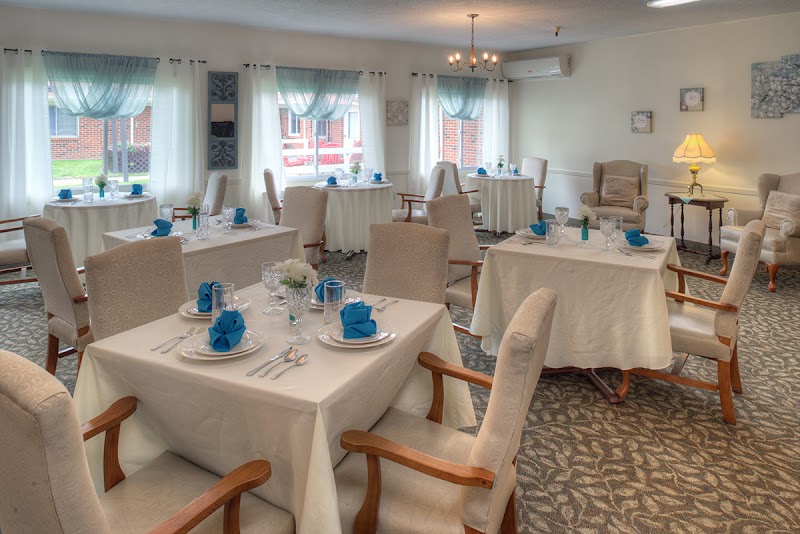
How is Salem North Healthcare Center Staffed?

CMS rates SALEM NORTH HEALTHCARE CENTER's staffing level at 2 out of 5 stars, which is below average compared to other nursing homes. Staff turnover is 52%, compared to the Ohio average of 46%.

What Have Inspectors Found at Salem North Healthcare Center?

State health inspectors documented 20 deficiencies at SALEM NORTH HEALTHCARE CENTER during 2019 to 2024. These included: 1 Immediate Jeopardy (the most serious level, indicating potential for serious harm or death) and 19 with potential for harm. Immediate Jeopardy findings are rare and represent the most serious regulatory concerns. They require immediate corrective action.
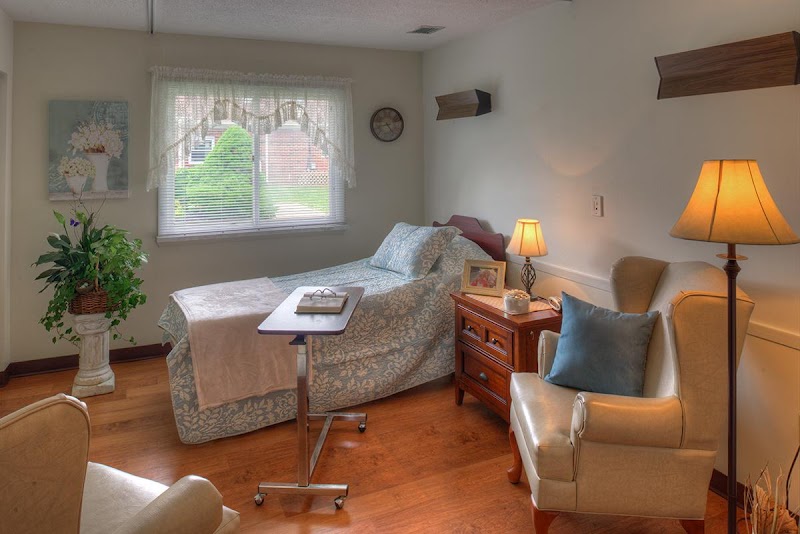
Who Owns and Operates Salem North Healthcare Center?

SALEM NORTH HEALTHCARE CENTER is owned by a for-profit company. For-profit facilities operate as businesses with obligations to shareholders or private owners. The facility is operated by COMMUNICARE HEALTH, a chain that manages multiple nursing homes. With 86 certified beds and approximately 49 residents (about 57% occupancy), it is a smaller facility located in SALEM, Ohio.
How Does Salem North Healthcare Center Compare to Other Ohio Nursing Homes?

Compared to the 100 nursing homes in Ohio, SALEM NORTH HEALTHCARE CENTER's overall rating (3 stars) is below the state average of 3.2, staff turnover (52%) is near the state average of 46%, and health inspection rating (2 stars) is below the national benchmark.

What Should Families Ask When Visiting Salem North Healthcare Center?

Based on this facility's data, families visiting should ask: "What changes have been made since the serious inspection findings, and how are you preventing similar issues?" "Can you walk me through typical staffing levels on day, evening, and night shifts?" "Can I visit during a mealtime to observe dining assistance and food quality?" "How do you handle medical emergencies, and what is your hospital transfer rate?" These questions are particularly relevant given the facility's Immediate Jeopardy citations and the below-average staffing rating.

Is Salem North Healthcare Center Safe?

Based on CMS inspection data, SALEM NORTH HEALTHCARE CENTER has documented safety concerns. Inspectors have issued 1 Immediate Jeopardy citation (the most serious violation level indicating risk of serious injury or death). The facility has a 3-star overall rating and ranks #100 of 100 nursing homes in Ohio. Families considering this facility should ask detailed questions about what corrective actions have been taken since these incidents.

Do Nurses at Salem North Healthcare Center Stick Around?

SALEM NORTH HEALTHCARE CENTER has a staff turnover rate of 52%, which is 6 percentage points above the Ohio average of 46%. Moderate turnover is common in nursing homes, but families should still ask about staff tenure and how the facility maintains care continuity when employees leave.

Was Salem North Healthcare Center Ever Fined?

SALEM NORTH HEALTHCARE CENTER has been fined $23,163 across 1 penalty action. This is below the Ohio average of $33,310. While any fine indicates a compliance issue, fines under $50,000 are relatively common and typically reflect isolated problems that were subsequently corrected. Families should ask what specific issues led to these fines and confirm they've been resolved.

Is Salem North Healthcare Center on Any Federal Watch List?

SALEM NORTH HEALTHCARE CENTER is not on any federal watch list. The most significant is the Special Focus Facility (SFF) program, which identifies the bottom 1% of nursing homes nationally based on persistent, serious quality problems. Not being on this list means the facility has avoided the pattern of deficiencies that triggers enhanced federal oversight. This is a positive indicator, though families should still review the facility's inspection history directly.