MOMENTOUS HEALTH AT SIDNEY
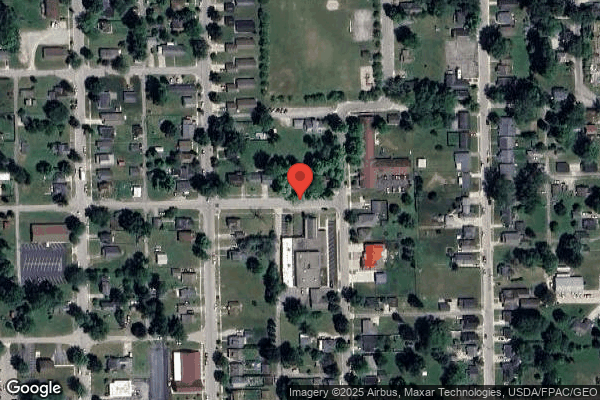

510 BUCKEYE AVE, SIDNEY, OH 45365 (937) 492-3171
For profit - Limited Liability company 51 Beds Independent Data: November 2025
Trust Grade
60/100
#509 of 913 in OH
Last Inspection: October 2024

Within standard 12-15 month inspection cycle. Federal law requires annual inspections.

Overview

Momentous Health at Sidney has a Trust Grade of C+, which means it is slightly above average but not particularly strong. It ranks #509 out of 913 nursing homes in Ohio, placing it in the bottom half of facilities statewide, and #3 out of 4 in Shelby County, indicating there are only a couple of local options with better rankings. The facility is improving, as it has reduced its number of issues from 9 in 2024 to 7 in 2025. Staffing is a relative strength with a rating of 3 out of 5 stars and a turnover rate of 43%, which is below the Ohio average, suggesting staff retainment is decent and residents benefit from familiar caregivers. While Momentous Health has not incurred any fines, which is a positive sign, there are concerns about cleanliness in the kitchen, as there were reports of debris in the ice maker and food storage issues. Additionally, the facility faced a past compliance issue regarding the absence of a valid nursing home administrator, which has since been corrected, and there was also a lapse in attendance at quality assurance meetings by the Medical Director. Overall, the nursing home offers some strengths in staffing and has no fines, but families should be aware of ongoing cleanliness concerns and administrative compliance issues.

Trust Score
C+
60/100
In Ohio
#509/913
Bottom 45%
Safety Record
Low Risk
No red flags
Inspections
Getting Better
9 → 7 violations
Staff Stability
○ Average
43% turnover. Near Ohio's 48% average. Typical for the industry.
Penalties
✓ Good
No fines on record. Clean compliance history, better than most Ohio facilities.
Skilled Nurses
✓ Good
Each resident gets 49 minutes of Registered Nurse (RN) attention daily — more than average for Ohio. RNs are trained to catch health problems early.
Violations
⚠ Watch
23 deficiencies on record. Higher than average. Multiple issues found across inspections.
★★★☆☆
3.0
Overall Rating
★★★☆☆
3.0
Staff Levels
★★★★★
5.0
Care Quality
★★☆☆☆
2.0
Inspection Score
Stable
2024: 9 issues
2025: 7 issues

The Good

  • 5-Star Quality Measures · Strong clinical quality outcomes
  • Full Sprinkler Coverage · Fire safety systems throughout facility
  • No fines on record
  • Staff turnover below average (43%)

    5 points below Ohio average of 48%

Facility shows strength in quality measures, fire safety.

The Bad

3-Star Overall Rating

Near Ohio average (3.2)

Meets federal standards, typical of most facilities

Staff Turnover: 43%

Near Ohio avg (46%)

Typical for the industry

The Ugly 23 deficiencies on record

Jun 2025 1 deficiency
CONCERN (E) 📢 Someone Reported This

A family member, employee, or ombudsman was alarmed enough to file a formal complaint

Potential for Harm - no one hurt, but risky conditions existed

Infection Control (Tag F0880)

Could have caused harm · This affected multiple residents

**NOTE- TERMS IN BRACKETS HAVE BEEN EDITED TO PROTECT CONFIDENTIALITY** THE FOLLOWING DEFICIENCY REPRESENTS AN INCIDENT OF PAST NON-COMPLIANCE THAT WAS SUBSEQUENTLY CORRECTED PRIOR TO THIS SURVEY. Bas...

Read full inspector narrative →
**NOTE- TERMS IN BRACKETS HAVE BEEN EDITED TO PROTECT CONFIDENTIALITY** THE FOLLOWING DEFICIENCY REPRESENTS AN INCIDENT OF PAST NON-COMPLIANCE THAT WAS SUBSEQUENTLY CORRECTED PRIOR TO THIS SURVEY. Based on medical record review, observation, staff interview, review of camera footage, review of facility investigation, and review of facility in-services, the facility failed to ensure staff practiced proper infection control practices. This affected one (#01) of three residents reviewed for infection control. This had the potential to affect six additional residents (#04, #08, #11, #21, #29, and #39) identified as being in Enhanced Barrier Precautions (EBP). The facility census was 40. Findings include: Review of the medical record of Resident #01 revealed an admission date of 12/07/23. Diagnoses include quadriplegia and a history of pressure ulcers to buttocks. Review of the quarterly Minimum Data Set assessment dated [DATE] revealed Resident #01 was cognitively intact and dependent on staff for personal hygiene and transfers. Resident #01 was assessed as having an indwelling urinary catheter and incontinence of stool. Review of the physician order dated 06/19/24 revealed Resident #01 was ordered EBP related to wounds. Observation of Resident #01's room revealed a sign for EBP and indicating a gown and gloves were to the donned prior to contact with the resident. Review of five videos date coded as 04/13/25, 04/15/25, 04/17/25, 04/18/25, and 04/21/25 revealed numerous staff members providing direct care to Resident #01. The videos were reviewed on 05/21/25 at 1:00 P.M., along with the Administrator and Director of Nursing (DON) to identify the staff and verify the deficient practice. The video dated 04/13/25, revealed Wound Nurse (WN) #120 and Licensed Practical Nurse (LPN) #121 providing wound care to Resident #01. Both wore gloves but neither had donned a protective gown. The video dated 04/15/25, revealed WN #120 and DON providing direct care without having donned protective gowns. The video dated 04/17/25, revealed Registered Nurse (RN) #122 and Certified Nursing Assistant (CNA) #123 providing direct care to Resident #01 without donning a protective gown. The video dated 04/18/25, revealed RN #100 providing direct care to Resident #01 without donning a protective gown. The video dated 04/21/25, revealed CNAs #105 and #124 providing direct care to Resident #01 without having donned protective gowns. The DON and Administrator verified the findings in the videos. Review of the policy titled, Transmission Based Precautions, dated 05/01/22, revealed Enhanced Barrier Precautions indicated the use of gown and gloves when providing high contact care to residents. Examples of high contact care activities included providing hygiene, changing linens, and wound care. As a result of the incident, the facility took the following actions to correct the deficient practice by 05/13/25: • On 04/17/25, the Quality Improvement Plan started when the DON identified the lack of proper procedure for EBP. • On 04/18/25, the action plan was initiated by instructing all staff to read and sign the EBP policy. By the DON via staff meeting and paper postings. • On 04/30/25, all staff were also instructed to sign and read the policies for contact and droplet precautions. By the DON via staff meeting and paper postings. • On 05/13/25, an all-staff in-service was held and again the EBP procedure was provided to staff. DON and ADON spoke at the all staff and circulated the hand outs with the sign off sheet. • Review of the sign sheets for the training on 04/17/25, 04/18/25, 04/30/25, and 05/13/25, revealed all staff attended the all-staff in-service or indicated they had read the policy. • Random observations on 05/21/25 from 9:00 A.M. to 3:00 P.M., revealed staff to don protective gowns and gloves prior to entering any of the six rooms identified as requiring EBP. • Review of auditing/monitoring dated 04/18/25, 04/21/25, 04/28/25, 04/29/25, 05/05/25, 05/08/25, 05/13/25, and 05/20/25 revealed staff were following the EBP procedure. This deficiency represents the noncompliance discovered during the investigation of Complaint Number OH00165605.
Apr 2025 6 deficiencies
CONCERN (D) 📢 Someone Reported This

A family member, employee, or ombudsman was alarmed enough to file a formal complaint

Potential for Harm - no one hurt, but risky conditions existed

Resident Rights (Tag F0550)

Could have caused harm · This affected 1 resident

**NOTE- TERMS IN BRACKETS HAVE BEEN EDITED TO PROTECT CONFIDENTIALITY** Based on observation, medical record review, staff and resident interview and facility policy review the facility failed to ensu...

Read full inspector narrative →
**NOTE- TERMS IN BRACKETS HAVE BEEN EDITED TO PROTECT CONFIDENTIALITY** Based on observation, medical record review, staff and resident interview and facility policy review the facility failed to ensure shaving was completed when the resident had long hairs under her arms and on her legs. This affected one (#39) of one reviewed for dignity and respect. The census was 42. Findings included: Medical record review for Resident #39 revealed an admission date of 10/15/21. Medical diagnoses included chronic obstructive pulmonary disease (COPD), diabetes, cerebrovascular accident (CVA), seizure disorder, anxiety, depression, bipolar disorder, and asthma. Review of the quarterly Minimum Data Set (MDS) assessment dated [DATE] revealed Resident #39 was cognitively intact. Her functional status was set up or clean up assistance for eating, partial assistance/moderate assistance for toileting, bed mobility, and transfers. She was frequently incontinent for the bladder and always incontinent for the bowel. Review of the shower sheet for Resident #39 dated 04/07/25 revealed shaved was checked marked as no. Observation during incontinence care on 04/09/25 at 11:26 A.M. revealed the resident had long hair under her arms and on her legs and the Certified Nursing Aide (CNA) #95 acknowledged the hair was long and should have been shaved on her last shower. The resident reported to CNA #95 she did ask the CNA #106 on her last shower day if she would shave her legs and underarms, but it didn't get done. Interview with Resident #39 on 04/09/25 at 11:45 A.M. revealed on her last shower day on 04/07/25 revealed she had asked for her legs and her underarms shaved, but CNA #106 didn't do it. She stated she didn't like how long her hair was on her legs and underarms. Interview with CNA #106 on 04/10/25 at 11:27 A.M. confirmed she gave a shower to Resident #39 on 04/07/25. She revealed if she had time to shave a person she will do it, but otherwise even if she sees hair on the legs or underarms she wouldn't ask the resident even though shaving was a part of the bathing sheet. She said the resident didn't asked to be shaved. Review of the policy entitled Resident Activities of Daily Living Care dated 07/01/23 revealed male and female residents will be expected (per the resident's preference) to be clean shaven and assistance with shaving, when necessary, will be provided as needed.
CONCERN (D) 📢 Someone Reported This

A family member, employee, or ombudsman was alarmed enough to file a formal complaint

Potential for Harm - no one hurt, but risky conditions existed

Report Alleged Abuse (Tag F0609)

Could have caused harm · This affected 1 resident

**NOTE- TERMS IN BRACKETS HAVE BEEN EDITED TO PROTECT CONFIDENTIALITY** Based on medical record review, staff and resident interview, and facility policy review the facility failed to ensure reporting...

Read full inspector narrative →
**NOTE- TERMS IN BRACKETS HAVE BEEN EDITED TO PROTECT CONFIDENTIALITY** Based on medical record review, staff and resident interview, and facility policy review the facility failed to ensure reporting to the state agency was completed when an allegation of abuse was made by a resident. This affected one (#39) of one resident reviewed for reporting an allegation of abuse to the state agency. The census was 42. Findings included: Medical record review for Resident #39 revealed an admission date of 10/15/21. Medical diagnoses included chronic obstructive pulmonary disease (COPD), diabetes, cerebrovascular accident (CVA), seizure disorder, anxiety, depression, bipolar disorder, and asthma. Review of the quarterly Minimum Data Set (MDS) assessment dated [DATE] revealed Resident #39 was cognitively intact. Her functional status was set up or clean up assistance for eating, partial assistance/moderate assistance for toileting, bed mobility, and transfers. She was frequently incontinent for the bladder and always incontinent for the bowel. Review of the progress notes dated 04/01/25 revealed there wasn't any evidence concerning an abuse allegation. Interview with Resident #39 on 04/09/25 at 11:45 A.M. revealed she had won a meal with a lottery ticket from activities a couple of weeks ago. She reported when it came to cash in her meal ticket she got her meal and went to the dining room to eat it. She stated Licensed Practical Nurse (LPN) #49 snatched everything away from her and said you can't eat this meal in the dining room and made her go to her room to eat the meal. The resident reported this upset her tremendously and felt like this was abusive especially when the nurse snatched the meal away from her, because she thought she would be able to eat it in the dining room. She reported Certified Nursing Aide (CNA) #73 heard the interaction and told on the LPN #49. Interview with the CNA #73 on 04/09/25 at 1:31 P.M. revealed the incident with Resident #39 happened on 04/01/25 between 4:30 P.M. and 5:00 P.M. because the aide was getting ready to punch out for the day to go home. She stated Resident #39 was in the dining room with her fast food meal she received for a winning facility lottery ticket. She reported she heard LPN #49 say to Resident #39 pack it up and take this to your room, a take out meal is not to be eaten in the dining room. The aide asked the LPN since when can't the residents eat a take out meal in the dining room and the nurse didn't answer her. She reported she felt like the tone of the LPN was rude, disrespectful, and didn't understand why the resident couldn't eat in the dining room. CNA # 73 denied seeing the LPN snatch the food from Resident #39 and only heard the conversation. The aide said she went home for the day and about two to three days later she went to the Director of Nursing (DON) and asked her since when couldn't the residents eat a fast food meal in the dining room. The DON asked what happened and the aide told her about the incident that happened with Resident #39 and LPN #49. The DON told the CNA she would check into it and the resident could eat any meal in the dining room. Interview with the Administrator on 04/09/25 at 2:20 P.M. confirmed she didn't know anything about Resident #39's allegation. She further confirmed this wasn't reported to the state agency and should have been. Review of the policy entitled Abuse Prevention dated 08/20/21 revealed facility staff should immediately report all such allegations to the Administrator and to the State Department in accordance with the procedures in this policy. a. Administrator. All incident and allegations of Abuse, Neglect, Exploitation, Mistreatment of a resident, or Misappropriation of Resident Property and all Injuries of Unknown Source must be reported Immediately to the Administrator or designee Administrator or his/her designee will notify the state of all alleged violations involving Abuse, Neglect, Exploitation, Mistreatment of a resident, or Misappropriation of Resident Property and Injuries of Unknown Source as soon as possible, but in no event later than twenty-four (24) hours from the time the incident/allegation was made known to the staff member. The Administrator should be notified by informing him/her in person, calling via telephone, or sending an email or text message.
CONCERN (D) 📢 Someone Reported This

A family member, employee, or ombudsman was alarmed enough to file a formal complaint

Potential for Harm - no one hurt, but risky conditions existed

Investigate Abuse (Tag F0610)

Could have caused harm · This affected 1 resident

**NOTE- TERMS IN BRACKETS HAVE BEEN EDITED TO PROTECT CONFIDENTIALITY** Based on medical record review, staff and resident interview, and facility policy review the facility failed to ensure an invest...

Read full inspector narrative →
**NOTE- TERMS IN BRACKETS HAVE BEEN EDITED TO PROTECT CONFIDENTIALITY** Based on medical record review, staff and resident interview, and facility policy review the facility failed to ensure an investigation into an allegation of abuse was completed. This affected one (#39) of one resident reviewed allegation of abuse. The census was 42. Findings included: Medical record review for Resident #39 revealed an admission date of 10/15/21. Medical diagnoses included chronic obstructive pulmonary disease (COPD), diabetes, cerebrovascular accident (CVA), seizure disorder, anxiety, depression, bipolar disorder, and asthma. Review of the quarterly Minimum Data Set (MDS) dated [DATE] revealed Resident #39 was cognitively intact. Her functional status was set up or clean up assistance for eating, partial assistance/moderate assistance for toileting, bed mobility, and transfers. She was frequently incontinent for the bladder and always incontinent for the bowel. Review of the progress notes dated 04/01/25 revealed there wasn't any evidence concerning an abuse allegation. Interview with Resident #39 on 04/09/25 at 11:45 A.M. revealed she had won a meal with a lottery ticket from activities a couple of weeks ago. She reported when it came to cash in her meal ticket she got her meal and went to the dining room to eat it. She stated Licensed Practical Nurse (LPN) #49 snatched all her food away from her and said you can't eat this meal in the dining room and made her go to her room to eat the meal. The resident reported this upset her tremendously and felt like this was abusive especially when the nurse snatched the meal away from her, because she thought she would be able to eat it in the dining room. She reported Certified Nursing Aide (CNA) #73 heard the interaction and told on the LPN #49. Interview with the CNA #73 on 04/09/25 at 1:31 P.M. revealed the incident with Resident #39 happened on 04/01/25 between 4:30 P.M. and 5:00 P.M. because the aide was getting ready to punch out for the day to go home. She stated Resident #39 was in the dining room with her fast food meal she received for a winning facility lottery ticket. She reported she heard LPN #49 say to Resident #39 pack it up and take this to your room, a take out meal is not to be eaten in the dining room. The aide asked the LPN since when can't the residents eat a take out meal in the dining room and the nurse didn't answer her. She reported she felt like the tone of the LPN was rude, disrespectful, and didn't understand why the resident couldn't eat in the dining room. She denied she could see the LPN snatch the food from Resident #39 and only heard the conversation. The aide said she went home for the day and about two to three days later she went to the Director of Nursing (DON) and asked her since when couldn't the residents eat a fast food meal in the dining room. The DON asked what happened and the aide told her about the incident that happened with Resident #39 and LPN #49. The DON told the CNA she would check into it and the resident could eat any meal in the dining room. Interview with the Administrator on 04/09/25 at 2:20 P.M. confirmed she didn't know anything about Resident #39's allegation. She further confirmed this allegation of abuse was not investigated. Review of the policy entitled Abuse Prevention dated 08/20/21 revealed facility staff should immediately report all such allegations to the Administrator and to the State Department in accordance with the procedures in this policy. a. Administrator. All incident and allegations of Abuse, Neglect, Exploitation, Mistreatment of a resident, or Misappropriation of Resident Property and all Injuries of Unknown Source must be reported Immediately to the Administrator or designee Administrator or his/her designee will notify the state of all alleged violations involving Abuse, Neglect, Exploitation, Mistreatment of a resident, or Misappropriation of Resident Property and Injuries of Unknown Source as soon as possible, but in no event later than twenty-four (24) hours from the time the incident/allegation was made known to the staff member. The Administrator should be notified by informing him/her in person, calling via telephone, or sending an email or text message. Investigate: Once the Administrator and the state agency are notified, an investigation of the allegation violation will be conducted. 1. Time frame for investigation. The investigation must be completed within five (5) working days, unless there are special circumstances causing the investigation to continue beyond 5 working days (e.g., quantifying amounts misappropriated if accountant needs more time). 2. Investigation protocol. The person investigating the incident should generally take the following actions: • Interview the resident, the accused, and all witnesses. Witnesses generally Include anyone who: witnessed or heard the incident; came In close contact with the resident the day of the incident (including other residents, family members); and employees who worked closely with the accused employee(s) and/or alleged victim the day of the Incident. If there are no direct witnesses, then the interviews may be expanded. For example, to cover all employees on the unit, or, as appropriate, the shift. For Injuries of Unknown Source, the investigation may generally involve talking with both the shift on duty when the injury was discovered and prior shifts as well. • Obtain a statement from the resident, if possible, the accused, and each witness. • Obtain all medical reports and statements from physicians and/or hospitals, if applicable. • Review the resident's records. • If the accused Is an employee, then review his/her employment records. 3. Documentation. Evidence of the investigation should be documented.
CONCERN (D) 📢 Someone Reported This

A family member, employee, or ombudsman was alarmed enough to file a formal complaint

Potential for Harm - no one hurt, but risky conditions existed

ADL Care (Tag F0677)

Could have caused harm · This affected 1 resident

**NOTE- TERMS IN BRACKETS HAVE BEEN EDITED TO PROTECT CONFIDENTIALITY** Based on observation, staff and resident interview, medical record review and facility policy review the facility failed to ensu...

Read full inspector narrative →
**NOTE- TERMS IN BRACKETS HAVE BEEN EDITED TO PROTECT CONFIDENTIALITY** Based on observation, staff and resident interview, medical record review and facility policy review the facility failed to ensure a resident was changed in a timely manner. This affected one (#39) of three residents reviewed for incontinence care. The census was 42. Findings included: Medical record review for Resident #39 revealed an admission date of 10/15/21. Medical diagnoses included chronic obstructive pulmonary disease (COPD), diabetes, cerebrovascular accident (CVA), seizure disorder, anxiety, depression, bipolar disorder, and asthma. Review of the quarterly Minimum Data Set (MDS) assessment dated [DATE] revealed Resident #39 was cognitively intact. Her functional status was set up or clean up assistance for eating, partial assistance/moderate assistance for toileting, bed mobility, and transfers. She was frequently incontinent for the bladder and always incontinent for the bowel. Review of the care plan dated 02/06/25 revealed Resident #39 was at risk for bladder incontinence. Interventions included if the resident had an incontinent episode she will need assistance to cleanse, rinse, and dry the perineum, and change clothing as needed after each incontinence episodes. Review of the bladder tracker dated 04/09/25 revealed Resident #39 was documented for check and change for bladder at 2:54 A.M. Ongoing observation of Resident #39 on 04/09/25 from 9:32 A.M. to 11:26 A.M. revealed no one entered her room to check on her. Observation of incontinence care on 04/09/25 at 11:26 A.M. revealed Resident #39 was heavily soiled with urine and her pad underneath her bottom was wet and there was an odor. Interview with the Certified Nursing Aide (CNA) #95 on 04/09/25 at 11:35 A.M. revealed at the time of the incontinence she said the resident was probably flooded. She stated she was trying to get other residents up and dressed for the day and since this resident was at the end of the hall she had not got to her yet. She confirmed the resident had not been changed since 2:54 A.M. and that she should have been changed her every two hours. The interview with the resident #39 on 04/09/25 at 11:45 A.M. revealed she would like to be changed every two hours, but it didn't happen this morning. Review of the policy entitled Resident Activities of Daily Living Care dated 07/01/23 revealed the facility believed in supporting and encouraging the autonomy and independence of all residents in activities of daily living to the fullest extent possible given the limitations of their debility and disease. Residents will be expected to maintain reasonable standards of hygiene and grooming during their stay at the facility. When autonomy and independence are no longer possible or feasible, the facility resident care staff will provide the necessary support in all ADL functioning. Assistance and/or supervision will be provided as necessary with toileting. This deficiency represents non-compliance investigated under Complaint Number OH00164489.
CONCERN (D) 📢 Someone Reported This

A family member, employee, or ombudsman was alarmed enough to file a formal complaint

Potential for Harm - no one hurt, but risky conditions existed

Deficiency F0692 (Tag F0692)

Could have caused harm · This affected 1 resident

**NOTE- TERMS IN BRACKETS HAVE BEEN EDITED TO PROTECT CONFIDENTIALITY** Based on medical record review, staff and resident interview, and policy review the facility failed to ensure fluid restriction ...

Read full inspector narrative →
**NOTE- TERMS IN BRACKETS HAVE BEEN EDITED TO PROTECT CONFIDENTIALITY** Based on medical record review, staff and resident interview, and policy review the facility failed to ensure fluid restriction was followed. The affected one (#33) of three residents reviewed for fluid restriction. The census was 42. Findings included: Medical record review for Resident #33 revealed an admission date of 10/13/20. Medical diagnosis included heart failure, hypertension and diabetes. Review of the physician orders dated 12/03/24 revealed 2,000 ml fluid restriction in a 24-hour period for congested heart failure (CHF). Dietary 1080 ml, (breakfast 480 ml, lunch 360 ml, dinner 240 ml) nursing department 920 ml in a 24-hour period (days 500 ml and nights 420 ml) to be documented every shift. Review of the care plan dated 12/03/24 revealed Resident #33 had a potential for fluid imbalance. Interventions were to provide assistance/encouragement/supervision with fluid intake to meet the daily requirements. Review of the quarterly Minimum Data Set (MDS) dated [DATE] revealed Resident #33 was moderately cognitively impaired. His functional status was set up or cleanup for eating assistance, dependent on toileting, substantial/maximal assistance for bed mobility, and transfer were attempted due safety. He was always incontinent with bowel and bladder. Review of the Treatment Administration Record (TAR) from 02/01/24 through 04/09/24 revealed Resident #33 was shorted 1,000 ml fluids for 25 days and 700 ml fluids for 44 days. The interview with Resident #33 on 04/10/25 at 8:20 A.M. revealed he got thirsty and was thirsty right now and was going to ring the call light to get a cup of water. He revealed sometimes the staff will give him something to drink and sometimes they won't. Interview with CNA #85 on 04/10/25 at 9:52 A.M. revealed Resident #33 tells the staff he is thirsty and asks for water on a regular basis. She reported this was reported to the nurse and if he isn't over on his fluids the staff will get him some water to drink. Interview with Registered Dietician (RD) #110 on 04/10/25 at 10:16 A.M. revealed she took over the account for the facility on 03/17/25. She confirmed after looking at the TAR, Resident #33 was under on all days since 02/01/25. She revealed she called the nurse on duty for the resident on this day and the nurse reported the resident was thirsty and so she discontinued the order for fluid restriction so the staff could quench his thirst, and he could have what he liked to drink. Review of policy entitled Resident Nutrition Servicesdated 05/01/22 revealed nursing personnel will evaluate (and document as indicated) fluid intake of resident with, or at risk for, significant nutritional problems. Variations from intake patterns will be recorded in the resident's medical record and brought to the attention of the nurse. This deficiency represents non-compliance investigated under Complaint Number OH00164489.
CONCERN (E) 📢 Someone Reported This

A family member, employee, or ombudsman was alarmed enough to file a formal complaint

Potential for Harm - no one hurt, but risky conditions existed

Infection Control (Tag F0880)

Could have caused harm · This affected multiple residents

Based on observation, staff interview and facility policy review, the facility failed to ensure handwashing or sanitizing was completed between dirty to clean surfaces. This affected six (#39, #5, #23...

Read full inspector narrative →
Based on observation, staff interview and facility policy review, the facility failed to ensure handwashing or sanitizing was completed between dirty to clean surfaces. This affected six (#39, #5, #23, #41, #28 and #37) out of six residents reviewed for handwashing. The census was 42. Findings included: Observations made on 04/10/25 at 7:42 A.M. during a meal service revealed Activities Director (AD) #63 delivered a breakfast tray to Resident #39 and came out of the room opened the cart and got another tray and went into Resident #5's room and opened the lids for the meal. She went out of the room and got another tray off of the cart and delivered it to Resident # 23's room, left that room and went down the hall to the kitchen to grab a milk for Resident #23. AD #63 proceeded to leave the 100 hall and went down to the 200 hall and proceeded to pass trays to Resident #41 and left the room and went to the cart and got a tray and delivered it to Resident #41 and left the room and went back to the dietary cart and got a tray for Resident #28 and entered the room and touched the resident on the shoulder twice and and opened the bowls for the resident and used her bare hands to butter and jelly the toast. AD #63 left this room and went down the hall and got some milk for Resident #41 and touched the resident again. She left this room, went to the dietary cart and grabbed a tray and delivered it to Resident #37. Interview with AD #63 on 04/10/25 at 8:00 A.M. confirmed she should have washed her hands or sanitized them in between at least every two residents and should have used gloves if she was going to touch the toast for Resident #28. Interview with Certified Nursing Assistant (CNA) #73 on 04/10/25 at 8:01 A.M. revealed the staff should be washing their hands or sanitizing in between each resident and should wear gloves if they touch the food. Interview with Director of Operations (DO) #112 and Administrator on 04/10/25 at 9:29 A.M. revealed handwashing should be done by the staff if the staff member is touching articles in the room or the food. Review of the policy entitled Hand Hygiene dated 02/19/25 revealed effective hand hygiene reduces the incidence of healthcare-associated infections. All members of the healthcare team will comply with current Centers for Disease Control (CDC) hand hygiene guidelines. Handwashing and sanitizing may also be used for routinely decontaminating hands in the follow situations: before having direct contact with residents. This deficiency represents non-compliance investigated under Complaint Number OH00164489.
Oct 2024 8 deficiencies
CONCERN (D)

Potential for Harm - no one hurt, but risky conditions existed

Deficiency F0638 (Tag F0638)

Could have caused harm · This affected 1 resident

2. Review of the medical record for Resident #2 revealed an admission date of 12/20/20 with medical diagnoses of schizoaffective disorder, panic disorder, obsessive-compulsive disorder, type II diabet...

Read full inspector narrative →
2. Review of the medical record for Resident #2 revealed an admission date of 12/20/20 with medical diagnoses of schizoaffective disorder, panic disorder, obsessive-compulsive disorder, type II diabetes mellitus, and bilateral conductive hearing loss. Review of the medical record for Resident #2 revealed a quarterly MDS assessment with an ARD of 08/23/24. Further review of the MDS assessment indicated Resident #2 was cognitively intact and required set-up assistance with eating and wheelchair mobility, required supervision assistance with oral hygiene, and required partial assistance with toileting hygiene, bathing, dressing, personal hygiene, bed mobility, transfers, and ambulation. The MDS assessment indicated it was completed on 09/09/24. 3. Review of the medical record for Resident #9 revealed an admission date of 06/11/20 with medical diagnoses of other specified peripheral vascular diseases, peripheral vascular disease, and venous insufficiency. Review of the medical record for Resident #9 revealed a quarterly MDS assessment with an ARD of 08/25/24. Further review of the MDS assessment indicated Resident #9 was cognitively intact and was independent with eating and ambulating, required set-up assistance with oral hygiene, required supervision with bed mobility and transfers, and required partial assistance with toileting hygiene, bathing, dressing, and personal hygiene. The MDS assessment indicated it was completed on 09/24/24. Interview on 10/16/24 at 2:12 P.M. with MDS Nurse #255 confirmed the quarterly MDS assessments for Resident #2 dated 08/23/24, for Resident #9 dated 08/25/24, and Resident #26 dated 09/07/24 were not completed timely. Review of the Centers for Medicare and Medicaid Services (CMS) Long-Term Care Facility Resident Assessment Instrument (RAI) 3.0 User Manual, dated October 2023, revealed, on page 2-35, the MDS completion date must be no later than 14 days after the ARD. Based on medical record review, staff interview, and review of the Centers for Medicare and Medicaid Services (CMS) Long-Term Care Facility Resident Assessment Instrument (RAI) 3.0 User Manual, the facility failed to ensure quarterly Minimum Data Set (MDS) assessments were completed within required timeframes. This affected three (#2, #9, and #26) of 12 residents reviewed for MDS assessments. The facility census was 39. Findings include: 1. Review of the medical record for Resident #26 revealed an admission date of 11/09/15 with medical diagnoses of dementia, cerebral infarction, Alzheimer's disease, delusional disorders, and schizophrenia disorder. Review of the medical record for Resident #26 revealed a quarterly Minimum Data Set (MDS) assessment with an Assessment Reference Date (ARD) of 09/07/24. Further review of the MDS assessment indicated Resident #26 had moderate cognitive impairment and required substantial/maximum staff assistance with toileting hygiene and bathing, and supervision with bed mobility and transfers. The MDS assessment had a completion date of 09/24/24.
CONCERN (D)

Potential for Harm - no one hurt, but risky conditions existed

MDS Data Transmission (Tag F0640)

Could have caused harm · This affected 1 resident

**NOTE- TERMS IN BRACKETS HAVE BEEN EDITED TO PROTECT CONFIDENTIALITY** Based on medical record review, staff interview, and review of the Centers for Medicare and Medicaid Services (CMS) Long-Term Ca...

Read full inspector narrative →
**NOTE- TERMS IN BRACKETS HAVE BEEN EDITED TO PROTECT CONFIDENTIALITY** Based on medical record review, staff interview, and review of the Centers for Medicare and Medicaid Services (CMS) Long-Term Care Facility Resident Assessment Instrument (RAI) 3.0 User Manual, the facility failed to ensure Minimum Data Set (MDS) assessments were transmitted to CMS as required. This affected one (#94) of 12 residents reviewed for MDS assessments. The facility census was 39. Findings include: Review of the medical record for Resident #94 revealed an admission date of 01/30/23 with medical diagnoses of chronic obstructive pulmonary disease, diabetes mellitus, anemia, hypertension, and moderate protein calorie malnutrition. Review of the medical record for Resident #94 revealed no documentation to support the facility transmitted Minimum Data Set (MDS) assessments timely for an annual MDS assessment dated [DATE], a significant change MDS assessment dated [DATE], a quarterly MDS assessment dated [DATE], and a quarterly MDS assessment dated [DATE]. Interview on 10/16/24 at 9:06 A.M. with MDS Nurse #255 confirmed the Resident #94's MDS assessments dated 12/16/23, 02/07/24, 05/01/24, and 07/30/24 were not transmitted to the Centers for Medicare and Medicaid Services (CMS). Review of the CMS Long-Term Care Facility RAI 3.0 User Manual, dated October 2023, revealed, on pages 5-1 through 5-3, revealed all Medicare and/or Medicaid-certified nursing homes and swing beds of those facilities, must transmit required MDS data records to CMS Internet Quality Improvement Evaluation System (iQIES). The RAI manual revealed the required MDS records are those assessments and tracking records that are mandated under the Omnibus Budget Reconciliation Act (OBRA) and Skilled Nursing Facility Prospective Payment System (SNF PPS) which included comprehensive, quarterly, and PPS assessments.
CONCERN (D)

Potential for Harm - no one hurt, but risky conditions existed

Quality of Care (Tag F0684)

Could have caused harm · This affected 1 resident

**NOTE- TERMS IN BRACKETS HAVE BEEN EDITED TO PROTECT CONFIDENTIALITY** Based on medical record review, observation, and staff interviews, the facility failed to follow physician orders to ensure trea...

Read full inspector narrative →
**NOTE- TERMS IN BRACKETS HAVE BEEN EDITED TO PROTECT CONFIDENTIALITY** Based on medical record review, observation, and staff interviews, the facility failed to follow physician orders to ensure treatments were in place. This affected one (#9) of one residents reviewed for treatment of skin conditions. The facility census was 39. Findings included: Review of the medical record for Resident #9 revealed an admission date of 06/11/20 with diagnoses of peripheral vascular disease and venous insufficiency. Review of Resident #9's Minimum Data Set (MDS) assessment dated [DATE] revealed the resident was cognitively intact, was independent with eating and ambulating, required set-up assistance with oral hygiene, required supervision with bed mobility and transfers, and required partial assistance with toileting hygiene, bathing, dressing, and personal hygiene. Review of the care plan, dated 03/04/24, revealed Resident #9 had potential impairment to skin integrity related to decreased mobility with a goal to be free from injury through the review date. An intervention included to ensure socks/compression hose are on before placing shoes on with a dated of 07/09/24. Review of Resident #9's physician order dated 08/26/24 revealed an order to apply black thrombo-embolic deterrent (TED) hose or all cotton elastic (ACE) wraps if not available applied to bilateral lower extremities every morning and remove every evening. Observation on 10/15/24 at 11:06 A.M. revealed Resident #9 was sitting up in a wheelchair with an elasticated tubular-like bandage (Tubigrip) dressing to the left lower leg. Resident #9's right lower leg was uncovered and the resident had no socks, TED hose or ACE wraps in place to the bilateral lower extremities. Observation on 10/16/24 at 9:13 A.M. revealed Resident #9 was up in a wheelchair in the room with a Tubigrip-like dressing to the left lower leg. Resident #9's right lower leg was uncovered and the resident had soft shoes in place. Further observation revealed the resident was wearing no socks and had no TED hose or ACE wraps in place to bilateral lower extremities. Interview on 10/16/24 at 3:55 P.M. with Licensed Practical Nurse (LPN) #244 confirmed Resident #9 did not have black TED Hose or ACE wraps to the bilateral lower extremities on 10/15/24 or 10/16/24. LPN #244 verified Resident #9 had a physician order to have either TED hose or ACE wraps in place every morning and to removed at bedtime. Interview on 10/17/24 at 1:00 P.M. with Administrator #280 confirmed the facility did not have a policy for following physician orders.
CONCERN (D)

Potential for Harm - no one hurt, but risky conditions existed

Laboratory Services (Tag F0770)

Could have caused harm · This affected 1 resident

**NOTE- TERMS IN BRACKETS HAVE BEEN EDITED TO PROTECT CONFIDENTIALITY** 2. Review of the medical record for Resident #26 revealed an admission date of 11/09/15 with medical diagnoses of dementia, cere...

Read full inspector narrative →
**NOTE- TERMS IN BRACKETS HAVE BEEN EDITED TO PROTECT CONFIDENTIALITY** 2. Review of the medical record for Resident #26 revealed an admission date of 11/09/15 with medical diagnoses of dementia, cerebral infarction, Alzheimer's disease, delusional disorders, and schizophrenia disorder. Review of the medical record for Resident #26 revealed a quarterly MDS assessment, dated 09/07/24, which indicate Resident #26 had moderate cognitive impairment and required substantial/maximum staff assistance with toileting hygiene and bathing and supervision with bed mobility and transfers. Review of the medical record for Resident #26 revealed a physician order dated 07/07/21 for a serum magnesium laboratory value to be drawn annually in August and an order dated 02/15/23 for a CMP, hemoglobin A1c (HbA1c), and a lipid panel every six months in June and December. Review of Resident #26's medical record revealed no documentation to support the facility completed the residents laboratory draw for serum magnesium, CMP, HbA1c, or a lipid panel as ordered. 3. Review of Resident #11's medical record revealed an admission date of 04/08/22. Diagnoses listed included atherosclerotic heart disease, chronic obstructive pulmonary disease, hemiplegia, hemiparesis, type two diabetes mellitus, and major depressive disorder. Review of a quarterly MDS assessment dated [DATE] revealed Resident #11 was moderately cognitively impaired. Review of physician orders revealed laboratory orders dated 04/13/22 for a CMP, CBC with differential, thyroid stimulating hormone (TSH), and thyroxine (T4) laboratory values to be obtained every six months in April and October every second Tuesday of the month. Further review of Resident #11's medical record revealed no documentation of a CMP, CBC with differential, TSH, or T4 laboratory values being completed in April 2024. Interview on 10/16/24 at 10:40 A.M. with Director of Nursing (DON) revealed when the facility switched laboratory providers at the end of last year the new provider could not pull the laboratory orders from the electronic medical records and some were missed. The DON confirmed the ordered laboratory values for Resident #11, Resident #26, and Resident #28 were not obtained as ordered. The DON stated the facility must now send the orders to the laboratory provider weekly. The issue was discovered two weeks ago and the DON was working on discovering the missing laboratory orders. Interview on 10/16/24 at 1:50 P.M. with the DON revealed the facility had no policy on obtaining laboratory values as ordered. Based on medical record review and staff interview, the facility failed to obtain laboratory testing as ordered by the physician. This affected three (#11, #26, and #28) of three residents reviewed for laboratory values. The facility census was 39. Findings include: 1. Review of the medical record for Resident #28 revealed an admission date of 08/08/19. Diagnoses include chronic obstructive pulmonary disease, essential hypertension, vascular syndromes of the brain in cerebrovascular diseases, vitamin B12 deficiency anemia, heart failure, major depressive disorder, cerebral atherosclerosis, and cerebral infarction. Review of Resident #28's quarterly Minimum Data Set (MDS) assessment dated [DATE] revealed Resident #28 was cognitively intact. Review of Resident #28's physician order dated 07/06/21 revealed a complete metabolic panel (CMP), lipid panel, and complete blood count (CBC) with differential was to be obtained every six months on the second Tuesday in June and December. Review of the laboratory results for Resident #28 revealed the last blood work results were dated February 2024 and did not include a lipid panel.
CONCERN (D)

Potential for Harm - no one hurt, but risky conditions existed

Infection Control (Tag F0880)

Could have caused harm · This affected 1 resident

**NOTE- TERMS IN BRACKETS HAVE BEEN EDITED TO PROTECT CONFIDENTIALITY** Based on medical record review, observation, staff interview, and policy review, the facility failed appropriately perform hand ...

Read full inspector narrative →
**NOTE- TERMS IN BRACKETS HAVE BEEN EDITED TO PROTECT CONFIDENTIALITY** Based on medical record review, observation, staff interview, and policy review, the facility failed appropriately perform hand hygiene to maintain proper infection control practices during dressing changes. This affected one (#12) of one residents reviewed for wound care. The facility census was 39. Findings include: Review of the medical record for Resident #12 revealed an admission date of 12/07/23 with diagnoses of quadriplegia, cervical disc disorder with myelopathy, unspecified cervical region, and neuromuscular dysfunction of bladder. Review of the quarterly Minimum Data Set (MDS) assessment dated [DATE] revealed Resident #12 was cognitively intact and was dependent on staff assistance with eating, oral hygiene, toileting hygiene, bathing, dressing, personal hygiene, bed mobility, and transfers. Review of Resident #12's physician orders revealed an order dated 12/08/23 to wash around the suprapubic catheter site with soap and water daily and apply a drainage sponge daily. Review of Resident #12's physician orders dated 10/04/24 revealed an order for the left and right sacrum and left ishium to be cleansed with normal saline (NS) and patted dry, apply primary collagen powder, apply a secondary blue Bacteriostatic dressing, and cover with [NAME] super absorbent silicone bordered dressing daily. Observation on 10/16/24 at 2:25 P.M. with Licensed Practical Nurse (LPN) #244 and State Tested Nurse Aide (STNA) #249 revealed the staff members performed wound care on Resident #12. LPN #244 and STNA #249 entered the resident's room, washed their hands and explained the procedure to the resident. LPN #244 cleansed the bedside table, placed a clean cloth on the table, and gathered wound supplies. LPN #244 washed her hands again. Both LPN #244 and STNA #249 applied gloves. LPN #244 removed Resident #12's suprapubic catheter dressing, cleansed the area with NS and a clean gauze, then applied a clean dry split drainage gauze. LPN #244 removed the soiled gloves and applied a new pair of gloves. STNA #249 assisted Resident #12 to reposition onto his left side. LPN #244 removed the dressing to resident's right sacrum, cleansed it with NS, applied collagen powder to her left glove and placed it in the wound bed, applied a secondary blue Bacteriostatic dressing, and covered it with [NAME] super absorbent silicone bordered dressing. LPN #244 removed her gloves and applied clean gloves. LPN #244 removed the dressing to the resident's left sacrum, cleansed it with NS, applied collagen powder to her left glove and placed it in the wound bed, applied a secondary blue Bacteriostatic dressing, and covered it with [NAME] super absorbent silicone bordered dressing. LPN #244 removed her gloves and applied clean gloves. LPN #244 removed the dressing to the resident's left ischium, cleansed it with NS, applied collagen powder to her left glove and placed it in the wound bed, applied a secondary blue Bacteriostatic dressing, and covered it with [NAME] super absorbent silicone bordered dressing. LPN #244 removed all contaminated wound dressing supplies and disposed of it in the trash. LPN #244 and STNA #249 removed their gloves and washed their hands, ensured the resident was comfortable, and exited the room. Interview on 10/16/24 at 3:00 P.M. with LPN #244 confirmed while doing the suprapubic catheter dressing change and wound dressing changes for Resident #12 she did not perform hand hygiene after removing the soiled dressings and before putting on new gloves to apply the new dressings for each wound site. Review of the policy titled, Handwashing, dated 09/09/21 revealed the facility considered hand hygiene the primary means to prevent the spread of infections. All personnel shall follow the handwashing / hand hygiene procedures to help prevent the spread of infections to other personnel , residents, and visitors. Staff are to use an alcohol-based hand rub containing at least 62 percent (%) alcohol; or, alternatively, soap (antimicrobial or non-antimicrobial) and water before handing clean or soiled dressings, gauze pads, etc., after handling used dressings contaminated equipment, etc., and after removing gloves. The use of gloves does not replace hand washing/hand hygiene and integration of glove use along with routine hand hygiene is recognized as the best practice for preventing healthcare-associated infections. When applying and removing gloves, staff are to perform hand hygiene before and after applying non-sterile gloves.
CONCERN (F)

Potential for Harm - no one hurt, but risky conditions existed

Food Safety (Tag F0812)

Could have caused harm · This affected most or all residents

Based on observation, staff interview, and policy review, the facility failed to ensure the kitchen was maintained in a clean and sanitary manner and food was stored in a safe manner. This had the pot...

Read full inspector narrative →
Based on observation, staff interview, and policy review, the facility failed to ensure the kitchen was maintained in a clean and sanitary manner and food was stored in a safe manner. This had the potential to affect all 38 residents who received food from the kitchen with the exception of one (#05) resident who the facility identified as receiving nothing by mouth from the kitchen. The census was 39. Findings include: Observation on 10/15/24 at 8:37 A.M., during the tour of the kitchen, revealed the ice maker had debris on the outside, top of the ice holding area. Observation inside the ice machine revealed a brownish-red substance was noted above the ice dispensing chute. Observation inside of a small chest freezer, designated to hold residents' private foods, had a moderate amount of ice build-up. The ice extended from the rim to approximately eight inches down and the small inner basket was unable to be moved. The freezer contained five individually wrapped breakfast sandwiches, an opened bag of tater tots, and numerous boxes of various frozen deserts. The food was not dated nor had a resident names. The produce cooler had a small amount of ice build-up on the inside from the rim and down approximately five inches. The cooler also contained a box of approximately 20 whole tomatoes and one of the tomatoes had a visible area of rot and several with soft-appearing indents. Interview on 10/15/24 at 8:40 A.M. with Dietary Manager (DM) #221 verified the debris on top of the ice maker, the brownish-red substance inside the ice machine, the ice build-up inside the small freezer used to store resident personal food and the lack of the food items being properly labeled, and the ice inside the produce cooler. DM #221 further verified the tomatoes in the produce cooler showed rot. Review of the policy titled, Food Brought in From Outside, dated 05/01/22, revealed foods brought in from the community must be dated and labeled with the resident's name. Review of the undated policy titled, Cleaning and Sanitizing Dietary Areas and Equipment, revealed all kitchen areas and equipment shell be maintained in a sanitary manner and be free of build-up of debris. Review of the policy titled, Refrigerators & Freezers Operation, dated 05/01/22, revealed supervisors will inspect freezers monthly for excess condensation and the freezers will be free of debris, clean, and mopped with sanitizing solution on a scheduled basis and as necessary.
CONCERN (F) 📢 Someone Reported This

A family member, employee, or ombudsman was alarmed enough to file a formal complaint

Potential for Harm - no one hurt, but risky conditions existed

Deficiency F0837 (Tag F0837)

Could have caused harm · This affected most or all residents

**NOTE- TERMS IN BRACKETS HAVE BEEN EDITED TO PROTECT CONFIDENTIALITY** THE FOLLOWING DEFICIENCY REPRESENTS AN INCIDENT OF PAST NON-COMPLIANCE THAT WAS SUBSEQUENTLY CORRECTED PRIOR TO THIS SURVEY. Bas...

Read full inspector narrative →
**NOTE- TERMS IN BRACKETS HAVE BEEN EDITED TO PROTECT CONFIDENTIALITY** THE FOLLOWING DEFICIENCY REPRESENTS AN INCIDENT OF PAST NON-COMPLIANCE THAT WAS SUBSEQUENTLY CORRECTED PRIOR TO THIS SURVEY. Based on review of the online verification system of the Board of Executives of Long-Term Services and Supports (BELTSS), review of the Administrator job description, staff interview, and facility corrective action, the facility failed to ensure there was a licensed nursing home administrator (LNHA) with a valid license providing supervision and leadership to the facility. This had the potential to affect all 39 residents residing in the facility. The facility census was 39 residents. Findings include: Interview on [DATE] at with Administrator #280 confirmed she served as the facility LNHA of record since [DATE]. Administrator #280 confirmed she was notified by a BELTSS representative that her LNHA license expired on [DATE]. Administrator #280 confirmed Administrator #285, who was employed by the facility corporation, served as LNHA for the facility from [DATE] until [DATE]. Administrator #280 confirmed she her licensed was renewed and valid on [DATE] and she had been serving as LNHA of record since that date. Administrator #280 confirmed that facility did not have a LNHA with a valid licensed serving from [DATE] to [DATE]. Review of the online license verification system for BELTSS at https://beltss.ohio.gov/licensing.license-to-okup revealed Administrator #280 was issued an Ohio LNHA license on [DATE] with an expiration date of [DATE]. Review of the online license verification system for BELTSS at https://beltss.ohio.gov/licensing.license-to-okup revealed Administrator #285 was issued an Ohio LNHA license on [DATE] with an expiration date of [DATE]. Review of the facility job description titled, Administrator, revealed the Administrator provided overall direction for all activities related to administration, personnel, physical structure, information systems, office management and marketing of the entire facility. The policy revealed the Administrator must have a current State License as a Nursing Home Administrator. The deficient practice was corrected on [DATE] when the facility implemented the following corrective actions: • On [DATE], Administrator #285 became the LNHA of record for the facility. • On [DATE], Administrator #280 updated her email address with BELTSS to ensure she received communications from them. • On [DATE], Administrator #280 educated the human resource director to perform an annual audit of the renewal date for the LNHA of record for the facility to ensure the license was valid and current. • On [DATE], Administrator #280's Ohio license to practice as an Ohio LNHA was renewed through [DATE]. This deficiency represents non-compliance investigated under Complaint Number OH00157797.
CONCERN (F)

Potential for Harm - no one hurt, but risky conditions existed

Deficiency F0868 (Tag F0868)

Could have caused harm · This affected most or all residents

Based on review of Quality Assurance and Performance Improvement (QAPI) attendance logs, staff interview, and policy review, the facility failed to ensure the facility Medical Director or designee att...

Read full inspector narrative →
Based on review of Quality Assurance and Performance Improvement (QAPI) attendance logs, staff interview, and policy review, the facility failed to ensure the facility Medical Director or designee attended QAPI meetings quarterly as required. This had the potential to affect all 39 residents residing in the facility. The facility census was 39. Findings include: Review of the facility quarterly QAPI attendance logs revealed the Medical Director or his/her designee did not attend the quarterly meeting on 04/23/24. Interview on 10/17/24 at 3:25 P.M. with the Director of Nursing (DON) confirmed the facility did not have documentation to confirm the Medical Director or his/her designee attended the quarterly QAPI meeting on 04/23/24. Review of the facility policy titled, QAPI Committee Meetings, dated 05/01/24, revealed the meetings are to ensure the facility care practices maintain standards of quality and to improve the delivery of services and resident outcomes, the facility has established an ongoing Quality Assurance/Quality Improvement (QA/QI) program. Further review revealed the QA/QI program was monitored and revised by the QA/QI committee which members included the DON, Medical Director/Physician, Administrator, Director of Housekeeping, Director of Therapy, Director of Social Work, Director of Food Services, Director of Maintenance, and QA Nurse. The policy indicated the QA/QI committee would meet at least quarterly.
Aug 2024 1 deficiency
CONCERN (D) 📢 Someone Reported This

A family member, employee, or ombudsman was alarmed enough to file a formal complaint

Potential for Harm - no one hurt, but risky conditions existed

Infection Control (Tag F0880)

Could have caused harm · This affected 1 resident

**NOTE- TERMS IN BRACKETS HAVE BEEN EDITED TO PROTECT CONFIDENTIALITY** Based on resident interview, medical record review, review of video surveillance, staff interview and review of facility policy,...

Read full inspector narrative →
**NOTE- TERMS IN BRACKETS HAVE BEEN EDITED TO PROTECT CONFIDENTIALITY** Based on resident interview, medical record review, review of video surveillance, staff interview and review of facility policy, the facility failed to ensure gloves were worn during resident care. This affected one (#27) of three residents reviewed for incontinence care. The facility census was 45. Findings include: Review of Resident #27's medical record revealed an admission date of 12/27/23. Diagnoses included quadriplegia, cervical disc disorder with myelopathy, neuromuscular dysfunction of the bladder, anxiety disorder and transient cerebral ischemic attack. Review of the quarterly Minimum Data Set (MDS) assessment dated [DATE] revealed Resident #27 was cognitively intact and required full assistance for personal hygiene and transfers. Interview on 08/14/24 at 11:00 A.M. with Resident #27 revealed on or about 06/26/24, a female employee touched his genitalia with ungloved hands while providing care. Review of video surveillance of Resident #27's room, dated 06/26/24 and timestamped at 8:14 P.M., revealed a female staff touched Resident #27 in the genital area to observe the resident's skin. The staff did not have gloves on at the time. Further review of the video revealed the female staff apologized to the resident for touching him without gloves on. Interview, and concurrent review of the video surveillance, on 08/14/24 at 2:15 P.M. with the Administrator and the Director of Nursing (DON) confirmed the identity of the female staff as State Tested Nurse Aide (STNA) #110. The Administrator and DON further verified STNA #110 touched Resident #27's genital area with ungloved hands. Review of the policy titled Peri Care, dated 05/01/22, revealed staff were to perform hand hygiene and apply gloves prior to resident contact. This deficiency represents noncompliance investigated under Complaint Number OH00155648.
Feb 2022 4 deficiencies
CONCERN (D)

Potential for Harm - no one hurt, but risky conditions existed

Assessment Accuracy (Tag F0641)

Could have caused harm · This affected 1 resident

Based on medical record review and staff interview, the facility failed to accurately complete Minimum Data Set (MDS) assessments for three (#29, #33, and #34) of 12 residents in the survey sample. Th...

Read full inspector narrative →
Based on medical record review and staff interview, the facility failed to accurately complete Minimum Data Set (MDS) assessments for three (#29, #33, and #34) of 12 residents in the survey sample. The census was 42. Findings include: 1. Review of Resident #34's medical record revealed an admission date of 02/24/20. Diagnoses included chronic diastolic heart failure, type II diabetes mellitus, atrial fibrillation, and anemia. Review of a annual MDS assessment, dated 11/08/21, revealed Resident #34 was coded as receiving an anticoagulant medication for seven days of the look back period. Review of a quarterly MDS assessment, dated 02/02/22, revealed Resident #34 was coded as receiving an anticoagulant medication for seven days of the look back period. Review of medication administration records (MARs) for November 2021 through February 2022 revealed no documentation of Resident #34 receiving an anticoagulant medication. Interview on 02/24/22 at 8:56 A.M., Licensed Practical Nurse (LPN) #157 confirmed Resident #34's MDS assessments an 11/08/21 and 02/02/22 were coded incorrectly for anticoagulant medication use. 2. Review of the medical record of Resident #29 revealed an admission date of 11/10/21. Diagnoses included reduced mobility, diabetes mellitus type II, and peripheral vascular disease. Review of the quarterly MDS assessment, dated 01/17/22, revealed the resident had three unhealed pressure ulcers. Review of the skin grid pressure assessment, dated 12/20/21, revealed the wounds on the resident's right foot, second and third toes, were documented as healed, unstageable wounds. Interview on 02/24/22 at 9:26 A.M. with LPN #157 provided verification of the incorrect MDS data being coding identifying Resident #29 to have unhealed pressure ulcers. 3. Review of the medical record of Resident #33 revealed an admission date of 01/28/22. Diagnoses include quadriplegia, pressure ulcers, and depression. Review of the 5-day MDS assessment, dated 001/28/22, revealed Resident #33 was cognitively intact and received hospice services while a resident. Review of the record revealed no documentation of Resident #33 receiving hospice services. Interview on 02/24/22 at 9:24 A.M. with LPN #157 verified Resident #33's MDS was inaccurately coded for hospice.
CONCERN (D)

Potential for Harm - no one hurt, but risky conditions existed

Deficiency F0645 (Tag F0645)

Could have caused harm · This affected 1 resident

Based on medical record review and staff interview, the facility failed to ensure an accurate Preadmission Screening and Resident Review (PASARR)was completed. This effected one (#7) of two residents ...

Read full inspector narrative →
Based on medical record review and staff interview, the facility failed to ensure an accurate Preadmission Screening and Resident Review (PASARR)was completed. This effected one (#7) of two residents reviewed for PASRR. The facility census was 42. Findings include: Review of the medical record of Resident #7 revealed an admission date of 11/10/21 and a readmission date of 12/16/21. Diagnoses included unspecified dementia with behavioral disturbance and bipolar type schizoaffective disorder. Review of the Preadmission Screening and Resident Review (PASRR) Identification Screen dated 12/14/21 and signed by a Catholic Social Service assessor revealed a no response was documented for the diagnosis of dementia. A negative response was also indicated for a diagnosis of any mental disorder. Interview on 02/24/22 at 9:37 A.M. with Licensed Practical Nurse (LPN) #7 provided verification of the inaccurate assessment.
CONCERN (E)

Potential for Harm - no one hurt, but risky conditions existed

Infection Control (Tag F0880)

Could have caused harm · This affected multiple residents

Based on observation, interview, medical record review, and review of facility policy, the facility failed to ensure staff appropriately removed personal protective equipment (PPE) when exiting the ro...

Read full inspector narrative →
Based on observation, interview, medical record review, and review of facility policy, the facility failed to ensure staff appropriately removed personal protective equipment (PPE) when exiting the room of a resident under transmission precautions (TBP). This affected one (#30) of three residents reviewed for TBP and had the ability to affect 15 residents (#1, #2, #6, #12, #13, #16, #18, #19, #20, #22, #28, #37, #38, #43, and #195) residing on the 200 hall. The census was 42. Findings include: Review of Resident #30's medical record revealed an admission date of 10/15/21. Diagnoses included bipolar disorder, schizophrenia, major depressive disorder, and acute bronchitis. Resident #30 was assessed as being cognitively intact and requiring limited assistance to supervision with activities of daily living (ADLs). Review of physician order dated 02/21/22 revealed Resident #30 was to be on droplet isolation related to left infiltrate and contact isolation to left infiltrate every shift until 03/04/22. Observation on 02/23/22 at 8:41 A.M. revealed Licensed Practical Nurse (LPN) #112 was entering Resident #30's room with medications. LPN #112 was wearing a blue gown, gloves, facemask, and goggles. At 8:42 A.M. LPN #112 exited Resident #30's and went to the medication cart. LPN #112 was still wearing the blue gown and gloves. LPN #112 did not removed the blue gown and gloves before exiting Resident #30's room. LPN #112 removed gloves while at the medication cart, but kept the blue gown on. Interview with LPN #112 at 02/23/22 at 08:49 A.M. confirmed she had exited Resident #30's room while still wearing the blue gown and gloves she had entered his room wearing. LPN #112 confirmed the Resident #30 was in contact and droplet isolation. LPN #112 confirmed that there was a receptacle located inside Residents #30's to dispose of personal equipment. Observation of signs on Resident #30's door revealed signs designating he was in contact and droplet precautions. Instructions on the signs included that staff should remove gown and gloves before exiting the room. Review of the facility policy titled Contact Isolation Precautions Best Practice, revised November 2017, revealed staff should removed PPE and perform hand hygiene before leaving the resident room. Resident #1, #2, #6, #12, #13, #16, #18, #19, #20, #22, #28, #37, #38, #43, and #195 resided on the same hall as Resident #30 and would have received care from LPN #112
CONCERN (F)

Potential for Harm - no one hurt, but risky conditions existed

Food Safety (Tag F0812)

Could have caused harm · This affected most or all residents

Based on observation, staff interview, review of dishwasher logs, and review of the facility Dish Machine Guidelines, the facility failed to ensure the dishwasher was operating correctly. This had the...

Read full inspector narrative →
Based on observation, staff interview, review of dishwasher logs, and review of the facility Dish Machine Guidelines, the facility failed to ensure the dishwasher was operating correctly. This had the potential to effect all 41 residents who recieved food from the kitchen. Resident #2 did not receive food from the kitchen. The facility census was 42. Findings include: Observation on 02/22/22 at 9:00 A.M. revealed the dishwasher was a high-temperature sanitizer. The rinse cycle revealed a high temperature of 170 degrees Fahrenheit (F). A second observation at 9:05 A.M. with Dietician #161 revealed the rinse cycle attained a temperature of 172 degrees F. Review of the dish machine temperature logs for 01/22/ and 02/22 revealed 31 entries with a rinse temperature less than 180 degrees F. Interview on 02/22/22 at 9:10 A.M. with Dietary Personnel (DP) #107 revealed the temperature of the rinse cycle should be above 180 degrees F and she records the temperature with breakfast trays and lunch trays. DP #107 stated she does not inform anyone if the temperature is below 180 degrees F. Interview on 02/22/22 with Dietician ##161 provided verification the rinse temperature did not reach 180 degrees F and informed the kitchen personnel they would have to use disposable service until the machine is repaired. Interview on 02/23/22 at 7:55 A.M. with Dietician #161 revealed the dishwasher uses high-temperature water to sanitize the dishes and is not attached to any sort of quaternary solution. The documentation on the Dish Machine Log appears to be for the three sink system. As the dishwasher does not have any chemical sanitization. Interview on 02/23/22 at 8:02 A.M. with DP #123 revealed the dishwasher was tested each meal with a quaternary solution test strip. She added she had told Dietary Supervisor #118 on 12/21 of the low temperatures recorded on the dishwasher. Review of the Dish Machine Guidelines undated, provided by Dietician #161 and Administrator revealed the proper rinse temperature is 180 F.
May 2019 3 deficiencies
CONCERN (D)

Potential for Harm - no one hurt, but risky conditions existed

Comprehensive Care Plan (Tag F0656)

Could have caused harm · This affected 1 resident

Based on medical record review and staff interview, the facility failed to ensure care plans addressed all resident care areas. This affected one resident (#24) of 11 reviewed for care plans. The faci...

Read full inspector narrative →
Based on medical record review and staff interview, the facility failed to ensure care plans addressed all resident care areas. This affected one resident (#24) of 11 reviewed for care plans. The facility census was 46. Findings include: Review of the medical record of Resident #24 revealed an admission date of 04/02/19. Diagnoses include chronic obstructive pulmonary disease, essential hypertension acute on chronic diastolic heart failure, anemia, and stage four chronic kidney disease. Review of the care plan dated 04/04/19 revealed it to be silent of any dialysis care. Review of the physician order dated 04/10/19 revealed an order for Resident #32 to be transported to dialysis center on Tuesday, Thursday and Saturday. Interview on 05/08/19 at 10:43 A.M. provided verification of the lack of dialysis care plan.
CONCERN (E)

Potential for Harm - no one hurt, but risky conditions existed

Assessment Accuracy (Tag F0641)

Could have caused harm · This affected multiple residents

**NOTE- TERMS IN BRACKETS HAVE BEEN EDITED TO PROTECT CONFIDENTIALITY** 5. Review of the medical record for Resident #25 revealed the resident was admitted to the facility on [DATE]. Diagnoses include...

Read full inspector narrative →
**NOTE- TERMS IN BRACKETS HAVE BEEN EDITED TO PROTECT CONFIDENTIALITY** 5. Review of the medical record for Resident #25 revealed the resident was admitted to the facility on [DATE]. Diagnoses include chronic obstructive pulmonary disease, bipolar disorder, chronic atrial fibrillation, osteoarthritis, chronic obstructive pulmonary disease, major depressive disorder, lymphedema, and anxiety disorder. Review of the medication administration record (MAR) dated 04/19, revealed Resident #25 was administered the medication Keflex (antibiotic) on five days (04/09/19, 04/10/19, 04/11/19, 04/12/19, and 04/13/19) of the seven day reference period. Continued review of the MAR revealed the resident was administered the medication Apixaban (anticoagulant) on seven days (04/07/19, 04/08/19, 04/09/19, 04/10/19, 04/11/19, 04/12/19, and 04/13/19) of the seven day reference period . Further review of the MAR dated 04/19, revealed Resident #25 was administered the medication Norco (opioid) on five days (04/07/19, 04/09/19, 04/10/19, 04/11/19, and 04/12/19) of the seven day reference period. Review of a quarterly minimum data set (MDS) assessment dated [DATE], revealed Resident #25 received anticoagulant medication on zero days of the seven day reference period, received opioid medication on three days of the seven day reference period, and received antibiotic medication on zero days of the seven day reference period. Interview on 05/08/19 at 9:50 A.M. with MDS #120 verified the quarterly MDS assessment dated [DATE], for Resident #25 was inaccurate. The MDS nurse confirmed Resident #25 was administered anticoagulant medication on seven days of the reference period, opioid medication on five days of the reference period, and antibiotic medication on five days of the reference period. 4. Review of the medical record of Resident #32 revealed an admission date of 06/04/08 and a readmission date of 01/16/17. Diagnoses included schizoaffective disorder, chronic obstructive pulmonary disease, essential hypertension, acute kidney failure, chronic systolic (congestive) heart disease, other forms of chronic ischemic heart disease, other sequelae following unspecified cerebrovascular disease and atherosclerotic heart disease of native coronary artery without angina pectoris. Review of the April physician orders revealed an order for Plavix 75 milligrams (mg), an antiplatelet agent, originally ordered 08/28/18. Review of the April 2019 medication administration record revealed the medication was given as ordered. Review of the annual minimum data set assessment dated [DATE] revealed Resident #32 received anticoagulant seven days of the look back period. Interview on 05/07/19 at 11:56 A.M. with MDS Nurse #120 verified she coded the use of anticoagulants inaccurately on the MDS assessments for Residents #32. She revealed the Resident Assessment Instrument (RAI) manual documents to not code the antiplatelet medications. She further verified Aspirin and Plavix are both antiplatelet medication not anticoagulants. Based on medical record review and staff interview, the facility failed to accurately code Minimum Data Set (MDS) assessments to reflect residents medications used. This affected five (Resident #11, #14, #25 #32 and 36) of 12 residents records reviewed. The facility census was 46. Findings include: 1. Review of medical record for Resident #11 revealed an admission date of 08/16/19 with diagnoses including Alzheimer's disease, major depression, insomnia, diabetes type two, hyperlipidemia, hypertension, hypothyroidism, muscle weakness, cerebral infarction and low back pain. Review of discharge return anticipated MDS assessment for Resident #11 with an assessment reference date (ARD) of 04/11/19 documented she was assessed as receiving anticoagulant medication seven days during the look back period of the set ARD. Review of monthly medication administration record (MAR) for April 2019 revealed the resident had a current physician order for Plavix (antiplatelet) medication and was administered the medication everyday for the whole month of April 2019. Further review lacked any documentation of Resident #11 receiving any anticoagulation medication. 2. Review of medical record for Resident #14 revealed an admission date of 03/21/14 with diagnoses including unspecified cerebral infarction, major depression, hypertension, vascular dementia , muscle weakness, anxiety disorder and low back pain. Review of quarterly MDS assessment with an ARD of 04/04/19 documented he was assessed as receiving anticoagulant medication seven days during the look back period of the set ARD. Review of monthly MAR for April 2019 documented Resident #14 had a current physician order for Aspirin (antiplatelet) medication and was administered the medication everyday for the whole month of April 2019. Further review lacked any documentation of Resident #14 receiving any anticoagulation medication. 3. Review of medical record for Resident #36 revealed an admission date of 03/21/19 with diagnoses including chronic obstructive pulmonary disease, major depression, acute myocardial infarction, hypertension, difficulty walking, muscle weakness, cerebral infarction and low back pain. Review of 30 day MDS assessment for Resident #36 with an ARD of 04/19/19 documented she was assessed as receiving anticoagulant medication seven days during the look back period of the set ARD date. Review of monthly MAR for April 2019 documented Resident #36 had a current physician order for Aspirin and Plavix (antiplatelet) medication and was administered the medication for the whole month of April 2019. Further review lacked any documentation of Resident #36 receiving any anticoagulation medication. Interview on 05/07/19 at 11:56 A.M. with MDS Nurse #120 verified she coded the use of anticoagulants inaccurately on the MDS assessments for Residents #11, #14 and #36. She revealed the Resident Assessment Instrument (RAI) manual documents to not code the antiplatelet medications. She further verified Aspirin and Plavix are both antiplatelet medication not anticoagulants.
CONCERN (F)

Potential for Harm - no one hurt, but risky conditions existed

Infection Control (Tag F0880)

Could have caused harm · This affected most or all residents

Based on record review, policy review and staff interview, the facility failed to maintain an effective Legionella Control procedure. This had the potential to affect all 46 residents residing in the ...

Read full inspector narrative →
Based on record review, policy review and staff interview, the facility failed to maintain an effective Legionella Control procedure. This had the potential to affect all 46 residents residing in the facility. Findings include: Review of an undated facility form titled Identifying Buildings at Increased Risk revealed if the facility answered yes to any questions one through four, they should have a water management program for the building's hot and cold water distribution system. The facility checked yes to questions one, two, and three. Question one-Is your building a healthcare facility where patients stay overnight or does your building house or treat people who have chronic and acute medical problems or weakened immune systems? Question 2-Does your building primarily house people older than 65 years? Question 3-Does your building have multiple housing units and a centralized hot water system? Review of the Legionella Control procedure revealed no monitoring of the water temperatures, water sanitizer or disinfectant levels were documented. Interview on 05/09/19 at 1:00 P.M. with the Corporate Clinician (CC) #150 provided verification the facility did not have a water management program in place to monitor for Legionella. She verified the facility risk assessment indicated the facility required a water management program. She verified the facility did not have a flow sheet to identify potential areas of concern and the facility and was not completing any water testing protocols. Review of the facility policy titled Legionella dated 06/02/17 revealed the purpose of the procedure was to reduce the risk of Legionella in healthcare facility water systems and to prevent cases and outbreaks of Legionnaire's disease. The facility will monitor water temperatures, sanitizer levels, and disinfectant levels.
Understanding Severity Codes (click to expand)
Life-Threatening (Immediate Jeopardy)
J - Isolated K - Pattern L - Widespread
Actual Harm
G - Isolated H - Pattern I - Widespread
Potential for Harm
D - Isolated E - Pattern F - Widespread
No Harm (Minor)
A - Isolated B - Pattern C - Widespread

Questions to Ask on Your Visit

  • "Can I speak with families of current residents?"
  • "What's your RN coverage like on weekends and overnight?"

Our Honest Assessment

Strengths
  • • No major safety red flags. No abuse findings, life-threatening violations, or SFF status.
  • • No fines on record. Clean compliance history, better than most Ohio facilities.
  • • 43% turnover. Below Ohio's 48% average. Good staff retention means consistent care.
Concerns
  • • 23 deficiencies on record. Higher than average. Multiple issues found across inspections.
Bottom line: Mixed indicators with Trust Score of 60/100. Visit in person and ask pointed questions.

About This Facility

What is Momentous Health At Sidney's CMS Rating?

CMS assigns MOMENTOUS HEALTH AT SIDNEY an overall rating of 3 out of 5 stars, which is considered average nationally. Within Ohio, this rating places the facility higher than 0% of the state's 100 nursing homes. This mid-range rating indicates the facility meets federal standards but may have areas for improvement.

How is Momentous Health At Sidney Staffed?

CMS rates MOMENTOUS HEALTH AT SIDNEY's staffing level at 3 out of 5 stars, which is average compared to other nursing homes. Staff turnover is 43%, compared to the Ohio average of 46%. This relatively stable workforce can support continuity of care.

What Have Inspectors Found at Momentous Health At Sidney?

State health inspectors documented 23 deficiencies at MOMENTOUS HEALTH AT SIDNEY during 2019 to 2025. These included: 23 with potential for harm.

Who Owns and Operates Momentous Health At Sidney?

MOMENTOUS HEALTH AT SIDNEY is owned by a for-profit company. For-profit facilities operate as businesses with obligations to shareholders or private owners. The facility operates independently rather than as part of a larger chain. With 51 certified beds and approximately 42 residents (about 82% occupancy), it is a smaller facility located in SIDNEY, Ohio.

How Does Momentous Health At Sidney Compare to Other Ohio Nursing Homes?

Compared to the 100 nursing homes in Ohio, MOMENTOUS HEALTH AT SIDNEY's overall rating (3 stars) is below the state average of 3.2, staff turnover (43%) is near the state average of 46%, and health inspection rating (2 stars) is below the national benchmark.

What Should Families Ask When Visiting Momentous Health At Sidney?

Based on this facility's data, families visiting should ask: "Can I visit during a mealtime to observe dining assistance and food quality?" "How do you handle medical emergencies, and what is your hospital transfer rate?" "Can I speak with family members of current residents about their experience?"

Is Momentous Health At Sidney Safe?

Based on CMS inspection data, MOMENTOUS HEALTH AT SIDNEY has a clean safety record: no substantiated abuse findings (meaning no confirmed cases of resident harm), no Immediate Jeopardy citations (the most serious violation level indicating risk of serious injury or death), and is not on the Special Focus Facility watch list (a federal program monitoring the lowest-performing 1% of nursing homes). The facility has a 3-star overall rating and ranks #100 of 100 nursing homes in Ohio. While no facility is perfect, families should still ask about staff-to-resident ratios and recent inspection results during their visit.

Do Nurses at Momentous Health At Sidney Stick Around?

MOMENTOUS HEALTH AT SIDNEY has a staff turnover rate of 43%, which is about average for Ohio nursing homes (state average: 46%). Moderate turnover is common in nursing homes, but families should still ask about staff tenure and how the facility maintains care continuity when employees leave.

Was Momentous Health At Sidney Ever Fined?

MOMENTOUS HEALTH AT SIDNEY has no federal fines on record. CMS issues fines when nursing homes fail to meet care standards or don't correct problems found during inspections. The absence of fines suggests the facility has either maintained compliance or corrected any issues before penalties were assessed. This is a positive indicator, though families should still review recent inspection reports for the full picture.

Is Momentous Health At Sidney on Any Federal Watch List?

MOMENTOUS HEALTH AT SIDNEY is not on any federal watch list. The most significant is the Special Focus Facility (SFF) program, which identifies the bottom 1% of nursing homes nationally based on persistent, serious quality problems. Not being on this list means the facility has avoided the pattern of deficiencies that triggers enhanced federal oversight. This is a positive indicator, though families should still review the facility's inspection history directly.