OHIO LIVING DOROTHY LOVE
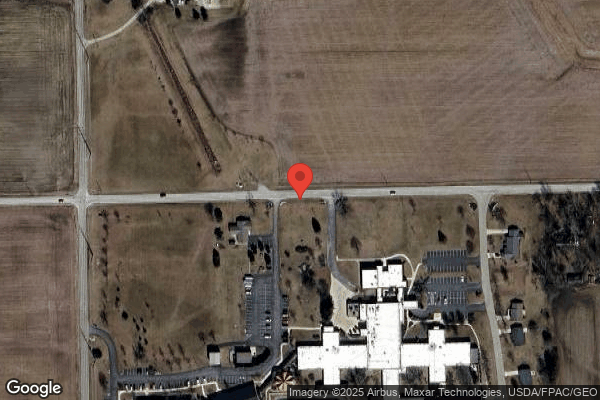
3003 WEST CISCO ROAD, SIDNEY, OH 45365 (937) 498-2391
Non profit - Corporation 44 Beds OHIO LIVING COMMUNITIES Data: November 2025
Trust Grade
85/100
#128 of 913 in OH
Last Inspection: March 2025

Within standard 12-15 month inspection cycle. Federal law requires annual inspections.

Overview

Ohio Living Dorothy Love in Sidney, Ohio, has a Trust Grade of B+, which indicates it is recommended and above average compared to other facilities. It ranks #128 out of 913 in Ohio, placing it in the top half, and it is the best option in Shelby County, ranking #1 out of 4. However, the facility is experiencing a worsening trend, with issues increasing from 5 in 2022 to 8 in 2025. Staffing is a strength, with a rating of 4 out of 5 stars and a turnover rate of 33%, which is significantly lower than the state average of 49%. Importantly, the facility has not incurred any fines, which is a positive sign. It boasts more RN coverage than 86% of Ohio facilities, ensuring better oversight of resident care. However, there are some concerns: the facility failed to properly manage its water system, which could pose health risks to residents, and it did not discard expired medications appropriately, potentially affecting residents' safety. Additionally, a food thermometer used for checking temperatures was not cleaned between uses, raising the risk of cross-contamination. While there are notable strengths, families should weigh these issues carefully when considering this nursing home.

Trust Score
B+
85/100
In Ohio
#128/913
Top 14%
Safety Record
Low Risk
No red flags
Inspections
Getting Worse
5 → 8 violations
Staff Stability
○ Average
33% turnover. Near Ohio's 48% average. Typical for the industry.
Penalties
✓ Good
No fines on record. Clean compliance history, better than most Ohio facilities.
Skilled Nurses
✓ Good
Each resident gets 60 minutes of Registered Nurse (RN) attention daily — more than 97% of Ohio nursing homes. RNs are the most trained staff who catch health problems before they become serious.
Violations
⚠ Watch
17 deficiencies on record. Higher than average. Multiple issues found across inspections.
★★★★★
5.0
Overall Rating
★★★★☆
4.0
Staff Levels
★★★★★
5.0
Care Quality
★★★★☆
4.0
Inspection Score
Stable
2022: 5 issues
2025: 8 issues

The Good

  • 4-Star Staffing Rating · Above-average nurse staffing levels
  • 5-Star Quality Measures · Strong clinical quality outcomes
  • Full Sprinkler Coverage · Fire safety systems throughout facility
  • No fines on record
  • Staff turnover below average (33%)

    15 points below Ohio average of 48%

Facility shows strength in staffing levels, quality measures, fire safety.

The Bad

Staff Turnover: 33%

13pts below Ohio avg (46%)

Typical for the industry

Chain: OHIO LIVING COMMUNITIES

Part of a multi-facility chain

Ask about local staffing decisions and management

The Ugly 17 deficiencies on record

Mar 2025 8 deficiencies
CONCERN (D)

Potential for Harm - no one hurt, but risky conditions existed

ADL Care (Tag F0677)

Could have caused harm · This affected 1 resident

Based on medical record review, observations, staff interviews, and policy review, the facility failed to ensure a resident's fingernails were trimmed and without debris. This affected one (#20) out o...

Read full inspector narrative →
Based on medical record review, observations, staff interviews, and policy review, the facility failed to ensure a resident's fingernails were trimmed and without debris. This affected one (#20) out of two residents reviewed for activities of daily living (ADL's). The facility census was 43. Findings include: Review of the medical record for Resident #20 revealed an admission date of 06/14/21 with medical diagnoses of Alzheimer's disease, dementia with agitation, moderate protein calorie malnutrition, depression, hypertensive heart disease with heart failure. Review of the medical record for Resident #20 revealed a quarterly Minimum Data Set (MDS) assessment, dated 12/31/24, which indicated Resident #20 had severely impaired cognition and was dependent upon staff for all ADL's. The MDS indicated Resident #20 received Hospice services. Review of the medical record for Resident #20 revealed an ADL care plan which stated Resident #20 had limited ability to complete ADL's due to impaired cognition related to the history of cerebrovascular accident and Alzheimer's disease. The ADL care plan stated Resident #20 was dependent upon staff for all ADL's. Observation on 03/17/25 at 11:24 A.M. revealed Resident #20 to be sitting in specialized wheelchair in the common area. Resident #20's fingernails were observed to be long with debris noted under the fingernails. Observation on 03/18/25 at 8:35 A.M. revealed Resident #20 being fed breakfast by facility staff. Resident #20's fingernails were observed to be long with debris noted under the fingernails. Observation on 03/19/25 at 8:24 A.M. revealed Resident #20 being fed breakfast by facility staff. Resident #20's fingernails were observed to be long with debris noted under fingernails. Interview on 03/18/25 at 8:37 A.M. with Licensed Practical Nurse (LPN) #246 confirmed Resident #20's fingernails were long with debris noted underneath fingernails. LPN #246 stated Resident #20 received bed baths from Hospice provider and the Hospice provider was supposed to trim Resident #20's fingernails. Interview on 03/19/25 at 8:26 A.M. with Certified Nursing Assistant (CNA) #236 confirmed Resident #20's fingernails were long with debris underneath the fingernails. CNA #236 stated Resident #20 received bed bathes from Hospice provider that the Hospice aide was supposed to trim Resident #20's fingernails. Review of the facility policy titled, Activities of Daily Living, effective 01/01/25 stated the facility staff are to assist each resident to the extent necessary for completion of ADL's on a daily basis and as needed.
CONCERN (D)

Potential for Harm - no one hurt, but risky conditions existed

Quality of Care (Tag F0684)

Could have caused harm · This affected 1 resident

**NOTE- TERMS IN BRACKETS HAVE BEEN EDITED TO PROTECT CONFIDENTIALITY** Based on record review, observation and staff interviews, the facility failed to provide a thorough assessment following a skin ...

Read full inspector narrative →
**NOTE- TERMS IN BRACKETS HAVE BEEN EDITED TO PROTECT CONFIDENTIALITY** Based on record review, observation and staff interviews, the facility failed to provide a thorough assessment following a skin tear. This affected one (#94) of three residents reviewed for wound care. The facility census was 43. Findings include: Review of medical record for Resident #94 revealed admission date of 02/25/25. The resident was admitted with diagnoses including stroke, hemiplegia affecting the left non-dominant hand, chronic obstructive pulmonary disease (COPD), and nausea. The resident remained at the facility. The admission Minimum Data Set (MDS) dated [DATE] revealed she had a Brief Interview Mental Status (BIMS) score of a 12, indicating intact cognition. She required substantial assistance with meals, was dependent for toileting hygiene, bed mobility and transfers. Review of Resident #94's physician orders revealed on order for four percent (%) Lidocaine (pain) patch apply to the area of pain. On for 12 hours and off for 12 hours with a start date of 03/04/25. Review of Resident #94's medical record revealed the Lidocaine patch was to be applied at 5:00 A.M. and removed at 5:00 P.M. Review of the progress note dated 03/15/25 revealed a Certified Nursing Assistant (CNA) had removed a Lidocaine (pain) patch off of Resident #94's neck which caused a small skin tear. Review of the electronic charting did not provide documentation a skin assessment had been completed on 03/15/24 for Resident #94's skin tear. Review of the progress notes did not reveal the physician or family notification of a skin tear. No treatment interventions had been entered for a skin tear. Interview with observation on 03/19/25 at 10:10 A.M. with Registered Nurse (RN) #275 revealed she had not been notified of a skin tear on the neck of Resident #94. RN #275 proceeded to remove the Lidocaine (pain) patch from the back of the neck of Resident #94 which revealed a small, scabbed area. The area measured approximately one centimeter (cm) by (x) one cm. Phone interview on 03/19/25 at 1:43 P.M. with Licensed Practical Nurse (LPN) #210 revealed on 03/15/25 he had been informed by CNA #292 during evening care he had removed Resident #94's lidocaine patch and inadvertently caused a skin tear. LPN #210 stated he assessed the area and noted a small skin tear. LPN #210 decided to leave the area open to air. LPN #210 verified he did not fill out a skin assessment, notify the family or physician but simply passed it along in report. Phone interview on 03/20/25 at 3:17 P.M. with CNA #292 revealed on 03/15/25, he was getting ready to get Resident #94 washed up for the night when he observed she still had a Lidocaine patch on her neck. CNA #292 shared sometimes the patches were falling off and he was able to easily remove them. CNA #292 stated that the patch that evening had a lot of adhesive on it. CNA #292 stated when he pealed the Lidocaine patch off, a piece of Resident #94's skin came off with it. Interview on 03/20/25 at 6:59 A.M. with LPN Supervisor #234 revealed she was made aware when she came into work on 03/15/25 by LPN #210 about a skin tear on the neck of Resident #94 which had been caused by CNA #292 removing her Lidocaine patch. LPN Supervisor #234 stated she did not assess the area. LPN Supervisor #234 verified CNA's cannot remove Lidocaine patches. LPN Supervisor #234 shared she did not address the incident with CNA #292 nor did she report the incident to management because LPN #210 had informed her he spoke to CNA #292 and informed him he could not remove the patches. LPN Supervisor #234 confirmed Resident #94's Lidocaine patch was to be on at 5:00 A.M. and off at 5:00 P.M. and it had not been removed as scheduled on 03/15/25.
CONCERN (D)

Potential for Harm - no one hurt, but risky conditions existed

Pressure Ulcer Prevention (Tag F0686)

Could have caused harm · This affected 1 resident

**NOTE- TERMS IN BRACKETS HAVE BEEN EDITED TO PROTECT CONFIDENTIALITY** Based on record review, observation, staff interview and review of the facility policy, the facility failed to timely assess a w...

Read full inspector narrative →
**NOTE- TERMS IN BRACKETS HAVE BEEN EDITED TO PROTECT CONFIDENTIALITY** Based on record review, observation, staff interview and review of the facility policy, the facility failed to timely assess a wound to determine if it was a pressure ulcer and to identify a stage of the wound. Additionally, the facility failed to properly wrap a pressure ulcer as instructed. This affected one (#97) of three residents reviewed for wound care. The facility census was 43. Findings include: Review of medical record for Resident #97 revealed admission date of 03/03/25. The resident was admitted with diagnoses including lymphedema, hypertension, atherosclerotic heart disease, moderate protein calorie malnutrition. The resident remained at the facility. The quarterly Minimum Data Set (MDS) dated [DATE] revealed she had a Brief Interview Mental Status (BIMS) score of 13 indicating intact cognition. She required set up for meals, was dependent with toileting hygiene, and required substantial assistance for bed mobility and transfers. A care plan for lymphedema revealed edema extending into thighs and abdomen, with several fluid filled blisters to bilateral lower extremities. Review of Resident #97's physician orders dated 03/06/25 revealed an order to the right lower extremity to apply A&D (vaseline preferably) to left after washing. Apply Adaptic with Medihoney to open areas, cover with ABD's (abdominal pad), wrap with 2-flex, change three times a week (Tuesday, Thursday and Saturday). Change on day shift, check placement and change as needed on nights. Review of Resident #97's wound note dated 03/13/25 documented right lower leg wound just below the knee which was nearly circumferential, worse on the medial and posterior aspect. Measurements were 3.9 centimeters (cm) by (x) 29 cm x 0.2 cm. The ulcer bed was documented as 60 percent (%) red/purple and blistered in areas, 40 % brown/yellow necrotic tissue and moderate amount of serosanguineous drainage. Review of the wound note revealed the wound was not classified as to the type of wound (i.e. pressure ulcer or non-pressure ulcer) and there was no staging of the wound if the wound was a pressure ulcer. Interview on 03/19/25 at 10:41 A.M. with Registered Nurse (RN) #316 revealed she rounds with the Wound Care Nurse Practitioner (WCNP) #328. RN #316 stated Resident #97's new right leg wound had been labeled as a venous ulcer, but she was unable to provide an explanation. RN #316 stated she would call WCNP #328 for clarification. A second interview on 03/19/25 at 11:12 A.M. revealed WCNP #328 had stated she was waiting until her weekly visit (next on 03/20/25) to determine the type of wound. Observation on 03/20/25 at 7:43 A.M. of the dressing change for Resident #97 with WCNP #328 revealed the wraps to her bilateral legs were started at her ankles and ended below her knees. WCNP #328 stated to Resident #97 they did not wrap your feet this time. The dressing to the right leg was removed and revealed a linear, wound which measured 0.4 cm x 4.4 cm x 0 cm. Interview on 03/20/25 at 10:10 A.M. with WCNP #328 revealed during her last visit to the facility she had been made aware by staff the right dressing for Resident #97 had rolled down and caused fluid filled blisters to form, causing a deep tissue injury. The treatment was the same as the other venous ulcers of applying Vaseline, Adaptic with Medihoney, covered with ABD pad, wrap with 2-flex. WCNP #328 mentioned the area had much improved. WCNP #329 stated education had been provided to the facility staff on the proper dressing technique and verified her feet had not been wrapped as educated. WCNP #328 confirmed Resident #97's right lower leg wound was a pressure ulcer and should have been staged. Interview on 03/20/25 at 11:17 A.M. with RN #316 acknowledged staff had been educated to wrap the bilateral legs of Resident #97 and was unsure why the treatment was not completed as instructed. Review of the facility policy Prevention, Detection and Treatment of Pressure Ulcers revised 09/14/25 revealed the assessment of the pressure ulcer would include the type of ulcer (pressure versus non pressure) and the ulcer stage.
CONCERN (D)

Potential for Harm - no one hurt, but risky conditions existed

Pharmacy Services (Tag F0755)

Could have caused harm · This affected 1 resident

**NOTE- TERMS IN BRACKETS HAVE BEEN EDITED TO PROTECT CONFIDENTIALITY** Based on medical record review and staff interviews, the facility failed to ensure a transdermal patch was removed by a qualifie...

Read full inspector narrative →
**NOTE- TERMS IN BRACKETS HAVE BEEN EDITED TO PROTECT CONFIDENTIALITY** Based on medical record review and staff interviews, the facility failed to ensure a transdermal patch was removed by a qualified staff member and as physician ordered. This affected one (#94) of 12 residents reviewed for medication administration. The facility census was 43. Findings include: Review of medical record for Resident #94 revealed admission date of 2/25/25. The resident was admitted with diagnoses including stroke, hemiplegia affecting the left non-dominant hand, Chronic Obstructive Pulmonary Disease (COPD), and nausea. The resident remained at the facility. The admission Minimum Data Set (MDS) dated [DATE] revealed he had a Brief Interview Mental Status (BIMS) score of 12 indicating intact cognition. She required substantial assistance with meals, dependent for toileting hygiene, bed mobility and transfers. Review of Resident #94's physician orders revealed on order for four percent (%) Lidocaine (pain) patch apply to the area of pain. On for 12 hours and off for 12 hours with a start date of 03/04/25. Review of Resident #94's medical record revealed the Lidocaine patch was to be applied at 5:00 A.M. and removed at 5:00 P.M. Review of the progress note dated 03/15/25 revealed a Certified Nursing Assistant (CNA) had removed a Lidocaine (pain) patch off of Resident #94's neck which caused a small skin tear. Phone interview on 03/19/25 at 1:43 P.M. with Licensed Practical Nurse (LPN) #210 revealed on 03/15/25 he had been informed by the CNA #292 during evening care he had removed the lidocaine patch and inadvertently caused a skin tear. LPN #210 confirmed CNA #292 is not trained in medication administration including removing transdermal patches. Phone interview on 03/20/25 at 3:17 P.M. with CNA #292 revealed on 03/15/25, he was getting ready to get Resident #94 washed up for the night when he observed she still had a Lidocaine patch on her neck. CNA #292 shared sometimes the patches were falling off and he was able to easily remove them. CNA #292 stated that the patch that evening had a lot of adhesive on it. CNA #292 stated when he pealed the Lidocaine patch off, a piece of Resident #94's skin came off with it. CNA #292 confirmed he is not trained in medication administration including removing transdermal patches. Interview on 03/20/25 at 6:59 A.M. with LPN Supervisor #234 revealed she was made aware when she came into work on 03/15/25 by LPN #210 about a skin tear on the neck of Resident #94 which had been caused by CNA #292 removing her Lidocaine patch. LPN Supervisor #234 stated she did not assess the area. LPN Supervisor #234 verified CNA's cannot remove Lidocaine patches. LPN Supervisor #234 shared she did not address the incident with CNA #292 nor did she report the incident to management because LPN #210 had informed her he spoke to CNA #292 and informed him he could not remove the patches. LPN Supervisor #234 confirmed Resident #94's Lidocaine patch was to be on at 5:00 A.M. and off at 5:00 P.M. and it had not been removed as scheduled on 03/15/25.
CONCERN (D)

Potential for Harm - no one hurt, but risky conditions existed

Deficiency F0804 (Tag F0804)

Could have caused harm · This affected 1 resident

**NOTE- TERMS IN BRACKETS HAVE BEEN EDITED TO PROTECT CONFIDENTIALITY** Based on medical record review, observations, staff and resident interviews, and policy review, the facility failed to ensure fo...

Read full inspector narrative →
**NOTE- TERMS IN BRACKETS HAVE BEEN EDITED TO PROTECT CONFIDENTIALITY** Based on medical record review, observations, staff and resident interviews, and policy review, the facility failed to ensure food was served at an appetizing temperature. This affected one (#97) out of 12 residents review for food concerns. The facility census in the facility was 43. Findings include: Review of medical record for Resident # 97 revealed admission date of 03/03/25 with medical diagnoses of lymphedema, hypertension, atherosclerotic heart disease, and moderate protein calorie malnutrition. Review of the quarterly Minimum Data Set (MDS) dated [DATE] revealed Resident #97 had a Brief Interview Mental Status (BIMS) score of 13 which indicated Resident #97 was cognitively intact. Review of the MDS revealed Resident #97 required set up for meals, was dependent upon staff for toileting hygiene, and required substantial assistance for bed mobility and transfers. Observation on 03/18/25 at 11:56 A.M. revealed [NAME] #239 obtained temperature of food in the steam table on the Rehab Hall. The temperature of the chicken breast was 126 degrees Fahrenheit (F), fish nuggets were 116 degrees F, italian wedding soup with meatballs was 140 degrees F, and zucchini chips were 120 degrees F. Further observation of [NAME] #239 retemped food on test tray and obtained same temperatures. Observation on 03/18/25 at 12:00 P.M. revealed a test tray with fish nuggets, a chicken breast, zucchini chips, and a bowl of Italian wedding soap with meatballs. The test tray looked appealing, and the food had a good flavor. However, the observation revealed the fish nuggets were cold to taste but the soup, chicken breasts, and zucchini chip was slightly warmer to taste. [NAME] #239 confirmed food items should be held/served at or above 135 degrees F to ensure that it is at the appropriate temperature. Interview on 02/17/25 at 10:05 A.M. with Resident #97 regarding food at the facility revealed she had a concern it was not always served hot. Review of undated facility policy titled, Food Temperatures reveals all hot food items must be served at a temperature of at least 135 degrees F.
CONCERN (D)

Potential for Harm - no one hurt, but risky conditions existed

Deficiency F0805 (Tag F0805)

Could have caused harm · This affected 1 resident

**NOTE- TERMS IN BRACKETS HAVE BEEN EDITED TO PROTECT CONFIDENTIALITY** Based on medical record review, observations, staff, resident and resident representative interviews, the facility failed to ens...

Read full inspector narrative →
**NOTE- TERMS IN BRACKETS HAVE BEEN EDITED TO PROTECT CONFIDENTIALITY** Based on medical record review, observations, staff, resident and resident representative interviews, the facility failed to ensure residents were served diets as physician ordered. This affected one (#97) of two residents reviewed for dietary orders. The facility census was 43. Findings include: Review of medical record for Resident #97 revealed admission date of 03/03/25. The resident was admitted with diagnoses including lymphedema, hypertension, atherosclerotic heart disease, moderate protein calorie malnutrition. The resident remained at the facility. The quarterly Minimum Data Set (MDS) dated [DATE] revealed she had a Brief Interview Mental Status (BIMS) score of 13 indicating intact cognition. She required set up for meals, was dependent for toileting hygiene, and required substantial assistance for bed mobility and transfers. A care plan for dysphasia revealed she required and altered diet texture. Interventions revealed she required a mechanically altered diet, thin liquids with extra gravy of condiments. Review of the 03/09/25 progress note revealed Resident #97 had a choking episode during breakfast. She was documented to have been sitting in the recliner, coughing but had stated the item had cleared. Review of the physician orders revealed an order for a mechanical soft foods with extra gravy of condiments on meats and thin liquids with a start date of 03/11/25. Interview on 3/18/26 at 12:33 P.M. with Resident #97's spouse revealed a concern Resident #97 had a hard time eating her lunch, he shared the speech therapist told him she needed her meat ground up. He stated he had told them in the hospital she was having a hard time swallowing and they put it of onto the facility. Observations revealed an uneatened regular texture grilled chicken breast on a bun on Resident #97's lunch plate. Observation and interview on 03/18/25 at 5:52 P.M. directly following tray delivery revealed Resident #97's meal included chopped beef with gravy and mashed potatoes. Resident #97 stated she did not have a concern with this meal. Regarding her lunch she stated the chicken was good, but she was unable to eat it because it had not been cut up like this meal. Observation and interview on 03/19/25 at 8:28 A.M. with Dietary Staff #226 revealed the breakfast tray delivered to Resident #97 included one dark piece of toast, cereal a fried egg. Dietary Staff #226 stated the ticket on Resident #97's plate was for a regular diet. Dietary Staff #226 stated she had been unaware Resident #97 was on a mechanically altered diet. A second interview and observation on 03/19/25 at 8:33 A.M. in the kitchenette revealed a piece of paper taped to the wall and labeled Guest- Diets-Supplement revealed Resident #97 name listed and beside it was mechanically altered, with extra gravy or condiments.
CONCERN (E)

Potential for Harm - no one hurt, but risky conditions existed

Food Safety (Tag F0812)

Could have caused harm · This affected multiple residents

Based on observations and staff interview, the facility failed to ensure a food thermometer was cleansed/disinfected between checking food temperature on multiple food items to potentially prevent cro...

Read full inspector narrative →
Based on observations and staff interview, the facility failed to ensure a food thermometer was cleansed/disinfected between checking food temperature on multiple food items to potentially prevent cross contamination. This had the potential to affect 19 residents (#07, #15, #18, #21, #28, #90, #91, #92, #93, #94, #95, #96, #97, #98, #100, #101, #102, #103, and #104) on the Rehab Hall. The facility census was 43. Findings include: Observation on 03/18/25 at 11:20 A.M. on Rehab Hall revealed [NAME] #239 obtained food temperature prior to serving residents on the rehab hall. The observation revealed [NAME] #239 used two different thermometers to check the temperature of the food in the steam table. [NAME] #239 was observed to take the temperature of a chicken breast in the steam table. [NAME] #239 then proceeded to insert the same thermometer into the zucchini chips without cleansing/disinfecting the thermometer prior to checking the temperature of the zucchini chips. Further observation of [NAME] #239 revealed [NAME] #239 used the second thermometer to check the temperature of the Italian wedding soup with meatballs and proceeded to check the temperature of the fish nuggets without cleansing/disinfecting the thermometer prior to checking the temperature of the fish nuggets. Interview on 03/18/25 at 11:23 A.M. with [NAME] #239 verified confirmed she did not cleanse/disinfect either thermometer in between taking the temperature of the food. [NAME] #239 confirmed the food thermometer should be cleansed/disinfected with a alcohol wipe between food items to prevent cross contamination. [NAME] #239 confirmed 19 residents (#07, #15, #18, #21, #28, #90, #91, #92, #93, #94, #95, #96, #97, #98, #100, #101, #102, #103, and #104) reside on the Rehab Hall.
CONCERN (F)

Potential for Harm - no one hurt, but risky conditions existed

Infection Control (Tag F0880)

Could have caused harm · This affected most or all residents

Based on review of the facilities Legionella Program Plan, staff interview and review of information from the Centers for Disease Control and Prevention (CDC), the facility failed to implement their w...

Read full inspector narrative →
Based on review of the facilities Legionella Program Plan, staff interview and review of information from the Centers for Disease Control and Prevention (CDC), the facility failed to implement their water management program to reduce the risk of Legionella and/or other pathogens in their water system. This had the potential to affect all 43 residents residing in the facility. The facility census was 43. Findings include: Review of the facilities Legionella Program Plan revealed hot water tank flushing consisted of flushing the bottom drain valve on hot water tanks for five minutes at full flow. This was to be completed quarterly. An additional intervention was hot water tank inspection which included to inspect, clean, disinfect, and descale. This was to be completed annually. Further review of the Legionella documentation and paperwork provided by the facility revealed there was no documented evidence the hot water tank had been flushed or inspected per the Legionella Program Plan. Interview on 03/19/25 at 11:49 A.M. with Maintenance Technician (MT) #245 revealed he was unable to provide documentation the hot water tank had been flushed or inspected per the Legionella Program Plan. MT #245 confirmed there have been no Legionella cases in the facility but failing to complete the water management plan placed all 43 residents residing in the facility at risk for Legionella. Review of information from the CDC at https://www.cdc.gov/control-legionella/php/training/index.html revealed Centers for Medicare and Medicaid Services (CMS) now requires healthcare facilities to have water management policies and procedures to reduce the risk of Legionella and other pathogens in building water systems.
Jun 2022 5 deficiencies
CONCERN (D)

Potential for Harm - no one hurt, but risky conditions existed

Deficiency F0625 (Tag F0625)

Could have caused harm · This affected 1 resident

**NOTE- TERMS IN BRACKETS HAVE BEEN EDITED TO PROTECT CONFIDENTIALITY** Based on medical record review, resident interview, staff interview, and review of facility policy, the facility failed to ensu...

Read full inspector narrative →
**NOTE- TERMS IN BRACKETS HAVE BEEN EDITED TO PROTECT CONFIDENTIALITY** Based on medical record review, resident interview, staff interview, and review of facility policy, the facility failed to ensure bed hold notices were provided in writing to residents and their representatives when residents were transferred to the hospital. This affected two residents (#53 and #61) of two reviewed for hospitalization. The facility census was 81. Findings Include: 1. Review of Resident #53's medical record revealed an admission date of 05/03/22. Diagnoses included type II diabetes. Review of Resident #53's Minimum Data Set (MDS) dated [DATE] revealed a Brief Interview for Mental Status (BIMS) score of 15 indicating Resident #53 was cognitively intact. Resident #53 required extensive assistance with bed mobility, dressing and personal hygiene. Resident #53 was totally dependent on staff for transfers and toilet use. Review of the facility's Hospital Transfer Log revealed Resident #53 was transferred to the hospital on [DATE]. Review of Resident #53's Census information revealed Resident #53 was transferred to the hospital on [DATE] and returned to the facility on [DATE]. Review of Resident #53's progress notes revealed on 05/28/22 Resident #53 was transferred to the hospital for evaluation and treatment. On 05/28/22 at 9:24 P.M. it was noted Resident #53 was admitted to the hospital. On 05/30/22 it was noted Resident #53 returned to the facility from the hospital. Review of Resident #53's Written Transfer Notification dated 05/28/22, revealed Resident #53 nor her representative were notified of Resident #53's transfer to the hospital. There was no evidence a bed hold notification was completed. Interview on 06/12/22 at 2:02 P.M. with Resident #53 revealed she was transferred to the hospital for blood sugar issues. Resident #53 reported she was not provided a bed hold notice. Interview on 06/14/22 at 10:15 A.M. with the Administrator verified neither Resident #53 nor her representative were provided a notification of bed hold with the number of bed hold days remaining and the cost per day. Review of the facility policy titled, Discharge/Transfer of the Resident, revised 06/01/20 revealed at the time of transfer of a resident for hospitalization or therapeutic leave, a nursing facility must provide to the resident and the resident representative written notice which specified the duration of the bed hold. 2. Review of Resident #61's medical record revealed an admission date of 06/10/21 with a diagnosis of obstructive and reflux uropathy, unspecified dementia without behavioral disturbance, urinary tract infection (UTI), unspecified Escherichia coli [E. coli] as the cause of diseases classified elsewhere, extended spectrum beta lactamase (ESBL) resistance, difficulty walking, weakness, and neuromuscular dysfunction of bladder. Review of the Minimal Data Set (MDS) dated [DATE] revealed Resident #61 had mild cognitive impairment. His functional status is listed as extensive one to two person assist for all activities of daily living. The MDS also revealed Resident #61 has an indwelling catheter for his bladder and is always incontinent of bowel. The MDS also listed the Resident has not having skin impairment. Review of the progress note dated 05/29/22 at 10:00 A.M. revealed the resident sitting up in bed. Dark circles noted, diaphoretic though common. Skin pale pink/afebrile. Breath sounds easy/quiet on room air and saturations are within normal limits. Occasional congested cough/nonproductive. Lungs with rhonchi bilaterally noting inspiration/expiration on room air. Urine mostly clear yellow. Antibiotic complete for last UTI with ESBL/E.coli. Will notify physician. Physician order dated 05/29/22 revealed 10:49 AM revealed a new order to send to emergency room for evaluation/treatment. Review of the letter of transfer to the family dated 05/29/22 revealed the facility was not incompliance with this tag. The facility did not send a bed hold notice with number of days remaining and the reserve per day bed payment. Interview on 06/14/22 at 10:15 A.M. with the Administrator verified neither Resident #61 nor his representative were provided a notification of bed hold with the number of bed hold days remaining and the cost per day.
CONCERN (D)

Potential for Harm - no one hurt, but risky conditions existed

Deficiency F0676 (Tag F0676)

Could have caused harm · This affected 1 resident

**NOTE- TERMS IN BRACKETS HAVE BEEN EDITED TO PROTECT CONFIDENTIALITY** Based on observation, medical record review, resident interview, staff interview, and review of care card, the facility failed t...

Read full inspector narrative →
**NOTE- TERMS IN BRACKETS HAVE BEEN EDITED TO PROTECT CONFIDENTIALITY** Based on observation, medical record review, resident interview, staff interview, and review of care card, the facility failed to ensure a resident identified with communication limitations, had devices and/or communication tools or techniques implemented to ensure effective resident to staff communication. Additionally, the facility failed to ensure a resident had access to her glasses. This affected two residents (#17 and #38) of three residents reviewed for communication devices. The census was 81. Findings include: 1. Review of Resident #17's medical record revealed an admission date of 04/11/19. Diagnoses included Alzheimer's disease, history of larynx cancer, tracheostomy, presence of artificial larynx, and aphonia (loss of ability to speak). Review of Resident #17's Minimum Data Set (MDS) assessment dated [DATE] revealed a Brief Interview for Mental Status (BIMS) score of zero indicating Resident #17 was severely cognitively impaired. Resident #17 required extensive assistance with dressing, toilet use, and personal hygiene. Resident #17 was absent of spoken words and was sometimes able to make himself understood. Resident #17 was sometimes able to understand others. Resident #17 received suctioning and tracheostomy care and hospice care at the time of the review. Resident #17's speech therapy ended 11/23/21. Review of Resident #17's care plan revised 05/17/22 revealed supports and interventions for impaired gas exchange related to laryngeal cancer and tracheostomy, self-care deficit, and difficulty making self understood related to tracheostomy/laryngectomy. Approaches for difficulty being understood included trach care as ordered, encourage speaking, finger plug with pressure over stoma to create voice as much as possible, allow Resident #17 time to speak avoid interrupting, encourage verbalization, observe for signs of non-verbal signs of distress, repeat what the resident said to validate the resident, speech therapy as ordered, and when Resident #17 became frustrated provide word/phrase and reassure. Review of Resident #17's Speech Therapy (ST) Discharge summary dated [DATE] revealed Resident #17 had the goal to demonstrate functional ability to communicate in social settings given assistance from trained staff/caregivers. Resident #17 had reached a 70% present level on this goal at the time of discharge. Recommended interventions included continued functional communication skills. Resident #17 was discharged due to reaching maximum potential. Observation on 06/13/22 at 2:15 P.M. of Resident #17 found him on the secured unit moving his lips and hands attempting to communicate with State Tested Nursing Assistant (STNA) #702. STNA #702 directed Resident #17 to the bathroom. Resident #17 complied with the direction but returned to STNA #702 and continued to try to mouth words and move his hands. STNA #702 walked away from Resident #17 when he was trying to communicate with her. Interview on 06/13/22 at 2:18 P.M. with STNA #702 revealed Resident #17 had a tracheostomy and was not able to speak any more. STNA #702 reported he was able to understand and was cooperative with care at times. STNA #702 stated Resident #17 had no communication board or anything she was aware of to assist him with making his needs known. STNA #702 stated she was not able to understand what Resident #17 was trying to communicate. Observation on 06/13/22 at 2:22 P.M. of Resident #17 found he re-approached STNA #702 and was trying to communicate by mouthing words and using his hands. STNA #702 turned away from Resident #17 and stated to him she was not able to understand anything he was trying to say to her. Resident #17 appeared frustrated and followed STNA #702 into another resident's room trying to communicate. STNA #702 directed Resident #17 out of the resident room and closed the door. Interview on 06/13/22 at 2:43 P.M. with Resident #17 revealed he was moving his lips and whispering words. Resident #17 was asked if he had a communication board or any type of communication tools. Resident #17 shook his head indicating no he didn't have any device available while he mouthed the word no. Resident #17 was asked if staff were able to understand what he needed or wanted and Resident #17 shook his head and mouthed the word no. Observation on 06/13/22 at 2:46 P.M. with Resident #17 found Resident #17 again trying to communicate with STNA #702. STNA #702 turned away from Resident #17 and Resident #17 was observed throwing his hands up in the air and walking away from STNA #702. Interview on 06/14/22 at 7:23 A.M. with Licensed Practical Nurse (LPN) #635 revealed she had known Resident #17 since his admission and she was able to understand his type of communication. LPN #635 reported staff needed to give Resident #17 direct eye contact, pay close attention to his body language, give him time to mouth what he was trying to say and he was able to make some of his needs known. LPN #635 verified Resident #17 had no communication device or tools for helping him communicate with staff who were not familiar with him. Interview on 06/14/22 at 3:17 P.M. with LPN #630 verified it was difficult to understand what Resident #17 was trying to say and he had no communication tools available. LPN #630 reported he was supposed to be encouraged to plug his tracheostomy with his finger so he could vocalize better but he would often refuse so she would ask him yes or no questions to determine what his needs were. LPN #630 reported Resident #17 was able to understand and would follow instructions. 2. Review of Resident #38's medical record revealed an admission date of 05/14/20. Diagnoses included dementia, macular degeneration, major depression, and heart failure. Review of the quarterly MDS assessment dated [DATE] revealed the resident scored a three on the Brief Interview for Mental Status (BIMS), indicating she had severe cognitive impairment. The resident was assessed to have moderate vision impairment and wore glasses. Resident #38 required extensive assistance of two staff for all mobility activities of daily living. The resident was assessed to be independent with eating following set up. Review of the plan of care implemented on 06/03/20 revealed Resident #38 had macular degeneration with impaired vision. The resident was unable to read any size print but was able to recognize colors and a pen light. Interventions included to keep her glasses clean and her glasses in good repair. Observation on 06/12/22 at 11:48 A.M. revealed Resident #38 was in the dining room and was served lunch. Her lunch tray included a frozen magic cup (supplement) and a chicken strip. State Tested Nursing Assistant (STNA) #688 removed the resident's silverware from the napkin and cut the chicken. Resident #38 ate her chicken with her fingers. She picked up her fork and the magic cup. Resident #38 had a difficult time finding the opening to the magic cup with her fork. After several attempts she found the opening to the cup and ate the magic cup with her fork. The resident did not have glasses on. Observation on 06/13/22 at 5:05 P.M. revealed Resident #38 was sitting in her wheelchair in the dining room crying stating, I can't see. The resident did not have glasses on. Observation on 06/15/22 at 8:45 A.M. revealed Resident #38 was in the dining room and she did not have glasses on. Interview on 06/15/22 at 8:45 A.M. Resident #38 reported she wore glasses and could see better with her glasses on. She stated her vision comes and goes at times. Resident #38 reported she would have liked to have her glasses on, but she did not know where they were. Interview on 6/15/22 at 8:50 A.M. STNA #697 stated she was caring for Resident #38. STNA #697 verified the resident used to wear glasses although she had not seen the resident wear them in awhile. STNA #697 was unsure if the resident's glasses were in the facility or if the resident's family took them home. STNA #697 verified the resident did not have glasses on during breakfast. Interview on 06/15/22 at 8:55 A.M. Licensed Practical Nurse (LPN) #625 stated Resident #38 wore glasses and was unsure of where the resident's glasses were located. Interview on 06/15/22 at 9:00 A.M. Registered Nurse (RN) #611 verified Resident #38 wore glasses and verified the resident was not wearing them. Observation during the interview, revealed Resident #38's glasses were located on top of the resident's nightstand. RN #611 reported night shift staff got the resident up and ready for the day and she would educate the staff. RN #611 cleaned the glasses lens and took them to the resident in the dining room. Resident #38 allowed RN #611 to apply the glasses to her face. Resident #38 responded by saying, Now I can see you. Interview on 06/15/22 at 9:05 A.M. with the Director of Nursing verified the plan of care stated Resident #38 had macular degeneration and the resident wore glasses. The DON reported STNAs use, Care Cards, to let them know the needs of each resident. Review of the current, Care Card, for Resident #38 stated the resident was to wear glasses daily.
CONCERN (D)

Potential for Harm - no one hurt, but risky conditions existed

Quality of Care (Tag F0684)

Could have caused harm · This affected 1 resident

**NOTE- TERMS IN BRACKETS HAVE BEEN EDITED TO PROTECT CONFIDENTIALITY** 3. Review of Resident #429's medical record revealed an admission date of 05/22/22. Diagnoses included fracture of left pubis s...

Read full inspector narrative →
**NOTE- TERMS IN BRACKETS HAVE BEEN EDITED TO PROTECT CONFIDENTIALITY** 3. Review of Resident #429's medical record revealed an admission date of 05/22/22. Diagnoses included fracture of left pubis subsequent encounter, weakness, cognitive communication deficit, and urinary tract infection. Review of Resident #429's Minimum Data Set (MDS) dated [DATE] revealed a Brief Interview for Mental Status (BIMS) score of 15 indicating Resident #429 was cognitively intact. Resident #429 required extensive assistance with bed mobility, transfer, dressing, toilet use, and personal hygiene. Resident #429 displayed no behaviors during the review period. Resident #426 was always continent of bowel. Review of Resident #429's bowel movement tracking revealed Resident #429 went from 06/06/22 to 06/13/22 (six days) with no bowel movements. Review of Resident #429's physician orders for June 2022 revealed no standing orders to treat constipation. Orders to treat constipation had been discontinued: • Polyethylene glycol 3350 powder 17-gram dose once daily, ordered 05/23/22 and discontinued on 05/31/22. • Senna 8.6 milligrams (mg) two tablets one daily, ordered 05/31/22 and discontinued 06/03/22. • Senna 8.6 mg two tablets once daily, ordered 06/03/22 and discontinued on 06/12/22. • Dulcolax suppository 10 mg insert rectally, ordered, and discontinued 06/06/22. Further review of physician orders revealed no additional medications/interventions added from 06/06/22 to 06/12/22. Review of the Medication Administration Record (MAR) for June 2022 revealed the Senna ordered 06/03/22 and discontinued 06/12/22 was administered as ordered, however the resident still had not produced a bowel movement and no additional interventions were added until 06/12/22, when Bisacodyl tablet delayed release 10 mg once daily was ordered. Interview on 06/12/22 at 11:58 A.M. with Resident #429 and her niece found Resident #429 to be somewhat confused. Resident #429 reported she had not pooped in over a week. Resident #429's niece verified Resident #429 had not had a bowel movement but reported it had been about five days and not a full week. Resident #429's niece reported it was still concerning Resident #429 had not had a bowel movement and it appeared the facility had not done anything about it. Interview on 06/15/22 at 9:08 A.M. with the Director of Nursing (DON) verified Resident #429 had no bowel movements between 06/06/22 and 06/13/22 and no additional interventions were added until 06/12/22. Review of the facility policy titled, Bowel Management Protocol, revised 10/10/20 revealed the facility was to monitor and identify constipation. An oral laxative was to be administered to every resident who had not had a bowel movement in three consecutive days. If the resident had not had results from the laxative administered earlier in the day the nurse was to administer a suppository after the last medication pass. If the resident still did not experienced results from the suppository administered in the evening, the resident would be given a phosphate enema in the early morning by 6:00 A.M. Based on medical review, observations, resident interview, family interview, staff interview and review of the facility bowel protocol, the facility failed to ensure wound/skin dressings were properly applied for two (#8 and #25) of two residents reviewed for skin conditions requiring dressing changes. In addition, the facility failed to implement their bowel protocol after a resident had no bowel movement for over three days. This affected one resident (#429) of one reviewed for constipation. The facility census was 81. Findings include: 1. Medical record review for Resident #8 revealed the resident was admitted to the facility on [DATE] with diagnoses including generalized osteoarthritis, dementia without behaviors, overactive bladder, major depression, and edema (swelling). Review of the admission Minimum Data Set (MDS) assessment dated [DATE] revealed the resident scored a nine on the Brief Interview for Mental Status (BIMS), indicating she had moderate cognitive deficits. She required extensive assistance of two staff for transfers. She was non-ambulatory, had occasional incontinence of urine, and was always continent of bowel. She did not have skin breakdown. Review of the plan of care dated 04/01/22 revealed the resident was at risk for skin breakdown and currently had skin tears on her lower legs. Interventions included to provide treatments and provide treatments as ordered by the physician. Review of the June 2022 physician orders revealed an order to cleanse the skin tears on the left lower leg, apply xeroform (petroleum based for skin tears) dressing, cover with ABD (extra thick secondary protective dressing), and wrap with gauze daily. Observation on 06/14/22 at 8:50 A.M. revealed Resident #8 seated in a wheelchair in the dining room with a large amount of light red drainage on her left sock. Interview on 06/14/22 at 8:55 A.M. Licensed Practical Nurse (LPN) #635 stated Resident #8 had dressing changes completed in the evenings. LPN #635 verified she was unaware of the fact the resident had a large amount of what appeared to be moist light red drainage on her sock. LPN #625 stated she would change the dressing after she was done with medication administration. Observation on 06/14/22 at 10:30 A.M. revealed Resident 8 was in the beauty shop getting her hair done. There was still a large amount of light red drainage noted on her sock. Observation on 06/14/22 at 11:05 A.M. of wound care for Resident #8 revealed LPN #625 moistened several washcloths with water. LPN #625 donned gloves and removed the resident's white mid-calf sock. The sock had a large amount of light red drainage on it. There was no dressing observed on the resident's open wounds. The resident complaint the procedure was very painful. When asked where the old dressing was, LPN #625 reported the wound nurse saw the resident's that morning and had not changed the treatment to the open areas. The resident was observed to have edema in her left lower leg and foot. The leg appeared red. LPN #625 reported the resident's lower leg was more swollen than normal and was warm to the touch. LPN #625 reported the physician saw the resident on 06/13/22 and ordered an antibiotic, which would be started 06/14/22. LPN #625 continued providing wound care to Resident #8. LPN #625 cleansed a C-shaped skin tear, a triangular shaped open area, and an open area of the posterior portion of the leg. Xeroform dressing was applied and covered with an ABD (extra thick secondary dressing) and wrapped with gauze. LPN #625 applied clean socks to the resident. LPN #625 verified there were no dressings on open areas to the residents left lower leg since approximately 9:00 A.M. when she was seen by the wound nurse. Interview on 06/14/22 at 1:20 P.M. the Director of Nursing (DON) verified a dressing should always be applied to an open wound. It was not the facility's policy to leave a dressing off a wound for another nurse to address is later. The DON reported Advanced Practice RN #807 was a wound consultant who visited weekly. The DON was unaware Advanced Practice RN #807 was leaving wounds without a dressing until a staff nurse were available to apply the dressing. 2. Medical record review revealed Resident #25 was admitted to the facility on [DATE] with a diagnosis of bipolar disorder, mild intellectual disabilities, unspecified psychosis, depressive and anxiety disorders, weakness, and repeated falls. Review of the MDS assessment dated [DATE] revealed Resident #25 had moderate cognitive impairment. Resident #25 required extensive assistance for activities of daily living (ADLs). The MDS also listed the resident as having a stage III pressure area. Resident #25 utilized an indwelling catheter and was frequently incontinent of bowel. Review of Resident #25's care plan dated 06/06/22 revealed the resident was at risk for pressure ulcers. Interventions included to provide wound treatments as ordered. Review of the physician order dated 06/11/22 revealed orders to cleanse coccyx wound with normal saline, apply zinc barrier to peri-wound, apply Medi honey and calcium alginate to wound bed, cover with 4 x 4 gauze and the ABD. Secure with paper tape, change every other day until 07/03/22 and as needed. Observation on 06/14/22 at 11:30 A.M. revealed Resident #25's wound dressing to the coccyx was not in place. Measurements of the wound were 4.5 centimeters (cm) by 1.2 cm by 0.2 cm. There was moderate serous drainage with 80 percent granulation tissue and 20 percent epithelial. Interview on 06/14/22 at 11:30 A.M. revealed Registered Nurse (RN) #200 was finishing up the dressing change for Resident #25 and verified there was no dressing applied to the residents coccyx wound. RN #200 verified Advanced Practice RN #807 saw Resident #25 between 8:30 A.M. and 11:30 A.M. and left the resident's wound exposed without a dressing. RN #200 was unaware the wound was left exposed and was unsure of the exact time the wound was left exposed. Interview on 06/14/22 at 1:20 P.M. the Director of Nursing (DON) verified a dressing should always be applied to an open wound. It was not the facility's policy to leave a dressing off a wound for another nurse to address is later. The DON reported Advanced Practice RN #807 was a wound consultant who visited weekly. The DON was unaware Advanced Practice RN #807 was leaving wounds without a dressing until a staff nurse were available to apply the dressing. The DON verified Resident #25 was incontinent of bowel and could have had a bowel movement while her wound was left exposed.
CONCERN (D)

Potential for Harm - no one hurt, but risky conditions existed

Medication Errors (Tag F0758)

Could have caused harm · This affected 1 resident

**NOTE- TERMS IN BRACKETS HAVE BEEN EDITED TO PROTECT CONFIDENTIALITY** Based on medical record review, staff interview, and review of facility policy, the facility failed ensure an appropriate diagn...

Read full inspector narrative →
**NOTE- TERMS IN BRACKETS HAVE BEEN EDITED TO PROTECT CONFIDENTIALITY** Based on medical record review, staff interview, and review of facility policy, the facility failed ensure an appropriate diagnosis was obtained to justify the use of an antipsychotic medication. This affected one resident (#6) of five residents reviewed for unnecessary medications. The facility census was 81. Findings include: Review of Resident #6's medical record revealed an admission date of 05/13/21. Diagnoses included Alzheimer's disease, cognitive communication deficit, major depressive disorder, and cerebral atherosclerosis (hardening of the of the walls in the arteries of the brain). Review of Resident #6's Minimum Data Set (MDS) dated [DATE] revealed a Brief Interview for Mental Status (BIMS) score of 99 indicating Resident #6 was rarely or never understood. A Staff Assessment for Mental Status was completed and revealed Resident #6 had short and long term memory problems and was severely cognitively impaired. Resident #6 required extensive assistance with bed mobility, transfer, dressing, toilet use, and personal hygiene. Resident #6 displayed no behaviors during the review period. Review of Resident #6's care plan revised 05/23/22 revealed Resident #6 received antipsychotic medication. Review of Resident #6's physician orders revealed an order dated 03/29/22 and discontinued 04/12/22 for haloperidol lactate concentrate (antipsychotic medication) 2 milligrams (mg)/ milliliters (ml) every six hours as needed (PRN) for restlessness agitation. An order dated 05/23/22 and discontinued 05/24/22 for haloperidol lactate concentrate 2 mg/ml amount administered 1 ml twice a day. No diagnosis was documented to support the use of the antipsychotic medication. An order dated 05/24/22 for haloperidol lactate concentrate 2 mg/ml amount administered 1 ml twice a day. No diagnosis was documented to support the use of the antipsychotic medication. An order dated 05/18/22 and discontinued 05/18/22 for haloperidol lactate concentrate 2 mg/ml amount administered 1 ml every six hours PRN. No diagnosis was documented to support the use of the antipsychotic medication. Review of the corresponding Medication Administration Record (MAR) revealed the PRN anti-psychotic was administered on 05/18/22 for hallucinations and agitation as documented by the nurse who administered the medication. An order dated 05/18/22 and discontinued 05/31/22 for haloperidol lactate concentrate 2 mg/ml amount administered 1 ml every six hours PRN. No diagnosis was documented to support the use of the antipsychotic medication. Review of the corresponding Medication Administration Record (MAR) revealed the PRN anti-psychotic was administered on 05/19/22, 05/20/22, 05/28/22, and 05/30/22 for restlessness and agitation as documented by the nurse who administered the medication. An order dated 06/06/22 and discontinued 06/14/22 for haloperidol lactate concentrate 2 mg/ml amount administered 1 ml every six hours PRN. No diagnosis was documented to support the use of the anti-psychotic medication. Review of the corresponding Medication Administration Record (MAR) revealed the PRN anti-psychotic was administered on 06/06/22, 06/09/22, and 06/14/22 for restlessness, anxiety, agitation and combativeness as documented by the nurse who administered the medication. An order dated 06/14/22 at 4:11 P.M. and discontinued 06/20/22 for haloperidol lactate concentrate 2 mg/ml amount administered 1 ml every six hours PRN. No diagnosis was documented to support the use of the anti-psychotic medication. Review of Resident #6's physician progress note dated 06/06/22 revealed Resident #6's PRN Haldol (haloperidol lactate) was restarted for episodic agitation and restlessness. Interview on 06/14/22 at 4:16 P.M. with the Director of Nursing (DON) revealed the physician reviewed Resident #6 on 06/06/22 and restarted Haldol for episodic agitation and restlessness which contributed to a fall risk. The DON verified agitation and restlessness was not an approved diagnosis for the use of antipsychotic medication, Haldol. The DON stated she would contact the physician. Review of Resident #6's physician progress notes revealed on 06/14/22 at 4:27 P.M. a diagnosis of dementia with psychosis was added for Resident #6. Review of the facility policy titled, Psychotropic Medications, revised 03/01/21 revealed a resident would only receive psychotropic drugs PRN if that medication was necessary to treat a diagnosed specific condition that was documented in the clinical record.
MINOR (B)

Minor Issue - procedural, no safety impact

Deficiency F0582 (Tag F0582)

Minor procedural issue · This affected multiple residents

Based on review of Advanced Beneficiary Notices (ABN) and staff interview, the facility failed to adequately document resident representatives wishes regarding the right to appeal. This affected two r...

Read full inspector narrative →
Based on review of Advanced Beneficiary Notices (ABN) and staff interview, the facility failed to adequately document resident representatives wishes regarding the right to appeal. This affected two residents (#67 and #73) of three residents reviewed for ABN accuracy. The census was 81. Findings include: 1. Review of the Advanced Beneficiary Notice (ABN) issued to Resident #67, revealed a call was placed to the resident's representative on 04/25/22. A message was left stating the resident's skilled services would be ending on 04/26/22 and financial liability would begin on 04/26/22. It was documented Licensed Social Worker (LSW) #796 informed the resident's representative of the right to appeal the decision and information on how to appeal, however there was no documentation indicating if the resident's representative wanted to appeal or waive the right to an appeal. Resident #67 continued to reside in the facility. 2. Review of ABN issued to Resident #73, revealed a call was placed to the resident's representative on 01/05/22. A message was left stating the resident's skilled services would be ending on 01/07/22 and financial liability would begin on 01/08/22. It was documented LSW #796 informed the resident's representative of the right to appeal the decision and information on how to appeal, however there was no documentation indicating if the resident's representative wanted to appeal or waive the right to an appeal. Resident #73 continued to reside in the facility. Interview on 06/15/22 at 10:45 A.M. LSW #796 verified there was no documentation on the ABNs for Resident #67 or Resident #73 regarding the residents' representatives' decision to request or waive the right to an appeal. LSW #796 verified Resident #67 and Resident #73 remained in the facility.
Jun 2019 4 deficiencies
CONCERN (D)

Potential for Harm - no one hurt, but risky conditions existed

Pharmacy Services (Tag F0755)

Could have caused harm · This affected 1 resident

Based on observation, staff interview record review and policy review, the facility failed to administer medication per standard to one Resident. This affected one (#23) out of seven residents reviewe...

Read full inspector narrative →
Based on observation, staff interview record review and policy review, the facility failed to administer medication per standard to one Resident. This affected one (#23) out of seven residents reviewed during medication administration. The facility census was 107. Findings include: Observation of Licensed Practical Nurse (LPN) #400 in the [NAME] hallway on 06/18/19 at 5:39 P.M., revealed nurse propelling medication cart to nurses' station. Surveyor requested to observe a medication pass with LPN #400. LPN #400 picked up a medication cup containing oral medication from top of medication cart and asked LPN #453 to watch medication already prepared for another resident but unavailable for administration at that time. LPN #400 proceeded to prepare medication for Resident #23. LPN #400 prepared two oral medications and handed them to LPN #453, surveyor then asked to observe administration, both LPN #400 and LPN #453 then walked with surveyor to the Buckeye dining room and LPN #453 administered the medication to Resident #23. Further review of Resident #23 medication administration record revealed oral medications were signed off by LPN #400 on 06/18/19 (time of signature not available) included Vitamin B 12 500 micrograms (MCG) one tablet and glucosamine and chondroitin 500 milligrams (mg)-400 mg one tablet. An interview with LPN #400 immediately following the observation verified that LPN #453 administered medication. Review of Medication Administration Policy dated 08/16 is silent to the facility allowing one nurse prepare medication and another nurse administer the medication.
CONCERN (D)

Potential for Harm - no one hurt, but risky conditions existed

Infection Control (Tag F0880)

Could have caused harm · This affected 1 resident

Based on observation, staff interview and policy review, the facility failed to ensure a nurse appropriately cleansed her hands prior to preparing and handling medications. This affected one (#62) out...

Read full inspector narrative →
Based on observation, staff interview and policy review, the facility failed to ensure a nurse appropriately cleansed her hands prior to preparing and handling medications. This affected one (#62) out of seven residents reviewed during medication administration. The facility census was 107. Findings include: Observation of Licensed Practical Nurse (LPN) #400 at 5:25 P.M. on 06/18/19, revealed nurse pushed cart up hallway to area beside nurses' station. LPN #400 did not wash her hands or use hand sanitation prior to popping out medication Propranolol 40 milligram (mg) tablet from bubble pack into her hand then dropping the tablet into a plastic medication cup. LPN #400 was then observed opening a multiple dose Vitality vitamin bottle and multiple dose eye vitamin bottle and pouring the pills into her hand then placing them into the plastic container. LPN #400 then administered the medication to Resident #62. Interview with LPN #400 immediately following the observation verified that she touched Resident #62's medications with her hands. Review of facility policy titled General Dose Preparation and Medication Administration, dated 12/01/07, revealed prior to preparing to administering medication, authorized and competent facility staff should follow facility's infection control policy (e.g. handwashing). According to the policy facility staff should not touch the medication when opening a bottle or unit dose package.
CONCERN (F)

Potential for Harm - no one hurt, but risky conditions existed

Deficiency F0761 (Tag F0761)

Could have caused harm · This affected most or all residents

Based on observation, staff interview and policy review, the facility failed to ensure expired medications and supplies were discarded appropriately. This had the potential to affect all 107 residents...

Read full inspector narrative →
Based on observation, staff interview and policy review, the facility failed to ensure expired medications and supplies were discarded appropriately. This had the potential to affect all 107 residents in the facility. Additionally, the facility failed to properly secure medications. This had the potential to affect four independently mobile and confused residents (#101, #23, #91, #57) identified by the facility. The facility census was 107. Findings include: 1. Observation of the medication room on the Westhall medication storage room on 06/19/19 at 9:05 A.M. revealed Brovana inhalation solution 15 microgram (mcg)/2 millimeter (ml) with an expiration date of 02/19. Interview with Unit Manager #266 on 06/19/19 at 9:25 A.M. verified that the above items were expired and being stored in the medication room during the survey. 2. Observation of the medication room located in the East Hall on 06/19/19 at 9:45 A.M. revealed one idosorb 40 gram (g) tube of ointment with an expiration date of 05/2018, and Citracal gummies calcium supplement with an expiration date of 04/19. 3. Observation of the East Hall medication cart on 06/19/19 at 10:00 A.M., revealed one multiple dose bottle of aspirin 325 milligram(mg) with an expiration date of 05/2019. Interview with Unit Manager #241 on 06/19/19 at 10:05 A.M., verified the above items located in the medication storage room and the medication cart were expired and being stored during the survey. 4. Observation of the Rehabilitation Unit Medication room on 06/19/19 at 10:20 A.M., revealed seven Nicotine Transdermal system patches with an expiration date of 12/18 were being stored during the survey. 5. Observation of the Rehabilitation Unit medication cart on 06/19/19 at 10:35 P.M., revealed three opsite flexigrid dressing with an expiration date of 11/2018, one bottle of Systane 10 ml lubricant eye drops with an expiration date of 04/19 and one package of triple antibiotic ointment with an expiration of 04/19 were being stored in the care during the survey. Interview with the Unit Manager #389 immediately following observation verified the above expired items being stored in the medication room and the medication cart should have been removed and were not. The facility confirmed the expired medications at the potential to affect all 107 residents residing in the facility. Review of the policy titled Medication Storage dated 08/16, was silent regarding expired medication. 6. Observation of medication administration on 06/18/19 at 5:45 P.M. revealed a multiple dose bottle of vitamin B 500 micrograms (MCG) and multiple dose bottle of glucosamine/chondroitin 500 milligram (mg)/400 mg was left on top of the medication cart in the [NAME] hall unsecured and unsupervised while the nurse administered medication in the Buckeye dining room. Interview on 06/18/19 at 5:52 P.M. with LPN #400 verified that she left the medication unlocked on top of the medication cart. The facility confirmed the unsecured medications had the potential to affect four independently mobile and confused residents (#101, #23, #91, #57) who could potentially access the medications. Review of Policy for Medication Storage dated 08/16 revealed all prescription medications must be stored under proper temperature and secured against unauthorized access.
MINOR (C)

Minor Issue - procedural, no safety impact

Deficiency F0868 (Tag F0868)

Minor procedural issue · This affected most or all residents

Based on review of quality assessment and assurance (QA&A) sign in sheets, staff interview and policy review, the facility failed to ensure the medical director attended all QA&A meetings. This had th...

Read full inspector narrative →
Based on review of quality assessment and assurance (QA&A) sign in sheets, staff interview and policy review, the facility failed to ensure the medical director attended all QA&A meetings. This had the potential to affect all 107 residents residing in the facility. The facility census was 107. Findings include: Review of the sign-in documentation for the Quality Assurance and Performance Improvement meetings dated 07/17/18 revealed the physician signature was absent. Review of the sign-in sheet for the meeting date 10/16/18 revealed the physician signature was absent. Interview on 06/19/19 at 1:21 P.M. with the Director of Nursing provided verification the Medical Director did not participate in the required quarterly meetings. Review of the facility policy titled Quality Assurance and Performance Improvement (QAPI) Policy dated 11/19 revealed he medical director or designee will attend the quarterly QA&A meetings.
Understanding Severity Codes (click to expand)
Life-Threatening (Immediate Jeopardy)
J - Isolated K - Pattern L - Widespread
Actual Harm
G - Isolated H - Pattern I - Widespread
Potential for Harm
D - Isolated E - Pattern F - Widespread
No Harm (Minor)
A - Isolated B - Pattern C - Widespread

Questions to Ask on Your Visit

  • "Can I speak with families of current residents?"
  • "What's your RN coverage like on weekends and overnight?"

Our Honest Assessment

Strengths
  • • Grade B+ (85/100). Above average facility, better than most options in Ohio.
  • • No major safety red flags. No abuse findings, life-threatening violations, or SFF status.
  • • No fines on record. Clean compliance history, better than most Ohio facilities.
  • • 33% turnover. Below Ohio's 48% average. Good staff retention means consistent care.
Concerns
  • • 17 deficiencies on record. Higher than average. Multiple issues found across inspections.
Bottom line: Generally positive indicators. Standard due diligence and a personal visit recommended.

About This Facility

What is Ohio Living Dorothy Love's CMS Rating?

CMS assigns OHIO LIVING DOROTHY LOVE an overall rating of 5 out of 5 stars, which is considered much above average nationally. Within Ohio, this rating places the facility higher than 99% of the state's 100 nursing homes. This rating reflects solid performance across the metrics CMS uses to evaluate nursing home quality.

How is Ohio Living Dorothy Love Staffed?

CMS rates OHIO LIVING DOROTHY LOVE's staffing level at 4 out of 5 stars, which is above average compared to other nursing homes. Staff turnover is 33%, compared to the Ohio average of 46%. This relatively stable workforce can support continuity of care.

What Have Inspectors Found at Ohio Living Dorothy Love?

State health inspectors documented 17 deficiencies at OHIO LIVING DOROTHY LOVE during 2019 to 2025. These included: 15 with potential for harm and 2 minor or isolated issues.

Who Owns and Operates Ohio Living Dorothy Love?

OHIO LIVING DOROTHY LOVE is owned by a non-profit organization. Non-profit facilities reinvest revenue into operations rather than distributing to shareholders. The facility is operated by OHIO LIVING COMMUNITIES, a chain that manages multiple nursing homes. With 44 certified beds and approximately 41 residents (about 93% occupancy), it is a smaller facility located in SIDNEY, Ohio.

How Does Ohio Living Dorothy Love Compare to Other Ohio Nursing Homes?

Compared to the 100 nursing homes in Ohio, OHIO LIVING DOROTHY LOVE's overall rating (5 stars) is above the state average of 3.2, staff turnover (33%) is significantly lower than the state average of 46%, and health inspection rating (4 stars) is above the national benchmark.

What Should Families Ask When Visiting Ohio Living Dorothy Love?

Based on this facility's data, families visiting should ask: "Can I visit during a mealtime to observe dining assistance and food quality?" "How do you handle medical emergencies, and what is your hospital transfer rate?" "Can I speak with family members of current residents about their experience?"

Is Ohio Living Dorothy Love Safe?

Based on CMS inspection data, OHIO LIVING DOROTHY LOVE has a clean safety record: no substantiated abuse findings (meaning no confirmed cases of resident harm), no Immediate Jeopardy citations (the most serious violation level indicating risk of serious injury or death), and is not on the Special Focus Facility watch list (a federal program monitoring the lowest-performing 1% of nursing homes). The facility has a 5-star overall rating and ranks #1 of 100 nursing homes in Ohio. While no facility is perfect, families should still ask about staff-to-resident ratios and recent inspection results during their visit.

Do Nurses at Ohio Living Dorothy Love Stick Around?

OHIO LIVING DOROTHY LOVE has a staff turnover rate of 33%, which is about average for Ohio nursing homes (state average: 46%). Moderate turnover is common in nursing homes, but families should still ask about staff tenure and how the facility maintains care continuity when employees leave.

Was Ohio Living Dorothy Love Ever Fined?

OHIO LIVING DOROTHY LOVE has no federal fines on record. CMS issues fines when nursing homes fail to meet care standards or don't correct problems found during inspections. The absence of fines suggests the facility has either maintained compliance or corrected any issues before penalties were assessed. This is a positive indicator, though families should still review recent inspection reports for the full picture.

Is Ohio Living Dorothy Love on Any Federal Watch List?

OHIO LIVING DOROTHY LOVE is not on any federal watch list. The most significant is the Special Focus Facility (SFF) program, which identifies the bottom 1% of nursing homes nationally based on persistent, serious quality problems. Not being on this list means the facility has avoided the pattern of deficiencies that triggers enhanced federal oversight. This is a positive indicator, though families should still review the facility's inspection history directly.