SHELBY SKILLED NURSING AND REHABILITATION
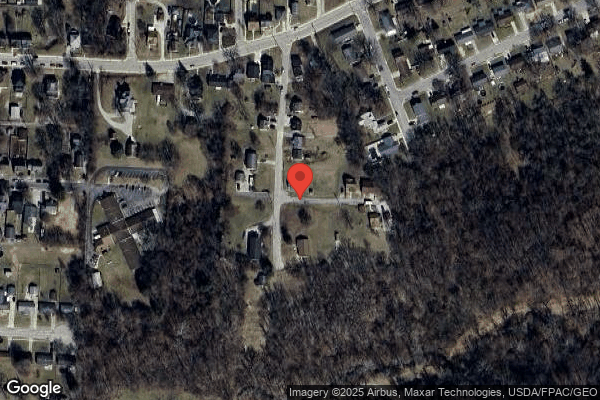
705 FULTON STREET, SIDNEY, OH 45365 (937) 492-9591
For profit - Corporation 50 Beds MICHAEL SLYK Data: November 2025
Trust Grade
75/100
#338 of 913 in OH
Last Inspection: August 2024

Within standard 12-15 month inspection cycle. Federal law requires annual inspections.

Overview

Shelby Skilled Nursing and Rehabilitation has a Trust Grade of B, indicating it is a good choice for families, though there are areas for improvement. It ranks #338 out of 913 facilities in Ohio, placing it in the top half, and #2 out of 4 in Shelby County, meaning there is only one local option that rates higher. However, the facility is experiencing a worsening trend in issues, with the number of concerns increasing from 1 in 2023 to 11 in 2024. Staffing is a notable weakness, rated at 1 out of 5 stars, with a turnover rate of 55%, which is concerning as it is higher than the state average. On a positive note, the facility has not incurred any fines, and it provides more registered nurse coverage than most facilities in the state, which is crucial for catching potential health issues. Specific concerns have been noted, such as the facility failing to discard expired medications, putting residents at potential risk. Additionally, a major issue arose when the facility did not notify a physician about a resident's significant weight loss, which could have serious health implications. While there are strengths, such as no fines and high RN coverage, families should be aware of these weaknesses when considering this facility.

Trust Score
B
75/100
In Ohio
#338/913
Top 37%
Safety Record
Low Risk
No red flags
Inspections
Getting Worse
1 → 11 violations
Staff Stability
⚠ Watch
55% turnover. Above average. Higher turnover means staff may not know residents' routines.
Penalties
✓ Good
No fines on record. Clean compliance history, better than most Ohio facilities.
Skilled Nurses
⚠ Watch
Each resident gets only 20 minutes of Registered Nurse (RN) attention daily — below average for Ohio. Fewer RN minutes means fewer trained eyes watching for problems.
Violations
⚠ Watch
20 deficiencies on record. Higher than average. Multiple issues found across inspections.
★★★★☆
4.0
Overall Rating
★☆☆☆☆
1.0
Staff Levels
★★★★★
5.0
Care Quality
★★★★☆
4.0
Inspection Score
Stable
2023: 1 issues
2024: 11 issues

The Good

  • 5-Star Quality Measures · Strong clinical quality outcomes
  • Full Sprinkler Coverage · Fire safety systems throughout facility
  • No fines on record

Facility shows strength in quality measures, fire safety.

The Bad

Staff Turnover: 55%

Near Ohio avg (46%)

Higher turnover may affect care consistency

Chain: MICHAEL SLYK

Part of a multi-facility chain

Ask about local staffing decisions and management

The Ugly 20 deficiencies on record

Aug 2024 6 deficiencies
CONCERN (D)

Potential for Harm - no one hurt, but risky conditions existed

Notification of Changes (Tag F0580)

Could have caused harm · This affected 1 resident

**NOTE- TERMS IN BRACKETS HAVE BEEN EDITED TO PROTECT CONFIDENTIALITY** Based on medical record review, staff interview, and facility policy review, the facility failed to notify a physician of reside...

Read full inspector narrative →
**NOTE- TERMS IN BRACKETS HAVE BEEN EDITED TO PROTECT CONFIDENTIALITY** Based on medical record review, staff interview, and facility policy review, the facility failed to notify a physician of resident's weight loss. This affected one (#13) of two residents reviewed for nutrition. The census was 46. Findings include: Review of medical record for Resident #13 revealed admission date of 07/21/24. The resident was admitted with diagnoses including nontraumatic subarachnoid hemorrhage, hypothyroidism, epilepsy, history of Hodgkin lymphoma, and stroke. The resident was documented as hospitalized on [DATE] and returned on 08/14/24, and had a second hospitalization on 08/19/24 and returned on 08/23/24. The resident remained in the facility during the survey. Review of the Minimum Data Set (MDS) assessment dated [DATE] revealed Resident #13 was assessed with moderately impaired cognition, required supervision for eating, and maximum assistance for transfers, bed mobility, and toileting hygiene. Review of Resident #13's electronic medical record revealed the resident weighed 225.0 pounds on 07/22/24. Subsequent weights revealed on 07/29/24 the resident weighed 198.8 pounds, on 08/05/24 the resident weighed 177.5 pounds, on 08/14/24 the resident weighed 185.0 pounds, on 08/17/24 the resident weighed 183.5 pounds, and on 08/25/24 the resident weighed 177.6 pounds. Resident #13 experienced a 21.07 percent (%) weight loss since admission. Further review revealed weight loss was documented on 07/31/24, 08/05/24, 08/14/24, 08/17/24 and 08/25/24 with no indication the physician was notified of the weight loss. Record review of Resident #13's electronic and paper chart revealed no documentation the physician had been informed of weight loss. Interview on 08/28/24 at 11:32 A.M. with Dietician Consultant (DC) #167 revealed she had not seen Resident #13 since the resident's 07/21/24 admission, explaining Resident #13 was at the hospital when she came to the facility on Wednesdays. DC #167 acknowledged she had access to the electronic charting for Resident #13 to review weights and meal intakes. DC #167 stated on 07/31/24 she requested another weight due to the significant change in weight. DC #167 stated she was unaware if the physician had been notified of Resident #13's weight loss explaining she informed the nursing staff of resident weight loss with the expectation they would provide the notification to the physician. Interview on 08/28/24 at 3:12 P.M. with the Administrator and DON revealed Resident #13 had fluctuating weights at the facility as well as during her two recent hospitalizations. The DON stated Physician #169 assessed Resident #13 on 08/26/24 and did not document a concern for weight loss, and acknowledged Physician #169 was not notified by the facility of the documented weight losses. Review of the facility policy titled, Nutrition unplanned weight loss, revised 2017, revealed the staff would report to the physician significant weight loss or gain or any abrupt or persistent change from baseline or food intake.
CONCERN (D)

Potential for Harm - no one hurt, but risky conditions existed

Quality of Care (Tag F0684)

Could have caused harm · This affected 1 resident

**NOTE- TERMS IN BRACKETS HAVE BEEN EDITED TO PROTECT CONFIDENTIALITY** Based on medical record review and staff interview, the facility failed to timely implement treatment of a wound. This affected ...

Read full inspector narrative →
**NOTE- TERMS IN BRACKETS HAVE BEEN EDITED TO PROTECT CONFIDENTIALITY** Based on medical record review and staff interview, the facility failed to timely implement treatment of a wound. This affected one (#13) of 12 residents reviewed for treatments. The facility census was 46. Findings include: Review of the medical record for Resident #13 revealed an admission date of 07/21/24. The resident was admitted with diagnoses including nontraumatic subarachnoid hemorrhage, hypothyroidism, epilepsy, history of Hodgkin's Lymphoma and stroke. The resident remained in the facility. Review of Resident #13's Minimum Data Set (MDS) assessment dated [DATE] revealed the resident was assessed with moderately impaired cognition, required supervision for eating, and maximum assistance for transfers, bed mobility and toileting hygiene. Review of Resident #13's current care plan revealed a focus area for impaired skin integrity related to fragile skin, altered sensations, and impaired mobility. Interventions included to inspect skin during routine care, pad and protect skin as needed, and pericare after each incontinent episode. An intervention for barrier cream/ointment after each incontinent episode and as needed was added on 08/28/24. Review Resident #13's progress note dated 08/23/24 at 3:05 P.M. revealed Resident #13 was readmitted to the facility with left buttock shearing. Review of Resident #13's admission skin assessment dated [DATE] revealed documentation of left buttock shearing measuring 1.0 centimeter (cm) long by (x) 0.5 cm wide x 0.1 cm deep. Review of Resident #13's physician orders revealed treatment orders to cleanse the left buttock wound with soap and water, pat dry, apply vitamin A and D (A&D) ointment every shift until resolved with a start date of 08/27/24. Interview on 08/27/24 at 3:56 P.M. with the Director of Nursing (DON) verified there were no treatments orders for Resident #13's skin condition upon readmission on [DATE] put into place until 08/27/24.
CONCERN (D)

Potential for Harm - no one hurt, but risky conditions existed

Deficiency F0692 (Tag F0692)

Could have caused harm · This affected 1 resident

**NOTE- TERMS IN BRACKETS HAVE BEEN EDITED TO PROTECT CONFIDENTIALITY** Based on observation, resident and staff interview, medical record review, and facility policy review, the facility failed to pr...

Read full inspector narrative →
**NOTE- TERMS IN BRACKETS HAVE BEEN EDITED TO PROTECT CONFIDENTIALITY** Based on observation, resident and staff interview, medical record review, and facility policy review, the facility failed to provide timely interventions to address resident weight loss. This affected one (#13) of two residents reviewed for nutrition. The census was 46. Findings include: Review of the medical record for Resident #13 revealed an admission date of 07/21/24. The resident was admitted with diagnoses including nontraumatic subarachnoid hemorrhage, hypothyroidism, epilepsy, history of Hodgkin lymphoma, and stroke. The resident was documented as hospitalized on [DATE] and returned on 08/14/24 and had a second hospitalization on 08/19/24 and returned on 08/23/24. Review of Resident #13's Minimum Data Set (MDS) assessment dated [DATE] revealed the resident was assessed with moderately impaired cognition, required supervision for eating, and maximum assistance for transfers, bed mobility, and toileting hygiene. Review of Resident #13's electronic medical record revealed the resident weighed 225.0 pounds on 07/22/24. Subsequent weights revealed on 07/29/24 the resident weighed 198.8 pounds, on 08/05/24 the resident weighed 177.5 pounds, on 08/14/24 the resident weighed 185.0 pounds, on 08/17/24 the resident weighed 183.5 pounds, and on 08/25/24 the resident weighed 177.6 pounds. Resident #13 experienced a 21.07 percent (%) weight loss since admission. Further review revealed weight loss was documented on 07/31/24, 08/05/24, 08/14/24, 08/17/24 and 08/25/24 with no indication the physician was notified of the weight loss. Review of Resident #13's physician note dated 08/26/24 revealed the chief complaint was concerns of fatigue, decreased appetite, anxiety, and depression. Further review revealed during the assessment, Resident #13 reported having fatigue and a decreased appetite, and denied current nausea and vomiting although it had been an issue in the past. Information was sought from nursing staff about current concerns that may need addressed with no documentation of weight loss that was communicated, reviewed, or addressed. Observation and interview on 08/26/24 at 7:55 A.M. and again at 12:52 P.M. with Resident #13 revealed she only wanted yogurt and milk for breakfast, and she felt better later in the afternoon, and ate about 50% for lunch. Observation and interview on 08/27/24 at 7:53 A.M. revealed Resident #13 requested toast and milk for breakfast because it was all she was in the mood for. Further observation revealed the resident ate one half piece of the two pieces of toast provided. During an interview on 08/27/24 at 3:56 P.M. the Director of Nursing (DON) acknowledged Resident #13 had a poor appetite she attributed to nausea as a side effect of medication. The DON explained Physician #169 and/or his team were informed, and the anti-nausea medication Zofran and laboratory work was ordered. The DON stated Resident #13 had also been hospitalized twice during her short admission to the facility. The DON acknowledged the dietician had only seen the resident once since her 07/21/24 admission, and despite her poor appetite/intake, no additional nutritional interventions had been ordered. Interview on 08/28/24 at 11:32 A.M. with Dietician Consultant (DC) #167 revealed she had not seen Resident #13 since her 07/21/24 admission, explaining Resident #13 was at the hospital when she came to the facility on Wednesdays. DC #167 acknowledged she had access to the electronic charting for Resident #13 to review weights and meal intake, and stated on 07/31/24, she had requested another weight due to the significant change in Resident #13's weight. DC #167 explained Resident #13 was on her radar and the resident was discussed weekly with the DON during her resident assessment, and she recommended supplements upon her returns from the hospital. DC #167 verified it was her expectation Resident #13 should have been started on a supplement and the physician should have been informed of the resident's weight loss. Interview on 08/28/24 at 2:40 P.M. with the Administrator and the DON revealed the medical staff was aware of Resident #13's nausea and had ordered laboratory work and Zofran to address the nausea. The DON acknowledged nutritional supplements for Resident #13 were not ordered until 08/28/24 after the 08/27/24 interview. Review of the facility policy titled, Nutrition unplanned weight loss, revised 2017, revealed the staff and physician will identify pertinent interventions based on identified causes and overall resident condition. The physician would authorize appropriate interventions as indicated.
CONCERN (D)

Potential for Harm - no one hurt, but risky conditions existed

Deficiency F0757 (Tag F0757)

Could have caused harm · This affected 1 resident

**NOTE- TERMS IN BRACKETS HAVE BEEN EDITED TO PROTECT CONFIDENTIALITY** Based on medical record review, staff interview, and review of a policy, the facility failed to ensure a blood pressure medicati...

Read full inspector narrative →
**NOTE- TERMS IN BRACKETS HAVE BEEN EDITED TO PROTECT CONFIDENTIALITY** Based on medical record review, staff interview, and review of a policy, the facility failed to ensure a blood pressure medication was held per ordered parameters. This affected one (#93) of six reviewed for unnecessary medications. The census was 46. Findings include: Review of Resident #93's medical record revealed an admission date of 08/12/24. Diagnoses listed included skin cancer, enlarged lymph nodes, cerebral infarction, muscle weakness, and type two diabetes mellitus. Review of an admission Minimum Data Set (MDS) assessment dated [DATE] revealed Resident #93 was cognitively intact. Review of Resident #93's physician orders revealed an order dated 08/13/24 to give metoprolol tartrate (blood pressure medication) 50 milligrams (mg) one tablet via gastronomy tube (G-tube) three times a day for hypertension with instructions to hold if the heart rate (HR) was less than 65 beats per minute. Review of Resident #93's August 2024 medication administration record (MAR) revealed metoprolol tartrate 50 mg was administered to the resident on 08/16/24 at 2:00 P.M. with a HR of 60 beats per minute, on 08/20/24 at 6:00 A.M. with a HR of 56 beats per minute, and on 08/22/24 at 6:00 A.M. with a HR of 55 beats per minute. Interview with the Director of Nursing (DON) on 08/26/24 at 8:46 A.M. confirmed metoprolol tartrate was documented as being administered to Resident #93 on 08/16/24 at 2:00 P.M. with a HR of 60 beats per minute, on 08/20/24 at 6:00 A.M. with a HR of 56 beats per minute, and on 08/22/24 at 6:00 A.M. with a HR of 55 beats per minute. The DON confirmed metoprolol should have not been administered at those times due to Resident #93's HR being less than 65 beats per minute per physician order. Review of the facility's policy titled, Administering Medications, revised April 2019, revealed medications are administered in accordance with prescriber orders, including any required time frame.
CONCERN (D)

Potential for Harm - no one hurt, but risky conditions existed

Infection Control (Tag F0880)

Could have caused harm · This affected 1 resident

**NOTE- TERMS IN BRACKETS HAVE BEEN EDITED TO PROTECT CONFIDENTIALITY** Based on medical record review, staff interview, and policy review, the facility failed to timely implement infection control pr...

Read full inspector narrative →
**NOTE- TERMS IN BRACKETS HAVE BEEN EDITED TO PROTECT CONFIDENTIALITY** Based on medical record review, staff interview, and policy review, the facility failed to timely implement infection control precautions for residents with infections. This affected one (#13) of eight residents reviewed for infection control. The census was 46. Findings include: Review of medical record for Resident #13 revealed an admission date of 07/21/24. The resident was admitted with diagnoses including nontraumatic subarachnoid hemorrhage, hypothyroidism, epilepsy, history of Hodgkin's lymphoma, and stroke. Review of Resident #13's Minimum Data Set (MDS) assessment dated [DATE] revealed the resident was assessed with moderate cognitive impairment, required supervision for eating, and maximum assistance for transfers, bed mobility, and toileting hygiene. Review of Resident #13's nursing progress notes dated 08/23/24 revealed the resident was readmitted to the facility with a diagnosis of a bacterial infection, Extended-Spectrum Beta-Lactamase (ESBL). Review of the current plan of care revealed Resident #13 had a target area for isolation due to ESBL with interventions which included for isolation to be maintained by staff during the infection period and to monitor the resident for signs and symptoms of depression. Review of Resident #13's physician orders revealed an order for contact isolation with a start date of 08/25/24. Interview with the Director of Nursing (DON) on 08/27/24 at 3:56 P.M. confirmed Resident #13 returned to the facility on [DATE] with a diagnosis of ESBL and was not ordered contact precautions until 08/25/24. The DON verified it would be the expectation she would have been notified of the infection and the resident placed in contact isolation upon the readmission to the facility on [DATE]. Review of the facility policy, Isolation-Categories of Transmission-Based Precautions dated 2001, revealed contacted precautions are implemented for residents with known or suspected to be infected with microorganisms that can be transmitted by direct contact or indirect with environmental contact with environmental surfaces or resident-care items in the resident's environment.
MINOR (C)

Minor Issue - procedural, no safety impact

Deficiency F0730 (Tag F0730)

Minor procedural issue · This affected most or all residents

Based on personnel file review and staff interview, the facility failed to complete performance reviews of nurse aides at least every 12 months as required. This affected three of four state tested nu...

Read full inspector narrative →
Based on personnel file review and staff interview, the facility failed to complete performance reviews of nurse aides at least every 12 months as required. This affected three of four state tested nurse aides (STNAs) reviews with potential to affect all residents residing in the facility. The facility census was 46. Findings include: 1. Review of STNA #115's personnel file revealed a hire date of 03/05/01. The file was absent of any performance review for the previous 12 months. 2. Review of STNA #118's personnel file revealed a hire date of 04/03/23. The file was absent of any performance review for the previous 12 months. 3. Review of STNA #133's personnel file revealed a hire date of 05/16/22. The file was absent of any performance review for the previous 12 months. Interview on 08/28/24 at 3:30 P.M. with Administrator verified STNA #115, STNA #118, and STNA #133 did not have performance reviews completed at least every 12 months as required.
May 2024 3 deficiencies
CONCERN (D) 📢 Someone Reported This

A family member, employee, or ombudsman was alarmed enough to file a formal complaint

Potential for Harm - no one hurt, but risky conditions existed

Deficiency F0760 (Tag F0760)

Could have caused harm · This affected 1 resident

THE FOLLOWING DEFICIENCY REPRESENTS AN INCIDENT OF PAST NONCOMPLIANCE THAT WAS SUBSEQUENTLY CORRECTED PRIOR TO THIS SURVEY. Based on medical record reviews, staff and resident interviews, facility inv...

Read full inspector narrative →
THE FOLLOWING DEFICIENCY REPRESENTS AN INCIDENT OF PAST NONCOMPLIANCE THAT WAS SUBSEQUENTLY CORRECTED PRIOR TO THIS SURVEY. Based on medical record reviews, staff and resident interviews, facility investigation reviews, and facility policy review, the facility failed to ensure resident's medications were administered as ordered resulting in significant medication errors. This affected two (#12 and #13) out of four reviewed for medication administration. The facility census was 36. Findings include: 1. Review of the medical record for Resident #13 revealed an admission date of 06/06/23 with medical diagnoses of osteoarthritis, gout, hyperparathyroidism, diabetes mellitus (DM), obesity, end stage renal disease (ESRD), and atrial fibrillation. Review of the medical record for Resident #13 revealed a quarterly Minimum Data Set (MDS) assessment, dated 03/19/24, which indicated Resident #13 was cognitively intact and required moderate staff assistance with toilet hygiene and bed mobility and maximum staff assistance with bathing and transfers. Review of a facility investigation report, dated 04/10/24, stated Resident #13 was inadvertently administered a dose of Lyrica in error. The report did not indicate the dose of Lyrica that was administered. The report stated Resident #13 complained of feeling loopy but denied any pain or dizziness. The report continued to indicate Resident #13 stated she received a white pill in the morning. The report stated Resident #13's nurse prepared another resident's medications and was interrupted during the task to assist another staff member. The report stated the nurse locked the prepared medications in the medication cart and when she returned, she mistakenly administered the wrong medication to Resident #13. Per the report, Resident #13 remained alert and oriented to person, place, time, and situation and did not have adverse reaction to the medication administration error. Per the investigation report, the facility staff monitored Resident #13 for any adverse reactions on the day of the medication error, 04/11/24, and 04/13/24. No adverse reactions were reported. Review of the medical record for Resident #13 revealed no documentation related to the medication administration error on 04/10/24. Interview on 05/08/24 at 9:21 A.M. with Resident #13 stated she was informed by the nurse that she was administered a medication in error. Resident #13 stated her lips felt numb, she felt weird, and had some mood swings after the medication was administered. Resident #13 stated staff observed her for a change of condition closely for several days. Resident #13 denied any adverse reactions related to the allegation. Interview on 05/08/24 at 1:18 P.M. with Director of Nursing (DON) confirmed Resident #13 received a medication that was not ordered for her on 04/10/24. DON stated Resident #13 did not experience a change of condition from the medication administration error. DON stated Resident #13 and the physician were notified of the medication administration error. 2. Review of the medical record Resident #12 revealed an admission date of 03/16/24 with medical diagnoses of cellulitis, multiple sclerosis, bipolar disorder, hypertension (HTN), and hypothyroidism. Review of the medical record for Resident #12 revealed an admission MDS assessment, dated 03/22/24 which indicated Resident #12 was cognitively intact and required moderate staff assistance with toilet hygiene, bed mobility, and bathing and supervision with transfers. Review of the medical record for Resident #12 revealed a physician order dated 03/16/24 for Lyrica 150 milligram (mg) capsule, give one capsule by mouth three times a day for neuropathy. Review of the medical record for Resident #12 revealed a nurse's progress note dated 04/23/24 at 11:55 A.M. which stated Resident #12 was given an extra dose of Lyrica with morning medication pass. No adverse effects noted, assessment done, vitals taken. The note stated the physician was notified and staff were to monitor Resident #12 for sedation per the physician. Review of a facility investigation report, dated 04/23/24, stated Resident #12 was given an extra dose of Lyrica 150 mg by mouth with morning medication pass. The report stated Resident #12 was alert and oriented to person, place, time, and situation and was notified of the medication administration error. The report also stated Resident #12's physician was notified of the medication administration error. The report indicated the staff monitored Resident #12 for any adverse reactions the day of the medication administration error, 04/24/24, and 04/25/24. No adverse reactions were reported. Interview on 05/08/24 at 1:18 P.M. with DON confirmed Resident #12 received an extra dose of Lyrica on 04/23/24. DON stated Resident #12 did not have a change of condition and remained alert and oriented to person, place, and time. DON stated Resident #12 and her physician were notified of the medication administration error. Review of the facility policy titled, Administering Medications, revised April 2019, stated medications are to be administered in accordance with prescriber's orders. The policy also stated any medication errors are documented, reported, and reviewed by the Quality Assurance Improvement Performance (QAPI) committee to inform process changes and or the need for additional staffing. As a result of the incident, the facility took actions to correct the deficient practice by 05/07/24: • On 04/10/24, the DON provided education to Licensed Practical Nurse #9, that was responsible for the medication error involving Resident #13, on medication administration policy, Five Rights of Medication Administration, and verification of resident identity using photo identification on Medication Administration Record (MAR). • On 04/10/24, facility physician was notified regarding the medication error for Resident #13 by DON/designee. • On 04/10/24 A medication observation was completed by DON/designee to ensure there were no like incidents and no additional variances were identified. • On 04/10/24, facility nurses were educated on medication administration, Five Rights of medication administration, and verification of resident identity via MAR photo by DON/designee. • On 04/10/24, DON/designee audited medication administration by observation three times weekly for four weeks to ensure medications are administered as ordered. • On 04/23/24, DON provided education to Registered Nurse (RN) #10, that was responsible for the medication administration error involving Resident #12, on the Five Rights of medication administration and medications errors. RN #10 was observed for medication administration prior to the next shift by DON/designee. • On 04/23/24, all resident was assessed for adverse changes and/or sedation with no variances from baseline by DON/designee. • On 04/23/24, Resident #12 was notified of medication administration error by DON/designee. Resident #12 was self-responsible. • On 04/23/24, physician was notified of medication administration error involving Resident #12 with no new orders by DON/designee. • On 04/27/24, all licensed nurses received education related to the Five Rights of medication administration and medication errors prior to or on their next scheduled shift by DON/designee. • On 04/27/24, all licensed nurses were administered the medication competency test and passed the test prior to or on their next scheduled shift by DON/designee. • On 04/27/24, all licensed nurses received education related to use of the electronic MAR prior to their next scheduled shift by DON/designee. • On 04/27/24, medication pass observation was completed for all licensed nurses prior to them taking a medication cart on their next scheduled shift by the DON/designee. • Starting on 04/27/24, DON/designee would complete medication pass observation audits five days weekly on varying shifts. As of 05/07/24, there had been no further medication errors identified. • On 04/27/24, results of these audits would be reported to the Interdisciplinary Team (IDT) and on-going compliance will be maintained through recommendations of the IDT team. This deficiency represents non-compliance investigated under Complaint Number OH00153184.
CONCERN (D) 📢 Someone Reported This

A family member, employee, or ombudsman was alarmed enough to file a formal complaint

Potential for Harm - no one hurt, but risky conditions existed

Medical Records (Tag F0842)

Could have caused harm · This affected 1 resident

Based on medical record review, staff interview, and policy review, the facility failed to ensure a resident's medical record contained documentation involving a medication error. This affected one (#...

Read full inspector narrative →
Based on medical record review, staff interview, and policy review, the facility failed to ensure a resident's medical record contained documentation involving a medication error. This affected one (#13) out of four residents reviewed for medication administration. The facility census was 36. Findings include: Review of the medical record for Resident #13 revealed an admission date of 06/06/23 with medical diagnoses of osteoarthritis, gout, hyperparathyroidism, diabetes mellitus (DM), obesity, end stage renal disease (ESRD), and atrial fibrillation. Review of the medical record for Resident #13 revealed a quarterly Minimum Data Set (MDS) assessment, dated 03/19/24, which indicated Resident #13 was cognitively intact and required moderate staff assistance with toilet hygiene and bed mobility and maximum staff assistance with bathing and transfers. Review of a facility investigation report, dated 04/10/24, stated Resident #13 was inadvertently administered a dose of Lyrica in error. The report did not indicate the dose of Lyrica that was administered. The report stated Resident #13 complained of feeling loopy but denied any pain or dizziness. The report continued to indicate Resident #13 stated she received a white pill in the morning. The report stated Resident #13's nurse prepared another resident's medications and was interrupted during the task to assist another staff member. The report stated the nurse locked the prepared medications in the medication cart and when she returned, she mistakenly administered the wrong medication to Resident #13. Per the report, Resident #13 remained alert and oriented to person, place, time, and situation and did not have adverse reaction to the medication administration error. Per the investigation report, the facility staff monitored Resident #13 for any adverse reactions on the day of the medication error, 04/11/24, and 04/13/24. No adverse reactions were reported. Review of the medical record for Resident #13 revealed no documentation related to the medication administration error on 04/10/24. Interview on 0508/24 at 1:18 P.M. with Director of Nursing (DON) confirmed the medical record for Resident #13 did not contain documentation related to the medication administration error on 04/10/24. Review of the policy titled, Administering Medications, revised April 2019, stated medications are to be administered in accordance with prescriber's orders. The policy also stated any medication errors are documented, reported, and reviewed by the Quality Assurance Performance Improvement committee to inform process changes and or the need for additional staffing. This deficiency represents non-compliance investigated under Complaint Number OH00153184. This deficiency represents ongoing noncompliance from the survey dated 04/14/24.
CONCERN (D) 📢 Someone Reported This

A family member, employee, or ombudsman was alarmed enough to file a formal complaint

Potential for Harm - no one hurt, but risky conditions existed

Infection Control (Tag F0880)

Could have caused harm · This affected 1 resident

Based on medical record review, observation, staff interview, and policy review, the facility failed to follow infection control procedures during medication administration. This affected one (#14) re...

Read full inspector narrative →
Based on medical record review, observation, staff interview, and policy review, the facility failed to follow infection control procedures during medication administration. This affected one (#14) resident out of the two residents observed for medication administration. The facility census was 36. Findings include: Review of the medical record for Resident #14 revealed an admission date of 01/22/24 with medical diagnoses of hypertension, chronic obstructive pulmonary disease, and encephalopathy. Review of the medical record for Resident #14 revealed a quarterly Minimum Data Set (MDS) assessment, dated 04/29/24, which indicated Resident #14 had severe cognitive impairment and required maximum staff assistance with toilet hygiene and bathing, moderate staff assistance with bed mobility and supervision with eating. Review of the medical record for Resident #14 revealed physician orders dated 01/22/24 for carvedilol 3.125 milligram (mg) one tablet by mouth every 12 hours; levetiracetam 500 mg one tablet by mouth two times per day; and senna plus 8.6 mg one tablet by mouth two times per day. The medical record revealed physician orders dated 01/23/24 for amlodipine besylate 5 mg one tablet by mouth daily; folic acid 1 mg one tablet by mouth daily; and thiamine 100 mg one tablet by mouth daily. Observation on 05/08/24 at 7:30 A.M. revealed Licensed Practical Nurse (LPN) #153 prepared medications for administration to Resident #14. LPN #153 was observed to drop amlodipine besylate 5 mg tablet and carvedilol 3.125 mg tablet onto the medication cart and pick both medications up with her bare hands and place the medications into the medication cup along with Resident #14's other medications. Observations revealed LPN #153 then administered medications to Resident #14 and used hand sanitizer upon exiting Resident #14's room. Interview on 05/08/24 at 7:33 A.M. with LPN #153 confirmed she picked the amlodipine besylate and carvedilol tablets off the medication cart with her bare hands and placed the medications into a medication cup along with Resident #14's other medications. LPN #153 confirmed she then administered the medications to Resident #14. Review of the policy titled, Administering Medications, revised April 2019, stated the staff would follow established facility infection control procedures (e.g., handwashing, antiseptic technique, gloves, isolation precautions, etc.) for the administration of medications as applicable. This deficiency is based on incidental findings discovered during the course of this complaint investigation.
Apr 2024 2 deficiencies
CONCERN (D) 📢 Someone Reported This

A family member, employee, or ombudsman was alarmed enough to file a formal complaint

Potential for Harm - no one hurt, but risky conditions existed

ADL Care (Tag F0677)

Could have caused harm · This affected 1 resident

**NOTE- TERMS IN BRACKETS HAVE BEEN EDITED TO PROTECT CONFIDENTIALITY** Based on record review, staff and resident interviews, and policy review, the facility failed to ensure a resident was provided ...

Read full inspector narrative →
**NOTE- TERMS IN BRACKETS HAVE BEEN EDITED TO PROTECT CONFIDENTIALITY** Based on record review, staff and resident interviews, and policy review, the facility failed to ensure a resident was provided with showers. This affected one (#21) out of four residents reviewed for showering. The facility census was 42. Findings include: Review of Resident #21's medical record revealed the resident was admitted to the facility on [DATE]. Diagnosis included spinal stenosis. Review of the care plan dated 09/22/23 revealed Resident #21 was at risk for decline in activities of daily living (ADL) function related to weakness alteration in ADL performance/participation, chronic obstructive pulmonary disease, obesity, diabetes mellitus, and depression. Review of the Minimum Data Set (MDS) dated [DATE] revealed the resident requires partial assistance for toileting hygiene, bathing, lower body dressing, and personal hygiene. Review of the MDS also revealed Resident #21 was cognitively intact. Review of physician order dated 03/15/24 revealed an order for Vitamin A & Vitamin D (A&D) Ointment to moisture associated skin damage (MASD) - bilateral buttocks. Apply after each incontinent episode, as needed for Moisture Associated Skin Damage. Apply after each incontinent episode. Interview on 04/13/24 at 7:32 A.M. with State Tested Nursing Assistant (STNA) #292 confirmed on 04/01/24 Resident #21 did not get a shower. Interview with STNA #292 confirmed she marked No in the computerized charting instead of refusal because he did not refuse his shower. Interview on 04/13/24 at 8:48 A.M. with Resident #21 confirmed he does not always get his shower and that he did not receive a shower on 04/01/24 and he did not receive his shower a couple of times in the last two weeks. Resident #21 reports he does not like to miss his showers due to being a heavier person who can not perform all his own cares. Interview on 04/14/24 at 9:54 A.M. with STNA #292 confirmed a shower sheet dated 04/01/24 showing Resident #21 refused his shower. Interview with STNA #292 confirmed the Director of Nursing (DON) came to her this morning, 04/14/24, with a shower sheet and asked her to fill it out for Resident #21 with a date of 04/01/24 and to write Refused across the top. Interview on 04/14/24 at 10:30 A.M. with the DON confirmed she did have STNA #92 complete a shower sheet this morning for Resident #21. The DON confirmed she did not make STNA #292 fill it out, she asked her to fill it out with a date of 04/01/24 and the comment Refused across the top of the shower sheet. Interview with the DON also confirmed she knows Resident #21 did not refuse a shower on 04/01/24, but sometimes he does and she just wanted to give the surveyor something. The DON confirmed the documentation reflecting Resident #21 refused the shower would not be accurate and the documentation will be corrected to accurately reflect the resident did not receive a shower. Interview with the DON also confirmed Resident #21's Brief Interview of Mental Status (BIMS) score was 15, indicating the resident was cognitively intact. Further review of the Shower Schedule dated 04/04/24 revealed residents are schedule for a shower two times weekly. Shower sheets are to be signed by the nurse on duty NO EXCEPTIONS. A refusal of care MUST be reported to the nurse on duty and documented in computer charting system. Review of the Follow Up Question Report for Resident #21 revealed on 03/28/24 and 04/01/24 for bathing the task completed response was no. Review of the Bath, Shower/Tub policy dated 02/18 revealed the purpose of this procedure is to promote cleanliness, provide comfort to the resident and to observe the condition of the resident's skin. Reporting: Notify the supervisor if the resident refuses the shower/tub bath. Report other information in accordance with facility policy and professional standards of practice. This deficiency represents non-compliance investigated under Complaint Number OH00152522.
CONCERN (D) 📢 Someone Reported This

A family member, employee, or ombudsman was alarmed enough to file a formal complaint

Potential for Harm - no one hurt, but risky conditions existed

Medical Records (Tag F0842)

Could have caused harm · This affected 1 resident

**NOTE- TERMS IN BRACKETS HAVE BEEN EDITED TO PROTECT CONFIDENTIALITY** Based on record review, resident and staff interviews and policy review, the facility failed to ensure documentation was accurat...

Read full inspector narrative →
**NOTE- TERMS IN BRACKETS HAVE BEEN EDITED TO PROTECT CONFIDENTIALITY** Based on record review, resident and staff interviews and policy review, the facility failed to ensure documentation was accurate regarding a resident's showers. This affected one (#21) out of four residents reviewed for accuracy of the medical records. Facility census was 42. Findings include: Review of Resident #21's medical record revealed the resident was admitted to the facility on [DATE]. Diagnosis included spinal stenosis. Review of the care plan dated 09/22/23 revealed Resident #21 was at risk for decline in activities of daily living (ADL) function related to weakness alteration in ADL performance/participation, chronic obstructive pulmonary disease, obesity, diabetes mellitus, and depression. Review of the Minimum Data Set (MDS) dated [DATE] revealed the resident requires partial assistance for toileting hygiene, bathing, lower body dressing, and personal hygiene. Review of the MDS also revealed Resident #21 was cognitively intact. Review of physician order dated 03/15/24 revealed an order for Vitamin A & Vitamin D (A&D) Ointment to moisture associated skin damage (MASD) - bilateral buttocks. Apply after each incontinent episode, as needed for Moisture Associated Skin Damage. Apply after each incontinent episode. Interview on 04/13/24 at 7:32 A.M. with State Tested Nursing Assistant (STNA) #292 confirmed on 04/01/24 Resident #21 did not get a shower. Interview with STNA #292 confirmed she marked No in the computerized charting instead of refusal because he did not refuse his shower. Interview on 04/13/24 at 8:48 A.M. with Resident #21 confirmed he does not always get his shower and that he did not receive a shower on 04/01/24 and he did not receive his shower a couple of times in the last two weeks. Resident #21 reports he does not like to miss his showers due to being a heavier person who can not perform all his own cares. Interview on 04/14/24 at 9:54 A.M. with STNA #292 confirmed a shower sheet dated 04/01/24 showing Resident #21 refused his shower. Interview with STNA #292 confirmed the Director of Nursing (DON) came to her this morning, 04/14/24, with a shower sheet and asked her to fill it out for Resident #21 with a date of 04/01/24 and to write Refused across the top. Interview on 04/14/24 at 10:30 A.M. with the DON confirmed she did have STNA #92 complete a shower sheet this morning for Resident #21. The DON confirmed she did not make STNA #292 fill it out, she asked her to fill it out with a date of 04/01/24 and the comment Refused across the top of the shower sheet. Interview with the DON also confirmed she knows Resident #21 did not refuse a shower on 04/01/24, but sometimes he does and she just wanted to give the surveyor something. The DON confirmed the documentation reflecting Resident #21 refused the shower would not be accurate and the documentation will be corrected to accurately reflect the resident did not receive a shower. Interview with the DON also confirmed Resident #21's Brief Interview of Mental Status (BIMS) score was 15, indicating the resident was cognitively intact. Further review of the Shower Schedule dated 04/04/24 revealed residents are schedule for a shower two times weekly. Shower sheets are to be signed by the nurse on duty NO EXCEPTIONS. A refusal of care MUST be reported to the nurse on duty and documented in computer charting system. Review of the Follow Up Question Report for Resident #21 revealed on 03/28/24 and 04/01/24 for bathing the task completed response was no. Review of the Bath, Shower/Tub policy dated 02/18 revealed the purpose of this procedure is to promote cleanliness, provide comfort to the resident and to observe the condition of the resident's skin. Reporting: Notify the supervisor if the resident refuses the shower/tub bath. Report other information in accordance with facility policy and professional standards of practice. This deficiency represents non-compliance investigated under Complaint Number OH00152522.
Sept 2023 1 deficiency
CONCERN (F) 📢 Someone Reported This

A family member, employee, or ombudsman was alarmed enough to file a formal complaint

Potential for Harm - no one hurt, but risky conditions existed

Deficiency F0837 (Tag F0837)

Could have caused harm · This affected most or all residents

**NOTE- TERMS IN BRACKETS HAVE BEEN EDITED TO PROTECT CONFIDENTIALITY** Based on review of an employee file, review of Board of Executives of Long-Term Services and Supports (BELTSS) website and staff...

Read full inspector narrative →
**NOTE- TERMS IN BRACKETS HAVE BEEN EDITED TO PROTECT CONFIDENTIALITY** Based on review of an employee file, review of Board of Executives of Long-Term Services and Supports (BELTSS) website and staff interview, the facility failed to ensure an Administrator of the facility had an active license through BELTSS while employed at the facility from [DATE]-[DATE]. This had the potential to affect all 35 residents residing in the facility. The facility census was 35. Findings include: Review of the employee record for former Administrator #94 revealed a hire date of [DATE]. Review of former Administrator #94's employee record revealed the staff served as facility Administrator from [DATE] to [DATE]. Further review of the employee record revealed no documentation to support former Administrator #94 had an active Nursing Home Administrator license. Review of the BELTSS website revealed documentation that former Administrator #94's Nursing Home Administrator License expired on [DATE]. Interview on [DATE] at 3:07 P.M. with Regional Director of Clinical Operations (RDCO) #92 confirmed former Administrator #94 was employed as the Administrator of the facility from [DATE] to [DATE]. RDCO #92 stated he was not aware former Administrator #94's license was not active according to BELTSS website. This deficiency is based on incidental findings discovered during the course of this complaint investigation.
Jun 2022 1 deficiency
CONCERN (D)

Potential for Harm - no one hurt, but risky conditions existed

Drug Regimen Review (Tag F0756)

Could have caused harm · This affected 1 resident

Based on resident record review, staff interview, and review of a facility policy; the facility failed to respond to pharmacy medication regimen reviews in a timely manner. This affected one (#16) of ...

Read full inspector narrative →
Based on resident record review, staff interview, and review of a facility policy; the facility failed to respond to pharmacy medication regimen reviews in a timely manner. This affected one (#16) of five residents reviewed for unnecessary medications. The facility census was 36. Findings include: Medical record review for Resident #16 revealed admission date 10/08/07. Diagnoses included dementia with behavioral disturbance and presence of right artificial knee joint. Review of physician orders dated 04/29/21 revealed Doxycycline 100 milligrams (mg) two times a day for infection, end date 08/30/21. Review of physician orders dated 11/23/21 revealed Memantine 5 mg give two tablets by mouth one time a day and give one tablet by mouth at bedtime. Review of the Consultation Report dated 06/10/21 revealed repeated recommendation from 04/29/21. Resident receives Doxycycline 100 milligrams (mg) orally twice a day since 04/20/21. The order does not list a stop date. Physician's Response: I have re-evaluated this therapy and wish to implement the following changes: Stop Doxy, undated. Review of the Consultation Report dated 08/03/21 revealed Resident receives Memantine Hydrochloride 5 mg two times a day and has tolerated treatment for at least one continuous week. No orders were found in the medical record to up-titrate the dose. Please up-titrate the dose as follows: 10 mg each morning (AM) and 5 mg each nighttime (PM) for seven days, then 10 mg twice daily as a maintenance dose. Rationale for recommendation: The usual dose of memantine is 20 mg/day for the immediate-release formulation, or 28 mg/day for the extended-release (XR) formulation. A handwritten notation to See Response was noted. There was no Physician's Response checked, no physician signature or date. Consultation Report dated 10/05/21 revealed the above recommendation. Physician's Response: I accept the recommendations above, please implement as written. Increase Memantine to 10 mg every AM and 5 mg PM, dated 10/05/21. These findings were verified on 06/15/22 at 2:53 P.M. by Regional Quality Assurance Nurse #553. The Regional Nurse stated the notation See Response for 08/03/21 reflected the Physician's Response dated 10/05/21. The Regional Quality Assurance Nurse stated she had been on maternity leave and when she came back, she had to follow-up on tasks that were incomplete. She stated the Director of Nursing and Assistant Director of Nursing were new to their roles and she had to train them. Review of facility policy titled Medication Regimen Reviews, dated 05/2019, revealed the Consultant Pharmacist reviews the medication regimen of each resident at least monthly. 1. The Consultant Pharmacist performs a medication regimen review (MRR) for every resident in the facility receiving medication. 2. Medication regimen reviews are done at least monthly, or more frequently if indicated. 3. The goal of the MMR is to promote positive outcomes while minimizing adverse consequences and potential risks associated with medication. 4. The MRR involves a thorough review of the resident's medical record to prevent, identify, report, and resolve medication related problems, medication errors and other irregularities, for example: medications a. ordered in excessive doses or without clinical indication; b. medication regimens that appear inconsistent with the resident's stated preferences; c. duplicative therapies or omissions of ordered medication; d. inadequate monitoring for adverse consequences; e. potentially significant drug-drug or drug-food interactions; f. potentially significant medication-related adverse consequences or actual signs and symptoms that could represent adverse consequences; g. incorrect medications, administration times or dosage forms; or other h. medication errors, including those related to documentation. 5. The medication regimen and associated treatment goals involve collaboration with the resident (or representative), family members, and the interdisciplinary team (IDT). As such, the MRR includes a review of the resident's (or representative's) stated preferences, the comprehensive care plans and information provided about the risks and benefits of the medication regimen. In addition to reviewing the medical record the Consultant Pharmacist may also meet with staff, the resident or representatives, or the IDT. 7. Within 24 hours of the MRR, the Consultant Pharmacist provides a written report to the attending physicians for each resident identified as having a non-life-threatening medication irregularity. The report contains: a. The resident's name; b. the name of the medication; c. the identified irregularity; and e. the pharmacist's recommendation. 8. An irregularity refers to the use of medication that is inconsistent with accepted pharmaceutical services standards or practice; is not supported by medical evidence; and/or impedes or interferes with achieving the intended outcomes of pharmaceutical services. It may also include the use of medication without indication, without adequate monitoring, in excessive doses, and or in the presence of adverse consequences. 10. If the physician does not provide a timely or adequate response, the Consultant Pharmacist identifies that no action has been taken, he/she contacts the Medical Director or (if the Medical Director is the physician of record) the Administrator. 11. The attending physician documents in the medical record that the irregularity has been reviewed and what (if any) action was taken to address it. 12. An acute change of condition may prompt a request for a MRR. The staff member who identifies the change of condition follows reporting procedures to notify the physician. The physician may request a MRR be conducted within a specific timeframe (e.g. within 24 hours).
Jun 2019 7 deficiencies
CONCERN (D)

Potential for Harm - no one hurt, but risky conditions existed

Deficiency F0582 (Tag F0582)

Could have caused harm · This affected 1 resident

Based on record review and staff interview, the facility failed to ensure Notice of Medicare Non-Coverage (NOMNC) and Skilled Nursing Facility Advance Beneficiary Notice of Non-coverage (SNFABN) forms...

Read full inspector narrative →
Based on record review and staff interview, the facility failed to ensure Notice of Medicare Non-Coverage (NOMNC) and Skilled Nursing Facility Advance Beneficiary Notice of Non-coverage (SNFABN) forms were dated as to the day the resident and/or representative received notice of the last covered day of insurance. This affected one (#85) of three residents reviewed for beneficiary protection notification. The census was 33. Findings include: Review of the medical record for Resident #85 revealed an admission date of 11/23/18 with diagnoses including dysphagia, osteoarthritis, and dementia. Review of the Skilled Nursing Facility Beneficiary Protection Notification Review revealed Resident #85 started Medicare Part A skilled services on 11/23/18 and had a last covered day of 02/11/19. Further review revealed the facility/provider initiated the discharge from Medicare Part A Services when benefit days were not exhausted. Review of the NOMNC and SNFABN forms for Resident #85 revealed the resident signed the form but did not date it as to the day that he/she was notified of the last covered day of insurance. Interview with Social Services Designee #500 on 06/12/19 at 8:15 A.M. verified Resident #85 signed the NOMNC and SNFABN forms but did not include a date as to the day he/she was notified of the last covered day of insurance.
CONCERN (D)

Potential for Harm - no one hurt, but risky conditions existed

Free from Abuse/Neglect (Tag F0600)

Could have caused harm · This affected 1 resident

**NOTE- TERMS IN BRACKETS HAVE BEEN EDITED TO PROTECT CONFIDENTIALITY** 2. Review of the medical record for Resident #32 revealed an admission date of 01/26/19 with diagnoses including anxiety, insomn...

Read full inspector narrative →
**NOTE- TERMS IN BRACKETS HAVE BEEN EDITED TO PROTECT CONFIDENTIALITY** 2. Review of the medical record for Resident #32 revealed an admission date of 01/26/19 with diagnoses including anxiety, insomnia, and cognitive communication deficit. Review of the Quarterly MDS assessment dated [DATE] revealed Resident #32 was identified as moderately cognitively impaired with behaviors including physical and verbal behaviors directed towards others and self. Review of the comprehensive care plan for Resident #32 revealed the resident has problematic behaviors characterized by ineffective coping and verbal/physical aggression episodes. Further review revealed Resident #32 had a goal of not striking others and to ensure the safety for residents. Review of the care plan interventions included routine checks as indicated for safety and redirection and assist resident to quiet area/room when becoming agitated. Review of the social services note dated 04/22/19 at 07:11 A.M. revealed Resident #32 had an incident with Resident #14 on 04/20/19. Further review revealed Resident #32 pushed Resident #14 on the bed, drew back their fist, and was ready to hit Resident #14. Resident #14 was safely accompanied to the dining room by staff. Resident #14 told staff that she was afraid Resident #32 would try to hit her and wanted to call her son, Resident #14 then called her son. The Administrator was notified of the incident and stated that she was coming in and would take care of it. It was documented that Resident #32 was moved to a different room. Review of the medical record for Resident #14 revealed an admission date of 11/30/18 with diagnoses including dementia, depression, anxiety, and panic disorder. Review of the Quarterly MDS assessment dated [DATE] revealed Resident #14 was identified as cognitively intact with no aggressive behaviors. Review of the comprehensive care plan for Resident #14 revealed the resident is at risk for mood problems and fluctuations related to depression, anxiety, and dementia. Further review revealed Resident #14 had a goal for the resident to express concerns. Review of the care plan interventions included assessment of the reason/cause of mood problems, correct mood problems if possible, and offer emotional support as desired/accepted by the resident. Review of the nursing note dated 04/20/19 at 10:05 A.M. revealed Resident #14's son and physician were notified of the incident that occurred on 04/20/19. Further review revealed Resident #14 stated I am not hurt. Review of the SRI dated 04/20/19 revealed on 04/20/19 Resident #32 and Resident #14 were in their room having a conversation when Resident #32 became agitated with Resident #14 and pushed Resident #14. Further review of the SRI revealed the residents were immediately separated and there was no injuries. Resident #32 told the Administrator that he/she was not trying to harm Resident #14. The facility unsubstantiated the allegation of physical abuse due to Resident #32 reporting that he/she was not trying to intentionally harm Resident #14. Interview with Resident #32 on 06/10/19 at 8:40 A.M. revealed Resident #32 was not able to appropriately answer questions regarding the incident that occured on 04/20/19. Interview with Resident #14 on 06/10/19 at 2:51 P.M. revealed Resident #14 did not feel like he/she was abused and was not fearful of Resident #32. On 06/12/19 at 2:33 P.M. interview with Administrator verified Resident #20 did hit Resident #6 in her chin with her hand after a verbal altercation. She then verified Resident #6 grab her arm to protect herself. She then verified Resident #14 was pushed by Resident #32 and Resident #32 raised her fist but never hit Resident #14. She also verified Resident #14 is alert and oriented and was scared by the incident. She was in agreement the acts were willful as defined in the State Operations Manual (SOM) but neither of the residents meant to cause harm or injury to each other. On 06/12/19 at 2:32 P.M. interview with [NAME] President of Operations verified the acts of physical abuse were willful as defined in the SOM. She further verified the SRI's were unsubstantiated due to measures put into place to ensure all the resident who were involved were safe and there was no further incidents. She also verified all residents have the right to be free from abuse as required per the regulations. Review facilities policy for Abuse prohibition dated April 2019 documented the facility will not tolerate neglect, abuse, and misappropriation of resident funds or property by anyone. The policy also contained a definition of abuse which included willful meaning meaning infliction of injury, unreasonable confinement, intimidation, or punishment resulting in harm,pain or mental anguish. Further review of the facilities policy identified physical abuse as hitting, slapping, pinching and kicking. Based on medical record review, resident and staff interview, review of self reported incidents (SRI's) and policy review, the facility failed to ensure residents were free from physical abuse. This affected three (#6, #20 and #14) out of four residents reviewed for abuse. The facility census was 33. Findings include: 1. Review of medical record for Resident #20 revealed an admission dated of 10/08/07 with diagnoses including dementia with behavioral disturbances, major depression, anxiety disorder, cognitive communication deficit, pseudobulbar effect, unsteady on feet, altered mental status, unspecified psychosis and dysphagia. Review of Quarterly Minimum Data Set (MDS) assessment dated [DATE] documented Resident #20 was assessed as cognitively intact with no deficits. She also was assessed as having physical and verbal behavioral symptoms directed towards others. Review of comprehensive care plan documented Resident #20 is at risk for adverse reactions from behavioral disturbances related to being verbally abusive, is socially inappropriate, she can get upset if she does not get her way and her behavior is hard to redirect. Further review documented a goal the resident will verbalize acknowledgements of the needed to control behavioral symptoms. She then had an interventions for staff to intervene during behavioral outburst to protect the safety of the residents and others. Review of nursing note dated 04/11/19 documented Resident #20 had an altercation with another resident. Resident #20 was documented as verbally yelling and cursing at and hit the other resident in the chin with her hand. The other resident attempted to grab Resident #20 and grabbed her arm to stop her and Resident #20 obtained a small skin tear to her left forearm. The incident was reported to the Administrator. Review of medical record for Resident #6 reveled an admission date of 06/06/18 with diagnoses including peripheral vascular disease, heart failure, weakness, major depression, hypertension, muscle weakness and diabetes type two. Review of Quarterly MDS assessment dated [DATE] documented Resident #6 was assessed as cognitively intact with no deficits. He had no behaviors assessed at this time Review of comprehensive care plan documented Resident #6 has a problematic manner in which residents acts characterized by verbally inappropriate behavior. Further review documented a goal to reduce episodes of manipulative behavior. She also had a care planned intervention to redirect the resident from a public area when her behavior is disruptive. Review of nurses note dated 04/11/19 documented Resident #6 was in an altercation with another resident. The other resident was yelling at Resident #6 in the dining area while the resident was having a discussion with another staff member. Resident #6 yelled back and the other resident hit her in the chin with her hand. The residents were redirected and separated. The Administrator was notified. Review of a SRI documented on 04/11/19 Resident #20 entered the dining room. Resident #6 entered the dining room and interrupted Resident #20 conversation with dietary staff. Resident #20 then told Resident #6 to shut up. Then Resident #6 told Resident #20 to shut up. Resident #20 then swung at Resident #6 and hit her in the right side of her chin resulting in Resident #6 grabbing her arm. The resident were separated immediately and assessed. Further review documented the facility unsubstantiated the allegation of physical abuse because both resident were not trying to intentionally hurt each other. Education was given to both residents about bringing disagreements to the staff. On 06/10/19 at 10:39 A.M. interview with Resident #6 revealed she was waiting to smoke and the employee that was suppose to help us wasn't there. Resident #6 stated she went to the dining room to find the employee and asked the person in the kitchen where the staff member was. She said she didn't know and shut the door so she knocked again. Resident #20 was sitting by the kitchen door and said why don't you shut your mouth you stupid derogatory name. Resident #6 stated she called her the stupid derogatory name back. Resident #6 stated then Resident #20 went to hit her and she just barely landed the hit on my chin. Resident #6 stated she reacted to the hit by grabbing her arm. We both went our separate ways and staff came down to talk to me about the incident. The hit to the chin didn't hurt but grabbing her was a reaction. On 06/10/19 11:16 A.M. interview with the Resident #20 revealed the resident was in the dining room trying to talk to the cook about what she wanted for her meal and Resident #6 came in and rudely interrupted me. She revealed she thought Resident #6 was going to hit her so she started swinging her arms to protect herself. She further revealed while swinging her arms Resident #6 must have been reaching for me and scratched me.
CONCERN (D)

Potential for Harm - no one hurt, but risky conditions existed

Abuse Prevention Policies (Tag F0607)

Could have caused harm · This affected 1 resident

**NOTE- TERMS IN BRACKETS HAVE BEEN EDITED TO PROTECT CONFIDENTIALITY** 2. Review of the medical record for Resident #32 revealed an admission date of 01/26/19 with diagnoses including anxiety, insomn...

Read full inspector narrative →
**NOTE- TERMS IN BRACKETS HAVE BEEN EDITED TO PROTECT CONFIDENTIALITY** 2. Review of the medical record for Resident #32 revealed an admission date of 01/26/19 with diagnoses including anxiety, insomnia, and cognitive communication deficit. Review of the Quarterly MDS assessment dated [DATE] revealed Resident #32 was identified as moderately cognitively impaired with behaviors including physical and verbal behaviors directed towards others and self. Review of the comprehensive care plan for Resident #32 revealed the resident has problematic behaviors characterized by ineffective coping and verbal/physical aggression episodes. Further review revealed Resident #32 had a goal of not striking others and to ensure the safety for residents. Review of the care plan interventions included routine checks as indicated for safety and redirection and assist resident to quiet area/room when becoming agitated. Review of the social services note dated 04/22/19 at 07:11 A.M. revealed Resident #32 had an incident with Resident #14 on 04/20/19. Further review revealed Resident #32 pushed Resident #14 on the bed, drew back their fist, and was ready to hit Resident #14. Resident #14 was safely accompanied to the dining room by staff. Resident #14 told staff that she was afraid Resident #32 would try to hit her and wanted to call her son, Resident #14 then called her son. The Administrator was notified of the incident and stated that she was coming in and would take care of it. It was documented that Resident #32 was moved to a different room. Review of the medical record for Resident #14 revealed an admission date of 11/30/18 with diagnoses including dementia, depression, anxiety, and panic disorder. Review of the Quarterly MDS assessment dated [DATE] revealed Resident #14 was identified as cognitively intact with no aggressive behaviors. Review of the comprehensive care plan for Resident #14 revealed the resident is at risk for mood problems and fluctuations related to depression, anxiety, and dementia. Further review revealed Resident #14 had a goal for the resident to express concerns. Review of the care plan interventions included assessment of the reason/cause of mood problems, correct mood problems if possible, and offer emotional support as desired/accepted by the resident. Review of the nursing note dated 04/20/19 at 10:05 A.M. revealed Resident #14's son and physician were notified of the incident that occurred on 04/20/19. Further review revealed Resident #14 stated I am not hurt. Review of the SRI dated 04/20/19 revealed on 04/20/19 Resident #32 and Resident #14 were in their room having a conversation when Resident #32 became agitated with Resident #14 and pushed Resident #14. Further review of the SRI revealed the residents were immediately separated and there was no injuries. Resident #32 told the Administrator that he/she was not trying to harm Resident #14. The facility unsubstantiated the allegation of physical abuse due to Resident #32 reporting that he/she was not trying to intentionally harm Resident #14. Interview with Resident #32 on 06/10/19 at 8:40 A.M. revealed Resident #32 was not able to appropriately answer questions regarding the incident that occured on 04/20/19. Interview with Resident #14 on 06/10/19 at 2:51 P.M. revealed Resident #14 did not feel like he/she was abused and was not fearful of Resident #32. On 06/12/19 at 2:33 P.M. interview with Administrator verified Resident #20 did hit Resident #6 in her chin with her hand after a verbal altercation. She then verified Resident #6 grab her arm to protect herself. She then verified Resident #14 was pushed by Resident #32 and Resident #32 raised her fist but never hit Resident #14. She also verified Resident #14 is alert and oriented and was scared by the incident. She was in agreement the acts were willful as defined in the State Operations Manual (SOM) but neither of the residents meant to cause harm or injury to each other. On 06/12/19 at 2:32 P.M. interview with [NAME] President of Operations verified the acts of physical abuse were willful as defined in the SOM. She further verified the SRI's were unsubstantiated due to measures put into place to ensure all the resident who were involved were safe and there was no further incidents. She also verified all residents have the right to be free from abuse as required per the regulations. Review facilities policy for Abuse prohibition dated April 2019 documented the facility will not tolerate neglect, abuse, and misappropriation of resident funds or property by anyone. The policy also contained a definition of abuse which included willful meaning meaning infliction of injury, unreasonable confinement, intimidation, or punishment resulting in harm,pain or mental anguish. Further review of the facilities policy identified physical abuse as hitting, slapping, pinching and kicking. Based on medical record review, resident and staff interview, review of self reported incidents (SRI's) and policy review, the facility failed implement their abuse policy to ensure residents were free from physical abuse. This affected three (#6, #20 and #14) out of four residents reviewed for abuse. The facility census was 33. Findings include: 1. Review of medical record for Resident #20 revealed an admission dated of 10/08/07 with diagnoses including dementia with behavioral disturbances, major depression, anxiety disorder, cognitive communication deficit, pseudobulbar effect, unsteady on feet, altered mental status, unspecified psychosis and dysphagia. Review of Quarterly Minimum Data Set (MDS) assessment dated [DATE] documented Resident #20 was assessed as cognitively intact with no deficits. She also was assessed as having physical and verbal behavioral symptoms directed towards others. Review of comprehensive care plan documented Resident #20 is at risk for adverse reactions from behavioral disturbances related to being verbally abusive, is socially inappropriate, she can get upset if she does not get her way and her behavior is hard to redirect. Further review documented a goal the resident will verbalize acknowledgements of the needed to control behavioral symptoms. She then had an interventions for staff to intervene during behavioral outburst to protect the safety of the residents and others. Review of nursing note dated 04/11/19 documented Resident #20 had an altercation with another resident. Resident #20 was documented as verbally yelling and cursing at and hit the other resident in the chin with her hand. The other resident attempted to grab Resident #20 and grabbed her arm to stop her and Resident #20 obtained a small skin tear to her left forearm. The incident was reported to the Administrator. Review of medical record for Resident #6 reveled an admission date of 06/06/18 with diagnoses including peripheral vascular disease, heart failure, weakness, major depression, hypertension, muscle weakness and diabetes type two. Review of Quarterly MDS assessment dated [DATE] documented Resident #6 was assessed as cognitively intact with no deficits. He had no behaviors assessed at this time Review of comprehensive care plan documented Resident #6 has a problematic manner in which residents acts characterized by verbally inappropriate behavior. Further review documented a goal to reduce episodes of manipulative behavior. She also had a care planned intervention to redirect the resident from a public area when her behavior is disruptive. Review of nurses note dated 04/11/19 documented Resident #6 was in an altercation with another resident. The other resident was yelling at Resident #6 in the dining area while the resident was having a discussion with another staff member. Resident #6 yelled back and the other resident hit her in the chin with her hand. The residents were redirected and separated. The Administrator was notified. Review of a SRI documented on 04/11/19 Resident #20 entered the dining room. Resident #6 entered the dining room and interrupted Resident #20 conversation with dietary staff. Resident #20 then told Resident #6 to shut up. Then Resident #6 told Resident #20 to shut up. Resident #20 then swung at Resident #6 and hit her in the right side of her chin resulting in Resident #6 grabbing her arm. The resident were separated immediately and assessed. Further review documented the facility unsubstantiated the allegation of physical abuse because both resident were not trying to intentionally hurt each other. Education was given to both residents about bringing disagreements to the staff. On 06/10/19 at 10:39 A.M. interview with Resident #6 revealed she was waiting to smoke and the employee that was suppose to help us wasn't there. Resident #6 stated she went to the dining room to find the employee and asked the person in the kitchen where the staff member was. She said she didn't know and shut the door so she knocked again. Resident #20 was sitting by the kitchen door and said why don't you shut your mouth you stupid derogatory name. Resident #6 stated she called her the stupid derogatory name back. Resident #6 stated then Resident #20 went to hit her and she just barely landed the hit on my chin. Resident #6 stated she reacted to the hit by grabbing her arm. We both went our separate ways and staff came down to talk to me about the incident. The hit to the chin didn't hurt but grabbing her was a reaction. On 06/10/19 11:16 A.M. interview with the Resident #20 revealed the resident was in the dining room trying to talk to the cook about what she wanted for her meal and Resident #6 came in and rudely interrupted me. She revealed she thought Resident #6 was going to hit her so she started swinging her arms to protect herself. She further revealed while swinging her arms Resident #6 must have been reaching for me and scratched me.
CONCERN (D)

Potential for Harm - no one hurt, but risky conditions existed

Transfer Notice (Tag F0623)

Could have caused harm · This affected 1 resident

**NOTE- TERMS IN BRACKETS HAVE BEEN EDITED TO PROTECT CONFIDENTIALITY** Based on record review, staff interview, and policy review, the facility failed to ensure transfer/discharge notices included un...

Read full inspector narrative →
**NOTE- TERMS IN BRACKETS HAVE BEEN EDITED TO PROTECT CONFIDENTIALITY** Based on record review, staff interview, and policy review, the facility failed to ensure transfer/discharge notices included understandable written notification as to the medical condition requiring transfer to the hospital for medical evaluation. This affected one (#26) of two residents reviewed for hospitalizations. The census was 33. Findings include: Review of the medical record for Resident #26 revealed an admission date of 12/01/18 with diagnoses including Diabetes Mellitus type two, depression, heart failure, and chronic obstructive pulmonary disease. Further review of the medical record revealed Resident #26 was transferred to the hospital on [DATE] due to being unresponsive and 06/10/19 due to pneumonia. Review of the facility transfer notification form for Resident #26 dated 06/08/19 revealed Resident #26 was transferred to the hospital on [DATE] for additional medical evaluation and follow up. Further review of the facility transfer form for Resident #26 dated 06/08/19 revealed the transfer notification did not include any information regarding the specific medical condition requiring Resident #26 to be transferred to the hospital. Review of the facility transfer notification form for Resident #26 dated 06/10/19 revealed Resident #26 was transferred to the hospital on [DATE] for additional medical evaluation and follow up. Further review of the facility transfer form for Resident #26 dated 06/10/19 revealed the transfer notification did not include any information regarding the specific medical condition requiring Resident #26 to be transferred to the hospital. Interview on with [NAME] President of Operations #109 on 06/12/19 at 11:24 A.M. verified Resident #26's facility transfer notifications dated 06/08/19 and 06/10/19 did not include the specific medical condition requiring Resident #26 to be transferred to the hospital. Review of the policy titled Transfer or Discharge Notice last revised December 2016 revealed the resident and/or representative will be notified in writing of the reason for the transfer or discharge.
CONCERN (D)

Potential for Harm - no one hurt, but risky conditions existed

Comprehensive Care Plan (Tag F0656)

Could have caused harm · This affected 1 resident

**NOTE- TERMS IN BRACKETS HAVE BEEN EDITED TO PROTECT CONFIDENTIALITY** Based on record review and staff interview, the facility failed to ensure insomnia was part of the comprehensive care plan which...

Read full inspector narrative →
**NOTE- TERMS IN BRACKETS HAVE BEEN EDITED TO PROTECT CONFIDENTIALITY** Based on record review and staff interview, the facility failed to ensure insomnia was part of the comprehensive care plan which was being treated with a psychotropic medication. This affected one (#19) out of five resident reviewed for unnecessary medication. The facility census was 33. Findings include: Review of medical record for Resident #19 reveal an admission date of 11/30/17 with diagnoses that include chronic obstructive pulmonary disease (lung disease), osteoarthritis, congestive heart failure, anxiety, rheumatoid arthritis, chronic pain syndrome, opioid dependence, high blood pressure, insomnia, weakness, overactive bladder, artificial knee, hypothyroidism, nicotine dependence, acid reflux disease, bipolar disorder (mental disorder) and anemia. Review of the Comprehensive Minimum Data Set (MDS) dated [DATE] for Resident #19 revealed intact cognition. Resident requires supervision with bed mobility, transfers and eating. Extensive assist with one staff member is required for dressing, toileting and personal hygiene. Insomnia is coded as current medical condition for Resident #19 and she was receiving antidepressants during the assessment period for insomnia. Review of comprehensive plan of care initialed on 12/17/18 was silent regarding treatment plan for insomnia. Review of Medication Administration record for the month of June 2019 for Resident #19 revealed was receiving Trazadone (antidepressant) 50 milligrams mg daily for insomnia. Review of Physician orders for the month of June 2019 for Resident #19 revealed was receiving Trazadone (antidepressant) 50 milligrams mg daily for insomnia. Interview with Acting Director of Nursing #105 on 06/13/19 at 1:39 P.M., verified that Resident #19's comprehensive plan of care did not include insomnia and it should have. No policy available for review provided during the survey period.
CONCERN (D)

Potential for Harm - no one hurt, but risky conditions existed

Deficiency F0757 (Tag F0757)

Could have caused harm · This affected 1 resident

Based on medical record review, staff interview and review of information from Medscape, the facility failed to ensure appropriate behavior monitoring for hallucinations was in place for the use an an...

Read full inspector narrative →
Based on medical record review, staff interview and review of information from Medscape, the facility failed to ensure appropriate behavior monitoring for hallucinations was in place for the use an antipsychotic medication. This affected one (#5) out of five residents reviewed for psychotropic medication. The facility census was 33. Findings include: Medical record review for Resident #5 reveals an admission date of 06/10/2010 with diagnoses that include but not limited to dementia with Lewy bodies (progressive disease that affects cognition), dementia with behavioral disturbances, pressure ulcers, Parkinson's disease, psychotic disorder with delusions, epilepsy, adult failure to thrive, malnutrition, psychosis, restless and agitation, chronic atrial fibrillation, type two diabetes, anxiety disorder, mild intellectual disabilities, heart failure. Review of plan of care dated 12/17/18 for Resident #5 revealed resident uses antipsychotic medications related to Lewy Body Dementia with behavioral disturbance, psychosis, and hallucinations. Interventions include administer psychotropic medications as ordered by physician. Monitor for side effects and effectiveness every shift, complete Abnormal Involuntary Movement Scale (AIMS) test every six months and as needed, consult with pharmacy, physician to consider dosage reduction when clinically appropriate at least quarterly, discuss with physician, family regarding ongoing need for use of medication, review behaviors/interventions and alternate therapies attempted and their effectiveness as per facility policy, educate the resident/family/caregivers about risks, benefits and the side effects and/or toxic symptoms of psychotropic medication being given, monitor/document/report as needed (PRN) any adverse reactions of psychotropic medications: unsteady gait, tardive dyskinesia, extrapyramidal symptoms (EPS) including shuffling gait, rigid muscles, shaking, frequent falls, refusal to eat, difficulty swallowing, dry mouth, depression, suicidal ideations, social isolation, blurred vision, diarrhea, fatigue, insomnia, loss of appetite, weight loss, muscle cramps nausea, vomiting, behavior symptoms not usual to the person, and monitor/record occurrence of for target behavior symptoms (hallucinations) and document per facility protocol. Review of most recent quarterly Minimum data set (MDS) for Resident #5 dated 03/29/19 revealed impaired cognition. Resident #5 required extensive assist for bed mobility, transfers, dressing eating and toileting. Resident #5 was totally dependent for personal hygiene. Further investigation revealed resident was receiving antipsychotic medication during the assessment period and there was no any hallucinations observed for the same assessment period. Review of most recent significant change MDS for Resident #5 dated 12/31/19 revealed an impaired cognition. Resident #5 required extensive assist for bed mobility, transfers, dressing eating and toileting. Resident #5 was totally dependent for personal hygiene. Further investigation revealed resident was receiving antipsychotic medication during the assessment period and there was not any hallucinations observed for the same assessment period. Review of Physician orders for Resident #5 for the month of June 2019 revealed an order dated 12/01/18 for Nuplazid (psychotropic name brand medication) 34 milligrams one tablet daily. Review of Nursing Notes for Resident #5 from 11/01/19 thru 06/14/19 was silent for hallucinations monitoring or hallucination events. Review of risk verses benefit for use of antipsychotic medication (consent form to use medication from family) for Resident #5 dated 12/17/18 revealed resident was experiencing hallucinations of people hurting others and visual disturbances of people who were not there as an indication of use for antipsychotic medication. The document was signed by physician, family member and Director of Nursing. Review of risk verses benefit for use of antipsychotic medication for Resident #5 dated 03/22/19 revealed no indications that the resident was experiencing hallucinations of people hurting others and visual disturbances. The document was signed by the Physician, Director of Nursing and a verbal consent to the use of antipsychotic medication from a family member. Review of facility target drug monitoring tool for Resident #5 for the months of January, February, March, April, May and June 2019 revealed yelling out, crying and anxiety were the targeted behaviors not hallucinations. Interview with [NAME] President of Operations #109 on 06/13/19 at 10:31 A.M. verified that the monitoring for targeting behaviors were not the correct targeting behaviors. [NAME] President of Operations #109 confirmed there was no behavior monitoring regarding hallucinations available in Resident #5's medical record. No policy for monitoring the targeted behaviors was available for review during the survey. Review of medication information obtained from Medscape revealed Nuplazid is an antipsychotic medication. Nuplazid is used for Parkinson Disease Psychosis and is indicated in the treatment of hallucinations and delusions associated with Parkinson disease psychosis
CONCERN (F)

Potential for Harm - no one hurt, but risky conditions existed

Deficiency F0761 (Tag F0761)

Could have caused harm · This affected most or all residents

Based on observation and staff interview, the facility failed to ensure expired medications and supplies were discarded appropriately. This had the potential to affect all 33 residents in the facility...

Read full inspector narrative →
Based on observation and staff interview, the facility failed to ensure expired medications and supplies were discarded appropriately. This had the potential to affect all 33 residents in the facility. The census was 33. Findings include: Observation of the medication room on the East Unit on 06/11/19 at 9:35 A.M. revealed the following: two disposable respiratory gas bubble humidifiers with an expiration date of 05/11/17 and two disposable respiratory gas bubble humidifiers with an expiration date of 10/02/18, one new unopened bottle of vitamin C with an expiration date of 10/18, five bottles of unopened Optimum iron free formula multiple vitamins with an expiration date of 07/18, Optimum Vitamin B12 one unopened bottle of 100 tablets with an expiration date of 02/2018, one box (five milliliters) of unopened evencare G3 glucose control solutions (used to test blood sugar testing equipment) with an expiration date of 04/2019, two unopened tubes of convatec stomaahesive skin barrier with an expiration date of 09/2016, six bottles of unopened Omeprazole acid reducer bottles with an expiration date 12/2018 and one bottle of acid gone 100 chewable tabs with an expiration date of 08/2018 all being stored during the survey in the medication room. One unopened bottle of Floucinolone Acetonide labeled from the pharmacy for Resident #20 had an expiration date of 02/2019. Interview with the Licensed Practical Nurse #103 on 06/11/19 at 10:10 A.M. verified the above findings and states that all expired medications should be discarded or returned to the pharmacy. The facility confirmed this had the potential to affect all 33 residents residing in the facility. No policy was available for review during the survey.
Understanding Severity Codes (click to expand)
Life-Threatening (Immediate Jeopardy)
J - Isolated K - Pattern L - Widespread
Actual Harm
G - Isolated H - Pattern I - Widespread
Potential for Harm
D - Isolated E - Pattern F - Widespread
No Harm (Minor)
A - Isolated B - Pattern C - Widespread

Questions to Ask on Your Visit

  • "Can I speak with families of current residents?"
  • "What's your RN coverage like on weekends and overnight?"

Our Honest Assessment

Strengths
  • • No major safety red flags. No abuse findings, life-threatening violations, or SFF status.
  • • No fines on record. Clean compliance history, better than most Ohio facilities.
Concerns
  • • 20 deficiencies on record. Higher than average. Multiple issues found across inspections.
Bottom line: Generally positive indicators. Standard due diligence and a personal visit recommended.

About This Facility

What is Shelby Skilled Nursing And Rehabilitation's CMS Rating?

CMS assigns SHELBY SKILLED NURSING AND REHABILITATION an overall rating of 4 out of 5 stars, which is considered above average nationally. Within Ohio, this rating places the facility higher than 99% of the state's 100 nursing homes. This rating reflects solid performance across the metrics CMS uses to evaluate nursing home quality.

How is Shelby Skilled Nursing And Rehabilitation Staffed?

CMS rates SHELBY SKILLED NURSING AND REHABILITATION's staffing level at 1 out of 5 stars, which is much below average compared to other nursing homes. Staff turnover is 55%, compared to the Ohio average of 46%. RN turnover specifically is 100%, which is notably high. RNs provide skilled clinical oversight, so turnover in this role can affect medical care quality.

What Have Inspectors Found at Shelby Skilled Nursing And Rehabilitation?

State health inspectors documented 20 deficiencies at SHELBY SKILLED NURSING AND REHABILITATION during 2019 to 2024. These included: 19 with potential for harm and 1 minor or isolated issues.

Who Owns and Operates Shelby Skilled Nursing And Rehabilitation?

SHELBY SKILLED NURSING AND REHABILITATION is owned by a for-profit company. For-profit facilities operate as businesses with obligations to shareholders or private owners. The facility is operated by MICHAEL SLYK, a chain that manages multiple nursing homes. With 50 certified beds and approximately 46 residents (about 92% occupancy), it is a smaller facility located in SIDNEY, Ohio.

How Does Shelby Skilled Nursing And Rehabilitation Compare to Other Ohio Nursing Homes?

Compared to the 100 nursing homes in Ohio, SHELBY SKILLED NURSING AND REHABILITATION's overall rating (4 stars) is above the state average of 3.2, staff turnover (55%) is near the state average of 46%, and health inspection rating (4 stars) is above the national benchmark.

What Should Families Ask When Visiting Shelby Skilled Nursing And Rehabilitation?

Based on this facility's data, families visiting should ask: "Can you walk me through typical staffing levels on day, evening, and night shifts?" "Can I visit during a mealtime to observe dining assistance and food quality?" "How do you handle medical emergencies, and what is your hospital transfer rate?" "Can I speak with family members of current residents about their experience?" These questions are particularly relevant given the below-average staffing rating.

Is Shelby Skilled Nursing And Rehabilitation Safe?

Based on CMS inspection data, SHELBY SKILLED NURSING AND REHABILITATION has a clean safety record: no substantiated abuse findings (meaning no confirmed cases of resident harm), no Immediate Jeopardy citations (the most serious violation level indicating risk of serious injury or death), and is not on the Special Focus Facility watch list (a federal program monitoring the lowest-performing 1% of nursing homes). The facility has a 4-star overall rating and ranks #1 of 100 nursing homes in Ohio. While no facility is perfect, families should still ask about staff-to-resident ratios and recent inspection results during their visit.

Do Nurses at Shelby Skilled Nursing And Rehabilitation Stick Around?

SHELBY SKILLED NURSING AND REHABILITATION has a staff turnover rate of 55%, which is 9 percentage points above the Ohio average of 46%. Moderate turnover is common in nursing homes, but families should still ask about staff tenure and how the facility maintains care continuity when employees leave.

Was Shelby Skilled Nursing And Rehabilitation Ever Fined?

SHELBY SKILLED NURSING AND REHABILITATION has no federal fines on record. CMS issues fines when nursing homes fail to meet care standards or don't correct problems found during inspections. The absence of fines suggests the facility has either maintained compliance or corrected any issues before penalties were assessed. This is a positive indicator, though families should still review recent inspection reports for the full picture.

Is Shelby Skilled Nursing And Rehabilitation on Any Federal Watch List?

SHELBY SKILLED NURSING AND REHABILITATION is not on any federal watch list. The most significant is the Special Focus Facility (SFF) program, which identifies the bottom 1% of nursing homes nationally based on persistent, serious quality problems. Not being on this list means the facility has avoided the pattern of deficiencies that triggers enhanced federal oversight. This is a positive indicator, though families should still review the facility's inspection history directly.