ALLEN VIEW HEALTHCARE CENTER
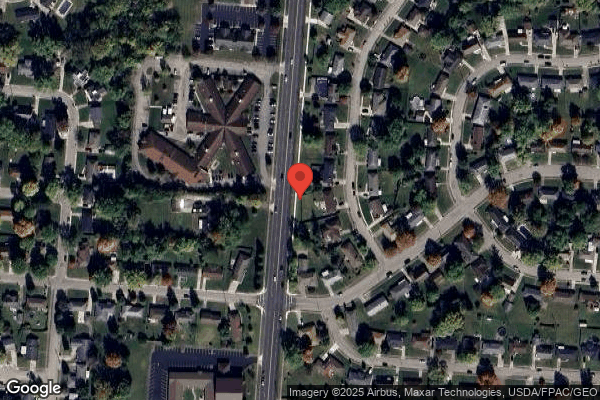
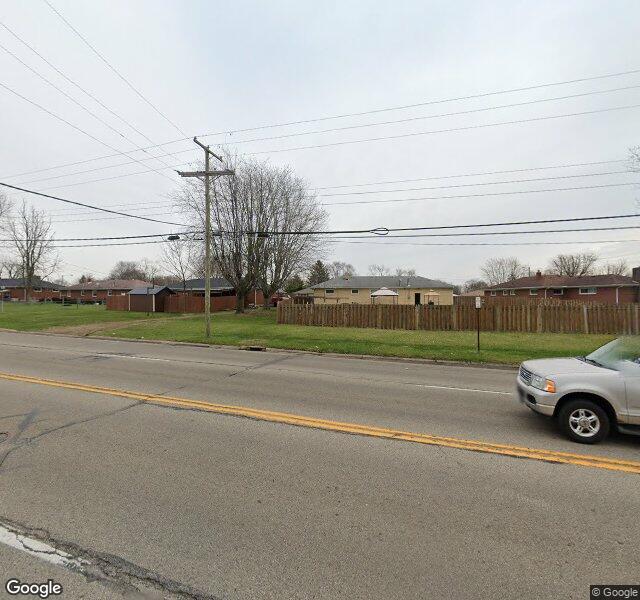
2615 DERR ROAD, SPRINGFIELD, OH 45503 (937) 390-0005
For profit - Corporation 124 Beds COMMUNICARE HEALTH Data: November 2025
Trust Grade
40/100
#825 of 913 in OH
Last Inspection: April 2025

Within standard 12-15 month inspection cycle. Federal law requires annual inspections.

Overview

Allen View Healthcare Center in Springfield, Ohio, has a Trust Grade of D, indicating below-average quality with some concerns. It ranks #825 out of 913 facilities in Ohio, placing it in the bottom half, and #12 out of 13 in Clark County, meaning there's only one better option locally. The facility is worsening, with issues increasing from 11 in 2024 to 21 in 2025. Staffing is a notable weakness, with only 1 out of 5 stars and a turnover rate of 48%, which is slightly below the state average, suggesting a less stable workforce. While there have been no fines, which is a positive sign, recent inspections revealed serious problems, such as failing to implement isolation precautions for a resident with a C. Diff infection and insufficient staffing to meet resident needs, indicating significant areas for improvement.

Trust Score
D
40/100
In Ohio
#825/913
Bottom 10%
Safety Record
Low Risk
No red flags
Inspections
Getting Worse
11 → 21 violations
Staff Stability
⚠ Watch
48% turnover. Above average. Higher turnover means staff may not know residents' routines.
Penalties
✓ Good
No fines on record. Clean compliance history, better than most Ohio facilities.
Skilled Nurses
○ Average
Each resident gets 33 minutes of Registered Nurse (RN) attention daily — about average for Ohio. RNs are the most trained staff who monitor for health changes.
Violations
⚠ Watch
62 deficiencies on record. Higher than average. Multiple issues found across inspections.
★☆☆☆☆
1.0
Overall Rating
★☆☆☆☆
1.0
Staff Levels
★★★★☆
4.0
Care Quality
★☆☆☆☆
1.0
Inspection Score
Stable
2024: 11 issues
2025: 21 issues

The Good

  • 4-Star Quality Measures · Strong clinical quality outcomes
  • Full Sprinkler Coverage · Fire safety systems throughout facility
  • No fines on record

Facility shows strength in quality measures, fire safety.

The Bad

1-Star Overall Rating

Below Ohio average (3.2)

Significant quality concerns identified by CMS

Staff Turnover: 48%

Near Ohio avg (46%)

Higher turnover may affect care consistency

Chain: COMMUNICARE HEALTH

Part of a multi-facility chain

Ask about local staffing decisions and management

The Ugly 62 deficiencies on record

Apr 2025 18 deficiencies
CONCERN (D)

Potential for Harm - no one hurt, but risky conditions existed

Deficiency F0578 (Tag F0578)

Could have caused harm · This affected 1 resident

Based on record review, review of facility policy, and staff interviews, the facility failed to ensure the resident's advance directives were clearly maintained and documented in the resident's medica...

Read full inspector narrative →
Based on record review, review of facility policy, and staff interviews, the facility failed to ensure the resident's advance directives were clearly maintained and documented in the resident's medical record. This affected two (Residents #11 and #47) of two residents reviewed for advanced directives. The facility census was 110. Findings include: 1. Review of the medical record for Resident #11 revealed an admission date of 05/24/24. Diagnoses included diabetes, dementia, schizoaffective disorder, muscle weakness major depressive disorder, repeated falls, and cognitive communication deficit. Review of the signed physician attestation form for advance directives in the resident's paper chart dated 04/30/24 revealed Resident #11 was a Do Not Resuscitate Comfort Care-Arrest (DNRCC-A). Review of undated paperwork in Resident #11's paper chart in front of the signed physician attestation form revealed a stop sign on a paper with large letters DNRCC [Do Not Resuscitate Comfort Care]. Interview on 04/15/25 at 5:00 P.M. with Divisional Director of Clinical Operations #131 confirmed the code status in Resident #11's paper charts had documents stating both DNRCC-A with a stop sign and DNRCC signed by the physician. 2. Review of the medical record for Resident #47 revealed an admission date of 07/12/24. Diagnoses included multiple sclerosis, Alzheimer's disease, and respiratory failure with hypoxia. Review of the signed physician attestation form for advance directives in the resident's paper chart dated 04/30/24 revealed Resident #47 was a Do Not Resuscitate Comfort Care-Arrest (DNRCC-A). Review of undated paperwork in Resident #47's paper chart in front of the signed physician attestation form revealed a stop sign on a paper with large letters DNRCC [Do Not Resuscitate Comfort Care]. Interview on 04/15/25 at 5:00 P.M. with Divisional Director of Clinical Operations #131 confirmed code status in Resident #47's paper charts had documents stating both DNRCC with a stop sign and DNRCC-A signed by the physician. Review of facility policy titled Advanced Directives dated 02/02/23 revealed copies for the advanced directives shall be made and placed on the hard chart medical record. Review of facility policy titled OHIO DNR Comfort Care and DNRCC Arrest dated 06/2015 revealed DNRCC or do not resuscitate included residents who received care that eased pain and suffering but no resuscitative measures would be used to save or sustain life. The DNRCC-A (comfort care arrest) included residents who received standard medical care until the time of cardiac or respiratory arrest. Standard medical care may include cardiac monitoring or intubation prior to the occurrence of arrest.
CONCERN (D) 📢 Someone Reported This

A family member, employee, or ombudsman was alarmed enough to file a formal complaint

Potential for Harm - no one hurt, but risky conditions existed

Free from Abuse/Neglect (Tag F0600)

Could have caused harm · This affected 1 resident

**NOTE- TERMS IN BRACKETS HAVE BEEN EDITED TO PROTECT CONFIDENTIALITY** Based on medical record review, review of facility's self-reported incident (SRI) and investigation, resident and staff intervie...

Read full inspector narrative →
**NOTE- TERMS IN BRACKETS HAVE BEEN EDITED TO PROTECT CONFIDENTIALITY** Based on medical record review, review of facility's self-reported incident (SRI) and investigation, resident and staff interview, review of police report, personnel file, and e-mails, and policy review, the facility failed to ensure a resident was free from verbal abuse by an employee and staff witnessing the abuse did not intervene. This affected one (Resident #90) of three residents reviewed for abuse. The facility census was 110. Findings include: Review of Resident #90's medical record revealed Resident #90 was admitted to the facility on [DATE]. Diagnoses included focal traumatic brain injury with loss of consciousness of thirty minutes functional quadriplegia, bipolar disorder, major depressive disorder and mood disorder. Review of the quarterly Minimum Data Set (MDS) assessment dated [DATE] revealed Resident #90 was cognitively intact and was independent with toileting, transferring, personal hygiene, and walking ten feet. Review of Resident #90's progress notes from 08/21/25 to 04/16/25 revealed no information related to verbal abuse. Review of the facility's SRI dated 02/12/25 revealed Resident #90 alleged he was verbally abused by Former Administrator (FA) #132. FA #132 went in to speak with Resident #90 about discharge planning. Resident #90 had already talked with Licensed Social Worker (LSW) #41 about how he was not going to leave the facility and wanted to get FA #132 terminated. Through the investigation, staff noted that they heard FA #132 talking to Resident #90 in a very factual manner about his discharge. The conclusion of the facilities investigation stated Due to the complexity and history of attempting to discharge the resident safely, FA #132 used a more direct tone to ensure the plan was not misunderstood. There was no willful intent from FA #132 to make Resident #90 interpret the interaction in any other way than a discharge conversation which he did not want to have. Resident #90 was followed by LSW #41 and there were no negative effects noted, and Resident #90 did not express any concerns. The staff were educated on the facility's abuse policy and procedure. Other residents were interviewed with no findings. The SRI was unsubstantiated. Review of the Director of Nursing (DON)'s undated witness statement revealed FA #132 told the DON she was going to Resident #90's room on 02/11/25 at approximately 4:00 P.M. The DON was coming from another hallway and FA #132 asked the DON to witness the conversation. The DON put her things down at the nurse's station and followed FA #132 into the room. FA #132 began the conversation, and she was more than an arm's length away with a bedside table between her and Resident #90. Resident #90 was seated with his feet up in the recliner. The conversation escalated to a tone that was elevated and could be heard outside of the room at the nurse's station and down the hallway. FA #132 told Resident #90 that he didn't deserve to be there, and he was a despicable human. After the argument, FA #132 stated she was upset because Resident #90 stated he wasn't leaving until she was fired. In which, FA #132 responded I will never get fired buddy. FA #132 left the facility after the argument as it was the end of the day for her. FA #132 reported the incident to Regional Director of Clinical Operations (RDCO) #130 the following morning. Review of Licensed Practical Nurse (LPN) #23's witness statement dated 02/11/25 revealed LPN #23 was walking up the 400 hall and heard a distinctive raised voice around 5:10 P.M. LPN #23 continued up the hall and reached Resident #90's room and heard FA #132 screaming at Resident #90. LPN #23 heard FA #132 stated there is something wrong with you. You don't belong here. LPN #23 also heard FA #132 state You need mental help. Resident #90 was unable to defend himself because FA #132 stated I don't care about your side of the story. There's something wrong with you. I've had it up to here with you. After FA #132 left the resident's room, Resident #90 came up to LPN #23 in tears at the 400 and 500 hall nurse's station. Resident #90 was upset and stated he felt abused and discriminated against. Review of an email from Resident #90 to the DON dated 02/12/25 revealed Resident #90 let out some frustrations to LSW #41 on 02/11/25 about how he did not believe FA #132 was competent at her job and how she probably shouldn't have that job. FA #132 was making medical decisions and mental health decisions with no training in mental health and calling Resident #90 crazy. LSW #41 told Resident #90 that life at the facility was not going to get any better and in fact it was going to get worse. Resident #90 replied to her that he did not care, and he could take it and was not going to back down. LSW #41 went and told FA #132 about what he said about not leaving and about putting up with everything until she no longer had a job. FA #132 went to Resident #90's room and completely blew up on me. The email stated She didn't let me say anything. She refused to listen to me. I was trying to explain to her what this girl said was false and I could prove it. FA #132 told me she doesn't care what my side of the story is. Her mind was already made up. She screamed at me so loud and so much that they heard this on the other side of the building literally. The email also stated This woman sat there and told me that there was something wrong with me. That I have a mental disorder. It doesn't matter if doctors can't find it because she knows I have it. She knowns I have it. She says I don't belong in a nursing home, especially this one even though I can't walk properly. I thought I heard her say that I belong in a mental hospital. She treated me like a child. I have never in my life had someone speak to me the way that woman spoke to me today. Review of Registered Nurse Unit Manager (RN UM) #29's witness statement dated 02/12/25 revealed RN UM #29 was with FA #132 and the DON in Resident #90's room on 02/11/25 around 5:00 P.M. FA #132 was having a conversation with Resident #90. RN UM #29 had entered the room and was in the doorway when RN UM #29 got called to address another resident's issue. RN UM #29 returned to Resident #90's room at the end of the conversation between FA #132 and Resident #90. FA #132 was noted to be stern during the conversation and the heard the conversation could be heard in the hall as the door to the room was not closed. Review of Certified Nursing Assistant (CNA) #115's witness statement dated 02/12/25 revealed CNA #115 was in a resident's room on 02/11/25 when the other resident and CNA #115 heard yelling. CNA #115 stood at the resident's door and heard I don't care I've had it up to here with you. You need mental health, and we can't offer that you are sick. Review of LPN #500's witness statement dated 02/12/25 revealed LPN #500 was coming out of a resident's room and saw FA #132, the DON and RN UM #29 coming out of Resident #90's room. Shortly after, LPN #500 was told by a coworker that they overheard and saw FA #132 yelling at Resident #90 in his room. Resident #90 later told LPN #500 that FA #132 went to his room and yelled at him. FA #132 did not want to hear anything he had to say, and she was just sick of his bull. Review of CNA #88's witness statement dated 02/12/25 revealed CNA #88 was called to Resident #90's room on 02/11/25 at approximately 6:00 P.M. Resident #90 stated he was verbally abused by FA #132. Resident #90 stated she came to his room and was yelling and cursing towards him and said she was tired of his expletive crap. Resident #90 stated she accused him of being a Junkie drug dealing troublemaker and he was mental and belonged in an asylum. Staff could hear FA #132 and were concerned for him. Resident #90 stated his wife will call the state (State Survey Agency) and report it as well as a lawyer for discrimination. Review of LSW #41's witness statement dated 02/13/25 revealed LSW #41 met with Resident #90 on 02/11/25. LSW #41 and Resident #90 were discussing discharge plans and current care concerns. Resident #90 reported he had attempted to see FA #132 about his concerns and was told I'm not talking to you today. LSW #41 then informed FA #132 that Resident #90 wanted to speak with her and the reasons why and FA #132 abruptly stood up and said, I'm done with this and stormed out of her office and into his room. A few minutes later LSW #41 heard FA #132 yelling at Resident #90 while she was standing in the front copy room. Resident #90 told LSW #41 on 02/13/25 that she had told him You deserve to be in a mental institution. Review of [NAME] President of Risk Management (VPRM) #501 undated written statement revealed a telephone statement was conducted with FA #132 on 02/13/25. FA #132 stated LSW #41 came to her in reference to Resident #90 not discharging as previously discussed and Resident #90 stated he was not leaving until he made sure FA #132 was fired. FA #132 stated she went to the DON and asked her to witness the conversation between her and Resident #90 because She was not going to keep doing this with him. FA #132 stated there had been previous discussions about Resident #90 going to another facility and he was aware. FA #132 stated she took the DON with her, and they went to Resident #90's room and FA #132 stated her tone was firm and direct because she already knew how Resident #90 was and he was going to want to try and get into it with her. FA#132 stated when Resident #90 does that there was a lot of time spent trying to educate, explain and redirect him. Resident #90 gets aggressive with FA #132. FA #132 stated she went with a no nonsense type of approach but in no way was she speaking to him in any type of abusive manner nor was that her intent. FA #132 stated she had been an Administrator for over 20 years, and no one had ever made an allegation against her. FA #132 stated she would not do that, and she felt she was speaking loudly but was not yelling. FA #132 never stated he was despicable, that it's time for you to pack your bags or that she was going to go off on him. The conversation was short and to the point and Resident #90 was engaging back with FA #132, but FA #132 would not say it was an argument but more like he just didn't agree with what I was saying which was not anything unusual. Resident #90 did not appear upset other than disagreement with what FA #132 was saying, and he made it his mission to try and get FA #132 fired and he told many people that. Review of the police report dated 02/12/25 at 11:39 A.M. revealed the incident was reported on 02/12/25 at 11:39 A.M. The police report stated the DON called to report FA #132 told Resident #90 that he was mental, he didn't deserve to be there, and he was a despicable human being on 02/11/25 at approximately 5:00 P.M. The DON stated she witnessed the encounter and was not certain why FA #132 would say but stated Resident #90 wanted to get FA #132 fired for some unknown reason. The DON reported Resident #90 was visibly upset and emotional about the comments FA #132 stated. The DON stated FA #132 was placed on suspension until their investigation was completed. The DON reported she had to contact the police in regard to verbal abuse. Review of FA #132's personnel file revealed FA #132 was hired by the facility on 04/11/23 and was terminated on 02/14/25. FA #132 was educated on abuse on 02/23/24. FA #132's employee corrective action form dated 02/14/25 revealed FA #132 was terminated for performance or a policy violation. The form stated FA #132 was failing to operationally manage the building effectively as evident by staffing challenges, facility morale issues and recent complaint surveys. Interview with Resident #90 on 04/14/25 at 10:30 A.M. revealed FA #132 came into his room and yelled and screamed at him related to a sexual abuse allegation that was made against him by another resident. Resident #90 stated FA #132 told him that there was something wrong with him and she cursed at him. Resident #90 reported FA #132 berated him and told him that he should not be here. Resident #90 stated FA #132 asked him if there was anything he had to say for himself before she left the room and he stated, thank you for your time. Resident #90 stated he felt he was verbally abused by FA #132. Interview with LSW #41 on 04/15/25 at 11:02 A.M. revealed Resident #90 came to her office on an unknown date. LSW #41 stated Resident #90 was complaining that he wanted to talk with FA #132, but she was not listening to him. LSW #41 reported she talked to Resident #90 about discharge, and she spoke with FA #132 related to Resident #90's complaints. LSW #41 stated she was not present for the alleged verbal abuse incident. LSW #41 reported Resident #90 told her that he was not going to leave until after FA #132 got terminated after the incident occurred. Interview with CNA #115 on 04/14/25 at 2:28 P.M. revealed CNA #115 was across the hall in another resident's room on a unknown date. CNA #115 stated she heard a lot of yelling, and she stood in the other resident's doorway and listened. CNA #115 reported she heard FA #132 say You shouldn't even be here. You need psychological help. I don't care what you have to say. CNA #115 reported she could not hear any cursing, but FA #132's voice was raised. CNA #115 stated LPN #23 was going to go into Resident #90's room and CNA #115 went back into the other resident's room to provide care. CNA #115 reported LPN #23 was sitting at the nurse's station later that night, and she asked CNA #115 if she heard about the incident. LPN #23 told CNA #115 the DON came out of Resident #90's room with FA #132. CNA #115 stated she felt FA #132 verbally abused Resident #90, but she did not intervene because the DON was in the room. CNA #115 reported the DON did not try to stop FA #132 from verbally abusing Resident #90 and the DON did not try to get FA #132 out of Resident #90's room. Interview with LPN #23 on 04/14/25 at 2:39 P.M. revealed LPN #23 was walking up the 400 hallway when she heard FA #132's voice screaming at Resident #90. LPN #23 stated she heard FA #132 telling Resident #90 that she doesn't care what doctors diagnosed him with that there was something wrong with him. LPN #23 stated FA #132 told Resident #90 that he does not belong at the facility. LPN #23 reported she saw FA #132, the DON and RN UM #29 leave Resident #90's room. LPN #23 stated she felt the incident between FA #132 and Resident #90 was extremely abusive. LPN #23 reported Resident #90 was in tears after the incident. LPN #23 stated she did not intervene or attempted to separate FA #132 and Resident #90 and no other staff members tried to intervene. Interview with Divisional Director of Clinical Operations (DDCO) #131 on 04/14/25 at 12:08 P.M. revealed FA #132's employment was terminated for staffing challenges and complaint survey findings. Interview with the DON on 04/15/25 at 8:23 A.M. revealed she was coming down the 400 hallway and FA #132 was coming in the other direction towards her. FA #132 asked if she could witness a conversation with Resident #90. The DON stated she put down her stuff and went with FA #132 into Resident #90's room. The DON reported FA #132 told Resident #90 that he was a despicable human and he didn't deserve to be here. The DON reported FA #132 was yelling at Resident #90 and it could be heard throughout the building. The DON stated, people heard it and came down to see what was going on. The DON reported she stepped out of the room and into the hallway and asked for RN UM #29. FA #132 was still in the room yelling at Resident #90 for a minute or two. The DON stated Resident #90 did not say anything during it and at the end of the conversation FA #132 asked Resident #90 if he had anything to say for himself and he said, nope have a good day. The DON reported FA #132 stormed out of the room and went back to her office and the DON asked what was going on. The DON stated FA #132 told the DON about the conversation with LSW #41 and Resident #90 was not going to stop pestering FA #132 until she was out of the building. The DON reported the incident occurred on an evening in February around 4:00 P.M. or 5:00 P.M. The DON stated she did not try to separate Resident #90 or FA #132 because it happened so fast. The DON reported she was also in shock, but she reported the incident to Regional Director of Clinical Operations (RDCO) #130 the following morning. The DON stated FA #132 left for the day after the incident and she knew she was going to be taking the morning off the following day. The DON reported FA #132 was suspended after she notified RDCO #130, and FA #132 never returned to work at the facility except to pick up her things with human resources (HR) present at the facility. When asked if FA #132 verbally abused Resident #90, the DON stated, it could be perceived as abuse. Interview with RN UM #29 on 04/15/25 at 8:40 A.M. revealed LSW #41 was in FA #132's office sometime before Valentine's Day. RN UM #29 stated she went to FA #132 to tell her something and FA #132 all the sudden got up from her desk and grabbed the DON who was coming down the hallway. RN UM #29 reported she, the DON and FA #132 went to Resident #90's room but RN UM #29 was called out of the room by a nurse as she was entering the doorway. RN UM #29 stated she was down the hallway talking to the nurse and she heard a loud conversation. RN UM #29 reported that it was heated, but she could not tell who was talking. RN UM #29 stated the DON and F/a #132 were coming out of the room by the time she got back to Resident #90's room. RN UM #29 reported she could not tell what was said in the room but reported the door to the room was open. RN UM #29 stated she did not see Resident #90 after the interaction, and she did not know what happened. RN UM #29 verified she did not report or intervene in the situation. RN UM #29 stated the DON reported the incident the next day. Telephone interview with VPRM #501 on 04/15/25 at 4:04 P.M. revealed VPRM #501 completed the SRI investigation regarding an allegation of verbal abuse of Resident #90 by FA #132. VPRM #501 stated there was a lot of turmoil with the facility with disgruntled staff and VPRM #501 wanted a non-biased investigation. VPRM #501 reported the DON was the only staff member present in the room during the incident and VPRM #501 completed telephone call interviews with FA #132, the DON and LSW #41. VPRM #501 reported she also attempted to call LPN #23 but was not successful with telephone attempts. VPRM #501 reported the DON told her that LPN #23 was the only person in the hallway and Resident #90 went to LSW #41 and stated he was not going to discharge until FA #132 got fired. The DON told VPRM #501 that FA #132 was emotional and asked the DON if she could come with her to be a witness and she stated, I am going to go off. The DON reported that she went with FA #132 to Resident #90's room and Resident #90 and FA #132 were talking over each other. The DON told VPRM #501 that FA #132 was loud, and she felt it was inappropriate. VPRM #501 reported the DON stated FA #132 was loud enough that LPN #23 could hear her. VPRM #501 asked the DON if she felt she could remove FA #132 from the situation and the DON stated it happened so fast and FA #132 was emotional. VPRM #501 reported the DON stated she did not think FA #132 was trying to be abusive to Resident #90 and Resident #90 was being Resident #90. The DON reported to VPRM #500 that Resident #90 did not like FA #132. VPRM #501 asked the DON why she did not stop the incident or remove FA #132, and the DON stated FA #132 was not near Resident #90, but she was loud. VPRM #501 confirmed the DON reported that the word despicable was used but FA #132 denied using the word or saying she was going to go off on Resident #90. VPRM #501 stated FA #132 reported Resident #90 was engaging back with her and FA #132 did not feel it was an argument. FA #132 told VPRM #501 that the facility had another facility for Resident #90 to discharge and Resident #90 was not going to go there because he was going to get FA #132 fired before discharged from the facility. FA #132 also informed VPRM #501 that she was direct, firm and loud, but she was not yelling. VPRM #501 confirmed no discharge notice was given to Resident #90 but stated It was my understanding that she had found placement. VPRM #501 stated she did not know why FA #132 had to go to speak with Resident #90, be firm and take a no-nonsense approach since a discharge notice was never given. VPRM #501 reported she spoke to the DON by telephone but she did not have her handwritten statement so VPRM #501 could not ask why the DON's statements did not match or why the DON reported the incident if she did not think the conversation was abuse. VPRM #501 reported she received a copy of LSW #41's statement but was told that the interviews were guided. VPRM reported LSW #41 told her on 02/13/25 that LSW #41 could hear FA #132's voice raised but could not tell what she was saying. LSW #41 reported to VPRM #501 It was loud. I didn't think she should be speaking that loudly to him. VPRM #501 stated FA #132 was not intending to abuse Resident #90 and that was the reason why she unsubstantiated the SRI. VPRM #501 reported she made her decision based on FA #132 and the DON's statement because she did not feel like FA #132 was trying to be abusive towards him. Telephone interview with FA #132 and VPRM #501 on 04/16/25 at 11:29 A.M. revealed FA #132 wanted to be interviewed with VPRM #501 on the telephone. FA #132 stated the incident occurred late in the day and the DON was outside the door. FA #132 talked with Resident #90 about the opening of an assisted living where Resident #90 wished to live. FA #132 stated the assisted living did not have a lot of openings there and she wanted to see what the facility and Resident #90 could do before the opening was no longer available. FA #132 stated Resident #90 started to get belligerent and argumentative and wanted to bring up other topics. FA #132 reported Resident #90 did not want to hear what she wanted to say. FA #132 stated she never yelled at Resident #90 and FA #132 never had a resident accuse her of abusing them before. FA #132 reported she did not abuse Resident #90 and that staff at the facility never liked her. FA #132 reported it was a typical conversation, and she was not upset about Resident #90 making a statement about getting her fired because that was the running joke at the facility that he told everyone. FA #132 stated she was a little scared of Resident #90 and felt she had to be extra careful because he had staff telephone numbers and would call and text them. FA #132 denied calling Resident #90 despicable or telling him he didn't deserve to be there, he needed to be in a mental institution, that he needed mental help or calling the resident sick. FA #132 stated the conversation was about congratulating Resident #90 that he was able to walk because that had always been his goal and that he was able to go to an assisted living. FA #132 confirmed a discharge notice had not been given to Resident #90. FA #132 stated he was becoming argumentative and asked FA #132 to leave. FA #132 reported Resident #90 was not crying. FA #132 stated LPN #23 was standing at the nurse's station and LPN #23 hated FA #132 from day one. Review of the facility's undated Abuse, Neglect and Misappropriation policy revealed verbal abuse was any use of oral, written or gestured language that willfully includes disparaging and derogatory terms to the resident or their families or within their hearing distance to describe residents regardless of their age, disability or ability to comprehend. The policy defined willful as means the individual must have acted deliberately and not that the individual must have intended to inflict injury or harm. This deficiency represents non-compliance investigated under Complaint Number OH00162743, OH00162758, OH00162691 and OH00162461.
CONCERN (D)

Potential for Harm - no one hurt, but risky conditions existed

Assessment Accuracy (Tag F0641)

Could have caused harm · This affected 1 resident

**NOTE- TERMS IN BRACKETS HAVE BEEN EDITED TO PROTECT CONFIDENTIALITY** Based on staff interview and record review, the facility failed to ensure the resident's Minimum Data Set (MDS) assessments were...

Read full inspector narrative →
**NOTE- TERMS IN BRACKETS HAVE BEEN EDITED TO PROTECT CONFIDENTIALITY** Based on staff interview and record review, the facility failed to ensure the resident's Minimum Data Set (MDS) assessments were accurately coded for falls and discharge location. This affected two (#90 and #109) of 23 residents reviewed for MDS accuracy. The facility census was 110. Findings include: 1. Review of Resident #90's medical record revealed Resident #90 admitted to the facility on [DATE]. Diagnoses included focal traumatic brain injury with loss of consciousness of thirty minutes or less and functional quadriplegia. Review of Resident #90's post fall evaluation dated 10/18/24 revealed Resident #90 fell at the facility on 10/18/24 at 9:00 P.M. Resident #90 was moving in his wheelchair in his room and Resident #90's wheelchair slid out from under him. Resident #90's wheelchair was not locked. Review of Resident #90's quarterly MDS assessment dated [DATE] revealed Resident #90 had no falls since the prior assessment. Interview with MDS Registered Nurse (MDS RN) #34 on 04/16/25 at 3:39 P.M. verified Resident #90's fall on 10/18/24 was not coded accurately on the 11/28/24 MDS assessment. 2. Review of the closed record for Resident #109 revealed he was admitted [DATE] and discharged [DATE]. Review of the Medicare five-day MDS assessment dated [DATE] revealed Resident #109 had an unplanned discharge to the hospital. Review of a progress note dated 02/26/25 revealed Resident #109 signed out to visit his daughter and chose not to return to the facility. Interview on 04/16/25 at 4:15 P.M. with MDS Nurse #34 verified Resident #109 discharged home with his daughter and the notation in the MDS assessment dated [DATE] reporting a discharge to the hospital was an error.
CONCERN (D)

Potential for Harm - no one hurt, but risky conditions existed

Deficiency F0646 (Tag F0646)

Could have caused harm · This affected 1 resident

**NOTE- TERMS IN BRACKETS HAVE BEEN EDITED TO PROTECT CONFIDENTIALITY** Based on record review and staff interview, the facility failed to notify the state mental health authority with a significant c...

Read full inspector narrative →
**NOTE- TERMS IN BRACKETS HAVE BEEN EDITED TO PROTECT CONFIDENTIALITY** Based on record review and staff interview, the facility failed to notify the state mental health authority with a significant change Preadmission Screening and Resident Review (PASARR) for a resident that had a change in their mental health condition. This affected one (#90) of two residents reviewed for significant change PASARR. The facility census was 110. Findings include: Review of Resident #90's chart revealed Resident #90 admitted to the facility on [DATE]. Diagnosis included unspecified focal traumatic brain injury with loss of consciousness of thirty minutes. Review of the quarterly Minimum Data Set (MDS) assessment dated [DATE] revealed Resident #90 was cognitively intact. Review of Resident #90's diagnosis list dated 04/21/25 revealed Resident #90 had a new diagnosis of major depressive disorder recurrent added on 12/26/24. Review of Resident #90's chart from 08/26/24 to 04/15/25 revealed Resident #90 did not have a significant change PASARR or notification to the state mental health authority of Resident #90's new diagnosis of major depressive disorder recurrent on 12/26/24. Interview with Licensed Social Worker (LSW) #41 on 04/15/25 at 11:13 A.M. verified Resident #90 did not have a significant change PASARR completed on 12/26/24 after Resident #90 was given a new diagnosis of major depressive disorder recurrent on 12/26/24.
CONCERN (D)

Potential for Harm - no one hurt, but risky conditions existed

Comprehensive Care Plan (Tag F0656)

Could have caused harm · This affected 1 resident

**NOTE- TERMS IN BRACKETS HAVE BEEN EDITED TO PROTECT CONFIDENTIALITY** Based on review of facility policy, staff interview, and record review, the facility failed to develop care plans to address a r...

Read full inspector narrative →
**NOTE- TERMS IN BRACKETS HAVE BEEN EDITED TO PROTECT CONFIDENTIALITY** Based on review of facility policy, staff interview, and record review, the facility failed to develop care plans to address a resident's use of an anticoagulant and a resident's vision needs. This affected two (#67 and #90) of 23 residents reviewed for care planning. The facility census was 110. Findings include: 1. Review of Resident #90's chart revealed Resident #90 admitted to the facility on [DATE]. Diagnosis included paroxysmal atrial fibrillation. Review of Resident #90's quarterly Minimum Data Set (MDS) assessment dated [DATE] revealed the resident was cognitively intact and received an anticoagulant during the review period. Review of Resident #90's physician order dated 08/21/24 revealed Resident #90 was ordered Apixaban (anticoagulant) oral tablet five milligrams (mg) give one tablet by mouth every morning and bedtime for peripheral vascular disease. Review of Resident #90's care plan dated 04/15/25 revealed Resident #90 did not have a care plan for Resident #90's anticoagulant use and to monitor the side effects of Resident #90's anticoagulant use. Interview with MDS Registered Nurse (MDS RN) #34 on 04/15/25 at 3:28 P.M. verified Resident #90 did not have a care plan for the use of an anticoagulant and to monitor the side effects of Resident #90's anticoagulant use. 2. Review of the medical record for Resident #67 revealed an admission date of 05/19/24. Diagnoses included Alzheimer's disease, dementia, and failure to thrive. Review of the Minimum Data Set (MDS) assessment dated [DATE] revealed Resident #67 was cognitively impaired. Review of Resident #67's eye exam notes dated 10/11/24 revealed new orders or recommendations for cataract surgery with ophthalmology consult with follow up with the eye provider in five to six months. Review of Resident #67's care plan on 04/17/25 found no evidence of vision impairment or follow up recommendations for cataract procedure included in the care plan. Interview on 04/14/25 at 3:33 P.M. with Resident #67's family revealed Resident #67 was supposed to see the eye doctor and had not heard about any appointment. Interview on 04/17/25 at 10:00 A.M. with MDS Nurse #34 confirmed Resident #67 did not have a care plan in place for vision impairment. Review of the facility's Plan of Care overview policy dated 03/03/25 revealed the facility will provide resident centered care plans that meet the psychosocial, physical and emotional needs and concerns of the residents.
CONCERN (D)

Potential for Harm - no one hurt, but risky conditions existed

Deficiency F0657 (Tag F0657)

Could have caused harm · This affected 1 resident

**NOTE- TERMS IN BRACKETS HAVE BEEN EDITED TO PROTECT CONFIDENTIALITY** 3. Review of Resident #16's medical record revealed an admission date of 06/21/23. Diagnoses included chronic kidney disease, an...

Read full inspector narrative →
**NOTE- TERMS IN BRACKETS HAVE BEEN EDITED TO PROTECT CONFIDENTIALITY** 3. Review of Resident #16's medical record revealed an admission date of 06/21/23. Diagnoses included chronic kidney disease, anxiety disorder, type two diabetes mellitus, hypertension, and diabetic neuropathy. Review of a quarterly Minimum Data Set (MDS) assessment dated [DATE] revealed Resident #16 was cognitively intact. Review of a care conference note dated 12/18/24 revealed attendees were social services and Resident #16's daughter by telephone. Resident #16 was invited but declined. No other attendees were noted. The care conference note dated 03/27/25 revealed attendees were social services and a unit manager. Family was invited, but did not attend. No other attendees were noted. Interview on 04/15/25 at 5:55 P.M. with Divisional Director of Clinical Services (DDCS) #131 confirmed member of the facility's interdisciplinary team (IDT) should be present at resident care conferences. DDCS #131 confirmed Resident #16's care conferences on 12/28/24 and 03/27/25 did not include IDT members. Review of the facility's policy titled, Plan of Care Overview dated 03/03/25 revealed an IDT that participates in the planning and implementation of care may include but is not limited to: clinical team, licensed and non-licensed personnel, the MDS Coordinator will oversee and coordinate the care team and plan of care (POC); nurses are expected to participate in the resident plan of care for reviewing and revising the care plan of residents they provide care for as the resident's condition warrants; therapy team; xocial services and activities team; nutritional dietary team; medical providers; pharmacists or other ad hoc consultants, when appropriate; business team, where applicable; Administrative team, where applicable; and family, resident, resident representative or other individual the resident requests to be present. Members of the care planning team will coordinate care to meet resident preferences and care needs utilizing a holistic approach to care. Based on observation, interview and record review, the facility failed to ensure residents were given the opportunity to participate in the development of their care plans and the care plan meetings had a interdisciplinary team present. This affected three (#16, #63, and #90) of six residents reviewed for resident participation in care planning. The facility census was 110. Findings include: 1. Review of Resident #63's chart revealed Resident #63 admitted to the facility on [DATE]. Diagnoses included with type two diabetes mellitus with hyperglycemia, major depressive disorder, non-pressure chronic ulcer of back limited to break down of skin, and cellulitis of right lower limb. Review of Resident #63's quarterly Minimum Data Set (MDS) assessment dated [DATE] revealed the resident was cognitively intact. Review of Resident #63's progress notes from 09/30/24 to 04/15/25 revealed Resident #63 did not have any care conferences or an opportunity to participate in the development of his care plan. Interview with Resident #63 on 04/14/25 at 9:29 A.M. revealed Resident #63 had not attended or been offered a care conference in the past six months. Interview with Licensed Social Worker (LSW) #41 on 04/15/25 at 10:52 A.M. verified Resident #63 had not been offered or attended a care conference or was given an opportunity to participate in care planning from 09/30/24 to 04/15/25. 2. Review of Resident #90's chart revealed Resident #90 admitted to the facility on [DATE]. Diagnoses included focal traumatic brain injury with loss of consciousness of thirty minutes or less, functional quadriplegia, polycystic kidney adult type, bipolar disorder, chronic pain syndrome, major depressive disorder, insomnia, and mood disorder. Review of Resident #90's quarterly Minimum Data Set (MDS) assessment dated [DATE] revealed the resident was cognitively intact. Review of Resident #90's progress notes from 08/21/24 to 04/15/25 revealed Resident #90 had a care conference on 09/13/24. Resident #90 did not have any additional care conferences or opportunities to participate in the development of his care plan from 09/13/24 to 04/15/25. Interview with Resident #90 on 04/14/25 at 10:37 A.M. revealed Resident #90 had not attended or been offered a care conference in the past six months. Interview with Licensed Social Worker (LSW) #41 on 04/15/25 at 10:53 A.M. verified Resident #90 had not been offered or attended a conference or was given an opportunity to participate in care planning since 09/13/24.
CONCERN (D)

Potential for Harm - no one hurt, but risky conditions existed

Deficiency F0676 (Tag F0676)

Could have caused harm · This affected 1 resident

**NOTE- TERMS IN BRACKETS HAVE BEEN EDITED TO PROTECT CONFIDENTIALITY** Based on observation, resident and staff interview, and record review, the facility failed to ensure staff communicated with res...

Read full inspector narrative →
**NOTE- TERMS IN BRACKETS HAVE BEEN EDITED TO PROTECT CONFIDENTIALITY** Based on observation, resident and staff interview, and record review, the facility failed to ensure staff communicated with residents in a language or manner they could understand. This affected one (Resident #94) of one resident reviewed for communication and language. The facility census was 110. Findings include Review of the medical record for Resident #94 revealed an admission date of 10/01/24. Diagnoses included cerebral infarct, hemiplegia, and cognitive communication deficit. Review of the Minimum Data Set (MDS) assessment dated [DATE] revealed Resident #94 had cognitive impairments. Review of Resident #94's care plan dated 10/02/24 revealed resident only spoke Haitian Creole with interventions including utilize language line for interpreter and provide the following tools to aide in communication in primary language (interpreter, communication board etc.) and offer interpretation services. Observation and interview on 04/14/25 at 11:15 A.M. with Resident #94 without use of interpreter revealed the resident responded wi to all questions which means yes in his language even when that was not an appropriate answer. The sign on the resident's room door revealed a translation telephone number that should be used for communication in various languages. Observation and interview on 04/14/25 at 4:34 P.M. with Resident #94 (while using the interpretive service) revealed staff did not typically use translation devices or interpretive services. He confirmed he spoke Haitian Creole and he did not feel staff were understanding him and his needs. Observation and interview on 04/17/25 at 8:50 A.M. with Certified Nursing Aide (CNA) #108 revealed CNA picked up food from Resident #94 and was talking with him in English. Observation and interview on 04/17/25 at 9:36 A.M. with Licensed Practical Nurse (LPN) #103 revealed during medication pass, LPN #103 took the resident's blood pressure and handed the resident his medication and stated I have your meds. She instructed the resident to sit up and he did not, so she assisted him while saying it a second time. Resident #94 did not fight back and went along with her motions. LPN #103 acknowledged afterwards upon interview she did not use a translator to explain what she was doing (taking blood pressure and passing medication). LPN #103 stated she did not explain what medications she was providing and stated resident knows his medications. LPN #103 stated Resident #94 could tell staff if he was not feeling well. She also acknowledged he did not speak English but was able to ask for a drink without use of translator. Interview on 04/17/25 at 9:45 A.M. with Divisional Director of Clinical Operations #131 confirmed staff should be using the translation devices offered for resident to be an active member of his care and staff should check on residents condition in a way he can understand.
CONCERN (D)

Potential for Harm - no one hurt, but risky conditions existed

Quality of Care (Tag F0684)

Could have caused harm · This affected 1 resident

**NOTE- TERMS IN BRACKETS HAVE BEEN EDITED TO PROTECT CONFIDENTIALITY** Based on observations, medical record review, staff interview, resident interview and policy review, the facility failed to ensu...

Read full inspector narrative →
**NOTE- TERMS IN BRACKETS HAVE BEEN EDITED TO PROTECT CONFIDENTIALITY** Based on observations, medical record review, staff interview, resident interview and policy review, the facility failed to ensure skin checks were completed weekly as care planned, wound treatments were completed as order and physician orders were clarified for skin impairment treatments. This affected one (#18) of three reviewed for non-pressure skin impairments. The facility census was 110. Findings include: Review of the medical record for Resident #18 revealed an admission date of 11/04/22. Diagnoses included post procedural hematoma, unspecified open wound of the left arm, end stage renal disease, renal dialysis, malnutrition and heart disease. Review of the Minimum Data Set (MDS) assessment dated [DATE] revealed Resident #18 was cognitively intact and the resident had a stage four pressure wound and a non-pressure wound. Review of the plan of care dated 04/09/25 revealed resident was at risk for skin impairment with interventions to follow with wound provider, nursing to monitor skin impairments, administer treatments as ordered and complete weekly skin checks. Review of physician orders dated 03/25/25 revealed an active order to cleanse surgical incision to left shoulder with normal saline, pat dry, cover with ABD pad and secure in place with tape daily until resolved. Dressing change to be completed on night shift. Review of physician orders dated 03/25/25 revealed an active order to monitor 10 sutures to left shoulder surgical site daily until resolved. Order ordered for monitoring on night shift. Review of physician order dated 04/07/25 revealed an active order for left shoulder surgical dehiscence with instructions to cleanse with normal saline and pat dry, pack with hydrogel impregnated gauze and cover with Calcium alginate with silver Ag, secure with border dressing. Change daily and as needed. Dressing change to be completed on night shift. Review of general surgery hospital follow-up progress notes dated 04/09/25 revealed Resident #18 was seen for a hospital follow up from surgical repair of left shoulder hematomas. The note states sutures were removed by orthopedic surgery team on 04/03/25 and the wound had opened up and was draining old hematoma without signs of infection. The plan included a treatment recommendation for daily wet to dry dressing changes with saline dampened gauze packed into the wound and covered with ABD, wrapped with kerlix and gentle ace wrap from hand to shoulder. Review of medical record revealed no documentation of weekly skin checks had been completed from 03/07/25 to 04/16/25. Interview and observation on 04/14/25 at 4:37 P.M., with Resident #18 revealed his left arm wound dressing was saturated with wound discharge. Resident #18 revealed staff are supposed to change the dressing every night shift and revealed staff were not doing wound care as ordered. Resident #18 stated sometimes he sees the facility wound nurse practitioner and other weeks he sees an outpatient wound provider. Review of the Treatment Administration Record for April 2025 revealed the 03/25/25 and 04/07/25 physcian orders were being signed off as completed. Interview on 04/16/25 at 10:00 A.M., with RN Divisional Director of Clinical Operations #131 confirmed weekly skin checks were not completed weekly since 03/07/25 per the care planned intervention. She revealed facility should be completing weekly skin checks for all residents even if they have wound treatments as the wound providers are only reviewing the known wound for treatment and healing status. Observation on 04/17/25 at 8:53 A.M. to 9:58 A.M. of wound treatment for Resident #18 completed by Nurse Practitioner (NP) #600 and Registered Nurse #29. The left upper arm surgical incision was debrided by NP and packed with hydrogel gauze and was covered with calcium alginate. Interview on 04/21/25 at 11:20 A.M., with RN Divisional Director of Clinical Operations (RDO) #131 confirmed facility had two different active wound orders one dated 03/25/25 and another dated 04/07/25. RDO #131 confirmed facility orders also did not match the follow up from the surgeon from 04/09/25 and confirmed facility was signing off as if they were completing all orders. RDO #131 also confirmed facility staff were signing off they were monitoring sutures on the left arm as recent as 04/20/25 while confirming from the surgeon follow up note, the sutures were removed 04/03/25. Review of the undated policy titled Physician Orders, revealed the facility shall provide resident centered care. Provider shall give a medical order and nursing staff were responsible for following the order. Review of the undated policy titled Wound Care, undated, revealed facility shall provide wound care as indicated. Review of the undated policy titled Skin Care and Wound Management Overview, revealed facility shall strive to promote healing of wounds. Wound treatments shall be reviewed and facility shall select the appropriate treatment for the identified skin impairment.
CONCERN (D)

Potential for Harm - no one hurt, but risky conditions existed

Deficiency F0685 (Tag F0685)

Could have caused harm · This affected 1 resident

**NOTE- TERMS IN BRACKETS HAVE BEEN EDITED TO PROTECT CONFIDENTIALITY** Based on medical record review, family interview, staff interview and policy review, the facility failed to ensure vision servic...

Read full inspector narrative →
**NOTE- TERMS IN BRACKETS HAVE BEEN EDITED TO PROTECT CONFIDENTIALITY** Based on medical record review, family interview, staff interview and policy review, the facility failed to ensure vision services were provided as recommended by vision specialist. This affected one (#67) of one resident reviewed for vision services. The facility census was 110. Findings include: Review of the medical record for Resident #67 revealed an admission date of 05/19/24. Diagnoses included Alzheimer's disease, dementia, failure to thrive, dysphasia, heart disease, kidney failure, and subdural hemorrhage. Review of the Minimum Data Set (MDS) assessment dated [DATE] revealed Resident #67 was cognitively impaired and was dependent on staff mobility and activities of daily living. Review of eye exam notes dated 10/11/24 revealed new orders or recommendations for cataract surgery with ophthalmology consult with follow up with the eye provider in five to six months. The medical record contained no other information about cataract surgery or eye provider follow ups. Review of the care plan on 04/17/25 found no evidence of vision impairment or follow up recommendations for cataract procedure included in the care plan. Interview on 04/14/25 at 3:33 P.M., with Resident #67's family revealed the resident was supposed to see the eye doctor and had not heard about any appointment. Interview on 04/16/25 at 11:20 A.M., with Registered Nurse Divisional Director of Clinical Operations #131 who confirmed the facility found the visit note and paperwork he was seen in 10/11/24 but confirmed the facility had no evidence staff followed up with recommendations for ophthalmology consult for cataracts or with follow up in five to six months. Review of the undated policy titled Social Service, revealed the facility shall provide care and services related to social services according to regulations. The social Services department shall make necessary referrals for eye care services.
CONCERN (D)

Potential for Harm - no one hurt, but risky conditions existed

Accident Prevention (Tag F0689)

Could have caused harm · This affected 1 resident

**NOTE- TERMS IN BRACKETS HAVE BEEN EDITED TO PROTECT CONFIDENTIALITY** Based on record reviews, staff interviews and policy review, the facility failed to ensure falls were thoroughly investigated to...

Read full inspector narrative →
**NOTE- TERMS IN BRACKETS HAVE BEEN EDITED TO PROTECT CONFIDENTIALITY** Based on record reviews, staff interviews and policy review, the facility failed to ensure falls were thoroughly investigated to determine potential cause of the falls to prevent future falls. This affected one (#67) of three residents reviewed for falls. The facility census was 110. Findings include: Review of the medical record for Resident #67 revealed an admission date of 05/19/24. Diagnoses included Alzheimer's disease, dementia, failure to thrive, dysphasia, heart disease, kidney failure, and subdural hemorrhage. Review of the Minimum Data Set (MDS) assessment dated [DATE] revealed Resident #67 was cognitively impaired and was dependent on staff mobility and activities of daily living. Review of the care plan with initiated date of 05/19/24 revealed the resident was at risk of falls with interventions for bed in lowest position, perimeter mattress, floor mats at bedside to prevent injury from fall, toileting upon rise, and after meals and as needed at night, educate resident how to use bed remote control, educate resident to use call light for assistance. Review of the fall detailed report dated 11/30/24 revealed Resident #67 had a fall 11/30/24 at 11:00 P.M. The preventative measures documented as being in place at the time of fall included a low bed. Review of the post fall evaluation dated 12/01/24 revealed on 11/30/24, Resident #67 had a fall out of bed. The resident was unable to explain what he was doing when he fell but was found incontinent with bowel and bladder. It stated the bed was in a low position and was a foot off the ground. The immediate intervention was to clean resident and provide incontinence care. It was documented as unknown the last time resident was toileted. Review of the detailed fall report dated 12/22/24 at 7:20 P.M. revealed preventative no measures were marked as being in place at the time of fall (low bed marked no.) Review of the post fall eval dated 12/23/24 revealed fall on 12/22/24 Resident #67 had a fall out of bed with a bump on his head. The resident was unable to explain what he was doing when he fell but was found incontinent of bowel and bladder. It stated the bed was in a low position and was a foot off the ground. The immediate intervention was to send the resident to hospital. Review of the detailed fall report dated 02/23/25 at 3:40 A.M., revealed preventative measures in place at time of fall including a low bed. Review of the post fall evaluation dated 02/23/25 revealed Resident #67 had a fall out of bed with skin tear injury. The resident was unable to explain what he was doing when he fell but was found incontinent with bowel and bladder. It stated the bed was in a low position and was a foot off the ground. The immediate intervention was to keep the bed lowered and add pillow to his hip to help with comfort. It was documented as unknown the last time the resident was last toileted. Review of the progress note dated 02/24/25 revealed the new intervention was bed mats to be placed on the floor. Review of the detailed fall report dated 02/25/25 at 7:20 A.M., revealed preventative measures in place at time of fall including low bed and mattress on floor. Review of the post fall eval dated 02/25/25 revealed Resident #67 had a fall out of bed. The resident was unable to explain what he was doing when he fell but was found incontinent. It stated the bed was in a low position and was a foot off the ground. The immediate intervention was to change the resident. Review of progress note dated 02/25/25 revealed an IDT team meeting intervention for purposeful rounding to ensure resident comfort. Interview on 04/16/25 at 5:30 P.M., with Registered Nurse (RN) #69 and Director of Nursing confirmed Resident #67 had a fall from bed on 11/30/24, 12/22/24, 02/23/25, and 02/25/25. The falls occurred in the late evening to early morning. Each time the resident was incontinent and there was no documentation of when the resident was last provided toileting or incontinence care. The post fall investigations included no information about when the resident was provided incontinence assistance. The staff revealed the facility had no tracking system in place to check how often staff offered toileting and when a resident was last seen or changed prior to falls. The staff revealed after the fourth fall a care plan was updated to include toileting upon rise, before and after meals and during night shift as needed. The staff acknowledged all the fall were within 20 minutes of night shift and toileting intervention (before and after meals) would not have prevented many of the falls that occurred. Interview on 04/17/25 at 10:00 A.M., with RN Divisional Director of Clinical Operations #131 stated if falls are at night and the resident was found incontinent, the interventions should be based on the reason for the fall. She also verified the facility should identify last time seen and last time toileted if resident was found incontinent as potential cause of the fall. Review of the undated facility policy titled Fall Prevention and Management, revealed the facility shall identify risks factors to minimize potential for falls. The care plan shall include interventions that address risk factors and environmental factors resulting from dementia and other medical diagnosis, putting the residents at higher risk for falls. After a fall an investigation should be conducted including talking with residents and seeing if there were any witnesses and a post fall intervention should be put in place based on the cause of the previous fall.
CONCERN (D)

Potential for Harm - no one hurt, but risky conditions existed

Incontinence Care (Tag F0690)

Could have caused harm · This affected 1 resident

Based on medical record review, observation, staff interview, and review of facility policy, the facility failed to ensure a resident's urinary catheter collection bag was properly maintained to preve...

Read full inspector narrative →
Based on medical record review, observation, staff interview, and review of facility policy, the facility failed to ensure a resident's urinary catheter collection bag was properly maintained to prevent potential infections. This affected one (#211) of two residents reviewed for urinary catheters. The census was 110. Findings include: Review of Resident #211's medical record revealed an admission date of 04/10/25. Diagnoses listed included type two diabetes mellitus, hypertension, hyperlipidemia, atrial fibrillation, and malnutrition. Observation on 04/15/25 at 7:38 A.M., revealed Resident #211's urinary catheter collection bag was observed on the floor beside the bed. Resident #211 was lying in bed. Interview on 04/15/25 at 7:49 A.M., with Certified Nurse Aide (CNA) #30 confirmed Resident #211's urinary catheter collection bag was on the floor. CNA #30 stated Resident #211's family requested the urinary catheter collection bag remain on the floor due to his confusion. Interview with on 04/15/25 at 8:00 A.M., with Divisional Director of Clinical Services (DDCS) #131 confirmed Resident #211's urinary catheter collection bag should not be on the floor. Interview with on 04/15/25 08:15 A.M. Registered Nurse (RN) #126 confirmed Resident #211's urinary catheter collection bag should not be on the floor. RN #126 stated the Director of Nursing (DON) had messaged her on 04/14/25 to change the care plan per family request. On 04/16/25 at 7:20 A.M. Resident #211 was observed ambulating per self in a wheelchair. Resident #211 urinary catheter collection bag was hanging from the back of the seat of the wheelchair. The urinary collection bag was at approximately at Resident #211's shoulder level, above bladder level. Interview on 04/16./25 at 7:25 A.M. with Licensed Practical Nurse (LPN) #23 confirmed Resident #211's urinary catheter collection bag was hanging from the back of the wheelchair seat above bladder level. Review of the facility's undated policy titled, Catheter Care revealed that a collection bag is not to be on the floor and and should be draining properly and secured allowing for no reflux of urine back to the bladder.
CONCERN (D)

Potential for Harm - no one hurt, but risky conditions existed

Dental Services (Tag F0791)

Could have caused harm · This affected 1 resident

**NOTE- TERMS IN BRACKETS HAVE BEEN EDITED TO PROTECT CONFIDENTIALITY** Based on record review, resident interview, staff interview and policy review, the facility failed to ensure a resident received...

Read full inspector narrative →
**NOTE- TERMS IN BRACKETS HAVE BEEN EDITED TO PROTECT CONFIDENTIALITY** Based on record review, resident interview, staff interview and policy review, the facility failed to ensure a resident received routine dental care. This affected one (#63) of two residents reviewed for dental care. The facility census was 110. Findings include: Review of Resident #63's medical record revealed Resident #63 admitted to the facility on [DATE], with diagnoses of type two diabetes mellitus with hyperglycemia, morbid obesity due to excess calories, obstructive and reflux uropathy, calculus of ureter, presence of urogenital implants, muscle weakness, iron deficiency anemia, hypothyroidism, hyperlipidemia, major depressive disorder, tachycardia, localized edema, non-pressure chronic ulcer of back limited to break down of skin, and cellulitis of right lower limb. Review of Resident #63's quarterly Minimum Data Set (MDS) assessment dated [DATE] revealed the resident was cognitively intact and Resident #63 was independent with eating. Resident #63 required set up assistance with eating and oral hygiene. Review of Resident #63's medical record from 09/30/24 (admission) to 04/15/25 revealed Resident #63 did not receive any routine dental care from 09/30/24 to 04/15/25. Interview on 04/14/25 at 9:30 A.M., with Resident #63 revealed Resident #63 had not received any routine dental care since he was admitted to the facility. Interview on 04/15/25 at 11:15 A.M., with Medical Records #75 verified Resident #63 had not received any routine dental care services from 09/30/24 to 04/15/25. Review of the undated policy titled Dental Services revealed the facility will assist residents in obtaining routine dental services.
CONCERN (D)

Potential for Harm - no one hurt, but risky conditions existed

Medical Records (Tag F0842)

Could have caused harm · This affected 1 resident

**NOTE- TERMS IN BRACKETS HAVE BEEN EDITED TO PROTECT CONFIDENTIALITY** Based on medical record review, policy reviews and staff interviews, the facility failed to ensure the accuracy and thoroughness...

Read full inspector narrative →
**NOTE- TERMS IN BRACKETS HAVE BEEN EDITED TO PROTECT CONFIDENTIALITY** Based on medical record review, policy reviews and staff interviews, the facility failed to ensure the accuracy and thoroughness of the documentation in the resident medical record. This affected two (#18 and #107) of 23 sampled resident records reviewed. Facility census was 110. Findings include: Review of the medical record for Resident #18 revealed an admission date of [DATE]. Diagnoses included post procedural hematoma, unspecified open wound of the left arm, end stage renal disease, renal dialysis, malnutrition and heart disease. Review of the Minimum Data Set (MDS) assessment dated [DATE] revealed Resident #18 was cognitively intact and revealed the resident had a stage four pressure wound and a non-pressure wound. Review of the plan of care dated [DATE] revealed resident was at risk for skin impairment with interventions to follow with wound provider, nursing to monitor skin impairments, administer treatments as ordered and complete weekly skin checks. Review of physician orders dated [DATE] revealed an active order to cleanse surgical incision to left shoulder with normal saline, pat dry, cover with ABD pad and secure in place with tape daily until resolved. The dressing change was to be completed on night shift. Review of physician orders dated [DATE] revealed an active order to monitor 10 sutures to left shoulder surgical site daily until resolved, to be completed on the night shift. Review of physician order dated [DATE] revealed an active order for left shoulder surgical dehiscence with instructions to cleanse with normal saline and pat dry, pack with hydrogel impregnated gauze and cover with Calcium alginate with silver Ag, secure with border dressing. Change daily and as needed. Dressing change to be completed on night shift. Review of general surgery hospital follow-up progress notes dated [DATE] revealed Resident #18 was seen for a hospital follow up from surgical repair of left shoulder hematomas. The note stated sutures were removed by orthopedic surgery team on [DATE]. Review of the Treatment Administration Record for [DATE] revealed the [DATE] and [DATE] physcian orders were being signed off as completed. Interview on [DATE] at 11:20 A.M., with Registered Nurse (RN) Divisional Director of Clinical Operations (RDO) #131 confirmed the facility had two different active wound orders one dated [DATE] and another dated [DATE]. RDO #131 confirmed the facility wound treatment orders did not match, and both were being marked off as being completed for the night shift daily wound care. RDO #131 also confirmed facility staff were signing off monitoring sutures on the left arm as recent as [DATE] while confirming from the Surgeon follow up note, the sutures were removed [DATE]. Review of the undated facility policy titled Physician Orders, revealed the facility shall provide resident centered care. Provider shall give a medical order and nursing staff were responsible for following the order. 2. Review of the closed record for Resident #107 revealed he was admitted on [DATE] and discharged [DATE]. Review of his Minimum Data Set (MDS) quarterly dated [DATE] revealed his Brief Interview of Mental Status (BIMS) score was 14 indicating he was cognitively intact. He was independent with eating and dependent for activities of daily living (ADLs). Review of an MDS dated [DATE] revealed Resident #107 died in the facility. Review of the Care Plan for Resident #107 dated [DATE] revealed his code status as full code. Review of a progress note dated [DATE] revealed Resident #107 was educated regarding his medical condition, offered the hospital which he refused and stated he wanted to remain full code status. Review of his Physician's Orders revealed an order dated [DATE] for Do Not Resuscitate Comfort Care Arrest (DNR CC A). There were no further notes in the medical record regarding a code status discussion or documentation of Resident #107 agreeing to or requesting a change of code status in his record. Interview on [DATE] at 1:40 P.M., with the Nurse Practitioner (NP) #132 verified there was no documentation of a discussing regarding change of code status with Resident #107 and verified there should have been documentation of a discussion at the time of the change in status. Review of the undated policy titled Advance Directives revealed discussions regarding a residents advance directives would be held periodically to determine if the resident wanted to make any changes to their instructions. Any decisions or changes would be documented in the resident's medical record.
CONCERN (D)

Potential for Harm - no one hurt, but risky conditions existed

Deficiency F0848 (Tag F0848)

Could have caused harm · This affected 1 resident

**NOTE- TERMS IN BRACKETS HAVE BEEN EDITED TO PROTECT CONFIDENTIALITY** Based on record review and staff interview, the facility failed to ensure arbitration agreements provided for the selection of a...

Read full inspector narrative →
**NOTE- TERMS IN BRACKETS HAVE BEEN EDITED TO PROTECT CONFIDENTIALITY** Based on record review and staff interview, the facility failed to ensure arbitration agreements provided for the selection of a venue that was convenient to both parties. This affected three (#90, #98 and #99) of three residents reviewed for arbitration agreements. The facility census was 110. Findings include: 1. Review of Resident #90's chart revealed Resident #90 admitted to the facility on [DATE], with diagnoses of unspecified focal traumatic brain injury with loss of consciousness of thirty minutes or less, unspecified viral hepatitis c without hepatic coma, paroxysmal atrial fibrillation, anemia, functional quadriplegia, polycystic kidney adult type, bipolar disorder, chronic pain syndrome, major depressive disorder, insomnia, glaucoma, hypertension, mood disorder, alcohol dependence, acute kidney failure, and seborrheic dermatitis. Review of Resident #90's quarterly Minimum Data Set (MDS) assessment dated [DATE] revealed the resident was cognitively intact and Resident #90 was independent with eating, oral hygiene, toileting, showering, upper body dressing, lower body dressing, putting on and taking footwear, personal hygiene, roll left and right, sitting to lying, lying to sitting, sitting to standing, chair transfers, toilet transfers, tub transfers, and walking ten feet. Review of Resident #90's arbitration agreement dated 08/22/24 revealed the venue would be in the county in which the facility was located unless the parties agreed otherwise. The agreement was signed by Resident #90 on 08/22/24. 2. Review of Resident #98's chart revealed Resident #98 admitted to the facility on [DATE] with diagnoses of acute respiratory failure with hypoxia, metabolic encephalopathy non traumatic chronic subdural hemorrhage, epilepsy, hemiplegia unspecified affecting left non dominant side, lymphangioma, muscle weakness, anemia, hypomagnesemia, delirium due to known physiological condition and gastro esophageal reflux disease without esophagitis. Review of Resident #98's admission Minimum Data Set (MDS) assessment dated [DATE] revealed the resident was cognitively intact and Resident #98 required set up with eating. Resident #98 was dependent with oral hygiene, toileting, showering, upper body dressing, lower body dressing, putting on and taking off footwear, personal hygiene, lying to sitting, chair transfers, and tub transfers. Resident #98 moderate assistance with rolling left and right and maximal assistance with sitting to lying. Review of Resident #98's arbitration agreement dated 01/08/25 revealed the venue would be in the county in which the facility was located unless the parties agreed otherwise. The agreement was signed by Resident #98 on 01/08/25. 3. Review of Resident #99's chart revealed Resident #99 admitted to the facility on [DATE] with diagnoses of liver cell carcinoma, liver transplant status, type two diabetes mellitus without complications, anemia in chronic kidney disease, hypertension, muscle weakness, acute kidney failure, adult failure to thrive, hyperlipidemia, generalized anxiety disorder, and gastro esophageal reflux disease without esophagitis. Review of Resident #99's admission Minimum Data Set (MDS) assessment dated [DATE] revealed the resident was cognitively intact and Resident #99 required set up assistance with eating, and oral hygiene. Resident #99 was dependent with toileting, lower body dressing, and putting on and taking off footwear. Resident #99 required maximal assistance with upper body dressing, lying to sitting, sitting to lying and chair transfers and supervision with personal hygiene. Resident #99 required moderate assistance with rolling left and right. Review of Resident #99's arbitration agreement dated 01/16/25 revealed the venue would be in the county in which the facility was located unless the parties agreed otherwise. The agreement was signed by Resident #99 on 01/16/25. Interview on 04/17/25 at 3:07 P.M.,with Divisional Director of Clinical Operations (DDCO) #131, verified Resident #90, Resident #98 and Resident #99's arbitration agreement stated the venue would be in the county in which the facility was located unless the parties agreed otherwise. DDCO #131 also confirmed the arbitration agreements did not provide for the selection of a venue that was convenient to both parties.
CONCERN (D)

Potential for Harm - no one hurt, but risky conditions existed

Deficiency F0925 (Tag F0925)

Could have caused harm · This affected 1 resident

**NOTE- TERMS IN BRACKETS HAVE BEEN EDITED TO PROTECT CONFIDENTIALITY** Based on observation, medical record review, policy review, pest control invoice review and staff interviews, the facility faile...

Read full inspector narrative →
**NOTE- TERMS IN BRACKETS HAVE BEEN EDITED TO PROTECT CONFIDENTIALITY** Based on observation, medical record review, policy review, pest control invoice review and staff interviews, the facility failed to ensure a pest free environment. This affected two (#5 and #94) of two residents reviewed for pest control. Facility census was 110. Findings include Review of the medical record for Resident #94 revealed an admission date of 10/01/24. Diagnoses included malnutrition, diabetes, cerebral infarct, hemiplegia, dysphasia, and cognitive communication deficit. Review of the Minimum Data Set (MDS) assessment dated [DATE] revealed Resident #94 was cognitively intact and would ambulate with use of a walker. Review of the medical record for Resident #5 revealed an admission date of 05/11/20. Diagnoses included cerebrovascular disease, hemiplegia, diabetes, dysphasia, and unspecified psychosis. Review of the Minimum Data Set (MDS) assessment dated [DATE] revealed Resident #5 was cognitively impaired and would ambulate with use of a wheelchair. Observation and interview on 04/15/25 at 10:49 A.M., with Maintenance Director #60 confirmed Resident #5 and #94 had broken/missing flooring and floor tiles that moved easily. He confirmed when the loose floor tile was moved over a dozen gnats flew up from the flooring. Observation and interview on 04/15/25 at 11:00 A.M., with Housekeeping Director #134 confirmed when the loose tiles on the floor moved and gnats flew up from the floor. Review of pest control work invoices dated 02/03/25 to 04/14/25 revealed resident rooms had not been treated for or monitored for gnats and no pest treatments had been completed for Resident #5 and #94's room. Review of the policy titled Pest control, dated 09/15/21, revealed the facility had a contracted pest control company and revealed all areas would be sprayed monthly. If a problem shall develop, the Maintenance Director shall contact pest control services for an additional visit.
CONCERN (E) 📢 Someone Reported This

A family member, employee, or ombudsman was alarmed enough to file a formal complaint

Potential for Harm - no one hurt, but risky conditions existed

ADL Care (Tag F0677)

Could have caused harm · This affected multiple residents

**NOTE- TERMS IN BRACKETS HAVE BEEN EDITED TO PROTECT CONFIDENTIALITY** 2. Review of Resident #263's medical record revealed an admission date of 01/25/25. Diagnoses listed included suicidal behavior,...

Read full inspector narrative →
**NOTE- TERMS IN BRACKETS HAVE BEEN EDITED TO PROTECT CONFIDENTIALITY** 2. Review of Resident #263's medical record revealed an admission date of 01/25/25. Diagnoses listed included suicidal behavior, mood disorder, renal disease, hypertension, and type two diabetes mellitus. Review of an admission Minimum Data Set (MDS) assessment dated [DATE] revealed Resident #263 was moderately cognitively impaired and required partial to moderate assistance with bathing. Review of the shower sheets and shower logs from 03/08/25 through 04/16/25 revealed Resident #263 had a total of four offered showers/baths on 03/08/25, 03/18/25, 03/22/25, and 03/25/25. Resident #263 refused two (03/08/25 and 03/22/25) of those four showers/baths offered. Interview on 04/17/25 on 11:25 A.M. with Divisional Director of Clinical Operations (DDCO) #131 confirmed Resident #263 did not have enough baths/showers. Resident #263 should have had a minimum of two baths/showers per week. Based on observation, resident, family and staff interview, review of facility policy, and record review, the facility failed to ensure residents who required assistance with activities of daily living (ADL) were provided regular assistance with showers and grooming. This affected four (#4, #63, #67, and #263) of four residents reviewed for ADLs. The facility census was 110. Findings include: 1. Review of Resident #63's chart revealed Resident #63 admitted to the facility on [DATE]. Diagnoses included morbid obesity due to excess calories, muscle weakness, non-pressure chronic ulcer of back limited to break down of skin, and cellulitis of right lower limb. Review of Resident #63's activities of daily living (ADL) care plan dated 10/01/24 revealed Resident #63 had an ADL self care performance deficit. Resident #63 occasionally refused showers. Interventions included offer bed bath if a shower is refused and Resident #63 required supervision with shower transfers. Review of the quarterly Minimum Data Set (MDS) assessment dated [DATE] revealed Resident #63 was cognitively intact. Resident #63 was dependent on staff with showering, and required moderate assistance with upper body dressing and personal hygiene. Review of Resident #63's shower documentation from 01/01/25 to 01/31/25 revealed there were nine opportunities for Resident #63 to receive bathing on his scheduled days on Monday and Friday. Resident #63 was given a bed bath or shower twice on 01/06/25 and 01/20/25 and refused bathing on 01/10/25 and 01/24/25. There was no documentation any other days. The shower documentation from 02/01/25 to 02/28/25 revealed there were eight opportunies for Resident #63 to receive bathing as scheduled. Resident #63 received five bed baths or showers on 02/03/25, 02/10/25, 02/21/25, 02/24/25, and 02/28/25. There was no documentation Resident #63 refused bathing and no other documentation any other days. The shower documentation from 03/01/25 to 03/31/25 revealed there were nine opportunities for Resident #63 to recive bathing as scheduled. Resident #63 recieved five bed baths or showers on 03/07/25, 03/10/25, 3/18/25, 03/22/25, and 03/25/25. Resident #63 refused showers on 03/14/25 and no other documentation any other days. Observation of Resident #63 on 04/14/25 at 9:27 A.M. revealed Resident #63 was lying in his bed. Resident #63's hair and skin appeared oily and did not appear clean. Interview with Resident #63 on 04/14/25 at 9:27 A.M. stated he was not receiving his scheduled shower or bed bath two times a week and he did not receive a shower or bed bath for over 10 days in March 2025. Interview with Divisional Director of Clinical Operations (DDCO) #131 on 04/17/25 at 9:16 P.M. revealed Resident #63's shower days were on Mondays and Fridays. DDCO #131 verified Resident #63 did not receive a shower or bed bath and there was no documented shower or bed bath refusals from 01/11/25 to 01/19/25, from 01/25/25 to 02/03/25, from 02/04/25 to 02/09/25, from 02/11/25 to 02/20/25, from 03/01/25 to 03/06/25, from 03/26/25 to 03/31/25, from 04/09/25 to 04/14/25. 3. Review of the medical record for Resident #4 revealed an admission date of 01/24/19. Diagnoses included paranoid schizophrenia, hemiplegia and hemiparesis, muscle weakness and vascular disease. Review of the Minimum Data Set (MDS) assessment dated [DATE] revealed Resident #4 was cognitively impaired and was dependent on staff with bathing. Review of the care plan dated 02/10/25 revealed Resident #4 had an activity of daily living self-care deficit related to Resident #4 was totally dependent on staff with shower and baths and personal hygiene. If the resident refused a shower, staff should offer a bath. Review of shower and bath documentation from 02/17/25 to 04/17/25 revealed Resident #4 was offered and provided a shower/bath on 02/19/25, 02/22/25, 02/26/25, 03/01/25, 03/05/25, 03/08/25, 03/12/25, 03/15/25, 03/19/25, 03/22/25, 04/02/25, 04/05/25, 04/09/25 and 04/16/25. Showers were missed on 03/26/25, 03/29/25 and 04/12/25. Observation and interview on 04/14/25 at 10:40 A.M. with Resident #4 revealed she does not get showers per her preference. She stated sometimes the staff will give her bed baths but confirmed it was not regular and not twice weekly as scheduled. She stated she felt dirty and her hair appeared greasy and matted. Resident #4 scratched her scalp and her hair moved and appeared matted. Observation and interview on 04/17/25 at 8:36 A.M. with Resident #4 revealed she would like her hair to be washed and it was sticking out in all directions. Resident #4 also had long chin hair and stated staff typically would shave them but had not shaved her chin area in several weeks. Observation and interview on 04/17/25 at 8:40 A.M. with Certified Nurse Aide (CNA) #108 confirmed Resident #4's hair appeared greasy and matted and she had several chin hairs. CNA #108 stated she would provide care to Resident #4. 4. Review of the medical record for Resident #67 revealed an admission date of 05/19/24. Diagnoses included Alzheimer's disease, dementia, failure to thrive, heart disease, kidney failure, and subdural hemorrhage. Review of the Minimum Data Set (MDS) assessment dated [DATE] revealed Resident #67 was cognitively impaired and was dependent on staff with bathing. Review of the care plan dated 02/19/25 revealed Resident #67 had an activity of daily living self-care deficit related to impaired cognition, impaired mobility and weakness with interventions for shower and baths, the resident required total dependence from staff and for personal hygiene resident required total dependence from staff. Review of the shower and bath documentation from 02/17/25 to 04/17/25 revealed Resident #67 was offered and provided a shower/bath on 02/18/25, 02/21/25, 02/25/25, 03/04/25, 03/11/25, 03/14/25, 03/18/25, 03/21/25, 03/25/25, 04/04/25, and 04/08/25. Showers were missed on 02/28/25, 03/07/25, 03/28/25, 04/01/25, 04/11/25 and 04/15/25. Observation on 04/14/25 at 3:20 P.M. of Resident #67 revealed the resident appeared disheveled with blood droppings on his mouth and blanket. Interview on 04/14/25 at 3:34 P.M. with Resident #67's family stated they have come to visit and they have noticed Resident #67 looked and smelled bad and had to request staff bathe the resident. Family reported staff do no offer or complete at least two baths or showers weekly. Interview on 04/17/25 around 10:00 A.M. with Divisional Director of Clinical Operations #131 confirmed issues with showers and confirmed the facility had no evidence Resident #67 was offered or provided showers twice weekly. Review of facility's undated policy titled Routine Resident Care revealed the facility shall provide routine care including bathing to maintain dignity and quality of life. This deficiency represents non-compliance investigated under Complaint Number OH00162691.
CONCERN (E) 📢 Someone Reported This

A family member, employee, or ombudsman was alarmed enough to file a formal complaint

Potential for Harm - no one hurt, but risky conditions existed

Safe Environment (Tag F0921)

Could have caused harm · This affected multiple residents

Based on observations and staff interviews, the facility failed to maintain resident rooms in a clean and homelike manner. This affected 14 residents (#4, #5, #6, #11, #15, #32, #34, #37, #47, #51, #8...

Read full inspector narrative →
Based on observations and staff interviews, the facility failed to maintain resident rooms in a clean and homelike manner. This affected 14 residents (#4, #5, #6, #11, #15, #32, #34, #37, #47, #51, #80, #85, #94, and #101) of 15 residents reviewed for environment. The facility census was 110. Findings include 1. Observation on 04/14/25 at 10:27 A.M. revealed Resident #11's room door did not shut property and did not latch to stay closed. Subsequent observation and interview on 04/15/25 at 10:49 A.M. with Maintenance Director #60 confirmed Resident #11 had broken door that would not secure and stay closed. 2. Observation on 04/14/25 at 10:43 A.M. revealed Resident #37 and #47's room door was chipped on the outside edges. The resident's door was hard to close and took two hands and pulling and tugging on the door to get it to partially close. Subsequent observation and interview on 04/15/25 at 10:50 A.M. with Maintenance Director #60 confirmed Resident #37 and #47's room door had broken door that would not close easily. 3. Observation on 04/14/25 at 10:50 A.M. revealed Resident #5 and #94's room had a wet shine on the floor, next to Resident #94's bed was a splattering on the wall with chunks of unknown material and dried evidence of the splatter to be running down the wall. Resident's dresser was broken with a drawer missing. Near Resident #94's bed, there were several pieces of broken and missing flooring with several pieces loose and easily movable. Observation and interview on 04/15/25 at 10:49 A.M. with Maintenance Director #60 confirmed Resident #5 and #94's room had broken/missing flooring. He confirmed floor tiles were not secured and could be moved by one's foot. He also confirmed the shine on the floor was from an unknown substance and the splatter on the wall was of an unknown substance as well. He also confirmed a dresser drawer was missing and the furniture was broken. Observation and interview on 04/15/25 at 11:00 A.M. with Housekeeping Director #134 confirmed Resident #5 and #94's room had a shine on the floor from the resident's urine on the floor that dried. She revealed staff try to keep up with cleaning, but provided no reasoning why the floor had not been cleaned since 04/13/25. She also confirmed the wall had a splatter and believed it to be vomit from the chunks on the wall and the dripping nature of dried liquid running down the wall. 4. Observation on 04/14/25 at 11:30 A.M. revealed Resident #4 and #101's room had several pieces of broken and missing flooring. Subsequent observation and interview on 04/15/25 at 10:48 A.M. with Maintenance Director #60 confirmed Resident #4 and #101's room had broken/missing flooring. 5. Observation and interview on 04/15/25 at 10:47 A.M. with Maintenance Director #60 confirmed Resident #6 and #85's room had broken/missing flooring. Observation and interview on 04/15/25 at 10:47 A.M. with Maintenance Director #60 confirmed Resident #15 and #32's room had broken/missing flooring. Observation and interview on 04/15/25 at 10:49 A.M. with Maintenance Director #60 confirmed Resident #34 and #51's room had broken/missing flooring. Observation and interview on 04/15/25 at 10:47 A.M. with Maintenance Director #60 confirmed Resident #80's room had broken/missing flooring. Maintenance Director #60 stated he had the flooring and all materials needed to fix the flooring issues but had not gotten around to it. He also stated he was unaware of all the rooms that had flooring missing/damaged and needed replaced and had not done an audit for repairs.
CONCERN (F)

Potential for Harm - no one hurt, but risky conditions existed

Infection Control (Tag F0880)

Could have caused harm · This affected most or all residents

**NOTE- TERMS IN BRACKETS HAVE BEEN EDITED TO PROTECT CONFIDENTIALITY** 2. Review of Resident #82's medical record revealed an admission date of 08/19/23. Diagnoses listed included anemia, major depre...

Read full inspector narrative →
**NOTE- TERMS IN BRACKETS HAVE BEEN EDITED TO PROTECT CONFIDENTIALITY** 2. Review of Resident #82's medical record revealed an admission date of 08/19/23. Diagnoses listed included anemia, major depressive disorder, dysphagia, malnutrition, and metabolic encephalopathy. Review of a quarterly Minimum Data Set (MDS) dated [DATE] revealed Resident #82 was severely cognitively impaired. Review of laboratory results dated [DATE] revealed Resident #82 was positive for clostridium difficile (C. Diff). Review of physician orders revealed an order dated 04/02/25 for metronizadole (antibiotic) oral tablet 500 milligrams (mg). Give one tablet by mouth three times a day for C. Diff for 15 days. Further review of Resident #82's medical record revealed no orders for any contact or isolation precautions. Interview on 04/14/25 at 3:04 P.M., with Licensed Practical Nurse (LPN) #126 confirmed Resident #82 tested positive for C. Diff on 03/26/25 and was not ordered and contact/isolation precautions. Observation on 04/14/25 at 3:12 P.M., of Resident #82's room entrance, with LPN #126 confirmed there was not a sign informing staff of any contact/isolation precautions and that there was not any personal protective equipment (PPE) and the entrance. Review facility's policy titled, Enteric Contact Precautions, dated 02/24/22, revealed high level contact precautions will be initiated in addition to standard precautions for residents with C. Diff or Norovirus. Staff will use proper PPE including gloves, and gown. Goggles/facemask should be added when performing tasks that require direct contact with fecal matter or the potential for spray. 3. Review of Resident #63's medical record revealed an admission dated of 09/30/24. Diagnoses listed included malnutrition, major depressive disorder, anemia, muscle weakness, morbid obesity, and type two diabetes mellitus. Review of a quarterly Minimum Data Set (MDS) dated [DATE] revealed Resident #63 was cognitively intact and had an indwelling urinary catheter. Review of physician orders revealed an order dated 11/13/24 for enhanced barrier precautions (EBP) related to: Foley (urinary catheter) when dressing/bathing, showering/transferring in room or therapy gym/personal hygiene, changing linen, providing hygiene, changing briefs or assisting with toileting. Observation on 04/16/25 at 2:06 P.M., of Resident #63's urinary catheter care, revealed Certified Nurse Aide (CNA) #155 wore gloves but did not wear a gown. Interview on 04/16/25 at 2:12 P.M., with CNA #115 confirmed she did not wear a gown when completing Resident #63's urinary catheter care. CNA #115 was unaware Resident #63 was in EBP, but acknowledged a sign was posted on the entrance door informing of EBP. 4. Review of Resident #10's medical record revealed and admission date of 01/25/19. Diagnoses listed included kidney failure, type two diabetes mellitus, malnutrition, dementia, and dysphagia. Review of Minimum Data Set (MDS) dated [DATE] revealed Resident #10 is rarely understood, severely cognitively impaired, and received nutrition per a feeding tube. Review of physician orders revealed an order dated 07/17/24 for EBP related to: Trach (tracheostomy) and G-tube (feeding tube) when dressing/bathing, showering/transferring in room or therapy gym/personal hygiene, changing linen, providing hygiene, changing briefs or assisting with toileting. Observation on 04/16/25 at 12:24 P.M. revealed a sign posted on Resident #10's entrance door informing staff of EBP. Observation on 04/16/25 at 12:30 P.M., of medication administration, revealed Licensed Practical Nurse (LPN) #23 wore gloves but did not wear a gown while administering medications per Resident #10's feeding tube. Interview on 04/16/25 at 12:38 P.M., with LPN #23 confirmed she did not wear a gown or follow EBP when administering Resident #10's medication per feeding tube. Review of the facility's undated policy titled, Enhanced Barrier Precautions revealed EBP refer to an infection control intervention designed to reduce transmission of multi-drug resistant organisms (MDRO) that employs hand hygiene, targeted gown and glove use during high contact resident care activities that include dressing, bathing/showering, transferring, providing hygiene, changing linens, changing briefs or assisting with toileting, device care or use: central line, urinary catheter, feeding tube, tracheostomy/ventilator, wound care: any skin opening requiring a dressing. EBP are indicated for residents with wounds and/or indwelling medical devices (even if the resident is not known to be infected or colonized with a multi-drug resistant organism (MDRO). Indwelling medical device examples include central lines including peripherally inserted central catheters (PICC), urinary catheters, feeding tubes, and tracheostomies. A peripheral intravenous (IV) line is not considered an indwelling medical device for the purpose of EBP. Based on observation, medical record review, water management plan review, water management plan log review, staff interviews, and policy reviews, the facility failed to update their Legionella water management plan and complete the routine monitoring of the Legionella water management plan. This affected 110 out of 110 residents that resided at the facility. The facility failed to follow enhanced barrier precautions and contact precautions. This affected three (#10, #63 and #82) of three residents reviewed for infection control precautions. The facility census was 110. Findings include: 1. Review of the facility's water management program plan, dated 01/26/18, revealed the facility's prior name was scratched out on the plan and the facility's current name was handwritten on the plan. The water management plan listed the names and phone numbers of a Administrator, a Maintenance Director and Infection Control Preventionist that no longer worked at the facility. The plan stated that fixture flushing logs would be completed twice a week, and hot water system temperatures and point of use water temperatures would be completed weekly. The plan also stated eye wash flushing, shower flushing, water service main monitoring, point of use disinfectant, and the cooling tower service would be monitored monthly, and the facility would complete mixing valve cleaning and water management team meeting notes quarterly. Review of the facility's undated water management plan logs revealed the facility had not completed any weekly, monthly, or quarterly water management plan monitoring since 08/15/24. This included no documentation of monitoring including fixture flushing logs, hot water system temperatures, point of use water temperatures, eye wash flushing, shower flushing, water service main monitoring, point of use disinfectant, the cooling tower service, mixing valve cleaning and water management team meeting notes. Interview on 04/21/25 at 11:12 A.M., with Divisional Director of Clinical Operations (DDCO) #131 verified the facility's water management program plan had not been updated since 01/26/18. DDCO #131 verified the facility had not completed any weekly, monthly, or quarterly water management plan monitoring since 08/15/24. Review of the facility's undated policy titled, Legionella or Legionnaire's Disease, revealed the maintenance performed routine water monitoring services.
Feb 2025 3 deficiencies
CONCERN (E) 📢 Someone Reported This

A family member, employee, or ombudsman was alarmed enough to file a formal complaint

Potential for Harm - no one hurt, but risky conditions existed

Deficiency F0558 (Tag F0558)

Could have caused harm · This affected multiple residents

Based on observation, and resident and staff interviews, the facility failed to accommodate resident preferences to create a home-like environment when the common dining room was closed without reside...

Read full inspector narrative →
Based on observation, and resident and staff interviews, the facility failed to accommodate resident preferences to create a home-like environment when the common dining room was closed without resident notice. This affected 10 (#6, #25, #32, #36, #38, #41, #71, #79, #92, and #110) of 114 residents who frequently dine in the common dining room. The facility identified two (#33 and #53) residents who receive no food by mouth. The census was 116. Finding included: Observation on the dining room door leading into the dining room for residents on 02/04/25 at 7:22 A.M. revealed there was a sign on the door indicating the dining room was closed. Interview with Dietary Aide (DA) #305 on 02/03/25 at 7:25 A.M. revealed the sign on the door referred to 02/02/25 because a nurse aide from the facility told them they did not have enough staff and the residents would not be coming to the dining room for meals for that day. Interview with DA #159 on 02/03/25 at 7:27 A.M. revealed there were only four nurse aides on the hall and there was not enough nurse aides to provide service in the dining room on 02/02/25 for all three meals. DA #159 stated that type of situation happened periodically, maybe once a month and usually on the weekends. Interview with Resident #91 on 02/03/25 at 3:55 P.M. revealed there was a sign on the door to the dining room on 02/02/25 the entire day that noted the dining room was closed and the resident did not know why. Interview with Licensed Practical Nurse (LPN) #306 on 02/03/25 at 8:22 A.M. revealed the dining room had been closed recently due to staffing issue but did not know if it was related to low kitchen or nursing staffing levels. Interview with Dietary Manager (DM) #282 on 02/04/25 at 7:21 A.M. revealed she did not work on 02/02/25, but to her understanding a nurse aide came to the kitchen and said the facility did not have enough staff to provide assistance, so they closed the dining room on 02/02/25. Interview with Resident #50 on 02/04/25 at 7:32 A.M. revealed the dining room was closed on 02/02/25 because they did not have enough nurse aides to come to the dining room to help with service of the meals that day. Interview with Certified Nurse Aide (CNA) #234 on 02/04/25 at 7:39 A.M. revealed if there was low staffing the facility would close the dining room. Interview with the Administrator and the Director of Nursing (DON) on 02/04/25 at 9:25 A.M. revealed the nursing staff were supposed to get permission if the dining room was closed. The Administrator and the DON stated the only reason they could think of when the dining room was closed was when the heating was being fixed in the dining room. Interview with Resident #92 and Resident #38 on 02/04/25 at 10:28 A.M. revealed both residents ate in the dining almost everyday and verified the dining room was closed on 02/02/25. This deficiency represents non-compliance investigated under Complaint Number OH00162006.
CONCERN (E) 📢 Someone Reported This

A family member, employee, or ombudsman was alarmed enough to file a formal complaint

Potential for Harm - no one hurt, but risky conditions existed

Deficiency F0725 (Tag F0725)

Could have caused harm · This affected multiple residents

Based on observation, resident and staff interviews, and policy review, the facility failed to ensure there was sufficient staffing levels to accommodate for the common dining room to remain open for ...

Read full inspector narrative →
Based on observation, resident and staff interviews, and policy review, the facility failed to ensure there was sufficient staffing levels to accommodate for the common dining room to remain open for resident use. This affected 10 (#6, #25, #32, #36, #38, #41, #71, #79, #92, and #110) of 114 residents who frequently dine in the common dining room. The facility identified two (#33 and #53) residents who receive no food by mouth. The census was 116. Finding included: Observation on the dining room door leading into the dining room for residents on 02/04/25 at 7:22 A.M. revealed there was a sign on the door indicating the dining room was closed. Interview with Dietary Aide (DA) #305 on 02/03/25 at 7:25 A.M. revealed the sign on the door referred to 02/02/25 because a nurse aide from the facility told them they did not have enough staff and the residents would not be coming to the dining room for meals for that day. Interview with DA #159 on 02/03/25 at 7:27 A.M. revealed there were only four nurse aides on the hall and there was not enough nurse aides to provide service in the dining room on 02/02/25 for all three meals. DA #159 stated that type of situation happened periodically, maybe once a month and usually on the weekends. Interview with Resident #91 on 02/03/25 at 3:55 P.M. revealed there was a sign on the door to the dining room on 02/02/25 the entire day that noted the dining room was closed and the resident did not know why. Interview with Licensed Practical Nurse (LPN) #306 on 02/03/25 at 8:22 A.M. revealed the dining room had been closed recently due to staffing issue but did not know if it was related to low kitchen or nursing staffing levels. Interview with Dietary Manager (DM) #282 on 02/04/25 at 7:21 A.M. revealed she did not work on 02/02/25, but to her understanding a nurse aide came to the kitchen and said the facility did not have enough staff to provide assistance, so they closed the dining room on 02/02/25. Interview with Resident #50 on 02/04/25 at 7:32 A.M. revealed the dining room was closed on 02/02/25 because they did not have enough nurse aides to come to the dining room to help with service of the meals that day. Interview with Certified Nurse Aide (CNA) #234 on 02/04/25 at 7:39 A.M. revealed if there was low staffing the facility would close the dining room. Interview with the Administrator and the Director of Nursing (DON) on 02/04/25 at 9:25 A.M. revealed the nursing staff were supposed to get permission if the dining room was closed. The Administrator and the DON stated the only reason they could think of when the dining room was closed was when the heating was being fixed in the dining room. Interview with Resident #92 and Resident #38 on 02/04/25 at 10:28 A.M. revealed both residents ate in the dining almost everyday and verified the dining room was closed on 02/02/25. Review of the undated policy titled, Nurse Staffing Information, revealed it is the policy of this facility to provide resident centered care that meets the psychosocial, physical, and emotional needs and concerns of the residents. The facility will provide the sufficient number of staff to care for the resident population. This deficiency represents non-compliance investigated under Complaint Number OH00162006 and represents continued non-compliance from the survey dated 12/30/24.
MINOR (C) 📢 Someone Reported This

A family member, employee, or ombudsman was alarmed enough to file a formal complaint

Minor Issue - procedural, no safety impact

Staffing Information (Tag F0732)

Minor procedural issue · This affected most or all residents

Based on observation, staff interview, and policy review, the facility failed to ensure nurse staffing information was updated and posted daily as required. This affected all 116 residents who resided...

Read full inspector narrative →
Based on observation, staff interview, and policy review, the facility failed to ensure nurse staffing information was updated and posted daily as required. This affected all 116 residents who resided in the facility. The census was 116. Findings included: Observation on 02/03/25 at 6:55 A.M., 11:27 A.M., and 3:25 P.M., and on 02/04/25 at 7:00 A.M. and 8:30 A.M. revealed the posted daily nurse staffing information was dated 12/24/24. Observation on 02/04/25 at 9:20 A.M. revealed the daily nurse staffing information was changed to 02/04/25. The interview with the Administrator on 02/04/25 at 9:30 A.M. revealed she did not know why the daily posting of nursing staff was dated 12/24/24 but confirmed it should be changed daily, and admitted she changed the posted nurse staffing information that morning to reflect the correct day of the staffing in the facility. Review of the undated policy titled, Nurse Staffing Information, revealed it is the policy of this facility to provide resident centered care that meets the psychosocial, physical, and emotional needs and concerns of the residents. The facility will provide the sufficient number of staff to care for the resident population. Daily nurse staffing requirements will vary based upon resident census, acuity, and safety needs. The facility will post the daily nurse staffing information for public viewing and maintain the data for a minimum of 18 months or as required by State law, whichever is greater. This deficiency represents an incidental finding discovered during the complaint investigation.
Dec 2024 9 deficiencies
CONCERN (D) 📢 Someone Reported This

A family member, employee, or ombudsman was alarmed enough to file a formal complaint

Potential for Harm - no one hurt, but risky conditions existed

Report Alleged Abuse (Tag F0609)

Could have caused harm · This affected 1 resident

**NOTE- TERMS IN BRACKETS HAVE BEEN EDITED TO PROTECT CONFIDENTIALITY** Based on resident interviews, family interviews, staff interviews, record review, review of the State agency online reporting po...

Read full inspector narrative →
**NOTE- TERMS IN BRACKETS HAVE BEEN EDITED TO PROTECT CONFIDENTIALITY** Based on resident interviews, family interviews, staff interviews, record review, review of the State agency online reporting portal, and review of facility policy, the facility failed to ensure allegations of abuse were reported to the State agency within the required timeframes. This affected one (Resident #100) of five residents reviewed for abuse. Findings include Review of the medical record for Resident #100 revealed an admission date of 12/14/24. Diagnoses included heart failure, headache, chronic obstructive pulmonary disease, peripheral vascular disease, muscle weakness, and bacterial infection. Review of the Minimum Data Set (MDS) assessment dated [DATE] revealed Resident #100 was cognitively intact with a Brief Interview of Mental Status (BIMS) of 15 and was dependent on staff for showering/bathing and lower body dressing. Resident #100 also required supervision/touching assistance for bed mobility and moderate assistance for transfers and mobility. Interview on 12/24/24 at 1:10 P.M. with Resident #100, Resident #100's family, and Resident #99 revealed a staff made Resident #100 feel uncomfortable. She revealed she had a few instances of staff being rude and one main instance when staff were providing incontinence care and when she was turned away from the door, naked from the waist down, and she heard several staff in her room laughing. When she was turned back around toward the door, her legs were spread and she was still naked and she noticed the curtain was open, the door was open, and she was exposed to the hallway. Resident #100 revealed staff were laughing at her, she felt humiliated, and she felt the incident was emotionally abusive. Interview on 12/24/24 at 2:00 P.M. with the Administrator and Director of Nursing (DON), revealed the surveyor reported that an allegation of abuse was made by Resident #100 and her family. Surveyor informed and stated specifically the concern was an allegation of abuse based on staff behaviors during incontinence care. The Administrator and DON revealed they would talk with Resident #100 and investigate further. Review of the State agency online reporting portal revealed on 12/26/24 at 11:30 A.M. the allegation of abuse that was reported to the Administrator and DON on 12/24/24, was not reported to the State agency as required. Interviews on 12/26/24 at 4:00 P.M. with Administrator, DON and Regional Clinical Operations (RCO) #450 confirmed the allegation was not reported to the State agency within the required 24 hours. The Administrator and DON revealed the facility felt it was not abuse and more of a customer service issue and was not planning on filing the abuse allegation. Review of facility policy titled, Abuse, Neglect and Misappropriation, undated, revealed the abuse definition included willful infliction of pain and mental anguish. It stated the facility shall timely identify any event which would place residents at risk. Required notification of agencies would be completed and the Executive Director would direct the investigation. The policy revealed all alleged violations of abuse and neglect shall be reported within 24 hours to the State survey agencies.
CONCERN (D) 📢 Someone Reported This

A family member, employee, or ombudsman was alarmed enough to file a formal complaint

Potential for Harm - no one hurt, but risky conditions existed

Safe Transfer (Tag F0626)

Could have caused harm · This affected 1 resident

**NOTE- TERMS IN BRACKETS HAVE BEEN EDITED TO PROTECT CONFIDENTIALITY** Based on record review, staff interview, review of hospital records, and review of facility policy, the facility failed to ensur...

Read full inspector narrative →
**NOTE- TERMS IN BRACKETS HAVE BEEN EDITED TO PROTECT CONFIDENTIALITY** Based on record review, staff interview, review of hospital records, and review of facility policy, the facility failed to ensure Resident #115 was able to return to the facility following a hospital stay. This affected one (Resident #115) out of three residents reviewed for discharges. Findings include: Review of the medical record for Resident #115 revealed an admission date of 10/07/24 and a discharge date of 12/03/24, with diagnoses of paraplegia, non-pressure chronic ulcer of buttock with unspecified severity, and unspecified injury at T7 to T10 level of the thoracic spinal cord. The resident was his own responsible party. Review of Resident #115's care plan dated 10/14/24 revealed resident was totally dependent on staff assistance for toileting hygiene and dressing and he required substantial/maximal assistance for bathing. Further review of the care plan revealed on 12/03/24 a care plan was initiated for behavioral health consults as needed. Review of the Discharge Return Not Anticipated Minimum Data Set (MDS) dated [DATE] revealed Resident #115 was cognitively intact. The resident was independent with eating and wheelchair mobility, required set-up assistance with oral hygiene and personal hygiene, required supervision for bed mobility, required partial assistance with transfers, required substantial assistance with toileting hygiene, and bathing, and was dependent on staff assistance with dressing. Review of the progress note dated 12/01/24 at 11:00 A.M. revealed Resident #115 grabbed his crushed pain medication off the [medication] cart and rolled away. Licensed Practical Nurse (LPN) #402 stepped in front of the resident, blocking his path. Resident #115 then punched LPN #402 with a closed fist, striking both of her hands. The note stated the incident was witnessed by many other staff members. Witness statements were taken, the police called, and the Director of Nursing (DON) and Administrator were contacted. Review of the progress note dated 12/02/24 at 2:50 P.M. revealed Resident #115 requested to discharge to a homeless shelter on this date. The resident stated no additional services were needed. Review of the Discharge Summary completed on 12/02/24 revealed a discharge date of 12/02/24 with a discharge location of St. [NAME] De [NAME] Men's Shelter Homeless Shelter. Review of the progress note dated 12/02/24 at 8:05 P.M. revealed Resident #115 was issued an emergency discharge letter. Resident #115 argued with staff that he would not be going anywhere and refused to get on the bus to leave. The residents belongings were packed for discharge. Resident #115 proceeded to call 911 and told them he could not breathe. The resident was transferred to the emergency room. Review of the Emergency Discharge Notice dated 12/03/24 (the day after his discharge to the emergency room) revealed effective 12/03/24, Resident #115 was to be discharged to a motel. The reason for discharge was noted to be that the discharge was necessary for the residents welfare and the residents needs could not be met, the discharge was appropriate because the residents health had improved sufficiently so the resident no longer needed the services provided by the facility, the safety of the individuals in the center were endangered due to the clinical or behavioral status of the resident, and the health of individuals in the center would otherwise be endangered. Interview on 12/26/24 at 9:55 A.M. with Social Services Designee #403 revealed she would not have sent Resident #115 to a homeless shelter because he was a paraplegic and needed assistance with care. Interview on 12/26/24 at 10:46 A.M. with Social Services Director #400, revealed she referred Resident #115 to two different psychiatric (psych) hospitals that would not take him due to his payor type, the emergency room failed to treat his psych issues, and the facility didn't have the staff for one on one, so the homeless shelter was the next best option. Interview on 12/26/24 at 12:45 P.M. with the Administrator, the Director of Nursing (DON), and Regional Director of Clinical Services Nurse revealed the facility did not refuse to readmit Resident #115 from the hospital, but that the resident refused to return to the facility on [DATE]. Facility staff were unable to provide documentation that the resident was approved to return to the facility. Interview on 12/30/24 at 9:21 A.M. with Hospital Behavioral Health Social Worker #405 confirmed she spoke with the Director of Nursing (DON) at the facility on 12/02/24 and the facility refused to allow Resident #115 to readmit to the facility, and that the facility wanted the hospital to hold the patient until placement could be found. Hospital Behavioral Health Social Worker #405 confirmed the facility agreed to pick the resident up and drop him off at the homeless shelter. Hospital Behavioral Health Social Worker #405 confirmed she reported to the DON that the resident was not a proper candidate for a homeless shelter due to the need for assistance and the emergency room Physician had confirmed Resident #115 was not appropriate for homeless shelter placement. Review of the hospital paperwork revealed the resident was admitted to the hospital from the long term care facility and the facility would not accept the patient back. The notes indicated that on 12/10/24, Resident #115 was transferred from the hospital to a different hospital via Convenient Transportation (a transportation company). Review of the Transfer and Discharge Policy, undated, revealed the resident could be readmitted to the next available and appropriate bed. The resident may not readmit from an acute transfer if the resident met the criteria at 483.15(c)(i). This deficiency represents non-compliance investigated under Complaint Number OH00160628 and OH00160462.
CONCERN (D) 📢 Someone Reported This

A family member, employee, or ombudsman was alarmed enough to file a formal complaint

Potential for Harm - no one hurt, but risky conditions existed

Deficiency F0660 (Tag F0660)

Could have caused harm · This affected 1 resident

**NOTE- TERMS IN BRACKETS HAVE BEEN EDITED TO PROTECT CONFIDENTIALITY** Based on record review, resident interview, staff interview, and facility policy and procedure, the facility failed to ensure Re...

Read full inspector narrative →
**NOTE- TERMS IN BRACKETS HAVE BEEN EDITED TO PROTECT CONFIDENTIALITY** Based on record review, resident interview, staff interview, and facility policy and procedure, the facility failed to ensure Resident #100 received the home health company of choice upon discharge. This affected one (Resident #100) out of three residents reviewed for discharges. Findings include: Review of the medical record revealed Resident #100 admitted to the facility on [DATE] and discharged on 11/12/24 with diagnoses of acute on chronic diastolic (congestive) heart failure, chronic obstructive pulmonary disease, and extended spectrum beta lactamase (ESBL) resistance. Review of the Discharge Return Not Anticipated Minimum Data Set (MDS) dated [DATE] revealed Resident #100 was cognitively intact and required supervision with toileting hygiene, bathing, dressing, bed mobility, transfers, and ambulation. Review of the Discharge Summary assessment dated [DATE] revealed Interim Healthcare Home Health Services were contacted by Social Services Designee #403 to provide home health services for Resident #100 upon discharge. Interview on 12/24/24 at 12:40 P.M. with Resident #100 and her family present, confirmed the resident was discharged home on [DATE] with Interim Healthcare Home Health Services. Resident #100 reported she did not receive the home health agency of her choice, even though Social Services Designee #403 had come to her room on three different occasions to ask what home health agency she wanted to use. Interview on 12/26/24 at 9:55 A.M. with Social Services Designee #403 confirmed she did not give Resident #100 a choice with home health services because the one she wanted did not return her calls. Social Services Designee #403 confirmed she did not follow up with Resident #100 for an alternative home health agency choice and she stated she chose the home health service company herself. Review of the Transfer and Discharge Policy, undated, revealed the facility would involve the resident and or resident representative in the development of the discharge plan and inform the resident and or resident representative of the final plan. This deficiency represents non-compliance investigated under Complaint Number OH00160628 and OH00160462.
CONCERN (D) 📢 Someone Reported This

A family member, employee, or ombudsman was alarmed enough to file a formal complaint

Potential for Harm - no one hurt, but risky conditions existed

ADL Care (Tag F0677)

Could have caused harm · This affected 1 resident

**NOTE- TERMS IN BRACKETS HAVE BEEN EDITED TO PROTECT CONFIDENTIALITY** Based on observations, residents and staff interviews, record reviews, and review of facility policy and procedure, the facility...

Read full inspector narrative →
**NOTE- TERMS IN BRACKETS HAVE BEEN EDITED TO PROTECT CONFIDENTIALITY** Based on observations, residents and staff interviews, record reviews, and review of facility policy and procedure, the facility failed to ensure dependent residents received assistance with activities of daily living (ADL). This affected one (Resident #104) of three residents reviewed for activities of daily living. Findings include Review of the medical record for Resident #104 revealed an admission date of 12/06/24. Diagnoses included fracture of unspecified part of the neck of femur, chronic obstructive pulmonary disease, dementia with anxiety, hearing loss, heart disease, muscle weakness, and a ruptured abdominal aortic aneurysm. Review of the plan of care dated 12/07/24 revealed Resident #104 required assistance from staff for activities of daily living. Review of the Minimum Data Set (MDS) assessment dated [DATE] revealed Resident #104 was cognitively intact with a Brief Interview of Mental Status (BIMS) of 15 and required substantial maximum assistance for showering and bathing and was dependent with upper and lower body dressing. Review of the tasks revealed Resident #104 received a shower on 12/18/24 at 3:45 A.M., 12/19/24 at 4:30 A.M., and 12/24/24 at 4:00 A.M. all completed by Certified Nursing Aide (CNA) #470. Interview on 12/24/24 at 1:01 P.M. with Resident #104 and the resident's family revealed the facility did not have enough staff to provide for all care needs. The resident reported she was in a hospital gown and had not been changed since she admitted two weeks ago even though her family brought in a few outfits. Interview and observation on 12/26/24 at 8:40 A.M. with Resident #104 revealed she had been at facility for about two weeks and had not received showering/bathing services. Resident #104 revealed facility staff were also not assisting her with nail care and getting dressed as requested. Observation at this time revealed the resident's hair appeared to be disheveled and was sticking out in all directions. The resident was wearing a gown and the gown had dried food on the neckline of the gown, and breakfast for 12/26/24 had not yet been served to resident. Resident #104 was seen to have several broken and jagged nails and a few long nails that had not yet broken and were about ½ inch past the nail bed. Interview and observation on 12/26/24 at 8:45 A.M. revealed CNA #444 was bringing in the breakfast tray for Resident #104. CNA #444 confirmed the residents long and broken nails, she also confirmed the resident was wearing a gown and the gown had dried food on it, and that the resident had clothes on her chair and in her wardrobe. Resident #104 informed CNA #444 that she had been asking for a shower and to get dressed for days with no staff assistance. The resident stated she was to have therapy soon and would like to get cleaned up after her therapy session. Interview on 12/26/24 at 9:00 A.M. with CNA #470 revealed she had provided only one shower for Resident #104 during her admission. CNA #470 revealed she had not provided any care and was not assigned to Resident #104 during the last week or current week (12/16/24 to 12/26/24). The CNA revealed the facility had low staffing levels and many times showers could not get completed or only bed baths were offered to save time. Interview on 12/24/24 at 9:07 A.M. with CNA #450 revealed she didn't feel there was enough staff to meet the residents needs, sometimes they would work with one CNA on the 500 hall, which was not enough. She stated sometimes residents had to wait to get care, and sometimes they did not get showers if they didn't have time. Interview on 12/24/24 at 9:22 A.M. with CNA #455 revealed she did not feel there was enough staff to meet the residents needs, she stated there were things that did not get done on a daily basis. Showers were always the last task to complete, if they were to get completed at all. Interview on 12/24/24 at 9:38 A.M. with CNA #460 revealed she did not feel there was enough staff to meet the residents needs. She stated they were constantly short staffed and she felt bad for the residents because that was why they were in the facility. Interview on 12/24/24 at 1:10 P.M. with Resident #100 revealed the facility had low staffing and care needs were not met, including showers. She revealed staffing was very low the last several weeks and they were not getting the care they need. Review of facility policy titled, Routine Resident Care, undated, revealed the facility shall promote resident centered care by attending to medical, nursing, physical, and emotional needs while in the care of the facility. Unlicensed staff were responsible for providing routine daily care under the direction of licensed nurse including bathing, dressing, and toileting. This deficiency represents non-compliance investigated under Complaint Number OH00161029.
CONCERN (D) 📢 Someone Reported This

A family member, employee, or ombudsman was alarmed enough to file a formal complaint

Potential for Harm - no one hurt, but risky conditions existed

Deficiency F0741 (Tag F0741)

Could have caused harm · This affected 1 resident

**NOTE- TERMS IN BRACKETS HAVE BEEN EDITED TO PROTECT CONFIDENTIALITY** Based on record review, staff interview, and review of facility policy, the facility failed to ensure appropriate nursing servic...

Read full inspector narrative →
**NOTE- TERMS IN BRACKETS HAVE BEEN EDITED TO PROTECT CONFIDENTIALITY** Based on record review, staff interview, and review of facility policy, the facility failed to ensure appropriate nursing services to assure residents could attain and/or maintain the highest practicable physical, mental, and psychosocial well-being while ensuring Resident #115's mobility was not restricted. This affected one (Resident #115) out of three residents reviewed for discharges. Findings include: Review of the medical record for Resident #115 revealed an admission date of 10/07/24 and a discharge date of 12/03/24, with diagnoses of paraplegia, non-pressure chronic ulcer of buttock with unspecified severity, and unspecified injury at T7-T10 level of thoracic spinal cord. Review of Resident #115's care plan dated 10/08/24 revealed the resident was at risk for impaired psychosocial well being related to a history of trauma and/or trauma related symptoms with interventions to approach the provision of care and services for those residents with a history of trauma with dignity and respect and provide consistent, open, respectful, and compassionate communication. Review of the care plan dated 10/14/24 revealed the resident was totally dependent on staff assistance for toileting hygiene and dressing and he required substantial/maximal assistance for bathing. Review of the Discharge Return Not Anticipated Minimum Data Set (MDS) dated [DATE] revealed Resident #115 was cognitively intact. The resident was independent with eating and wheelchair mobility, required set-up assistance with oral hygiene and personal hygiene, required supervision for bed mobility, required partial assistance with transfers, required substantial assistance with toileting hygiene, and bathing, and was dependent on staff assistance with dressing. Review of the progress note dated 12/01/24 at 11:00 A.M. revealed Resident #115 grabbed his crushed pain medication off the [medication] cart and rolled away. Licensed Practical Nurse (LPN) #402 stepped in front of the resident, blocking his path. Resident #115 then punched LPN #402 with a closed fist, striking both of her hands. The note stated the incident was witnessed by many other staff members. Witness statements were taken, the police were called, and the Director of Nursing (DON) and Administrator were contacted. Interview on 12/26/24 at 11:15 A.M. with LPN #402 confirmed on 12/01/24 at 11:00 A.M. while preparing Resident #115's medication, the resident grabbed his crushed medications off the cart and began to wheel away. LPN #402 confirmed she stepped in front of the resident, stuck her foot in the wheel of his wheelchair to keep him from going anywhere with his medications and blocked his path. LPN #402 confirmed she restrained him because his physician orders were for him to take his medications in front of the nurse. LPN #402 also confirmed Resident #115 did punch her in the hands. Review of the undated Resident Rights policy revealed the residents had a right to be free from restraints.
CONCERN (D) 📢 Someone Reported This

A family member, employee, or ombudsman was alarmed enough to file a formal complaint

Potential for Harm - no one hurt, but risky conditions existed

Infection Control (Tag F0880)

Could have caused harm · This affected 1 resident

Based on observation, staff interview, and policy review, the facility failed to ensure medications were administered in a clean and sanitary manner. This affected three residents (#97, #100, and #104...

Read full inspector narrative →
Based on observation, staff interview, and policy review, the facility failed to ensure medications were administered in a clean and sanitary manner. This affected three residents (#97, #100, and #104) out of five residents reviewed for medication administration. Findings include: 1. Observation on 12/24/25 at 8:54 A.M. with Licensed Practical Nurse (LPN) #401 revealed medication administration of a Norvasc 10 milligram (mg) tablet. LPN #401 dropped the medication onto the top of the medication cart and picked it up with her bare hands and administered it to Resident #97. 2. Observation on 12/24/24 at 9:13 A.M. with LPN #401 revealed medication administration of a Vitamin D 25 microgram (mcg) tablet. LPN #401 dropped the medication onto the top of the medication cart and picked it up with her bare hands and administered it to Resident #100. 3. Observation on 12/24/24 at 9:31 A.M. with LPN #401 revealed medication administration of two Oyster Calcium 500 mg tablets. LPN #401 dropped the medication onto the top of the medication cart and picked it up with her bare hands and administered it to Resident #104. Interview on 12/24/24 at 9:43 A.M. with LPN #401 confirmed she did administer the Norvasc 10 mg to Resident #97; Vitamin D 25 mcg to Resident #100; and two Oyster Calcium 500 mg tablets to Resident #104, after dropping the medications onto the medication cart then picking the medications up with her bare hands prior to administration. Interview with LPN #401 confirmed she should not have picked up the medications and administered them after dropping and touching them with her bare hands, but she felt she dropped the medications because of having a band aide on her thumb. Review of the Medication Administration Policy, undated, revealed medications were not to be touched when opened from the dose package and dropped medications were to be discarded.
CONCERN (D) 📢 Someone Reported This

A family member, employee, or ombudsman was alarmed enough to file a formal complaint

Potential for Harm - no one hurt, but risky conditions existed

Safe Environment (Tag F0921)

Could have caused harm · This affected 1 resident

**NOTE- TERMS IN BRACKETS HAVE BEEN EDITED TO PROTECT CONFIDENTIALITY** Based on observations, resident and staff interviews, record review, and facility policy, the facility failed to ensure equipmen...

Read full inspector narrative →
**NOTE- TERMS IN BRACKETS HAVE BEEN EDITED TO PROTECT CONFIDENTIALITY** Based on observations, resident and staff interviews, record review, and facility policy, the facility failed to ensure equipment was maintained and in working order. This affected two residents (#99 and #100) of three reviewed for environment. Findings include: 1. Review of the medical record for Resident #100 revealed an admission date of 12/14/24. Diagnoses included heart failure, headache, chronic obstructive pulmonary disease, peripheral vascular disease, muscle weakness, and bacterial infection. Review of the Minimum Data Set (MDS) assessment dated [DATE] revealed Resident #100 was cognitively intact with a Brief Interview of Mental Status (BIMS) of 15 and was dependent on staff for showering, bathing, and lower body dressing. The resident also required supervision/touching assistance for bed mobility and moderate assistance for transfers and mobility. Interview on 12/24/24 at 11:05 A.M. with Maintenance Director #555 revealed he started a few days ago and that the facility had no outstanding list of maintenance requests. He revealed he was not aware of any items that had not been repaired including issues with beds, lights, call lights, or issues with plumbing. Interview on 12/24/24 at 11:15 A.M. with Licensed Practical Nurse (LPN) #407 revealed Resident #100 had an issue with her call light. LPN #407 confirmed staff were aware of the environmental issues and that the facility had no Maintenance Director and no one was covering on their behalf. LPN #407 revealed Resident #100 and their family were upset by the call light not being fixed timely. Interview on 12/24/24 at 1:10 P.M. with Resident #100 and Resident #100's family revealed her call light had not been working properly since she was admitted . The resident stated when she pushed the call light button, it would not activate to the hallway and staff were not alerted to the resident's need for assistance. Resident #100 also reported her previous roommate was helping her by activating her own working call light to try and get Resident #100 assistance. Resident #100 confirmed she had spoken with numerous staff related to the call light not working properly and she also reported that the facility provided no alternative method to alert staff to the resident's needs until the call light could be repaired/replaced. Observation on 12/24/24 at 1:12 P.M. with Resident #100 confirmed the residents call light was not in proper working order. The call light did not alert to the hallway after the resident pushed the button. The observation revealed if the button was consistently held down it was activated to the hallway, but if the button was not actively held down the light in the hallway would not activate. Interview on 12/24/24 at 4:00 P.M. with Administrator and Regional Clinical Operations (RCO) #450 confirmed the facility's previous Maintenance Director ceased employment on 11/21/24 and the new Maintenance Director began employment on 12/17/24. The Administrator and RCO confirmed the facility had no maintenance staff during that time, but stated they had an on-call plan in place. They confirmed they were unaware of the broken call light and acknowledged the facility did not keep a log of items requested for repair. 2. Review of the medical record for Resident #99 revealed an admission date of 09/30/24. Diagnoses included cellulitis, of left and right lower limbs, obesity, diabetes, muscle weakness, edema, tachycardia and urinary tract infection. Review of the Minimum Data Set (MDS) assessment dated [DATE] revealed Resident #99 was cognitively intact with a Brief Interview of Mental Status (BIMS) of 15 and required substantial maximal assistance for showering, bathing, and lower body dressing. The resident also required supervision/touching assistance for bed mobility and transfers. Interview on 12/24/24 at 11:15 A.M. with Licensed Practical Nurse (LPN) #407 revealed Resident #99 had an issue with his light. LPN #407 confirmed staff were aware of the environmental issues and that the facility had no Maintenance Director and no one was covering on their behalf. LPN #407 revealed Resident #99 was upset by the light not being fixed timely. Interview on 12/24/24 at 1:15 P.M. with Resident #99 revealed his over the bed light had not been working properly for three weeks. Resident #99 confirmed he had spoken with numerous staff related to the light not working properly. Observation and interview on 12/24/24 at 1:18 P.M. with Resident #99 confirmed the residents light was not in proper working order. A bottom light activated, but the top light bulb was out and not actively working. Certified Nursing Assistant (CNA) #408 was at the bedside during this observation and confirmed the light was not working properly. Interview on 12/24/24 at 4:00 P.M. with Administrator and Regional Clinical Operations (RCO) #450 confirmed the facility's previous Maintenance Director ceased employment on 11/21/24 and the new Maintenance Director began employment on 12/17/24. The Administrator and RCO confirmed the facility had no maintenance staff during that time, but stated they had an on-call plan in place. They confirmed they were unaware of the broken light and acknowledged the facility did not keep a log of items requested for repair, and stated if there was a broken light bulb it should have been replaced. Review of facility undated policy titled, Maintenance Work Request System, revealed the facility shall establish effective means of requesting, coordinating and completing maintenance of a corrective nature. Corrective maintenance could be defined as actions to restore equipment and buildings to normal condition and operation. Maintenance requests should be divided up into three categories (urgent, routine, and deferred). The policy stated the department director would assign requests to personnel and review completed work orders daily for completeness and correctness of repairs and/or the need to purchase outside assistance. This deficiency represents non-compliance investigated under Complaint Number OH00160628 and OH00161029.
CONCERN (E) 📢 Someone Reported This

A family member, employee, or ombudsman was alarmed enough to file a formal complaint

Potential for Harm - no one hurt, but risky conditions existed

Food Safety (Tag F0812)

Could have caused harm · This affected multiple residents

Based on observations, staff interview, and review of facility policy, the facility failed to ensure resident meals were prepared, distributed, and served in a clean and sanitary manner to prevent con...

Read full inspector narrative →
Based on observations, staff interview, and review of facility policy, the facility failed to ensure resident meals were prepared, distributed, and served in a clean and sanitary manner to prevent contamination. This had the potential to affect all facility residents, except two (#74 and #87) that were identified with orders for no oral intake (NPO). The census was 113. Findings include: Observations on 12/24/24 from 11:45 A.M. to 12:20 P.M. revealed the trays were soaked and puddles of dish water were noted. Plates were placed on the trays and then held over the food warming table. While the trays with plates were hovering over the food warming table, (dish) water from the trays dripped into the food on the service line from the bottom of the tray. The divided plates were then brought from the dish area for the meal service. [NAME] #410 held a divided plate over the food while scooping food onto the plate and during that time, dishwater dripped from the divided plates into the food on the service line. [NAME] #410 wore gloves during tray line service and touched the handle for the cheesy potatoes. The handle then fell into the tray of cheesy potatoes, getting food product on it. [NAME] #410 then grabbed the soiled handle, pulled it out of the cheesy potatoes, and continued to serve food, getting cheesy potato material on other service scoop handles, plates and trays. The pork chop utensil handle also fell into the pan and became soiled with pork chop sauce/juices. [NAME] #410 then picked it up and continued to touch other handles and plates. Food fell into other containers on the service line and the cook used her gloved hand and reached in and pulled the food item out and threw it into the trash. The above observations were made while [NAME] #410 wore the same single pair of gloves without changing the gloves and without hand hygiene. Interview on 12/24/24 at 12:21 P.M. with Kitchen Manager #425 confirmed the facility had adequate gloves for staff to use and confirmed the above observations with [NAME] #410. Kitchen Manager #425 revealed at times the facility would need to run dishes through the dishwasher twice to get them clean and sanitized. She further confirmed the trays and plates had a significant amount of water on them during tray line and that she provided a rag to the staff on the line to start wiping them off. Kitchen Manager #425 confirmed the food particles dropped into other food serving areas and also confirmed [NAME] #410 had soiled gloves while touching food directly, as well as numerous plates and serving handles. Review of facility policy titled, Food: Preparation, dated February 2023, revealed facility staff shall practice proper handwashing techniques and glove use. All utensils and food contact equipment shall be cleaned and sanitized after every use. Staff shall use serving utensils appropriately to prevent cross contamination. This deficiency represents non-compliance investigated under Complaint Number OH00160628.
CONCERN (F) 📢 Someone Reported This

A family member, employee, or ombudsman was alarmed enough to file a formal complaint

Potential for Harm - no one hurt, but risky conditions existed

Deficiency F0725 (Tag F0725)

Could have caused harm · This affected most or all residents

**NOTE- TERMS IN BRACKETS HAVE BEEN EDITED TO PROTECT CONFIDENTIALITY** Based on observation, resident interview, family interview, staff interview, record review, review of the staffing tool, review ...

Read full inspector narrative →
**NOTE- TERMS IN BRACKETS HAVE BEEN EDITED TO PROTECT CONFIDENTIALITY** Based on observation, resident interview, family interview, staff interview, record review, review of the staffing tool, review of staff schedules, and review of facility policy, the facility failed to ensure the facility had adequate staffing to meet the resident's needs. This affected one (Resident #104) of three residents reviewed for staffing and had potential to affect all facility residents. The facility census was 113. Findings include Review of the medical record for Resident #104 revealed an admission date of 12/06/24. Diagnoses included fracture of unspecified part of the neck of femur, chronic obstructive pulmonary disease, dementia with anxiety, hearing loss, heart disease, muscle weakness, and a ruptured abdominal aortic aneurysm. Review of the plan of care dated 12/07/24 revealed Resident #104 required assistance from staff for activities of daily living (ADL). Review of the Minimum Data Set (MDS) assessment dated [DATE] revealed Resident #104 was cognitively intact with a Brief Interview of Mental Status (BIMS) of 15 and required substantial maximum assistance for showering and bathing, and was dependent on staff for upper and lower body dressing. Review of the tasks revealed Resident #104 received a shower on 12/18/24 at 3:45 A.M., 12/19/24 at 4:30 A.M., and 12/24/24 at 4:00 A.M. all completed by Certified Nursing Aide (CNA) #470. Interview on 12/24/24 at 1:01 P.M. with Resident #104 and the resident's family revealed the facility did not have enough staff to provide for all care needs. The resident reported she was in a hospital gown and had not been changed since she admitted two weeks ago even though her family brought in a few outfits. Interview and observation on 12/26/24 at 8:40 A.M. with Resident #104 revealed she had been at facility for about two weeks and had not received showering/bathing services. Resident #104 revealed facility staff were also not assisting her with nail care and getting dressed as requested. Observation at this time revealed the resident's hair appeared to be disheveled and was sticking out in all directions. The resident was wearing a gown and the gown had dried food on the neckline of the gown, and breakfast for 12/26/24 had not yet been served to the resident. Resident #104 was seen to have several broken and jagged nails and a few long nails that had not yet broken and were about ½ inch past the nail bed. Interview and observation on 12/26/24 at 8:45 A.M. revealed Certified Nurse Assistant (CNA) #444 was bringing in the breakfast tray for Resident #104. CNA #444 confirmed the residents long and broken nails, she also confirmed the resident was wearing a gown and the gown had dried food on it, and that the resident had clothes on her chair and in her wardrobe. Resident #104 informed CNA #444 that she had been asking for a shower and to get dressed for days with no staff assistance. The resident stated she was to have therapy soon and would like to get cleaned up after her therapy session. The CNA asked how many staff the facility was supposed to have as they seemed to be consistently short staffed. Interview on 12/26/24 at 9:00 A.M. with CNA #470 revealed she had provided only one shower for Resident #104 during her admission. CNA #470 revealed she had not provided any care and was not assigned to Resident #104 during the last week or current week (12/16/24 to 12/26/24). The CNA revealed the facility had low staffing levels and many times showers could not get completed or only bed baths were offered to save time. Interview on 12/24/24 at 9:07 A.M. with CNA #450 revealed she didn't feel there was enough staff to meet the residents needs, sometimes they would work with one CNA on the 500 hall, which was not enough. She stated sometimes residents had to wait to get care, and sometimes they did not get showers if they didn't have time. Interview on 12/24/24 at 9:22 A.M. with CNA #455 revealed she did not feel there was enough staff to meet the residents needs, she stated there were things that did not get done on a daily basis. Showers were always the last task to complete, if they were to get completed at all. Interview on 12/24/24 at 9:38 A.M. with CNA #460 revealed she did not feel there was enough staff to meet the residents needs. She stated they were constantly short staffed and she felt bad for the residents because that was why they were in the facility. Interview on 12/24/24 at 11:43 A.M. with Licensed Practical Nurse (LPN) #401 revealed she did not feel there was enough staff to meet the residents needs. She stated when there was a call off, the staff were not replaced. They would pull CNAs from different areas so sometimes, they had one CNA for 400 and 500 hall, which was not enough, they needed two just for 500 hall. Interview on 12/24/24 at 1:10 P.M. with Resident #100 revealed the facility had low staffing and care needs did not get met, including showers. She revealed staffing was very low the last several weeks and they were not getting the care they needed. Interview on 12/26/24 at 2:00 P.M. with LPN #480 revealed facility staffing was poor and they would run short staffed consistently. LPN #480 revealed showers would get missed and there were delays in call light response times frequently due to staffing shortages. At times the facility would have sister facility staff come to help and revealed it was typically one to two staff filling in. LPN #480 revealed if the facility had call offs, they would send a message to try to get someone to pick up, but if no one responded they just worked short staffed. Review of the staffing tool dated 12/11/24 to 12/17/24 found 12/14/24 to have staffing at 2.57 hours of care per resident per day and on 12/15/24 to have staffing at 2.55 hours of care per resident per day. Review of staffing schedules revealed nursing staff were scheduled typically with five nurses during the day and four nurses at night. The aides ranged from six to 10 CNA's during the day and four to eight at night. Further review of the staffing revealed occasions where the facility had four to five aides for a 12 hour shift including 12/20/24 when they had 4.25 aides for night shift to care for 113 residents. Review of the undated facility policy titled, Nurse Staffing Information, revealed the facility shall provide resident centered care to meet the needs for the residents. The facility shall provide sufficient staff to care for the resident population. Daily staffing requirements would vary based upon the resident census acuity and safety needs and staffing should be posted in a written and clear format. This deficiency represents non-compliance investigated under Complaint Number OH00160628 and OH00161029.
Sept 2024 1 deficiency
CONCERN (D) 📢 Someone Reported This

A family member, employee, or ombudsman was alarmed enough to file a formal complaint

Potential for Harm - no one hurt, but risky conditions existed

Deficiency F0661 (Tag F0661)

Could have caused harm · This affected 1 resident

**NOTE- TERMS IN BRACKETS HAVE BEEN EDITED TO PROTECT CONFIDENTIALITY** Based on closed record review and interview, the facility failed to provide residents with discharge summaries. This affected th...

Read full inspector narrative →
**NOTE- TERMS IN BRACKETS HAVE BEEN EDITED TO PROTECT CONFIDENTIALITY** Based on closed record review and interview, the facility failed to provide residents with discharge summaries. This affected three (#110, #111, and #112) out of three residents reviewed for discharge. The facility census was 100. Findings include: 1. Review of the closed medical record for Resident #110 revealed an admission date of 07/04/24 and a discharge date of 09/17/24. Diagnoses included disruption of internal operation surgical wound, acute metabolic acidosis, severe sepsis with septic shock, type two diabetes mellitus with unspecified diabetic retinopathy without macular edema, chronic obstructive pulmonary disease, atherosclerotic heart disease of native coronary artery without angina pectoris, end stage renal disease, congestive heart failure, and major depressive disorder. Review of the admission Minimum Data Set (MDS) assessment dated [DATE] revealed Resident #110 had severely impaired cognition. Resident #110 was assessed to require partial to moderate assistance for eating, oral hygiene, personal hygiene, and bed mobility, substantial to maximal assistance for bathing and dressing, and was dependent for toileting. Review of the discharge summary for Resident #110 dated 09/16/24 revealed it was completed on 09/19/24. 2. Review of the closed medical record for Resident #111 revealed an admission date of 09/12/24 and a discharge date of 09/17/24. Diagnoses included hyperkalemia, end stage renal disease, noninfective gastroenteritis and colitis, type one diabetes mellitus with hyperglycemia, atherosclerosis of coronary artery bypass graft(s) without angina pectoris, fluid overload, heart failure, peripheral vascular disease, hypoglycemia, dependence on renal dialysis, hypothyroidism, critical illness polyneuropathy, and anemia. Review of the discharge MDS assessment dated [DATE] revealed Resident #111 was cognitively intact. Resident #111 was assessed to be independent for eating, oral hygiene, toileting, bathing, dressing, personal hygiene, bed mobility, and transfer. Review of the discharge summary for Resident #111 dated 09/17/24 revealed it was incomplete. 3. Review of the closed medical record for Resident #112 revealed an admission date of 08/31/24 and a discharge date of 09/16/24. Diagnoses included hemiplegia and hemiparesis following cerebral infarction affecting left non-dominant side, morbid (severe) obesity due to excess calories, type two diabetes mellitus with hyperglycemia, angina pectoris, atherosclerotic heart disease of native coronary artery with other forms of angina pectoris, conversion disorder with seizures or convulsions, iron deficiency anemia, Tourette's disorder, mixed hyperlipidemia, other stimulant dependence, other specified behavioral and emotional disorders with onset usually occurring in childhood and adolescence, hypomagnesemia, homelessness, major depressive disorder, psychophysiologic insomnia, occlusion and stenosis of bilateral carotid arteries, viral cardiomyopathy, restless legs syndrome, generalized anxiety disorder, and syncope and collapse. Review of the admission MDS assessment dated [DATE] revealed Resident #112 had moderately impaired cognition. Resident #112 was assessed to require setup assistance for oral hygiene, personal hygiene, bed mobility, and transfer, supervision for toileting, bathing, and dressing, and was independent for eating. Review of the discharge summary for Resident #112 dated 09/16/24 revealed it was completed on 09/23/24. Interview on 09/24/24 at 2:33 P.M. with the Administrator verified the discharge summaries were incomplete or completed after the resident discharged from the facility. This deficiency represents non-compliance investigated under Master Complaint Number OH00158112.
Jan 2024 1 deficiency
CONCERN (D) 📢 Someone Reported This

A family member, employee, or ombudsman was alarmed enough to file a formal complaint

Potential for Harm - no one hurt, but risky conditions existed

Pressure Ulcer Prevention (Tag F0686)

Could have caused harm · This affected 1 resident

**NOTE- TERMS IN BRACKETS HAVE BEEN EDITED TO PROTECT CONFIDENTIALITY** Based on record review, observation, staff interview and policy review, the facility failed to initiate treatment on a pressure ...

Read full inspector narrative →
**NOTE- TERMS IN BRACKETS HAVE BEEN EDITED TO PROTECT CONFIDENTIALITY** Based on record review, observation, staff interview and policy review, the facility failed to initiate treatment on a pressure ulcer present upon a resident readmission. This affected one (#77) out of three residents reviewed for wound care. The facility census was 102. Findings include: Record review revealed Resident #77 was admitted to the facility on [DATE] and was recently readmitted on [DATE]. Diagnoses include acute and subacute infective endocarditis, bacteremia, anxiety, morbid obesity, type two diabetes, non-displaced fracture of the fifth metatarsal bone, right foot, and obstructive sleep apnea. Review of the Minimum Data Set (MDS) 3.0 assessment, dated 10/15/23 revealed Resident #77 had a pressure ulcer/injury, a scar over bony prominence, or a non-removable dressing/device - one stage three pressure area present. Review of Resident #77's care plan initiated on 01/06/24 revealed a care focus for set-up assistance with eating with intervention of staff assistance of set-up. A care focus for substantial assistance on oral hygiene and dressing with intervention of staff assistance of substantial assistance. A care focus for total assistance for toileting, showering and personal hygiene with intervention of staff assistance of dependent care. A care focus of stage three pressure area present on admission with an intervention of pressure reduction/reducing mattress. Review of Resident #77's physician orders revealed an order dated 01/06/24 for weekly skin assessment to be completed. Documentation to be completed on weekly skin assessment every day shift every Saturday for skin assessment skin health, and order dated 01/06/24 for skin prep to right heel every day shift for deep tissue injury (DTI), and an order dated 01/06/24 for Prevlon boots while in bed every day and night shift for DTI remove every shift. Review of Resident #77's progress notes revealed a re-entry date of 01/06/24 which revealed an open area to the residents coccyx, a deep tissue injury (DTI) to right heel and yeast in folds. Review of Resident #77's nursing admission evaluation dated 01/06/24 revealed pressure area to coccyx, no measurements documented. Review revealed documentation indicated a treatment order is in place for each skin area noted - answer yes. Further review of Resident #77's medical record revealed no physician order and no entry on the treatment administration record (TAR) for treatment to the residents coccyx. There was no further documented evidence of a treatment being applied to Resident #77's coccyx. Observation on 01/10/24 at 8:49 A.M. revealed an open area to coccyx of Resident #77 during incontinence care completed by State Tested Nursing Assistant (STNA) #126. Resident #77's coccyx wound was elongated in size with depth noted in center of wound, pink in color with scant amount of serosanguineous drainage present. Observations revealed there was no dressing in place to Resident #77's coccyx wound. Observation on 01/10/24 at 3:12 P.M. with Registered Nurse (RN) #12 revealed Resident #77 with an open area to the coccyx. Resident #77's coccyx wound was cleansed with normal saline wound cleanser, wound measured with measurements of 9.0 centimeters (cm) x 1.0 cm x 0.5 cm. Silver alginate applied to wound. Interview on 01/10/24 at 10:55 A.M. with Licensed Practical Nurse (LPN) #72 revealed this is the first time she has worked with Resident #77 since re-admission. Interview with LPN #72 also confirmed there was not an order for treatment to Resident #77 coccyx wound. Interview on 01/10/24 at 1:31 P.M. with RN #12 revealed the nurse on the floor at the time of an admission or re-admission would do a head-to-toe assessment, remove all dressing to look at every part of the body. The nurse should measure all wounds. Contact the physician for treatment orders at the time of admission or re-admission. Interview also revealed the wound physician and the wound nurse see all new admissions and re-admissions on weekly wound rounds. A head-to-toe assessment is completed again, measurements of all areas of concern and treatments will be initiated if they need to be. Interview also revealed current orders are reviewed by the wound physician and wound nurse weekly. Interview also confirmed there was not a treatment order in place for Resident #77's coccyx wound since re-admission on [DATE]. Interview on 01/10/24 at 1:58 P.M. with Nurse Practitioner (NP) #09 revealed he was not contacted on 01/06/24 when Resident #77 was readmitted regarding the wound on the coccyx or to implement a treatment. NP#09 also stated that the expectation would be to initiate the treatment that was previously in place prior to resident going out to the hospital or to initiate a new treatment based on new orders received from the hospital. Interview 01/10/24 at 3:51 P.M. with Director of Nursing (DON) revealed she was not aware of Resident #77 not having a treatment initiated on re-admission to the coccyx wound. Interview with the DON also confirmed a treatment should be initiated on all wounds. Interview on 01/10/24 at 4:19 P.M. with LPN #19 confirmed she was the nurse on duty when Resident #77 re-admitted on [DATE] and that she did not initiate an order a treatment to the coccyx wound. Review of Monitoring A Wound policy, undated revealed it is the facility policy to re-evaluate with change in clinical condition, prior to transfers to the hospital and upon return from the hospital and to implement wound treatments as ordered. This deficiency represents non-compliance investigated under Complaint Number OH00149699.
Mar 2023 16 deficiencies
CONCERN (D)

Potential for Harm - no one hurt, but risky conditions existed

Resident Rights (Tag F0550)

Could have caused harm · This affected 1 resident

**NOTE- TERMS IN BRACKETS HAVE BEEN EDITED TO PROTECT CONFIDENTIALITY** Based on observation, medical record review, staff and resident interviews and policy review, the facility failed to ensure a re...

Read full inspector narrative →
**NOTE- TERMS IN BRACKETS HAVE BEEN EDITED TO PROTECT CONFIDENTIALITY** Based on observation, medical record review, staff and resident interviews and policy review, the facility failed to ensure a resident was treated with respect and dignity during resident care. This affected one (#48) of three residents reviewed for dignity and respect. The facility census was 100. Findings included: Review of Resident #48's medical record revealed an admission date of 01/28/19, with diagnoses including nontraumatic intracerebral hemorrhage, deep vein thrombosis, diabetes and obesity. Review of annual Minimum Data Set (MDS) assessment dated [DATE], revealed Resident #48 was cognitively intact. Resident #48 functional status was extensive assistance with two-person assistance with bed mobility and toilet use. Resident #48 was frequently incontinent of bowel and bladder. Review of the care plan dated 01/05/23 revealed Resident #48 was at risk for bowel and bladder incontinence related to impaired mobility. Interview with Resident #48 on 03/28/23 at 11:45 A.M., reported he has urgency and will go a lot when he urinates. Resident #48 revealed staff put towels into his depends due to leakage and not wanting to change the linens. Resident #48 stated he thought this was standard of care, but it causes redness and itchiness and reported he bleeds under the genital area. Observation on 03/28/23 at 3:14 P.M., revealed Licensed Practical Nurse (LPN) #169 helped Resident #48 with the urinal. A white rolled up towel was observed in Resident #48's brief. Resident #48 was without excoriation in the groin area. LPN #169 stated there was towel in the brief. LPN #169 then proceeded to say to Resident #48, tell the surveyor the truth about the towel and that you ask the aides for the towel to be placed in your brief. Resident #48 appeared to be very surprised by the comment made to him by LPN #169 and didn't answer. Interview on 03/29/23 at 8:43 A.M., with Resident #48 stated he was embarrassed and humiliated by what the LPN #169 said to him during the observation on 03/28/23 at 3:14 P.M. Resident #48 stated he felt it was a matter of dignity and respect the way LPN #169 treated him in front of the surveyor. Interview on 03/29/23 at 10:05 A.M., with LPN #169 stated she called out Resident #48 about the towel in the brief because she felt like Resident #48 was going to tell the surveyor, he didn't want the towel in his brief and LPN #169 wanted Resident #48 to tell the truth. Review of the undated policy titled Dignity and Respect, revealed dignity was defined as a state worthy of honor or respect; includes but not limited to speaking respectfully to resident, and respecting resident choice. Residents will be treated with dignity and respect. When the staff provide care the staff will speak respectfully to the resident.
CONCERN (D)

Potential for Harm - no one hurt, but risky conditions existed

Deficiency F0553 (Tag F0553)

Could have caused harm · This affected 1 resident

**NOTE- TERMS IN BRACKETS HAVE BEEN EDITED TO PROTECT CONFIDENTIALITY** Based on medical record review, resident and staff interview and policy review, the facility failed to ensure residents and resi...

Read full inspector narrative →
**NOTE- TERMS IN BRACKETS HAVE BEEN EDITED TO PROTECT CONFIDENTIALITY** Based on medical record review, resident and staff interview and policy review, the facility failed to ensure residents and resident representatives were offered the opportunity to participate in care planning. This affected two (#31 and #60) of two residents reviewed for care conferences. Facility census was 100. Findings include 1. Review of the medical record for the Resident #31 revealed an admission date of 01/21/13. Diagnoses included diabetes, convulsions, dementia, contractures of bilateral knees, and edema. Review of the Minimum Data Set (MDS) assessment dated [DATE] revealed Resident #31 was cognitively intact and was independent with mobility. Review of the medical record revealed no evidence of a care conference being held during the second quarter of 2022. Interview on 03/29/23 at 4:55 P.M., with the Director of Nursing (DON) verified there was no evidence of a care conference being held in the second quarter of 2022. 2. Medical record review for Resident #60 revealed an admission date of 03/13/20. Medical diagnoses included atrial fibrillation, peripheral vascular disease, and cirrhosis. Review of annual MDS dated [DATE] revealed Resident #60 was cognitively intact. His functional status was limited assistance with bed mobility, transfers, and toileting. He was independent for eating. Review of care conferences for Resident #60 revealed he received one on 07/07/22 and 01/18/23 and only MDS #200 was in attendance. Interview with Resident #60 on 03/28/23 at 8:17 A.M., revealed he was not receiving care conferences. Interview on 03/30/23 at 9:35 A.M., with MDS Nurse #186 and MDS Nurse #200 revealed care conferences should be held upon admission and quarterly thereafter. They revealed residents and families are invited to attend and staff from each department should attend. Due to staff turnover and not having management in many areas, MDS Nurse #186 revealed after the meetings they inform the individual departments of any concerns and they should follow up on the concerns. Review of undated policy titled, Plan of Care Overview: Care Conferences, revealed residents and resident representatives have the right to participate in the development and implementation of the care plan with rights to have meetings. An interdisciplinary care team participates in planning and implementation of care may include clinical team (licensed and non-licensed), therapy team, social services, activities, dietary team, medical providers, business team, administration team, family and resident. Attendees will sign and date care plan meeting documents.
CONCERN (D)

Potential for Harm - no one hurt, but risky conditions existed

Deficiency F0554 (Tag F0554)

Could have caused harm · This affected 1 resident

**NOTE- TERMS IN BRACKETS HAVE BEEN EDITED TO PROTECT CONFIDENTIALITY** Based on observation, staff and resident interviews and medical record review, the facility failed to ensure a resident was asse...

Read full inspector narrative →
**NOTE- TERMS IN BRACKETS HAVE BEEN EDITED TO PROTECT CONFIDENTIALITY** Based on observation, staff and resident interviews and medical record review, the facility failed to ensure a resident was assessed for self-administration of medication. This affected one (#41) of 26 residents observed in the sample. The facility census was 100. Findings include: Review of the medical record for Resident #41 revealed an admission date of 12/28/17. Diagnoses included chronic obstructive pulmonary disease, aortic aneurysm, poly neuropathy, dysphagia, and pneumonia. Review of the Self Administration of Medication assessment dated [DATE] revealed Resident #41 required assistance with ear drops, suppositories and subcutaneous injections. Resident #41 had no recent assessments for self-administration of medication. Review of the Minimum Data Set (MDS) assessment dated [DATE] revealed Resident #41 was cognitively intact and was independent with mobility. Review of the plan of care dated 03/30/23 revealed Resident #41 did not have a care plan entry related to medication self-administration prior to the survey findings. On 03/30/23, facility updated the care plan to include that Resident #41 prefers to self-administer his medication. Resident completed education regarding medication administration. Review of the March 2023 monthly physician orders revealed orders for pantoprazole sodium oral tablet delayed release 20 milligrams (mg) two tablets; gabapentin oral capsule 400 mg, one tablet; folic acid oral tablet 1mg one tablet; ferrous gluconate oral tablet 324 mg one tablet; acetaminophen oral tablet 500 mg two tablets and potassium chloride extended release tablet 10 milliequivalents for two tablets. Interview and observation on 03/27/23 at 10:30 A.M., with Resident #41 revealed the resident had a cup of pills on his bedside table. Resident #41 reported he had eight to nine pills but declined allowing surveyor to look into the cup to count them. Resident #41 named some of the pills in the medication pass cup including protonic, iron, and Symbicort. Interview and observation on 03/27/23 at 10:38 A.M., with Licensed Practical Nurse (LPN) #178 confirmed pills were left at bedside, as the resident like us to leave them. LPN #178 revealed resident was not approved to self-administer medications. When LPN #178 entered room to confirm resident was shouting at LPN#178 and did not want staff watching him. Interview on 03/29/23 at 4:00 P.M., with the Director of Nursing (DON) #124 revealed Resident #41was not able to self-administer and had not recently been assessed or approved to self-administer his medications. DON revealed no facility residents had been approved to self-administer medication. Review of the undated policy titled, Medication Administration, revealed medication should never be left unattended, staff should remain with resident until medication are swallowed, and staff should not leave medication at bedside.
CONCERN (D)

Potential for Harm - no one hurt, but risky conditions existed

Deficiency F0582 (Tag F0582)

Could have caused harm · This affected 1 resident

Based on record review and staff interview, the facility failed to issue the CMS -20052 form to indicate skilled coverage was ending. This affected two (#35 and #26) of three residents who exhausted t...

Read full inspector narrative →
Based on record review and staff interview, the facility failed to issue the CMS -20052 form to indicate skilled coverage was ending. This affected two (#35 and #26) of three residents who exhausted their Medicare Part A Skilled Services. The facility census was 100. Findings include: Review of Resident #206's (Skilled Nursing Facility) SNF Beneficiary Protection Notification Review revealed the last day covered was 12/08/22 the Resident discharged on 12/09/23. The Form CMS-20052 was not issued 48 hours prior to the resident's last day of coverage. Review of Resident #38's SNF Beneficiary Protection Notification Review revealed his last day of coverage was 03/23/22 and Resident #38 went home on 3/24/23. The Form CMS-20052 was no issued 48 hours prior to the resident's last day of coverage . Interview on 03/28/23 at 10:00 A.M., with Registered Nurse (RN) #200 verified she did not issue the Form CMS-20052 was no issued 48 hours prior to the resident's last day of coverage because the residents decided to be discharged .
CONCERN (D)

Potential for Harm - no one hurt, but risky conditions existed

Safe Environment (Tag F0584)

Could have caused harm · This affected 1 resident

Based on observations, resident and staff interviews, the facility failed to ensure a resident's room was provided a room in a home like environment by not utilizing the resident's room for facility s...

Read full inspector narrative →
Based on observations, resident and staff interviews, the facility failed to ensure a resident's room was provided a room in a home like environment by not utilizing the resident's room for facility storage. The affected one (#18) of six residents reviewed for environment. The facility census was 100. Findings include: Interview on 03/27/23 at 9:30 A.M., with Resident #18 revealed there was items stored in his room that was not his and he keeps his curtain pulled. Observation on 03/27/23 at 9:30 A.M., 03/28/23 at 5:27 P.M., and on 03/29/23 at 4:51 P.M., of Resident #18's room revealed the room was a two person room. Resident #18 resided in B bed with his curtain drawn. There was no accommodations for a roommate, because there was no bed A in the room. The space for bed A was being utilized as storage for the facility. Two large floor polishing machines, two Hoyer (mechanical) lifts, an extra wide wheelchair that does not belong to Resident #18 and various boxes were being stored in Resident #18's room Observation on 03/28/23 at 5:27 P.M., revealed Resident #18 had his curtain drawn and the storage of facility equipment was still on the bed A side. Interview on 03/29/23 at 4:51 P.M., with Register Nurse (RN) #153 confirmed the items in the bed A area should not be in Resident #18's room. Interview on 03/30/23 at 9:00 A.M, with the Administrator revealed Resident #18 room is not a private room and he was unaware there wasn't a bed A. The Administrator confirmed the area should not be utilized for storage.
CONCERN (D)

Potential for Harm - no one hurt, but risky conditions existed

Deficiency F0625 (Tag F0625)

Could have caused harm · This affected 1 resident

**NOTE- TERMS IN BRACKETS HAVE BEEN EDITED TO PROTECT CONFIDENTIALITY** Based on medical record review, review of policy, and staff interview, the facility failed to notify residents or resident repre...

Read full inspector narrative →
**NOTE- TERMS IN BRACKETS HAVE BEEN EDITED TO PROTECT CONFIDENTIALITY** Based on medical record review, review of policy, and staff interview, the facility failed to notify residents or resident representatives of facility policy for bed holds, to include amount of bed hold days used and left and potential cost liability. This affected two (#54 and #86) of three residents reviewed for hospitalization. The census was 100. Findings include: 1. Medical record review for Resident #54 revealed admission date 12/13/22. Diagnoses including diabetes mellitus 2 (DM2), chronic venous hypertension (idiopathic) with other complications of bilateral lower extremity, chronic obstructive pulmonary disease (COPD), heart failure, and muscle weakness. Review of the quarterly Minimum Data Set (MDS) assessment dated [DATE] revealed Resident #54 had intact cognition. The MDS data revealed Resident #54 discharged with return anticipated on 12/23/22 and returned 12/28/22. Interview on 03/20/23 at 11:39 A.M., the Director of Nursing (DON) stated she was not able to locate any Bed Hold documentation for Resident #54. 2. Medical record review for Resident #86 revealed admission date 01/08/23. Diagnoses including sepsis, acquired absence of left great toe, displaced intertrochanteric, fracture left femur, routine healing, Diabetes Mellitus (DM2), polyneuropathy, chronic atrial fibrillation (A fib), hypertension (HTN), pressure ulcer sacral region Stage three, laceration left lower leg, cardiac pacemaker, wedge fracture fifth lumbar vertebra, and glaucoma. Review of the admission MDS assessment dated [DATE] revealed Resident #86 had intact cognition. Review of the MDS data revealed Resident #86 discharged return anticipated on 02/13/23 and returned 02/22/23. Review if the Notification Note date 02/15/23 revealed resident was notified he is on a paid bed hold while at the hospital and can return when medically ready. Interview on 03/20/23 at 11:39 A.M., the DON stated she was not able to locate additional Bed Hold documentation for Resident #86. Review of the undated policy titled Bed Hold Policy, revealed it is the intent of this facility to obtain the proper authorization to hold a resident bed when the resident returns to the hospital or goes on leave. The bed hold authorization form may be signed prior to the patient leaving the building, or with 24 hours of the resident leaving the facility or the following business day if the resident leaves on the weekend or holiday. The Admissions Director or designee will notify the resident and/or responsible party of the days available under their Medicaid benefits or the private party cost associated with holding the bed will be explained, within 24 hours of the patient leaving the facility, or the following business day if the patient leaves on the weekend or a holiday. The business office manager or designee will follow all state specific guidelines upon resident return regarding notifying resident or responsible party of amount of bed hold days used and left.
CONCERN (D)

Potential for Harm - no one hurt, but risky conditions existed

Deficiency F0657 (Tag F0657)

Could have caused harm · This affected 1 resident

**NOTE- TERMS IN BRACKETS HAVE BEEN EDITED TO PROTECT CONFIDENTIALITY** Based on record review, resident and staff interview and policy review, facility failed to ensure members of the interdisciplina...

Read full inspector narrative →
**NOTE- TERMS IN BRACKETS HAVE BEEN EDITED TO PROTECT CONFIDENTIALITY** Based on record review, resident and staff interview and policy review, facility failed to ensure members of the interdisciplinary team (IDT) with the resident and/or resident representative reviewed and revised care plans at least quarterly. This affected two (#31 and #60) of two residents reviewed for care conferences. The facility census was 100. Findings include: 1. Review of the medical record for Resident #31 revealed an admission date of 01/21/13. Diagnoses included diabetes, convulsions, dementia, contractures of bilateral knees, and edema. Review of the Minimum Data Set (MDS) assessment dated [DATE] revealed Resident #31 was cognitively intact and was independent with mobility. Review of the medical record revealed there was no evidence of a care plan conference being held or the IDT reviewing the care plan during the second quarter of 2022. Review of the progress notes dated 07/21/22 revealed a care conference was held and the MDS Nurse #200 was the only staff member in attendance. Review of Care conference form dated 07/21/22 revealed only a MDS staff conducted a care conference. Review of Care conference form dated 11/03/22 revealed only a MDS staff conducted a care conference. Review of the progress notes dated 01/25/23 revealed a care conference was held and the MDS Nurse #200 was the only staff member in attendance. Interview on 03/29/23 at 4:55 P.M., with DON #124 revealed interdisciplinary care conferences should include members of the interdisciplinary teams. DON revealed staff from each department should attend the care conference meetings. The DON revealed facility has been without a social worker for about 18 months and the MDS coordinator has been filling in for care conference meetings. Interview on 03/30/23 at 9:35 A.M. with MDS Nurse #186 and MDS Nurse #200 revealed care conferences should be held upon admission and quarterly thereafter. They revealed residents and families are invited to attend and staff from each department should attend. Due to staff turnover and not having management in many areas, MDS Nurse #186 revealed after the meetings they inform the individual departments of any concerns, and they should follow up on the concerns. 2. Medical record review for Resident #60 revealed an admission date of 03/13/20. Medical diagnoses included atrial fibrillation, peripheral vascular disease, and cirrhosis. Review of annual MDS dated [DATE] revealed Resident #60 was cognitively intact. His functional status was limited assistance with bed mobility, transfers, and toileting. He was independent for eating. Review of care conferences for Resident #60 revealed he received a conference on 07/07/22 and 01/18/23 and only MDS staff #200 was in attendance. Interview with Resident #60 on 03/28/23 at 8:17 A.M., revealed he was not receiving care conferences. Interview on 03/29/23 at 4:55 P.M., with the Director of Nursing (DON) #124 revealed interdisciplinary care conferences should include members of the interdisciplinary teams. DON revealed staff from each department should attend the care conference meetings. The DON revealed facility has been without a social worker for about 18 months and the MDS coordinator has been filling in for care conference meetings. Interview on 03/30/23 at 9:35 A.M., with MDS Nurse #186 and MDS Nurse #200 revealed care conferences should be held upon admission and quarterly thereafter. They revealed residents and families are invited to attend and staff from each department should attend. Due to staff turnover and not having management in many areas, MDS Nurse #186 revealed after the meetings they inform the individual departments of any concerns, and they should follow up on the concerns. Review of undated policy titled, Plan of Care Overview: Care Conferences, revealed residents and resident representatives have the right to participate in the development and implementation of the care plan with rights to have meetings. An interdisciplinary care team participates in planning and implementation of care may include clinical team (licensed and non-licensed), therapy team, social services, activities, dietary team, medical providers, business team, administration team, family, and resident. Attendees will sign and date care plan meeting documents.
CONCERN (D)

Potential for Harm - no one hurt, but risky conditions existed

Deficiency F0660 (Tag F0660)

Could have caused harm · This affected 1 resident

**NOTE- TERMS IN BRACKETS HAVE BEEN EDITED TO PROTECT CONFIDENTIALITY** Based on record review, resident and staff interviews and policy reviews, the facility failed to provide timely assistance with ...

Read full inspector narrative →
**NOTE- TERMS IN BRACKETS HAVE BEEN EDITED TO PROTECT CONFIDENTIALITY** Based on record review, resident and staff interviews and policy reviews, the facility failed to provide timely assistance with discharge planning for a resident requesting to discharge from the facility. This affected one (#48) of one resident reviewed for discharge planning. The facility census was 100. Findings include: Review of the medical record for Resident #48 revealed an admission date of 01/28/19. Diagnoses included non-traumatic cerebral hemorrhage, hemiplegia and hemiparesis, diabetes, epilepsy and cerebral edema. Review of the Minimum Data Set (MDS) assessment dated [DATE] revealed Resident #48 was cognitively intact and required extensive assistance of two staff for bed mobility and transfers. Review of progress note dated 10/26/22 revealed the (previous) Administrator spoke with resident about discharge planning and sent a referral to a requested facility which was declined due to the requested facility doing renovations. Progress notes dated 03/30/23 revealed MDS Nurse #200 spoke with resident about transferring to a different nursing facility. Resident #48 reported he wanted a referral sent and MDS Nurse #200 sent the referral at 12:12 P.M. No progress notes would be provided related to resident request to the DON for facility transfer earlier in March 2023. Interview on 03/28/23 at 12:05 P.M., with Resident #48 revealed he had requested several months ago about discharge to another local facility and was unsure if a referral was sent out for review. Resident #48 revealed he spoke with the Director of Nursing (DON) recently about the referral and requested a transfer. Resident #48 denied hearing any update on his most recent request. Resident #48 reported this requested occurred about three week prior. Interview on 03/30/23 at 9:35 A.M., with MDS Nurse #186 revealed she was aware of a request when the previous Administrator was in place to transfer to another local facility. Resident #48 spoke with the previous Administrator at the time about a referral and a referral was made by the previous Administrator (due to the social worker position being vacant). The previous Administrator informed Resident #48 the requested facility was unable to accommodate his needs due to them undergoing a renovation and not taking new admissions. A progress note was placed and reviewed during the interview and confirmed to have occurred October 2022. MDS Nurse #186 revealed she was informed by the DON about a week ago about resident requesting again for a referral to be sent to another local facility. MDS Nurse #186 revealed she had taken over this task due to having no social worker in the facility and confirmed no referral or follow up had been done. MDS Nurse #186 revealed she had been busy and was helping to train the new social worker in her role. Interview on 03/30/23 at 10:06 A.M., with DON revealed she was informed by the resident of the request to transfer and she asked admissions staff about this request and was told no, the resident had already been referred and denied back in October 2022. DON revealed she did not recall speaking with MDS Nurse #186 about Resident #48's request. Interview on 03/30/23 at 10:15 A.M., with admission Staff #156 revealed she had no knowledge of Resident #48's request for transfer and revealed she had no part in the discharge planning process and handles admissions only. Review of the policy titled Social Services dated 07/16/20, revealed social service staff were responsible for making referrals to community service agencies, and care conferences. Review of the policy titled Discharge Planning dated 07/17/20, revealed the facility had a discharge planning process in place which addresses each resident's discharge goals including referrals to local agencies. Facility should ensure the discharge needs of each resident were identified and the clinical team should work to address resident goals.
CONCERN (D)

Potential for Harm - no one hurt, but risky conditions existed

ADL Care (Tag F0677)

Could have caused harm · This affected 1 resident

**NOTE- TERMS IN BRACKETS HAVE BEEN EDITED TO PROTECT CONFIDENTIALITY** 3. Review of the medical record for Resident #48 revealed an admission date of 01/28/19. Diagnoses included non-traumatic cerebr...

Read full inspector narrative →
**NOTE- TERMS IN BRACKETS HAVE BEEN EDITED TO PROTECT CONFIDENTIALITY** 3. Review of the medical record for Resident #48 revealed an admission date of 01/28/19. Diagnoses included non-traumatic cerebral hemorrhage, hemiplegia and hemiparesis, diabetes, epilepsy and cerebral edema. Review of the MDS assessment dated [DATE] revealed Resident #48 was cognitively intact and required extensive assist of two staff for bed mobility and transfers and required total dependance for bathing. Review of the care plan dated 10/2022 revealed Resident #48 had a self-care deficit with interventions including resident required two person assist with Hoyer for transfers to the shower gurney for showers. Resident #48 also refuses showers at times. Review of progress note dated 03/09/23 revealed the nurse asked why documentation stated shower did not occur resident stated his shower days were Monday and Saturday. Progress notes dated 03/09/23 revealed unit manager spoke with resident about his shower preference and reported he was happy with Monday and Thursday during night shift. Review of shower documentation and shower sheets revealed resident missed one shower the week of 12/25/22, 01/01/23, 02/12/23, 03/05/23, and 03/19/23. Resident #48 has also not been offered a shower for six to eight days at a time when also taking resident refusals into account. Observation and interview on 03/28/23 at 12:05 P.M. with Resident #48 revealed Resident #48 appeared unkempt with an untrimmed and shaggy beard and dirty fingernails. Resident #48 reported staff do not trim his facial hair during bed baths and feels that he misses showers on a regular basis. Resident #48 reported he prefers to shower, but the shower bed broke about 6 months ago and since then, he has been getting bed baths. Resident #48 revealed concerns that he has missed several of his bed baths. Resident #48 reported his shower days were either Monday and Thursday or Tuesday and Friday but could not recall which days specifically he should be getting baths. Interview on 03/30/23 at 9:32 A.M., with State Tested Nursing Aide (STNA) #121 revealed being unsure of when Resident #48 had scheduled showers. She revealed the shower scheduled was posted in the shower book and in the application on the electronic tablet software. Record review on 03/30/23 at 9:35 A.M., of the shower book revealed no master schedule was posted. Interview on 03/30/23 at 10:20 A.M., with STNA #203 revealed the electronic record tablet was how STNA's know who needs showers during their shifts. STNA #203 revealed she does not have access to the tablet and was unable to show knowledge and how it is used during the interview. STNA #203 revealed the tablet should show the shower schedule, but was unable to speak to what residents needed showers during day shift on 03/30/23. Interview on 03/30/23 at 10:25 A.M., with STNA #102 revealed the electronic tablet shows which residents have scheduled showers during their assigned shift, but it did not show all residents shower schedule. STNA #102 revealed she was unaware of a shower bed that was broken. Interview on 03/30/23 at 11:55 A.M., with DON confirmed resident choice/preference was not documented for showers and resident was not provided/offered all of his showers. The DON revealed the facility shower bench was broken for several weeks and was being reordered to replace. The DON verified residents should be at least offered showers twice weekly. Interview on 03/30/23 12:43 P.M., with the Administrator, revealed the shower bed had been broken since at least the middle of January 2022. He revealed parts were ordered to fix it but it was determined to be not fixable. The Administrator revealed residents should be able to use the shower chair and revealed staff should have informed him of this issue. The Administrator was unable to provide evidence of residents being informed or offered the shower chair as an alternative method. Review of policy titled Routine Resident Care undated, revealed routine resident care was necessary for quality of life promoting dignity and independence as possible. The facility should promote resident centered care by attending to the physical, emotional social and spiritual needs of the residents. This includes assisting with personal care including bathing. Based on medical record review, staff and resident interview and policy review, the facility failed to ensure bathing was provided for dependent residents. This affected three (#64, #27, #48) of three residents reviewed for bathing. The census was 100. Findings included: 1. Medical record review for Resident #64 revealed an admission date of 09/26/19. Diagnoses included chronic respiratory failure with hypoxia, chronic obstructive pulmonary disease, obesity, and diabetes. Review of the care plan dated 09/20/22 revealed Resident #64 has an activities of daily living (ADLs) deficit related to impaired mobility and morbid obesity. Her preference for bathing was a bed bath and Mondays and Thursdays. Review of bathing from 12/23/22 through 03/28/23 revealed out of 28 opportunities Resident #64 received 19 bed baths. There were no refusals. Review of the quarterly Minimum Data Set (MDS) dated [DATE] revealed Resident #64 was cognitively intact. Her functional status was extensive assistance for bed mobility, toilet use with two-person physical assistance. Activity did not occur for transfers. She was physical help in part for bathing activity with one-person physical assistance. Interview on 03/27/23 at 1:11 P.M., with Resident #64 revealed she had not been receiving her bed baths on a regular basis. Interview on 03/29/23 at 3:13 P.M., with Director of Nursing (DON) confirmed Resident #64 only received 19 bed baths. 2. Medical record review for Resident #27 revealed an admission date of 02/24/23. Medical diagnoses included acute respiratory failure with hypoxia, hypertension, and diabetes. Review of the care plan dated 02/24/23 revealed Resident #27 has a ADL deficit and required assistance with ADL's related to impaired mobility, weakness, needed assistance with personal care and difficulty walking. She required one assistance with bathing. Review of bathing for Resident #27 from 02/24/23 through 03/26/23 revealed out of nine opportunities she had two showers. Review of admission MDS assessment dated [DATE] revealed Resident #27 was cognitively intact. Functional status was independent for bed mobility, transfers, eating and toilet use. She was supervision with set up help only for bathing performance. Interview on 03/29/23 at 8:14 A.M., with Resident #27 revealed she had to beg to get a bath. She stated she has not refused and only had one shower since she has been in the facility. Interview on 03/29/23 at 3:15 P.M., with the DON confirmed the resident had two showers and stated she would look for more shower sheets. There was no further shower sheet provided at the close of the survey for Resident #27.
CONCERN (D)

Potential for Harm - no one hurt, but risky conditions existed

Incontinence Care (Tag F0690)

Could have caused harm · This affected 1 resident

**NOTE- TERMS IN BRACKETS HAVE BEEN EDITED TO PROTECT CONFIDENTIALITY** Based on observation, medical record review, staff and resident interview, the facility failed to ensure a resident was provided...

Read full inspector narrative →
**NOTE- TERMS IN BRACKETS HAVE BEEN EDITED TO PROTECT CONFIDENTIALITY** Based on observation, medical record review, staff and resident interview, the facility failed to ensure a resident was provided with incontinence supplies to prevent the potential for infections and skin impairments. This affected one (#48) of two residents reviewed for bowel and bladder incontinence during the annual survey. The census was 100. Findings included: Review of Resident #48's medical record revealed an admission date of 01/28/19, with diagnoses including nontraumatic intracerebral hemorrhage, deep vein thrombosis, diabetes and obesity. Review of annual Minimum Data Set (MDS) assessment dated [DATE], revealed Resident #48 was cognitively intact. Resident #48 functional status was extensive assistance with two-person assistance with bed mobility and toilet use. Resident #48 was frequently incontinent of bowel and bladder. Review of the care plan dated 01/05/23 revealed Resident #48 was at risk for bowel and bladder incontinence related to impaired mobility. Interview with Resident #48 on 03/28/23 at 11:45 A.M., reported he has urgency and will go a lot when he urinates. Resident #48 revealed staff put towels into his depends due to leakage and not wanting to change the linens. Resident #48 stated he thought this was standard of care, but it causes redness and itchiness and reported he bleeds under the genital area. Observation on 03/28/23 at 3:14 P.M., revealed Licensed Practical Nurse (LPN) #169 helped Resident #48 with the urinal. A white rolled up towel was observed in Resident #48's brief. Resident #48 was without excoriation in the groin area. LPN #169 stated there was towel in the brief.
CONCERN (D)

Potential for Harm - no one hurt, but risky conditions existed

Medical Records (Tag F0842)

Could have caused harm · This affected 1 resident

**NOTE- TERMS IN BRACKETS HAVE BEEN EDITED TO PROTECT CONFIDENTIALITY** Based on observations, resident and staff interviews and policy review, the facility failed to ensure a complete an accurate med...

Read full inspector narrative →
**NOTE- TERMS IN BRACKETS HAVE BEEN EDITED TO PROTECT CONFIDENTIALITY** Based on observations, resident and staff interviews and policy review, the facility failed to ensure a complete an accurate medical record was maintained for a resident. This affected one (#48) of 33 total resident records reviewed. The facility census was 100. Finding include Review of the medical record for Resident #48 revealed an admission date of 01/28/19. Diagnoses included non-traumatic cerebral hemorrhage, hemiplegia and hemiparesis, diabetes, epilepsy and cerebral edema. Review of the Minimum Data Set (MDS) assessment dated [DATE] revealed Resident #48 was cognitively intact and required extensive assistance of two staff for bed mobility and transfers and required total dependence for bathing. Review of hospital records dated 07/08/17 revealed resident had a transverse fracture of shaft of humerus with nonunion. The document also stated a resident had a bone matrix putty implanted into the right arm. Review of the facility medical record found no evidence or documentation mentioning a right upper arm deformity/bulge. Interview and observation dated 03/28/23 at 12:05 P.M., with Resident #48 revealed a large bulge in the right upper arm under his gown. The bulge was about the size of a baseball and appeared to moved when resident moved his arm. Resident #48 reported he had initially broken his arm and an implant became dislodged. Resident #48 reported some discomfort from the bulge. Interview on 03/30/23 at 9:35 A.M., with MDS Nurse #200 and MDS Nurse #186 revealed they were aware of Resident #48's bulge/right upper arm deformity but were not sure what it was from. The nurses revealed Resident #48 was admitted with this deformity and reported it should be documented in the admission assessment and facility. Interview on 03/30/23 at 10:06 A.M., with the Director of Nursing (DON) revealed she was not aware of this deformity and revealed the facility could not find any mention of it in the medical record. DON revealed the facility ordered an x-ray for the right upper extremity as a follow up. Review of undated policy titled Clinical Documentation Standards, revealed the facility would maintain a full and complete medical record through electronic medical record. A compete record contained an accurate and functional representation of actual experience of the resident and must contain enough information to show the status of the individual resident is known, and the plan of care has been identified to meet the care needs identified in the medical record.
CONCERN (E)

Potential for Harm - no one hurt, but risky conditions existed

Deficiency F0565 (Tag F0565)

Could have caused harm · This affected multiple residents

Based on review of resident council minutes, staff and resident interviews and policy review, the facility failed to ensure resident council concerns were addressed in a timely manner. The facility al...

Read full inspector narrative →
Based on review of resident council minutes, staff and resident interviews and policy review, the facility failed to ensure resident council concerns were addressed in a timely manner. The facility also failed to ensure residents were knowledgeable on how to file a complaint with the state or contact the Ombudsman. This affected three (#31, #36, #20) of 10 residents that regularly attend the resident council, with the potential to affect the 10 residents. The facility census was 100. Findings included: Review of the resident council meeting minutes from 06/28/22 through 02/23/23 revealed there wasn't any education given to the residents about contacting the state agency about a complaint about their care, or how to contact the ombudsman regarding any issues they may have. All of the minutes said to place concerns on concern forms and distribute to appropriate department heads. There was various concerns brought up for different departments. There was no resolution forms or areas of corrections forms related to the concerns brought up by residents. Interviews on 03/30/23 at 11:33 A.M., with Resident #31, #36 and #20 during a resident group meeting revealed they didn't feel like the facility gets back to them in a timely manner or at all about the things that are brought up in resident council. When asked the residents stated they did not know how to file a complaint with the state or to get in contact with the Ombudsman. Interview with the Administrator on 03/30/23 at 12:06 P.M., revealed he couldn't speak to what happened before he started at the facility about three months ago. When he came to the facility he instructed the residents if they had any concerns in resident council to file a grievance and the facility would follow up with the concerns. there has only been one filed by the residents and that was for wandering of the residents which was resolved on 12/12/22. He stated he didn't know how to rectify getting in touch with the residents about how to contact the Ombudsman and reporting to the state. The Administrator stated he could go around to each room and let the resident know how to get in contact with them. The Administrator confirmed since he had been at the facility, the residents have not been educated on contacting the ombudsman or state agency with concerns. Review of the policy titled Resident Council dated 04/22/21, revealed it is the expectation the Administrator offer to attend the Resident Council Group Meeting. While it is the residents' choice to have staff in attendance, Administration should ask permission to attend (even for a short appearance) to assure residents that all grievances and concerns are as important to the management team as they are to the resident. Any concerns during the Resident Council Meeting should be documented on the Resident Council Minutes Form. Any concerns voiced at the meeting should be documented on the concern form and distributed to the appropriate department head.
CONCERN (E)

Potential for Harm - no one hurt, but risky conditions existed

Accident Prevention (Tag F0689)

Could have caused harm · This affected multiple residents

**NOTE- TERMS IN BRACKETS HAVE BEEN EDITED TO PROTECT CONFIDENTIALITY** 2. Interview on 03/28/23 at 9:10 A.M., with Resident #31 revealed at times the bathroom sink water was too hot. Observation on 0...

Read full inspector narrative →
**NOTE- TERMS IN BRACKETS HAVE BEEN EDITED TO PROTECT CONFIDENTIALITY** 2. Interview on 03/28/23 at 9:10 A.M., with Resident #31 revealed at times the bathroom sink water was too hot. Observation on 03/28/23 from 9:29 A.M. to 9:42 A.M., revealed Resident #31's bathroom sink had a temperature of 139 degrees Fahrenheit (F) and Resident #41's bathroom sink had a temperature of 138 degrees F. Interview on 03/28/23 at 9:42 A.M., with Resident #41 revealed the bathroom sink water temperature was hot to touch. Observation on 03/28/23 from 9:50 A.M. to 10:10 A.M., with Administrator revealed water temperature as follows: Resident #31's room water temperature was 137.8 degrees F; Resident #28 and #87's room water temperature was 135.3 degrees F; Resident #23 and #41's room water temperature was 137.8 degrees F; Resident #53 and #58's room water temperature was 132.9 degrees F; Resident #2 and #10's room water temperature was 138.6 degrees F; Resident #29 and #63's room water temperature was 133.8 degrees F; Resident #66's room water temperature was 136.5 degrees F; Resident #77 and #84's room water temperature was 133.1 degrees F; Resident #48 and #60's room water temperature was 131.1 degrees F; Resident #34's room water temperature was 131.5 degrees F; Resident #36's room water temperature was 131.4 degrees F; Resident #4 and #79's room water temperature was 134.2 degrees F; Resident #12 and #59's room water temperature was 137.8 degrees F; and the 100-hall shower room water temperature was 139.4 degrees F. Interview on 03/28/23 at 10:01 A.M., with the Administrator revealed the Administrator asked, water temperatures should be under 120 degrees F, right? Interview on 03/28/23 at 10:08 A.M., with State Tested Nursing Aide (STNA) #167 revealed the water on the 100-hall had been very hot for a while and was curious to what the temperature read. A comment of look at all the steam was made. STNA #167 stated we just adjust to make sure it is safe. Interview on 03/28/23 at 10:12 A.M., from Resident #29 stated he likes to make his coffee in the sink. Interview on 03/28/23 at 10:30 A.M., with Regional Director of Clinical Operations (RDCO) #125 revealed the facility had contacted a plumber to come inspect the water heater and look at the water temperatures. RDCO #125 revealed the 100-hall had its own water heater and it does not affect any other units. Review of the facility corrective action plan dated 03/28/23 included adjusting the mixing valve to correct the water temperatures, contact a plumber, complete skin assessments on all residents affected was completed and audits were started to complete water temperatures daily for four weeks. Review of the plumbing service order dated 03/28/23 revealed a rebuild kit was ordered for the power mixing valve for the 100-hall unit. The thermostat was reset to maintain accurate temperatures until the ordered part can be replaced. Review of temperature logs dated 03/29/23 revealed all rooms in the 100 hall had temperatures retaken and were within the 110 to 113 degree range. Review of the policy titled Water Management program, dated 01/26/18 revealed the water temperatures for resident areas should be maintained between 105 and 120 degrees F. Based on observations, medical record review, policy reviews, corrective action plan review, plumber work order review, resident and staff interviews, the facility failed to ensure fall interventions remained in place for a resident at risk for falls. This affected one (#54) of three residents for falls. The facility failed to ensure hot water temperatures remained in a safe range to prevent potential burns. This potentially could affect 22 (#2, #4, #10, #12, #23, #28, #29, #31, #34, #36, #41, #48, #53, #58, #59, #60, #63, #66, #77, #79, #84, and #87) residents who reside on the 100 hall. The facility census was 100. Findings include: 1. Medical record review for Resident #54 revealed admission date 12/13/22, with diagnoses including: Diabetes Mellitus 2 (DM2), chronic venous hypertension (idiopathic) with other complications of bilateral lower extremity, chronic obstructive pulmonary disease (COPD), congestive heart failure (CHF), and muscle weakness. Review of the quarterly Minimum Data Set (MDS) assessment dated [DATE] revealed Resident #54 had intact cognition. Resident #54 required extensive assistance of two or more people for bed mobility, transfers, and toilet use. The resident had occasional urinary and bowel incontinence. Review of the plan of care dated 12/22/22 revealed Resident #54 was at risk for falls with interventions including: assessing for falls on admission/readmission, quarterly, and as needed. Bed in lowest position. Complete bowel and bladder tracking program to determine toileting patterns. Ensure personal items are within reach. Ensure residents wear appropriate non-skid footwear. Ensure residents' rooms are free of accident hazards. Ensure that the bed locks are engaged. Observe medication for side effects that may increase risk for falls. Place the call bell within reach, remind resident to call for assistance. Provide adequate lighting at night. Provide assistive devices as needed. Care plan updated 03/23/23 to include Call Don't Fall signage in room to remind Resident #54 not to get up alone. Care plan updated 03/26/23 to include ensure bathroom floor is clear of clutter and obstacles. Care Plan updated 03/29/23 to include Resident #54 is not to be left alone when in bathroom. Review of nurses note dated 03/23/23 at 1:24 A.M. and 03/26/23 at 3:11 A.M., revealed the resident had unwitnessed falls with minor injuries. Observation and interview on 03/29/23 at 10:35 A.M., with Licensed Practical Nurse (LPN) #153 verified there was no signage in Resident #54 room or bathroom. Interview and observation on 03/29/23 at 10:45 A.M., with LPN #179 stated she placed signs in the room, she pointed to the wall beside the bed, she then opened the bathroom door and stated she put a sign in front of the toilet. She verified the signs were not there and wondered why they would have been removed. There were no signs noted on the floor, in the trash cans, or on furnishings. Interview on 03/29/23 at 10:49 A.M., Resident #54 stated she did remember they talked about putting up signs and talked to her about using the call light. She stated she did not remember if the signs were hung on her walls. Observation on 03/29/23 at 1:40 P.M., revealed an 8 x 10 inch orange Call Don't Fall reminder sign posted on the wall beside Resident #54 bed and an orange sign posted on the bathroom wall in front of the toilet. Observation on 03/30/23 at 7:45 A.M., Resident #54 resting in bed, no sign on the wall beside the bed. The signage was observed in the bathroom. Observation on 03/30/23 at 8:15 A.M., with LPN #179 verified the Call Don't Fall sign was not on the bedroom wall. Resident #54 stated the sign would not stay on the wall. LPN #179 was unable to locate the sign in Resident #54 room. Resident #54 stated she did not know what happened to the sign. Review of the policy titled Fall Prevention and Management, revised date 06/01/22, revealed if a resident is identified to be at risk for falls, a care plan should be initiated that includes a plan to potentially diminish the risk for falls. The care plan can include interventions that address environmental factors, activities of daily living (ADL) factors, risk factors that result from dementia and other mental diagnosis, medical diagnosis that put the resident at higher risk. The care plan should be reviewed and updated as needed with each change of condition. Attempt to put an intervention in place that could prevent further falls. Attempt to identify why the resident fell and put an immediate intervention in place.
CONCERN (E)

Potential for Harm - no one hurt, but risky conditions existed

Deficiency F0761 (Tag F0761)

Could have caused harm · This affected multiple residents

Based on observation, review of policy, and staff interviews, the facility failed to ensure medications were stored with open dates and not kept past expiration dates. This affected 13 (#10, #15, #21,...

Read full inspector narrative →
Based on observation, review of policy, and staff interviews, the facility failed to ensure medications were stored with open dates and not kept past expiration dates. This affected 13 (#10, #15, #21, #87, #54, #86, #89, #96, #19, #95, #37, #64, and #27) of 13 residents' insulins observed in medication storage. The facility identified 23 Residents who currently receive insulin. The facility census was 100. Findings include: Observation on 03/30/23 at 2:41 P.M., of the 300 hall medication cart with Licensed Practical Nurse (LPN) #128 verified the Lantus insulin vial for Resident #10 had no open date or correlating expiration date. Observation on 03/30/23 at 2:55 P.M., of the 200 hall medication care with LPN #169 verified the insulin Aspart vial for Resident #15 opened 02/25/23 was expired and should not be in the cart. Observation on 03/30/23 at 3:02 P.M., of the 400 hall medication cart with LPN #123 verified the Lantus Pen for Resident #21, the Humalog vial for Resident #87, the Humalog Pen for Resident #87, and the Insulin Glargine Pen for Resident #54 had no open date or correlating expiration date noted on the medication containers. Observation on 03/30/23 at 3:09 P.M., of the medication cart for the 500 hall LPN #218 verified the Humalog vial for Resident #86, the Lispro vial for Resident #89, the Humulin N vial for Resident #96, the Lispro vial for Resident #19, the Lispro vial for Resident #95, the Insulin Glargine vial for Resident #37, the Lispro vial for Resident #37, Lantus pen for Resident #64, the Lispro pen for Resident #27, and the Aspart pen for Resident #64 did not have open dates or correlating expiration dates noted on the medication containers. When asked how she would know when the insulin medications were opened if they became separated from the pharmacy bags, the LPN #218 stated that was a good point. Interview on 03/30/23 at 5:40 P.M., Regional Director of Clinical Operations (RDCO) #125 stated there had been no adverse events related to the concern. Review of facility policy titled Storage of Medications, revised date 08/2020, revealed outdated, contaminated, or deteriorated medications and those in containers that are cracked, soiled, or without secure closures are immediately removed from inventory, disposed of according to procedures for medication disposal, and reordered from the pharmacy if a current order exists. Certain medications or package types, such as intravenous solutions, multiple dose injectable vials, ophthalmic, nitroglycerin tablets, and blood sugar testing solutions and strips require an expiration date shorter than the manufacturer's expiration date once opened to ensure medication purity and potency. When the original seal of a manufacturer's container or vial is initially broken, the container or vial will be dated. The nurse shall place a date opened sticker on the medication and record the date opened the new date of expiration. The expiration date of the vial or container will be 30 days from opening unless the manufacturer recommends another date or regulations/guidelines require different dating. The nurse will check the expiration date of each medication before administering it. All expired medications will be removed from the active supply and destroyed in accordance with facility policy, regardless of amount remaining.
CONCERN (F)

Potential for Harm - no one hurt, but risky conditions existed

Deficiency F0679 (Tag F0679)

Could have caused harm · This affected most or all residents

**NOTE- TERMS IN BRACKETS HAVE BEEN EDITED TO PROTECT CONFIDENTIALITY** Based on observations, resident and staff interviews, activity calendar review and policy review, the facility failed to ensure ...

Read full inspector narrative →
**NOTE- TERMS IN BRACKETS HAVE BEEN EDITED TO PROTECT CONFIDENTIALITY** Based on observations, resident and staff interviews, activity calendar review and policy review, the facility failed to ensure a variety of activities were offered to meet residents' needs and interests. This affected two (#41 and #48) of two residents reviewed for activities and had potential to affect all facility residents. The facility census was 100. Findings include: 1. Review of the medical record for Resident #41 revealed an admission date of 12/28/17. Diagnoses included chronic obstructive pulmonary disease, aortic aneurysm, poly neuropathy, dysphagia, and pneumonia. Review of the Minimum Data Set (MDS) assessment dated [DATE] revealed Resident #41 was cognitively intact with a BIMS of 15 and was independent with mobility. Review of the activity assessment dated [DATE] was completed by the activity manager and revealed Resident #41's preferred activity setting included activities in his own room and included more art themed activities and a private area for visitation for residents in semiprivate rooms. Interview and observation on 03/27/23 at 10:17 A.M., with Resident #41 revealed he would like outdoor activities and additional activities besides coloring. Resident #41 reported that he liked to color and he decorated the board in the main hallway, but he would like additional options such as cookouts, outings and games outdoors. Observation on 03/28/23 at 9:00 A.M. to 03/30/23 at 5:00 P.M., revealed the resident was not observed being offered or attending any activities besides coloring in his room. 2. Review of the medical record for Resident #48 revealed an admission date of 01/28/19. Diagnoses included non-traumatic cerebral hemorrhage, hemiplegia and hemiparesis, diabetes, epilepsy and cerebral edema. Review of the care plan dated 10/2022 revealed Resident had a self-care deficit with interventions including resident required two-person assist with Hoyer for transfers. Review of the care plan dated 10/2022 revealed Resident had little to no activity involvement due to disinterest. The care plan revealed resident enjoyed outdoor activities when the weather was nice with interventions to continue to remind and invite resident to activities, especially food related activities and to remind resident they are not required to stay for the entire activity. Review of the Minimum Data Set (MDS) assessment dated [DATE] revealed Resident #48 was cognitively intact and required extensive assistance of two staff for bed mobility and transfers. Review of the activity assessment dated [DATE] was completed by the unit manager and revealed Resident #48's preferred activity setting included in his own room, inside facility and off unit and included more activities, more games, and cookouts in the summer. Observation and interview on 03/28/23 at 12:05 P.M., with Resident #48 revealed the facility does not offer a large variety of activities and revealed he would enjoy hallway or in room activities as he does not spend much time out of bed. Resident #48 reported he had cat pictures that he would like to cut out and hang up and would like the activity staff to assist in this activity. Resident #48 denied he had been offered or provided any in room activities for a while. Multiple observations from 03/28/23 at 1:00 P.M. to 03/30/23 at 5:00 P.M., revealed Resident #48 did not participate in any activities and spent time sitting in his room reading the newspaper and watching television. Resident #48 was not participating in in-room activities during any observations. Interview on 03/29/23 at 3:45 P.M., with Activity Director (AD) #138 revealed she started working at the facility about a month ago and revealed the position had been empty prior to her starting. AD #138 revealed she had no previous records for the past year regarding activity attendance and revealed she was trying to start one on one visits but due to short staffing in the activity department she has only been able to get to two one-on-one visits on 03/28/23. AD #138 revealed facility did not have an activity calendar in February 2023, and the one provided was based off general things offered from staff memory. Interview on 03/29/23 at 4:13 P.M., with Administrator revealed the activity director left around 10/2022 and the new activity director started around the end of February. The Administrator revealed the Activity Director #138 did not have the credentials to be hired and the facility would assist her in going through training. Interview on 03/31/23 4:45 P.M., with Regional Director of Clinical Operations (RDCO) #125 revealed the previous Activity Director #128's last day was 11/16/22. The new Activity Director #138 was hired 02/01/23. RDCO #125 revealed during the interim time frame, the facility had no Activity Director. Review of the Activity calendar dated February 2023 revealed 26 of 28 days had coloring scheduled at 10:00 A.M. and 28 of 28 days a movie was scheduled at 5:00 P.M. The afternoon activity ranged from 1:00 P.M., 2:00 P.M. or 3:00 P.M. and included BINGO nine of 28 days; church six of 28 days; nails four of 28 days; and eight days consisted of games and crafts being scheduled. Review of the Activity calendar dated March 2023 revealed 29 of 31 days had coloring scheduled at 10:00 A.M. and 31 of 31 days a movie was scheduled at 5:00 P.M. The afternoon activity ranged from 1:00 P.M., 2:00 P.M. or 3:00 P.M. and included BINGO nine of 31 days; church seven of 31 days; nails four of 31 days and eight days consisted of games and crafts being scheduled. Review of the undated policy titled Activities Program, revealed the facility should provide centered care to meet the needs of the residents. The activity program should be scheduled daily with resident input in the planning and preparation. The activities should consist of social activities, indoor and outdoor activities, activities away from the facility, religious programs, creative activities, intellectual or educations activities, exercise activities, individualized activities, in room activities and community activities.
CONCERN (F)

Potential for Harm - no one hurt, but risky conditions existed

Food Safety (Tag F0812)

Could have caused harm · This affected most or all residents

Based on observations, staff interview, and policy review, the facility failed to safely store food in the walk in freezer and dry storage areas of the kitchen. This affected all residents except Resi...

Read full inspector narrative →
Based on observations, staff interview, and policy review, the facility failed to safely store food in the walk in freezer and dry storage areas of the kitchen. This affected all residents except Resident #16 and #76 who do not eat food from the kitchen. The facility census was 100. Finding include Observation on 03/27/23 at 9:51 A.M., revealed in the walk in freezer: chicken tenders were left open to air and undated; hamburger patties were left open to air and undated; fish patties were left open to air and updated; cinnamon rolls were left open to air and updated and three boxes of cookie dough were left open to air and undated. Observation on 03/27/23 at 9:57 A.M., revealed in the dry storage: two - one gallon bottles of red cooking wine was stamped best if used by 06/21/22. Interview on 03/27/23 at 10:03 A.M., with Kitchen Manager #181 confirmed above findings. Observation on 03/27/23 at 10:05 A.M., revealed a sign on walk-in freezer stating all items must have opening date. Review of the policy titled, Food Storage Dry Goods dated September 2017 revealed dry storage goods should be appropriately stored in accordance with FDA Food Code. The policy also revealed food in dry storage should be arranged for easy identification with the date marked as appropriate. Review of the policy titled, Food Storage Cold Food dated April 2018 revealed cold storage goods should be appropriately stored in accordance with FDA Food Code. The policy also revealed all food should be kept wrapped or in covered containers, labeled and dated.
Feb 2023 2 deficiencies
CONCERN (D) 📢 Someone Reported This

A family member, employee, or ombudsman was alarmed enough to file a formal complaint

Potential for Harm - no one hurt, but risky conditions existed

Notification of Changes (Tag F0580)

Could have caused harm · This affected 1 resident

Based on medical record review, staff interview and policy review, the facility failed to notify the resident representative in a timely manner of the resident's fall with injury. This affected one (#...

Read full inspector narrative →
Based on medical record review, staff interview and policy review, the facility failed to notify the resident representative in a timely manner of the resident's fall with injury. This affected one (#103) of three residents reviewed for falls. The facility census was 102. Findings include: Medical record review for Resident #103 revealed an admission date of 09/24/21. Diagnoses included muscle weakness, osteoarthritis, schizophrenia, dementia, anxiety disorder and cognitive communication deficit. Review of the quarterly Minimum Data Set (MDS) assessment, dated 01/02/23, revealed Resident #103 was cognitively impaired. Review of the nursing progress notes dated 01/29/23 at 1:38 A.M., revealed Registered Nurse (RN) #22 documented Resident #103 had a fall. The resident's roommate reported the resident leaned on her bedside table that rolled causing the resident to be off balance and fall. The resident complained of left leg pain. The physician was notified and orders were obtained for an x-ray of the left femur. The note stated all parties were notified. Review of the nursing progress notes dated 01/30/23 at 5:25 A.M., revealed RN # 22 documented Resident #103 fell the night before. The x-ray results showed a fractured left hip. The physician, management, and Emergency Contact #1 were called and made aware. The resident's daughter was upset that she was not notified of the fall. RN #22 explained that information in the resident's record revealed the resident was responsible for self. Residents' daughter revealed there was a Power of Attorney (POA) in place and will bring a copy to facility today. Residents' daughters arrived at the facility as the resident was being transported to the hospital and left the facility to meet the resident at the hospital. Interview on 02/09/23 at 2:14 P.M., the Regional Director of Clinical Operations (RDCS) #100 and the Director of Nursing (DON) #102 revealed Resident #103's medical record documented the resident was responsible for self. RDCS #100and DON #102 stated the residents' daughters were listed as Emergency Contacts #1 and #2. RDCS #100 and DON #102 stated the resident's family should have been notified of the fall immediately . Review of the undated facility policy titled Notification of Change in Condition, revealed notifications that are for emergency situations require prompt notification as soon as time permits. Examples include but are not limited to; transfer to the hospital, severe change in physical or mental health, unexpected death. This deficiency represents non-compliance investigated under Complaint Number OH00139940
CONCERN (D) 📢 Someone Reported This

A family member, employee, or ombudsman was alarmed enough to file a formal complaint

Potential for Harm - no one hurt, but risky conditions existed

Respiratory Care (Tag F0695)

Could have caused harm · This affected 1 resident

**NOTE- TERMS IN BRACKETS HAVE BEEN EDITED TO PROTECT CONFIDENTIALITY** Based on medical record review, observation, staff interview, and resident interview, the facility failed to ensure oxygen was a...

Read full inspector narrative →
**NOTE- TERMS IN BRACKETS HAVE BEEN EDITED TO PROTECT CONFIDENTIALITY** Based on medical record review, observation, staff interview, and resident interview, the facility failed to ensure oxygen was administered per physician order for three (#1, #8, and #11) of four residents reviewed for respiratory care. The facility identified twenty-four residents in the facility who are prescribed oxygen. The facility census was 102. Findings include: 1. Medical record review for Resident #1 revealed the resident was readmitted to the facility on [DATE]. Diagnoses included chronic respiratory failure with hypoxia, chronic obstructive pulmonary disease (COPD) with acute exacerbation, congestive heart failure (CHF), diabetes mellitus with diabetic nephropathy, morbid obesity, and a personal history of COVID-19. Review of Resident #1's quarterly Minimum Data Set (MDS) assessment dated [DATE] revealed the resident had no cognitive impairment. Review of Resident #1's care plan revised 10/15/21 revealed the resident had an altered respiratory status, difficulty/impaired breathing patterns related to COPD, sleep apnea and CHF. Interventions included provide oxygen as ordered by physician. Review of Resident #1's February 2023 physician orders revealed the resident had an order for oxygen inhale three to four liters into lungs continuously every shift for diagnosis of COPD. Observation and interview on 02/09/23 at 11:30 A.M. Resident #1 stated she doesn't use oxygen anymore and hasn't used oxygen in a long time because she doesn't need it. The resident was observed lying in bed with an oxygen concentrator observed at bedside not in use. Interview on 02/09/23 at 11:47 A.M., Licensed Practical Nurse (LPN) #103 confirmed Resident #1 was not receiving her prescribed oxygen. Resident #1 informed her she had not used oxygen in a long time and only used oxygen when she was receiving Physical therapy. 2. Medical record review for Resident #8 revealed the resident was readmitted to the facility on [DATE]. Diagnoses included diabetes mellitus, atrial fibrillation, acute and chronic respiratory failure with hypoxia, COPD, dyspnea, and tracheostomy. Review of Resident #8's comprehensive MDS assessment, dated 12/21/22, revealed the resident was cognitively intact. Review of Resident #8's care plan dated 12/16/22 revealed the resident was receiving tracheostomy (trach) care. Interventions include provide humidified oxygen per medical providers orders. Provide trach care and suctioning per orders. Evaluate lungs and respiratory status. Report abnormal findings to medical provider, resident/resident representative. Review of Resident #8's February 2023 physician orders revealed the resident had orders for Oxygen at 2 liters, oxygen mist to trach Fraction of Inspired Oxygen (FIO2 ) at 28% every shift. Observation on 02/09/23 at 11:37 A.M. revealed Resident #8 lying in bed sleeping. The resident was observed wearing a trach mask and receiving oxygen at 3 liters with FI02 at 46%. Interview on 02/09/23 at 11:47 A.M., Licensed Practical Nurse (LPN) #103 confirmed Resident #8 was receiving oxygen at 3 liters with FI02 at 46% and the resident should be receiving the prescribed oxygen at 2 liters with FIO2 at 28% . 3. Medical record review for Resident #11 revealed the resident was readmitted to the facility on [DATE] with diagnoses including heart failure, COPD, and personal history of COVID-19. Review of Resident #11's quarterly MDS assessment dated [DATE] revealed the resident was cognitively intact. Review of Resident #11's care plan dated 12/13/22 revealed the resident has COPD with shortness of breath while lying flat and CHF with difficulty breathing. Interventions included observe for signs and symptoms of COPD and CHF and administer oxygen therapy as ordered. Review of Resident #11's physician orders revealed an order dated 12/14/22 for oxygen at 3 liters continuously. The order was discontinued on 12/26/22. Review of Resident #11's February 2023 physician orders revealed the resident had no current orders for oxygen therapy. Observation and interview on 02/09/23 at 11:15 A.M., Resident #11 stated she wears oxygen continuously and was observed wearing a nasal cannula and receiving oxygen at 4 liters. Interview on 02/09/23 at 11:37 A.M., Registered Nurse (RN) #50 revealed he has worked at the facility since December 2022 and Resident #11 has always received oxygen. RN #50 confirmed Resident #11 was receiving oxygen therapy and does not have a current order for oxygen. This represents non-compliance investigated under Complaint Number OH00139581.
Jan 2020 12 deficiencies
CONCERN (D)

Potential for Harm - no one hurt, but risky conditions existed

Deficiency F0645 (Tag F0645)

Could have caused harm · This affected 1 resident

**NOTE- TERMS IN BRACKETS HAVE BEEN EDITED TO PROTECT CONFIDENTIALITY** 2. Review of Resident #109's medical record revealed an admission date of 02/16/18. Diagnoses included convulsions, schizoaffect...

Read full inspector narrative →
**NOTE- TERMS IN BRACKETS HAVE BEEN EDITED TO PROTECT CONFIDENTIALITY** 2. Review of Resident #109's medical record revealed an admission date of 02/16/18. Diagnoses included convulsions, schizoaffective disorder, epilepsy, and major depressive disorder. Review of Resident #109's census information revealed she admitted to hospice services on 01/03/20. Review of Resident #109's Significant Change Minimum Data Set (MDS) dated [DATE], revealed she had a moderate cognitive impairment and received hospice services. Further review of Resident #109's medical record revealed a PASRR dated 10/31/19. Resident #109's diagnoses of epilepsy, an intellectual disability (ID) elated condition, was not on the PASRR, inaccurately screening Resident #109 for potential additional services. Interview on 01/28/20 at 3:56 P.M. with SSD #205 confirmed Resident #109 was not accurately screened for potential additional services as her diagnoses of epilepsy, an ID related condition was not included on her PASRR dated 10/31/19. Review of the facility's PASRR Guidelines, undated, indicated the purpose of the PASRR was to ensure that all candidates for admission were eligible as appropriate placements to long term care facilities. Based on medical record review, staff nterview, and review of facility guidelines the facility failed to accurately assess residents in the Pre-admission Screening/Resident Review (PASRR) process. This affected two Resident's (#66 and #109) of four residents reviewed for PASRR's. The census was 121. Findings include: 1. Review of the medical record for Resident #66 revealed an admission date of 11/14/19 with diagnoses including bipolar disorder, depression, and hypertension. Review of Resident #66's PASRR dated 11/14/19 revealed the resident was marked as having a diagnosis of panic or other severe anxiety disorder. Further review of Resident #66's PASRR dated 11/14/19 revealed the residents diagnosis of bipolar disorder was not included on the PASRR. Interview with Social Services Director (SSD) #205 on 01/28/20 at 3:52 P.M. verified Resident #66 had a diagnosis of bipolar disorder and it was not included on the PASRR dated 11/14/19. During the interview, Director of Social Services #205 verified the residents diagnosis of bipolar disorder should have been included on the PASRR dated 11/14/19.
CONCERN (D)

Potential for Harm - no one hurt, but risky conditions existed

Deficiency F0646 (Tag F0646)

Could have caused harm · This affected 1 resident

**NOTE- TERMS IN BRACKETS HAVE BEEN EDITED TO PROTECT CONFIDENTIALITY** Based on medical record review, staff interview and review of facility guidelines, the facility failed to notify the state menta...

Read full inspector narrative →
**NOTE- TERMS IN BRACKETS HAVE BEEN EDITED TO PROTECT CONFIDENTIALITY** Based on medical record review, staff interview and review of facility guidelines, the facility failed to notify the state mental health authority and state intellectual disability (ID) authority after a significant change. This affected one (Resident #109) of four residents screened for Pre-admission Screens/Resident Reviews (PASRR). The census was 121. Findings include: Review of Resident #109's medical record revealed and admission dated of 02/16/18. Diagnoses included convulsions, schizoaffective disorder, epilepsy, and major depressive disorder. Review of Resident #109's census information revealed she admitted to hospice services on 01/03/20. Review of Resident #109's Significant Change Minimum Data Set (MDS) dated [DATE], revealed she had a moderate cognitive impairment and received hospice services. Further review of Resident #109's medical record revealed a PASRR dated 10/31/19. Resident #109's diagnoses of epilepsy, an ID-related condition, was not on the PASRR. The medical record lacked evidence a PASRR was completed following her significant change of admitting to hospice services on 01/03/20. There was no evidence the state mental health authorities or state ID authorities were notified after the residents significant change. Interview on 01/28/20 at 3:56 P.M. with Social Service Director (SSD) #205 confirmed Resident #109 was not accurately screened for potential additional services as her diagnoses of epilepsy, an ID related condition was not included on her PASRR dated 10/31/19. SSD confirmed the appropriate authorities were not notified via the PASRR process that Resident #109 had a significant change and elected hospice services 01/03/20. SSD #205 stated she was not aware residents who had a significant change required updated PASRRs to notify appropriate state authorities. Review of the facility's PASRR Guidelines, undated, indicated the purpose of the PASRR was to ensure that all candidates for admission were eligible as appropriate placements to long term care facilities.
CONCERN (D)

Potential for Harm - no one hurt, but risky conditions existed

Comprehensive Care Plan (Tag F0656)

Could have caused harm · This affected 1 resident

**NOTE- TERMS IN BRACKETS HAVE BEEN EDITED TO PROTECT CONFIDENTIALITY** Based on medical record review, interview, and review of facility policy the facility failed to address frequent urinary tract i...

Read full inspector narrative →
**NOTE- TERMS IN BRACKETS HAVE BEEN EDITED TO PROTECT CONFIDENTIALITY** Based on medical record review, interview, and review of facility policy the facility failed to address frequent urinary tract infections (UTIs) on the comprehensive care plan. This affected one (Resident #10) of 22 residents reviewed for comprehensive care plans. The census was 121. Findings include: Review of the medical record for Resident #10 revealed an admission date of 07/13/16 with diagnoses including hemiplegia/hemiparesis, cerebral infarction, and diabetes mellitus type two. Review of the Quarterly Minimum Data Set assessment dated [DATE] revealed Resident #10 was coded as always incontinent of bowel and required extensive staff assistance with toileting. Review of Resident #10's active physician orders revealed an order dated 11/27/19 for Macrobid, an antibiotic, 100 milligram (mg) capsule by mouth once per day due to frequent UTIs. The physician order for Macrobid dated 11/27/19 did not include a stop date. Review of Resident #10's Medication Administration Record (MAR) dated January 2020 revealed staff administered the Macrobid every day as ordered from 01/01/20 through 01/30/20. Review of Resident #10's comprehensive care plan revealed no evidence of the residents frequent UTIs being addressed in the care plan. Interview with Director of Nursing (DON) on 01/30/20 at 9:34 A.M. verified Resident #10's comprehensive care plan did not address the residents frequent UTI's or use of Macrobid. Review of the policy titled Plan of Care Overview, last revised 07/26/18, revealed the purpose of the policy is to provide guidance to the facility to support the inclusion of the resident or resident representative in all aspects of person-centered care planning and that this planning includes the provision of services to enable the resident to live with dignity and supports the resident's goals, choices, and preferences including, but not limited to, goals related to their daily routines and goals to potentially return to a community setting.
CONCERN (D)

Potential for Harm - no one hurt, but risky conditions existed

Deficiency F0660 (Tag F0660)

Could have caused harm · This affected 1 resident

**NOTE- TERMS IN BRACKETS HAVE BEEN EDITED TO PROTECT CONFIDENTIALITY** Based on review of closed medical record, interview with facility staff, and review of facility policy, the facility failed to d...

Read full inspector narrative →
**NOTE- TERMS IN BRACKETS HAVE BEEN EDITED TO PROTECT CONFIDENTIALITY** Based on review of closed medical record, interview with facility staff, and review of facility policy, the facility failed to develop a post-discharge plan of care that addressed discharge needs, goals, treatment preferences, caregiver support as well as referrals made to address post-discharge needs. This affected one (Resident #119) of one resident reviewed for appropriate discharge planning. The census was 121. Findings include: Review of Resident #119's closed medical record revealed she admitted to the facility on [DATE]. She discharged to home on [DATE]. Diagnoses included cerebral infarction, dysphagia, major depressive disorder, and delusions. Review of her Minimum Data Set (MDS) dated [DATE] revealed she discharged home to the community. She had a moderate cognitive impairment. She required extensive assistance from staff with bed mobility, transfers, toilet use, and personal hygiene. She was totally dependent on staff for bathing and required limited assistance with eating. Further review of Resident #119's medical record, including her comprehensive care plan, lacked evidence of a discharge plan of care. Interview on 01/29/20 at 10:15 A.M. with Social Service Director (SSD) #205 and Social Service Assistant (SSA) #206 confirmed there was no discharge care plan for Resident #119. They verified discharge care planning was supposed to begin upon admission and be revised as services were coordinated. SSD #205 and SSA #206 confirmed Resident #119's medical record lacked required care-planning information including arranged services for post-discharge including type of services home health would provide (therapy, blood work monitoring, activities of daily living (ADL) assistance), or whether her son, her primary caregiver, was educated on her needs as Resident #119 required extensive assistance with ADLs. Review of a facility policy titled, Transfer and Discharge Policy, effective 03/10/17, revealed the facility was to provide resident centered care that meets the psychosocial, physical and emotional needs and concerns of the residents, including a smooth transition of care for discharge or transfer. When a resident's discharge was anticipated, the facility would develop and implement a discharge plan that focused on the resident's discharge goals, the preparation of residents to be active partners and effectively transition them to post-discharge care, and the reduction of factors leading to preventable readmissions. Under the heading, Discharge Plan, indicated the discharge plan would include regular re-evaluation of residents to identify changes that required modification of the discharge plan. The discharge plan would consider caregiver/support person availability and the resident's or caregiver's/support person capacity and capability to perform required care, as part of the identification of discharge needs. The plan would involve the resident and resident representative in the development of the discharge plan and inform the resident and representative of the final plan. The discharge plan would address the resident's goals of care and treatment preferences.
CONCERN (D)

Potential for Harm - no one hurt, but risky conditions existed

ADL Care (Tag F0677)

Could have caused harm · This affected 1 resident

**NOTE- TERMS IN BRACKETS HAVE BEEN EDITED TO PROTECT CONFIDENTIALITY** Based on medical record review, observation, and interview with facility staff, the facility failed to provide set-up assistance...

Read full inspector narrative →
**NOTE- TERMS IN BRACKETS HAVE BEEN EDITED TO PROTECT CONFIDENTIALITY** Based on medical record review, observation, and interview with facility staff, the facility failed to provide set-up assistance with eating. This affected one (Resident #109) of three residents reviewed for activities of daily living (ADLs). The facility identified 100 residents who required at minimum set-up assistance with eating. The census was 121. Findings include: Review of Resident #109's medical record revealed she admitted to the facility 02/16/18. Diagnoses included chronic obstructive pulmonary disease, type 2 diabetes, schizoaffective disorder, and schizoaffective disorder. Review of Resident #109's significant change Minimum Data Set (MDS), dated [DATE], revealed the resident had a moderate cognitive impairment and required supervision and one person physical assist with eating. Resident #109 received hospice services. Review of Resident #109's physician orders revealed on 08/29/18 she was ordered a regular diet, with ground meat texture, and regular texture per request. Review of Resident #109's care plan dated 01/15/20 revealed she had an ADL self-care performance deficit and that her level of assistance for ADL's fluctuated from day to day due to her chronic illness. Interventions included providing supervision and set-up from staff to eat. The care plan was revised on 01/28/20, after surveyor observation, to include staff are to ensure silverware was opened and within reach. Staff were to check on Resident #109 throughout the meal to ensure she was eating and offer alternate meal as needed. Observations of Resident #109 on 01/28/20 revealed the following: at 12:50 P.M., Resident #109 was sitting up in bed, her lunch tray was in front of her. Her silverware was still wrapped inside her napkin. Resident #109 had not eaten or drank anything from her tray. At 12:53 P.M., Resident #109 sat with arms folded across her chest, looking at her tray. Resident #109 began attempting to lift her glass of milk off her tray. At 12:55 P.M., Resident #109 continued to attempt to lift her glass of milk off her tray. State Tested Nursing Assistant (STNA) #107 walked passed Resident #109's room, the resident was in the bed closest to the door. At 12:57 P.M., Resident #109 continued to attempt to drink her milk. She had not touched anything on her tray. No staff had entered her room since the beginning of the observation. At 1:00 P.M., Resident #109 dipped her fingers in her milk and began licking the milk off her fingers. At 1:04 P.M., STNA #107 looked in Resident #109's room and then continued walking down the hall without intervention. At 1:05 P.M., Resident #109 dipped her fingers in her milk and licked her fingers. She still had not touched her food. No staff had provided intervention. At 1:07 P.M.-1:13 P.M., Resident #109 attempted to bring her glass of milk to her lips. At 1:13 P.M. she lifted her uncovered hot chocolate from her tray, but could not get it to her lips. She rested the mug of hot chocolate on her stomach. At 1:16 P.M., STNA #107 briefly stopped in Resident #109's entryway and stated, You okay?, the STNA did not wait for a response from Resident #109 and the STNA continued down the hall. The hot chocolate was still been resting on Resident #109's stomach and her meal remained untouched. Her silverware was still wrapped in her napkin. At 1:18 P.M., STNA #107 began collecting other resident's trays. At 1:19 P.M., Resident #109 placed the hot chocolate on her tray and closed her eyes. Her food and beverages remained unconsumed. Interview on 01/28/20 at 1:20 P.M. with STNA #107 revealed Resident #109's hall tray was delivered at 12:30 P.M. She stated Resident #109 required assistance with set-up for eating, such as setting out her silverware, cutting up her food, and opening any containers, and spreading any condiments. STNA #107 stated after set-up, Resident #109 was usually able to feed herself. STNA #107 stated she did not know who delivered Resident #109's tray, as she had been delivering meals in the dining room at that time. STNA #107 confirmed Resident #109's silverware was tightly wound in her napkin and that Resident #109 was unable to feed herself as set-up assistance had not been provided. STNA #107 verified Resident #109's tray was delivered, around 12:30 P.M., and from 12:50 P.M. to 1:20 P.M., no intervention was provided from staff to ensure Resident #109 was eating. STNA #107 confirmed she had walked passed Resident #109's room and looked in her room twice, but had not noticed her tray was not set up nor that she had not consumed any of her food or beverage. STNA #107 confirmed intervention should have been implemented sooner. STNA #107 asked Resident #109 if she could bring her a warm grilled cheese as her prepared meal was now cold. STNA #107 wiped Resident #109's fingers and left to retrieve a new meal for Resident #109. Interview on 01/28/20 at 1:30 P.M. with the Director of Nursing (DON) confirmed Resident #109 required set-up assistance with eating and her silverware should have been set out. She confirmed Resident #109's care plan indicated her needs related to ADL assistance varied daily related to her multiple chronic conditions and that intervention should have been provided to encourage and assist Resident #109 with consuming her meal.
CONCERN (D)

Potential for Harm - no one hurt, but risky conditions existed

Deficiency F0692 (Tag F0692)

Could have caused harm · This affected 1 resident

**NOTE- TERMS IN BRACKETS HAVE BEEN EDITED TO PROTECT CONFIDENTIALITY** Based on medical record review, observation, resident and staff interviews, and review of the facility's policy the facility fai...

Read full inspector narrative →
**NOTE- TERMS IN BRACKETS HAVE BEEN EDITED TO PROTECT CONFIDENTIALITY** Based on medical record review, observation, resident and staff interviews, and review of the facility's policy the facility failed to provide fluids when a fluid restriction was discontinued. This affected one (Resident #94) of one resident reviewed for hydration. Facility census was 121. Findings include Review of the medical record revealed Resident #94 was admitted to the facility on [DATE]. Diagnoses included schizophrenia, polydipsia, hypertension, generalized anxiety disorder, and convulsions. Review of the comprehensive assessment dated [DATE] revealed the resident had moderate cognitive impairment. Resident #94 was independent in activities of daily living with set up help only. Review of physician orders revealed Resident #94 received a regular diet with regular food texture and thin consistency fluids. A fluid restriction consisting of 2000 cubic centimeters (cc) per 24 hours was ordered on 01/23/19 with fluids to be given as follows: Dietary provided 420 cc of fluid with breakfast, 480 cc with lunch, 240 cc at 2:00 P.M., and 360 cc with dinner and Nursing provided 480 cc of fluid from 7:00 A.M. to 3:00 P.M.,160 cc of fluid from 3:00 P.M. to 11:00 P.M., and 160 cc of fluid from 11:00 P.M. to 7:00 A.M. The fluid restriction was discontinued on 01/28/19. Review of the care plan revealed a care area for behavior problems related to socially inappropriate behavior at times, resisting care and medications, and noncompliance with the fluid restriction. Review of physician progress notes revealed no indication the resident was on a fluid restriction. Review of dietary progress notes revealed no indication Resident #94 was on a fluid restriction. Review of the Hydration assessment dated [DATE] revealed Resident #94's mucus membranes, lips, and tongue were moist. Interview with the Resident #94 on 01/27/20 at 11:08 A.M. revealed the resident would like to have fluids available routinely in his room. Observation at the time of the interview, revealed Resident #94 had no fluids in his room. There were no overt signs of dehydration observed. Interview on 01/29/20 at 9:17 A.M. with Licensed Practical Nurse (LPN) #200 revealed she did not know of any reason the resident would not have water in the room. She verified the resident did not currently have any water in the room. LPN #200 indicated the aides passed water twice a shift and as necessary throughout the day. Interview on 01/29/20 at 9:23 A.M. with State Tested Nursing Assistant (STNA) #201 revealed the STNA passed water at least three times during a 12 hour shift, first thing in the morning, with lunch and dinner, and then as requested. The STNA stated a few residents were on fluid restrictions or received thickened liquids. The STNA indicated at one time Resident #94 was on a fluid restriction. The STNA would look at the resident's care plan or ask the nurse if there were any questions about a resident receiving fluids. Interview on 01/29/20 at 9:51 A.M. with LPN #203 revealed previously Resident #94 was on a fluid restriction due to obsessively drinking. The LPN verified that, per physician orders, the resident no longer had a fluid restriction in place. Interview with the Director of Nursing (DON) on 01/29/20 at 10:52 A.M. verified the resident was not on a fluid restriction. Review of the facility's policy titled General Hydration Services revised 04/01/16 revealed to provide adequate fluids and provide fresh water at the bedside. The care plan would be updated with any changes.
CONCERN (D)

Potential for Harm - no one hurt, but risky conditions existed

Deficiency F0760 (Tag F0760)

Could have caused harm · This affected 1 resident

**NOTE- TERMS IN BRACKETS HAVE BEEN EDITED TO PROTECT CONFIDENTIALITY** Based on medical record review, observation, staff interview, and manufacturers recommendations review the facility failed to en...

Read full inspector narrative →
**NOTE- TERMS IN BRACKETS HAVE BEEN EDITED TO PROTECT CONFIDENTIALITY** Based on medical record review, observation, staff interview, and manufacturers recommendations review the facility failed to ensure residents were free from significant medication errors. Staff failed to ensure insulin lispro Humalog Kwikpen was primed prior to use according to manufacturer's recommendations. This may cause the resident to get too much or too little insulin. This affected one (Resident #49) of two residents observed for insulin administration. The facility census was 121. Findings include: Medical record review revealed Resident #49 was admitted on [DATE] with pertinent diagnosis of dementia without behavioral disturbance, hypertension, osteoarthritis, hyperlipidemia, major depressive disorder, diabetes mellitus, muscle weakness, and insomnia. Review of the 11/11/19 quarterly Minimum Data Set (MDS) assessment revealed the resident was moderately cognitively impaired and required extensive assistance for bed mobility, transfer, dressing, toilet use and personal hygiene. She used a walker and a wheelchair to aid in mobility and was frequently incontinent of both bowel and bladder. Review of a physicians order dated 01/29/20 revealed an order for insulin sliding scale 22 units for blood sugar of 451-500 milligrams/deciliter. Inject 22 units of lispro Humalog Kwikpen subcutaneously to replace insulin aspart Novolog. Observation on 01/29/20 at 8:35 A.M. revealed Licensed Practical Nurse (LPN) #301 administered insulin to Resident #49. LPN #301 turned the dial to 22 units of insulin lispro Humalog Kwikpen and did not prime the pen with two units prior to administration. Interview with LPN #301 on 01/29/20 at 9:39 A.M. verified she did not prime the insulin lispro Humalog Kwikpen for Resident #49. Review of the facility provided manufacturer recommendations instructions for use of insulin Kwikpen dated 10/08/15 revealed to prime before each injection. Priming your pen means removing the air from the needle and cartridge that may collect during normal use and ensures that the pen is working correctly. If you do not prime before each injection, you may get too much or too little insulin. To prime your pen, turn the dose knob to select two units. Hold your pen with the needle pointing up. Tap the cartridge holder gently to collect air bubbles at the top. Continue holding your pen with needle pointing up. Push the dose knob in until it stops, and 0 is seen in the dose window. Hold the dose knob in and count to five slowly. You should see insulin at the tip of the needle. If you do not see insulin, repeat priming steps no more than four times. If you still do not see insulin, change the needle and repeat priming steps.
CONCERN (D)

Potential for Harm - no one hurt, but risky conditions existed

Deficiency F0761 (Tag F0761)

Could have caused harm · This affected 1 resident

**NOTE- TERMS IN BRACKETS HAVE BEEN EDITED TO PROTECT CONFIDENTIALITY** Based on review of medical record, observation, resident and staff interview, and review of facility policy the facility failed ...

Read full inspector narrative →
**NOTE- TERMS IN BRACKETS HAVE BEEN EDITED TO PROTECT CONFIDENTIALITY** Based on review of medical record, observation, resident and staff interview, and review of facility policy the facility failed to ensure medications were not left at a residents bedside. This affected one (Resident #95) of five residents observed for medication administration. Facility census was 121. Findings include: Review of the medical record revealed Resident #95 was initially admitted to the facility on [DATE] and readmitted on [DATE]. Diagnoses included acute kidney failure, hypertension, generalized anxiety disorder, and atherosclerotic heart disease. Review of the admission observation tool dated 06/30/19 revealed Resident #95 did not wish to self administer medications. Review of the comprehensive assessment dated [DATE] revealed the resident was cognitively intact. Resident #95 required limited to extensive assistance for activities of daily living. Observation on 01/28/20 at 8:31 A.M. revealed a medication cup containing pudding and a medication was sitting on Resident #95's over bed table. The resident was eating breakfast. Interview at the time of the observation with Resident #95 revealed the resident had difficulty consuming enough calories with meals. The resident did not want to take the medication until breakfast was completed as it would affect the amount of food the resident could eat. The nurse did not normally leave medications in the room for the resident to take. Interview on 01/28/20 at 8:35 A.M. with Licensed Practical Nurse (LPN) #208 revealed Resident #95 was taking the medications when the LPN left the room. The resident took some of the medications, but did not take the potassium. LPN #208 verified the resident should be watched until the medications had been swallowed. The LPN had walked out of the room prior to Resident #95 swallowing all the medications. Review of the facility's policy titled Medication Administration, revised 12/14/17, revealed staff should remain with the resident until the medication was swallowed. The medication was not to be left at the bedside.
CONCERN (E)

Potential for Harm - no one hurt, but risky conditions existed

Deficiency F0657 (Tag F0657)

Could have caused harm · This affected multiple residents

**NOTE- TERMS IN BRACKETS HAVE BEEN EDITED TO PROTECT CONFIDENTIALITY** 2. Review of Resident #109's medical record revealed she admitted to the facility on [DATE]. Her medical record revealed she had...

Read full inspector narrative →
**NOTE- TERMS IN BRACKETS HAVE BEEN EDITED TO PROTECT CONFIDENTIALITY** 2. Review of Resident #109's medical record revealed she admitted to the facility on [DATE]. Her medical record revealed she had a court-appointed guardian. Diagnoses included chronic obstructive pulmonary disease, type 2 diabetes, schizoaffective disorder, and schizoaffective disorder. Review of Resident #109's significant change Minimum Data Set (MDS), dated [DATE], revealed she had a moderate cognitive impairment. Further review of Resident #109's medical record revealed the last documented care conference was held on 09/04/19. Review of the care conferences note dated 09/04/19 revealed Resident #109's guardian was not in attendance. The medial record lacked evidence of an attempt to reach Resident #109's guardian in regards to the care conference. Phone interview on 01/28/20 at 2:24 P.M. with Resident #109's guardian revealed he could not remember when he had last been invited to or attended a care conference. He stated he had been her guardian since 2013. Interview on 01/28/20 at 3:56 P.M. with Social Service Director (SSD) #205 confirmed Resident #109's last care conference was 09/04/19 and that her guardian did not attend. SSD #205 stated the guardian was very difficult to get a hold of, but SSD #205 had no evidence of attempting to invite the guardian to the care conference. 3. Review of Resident #22's medical record revealed he admitted to the facility 06/28/12. Diagnoses included dementia with behavioral disturbance, obsessive compulsive disorder, and pseudo-bulbar affect. Review of Resident #22's MDS dated [DATE] revealed he was cognitively intact and required set-up to extensive assistance from staff with activities of daily living. Further review of Resident #22's medical record revealed the last care conference was held on 09/11/19. Interview on 01/28/20 at 4:10 P.M. with SSD #205 confirmed Resident #22's last care conference was 09/11/19. Based on medical record review, interview and review of facility policy,the facility failed to update the care plan when a resident's fluid restriction was discontinued. This affected one (Resident #94) of one resident reviewed for hydration. The facility also failed to conduct quarterly care conferences for three Residents (#22, #72, and #109) of five residents reviewed for participation in care planning. The census was 121. Findings include 1. Review of the medical record revealed Resident #94 was admitted to the facility on [DATE]. Diagnoses included schizophrenia, polydipsia, hypertension, generalized anxiety disorder, and convulsions. Review of the comprehensive assessment dated [DATE] revealed the resident had moderate cognitive impairment. Resident #94 was independent in activities of daily living with set up help only. Review of physician orders revealed Resident #94 received a regular diet with regular food texture and thin consistency fluids. A fluid restriction consisting of 2000 cubic centimeters (cc) per 24 hours was ordered on 01/23/19 with fluids to be given as follows: Dietary to provide 420 cc of fluid with breakfast, 480 cc with lunch, 240 cc at 2:00 P.M., and 360 cc with dinner. Nursing to provide 480 cc of fluid from 7:00 A.M. to 3:00 P.M., 160 cc of fluid from 3:00 P.M. to 11:00 P.M., and 160 cc of fluid from 11:00 P.M. to 7:00 A.M. The fluid restriction was discontinued on 01/28/20. Review of the care plan revealed a care area for behavior problems related to socially inappropriate behavior at times, resisting care and medications, and noncompliance with the fluid restriction. Interview with the Director of Nursing (DON) on 01/29/20 at 10:52 A.M. verified the resident was not on a fluid restriction as indicated on the care plan. Review of the facility's policy titled General Hydration Services. revised 04/01/16 revealed it was the facility's policy to provide adequate fluids and provide fresh water at the bedside. The care plan would be updated with any changes. 4. Record review of Resident #72 revealed an admission date of 01/25/19 with pertinent diagnoses of vascular dementia with behavioral disturbance, hemiplegia and hemiparesis following intracerebral hemorrhage affecting right dominant side, generalized anxiety disorder, lupus anticoagulant syndrome, hypothyroidism, hypertension, heart failure, visual hallucinations, tracheostomy status, seizures, major depressive disorder, and dysphagia. Review of the 11/02/19 significant change MDS assessment revealed Resident #72 was rarely understood and required total dependence for bed mobility, transfer, toilet use, personal hygiene, and eating. The resident was always incontinent of bowel and bladder. Review of Resident #72's progress notes dated 09/24/19 revealed only one documented instance of a quarterly care conference being held in the last year Interview with SSD #205 on 01/29/20 at 11:00 A.M. verified Resident #72 only had one care conference in the last year.
CONCERN (E)

Potential for Harm - no one hurt, but risky conditions existed

Infection Control (Tag F0880)

Could have caused harm · This affected multiple residents

**NOTE- TERMS IN BRACKETS HAVE BEEN EDITED TO PROTECT CONFIDENTIALITY** Based on medical record review, observation, staff interview, and review of directions for sani cloth bleach germicidal disposab...

Read full inspector narrative →
**NOTE- TERMS IN BRACKETS HAVE BEEN EDITED TO PROTECT CONFIDENTIALITY** Based on medical record review, observation, staff interview, and review of directions for sani cloth bleach germicidal disposable wipes the facility failed to follow appropriate infection control procedures for the cleaning of the blood glucose monitoring machine after each use to prevent the spread of infections. This affected one (Resident #102) of two residents reviewed for blood glucose monitoring. The facility identified 10 Residents (#9, #16, #36, #37, #48, #49, #53, #54, #56, and #96) who received blood glucose monitoring on the 200 hallway. The facility census was 121. Findings include: Review of the medical record revealed Resident #102 was admitted on [DATE] with pertinent diagnosis of: type two diabetes mellitus, hypertension, hyperlipidemia, cerebral infarction, chronic obstructive pulmonary disease and convulsions. Observation of a blood sugar glucose monitoring check on 01/29/20 at 9:20 A.M. revealed Licensed Practical Nurse (LPN) #301 was preparing to check the blood sugar for Resident #102. The Director of Nursing (DON) told LPN #301 she needed to clean the blood glucose monitoring machine prior to use and gave her a bleach germicidal disposable wipe. LPN #301 wiped only the top of the blood glucose monitoring machine for five seconds and then immediately went into Resident #102's room to conduct the blood sugar check. Interview with LPN #301 on 01/29/20 at 9:39 A.M. verified they only use one blood glucose monitoring machine for the hallway. LPN #301 verified she did not clean the entire blood glucose monitoring machine and did not keep the surface wet for four minutes prior to using the blood glucose monitoring machine for Resident #102. Review of the directions on the sani-cloth bleach germicidal disposable wipe box revealed to disinfect use a wipe to remove heavy soil. Unfold a clean wipe and thoroughly wet surface. Treated surface must remain visibly wet for a full four minutes.
MINOR (C)

Minor Issue - procedural, no safety impact

Deficiency F0565 (Tag F0565)

Minor procedural issue · This affected most or all residents

Based on review of resident council meetings, staff and resident interview, review of facility policy and Resident [NAME] of Rights, the facility failed to act promptly upon grievances of Resident Cou...

Read full inspector narrative →
Based on review of resident council meetings, staff and resident interview, review of facility policy and Resident [NAME] of Rights, the facility failed to act promptly upon grievances of Resident Council nor demonstrate their response and rationale. This had the potential to affect all 121 residents. Findings include: Review of Resident Council Meeting minutes dated 08/27/19, 09/27/19, and 12/31/19 revealed Resident #81, the Resident Council president, had the following concerns: wanted less rice and fish, the food should have better flavor and he wanted to be asked what kind of snacks he would prefer at night. Further review of Resident Council documentation lacked evidence of facility follow-up, and/or rationale for not implementing recommendation/concerns. Interview on 01/28/20 at 12:32 P.M. with Activity Director (AD) #204 revealed she did not have evidence of follow-up for the concerns expressed on 08/27/19, 09/27/19, or 12/31/19. She stated she was not aware, until the surveyor inquired about follow-up from Resident Council, she was supposed to be completing another form. AD #204 stated she would put concerns on a Grievance Form and give to the social worker if a resident alleged abuse, or, had a big care concern, but she had never done Resident Council follow-up for less serious concerns and /or recommendations from Resident Council. She confirmed she was using copies of a hand-written form to document Resident Council, not the facility's specified form. Interview with Resident #81 on 01/28/20 at 2:04 P.M. revealed the facility did not follow-up on Resident Council concerns, specifically his. He stated staff would just say they were working on the issues but the issues were still not resolved. Review of facility policy titled, Resident Council, undated, revealed the facility supported and assisted residents with establishing and maintaining an effective forum for contributing suggestions for center improvement and addressing areas of concern. Residents may introduce requests or issues during the meeting and that Resident Council Minutes, form is used to document requests. The Administrator and Department heads were responsible for responding to the issues. The response to the request or issue would be read at the next scheduled Resident Council meeting. If the outcome was accepted, the staff facilitator/advisor would indicate such on the form. The Administrator would then sign the form acknowledging review and acceptance. Meeting minutes were maintained in a binder and would reflect residents' satisfaction in addressing specific issues discussed at the prior month's meeting. Resident Council Minutes form with department responses would be attached to the Resident Council Minutes. Review of the [NAME] of Resident Rights, undated, revealed the facility must designate a staff person who was responsible for providing response to written requests that result from group meetings. The [NAME] of Rights also revealed the facility must be able to demonstrate their response and rationale for such response.
MINOR (C)

Minor Issue - procedural, no safety impact

Deficiency F0574 (Tag F0574)

Minor procedural issue · This affected most or all residents

Based on observation, interview with facility staff and residents, observations, and review of Resident [NAME] of Rights the facility failed to ensure a list of names, addresses, and telephone numbers...

Read full inspector narrative →
Based on observation, interview with facility staff and residents, observations, and review of Resident [NAME] of Rights the facility failed to ensure a list of names, addresses, and telephone numbers for pertinent State regulatory and informational advocates were posted. This had the potential to affect all the residents. The census was 121. Findings include: Observation 01/27/20 at 4:30 P.M. revealed no postings of the required contact information for State regulatory as well as informational and advocacy groups. Interview on 01/27/20 at 4:56 P.M. the Administrator confirmed the required contact information was not posted in the facility. He stated he had only worked at the facility for six days and the required postings must have been taken down. Interview during Resident Council Facility Task on 01/28/20 at 2:04 P.M., Resident #81 (the Resident Council president) indicated he was not aware of any postings for contact information for State agencies and/or advocacy groups. Review of the Resident [NAME] of Rights, undated, revealed the facility must post, in a form and manner accessible and understandable to residents, and resident representatives a list of names, addresses, and telephone numbers of all pertinent State agencies and advocacy groups, such as the State Survey Agency, the State licensure office, adult protective services where state law provides for jurisdiction in long-term care facilities, the Office of the State Long-Term Care Ombudsman program, the protection and advocacy network, home and community based service programs, and the Medicaid Fraud Control Unit.
Understanding Severity Codes (click to expand)
Life-Threatening (Immediate Jeopardy)
J - Isolated K - Pattern L - Widespread
Actual Harm
G - Isolated H - Pattern I - Widespread
Potential for Harm
D - Isolated E - Pattern F - Widespread
No Harm (Minor)
A - Isolated B - Pattern C - Widespread

Questions to Ask on Your Visit

  • "Can I speak with families of current residents?"
  • "What's your RN coverage like on weekends and overnight?"

Our Honest Assessment

Strengths
  • • No major safety red flags. No abuse findings, life-threatening violations, or SFF status.
  • • No fines on record. Clean compliance history, better than most Ohio facilities.
Concerns
  • • 62 deficiencies on record. Higher than average. Multiple issues found across inspections.
  • • Grade D (40/100). Below average facility with significant concerns.
Bottom line: Trust Score of 40/100 indicates significant concerns. Thoroughly evaluate alternatives.

About This Facility

What is Allen View Healthcare Center's CMS Rating?

CMS assigns ALLEN VIEW HEALTHCARE CENTER an overall rating of 1 out of 5 stars, which is considered much below average nationally. Within Ohio, this rating places the facility higher than 0% of the state's 100 nursing homes. A rating at this level reflects concerns identified through health inspections, staffing assessments, or quality measures that families should carefully consider.

How is Allen View Healthcare Center Staffed?

CMS rates ALLEN VIEW HEALTHCARE CENTER's staffing level at 1 out of 5 stars, which is much below average compared to other nursing homes. Staff turnover is 48%, compared to the Ohio average of 46%.

What Have Inspectors Found at Allen View Healthcare Center?

State health inspectors documented 62 deficiencies at ALLEN VIEW HEALTHCARE CENTER during 2020 to 2025. These included: 59 with potential for harm and 3 minor or isolated issues. While no single deficiency reached the most serious levels, the total volume warrants attention from prospective families.

Who Owns and Operates Allen View Healthcare Center?

ALLEN VIEW HEALTHCARE CENTER is owned by a for-profit company. For-profit facilities operate as businesses with obligations to shareholders or private owners. The facility is operated by COMMUNICARE HEALTH, a chain that manages multiple nursing homes. With 124 certified beds and approximately 108 residents (about 87% occupancy), it is a mid-sized facility located in SPRINGFIELD, Ohio.

How Does Allen View Healthcare Center Compare to Other Ohio Nursing Homes?

Compared to the 100 nursing homes in Ohio, ALLEN VIEW HEALTHCARE CENTER's overall rating (1 stars) is below the state average of 3.2, staff turnover (48%) is near the state average of 46%, and health inspection rating (1 stars) is much below the national benchmark.

What Should Families Ask When Visiting Allen View Healthcare Center?

Based on this facility's data, families visiting should ask: "Can you walk me through typical staffing levels on day, evening, and night shifts?" "Can I visit during a mealtime to observe dining assistance and food quality?" "How do you handle medical emergencies, and what is your hospital transfer rate?" "Can I speak with family members of current residents about their experience?" These questions are particularly relevant given the below-average staffing rating.

Is Allen View Healthcare Center Safe?

Based on CMS inspection data, ALLEN VIEW HEALTHCARE CENTER has a clean safety record: no substantiated abuse findings (meaning no confirmed cases of resident harm), no Immediate Jeopardy citations (the most serious violation level indicating risk of serious injury or death), and is not on the Special Focus Facility watch list (a federal program monitoring the lowest-performing 1% of nursing homes). The facility has a 1-star overall rating and ranks #100 of 100 nursing homes in Ohio. While no facility is perfect, families should still ask about staff-to-resident ratios and recent inspection results during their visit.

Do Nurses at Allen View Healthcare Center Stick Around?

ALLEN VIEW HEALTHCARE CENTER has a staff turnover rate of 48%, which is about average for Ohio nursing homes (state average: 46%). Moderate turnover is common in nursing homes, but families should still ask about staff tenure and how the facility maintains care continuity when employees leave.

Was Allen View Healthcare Center Ever Fined?

ALLEN VIEW HEALTHCARE CENTER has no federal fines on record. CMS issues fines when nursing homes fail to meet care standards or don't correct problems found during inspections. The absence of fines suggests the facility has either maintained compliance or corrected any issues before penalties were assessed. This is a positive indicator, though families should still review recent inspection reports for the full picture.

Is Allen View Healthcare Center on Any Federal Watch List?

ALLEN VIEW HEALTHCARE CENTER is not on any federal watch list. The most significant is the Special Focus Facility (SFF) program, which identifies the bottom 1% of nursing homes nationally based on persistent, serious quality problems. Not being on this list means the facility has avoided the pattern of deficiencies that triggers enhanced federal oversight. This is a positive indicator, though families should still review the facility's inspection history directly.