ARBORS AT SPRINGFIELD
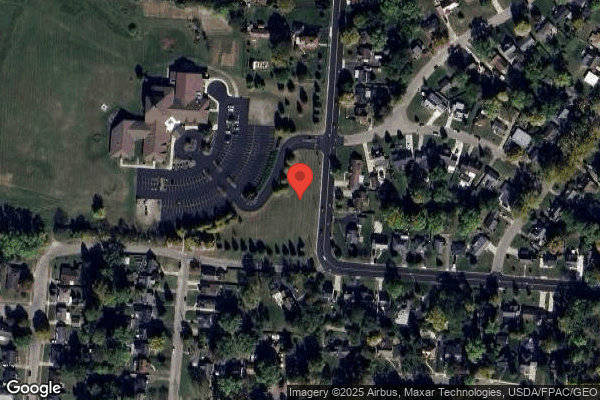
1600 SAINT PARIS PIKE, SPRINGFIELD, OH 45504 (937) 399-8131
For profit - Corporation 46 Beds ARBORS AT OHIO Data: November 2025
Trust Grade
50/100
#396 of 913 in OH
Last Inspection: October 2024

Within standard 12-15 month inspection cycle. Federal law requires annual inspections.

Overview

The Arbors at Springfield has a Trust Grade of C, indicating it is average among nursing homes, meaning it's neither great nor terrible. It ranks #396 out of 913 facilities in Ohio, placing it in the top half, and #5 out of 13 in Clark County, suggesting only four local options are better. Unfortunately, the facility is getting worse, with issues increasing from 8 in 2023 to 9 in 2024. Staffing is average, rated at 3 out of 5 stars, with a turnover rate of 59%, which is slightly higher than the state average. However, they have good RN coverage, exceeding 86% of Ohio facilities, which helps in identifying problems early. On the downside, an incident occurred where a resident fell due to improper positioning during care, resulting in injury. Additionally, staff interviews revealed concerns about inadequate staffing levels leading to long response times for call lights, affecting residents' access to care. Despite having no fines on record, the facility's overall performance trends indicate areas needing attention for improvement.

Trust Score
C
50/100
In Ohio
#396/913
Top 43%
Safety Record
Moderate
Needs review
Inspections
Getting Worse
8 → 9 violations
Staff Stability
⚠ Watch
59% turnover. Above average. Higher turnover means staff may not know residents' routines.
Penalties
✓ Good
No fines on record. Clean compliance history, better than most Ohio facilities.
Skilled Nurses
✓ Good
Each resident gets 73 minutes of Registered Nurse (RN) attention daily — more than 97% of Ohio nursing homes. RNs are the most trained staff who catch health problems before they become serious.
Violations
⚠ Watch
36 deficiencies on record. Higher than average. Multiple issues found across inspections.
★★★☆☆
3.0
Overall Rating
★★★☆☆
3.0
Staff Levels
★★★☆☆
3.0
Care Quality
★★★☆☆
3.0
Inspection Score
Stable
2023: 8 issues
2024: 9 issues

The Good

  • Full Sprinkler Coverage · Fire safety systems throughout facility
  • No fines on record

Facility shows strength in fire safety.

The Bad

3-Star Overall Rating

Near Ohio average (3.2)

Meets federal standards, typical of most facilities

Staff Turnover: 59%

13pts above Ohio avg (46%)

Frequent staff changes - ask about care continuity

Chain: ARBORS AT OHIO

Part of a multi-facility chain

Ask about local staffing decisions and management

Staff turnover is elevated (59%)

11 points above Ohio average of 48%

The Ugly 36 deficiencies on record

1 actual harm
Oct 2024 8 deficiencies 1 Harm
SERIOUS (G) 📢 Someone Reported This

A family member, employee, or ombudsman was alarmed enough to file a formal complaint

Actual Harm - a resident was hurt due to facility failures

Accident Prevention (Tag F0689)

A resident was harmed · This affected 1 resident

**NOTE- TERMS IN BRACKETS HAVE BEEN EDITED TO PROTECT CONFIDENTIALITY** Based on record review, staff interviews, and policy review, the facility failed to ensure proper positioning technique for safe...

Read full inspector narrative →
**NOTE- TERMS IN BRACKETS HAVE BEEN EDITED TO PROTECT CONFIDENTIALITY** Based on record review, staff interviews, and policy review, the facility failed to ensure proper positioning technique for safe bed mobility was implemented which resulted in a major fall with injury. The facility also failed to ensure a fall investigation was completed that included root cause analysis. This resulted in Actual Harm when Resident #30, who was severely cognitively impaired, at risk for falls and dependent on staff for turning and repositioning sustained a fall when two staff members were providing incontinent care and the resident fell to the floor face first due to improper positioning technique. This affected one (Resident #30) of three residents reviewed for falls. The census was 33. Findings include: Record review revealed Resident #30 was admitted of [DATE]. Medical diagnoses included anoxic brain injury, anemia, hypertension, renal failure, pneumonia, diabetes, acute respiratory failure with hypoxia, cardiac arrest, morbid obesity, encephalopathy, and need for assistance for personal care. She weighed 369 pounds. Review of care plan dated [DATE] revealed Resident #30 was at risk for activities of daily living self-care deficit related to anoxic brain injury damage and morbid obesity. Interventions were a two-person assistance for bed mobility, toileting, transfers with the use of the Hoyer lift. Resident #30 had acquired absence of the left leg below the knee, and she was ventilator dependent. She was at risk for falls with injury due to an anoxic brain injury. The intervention was to ensure the resident's room was free from accident hazards, providing adequate lighting ensuring there was no trip hazards. Review of fall risk assessment dated [DATE] revealed Resident #30 was a high fall risk. Review of quarterly Minimum Data Set (MDS) assessment, dated [DATE], revealed Resident #30 was rarely or never understood. She was impaired to the lower left extremity. She didn't exhibit any signs or behaviors. Her functional status was dependent on toileting, bathing, and bed mobility. Eating and transfers were not attempted due to medical condition or safety concerns. She was always incontinent of bowel and bladder. She used a mechanical ventilator, had a tracheostomy, feeding tube, and oxygen. Review of the progress notes dated [DATE] at 5:00 P.M. revealed Resident #30 rolled from a wet mattress to the floor. Care was provided by State Tested Nursing Assistants (STNA) #80 and #102. An assessment was completed, and the physician was notified. Neurological (neuro) testing was initiated, and the results were at baseline. There was swelling to the left eye. Her temperature was 97.3 degrees Fahrenheit (F), pulse 64, respirations 18, blood pressure 90/57, and oxygen saturation was 94 percent. The resident was transferred back to bed by a Hoyer lift and the family was notified. The neuro testing continued. On [DATE] at 2:48 P.M., swelling to the left eye continued. On [DATE] at 5:30 A.M., Resident #30 was transferred to the hospital. A review of a witness statement from STNA #80 dated [DATE] revealed he and STNA #102 were cleaning Resident #30 up and when rolling her onto her side she jerked and slid off the bed. STNA #102 tried to slow her down and she was too much weight to hold. The STNAs moved the bed out of the way and alerted the nurse. A review of a witness statement from STNA #120 dated [DATE] revealed he and STNA #80 went into the room to clean Resident #30. They went to roll the resident to her side to remove the linens and put new down and the resident coughed, and the vent popped off. STNA #120 grabbed the vent, and the resident slid off the bed and STNA #120 tried to catch her, and she fell to the floor. Review of the witness statement from Licensed Practical Nurse (LPN) 56, dated [DATE] at 5:00 P.M., revealed STNA's #120 and #80 called her to Resident #30's room. Resident #30 was lying on the floor on her back. The resident had swelling to the left side of her head and face and her eye was swollen shut. Resident #30 was at baseline for cognition, pupils reactive, range of motion (ROM) was negative for pain and dislocation. After the assessment was completed, the resident was placed in a Hoyer lift and put back to bed and neuro checks continued. Review of progress note dated [DATE] at 11:57 P.M. revealed the admitting hospital diagnoses for Resident #30 were subdural hematoma and subgaleal hematoma. Review of the investigation report for Resident #30, dated [DATE], revealed STNAs #120 and #80 were providing incontinent care to the resident when they rolled the resident to the right side. The vent tubing disconnected, and the aide grabbed tubing when the resident continued to roll out of the bed onto floor, hitting the left side of her face. Vent tubing was reconnected, the nurse was alerted immediately, and assessment was completed with the physician on the phone. The resident was opening eyes with swelling noted to left eye brow. Range of motion was performed to all extremities without deficit, no deficit in pupils and they were equal, round, and reactive to light and accommodation (PERLLA) from resident's baseline PERRLA. The resident has anoxic brain injury and only opens eyes at baseline, no signs of distress, to continue to monitor neuro checks and swelling. The family was made aware of the incident. Assisted up to bed with six staff members who assisted with the Hoyer lift. Resident monitored throughout night when swelling to face increased, the physician was in the facility on [DATE] at 5:30 A.M. to round and assessed the resident with an order to send to the hospital for evaluation. The scan was completed and revealed subdural hematoma and subgaleal hematoma. No root cause analysis for the fall was provided by the facility. Review of the discharge hospital records dated [DATE] revealed Resident #30 had fallen out of bed at the nursing facility. She hit her head, and the CT scan showed there was a small subdural hematoma and subgaleal hematoma. A repeat CT scan was done, and it showed the subdural hematoma changes were stable, and no surgery was planned. The resident was found to have lower lobe pneumonia, probable urinary tract infection and was also septic. The family met with the physicians on [DATE] at 4:02 PM. at the hospital and discussed the terminal prognosis and the family decided that living on life support was not acceptable for the resident. The resident expired on [DATE] at 6:30 P.M. During an interview on [DATE] at 7:40 A.M., the Director of Nursing (DON) stated Resident #30 didn't expire because of the fall. It was identified at the hospital that the resident had a small subdural hematoma (that was stable) pneumonia and probable urinary tract infection. She stated the family decided to remove the ventilator and initiate hospice care for her. She stated the aides followed the care plan for two-person assistance and her investigation revealed the facility wasn't at fault for anything. She did acknowledge something happened in the room but wasn't sure what it was because she wasn't in the room the time it happened. She didn't know the resident was placed on the edge of the bed at the time of the fall either and didn't get that in her investigation. She revealed the interdisciplinary team (IDT) talked about a root cause analysis, but didn't write anything down in the record. During an interview on [DATE] at 9:35 A.M., STNA #80 stated he was helping STNA #102 with incontinence care for Resident #30 on [DATE] around 4:45 P.M. He stated he was standing on the left side of the bed. He grabbed the draw sheet and moved the resident toward him and then rolled her over to the edge of the bed. He said her ventilator popped off. STNA #102 grabbed the ventilator hose to put back on the resident and the resident went onto the floor hitting the left side of her face on the feed tubing pole and then to the floor face first. He said he tried to grab her from across from the bed, but it happened so fast he couldn't reach her. He stated STNA #102 tried to break her fall but couldn't. During an interview on [DATE] at 11:01 A.M., STNA #102 revealed he was the aide who provided incontinence care with STNA #80 on [DATE] at 4:45 P.M. He stated he was on the right side of the bed and was holding onto the resident when STNA #120 rolled her to him. He stated she was on the edge of the bed and his body was placed in the middle of the bed to the lower end of the bed, because that was where the most weight was. He said when she was turned toward him and she was up against his body, her ventilator tubing came out and she was gurgling and coughing. He reached behind her left shoulder, because the tubing fell onto the bed and when he reached, she fell onto the left side of her face into the feeding tube pole and tumbled to the ground. He said it all happened so fast. He said he went and got the nurse. During an interview on [DATE] at 10:03 A.M., the Medical Director (MD) 124 stated she remembered the staff calling her on the evening of [DATE]. She asked the usual questions when someone hit their head. The questions were how they fell, was the fall witnessed, did the resident strike their head, was their skin broken, was there any blood, injuries, medications the resident was on, and if the resident had loss of consciousness. She stated it was determined to keep the resident in the facility and do the neuro checks. She said the facility would need to call her service if they weren't able to do the neuro checks and they didn't call. She said Nurse Practitioner (NP) 126 came in the morning of [DATE] at 5:30 A.M. and the resident didn't look good. She called the physician and it was decided to send her out to the hospital. Review of the policy titled Falls Protocol, dated [DATE], revealed as part of an initial and ongoing resident assessment, the staff will help identify individuals with a history of falls and risk factors for subsequent falling. This deficiency represents non-compliance investigated under Complaint Numbers OH00159043, OH00158875 and OH00158872.
CONCERN (D) 📢 Someone Reported This

A family member, employee, or ombudsman was alarmed enough to file a formal complaint

Potential for Harm - no one hurt, but risky conditions existed

ADL Care (Tag F0677)

Could have caused harm · This affected 1 resident

**NOTE- TERMS IN BRACKETS HAVE BEEN EDITED TO PROTECT CONFIDENTIALITY** 2. Record review revealed Resident #3 was admitted on [DATE]. Diagnoses included acute and chronic respiratory failure with hypo...

Read full inspector narrative →
**NOTE- TERMS IN BRACKETS HAVE BEEN EDITED TO PROTECT CONFIDENTIALITY** 2. Record review revealed Resident #3 was admitted on [DATE]. Diagnoses included acute and chronic respiratory failure with hypoxia, lymphedema, dependence on respirator (ventilator) status, depression, and tracheostomy status. Review of Care Plan dated 10/16/24 revealed the resident had an ADL self-care deficit related to vent dependency. The resident required the assistance of two staff for bathing and required a mechanical lift for transfers. Review of shower documentation for September 2024 revealed the residents shower days were Wednesday and Saturday on day shift. No documentation for for shower or bed bath was noted on 09/14/24, 09/18/24, and 09/21/24. Review of shower documentation for October 2024 revealed no documentation for shower or bed bath was noted on 10/02/24, 10/09/24, and 10/12/24. The resident refused on 10/19/24. During an interview on 10/21/24 at 9:00 A.M., Resident #3 stated she did not get washed up like she should. During an interview on 10/22/24 at 2:19 P.M., Resident #3 stated her shower days are Wednesday and Saturday and that she takes a bed bath instead of a shower. Resident #3 stated she does not always receive her bed bath on the scheduled days. Resident #3 stated she may have refused once in the last two months. During an interview on 10/22/24 at 2:28 P.M., the DON verified that the showers or bed baths were not documented as given on 09/14/24, 09/18/24, 09/21/24, 10/02/24, 10/09/24, and 10/12/24. Review of the policy entitled Nail Care dated 08/20/24 revealed the purpose of this procedure is to provide guidelines for the care of a resident's nails for good grooming and health. Policy Explanation and Compliance Guidelines: 1. Assessments of resident nails will be conducted on admission and readmission to determine the resident's nail condition, needs, and preferences for nail care, if possible. a. Report unusual or abnormal conditions of the nails to the physician and the responsible party (e.g., curling, color changes, separation from the nail bed, redness, bleeding, pain, odor, infection,etc.). b. Obtain history and preferences regarding podiatrist. 2. Identify conditions that increase risk for foot or nail problems, such as diabetes, peripheral vascular disease, heart failure, renal disease, or stroke. 3. Routine cleaning and inspection of nails will be provided during ADL care ongoing. 4. Routine nail care, to include trimming and filing, will be provided on a regular basis and as the need arises. 5. Principles of nail care: a. Nails should be kept smooth to avoid skin injury. b. Only podiatrists, physician/practitioners, or licensed nurse shall trim toenails for residents with diabetes or circulation problems. c. Each resident will have his/her own nail care equipment (e.g., clippers, emery boards, files, etc.). Equipment will not be shared between residents. Clean equipment after each use and before storing. Review of policy titled Activities of Daily Living (ADLS) dated 10/26/23 revealed a resident who is unable to carryout ADLs will receive necessary services to maintain good nutrition, grooming, and personal and oral hygiene. This deficiency represents non-compliance investigated under Complaint Number OH00158346. Based on observation, record review, interview and policy review, the facility failed to ensure a resident received podiatry services and failed to ensure baths and showers were provided to residents. This affected two (Residents #13 and #3) of three residents reviewed for activities of daily living. The census was 33. Findings include: 1. Record review revealed Resident #13 revealed an admission date of 03/14/19. Medical diagnoses included unilateral primary osteoarthritis of the left knee, diabetes, and Alzheimer's disease. Review of the podiatry visits revealed the last visit for Resident #13 was 04/28/22. Review of podiatry Do Not Treat list, dated 03/25/24, revealed Resident #13 was on the list labeled as other. There were no notes in Resident #13's record related to not being treated by the podiatrist. During an observation on 10/21/24 at 9:52 A.M., Resident #13 had long, thick, yellow toenails. Review of list of patients to be seen by the podiatrist on 10/25/24 did not include Resident #13. During an interview on 10/23/24 at 2:15 P.M., the Director of Nursing stated it was the responsibility of the facility to trim the nails of the residents by the staff or an outside service. She confirmed Resident #13's toenails were long and thick and hadn't been trimmed in a while. She said she couldn't trim them since they were thick, and she would add Resident #13 to the podiatry list. She said she didn't know why Resident #13 was on the Do Not Treat list.
CONCERN (D)

Potential for Harm - no one hurt, but risky conditions existed

Tube Feeding (Tag F0693)

Could have caused harm · This affected 1 resident

**NOTE- TERMS IN BRACKETS HAVE BEEN EDITED TO PROTECT CONFIDENTIALITY** Based on observation, record review, and interview the facility failed to ensure the tube feeding bag and syringe was changed pe...

Read full inspector narrative →
**NOTE- TERMS IN BRACKETS HAVE BEEN EDITED TO PROTECT CONFIDENTIALITY** Based on observation, record review, and interview the facility failed to ensure the tube feeding bag and syringe was changed per the physician order. This affected two (Residents #34 and #191) of three residents reviewed for tube feeding. The facility census was 33. Findings include: 1. Record review revealed Resident #34 was admitted on [DATE]. Diagnoses included anoxic brain damage, respiratory failure with hypoxia, cardiac arrest, encephalopathy, hypertension, anxiety, and acute gastric ulcer without hemorrhage or perforation. Review of Minimum Data Set (MDS) assessment, dated 09/17/24, revealed Resident #34 was severely cognitively impaired and required enteral nutrition (tube feeding). Review of current physician orders revealed to change the feeding syringe on night shift, label with residents name and date. During an observation on 10/22/24 at 10:08 A.M., the tube feeding syringe was laying on the nightstand unwrapped with no date or name. The graduated cup was dated 10/06/24. No plastic bag was observed in the room for the tube feed syringe to be stored in. During an interview on 10/22/24 at 10:13 A.M., Med Tech #69 verified the tube feed syringe was not dated nor in plastic sleeve and that the graduated cup was dated 10/06/24. Med Tech #69 stated she was unsure when the graduated cups had to be changed but she believed it was weekly. Med Tech #69 verified the tube feed syringe was to be changed daily on night shift. 2. Record review revealed Resident #191 was admitted on [DATE]. Diagnoses included amyotrophic lateral sclerosis, acute on chronic respiratory failure, dependence on respirator, asthma, progressive bulbar palsy, gastrostomy status, and dysphagia. Review of the MDS dated [DATE] revealed the resident was severely cognitively impaired and required enteral nutrition. Review of current physician orders revealed to change feeding syringe and/or container daily on night shift, label with resident name and date, [NAME] Farms tube feeding 1.4 at 55 milliliters per hour (ml/h) continuous to equal 1320 calories, may hold for care. During an observation on 10/21/24 at 9:09 A.M., the tube feed hanging on the pole was dated 10/16/24. A visitor in the room at that time stated they were told the facility ran out of bags for the tube feed. During an interview on 10/21/24 at 9:16 A.M., Licensed Practical Nurse (LPN ) #56 verified the tube feed bag hanging on the pole was dated 10/16/24. LPN #56 told the visitor in the room that the facility had bags and she would hang a new one. During an interview on 10/22/24 at 9:54 A.M., Central Supply Staff #115 stated they did not run out of tube feed bags for Resident #191. Central Supply Staff #115 stated she has a whole box of bags in the supply room and they would not have run out of bags over the weekend. During an interview on 10/22/24 at 1:18 P.M., LPN #104 stated the bags were to be changed daily on night shift. The tube feed bags were not a closed system and the bag had to be opened to pour the tube feed into the bag.
CONCERN (D)

Potential for Harm - no one hurt, but risky conditions existed

Pharmacy Services (Tag F0755)

Could have caused harm · This affected 1 resident

**NOTE- TERMS IN BRACKETS HAVE BEEN EDITED TO PROTECT CONFIDENTIALITY** Based on record review, interview and policy review, the facility failed to ensure a narcotic medication was given to a resident...

Read full inspector narrative →
**NOTE- TERMS IN BRACKETS HAVE BEEN EDITED TO PROTECT CONFIDENTIALITY** Based on record review, interview and policy review, the facility failed to ensure a narcotic medication was given to a resident on hospice care in a timely manner. This affected one (Resident #13) of one residents reviewed for Oxycodone administration. The census was 33. Findings include: Record review revealed Resident #13 was admitted on [DATE]. Medical diagnoses included unilateral primary osteoarthritis of the left knee, diabetes, and Alzheimer's disease. Resident #13 had a physician order dated 05/09/24 for Oxycodone five milligrams (mg), give one by mouth twice a day for pain. Review of care plan dated 07/26/24 revealed Resident #13 has a terminal prognoses with hospice care related to Alzheimer's. Interventions were to administer medications as ordered and observe for effectiveness. Also evaluate for verbal and non-verbal signs and symptoms related to pain. Review of annual Minimum Data Set (MDS) assessment, dated 08/09/24, revealed Resident #13 was severely cognitively impaired. Review of the progress note dated 10/09/24 at 8:41 A.M. revealed the resident was out of Oxycodone. Hospice was notified and per hospice, the prescription will be sent to the pharmacy. On 10/10/24 at 9:55 A.M. hospice was notified to send the prescription for Oxycodone to pharmacy. On 10/12/24 at 8:53 A.M. the pharmacy was called about Resident #13's Oxycodone and the pharmacy was waiting on the prescription. The nurse contacted hospice regarding the prescription and the receptionist will have nurse call the facility back. At 9:21 A.M. the hospice nurse called the facility and stated they would call in the prescription. Review of the Medication Administration Record (MAR) dated 10/09/24 through 10/23/24 revealed the resident wasn't given Oxycodone five mg two times a day on 10/09/24, 10/10/24, 10/11/24, or 10/12/24. Review of the notes revealed there were no concerns regarding Resident #14 being in pain during this time. During an interview on 10/23/24 at 2:31 P.M., the Director of Nursing stated the Oxycodone wasn't given to the resident because the facility couldn't get them, and they wouldn't be able to pull out of the emergency box because the physician has to write a new prescription. She said the resident was monitored and she wasn't in any pain or withdrawal. During an interview on 10/24/24 at 7:16 A.M., Registered Nurse (RN) #103 stated someone didn't order the medication for Resident #13 and confirmed she went four days without the Oxycodone. Review of the policy titled Pain Management, dated 10/26/23, revealed the facility will ensure that pain management is provided to residents who require such services, consistent with professional standards of practice, the comprehensive person-centered care plan, and the resident's goal and preferences.
CONCERN (D) 📢 Someone Reported This

A family member, employee, or ombudsman was alarmed enough to file a formal complaint

Potential for Harm - no one hurt, but risky conditions existed

Deficiency F0757 (Tag F0757)

Could have caused harm · This affected 1 resident

**NOTE- TERMS IN BRACKETS HAVE BEEN EDITED TO PROTECT CONFIDENTIALITY** Based on medical record review and staff interview, the facility failed to discontinue a medication as ordered. This affected on...

Read full inspector narrative →
**NOTE- TERMS IN BRACKETS HAVE BEEN EDITED TO PROTECT CONFIDENTIALITY** Based on medical record review and staff interview, the facility failed to discontinue a medication as ordered. This affected one (Resident #8) of six residents reviewed for medications. The census was 33. Findings include: Record review revealed Resident #8 was admitted on [DATE]. Diagnoses included bronchopneumonia, anxiety disorder, obstructive sleep apnea, acute and chronic respiratory failure, and dependence on a ventilator. Review of the pharmacy recommendations revealed a recommendation dated 05/10/24 to discontinue Prevacid DR capsule (heartburn medication) due it should not be crushed. Resident #8's physician signed the recommendation on 05/22/24 to discontinue Prevacid DR. Review of a pharmacy recommendation dated 07/06/24 revealed a recommendation to again discontinue Prevacid DR due to it not being discontinued in May 2024. Resident #8's physician signed the recommendation on 07/25/24 to discontinue Prevacid DR. Review of medication administration records (MAR) revealed Resident #8 received Prevacid DR 30 milligrams (mg) twice day from 05/22/24 to 07/25/24. During an interview on 10/22/24 at 9:27 A.M., the Director of Nursing verified the medication was not discontinued as ordered. This deficiency represents non-compliance investigated under Complaint Number OH00158346.
CONCERN (D) 📢 Someone Reported This

A family member, employee, or ombudsman was alarmed enough to file a formal complaint

Potential for Harm - no one hurt, but risky conditions existed

Medication Errors (Tag F0758)

Could have caused harm · This affected 1 resident

**NOTE- TERMS IN BRACKETS HAVE BEEN EDITED TO PROTECT CONFIDENTIALITY** Based on record review and interview, the facility failed to ensure pharmacy recommendations were addressed timely by the physic...

Read full inspector narrative →
**NOTE- TERMS IN BRACKETS HAVE BEEN EDITED TO PROTECT CONFIDENTIALITY** Based on record review and interview, the facility failed to ensure pharmacy recommendations were addressed timely by the physician resulting in extended duplicate selective serotonin reuptake inhibitors (SSRI) therapy. This affected one (Resident #28) of five residents reviewed for unnecessary medications. The facility census was 33. Findings include: Record review revealed Resident #28 was initially admitted on [DATE] with re-entry 03/16/24. His diagnoses included congestive heart failure, type 1 diabetes, moderate protein-calorie malnutrition, chronic kidney disease stage 4, anxiety disorder, anemia, insomnia, hypertension, and hypothyroidism. Review of the Minimum Data Set (MDS) assessment, dated 09/20/24, revealed Resident #28 was cognitively intact. intact. Review of a pharmacy recommendation dated 08/07/24 recommended discontinuing one of his two SSRI medications to decrease the risk of serotonin syndrome. This recommendation was not reviewed, agreed to and signed until 10/08/24. Review of the Medication Administration Record (MAR) for August, September and October for Resident #28 revealed he continued to receive duplicate SSRI therapy from 08/07/24 until 10/08/24. During an interview on 10/22/24 at 3:40 P.M., the Director of Nursing confirmed the pharmacy recommendation was not addressed timely.
CONCERN (D) 📢 Someone Reported This

A family member, employee, or ombudsman was alarmed enough to file a formal complaint

Potential for Harm - no one hurt, but risky conditions existed

Laboratory Services (Tag F0770)

Could have caused harm · This affected 1 resident

**NOTE- TERMS IN BRACKETS HAVE BEEN EDITED TO PROTECT CONFIDENTIALITY** Based on record review and interview, the facility failed to obtain laboratory values as planned by the practitioner. This affec...

Read full inspector narrative →
**NOTE- TERMS IN BRACKETS HAVE BEEN EDITED TO PROTECT CONFIDENTIALITY** Based on record review and interview, the facility failed to obtain laboratory values as planned by the practitioner. This affected one (Resident #141) of six residents reviewed for unnecessary medications. The census was 33. Findings include: Review of Resident #141's closed medical record revealed an admission date of 07/25/24. Diagnoses included chronic respiratory failure, dependence on a ventilator, pneumonia, and cerebral infarction. Resident #141 was discharged from the facility to a local hospital on [DATE] and did not return. Review of nurse practitioner (NP) progress notes dated 09/19/24 at 8:31 A.M. revealed Resident #141 had been having loose stools with recent antibiotic use. Plan was stool checked for clostridium difficile (C-diff), complete blood count (CBC), and basic metabolic panel (BMP) were ordered. Review of physician orders revealed no order dated 09/19/24 and review of lab results revealed nothing for a CBC, BMP, and C-diff. During an interview on 10/23/24 at 1:30 P.M., the DON confirmed the CBC, BMP, and C-diff had not been ordered or obtained. The orders are entered directly into the lab's computer system by the practitioner. Nothing is kept in the electronic medical record. This deficiency represents non-compliance investigated under Complaint Number OH00158346.
CONCERN (E)

Potential for Harm - no one hurt, but risky conditions existed

Deficiency F0657 (Tag F0657)

Could have caused harm · This affected multiple residents

**NOTE- TERMS IN BRACKETS HAVE BEEN EDITED TO PROTECT CONFIDENTIALITY** 6. Review of medical record for Resident #3 revealed an admission date of 03/29/23. The most recent MDS assessment was completed...

Read full inspector narrative →
**NOTE- TERMS IN BRACKETS HAVE BEEN EDITED TO PROTECT CONFIDENTIALITY** 6. Review of medical record for Resident #3 revealed an admission date of 03/29/23. The most recent MDS assessment was completed on 07/10/24. Review of the Care Conference Summaries revealed the last care conference held was on 01/31/24. 7. Review of medical record for Resident #12 revealed an admission date of 11/19/20. The most recent MDS assessment was completed on 07/26/24. Review of Care Conference Summaries revealed the last care conference was held on 02/21/23. During an interview on 10/22/24 at 4:00 P.M., SSD #80 stated they did not hold a care conference for Resident #12 due to the resident has a court appointed guardian and the guardian did not want to be included in any care conferences. SSD #80 was not aware that a care conference with the interdisciplinary team should be held quarterly even if the guardian did not want to attend. 8. Review of medical record for Resident #14 revealed an admission date of 08/10/23. The most recent MDS assessment was completed on 09/23/24. Review of Care Conference Summaries revealed the last care conference was held on 01/26/24. 9. Review of medical record for Resident #34 revealed an admission date of 06/10/24. The most recent MDS assessment was completed on 09/17/24. Review of the Discharge Planning Evaluation dated 06/12/24 revealed the facility indicated that it was the initial care conference. No other care conference documentation was provided by the facility. During an interview on 10/22/24 at 4:00 P.M., SSD #80 verified the care conferences were not held quarterly for Residents # 3, #8, #10, #12, #14, #17, #27, #28, and #34. Review of policy titled Participation in 72 Hour Care Review- Assessment/Care Plans, dated 03/20/24, revealed the comprehensive care conference is scheduled after the completion of the comprehensive care plan and quarterly. Document the outcome of this meeting in the progress notes. This care conference should be attended by Social Services, Dietary, Activities, and Nursing. 4. Review of the medical record for Resident #17 revealed she was admitted [DATE]. Resident #17 had MDS assessments competed on 02/24/24, 05/26/24 and 08/26/24. Only one care conference was held, on 01/24/24. During an interview on 10/22/24 at 3:56 P.M., Social Services Designee (SSD) #80 verified the January care conference was the only conference held this year for Resident #17. 5. Review of the medical record for Resident #28 revealed he was admitted initially 11/07/23 with re-entry 03/16/24. Resident #28 had MDS assessments completed on 03/28/24, 06/20/24 and 09/20/24. Only one care conference was held, on 02/01/24. During an interview on 10/22/24 at 3:42 P. M. the Director of Nursing (DON) confirmed care conferences should be held quarterly. During an interview on 10/22/24 at 3:56 by the Social Services Designee (SSD #80) he verified the February care conference was the only conference held this year. Based on record review, interview and policy review, the failed to hold care conferences for residents. This affected nine (Residents #3, #8, #10, #12, #14, #17, #27, #28, and #34) of 13 residents reviewed. The census was 33. Findings include: 1. Review of Resident #8's medical record revealed an admission dated of 01/19/24. Quarterly MDS assessments were completed on 02/09/24, 05/11/24, 08/11/24, and 09/22/24. Review of Resident #8's medical record revealed a care conference was held on 02/20/24. No further care conferences were held. 2. Review of Resident #10's medical record revealed an admission dated of 09/08/22. MDS assessments were completed on 02/22/24, 04/04/24, 04/15/24, and 06/11/24, and 09/09/24. Review of Resident #10's medical record revealed a care conference was held on 01/24/24. No further care conferences were held. 3. Review of Resident #27's medical record revealed an admission dated of 08/17/23. MDS assessments were completed on 05/06/24 and 08/24/24. Review of Resident #27's medical record revealed a care conference was held on 11/01/23. No further care conferences were held.
Jul 2024 1 deficiency
CONCERN (D) 📢 Someone Reported This

A family member, employee, or ombudsman was alarmed enough to file a formal complaint

Potential for Harm - no one hurt, but risky conditions existed

Deficiency F0760 (Tag F0760)

Could have caused harm · This affected 1 resident

**NOTE- TERMS IN BRACKETS HAVE BEEN EDITED TO PROTECT CONFIDENTIALITY** THE FOLLOWING DEFICIENCY REPRESENTS AN INCIDENT OF PAST NONCOMPLIANCE THAT WAS SUBSEQUENTLY CORRECTED PRIOR TO THIS SURVEY. Base...

Read full inspector narrative →
**NOTE- TERMS IN BRACKETS HAVE BEEN EDITED TO PROTECT CONFIDENTIALITY** THE FOLLOWING DEFICIENCY REPRESENTS AN INCIDENT OF PAST NONCOMPLIANCE THAT WAS SUBSEQUENTLY CORRECTED PRIOR TO THIS SURVEY. Based on medical record review, review of the facility incident log, staff interview, and policy review, the facility failed to ensure an intravenous (IV) medication was administered as ordered. This affected one (#31) resident out of the three residents reviewed for medication administration. The facility census was 36. Findings include: Review of the medical record for Resident #31 revealed an admission date of 11/19/2020 with medical diagnoses of anoxic brain injury, chronic respiratory failure, dependence on respirator, and persistent vegetative state. Review of the medical record revealed Resident #31 was discharged to the hospital on [DATE] and returned to the facility on [DATE]. Review of the medical record for Resident #31 revealed an annual Minimum Data Set (MDS) assessment, dated 04/23/24, which indicated Resident #31 was noncommunicable due to persistent vegetative state. The MDS indicated Resident #31 was dependent upon all staff for activities of daily living (ADL). Review of the medical record for Resident #31 revealed hospital discharge orders dated 06/11/24 for Avycaz (antibiotic) 2.5 grams IV every eight hours with end of treatment on 06/14/24. Review of physician orders revealed the resident had Avycaz 2.5 grams IV every eight hours for six administrations dated 06/14/24. Review of Resident #31's Medication Administration Record (MAR) revealed documentation to support Resident #31 received Avycaz as ordered until 06/16/24. Review of the medical record for Resident #31 revealed an Interdisciplinary Team (IDT) note on 06/14/24 at 1:53 P.M. which stated Resident #31 readmitted from the hospital on [DATE] with a diagnosis of chronic respiratory failure, anoxic brain damage, pseudomonas, and Klebsiella pneumonia. The note stated Resident #31 was ordered Avycaz for eight doses and one dose was given at the hospital before discharge and per Nurse Practitioner (NP) the first dose of the antibiotic could be administered at 10:00 A.M. when arrived from the pharmacy to the facility on [DATE]. The note continued to stated Resident #31 was noted to have a decrease in oxygen saturation throughout the night and pulmonologist group was notified and an order was received to increase oxygen to keep pulse oxygen saturation above 89% with oxygen at eight liters per tracheostomy mask, elevate head of bed, and order to continue Avycaz for six doses with flush orders. The note stated the guardian was notified and stat complete metabolic panel and complete blood count labs were obtained. The note stated NP stated no x-rays were needed as the facility is aware Resident #31 had pneumonia and pseudomonas and felt that facility needed to complete the antibiotic as ordered. Further review of the medical record for Resident #31 revealed no documentation to support Resident #31 demonstrated any further respiratory issues. Review of the facility incident report revealed documentation of a medication error for Resident #31 on 06/14/24. Interview on 07/19/24 at 11:20 A.M. with Director of Nursing (DON) confirmed Resident #31 returned to the facility on [DATE] from the hospital with an order for Avycaz 2.5 grams IV for eight doses to be administered for three days. DON stated on 06/14/24 it was discovered that Resident #31 had six doses of Avycaz IV medication remaining in the medication storage room. DON stated an investigation was initiated and it was determined the night shift nurse had not administered the IV medication as ordered. DON stated NP was notified and new orders were received to administer the remaining six doses of Avycaz and to obtain stat complete metabolic panel and complete blood count lab work. DON stated Resident #31 was assessed and did not sustain any negative outcomes from Avycaz not being administered as ordered. DON stated all the nursing staff were educated on medication administration, all medication carts and medication storage rooms were audited for excessive medications and an ad hoc Quality Assurance and Quality Improvement (QAPI) was conducted. DON stated the night shift nurse was terminated. Review of the facility policy titled, Medication Administration, revised 01/17/23 stated medications are administered by licensed nurses, or other staff who are legally authorized to do so in this state, as ordered by the physician and in accordance with professional standards of practice, in a manner to prevent contamination. As a result of the incident, the facility took the following actions to correct the deficient practice by 06/17/24: • 06/14/24 DON notified Physician and Guardian of medication error. • 06/14/24 Resident #31 was assessed by licensed nurse with no negative findings. • 06/14/24 stat lab work was obtained from lab company. • 06/14/24 DON received new order for Avycaz 2.5 gram IV to be continued every eight hours for six doses. • 06/14/24 Assistant Director of Nursing (ADON) audited all medication carts and IV medications in medication storage room for excessive medications or evidence of medications not administered as ordered. • 06/14/24 DON provided education to all clinical staff on medication administration policy, labeling/dating of IV bags and tubing, MAR to be signed when administering medications, and call physician if medication orders need clarify. • 06/14/24 DON/designee would complete IV medication administration audit five days per week for four weeks. • 06/14/24 ad hoc QAPI completed. This deficiency represents non-compliance investigated under Complaint Number OH00155335.
Dec 2023 5 deficiencies
CONCERN (D) 📢 Someone Reported This

A family member, employee, or ombudsman was alarmed enough to file a formal complaint

Potential for Harm - no one hurt, but risky conditions existed

Deficiency F0558 (Tag F0558)

Could have caused harm · This affected 1 resident

**NOTE- TERMS IN BRACKETS HAVE BEEN EDITED TO PROTECT CONFIDENTIALITY** Based on medical record review, observation, resident interview, staff interview, review of Resident Council meeting minutes and...

Read full inspector narrative →
**NOTE- TERMS IN BRACKETS HAVE BEEN EDITED TO PROTECT CONFIDENTIALITY** Based on medical record review, observation, resident interview, staff interview, review of Resident Council meeting minutes and review of facility policy, the facility failed to ensure residents had appropriately fitted wheelchairs. This affected one (#15) of three residents reviewed for accommodation of needs. Additionally, the facility failed to timely respond to call lights. This directly affected one (#22) resident, with the potential to affect all 40 residents of the facility. The facility census was 40. Findings Include: 1. Review of the medical record for Resident #15 revealed an admission date of 07/21/23 and a readmission date of 08/03/23. Diagnoses included acute transverse myelitis in demyelinating disease of central nervous system (inflammation of part of the spinal cord), acute and chronic respiratory failure with hypoxia, rheumatoid arthritis, muscle weakness, mild cognitive impairment of uncertain or unknown etiology, unspecified abnormalities of gait and mobility, unspecified lack of coordination, [NAME] Nile Virus infection with encephalitis (inflammation of the brain), and quadriplegia. Review of the quarterly Minimum Data Set (MDS) 3.0 assessment, dated 09/30/23, revealed Resident #15 had intact cognition, required extensive assistance to total dependence from one to two staff to complete Activities of Daily Living (ADLs), had impairments on both sides of both his upper and lower extremities and used a wheelchair for mobility. Review of the physician orders dated November 2023 revealed Resident #15 had an order for Physical Therapy (PT) to treat three to five times per week for four weeks for therex, theract, neuro re-education, and wheelchair management. Resident #15 had an additional order to extend PT care three to five times per week for weeks dated 12/12/23. Review of the care plan, revised 12/19/23, revealed Resident #15 had an ADL self-care performance deficit related to quadriplegia, cognition, and weakness. Interventions included manual wheelchair for locomotion. Observations of Resident #15 on 12/19/23 at 4:50 P.M., 12/20/23 at 10:40 A.M., and 12/20/23 at 2:00 P.M. revealed Resident #15 was laying in his bed in his room. Interview with Resident #15 on 12/19/23 at 4:50 P.M. revealed he used a wheelchair for locomotion. Resident #15 stated the facility provided a manual wheelchair that did not fit him properly, noting it was too narrow and low for him to be able to sit in it comfortably for longer periods of time. Resident #15 stated he frequently slid down in it and staff had to use a Hoyer lift to pull him back up in the wheelchair. Resident #15 stated he was not able to sit in it for longer periods due to the chair causing pain in his back, shoulders, legs, and buttocks. Resident #15 stated he had been requesting another wheelchair since he was admitted in July 2023, but it had not been provided. Resident #15 stated PT had also recommended a different wheelchair for him. Interview on 12/20/23 at 9:35 A.M. with Registered Nurse (RN) #100 revealed Resident #15 did not like to get up out of bed unless he was able to sit in a dialysis chair, which was more comfortable for him to sit in. RN #100 confirmed Resident #15 was not able to tolerate sitting in the manual wheelchair provided to him for very long. Interview on 12/20/23 at 12:56 P.M. with Rehabilitation Director (RD) #155 revealed Resident #15 had started the process to be fitted for a custom wheelchair a month or two ago, but the chair was not ready yet. RD #155 stated the manual wheelchair provided for Resident #15 was not the appropriate size for the resident and had been donated to the facility from a previous resident. RD #155 stated he requested a Broda chair for Resident #15, but the facility was not able to accommodate the request due to a lack of storage space and added expense to the facility. RD #155 confirmed the manual wheelchair was snug width wise and was not the proper height for Resident #15. RD #155 stated he suggested the nursing staff stop using the manual wheelchair for Resident #15 due to an improper fit for the resident. Review of the facility policy titled Accommodations of Needs, revised 01/01/22, revealed the facility will treat each resident with respect and dignity and will evaluate and make reasonable accommodations for the individual needs and preferences of a resident. 2. Interview on 12/19/23 at 4:25 P.M. with Resident #41 revealed call light responses were long and, on the three days per week the facility provided dialysis, the response times were worse. Observation on 12/19/23 at 4:47 P.M. revealed the call light had been activated for room [ROOM NUMBER], Resident #22's room. Continuous observation revealed two different staff walked past room [ROOM NUMBER], without answering the call light or checking on the residents in the room. At 5:32 P.M. (45 minutes later), a State Tested Nurse Aide (STNA) was observed responding to the call light. Interview on 12/19/23 at 4:50 P.M. with Resident #15 revealed call lights were not responded to promptly, stating sometimes it was over an hour before staff responded. Interview on 12/19/23 at 5:34 P.M. with Resident #22 confirmed his call light had been activated and an STNA had just entered the room to check on him. Interview on 12/19/23 at 6:15 P.M. with the Administrator confirmed a call light response time of 45 minutes was well outside the expectation for a response time. The Administrator expected staff to answer call lights within five minutes,whenever possible, noting there may be a delay if staff were assisting another resident. Even if staff were assisting another resident with care, the Administrator verified it still should not take 45 minutes to respond to a call light. Review of the Resident Council meeting minutes dated 10/17/23 revealed the residents voiced concerns related to call lights not being answered timely. This deficiency represents non-compliance investigated under Complaint Number OH00148646
CONCERN (D) 📢 Someone Reported This

A family member, employee, or ombudsman was alarmed enough to file a formal complaint

Potential for Harm - no one hurt, but risky conditions existed

ADL Care (Tag F0677)

Could have caused harm · This affected 1 resident

Based on medical record review, resident interview, staff interview, review of shower schedules and review of facility policy, the facility failed to ensure residents, who were dependent for care, rec...

Read full inspector narrative →
Based on medical record review, resident interview, staff interview, review of shower schedules and review of facility policy, the facility failed to ensure residents, who were dependent for care, received showers as scheduled. This affected two (#15 and #21) of three residents reviewed for activities of daily living (ADLs). The facility census was 40. Findings Include: 1. Review of the medical record for Resident #15 revealed an admission date of 07/21/23 and a readmission date of 08/03/23. Diagnoses included acute transverse myelitis in demyelinating disease of central nervous system (inflammation of part of the spinal cord), acute and chronic respiratory failure with hypoxia, rheumatoid arthritis, muscle weakness, mild cognitive impairment of uncertain or unknown etiology, unspecified abnormalities of gait and mobility, unspecified lack of coordination, [NAME] Nile Virus infection with encephalitis (inflammation of the brain), and quadriplegia. Review of the quarterly Minimum Data Set (MDS) 3.0 assessment, dated 09/30/23, revealed Resident #15 had intact cognition and required extensive assistance to total dependence from one to two staff to complete ADLs. Review of Resident #15's progress notes from 10/19/23 to 12/19/23 revealed no documentation related to showers, including refusals. Review of the care plan, revised 12/19/23, revealed Resident #15 had an ADL self-care performance deficit related to quadriplegia, cognition, and weakness. Interventions included bathing with two person assistance. Review of the shower bed board revealed Resident #15 was scheduled to receive showers during day shift on Sundays and Thursdays. Review of shower documentation for the last 30 days revealed Resident #15 received showers on 11/23/23, 11/26/23, 11/30/23, 12/10/23, and 12/14/23. There was no documentation Resident #15 received showers as scheduled on 11/16/23, 11/19/23, or 12/03/23. Interview on 12/19/23 at 4:50 P.M. with Resident #15 revealed he only received bed baths but preferred an actual shower. Additionally, Resident #15 stated he only received one bed bath per week instead of twice weekly, as scheduled. Resident #15 stated he had only had his hair washed once in the last two or three weeks. Interview on 12/20/23 at 8:25 A.M. with the Administrator verified there was no evidence Resident #15 received showers on 11/16/23, 11/19/23, or 12/03/23 as scheduled. 2. Review of the medical record for Resident #21 revealed an admission date on 08/27/21. Medical diagnoses included end stage renal disease, type II Diabetes Mellitus, morbid obesity, psychotic disorder with delusions, hoarding disorder, cognitive communication deficit, and muscle wasting and atrophy. Review of the quarterly MDS assessment, dated 09/22/23, revealed Resident #21 had intact cognition and required extensive assistance from two or more staff to complete ADLS. Review of Resident #21's progress notes from 10/19/23 through 12/19/23 revealed no documentation related to showers, including refusals. Review of the care plan, dated 07/27/23, revealed Resident #21 had an ADL self-care performance deficit related to chronic kidney disease, depression, generalized weakness, impaired vision, neuropathy, obesity, and opioid use. Interventions included bathing assistance from two staff. Review of the shower bed board revealed Resident #21 was scheduled to receive showers during night shift on Mondays and Thursdays. Review of shower documentation for the last 30 days revealed there was no documented showers for Resident #21. Interview on 12/20/23 at 1:15 P.M. with the Administrator confirmed there was no evidence Resident #21 received showers or bed baths as scheduled. This deficiency represents non-compliance investigated under Complaint Number OH00148646
CONCERN (D) 📢 Someone Reported This

A family member, employee, or ombudsman was alarmed enough to file a formal complaint

Potential for Harm - no one hurt, but risky conditions existed

Quality of Care (Tag F0684)

Could have caused harm · This affected 1 resident

**NOTE- TERMS IN BRACKETS HAVE BEEN EDITED TO PROTECT CONFIDENTIALITY** Based on medical record review, resident interview, family interview, and staff interview, the facility failed to ensure transpo...

Read full inspector narrative →
**NOTE- TERMS IN BRACKETS HAVE BEEN EDITED TO PROTECT CONFIDENTIALITY** Based on medical record review, resident interview, family interview, and staff interview, the facility failed to ensure transportation was arranged for scheduled outside appointments, resulting in missed appointments. This affected one (#15) of three residents reviewed for transportation needs. The facility census was 40. Findings Include: Review of the medical record for Resident #15 revealed an admission date of 07/21/23 and a readmission date of 08/03/23. Medical diagnoses included acute transverse myelitis in demyelinating disease of central nervous system (inflammation of part of the spinal cord), acute and chronic respiratory failure with hypoxia, rheumatoid arthritis, muscle weakness, mild cognitive impairment of uncertain or unknown etiology, unspecified abnormalities of gait and mobility, unspecified lack of coordination, [NAME] Nile Virus infection with encephalitis (inflammation of the brain), and quadriplegia. Review of the quarterly Minimum Data Set (MDS) 3.0 assessment, dated 09/30/23, revealed Resident #15 had intact cognition and required extensive assistance to total dependence from one to two staff to complete Activities of Daily Living (ADLs). Review of Resident #15's progress notes revealed no evidence related to scheduling transportation for outside appointments on 09/19/23 or 11/30/23. Interview on 12/19/23 at 4:50 P.M. with Resident #15 revealed he had missed a couple of scheduled appointments due to the facility not being able to arrange transportation for him. Resident #15 stated his wife scheduled all of his outside appointments and provided the facility with at least three weeks notice for each appointment in order to give the facility ample time to secure transportation. Interview on 12/20/23 at 8:25 A.M. with the Administrator revealed the facility had difficulty with finding transportation for Resident #15 to attend outside appointments because of limited transportation options available to provide stretcher transportation for a resident with a tracheostomy. The Administrator stated the facility did not have a Respiratory Therapist (RT) available to go with Resident #15 to ensure safe transport if the resident went in a wheelchair to his appointments. The Administrator stated Resident #15 needed supervision to be transported by wheelchair for safety. Interview on 12/20/23 at 10:50 A.M. with the Director of Nursing (DON) revealed some of Resident #15's appointments needed to be rescheduled due to inability to secure transportation. The DON confirmed Resident #15's wheelchair fitting appointment on 11/30/23 was canceled because the facility was in the middle of a COVID-19 outbreak and was in contingency staffing at that time. Follow-up interview on 12/20/23 at 3:08 P.M. with the Administrator and DON confirmed Resident #15's appointment on 11/30/23 for a custom wheelchair fitting was canceled due to the facility being unable to secure transportation. Both verified Resident #15 had missed some, but not many, outside appointments due to being unable to secure transportation. Interview via telephone on 12/20/23 at 3:31 P.M. with Resident #15's wife revealed the facility had discussed potential difficulty with securing transportation to outside appointments for Resident #15 prior to his admission. Resident #15's wife stated she had expressed the importance of Resident #15 getting to his appointments and the facility admitted him. Resident #15's wife stated the facility canceled transportation on 09/18/23 for a 09/19/23 urology appointment due to the resident being in the hospital. Resident #15's wife stated she had informed the facility Resident #15 would be discharged from the hospital on [DATE] and would be able to keep the 09/19/23 appointment and they canceled it anyway. On 11/30/23, Resident #15 had an appointment to be fitted for a custom wheelchair. The facility arranged transportation with a local company and had told Resident #15's wife they would be sending a Respiratory Therapist (RT) with the resident. Approximately two hours before the scheduled pick up time on 11/30/23, the facility canceled transportation because they did not have an RT to send with Resident #15. The appointment was rescheduled for 01/04/24. Resident #15's wife stated it was important for the resident to have kept the appointment on 11/30/23 due to private insurance costs and deductibles prior to the new benefit year starting. Resident #15's wife stated the facility was aware of the appointment three to four weeks in advance to ensure transportation was available. This deficiency represents non-compliance investigated under Complaint Number OH00148646.
CONCERN (D) 📢 Someone Reported This

A family member, employee, or ombudsman was alarmed enough to file a formal complaint

Potential for Harm - no one hurt, but risky conditions existed

Pharmacy Services (Tag F0755)

Could have caused harm · This affected 1 resident

Based on medical record review, resident interview, staff interview, review of a medication error investigation and review of facility policy, the facility failed to ensure medications were administer...

Read full inspector narrative →
Based on medical record review, resident interview, staff interview, review of a medication error investigation and review of facility policy, the facility failed to ensure medications were administered according to physician orders. This affected one (#15) of three residents reviewed for physician orders. The facility census was 40. Findings Include: Review of the medical record for Resident #15 revealed an admission date of 07/21/23 and a readmission date of 08/03/23. Medical diagnoses included acute transverse myelitis in demyelinating disease of central nervous system (inflammation of part of the spinal cord), acute and chronic respiratory failure with hypoxia, rheumatoid arthritis, muscle weakness, mild cognitive impairment of uncertain or unknown etiology, unspecified abnormalities of gait and mobility, unspecified lack of coordination, [NAME] Nile Virus infection with encephalitis (inflammation of the brain), and quadriplegia. Review of the quarterly Minimum Data Set (MDS) 3.0 assessment, dated 09/30/23, revealed Resident #15 had intact cognition and required extensive assistance to total dependence from one to two staff to complete Activities of Daily Living (ADLs). Review of Resident #15's Medication Administration Record (MAR) for November 2023 revealed the following orders: GlycoLax Powder (Polyethylene Glycol 3350), with instructions to give 17 grams (gm) by mouth one time only for colon prep, mix 0.5 Miralax bottle in 32 ounces of Gatorade for one day (in liquid) and mix whole bottle in 64 ounces sport drink then divide into two bottles. The start date and time for these orders was 11/08/23 at 5:00 P.M. Further review of the MAR confirmed the medications were administered as ordered on 11/08/23. Additional review of the MAR revealed the following order, to be completed on 11/09/23 at 2:30 A.M.: GlycoLax Powder (Polyethylene Glycol 3350), with instructions to give 17 grams (gm) by mouth one time only for colon prep, mix 0.5 Miralax bottle in 32 ounces of Gatorade for one day. Drink eight ounces every 15 minutes until completed with a start date of 11/09/23 at 2:30 A.M. The medication was marked as administered on 11/09/23 at 7:09 A.M. (nearly five hours after the medication was due to be administered). Review of a progress note dated 11/09/23 at 1:00 P.M. revealed Resident #15 returned from a scheduled colonoscopy, with a need to reschedule with the physician's office. Review of incident reports from 09/19/23 to 12/19/23 revealed on 11/09/23 at 2:30 A.M., a medication error occurred for Resident #15. Review of the facility medication error investigation, dated 11/09/23, revealed Resident #15 had a colonoscopy ordered to be completed on 11/09/23 at 7:30 A.M. at the hospital and did not receive GlycoLax Powder medication at 2:30 A.M. as ordered. Resident #15's colonoscopy was not able to be completed due to stool being present in his upper colon. Interview on 12/20/23 at 4:50 P.M. with Resident #15 revealed he had a colonoscopy scheduled to be completed in November 2023 but the nurse messed up the bowel preparation and he was only provided with one of the drinks instead of two that were needed for the prep. Resident #15 was sent to the hospital for the procedure but, after the procedure was started, was told it would have to be rescheduled due to inadequate preparation. Interview on 12/20/23 at 10:50 A.M. with the Director of Nursing (DON) verified Resident #15 was not administered one of the Miralax and Gatorade mixtures at 2:30 A.M., per the physician's orders. Resident #15 did not receive the mixture until 7:09 A.M. (nearly five hours late) and, due to the error, Resident #15 was not able to receive his scheduled colonoscopy procedure. Review of the facility policy titled, Medication Administration, revised 01/01/22, revealed the policy revealed medications are administered by licensed nurses, or other staff who are legally authorized to do so in this state, as ordered by the physician and in accordance with professional standards of practice, in a manner to prevent contamination or infection. This deficiency represents non-compliance investigated under Complaint Number OH00148646.
CONCERN (F) 📢 Someone Reported This

A family member, employee, or ombudsman was alarmed enough to file a formal complaint

Potential for Harm - no one hurt, but risky conditions existed

Deficiency F0725 (Tag F0725)

Could have caused harm · This affected most or all residents

Based on resident interview, staff interview, and review of staff schedules, the facility failed to ensure adequate staffing to meet residents needs. This had the potential to affect all 40 residents ...

Read full inspector narrative →
Based on resident interview, staff interview, and review of staff schedules, the facility failed to ensure adequate staffing to meet residents needs. This had the potential to affect all 40 residents of the facility. The facility census was 40. Findings Include: Interview on 12/19/23 at 4:25 P.M. with Resident #41 revealed he did not feel the facility had enough staff. Resident #41 stated there were long call light response times and they were longer on the three days per week the facility provided dialysis services. Resident #41 stated there was usually one nurse and one State Tested Nurse Aide (STNA) on each of the two halls. Interview on 12/19/23 at 4:50 P.M. with Resident #15 revealed he only received bed baths once a week and was scheduled to receive showers twice a week. Resident #15 stated there was not enough staff and it sometimes took longer than one hour for staff to respond to call lights. Interview on 12/20/23 at 9:35 A.M. with Registered Nurse (RN) #100 revealed the back hallway (200 hall) was an especially heavy hallway with residents who required a lot of assistance. RN #100 stated the STNAs did the best they could, but the facility staffed based on the census and not the acuity level of the residents. RN #100 stated all of the residents, except one, on the 200 hall (18 residents) required two person assistance. The 200 hall also had residents with tracheostomies and ventilators. Additionally, the facility provided dialysis three days per week and the STNAs were responsible for ensuring those residents were up out of bed, dressed and transported to and from dialysis in addition to their regular tasks of answering call lights, providing showers, providing personal care, and passing meal trays. RN #100 stated that is a lot for one or two aides to be responsible for. Interview on 12/20/23 at 11:35 A.M. with STNA #113 revealed she did not feel the facility had enough staff to provide resident care. STNA #113 stated it was impossible to complete the required checks on residents every two hours. STNA #113 stated she was able to check on residents three times in a 12 hour shift and she should be completing six checks on each of the residents. STNA #113 also stated she was not able to complete all resident showers as scheduled. Interview on 12/20/23 at 12:22 P.M. with Social Services (SS) #141 revealed he had been a STNA prior to his current position. SS #141 stated the back hallway (200 hall) had a very high resident acuity. SS #141 stated he used to work as an STNA on that hallway and it could take 45 minutes to complete care for one resident and, by the time the care was done, there may be eight or nine other call lights going off. SS #141 stated he was usually able to complete his tasks but would have to stay late to ensure all tasks were completed because it is a lot back there. Interview on 12/20/23 at 1:26 P.M. with STNA #104 revealed she worked mostly on the 200 hall and did not feel the facility had enough staff. STNA #104 stated she was usually able to answer call lights in a timely manner but sometimes she answered the call light, turned it off, and would tell the resident she would have to come back to provide needed assistance later. STNA #104 stated she had difficulty completing scheduled showers, especially on dialysis days, and was not able to complete two hour checks on residents as required, noting it was about every three hours she was able to check on residents. Interview on 12/20/23 at 5:10 P.M. with the Administrator confirmed she was aware of staff concerns related to staffing. The Administrator was actively hiring additional staff but was having difficulty retaining new staff because of the high acuity level of the residents. Review of the staff schedules from 11/24/23 through 11/30/23, revealed the following day shift STNA staffing levels: 11/24/23, two STNAs (one on each hall) and 11/25/23 two STNAs for the full 12 hour shift (one on each hall) and one STNA for four hours. This deficiency represents non-compliance investigated under Complaint Number OH00148646.
Aug 2023 2 deficiencies
CONCERN (D) 📢 Someone Reported This

A family member, employee, or ombudsman was alarmed enough to file a formal complaint

Potential for Harm - no one hurt, but risky conditions existed

Deficiency F0583 (Tag F0583)

Could have caused harm · This affected 1 resident

**NOTE- TERMS IN BRACKETS HAVE BEEN EDITED TO PROTECT CONFIDENTIALITY** Based on observations and staff interview, the facility failed to provide privacy during residents receiving incontinence care. ...

Read full inspector narrative →
**NOTE- TERMS IN BRACKETS HAVE BEEN EDITED TO PROTECT CONFIDENTIALITY** Based on observations and staff interview, the facility failed to provide privacy during residents receiving incontinence care. This affected two (#11 and #12) of three residents reviewed for incontinence care. The facility census was 34. Findings include: 1. Review of medical record for Resident #11 revealed an admission date of 09/01/22 and admitted to Hospice on 10/05/22. Medical diagnoses included chronic obstructive pulmonary disease, type two diabetes mellitus and Alzheimer's disease. Review of the quarterly Minimum Data Set (MDS) assessment dated [DATE] revealed the resident was significantly impaired cognition and required extensive two-person assistance for bed mobility, total dependence for transfer, toileting and independent for eating. Documentation revealed she was always incontinent of urine and stool. 2. Review of medical record for Resident #12 revealed admission date of 02/04/21 and admitted to hospice on 10/08/22. Medical diagnoses included Alzheimer's Disease, depression, and lung cancer. Review of the quarterly Minimum Data Set (MDS) assessment dated [DATE] revealed the resident was severely impaired cognition and required total dependence for bed mobility, transfers, eating and toileting. Documentation revealed she was always incontinent of urine and bowel. Observation on 08/24/23 at 5:25 A.M., revealed State Tested Nurse Assistant (STNA) #20 provided incontinence care for Residents #11 and #12 without providing privacy by shutting the door or pulling the privacy curtain in between them. STNA #20 was observed to provide urine incontinence care for Resident #11, while the resident was in bed. The privacy curtain was not drawn and the door to the room was left open. Resident #11's genital areas were exposed. After finishing incontinence care for Resident #11, STNA #20 proceeded to move to Resident #12's bed. Resident #12 was provided incontinent care, in bed, while the privacy curtain and the door to the room remained opened. Resident #12's genital areas were exposed. Interview on 08/24/23 at 5:42 A.M., with STNA #20 verified she provided incontinence care for both Resident #11 and #12 without providing privacy and they were exposed. This was an incidental finding discovered during the investigation of Complaint Number OH00145298.
CONCERN (D) 📢 Someone Reported This

A family member, employee, or ombudsman was alarmed enough to file a formal complaint

Potential for Harm - no one hurt, but risky conditions existed

Infection Control (Tag F0880)

Could have caused harm · This affected 1 resident

**NOTE- TERMS IN BRACKETS HAVE BEEN EDITED TO PROTECT CONFIDENTIALITY** Based on observation, staff interviews and catheter procedure review, the facility failed to maintain infection control procedur...

Read full inspector narrative →
**NOTE- TERMS IN BRACKETS HAVE BEEN EDITED TO PROTECT CONFIDENTIALITY** Based on observation, staff interviews and catheter procedure review, the facility failed to maintain infection control procedures during incontinence care for residents. This affected two (#11 and #12) of three reviewed for incontinence care. The facility census was 34. Findings include: 1. Review of medical record for Resident #11 revealed an admission date of 09/01/22 and admitted to Hospice on 10/05/22. Medical diagnoses included chronic obstructive pulmonary disease, type two diabetes mellitus and Alzheimer's disease. Review of the quarterly Minimum Data Set (MDS) assessment dated [DATE] revealed the resident was significantly impaired cognition and required extensive two-person assistance for bed mobility, total dependence for transfer, toileting and independent for eating. Documentation revealed she was always incontinent of urine and stool. 2. Review of medical record for Resident #12 revealed admission date of 02/04/21 and admitted to hospice on 10/08/22. Medical diagnoses included Alzheimer's Disease, depression, and lung cancer. Review of the quarterly Minimum Data Set (MDS) assessment dated [DATE] revealed the resident was severely impaired cognition and required total dependence for bed mobility, transfers, eating and toileting. Documentation revealed she was always incontinent of urine and bowel. Observation on 08/24/23 at 5:25 A.M., revealed State Tested Nurse Assistant (STNA) #20 provided incontinence care for Residents #11 and #12 without providing privacy by shutting the door or pulling the privacy curtain in between them. STNA #20 was observed to provide urine incontinence care for Resident #11, while the resident was in bed. The privacy curtain was not drawn and the door to the room was left open. Resident #11's genital areas were exposed. STNA #20 was observed to bring to bedside one soapy and one wet wash cloth, and one towel. The same part of the soapy washcloth was used to cleanse the entire vaginal area. The soapy cloth was then placed on one end of the towel and the second wet wash cloth was used to rinse in the same manner then placed on the same end of the towel as the other washcloth. The opposite end of the towel was used to dry the perineal area. Resident #11 was then assisted onto her right side and the same cloths were used to cleanse her buttocks. The used clothes were place in a bag on the floor. Without removing her soiled gloves, STNA #20 repositioned Resident #11, covered her with a sheet and used the bed remote to adjust the bed and turned out the light. STNA #20 then removed her gloves and washed her hands and proceeded to prepare to provide incontinence care for Resident #12, who resided in the same room. Observation continued at 5:32 A.M., for Resident #12 who was incontinent of urine. The door and curtain remained open, while STNA #20 provided care. STNA #20 was observed to repeat the same procedure of using the washcloths to clean the entire vaginal area and then laying the used washcloths on the towel. STNA #20 used the opposite end of the towel to dry the resident. Then proceeded to use the soiled washcloths to clean the buttocks. However, the incontinence product for Resident #12 ripped and STNA #20 removed her gloves and without providing hand hygiene, reached into a drawer to grab a replacement incontinent product, applying new gloves before finishing care. Interview on 08/24/23 at 5:42 A.M., STNA #20 verified she provided incontinence care for both Resident #11 and #12 and reused linens during peri care. STNA #20 verified she did not remove gloves after providing incontinence care for Resident #11 prior to repositioning the resident. STNA #20 verified she did not perform hand hygiene after removing gloves during Resident #12's care. Interview on 08/24/23 at 9:02 A.M., with the Administrator revealed the facility had no policy for incontinence care. However, the Administrator did supply an undated catheter care procedure provided to staff during orientation. Which documented privacy and dignity would be provided by closing the door, privacy curtain and blinds. The task in step three documented to wash the outer peri area moving front to back and use new area of cloth as many times as necessary to remove urine and use new cloth to wash inner labia. The Administrator verified what the procedure indicated what staff were to do during incontinence care. This was an incidental finding discovered during the investigation of Complaint Number OH00145298.
Jun 2023 1 deficiency
CONCERN (D) 📢 Someone Reported This

A family member, employee, or ombudsman was alarmed enough to file a formal complaint

Potential for Harm - no one hurt, but risky conditions existed

Quality of Care (Tag F0684)

Could have caused harm · This affected 1 resident

**NOTE- TERMS IN BRACKETS HAVE BEEN EDITED TO PROTECT CONFIDENTIALITY** Based on medical record review and staff interview, the facility failed to ensure vital signs were monitored per the plan of car...

Read full inspector narrative →
**NOTE- TERMS IN BRACKETS HAVE BEEN EDITED TO PROTECT CONFIDENTIALITY** Based on medical record review and staff interview, the facility failed to ensure vital signs were monitored per the plan of care. This affected one resident (#35) of three residents sampled for skilled care. The facility census was 30. Findings include: Review of the medical record for Resident #35 revealed she was admitted on [DATE] and discharged on 05/16/23. Diagnoses included occlusion and stenosis of bilateral carotid arteries, congestive heart failure, hypothyroidism, chronic pain, hypertension, and hyperlipidemia. Review of the plan of care dated 04/22/23 revealed Resident #35 had hypertension. Interventions included to give antihypertensive medications as ordered, monitor for effectiveness, and monitor for side effects including orthostatic hypotension and increased heart rate. Review of the Minimum Data Set (MDS) 04/27/23 revealed Resident #35 had intact cognition. She was independent with eating and required extensive assistance for activities of daily living (ADL). Review of the skilled daily medically complex assessments, which included vital signs were completed 04/25/23, 04/26/23, 04/27/23, 04/28/23, 05/04/23, 05/05/23, 05/08/23, 05/09/23, 05/13/23, and 05/14/23. During an interview on 05/31/2023 at 3:56 P.M. Registered Nurse (RN) #196 confirmed the skilled charting including vital signs were not completed for Resident #35 on 04/29/23, 04/30/23, 05/01/23, 05/02/23, 05/03/23, 05/06/23, 05/07/23, 05/10/23, 05/11/23, and 05/12/23. RN #196 stated nurses were supposed to assess vital signs and document skilled charting every day for Resident #35. During an interview on 06/01/23 at 9:14 A.M., the Director of Nursing (DON) said the nurses were supposed to assess vital signs daily and record the results in the skilled charting. The DON said sometimes instead of documenting in the skilled assessment, the nurse documented vital signs in a narrative nurse's note. The DON verified Resident #35 had no daily vital signs recorded in the progress notes on the dates skilled charting was omitted. This deficiency represents non-compliance investigated under Master Complaint Number OH00142965.
Nov 2022 9 deficiencies
CONCERN (D)

Potential for Harm - no one hurt, but risky conditions existed

Transfer Notice (Tag F0623)

Could have caused harm · This affected 1 resident

**NOTE- TERMS IN BRACKETS HAVE BEEN EDITED TO PROTECT CONFIDENTIALITY** Based on interview and record review, the facility failed to notify the ombudsman of a resident's discharge from the facility. T...

Read full inspector narrative →
**NOTE- TERMS IN BRACKETS HAVE BEEN EDITED TO PROTECT CONFIDENTIALITY** Based on interview and record review, the facility failed to notify the ombudsman of a resident's discharge from the facility. This affected two (#16 and #24) out of five residents reviewed for hospitalizations. The facility census was 37. Findings include: 1. Review of the Resident #16's chart revealed Resident #16 was admitted to the facility on [DATE] with diagnoses including chronic respiratory failure, gastrostomy status, dependence on respirator status, hypertension, persistent vegetative status, abnormal posture, weakness, other muscle spasm, barretts esophagus without dysplasia, anxiety disorder, contracture right knee, and unspecified convulsions. Review of Resident #16's quarterly Minimum Data Set (MDS) assessment dated [DATE] revealed the resident was in a persistent vegetive state and Resident #16 required total dependence with bed mobility, toileting, eating, dressing, and personal hygiene. Review of Resident #16's progress note dated 01/22/22 revealed Resident #16 was admitted to the hospital on [DATE] for aspiration pneumonia. Review of Resident #16's progress note dated 02/02/22 revealed Resident #16 readmitted to the facility. Review of Resident #16's bed hold notification dated 01/24/22 revealed Resident #16 had thirty bed hold days available. Further review of the medical record revealed no evidence of the ombudsman being notified of Resident #16 transferring to the hospital on [DATE]. Interview with Social Services Director (SSD) #12 on 11/08/22 at 11:17 A.M. verified the Ombudsman was not notified of Resident #16's transfer to the hospital. 2. Review of the Resident #24's chart revealed Resident #24 was admitted to the facility on [DATE] with diagnoses including hemiplegia and hemiparesis following other nontraumatic intracranial hemorrhage affecting right dominant side, nontraumatic intracranial hemorrhage, heart failure, dysphagia, end stage renal disease, dependence on renal dialysis, encephalopathy, hypertension, weakness, chronic pain syndrome, hyperlipidemia, anemia, cardiomegaly, and generalized anxiety disorder. Review of Resident #24's quarterly MDS assessment dated [DATE] revealed the resident had cognitive impairment and Resident #24 required extensive assistance with bed mobility, dressing, and personal hygiene. Resident #24 also required total dependence with transfers, and toileting and Resident #24 was independent with eating. Review of Resident #24's progress note dated 04/26/22 revealed resident began with shortness of breath with abnormal lung sounds. The physician was notified, and Resident #24 was sent out to the emergency department for evaluation. Review of Resident #24's progress note dated 05/23/22 revealed Resident #24 readmitted to the facility from the hospital. Interview with Social Services Director (SSD) #12 on 11/08/22 at 11:17 A.M. verified the Ombudsman was not notified of Resident #24's transfer to the hospital on [DATE]. Review of the facility's transfer and discharge policy dated 07/28/20 revealed the facility shall provide notice of a resident's transfer to the ombudsman.
CONCERN (D)

Potential for Harm - no one hurt, but risky conditions existed

Deficiency F0625 (Tag F0625)

Could have caused harm · This affected 1 resident

**NOTE- TERMS IN BRACKETS HAVE BEEN EDITED TO PROTECT CONFIDENTIALITY** Based on interview and record review, the facility failed to give notice of bed hold. This affected one (#24) out of five reside...

Read full inspector narrative →
**NOTE- TERMS IN BRACKETS HAVE BEEN EDITED TO PROTECT CONFIDENTIALITY** Based on interview and record review, the facility failed to give notice of bed hold. This affected one (#24) out of five residents reviewed for hospitalizations. The facility census was 37. Findings include: Review of the Resident #24's chart revealed Resident #24 was admitted to the facility on [DATE] with diagnoses including hemiplegia and hemiparesis following other nontraumatic intracranial hemorrhage affecting right dominant side, nontraumatic intracranial hemorrhage, heart failure, dysphagia, end stage renal disease, dependence on renal dialysis, encephalopathy, hypertension, weakness, chronic pain syndrome, hyperlipidemia, anemia, cardiomegaly, and generalized anxiety disorder. Review of Resident #24's quarterly Minimum Data Set (MDS) assessment dated [DATE] revealed the resident had cognitive impairment and Resident #24 required extensive assistance with bed mobility, dressing, and personal hygiene. Resident #24 also required total dependence with transfers, and toileting and Resident #24 was independent with eating. Review of Resident #24's progress note dated 04/26/22 revealed resident began with shortness of breath with abnormal lung sounds. The physician was notified, and Resident #24 was sent out to the emergency department for evaluation. Review of Resident #24's progress note dated 05/23/22 revealed Resident #24 readmitted to the facility from the hospital. Review of Resident #24's progress note dated 07/17/22 revealed Resident #24 was taken to the emergency room per family request. Review of Resident #24's progress note dated 07/25/22 revealed Resident #24 arrived back at the facility. Review of Resident #24's bed hold notices from 04/26/22 to 11/08/22 revealed Resident #24 had one bed hold notice dated 05/18/22. The bed hold notice dated 05/18/22 revealed Resident #24 wished to have her bed held for 30 days. Interview with the Administrator on 11/08/22 at 12:11 P.M. verified Resident #24 did not have a bed hold notice completed within 24 hours of her 04/26/22 or 07/25/22 hospitalizations. Review of the facility's bed hold prior to discharge policy dated 07/28/22 revealed the facility will provide written information to the resident and the resident representative regarding bed hold policies prior to transferring a resident to the hospital.
CONCERN (D)

Potential for Harm - no one hurt, but risky conditions existed

Deficiency F0657 (Tag F0657)

Could have caused harm · This affected 1 resident

**NOTE- TERMS IN BRACKETS HAVE BEEN EDITED TO PROTECT CONFIDENTIALITY** Based on staff interviews, medical record review and policy review, the facility failed to review and revise care plans for two ...

Read full inspector narrative →
**NOTE- TERMS IN BRACKETS HAVE BEEN EDITED TO PROTECT CONFIDENTIALITY** Based on staff interviews, medical record review and policy review, the facility failed to review and revise care plans for two (Resident #1 and #8) out of 15 residents sampled for care plans. This had the potential to affect all the residents in the facility. The facility census was 37. Findings include: 1. Review of the medical record for Resident #8 revealed an admission date of 12/19/19 with medical diagnoses of cerebral infraction, chronic obstructive pulmonary disease (COPD), hypertension (HTN), dysphagia, right sided hemiparesis, and anxiety disorder. Review of the medical record for Resident #8 revealed a Minimum Data Set (MDS) dated [DATE] which revealed Resident #8 had severe cognitive impairment. The MDS revealed Resident #8 was dependent upon staff for bed mobility, transfers, dressing, eating, toileting and bathing. Further review of the medical record for Resident #8 revealed an Activity of Daily Living (ADL) care plan which stated the resident was independent with eating. Interview on 11/08/22 at 12:25 P.M. with certified nursing assistant (CNA) #25 stated Resident #8 was dependent upon staff to feed her all her meals due to the resident was no longer able to feed herself and has not been able to feed herself for quite some time. Interview on 11/09/22 08:51 A.M. with Director of Nursing (DON) confirmed Resident #8's ADL care plan was documented Resident #8 was independent with eating. DON confirmed Resident #8 was dependent with eating and the ADL care plan was not revised to accurately reflect the amount of assistance Resident #8 needed for eating. DON also stated the facility staff utilized Resident #8's [NAME] to determine the amount of assistance Resident #8 required for ADLs. Per the DON, the ADL information for the [NAME] is obtained from the ADL care plan. 2. Review of the medical record for Resident #1 revealed an admission date of 08/27/21 with medical diagnoses of chronic kidney disease stage IV, end stage renal disease, legal blindness, DM, morbid obesity, and peripheral idiopathic neuropathy. Review of the medical record for Resident #1 revealed a MDS dated [DATE] which revealed the resident was cognitively intact. The MDS revealed Resident #1 required extensive staff assistance for bed mobility, dressing, toileting, and bathing. Further review of the MDS revealed Resident #1 was dependent upon staff for transfers. Review of the medical record for Resident #1 revealed the residents care plans were initiated on 08/27/21. Review of the medical record revealed Resident #1's care plan review was initiated on 04/26/22 and the care plan review was not completed until 10/13/22. Further review of the medical record for Resident #1 revealed there was no documentation to support the facility had reviewed or revised Resident #1's comprehensive care plans between 08/27/21 to 04/26/22. Interview on 11/09/22 at 8:57 A.M. with Staff #50 stated the resident care plans are to be reviewed and updated after each quarterly MDS assessment. Staff #50 confirmed Resident #1's care plans were not reviewed or updated after each MDS assessment on 10/01/21, 12/04/21, 01/01/22, 01/17/22, 04/18/22, 06/24/22, and 09/02/22. Review of Comprehensive Care Plan Policy revealed the comprehensive care plans will be reviewed and revised by the Interdisciplinary Team (IDT) after each comprehensive and quarterly MDS assessment.
CONCERN (D)

Potential for Harm - no one hurt, but risky conditions existed

Tube Feeding (Tag F0693)

Could have caused harm · This affected 1 resident

**NOTE- TERMS IN BRACKETS HAVE BEEN EDITED TO PROTECT CONFIDENTIALITY** Based on interview and record review, the facility failed to provide the proper care and services to a resident with a feeding t...

Read full inspector narrative →
**NOTE- TERMS IN BRACKETS HAVE BEEN EDITED TO PROTECT CONFIDENTIALITY** Based on interview and record review, the facility failed to provide the proper care and services to a resident with a feeding tube. This affected one (#19) out of two residents reviewed for feeding tubes. The facility census was 37. Findings include: Review of the Resident #19's chart revealed Resident #19 was admitted to the facility on [DATE] with diagnoses including acute and chronic respiratory failure with hypoxia, pressure ulcer of sacral region stage four, other symptoms and signs involving the musculoskeletal system, contracture right ankle, contracture right knee, contracture left ankle, contracture of other specified joint, depression, weakness, muscle weakness, hyperlipidemia, gastro esophageal reflux disease, hypotension, alcohol abuse with alcohol induced anxiety disorder, and insomnia. Review of Resident #19's quarterly Minimum Data Set (MDS) assessment dated [DATE] revealed the resident was cognitively intact and Resident #19 required total dependence with bed mobility, toileting, dressing, and personal hygiene. Resident #19 required extensive assistance with eating. Resident #19 was not reported to have a feeding tube on his MDS. Review of Resident #19's care plan dated 11/08/22 revealed no information related to a feeding tube. Review of Resident #19's physician order dated 06/06/22 revealed staff were to monitor percutaneous endoscopic gastrostomy (PEG) tube site for signs and symptoms of infection. Notify the physician of any abnormalities every day and night shift for monitoring. Review of Resident #19's physician order dated 08/30/22 revealed Resident #19 was ordered to have the PEG tube site cleansed with normal saline, pat dry and apply a two by two split gauze twice daily and as needed every day and night shift. Review of Resident #19's physician orders from 09/01/22 to 11/08/22 revealed Resident #19 had no orders for flushing his feeding tube. Review of Resident #19's Medication Administration Record (MAR) from 09/01/22 to 11/08/22 revealed no documentation that Resident #19's feeding tube was flushed. Review of Resident #19's progress note dated 10/07/22 revealed Resident #19 was requesting a PEG tube removal. Interview with the Director of Nursing (DON) on 11/08/22 at 8:51 P.M. verified Resident #19 had a feeding tube, but he was not currently using it. The DON also confirmed Resident #19 did not have a care plan for his feeding tube, an order to flush his feeding tube or any documentation showing his feeding tube was flushed by staff. The DON stated Resident #19's should have had an order to flush his feeding tube. Review of the facility's feeding tubes policy dated 01/01/22 revealed feeding tubes will be maintained in accordance with current clinical standards of practice with interventions to prevent complications to the extent possible. Review of the Medscape article from the American Journey of Health System Pharmacy entitled Medication Administration Through Enteral Feeding Tubes (https://www.medscape.com/viewarticle/585397_10#:~:text=During%20continuous%20enteral%20feedings%2C%20tubes%20should%20be%20flushed,mL%20of%20water%20after%20each%20feeding.%20%5B%2063%5D) dated 07/16/22 revealed various factors may contribute to tube occlusions and include eternal formulations and insufficient flushing.
CONCERN (D)

Potential for Harm - no one hurt, but risky conditions existed

Deficiency F0698 (Tag F0698)

Could have caused harm · This affected 1 resident

**NOTE- TERMS IN BRACKETS HAVE BEEN EDITED TO PROTECT CONFIDENTIALITY** Based on medical record review, staff interview, and policy review, the facility failed to conduct ongoing assessment of a resid...

Read full inspector narrative →
**NOTE- TERMS IN BRACKETS HAVE BEEN EDITED TO PROTECT CONFIDENTIALITY** Based on medical record review, staff interview, and policy review, the facility failed to conduct ongoing assessment of a resident for dialysis related complications prior to and post dialysis. The facility also failed to communicate the resident's vital signs and medical status with the dialysis center. This affected the one (Resident #20) out of the two residents who were reviewed for dialysis. The facility census was 37. Findings include: Review of the medical record for Resident #20 revealed an admission date of 07/30/22 with medical diagnoses of end stage renal disease, diabetes mellitus (DM) with peripheral angiopathy, severe protein calorie malnutrition, metabolic encephalopathy, adult failure to thrive, atrial flutter, depression and hypertension. Review of the medical record for Resident #20 revealed a Minimum Data Set (MDS) dated [DATE] which revealed Resident #20 was cognitively intact. The MDS revealed Resident #20 required limited assistance with bed mobility and transfers and extensive assistance with toileting and dressing. Further review of the MDS revealed Resident #20 received dialysis. Review of the medical record for Resident #20 revealed a physician order dated 08/02/22 for dialysis on Monday, Wednesday, and Friday at the house dialysis den. Further review of the medical record revealed a physician order dated 08/03/22 for Situation Background Assessment Recommendation assessment (SBAR) to be completed prior to dialysis. Review of the medical record for Resident #20 revealed no documentation to support the SBARs had been completed since 08/03/22. Further review of the medical record for Resident #20 revealed no documentation to support the facility completed post dialysis assessments from 08/26/22 to 11/08/22. Interview on 11/08/22 at 3:00 P.M. with Director of Nursing (DON) confirmed the facility did not complete SBARs on Resident #20 prior to dialysis and that the facility did not completed a post dialysis assessment on Resident #20 from 08/26/22 to 11/08/22. The DON stated the facility did not have a dialysis policy but followed the policy titled Special Needs for their dialysis residents. Review of the policy titled Special Needs revealed compliance guidelines for medical conditions would be monitored and managed to prevent complications.
CONCERN (D) 📢 Someone Reported This

A family member, employee, or ombudsman was alarmed enough to file a formal complaint

Potential for Harm - no one hurt, but risky conditions existed

Deficiency F0760 (Tag F0760)

Could have caused harm · This affected 1 resident

**NOTE- TERMS IN BRACKETS HAVE BEEN EDITED TO PROTECT CONFIDENTIALITY** Based on staff interview and medical record review the facility failed to ensure an intravenous antibiotic medication was provid...

Read full inspector narrative →
**NOTE- TERMS IN BRACKETS HAVE BEEN EDITED TO PROTECT CONFIDENTIALITY** Based on staff interview and medical record review the facility failed to ensure an intravenous antibiotic medication was provided for Resident #286 based on physician orders from an Infectious Disease physician. This affected one (Resident #286) out of four residents looked at for medication errors. The facility census was 37. Findings include: Review of the medical record for Resident #286 revealed an admission date of 10/29/22 and diagnoses of severe sepsis without septic shock, paroxysmal atrial fibrillation, encephalopathy, presence of cardiac pacemaker, pemphigus vulgaris, and mitral valve prolapse's. Review of the Minimal Data Set (MDS) dated [DATE] revealed Resident #286 was cognitively intact. Her functional status is listed as extensive one to two person assist for all activities of daily living. The MDS also revealed the Resident has an indwelling catheter and is continent of bowel. Review of the care plan dated 10/29/22 revealed the resident has endocarditis. Interventions included to administer antibiotic as per physician orders. Maintain universal precautions when providing resident care. Review of the hospital discharge documents dated 10/29/22 revealed a summary of hospitalization. Seen by Infectious Disease (ID) and recommended to continue Ceftriaxone two grams every 24 hours until 11/25/22. Review of the physician orders dated 11/05/22 revealed Ceftriaxone Sodium Solution reconstituted two grams. Use two grams intravenously every 24 hours for endocarditis until 12/01/2022 at 11:50 P.M., run at 200 milliliters (ML) per hour. Interview with the Director of Nursing (DON) on 11/08/22 at 12:05 P.M. Nurse #21 stated the daughter called on (11/04/22) the facility concerning why her mother hadn't received the antibiotic ordered from the hospital. Nurse #21 investigated and found the recommendation in the hospital discharge paperwork. Nurse #21 notified the physician, and the order was placed for the Ceftriaxone. The DON confirmed Resident #286 went without her intravenous (IV) medication from 10/29/22 to 11/05/22 when the medication was resumed. She confirmed the order was on the hospital discharge record and was missed by the admission nurse and herself. This deficiency substantiated Complaint Number OH00137343.
CONCERN (E)

Potential for Harm - no one hurt, but risky conditions existed

Comprehensive Care Plan (Tag F0656)

Could have caused harm · This affected multiple residents

**NOTE- TERMS IN BRACKETS HAVE BEEN EDITED TO PROTECT CONFIDENTIALITY** 3. Review of the medical record for Resident #1 revealed an admission date of 08/27/21 with medical diagnoses of chronic kidney ...

Read full inspector narrative →
**NOTE- TERMS IN BRACKETS HAVE BEEN EDITED TO PROTECT CONFIDENTIALITY** 3. Review of the medical record for Resident #1 revealed an admission date of 08/27/21 with medical diagnoses of chronic kidney disease stage IV, end stage renal disease, legal blindness, diabetes mellitus, morbid obesity, and peripheral idiopathic neuropathy. Review of the medical record for Resident #1 revealed a MDS dated [DATE] which revealed the resident was cognitively intact. The MDS revealed Resident #1 required extensive staff assistance for bed mobility, dressing, toileting, and bathing. Further review of the MDS revealed Resident #1 was dependent upon staff for transfers. Review of the medical record for Resident #1 revealed an Activities of Daily (ADL) care plan which did not have documentation to address Resident #1's bed mobility, dressing, grooming, bathing, or personal hygiene. Interview on 11/08/22 at 10:35 A.M. with Staff #50 confirmed Resident #1's ADL care plan did not contain documentation to address Resident #1's bed mobility, dressing, grooming, bathing, or personal hygiene. 4. Review of the medical record for Resident #6 revealed an admission date of 08/01/22 with medical diagnoses of acute respiratory failure, sepsis, encephalopathy, chronic kidney disease (CKD), epilepsy, diabetes mellitus and hypertension. Review of the medical record revealed a MDS dated [DATE] which revealed Resident #6 was cognitively intact. The MDS revealed Resident #6 required limited assistance with bed mobility, extensive staff assistance with toileting and dependent upon staff for personal hygiene. The MDS revealed Resident # 6 did not transfer or ambulate. Review of the medical record for Resident #6 revealed a physician order for Eliquis (blood thinner) 2.5 milligram by mouth two times per day for the prevention of deep vein thrombosis. Review of medical record revealed Resident #6's ADL care plan did not contain documentation to address Resident #6's bed mobility, dressing, grooming, bathing, or personal hygiene. Further review of Resident #6's care plans revealed there was no documentation to support the facility developed a comprehensive care plan for use of an anticoagulant (blood thinner) medication. Interview on 11/08/22 at 10:35 A.M. with Staff #50 confirmed Resident #6's medical record did not contain an anticoagulant care plan or that Resident #6 ADL care plan had documentation to address bed mobility, dressing, grooming, bathing, or personal hygiene. 5. Review of the medical record for Resident #8 revealed an admission date of 12/19/19 with medical diagnoses of cerebral infraction, chronic obstructive pulmonary disease (COPD), hypertension (HTN), dysphagia, urinary tract infection (UTI), right sided hemiparesis, and anxiety disorder. Review of the medical record for Resident #8 revealed a MDS dated [DATE] which revealed Resident #8 had severe cognitive impairment. The MDS revealed Resident #8 was dependent upon staff for bed mobility, transfers, dressing, eating, toileting, and bathing. Review of the medical record for Resident #8 revealed a urinalysis was completed on 11/04/22 which revealed Resident #8's urine tested positive for Klebsiella pneumoniae Carbapenem Resistant Enterobacteriaceae (CRE), which is a multi-drug resistant organism. Review of the medical record for Resident #8 revealed there was no documentation to support the facility had developed a comprehensive care plan to address Resident #8's contact isolation due to CRE. Interview on 11/09/22 at 8:54 A.M. with DON confirmed Resident #8's medical record did not contain a comprehensive care plan for Resident #8's contact isolation due to CRE. 6. Review of the medical record for Resident #20 revealed an admission date of 07/30/22 with medical diagnoses of end stage renal disease, diabetes mellitus (DM) with peripheral angiopathy, severe protein calorie malnutrition, metabolic encephalopathy, adult failure to thrive, atrial flutter, Depression and hypertension. Review of the medical record for Resident #20 revealed a MDS dated [DATE] which revealed Resident #20 was cognitively intact. The MDS revealed Resident #20 required limited assistance with bed mobility and transfers and extensive assistance with toileting and dressing. The MDS revealed Resident #20 was dependent for bathing. Further review of the MDS revealed Resident #20 received dialysis and received an antidepressant medication. Review of the medical record for Resident # 20 revealed a physician order for Remeron (antidepressant) 7.5 milligrams by mouth every evening and Paxil 10 milligram by mouth daily for the treatment of Depression. Review of the medical record for Resident #20 revealed the dialysis care plan for Resident #8 did not contain the interventions as required by the policy titled Care Planning Dialysis Special Needs. Further review of medical record for Resident #20's revealed there was no documentation to support the facility developed a comprehensive care plan to address the use of antidepressant medications. Interview on 11/09/22 at 9:00 A.M. with DON confirmed Resident #20's medical record did not contain a comprehensive care plan for the antidepressant medications and the dialysis care plan did not contain interventions according to the Care Planning Dialysis Special Needs policy. Review of the policy titled Care Planning Dialysis Special Needs, revealed compliance guidelines for the facility's comprehensive dialysis care plans to include the following interventions: pre/post dialysis weights, documentation and monitoring of complications, assessing, observing and documenting care of access site, nutritional and hydration, lab tests, and vital signs. Based on interview and record review, the facility failed to ensure a resident had a care plan for antipsychotic medications, dialysis, feeding tubes, activities of daily living, anticoagulant medications and infection control isolation. This affected seven (#1, #6, #8, #14, #19, #20, and #24) out of fifteen residents reviewed for care plans. The facility census was 37. Findings include: 1. Review of the Resident #19's chart revealed Resident #19 was admitted to the facility on [DATE] with diagnoses including acute and chronic respiratory failure with hypoxia, pressure ulcer of sacral region stage four, other symptoms and signs involving the musculoskeletal system, contracture right ankle, contracture right knee, contracture left ankle, contracture of other specified joint, depression, weakness, muscle weakness, hyperlipidemia, gastro esophageal reflux disease, hypotension, alcohol abuse with alcohol induced anxiety disorder, and insomnia. Review of Resident #19's quarterly Minimum Data Set (MDS) assessment dated [DATE] revealed the resident was cognitively intact and Resident #19 required total dependence with bed mobility, toileting, dressing, and personal hygiene. Resident #19 required extensive assistance with eating. Resident #19 was not reported to have a feeding tube on his MDS. Review of Resident #19's care plan dated 11/08/22 revealed no information related to a feeding tube. Review of Resident #19's physician order dated 06/06/22 revealed staff were to monitor percutaneous endoscopic gastrostomy (PEG) tube site for signs and symptoms of infection. Notify the physician of any abnormalities every day and night shift for monitoring. Review of Resident #19's physician order dated 08/30/22 revealed Resident #19 was ordered to have the PEG tube site cleansed with normal saline, pat dry and apply a two by two split gauze twice daily and as needed every day and night shift. Review of Resident #19's physician orders from 09/01/22 to 11/08/22 revealed Resident #19 had no orders for flushing his feeding tube. Review of Resident #19's Medication Administration Record (MAR) from 09/01/22 to 11/08/22 revealed no documentation that Resident #19's feeding tube was flushed. Review of Resident #19's progress note dated 10/07/22 revealed Resident #19 was requesting a PEG tube removal. Interview with the Director of Nursing (DON) on 11/08/22 at 8:51 P.M. verified Resident #19 had a feeding tube, but he was not currently using it. The DON also confirmed Resident #19 did not have a care plan for his feeding tube, an order to flush his feeding tube or any documentation showing his feeding tube was flushed by staff. The DON stated Resident #19's should have had an order to flush his feeding tube. Review of the facility's feeding tubes policy dated 01/01/22 revealed feeding tubes will be maintained in accordance with current clinical standards of practice with interventions to prevent complications to the extent possible. The plan of care will reflect the use of a feeding tube and potential complications. 2. Review of the Resident #24's chart revealed Resident #24 was admitted to the facility on [DATE] with diagnoses including hemiplegia and hemiparesis following other nontraumatic intracranial hemorrhage affecting right dominant side, nontraumatic intracranial hemorrhage, heart failure, dysphagia, end stage renal disease, dependence on renal dialysis, encephalopathy, hypertension, weakness, chronic pain syndrome, hyperlipidemia, anemia, cardiomegaly, and generalized anxiety disorder. Review of Resident #24's quarterly MDS assessment dated [DATE] revealed the resident had cognitive impairment and Resident #24 required extensive assistance with bed mobility, dressing, and personal hygiene. Resident #24 also required total dependence with transfers, and toileting and Resident #24 was independent with eating. Resident #24's MDS reported Resident #24 was on dialysis. Review of Resident #24's care plan dated 11/08/22 revealed Resident #24 did not have a care plan for dialysis. Observation of Resident #24 on 11/07/22 at 9:00 A.M. revealed Resident #24 was at dialysis that was performed by a separate company at the facility. Review of Resident #24's dialysis acute flow sheet dated 01/14/22 revealed Resident #24 was receiving dialysis services. Interview with the DON on 11/08/22 at 8:51 A.M. verified Resident #24 was on dialysis services and did not have a dialysis care plan. Review of the facility's care planning dialysis special needs policy dated 01/01/22 revealed the facility will provide the necessary care and treatment consistent with professional standards of practice, physician orders, the comprehensive person centered care plan and the goals and preferences to meet the special medical, nursing, mental and psychosocial needs of residents receiving dialysis. 7. Review of Resident #14 medical record revealed an admission date of 06/10/22 and a diagnosis of chronic respiratory failure, unspecified hypoxia or hypercapnia, morbid (severe) obesity due to excess calories, acute kidney failure, chronic obstructive pulmonary disease, dependence on respirator (ventilator) status, tracheostomy status, aphonia, atrial fibrillation, congenital subglottic stenosis, type II diabetes mellitus, abnormalities of gait and mobility, lack of coordination, and altered mental status. Review of the quarterly MDS dated [DATE] revealed Resident #14 is cognitively intact. Her functional status is listed as extensive assistance of one or two staff for all activities of daily living except toileting and hygiene and she is totally dependent on two person assists. The MDS also revealed Resident #14 is always incontinent of urine and bowel. The MDS also revealed the resident had no pressure ulcers. Review of the care plan dated 07/08/22 revealed a no plan in place for antipsychotic medications. Review of the physician orders dated 08/06/22 revealed Ativan Tablet one milligram (mg), give one mg by mouth three times a day for anxiety, Seroquel Tablet 50 MG (Quetiapine Fumarate), give 25 mg by mouth at bedtime for mood disorder. Review of the Medication Administration Record (MAR) dated for 08/2022, 09/2022, 10/2022, and 11/2022 revealed Resident #14 was administered antipsychotic medications. Interview with Staff #50 on 11/08/22 at 11:45 A.M. confirmed the facility did not have a plan in place for antipsychotic medications.
CONCERN (E)

Potential for Harm - no one hurt, but risky conditions existed

Food Safety (Tag F0812)

Could have caused harm · This affected multiple residents

Based on observations, staff interviews and policy review, the facility failed to provide a clean ice machine and clean scoop with container. The finding potentially affected all residents except for ...

Read full inspector narrative →
Based on observations, staff interviews and policy review, the facility failed to provide a clean ice machine and clean scoop with container. The finding potentially affected all residents except for three (#16, #24 and #284) who did not consume ice from this machine. The census was 37 residents. Findings include: Observations during the kitchen tour on 11/07/22 at 10:00 A.M. with Food Services Director (FSD) #4 revealed the bottom of the scoop with container was black across from the ice machine. Inside the ice machine the white plastic piece had a brown/black film across the bottom. At that time, FSD #4 verified the finding and stated she was not aware of when or how often the scoop with container and ice machine was cleaned. Interview on 11/09/22 at 10:37 A.M. with the Director of Nursing (DON) identified three (#16, #24 and #284) residents who did not consume ice. Review of the policy titled Ice Storage dated 07/31/20 revealed the ice machines and ice storage/distribution containers provided a safe and sanitary ice supply for residents. The staff cleaned and sanitized the tray and ice scoop daily.
CONCERN (F)

Potential for Harm - no one hurt, but risky conditions existed

Deficiency F0730 (Tag F0730)

Could have caused harm · This affected most or all residents

Based on review of the performance evaluations, staff interview and policy review, the facility failed to provide annual evaluations for two State Tested Nursing Assistants (STNAs) potentially affecti...

Read full inspector narrative →
Based on review of the performance evaluations, staff interview and policy review, the facility failed to provide annual evaluations for two State Tested Nursing Assistants (STNAs) potentially affecting all residents. The finding potentially affected all 37 residents. Findings include: On 11/08/22 at 9:20 A.M. the surveyor requested the performance evaluations for four State Tested Nursing Assistants (STNAs) from the Payroll and Benefits Coordinator (PBC) #2. At that time both the Administrator and PBC #2 verified there was no annual evaluation completed for either STNA #39 hired on 06/15/16 and STNA #40 hired on 03/20/20. Review of the policy titled Performance Appraisals dated 01/01/22 revealed all employees were evaluated at least annually. STNAs were evaluated by Registered Nurses or Licensed Practical Nurses. The Regional Human Resources staff was responsible for conducting audits to ensure compliance.
Oct 2019 10 deficiencies
CONCERN (D)

Potential for Harm - no one hurt, but risky conditions existed

Safe Environment (Tag F0584)

Could have caused harm · This affected 1 resident

Based on observations and staff interview, the facility failed to ensure the environment was in good repair. This affected five (Residents #30, #7, #6 and #28) of 39 residents reviewed for environment...

Read full inspector narrative →
Based on observations and staff interview, the facility failed to ensure the environment was in good repair. This affected five (Residents #30, #7, #6 and #28) of 39 residents reviewed for environment. The census was 39. Findings include: An observation was conducted on 09/30/19 at 12:56 P.M. for Resident #30's room revealed there was a large section of the wall behind the recliner that had paint chipping off of the wall. An observation was conducted on 09/30/19 at 1:30 P.M. for Resident #7's bathroom revealed the linoleum was peeling away from the wall by the toilet and a quarter of a plastic strip on the front of the bathroom door was hanging off of the door. An observation was conducted 09/30/19 at 1:49 P.M. for Resident #6's bathroom had molding separating from the wall by the floor, by the toilet and the door entering into the bathroom was scarred up at the bottom of the door. An observation was conducted on 09/30/19 at 3:59 P.M. for Resident #28's bathroom door revealed there were several holes on the bottom of the inside of the door that reached halfway across the bottom of the door. Interview and observation with Maintenance Man (MM) on 10/03/19 at 11:15 A.M. to 11:25 A.M. verified the above findings.
CONCERN (D)

Potential for Harm - no one hurt, but risky conditions existed

Grievances (Tag F0585)

Could have caused harm · This affected 1 resident

Based on record review and interview, the facility failed to ensure grievances were addressed in a timely manner. This affected one (Resident #3) of two residents reviewed for grievances. The census w...

Read full inspector narrative →
Based on record review and interview, the facility failed to ensure grievances were addressed in a timely manner. This affected one (Resident #3) of two residents reviewed for grievances. The census was 39. Findings include: Review of the medical record for Resident #3 revealed an admission date of 09/02/16 with diagnoses including vascular dementia, anxiety, and depression. Review of grievance form for Resident #3 dated 09/25/19 revealed Resident #3's missing personal wheelchair was not mentioned on the grievance form. Interview with Resident #3's family member on 09/30/19 at 1:00 P.M. revealed Resident #3's personal wheelchair was found missing on 09/25/19 when Resident #3 returned to the facility from the hospital. Interview with Social Services Designee (SSD) #57 on 10/01/19 at 3:27 P.M. revealed she was informed by Resident #3's family on 09/25/19 that the resident's personal wheelchair was missing. The wheelchair had been left at the facility while the resident was in the hospital and that staff looked for it, but never found it. SSD #57 stated that when a resident is missing a personal item, then staff looks for it, and if it is not found then a grievance form is immediately filled out. She confirmed no grievance form was completed for the missing wheelchair. The therapy department was supposed to evaluate the resident for a new wheelchair, but the therapy referral had not been completed. Review of the undated policy titled Grievances/Complaints-Staff Responsibility revealed should a staff member overhear or be the recipient of a complaint voiced by a resident, a resident's representative (sponsor), or another interested family member of a resident concerning the resident's medical care, treatment, food, clothing, or behavior of other residents, etc., the staff member is encouraged to assist the resident, or person acting in the residents behalf, to file a complaint with the facility.
CONCERN (D)

Potential for Harm - no one hurt, but risky conditions existed

Deficiency F0657 (Tag F0657)

Could have caused harm · This affected 1 resident

**NOTE- TERMS IN BRACKETS HAVE BEEN EDITED TO PROTECT CONFIDENTIALITY** 2. Review of the medical record for Resident #27 revealed an admission date of 01/09/18 with diagnoses including paranoid schizo...

Read full inspector narrative →
**NOTE- TERMS IN BRACKETS HAVE BEEN EDITED TO PROTECT CONFIDENTIALITY** 2. Review of the medical record for Resident #27 revealed an admission date of 01/09/18 with diagnoses including paranoid schizophrenia, anxiety, and depression. Resident #27 had a care plan for anti-psychotic medication use with interventions including administer medications as ordered, observe for adverse drug effects and notify physician as needed, observe for environmental stressors such as excessive heat, noise, overcrowding, and intervene as indicated. Review of Resident #27's physician orders revealed no physician order for an anti-psychotic medication. Interview with DON on 10/03/19 at 11:44 A.M. verified Resident #27 had a care plan for anti-psychotic medication use however did not have a physician order for an anti-psychotic medication. Based on record review, interview and policy review, the facility failed to ensure care plans were revised to reflect the resident's current status. This affected two (Residents #18 and #27) of 18 residents reviewed for care plans. The census was 39. Findings include: 1. Medical record review for Resident #18 revealed an admission date of 07/06/19. Medical diagnoses included schizophrenia. Review of quarterly Minimum Data Set (MDS) assessment dated [DATE] revealed Resident #18 was cognitively intact. Review of the care plan dated 07/08/19 for Resident #18 revealed he had a potential or actual skin impairment to skin integrity. Observation of Resident #18 on 09/30/19 at 6:40 P.M. revealed he was sitting in his room talking to someone that wasn't there. He had lesions on both arms and his abdomen. Some lesions were scabbed and some were open. Interview with Director of Nursing (DON) on 10/01/19 at 4:54 P.M. revealed she didn't revise the care plan for the skin for the open and closed lesions on Resident #18's bilateral upper extremities or his abdomen. She stated the resident came in with the lesions, but it was determined they were from his picking at his skin. Review of the policy titled Care Plans, Comprehensive, dated 01/28/11, revealed care plans should be revised as changes in the resident's condition dictates.
CONCERN (D)

Potential for Harm - no one hurt, but risky conditions existed

Deficiency F0658 (Tag F0658)

Could have caused harm · This affected 1 resident

Based on observation, record review and drug reference review, the facility failed to ensure a subcutaneous injection was administered according the the standards of practice. This affected one (Resid...

Read full inspector narrative →
Based on observation, record review and drug reference review, the facility failed to ensure a subcutaneous injection was administered according the the standards of practice. This affected one (Resident #1) of one resident who received an injectable blood thinner. The census was 39. Findings include: Medical record review for Resident #1 revealed an admission date of 11/30/18. Medical diagnoses included respiratory failure and quadriplegia. Review of physician orders dated 08/21/19 revealed Enoxaparin Sodium Solution (anticoagulant) 30 milligram (mg)/0.3 milliters subcutaneous, to give once a day for blood clots. Observation of medication administration on 10/02/19 at 9:25 A.M. revealed Licensed Practical Nurse (LPN) #42 administered the injection to the resident's right abdomen. LPN #42 did not pinch up the skin at the injection site prior to giving the medication. Interview with LPN #42 on 10/02/19 at 9:40 A.M. revealed she should have placed the injection two inches away from the belly button and squeezed up the skin to inject the Enoxaparin. She stated she knew she was supposed to administer the injection this way and didn't have a reason why she didn't. Review of Medline Plus-United States National Library of Medicine, revised 07/15/18, revealed instructions to administer a Enoxaparin injection was to lie down and pinch a folds of skin between finger and thumb and inject the medication and hold onto the skin until all of the medication was given.
CONCERN (D)

Potential for Harm - no one hurt, but risky conditions existed

ADL Care (Tag F0677)

Could have caused harm · This affected 1 resident

**NOTE- TERMS IN BRACKETS HAVE BEEN EDITED TO PROTECT CONFIDENTIALITY** Based on observation, record review and interview the facility failed to ensure incontinence care was provided after a resident ...

Read full inspector narrative →
**NOTE- TERMS IN BRACKETS HAVE BEEN EDITED TO PROTECT CONFIDENTIALITY** Based on observation, record review and interview the facility failed to ensure incontinence care was provided after a resident was soiled. This affected one (Resident #6) of one reviewed for incontinence care. The facility identified 26 incontinent residents. Findings include: Medical record review for Resident #6 revealed an admission dated of 07/01/15. Medical diagnoses included schizophrenia. Review of quarterly Minimum Data Set (MDS) assessment dated [DATE] revealed Resident #6 was moderately cognitively impaired. She was an extensive assistance for toilet use and was always incontinent for bowel and bladder. During observation on 10/01/19 at 10:29 A.M. with Registered Nurse (RN) #49 and State Tested Nursing Assistant (STNA) #4, the resident's incontinent brief was removed to provide wound care. The brief was soiled with urine. After the wound care was provided, a clean incontinent brief was placed on the resident, but no incontinence care was performed. Interview with STNA #4 on 10/01/19 at 10:35 A.M. revealed she had been into the resident's rooms just recently and changed her and provided incontinence care. She stated she should have performed the incontinence care again. Review of the policy titled Perineal Care, revised 01/16/11, revealed the purpose of the procedure was to provide cleanliness and comfort to the resident, to prevent infections and skin irritation and to observe the resident's skin.
CONCERN (D)

Potential for Harm - no one hurt, but risky conditions existed

Quality of Care (Tag F0684)

Could have caused harm · This affected 1 resident

Based on observation, record review and staff interview, the facility failed to ensure a dressing to a peripherally inserted central catheter (PICC) line was changed in a timely manner. This affected ...

Read full inspector narrative →
Based on observation, record review and staff interview, the facility failed to ensure a dressing to a peripherally inserted central catheter (PICC) line was changed in a timely manner. This affected one (Resident #12) of one reviewed for PICC line dressings. The facility identified five PICC lines in the facility. Findings include: Medical record review for Resident #12 revealed an admission date of 06/20/19. Medical diagnoses included dementia and respiratory failure. Review of physician orders dated 07/06/19 revealed to change dressing to the PICC line every seven days. Review of the Treatment Administration Record (TAR) dated 09/01/19 through 09/29/19 revealed the only documentation of a dressing change was on 09/24/19 by Licensed Practical Nurse (LPN) #22. Observation of the PICC line for Resident #12 on 09/30/19 at 11:30 A.M. revealed the PICC dressing was dated 09/14/19. Interview with LPN #42 on 09/30/19 at 11:52 A.M. verified the PICC line dressing was dated 09/14/19 and was out of date and should have been changed. She did not know why it wasn't changed and it was the faciltiy policy to change the dressing every seven days.
CONCERN (D)

Potential for Harm - no one hurt, but risky conditions existed

Deficiency F0688 (Tag F0688)

Could have caused harm · This affected 1 resident

Based on observation, record review, staff interview and policy review, the facility failed to ensure a recommendation for a splint was completed for a contractured hand. This affected one (Resident #...

Read full inspector narrative →
Based on observation, record review, staff interview and policy review, the facility failed to ensure a recommendation for a splint was completed for a contractured hand. This affected one (Resident #6) of three residents reviewed for contractures. Findings include: Medical record review for Resident #6 revealed an admission dated of 07/01/15. Medical diagnoses included schizophrenia. Review of discharge occupational therapy notes dated 07/11/19 for Resident #6 revealed the resident was measured for a splint for positioning and contracture management. Observation of Resident #6 on 09/30/19 at 1:51 P.M. and 3:45 P.M. revealed she had a contracture in her left hand and did not have a splint on her hand. Observation on 10/01/19 at 7:34 A.M. revealed there wasn't a splint on her left hand. Interview with Therapy Program Director (TPD) #58 on 10/02/19 at 3:59 P.M. revealed there was a transition in the therapy department around the time Resident #6's splint was ordered. She stated the splint was in the facility but had never been placed on the resident.
CONCERN (D)

Potential for Harm - no one hurt, but risky conditions existed

Deficiency F0761 (Tag F0761)

Could have caused harm · This affected 1 resident

Based on observation, staff interview and policy review, the facility failed to ensure insulin pens were dated for 28 days after opening. This affected two (Residents #11 and #28) of seven who receive...

Read full inspector narrative →
Based on observation, staff interview and policy review, the facility failed to ensure insulin pens were dated for 28 days after opening. This affected two (Residents #11 and #28) of seven who received insulin. Findings include: Observation of the medication cart with Licensed Practical Nurse (LPN) #41 on 10/02/19 at 8:30 A.M. revealed there was a Novolog FlexPen and Lantus Solostar that wasn't dated for Resident #11. An interview at the same time of the observation revealed the pens didn't have a seal on them and verified they should have been dated 28 days after taking them out of the refrigerator . For Resident #28, the medication cart also contained a Novolog FlexPen that wasn't dated and a Lantus Solostar that was dated what looked like 08/25/19 and was changed to 09/25/19 as the opening date for Resident #28. During interview at the time of the observation, LPN #41 said it looked like the date had been changed on the Lantus pen and the Novolog pen should have been dated 28 days after removing it from the refrigerator. Review of the faciltiy policy titled Stability of Common Insulins in Pens and Vials, dated 09/01/11, revealed Novolog FlexPen and Lantus Solostar unopened at room temperature should be dated for 28 days and discarded after this.
CONCERN (D)

Potential for Harm - no one hurt, but risky conditions existed

Deficiency F0849 (Tag F0849)

Could have caused harm · This affected 1 resident

Based on record review, staff interview and review of the hospice contract, the facility failed to ensure documentation of hospice visits were readily available in the resident's record. This affected...

Read full inspector narrative →
Based on record review, staff interview and review of the hospice contract, the facility failed to ensure documentation of hospice visits were readily available in the resident's record. This affected one (Resident #12) of one resident reviewed for hospice care. The facility identified one resident who was receiving hospice care. The facility census was 39. Findings include: Medical record review for Resident #12 revealed an admission date of 06/20/19. Medical diagnoses included dementia and respiratory failure. Review of physician orders dated 07/18/19 revealed hospice care for Resident #12 for a terminal prognosis related to dementia. Interview with a family member on 09/30/19 at 10:16 A.M. revealed hospice was signing in that they were providing the care but wasn't visiting the resident. Interview with the Director of Nursing (DON) on 10/03/19 at 10:04 A.M. revealed the staff from the hospice center was visiting Resident #12 and wrote their own notes on their own computers. She denied they were signing in and not visiting the resident because there wasn't a sign-in sheet. She said hospice would check in with the nursing staff and with her as well when they were going to visit with the resident. She stated the record of visits and what tasks were performed were not in the facility, but could call hospice and get them faxed for the past couple of months. A request was made at 12:00 P.M. for the notes, at 2:30 P.M. and again at 3:30 P.M. All that was provided were notes dated 09/05/19 through 09/08/19. Review the contract from hospice entitled Hospice Contract dated 08/21/18 revealed hospice will provide a complete and timely medical record on each hospice resident relating to all services rendered.
CONCERN (F)

Potential for Harm - no one hurt, but risky conditions existed

Deficiency F0868 (Tag F0868)

Could have caused harm · This affected most or all residents

Based on record review and interview, the facility failed to ensure the Administrator attended the quality assurance committee meetings. This had the potential to affect all 39 residents. Findings in...

Read full inspector narrative →
Based on record review and interview, the facility failed to ensure the Administrator attended the quality assurance committee meetings. This had the potential to affect all 39 residents. Findings include: Review of the Quality Assessment and Process Improvement sign in sheets dated 01/10/19, 02/19/19, and 03/19/19 revealed the Administrator did not attend any of the quality assurance committee meetings held on these dates. Interview with the Director of Nursing on 10/03/19 at 1:48 P.M. verified the administrator did not attend the quality assurance committee meetings held on 01/10/19, 02/19/19, and 03/19/19. Review of the policy titled Quality Assurance and Process Improvement Committee, last revised 11/28/16, revealed attendance must include at least three other facility staff members, at least one must be the administrator, owner, board member, or other individual in a leadership role.
Understanding Severity Codes (click to expand)
Life-Threatening (Immediate Jeopardy)
J - Isolated K - Pattern L - Widespread
Actual Harm
G - Isolated H - Pattern I - Widespread
Potential for Harm
D - Isolated E - Pattern F - Widespread
No Harm (Minor)
A - Isolated B - Pattern C - Widespread

Questions to Ask on Your Visit

  • "Why is there high staff turnover? How do you retain staff?"
  • "Can I speak with families of current residents?"
  • "What's your RN coverage like on weekends and overnight?"

Our Honest Assessment

Strengths
  • • No fines on record. Clean compliance history, better than most Ohio facilities.
Concerns
  • • 36 deficiencies on record, including 1 serious (caused harm) violation. Ask about corrective actions taken.
  • • Grade C (50/100). Below average facility with significant concerns.
  • • 59% turnover. Above average. Higher turnover means staff may not know residents' routines.
Bottom line: Mixed indicators with Trust Score of 50/100. Visit in person and ask pointed questions.

About This Facility

What is Arbors At Springfield's CMS Rating?

CMS assigns ARBORS AT SPRINGFIELD an overall rating of 3 out of 5 stars, which is considered average nationally. Within Ohio, this rating places the facility higher than 0% of the state's 100 nursing homes. This mid-range rating indicates the facility meets federal standards but may have areas for improvement.
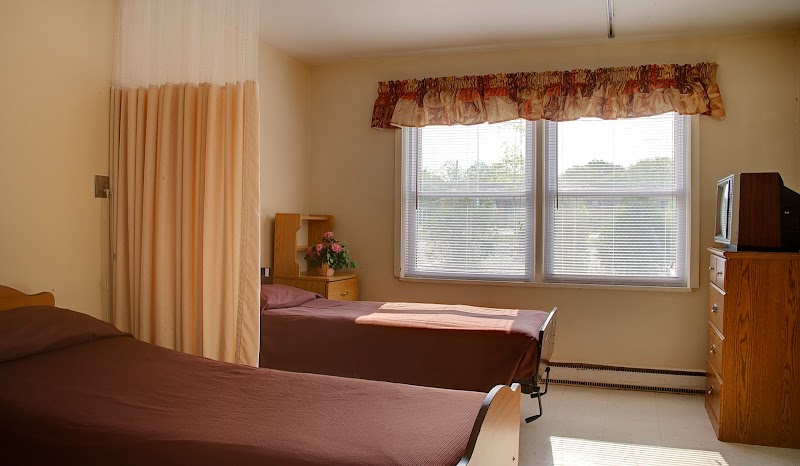
How is Arbors At Springfield Staffed?

CMS rates ARBORS AT SPRINGFIELD's staffing level at 3 out of 5 stars, which is average compared to other nursing homes. Staff turnover is 59%, which is 13 percentage points above the Ohio average of 46%. High turnover can affect care consistency as new staff learn residents' individual needs.

What Have Inspectors Found at Arbors At Springfield?

State health inspectors documented 36 deficiencies at ARBORS AT SPRINGFIELD during 2019 to 2024. These included: 1 that caused actual resident harm and 35 with potential for harm. Deficiencies causing actual harm indicate documented cases where residents experienced negative health consequences.
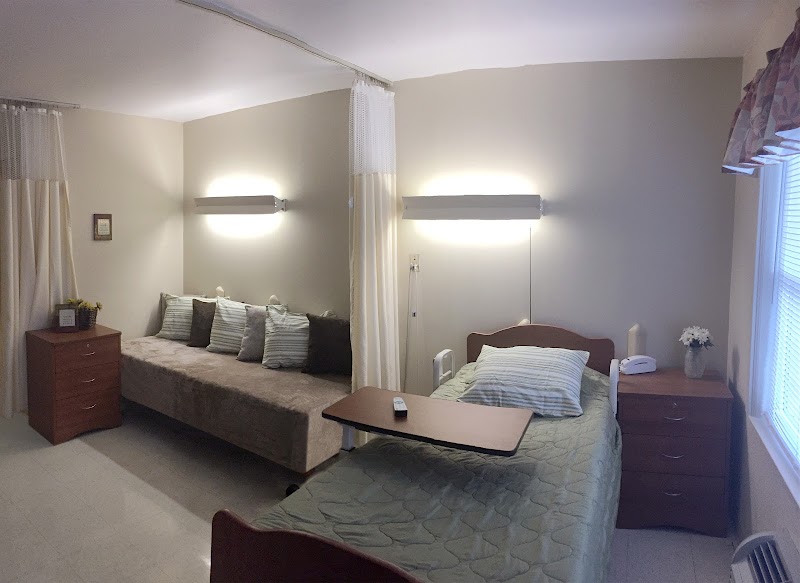
Who Owns and Operates Arbors At Springfield?

ARBORS AT SPRINGFIELD is owned by a for-profit company. For-profit facilities operate as businesses with obligations to shareholders or private owners. The facility is operated by ARBORS AT OHIO, a chain that manages multiple nursing homes. With 46 certified beds and approximately 34 residents (about 74% occupancy), it is a smaller facility located in SPRINGFIELD, Ohio.
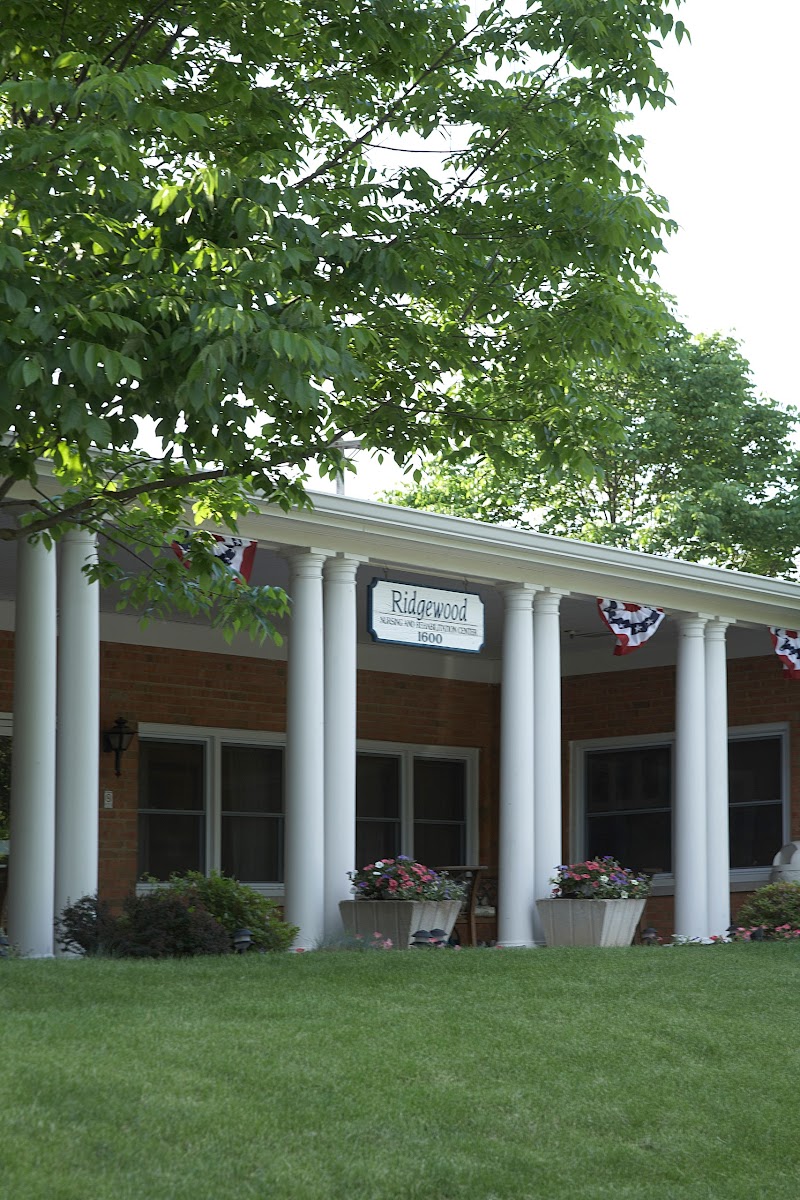
How Does Arbors At Springfield Compare to Other Ohio Nursing Homes?

Compared to the 100 nursing homes in Ohio, ARBORS AT SPRINGFIELD's overall rating (3 stars) is below the state average of 3.2, staff turnover (59%) is significantly higher than the state average of 46%, and health inspection rating (3 stars) is at the national benchmark.

What Should Families Ask When Visiting Arbors At Springfield?

Based on this facility's data, families visiting should ask: "How do you ensure continuity of care given staff turnover, and what is your staff retention strategy?" "Can I visit during a mealtime to observe dining assistance and food quality?" "How do you handle medical emergencies, and what is your hospital transfer rate?" "Can I speak with family members of current residents about their experience?" These questions are particularly relevant given the facility's high staff turnover rate.

Is Arbors At Springfield Safe?

Based on CMS inspection data, ARBORS AT SPRINGFIELD has a clean safety record: no substantiated abuse findings (meaning no confirmed cases of resident harm), no Immediate Jeopardy citations (the most serious violation level indicating risk of serious injury or death), and is not on the Special Focus Facility watch list (a federal program monitoring the lowest-performing 1% of nursing homes). The facility has a 3-star overall rating and ranks #100 of 100 nursing homes in Ohio. While no facility is perfect, families should still ask about staff-to-resident ratios and recent inspection results during their visit.

Do Nurses at Arbors At Springfield Stick Around?

Staff turnover at ARBORS AT SPRINGFIELD is high. At 59%, the facility is 13 percentage points above the Ohio average of 46%. High turnover means new staff may not know residents' individual needs, medications, or preferences. It can also be disorienting for residents, especially those with dementia who rely on familiar faces. Families should ask: What is causing the turnover? What retention programs are in place? How do you ensure care continuity during staff transitions?

Was Arbors At Springfield Ever Fined?

ARBORS AT SPRINGFIELD has no federal fines on record. CMS issues fines when nursing homes fail to meet care standards or don't correct problems found during inspections. The absence of fines suggests the facility has either maintained compliance or corrected any issues before penalties were assessed. This is a positive indicator, though families should still review recent inspection reports for the full picture.

Is Arbors At Springfield on Any Federal Watch List?

ARBORS AT SPRINGFIELD is not on any federal watch list. The most significant is the Special Focus Facility (SFF) program, which identifies the bottom 1% of nursing homes nationally based on persistent, serious quality problems. Not being on this list means the facility has avoided the pattern of deficiencies that triggers enhanced federal oversight. This is a positive indicator, though families should still review the facility's inspection history directly.