AVENTURA AT OAKWOOD VILLAGE
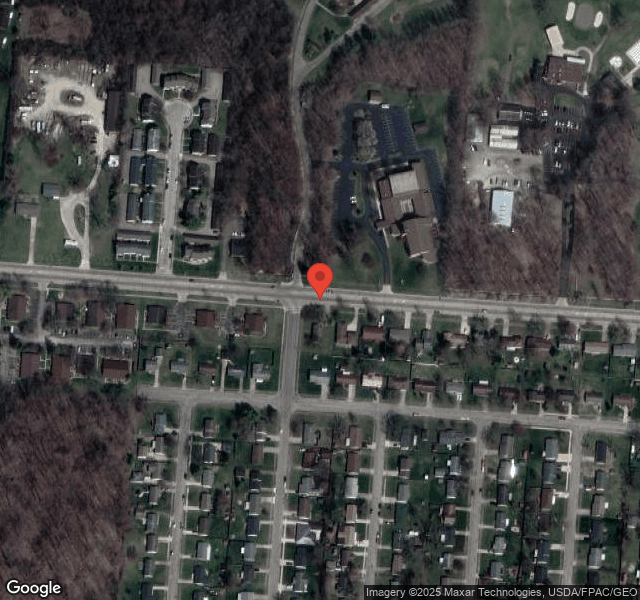
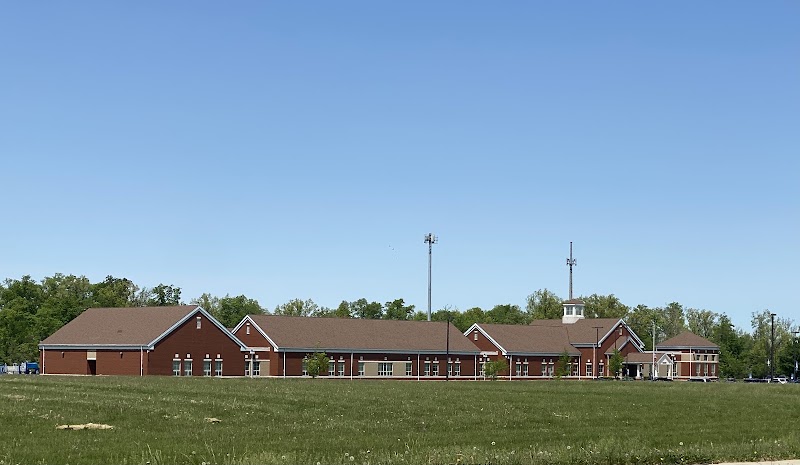
1500 VILLA ROAD, SPRINGFIELD, OH 45503 (937) 390-9000
For profit - Limited Liability company 116 Beds AVENTURA HEALTH GROUP Data: November 2025
Trust Grade
40/100
#608 of 913 in OH
Last Inspection: May 2025

Inspected within the last 6 months. Data reflects current conditions.

Overview

Aventura at Oakwood Village has received a Trust Grade of D, indicating below-average performance with some significant concerns. They rank #608 out of 913 nursing facilities in Ohio, placing them in the bottom half, and #9 out of 13 in Clark County, suggesting that there are better local options. Unfortunately, the facility is worsening, with the number of issues increasing from 6 in 2024 to 11 in 2025. Staffing is a concern, with a rating of 2 out of 5 stars and a turnover rate of 59%, which is around the average for Ohio. While the facility has not incurred any fines, it has less RN coverage than 86% of Ohio facilities, meaning residents may not receive the comprehensive oversight needed for their care. Specific incidents include a serious finding where a resident dependent on staff for basic needs was not adequately monitored, as well as concerns about unsanitary food handling and inadequate water management practices, which could pose health risks to all residents. Despite these weaknesses, it is noteworthy that the facility has no fines, which may indicate some level of operational stability. Families should weigh these strengths and weaknesses carefully when considering Aventura at Oakwood Village for their loved ones.

Trust Score
D
40/100
In Ohio
#608/913
Bottom 34%
Safety Record
Moderate
Needs review
Inspections
Getting Worse
6 → 11 violations
Staff Stability
⚠ Watch
59% turnover. Above average. Higher turnover means staff may not know residents' routines.
Penalties
✓ Good
No fines on record. Clean compliance history, better than most Ohio facilities.
Skilled Nurses
⚠ Watch
Each resident gets only 26 minutes of Registered Nurse (RN) attention daily — below average for Ohio. Fewer RN minutes means fewer trained eyes watching for problems.
Violations
⚠ Watch
38 deficiencies on record. Higher than average. Multiple issues found across inspections.
★★☆☆☆
2.0
Overall Rating
★★☆☆☆
2.0
Staff Levels
★★☆☆☆
2.0
Care Quality
★★☆☆☆
2.0
Inspection Score
Stable
2024: 6 issues
2025: 11 issues

The Good

  • Full Sprinkler Coverage · Fire safety systems throughout facility
  • No fines on record

Facility shows strength in fire safety.

The Bad

2-Star Overall Rating

Below Ohio average (3.2)

Below average - review inspection findings carefully

Staff Turnover: 59%

13pts above Ohio avg (46%)

Frequent staff changes - ask about care continuity

Chain: AVENTURA HEALTH GROUP

Part of a multi-facility chain

Ask about local staffing decisions and management

Staff turnover is elevated (59%)

11 points above Ohio average of 48%

The Ugly 38 deficiencies on record

1 actual harm
May 2025 11 deficiencies 1 Harm
SERIOUS (G) 📢 Someone Reported This

A family member, employee, or ombudsman was alarmed enough to file a formal complaint

Actual Harm - a resident was hurt due to facility failures

Accident Prevention (Tag F0689)

A resident was harmed · This affected 1 resident

**NOTE- TERMS IN BRACKETS HAVE BEEN EDITED TO PROTECT CONFIDENTIALITY** 3. Review of medical record for Resident #32 revealed admission date of 11/12/24 with vascular dementia, chronic obstructive pul...

Read full inspector narrative →
**NOTE- TERMS IN BRACKETS HAVE BEEN EDITED TO PROTECT CONFIDENTIALITY** 3. Review of medical record for Resident #32 revealed admission date of 11/12/24 with vascular dementia, chronic obstructive pulmonary disease, hypertension, diabetes mellitus. Review of the quarterly MDS dated [DATE] revealed she had a Brief Interview Mental Status (BIMS) score of 8, indicating moderate cognitive impairment. MDS revealed Resident #32 was dependent on staff for toileting, showering, dressing, and personal hygiene. Review of the care plan dated 11/13/24, revised 02/25/25, revealed Resident #32 had a potential for falls related to impaired cognition and weakness, interventions included evaluate medication regimen, fall risk assessment per protocol, hospice to supply Bariatric shower chair, keep environment clutter free, keep room well lighted, nonskid footwear at all times, perimeter mattress, and place resident on get up list. Observation on 05/13/25 at 8:49 A.M. of Resident #32 in her room identified she was sitting on the edge of her bed eating breakfast. Resident #32 did not have a perimeter mattress. Interview with CNA #208 confirmed Resident #32 ate breakfast on the side of her bed, had not been out of bed for the day, and did not have her morning cares completed. Observation on 05/15/25 at 10:25 A.M. of Resident #32's bed revealed a bariatric mattress on the bed, no perimeter mattress was observed on the bed or in the room. Interview on 05/15/25 at 10:29 A.M. with CNA #223 confirmed Resident #32's bed had a bariatric mattress and she has had it for a few months. 2. Review of the medical record for Resident #57 revealed an admission date of 04/19/22. Diagnoses included unspecified dementia, heart disease, spinal stenosis, muscle weakness and unspecified psychosis. Review of the plan of care dated 05/09/22 revealed resident was at risk of falls due to decreased mobility with interventions to keep bed in lowest position and two mattresses to right side of the bed. Review progress notes dated 01/09/25 and 04/29/25 revealed resident had a fall from the bed. Review of the Minimum Data Set (MDS) assessment dated [DATE] revealed Resident #57 was cognitively impaired with a BIMS of 00 and was rarely if ever understood. Observation on 05/13/25 at 8:52 A.M. Resident #57 was calling out saying, I want to get up, help, and I need the toilet. It was observed that Resident #57's bed was in high position and both fall mats were leaning up against residents recliner several feet from residents bed tilted up on their side. No staff were observed to be monitoring resident and no staff were present at bedside. Continuous observation on 05/13/25 from 8:52 A.M. to 9:21 A.M. with Resident #57 revealed no staff were present and floor mats remained against the recliner. Interview on 05/13/25 at 9:21 A.M. with Licensed Practical Nurse (LPN) #161 confirmed Resident #57's floor mats were not against the bed as per the care plan. Observation and interview on 05/14/25 at 5:15 P.M. with Registered Nurse (RN) #186 revealed the floor mats should be down at all times unless staff are with Resident #57 providing care such as assisting with feeding her. RN #186 also acknowledged staff were disgruntled regarding the double floor mat and were upset about it being in place as they cannot move it easily. RN #186 acknowledged the floor mats were not in place at the time of the observation and meals had not yet been passed out. RN #186 also verified the bed was not in low or lowest position as per the care plan. 4. Review of the medical record of Resident #75 revealed an admission date of 05/02/24. Diagnoses included cerebral atherosclerosis, hemiplegia and hemiparesis following cerebral infarction affecting left dominant side, atrial fibrillation, type 2 diabetes mellitus, anxiety, insomnia, major depressive disorder, and dementia. Review of the plan of care dated 05/12/25 revealed Resident #75 had a potential for falls and frequently attempted to transfer herself in and out of bed. Interventions included an air mattress with bolsters, dycem to broda chair, educate dietary staff not to move residents out of the dining room, recline broda chair after finished eating meals, encourage resident to lay down after meals, fall mats times two to the right side of the bed, increase rounding, left side of mattress against the wall, encourage to be in common area when up. Review of the quarterly MDS assessment dated [DATE] revealed the resident had severely impaired cognition. Resident #75 was dependent on staff for all activities of daily living. Review of the Morse Fall Scale dated 04/28/25 revealed the resident was at high risk for falling. Further review of all Morse Fall Scale assessments dated 08/20/24 through 04/28/25 revealed the resident was at high risk for falls. Review of the fall investigation dated 08/19/24 revealed the resident sustained an unwitnessed fall at 12:27 P.M. The resident was found laying on the floor next to the bed. The bed was in low position and there were fall mats noted on the floor. The resident was asked if she hit her head and the resident said she did not. The resident was noted with a dark purple bruise to the right forehead. The resident denied pain. The resident was believed to have been attempting to transfer herself. The intervention was to provide a perimeter mattress. The fall investigation was silent for neurochecks being initiated. Review of the fall investigation dated 10/20/24 revealed the resident sustained an unwitnessed fall at 1:00 A.M. The resident was found sitting on her fall mat next to the bed. The bed was in low position. The resident was not able to say how she rolled onto the mat. The resident denied pain. No injuries were noted. The resident was believed to be attempted to transfer herself. The fall investigation did not address whether the perimeter mattress was in place at the time of the fall. The intervention was to provide a perimeter mattress. The fall investigation was silent for neurochecks being initiated. Review of the fall investigation dated 11/01/24 revealed the resident sustained an unwitnessed fall at 12:42 P.M. The resident was found on the floor on the fall mat next to the bed. The bed was in low position. The resident denied hitting her head. The resident did not have any injuries. Neurochecks were noted to be initiated. The investigation did not indicate if the perimeter mattress was in place at the time of the fall. There were no interventions noted to be put into place following the fall. Review of the fall investigation dated 12/06/24 revealed the resident sustained an unwitnessed fall at 1:30 P.M. Resident #75's chair was noted tiled over The resident appeared to have tried to climb out of her geri chair and fell to the floor. The resident complained of pain to her right shoulder and the area was bruised and swollen. Neurochecks were initiated. Review of the fall investigation dated 01/05/25 revealed the resident sustained an unwitnessed fall at 12:00 P.M. The resident was found on the floor on the fall mat next to the bed. The bed was in low position. The resident was believed to have slid out of bed. Neurochecks were initiated. The investigation did not indicate if the perimeter mattress was in place at the time of the fall. Review of a progress note dated 01/05/25 at 1:00 P.M. revealed the hospice nurse visited the resident and received a new order from the hospice physician for haldol 1 milligram every four hours as needed for terminal agitation. Review of the fall follow-up note dated 01/07/25 revealed an intervention of hospice evaluation of medications Review of the fall investigation dated 01/28/25 revealed the resident sustained an unwitnessed fall at 10:15 A.M. The resident was found on the floor in front of her broda chair, which was noted in an upright position. The broda chair was sitting straight up because the resident had been eating breakfast and the resident slid from the broda chair. The resident complained of pain to the right knee and coccyx. Tylenol was administered with positive outcome. The nurse practitioner examined the resident and stated, if pain continued, to send for an x-ray. The investigation did not indicate if the dycem was in place at the time of the fall. The fall investigation was silent for neurochecks being initiated. The intervention was to educate staff to recline broda chair after meals. Review of the fall investigation dated 02/04/25 revealed the resident sustained an unwitnessed fall at 3:15 P.M. The resident as found on the floor at her bedside with her back against the bed. The resident was noted to be looking for her husband who had passed away years ago. The resident was believed to have been trying to get out of bed and slid to the floor onto the mat. Fall mats were noted in place and the bed was in low position. The resident did not have any injuries. Neurochecks were initiated. The intervention was for hospice to evaluate for possible medication changes for anxiety. The investigation did not indicate if the perimeter mattress was in place at the time of the fall. Review of physician orders revealed an order dated 02/08/25 for lorazepam (anti-anxiety medication 0.5 milligrams every 4 hours was ordered as needed. Review of the fall investigation dated 02/15/25 revealed the resident sustained an unwitnessed fall at 3:25 P.M. The resident was found on the floor, laying on her left side, between the bed and the window. The bed was in low position and fall mats were in place. The resident denied hitting her head and did not have any injuries. The resident had last been seen 25 minutes prior. The resident was unable to answer what she was doing at the time of the fall and believed to have rolled out of bed. The investigation did not indicate if the perimeter mattress was in place at the time of the fall. The fall investigation was silent for neurochecks being initiated following the fall. The intervention was to increase rounding. Review of progress notes dated 02/15/25 at 5:50 P.M. and 5:55 P.M. revealed a loud crash was heard in the common area and the resident was found lying on the floor on her left side. The resident had a protruding hematoma measuring 4 centimeters (cm) in length by 3 cm in width by 2 cm in depth. Review of the fall investigation dated 02/15/25 revealed the resident sustained an unwitnessed fall in the common area at 5:50 P.M. The resident was laying on her left side on the floor in front of her broda chair. The resident had last been seen five minutes prior in the dining room for dinner. The resident had a large skin tear noted to her left elbow/forearm and a large, raised bruised area to her left temple. The resident complained of right shoulder pain and was guarding her right arm. The resident was sent to the hospital for evaluation. The intervention was to educate dietary staff to not move the resident from the dining room. The investigation did not indicate if the dycem was in place at the time of the fall. Interview on 05/15/25 at 11:51 A.M. RN #185 stated she was walking toward Resident #75 while she was sitting in the common area and saw her trying to get out of the chair and saw her tip forward and the entire chair tipped forward. RN #185 stated the chair was positioned at a 45 degree angle. RN #185 stated she observed the resident hit her head and one of her arms. RN #185 stated the Resident #75 had a dycem in the wheelchair and the wheelchair was locked. Review of the fall investigation dated 03/10/25 revealed the resident sustained an unwitnessed fall at 4:53 P.M. The resident was found sitting at her bedside on the floor mat. The resident was last seen at 4:30 P.M. The bed was noted in low position. The resident did not have any injuries. The intervention was to place the left side of the bed against the wall. The investigation did not indicate if the perimeter mattress was in place at the time of the fall. The fall investigation was silent for neurochecks being initiated following the fall. Review of the medical record revealed neurochecks were completed for the fall on 12/06/24. There was no evidence of neurochecks being completed at any other time. Interview on 05/15/25 at 1:45 P.M., the Director of Nursing (DON) verified its facility policy to complete neurochecks post fall if the fall is unwitnessed. The DON stated the documentation indicated neurochecks were initiated following most of Resident #75's falls and that sometimes neurochecks are done on paper. The DON confirmed she was not able to locate any neurochecks following Resident #75's falls other than the neurochecks dated 12/06/24. The DON further verified fall investigations did not address whether the perimeter mattress and dycem was in place as appropriate. The DON stated she was not sure if the perimeter mattress was in place at the time of the fall on 10/20/24, however since a perimeter mattress was ordered again, she felt it may not have been in place. The DON verified the fall investigations were not thorough as they did not contain information regarding what interventions were in place at the time of Resident #75's falls. Review of the facility policy titled, Neurological Assessment, dated 10/2010, revealed neurological assessments are indicated following an unwitnessed fall and following a fall involving head trauma. Review of the facility policy titled, Assessing Falls and Their Causes, dated 03/2018, revealed, when a resident falls information should be included in the medical record, including the condition in which the resident was found and interventions. Review of the facility policy titled, Managing Falls and Fall Risk, dated 07/08/24 revealed resident-specific interventions should be documented and placed in the care plan. This deficiency represents non-compliance investigated under Complaint Number OH00164621. Based on medical record review, review of facility investigation, staff interviews, and review of facility policy, the facility failed to ensure staff safely transferred a resident in accordance with the care plan. This resulted in Actual Harm when Certified Nurse Aide (CNA) #250 transferred Resident #149 from the bed to wheelchair on 04/10/25 without a mechanical lift (Hoyer) as care planned and the resident subsequently sustained a fall resulting in bilateral femur fractures. Additionally, the facility failed to ensure fall interventions were in place in accordance with Resident #57 and #32's care plan, failed to ensure Resident #75's falls were thoroughly investigated and failed to implement neurological checks (neurochecks) in accordance with facility policy following Resident #75's falls, which placed the resident's at risk for more than minimal harm. This affected four (#149, #32, #57, and #75) of seven residents reviewed for accidents. The facility census was 104. Findings include: 1. Review of Resident #149's closed medical record revealed an admission date of 12/01/15. Diagnoses listed included hypertension, arthritis, hypothyroidism, dementia, psychotic mood disturbance, and chronic kidney disease. Review of a quarterly Minimum Data Set (MDS) dated [DATE] revealed Resident #149 was totally dependent on staff for transfers, was receiving Hospice services, and was severely cognitively impaired. Review of care plan initiated 12/31/24 revealed Resident #149 was at risk for falls related to weakness, pain, decreased endurance, impaired judgement, and cognitive impairment. Resident #149 had a self-care deficit related to altered cognitive status, altered mobility, pain, weakness, and sensory deficit. Resident #149 required staff assistance with activities of daily living (ADL's) and required two staff members for transfers with a Hoyer. Review of progress notes dated 04/10/25 at 11:30 A.M. revealed Resident #149 was on the floor on her knees. CNA #250 stated she was trying to stand and pivot Resident #149 into the wheelchair. Resident #149 was non-ambulatory and was non-weight bearing. Resident #149 was returned to bed for an assessment and complained of pain in knees and legs. Both of Resident #149's feet were feet were edematous with purple areas. New orders were obtained for stat (as soon as possible) X-radiation (X-ray) of both hips and legs. Review of X-ray results dated 04/10/25 revealed acute fractures of Resident #149's left and right femur. Further review of Resident #149's medical record revealed the resident's bilateral femur fractures were not aggressively treated due to the resident's condition and the resident being on Hospice care. Review of a Fall Investigation revealed Resident #149 obtained fractures to the left and right femur when lowered to the ground by agency CNA #250. When told to get Resident #149's roommate out of bed agency CNA #250 instead attempted to get Resident #149 out of bed and dropped her to her knees. Resident #149 obtained left and right thigh fractures. Interview with the Director of Nursing (DON) on 05/14/25 at 2:33 P.M. confirmed Resident #149 was improperly transferred by Agency CNA #250 on 04/10/25. The DON confirmed Resident #149 was non-weight bearing and fell during transfer by CNA #250. CNA #250 made a mistake and was supposed to get up Resident #149's roommate. The DON confirmed Resident #149 fractured both femurs as a result of the fall. Interview with the DON on 05/15/25 at 10:04 A.M. confirmed CNA #149 did not use a Hoyer or assistance of another staff member when attempting to transfer Resident #149 on 04/10/25. Review of the facility's policy titled, Safe Lifting and Movement of Residents dated July 2017 revealed in order to protect the safety and well-being of staff and residents, and to promote quality care, this facility uses appropriate techniques and devices to lift and move residents. Mechanical lifting devices shall be used for heavy lifting, including lifting and moving residents when necessary.
CONCERN (D)

Potential for Harm - no one hurt, but risky conditions existed

Resident Rights (Tag F0550)

Could have caused harm · This affected 1 resident

**NOTE- TERMS IN BRACKETS HAVE BEEN EDITED TO PROTECT CONFIDENTIALITY** Based on record review, observations, staff and resident interviews and policy review, facility failed to ensure a resident was ...

Read full inspector narrative →
**NOTE- TERMS IN BRACKETS HAVE BEEN EDITED TO PROTECT CONFIDENTIALITY** Based on record review, observations, staff and resident interviews and policy review, facility failed to ensure a resident was afforded dignity during a meal when staff did not stand while providing feeding assistance. This affected one (#25) of three residents reviewed for dignity. Facility census was 104. Findings include: Review of the medical record of Resident #25 revealed an admission date of 04/20/22. Diagnoses included parkinsonism and moderate protein-calorie malnutrition. Review of the comprehensive Minimum Data Set (MDS) assessment dated [DATE] revealed the Resident #25 had intact cognition. Resident #25 was dependent on staff for all activities of daily living. Observation on 05/14/25 at 12:38 P.M. revealed Certified Nursing Assistant (CNA) #252 delivered a lunch tray to Resident #25, who was resting in bed. CNA #252 set up Resident #25's tray and began to feed her, while standing over her. Observation on 05/14/25 at 12:39 P.M., Resident #25 asked CNA #252 if she was going to sit down. CNA #252 was not observed to respond or acknowledge Resident #25's question and continued to feed Resident #25 while standing. Further observation at the same time revealed there was a chair located behind CNA #252, approximately six feet away. Continued observation on 05/14/25 between 12:40 P.M. and 12:53 P.M. revealed CNA #252 continued to stand over Resident #25 to feed her. Interview on 05/14/25 at 12:54 P.M., CNA #252 verified she stood over Resident #25 during the entire time she fed her lunch. Interview on 05/14/25 at 1:00 P.M., Resident #25 verified she asked CNA #252 to sit down while she was feeding her. Review of the facility policy titled, Resident Rights Policy and Procedure, dated 2025, revealed all staff and associates must treat residents with respect and dignity and care for each resident in a manner and in an environment that promotes maintenance or enhancement of his or her quality of life, recognizing each resident's individuality.
CONCERN (D)

Potential for Harm - no one hurt, but risky conditions existed

Notification of Changes (Tag F0580)

Could have caused harm · This affected 1 resident

**NOTE- TERMS IN BRACKETS HAVE BEEN EDITED TO PROTECT CONFIDENTIALITY** Based on medical record review, staff interview, and policy review, the facility failed to notify resident responsible party/pow...

Read full inspector narrative →
**NOTE- TERMS IN BRACKETS HAVE BEEN EDITED TO PROTECT CONFIDENTIALITY** Based on medical record review, staff interview, and policy review, the facility failed to notify resident responsible party/power of attorney (POA) of significant weight loss. This affected one (#37) of three residents reviewed for weight loss. The facility census was 104. Findings include: Review of the medical record of Resident #37 revealed an admission date of 09/18/20. The resident transferred to the hospital on [DATE] and returned to the facility on [DATE]. Diagnoses included aspiration pneumonia, chronic obstructive pulmonary disease, prostate cancer, type 2 diabetes mellitus, moderate protein-calorie malnutrition, and dementia with behavioral disturbance. Review of the 5-day Medicare Minimum Data Set (MDS) assessment dated [DATE] revealed the resident had severely impaired cognition. The resident required set-up/clean-up assistance for eating, substantial/maximal assistance with bed mobility, and was dependent on staff for toileting, bathing, dressing, and transfers. Review of weights revealed, on 10/08/24, Resident #37 weighed 146.4 pounds. On 11/06/24, Resident #37 weighed 144.1 pounds. On 01/06/25, Resident #37 weighed 145.4 pounds. On 03/17/25, Resident #37 weighed 146.2 pounds. On 04/07/25, Resident #37 weighed 129.8 pounds. On 04/19/25, Resident #37 weighed 109 pounds. On 05/05/25, Resident #37 weighed 118 pounds. Review of the medical record revealed Resident #37's son was listed as Resident #37's medical POA. Review of the medical record revealed no evidence of the resident's medical POA being notified of Resident #37's weight changes on 04/07/25 (10.9% loss within 1 month), 04/19/25 (25% loss for 1 month), and 05/05/25 (9.2% loss for 1 month, 18% loss for 6 months). Interview on 05/14/25 at 2:49 P.M., Registered Dietitian (RD) #116 verified he had not notified Resident #37's POA of Resident #37's weight changes. RD #116 stated he last spoke with Resident #37's POA during the care conference on 03/28/25 and further verified the resident had not experienced a documented weight change at that time. Review of the facility policy titled, Weight Assessment and Intervention, dated 08/2022, revealed the POA would be notified of any change of 5% or more from the last weight. Severe weight loss was defined as greater than 5% for 1 month and 10% for 6 months.
CONCERN (D)

Potential for Harm - no one hurt, but risky conditions existed

Deficiency F0605 (Tag F0605)

Could have caused harm · This affected 1 resident

**NOTE- TERMS IN BRACKETS HAVE BEEN EDITED TO PROTECT CONFIDENTIALITY** Based on record review, staff interview and policy review, the facility failed to ensure a resident was free from unnecessary me...

Read full inspector narrative →
**NOTE- TERMS IN BRACKETS HAVE BEEN EDITED TO PROTECT CONFIDENTIALITY** Based on record review, staff interview and policy review, the facility failed to ensure a resident was free from unnecessary medications by ensuring as needed psychotropic medications were limited to 14 days. This affected one (#61) of five reviewed for unnecessary medications. Facility census was 104. Findings include Review of the medical record for Resident #61 revealed an admission date of 11/01/23. Diagnoses included cerebrovascular disease, hemiplegia and hemiparesis, malnutrition, vascular dementia and unspecified psychosis. Review of the plan of care dated 03/19/24 revealed resident had a history of becoming aggressive and resisting care with interventions to administer medications as ordered and monitor behaviors. The care plan revealed resident used psychotropic medications related to anxiety and depression with interventions to give medications as ordered and monitor for side effects. The care plan also stated residents used antipsychotic's with interventions to consult with pharmacy, give medications as ordered and monitor symptoms. Review of the Minimum Data Set (MDS) assessment dated [DATE] revealed Resident #61 was cognitively impaired with a Brief Interview for Mental Status (BIMS) of three out of 15. Review of Resident #61's physician order for 04/25/25 for Ativan oral tablet 0.5 milligrams (MG) with instructions to give one tablet by mouth every four hours as needed for anxiety/dyspnea. Interview on 05/15/25 at 2:00 P.M. with Director of Nursing (DON) confirmed Resident #61 had an order for Ativan PRN from 04/25/25. The DON confirmed the order should have had a stop date and should not been ordered for over 14 days. Review of facility policy titled Medication Management - Psychotropic dated 03/24/25, revealed GDR ' s shall be completed unless contraindicated and psychotropic medications ordered in PRN (as needed) status are limited to 14 days.
CONCERN (D)

Potential for Harm - no one hurt, but risky conditions existed

Deficiency F0657 (Tag F0657)

Could have caused harm · This affected 1 resident

**NOTE- TERMS IN BRACKETS HAVE BEEN EDITED TO PROTECT CONFIDENTIALITY** Based on observations, staff interviews and record review, facility failed to ensure the activity careplan had appropriate and r...

Read full inspector narrative →
**NOTE- TERMS IN BRACKETS HAVE BEEN EDITED TO PROTECT CONFIDENTIALITY** Based on observations, staff interviews and record review, facility failed to ensure the activity careplan had appropriate and resident centered interventions. This affected one Resident (#49) of one reviewed for activities. Facility census was 104. Findings include Review of the medical record for Resident #49 revealed an admission date of 07/03/18. Diagnoses included senile degeneration of the brain, unspecified psychosis, anxiety, and spinal stenosis. Review of the activity assessment dated [DATE] revealed resident was alert and oriented with come confusion. Resident reported she was religious (Catholic) and enjoyed baking/cooking, country music, and television, movies and dogs. Review of the plan of care dated 03/03/23 revealed Resident #49 was at risk for alteration in activities with interventions for one on one activities. Review of the activity assessment dated [DATE] revealed resident had unchanged preferences and the preferences were for one to one activity participation. Review of the Minimum Data Set (MDS) assessment dated [DATE] revealed Resident #49 was cognitively impaired with a BIMS of 00 and was rarely if ever understood. Review of the activity participation revealed resident was only offered three one on one visits in 04/2025 and only two visits in 05/2025 with no visits in the previous 10 days. Review of the calendar dated 04/2025 revealed activities ended at 1:30 P.M. for the day except four days that ended at 2:00 P.M. Review of the calendar dated 05/2025 revealed activities ended at 3:00 P.M. with no evening activities planned. Observations on 05/12/25 at 9:20 A.M. and 4:50 P.M. revealed Resident #49 was sitting in her room without any lights on, no television or music was playing and resident was laying in bed staring up at the ceiling. Resident had not been out of bed or to any activities this date. Observations on 05/13/25 from 10:00 A.M. and 3:00 P.M. revealed Resident #49 was sitting in her room without any lights on, no television or music was playing. Resident had not been out of bed or to any activities this date. Staff did not invite or encourage activity attendance prior to any activities this date. Interviews on 05/15/25 at 11:55 A.M. with Activity Coordinator #100 and Activity Aide #101 confirmed the activity care plans were not updated to reflect interests and did not include activity options for a resident with cognitive impairment and decline in health. Review of facility policy titled Activity Evaluation, dated 06/2018 revealed the activity careplan shall include resident needs and allow resident to participate in activities of their interest.
CONCERN (D)

Potential for Harm - no one hurt, but risky conditions existed

Deficiency F0679 (Tag F0679)

Could have caused harm · This affected 1 resident

**NOTE- TERMS IN BRACKETS HAVE BEEN EDITED TO PROTECT CONFIDENTIALITY** Based on record review, observations, staff interviews and policy review, the facility failed to ensure facility offered a resid...

Read full inspector narrative →
**NOTE- TERMS IN BRACKETS HAVE BEEN EDITED TO PROTECT CONFIDENTIALITY** Based on record review, observations, staff interviews and policy review, the facility failed to ensure facility offered a resident activities of interest. This affected one (#49) of one resident reviewed for activities. The facility census was 104. Findings include Review of the medical record for Resident #49 revealed an admission date of 07/03/18. Diagnoses included senile degeneration of the brain, unspecified psychosis, anxiety, and spinal stenosis. Review of the activity assessment dated [DATE] revealed resident was alert and oriented with come confusion. Resident reported she was religious (Catholic) and enjoyed baking/cooking, country music, and television, movies and dogs. Review of the plan of care dated 03/03/23 revealed Resident #49 was at risk for alteration in activities with interventions for one on one activities. Review of the activity assessment dated [DATE] revealed resident had unchanged preferences and the preferences were for one to one activity participation. Review of the Minimum Data Set (MDS) assessment dated [DATE] revealed Resident #49 was cognitively impaired with a BIMS of 00 and was rarely if ever understood. Review of the activity participation revealed resident was only offered three one on one visits in 04/2025 and only two visits in 05/2025 with no visits in the previous 10 days. Review of the calendar dated 04/2025 revealed activities ended at 1:30 P.M. for the day except four days that ended at 2:00 P.M. Review of the calendar dated 05/2025 revealed activities ended at 3:00 P.M. with no evening activities planned. Observations on 05/12/25 at 9:20 A.M. and 4:50 P.M. revealed Resident #49 was sitting in her room without any lights on, no television or music was playing and resident was laying in bed staring up at the ceiling. Resident had not been out of bed or to any activities this date. Observations on 05/13/25 from 10:00 A.M. and 3:00 P.M. revealed Resident #49 was sitting in her room without any lights on, no television or music was playing. Resident had not been out of bed or to any activities this date. Staff did not invite or encourage activity attendance prior to any activities this date. Interviews on 05/15/25 at 11:55 A.M. with Activity Coordinator #100 and Activity Aide #101 revealed facility shall complete activity assessments upon admission, quarterly and annually that would include residents abilities and interests. Activity Aide #101 confirmed staff will be assigned a group of residents for one on one visits and residents should be seen at least weekly four about 10 to 20 minutes. They confirmed Resident #49 only had three visits in 04/2025 and two 05/2025 with no visits in the previous 10 days. They confirmed Resident #49's previous activity assessments when resident was more alert and confirmed facility could have a television or music playing for Resident #49. Review of facility policy titled Activity Evaluation, dated 06/2018 revealed the activity evaluation shall be conducted to reflect interest of the residents. Resident ' s lifelong interests, spirituality, needs and preferences were to be included in the evaluation. The activity care plan shall include resident needs and allow resident to participate in activities of their interest.
CONCERN (D)

Potential for Harm - no one hurt, but risky conditions existed

Deficiency F0692 (Tag F0692)

Could have caused harm · This affected 1 resident

**NOTE- TERMS IN BRACKETS HAVE BEEN EDITED TO PROTECT CONFIDENTIALITY** 2. Review of medical record for Resident # 58 revealed admission date of 02/19/2024 with end stage renal disease, diabetes melli...

Read full inspector narrative →
**NOTE- TERMS IN BRACKETS HAVE BEEN EDITED TO PROTECT CONFIDENTIALITY** 2. Review of medical record for Resident # 58 revealed admission date of 02/19/2024 with end stage renal disease, diabetes mellitus type 2, dependence on renal dialysis, heart failure, and chronic obstructive pulmonary disease. Review of the quarterly MDS dated [DATE] revealed she had a Brief Interview Mental Status (BIMS) score of 15 indicating intact cognition. Review of the care plan dated 03/27/25 revealed Resident #58 had renal insufficiency related to end stage chronic kidney disease stage 3 (CKD-3). Interventions included monitoring, documenting, and reporting to physician as needed the following signs and symptoms. Edema, weight gain of over two pounds a day, neck vein distension, difficulty breathing (dyspnea), increased heart rate (tachycardia), elevated blood pressure (hypertension), skin temperature, peripheral pulses, level of consciousness, monitor breath sounds for crackles. Review of the physician's orders revealed an order for daily weights one time a day for congestive heart failure (CHF) starting 02/27/24. Record review of the February, March, April, and May Medication Administration Record (MAR) revealed daily weights were scheduled for 5:00 A.M. Further review of the MAR for February, March, April, and May revealed weights were not obtained as ordered on 02/01/25, 02/05/25, 02/07/25, 02/12/25, 02/21/25, 02/22/25, 02/28/25, 03/01/25, 03/04/25, 03/05/25, 03/09/25, 03/10/25, 03/11/25, 03/15/25, 03/16/25, 03/17/25, 03/19/25, 03/24/25, 03/26/25, 03/31/25, 04/07/25, 04/09/25, 04/12/25, 04/13/25, 04/14/25, 04/20/25, 04/26/25, 04/28/25, 04/30/25, 05/03/25, and 05/04/25. Interview on 05/15/25 at 2:20 P.M. with the Director of Nursing verified daily weights were not obtained as ordered on 02/01/25, 02/05/25, 02/07/25, 02/12/25, 02/21/25, 02/22/25, 02/28/25, 03/01/25, 03/04/25, 03/05/25, 03/09/25, 03/10/25, 03/11/25, 03/15/25, 03/16/25, 03/17/25, 03/19/25, 03/24/25, 03/26/25, 03/31/25, 04/07/25, 04/09/25, 04/12/25, 04/13/25, 04/14/25, 04/20/25, 04/26/25, 04/28/25, 04/30/25, 05/03/25, and 05/04/25. Review of the facility policy titled Weight Assessment and Intervention dated 08/2022 revealed residents are weighed upon admission and at intervals established by the interdisciplinary team and weights are recorded in the individual's medical record. Based on medical record review, resident and staff interviews, and policy review, the facility failed to ensure weights were obtained in accordance with physician orders or the facility policy. This affected two (#25 and #58) of five residents reviewed for nutrition. The facility census was 104. Findings include: 1. Review of the medical record of Resident #25 revealed an admission date of 04/20/22. Diagnoses included parkinsonism and moderate protein-calorie malnutrition. Review of the comprehensive Minimum Data Set (MDS) assessment dated [DATE] revealed the resident had intact cognition. The resident was dependent on staff for all activities of daily living. Review of the medical record revealed, on 11/07/24, Resident #25 weighed 128.2 pounds. On 12/07/25, Resident #25 weighed 128.3 pounds. On 01/07/25, Resident #25 weighed 135.6 pounds. On 03/07/25, Resident #25 weighed 135.7 pounds. On 04/07/25, Resident #25 weighed 130.6 pounds. On 05/05/25, Resident #25 weighed 116 pounds. There were no additional weights recorded after 05/05/25. Review of the medical record revealed no evidence of the dietitian acknowledging Resident #25's weight change. Interview on 05/12/25 at 9:50 A.M., Resident #25 stated the last time she had been weighed, the scale was beeping and she was told she had lost weight. Resident #25 stated she wanted to be reweighed, however she had not yet been weighed again. Interview on 05/14/25 at 11:03 A.M., Resident #25 stated she had not been reweighed since being weighed on 05/05/25 and nobody had offered to weigh her. Interview on 05/14/25 at 2:55 P.M., Registered Dietitian (RD) #116 stated he was aware of the 14 pound weight change (11.4% loss) between 04/07/25 and 05/05/25 and had requested for the resident to be reweighed during the prior week, however it had not yet been completed. RD #116 stated his expectation is for a reweight to be completed within 48 hours of his request and verified the reweight had not been completed in a timely manner. Review of the facility policy titled, Weight Assessment and Intervention, dated 08/2022, revealed any weight change of 5% or more since the last weight assessment should be evaluated the the dietitian. The dietitian will notify the nursing staff to obtain a reweight for confirmation.
CONCERN (D)

Potential for Harm - no one hurt, but risky conditions existed

Pharmacy Services (Tag F0755)

Could have caused harm · This affected 1 resident

**NOTE- TERMS IN BRACKETS HAVE BEEN EDITED TO PROTECT CONFIDENTIALITY** Based on record review, staff and resident interviews, and policy review, the facility failed to ensure medications were adminis...

Read full inspector narrative →
**NOTE- TERMS IN BRACKETS HAVE BEEN EDITED TO PROTECT CONFIDENTIALITY** Based on record review, staff and resident interviews, and policy review, the facility failed to ensure medications were administered as physician ordered. This affected two (#91 and #58) of 12 residents reviewed for medication administration. The facility census was 104. Findings include: 1. Review of medical record for Resident # 58 revealed admission date of 02/19/2024 with end stage renal disease, diabetes mellitus type 2, dependence on renal dialysis, heart failure, and chronic obstructive pulmonary disease. Review of the quarterly Minimum Data Set (MDS) dated [DATE] revealed she had a Brief Interview Mental Status (BIMS) score of 15 indicating intact cognition. Review of the physician orders revealed an order for Renvela (chronic kidney disease with dialysis) 800 milligrams (mg) once daily with a start date of 11/30/24. Record review of the January, February, March, April, and May Medication Administration Record (MAR) revealed Renvela was scheduled for administration at rising. Further review of the MAR for January, February, March, April, and May revealed Renvela was not administered as ordered on 01/10/25, 01/11/25, 01/13/25, 01/14/25, 01/15/25, 01/24/25, 01/25/25, 01/26/25, 01/27/25, 01/29/25, 02/01/25, 02/03/25, 02/05/25, 02/06/25, 02/07/25, 02/10/25, 02/12/25, 02/13/25, 02/14/25, 02/15/25, 02/17/25, 02/19/25, 02/23/25, 02/24/25, 02/27/25, 03/01/25, 03/2/25, 03/03/25, 03/04/25, 03/05/25, 03/08/25, 03/09/25, 03/13/25, 03/14/25, 03/17/25, 03/20/25, 03/23/25, 03/24/25, 03/26/25, 03/27/25, 03/31/25, 04/01/25, 04/03/25, 04/06/25, 04/09/25, 04/30/25, 05/03/25, 05/04/25, 05/06/25, 05/08/25, 05/13/25. Further record review of progress notes revealed Renvela was not available from the pharmacy for administration on the above dates. Interview on 05/15/25 at 2:15 P. M. with the Director of Nursing verified Renvela was not administered as prescribed on 01/10/25, 01/11/25, 01/13/25, 01/14/25, 01/15/25, 01/24/25, 01/25/25, 01/26/25, 01/27/25, 01/29/25, 02/01/25, 02/03/25, 02/05/25, 02/06/25, 02/07/25, 02/10/25, 02/12/25, 02/13/25, 02/14/25, 02/15/25, 02/17/25, 02/19/25, 02/23/25, 02/24/25, 02/27/25, 03/01/25, 03/2/25, 03/03/25, 03/04/25, 03/05/25, 03/08/25, 03/09/25, 03/13/25, 03/14/25, 03/17/25, 03/20/25, 03/23/25, 03/24/25, 03/26/25, 03/27/25, 03/31/25, 04/01/25, 04/03/25, 04/06/25, 04/09/25, 04/30/25, 05/03/25, 05/04/25, 05/06/25, 05/08/25, 05/13/25. Review of the facility policy titled Administering Medications dated 08/2024 revealed medications are administered in accordance with prescriber orders, including any required time frame. 2. Review of the medical record for Resident #91 revealed an admission date of 03/25/25 with diagnoses of unspecified sequelae of cerebral infarction, hemiplegia and hemiparesis following cerebral infarction affecting right dominant side, and anxiety disorder. Review of the Medicare-5 Day MDS dated [DATE] revealed resident had moderate cognitive impairment. Review of the Care Plan, dated 04/15/25 revealed resident is at risk for altered Cardiovascular, has Seizure Disorder/Narcolepsy, uses antidepressant medications related to anxiety depression, and mood disorder, and is at risk for negative mood / behavior related to diagnosis of major depressive disorder. Interventions include administer medications as ordered. Review of the Medication Administration Record (MAR) dated 05/01/25 through 05/31/25 revealed the following medications were not administered on 05/07/25 Metoprolol Tartrate Oral Tablet 25 MG 0.5 tablet with the Code #16, see nurse note. The following medications were not administered on 05/08/25 Pramipexole Dihydrochloride Oral Tablet 1.5 MG 2 tablets and Doxepin HCl Oral Capsule 10 MG 1 capsule with the code #16, see nurse notes. The following medications were not administered on 05/10/25 Citalopram Hydrobromide Oral Tablet 20 MG 1 tablet, Pramipexole Dihydrochloride Oral Tablet 1.5 MG 2 tablets, Metoprolol Tartrate Oral Tablet 25 MG 0.5 tablet, Divalproex Sodium Oral Tablet Delayed Release 250 MG 1 tablet, Atorvastatin Calcium Oral Tablet 40 MG 1 tablet, Doxepin HCl Oral Capsule 10 MG 1 capsule, Apixaban Oral Tablet 5 MG 1 tablet with the code #16, see nurse notes. Review of the nurse's notes revealed on 05/07/25 at 8:44 P.M. Metoprolol Tartrate Oral Tablet 25 MG 0.5 tablet for hypertension was not administered due to await arrival from pharmacy. Review of the nurse's notes revealed on 05/08/25 at 10:08 P.M. Doxepin HCl Oral Capsule 10 MG 1 capsule for depression was not administered due to on order, not available. Review of the nurse's notes revealed on 05/08/25 at 10:09 P.M. Pramipexole Dihydrochloride Oral Tablet 1.5 MG 2 tablets for restless legs syndrome was not administered due to on order, not available. Review of the nurse's noted revealed on 05/10/25 at 1:52 A.M. Apixaban Oral Tablet 5 MG 1 tablet for cardiovascular accident was not administered due to on order. Review of the nurse's noted revealed on 05/10/25 at 1:52 A.M. Doxepin HCl Oral Capsule 10 MG 1 capsule for depression was not administered due to on order. Review of the nurse's noted revealed on 05/10/25 at 1:53 A.M. Atorvastatin Calcium Oral Tablet 40 MG 1 tablet for hyperlipidemia was not administered due to on order. Review of the nurse's noted revealed on 05/10/25 at 1:53 A.M. Divalproex Sodium Oral Tablet Delayed Release 250 MG 1 tablet for narcolepsy was not administered due to on order. Review of the nurse's noted revealed on 05/10/25 at 1:54 A.M. Metoprolol Tartrate Oral Tablet 25 MG 0.5 tablet for hypertension was not administered due to on order. Review of the nurse's noted revealed on 05/10/25 at 1:55 A.M. Pramipexole Dihydrochloride Oral Tablet 1.5 MG 2 tablets for restless legs syndrome was not administered due to on order. Review of the nurse's noted revealed on 05/10/25 at 8:25 A.M. Citalopram Hydrobromide Oral Tablet 20 MG 1 tablet for depression was not administered due to awaiting pharmacy. Interview with Resident #91 on 05/12/25 at 11:02 A.M. confirmed she did not receive her medications over the weekend, specifically on night shift as ordered. Interview on 05/15/25 at 2:48 P.M. with the Director of Nursing confirmed Resident #91 did not received her medications on 05/07/25 at 8:44 P.M., 05/08/25 at 10:08 P.M., 05/08/25 at 10:09 P.M., 05/10/25 at 1:52 A.M., 05/10/25 at 1:53 A.M., 05/10/25 at 1:54 A.M., 05/10/25 at 1:55 A.M., and 05/10/25 at 8:25 A.M. due to not receiving from the pharmacy. Review of the Administering Medications policy, dated 08/2024 revealed it is the policy of the facility to administer medications in a timely and safe manner as prescribed.
CONCERN (D)

Potential for Harm - no one hurt, but risky conditions existed

Deficiency F0847 (Tag F0847)

Could have caused harm · This affected 1 resident

**NOTE- TERMS IN BRACKETS HAVE BEEN EDITED TO PROTECT CONFIDENTIALITY** Based on medical record review, review of arbitration agreements and staff resident interviews, the facility failed to ensure a ...

Read full inspector narrative →
**NOTE- TERMS IN BRACKETS HAVE BEEN EDITED TO PROTECT CONFIDENTIALITY** Based on medical record review, review of arbitration agreements and staff resident interviews, the facility failed to ensure a resident was capable of understanding an arbitration agreement before signing. This affected one (#90) of three residents reviewed for arbitration agreements. The facility census was 104. Findings include: Review of Resident #90's medical record revealed an admission date of 04/16/25. Diagnoses listed included emphysema, hypertension, malnutrition, and peripheral vascular disease. Review of an admission Minimum Data Set (MDS) dated [DATE] revealed Resident #90 had moderately impaired cognition. Review of progress noted dated 04/16/25 at 7:35 P.M. revealed Resident #90 was alert to self with some confusion. Review of a daily skilled summary dated 04/17/25 at 3:45 A.M. revealed Resident #90 was alert with both long term and short term memory deficits. Resident #90 could probably make limited decision that require simple understanding. Review of a form titled, RESIDENT AND FACILITY ARBITRATION AGREEMENT contained in the admission agreement revealed the parties understand by entering into this agreement, the parties are giving up there constitutional right to have any claim decided in a court before a judge and jury, as well as any appeal from decision or award of damages. Further review review Resident #90 signed the agreement on 04/22/25. A facility representative had not signed the arbitration agreement. Spaces for date and resident name at the top of the form were left blank. During an interview on 05/15/25 at 2:46 P.M. Resident #90 was unable to state the current month or year, how long he had been at the facility, or the name of the facility. Resident #90 was unable to explain what an arbitration agreement was and did not remember signing one at the facility. Interview with Regional Director of Clinical Operations (RDCO) #251 on 05/15/25 at 3:03 P.M. confirmed Resident #90 had impaired cognitional and had signed an arbitration agreement. RDCO #251 stated residents should be capable of understanding arbitration agreements before signing the document.
CONCERN (E)

Potential for Harm - no one hurt, but risky conditions existed

Deficiency F0925 (Tag F0925)

Could have caused harm · This affected multiple residents

Based on observations, resident and staff interviews and policy review, the facility failed have an effective pest control program. This affected six (#9, #29, #30, #55, #60, and #81) out of six resid...

Read full inspector narrative →
Based on observations, resident and staff interviews and policy review, the facility failed have an effective pest control program. This affected six (#9, #29, #30, #55, #60, and #81) out of six residents reviewed for effective pest control. The facility census was 104. Findings include: Interview on 05/13/25 at 7:37 A.M. revealed Resident #29 has had ants in the room. Ants had been on eyeglasses and on the bed. Resident #29 reported telling staff about the ant concern. Resident #29 had called the Administrator and left a massage about ants. Observation of Resident #29's room during the interview on 05/13/25 at 7:37 A.M. revealed ants on the floor and on the bedside table. Interview with Certified Nurse Aide (CNA) #241 confirmed she had seen ants in Resident #29's room. During an interview on 05/13/25 at 7:50 A.M. the Administrator confirmed ants in Resident #29's room. The Administrator denied receiving a call from Resident #29. A local pest control company will be called to control the ants. Observation of Resident #9's room on 05/13/25 at 7:51 A.M. revealed ants crawling on the floor by an exterior wall. Observation of Resident #30's room on 05/13/25 at 7:58 A.M. revealed ants crawling on the floor by an exterior wall. Observation and interview with Maintenance Director #153 on 05/13/25 at 8:02 A.M. confirmed ants in Resident #9 and #30's rooms. Ants had been a concern due to recent wet weather. Interview with Resident #60 on 05/13/25 at 8:04 A.M. revealed ants have ben terrible. Resident #55 had been present for about two weeks. Resident #60 has had ants in his facial tissue box and on his wheelchair. Observation at the time of interview on 05/13/25 at 8:04 A.M. revealed ants on Resident #60's bedside table and multiple ant traps in the room on the floor and a window seal. Observation of Resident #81's room on 05/13/25 at 8:23 A.M. revealed ants crawling on the floor. Observation of Resident #55's room on 05/13/25 at 08:26 A.M. revealed ants crawling underneath the bed and on the bedside table. Review of the facility's policy titled, Pest Control dated revised may 2008 revealed the facility shall maintain an effective pest control program. The facility maintains an on-going pest control program to ensure that the building is kept free of insects and rodents.
CONCERN (F)

Potential for Harm - no one hurt, but risky conditions existed

Infection Control (Tag F0880)

Could have caused harm · This affected most or all residents

Based on observation, staff review, and policy review, the facility failed to ensure an implement their water management policy to prevent the presence of microorganisms in their water system includin...

Read full inspector narrative →
Based on observation, staff review, and policy review, the facility failed to ensure an implement their water management policy to prevent the presence of microorganisms in their water system including legionella. This had the potential to affect all 104 residents residing in the facility. Additionally, the facility failed to ensure staff handled food in an appropriate manner while assisting a resident with a meal. This affected one (#25) out of three residents reviewed for infection control. The facility census was 104. Findings include: Review of the facility's Chlorine Check off Sheet for TCU (transitional care unit) for 01/12/24 through 04/17/25 revealed water flow rate had not been tested since 10/31/24 and hot water temperatures ranged 106-117 degrees Fahrenheit. Review of the facility's Chlorine Check off Sheet for the Care Center for 01/12/24 through 05/15/25 revealed water flow rate had not been tested since 10/31/24 and hot water temperatures ranged 102-120 degrees Fahrenheit. Review of the facility's Chlorine Check off Sheet for the basement for 01/04/24 through 03/31/25 revealed the water flow rate had not been tested since 09/30/24 and hot water temperatures ranged 112-120 degrees Fahrenheit. Interview on 05/15/25 at 12:35 P.M., Maintenance Director (MD) #153 verified the water flow rate had not been checked since 09/30/24 in the basement and 10/31/24 in TCU and the Care Center. MD #152 stated water flow rate should be checked quarterly per the facility policy. MD #153 verified none of the temperatures contained in all three of the Chlorine Check off Sheets were above 122 degrees Fahrenheit. MD #153 stated the water temperatures in resident areas was not to exceed 120 degrees Fahrenheit and was not sure how she could achieve a temperature greater than 122 degrees Fahrenheit. MD #153 verified the facility policy indicated water temperatures needed to be greater than 122 degrees Fahrenheit to prevent the growth of legionella. Review of the facility policy titled, Environmental Control Measures Guidelines, dated 08/03/21, revealed water flow rate should be checked at least quarterly at the change of seasons. Further review revealed water temperatures in the range of 68-122 degrees Fahrenheit encouraged the growth of legionella and other pathogens. 2. Observation on 05/14/25 at 12:37 P.M., revealed Resident #25 was served a hamburger on a bun, cut in half prior to the tray being delivered, mashed potatoes, broccoli, pudding, and watermelon. Observation on 05/14/25 at 12:39 P.M. Certified Nursing Assistant (CNA) #252 removed the bun from the hamburger per Resident #25's request, and picked up the hamburger patty with her bare hand and handed the hamburger patty to the resident. Interview on 05/14/25 at 12:54 P.M., CNA #252 verified she handled the hamburger patty with her bare hand when handing it to Resident #25.
Dec 2024 2 deficiencies
CONCERN (D) 📢 Someone Reported This

A family member, employee, or ombudsman was alarmed enough to file a formal complaint

Potential for Harm - no one hurt, but risky conditions existed

Report Alleged Abuse (Tag F0609)

Could have caused harm · This affected 1 resident

**NOTE- TERMS IN BRACKETS HAVE BEEN EDITED TO PROTECT CONFIDENTIALITY** Based on medical record review, staff interview, and facility policy review, the facility failed to report an incident regarding...

Read full inspector narrative →
**NOTE- TERMS IN BRACKETS HAVE BEEN EDITED TO PROTECT CONFIDENTIALITY** Based on medical record review, staff interview, and facility policy review, the facility failed to report an incident regarding an injury of unknown origin as required. This affected one (Resident #4) of three residents reviewed for injuries. The census was 108. Findings Include: Resident #4 was admitted to the facility on [DATE], diagnoses included fracture of unspecified part of neck of right femur, cerebrovascular disease, dementia, anxiety disorder, atrial fibrillation, polyneuropathy, atherosclerotic heart disease, brief psychotic disorder, hyperlipidemia, difficulty walking, degenerative disease of nervous system, hypertension, and cognitive communication deficit. Review of the 11/08/24 minimum data set (MDS) assessment revealed the resident had a severe cognitive impairment. Review of Resident #4's progress notes, dated 12/13/24, revealed an incident in which Resident #4 was being transferred via a mechanical lift. During the process, her arm got caught in the machine and sustained a small skin tear. In the progress notes, there was no indication she fell, slipped or injured her legs during this incident. Review of Resident #4's progress notes, dated 12/14/24, revealed she was sent to the emergency room to have an examination completed on her left leg/pelvic area due to swelling and discoloration. Review of Resident #4's hospital documentation, dated 12/18/24, revealed while performing an examination and x-rays, she had a fracture of her right hip. The hospital documentation stated it was an unknown mechanism of injury, and the hospital was considering sending this case to social services for a referral of elder abuse; which was coupled with interview statements from Resident #4's family while in the hospital. There was no documentation to confirm or assist with determining the cause of this injury. Review of Resident #4's facility medical records, dated 11/01/24 to 12/19/24, revealed no documentation to support findings or evidence of how the injury occurred. Review of facility self reported incidents, dated 11/01/24 to 12/19/24, revealed no evidence this injury of unknown origin was reported to the state health agency as required. Interview with Administrator on 12/19/24 at 11:50 A.M. confirmed they did not report the injury to Resident #4 because they had an idea where it came from. She stated they did an initial investigation and determined the only place the injury could have happened was when she slid down the mechanical lift on 12/13/24. Interview with Medical Director #400 on 12/24/24 at 10:59 A.M. confirmed he spoke to the facility about the injury, but never confirmed the injury occurred while Resident #4 was on the mechanical lift. She did not have osteoporosis or osteopenia, there was no evidence there was an impact during the incident, and the information from the hospital and the x-ray results, found that there was calcification around the fractured area; which would indicate the injury happened a while ago. He could not say exactly when it happened, but he is really confident the injury did not occur on 12/13/24. Review of facility Abuse policy, dated July 2022, revealed the policy had no definition for injury of unknown origin. The policy stated, an injury of unknown origin is investigated to rule out the possibility of abuse. It also stated, the administrator, director of nursing, or designee shall notify the department of health, via the event reporting system electronically, or by phone in the event of the electronic system being unavailable. This deficiency confirmed complaint number OH00160794.
CONCERN (D) 📢 Someone Reported This

A family member, employee, or ombudsman was alarmed enough to file a formal complaint

Potential for Harm - no one hurt, but risky conditions existed

Investigate Abuse (Tag F0610)

Could have caused harm · This affected 1 resident

**NOTE- TERMS IN BRACKETS HAVE BEEN EDITED TO PROTECT CONFIDENTIALITY** Based on medical record review, staff interview, and facility policy review, the facility failed to complete a thorough investig...

Read full inspector narrative →
**NOTE- TERMS IN BRACKETS HAVE BEEN EDITED TO PROTECT CONFIDENTIALITY** Based on medical record review, staff interview, and facility policy review, the facility failed to complete a thorough investigation regarding an injury of unknown origin as required. This affected one (Resident #4) of three residents reviewed for injuries. The census was 108. Findings Include: Resident #4 was admitted to the facility on [DATE], diagnoses included fracture of unspecified part of neck of right femur dated 12/18/24, cerebrovascular disease, dementia, anxiety disorder, atrial fibrillation, polyneuropathy, atherosclerotic heart disease, brief psychotic disorder, hyperlipidemia, difficulty walking, degenerative disease of nervous system, hypertension, and cognitive communication deficit. Review of her minimum data set (MDS) assessment, dated 11/08/24, revealed she had a severe cognitive impairment. Review of Resident #4's progress notes, dated 12/13/24, revealed an incident in which Resident #4 was being transferred via mechanical lift. During the process, her arm got caught in the machine and she sustained a small skin tear. In the progress notes, there was no indication she fell, slipped or injured her legs during this incident. There was no documentation about a fall, slip, slide, or lowering of the resident during this incident. Review of Resident #4's progress notes, dated 12/14/24, revealed she was sent to the emergency room to have an examination completed on her left leg/pelvic area due to swelling and discoloration. There was no documented swelling, discoloration or injury to the right leg/hip. Review of Resident #4's hospital documentation, dated 12/18/24, revealed while performing an examination and x-rays, she had a fracture of her right hip. The hospital documentation stated it was an unknown mechanism of injury, and the hospital was considering sending this case to social services for a referral of elder abuse; which was coupled with interview statements from Resident #4's family while in the hospital. There was no documentation to confirm or assist with determining the cause of this injury. Review of Resident #4's facility medical records, dated 11/01/24 to 12/19/24, revealed no documentation to support findings or evidence of how the injury occurred. There was no documentation of a fall or incident that could have contributed to her right hip fracture. Review of facility investigative documents and interview statements, dated 12/14/24 to 12/16/24, revealed there were two interview statements from the nurse and the aide that were directly involved with the incident on 12/13/24, a summary interview statement completed by Administrator, and a timeline of events. None of the interview statements were signed/dated by the person providing the information via written statement. Certified Nursing Aide (CNA) #293's statement stated Resident #4 started sliding down the machine. He got behind her and assisted with lifting her back to a standing position. He called for the nurse and assisted Resident #4 back into her wheelchair. The summary statement confirmed there was an incident in which Resident #4 had a skin tear and bruising on her arm from being caught in the mechanical lift. It confirmed she was sent to the emergency room for swelling and discoloration to her left leg/pelvic area. While performing medical testing on her pelvic area, it was determined that she had a fractured right hip. The facility stated they timely spoke with Medical Director #400 on 12/16/24, and he felt the fracture occurred during the incident on 12/13/24, and they did not investigate the incident further. Interview with Administrator on 12/19/24 at 11:50 A.M. confirmed they did not report the injury to Resident #4 because they had an idea where it came from. She stated they did an initial investigation and determined the only place the injury could have happened was when she slid down the mechanical lift on 12/13/24. She stated they spoke with Medical Director #400, and he confirmed the incident on 12/13/24 was where the injury came from. She confirmed they did not interview any other residents, and only interviewed the two staff involved with the incident. She confirmed it was odd that her right hip was fractured when Resident #4 was sent to the emergency room for her left leg/pelvic area. But they could not find any other documented incident that occurred to support the injury to her right hip. She confirmed she did not have a signed statement from any of the witnesses she interviewed. Interview with Medical Director (MD) #400 on 12/24/24 at 10:59 A.M. confirmed he spoke to the facility about the injury, but never confirmed the injury occurred while Resident #4 was on the mechanical lift. MD #400 stated Resident #4 did not have osteoporosis or osteopenia, there was no evidence there was an impact during the incident, and the information from the hospital and the x-ray results, found that there was calcification around the fractured area; which would indicate the injury happened a while ago. He could not say exactly when it happened, but he was really confident the injury did not occur on 12/13/24. Review of facility Abuse policy, dated July 2022, revealed the policy had no definition for injury of unknown origin. The policy stated, an injury of unknown origin is investigated to rule out the possibility of abuse. Upon receiving an incident or suspected incident of abuse, neglect, misappropriation of resident property, or injury of an unknown source, the administrator/DON/designee will conduct an investigation to include but not limited to the following: interview the person(s) reporting the incident, interview any witnesses to the incident, interview the resident, interview the resident's attending physician and review of the resident's record, interview staff members on all shifts having contact with the resident during the period of the alleged incident, interview the resident's roommate, family members, and visitors, interview other residents to which the accused employee provides care or services, and review all circumstances surrounding the incident. Witness reports shall be in writing or typed. Witnesses will be required to sign and date such reports. The administrator/DON is responsible for receiving and investigating all alleged violations timely, thoroughly, and objectively. The administrator/DON should analyze the report and consult with other resources such as the medical director to investigate medical circumstances, or the social worker, as appropriate. This deficiency confirmed complaint number OH00160794.
Nov 2024 1 deficiency
CONCERN (D) 📢 Someone Reported This

A family member, employee, or ombudsman was alarmed enough to file a formal complaint

Potential for Harm - no one hurt, but risky conditions existed

Laboratory Services (Tag F0770)

Could have caused harm · This affected 1 resident

**NOTE- TERMS IN BRACKETS HAVE BEEN EDITED TO PROTECT CONFIDENTIALITY** Based on medical record review, staff interview, and review of facility policy, the facility failed to obtain a laboratory value...

Read full inspector narrative →
**NOTE- TERMS IN BRACKETS HAVE BEEN EDITED TO PROTECT CONFIDENTIALITY** Based on medical record review, staff interview, and review of facility policy, the facility failed to obtain a laboratory value (labs) as ordered by physician. The affected one (#4) out of four residents reviewed for lab services. The census was 107. Findings include: Review of Resident #4's closed medical record revealed an admission date of 09/13/24. Diagnoses listed included heart failure, chronic kidney disease, hypertension, type two diabetes mellitus, and peripheral vascular disease. Review of an admission Minimum Data Set (MDS) assessment dated [DATE] revealed Resident #4 had intact cognition and was occasionally incontinent of urine. Review of physician orders revealed an order dated 09/23/24 to collect an urinalysis (UA) with reflex culture. Further review of Resident #4's closed medical record revealed no documentation of the UA with reflex culture being collected on 09/23/24. The review revealed there was no laboratory results were documented. Review of hospital documentation dated 10/04/24 through 10/10/24 revealed Resident #4 was treated for an urinary tract infection (UTI) in the emergency room on [DATE]. During an interview on 11/26/24 at 2:09 P.M. the Director of Nursing (DON) confirmed an UA with reflex culture results were not obtained for Resident #4 on 09/23/24. The DON stated that the UA with reflex culture was collected but was not picked up in time and thrown away. The DON confirmed Resident #4's UA with reflex culture was not re-collected. Review of the facility's policy titled Lab and Diagnostic Test Results-Clinical Record dated revised November 2018 revealed the physician will identify and order diagnostic and lab testing based on the resident's diagnostic and monitoring needs. The staff will process test requisitions and arrange for tests. The laboratory, diagnostic radiology provider, or other testing source will report test results to the facility. This deficiency represents non-compliance investigated under Complaint Number OH00159454.
Oct 2024 2 deficiencies
CONCERN (D) 📢 Someone Reported This

A family member, employee, or ombudsman was alarmed enough to file a formal complaint

Potential for Harm - no one hurt, but risky conditions existed

Investigate Abuse (Tag F0610)

Could have caused harm · This affected 1 resident

**NOTE- TERMS IN BRACKETS HAVE BEEN EDITED TO PROTECT CONFIDENTIALITY** Based on record review, staff interview, and review of Self-Reported Incidents (SRIs), the facility failed to thoroughly investi...

Read full inspector narrative →
**NOTE- TERMS IN BRACKETS HAVE BEEN EDITED TO PROTECT CONFIDENTIALITY** Based on record review, staff interview, and review of Self-Reported Incidents (SRIs), the facility failed to thoroughly investigate an allegation of resident-to-resident abuse. This affected two (Residents #4 and #21) of three residents reviewed for abuse. The facility census was 102. Findings include: Medical record review revealed Resident #4 admitted to the facility on [DATE] with diagnoses of dementia, unspecified severity, without behavioral disturbance, psychotic disturbance, mood disturbance, and anxiety. Review of the Quarterly Minimum Data Set (MDS) dated [DATE] revealed Resident #4 was cognitively impaired. Resident required set-up assistance with eating, required supervision assistance with wheelchair mobility, required partial assistance with oral hygiene and bed mobility, and required substantial assistance with toileting hygiene, bathing, dressing, personal hygiene, and transfers. Review of the care plan dated 07/22/24 revealed Resident #4 was at risk for alteration in mood state due to dementia, anxiety, and history of psychotic disorder. Interventions included the facility will monitor/record/report to physician as needed (PRN) risk for harming others: increased anger, labile mood or agitation, feels threatened by others or thoughts of harming someone. Review of the nurses note dated 10/09/24 at 2:34 P.M. revealed Resident #4 was wandering around the facility in wheelchair, going into other resident's rooms, swatting and hitting staff, exit seeking, and not easily re-directable. PRN orders for Ativan were given, awaiting effectiveness, psych Nurse Practitioner (NP) in the facility and increased dose to 0.5 milliliters (ml). Review of the nurses note for Resident #4 dated 10/09/24 at 3:56 P.M. revealed Resident #4 grabbed another resident by the throat and would not let go. Review of the nurses note dated 10/10/24 at 10:53 A.M. revealed, Correction on previous note, Resident #4 did not grab another resident by the throat. Resident #4 put her hand towards another resident, her hand did touch the resident's neck, but no force nor grabbing motion occurred. Resident #4 was attempting to keep the other resident away from her. Both residents were redirected and taken to separate locations. The note was written by the Director of Nursing (DON). Review of the undated witness statement signed by Staffing Coordinator (SC) #570 revealed, on 10/10/24 around 3:30 P.M. to 4:30 P.M. SC #570 witnessed Resident #21 wheel herself up to Resident #4. It looked like a friendly conversation between the two residents, then Resident #4 pushed Resident #21 around the throat away from her. SC #570 immediately reported to Registered Nurse (RN) #550. Review of the Oakwood Village Incident Log dated 08/01/24 through 10/27/24 revealed no documentation related to incident that occurred on 10/10/24. Review of Self-Reported Incidents (SRIs) revealed no SRI had been completed for the incident on 10/10/24, indicating an investigation was not completed. Interview on 10/29/24 at 2:40 P.M. with RN #550 confirmed she documented a nurses note on 10/09/24 regarding Resident #4 grabbing another resident by the neck and not letting go. RN #550 stated she did not witness the incident and charted based on what State Tested Nurse Aide (STNA) #570 reported. RN #550 reported Resident #4 shoved the other resident back and away from her. Interview on 10/31/24 at 3:26 P.M. with SC #570 confirmed she witnessed Resident #4 push Resident #21 around the neck, by using her whole hand to forcefully push Resident #21, causing Resident #21 head to push back. Interview confirmed she separated the residents, checked Resident #21's neck for injuries, and took Resident #4 in her wheelchair and reported incident to the nurse on duty. Interview also confirmed Resident #4 did not grab Resident #21 around the neck and refuse to let go. Interview on 10/31/24 at 3:31 P.M. with the DON confirmed the incident between Resident #4 and Resident #21. The incident was not listed on the incident report or investigated because the DON did not feel the incident required an investigation. The DON verified SC #570's witness stated verified Resident #4 pushed Resident #21 around the throat. This deficiency represents non-compliance investigated under Complaint Number OH00158828.
CONCERN (D) 📢 Someone Reported This

A family member, employee, or ombudsman was alarmed enough to file a formal complaint

Potential for Harm - no one hurt, but risky conditions existed

Deficiency F0742 (Tag F0742)

Could have caused harm · This affected 1 resident

**NOTE- TERMS IN BRACKETS HAVE BEEN EDITED TO PROTECT CONFIDENTIALITY** Based on record review and staff interview, the facility failed to communicate with the physician about family concerns related ...

Read full inspector narrative →
**NOTE- TERMS IN BRACKETS HAVE BEEN EDITED TO PROTECT CONFIDENTIALITY** Based on record review and staff interview, the facility failed to communicate with the physician about family concerns related to the discontinuation of a medication. This affected one (Resident #4) out of four residents reviewed for medication changes. The facility census was 102. Findings include: Medical record review revealed Resident #4 admitted to the facility on [DATE] with diagnoses of dementia, unspecified severity, without behavioral disturbance, psychotic disturbance, mood disturbance, and anxiety. Review of the Quarterly Minimum Data Set (MDS) dated [DATE] revealed Resident #4 was cognitively impaired. Resident required set-up assistance with eating, required supervision assistance with wheelchair mobility, required partial assistance with oral hygiene and bed mobility, and required substantial assistance with toileting hygiene, bathing, dressing, personal hygiene, and transfers. Review of the medical record revealed Brexpiprazole (Rexulti) Oral Tablet 0.5 milligrams (mg) was ordered on 07/23/24 give 1 tablet by mouth one time a day for mood and discontinued on 07/25/24. On 07/25/24, Ativan Oral Tablet 0.5 mg was ordered give 0.5 mg by mouth every 6 hours as needed (PRN). On 07/30/24, Seroquel Oral Tablet 25 mg was ordered give 1 tablet by mouth two times a day for anxiety. Review of the signed physician order dated 07/25/24 for Resident #4 revealed an order to discontinue Brexpiprazole (Rexulti) 0.5 mg every day. Review of the nursing note dated 07/25/24 at 4:38 P.M. revealed a note stating, Husband and daughter notified of medication changes, family states concerns that resident may no longer be in a stable mind set. Husband states will bring paperwork into this facility from psych hospital that resident had came from prior to hospitalization. Interview on 10/29/24 at 1:36 P.M. with Licensed Practical Nurse (LPN) #519 confirmed Rexalti was changed due to cost. If a resident comes in on an expensive medication, staff work with the physician to get it changed to a cheaper drug. Interview also confirmed she did not contact Nurse Practitioner (NP) #500 with Resident #4's family concerns related to the discontinuation of the medication. Review of the Psychiatry Progress Note, from NP #500, dated 08/01/24 revealed no documentation of family concerns was communicated to NP. Interview on 10/30/24 at 10:31 A.M. with NP #510 confirmed she was in the building every week day and is available for family questions or concerns. Interview also confirmed the facility was able to call her if she is not in the building to schedule a call with the families if they wish. NP #510 was not aware of any family concerns with medication changes related to Resident #4's Rexulti being discontinued. Interview on 10/30/24 at 2:35 P.M. with Resident #4's spouse confirmed he has been okay with most of the residents care, except with her medication Rexulti being discontinued and there being no communication with the physician even though him and his daughter asked. He reported the resident did suffer a decline with an increase in behaviors right after the medication was discontinued. Interview on 10/31/24 at 3:31 P.M. with the Director of Nursing (DON) confirmed there was no documentation of the physician or NP #500 being notified of Resident #4's family concerns when Rexulti being discontinued. This deficiency represents non-compliance investigated under Complaint Number OH00158828.
Feb 2024 1 deficiency
CONCERN (D) 📢 Someone Reported This

A family member, employee, or ombudsman was alarmed enough to file a formal complaint

Potential for Harm - no one hurt, but risky conditions existed

Accident Prevention (Tag F0689)

Could have caused harm · This affected 1 resident

Based on medical record review, observation, staff interview and review of the facility policy the facility failed to ensure fall prevention interventions were in place to prevent resident injury from...

Read full inspector narrative →
Based on medical record review, observation, staff interview and review of the facility policy the facility failed to ensure fall prevention interventions were in place to prevent resident injury from falls. This affected two (Residents #20 and #41) of three residents reviewed for falls. The facility census was 111 residents. Findings include: 1.Review of the medical record for Resident #20 revealed an admission date of 05/24/11 with diagnoses including diabetes, malnutrition, heart disease, anxiety, chronic pain, and dementia. Review of the Minimum Data Set (MDS) assessment for Resident #20 dated 12/26/23 revealed the resident was cognitively impaired and required partial to moderate assistance for ambulation, moving in bed, and moving from a sitting to a standing position. Review of the plan of care for Resident #20 updated 02/07/24 revealed the resident was at risk for falls due to decreased endurance, impaired judgment and cognitive impairment. Interventions included the following: assist with toileting as needed, bilateral bedrails to enable mobility in bed, keep call light and frequently used items in reach, monitor for safety, non-skid footwear, non-skid strip to toilet and side of bed and bathroom, keep pathways free of clutter and well-lit, perimeter mattress, signage on walker to remind resident to use walker when ambulating, staff to anticipate needs, toileting program, toileting schedule initiated, transfer using maxi-move, unplug bed remote at appropriate height, resident to be up in common area for increased supervision while awake, signage to remind staff to take resident to the common area. Observation on 02/07/24 at 10:38 A.M. revealed Resident #20 was resting in bed, and the bed was in a high position. Interview on 02/07/24 at 10:38 A.M. with Licensed Practical Nurse (LPN) #210 confirmed Resident #20 was resting in bed and the bed was in a high position. LPN #210 confirmed she was not sure if Resident #20's bed was supposed to be in a high or low position. Interview on 02/08/24 at 10:40 A.M. with State Tested Nursing Assistant (STNA) #205 confirmed Resident #20 was in bed resting with her bed in the high position, and the resident's bed was supposed to be kept in a low position when the resident was in bed to prevent the risk of injury from falling. The Surveyor attempted to interview Resident #20 on 02/08/24 at 11:10 A.M. but the resident was unable to participate in an interview or answer questions due to cognitive impairment. Interview on 02/08/24 at 2:55 P.M with Minimum Data Set Nurse (MDSN) #220 confirmed Resident #20 was at risk for falls and her fall care plan interventions included ensuring the resident's bed was at an appropriate and safe height to prevent injury if the resident fell out of bed. 2. Review of the medical record for Resident #41 revealed an admission date of 04/22/23 with diagnoses including hemiplegia and hemiparesis, malnutrition, fractured hip, heart failure and depression. Review of the care plan for Resident #41 dated 04/24/23 revealed the resident was at risk of falls. Interventions included a bolstered mattress and a mattress to be placed on the floor to the open side of the bed. Review of physician orders for Resident #41 revealed an order dated 11/08/23 for a mattress to be placed on the floor to the open side of the bed. Review of the MDS assessment for Resident #41 dated 12/29/23 revealed the resident was cognitively impaired and required substantial/maximum assist for transfers and activities of daily living. Observation on 02/08/24 at 2:35 P.M. with Resident #41 revealed the resident was sleeping in bed and the fall prevention mattress was propped up on its side and was not in place on the floor to the open side of the bed per the resident's care plan. The Surveyor attempted to interview Resident #41 on 02/08/24 at 2:35 P.M. but the resident was unable to participate in an interview or answer questions due to cognitive impairment. Interview on 02/08/24 at 2:47 P.M. with LPN Unit Manager #215 confirmed Resident #41 was supposed to have a mattress placed on the floor to the open side of the bed when the resident was in bed to prevent injuries from falling. LPN Unit Manager #215 confirmed staff had removed the mattress a few hours earlier when they gave the resident his lunch tray in bed and staff had failed to put the mattress back in place on the floor to prevent injury. Interview on 02/08/24 at 2:55 P.M. with MDSN #220 confirmed Resident #41 was at risk for falls with injury and the resident's care plan included the intervention to place a mattress on the floor to the open side of the resident's bed to prevent injuries from falling. MDSN #220 confirmed the mattress should only be removed if resident was up in a chair and not located in his bed. Review of facility policy titled Falls and Managing Falls Risk dated August 2022 revealed staff would identify interventions related to residents' specific fall risks and causes to try to prevent the resident from falling and try to minimize complications from falling. An evaluation of a resident's fall risk would be completed and interventions would be initiated. Review of facility policy titled Care plan and Comprehensive Care Plans dated 03/16/23 revealed the facility would implement the interventions included the resident's care plan. The care plan interventions should be derived from a thorough analysis of the information gathered as part of the comprehensive assessment. Residents had the right to receive services or items named in the care plan. This deficiency represents non-compliance investigated under Complaint Number OH00150632 and Complaint Number OH00150381.
Jul 2023 10 deficiencies
CONCERN (D)

Potential for Harm - no one hurt, but risky conditions existed

Deficiency F0569 (Tag F0569)

Could have caused harm · This affected 1 resident

**NOTE- TERMS IN BRACKETS HAVE BEEN EDITED TO PROTECT CONFIDENTIALITY** Based on record review and staff interview, the facility failed to notify residents that the amount of funds in their accounts w...

Read full inspector narrative →
**NOTE- TERMS IN BRACKETS HAVE BEEN EDITED TO PROTECT CONFIDENTIALITY** Based on record review and staff interview, the facility failed to notify residents that the amount of funds in their accounts was 200 dollars less than the social security income resource limit and that the resident's may lose eligibility for Medicaid or social security income. This affected two (#16 and #40) of five residents reviewed for personal funds. The facility census was 105. Findings include: 1. Review of the Resident #16's medical record revealed an admission date of 06/15/16, with diagnoses including: chronic obstructive pulmonary disease, gastrointestinal hemorrhage, major depressive disorder, hypertension, major depressive disorder, and hyperlipidemia. Review of Resident #16's quarterly Minimum Data Set (MDS) assessment dated [DATE] revealed the resident to be severely cognitively impaired and Resident #16 required extensive assistance with bed mobility, dressing, eating, toileting, and personal hygiene. Resident #16 only transferred once or twice during the review period. Review of Resident #16's census documentation dated 07/25/23 revealed Resident #16's payer source was Medicaid. Review of Resident #16's quarterly statement from 12/31/22 to 03/31/23 revealed Resident #16 had an ending balance of $4516.83 on 03/31/23. Review of Resident #16's quarterly statement from 04/01/23 to 06/30/23 revealed Resident #16 had an ending balance of $4701.74 on 06/30/23. Review of Resident #16's notifications that the amount in Resident #16's account was over the social security income resource limit and Resident #16 may lose eligibility for Medicaid or social security income from 12/31/23 to 07/23/23 revealed Resident #16 did not receive any notices until 07/24/23 (on first day of survey). Review of Resident #16's phone notification dated 07/24/23 revealed the facility spoke with Resident #16's family regarding Resident #16 having money that needed to be spent down. The notice did not contain any information that Resident #16 may lose eligibility for Medicaid or social security income. Interview on 07/25/23 at 3:21 P.M., with Business Office Manager (BOM) #32 verified Resident #16 did not receive any notifications from 12/31/23 to 07/24/23, that the amount in Resident #16's account was over the social security income resource limit and Resident #16 may lose eligibility for Medicaid or social security income. BOM #32 confirmed Resident #16 received Medicaid benefits and was over the income limit. 2. Review of the Resident #40's medical record revealed an admission date of 01/27/20, with diagnoses including: cerebral infarction, type two diabetes mellitus, heart failure, anxiety disorder, congenital deformity of the fingers and hand, hypothyroidism, and moderate protein calorie malnutrition. Review of Resident #40's quarterly Minimum Data Set (MDS) assessment dated [DATE] revealed the resident to be moderately cognitively impaired and Resident #40 required extensive assistance with bed mobility, eating and personal hygiene. Resident #40 also required supervision with eating and total dependence with transfers. Review of Resident #40's census documentation dated 07/25/23 revealed Resident #40's payer source was Medicaid. Review of Resident #40's quarterly statement from 12/31/22 to 03/31/23 revealed Resident #40 had an ending balance of $9170.19 on 03/31/23. Review of Resident #40's quarterly statement from 04/01/23 to 06/30/23 revealed Resident #40 had an ending balance of $9370.93 on 06/30/23. Review of Resident #40's notifications that the amount in Resident #40's account was over the social security income resource limit and Resident #40 may lose eligibility for Medicaid or social security income from 12/31/23 to 07/09/23 revealed Resident #40 did not receive any notices until 07/10/23. Review of Resident #40's phone notification dated 07/10/23 revealed the facility spoke with Resident #40's family regarding the access money in Resident #40's account on 07/10/23. The notice did not contain any information that Resident #40 may lose eligibility for Medicaid or social security income. Interview on 07/25/23 at 3:21 P.M., with BOM #32 verified Resident #40 did not receive any notifications from 12/31/23 to 07/09/23 that the amount in Resident #40's account was over the social security income resource limit and Resident #40 may lose eligibility for Medicaid or social security income. BOM #32 confirmed Resident #40 received Medicaid benefits and was over the income limit. Review of the policy titled Resident Funds dated 2020 revealed the facility will notify each resident that receives Medicaid benefits when the amount in the resident's account reaches 200 dollars less than the social security income resource limit for one person.
CONCERN (D)

Potential for Harm - no one hurt, but risky conditions existed

Deficiency F0578 (Tag F0578)

Could have caused harm · This affected 1 resident

**NOTE- TERMS IN BRACKETS HAVE BEEN EDITED TO PROTECT CONFIDENTIALITY** 2. Review of the medical record for the Resident #71 revealed an admission date of 04/12/22 with diagnoses including: diabetes t...

Read full inspector narrative →
**NOTE- TERMS IN BRACKETS HAVE BEEN EDITED TO PROTECT CONFIDENTIALITY** 2. Review of the medical record for the Resident #71 revealed an admission date of 04/12/22 with diagnoses including: diabetes type two, embolism, malnutrition, myalgia, dysphagia, depression, and neuromuscular dysfunction. Review of the care plan dated 04/15/22 revealed resident wished to have code status of Do Not Resuscitate -Comfort Care (DNR-CC). Review of the Minimum Data Set (MDS) assessment dated [DATE] revealed Resident #71 was cognitively impaired and required extensive assistance of one staff for bed mobility and total dependence of two staff. Review of the electronic medical record revealed the resident had a code status of DNR-CC. Review of the paper medical record had a physician signed code status dated 04/13/22 of DNRCC-A (comfort care arrest). Review of policy titled, Advanced Directives, dated 08/2022, revealed information about whether or not the resident had executed an advanced directive shall be displayed prominently in the medical record. The care plan should be consistent with documented treatment preferences and/or advanced directives. Changes of the directive must be submitted, and the medical team must be updated so changes can be made in the medical record. Based on record review, policy review, and staff interview, the facility failed to have accurate advance directives in the electronic and medical record. This affected two (#70 and #71) of four residents reviewed for advanced directives. The facility census was 105. Findings include: 1. Review of Resident #70's medical record revealed an admission date of 06/15/23, with diagnoses of fracture of humerus right arm, chronic obstructive pulmonary disease, hypotension, atherosclerotic heart disease of native coronary artery, heart failure, and atrial fibrillation. Review of the five-day Minimum Data Set (MDS) assessment dated [DATE] revealed the resident was cognitively intact and required extensive assistance with personal hygiene, toilet use, dressing, transfer, and bed mobility. The Resident uses a walker to aid in mobility and is frequently incontinent. Review of Resident #70's paper medical record on 07/25/23 at 11:04 A.M., revealed the resident had a do not resuscitate comfort care (DNR-CC) form in the paper medical record dated 06/19/23. Review of Electronic medical record on 07/25/23 at 2:20 P.M., revealed an active order for Full Code for cardiopulmonary resuscitation dated 06/16/23. Interview on 07/25/23 at 2:22 P.M., with Licensed Practical Nurse (LPN) #66 verified the electronic record showed the resident was a full code and the paper chart code status was DNR-CC and they did not match.
CONCERN (D)

Potential for Harm - no one hurt, but risky conditions existed

Deficiency F0604 (Tag F0604)

Could have caused harm · This affected 1 resident

**NOTE- TERMS IN BRACKETS HAVE BEEN EDITED TO PROTECT CONFIDENTIALITY** Based on observation, record review, fall alarm list review, incident report review, and staff interview, the facility failed to...

Read full inspector narrative →
**NOTE- TERMS IN BRACKETS HAVE BEEN EDITED TO PROTECT CONFIDENTIALITY** Based on observation, record review, fall alarm list review, incident report review, and staff interview, the facility failed to ensure a resident was assessed to utilize a position change alarm (pull-tab alarm). This affected one (#86) of seven residents reviewed for falls. The facility identified three residents with pull-tab fall alarms in the facility. The facility census was 105. Findings include: Review of the Resident #86's medical record revealed admitted to than admission date of 05/25/23, with diagnoses including: hypertensive heart disease with heart failure, atrial fibrillation, chronic kidney disease stage three, osteoarthritis, muscle weakness, and hyperlipidemia. Review of Resident #86's admission assessment dated [DATE] revealed the resident was severely cognitively impaired and required extensive assistance with bed mobility, dressing, toileting, transfers, and personal hygiene. Resident #86 required supervision with eating and had fallen in the last month prior to admission. Review of Resident #86's fall assessment dated [DATE] revealed Resident #86 was at moderate risk for falls. Review of Resident #86's fall assessment dated [DATE] revealed Resident #86 was at high risk for falls. Review of Resident #86's fall care plan dated 06/12/23 revealed Resident #86 had a potential for falls related to cognitive impairment and does not recognize her own limitations. Interventions included assist resident on and off the toilet, monitor resident for increased agitation and redirect resident with activities of choice. Resident #86's fall care plan did not include any information related to fall or pull-tab alarms (position change alarm). Review of Resident #86's care plans dated 07/25/23 revealed Resident #86 did not have a care plan for a pull-tab alarm on her wheelchair. Review of Resident #86's physician orders on 07/25/23 revealed Resident #86 did not have an order for a pull-tab alarm on her wheelchair. Review of Resident #86's assessments on 07/25/23 revealed Resident #86 did not have a restraint assessment for a pull-tab alarm on her wheelchair. Review of Resident #86's progress notes from 05/25/23 to 07/25/23 revealed Resident #86 did not any documentation regarding her pull-tab alarm on her wheelchair. Review of Resident #86's progress note dated 07/21/23 at 3:29 P.M., revealed staff were charting at the nurse's station around 2:55 P.M. Staff turned to asked staff to complete a shower sheet and Resident #86 fell out of the wheelchair. Staff responded immediately and Resident #86 was noted with a large hematoma on her left forehead and temporal area. Resident #86 was placed in bed and fully assessed and had bruising to her left wrist. Resident #86's family arrived after the fall and was notified in person and Resident #86's physician was notified and Resident #86 was sent to the hospital. Review of Resident #86's progress note dated 07/21/23 at 10:32 P.M., revealed Resident #86 returned from the hospital with medium sized hard hematoma to the left side of her forehead. The area with purple in color with no open areas. A new order for Norco 5-325 milligrams (mgs) every six hours as needed was ordered. Resident #86 had a closed fracture of the superior ramus of left pubis with no surgery or other instructions noted. Review of Resident #86's incident report dated 07/21/23 revealed Resident #86 was sitting in her wheelchair in the front lobby as she usually does after returning from lunch. Resident #86 had proper footwear on and was last seen five minutes prior to the fall sitting in the wheelchair. At 2:55 P.M., the resident was lying on the floor in front of the wheelchair and Resident #86 had a large hematoma on her left forehead. Resident #86 was placed in bed for further assessment and complained of pain in the left shoulder and was sent out to the emergency department for evaluation. Resident #86's son had just arrived and was aware of the fall and accompanied Resident #86 to the emergency department. Resident #86 returned to the facility with a new order for pain medication due to a fracture of the left superior ramus. The nurse applied a chair alarm to the resident upon return to the hospital. Observation of Resident #86 on 07/24/23 at 10:06 A.M., revealed Resident #86 was sitting in her wheelchair and Resident #86 had a pull-tab alarm on her wheelchair that was connected to the back of her shirt. Interview on 07/26/23 at 11:13 A.M., with Registered Nurse (RN) #30 verified Resident #86 did not have a physician order for a pull-tab alarm, or a restraint assessment for the pull-tab alarm prior to 07/26/23. RN #30 stated Resident #86's pull-tab alarm was put in place after Resident #86's 07/21/23 fall. Review of the facility's list of fall alarms dated 06/27/23 revealed three residents in the facility had pull-tab alarms.
CONCERN (D)

Potential for Harm - no one hurt, but risky conditions existed

Comprehensive Care Plan (Tag F0656)

Could have caused harm · This affected 1 resident

**NOTE- TERMS IN BRACKETS HAVE BEEN EDITED TO PROTECT CONFIDENTIALITY** Based on observation, record review, policy review and staff interview, the facility failed to develop resident care plans for a...

Read full inspector narrative →
**NOTE- TERMS IN BRACKETS HAVE BEEN EDITED TO PROTECT CONFIDENTIALITY** Based on observation, record review, policy review and staff interview, the facility failed to develop resident care plans for anticoagulant medication use, oxygen use, and psychotropic medication use. This affected three (#51, #60, and #73) resident of 22 residents reviewed for care plans. The facility census was 105. Findings include: 1. Review of the Resident 51's medical record revealed an admission date of 09/03/20, with diagnoses including: transient cerebral ischemic attack, type two diabetes mellitus with hyperglycemia, diarrhea, schizoaffective disorder, and major depressive disorder. Review of Resident #51's quarterly minimum data set (MDS) assessment dated [DATE], revealed Resident #51 was severely cognitively impaired and required extensive assistance with bed mobility, dressing, toileting, transfers, and personal hygiene. Resident #51 required supervision with eating and received anticoagulant medication during the review period. Review of Resident #51's physician orders dated 09/24/23 revealed Resident #51 was ordered pradaxa capsule 75 milligrams (mgs) give one capsule by mouth two times a day for clot prevention and cerebrovascular accident (CVA). Review of Resident #51's care plans dated 07/25/23 revealed Resident #51 did not have a care plan for anticoagulant medication or to monitor bruising and bleeding. Interview on 07/25/23 at 3:06 P.M., with Licensed Practical Nurse (LPN) #79 verified Resident #51 did not have a care plan for anticoagulant medication or to monitor bruising and bleeding. LPN #79 stated Resident #51's was prescribed an anticoagulant medication. 2. Review of the Resident 73's medical record revealed an admission date of 01/18/23, with diagnoses including: chronic obstructive pulmonary disease with exacerbation, acute chronic congestive heart failure, moderate protein calorie malnutrition, difficulty in walking, gout, atrial fibrillation, and hyperlipidemia. Review of Resident #73's quarterly MDS assessment dated [DATE] revealed Resident #73 was moderate cognitively impaired and required limited assistance with bed mobility, transfers, and dressing. Resident #73 required supervision with eating; extensive assistance with toileting and personal hygiene; and was on oxygen. Review of Resident #73's physician orders dated 01/19/23 revealed Resident #73 was ordered oxygen at one to two liters by nasal cannula every day and night shift. Review of Resident #73's care plans dated 07/25/23 revealed Resident #73 did not have a care plan for oxygen use. Interview on 07/25/23 at 3:06 P.M., with LPN #79 verified Resident #73 did not have a care plan for oxygen use. LPN #79 stated Resident #73's was prescribed oxygen. 3. Review of the Resident 60's medical record revealed an admission date of 06/02/20, with diagnoses including: chronic obstructive pulmonary disease, atrial fibrillation, acute kidney failure, hypotension, anxiety disorder, unspecified dementia unspecified severity without behavioral disturbance, psychotic disturbance, mood disturbance and anxiety. Review of Resident #60's quarterly MDS assessment dated [DATE] revealed Resident #60 severely cognitively impaired and required extensive assistance with bed mobility, transfers, toileting, personal hygiene, and dressing. Resident #60 required supervision with eating and extensive assistance with toileting and personal hygiene. Review of Resident #60's physician order dated 06/03/20 revealed Resident #60 was ordered pradaxa capsule 75 milligrams (mgs) give one capsule by mouth two times a day for atrial fibrillation. Review of Resident #60's physician order dated 06/20/23 revealed Resident #60 was ordered seroquel 50 milligrams (mgs) give one tablet by mouth at bedtime for schizophrenia. Review of Resident #60's care plan dated 07/25/23 revealed Resident #60 did not have a care plan for psychotropic medication use, anticoagulant medication or to monitor bruising and bleeding. Interview on 07/25/23 at 3:06 P.M., with LPN #79 verified Resident #60 did not have a care plan for anticoagulant medication or to monitor bruising and bleeding. LPN #79 stated Resident #60's was prescribed an anticoagulant. LPN #79 also verified Resident #60 was ordered Seroquel and did not have a care plan for psychotropic medications or Seroquel use. Review of the policy titled, Care Plans, Comprehensive Person Centered dated 03/16/23 revealed the facility should create care plans that include measurable objectives and timeframe's to meet resident's needs. Facility shall develop a person-centered care plan for each resident with interventions derived from a thorough analysis of the information gathered as part of the care plan. Care plan interventions are chosen after gathering data, proper sequencing of events, careful consideration of the problems and causes and relevant clinical decision making. Assessments and interventions were revised as information changes. The policy revealed the care plan shall be reviewed and updated after a significant change in resident condition, when the desired outcomes were not met, after a readmission from a hospitalization and at least quarterly in conjunction with the required quarterly MDS assessment.
CONCERN (D)

Potential for Harm - no one hurt, but risky conditions existed

Deficiency F0657 (Tag F0657)

Could have caused harm · This affected 1 resident

**NOTE- TERMS IN BRACKETS HAVE BEEN EDITED TO PROTECT CONFIDENTIALITY** 2. Review of Resident #66's medical record revealed an admission date of 04/25/23, with diagnoses including: Parkinson's disease...

Read full inspector narrative →
**NOTE- TERMS IN BRACKETS HAVE BEEN EDITED TO PROTECT CONFIDENTIALITY** 2. Review of Resident #66's medical record revealed an admission date of 04/25/23, with diagnoses including: Parkinson's disease, protein calorie malnutrition, muscle weakness, and repeated falls. Review of the MDS assessment dated [DATE] revealed Resident #66 was cognitively intact and required limited assistance with one staff person physical assist for transfers. Review of the progress notes dated 06/19/23 revealed the resident was found after fall on ground with legs stretched out in front of her and the walker tipped sideways. Resident #66 stated she thought her legs gave out on her. Resident #66 educated to use wheeled walker seat to sit down as needed. Review of fall investigation dated 06/19/23 revealed the resident had a fall on 06/19/23. The intervention listed included staff to use wheeled walker seat to sit down as needed for rest periods when ambulating. Review of the care plans dated 07/25/23 revealed Resident #66 was at risk of falls with interventions for non-slip socks, keep call light in reach, education to not assist with care for her spouse, education to call for staff assistance prior to care and education for resident to use seat of wheeled walker to sit for needed breaks. Interview on 07/26/23 at 4:37 P.M., with Registered Nurse Manager (RNM) #161 confirmed intervention for education to use wheeled walker seat for breaks was not placed on the care plan until 07/25/23 (during the survey). Review of the policy titled, Care Plans, Comprehensive Person Centered dated 03/16/23 revealed the facility should create care plans that include measurable objectives and timeframe's to meet resident's needs. Facility shall develop a person-centered care plan for each resident with interventions derived from a thorough analysis of the information gathered as part of the care plan. Care plan interventions are chosen after gathering data, proper sequencing of events, careful consideration of the problems and causes and relevant clinical decision making. Assessments and interventions were revised as information changes. The policy revealed the care plan shall be reviewed and updated after a significant change in resident condition, when the desired outcomes were not met, after a readmission from a hospitalization and at least quarterly in conjunction with the required quarterly MDS assessment. Based on observation, record review, policy review, and staff interview, the facility failed to ensure a resident's fall care plan was updated to include new fall interventions. This affected two (#86 and #66) of 22 residents reviewed for care plans. The facility census was 105. Findings include: Review of the Resident #86's medical record revealed admitted to than admission date of 05/25/23, with diagnoses including: hypertensive heart disease with heart failure, atrial fibrillation, chronic kidney disease stage three, osteoarthritis, muscle weakness, and hyperlipidemia. Review of Resident #86's admission assessment dated [DATE] revealed the resident was severely cognitively impaired and required extensive assistance with bed mobility, dressing, toileting, transfers, and personal hygiene. Resident #86 required supervision with eating and had fallen in the last month prior to admission. Review of Resident #86's fall assessment dated [DATE] revealed Resident #86 was at moderate risk for falls. Review of Resident #86's fall assessment dated [DATE] revealed Resident #86 was at high risk for falls. Review of Resident #86's fall care plan dated 06/12/23 revealed Resident #86 had a potential for falls related to cognitive impairment and does not recognize her own limitations. Interventions included assist resident on and off the toilet, monitor resident for increased agitation and redirect resident with activities of choice. Resident #86's fall care plan did not include any information related to fall or pull-tab alarms (position change alarm). Review of Resident #86's care plans dated 07/25/23 revealed Resident #86 did not have a care plan for a pull-tab alarm on her wheelchair. Review of Resident #86's physician orders on 07/25/23 revealed Resident #86 did not have an order for a pull-tab alarm on her wheelchair. Review of Resident #86's assessments on 07/25/23 revealed Resident #86 did not have a restraint assessment for a pull-tab alarm on her wheelchair. Review of Resident #86's progress notes from 05/25/23 to 07/25/23 revealed Resident #86 did not any documentation regarding her pull-tab alarm on her wheelchair. Review of Resident #86's incident report dated 07/21/23 revealed Resident #86 was sitting in her wheelchair in the front lobby as she usually does after returning from lunch. Resident #86 had proper footwear on and was last seen five minutes prior to the fall sitting in the wheelchair. At 2:55 P.M., the resident was lying on the floor in front of the wheelchair and Resident #86 had a large hematoma on her left forehead. Resident #86 was placed in bed for further assessment and complained of pain in the left shoulder and was sent out to the emergency department for evaluation. Resident #86's son had just arrived and was aware of the fall and accompanied Resident #86 to the emergency department. Resident #86 returned to the facility with a new order for pain medication due to a fracture of the left superior ramus. The nurse applied a chair alarm to the resident upon return to the hospital. Observation of Resident #86 on 07/24/23 at 10:06 A.M., revealed Resident #86 was sitting in her wheelchair and had a pull-tab alarm on her wheelchair that was connected to the back of her shirt. Interview on 07/26/23 at 11:13 A.M., with Registered Nurse (RN) #30 verified Resident #86 did not have a care plan for a pull-tab alarm. RN #30 stated Resident #86's pull tab-alarm was put in place after Resident #86's 07/21/23 fall.
CONCERN (D)

Potential for Harm - no one hurt, but risky conditions existed

Drug Regimen Review (Tag F0756)

Could have caused harm · This affected 1 resident

**NOTE- TERMS IN BRACKETS HAVE BEEN EDITED TO PROTECT CONFIDENTIALITY** Based on record review and staff interview, the facility failed to ensure a physician's response to a pharmacy recommendation wa...

Read full inspector narrative →
**NOTE- TERMS IN BRACKETS HAVE BEEN EDITED TO PROTECT CONFIDENTIALITY** Based on record review and staff interview, the facility failed to ensure a physician's response to a pharmacy recommendation was followed. This affected one (#52) of five residents reviewed for unnecessary medications. The facility census was 105. Findings include: Review of the Resident #52's medical record revealed an admission date of 03/18/17, with diagnoses including: fracture of unspecified part of neck of right femur subsequent encounter for closed fracture with routine healing, depression, dysphagia, aphasia following cerebral infarction, cerebral infarction, anemia, anxiety disorder, unspecified convulsions, and mixed hyperlipidemia. Review of Resident #52's quarterly minimum data set assessment dated [DATE] revealed Resident #52 was severely cognitively impaired and was prescribed insulin, antianxiety medication, antidepressant medication, and opioids. Review of Resident #52's medication regimen review dated 10/17/22 revealed medications for seizures. Resident #52 was being monitored routinely for seizure activity but there were no lab orders to monitor therapeutic blood levels of those medications with establishing monitoring parameters. The medication regimen review revealed the physician should consider adding lab orders to monitor blood levels for seizure medications. The physician responded on 10/24/22 and documented on the review that the physician agreed with the recommendation and Keppra levels were ordered to be drawn on 10/24/22 and every six months. Review of Resident #52's labs from 10/24/22 from to 07/25/23 revealed no Keppra labs were ordered or drawn. Interview on 07/26/23 at 2:01 P.M. with Registered Nurse (RN) Manager #161 verified Resident #52's physician recommended a Keppra level drawn on 10/24/22 and every six months. RN Manager #161 confirmed Resident #52 did not have a Keppra level drawn from 10/24/22 to 07/25/23.
CONCERN (D)

Potential for Harm - no one hurt, but risky conditions existed

Deficiency F0804 (Tag F0804)

Could have caused harm · This affected 1 resident

**NOTE- TERMS IN BRACKETS HAVE BEEN EDITED TO PROTECT CONFIDENTIALITY** Based on observation, staff interviews, and record review, facility failed to ensure facility made pureed food in a way to keep ...

Read full inspector narrative →
**NOTE- TERMS IN BRACKETS HAVE BEEN EDITED TO PROTECT CONFIDENTIALITY** Based on observation, staff interviews, and record review, facility failed to ensure facility made pureed food in a way to keep nutritive values. This affected three (#1, #40 and #67) of three residents with orders for pureed diets. Facility census was 105. Findings include: Review of the facility menu for dated 07/26/23 revealed facility was serving turkey club sandwiches, a balsamic tomato cucumber salad, chips, and pineapple tidbits. Review of the menu spreadsheets for mechanical soft diets dated 07/26/23 revealed the lunch meal included ground turkey sandwich with shredded lettuce and diced tomatoes, diced tomatoes in place of the salad, ranch pasta salad in place of the chips and crushed pineapple. Review of the menu spreadsheets for pureed diets dated 07/26/23 revealed the lunch meal included a turkey sandwich with lettuce, tomatoes, and cheese that was made into a pureed texture with 2 scoops, pureed tomatoes in place of the salad, pureed ranch pasta salad in place of the chips and pureed peaches in place of pineapple tidbits. Review of the recipe for the turkey club sandwiches revealed instructions to puree turkey, mayonnaise, bread, and vegetables together. Facility shall count or measure out the number of portions as needed, process to a smooth consistency and thickener as needed and blend thoroughly. Review of the recipe for the balsamic cucumber and tomato salad revealed instructions to measure the amount of salad mixture needed for the number of puree diets being served, process to a smooth pudding consistency and add thickener as needed. For the mechanical soft diet, it breaks the options down to if resident was allowed some raw vegetables and if not allowed any raw vegetables and instructs to follow the extension sheet and chop finely. Review of the facility list of resident diets revealed three (#1, #40 and #67) residents with orders for pureed diets. Interview and observation on 07/26/23 at 9:51 A.M., with [NAME] #119 revealed he remove [NAME] from chunks of baked ham and added an unmeasured amount of ham and unmeasured amount of cheese was chopped in the roboku blender. An unmeasured amount of mayo was added three plops to the mixture to get it sticky so it stayed on the sandwich. Interview on 07/26/23 at 10:00 A.M., with Dietary Director #101 confirmed residents with regular diets were going to receive turkey clubs and confirmed the altered textured diets were betting baked ham. The turkey sandwiches would include lettuce, tomato, cheese, bacon, and residents would get mayonnaise and mustard packets. Interview and observation on 07/26/23 at 10:02 A.M., with [NAME] #119 revealed an unmeasured amount of baked ham chunks were placed in the roboku blender along with five pieces of bread and an unmeasured amount of chicken broth. [NAME] #119 report he estimates he pour in about one to 1.5 cups of broth. The mixture was blended, and one piece of bread was added, and another unmeasured amount of broth was poured into the blender (estimated 1/2 cup). Observation and interview on 07/26/23 at 10:13 A.M., with Dietary Director (DD) #101 and [NAME] #119 revealed the mixture was to the correct pureed texture and ready to be kept in warmer until service time. DD#101, [NAME] #119 and surveyor tasted the meat mixture. DD #101 and [NAME] #119 confirmed the food blend had small pieces of food chunks of ham and tasted salty. [NAME] #119 put the mixture back in blender added a few unmeasured amounts of broth (estimated a two tablespoons) and blended for several minutes. After tasting again [NAME] #119 and DD #101 confirmed mixture still had some graininess. Observation and interview on 07/26/23 at 10:25 A.M., revealed [NAME] #119 made a capri blend vegetable mix containing carrots, broccoli, and cauliflower. An unmeasured number of vegetables was added to the roboku blender, and four pieces of bread was added along with an unmeasured amount of broth (cook estimated it to be about one cup). Interview on 07/26/23 at 11:40 A.M., with Dietary Director #101 and Dietary Manager #102 confirmed added bread and broth was not needed to pureed food and could alter the nutritive content of the food. Interview on 07/26/23 at 3:40 P.M., with Dietician #100 revealed staff should not be added a thickening and thinning agent to food to get a proper consistency. Dietician #100 confirmed food should be blended in the original form and then a thickening or thinning agent should be added from there to adjust the consistency as needed. Dietician #100 revealed adding these extra ingredients can take away from the nutritive values of the food items. Dietician #100 also confirmed food should be made according to the recipe and instructions.
CONCERN (D)

Potential for Harm - no one hurt, but risky conditions existed

Safe Environment (Tag F0921)

Could have caused harm · This affected 1 resident

**NOTE- TERMS IN BRACKETS HAVE BEEN EDITED TO PROTECT CONFIDENTIALITY** Based on observation, record review and staff interview, the facility failed to maintain resident furniture/equipment in safe wo...

Read full inspector narrative →
**NOTE- TERMS IN BRACKETS HAVE BEEN EDITED TO PROTECT CONFIDENTIALITY** Based on observation, record review and staff interview, the facility failed to maintain resident furniture/equipment in safe working order. This affected one (#72) of one resident reviewed for environment. Facility census was 105. Findings include: Review of the medical record for the Resident #72 revealed an admission date of 10/26/22,with diagnoses including femur fracture, chronic obstructive pulmonary disease, hemiparesis and anxiety. Review of the Minimum Data Set (MDS) assessment dated [DATE] revealed Resident #72 was cognitively impaired and required extensive assistance of two staff members for bed mobility and transfers. Observation on 07/24/23 at 10:41 A.M., revealed Resident #72's bed side table had two gold ball size chunks broken off with rough edges. Interview on 07/24/23 at 10:42 A.M. with State Tested Nursing Aide (STNA) #201 confirmed residents over the bed table was broken with jagged edges on one side. STNA #201 revealed it had been that way. Interview and observation on 07/26/23 at 3:30 P.M., with Maintenance Director #47 confirmed residents table had broken and rough edges. She revealed no staff had informed the maintenance department of the broken table and confirmed it would be replaced. Maintenance Director #47 revealed facility had no policy regarding equipment and furniture being maintained in good condition.
CONCERN (E)

Potential for Harm - no one hurt, but risky conditions existed

Menu Adequacy (Tag F0803)

Could have caused harm · This affected multiple residents

Based on observation, staff interview, and record review, the facility failed to follow the facility menu and spreadsheets for residents with altered textured diets. This affected 24 (#1, #2, #3, #7, ...

Read full inspector narrative →
Based on observation, staff interview, and record review, the facility failed to follow the facility menu and spreadsheets for residents with altered textured diets. This affected 24 (#1, #2, #3, #7, #11, #16, #26, #30, #35, #40, #50, #52, #59, #62, #64, #67, #70, #71, #73, #76, #87, #89, #210 and #204) of 24 residents with orders for pureed and mechanical soft diets. Facility census was 105. Findings include: Review of the facility menu for dated 07/26/23 revealed facility was serving turkey club sandwiches, a balsamic tomato cucumber salad, chips, and pineapple tidbits. Review of the menu spreadsheets for mechanical soft diets dated 07/26/23 revealed the lunch meal included ground turkey sandwich with shredded lettuce and diced tomatoes, diced tomatoes in place of the salad, ranch pasta salad in place of the chips and crushed pineapple. Review of the menu spreadsheets for pureed diets dated 07/26/23 revealed the lunch meal included a turkey sandwich with lettuce, tomatoes, and cheese that was made into a pureed texture with 2 scoops, pureed tomatoes in place of the salad, pureed ranch pasta salad in place of the chips and pureed peaches in place of pineapple tidbits. Review of the diet list provided by the facility revealed 24 (#1, #2, #3, #7, #11, #16, #26, #30, #35, #40, #50, #52, #59, #62, #64, #67, #70, #71, #73, #76, #87, #89, #210 and #204) residents with orders for pureed and mechanical soft diets. Interview and observation on 07/26/23 at 9:51 A.M., with [NAME] #119 revealed the menu this day was turkey club sandwiches with turkey, lettuce, tomato, cheese and bacon, a cucumber and tomato salad and a bag of chips. [NAME] #119 began making the mechanical soft meal by placing baked ham and cheese in a roboku blender once it was chopped, it was mixed by hand with mayonnaise. Then the pureed food was made by placing baked ham in the roboku blender along with bread and chicken stock. [NAME] #119 revealed the mechanical ham would be placed on a bun and the pureed would be scooped on a plate. Then [NAME] #119 made pureed vegetables with a California blend which included carrots, broccoli, and cauliflower along with bread and chicken stock. [NAME] #119 also reported pureed residents would get mash potatoes and mechanical soft would get a V8 juice in place of their vegetables. [NAME] #119 and Dietary Director #101 revealed facility had recipes for their meals. Interview on 07/26/23 at 11:40 A.M., with Dietary Director (DD) #101 and Dietary Manager (DM) #102 confirmed the menu was for a turkey club sandwich which included cheese, bacon, lettuce, and tomato. DD #101 and DM #102 confirmed what was made for the pureed and mechanical soft residents did not include the ingredients listed in the menu and spreadsheets. Confirmed they made ham and not turkey, and the mixture did not include the sandwich toppings. They also confirmed the vegetable (tomato and cucumber salad) was not made according to the menu or spreadsheets. Observation on 07/26/23 at 12:00 P.M. to 12:20 P.M., revealed during the observation of tray line, in addition to the turkey club being different than the menu and spreadsheets, the residents with mechanical soft diets received a V8 juice instead of the diced tomatoes and did not receive ranch pasta salad. Residents with pureed diet orders received California blend vegetables, mashed potatoes, and applesauce. Resident with pureed diets did not receive pureed tomatoes, pureed pasta salad, or pureed peaches. Interview on 07/26/23 at 3:40 P.M., with Dietician #100 confirmed the kitchen did not serve the items on the menu or follow the spreadsheet for residents with altered textured diets. Dietician #100 revealed he had not made the spread sheets as he was newer to the facility but confirmed no knowledge of making a change to the menu for this select group of diets. Dietician #100 revealed mechanical soft residents can have vegetables and did not need to drink a V8 juice. Dietician #100 revealed he did not think the facility had a policy related to following a menu or spreadsheet.
CONCERN (F)

Potential for Harm - no one hurt, but risky conditions existed

Food Safety (Tag F0812)

Could have caused harm · This affected most or all residents

Based on observation, staff interview and policy review, the facility failed to ensure safe and sanitary storage of food and to ensure trash cans were covered when in the kitchen. This had the potenti...

Read full inspector narrative →
Based on observation, staff interview and policy review, the facility failed to ensure safe and sanitary storage of food and to ensure trash cans were covered when in the kitchen. This had the potential to affect all residents, excluding Resident #24 who does not eat food from the kitchen. Facility census was 105. Findings include: Observation on 07/24/23 from 9:37 A.M. to 10:18 A.M. revealed the following findings in the kitchen area. In the refrigerated areas there were the following items uncovered or not dated: over 10 pudding cups undated; two premade salads uncovered; two premade salads undated; over 10 cups of potato salad; six fruit parfait uncovered; over 20 cups of Jello uncovered; over 15 cups of mixed fruit uncovered; a block of cheese slices was uncovered and undated; a opened package of lunch meat was undated; broccoli salad undated; pack of hotdogs undated; green beans with bacon undated; two containers of unidentified red liquid substance (looked similar to vegetable soup) was unlabeled and undated; macaroni and cheese was undated; unknown soup was undated; sausage links were undated; five sheet trays with fruit Jello mix were undated; over 10 pudding cups were undated; cottage cheese uncovered; mixed fruit uncovered; and a bag of diced potatoes had leaked through the cardboard box they were in onto food on the shelf below (this included a box of uncut potatoes and food covered in plastic wrap. In the freezer areas there were uncovered items of: two Styrofoam cups of ice cream uncovered; tater tots open to air; hush puppies open to air and hash brown patties open to air. In dry storage areas there were undated items of: open bag of butter noodles undated; open bag of elbow noodles undated; and a bag of almonds undated. Five uncovered trash cans without lids were observed and two cans were being utilized by staff. Interview on 07/24/23 from 9:37 A.M. to 10:18 A.M., with Dietary Director #101 confirmed findings in the refrigerators, freezers, and dry storage areas and confirmed trash can did not have lids. She revealed staff were using two of the trash cans and asked staff where the other lids were located. Review of the policy titled, Dry Storage, dated 2013, revealed leaking and spoiled foods should be disposed of promptly to prevent contamination of other foods. Refrigerated and frozen foods should be dated upon delivery. Review of the policy titled, Food Safety and Sanitation, dated 2013, revealed food shall be stored and protected from contamination. Food and leftovers should remain covered, labeled, and dated when stored. Review of the policy titled, Waste Disposal, dated 2013, revealed waste shall be kept in leak proof containers that are kept covered.
Apr 2023 2 deficiencies
CONCERN (D) 📢 Someone Reported This

A family member, employee, or ombudsman was alarmed enough to file a formal complaint

Potential for Harm - no one hurt, but risky conditions existed

Pharmacy Services (Tag F0755)

Could have caused harm · This affected 1 resident

Based on medical record review, staff interview, and review of a facility policy, the facility failed to administer medication as ordered to treat constipation. This affected one (#110) of three resid...

Read full inspector narrative →
Based on medical record review, staff interview, and review of a facility policy, the facility failed to administer medication as ordered to treat constipation. This affected one (#110) of three residents reviewed for bowel movements. The census was 106. Findings include: Review of Resident #110's medical record revealed an admission date of 02/27/23. Diagnoses included compression fracture of the vertebra, history of hemorrhoid surgery, and moderate protein-calorie malnutrition. Resident #110 was discharged on 03/30/23 to home. Review of Resident #110's bowel movement documents dated from 03/01/23 through 03/11/23 revealed Resident #110 had no bowel movements from 03/02/23 through 03/07/23. Resident #110 had medium sized bowel movements on 03/08/23 at 10:35 A.M., on 03/10/23 at 10:35 A.M., and on 03/11/23 at 1:47 A.M. Review of a history and physical progress note dated 03/10/23 at 6:12 P.M., documented by Physician #500, revealed Resident #110's bowels were assessed with hard stool noted at the rectum that Resident #110 could not push out. Further review of the note revealed Resident #110 was to use a suppository to help soften the hard stool then an enema if the suppository was unsuccessful. Review of a physician order dated on 03/10/23 revealed Resident #110 was ordered the stool softener Dulcolax rectal suppository 10 milligrams (mg) to be inserted rectally stat for constipation. Review of a physician prescriber copy dated on 03/10/23 by Physician #500 revealed Resident #110 had an order for Dulcolax rectal suppository 10 mg to give now. If Resident #110 was unable to pass the stool after the suppository staff were to given an enema. Review of the March 2023 medication administration record revealed no documentation Resident #110 received the Dulcolax rectal suppository on 03/10/23 as ordered. Interview on 03/31/23 at 3:00 P.M. with Director of Nursing (DON) confirmed the Dulcolax rectal suppository should have been give to Resident #110 within four hours. DON stated the pharmacy delivery of medication would have shipped within two to four hours for direct delivery. Interview on 03/31/23 at 3:15 P.M. with Physician #500 verified he saw Resident #110 on 03/10/23 late in the evening about her being constipated. Physician #500 stated Resident #110 had discomfort from her hard stool and stated the Dulcolax rectal suppository was to be administered to Resident #110 right away. Review of facility policy titled, Medication Administration, dated August 2022, revealed medications are administered in a safe and timely manner, and as prescribed. Medication was to be administered in accordance with prescriber orders, including any required time frame. If a drug was withheld, refused, or given at a time other than the scheduled time, the individual administering the medication shall document in the medication administration record. This deficiency represents non-compliance investigated under Complaint Number OH00141261.
CONCERN (D) 📢 Someone Reported This

A family member, employee, or ombudsman was alarmed enough to file a formal complaint

Potential for Harm - no one hurt, but risky conditions existed

Unnecessary Medications (Tag F0759)

Could have caused harm · This affected 1 resident

**NOTE- TERMS IN BRACKETS HAVE BEEN EDITED TO PROTECT CONFIDENTIALITY** Based on observation, medical record review, staff interview, and policy review, the facility failed to administer medications a...

Read full inspector narrative →
**NOTE- TERMS IN BRACKETS HAVE BEEN EDITED TO PROTECT CONFIDENTIALITY** Based on observation, medical record review, staff interview, and policy review, the facility failed to administer medications as ordered. There were two medication errors observed out of 28 opportunities for a medication error rate of 7.14 percent (%). This affected two (#39 and #85) of three residents reviewed for medication administration. The census was 106. Findings included: 1. Review of Resident #85's medical record revealed an admission date of 04/03/22. Diagnoses included traumatic subdural hemorrhage, chronic obstructive pulmonary disease, and asthma. Review of a Minimum Data Set (MDS) assessment dated [DATE] revealed Resident #85 was assessed with impaired cognition. Review of Resident #85's March 2023 medication administration record (MAR) on 03/31/23 revealed medication to be given upon rising including the supplement calcium-cholecalciferol 500 milligrams (mg)-200 units by mouth. Observation of medication administration on 03/31/23 at 8:45 A.M. with Registered Nurse (RN) #298 revealed Resident #85's calcium-cholecalciferol 500 mg-200 units was not available in the medication cart. Interview on 03/31/23 at 8:47 A.M. with RN #298 stated the calcium-cholecalciferol 500 mg-200 units was not in stock after checking the medication supply room. RN #298 stated she would have Central Supply #30 order the medication, and verified the medication was not the regular house supplement kept at the facility. Interview on 03/31/23 at 1:55 P.M. with Central Supply #30 stated he did not place the order for the calcium-cholecalciferol 500 mg-200 units from the pharmacy. Central Supply #30 verified he did not have calcium-cholecalciferol 500 mg-200 units at the facility as stock medication. 2. Review of Resident #39's medical record revealed an admission date on 01/03/20. Diagnoses included moderate protein-calorie malnutrition, diabetes mellitus type II, and chronic kidney disease stage three. Review of the MDS dated on 03/01/23 revealed Resident #39 was assessed with intact cognition. Review of Resident #39's March 2023 MAR on 03/31/23 revealed Resident #39 was ordered the eye lubricating medication artificial tears 1% solution. Observation on 03/31/23 at 9:25 A.M. revealed Registered Nurse (RN) #318 administering Resident #39's medications and artificial tears were not available. Further observation revealed Resident #39 asked RN #318 if her artificial tears were available, and RN #318 replied the medication was not available and would check with the pharmacy to have them send the medication to the facility. Interview on 03/31/23 at 8:20 P.M. with RN #318 verified she did not administer the artificial tears to Resident #39 as ordered. Review of a facility policy titled, Medication Administration, dated August 2022, revealed medications are administered in a safe and timely manner, and as prescribed. Medication was to be administered in accordance with prescriber orders, including any required time frame. If a drug was withheld, refused, or given at a time other than the scheduled time, the individual administering the medication shall document in the medication administration record. This deficiency represents non-compliance investigated under Complaint Number OH00141261.
Mar 2023 2 deficiencies
CONCERN (D) 📢 Someone Reported This

A family member, employee, or ombudsman was alarmed enough to file a formal complaint

Potential for Harm - no one hurt, but risky conditions existed

Report Alleged Abuse (Tag F0609)

Could have caused harm · This affected 1 resident

**NOTE- TERMS IN BRACKETS HAVE BEEN EDITED TO PROTECT CONFIDENTIALITY** Based on medical record review, review of facility self-reported incidents (SRI's) staff interview and policy review, the facili...

Read full inspector narrative →
**NOTE- TERMS IN BRACKETS HAVE BEEN EDITED TO PROTECT CONFIDENTIALITY** Based on medical record review, review of facility self-reported incidents (SRI's) staff interview and policy review, the facility failed to ensure an allegation of misappropriation of narcotics was reported to state survey agency, law enforcement and Ohio Board of Nursing as required. This affected one (#20) out of three reviewed for misappropriation of medications. Facility census was 110. Findings include: Review of Resident #20's medical record revealed an admission date of 05/24/19. Diagnosis included transient cerebral ischemic attack, diabetes type II, chronic obstructive pulmonary disease, spinal stenosis, absence of parts of digestive tract, thalassemia, heart disease, and non-pressure chronic ulcer of unspecified part of lower leg. Review of the annual Minimal Data Set (MDS) dated [DATE] revealed Resident #20 was cognitively intact. Her functional status is listed as extensive one to two person assist for all activities of daily living except for transfers and she is a total assist of two staff members. The MDS listed Resident #20 as being always incontinent of urine but always continent of bowel. Review of the care plan dated 06/06/19 revealed a plan in place for pain related to arthritis. Interventions included assess pain using 0-10 pain scale or non-verbal signs and symptoms. Medicate as ordered. Monitor for effectiveness of interventions. Monitor for signs and symptoms of pain. Notify physician if interventions ineffective. Offer back rub as needed. Offer cool wash cloth. Provide a quiet, dark environment. Provide care in an unhurried manner. Provide frequent rest periods. Review of the physician orders dated 03/29/22 revealed an order for Oxycodone HCl Tablet five milligrams (mg), give one tablet by mouth every six hours as needed for pain. Orders to discontinue the drug were 09/21/22. Review of the facility investigation dated 11/02/22 revealed the Director of Nursing (DON) sent a letter to the Nursing Agency when Resident #20's narcotic sheet did not match. The letter read: Pursuant to our conversation on Tuesday, November 2, 2022, we completed our investigation on Licensed Practical Nurse (LPN) #310's performance noted on Saturday, October 29, 2022, and Sunday, October 30, 2022. LPN #310 agree she was scheduled on [NAME] Hall here the following issues were note: LPN #310 signed out Oxycodone five mg, tablet on the control drug record for Resident #20 on 10/30/22. LPN #310 failed to document it on the Medical Administration Record (MAR) as the order had been discontinued on 09/21/22. LPN #310 then filed the control drug record in Resident #20's hard chart and signed the sheet out on the shift change Controlled Substances Inventory Log witnessed by a initials provided who was not present in the building on 10/30/22. When questioned, she stated she did not remember the incident. LPN #310 then remembered there was only one pill left in the packet which she signed out to use on the resident. Nothing was recorded on the MAR as the medication was discontinued on 09/21/22. This example of LPN #310's behavior and work performance which have led us to ask she not return to our facility. We have reported this issue to our leadership as well. Interview with the DON on 03/03/23 revealed the regular nurse on the unit, the morning of Monday, October 31, 2022 came to her looking for the Narcotic Record. The DON revealed staff started looking for the record and found it in Resident #20's hard chart. The DON revealed she knew the medication was discontinued for Resident #20 and the investigation began. The DON revealed the investigation revealed LPN #310 took 16 Oxycodone, five milligrams' tablets. The DON then revealed she phoned the agency LPN #310 worked for and wrote them after the investigation was completed. The DON confirmed the facility reported the misappropriation to LPN #310's staffing agency but the facility did not report the incident as a SRI to the state survey agency, to law enforcement or to the Ohio Board of Nursing. Review of facility SRI's from October 2022 to present revealed the facility failed to report to the state the misappropriation of medications involving Resident #20's missing Oxycodone. Review of a facility policy titled Residents Right to Freedom from Abuse, Neglect, and Exploitation Policy and Procedures dated 2022, revealed the facility will report alleged violations within required timeframe's pursuant to Federal and State statutes and regulations. This deficiency represents non-compliance investigated under Complaint Number OH00140267.
CONCERN (D) 📢 Someone Reported This

A family member, employee, or ombudsman was alarmed enough to file a formal complaint

Potential for Harm - no one hurt, but risky conditions existed

Accident Prevention (Tag F0689)

Could have caused harm · This affected 1 resident

**NOTE- TERMS IN BRACKETS HAVE BEEN EDITED TO PROTECT CONFIDENTIALITY** Based on medical record review, review of facility investigations, observations staff interviews, review of Weather Underground ...

Read full inspector narrative →
**NOTE- TERMS IN BRACKETS HAVE BEEN EDITED TO PROTECT CONFIDENTIALITY** Based on medical record review, review of facility investigations, observations staff interviews, review of Weather Underground Reports and policy review, the facility failed to provide adequate interventions and/or supervision to ensure a resident who was at risk for elopements did not elope from the facility. This affected one resident (#1) out of three residents reviewed for elopement. Facility census was 110. Findings include: Review of the medical record for the Resident #1 revealed an admission date of 09/03/20. Diagnoses included transient cerebral ischemic attack, hemiplegia and hemiparesis following cerebral infarction affecting left non-dominant side, type II diabetes with hyperglycemia, dementia in other diseases classified elsewhere, without behavioral disturbance, psychotic disturbance, mood disturbance, anxiety, schizoaffective disorder, hydronephrosis with renal and ureteral calculous obstruction, and depression. Review of the annual Minimum Data Set (MDS) assessment, dated 10/11/22, revealed Resident #1 had impaired cognition. The assessment identified the resident as not having behaviors of wandering. Resident #1 required extensive assistance of one staff all activities of daily living. Review of the elopement risk assessment dated [DATE] revealed Resident #1 was not at risk for elopement. Review of the plan of care dated 03/31/22 revealed the resident is high risk for elopement related to impaired cognition, wandering throughout unit, frequently exit seeking, fixation on past life roles/routine. Interventions included administer psychotropic medications as ordered and monitor for effectiveness. Establish daily routine. Identify comfort items of resident and attempt to redirect using items or favorite things. If resident noted to be heading towards exits, attempt to redirect, if unsuccessful accompany resident for a walk until able to return to unit. Notify physician of any elopement behaviors & ability to be redirected. Offer diversional activities such as: activities, food, fluids, toileting. Wander-guard in place. Review of physician orders for Resident #1 on 08/02/22 identified order for a pressure-alarm to wheelchair, every day and night shift, for poor safety awareness. Orders dated 11/28/22 identified for pull alarm, at all times, to alert staff of unsafe ambulation, every day and night shift for safety. 01/08/23 physician order revealed a wander-guard to resident's ankle two times a day for wandering management. Check for proper function. Review of Resident #1's nurse's notes dated 12/22/22 at 9:05 P.M. revealed the nurse was in the hallway passing medications and saw the laundry lady pushing the resident down the hallway. The laundry staff stated that she saw Resident #1 outside and that he went through the private dining room. The laundry staff brought him back in. Resident #1's gown and socks were wet, and he had his blanket. Staff changed Resident #01's clothes and he was later put into bed. Resident #1 is currently in bed covered up, temperature was 98.1 degrees Fahrenheit. Doctor notified and a message was left for his daughter. Will continue to monitor. Review of the elopement investigation dated 12/23/22 revealed on 12/22/22 at 9:05 P.M. Resident #1, who resided on the East hall, was found outside the door of the private dining room door by the laundry aide #301, around 7:00 P.M. Resident #1 was brought back inside. Resident #1 had on socks and clothes and also had a blanket on. Blanket, clothes, and socks were wet. Resident #1's clothes and socks were changed, and the resident was put in bed. Resident #1 had a wander-guard on his ankle and door alarm did not sound. It was raining outside. State Tested Nurse Aide (STNA) #203, was asked when he last saw this resident in the building and he stated it could not have been longer than approximately five minutes previously, he had just come on shift at 7:00 P.M. and saw the resident in the hall. Doctor was notified and family was notified by leaving a message. Door to private dining room was locked down by security staff for the evening. Door in private dining room was checked the next day and found the alarm was not sounding when triggered by wander guard. Maintenance fixed the alarm immediately on 12/23/22 and alarm monitor is in working order. Maintenance checks the alarms on a weekly basis and staff check resident's wander guards on a weekly basis. Review of the nurse's note dated 01/06/23 at 11:45 A.M. revealed Resident #1 was taken to the dining room for lunch. It was brought to nurse's attention by the Administrator that Resident #1 was seen by dietary in the courtyard, which is right outside of the dining room. Resident #1 brought back into the facility and this nurse looked over the resident, vital signs were within normal limits and resident's extremities warm. This nurse and maintenance personnel tested residents secure care band and it came back with a strong signal. Alarm did not sound to notify staff resident went out the door. Administrator notified Director of Nursing (DON) and this nurse notified Resident #1's daughter. This nurse will continue to monitor resident for wandering throughout the shift. Observation on 03/01/23 at 8:30 A.M. and again on 03/02/23 at 11:22 A.M. revealed Resident #1 sitting in his wheelchair in his room. Resident #1 was sleeping during both observations. Interview on 03/02/23 at 11:50 A.M., with State Tested Nursing Assistant (STNA) #203 revealed on 12/22/22 he was getting ready to clock into work when he saw Resident #1 in his wheelchair in the East hall. STNA #202 revealed after clocking in at 7:00 P.M. he was passing snacks when laundry aide #301 was bringing him back from being outside. Interview on 03/03/23 at 9:00 A.M. with the Administrator confirmed Resident #1 was at risk for elopements and wore a wanderguard device. The Administrator confirmed Resident #1 has eloped from the facility without supervision on 12/22/22 and 01/06/23. Observation on 03/02/23 at 12:00 P.M. of the facility exit doors revealed all working wander guard alarms were in place and if functioning properly. Review of Weather Underground Reports for the weather conditions for 12/22/23 and 01/06/23 from the website: https://www.wunderground.com/history/daily/us/oh/[NAME]/KDAY revealed the weather temperature on 12/22/22 was 45 degrees Fahrenheit (F) and cloudy with a wintry/mix. The weather temperature on 01/06/23 was 35-36 degrees F with partly cloudy conditions. Review of facility policy titled Elopements, undated, revealed the facility will investigate and report all cases of missing residents. This deficiency represents non-compliance investigated under Complaint Number OH00140267.
Jul 2021 7 deficiencies
CONCERN (D)

Potential for Harm - no one hurt, but risky conditions existed

Deficiency F0567 (Tag F0567)

Could have caused harm · This affected 1 resident

**NOTE- TERMS IN BRACKETS HAVE BEEN EDITED TO PROTECT CONFIDENTIALITY** Based on record review, staff interview, and policy review, the facility failed to ensure residents personal funds were managed ...

Read full inspector narrative →
**NOTE- TERMS IN BRACKETS HAVE BEEN EDITED TO PROTECT CONFIDENTIALITY** Based on record review, staff interview, and policy review, the facility failed to ensure residents personal funds were managed appropriately. This affected two (#4 and #49) of five resident reviewed for personal funds. The facility identified six residents with a personal funds account managed by the facility. The facility census was 80. Findings include: 1. Review of the medical record for Resident #4 revealed the resident admitted to the facility on [DATE]. Diagnoses include dementia and chronic pain syndrome. Review of the Minimum Data Set (MDS) assessment, dated 06/23/21, revealed Resident #4 was rarely to never understood and had short and long term memory problems. Review of a document titled Trust Statement, dated 06/30/21, revealed a deposit was made into Resident #4's personal funds account on 05/17/21 for 1,400.00 dollars. The deposit was identified as stimulus. Continued review of the trust statement revealed the 1,400.00 dollars stimulus deposited on 05/17/21 was withdrawn from the account for a payment on the same date of deposit. 2. Review of the medical record for Resident #49 revealed the resident was admitted to the facility on [DATE]. Diagnoses include dementia and Parkinson's disease. Review of the quarterly MDS assessment, dated 05/21/21, revealed Resident #49 had moderately impaired cognition. Review of a document titled Trust Statement, dated 06/30/21, revealed a deposit was made into Resident #49's personal funds account on 05/17/21 for 1,400.00 dollars. The deposit was identified as stimulus. Continued review of the trust statement revealed the 1,400.00 dollars stimulus deposited on 05/17/21 was withdrawn from the account for a payment on the same date of deposit. Interview on 07/15/21 at 1:49 P.M. with the Manager of Business Operations (MBO) #35 revealed the money deposited into Resident #4's and #49's personal funds account on 05/17/21 for 1400.00 dollars, identified as stimulus was the economic impact payment money received from the federal government. Interview with MBO #35 revealed the 1400.00 dollars of stimulus money was withdrawn from the residents account on 05/17/21 to go towards the resident's liability owed to the facility. MBO #35 verified the facility did not have permission from the resident or the resident representative to use the residents stimulus money to pay the resident liability. Review of the facility's policy titled Resident Trust Fund Policy and Procedure, dated 09/15/11, revealed the resident trust fund will serve as a personal funds management and booking service for resident who decide to use it. Upon written authorization of a resident, the facility must hold, safeguard, manage, and account for personal funds of the resident deposited with the facility. General categories of items and services that the facility may charge to the residents' fund if they are requested by the resident, if the facility informs the resident that there will be a charge, and if payment is not made by Medicaid: are telephone, television, personal comfort items, cosmetics and grooming items in excess of those for which the payment is made under Medicaid, personal clothing, gifts purchased on the behalf of the resident, personal reading material, social events and entertainments offered outside the scope of activities programs, private rooms (except when therapeutically required), and specially prepared or alternative food requested instead of the food generally prepared by the facility.
CONCERN (D)

Potential for Harm - no one hurt, but risky conditions existed

Deficiency F0625 (Tag F0625)

Could have caused harm · This affected 1 resident

**NOTE- TERMS IN BRACKETS HAVE BEEN EDITED TO PROTECT CONFIDENTIALITY** Based on resident record review and staff interview, the facility failed to notify the resident/resident representative of the b...

Read full inspector narrative →
**NOTE- TERMS IN BRACKETS HAVE BEEN EDITED TO PROTECT CONFIDENTIALITY** Based on resident record review and staff interview, the facility failed to notify the resident/resident representative of the bed hold and reserve bed payment policy upon the resident's transfer to the hospital. This affected one (#79) of two residents reviewed for hospitalization. The facility census was 80. Findings include: Review of the medical record for Resident #79 revealed the resident was admitted to the facility on [DATE]. Diagnoses included chronic obstructive pulmonary disease, chronic bronchitis, and irritable bowel syndrome. Review of the five-day Minimum Data Set (MDS) assessment, dated 05/02/21, revealed Resident #79 had intact cognition. Review of a progress note, dated 05/02/21 at 8:50 A.M., revealed Resident #79's oxygen saturation was 60. The resident had diminished lung sounds with wheezing and was using accessory muscles to breath. The resident complained of nausea. Four liters of oxygen was administered to the resident and the resident's oxygen saturation increased to 86. The physician was notified of the resident's change of condition and an order was given to send the resident to the hospital for evaluation and treatment. The resident was noted to be admitted to the hospital. Review of the medical record for Resident #79 revealed there was no evidence of the resident or representative being notified of the facility's bed hold policy. Interview on 07/15/21 at 10:35 A.M. with the Director of Nursing (DON) verified Resident #79 or the resident's representative were not provided information related to the facilities bed hold notice and reserve payment policy.
CONCERN (D)

Potential for Harm - no one hurt, but risky conditions existed

Deficiency F0657 (Tag F0657)

Could have caused harm · This affected 1 resident

Based on medical record review, resident and family interview, staff interview, and policy review, the facility failed to have quarterly care conferences and include the resident and the resident's re...

Read full inspector narrative →
Based on medical record review, resident and family interview, staff interview, and policy review, the facility failed to have quarterly care conferences and include the resident and the resident's representatives to participate in care planning. This affected one (#5) of one resident reviewed for care planning. This had the potential to affect all 80 residents residing in the facility. Findings include: Review of the medical record of Resident #5 revealed an admission date of 03/23/19. Diagnoses included unspecified cord compression, chronic obstructive pulmonary disease, muscle weakness, unspecified edema, pharyngeal phase dysphagia, hypotension, hyperlipidemia, hypothyroidism, gastro-esophageal reflux disease, anxiety disorder, major depressive disorder, and osteoarthritis. Review of the quarterly Minimum Data Set (MDS) assessment, dated 06/18/21, revealed the resident had intact cognition. Review of the progress notes, dated 01/01/20 through 07/14/21, revealed care conferences were held on 01/23/20, 07/02/20, and 10/19/20. There was no evidence of any further communication regarding care conferences. Interview on 07/12/21 at 4:53 P.M. with Resident #5 and Resident #5's representative stated it had been awhile since the facility had offered to do a formal care conference. Resident #5 further stated there was a new person in social services and did not think care conferences were being scheduled yet. Interview on 07/14/21 at 8:18 A.M. with Licensed Social Worker (LSW) #27 stated care conferences were to be held at least quarterly. Subsequent interview on 07/14/21 at 1:05 P.M. with LSW #27 verified there was no evidence of a care conference being held since 10/19/20 for Resident #5. LSW #27 further verified there was no evidence of any communication with the resident or family refusing a care conference since 10/19/20. LSW #27 stated she was unsure why a care conference had not been held for Resident #5 since 10/19/20. Review of the facility's policy titled Resident Participation-Assessment/Care Plans, last revised 12/2016, revealed residents and their representatives are encouraged to attend and participate in the development of the resident's person-centered care plan and the resident and resident's representative has the right to participate in the planning process.
CONCERN (D)

Potential for Harm - no one hurt, but risky conditions existed

Drug Regimen Review (Tag F0756)

Could have caused harm · This affected 1 resident

Based on medical record review, staff interview, and policy review, the facility failed to ensure the physician documented rationale for disagreeing with the pharmacy recommendations. This affected tw...

Read full inspector narrative →
Based on medical record review, staff interview, and policy review, the facility failed to ensure the physician documented rationale for disagreeing with the pharmacy recommendations. This affected two (#12 and #47) of five residents reviewed for unnecessary medications. The facility census was 80. Findings include: 1. Review of the medical record for Resident #12 revealed an admission date of 05/20/20. Diagnoses included gastroesophageal reflux disease (GERD) and major depressive disorder. Review of the quarterly Minimum Data Set (MDS) assessment, dated 07/01/21, revealed the resident had intact cognition. Review of the physician orders, dated 06/21/21, revealed an order for Reglan (anti-vomiting agent) 10 milligrams (mg.) by mouth four times per day. The orders were not changed as of 07/14/21. Review of the Consultant Pharmacist admission Review, dated 06/22/21, revealed a pharmacologic concern regarding the resident receiving Metocloprimide (Reglan) 10 mg. four times daily for GERD. Further instructions were documented Metocloprimide can cause extrapyramidal effects. May wish to re-evaluate Metocloprimide use. May wish to consider alternative therapy with a proton pump inhibitor. The physician signed the form on 07/02/21. No further comments were included on the form. Review of the physician progress notes, dated 06/21/21 through 07/14/21, revealed there was no documentation regarding the pharmacy recommendations made on 06/22/21. Interview on 07/15/21 at 4:05 P.M. with Registered Nurse (RN) #28 verified there was no evidence of physician rationale for disagreeing with the pharmacy recommendations for Resident #12 made on 06/22/21. The RN verified there were no changes made to Reglan after the pharmacy recommendation on 06/22/21. 2. Review of the medical record for Resident #47 revealed an admission date of 04/05/21. Diagnoses included gastroparesis, essential hypertension, and anxiety disorder. Review of the Medicare five-day MDS assessment, dated 05/21/21, revealed the resident had impaired cognition. Review of the physician orders, dated 05/14/21, revealed an orders for Metocloprimide five mg. by mouth before meals and at bedtime and Protonix 40 mg. by mouth one time a day. The orders were not changed as of 07/14/21. Review of the Consultant Pharmacist admission Review, dated 05/18/21, revealed a pharmacologic concern regarding the resident receiving triple therapy with Metocloprimide (Reglan) five mg. before meals and at bedtime and Pantoprazole (Protonix) 40 mg. daily for GERD. Further instructions read to review to ensure concomitant therapy with both was indeed needed. The suggestion was discontinuing Metocloprimide therapy as it can cause extrapyramidal effects, including tardive dyskinesia (risk was greater in frail old adults) and was dosed four times a day. The form was signed by the physician on 06/18/21. No further comments were included on the form. Review of the physician progress notes, dated 05/14/21 through 07/14/21, revealed no documentation regarding the pharmacy recommendations made on 05/18/21. Interview on 07/15/21 at 4:05 P.M. with RN #28 verified there was no evidence of physician rationale for disagreeing with the pharmacy recommendations for Resident #47 made on 05/18/21. The RN verified there were no medication changes related to Reglan and Protonix since the pharmacy recommendation was made on 05/18/21. Review of the facility's policy titled Medication Regimen Review, updated 03/2009, revealed pharmacy recommendations must be addressed and appropriate action taken in a reasonable amount of time. Review of the facility's undated policy titled Medication Regimen Review Form Completion revealed the if the physician did not write new orders, a brief explanation should be noted on the form to justify the declined recommendation.
CONCERN (D)

Potential for Harm - no one hurt, but risky conditions existed

Deficiency F0773 (Tag F0773)

Could have caused harm · This affected 1 resident

Based on medical record review and staff interview, the facility failed to obtain lab work as ordered by the physician and the facility failed to ensure laboratory results were promptly reported to th...

Read full inspector narrative →
Based on medical record review and staff interview, the facility failed to obtain lab work as ordered by the physician and the facility failed to ensure laboratory results were promptly reported to the advanced provider. This affected two (#19 and #47) of eight residents reviewed for laboratory orders. The facility census was 80. Findings include: 1. Review of the medical record for Resident #47 revealed an admission date of 04/05/21. Diagnoses included heart failure and atrial fibrillation. Review of the Medicare five-day Minimum Data Set (MDS) assessment, dated 05/21/21, revealed the resident had impaired cognition. Review of the physician's orders, dated 05/14/21, revealed an order for a Digoxin level (to monitor for toxicity and/or low levels of Digoxin) to be drawn on 05/18/21. Review of Resident #47's labs revealed no evidence of a Digoxin level being completed as ordered. Interview on 07/14/21 at 11:44 A.M. with the Administrator verified no Digoxin level was completed on 05/18/21 as ordered, nor had a Digoxin level been checked since the lab work was ordered on 05/14/21. 2. Review of the medical record for Resident #19 revealed an admission date of 02/26/16. Diagnoses included hypothyroidism, Parkinson's Disease, dysarthria, hypertension (HTN), anxiety, major depressive disorder, and hypothyroidism. Review of the Minimum Data Set (MDS) assessment, dated 06/24/21, revealed Resident #19 had moderately impaired cognition and did not reject care. Review of the plan of care for Resident #19 revealed the resident received a diuretic daily and the resident was at risk for side effects of psychotropic medication related to use of Seroquel and Zoloft. Interventions included to monitor laboratory (labs) results as ordered. Review of the physician orders for Resident #19, dated 12/09/17, revealed the resident was ordered to have a basic metabolic panel (BMP) every three months (December, March, June, and September). Physician orders, dated 12/09/17, indicated the resident was ordered to have a complete metabolic panel (CMP), complete blood count (CBC) and thyroid stimulating hormone (TSH) every six months (December and June). During review of the electronic medical record (EMR) review for Resident #19 on 07/14/21 at 10:00 A.M. revealed the last recorded lab results were dated 06/30/20. During review of the hard/paper medical record for Resident #19 on 07/14/21 at 10:25 A.M. revealed no documented evidence of any lab results. Additional review of the hard/paper medical record revealed a June 2021 treatment administration record (TAR) which indicated the labs were completed on 06/08/21. Review of the nurse's progress notes for Resident #19 dated December 2020, March 2021 and June 2021 revealed no documented evidence the lab results were followed-up on and /or the advanced provider(s) were notified of the lab results from 12/08/20, 03/16/21 and 06/08/21. Interview with Licensed Practical Nurse (LPN) # 21 on 07/14/21 at 11:00 A.M. verified there were no posted lab results in the EMR or in the hard/paper medical chart for Resident #19. LPN #21 verified the resident was ordered to have labs completed in December 2020, March 2021, and June 2021. LPN #21 verified the TAR in the paper chart indicated labs were completed on 06/08/21 but verified there were no results posted. LPN# 21 also verified there were no lab results in the physician's book awaiting to be reviewed or in the binder of labs awaiting to be filed away. LPN #21 stated she would call the lab service to find out if any labs results were recorded. Subsequent interview with LPN #21 on 07/14/21 at 11:19 A.M. indicated she called the lab company and they faxed her lab results from 06/08/21. LPN #21 additionally stated there was no documented evidence the facility received the lab results prior to today's date. LPN #21 also verified there was documented evidence the advanced provider was notified of the lab results. Interview with Registered Nurse (RN) #20 on 07/14/21 at 11:25 A.M. verified Resident #18 was ordered to have labs of BMP every three months, and CBC, CMP and TSH every six months. RN #20 verified there were no lab results for December 2020 or March 2021. RN #20 stated LPN #21 called the lab service and received lab results for 06/08/21. Subsequent interview with RN #20 on 07/14/21 at 11:30 A.M. indicated she printed off lab results from 12/08/20 and 03/16/21. RN # 20 stated the there was no documented evidence the facility had the lab results from 12/08/20, 03/16/21, and 06/08/21 prior to surveyor intervention regarding the whereabouts of the labs. RN #20 also verified there was no documented evidence the lab results were reviewed by advanced providers.
CONCERN (F)

Potential for Harm - no one hurt, but risky conditions existed

Infection Control (Tag F0880)

Could have caused harm · This affected most or all residents

Based on facility record review, staff interview, review of the facility's policy, review of the online resources from the Centers for Disease Control and Prevention (CDC), and memorandums from the ce...

Read full inspector narrative →
Based on facility record review, staff interview, review of the facility's policy, review of the online resources from the Centers for Disease Control and Prevention (CDC), and memorandums from the centers for Medicare and Medicaid services (CMS), the facility failed to implement a water treatment program that followed the American Society of Heating, Refrigerating and Air Conditioning Engineers (ASHRA) industry standards and the CDC toolkit for prevention of Legionella. This had the potential to affect all 80 resident who resided in the facility. Findings included: During the facilities infection control log books and programs on 07/15/21 at 2:00 P.M. revealed the facility failed to implement an appropriate water treatment program to monitor and prevent the spread of Legionnaires Disease. The facility did not have any records of routine maintenance, cleaning and water treatment services. Review of the facility's policy titled Monitoring Waterborne Organisms, dated 05/19/17, revealed the facility would provide guidance for monitoring the domestic and open water systems suspected of being the source of a waterborne organisms in the water system in the healthcare facility. Under the title Risk Assessments, the facility indicated they would inventory all water systems that could be a source for waterborne infection source. The inventory list included open water systems as domestic water systems such as hot water tanks, cooling towers, water display fountains, spas, pools, fish tanks and other reservoirs located through the facility. Risk assessment also indicated each patient care system which could harbor infectious agents should be assessed and identified by the type of system, location, consequence of contamination, corrective action, and alternative supply or service available if system was shut down, the actions required to control and eliminate the potential growth of these agents as well the records of routine maintenance, cleaning and water treatment services performed should be readily available for review. Review of the facility's policy titled Legionella Surveillance and Detection, dated 07/01/17, revealed the facility was committed to the prevention, detection and control of water borne contaminants and legionaries would be part of the infection surveillance. Review of the facility's document titled Water Treatment Program, dated 2018, revealed if/when the facility had reported legionnaires disease diagnosis, the facility would call the local health district to have the facilities water sampled at different points within the building. Interview with the Administrator on 07/16/21 at 2:45 P.M. indicated the facility followed the guidance of the local health department for Legionella. The Administrator further stated the facility did not complete any water testing for Legionella within the facility due to the local health department advised the facility was not required to test the water due to the local assessment for Legionella being low. Interview with Facility Services Director (FSS) #30 on 07/16/21 at 2:50 P.M. verified the facility did not have any documented evidence the facility followed their risk assessment. FSS #30 also verified the facility did not implement a water management program that considered the ASHRAE industry standards and CDC toolkit guidelines, to include control measures such as physical controls, temperature management, disinfectant level control, visual inspections, and environmental testing for pathogens. The program does not include specificity regarding testing protocols and acceptable ranges for control measures, and documentation of the results of testing and corrective actions taken when control limits were not maintained. Review of the online resources from the CDC titled https://www.cdc.gov/Legionella/wmp/toolkit/wmp-risk.html, updated 03/25/21, revealed the tool kit would help the facility develop and implement a water management program to reduce the facilities risk for growing and spreading Legionella. The toolkit indicated if the facility answered yes to any of the questions one through four, they should have a water management program for the building's hot and cold-water distribution system. Question one - Is your building a healthcare facility where patients stay overnight or does your building house or treat people who have chronic and acute medical problems or weakened immune systems? Question two - Does your building primarily house people older than 65 years? Question three - Does your building have multiple housing units and a centralized hot water system? The toolkit indicated the facility should have a process of implementing and monitoring control measures (temperature levels and /or disinfectant levels) and take immediate action if control measures were not being met. The toolkit additionally laid out numerous specific guidelines for an effective water management program the facility should follow. Review of the CMS memorandum titled Requirement to Reduce Legionella Risk in Healthcare Facility Water Systems to Prevent Cases and Outbreaks of Legionnaires Disease, dated 06/02/17, indicated the facility shall implement a water management program that considered the ASHRA industry standards and the CDC toolkit, which included control measures such as physical controls, temperature management, disinfectant level control, visual inspections, and environmental testing for pathogens. The memo also indicated the facility would have to specify testing protocols and acceptable ranges for control measures and document the results of testing and corrective actions taken when control limits are not maintained. CMS memorandum also indicated the facility was expected to comply with CMS requirements to protect the health and safety of its residents.
CONCERN (F)

Potential for Harm - no one hurt, but risky conditions existed

Safe Environment (Tag F0921)

Could have caused harm · This affected most or all residents

2. Observation on 07/13/21 at 8:55 A.M. revealed an area directly above the wall air conditioner unit, in the room of Resident #38, which had exposed and damaged dry wall approximately an inch in heig...

Read full inspector narrative →
2. Observation on 07/13/21 at 8:55 A.M. revealed an area directly above the wall air conditioner unit, in the room of Resident #38, which had exposed and damaged dry wall approximately an inch in height and and the full length of the air conditioning unit. In a concurrent interview, Resident #38 stated the area above the air conditioner unit had been that way for the last three or four months and he had asked several staff members, including nurse aides, supervisors, and maintenance, for it to be repaired. Interview on 07/14/21 at 11:53 A.M. with the Director of Support Services (DSS) #30 verified the area above the air conditioning unit had exposed and damaged dry wall and stated it needed to be patched and painted. DSS #30 further stated this was the result of a new air conditioning unit being installed and was unsure of how long ago the unit was installed. Based on observation, resident and staff interview, and review of the facility's policy, the facility failed to provide a safe and comfortable environment for the residents. This affected one (#38) of 24 residents reviewed for physical environment and had the potential to affect all 80 residents who resided in the facility. Findings included: 1. During an observation of the laundry area on 07/15/21 at 9:25 A.M. revealed the facility had three natural gas dryers in operation. Further observation revealed dryer #1 (far left) was on and the burner assembly compartment had excessive amount of dryer lint in the compartment. Further observation of dryers #2 and #3 revealed an excessive amount of dryer lint in the burner assembly compartments. Interview with Director of Nursing (DON) on 07/15/21 at 9:27 A.M. verified the excessive lint build up in the burner assembly compartments in all three dryers. Interview with Director of Support Services (DSS) #30 on 07/15/21 at 1:30 P.M. indicated the facility maintenance staff were supposed to clean out the burner assembly compartments. DSS #30 verified there was no evidence of maintenance staff cleaned out the burner assembly compartments. Review of the facility's policy titled Departmental Maintenance, dated 06/01/11, revealed the facility would vacuum dryer vents twice a shift and vacuum the internal drum areas of dryers at least monthly and as needed.
Understanding Severity Codes (click to expand)
Life-Threatening (Immediate Jeopardy)
J - Isolated K - Pattern L - Widespread
Actual Harm
G - Isolated H - Pattern I - Widespread
Potential for Harm
D - Isolated E - Pattern F - Widespread
No Harm (Minor)
A - Isolated B - Pattern C - Widespread

Questions to Ask on Your Visit

  • "Why is there high staff turnover? How do you retain staff?"
  • "Can I speak with families of current residents?"
  • "What's your RN coverage like on weekends and overnight?"

Our Honest Assessment

Strengths
  • • No fines on record. Clean compliance history, better than most Ohio facilities.
Concerns
  • • 38 deficiencies on record, including 1 serious (caused harm) violation. Ask about corrective actions taken.
  • • Grade D (40/100). Below average facility with significant concerns.
  • • 59% turnover. Above average. Higher turnover means staff may not know residents' routines.
Bottom line: Trust Score of 40/100 indicates significant concerns. Thoroughly evaluate alternatives.

About This Facility

What is Aventura At Oakwood Village's CMS Rating?

CMS assigns AVENTURA AT OAKWOOD VILLAGE an overall rating of 2 out of 5 stars, which is considered below average nationally. Within Ohio, this rating places the facility higher than 0% of the state's 100 nursing homes. A rating at this level reflects concerns identified through health inspections, staffing assessments, or quality measures that families should carefully consider.
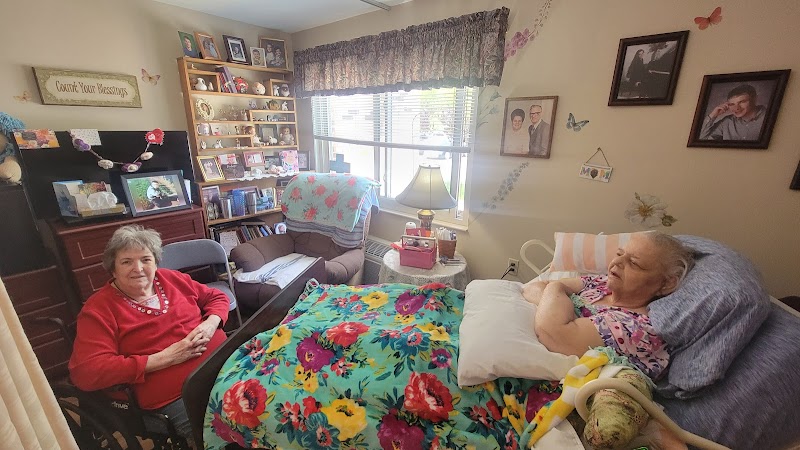
How is Aventura At Oakwood Village Staffed?

CMS rates AVENTURA AT OAKWOOD VILLAGE's staffing level at 2 out of 5 stars, which is below average compared to other nursing homes. Staff turnover is 59%, which is 13 percentage points above the Ohio average of 46%. High turnover can affect care consistency as new staff learn residents' individual needs.

What Have Inspectors Found at Aventura At Oakwood Village?

State health inspectors documented 38 deficiencies at AVENTURA AT OAKWOOD VILLAGE during 2021 to 2025. These included: 1 that caused actual resident harm and 37 with potential for harm. Deficiencies causing actual harm indicate documented cases where residents experienced negative health consequences.
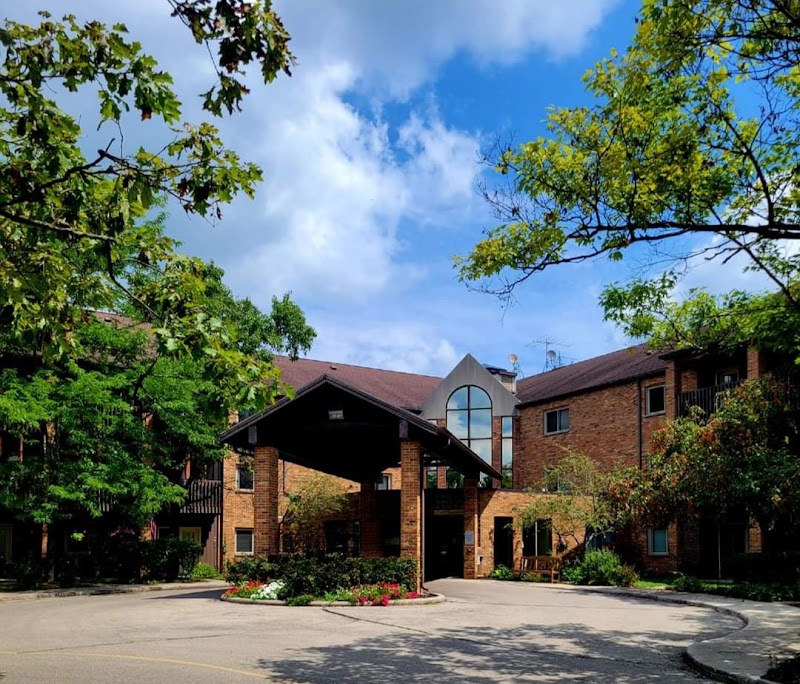
Who Owns and Operates Aventura At Oakwood Village?

AVENTURA AT OAKWOOD VILLAGE is owned by a for-profit company. For-profit facilities operate as businesses with obligations to shareholders or private owners. The facility is operated by AVENTURA HEALTH GROUP, a chain that manages multiple nursing homes. With 116 certified beds and approximately 105 residents (about 91% occupancy), it is a mid-sized facility located in SPRINGFIELD, Ohio.
How Does Aventura At Oakwood Village Compare to Other Ohio Nursing Homes?

Compared to the 100 nursing homes in Ohio, AVENTURA AT OAKWOOD VILLAGE's overall rating (2 stars) is below the state average of 3.2, staff turnover (59%) is significantly higher than the state average of 46%, and health inspection rating (2 stars) is below the national benchmark.

What Should Families Ask When Visiting Aventura At Oakwood Village?

Based on this facility's data, families visiting should ask: "How do you ensure continuity of care given staff turnover, and what is your staff retention strategy?" "Can you walk me through typical staffing levels on day, evening, and night shifts?" "Can I visit during a mealtime to observe dining assistance and food quality?" "How do you handle medical emergencies, and what is your hospital transfer rate?" These questions are particularly relevant given the facility's high staff turnover rate and the below-average staffing rating.

Is Aventura At Oakwood Village Safe?

Based on CMS inspection data, AVENTURA AT OAKWOOD VILLAGE has a clean safety record: no substantiated abuse findings (meaning no confirmed cases of resident harm), no Immediate Jeopardy citations (the most serious violation level indicating risk of serious injury or death), and is not on the Special Focus Facility watch list (a federal program monitoring the lowest-performing 1% of nursing homes). The facility has a 2-star overall rating and ranks #100 of 100 nursing homes in Ohio. While no facility is perfect, families should still ask about staff-to-resident ratios and recent inspection results during their visit.

Do Nurses at Aventura At Oakwood Village Stick Around?

Staff turnover at AVENTURA AT OAKWOOD VILLAGE is high. At 59%, the facility is 13 percentage points above the Ohio average of 46%. High turnover means new staff may not know residents' individual needs, medications, or preferences. It can also be disorienting for residents, especially those with dementia who rely on familiar faces. Families should ask: What is causing the turnover? What retention programs are in place? How do you ensure care continuity during staff transitions?

Was Aventura At Oakwood Village Ever Fined?

AVENTURA AT OAKWOOD VILLAGE has no federal fines on record. CMS issues fines when nursing homes fail to meet care standards or don't correct problems found during inspections. The absence of fines suggests the facility has either maintained compliance or corrected any issues before penalties were assessed. This is a positive indicator, though families should still review recent inspection reports for the full picture.

Is Aventura At Oakwood Village on Any Federal Watch List?

AVENTURA AT OAKWOOD VILLAGE is not on any federal watch list. The most significant is the Special Focus Facility (SFF) program, which identifies the bottom 1% of nursing homes nationally based on persistent, serious quality problems. Not being on this list means the facility has avoided the pattern of deficiencies that triggers enhanced federal oversight. This is a positive indicator, though families should still review the facility's inspection history directly.