FOREST GLEN HEALTH CAMPUS
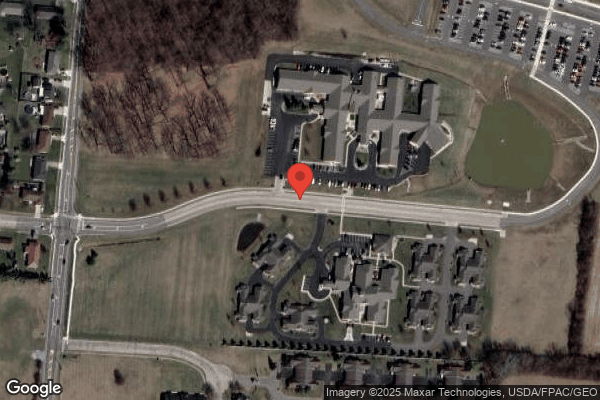
2150 MONTEGO DRIVE, SPRINGFIELD, OH 45503 (937) 390-9913
For profit - Corporation 80 Beds TRILOGY HEALTH SERVICES Data: November 2025
Trust Grade
45/100
#461 of 913 in OH
Last Inspection: April 2023

Over 2 years since last inspection. Current conditions may differ from available data.

Overview

Forest Glen Health Campus in Springfield, Ohio, has a Trust Grade of D, indicating below-average performance with some concerning issues. It ranks #461 out of 913 facilities in the state, placing it in the bottom half, and #6 out of 13 in Clark County, meaning only five local options are better. The facility is improving, having reduced its issues from eight in 2023 to three in 2025. Staffing is a mixed bag, with a 3/5 star rating but a high turnover rate of 61%, significantly above the state average of 49%, which may impact resident care continuity. There have been no fines reported, which is a positive sign, and the facility has average RN coverage, ensuring some level of oversight. Specific incidents raised during inspections highlight serious concerns: a resident suffered a fall during a wheelchair transport due to the lack of foot pedals being applied, leading to a cervical fracture. Additionally, another resident experienced uncontrolled pain because their narcotic medication ran out without alternative pain relief being offered. On a procedural level, the facility failed to conduct timely performance evaluations for nurse aides, which could affect care quality. Overall, while there are some strengths, such as the lack of fines and improving trends, families should be aware of the significant weaknesses in incident management and staffing practices.

Trust Score
D
45/100
In Ohio
#461/913
Top 50%
Safety Record
Moderate
Needs review
Inspections
Getting Better
8 → 3 violations
Staff Stability
⚠ Watch
61% turnover. Above average. Higher turnover means staff may not know residents' routines.
Penalties
✓ Good
No fines on record. Clean compliance history, better than most Ohio facilities.
Skilled Nurses
○ Average
Each resident gets 38 minutes of Registered Nurse (RN) attention daily — about average for Ohio. RNs are the most trained staff who monitor for health changes.
Violations
⚠ Watch
25 deficiencies on record. Higher than average. Multiple issues found across inspections.
★★★☆☆
3.0
Overall Rating
★★★☆☆
3.0
Staff Levels
★★★★☆
4.0
Care Quality
★★★☆☆
3.0
Inspection Score
Stable
2023: 8 issues
2025: 3 issues

The Good

  • 4-Star Quality Measures · Strong clinical quality outcomes
  • Full Sprinkler Coverage · Fire safety systems throughout facility
  • No fines on record

Facility shows strength in quality measures, fire safety.

The Bad

3-Star Overall Rating

Near Ohio average (3.2)

Meets federal standards, typical of most facilities

Staff Turnover: 61%

15pts above Ohio avg (46%)

Frequent staff changes - ask about care continuity

Chain: TRILOGY HEALTH SERVICES

Part of a multi-facility chain

Ask about local staffing decisions and management

Staff turnover is elevated (61%)

13 points above Ohio average of 48%

The Ugly 25 deficiencies on record

2 actual harm
Aug 2025 2 deficiencies
CONCERN (D) 📢 Someone Reported This

A family member, employee, or ombudsman was alarmed enough to file a formal complaint

Potential for Harm - no one hurt, but risky conditions existed

Quality of Care (Tag F0684)

Could have caused harm · This affected 1 resident

**NOTE- TERMS IN BRACKETS HAVE BEEN EDITED TO PROTECT CONFIDENTIALITY** Based on medical record review, staff interview, nurse practitioner (NP) interview, and review of facility policy, the facility ...

Read full inspector narrative →
**NOTE- TERMS IN BRACKETS HAVE BEEN EDITED TO PROTECT CONFIDENTIALITY** Based on medical record review, staff interview, nurse practitioner (NP) interview, and review of facility policy, the facility failed to ensure adequate follow up to a critically low laboratory result. This affected (#74) of four closed records reviewed. The census was 71.Findings Include:Review of Resident #74's closed medical record revealed an admission date of 05/14/25. Diagnoses listed bacterial pneumonia, type two diabetes mellitus, chronic obstructive pulmonary disease, and obesity. Resident #74 was discharged on 05/31/25.Review of an admission Minimum Data Set (MDS) dated [DATE] revealed Resident #74 was cognitively intact.Review of laboratory results dated [DATE] revealed Resident #74 potassium level was critically low at 2.5 milliequivalents per liter (mEq/L) on 05/29/25. The normal range for potassium was 3.5 to 5.3 mEq/L.Review of physician orders revealed Resident #74 was given 40 mEq of Potassium Chloride by mouth at two different times on 05/19/25. A daily dose of Potassium Chloride was changed from 20 mEq to 40 mEq.Review of discharge paperwork dated 05/31/25 revealed no instructions for Resident #74 to have any laboratory test completed.Review of progress notes revealed Resident #74 and family were called on 05/31/25 and told to go the hospital for a critical potassium level of 2.5 mEq/L.Review of hospital records dated 05/31/25 revealed Resident #74's potassium level was at a critical level of 2.9 mEq/L. Resident #74 was admitted for hypokalemia (low potassium) and stayed in the hospital until discharge on [DATE].Interview with the Director of Nursing (DON) and Assistant Director of Nursing (ADON) on 08/20/25 at 8:00 A.M. revealed Nurse Practitioner (NP) #112 was called on 05/29/25 for the Resident #74's critical potassium level and medications changes were made. The DON stated Resident #74 was called by the former ADON on 05/31/25 when the critical potassium level from 05/29/25 of 2.5 mEq/L was received again from the laboratory. The former ADON did not realize medication changes had been made. The DON confirmed Resident #74's potassium level was not re-checked after 05/29/25 before the resident discharged home on [DATE].Phone interview with NP #112 on 08/20/25 at 11:07 A.M. revealed he made medications changes to attempt correct Resident #74's low potassium level. NP #112 wanted a metabolic panel collected to re-check Resident #74's potassium level. NP #112 was not informed that Resident #74 was discharging on 05/31/25 or he stated he would have had her potassium level re-checked sooner and before Resident #74's discharge. Review of the facility's policy titled Discharge Summary and Plan dated October 2022 revealed when a resident's discharge is anticipated, a discharge summary and post-discharge plan will be developed to assist the resident to adjust to his/her new living environment. The facility must permit each resident to remain in the facility, and not transfer or discharge.This deficiency represents non-compliance investigated under Complaint Number 1281294.
CONCERN (E) 📢 Someone Reported This

A family member, employee, or ombudsman was alarmed enough to file a formal complaint

Potential for Harm - no one hurt, but risky conditions existed

Food Safety (Tag F0812)

Could have caused harm · This affected multiple residents

Based on observation, staff interview, and review of facility policy, the facility failed to distribute meals in a sanitary manner in the memory care unit. This had the potential to affect all 20 resi...

Read full inspector narrative →
Based on observation, staff interview, and review of facility policy, the facility failed to distribute meals in a sanitary manner in the memory care unit. This had the potential to affect all 20 residents that eat in the memory care unit. The census was 71. Findings Include:Observation of lunch being served in memory care unit on 08/19/25 at 11:28 A.M. revealed meals are served from a plastic table set up in the hallway outside the dining area. Utensils used to serve food, plates, cups, and pitchers of drinks were sat directly on the table. The table was not observed to be sanitized before the start of meals service.Food was brought to the hall by a heated carrier at 11:50 A.M. Metal pans of mashed potatoes, salisbury steak, and brussel sprouts were set directly on the table by Activity Assistant (AA) #102. There was not a steam table or any appliance to maintain food temperatures.At 11:52 A.M. the meals were started to be served by AA #102. No food temperatures were taken before meal service. Food was served from the pan on the table using utensils that were sat directly on the plastic table. At 12:10 P.M. Resident #50 requested more food. Certified Nursing Assistant (CNA) #104 brought Resident #50's used lunch plate to AA #102 who scooped more portions of each item onto the plate. Interview with AA #102 and CNA #103 on 08/19/25 at 12:15 P.M. confirmed the table was not sanitized right before meals being served. The table is cleaned by dietary staff when meals are cleaned up, but that would have been right after breakfast. The table is in the hallway and can be touched by staff, residents, or visitors between meals. AA #102 confirmed food temperatures are not taken when food arrives at the hall and before food is served to residents. AA#102 also confirmed she had scooped food onto Resident #50's used lunch plate.Review of the facility's policy titled Food handling dated September 2021 revealed food will be stored, prepared, handled and served so that the risk of foodborne illness minimized.The facility identified Residents (#1, #2, #3, #4, #25, #29, #34, #38, #40, #42, #44, #50, #52, #54, #58, #59, #62, #65, #66, and #67) as eating in the memory care unit.This deficiency represents an incidental finding discovered during the course of the complaint investigation.
Mar 2025 1 deficiency
CONCERN (D) 📢 Someone Reported This

A family member, employee, or ombudsman was alarmed enough to file a formal complaint

Potential for Harm - no one hurt, but risky conditions existed

Deficiency F0760 (Tag F0760)

Could have caused harm · This affected 1 resident

**NOTE- TERMS IN BRACKETS HAVE BEEN EDITED TO PROTECT CONFIDENTIALITY** Based on medical record review, review of hospital documentation, staff interview, nurse practitioner interview, and facility po...

Read full inspector narrative →
**NOTE- TERMS IN BRACKETS HAVE BEEN EDITED TO PROTECT CONFIDENTIALITY** Based on medical record review, review of hospital documentation, staff interview, nurse practitioner interview, and facility policy review, the facility failed to ensure residents received medications as ordered which resulted in a significant medication error. This affected one (#72) of three residents reviewed for medication administration. The facility census was 69. Findings Included: Review of the medical record for Resident #72 revealed an admission dated of 12/13/24. Diagnoses included displaced intertrochanteric fracture of the left femur, hemiplegia, hemiparesis following cerebral infarction affecting the left dominant side, hypertensive chronic kidney disease, tachycardia, and personal history of transient ischemic attack. The resident was discharged on 12/27/24. Review of a hospital Discharge summary dated [DATE] revealed Resident #72 was admitted to the hospital on [DATE] for a fracture to the left hip after suffering a fall. Resident #72 had surgery and a post open reduction and internal fixation (ORIF) with transfemoral nails. Resident #72's active problems included systemic lupus erythematosus, chronic kidney disease, transient ischemic attack, nonrheumatic aortic valve insufficiency, carotid stenosis bilateral, anti-phospholipid syndrome, tachycardia, palpitations, hypertension, intertrochanteric fracture of the left femur, and valvular heart disease. Further review revealed the resident was discharged with orders for the anticoagulant medication warfarin (Coumadin) five (5) milligrams (mg) with instructions to take one tablet by mouth for two days. It was indicated Resident #72 required 7.5 mg of warfarin. Review of the admission Minimum Data Set (MDS) assessment dated [DATE] revealed Resident #72 was cognitively intact, required set up help for meals, supervision for oral care, toileting hygiene, dressing the upper body, and personal hygiene, and required partial to moderate assistance for putting on and off footwear, bathing, and dressing the lower body. Review of physician orders dated 12/26/24 revealed Resident #72 had an order for a one time dose of warfarin 7.5 mg at 1:30 P.M. Review of the December 2024 medication administration record (MAR) revealed Resident #72 only received a one time dose of warfarin 7.5 mg on 12/26/24 at 1:30 P.M. for the resident's entire stay at the facility. Review of a progress note dated 12/27/24, written by Licensed Practical Nurse (LPN) #229, revealed the indication for Resident #72 to use warfarin was a prior to history of transient ischemic attack (TIA). Interview on 03/13/25 at 2:23 P.M. with LPN #229 stated she talked to Certified Nurse Practitioner (CNP) #243, and stated the facility checked Resident #72's prothrombin time/international normalized ratio (PT/INR, a blood test that measures how long it takes blood to clot) and then notified CNP #243 of the results. LPN #229 stated CNP #243 spoke to Resident #72 and was educated to contact the provider when discharged . Interview on 03/12/25 at 2:41 P.M. with LPN #270 stated the nurse asked LPN #229 how to place Resident #72's warfarin order in the chart since the order was not normal. LPN #270 stated she never put the order in the electronic medical record because it needed clarification. LPN #270 stated the nurse on the next shift was to review the warfarin order and the nursing supervisor checked the medical records for errors. LPN #270 verified she never clarified Resident #72's warfarin order with the provider who wrote the order. LPN #270 stated the Administrator and Clinical Nurse Supervisor #229 contacted her on 12/26/24 to discuss why Resident #72's warfarin order was missed from the hospital record. Interview on 03/12/25 at 2:52 P.M. with CNP #243 stated he was aware of Resident #72's order for warfarin from the hospital documentation, but there were concerns about when to begin the medication. CNP #243 stated there was no record of him telling the nursing staff to contact the prescriber to address Resident #72's warfarin order. CNP #243 confirmed Resident #72 did not timely receive the ordered warfarin as per the hospital records. Interview on 03/12/25 at 3:20 P.M. with LPN #265 stated she never called the provider who ordered Resident #72's warfarin to verify the order. Interview on 03/12/25 at 4:10 P.M. with LPN #305 stated she worked on 12/26/24 and stated Resident #72 had asked her to check her PT/INR. LPN #305 stated Resident #72 asked to have her PT/INR checked because she was on warfarin in the past. LPN #305 stated she looked in the hospital discharge summary and found Resident #72 had an order for warfarin and she told LPN #229 right away. LPN #305 stated she never called the provider who ordered the medication for Resident #72 for clarification. Review of the facility policy titled, Guidelines for Medication Orders, dated 05/2016, revealed each resident shall be under the care of a licensed physician authorized to practice medicine in the state where care was provided and shall be seen by the physician in accordance with regulations and as resident condition warrants. A current list of orders will be maintained in the electronic clinical record of each resident. This deficiency represents non-compliance identified under Complaint Number OH00163064.
Oct 2023 1 deficiency
CONCERN (D) 📢 Someone Reported This

A family member, employee, or ombudsman was alarmed enough to file a formal complaint

Potential for Harm - no one hurt, but risky conditions existed

Quality of Care (Tag F0684)

Could have caused harm · This affected 1 resident

Based on medical record review and staff interviews, the facility failed to ensure a resident was transported to and from off campus medical appointments in a timely manner resulting in delayed treatm...

Read full inspector narrative →
Based on medical record review and staff interviews, the facility failed to ensure a resident was transported to and from off campus medical appointments in a timely manner resulting in delayed treatment. This affected one (Resident #24) of three residents reviewed for transportation to outside appointments. The facility census was 66. Findings include: Review of the medical record for Resident #24 revealed a readmission date of 06/26/23. Diagnoses included unspecified displaced fracture of second cervical vertebra with routine healing, hypertensive heart and chronic kidney disease, unspecified dementia and left frontal parietal scalp lesion consistent with known angiosarcoma. Resident #24 started radiation treatments to the left frontal parietal scalp on 09/19/23. Review of physician's orders revealed an order for Resident #24 to see the Brain and Spine Physician on 09/18/23. The resident was to be picked up at 8:15 A.M. and his daughter would meet him at the appointment. Special instructions included to have paperwork ready and to have the resident in a regular sized wheelchair. Further review of the medical record and progress notes from 07/03/23 to 09/26/23 revealed Resident #24 was scheduled for an initial appointment to have a stimulation evaluation on 08/09/23. There was no documentation as to why the resident missed the appointment. The stimulation evaluation was rescheduled for 08/16/23 and canceled due to transportation issues. The stimulation evaluation was rescheduled for 08/23/23, the resident missed the appointment and there was no documentation as to why the appointment was missed. The appointment was rescheduled for 08/28/23 and canceled due to transportation issues. Interview on 09/26/23, at 10:46 A.M. with Resident #24's daughter revealed she met her father for his appointment on 09/18/23 and stood in the parking lot while the driver of the van worked for an hour to get her dad out of the van. Resident #24 was an hour late for his appointment. She was upset, because this had happened before, and the facility had been instructed to put her father in a standard sized wheelchair prior to appointments. This was not the first time he was stuck. Resident #24's daughter stated the resident must be in a regular size wheelchair, because the insurance company's transportation contracts do not have transportation vans for wide wheelchairs. Interview on 09/26/23 at 10:55 A.M. with Facility's Transportation Associate (FTA) #112 revealed she arranged transportation for Resident #24 and instructed staff to ensure the resident was in a regular sized wheelchair. Resident #24 was picked up as scheduled on 09/18/23 at 8:15 A.M. About an hour later, FTA #112 received a call from the driver explaining he could not get Resident #24 out of the van. She told the driver to call back if he had additional problems, and he never called back. Resident #24 returned to the facility later that day. It was unknown which transportation company brought Resident #24 back to the facility. Interview on 09/26/23 at 5:56 P.M. with the Cab Representative #502 confirmed their driver picked up Resident #24 on 09/18/23 at 8:15 A.M. The driver stated Resident #24 was in a wide wheelchair. The driver was able to get Resident #24 loaded into the van, but it took several minutes of maneuvering to get him out of the van upon arrival to the appointment. The driver notified the facility of the issue. When transportation arrangements were made, it was assumed the wheelchair would fit in a certified van used to transport standard sized wheelchairs. Interview on 09/27/23 at 1:53 P.M. with Occupational Therapist (OT) #600 revealed Resident #24 had two wheelchairs, one was wide, which provided the resident more room, and one was normal sized, which was to be used when transporting the resident to and from appointments. The normal or standard size wheelchair was about 16 to 20 inches wide and had orange grippers to identify its size. OT #600 periodically checks to ensure the resident has a standard sized wheelchair is in his room available for when he has an outside appointment. Interview on 09/26/23 at 1:00 P.M. with Radiation Therapist (RT) #500 revealed the doctor saw Resident #24 on 07/26/23 for an initial consult for radiation treatment. Resident #24 was scheduled to have his stimulation evaluation for his angiosarcoma treatment on 08/09/23 and was to be transported via stretcher. The facility canceled the appointment, and Resident #24 was rescheduled four different times (4 within weeks) because the facility kept calling the clinic and canceling the evaluation. Resident #24 finally had his stimulation evaluation on 08/31/23. His radiation therapy started 09/19/23. Interview on 09/27/23 at 3:00 P.M. with Regional Clinical Director (RCD) #205 explained they followed Resident #24's insurance coverage when scheduling transportation for appointments. If the doctor wanted Resident #24's appointments sooner, he should have had the resident admitted as emergent to have the stimulation done. Interview on 10/02/23 at 9:26 A.M. with Radiation Physician (RP) #700 revealed Resident #24 missed the simulation evaluation four weeks in a row, which delayed his radiation treatment. The stimulation evaluation did not take place until 08/31/23. The facility denied having a policy or procedure for scheduling outside appointments for residents and making transportation arrangements. This deficiency represents non-compliance investigated under Complaint Number OH00146741.
Jul 2023 1 deficiency 1 Harm
SERIOUS (G) 📢 Someone Reported This

A family member, employee, or ombudsman was alarmed enough to file a formal complaint

Actual Harm - a resident was hurt due to facility failures

Accident Prevention (Tag F0689)

A resident was harmed · This affected 1 resident

**NOTE- TERMS IN BRACKETS HAVE BEEN EDITED TO PROTECT CONFIDENTIALITY** THE FOLLOWING DEFICIENCY REPRESENTS AN INCIDENT OF PAST NON-COMPLIANCE THAT WAS SUBSEQUENTLY CORRECTED PRIOR TO THIS SURVEY. Bas...

Read full inspector narrative →
**NOTE- TERMS IN BRACKETS HAVE BEEN EDITED TO PROTECT CONFIDENTIALITY** THE FOLLOWING DEFICIENCY REPRESENTS AN INCIDENT OF PAST NON-COMPLIANCE THAT WAS SUBSEQUENTLY CORRECTED PRIOR TO THIS SURVEY. Based on medical record review, observations, resident and staff interview, review of hospital report, review of employee education and in service records, review of the facility fall investigation, review of policy, review of facility audits, the facility failed to ensure Resident #84 was safely assisted during a wheelchair transport resulting in an avoidable fall. This resulted in Actual Harm when Administrator #15 failed to apply foot pedals to the wheelchair prior to transporting Resident #84, who placed his feet on the ground resulting in Resident #84 falling from the wheelchair and suffering bilateral First Cervical (C1) lamina fracture with minimal displacement. This affected one (Resident #84) of three residents reviewed for accidents. There were 35 current residents documented by the facility requiring foot pedals for transport. The facility census was 56. Findings include: Review of medical record for Resident #84 revealed admission date of 09/30/22. Medical diagnoses included but were not limited to heart failure, dementia, anxiety, and hypotension. The resident remains in the facility. Review of the discharge Minimum Data Set (MDS) assessment dated [DATE] revealed moderately impaired cognition and was totally dependent upon staff for locomotion off the unit which included from the dining area. Review of the significant change MDS assessment dated [DATE] revealed a Brief Interview Mental Status (BIMS) score of nine indicating impaired cognition. He required extensive two-person assistance for bed mobility, toileting, supervision for eating and total dependence for transfers. Review of the nursing progress note dated 06/07/23 at 3:37 P.M., revealed Resident #84 was observed face down in the service hallway, he was placed on his back and assessment revealed pupils were non-reactive and he was sent to the hospital for evaluation. Review of the care plan related to risk for falls initiated 10/18/22 related to immobility, cognitive impairment, incontinence medications and fracture revealed individualized interventions with measurable goals. Interventions included: for staff to assist resident with transfers as needed with full mechanical lift; ensure floor is free of foreign objects; keep call light and frequently used items within reach; bed in lowest position at all times when not receiving care; use call light for assistance; provide fall mats on the floor beside the bed; (initiated 06/23/23) utilize foot pedals at all times as resident will tolerate and allow to support feet; and Dycem® (nonslip material) to seat to reduce risk of sliding out of chair, initiated 06/08/23. Review of the hospital documentation dated 06/07/23 revealed the Resident #84 presented to the hospital following a fall out of his wheelchair. A Computed Tomography (CT) scan was performed which revealed Odontoid (toothlike projection from the second cervical vertebra on which the first vertebra pivots) fracture and bilateral First Cervical (C1) lamina fracture with minimal displacement. Review of the 06/07/23 fall investigation completed by the facility for Resident #84 revealed Resident #84 had been assisted by a team member from the dining room, in a wheelchair without foot pedals. Resident #84 planted his feet down and slid forward out of the wheelchair and onto the carpet. This resulted in a C1 fracture, the root cause was documented as being pushed without foot pedals. Review the Interdisciplinary Team (IDT) notes dated 06/08/23 at 10:37 A.M., revealed on 06/07/23, Resident #84 was being assisted by Administrator #15, from the dining room when Resident #84 planted his feet, stopping his wheelchair, sliding forward, and landed face down on the carpet. The fall was witnessed and Resident #84 was immediately assessed and after denying pain and answering questions appropriately, he was assisted onto his back. Resident #84 was not documented as complaining of pain, was observed talking and joking with staff prior to Emergency Medical Services (EMS) arrival. A large rug abrasion was noted to his forehead. Interventions upon return were to always have foot pedals as Resident #84 tolerated and a Dycem® will be applied to the seat of the wheelchair to reduce sliding. Review of all staff education dated 06/08/23, provided by the Director of Nursing, regarding wheelchair safety and propelling included educating staff residents were not to be transported without foot pedals at any time unless they have been care planned as such due to their refusal and safety education had been provided to them first. Review of the 06/11/23 progress note revealed Resident #84 returned to the facility around 9:00 P.M., with a C1 fracture and a neck collar to be always worn. Bruising to left elbow, skin tear to left ankle due to fall and abrasion to forehead were documented. Interview on 07/06/23 at 11:12 A.M., with Registered Nurse (RN) #10 revealed she was working on 06/07/23 when Resident #84 fell from his wheelchair. She stated he was being pushed by Administrator #15 in his wheelchair, without his foot pedals. Resident #84 fell, after he planted his feet during transport, which caused him to fall forward onto the carpet. Interview on 07/06/23 at 11:24 A.M., with Administrator #15 revealed on 06/07/23 Resident #84 went to lunch late and she attempted to assist him back to his room. She acknowledged he usually had foot pedals on his wheelchair, however, on that day he did not. She admitted it was completely my fault, she did not ensure the foot pedals were in place prior to transport. Resident #84 dropped his feet as she was assisting him down the hall, which caused him to fall from the wheelchair. Administrator #15 stated after the incident, therapy did a facility audit to identify the residents who required foot pedals, education was provided to the staff in general and she received one on one education from the Director of Nursing, Dycem® was also placed on Resident #84's wheelchair and his care plan was updated. Interview and observation on 07/06/23 at 12:29 P.M., revealed Resident #84 was observed in his room with cervical collar in place, sitting in his wheelchair with foot pedals present. Resident #84 was unable to recall the exact events of his fall. Interview on 07/06/23 at 1:37 P.M., with Physical Therapist (PT) #16 revealed residents who could not self-propel in a wheelchair were identified by the therapy staff and the name list was provided to the facility to ensure pedals were in place. PT #16 stated Resident #84 had leg strength to self-propel for a short time up to around 30 feet upon discharge from therapy in April, but he required assistance from staff to and from the dining room to his room (111 feet) and for any outings, and appointments. Review of the policy titled, Fall Management Program Guidelines revised 03/16/22 revealed the facility strives to maintain a hazard free environment, mitigate fall risk factors, and implement preventative measures. As a result of the incident, the facility took the following action to correct the deficient practice by 06/09/23. • On 06/08/23, one-on-one education for general safety measures when assisting residents while in wheelchairs and the use of adaptive equipment such as foot pedals and to review profiles and care plans for prevention of falls or injury provided for Administrator #15 by the Director of Nursing. • On 06/08/23, all staff in-service was provided on the use of adaptive equipment and wheelchair safety, by the administrative staff or designee. All staff signed as receiving the training via electronic signature or in person signature. • On 06/08/23, the Therapy department assessed all residents and identified 35 residents as requiring foot pedals for wheelchair transportation. • On 06/08/23, care plans for the identified residents utilizing foot pedals/rest were updated by the MDS nurse. • On 06/08/23, the Quality Assurance team met and discussed corrective action plan of in-service and audits for safely transporting resident with wheelchair pedals on. • On 06/09/23, audits of wheelchairs utilizing foot pedal/rest during transports were completed by the Administrator or designee and will continue for six weeks. • Review of wheelchair audits revealed audits were completed on 06/09/23, 06/12/23, 06/15/23, 06/22/23, 06/28/23 and 07/05/23 revealed foot pedals were present on the wheelchairs of each of five random residents reviewed on those dates. • Interview on 07/10/23 from 2:57 P.M. to 3:07 P.M., with Registered Nurse #10 and State Tested Nurse Aides (STNA) #18, #19 revealed each acknowledged they had received education on wheelchair safety and the use of foot pedals for residents who were not able to propel the wheelchair on their own. All staff was able to verbalize the procedure. This deficiency represents the non compliance investigated under Complaint Number OH00143687.
Apr 2023 3 deficiencies
CONCERN (D)

Potential for Harm - no one hurt, but risky conditions existed

Report Alleged Abuse (Tag F0609)

Could have caused harm · This affected 1 resident

**NOTE- TERMS IN BRACKETS HAVE BEEN EDITED TO PROTECT CONFIDENTIALITY** Based on medical record review, staff interview, review of a self-reported incidents, and policy review, the facility failed to ...

Read full inspector narrative →
**NOTE- TERMS IN BRACKETS HAVE BEEN EDITED TO PROTECT CONFIDENTIALITY** Based on medical record review, staff interview, review of a self-reported incidents, and policy review, the facility failed to timely report an allegation of resident-to-resident physical abuse. This affected two (#46 and #57) out of four residents reviewed for abuse. The census was 63. Findings include: 1. Review of the medical record for Resident #46 revealed the resident was admitted to the facility on [DATE]. Diagnoses included unspecified severe protein-calorie malnutrition, vascular dementia, unspecified severity, without behavioral disturbance, psychotic disturbance, mood disturbance, and anxiety, hypothyroidism, type two diabetes mellitus without complications, other schizoaffective disorders, and other recurrent depressive disorders. Review of the quarterly Minimum Data Set (MDS) assessment dated [DATE] revealed Resident #46 had severely impaired cognition as evidenced by a Brief Interview for Mental Status (BIMS) score of 07. The resident was assessed to require extensive assistance for bed mobility and toilet use, limited assistance for transfer and dressing, and supervision for eating and personal hygiene. 2. Review of the medical record for Resident #57 revealed the resident was admitted to the facility on [DATE]. Diagnoses included unspecified dementia, unspecified severity, without behavioral disturbance, psychotic disturbance, mood disturbance, and anxiety, Alzheimer's disease, schizoaffective disorder, and anemia. Review of the quarterly Minimum Data Set (MDS) assessment dated [DATE] revealed this resident had severely impaired cognition evidenced by a Brief Interview for Mental Status (BIMS) score of 04. The resident was assessed to require limited assistance for personal hygiene and dressing, and supervision for bed mobility, transfer, eating, and toilet use. Review of the self-reported incident (SRI) regarding the alleged incident involving Resident #46 and Resident #57 revealed the SRI was created and submitted to the State Survey Agency on 04/04/23. The SRI indicated the alleged incident was reported to facility staff on 03/29/23. Interview on 04/06/23 at 2:45 P.M. with Assistant [NAME] President of Clinical Support #130 confirmed the alleged incident occurred on 03/29/23 and the SRI was not timely submitted. Review of the facility policy titled, Abuse and Neglect Procedural Guidelines, revised 08/29/19, revealed all alleged violations involving abuse, neglect, exploitation, or mistreatment, including injuries of unknown source and misappropriation of resident property, are reported immediately, but not later than two hours after the allegation is made, if the events that cause the allegation involve abuse or result in serious bodily injury.
CONCERN (F)

Potential for Harm - no one hurt, but risky conditions existed

Deficiency F0730 (Tag F0730)

Could have caused harm · This affected most or all residents

Based on employee file review and staff interview, the facility failed to ensure nurse aides received performance evaluations at 90 days and annually thereafter. This affected four (#3, #21, #32, and ...

Read full inspector narrative →
Based on employee file review and staff interview, the facility failed to ensure nurse aides received performance evaluations at 90 days and annually thereafter. This affected four (#3, #21, #32, and #71) Certified Resident Care Associate (CRCAs) of four employee files reviewed and had the potential to affect all residents. The census was 63. Findings include: 1. Review of Certified Resident Care Associate (CRCA) #3's employee file revealed a start date of 06/07/22. Review of the employee file found CRCA #3 had no record of a 90-day evaluation. 2. Review of CRCA #21's employee file revealed a start date of 01/08/20. Review of the employee file found CRCA #21 had no record of a 90-day or annual evaluations. 3. Review of CRCA #32's employee file revealed a start date of 09/20/22. Review of the employee file found CRCA #32 had no record of a 90-day evaluation. 4. Review of CRCA #71's employee file revealed a start date of 02/03/11. Review of the employee file found CRCA #71 had no record of a 90-day or annual evaluations. Interview on 04/06/23 at 12:02 P.M. with Human Resources (HR) #109 and Administrator #113 stated the facility does not complete any evaluations for the staff including the evaluations for CRCA #3, #21, #32, and #71. HR #109 stated they only review performance for employees having disciplinary issues. HR #109 and Administrator #113 stated they were aware these were not being done, and stated it was due to an issue with department heads not tracking when the evaluations were due and not wanting to complete performance evaluations.
MINOR (C)

Minor Issue - procedural, no safety impact

Staffing Information (Tag F0732)

Minor procedural issue · This affected most or all residents

Based on observation, daily staffing posting review, review of staffing schedules, and staff interview, the facility failed to post an accurate staff posting daily. This had the potential to affect al...

Read full inspector narrative →
Based on observation, daily staffing posting review, review of staffing schedules, and staff interview, the facility failed to post an accurate staff posting daily. This had the potential to affect all 63 residents residing in the facility. The census was 63. Findings include: Observation on 04/03/23 at 12:10 P.M., revealed the daily staff posting indicated zero registered nurses (RN), licensed practical nurses (LPN), and Certified Resident Care Associate (CRCA) working in the facility that day. Review of a revised copy of the daily staff posting dated 04/03/23 revealed one RN, nine LPNs, and seven CRCAs working in the facility that day. Review of the daily staff schedule provided for 04/03/23 revealed the facility had six nurses, with one in training, and nine CRCAs. Review of the daily staff posting that was posted on 04/04/23 revealed the facility had four RNs, nine LPNs, and nine CRCAs working in the facility that day. Review of the daily staff schedule provided for 04/04/23 revealed the facility had six nurses and 12 CRCAs working in the facility that day. Interview on 04/04/23 at 5:18 P.M., with Administrator #113 stated she was doing the schedule and confirmed the schedules and the daily staffing did not match what staff were on the floor providing direct care. Administrator #113 stated the facility used a software system that did not always accurately reflect the staffing. Review of the daily staff posting that was posted on 04/05/23 revealed the facility had six RNs, four LPNs, and 11 CRCAs working in the facility. Review of the daily staff schedule provided for 04/05/23 revealed the facility had six nurses and 12 CRCAs, with one in orientation, working in the facility that day. Review of the staff posting that was posted on 04/06/23 revealed the facility had four RNs, six LPNs, and nine CRCAs working in the facility. Review of the daily staff schedule provided for 04/06/23 revealed the facility had six nurses and twelve CRCAs working in the facility. Observation on 04/06/23 at 10:00 A.M., revealed the daily staff posting had three nurses and four CRCAs working in the facility, and observation of direct care staff at that time revealed five CRNAs were working on the floor. Interview on 04/06/23 at 10:25 A.M. with Administrator #113 and Assistant Director of Nursing (ADON) #125 stated the computer software the facility uses for the daily staff postings had errors that are reviewed on Mondays. Administrator #113 acknowledged the daily staff posting should be accurate each day. Interview on 04/06/23 at 2:40 P.M. with Assistant [NAME] President of Clinical Services (AVPSC) #130 stated the facility should provide accurate account of staffing and should post the accurate staffing daily as required. AVPSC #130 confirmed the facility postings are not accurate and do not match the staffing schedule or the staffing actually working on the floors.
Jan 2023 3 deficiencies
CONCERN (D) 📢 Someone Reported This

A family member, employee, or ombudsman was alarmed enough to file a formal complaint

Potential for Harm - no one hurt, but risky conditions existed

Deficiency F0624 (Tag F0624)

Could have caused harm · This affected 1 resident

**NOTE- TERMS IN BRACKETS HAVE BEEN EDITED TO PROTECT CONFIDENTIALITY** Based on record review, staff interview and review of facility policy, the facility failed to provide discharge instruction for ...

Read full inspector narrative →
**NOTE- TERMS IN BRACKETS HAVE BEEN EDITED TO PROTECT CONFIDENTIALITY** Based on record review, staff interview and review of facility policy, the facility failed to provide discharge instruction for treatment of wound when a resident was discharged to another skilled nursing facility. This affected one (#54) out of three residents reviewed for discharge. Facility census was 62. Findings include: Review of medical record for Resident #54 revealed admission date of 07/13/22. Diagnoses atherosclerotic heart disease, type two diabetes mellitus, neuromuscular dysfunction of the bladder, incontinence, depression, mood disorder, hypertension, and chronic fatigue. The resident was discharged on 01/03/23 to another skilled nursing facility. Review of Resident #54's Quarterly Minimum Data Set (MDS) dated [DATE] revealed the resident had a Brief Interview for Mental Status (BIMS) score of 14 indicating the resident had intact cognition. Resident #54 required extensive two-person assistance for transfers, toileting, one person assistance for bed mobility, personal and supervision for eating. Resident #54 was documented as always incontinent of bowel and bladder. Resident #54 did not have a pressure ulcer documented. Review of Resident #54's care plan initiated 08/15/22 revealed he required staff assistance for Activities of Daily Living (ADL's) with interventions to allow the resident to complete all or part of the task and not rush, encourage resident to do as much as safely possible for self, observe for deterioration in ADL's and report if it occurs and provide assistance with ADL's as needed. A care plan for skin integrity revealed interventions to conduct weekly skin assessments, float heels as needed, pressure reducing cushion to chair and mattress to bed. Record review of the electronic medical record for Resident #54 revealed a Skin Integrity Event which was created on 12/30/22. The form documented blisters on three toes on left foot which were documented as round, red, blister like and crusty. Antibiotic ointment and band aid applied as treatment. No measurements were documented. Review of Resident #54's nursing progress note dated 01/03/23 at 12:39 P.M. revealed skin prepped was applied to fluid filled areas on left foot, third and fourth toes. There was no further assessment of the areas to the left foot/toes. Further review of the medical record including the Medication Administration Record (MAR) and Treatment Administration Record (TAR) revealed there was no physician order for a treatment to the pressure ulcer to Resident #54's blisters on three toes on the left foot. Review of the discharge instructions for Resident #54 dated 01/03/23 revealed there was no documentation or information regarding the presence of pressure ulcers or blisters to the residents toes on the left foot. Further review of the discharge instructions also revealed there no direction or instructions a treatment to the pressure ulcers or blisters. Interview on 01/12/23 at 9:15 A.M. with Registered Nurse (RN) #12 revealed Resident #54 was discharged to another skilled nursing facility on 01/03/23. RN #12 confirmed Resident #54 had pressure ulcers or blisters on the several of the toes on the left foot. RN #12 stated she provided discharge instructions to Resident #54 and his spouse prior to the residents discharge. RN #12 stated she did instruct them to apply skin prep to the blisters on the toes on his left foot but verified that order was not documented on the discharge instructions. RN #12 further confirmed the discharge instruction contained no documentation regarding the pressure ulcer or blisters to the toes on the left foot. Review of the facility policy titled Guidelines for Discharge Instructions last reviewed 12/01/21 revealed there was no specific information related to wounds, however the policy did document the instructions shall include any special instructions. This deficiency represents non-compliance investigated under Complaint Number OH00138819.
CONCERN (D) 📢 Someone Reported This

A family member, employee, or ombudsman was alarmed enough to file a formal complaint

Potential for Harm - no one hurt, but risky conditions existed

Deficiency F0657 (Tag F0657)

Could have caused harm · This affected 1 resident

**NOTE- TERMS IN BRACKETS HAVE BEEN EDITED TO PROTECT CONFIDENTIALITY** Based on record review, staff interviews and review of a facility policy, the facility failed to provide regular care conference...

Read full inspector narrative →
**NOTE- TERMS IN BRACKETS HAVE BEEN EDITED TO PROTECT CONFIDENTIALITY** Based on record review, staff interviews and review of a facility policy, the facility failed to provide regular care conferences to residents and/or their representatives. This affected two (#33 and #54) of three residents reviewed for care planning. The facility census was 62. Findings include: 1. Review of medical record for Resident #54 revealed admission date of 07/13/22. Diagnoses atherosclerotic heart disease, type two diabetes mellitus, neuromuscular dysfunction of the bladder, incontinence, depression, mood disorder, hypertension, and chronic fatigue. The resident was discharged on 01/03/23 to another skilled nursing facility. Review of Resident #54's Quarterly Minimum Data Set (MDS) dated [DATE] revealed the resident had a Brief Interview for Mental Status (BIMS) score of 14 indicating the resident had intact cognition. Resident #54 required extensive two-person assistance for transfers, toileting, one person assistance for bed mobility, personal and supervision for eating. Resident #54 was documented as always incontinent of bowel and bladder. Resident #54 did not have a pressure ulcer documented. Review of Resident #54's care plan initiated 08/15/22 revealed he required staff assistance for Activities of Daily Living (ADL's) with interventions to allow the resident to complete all or part of the task and not rush, encourage resident to do as much as safely possible for self, observe for deterioration in ADL's and report if it occurs and provide assistance with ADL's as needed. A care plan for skin integrity revealed interventions to conduct weekly skin assessments, float heels as needed, pressure reducing cushion to chair and mattress to bed. Further record review for Resident #54 revealed there was a care conference on 07/21/22 and a second on 12/29/22. There was no other care conferences documented in Resident #54's medical record. 2. Review of medical record for Resident #33 revealed admission date of 04/22/22. Diagnoses include type two diabetes mellitus, atrial fibrillation, stage three (of four) kidney disease, depression and anxiety. Resident #33 remains in the facility. Review of Resident #33's quarterly MDS dated [DATE] with a BIMS score of 15 indicating intact cognition. Resident #33 revealed he required extensive two person assistance for transfers, one person assistance for bed mobility, toileting, personal hygiene, and supervision for eating. Record review for Resident #33 revealed he had one care conference on 04/25/22 and a second on 11/08/22. There was no other care conferences documented in Resident #33's medical record Interview on 01/05/23 at 3:52 P.M. Social Worker #30 verified care conferences for Resident #54 and Resident #33 were not held regularly. Social Worker #30 verified there was no documentation in Resident #54 and #33's medical record as to a rationale for not having care conferences with the residents or their representatives. Review of a facility policy titled Resident First Meeting (Care Conference) Guidelines last reviewed 03/16/22 revealed the first meeting should be held within the first five days of admission and then conducted at a minimum of quarterly and with significant change. This deficiency represents non-compliance investigated under Complaint Number OH00138819.
CONCERN (D) 📢 Someone Reported This

A family member, employee, or ombudsman was alarmed enough to file a formal complaint

Potential for Harm - no one hurt, but risky conditions existed

Pressure Ulcer Prevention (Tag F0686)

Could have caused harm · This affected 1 resident

**NOTE- TERMS IN BRACKETS HAVE BEEN EDITED TO PROTECT CONFIDENTIALITY** Based on record review, staff interview, review of facility policy and pressure ulcer and review of information from the Nationa...

Read full inspector narrative →
**NOTE- TERMS IN BRACKETS HAVE BEEN EDITED TO PROTECT CONFIDENTIALITY** Based on record review, staff interview, review of facility policy and pressure ulcer and review of information from the National Pressure Injury Advisory Panel (NPIAP), the facility failed to accurately assess and implement a treatment for a residents newly developed pressure ulcer. This affected one (#54) out of three residents reviewed for skin breakdown. Facility census was 62. Findings include: Review of medical record for Resident #54 revealed admission date of 07/13/22. Diagnoses atherosclerotic heart disease, type two diabetes mellitus, neuromuscular dysfunction of the bladder, incontinence, depression, mood disorder, hypertension, and chronic fatigue. The resident was discharged on 01/03/23 to another skilled nursing facility. Review of Resident #54's Quarterly Minimum Data Set (MDS) dated [DATE] revealed the resident had a Brief Interview for Mental Status (BIMS) score of 14 indicating the resident had intact cognition. Resident #54 required extensive two-person assistance for transfers, toileting, one person assistance for bed mobility, personal and supervision for eating. Resident #54 was documented as always incontinent of bowel and bladder. Resident #54 did not have a pressure ulcer documented. Review of Resident #54's care plan for skin integrity dated 08/15/22 revealed interventions to conduct weekly skin assessments, float heels as needed, pressure reducing cushion to chair and mattress to bed. Record review of the electronic medical record for Resident #54 revealed a Skin Integrity Event which was created on 12/30/22. The form documented blisters on three toes on left foot which were documented as round, red, blister like and crusty. The form did not document specifically which toes on the left foot were affected. Antibiotic ointment and band aid applied as treatment. No measurements were documented. Review of Resident #54's nursing progress note dated 01/03/23 at 12:39 P.M. revealed skin prepped was applied to fluid filled areas on left foot, third and fourth toes. There was no further assessment of the areas to the left foot/toes. Further review of the medical record including the Medication Administration Record (MAR) and Treatment Administration Record (TAR) revealed there was no physician order for a treatment to the pressure ulcer to Resident #54's blisters on three toes on the left foot. Interview on 01/12/23 at 10:44 A.M. with Licensed Practical Nurse (LPN) #41 revealed she had worked on 12/30/22 and Resident #54's wife and daughter called her into the room to show her a blister on each of the residents three toes on his left foot. LPN #41 stated they were blisters, which she believed were from his shoe. LPN #41 did measure the areas, and believed she charted it. LPN #41 stated she applied triple antibiotic ointment, applied a Band-Aid and contacted Certified Nurse Practitioner (CNP) #34. LPN #41 verbalized CNP #41 gave an order, to use skin prep as needed and contact the wound nurse. LPN #41 did not recall if she placed the orders in Resident #54's medical record. Interview on 01/12/23 at 12:12 P.M. with the Director of Nursing (DON) verified there was no order placed for skin prep and no measurements of the blisters areas documented to Resident #54's toes on the left foot. The DON further confirmed the assessment did not include a staging of the area and there was no identification as to which toes on the left foot were affected. Review of facility policy titled Guidelines for General Wound and Skin Care last reviewed 12/01/21 required documentation of type of wound, location, stage (if applicable), length, width, depth in centimeters, base, drainage, periwound tissue and treatment of the wound weekly . Review of information from the NPIAP at https://npiap.com/ revealed a pressure injury is localized damage to the skin and underlying soft tissue usually over a bony prominence or related to a medical or other device. The injury can present as intact skin or an open ulcer and may be painful. The injury occurs as a result of intense and/or prolonged pressure or pressure in combination with shear. The tolerance of soft tissue for pressure and shear may also be affected by microclimate, nutrition, perfusion, co-morbidities and condition of the soft tissue. A Stage 2 Pressure Injury is partial-thickness skin loss with exposed dermis Partial-thickness loss of skin with exposed dermis. The wound bed is viable, pink or red, moist, and may also present as an intact or ruptured serum-filled blister. Adipose (fat) is not visible and deeper tissues are not visible. Granulation tissue, slough and eschar are not present. These injuries commonly result from adverse microclimate and shear in the skin over the pelvis and shear in the heel. This stage should not be used to describe moisture associated skin damage (MASD) including incontinence associated dermatitis (IAD), intertriginous dermatitis (ITD), medical adhesive related skin injury (MARSI), or traumatic wounds (skin tears, burns, abrasions). This deficiency represents non-compliance investigated under Complaint Number OH00138819.
Oct 2019 5 deficiencies 1 Harm
SERIOUS (G)

Actual Harm - a resident was hurt due to facility failures

Deficiency F0697 (Tag F0697)

A resident was harmed · This affected 1 resident

Based on record review, interview and policy review, the facility failed to ensure a resident's pain was properly managed when the resident ran out of narcotic pain medication and no alternative pain ...

Read full inspector narrative →
Based on record review, interview and policy review, the facility failed to ensure a resident's pain was properly managed when the resident ran out of narcotic pain medication and no alternative pain relief was offered. This resulted in actual harm to Resident #171 who had uncontrolled pain. This affected one (Resident #171) of one resident reviewed for pain management. The facility identified 24 residents on a pain management program. The census was 71. Findings include: Record review for Resident #171 revealed an admission date of 10/06/19. Medical diagnoses included a Baker's cyst behind the left knee and pain from the cyst. Review of physician orders dated 10/09/19 revealed Tylenol 325 milligrams (mg), four times a day as needed for pain. On 10/11/19, Tramadol 50 mg three times a day was ordered for pain. Review of the admission Minimum Data Set (MDS) assessment, dated 10/15/19, revealed Resident #171 was cognitively intact. Her functional status was extensive assistance for bed mobility, transfers, and toilet use. Under Section J, Pain Management, the assessment interview was dashed out and the staff assessment for pain was not completed. Review of care plan revealed the resident was at risk for pain due to pain in the left knee related to a Baker's cyst. Interventions were to notify the physician of increased pain, and observe for and record verbal and nonverbal signs and symptoms of pain. Review of the Medication Administration Record (MAR) for October 2019 revealed Tramadol was not given on 10/19/19 at 8:48 P.M. because the medication wasn't available and the facility was waiting on a written prescription. The Tramadol was not given on 10/20/19 at 4:50 A.M. because the drug was still unavailable. According the MAR the last time Resident #171 received the Tramadol was on 10/19/19 between 11:00 A.M. and 2:00 P.M. No other pain medication was documented as given the evening of 10/19/19 or the early morning of 10/20/19. Tylenol was given on 10/20/19 at 10:17 A.M. and was documented as somewhat effective. Interview on 10/21/19 at 10:59 A.M. with Resident #171 revealed she was in excruciating pain on the night of 10/19/19 into the morning of 10/20/19. She rated her pain a 10 out of 10 on the pain scale and stated it made her feel so bad, terrible and the pain brought her to crying. She stated the night was rough. She stated the prescription was sent in on 10/20/19 at 6:30 A.M. and she didn't receive her Tramadol until about 12:30 P.M. She stated she received Tylenol on 10/20/19 at around 10:15 A.M. but it didn't help with the pain. Interview with Registered Nurse (RN) #55 on 10/24/19 at 7:31 A.M. revealed she took care of Resident #171 on 10/19/19 from 7:00 P.M. to 10/20/19 at 7:30 A.M. She stated she could not give the scheduled Tramadol doses on 10/19/19 at 8:45 P.M. and the dose for the morning of 10/20/19 because there was not a written prescription for the medication. She stated she had to have a new prescription for the drug to be able to get it out of the emergency medication box (E-box). RN #55 stated there was Tramadol in the E-box on this night, but since she didn't have a prescription, she could not access the E-box. She stated she called the physician on 10/19/19 at around 9:00 P.M. and he said he would call in the medication. She said she called the pharmacy but didn't know the time and they said they didn't receive anything from the physician so she said she called the physician again on 10/20/19 at 6:00 A.M. The physician said he would send it again. She stated the resident was crying in pain after midnight, but she didn't give her any Tylenol for her pain and couldn't remember what the resident's pain rating was either. She stated the Tramadol ran out on the day shift on 10/19/19 and she didn't know why it wasn't taken care of at that time. Interview with Pharmacy Technician (PT) #103 on 10/24/19 at 9:15 A.M. revealed it was the policy of the pharmacy that there has to be a written prescription for narcotics to be able to pull out of the emergency box in the facility. She stated if there a prescription on file for the resident then the staff could call the pharmacy for a code and pull from the E-box. She said if there wasn't a prescription on file then the facility staff person would have to get the physician to fax a prescription for the medication if it was a controlled substance, such as Tramadol, to the pharmacy. She stated there wasn't any documentation of prescription faxed to the pharmacy from the physician for Resident #17110/20/19 at 6:30 A.M. on 10/20/19. She further said there wasn't any communication from the facility until that time either. Interview with Pharmacist #102 for the facility on 10/24/19 at 9:27 A.M. revealed the first pull from the E-box for the Tramadol was on 10/20/19 at 12:00 P.M. and another one was at 6:00 P.M. Interview with Licensed Practical Nurse (LPN) #27 on 10/24/19 at 10:19 A.M. revealed she worked on 10/19/19 and 10/20/19 from 7:00 A.M. to 7:30 P.M. She didn't know the Tramadol had run out for Resident #171. She stated she called the pharmacy on 10/20/19 before her medication pass and they said they didn't get the prescription yet. She called the physician on 10/20/19 shortly thereafter, but the physician said he had faxed the prescription to the pharmacy and sent her the confirmation of it. She stated Resident #171 was in pain and was very uncomfortable. Review of progress notes from 10/19/19 through 10/20/19 contained no documentation the facility had called the physician for the prescription. Review of the facility policy titled Controlled Substance Prescriptions, dated 01/01/17, revealed before a controlled substance can be dispensed, the pharmacy must have a clear, complete, and signed written prescription from a person lawfully authorized to prescribe.
CONCERN (D)

Potential for Harm - no one hurt, but risky conditions existed

Comprehensive Assessments (Tag F0636)

Could have caused harm · This affected 1 resident

**NOTE- TERMS IN BRACKETS HAVE BEEN EDITED TO PROTECT CONFIDENTIALITY** Based on record review and staff interview, the facility failed to ensure the pain assessment was completed in Minimum Data Set ...

Read full inspector narrative →
**NOTE- TERMS IN BRACKETS HAVE BEEN EDITED TO PROTECT CONFIDENTIALITY** Based on record review and staff interview, the facility failed to ensure the pain assessment was completed in Minimum Data Set (MDS) under Section J. This affected one (Resident #171) of one resident reviewed for pain. The facility identified there were 24 residents who were under a pain management program. Medical record review for Resident #171 revealed an admission date of 10/06/19. Diagnoses included a Baker's cyst behind the left knee and pain from the cyst. Review of admission MDS assessment dated [DATE] revealed Resident #171 was cognitively intact. Under Section J for pain management, the pain assessment interview was dashed out and the staff assessment for pain was not completed. Interview with MDS Registered Nurse #4 on 10/23/19 at 9:00 A.M. verified the pain assessment wasn't completed.
CONCERN (D)

Potential for Harm - no one hurt, but risky conditions existed

Comprehensive Care Plan (Tag F0656)

Could have caused harm · This affected 1 resident

Based on medical record review, staff interview and policy review the facility failed to ensure a care plan was developed for a resident with high blood pressure and receiving blood pressure medicatio...

Read full inspector narrative →
Based on medical record review, staff interview and policy review the facility failed to ensure a care plan was developed for a resident with high blood pressure and receiving blood pressure medications. This affected one (Resident #12) of five residents reviewed for unnecessary medications. The census was 71. Medical record review for Resident #12 revealed an admission date of 04/30/19. Diagnoses included Non-Alzheimer's dementia. Review of physician orders dated 05/01/19 revealed the resident was receiving Amlodipine 2.5 milligram (mg) once daily and Metoprolol Tartrate 25 mg, twice daily for blood pressure management. Review of the medical record revealed no care plan related to the patient's high blood pressure or use of blood pressure medication. Interview with the Director of Nursing (DON) on 10/24/19 at 1:48 P.M. verified there was not a care plan for management of the resident's blood pressure. Review of the facility policy titled Comprehensive Care Plan Guideline, dated 05/22/18, revealed the purpose of a care plan was to ensure appropriateness of services and communication that will meet the resident's needs, severity/stability of conditions, impairment, disability, or disease in accordance with state and federal guidelines. A comprehensive care plan will be developed within seven days of completeness of the admission comprehensive assessment (MDS) 3.0. Furthermore, comprehensive care plans need to remain accurate and current.
CONCERN (D)

Potential for Harm - no one hurt, but risky conditions existed

Respiratory Care (Tag F0695)

Could have caused harm · This affected 1 resident

Based on record review, observation, staff and resident interviews and policy review, the facility failed to ensure a physician order was obtained for oxygen administration and failed to ensure oxygen...

Read full inspector narrative →
Based on record review, observation, staff and resident interviews and policy review, the facility failed to ensure a physician order was obtained for oxygen administration and failed to ensure oxygen tubing was dated. This affected two (Residents #19 and #49) of 11 residents identified as receiving respiratory treatment. The facility census was 71. Findings include: 1. Review of the medical record for Resident #19 revealed an admission date of 08/21/18. Diagnoses included chronic obstructive pulmonary disease. Review of the quarterly Minimum Data Set (MDS) assessment, dated 08/14/19, revealed no treatments marked under Section O, Special Treatments. Review of the care plan dated 08/21/19, revealed the resident had a potential for complication related to chronic obstructive pulmonary disease. Interventions included administer oxygen per orders, assess for change in consciousness level, monitor lung sounds per orders or as needed and administer respiratory therapy per orders. Review of the current physician orders revealed no orders related to the administration of oxygen. During observation on 10/21/19 at 3:00 P.M. Resident #19 was in bed with oxygen being administered at two liters per minute via nasal cannula. The tubing had no date as to when it had been applied. Observation on 10/22/19 at 10:45 A.M. revealed Resident #19 in her electric wheelchair with oxygen being administered and no date on the tubing. During in interview on 10/22/19 at 10:45 A.M. Resident #19 stated she always wore her oxygen. During interview on 10/22/19 at 10:46 A.M. State Tested Nursing Assistant (STNA) #71 confirmed the resident was wearing oxygen and the tubing did not have a date. During interview on 10/22/19 at 10:54 A.M., Licensed Practical Nurse (LPN) #100 stated Resident #19 always wore her oxygen except while in the shower. LPN #100 reviewed the physician orders and confirmed there was no order for the use of oxygen. 2. Review of the medical record for Resident #49 revealed an admission date of 09/11/18. Review of the current physician's orders identified an order for oxygen, continuous positive airway pressure (CPAP) at bedtime and to change the oxygen tubing monthly. Observation on 10/21/19 at 10:50 A.M. revealed an oxygenator with tubing was observed next to the head of the bed. A portable oxygen tank with tubing was observed by the resident's window. Also, a CPAP machine with tubing and mask was observed in a pink wash basin on the floor next to the resident bed. The oxygen tubing on the oxygenator, the portable tank and the CPAP machine, along with the CPAP mask and tubing was not dated. There was not protective covering on any of the equipment. Interview with STNA #60, on 10/21/19 at 10:53 A.M. confirmed the equipment was not dated and not covered. Review of the facility's policy titled Guidelines for the Administration of Oxygen, dated 09/17/18, revealed to verify the physcian's order for the procedure [of administering oxygen] and and date the tubing for the date it was initiated. Tubing should be changed monthly and as needed.
CONCERN (D)

Potential for Harm - no one hurt, but risky conditions existed

Infection Control (Tag F0880)

Could have caused harm · This affected 1 resident

Based on observation, staff interview and policy review, the facility failed to deliver clean laundry for three (Residents #222, #226 and #66) in a sanitary manner. There were 71 facility residents. F...

Read full inspector narrative →
Based on observation, staff interview and policy review, the facility failed to deliver clean laundry for three (Residents #222, #226 and #66) in a sanitary manner. There were 71 facility residents. Findings include: Observation on 10/23/19 at 7:54 A.M. of the laundry delivery cart on hallway 300, revealed the cart had a zipped cover enclosing the entire cart. Several piles of folded laundry and a blanket were uncovered on the top of the cart. Interview on 10/23/19 at 7:55 A.M. with Laundry staff #16 confirmed the uncovered laundry on the top of the cart was for Residents (#222 and #226) and were place on the top because there was no room for them inside the covered cart. Observation of the clean laundry area on 10/24/19 at 9:20 A.M. revealed clean laundry was uncovered on top of enclosed cart for resident #66 who was a new admission on the rehab unit including two nightgowns. At that time, interview with Laundry staff #9 verified the clean laundry would be delivered uncovered on top of the cart down the halls to Resident #66 on the rehab unit. Review of the policy titled Laundry Operations, revised 02/05/18, revealed linen rooms were restocked during the day using the clean linen cart which was covered at all times.
Sept 2018 9 deficiencies
CONCERN (D)

Potential for Harm - no one hurt, but risky conditions existed

Deficiency F0578 (Tag F0578)

Could have caused harm · This affected 1 resident

**NOTE- TERMS IN BRACKETS HAVE BEEN EDITED TO PROTECT CONFIDENTIALITY** Based on medical record review, staff interview, and policy review, the facility failed to ensure a residents advance directives...

Read full inspector narrative →
**NOTE- TERMS IN BRACKETS HAVE BEEN EDITED TO PROTECT CONFIDENTIALITY** Based on medical record review, staff interview, and policy review, the facility failed to ensure a residents advance directives were clearly identified. This affected one (Resident #47) of one resident reviewed for advance directives. The facility census was 69. Findings include: Review of the medical record revealed Resident #47 was admitted to the facility on [DATE] with diagnoses that included fracture of femur, osteopenia, chronic obstructive pulmonary disease, iron deficiency anemia, and muscle weakness. Review of the admission minimum data set (MDS) assessment, dated 07/20/18, revealed a brief interview for mental status (BIMS) of five indicating cognitive impairment. Review of the electronic medical record for Resident #47 revealed on each page a red box that stated Do Not Resuscitate Comfort Care (DNRCC). Review of Resident #47's advance directives form revealed election for a DNRCC. The resident's physician signed the form on 07/23/18. Review of the physician's order, dated 07/13/18, revealed Resident #47 was to be a Full Code. The order was signed by the physician on 07/25/18. Interview on 09/11/18 at 2:56 P.M. with the Director of Nursing (DON) confirmed the discrepancies in Resident #47's advance directives. Further interview revealed the nursing staff should have removed the Full Code order when Resident #47's code status was changed to DNRCC. Review of the facility policy titled Guidelines for Advanced Directives, revised 05/22/18, revealed the purpose was to ensure facility staff obtain and follow resident advanced directives regarding end of life care. The campus staff was responsible for providing information and handling the finalized document. Further review revealed the nursing staff will obtain an order from the attending physician for the desired code status.
CONCERN (D)

Potential for Harm - no one hurt, but risky conditions existed

Comprehensive Care Plan (Tag F0656)

Could have caused harm · This affected 1 resident

**NOTE- TERMS IN BRACKETS HAVE BEEN EDITED TO PROTECT CONFIDENTIALITY** Based on medical record review, policy review and staff interview, the facility failed to complete a comprehensive care plan for...

Read full inspector narrative →
**NOTE- TERMS IN BRACKETS HAVE BEEN EDITED TO PROTECT CONFIDENTIALITY** Based on medical record review, policy review and staff interview, the facility failed to complete a comprehensive care plan for one (#64) of 20 resident care plans reviewed during the investigation phase of the survey. The total facility census was 69. Findings Include: Review of Resident #64's medical record revealed the resident was admitted to the facility on [DATE] with diagnoses including after care for joint replacement, disease of the spinal cord, osteomyelitis, pain in the left hip, abnormalities of gait and mobility, fracture of unspecified part of the neck of the left femur, gastro esophageal reflux disease, personal history of methicillin-resistant staphylococcus aureus, pressure ulcer stage four to the right heel, weakness, hypertension, anemia, history of falling, diabetes, and major depression. Review of Resident #64 physician orders revealed the resident had orders for and was receiving since admission levofloxacin (antibiotic) 500 milligrams (mg) daily, with no stop date. Review of most recent admission Quarterly Minimum data set (MDS) assessment dated [DATE] revealed the resident had a brief interview of mental status score of 15 indicating the resident was cognitively intact. Review of Resident #64 progress notes revealed the resident had a history of osteomyelitis of the spine and had been receiving levofloxacin since June 2018. Review of the residents care plans revealed the resident had a care plan indicating the resident was at risk for infection, however, the care plan was silent to the resident receiving a daily dose of antibiotic related to his history of wound infection. Interview with Resident #64 on 09/12/18 at 1:56 P.M. revealed he was taking the daily dose of antibiotics for his spine which he had an infection after surgery in 2013 and the infectious disease physician ordered daily antibiotic dose for life. Interview with Licensed Practical Nurse (LPN) #285 on 09/12/18 at 2:00 P.M., confirmed Resident #64 had levofloxacin daily as he had a history of an infection and the nurse stated he was to take it daily for life. Interview with Registered Nurse (RN) #309 on 09/13/18 at 12:10 P.M., confirmed Resident #64 takes a daily dose of levofloxacin 500 mg daily, and there was no care plan for resident concerning the long term use of his antibiotic therapy. Review of the policy titled Comprehensive Care Plan Guide dated 05/22/18 revealed interventions should be reflective of risk area(s) or disease processed that impact the individual resident. A comprehensive care plan will be developed within seven days of completion of the admission comprehensive assessment (MDS 3.0). Problem areas should identify the relative concerns, goals should be measurable and attainable, interventions should be reflective of the individual's needs and risk influence as well as the resident's strengths.
CONCERN (D)

Potential for Harm - no one hurt, but risky conditions existed

Deficiency F0657 (Tag F0657)

Could have caused harm · This affected 1 resident

**NOTE- TERMS IN BRACKETS HAVE BEEN EDITED TO PROTECT CONFIDENTIALITY** Based on medical record review, policy review and staff interview, the facility failed to timely revise the care plan for one (R...

Read full inspector narrative →
**NOTE- TERMS IN BRACKETS HAVE BEEN EDITED TO PROTECT CONFIDENTIALITY** Based on medical record review, policy review and staff interview, the facility failed to timely revise the care plan for one (Resident #9) of 20 residents reviewed in the investigation phase of the survey. The total facility census was 69. Findings include: Review of Resident #9's medical record revealed the resident was admitted to the facility on [DATE] with diagnoses including adult failure to thrive, dysphasia, osteoporosis, Alzheimer's disease, chronic obstructive pulmonary disease, constipation, vitamin D deficiency, hypokalemia, generalized edema, dementia, difficulty in walking, symbolic dysfunctions, falls, osteoarthritis, hypertension, Parkinson's disease, pain, weakness, anxiety, atrial fibrillation, hypothyroidism, low back pain, and osteopenia. Review of the minimum data set (MDS) assessment dated [DATE] revealed the resident had a brief interview of mental status score of seven indicating the resident had cognitive impairment. The resident required extensive assistance with activities of daily living with the exception of eating which required supervision. The resident was not on a toileting program but was incontinent of both bowel and bladder. The resident was assessed as having one unstageable pressure ulcer that measured 0.3 (centimeters) cm by (x) 0.3 cm that had slough in the wound bed. The resident was indicated to be receiving wound care and receiving hospice services. Review of care plans revealed the resident had a pressure ulcer to the right ankle. Review of Resident #9's progress notes revealed the resident's pressure ulcer to the right ankle was resolved with no open area on the right ankle dated 07/31/18. Review of Resident #9's physician orders revealed the resident had a new order written on 07/31/18 to place an ABD pad over right ankle bone and wrap for prevention every three days. Interview with the Director of Nursing (DON) on 09/12/18 at 7:45 A.M., confirmed Resident #9 does not have a pressure ulcer, the DON stated the resident formerly had a wound to her ankle and now had a preventative treatment to the area. The DON confirmed the area to the right ankle had not been opened for many months. Interview with the DON on 09/12/18 at 11:11 A.M., verified the care plan for Resident #9 was not current and still reflected the resident as having a pressure ulcer to her right ankle. The DON confirmed the care plan did not reflect the resident's current status and care needs as the right ankle ulcer had resolved in July. Review of the policy titled comprehensive care plan guideline dated 05/22/18 revealed comprehensive care plans need to remain accurate and current.
CONCERN (D)

Potential for Harm - no one hurt, but risky conditions existed

Accident Prevention (Tag F0689)

Could have caused harm · This affected 1 resident

**NOTE- TERMS IN BRACKETS HAVE BEEN EDITED TO PROTECT CONFIDENTIALITY** Based on medical record review, staff interview, and policy review, the facility failed to ensure a resident was transferred saf...

Read full inspector narrative →
**NOTE- TERMS IN BRACKETS HAVE BEEN EDITED TO PROTECT CONFIDENTIALITY** Based on medical record review, staff interview, and policy review, the facility failed to ensure a resident was transferred safely and per physician's order to prevent a fall. This affected one (Resident #47) of three residents reviewed for accident hazards. The facility census was 69. Findings include: Review of the medical record revealed Resident #47 was admitted to the facility on [DATE] with diagnoses that included intracranial injury, difficulty in walking, chronic pain, pain in right shoulder, repeated falls, muscle weakness, age related osteoporosis, dementia without behavioral disturbances, and hemiplegia affecting the right dominant side. Review of the quarterly minimum data set (MDS), dated [DATE], revealed a brief interview for mental status (BIMS) of 13. Further review revealed Resident #47 required extensive staff assist of two for transfers and toileting. Review of physician's order, dated 07/19/18, revealed Resident #47 was to be transferred using a stand up lift per lift assessment. Review of Resident #47's care tracker profile, for dates 04/25/18 through 09/11/18, instructed the State Tested Nurse Aides (STNA) to use a stand up lift for all transfers. Review of lift evaluation, dated 07/16/18, revealed Resident #47 was not ambulatory and could not reliably stand and pivot with only supervision or cueing. Further review revealed Resident #47 could follow simple instructions, was cooperative, could bear weight on at least one leg, could tolerate pressure to the mid back, and could maintain a sitting position without assistance. The stand up lift was recommended based on the assessment. Review of Resident #47's care plan, revised 07/19/18, revealed interventions to use the stand up lift for all transfers. Further review revealed the resident was at risk for falling due to decreased mobility, incontinence, and hemiparesis. Review of the progress note, dated 08/26/18, revealed an STNA was in the restroom with Resident #47 transferring her from the toilet to the wheelchair. The STNA lowered the resident to the floor. No injuries were noted. Review of the fall event, dated 08/26/18, revealed a gait belt as the only safety equipment used during the fall. Interview on 09/11/18 at 3:43 P.M. with the Director of Nursing (DON) confirmed a stand up lift was not used to transfer Resident #47 on 08/26/18 which resulted in a fall. Further interview confirmed the stand up lift should have been used per physician's order and care plan. Review of the facility policy titled Guidelines for Resident Transfers and Assistance, reviewed 05/23/18, revealed the purpose was to ensure the safety of residents and staff when performing mobility/transfer tasks. A Resident Lift Evaluation Profile algorithm was available to assistance with determining the type of lift most appropriate for the individual. Transfer evaluations would be ongoing quarterly by nurse and changes would need to be made to the care plans. All devices are safe to be used by one staff member per manufactures guidelines. Staff should seek the assistance of a second person for those residents' care planned for assistance of two with the lifting device or as needed for safe handling.
CONCERN (D)

Potential for Harm - no one hurt, but risky conditions existed

Deficiency F0804 (Tag F0804)

Could have caused harm · This affected 1 resident

Based on observation, staff interview, review of recipe and policy review the facility failed to keep fortified milkshakes at a 41 degree temperature or lower prior to serving. The facility identified...

Read full inspector narrative →
Based on observation, staff interview, review of recipe and policy review the facility failed to keep fortified milkshakes at a 41 degree temperature or lower prior to serving. The facility identified seven Residents (#4, #9, #16, #19, #59, #122, #272) who received fortified milkshakes. The facility census was 69. Findings include: Observation on 09/13/18 from 12:02 P.M. to 12:35 P.M., of the lunch service line revealed six fortified milkshakes sitting on the counter, three strawberry flavored and three chocolate flavored. The milkshakes were for six residents in the main dining room. At 12:25 P.M. the milkshakes were still on the counter. Dietary Manager (DM) #116 stated they were to be served and took the temperature of two of the milkshakes. The chocolate milkshake was 44 degrees Fahrenheit (F) and the strawberry milkshake was 48 degrees F. DM #116 confirmed the milkshakes should have been in the refrigerator or put on ice to maintain a temperature of 41 degrees F or below until served. Review of the recipe for Fortified Shakes revealed the shakes consisted of the dairy product evaporated milk and whole milk. The recipe indicated to combine milk, evaporated milk and milkshake flavor mix together and refrigerate at 41 F degrees or below until serving. Review of the Policies and Procedures for Refrigerated Storage revealed refrigerated storage temperatures will be at 41 degrees F or below. Prepared perishables such as salads, puddings, milk, etc., are stored in a refrigerator and covered labeled and dated until used. Review of the Food Temp Serving Line Policy and Procedures (03/30/18) revealed cold foods are maintained and served at 41 degrees Fahrenheit or less for all TCF food items. Temperatures are taken prior to service to ensure all hot foods and cold foods holding temperatures are maintained at the proper temperatures. Review of a list of residents who received Fortified milkshakes revealed seven Residents (#4, #9, #16, #19, #59, #122, #272) who received fortified milk shakes.
CONCERN (E)

Potential for Harm - no one hurt, but risky conditions existed

Deficiency F0761 (Tag F0761)

Could have caused harm · This affected multiple residents

**NOTE- TERMS IN BRACKETS HAVE BEEN EDITED TO PROTECT CONFIDENTIALITY** Based on medical record review, observation, staff interview, and review of policy, the facility failed to properly store medica...

Read full inspector narrative →
**NOTE- TERMS IN BRACKETS HAVE BEEN EDITED TO PROTECT CONFIDENTIALITY** Based on medical record review, observation, staff interview, and review of policy, the facility failed to properly store medications. This affected two (Resident #39 and #64) of 22 residents residing on the memory care unit. In addition, this affected one medication cart of two medication carts reviewed. The facility identified four medication carts. The facility census was 69. Findings include: 1. Review of Resident #39's medical record revealed the resident was admitted to the facility on [DATE] with diagnoses that included Alzheimer's disease, hypertension, muscle weakness, and major depressive disorder. Review of the physician's order dated 11/10/16 revealed Resident #39 was to have Bimatoprost (eye drops) 0.03% to bilateral eyes at bedtime. Observation on 09/13/18 at 10:10 A.M. of the medication cart on the memory care unit revealed two bottles of Bimatoprost eye drops for Resident #39. One bottle was opened and undated. The other bottle was opened and had the date of 07/19/18 as the date of opened. Interview on 09/13/18 at 10:30 A.M. with Licensed Practical Nurse (LPN) #285 confirmed the observation. Further interview confirmed eye drops, once opened, expire after 28 days. 2. Review of the medical record revealed Resident #64 was admitted to the facility on [DATE] with diagnoses that included type II diabetes mellitus with diabetic neuropathy, hypertension, and major depressive disorder. Review of the physician's order dated 08/11/18 revealed Humalog (insulin) 100 unit/milliliters per sliding scale to be administered before meals and at bedtime. The Humalog was discontinued on 08/17/18. Observation on 09/13/18 at 10:10 A.M. of the medication cart on the memory care unit revealed two vials of Humalog insulin for Resident #64. One vial was opened and dated 08/12/18, the other vial was opened and dated as 08/13/18 when opened. Interview on 09/13/18 at 10:30 A.M. with LPN #285 confirmed the observation. Further interview confirmed insulin vials, once opened, expire after 28 days. 3. Observation on 09/13/18 at 10:10 A.M. of the medication cart on the memory care unit revealed 14 unidentified loose pills in the second drawer, 10 unidentified loose pills in the third drawer, and 19 unidentified loose pills in the bottom drawer of the cart totaling 43 loose pills. Interview on 09/13/18 at 10:30 A.M. with LPN #285 confirmed the observation. Review of the facility policy titled Medication Storage in the Facility, (revised January 2017) revealed medications and biologicals are stored safely, securely, and properly, following manufacturer's recommendations or those of the supplier. Medication storage areas are kept clean. Certain medications or package types, such as intravenous solutions, multiple dose vials, ophthalmic's, nitroglycerin tablets, blood sugar testing solutions and strips, once opened, require an expiration date shorter than the manufacturer's expiration date to insure medication purity and potency.
CONCERN (E)

Potential for Harm - no one hurt, but risky conditions existed

Infection Control (Tag F0880)

Could have caused harm · This affected multiple residents

**NOTE- TERMS IN BRACKETS HAVE BEEN EDITED TO PROTECT CONFIDENTIALITY** Based on medical record review, observation, staff interview, and review of policy the facility failed to ensure personal protec...

Read full inspector narrative →
**NOTE- TERMS IN BRACKETS HAVE BEEN EDITED TO PROTECT CONFIDENTIALITY** Based on medical record review, observation, staff interview, and review of policy the facility failed to ensure personal protective equipment (PPE) was used when changing Resident #272's wound dressing identified as having methicillin-resistant staphylococcus aureus (MRSA). This affected one (Resident #272) of one resident reviewed for transmission based precautions. In addition, the facility failed to store clean lost items and clean mechanical lift pads according to standards of practice. The facility census was 69. Findings include: 1. Review of the medical record revealed Resident #272 was admitted to the facility on [DATE] with diagnoses that included bilateral primary osteoarthritis, hypertension, heart failure, and stage III pressure ulcer of sacrum. The minimum data set (MDS) was not due to be completed. Review of the physician order dated 09/06/18 revealed Resident #272 was to be in contact isolation for MRSA in wounds. Observation on 09/13/18 at 1:15 P.M. of Resident #272's room revealed a sign that indicated see the nurse before entering and a container with PPE including yellow gowns. Licensed Practical Nurse (LPN) #104 was observed to change Resident #272's dressing, a red biohazard bag was observed on the residents bed. After washing his hands and donning gloves LPN #104 removed Resident #272's dressing from his sacrum. The dressing had a moderate amount of yellow and green drainage. LPN #104 washed his hands and donned new gloves. Resident #272 had three wounds to his coccyx the largest measuring 1.3 centimeters (cm) length by 1 cm width by 1.1 cm depth. There was 0.8 cm undermining at noon and 2.7 cm undermining at six. While measuring the wounds, LPN #104 kneeled beside the bed with his shirt and forearms against the mattress. LPN #104 completed the dressing change by washing his hands, donning new gloves, and applying the new dressing per physician's order. LPN #104 did not wear a gown at any point during the observation. Interview on 09/13/18 at 1:45 P.M. with LPN #104 directly following the above observation confirmed Resident #272 was in contact isolation precautions due to MRSA in his sacral wound. Further interview confirmed the observation and that he did not wear a gown. Review of the facility policy titled Guidelines for Contact Precautions revised 05/22/18 revealed contact precautions are indicated to prevent and control health-care associated infections transmission or infection with any of the following: MRSA if present in a site that has copious secretions not contained. Further review revealed to wear a clean non-sterile, fluid resistant gown when entering the room if it is anticipated clothing will have substantial contact with the resident or environmental surface or when there is likelihood that organisms from blood, urine, stool, or wound drainage may be on the surfaces or items in the resident's room. 2. During observation of the facility laundry room on 09/13/18 at 11:00 A.M. it was observed a rack of hanging clothes in the soiled side of the laundry room where the laundry sorting occurred. The rack of clothing has a sign on it that indicated, Looking for my home or a new home. The observations also revealed, the room where the washing machines were located was the same room where the dryers were located. The washing machines and dryers were on opposite walls and were approximately 10.5 feet away from each other. Around the outside wall of the room where the washing machines and dryers were located it was noted there were hooks on the wall that had mechanical lift slings hung from them. The slings were around the entire outside perimeter wall that extended from the washing machine to the dryers. During an interview with Environmental Service worker #101 on 09/13/18 at 11:05 P.M. it was verified the rack of clothing in the soiled side of the laundry was clean clothing. Environmental Service worker #101 stated the clothes were clothes that had no resident's name in them and the staff tried to identify who they belonged to in order to return the clothes to the owner. If the the owner could not be located the clothes were used for residents who did not have clothes. Environmental Service worker #101 verified the clothing rack was always stored on the dirty side of the laundry. She indicated she felt that the clothing rack should not be stored there as the clothes were clean. Environmental Service Worker #101 revealed the lift slings were on the hooks by the washers. She stated when the slings come out of the wash they were to hang dry and that was where the laundry staff hung them to dry. She confirmed the slings were hung up right next to the washing machines where soiled clothes were placed in the machine. Environmental Service worker #101 did not indicate where, in the washing machine/dryer room the clean or dirty side division line of the room was. During an interview with the Director of Nursing (DON) on 09/13/18 at 11:41 A.M. it was verified the lift slings were always hung on the hooks that were by the washing machines to air dry. The DON also stated the facility did not have a policy concerning laundry storage. The DON stated she was not aware the rack of clothes that were not labeled were stored on the soiled side of the laundry, however she stated that it should not be stored with soiled clothing.
CONCERN (F)

Potential for Harm - no one hurt, but risky conditions existed

Food Safety (Tag F0812)

Could have caused harm · This affected most or all residents

Based on observation, staff interviews and policy review, the facility failed to maintain a clean sanitary kitchen. This had the potential to affect all the residents in the facility. The facility cen...

Read full inspector narrative →
Based on observation, staff interviews and policy review, the facility failed to maintain a clean sanitary kitchen. This had the potential to affect all the residents in the facility. The facility census was 69. Findings include: 1. Observation on 09/10/18 from 8:36 A.M. to 9:09 A.M. during tour of the kitchen revealed the following: A. A case of bananas with a broom handle inside the box sitting on a milk crate. Dietary Employee (DE) #512 removed the broom handle and several gnat like insects were exposed on the inside and outside of the box and flying in the air. B. The staging area from the main dining room revealed a cluster of boxes, and on the floor was a milk crate with wet dirty towels in it. In the same area there was a two compartment sink with a large dirty baking sheet in it. The baking sheet had an orange grease like substance on it with nit like insects on and around it. C. Above the ice cream freezer there were shelves with a dust like substance covering them. Beside the freezer there was a counter area covered with crumbs and dried food substances. D. Two stand alone refrigerators revealed dirty exterior doors, with dried food like substances on them. The interior walls contained splatters of milk and dried liquid substance. A visual inspection of the interiors of the refrigerators revealed the bottom of the refrigerators had several particles of food like substances and stains. Interview on 09/10/18,immediately following the observations with [NAME] #318 confirmed the above findings. Review of the Stored Food and Supplies Policy and Procedures revealed refrigeration equipment is routinely cleaned and defrosted and free from garbage and other waste. 2. During an observation on 09/10/18 at 12:13 P.M. of the dining service in the locked unit of the lunch meal revealed dietary staff serving the meal from the steam table. The meal was lasagna, salad and garlic toast. The alternate included grilled cheese and chicken noodle soup. During the meal service the lasagna had a serving spatula, the salad had a serving ladle, chicken noodle soup had a serving ladle, however there was no serving utensil for the garlic toast or grilled cheese. When the tray line was started for the lunch meal Dietary Worker #252 was the only worker who was serving the meal. The worker was observed wearing gloves and would pick up the meal tray tickets, sort through the tickets and get the desired ticket, then proceed to plate the meal items. The worker plated the lasagna with the spatula, the salad with the ladle, and the garlic toast with her gloved hand. The dietary worker handed the tray to the staff delivering the tray to the resident and then picked up the next meal ticket and started the process again of plating the food each time touching the garlic toast with her gloved hand. If a resident requested the alternate of grilled cheese the dietary worker put the sandwich on the plate with her gloved hand as well. During the meal service, it was observed a staff member approached the dietary worker and requested creamer for a resident's coffee. Dietary Worker #252 was observed to reach below the steam table and with her gloved hand grabbed two creamers and handed them to the staff who had requested them. The dietary worker also obtained juice from the refrigerator with her gloved hands then proceed to serve the next meal. She touched the garlic toast with the same gloved hand. When the dietary worker served the alternate chicken noodle soup the worker reached below the steam table and obtained cracker packages with her gloved hands and placed them on the resident's tray. During the lunch observation the dietary worker was not observed changing her gloves at any time during the observation. During an interview with Registered Nurse (RN) #120 on 09/10/18 at 12:31 P.M. it was confirmed Dietary Worker #252 was touching non clean items with her gloved hands and then touching food items causing cross contamination of the food items that were being served to the residents. RN #120 was observed speaking with the dietary worker regarding the observation. Review of the policy titled Single -Use Gloves with a date of 11/22/17 revealed to change gloves whenever an activity or work station change occurs or whenever they become contaminated, after touching equipment such as refrigerator doors or utensils that have not been cleaned and sanitized, after contacting chemicals, after interruptions in food preparation occur such as when answering the telephone, or checking in a delivery.
CONCERN (F)

Potential for Harm - no one hurt, but risky conditions existed

Deficiency F0925 (Tag F0925)

Could have caused harm · This affected most or all residents

Based on observation, interviews, policy and procedures review revealed the facility failed to be free of insects in the kitchen's preparation area and service area and of the dishwashing area. This h...

Read full inspector narrative →
Based on observation, interviews, policy and procedures review revealed the facility failed to be free of insects in the kitchen's preparation area and service area and of the dishwashing area. This had the potential to affect all the residents in the facility. The faciliy census was 69. Findings include: On 09/10/18 from 8:36 A.M. to 9:09 A.M. during tour of the kitchen revealed a case of bananas with a broom handle inside the box sitting on a milk crate. Dietary Employee #512 removed the broom handle and several nit like insects were exposed on the inside and outside of the box, and in the air. During the tour an observation of the dishwasher area revealed several flies in the area. Further observation revealed a two compartment sink with a large dirty baking sheet in it. The baking sheet had an orange grease like substance on it with nit like insects on and around it. At the time of the observation, Dietary Employee #106 verified the findings. On 09/12/18 at 7:48 A.M. observation of Dietary Employee #512 taking temperatures of the breakfast menu items revealed flies in the kitchen's preparation and service areas. Dietary Employee #512 was noted to physically wave the insects away from the items being served. On 09/12/18 from 9:36 Am to 10:00 AM observation of [NAME] #318 pureeing food for the lunch service revealed two flies around the area. [NAME] #318 stated not being sure why there were flies in the facility. The cook continued to puree the food items. Review of the Pest Control Policies and procedures dated 08/2018 revealed the facility is to maintain an ongoing pest control program to ensure the building is kept free of insects and rodents.
Understanding Severity Codes (click to expand)
Life-Threatening (Immediate Jeopardy)
J - Isolated K - Pattern L - Widespread
Actual Harm
G - Isolated H - Pattern I - Widespread
Potential for Harm
D - Isolated E - Pattern F - Widespread
No Harm (Minor)
A - Isolated B - Pattern C - Widespread

Questions to Ask on Your Visit

  • "Why is there high staff turnover? How do you retain staff?"
  • "Can I speak with families of current residents?"
  • "What's your RN coverage like on weekends and overnight?"

Our Honest Assessment

Strengths
  • • No fines on record. Clean compliance history, better than most Ohio facilities.
Concerns
  • • 25 deficiencies on record, including 2 serious (caused harm) violations. Ask about corrective actions taken.
  • • Grade D (45/100). Below average facility with significant concerns.
  • • 61% turnover. Above average. Higher turnover means staff may not know residents' routines.
Bottom line: Trust Score of 45/100 indicates significant concerns. Thoroughly evaluate alternatives.

About This Facility

What is Forest Glen Health Campus's CMS Rating?

CMS assigns FOREST GLEN HEALTH CAMPUS an overall rating of 3 out of 5 stars, which is considered average nationally. Within Ohio, this rating places the facility higher than 0% of the state's 100 nursing homes. This mid-range rating indicates the facility meets federal standards but may have areas for improvement.
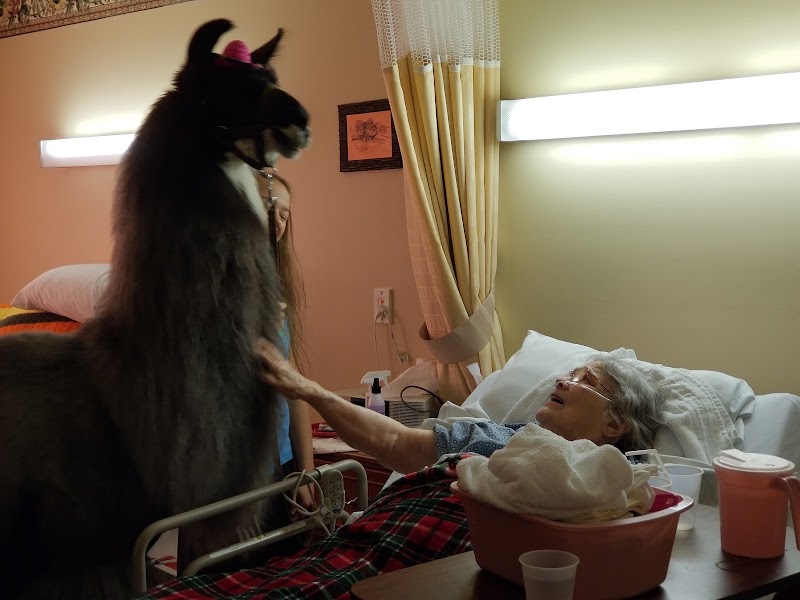
How is Forest Glen Health Campus Staffed?

CMS rates FOREST GLEN HEALTH CAMPUS's staffing level at 3 out of 5 stars, which is average compared to other nursing homes. Staff turnover is 61%, which is 15 percentage points above the Ohio average of 46%. High turnover can affect care consistency as new staff learn residents' individual needs. RN turnover specifically is 75%, which is notably high. RNs provide skilled clinical oversight, so turnover in this role can affect medical care quality.

What Have Inspectors Found at Forest Glen Health Campus?

State health inspectors documented 25 deficiencies at FOREST GLEN HEALTH CAMPUS during 2018 to 2025. These included: 2 that caused actual resident harm, 22 with potential for harm, and 1 minor or isolated issues. Deficiencies causing actual harm indicate documented cases where residents experienced negative health consequences.
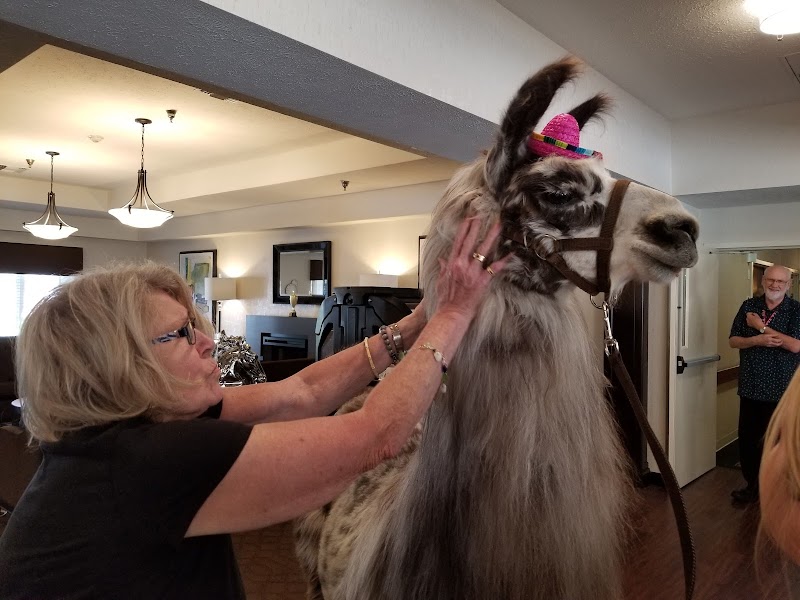
Who Owns and Operates Forest Glen Health Campus?

FOREST GLEN HEALTH CAMPUS is owned by a for-profit company. For-profit facilities operate as businesses with obligations to shareholders or private owners. The facility is operated by TRILOGY HEALTH SERVICES, a chain that manages multiple nursing homes. With 80 certified beds and approximately 68 residents (about 85% occupancy), it is a smaller facility located in SPRINGFIELD, Ohio.

How Does Forest Glen Health Campus Compare to Other Ohio Nursing Homes?

Compared to the 100 nursing homes in Ohio, FOREST GLEN HEALTH CAMPUS's overall rating (3 stars) is below the state average of 3.2, staff turnover (61%) is significantly higher than the state average of 46%, and health inspection rating (3 stars) is at the national benchmark.

What Should Families Ask When Visiting Forest Glen Health Campus?

Based on this facility's data, families visiting should ask: "How do you ensure continuity of care given staff turnover, and what is your staff retention strategy?" "Can I visit during a mealtime to observe dining assistance and food quality?" "How do you handle medical emergencies, and what is your hospital transfer rate?" "Can I speak with family members of current residents about their experience?" These questions are particularly relevant given the facility's high staff turnover rate.

Is Forest Glen Health Campus Safe?

Based on CMS inspection data, FOREST GLEN HEALTH CAMPUS has a clean safety record: no substantiated abuse findings (meaning no confirmed cases of resident harm), no Immediate Jeopardy citations (the most serious violation level indicating risk of serious injury or death), and is not on the Special Focus Facility watch list (a federal program monitoring the lowest-performing 1% of nursing homes). The facility has a 3-star overall rating and ranks #100 of 100 nursing homes in Ohio. While no facility is perfect, families should still ask about staff-to-resident ratios and recent inspection results during their visit.

Do Nurses at Forest Glen Health Campus Stick Around?

Staff turnover at FOREST GLEN HEALTH CAMPUS is high. At 61%, the facility is 15 percentage points above the Ohio average of 46%. Registered Nurse turnover is particularly concerning at 75%. RNs handle complex medical decisions and coordinate care — frequent RN changes can directly impact care quality. High turnover means new staff may not know residents' individual needs, medications, or preferences. It can also be disorienting for residents, especially those with dementia who rely on familiar faces. Families should ask: What is causing the turnover? What retention programs are in place? How do you ensure care continuity during staff transitions?

Was Forest Glen Health Campus Ever Fined?

FOREST GLEN HEALTH CAMPUS has no federal fines on record. CMS issues fines when nursing homes fail to meet care standards or don't correct problems found during inspections. The absence of fines suggests the facility has either maintained compliance or corrected any issues before penalties were assessed. This is a positive indicator, though families should still review recent inspection reports for the full picture.

Is Forest Glen Health Campus on Any Federal Watch List?

FOREST GLEN HEALTH CAMPUS is not on any federal watch list. The most significant is the Special Focus Facility (SFF) program, which identifies the bottom 1% of nursing homes nationally based on persistent, serious quality problems. Not being on this list means the facility has avoided the pattern of deficiencies that triggers enhanced federal oversight. This is a positive indicator, though families should still review the facility's inspection history directly.