GOOD SHEPHERD VILLAGE
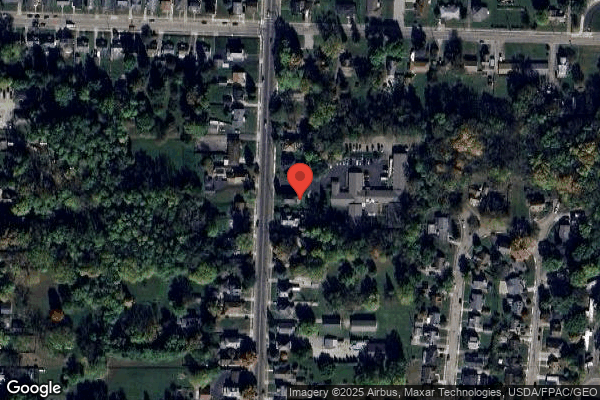
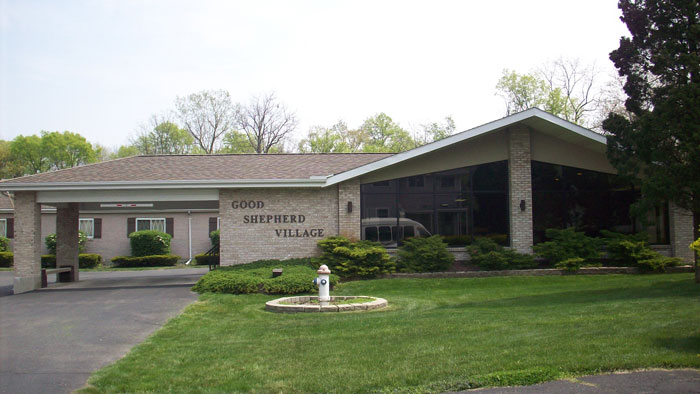
422 NORTH BURNETT ROAD, SPRINGFIELD, OH 45503 (937) 322-1911
For profit - Corporation 81 Beds AOM HEALTHCARE Data: November 2025
Trust Grade
45/100
#688 of 913 in OH
Last Inspection: May 2025

Inspected within the last 6 months. Data reflects current conditions.

Overview

Good Shepherd Village in Springfield, Ohio has received a Trust Grade of D, indicating below-average performance and some concerns about care quality. It ranks #688 out of 913 facilities in Ohio, placing it in the bottom half statewide, and #10 out of 13 in Clark County, meaning only three local options are worse. The facility's trend is worsening, with issues increasing from 2 in 2024 to 32 in 2025. Staffing is rated average with a turnover rate of 48%, which is slightly better than the state average, but they have no fines on record, which is a positive sign. However, there are serious concerns regarding care; for example, a resident developed an unstageable pressure ulcer due to inadequate preventative care, and there were failures in meal management, leading to food that was neither palatable nor served at the correct temperature. While the facility has a strong quality measures rating of 5/5, the overall health inspection score is only 1/5, highlighting significant room for improvement in care delivery.

Trust Score
D
45/100
In Ohio
#688/913
Bottom 25%
Safety Record
Moderate
Needs review
Inspections
Getting Worse
2 → 32 violations
Staff Stability
⚠ Watch
48% turnover. Above average. Higher turnover means staff may not know residents' routines.
Penalties
✓ Good
No fines on record. Clean compliance history, better than most Ohio facilities.
Skilled Nurses
○ Average
Each resident gets 33 minutes of Registered Nurse (RN) attention daily — about average for Ohio. RNs are the most trained staff who monitor for health changes.
Violations
⚠ Watch
63 deficiencies on record. Higher than average. Multiple issues found across inspections.
★★☆☆☆
2.0
Overall Rating
★★★☆☆
3.0
Staff Levels
★★★★★
5.0
Care Quality
★☆☆☆☆
1.0
Inspection Score
Stable
2024: 2 issues
2025: 32 issues

The Good

  • 5-Star Quality Measures · Strong clinical quality outcomes
  • Full Sprinkler Coverage · Fire safety systems throughout facility
  • No fines on record

Facility shows strength in quality measures, fire safety.

The Bad

2-Star Overall Rating

Below Ohio average (3.2)

Below average - review inspection findings carefully

Staff Turnover: 48%

Near Ohio avg (46%)

Higher turnover may affect care consistency

Chain: AOM HEALTHCARE

Part of a multi-facility chain

Ask about local staffing decisions and management

The Ugly 63 deficiencies on record

1 actual harm
May 2025 28 deficiencies
CONCERN (D)

Potential for Harm - no one hurt, but risky conditions existed

Deficiency F0605 (Tag F0605)

Could have caused harm · This affected 1 resident

**NOTE- TERMS IN BRACKETS HAVE BEEN EDITED TO PROTECT CONFIDENTIALITY** Based on medical record review and staff interview, the facility failed to ensure psychotropic medications were ordered for an a...

Read full inspector narrative →
**NOTE- TERMS IN BRACKETS HAVE BEEN EDITED TO PROTECT CONFIDENTIALITY** Based on medical record review and staff interview, the facility failed to ensure psychotropic medications were ordered for an approved diagnosis. This affected one (#9) of five residents reviewed for unnecessary medication. The facility census was 65. Findings include: Review of the medical record for Resident #9 revealed an admission date of 03/08/25. Diagnoses included abdominal pain, spinal stenosis, gastritis and malnutrition. Review of the Minimum Data Set (MDS) assessment dated [DATE] revealed Resident #9 had moderate cognitive impairment with a Brief Interview Mental Status (BIMS) of 9. Review of active physician orders dated 03/08/25 revealed an order for Aripiprazole oral tab 5 milligrams (mg) once daily in morning (scheduled at 8:00 A.M.) was ordered for Hypotension. This medication is a antipsychotic. Interview on 05/01/25 at 8:42 A.M., with Regional Nurse #500 and Regional Nurse #508 confirmed Ariprprazole (Abilify) was not used to treat hypotension and confirmed the order did not contain an approved diagnosis. Also acknowledged Resident #9 had a pharmacy review and revealed this should have been caught. Interview on 05/01/25 at 9:00 A.M., with Director of Nursing revealed the hospital documentation had a diagnosis of mood disorder and confirmed the facility did not have that diagnosis listed in the electronic medical record. Review of the undated policy titled, Pharmacy Services revealed the facility shall ensure the medication was documented to treat a specific condition that was documented in the medical record.
CONCERN (D)

Potential for Harm - no one hurt, but risky conditions existed

Abuse Prevention Policies (Tag F0607)

Could have caused harm · This affected 1 resident

**NOTE- TERMS IN BRACKETS HAVE BEEN EDITED TO PROTECT CONFIDENTIALITY** Based on medical record review, staff and resident family interview, observation, and policy review, the facility failed to impl...

Read full inspector narrative →
**NOTE- TERMS IN BRACKETS HAVE BEEN EDITED TO PROTECT CONFIDENTIALITY** Based on medical record review, staff and resident family interview, observation, and policy review, the facility failed to implement the abuse policy for reporting and investigating an alleged injury of unknown origin. This affected one (#55) of three residents reviewed for abuse. The census was 65. Findings included: Medical record review for Resident #55 revealed an admission date of 02/25/25. Her medical diagnoses was multiple sclerosis (MS) and non-Alzheimer's dementia. Review of the admission Minimum Data Set (MDS) assessment dated [DATE] revealed Resident #55 was rarely or never understood. Her functional status was substantial/maximal assistance for eating, dependent for toileting, bed mobility, and transfers were not attempted due to safety concerns. She used a Hoyer lift. Review of the progress note dated 04/27/25 at 2:47 P.M., documented by Licensed Practical Nurse (LPN) #249, revealed the family approached the nurse regarding a discoloration to resident's left leg. There was bruising seen. The family stated she gets her leg caught on the Hoyer lift at times. The physician was notified and a new order to watch for symptoms was initiated. Interview on 04/28/25 at 12:06 P.M., with Resident #55's Family Member, reported Resident #55 had a dark red bruise that wrapped around the lower left leg from the inside ankle to the calf and the ankle was swollen. He stated it looked like hand prints to him. Review of the progress notes written on 04/28/25 at 2:57 P.M., by the Director of Nursing (DON), revealed she assessed the bruised area on Resident #55's area and the bruise lined up with the wheelchair and resident crossing legs on the pedals. New intervention was to place a pillow on the foot pedals to prevent further bruising. The area measured 6 centimeters (cm) by 5 cm by 0.1 cm and the husband was made aware. Interview on 04/29/25 at 2:00 P.M., with the DON revealed she didn't think she needed to file an injury of unknown origin even though the resident was not able to tell her how the injury happened. The DON reported she assessed the bruise but didn't have any documenting to support she did a couple of interviews with anyone. She confirmed she didn't follow the abuse policy. Interview on 04/29/25 at 2:12 P.M., with LPN #249, revealed the family of Resident #55 asked her to take a look at a bruise on the resident's left leg. LPN #249 stated Certified Nursing Aides (CNA) #225 and #278 saw the area on 04/26/25 and it was reddened. LPN #249 reported when she looked at the area it had some purple and light tent of red to the inside of the left ankle and up the back of the shin. The family stated he thought it was the Hoyer lift because at times she will get her left leg caught in the lift if the staff doesn't' move her left foot out of the way. She reported it made more sense it would be the Hoyer lift instead of the resident resting her crossed legs on the pads of the wheelchair. LPN #249 reported if the bruise would have been on the outside of the ankle then it could have been from the wheelchair. LPN #249 stated she called the two CNAs (#225 and #278) and asked them if they hurt the resident while transferring her in the Hoyer lift but they both denied it. She reported the bruise to the DON. Observation on 04/29/25 at 2:20 P.M., of Resident #55 with the LPN #249, revealed the resident was sitting in her wheelchair. She didn't have her legs crossed and her legs were dangling and she didn't have a pillow to protect her legs from the wheelchair in place. The light bruising was on the inside of her left ankle and ran up the calf to about 6 cm long. The resident wasn't able to answer any questions about the bruise. When the nurse placed a pillow under her legs in the wheelchair the resident wasn't able to follow commands about raising her legs and the nurse had to place the legs onto the pads of the wheelchair. Interview on 04/29/25 at 2:30 P.M., with LPN #249 revealed she didn't know about the new intervention for the pillow to placed under the resident's legs to protect her from the wheelchair. Interview on 04/29/25 at 4:23 P.M., with CNA #225 revealed she saw the redness on the resident's leg on 04/26/25 and reported it to the nurse and they both assumed it happened in the wheelchair or in therapy. Review of the undated policy titled Resident's Rights to Freedom from Abuse, Neglect and Exploitation Policy and Procedure revealed to ensure a thorough investigation was conducted for the alleged violation. The policy further revealed to ensure that all alleged violations involving abuse, neglect, exploitation or mistreatment, including injuries of unknown source and misappropriation of resident property, are reported in the proper time frame pursuant to this policy.
CONCERN (D)

Potential for Harm - no one hurt, but risky conditions existed

Report Alleged Abuse (Tag F0609)

Could have caused harm · This affected 1 resident

**NOTE- TERMS IN BRACKETS HAVE BEEN EDITED TO PROTECT CONFIDENTIALITY** Based on medical record review, staff and resident family interview, observation, and policy review, the facility failed to repo...

Read full inspector narrative →
**NOTE- TERMS IN BRACKETS HAVE BEEN EDITED TO PROTECT CONFIDENTIALITY** Based on medical record review, staff and resident family interview, observation, and policy review, the facility failed to report an alleged injury of unknown origin. This affected one (#55) of three residents reviewed for abuse. The census was 65. Findings included: Medical record review for Resident #55 revealed an admission date of 02/25/25. Her medical diagnoses was multiple sclerosis (MS) and non-Alzheimer's dementia. Review of the admission Minimum Data Set (MDS) assessment dated [DATE] revealed Resident #55 was rarely or never understood. Her functional status was substantial/maximal assistance for eating, dependent for toileting, bed mobility, and transfers were not attempted due to safety concerns. She used a Hoyer lift. Review of the progress note dated 04/27/25 at 2:47 P.M., documented by Licensed Practical Nurse (LPN) #249, revealed the family approached the nurse regarding a discoloration to resident's left leg. There was bruising seen. The family stated she gets her leg caught on the Hoyer lift at times. The physician was notified and a new order to watch for symptoms was initiated. Interview on 04/28/25 at 12:06 P.M., with Resident #55's Family Member, reported Resident #55 had a dark red bruise that wrapped around the lower left leg from the inside ankle to the calf and the ankle was swollen. He stated it looked like hand prints to him. Review of the progress notes written on 04/28/25 at 2:57 P.M., by the Director of Nursing (DON), revealed she assessed the bruised area on Resident #55's area and the bruise lined up with the wheelchair and resident crossing legs on the pedals. New intervention was to place a pillow on the foot pedals to prevent further bruising. The area measured 6 centimeters (cm) by 5 cm by 0.1 cm and the husband was made aware. Interview on 04/29/25 at 2:00 P.M., with the DON revealed she didn't think she needed to file an injury of unknown origin even though the resident was not able to tell her how the injury happened. The DON reported she assessed the bruise but didn't have any documenting to support she did a couple of interviews with anyone. She confirmed she didn't follow the abuse policy. Interview on 04/29/25 at 2:12 P.M., with LPN #249, revealed the family of Resident #55 asked her to take a look at a bruise on the resident's left leg. LPN #249 stated Certified Nursing Aides (CNA) #225 and #278 saw the area on 04/26/25 and it was reddened. LPN #249 reported when she looked at the area it had some purple and light tent of red to the inside of the left ankle and up the back of the shin. The family stated he thought it was the Hoyer lift because at times she will get her left leg caught in the lift if the staff doesn't' move her left foot out of the way. She reported it made more sense it would be the Hoyer lift instead of the resident resting her crossed legs on the pads of the wheelchair. LPN #249 reported if the bruise would have been on the outside of the ankle then it could have been from the wheelchair. LPN #249 stated she called the two CNAs (#225 and #278) and asked them if they hurt the resident while transferring her in the Hoyer lift but they both denied it. She reported the bruise to the DON. Observation on 04/29/25 at 2:20 P.M., of Resident #55 with the LPN #249, revealed the resident was sitting in her wheelchair. She didn't have her legs crossed and her legs were dangling and she didn't have a pillow to protect her legs from the wheelchair in place. The light bruising was on the inside of her left ankle and ran up the calf to about 6 cm long. The resident wasn't able to answer any questions about the bruise. When the nurse placed a pillow under her legs in the wheelchair the resident wasn't able to follow commands about raising her legs and the nurse had to place the legs onto the pads of the wheelchair. Interview on 04/29/25 at 2:30 P.M., with LPN #249 revealed she didn't know about the new intervention for the pillow to placed under the resident's legs to protect her from the wheelchair. Interview on 04/29/25 at 4:23 P.M., with CNA #225 revealed she saw the redness on the resident's leg on 04/26/25 and reported it to the nurse and they both assumed it happened in the wheelchair or in therapy. Review of the undated policy titled Resident's Rights to Freedom from Abuse, Neglect and Exploitation Policy and Procedure revealed to ensure a thorough investigation was conducted for the alleged violation. The policy further revealed to ensure that all alleged violations involving abuse, neglect, exploitation or mistreatment, including injuries of unknown source and misappropriation of resident property, are reported in the proper time frame pursuant to this policy.
CONCERN (D)

Potential for Harm - no one hurt, but risky conditions existed

Investigate Abuse (Tag F0610)

Could have caused harm · This affected 1 resident

**NOTE- TERMS IN BRACKETS HAVE BEEN EDITED TO PROTECT CONFIDENTIALITY** Based on medical record review, staff and resident family interview, observation, and policy review, the facility failed to thor...

Read full inspector narrative →
**NOTE- TERMS IN BRACKETS HAVE BEEN EDITED TO PROTECT CONFIDENTIALITY** Based on medical record review, staff and resident family interview, observation, and policy review, the facility failed to thoroughly investigate an alleged injury of unknown origin. This affected one (#55) of three residents reviewed for abuse. The census was 65. Findings included: Medical record review for Resident #55 revealed an admission date of 02/25/25. Her medical diagnoses was multiple sclerosis (MS) and non-Alzheimer's dementia. Review of the admission Minimum Data Set (MDS) assessment dated [DATE] revealed Resident #55 was rarely or never understood. Her functional status was substantial/maximal assistance for eating, dependent for toileting, bed mobility, and transfers were not attempted due to safety concerns. She used a Hoyer lift. Review of the progress note dated 04/27/25 at 2:47 P.M., documented by Licensed Practical Nurse (LPN) #249, revealed the family approached the nurse regarding a discoloration to resident's left leg. There was bruising seen. The family stated she gets her leg caught on the Hoyer lift at times. The physician was notified and a new order to watch for symptoms was initiated. Interview on 04/28/25 at 12:06 P.M., with Resident #55's Family Member, reported Resident #55 had a dark red bruise that wrapped around the lower left leg from the inside ankle to the calf and the ankle was swollen. He stated it looked like hand prints to him. Review of the progress notes written on 04/28/25 at 2:57 P.M., by the Director of Nursing (DON), revealed she assessed the bruised area on Resident #55's area and the bruise lined up with the wheelchair and resident crossing legs on the pedals. New intervention was to place a pillow on the foot pedals to prevent further bruising. The area measured 6 centimeters (cm) by 5 cm by 0.1 cm and the husband was made aware. Interview on 04/29/25 at 2:00 P.M., with the DON revealed she didn't think she needed to file an injury of unknown origin even though the resident was not able to tell her how the injury happened. The DON reported she assessed the bruise but didn't have any documenting to support she did a couple of interviews with anyone. She confirmed she didn't follow the abuse policy. Interview on 04/29/25 at 2:12 P.M., with LPN #249, revealed the family of Resident #55 asked her to take a look at a bruise on the resident's left leg. LPN #249 stated Certified Nursing Aides (CNA) #225 and #278 saw the area on 04/26/25 and it was reddened. LPN #249 reported when she looked at the area it had some purple and light tent of red to the inside of the left ankle and up the back of the shin. The family stated he thought it was the Hoyer lift because at times she will get her left leg caught in the lift if the staff doesn't' move her left foot out of the way. She reported it made more sense it would be the Hoyer lift instead of the resident resting her crossed legs on the pads of the wheelchair. LPN #249 reported if the bruise would have been on the outside of the ankle then it could have been from the wheelchair. LPN #249 stated she called the two CNAs (#225 and #278) and asked them if they hurt the resident while transferring her in the Hoyer lift but they both denied it. She reported the bruise to the DON. Observation on 04/29/25 at 2:20 P.M., of Resident #55 with the LPN #249, revealed the resident was sitting in her wheelchair. She didn't have her legs crossed and her legs were dangling and she didn't have a pillow to protect her legs from the wheelchair in place. The light bruising was on the inside of her left ankle and ran up the calf to about 6 cm long. The resident wasn't able to answer any questions about the bruise. When the nurse placed a pillow under her legs in the wheelchair the resident wasn't able to follow commands about raising her legs and the nurse had to place the legs onto the pads of the wheelchair. Interview on 04/29/25 at 2:30 P.M., with LPN #249 revealed she didn't know about the new intervention for the pillow to placed under the resident's legs to protect her from the wheelchair. Interview on 04/29/25 at 4:23 P.M., with CNA #225 revealed she saw the redness on the resident's leg on 04/26/25 and reported it to the nurse and they both assumed it happened in the wheelchair or in therapy. Review of the undated policy titled Resident's Rights to Freedom from Abuse, Neglect and Exploitation Policy and Procedure revealed all alleged violations involving abuse, neglect, exploitation or mistreatment, including injuries of unknown source and misappropriation of resident property, ensure a thorough investigation is conducted for the alleged violation.
CONCERN (D) 📢 Someone Reported This

A family member, employee, or ombudsman was alarmed enough to file a formal complaint

Potential for Harm - no one hurt, but risky conditions existed

ADL Care (Tag F0677)

Could have caused harm · This affected 1 resident

**NOTE- TERMS IN BRACKETS HAVE BEEN EDITED TO PROTECT CONFIDENTIALITY** Based on observation, medical record review, staff and family interview, and policy review, the facility failed to ensure a resi...

Read full inspector narrative →
**NOTE- TERMS IN BRACKETS HAVE BEEN EDITED TO PROTECT CONFIDENTIALITY** Based on observation, medical record review, staff and family interview, and policy review, the facility failed to ensure a resident dependent on staff for assistance with activities of daily living was provided oral hygiene. This affected one (#55) of five residents reviewed for Activities of Daily Living (ADL). The facility census was 65. Findings included: Medical record review for Resident #55 revealed an admission date of 02/25/25. Her medical diagnoses was Multiple Sclerosis (MS) and non-Alzheimer's dementia. Review of the admission Minimum Data Set (MDS) assessment dated [DATE] revealed Resident #55 was rarely or never understood. Her functional status was substantial/maximal assistance for eating, dependent for toileting, bed mobility, and transfers were not attempted due to safety concerns. She used a Hoyer lift. Review of care plan dated 03/05/25 revealed Resident #55 was at risk for poor oral hygiene. Her intervention was to provide mouth care as per the ADL personal hygiene. Interview on 04/28/25 at 12:16 P.M., with Resident #55's Family Member revealed she wasn't getting her teeth brushed like she should be. He further revealed the resident brushed her teeth after every meal when she lived at home. Observation at the same time as the interview revealed Resident #55's teeth had a yellow film on them. Observation on 04/29/25 at 9:30 A.M. revealed Registered Nurse (RN) #285 was feeding Resident #55's breakfast to her. Interview on 04/29/25 at 4:40 P.M., with RN #285 revealed she didn't brush Resident #55's teeth after breakfast. Interview on 04/30/25 at 3:14 P.M., with Certified Nursing Aide (CNA) #204 revealed she fed the resident breakfast and lunch but didn't brush her teeth after the meals. She reported the teeth brushing was supposed to be after meals. Review of the medical record for the date of 04/30/25 revealed no documentation of the teeth were not brushed after breakfast or lunch for Resident #55. Review of the policy titled, Activities of Daily Living, dated 03/01/18, revealed residents who are unable to carry out ADL's independently will receive the services necessary to maintain good nutrition, grooming and personal and oral hygiene. This deficiency represents the noncompliance investigated under Complaint Numbers OH00164520 and OH00164238.
CONCERN (D) 📢 Someone Reported This

A family member, employee, or ombudsman was alarmed enough to file a formal complaint

Potential for Harm - no one hurt, but risky conditions existed

Pressure Ulcer Prevention (Tag F0686)

Could have caused harm · This affected 1 resident

**NOTE- TERMS IN BRACKETS HAVE BEEN EDITED TO PROTECT CONFIDENTIALITY** Based on medical record review, staff interview, and policy review, the facility failed to ensure completion of physician ordere...

Read full inspector narrative →
**NOTE- TERMS IN BRACKETS HAVE BEEN EDITED TO PROTECT CONFIDENTIALITY** Based on medical record review, staff interview, and policy review, the facility failed to ensure completion of physician ordered treatments to promote wound healing. This affected one (#33) of three residents reviewed for pressure ulcers. The facility census was 65. Findings include: Medical record review for Resident #33 revealed an admission date of 09/19/24. Medical diagnoses included sepsis and diabetes mellitus. Review of the care plan dated 10/22/24 for Resident #33 revealed the resident had the potential for pressure ulcers. Interventions were to administer treatments as orders and monitor for effectiveness. Review of the quarterly Minimum Data Set (MDS) assessment dated [DATE] revealed Resident #33 was cognitively impaired. Her functional status was dependent for eating, oral hygiene, toileting, bathing, dressing, and positioning in bed. Review of the physician's orders dated 03/25/25 revealed an order for the left buttock: cleanse with wound cleanser, apply hydrogel, calcium alginate, cover with border foam dressing every shift for skin integrity. Review of the physician's orders dated 03/25/25 revealed an order for the right buttock: cleanse with wound cleanser, apply hydrogel, calcium alginate, cover with border foam dressing every shift for skin integrity. Review of the physician's orders dated 03/25/25 revealed an order for the right gluteal fold: cleanse with wound cleanser, apply hydrogel, calcium alginate, cover with border foam every shift for skin integrity. Review of the physician's orders dated 03/25/25 revealed an order for the right heel: cleanse with wound cleanser, pay dry, apply skin prep, leave open to air, heel boot for offloading every shift for skin integrity. Review of the physician's orders dated 03/26/25 revealed and order for the left posterior upper thigh: cleanse with wound cleanser, apply hydrogel, calcium alginate, cover with border gauze every day shift for skin integrity. These were missed on 04/11/25, 04/16/25, and 04/21/25. Review of the physician's orders dated 04/21/25 revealed for the sacrum: cleanse sacrum with wound cleanser, pat dry, cover with calcium alginate, cover with sacral border foam. Change twice daily and as needed for wound care. Review of the treatment administration record (TAR) from 04/01/25 through 04/30/25 revealed the all the treatments were blank for documentation of the completion on 04/11/25, 04/16/25, 04/21/25, and 04/25/25. Interview on 04/30/25 at 2:20 P.M., with the Director of Nursing (DON) confirmed no evidence of the treatments being completed for the listed dates. Review of the policy entitled Wound Care dated 2001, revised October 2010, revealed the following: The following information should be recorded in the resident's medical record: 1. The type of wound care given. 2. The date and time the wound care was given. 3. The position in which the resident was placed. 4. The name and title of the individual performing the wound care. 5. Any change in the resident's condition. 6. All assessment data (i.e., wound bed color, size, drainage, etc.) obtained when inspecting the wound. 7. How the resident tolerated the procedure. 8. Any problems or complaints made by the resident related to the procedure 9. If the resident refused the treatment and the reason(s) why. 10. The signature and title of the person recording the data. This deficiency represents the noncompliance investigated under Complaint Numbers OH00164520 and OH00164238.
CONCERN (D) 📢 Someone Reported This

A family member, employee, or ombudsman was alarmed enough to file a formal complaint

Potential for Harm - no one hurt, but risky conditions existed

Incontinence Care (Tag F0690)

Could have caused harm · This affected 1 resident

**NOTE- TERMS IN BRACKETS HAVE BEEN EDITED TO PROTECT CONFIDENTIALITY** Based on observation, medical record review, staff interview, and policy review, the facility failed to ensure incontinence care...

Read full inspector narrative →
**NOTE- TERMS IN BRACKETS HAVE BEEN EDITED TO PROTECT CONFIDENTIALITY** Based on observation, medical record review, staff interview, and policy review, the facility failed to ensure incontinence care was provided correctly. This affected one (#7) of one resident reviewed for incontinence care. The census was 65. Findings included: Medical record review for Resident #7 revealed an admission date of 12/30/22. His medical diagnoses included arteriosclerotic heart disease, Schizophrenia, Alzheimer's, diabetes, chronic kidney disease, and convulsions. Review of the quarterly Minimum Data Set (MDS) assessment dated [DATE] revealed Resident #7 was severely cognitively impaired. His functional status was setup or clean-up assistance for eating, substantial/maximal assistance for toileting, supervision or touching assistance for bed mobility and transfers. He was always incontinent for bladder and codes for a colostomy. He was coded for wandering. Review of the care plan dated 03/16/25 for Resident #7 revealed the resident required staff intervention to complete self-care. Interventions were to assist with toileting needs/incontinence care on routine rounds and as needed when soiled and at resident's request. Assist as needed with wearing/changing incontinence undergarments and toileting hygiene. Check and change on routine rounds and as needed. Observation on 04/28/25 at 2:00 P.M., of incontinence care for Resident #7, revealed Certified Nursing Aide (CNA) #230 had the resident stand at the bedside, pulled his pants down, removed the incontinence product that was moderately wet. CNA #230 then proceeded with a wet washcloths without soap (the soap was observed sitting on the bedside table), took the unsoaped wet wash cloths and wiped from back to front on right side and then back to front on the left side and barely touching the penis to clean. Then placed a new dry incontinence product. Interview on 04/28/25 at 2:15 P.M., with the CNA #230 confirmed the resident was moderately wet, she didn't use soap for the washcloths and she didn't wipe the penis in a thorough manner. Review of the policy titled, Perineal Care dated 10/01/10 revealed: For a male resident: a. Wet washcloth and apply soap or skin cleansing agent. b. Wash perineal area starting with urethra and working outward. (Note: If the resident has an indwelling catheter, gently wash the juncture of the tubing from the urethra down the catheter about 3 inches. Gently rinse and dry the area.) (1) Retract foreskin of the uncircumcised male. (2) Wash and rinse urethral area using a circular motion. (3) Continue to wash the perineal area including the penis, scrotum and inner thighs. Do not reuse the same washcloth or water to clean the urethra. Thoroughly rinse perinea! area in same order, using fresh water and clean washcloth. (Note: If the resident has an indwelling catheter, hold the tubing to one side and support the tubing against the leg to avoid traction or unnecessary movement of the catheter.) Gently dry perineum following same sequence. Reposition foreskin of uncircumcised male. Instruct or assist the resident to turn on his side with his upper leg slightly bent, if able. Rinse washcloth and apply soap or skin cleansing agent. Wash and rinse the rectal area thoroughly, including the area under the scrotum, the anus, and the buttocks. Dry area thoroughly. This deficiency represents the noncompliance investigated under Complaint Numbers OH00164520 and OH00164238.
CONCERN (D)

Potential for Harm - no one hurt, but risky conditions existed

Deficiency F0692 (Tag F0692)

Could have caused harm · This affected 1 resident

**NOTE- TERMS IN BRACKETS HAVE BEEN EDITED TO PROTECT CONFIDENTIALITY** Based on review of the medical record, staff interviews, and policy review, the facility failed to adequately monitor and implem...

Read full inspector narrative →
**NOTE- TERMS IN BRACKETS HAVE BEEN EDITED TO PROTECT CONFIDENTIALITY** Based on review of the medical record, staff interviews, and policy review, the facility failed to adequately monitor and implement interventions timely for residents with significant weight loss. This affected three (#18, #26, and #53) residents of eight reviewed for nutrition. The facility census was 65. Findings include: 1. Review of the medical record for Resident #53 revealed an admission date of 08/13/24. Diagnoses included dementia, emphysema, and major depressive disorder. Review of the Quarterly Minimum Data Set (MDS) assessment dated [DATE] revealed Resident #53 was not able to complete a Brief Interview for Mental Status (BIMS) because she was rarely/never understood. This resident was assessed to require setup with eating, supervision with toileting, dressing, and transfers, and independent with bathing. Review of the care plan dated 02/04/25 revealed Resident #53 had a nutritional problem related to mechanical altered texture and consistency and underweight. Interventions included administer medications as ordered, provide and serve diet as ordered, provide nectar thick liquids as ordered, and registered dietician to evaluate and make diet change recommendations as needed. Review of the progress note dated 02/04/25 at 5:35 P.M., revealed Resident #53 had a significant weight loss of 6.9 percent (%) in the last 30 days and 8.2% in the last 90 days. Weight loss etiology unknown as no change in oral intake. House supplement 120 milliliters (ml) and weekly weights for four weeks. Review of the physician order dated 03/04/25 revealed Resident #53 was ordered a house supplement two times a day for supplement - nectar consistency. Review of the weights for Resident #53 revealed the following: on 11/05/24: 100 pounds (lbs.), on 12/10/24: 96.8 lbs., on 01/15/25: 98.6 lbs., on 02/01/25: 91.8 lbs., on 03/07/25: 94.2 lbs., on 03/24/25: 94 lbs., and on 04/01/25: 92.4 lbs. There was no evidence of weekly weights being completed. Interview on 04/30/25 at 1:28 P.M., with Dietary Tech (DT) #506 verified weekly weights were not completed after being recommended for a significant weight loss in February. DT #506 also verified house supplement was not ordered until 03/04/25. 2. Review of the medical record for Resident #26 revealed an admission date of 08/26/24. Diagnoses included major depressive disorder, schizoaffective disorder, and generalized anxiety disorder (GAD). Review of the Quarterly Minimum Data Set (MDS) assessment dated [DATE] revealed Resident #26 had severe cognitive impairment as evidenced by a Brief Interview for Mental Status (BIMS) score of zero. This resident was assessed to require setup with eating, partial assistance with toileting, bathing, supervision with dressing and transfers. Review of the care plan dated 04/08/25 revealed Resident #26 had a nutritional problem related to major depression, psychoactive medications, history of refusal of follow up weights. Interventions included administer medications as ordered, providing and served diet as ordered, providing and served supplements as ordered, and registered dietician to evaluate and make diet change recommendations as needed. Review of the progress note dated 09/17/24 at 7:46 P.M. revealed Resident #26 had a significant weight loss for 30 and 90 days. House supplement 237 milliliters (ml) twice a day and weekly weights for four weeks for increased monitoring. Review of the physician order dated 09/17/24 revealed Resident #26 was ordered a house supplement two times a day for 237 milliliters (ml) by mouth. Review of the physician order dated 09/18/24 revealed Resident #26 was ordered weekly weights for four weeks every Thursday. Review of the physician order dated 10/11/24 revealed Resident #26 was ordered Remeron 7.5 milligrams (mg), give one tablet by mouth at bedtime for appetite stimulant. Review of the physician order dated 04/28/25 revealed Resident #26 was ordered house supplement every shift for supplement 237 milliliters (ml) by mouth. Review of the weights for Resident #26 revealed the following: on 08/29/24: 144 lbs., on 09/17/24: 128.4 lbs., on 11/05/24: 130.2 lbs., on 12/10/24: 126.3 lbs., on 01/15/25: 128.2 lbs., on 02/01/25: 130.4 lbs., on 03/07/25: 127.4 lbs., and on 04/01/25: 127.3 lbs. There was no evidence of weekly weights being completed. Interview on 04/30/25 at 1:37 P.M., with Dietary Tech (DT) #506 verified weekly weights were not completed as ordered. 3. Review of Resident #18's medical record revealed an admission date of 05/07/24. Diagnoses include anemia, hypertension, hyperlipidemia, Alzheimer's, dementia, and depression. Review of the MDS assessment dated [DATE] revealed Resident #18 is cognitively impaired. Review of Resident #18's weight on 05/09/24 220 lbs. Review of Resident #18's care plan, initiated 05/14/24, revealed the resident was at risk for potential nutritional problems. Interventions included for the Registered Dietician to evaluate and make diet changes, Occupational Therapist to screen and provide adaptive equipment as needed, and to monitor/document/report to the physician signs and symptoms of malnutrition. Review of resident #18's nutritional assessment dated [DATE] revealed Resident #18 is on a regular diet with thin liquids. Resident #18 is able to feed themselves with no issues noted. Review of Resident #18's weight log revealed the following weights: on 05/14/24: 224 pounds (lbs)., on 05/21/24: 223 lbs., on 05/29/24: 221.5 lbs., on 06/04/24: 221.3 lbs., on 07/16/24: 213.5 lbs., on 08/26/24: 207 lbs., on 09/09/24: 205 lbs., on 10/04/24: 199.8 lbs., and on 10/08/24: 201.5 lbs Review of Resident #18's progress note date 10/08/24 revealed that Resident #18 was triggered for significant weight loss of 10% over six months. Further review of the progress note revealed that resident #18 was consuming 75-100% of meals and a house nutritional supplement of 237 milliliters (ml) once a day was ordered. Review of Resident #18's weight log revealed that no weights were taken in the month of November. Review of Resident #18's weight on 12/10/24 was 189 lbs. Review of Resident #18's progress note dated 12/10/24 revealed that Resident #18 was triggered again for significant weight loss of 6.34% from 10/08/24 to 12/10/24. Further review of the progress note revealed a reweigh was order. Review of Resident #18's weight on 12/17/24 was 189.8 lbs. Review of Resident 18's progress note dated 12/20/24 revealed that Resident #18 reweigh on 12/17/24 confirms weight loss. Further review revealed that Resident #18 was accepting of his diet and no new recommendations were given. Review of Resident #18's weight on 01/10/25 was 185.4 lbs. Review of Resident #18's progress note dated 01/10/25 revealed that he was triggered for significant weight loss of 8% in 90 days and 13.2% in 180 days. Further review revealed that Resident #18 was accepting his diet and weekly weights were ordered. Review of Resident #18's weight log revealed: on 01/15/25: 185.4 lbs. and on 02/01/25: 179.6 lbs. Review of Resident #18's nutritional assessment dated [DATE] revealed an recommendation to initiate weekly weights and increase the house nutritional supplement to 237 ml twice a day. Review of Resident #18's weight log revealed on 03/10/25: 181.6 lbs. and on 03/24/25: 178.8 lbs. Review of Resident #18's progress note dated 03/25/25 revealed Resident #18 had a weight loss of 26.2 pounds in 180 days which was a loss of 12.8%. Further review revealed a recommendation that the physician should be notified. Review of Resident #18's weight on 04/01/25 was 174.6 lbs. Review of Resident #18's progress note dated 04/08/25 revealed Resident #18 had a weight loss of 25.2 pounds in 180 days which was a loss of 12.6%. Further review revealed a recommendation the physician should be notified. Interview on 04/30/25 at 3:54 P.M.,with Registered Dietician (RD) #504 revealed the nutritional assessments were completed by diet technicians, however she reviewed the residents record in October and added the first house nutritional supplement. RD #504 confirmed that Resident #18 was still under excessive weight loss review. RD #504 revealed Resident #18's Body Mass Index (BMI) was within normal limits and therefore his nutritional needs were met. Interview on 04/30/25 at 6:49 P.M., with Regional Nurse #508 revealed Resident #18's weight loss was desired, but confirmed that no documentation of a weight loss plan was recorded. Regional Nurse #508 confirmed that Resident #18 continued to lose weight with interventions in place and the weekly weights were not documented when ordered. Regional Nurse #508 revealed the plan is to maintain Resident #18 around 170 lbs.
CONCERN (D) 📢 Someone Reported This

A family member, employee, or ombudsman was alarmed enough to file a formal complaint

Potential for Harm - no one hurt, but risky conditions existed

Unnecessary Medications (Tag F0759)

Could have caused harm · This affected 1 resident

**NOTE- TERMS IN BRACKETS HAVE BEEN EDITED TO PROTECT CONFIDENTIALITY** Based on observations, medical record review, staff interview, review of the undated manufacture guidelines, and review of Medsc...

Read full inspector narrative →
**NOTE- TERMS IN BRACKETS HAVE BEEN EDITED TO PROTECT CONFIDENTIALITY** Based on observations, medical record review, staff interview, review of the undated manufacture guidelines, and review of Medscape resource website, the facility failed to ensure the medication error rate did not exceed five percent when three medication errors were observed of 25 opportunities resulting in an error rate of 12 percent. This affected three (#26, #266, and #368) of four residents observed for medication administration. The facility census was 65. Findings include: 1. Review of medical record for Resident #266 revealed admission date of 06/24/24, with diagnoses including major depression disorder recurrent with severe psychotic symptoms, dementia and anxiety. Review of the quarterly Minimum Data Set (MDS) dated [DATE] revealed he had severely impaired cognition required set up assistance for eating and supervision for bed mobility, transfers and toileting hygiene. Observation of medication administration on 04/29/25 at 7:58 A.M., with Licensed Practical Nurse (LPN) #293, for Resident #266, revealed he administered Vascepa (statin) one gram (gm) two tablets, Ciprofloxin (antibiotic) 250 milligrams (mg), Eliquis (anticoagulant) 2.5 mg, Lasix (diuretic) 20 mg, Gabapentin (neuropathy) 800 mg, Senna-Plus (laxative) 8.6 mg/50 mg, Refresh Eye Drops (eye lubricant) one drop for each eye, and Namenda (Dementia) 10 mg. Review of the physician orders revealed a physician order for Namenda five mg daily with a start date of 03/17/25. Interview on 04/29/25 at 8:42 A.M. , with LPN #293 verified he had given 10 mg of Namenda to Resident #266 in error. 2. Review of medical record for Resident #26 revealed admission date of 06/24/24 with diagnoses including major depression disorder recurrent with severe psychotic symptoms, dementia and anxiety. Review of the quarterly Minimum Data Set (MDS) dated [DATE] revealed had severely impaired cognition required set up assistance for eating and supervision bed mobility, transfers and moderate assistance for toileting hygiene. Observation on 04/29/25 at 7:48 A.M., with Licensed Practical Nurse (LPN) #293 was observed to crush Plavix (anticoagulant) 75 milligrams (mg) and Wellbutrin Extended Release 150 mg and added it to a medicine cup containing pudding. He then opened a capsule of Auvelity (depression) 45 mg/105 mg, added it to the pudding and mixed it together prior to administering it to Resident #293. Interview on 04/29/25 at 8:42 A.M. , with LPN #293 verified he crushed the medications. Review of Medscape website at https://reference.medscape.com/drug/wellbutrin-aplenzin-bupropion-342954#91 revealed, Swallow the tablets whole. Do not crush or chew the tablets. Doing so can release all of the drug at once, increasing the risk of side effects. 3. Review of medical record for Resident #368 revealed admission date of 04/29/25 with diagnoses including fracture of unspecified part of left femur, methicillin resistant staphylococcus aureus and type two Diabetes Mellitus. The resident remained in the facility. Observation on 05/01/25 at 9:08 A.M., of Registered Nurse (RN) #240 of medication observation for Resident #368 revealed her blood glucose was 348 which required eight units of insulin. RN #240 was observed to clean the hub of the Lispro insulin pen before applying the needle. She then went to the bedside of Resident #368 and dialed the pen to the number eight. RN #240 then prepared the abdomen of Resident #368 by cleaning an area with an alcohol swab and proceeded to inject the medication. Interview on 05/01/25 at 9:12 A.M., directly following the observation, RN #240 verified she did not prime the needle prior in preparation to administering the required eight units. Review of the undated manufacture guidelines for Lispro documented the pen must be primed to a stream of insulin before each injection to make sure the pen is ready to dose. If the pen is not primed too little or too much insulin may be given. This deficiency represents the noncompliance investigated under Complaint Number OH00164520.
CONCERN (D) 📢 Someone Reported This

A family member, employee, or ombudsman was alarmed enough to file a formal complaint

Potential for Harm - no one hurt, but risky conditions existed

Deficiency F0760 (Tag F0760)

Could have caused harm · This affected 1 resident

**NOTE- TERMS IN BRACKETS HAVE BEEN EDITED TO PROTECT CONFIDENTIALITY** Based on observations, record review, review of physician orders, staff interview, and review of manufacture guidelines, the fac...

Read full inspector narrative →
**NOTE- TERMS IN BRACKETS HAVE BEEN EDITED TO PROTECT CONFIDENTIALITY** Based on observations, record review, review of physician orders, staff interview, and review of manufacture guidelines, the facility failed to ensure residents were free from significant medication errors. This affected two (#366 and #368) of five residents reviewed for medications. The facility census was 65. Findings include: 1. Review of medical record for Resident #366 revealed admission date of 02/19/25. The resident was admitted with diagnoses including cellulitis, morbid obesity, type two diabetes mellitus, unstageable pressure ulcer of right heel. Review of the admission Minimum Data Set (MDS) dated [DATE] revealed she had a Brief Interview Mental Status (BIMS) score of 13 indicating intact cognition. She required set up for eating, was dependent with toileting hygiene, maximum assistance for showers, transfers and moderate assistance for bed mobility. Review of the physician orders revealed an order for Lispro (fast acting insulin) 100 units per (/) milliliter (ml) sliding scale before meals and at bedtime. If blood glucose 150 to 200 give three units, if 201 to 250 give six units, if 251 to 300 give nine units, if 301-350 give 12 units, if 351-400 give 12 units, if 401-450 give 18 units, if over 450 call physician with a start date of 02/19/25. Review of the February Medication Administration Record (MAR) revealed blood glucose was scheduled to be obtained at 7:00 A.M., 11:00 A.M., 4:00 P.M. and 8:00 P.M. Further review revealed no documentation blood glucose was checked at all on 02/20/25, and was only documented at 8:00 P.M. on 02/21/25, 02/22/25 and 02/23/25. Interview on 05/01/25 at 11:22 A.M. with the Director of Nursing verified there was no documentation glucose monitoring for Resident #366 had been obtained as ordered on 02/20/25 through 02/23/25, and no insulin coverage was provided if needed. 2. Review of medical record for Resident #368 revealed admission date of 04/29/25 with diagnoses including fracture of unspecified part of left femur, methicillin resistant staphylococcus aureus and type two Diabetes Mellitus. Observation on 05/01/25 at 9:08 A.M., of Registered Nurse (RN) #240 of medication observation for Resident #368 revealed her blood glucose was 348 which required eight units of insulin. RN #240 was observed to clean the hub of the Lispro insulin pen before applying the needle. She then went to the bedside of Resident #368 and dialed the pen to the number eight. RN #240 then prepared the abdomen of Resident #368 by cleaning an area with an alcohol swab and proceeded to inject the medication. Interview on 05/01/25 at 9:12 A.M., directly following the observation, RN #240 verified she did not prime the needle prior in preparation to administering the required eight units. Review of the undated manufacture guidelines for Lispro documented the pen must be primed to a stream of insulin before each injection to make sure the pen is ready to dose. If the pen is not primed too little or too much insulin may be given. This deficiency represents the noncompliance investigated under Complaint Number OH00164520.
CONCERN (D) 📢 Someone Reported This

A family member, employee, or ombudsman was alarmed enough to file a formal complaint

Potential for Harm - no one hurt, but risky conditions existed

Deficiency F0825 (Tag F0825)

Could have caused harm · This affected 1 resident

**NOTE- TERMS IN BRACKETS HAVE BEEN EDITED TO PROTECT CONFIDENTIALITY** Based on medical record review, family interview, and staff interviews, the facility failed to ensure therapeutic rehabilitation...

Read full inspector narrative →
**NOTE- TERMS IN BRACKETS HAVE BEEN EDITED TO PROTECT CONFIDENTIALITY** Based on medical record review, family interview, and staff interviews, the facility failed to ensure therapeutic rehabilitation services were provided as ordered. This affected one (#366) of one resident reviewed for reviewed for therapy services. Facility census was 65. Findings include Review of the closed medical record for Resident #366 revealed an admission date of 02/19/25 and discharge 03/28/25. Diagnoses included cellulitis, kidney disease, mood disorder, and diabetes. Review of Hospital referral dated 02/18/25 revealed resident needed skilled rehab stay for wounds and therapy (Physical and Occupational). Review of physician orders dated 02/19/25 for Physical/Occupational/Speech therapy (PT/OT/ST) to evaluate and treat. Review of the Minimum Data Set (MDS) assessment dated [DATE] revealed Resident #366 was cognitively intact with a Brief Interview Mental Status (BIMS) of 13 and was dependant with toileting, substantial /maximum assistance with oral hygiene, bathing, dressing and personal hygiene. Interview on 05/01/25 at 9:52 A.M., with Therapy Director (TD) #229 revealed when Resident #366 admitted , she was seen by Physical Therapy, but was unable to see Occupational Therapy (OT) due to not having staffing. TD #229 confirmed the facility had no Occupational Therapist for evaluations of unskilled residents and revealed they had a staff they brought in only for skilled evaluations. TD #229 revealed they were about to start OT services when resident discharged after hiring a new Occupational Therapist and confirmed resident had an order for PT/OT eval and treat and met criteria and approval to begin OT services once staffing could meet the need. Interview on 05/01/25 at 10:20 A.M., with Regional Nurse #500 confirmed residents should be receiving therapy if admitted for therapy and if an eval is ordered and is needed it should be done. Regional Nurse #500 acknowledged staffing was not a sufficient reason to not provide needed services. Interview on 05/01/25 around 2:00 P.M., with Resident #366's family revealed the resident was not provided the therapy they were promised at admission. This deficiency represents the noncompliance investigated under Complaint Number OH00164520.
CONCERN (D)

Potential for Harm - no one hurt, but risky conditions existed

Deficiency F0847 (Tag F0847)

Could have caused harm · This affected 1 resident

**NOTE- TERMS IN BRACKETS HAVE BEEN EDITED TO PROTECT CONFIDENTIALITY** Based on review of the medical record, resident interview, staff interview, and review of the arbitration agreement, the facilit...

Read full inspector narrative →
**NOTE- TERMS IN BRACKETS HAVE BEEN EDITED TO PROTECT CONFIDENTIALITY** Based on review of the medical record, resident interview, staff interview, and review of the arbitration agreement, the facility failed to ensure residents understood the arbitration agreement in a simple manner for residents to understand. This affected three (#4, #10, and #57) of 39 residents who had arbitration. The facility census was 65. Findings include: 1. Review of the medical record for Resident #4 revealed an admission date of 01/15/24. Diagnoses included type two diabetes mellitus (DM II), schizophrenia, and hypertension. Review of the admission Minimum Data Set (MDS) assessment dated [DATE] revealed Resident #4 had intact cognition evidenced by a Brief Interview for Mental Status (BIMS) score of 15. Review of the Quarterly Minimum Data Set (MDS) assessment dated [DATE] revealed Resident #4 had intact cognition evidenced by a Brief Interview for Mental Status (BIMS) score of 15. Review of the arbitration agreement dated 01/16/24 revealed Resident #4 signed the arbitration agreement. Interview on 05/01/25 at 9:01 A.M., with Resident #4 revealed he was not explained what he was signing and wouldn't have signed the arbitration agreement if it was explained to him correctly. Interview on 05/01/25 at 9:16 A.M., with Admissions Director (AD) #309 verified she doesn't explain to residents that they are waiving their right to take the facility to court in a language that they understand. 2. Review of the medical record for Resident #10 revealed an admission date of 01/15/25. Diagnoses included schizophrenia, type two diabetes mellitus (DM II), and mood disorder. Review of the admission Minimum Data Set (MDS) assessment dated [DATE] revealed Resident #10 had intact cognition evidenced by a Brief Interview for Mental Status (BIMS) score of 13. Review of the arbitration agreement dated 01/24/25 revealed Resident #10 signed the arbitration agreement. Interview on 05/01/25 at 9:22 A.M., with Resident #10 revealed she did not recall signing the arbitration agreement and was not explained what she was signing. Resident #10 verified she would have not signed the arbitration agreement. Interview on 05/01/25 at 9:16 A.M., with Admissions Director (AD) #309 verified she doesn't explain to residents that they are waiving their right to take the facility to court in a language that they understand. 3. Review of the medical record for Resident #57 revealed an admission date of 03/24/25. Diagnoses included type two diabetes mellitus (DM II), generalized anxiety disorder (GAD), and major depressive disorder. Review of the admission Minimum Data Set (MDS) assessment dated [DATE] revealed Resident #57 had intact cognition evidenced by a Brief Interview for Mental Status (BIMS) score of 15. Interview on 05/01/25 at 8:20 A.M., with Resident #309 revealed she was not informed that she signed the arbitration agreement or explained what she was signing. Resident #309 stated she would have not signed the arbitration agreement if explained correctly. Interview on 05/01/25 at 9:16 A.M., with Admissions Director (AD) #309 verified she doesn't explain to residents that they are waiving their right to take the facility to court in a language that they understand. Review of the optional arbitration agreement revealed the following: by signing this arbitration agreement, the resident and the facility were waiving the right to a jury trial for any dispute disagreement, controversy, demand, or claim and agree that the arbitrator's decision binds both parties and was final.
CONCERN (D)

Potential for Harm - no one hurt, but risky conditions existed

Infection Control (Tag F0880)

Could have caused harm · This affected 1 resident

Based on observation, medical record review, staff interview and review of facility policy, the facility failed to ensure staff performed hand hygiene after providing resident care. This affected two ...

Read full inspector narrative →
Based on observation, medical record review, staff interview and review of facility policy, the facility failed to ensure staff performed hand hygiene after providing resident care. This affected two residents (#7 and #266). Additionally, the facility failed to ensure proper disposal of personal protective equipment (PPE) following care provided to Resident #7, who was on enhanced barrier precautions (EBP). This affected two residents (#7 and #266) of two residents reviewed for infection control. The facility census was 65. Findings included: 1. Medical record review for Resident #7 revealed an admission date of 12/30/22. Diagnoses included arteriosclerotic heart disease, schizophrenia, Alzheimer's disease, diabetes, chronic kidney disease, and convulsions. Review of the quarterly Minimum Data Set (MDS) assessment, dated 03/08/25, revealed Resident #7 was severely cognitively impaired. His functional status was setup or clean-up assistance for eating, substantial/maximal assistance for toileting, and supervision or touching assistance for bed mobility and transfers. Resident #7 was always incontinent of bladder and had a colostomy. Review of a physician order dated 03/01/25 revealed Resident #7 was in enhanced barrier precautions (EBP) due to a wound and colostomy. Observation on 04/28/25 at 2:00 P.M. of incontinence care for Resident #7, provided by Certified Nursing Aide (CNA) #230, revealed CNA #230 donned a gown and gloves to provide care. After providing care, Resident #7 asked CNA #230 to get a piece of candy from the drawer next to his bed. While still wearing the gloves and gown used to provide incontinence care, CNA #230 opened the drawer, reached in, and removed a candy bar from the drawer. CNA #230 asked Resident #7 if he wanted her to open the candy bar for him, to which he replied yes. With her gloved hands, CNA #230 opened the candy bar and provided it to Resident #7. Interview with CNA #230 on 04/28/25 at 2:15 P.M. confirmed she was still wearing the soiled gloves from providing incontinence care for Resident #7 and did not perform hand hygiene before touching the resident's drawer and candy bar. Additional observation on 04/30/25 at 11:50 A.M. revealed CNA #230 donned gloves and a gown and assisted Resident #7 out of bed. CNA #230 used her hands to assist the resident up in bed and then assisted him to stand up to the walker. CNA #230 pulled Resident #7's pants up. Before exiting the resident's room, CNA #230 removed her gown and gloves and tucked them under her arm. CNA #230 did not wash her hands. CNA #230 proceeded out of Resident #7's room and entered the room next door. CNA #230 pulled the privacy curtain closed with her unwashed hands. CNA #230 exited the room, with the soiled PPE still tucked under her arm. Interview with CNA #230 on 04/30/25 at 11:55 A.M. confirmed she placed the soiled PPE under her arm, did not perform hand hygiene, entered the room next to Resident #7's, touched the privacy curtain, exited that room and still did not wash her hands. At this time, CNA #230 used hand sanitizer. 2. Review of the medical record for Resident #266 revealed an admission date of 01/06/23. Diagnoses included Alzheimer's disease, Parkinson's disease, anxiety disorder, and type two diabetes mellitus (DM II). Review of the quarterly MDS assessment, dated 02/06/25, revealed Resident #266 had moderate cognitive impairment as evidenced by a Brief Interview for Mental Status (BIMS) score of nine. Resident #266 required partial assistance with toileting and transfers, was staff dependent with bathing, and required substantial assistance with dressing. Observation on 04/30/25 at 1:49 P.M. of catheter care provided for Resident #266 by CNA #256 revealed the CNA donned gloves to provide care. After care was completed, while still wearing the gloves used to provide catheter care, CNA #256 touched the bed controller, sheets, and Resident #266's head to rearrange the pillow. Interview on 04/30/25 at 2:14 P.M. with CNA #256 verified she did not remove her soiled gloves or perform hand hygiene before touching Resident #266's head, pillow, and other clean areas in the resident's room. Review of the facility policy titled, Handwashing, dated 10/01/23, revealed hand hygiene was indicated immediately before touching a resident; before performing an aseptic task (for example, placing an indwelling device or handling an invasive medical device; after contact with blood, body fluids, or contaminated surfaces; after touching a resident; after touching the resident's environment; before moving from work on a soiled body site to a clean body site on the same resident; and immediately after glove removal.
CONCERN (D)

Potential for Harm - no one hurt, but risky conditions existed

Deficiency F0883 (Tag F0883)

Could have caused harm · This affected 1 resident

Based on medical record review, staff interview and review of facility policy, the facility failed to ensure influenza (flu) and pneumococcal vaccinations were offered to residents and further failed ...

Read full inspector narrative →
Based on medical record review, staff interview and review of facility policy, the facility failed to ensure influenza (flu) and pneumococcal vaccinations were offered to residents and further failed to ensure education on the vaccinations was provided to residents and/or their representatives. This affected one resident (#7) of five residents reviewed for vaccination status. The facility census was 65. Findings include: Review of the medical record for Resident #7 revealed an admission date of 02/19/20. Diagnoses included heart disease, schizophrenia, diabetes, Alzheimer's disease and kidney disease. Review of the Minimum Data Set (MDS) assessment, dated 03/08/25, revealed Resident #7 was severely cognitively impaired. Further review of the medical record revealed no evidence Resident #7 was offered or received the flu or pneumococcal vaccinations or that the resident or resident representative received education on the vaccination. Interview on 05/01/25 at 8:39 A.M. with the Director of Nursing (DON) verified the facility had no evidence of the flu and pneumococcal vaccinations being offered or administered to Resident #7 and further confirmed the facility had no evidence of education provided to the resident or the resident's representative related to the vaccinations. Review of the facility policy titled, Influenza Vaccine, dated 03/22, revealed all residents shall be offered the flu vaccine each year from October to March, unless contraindicated. Review of the facility policy titled, Pneumococcal Vaccine, dated 10/23, revealed all residents shall be offered the pneumococcal vaccine within 30 days of admission unless contraindicated.
CONCERN (E)

Potential for Harm - no one hurt, but risky conditions existed

Deficiency F0567 (Tag F0567)

Could have caused harm · This affected multiple residents

Based on medical record review, facility list review, resident interview, staff interviews, and policy review, the facility failed to ensure residents' personal funds were available in a timely manner...

Read full inspector narrative →
Based on medical record review, facility list review, resident interview, staff interviews, and policy review, the facility failed to ensure residents' personal funds were available in a timely manner. This had the potential to affect 22 Residents (#2, #3, #4, #7, #11, #12, #13, #20, #22, #23, #24, #26, #37, #43, #46, #48, #52, #53, #54, #56, #266, #367) of 22 identified to have personal fund accounts with the facility. The facility census was 65. Findings include: Review of facility generated list of personal funds account revealed 22 Residents (#2, #3, #4, #7, #11, #12, #13, #20, #22, #23, #24, #26, #37, #43, #46, #48, #52, #53, #54, #56, #266, #367) identified to have personal fund accounts with the facility. Review of Resident #7's medical record revealed an admission date of 12/30/22. Diagnoses include anxiety, schizophrenia, hypothyroidism, major depressive disorder, Alzheimer's, heart failure, and kidney disease. Interview on 04/29/25 at 8:11 A.M., revealed a concern related to Resident #7 being able to access his personal funds. Resident #7 shared that he is unable to withdrawal money on the weekend and has to wait until Monday. Interview on 04/30/25 at 3:10 P.M., with Business Office Manager #228 revealed the activities staff will ask residents once a week if they would like to withdrawal funds. Funds are only available to residents Monday through Friday and no one is in the facility to handle funds on the weekend. Interview on 05/01/25 at 10:25 A.M., with Certified Nurse Aide #279 revealed on the weekends no one has access to resident funds. Residents are required to wait until Monday when a manager is in the facility to withdrawal their funds. Review of the undated policy titled, Resident Funds Policy and Procedure revealed a resident request for access to their funds will be honored the same for amounts less than $100 or amounts less than $50 for Medicaid residents.
CONCERN (E)

Potential for Harm - no one hurt, but risky conditions existed

Comprehensive Care Plan (Tag F0656)

Could have caused harm · This affected multiple residents

**NOTE- TERMS IN BRACKETS HAVE BEEN EDITED TO PROTECT CONFIDENTIALITY** Based on review of the medical records and staff interviews, the facility failed to develop care plans to meet the needs of the ...

Read full inspector narrative →
**NOTE- TERMS IN BRACKETS HAVE BEEN EDITED TO PROTECT CONFIDENTIALITY** Based on review of the medical records and staff interviews, the facility failed to develop care plans to meet the needs of the residents. This affected four (#30, #36, #266, and #366) of 24 residents reviewed for care plans. The facility census was 65. Findings include: 1. Review of the medical record for Resident #36 revealed an admission date of 08/25/23. Diagnoses included dementia, major depressive disorder, and anxiety disorder. Review of the admission Minimum Data Set (MDS) assessment dated [DATE] revealed Resident #36 had severe cognitive impairment as evidenced by a Brief Interview for Mental Status (BIMS) score of three. This resident was assessed to require setup with eating, supervision with toileting, bathing, dressing, and transfers. Review of the physician order dated 03/12/25 revealed Resident #36 was ordered Ativan 0.5 milligrams (mg), give one tablet by mouth two times a day for anxiety. Review of the care plan for Resident #36 revealed she did not have a care plan for psychotropic medications relating to anxiety medication. Interview on 05/01/25 at 11:00 A.M., with MDS Nurse #501 verified Resident #36 did not have a care plan created for anxiety medications. 2. Review of the medical record for Resident #266 revealed an admission date of 01/06/23. Diagnoses included Alzheimer's disease, Parkinson's disease, anxiety disorder, and type two diabetes mellitus (DM II). Review of the Quarterly Minimum Data Set (MDS) assessment dated [DATE] revealed Resident #266 had moderate cognitive impairment as evidenced by a Brief Interview for Mental Status (BIMS) score of nine. This resident was assessed to require independent with eating, partial assistance with toileting and transfers, dependent with bathing, and substantial assistance with dressing. Review of the physician order dated 03/17/25 revealed Resident #266 was ordered catheter care every shift. Interview on 04/30/25 at 2:51 P.M., with MDS Nurse #501 verified Resident #366 did not have a care plan created for the use of urinary catheter. 3. Review of the medical record for Resident #366 revealed an admission date of 02/19/25 with a discharge date of 03/28/25. Diagnoses included cellulitis, chronic kidney disease stage three, type two diabetes mellitus (DM II), and unstageable pressure ulcer of right heel. Review of the admission Minimum Data Set (MDS) assessment dated [DATE] revealed Resident #366 had intact cognition as evidenced by a Brief Interview for Mental Status (BIMS) score of 13. This resident was assessed to require setup with eating, dependent with toileting, and substantial assistance with bathing, dressing, and transfers. Review of section M of the admission MDS dated [DATE] revealed Resident #366 had eight venous and arterial ulcers present. Review of the care plan for Resident #366 revealed she had no care plan for impaired skin integrity. Interview on 04/30/25 at 2:51 P.M., with MDS Nurse #501 verified Resident #366 did not have a care plan created for skin impairment. 4. Review of Resident #30's medical record revealed an admission date on 08/13/24. Diagnoses included chronic obstructive pulmonary disease (COPD), congestive heart failure, hypertension, hemiplegia, hyperlipidema, and protein-calorie malnutrition. Review of the MDS assessment dated [DATE] revealed the Resident #30 was cognitively intact. Review of Resident #30's medical record revealed the resident was accepted by hospice on 01/15/25 for diagnosis of COPD. Review of Resident #30's care plan on 05/01/25 found no evidence of the resident being on hospice included in the care plan. Interview on 05/01/25 at 11:13 A.M., with the Director of Nursing verified Resident #30 did not have a care plan in place for hospice service.
CONCERN (E)

Potential for Harm - no one hurt, but risky conditions existed

Deficiency F0657 (Tag F0657)

Could have caused harm · This affected multiple residents

**NOTE- TERMS IN BRACKETS HAVE BEEN EDITED TO PROTECT CONFIDENTIALITY** Based on medical record review, resident interviews, family interviews, staff interviews, and policy review, the facility failed...

Read full inspector narrative →
**NOTE- TERMS IN BRACKETS HAVE BEEN EDITED TO PROTECT CONFIDENTIALITY** Based on medical record review, resident interviews, family interviews, staff interviews, and policy review, the facility failed to ensure care conferences were completed quarterly and the interdisciplinary team was present for five (#7, #13, #16, #26, and #55) of five residents reviewed for care conferences. The facility also failed to ensure revisions of care plans were updated for six (#7, #18, #30, #33, #51 and #62) of 24 care plans reviewed during the annual survey. The facility census was 65. Findings included: 1. Medical record review for Resident #7 revealed an admission date of 12/30/22. His medical diagnoses included arteriosclerotic heart disease, schizophrenia, Alzheimer's, diabetes, chronic kidney disease, and convulsions. Review of the quarterly Minimum Data Set (MDS) dated [DATE] revealed Resident #7 was severely cognitively impaired. His functional status was setup or clean-up assistance for eating, substantial/maximal assistance for toileting, supervision or touching assistance for bed mobility and transfers. He was always incontinent for bladder and codes for a colostomy. He was coded for wandering. a. Review of the care conferences since 01/02/24 revealed Resident #7 had one meeting on 01/02/24. There wasn't any notes on the care conference paperwork. The paperwork said to look at the progress note for 01/02/24 but there was no progress notes for this day regarding the care conference. Interview on 04/29/25 at 8:13 A.M., with Resident #7's Family Member revealed they were having care conference quarterly and then they stopped. Interview on 04/30/25 at 2:17 P.M., with the Social Worker Designee (SWD) #263 confirmed there had only been one care conference for Resident #7 on 01/02/24. b. Review of the care plan dated 01/23/24 revealed Resident #7 was at risk for elopement. Intervention initiated on 09/18/24 revealed 15-minute checks. Review of the 15-minute checks forms revealed they were discontinued on 09/19/24. Interview on 04/30/25 at 8:54 A.M., with MDS Nurse #501 confirmed the care plan should have been updated to reflect the resident was no longer on 15-minute checks. 2. Medical record review for Resident #55 revealed an admission date of 02/25/25. Her medical diagnoses was Multiple Sclerosis (MS) and non-Alzheimer's dementia. Review of the admission MDS dated [DATE] revealed Resident #55 was rarely or never understood. Her functional status was substantial/maximal assistance for eating, dependent for toileting, bed mobility, and transfers were not attempted due to safety concerns. She used a Hoyer lift. Review of care conferences for Resident #55 since 02/25/25 revealed one on 03/25/25 and there was one signature on the form. Interview on 04/28/25 at 12:15 P.M., revealed Resident #55's Family Member stated they did not have a care conference upon admission and not until a month after admission. Interview on 04/30/25 at 2:17 P.M., with the Social Worker Designee (SWD) #263 confirmed there was not a care conference upon admission and there was not members of the disciplinary team present for the meeting for Resident #55. 9. Review of medical record for Resident #62 revealed admission date of 9/13/24. The resident was currently receiving hospice services and had been admitted with diagnoses including alcohol dependence with alcohol induced persisting dementia, anxiety, unspecified dementia with unspecified severity with agitation. Review of the quarterly Minimum Data Set (MDS) assessment dated [DATE] revealed he severely impaired cognition. He was dependent on all Activities of Daily Living. No falls were documented in look back. Review of the care plan a risk for falls related to gait and balance problems, poor communication and unawareness of safety needs. Interventions included to use mechanical lift to move to a safe location to prevent falls. Interview on 04/28/25 at 9:37 A.M., with Certified Nursing Assistant (CNA) #242 revealed she was scheduled for one-on-one care for Resident #62 due to his wanderings and falls. Interview on 04/30/25 at 10:38 A.M., with MDS Nurse #501 acknowledged Resident #62's care plan had not been updated to reflect he no longer required a mechanical lift, he required one to one supervision for safety and did not contain an updated hospice care plan. 3. Review of the medical record for Resident #13 revealed an admission date of 10/25/22. Diagnoses included cerebral infarction, diabetes mellitus, hemiplegia and hemiparesis affecting right dominant side, and chronic obstructive pulmonary disease (COPD). Review of the Quarterly Minimum Data Set (MDS) assessment dated [DATE] revealed Resident #13 had moderate cognitive impairment as evidenced by a Brief Interview for Mental Status (BIMS) score of 10. This resident was assessed to require setup with eating, substantial assistance with toileting, bathing, and transfers, and dependent with dressing. Review of the care conferences for the last 12 months for Resident #13 revealed attempted meetings on 06/04/24, 02/14/25, and 03/10/25 because Resident #13's daughter did not show. Interview on 04/30/25 at 9:00 A.M., with SWD #263 verified care conferences were to be completed quarterly. SWD #263 verified Resident #13 did not have care conferences completed quarterly as required. 4. Review of the medical record for Resident #26 revealed an admission date of 08/26/24. Diagnoses included major depressive disorder, schizoaffective disorder, and generalized anxiety disorder (GAD). Review of the Quarterly Minimum Data Set (MDS) assessment dated [DATE] revealed Resident #26 had severe cognitive impairment as evidenced by a Brief Interview for Mental Status (BIMS) score of zero. This resident was assessed to require setup with eating, partial assistance with toileting, bathing, supervision with dressing and transfers. Review of the care conferences for the last 12 months for Resident #26 revealed a care conference was completed on 03/12/24 and 06/25/24. Interview on 04/30/25 at 9:00 A.M., with SWD #263 verified care conferences were to be completed quarterly. SWD #263 verified Resident #26 did not have care conferences completed quarterly as required. 10. Review of the medical record for Resident #33 revealed an admission date of 09/19/24. Medical diagnoses included sepsis and diabetes mellitus. Review of the quarterly Minimum Data Set (MDS) dated [DATE] revealed Resident #33 was cognitively impaired. Her functional status was dependent for eating, oral hygiene, toileting, bathing, dressing, and positioning in bed. Review of Resident #33 medical records revealed she was hospitalized [DATE] through 02/03/25. Review of wound documentation notes dated 02/07/25 revealed Resident #33 had the following skin impairments an unstageable wound on her right gluteal fold, an unstageable wound on her right buttock, Stage 4 pressure ulcer on her sacrum and left ischium, a Stage 3 pressure ulcer to her left posterior thigh and left buttocks, and a deep pressure injury (DTI) to her right heel. Review of the care plan dated 10/22/24, revised 01/14/25, for Resident #33 revealed the resident had a stage 3 pressure ulcer on her left buttock, a stage 4 pressure ulcer on her left ischium, a stage 4 pressure ulcer on her sacrum, and a DTI on her right heel. Care plan for Resident #33 revealed interventions included to administer treatments as ordered and monitor for effectiveness. Air mattress to bed at all times due to wounds. Educate staff to ensure heel/moon boots were on and heels were floated. Follow facility policies and protocols for the prevention and treatment of skin breakdown. Monitor dressing to ensure it is intact and adhering, report lose dressing to treatment nurse. Review of care plan for Resident #33 revealed there was no documentation or interventions in place for Resident #33 wound on her left posterior thigh, right buttock, or right gluteal fold. Interview on 04/30/25 at 8:54 A.M., with MDS nurse #501 confirmed the care plan was not updated to include the current skin impairments. Review of the undated policy titled Comprehensive Person-Centered Care Planning Policy and Procedure revealed the care plans would be reviewed and revised by the interdisciplinary team after each assessment, including both the comprehensive and quarterly review assessments. Collaboration will be an emphasis on partnering between residents and/or his or her representative, and all staff and disciplines involved in the resident's care in developing the plan of care. There is recognition that healing happens in relationships and in the meaningful sharing of power and decision-making. Empowerment, voice, and choice - Ensuring that the resident's choice and preferences are honored and that residents are empowered to be active participants in their care and decision-making, including recognition of, and building on each resident's strengths. Comprehensive Care Plans. 1. The Facility will develop and implement a comprehensive person-centered care plan for each resident, consistent with the resident rights set forth under the law that includes measurable objectives and timeframe's to meet each resident's medical, nursing, and mental and psychological needs that are identified in the comprehensive assessment. 2. The comprehensive care plan will describe the following: a. The services that are to be furnished to attain or maintain the resident's highest practicable physical, mental, and psychological well-being as required under law; and b. Any services that would otherwise be required under law or regulation but are not provided due to the resident's exercise of rights, including the resident's right to refuse treatment. 3. The comprehensive care plan shall be: a. Developed within 7 days after completion of the comprehensive assessment. Interview with MDS Nurse #501 on 05/01/25 at 10:15 A.M. verified that if there are new skin issues she should be updated, and the care plan should be updated at that time. 5. Review of Resident #16's medical record revealed an admission date of 02/07/25. Diagnoses included coronary artery disease, hypertension, diabetes mellitus, hyperlipidemia, thyroid disorder, seizure disorder, anxiety, and depression. Review of the Minimum Data Set (MDS) assessment dated [DATE] revealed resident #16 was cognitively intact. Review of the care conference dated 02/20/25 revealed that attendees for the conference were Licensed Practical Nurse #213 and a family member of Resident #16. The care conference was coordinated by the SWD #263. Further review of the care conference form revealed that no comments of what was discussed during the conference were include on the form. Interview on 04/30/25 at 2:13 P.M., with the SWD #263 verified the comment section of the care conference form was blank. 6. Review of Resident #51's medical record revealed an admission date of 02/07/25. Diagnoses include congestive heart failure, hypertension, diabetes mellitus, and hyperlipidemia. Review of the MDS assessment dated [DATE] revealed resident #51 was cognitively intact. Further review of Resident #51's medical record revealed Resident #51 has an active order from 02/10/25 requiring blood sugar checks to be completed before each meal and at bed time. The order includes the physician must be contacted if blood sugar levels are less than 70 or more than 250. Review of the care plan for Resident #51 on 04/30/25 revealed the blood sugar checks and contacting the physician if levels were below 70 or above 250 were not included in the care plan. Interview on 04/30/25 at 10:42 A.M., with MDS Nurse #501 confirmed that blood sugar checks should be added to a care plan for a resident with orders to monitor blood sugar levels. 7. Review of Resident #18's medical record revealed an admission date of 05/07/24. Diagnoses include anemia, hypertension, hyperlipidemia, Alzheimer's, dementia, and depression. Review of the MDS assessment dated [DATE] revealed resident #18 is cognitively impaired. Review of Resident #18's progress note date 10/08/24 revealed a house nutritional supplement of 237 milliliters (ml) once a day was ordered. Review of Resident #18's progress note dated 01/10/25 revealed weekly weights were ordered. Review of Resident #18's nutritional assessment dated [DATE] revealed a recommendation to initiate weekly weights and increase the house nutritional supplement to 237 ml twice a day. Review of Resident 18's care plan on 04/30/25 revealed weekly weights and nutritional supplements were not added to the nutrition care plan. Interview on 04/30/25 at approximately 5:00 P.M., with the Director of Nursing (DON) verified Resident #18's care plan was not revised with the order for weekly weights or interventions. 8. Review of Resident #30's medical record revealed Resident #30 was admitted to the facility on [DATE]. Diagnoses included acute and chronic respiratory failure, chronic pulmonary disease, peripheral vascular disease, hypertension, hemiplegia, hyperlipidemia, and protein-calorie malnutrition. Review of Resident #30's MDS assessment dated [DATE] revealed the resident was cognitively intact. Review of Residents #30's medical record on 05/01/25 revealed that Resident #30 had an advanced directive for DNR Comfort Care dated 01/18/25. Review of Resident #30's care plan on 05/01/25 revealed that Resident #30's advance directive was listed for a full code. Interview on 05/01/25 at 11:13 A.M., with the DON verified the advanced directive in Resident #30's care plan was not revised after the DNR Comfort Care was signed.
CONCERN (E) 📢 Someone Reported This

A family member, employee, or ombudsman was alarmed enough to file a formal complaint

Potential for Harm - no one hurt, but risky conditions existed

Quality of Care (Tag F0684)

Could have caused harm · This affected multiple residents

**NOTE- TERMS IN BRACKETS HAVE BEEN EDITED TO PROTECT CONFIDENTIALITY** Based on medical record review, review of physician orders, staff interviews, Certified Nursing Practitioner interview, and revi...

Read full inspector narrative →
**NOTE- TERMS IN BRACKETS HAVE BEEN EDITED TO PROTECT CONFIDENTIALITY** Based on medical record review, review of physician orders, staff interviews, Certified Nursing Practitioner interview, and review of policy, the facility failed to ensure physician orders were clarified when to contact the physician for a resident daily weight change for Resident #41. The facility failed to physician orders were followed to obtain blood sugars and contact the physician when blood sugars were out of the parameters for Resident #51. The facility failed to ensure coordination with hospice services were established for hospice care for Resident #30. The facility failed to ensure skin assessments and treatments were completed for Resident #13. This affected four (#13, #30, #41 and #51) of 24 residents records reviewed for quality of care . The facility census was 65. Findings include: 1. Review of medical record for Resident #41 revealed admission date of 01/09/23, with diagnoses including major depressive disorder, alcohol abuse, chronic viral hepatitis, anxiety and alcohol dependence. Review of the quarterly Minimum Data Set (MDS) assessment dated [DATE] revealed a Brief Interview Mental Status (BIMS) score of 14, indicating intact cognition. He was independent for Activities of Daily Living. Review of the plan of care revealed a care plan for fluid overload or a potential for fluid volume overload related to the diagnosis of Hepatitis C. Interventions included to provide medications as ordered and to monitor, document and report any signs or symptoms of fluid overload. Review of the 04/17/25 physician note revealed Resident #41 had been seen due to pulmonary congestion on a recent chest x-ray with increased dyspnea (feeling short of breath) over a few days. The plan was to give Lasix (diuretic) 40 milligrams (mg) once and then reduce Lasix to 20 mg and daily weights for two weeks. Review of the daily weights from 04/18/25 through 04/28/25 revealed the weight on 04/20/25 was 225.5 pounds, on 04/21/25 was 228 pounds, on 04/26/25 was 226 pounds, and on 04/27/25 was 228 pounds. Interview on 04/30/25 at 9:21 A.M. , with Licensed Practical Nurse (LPN) #213 revealed she was unaware Resident #41 was getting daily weights and thought it may have been ordered by the dietician for nutrition. Interview on 04/30/25 at 9:55 A.M., with the Director of Nursing revealed Resident #41 had been ordered daily weights due to a recent chest X-Ray which had showed chest congestion, she shared he had received Lasix to remove fluid. She acknowledged staff did not clarify when the physician wanted notified for a weight change. Interview on 04/30/25 at 10:38 A.M., with Certified Nurse Practitioner (CNP) #502 revealed Resident #41 had a recent Chest X-ray which revealed Pulmonary congestion, he had ordered Lasix to remove excess fluid and daily weights to monitor fluid changes. He shared it was his expectation the nursing staff would be knowledgeable to know to contact him with a two pound weight gain overnight or five pounds in a week. He verified he had not been informed of the 04/21/25 or 04/27/25 weight gain. 4. Review of the medical record for Resident #13 revealed an admission date of 10/25/22. Diagnoses included cerebral infarction, diabetes mellitus, hemiplegia and hemiparesis affecting right dominant side, and chronic obstructive pulmonary disease (COPD). Review of the Quarterly Minimum Data Set (MDS) assessment dated [DATE] revealed Resident #13 had moderate cognitive impairment as evidenced by a Brief Interview for Mental Status (BIMS) score of 10. This resident was assessed to require setup with eating, substantial assistance with toileting, bathing, and transfers, and dependent with dressing. Review of the care plan dated 06/13/24 revealed Resident #13 had potential impairment to skin integrity related to need for assistance with incontinence and right sided hemiplegia. Interventions included avoid scratching and keep hands from excessive moisture, encourage good nutrition and hydration, keep skin clean and dry, provide treatment to any moisture associated skin damage (MASD) that flared up, and use draw sheet or lifting device to move her. Review of the progress note dated 02/17/25 at 6:49 P.M., revealed Resident #13 had an open lesion to the right gluteal fold that was acquired in-house. No measurements were completed. Review of the progress note dated 02/26/25 at 2:36 A.M., revealed Resident #13 had open lesion to the right gluteal fold. Area had gotten worse. Education provided to change positions every two hours and apply moisture barrier cream. Review of the progress note date 02/27/25 at 5:13 P.M., revealed Resident #13 had a new area to the left iliac crest related to moisture associated skin damage (MASD) that was acquired in-house. Review of the physician order dated 03/01/25 revealed Resident #13 was ordered to cleanse area to right buttock with soap and water. Apply medihoney and border foam dressing daily and as needed every day shift. Review of the medical record revealed Resident #13 was never seen by the wound care team after two new areas developed in-house. Review of the weekly skin assessments dated 04/10/25 and 04/24/25 for Resident #13 revealed the assessment was incomplete. Interview on 05/01/25 at 8:51 A.M. with Assistant Director of Nursing (ADON) verified inconsistencies and completion of weekly skin assessments on Resident #13. ADON stated a referral should have been completed in February when Resident #13 had a new open lesion to the right gluteal fold. Review of the facility policy titled, Wound Care, revised 2010 revealed the purpose of the procedure was to provide guidelines for the care of wounds to promote healing. The follow information should be recorded in the resident's medical record: the type of wound care given, the date and time wound care was given, the position in which the resident was placed, the name and title of the individual performing the wound care, any change in the resident's condition, all assessment data (wound bed color, size, drainage, etc.) obtained when inspecting the wound, how the resident tolerated the procedure, if the resident refused treatment, and the signature of the person recording the data. This deficiency represents the noncompliance investigated under Complaint Numbers OH00164520 and OH00164238. 2. Review of Resident #51's medical record revealed an admission date of 02/07/25. Diagnoses include congestive heart failure, hypertension, diabetes mellitus, and hyperlipidemia. Review of the MDS assessment dated [DATE] revealed resident #51 was cognitively intact. Further review of Resident #51's active physician order dated 02/10/25 requiring blood sugar checks to be completed before each meal and at bed time. The order includes that the physician must be contacted if blood sugar levels are less than 70 or more than 250. Review of Resident #51's vitals summary sheet for February 2025 revealed missing blood sugar checks on 02/12/25, 02/18/25, 02/19/25, 02/20/25, 02/21/25, 02/22/35, 02/23/25, 02/26/25, 02/27/25, and 02/28/25. Further review revealed that blood sugar levels were not documented for the entire day on 02/21/25 and 02/28/25. Review of Resident #51's vitals summary sheet for March 2025 revealed missing blood sugar checks each day for the entire month of March. Further review revealed that blood sugar levels were not documented for the entire day on 03/04/25, 03/11/25, 03/14/25, 03/18/25, 03/24/25, and 03/28/25. Review of Resident #51's vitals summary for April 2025 revealed missing blood sugar check on days 04/01/25-04/12/25. Further review revealed that blood sugar levels were not documented for the entire day on 04/02/25, 04/03/25, 04/06/25, and 04/08/25. Further review of Resident #51's vitals summary revealed that Resident #51 experienced blood sugar levels more than 250 on 02/11/25 (345), 02/12/25 (456 and 472), 02/15/25 (252, 399 and 386), 02/24/25 (253), 02/26/25 (271), 03/07/25 (456), 03/08/25 (274), 03/09/25 (285), 03/15/25 (360), 03/21/25 (336), 03/22/25 (400), 03/23/25 (256), 03/25/25 (289), 03/26/25 (289 and 255), 03/29/25 (306), 03/30/25 (426), 03/31/25 (350), 04/01/25 (417), 04/04/25 (417 and 302), 04/04/25 (300), 04/11/25 (357 and 254), 04/12/15 (399, 302 and 488), 04/13/25 (298, 311, 301 and 554), 04/14/25 (422, 308, and 301), 04/15/25 (278, 310, and 422), 04/18/25 (327, 307, 387, and 449), 04/21/25 (409), 04/22/25 (588, 299, and 289), 04/24/25 (368), 04/25/25 (485, 334, and 450), 04/27/25 (272 and 292), 04/28/25 (381), 04/29/25 (261), 04/29/25 (372), 04/30/25 (311) and 05/01/25 (330). Review of Resident #51's medical record revealed the physician was only notified of Resident #51's blood sugar levels over 250 on 03/01/25 and 03/05/25. Interview on 04/30/25 at approximately 10:00 A.M., with the Director of Nursing (DON), verified that Resident #51 did not have their blood sugars monitored as ordered by the physician. DON also verified that Resident #51's physician was only notified on 03/01/25 and 03/05/25. Interview on 04/30/25 at 10:39 A.M., with Nurse Practitioner (NP) #502, verified that a physician should be contacted if a patient is experiencing blood sugars over 250. NP #502 confirmed if he was notified of Resident #51's blood sugar levels, he would have ordered a sliding scale insulin to help the Resident #51 manage their blood sugar levels. Review of Resident #51's medical record on 05/01/25 revealed no current orders for insulin sliding scale coverage. 3. Review of Resident #30's medical record revealed Resident #30 was admitted to the facility on [DATE]. Diagnoses included acute and chronic respiratory failure, chronic pulmonary disease, peripheral vascular disease, hypertension, hemiplegia, hyperlipidemia, and protein-calorie malnutrition. Resident #30 was accepted by hospice on 01/15/25 Review of Resident #30's MDS assessment dated [DATE] revealed the resident was cognitively intact. Interview on 05/01/25 at 9:00 A.M., with Registered Nurse (RN) #240, verified the binders are kept at each nurses station with hospice information for each resident on hospice. RN #240 was asked for the binder that included hospice information for Resident #30. RN #240 verified she could not locate Resident #30's hospice information in the binders. Interview on 05/01/25 at 11:13 A.M., with DON, verified the facility does not have any documentation of communication or a care plan from hospice for Resident #30. Review of the undated policy titled, Hospice Program revealed when a resident participates in the hospice program, a coordinated plan of care between the facility, hospice agency and resident/family will be developed and shall include directives for managing pain and other uncomfortable symptoms. The care plan shall be revised and updated as necessary to reflect the resident's current status.
CONCERN (E)

Potential for Harm - no one hurt, but risky conditions existed

Accident Prevention (Tag F0689)

Could have caused harm · This affected multiple residents

**NOTE- TERMS IN BRACKETS HAVE BEEN EDITED TO PROTECT CONFIDENTIALITY** Based on observations, medical record review, staff and resident interviews, and policy review, the facility failed to ensure sa...

Read full inspector narrative →
**NOTE- TERMS IN BRACKETS HAVE BEEN EDITED TO PROTECT CONFIDENTIALITY** Based on observations, medical record review, staff and resident interviews, and policy review, the facility failed to ensure safe water temperatures in resident rooms. This affected five (#18, #37, #51, #59, and #60) of five residents reviewed for water temperatures. The facility failed to ensure safe smoking parameters were in place for one (#20) of one resident reviewed for smoking. The facility census was 65. Findings include Observation on 04/28/25 at 10:20 A.M., revealed water temperatures of 144 degrees Fahrenheit (F) for the shared bathroom for Residents #18, #37, #51 and #60 had hot water temperatures. 1. Review of the medical record for Resident #51 revealed an admission date of 02/07/25. Diagnoses included shortness of breath, diabetes, and heart failure. Review of the Minimum Data Set (MDS) assessment dated [DATE] revealed Resident #51 was cognitively intact with a Brief Interview Mental Status (BIMS) of 15 and required supervision or touching assistance with toileting. 2. Review of the medical record for Resident #18 revealed an admission date of 05/07/24. Diagnoses included dementia, Alzheimer's disease, and cognitive communication deficit. Review of the Minimum Data Set (MDS) assessment dated [DATE] revealed Resident #18 was cognitively impaired with a Brief Interview Mental Status (BIMS) stating resident was rarely/never understood and required supervision or touching assistance with toileting. 3. Review of the medical record for Resident #60 revealed an admission date of 04/01/24. Diagnoses included ataxia, dyspnea, edema and weakness. Review of the Minimum Data Set (MDS) assessment dated [DATE] revealed Resident #60 was cognitively intact with a Brief Interview Mental Status (BIMS) of 13 and required partial/moderate assistance with toileting. 4. Review of the medical record for Resident #37 revealed an admission date of 12/31/20. Diagnoses included myocardial infarction, hemiplegia and hemiparesis, cerebral infarct, heart disease, and vascular dementia. Review of the Minimum Data Set (MDS) assessment dated [DATE] revealed Resident #37 was significant cognitively impairment with a Brief Interview Mental Status (BIMS) of 00 and required partial/moderate assistance for toileting. Observation on 04/28/25 at 1:10 P.M., with Maintenance Director (MD) #300, who took the temperature of the bathroom sink water and registered at 144.1 degrees F. Interview at the time of the observation, with MD #300, confirmed the water temperature was too high and should be around 120 degrees F. MD #300 stated the hot water tank for this room was connected to the kitchen and was high due to the dishwasher. MD #300 verified steam was coming from the faucet. 5. Review of the medical record for Resident #59 revealed an admission date of 06/24/24. Diagnoses included mood disorder, psychosis, traumatic brain injury, and violent behavior. Review of the Minimum Data Set (MDS) assessment dated [DATE] revealed Resident #59 was significant cognitive impairment with a Brief Interview Mental Status (BIMS) of 03 and was independent toileting. Observation on 04/28/25 at 1:15 P.M., with MD #300 and Resident #59, revealed MD #300 took the temperature of the bathroom sink water for Resident #59 and the water registered at 141.9 degrees F. MD #300 confirmed this was too high and should be around 120 degrees F. MD #300 stated the hot water tank for this room was connected to the kitchen and was high due to the dishwasher. Resident #59 reported the sink water gets very hot. Review of the policy titled, Water Temperatures - Safety, dated 05/10/20 revealed the policy was related more to food service areas but included a chart stating risk of third degree burns occur at 140 degrees F in five seconds and at 148 degrees F at one second. 6. Review of medical record for Resident #20 revealed admission date of 10/02/23. The resident was admitted with diagnoses including Chronic Obstructive Pulmonary Disease, bladder cancer, unspecified dementia, and peripheral vascular disease. Review the quarterly Minimum Data Set (MDS) dated [DATE] revealed he had severely impaired cognition. He required supervision for eating, moderate assistance for transfers, toileting hygiene and maximum assistance for bed mobility. Review of the plan of care revealed a smoking care plan which included interventions to instruct about smoking risks and hazards and to observe clothing and skins for signs of cigarette burns. Record review revealed the last documented smoking assessment for Resident #20 prior to the survey was 05/30/24. Observation on 04/29/25 at 1:06 P.M., was made from inside the activity/dining area of the outside smoking area. Resident #20 was seated in his wheelchair, smoking along with seven other residents and two activity aids. Resident #20 had his cigarette in his left hand, and was observed using his right hand to brush off fallen ashes from his sweat pants. A staff member was observed directly in front of him talking to other staff and residents. After a second observation of the ash dropping, the Activity Manager (AM) #296, who was also present was notified of the observation. Both the surveyor and the AM #296 went outside. AM #296 grabbed a smoking apron and placed it on Resident #20. Interview on 04/29/25 at 1:10 P.M., directly following the smoking observation, with AM #29 verified ash had fallen onto the sweat pants of Resident #20 and she acknowledged he was not always paying attention to the length of the ash, allowing it to fall onto his clothing. AM #29 further shared she believed he needed an apron, but he was not care planned to have one. AM #29 admitted she had not brought her concerns to anyone's attention. Interview on 05/01/25 at 10:44 A.M., with the Director of Nursing revealed it was her expectation of staff had a safety concern regarding smoking they would bring it to her attention. Review of the policy titled, Resident Smoking and Procedure, dated 2025 documented each resident should be individually assessed to determine whether he can safely smoke without supervision and assess whether he needed an apron. Reassessments should be conducted as necessary.
CONCERN (E) 📢 Someone Reported This

A family member, employee, or ombudsman was alarmed enough to file a formal complaint

Potential for Harm - no one hurt, but risky conditions existed

Pharmacy Services (Tag F0755)

Could have caused harm · This affected multiple residents

**NOTE- TERMS IN BRACKETS HAVE BEEN EDITED TO PROTECT CONFIDENTIALITY** 4. Medical record review for Resident #1 revealed an admission date of 09/06/18. His medical diagnoses included atrial fibrillat...

Read full inspector narrative →
**NOTE- TERMS IN BRACKETS HAVE BEEN EDITED TO PROTECT CONFIDENTIALITY** 4. Medical record review for Resident #1 revealed an admission date of 09/06/18. His medical diagnoses included atrial fibrillation, cancer, coronary artery disease, heart failure, and peripheral vascular disease. Review of the quarterly Minimum Data Set (MDS) assessment dated [DATE] revealed Resident #1 was cognitively intact. Review of the current physician orders and times of medication administration dated 04/27/25 for Resident #1 revealed Coreg 12.5 milligrams (mg) to give one twice a day was scheduled at 4:00 P.M. and given at 6:55 P.M. Hydralazine 50 mg to give one three times a day was scheduled for 8:00 P.M. and was given at 12:41 A.M. Interview with Resident #1 on 04/28/25 at 10:11 A.M. revealed the agency nurse's were awful and his medications weren't on time. He reported there are times when he gets him morning medications in the evening, but didn't know a date or time. 5. Medical record review for Resident #7 revealed an admission date of 12/30/22. His medical diagnoses included arteriosclerotic heart disease, Schizophrenia, Alzheimer's, diabetes, chronic kidney disease, and convulsions. Review of the quarterly Minimum Data Set (MDS) assessment dated [DATE] revealed Resident #7 was severely cognitively impaired. His functional status was setup or clean-up assistance for eating, substantial/maximal assistance for toileting, supervision or touching assistance for bed mobility and transfers. He was always incontinent for bladder and codes for a colostomy. He was coded for wandering. Review of the current physician orders and times of medication administration dated 05/01/25 for Resident #7 revealed Depakote 250 mg to give one twice a day, Ranexa 1000 mg, to give one twice a day, Famotidine 20 mg. to give one twice a day, Levetiracetam 500 mg. to give one twice a day for convulsions, Sucralfate one gram to give one three times a day were all scheduled at 8:00 A.M. and given at 11:07 A.M. 6. Medical record review for Resident #367 revealed an admission date of 03/11/25. Her medical diagnoses included chronic pulmonary obstruction, depression, hyperlipidemia, anxiety, atrial fibrillation, diabetes, and hypertension. Review of the admission Minimum Data Set (MDS) assessment dated [DATE] revealed Resident #367 was cognitively intact. Review of the current physician orders and times of medication administration dated 04/27/25 for Resident #367 revealed Theophylline Extended Release (ER) to give 300 mg twice a day, Lactulose to give 30 milliliters (ml) twice a day, Apixaban 5 mg to give one twice a day, Ativan to give one mg twice a day, Budesonide-Formoterol Fumarate Inhalation Aerosol to give two puffs twice a day, Albuterol one vial to give four times a day, all scheduled to be given at 8:00 A.M. and given at 10:49 A.M. Further review of the medications revealed Theophylline Extended Release (ER) to give 300 mg twice a day, Lactulose to give 30 milliliters (ml) twice a day, Apixaban 5 mg to give one twice a day, Ativan to give one mg twice a day, Budesonide-Formoterol Fumarate Inhalation Aerosol to give two puffs twice a day, Albuterol one vial to give four times a day were scheduled for 8:00 P.M. and not given till 12:26 A.M. Interview with Resident #367 on 04/28/25 at 3:16 P.M. revealed her medications were given late. 7. Medical record review for Resident #368 [NAME] revealed an admission date of 04/23/25. Medical diagnoses included hypertension, hyperlipidemia, and depression. Review of the admission progress note dated 04/23/25 revealed Resident #368 was cognitively intact. Functional status was unsteady gait and balance was poor. Review of the current physician orders and times of medication administration dated 04/27/25 for Resident #368 revealed to give Ranolazine ER 500 mg one twice a day, Budesonide-Formoterol Fumarate Inhalation Aerosol to give two puffs twice a day, Spiriva Respimat Inhalation 2.5 micrograms (mcg) to give two inhalation two times a day, Risperdal 4 mg to give one twice a day, Carvedilol 12.5 mg, Metformin 1000 to give twice a day, Doxycycline 100 mg to give one two times a day, Carafate 1 gram to give one four times a day were all scheduled for 8:00 A.M. and given at 9:32 A.M. Further review revealed Lantus to give 40 units at bedtime, Famotidine 20 mg to give one at bedtime, Budesonide-Formoterol Fumarate Inhalation Aerosol to give two puffs twice a day, Risperdal 4 mg to give one twice a day, Ranolazine ER 500 mg to give twice a day, Spiriva Respimat Inhalation 2.5 micrograms (mcg) to give two inhalation two times a day, Trazadone 300 mg to give one at bedtime, and Vistaril 50 mg to give one capsule three times a day. All these medications were scheduled at 8:00 P.M. and given at 12:43 A.M. Interview with Resident #206 on 04/28/25 at 10:05 A.M. revealed his medications were messed up and late. Interview with the Licensed Practical Nurse (LPN) #206 on 05/01/25 at 7:12 A.M., revealed she was the nurse who worked the night shift on 04/27/25 and verified she was late with the medications. LPN #206 stated it was due to having 35 residents and dealing with behaviors on her assignment. LPN #206 reported it was better to be late then to not give them at all. She reported there was enough staff. Interview with the LPN #281 on 05/01/25 at 8:03 A.M., revealed she worked dayshift on 04/27/25. LPN #281 confirmed she was late with her medications because a resident had to go out to the hospital for seeping of his legs and she got behind. LPN #281 reported there were other nursing staff working, but she didn't ask them to help her get caught up because they were busy too. Review of the policy titled Medication Administration dated 2001 revealed medications are administered within one (l} hour of their prescribed time, unless otherwise specified (for example, before and after meal orders). This deficiency represents the noncompliance investigated under Complaint Number OH00164520. Based on record review, staff and resident interviews, review of Medscape resource website and policy review, the facility failed to ensure extended release medications were not crushed, administer medications as ordered and/or in a timely manner. This affected six (#1, #7, #26, #266, #366, and #367 ) of 11 residents reviewed for medication administration. The facility census was 65. Findings included: 1. Review of medical record for Resident #366 revealed admission date of 02/19/25. The resident was admitted with diagnoses including cellulitis, morbid obesity, type two diabetes mellitus, unstageable pressure ulcer of right heel. Review of the admission Minimum Data Set (MDS) assessment dated [DATE] revealed she had a Brief Interview Mental Status (BIMS) score of 13 indicating intact cognition. She required set up for eating, was dependent with toileting hygiene, maximum assistance for showers, transfers and moderate assistance for bed mobility. Review of the physician orders revealed an order for Coreg (hypertension) 6.25 milligrams (mg) twice daily, Torsemide (Congestive heart failure) 40 mg twice daily with a start date of 02/19/25, Allopurinol (gout) 100 mg (mg) daily, Buspirone (depression) 10 mg daily, Protonix (reflux) 40 mg daily, and Paxil (depression) 40 mg daily with a start date of 02/20/25. Record review of the February Medication Administration Record (MAR) revealed Coreg was scheduled for 8:00 A.M. and 8:00 P.M., with no documentation it had been administered on 02/20/25 or at 8:00 A.M. on 02/21/25, 02/22/25, or 02/23/25; Torsemide was scheduled for 8:00 A.M. and 8:00 P.M., with no documentation it had been administered on 02/20/25 or at 8:00 A.M. on 02/21/25, 02/22/25, or 02/23/25 at 8:00 A.M. or 8:00 P.M.; Allopurinol, Buspirone and Paxil were scheduled for 8:00 A.M., with no documentation they were administered as prescribed on 02/20/25, 02/21/25, 02/22/25 or 02/23/25; and Protonix was scheduled at 6:00 A.M., with no documentation it had been administered as prescribed on 02/21/25, 02/22/25 or 02/23/25. Interview on 05/01/25 at 11:22 A.M., with the Director of Nursing verified there was no documentation medications for Resident #366 had been administered as prescribed on 02/20/25 through 02/23/25. 2. Review of medical record for Resident #266 revealed admission date of 06/24/24, with diagnoses including major depression disorder recurrent with severe psychotic symptoms, dementia and anxiety. Review of the quarterly Minimum Data Set (MDS) dated [DATE] revealed he had severely impaired cognition required set up assistance for eating and supervision for bed mobility, transfers and toileting hygiene. Observation of medication administration on 04/29/25 at 7:58 A.M., with Licensed Practical Nurse (LPN) #293, for Resident #266, revealed he administered Vascepa (statin) one gram (gm) two tablets, Ciprofloxin (antibiotic) 250 milligrams (mg), Eliquis (anticoagulant) 2.5 mg, Lasix (diuretic) 20 mg, Gabapentin (neuropathy) 800 mg, Senna-Plus (laxative) 8.6 mg/50 mg, Refresh Eye Drops (eye lubricant) one drop for each eye, and Namenda (Dementia) 10 mg. Review of the physician orders revealed a physician order for Namenda five mg daily with a start date of 03/17/25. Interview on 04/29/25 at 8:42 A.M. , with LPN #293 verified he had given 10 mg of Namenda to Resident #266 in error. 3. Review of medical record for Resident #26 revealed admission date of 06/24/24 with diagnoses including major depression disorder recurrent with severe psychotic symptoms, dementia and anxiety. Review of the quarterly Minimum Data Set (MDS) dated [DATE] revealed had severely impaired cognition required set up assistance for eating and supervision bed mobility, transfers and moderate assistance for toileting hygiene. Observation on 04/29/25 at 7:48 A.M., with Licensed Practical Nurse (LPN) #293 was observed to crush Plavix (anticoagulant) 75 milligrams (mg) and Wellbutrin Extended Release 150 mg and added it to a medicine cup containing pudding. He then opened a capsule of Auvelity (depression) 45 mg/105 mg, added it to the pudding and mixed it together prior to administering it to Resident #293. Interview on 04/29/25 at 8:42 A.M. , with LPN #293 verified he crushed the medications. Review of Medscape website at https://reference.medscape.com/drug/wellbutrin-aplenzin-bupropion-342954#91 revealed, Swallow the tablets whole. Do not crush or chew the tablets. Doing so can release all of the drug at once, increasing the risk of side effects.
CONCERN (E) 📢 Someone Reported This

A family member, employee, or ombudsman was alarmed enough to file a formal complaint

Potential for Harm - no one hurt, but risky conditions existed

Deficiency F0761 (Tag F0761)

Could have caused harm · This affected multiple residents

**NOTE- TERMS IN BRACKETS HAVE BEEN EDITED TO PROTECT CONFIDENTIALITY** Based on observation, medical record review, staff interview and policy review, the facility failed ensure medications were not ...

Read full inspector narrative →
**NOTE- TERMS IN BRACKETS HAVE BEEN EDITED TO PROTECT CONFIDENTIALITY** Based on observation, medical record review, staff interview and policy review, the facility failed ensure medications were not left unattended in residents rooms and safely store medications. This affected three residents (#7, #9 and #41) directly and had the potential to affect the 16 residents who resided on Unit #2. The facility census was 65. Findings included: 1. Medical record review for Resident #7 revealed an admission date of 12/30/22. His medical diagnoses included arteriosclerotic heart disease, Schizophrenia, Alzheimer's, diabetes, chronic kidney disease, and convulsions. Review of the quarterly Minimum Data Set (MDS) dated [DATE] revealed Resident #7 was severely cognitively impaired. His functional status was setup or clean-up assistance for eating, substantial/maximal assistance for toileting, supervision or touching assistance for bed mobility and transfers. He was always incontinent for bladder and codes for a colostomy. He was coded for wandering. Observation on 04/28/25 at 2:59 P.M., revealed Licensed Practical Nurse (LPN) #293 on 04/28/25 at 2:59 P.M. revealed LPN #293 was seen in Resident #7's room with a medicine cup of what looked like vanilla pudding. He walked out of the room with the medicine cup and walked down the hall to his medication cart and threw the cup in the trash. Interview and observation with the LPN #293 on 04/28/25 at 3:00 P.M., revealed the LPN #293 took the medication cup out of the trash and it looked like vanilla pudding with different colored specks in the pudding. LPN #293 said the cup was pudding with what looked like crushed medications left over from the night before and he was discarding it in the trash. He confirmed the medications were left at the bedside and should not be. Interview with Registered Nurse (RN) #512 on 05/01/25 at 8:07 A.M. revealed he worked at the facility several month ago and took care of Resident #7. RN #7 reported he had left a cup of medications in the room and the family came into the facility had a problem with him leaving the meds in the room. RN #512 reported he thought the resident would be able to take the medications if he left the room, but said this wasn't the policy and procedure for this. The nurses were supposed to watch the residents take there medications. 2. Review of the medical record for Resident #9 revealed an admission date of 03/08/25. Diagnoses included abdominal pain, spinal stenosis, gastritis and malnutrition. Review of the Minimum Data Set (MDS) assessment dated [DATE] revealed Resident #9 had moderate cognitive impairment with a Brief Interview Mental Status (BIMS) of 9. Review of active monthly physician orders for April 2025 revealed orders for 8:00 A.M, to include: Aripiprazole oral tab 5 milligram mg, vision plus oral capsule to give one capsule, Paxil oral tab 10 mg once daily to be given along with 20 mg tab and 10 mg tablet for 30 mg total, Neurontin Oral Capsule 100 mg, Metoprolol Tartrate oral tab 50 mg, Naloxegol Oxalate oral tab 25 mg, Pantoprazole Sodium oral tab 40 mg once daily, Sennosides oral tab 8.6 mg to give two tablets once daily, Eliquis oral tab 5 mg, Torsemide oral tab 20 mg, Famotidine oral tab 20 mg, and Levothyroxine Sodium tab 125 micrograms once daily. Review of the Medication Administration Record (MAR) dated 04/28/25 revealed 13 orders/pills were signed off as given during the morning shift medication pass. Observation on 04/28/25 at 10:08 A.M., revealed a cup of medications were seen to be left on the bedside table with staff out of sight of resident and the medications. Interview and observation on 04/28/25 at 10:09 A.M., with Registered Nurse (RN) #513 confirmed a cup of pills was left at the bedside. RN #513 confirmed the pill contained eight pills with seven different medications. At first RN #513 stated the night shift staff left that cup at bedside and then stated resident wasn't feeing well and gotten sick so the aide was cleaning her up and that was the reason she left the pills in the resident's room Interview on 04/28/25 at 11:00 A.M., with RN #513 confirmed she documented in the MAR that resident had been administered all morning medications (13 pills). RN #513 revealed she was passing pills when resident got sick and had to stop and resume at a later time. RN #513 was unable to identify what medications were in the cup and left out in Resident's room. Interview on 04/28/25 at 3:00 P.M., with Resident #9 confirmed staff regularly leave medications at bedside and leave the room while leaving the pills. 3. Observation on 04/28/25 at 9:39 A.M., revealed Resident #41 appeared asleep in his bed. The bedside table was beside the bed and a medicine cup containing multiple pills was observed. Interview at the time of the observation, with Licensed Practical Nurse (LPN) #304 revealed she had not given any pills to Resident #41 this day. LPN #304 stated she had entered the room, but he was not awake and she was going to return later to give his morning pills. LPN #304 verified there were pills in the medicine cup on his bedside table. LPN #304 removed the medicine cup from the bedside table. She counted the pills and stated there were 12 pills and one capsule which she removed from the room and discarded. Interview on 04/30/25 at 4:00 P.M., with Clinical Regional Licensed Practical Nurse (CRLPN) #500 revealed Resident #41 did not have an order for self-medication administration. Review of the undated facility policy, Administering Medications residents may self-administer medication only if the attending physician in conjunction with the interdisciplinary care team, has determined they have the decision-making capacity to do so safely. 4. Observation on 04/29/25 at 9:07 A.M., with LPN #304 of the medication cart revealed there was one loose red pill and one loose white pill in the top drawer. There was one loose vial of Budesonide (inhalation medication for asthma) vial in the bottom of the medication drawer. There were no boxes for Budesonide of the medication in the drawer. Interview on 04/29/25 at 9:07 A.M., with LPN #304 verified there were two loose pills in the top drawer of the medication cart and one vial of Budesonide in the bottom drawer. She acknowledged the medication should be stored outside of the original container and discarded the medication. Review of the policy, Medication Labeling and Storage revised February 2023 documented Medications and biologics are stored in the packaging, containers or dispensing systems which they are received. Medications are to be stored in an orderly manner. This deficiency represents non-compliance investigated under Complaint Number OH00164238.
CONCERN (E) 📢 Someone Reported This

A family member, employee, or ombudsman was alarmed enough to file a formal complaint

Potential for Harm - no one hurt, but risky conditions existed

Deficiency F0805 (Tag F0805)

Could have caused harm · This affected multiple residents

**NOTE- TERMS IN BRACKETS HAVE BEEN EDITED TO PROTECT CONFIDENTIALITY** Based on observations, staff and resident interviews, recipe review and diet tech audit review, the facility failed to ensure pu...

Read full inspector narrative →
**NOTE- TERMS IN BRACKETS HAVE BEEN EDITED TO PROTECT CONFIDENTIALITY** Based on observations, staff and resident interviews, recipe review and diet tech audit review, the facility failed to ensure pureed food was made to the correct consistency and the menu was followed. This affected four (#27, #46, #54, and #62) of four residents who received purred diets. The facility census was 65. Findings include: Observation and interview on 04/29/25 at 11:14 A.M., with Dietary [NAME] #214 revealed she made four servings of pureed [NAME] chicken. She placed four, four ounce scoops into the blender along with one and a half cups of chicken gravy followed by an additional cup of gravy for a total of two and a half cups of gravy. Dietary [NAME] #214 revealed she was looking for a mashed potato consistency. The mixture was blended and poured into a container without ever scraping the sides. The final mixture was tasted by staff and surveyors and found several chunks of chicken which Dietary [NAME] #214 acknowledged. The mixture was returned to the blender and staff continued to blend to a smoother consistency. Observation on 04/29/25 at 12:08 P.M., revealed Dietary Staff #214 made up a puree dish on the tray line. The [NAME] chicken was scooped onto the late and spread out due to being overly thinned with gravy. Interview on 04/29/25 at 1:06 P.M., with Kitchen Manager #237 confirmed puree food should hold a shape and not spread on the plate. Interview on 04/29/25 at 3:10 P.M., with Diet Tech #506 revealed puree should be a smooth consistency without lumps or chunks of any kind and should hold a scoop shape. She revealed she completed test trays every few weeks and revealed she had brought up concerns related to puree food being chunky and not to the correct consistency. Diet Tech #506 also revealed staff should be using a recipe with instructions for how but thinning liquid (i.e. gravy) and how much thickener should be used. Review of the undated recipe for [NAME] chicken for making puree texture revealed gravy or thinning agent should be added in measurements of tablespoons. It did not given any instructions for using two and a half cups of thinning liquid (gravy) for four servings. Review of diet tech audit dated 03/25/25 revealed puree food looked pasty, lacked flavor and appearance, standard recipes (including puree recipe) not being followed. Review of diet tech audit dated 04/29/25 revealed nutrition recommendations were not addressed from the previous visit. Standard recipes (including puree recipe) not being followed. It was also noted puree food not made to proper consistency, upon diet tech test tray it was determined the food was very salty and unappealing, food was cold and below an acceptable range. This deficiency represents the noncompliance investigated under Complaint Number OH00164520.
CONCERN (E)

Potential for Harm - no one hurt, but risky conditions existed

Deficiency F0887 (Tag F0887)

Could have caused harm · This affected multiple residents

Based on medical record review, staff interview and review of facility policy, the facility failed to ensure COVID-19 vaccines were offered to residents, failed to ensure education was provided relate...

Read full inspector narrative →
Based on medical record review, staff interview and review of facility policy, the facility failed to ensure COVID-19 vaccines were offered to residents, failed to ensure education was provided related to the vaccination, and further failed to ensure vaccines were administered as consented to. Additionally, the facility failed to ensure COVID-19 vaccination consent forms were thoroughly and accurately completed to reflect resident decisions related to the vaccination. This affected four (#7, #30, #33, and #53) of five residents reviewed for COVID-19 vaccination status. The facility census was 65. Findings include 1. Review of the medical record for Resident #7 revealed an admission date of 02/19/20. Diagnoses included heart disease, schizophrenia, diabetes, Alzheimer's disease and kidney disease. Review of the Minimum Data Set (MDS) assessment, dated 03/08/25, revealed Resident #7 was cognitively impaired. Further review of the medical record revealed no evidence Resident #7 was offered or received the COVID-19 vaccination. Additionally, the medical record revealed no evidence the resident or the resident's representative were offered the vaccination or received education on the COVID-19 vaccination. Interview on 05/01/25 at 8:39 A.M. with the Director of Nursing (DON) confirmed the facility had no evidence Resident #7 was offered or received the COVID-19 vaccination or evidence the resident or resident representative received education on the vaccine. 2. Review of the medical record for Resident #30 revealed an admission date of 08/13/24. Diagnoses included pneumonia, malnutrition, hemiplegia, heart failure, vascular disease, and respiratory failure. Review of the MDS assessment, dated 02/20/25, revealed Resident #30 had moderate cognitive impairment. Review of the COVID-19 vaccination consent form revealed it was signed and consented for on 10/12/24. Review of a physician order dated 11/06/24 revealed the COVID-19 vaccine was ordered for Resident #30. Further review of the medical record revealed no evidence the COVID-19 vaccine was administered to Resident #30, as consented to. Interview on 05/01/25 at 8:39 A.M., with the DON confirmed facility had no evidence Resident #30 received the COVID-19 vaccine. 3. Review of the medical record for Resident #33 revealed an admission date of 09/19/24. Diagnoses included sepsis, diabetes, and vascular disease. Review of the MDS assessment, dated 03/27/25, revealed Resident #33 was moderately cognitively impaired. Review of the COVID-19 vaccination consent form revealed it was signed and consented to on 10/11/24. Review of the physician orders revealed no evidence the COVID-19 vaccine was ordered for Resident #33. Further review of the medical record revealed no evidence Resident #33 was administered the COVID-19 vaccine, as consented to. Interview on 05/01/25 at 8:39 A.M. with the DON confirmed facility had no evidence Resident #33 received the COVID vaccine. 4. Review of the medical record for Resident #53 revealed an admission date of 08/13/24. Diagnoses included dementia, malnutrition, depression, emphysema and syncope. Review of the MDS assessment, dated 02/20/25, revealed Resident #53 had moderate cognitive impairment. Review of COVID-19 vaccination consent form revealed it was signed, but had no date and none of the boxes were checked to indicate whether the vaccination was consented to or declined. Further review of the medical record revealed no evidence Resident #53 was administered the COVID-19 vaccination. Interviews on 04/30/25 from 4:47 P.M. to 6:49 P.M. with Regional Nurse (RN) #500 and RN #508 revealed COVID-19 vaccination consents should be dated to verify when they were offered and ensure timeliness. RN #500 and RN #508 verified Resident #53's vaccination consent was undated and did not indicate the resident or resident representative's decision on receiving the vaccination. Review of the facility policy titled, Coronavirus Disease (COVID-19) - Vaccination of Residents, dated 05/23, revealed residents shall be offered the COVID-19 vaccine. The vaccination administration shall be documented in the medical record.
CONCERN (E) 📢 Someone Reported This

A family member, employee, or ombudsman was alarmed enough to file a formal complaint

Potential for Harm - no one hurt, but risky conditions existed

Safe Environment (Tag F0921)

Could have caused harm · This affected multiple residents

Based on observation, staff interview, medical record review and review of facility policy, the facility failed to ensure resident bathrooms were free from odors for five (#7, #18, #37, #51, and #60) ...

Read full inspector narrative →
Based on observation, staff interview, medical record review and review of facility policy, the facility failed to ensure resident bathrooms were free from odors for five (#7, #18, #37, #51, and #60) five residents reviewed for clean and sanitary bathrooms. Additionally, the facility failed to ensure the corridors were free from pervasive odors. This affected all residents except for 16 residents (#2, #5, #6, #8, #14, #22, #23, #33, #39, #40, #41, #43, #52, #56, #58, #62) identified as living on the rehabilitation unit. The facility census was 65. Findings included: 1. Medical record review for Resident #7 revealed an admission date of 12/30/22. Diagnoses included arteriosclerotic heart disease, schizophrenia, Alzheimer's disease, diabetes, chronic kidney disease, and convulsions. Review of the quarterly Minimum Data Set (MDS) assessment, dated 03/08/25, revealed Resident #7 was severely cognitively impaired. His functional status was setup or clean-up assistance for eating, substantial/maximal assistance for toileting, and supervision or touching assistance for bed mobility and transfers. He was always incontinent of bladder and the resident had a colostomy. Resident #7 had wandering behaviors. Observation of Resident #7's bathroom on 05/01/25 at 12:45 P.M. revealed there was a strong urine odor, with no indication as to the source of the foul odor. Interview with the Maintenance Director (MD) #300 on 05/01/25 at 1:00 P.M. confirmed the strong urine odor in Resident #7's bathroom and further verified the source of the odor was unknown. 2. Observations of the facility on 04/28/25 at 9:00 A.M., 04/30/25 at 9:08 A.M. and on 05/01/25 at 6:30 A.M. revealed a strong urine and body odor throughout all of the halls, except for the rehabilitation unit. Interview with Certified Nursing Assistant (CNA) #230 on 04/28/35 at 9:00 A.M. confirmed the halls had a foul odor. Interview with CNA #254 and CNA #230 on 04/30/25 at 9:10 A.M. confirmed there was a foul odor in the facility. CNA #230 and CNA #254 stated they did not know how to get rid of the odor, adding they used a spray but some of the residents did not bathe and they believed that contributed to the odors. 3. Review of the medical record for Resident #51 revealed an admission date of 02/07/25. Diagnoses included shortness of breath, diabetes, and heart failure. Review of the MDS assessment, dated 02/14/25, revealed Resident #51 was cognitively intact and required supervision or touching assistance with toileting. Review of the medical record for Resident #18 revealed an admission date of 05/07/24. Diagnoses included dementia, Alzheimer's disease, and cognitive communication deficit. Review of the MDS assessment, dated 02/09/25, revealed Resident #18 was rarely/never understood and required supervision or touching assistance with toileting. Review of the medical record for Resident #60 revealed an admission date of 04/01/24. Diagnoses included ataxia, dyspnea, edema and weakness. Review of the MDS assessment, dated 04/10/25, revealed Resident #60 was cognitively intact and required partial/moderate assistance with toileting. Review of the medical record for Resident #37 revealed an admission date of 12/31/20. Diagnoses included myocardial infarction, hemiplegia and hemiparesis, cerebral infarct, heart disease, and vascular dementia. Review of the MDS assessment, dated 04/20/25, revealed Resident #37 was severely cognitively impaired and required partial/moderate assistance for toileting. Observation on 04/28/25 at 10:20 A.M. revealed the shared bathroom for Resident #18, Resident #37, Resident #51 and Resident #60 had a strong, pungent urine odor and a sticky residue on the floor. Interview on 04/28/25 at 1:10 P.M. and interview on 04/28/25 at 1:10 P.M. with MD #300 confirmed the bathroom had a strong, foul urine odor and a sticky residue on the floor. Review of the facility policy titled, Homelike Environment, dated 02/21, revealed residents shall be provided a clean and comfortable environment. The facility shall provide a homelike setting that was clean with pleasant neutral scents. This deficiency represents the noncompliance investigated under Complaint Numbers OH00164520 and OH00164238.
CONCERN (F) 📢 Someone Reported This

A family member, employee, or ombudsman was alarmed enough to file a formal complaint

Potential for Harm - no one hurt, but risky conditions existed

Menu Adequacy (Tag F0803)

Could have caused harm · This affected most or all residents

**NOTE- TERMS IN BRACKETS HAVE BEEN EDITED TO PROTECT CONFIDENTIALITY** Based on observations, staff and resident interviews, medical record record review, meals substitute log review, menu review, di...

Read full inspector narrative →
**NOTE- TERMS IN BRACKETS HAVE BEEN EDITED TO PROTECT CONFIDENTIALITY** Based on observations, staff and resident interviews, medical record record review, meals substitute log review, menu review, diet tech audit review, and policy review, the facility failed to follow meal tickets and scheduled menu and an updated/ accurate substitution log. This affected two (#16 and #30) of three residents reviewed for nutrition with potential to affect all residents who receive meals from the dining room. Facility identified all facility residents eat food from the kitchen. The facility census was 65. Findings include: 1. Review of the medical record for Resident #30 revealed an admission date of 08/13/24. Diagnoses included pneumonia, malnutrition, hemiplegia, heart failure, vascular disease, and respiratory failure. Review of the Minimum Data Set (MDS) assessment dated [DATE] revealed Resident #30 had moderate cognitive impairment with a Brief Interview Mental Status (BIMS) of 11. Interview and observation on 04/28/25 at 12:34 P.M. with Resident #30 revealed the food that was served did not match the meal ticket. Resident #30's food ticket was dated 04/27/24, Sunday lunch and stated resident had a mechanical diet. It also stated resident should receive broccoli and potato soup, basked ziti with four cheese, shredded lettuce, and applesauce. Resident #7 only had a cup of vegetable soup and a small ice cream cup on her tray. Resident #30 reported what she gets served never matches the ticket or the menu. Resident #30 stated she was still hungry and would like more to eat than just a cup of soup. Interview and observation on 04/28/25 at 12:35 P.M., with Certified Nurse Aide #282 confirmed residents tray items did not match the ticket and confirmed the kitchen did not typically follow the posted menu and they heard regular complaints from residents about the items not matching the tickets on the tray. 2. Review of Resident #16's medical record revealed an admissions date of 02/07/25. Diagnoses include coronary artery disease, hypertension, diabetes mellitus, seizures, anxiety, and depression. Review of the Minimum Data Set (MDS) assessment dated [DATE] revealed Resident #16 is cognitively intact. Interview with Resident #16 on 04/28/25 at 3:09 P.M., revealed she does not receive a menu for each meal. Resident #16 stated that she doesn't know what she will be getting for each meal. Observation of the lunch served on 04/28/25 at approximately 12:30 P.M., revealed that chicken salad sandwiches were being served instead of the meat loaf that was listed on the scheduled menu for the day. Interview dated 04/29/25 at 12:53 P.M., with Kitchen Manager (KM) #237 confirmed the resident meals do not always match what was on the menu. KM #237 revealed the facility was unable to find the complete substitution log. Review of substitution log dated April 2025 revealed the 04/28/25 change in the lunch meal was not included on the substitution log. It mentioned dinner meal it added chicken salad in place of salad but included no mention of switching the meat loaf and the mashed potatoes and gravy and the fruit cup. Observation and interview on 04/29/25 at 3:10 P.M., with Diet Tech #506 revealed she typically would do a test tray and audits about monthly and revealed in recent audits she completed found facility did not follow the menu or spreadsheets. She also revealed when she had requested the substitution logs for the last two months, facility was unable to supply any evidence of the substitution log. Review of facility diet tech audit dated 03/25/25 revealed standard recipes (including puree recipe) was not being followed, and substitution log was not found. Review of facility diet tech audit dated 04/29/25 revealed nutrition recommendations were not addressed from the previous visit. Menu with spreadsheets were not followed, and substitution log was not found. Review of the menu for 04/28/25 revealed the lunch meal included homemade meatloaf, mashed potatoes and gravy, bread, peas and carrots, and mixed fruit. Review of facility policy titled, Menus, dated 04/25/24 revealed menus should be prepared in advance. Menus should be approved by the dietician if the meal changes for any reason from the planned menu, the reason for the change should be documented and maintained in the kitchen. This deficiency represents the noncompliance investigated under Complaint Number OH00164520.
CONCERN (F) 📢 Someone Reported This

A family member, employee, or ombudsman was alarmed enough to file a formal complaint

Potential for Harm - no one hurt, but risky conditions existed

Deficiency F0804 (Tag F0804)

Could have caused harm · This affected most or all residents

**NOTE- TERMS IN BRACKETS HAVE BEEN EDITED TO PROTECT CONFIDENTIALITY** Based on an observation, staff and resident interviews, medical record review, diet tech audit review, and policy review, the fa...

Read full inspector narrative →
**NOTE- TERMS IN BRACKETS HAVE BEEN EDITED TO PROTECT CONFIDENTIALITY** Based on an observation, staff and resident interviews, medical record review, diet tech audit review, and policy review, the facility failed to ensure food had a palatable taste and was served at an appetizing temperature. This affected four (#1, #16, #30, and #367) of six residents reviewed for dietary needs. The facility identified all residents eat food from the kitchen. The facility census was 65. Findings include: 1. Review of the medical record for Resident #30 revealed an admission date of 08/13/24. Diagnoses included pneumonia, malnutrition, hemiplegia, heart failure, vascular disease, and respiratory failure. Review of the Minimum Data Set (MDS) assessment dated [DATE] revealed Resident #30 had moderate cognitive impairment with a Brief Interview Mental Status (BIMS) of 11. Interview on 04/29/25 at 4:32 P.M. with Resident #7 revealed food wasn't good and didn't have good taste. 2. Review of the medical record for Resident #367 revealed an admission date of 03/11/25. Diagnoses included chronic obstructive pulmonary disease, depression, atrial fibrillation, and diabetes. Review of the Minimum Data Set (MDS) assessment dated [DATE] revealed Resident #367 was cognitively intact with a Brief Interview Mental Status (BIMS) of 15. Interview on 04/28/25 at 3:16 P.M., with Resident #367 revealed food was not good and was cold. 3. Review of the medical record for Resident #1 revealed an admission date of 09/06/18. Diagnoses included atrial fibrillation, diabetes, heart disease and dysphasia. Review of the Minimum Data Set (MDS) assessment dated [DATE] revealed Resident #1 was cognitively intact with a Brief Interview Mental Status (BIMS) of 15. Interview on 04/28/25 at 10:25 A.M., with Resident #1 revealed food that was served was not hot. Review of facility diet tech audit dated 03/25/25 revealed puree food looked pasty, lacked flavor and appearance, standard recipes (including puree recipe) not being followed. Review of facility diet tech audit dated 04/29/25 revealed nutrition recommendations were not addressed from the previous visit. Food was not cooked in a way to conserve nutritive value, flavor and appearance. Upon diet tech test tray it was determined the food was very salty and unappealing, food was cold and below an acceptable range. 4. Review of Resident #16's medical record revealed an admissions date of 02/07/25. Diagnoses include coronary artery disease, hypertension, diabetes mellitus, seizures, anxiety, and depression. Review of the Minimum Data Set (MDS) assessment dated [DATE] revealed Resident #16 is cognitively intact. Interview with Resident #16 on 04/28/25 at 3:09 P.M. revealed the food being served does not taste good. Resident #16 stated that the food is not served warm enough and is often cold. Observation on 04/29/25 at 11:55 A.M., with Dietary [NAME] #214 revealed prior to the start of tray line, the cream of rice had a temperature of 140 degrees, the pureed [NAME] chicken had a temperature of 135 degrees, the pureed vegetables had a temperature of 148 degrees and the regular [NAME] chicken had a temperature of 176 degrees. Observation on 04/29/25 at 12:41 P.M., with Dietary [NAME] #214 revealed when plating the test tray, the cream of rice had a temperature of 137 degrees, the pureed vegetables had a temperature of 118 degrees and the regular [NAME] chicken had a temperature of 155 degrees. When asked about what temperature staff was looking for the tray line items, Dietary [NAME] #214 revealed 165-175 degrees. The test tray left the kitchen at 12:47 P.M. Observation and interview on 04/29/25 at 1:06 P.M., with Kitchen Manager #237 revealed the cream of rice had a temperature of 94 degrees, the pureed vegetables had a temperature of 91 degrees and the regular [NAME] chicken had a temperature of 92 degrees. Kitchen Manager #237 along with survey team tried the items and confirmed they tasted cold and the [NAME] chicken tasted very salty. Kitchen Manager #237 also revealed the cream of rice tasted bland. Kitchen Manager #237 revealed facility had metal warming dish to keep plates warm and don't use them but stated we could start using them. Observation and interview on 04/29/25 at 3:10 P.M., with Diet Tech #506 revealed she typically with do a test tray and audits about monthly and revealed the last two audits she completed found facility palatability concerns with taste and temperature. She revealed food should be served over 120 degrees and reported she also tried the meals this date and found the items to be cold and the meat to be salty. She revealed she also spoke with residents in the dining room who also confirmed the food was cold and the meat was salty. Review of the policy titled, Palatability and Nutritive Value, dated 06/27/23 revealed food shall be prepared, held and served in a manner that preserves nutritive value and palatability. Hot foods would be held at 135 degrees. The facility shall make best efforts to present hot foods hot at point of service by using thermal lids and bases and thermal pellets as needed. Food service staff shall monitor palatability of food at point of service by periodic test tray evaluation. This deficiency represents the noncompliance investigated under Complaint Number OH00164520.
CONCERN (F)

Potential for Harm - no one hurt, but risky conditions existed

Food Safety (Tag F0812)

Could have caused harm · This affected most or all residents

**NOTE- TERMS IN BRACKETS HAVE BEEN EDITED TO PROTECT CONFIDENTIALITY** Based on observation, staff interviews and policy review, the facility failed to ensure food was stored in a safe and sanitary m...

Read full inspector narrative →
**NOTE- TERMS IN BRACKETS HAVE BEEN EDITED TO PROTECT CONFIDENTIALITY** Based on observation, staff interviews and policy review, the facility failed to ensure food was stored in a safe and sanitary manner. This had the potential to affect all 65 residents. The facility census was 65. Findings include: Observation of the walk in freezer on 04/28/25 at 8:49 A.M. revealed frozen waffles in a bag without a date. Ice was observed on the tops of boxes of Mighty Shakes and B/C Topping that were stored under the freezer condenser. Interview with the Kitchen Manger (KM) #237 confirmed that the frozen waffles did not have a date. KM #237 confirmed that the condenser appeared to be leaking and creating a build up of ice on the boxes stored below. Observation on 04/28/25 at 8:54 A.M. revealed Dietary Aide (DA) #284 testing the chemical dish machine with a chlorine test strip that appeared to be a light purple. Interview with DA #284 verified that the test strip showed that the chlorine concentration in the dish machine was at 25 parts per million (PPM). DA #284 verified that the dish machine should have a concentration of 50-100 PPM of chlorine. Observation of the refrigerator on 04/28/25 at 8:55 A.M. revealed an open bottle of ketchup dated 04/19/25, 26 containers of thickened cranberry cocktail with an expiration date of 04/18/25, 15 containers of thickened lemonade with an expiration date of 02/05/25, an open package of slice turkey without a date and a carton of B/C topping without a date. Interview with DD #237 confirmed that the ketchup, cranberry cocktail, lemonade were past their expirations date. KM #237 confirmed that the sliced turkey and B/C topping were not dated. Observation of the dry stock on 04/28/25 at 9:08 A.M. revealed a container of flour without a date marked, a container of egg noodles without a date marked, and a box of care thickened hot cocoa mix with an expiration date of 03/01/25. Interview with KM #237 confirmed that both containers did not have a date marked and that the cocoa mix was past the expiration date. Observation in the kitchen on 04/28/25 at 9:14 A.M. revealed an open bag of hot dog buns without a date marked. Interview with KM #237 confirmed that the hot dog buns did not have a date on the bag. Observation of the preparation of the pureed lunch menu on 04/29/25 at 11:18 A.M. revealed Dietary [NAME] (DC) #214 pour the pureed [NAME] chicken into a metal pan that had a yellow residue inside. Interview DC #214 confirmed that there was a residue in the metal pan and that she believed that it was a residue from chicken base. DC#214 confirmed that she grabbed the pan from the stack of clean pans that were stored under the preparation table. Observation of the dry stock on 04/29/25 at 11:38 A.M. revealed an open bags of spaghetti noodles, navy beans and white rice without a date marking when they were opened. Interview with KM #237 verified that the bags were not marked with an opened date. Observation of the walk in cooler on 04/29/25 at 11:39 A.M. revealed raw hamburger meat being stored above gallons of milk and bags of cheese. Interview with KM #237 confirmed that the raw meat was stored above ready to eat food. Further observation of the lunch service on 04/29/25 at 12:10 P.M. revealed KM #237 enter the kitchen with a metal pot and filled the pot with water at the prep sink. KM #237 then placed several hot dogs into the pot and placed in on the stove. A residue was then observed on the outside of the pot. Interview with KM #237 verified that the pot was dirty. Observation on 04/29/25 at 12:27 A.M. revealed DC #214 scoop a serving of white rice on top of a green residue that was on the plate. DC #214 scraped the rice into the trash to reveal that a green residue was on the plate. DC #214 confirmed that the plate was dirty. Observation of the dish machine on 04/29/25 at 1:25 P.M. revealed that the water temperature gage was at 115 degrees Fahrenheit for the entire cycle. KM #237 tested the chlorine sanitizer in the dish machine and the test strip appeared to be a light purple. Interview with KM #237 verified that the water temperature gage seemed to be stuck at 115 degrees Fahrenheit and the concentration of the chlorine was at 25 PPM. Observation of lunch service on 04/29/25 at 12:14 P.M., revealed Dietary Aide (DA) #284 lift the lid of the trash can to throw away disposable gloves. DA #284 then began assembling items for the lunch trays, including handling silverware, cups and plates without washing her hands. Interview with DA #284 on 04/29/25 at 12:18 P.M., confirmed that she did throw away a pair of disposable gloves and then touch clean kitchen utensils without washing her hands in between. When DA #284 was asked when staff should be washing their hands, she stated that hands should be washed as needed. Interview with the Kitchen Manger #237 #237 on 04/29/25 at 12:19 P.M. confirmed that staff should be washing their hands after touching the lid of the trash can. Review of the undated policy titled Hand Washing revealed hands and exposed portions of arms should be washed after handling soiled equipment or utensils. Review of the undated policy titled, Low Temperature Door Machine revealed that sanitization solution should be tested three times a day and be 50-100 PPM. Further review of the policy revealed that the dish machine water temperatures should be between 120-140 degrees Fahrenheit. Review of the undated policy titled Food Storage revealed containers for bulk items (flour, sugar, etc.) are to be stored and sealed in a leak proof container with a date and label.
MINOR (C)

Minor Issue - procedural, no safety impact

Deficiency F0576 (Tag F0576)

Minor procedural issue · This affected most or all residents

Based on resident interview, staff interview and policy review, the facility failed to ensure residents received mail on the weekends. This had the potential to affect all 65 residents residing in the...

Read full inspector narrative →
Based on resident interview, staff interview and policy review, the facility failed to ensure residents received mail on the weekends. This had the potential to affect all 65 residents residing in the facility. The facility census was 65. Findings include: Interview on 04/29/25 at 11:24 A.M., during resident group meeting, with Resident #1, #6, and #8, verified the mail was not delivered on Saturday, only Monday through Friday. Interview on 04/30/25 at 1:00 P.M., with Business Office Manager (BOM) #228 reported she would sort the mail Monday through Friday, and then activities would pass mail to the residents. BOM #228 verified the mail was not given to residents on Saturday, only Monday through Friday. Review of the policy titled, Resident Rights Policy and Procedure, dated 2025, revealed each resident had the right to send and receive mail, and to receive letters, packages, and other materials delivered to the facility for the resident through a means other than a postal service and should comply with the state and federal law.
Mar 2025 4 deficiencies
CONCERN (D) 📢 Someone Reported This

A family member, employee, or ombudsman was alarmed enough to file a formal complaint

Potential for Harm - no one hurt, but risky conditions existed

Pressure Ulcer Prevention (Tag F0686)

Could have caused harm · This affected 1 resident

**NOTE- TERMS IN BRACKETS HAVE BEEN EDITED TO PROTECT CONFIDENTIALITY** Based on medical record review, observation, interview with wound clinic physician, staff interview and policy review, the facil...

Read full inspector narrative →
**NOTE- TERMS IN BRACKETS HAVE BEEN EDITED TO PROTECT CONFIDENTIALITY** Based on medical record review, observation, interview with wound clinic physician, staff interview and policy review, the facility failed to complete physician ordered dressing changes to promote wound healing. This affected one (#18) of three residents reviewed for pressure ulcers. The census was 71. Findings included Medical record review for Resident #18 revealed an admission date of 07/02/24. Medical diagnoses included coronary artery disease, heart failure, hypertension, renal insufficiency, diabetes and Alzheimer's disease. Review of the care plan dated 12/19/24 for Resident #18 revealed the resident had the potential for pressure ulcers. Interventions were to administer treatments as orders and monitor for effectiveness. If the resident refuses the treatments confer with the Interdisciplinary Team (IDT) and family to determine why and try an alternative method to gain compliance and document alternative methods. An update to the care plan dated 03/16/25 revealed the resident would remove his dressings and would refuse them. Review of the quarterly Minimum Data Set (MDS) dated [DATE] revealed Resident #18 was severely cognitively impaired. His functional status was setup or clean-up assistance for eating, substantial/maximal assistance for toileting, supervision or touching assistance for bed mobility and transfers. He was always incontinent with his bladder and had an ostomy. Review of wound documentation dated 06/24/24 revealed the resident developed a cyst to his left inner gluteal cleft that was a Pilonidal cyst without abscess. The cyst measured 1.10 centimeters (cm) by 0.50 cm by 0.60 cm. Resident #18 went out to the hospital on [DATE] and returned on 07/02/24. The cyst worsened and had small open area to coccyx between buttocks fold, measuring 2.0 centimeter (cm) by 0.1 cm by 2.0 cm. Wound assessment on 07/08/24, revealed the wound measured 1.0 cm by 0.50 cm by 0.70 cm. Wound assessment dated [DATE], revealed the wound was stage three and measured 1.3 cm by 0.1 cm. by 2.5 cm. He goes out to the wound clinic and is being taken care of weekly per family's request. See the following assessments from the wound clinic: 01/07/25: stage three, 1 centimeter (cm) by 1.5 cm. by 1.9 cm., 90% granulation tissue, and 10% slough with serosanguinous drainage; 01/13/25: stage three, 1 cm. by 1 cm. by 2.3 cm. with yellow drainage; 01/20/25: stage three, 1 cm by 1 cm by 2.3 cm. with yellow drainage; 01/29/25: stage three, 1.2 cm. by 1 cm. by 3.0 cm. with yellow drainage; 02/05/25: stage three 1.5 cm. by 1 cm by 3.0 cm. with yellow drainage; 02/13/25: stage three 1.2 cm. by 0.8 cm by 2.7 cm. with yellow drainage; 02/20/25: stage three 1.5 cm. by 1.3 cm by 2.2 cm. with yellow drainage; 02/27/25: stage three 1.5 cm. by 1 cm by 2.5 cm. with yellow drainage; 03/05/25: stage three 1.3 cm. by 1 cm by 2.5 cm. with yellow drainage; and 03/20/25: stage three 1.2 cm. by 1.3 cm by 2.0 cm with yellow drainage and a mild odor. Review of the physician orders dated 01/22/25, for Resident #18, revealed to cleanse the coccyx with Vashe wound cleanser, pat dry, pack the wound with damp Betadine ¼ inch packing and stimulant Collagen powder and cover with Gentac silicone adhesive bandage and change 1-2 times day and as needed for soilage. These were missed on 02/05/25, 02/16/25, and 02/19/25. Review of physician orders dated 02/21/25, for Resident #18, revealed to cleanse the coccyx with Vashe wound cleanser, pat dry, pack the wound with damp Betadine ¼ inch packing and apply Calcium Alginate to excoriated areas and cover with Gentac silicone adhesive bandage and change 1-2 times day and as needed for soilage. These were missed on 02/21/25, 02/22/25, 02/26/25 and 02/27/25. Review of physician orders dated 02/28/25, for Resident #18, revealed to cleanse the coccyx with Vashe wound cleanser, pat dry, pack the wound with damp Betadine ¼ inch packing and stimulant Collagen powder to depth and place Calcium Alginate to the excoriated areas and cover with Gentac silicone adhesive bandage and change 1-2 times day and as needed for soilage. These were missed on 02/28/25, 03/02/25, and 03/05/25. Review of the physician orders dated 03/06/25, for Resident #18, revealed to cleanse the coccyx with Vashe wound cleanser, pat dry, pack the wound with Perochol AG, apply Calcium Alginate to the excoriation and cover with border foam dressing and change 1-2 times day and as needed for soilage. These were missed on 03/06/25 and 03/10/25. Review of dressing changes from 02/01/25 through 03/20/25 revealed they were blank for documentation of the completion of the dressing change on 02/16, 02/19, 02/21, 02/22, 02/23, 02/26, 02/28, 03/02, 03/06, 03/10, and 03/17/25. Review of the progress notes from 02/01/25 through 03/20/25 revealed there was no evidence of why the above mentioned dressing changes were not completed, if there were new strategies for wound healing, and no IDT notes concerning this wound. Further review revealed there wasn't any notes the resident refused the dressing changes either. Observation of a dressing change for Resident #18 revealed Licensed Practical Nurse (LPN) #144 on 03/19/25 at 9:25 A.M., revealed he was not resistant to the dressing change and the wound had a dressing on it dated 03/18/25. The old dressing had exudate on it and the wound appeared to be a hole the size of a dime. Interview with the Director of Nursing (DON) on 03/20/25 at 1:30 P.M., revealed she confirmed there were dressing changes that weren't done. She reported there had been conversations with the wound clinic about the resident's wound, and agreed the wound had stalled and should have been healed by now. She blamed in on the resident and said he would pick off his dressing and refuse dressing changes but didn't have notes of when this happened. An interview with the Nurse Practitioner (NP) #200 from the wound clinic on 03/20/25 at 12:51 P.M. revealed Resident #18's wound has been treated by the wound clinic since 07/18/24. She said the wound should be healed by now, but it is stalling, and she feels like it is contributed to the treatment that isn't either getting done consistently or not done at all. She reported that the staff are not putting enough packing into the wound, at times when the resident comes to the clinic the packing isn't in the wound, and there isn't a bandage on the wound. The family reported to her sometimes when they take him out for dinner he has a Band-Aid on his wound. She reported that if the treatments were being done at the facility as they are ordered the wound would be showing signs of improvement. She reported she has spoke to the DON several times on how can we get this wound healed and the resident still has the wound. Review of the policy entitled Wound Care dated 2001 revealed the following: Documentation The following information should be recorded in the resident's medical record: 1. The type of wound care given. 2. The date and time the wound care was given. 3. The position in which the resident was placed. 4. The name and title of the individual performing the wound care. 5. Any change in the resident's condition. 6. All assessment data (i.e., wound bed color, size, drainage, etc.) obtained when inspecting the wound 7. How the resident tolerated the procedure. 8. Any problems or complaints made by the resident related to the procedure. 9. If the resident refused the treatment and the reason(s) why. 10. The signature and title of the person recording the data. Reporting 1. Notify the supervisor if the resident refuses the wound care. 2. Report other information in accordance with facility policy and professional standards of practice. This deficiency represents non-compliance investigated under Master Complaint Number OH00163298 and Complaint Number OH00163144.
CONCERN (D) 📢 Someone Reported This

A family member, employee, or ombudsman was alarmed enough to file a formal complaint

Potential for Harm - no one hurt, but risky conditions existed

Infection Control (Tag F0880)

Could have caused harm · This affected 1 resident

**NOTE- TERMS IN BRACKETS HAVE BEEN EDITED TO PROTECT CONFIDENTIALITY** Based on observations, medical record review, staff interview, and policy review, the facility failed to ensure Infection Contro...

Read full inspector narrative →
**NOTE- TERMS IN BRACKETS HAVE BEEN EDITED TO PROTECT CONFIDENTIALITY** Based on observations, medical record review, staff interview, and policy review, the facility failed to ensure Infection Control practices were followed during a pressure ulcer dressing change. This affected one (#18) of three residents reviewed for infection control with pressure sores. This census was 71. Findings included: Medical record review for Resident #18 revealed an admission date of 07/02/24. Medical diagnoses included coronary artery disease, heart failure, hypertension, renal insufficiency, diabetes and Alzheimer's disease. Review of the quarterly Minimum Data Set (MDS) dated [DATE] revealed Resident #18 was severely cognitively impaired. His functional status was setup or clean-up assistance for eating, substantial/maximal assistance for toileting, supervision or touching assistance for bed mobility and transfers. He was always incontinent with his bladder and had an ostomy. Observation of a dressing change for Resident #18, on 03/19/25 at 9:25 A.M., with Licensed Practical Nurse (LPN) #144, revealed Resident #18 had a sign on the door indicating he was in Enhanced Barrier Precaution (EPB) isolation. LPN #144 washed her hands and applied gloves to her hands, but didn't place a gown on. She removed the dressing and discovered she forgot something for the dressing change and left the room. She came back and did not don a gown, regloved both of her hands and cleaned the wound, applied the packing into the wound and placed the dressing to the wound and then removed her gloves. Interview with the LPN #144 on 03/19/25 at 9:32 A.M., revealed LPN #144 wasn't aware the resident was in the EPB isolation and confirmed she didn't don a gown. She confirmed she didn't change her gloves from dirty to clean and didn't wash her hands either. Review of the policy titled, Enhanced Barrier Precautions dated 03/01/24 revealed the following: 1. Enhanced barrier precautions (EBP's) are used as an infection prevention and control intervention to reduce the transmission of multi-drug resistant organisms {MDRO's) to residents. 2. EBP's employ targeted gown and glove use in addition to standard precautions during high contact resident care activities when contact precautions do not otherwise apply. a. Gloves and gown are applied prior to performing the high contact resident care activity (as opposed: to before entering the room). b. Personal protective equipment {PPE) is changed before caring for another resident. c. Face protection may be used if there is also a risk of splash or spray. 3. Examples of high-contact resident care activities requiring the use of gown and gloves for EBP's include: wounds. Review of policy titled, Wound Care dated 2001, revealed the following: Steps in the Procedure 1. Use disposable cloth (paper towel is adequate) to establish clean field on resident's overbed table. Place all items to be used during procedure on the clean field. Arrange the supplies so they can be easily reached. 2. Wash and dry your hands thoroughly. 3. Position resident. Place disposable cloth next to resident (under the wound) to serve as a barrier to protect the bed linen and other body sites. 4. Put on exam glove. Loosen tape and remove dressing. 5. Pull glove over dressing and discard into appropriate receptacle. Wash and dry your hands thoroughly. 6. Put on gloves. Gowns will only be necessary if soiling of your skin or clothing with blood, urine, feces, or other body fluids is likely. Masks and eyewear will only be necessary if splashing of blood or other body fluids into your eyes or mouth is likely. 7. Use no-touch technique. Use sterile tongue blades and applicators to remove ointments and creams from their containers. 8. Pour liquid solutions directly on gauze sponges on their papers. 9. Wear exam gloves for holding gauze to catch irrigation solutions that are poured directly over the wound. 10. Wear sterile gloves when physically touching the wound or holding a moist surface over the wound. 11. Place one (1) gauze to cover all broken skin. Wash tissue around the wound that is usually covered by the dressing, tape or gauze with antiseptic or soap and water. 12. Remove dry gauze. Apply treatments as indicated. 13. Wash and dry your hands thoroughly. This deficiency represents non-compliance investigated under Master Complaint Number OH00163298 and Complaint Number OH00163144.
CONCERN (E) 📢 Someone Reported This

A family member, employee, or ombudsman was alarmed enough to file a formal complaint

Potential for Harm - no one hurt, but risky conditions existed

Deficiency F0725 (Tag F0725)

Could have caused harm · This affected multiple residents

Based on observation, medical administration record review, staff schedule review, staff interview, agency staff interview, resident interview, and policy review, the facility failed to ensure there w...

Read full inspector narrative →
Based on observation, medical administration record review, staff schedule review, staff interview, agency staff interview, resident interview, and policy review, the facility failed to ensure there was enough staff available to pass medications in a timely manner. The affected 51 (#1, #2, #3, #5, #6, #7, #9, #10, #11, #12, #14, #15, #16, #17, #18, #20, #22, #24, #25, #26, #27, #28, #35, #36, #37, #38, #39, #41, #42, #43, #45, #46, #48, #50, #51, #52, #53, #54, #55, #56, #57, #58, #60, #62, #63, #65, #67, #68, #69, #70, and #72) of 51 residents reviewed for staffing needs. The census was 71. Findings included: Review of the electronic Medication Administration Record (MAR) on 03/19/25 between 11:11 A.M. and 2:00 P.M., revealed 51 (#1, #2, #3, #5, #6, #7, #9, #10, #11, #12, #14, #15, #16, #17, #18, #20, #22, #24, #25, #26, #27, #28, #35, #36, #37, #38, #39, #41, #42, #43, #45, #46, #48, #50, #51, #52, #53, #54, #55, #56, #57, #58, #60, #62, #63, #65, #67, #68, #69, #70, and #72) had not received the physician ordered mediations as ordered for the morning of 03/19/25. Review of the nurse schedule dated 03/19/25 revealed there were three nurses scheduled, two being from agency and one from the facility. The schedule reflected the two agency nurses called off and the other nurse came in at 7:45 A.M. Interview with Resident #70 on 03/19/25 at 10:10 A.M., revealed she received her medications late at times and didn't know why. Interview and observation of the computer screen with Licensed Practical Nurse (LPN) #144 on 03/19/25 at 11:11 A.M., revealed she had medications pulled up for the residents and they were red indicating they were late to administer. The LPN reported she was late with her medications because there weren't any nurses in the building at 7:00 A.M. and she got called into work. Interview and observation of the computer screen with agency LPN #202 on 03/19/25 at 11:51 A.M., revealed he arrived at the facility at 9:20 A.M. because he signed up for a shift at the facility. He stated he didn't know the facility had opened until this morning. He reported he was late with his medications and his computer screen was red which indicated the medications for the residents were late. Interview with Resident #65 on 03/19/25 at 1:11 P.M., revealed he was supposed to get his medication at 8:00 A.M. Resident #65 stated it keeps getting later and later that he receives them. Resident #65 reported his medications were given to him today at 11:30 A.M. Resident #65 stated if it is the regular nurses who work, he gets them on time, but if it is agency nurses they were late. Interview with the Director of Nursing (DON) on 03/19/25 at 2:10 P.M., confirmed that the residents didn't get their medications until late, and the physician was notified and approved they were late. She reported there were two agency nurses who called off for 03/19/25 and when that happens no one in the facility knows they weren't coming, because the agency sends an email at 5:00 A.M. and no one looks at their email that early. She confirmed there weren't enough nurses this A.M. because their regular nurse was scheduled to come in at 7:00 A.M. and didn't arrive until 7:45 A.M. and confirmed this was why the medications were late. She stated she was off on 03/17/25 and the same thing happened because they had some call-offs from agency and didn't catch it till later, which made the medications late on some halls. Review of the undated policy titled, Staffing revealed licensed nurses and certified nursing assistants are available 24 hours a day to provide direct resident care services. This deficiency represents non-compliance investigated under Master Complaint Number OH00163298 and Complaint Number OH00163144.
CONCERN (E) 📢 Someone Reported This

A family member, employee, or ombudsman was alarmed enough to file a formal complaint

Potential for Harm - no one hurt, but risky conditions existed

Pharmacy Services (Tag F0755)

Could have caused harm · This affected multiple residents

**NOTE- TERMS IN BRACKETS HAVE BEEN EDITED TO PROTECT CONFIDENTIALITY** Based on observation, medical record review, computer medication administration record review, staff schedule review, staff inte...

Read full inspector narrative →
**NOTE- TERMS IN BRACKETS HAVE BEEN EDITED TO PROTECT CONFIDENTIALITY** Based on observation, medical record review, computer medication administration record review, staff schedule review, staff interview, agency staff interview, and resident interview and policy review, the facility failed to ensure the continuity of staff to administer medications within the physician ordered time frames. The affected 51 (#1, #2, #3, #5, #6, #7, #9, #10, #11, #12, #14, #15, #16, #17, #18, #20, #22, #24, #25, #26, #27, #28, #35, #36, #37, #38, #39, #41, #42, #43, #45, #46, #48, #50, #51, #52, #53, #54, #55, #56, #57, #58, #60, #62, #63, #65, #67, #68, #69, #70, #72) of 51 residents reviewed for late mediations. The census was 71. Findings included: 1. Medical record review for Resident #1 revealed an admission date of 02/07/25. Medical diagnoses included coronary artery disease, (CAD) heat failure, diabetes mellitus (DM), and renal insufficiency. Review of the monthly physician orders for March 2025 revealed on 03/19/25, Resident #1 was ordered to receive Tylenol 325 milligram (mg) to be given two tablets two times a day, Scopolamine Patch one mg to apply every three days, Duloxetine 60 mg once a day, Metoprolol 25 mg give 12.5 mg on time a day, Ezetimlbe 10 mg once a day, and Mirabegron 50 mg once a day. All of these medications were ordered for 8:00 A.M. and given at 11:01 A.M. 2. Medical record review for Resident #2 revealed an admission date of 07/10/24. Medical diagnoses included cerebrovascular attack (CVA), hypertension (HTN) and acute respiratory failure. Review of the monthly physician orders for March 2025 revealed on 03/19/25, Resident #2 was to order to receive Ticagelor 80 mg give twice a day, Lactulose 30 milliliters (ml.) daily, Prozac 40 mg once a day, and Aspirin 81 mg once a day. All of these medications were ordered for 8:00 A.M. and not given till 11:00 A.M. 3. Medical record review for Resident #3 revealed an admission date of 01/15/24. Medical diagnoses included HTN, DM and Schizophrenia. Review of the monthly physician orders for March 2025 revealed on 03/19/25, Resident #3 was to receive Zoloft 25 mg one time a day. This medication was ordered for 8:00 A.M. and not given till 12:54 P.M. 4. Medical record review for Resident #5 revealed an admission date of 08/13/24. Medical diagnoses included HTN, non-traumatic brain injury (NTBI), and dementia. Review of the monthly physician orders for March 2025 revealed on 03/19/25, Resident #5 was to receive Lisinopril 5 mg once a day in the morning, Famotidine 20 mg in the morning, Citalopram 5 mg in the morning once a day. These medications were ordered for 7:00 A.M. and given at 1:04 P.M. 5. Medical record review for Resident #6 revealed an admission date of 02/07/24. Medical diagnoses included heart failure, HTN, pneumonia (PNA), and DM. Review of the monthly physician orders for March 2025 revealed on 03/19/25, Resident #6 was to receive Carvedilol 6.25 mg in the morning, Aspirin 81 gm once a day, Sprionolactone 25 mg one time a day, Metformin 1,000 mg every morning, Escitalopram Oxalate 10 mg once a day, Lisinopril 5 mg once a day. These medications were ordered for 8:00 A.M. and given at 10:04 A.M. 6. Medical record review for Resident # 7 revealed an admission date of 02/07/24. Medical diagnoses included CVA dementia, seizure disorder, and schizophrenia. Review of the monthly physician orders for March 2025 revealed on 03/19/25, Resident #7 was to receive Lorazepam 0.5 mg twice a day, Keppra 500 mg two times a day. The first dose of these medications were ordered to be given at 8:00 A.M. and not given till 9:56 A.M. 7. Medical record review for Resident #9 revealed an admission date of 10/06/23. Medical diagnoses included heart failure, DM and arthritis. Review of the monthly physician orders for March 2025 revealed on 03/19/25, Resident #9 was to receive Aspirin 81 mg once a day, Metoprolol 50 twice a day, Effexor extended release 75 mg (give three) once a day, Pepcid 20 mg two times a day, Lasix 40 mg once a day, Oxycodone 5 mg (give 2.5 mg) two times a day, and Potassium 10 milliequivalent (MEQ) once a day. These medications were ordered for 8:00 A.M. and given at 10:35 A.M. 8. Medical record review for Resident #10 revealed an admission date of 12/13/24. Medical diagnoses included there wasn't any. Review of the monthly physician orders for March 2025 revealed on 03/19/25, Resident #10 was to receive Jardiance 10 mg once a day, Escitalopram Oxalate 20 mg once a day, Elliquis 5 mg two times a day, Lasix 20 mg once a day, Omeprazole 20 mg once a day, Lacosamide 100 mg once a day, Depakote delayed release 125 mg once a day, Lactobacillus 100 mg once a day for 21 days, Metoprolol 25 mg two times a day, Potassium extended release 20 MEQ once a day, Ropinirole Hydrochloride extended release 2 mg once a day, Trelegy Ellipta Inhalation 100-62.5-25 micrograms (MCG) once a day, Buspirone 15 mg in the morning, and Hydroxyzine 10 mg in the morning. These medications were ordered to be given at 8:00 A.M. and were given at 10:40 A.M. Also Gabapentin 300 mg was scheduled at 9:00 A.M. and was given at 10:40 A.M. 9. Medical record review for Resident #11 revealed an admission date of 05/07/24. Medical diagnoses included there wasn't any. Review of the monthly physician orders for March 2025 revealed on 03/19/25, Resident #11 was to receive Abilify 5 mg (give 2.5 mg) daily, Sertraline 25 mg in the morning, and Paroxetine HCI in the morning. These medications were ordered for 7:00 A.M. and not given till 12:50 P.M. Further review revealed Doxycycline 100 mg two times a day, Torsemide twice a day, Coreg 6.25 mg twice a day, Buspirone HCI once a day, Allopurinol 100 mg once a day, and Metolazone 2.5 mg in the morning. These medications first dose was ordered for 8:00 A.M. and given at 12:48 P.M. 10. Medical record review for Resident #12 revealed an admission date of 12/20/24. Medical diagnoses included HTN and DM. Review of the monthly physician orders for March 2025 revealed on 03/19/25, Resident #12 was to receive Lisinopril 2.5 mg once a day, Rivaroxaban 10 mg once a day, Metformin 500 mg two times a day, Jardiance 10 mg once a day, and Venlafaxine HCI 75 mg once a day. The medication first dose was ordered for 8:00 A.M. and given at 10:23 A.M. 11. Medical record review for Resident #14 revealed an admission date of 11/15/20. Medical diagnoses included coronary artery disease (CAD), HTN, dementia, and schizophrenia. Review of the monthly physician orders for March 2025 revealed on 03/19/25, Resident #14 was to receive revealed Geodon HCI 20 mg in the morning, Wellbutrin XL extended release 150 mg once a day, Plavix 75 mg once a day, Auvelity extended release 45-105 mg once a day. These medications were ordered for 8:00 A.M. and given at 11:59 A.M. 12. Medical record review for Resident #15 revealed an admission date of 02/18/25. Medical diagnoses included renal failure and benign prostatic hyperplasia (BPH). Review of the monthly physician orders for March 2025 revealed on 03/19/25, Resident #15 was to receive Tamsulosin HCI 0.4 mg two times a day, Aspirin 81 mg once a day, Memantine HCI 10 mg two times a day, Allopurinol 100 mg once a day and Atenolol 12.5 mg once a day. The first dose of these medications was ordered for 7:00 A.M. and was given at 11:21 A.M. 13. Medical record review for Resident #16 revealed an admission date of 09/12/24 Medical diagnoses included CVA, heart failure, peripheral vascular disease (PVD), and neurogenic bladder. Review of the monthly physician orders for March 2025 revealed on 03/19/25, Resident #16 was to receive Tizanidine HCI 4 mg (two) twice a day, Levetiracetam 500 mg twice a day, Colace 100 mg twice a day, Pepcid 20 mg in the morning, Gabapentin 300 mg three times a day, Spironolactone 25 mg once a day, Plavix 75 mg once a day, Oxybutynin Chloride ER 5 mg once a day, Xarelto 10 mg once a day, Tylenol with codeine 300-30 mg three times a day, Losartan Potassium 100 mg once a day, Carvedilol 6.25 mg twice a day, Buspirone HCI 5 mg twice a day, Wellbutrin XL 300 mg in the morning, Methocarbamol 500 mg three times a day. The first dose was ordered for 8:00 A.M. and given at 1:07 P.M. 14. Medical record review for Resident #17 revealed an admission date of 12/29/22. Medical diagnoses included dementia, CVA and hemiplegia and hemiparesis. Review of the monthly physician orders for March 2025 revealed on 03/19/25, Resident #17 was to receive Zoloft 25 mg once a day, Plavix 75 mg once a day, Levothyroxine Sodium 25 mcg once a day. These medications were ordered for 9:00 A.M. and were given at 10:18 A.M. 15. Medical record review for Resident #18 revealed an admission date of 12/29/22. Medical diagnoses included dementia, CVA and hemiplegia and hemiparesis. Review of the monthly physician orders for March 2025 revealed on 03/19/25, Resident #18 was to receive Renaxa 1,000 mg twice a day, Zoloft 50 mg once a day, Isosorbide Mononitrate ER 30 mg once a day, Amlodipine Besylate 5 mg once a day, Plavix 75 once a day, Abilify 5 mg once a day, Depakote 350 mg twice a day, Sulcralfate 1 gram three times a day, Levetiracetam 500 mg twice a day, Famotidine 20 mg two times a day, and Losartan Potassium 50 mg once a day. These medications were ordered for 9:00 A.M. and not given till 11:25 A.M. 16. Medical record review for Resident #20 revealed an admission date of 12/29/22. Medical diagnoses included dementia, CVA and hemiplegia and hemiparesis. Review of the monthly physician orders for March 2025 revealed on 03/19/25, Resident #20 was to receive Lexapro 10 mg once a day, Robaxin 750 mg four times a day, Vistaril 25 mg twice a day, Pepcid 20 mg twice a day, Labetalol HCI 200 mg two times a day, Amlodipine Besylate 10 mg once a day, Isosorbide Monitrate ER on ce a day in the morning, and Clonidine HCI 0.2 mg three times a day. The first dose of the medication was ordered for 8:00 A.M. and given at 10:13 A.M. 17. Medical record review for Resident #22 revealed an admission date of 12/30/22. Medical diagnoses included atrial fibrillation (A-fib) PNA, hip fracture, and respiratory failure. Review of the monthly physician orders for March 2025 revealed on 03/19/25, Resident #22 was to receive Lasix 20 mg once a day, Metoprolol 50 mg twice a day, Doxycycline Hyclate two times a day, Elliquis 2.5 mg twice a day. The first dose of these medications was ordered for 8:00 [NAME] given at 10:25 A.M. Further review of the orders revealed Diltiazem HCI 60 mg three times a day. The first dose of this medication was ordered for 9:00 A.M. and given at 10:25 A.M. 18. Medical record review for Resident #24 revealed an admission date of 12/30/22. Medical diagnoses included A-fib, CAD, heart failure, HTN, PVD, and DM. Review of the monthly physician orders for March 2025 revealed on 03/19/25, Resident #24 was to receive Claritin 10 mg once a day, Lasix 40 mg once a day, Potassium Chloride ER 20 MEQ once a day, Lisinopril 40 mg once a day, Elliquis 5 mg twice a day, Aspirin 81 mg once a day, Lasix 20 mg once a day, Coreg 12.5 mg twice a day, Hydralazine 50 mg three times a day. The first dose of these medications was ordered for 8:00 A.M. and given 11:20 A.M. 19. Medical record review for Resident #25 revealed an admission date of 08/25/23. Medical diagnoses included DM, dementia, and chronic obstructive pulmonary disease (COPD). Review of the monthly physician orders for March 2025 revealed on 03/19/25, Resident #25 was to receive Buspirone HCI 5 mg once a day, Ativan 0.5 mg two times a day, Amlodipine Besylate 2.5 mg once a day, Plavix 75 mg once a day, Metformin HCI 1,000 mg twice a day, Memantine HCI once a day, Ramipril 5 mg once a day, Aspirin 81 mg once a day, Isosorbide Mononitrate ER 30 mg (two) once a day, Depakote 250 mg (two) two times a day, and Prozac 20 mg once a day. The first dose of these medications were ordered for 8:00 A.M. and given 11:51 A.M. 20. Medical record review for Resident #26 revealed an admission date of 09/13/24. Medical diagnoses included DM, dementia and COPD. Review of the monthly physician orders for March 2025 revealed on 03/19/25, Resident #26 was to receive Lamictal 100 mg twice a day, Vistaril 25 mg (two) three times a day, Ativan 1 mg twice a day, and Lithium Carbonate 150 mg three times a day The first dose of these medications were ordered for 8:00 A.M. and given 10:26 A.M. 21. Medical record review for Resident #27 revealed an admission date of 12/29/22. Medical diagnoses included heart failure, HTN, renal insufficiency, and respiratory failure. Review of the monthly physician orders for March 2025 revealed on 03/19/25, Resident #27 was to receive Hydrochlorothiazide 25 mg once a day and Amlodipine Besylate 10 mg once a day. These medications were ordered for 8:00 A.M. and given at 9:56 A.M. 22. Medical record review for Resident #28 revealed an admission date of 04/04/23. Medical diagnoses included PNA, Alzheimer's, dementia, and hip fracture. Review of the monthly physician orders for March 2025 revealed on 03/19/25, Resident #28 was to receive Aspirin 81 mg once a day, Gabapentin 100 mg twice a day, Metoprolol 25 mg every 12 hours, and Omeprazole 10 mg (four) in the morning. The first dose of the medications was ordered for 8:00 A.M. and given at 9:59 A.M. 23. Medical record review for Resident #35 revealed an admission date of 03/01/25. Medical diagnoses included there wasn't any. Review of the monthly physician orders for March 2025 revealed on 03/19/25, Resident #35 was to receive Prednisone 2.5 mg once a day in the morning, Tamsulosin HCI 0.4 mg in the morning, Metoprolol ER 25 mg in the morning, Allopurinol 300 mg in the morning, Levofloxacin 500 mg in the morning for seven days, Elliquis 2.5 mg twice a day, Lasix 20 mg once a day, Gabapentin 800 mg four times a day, Icosapent Ethyl 1 gram (two) twice a day, and Memantine HCI 5 mg two times a day. The first dose of the medication was ordered for 8:00 A.m. and given at 12:54 P.M. 24. Medical record review for Resident #36 revealed an admission date of 02/07/25. Medical diagnoses included CAD, HTN, DM and seizure disorder. Review of the monthly physician orders for March 2025 revealed on 03/19/25, Resident #36 was to receive Humalog Injection Solution to inject four units subcutaneously with meals, Plavix 75 mg once a day, Topiramate 200 mg twice a day, and Metoprolol 25 mg two times a day. The first dose of these medications was ordered for 8:00 A.M. and given at 11:02 A.M. 25. Medical record review for Resident #37 revealed an admission date of 02/25/25. Medical diagnoses included there wasn't any listed. Review of the monthly physician orders for March 2025 revealed on 03/19/25, Resident #37 was to receive Fenofibrate 48 mg once a day, Citalopram 20 mg once a day, Lisinopril 5 mg once a day, Levetiracetam 500 mg twice a day, and Diclofenac 75 mg twice a day. The first dose of these medications was ordered for 8:00 A.M. and given at 9:57 A.M. 26. Medical record review for Resident #38 revealed an admission date of 06/07/24. Medical diagnoses included neurogenic bladder, DM and paraplegic. Review of the monthly physician orders for March 2025 revealed on 03/19/25, Resident #38 was to receive Duloxetine HCI 60 mg once a day, Citalopram 100 mg once a day, and Gabapentin 800 mg four times a day. The first dose of these medication was ordered for 8:00 A.M. and given at 10:01 A.M. 27. Medical record review for Resident #39 revealed an admission date of 02/18/25. Medical diagnoses included heart failure, and thyroid disorder. Review of the monthly physician orders for March 2025 revealed on 03/19/25, Resident #39 was to receive Duloxetine 60 mg once a day and ordered for 8:00 A.M. and given at 10:00 A.M. 28. Medical record review for Resident #41 revealed an admission date of 11/07/23. Medical diagnoses included renal failure, Alzheimer's and dementia. Review of the monthly physician orders for March 2025 revealed on 03/19/25, Resident #41 was to receive Depakote 125 mg (three) in the morning, Ativan 0.5 mg every morning, Protonix 20 mg once a day, and Memantine HCI 10 mg every 12 hours. The first dose of the medication was ordered for 8:00 A.M. and given at 1:22 P.M. 29. Medical record review for Resident #42 revealed an admission date of 12/13/23. Medical diagnoses included PVD, obstructive uropathy, dementia, and respiratory failure. Review of the monthly physician orders for March 2025 revealed on 03/19/25, Resident #42 was to receive Ativan 0.5 mg twice a day, Albuterol Sulfate Inhalation Nebulizer Solution 2.5 mg/3 ml to inhale orally four times a day, Duloxetine HCI 60 mg once a day, Plavix 75 mg once a day, Lisinopril 10 mg once a day, Pentoxifyline ER 400 mg once a day, Apixaban 5 mg twice a day. The first dose of the medication was ordered for 8:00 A.M. and given at 10:44 A.M. 30. Medical record review for Resident #43 revealed an admission date of 03/05/24. Medical diagnoses included CVA, DM, renal insufficiency, and Alzheimer's. Review of the monthly physician orders for March 2025 revealed on 03/19/25, Resident #43 was to receive Glargine Insulin to inject 45 units subcutaneously in the morning was ordered for 8:00 A.M. and was given at 9:51 A.M. 31. Medical record review for Resident #45 revealed an admission date of 01/16/24. Medical diagnoses included DM and dementia. Review of the monthly physician orders for March 2025 revealed on 03/19/25, Resident #45 was to receive Losartan Potassium 100 mg once daily. Aspirin 81 mg daily, Metformin 1,000 mg twice a day, Plavix 75 mg in the morning, Zoloft 25 mg once a day, Sodium Chloride 1 gram three times a day, Rosuvastatin Calcium 20 mg every morning, Carvedilol 3.125 once a day, Medroxyprogesterone Acetate 5 mg daily, and Amlodipine Besylate 5 mg once a day, were scheduled at 9:00 A.M. and given at 1:10 P.M. 32. Medical record review for Resident #46 revealed an admission date of 12/29/22. Medical diagnoses included CAD and seizure disorder. Review of the monthly physician orders for March 2025 revealed on 03/19/25, Resident #46 was to receive Keppra 500 mg one two times a day was scheduled for 8:00 A.M. and given at 10:55 A.M. 33. Medical record review for Resident #48 revealed an admission date of 01/12/24. Medical diagnoses included renal insufficiency, DM, manic depression, and schizophrenia. Review of the monthly physician orders for March 2025 revealed on 03/19/25, Resident #48 was to receive Cephalexin 500 mg three times a day for five days, Pilocarpine HCI 7.5 mg three times a day, Ropinirole HCI 0/25 three times a day, Metoprolol 25 mg two times a day, Cliostazol 100 mg two times a day, Aspirin 81 mg once a day, Neurontin 100 mg two twice a day, Midodrine HCI 5 mg one three times a day, Zoloft 25 mg once a day, Omeprazole 20 mg once a day, Xarelto 15 once a day, Torsemide 20 g once a day, and Zyrtec HCI 10 mg once a day. The first dose of these medications was ordered for 8:00 A.M. and given at 11:49 A.M. 34. Medical record review for Resident #50 revealed an admission date of 12/29/22. Medical diagnoses included neurogenic bladder, paraplegic, and Multiple Sclerosis. Review of the monthly physician orders for March 2025 revealed on 03/19/25, Resident #50 was to receive Baclofen 10 mg three times a day and was ordered for the first dose at 8:00 A.M. and was given at 1:08 P.M. 35. Medical record review for Resident #51 revealed an admission date of 10/05/24. Medical diagnoses included NTBI, renal insufficiency, DM, and dementia. Review of the monthly physician orders for March 2025 revealed on 03/19/25, Resident #51 was to receive Insulin Glargine to inject 15 units subcutaneously two times a day, Humalog sliding scale subcutaneously with meals, Metoprolol ER 25 mg once a day, Metformin 500 mg twice a day, Duloxetine 60 mg and 30 mg once a day, Aspirin 81 mg once a day, Lilostazol 50 mg twice a day, and Lisinopril 2.5 mg once a day. The first dose of were scheduled for 8:00 A.M. and given at 12:46 P.M. 36. Medical record review for Resident #52 revealed an admission date of 09/19/24. Medical diagnoses included PVD, renal insufficiency, septicemia, and DM. Review of the monthly physician orders for March 2025 revealed on 03/19/25, Resident #52 was to receive Empaglifloxin 10 mg once a day, Aspirin 81 mg once a day, Doxazosin Mesylate 500 mg one twice a day, Hydralazine 100 mg one three times a day, Losartan Potassium-HCTZ 50-12-5 mg once a day, Elliquis 5 mg one twice a day, Xanax 0.5 mg one twice a day, Insulin Lispro Injection eight units subcutaneously with meals, were scheduled for 8:00 A.M. and was given at 10:27 A.M. Interview with Resident #52 on 03/20/25 at 11:29 A.M. revealed her medications were late on occasionally, but didn't know the dates. 37. Medical record review for Resident #53 revealed an admission date of 01/04/23. Medical diagnoses included deep vein thrombosis (DVT), DM, and seizure disorder. Review of the monthly physician orders for March 2025 revealed on 03/19/25, Resident #53 was to receive Elliquis 5 mg one twice a day, Lisinopril 5 mg one once a day, Lasix 20 mg once a day, Carbemazepine 200 mg one twice a day, Clonidine 0.1 mg one twice a day, Clonazepam 0.5 mg one three times a day, Risperdal 1 mg one twice a day, Seroquel 100 mg one twice a day, Paroxetine 30 mg HCI one daily, Icosapent Ethyl 1 gram once a day, were scheduled at 8:00 A.M. and was given at 10:05 A.M. 38. Medical record review for Resident #54 revealed an admission date of 01/26/25. Medical diagnoses included cerebral palsy, HTN, and Schizophrenia. Review of the monthly physician orders for March 2025 revealed on 03/19/25, Resident #54 was to receive Vraylar 3 mg once a day, Citalopram 10 mg three to be given once a day, Hydralazine HCI 10 mg one four times day, Potassium Chloride ER 20 MEQ's one time a day, Metoprolol 12.5 mg one two times a day, Clonidine HCI 0.1 mg twice a day, Torsemide 20 mg one twice a day were scheduled for 8:00 A.M. and given at 11:11 A.M. 39. Medical record review for Resident #55 revealed an admission date of 02/15/25. Medical diagnoses included CAD, DVT, HTN, renal insufficiency, and CVA. Review of the monthly physician orders for March 2025 revealed on 03/19/25, Resident #55 was to receive Metoprolol ER 25 mg one a day, Aspirin 81 mg once a day, Metolazone 2.5 mg one time a day, Torsemide 100 mg one twice a day, Elliquis 2.5 mg one twice a day was scheduled at 8:00 A.M. and given at 11:03 A.M. 40. Medical record review for Resident #56 revealed an admission date of 01/01/25. Medical diagnoses included CAD, heart failure, renal insufficiency, obstructive uropathy, and DM. Review of the monthly physician orders for March 2025 revealed on 03/19/25, Resident #56 was to receive Carvedilol 12.5 mg one twice a day, Methocarbamol 500 mg one four times a day were scheduled for 8:00 A.M. and given at 10:58 A.M. 41. Medical record review for Resident #57 revealed an admission date of 10/03/23. Medical diagnoses included neurogenic bladder, septicemia, DM, CVA, dementia, and aphasic. Review of the monthly physician orders for March 2025 revealed on 03/19/25, Resident #57 was to receive Elliquis 5 mg one two times a day, Venlafaxine 50 mg one twice a day, Aspirin 81 mg once a day, Omeprazole 20 mg once a day, Metoprolol 25 mg one twice a day, Januvia 25 mg one a day were scheduled for 8:00 A.M. and given at 1:02 P.M. All of these medications were ordered through the g-tube. 42. Medical record review for Resident #58 revealed an admission date of 01/13/23. Medical diagnoses included NTBI, CAD, PVD, PNA, and dementia. Review of the monthly physician orders for March 2025 revealed on 03/19/25, Resident #58 was to receive Lisinopril 2.5 mg one in the morning, Zyrtec once time a day, Rosuvasistatin 40 mg one once a day, Amlodipine 5 mg one once a day, Lasix 40 mg one once a day, Galantamine Hydrobromide 8 mg one once a day, Metoprolol ER 25 mg 12.5 mg once a day, were scheduled for 8:00 A.M. and given at 11:55 A.M. 43. Medical record review for Resident #60 revealed an admission date of 01/13/23. Medical diagnoses included DM HTN, and schizophrenia. Review of the monthly physician orders for March 2025 revealed on 03/19/25, Resident #60 was to receive Humalog inject 18 nits subcutaneously before meals, Clonidine HCI 0.1 mg one once a day, Amlodipine 5 mg one once a day, Allopurinol 100 mg two once a day, Tizanidine HCI 2 mg one three times a day, Depakote 250 mg one twice a day, Gabapentin 100 mg two twice a day, Venlafaxine HCI 50 mg one once a day, were scheduled for 8:00 A.M. and given at 10:49 A.M. 44. Medical record review for Resident #62 revealed an admission date of 01/15/25. Medical diagnoses included HTN, DM and schizophrenia. Review of the monthly physician orders for March 2025 revealed on 03/19/25, Resident #62 was to receive Depakote 125 mg twice a day, Vraylar 6 mg once a day, Venlafaxine HCI 75 mg once a day, Metformin 500 mg one twice a day, Humalog Insulin Pen sliding scale, were scheduled for 8:00 A.M. and given at 11:03 A.M. 45. Medical record review for Resident #63 revealed an admission date of 03/05/25. Medical diagnoses included wasn't any. Review of the monthly physician orders for March 2025 revealed on 03/19/25, Resident #63 was to receive Isosorbide Mononitrate ER 30 mg one once a day, Plavix 75 mg one once a day, Pantoprazole Sodium 40 mg one once a day, Tamsulosin HCI 0.4 mg once a day, Aspirin 81 mg one once a day, Coreg 25 mg one twice a day, Empaglifloxin 10 mg once a day, Atorvastatin Calcium 80 mg one once a day, Amlodipine Besylate one once a day, scheduled at 8:00 A.M. and was given at 11:01 A.M. 46. Medical record review for Resident #65 revealed an admission date of 01/13/23. Medical diagnoses included PVD, seizure disorder, schizophrenia, post-traumatic stress disorder, and respiratory failure. Review of the monthly physician orders for March 2025 revealed on 03/19/25, Resident #65 was to receive Potassium Chloride 20 MEQ one once a day, Buprenorphine Transdermal Patch 5 mcg/hour one time a day for seven days, Ultram 50 mg one every four hours, Lasix 20 mg take one once a day, Dilantin Oral Suspension 125 mg/5 ml 8 ml twice a day, Lactulose 10 gm/15 ml to 15 ml two times a day, were scheduled for 8:00 A.M. and given at 11:56 A.M. Interview with Resident #65 on 03/19/25 at 1:11 P.M. revealed he was supposed to get his medication at 8:00 A.M. and it keeps getting later and later that he receives them. He reported his medications were given to him today at 11:30 A.M. he stated if it is the regular nurses who work he got them on time, but if it were agency nurses they were late. 47. Medical record review for Resident #67 revealed an admission date of 05/13/24. Medical diagnoses included renal insufficiency, DM and depression. Review of the monthly physician orders for March 2025 revealed on 03/19/25, Resident #67 was to receive Depakote 250 mg to be given one twice a day, was scheduled for 8:00 A.M. and given at 11:02 A.M. 48. Medical record review for Resident #68 revealed an admission date of 04/19/24. Medical diagnoses included obstructive uropathy disorder, hip fracture, septicemia, and DM. Review of the monthly physician orders for March 2025 revealed on 03/19/25, Resident #68 was to receive Humalog Injection Solution sliding scale was scheduled at 8:00 A.M. and given at 11:04 A.M. 49. Medical record review for Resident #69 revealed an admission date of 09/22/23. Medical diagnoses included CAD, heart failure, HTN, DM and dementia. Review of the monthly physician orders for March 2025 revealed on 03/19/25, Resident #69 was to receive Omeprazole 20 mg once a day, Atorvastatin Calcium 80 mg once a day, Aspirin 81 mg once a day, Midodrine HCI 5 mg twice a day, Finasteride 5 mg once a day, Tolterodine Tartrate 2 mg once a day were scheduled for 8:00 A.M. and given at 1:07 P.M. 50. Medical record review for Resident #70 revealed an admission date of 01/16/24. Medical diagnoses included DVT, and seizure disorder. Review of the monthly physician orders for March 2025 revealed on 03/19/25, Resident #70 was to receive Potassium Chloride ER 20 MEQ once a day, Lasix 40 mg once a day, Sertraline HCI 50 mg once a day were scheduled at 8:00 A.M. and given at 9:56 A.M. Interview with Resident #70 on 03/19/25 at 10:10 A.M. revealed she received her medications late at times and didn't know why. 51. Medical record review for Resident #72 revealed an admission date of 02/04/25. Medical diagnoses included BPH and dementia. Review of the monthly physician orders for March 2025 revealed on 03/19/25, Resident #72 was to receive Lisinopril 2.5 mg once a day, Carvedilol 3.125 mg every twelve hours, Aspirin 81 mg once a day were scheduled for 8:00 A.M. and was given at 1:20 P.M. Review of the schedule dated 03/19/25 revealed there were three nurses scheduled, two being from agency and one from the facility. The schedule reflected the two agency nurses called off and the other nurse came in at 7:45 A.M. Interview and observation of the computer screen with Licensed Practical Nurse (LPN) #144 on 03/19/25 at 11:11 A.M., revealed she had medications pulled up for the residents and they were red indicating they were late to administer. The LPN reported she was late with her medications because there weren't any nurses in the building at 7:00 A.M. and she got called into work. Interview and observation of the computer screen with agency LPN #202 on 03/19/25 at 11:51 A.M., revealed he arrived at the facility at 9:20 A.M. because he signed up for a shift at the facility. He stated he didn't know the facility had opened until this morning. He reported he was late with his medications and his computer screen was red which indicated the medications for the residents were late. Interview with the Director of Nursing (DON) on 03/19/25 at 2:10 P.M., confirmed that the residents didn't get their medications until late, and the physician was notified and approved they were late. She reported there were two agency nurses who called off for 03/19/25 and when that happens no one in the facility knows they weren't coming, because the agency sends an email at 5:00 A.M. and no one looks at their email that early. She confirmed there weren't enough nurses this A.M. because their regular nurse was scheduled to come in at 7:00 A.M. and didn't arrive until 7:45 A.M. and confirmed this was why the medications were late. She stated she was off on 03/17/25 and the same thing happened because they had some call-offs from agency and didn't catch it till later, which made the medications late on some halls. Review of the policy titled Administering Medications, dated 2001, revealed medications are administered in accordance with prescribed orders, including any required time frame. Medications are administered within one (1) hour of their prescribed time, unless otherwise specific (for example, before and after meal orders). This deficiency represents non-compliance investigated under Master Complaint Number OH00163298 and Complaint Number OH00163144.
Apr 2024 2 deficiencies
CONCERN (D) 📢 Someone Reported This

A family member, employee, or ombudsman was alarmed enough to file a formal complaint

Potential for Harm - no one hurt, but risky conditions existed

Grievances (Tag F0585)

Could have caused harm · This affected 1 resident

**NOTE- TERMS IN BRACKETS HAVE BEEN EDITED TO PROTECT CONFIDENTIALITY** Based on clinical record reviews, review of grievance forms, observations, staff interviews, review of two employee files, and p...

Read full inspector narrative →
**NOTE- TERMS IN BRACKETS HAVE BEEN EDITED TO PROTECT CONFIDENTIALITY** Based on clinical record reviews, review of grievance forms, observations, staff interviews, review of two employee files, and policy review, the facility staff failed to implement their policy and provide appropriate and timely resolution to one resident's responsible family member's grievance concerning safe Hoyer transfers. This affected one (Resident #1) of five residents reviewed for grievances. The facility census was 61. Findings include: 1. Clinical record review for Resident #1 revealed an admission date of 12/30/22 with diagnoses including stroke, diabetes, aphasia, anxiety, and bi-polar disorder. He received hospice services since 05/10/24. Review of the Minimum Data Set (MDS) assessment dated [DATE] revealed the resident had severely impaired cognition and could not respond or be interviewed. Review of the care plan revised 11/20/23 revealed the resident was at high risk for falls and required staff total assistance for all activities of daily living including Hoyer transfers. Review of the Concern/Grievance forms revealed on 03/11/24, Resident #1's daughter sent Social Service (SS) #80 a text message requesting a sign be posted in the room that two staff were to operate the Hoyer lift for transfers; the information was reported to the Director of Nursing (DON). On 03/25/24, Resident #1's daughter sent a video recording to SS #80 of evening shift (7:00 P.M. to 7:00 A.M.) staff using a Hoyer lift with one staff member to transfer Resident #1; the information was shared with the management team. On 04/01/24, Resident #1's daughter sent a second video to SS #80 of evening shift staff using a Hoyer lift alone to transfer the resident; the nursing department was notified. On 04/02/24, the DON documented on a Concern/Grievance form that she observed the video of State Tested Nurse Aides (STNAs) using the Hoyer lift alone and spoke to Resident #1's daughter in the dining area. The DON would educate the staff and hang a sign in the room. On 04/09/24 at 1:10 P.M., the surveyor observed the two video recordings on SS #80's phone taken from a camera in Resident #1's room. The first recording received on 03/25/24 revealed the back of a dark skinned STNA transferring Resident #1 alone from his bed to his broda chair using a Hoyer lift. The second recording received on 04/01/24 revealed a different STNA wearing a mask transferring Resident #1 alone from his bed to his broda chair using a Hoyer life. At that time SS #80 verified she did not know the STNAs transferring the resident using a Hoyer lift alone. The surveyor observed the sign posted and signed by the DON in Resident #1's room that stated, Hoyers were to be used with two staff members. If I see or hear of staff using the Hoyer without assistants, I will terminate you no questions asked!!! Interview on 04/09/24 at 1:37 P.M. with the Administrator revealed he had not observed the two videos sent by Resident #1's daughter. He watched the two videos with the surveyor at that time and could not identify the two STNAs using the Hoyer alone. The surveyor showed the Administrator the sign the DON posted in Resident #1's room and he agreed the sign was inappropriate for any resident's room. He verified there were no resident accidents with the Hoyer lift. Interview on 04/09/24 at 2:30 P.M. revealed Human Resource #95 identified the two STNAs in the videos as night STNAs #100 and #104 after surveyor intervention. Interview with the DON on 04/10/24 at 9:45 A.M. revealed she did not observe videos until 04/02/24 and could not identify the STNAs in the video. The DON was informed the morning of 04/10/24 of who the two STNAs were in the videos and stated she would initiate an investigation. There was text training sent to all staff on 04/01/24 regarding the use of Hoyer's by two staff. She followed up with additional training for nursing staff on 04/02/24 and with the sign she posted in Resident #1's room regarding the Hoyer transfers with two staff only. The surveyor reviewed the employee files for two night shift STNA #104 hired 10/25/23 and STNA #100 hired 11/08/23. There was no evidence of counseling for the staff regarding improper Hoyer lift transfers. Interview with Human Resource Manager #95 on 04/10/24 at 1:15 P.M. verified there was no counseling in the employee files regarding the improper Hoyer lift transfers noted on the videos for STNAs #100 and #104. Review of the policy titled, Using a Mechanical Lift, dated July 2017 revealed at least two STNAs were needed to safely move a resident with a mechanical lift. Review of the policy titled, Response to Detected Issues and Remediation Policy and Procedure, dated 2022 revealed all suspected violations of compliance was investigated within a reasonable time. The investigation contained a description of the investigation, copies of interviews and key documents, a log of witnesses interviewed, the results of the investigation, any disciplinary action taken and the corrective action implemented. This deficiency was an incidental finding found during the course of the complaint investigation.
CONCERN (D) 📢 Someone Reported This

A family member, employee, or ombudsman was alarmed enough to file a formal complaint

Potential for Harm - no one hurt, but risky conditions existed

Accident Prevention (Tag F0689)

Could have caused harm · This affected 1 resident

**NOTE- TERMS IN BRACKETS HAVE BEEN EDITED TO PROTECT CONFIDENTIALITY** Based on clinical record reviews, review of grievance forms, observations, staff and resident interviews, review of two employee...

Read full inspector narrative →
**NOTE- TERMS IN BRACKETS HAVE BEEN EDITED TO PROTECT CONFIDENTIALITY** Based on clinical record reviews, review of grievance forms, observations, staff and resident interviews, review of two employee files, and policy review, the facility staff failed to provide safe and appropriate lift transfers and failed to complete an investigation when staff transferred a resident alone with a Hoyer lift. This affected one (Resident #1) observed for safe Hoyer lift transfers. Additionally, the facility failed to provide adequate interventions and/or supervision to ensure a resident who was assessed as being at risk for elopements did not elope from the facility. This affected one (Resident #26) of one resident reviewed for elopements. The facility census was 61. Findings include: 1. Clinical record review for Resident #1 revealed an admission date of 12/30/22 with diagnoses including stroke, diabetes, aphasia, anxiety, and bi-polar disorder. He received hospice services since 05/10/24. Review of the Minimum Data Set (MDS) assessment dated [DATE] revealed the resident had severely impaired cognition and could not respond or be interviewed. Review of the care plan revised 11/20/23 revealed the resident was at high risk for falls and required staff total assistance for all activities of daily living including Hoyer transfers. Review of the Concern/Grievance forms revealed on 03/11/24, Resident #1's daughter sent Social Service (SS) #80 a text message requesting a sign be posted in the room that two staff were to operate the Hoyer lift for transfers; the information was reported to the Director of Nursing (DON). On 03/25/24, Resident #1's daughter sent a video recording to SS #80 of evening shift (7:00 P.M. to 7:00 A.M.) staff using a Hoyer lift with one staff member to transfer Resident #1; the information was shared with the management team. On 04/01/24, Resident #1's daughter sent a second video to SS #80 of evening shift staff using a Hoyer lift alone to transfer the resident; the nursing department was notified. On 04/02/24, the DON documented on a Concern/Grievance form that she observed the video of State Tested Nurse Aides (STNAs) using the Hoyer lift alone and spoke to Resident #1's daughter in the dining area. The DON would educate the staff and hang a sign in the room. On 04/09/24 at 1:10 P.M., the surveyor observed the two video recordings on SS #80's phone taken from a camera in Resident #1's room. The first recording received on 03/25/24 revealed the back of a dark skinned STNA transferring Resident #1 alone from his bed to his broda chair using a Hoyer lift. The second recording received on 04/01/24 revealed a different STNA wearing a mask transferring Resident #1 alone from his bed to his broda chair using a Hoyer life. At that time SS #80 verified she did not know the STNAs transferring the resident using a Hoyer lift alone. The surveyor observed the sign posted and signed by the DON in Resident #1's room that stated, Hoyers were to be used with two staff members. If I see or hear of staff using the Hoyer without assistants, I will terminate you no questions asked!!! Interview on 04/09/24 at 1:37 P.M. with the Administrator revealed he had not observed the two videos. He watched the two videos with the surveyor at that time and could not identify the two STNAs using the Hoyer alone. Interview on 04/09/24 at 2:30 P.M. revealed Human Resource #95 identified the two STNAs in the videos as night STNAs #100 and #104 after surveyor intervention. Interview with the DON on 04/10/24 at 9:45 A.M. revealed she did not observe videos until 04/02/24 and could not identify the STNAs in the video. The DON was informed the morning of 04/10/24 who the two STNAs were in the videos and stated she would initiate an investigation. Review of the employee files for STNA #104, hired 10/25/23 and STNA #100, hired 11/08/23 revealed there was no evidence of counseling for the staff regarding improper Hoyer lift transfers. Interview with Human Resource Manager #95 on 04/10/24 at 1:15 P.M. verified there was no counseling in the employee files regarding the improper Hoyer lift transfers noted on the videos for STNAs #100 and #104. Review of the policy titled, Using a Mechanical Lift, dated July 2017 revealed at least two STNAs were needed to safely move a resident with a mechanical lift. 2. Clinical record review for Resident #26 revealed he was admitted on [DATE] with diagnoses including major depression, psychosis and adjustment disorder. Review of the resident's Minimum Data Assessment (MDS) dated [DATE] revealed he had intact cognition and was ambulatory. The resident had a court appointed guardian. Review of elopement assessments dated 01/09/24 and 03/25/24 revealed Resident #26 was a high elopement risk because he was capable of leaving, wandering, and had an elopement history. The interventions included using redirection techniques and alarmed/coded exit doors. Review of the resident's care plan revised 01/25/23 revealed he was at high risk for elopement with a history of elopement attempts and impaired safety awareness. Interventions for when the resident attempted to leave the building unattended included providing activities that distracted him from wandering. Review of a late entry progress note dated 04/10/24 revealed on 03/25/24 at 9:30 A.M. Resident #26 could not be found in the facility or vicinity. The resident's guardian, physician, and police were notified he was missing. On 03/25/24 at 11:30 P.M. the note revealed the resident returned to the facility, refused a skin assessment, and one to one supervision was provided until further notice. The resident had no injuries. Interview with Resident #26 on 04/10/24 at 1:50 P.M. revealed he, just walked out because he was held here illegally when the surveyor asked him how he exited the facility on 03/25/24. Interview with the Administrator on 04/10/24 at 2:00 P.M. revealed they were considering Resident #26's missing from the facility as an unauthorized leave of absence because his guardian did not want him leaving unattended. On 03/25/24, the resident was last seen at 8:00 A.M. that morning and was returned by the police at 6:30 P.M. with no injuries. They had a soft file that outlined staff searching areas of town starting at 9:30 A.M. that morning until his return at 6:30 P.M The Administrator did not provide the surveyor with any additional documented investigation of how the resident exited the facility. He stated the resident did not appear on camera leaving any of the exits including the courtyard. There were no clues when staffed checked the windows; however, they concluded the resident must have gone out a window. Since his return on 03/25/24 the resident had one to one staff supervision to prevent further elopements until he could be evaluated by a psychiatrist. Review of the policy titled, Wandering and Elopements, dated March 2019 revealed the staff identified residents at risk for unsafe wandering and strived to prevent harm. If a resident eloped, the Director of Nursing (DON) completed an incident report and documented relevant information in the medical record. This deficiency represents non-compliance investigated under Complaint Number OH00152538.
Nov 2023 3 deficiencies
CONCERN (D) 📢 Someone Reported This

A family member, employee, or ombudsman was alarmed enough to file a formal complaint

Potential for Harm - no one hurt, but risky conditions existed

Quality of Care (Tag F0684)

Could have caused harm · This affected 1 resident

**NOTE- TERMS IN BRACKETS HAVE BEEN EDITED TO PROTECT CONFIDENTIALITY** Based on medical record review, staff interview, and policy review, the facility failed to monitor blood sugar levels as ordered...

Read full inspector narrative →
**NOTE- TERMS IN BRACKETS HAVE BEEN EDITED TO PROTECT CONFIDENTIALITY** Based on medical record review, staff interview, and policy review, the facility failed to monitor blood sugar levels as ordered. This affected one (#60) out of three reviewed for monitoring of blood sugar levels. The facility census was 50. Findings included: Review of the medical record for Resident #60 revealed an admission date of 10/13/23 with medical diagnoses of hepatic encephalopathy, abdominal pain, diabetes mellitus (DM), hypertension (HTN), and chronic kidney disease (CKD). Review of the medical record for Resident #60 revealed an admission Minimum Data Set (MDS), dated [DATE], which indicated Resident #60 was cognitively intact and required partial/moderate staff assistance with bathing, supervision with toileting and bed mobility, and was independent with transfers. The MDS indicated Resident #60 received seven days of insulin injections. Review of the medical record for Resident #60 revealed a physician order dated 11/06/23 to complete accu checks (finger blood sugar level checks) daily before each meal and at bedtime. The order stated to call the physician if blood sugar levels were less than 74 or greater than 400. Review of medical record for Resident #60 revealed a medication administration record (MAR) for November 2023 which did not contain documentation of Resident #60's blood sugar level results from 11/06/23 to 11/24/23. Interview on 11/27/23 at 4:10 P.M. with Assistant Director of Nursing (ADON) #63 confirmed Resident #60's medical record did not contain documentation of blood sugar level results from 11/06/23 to 11/24/23 as ordered. Review of the policy titled, Insulin Administration, revised September 2014, stated the facility was to document the resident's blood sugar as ordered. This deficiency represents non-compliance investigated under Complaint Number OH00148156.
CONCERN (D) 📢 Someone Reported This

A family member, employee, or ombudsman was alarmed enough to file a formal complaint

Potential for Harm - no one hurt, but risky conditions existed

Unnecessary Medications (Tag F0759)

Could have caused harm · This affected 1 resident

**NOTE- TERMS IN BRACKETS HAVE BEEN EDITED TO PROTECT CONFIDENTIALITY** Based on medical record review, observations, staff interview, review of manufacturer's instructions and policy review, the faci...

Read full inspector narrative →
**NOTE- TERMS IN BRACKETS HAVE BEEN EDITED TO PROTECT CONFIDENTIALITY** Based on medical record review, observations, staff interview, review of manufacturer's instructions and policy review, the facility failed to ensure medications were administered as ordered resulting in three medication errors out of 25 opportunities or a 12 percent (%) medication error rate. This affected two (#54 and #68) out of the seven residents reviewed for medication administration. The facility census was 50. Findings included: 1. Review of the medical record for Resident #54 revealed an admission date of 01/14/21 with medical diagnoses of gastrointestinal bleed, emphysema, osteoporosis, anemia, gastric esophageal reflux disease (GERD), bipolar disorder, anxiety, and hypertension (HTN). Review of the medial record for Resident #54 revealed a quarterly Minimum Data Set (MDS), dated [DATE], which indicated Resident #54 was cognitively intact and required supervision with activities of daily living (ADL's). Review of the medical record for Resident #54 revealed physician orders dated 11/02/23 for acetaminophen 325 milligram (mg) two tablets by mouth every six hours for pain, clonazepam 0.5 mg one tab by mouth three times per day, oxycodone 5 mg PO one tab every six hours for osteoporosis, ferrous sulfate 325 mg one tab by mouth three times per day for anemia, dicyclomine 20 mg one tab by mouth three times per day for gastric spasm, gabapentin 800 mg one tab by mouth three times per day for neuropathy, Robaxin 750 mg one tab by mouth four times per day for leg pain, sucralfate 1 gram one tab by mouth four times per day for GERD, Lactaid Fast Act 9000 unit, give 0.5 tablet by mouth three times per day for lactose intolerance, Guaifenesin 600 mg one tab by mouth three times per day for chronic obstructive pulmonary disease, and requip 0.25 mg one tab by mouth three times per day for restless leg syndrome. Observation on 11/27/23 at 11:45 A.M. revealed Licensed Practical Nurse (LPN) #137 administered the following medication to Resident #54 as ordered: Acetaminophen, clonazepam, oxycodone, ferrous sulfate, dicyclomine, gabapentin, sucralfate, Guaifenesin, and requip. Observation revealed LPN #137 was not able to administer Resident #54's Robaxin or Lactaid due to the medications were not available. Interview on 11/27/23 at 11:50 A.M. with LPN #137 confirmed Resident #54's Robaxin and Lactaid were not administered as ordered due to the medications were not available. LPN #137 stated she would reorder the medications from the pharmacy. 2. Review of the medical record for Resident #68 revealed an admission date of 07/24/23 with medical diagnoses of diabetes mellitus (DM), severe protein calorie malnutrition, and anemia. Review of the medical record for Resident #68 revealed a quarterly Minimum Data Set (MDS), dated [DATE], which indicated Resident #68 was cognitively intact and was independent with activities of daily living (ADL's). The MDS indicated Resident #68 received seven days of insulin injections. Review of the medical record for Resident #68 revealed a physician order, dated 08/16/23, for Humalog Kwikpen subcutaneous (SQ) solution pen-injector 100 units per milliliter (ml), inject five units SQ with meals for monitoring. Observation on 11/27/23 at 11:07 A.M. revealed Licensed Practical Nurse (LPN) #137 set the dose to Resident #68's Humalog Kwikpen to five units. LPN #137 cleansed Resident #68's abdomen with alcohol swab, allowed skin to dry, and administered Humalog Kwikpen five units SQ in Resident #68's abdomen. Observation revealed LPN #137 did not prime the Kwikpen prior to administration of insulin to Resident #68. Interview on 11/27/23 at 11:33 A.M. with LPN #137 confirmed the Resident #68 was given five units of insulin SQ and that she did not prime the Kwikpen prior to administration. LPN 3137 stated she was not aware that the Kwikpen needed to be primed prior to administration of insulin. Review of the manufacturer's instruction for the Humalog Flexpen (also known as Kwikpen), provided by the Director of Nursing (DON), stated the staff were to select a dose of two units, take off the outer and inner cap, and with the pen pointing up, tap the insulin to move the air bubbles to the top. Then press the button all the way in and make sure the insulin comes out of the needle. Repeat if needed. Check that the dose counter shows zero after the safety test and turn the dose counter to the number of Flexpen units that equal the dose to be given. Review of the facility policy titled, Insulin Administration, revised September 2014, stated nursing staff would have access to specific instructions (from the manufacturer if appropriate) on all forms of insulin delivery systems prior to their use. Review of the facility policy titled, Administering Oral Medications, revised October 2010, stated staff are to verify there is a physician order for the medication, confirm the identity of the resident, and remain with the resident until all medications have been taken. This deficiency represents non-compliance investigated under Complaint Number OH00148156.
CONCERN (D) 📢 Someone Reported This

A family member, employee, or ombudsman was alarmed enough to file a formal complaint

Potential for Harm - no one hurt, but risky conditions existed

Deficiency F0760 (Tag F0760)

Could have caused harm · This affected 1 resident

**NOTE- TERMS IN BRACKETS HAVE BEEN EDITED TO PROTECT CONFIDENTIALITY** Based on medical record review, observations, staff interviews, review of manufacturer's instructions and policy review, the fac...

Read full inspector narrative →
**NOTE- TERMS IN BRACKETS HAVE BEEN EDITED TO PROTECT CONFIDENTIALITY** Based on medical record review, observations, staff interviews, review of manufacturer's instructions and policy review, the facility failed to ensure an insulin pen was primed per manufacturer's instructions prior to insulin administration resulting in a significant medication error. This affected one (#68) out of three residents reviewed for insulin administration. The facility census was 50. Findings included: Review of the medical record for Resident #68 revealed an admission date of 07/24/23 with medical diagnoses of diabetes mellitus (DM), severe protein calorie malnutrition, and anemia. Review of the medical record for Resident #68 revealed a quarterly Minimum Data Set (MDS), dated [DATE], which indicated Resident #68 was cognitively intact and was independent with activities of daily living (ADL's). The MDS indicated Resident #68 received seven days of insulin injections. Review of the medical record for Resident #68 revealed a physician order, dated 08/16/23, for Humalog Kwikpen subcutaneous (SQ) solution pen-injector 100 units per milliliter (ml), inject five units SQ with meals for monitoring. Review of the medication administration record (MAR) for November 2023 revealed Resident #68 was administered Humalog Kwikpen five units SQ three times per day. Observation on 11/27/23 at 11:07 A.M. revealed Licensed Practical Nurse (LPN) #137 set the dose to Resident #68's Humalog Kwikpen to five units. LPN #137 cleansed Resident #68's abdomen with alcohol swab, allowed skin to dry, and administered Humalog Kwikpen five units SQ in Resident #68's abdomen. Observation revealed LPN #137 did not prime the Kwikpen prior to administration of insulin to Resident #68. Interview on 11/27/23 at 11:33 A.M. with LPN #137 confirmed the Resident #68 was given five units of insulin SQ and that she did not prime the Kwikpen prior to administration. LPN #137 stated she was not aware the Kwikpen needed to be primed prior to administration of insulin. Review of the manufacturer's instruction for the Humalog Flexpen (also known as Kwikpen), provided by the Director of Nursing (DON), stated the staff were to select a dose of two units, take off the outer and inner cap, and with the pen pointing up, tap the insulin to move the air bubbles to the top. Then press the button all the way in and make sure the insulin comes out of the needle. Repeat if needed. Check that the dose counter shows zero after the safety test and turn the dose counter to the number of Flexpen units that equal the dose to be given. Review of the facility policy titled, Insulin Administration, revised September 2014, stated nursing staff would have access to specific instructions (from the manufacturer if appropriate) on all forms of insulin delivery systems prior to their use. This deficiency represents non-compliance investigated under Complaint Number OH00148156.
Oct 2023 1 deficiency
CONCERN (E) 📢 Someone Reported This

A family member, employee, or ombudsman was alarmed enough to file a formal complaint

Potential for Harm - no one hurt, but risky conditions existed

Deficiency F0761 (Tag F0761)

Could have caused harm · This affected multiple residents

Based on observation and staff interview, the facility failed to ensure medications were stored and prepared in a safe manner. This affected five (#14, #15, #18, #19, and #24) of five residents review...

Read full inspector narrative →
Based on observation and staff interview, the facility failed to ensure medications were stored and prepared in a safe manner. This affected five (#14, #15, #18, #19, and #24) of five residents reviewed for medication storage. The census was 51. Findings included: Observation of the medication cart on 10/16/23 at 4:40 P.M. revealed Licensed Practical Nurse (LPN) #136 was standing at her cart and removed a pre-poured cup of medication for Resident #14 that had the resident's initials written on the side of the cup. Further observation revealed there were two pre-poured medication cups sitting on top of the medication cart as well. Interview with LPN #136 on 10/16/23 at 4:43 P.M. revealed she had two resident's pre-poured medication cups, with initials of residents on the side of the cups, sitting on top of the medication cart and pulled out two more medication cups with resident's initials on the side of those cups out of the drawer of the cart. LPN #136 confirmed she pre-poured the medication for five (#14, #15, #18, #19, and #24) residents, and stated she thought she could pre-pour the medications as long as she had the resident's initials on the side of the cups to determine who the medications belonged too. Interview with the Director of Nursing (DON) on 10/17/23 at 7:30 A.M. revealed she did not have a policy that addressed pre-poured medications, but confirmed nurses would not be permitted to pre-pour medications during medication administration. This deficiency represents an incidental finding discovered during the investigation for Master Complaint OH00146809 and Complaint Number OH00146318.
Sept 2023 1 deficiency
CONCERN (D) 📢 Someone Reported This

A family member, employee, or ombudsman was alarmed enough to file a formal complaint

Potential for Harm - no one hurt, but risky conditions existed

Deficiency F0551 (Tag F0551)

Could have caused harm · This affected 1 resident

Based on record review and interviews with staff, the physician and the local ombudsman, the facility failed to follow up with a resident's Power of Attorney's concerns/grievances related to the resid...

Read full inspector narrative →
Based on record review and interviews with staff, the physician and the local ombudsman, the facility failed to follow up with a resident's Power of Attorney's concerns/grievances related to the resident's care. This affected one resident (#12) out of three residents reviewed. The facility census was 48. Findings include: Review of the medical record for Resident #12 revealed a readmission date of 04/30/23. Diagnoses included diabetes mellitus, protein caloric malnutrition, neuromuscular, dysfunction of bladder, aphasia, depression, Parkinson's disease, and heart disease. Review of most recent Minimum Data Set (MDS) assessment 3.0 dated 08/01/23 for Resident #12, revealed the resident had severe cognitive deficits and was nonverbal. Assessment revealed the resident received hospice services. Review of the Healthcare Power of Attorney (POA) dated 08/07/20, revealed Resident #12 and Resident #12's two children established the Healthcare POA. Resident #12 delegated her daughter as agent number one and the resident's son as agent number two. Review of the facility documents titled Resident/Family Concern/Grievance Form dated 07/20/23 to 09/05/23, revealed several concerns/grievances were presented to the facility from the Resident #12's POAs. There was no documented evidence the concern/grievances were resolved for the following concerns generated from Resident #12's POAs: On 07/20/23 at 12:06 P.M, on 07/31/23 at 7:09 A.M., on 08/03/23 at 6:57 P.M., on 08/03/263 at 12:26 P.M., on 08/10/23 at 3:56 P.M., on 08/11/23 at 12:31 P.M., on 08/14/23 at 11:31 A.M., on 08/16/23 at 9:13 A.M., on 08/23/23 at 10:46 A.M., on 08/27/23 at 7:48 P.M. and on 09/05/23 at 7:53 P.M. Review of progress notes from 07/23/23 through 08/14/23 for Resident #12, revealed no documented evidence the POA's concerns had been addressed and/or resolved. Interview with the administrator on 09/05/23 at 1:11 P.M., revealed he had spoken to Resident #12's POAs several times but failed to document any of their conversations. Administrator stated he was following the advice of their corporate office and did not follow up with the family when they expressed their concerns. The administrator noted he signed the concern/grievance forms; however, he did not complete any follow up and/or document any resolution to the POAs concerns. Interview with the Social Services Designee (SSD) #100 on 09/05/23 at 12:00 P.M., revealed Resident #12's family was very involved; however, the resident's POAs had been banned from the facility by the county sheriff's office with a do not trespass order. The POAs completed a form titled Resident/Family Concern/Grievance Form and submitted them to the facility via email. SSD #100 confirmed she initiated the forms and forwarded them the Administration; however, she never received a disposition for the concerns. Interview with Ombudsman #200 on 09/06/23 at 1:10 P.M., revealed she was very familiar with Resident #12 and her family and the POA's requests. The Ombudsman had notified the facility staff multiple times and made several in-person visits to the facility to explain why they should be accommodating the POAs wishes, but the facility would not accommodate the POA's wishes regarding Resident #12. Interview with Regional Clinical Manager (RCM) #122 on 09/06/23 at 2:33 P.M., revealed when a resident chose to be admitted and signed the agreement, that gave the facility authorization to act in their best interest and did not have to follow the POAs requests. RCM #122 stated she felt Resident #12's POAs were not acting in the resident's best interest. RCM #122 stated Resident #12 eats well in the dining room and her wounds were healing and if the facility followed all of the instructions from the POAs, Resident #12 would be in her room around the clock and never come out. RCM #122 noted Resident #12's son watches the video cameras in her room around the clock. Interview with Resident #12's POA on 09/06/23 at 4:00 P.M., revealed her brother (the second POA) had been ordered to stay off the premises early in the spring of 2023, then two weeks later the former Director of Nursing (DON) issued a do not trespass order against her and as a result, she cannot see her mother. The POA stated her sister-in-law goes to the facility daily to check on Resident #12. The POA wishes the facility and the POAs could come to an agreement on the care of the Resident #12. The POA reported the facility staff refused to listen to their requests and failed to provide feedback as to why they are not following the care requests for Resident #12. Interview with Physician #205 on 09/07/23 at 12:30 P. M. revealed she had contacted the family multiple times per their requests. She was aware the family wanted the resident to be in her room and up in a chair to eat all her meals and due to a history of aspiration, the resident being in her room unattended during mealtimes would be detrimental to the resident. Physician #205 was not aware the POAs had made several complaints to the facility administration and had not received any documentation explaining the care plan. Physician #205 indicated the facility administration asked her to discontinue providing care for Resident #12; however, she believed it was not necessary and unethical. Physician #205 suggested the facility and the family should be able to come to an agreement on the care that satisfies the family and the facility. This deficiency represents non-compliance investigated under Complaint Number OH00145290.
May 2023 7 deficiencies
CONCERN (D) 📢 Someone Reported This

A family member, employee, or ombudsman was alarmed enough to file a formal complaint

Potential for Harm - no one hurt, but risky conditions existed

Notification of Changes (Tag F0580)

Could have caused harm · This affected 1 resident

**NOTE- TERMS IN BRACKETS HAVE BEEN EDITED TO PROTECT CONFIDENTIALITY** Based on record review, staff interview, and policy review, the facility failed to notify resident representative or guardian of...

Read full inspector narrative →
**NOTE- TERMS IN BRACKETS HAVE BEEN EDITED TO PROTECT CONFIDENTIALITY** Based on record review, staff interview, and policy review, the facility failed to notify resident representative or guardian of the name and location of the facility where the resident was transferred, the resident's change in doctor's appointment, and of a resident's fall. This affected two (#6 and #35) of the three residents reviewed for notification of change. The facility census was 43. Finding include: 1. Review of the medical record for Resident #6 revealed an admission date of 02/19/20 with medical diagnoses of Alzheimer's disease, atherosclerotic heart disease, diabetes mellitus, and schizophrenia. Review of the quarterly Minimum Data Set (MDS) 3.0 assessment dated [DATE] revealed Resident #6 had severe cognitive impairment. Review of the nursing note, dated 12/27/22 at 9:23 A.M. revealed Residents #6's guardian was notified about the facility evacuation, and he would be updated on the location of the facility the resident was sent to when available. Further review of the medical record revealed no documentation to support Residents #6's guardian was notified of name or location of the facility Resident #6 was evacuated to on 12/27/22. Review of the nursing note, dated 04/17/23 at 12:00 P.M. stated the nurse attempted to call the urologist/neurologist's office to reschedule Resident #6's appointment from 04/11/23 and a voicemail message was left to return the facility call. There was no documentation to support Resident #6's guardian was notified of the missed appointment on 04/11/23 and no documentation to support the facility notified Resident #6's guardian of the appointment was rescheduled for 04/26/23. Interview on 05/23/23 at 9:18 A.M. with Licensed Practical Nurse (LPN) #70 stated she assisted the facility with arranging transportation for the residents in the facility. LPN #70 stated Resident #6 was usually provided transportation to his appointments by the facility van. LPN #70 confirmed there was no documentation to support Resident #6 had an appointment on 04/11/23. LPN #70 confirmed the medical record for Resident #6 did not contain documentation to support Resident #6's guardian was notified of Resident #6's appointment rescheduled for 04/26/23. Subsequent interview on 05/24/23 at 3:36 P.M. with LPN #70 confirmed Resident #6's medical record did not contain documentation to support that Resident #6's guardian was notified of the name and location of the facility Resident #6 was transferred to during the evacuation on 12/27/22. 2. Review of the medical record for Resident #35 revealed an admission date of 11/07/22 with medical diagnoses of cerebral infarction, bipolar disease, and aphasia. Review of the Minimum Data Set (MDS) 3.0 assessment, dated 04/2/23, revealed Resident #35 had severe cognitive impairment. Review of the medical record revealed Resident #35 had a fall in her room on 04/20/23 and there was no documentation to support the facility notified the resident representative of Resident #35's fall on 04/20/23. Review of Resident #35's fall investigation report, dated 04/20/23, revealed it did not have documentation to support Resident #35's representative was notified of the fall. Review of the nursing note, dated 04/23/23 at 7:20 P.M., revealed Resident #35's daughter informed the nurse she was not notified of Resident #35's fall on 04/20/23. The note stated Resident #35 has a camera in the room and the daughter noticed the fall when reviewing the film. Interview on 05/25/23 at 3:54 P.M. with Licensed Practical Nurse (LPN) #70 confirmed the medical record did not contain documentation to support Resident #35's representative was notified of the fall on 04/20/23. Review of the facility policy titled, Change of Condition, revised February 2021, stated the facility was to notify the resident's representative when there a decision has been made to discharge the resident from the facility and the nurse would record in the resident's medical record information relative to changes in the resident's status. This deficiency represents non-compliance investigated under Complaint Number OH00142713.
CONCERN (D) 📢 Someone Reported This

A family member, employee, or ombudsman was alarmed enough to file a formal complaint

Potential for Harm - no one hurt, but risky conditions existed

Comprehensive Care Plan (Tag F0656)

Could have caused harm · This affected 1 resident

**NOTE- TERMS IN BRACKETS HAVE BEEN EDITED TO PROTECT CONFIDENTIALITY** Based on medical record review, staff interview, and policy review, the facility failed to ensure a resident receiving as needed...

Read full inspector narrative →
**NOTE- TERMS IN BRACKETS HAVE BEEN EDITED TO PROTECT CONFIDENTIALITY** Based on medical record review, staff interview, and policy review, the facility failed to ensure a resident receiving as needed oxygen had a care plan addressing the resident's oxygen use. This affected one (Resident #14) of three residents reviewed for oxygen use. The facility census was 43. Findings include: Review of Resident #14's medical record revealed the resident was readmitted to the facility on [DATE]. Diagnoses included type two diabetes mellitus with chronic kidney disease, dementia without behavioral disturbance, and Arnold Chiari Syndrome. Review of Resident #14's Significant Change in Status Minimum Data Set (MDS) assessment dated [DATE] revealed the resident's cognitive status could not be evaluated related to the resident was rarely/never understood. Review of the physician orders dated 05/04/23 revealed Resident #14 had an order to monitor oxygen saturation (SPO2) every shift for shortness of breath. Resident #14 had an order dated 05/09/23 for oxygen at two to four liters per minute (LPM) via nasal cannula to maintain oxygen saturations at 90 or above. Review of the Resident #14's revised care plan dated 05/04/23 revealed Resident #14 had no care plan addressing the resident's use/need of oxygen. Interview on 05/23/23 at 10:00 A.M. with the Director of Nursing (DON) confirmed Resident #14's care plan was not revised to address the resident's ordered oxygen use. Review of the facility policy titled, Oxygen Administration, revised October 2010 revealed the purpose of this procedure is to provide guidelines for safe oxygen administration. Review the resident's care plan to assess any special needs of the resident. This deficiency represents non-compliance investigated under Complaint Number OH00142710.
CONCERN (D) 📢 Someone Reported This

A family member, employee, or ombudsman was alarmed enough to file a formal complaint

Potential for Harm - no one hurt, but risky conditions existed

Deficiency F0657 (Tag F0657)

Could have caused harm · This affected 1 resident

Based on record reviews, staff interview, review of Resident Assessment Instrument Manual (RAI) 3.0, and policy review, the facility failed to conduct care plan review meetings quarterly and failed to...

Read full inspector narrative →
Based on record reviews, staff interview, review of Resident Assessment Instrument Manual (RAI) 3.0, and policy review, the facility failed to conduct care plan review meetings quarterly and failed to include the resident, members of the facility interdisciplinary team (IDT), or resident representative in the review of plans of care. This affected three (#6, #20, and #35) of three residents reviewed for quarterly care plan meetings and revision of plans of care. The facility census was 43. Findings include: 1. Review of the medical record for Resident #6 revealed an admission date of 02/19/20. Diagnoses included Alzheimer's disease, atherosclerotic heart disease, diabetes mellitus, and schizophrenia. Review of the quarterly Minimum Data Set (MDS) 3.0 assessment, dated 04/14/23, revealed Resident #6 had severe cognitive impairment and required extensive staff assistance with bed mobility, transfers, dressing, toileting, and bathing. Review of the medical record for Resident #6 revealed no documentation to support the resident, resident representative or guardian were invited or attended care plan review meetings or were involved in care plan revisions. Interview on 05/24/23 at 11:55 A.M. with Social Service Director (SSD) #51 confirmed quarterly care conferences had not been conducted for Resident #6 as per facility policy. SSD #51 also confirmed the medical record for Resident #6 did not contain documentation to support the resident or resident representative were involved in revision of plans of care. 2. Review of the medical record for Resident #35 revealed an admission date of 11/07/22. Diagnoses included cerebral infarction, hypertension, congestive heart failure, bipolar disease, and aphasia. Review of the medical record revealed Resident #35 enrolled in hospice services on 05/11/23. Review of the Minimum Data Set (MDS) 3.0 assessment, dated 04/2/23, revealed Resident #35 had severe cognitive impairment and was dependent on staff for bed mobility, toileting, eating, transfers, and bathing. Review of the medical record for Resident #35 revealed no documentation to support the resident, resident representative or guardian were invited or attended care plan review meetings or were involved in care plan revisions. Interview on 05/24/23 at 11:55 A.M. with Social Service Director (SSD) #51 confirmed quarterly care conferences had not been conducted for Resident #35 as per facility policy. SSD #51 also confirmed the medical record for Resident #35 did not contain documentation to support the resident or resident representative were involved in revision of plans of care. 3. Review of the medical record for Resident #20 revealed an admission date of 02/15/19. Diagnoses included schizophrenia, anxiety disorder, and hypertension. Review of the medical record revealed Resident #20 enrolled in hospice services on 03/20/23. Review of the significant change Minimum Data Set (MDS) assessment, dated 03/29/23, revealed Resident #20 had moderately impaired cognition and required supervision with bed mobility and transfers, limited staff assistance with toileting, and extensive staff assistance with bathing. Review of the medical record for Resident #20 revealed no documentation to support the resident, resident representative or guardian were invited or attended care plan review meetings or were involved in care plan revisions. Interview on 05/24/23 at 11:55 A.M. with Social Service Director (SSD) #51 confirmed quarterly care conferences had not been conducted for Resident #20 as per facility policy. SSD #51 also confirmed the medical record for Resident #20 did not contain documentation to support the resident or resident representative were involved in revision of plans of care. Review of the Resident Assessment Instrument (RAI) Manual 3.0 pages four to 11 stated the resident's care plan must be reviewed after each assessment and revised based on changing goals, preferences and need of the resident and in response to current interventions. The interdisciplinary team (IDT) with the input from the resident, family or resident representative is needed to determine when a problem or potential problem needs to be addressed in the resident's care plan. Review of the facility policy titled Resident Participation- Assessment/care plans, revised February 2021, stated the resident or resident representative are encouraged to participate in the development and implementation of resident's care plans and informed, in advance, of any changes to the plan of care. This deficiency represents non-compliance investigated under Complaint Number OH00142713.
CONCERN (D) 📢 Someone Reported This

A family member, employee, or ombudsman was alarmed enough to file a formal complaint

Potential for Harm - no one hurt, but risky conditions existed

Incontinence Care (Tag F0690)

Could have caused harm · This affected 1 resident

**NOTE- TERMS IN BRACKETS HAVE BEEN EDITED TO PROTECT CONFIDENTIALITY** 2. Review of the medical record for Resident #6 revealed an admission date of 02/19/20. Diagnoses included Alzheimer's disease a...

Read full inspector narrative →
**NOTE- TERMS IN BRACKETS HAVE BEEN EDITED TO PROTECT CONFIDENTIALITY** 2. Review of the medical record for Resident #6 revealed an admission date of 02/19/20. Diagnoses included Alzheimer's disease and schizophrenia. Review of the quarterly Minimum Data Set (MDS) 3.0 assessment, dated 04/14/23, revealed Resident #6 had severe cognitive impairment and required extensive staff assistance with dressing and toileting. Review of the behavior care plan, dated 03/06/20, revealed Resident #6 removes colostomy bag and throws it. Resident #6 also had a plan of care for an alteration in gastrointestinal status due to resident having a colostomy with an intervention noted to change colostomy bag as needed and monitor skin around site. Review of the physician orders for Resident #6 revealed an order dated 01/01/23 to change the colostomy wafer every three days and as needed. However, Resident #6 did not have a physician's order to change the colostomy bag. Interview on 05/24/23 at 1:08 P.M. with State Tested Nursing Assistant (STNA) #78 stated she brought Resident #6 to the bathroom on 05/24/23 around 11:15 A.M. to allow Resident #6 to void prior to his family picking him up for an outing. STNA #78 stated she observed a large amount of dried feces on Resident #6's skin around the wafer and the feces were so caked on the skin and wafer that she had to use over a half of bag of wipes to clean Resident #6's skin around the wafer. Interview on 05/24/23 at 1:19 P.M. with Licensed Practical Nurse (LPN) #70 stated she was alerted to Resident #6's room on 05/24/23 due to Resident #6's guardian yelling at STNA #78 regarding the dried feces around Resident #6's colostomy wafer and on his skin around the wafer. LPN #70 confirmed the medical record for Resident #6 did not contain documentation to support the facility changed Resident #6's colostomy bag. LPN #70 also confirmed the May 2023 treatment administration record (TAR) revealed Resident #6's colostomy wafer was changed daily. LPN #70 stated Resident #6's colostomy wafer was not changed daily, and the order was entered into the system incorrectly. LPN #70 could not provide a date for the last time Resident #6's colostomy wafer or bag was changed or when colostomy care was last provided. Review of the facility policy titled Colostomy/Ileostomy Care, revised October 2010, revealed staff are to provide date/time of colostomy care, name of individual who provided the care, any breaks in skin, and how resident tolerated the procedure. The policy also stated staff are to discard the old drainage bag and replace it with a new drainage bag. This deficiency represents non-compliance investigated under Complaint Number OH00142713 and Complaint Number OH00142710. Based on medical record review, staff interview and review of the facility policy, the facility failed to obtain physician orders for a resident readmitted to the facility with an indwelling urinary catheter and failed to provide timely colostomy care to a resident. This affected one (#14) of two residents reviewed for an indwelling urinary catheter and one (#6) of two residents reviewed for colostomy care. The facility identified two residents with indwelling catheters. The facility census 43. Findings include: 1. Review of Resident #14's medical record revealed the resident was readmitted to the facility on [DATE]. Diagnoses included Parkinson's disease, dementia without behavioral disturbance, and neurogenic bladder. Review of Resident #14's Significant Change in Status Minimum Data Set (MDS) assessment dated [DATE] revealed the resident's cognitive status could not be evaluated related to the resident was rarely/never understood. Review of the hospital discharge report dated 04/30/23 revealed Resident #14 was discharged to the facility with an indwelling urinary catheter. Review of the care plan dated 04/04/23 and revised on 05/23/23, revealed Resident #14 had an indwelling urinary catheter related to neurogenic bladder that can increase risk for infection. Interventions included catheter 18 French gauge with 10 milliliter balloon to continuous drainage related to urinary retention. Monitor/record/report to the physician for signs or symptoms of urinary tract infection: pain, burning, blood-tinged urine, cloudiness, no output, increased pulse, increased temperature, foul smelling urine, change in behavior and change in eating patterns. Notify the physician and family of any changes in condition. Provide catheter care each shift and as needed. Review of the May 2023 physician orders revealed Resident #14 had no orders for the indwelling urinary catheter. Review of Resident #14's May 2023 Medication Administration Record (MAR) and Treatment Administration Record (TAR) revealed no information/documentation related to the resident's indwelling urinary catheter. Observation on 05/22/23 at 12:35 P.M. revealed Resident #14 was observed to have an indwelling urinary catheter. Interview on 05/30/23 at 10:30 A.M. with the Director of Nursing (DON) confirmed Resident #14 did not have physician orders for the indwelling urinary catheter. The DON stated Resident #14 had previous orders for the catheter prior to her hospitalization on 04/25/23 and the order was not updated when the resident returned to the facility on [DATE]. Review of the facility's undated policy titled admission Policy (Catheter) revealed preliminary resident information shall be documented upon a resident's admission to the facility. When a resident is admitted to the nursing unit, the admitting nurse must document the following information (as each may apply) in the nurses' notes, admission form, or other appropriate place, as designated by the facility protocol (the time the physician's orders were received and verified the presence of a catheter, dressings, etc).
CONCERN (D) 📢 Someone Reported This

A family member, employee, or ombudsman was alarmed enough to file a formal complaint

Potential for Harm - no one hurt, but risky conditions existed

Respiratory Care (Tag F0695)

Could have caused harm · This affected 1 resident

**NOTE- TERMS IN BRACKETS HAVE BEEN EDITED TO PROTECT CONFIDENTIALITY** Based on medical record review, staff interview, and policy review, the facility failed to follow physician orders to ensure a r...

Read full inspector narrative →
**NOTE- TERMS IN BRACKETS HAVE BEEN EDITED TO PROTECT CONFIDENTIALITY** Based on medical record review, staff interview, and policy review, the facility failed to follow physician orders to ensure a resident was assessed each shift to determine the resident's need for oxygen. This affected one (Resident #14) of three residents reviewed for oxygen use. The facility census was 43. Findings include: Review of Resident #14's medical record revealed the resident was readmitted to the facility on [DATE]. Diagnoses included type two diabetes mellitus with chronic kidney disease, dementia without behavioral disturbance, and Arnold Chiari Syndrome. Review of Resident #14's Significant Change in Status Minimum Data Set (MDS) assessment dated [DATE] revealed the resident's cognitive status could not be evaluated related to the resident was rarely/never understood. Review of the physician orders dated 05/04/23 revealed Resident #14 had an order to monitor oxygen saturation (SPO2) every shift for shortness of breath. Resident #14 had an order dated 05/09/23 for oxygen at two to four liters per minute (LPM) via nasal cannula to maintain oxygen saturations at 90 or above. Review of Resident #14's May 2023 Medication Administration Record (MAR) and Treatment Administration Record (TAR), revealed no information/documentation of the resident's SPO2 being monitored every shift for the need for oxygen Interview on 05/23/23 at 10:00 A.M. with the Director of Nursing (DON) confirmed the Resident #14's SPO2's was not being obtained to determine the resident's need for oxygen. Review of the facility policy titled Oxygen Administration, revised October 2010, revealed the purpose of this procedure is to provide guidelines for safe oxygen administration. Preparation: verify that there is a physician's order for this procedure. Review the physician's orders or facility protocol for oxygen administration. Review the resident's care plan to assess any special needs of the resident. Before administering oxygen, assess arterial blood gases and oxygen saturation, if applicable. Document all assessment data obtained before, during, and after the procedure. This deficiency represents non-compliance investigated under Complaint Number OH00142710.
CONCERN (D) 📢 Someone Reported This

A family member, employee, or ombudsman was alarmed enough to file a formal complaint

Potential for Harm - no one hurt, but risky conditions existed

Pharmacy Services (Tag F0755)

Could have caused harm · This affected 1 resident

Based on medical record review, staff interview, and policy review, the facility failed to ensure medications were given as physician ordered. This affected two (#6 and #35) of the three residents rev...

Read full inspector narrative →
Based on medical record review, staff interview, and policy review, the facility failed to ensure medications were given as physician ordered. This affected two (#6 and #35) of the three residents reviewed for medication administration. The facility census was 43. Findings include: 1. Review of the medical record for Resident #6 revealed an admission date of 02/19/20. Diagnoses included Alzheimer's disease, atherosclerotic heart disease, diabetes mellitus, and schizophrenia. Review of the quarterly Minimum Data Set (MDS) 3.0 assessment, dated 04/14/23, revealed Resident #6 had severe cognitive impairment. Review of the physician orders for Resident #6 revealed orders dated 12/31/22 for abilify (antipsychotic) 10 milligram (mg) by mouth two times a day for schizophrenia, atorvastatin 40 mg by mouth every evening for hyperlipidemia, famotidine 20 mg by mouth two times a day for stomach acid production, sucralfate 1.0 gram by mouth three times per day for acid reflux, levetiracetam (anticonvulsant) 500 mg by mouth two times per day for convulsions, ranolzine extended release packet 1,000 mg by mouth for angina and an order dated 01/01/23 tamsulosin 0.4 mg by mouth daily for kidney disease. Review of the March 2023 Medication Administration Record (MAR) revealed Resident #6 did not receive the following medications on 03/29/23 and 03/30/23 as ordered: atorvastatin 40 mg, tamsulosin 0.4 mg, abilify 10 mg, famotidine 20 mg, levetiracetam 500 mg, ranolazine extended release (antianginal) 1,000, and sucralfate 1.0 gram. Interview on 05/24/23 at 2:55 P.M. with Licensed Practical Nurse (LPN) #70 confirmed Resident #6 did not receive his medications as ordered on 03/29/23 and 03/30/23 and confirmed Resident #6's medical record did not contain documentation to support why the medication was not given. 2. Review of the medical record for Resident #35 revealed an admission date of 11/07/22. Diagnoses included cerebral infarction and bipolar disorder. Review of the quarterly Minimum Data Set (MDS) 3.0, dated 04/20/23, revealed Resident #35 was severely cognitively impaired. Review of the physician order dated 03/09/23 revealed Resident #35 had an order for buspirone (antianxiety) 10 mg by mouth three times a day for anxiety. Review of the April 2023 medication administration record (MAR) revealed there was no documentation to support the buspirone was administered as physician ordered on 04/21/23 or 04/25/23. The May 2023 MAR had no documentation to support the buspirone was administered as physician ordered on 05/02/23, 05/03/23, 05/05/23, 05/07/23, and 05/09/23. Review of the nursing note, dated 05/05/23 at 1:49 P.M., revealed the nurse was informed by another nurse that Resident #35 had been without buspirone 10 mg for a couple of weeks. The note stated the nurse attempted to re-order several times and the pharmacy notified the facility a 30-day supply had been filled on 04/11/23 and the medication had been received and signed for by a nurse at the facility. The note stated the nurse was unable to locate the medication. The note continued to state the pharmacy sent a five-day supply of the medication at the facility's expense. Interview on 05/24/23 at 2:55 P.M. with Licensed Practical Nurse (LPN) #70 confirmed Resident #35 did not receive buspirone as physician ordered on 04/21/23, 04/25/23, 05/02/23, 05/03/23, 05/05/23, 05/07/23, and 05/09/23. LPN #70 confirmed the medical record for Resident #35 had documentation which stated the buspirone was not available on those days due to it not being reordered from the pharmacy. Review of the facility policy titled Medication Administration, revised April 2021, revealed medications are to be administered in a safe and timely manner and as prescribed. This deficiency represents non-compliance investigated under Complaint Number OH00142713 and Complaint Number OH00142170. This deficiency represents ongoing noncompliance from the survey dated 05/08/23.
CONCERN (D) 📢 Someone Reported This

A family member, employee, or ombudsman was alarmed enough to file a formal complaint

Potential for Harm - no one hurt, but risky conditions existed

Infection Control (Tag F0880)

Could have caused harm · This affected 1 resident

**NOTE- TERMS IN BRACKETS HAVE BEEN EDITED TO PROTECT CONFIDENTIALITY** Based on medical record review, staff interviews, resident representative interview, and review of the facility policy, the faci...

Read full inspector narrative →
**NOTE- TERMS IN BRACKETS HAVE BEEN EDITED TO PROTECT CONFIDENTIALITY** Based on medical record review, staff interviews, resident representative interview, and review of the facility policy, the facility failed to follow infection control procedures when completing colostomy care. This affected one (#6) of two residents reviewed for colostomy care. The facility census was 43. Findings include: Review of the medical record for Resident #6 revealed an admission date of 02/19/20. Diagnoses included Alzheimer's disease and schizophrenia. Review of the quarterly Minimum Data Set (MDS) 3.0 assessment, dated 04/14/23, revealed Resident #6 had severe cognitive impairment and required extensive staff assistance with dressing and toileting. Review of the physician orders for Resident #6 revealed an order dated 01/01/23 to change the colostomy wafer every three days and as needed. Interview on 05/24/23 at 12:50 P.M. with Resident #6's guardian via telephone stated he went to the facility on [DATE] around 11:00 A.M. to pick up Resident #6 to go on an outing and he observed dried feces on Resident #6's abdomen around the wafer. Resident #6's guardian stated State Tested Nursing Assistant (STNA) #78 provided colostomy care by cleaning around the wafer with cleansing wipes. Resident #6's guardian stated STNA #78 was unable to locate a new colostomy bag, so STNA #78 rinsed out the old colostomy bag, with feces present in the bag, in Resident #78's sink. Interview on 05/24/23 at 1:08 A.M. with STNA #78 confirmed she washed Resident #6's old colostomy bag out in Resident #6's bathroom sink due to she was unable to locate a new colostomy bag. STNA #78 stated Licensed Practical Nurse (LPN) #70 was present when the colostomy care was provided. Interview on 05/24/23 at 1:19 P.M. with LPN #70 confirmed STNA #78 rinsed Resident #6's old colostomy bag out in Resident #6's bathroom sink and re-applied the old bag. LPN #78 confirmed Resident #6's roommate does use the shared bathroom sink. Review of the policy titled Colostomy/Ileostomy Care, revised October 2010, stated staff were to remove the old drainage bag, provide appropriate skin care, and replace with clean drainage bag. Review of the facility policy titled Infection Prevention and Control Program, revised October 2018, stated the staff are to provide a safe, sanitary, and comfortable environment and to help prevent the transmission of communicable disease and infections. This deficiency is based on incidental findings discovered during the course of this complaint investigation. This deficiency represents ongoing noncompliance from the survey dated 04/05/23.
May 2023 2 deficiencies
CONCERN (D) 📢 Someone Reported This

A family member, employee, or ombudsman was alarmed enough to file a formal complaint

Potential for Harm - no one hurt, but risky conditions existed

Pharmacy Services (Tag F0755)

Could have caused harm · This affected 1 resident

**NOTE- TERMS IN BRACKETS HAVE BEEN EDITED TO PROTECT CONFIDENTIALITY** Based on medical record review, staff interview, and policy review, the facility failed to ensure prescription pain medications ...

Read full inspector narrative →
**NOTE- TERMS IN BRACKETS HAVE BEEN EDITED TO PROTECT CONFIDENTIALITY** Based on medical record review, staff interview, and policy review, the facility failed to ensure prescription pain medications were timely reordered. This affected one resident (#41) out of three residents reviewed for medications. The facility census was 45. Findings include: Review of the medical record revealed Resident #41 was admitted to the facility on [DATE]. Diagnoses included Parkinson's disease, contracture of the left hand, type I and type II diabetes mellitus, aphasia, occipital neuralgia, depression, anxiety, dementia, and seizures. Review of the care plan dated 12/14/22 revealed Resident #41 was on pain medication therapy. Interventions included to administer analgesic medications as ordered by the physician. Monitor/document side effects and effectiveness every shift. Ask the physician to review medication if side effects persist. For respiratory depression: Monitor respiratory rate, depth, and effort after administration of pain medications. Monitor for increased risk for falls. Monitor/document/report adverse reactions to analgesic therapy: altered mental status, anxiety, constipation, depression, dizziness, lack of appetite, nausea, vomiting, pruritus, respiratory distress/decreased respirations, sedation, and urinary retention. Review of the physician order dated 02/28/23 revealed Resident #41 had an order for a Buprenorphine Transdermal Patch weekly five micrograms/hour, apply one patch transdermal every Wednesday for pain and remove per schedule. Review of the Medication Administration Record (MAR) dated April 2023 revealed on 04/12/23 Resident #41 had not received her Buprenorphine patch due to being unavailable. Interview on 05/03/23 at 12:15 P.M., with the Director of Nursing (DON) verified the pharmacy required a new prescription every two weeks for the Buprenorphine patch. The DON revealed on 04/12/23 the nurse documented the drug was not available. A new physician started on 04/12/23 and our old physician retired on 04/11/23. Resident #41 was sent out to the local hospital on [DATE] at 3:30 P.M. for sepsis. Resident #41 returned from the hospital on [DATE]. The DON verified the nurse should have ordered a new patch but had not. Resident #41 went back out to the hospital on [DATE] through 04/30/23. The hospital placed a Buprenorphine patch on her on 04/27/23 at 1:47 P.M. The DON said they had no policy related to reordering medications and the card itself would had a reminder to reorder on the eighth day. Review of facility policy titled Administering Topical Medication, dated 10/2010, revealed nothing in the policy mentioned the reordering of the medications. This deficiency represents non-compliance investigated under Complaint Numbers OH00142484 and OH00142093.
CONCERN (D) 📢 Someone Reported This

A family member, employee, or ombudsman was alarmed enough to file a formal complaint

Potential for Harm - no one hurt, but risky conditions existed

Food Safety (Tag F0812)

Could have caused harm · This affected 1 resident

**NOTE- TERMS IN BRACKETS HAVE BEEN EDITED TO PROTECT CONFIDENTIALITY** Based on medical record review, staff interview, observation, and policy review, the facility failed to ensure food items prepar...

Read full inspector narrative →
**NOTE- TERMS IN BRACKETS HAVE BEEN EDITED TO PROTECT CONFIDENTIALITY** Based on medical record review, staff interview, observation, and policy review, the facility failed to ensure food items prepared for a resident and stored in a personal refrigerator were dated. This affected one resident (#41) of three reviewed. The census was 45. Findings include: Review of Resident #41's medical record revealed an admission date of 04/16/21. Diagnoses included Parkinson's disease, contracture of the left hand, type I and type II diabetes mellitus, aphasia, occipital neuralgia, depression, anxiety, dementia, seizures, and absence of left leg above the knee. Review of the Minimum Data Set (MDS) dated [DATE] revealed Resident #41 had severely impaired cognition. Resident #41's functional status was listed as totally dependent on two staff for bed mobility, transfers, toilet use, and hygiene. Review of a social service note dated 04/04/23 at 2:25 P.M. revealed Resident #41's family would like staff to look in the refrigerator to clean, date items, and discard tea after two days. Observation on 05/03/23 at 2:30 P.M. revealed State Tested Nursing Assistant (STNA) #104 gave Resident #41 more ice in her pitcher of tea. The STNA #104 asked Resident #41 if she wanted a drink and assisted her in drinking out of her pitcher with a straw. Observation on 05/03/23 at 2:36 P.M., revealed a container of tea inside Resident #41's personal refrigerator approximately one quarter full. The container was labeled with Resident #41's name and was undated. During an interview on 05/03/23 at 2:36 P.M., STNA #104 said a pitcher of tea was made about every day for Resident #41. STNA #104 verified the tea container was undated and it should have been. During an interview on 05/03/23 at 11:55 A.M., the Director of Nursing (DON) and the Administrator said it was agreed during a care conference with the Resident #41's son that Resident #41's tea would be discarded at least every two days and fresh tea made. Observation on 05/04/23 at 10:40 A.M., with the DON revealed an undated tea container in the Resident #41's refrigerator approximately three quarters full. The DON verified the container of tea was undated and it should have been. The DON said the tea was prepared by facility staff from tea bags supplied by the family. Review of the facility policy titled Foods Brought by Family/Visitors, dated revised March 2022 revealed perishable foods are stored in re-sealable containers with tightly fitting lids in a refrigerator. Containers are labeled with the resident's name, the item, and the use by date. This deficiency represents non-compliance investigated under Complaint Number OH00142093.
Apr 2023 3 deficiencies
CONCERN (D) 📢 Someone Reported This

A family member, employee, or ombudsman was alarmed enough to file a formal complaint

Potential for Harm - no one hurt, but risky conditions existed

Pressure Ulcer Prevention (Tag F0686)

Could have caused harm · This affected 1 resident

**NOTE- TERMS IN BRACKETS HAVE BEEN EDITED TO PROTECT CONFIDENTIALITY** Based on medical record review, staff interview, and review of National Pressure Injury Advisory Panel (NPIAP) information, the ...

Read full inspector narrative →
**NOTE- TERMS IN BRACKETS HAVE BEEN EDITED TO PROTECT CONFIDENTIALITY** Based on medical record review, staff interview, and review of National Pressure Injury Advisory Panel (NPIAP) information, the facility failed to complete pressure ulcer treatments as ordered. This affected one (Resident #50) of three residents reviewed for pressure ulcer treatment. The census was 50. Findings include: Review of Resident #50's closed medical record revealed an admission date of 02/24/23. Diagnoses listed included congestive heart failure, convulsions, pneumonia, wedge compression fracture of thoracic vertebrae, and severe protein calorie malnutrition. Resident #50 was discharged from the facility on 03/05/23. A comprehensive Minimum Data Set (MDS) assessment had not yet been completed. Review of an admission skin assessment dated [DATE] revealed Resident #50 had an unstageable pressure ulcer to the left outer ankle that measured 1.0 centimeter (cm) by (x) 0.6 cm x 0 cm. Review of Resident #50's admission physician orders dated 02/24/23, revealed an order for Betadine (iodine) to the left outer ankle. A frequency was not given. Further review of physician orders revealed an order dated 02/27/23 for Betadine to the left outer ankle scabbed area every day shit for wound care. Review of the Treatment Administration Records (TARs) revealed a treatment to Resident #50's left outer ankle was not completed until 02/27/23. During an interview on 04/05/23 at 9:00 A.M. the Director of Nursing (DON) confirmed a delay in Resident #50's left ankle treatment. The DON confirmed Resident #50 admitted to the facility on [DATE] and the resident's left ankle treatment did not start until 02/27/23. Review of the NPIAP website (https://npiap.com/page/PressureInjuryStages?&hhsearchterms=%22stages%22) revealed an unstageable pressure ulcer was defined as full-thickness skin and tissue loss in which the extent of tissue damage within the ulcer cannot be confirmed because it is obscured by slough or eschar. If slough or eschar is removed, a Stage 3 or Stage 4 pressure injury will be revealed. Stable eschar (i.e. dry, adherent, intact without erythema or fluctuance) on the heel or ischemic limb should not be softened or removed. This deficiency represents non-compliance investigated under Complaint Number OH00141214.
CONCERN (D) 📢 Someone Reported This

A family member, employee, or ombudsman was alarmed enough to file a formal complaint

Potential for Harm - no one hurt, but risky conditions existed

Tube Feeding (Tag F0693)

Could have caused harm · This affected 1 resident

Based on medical record review, and staff interview, the facility failed to complete tube feeding water flushes as ordered. This affected one (Resident #50) of three residents reviewed for tube feedin...

Read full inspector narrative →
Based on medical record review, and staff interview, the facility failed to complete tube feeding water flushes as ordered. This affected one (Resident #50) of three residents reviewed for tube feeding care. The census was 50. Findings include: Review of Resident #50's closed medical record revealed an admission date of 02/24/23. Diagnoses listed included congestive heart failure, convulsions, pneumonia, wedge compression fracture of thoracic vertebrae, severe protein calorie malnutrition. Resident #50 was discharged from the facility on 03/05/23. A comprehensive Minimum Data Set (MDS) assessment had not yet been completed. Review of physician orders revealed an order dated 02/24/23 for water flush 120 cubic centimeters (cc) per nasojejunal (NJ) tube every six hours. Review of the Treatment Administration Records (TARs) revealed the 120 cc water flushes to the NJ tube were not documented as being completed on 02/25/23 at 6:00 A.M., 02/25/23 at 12:00 P.M., 02/26/23 at 12:00 A.M., 03/02/23 at 12:00 P.M., 03/03/23 at 6:00 P.M., 03/03/23 at 12:00 P.M., and 03/04/23 at 6:00 P.M. During an interview on 04/04/23 at 1:21 P.M. the Director of Nursing (DON) confirmed 120 cc water flushes were not completed on 02/25/23 at 6:00 A.M., 02/25/23 at 12:00 P.M., 02/26/23 at 12:00 A.M., 03/02/23 at 12:00 P.M., 03/03/23 at 6:00 P.M., 03/03/23 at 12:00 P.M., and 03/04/23 at 6:00 P.M. for Resident #50. This deficiency represents non-compliance investigated under Complaint Number OH00141214.
CONCERN (D) 📢 Someone Reported This

A family member, employee, or ombudsman was alarmed enough to file a formal complaint

Potential for Harm - no one hurt, but risky conditions existed

Infection Control (Tag F0880)

Could have caused harm · This affected 1 resident

**NOTE- TERMS IN BRACKETS HAVE BEEN EDITED TO PROTECT CONFIDENTIALITY** Based on observation, staff interview, video review, and policy review, the facility failed to ensure proper hand/glove hygiene ...

Read full inspector narrative →
**NOTE- TERMS IN BRACKETS HAVE BEEN EDITED TO PROTECT CONFIDENTIALITY** Based on observation, staff interview, video review, and policy review, the facility failed to ensure proper hand/glove hygiene was performed during a wound dressing change for Resident #45. Additionally, facility staff failed to wear gloves during incontinence care of Resident #45. This affected one (Resident #45) of six residents who receive dressing changes. The facility census was 50. Findings include: Resident #45 was admitted to the facility on [DATE] with a diagnoses of Parkinson's disease, contracture of the left hand, type I and type II diabetes mellitus, aphasia, occipital neuralgia, depression, anxiety, dementia, seizures, and absence of left leg above knee. Resident #45 is currently a patient of hospice. Review of the Minimal Data Set (MDS) assessment dated [DATE] revealed Resident #45 had impaired cognition. The resident was totally dependent on two staff for bed mobility, transfers, toileting, and hygiene. Resident #45 had one stage III pressure ulcer that was present upon admission. Review of the care plan dated 12/14/22 revealed Resident #45 utilized video monitoring in the resident's room. Interventions included all care and services provided within the resident's designated room will be video monitored by the approved/installed video recording equipment, include resident and/or resident representative in treatment plan, update as indicated by any significant changes as indicated and as needed, resident, family, and staff will be educated on the aspects of Esther's Law (i.e., authorize the installation and use of the monitoring device) as they apply to the state of Ohio as indicated and as needed, staff to make regular checks of video monitoring equipment on routine rounds to ensure it is functioning and/or it is tamper-free, and any abnormal findings will be reported to the resident representative, Administrator, DON, and physician immediately. Review of physician orders for Resident #45 dated 03/24/23 identified orders for wound care to the right heel: cleanse with normal saline, pat dry gently, apply small amount of Hydrogel, cover with bordered foam. Additional review revealed wound care orders to the right lower arm skin tear: cleanse gently with normal saline, pat dry gently, apply Xeroform, cover with non-adhesive gauze, then wrap with Kerlix. Observation of Resident #45's son's video named, Thursday 3-30-2023-10:32 P.M. part 1.mov and video named, Friday 3-31-2023 12:34 P.M. part 2.mov, revealed Resident #45 was provided incontinence care by State Tested Nurse Aide (STNA) #143 and STNA #157. STNA #157 removed her glove on her left hand and opened the package of wipes. She then proceeded to clean the buttock of Resident #45 without a glove on her hand. The second video showed Registered Nurse (RN) #172 doing a dressing change on Resident #45's right arm. RN #172 proceeded to remove the old dirty dressing and clean the wound with the same gloves. At one point she goes through the garbage can for something and still uses the same gloves when redressing the clean wound. RN #172 never changed gloves or washed her hands during the wound care/dressing change. Interview with the Administrator on 04/05/23 at 10:10 A.M. confirmed STNA #157 was cleaning Resident #45 without a glove on her hand and RN #172 did not use proper technique for infection control while doing wound care/dressing change. Review of the facility policies titled, Infection Control and Wound Care dated 03/2021 revealed gloves should be changed between removing old dressings and putting new dressings on the resident. This deficiency represents non-complaince investigated under Complaint Number OH00139081.
Dec 2022 3 deficiencies
CONCERN (D)

Potential for Harm - no one hurt, but risky conditions existed

Comprehensive Care Plan (Tag F0656)

Could have caused harm · This affected 1 resident

**NOTE- TERMS IN BRACKETS HAVE BEEN EDITED TO PROTECT CONFIDENTIALITY** Based on medical record review, staff interviews and policy review, the facility failed to ensure a resident receiving dialysis ...

Read full inspector narrative →
**NOTE- TERMS IN BRACKETS HAVE BEEN EDITED TO PROTECT CONFIDENTIALITY** Based on medical record review, staff interviews and policy review, the facility failed to ensure a resident receiving dialysis treatments had a dialysis care plan. This affected one resident (#65) of one resident reviewed for dialysis. The census was 69. Findings include: Review of the medical record revealed Resident #65 was admitted to the facility on [DATE]. Diagnoses include nondisplaced fracture of the right femur, left pubis, lumbar vertebra, and right pubis related to an accidental discharge of a firearm, end stage renal disease requiring hemodialysis, hemiparesis, type two diabetes, attention deficit disorder, essential hypertension, and anemia. Review of Resident #65's comprehensive Minimum Data Set (MDS) assessment dated [DATE] revealed the resident had no cognitive impairment and as independent with eating, required limited assistance with bed mobility and required extensive assistance with locomotion, dressing and personal hygiene. Resident #65 received hemodialysis. Review of Resident #65's December 2022 physician orders revealed the resident had orders to receive hemodialysis every week on Monday, Wednesday, and Friday. Review of Resident #65's care plan dated 10/15/22 revealed the resident had no care plan addressing his weekly dialysis treatments. On 12/19/22 at 10:21 A.M., during an interview the Director of Nursing (DON) confirmed Resident #65 did not have a care plan for his dialysis treatments. Review of the facility policy titled Care Planning-Interdisciplinary Team, revised September 2013, revealed a comprehensive care plan for each resident is developed within seven days of completion of the resident assessment (MDS).
CONCERN (D)

Potential for Harm - no one hurt, but risky conditions existed

Administration (Tag F0835)

Could have caused harm · This affected 1 resident

**NOTE- TERMS IN BRACKETS HAVE BEEN EDITED TO PROTECT CONFIDENTIALITY** Based on medical record review, observations, staff interviews and policy review, the facility failed to have an effective admin...

Read full inspector narrative →
**NOTE- TERMS IN BRACKETS HAVE BEEN EDITED TO PROTECT CONFIDENTIALITY** Based on medical record review, observations, staff interviews and policy review, the facility failed to have an effective administration by ensuring staff implemented their Leave of Absence (LOA) policy when a resident frequently left the faciity on LOA's. This affected one (#64) out of three residents reviewed for elopement. The facility census was 69. Findings include: Review of the medical record for the Resident #64 revealed an admission date of 08/17/22. Diagnoses included respiratory failure, cardiac arrest, chronic obstructive pulmonary disease, abnormal laboratory values, dysphasia, cardiac pacemaker. The medical record also revealed Resident #64's wife as an emergency contact and not his power of attorney or guardian. Resident #64 discharged to home on [DATE]. Review of the admission Minimum Data Set (MDS) assessment, dated 08/24/22, revealed the resident had a brief interview for mental status (BIMS) score of eight out of 15 indicating impaired cognition. The assessment identified Resident #64 to have behaviors of wandering. Resident #64 was independent to supervise set up only for activities of daily living. Review of the plan of care dated 10/09/22 revealed Resident #64 the history of attempts to leave facility unattended. Resident #64 has left the facility with a plan to be at home with wife. Interventions revealed to offer pleasant diversions including structured activities. Resident #64 enjoys the company of conversation with other male residents. Resident #64 enjoys watching various television shows. Resident #64 enjoys sitting in dining rooms with peers. Wife requests Resident #64 only leave on LOA with her due to his drug history, but Resident #64 is his own person. Review of the unauthorized LOA investigation dated 10/08/22 revealed the last contact staff had with Resident #64 was at 2:30 P.M. when he stated he was leaving and going home with his wife. On 10/09/22 the Director of Nursing (DON) was notified that Resident #64 was out on LOA with his wife at approximately 7:00 A.M. She revealed after checking the sign-out registry, Resident #64 did not sign out, so she phoned Resident #64's wife to confirm and the resident was notified he was not with her. Resident #64's wife explained to the DON she would call her husband's brother to see if he was with him. Resident #64's wife returned phone call and stated he was not with his brother, and she had already phoned the police department. On 10/09/22 at 10:10 A.M. an Officer arrived at facility and stated he saw Resident #64 at a local gas station on 10/08/22 at approximately 3:30 P.M. The Officer stated nothing unusual was noted, he conversed normally with the Officer and gave the deputy no indication of any problems or that he was a nursing home resident. On 10/09/22 at 11:56 A.M. Resident #64 was found by police at a hospital in another town and transported back to local hospital. Wife was notified and picked up Resident #64 and he was returned to the facility. On 11/10/22 at 5:55 P.M. Resident #64 was on 15-minute checks when Resident #64 was last seen by the nurse. Resident #64 was requesting food for his roommate from kitchen staff. Nurse escorted Resident #64 back to his room to confirm roommate was requesting Resident #64 to get him food from the kitchen. Facility assumed Resident #64 left through the kitchen door which was not secured. Resident #64 was found at local grocery store at 7:20 P.M. after phoning his family to come get him. Family brought Resident #64 back to facility after picking him up. Resident #64, again, did not sign out when leaving. On 11/14/22 at 5:45 P.M. Resident #64 was observed by another Resident (#66), who was on a LOA visiting brother. Resident #64 phoned his wife to pick him up but Resident #66 had already called the facility to inform them Resident #64 was with him sitting on his brother's porch. The DON revealed the facility went and picked up Resident #64. DON reported Resident #64 had gotten out of a window that was not secured due to the nail (not allowing to open more than six inches) had been removed. Resident #64 also did not sign out on LOA. Review of Resident #64's physician orders dated 12/02/22 revealed the resident could go on LOA's with family. Resident #64 was on 15 minute checks but had no other elopement interventions in place. Interview on 12/14/22 at 11:00 A.M. with the DON revealed Resident #64 was put on 15-minute checks after the incident on 10/08/22. The DON confirmed the facility has a LOA policy where staff are to have residents sign out when going on LOA's. The DON confirmed Resident #64 left the faciity on multiple occasions without signing out per the facilities policy. Interview with Maintenance Director #76 on 12/15/22 at 10:00 A.M. revealed he checks the facility doors and windows three times a day to make sure they are operational. Observation on 12/12/22 through 12/15/22 revealed Resident #64 was out on a planned LOA with is wife. Attempted interview on 12/15/22 at 12:30 P.M. and 3:00 P.M. with Resident #64's wife revealed she was unavailable, and her message box was full. Review of the facility policy titled, Signing Residents Out, undated revealed each resident leaving the premises must be signed out. A sign-out register is located at each nurses' station. Registers must indicate the residents' expected time of return.
CONCERN (E)

Potential for Harm - no one hurt, but risky conditions existed

Deficiency F0569 (Tag F0569)

Could have caused harm · This affected multiple residents

**NOTE- TERMS IN BRACKETS HAVE BEEN EDITED TO PROTECT CONFIDENTIALITY** Based on record review and staff interview, the facility failed to ensure residents were notified when their account exceeded th...

Read full inspector narrative →
**NOTE- TERMS IN BRACKETS HAVE BEEN EDITED TO PROTECT CONFIDENTIALITY** Based on record review and staff interview, the facility failed to ensure residents were notified when their account exceeded the Supplemental Security Income (SSI) resource limit and failed to convey a resident's funds after the resident expired. This affected four (#15, #37, #19, and #221) of six resident funds accounts reviewed. The facility census was 69. Findings include: Review of Resident #15's personal funds account revealed a balance of $3,429.00. Record review revealed Resident #15 was a Medicaid recipient. There was no evidence Resident #15 was provided with a notice to spenddown their funds. Review of Resident #19's personal funds account revealed a balance of $4,241.30. Record review revealed Resident #19 was a Medicaid recipient. There was no evidence Resident #19 was provided with a notice to spenddown their funds. Review of Resident #37's personal funds account revealed a balance of $2,521.40. Record review revealed Resident #37 was a Medicaid recipient. There was no evidence Resident #37 was provided with a notice to spenddown their funds. Review of Resident #221's personal funds account revealed the resident expired on [DATE]. Record review revealed Resident #221 was a Medicaid recipient. Further review of Resident #221's personal funds account revealed the remaining balance of his account ($236.00), had not been returned to Medicaid. On [DATE] at 11:30 A.M., during an interview Business Office Manager (BOM) #48 confirmed Residents #15, #37, and #19's were Medicaid recipients and their personal funds accounts exceeded the SSI resource limit. BOM #48 confirmed Resident #15, #37 and #10 had not been notified to spenddown. BOM #48 confirmed Resident #221 expired on [DATE] and the remaining balance of his account ($236.00) had not been returned to Medicaid. BOM #48 stated she was new to the position and was not aware she was responsible for resident notification and the conveyance of a residents funds after death On [DATE] at 11:40 P.M. the Administrator revealed the facility does not have a policy related to notifying the resident when their account exceeds the SSI resource limit or the conveyance of funds after a resident's death.
Jan 2020 9 deficiencies 1 Harm
SERIOUS (G)

Actual Harm - a resident was hurt due to facility failures

Pressure Ulcer Prevention (Tag F0686)

A resident was harmed · This affected 1 resident

**NOTE- TERMS IN BRACKETS HAVE BEEN EDITED TO PROTECT CONFIDENTIALITY** Based on medical record review, observation, resident and staff interview, and review of information from National Pressure Ulce...

Read full inspector narrative →
**NOTE- TERMS IN BRACKETS HAVE BEEN EDITED TO PROTECT CONFIDENTIALITY** Based on medical record review, observation, resident and staff interview, and review of information from National Pressure Ulcer Advisory Panel (NPUAP), the facility failed to implement preventative pressure ulcer interventions for a resident who was admitted with a pressure ulcer to the heel and failed to complete an ongoing assessment including staging of a pressure ulcer. This resulted in Actual Harm when staff failed to implement pressure ulcer preventative interventions for Resident #55 who was at risk for pressure ulcer development, was admitted with mushy heels (pressure ulcer) and subsequently the resident developed an unstageable pressure ulcer to the right heel. This affected one (#55) out of two reviewed for pressure ulcers. Facility census was 79. Findings include: Review of Resident #55's medical record revealed an admission date of 07/08/19. Diagnoses included hypertension, major depressive disorder, macular degeneration, type II diabetes mellitus, and renal insufficiency. Review of a facility document titled admission Data Collection Form dated 07/08/19 revealed Resident #55 had mushy heels. Review of a facility document titled Pressure Ulcer Risk Data Form dated 07/08/19 revealed a score of 10 or more indicated the resident would be at risk for pressure ulcer development. Resident #55's total score was a seven. Further review of the assessment indicated a score of zero for the presence of a pressure ulcer and the score should have been an additional 10 points due to the presence of a pressure ulcer upon admission making the total score a 17 or at risk. Review of Resident #55's care plan revealed a care plan dated as initiated 07/10/19 for stage one pressure ulcers to bilateral heel and a care plan dated as initiated 09/28/19 for an unstageable pressure ulcer to right heel. Review of interventions listed revealed no interventions related to offloading of heels for either date. Review of a comprehensive admission Minimum Data Set (MDS) dated [DATE] revealed Resident #55 was admitted with two stage one pressure ulcers, required extensive assistance of one staff for walking and bed mobility, required extensive assist of one person for bed mobility and was at risk for pressure ulcer development. Review of a quarterly MDS dated [DATE] revealed Resident #55 had one pressure ulcer that was unstageable due to slough. Further review revealed Resident #55 was cognitively intact. Review of treatment administration records (TAR's) which contained skin assessment documentation from 07/16/19 through 10/10/19 revealed the following. on 07/16/19, 07/23/19, 08/05/19, 08/12/19, and 08/19/19 Resident #55 was documented as having no pressure areas. On 08/26/19 Resident #55 was documented as having a 0.5 centimeter (cm) by (x) 0.7 cm x zero cm and 1.5 cm x 0.5 cm x zero cm non-blanchable tan areas to his right heel. Then on 09/05/19, 09/10/19, and 09/17/19 Resident #55 again was documented as having no pressure areas on 09/03/19, 09/10/19, and 09/17/19. On 09/28/19 a reddish purple soft area measuring 5.0 cm x 3.0 cm was documented to Resident #55's right heel. On 10/07/19 Resident #55's right heel was documented as having a 4.0 cm x 4.5 cm black center surrounded with red bloody tissue peri-wound maceration. Review of TAR's from 10/12/19 through 01/20/20 revealed the following: on 10/15/19 Resident #55 was documented as having a 5.0 cm x 4.0 cm x 0.05 cm necrotic open area to right heel. Resident #55 continues with an unstageable pressure ulcer to the right heel with the last documented measurement on 01/20/20 of 1.5 cm x 2.0 cm described as a large tan area with a red center measuring 1.0 cm x 0.3 cm. Further review of Resident #55's medical record revealed no documentation of offloading interventions being put in place for his heels upon admission, on 08/26/19 and on 09/28/19 when pressure areas where again documented as being discovered. Review of Resident #55's physician orders revealed orders date 10/09/19 for Augmentin (antibiotic) 500 milligrams (mg) by mouth three times a day for 10 days. Clean wound with wound cleaner, betadine and pat dry. Apply thin layer of Santyl (debridement ointment) and cover with island (waterproof) dressing, change daily. Obtain X-ray to right foot due to pain. Obtain a wound culture. An order dated 10/10/19 was may send to hospital for treatment and evaluations. Review of a facility document titled Nursing Transfer Sheet dated 10/10/19 revealed that Resident #55 had a 3.0 cm x 3.0 cm wound to his right heel. Resident #55 was receiving Augmentin 500 mg three times a day. Review of hospital records revealed that Resident #55 was admitted on [DATE] and treated for an infected pressure ulcer. Resident #55 was discharged back to the facility on [DATE]. On 10/12/19 a right heel boot was added as an intervention. Review of a facility document titled admission Data Collection Form dated 10/12/19 revealed Resident #55 had a right heel unstageable pressure ulcer measuring 5.0 cm x 1.0 cm. Review of a facility document titled Pressure Ulcer Risk Data Form dated 10/12/19 revealed Resident #55 scored a 10 indicating the resident was at risk for pressure ulcer development. Interview with Resident #55 on 01/21/20 at 9:16 A.M. revealed that he had obtained a pressure ulcer to his right heel while at the facility and it was slowly going away. During an interview on 01/22/20 at 1:08 P.M. the Director of Nursing (DON) confirmed that wound documentation for Resident #55 on treatment administration records (TAR's) did not have any staging of wounds. The DON also confirmed Resident #55's heels were documented as being mushy on admission and there was a care plan identifying the areas as stage one pressure ulcers. The DON confirmed mushy heels should have been care planned and documented as deep tissue tissue injury (DTI). Resident #55's right heel was observed on 01/23/20 at 12:55 P.M. with Assistant Director of Nursing (ADON) #30 and Registered Nurse (RN) #69. Observation revealed an unstageable pressure ulcer measuring 1.3 cm x 2.4 cm x 0.1 cm. The wound was circular and covered in brown eschar with a small area pink center. ADON #30 and RN #69 confirmed the wound was unstageable due to eschar. ADON #30 stated Resident #55's right heel wound looked much better now and had been much worse. The DON confirmed during an interview on 01/23/20 at 2:00 P.M. there was no documentation of any offloading interventions being put in place for Resident #55's mushy heels on admission and on 09/28/19 when a soft reddish purple area was documented to his right heel. The DON also confirmed that staging of Resident #55's right heel wound was not completed weekly. The DON confirmed Resident #55 obtained the right heel unstageable pressure ulcer while at the facility and had recently to the hospital for an infection in the wound. Review of information from the NPUAP revealed a deep tissue pressure injury is intact or non-intact skin with localized area of persistent non-blanchable deep red, maroon, purple discoloration or epidermal separation revealing a dark wound bed or blood filled blister. Pain and temperature change often precede skin color changes. Discoloration may appear differently in darkly pigmented skin. This injury results from intense and/or prolonged pressure and shear forces at the bone-muscle interface. The wound may evolve rapidly to reveal the actual extent of tissue injury, or may resolve without tissue loss. If necrotic tissue, subcutaneous tissue, granulation tissue, fascia, muscle or other underlying structures are visible, this indicates a full thickness pressure injury (Unstageable, Stage 3 or Stage 4). Do not use deep tissue pressure injury to describe vascular, traumatic, neuropathic, or dermatologic conditions. Further review of the NPUAP revealed staff should assess pressure points, such as the sacrum, coccyx, buttocks, heels, ischium, trochanter's, elbows and beneath medical devices, implement interventions to ensure that the heels are free from the bed and use heel offloading devices or polyurethane foam dressings on individuals at high-risk for heel ulcers.
CONCERN (D)

Potential for Harm - no one hurt, but risky conditions existed

Resident Rights (Tag F0550)

Could have caused harm · This affected 1 resident

Based on record review, observations, and resident and staff interviews the facility failed to ensure staff provided a dignified dining experience regarding providing timely assisting a cognitive impa...

Read full inspector narrative →
Based on record review, observations, and resident and staff interviews the facility failed to ensure staff provided a dignified dining experience regarding providing timely assisting a cognitive impaired resident during a meal. This affected one (#73) of three residents observed for dignity. The facility census was 79. Finding include: Review of medical record revealed Resident #73 was admitted to the facility 05/04/19. Diagnoses included dementia in other diseases classified elsewhere, essential hypertension, major depressive disorder, glaucoma, cardiomegaly, chronic kidney disease, type 2 diabetes mellitus without complications, and hyperlipidemia. Review of the quarterly Minimum Data Set (MDS) assessment, dated 01/03/20, revealed Resident #73 had severely impaired cognitive deficits and required extensive assistance activity of daily living. Observation on 01/21/20 at 12:30 P.M., revealed Resident #73 had his lunch in front of him but with a lid covering it. There were three State Tested Nursing Assistants (STNA's) observed assisting and cueing residents in the dining room. Observation on 01/21/20 at 12:41 P.M., STNA #40 sat down next to Resident #73 and preceded to assist the resident. Interview on 01/21/20 at 12:41 P.M., revealed STNA #40 reported she had to change another resident which required two aides. Interview on 01/21/20 at 12:43 P.M., revealed Resident #73 reported the green beans and the sweet potato souffle was cold. Observation on 01/21/20 at 12:45 P.M., revealed Dietary Manager (DM #56) checked the temperature on Resident #73's plate. The sweet potato souffle tempted at 117 degrees Fahrenheit (F) and the final temperature was 180 degrees F in the kitchen, pork chops was tempted at 107 degrees F and the final temperature was 183 degrees F, and the green beans was tempted at 84 degrees F and the final temperature was 185 degrees F. Interview on 01/21/20 at 1:99 P.M., revealed DM #56 reported the food was not at appropriate temperature. DM #56 warmed the food for Resident #73. Observation on 01/21/20 at 5:51 P.M., revealed STNA #200 was assisting Resident #73 and reported Resident #200 needs to be assisted every meal because he would sit and look at the food.
CONCERN (D)

Potential for Harm - no one hurt, but risky conditions existed

ADL Care (Tag F0677)

Could have caused harm · This affected 1 resident

**NOTE- TERMS IN BRACKETS HAVE BEEN EDITED TO PROTECT CONFIDENTIALITY** Based on observation, medical record review, staff and resident interview and policy review, the facility failed assist a reside...

Read full inspector narrative →
**NOTE- TERMS IN BRACKETS HAVE BEEN EDITED TO PROTECT CONFIDENTIALITY** Based on observation, medical record review, staff and resident interview and policy review, the facility failed assist a resident with personal hygiene including ensuring facial hair was removed during bathing. This affected one (#54) out of one residents reviewed for activities of daily living. Facility census was 79. Findings included: Medical record review for Resident #54 revealed an admission date of 12/11/19. Medical diagnoses included heart failure, renal failure, and diabetes. Review of admission Minimum Data Set (MDS) dated [DATE] revealed the resident was moderately cognitively impaired. Functional status was extensive assistance for bed mobility and toilet use and total dependence for transfers and bathing with a two-person assistance. Eating was limited assistance with one-person assistance. Observation was conducted on 01/21/20 at 11:15 A.M. which revealed Resident #54 had chin and lip hairs that were approximately half an inch long. Further observation on 01/22/20 at 10:36 A.M. revealed Resident #54 had been bathed by State Tested Nursing Aide (STNA) #18 and still continued to have the facial hair on her chin and upper lip. Interview with the STNA #18 on 01/22/20 at 10:40 A.M. verified she had completed bathing for Resident #54. STNA #18 stated included in the bathing of a resident there should be shaving of the facial hairs too. STNA #18 stated she missed the facial hairs because she didn't have her glasses on during the bathing process and couldn't see the hairs, but agreed they should have been shaved off of the resident's face. Interview with Resident #54 on 01/22/20 at 10:45 A.M. revealed she didn't like having the grown out facial hairs on her chin and upper lip and stated the staff only shave it once a week. Review of an undated policy titled Good [NAME] Village revealed the facility must give the residents necessary assistance with bathing, which included shaving of facial hair.
CONCERN (D)

Potential for Harm - no one hurt, but risky conditions existed

Quality of Care (Tag F0684)

Could have caused harm · This affected 1 resident

**NOTE- TERMS IN BRACKETS HAVE BEEN EDITED TO PROTECT CONFIDENTIALITY** Based on medical record review and staff interview, the facility failed to ensure an appetite stimulant was implemented as recom...

Read full inspector narrative →
**NOTE- TERMS IN BRACKETS HAVE BEEN EDITED TO PROTECT CONFIDENTIALITY** Based on medical record review and staff interview, the facility failed to ensure an appetite stimulant was implemented as recommended and approved by the dietician. This affected one (#77) of five residents reviewed for significant weight loss. The facility identified there were 11 residents who had significant weight loss. Facility census was 79. Findings included: Medical record review for Resident #77 revealed an admission date of 03/06/17. Medical diagnoses included Alzheimer's and dementia. Review of quarterly Minimum Data Set (MDS) dated [DATE] revealed the resident was severely cognitively impaired. Her functional status was extensive assistance for bed mobility, transfers, and toileting. She was limited assistance for eating with one-person assistance. Review of physician orders dated 12/03/20 and signed off on by the physician on 12/10/20 revealed no order for Mirtazapine. Further review of the Medication Administration Record (MAR) for the same time frame revealed no order for Mirtazapine. Review of Individual Nutrition Recommendations/Response form dated 12/05/19 from the dietician revealed a recommendation was made to add Mirtazapine (appetite stimulant) 15 milligrams (mg) every day. The form further revealed the physician agreed with the recommendation and signed off on the form. Interview with the Registered Dietician (RD) #72 on 01/23/20 at 10:22 A.M. revealed she made the recommendations to the physician concerning the Mirtazapine on 12/05/20 and placed it on the physician's clipboard for his approval. RD #72 stated then it went to the nurse or the Director of Nursing (DON) to implement the order. She verified the order was not implemented.
CONCERN (D)

Potential for Harm - no one hurt, but risky conditions existed

Accident Prevention (Tag F0689)

Could have caused harm · This affected 1 resident

**NOTE- TERMS IN BRACKETS HAVE BEEN EDITED TO PROTECT CONFIDENTIALITY** Based on observation, medical record review, staff interview and policy review, the facility failed to ensure a gait belt was ut...

Read full inspector narrative →
**NOTE- TERMS IN BRACKETS HAVE BEEN EDITED TO PROTECT CONFIDENTIALITY** Based on observation, medical record review, staff interview and policy review, the facility failed to ensure a gait belt was utilized for transporting Resident #128 in accordance with the facility policy. This affected one (#128) of one resident's reviewed for accidents during the annual survey. Facility census was 79. Findings included: Medical record review for Resident #128 revealed an admission date of 01/17/20. Medical diagnoses included Alzheimer's disease and dementia. Review of care plan dated 01/18/20 for Resident #128 revealed he was at risk for falls related to confusion, gait/balance problems, psychoactive drug use and unaware of safety needs. Observation on 01/21/20 at 10:44 A.M. revealed Resident #128 was being ambulated to his room by State Tested Nursing Aide (STNA) #40. During the observation STNA #40 was holding Resident #128 under his left arm with her left hand and had her right hand on the back of his jeans waist band while he was leaning onto her and dragging his feet to keep from falling. He was very unsteady on his feet. STNA #40 was not utilizing a gait belt observed. Interview with STNA #40 on 01/21/20 at 11:00 A.M. revealed she should have used a gait belt for Resident #128, but she left it in the bathroom. Observation was made on 01/21/20 at 12:05 P.M. revealed Resident #128 got out of the geriatric chair and lowered himself to the ground in the common area without injury. Unidentified staff lifted him under [NAME] his arms and by the back of his jeans waistband and seated him on the love seat in the common area. Observation was made on 01/21/20 at 2:51 P.M. when an identified family member was sitting next to Resident #128 where he was seated in his geri chair . The family member helped the resident get out of the geri chair and decided to wait to ambulate him until STNA #95, STNA #16 and Licensed Practical Nurse (LPN) #4 came to the chair and lifted him under his arms and lifted him by the seat of his jeans waistband to seat him back into the geri chair. Interview with STNA #95 on 01/21/20 at 3:00 P.M. revealed she should have used the gait belt to lift the resident instead of under the arms and by the waistband of the jeans. STNA #95 further revealed she usually worked on the other side of the facility and didn't use the gait belt as often over there. STNA #95 verified the staff were supposed to use the gait belt for residents who were a fall risk. Review of an undated facility policy titled Gait Belt Usage revealed a gait belt should be used if the resident is partially dependent and has some weight-bearing capacity. A benefit to using the gait belt would allow the caregiver to help stabilize a resident who loses his or her balance while walking. The belt acts as a handle that allows the caregiver to easily grasp onto the belt and stabilize the resident.
CONCERN (D)

Potential for Harm - no one hurt, but risky conditions existed

Infection Control (Tag F0880)

Could have caused harm · This affected 1 resident

**NOTE- TERMS IN BRACKETS HAVE BEEN EDITED TO PROTECT CONFIDENTIALITY** Based on medical record review, observation, and staff interview, the facility failed to follow infection control practices duri...

Read full inspector narrative →
**NOTE- TERMS IN BRACKETS HAVE BEEN EDITED TO PROTECT CONFIDENTIALITY** Based on medical record review, observation, and staff interview, the facility failed to follow infection control practices during a wound dressing change. This affected one (#55) of two reviewed for pressure ulcers. The census was 79. Findings include: Review of Resident #55's medical record revealed an admission date of 07/08/19. Diagnoses included hypertension, major depressive disorder, macular degeneration, type II diabetes mellitus, and renal insufficiency. Review of a quarterly Minimum Data Set (MDS) dated [DATE] revealed Resident #55 had one pressure ulcer that was unstageable due to slough. Wound care for Resident #55 was observed on 01/22/20 at 1:28 P.M. The observations revealed Licensed Practical Nurse (LPN) #70 washed hands at a nursing station sink. LPN #70 obtained supplies and entered Resident #55's room. LPN #70 donned gloves and then removed dressing that was on Resident #55's right heel. LPN #70 then cleansed right heel wound with dermal wound cleanser, applied ordered treatment, and wrapped in gauze. LPN #70 did not change gloves or cleanse hands between removing dressing that was in place, providing wound care, and applying new clean dressing. Interview with LPN #70 on 01/22/20 at 1:33 P.M. revealed she had not changed gloves between removing the soiled dressing that was in place on Resident #55's right heel, providing wound care, and placing a new dressing on the wound.
CONCERN (E)

Potential for Harm - no one hurt, but risky conditions existed

Deficiency F0761 (Tag F0761)

Could have caused harm · This affected multiple residents

Based on observation, staff interview and policy review, the facility failed to ensure vials of insulin were discarded when they became out of date. This had the potential to affect six out of six res...

Read full inspector narrative →
Based on observation, staff interview and policy review, the facility failed to ensure vials of insulin were discarded when they became out of date. This had the potential to affect six out of six residents (#14, #23, #25, #46, #69, and #178) who resided on unit one who received insulin. The facility identified there were 14 residents who received insulin. The census was 79. Findings included: Observation of medication storage for insulin for the unit one cart on 01/21/20 at 4:17 P.M. revealed there was a vial of opened Lantus with a date of opening of 12/17/19 and two vials of opened Humalog with the date of opening of 12/23/19 and 12/14/19. The vials of insulin did not have resident identification. Interview with Registered Nurse (RN) #70 on 01/21/20 revealed she thought the date of expiration on the vials of the above mentioned insulin was 30 days and said she would have to look at the policy to be sure. RN #70 confirmed the opened insulin vials did not contain resident identification; however, there were six (#14, #23, #25, #46, #69 and #178) residents that could use the insulin and that could potentially be affected. Review of the policy entitled Stability of Common Insulin's in Vials and Pens dated 11/01/19 revealed Lantus and Humalog opened at room temperature would expire in 28 days of opening.
CONCERN (E)

Potential for Harm - no one hurt, but risky conditions existed

Menu Adequacy (Tag F0803)

Could have caused harm · This affected multiple residents

Based on observations, review of facility menus and resident and staff interviews, the facility failed to follow prepared menus for the residents. This had the potential to affect 78 out of 79 residen...

Read full inspector narrative →
Based on observations, review of facility menus and resident and staff interviews, the facility failed to follow prepared menus for the residents. This had the potential to affect 78 out of 79 residents residing in the facility, one (#54) resident was identified as receiving nothing by mouth (NPO). Facility census was 79. Findings include: 1. Interview on 01/21/20 at 10:20 A.M., revealed Resident #62 reported the facility changes their weekly scheduled meal menus and residents are not aware of any changes from day to day. Observation on 01/21/20 at 12:01 P.M., revealed lunch menu documented the facility was serving pork chops, sweet potato souffle, zucchini, dinner roll and fruit cup. Observations revealed the residents received green beans instead of zucchini and apple sauce instead of fruit cup. Interviews on 01/21/20 at 12:01 P.M., with six (#6, #27, #35, #38, #39, and #62) residents revealed they were not aware of the substitutions made to weekly menu. The resident's reported the weekly menus change daily. 2. Observation on 01/21/20 at 4:31 P.M., revealed dinner menu documented the facility was serving beef goulash, green beans, garlic bread and pudding with topping. Observations revealed the residents received mixed vegetables that consisted of peas, carrots, corn, green beans with bread and butter. Interview on 01/21/20 at 4:45 P.M., revealed Dietary [NAME] (DC) #57 reported a few residents complained about not liking garlic bread so she just spread butter on the bread and toast lightly. Interview on 01/21/20 at 5:00 P.M., revealed Dietary Manager (DM) #56 the truck that delivered the food did not bring in the zucchini and the facility used green beans. DM #56 denied making residents aware of the changes in the menu. DM #56 reported she no longer keeps a substitution log. Observation on 01/21/20 at 5:15 P.M., revealed substitution log last entry was dated in 2015. Interview on 01/23/20 at 10:52 A.M., revealed Registered Dietician (RD) #72 reported meal menus are reset and she is notified either email or over phone when a change in the menu occur. RD #72 denies she received a phone call or email from DM #56. Facility did not have a policy for menu changes. The facility confirmed this had the potential to affect 78 out of 79 residents residing in the facility and one (#54) resident was not affected as the resident was ordered to be NPO.
CONCERN (E)

Potential for Harm - no one hurt, but risky conditions existed

Food Safety (Tag F0812)

Could have caused harm · This affected multiple residents

Based on observation, staff interview, and policy review, the facility failed to label, date, and discard expired food items form the walk-refrigerator and freezer and the facility also failed to serv...

Read full inspector narrative →
Based on observation, staff interview, and policy review, the facility failed to label, date, and discard expired food items form the walk-refrigerator and freezer and the facility also failed to serve food in a sanitary environment. This had the potential to affect 78 out of 79 residents residing in the facility, one (#54) resident was identified as receiving nothing by mouth (NPO). Facility census was 79. Findings include: 1. On 01/21/20 from 8:26 A.M. to 8:50 A.M., an initial tour of the kitchen was conducted with Dietary Manager (DM) #56. During the observation the following concerns were observed, and all the concerns were verified during an interview with DM #56: a) In the freezer there was a plastic bag of diced chicken with no date or use by date. b) In the freezer there was a plastic bag of Salisbury steak with no date or use by date. c) In the freezer there was a plastic of chicken tenders with no date or use by date. d) In the freezer there was a plastic bag of sausage opened and not covered with no date or use by date. e) In the refrigerator there was a bag of shredded mozzarella cheese with no date or use by date. f) In the refrigerator there was a bag of diced ham with no date or use by date. 2. Observation on 01/21/20 at 5:35 P.M., revealed Dietary [NAME] (DC) #57 placed plastic gloves on her hands to make a cheeseburger. DC #57 opened a kitchen cabinet with gloves on, opened bag of hamburger buns, placed the hamburger in the bun and was prepared to pick up cheese with the gloves on. Interview on 01/21/20 at 6:00 P.M., revealed DC #57 reported she had forgotten to change the gloves. During the survey, the facility confirmed 78 out of 79 residents residing in the facility and one (#54) resident was not affected as the resident was ordered to be NPO. Reviewed of facility policy titled, Food Storage dated 07/97 revealed foods must be covered, labeled and dated.
Understanding Severity Codes (click to expand)
Life-Threatening (Immediate Jeopardy)
J - Isolated K - Pattern L - Widespread
Actual Harm
G - Isolated H - Pattern I - Widespread
Potential for Harm
D - Isolated E - Pattern F - Widespread
No Harm (Minor)
A - Isolated B - Pattern C - Widespread

Questions to Ask on Your Visit

  • "Can I speak with families of current residents?"
  • "What's your RN coverage like on weekends and overnight?"

Our Honest Assessment

Strengths
  • • No fines on record. Clean compliance history, better than most Ohio facilities.
Concerns
  • • 63 deficiencies on record, including 1 serious (caused harm) violation. Ask about corrective actions taken.
  • • Grade D (45/100). Below average facility with significant concerns.
Bottom line: Trust Score of 45/100 indicates significant concerns. Thoroughly evaluate alternatives.

About This Facility

What is Good Shepherd Village's CMS Rating?

CMS assigns GOOD SHEPHERD VILLAGE an overall rating of 2 out of 5 stars, which is considered below average nationally. Within Ohio, this rating places the facility higher than 0% of the state's 100 nursing homes. A rating at this level reflects concerns identified through health inspections, staffing assessments, or quality measures that families should carefully consider.

How is Good Shepherd Village Staffed?

CMS rates GOOD SHEPHERD VILLAGE's staffing level at 3 out of 5 stars, which is average compared to other nursing homes. Staff turnover is 48%, compared to the Ohio average of 46%. RN turnover specifically is 57%, which is notably high. RNs provide skilled clinical oversight, so turnover in this role can affect medical care quality.

What Have Inspectors Found at Good Shepherd Village?

State health inspectors documented 63 deficiencies at GOOD SHEPHERD VILLAGE during 2020 to 2025. These included: 1 that caused actual resident harm, 61 with potential for harm, and 1 minor or isolated issues. Deficiencies causing actual harm indicate documented cases where residents experienced negative health consequences.

Who Owns and Operates Good Shepherd Village?

GOOD SHEPHERD VILLAGE is owned by a for-profit company. For-profit facilities operate as businesses with obligations to shareholders or private owners. The facility is operated by AOM HEALTHCARE, a chain that manages multiple nursing homes. With 81 certified beds and approximately 66 residents (about 81% occupancy), it is a smaller facility located in SPRINGFIELD, Ohio.

How Does Good Shepherd Village Compare to Other Ohio Nursing Homes?

Compared to the 100 nursing homes in Ohio, GOOD SHEPHERD VILLAGE's overall rating (2 stars) is below the state average of 3.2, staff turnover (48%) is near the state average of 46%, and health inspection rating (1 stars) is much below the national benchmark.

What Should Families Ask When Visiting Good Shepherd Village?

Based on this facility's data, families visiting should ask: "Can I visit during a mealtime to observe dining assistance and food quality?" "How do you handle medical emergencies, and what is your hospital transfer rate?" "Can I speak with family members of current residents about their experience?"

Is Good Shepherd Village Safe?

Based on CMS inspection data, GOOD SHEPHERD VILLAGE has a clean safety record: no substantiated abuse findings (meaning no confirmed cases of resident harm), no Immediate Jeopardy citations (the most serious violation level indicating risk of serious injury or death), and is not on the Special Focus Facility watch list (a federal program monitoring the lowest-performing 1% of nursing homes). The facility has a 2-star overall rating and ranks #100 of 100 nursing homes in Ohio. While no facility is perfect, families should still ask about staff-to-resident ratios and recent inspection results during their visit.

Do Nurses at Good Shepherd Village Stick Around?

GOOD SHEPHERD VILLAGE has a staff turnover rate of 48%, which is about average for Ohio nursing homes (state average: 46%). Moderate turnover is common in nursing homes, but families should still ask about staff tenure and how the facility maintains care continuity when employees leave.

Was Good Shepherd Village Ever Fined?

GOOD SHEPHERD VILLAGE has no federal fines on record. CMS issues fines when nursing homes fail to meet care standards or don't correct problems found during inspections. The absence of fines suggests the facility has either maintained compliance or corrected any issues before penalties were assessed. This is a positive indicator, though families should still review recent inspection reports for the full picture.

Is Good Shepherd Village on Any Federal Watch List?

GOOD SHEPHERD VILLAGE is not on any federal watch list. The most significant is the Special Focus Facility (SFF) program, which identifies the bottom 1% of nursing homes nationally based on persistent, serious quality problems. Not being on this list means the facility has avoided the pattern of deficiencies that triggers enhanced federal oversight. This is a positive indicator, though families should still review the facility's inspection history directly.