NORTHWOOD SKILLED NURSING AND REHABILITATION
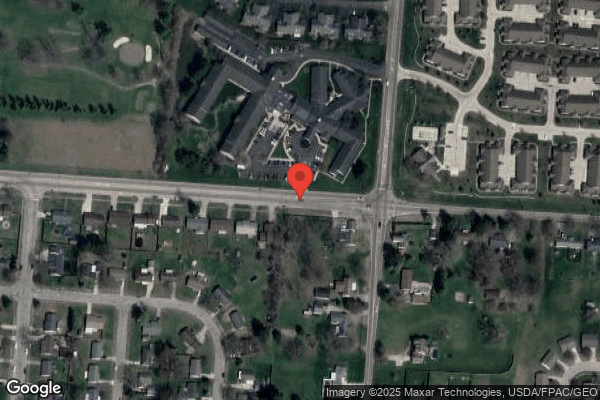

2000 VILLA ROAD, SPRINGFIELD, OH 45503 (937) 399-7195
For profit - Corporation 85 Beds MICHAEL SLYK Data: November 2025 2 Immediate Jeopardy citations
Trust Grade
21/100
#516 of 913 in OH
Last Inspection: October 2023

Over 2 years since last inspection. Current conditions may differ from available data.

Overview

Northwood Skilled Nursing and Rehabilitation has a Trust Grade of F, indicating significant concerns about the facility's overall quality and care. They rank #516 out of 913 nursing homes in Ohio, placing them in the bottom half, and #7 of 13 in Clark County, meaning there are better local options available. While the facility has shown improvement, reducing issues from 11 in 2023 to just 2 in 2024, their staffing rating is poor at 1 out of 5 stars, with a concerning turnover rate of 64%, significantly higher than the state average. The facility has faced $34,976 in fines, which is higher than 81% of Ohio facilities, suggesting ongoing compliance issues. Additionally, serious incidents were reported, such as residents with cognitive impairments eloping from the facility without staff knowledge, raising serious safety concerns. On a positive note, they have excellent quality measures rated at 5 out of 5 stars, indicating that some aspects of care are being delivered well.

Trust Score
F
21/100
In Ohio
#516/913
Bottom 44%
Safety Record
High Risk
Review needed
Inspections
Getting Better
11 → 2 violations
Staff Stability
⚠ Watch
64% turnover. Above average. Higher turnover means staff may not know residents' routines.
Penalties
✓ Good
$34,976 in fines. Lower than most Ohio facilities. Relatively clean record.
Skilled Nurses
○ Average
Each resident gets 33 minutes of Registered Nurse (RN) attention daily — about average for Ohio. RNs are the most trained staff who monitor for health changes.
Violations
⚠ Watch
38 deficiencies on record. Higher than average. Multiple issues found across inspections.
★★★☆☆
3.0
Overall Rating
★☆☆☆☆
1.0
Staff Levels
★★★★★
5.0
Care Quality
★★★☆☆
3.0
Inspection Score
Stable
2023: 11 issues
2024: 2 issues

The Good

  • 5-Star Quality Measures · Strong clinical quality outcomes
  • Full Sprinkler Coverage · Fire safety systems throughout facility
  • No fines on record

Facility shows strength in quality measures, fire safety.

The Bad

3-Star Overall Rating

Near Ohio average (3.2)

Meets federal standards, typical of most facilities

Staff Turnover: 64%

18pts above Ohio avg (46%)

Frequent staff changes - ask about care continuity

Federal Fines: $34,976

Above median ($33,413)

Moderate penalties - review what triggered them

Chain: MICHAEL SLYK

Part of a multi-facility chain

Ask about local staffing decisions and management

Staff turnover is elevated (64%)

16 points above Ohio average of 48%

The Ugly 38 deficiencies on record

2 life-threatening 1 actual harm
Jun 2024 2 deficiencies 1 IJ
CRITICAL (J) 📢 Someone Reported This

A family member, employee, or ombudsman was alarmed enough to file a formal complaint

Immediate Jeopardy (IJ) - the most serious Medicare violation

Accident Prevention (Tag F0689)

Someone could have died · This affected 1 resident

**NOTE- TERMS IN BRACKETS HAVE BEEN EDITED TO PROTECT CONFIDENTIALITY** Based on medical record review, observation, staff interviews, review of a facility investigation, and review of facility policy...

Read full inspector narrative →
**NOTE- TERMS IN BRACKETS HAVE BEEN EDITED TO PROTECT CONFIDENTIALITY** Based on medical record review, observation, staff interviews, review of a facility investigation, and review of facility policy, the facility failed to ensure staff provided adequate supervision and intervention to prevent Resident #01, who had impaired cognition, was at risk for elopement, was housed on a secured memory care unit and who had a history of eloping from his bedroom window, from leaving the facility unsupervised. This resulted in Immediate Jeopardy when one resident (#01) was placed at potential risk for serious life-threatening harm and/or injury when the resident was displaying a change of condition and was observed pacing near the nurse's station and the resident was noted to be observing Licensed Practical Nurse (LPN) #110 closely. Resident #01 eloped from his bedroom window without staff knowledge and was found 2.3 miles from the facility, leaving a Dollar General store in a very busy area of town. This affected one (#01) of six residents reviewed for risk for elopement. The facility census was 71. On 06/12/24 at 3:03 P.M., the Administrator, Director of Nursing (DON), Regional Quality Assurance Nurse (RQAN) #403, Director of Clinical Services #401, Regional Director of Operations (RDO) #402 and Assistant Director of Nursing (ADON) #405 were notified that Immediate Jeopardy began on 06/09/24 at an unknown time, when Resident #01 exited the facility without staff knowledge. Resident #01 was seen pacing near the nurse's station on 06/09/24 at approximately 4:00 A.M. when LPN #110 provided the resident with water in the common area of the memory care unit. LPN #110 reported Resident #01 was observing her closely. State Tested Nursing Assistant (STNA) #76 reports seeing Resident #01 on 06/09/24 at 5:00 A.M. when he asks her for a cup of ice water. On 06/09/24 at 5:50 A.M., LPN #110 went to Resident #01's room to administer his morning medication, when she noticed the resident was not in his room and noticed the bedroom window was partially raised with the screen removed and it was lying on the ground outside. The staff immediately conducted a head count which revealed Resident #01 was missing. The staff initiated their elopement plan and all staff started searching for Resident #01. The Police Department was contacted on 06/09/24 at 6:13 A.M. to help with the search. On 06/09/24 at 11:47 A.M., Director of Rehabilitation (DOR) #85 located Resident #01 leaving the Dollar General store approximately 2.3 miles from the facility and in a very busy area. Resident #01 continued to walk down the street and cross the middle of the street until he reached the Sunoco Gas Station which was 2.4 miles from the facility. On 06/09/24 at 12:03 P.M., nine-one-one (911) was called to assess Resident #01 and the resident refused care. On 06/09/24 at 12:20 P.M., Resident #01 was returned to the facility by emergency medical services (EMS). A head-to-toe assessment was completed and found Resident #01 to be free of any pain or distress. Resident #01 did have abrasions on both knees. Resident #01 had a previous elopement in May 2023 from the same room where he eloped from his bedroom window. The Immediate Jeopardy was removed on 06/09/24 when the facility implemented the following corrective actions: • On 06/09/24 at approximately 5:45 A.M., LPN #110 identified Resident #01 was not in his room and the facility began searching for the resident. • On 06/09/24 at 11:41 A.M., DOR #85 located Resident #01 at a Dollar General Store and the facility was notified. • On 06/09/24 at 12:20 P.M., Resident #01 was returned to the facility by [NAME] EMS, accompanied by the [NAME] Police Department. ADON #405 initiated one to one safety supervision for Resident #01. At 12:30 P.M., Registered Nurse (RN) #109 completed a head-to-toe assessment on Resident #01 and the resident was free from any pain or psychosocial distress related to the incident. Resident #01 did have an abrasion noted to his bilateral knees. • On 06/09/24, RQAN #403 reviewed progress notes for the last 30 days for all current facility residents for any like behaviors and no other concerns were identified. • On 06/09/24, the Administrator installed metal L Brackets and additional upgraded hardware to prevent Resident #01's window from opening more than six inches or wide enough to prevent the resident from exiting the window. • On 06/09/24, the Administrator audited all resident accessible windows and upgraded securement hardware throughout the facility. All windows were noted to be secured without any identified concerns. • On 06/09/24, Unit Manager (UM) #134 completed elopement risk assessments for all current facility residents. There were no identified concerns from prior elopement assessments. • On 06/09/24, Clinical Operations Specialist (COS) #121 completed wander risk assessments for all current facility residents. There were no identified concerns noted from the prior assessments. • On 06/09/24, the Administrator audited all egress doors, alarm panels and the facility wander guard system to ensure proper alarm and functioning. There were no identified concerns noted. • On 06/09/24, COS #121 audited all current facility residents with physician orders for wander guards. All wander guards were placed properly, functioning and within required expiration. No identified concerns were noted. • On 06/09/24, UM #134 audited all current facility residents at risk of elopement, to ensure all those at risk have a care plan with appropriate interventions in place. There were no identified concerns in the audit. • On 06/09/24, COS #121 audited to ensure all current facility residents with a wander guard were appropriately assessed for placement as ordered, had a physicians order and had a care plan in place. There were no identified concerns noted. • On 06/09/24, UM #122, Dietary Manager #400, DOR #85, Environmental Services Director #450 and Nursing Administrative Assistant #79 began educating all current facility staff in person, on the missing resident procedure and the facility Abuse/Neglect policy and all remaining staff via phone. The education was completed on 06/09/24. • On 06/09/24, the Administrator held an elopement drill in person with staff on dayshift and night shift. Staff response was immediate and appropriate. There were no identified concerns noted. • On 06/09/24, the facility held a Quality Assessment and Performance Improvement (QAPI) meeting with the Administrator, RQAN #403, ADON #405, UM #134, UM #122, COS #121, RDO #402 and Medical Director #501. Resident #01's elopement and the facilities corrective action plan was discussed. The facilities corrective action plan was approved by the QAPI committee. • Maintenance Director #130 or designee will conduct elopement drills on each shift, twice weekly for a period of four weeks to ensure staff respond accordingly with the first elopement drill being conducted on 06/09/24. All variances will be corrected upon discovery and additional education/follow-up will be provided as deemed necessary. All findings will be reported to the facility's QAPI committee. • Maintenance Director #130 or designee will conduct checks of exit doors/wander guard system once weekly, for a period of four weeks to ensure proper functioning with the first one being conducted on 06/09/24. All variances will be corrected upon discovery and education/follow-up will be provided as deemed necessary. Ongoing compliance will be further maintained through audits as dictated by the facility's QAPI committee. • The DON or designee will complete elopement risk and wandering risk assessments on current residents weekly for a period of four weeks, to ensure no changes in behavior patterns are present, placing residents at risk for elopement and ensuring that appropriate and effective interventions are in place with the first one being conducted on 06/09/24. All variances will be corrected upon discovery and additional education/follow-up will be provided as deemed necessary. • The DON or designee will review current resident progress notes in the clinical operations meeting five times weekly for a period of four weeks to monitor acute changes in behavior patterns that require further intervention with the first one being conducted on 06/09/24. All variances will be corrected upon discovery and additional education and follow-up will be provided as deemed necessary. • The DON or designee will audit all current facility residents with physician's order for wander guard five times a week, for a period of four weeks to ensure proper functioning, placement and devices within stated expiration with the first one being conducted on 06/09/24. All variances will be corrected upon discovery and additional education/follow-up will be provided as deemed necessary. All findings will be reported to the facility's QAPI committee. • The Administrator or designee will conduct checks of window securement hardware, three times a week for a period of four weeks to ensure windows are secure and safety latches remain intact with the first one being conducted on 06/09/24. All variances will be corrected upon discovery and education/follow-up will be provided as deemed necessary. Further continued ongoing compliance will be further maintained through audits as dictated by the facility quality assurance committee. • RDO #402 will review all audits weekly for a period of four weeks to ensure completion and compliance. All variances will be corrected immediately upon discovery and additional follow-up and education will be provided as deemed necessary. • The DON or designee will educate new hires and/or agency staff working in the facility prior to working their shift on the Wandering elopement procedure and Abuse/Neglect policy for four weeks. All variances will be corrected upon discovery and additional education and follow-up will be provided as deemed necessary. Although the Immediate Jeopardy was removed on 06/09/24, the facility remained out of compliance at a Severity Level 2 (no actual harm with potential for more than minimum harm that is not Immediate Jeopardy) as the facility was in the process of implementing their corrective action plan and monitoring to ensure on-going compliance. Findings include: Review of Resident #01's medical record revealed he was admitted to the facility on [DATE]. Diagnoses include hyperlipidemia, tinnitus, major depressive disorder, essential primary hypertension, vascular dementia, and encephalopathy. Review of Resident #01's care plan dated 03/31/23, revealed the resident was at risk of elopement related to cognitive dysfunction, lack of capacity, poor judgment and decision making. Further review of the care plan revealed Resident #01 was at a moderate risk for wandering. Review of Resident #01's care plan revealed there was no specific care planned interventions addressing the resident's previous elopement from his window on 05/21/23. Review of the quarterly Minimum Data Set (MDS) assessment, dated 05/28/24, revealed Resident #01 had a brief interview for mental status (BIMS) score of 10 out of 15 indicating the resident had moderate cognitive impairment. Resident #01 was dependent on staff for medication administration and set up assistance with eating, dressing, oral hygiene, and putting on or taking off shoes. Resident #01 required supervision from staff with toileting, showering, and personal hygiene. Review of Resident #01's nursing progress notes revealed on 05/22/23 (late entry for 05/21/23) the resident's window was observed to be broken and the screen out in the courtyard. Resident #01 exited the facility through his window. Resident #01 was documented to be returned to the facility by the staff. Review of Resident #01's assessment titled, Wandering Assessment, dated 05/24/24, revealed the resident was determined to be a moderate risk for elopement. Review of Resident #01's assessment titled, Elopement Risk, dated 05/24/24, revealed the resident was capable of leaving the facility and had a history of elopement. Resident #01 resides on a locked unit with alarms. Review of Resident #01's progress notes revealed a late entry note, dated 06/09/24 at 12:20 P.M., which documented the resident exited the facility from his room after breaking and opening the window. Resident #01 returned to the facility accompanied by EMS and facility staff. The progress note documented Resident #01 was free of pain and distress and placed on a one-on-one supervision. On 06/10/24 at 2:50 P.M., the progress notes identified Resident #01 had abrasions on both knees. Interview on 06/12/24 at 8:12 A.M. with STNA #76 revealed she was pulled from the memory care unit on 06/08/24 at approximately 11:00 P.M. and worked on another unit. STNA #76 stated this left one nurse (LPN #110) and one STNA (#78) to work the floor with a total of twenty-three memory care residents. STNA #76 confirmed one other STNA (#129) was assigned to work on the memory care unit on a one-on-one with Resident #20. STNA #76 confirmed the memory care unit is hard to work when it is only one nurse and one aide assigned to the unit. STNA #76 stated there are times that several residents are exit seeking and pushing on the doors. During an interview on 06/12/24 at 8:23 A.M. with LPN #110, who was the nurse for Resident #01 on the day of the elopement from the facility on 06/09/24, she stated she started her shift at 7:00 P.M. on 06/08/24 on another hallway. LPN #110 stated after competing her assignment, she took over the assignment on the memory care unit. LPN #110 stated she began her shift with two STNA's assigned to the memory care unit to work with her (STNA #76 and STNA #78). LPN #110 explained another STNA #129 was assigned to the memory care unit; however, she was assigned to provide one-on-one care for Resident #20 because this resident had eloped from the facility on 06/08/24. LPN #110 stated STNA #76 was pulled from the memory care unit to work on another hallway for the rest of the shift. LPN #110 confirmed this left one STNA (#78) providing care along with herself (LPN #110) for a total of twenty-three memory care residents. LPN #110 stated on 06/09/24 at 4:00 A.M. Resident #01 asked her for a drink of water. LPN #110 stated it was not unusual for Resident #01 to be up at 4:00 A.M. LPN #110 further stated looking back on the incident, Resident #01 was observed to be pacing back and forth by the nurse's station and he was keeping a close eye on her. LPN #110 stated she began her medication pass on 06/09/24 at 5:00 A.M. and arrived at Resident #01's room on 06/09/24 at approximately 5:50 A.M. when she identified Resident #01 was not in his room and the window was open wide. LPN #110 stated she did not notice it at first but later identified a piece of wood on the floor along with a metal screw which were a part of the window. LPN #110 stated she immediately began a headcount and Resident #01 was the only resident not accounted for. LPN #110 stated she contacted the management team on 06/09/24 at 5:55 P.M. LPN #110 confirmed STNA #129 remained on her one-on-one assignment for Resident #20, and STNA #78 was providing care to another resident down the hallway. Interview on 06/12/24 at 11:51 A.M. with DOR #85 stated he was assisting with searching for Resident #01 after his elopement on 06/09/24. DOR #85 stated he was driving down the streets and searching for Resident #01 and thought he may have passed Resident #01, but he was not sure. DOR #85 stated he observed Resident #01 enter a nearby store and DOR #85 parked his car and walked into the store. DOR #85 confirmed he saw who he thought was Resident #01 and asked what his name was. DOR #85 asks the cashier to contact the police as DOR #85 followed Resident #01 out the door of the store. DOR #85 confirmed he was unable to redirect Resident #01, so he followed him. DOR #85 confirmed Resident #01 crossed a busy road and did not use the crosswalk and walked into a gas station. DOR #85 stated the police arrived with other staff members and later the squad arrived and took Resident #01 back to the facility. DOR #85 could not say for sure but thought this was around noon on 06/09/24. Interview on 06/12/24 at 12:23 P.M. with the Administrator revealed he stated he was not aware of Resident #01's previous elopement in May 2023 and could not provide any information related to that elopement. Interview on 06/12/24 at 2:32 P.M. with STNA #78 revealed two aides were assigned to work on the memory care unit on 06/08/24 until they pulled STNA #76 to work on another unit. STNA #78 stated it was not unusual for a STNA to be pulled from the memory care unit. STNA #78 confirmed it was herself and LPN #110 to provide care for twenty-three memory care residents. STNA #78 confirmed STNA #129 was assigned to provide one-on-one care supervision to Resident #20 because the resident eloped from the facility on 06/08/24. STNA #78 stated management was at the facility late on 06/08/24 and completed an elopement drill and education because Resident #20 had exited one of the memory care doors. STNA #78 confirmed she saw Resident #01 on 06/09/24 at 5:00 A.M. when he asked her for a cup of ice water. STNA #78 thought she must have woken Resident #01 when she turned on the light to provide care to his roommate. STNA #78 stated on 06/09/24 at around 5:30 A.M. LPN #110 told her that she could not find Resident #01. STNA #78 told LPN #110 she would help search for Resident #01 after she completed personal care on another resident. STNA #78 stated LPN #110 noticed the window in Resident #01's room was open wide, and Resident #01 was missing. A subsequent interview and observation on 06/13/24 at 12:30 P.M. with the Administrator confirmed the type of stop previously located in Resident #01's room was similar to the one in the conference room. The Administrator pointed at a small block of wood about two inches long with a metal screw on the face inside of the conference room window frame. The Administrator stated he replaced the pieces of wood and screws on Resident #01's window with metal L shaped brackets. Review of the facility policy titled, Wandering and Elopements, dated March 2019, revealed the facility will identify residents who are at risk for unsafe wandering and strive to prevent harm while maintaining a least restrictive life. Further review of the policy revealed the facility will provide strategies and interventions to maintain resident's safety. This deficiency represents non-compliance investigated under Complaint Number OH00154691.
CONCERN (F) 📢 Someone Reported This

A family member, employee, or ombudsman was alarmed enough to file a formal complaint

Potential for Harm - no one hurt, but risky conditions existed

Food Safety (Tag F0812)

Could have caused harm · This affected most or all residents

**NOTE- TERMS IN BRACKETS HAVE BEEN EDITED TO PROTECT CONFIDENTIALITY** Based on observations, staff interview, and facility policy review, the facility failed to maintain a clean and sanitary kitchen...

Read full inspector narrative →
**NOTE- TERMS IN BRACKETS HAVE BEEN EDITED TO PROTECT CONFIDENTIALITY** Based on observations, staff interview, and facility policy review, the facility failed to maintain a clean and sanitary kitchen. This had the potential to affect all 71 residents who reside at the facility. The facility census was 71. Findings include: An interview and observation during the initial tour of the kitchen on 06/11/24 at 10:26 A.M. with the Kitchen Supervisor (KS) #300 revealed the three compartment sink did not contain sanitizing solution to sanitize the dishes. KS #300 confirmed the facility has been out of sanitizer for the three compartment sink for several days. KS #300 confirmed the dirt, food debris, and black substance under [NAME] the three compartment sink and all along the walls throughout the kitchen and behind the equipment. KS #300 confirmed the cove base covering was tore off the wall under [NAME] the three compartment sink as well as a missing tile. KS #300 confirmed the trash cans in the kitchen have food debris and splattered substance running down the trash cans. KS #300 confirmed the unknown splatter and debris running down the front of the dishwasher and food debris along the top of the dishwasher. KS #300 confirmed the water dripping from the dishwasher into a large bucket underneath the dishwasher. The facility confirmed all 71 residents residing in the facility receive their meals/food from the kitchen. Interview with Regional Dietary Director (RDD) #400 on 06/11/24 at 11:47 A.M. revealed he had a work order request for the leaking dishwasher machine. RDD #400 confirmed the three compartment sink was out of sanitizing solution. Interview on 06/11/24 at 2:11 P.M. with the Customer Service Representative (CSR) #600 who completes the dishwasher maintenance and supplies the facility with sanitization confirmed the facility did not have sanitizer in their three compartment sink. CSR #600 confirmed the dishwasher does not have the correct seal and is allowing water to leak into a bucket placed underneath the leaking areas. Review of the facility policy titled, Sanitization, dated October 2008, confirmed the facility shall be maintained in a clean and sanitary manner. All equipment shall be washed to remove or completely loosen soils with hot water and sanitizing solutions. Kitchen waste shall be kept in clean leakproof tightly closed containers. If a sink is used for washing utensils, cooking equipment or dishes, it will be cleaned between uses with an approved sanitizing agent. This deficiency represents non-compliance investigated under Complaint Number OH00153481.
Nov 2023 1 deficiency 1 IJ
CRITICAL (J) 📢 Someone Reported This

A family member, employee, or ombudsman was alarmed enough to file a formal complaint

Immediate Jeopardy (IJ) - the most serious Medicare violation

Accident Prevention (Tag F0689)

Someone could have died · This affected 1 resident

**NOTE- TERMS IN BRACKETS HAVE BEEN EDITED TO PROTECT CONFIDENTIALITY** THE FOLLOWING DEFICIENCY REPRESENTS AN INCIDENT OF PAST NONCOMPLIANCE THAT WAS SUBSEQUENTLY CORRECTED PRIOR TO THIS SURVEY. Base...

Read full inspector narrative →
**NOTE- TERMS IN BRACKETS HAVE BEEN EDITED TO PROTECT CONFIDENTIALITY** THE FOLLOWING DEFICIENCY REPRESENTS AN INCIDENT OF PAST NONCOMPLIANCE THAT WAS SUBSEQUENTLY CORRECTED PRIOR TO THIS SURVEY. Based on medical record review, observation, resident interview, staff interview, review of the facility's Self-Reported Incident (SRI) and investigation, review the National Weather Forecast, and review of facility policy, the facility failed to provide adequate supervision to ensure a cognitively impaired resident, assessed to be at moderate risk for elopement from the facility and had previous attempts to elope, did not elope from the facility. This resulted in Immediate Jeopardy when Resident #26 was placed at risk for potential serious harm and/or injury when the resident eloped from the facility without staff knowledge and exited through the front door. The resident was missing for approximately six hours before being found approximately 3.9 miles from the facility, after accepting a ride from a neighbor of the facility, riding public transportation, accessing funds from the bank, and located walking along a main downtown street with variances of two to four lanes. This affected one (#26) of six residents (#26, #45, #66, #84, #91 and #96) reviewed for elopement. The facility identified four residents (#26, #45, #84, and #91) to be at risk for elopement. The facility census was 71. On 11/08/23 at 3:34 P.M., the Administrator was notified Immediate Jeopardy began on 10/20/23 at 7:00 A.M. when State Tested Nurse Aide (STNA) #556, assigned to provide one-to-one supervision for Resident #26, left at the end of her shift without ensuring another staff member assumed supervision of the resident. Subsequently, Resident #26 cut off his wander guard bracelet from his left ankle with a pair of nail clippers and exited from the facility through the front door without staff knowledge. Resident #26 was located approximately six hours later by facility staff as the resident was walking down a main downtown street, approximately 3.9 miles away from the facility. The ambient air temperature outside on 10/20/23 was a low of 50 degrees Fahrenheit (F) to a high of 54 F. Resident #26 was placed at potential risk of being hit by a car while walking through areas that had two to four lane roads of traffic, traveled by city bus, procured a ride from a facility neighbor, withdrew funds from the bank, and gave money to a friend. At the time of discovery, Resident #26 was transported to the hospital for evaluation and found to have no injuries. The Immediate Jeopardy was removed, and the deficient practice corrected on 10/21/23 when the facility implemented the following corrective actions: · On 10/20/23 at approximately 8:10 A.M., Registered Nurse (RN) #521 discovered Resident #26 was not in his room and initiated a head count of facility residents. All residents were accounted for, except Resident #26. · On 10/20/23 at 8:26 A.M., Unit Manager (UM) #643 called a code and alerted all available staff to conduct a thorough search inside the facility and assigned additional staff to search immediately outside of the facility. · On 10/20/23, Regional Quality Assurance Nurse (RQAN) #651 notified the assisted living facility on campus to conduct a thorough search of their facility and grounds. · On 10/20/23 at 8:30 A.M., the Administrator began organizing a search team to conduct a thorough search of external facility grounds and adjacent areas outside the facility. The search team disseminated photographs and physical description of Resident #26 and conducted an on-going search for Resident #26. · On 10/20/23 at 8:41 A.M., the Administrator notified the police department Resident #26 exited the facility unsupervised and was unable to be located. · On 10/20/23 at 8:47 A.M., RQAN #651 notified the Medical Director and Social Service Designee (SSD) #510 notified the emergency contact of Resident #26's elopement from the facility. · On 10/20/23 from 10:20 A.M. to 10:50 A.M., Regional Clinical Resource Specialist (RCRS) #654 assessed all facility residents with physician orders for wander guards to ensure they were properly placed, functioning, and within expiration dates. Additionally, all residents with a wander guard were assessed to ensure use was appropriate and care plans were in place related to the use of a wander guard. · On 10/20/23 between 10:25 A.M. and 10:50 A.M., RCRS #654 and Director of Clinical Reimbursement (DCR) #650 searched the rooms for all residents currently ordered a wander guard for objects that could potentially impair the integrity of a wander guard strap. No concerns were identified. · On 10/20/23 between 10:45 A.M. and 11:00 A.M., RCRS #654 audited to ensure all current facility residents identified at risk for elopement had a care plan with appropriate interventions in place. There were no variances identified in the audit. · On 10/20/23 between 10:45 A.M. and 12:40 P.M., Minimum Data Set (MDS) Nurse #538 assessed all current facility residents for elopement risk. There were no variances noted from prior assessment. · On 10/20/23 between 10:50 A.M. and 2:30 P.M., UM #525 assessed all facility residents for risk of wandering. There were no variances noted from prior assessment. · On 10/20/23 between 10:51 A.M. and 11:00 P.M., the Administrator educated Assistant Director of Nursing (ADON) #619, DCR #650, Medicaid Specialist (MS) #551, Medical Records Coordinator (MRC) #642, and Director of Rehabilitation (DR) #540 on the missing resident/Wandering and Elopement Procedure, expectations of one-to-one safety supervision, ensuring residents with wander guards did not have sharp objects in room, and the facility Abuse/Neglect policy. · On 10/20/23 from 11:00 A.M. to 8:40 P.M., ADON #619, DCR #650, MS #551, MRC #642, and DR #540 educated all working agency staff and current facility staff in person on the missing resident/Wandering and Elopement procedure, expectations of one-to-one safety supervision, ensuring residents who had wander guards did not have sharp objects in room and the facility Abuse/Neglect policy. Staff not working were educated by phone. One hundred percent of facility staff were educated by 8:40 P.M. · On 10/20/23 at 1:51 P.M., Resident #26 was located approximately 3.9 miles away from the facility, walking down the street, by UM #643. The resident was free of any injury, pain, or indicators of psychosocial distress. UM #643 called 911 and Emergency Medical Services (EMS) transported Resident #26 to the hospital to be assessed as a precaution. · On 10/20/23 between 2:25 P.M. and 8:40 P.M., Senior Administrator (SA) #653 held an elopement drill with in-person staff on day shift. Staff response was immediate and appropriate. · On 10/20/23 between 2:40 P.M. and 5:00 P.M., SA #653, Director of Business Development (DBD) #554, Director of Clinical Services (DCS) #550, and RCRS #654 reviewed progress notes for the past 90 days for all facility residents for any like behaviors without any variances identified. · On 10/20/23 between 3:52 P.M. and 3:59 P.M., [NAME] President of Operation (VPO) #555 and RQAN #651 interviewed STNA #556 via phone. STNA #556 verified leaving her one-to-one safety assignment with Resident #26 without handing-off supervision to another responsible person at 7:00 A.M. STNA #556 was suspended and removed from the nursing schedule. · Beginning on 10/20/23, the Director of Nursing (DON) or designee completed elopement and wandering risk assessments on current residents five times weekly for two weeks, then three times weekly for two weeks to ensure no changes in behavior patterns were present placing residents at risk for elopement and ensuring that appropriate and effective interventions were in place. Evidence was received verifying monitoring was completed on 10/20/23, 10/21/23, 10/22/23, 10/23/23, 10/24/23, 10/25/23, 10/26/23, 10/27/23, 10/28/23, 10/29/23, 10/30/23, 10/31/23, 11/01/23, 11/02/23, 11/03/23, 11/04/23, 11/05/23, 11/06/23, 11/07/23, 11/08/23, 11/09/23, 11/10/23, 11/12/23, and 11/13/23. · Beginning on 10/20/23, the DON or designee audited the resident activities room five times weekly for four weeks to ensure residents did not have unsupervised access to sharp objects, such as scissors. Any variances were corrected upon discovery and additional education and follow-up provided as deemed necessary. Evidence was provided verifying monitoring was completed on 10/20/23, 10/21/23, 10/22/23, 10/23/23, 10/24/23, 10/25/23, 10/26/23, 10/27/23, 10/28/23, 10/29/23, 10/30/23, 10/31/23, 11/01/23, 11/02/23, 11/03/23, 11/04/23, 11/05/23, 11/06/23, 11/07/23, 11/08/23, 11/09/23, 11/10/23, 11/12/23, and 11/13/23. · Beginning on 10/20/23, the DON or designee verified each shift for four weeks that one-on-one supervision was provided for Resident #26 and staff had full understanding of the requirement for providing one-on-one supervision. Evidence was provided verifying this was completed on 10/20/23, 10/21/23, 10/22/23, 10/23/23, 10/24/23, 10/25/23, 10/26/23, 10/27/23, 10/28/23, 10/29/23, 10/30/23, 10/31/23, 11/01/23, 11/02/23, 11/03/23, 11/04/23, 11/05/23, 11/06/23, 11/07/23, 11/08/23, 11/09/23, 11/10/23, 11/12/23, and 11/13/23. · Beginning on 10/20/23, the DON or designee reviewed current residents' progress notes in the clinical record five times weekly for four weeks to monitor for acute changes in behavior patterns that required further intervention. Evidence was provided verifying this was completed on 10/20/23, 10/21/23, 10/22/23, 10/23/23, 10/24/23, 10/25/23, 10/26/23, 10/27/23, 10/28/23, 10/29/23, 10/30/23, 10/31/23, 11/01/23, 11/02/23, 11/03/23, 11/04/23, 11/05/23, 11/06/23, 11/07/23, 11/08/23, 11/09/23, 11/10/23, 11/12/23, and 11/13/23. · Beginning on 10/20/23, the DON or designee audited all current facility residents with physician order for wander guards five times weekly for four weeks to ensure proper functioning, placement and devices were within the stated expiration date. Evidence was provided to verify audits were completed on 10/20/23, 10/21/23, 10/22/23, 10/23/23, 10/24/23, 10/25/23, 10/26/23, 10/27/23, 10/28/23, 10/29/23, 10/30/23, 10/31/23, 11/01/23, 11/02/23, 11/03/23, 11/04/23, 11/05/23, 11/06/23, 11/07/23, 11/08/23, 11/09/23, 11/10/23, 11/12/23, and 11/13/23. · Beginning on 10/20/23, the DON or designee interviewed five staff members five times weekly for four weeks to ensure understanding of one-to-one education provided on supervision and elopement and one-to-one supervision was to continue for Resident #26, without exception, until it is discontinued. Evidence was provided to verify this was completed on 10/20/23, 10/21/23, 10/22/23, 10/23/23, 10/24/23, 10/25/23, 10/26/23, 10/27/23, 10/28/23, 10/29/23, 10/30/23, 10/31/23, 11/01/23, 11/02/23, 11/03/23, 11/04/23, 11/05/23, 11/06/23, 11/07/23, 11/08/23, 11/09/23, 11/10/23, 11/12/23, and 11/13/23. · Beginning on 10/20/23, the Administrator or designee audited, via observation, each resident room with a physician order for a wander guard to ensure the room was free from sharp items that may impair the integrity of a wander guard strap five times weekly for four weeks. Evidence was provided verifying this was completed on 10/20/23, 10/21/23, 10/22/23, 10/23/23, 10/24/23, 10/25/23, 10/26/23, 10/27/23, 10/28/23, 10/29/23, 10/30/23, 10/31/23, 11/01/23, 11/02/23, 11/03/23, 11/04/23, 11/05/23, 11/06/23, 11/07/23, 11/08/23, 11/09/23, 11/10/23, 11/12/23, and 11/13/23. · Beginning on 10/20/23, MD #622 or designee conducted elopement drills on two shifts five times a week for two weeks, then three times a week for two weeks to ensure staff respond accordingly. Evidence was provided to verify elopement drills were completed on 10/20/23, 10/21/23, 10/22/23, 10/23/23, 10/24/23, 10/25/23, 10/26/23, 10/27/23, 10/28/23, 10/29/23, 10/30/23, 10/31/23, 11/01/23, 11/02/23, 11/03/23, 11/04/23, 11/05/23, 11/06/23, 11/07/23, 11/08/23, 11/09/23, 11/10/23, 11/12/23, and 11/13/23. · Beginning on 10/20/23, MD #622 or designee conducted checks on exit doors/wander guard system five times a week for four weeks to ensure proper functioning. Evidence was provided to verify the checks were completed on 10/20/23, 10/21/23, 10/22/23, 10/23/23, 10/24/23, 10/25/23, 10/26/23, 10/27/23, 10/28/23, 10/29/23, 10/30/23, 10/31/23, 11/01/23, 11/02/23, 11/03/23, 11/04/23, 11/05/23, 11/06/23, 11/07/23, 11/08/23, 11/09/23, 11/10/23, 11/12/23, and 11/13/23. · On 10/20/23 at 8:42 P.M., an ad hoc (unplanned) Quality Assurance and Performance Improvement (QAPI) meeting was held to review the corrective action plan. The plan was approved by the committee, including ongoing monitoring to ensure compliance. · On 10/20/23 at approximately 10:00 P.M., Resident #26 returned to the facility via EMS transport. A wander guard was placed to the resident's right ankle by UM #643. Resident #26 was free of any injury or complaints. STNA #656 was assigned to provide one-to-one safety supervision for Resident #26. · On 10/23/23, STNA #556 was terminated for failing to provide one-to-one as required and leaving the premises without supervisor's permission or knowledge. · On 11/01/23, the physician completed a competency evaluation and the facility submitted to probate court to obtain a legal guardian for Resident #26. · On 11/06/23 at 3:42 P.M., observation of exit doors revealed all doors functioned properly and staff responded to alarms. · On 11/06/23, 11/07/23, 11/08/23 and 11/13/23, observations throughout the day of Resident #26 confirmed one-to-one safety supervision was in place. · On 11/08/23, interviews with MRC #642, Accounts Manager (AM) #655, MDS Nurse #538, and Activities Assistant (AA) #548 verified they were educated on elopement, Abuse, and one-to-one supervision on 10/20/23. All verified they have participated in elopement drills. · Review of five (#45, #66, #84, #91, #96) additional open resident records, reviewed for elopement, revealed no concerns. Findings include: Review of medical record for Resident #26 revealed an admission date of 08/23/23. Diagnoses included, but not limited to, sepsis, type II diabetes, pseudocyst of pancreas, alcohol dependence, bipolar II disorder, schizoaffective disorder, and metabolic encephalopathy. Review of the Minimum Data Set (MDS) assessment dated [DATE] revealed Resident #26 had moderately impaired cognition for daily decision making, inattention and disorganized thinking, and required extensive assistance of one for Activities of Daily Living (ADL's). Review of the plan of care dated 10/02/23 revealed Resident #26 was at risk for elopement/wandering related to impaired cognition and unaware of safety needs. Interventions included one-to-one supervision as needed, orient to new surroundings, psychoactive medication as ordered, remind resident not to leave facility without notifying staff, wander guard to left ankle, check placement and function every shift, assess for risk factors per facility procedures, follow facility elopement procedures, monitor/report changes in behavior (restlessness and pacing), monitor medication side effects, provide diversional activities of interest as needed, and redirect as needed. Review of a Wandering Risk assessment dated [DATE] revealed Resident #26 was disoriented, combative/severely agitated, did not understand surroundings, disturbed by environmental noise levels, loss of self-control, and experienced of anger/fear of abandonment. Resident #26 was independent for mobility and was taking antipsychotics. Resident #26 scored 09 on the assessment, indicating a moderate risk for wandering. Review of a Social Service Note dated 10/17/23 at 11:50 A.M. revealed Resident #26 attempted to exit the facility, accompanied by staff. The resident's emergency contact and physician were notified. The wander guard was replaced to the resident's ankle and Resident #26 was placed on one-to-one safety supervision. Review of a statement dated 10/17/23, from UM #643, revealed Resident #26 was noted to have removed his wander guard and attempted to leave the facility through the front door. Staff were present at the time the resident attempted to leave the facility and followed immediately behind resident, walking beside him while he exited the facility. The resident was redirected into the facility without difficulty. Review of a Health Status Update Note dated 10/18/23 at 11:18 A.M. revealed Interdisciplinary Team (IDT) spoke with Resident #26's emergency contact in regard to having an apartment in the community. Emergency contact was unaware of the whereabouts of an apartment in the community, stating Resident #26 was homeless prior to arriving. The physician was notified to schedule a competency evaluation as the resident did not have a responsible party and the emergency contact did not wish to make decisions for Resident #26. Review of the Health Status Update Note dated 10/20/23 at 8:10 A.M. revealed Resident #26 exited the facility unsupervised by staff. Wander guard and nail clippers observed on bedside table. The note did not indicate what time the resident exited the facility. Review of the facility's Self-Reported Incident (SRI) dated 10/20/23 revealed STNA #556 had knowledge Resident #26 required one-to-one assistance to ensure his safety and well-being. STNA #556, on her own accord, chose to leave her safety assignment with Resident #26 without securing one-to-one supervision. STNA #556 left Resident #26, absent of the necessary supervision to ensure his safety, had the appropriate knowledge in respect of the need for continued one-to-one supervision for Resident #26, and chose to leave him unattended and left the facility without any staff having knowledge of her doing so. The facility substantiated STNA #556's neglect of Resident #26. The facility understands the potential severity of such instances and implemented extensive staff education and monitoring to ensure the safety of all residents as it relates to exiting the facility unsafely. STNA #556's employment was terminated. Resident #26 continues to reside within the facility absent of any indicators of psychosocial and physical distress. Resident #26's plan of care will be updated as necessary to reflect his highest practicable psychosocial/physical well-being and safety. Resident #26 reports he will not be exiting the facility again, however, continues to remain on one-to-one supervision at this time. Review of a statement dated 10/20/23 at 8:39 A.M. from the former Administrator revealed the facility was notified by a vendor that at approximately 8:10 A.M. to 8:15 A.M., Resident #26 was standing outside in front of the facility wearing a black hoodie (sweatshirt) and blue sweatpants. Review of a statement from STNA #556, dated 10/20/23 at 3:52 P.M., obtained by VPO #555 and RQAN #651, revealed STNA #556 reported leaving her one-on-one safety assignment with Resident #26 without handing-off to another responsible person at 7:00 A.M. Interview on 11/08/23 at 10:50 A.M. with Resident #26 revealed on 10/20/23 a neighbor of the facility gave him a ride to a local fast-food restaurant and then he walked to the bank. From the bank, Resident #26 stated he went to a local grocery store and caught the city bus to go to a restaurant downtown. Resident #26 confirmed he removed his wander guard before leaving the facility and was eventually located by facility staff while walking in the downtown area. Interview on 11/08/23 at 12:00 P.M. with DCS #550 revealed upon admission, Resident #26 had encephalopathy and was confused. On 10/17/23, Resident #26 cut off his wander guard and attempted to leave the facility and one-to-one supervision was initiated as an intervention. Following that incident, the facility requested the physician complete a competency evaluation for guardianship as there was no responsible party willing to make decisions for the resident. DCS #550 stated one-to-one supervision would continue until a court appointed guardian was in place. Telephone interview on 11/15/23 at 2:50 P.M. with the DON and DCS #550 verified on 10/20/23, STNA #556 left her assignment of one-to-one supervision for Resident #26 without handing-off responsibility for supervision and without notifying any facility staff she was leaving, which the DON and DCS #550 confirmed should have occurred. Subsequently, Resident #26 was left without the supervision level identified by the facility to ensure his safety, resulting in the resident leaving the facility unsupervised. The DON and DCS #550 verified Resident #26 was missing from the facility for approximately six hours before being located by facility staff. DCS #550 verified, based on physician evaluation, Resident #26 was not capable of making safe decisions for himself due to mental illness. Review of AccuWeather data, located at https://www.accuweather.com, for 10/20/23 revealed the ambient air temperatures were a low of 50 degrees Fahrenheit (F) and a high temperature of 54 F. Review of facility policy titled Wandering and Elopements, revised March 2019, revealed the facility will identify residents at risk of unsafe wandering and strive to prevent harm while maintaining the least restrictive environment for residents. Additionally, if identified as at risk for wandering, elopement, or other safety issues, the resident's care plan will include strategies and interventions to maintain the resident's safety. This deficiency represents non-compliance investigated under Complaint Number OH00147915 and Complaint Number OH00147452.
Oct 2023 6 deficiencies
CONCERN (D)

Potential for Harm - no one hurt, but risky conditions existed

Deficiency F0558 (Tag F0558)

Could have caused harm · This affected 1 resident

**NOTE- TERMS IN BRACKETS HAVE BEEN EDITED TO PROTECT CONFIDENTIALITY** Based on observations, medical record review, resident and staff interview, and policy review, the facility failed to ensure a c...

Read full inspector narrative →
**NOTE- TERMS IN BRACKETS HAVE BEEN EDITED TO PROTECT CONFIDENTIALITY** Based on observations, medical record review, resident and staff interview, and policy review, the facility failed to ensure a call light was in place for a resident. This affected one (#68) of 24 residents reviewed for call light placement. The facility census was 76. Findings included: Medical record review for Resident #68 revealed an admission date of 03/26/23. Diagnoses included dementia, hypertension, and anxiety. Review of the quarterly Minimum Data Set (MDS) assessment dated [DATE] revealed Resident #68 was cognitively intact. Observations of the call light for Resident #68 on 10/03/23 at 9:14 A.M. and on 10/04/23 at 3:14 P.M. revealed the call light cord was hanging wrapped around the call light outlet and out of reach of the resident. At the time of the observations, Resident #68 said she didn't know where her call light was. Interview with State Tested Nursing Aide (STNA) #307 on 10/04/23 at 3:27 P.M. confirmed the call light wasn't within reach for Resident #68. Review of the policy titled Call Light-Resident, dated 09/01/22, revealed residents will be provided with a means to call staff for assistance through a communication system that directly calls a staff member or a centralized work station. Each resident will be provided with a means to call staff directly for assistance from his/her bed, from toileting/bathing facilities and from the floor.
CONCERN (D)

Potential for Harm - no one hurt, but risky conditions existed

Deficiency F0645 (Tag F0645)

Could have caused harm · This affected 1 resident

**NOTE- TERMS IN BRACKETS HAVE BEEN EDITED TO PROTECT CONFIDENTIALITY** Based on medical record review and staff interview, the facility failed to complete an accurate Pre-admission Screen and Residen...

Read full inspector narrative →
**NOTE- TERMS IN BRACKETS HAVE BEEN EDITED TO PROTECT CONFIDENTIALITY** Based on medical record review and staff interview, the facility failed to complete an accurate Pre-admission Screen and Resident Review (PASARR) for Resident #62. This affected one (Resident #62) of two residents reviewed for PASARR. The facility census was 76. Findings include: Review of Resident #62's medical record revealed an admission date of 03/14/23. Diagnoses included catatonic schizophrenia (diagnosis upon admission on [DATE]), major depressive disorder, psychosis, and dementia with behavioral disturbance. Review of the quarterly Minimum Data Set (MDS) assessment dated [DATE] revealed Resident #62 was moderately cognitively impaired. Review of Resident #62's PASARR dated 06/20/23 revealed the PASARR had only mood disorder marked as a serious mental disorder. The PASARR did not include Resident #62's diagnosis of catanoic schizophrenia, which Resident #62 had the diagnosis since admission on [DATE]. Interview with Certified Operations Specialist #249 on 10/03/23 at 3:35 P.M. verified Resident #62 had a catatonic schizophrenia diagnosis and it was not coded on the PASARR dated 06/20/23.
CONCERN (D)

Potential for Harm - no one hurt, but risky conditions existed

Deficiency F0657 (Tag F0657)

Could have caused harm · This affected 1 resident

**NOTE- TERMS IN BRACKETS HAVE BEEN EDITED TO PROTECT CONFIDENTIALITY** 2. Review of Resident #68's medical record revealed he was admitted to the facility on [DATE]. Diagnoses included dementia, psyc...

Read full inspector narrative →
**NOTE- TERMS IN BRACKETS HAVE BEEN EDITED TO PROTECT CONFIDENTIALITY** 2. Review of Resident #68's medical record revealed he was admitted to the facility on [DATE]. Diagnoses included dementia, psychotic disturbances, mood psychotic disturbances, and anxiety. Review of the Minimum Data Set (MDS) assessment dated [DATE] revealed Resident #68 had no cognitive impairment. Further review of the medical record for Resident #68 from 03/26/23 to 10/02/23 revealed there were no care conferences held for Resident #68 Interview on 10/03/23 at 4:10 P.M. with Administrator Assistant #504 confirmed she was unable to find any documentation of Resident #68 and her representative being invited to a care conference or having a care conference for Resident #68. Interview on 10/04/23 at 9:10 A.M. with Regional Quality Assurance Specialist #500 confirmed Resident #68 did not have a care conference since admitted to the facility on [DATE]. The Regional Quality Assurance Specialist #500 confirmed the facility does not have a Care Conference Policy and Procedure for review. Review of the facility's Care Conference Invitation revealed care conferences are held for all of the residents 72 hours upon admission, quarterly, annually, or more frequently if there is a major change in condition. Based on resident and staff interview, and record review, the facility failed to allow the participation of the resident and/or resident representative in the comprehensive care plan when there was no evidence a care plan conference was conducted. This affected two (Resident #47 and #68) of two residents reviewed for care plan conferences. The facility census was 76. Findings include: 1. Record review for Resident #47 revealed an admission date of 11/05/22. Diagnoses included malignant neoplasm of larynx, chronic obstructive pulmonary disease, stenosis of larynx, acute tracheitis without obstruction, malignant neoplasm of laryngeal cartilage, shortness or breath, and chronic respiratory failure with hypoxia. Review of the quarterly Minimum Data Set (MDS) assessment dated [DATE] revealed Resident #47 was cognitively intact. Further review of the medical record revealed there was no evidence of care planning conferences from 11/05/22 to 10/02/23. Interview with Resident #47 on 10/02/23 at 10:45 A.M. revealed he has never had a care plan meeting. Interview with Regional Quality Assurance #500 on 10/05/23 at 1:40 P.M. verified there was no care planning conferences for Resident #47.
CONCERN (D)

Potential for Harm - no one hurt, but risky conditions existed

Deficiency F0849 (Tag F0849)

Could have caused harm · This affected 1 resident

Based on medical record review, staff interview, and review of the hospice contract, the facility failed to ensure hospice services were provided and documentation of the services and care provided to...

Read full inspector narrative →
Based on medical record review, staff interview, and review of the hospice contract, the facility failed to ensure hospice services were provided and documentation of the services and care provided to a resident receiving hospice services were available at the facility. This affected one (Resident #15) of two residents reviewed for hospice services. The facility census was 76. Findings include: Review of the medical record for Resident #15 revealed an admission date of 08/11/22. Diagnoses included dementia, psychotic disturbances, and anxiety. Resident #15 was severely cognitively impaired and had been on hospice services since 04/19/22 for cerebral atherosclerosis. Review of Resident #15's hospice care binder visit notes from 08/10/23 to 10/05/23 revealed no documentation from nursing, home health aide, social worker, or chaplain that the visited Resident #15 and there was no documentation of the visit notes with the care and services provided to Resident #15. Review of Resident #15's Hospice Comprehensive Assessment and Plan of Care from 08/12/23 to 10/10/23 revealed Resident #15 was to have skilled nursing visits two times a week up to four times a week as needed, home health aide two times a week, medical social worker once a month and as needed, home health aide two times a week and chaplain one time a month and as needed. Interview on 10/05/23 at 8:30 A.M. with Clinical Operation Specialist #502 confirmed she has no documentation for hospice services between 08/10/23 to 10/05/23. Review of the Hospice services contract between the facility and Hospice signed on 03/25/29 Section : Manner of Communication revealed all communications between Hospice and Nursing Facility pertaining to the care and services provided to the Resident Patient shall be documented in the Resident Patient's clinical record.
CONCERN (D)

Potential for Harm - no one hurt, but risky conditions existed

Infection Control (Tag F0880)

Could have caused harm · This affected 1 resident

Based on observation, staff interview, record review, and policy review, the facility failed to follow appropriate infection control techniques when they failed to cleanse their hands after changing g...

Read full inspector narrative →
Based on observation, staff interview, record review, and policy review, the facility failed to follow appropriate infection control techniques when they failed to cleanse their hands after changing gloves and failed to appropriately clean a wound for Resident #64. This affected one (Resident #64) of three residents reviewed for skin conditions The facility census was 76. Findings include: Record review of Resident #64 revealed an admission date of 12/14/22. Diagnoses included rectal fistula, quadriplegia, pressure ulcer of sacral region stage IV (Full thickness tissue loss with exposed bone, tendon or muscle. Slough or eschar may be present on some parts of the wound bed). Review of Resident #64's physician order dated 10/04/23 revealed an order for treatment to the coccyx wound to cleanse the area with wound cleanser, pat dry, apply collagen to wound base, pack with Dakin's soaked gauze, and cover with foam dressing every shift and as needed. Observation on 10/04/23 at 11:25 A.M. revealed Licensed Practical Nurse (LPN) #282 gathered supplies including collagen, wound cleanser, Dakin's, gauze, and foam dressing to change Resident #64's coccyx wound dressing. LPN #282 sanitized hands and put on clean gloves then she removed the soiled dressing dated 10/04/23 from night shift. She then removed her gloves and did not wash or sanitize her hands and put on clean gloves. LPN #282 used the wound spray and sprayed approximately 10-12 inches from the wound and went around the outside of the wound with gauze. She did not clean inside the wound and the wound cleanser barely reached the wound from the distance she sprayed it. LPN #282 did not change gloves after she cleaned the wound. LPN #282 packed the wound with collagen then wet gauze with quarter strength Dakin's, and dry gauze. She then put on the foam dressing and dated it. Interview with LPN #282 on 10/04/23 at 11:53 A.M. verified she did not wash her hands or sanitize them after removing gloves or after cleaning the wound area. LPN #282 also verified she did not clean the wound area thoroughly and sprayed the wound cleanser from 10 inches away. Review of a facility handwashing hand hygiene policy dated 08/01/19 revealed use an alcohol based hand rub containing at least 62% alcohol, or soap and water for the following situations: after removing gloves. Review of a facility dry clean dressings policy dated 09/01/13 revealed clean the wound with ordered cleanser. If using gauze, use clean gauze for each cleansing stroke. Clean from the least contaminated area to the most contaminated area usually from the center outward.
MINOR (B)

Minor Issue - procedural, no safety impact

Deficiency F0625 (Tag F0625)

Minor procedural issue · This affected multiple residents

**NOTE- TERMS IN BRACKETS HAVE BEEN EDITED TO PROTECT CONFIDENTIALITY** Based on medical record review, resident and staff interviews, resident representative interview, and facility policy review, th...

Read full inspector narrative →
**NOTE- TERMS IN BRACKETS HAVE BEEN EDITED TO PROTECT CONFIDENTIALITY** Based on medical record review, resident and staff interviews, resident representative interview, and facility policy review, the facility failed to notify the resident and/or resident representative of the bed hold policy upon the residents' discharge to the hospital. This affected four (Residents #16, #18, #69, and #76) of four residents reviewed for bed hold notification. The facility census was 76. Findings include: 1. Review of Resident #16's medical record revealed Resident #16 was admitted to the facility on [DATE]. Diagnoses included non-alcoholic steatohepatitis, irritable bowel syndrome without diarrhea, pancytopenia, sepsis, hepatic encephalopathy, cirrhosis of liver, chronic kidney disease, and acute kidney failure. Review of the medical record revealed Resident #16 was discharged to the hospital on [DATE]. There was no evidence in the medical record that Resident #16 and/or resident representative was provided a bed hold notice upon Resident #16's discharge to the hospital on [DATE] from 08/26/23 to 10/02/23. Interview on 10/03/23 at 3:48 P.M. with Clinical Operation Specialist #501 revealed a blank form of the resident bed hold letter was provided at this time as an example of what was provided to a resident on a transfer to the hospital. Clinical Operation Specialist #501 stated a bed hold letter was provided to the residents upon discharge to the hospital, but a signed copy was not kept. Interview on 10/03/23 03:57 P.M. with Resident #16 stated the bed hold letter was not received upon transfer to the hospital on [DATE]. Interview on 10/03/23 at 4:02 P.M. with Licensed Practical Nurse (LPN) #215 revealed the bed hold letter for Resident #16 was given to the emergency medical team (EMT) for the hospital, and a copy of the bed hold letter was not kept. LPN #215 confirmed the charting on the bed hold notification for 08/26/23 was completed on 10/03/23. 4. Review of Resident #18's medical record revealed Resident #18 was admitted to the facility on [DATE]. Diagnoses included sepsis, adult failure to thrive, and dementia. Further review of the medical record revealed Resident #18 was discharged to the hospital on [DATE] and returned to the facility on [DATE]. There was no evidence that Resident #18 or the resident representative was given a bed hold notice when discharged to the hospital on [DATE]. Interview on 10/05/23 at 10:23 A.M. with Licensed Practical Nurse Manager (LPN) #218 confirmed there was no evidence or documentation that the resident or resident representative received a bed hold notification when discharged to the hospital on [DATE]. Review of the facility's undated Bed-Holds and Returns Policy revealed prior to a transfer, written information will be given to the residents and the resident's representatives that explains in detail which included the rights and limitations of the resident regarding bed-holds, the facility per diem rate required to hold a bed (non-Medicaid) , or to hold a bed beyond the state bed-hold period (Medicaid residents). 2. Review of Resident #76's medical record revealed an admission date of 06/27/23. Diagnoses included Alzheimer's disease, dementia, and sepsis with severe cognitive impairment. Further review of the medical record revealed Resident #76 was transferred to the hospital on [DATE] and returned to the facility on [DATE]. There was no evidence in the medical record that Resident #76's representative was provided a bed hold notice upon Resident #76's discharge to the hospital on [DATE]. Interview on 10/04/23 at 1:56 P.M. with Resident #76's representative revealed she was at the facility visiting the Resident #76 when he was sent to the hospital, and she was given papers to deliver to the hospital staff. She denied receiving a copy of the written bed hold notification letter when he went to the hospital. She confirmed she had not received a bed hold notification letter while he was in the hospital on [DATE]. Interview on 10/04/23 at 2:20 P.M. with the Regional Clinical #500 confirmed there was no documentation Resident #76's representative received a written copy of a bed hold policy for Resident #76's admission to the hospital on [DATE]. 3. Review of Resident #69's medical record revealed an admission date of 02/28/23. Diagnoses included severe sepsis with shock, adult failure to thrive, acute kidney failure, and obstructive and reflux uropathy. Review of the quarterly Minimum Data Set (MDS) assessment dated [DATE] revealed Resident #69 was rarely understood. Further review of Resident #69's medical record revealed he was admitted to the hospital on [DATE] with pus in urine, urinary retention, and lethargy. There was no evidence in the medical record that Resident #69 and/or resident representative was provided a bed hold notice upon Resident #69's discharge to the hospital on [DATE]. Interview with Licensed Practical Nurse (LPN) #218 on 10/05/23 at 10:23 A.M. verified there was no bed hold notice given to Resident #69 and/or resident representative when he went to the hospital on [DATE].
Aug 2023 2 deficiencies
CONCERN (D) 📢 Someone Reported This

A family member, employee, or ombudsman was alarmed enough to file a formal complaint

Potential for Harm - no one hurt, but risky conditions existed

Safe Environment (Tag F0584)

Could have caused harm · This affected 1 resident

**NOTE- TERMS IN BRACKETS HAVE BEEN EDITED TO PROTECT CONFIDENTIALITY** Based on observation, review of the maintenance concern logs, interview with resident and interview with the staff, the facility...

Read full inspector narrative →
**NOTE- TERMS IN BRACKETS HAVE BEEN EDITED TO PROTECT CONFIDENTIALITY** Based on observation, review of the maintenance concern logs, interview with resident and interview with the staff, the facility failed to ensure the toilet in the bathroom of Resident #10 and #21 was in good working order. This affected two residents (Resident #10 and #21) of three reviewed for environment. The facility census was 78. Findings included: Review of the medical record for Resident #10 revealed Resident #10 was admitted to the facility on [DATE] with diagnoses including depression, hypotension, osteoporosis, restless leg syndrome. insomnia, diabetes, and inflamed seborrheic keratosis. Review of the quarterly Minimum Data Set assessment for Resident #10, dated 07/17/23, revealed Resident #10 had moderately impaired cognition. Review of the medical record for Resident #21 revealed Resident #21 was admitted to the facility on [DATE] with diagnoses including acute kidney failure, hemiplegia to the right side, severe protein calorie malnutrition, dysphagia, chronic obstructive pulmonary disease, thyrotoxicosis, transient ischemic attack, major depressive disorder, dementia, delirium anxiety disorder, catatonic schizophrenia, and osteoarthritis. Review of the quarterly Minimum Data Set assessment for Resident #21, dated 05/17/23, revealed Resident #21 had moderately impaired cognition . Review of the maintenance logs revealed on 06/17/23 it was documented on the logs the toilet in Resident #10's and Resident #21's room was messed up, tried to plunge it but it will not go down. Resolution was the toilet was plunged and verified it was working. Review of the plumping company invoice with a service date of 08/01/23 revealed they were at the facility to clear the toilet in Resident #10's and Resident #21's room due to it being backed up. Review of the maintenance logs revealed on 08/02/23 the toilet in Resident #10's and Resident #21's room was plugged and almost overflowing. The resolution was to snake the toilet. Observations on 08/18/23 at 10:10 A.M. and 11:10 A.M. revealed the room for Resident #10 and #21 had a toilet full of feces and it would not flush. There was a toilet riser on the toilet with feces splashed on it. On 08/18/23 at 11:10 A.M. an interview with Resident #10 revealed their toilet has not been working right for two months it will not flush right. She stated they come in and plunge it but it does not do anything. On 08/18/23 at 11:13 A.M. an interview with Maintenance Director # 105 revealed he believed one of the residents in the room flushed something down the toilet. He stated they had a plumber come out and snake the toilet but it still was not working properly. He stated he was going to call them today and just have the whole toilet replaced. He verified at this time the toilet was not working and was full of feces. On 08/18/23 at 1:00 P.M. an interview with Licensed Practical Nurse # 100 revealed the toilet in Resident #10's and Resident #21's room had been broken for a while. She stated it gets plugged up and they have to plunge it. On 08/18/23 at 1:05 P.M. an interview with State Tested Nursing Assistant #101 revealed the toilet in Resident #10's and Resident #21's room had been broken for months. She stated it gets plugged and overflows all the time. She stated it has been reported to maintenance. ` Review of the maintenance logs revealed on 08/18/23 the toilet in Resident #10's and Resident #21's room was clogged again. This deficiency represents non-compliance investigated under Complaint Number OH00145529.
CONCERN (F) 📢 Someone Reported This

A family member, employee, or ombudsman was alarmed enough to file a formal complaint

Potential for Harm - no one hurt, but risky conditions existed

Food Safety (Tag F0812)

Could have caused harm · This affected most or all residents

Based on observation and interview with staff, the facility did not ensure food was prepared and served under sanitary conditions. This affected all the residents in the facility who consumed food fro...

Read full inspector narrative →
Based on observation and interview with staff, the facility did not ensure food was prepared and served under sanitary conditions. This affected all the residents in the facility who consumed food from the kitchen except Resident # 61 who the facility identified as not eating by mouth. The facility census was 78. Findings include: Observation of the kitchen with Dietary Manager (DM)#109 on 08/18/23 at 10:25 A.M. revealed a large number of gnats and flies flying around the juice machine and the dishwasher. There was a moderate amount of mold/mildew on the heating and cooling vents in the ceiling above the dishwasher, on the wall to the left and above the dishwasher. There was a black, three-tiered cart between the bread storage racks which had a large stainless steel, steam table pan sitting on it with an unidentifiable orange liquid with meat and vegetables floating in it (looked like vegetable soup) and a cardboard box was inside the pan of this liquid which also had gnats flying all around it. There was an area above the steam table where the dry wall was falling down at the corner of the wall. Observation of the dish machine in use at this time revealed the rinse cycle was testing at 160 degrees Fahrenheit (F) and 150 degrees F when tested a second time. DM #109 indicated she thought the dishwasher was a high -temperature dishmachine, but she was not sure, would find out and get back to the surveyor. Interview was conducted on 08/18/23 at 10:25 A.M. during the observation of the kitchen with DM #109 who revealed she did not know what the orange liquid with meat and vegetables floating in it was, but it had been left there from the day before and should have been dumped out and washed. DM #109 verified the gnats and flies flying around this pan, the juice machine and the dishwasher. DM #109 stated the area above the dish machine where the dry wall was falling down had been like that for a while and she has been told for a year now the kitchen was going to be remodeled but it has never happened yet. DM #109 added the gnats and flies were coming in from the cracks along the wall where the floor met the wall beside the dishmachine. Interview was conducted on 08/18/23 at 1:20 P.M. with DM #109 regarding the rinse temperatures on the dishmachine and whether the machine was a high temperature or low temperature dishmachine. DM #109 revealed she had told the surveyor wrong about the dish washer being high temperature because the dishwasher was a low temperature dish machine so the dishes would be sanitized using a chemical sanitizer not hot water. DM #109 informed the surveyor she had not been checking the chemical levels to make sure the chemicals were at proper levels for sanitizing the dishes because she did not realize this needed to be done. This deficiency resulted from incidental findings during the investigation of Complaint Number OH00145529.
Jun 2023 1 deficiency 1 Harm
SERIOUS (G) 📢 Someone Reported This

A family member, employee, or ombudsman was alarmed enough to file a formal complaint

Actual Harm - a resident was hurt due to facility failures

Respiratory Care (Tag F0695)

A resident was harmed · This affected 1 resident

**NOTE- TERMS IN BRACKETS HAVE BEEN EDITED TO PROTECT CONFIDENTIALITY** Based on medical record review, staff interview, review of the outside provider cardiologist notes, and policy review, the facil...

Read full inspector narrative →
**NOTE- TERMS IN BRACKETS HAVE BEEN EDITED TO PROTECT CONFIDENTIALITY** Based on medical record review, staff interview, review of the outside provider cardiologist notes, and policy review, the facility failed to ensure ordered oxygen was applied prior to transporting a resident, who required continuous oxygen, to an outside appointment. This resulted in Actual Harm when Resident #01 was sent to an outside provider appointment without ordered continuous oxygen, suffered hypoxemia (low oxygen levels in the blood), difficulty breathing and required supplemental oxygen prior to the resident being transported back to the facility. This affected one resident (#01) out of three residents reviewed who required oxygen. The census was 80. Findings include: Review of the medical record revealed Resident #01 was admitted to the facility on [DATE]. Diagnoses included acute respiratory failure, pulmonary embolism, heart disease, protein-malnutrition, atrial fibrillation, and hypotension. Review of the comprehensive Minimum Data Set (MDS) assessment dated [DATE] revealed Resident #01 had impaired cognition, required supplemental oxygen, and was a one-person assist for Activities of Daily (ADL). Review of Resident #01's care plans dated 05/31/23 revealed a focus for respiratory function related to respiratory failure, history of pulmonary embolism, and oxygen use. Resident #01 would remove his oxygen at times. Interventions included administer oxygen per order, encourage compliance, medications per order, monitor blood oxygen levels, and observe for signs of shortness of breath. Review of Resident #01's physician orders dated 06/01/23 revealed the resident was ordered two liters of oxygen via nasal cannula continuously. Review of the cardiologist's office documentation dated 06/13/23 revealed Resident #01's chief complaint was shortness of breath. Per the document, the patient presented without nasal cannula oxygen. The patient was hypoxic with 66 percent oxygen saturation and breathing very hard. Further review of the physician documentation revealed no explanation of Resident #01 provided oxygen prior to leaving to return to the facility. Review of Resident #01's vital signs documented in the facility's medical records revealed the nurse assessed the resident upon their return to the facility on [DATE] at 4:54 P.M. and the resident's oxygen saturation was 97 percent on two liters via a nasal cannula. Interview on 06/21/23 at 2:30 P.M. with the Administrator revealed on 06/13/23 he received a call from Resident #01's physician office stating the resident was in respiratory distress upon arriving at the facility due to having no oxygen tank on his wheelchair. The Administrator verified Resident #01 was ordered by the physician to have continuous supply of oxygen. The Administrator stated he retrieved an oxygen tank and nasal cannula from the supply and drove the oxygen supplies to the physician's office and gave them to the nurse at the office. The Administrator stated he did not assess or observe Resident #01 at the office. Interview on 06/22/23 at 11:22 A.M., with Registered Nurse (RN) #200 revealed on 06/13/23 in the afternoon the nurse had prepared all Resident #01's transportation paperwork for the resident which stated the resident required supplemental oxygen during transport. RN #200 stated Resident #01's physician appointment was scheduled for 3:15 P.M. and transportation was scheduled to pick him up at 3:00 P.M., the physician's office was a 10 minute drive from facility. Per RN #200, State Tested Nurse Aide (STNA) #300 was told to get the resident ready for his appointment. RN #200 stated she checked on the resident around 2:30 P.M. and saw him sitting in his wheelchair with oxygen being supplied by the concentrator. RN #200 stated she informed STNA #300 the resident would need a supplemental oxygen tank put on his wheelchair prior to leaving the facility. RN #200 stated she was not made aware the transport company came early to pick up Resident #01 and the resident left the facility without an oxygen tank on his wheelchair. RN #200 stated STNA #300 was scheduled to attend the appointment with Resident #01 but due to another resident needing assistance another staff member attended the office visit with Resident #01. RN #200 stated she had no knowledge the resident had no oxygen applied when he left the facility and stated the transport company staff did not collect the resident's information paperwork to be transported with him Interview on 06/22/23 at 2:45 P.M with Regional Registered Nurse (RRN) #500 revealed when Resident #01 was being dressed and prepared for his physician appointment and the aide assigned to him put him on a concentrator for oxygen supply and not a travel tank. RRN #500 stated the nurse and aide were unaware the transporter came into Resident #01's room and took the resident onto the van without any travel oxygen on his wheelchair. RRN #500 verified due to a scheduling conflict the aide who was originally scheduled to attend Resident #01's appointment had to attend to another resident so the Activity Director (AD) #501 volunteered to attend Resident #01's appointment. RRN #500 stated the AD #501 does not have any medical training and did not know the resident required oxygen. RRN #500 verified Resident #01 suffered hypoxemia and heavy breathing per the nurse's notes during his office visit and stated the doctor's office had to supply oxygen to the resident during the visit. RRN #500 stated the resident returned to the facility with the travel oxygen supplied by the Administrator and the facility was taking action to ensure the incident would not occur again. Review of the policy titled Oxygen Policy, dated 10/2010 revealed all residents are to receive supplemental oxygen per physician order at all times. This citations is an example of non-compliance relating to Complaint Number OH00143747.
Feb 2023 1 deficiency
CONCERN (F) 📢 Someone Reported This

A family member, employee, or ombudsman was alarmed enough to file a formal complaint

Potential for Harm - no one hurt, but risky conditions existed

Food Safety (Tag F0812)

Could have caused harm · This affected most or all residents

Based on observation, staff interview, and policy review, the facility failed to ensure equipment in the kitchen was maintained in a clean manner. In addition, the facility failed to ensure kitchen st...

Read full inspector narrative →
Based on observation, staff interview, and policy review, the facility failed to ensure equipment in the kitchen was maintained in a clean manner. In addition, the facility failed to ensure kitchen staff wore hairnets properly. This had the potential to affect 77 residents out of 78 residents who received food from the facility kitchen. The facility identified one resident (#45) who did not receive food from the kitchen. The facility census was 78. Findings include: 1. Observation on 02/14/23 at 9:50 A.M. in the kitchen, revealed Dietary [NAME] (DC) #300 preparing cupcakes for the lunch meal. DC #300 was wearing a bouffant cap on her head, however approximately three inches of her bangs were not covered by the bouffant cap, and there was hair sticking out of the sides and back of the bouffant cap. Interview at the same time, DC #300 verified her bouffant cap was not fully covering her hair. DC #300 stated the bouffant cap does not stay on well. Observation on 02/14/23 at 9:58 A.M. revealed DC #305 standing at a prep table in the kitchen, rolling silverware. DC #305 was wearing a bouffant cap, however approximately two inches of hair in the front and sides of the head was observed not covered by the bouffant cap. Interview at the same time, DC #305 verified the bouffant cap was not fully covering her hair while she was rolling silverware. Observation on 02/14/23 at 11:43 A.M. during lunch meal service, DC #305 was observed assisting trayline with obtaining additional needed items. The bouffant cap was, again, not fully covering her hair. Review of facility policy titled Food Preparation and Service, dated 04/2019 revealed food and nutrition staff shall wear hair restraints so that hair does not contact food. 2. Observation on 02/14/23 at 9:53 A.M. revealed the hood vents above the stove were caked in a dark grey, fuzzy substance. Mixed vegetables were noted cooking on the stove below the hood. Interview at the same time, Dietary Manager (DM) #310 verified the hood vents had a dark grey fuzzy substance. DM #310 stated the vents are supposed to be clean weekly and further stated the hood was due to be professionally cleaned again soon. DM #310 was unsure when the last time the weekly cleaning occurred. Observation on 02/14/23 at 9:56 A.M. revealed two vents in the wall above the steam table were caked in a dark grey, fuzzy substance. Interview at the same time, DM #310 verified the vents had a dark grey, fuzzy substance and needed to be cleaned. DM #310 stated maintenance was responsible for cleaning the vents and this problem was identified during a mock survey last week. DM #310 stated she put in a work order for maintenance to complete the cleaning, however it had not yet been completed. Review of the facility policy titled, Safety Precautions, Food Services, dated 12/2009 revealed exhaust hoods, flues, and canopies should be kept clean to reduce the danger of fire. This deficiency represents non-compliance investigated under Complaint Number OH00140149.
Nov 2022 1 deficiency
CONCERN (E) 📢 Someone Reported This

A family member, employee, or ombudsman was alarmed enough to file a formal complaint

Potential for Harm - no one hurt, but risky conditions existed

Safe Environment (Tag F0584)

Could have caused harm · This affected multiple residents

**NOTE- TERMS IN BRACKETS HAVE BEEN EDITED TO PROTECT CONFIDENTIALITY** Based on observation and interview, the facility failed to ensure the temperature in resident rooms remained comfortable and wit...

Read full inspector narrative →
**NOTE- TERMS IN BRACKETS HAVE BEEN EDITED TO PROTECT CONFIDENTIALITY** Based on observation and interview, the facility failed to ensure the temperature in resident rooms remained comfortable and within 71 to 81 degrees Fahrenheit (F). This affected four (Residents #101, #102 #107 and #109) residents. The facility census was 75. Findings include: During interview on 11/07/22 at 12:56 P.M., Resident #101 stated the heater in the room did not work and had been broken for a couple months. Resident #101 stated the plug is black where it gets too hot when it is running. During interview and observation on 11/07/22 at 2:00 P.M., the Administrator verified heater did not work in Resident #101's room. During interview on 11/08/22 at 8:26 A.M., Resident #102 stated his heater did not work but he was warm enough last night with a blanket on. He was unsure how long the heater had been broken. Resident #102 stated he had told the facility a while ago it was not working but could not say who or when. During interview on 11/08/22 at 9:05 A.M., Resident #109 stated his heater had malfunctioned on Thursday or Friday and they unplugged it. Resident #109 stated he had been cold and uncomfortable. During interview on 11/08/22 at 8:45 A.M., with Resident #107 stated she was cold. Resident #107 was wearing a heavy sweater and gloves. The hater in the room was blowing out cold air despite the temperature of the unit being at the highest heat setting. During observation on 11/08/22 at 9:00 A.M., the thermostat on wall in the 200 hallway read 70 degrees F. The thermostat on wall in the 300 hallway read 70 degrees F. During interview on 11/08/22 at 9:57 A.M., Maintenance Director (MD) #519 stated he was unaware of any heaters broken in the facility. MD #519 stated the Administrator notified them this morning to do a whole house audit on heater function. MD #519 stated the central heating/cooling unit supplied the hallways and common areas. During a tour of the facility on 11/08/22 at 10:01 A.M., with MD #519 recorded the following ambient temperatures: 200 hallway 69.1 degrees F; room [ROOM NUMBER], 70 degrees F; room [ROOM NUMBER], 67 degrees F; room [ROOM NUMBER], 68.7 degrees F; room [ROOM NUMBER], 70.4 degrees F; room [ROOM NUMBER], 69.7 degrees F; and room [ROOM NUMBER], 68.9 degrees F. MD #519 verified the temperature on hallway thermostats in the 200 and 300 hallway were at 70 degrees. This deficiency represents non-compliance investigated under Complaint Number OH00137016.
Jul 2021 8 deficiencies
CONCERN (D)

Potential for Harm - no one hurt, but risky conditions existed

Deficiency F0679 (Tag F0679)

Could have caused harm · This affected 1 resident

**NOTE- TERMS IN BRACKETS HAVE BEEN EDITED TO PROTECT CONFIDENTIALITY** Based on observation, interview, and record review, the facility failed to ensure activities were completed as scheduled and met...

Read full inspector narrative →
**NOTE- TERMS IN BRACKETS HAVE BEEN EDITED TO PROTECT CONFIDENTIALITY** Based on observation, interview, and record review, the facility failed to ensure activities were completed as scheduled and met the needs of the residents. This affected three (Residents #10, #43 and #47) of 54 residents in the facility. The census was 54. Findings include: 1. Observation of Resident #10, Resident #43, and the memory care unit on 07/19/21 at 10:23 A.M. revealed Resident #10 was observed in his bed, Resident #43 was observed in her bed, and no structured activities were observed occurring in the memory care unit. Observation of Resident #10, Resident #43, and the memory care unit on 07/19/21 at 2:22 P.M. revealed Resident #10 was seated in the common area, Resident #43 was observed in her bed, and no structured activities were observed occurring in the memory care unit. 2. Review of the medical record for Resident #10 revealed an admission date of 04/06/21 with diagnoses including dementia, hypothyroidism, and schizoaffective disorder. Review of the admission minimum data set assessment dated [DATE] revealed staff was unable to complete the brief interview for mental status with Resident #10. Review of the comprehensive care plan revealed Resident #10 enjoyed Reds games on television, one to one interaction with staff, and listening to country music and bluegrass. Further review of the comprehensive care plan revealed Resident #10 will have activity opportunities daily. Review of the activity log dated 07/01/21 through 07/18/21 revealed Resident #10 was not marked as participating in any activities on 07/01/21, 07/04/21, 07/05/21, 07/06/21, 07/07/21, 07/08/21, 07/09/21, 07/12/21, 07/13/21, 07/14/21, 07/15/21, 07/16/21, and 07/18/21. Observation of Resident #10 and the memory care unit on 07/21/21 at 10:02 A.M. revealed Resident #10 was laying in bed and no structured activities were observed occurring in the memory care unit. Observation of Resident #10 and the memory care unit on 07/21/21 at 4:25 P.M. revealed Resident #10 was seated in the common area of the memory care unit. The television was observed to be on however no residents were actively engaged in watching the television and no structured activities were observed occurring in the memory care unit. 3. Review of the medical record for Resident #43 revealed an admission date of 05/06/21 with diagnoses including hypertension, diabetes mellitus type two, and osteoporosis. Review of the quarterly minimum data set assessment dated [DATE] revealed Resident #43 had severe cognitive impairment. Review of the activity log dated 07/01/21 through 07/18/21 revealed Resident #10 was not marked as participating in any activities on 07/01/21, 07/02/21, 07/03/21, 07/04/21, 07/05/21, 07/06/21, 07/07/21, 07/08/21, 07/10/21, 07/11/21, 07/12/21, 07/13/21, 07/14/21, 07/15/21, 07/17/21 and 07/18/21. Observation of Resident #43 and the memory care unit on 07/19/21 at 10:23 A.M. revealed Resident #43 was observed in her bed and no structured activities were observed occurring in the memory care unit. Observation of Resident #43 and the memory care unit on 07/19/21 at 2:22 P.M. revealed Resident #43 was observed in her bed and no structured activities were observed occurring in the memory care unit. Observation of Resident #43 and the memory care unit on 07/21/21 at 10:02 P.M. revealed Resident #43 was observed laying in bed and no structured activities were observed occurring in the memory care unit. Observation of Resident #43 and the memory care unit on 07/21/21 at 4:25 P.M. revealed Resident #43 was seated in the common area of the memory care unit. The television was observed to be on however no residents were actively engaged in watching the television and no structured activities were observed occurring in the memory care unit. 4. Medical record review for Resident #47 revealed an admission date of 02/11/21. Medical diagnoses included non-traumatic brain injury. Review of the admission MDS, dated [DATE], revealed it was very important to the resident to go outside for fresh air and participate in religious activities. She was moderately cognitively impaired. Review of the activity calendar from 07/01/21 through 07/31/21 revealed there wasn't any scheduled activities to go outdoors. Review of documentation from 07/01/21 through 07/18/21 revealed Resident #47 didn't go outside and there wasn't an activity to go outside documented. The documentation had hymns in the morning on 07/11/21 and 07/18/21, but there was no documentation about Resident #47's participation. During observation on 07/19/21 at 11:02 A.M., the resident was lying in bed. On 07/20/21 at 8:01 A.M. care was provided. Staff did not offer any activities at this time. On 07/21/21 at 11:00 A.M., the resident was lying in bed. On 07/22/21 at 10:00 A.M. she was again lying in bed. During interview on 07/19/21 at 11:04 A.M., Resident #47 stated the activities didn't meet her interest and she wanted to go outside and wasn't able to go out. Review of the activity calendar for 07/20/21 revealed trivia at 11:00 A.M. and room visits at 1:30 P.M. Observations were made at these times revealed neither activity was provided. Review of the activities calendar for the month of July revealed a ball toss activity was scheduled for 07/21/21 at 10:00 A.M. Observations of the activity room on 07/21/21 at 10:05 A.M., 10:15 A.M., and 10:30 A.M. revealed the Activity Director sitting in the activity room alone. There was no ball toss being provided. Interview with State Tested Nurse Aide (STNA) #518 on 07/22/21 at 1:47 P.M. revealed the previous activities director quit around 06/30/21, and the activities have suffered across the whole building since she left. She felt the activities have not met the needs of the residents since the previous activity director left. STNA #518 stated there have been minimal structured activities since the previous activity director left.
CONCERN (D)

Potential for Harm - no one hurt, but risky conditions existed

Deficiency F0697 (Tag F0697)

Could have caused harm · This affected 1 resident

**NOTE- TERMS IN BRACKETS HAVE BEEN EDITED TO PROTECT CONFIDENTIALITY** Based on record review and interview, the facility failed to timely address a resident's pain. This affected one (Resident #203)...

Read full inspector narrative →
**NOTE- TERMS IN BRACKETS HAVE BEEN EDITED TO PROTECT CONFIDENTIALITY** Based on record review and interview, the facility failed to timely address a resident's pain. This affected one (Resident #203) of one resident reviewed for pain management. The census was 54. Findings include: Review of the medical record for Resident #203 revealed an admission date of 07/09/21 with diagnoses including congestive heart failure, cerebral infarction, and chronic obstructive pulmonary disease. Review of the admission minimum data set assessment dated [DATE] revealed Resident #203 had severe cognitive impairment. Review of the skilled nursing note dated 07/10/21 revealed Resident #203 reported a pain level of four out of ten and staff completed non-medication interventions for pain. Review of the health status note dated 07/10/21 at 8:58 A.M. revealed Resident #203 complained of pain and a new order was received for routine pain medication. Review of the nursing note dated 07/10/21 at 3:08 P.M. revealed Physician Assistant (PA) #1005 ordered Norco Tablet 5-325 milligram (mg), give one tablet by mouth every eight hours for pain. The pharmacy would send the medication as soon as the prescription was received from PA #1005. Review of the nursing note dated 07/10/21 at 8:57 P.M. revealed Resident #203 had an order for eucerin cream, apply to bilateral lower extremities topically every night shift for dry skin and apply to bilateral lower extremities around wounds prior to wrapping with Kerlix. The resident refused to allow the nurse to move her legs enough to wrap them and stated it hurts too (expletive) bad. Review of the nursing note dated 07/10/21 at 9:10 P.M. revealed the pharmacy was waiting for the signed prescription from the physician for the order for Norco. Review of the nursing note dated 07/10/21 at 9:54 P.M. revealed Resident #203 had an order to cleanse open area to right lower extremity with normal saline, apply medihoney and non-adhesive dressing, wrap with ABD pad and Kerlix daily and every night shift. The resident refused to allow nurse to wrap legs and stated it hurts too (expletive)bad when nurse lifts the resident's legs to wrap. Review of the Resident #203's medication administration record dated July 2021 revealed Resident #203 did not receive any pain medication until 7/11/21 at 2:00 P.M. Interview with Registered Nurse (RN) #705 on 07/20/21 at 3:40 P.M. revealed she spoke to Physician Assistant #1005 about Resident #203's pain and asked for an order for as needed Tylenol as well as an order for Norco. She only received an order for scheduled Norco and completed non-pharmacological interventions for Resident #203's pain, which were effective. She was unable to administer the Norco until 07/11/21 when she received it from the pharmacy, despite the order having been placed on 07/10/21. RN #705 stated it typically only takes a few hours to receive authorization from the pharmacy to pull medication such as Norco from the emergency box and administer it. RN #705 stated she notified PA #1005 on 07/10/21 that the pharmacy needed his signature on the order and he stated he would sign it as soon as possible. During interview on 07/21/21 at 4:54 P.M., PA #1005 stated he signed the Norco prescription on 07/10/21 and the pharmacy had everything they needed from the facility on 07/10/21. He is unsure as to why it took so long for the pharmacy to allow the nurse to pull Resident #203's from the emergency box and administer it. He typically orders as needed Tylenol if a resident is in pain while staff are awaiting authorization from the pharmacy to pull narcotic pain medications. Interview with Director of Nursing on 07/22/21 at 1:20 P.M. verified staff did not administer Resident #203's pain medication ordered on 07/10/21 until 07/11/21 and Resident #203 refused treatment orders for her legs due to pain associated with the treatments. Review of the facility policy titled Pain-Clinical Protocol, revised March 2018, revealed staff will reassess the individual's pain and related consequences at regular intervals; at least each shift for acute pain or significant changes in levels of chronic pain. The staff will evaluate and report the resident's use of standing and PRN analgesics. Depending on characteristics of pain, the physician may start with PRN doses or supplemental standing doses with PRN doses for breakthrough pain.
CONCERN (D)

Potential for Harm - no one hurt, but risky conditions existed

Medication Errors (Tag F0758)

Could have caused harm · This affected 1 resident

**NOTE- TERMS IN BRACKETS HAVE BEEN EDITED TO PROTECT CONFIDENTIALITY** Based on record review and staff interview, the facility failed to attempt non-pharmacological interventions before administerin...

Read full inspector narrative →
**NOTE- TERMS IN BRACKETS HAVE BEEN EDITED TO PROTECT CONFIDENTIALITY** Based on record review and staff interview, the facility failed to attempt non-pharmacological interventions before administering an as needed anti-psychotic medication. This affected one (Resident #38) of five residents reviewed for unnecessary medications. The facility census was 54. Findings include: Review of the medical record revealed Resident #38 was admitted to the facility on [DATE] with a diagnoses including psychosis not due to a substance or know physiological condition, schizoaffective disorder, bipolar type, anemia in chronic kidney disease, vascular dementia with behavioral disturbance, suicidal ideations, major depressive and anxiety disorder. The Minimum Data Set (MDS) assessment, dated 05/03/21, revealed Resident #38 was cognitively impaired. Review of the physician orders dated 07/15/21 revealed Haloperidol (anti-psychotic/anti-manic) tablet, five milligrams (mg), give one tablet by mouth, every eight hours, as needed for agitation. Review of the Medication Administration Record (MAR) on 07/21/21 revealed Resident #38 was administered Haloperidol on 07/14/21, 07/15/21, 07/20/21, 07/21/21 and 07/22/21 with no documented non-pharmacological interventions attempted before administering the medication. During interview on 07/22/21 at 11:30 A.M., the Director of Nursing (DON) stated there were no documentation for non-pharmacological interventions before staff administered an as needed anti-psychotic medication to Resident #38.
CONCERN (D)

Potential for Harm - no one hurt, but risky conditions existed

Laboratory Services (Tag F0770)

Could have caused harm · This affected 1 resident

Based on record review and staff interview, the facility failed to have labs drawn as ordered. This affected two (Residents #9 and #13) of five residents reviewed for unnecessary medications. The faci...

Read full inspector narrative →
Based on record review and staff interview, the facility failed to have labs drawn as ordered. This affected two (Residents #9 and #13) of five residents reviewed for unnecessary medications. The facility census was 54. Findings include: 1. Review of the medical record revealed Resident #9 had physician orders dated 05/17/20 to have a Digoxin level to be drawn every six months in April and October. Review of the lab work sheet revealed the Digoxin level was drawn on 07/16/21. Interview with the Director of Nursing (DON) on 07/22/21 at 3:00 P.M. revealed the lab was drawn in July instead of April as ordered. 2. Review of the medical record for Resident #13 revealed a physician order dated 05/19/21 for Lipid Panel, Hemoglobin A1C, thyroid stimulating hormone (TSH), comprehensive metabolic panel (CMP), Depakote every 6 months in February and August. Review of the lab documentation dated 05/12/21 revealed the Depakote level was drawn in May and should have been drawn in February. Interview with the DON on 07/22/21 at 4:00 P.M. confirmed the lab draw was three months late being drawn.
CONCERN (E)

Potential for Harm - no one hurt, but risky conditions existed

Deficiency F0603 (Tag F0603)

Could have caused harm · This affected multiple residents

**NOTE- TERMS IN BRACKETS HAVE BEEN EDITED TO PROTECT CONFIDENTIALITY** Based on record review, observation, and staff interview, the facility failed to ensure residents were free from prolonged quara...

Read full inspector narrative →
**NOTE- TERMS IN BRACKETS HAVE BEEN EDITED TO PROTECT CONFIDENTIALITY** Based on record review, observation, and staff interview, the facility failed to ensure residents were free from prolonged quarantine. This affected three (Residents #2, #7, and #18) of five residents in quarantine. The census was 54. Findings include: 1. Review of the medical record for Resident #2 revealed an admission date of 03/02/20 with diagnoses including chronic obstructive pulmonary disease, depression, and irritable bowel syndrome. Review of the quarterly minimum data set assessment dated [DATE] revealed Resident #2 had moderate cognitive impairment. Review of Resident #2's immunization records revealed Resident #2 received the first dose of the COVID-19 vaccine on 12/22/20 and received the second dose on 01/12/21. Review of the physician order dated 06/30/21 revealed Resident #2 was placed in droplet precautions and the droplet precautions were discontinued on 07/21/21. Review of the health status note dated 06/30/21 revealed Resident #2 complained of a dry cough. Review of the medical record for Resident #2 revealed no evidence she had left the facility at any time during her quarantine from 06/30/21 to 07/21/21. Review of Resident #2's PCR COVID-19 tests collected on 06/21/21, 06/29/21, and 06/30/21 revealed all were negative for COVID-19. Review of the point of care COVID-19 test dated 06/30/21 revealed Resident #2 was negative for COVID-19. Interview with Registered Nurse (RN) #705 on 07/19/21 at 12:04 P.M. revealed Resident #2 was placed in quarantine because she developed symptoms of COVID-19. The interview further revealed she was tested for COVID-19 and tested negative. The interview further revealed Resident #2's symptoms had improved since being placed in quarantine. Interview with Resident #2 on 07/19/21 at 4:10 P.M. revealed she had been in quarantine for roughly two and a half weeks. Resident #2 was observed to be residing in isolation on the COVID-19 quarantine unit at the time of the interview. Interview with Corporate Nurse (CN) #999 on 07/22/21 at 10:34 A.M. revealed she spoke with Communicable Disease Nurse (CDN) #998 at the local health department and she advised CN #999 to quarantine residents who were fully vaccinated and symptomatic until they symptom free for 72 hours. Interview with Director of Nursing (DON) on 07/22/21 at 2:35 P.M. revealed Dietary Aide #1001 tested positive for COVID-19 and worked in the facility for a few shift prior to testing positive for COVID-19 which is why the facility considered Resident #2 to have been potentially exposed. Review of Dietary Aide #1001's COVID-19 test collected on 06/18/21 revealed Dietary Aide #1001 tested positive for COVID-19 and the positive test result was reported on 06/19/21. 2. Review of the medical record for Resident #7 revealed an admission date of 06/04/20 with diagnoses including paranoid schizophrenia, anxiety, depression, and bipolar disorder. Review of the quarterly minimum data set assessment dated [DATE] revealed Resident #7 had moderate cognitive impairment. Review of Resident #2's immunization records revealed Resident #7 received the first dose of the COVID-19 vaccine on 12/22/20 and received the second dose on 01/12/21. Review of the physician order dated 06/22/21 revealed Resident #2 was placed in droplet precautions and there was no stop date indicated for the droplet precautions. Review of the health status note dated 06/21/21 at 6:30 P.M. revealed Resident #7 complained of a cough although no cough was noted. Further review of the note revealed Resident #7's voice was slightly hoarse, his temperature was 98.0 degrees Fahrenheit, and a call was placed to the on call supervisor who advised to transfer Resident #7 to the COVID-19 quarantine unit. The note further revealed Resident #7 was notified, was agreeable, and a rapid COVID-19 test was performed which was negative. Review of the medical record for Resident #7 revealed no evidence he had left the facility at any time since being moved to the COVID-19 quarantine unit on 06/21/21. Review of Resident #7's point of care COVID-19 test dated 06/21/21 revealed he was negative for COVID-19. Review of Resident #7's PCR COVID-19 test collected on 06/21/21 and 06/29/21 revealed both tests were negative for COVID-19. Review of the psychiatry note dated 07/19/21 revealed Resident #7's depression was under control and Resident #7 verbalized his cough was much improved. Interview with RN #705 on 07/19/21 at 12:04 P.M. revealed Resident #7 was placed in quarantine because he developed symptoms of COVID-19. The interview further revealed he was tested for COVID-19 and tested negative. The interview further revealed Resident #7's symptoms had improved since being placed in quarantine. Interview with Resident #7 on 07/20/21 at 9:10 A.M. revealed he had been in quarantine for about three weeks, had a cough and didn't feel too well. The interview further revealed Resident #7 had been tested for COVID-19 and was negative. Resident #7 stated it can be difficult at times being in quarantine for so long. Resident #7 was observed under isolation precautions on the COVID-19 quarantine unit at the time of the interview. Interview and observation on 07/21/21 at 3:00 P.M. revealed Resident #7 was in his room on the COVID-19 quarantine unit and was observed sitting in his bed with the television off. The interview revealed had been in quarantine for about three to four weeks due to having a cough. Resident #7 stated that he was depressed but had always struggled with depression. Resident #7 further stated that his depression had gotten somewhat worse since being quarantined by himself for the past several weeks. The resident shared that he told his physiatrist this when he saw him for an appointment two to three days ago. The resident further revealed that he asked RN #705 when he could come off isolation and she told him when his cough is gone. 3. Review of the medical record for Resident #18 revealed an admission date of 05/01/18 with diagnoses including chronic obstructive pulmonary disease, COVID-19, and heart failure. Review of the quarterly minimum data set assessment dated [DATE] revealed Resident #18 had severe cognitive impairment. Review of Resident #18's immunization records revealed Resident #18 received the first dose of the COVID-19 vaccine on 12/22/20 and received the second dose on 01/12/21. Review of the physician order dated 06/30/21 and 07/01/21 revealed Resident #18 was placed in droplet precautions on 06/30/21 and the droplet precautions were discontinued on 07/19/21. Review of the health status note dated 06/29/21 revealed Resident #18 continued to have intermittent coughing. Review of the medical record for Resident #18 revealed no evidence he had left the facility at any time during his quarantine from 06/30/21 to 07/19/21. Review of Resident #18's PCR COVID-19 tests collected on 06/21/21, 06/29/21, and 06/30/21 revealed all were negative for COVID-19. Review of the point of care COVID-19 test dated 06/30/21 revealed Resident #18 was negative for COVID-19. Interview with RN #705 on 07/19/21 at 12:04 P.M. revealed Resident #18 was placed in quarantine because he developed symptoms of COVID-19. The interview further revealed he was tested for COVID-19 and tested negative. The interview further revealed Resident #18's symptoms had improved since being placed in quarantine. Observation of the COVID-19 quarantine unit on 07/19/21 at 12:04 P.M. revealed Resident #18 resided on the COVID-19 quarantine unit. Interview with CN #999 on 07/22/21 at 10:34 A.M. revealed she spoke with CDN #998 at the local health department and she advised CN #999 to quarantine residents who were fully vaccinated and symptomatic until they symptom free for 72 hours. Interview with CDN #998 on 07/22/21 at 12:44 P.M. revealed if a resident was fully vaccinated, experiencing symptoms, and was possibly exposed to COVID-19 then she would recommend the facility to complete both a rapid COVID-19 test and PCR COVID-19 test. The interview further revealed if both of the tests were negative then she would advise the facility to continue quarantining the potentially exposed resident for 14 days. Interview with DON on 07/22/21 at 2:35 P.M. revealed Dietary Aide #1001 tested positive for COVID-19 and worked in the facility for a few shift prior to testing positive for COVID-19 which is why the facility considered Resident #18 to have been potentially exposed. Review of Dietary Aide #1001's COVID-19 test collected on 06/18/21 revealed Dietary Aide #1001 tested positive for COVID-19 and the positive test result was reported on 06/19/21. Review of the facility policy titled COVID-19 Emergency Planning and Response Plan, updated May 2021, revealed residents with suspected or known exposure to COVID-19 will be kept in their room for 14 days post exposure, placed in droplet precautions, and monitored daily for signs and symptoms. The decision to discontinue empiric Transmission-Based Precautions by excluding the diagnosis of current SARS-CoV-2 infection for a patient with suspected SARS-CoV-2 infection can be made based upon having negative results from at least one respiratory specimen tested using an FDA-authorized laboratory-based NAAT to detect SARS-CoV-2 RNA. Review of the Centers for Disease Control Guidance titled Discontinuation of Transmission-Based Precautions and Disposition of Patients with SARS-CoV-2 Infection in Healthcare Settings, last updated 06/02/21, revealed the decision to discontinue empiric Transmission-Based Precautions by excluding the diagnosis of current SARS-CoV-2 infection for a patient with suspected SARS-CoV-2 infection can be made based upon having negative results from at least one respiratory specimen tested using an FDA-authorized laboratory-based NAAT to detect SARS-CoV-2 RNA. If a higher level of clinical suspicion for SARS-CoV-2 infection exists, consider maintaining Transmission-Based Precautions and performing a second test for SARS-CoV-2 RNA. If a patient suspected of having SARS-CoV-2 infection is never tested, the decision to discontinue Transmission-Based Precautions can be made using the symptom-based strategy described above. Ultimately, clinical judgement and suspicion of SARS-CoV-2 infection determine whether to continue or discontinue empiric Transmission-Based Precautions.
MINOR (C)

Minor Issue - procedural, no safety impact

Deficiency F0574 (Tag F0574)

Minor procedural issue · This affected most or all residents

Based on observation and interview, the facility failed to display the state survey agency information, including information on filing a complaint with the state survey agency in a conspicuous area t...

Read full inspector narrative →
Based on observation and interview, the facility failed to display the state survey agency information, including information on filing a complaint with the state survey agency in a conspicuous area that was readily available to residents and their representatives. The affected all 54 residents in the facility. Findings include: Observation on 07/19/21 at 8:00 A.M. on entrance to the facility, the state survey agency information and information on filing a complaint through the state agency was not observed in the lobby or common area. Further into the building, observation was made of multiple peg boards with various posted information. No mention of the state survey agency was posted on the information boards. Interviews and observations during Resident Council Meeting on 07/21/21 at 11:30 A.M. with Residents #30, #6, and Resident #7, all three residents confirmed they attend resident counsel meetings regularly. The residents revealed they were unaware of their right to file a complaint with the state survey agency. The residents did not know the state survey agency information was supposed to be posted in the facility and accessible to them. The residents further revealed they did not know if the information was posted in the facility. Observations on 07/21/21 at 11:40 A.M. of the common area lobby and common area information boards revealed no posted state survey information or information on filing a complaint through the state survey agency. Interview on 07/21/21 at 11:50 A.M. with the Administrator confirmed the state survey agency information and information on filing a complaint was not posted in the facility. The Administrator further revealed the residents were given the information on admission in the resident handbook.
MINOR (C)

Minor Issue - procedural, no safety impact

Deficiency F0577 (Tag F0577)

Minor procedural issue · This affected most or all residents

Based on observation, resident and staff interview and record review the facility failed to post the past survey results in a conspicuous area that was readily available to residents and their represe...

Read full inspector narrative →
Based on observation, resident and staff interview and record review the facility failed to post the past survey results in a conspicuous area that was readily available to residents and their representatives. The affected all 54 residents in the facility. Findings include: Observation on 07/19/21 at 8:00 A.M. on entrance to the facility, the past survey results were not located in the lobby common area. Further into the building, observation was made of multiple peg boards with various posted information. No mention of the location of the past survey results were posted on the information boards. Interviews and observations during Resident Council Meeting on 07/21/21 at 11:30 A.M. with Residents #30, #6, and Resident #7, all three residents confirmed they attend resident council meetings regularly. Interview revealed the residents were unaware the past survey results were required to be available to them for review. The residents did not know the location of the past survey results. Observations on 07/21/21 at 11:40 A.M. of the common area lobby and common area information boards revealed no posted survey results or no instructions regarding location of the survey results. During interview on 07/21/21 at 11:45 A.M. with Registered Nurse (RN) #702 confirmed the past survey results were not located in an accessible area for residents and representatives to review. RN #702 revealed the survey results were located in a binder, behind the reception desk. The RN produced a black binder from behind the reception desk. RN #702 confirmed the location was not conspicuous and that residents and representatives have to ask facility staff to review past survey results.
MINOR (C)

Minor Issue - procedural, no safety impact

Staffing Information (Tag F0732)

Minor procedural issue · This affected most or all residents

Based on observation and interview, the facility failed to update the daily posted staffing. The affected all 54 residents in the facility. Findings include: During observation on 07/19/21 at 8:00 A.M...

Read full inspector narrative →
Based on observation and interview, the facility failed to update the daily posted staffing. The affected all 54 residents in the facility. Findings include: During observation on 07/19/21 at 8:00 A.M. on entrance to the facility, the posted nurse staffing on the wall near the front desk was dated for Friday 07/16/21. During interview on 07/19/21 at 8:10 A.M., Business Office Manager (BOM) #406 confirmed the daily posted nurse staffing information was dated for 07/16/21 and had not been updated since Friday morning. BOM #406 stated the nurse on duty on the weekends should update the posted staffing each day. The staffing policy was requested from the Administrator but was not provided for review at the time of exit.
Mar 2019 16 deficiencies
CONCERN (D)

Potential for Harm - no one hurt, but risky conditions existed

Deficiency F0561 (Tag F0561)

Could have caused harm · This affected 1 resident

**NOTE- TERMS IN BRACKETS HAVE BEEN EDITED TO PROTECT CONFIDENTIALITY** Based on medical record review, resident and staff interview, the facility failed to ensure a resident received showers per his ...

Read full inspector narrative →
**NOTE- TERMS IN BRACKETS HAVE BEEN EDITED TO PROTECT CONFIDENTIALITY** Based on medical record review, resident and staff interview, the facility failed to ensure a resident received showers per his schedule and choice. This affected one resident (#9) of two residents reviewed for choices. The facility census was 64. Findings include: Review of Resident #9's medical record revealed an admission date of 04/12/16. Medical diagnoses included hemiplegia and hemiparesis following cerebrovascular disease, Parkinson's disease, chronic obstructive pulmonary disorder, and heart failure. Review of Resident #9's care plan revised on 05/14/18 revealed he required assistance with activities of daily living due to weakness, cerebrovascular accident with left hemiparesis, chronic obstructive pulmonary disease, difficulty with balance, unsteady gait, impulsivity, and needing encouragement to bathe and complete personal hygiene. Interventions included providing extensive assistance with one staff member for bathing, showering, and personal hygiene on Tuesdays and Fridays 7:00 A.M. through 7:00 P.M. shift. Review of the resident's Minimum Data Set (MDS) assessment dated [DATE] revealed the resident had mild impairment in cognition. His preferences for routine and activities revealed it was very important to choose between a tub bath, shower, bed bath, or sponge bath. He required extensive assistance with one staff member for dressing, toilet use, and personal hygiene. He required physical help in part of bathing activity with one staff assist. Review of the resident's shower sheets for February and March 2019 revealed he received showers on 02/05/19, 02/12/19, 02/19/19, 02/22/19, 02/26/19, 03/01/19, 03/05/19, 03/19/19, and 03/26/19. He was missing shower documentation for 02/01/19, 02/08/19, 02/15/19, 03/08/19, 03/12/19, 03/15/19, and 03/22/19. Interview and observation with the resident on 03/25/19 at 2:39 P.M., revealed he was scheduled for a shower two times per week, on Tuesday and Friday, however, did not always get his scheduled showers. Observation revealed the resident's hair was unkempt. The resident had unshaven facial hair of more than a days growth. Interview with State Tested Nursing Assistant (STNA) #131 on 03/27/19 at 10:27 A.M., revealed he had not refused showers when she worked with him. She stated he was supposed to get showers on Tuesdays and Fridays. Interview with the Director of Nursing (DON) on 03/27/19 at 5:11 P.M., verified the only documentation of showers received for the resident in February and March 2019 were on 02/05/19, 02/12/19, 02/19/19, 02/22/19, 02/26/19, 03/01/19, 03/05/19, 03/19/19, and 03/26/19. He was missing shower documentation for 02/01/19, 02/08/19, 02/15/19, 03/08/19, 03/12/19, 03/15/19, and 03/22/19. She verified he should have received showers every Tuesday and Friday. She had no documentation indicating the resident refused any showers. Interview with Regional Director of Operations #192 on 03/28/19 at 3:44 P.M. revealed the facility did not have a policy for bathing residents.
CONCERN (D)

Potential for Harm - no one hurt, but risky conditions existed

Transfer Notice (Tag F0623)

Could have caused harm · This affected 1 resident

**NOTE- TERMS IN BRACKETS HAVE BEEN EDITED TO PROTECT CONFIDENTIALITY** Based on medical record review and staff interview, the facility failed to notify the resident/resident representative in writin...

Read full inspector narrative →
**NOTE- TERMS IN BRACKETS HAVE BEEN EDITED TO PROTECT CONFIDENTIALITY** Based on medical record review and staff interview, the facility failed to notify the resident/resident representative in writing of the reason for a transfer to the hospital. This affected one (#11) of two residents reviewed for hospitalization. The facility census was 65. Findings include: Review of Resident #11's medical diagnoses revealed the following diagnoses; heart failure, sepsis, and paranoid schizophrenia. The resident was hospitalized on [DATE] and returned on 01/15/19. Resident #11 was then hospitalized from [DATE] until 01/26/19. Review of the comprehensive assessment dated [DATE] revealed the resident had severe cognitive impairment. Review of Resident #11's progress notes dated 01/05/19 at 4:15 A.M., revealed the resident was noted to have labored breathing and vitals were taken. Emergency services (EMS) was notified to transport the resident to the hospital. The resident was her own person and the contact person listed for emergency was unable to be contacted. The Director of Nursing (DON) of the facility was contacted, and the resident was sent to the hospital. Review of Resident #11's progress note dated 01/16/19 at 2:00 P.M., revealed he resident continued to be warm to the touch; continues to cough, and was not eating or drinking. The physician was notified and gave an order to send the resident to the emergency room. The resident left the facility at 2:30 P.M. There was no evidence the resident/and or representative being notified in writing of the reasoning for the transfer to the hospital Interview with Regional Director of Operations (RDOO) on 03/27/19 at 2:00 P.M., confirmed the resident was sent to the hospital on [DATE] and 01/16/19 and there was no evidence the resident and or resident representative were notified in writing of the reasoning for the transfer to the hospital.
CONCERN (D)

Potential for Harm - no one hurt, but risky conditions existed

Deficiency F0655 (Tag F0655)

Could have caused harm · This affected 1 resident

**NOTE- TERMS IN BRACKETS HAVE BEEN EDITED TO PROTECT CONFIDENTIALITY** Based on medical record review, observation, staff interview, and facility policy review, the facility failed to ensure resident...

Read full inspector narrative →
**NOTE- TERMS IN BRACKETS HAVE BEEN EDITED TO PROTECT CONFIDENTIALITY** Based on medical record review, observation, staff interview, and facility policy review, the facility failed to ensure residents had baseline care plans in place. This affected three residents (#6, #57, and #364) of eight residents who were new admissions. The facility census was 65. Findings include: 1. Review of the medical record for Resident #57 revealed an admission date of 03/04/19 with diagnoses including. anxiety, depression, chronic obstructive pulmonary disease (COPD), and delusional psychosis. The resident was noted to be on oxygen at two liters. There was no evidence there were any baseline care plans developed. Review of the admission minimum data set (MDS) assessment dated [DATE] revealed Resident #57 had cognitive deficits, displayed no behaviors, received antipsychotic medication and antidepressant medications, and received oxygen therapy. His comprehensive care plan decision date on the MDS was 03/13/19. Review of physician orders dated March 2019 revealed Resident #57 had orders for antidepressant medications Remeron and Sertraline, antipsychotic medication quetiapine, and Aricept for dementia. Observation was conducted on 03/25/19 at 11:53 A.M., and on 03/26/19 at 4:11 P.M., of Resident #57 revealed he had on oxygen at three liters per minute via nasal cannula. Interview on 03/27/19 at 9:29 A.M., with Registered Nurse (RN) #194 verified Resident #57 had no baseline care plans in place. 2. Review of the medical record for Resident #364 revealed an admission date of 03/18/19 with diagnoses including depression, COPD, and acute abdominal pain. There was no evidence any baseline care plans were in place. Review of physician orders dated March 2019 revealed orders for Tramadol as needed for pain for up to 30 days. Observation and interview on 03/25/19 at 11:44 A.M., with Resident #364 revealed he had oxygen at the bedside and stated he wore oxygen at night only. He stated he had pain all the time. Interview on 03/28/19 at 2:56 P.M., with Regional Director of Operations #192 verified there were no baseline care plans in place for Resident #364's use of oxygen or for pain. 3. Review of Resident #6's medical record revealed an admission date of 01/28/19 with diagnoses of moderate protein-calorie malnutrition, dyspnea, irritable bowel syndrome, anxiety, chronic respiratory failure with hypoxia, cerebral infarction (stroke), and major depressive disorder. There was no evidence a baseline care plan was created for the resident. Interview with Regional Quality Assurance Manager #194 on 03/28/19 at 2:02 P.M., verified Resident #6 did not have a baseline care plan created upon admission to the facility. Review of a facility policy titled Care Plans-Baseline revised on 12/16 revealed a baseline plan of care to meet the resident's immediate needs shall be developed for each resident within forty eight hours of admission. The resident and their representative will be provided a summary of the baseline care plan that includes but is not limited to: The initial goals of the resident; a summary of the resident's medications and dietary instructions; any services and treatments to be administered by the facility and personnel acting on behalf of the facility; and any updated information based on the details of the comprehensive care plan, as necessary.
CONCERN (D)

Potential for Harm - no one hurt, but risky conditions existed

Deficiency F0657 (Tag F0657)

Could have caused harm · This affected 1 resident

**NOTE- TERMS IN BRACKETS HAVE BEEN EDITED TO PROTECT CONFIDENTIALITY** Based on medical record review, staff interview, and review of a facility policy, the facility failed to ensure an interdiscipli...

Read full inspector narrative →
**NOTE- TERMS IN BRACKETS HAVE BEEN EDITED TO PROTECT CONFIDENTIALITY** Based on medical record review, staff interview, and review of a facility policy, the facility failed to ensure an interdisciplinary care conference was held for a resident. This affected one resident (#6) of one resident reviewed for care planning. In addition, the facility failed to ensure a resident's care plan was revised timely. This affected one resident (#21) of one resident reviewed for positioning/mobility. The facility census was 65. Findings include: 1. Review of Resident #6's medical record revealed an admission date of 01/28/19 with diagnoses including moderate protein-calorie malnutrition, dyspnea, irritable bowel syndrome, anxiety, chronic respiratory failure with hypoxia, and pleural effusion. Review of the resident's Minimum Data Set (MDS) assessment dated [DATE] revealed the resident had no impairment in cognition. Interview with Resident #6 on 03/27/19 at 1:36 P.M., revealed she has not had a care conference. She was upset as she wanted to discuss plans for discharging to her home. Review of the resident's medical record revealed no evidence a care conference had been held throughout her admission. Interview with Licensed Practical Nurse (LPN) Unit Manager #141 on 03/27/19 at 3:26 P.M., revealed the facility had not had a social services designee for approximately six months and she was was trying to fulfill these duties as well as LPN Unit Manager duties. She stated the social services staff should be ensuring resident care conferences were held. Interview with Regional Quality Assurance Manager #Nurse on 03/28/19 at 2:02 P.M. verified the resident had not had a care conference since admission to the facility. The facility did not have a policy regarding care conferences. 2. Review of Resident #21's medical record revealed an admission date 11/20/13 with diagnoses including cervicobrachial syndrome, seizures, chronic obstructive pulmonary disorder, and major depressive disorder. Review of the resident's MDS assessment dated [DATE] reveled the resident was moderately cognitively impaired. She had impairment bilaterally of upper and lower extremities. Review of the resident's care plan revealed a care plan last revised on 06/26/18 indicating the resident had an alteration in musculoskeletal status with left hand decreased muscle tone. The goal was the resident would remain free of complications such as further contracture formation, embolism and immobility through review date. Interventions included assisting the resident with the use of supportive device, left hand splint daily six to eight hours, resident permitting. Continued review of the care plan revealed the resident had potential impairment to skin integrity of the left hand related to the use of a splint. The goal was for the resident to have no complications to left hand related to splint treatment through the review date. Review of the resident's occupational therapy (OT) Discharge summary dated [DATE] revealed the resident demonstrated limited participation and reported she will never be getting out of bed again and had no reason to. The resident received training to keep her nails shorter to improve hand hygiene of her left hand. It was noted she was refusing to wear her left hand splint. Observation and interview with Resident #21 on 03/26/19 at 2:50 P.M., revealed the resident had a left hand contracture with no splint device. There was a hand splint on a table in the resident's room. The resident stated the splint was for her left hand and stated staff had not applied it in a very long time. There was no evidence the resident had an order for the splint. Interview with Licensed Practical Nurse (LPN) #150 on 03/27/19 at 1:26 P.M., verified the resident was not wearing her splint to her left hand and did not have an order for the splint use. Interview with Regional Director of Operations #192 on 03/27/19 at 4:14 P.M., revealed the resident refused to wear her splint during her last occupational therapy treatments in January 2019. She verified the resident's care plans were not updated to reflect the resident was no longer receiving splint services. She stated the facility did not have a policy regarding care plan revision, the facility follows the Resident Assessment Instrument (RAI) manual.
CONCERN (D)

Potential for Harm - no one hurt, but risky conditions existed

Deficiency F0697 (Tag F0697)

Could have caused harm · This affected 1 resident

**NOTE- TERMS IN BRACKETS HAVE BEEN EDITED TO PROTECT CONFIDENTIALITY** Based on record review, interview and policy review, the facility failed to assess residents for pain. This affected two (Reside...

Read full inspector narrative →
**NOTE- TERMS IN BRACKETS HAVE BEEN EDITED TO PROTECT CONFIDENTIALITY** Based on record review, interview and policy review, the facility failed to assess residents for pain. This affected two (Residents #47 and #364 ) of three residents reviewed for pain . The facility census was 65. Findings include: 1. Review of the medical record for Resident #47 revealed a readmission date of 02/24/19 with diagnoses of traumatic brain injury and atrial fibrillation. Review of the quarterly comprehensive assessment dated [DATE] revealed Resident #47 had no cognitive deficits and experienced frequent pain. The medical record contained no documentation of a pain assessment. Review of the care plan for pain revealed the resident was at risk for pain and interventions included to monitor for pain and record pain scale, anatomical location, onset, duration, aggravating factors, and relieving factors. Review of physician orders dated March 2019 revealed to assess for pain every shift using the one to ten pain scale or facial expression pain scale and as needed and administer Hydrocodone three times a day routine for pain, and Tylenol every six hours as needed for pain. Review of medication administration record (MAR) dated March 2019 revealed Resident #47 was administered Tylenol 17 times. There was no evidence on the MAR the resident's pain level was documented. Observation and interview of Resident #47 on 03/25/19 at 3:08 P.M. revealed the resident sitting on his bed watching television. He stated he always has pain and pain medications are no good. During interview on 03/28/19 at 2:55 P.M., Regional Director of Operations #192 verified there was no pain assessments being completed or documented for Resident #47 per physician orders. 2. Review of the medical record for Resident #364 revealed an admission date of 03/18/19 with diagnoses including acute abdominal pain. Review of physician orders dated March 2019 revealed orders for tramadol as needed for pain up to 30 days. Review of MAR dated March 2019 revealed he received tramadol three times. The medical record contained no documentation of a pain assessment. During interview on 03/25/19 at 11:44 A.M., Resident #364 stated he has pain all the time. During interview on 03/28/19 at 2:56 P.M., Regional Director of Operations #192 verified there was no pain assessments in place for Resident #364. Review of the facility policy titled Pain Assessment and Management Policy, dated March 2015, revealed the purpose of policy was to help the staff identify pain in the resident, and to develop interventions that are consistent with the resident's goals and needs and that address the underlying causes of pain. Pain management is a multidisciplinary care process that includes assessing for pain, identifying characteristics of pain, and monitoring the effectiveness of interventions. Conduct a comprehensive pain assessment upon admission to the facility, at the quarterly review, and whenever there is a significant change in condition. Assess the resident's pain routinely as needed for acute pain or significant changes in levels of chronic pain or stable chronic pain.
CONCERN (D)

Potential for Harm - no one hurt, but risky conditions existed

Deficiency F0761 (Tag F0761)

Could have caused harm · This affected 1 resident

Based on observation, interview, policy review, and pharmacy guidelines for medication storage, the facility failed to ensure insulin was properly labeled. This affected one (200 hall medication cart)...

Read full inspector narrative →
Based on observation, interview, policy review, and pharmacy guidelines for medication storage, the facility failed to ensure insulin was properly labeled. This affected one (200 hall medication cart) of four medication storage areas. The facility census was 65. Findings include: Observation of the 200 hall medication cart on 03/27/19 at 4:30 P.M. revealed three insulin pens in use and not labeled with the first use date or expiration date. Interview with Licensed Practical Nurse #150 at the time of observation verified the insulin pens had been used and were not labeled or dated. Review of the facility policy titled Storage of Medications, revised April 2007, revealed the facility shall store all drugs and biologicals in a safe, secure, and orderly manner. Review of facility policy Medication Storage Guidelines, dated November 2018, revealed insulin pens were to be stored at room temperature for 28 days after opening.
CONCERN (D)

Potential for Harm - no one hurt, but risky conditions existed

Laboratory Services (Tag F0770)

Could have caused harm · This affected 1 resident

Based on record review and interview, the facility failed to ensure a resident's laboratory test was completed as ordered. This affected one (Resident #6) of three residents reviewed for pain. The fac...

Read full inspector narrative →
Based on record review and interview, the facility failed to ensure a resident's laboratory test was completed as ordered. This affected one (Resident #6) of three residents reviewed for pain. The facility census was 65. Findings include: Review of Resident #6's medical record revealed an admission date of 01/28/19. The physician had a physician's order dated 03/21/19 to obtain a serum creatinine level on 03/22/19. There was no evidence in the medical record the serum creatinine level was completed. During interview on 03/27/19 at 11:25 A.M., Regional Quality Assurance Manager #194 verified the facility did not obtain the resident's serum creatinine level ordered 03/21/19.
CONCERN (D)

Potential for Harm - no one hurt, but risky conditions existed

Smoking Policies (Tag F0926)

Could have caused harm · This affected 1 resident

Based on observation, interview and policy review, the facility failed to provide a clean and well maintained resident smoking area that was free from used smoking materials. This affected 12 ( Reside...

Read full inspector narrative →
Based on observation, interview and policy review, the facility failed to provide a clean and well maintained resident smoking area that was free from used smoking materials. This affected 12 ( Resident #2, #5, #6, #9, #12, #20, #34, #47, #54, #58, #364, and #369 ) residents in the facility that are current smokers. The facility census was 65. Findings include: During observation of the facility smoking area on 03/25/19 at 4:00 P.M., two plastic flower pots and one ceramic flower pot contained multiple cigarette butts. These flower pots were located next to facility entrance and approximately 15 feet from the smoking area. During interview on 03/25/19 at 4:15 P.M., Licensed Practical Nurse (LPN) #141 verified there was multiple cigarette buts in the three flower pots and stated they should not be there, that there was a trash can for the butts. She stated they must have done it over the weekend. LPN #141 asked Resident #47 at the time of the interview about the cigarette buts in flower pots. The resident stated they put them there at night time because that is where they smoke due to no light in smoking area. During interview on 03/25/19 at 4:30 P.M. with the Director of Nursing and with Regional Director of Operations #192, it was verified there should not be any cigarette butts placed in flower pots as these were not approved receptacles. Review of the facility policy titled Smoking Policy, dated July 2017, revealed the facility shall establish and maintain safe resident smoking practices. Smoking is only permitted in designated resident smoking areas which are located outside of the building. Ashtrays are emptied only into designated receptacles.
CONCERN (E)

Potential for Harm - no one hurt, but risky conditions existed

Resident Rights (Tag F0550)

Could have caused harm · This affected multiple residents

Based on observation and interview the facility failed to serve residents at the same time at the same table. This affected two residents (#11 and #55) of 15 who were in the dining room. The facility ...

Read full inspector narrative →
Based on observation and interview the facility failed to serve residents at the same time at the same table. This affected two residents (#11 and #55) of 15 who were in the dining room. The facility census was 65. Findings include: Observation on 03/25/19 at 12:06 P.M., of the facilities main dining room revealed there were 15 residents seated in dining room and two staff passing out trays. There was one table with three residents (#10, #11, and #55) sitting at the same table. Resident #10 received her tray at start of service and Resident #11 and #55 who were seated with Resident #10 did not receive a tray. Staff continued to pass other trays out in the dining room randomly and not at same table. At 12:18 P.M., and Resident #11 and Resident #55 were still awaiting to be served. Resident #10 was almost finished eating. At 12:20 P.M., all residents were served in the dining room except Resident #11 and Resident #55. Interview on 03/25/19 at 12:20 P.M., with Resident #10 revealed the kitchen always got trays mixed up. Resident #11 and Resident #55 revealed they did not know why they had not received their food yet. Interview on 03/25/19 at 12:21 P.M., with Licensed Practical Nurse (LPN) #141 revealed Resident #11 and Resident #55's trays had been sent out on hall trays and they were trying to find them. Observation n 03/25/19 at 12:22 P.M., revealed Resident #11 received her tray. At 12:23 P.M., Resident #55 received her tray. Interview on 03/28/19 at 3:00 P.M., with Regional Director of Operations #192 verified they had no dining policy. She verified residents should be served at the same time.
CONCERN (E)

Potential for Harm - no one hurt, but risky conditions existed

Comprehensive Care Plan (Tag F0656)

Could have caused harm · This affected multiple residents

**NOTE- TERMS IN BRACKETS HAVE BEEN EDITED TO PROTECT CONFIDENTIALITY** 3. Review of the medical record for Resident #57 revealed an admission date of 03/04/19 with diagnoses including Alzheimer's, an...

Read full inspector narrative →
**NOTE- TERMS IN BRACKETS HAVE BEEN EDITED TO PROTECT CONFIDENTIALITY** 3. Review of the medical record for Resident #57 revealed an admission date of 03/04/19 with diagnoses including Alzheimer's, anxiety, depression, chronic obstructive pulmonary disease (COPD) , and delusional psychosis. Review of code status paper in medical record revealed Resident #57 had a signed do not resuscitate comfort care (DNRCC) in place. Review of physician orders dated March 2019 revealed Resident #57 had orders for antidepressant medications Remeron and Sertraline, antipsychotic medication quetiapine, and Aricept for dementia. Review of the admission minimum data set (MDS) assessment dated [DATE] revealed Resident #57 had cognitive deficits, received antipsychotic medication, antidepressant medications, and received oxygen therapy. His care plan decision date on the MDS was 03/13/19. There was no evidence Resident #57 had care plans in place for the code status, use of psychotropic medications, behaviors, oxygen therapy, cognitive status, Alzheimer's and COPD. Interview on 03/27/19 at 9:29 A.M., with Registered Nurse #194 verified Resident #57 was a DNRCC, received oxygen therapy, was on psychotropic medications, had cognitive deficits, diagnoses that included Alzheimer's and COPD and there were no care plan in place for any of them. Based on medical record review, and staff interview the facility failed to ensure accurate comprehensive care plans were in place for three residents (#3, #11, and #57) of four reviewed for comprehensive care plans. The facility census was 65. Findings include: 1. Review of Resident #11's medical record revealed the resident returned from the hospital on [DATE] with diagnoses including heart failure, paranoid schizophrenia, and type two diabetes mellitus. Review of the quarterly Minimum Data Set (MDS) assessment dated [DATE] revealed Resident #11 had severe cognitive impairment. Review of the March 2019 physician orders revealed the resident had an order for Eliquis (blood thinner) 5 milligrams (mg) one tablet twice a day. The order was initiated on 01/27/19. There was no evidence there was a care plan for the use of the anticoagulant. Interview with Regional Director of Operations #101 on 03/27/19 at 4:35 P.M., confirmed there was no care plan for the use of Eliquis and there should have been one. 2. Review of the medical record for Resident #3 revealed an admission date of 01/24/19 with diagoses including malignant melanoma (cancer) of skin and cerebral atheroscelosis. The resident was admitted to hospice on 03/06/19 for the diagnosis of cerebral atheroscelosis. Review of the plan of care for Resident #3 revealed it was absent for a plan of care for hospice services. This was verified by Regional Director of Operations #101 at 03/27/19 at 9:52 A.M.
CONCERN (E)

Potential for Harm - no one hurt, but risky conditions existed

Deficiency F0678 (Tag F0678)

Could have caused harm · This affected multiple residents

3. Review of the medical record for Resident #57 revealed an admission date of 03/04/19 with diagnoses including Alzheimer's, anxiety, depression, and chronic obstructive pulmonary disease. Review of ...

Read full inspector narrative →
3. Review of the medical record for Resident #57 revealed an admission date of 03/04/19 with diagnoses including Alzheimer's, anxiety, depression, and chronic obstructive pulmonary disease. Review of code status paper in medical record revealed Resident #57 had a signed do not resuscitate comfort care (DNRCC) in place. Review of physician orders dated March 2019 revealed no order for code status. Review of care plans revealed there was no care plan in place for code status. Interview on 03/27/19 at 9:29 A.M., with Registered Nurse (RN) #194 verified Resident #57 was a DNRCC and there was no physician orders in place to address his code status. 4. Review of Resident #11's medical record revealed an admission date of 01/27/19 with diagnoses of heart failure, hypertension, sepsis, paranoid schizophrenia, and type two diabetes. The medical record revealed a paper in the front of the medical record indicating the resident was a Full Code. Review of the March 2019 physician orders revealed there was no order identifying what Resident #11's code status was. Interview with Regional Quality Assurance Manager (RQAM) #100 on 03/27/19 at 9:27 A.M., confirmed there was no physician order identifying what Resident #11's code status was. Based on medical record review, and staff interview, the facility failed to ensure advanced directives were completed and accurate. This affected four residents (#6, #11, #25, and #57) of six reviewed for advance directives. The facility census was 65. Findings include: 1. Review of Resident #6's medical record revealed an admission date of 01/28/19 with diagnoses including moderate protein-calorie malnutrition, chronic respiratory failure with hypoxia, and pleural effusion. Review of the resident's physician's orders revealed an order dated 02/07/19 revealed the resident's code status was CCA (comfort care arrest). Continued review of the resident's medical record revealed no evidence of a do not resuscitate (DNR) identification form signed by the resident and physician. Interview with Regional Director of Operations (RDO) #192 on 03/27/19 at 12:25 P.M. verified the resident did not have a DNR identification form on record. 2. Review of Resident #25's medical record revealed an admission date of 01/11/19 with diagnoses including spinal stenosis, atrial fibrillation, shortness of breath, and generalized muscle weakness. Review of the resident's physician's orders dated 02/07/19 revealed the resident's code status was do not resuscitate comfort care-arrest (DNRCC-A). Continued review of the resident's medical record revealed the resident's DNR identification form was undated, was signed by the resident, however not the physician. Interview with RDO #192 on 03/28/19 at 2:19 P.M. verified the resident's DNR identification form was not signed by the physician or dated.
CONCERN (E)

Potential for Harm - no one hurt, but risky conditions existed

Respiratory Care (Tag F0695)

Could have caused harm · This affected multiple residents

Based on observation, record review and interview, the facility failed to ensure residents had a physician order for the use of oxygen. This affected two (Resident #57 and Resident #364) of eight resi...

Read full inspector narrative →
Based on observation, record review and interview, the facility failed to ensure residents had a physician order for the use of oxygen. This affected two (Resident #57 and Resident #364) of eight residents receiving oxygen therapy. The facility census was 65. Findings include: 1. Review of the medical record for Resident #57 revealed an admission date of 03/04/19 with diagnoses including chronic obstructive pulmonary disease (COPD). The resident had no physician order for oxygen and no care plan for the use of oxygen. Observation of Resident #57 on 03/25/19 at 11:53 A.M. and on 03/26/19 at 4:11 P.M. Resident #57 was receiving oxygen at three liters per minute via nasal cannula. During interview on 03/26/19 at 4:11 P.M., Registered Nurse (RN) #175 stated the resident was receiving oxygen. During interview on 03/27/19 at 9:29 A.M., RN #194 verified there was no physician order for the resident to receive oxygen. 2. Review of the medical record for Resident #364 revealed an admission date of 03/18/19 with diagnoses including COPD. The resident had no physician order for oxygen and no care plan for the use of oxygen. Observation and interview on 03/25/19 at 11:44 A.M. revealed Resident #364 had oxygen at his bedside. He stated he wears oxygen at night only. During interview on 03/28/19 at 2:56 P.M., Regional Director of Operations #192 verified there was no physician order for the resident to receive oxygen.
CONCERN (E)

Potential for Harm - no one hurt, but risky conditions existed

Menu Adequacy (Tag F0803)

Could have caused harm · This affected multiple residents

Based on observation, record review and interview, the facility failed to follow the menu and serve all items listed; failed to follow the recipe for puree foods; failed to provide finger foods as ord...

Read full inspector narrative →
Based on observation, record review and interview, the facility failed to follow the menu and serve all items listed; failed to follow the recipe for puree foods; failed to provide finger foods as ordered; and failed to meet residents nutritional needs. This affected 64 residents who receive food from the kitchen. The facility census was 65. Findings include: 1. During observation of the dining room and hall trays on 03/25/19 P.M. from 12:00 P.M. to 12:36 P.M., no dinner roll was served as listed on the menu. Review of facility menu for 03/25/19 included a dinner roll with the meal. During interview on 03/25/19 at 12:29 P.M., Dietary Manager #145 stated dinner rolls were not served because they did not look good and no substitution was served for the rolls. 2. During observation of puree food preparation on 03/25/19 at 4:20 P.M., Dietary [NAME] #171 placed two pieces of chicken in the food processor and added an unmeasured amount of water. He started the food processor and added an additional unmeasured amount of water. During interview at the time of the observation, Dietary [NAME] #171 stated he had either two or three residents on puree and that two pieces of chicken was enough to get him through supper. He stated there was recipes to follow and pointed to a binder and stated the recipes were all in there. During interview on 03/25/19 at 4:30 P.M., Dietary Manager #145 and she stated the facility does have binders with recipes but they do not go by recipes, they make stuff from scratch. During interview on 03/27/19 at 2:16 P.M., Dietician #196 stated dietary staff are expected to follow the recipes for pureed foods. Water is not considered a nutritive liquid and dietary staff should have used a nutritive liquid, broth, or milk to puree the chicken. During interview on 03/28/19 at 11:30 A.M., Dietary Manager #145 and Dietary [NAME] #134 stated the facility had three residents, Residents #22, #23 and #373, who were on puree diets. During interview on 03/28/19 at 3:00 P.M., Regional Director of Operations #192 verified they had no policy in reference to dining, following the menus or following recipes. Review of the facility's puree recipe for chicken supreme revealed to remove desired number of servings and add nutritive liquid, milk, or broth. Blend to desired consistency, and add approved thickener to achieve desired consistency as needed. Serving size is one four ounce chicken breast.
CONCERN (F)

Potential for Harm - no one hurt, but risky conditions existed

Food Safety (Tag F0812)

Could have caused harm · This affected most or all residents

Based on observation, interview and policy review, the facility failed to have proper sanitizing of dishes, failed to ensure food was not out dated, and failed to maintain a clean environment in the k...

Read full inspector narrative →
Based on observation, interview and policy review, the facility failed to have proper sanitizing of dishes, failed to ensure food was not out dated, and failed to maintain a clean environment in the kitchen. This had the potential to affect 64 residents who received meals from the kitchen; one resident received no food by mouth. The census was 65. Findings include: 1. During observation on 03/25/19 at 9:00 A.M., there was a large amount of a black substance on the ceiling of the dry storage room, back hallway and by the dishwasher. During interview on 03/25/19 at 9:00 A.M., Dietary Manager #145 stated they had a cleaning party a couple of days ago and they washed the walls. The facility has trouble with condensation from the dishwasher and they were getting a new dishwasher this week. During interview on 03/28/19 at 10:00 A.M., Maintenance Staff #161 verified there was a black substance on the walls and ceiling of the kitchen. He stated they had a fan on the roof that quit working that draws the moisture out and they did not know that it was not working. 2. During observation on 03/25/19 at 9:00 A.M. of the milk cooler, a crate half full of individual skim milk cartons were dated to be used by 03/22/19. Observation of the bread racks revealed eight loafs of bread dated 03/22/19, one loaf of bread dated 03/16/19, two packs of hot dog buns dated 03/18/19, part of an open pack of hot dog buns dated 03/18/19, part of a bag of hamburger buns dated 03/11/19, one pack of hamburger buns dated 03/12/19, two packs of hamburger buns dated 03/23/19, and located on kitchen counter was two open loafs of bread dated 03/16/19 and 03/22/19. During interview on 03/25/19 at 9:00 A.M., Dietary Manager #145, she verified the milk and bread and buns were outdated. 3. During observation on 03/25/19 at 10:20 A.M., Dietary Staff #126 tested the dishwasher with a chemical test strip twice in the machine and there was no indication of any presence of chemicals. She then tested a pan that ran through dishwasher and the chemical test strip was not showing any presence of chemicals. During interview on 03/25/19 at 10:20 A.M., Dietary Manager #145 verified the chemical test strip was not showing any presence of chemicals and they would use the three sink method for washing dishes and notify the company that services the dishwasher. During telephone interview on 03/25/19 at 10:34 A.M. with Technician #195, he stated the facility has a chemical low temperature dishwasher and wash was to be at 140 degrees Fahrenheit (F), rinse at 120 degrees F, and chemical test strip should read between 100 and 200 parts per million (ppm). During observation on 03/26/19 at 4:10 P.M. of the dishwasher, Dietary Manager #145 ran a test strip through the machine and the strip indicated no chemicals in dishwasher. She proceeded to run several test strips with no results. She tested the water and by placing strip on dishes running them through and the test strip indicated no chemicals. At that time, Dietary Manager #145 stated the chlorine test strip should be indicating 100 to 200 ppm. She stated they check it first thing in the mornings and then before lunch and supper. Observation was conducted at 4:20 P.M. of Dietary Staff #156 checked the sanitizer and the container was almost empty. The container was changed and after testing the chemicals again, the test strip indicated no chemicals. During interview at 4:30 P.M., Dietary Manager #145 contacted the service representative and suggested priming the chemical container. The chemicals were tested again at 4:40 P.M. and registered between 100 and 200 ppm. Review of the facility policy titled Dishwashing Machine Use Policy, dated March 2010, revealed a supervisor will check the dishwashing machine for proper concentration of sanitizer solution measured as parts per million after filling the dishwashing machine and once a week thereafter. If chemical sanitation concentrations do not meet requirements, cease use of dishwashing machine immediately until parts per million are adjusted. Review of the facility policy titled Refrigerators and Freezers Policy, dated December 2014, revealed the facility will observe food expiration guidelines. All food shall be appropriately dated to ensure proper rotation by expiration dates. Use by dates will be completed with expiration dates on all prepared food. Expiration dates on unopened food will be observed and use by dates indicated once food is opened. Supervisors will be responsible for ensuring food items in pantry and refrigerators are not expired or past perish dates.
CONCERN (F)

Potential for Harm - no one hurt, but risky conditions existed

Infection Control (Tag F0880)

Could have caused harm · This affected most or all residents

Based on record review, interview and policy review, the facility failed to implement a Legionella water management program. This had the potential to affect all 65 residents. Finding include: Review...

Read full inspector narrative →
Based on record review, interview and policy review, the facility failed to implement a Legionella water management program. This had the potential to affect all 65 residents. Finding include: Review of the document titled worksheet to identify buildings at increased risk for Legionella growth and spread, dated 03/24/19, revealed the facility needed a water management program. Interview with Regional Quality Assurance Manager on 03/28/19 at 3:15 P.M. verified that the water management program had not been implemented at this time. Review of facility policy titled Legionella Water Management Program, dated July 2017, revealed number five, letter b of the policy states that the will have a detailed description and diagram of the water system in the facility including the following 1). receiving, 2) cold water distribution, 3) heating, 4) hot water distribution, and 5) waste. Letter C states that the facility will identify areas in the mater system that could encourage the growth and spread of Legionella or other waterborne bacteria.
MINOR (C)

Minor Issue - procedural, no safety impact

Abuse Prevention Policies (Tag F0607)

Minor procedural issue · This affected most or all residents

Based on personnel file review and staff interview, the facility failed to conduct reference checks on six of six new employees, Registered Nurse (RN) #123, Licensed Practical Nurse (LPN) #141, State ...

Read full inspector narrative →
Based on personnel file review and staff interview, the facility failed to conduct reference checks on six of six new employees, Registered Nurse (RN) #123, Licensed Practical Nurse (LPN) #141, State Tested Nursing Assistant (STNA) #135, #137, #130, and #188. This had the potential to affect all 65 residents of the facility. Findings include: 1. Review of RN #123's personnel file revealed a hire date of 06/01/18. There was no evidence reference checks were completed. 2. Review of LPN #141's personnel file revealed a hire date of 05/17/18. There was no evidence reference checks were completed. 3. Review of STNA #135's personnel file revealed a hire date of 04/12/18. There was no evidence reference checks were completed. 4. Review of STNA #137's personnel file revealed a hire date of 09/25/18. There was no evidence reference checks were completed. 5. Review of STNA #130's personnel file revealed a hire date of 03/06/19. There was no evidence reference checks were completed. 6. Review of STNA #188's personnel file revealed an hire date of 07/05/18. There was no evidence reference checks were completed. Interview with Regional Director of Operations #192 on 03/28/19 at 2:30 P.M., verified background checks were completed on the above six employees, however reference checks had not been completed. Review of facility policy titled Abuse Policy, dated 02/2019, revealed the facility will check applicants references from prior employees.
Understanding Severity Codes (click to expand)
Life-Threatening (Immediate Jeopardy)
J - Isolated K - Pattern L - Widespread
Actual Harm
G - Isolated H - Pattern I - Widespread
Potential for Harm
D - Isolated E - Pattern F - Widespread
No Harm (Minor)
A - Isolated B - Pattern C - Widespread

Questions to Ask on Your Visit

  • "What changes have you made since the serious inspection findings?"
  • "Why is there high staff turnover? How do you retain staff?"
  • "Can I speak with families of current residents?"
  • "What's your RN coverage like on weekends and overnight?"

Our Honest Assessment

Strengths
  • • Licensed and certified facility. Meets minimum state requirements.
Concerns
  • • Multiple safety concerns identified: 2 life-threatening violation(s), 1 harm violation(s), $34,976 in fines. Review inspection reports carefully.
  • • 38 deficiencies on record, including 2 critical (life-threatening) violations. These warrant careful review before choosing this facility.
  • • $34,976 in fines. Higher than 94% of Ohio facilities, suggesting repeated compliance issues.
  • • Grade F (21/100). Below average facility with significant concerns.
Bottom line: Trust Score of 21/100 indicates significant concerns. Thoroughly evaluate alternatives.

About This Facility

What is Northwood Skilled Nursing And Rehabilitation's CMS Rating?

CMS assigns NORTHWOOD SKILLED NURSING AND REHABILITATION an overall rating of 3 out of 5 stars, which is considered average nationally. Within Ohio, this rating places the facility higher than 0% of the state's 100 nursing homes. This mid-range rating indicates the facility meets federal standards but may have areas for improvement.
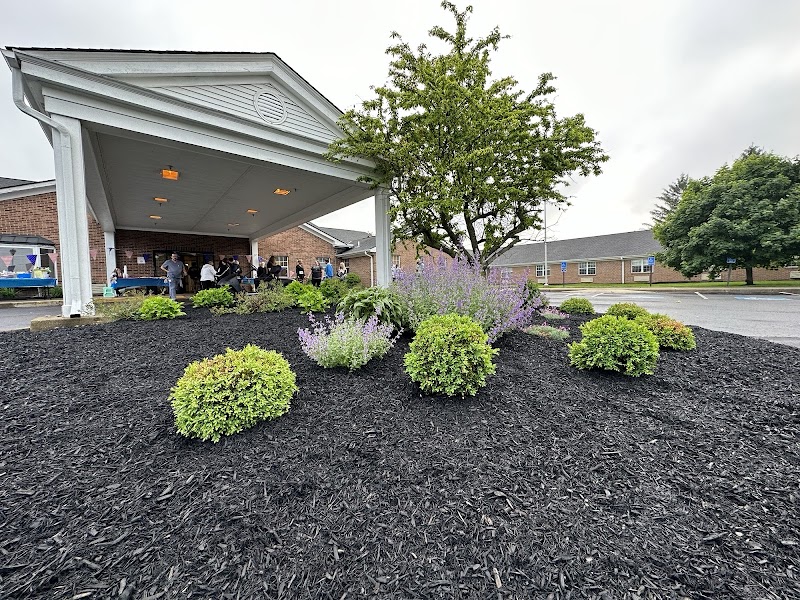
How is Northwood Skilled Nursing And Rehabilitation Staffed?

CMS rates NORTHWOOD SKILLED NURSING AND REHABILITATION's staffing level at 1 out of 5 stars, which is much below average compared to other nursing homes. Staff turnover is 64%, which is 18 percentage points above the Ohio average of 46%. High turnover can affect care consistency as new staff learn residents' individual needs.

What Have Inspectors Found at Northwood Skilled Nursing And Rehabilitation?

State health inspectors documented 38 deficiencies at NORTHWOOD SKILLED NURSING AND REHABILITATION during 2019 to 2024. These included: 2 Immediate Jeopardy (the most serious level, indicating potential for serious harm or death), 1 that caused actual resident harm, 30 with potential for harm, and 5 minor or isolated issues. Immediate Jeopardy findings are rare and represent the most serious regulatory concerns. They require immediate corrective action.
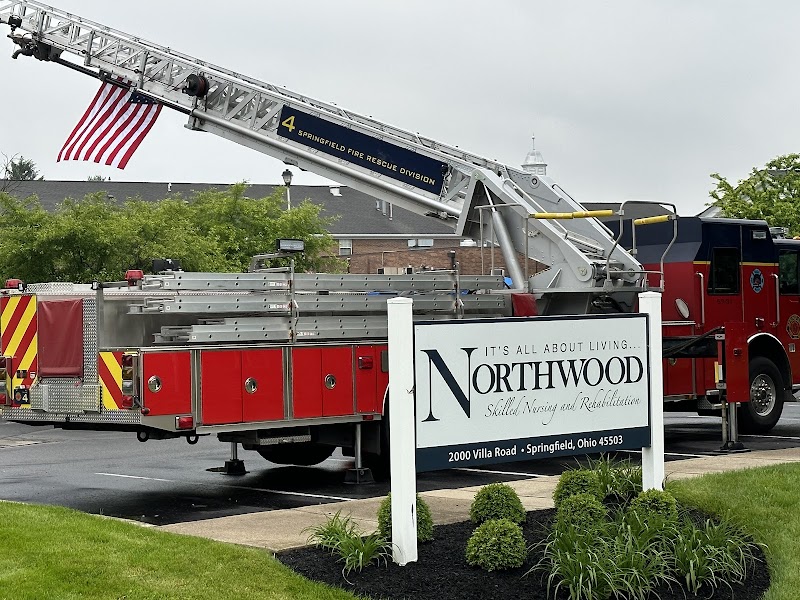
Who Owns and Operates Northwood Skilled Nursing And Rehabilitation?

NORTHWOOD SKILLED NURSING AND REHABILITATION is owned by a for-profit company. For-profit facilities operate as businesses with obligations to shareholders or private owners. The facility is operated by MICHAEL SLYK, a chain that manages multiple nursing homes. With 85 certified beds and approximately 70 residents (about 82% occupancy), it is a smaller facility located in SPRINGFIELD, Ohio.

How Does Northwood Skilled Nursing And Rehabilitation Compare to Other Ohio Nursing Homes?

Compared to the 100 nursing homes in Ohio, NORTHWOOD SKILLED NURSING AND REHABILITATION's overall rating (3 stars) is below the state average of 3.2, staff turnover (64%) is significantly higher than the state average of 46%, and health inspection rating (3 stars) is at the national benchmark.

What Should Families Ask When Visiting Northwood Skilled Nursing And Rehabilitation?

Based on this facility's data, families visiting should ask: "What changes have been made since the serious inspection findings, and how are you preventing similar issues?" "How do you ensure continuity of care given staff turnover, and what is your staff retention strategy?" "Can you walk me through typical staffing levels on day, evening, and night shifts?" "Can I visit during a mealtime to observe dining assistance and food quality?" These questions are particularly relevant given the facility's Immediate Jeopardy citations, the facility's high staff turnover rate, and the below-average staffing rating.

Is Northwood Skilled Nursing And Rehabilitation Safe?

Based on CMS inspection data, NORTHWOOD SKILLED NURSING AND REHABILITATION has documented safety concerns. Inspectors have issued 2 Immediate Jeopardy citations (the most serious violation level indicating risk of serious injury or death). The facility has a 3-star overall rating and ranks #100 of 100 nursing homes in Ohio. Families considering this facility should ask detailed questions about what corrective actions have been taken since these incidents.

Do Nurses at Northwood Skilled Nursing And Rehabilitation Stick Around?

Staff turnover at NORTHWOOD SKILLED NURSING AND REHABILITATION is high. At 64%, the facility is 18 percentage points above the Ohio average of 46%. High turnover means new staff may not know residents' individual needs, medications, or preferences. It can also be disorienting for residents, especially those with dementia who rely on familiar faces. Families should ask: What is causing the turnover? What retention programs are in place? How do you ensure care continuity during staff transitions?

Was Northwood Skilled Nursing And Rehabilitation Ever Fined?

NORTHWOOD SKILLED NURSING AND REHABILITATION has been fined $34,976 across 2 penalty actions. The Ohio average is $33,429. While any fine indicates a compliance issue, fines under $50,000 are relatively common and typically reflect isolated problems that were subsequently corrected. Families should ask what specific issues led to these fines and confirm they've been resolved.

Is Northwood Skilled Nursing And Rehabilitation on Any Federal Watch List?

NORTHWOOD SKILLED NURSING AND REHABILITATION is not on any federal watch list. The most significant is the Special Focus Facility (SFF) program, which identifies the bottom 1% of nursing homes nationally based on persistent, serious quality problems. Not being on this list means the facility has avoided the pattern of deficiencies that triggers enhanced federal oversight. This is a positive indicator, though families should still review the facility's inspection history directly.