SOUTHBROOK HEALTHCARE CENTER
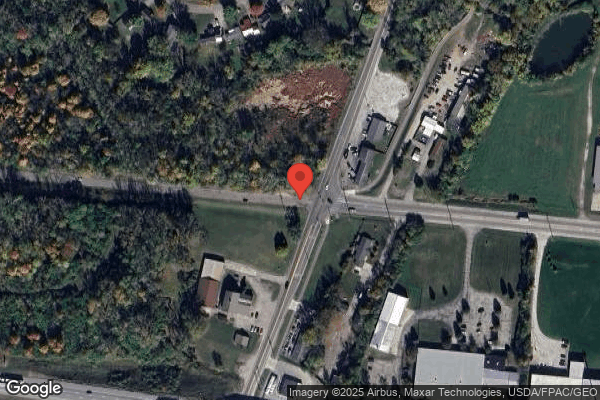

2299 S YELLOW SPRINGS STREET, SPRINGFIELD, OH 45506 (937) 322-3436
For profit - Limited Liability company 98 Beds COMMUNICARE HEALTH Data: November 2025
Trust Grade
55/100
#548 of 913 in OH
Last Inspection: May 2025

Inspected within the last 6 months. Data reflects current conditions.

Overview

Southbrook Healthcare Center in Springfield, Ohio, has a Trust Grade of C, meaning it is average and sits in the middle of the pack among nursing homes. It ranks #548 out of 913 facilities in Ohio, placing it in the bottom half, and #8 out of 13 in Clark County, indicating there are only a few better options nearby. Unfortunately, the facility's trend is worsening, with issues increasing from 2 in 2024 to 14 in 2025. Staffing has some strengths, as it has a turnover rate of 36%, which is lower than the state average, but it received a below-average rating of 2 out of 5 for overall staffing, and it has less RN coverage than 75% of Ohio facilities, potentially impacting care quality. While there have been no fines, which is a positive sign, the facility has faced significant concerns, including a serious issue where a resident developed severe pressure ulcers due to a lack of proper skin assessments. Additionally, staff evaluations were not completed for multiple CNAs, which could affect the quality of care, and there were concerns about unsafe food storage practices in the kitchen, posing potential health risks for residents. Overall, families should weigh these strengths and weaknesses carefully when considering this facility for their loved ones.

Trust Score
C
55/100
In Ohio
#548/913
Bottom 40%
Safety Record
Moderate
Needs review
Inspections
Getting Worse
2 → 14 violations
Staff Stability
○ Average
36% turnover. Near Ohio's 48% average. Typical for the industry.
Penalties
✓ Good
No fines on record. Clean compliance history, better than most Ohio facilities.
Skilled Nurses
⚠ Watch
Each resident gets only 24 minutes of Registered Nurse (RN) attention daily — below average for Ohio. Fewer RN minutes means fewer trained eyes watching for problems.
Violations
⚠ Watch
35 deficiencies on record. Higher than average. Multiple issues found across inspections.
★★★☆☆
3.0
Overall Rating
★★☆☆☆
2.0
Staff Levels
★★★★★
5.0
Care Quality
★★☆☆☆
2.0
Inspection Score
Stable
2024: 2 issues
2025: 14 issues

The Good

  • 5-Star Quality Measures · Strong clinical quality outcomes
  • Full Sprinkler Coverage · Fire safety systems throughout facility
  • No fines on record
  • Staff turnover below average (36%)

    12 points below Ohio average of 48%

Facility shows strength in quality measures, fire safety.

The Bad

3-Star Overall Rating

Near Ohio average (3.2)

Meets federal standards, typical of most facilities

Staff Turnover: 36%

10pts below Ohio avg (46%)

Typical for the industry

Chain: COMMUNICARE HEALTH

Part of a multi-facility chain

Ask about local staffing decisions and management

The Ugly 35 deficiencies on record

1 actual harm
May 2025 12 deficiencies 1 Harm
SERIOUS (G)

Actual Harm - a resident was hurt due to facility failures

Pressure Ulcer Prevention (Tag F0686)

A resident was harmed · This affected 1 resident

Based on medical record review, staff interview, review of the facility policy, and review of online guidelines per the National Pressure Ulcer Advisory Panel (NPUAP), the facility failed to thoroughl...

Read full inspector narrative →
Based on medical record review, staff interview, review of the facility policy, and review of online guidelines per the National Pressure Ulcer Advisory Panel (NPUAP), the facility failed to thoroughly assess resident skin and failed to identify pressure ulcers until they had reached an advanced stage. This resulted in Actual Harm for Resident #54 who was admitted to the facility with a pressure ulcer to his sacrum, left scapula, and right scapula and developed an additional pressure ulcer to his right gluteal fold which was not identified until it had developed into an unstageable ulcer with slough (nonviable tissue which could impede wound healing) and necrotic (dead) tissue. This affected one (Resident # 54) of two residents reviewed for pressure ulcers. The facility census was 90 residents. Findings include: Review of the medical record for Resident #54 revealed an admission date of 04/22/25 with diagnoses including schizoaffective disorder, Alzheimer's Disease, and generalized anxiety disorder. Review of the pressure ulcer risk assessment for Resident #54 dated 04/22/25 revealed the resident was at high risk for the development of pressure ulcers. Review of the physician's orders for Resident #54 revealed an order dated 04/22/25 for daily skin sweeps at bedtime. Review of the care plan for Resident #54 initiated 04/22/25 and revised 05/05/25 revealed the resident had impaired skin integrity related to pressure ulcers on his sacrum, right scapula and right gluteal fold. Interventions included the following: air mattress with bolsters to bed frame, daily skin sweeps at bedtime, turn and reposition as tolerated every morning and at bedtime, float heels as tolerated, complete skin at risk assessment upon admission/readmission, quarterly, and as needed, encourage the resident to turn and reposition or assist as needed as resident allows, evaluate existing wound daily for changes (redness, edema, drainage, pain, foul odor), provide appropriate off-loading mattress and off-loading cushion. Review of the admission Minimum Data Set (MDS) assessment for Resident #54 dated 04/29/25 revealed the resident was severely cognitively impaired and required extensive staff assistance with bed mobility and other activities of daily living (ADLs). Review of the wound assessment for Resident #54 dated 04/24/25 revealed the resident was admitted to the facility with a stage I pressure ulcer on his left scapula, a stage III pressure ulcer on his right scapula, a stage I pressure ulcer on his left gluteal fold, and an unstageable pressure ulcer on his sacrum. Review of the weekly skin assessment for Resident #54 dated 04/29/25 per the Director of Nursing (DON) revealed the resident had no new skin issues. Review of the weekly skin assessment for Resident #54 dated 05/06/25 completed by Licensed Practical Nurse (LPN) #165 revealed the resident had new skin issues. Review of the Treatment Administration Records (TAR) for April 2025 and May 2025 revealed daily skin sweeps at bedtime were signed off as completed from 04/22/25 through 05/04/25. Review of the progress note for Resident #54 dated 05/05/25 per Wound Nurse Practitioner (WNP) #250 revealed the resident had an unstageable pressure area to the right gluteal fold which measured 2.5 centimeters (cm) in length by 2.0 cm in width by 0.2 cm in depth. The wound bed was 40 percent (%) epithelial tissue, 30% slough tissue, and 30% eschar (dead) tissue. Interview on 05/20/25 at 11:12 A.M. with the DON confirmed WNP #250 found the unstageable pressure ulcer on Resident #54's right gluteal fold on 05/05/25. The DON further confirmed Resident #54 had a physician's order for a daily skin sweep which the staff had signed off as completed daily from 04/022/25 to 05/04/25. The DON confirmed Resident #54's right gluteal fold pressure ulcer was not identified until 05/05/25 when it had reached an advanced stage, and staff should have identified the pressure ulcer sooner. Review of the facility policy titled Skin Care and Wound Management undated revealed the facility staff would identify residents at risk for the development of pressure ulcers, provide daily monitoring of existing wounds, and implement prevention strategies to decrease the potential for developing pressure ulcers. Review of the NPUAP guidelines dated 2014 pages 70-71 at https://npiap.com/general/custom.asp?page=2014Guidelines revealed facilities should educate health professionals on how to undertake a comprehensive skin assessment that included the techniques for identifying blanching response, localized heat, edema, and induration. Further review of the guidelines revealed ongoing assessment of the skin was necessary in order to detect early signs of pressure damage. Visual assessment for erythema (redness of the skin) was the first component of every skin inspection. Skin redness and tissue edema resulting from capillary occlusion was a response to pressure, especially over bony prominences. Staff should conduct a head-to-toe assessment with particular focus on skin overlying bony prominences including the sacrum, ischial tuberosities, greater trochanters and heels and each time the patient was repositioned was an opportunity to conduct a brief skin assessment.
CONCERN (D)

Potential for Harm - no one hurt, but risky conditions existed

Deficiency F0567 (Tag F0567)

Could have caused harm · This affected 1 resident

Based on medical record review, financial record review, staff interview, and review of the facility policy, the facility failed to obtain appropriate written authorization to manage residents' person...

Read full inspector narrative →
Based on medical record review, financial record review, staff interview, and review of the facility policy, the facility failed to obtain appropriate written authorization to manage residents' personal funds. This affected two (Residents #23 and #24) of five residents reviewed for personal funds. The facility census was 90 residents. Findings include: 1.Review of the medical record for Resident #23 revealed an admission date of 05/16/24 with diagnoses including cerebral infarction, hypotension and anxiety disorder. Review of the authorization form for the facility to manage resident funds for Resident #23 dated 05/30/24 revealed the resident's representative had signed to authorize the facility to manage the resident's funds, but the signature was not witnessed. 2. Review of the medical record for Resident #84 revealed an admission date of 04/23/25 with diagnoses including cerebral vascular accident, transient ischemic attack, dementia and anxiety disorder. Review of the authorization form for the facility to manage resident funds for Resident #84 dated 05/04/25 revealed the resident's representative had signed to authorize the facility to manage the resident's funds, but the signature was not witnessed. Interview on 05/21/25 at 2:00 P.M. with the Administrator confirmed the facility had not obtained proper written authorization to manage Resident #23 and Resident #84's funds. The resident representatives for Resident #23 and #84 had signed consent forms for the facility to manage the funds but neither of the representative signatures had been witnessed. The form had a space for two witnesses, but the spaces were blank on Resident #23 and #84's fund authorization forms. Review of facility policy titled Resident Rights undated revealed when the facility accepted the responsibility for the resident's financial affairs, the resident or resident representative should designate in writing, the transfer of responsibility.
CONCERN (D)

Potential for Harm - no one hurt, but risky conditions existed

Safe Environment (Tag F0584)

Could have caused harm · This affected 1 resident

Based on medical record review, observation, resident interview, staff interview, and review the facility policy, the facility failed to ensure comfortable resident room temperatures. This affected on...

Read full inspector narrative →
Based on medical record review, observation, resident interview, staff interview, and review the facility policy, the facility failed to ensure comfortable resident room temperatures. This affected one (Resident #48) of one resident reviewed for room temperatures. The facility census was 90 residents. Findings include: Review of the medical record for Resident #48 revealed an admission date of 03/02/21 with diagnoses including epilepsy, depression, and a cerebral infarction. Review of the Minimum Data Set (MDS) assessment for Resident #48 dated 04/02/25 revealed the resident was moderately cognitively impaired and required staff assistance with activities of daily living (ADLs.) Observation on 05/18/25 at 11:06 A.M. of Resident #48 revealed the resident was in bed in her room and was covered with a thick blanket. Interview on 05/18/25 at 11:07 A.M. of Resident #48 confirmed the temperature in her room was too cold. Observation on 05/19/25 at 3:01 P.M. of the temperature in Resident #48's room with Maintenance Director (MD) #201 revealed the temperature of the resident's room was 68 degrees Fahrenheit (F.) Interview on 05/19/25 at 3:02 P.M. confirmed the temperature in Resident #48's room was 68 degrees Observation on 05/20/25 at 10:00 A.M. of Resident #48 revealed the resident was in bed in her room and was covered with a thick blanket. Interview on 05/20/25 at 10:01 A.M. of Resident #48 confirmed the temperature in her room was too cold. Observation on 05/20/25 at 10:15 A.M. with MD #201 revealed the temperature in Resident #48's room with Maintenance Director (MD) #201 revealed the temperature of the resident's room was 70.2 degrees F. Interview on 05/20/25 at 10:16 A.M. confirmed the temperature in Resident #48's room was 70.2 degrees. Review of the facility policy titled Extreme Cold Temperature Protocol undated revealed the facility would provide a safe, clean, comfortable and homelike environment including a comfortable and safe regulated temperature range of 71 to 81 degrees F. This ambient air temperature range minimized resident susceptibility to loss of body heat and risk of hypothermia or hyperthermia and provided a comfortable homelike setting.
CONCERN (D)

Potential for Harm - no one hurt, but risky conditions existed

Free from Abuse/Neglect (Tag F0600)

Could have caused harm · This affected 1 resident

Based on medical record review, staff interview, resident interview, review of the facility Self-Reported Incidents (SRIs) and review of the facility policy, the facility failed to ensure residents we...

Read full inspector narrative →
Based on medical record review, staff interview, resident interview, review of the facility Self-Reported Incidents (SRIs) and review of the facility policy, the facility failed to ensure residents were free from verbal abuse. This affected three (Residents #15, # 59, and #69) of eight residents reviewed for abuse. The facility census was 90 residents. Findings include: 1.Review of the medical record for Resident #15 revealed an admission date of 04/12/23 with diagnoses of schizophrenia, congestive heart failure (CHF), and type two diabetes mellitus. Review of the Minimum Data Set (MDS) assessment for Resident #15 dated 03/18/25 revealed the resident was cognitively intact and required set up assistance and supervision with activities of daily living (ADLs.) Review of the care plan for Resident #15 dated 03/25/25 revealed the resident had a focus on psychosocial well-being with a goal for the resident to feel safe, comfortable, and well cared for through next review date. Interview on 05/18/25 at 1:08 P.M. with Licensed Practical Nurse (LPN) #162 confirmed she witnessed Resident #63 call Resident #15 a bitch sometime in the last couple of weeks LPN #162 confirmed she did not report the abuse because the nurse believed the leadership team wouldn't do anything about Resident #63's behaviors and she was afraid to report it because she believed Resident #63 was always getting employees suspended or fired. Interview on 05/19/25 at 9:13 A.M. with Resident #15 confirmed Resident #63 always yelled at him and called him and his mom profane names. Resident #15 confirmed he was a religious man, and he was offended by the way Resident #63 spoke to him. Resident #15 confirmed the verbal abuse had occurred within the last few weeks. 2. Review of the medical record for Resident #59 revealed an admission date of 11/16/22 with diagnoses of cerebral infarction, major depressive disorder, and hypertension. Review of the MDS assessment for Resident #59 dated 05/05/25 revealed the resident was cognitively intact and required staff assistance with ADLs. Review of the care plan for Resident #59 dated 11/28/22 revealed the resident had a focus of a behavior problem due to loss of independence with an intervention to approach and speak to the resident in calm manner. Interview on 05/19/25 at 8:56 A.M. with Certified Nursing Assistant (CNA) #112 confirmed Resident #63 was always yelling, cussing, and chasing residents and staff with his wheelchair. CNA #112 confirmed he witnessed Resident #63 cussing at Resident #59 and the nurse earlier in the day on 05/19/25. Interview on 05/19/25 at 9:00 A.M. with LPN #166 confirmed she witnessed Resident #63 refer to Resident #59 ugly and also call the resident a profane name. LPN #166 confirmed she did not report this to the Administrator because of fear of retaliation and concern that Resident #63 got staff suspended or fired. 3. Review of the medical record for Resident #69 revealed an admission date of 07/28/23 with diagnoses of chronic obstructive pulmonary disease (COPD), alcohol-induced psychotic disorder, and chronic hepatitis. Review of the MDS assessment for Resident #69 dated 04/11/25 revealed the resident had moderate cognitive impairment and was independent with ADLs. Review of the care plan for Resident #69 dated 05/01/25 revealed the resident had a focus of behavior problem with an intervention to approach and speak to the resident in a calm manner. Interview on 05/18/25 at 1:08 P.M. with LPN #161 confirmed she recently observed Resident #63 call Resident #69 an ugly bitch and a mortician, but she couldn't remember the exact date. Interview on 05/19/25 at 8:52 A.M. with Resident #69 confirmed Resident #63 had called her all kinds of names and she was embarrassed to repeat some of them because they were profane. Resident #63 confirmed she told LPN #161, but nothing was done about the verbal abuse. Review of the medical record for Resident #63 revealed an admission date of 08/08/23 with diagnoses of COPD, type two diabetes mellitus, and CHF. Review of the care plan for Resident #63 dated 01/06/25 revealed the resident had a behavior problem which included yelling and screaming, throwing objects, and using inappropriate language towards staff and residents with interventions for staff to intervene as necessary to protect the rights and safety of others, to monitor behavioral episodes, and to attempt to determine underlying causes. Review of the physician's orders for Resident #63 revealed an order dated 04/01/25 for staff to monitor the resident for false allegations, inappropriate language toward staff or residents, and yelling/screaming. Review of the MDS assessment for Resident #63 dated 05/08/25 revealed resident was cognitively intact and required set up and supervision with ADLs. Interview on 05/19/25 at 11:50 A.M. of Resident #63 confirmed he was not always mean to other residents and that he was only mean when people didn't do what he said they should do. Interview on 05/19/25 at 1:17 P.M. with Director of Plant Maintenance (DPM) #152 confirmed he had observed Resident #63 call other residents profane names on multiple occasions. DPM #152 confirmed he had not reported the abuse to management. Interview on 05/19/25 at 4:38 P.M. with the Administrator confirmed she was not aware of recent allegations of verbal abuse per Resident #63 towards Resident #15, #59, and #69 and the facility had not filed any SRIs related to the same, nor had the facility investigated any recent allegations of verbal abuse per Resident #63. Review of the facility SRIs dated 05/01/25 to 05/19/25 revealed there were no SRIs filed for verbal abuse per Resident #63 towards Residents #15, #59, #69. Review of the facility policy titled Ohio Abuse, Neglect, and Misappropriation undated revealed the facility would prevent abuse including resident to resident abuse and including verbal abuse which included any use of oral, written, or gestured language that willfully included disparaging or derogatory terms to residents and their families or within their hearing distance, to describe residents regardless of their age, disability, or ability to comprehend.
CONCERN (D)

Potential for Harm - no one hurt, but risky conditions existed

Report Alleged Abuse (Tag F0609)

Could have caused harm · This affected 1 resident

Based on medical record review, staff interview, resident interview, review of the facility Self-Reported Incidents (SRIs) and review of the facility policy, the facility failed to report allegations ...

Read full inspector narrative →
Based on medical record review, staff interview, resident interview, review of the facility Self-Reported Incidents (SRIs) and review of the facility policy, the facility failed to report allegations of resident to resident verbal abuse to the Ohio Department of Health (ODH). This affected three (Residents #15, # 59, and #69) of eight residents reviewed for abuse. The facility census was 90 residents. Findings include: 1.Review of the medical record for Resident #15 revealed an admission date of 04/12/23 with diagnoses of schizophrenia, congestive heart failure (CHF), and type two diabetes mellitus. Review of the Minimum Data Set (MDS) assessment for Resident #15 dated 03/18/25 revealed the resident was cognitively intact and required set up assistance and supervision with activities of daily living (ADLs.) Review of the care plan for Resident #15 dated 03/25/25 revealed the resident had a focus on psychosocial well-being with a goal for the resident to feel safe, comfortable, and well cared for through next review date. Interview on 05/18/25 at 1:08 P.M. with Licensed Practical Nurse (LPN) #162 confirmed she witnessed Resident #63 call Resident #15 a bitch sometime in the last couple of weeks LPN #162 confirmed she did not report the abuse because the nurse believed the leadership team wouldn't do anything about Resident #63's behaviors and she was afraid to report it because she believed Resident #63 was always getting employees suspended or fired. Interview on 05/19/25 at 9:13 A.M. with Resident #15 confirmed Resident #63 always yelled at him and called him and his mom profane names. Resident #15 confirmed he was a religious man, and he was offended by the way Resident #63 spoke to him. Resident #15 confirmed the verbal abuse had occurred within the last few weeks. 2. Review of the medical record for Resident #59 revealed an admission date of 11/16/22 with diagnoses of cerebral infarction, major depressive disorder, and hypertension. Review of the MDS assessment for Resident #59 dated 05/05/25 revealed the resident was cognitively intact and required staff assistance with ADLs. Review of the care plan for Resident #59 dated 11/28/22 revealed the resident had a focus of a behavior problem due to loss of independence with an intervention to approach and speak to the resident in calm manner. Interview on 05/19/25 at 8:56 A.M. with Certified Nursing Assistant (CNA) #112 confirmed Resident #63 was always yelling, cussing, and chasing residents and staff with his wheelchair. CNA #112 confirmed he witnessed Resident #63 cussing at Resident #59 and the nurse earlier in the day on 05/19/25. Interview on 05/19/25 at 9:00 A.M. with LPN #166 confirmed she witnessed Resident #63 refer to Resident #59 ugly and also call the resident a profane name. LPN #166 confirmed she did not report this to the Administrator because of fear of retaliation and concern that Resident #63 got staff suspended or fired. 3. Review of the medical record for Resident #69 revealed an admission date of 07/28/23 with diagnoses of chronic obstructive pulmonary disease (COPD), alcohol-induced psychotic disorder, and chronic hepatitis. Review of the MDS assessment for Resident #69 dated 04/11/25 revealed the resident had moderate cognitive impairment and was independent with ADLs. Review of the care plan for Resident #69 dated 05/01/25 revealed the resident had a focus of behavior problem with an intervention to approach and speak to the resident in a calm manner. Interview on 05/18/25 at 1:08 P.M. with LPN #161 confirmed she recently observed Resident #63 call Resident #69 an ugly bitch and a mortician, but she couldn't remember the exact date. Interview on 05/19/25 at 8:52 A.M. with Resident #69 confirmed Resident #63 had called her all kinds of names and she was embarrassed to repeat some of them because they were profane. Resident #63 confirmed she told LPN #161, but nothing was done about the verbal abuse. Review of the medical record for Resident #63 revealed an admission date of 08/08/23 with diagnoses of COPD, type two diabetes mellitus, and CHF. Review of the care plan for Resident #63 dated 01/06/25 revealed the resident had a behavior problem which included yelling and screaming, throwing objects, and using inappropriate language towards staff and residents with interventions for staff to intervene as necessary to protect the rights and safety of others, to monitor behavioral episodes, and to attempt to determine underlying causes. Review of the physician's orders for Resident #63 revealed an order dated 04/01/25 for staff to monitor the resident for false allegations, inappropriate language toward staff or residents, and yelling/screaming. Review of the MDS assessment for Resident #63 dated 05/08/25 revealed resident was cognitively intact and required set up and supervision with ADLs. Interview on 05/19/25 at 11:50 A.M. of Resident #63 confirmed he was not always mean to other residents and that he was only mean when people didn't do what he said they should do. Interview on 05/19/25 at 1:17 P.M. with Director of Plant Maintenance (DPM) #152 confirmed he had observed Resident #63 call other residents profane names on multiple occasions. DPM #152 confirmed he had not reported the abuse to management. Interview on 05/19/25 at 4:38 P.M. with the Administrator confirmed she was not aware of recent allegations of verbal abuse per Resident #63 towards Resident #15, #59, and #69 and the facility had not filed any SRIs related to the same, nor had the facility investigated any recent allegations of verbal abuse per Resident #63. Review of the facility SRIs dated 05/01/25 to 05/19/25 revealed there were no SRIs filed for verbal abuse per Resident #63 towards Residents #15, #59, #69. Review of the facility policy titled Ohio Abuse, Neglect, & Misappropriation undated revealed the facility should report allegations of resident abuse to the state agency in accordance with state law.
CONCERN (D)

Potential for Harm - no one hurt, but risky conditions existed

Investigate Abuse (Tag F0610)

Could have caused harm · This affected 1 resident

Based on medical record review, staff interview, resident interview, review of the facility Self-Reported Incidents (SRIs) and review of the facility policy, the facility failed to investigate allegat...

Read full inspector narrative →
Based on medical record review, staff interview, resident interview, review of the facility Self-Reported Incidents (SRIs) and review of the facility policy, the facility failed to investigate allegations of abuse. This affected three (Residents #15, # 59, and #69) of eight residents reviewed for abuse. The facility census was 90 residents. Findings include: 1.Review of the medical record for Resident #15 revealed an admission date of 04/12/23 with diagnoses of schizophrenia, congestive heart failure (CHF), and type two diabetes mellitus. Review of the Minimum Data Set (MDS) assessment for Resident #15 dated 03/18/25 revealed the resident was cognitively intact and required set up assistance and supervision with activities of daily living (ADLs.) Review of the care plan for Resident #15 dated 03/25/25 revealed the resident had a focus on psychosocial well-being with a goal for the resident to feel safe, comfortable, and well cared for through next review date. Interview on 05/18/25 at 1:08 P.M. with Licensed Practical Nurse (LPN) #162 confirmed she witnessed Resident #63 call Resident #15 a bitch sometime in the last couple of weeks LPN #162 confirmed she did not report the abuse because the nurse believed the leadership team wouldn't do anything about Resident #63's behaviors and she was afraid to report it because she believed Resident #63 was always getting employees suspended or fired. Interview on 05/19/25 at 9:13 A.M. with Resident #15 confirmed Resident #63 always yelled at him and called him and his mom profane names. Resident #15 confirmed he was a religious man, and he was offended by the way Resident #63 spoke to him. Resident #15 confirmed the verbal abuse had occurred within the last few weeks. 2. Review of the medical record for Resident #59 revealed an admission date of 11/16/22 with diagnoses of cerebral infarction, major depressive disorder, and hypertension. Review of the MDS assessment for Resident #59 dated 05/05/25 revealed the resident was cognitively intact and required staff assistance with ADLs. Review of the care plan for Resident #59 dated 11/28/22 revealed the resident had a focus of a behavior problem due to loss of independence with an intervention to approach and speak to the resident in calm manner. Interview on 05/19/25 at 8:56 A.M. with Certified Nursing Assistant (CNA) #112 confirmed Resident #63 was always yelling, cussing, and chasing residents and staff with his wheelchair. CNA #112 confirmed he witnessed Resident #63 cussing at Resident #59 and the nurse earlier in the day on 05/19/25. Interview on 05/19/25 at 9:00 A.M. with LPN #166 confirmed she witnessed Resident #63 refer to Resident #59 ugly and also call the resident a profane name. LPN #166 confirmed she did not report this to the Administrator because of fear of retaliation and concern that Resident #63 got staff suspended or fired. 3. Review of the medical record for Resident #69 revealed an admission date of 07/28/23 with diagnoses of chronic obstructive pulmonary disease (COPD), alcohol-induced psychotic disorder, and chronic hepatitis. Review of the MDS assessment for Resident #69 dated 04/11/25 revealed the resident had moderate cognitive impairment and was independent with ADLs. Review of the care plan for Resident #69 dated 05/01/25 revealed the resident had a focus of behavior problem with an intervention to approach and speak to the resident in a calm manner. Interview on 05/18/25 at 1:08 P.M. with LPN #161 confirmed she recently observed Resident #63 call Resident #69 an ugly bitch and a mortician, but she couldn't remember the exact date. Interview on 05/19/25 at 8:52 A.M. with Resident #69 confirmed Resident #63 had called her all kinds of names and she was embarrassed to repeat some of them because they were profane. Resident #63 confirmed she told LPN #161, but nothing was done about the verbal abuse. Review of the medical record for Resident #63 revealed an admission date of 08/08/23 with diagnoses of COPD, type two diabetes mellitus, and CHF. Review of the care plan for Resident #63 dated 01/06/25 revealed the resident had a behavior problem which included yelling and screaming, throwing objects, and using inappropriate language towards staff and residents with interventions for staff to intervene as necessary to protect the rights and safety of others, to monitor behavioral episodes, and to attempt to determine underlying causes. Review of the physician's orders for Resident #63 revealed an order dated 04/01/25 for staff to monitor the resident for false allegations, inappropriate language toward staff or residents, and yelling/screaming. Review of the MDS assessment for Resident #63 dated 05/08/25 revealed resident was cognitively intact and required set up and supervision with ADLs. Interview on 05/19/25 at 11:50 A.M. of Resident #63 confirmed he was not always mean to other residents and that he was only mean when people didn't do what he said they should do. Interview on 05/19/25 at 1:17 P.M. with Director of Plant Maintenance (DPM) #152 confirmed he had observed Resident #63 call other residents profane names on multiple occasions. DPM #152 confirmed he had not reported the abuse to management. Interview on 05/19/25 at 4:38 P.M. with the Administrator confirmed she was not aware of recent allegations of verbal abuse per Resident #63 towards Resident #15, #59, and #69 and the facility had not filed any SRIs related to the same, nor had the facility investigated any recent allegations of verbal abuse per Resident #63. Review of the facility SRIs dated 05/01/25 to 05/19/25 revealed there were no SRIs filed for verbal abuse per Resident #63 towards Residents #15, #59, #69. Review of the facility policy titled Ohio Abuse, Neglect, and Misappropriation policy undated revealed the facility should investigate all allegations of resident abuse.
CONCERN (D)

Potential for Harm - no one hurt, but risky conditions existed

ADL Care (Tag F0677)

Could have caused harm · This affected 1 resident

Based on medical record review, resident interview, staff interview, observation, and review of the facility policy, the facility failed to ensure staff provided timely resident incontinence care and ...

Read full inspector narrative →
Based on medical record review, resident interview, staff interview, observation, and review of the facility policy, the facility failed to ensure staff provided timely resident incontinence care and failed to ensure staff provided resident nail care. This affected two (Residents #38 and #139) of four residents reviewed for activities of daily living (ADLs). The facility census was 90 residents Findings include: 1.Review of the medical record for Resident #38 revealed an admission date of 08/24/18 with medical diagnoses including multiple sclerosis and glaucoma. Review of the care plan for Resident #38 dated 04/01/25 revealed the resident was at risk for impaired skin integrity related to incontinence. Interventions included to provide incontinence care as needed for the resident. Review of the Minimum Data Set (MDS) assessment for Resident #38 dated 04/15/25 revealed the resident was cognitively intact, was always incontinent of bowel and bladder, and was dependent on staff assistance for incontinence care. Review of the task documentation for Resident #38 dated 05/16/25 revealed there was no toileting documented for the resident that day. Review of the staffing schedule for 05/16/25 revealed there were three aides on the unit where Resident #38 resided. Interview on 05/18/25 at 11:47 A.M. with Resident #38 confirmed she asked to be changed throughout the day on 05/16/25, but she didn't get changed and had to sit up for 16 hours in her wheelchair. Resident #38 confirmed Certified Nursing Aide (CNA) #131 told her they were short staffed and unable to provide incontinence care. Interview on 05/20/25 at 9:14 A.M with CNA #131 confirmed 05/16/25 was a hectic day because the facility was providing a cookout for the residents and they were short staffed. CNA #131 confirmed she was unable to provide incontinence care for Resident #38 on 05/16/25. Review of the facility policy titled Perineal Care Male/Female undated revealed the staff should provide incontinence care to dependent residents to promote a sense of well-being and meet hygiene standards of care. 2. Review of the medical record for Resident #139 revealed an admission date of 05/01/25 with diagnoses including hypothyroidism, epilepsy, and post-traumatic stress disorder. Review of the care plan for Resident #139 dated 05/01/25 revealed the resident had an ADL self-care deficit and required moderate staff assistance with bathing. Review of MDS assessment for Resident #139 dated 05/08/25 revealed the resident was cognitively intact and she required staff assistance with hygiene and grooming. Observation on 05/19/25 at 9:05 A.M., 11:21 A.M., and 2:18 P.M. of Resident #139 revealed the resident's fingernails were long, and had a dark substance under them, and her toenails were long and dirty. Interview on 05/19/25 at 2:18 P.M. with Resident #139 confirmed the aides didn't trim and clean her fingernails or toenails. Interview on 05/19/25 at 2:30 P.M with CNA #134 confirmed Resident #139's fingernails and toenails were long and dirty, and staff should provide nail care to include cleaning and trimming the resident's nails on bath day. Review of the facility policy titled Routine Resident Care undated revealed the aide should provide routine daily care which included assistance with bathing and grooming.
CONCERN (D)

Potential for Harm - no one hurt, but risky conditions existed

Deficiency F0688 (Tag F0688)

Could have caused harm · This affected 1 resident

Based on medical record review, observation, resident interview, and staff interview, the facility failed to ensure range of motion devices were in place. This affected one (Resident #48) of two resid...

Read full inspector narrative →
Based on medical record review, observation, resident interview, and staff interview, the facility failed to ensure range of motion devices were in place. This affected one (Resident #48) of two residents reviewed for positioning and mobility. The facility census was 90 residents. Findings include: Review of the medical record for Resident #48 revealed an admission date of 03/02/21 with diagnoses including epilepsy, depression, and cerebral infarction. Review of the care plan for Resident #48 dated 03/22/25 for revealed the resident had an activities of daily living (ADL) self-care deficit related to hemiplegia and hemiparesis following a cerebral infarction affecting the resident's right side with an intervention to place a rolled cloth in the resident's right hand as tolerated. Review of the Minimum Data Set (MDS) assessment for Resident #48 dated 04/02/25 revealed the resident was moderately cognitively impaired and was dependent on staff assistance with ADLs. Observations on 05/18/25 at 11:07 A.M. and on 05/20/25 at 8:24 A.M. and 11:30 A.M. of Resident #48 revealed the resident's right hand had limited range of motion (ROM) and the resident did not have a cloth placed in her right hand. Interview on 05/20/25 at 11:31 A.M. with Resident #48 confirmed she had sustained a stroke, and the staff used to place a carrot in her right hand, but someone threw it away and she hadn't received another one. Interview on 05/20/25 at 11:30 A.M. with Registered Nurse (RN) #180 confirmed the Resident #48 didn't have a rolled cloth in her right hand and she should have had one. Interview on 05/20/25 at 2:51 P.M with Therapy Manager (TM) #200 confirmed therapy had recommended staff place a cloth carrot in Resident #48's right hand as tolerated. TM #200 reported she wasn't aware the cloth carrot had been lost.
CONCERN (D)

Potential for Harm - no one hurt, but risky conditions existed

Accident Prevention (Tag F0689)

Could have caused harm · This affected 1 resident

Based on medical record review, staff interview, and review of the facility policy, the facility failed to ensure residents received the appropriate level of supervision during transfer to prevent fal...

Read full inspector narrative →
Based on medical record review, staff interview, and review of the facility policy, the facility failed to ensure residents received the appropriate level of supervision during transfer to prevent falls with injury. This affected one (Resident #61) of six residents reviewed for accidents. The facility census was 90 residents. Findings include: Review of the medical record for Resident #61 revealed an admission date of 12/23/22 with diagnoses including cerebral infarction, vascular dementia, and anxiety disorder. Review of the care plan for Resident #61 dated of 07/15/24 revealed the resident had an ADL self-care performance deficit and required assistance with ADLs with an intervention of two or more staff to assist the resident with bed mobility. Review of the Minimum Data Set (MDS) assessment for Resident #61 dated 02/19/25 revealed the resident had severe cognitive impairment and was dependent on staff assistance for all activities of daily living (ADLs) including bed mobility. Review of the fall risk assessment for Resident #61 dated 04/09/25 revealed the resident was at risk for falls. Review of the progress note for Resident #61 dated 04/29/25 timed at 12:38 A.M. revealed an incident occurred during peri-care where staff rolled the resident onto the floor. Review of the fall investigation for Resident #61 dated 04/29/25 revealed Certified Nursing Assistant (CNA) #136 was providing peri-care to Resident #61 and the aide rolled the resident onto his right side causing the resident to roll out of bed and onto the floor. Resident #61 sustained a skin tear to his right elbow and bruising to his forehead and was sent to the hospital for an evaluation and returned to the facility with no new orders. Interview on 05/21/25 at 2:01 P.M. with the Administrator confirmed Resident #61 required the assistance of two staff with peri-care. The Administrator further confirmed CNA #136 was performing peri-care on Resident #61 without additional helpers, and the aide rolled the resident out of bed and onto the floor. Review of the facility policy titled Fall Prevention and Management undated revealed it was the policy of the facility to provide physical care to meet the needs of the resident. The care plan was to include interventions that addressed resident ADL needs.
CONCERN (D)

Potential for Harm - no one hurt, but risky conditions existed

Infection Control (Tag F0880)

Could have caused harm · This affected 1 resident

Based on observation, staff interview, and review of the facility policy, the facility failed to ensure staff followed safe hand hygiene practices during medication administration and handling of resi...

Read full inspector narrative →
Based on observation, staff interview, and review of the facility policy, the facility failed to ensure staff followed safe hand hygiene practices during medication administration and handling of resident food. This affected two (Residents #32 and #55) of 26 sampled residents. The facility census was 90 residents. Findings include: 1. Observation on 05/18/25 at 8:56 A.M. of Licensed Practical Nurse (LPN) #154 revealed the nurse was preparing medications to administer to Resident #32. LPN #154 removed medication from Resident #32's medication dose pack and placed the medication in her ungloved hand before placing the medication into a medication cup. Interview on 05/18/25 at 8:57 A.M. with LPN #154 confirmed she touched Resident #32's medications with her ungloved hands. Review of facility policy titled Medication Administration dated 2013 revealed nurses should not touch medications with ungloved hands. 2. Observation on 05/19/25 at 12:06 P.M. of main dining room revealed Certified Nurse Aide (CNA) #110 served Resident #55 a turkey club sandwich with a packet of mayonnaise, a slice of lettuce, two slices of tomato, and at least three slices of onion on the side. CNA #110 asked Resident #55 if she wanted mayonnaise, lettuce, tomato, or onion on her sandwich. CNA #110 removed the top piece bread from Resident #55's sandwich with her ungloved hands, opened the packet of mayonnaise and applied mayonnaise, lettuce, tomato, and onion to Resident #55's sandwich without gloves on. Interview on 05/19/25 at 12:09 P.M. with CNA #110 confirmed she touched Resident #55's turkey club sandwich, lettuce, tomato, and onion with ungloved hands and she should not have done so.
CONCERN (F)

Potential for Harm - no one hurt, but risky conditions existed

Deficiency F0730 (Tag F0730)

Could have caused harm · This affected most or all residents

Based on personnel record review and staff interview, the facility failed to ensure annual evaluations were completed for staff. This had the potential to affect all of the residents who resided in th...

Read full inspector narrative →
Based on personnel record review and staff interview, the facility failed to ensure annual evaluations were completed for staff. This had the potential to affect all of the residents who resided in the facility. The facility census was 90 residents. Findings include: Review of the personnel file for Certified Nursing Assistant (CNA) #120 revealed a hire date of 10/27/22 with no annual evaluation. Review of the personnel file for CNA #128 revealed a hire date of 08/15/23 with no annual evaluation. Review of the personnel file for CNA #117 revealed a hire date of 07/19/22 with no annual evaluation. Interview on 05/21/25 at 10:09 A.M. with Human Resource Manager (HRM) #153 confirmed annual evaluations were not completed for CNAs #120, #128, and #117.
CONCERN (F)

Potential for Harm - no one hurt, but risky conditions existed

Food Safety (Tag F0812)

Could have caused harm · This affected most or all residents

Based on observation, staff interview, and review of the facility policy, the facility failed to ensure food was stored in a safe and sanitary manner. This had the potential to affect all of the resid...

Read full inspector narrative →
Based on observation, staff interview, and review of the facility policy, the facility failed to ensure food was stored in a safe and sanitary manner. This had the potential to affect all of the residents residing in the facility excluding Resident #52 and #62 who did not eat food from the kitchen. The facility census was 90 residents. Findings include: Observation on 05/18/25 from 08:22 A.M. to 8:52 A.M. with Dietary Manager (DM) #201 revealed the following findings in the kitchen: -The dry storage area contained eleven undated cereal bowls, one container of breadcrumbs open to air, four clear plastic containers of cereal with cloudy sides and residue buildup, one clear plastic container of sugar with cloudy sides, one clear plastic container of flour with cloudy sides, one clear plastic container of brown sugar with cloudy sides, one unrefrigerated sheet cake, an uncovered trash can filled with waste. -The walk-in refrigerator contained two undated packages of salami, 20 undated individually wrapped dinner rolls, seven undated premade salads, 15 undated bowls of coleslaw, one undated and uncovered package of butter. -The walk-in freezer contained two pitchers of ice open to air, one box of beef patties open to air, and one box of sausage patties open to air. Interview on 05/18/25 at 8:53 A.M. with Dietary Manager (DM) #201 confirmed the concerns in the dry storage area, the walk-in refrigerator, and the walk-in freezer. Review of the facility policy titled Food Storage: Dry Goods dated February 2023 revealed all packaged and canned food items should be kept clean, dry, and properly sealed. Storage areas would be neat, arranged for easy identification, and date marked as appropriate. Review of the facility policy titled Food Storage: Cold Foods dated February 2023 revealed all foods should be stored wrapped or in covered containers, labeled and dated, and arranged in a manner to prevent cross contamination.
Feb 2025 2 deficiencies
CONCERN (D) 📢 Someone Reported This

A family member, employee, or ombudsman was alarmed enough to file a formal complaint

Potential for Harm - no one hurt, but risky conditions existed

Deficiency F0760 (Tag F0760)

Could have caused harm · This affected 1 resident

Based on observation, staff interview, review of medical record, review of manufacturer insert, and review of facility reference guide the facility failed to ensure residents were free of significant ...

Read full inspector narrative →
Based on observation, staff interview, review of medical record, review of manufacturer insert, and review of facility reference guide the facility failed to ensure residents were free of significant medication errors when staff failed to prime insulin pens prior to administration. This affected one (Resident #82) of four residents reviewed for medication administration. The facility census was 81. Findings include: Record review of Resident #82 revealed and admission date of 08/30/18 with pertinent diagnoses of multiple sclerosis, asthma, major depressive disorder, anxiety disorder, type two diabetes mellitus, cognitive communication deficit, anemia, convulsions, and chronic ischemic heart disease. Review of Resident #82's Physician Order dated 01/04/25 revealed Insulin Aspart FlexPen 100 units/milliliter solution pen-injector. Inject as per sliding scale: if 61 - 150 = 0 units no insulin; 151 - 200 = 3 units; 201 - 250 = 6 units; 251 -300 = 9 units; 301 - 350 = 12 units; 351 - 400 = 15 units; 401 - 500 = 20 units, subcutaneously before meals and at bedtime for diabetes mellitus type two. Review of Resident #82's Physician Order dated 01/04/25 revealed Insulin Aspart FlexPen subcutaneous solution pen-injector 100 units/milliliter. Inject 15 units subcutaneously two times a day for diabetic. Review of Resident #82's Physician Order dated 01/23/25 revealed Insulin Glargine 100 unit/milliliter solution pen-injector inject 10 units subcutaneously in the morning for diabetes mellitus. Observation on 02/13/25 at 9:10 A.M. revealed Licensed Practical Nurse (LPN) #130 completed an accucheck blood sugar check for Resident #82. Resident #82's blood sugar reading was 292 milligrams per deciliter (mg/dL) which required coverage of 9 units of Insulin Aspart added to the scheduled 15 units for a total of 24 units of Insulin Aspart. Observation on 02/13/25 at 9:12 A.M. revealed LPN #130 dialed Insulin Aspart flexpen to 24 units and did not prime the pen before dialing the 24 units. Observation on 02/13/25 at 9:13 A.M. revealed LPN #130 dialed Insulin Glargine pen-injector up to 10 units and did not prime the pen before dialing up the 10 units. Interview with LPN #130 on 02/13/25 at 9:16 A.M. verified she did not prime the insulin pens prior to administration to Resident #82. Review of the Insulin Glargine insert dated 08/01/22 revealed to perform a safety test: Dial a test dose of two units. Hold pen with the needle pointing up and lightly tap the insulin reservoir so the air bubbles rise to the top of the needle. This will help you get the most accurate dose. Press the injection button all the way in and check to see that insulin comes out of the needle. The dial will automatically go back to zero after you perform the test. If no insulin comes out, repeat the test two more times. If there is still no insulin coming out, use a new needle and do the safety test again. Always perform the safety test before each injection. Review of Insulin Aspart insert dated 02/01/23 revealed giving the airshot before each injection: Before each injection small amounts of air may collect in the cartridge during normal use. To avoid injecting air and to ensure proper dosing: Turn the dose selector to select two units hold the pen with the needle pointing up. Tap the cartridge gently with your finger a few times to make any air bubbles collect at the top of the cartridge. Keep the needle pointing upwards, press the push-button all the way in, the dose selector returns to zero. A drop of insulin should appear at the needle tip. If not, change the needle and repeat the procedure no more than six times. If you do not see a drop of insulin after six times, do not use the pen. Review of the facility insulin reference guide updated 02/01/24 revealed Insulin Glargine pen and Insulin Aspart flexpen has a pen priming requirement of two units. This deficiency represents non-compliance investigated under Complaint Number OH00161835.
CONCERN (D) 📢 Someone Reported This

A family member, employee, or ombudsman was alarmed enough to file a formal complaint

Potential for Harm - no one hurt, but risky conditions existed

Infection Control (Tag F0880)

Could have caused harm · This affected 1 resident

Based on observation, record review, policy review, and staff interview the facility failed to maintain an infection prevention and control program to help prevent the transmission of infections when ...

Read full inspector narrative →
Based on observation, record review, policy review, and staff interview the facility failed to maintain an infection prevention and control program to help prevent the transmission of infections when they failed to use proper hand hygiene during a dressing change, and failed to follow enhanced barrier precautions. This affected one (Resident #74) of three Residents reviewed for wounds. The facility census was 81. Findings include: Record review of Resident #74 revealed an admission date of 10/02/24 with pertinent diagnoses of Alzheimer's disease, encounter for gastrostomy, convulsions, anxiety disorder, major depressive disorder, dementia, hypertension, atrial fibrillation, and cognitive communication deficit. Review of the 01/04/25 five day Minimum Data Set (MDS) assessment revealed the Resident was severely cognitively impaired. Review of a Physicians Order dated 01/20/25 revealed left heel-cleanse with normal saline, pat dry, apply medical grade honey, cover with silicone bordered super-absorbent dressing every night shift for wound care and as needed. Review of a Physicians Order dated 01/22/25 revealed enhanced barrier precautions related to Percutaneous Endoscopic Gastrostomy (PEG) tube, wound dressing. Review of a Physicians Order dated 02/13/25 revealed sacrum-cleanse with Dakins (debriding and wound cleanser) half strength, pat dry, skin prep periwound, apply Dakins fluffed gauze, cover with silicone bordered super-absorbent dressing every shift for wound care and as needed. Observation on 02/13/25 at 10:37 A.M. revealed Certified Nurse Aide (CNA) #112 and Licensed Practical Nurse (LPN) #122 completing incontience care for Resident #74. There was a sign on the door stating the Resident was on enhanced barrier precautions. Neither CNA #112 or LPN #122 put on gowns while providing incontience care or wound care for the resident. Observation of LPN #122 providing wound care on 02/13/25 at 10:46 A.M. revealed she gathered supplies, border silicone dressing, medihoney, normal saline, and Dakins 1/2 strength. LPN #122 washed hands, donned glove started wound dressing on the left heel/foot. She removed the old dressing, and she did not remove her soiled gloves. LPN #122 was then observed to used normal saline and gauze to clean the wound and then apply medihoney on the clean dressing and place the dressing on the left heel wound and dated the wound dressing. LPN #122 removed her gloves and donned clean gloves without completing hand hygiene. LPN #122 was then observed to remove the coccyx wound dressing, then LPN #122 removed and donned one glove without completing hand hygiene, and was then observed to cleaned the coccyx wound with gauze and Dakins solution. LPN #122 then applied Dakins soaked gauze to wound and covered the gauze with a bandage. The wound dressing was completed at 10:54 A.M. Interview with LPN #122 on 02/13/25 at 10:57 A.M. verified she and CNA #112 did not wear gowns while providing care to Resident #74 who is on enhanced barrier precautions. LPN #122 verified she did not change gloves after removing a soiled dressing and did not wash her hands or use alcohol based hand rub after removing soiled gloves multiple times during wound care. Review of the 04/01/24 facility Enhanced Barrier Precautions policy revealed enhanced barrier precautions refer to an infection control intervention designed to reduce transmission of multi-drug resistant organisms that employs hand hygiene, targeted gown and glove use during high contact resident care activities that include: providing hygiene, and wound care. Review of the 02/25/22 facility Personal Protective Equipment Gloves policy revealed gloves are worn when there is potential contact with blood, body fluid, tissue from mucus membranes, non-intact skin or contaminated surfaces or equipment is anticipated. Perform hand hygiene before donning and after doffing gloves. Perform hand hygiene before and after the use of non-sterile gloves.
Sept 2024 1 deficiency
CONCERN (D) 📢 Someone Reported This

A family member, employee, or ombudsman was alarmed enough to file a formal complaint

Potential for Harm - no one hurt, but risky conditions existed

Infection Control (Tag F0880)

Could have caused harm · This affected 1 resident

**NOTE- TERMS IN BRACKETS HAVE BEEN EDITED TO PROTECT CONFIDENTIALITY** Based on medical record review, observation, staff interview, and review of facility policy, the facility failed to follow infec...

Read full inspector narrative →
**NOTE- TERMS IN BRACKETS HAVE BEEN EDITED TO PROTECT CONFIDENTIALITY** Based on medical record review, observation, staff interview, and review of facility policy, the facility failed to follow infection control precautions when providing wound care to a resident. This affected one (#2) of three residents reviewed for infection control. The census was 81. Findings include: Review of Resident #2's medical record revealed an admission date of 07/16/22. Diagnoses listed included atherosclerotic heart disease, chronic kidney disease, peripheral vascular disease, osteoarthritis, depression, scoliosis, and and dysphagia. Review of a Minimum Data Set (MDS) assessment dated [DATE] revealed Resident #2 was cognitively intact. Observation of left leg wound care on 09/19/14 at 10:36 A.M. revealed Registered Nurse (RN) #100 removed a gauze dressing around Resident #2's left leg by cutting it with bandage scissors. RN #100 then laid bandage scissors on a bedside table. RN #100 then used the bandage scissors to cut a Xeroform (non-adherent wound dressing) to size before applying it to Resident #2's left leg wound. RN #100 did not sanitize the bandage scissors after using them to cut off Resident #2's gauze dressing or before using them to cut the Xeroform to size. RN #100 also did not wash or sanitize hands between gloves changes or after removing Resident #2's old wound dressing and applying the new wound dressing. During an interview on 09/19/24 at 11:31 A.M. RN #100 confirmed she had not sanitized the bandage scissors after cutting Resident #2's gauze dressing or before cutting the Xeroform to size. RN #100 also confirmed she did not wash or sanitize her hands between glove changes. Review of the facility's policy titled Standard Precautions dated revised 04/01/17 revealed staff should change gloves after contact with blood, body fluids or excretions, mucous membranes, non-intact skin, or wound dressings, when hands move from a contaminated body site to a clean body site during patient care, and after glove removal. This deficiency represents non-compliance investigated under Complaint Number OH00157421.
May 2024 1 deficiency
CONCERN (D) 📢 Someone Reported This

A family member, employee, or ombudsman was alarmed enough to file a formal complaint

Potential for Harm - no one hurt, but risky conditions existed

Report Alleged Abuse (Tag F0609)

Could have caused harm · This affected 1 resident

Based on medical record review, resident and staff interviews, review of self-reported incidents, and policy review, the facility failed to report an allegation of abuse to the State Survey Agency in ...

Read full inspector narrative →
Based on medical record review, resident and staff interviews, review of self-reported incidents, and policy review, the facility failed to report an allegation of abuse to the State Survey Agency in a timely manner. This affected one (#79) of three residents reviewed for abuse. The facility census was 84. Findings include: Review of the medical record for Resident #79 revealed an admission date of 12/26/22. Diagnoses included chronic obstructive pulmonary disease and acute and chronic respiratory failure. Review of the quarterly Minimum Data Set (MDS) 3.0 assessment, dated 04/26/24, revealed Resident #79 was cognitively intact. Interview on 05/09/24 at 10:15 A.M. with Resident #79 revealed he reported an allegation of abuse on 04/11/24 to the Administrator related to Licensed Practical Nurse (LPN) #203 sticking her finger in his face. Interview on 05/09/24 at 2:10 P.M. with LPN #203 verified Resident #79 did report to the Administrator an allegation of abuse, but stated the allegation was not true. Interview on 05/09/24 at 3:30 P.M. with the Administrator verified Resident #79 reported an allegation of abuse on 04/11/24 for LPN #203 sticking her finger in his face. The Administrator stated the facility chose not to report the incident to the State Survey Agency because they felt the incident did not occur. The Administrator stated witness statements were collected and the incident was investigated. Review of the facility's self-reported incidents (SRIs) reported to the State Survey Agency in 2024 revealed no reports were submitted regarding the allegation made by Resident #79 on 04/11/24. Interview on 05/09/24 at 4:50 P.M. with the Administrator confirmed it was the facility's policy with any allegation or suspicion of abuse to investigate the allegation and report it to the State Survey Agency. Review of the undated facility abuse policy revealed it is the policy of the facility to provide resident centered care that meets the psychosocial, physical, and emotional needs and concerns of the residents. In the event an allegation is made, the facility will take measures to protect residents from harm during the investigation. Accurate and timely reporting of incidents, both alleged and substantiated, will be sent to officials in accordance with state law. This deficiency represents non-compliance investigated under Complaint Number OH00153219.
Oct 2023 1 deficiency
CONCERN (D) 📢 Someone Reported This

A family member, employee, or ombudsman was alarmed enough to file a formal complaint

Potential for Harm - no one hurt, but risky conditions existed

Deficiency F0760 (Tag F0760)

Could have caused harm · This affected 1 resident

**NOTE- TERMS IN BRACKETS HAVE BEEN EDITED TO PROTECT CONFIDENTIALITY** Based on medical record review, observation, staff interview, and review of insulin pen manufacturer instructions, the facility ...

Read full inspector narrative →
**NOTE- TERMS IN BRACKETS HAVE BEEN EDITED TO PROTECT CONFIDENTIALITY** Based on medical record review, observation, staff interview, and review of insulin pen manufacturer instructions, the facility failed to ensure a nurse primed an insulin pen prior to the administration of insulin, resulting in a significant medication error. This affected one (Resident #11) of three observed for medication administration. The facility census was 96. Findings include: Review of medical record for Resident #11 revealed an admission date of 06/08/23. Medical diagnoses included heart attack, depression, anxiety, type two Diabetes Mellitus, and sleep apnea. Review of the quarterly Minimum Data Set (MDS) dated [DATE] revealed a Brief Interview Mental Status (BIMS) score of eight, indicating impaired cognition. Resident #11 required extensive two person assistance for bed mobility, transfers, toileting and supervision for eating. Review of the physician orders for Resident #11 revealed an order for Lispro 100 units per (/) milliliter ml. Inject as per sliding scale: if 70 to 199, zero units; 200 to 249, two units; 250 to 299 four units; 300 to 340, six units and 350 to 450 8 units. Observation on 10/25/23 at 8:48 A.M. revealed Resident #11 had a glucose of 280, requiring four units of Lispro (fast acting insulin). Licensed Practical Nurse (LPN) #20 was observed to clean the hub of the insulin pen with an alcohol wipe, apply the needle and turn the dial on the pen to four. She did not prime the needle prior to the administration of the insulin. Interview on 10/25/23 at 8:53 A.M. with LPN #20 verified she did not prime the insulin pen prior to administration. Review of the Humalog insulin pen manufacturer instructions copyright 2023 revealed you should prime the insulin pen every time. The pen must be primed to a stream of insulin before each injection to make sure the pen is ready to dose. If you do not prime to a stream, you may get too much or too little insulin. This deficiency represents non-compliance investigated under Complaint Number OH00147055.
May 2023 1 deficiency
CONCERN (D) 📢 Someone Reported This

A family member, employee, or ombudsman was alarmed enough to file a formal complaint

Potential for Harm - no one hurt, but risky conditions existed

Accident Prevention (Tag F0689)

Could have caused harm · This affected 1 resident

**NOTE- TERMS IN BRACKETS HAVE BEEN EDITED TO PROTECT CONFIDENTIALITY** Based on record review, observations, staff interview and review of the facility policy, the facility failed to ensure physician...

Read full inspector narrative →
**NOTE- TERMS IN BRACKETS HAVE BEEN EDITED TO PROTECT CONFIDENTIALITY** Based on record review, observations, staff interview and review of the facility policy, the facility failed to ensure physician ordered fall interventions were implemented for a resident at risk for falls and with a history of falls with major injury. This affected one (Resident #19) of three residents reviewed for falls. The facility census was 80. Findings include: Review of the medical record revealed Resident #19 had an admission date 03/14/23. Diagnoses included dementia, anxiety disorder, chronic kidney disease, hallucinations, and Colles' fracture of left radius. Review of the Minimum Data Set (MDS) assessment dated [DATE] revealed Resident #19 was severely cognitively impaired. Resident #19 required extensive assistance of two persons for bed mobility and required extensive one-person physical assist for transfers. Review of the plan of care dated 03/14/23 revealed Resident #19 was at risk for falls due to safety awareness, and weakness. Interventions included to ensure the resident's room was free of accident hazards and remove wheelchairs from the resident's room when not in use. Review of the Fall Risk Observation Tool dated 03/31/23 revealed Resident #19 had a fall with injury in the last six months. Resident #19 had diminished safety awareness. Resident #19's ambulatory aid was a wheelchair and ambulation assistance was needed. Review of the Post Fall Evaluation dated 04/05/23 revealed Resident #19 had fallen on 04/04/23 at 7:45 P.M. in her room and fallen at the doorway. Review of the progress note dated 04/05/23 revealed Resident #19 was seen up reaching for her wheelchair in the hallway. The nurse went to assist her, and Resident #19 turned and fell. Resident #19 was holding her left wrist and complained of pain. The nurse practitioner was notified and ordered an x-ray of the left wrist. The wrist was elevated and ice applied. The progress note dated 04/05/23 revealed the nurse spoke with the power of attorney (POA) concerning Resident #19's fall. The POA agreed with moving Resident #19 closer to the nurse's station to aide with preventing future falls and requested her wheelchair to be removed from her eyesight while in bed. The x-ray results indicated a fracture to the left hand/wrist. Review of the physician orders dated 04/05/23 revealed Resident #19 had an order to remove the wheelchair from Resident #19's room when not in use per Power of Attorney (POA). There was also an order to send Resident #19 to the emergency room (ER) for evaluation and treatment due to left hand/wrist fracture. Review of the progress note dated 04/27/23 revealed while doing shift change, the nurse and state tested nursing aide (STNA) were walking down the hall when they heard Resident #19 yell for help. Resident #19 was found sitting on the floor in front of her chair. When asked what she was doing, Resident #19 stated she was trying to get into bed. Review of the fall investigation dated 04/27/23 revealed Resident #19 had an unwitnessed fall. Resident #19 was found sitting on the floor on her bottom in front of wheelchair. Resident #19 had attempted to go to bed and was weak. An immediate intervention was placed to put Resident #19 in bed after night time routine. Observation on 05/10/23 at 8:20 A.M. revealed Resident #19 was sitting in her bed eating breakfast. No staff members were in the room and Resident #19's wheelchair was next to her bed on the left side. Subsequent observations on 05/10/23 at 9:00 A.M., 9:45 A.M. and 10:30 A.M. revealed Resident #19 was awake in bed, no staff in the room, and Resident #19's wheelchair was next to her bed on the left side. Interview on 05/10/23 at 10:30 A.M. with State Tested Nursing Aide (STNA) #182 verified Resident #19's wheelchair was in Resident #19's room next to her bed on her left side. Interview on 05/10/23 at 11:00 A.M. with Licensed Practical Nurse (LPN) #299 stated Resident #19's wheelchair was to be in the hallway when Resident #19 was in the room and the wheelchair should not be near Resident #19's bed. LPN #299 verified it was one Resident's #19's fall interventions to place the wheelchair in the hallway, away from Resident #19's bed. Review of the facility policy titled Fall Prevention and Management, dated 06/01/22, revealed the policy was to attempt to put intervention in place that could prevent further falls. Attempt to identify why the resident fell and put an immediate intervention in place. This deficiency represents non-compliance investigated under Complaint Number OH00142515.
Nov 2022 10 deficiencies
CONCERN (D)

Potential for Harm - no one hurt, but risky conditions existed

Resident Rights (Tag F0550)

Could have caused harm · This affected 1 resident

2. Review of the medical record for Resident #23 revealed an admission date of 03/20/18. Diagnoses included but were not limited to Parkinson's disease, diabetes, and osteoarthritis. Review of the An...

Read full inspector narrative →
2. Review of the medical record for Resident #23 revealed an admission date of 03/20/18. Diagnoses included but were not limited to Parkinson's disease, diabetes, and osteoarthritis. Review of the Annual Minimum Data Set assessment, dated 10/10/22, revealed Resident #23 was cognitively intact. Resident #23 required extensive assistance of one person for eating. Resident #23 had physical impairments of upper extremities on both sides. Resident #23 had loss of liquids/solids from mouth when eating and drinking, and was on a mechanically altered diet. Review of the plan of care, dated 09/19/22, revealed Resident #23 was dependent on staff for meeting activity of daily living needs with interventions including total dependence of one staff for eating at all meals and snacks. Resident #23 was at risk for nutritional problems with interventions including dys mech thin liquids, to provide assistance with meals as needed, provide meals according to the diet order, and provide speech and occupational therapy as needed. Review of Resident #23's physician orders dated 06/06/22 revealed an order for a regular diet with dys mech texture. Review of Resident #23's physician orders dated 07/01/22 revealed Resident #23 was to be fed at meal times to increase intake and decrease signs and symptoms of penetration/aspiration related to self feeding. Observation on 11/14/22 at 11:54 A.M. revealed Resident #23 was attempting to eat pureed food. Resident #23 did not receive assistance and was feeding herself. Resident #23's arm was shaking and about three fourths of the food on the spoon had dripped off onto Resident #23's face and was dripping down her chin and onto her clothing protector. Interview on 11/15/22 at 8:33 A.M. with Resident #23 revealed the pureed food is messy and runny. Observation on 11/15/22 at 12:17 P.M. revealed Resident #23 attempting to feeding herself and was splattering food all over her mouth which was then dripping onto her clothing protector. No staff were observed offering to assist Resident #23 with eating. Observation on 11/15/22 at 2:05 P.M. revealed Resident #23 was at the resident council meeting and had a baseball sized wet spot on her shirt with pieces of food that had bled through the clothing protector. Interview on 11/16/22 at 12:07 P.M. with Speech Therapy (ST) #270 revealed the facility's pureed food had been runny. ST #270 confirmed during the lunches on 11/14/22 and 11/15/22, Resident #23 had liquid like food running down her chin. She revealed Resident #23 had shakiness in her arms due to Parkinson's disease. ST #270 revealed she was aware of the order and recommendation to assist Resident #23 with eating due to difficulty with getting the food into Resident #23's mouth. ST #270 revealed about a week ago staff informed her of Resident #23 having some difficulty with the dysphagia mechanical diet and was coughing and pocketing food so she recommended switching Resident #23 to a pureed diet. Interview on 11/16/22 at 3:44 P.M. with Diet Tech #273 revealed if food was dripping off the spoon and running down Resident #23's face, then the pureed food was too thin. Observation on 11/17/22 at 7:50 A.M. revealed staff was placing a clothing protector on Resident #23 for breakfast. Resident #23 was sitting in the common space near the nurses station. The breakfast tray was not passed to Resident #23 until 9:06 A.M. Resident #23 continued to wear the clothing protector while waiting for her food. Interview on 11/17/22 at 9:00 A.M. with Resident #23 revealed she thought she was getting food soon when the staff put the clothing protector on, but revealed she had to wait forever for her food to come. Interview on 11/17/22 at 9:12 A.M. with State Tested Nurse Aide (STNA) #240 confirmed Resident #23's dignity was not maintained when Resident #23 had to sit for over an hour wearing a clothing protector while waiting for her food. Based on medical record review, observation, and staff interview, the facility failed to ensure residents were treated in a dignified manner. This affected two (#13 and #23) out of three residents reviewed for dignity. The facility census was 66. Findings include: 1. Review of the medical record for Resident #13 revealed an admission date of 07/30/20. Diagnoses included generalized idiopathic epilepsy, dementia without behavioral disturbance, hemiplegia and hemiparesis, major depressive disorder, and malignant neoplasm of brain. Review of the quarterly Minimum Data Assessment (MDS) assessment, dated 08/19/22, revealed Resident #13 had severely impaired cognition. Resident #13 required extensive assistance of one staff for eating. Observation on 11/14/22 at 12:08 P.M. revealed Nursing Assistant (NA) #271 was standing in the dining room next to Resident #13, who was seated at the table, assisting the resident with eating green beans. Continued observation from 12:08 P.M. to 12:13 P.M. revealed NA #271 continued to stand next to Resident #13 and assist her with eating. Interview on 11/14/22 at 12:13 P.M., with NA #271 confirmed she was standing next to Resident #13 while assisting Resident #13 with eating, instead of sitting next to Resident #13. Interview on 11/16/22 at 9:34 A.M., with the Director of Nursing (DON) verified staff should be seated next to residents when they are assisting them with eating and standing next to a resident while assisting them with eating was not treating the resident in a dignified manner. Review of the facility policy titled, Resident Rights, ICF Policy, dated 05/01/22, revealed residents will be treated with dignity.
CONCERN (D)

Potential for Harm - no one hurt, but risky conditions existed

Deficiency F0582 (Tag F0582)

Could have caused harm · This affected 1 resident

**NOTE- TERMS IN BRACKETS HAVE BEEN EDITED TO PROTECT CONFIDENTIALITY** Based on medical record review, review of the beneficiary notice list, and staff interview, the facility failed to ensure reside...

Read full inspector narrative →
**NOTE- TERMS IN BRACKETS HAVE BEEN EDITED TO PROTECT CONFIDENTIALITY** Based on medical record review, review of the beneficiary notice list, and staff interview, the facility failed to ensure residents were provided Skilled Nursing Facility Advanced Beneficiary Notice of Non-coverage (SNF ABN) forms appropriately. This affected two (Residents #52 and #273) out of three residents reviewed for beneficiary notices. The census was 66. Findings include 1. Review of the medical record for Resident #273 revealed Resident #273 was admitted on [DATE] and discharged [DATE]. Diagnoses included but were not limited to respiratory failure, muscle weakness, and diabetes. Review of the beneficiary notice list revealed Resident #273 was discharged from therapy on 10/05/22. 2. Review of the medical record for Resident #52 revealed Resident #52 was admitted on [DATE]. Diagnoses included but were not limited to dementia, chronic obstructive pulmonary disease, and femur fracture. Review of the beneficiary notice list revealed Resident #52 was discharged from therapy on 06/30/22. Interview on 11/16/22 at 9:50 A.M. with Social Services Designee (SSD) #236 revealed Notice of Medicare Non-Coverage forms are to be given out when a resident is cut from therapy to inform them of their right to appeal the insurance decision and SNF ABN's are provided for residents who choose to stay at the facility so they were properly informed of potential costs. Interview on 11/16/22 at 10:24 A.M. with the Administrator and SSD #236 revealed the facility did not provide SNF ABN's for either Resident #52 or Resident #273 both of who remained at the facility after being cut from therapy with skilled benefit days remaining. Review of facility policy titled SNF/NF Notices of noncoverage and Advanced Beneficiary notices (ABN) policy, dated 02/16/22, revealed the facility failed to implement the policy in regards to the allegation. The policy revealed the ABN was a notice a provide should give you before receiving a service if the provider had reason to believe the service would not be covered under Medicare. The facility stated they want all residents to be aware of their rights under Medicare as well as properly notifying them of what expenses may incur.
CONCERN (D)

Potential for Harm - no one hurt, but risky conditions existed

Deficiency F0645 (Tag F0645)

Could have caused harm · This affected 1 resident

Based on medical record review, staff interview, and policy review, the facility failed to ensure Preadmission Screening and Resident Reviews (PASARRs) were completed as appropriate. This affected one...

Read full inspector narrative →
Based on medical record review, staff interview, and policy review, the facility failed to ensure Preadmission Screening and Resident Reviews (PASARRs) were completed as appropriate. This affected one (Resident #13) of four residents reviewed for PASARR. The facility census was 66. Findings include: Review of the medical record of Resident #13 revealed an admission date of 07/30/20. Diagnoses included but were not limited to generalized idiopathic epilepsy, dementia without behavioral disturbance, hemiplegia and hemiparesis, major depressive disorder, malignant neoplasm of brain, and bipolar disorder. Review of the quarterly Minimum Data Set assessment, dated 08/19/22, revealed Resident #13 had severely impaired cognition. Review of Resident #13's medical record revealed no evidence of a PASSAR having been completed since admission. Interview on 11/16/22 at 8:07 A.M., with Social Services Director (SSD) #236 verified there was no evidence a PASARR had been completed for Resident #13. SSD #236 stated Resident #13 admitted from another facility. Review of the facility policy titled PASSR Ohio Procedure, dated 01/01/20, revealed all individuals must be screened for indications of serious mental illness and ID/DD (intellectual disabilities/developmental disabilities) prior to admission. If the individual is being admitted from a competitor NF (nursing facility), the original PAS must be obtained from the current NF. Transfers are not new admissions, however the receiving NF is responsible to ensure the residents have met PAS requirements prior to admission.
CONCERN (D)

Potential for Harm - no one hurt, but risky conditions existed

Deficiency F0646 (Tag F0646)

Could have caused harm · This affected 1 resident

Based on medical record review, staff interview, and policy review, the facility failed to ensure Preadmission Screening and Resident Reviews (PASARRs) were completed following changes to the resident...

Read full inspector narrative →
Based on medical record review, staff interview, and policy review, the facility failed to ensure Preadmission Screening and Resident Reviews (PASARRs) were completed following changes to the resident's mental health diagnoses. This affected one (Resident #63) out of four residents reviewed for PASARR. The facility census was 66. Findings include: Review of the medical record of Resident #63 revealed an admission date of 08/06/22. Diagnoses included but was not limited to cerebral infarction, anxiety disorder, schizoaffective disorder, other psychoactive substance dependence, and depression. Review of the quarterly Minimum Data Set assessment, dated 10/04/22, revealed Resident #63 had moderately impaired cognition. Review of Resident #63's most recent PASARR, completed on 08/04/22, revealed it did not include Resident #63's diagnosis of schizoaffective disorder. Review of the medical record revealed Resident #63 received a new diagnosis of schizoaffective disorder on 08/12/22. Interview on 11/16/22 at 8:09 A.M., with Social Services Director (SSD) #236 verified a new PASARR was not completed upon Resident #63 receiving a new diagnosis of schizoaffective disorder. Review of the facility policy titled, PASSR Ohio Procedure, dated 01/01/20, revealed a Resident Review (RR) is completed when a current resident meets the criteria for a change in condition.
CONCERN (D)

Potential for Harm - no one hurt, but risky conditions existed

Deficiency F0657 (Tag F0657)

Could have caused harm · This affected 1 resident

**NOTE- TERMS IN BRACKETS HAVE BEEN EDITED TO PROTECT CONFIDENTIALITY** Based on medical record review, staff interview, and policy review, the facility failed to ensure residents and/or their respons...

Read full inspector narrative →
**NOTE- TERMS IN BRACKETS HAVE BEEN EDITED TO PROTECT CONFIDENTIALITY** Based on medical record review, staff interview, and policy review, the facility failed to ensure residents and/or their responsible parties were routinely invited to participate in care planning. This affected one (#05) out of two residents reviewed for care planning. The facility census was 66. Findings include: Review of the Resident #05's medical record revealed Resident #05 was admitted to the facility on [DATE] with diagnoses which included but were not limited to cerebral palsy, moderate intellectual disabilities, epilepsy, bipolar disorder, delusional disorders, and cerebral infarction due to unspecified occlusion or stenosis of unspecified cerebral artery. Review of Resident #05's quarterly Minimum Data Set assessment, dated 11/08/22, revealed the resident was severely cognitively impaired. Review of Resident #05's care conferences from 11/14/21 to 11/14/22 revealed on 10/11/22, a care conference was conducted. There were no additional care conferences held between 11/14/21 and 11/14/22. Review of Resident #05's care conference note, dated 10/11/22, revealed Resident #05 was resting in bed but Resident #05's guardian, social services, and the dietary technician were present. Interview with Resident #05 on 11/14/22 at 2:41 P.M. revealed Resident #05 had never been invited to a care conference. Interview with the Administrator on 11/15/22 at 3:05 P.M. verified there was only one care conference held for Resident #05 between 11/14/21 and 11/14/22, and it was held on 10/11/22. Review of the facility's undated plan of care policy revealed the resident and representative will have the right to participate in the development and implementation of his or her own plan of care.
CONCERN (D)

Potential for Harm - no one hurt, but risky conditions existed

ADL Care (Tag F0677)

Could have caused harm · This affected 1 resident

2. Review of the medical record for Resident #23 revealed an admission date of 03/20/18. Diagnoses included but were not limited to Parkinson's disease, diabetes, and osteoarthritis. Review of the An...

Read full inspector narrative →
2. Review of the medical record for Resident #23 revealed an admission date of 03/20/18. Diagnoses included but were not limited to Parkinson's disease, diabetes, and osteoarthritis. Review of the Annual Minimum Data Set assessment, dated 10/10/22, revealed Resident #23 was cognitively intact. Resident #23 required extensive assistance of one person for eating. Resident #23 had physical impairments of upper extremities on both sides. Resident #23 had loss of liquids/solids from mouth when eating and drinking, and was on a mechanically altered diet. Review of the plan of care, dated 09/19/22, revealed Resident #23 was dependent on staff for meeting activity of daily living needs with interventions including total dependence of one staff for eating at all meals and snacks. Resident #23 was at risk for nutritional problems with interventions including dys mech thin liquids, to provide assistance with meals as needed, provide meals according to the diet order, and provide speech and occupational therapy as needed. Review of Resident #23's physician orders dated 06/06/22 revealed an order for a regular diet with dys mech texture. Review of Resident #23's physician orders dated 07/01/22 revealed Resident #23 was to be fed at meal times to increase intake and decrease signs and symptoms of penetration/aspiration related to self feeding. Observation on 11/14/22 at 11:54 A.M. revealed Resident #23 was attempting to eat pureed food. Resident #23 did not receive assistance from staff and was feeding herself. Resident #23's arm was shaking and about three fourths of the food on the spoon had dripped off onto Resident #23's face and was dripping down her chin and onto her clothing protector. Observation on 11/15/22 at 12:17 P.M. revealed Resident #23 was attempting to feed herself and was splattering food all over her mouth which was then dripping onto her clothing protector. No staff were observed offering to assist Resident #23 with eating. Interview on 11/16/22 at 12:07 P.M. with Speech Therapy (ST) #270 revealed the facility's pureed food had been runny. ST #270 confirmed during the lunches on 11/14/22 and 11/15/22, Resident #23 had liquid like food running down her chin. She revealed Resident #23 had shakiness in her arms due to Parkinson's disease. ST #270 revealed she was aware of the order and recommendation to assist Resident #23 with eating due to difficulty with getting the food into Resident #23's mouth. ST #270 revealed about a week ago staff informed her of Resident #23 having some difficulty with the dysphagia mechanical diet and was coughing and pocketing food so she recommended switching Resident #23 to a pureed diet. Based on medical record review, observation, and resident and staff interview, the facility failed to ensure residents who were dependent on staff assistance for activities of daily living received assistance with personal hygiene and eating. This affected two (#02 and #23) of three residents reviewed for activities of daily living. The facility census was 66. Findings include: 1. Review of the medical record for Resident #02 revealed an admission date of 11/06/06. Diagnoses included hemiplegia and hemiparesis following cerebrovascular disease affecting left non-dominant side, Alzheimer's disease, psychotic disorder, anxiety disorder, and major depressive disorder. Review of the quarterly Minimum Data Set (MDS) assessment, dated 09/01/22, revealed Resident #02 had severely impaired cognition and did not reject care. Resident #02 required extensive assistance of two staff for bed mobility, extensive assistance of one person for transfers, toileting, and personal hygiene. Review of the care plan, dated 09/08/22, revealed Resident #02 had an ADL (activities of daily living) self-care performance deficit related to CVA (cerebrovascular accident) with left hemiplegia, limited mobility, and left hand flexion contracture. Interventions included to provide extensive to total assistance for personal hygiene. Observation and interview on 11/14/22 at 10:18 A.M. revealed Resident #02 sitting up in her wheelchair in her room. Resident #02 was observed to have facial hair on her chin which measured approximately one and a half inches long. When asked, Resident #02 stated she did not want to have hair on her chin. Observation on 11/16/22 at 10:21 A.M. revealed Resident #02 laying in bed. Resident #02 still had long facial hair extending from her chin. Interview on 11/16/22 at 10:23 A.M., with Registered Nurse (RN) #255 verified Resident #02 had long facial hair extending from her chin. RN #255 confirmed residents should be checked for facial hair and trimmed on shower days as well as upon request. RN #255 confirmed it appeared it had been awhile since Resident #02's facial hair had been trimmed.
CONCERN (D)

Potential for Harm - no one hurt, but risky conditions existed

Drug Regimen Review (Tag F0756)

Could have caused harm · This affected 1 resident

**NOTE- TERMS IN BRACKETS HAVE BEEN EDITED TO PROTECT CONFIDENTIALITY** Based on medical record review, staff interview, and policy review, the facility failed to ensure the physician addressed a resi...

Read full inspector narrative →
**NOTE- TERMS IN BRACKETS HAVE BEEN EDITED TO PROTECT CONFIDENTIALITY** Based on medical record review, staff interview, and policy review, the facility failed to ensure the physician addressed a resident's pharmacy recommendation in a timely manner. This affected one (#24) out of five residents reviewed for unnecessary medications. The facility census was 66. Findings include: Review of Resident #24's medical record revealed Resident #24 was admitted to the facility on [DATE] with diagnoses which included but were not limited to schizophrenia, unspecified dementia mild with other behavioral disturbance, and diabetes mellitus due to underlying condition with other skin ulcer. Review of Resident #24's quarterly Minimum Data Set assessment, dated 11/04/22, revealed the resident was severely cognitively impaired. Review of Resident #24's physician order, dated 08/12/22, revealed Resident #24 was ordered Depakote (anticonvulsant) oral tablet delayed release 500 milligrams (mgs) give three tablets by mouth at bedtime for schizophrenia. Review of Resident #24's pharmacy recommendation, dated 07/15/22, revealed Resident #24 was overdue and it was recommended to complete a Depakote level and to add it to next lab draw and continue every six months thereafter. Further review of the pharmacy recommendation revealed the physician had not addressed the pharmacy recommendation, but staff discussed the recommendation with the physician and new orders were received to obtain a Depakote level and to continue every six months on 11/15/22. Interview with the Director of Nursing (DON) on 11/16/22 at 4:45 P.M. verified Resident #24's pharmacy recommendation dated 07/15/22 was not addressed until 11/15/22. The DON also verified the physician never signed Resident #24's pharmacy recommendation. Review of the facility's medication regimen review policy, dated 02/16/17, revealed the pharmacist will report any irregularities to the attending physician, the facility's medical director and the Director of Nursing (DON) and these reports must be acted upon in a timely manner that meets the needs of the resident.
CONCERN (D)

Potential for Harm - no one hurt, but risky conditions existed

Medication Errors (Tag F0758)

Could have caused harm · This affected 1 resident

**NOTE- TERMS IN BRACKETS HAVE BEEN EDITED TO PROTECT CONFIDENTIALITY** Based on medical record review, staff interview, and facility policy review, the facility failed to ensure psychotropic medicati...

Read full inspector narrative →
**NOTE- TERMS IN BRACKETS HAVE BEEN EDITED TO PROTECT CONFIDENTIALITY** Based on medical record review, staff interview, and facility policy review, the facility failed to ensure psychotropic medications were ordered for a appopriate conditions. This affected one (#269) out of five residents reviewed for unnecessary medications. The facility census was 66. Findings include: Review of the medical record for Resident #269 revealed Resident #269 was admitted on [DATE]. Diagnoses included sepsis, bactermia, bipolar disorder and chronic obstructive pulmonary disease. Review of Resident #269's physician orders dated 11/10/22 revealed orders for the following three psychotropic medications: Buspirone HCl oral tablet (antianxiety) 10 milligrams (MG) with instructions to give three times daily for mental/mood health. Lurasidone HCl ora tablet (antipsychotic) 80 MG with instructions to give one tablet at bedtime of mental/mood health. Trazodone HCl Oral tablet (antidepressant) 50 MG with instructions to give one tablet at bedtime for mental/mood health. Review of the care plan, dated 11/10/22, revealed Resident #269 was on antianxiety medication, antidepressant medication and antipsychotic medication with interventions to montor the medication, provide as ordered, and complete dose reduction attempts as required. Interview on 11/16/22 at 10:05 A.M. with Director of Nursing (DON) revealed Resident #269 had psychotropic medications ordered and Resident #269 should have a diagnosis specific to each medication and not be listed as mood or mental health. The DON was unsure why Resident #269's buspirone, lurasidone, and trazodone had been ordered for mental/mood health. Interview on 11/17/22 at 10:49 A.M. with the DON revealed when the orders come from the hospital they do not always have the correct diagnosis listed and the nurse just transcribes what is shown. Review of facility policy titled Antipsychotic Second Clinical Review, dated 03/01/19, revealed antipsychotic medications are used to treat psychosis and other serious mental health conditions. The policy revealed appropriate use of antipsychotic medications included treating an enduring condition. The Psychiatric medication must include a valid indication or reasoning including a chronic condition.
CONCERN (E)

Potential for Harm - no one hurt, but risky conditions existed

Deficiency F0805 (Tag F0805)

Could have caused harm · This affected multiple residents

Based on observation, staff interview, review of standardized recipes, review of facility pureed standards, and policy review, the facility failed to ensure pureed food recipes were followed and puree...

Read full inspector narrative →
Based on observation, staff interview, review of standardized recipes, review of facility pureed standards, and policy review, the facility failed to ensure pureed food recipes were followed and pureed foods were prepared appropriately. This had the potential to affect seven (#10, #20, #21, #23, #25, #35, and #270) out of seven residents identified by the facility as receiving pureed foods from the kitchen. The facility census was 66. Findings include: Observation and interview on 11/16/22 at 11:04 A.M. revealed [NAME] #253 added eight servings of peas to the food processor. [NAME] #253 then started the food processor and added a small amount of broth to the processor. [NAME] #253 stated she added a half teaspoon of broth for every eight ounces of peas. [NAME] #253 then removed the cover from the processor, stirred the contents, and stated she adds bread if needed to reach the desired consistency. [NAME] #253 added one slice of bread and pulsed the food processor. [NAME] #253 then poured the contents of the food processor, which appeared to have a liquid consistency, into a pan. [NAME] #253 stated she prefers an applesauce consistency when preparing pureed vegetables. Observation on 11/16/22 at 11:10 A.M. revealed [NAME] #253 placed eight servings of meatloaf in the food processor. [NAME] #253 then added seven slices of bread to the food processor and began to pulse the contents. [NAME] #23 then added approximately eight teaspoons of broth to the food processor. [NAME] #253 stated she prepares pureed meat to a pudding consistency. [NAME] #253 then scooped the contents of the food processor into a pan. Observation of tray line on 11/16/22 between 11:45 A.M. and 12:25 P.M. revealed pureed peas were scooped into divided plates and appeared in liquid form and immediately filled the bottom of the section of the divided plate. When divided plates were not used for pureed foods, the pureed peas were placed in a small bowl. Review of the recipe for pureeing peas revealed the desired number of servings should be added into the food processor and blended until smooth. Then, follow the directions on food thickener guidelines for liquid and thickener measurements. Review of the recipe for pureeing meatloaf revealed the desired number of servings should be added into the food processor and blended until smooth. Add liquid if the product needed thinning. Add commercial thickener if the product needed thickening. Interview on 11/16/22 at 12:07 P.M. with Speech Therapy (ST) #270 revealed the facility's pureed food had been runny. Interview on 11/16/22 at 1:12 P.M. with Culinary Director (CD) #226 verified the recipes for the pureed peas and pureed meatloaf indicated thickener was to be used for thickening if needed and made no mention of bread. CD #226 stated she did not receive thickener on the last food delivery. Interview on 11/16/22 at 3:44 P.M. with Dietary Technician (DT) #273 revealed all pureed foods should be prepared to a mashed potato consistency and it was too thin if it dripped off a spoon. DT #273 stated he was unaware of the kitchen staff using bread instead of thickener and confirmed this was not an appropriate method of pureeing foods. Review of the facility-provided document titled Puree Standard, undated, revealed food should be able to hold its form on a flat plate without spreading, with a consistency like mashed potatoes or pudding. The policy stated never add bread to thicken anything other than a sandwich. Review of the facility policy titled Food: Quality and Palatability, dated 09/2017, revealed food is prepared in a manner, form, and texture that meets each residents' needs. Cooks prepare food in accordance with the recipes and use proper cooking techniques to ensure color and flavor retention.
CONCERN (F)

Potential for Harm - no one hurt, but risky conditions existed

Deficiency F0727 (Tag F0727)

Could have caused harm · This affected most or all residents

Based on review of the staffing tool, review of staff punches, review of daily staff schedules, and staff interview, the facility failed to ensure a Registered Nurse (RN) worked in the facility at lea...

Read full inspector narrative →
Based on review of the staffing tool, review of staff punches, review of daily staff schedules, and staff interview, the facility failed to ensure a Registered Nurse (RN) worked in the facility at least eight consecutive hours, seven days a week. This had the potential to affect all 66 residents residing in the facility. The facility census was 66. Findings include: Review of the staffing tool on 11/15/22 revealed on Sunday, 11/13/22, the facility did not have an RN on the schedule. Review of the staff punches for 11/13/22 confirmed no RN was working on 11/13/22. Review of the daily staff schedules for 11/13/22, confirmed no RN was scheduled for that day. Interview with the Administrator on 11/15/22 at 2:00 P.M. confirmed the facility did not have an RN available to work on 11/13/22.
Dec 2019 7 deficiencies
CONCERN (D)

Potential for Harm - no one hurt, but risky conditions existed

Assessment Accuracy (Tag F0641)

Could have caused harm · This affected 1 resident

**NOTE- TERMS IN BRACKETS HAVE BEEN EDITED TO PROTECT CONFIDENTIALITY** 3. Review of Resident #11's medical record revealed an admission date of 05/06/2003, with a readmission date of 05/29/09. Diagno...

Read full inspector narrative →
**NOTE- TERMS IN BRACKETS HAVE BEEN EDITED TO PROTECT CONFIDENTIALITY** 3. Review of Resident #11's medical record revealed an admission date of 05/06/2003, with a readmission date of 05/29/09. Diagnoses included disorder of the urea cycle, intracranial injury, paranoid schizophrenia, schizoaffective disorder, bipolar type, unspecified psychosis, major depressive disorder, anxiety disorder, migraines, chronic pain, neuralgia and neuritis, congenital malformation of the nervous system, unspecified convulsions and dementia with behavioral disturbances. Review of the behavior logs for Resident #11, dated 06/01/19 through 12/18/19, revealed the resident did not exhibit any negative behaviors. Review of the quarterly MDS assessment dated [DATE], reveled Resident #11 had no cognitive impairment. He was assessed to have delusions but did not exhibit any physical behaviors symptoms. However, he did exhibit verbal behavior symptoms for one to three days. In addition, Resident #11 was assessed to be taking antipsychotic and antidepressant medications times seven days. Antipsychotic medications were administered on a routine basis and no gradual dose reductions (GDR) had been attempted. The assessment documented that a GDR had not been documented by the physician as clinically contraindicated but 06/20/19 was documented as the date the physician documented a GDR as clinically contraindicated. Interview on 12/19/19 at 4:00 P.M. with Corporate MDS nurse #235, confirmed behaviors are documented by the social worker. She also confirmed the section stated the physician had not documented a GDR was contraindicated was incorrect. Interview on 12/19/19 at 4:17 P.M. with Licensed Social Worker (LSW) #209, confirmed she had assessed Resident #11 for his quarterly MDS assessment, dated 09/16/19. She stated she got the information for his behavior from the nurses. LSW #209 confirmed she could not find any documentation in the nursing notes or in the resident's medical record that stated he was currently having delusions. Review of the facility's policy titled Care Plans, Comprehensive Person-Centered, dated 12/2016, revealed the physician was to be a part of the resident's comprehensive assessment. Review of the facility's policy titled Charting and Documentation, dated 07/2017, revealed documentation in the medical record would be complete and accurate. Based on medical record review, policy review and staff interviews, the facility failed to accurately assess residents in the Minimum Data Set (MDS) assessment. This affected three (#11, #33, and #132) of five residents reviewed for unnecessary medications. The census was 82. Findings include: 1. Review of Resident #33's medical record revealed an admission date of 01/09/18. Diagnoses included peripheral vascular disease, depressive disorders, kidney failure, and dependence on renal dialysis. Review of of physician orders revealed an order dated 09/13/19 for Depakene (Depakote) solution 250 milligrams (mg) per 5 milliliters (ml) give 10 ml via gastronomy tube three times a day for seizures. Review of physician documentation dated 09/24/19 revealed Resident #33 received Depakote three times a day for seizures. Review of a quarterly MDS assessment dated [DATE] revealed Resident #33 was not assessed as having a seizure disorder or epilepsy. Interview with the Corporate MDS nurse #235 on 12/18/19 at 1:55 P.M., confirmed Resident #33 should have been coded for a seizure disorder on quarterly MDS date 10/10/19. 2. Review of Resident #132's medical record revealed an admission date of 12/05/19. Diagnoses included fracture of left leg, osteoporosis, cardiac pacemaker, and hypothyroidism. Review of medication administration records (MARs) revealed Resident #132 had received enoxaparin sodium (anticoagulant) 30 mg subcutaneously daily since 12/07/19. Review of a comprehensive admission MDS assessment dated [DATE] revealed that Resident #132 was not coded as receiving an anticoagulant medication. Interview with MDS Nurse #189 on 12/19/19 at 11:24 A.M., confirmed Resident #132 should have been coded for receiving an anticoagulant medication in the comprehensive admission MDS dated [DATE].
CONCERN (D)

Potential for Harm - no one hurt, but risky conditions existed

Deficiency F0698 (Tag F0698)

Could have caused harm · This affected 1 resident

**NOTE- TERMS IN BRACKETS HAVE BEEN EDITED TO PROTECT CONFIDENTIALITY** Based on medical record review, observation, and staff interview, the facility failed to follow a physician order for dialysis d...

Read full inspector narrative →
**NOTE- TERMS IN BRACKETS HAVE BEEN EDITED TO PROTECT CONFIDENTIALITY** Based on medical record review, observation, and staff interview, the facility failed to follow a physician order for dialysis dressing removal. This affected one (#33) of one resident reviewed for dialysis. The census was 82. Findings include: Review of Resident #33's medical record revealed an admission date of 01/09/18. Diagnoses included peripheral vascular disease, depressive disorders, kidney failure, and dependence on renal dialysis. Resident #33 was assessed by staff as having moderate cognitive impairment in a quarterly Minimum Data Set (MDS) assessment dated [DATE]. Review of physician orders revealed and order dated 09/07/19 to take off dialysis dressing every other evening after dialysis treatment Tuesday/Thursday/Saturday. Review of treatment administration records (TAR) for December 2019 revealed the removal of Resident #33's dialysis dressing was documented as being completed on 12/17/19. Observation of Resident #33's right lower arm fistula on Wednesday 12/18/19 at 10:52 A.M. revealed a dialysis dressing was in place. Interview with Licensed Practical Nurse (LPN) #104 on 12/18/19 at 10:52 A.M. confirmed Resident #33's dialysis dressing was in place on his right lower arm. LPN #104 confirmed it should have been removed the evening of 12/17/19 after dialysis.
CONCERN (D)

Potential for Harm - no one hurt, but risky conditions existed

Pharmacy Services (Tag F0755)

Could have caused harm · This affected 1 resident

Based on observations, medical record review, resident and staff interviews, the facility failed to ensure a resident's medications were administered and not left at bedside. This affected one (#55) o...

Read full inspector narrative →
Based on observations, medical record review, resident and staff interviews, the facility failed to ensure a resident's medications were administered and not left at bedside. This affected one (#55) of six residents observed during medication administration. The census was 82. Findings include: Review of Resident # 55's medical record revealed an admission date of 08/04/17. Diagnoses included: atherosclerosis of coronary artery, muscle weakness, chronic pain syndrome, congestive heart failure, hypertension, and chronic kidney disease. Resident #55 was assessed as being cognitively intact in a Minimum Data Set (MDS) dated Interview on 12/17/19 at 4:43 PM an interview with Resident #55 revealed she was experiencing back pain and was upset because the nurse wants her to take an anxiety pill for the pain. Resident #55 explained the nurses bring the anxiety pill to her at bedtime in a medicine cup. When the nurse leaves, she takes the pill out of the cup and wraps it in a tissue and throws it away in her bed side waste basket. Observation of the waste basket during the time of interview revealed it to be empty. Observation on 12/18/19 at 8:57 A.M. revealed Resident #55 was eating breakfast while in her room. Medications in a small plastic medicine cup were on Resident #55's beside table. A nurse was not in Resident #55's room. Interview and observation with Licensed Practical Nurse (LPN) #120 on 12/18/19 at 8:57 A.M. confirmed she had just administered medications to Resident #55. LPN #120 was standing in the hallway outside of Resident #55's room beside the medication cart. Observation an interview with Resident #55 on 12/18/19 at 9:01 A.M., revealed she does not take all of her medications at once, she takes them while she eats. Sometimes the nurses stay with her , and sometimes they don't. Resident #55 had four pills remaining in her medicine cup and continued to take them while she eat her breakfast. Interview with LPN #120 on 12/18/19 at 9:01 A.M. confirmed she had left Resident #55's medications with her and had not watched Resident #55 take them all. Review of Resident #55's Medication Administration record (MAR) revealed 13 different medications in pill/tablet form were documented as being administered on 12/18/19 at 9:00 A.M. by LPN #120. These medications were aspirin 81 milligrams (mg), carvedilol 3.125 mg, colace 100 mg, cyanocobalamin 500 micrograms (mcg), ferrous sulfate 325 mg, furosemide 20 mg, lisinopril 2.5 mg, Lipitor 40 mg, pantoprazole sodium 40 mg, calcium 600 mg, Eliquis 5 mg, one multivitamin, and Tylenol extended release 650 mg. Observation and interview on 1/18/19 from 9:05 A.M., with Resident #55 revealed she had received her anxiety pill at bedtime the night before. Resident #55 confirmed she wrapped it in a tissue and threw it away. Environmental Service Employee #222 retrieved the plastic waste bag and its contents from Resident #55's room. Observation on 12/18/19 at 9:29 A.M., with LPN #120 and Registered Nurse (RN) #104 standing beside the environmental cart the trash bag was emptied and a tissue with a pill inside it was found. Interview with LPN #120 on 12/18/19 at 9:29 A.M., confirmed it was Resident #55's Cymbalta Capsule Delayed Release that was found in the wrapped in the tissue in her plastic waste bag. Review of Resident #55's MAR revealed that on 12/17/19 at 9:00 P.M. Resident #55 was documented as being administered Cymbalta (antianxiety medication) capsule delayed release particles 30 mg for anxiety.
CONCERN (D)

Potential for Harm - no one hurt, but risky conditions existed

Medication Errors (Tag F0758)

Could have caused harm · This affected 1 resident

Based on record review and staff interview, the facility failed to ensure an appropriate diagnosis was obtained to justify the use of an anti-anxiety medication for one resident. This affected one (#5...

Read full inspector narrative →
Based on record review and staff interview, the facility failed to ensure an appropriate diagnosis was obtained to justify the use of an anti-anxiety medication for one resident. This affected one (#55) of five residents reviewed for unnecessary medications. The facility census was 82. Findings include: Review of Resident # 55's medical record revealed an admission date of 08/04/17 with no cognitive deficits noted. Diagnoses included atherosclerosis of coronary artery, coronary angioplasty, and chronic kidney disease. A care plan relative to medical and psychological needs revealed individualized interventions with measurable goals. Review of Resident #55's medication administration record revealed on 12/13/19, Resident #55 was prescribed and given Cymbalta Capsule Delayed Release Particles 30 mg 1 capsule by mouth daily at bedtime for anxiety. Review of Resident #55 nurses notes revealed no areas of concern with Resident #55 having anxiety. Review of the Medication Administration Records (MAR) from 12/01/19 to 12/18/19, revealed Resident #55 started the medication on 12/13/19, for anxiety behavior. Review of the behavior documentation on the MAR revealed no behaviors indicating the resident was experiencing anxiety. On 12/17/19 at 4:43 P.M., an interview with Resident #55 revealed she was experiencing back pain and was upset because the nurse gives her an anxiety pill for the pain. On 12/18/19 from 9:05 A.M. to 9:29 A.M., observation and interview with Licensed Practical Nurse (LPN) #120 and Registered Nurse (RN) #104, confirmed Resident #55 was receiving Cymbalta Capsule Delayed Release Particles 30 mg 1 capsule by mouth daily at bedtime for Anxiety. On 12/19/19 at 4:00 P.M., interview with the Director of Nursing confirmed there were no indications of Resident #55 needing an antianxiety medication for pain in Resident #55 medical records or on the MAR to indicate why she was taking Cymbalta for pain.
CONCERN (D)

Potential for Harm - no one hurt, but risky conditions existed

Medical Records (Tag F0842)

Could have caused harm · This affected 1 resident

Based on record review and staff interview, the facility failed to document the administration of medications for three residents. This affected three (#2, #132, and #133) of seven residents reviewed ...

Read full inspector narrative →
Based on record review and staff interview, the facility failed to document the administration of medications for three residents. This affected three (#2, #132, and #133) of seven residents reviewed for medications. The census was 82. Findings include: 1. Review of Resident #2's record revealed an admission date of 08/19/19. Diagnoses included anemia, hypertension, muscle weakness, and chronic kidney disease. Review of the medication administration records (MAR's) for December 2019, revealed Resident #2 was not documented as receiving 9:00 P.M. doses of Trazodone 50 milligrams (mg), Baclofen 20 mg, and Ferrous Sulfate 325 mg on 12/11/19. Administration boxes for those times were blank and not completed on the MAR. 2. Review of Resident #132's record revealed an admission date of 12/05/19. Diagnoses included fracture of left leg, osteoporosis, cardiac pacemaker, and hypothyroidism. Review of the MAR's for December 2019, revealed Resident #132 was not documented as receiving a 9:00 P.M. dose of Simvastatin 40 mg on 12/11/19 and a 6:00 A.M. dose of Levothyroxine Sodium 100 micrograms (mcg) on 12/12/19. Administration boxes for those times were blank and not completed on the MAR. 2. Review of Resident #133's record revealed an admission date of 12/06/19. Diagnoses included respiratory failure, chronic obstructive pulmonary disease, anxiety disorder, and dementia. Review of the MAR's for December 2019, revealed Resident #133 was not documented as receiving a 9:00 P.M. doses of Pravastatin Sodium 40 mg, Budesonide-Formoterol Fumarate 160-4.5 mcg inhaler, Carvedilol 6.25 mg, Ferrous Sulfate 325 mg, Furosemide 20 mg, Guaifenesin extended release 600 mg, Memantine Hydrochloride 5 mg, Zanaflex 2 mg on 12/11/19 and a 6:00 A.M. dose of Memantine Hydrochloride 5 mg on 12/12/19. Administration boxes for those times were blank and not completed on the MAR. The Director of Nursing (DON) confirmed the missing documentation for Residents #2, #132, and #133 during an interview on 12/19/19 at 8:41 A.M.
CONCERN (E)

Potential for Harm - no one hurt, but risky conditions existed

Deficiency F0565 (Tag F0565)

Could have caused harm · This affected multiple residents

Based on review of resident council minutes and facility policy, staff and resident interviews, the facility failed to address resident concerns identified during Resident Council meetings. This affec...

Read full inspector narrative →
Based on review of resident council minutes and facility policy, staff and resident interviews, the facility failed to address resident concerns identified during Resident Council meetings. This affected five (#16, #27, #41, #63 and #73) of five residents interviewed for concerns and resolutions presented at resident council meetings. The facility census was 82. Finding include: Interviews on 12/19/19 from 11:08 A.M. to 12:00 P.M., with Residents (#16, #27, #41, #63 and #73) revealed several concerns were brought up continually to the facility and they stated the issues have not been resolved. All five residents stated they have asked the facility if a bathroom close to the center of the building where meals and activities are held, could be designated as a resident restroom, or a staff member could be available during activities to assist residents to the restroom when needed. All five resident also identified there were times when they had not received evening snacks. Review of the Resident Council meeting minutes dated 12/2018 through 11/2019, revealed multiple concerns were identified by the residents at each meeting. The concern of not having a restroom designated for the residents close to the center of the building was mentioned by residents in the Resident Council meetings dated 12/26/18, 01/30/19, 02/27/19, 03/27/19, 06/26/19, 07/31/19, 08/28/19, 09/25/19, 10/30/19 and 11/27/19. The concerns of not receiving evening snacks was identified in the 07/31/19 and 11/27/19 meetings. Interview on 12/19/19 at 1:17 P.M., with Activities Director #206, confirmed he did not have any written resolutions to monthly Resident Council meetings. He stated he would tell the involved department head and they would take care of the problem. He confirmed he didn't know whether the concerns were corrected unless they told him. Interview on 11/19/19 at 1:28 P.M., with Dietary Manager #250 confirmed the Activities Director #206 had told her about evening snacks being a concern that was brought up during Resident Council. She stated she had discussed the concern with the past Director of Nursing. Dietary Manager #250 confirmed her staff drops off snacks at each unit, but they do not pass them. Interviews on 12/19/19 between 1:39 P.M. and 1:45 P.M., with State Tested Nurse's Aides (STNA) #140 and #187 and Licensed Practical Nurse (LPN) #129 confirmed the dietary department delivered snacks and would leave the tray on the nursing desk. All three staff confirmed that residents will come up to the tray and take multiple snacks, and many times there aren't enough snacks to go around. Both STNAs #140 and #187 stated the STNA's are supposed to pass the evening snacks but many times they do not. LPN #129 stated she tried to monitor the snacks but can not always be present when they arrived. Interview on 12/19/19 at 3:17 P.M., with the Interim Administrator (Int Adm) and the Director of Nursing confirmed no Resident Council response/tracking forms had been utilized to address any resident concerns identified during Resident Council meetings. The facility has no documented evidence of resolutions to the concerns brought up by the residents. Review of the facility's policy titled Resident Council, dated 04/2017, revealed Resident Council Response Forms would be utilized to track issues and their resolution.
CONCERN (F)

Potential for Harm - no one hurt, but risky conditions existed

Infection Control (Tag F0880)

Could have caused harm · This affected most or all residents

Based on review of the facility's Legionnaires prevention documentation and staff interview, the facility failed to develop and implement an adequate Legionella control plan with identified control me...

Read full inspector narrative →
Based on review of the facility's Legionnaires prevention documentation and staff interview, the facility failed to develop and implement an adequate Legionella control plan with identified control measures. This had the potential to affect 82 of 82 residents who reside in the facility. Findings include: Review of the facility's undated policy titled, Water Management System Control Measure/Monitoring, revealed water temperatures would be checked weekly for temperatures form 105 Fahrenheit (F) to 120 F. Water heaters would also be visually inspected every six months to determine if interior cleaning was required and a water management team would meet quarterly. Review of facility documentation revealed water temperature checks were completed for hot water temperatures form 105 F to 120 F. An annual water quality check of city water was completed. However, there was no documentation of water heater inspections or quarterly water management team meetings provided. Interview with Maintenance Worker (MW) #231 on 12/19/19 at 4:10 P.M., revealed room water temperature checks were completed for temperature ranges from 105 F to 120 F. MW #231 confirmed these ranges were for resident comfort/safety and not acceptable ranges to control Legionella growth. MW #231 stated vacant rooms were flushed and shower heads were descaled. MW #231 confirmed there was no documentation of vacant room flushing or shower head descaling. MW #231 confirmed quarterly water management meetings were not held. Interview with the Interim Administrator on 12/19/19 at 4:40 P.M., revealed the facility's water management control plan for Legionella was not adequate. The Interim Administrator confirmed there was no documentation of any vacant room flushing, shower head descaling, and that water temperatures checked were not adequate for eliminating Legionella growth. The Interim Administrator confirmed quarterly water management meeting were not held.
Understanding Severity Codes (click to expand)
Life-Threatening (Immediate Jeopardy)
J - Isolated K - Pattern L - Widespread
Actual Harm
G - Isolated H - Pattern I - Widespread
Potential for Harm
D - Isolated E - Pattern F - Widespread
No Harm (Minor)
A - Isolated B - Pattern C - Widespread

Questions to Ask on Your Visit

  • "Can I speak with families of current residents?"
  • "What's your RN coverage like on weekends and overnight?"

Our Honest Assessment

Strengths
  • • No fines on record. Clean compliance history, better than most Ohio facilities.
  • • 36% turnover. Below Ohio's 48% average. Good staff retention means consistent care.
Concerns
  • • 35 deficiencies on record, including 1 serious (caused harm) violation. Ask about corrective actions taken.
  • • Grade C (55/100). Below average facility with significant concerns.
Bottom line: Mixed indicators with Trust Score of 55/100. Visit in person and ask pointed questions.

About This Facility

What is Southbrook Healthcare Center's CMS Rating?

CMS assigns SOUTHBROOK HEALTHCARE CENTER an overall rating of 3 out of 5 stars, which is considered average nationally. Within Ohio, this rating places the facility higher than 0% of the state's 100 nursing homes. This mid-range rating indicates the facility meets federal standards but may have areas for improvement.

How is Southbrook Healthcare Center Staffed?

CMS rates SOUTHBROOK HEALTHCARE CENTER's staffing level at 2 out of 5 stars, which is below average compared to other nursing homes. Staff turnover is 36%, compared to the Ohio average of 46%. This relatively stable workforce can support continuity of care.

What Have Inspectors Found at Southbrook Healthcare Center?

State health inspectors documented 35 deficiencies at SOUTHBROOK HEALTHCARE CENTER during 2019 to 2025. These included: 1 that caused actual resident harm and 34 with potential for harm. Deficiencies causing actual harm indicate documented cases where residents experienced negative health consequences.

Who Owns and Operates Southbrook Healthcare Center?

SOUTHBROOK HEALTHCARE CENTER is owned by a for-profit company. For-profit facilities operate as businesses with obligations to shareholders or private owners. The facility is operated by COMMUNICARE HEALTH, a chain that manages multiple nursing homes. With 98 certified beds and approximately 87 residents (about 89% occupancy), it is a smaller facility located in SPRINGFIELD, Ohio.

How Does Southbrook Healthcare Center Compare to Other Ohio Nursing Homes?

Compared to the 100 nursing homes in Ohio, SOUTHBROOK HEALTHCARE CENTER's overall rating (3 stars) is below the state average of 3.2, staff turnover (36%) is significantly lower than the state average of 46%, and health inspection rating (2 stars) is below the national benchmark.

What Should Families Ask When Visiting Southbrook Healthcare Center?

Based on this facility's data, families visiting should ask: "Can you walk me through typical staffing levels on day, evening, and night shifts?" "Can I visit during a mealtime to observe dining assistance and food quality?" "How do you handle medical emergencies, and what is your hospital transfer rate?" "Can I speak with family members of current residents about their experience?" These questions are particularly relevant given the below-average staffing rating.

Is Southbrook Healthcare Center Safe?

Based on CMS inspection data, SOUTHBROOK HEALTHCARE CENTER has a clean safety record: no substantiated abuse findings (meaning no confirmed cases of resident harm), no Immediate Jeopardy citations (the most serious violation level indicating risk of serious injury or death), and is not on the Special Focus Facility watch list (a federal program monitoring the lowest-performing 1% of nursing homes). The facility has a 3-star overall rating and ranks #100 of 100 nursing homes in Ohio. While no facility is perfect, families should still ask about staff-to-resident ratios and recent inspection results during their visit.

Do Nurses at Southbrook Healthcare Center Stick Around?

SOUTHBROOK HEALTHCARE CENTER has a staff turnover rate of 36%, which is about average for Ohio nursing homes (state average: 46%). Moderate turnover is common in nursing homes, but families should still ask about staff tenure and how the facility maintains care continuity when employees leave.

Was Southbrook Healthcare Center Ever Fined?

SOUTHBROOK HEALTHCARE CENTER has no federal fines on record. CMS issues fines when nursing homes fail to meet care standards or don't correct problems found during inspections. The absence of fines suggests the facility has either maintained compliance or corrected any issues before penalties were assessed. This is a positive indicator, though families should still review recent inspection reports for the full picture.

Is Southbrook Healthcare Center on Any Federal Watch List?

SOUTHBROOK HEALTHCARE CENTER is not on any federal watch list. The most significant is the Special Focus Facility (SFF) program, which identifies the bottom 1% of nursing homes nationally based on persistent, serious quality problems. Not being on this list means the facility has avoided the pattern of deficiencies that triggers enhanced federal oversight. This is a positive indicator, though families should still review the facility's inspection history directly.