SPRINGFIELD MASONIC COMMUNITY
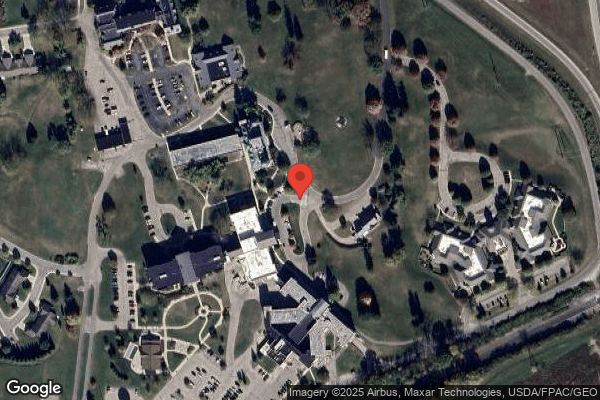
3 MASONIC DRIVE, SPRINGFIELD, OH 45501 (937) 525-3000
Non profit - Corporation 84 Beds Independent Data: November 2025
Trust Grade
90/100
#167 of 913 in OH
Last Inspection: February 2023

Over 2 years since last inspection. Current conditions may differ from available data.

Overview

Springfield Masonic Community has received an excellent Trust Grade of A, indicating a high level of care and service. Ranking #167 out of 913 facilities in Ohio places it in the top half, while being ranked #2 out of 13 in Clark County shows it is among the best local options. The facility's performance has remained stable, with 12 identified concerns, but no serious or critical issues were reported. Staffing is a notable strength, with a perfect 5/5 rating and turnover lower than the state average, while the facility benefits from more RN coverage than 95% of Ohio facilities. However, there were some concerning incidents, such as failing to notify residents or their representatives about transfers and not updating assessments when residents experienced significant changes in their mental health, which could impact care planning. Overall, while there are some weaknesses, Springfield Masonic Community is a strong option for families considering care for their loved ones.

Trust Score
A
90/100
In Ohio
#167/913
Top 18%
Safety Record
Low Risk
No red flags
Inspections
Holding Steady
3 → 3 violations
Staff Stability
○ Average
45% turnover. Near Ohio's 48% average. Typical for the industry.
Penalties
✓ Good
No fines on record. Clean compliance history, better than most Ohio facilities.
Skilled Nurses
✓ Good
Each resident gets 80 minutes of Registered Nurse (RN) attention daily — more than 97% of Ohio nursing homes. RNs are the most trained staff who catch health problems before they become serious.
Violations
⚠ Watch
12 deficiencies on record. Higher than average. Multiple issues found across inspections.
★★★★★
5.0
Overall Rating
★★★★★
5.0
Staff Levels
★★★★★
5.0
Care Quality
★★★★★
5.0
Inspection Score
Stable
2020: 3 issues
2023: 3 issues

The Good

  • 5-Star Staffing Rating · Excellent nurse staffing levels
  • 5-Star Quality Measures · Strong clinical quality outcomes
  • Full Sprinkler Coverage · Fire safety systems throughout facility
  • No fines on record
  • Staff turnover below average (45%)

    3 points below Ohio average of 48%

Facility shows strength in staffing levels, quality measures, fire safety.

The Bad

Staff Turnover: 45%

Near Ohio avg (46%)

Typical for the industry

The Ugly 12 deficiencies on record

Feb 2023 3 deficiencies
CONCERN (D)

Potential for Harm - no one hurt, but risky conditions existed

PASARR Coordination (Tag F0644)

Could have caused harm · This affected 1 resident

**NOTE- TERMS IN BRACKETS HAVE BEEN EDITED TO PROTECT CONFIDENTIALITY** 2. Review of Resident #32's medical record revealed Resident #32 was admitted to the facility on [DATE] with diagnoses including...

Read full inspector narrative →
**NOTE- TERMS IN BRACKETS HAVE BEEN EDITED TO PROTECT CONFIDENTIALITY** 2. Review of Resident #32's medical record revealed Resident #32 was admitted to the facility on [DATE] with diagnoses including dementia. Since admission, Resident #32 has been diagnosed with major depressive disorder, anxiety, and psychotic disorder with delusions due to known physiological condition. Review of the quarterly Minimum Data Set (MDS) assessment dated [DATE] revealed Resident #32 was cognitively intact. Review of Resident #32's preadmission screening resident review (PASARR) dated 05/29/19 revealed Resident #32 had dementia no indications of serious mental illness. Further review of Resident #32's PASARR revealed Resident #32 did not have a significant change PASARR upon new diagnoses of serious mental illness. Interview on 02/07/23 at 3:42 P.M. with Administrator verified Resident #32 did not have a significant change PASARR when Resident #32 had new serious mental health illness diagnoses which included major depressive disorder, anxiety and psychotic disorder. Review of the facility's PASARR's policy date 03/17/15 revealed the facility coordinates assessments with the PASARR program to ensure individuals with a mental disorder receive care and services in the most integrated setting appropriate and resident reviews are to be completed when there is a significant change in condition. Based on staff interview, review of the facility policy, and record review, the facility failed to ensure pre-admission screening and resident review (PASARR) were updated after changes in diagnosis. This affected two (Residents #20 and #32) of two residents reviewed for PASARR. The facility census was 73. Findings include 1. Review of the medical record for Resident #20 revealed an admission date of 03/08/19. Diagnoses included anxiety and psychosis. Review of the Minimum Data Set (MDS) assessment dated [DATE] revealed Resident #20 was cognitively intact. Review of the PASARR dated 11/28/22 revealed Resident #20 had no mental health diagnoses. This PASARR was completed after a hospital admission. Interview on 02/07/23 at 4:20 P.M. with Administrator revealed the PASARR assessment was completed upon admission and should be updated after a significant change in condition. The Administrator confirmed the PASARR for Resident #20 did not include diagnosis of anxiety or psychotic disorder. The Administrator later revealed the social worker has been checking newly admitted residents to ensure accuracy of PASARR assessments from the hospital. The Administrator started the social worker began in 01/2021. Review of the facility policy titled PASARR Screen Policy, dated 03/17/15, revealed a PASARR would be completed to evaluate for serious mental illness upon admission and after a change in condition.
CONCERN (D)

Potential for Harm - no one hurt, but risky conditions existed

ADL Care (Tag F0677)

Could have caused harm · This affected 1 resident

**NOTE- TERMS IN BRACKETS HAVE BEEN EDITED TO PROTECT CONFIDENTIALITY** Based on observation, staff and resident interview, review of facility policy, and medical record review, the facility failed to...

Read full inspector narrative →
**NOTE- TERMS IN BRACKETS HAVE BEEN EDITED TO PROTECT CONFIDENTIALITY** Based on observation, staff and resident interview, review of facility policy, and medical record review, the facility failed to ensure residents who were dependent on staff for assistance with bathing and personal hygiene received adequate care and services. This affected one (Resident #23) of one resident reviewed for activities of daily living (ADL) care. The facility identified all 73 residents required assistance from staff for bathing. The facility census was 73. Findings include Review of the medical record for Resident #23 revealed an admission date of 11/28/22. Diagnoses included osteoporosis, macular degeneration, low vision in right and left eye category two, and glaucoma. Review of the Minimum Data Set (MDS) assessment dated [DATE] revealed Resident #23 was cognitively impaired and required extensive assistance of two staff members for personal hygiene and bathing. Resident #23's vision was severely impaired and did not wear corrective lenses. Review of the care plan dated 01/10/23 revealed Resident #23 had an ADL self-care deficit due to neck contracture with an intervention for ADL assistance from staff. Review of the bathing task revealed Resident #23 received a shower on 02/07/23. There was no mention if nail care was provided. Observation and interview on 02/06/23 at 2:40 P.M. with Resident #23 revealed she would like her nails trimmed. Resident #23's nails were broken, jagged and rough. Resident #23 stated she does not want them polished, just cut. Resident #23 stated she has not had her nails trimmed since admission and due to blindness cannot do them herself. Interview and observation on 02/08/23 at 1:17 P.M. with Resident #23 revealed her nails remained jagged and rough. Resident #23 said her nails were not trimmed when she received a shower yesterday (02/07/23). Resident #23's nails were dirty with a dark brown substance and several nails appeared jagged and broken and some were quite long. Interview on 02/08/23 at 1:19 P.M. with Licensed Practical Nurse (LPN) #141 revealed she was unaware of any concerns related to the resident's nails not being trimmed upon request. LPN #141 stated nails should be cleaned and offered to be cut when showers were provided. LPN #141 stated Resident #23 did not typically refuse care. LPN #141 confirmed Resident #23's nails were long and jagged. Interview on 02/09/23 at 10:50 A.M. with the Administrator revealed the facility does not have a policy related to providing ADL care for residents who were dependent on staff for assistance with ADL. The staff should follow the resident's care plan.
CONCERN (D)

Potential for Harm - no one hurt, but risky conditions existed

Deficiency F0698 (Tag F0698)

Could have caused harm · This affected 1 resident

**NOTE- TERMS IN BRACKETS HAVE BEEN EDITED TO PROTECT CONFIDENTIALITY** Based on medical record review and staff interviews, the facility failed to ensure a resident on dialysis was monitored for sign...

Read full inspector narrative →
**NOTE- TERMS IN BRACKETS HAVE BEEN EDITED TO PROTECT CONFIDENTIALITY** Based on medical record review and staff interviews, the facility failed to ensure a resident on dialysis was monitored for signs and symptoms of an infection or bleeding. This affected one (Resident #39) of one resident reviewed for dialysis. The facility identified one resident who resided in the facility and received dialysis services. The facility census was 73. Findings include: Review of the medical record for Resident #39 revealed she was admitted to the facility on [DATE]. Diagnoses included end stage renal disease, type two diabetes mellitus, hypertensive heart disease with heart failure, and chronic kidney disease stage five. Review of the quarterly Minimum Data Set (MDS) 3.0 assessment, dated 01/04/23, revealed Resident #39 had intact cognition. Review of the plan of care initiated on 01/12/21 revealed Resident #39 needed dialysis related to renal failure. Interventions included to encourage the resident to go to scheduled dialysis appointments, monitor for dry skin and apply lotion as needed, monitor labs and report to doctor as needed, monitor/document/report as needed any signs or symptoms of infection to access site, and monitor/document/report as needed for signs or symptoms of bleeding, hemorrhage, bacteremia, and septic shock. Review of the active physician orders, treatment administration record, and progress notes revealed there was no physician or any evidence nursing was routinely monitoring the access site for any issues related to bleeding or infection. Review of the Post Treatment form completed by the outside dialysis provider revealed Resident #39 had a central venous catheter located on the right. Interview on 02/09/23 at 12:44 P.M. with Licensed Practical Nurse (LPN) #108 revealed Resident #39 had an access site in her left arm, which became blocked. LPN #108 stated an access site was just placed in her right arm but the current access site was on the right side of her chest. LPN #108 reported she would see the access site on Resident #39's chest when she assisted the aides with care but expressed she had not documented when she saw the access site. LPN #108 confirmed there was no order in place to assess the current access site located on Resident #39's chest. Interview on 02/09/23 at 1:34 P.M. with the Director of Nursing (DON) confirmed there had not been an order to monitor the access site on Resident #39's chest that was currently being used during dialysis treatments.
Feb 2020 3 deficiencies
CONCERN (D)

Potential for Harm - no one hurt, but risky conditions existed

Assessment Accuracy (Tag F0641)

Could have caused harm · This affected 1 resident

Based on medical record review and staff interview, the facility failed to accurately code Minimum Data Set (MDS) assessments for Resident #4. This affected one (#4) of 20 residents reviewed for accur...

Read full inspector narrative →
Based on medical record review and staff interview, the facility failed to accurately code Minimum Data Set (MDS) assessments for Resident #4. This affected one (#4) of 20 residents reviewed for accuracy of the MDS assessments. The facility census was 108. Findings include: Review of Resident #4's medical record revealed an admission date of 07/22/14. Diagnoses included hypertension, congestive heart failure, coronary artery disease and depression. Review of the quarterly MDS assessments, dated 02/12/19, 08/14/19, and 11/13/19, revealed Resident #4 was coded for daily restraint use per bed rails. However, there was no documentation of restraint use for those time periods in the resident's medical record Interview with Registered Nurse (RN) #620 on 02/27/20 at 10:45 A.M. verified restraints were not used for Resident #4 during the look-back periods of the quarterly MDS assessments dated 02/12/19, 08/14/19, and 11/13/19. The RN verified the quarterly MDS assessments were coded incorrectly for restraint use on 02/12/19, 08/14/19, and 11/13/19.
CONCERN (D)

Potential for Harm - no one hurt, but risky conditions existed

Comprehensive Care Plan (Tag F0656)

Could have caused harm · This affected 1 resident

**NOTE- TERMS IN BRACKETS HAVE BEEN EDITED TO PROTECT CONFIDENTIALITY** Based on record review and staff interview, the facility failed to develop care plans for a resident receiving wound care for Mo...

Read full inspector narrative →
**NOTE- TERMS IN BRACKETS HAVE BEEN EDITED TO PROTECT CONFIDENTIALITY** Based on record review and staff interview, the facility failed to develop care plans for a resident receiving wound care for Moisture Associated Skin Damage (MASD) and for the resident's Meibomian eye gland disease. This affected one (Resident #39) of twenty residents reviewed for the development and implementation of care plans. The facility census was 108. Findings include: Record review for Resident #39 revealed the resident was admitted to the facility on [DATE] with diagnoses including ischemic cardiomyopathy, congestive heart failure, cognitive communication deficit, type two diabetes mellitus and dementia. Review of the wound progress note, dated 02/20/20, revealed Wound Nurse Practitioner (NP) #480 documented Resident #39 had MASD bilateral buttocks. Review of the physician orders, dated 02/2020, revealed an order for Minocycline (antibiotic) 50 milligram (mg.) once daily for Meibomian eye gland disease. Review of the resident's care plans revealed the resident did not have a care plan for MASD and antibiotic for the resident's Meibomian eye gland disease. Interview with the Director of Nursing (DON) on 02/27/20 at 10:37 A.M. verified Resident #39's care plan did not address the resident's MASD or Meibomian eye gland disease.
CONCERN (D)

Potential for Harm - no one hurt, but risky conditions existed

Deficiency F0757 (Tag F0757)

Could have caused harm · This affected 1 resident

**NOTE- TERMS IN BRACKETS HAVE BEEN EDITED TO PROTECT CONFIDENTIALITY** Based on medical record review and physician interview, the facility failed to ensure a medication was used for an appropriate d...

Read full inspector narrative →
**NOTE- TERMS IN BRACKETS HAVE BEEN EDITED TO PROTECT CONFIDENTIALITY** Based on medical record review and physician interview, the facility failed to ensure a medication was used for an appropriate diagnosis. This affected one (Resident's #39) of five residents reviewed for unnecessary medications. The facility census was 108. Findings include: Record review for Resident #39 revealed the resident was admitted to the facility on [DATE]. Diagnoses included ischemic cardiomyopathy and unspecified dementia. Review of the quarterly Minimum Data Set (MDS) assessment, dated 01/02/19, revealed the resident had moderate cognitive impairment. Review of the physician orders, dated 02/2020, revealed an order for Minocycline (antibiotic) 50 milligram (mg.) once daily for antibiotic prophylaxis, indefinite treatment. Interview with the Medical Director (MD) #550 on 02/27/20 at 8:52 A.M. revealed Resident #39 was ordered Minocycline (antibiotic) 50 milligram (mg.) once daily for Meibomian eye gland disease, not for antibiotic prophylaxis for recurrent eye infections. MD #550 stated she contacted the resident's ophthalmologist and confirmed the antibiotic was prescribed for the resident's eye gland disease not for not for recurrent eye infections.
Jan 2019 6 deficiencies
CONCERN (D)

Potential for Harm - no one hurt, but risky conditions existed

Comprehensive Assessments (Tag F0636)

Could have caused harm · This affected 1 resident

**NOTE- TERMS IN BRACKETS HAVE BEEN EDITED TO PROTECT CONFIDENTIALITY** Based on record review and facility staff interview the facility failed to correctly code the minimum data set (MDS) assessment ...

Read full inspector narrative →
**NOTE- TERMS IN BRACKETS HAVE BEEN EDITED TO PROTECT CONFIDENTIALITY** Based on record review and facility staff interview the facility failed to correctly code the minimum data set (MDS) assessment for one (#58) of one resident reviewed for hospice services. The facility census was 110. Findings include: Review of Resident #58's medical record revealed the resident was admitted to the facility on [DATE] with diagnoses including cerebral infarction (stroke), chronic obstructive pulmonary disease (COPD), dementia without behavioral disturbances, and rheumatoid arthritis. Review of physician orders for Resident #58 revealed the resident had hospice services initiated on 05/07/18 for terminal diagnosis of late effect cerebral vascular accident. Review of Resident #58's most recent quarterly MDS assessment dated [DATE] revealed the resident did not have a condition or chronic disease the may result in a life expectancy of less that 6 months, however section O revealed the resident was receiving hospice services. Interview on 01/09/19 at 3:30 P.M., with MDS Registered Nurse (RN) #550 confirmed the MDS was coded incorrectly.
CONCERN (D)

Potential for Harm - no one hurt, but risky conditions existed

Comprehensive Care Plan (Tag F0656)

Could have caused harm · This affected 1 resident

**NOTE- TERMS IN BRACKETS HAVE BEEN EDITED TO PROTECT CONFIDENTIALITY** Based on medical record review, observation, and staff interview, the facility failed to ensure a resident had a plan of care de...

Read full inspector narrative →
**NOTE- TERMS IN BRACKETS HAVE BEEN EDITED TO PROTECT CONFIDENTIALITY** Based on medical record review, observation, and staff interview, the facility failed to ensure a resident had a plan of care developed for the use of oxygen. This affected one (#93) of 22 residents reviewed for care plans. The facility census was 110. Findings include: Review of the medical record and admission orders for Resident #93 revealed an order dated 12/07/18 for the resident to use O2 at two to three liters, per nasal cannula due to the diagnosis of congested heart failure (CHF). The order revealed to keep the resident's oxygen saturation greater than 90%. Review of the Minimum Data Set (MDS) assessment dated [DATE] revealed the resident was cognitively intact and was using oxygen. There was no evidence a plan of care was developed for the use of O2 or CHF. Review of Resident #93's vital signs from 12/28/18 through 01/09/19 revealed the resident had used O2, 19 times. Observation on 01/08/19 at 9:00 A.M., revealed Resident #93 was using O2. Interview on 01/10/19 at 2:00 P.M., with Licensed Practical Nurse (LPN) #620 verified a plan of care had not been developed for Resident #93 regarding the use of O2 for the resident's diagnosis of CHF.
CONCERN (D)

Potential for Harm - no one hurt, but risky conditions existed

Pressure Ulcer Prevention (Tag F0686)

Could have caused harm · This affected 1 resident

**NOTE- TERMS IN BRACKETS HAVE BEEN EDITED TO PROTECT CONFIDENTIALITY** Based on medical record review, observation, and staff interview, the facility failed to complete a pressure ulcer dressing chan...

Read full inspector narrative →
**NOTE- TERMS IN BRACKETS HAVE BEEN EDITED TO PROTECT CONFIDENTIALITY** Based on medical record review, observation, and staff interview, the facility failed to complete a pressure ulcer dressing change per the physician's orders. This affected one resident (#90) of four reviewed for pressure ulcers. The facility census was 110. Findings include: Review of Resident #90's medical record revealed an admission date of 11/13/18 with diagnoses including congestive heart failure (CHF), dementia, and adult failure to thrive. Review of the Minimum Data Set (MDS) assessment dated [DATE] revealed Resident #90 had severe cognitive impairment. Review of Resident #90's physician's orders revealed an order dated 12/20/18 for a coccyx dressing change to include for the wound to be cleansed with normal saline, Medihoney (wound gel) applied, calcium alginate (help promote moist wound bed) and then Mepilex border lite (a topical foam dressing). The dressing change was to be completed every other day, and as needed. Observation on 01/10/19 at 1:05 PM., of Resident #90s' dressing change revealed the Licensed Practical Nurse (LPN) #600 did not use calcium alginate. Interview with the LPN a the time of the observation confirmed she did not use the calcium alginate and it was part of the treatment order. Interview on 01/10/19 at 1:05 P.M., with Wound Certified Nurse Practioner (CNP) #599 verified the dressing order was to contain the calcium alginate after the Medihoney was applied and before the Mepilex was applied.
CONCERN (D)

Potential for Harm - no one hurt, but risky conditions existed

Laboratory Services (Tag F0770)

Could have caused harm · This affected 1 resident

**NOTE- TERMS IN BRACKETS HAVE BEEN EDITED TO PROTECT CONFIDENTIALITY** Based on medical record review and facility staff interview, the facility failed to ensure ordered laboratory tests were complet...

Read full inspector narrative →
**NOTE- TERMS IN BRACKETS HAVE BEEN EDITED TO PROTECT CONFIDENTIALITY** Based on medical record review and facility staff interview, the facility failed to ensure ordered laboratory tests were completed for one (#12) of five residents reviewed for un-necessary medications. The facility census was 110. Findings include: Review of Resident #12's medical record revealed the resident was admitted to the facility on [DATE] with diagnoses including metabolic encephalopathy, and type two diabetes. Review of Resident #12's physician orders revealed the resident was ordered to have a hemoglobin A1C completed every three months in February, May, August and November. There was no evidence the laboratory test was completed in November 2018. Interview with Registered Nurse (RN) #500 on 01/10/19 at 3:30 P.M., confirmed Resident #12 did not have a hemoglobin A1C completed in November 2018 as ordered.
CONCERN (E)

Potential for Harm - no one hurt, but risky conditions existed

Transfer Notice (Tag F0623)

Could have caused harm · This affected multiple residents

**NOTE- TERMS IN BRACKETS HAVE BEEN EDITED TO PROTECT CONFIDENTIALITY** 2. Review of Resident #57's medical record review revealed an admission date of 07/30/18 with diagnoses including cerebral infar...

Read full inspector narrative →
**NOTE- TERMS IN BRACKETS HAVE BEEN EDITED TO PROTECT CONFIDENTIALITY** 2. Review of Resident #57's medical record review revealed an admission date of 07/30/18 with diagnoses including cerebral infarction due to embolism of left middle cerebral artery, acute kidney failure, congestive heart failure, and sepsis. The resident was noted to have be hospitalized on [DATE] due to a change in condition and returned to the facility on [DATE]. The medical record was silent for verification that a notification of transfer and bed hold notification, was provided to the Resident and/or representative. Interview on 01/10/19 at 4:08 P.M., with the Administrator verified the facility failed to issue written notice for transfer and bed hold notification to Resident #57 and /or their representative in writing. 3. Review of Resident #51's medical record review revealed an admission date of 08/02/18 with diagnoses including muscle weakness, Alzheimer's disease, and abdominal aortic aneurysm. The resident was noted to have been hospitalized on [DATE] due to a complaint of right hip pain and returned to the facility on [DATE]. The medical record was silent for verification that a notification of transfer and bed hold notification, was provided to the Resident and/or representative. Interview on 01/10/19 at 4:08 P.M., with the Administrator verified the facility failed to issue written notice for transfer and bed hold notification to Resident #51 and /or their representative in writing. 4. Review of Resident #90's medical record revealed an admission date of 11/13/18 with diagnoses including congestive heart failure, pleural effusion, and adult failure to thrive. The resident was hospitalized on [DATE] due to complaint of hip pain and returned to the facility on [DATE]. The medical record was silent for verification that a notification of transfer and bed hold notification, was provided to the Resident and/or representative. Interview on 01/10/19 at 4:08 P.M., with the Administrator verified the facility failed to issue written notice for transfer and bed hold notification to Resident #90 and /or their representative in writing. Based on medical record review and staff interviews, the facility failed to issue written notice for transfer, to the resident and/or representative. This affected four (#51, #57, #85, and #90) of five residents reviewed for hospitalizations. The facility census was 110. 1. Review of Resident #85's medical record revealed an admission date of 06/06/17 with diagnoses including acute kidney failure, retention of urine, benign prostatic hyperplasia with lower urinary tract symptoms, and chronic kidney disease. On 12/03/18 at 1:42 P.M., the resident was transferred to the hospital for the evaluation of the resident's complaints of abdominal pain and tenderness. The resident returned to the facility on [DATE]. The medical record was silent of verification, that a notification of transfer, was provided to Resident #85 and/or representative. Interview on 01/08/19 at 4:12 P.M., with the Administrator verified Resident #85 was transferred out of the facility on 12/03/18 and no written notification of transfer was provided in writing to the resident and/or representative.
CONCERN (E)

Potential for Harm - no one hurt, but risky conditions existed

Deficiency F0625 (Tag F0625)

Could have caused harm · This affected multiple residents

**NOTE- TERMS IN BRACKETS HAVE BEEN EDITED TO PROTECT CONFIDENTIALITY** 2. Review of Resident #57's medical record review revealed an admission date of 07/30/18 with diagnoses including cerebral infar...

Read full inspector narrative →
**NOTE- TERMS IN BRACKETS HAVE BEEN EDITED TO PROTECT CONFIDENTIALITY** 2. Review of Resident #57's medical record review revealed an admission date of 07/30/18 with diagnoses including cerebral infarction due to embolism of left middle cerebral artery, acute kidney failure, congestive heart failure, and sepsis. Review of Resident #57's medical record revealed he was hospitalized on [DATE] due to a change in condition and returned to the facility on [DATE]. The medical record was silent for verification that a notification of transfer and bed hold notification, was provided to the Resident and/or representative. Interview on 01/10/19 at 4:08 P.M., with Administrator verified the facility failed to issue written notice for transfer and bed hold notification to Resident #57 and /or their representative in writing. 3. Review of Resident #51's medical record review revealed an admission date of 08/02/18 with diagnoses including Alzheimer's disease, heart failure, and abdominal aortic aneurysm. The resident was hospitalized on [DATE] due to a complaint of right hip pain and returned to the facility on [DATE]. The medical record was silent for verification that a notification of transfer and bed hold notification, was provided to the Resident and/or representative. Interview on 01/10/19 at 4:08 P.M., with Administrator verified the facility failed to issue written notice for transfer and bed hold notification to Resident #51 and /or their representative in writing. 4. Review of Resident #90's medical record revealed an admission date of 11/13/18 with diagnoses including congestive heart failure, dementia, and adult failure to thrive. The resident was noted to have been hospitalized on [DATE] due to complaint of hip pain and returned to the facility on [DATE]. The medical record was silent for verification that a notification of transfer and bed hold notification, was provided to the Resident and/or representative. Interview on 01/10/19 at 4:08 P.M., with the Administrator verified the facility failed to issue written notice for transfer and bed hold notification to Resident #90 and /or their representative in writing. Based on medical record review and staff interview, the facility failed to issue a bed hold notification, to the resident and/or representative. This affected four (#51, #57, #85, and #90) of five residents reviewed for hospitalizations. The facility census was 110. 1. Review of Resident #85's medical record revealed an admission date of 06/06/17 with diagnoses including acute kidney failure, and chronic kidney disease. On 12/03/18 at 1:42 P.M., the resident was transferred to the hospital for the evaluation of the resident's complaints of abdominal pain and tenderness on 12/05/18. The medical record was silent of verification, that a bed hold notification, was provided to Resident #85 and/or representative. Interview conducted on 01/08/19 at 4:12 P.M., the Administrator verified Resident #85 was transferred out of the facility on 12/03/18 and no notification of bed hold was provided in writing to the resident and/or representative.
Understanding Severity Codes (click to expand)
Life-Threatening (Immediate Jeopardy)
J - Isolated K - Pattern L - Widespread
Actual Harm
G - Isolated H - Pattern I - Widespread
Potential for Harm
D - Isolated E - Pattern F - Widespread
No Harm (Minor)
A - Isolated B - Pattern C - Widespread

Questions to Ask on Your Visit

  • "Can I speak with families of current residents?"
  • "What's your RN coverage like on weekends and overnight?"

Our Honest Assessment

Strengths
  • • Grade A (90/100). Above average facility, better than most options in Ohio.
  • • No major safety red flags. No abuse findings, life-threatening violations, or SFF status.
  • • No fines on record. Clean compliance history, better than most Ohio facilities.
  • • 45% turnover. Below Ohio's 48% average. Good staff retention means consistent care.
Concerns
  • • 12 deficiencies on record. Higher than average. Multiple issues found across inspections.
Bottom line: Generally positive indicators. Standard due diligence and a personal visit recommended.

About This Facility

What is Springfield Masonic Community's CMS Rating?

CMS assigns SPRINGFIELD MASONIC COMMUNITY an overall rating of 5 out of 5 stars, which is considered much above average nationally. Within Ohio, this rating places the facility higher than 99% of the state's 100 nursing homes. This rating reflects solid performance across the metrics CMS uses to evaluate nursing home quality.

How is Springfield Masonic Community Staffed?

CMS rates SPRINGFIELD MASONIC COMMUNITY's staffing level at 5 out of 5 stars, which is much above average compared to other nursing homes. Staff turnover is 45%, compared to the Ohio average of 46%. This relatively stable workforce can support continuity of care.

What Have Inspectors Found at Springfield Masonic Community?

State health inspectors documented 12 deficiencies at SPRINGFIELD MASONIC COMMUNITY during 2019 to 2023. These included: 12 with potential for harm.

Who Owns and Operates Springfield Masonic Community?

SPRINGFIELD MASONIC COMMUNITY is owned by a non-profit organization. Non-profit facilities reinvest revenue into operations rather than distributing to shareholders. The facility operates independently rather than as part of a larger chain. With 84 certified beds and approximately 75 residents (about 89% occupancy), it is a smaller facility located in SPRINGFIELD, Ohio.

How Does Springfield Masonic Community Compare to Other Ohio Nursing Homes?

Compared to the 100 nursing homes in Ohio, SPRINGFIELD MASONIC COMMUNITY's overall rating (5 stars) is above the state average of 3.2, staff turnover (45%) is near the state average of 46%, and health inspection rating (5 stars) is much above the national benchmark.

What Should Families Ask When Visiting Springfield Masonic Community?

Based on this facility's data, families visiting should ask: "Can I visit during a mealtime to observe dining assistance and food quality?" "How do you handle medical emergencies, and what is your hospital transfer rate?" "Can I speak with family members of current residents about their experience?"

Is Springfield Masonic Community Safe?

Based on CMS inspection data, SPRINGFIELD MASONIC COMMUNITY has a clean safety record: no substantiated abuse findings (meaning no confirmed cases of resident harm), no Immediate Jeopardy citations (the most serious violation level indicating risk of serious injury or death), and is not on the Special Focus Facility watch list (a federal program monitoring the lowest-performing 1% of nursing homes). The facility has a 5-star overall rating and ranks #1 of 100 nursing homes in Ohio. While no facility is perfect, families should still ask about staff-to-resident ratios and recent inspection results during their visit.

Do Nurses at Springfield Masonic Community Stick Around?

SPRINGFIELD MASONIC COMMUNITY has a staff turnover rate of 45%, which is about average for Ohio nursing homes (state average: 46%). Moderate turnover is common in nursing homes, but families should still ask about staff tenure and how the facility maintains care continuity when employees leave.

Was Springfield Masonic Community Ever Fined?

SPRINGFIELD MASONIC COMMUNITY has no federal fines on record. CMS issues fines when nursing homes fail to meet care standards or don't correct problems found during inspections. The absence of fines suggests the facility has either maintained compliance or corrected any issues before penalties were assessed. This is a positive indicator, though families should still review recent inspection reports for the full picture.

Is Springfield Masonic Community on Any Federal Watch List?

SPRINGFIELD MASONIC COMMUNITY is not on any federal watch list. The most significant is the Special Focus Facility (SFF) program, which identifies the bottom 1% of nursing homes nationally based on persistent, serious quality problems. Not being on this list means the facility has avoided the pattern of deficiencies that triggers enhanced federal oversight. This is a positive indicator, though families should still review the facility's inspection history directly.