SPRINGFIELD NURSING & INDEPENDENT LIVING
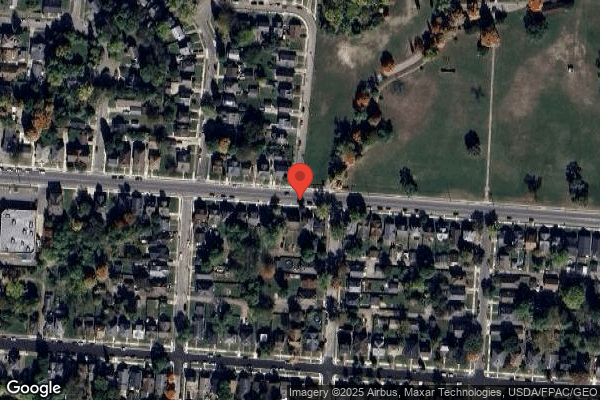
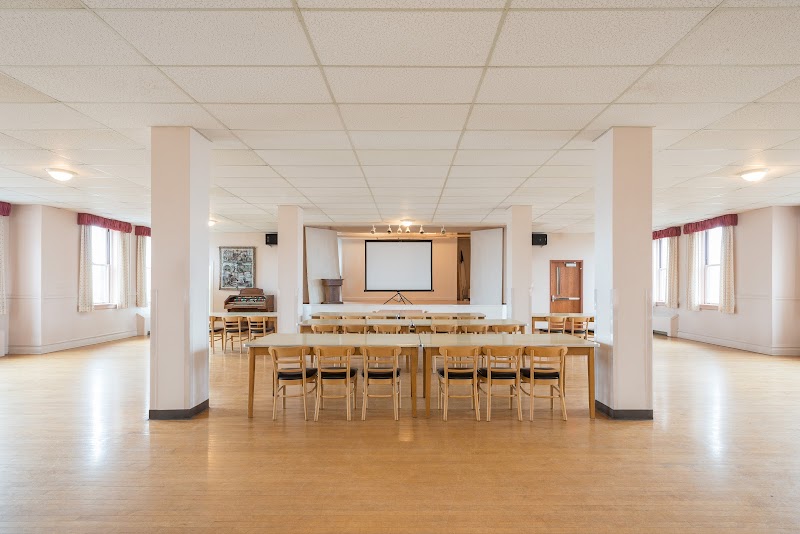
404 E MCCREIGHT AVE, SPRINGFIELD, OH 45503 (937) 399-8311
For profit - Corporation 90 Beds Independent Data: November 2025 1 Immediate Jeopardy citation
Trust Grade
8/100
#900 of 913 in OH
Last Inspection: May 2024

Within standard 12-15 month inspection cycle. Federal law requires annual inspections.

Overview

Families researching Springfield Nursing & Independent Living should be aware that the facility has received an F grade, which indicates significant concerns and is classified as poor. Ranking #900 out of 913 nursing facilities in Ohio places it in the bottom half statewide, and it is the lowest-ranked option in Clark County. Although the facility is showing some improvement, with issues decreasing from 17 in 2024 to 11 in 2025, it still has a troubling history, including a critical incident where a resident with impaired cognition left the facility unsupervised, posing serious safety risks. Staffing appears to be a relative strength, with a 3/5 star rating and a turnover rate of 48%, which is slightly below the state average. However, the facility has incurred $170,487 in fines, higher than 95% of other Ohio facilities, indicating ongoing compliance problems, and it has also struggled to maintain a safe environment, as seen in reports of poor conditions in common areas.

Trust Score
F
8/100
In Ohio
#900/913
Bottom 2%
Safety Record
High Risk
Review needed
Inspections
Getting Better
17 → 11 violations
Staff Stability
⚠ Watch
48% turnover. Above average. Higher turnover means staff may not know residents' routines.
Penalties
○ Average
$170,487 in fines. Higher than 65% of Ohio facilities. Some compliance issues.
Skilled Nurses
○ Average
Each resident gets 35 minutes of Registered Nurse (RN) attention daily — about average for Ohio. RNs are the most trained staff who monitor for health changes.
Violations
⚠ Watch
55 deficiencies on record. Higher than average. Multiple issues found across inspections.
★☆☆☆☆
1.0
Overall Rating
★★★☆☆
3.0
Staff Levels
★★★★☆
4.0
Care Quality
★☆☆☆☆
1.0
Inspection Score
Stable
2024: 17 issues
2025: 11 issues

The Good

  • 4-Star Quality Measures · Strong clinical quality outcomes
  • Full Sprinkler Coverage · Fire safety systems throughout facility
  • No fines on record

Facility shows strength in quality measures, fire safety.

The Bad

1-Star Overall Rating

Below Ohio average (3.2)

Significant quality concerns identified by CMS

Staff Turnover: 48%

Near Ohio avg (46%)

Higher turnover may affect care consistency

Federal Fines: $170,487

Well above median ($33,413)

Significant penalties indicating serious issues

The Ugly 55 deficiencies on record

1 life-threatening 1 actual harm
May 2025 11 deficiencies
CONCERN (D) 📢 Someone Reported This

A family member, employee, or ombudsman was alarmed enough to file a formal complaint

Potential for Harm - no one hurt, but risky conditions existed

Deficiency F0559 (Tag F0559)

Could have caused harm · This affected 1 resident

**NOTE- TERMS IN BRACKETS HAVE BEEN EDITED TO PROTECT CONFIDENTIALITY** Based on medical record review, staff interviews, and policy review, the facility failed to ensure a resident was provided writt...

Read full inspector narrative →
**NOTE- TERMS IN BRACKETS HAVE BEEN EDITED TO PROTECT CONFIDENTIALITY** Based on medical record review, staff interviews, and policy review, the facility failed to ensure a resident was provided written notification prior to a room change. This affected one (#10) out of three residents reviewed for room changes. The facility census was 63. Findings include: Review of the medical record for Resident #10 revealed an admission date of 03/22/22 with medical diagnoses of cerebral infarction with left hemiplegia, aphasia, ischemic cardiomyopathy, obesity, congestive heart failure, and chronic kidney disease stage III. Review of the medical record revealed Resident #10 was discharged to the hospital on [DATE] and readmitted to the facility on [DATE]. Review of the medical record for Resident #10's quarterly MDS assessment, dated 05/02/25, indicated Resident #10 had severely impaired cognition, not able to make needs known, and was dependent upon staff for all ADL's including eating. The MDS indicated Resident #10 did not receive any by mouth (PO) intake and received 51%-100% nutrition via tube feeding. Review of the medical record for Resident #10 revealed under the Census Tab in the electronic medical record revealed the resident was moved in April 2025. Further review of Resident #10's medical record revealed there was no evidence the resident received written notification of the room change. Interview on 05/15/25 at 11:53 A.M. with Licensed Practical Nurse (LPN) #150 stated Resident #10 was moved from in April 2025 in order to consolidate beds. LPN #150 stated Resident #10 was not happy with the room change and stated Resident #10 enjoyed his prior room his bed was by the window and he could look outside and his bed in room [ROOM NUMBER] was by the door and he couldn't look out the window. Interview on 05/20/25 at 2:30 P.M. with admission #103 confirmed Resident #10 was moved rooms in April 2025. Admissions #103 stated Resident #10 was moved rooms to consolidate rooms due to the facility was running out of female beds. Admissions #103 stated she did not show Resident #10 or his representative of the room prior to the room change or provide written notice of the room change. admission #103 stated the facility never provided written notice of room changes. Review of the facility policy titled, Change of Room or Roommate, revised 03/01/25 stated the facility must inform the resident, consult with the resident's physician, and/or notify the resident's family member or legal representative when there is a change requiring notification. The policy stated circumstances which required notification included accidents, significant change in the resident's physician, mental, or psychosocial condition such as a deterioration in health, mental or psychosocial status. This deficiency was an incidental finding discovered during the course of the complaint investigation.
CONCERN (D) 📢 Someone Reported This

A family member, employee, or ombudsman was alarmed enough to file a formal complaint

Potential for Harm - no one hurt, but risky conditions existed

Investigate Abuse (Tag F0610)

Could have caused harm · This affected 1 resident

**NOTE- TERMS IN BRACKETS HAVE BEEN EDITED TO PROTECT CONFIDENTIALITY** Based on medical record review, review of Self-Reported Incidents (SRI), staff interviews, and policy review, the facility faile...

Read full inspector narrative →
**NOTE- TERMS IN BRACKETS HAVE BEEN EDITED TO PROTECT CONFIDENTIALITY** Based on medical record review, review of Self-Reported Incidents (SRI), staff interviews, and policy review, the facility failed to thoroughly and timely investigate allegations of abuse. This affected two (#10 and #46) out of the three reviewed for abuse investigations. The facility census was 63. Findings include: 1. Review of the medical record for Resident #10 revealed an admission date of 03/22/22 with medical diagnoses of cerebral infarction with left hemiplegia, aphasia, ischemic cardiomyopathy, obesity, congestive heart failure, and chronic kidney disease stage III. Review of the medical record revealed Resident #10 was discharged to the hospital on [DATE] and readmitted to the facility on [DATE]. Review of the medical record for Resident #10 revealed a quarterly Minimum Data Set (MDS) assessment, dated 05/02/25, indicated Resident #10 had severely impaired cognition, not able to make needs known, and was dependent upon staff for all ADL's including eating. The MDS indicated Resident #10 did not receive any by mouth (PO) intake and received 51%-100% nutrition via tube feeding. Review of the medical record for Resident #10 revealed a nurses' note, dated 04/20/25 at 2:00 P.M., which stated Certified Nursing Assistant (CNA) #180 reported to the nurse Resident #10 was shaking during rounds. The note stated Resident #07 was known to do that when he was anxious or having a bowel movement. The note stated upon assessment, the resident seemed normal, responded in his normal manner, smiled, and vital signs within normal limits. Review of the nurse's note dated 04/20/25 at 5:45 P.M. stated Resident #07 was sent to the hospital for stroke symptoms. Further review of the nurses' note dated 05/20/25 at 5:56 P.M. stated nurse was called to Resident #07's room by CNA #112 at approximately 5:15 P.M. because Resident #07 was not acting right, vision was fixed to left, not responded per his usual, and he was pale and diaphoretic. The note stated upon further assessment Resident #07 was noted to have left facial drooping and he was sent to the emergency room. Review of the SRI, dated 04/30/25, indicated an investigation for allegation of neglect was conducted. The SRI stated on 04/20/25, CNA #180 reported Resident #07's change of condition which included right side body shaking, no eye contact, and Resident #07 could not speak. The SRI documentation noted Resident #07 was sent to the hospital around 5:15 P.M. on 04/20/25 for evaluation due to no response, head looking to the left, and sweating. The SRI stated the witnesses included Licensed Practical Nurse (LPN) #166 and CNA #180 and #112. The allegation was unsubstantiated by the facility due to lack of evidence. The SRI noted LPN #166 was terminated for failure to document a significant change in condition and required assessments in a timely manner per facility policy. Review of the SRI investigation revealed no documentation to support any staff, or resident interviews were completed related to concerns for neglect. Interview on 05/20/25 at 1:20 P.M. with CNA #112 stated she arrived to the facility around 1:00 P.M. on 04/20/25 and was assigned to Resident #07's unit. CNA #112 stated she conducted checks on Resident #07 several times from 1:00 P.M. to 5:00 P.M. on 04/20/25 and had not noticed any change in his condition until around 5:00 P.M. CNA #112 stated she notified LPN #166 of Resident #07's change in condition and he was sent to the emergency room. CNA #112 stated she was never asked to complete a witness statement or asked about the incident on 04/20/25. Interview on 05/22/25 at 9:34 A.M. with CNA #180 confirmed she worked on 04/20/25 and was assigned to Resident #07's unit. CNA #180 stated around 4:00 P.M. she reported to LPN #166 that Resident #07 was shaking, not making eye contact, and was not able to communicate. CNA #180 reported LPN #166 went to check on Resident #07 and stated the resident was fine. CNA #180 stated about one hour later Resident #07 was sent to the emergency room for a change of condition. CNA #180 stated she notified the Director of Nursing (DON) of concerns for possible neglect after Resident #07 was sent to the emergency room. CNA #180 stated she was never asked to provide a witness statement or asked about the incident on 04/20/25. 2. Review of the medical record for Resident #46 revealed an admission date of 04/22/24 with medical diagnoses of dementia, anxiety, chronic kidney disease stage III, and hypothyroidism. Review of the medical record for Resident #46 revealed an admission MDS assessment, dated 04/29/25, which indicated Resident #46 had severely impaired cognition and delusions. The MDS indicated Resident #46 required supervision with eating, toileting hygiene, bathing, and bed mobility. Review of the medical record for Resident #46 revealed a nurses' note dated 05/01/25 at 7:45 A.M. which stated Resident #46 reported to CNA that her groin hurt and stated, the man who is yelling in the hallway entered my room and raped me. CNA notified nurse and the nurse completed an assessment on resident. The note stated the DON was notified and when the DON interviewed Resident #46 the resident stated she didn't remember saying that and that she must have been dreaming. The note stated DON notified the police department (PD) and Resident #46 was sent to the hospital for an examination. Review of a nurses' note dated 05/01/24 at 11:00 A.M. stated Resident #46 returned from the hospital and the examination had negative results. Review of SRI, dated 05/01/25, for allegation of sexual abuse stated Resident #46 stated her groin hurt and reported a man raped her. The investigation indicated PD were notified and Resident #46 was sent to the hospital for examination with negative results. Review of the investigation revealed resident interviews were completed but did not contain documentation to support the facility conducted staff interviews or obtained witness statements. Interview on 05/22/25 at 7:39 A.M. with Registered Nurse (RN) #140 confirmed she was the nurse working the morning of 05/01/25 when Resident #46 stated she was raped. RN #140 stated she reported the allegation to DON and completed a skin assessment on Resident #46 and no concerns noted. RN #140 stated Resident #46 changed her story about what happened but Resident #46 was sent out to have rape kit completed. RN #140 stated DON did not interview her or any other staff on that shift regarding allegation. Interview on 05/22/24 at 12:15 P.M. with the Administrator confirmed there was no documentation to support staff, or resident interviews were conducted during the investigation for SRI involving Resident #10 and no staff interviews were conducted for the SRI involving Resident #46. Administrator confirmed SRI involving Resident #10 was not initiated until 04/30/25. Administrator stated the DON at the time of the allegation no longer worked for the facility and was the person who completed the SRI investigations. Review of the facility policy titled, Abuse, Neglect, and Exploitation, revised 03/01/25 stated the facility was to provide protections for the health, welfare, and rights of each resident by developing and implementation written policies and procedures that prohibit and prevent abuse, neglect, and exploitation and misappropriation of resident property. The policy stated that an immediate investigation is warranted when suspicion of abuse, neglect, or exploitation or reports of abuse, neglect, or exploitation occur. The policy stated written procedures for investigation include: identify staff responsible for the investigation, exercise caution in handing evidence, investigating different types of alleged violations, identifying and interviewing all persons, including alleged victim, alleged perpetrator, witnesses, and other who might have knowledge of the allegations, focus the investigation on determining if abuse, neglect, exploitation, and/or misappropriation has occurred, and provide complete and thorough documentation of the investigation. This deficiency represents non-compliance investigated under Complaint Number OH00165446 and OH00165398.
CONCERN (D) 📢 Someone Reported This

A family member, employee, or ombudsman was alarmed enough to file a formal complaint

Potential for Harm - no one hurt, but risky conditions existed

Deficiency F0637 (Tag F0637)

Could have caused harm · This affected 1 resident

**NOTE- TERMS IN BRACKETS HAVE BEEN EDITED TO PROTECT CONFIDENTIALITY** Based on medical record review, staff interviews, review of the facility Minimum Data Set (MDS) policy, and review of the Long- ...

Read full inspector narrative →
**NOTE- TERMS IN BRACKETS HAVE BEEN EDITED TO PROTECT CONFIDENTIALITY** Based on medical record review, staff interviews, review of the facility Minimum Data Set (MDS) policy, and review of the Long- Term Care Facility Resident Assessment Instrument 3.0 User (RAI) Manual, October 2024, the facility failed to complete significant change MDS as required. This affected one (#10) out of the three residents reviewed for change in condition. The facility census was 63. Findings include: Review of the medical record for Resident #10 revealed an admission date of 03/22/22 with medical diagnoses of cerebral infarction with left hemiplegia, aphasia, ischemic cardiomyopathy, obesity, congestive heart failure, and chronic kidney disease stage III. Review of the medical record revealed Resident #10 was discharged to the hospital on [DATE] and readmitted to the facility on [DATE]. Review of the medical record for Resident #10 revealed an annual MDS, dated [DATE], which indicated Resident #10 was cognitively intact and required set-up assistance with eating. The MDS indicated Resident #10 was dependent upon staff for all Activities of Daily Living (ADL's). The MDS indicated Resident #10 received a by mouth intake and no documentation of tube feedings noted. Review of Resident #10's quarterly MDS assessment, dated 05/02/25, which indicated Resident #10 had severely impaired cognition, not able to make needs known, and was dependent upon staff for all ADL's including eating. The MDS indicated Resident #10 did not receive any by mouth (PO) intake and received 51%-100% nutrition via tube feeding. Review of the medical record for Resident #10 revealed a physician order dated 03/22/22 for regular diet, regular texture with thin liquids, an order dated 05/09/25 for tube feeding continuous, Jevity 1.5 at 75 milliliter (ml) per hour for 22 hours to allow for ADL care and an order to flush percutaneous endoscopic gastrostomy (peg) tube with 120 ml of free water before starting feeds and after stopping feeds. Interview on 05/15/25 at 11:53 A.M. with Licensed Practical Nurse (LPN) #150 stated after Resident #10's most recent stoke in April 2025, Resident #10 could no longer communicate with staff verbally, not able to make needs known, and received nutrition via tube feedings. Interview on 05/20/25 at 1:20 P.M. with Certified Nursing Assistant (CNA) #112 stated Resident #10 returned to the facility on [DATE] after a stroke. CNA #112 stated prior to the stoke, Resident #112 was able to scroll on his cell phone, communicate with staff, eat a regular diet by mouth and was cognitively intact. CNA #112 stated Resident #10 is no longer able to make his needs known, has severe cognitive impairment, and only received nutrition via a gastrostomy tube. Interview on 05/20/25 at 2:34 P.M. with MDS #109 stated she did not feel Resident #10 meet the requirements to complete a significant change in status MDS assessment after his return from the hospital on [DATE]. MDS #109 confirmed prior to Resident #10's stroke in April 2025, Resident #10 was cognitively intact, able to eat a regular diet after set-up assistance, and was able to communicate effectively with staff. MDS #109 stated after Resident #10's stroke he received all nutrition from tube feedings via gastrostomy tube, had severely impaired cognition, and was nonverbal and not able to make his needs known. Review of the facility policy titled, MDS, revised 03/01/25, stated residents are assessed, using comprehensive assessment process, in order to identify care needs to develop an interdisciplinary care plan. The policy stated that a significant change in status assessment (SCSA) is a comprehensive assessment completed within 14 days of the identification of a status change that meets the requirements outlined in Chapter 2 of the RAI manual. Review of the Long-term Care Facility RAI 3.0 User Manual, October 2024 page 2-24 through 2-28, stated a SCSA is a comprehensive assessment for a resident that must be completed when the Interdisciplinary Team (IDT) has determined that a resident meets the significant change guidelines for either a major improvement or decline. The manual stated the significant change is a major decline or improvement on a resident's status: 1) that will not normally resolve itself without interventions by staff or by implementing standard disease-related clinical interventions, the decline is not considered self-limiting, 2) impacts more that one area of the resident's health status, 3) requires interdisciplinary review and/or revision of the care plan. The manual stated a SCSA was appropriate if there were either two or more areas of decline which included: resident's decision making ability had changed, any decline in an Activity of Daily Living (ADL) function where at least one ADL was newly coded as partial/moderate assistance, substantial/maximum assistance, or dependent, and an emergence of condition/disease in which a resident is judged to be unstable. This deficiency was an incidental finding discovered during the course of the complaint investigation.
CONCERN (D) 📢 Someone Reported This

A family member, employee, or ombudsman was alarmed enough to file a formal complaint

Potential for Harm - no one hurt, but risky conditions existed

Quality of Care (Tag F0684)

Could have caused harm · This affected 1 resident

Based on medical record review and staff interview, the facility failed to ensure resident blood sugar levels were monitored as ordered. This affected one (#66) out of three residents reviewed for mon...

Read full inspector narrative →
Based on medical record review and staff interview, the facility failed to ensure resident blood sugar levels were monitored as ordered. This affected one (#66) out of three residents reviewed for monitoring of blood sugar levels. The facility census was 63. Findings include: Review of the medical record for Resident #66 revealed an admission date of 04/09/25 with medical diagnoses of atrial fibrillation, hypertension, diabetes mellitus, and congestive heart failure. Review of the medical record revealed a discharge date of 04/23/25. Review of the medical record for Resident #66 revealed an admission Minimum Data Set (MDS) assessment, dated 04/15/25, which indicated Resident #66 was cognitively intact and required partial/moderate staff assistance with toilet hygiene, showers, supervision with transfers, and was independent with bed mobility. The MDS indicated Resident #66 received hypoglycemic medications. Review of the medical record for Resident #66 revealed a physician order dated 04/09/25 for Accu-Chek (fingerstick blood sugar monitoring) two times daily, if above 150 give morning dose of Jardiance, if below 150 hold morning dose of Jardiance. Review of the medical record for Resident #66 revealed documentation to support the facility completed Accu-Chek daily. The medical record did not have documentation to support the Accu-Chek's were completed two times per day as ordered. Interview on 05/22/25 at 11:00 A.M. with Director of Nursing confirmed Resident #66's order for Accu-Chek was to be monitored two times per day and the facility had only completed Accu-Chek daily. This deficiency represents non-compliance investigated under Complaint Number OH00164655.
CONCERN (D) 📢 Someone Reported This

A family member, employee, or ombudsman was alarmed enough to file a formal complaint

Potential for Harm - no one hurt, but risky conditions existed

Pressure Ulcer Prevention (Tag F0686)

Could have caused harm · This affected 1 resident

**NOTE- TERMS IN BRACKETS HAVE BEEN EDITED TO PROTECT CONFIDENTIALITY** Based on medical record review, staff interviews, observation, and policy review, the facility failed to properly measure pressu...

Read full inspector narrative →
**NOTE- TERMS IN BRACKETS HAVE BEEN EDITED TO PROTECT CONFIDENTIALITY** Based on medical record review, staff interviews, observation, and policy review, the facility failed to properly measure pressure ulcers and ensure treatments were timely initiated for a pressure ulcer. This affected one (#07) out of the three residents reviewed for pressure ulcers. The facility census was 63. Findings include: Review of the medical record for Resident #07 revealed an admission date of 07/20/24 with medical diagnoses of adult failure to thrive, dementia, right hemiplegia, and paranoid schizophrenia. Review of the medical record revealed Resident #07 was discharged to the hospital on [DATE] and readmitted to the facility on [DATE]. Review of the medical record for Resident #07 revealed a quarterly Minimum Data Set (MDS) assessment, dated 02/28/25, which indicated Resident #07 was cognitively intact and required set-up assistance with eating and substantial/maximum staff assistance with toilet hygiene, showers, bed mobility, and transfers. The MDS did not have documentation to support Resident #07 had a pressure ulcer. Review of the medical record for Resident #07 revealed hospital documentation, dated 04/23/25, which indicated Resident #07 had a pressure ulcer to right buttock which measured 0.6 centimeters (cm) by 8 cm by 0.1 cm with treatment in place and a deep tissue injury (DTI) to coccyx which measured 4 cm by 2 cm by 0 cm. The DTI was noted to purple/maroon in color, non-blanchable, and a dressing was applied. Review of the medical record for Resident #07 revealed a nurses' note, dated 04/23/25 at 10:08 P.M., which stated Resident #07 returned from the hospital with right lower leg amputation, The nurse also stated Resident #07 was noted to have small area to right gluteal fold 0.1 cm by 1 cm and purplish bruised area to coccyx 8 cm by 4 cm. Review of the medical record for Resident #07 revealed a skin observation assessment, dated 04/23/25, which stated Resident #07 was observed to have DTI to coccyx which measured 8.5 cm by 4 cm by 0.1 cm, right gluteal fold noted with area which measured 1 cm by 1 cm by 0.1 cm, and surgical incision to right knee which measured 18 cm by 0.1 cm with 23 staples. Further review of the medical record revealed a weekly skin observation assessment, dated 05/06/25 which indicated right knee incision site, but no other skin issues were documented. A weekly wound evaluation, dated 05/13/25, indicated Resident #07 had an unstageable pressure ulcer to sacrum which measured 8.5 cm by 4.5 cm by 0.3 cm with serous drainage and was the first observation. Review of the weekly wound evaluation, dated 05/20/25, indicated an unstageable pressure ulcer to sacrum which measured 1.8 cm by 1.1 cm by 0.2 cm with serous drainage and surrounding redness had dissipated. Review of the medical record for Resident #07 revealed no documentation to support the facility had completed weekly wound evaluations for DTI to coccyx or area to right gluteal fold after 04/23/25 until 05/13/25. Review of the medical record for Resident #07 revealed a physician order dated 04/24/25 for right stump to apply non adherent dressing, abdominal (ABD) pad, and wrap with kerlix daily. Review of the medical record revealed no documentation to support treatments were ordered for DTI to coccyx or open area to right gluteal fold. Review of the physician orders revealed an order dated 05/15/25 for sacrum wound to apply Santyl and foam dressing every other day. Review of the physician orders for Resident #07 revealed no order for Enhanced Barrier Precautions (EBP). Review of the medical record for Resident #07 revealed April 2025 Treatment Administration Record (TAR) revealed no documentation to support treatment was ordered for Resident #07's DTI to coccyx or open area to right gluteal fold. The review of the April TAR revealed treatment to surgical site to right knee was completed as ordered. Review of the May 2025 TAR revealed treatment for Resident #07's sacrum wound was initiated on 05/15/25 and completed as ordered. Interview on 05/21/25 at 3:33 P.M. with Director of Nursing (DON) confirmed the facility did not have documentation to support treatments were initiated on 04/23/25 when DTI to coccyx and open area to right gluteal fold were first observed and that the treatment to sacrum/coccyx area was not initiated until 05/13/25. DON also confirmed the facility had not completed weekly wound measurements. Observation on 05/22/25 at 1:43 P.M. of Licensed Practical Nurse (LPN) #134 complete wound care on Resident #07 revealed a wound to coccyx/sacrum area which appeared approximately 2 cm by 2 cm by 0.2 cm in size. The wound was observed to be circular in shape with purple tissue noted around the wound and white tissue in the wound bed. No drainage or odor was noted to wound. The observation revealed LPN #134 completed wound care as ordered. Review of the facility policy titled, Pressure Ulcer Injury Prevention and Management, revised 03/01/24 stated the facility was committed to the prevention of avoidable pressure injuries, unless clinically unavoidable, and to provide treatment and services to health the pressure ulcer/injury, prevent infection and the development of additional pressure ulcers/injuries. The policy stated the facility shall establish and utilize a systematic approach for pressure injury prevention and management, including prompt assessment and treatment; intervening to stabilize, reduce or remove underlying risk factors, monitoring the impact of the interventions, and modifying the interventions as appropriate. The policy stated the Registered Nurse Unit manager or designee would review all relevant documentation regarding skin assessments, pressure injury risks, progression towards healing, and compliance at least weekly and documentation a summary of findings in the medical record. This deficiency represents non-compliance investigated under Complaint Number OH00165645.
CONCERN (D) 📢 Someone Reported This

A family member, employee, or ombudsman was alarmed enough to file a formal complaint

Potential for Harm - no one hurt, but risky conditions existed

Tube Feeding (Tag F0693)

Could have caused harm · This affected 1 resident

**NOTE- TERMS IN BRACKETS HAVE BEEN EDITED TO PROTECT CONFIDENTIALITY** Based on medical record review and staff interview, the facility failed to provide cares/services to restore eating skills. This...

Read full inspector narrative →
**NOTE- TERMS IN BRACKETS HAVE BEEN EDITED TO PROTECT CONFIDENTIALITY** Based on medical record review and staff interview, the facility failed to provide cares/services to restore eating skills. This affected one (#10) out of three residents reviewed for rehabilitation services. The facility census was 63. Findings include: Review of the medical record for Resident #10 revealed an admission date of 03/22/22 with medical diagnoses of cerebral infarction with left hemiplegia, aphasia, ischemic cardiomyopathy, obesity, congestive heart failure, and chronic kidney disease stage III. Review of the medical record revealed Resident #10 was discharged to the hospital on [DATE] and readmitted to the facility on [DATE]. Review of the medical record for Resident #10 revealed an annual Minimum Data Set (MDS), dated [DATE], which indicated Resident #10 was cognitively intact and required set-up assistance with eating. The MDS indicated Resident #10 was dependent upon staff for all Activities of Daily Living (ADL's). The MDS indicated Resident #10 received a by mouth intake and no documentation of tube feedings noted. Review of Resident #10's quarterly MDS assessment, dated 05/02/25, which indicated Resident #10 had severely impaired cognition, not able to make needs known, and was dependent upon staff for all ADL's including eating. The MDS indicated Resident #10 did not receive any by mouth (PO) intake and received 51%-100% nutrition via tube feeding. Review of the medical record for Resident #10 revealed a physician order dated 05/09/25 for tube feeding continuous, Jevity 1.5 at 75 milliliter (ml) per hour for 22 hours to allow for ADL care and an order to flush percutaneous endoscopic gastrostomy (peg) tube with 120 ml of free water before starting feeds and after stopping feeds. Further review of the medical record for Resident #10 revealed an order dated 05/04/25 for occupational therapy one to three times per week for four weeks. Review of the medical record for Resident #10 revealed hospital Speech/Language Pathology (SLP) documentation, dated 04/28/25, which stated Resident #10 was seen for ongoing dysphagia evaluation, peg tube placed on 04/26/25, and tube feedings were initiated. The note stated Resident #10 did not follow any command upon presentation but opened his mouth to accept trials. The note indicated recommendations Resident #10 remain nothing by mouth (NPO) with continued long-term alternative nutrition as appropriate based on goals of care, to administer medications via alternate route, frequent oral care, and SLP to follow for ongoing evaluation. Further review of Resident #10's medical record revealed there was no further documentation regarding SLP ongoing evaluation or treatment. Interview on 05/15/25 at 11:40 A.M. with Director of Rehab (DOR) #127 stated Resident #10 discharged to the hospital on [DATE] after a stroke. DOR #127 confirmed prior to stroke on 04/20/25, Resident #10 was eating a regular diet with set-up assistance, was able to make his needs known, and was cognitively intact. DOR #127 confirmed Resident #10 readmitted to the facility on [DATE] with orders for NPO and tube feedings continuously due to dysphagia. DOR #127 confirmed Resident #10 received SLP services while hospitalized and did not readmit to the facility with SLP orders. DOR #127 stated when Resident #10 first returned from the hospital he was not cognitively able to participate with SLP services but after the first week Resident #10's cognition improved, and he would benefit from SLP services. DOR #127 stated the facility did not offer SLP services due the facility has not had a Speech Therapist since October 2024. DOR #127 stated if there were swallowing concerns for a resident, she would get an order for modified barium swallowing evaluation and then follow the recommendations for diet form the study. This deficiency represents non-compliance investigated under Complaint Number OH00164655.
CONCERN (D) 📢 Someone Reported This

A family member, employee, or ombudsman was alarmed enough to file a formal complaint

Potential for Harm - no one hurt, but risky conditions existed

Unnecessary Medications (Tag F0759)

Could have caused harm · This affected 1 resident

**NOTE- TERMS IN BRACKETS HAVE BEEN EDITED TO PROTECT CONFIDENTIALITY** Based on medical record review, observations, staff interview and policy review, the facility failed to administer medications a...

Read full inspector narrative →
**NOTE- TERMS IN BRACKETS HAVE BEEN EDITED TO PROTECT CONFIDENTIALITY** Based on medical record review, observations, staff interview and policy review, the facility failed to administer medications as ordered resulting in two medication errors out of 27 medication opportunities or a 7.4 percent (%) medication error rate. The affected two (#42 and #53) out of three residents observed for medication administration. The facility census was 63. Findings included: Review of Resident #53's medical record revealed an admission date of 03/13/16. Diagnoses included hypertension, and transient cerebral ischemic attack. Review of Quarterly Minimum Data Set (MDS) dated [DATE] revealed that Resident #53 was alert and oriented. Review of plan of care dated 03/17/25 revealed that Resident #53 had diuretic therapy related to having hypertension. Intervention was to administer medication as ordered. Review of physician order dated 12/26/24 revealed that Resident #53 had an order for Verapamil HCL Extended Release 240 milligrams (mg). Review of Resident #42's medical record revealed admission date 05/12/25. Diagnoses included type two diabetes, and hypertension. Review of Entry MDS dated [DATE] revealed that Resident #42 MDS was in progress. Review of plan of care dated 05/13/25 revealed that Resident #42 was at risk for receiving medications. Review of physician order dated 05/12/25 revealed that Resident #42 had an order for Metformin HCL 1,000 mg one tablet twice a day. Observations of medication pass on 05/20/25 8:20 A.M. with Registered Nurse (RN) #138 revealed the nurse administered Resident #53's medications which included Verapamil HCL 120 mg two tablets. Further observations at 8:35 A.M. with RN #138 revealed the nurse administered Resident #42's medications which included Metformin HCL 500 mg one tablet. Interview on 05/20/25 at 10:45 A.M. with RN #138 verified she only gave Resident #42 one Metformin 500 mg. RN #138 also verified that she gave Resident #53 Verapamil HCL 120 mg two tablets in medication pass. RN #138 stated here was the new medication Verapamil 240 mg extended release (ER) in bottom of medication cart for Resident #53. RN #138 verified she was unaware he should have given the Verapamil 240 mg ER. Review of the facility document titled Medication Administration dated 03/01/25 revealed that medication is administered by licensed nurses, or other staff who are legally authorized to do so. Facility was to ensure that all rights: right resident, right drug, right dosage, right route, right time, and right documentation were followed. Administer medication as ordered in accordance with manufacturer specifications. This deficiency represents non-compliance investigated under Complaint Number OH00165649, OH00165508, OH00165525, OH00165398, OH00163547.
CONCERN (D) 📢 Someone Reported This

A family member, employee, or ombudsman was alarmed enough to file a formal complaint

Potential for Harm - no one hurt, but risky conditions existed

Deficiency F0825 (Tag F0825)

Could have caused harm · This affected 1 resident

**NOTE- TERMS IN BRACKETS HAVE BEEN EDITED TO PROTECT CONFIDENTIALITY** Based on medical record review and staff interview, the facility failed to offer or provide Speech/Language Pathology (SLP) serv...

Read full inspector narrative →
**NOTE- TERMS IN BRACKETS HAVE BEEN EDITED TO PROTECT CONFIDENTIALITY** Based on medical record review and staff interview, the facility failed to offer or provide Speech/Language Pathology (SLP) services. This affected one (#10) out of the three residents reviewed for rehabilitation services. The facility census was 63. Findings include: Review of the medical record for Resident #10 revealed an admission date of 03/22/22 with medical diagnoses of cerebral infarction with left hemiplegia, aphasia, ischemic cardiomyopathy, obesity, congestive heart failure, and chronic kidney disease stage III. Review of the medical record revealed Resident #10 was discharged to the hospital on [DATE] and readmitted to the facility on [DATE]. Review of the medical record for Resident #10 revealed an annual Minimum Data Set (MDS), dated [DATE], which indicated Resident #10 was cognitively intact and required set-up assistance with eating. The MDS indicated Resident #10 was dependent upon staff for all Activities of Daily Living (ADL's). The MDS indicated Resident #10 received a by mouth intake and no documentation of tube feedings noted. Review of Resident #10's quarterly MDS assessment, dated 05/02/25, which indicated Resident #10 had severely impaired cognition, not able to make needs known, and was dependent upon staff for all ADL's including eating. The MDS indicated Resident #10 did not receive any by mouth (PO) intake and received 51%-100% nutrition via tube feeding. Review of the medical record for Resident #10 revealed a physician order dated 05/09/25 for tube feeding continuous, Jevity 1.5 at 75 milliliter (ml) per hour for 22 hours to allow for ADL care and an order to flush percutaneous endoscopic gastrostomy (peg) tube with 120 ml of free water before starting feeds and after stopping feeds. Further review of the medical record for Resident #10 revealed an order dated 05/04/25 for occupational therapy one to three times per week for four weeks. Review of the medical record for Resident #10 revealed hospital Speech/Language Pathology (SLP) documentation, dated 04/28/25, which stated Resident #10 was seen for ongoing dysphagia evaluation, peg tube placed on 04/26/25, and tube feedings were initiated. The note stated Resident #10 did not follow any command upon presentation but opened his mouth to accept trials. The note indicated recommendations Resident #10 remain nothing by mouth (NPO) with continued long-term alternative nutrition as appropriate based on goals of care, to administer medications via alternate route, frequent oral care, and SLP to follow for ongoing evaluation. Further review of Resident #10's medical record revealed there was no further documentation regarding SLP ongoing evaluation or treatment. Interview on 05/15/25 at 11:40 A.M. with Director of Rehab (DOR) #127 stated Resident #10 discharged to the hospital on [DATE] after a stroke. DOR #127 confirmed prior to stroke on 04/20/25, Resident #10 was eating a regular diet with set-up assistance, was able to make his needs known, and was cognitively intact. DOR #127 confirmed Resident #10 readmitted to the facility on [DATE] with orders for NPO and tube feedings continuously due to dysphagia. DOR #127 confirmed Resident #10 received SLP services while hospitalized and did not readmit to the facility with SLP orders. DOR #127 stated when Resident #10 first returned from the hospital he was not cognitively able to participate with SLP services but after the first week Resident #10's cognition improved, and he would benefit from SLP services. DOR #127 stated the facility did not offer SLP services due the facility has not had a Speech Therapist since October 2024. DOR #127 stated if there were swallowing concerns for a resident, she would get an order for modified barium swallowing evaluation and then follow the recommendations for diet from the study. This deficiency represents non-compliance investigated under Complaint Number OH00164655.
CONCERN (D) 📢 Someone Reported This

A family member, employee, or ombudsman was alarmed enough to file a formal complaint

Potential for Harm - no one hurt, but risky conditions existed

Infection Control (Tag F0880)

Could have caused harm · This affected 1 resident

**NOTE- TERMS IN BRACKETS HAVE BEEN EDITED TO PROTECT CONFIDENTIALITY** Based on medical record reviews, staff interviews, observations, and policy review, the facility failed to follow infection cont...

Read full inspector narrative →
**NOTE- TERMS IN BRACKETS HAVE BEEN EDITED TO PROTECT CONFIDENTIALITY** Based on medical record reviews, staff interviews, observations, and policy review, the facility failed to follow infection control procedures during wound care and failed to ensure a resident was in Enhanced Barrier Precautions (EBP) as required. This affected one (#07) out of three residents reviewed for infection control procedures. The facility census was 63. Findings include: Review of the medical record for Resident #07 revealed an admission date of 07/20/24 with medical diagnoses of adult failure to thrive, dementia, right hemiplegia, and paranoid schizophrenia. Review of the medical record revealed Resident #07 was discharged to the hospital on [DATE] and readmitted to the facility on [DATE]. Review of the medical record for Resident #07 revealed a quarterly Minimum Data Set (MDS) assessment, dated 02/28/25, which indicated Resident #07 was cognitively intact and required set-up assistance with eating and substantial/maximum staff assistance with toilet hygiene, showers, bed mobility, and transfers. The MDS did not have documentation to support Resident #07 had a pressure ulcer. Review of the medical record for Resident #07 revealed a weekly wound evaluation, dated 05/13/25, indicated Resident #07 had an unstageable pressure ulcer to sacrum which measured 8.5 cm by 4.5 cm by 0.3 cm with serous drainage and was the first observation. Review of the weekly wound evaluation, dated 05/20/25, indicated an unstageable pressure ulcer to sacrum which measured 1.8 cm by 1.1 cm by 0.2 cm with serous drainage and surrounding redness had dissipated. Review of the medical record for Resident #07 revealed a physician order dated 05/22/25 to apply mesalt external to buttock topically in the afternoon for wound care and an order for foam dressing to be applied to buttocks in the afternoon for wound care. Review of the physician orders revealed no documentation to support an order for Enhanced Barrier Precaution (EBP). Observation on 05/22/25 at 1:43 P.M. of Licensed Practical Nurse (LPN) #134 prepare Resident #07 for wound care. LPN #134 explained the procedure to Resident #07 then washed hands and applied gloves. LPN #134 was observed to remove old dressing to sacral wound, then removed gloves, applied new gloves, and completed dressing change as ordered. The observation revealed LPN #134 had not washed hands between glove change and LPN #134 had not donned a gown when performing wound care. The observation revealed Resident #07 did not have an EBP sign posted in room or on her door. The observation revealed an isolation cart was outside of the room next to Resident #07. Interview on 05/22/25 at 1:50 P.M. with LPN #134 confirmed Resident #07 should have been under EBP and that she had not donned a gown when she performed wound care. LPN #134 also confirmed she had not washed her hands between glove changes. Review of the facility policy titled, Enhanced Barrier Precautions, revised 03/01/25 stated the facility was to implement EBP for the prevention of transmission of multidrug-resistant organisms (MDRO). The policy stated EBP referred to an infection control intervention designed to reduce transmission of MDRO that employs targeted gown and gloves use during high contact resident care activities. The policy stated high contact activities include dressing, bathing, transferring, providing hygiene, changing linens, changing briefs or assisting with toileting, device care and wound care. This deficiency represents non-compliance investigated under Complaint Number OH00165645.
CONCERN (F) 📢 Someone Reported This

A family member, employee, or ombudsman was alarmed enough to file a formal complaint

Potential for Harm - no one hurt, but risky conditions existed

Safe Environment (Tag F0921)

Could have caused harm · This affected most or all residents

Based on observations and staff interviews, the facility failed to ensure a safe, clean, and homelike environment. This had the potential to affect all 63 residents residing in the facility. The facil...

Read full inspector narrative →
Based on observations and staff interviews, the facility failed to ensure a safe, clean, and homelike environment. This had the potential to affect all 63 residents residing in the facility. The facility census was 63. Findings include: Observation on 05/20/25 at 10:45 A.M. of the [NAME] Hall shower room revealed the flooring was peeled up along the walls and a hole in the drywall near the baseboard of the wall near the shower. The observation revealed the drywall was protruding from the wall and some drywall chunks were laying on the floor near the shower entrance. The observation also revealed two ceiling tiles with large circular brownish colored marks. Interview on 05/20/25 at 10:50 A.M. with Registered Nurse (RN) #138 confirmed the shower room on the [NAME] Hall had a hole in the drywall near the shower with drywall protruding from the wall, drywall chunks on the floor, and stained ceiling tiles in the shower. RN #138 stated the shower room has had the issues with drywall broken, a hole in the wall, and stained ceiling tiles for several months. RN #138 stated all the residents on the [NAME] Hall utilize the shower room. Interview on 05/21/25 at 4:20 P.M. with Maintenance #147 confirmed the [NAME] Hall shower room has had a hole in the drywall and stained ceiling tiles for over one year. Maintenance #147 stated the facility had a company provide the facility for an estimate for repairs but have not received the quote yet. Observation with interview on 05/21/25 at 4:45 P.M. with Maintenance #147 revealed the employee entrance door to the facility, located in the basement, did not fit the doorframe and would not close. The observation revealed the employee entrance door was open at all times and staff were not able to securely close the door. Interview with Maintenance #147 confirmed the employee entrance door did not close because the door did not fit the doorframe and had been that way for quite some time. Maintenance #147 stated residents can come down to the basement via the elevator and he had seen residents from the nursing home in the basement. Maintenance #147 stated he was not aware of any residents leaving the facility through the employee entrance door. Maintenance #147 confirmed a person from the community could enter the employee entrance door and enter the facility at any time. This deficiency represents non-compliance investigated under Complaint Numbers OH00165645, OH00165398, OH00164655, and OH00163547.
MINOR (C) 📢 Someone Reported This

A family member, employee, or ombudsman was alarmed enough to file a formal complaint

Minor Issue - procedural, no safety impact

Staffing Information (Tag F0732)

Minor procedural issue · This affected most or all residents

Based on observations and staff interviews, the facility failed to ensure daily nursing staffing information was posted as required. This had the potential to affect all 63 residents residing in the f...

Read full inspector narrative →
Based on observations and staff interviews, the facility failed to ensure daily nursing staffing information was posted as required. This had the potential to affect all 63 residents residing in the facility. The facility census was 63. Findings include: Observation on 05/14/25 at 12:45 P.M. revealed the daily nursing staffing posted at the front receptionist desk was dated 05/12/25. Observation on 05/15/25 at 8:10 A.M. revealed the daily nursing staffing posted at the front receptionist desk was dated 05/12/25. Interview on 05/15/25 at 8:14 A.M. with Receptionist #120 confirmed the daily nursing staffing posted on the receptionist desk was dated 05/12/25. Observation on 05/20/25 at 7:58 A.M. revealed the daily nursing staffing posted at the front receptionist desk was dated 05/12/25. Interview on 05/20/25 at 8:00 A.M. with Director of Nursing confirmed the daily nursing staffing posted was dated 05/12/25. This deficiency was an incidental finding discovered during the course of the complaint investigation.
May 2024 16 deficiencies 1 Harm
SERIOUS (G)

Actual Harm - a resident was hurt due to facility failures

Deficiency F0760 (Tag F0760)

A resident was harmed · This affected 1 resident

**NOTE- TERMS IN BRACKETS HAVE BEEN EDITED TO PROTECT CONFIDENTIALITY** Based on medical record review, staff interview, and policy review, the facility failed to reconcile medications following a hos...

Read full inspector narrative →
**NOTE- TERMS IN BRACKETS HAVE BEEN EDITED TO PROTECT CONFIDENTIALITY** Based on medical record review, staff interview, and policy review, the facility failed to reconcile medications following a hospital re-admission. This resulted in Actual Harm when Resident #210 was admitted to the psychiatric hospital on [DATE] and upon return to the facility on [DATE], the facility failed to continue the psychiatric medications resulting in a change in condition and hospitalization. This affected one (Resident #210) of one resident reviewed for medication reconciliation. The facility census was 61. Findings include: Review of the medical record for Resident #210 revealed an admission date of 10/06/23. Diagnoses included schizophrenia, bipolar disorder, type two diabetes mellitus without complications, chronic obstructive pulmonary disease, anxiety disorder, anemia, major depressive disorder, schizoaffective disorder, heart failure, hypokalemia, and hypothyroidism. Review of the annual Minimum Data Set (MDS) assessment dated [DATE] revealed Resident #210 had intact cognition. Resident #210 had delusions and displayed verbal behaviors towards others. Resident #210 was assessed to require setup assistance for eating, oral hygiene, bathing, dressing, and personal hygiene, and was independent for toileting, bed mobility, and transfer. Review of the plan of care revised 04/29/24 revealed Resident #210 had diagnoses of schizophrenia, anxiety, and depression. Resident #210 also had a history of suicidal thoughts and hearing voices, refusing medications, being religiously preoccupied and verbally inappropriate with others. Interventions included administer medications as ordered, allow to vent thoughts and feelings, always approach in a calm and relaxed manner, attempt to re-direct when resistive to care, attempt to set limits on behavior by trying to re-direct, re-focus when experiencing altered thoughts, moods, or behaviors, and send for mental health evaluation as needed. Review of the progress note dated 03/25/24 revealed Resident #210 was sent to a psychiatric hospital for evaluation following an increase in behaviors. Review of the progress note dated 04/04/24 revealed Resident #210 was re-admitted to the facility on this date from the psychiatric hospital. Review of the discharge medication list dated 04/04/24 revealed Resident #210 was to take alogliptin 25 milligram (mg) once daily for diabetes, metformin 1,000 mg twice a day for diabetes, paliperidone 6 mg extended release once daily for schizoaffective disorder, ziprasidone 80 mg every evening for psychosis, ziprasidone 20 mg once daily for psychosis, divalproex sodium extended release 1,000 mg at bedtime for schizoaffective disorder, and hydroxyzine pamoate 25 mg twice a day for anxiety. Review of the physician orders from 04/04/24 to 04/12/24 revealed the above orders were not entered into the electronic health record following Resident #210's re-admission to the facility. Review of the progress notes dated 04/06/24 and 04/07/24 revealed Resident #210 had an increase in verbal outbursts. Review of the progress notes dated 04/11/24 revealed Resident #210 was experiencing religious ideations, manic behaviors, and having verbal outbursts with redirection unsuccessful. Resident #210 was to be transferred for a psychiatric evaluation but refused and became combative. Review of the progress note dated 04/12/24 revealed Resident #210 continued to have behaviors and was noted to be on less medications since returning to the facility from the psychiatric hospital on [DATE]. Review of the progress note dated 04/12/24 revealed Resident #210's medications were not reconciled following discharge from the psychiatric hospital and re-admission to the facility on [DATE]. The note indicated the orders were verified and confirmed with the physician, and Resident #210's guardian was notified. Review of the progress notes dated 04/13/24 and 04/14/24 revealed Resident #210 continued to have behaviors, which included screaming at others and pinching her arms until they bruised. The police were called, and Resident #210 was transported to the emergency room for evaluation. Review of the progress notes from 04/14/24 through 04/20/24 revealed Resident #210 was admitted to a psychiatric hospital and returned to the facility on [DATE]. Interview on 05/21/24 at 2:32 P.M. with the Director of Nursing (DON) verified Resident #210's medications were not reconciled and continued upon re-admission. Interview on 05/30/24 at 11:22 A.M. via phone with the DON confirmed Resident #210 was transferred to the local emergency room on [DATE] and then transferred to a psychiatric hospital after the medications had not been reconciled. Review of the facility policy titled, Consulting Physician/Practitioner Orders, dated 01/01/24, revealed the attending physician should authenticate orders for the care and treatment of residents. The policy indicated the nurse was to contact the attending physician to verify orders received from consulting physicians/practitioners and follow facility procedures that included noting the order, submitting to the pharmacy, and transcribing to the administration record.
CONCERN (D)

Potential for Harm - no one hurt, but risky conditions existed

Resident Rights (Tag F0550)

Could have caused harm · This affected 1 resident

**NOTE- TERMS IN BRACKETS HAVE BEEN EDITED TO PROTECT CONFIDENTIALITY** Based on medical record review, observation, staff interviews, and policy review, the facility failed to ensure all residents we...

Read full inspector narrative →
**NOTE- TERMS IN BRACKETS HAVE BEEN EDITED TO PROTECT CONFIDENTIALITY** Based on medical record review, observation, staff interviews, and policy review, the facility failed to ensure all residents were treated with dignity and respect. This affected one (#1) of one resident reviewed for dignity and respect. The facility census was 61. Findings include: Review of the medical record for Resident #1 revealed an admission date of 07/20/12. Diagnoses included unspecified psychosis not due to a substance or known physiological condition, bipolar two disorder, schizoaffective disorder, aphasia, post traumatic seizures, other specified intracranial injury without loss of consciousness, unspecified dementia, unspecified severity, without behavioral disturbance, psychotic disturbance, mood disturbance, and anxiety, and major depressive disorder. Review of the quarterly Minimum Data Set (MDS) assessment dated [DATE] revealed Resident #1 had severe cognitive impairment and was non-verbal. No behaviors were noted on the assessment. Resident #1 was assessed to require setup assistance for eating, maximal assistance for bed mobility and transfer, and was dependent on staff for oral hygiene, toileting, bathing, dressing, and personal hygiene. Review of the plan of care revised on 07/20/18 revealed Resident #1 was at risk for altered behavior related to depression and psychosis. Interventions included administer medications as ordered, always approach in a calm and relaxed manner, attempt to re-direct when resistive to care, and if unable to re-direct, ensure Resident #1 is safe and leave for a short time and reapproach to assist to complete care. Observation on 05/19/24 at 11:45 A.M. revealed Resident #1's door was open, and the privacy curtain was pulled around. Further observation revealed Resident #1 was receiving care, and the unknown staff member made statements that included, you're not laying down and sit down in a loud and abrasive tone. The unknown staff member then exited the room with Resident #1. Interview on 05/19/24 at 11:47 A.M. with the unknown staff member, who identified themselves as State Tested Nursing Assistant (STNA) #526, stated they were hard of hearing and denied interacting with Resident #1 in an unprofessional manner. Interviews on 05/19/24 from 11:52 A.M. to 11:55 A.M. with Housekeeping Staff #550 and #551 verified they overheard the interaction between Resident #1 and STNA #526, and that the interaction was unprofessional. Review of the facility policy titled, Promoting/Maintaining Resident Dignity, dated 01/01/24, revealed it was the practice of the facility to protect and promote resident rights and treat each resident with respect and dignity.
CONCERN (D)

Potential for Harm - no one hurt, but risky conditions existed

Comprehensive Care Plan (Tag F0656)

Could have caused harm · This affected 1 resident

**NOTE- TERMS IN BRACKETS HAVE BEEN EDITED TO PROTECT CONFIDENTIALITY** Based on medical record review, staff interview, and policy reviews, the facility failed to develop a care plan for smoking and ...

Read full inspector narrative →
**NOTE- TERMS IN BRACKETS HAVE BEEN EDITED TO PROTECT CONFIDENTIALITY** Based on medical record review, staff interview, and policy reviews, the facility failed to develop a care plan for smoking and activities. This affected one (Resident #55) of five residents reviewed for care planning. The facility census was 61. Findings include: Review of the medical record for Resident #55 revealed an admission date of 06/27/23. Diagnoses included unspecified dementia, unspecified severity, with other behavioral disturbance, mild protein-calorie malnutrition, anxiety disorder, myelodysplastic syndrome, heart failure, alcohol dependence with unspecified alcohol-induced disorder, adult failure to thrive, and major depressive disorder recurrent severe with psychotic symptoms. Review of the quarterly Minimum Data Set (MDS) assessment dated [DATE] revealed Resident #55 had severely impaired cognition. Resident #55 was assessed to require supervision for bathing, dressing, and personal hygiene, and was independent for eating, oral hygiene, toileting, bed mobility, and transfer. Review of the plan of care initiated on 06/27/23 revealed no care plan related to smoking. Review of the plan of care initiated on 01/03/24 revealed Resident #55 could be dependent on staff for meeting emotional, intellectual, physical, and social needs related to cognitive deficits. Interventions included preferred activities, which had not been specified and were blank. Review of the facility assessment titled, Safe Smoking Assessment, dated 05/08/24 revealed Resident #55 smoked. Interview on 05/21/24 at 5:50 P.M. with the Director of Nursing (DON) confirmed Resident #55 smoked and had no care plan for smoking, and the activities care plan was blank for Resident #55's activity preferences. Review of the facility policy titled, Resident Smoking, dated 01/01/24, revealed all safe smoking measures would be documented on each resident's care plan. Review of the facility policy titled, Comprehensive Care Plans, dated 01/01/24, revealed it was the policy of the facility to develop and implement a comprehensive person-centered care plan for each resident that included measurable objectives and timeframes to meet a resident's medical, nursing, and mental and psychosocial needs that are identified in the resident's comprehensive assessment.
CONCERN (D)

Potential for Harm - no one hurt, but risky conditions existed

Deficiency F0661 (Tag F0661)

Could have caused harm · This affected 1 resident

**NOTE- TERMS IN BRACKETS HAVE BEEN EDITED TO PROTECT CONFIDENTIALITY** Based on medical record review, staff interview, and policy review, the facility failed to complete discharge summaries. This af...

Read full inspector narrative →
**NOTE- TERMS IN BRACKETS HAVE BEEN EDITED TO PROTECT CONFIDENTIALITY** Based on medical record review, staff interview, and policy review, the facility failed to complete discharge summaries. This affected two (Residents #57 and #59) of two residents reviewed for discharge. The facility census was 61. Findings include: 1. Review of the closed medical record for Resident #57 revealed an admission date of 01/12/24 and a discharge date of 05/09/24. Diagnoses included malignant neoplasm of central portion of right female breast, chronic obstructive pulmonary disease, anxiety disorder, posttraumatic stress disorder, major depressive disorder, dementia, and hypokalemia. Review of the quarterly Minimum Data Set (MDS) assessment dated [DATE] revealed Resident #57 had moderately impaired cognition. Resident #57 was assessed to require setup assistance for eating oral hygiene, and personal hygiene, supervision for toileting, bathing, and dressing, and was independent for bed mobility and transfer. Review of the progress note dated 05/09/24 revealed Resident #57 discharged home. Review of the assessment titled, Discharge Instructions, dated 05/06/24 revealed the assessment was not completed for Resident #57. Review of the assessment titled, Discharge Summary, dated 05/06/24 revealed the assessment was not completed for Resident #57. 2. Review of the closed medical record for Resident #59 revealed an admission date of 11/18/23 and a discharge date of 03/06/24. Diagnoses included chronic obstructive pulmonary disease, epilepsy, chronic kidney disease, type two diabetes mellitus without complications, emphysema, hyperlipidemia, and major depressive disorder. Review of the admission MDS assessment dated [DATE] revealed Resident #59 had intact cognition. Resident #59 was assessed to require setup assistance for eating, oral hygiene, toileting, bathing, dressing, and personal hygiene, and was independent for bed mobility and transfer. Review of the progress note dated 03/06/24 revealed Resident #59 discharged to an assisted living facility. Review of the assessment titled, Discharge Instructions, dated 03/04/24 revealed the assessment was not completed for Resident #59. Review of the assessment titled, Discharge Summary, dated 03/07/24 revealed the assessment was not completed for Resident #59. Interview on 05/21/24 at 9:20 A.M. with Social Services Staff #592 confirmed there were no completed discharge summaries for Residents #57 and #59. Review of the facility policy titled, Transfer and Discharge, reviewed 01/01/24, revealed a member of the Interdisciplinary Team completes relevant sections of the discharge summary, and then the nurse caring for the resident at the time of discharge would ensure the discharge summary was completed.
CONCERN (D)

Potential for Harm - no one hurt, but risky conditions existed

ADL Care (Tag F0677)

Could have caused harm · This affected 1 resident

**NOTE- TERMS IN BRACKETS HAVE BEEN EDITED TO PROTECT CONFIDENTIALITY** Based on observation, medical record review, staff and resident interview, and policy review, the facility failed to ensure a re...

Read full inspector narrative →
**NOTE- TERMS IN BRACKETS HAVE BEEN EDITED TO PROTECT CONFIDENTIALITY** Based on observation, medical record review, staff and resident interview, and policy review, the facility failed to ensure a resident who couldn't perform Activities of Daily Living (ADL) independently was provided with bathing, beard trimming, and nail trimming, This affected one (Resident #32) of three reviewed for ADL care. The census was 61. Findings included: Medical record review for Resident #32 revealed an admission date of 01/31/19 with a diagnoses of chronic obstructive pulmonary disease. Review of the quarterly Minimum Data Set (MDS) assessment dated [DATE] revealed Resident #32 was cognitively intact. His functional status was set-up or clean-up assistance for eating, toileting, bed mobility, and transfers. Review of the care plan dated 05/01/24 revealed Resident #32 had a self-care deficit for ADLs. He has been supervision for all ADLs but at times required hands on assistance. The resident used a powered wheelchair to move about the facility. He refused showers at times. Review of shower sheets for Resident #32 revealed out of 12 opportunities since 04/10/24, there was one shower given and two refused. Observation and interview with Resident #32 on 05/19/24 at 11:39 A.M. revealed his beard was long and unkept and fingernails were long. He stated he doesn't get his nails trimmed unless he asked for it and he asked on this day to get his beard trimmed and it wasn't done yet. He stated he wasn't getting his regular showers and only a refused a couple of times to be bathed. Interview with State Tested Nursing Aide (STNA) #520 on 05/21/24 at 11:16 A.M. revealed she worked on 05/19/24 day shift and took care of Resident #32. She stated the resident asked for his beard to be trimmed and revealed the facility used to have shavers, but they were thrown away and she didn't have anything to shave off his bead. Interview with the Director of Nursing (DON) on 05/21/24 at 11:29 A.M. revealed the shavers for the residents got old and they were thrown away and people are not getting shaved. She stated the showers and the nail care wasn't completed for Resident #32 and it was a work in progress. Review of the policy titled, Activities of Daily Living, dated 01/01/24 revealed care and services will be provided for bathing, dressing, grooming and oral care. A resident who is unable to carry out activities of daily living will receive the necessary services to maintain grooming, and personal care.
CONCERN (D)

Potential for Harm - no one hurt, but risky conditions existed

Deficiency F0700 (Tag F0700)

Could have caused harm · This affected 1 resident

**NOTE- TERMS IN BRACKETS HAVE BEEN EDITED TO PROTECT CONFIDENTIALITY** Based on observation, interview, and policy review, the facility failed to assess side rails and/or enabler bars for entrapment ...

Read full inspector narrative →
**NOTE- TERMS IN BRACKETS HAVE BEEN EDITED TO PROTECT CONFIDENTIALITY** Based on observation, interview, and policy review, the facility failed to assess side rails and/or enabler bars for entrapment risk. This affected one (Resident #33) of two residents reviewed for side rails/enabler bars. The facility census was 61. Findings include: Review of medical record for Resident #33 revealed an admission date of 08/26/22 with diagnoses including but not limited to epidural hemorrhage with loss of consciousness, major depressive disorder, hypertension, psychosis, type two diabetes, paranoid schizophrenia, and dementia with behavioral disturbance. Review of Minimum Data Set (MDS) assessment dated [DATE] revealed Resident #33 had severe cognitive impairment. Resident #33 required extensive assistance for activities of daily living. Review of assessments revealed no side rail and/or enabler bar assessments completed. Observation on 05/21/24 at 1:49 P.M. of enabler bar on Resident #33's bed revealed approximately three and half to four inch gap between the enabler bar and mattress. Interview on 05/21/24 at 1:49 P.M. with Resident #33 revealed the resident had no issues regarding the enabler bar having a gap. Resident #33 denied getting stuck in the rail. Interview on 05/21/24 at 2:45 P.M. with Maintenance Director #573 verified he does not put enabler bars on the hospital beds. MD #573 verified he does not assess the enabler bars to ensure they are the proper fit for the beds. Interview on 05/21/24 at 2:47 P.M. with Assistant Director of Nursing (ADON) #507 verified Resident #33's enabler bar had a three and half to four inch gap between the mattress and the rail. ADON #507 stated therapy and nursing would assess a resident upon admission for the need for enabler bars. ADON #507 verified no assessments were completed for Resident #33 and that nursing should be assessing the residents with enabler bars routinely. Interview on 05/21/24 at 3:36 P.M. with Director of Nursing (DON) verified no side rail and/or enabler bar assessments have been completed. The DON stated the assessments are on the list of things that need to be addressed throughout the facility. Review of the policy titled, Proper Use of Bed Rails, dated 01/01/24 revealed if bed rails are used, the facility ensures correct installation, use, and maintenance of the rails. The resident assessment should assess the resident's risk of entrapment between the mattress and bed rail or in the bed rail itself.
CONCERN (D)

Potential for Harm - no one hurt, but risky conditions existed

Deficiency F0909 (Tag F0909)

Could have caused harm · This affected 1 resident

**NOTE- TERMS IN BRACKETS HAVE BEEN EDITED TO PROTECT CONFIDENTIALITY** Based on record review, interview, and policy review the facility failed to assess the use of side rails/enabler bars. This affe...

Read full inspector narrative →
**NOTE- TERMS IN BRACKETS HAVE BEEN EDITED TO PROTECT CONFIDENTIALITY** Based on record review, interview, and policy review the facility failed to assess the use of side rails/enabler bars. This affected two (#33 and #58) of two residents reviewed for side rails/enabler bars. The facility census was 61. Findings include: 1. Review of medical record for Resident #33 revealed admission date of 08/26/22 with diagnoses including but not limited to epidural hemorrhage with loss of consciousness, major depressive disorder, hypertension, psychosis, type two diabetes, paranoid schizophrenia, and dementia with behavioral disturbance. Review of minimum data set (MDS) dated [DATE]. Resident #33 had a brief interview of mental status (BIMS) score of three which indicated severe cognitive impairment. Resident #33 required extensive assistance for activities of daily living. Review of care plan dated 04/24/24 revealed at risk for falls with intervention of mobility bar to right side of bed when in bed to assist with mobility. Review of assessments revealed no side rail and/or enabler bar assessments completed. 2. Review of medical record for Resident #58 revealed admission date of 10/12/23 with diagnoses including but not limited to human immunodeficiency virus, squamous cell carcinoma of skin, anemia, anxiety, major depressive disorder, and spinal stenosis. Review of significant change MDS dated [DATE] revealed Resident #58 had moderate cognitive impairment. Resident #58 was dependent on staff for activities of daily living. Review of care plan dated 04/12/24 revealed at risk for falls and intervention included mobility bar to left side of the bed. Review of assessments revealed no side rail and/or enabler bar assessments completed. Interview on 05/21/24 at 2:45 P.M. with Maintenance Director #573 verified he does not put enabler bars on the hospital beds. MD #573 verified he does not assess the enabler bars to ensure they are the proper fit for the beds. Interview on 05/21/24 at 2:47 P.M. with Assistant Director of Nursing (ADON #507) stated that therapy and nursing would assess a resident upon admission for the need for enabler bars. ADON #507 verified that no assessments were completed for Resident #33 and that nursing should be assessing the residents with enabler bars routinely. Observation and interview on 05/21/24 at 3:36 P.M. with Director of Nursing (DON) verified Resident #33 and #58 had enabler/side rails on their beds. The DON verified that no side rail and/or enabler bar assessments have been completed for Resident #33 and #58 or any enabler/side rails. DON stated that the assessments are on the list of things that need to be addressed throughout the facility. Review of policy titled Proper Use of Bed Rails dated 01/01/24 revealed bed rails are adjustable metal or rigid plastic bars that are attached to the bed. Examples of bed rails include but are not limited to side rails, bed side rails, safety rails, grab bars and assist bars. A nurse assigned to the resident will complete reassessments in accordance with the facility's assessment schedule, but not less than quarterly, upon a significant change in status, or a change in the type of bed/mattress/rail.
CONCERN (E)

Potential for Harm - no one hurt, but risky conditions existed

Safe Environment (Tag F0584)

Could have caused harm · This affected multiple residents

5. Observation and interview on 05/19/24 at 10:35 A.M. of Resident #31's bathroom revealed stagnant water around the base of the toilet. Resident #31 stated the toilet had been leaking for days now an...

Read full inspector narrative →
5. Observation and interview on 05/19/24 at 10:35 A.M. of Resident #31's bathroom revealed stagnant water around the base of the toilet. Resident #31 stated the toilet had been leaking for days now and no one has fixed the toilet. Resident #31 stated she would like the toilet fixed. Observation on 05/20/24 at 10:33 A.M. of Resident #31's bathroom revealed stagnant water remained around the base of the toilet. The water came out approximately five inches from the toilet. Interview on 05/20/24 at 10:36 A.M. with Maintenance Assistant #650 verified water around the base of the toilet and the water on the floor. Maintenance Assistant #650 stated they would have to change the toilet. Observation on 05/21/24 at 8:49 A.M. of Resident #31's bathroom revealed the stagnant water still observed around the base of the toilet approximately five inches from the toilet. Interview on 05/21/24 at 12:05 P.M. with Maintenance Director (MD) #573 stated the toilet in Resident #31's bathroom was not a maintenance issue. MD #573 stated that the area had not been cleaned and the substance around the toilet was not water but urine. MD #573 stated that he went into room with housekeeping and they scrubbed the area. MD #573 verified that he changed the wax seal on the toilet out of precaution. Observation on 05/22/24 at 1:02 P.M. of Resident #31's bathroom revealed no water/urine noted around the base of the toilet. Review of the policy titled, Safe and Homelike Environment, dated 01/01/24 revealed in accordance with residents' rights, the facility will provide a safe, clean, comfortable and homelike environment. Based on observation, medical record review, staff and resident interview, and policy review, the facility failed to provide a homelike environment for the residents. This affected three (Residents #18, #21, #31) of three reviewed for homelike environment. This also affected 27 (Residents #56, #21, #07, #19, #110, #18, #05, #08, #55, #54, #25, #50, #22, #28, #43, #41, #45, #02, #210, #26, #44, #06, #37 #01, #03, #10, #51) of 27 residents who resided on the behavioral unit. The census was 61. Findings included: 1. Observation of the activity room for the behavioral unit on 05/19/24 at 2:10 P.M. revealed the seven window ledges were sticky and dusty. The seven window sills in the room were covered with a black substance. The three blinds in the room were covered with a sticky yellow substance. The floor under the two heaters in the room had a thick black substance under them. The baseboards had a black substance on them. There were three lights going down the west hall of the behavioral unit that had light coverings missing and some of the light bulbs were burned out. Also going down this hall there were ceiling tiles that were missing at the end of the hall. 2. Observation of the shower room on the behavioral unit on 05/19/24 at 2:30 P.M. revealed the windowsill had black substance with dead bugs in it and the blind had a sticky yellow substance on it. 3. Observation and interview on 05/19/24 at 3:40 P.M. of Resident #21's room who resides on the behavioral unit, revealed his blind was broken with a sticky yellow substance on it. The window ledge had sticky substance on it and the windowsill had black substance and bugs in it. The shower had rust spots on the floor of it. The resident would like to have these fixed and cleaned. 4. Observation of Resident #18's room on the behavioral unit on 05/20/24 at 8:21 A.M. revealed his window ledge was sticky with a built up yellow substance. The window sill was full of black substance with bugs in it and the blind had a sticky yellow substance on it. This resident was not alert and oriented to interview. Interview with the Maintenance Man (MM) on 05/20/24 at 10:42 A.M. confirmed the coverings for the lights, the burned out light bulbs and the broken blinds. Interview with Housekeeping Supervisor (HS) on 05/20/24 at 11:49 A.M. confirmed the activity room and the Residents #21 and #18's rooms should have been cleaned better when the housekeepers did the deep cleaning of the behavioral unit.
CONCERN (E)

Potential for Harm - no one hurt, but risky conditions existed

Deficiency F0657 (Tag F0657)

Could have caused harm · This affected multiple residents

**NOTE- TERMS IN BRACKETS HAVE BEEN EDITED TO PROTECT CONFIDENTIALITY** 4. Review of medical record for Resident #33 revealed an admission date of 08/26/22 with diagnoses including but not limited to ...

Read full inspector narrative →
**NOTE- TERMS IN BRACKETS HAVE BEEN EDITED TO PROTECT CONFIDENTIALITY** 4. Review of medical record for Resident #33 revealed an admission date of 08/26/22 with diagnoses including but not limited to epidural hemorrhage with loss of consciousness, major depressive disorder, hypertension, psychosis, type two diabetes, paranoid schizophrenia, and dementia with behavioral disturbance. Review of MDS assessment dated [DATE] revealed Resident #33 had severe cognitive impairment. Resident #33 required extensive assistance for activities of daily living. Review of care conference documentation revealed care conferences held on 06/05/23 and 01/03/24. No documentation of family representatives in attendance for care conference on 01/03/24. Review of care conference documentation for 06/05/23 revealed the resident's brother on the phone for care conference. Review of Resident #33's profile revealed the resident's son as emergency contact number one and the resident's brother as next of kin. Interview on 05/19/24 at 3:52 P.M. via phone with Resident #33's son revealed he had not been notified of any care conferences that he was aware of. Interview on 05/22/24 at approximately 1:40 P.M. with the Administrator revealed Resident #33's son lives out of state which is the reason he was not notified of the care conferences. The Administrator verified that the son should be notified and could attend the care conferences via phone. Additionally, care conferences were only held on 06/05/23 and 01/03/24. Review of policy titled, Care Planning-Resident Participation, revised on 01/01/24 revealed the facility will discuss the plan of care with the resident and/or representative at regularly scheduled care conferences, and allow them to see the care plan, initially, at routine intervals, and after significant changes. Based on medical record review, staff and resident interview, and policy review, the facility failed to ensure care conferences were provided quarterly for four (Residents #39, #21, #32, #33) of four reviewed for care conferences. The census was 61. Findings included: 1. Medical record review for Resident #39 revealed an admission date of 11/20/23 with a diagnosis of chronic obstructive pulmonary disease. Review of the quarterly MDS dated [DATE] revealed Resident #39 was cognitively intact. His functional status was set-up or clean-up assistance for eating and toileting. He was independent for bed mobility and transfers. Review of Resident #39's care conference history since 05/01/23 revealed he only had one care conference on 03/28/24. Interview with Resident #39 on 05/19/24 at 10:02 A.M. revealed he didn't know what a care conference was. Interview with the Social Services Designee (SSD) #592 on 05/20/24 at 2:53 P.M. confirmed there was only one care conference for Resident #39. 2. Medical record review for Resident #21 revealed an admission date of 08/02/22 with a diagnosis of Parkinson's disease. Review of the quarterly MDS dated [DATE] revealed Resident #21 was cognitively intact. His functional status was set-up or clean up assistance for eating, dependent for toileting, and substantial/maximal assistance for bed mobility and transfers. Review of Resident #21's care conference history revealed he only had care conferences on 06/20/23, 12/07/23, and 04/18/24. Interview with Resident #21 on 05/19/24 at 3:40 P.M. revealed he hasn't had any care conferences. Interview with the SSD #592 on 05/20/24 at 2:53 P.M. confirmed the care conferences were not quarterly. 3. Medical record review for Resident #32 revealed an admission date of 01/31/19 with a diagnosis of chronic obstructive pulmonary disease. Review of the quarterly MDS dated [DATE] revealed Resident #32 was cognitively intact. His functional status was set-up or clean-up assistance for eating, toileting, bed mobility and transfers. Review of Resident #32's care conference history revealed he only had one care conference on 03/28/24. Interview with Resident #32 on 05/19/24 at 11:32 A.M. revealed he didn't remember if there had been a care conference. Interview with SSD #592 on 05/20/24 at 1:27 P.M. revealed she has worked at the facility since May 2023 and confirmed Resident #32 only had one care conference since she has been at the facility.
CONCERN (E)

Potential for Harm - no one hurt, but risky conditions existed

Pharmacy Services (Tag F0755)

Could have caused harm · This affected multiple residents

**NOTE- TERMS IN BRACKETS HAVE BEEN EDITED TO PROTECT CONFIDENTIALITY** Review of medical records, late medication reports, physician orders, interview, and policy review the facility failed to ensure...

Read full inspector narrative →
**NOTE- TERMS IN BRACKETS HAVE BEEN EDITED TO PROTECT CONFIDENTIALITY** Review of medical records, late medication reports, physician orders, interview, and policy review the facility failed to ensure medications were administered in a timely manner and according to physician instruction. This affected four (Residents #13, #30, #31, and #33) of four residents reviewed for late medications. Findings include: 1. Review of the medical record for Resident #13 revealed an admission date of 01/12/15 with diagnoses including but not limited to unspecified convulsions, dementia, mild intellectual disabilities, epilepsy, post-traumatic stress disorder, hypothyroidism, major depressive disorder, cognitive communication disorder, and bipolar disorder. Review of the Minimum Data Set (MDS) assessment dated [DATE] revealed Resident #13 had severe cognitive impairment. Resident #13 required supervision/touching assistance for ADLs. Review of the late medication report for 05/18/24, revealed the following medications due at 8:00 A.M. were not administered until 12:00 P.M. levothyroxine 50 mcg (thyroid), keppra 250 mg (seizures), midodrine 5 mg (blood pressure), daily vitamin (supplement), megestrol oral suspension 40 mg/ml 10 ml (weight). On 05/19/24, the following medications due at 8:00 A.M. were not administered until 10:44 A.M. megestrol oral suspension 40 mg/ml 10 ml, daily vitamin, midodrine 5 mg, keppra 250 mg, and levothyroxine 50 mcg. 2. Review of the medical record for Resident #30 revealed an admission date of 07/20/23 with diagnoses including but not limited to adult failure to thrive, anemia, dementia, paranoid schizophrenia, type two diabetes, major depressive disorder, cognitive communication deficit, dysphagia, and gastrointestinal hemorrhage. Review of the MDS assessment dated [DATE] revealed Resident #30 was cognitively intact. Resident #30 required extensive to partial assistance for ADLs. Review of lthe ate medication report revealed on 05/18/24, the following medications were scheduled at 8:00 A.M. and weren't administered until 11:12 A.M. folic acid 400 mcg, cardizem 240 mg, pantoprazole 40 mg, calcium carbonate 600 mg, amiodarone 200 mg, ferrex 150 mg, docusate sodium 100 mg, magnesium oxide 400 mg, lidocaine external patch. Interview on 05/22/24 at 8:48 A.M. with Resident #30 verified she had received her medications late on more than one occasion. 3. Review of the medical record for Resident #31 revealed an admission date of 10/14/19 with diagnoses including but not limited to schizoaffective disorder, type two diabetes, extrapyramidal and movement disorder, hypertension, conversion disorder with seizures or convulsions, and anxiety. Review of the late medication report revealed on 05/19/24, the following medications were scheduled at 8:00 A.M. and weren't administered until 11:20 A.M. gabapentin 100 mg 2 capsules, loratadine 10 mg, aspirin 81 mg, lisinopril 20 mg, benztropine 0.5 mg, vitamin D3 25 mcg, glipizide 10 mg 2 tablets, sitagliptin 100 mg, haloperidol 2 mg, and metformin 1000 mg. On 5/19/24 the following medication was scheduled at 2:00 P.M. and wasn't administered until 5:28 P.M. gabapentin 100 mg 2 capsules. Interview on 05/22/24 at 8:49 A.M. with Resident #31 verified she has received her medications late the last couple of days in the morning. 4. Review of the medical record for Resident #33 revealed an admission date of 08/26/22 with diagnoses including but not limited to epidural hemorrhage with loss of consciousness, major depressive disorder, hypertension, psychosis, type two diabetes, paranoid schizophrenia, and dementia with behavioral disturbance. Review of the MDS assessment dated [DATE] revealed Resident #33 had severe cognitive impairment. Resident #33 required extensive assistance for ADLs. Review of late medication report revealed on 05/19/24 the following medications were scheduled at 8:00 AM and weren't administered until 11:09 A.M. risperdal 0.5 mg give 2 tablets, sodium chloride, metoprolol succinate extended release (ER) 50 mg, atorvastatin calcium 40 mg, metformin 500 mg, divalproex ER 500 mg, bisacodyl EC 5 mg, tylenol 325 mg 2 tabs three times daily, miralax 17 grams, tamsulosin 0.4 mg, and lisinopril 20 mg. Interview on 05/21/24 at 1:15 P.M. with the Director of Nursing (DON) and Assistant Director of Nursing (ADON) revealed they both offered to help Licensed Practical Nurse (LPN) #563 during her medication pass on 05/19/24 because they knew the LPN was running behind and she declined the help and said she would be ok with getting the medications to the residents. Interview on 05/22/24 at 9:40 AM with the DON verified the late medications on the late medication report for Residents #13, #30, #31, and #33. The DON verified the nursing staff have one hour before medication is scheduled to one hour after medication is scheduled to administer medications. Review of policy titled, Medication Administration, revised 01/01/24 revealed administer medications within 60 minutes prior to or after scheduled time unless otherwise ordered by physician.
CONCERN (E)

Potential for Harm - no one hurt, but risky conditions existed

Deficiency F0887 (Tag F0887)

Could have caused harm · This affected multiple residents

**NOTE- TERMS IN BRACKETS HAVE BEEN EDITED TO PROTECT CONFIDENTIALITY** Based on medical record review, staff interviews and policy review, the facility failed to ensure the residents were offered and...

Read full inspector narrative →
**NOTE- TERMS IN BRACKETS HAVE BEEN EDITED TO PROTECT CONFIDENTIALITY** Based on medical record review, staff interviews and policy review, the facility failed to ensure the residents were offered and/or administered the Coronavirus Disease 2019 (COVID-19) vaccine. This affected (#32, #110, #58 and #19) of five reviewed for the COVID-19 vaccinations during the annual survey. The census was 61. The facility also failed to ensure staff were offered COVID-19 vaccinations. Findings included: 1. Medical record review for Resident #32 revealed an admission date of 01/31/19. Medical diagnoses included chronic obstructive pulmonary disease. Review of the quarterly Minimum Data Set (MDS) dated [DATE] revealed Resident #32 was cognitively intact. His functional status was set-up or clean-up assistance for eating, toileting, bed mobility and transfers. Review of the medical record from 07/01/23 through 05/19/24 revealed there wasn't any evidence of education, consent or medication administration for COVID-19 vaccination. Interview with Resident #32 on 05/22/24 at 11:08 A.M. revealed he had not been offered a COVID-19 vaccination in a long time. 2. Medical record review for Resident #110 revealed an admission date of 12/06/23. His medical diagnoses included Schizoaffective disorder. Review of the quarterly MDS dated [DATE] revealed Resident #110 was moderately cognitively impaired. Review of the medical record from 07/01/23 through 05/19/24 revealed there wasn't any evidence of education, consent or medication administration for COVID-19 vaccination. 3. Medical record review for Resident #58 revealed an admission date of 10/12/23. Medical diagnoses included human immunodeficiency virus (HIV). Review of quarterly MDS dated [DATE] revealed Resident #58 was cognitively intact. Review of the medical record from 07/01/23 through 05/19/24 revealed there wasn't any evidence of education, consent or medication administration for COVID-19 vaccination. 4. Medical record review for Resident #19 revealed an admission date of 11/18/21. Medical diagnoses included respiratory failure. Review of the quarterly MDS dated [DATE] revealed Resident #19 was severely cognitively impaired. Review of the medical record from 07/01/23 through 05/19/24 revealed there wasn't any evidence of education, consent or medication administration for COVID-19 vaccination. 5. Review of the records for Activity Aide (AA) #501, Registered Nurse (RN) #585 and RN #588 revealed no documentation of a COVID-19 vaccination that was offered. Interview with the Director of Nursing (DON) on 05/22/24 6:53 A.M. confirmed Resident #32, #110, #58 and #19 had no documentation about being offered and/or receiving the COVID-19 vaccination. Review of the policy entitled COVID-19 Vaccination dated 01/01/24 revealed it is the policy of this facility to minimize the risk of acquiring, transmitting or experiencing complications from COVID-19 (SAR'S-CoV-2) by educating and offering our residents and staff the COVID-19 vaccine.
CONCERN (F)

Potential for Harm - no one hurt, but risky conditions existed

Menu Adequacy (Tag F0803)

Could have caused harm · This affected most or all residents

Based on observations, review of the menu, staff and resident interviews and policy review the facility failed to ensure the menu was followed and failed to let the residents know the menu changed. Th...

Read full inspector narrative →
Based on observations, review of the menu, staff and resident interviews and policy review the facility failed to ensure the menu was followed and failed to let the residents know the menu changed. This had the potential to affect all 61 residents residing in the facility. The census was 61. Findings included: Review of the menu dated 05/19/24 revealed apple pork chop, onion roasted potatoes, dilled carrots, roll, and pumpkin crisp. Observation on 05/19/23 at 11:53 A.M. of the lunch meal revealed the residents were served an apple pork chop, mashed potatoes and gravy, dilled carrots, roll and a brownie. Interview with Dietary Manager DM #546 on 05/19/24 at 12:09 P.M. confirmed there was a menu change and she didn't let the residents know of the change. Dietary Manager #546 stated she didn't have the roasted potatoes or the pumpkin crisp. Dietary Manager #546 revealed she wasn't aware she had to let the residents know when a substitution was going to be made. Observation of her substitution list revealed there wasn't anything for this date. Dietary Manager #546 confirmed all 61 residents residing in the facility receive their meals from the kitchen. Interview with the Resident Council President Resident #31 on 05/21/24 at 11:09 A.M. revealed the dietary department didn't always follow the menu and didn't let the residents know when the menu was going to be changed. Resident #31 stated two nights ago she wanted the meal that was on the menu and she got cheeseburgers. Review of policy titled Meal Substitutions dated 01/01/24 revealed menu substitutions/ changes shall be made to the planned menu in an emergency situation only and not for the convenience of the facility. Food and Nutrition Services staff shall notify the Director of Food and Nutrition Services or designee regarding the necessity for a menu substitution/ change. The facility will attempt to notify the residents of the substitutions in advance when able to. There may be times when the facility is unable to notify the residents in a timely manner and will offer alternatives as able.
CONCERN (F)

Potential for Harm - no one hurt, but risky conditions existed

Food Safety (Tag F0812)

Could have caused harm · This affected most or all residents

Based on observations, staff interviews, and policy reviews, the facility failed to store food properly and maintain a sanitary kitchen. This had the potential to affect all 61 residents residing in t...

Read full inspector narrative →
Based on observations, staff interviews, and policy reviews, the facility failed to store food properly and maintain a sanitary kitchen. This had the potential to affect all 61 residents residing in the facility, as the facility reported every resident consumed food from the kitchen. The census was 61. Findings include: Observations on 05/19/24 at 8:25 A.M. revealed three white plastic tubs of cereal with white labels marked Cereal with no dates. There was also a gray trash can/bucket in the dry storage area that was filled with a few inches of water. The reach-in freezer had a plastic bag of hamburger patties open with no label or date, vegetarian burgers with no label or date, and a box of hamburger patties open with the inside plastic bag unsealed and no date. The walk-in refrigerator had a box of bacon thawing on the bottom shelf that was open with the inside plastic bag unsealed and a piece of bacon sticking out of the packaging. The ice machine had various red, yellow, and black stains on the inside of the lid and sides of the ice machine. The observations were confirmed by Dietary Staff #544. Interview on 05/20/24 at 11:34 A.M. with Maintenance Director #573 revealed the bucket was collecting steam from the boiler system in the ceiling, which had been turned off in the last two weeks, but he had not been able to remove the bucket. Observations on 05/21/24 at 12:00 P.M. revealed a carton of milk was temping at 45 degrees Fahrenheit, which was confirmed by Dietary Staff #539. The walk-in refrigerator was observed to be at 45 degrees Fahrenheit, which was confirmed by Dietary Manager #546. Dietary Manager #546 stated the milk and other items would not be served. The items in the walk-in refrigerator included milk, cheese, condiments, and vegetables. Dietary Manager #546 confirmed all 61 residents residing in the facility receive meals from the facility kitchen. Observation on 05/21/24 at 12:25 P.M. of tray line revealed dust on the light fixture above the tray line area and on the wall near the plate warmer, which was confirmed by Dietary Staff #544. Observation on 05/22/24 at 9:35 A.M. revealed the door to the walk-in refrigerator was not shut properly and the temperature gauge read 44 degrees Fahrenheit, which was confirmed by Dietary Staff #545. Review of the facility policy titled Date Marking for Food Safety, dated 01/01/24, revealed perishable food should be held at a temperature of 41 degrees Fahrenheit, and the individual opening or preparing food should be responsible for date marking the food at the time the food is opened or prepared. Review of the facility policy titled Sanitation Inspection, dated 01/01/24, revealed all food service areas should be kept clean and sanitary.
CONCERN (F)

Potential for Harm - no one hurt, but risky conditions existed

Deficiency F0868 (Tag F0868)

Could have caused harm · This affected most or all residents

Based on Quality Assurance and Performance Improvement (QAPI) documentation, staff interview, and policy review, the facility failed to have the required members at QAPI meetings. This had the potenti...

Read full inspector narrative →
Based on Quality Assurance and Performance Improvement (QAPI) documentation, staff interview, and policy review, the facility failed to have the required members at QAPI meetings. This had the potential to affect all 61 residents residing in the facility. The facility census was 61. Findings include: Review of QAPI for January 2023, March 2023, June 2023, July 2023, and October 2023 revealed no sign in sheets noted for the meetings. Sign in sheets were located in the March and April 2024 QAPI documentation. No documentation of the medical director attending the meetings in March 2024 or April 2024. Interview on 05/22/24 at 1:27 P.M. with Administrator verified no sign in sheets were located for the QAPI meetings held in 2023. Administrator verified that the medical director did not attend the QAPI meetings in March 2024 and April 2024. Review of the QAPI committee provided by the facility revealed the committee members included but not limited to Administrator, Director of Nursing, Assistant Director of Nursing, Medical Director, and facility interdisciplinary team. Review of policy titled Quality Assurance and Performance Improvement (QAPI) Plan not dated revealed the QAPI committee which includes the medical director, is ultimately responsible for assuring compliance with federal and state requirements and continuous improvement in quality of care and resident satisfaction.
CONCERN (F)

Potential for Harm - no one hurt, but risky conditions existed

Infection Control (Tag F0880)

Could have caused harm · This affected most or all residents

Based on record review, staff interviews, and policy review, the facility failed to have a developed water management plan in place. This had the potential to affect all 61 residents residing in the f...

Read full inspector narrative →
Based on record review, staff interviews, and policy review, the facility failed to have a developed water management plan in place. This had the potential to affect all 61 residents residing in the facility. The census was 61. Findings include: Review of the facility's water management binder revealed no water management plan, including a description and diagram of the water system or control measures to prevent Legionella. Interview on 05/21/24 at 10:05 A.M. with the Administrator confirmed the facility lacked a water management plan. Interview on 05/21/24 at 10:32 A.M. with Maintenance Director #573 revealed they only checked hot water temperatures and had no water management plan to follow. Review of the facility policy titled Legionella Surveillance, dated 01/12/24, revealed Legionella surveillance is one component of the facility's water management plans for reducing the risk of Legionella and other opportunistic pathogens in the facility's water system.
MINOR (C)

Minor Issue - procedural, no safety impact

Deficiency F0680 (Tag F0680)

Minor procedural issue · This affected most or all residents

Based on review of personnel records and staff interviews, the facility failed to ensure the activity department was overseen by a qualified activity professional. This had the potential to affect all...

Read full inspector narrative →
Based on review of personnel records and staff interviews, the facility failed to ensure the activity department was overseen by a qualified activity professional. This had the potential to affect all residents residing in the facility. The census was 61. Findings include: Review of the personnel file for Activity Director #502 revealed they were hired on 03/15/23 and promoted to Activity Director on 06/12/23. Further review of the personnel file for Activity Director #502 revealed no certification or employment experience that qualified them to oversee the activity department. Interview on 05/21/24 at 10:46 A.M. with Activity Director #502 revealed they were currently enrolled in a course to become a certified activity professional. Interview on 05/21/24 at 5:20 P.M. with the Administrator confirmed Activity Director #502 was not certified and had no previous employment experience to oversee the activity department.
Jan 2024 1 deficiency
CONCERN (D) 📢 Someone Reported This

A family member, employee, or ombudsman was alarmed enough to file a formal complaint

Potential for Harm - no one hurt, but risky conditions existed

Safe Environment (Tag F0584)

Could have caused harm · This affected 1 resident

**NOTE- TERMS IN BRACKETS HAVE BEEN EDITED TO PROTECT CONFIDENTIALITY** Based on record review, observations, resident and staff interviews and review of facility policy, the facility failed to ensure...

Read full inspector narrative →
**NOTE- TERMS IN BRACKETS HAVE BEEN EDITED TO PROTECT CONFIDENTIALITY** Based on record review, observations, resident and staff interviews and review of facility policy, the facility failed to ensure resident room temperatures were maintained to ensure a comfortable environment for the residents. This affected two (#1 and #3) out of four residents reviewed for comfortable room temperatures. Facility census was 63. Findings include: 1. Review of the medical record for Resident #3 revealed an admission date of 02/22/21. Diagnoses included cerebral infarction, anxiety, hypertension, and acute kidney injury. Review of the annual Minimum Data Set (MDS) 3.0 assessment for Resident #3, dated 11/01/23, revealed the resident had mildly impaired cognition. Review of the plan of care for Resident #3 revealed the resident had potential for altered cardiac status related to hypertension with goal to remain free from complications related to altered cardiac status. Interventions include, but not limited to, monitor for chest pain, blood pressure, nausea and vomiting, shortness of breath, diaphoresis, and edema. Note changes in sensorium: lethargy, confusion, disorientation, anxiety, and depression. Observation on 01/11/24 at 2:50 P.M. of Resident #3's room temperature, using an ambient thermometer, revealed it was 65.1 degree Fahrenheit (F). Resident #3 had on a T-shirt, a sweatshirt, with a blanket draped over her shoulders. This finding was verified with Licensed Practical Nurse (LPN) #141. Interview with Resident #3 during this observation, revealed she stated she was chilled and they had taken her heater away. 2. Review ot the medical record for Resident #1 revealed admission date of 09/18/20. Diagnoses included schizophrenia, hypertension, and chronic obstructive pulmonary disease (COPD). Review of the quarterly MDS dated [DATE] revealed the resident had impaired cognition. Review of the plan of care dated 12/26/23 revealed the resident had potential for altered cardiac status related to hypertension with goal to remain free from complications related to altered cardiac status. Interventions include, but not limited to, monitor for chest pain, blood pressure, nausea and vomiting, shortness of breath, diaphoresis, and edema. Note changes in sensorium: lethargy, confusion, disorientation, anxiety, and depression. Interview and observation on 01/11/24 at 2:26 P.M. revealed Resident #1 was seated in the common area on the [NAME] Unit with room temperature of 70.5 degree F and stated she had on her jacket to keep warm. Interview on 01/11/24 at 3:12 P.M. with the Business Office Manager (BOM) revealed the Administrator had given a 30 day notice of resignation and had not shown up for work on the third day. The BOM stated staff learned she had locked her keys and computer in the office and would not return to the facility. The BOM stated the facility had a fire in the wiring on 01/11/24, the Fire Marshall had been in the facility, and they had to remove the space heaters that had been in use. The BOM stated the facility had one of four boilers that worked. The BOM stated they had a company that had been in to look at the boilers and she thought she understood the one boiler was sufficient to maintain the heat for the building. After review of the room temperatures the facility called a Columbus Company to install large heating units in the hallways to help with the forecasted single digit temperatures. At 4:32 P.M. the BOM reported the heating units were in route from Columbus. Interview on 01/16/24 at 8:22 A.M. with the Director of Nursing (DON), revealed the Columbus heating company brought six heat units and returned on 01/11/24 with more units. She stated a local electrician had been in the facility to update the wiring. The ADON stated the facility brought in extra blankets, sweaters, jackets, and coats. She stated they had offered to move residents to warmer areas of the facility but all declined. The DON stated they had no resident health concerns related to the temperatures. Observation on 01/16/24 between 8:26 A.M. to 8:42 A.M. during a follow-up tour of the facility, confirmed the temperatures ranged from 72.5 to 80.4 degree F. The facility had nine Salamander heaters, and 12 Herc heaters spaced throughout the hallways of the resident units. Interview on 01/16/24 at 9:47 A.M. with the Administrator, revealed the facility had been working with the boiler issues all summer. The Administrator stated they would get one thing fixed and then something else would go wrong. The Administrator stated he was not aware of concerns related to the space heaters until the wiring incident. The Administrator stated they were looking at installing packaged terminal air conditioners and heaters for each individual room. Review of a policy titled, Safe and Homelike Environment, dated February 2023, revealed the facility will maintain comfortable and safe temperature levels. The facility should strive to keep the temperature in common resident areas between 71 and 81 degrees F. If and when a resident prefer his or her room temperature to be kept below 71 degree F, or above 81 degree F, the facility will assess the safety of this practice on the resident and the resident's roommate. This deficiency represents non-compliance investigated under Complaint Number OH00149961.
Sept 2023 3 deficiencies
CONCERN (D) 📢 Someone Reported This

A family member, employee, or ombudsman was alarmed enough to file a formal complaint

Potential for Harm - no one hurt, but risky conditions existed

Abuse Prevention Policies (Tag F0607)

Could have caused harm · This affected 1 resident

Based on medical record review, staff interview, review of personnel files, review of witness statements, and review of the facility's abuse policy, the facility failed to ensure Bureau of Criminal In...

Read full inspector narrative →
Based on medical record review, staff interview, review of personnel files, review of witness statements, and review of the facility's abuse policy, the facility failed to ensure Bureau of Criminal Investigation (BCI) background checks were completed during the employees hiring process. This affected one resident (#52) of the three residents reviewed for abuse. The facility also failed to ensure their abuse policy was implemented when an allegation of resident abuse was reported. This affected one resident (#52) of three residents reviewed for abuse. The facility census was 59. Findings Include: 1. Review of the personnel file for Housekeeper #301 revealed she was hired on 01/29/23 and terminated on 08/18/23 for violating the facility's abuse policy due to shouting at a resident. The personnel file revealed no documented evidence of a BCI background check being completed during Housekeeper #301's hiring process. A BCI background check was completed on 08/25/23 which was after Housekeeper #301 had been terminated from employment for violating the facility's abuse policy. Review of a facility document titled Level of Corrective Action Form dated 08/18/23, revealed Housekeeper #301 was terminated because she was observed by staff shouting at a resident and cursing in the dining area on the west wing. Interview with the Human Resource Director (HRD) #130 on 09/27/23 at 8:41 A.M. verified there was no documented evidence of a BCI background check being completed for Housekeeper #301 during the hiring process. HRD #130 indicated she started working at the facility on 04/10/23 and started doing audits of the personnel files and couldn't find the BCI background check for Housekeeper #301. HRD #130 instructed Housekeeper #301 to go get another background check and by the time the BCI background check was returned, Housekeeper #301 had already terminated for shouting at a resident. Review of the policy entitled Abuse, Neglect and Exploitation dated 01/01/23 revealed potential employees will be screened for a history of abuse, neglect, exploitation, or misappropriation of resident property by a background ground check reference, and credentials' checks shall be conducted on potential employees, the facility will maintain documentation of proof that the screening occurred. 2. Review of medical record for Resident #52 revealed an admission date of 06/30/23 and the resident's diagnoses included Schizophrenia. Review the admission Minimum Data Set (MDS) assessment 3.0 for Resident #52 dated 07/11/23, revealed the resident was cognitively intact. Review of a progress note dated 08/17/23 for Resident #52, revealed no documented evidence of Housekeeper #301 and the resident's argument. Review of a witness statement authored by Activities Director (AD) #62 dated 08/18/23, revealed on 08/17/23 he was on the west wing and was talking to a resident when he heard Housekeeper #301 yell someone better come get her. The witness statement revealed Housekeeper #301 was speaking to and about Resident #52. AD #62 asked Housekeeper #301 what was wrong, and Housekeeper #301 started cursing and yelling and saying Resident #52 told her she did not want her expletive room cleaned and stated this was expletive. Review of a facility document titled Level of Corrective Action Form dated 08/18/23, revealed Housekeeper #301 was terminated because she was observed by staff shouting at a resident and cursing in the dining area on the west wing. Interview with AD #62 on 09/27/23 at 9:50 A.M. revealed on 08/17/23 at approximately 2:45 P.M. he was on the west wing of the facility and Resident #52 had returned from Bingo. He said Housekeeper #301 was coming out of the unit when Resident #52 asked her if she had cleaned her room and Housekeeper #301 indicated yes and Resident #52 said do not clean my room. AD #62 stated Housekeeper #301 was pacing back and forth and was getting worked up and had a nasty tone with Resident #52 and then started yelling at Resident #52. AD #62 asked Housekeeper #301 what was wrong when Housekeeper #301 said, I can't clean her expletive room. Housekeeper #301 then stated she was tired of this because Resident #301 said she couldn't clean her room and it needed to be cleaned. AD #62 indicated he instructed Housekeeper #301 to leave the unit and since it was time for her to go home, Housekeeper #301 clocked out for the day and left. AD #62 stated he immediately went to the Director of Nursing (DON) to report the incident. Interview with the DON on 09/27/23 at 10:05 A.M. revealed she was informed by AD #62 about the argument between Housekeeper #301 and Resident #52. The DON indicated she called her Regional Director and asked if the incident was reportable, and the Regional Director stated no and to take statements and put them in a soft file. The DON felt the argument was inappropriate but did not feel like it was directed at Resident #52 even though the resident was right there and could hear what Housekeeper #301 was saying about her. After reading the definition of verbal abuse from the facility's abuse policy, the DON agreed the argument would be considered verbal abuse. DON verified the facility didn't implement the facility's abuse policy after the verbal abuse incident. Interview with Resident #52 on 09/27/23 at 11:24 A.M. revealed the housekeeping staff was not nice to her and reported they had gotten smart with her in the past. Review of the personnel file for Housekeeper #301 revealed she was hired on 01/29/23 and terminated on 08/18/23 for violating the facility's abuse policy due to shouting at a resident. Review of the policy entitled Abuse, Neglect and Exploitation dated 01/01/23 revealed it is the policy of the facility to provide protections for the health, welfare, and rights of each resident by developing and implementing written policies and procedures that prohibit and prevent abuse, neglect, exploitation, and misappropriation of resident property. The policy indicated allegations of abuse would be thoroughly investigated. This deficiency represents non-compliance investigated under Complaint Number OH00146344.
CONCERN (D) 📢 Someone Reported This

A family member, employee, or ombudsman was alarmed enough to file a formal complaint

Potential for Harm - no one hurt, but risky conditions existed

Report Alleged Abuse (Tag F0609)

Could have caused harm · This affected 1 resident

Based on medical record review, staff and resident interview, review of witness statements, review of the facility's self-reported incidents (SRIs) and review of the facility's abuse policy, the facil...

Read full inspector narrative →
Based on medical record review, staff and resident interview, review of witness statements, review of the facility's self-reported incidents (SRIs) and review of the facility's abuse policy, the facility failed to ensure an allegation of verbal abuse was reported to the state agency. This affected one resident (#52) of three residents reviewed for abuse. The census was 59. Findings include: Review of medical record for Resident #52 revealed an admission date of 06/30/23 and the resident's diagnoses included Schizophrenia. Review the admission Minimum Data Set (MDS) assessment 3.0 for Resident #52 dated 07/11/23, revealed the resident was cognitively intact. Review of a progress note dated 08/17/23 for Resident #52, revealed no documented evidence of an argument between Housekeeper #301 and the resident. Review of the SRI's submitted by the facility revealed no documented evidence of an SRI being initiated to the state agency for an allegation of staff to resident abuse on 08/17/23. Review of a witness statement authored by Activities Director (AD) #62 dated 08/18/23, revealed on 08/17/23 he was on the west wing and was talking to a resident when he heard Housekeeper #301 yell someone better come get her. The witness statement revealed Housekeeper #301 was speaking to and about Resident #52. AD #62 asked Housekeeper #301 what was wrong, and Housekeeper #301 started cursing and yelling and saying Resident #52 told her she did not want her expletive room cleaned and stated this was expletive. Review of a facility document titled Level of Corrective Action Form dated 08/18/23, revealed Housekeeper #301 was terminated because she was observed by staff shouting at a resident and cursing in the dining area on the west wing. Interview with AD #62 on 09/27/23 at 9:50 A.M. revealed on 08/17/23 at approximately 2:45 P.M. he was on the west wing of the facility and Resident #52 had returned from Bingo. He said Housekeeper #301 was coming out of the unit when Resident #52 asked her if she had cleaned her room and Housekeeper #301 indicated yes and Resident #52 said do not clean my room. AD #62 stated Housekeeper #301 was pacing back and forth and was getting worked up and had a nasty tone with Resident #52 and then started yelling at Resident #52. AD #62 asked Housekeeper #301 what was wrong when Housekeeper #301 said, I can't clean her expletive room. Housekeeper #301 then stated she was tired of this because Resident #301 said she couldn't clean her room and it needed to be cleaned. AD #62 indicated he instructed Housekeeper #301 to leave the unit and since it was time for her to go home, Housekeeper #301 clocked out for the day and left. AD #62 stated he immediately went to the Director of Nursing (DON) to report the incident. Interview with the DON on 09/27/23 at 10:05 A.M. revealed she was informed by AD #62 about the argument between Housekeeper #301 and Resident #52. The DON indicated she called her Regional Director and asked if the incident was reportable, and the Regional Director stated no and to take statements and put them in a soft file. The DON felt the argument was inappropriate but did not feel like it was directed at Resident #52 even though the resident was right there and could hear what Housekeeper #301 was saying about her. After reading the definition of verbal abuse from the facility's abuse policy, the DON agreed the argument would be considered verbal abuse and should have been reported to the state agency via an SRI. Review of the personnel file for Housekeeper #301 revealed she was hired on 01/29/23 and terminated on 08/18/23 for violating the facility's abuse policy due to shouting at a resident. Review of the policy entitled Abuse, Neglect and Exploitation dated 01/01/23 revealed it is the policy of the facility to provide protections for the health, welfare, and rights of each resident by developing and implementing written policies and procedures that prohibit and prevent abuse, neglect, exploitation, and misappropriation of resident property. The policy indicated allegations of abuse would be thoroughly investigated and reported to the state agency within the specified timeframes. This deficiency represents non-compliance investigated under Complaint Number OH00146344.
CONCERN (D) 📢 Someone Reported This

A family member, employee, or ombudsman was alarmed enough to file a formal complaint

Potential for Harm - no one hurt, but risky conditions existed

Incontinence Care (Tag F0690)

Could have caused harm · This affected 1 resident

**NOTE- TERMS IN BRACKETS HAVE BEEN EDITED TO PROTECT CONFIDENTIALITY** Based on medical record review, observation, staff interviews and policy review the facility failed to ensure incontinence care ...

Read full inspector narrative →
**NOTE- TERMS IN BRACKETS HAVE BEEN EDITED TO PROTECT CONFIDENTIALITY** Based on medical record review, observation, staff interviews and policy review the facility failed to ensure incontinence care was provided correctly. This affected two residents (#11 and #31) of three residents reviewed for incontinence care. The census was 59. Findings include: 1. Review of medical record for Resident #11 revealed an admission date of 01/08/21 with diagnoses of seizures, aphasic, and cerebrovascular attack (stroke). Review of the quarterly Minimum Data Set (MDS) assessment 3.0 dated 07/01/23 for Resident #11, revealed the resident had severely impaired cognition. The resident required extensive assistance for toileting was always incontinent of bowel and bladder. Review of the care plan for Resident #11 dated 07/09/23 revealed the resident exhibited episodes of incontinence for bowel and bladder due to impaired cognition. Observation of incontinence care provided by State Tested Nursing Aide (STNA) #124 for Resident #11 on 09/27/23 at 2:36 P.M. revealed STNA #124 stood the resident up in the bathroom and took a couple of wipes out of the package and wiped in a downward motion over the penis and the scrotum and then wiped his anal area with a new wipe. 2. Review of medical record for Resident #31 revealed an admission date of 07/20/12 with diagnoses of psychosis, aphasic, and non-Alzheimer's dementia. Review of Resident #31's MDS assessment dated [DATE] revealed the resident had severely impaired cognition. The resident required extensive assistance for toileting was always incontinent of bowel and bladder. Review of the care plan dated 07/09/23 for Resident #31 revealed the resident had bowel and bladder incontinence related to impaired cognition, impaired communication, and decreased awareness of bowel and bladder needs. Observation of incontinence care by STNA #124 for Resident #31 on 09/29/23 at 2:41 P.M. revealed she stood the resident up in the bathroom and took a couple of wipes out of the package and wiped in a downward motion over the penis and the scrotum and then wiped his anal area with a new wipe. Interview with STNA #124 on 09/29/23 at 2:45 P.M., revealed she did not follow the correct procedure when providing incontinence care for residents (#11 and #31). STNA #124 stated the correct procedure for providing incontinence care would be to use the wipes to pull back the skin of the penis and clean in a circular motion and to wipe the scrotum off too. STNA #124 verified she did not perform the correct procedures for providing incontinence care. Review of policy titled Perineal Care dated 10/2022 revealed it is the practice of this facility to provide perineal care to all incontinent residents during routine bath and as needed to promote cleanliness and comfort, prevent infection to the extent possible, and to prevent and assess for skin breakdown. For males the procedure for incontinence care included the following: a. Assist resident to supine position (unless contraindicated), b. Gently raise penis and place bath towel underneath. c. Wet washcloth and apply perineal cleanser. If using prepackaged products, open the package and obtain the wet cloth. d. Gently retract the foreskin if applicable. e. Hold the shaft of the penis with one hand and with the other, begin cleansing tip of penis at urethral meatus using a circular motion and working outward. f. Replace foreskin, if applicable. g. Cleanse the shaft of the penis, using downward strokes toward the scrotum. Use separate sections of washcloth or new disposable wipe with each stroke. h. Cleanse the scrotum, using a clean portion of the washcloth, new washcloth, or new disposable wipe with each stroke and pat dry. i. Clean and dry the bottom of the scrotum and the anal area. This deficiency represents non-compliance investigated under Complaint Number OH00146344.
Mar 2023 4 deficiencies
CONCERN (D) 📢 Someone Reported This

A family member, employee, or ombudsman was alarmed enough to file a formal complaint

Potential for Harm - no one hurt, but risky conditions existed

Transfer Notice (Tag F0623)

Could have caused harm · This affected 1 resident

**NOTE- TERMS IN BRACKETS HAVE BEEN EDITED TO PROTECT CONFIDENTIALITY** Based on clinical record review, review of the transfer discharge notices, interviews with staff and resident's guardian, commun...

Read full inspector narrative →
**NOTE- TERMS IN BRACKETS HAVE BEEN EDITED TO PROTECT CONFIDENTIALITY** Based on clinical record review, review of the transfer discharge notices, interviews with staff and resident's guardian, communication with the Ombudsman, and policy review, the facility failed to provide an appropriate notice with discharge location for two residents (#2 and #5) out of three reviewed for transfer discharges. The census was 57 residents. Findings include: 1. Clinical record review for Resident #2 revealed he was admitted [DATE] with diagnoses including schizoaffective disorder bipolar type, depression and intellectual disability. Review of the Minimum Data Set (MDS) assessment dated [DATE] revealed the resident had moderately impaired cognition, required supervision for transfers and ambulation, and the extensive assistance of one staff for dressing, hygiene and toilet use. The discharge date was 02/11/23. Review of the resident's discharge care plan initiated 05/05/22 revealed on page 18 the resident would be residing at the facility for long term care. Review of a Preadmission Screening and Resident Review dated 02/09/23 revealed a skilled nursing facility was the least restrictive treatment setting for medical and safety needs. Review of the progress notes dated 02/11/23 revealed Resident #2 was very angry with the staff because he missed a smoking break. He yelled profanities, threw a facility computer, hit staff in the stomach and spit on staff. The police and emergency services were called around 10:30 A.M. and transported the resident to the hospital where he returned within a few hours. When he returned he threw water on the floor, yelled profanities and was spitting at staff, fell on the wet floor and fractured his femur. The police arrived again at 2:45 P.M. and emergency services again transported the resident to the hospital. A social service note dated 02/16/23 revealed the hospital case manager was made aware the facility would not be accepting the resident back due to many safety issues. Review of the Immediate Transfer/Discharge Notice dated 02/11/23 revealed Resident #2 was discharged /transferred on 02/11/23 because the welfare and needs of the resident could not be met in the facility due to the urgent medical needs of the resident. There was no proposed location to which the resident would be transferred. The notice was signed by the Administrator and sent to the resident's guardian. Interview with the Administrator on 03/15/23 at 12:45 P.M. revealed Resident #2 would not be allowed to return to the facility at any time due to his violent behaviors on 02/11/23. Interview with Social Services Director (SSD) #50 on 03/15/23 at 2:30 P.M. verified there was no discharge location on Resident #2's hospital transfer notice dated 02/11/23. SSD #50 verified Resident #2's, his guardian and the Ombudsman did not receive a discharge notice at any time to inform them the resident would not be returning to the facility, the discharge location and the appeal rights. The surveyor interviewed Resident #2's court appointed Guardian #59 by phone on 03/15/23 at 2:15 P.M. who verified he was told by the staff Resident #2 would not be returning to the facility but he did not remember when he was told. Guardian #59 verified he did not receive a discharge notice for the resident and did not know where the resident would go from the hospital. Ombudsman #30 communicated to the surveyor on 03/15/23 at 3:00 P.M. by electronic mail that stated the state long term care Ombudsman was not notified of Resident #2's discharge on [DATE]. He was not aware the Administrator was not permitting the resident to return and was not involved in assisting with the resident's discharge. 2. Clinical record review for Resident #5 revealed an admission date of 01/29/19 with diagnoses including chronic obstructive pulmonary disease, encephalopathy and diabetes. Review of the nursing notes revealed his oxygen saturation dropped on 02/05/23 and he was sent to the hospital with emergency services. The resident did not return to the facility and discharged from the hospital to a different skilled nursing facility on 03/06/23. Review of the Immediate Transfer/Discharge Notice dated 02/05/23 revealed Resident #5 was discharged /transferred on 02/05/23 because the welfare and needs of the resident could not be met in the facility due to the urgent medical needs of the resident. There was no proposed location to which the resident would be transferred. The notice was signed by the Administrator. Interview with Social Services Director (SSD) #50 on 03/15/23 at 2:30 P.M. verified there was no discharge location on Resident #5's hospital transfer notice dated 02/05/23. SSD #50 stated Resident #5 discharged to a different skilled nursing facility per his choice from the hospital. Review of the policy titled Transfer and Discharge dated 01/01/23 revealed in the event of an emergency transfer of a resident, a transfer notice was provided to the resident or representative with the specific location of the provider to which the resident was transferred or discharged . In situations where the facility initiated discharge while the resident was in the hospital following an emergency transfer, the facility sent a notice of discharge to the resident and resident representative before the discharge, and must also send a copy of the discharge notice to the Ombudsman at that time (see page 4 under 12k). This deficiency represents non-compliance investigated under Master Complaint Number OH00140911, Complaint Numbers OH00140569 and OH00133346.
CONCERN (D) 📢 Someone Reported This

A family member, employee, or ombudsman was alarmed enough to file a formal complaint

Potential for Harm - no one hurt, but risky conditions existed

Deficiency F0625 (Tag F0625)

Could have caused harm · This affected 1 resident

**NOTE- TERMS IN BRACKETS HAVE BEEN EDITED TO PROTECT CONFIDENTIALITY** Based on clinical record review, review of bed hold notices, staff interviews and policy review, the facility failed to provide ...

Read full inspector narrative →
**NOTE- TERMS IN BRACKETS HAVE BEEN EDITED TO PROTECT CONFIDENTIALITY** Based on clinical record review, review of bed hold notices, staff interviews and policy review, the facility failed to provide a notice that specified the number of bed hold days. This affected one resident (#2) out of three reviewed for discharges that transferred to the hospital. The census was 57 residents. Findings include: Clinical record review for Resident #2 revealed he was admitted [DATE] with diagnoses including schizoaffective disorder bipolar type, depression and intellectual disability. Review of the Minimum Data Set (MDS) assessment dated [DATE] revealed the resident had moderately impaired cognition, required supervision for transfers and ambulation, and the extensive assistance of one staff for dressing, hygiene and toilet use. Review of the progress notes dated 02/11/23 revealed Resident #2 was very angry with the staff because he missed a smoking break. The resident yelled profanities, threw a computer, hit staff in the stomach and spit on staff. The police and emergency services was called around 10:30 A.M. and transported the resident to the hospital where he returned within a few hours. When he returned he threw water on the floor, yelled profanities and was spitting at staff, fell on the wet floor and fractured his femur. The police arrived again at 2:45 P.M. and emergency services transported the resident to the hospital. Review of theBed hold Notice sent to Resident #2's guardian on 02/11/23 revealed the number of bed hold days available was left blank with no information. Interview with Social Services Director (SSD) #50 on 03/15/23 at 2:30 P.M. verified the bed hold days available for Resident #2 was not stated on the bed hold notice. Review of the policy titled Bed hold Notice Upon Transfer dated 01/01/23 revealed in the event of an emergency transfer of a resident, the facility provided to the resident or representative within 24 hours written notice of the facility's bed hold policy including the duration of the bed hold. This deficiency represents non-compliance investigated under Master Complaint Number OH00140911, Complaint Numbers OH00140569 and OH00133346.
CONCERN (D) 📢 Someone Reported This

A family member, employee, or ombudsman was alarmed enough to file a formal complaint

Potential for Harm - no one hurt, but risky conditions existed

Safe Transfer (Tag F0626)

Could have caused harm · This affected 1 resident

**NOTE- TERMS IN BRACKETS HAVE BEEN EDITED TO PROTECT CONFIDENTIALITY** Based on clinical record review, review of transfer discharge notices, interviews with staff, guardian, family member and hospit...

Read full inspector narrative →
**NOTE- TERMS IN BRACKETS HAVE BEEN EDITED TO PROTECT CONFIDENTIALITY** Based on clinical record review, review of transfer discharge notices, interviews with staff, guardian, family member and hospital case manager, communication with the Ombudsman, and policy review, the facility failed to provide an appropriate notice and discharge location. This affected one resident (#2) out of three reviewed for discharges that transferred to the hospital and was not allowed to return to the facility. The census was 57 residents. Findings include: Clinical record review for Resident #2 revealed he was admitted [DATE] with diagnoses including schizoaffective disorder bipolar type, depression and intellectual disability. Review of the Minimum Data Set (MDS) assessment dated [DATE] revealed the resident had moderately impaired cognition, required supervision for transfers and ambulation, and the extensive assistance of one staff for dressing, hygiene and toilet use. The discharge date was 02/11/23. Review of the resident's discharge care plan initiated 05/05/22 revealed on page 18 the resident would be residing at the facility for long term care. Review of a Preadmission Screening and Resident Review dated 02/09/23 revealed a skilled nursing facility was the least restrictive treatment setting for medical and safety needs. Review of the progress notes dated 02/11/23 revealed Resident #2 was very angry with the staff because he missed a smoking break. He yelled profanities, threw a facility computer, hit staff in the stomach and spit on staff. The police and emergency services was called around 10:30 A.M. and transported the resident to the hospital where he returned within a few hours. When he returned he threw water on the floor, yelled profanities and was spitting at staff, fell on the wet floor and fractured his femur. The police arrived again at 2:45 P.M. and emergency services again transported the resident to the hospital. A social service note dated 02/16/23 revealed the hospital case manager was made aware the facility would not be accepting the resident back due to many safety issues. Review of the Immediate Transfer/Discharge Notice dated 02/11/23 revealed Resident #2 was discharged /transferred on 02/11/23 because the welfare and needs of the resident could not be met in the facility due to the urgent medical needs. There was no proposed location to which the resident would be transferred. The notice was signed by the Administrator and sent to the guardian. Interview with the Administrator on 03/15/23 at 12:45 P.M. revealed Resident #2 would not be allowed to return to the facility at any time due to his violent behaviors on 02/11/23. Interview with Social Services Director (SSD) #50 on 03/15/23 at 2:30 P.M. verified there was no discharge location on Resident #2's hospital transfer notice dated 02/11/23. SSD #50 verified Resident #2, his guardian and the Ombudsman did not receive a discharge notice at any time to inform him the resident would not be returning to the facility, the discharge location and appeal rights. The surveyor interviewed Resident #2's court appointed Guardian #59 by phone on 03/15/23 at 2:15 P.M. who verified he was told by the staff Resident #2 would not be returning to the facility but he did not remember when he was told. Guardian #59 verified he did not receive a discharge notice for the resident and did not know where the resident would go from the hospital. Ombudsman #30 communicated to the surveyor on 03/15/23 at 3:00 P.M. by electronic mail that stated the state long term care Ombudsman was not notified of Resident #2's discharge on [DATE]. He was not aware the Administrator was not permitting the resident to return and was not involved in assisting with the resident's discharge. Telephone interview with hospital Case Manager #35 on 03/15/23 at 4:30 P.M. revealed she had received no assistance from the facility staff with placing Resident #2, who was still hospitalized , in any facility for rehabilitation. The surveyor spoke to Family Member #38 on 03/15/23 at 6:15 P.M. by phone who stated she was concerned about the resident staying at the hospital so long and not returning to a facility for therapy following his fractured femur. Review of the policy titled Transfer and Discharge dated 01/01/23 revealed in the event of an emergency transfer of a resident, a transfer notice was provided to the resident or representative with the specific location of the provider to which the resident was transferred or discharged . In situations where the facility initiated discharge while the resident was in the hospital following an emergency transfer, the facility sent a notice of discharge to the resident and resident representative before the discharge, and must also send a copy of the discharge notice to the Ombudsman at that time (see page 4 under 12k). This deficiency represents non-compliance investigated under Master Complaint Number OH00140911, Complaint Numbers OH00140569 and OH00133346.
MINOR (C) 📢 Someone Reported This

A family member, employee, or ombudsman was alarmed enough to file a formal complaint

Minor Issue - procedural, no safety impact

Deficiency F0727 (Tag F0727)

Minor procedural issue · This affected most or all residents

Based on review of the nurse staffing provided by the facility on weekend days, staff interview and policy review, the facility failed to provide the required eight hours from a registered nurse (RN)....

Read full inspector narrative →
Based on review of the nurse staffing provided by the facility on weekend days, staff interview and policy review, the facility failed to provide the required eight hours from a registered nurse (RN). This had the potential to affect all 57 residents who reside in the facility. Findings include: Review of the nurse staffing provided for the weekend dates of 02/11/23, 03/05/23, 03/11/23, and 03/12/23 discovered no hours were provided by a Registered Nurse (RN) on Sunday 03/05/23. Interview with the Director of Nursing (DON) on 03/15/23 at 3:25 P.M. verified there was no RN on duty at any time on 03/05/23. The DON stated the RN scheduled for 12 hours called off on 03/05/23 and the DON was on call 24/7. The DON stated the facility had no residents with specific care needs that required a RN. Review of the policy titled Nursing Services and Sufficient Staff dated 01/01/23 revealed the facility must use the services of a RN for at least eight consecutive hours a day, seven days per week. This deficiency represents an incidental finding investigated under Master Complaint Number OH00140911, Complaint Numbers OH00140569, OH00140177 and OH00133346.
Jan 2023 3 deficiencies 1 IJ
CRITICAL (J) 📢 Someone Reported This

A family member, employee, or ombudsman was alarmed enough to file a formal complaint

Immediate Jeopardy (IJ) - the most serious Medicare violation

Accident Prevention (Tag F0689)

Someone could have died · This affected 1 resident

**NOTE- TERMS IN BRACKETS HAVE BEEN EDITED TO PROTECT CONFIDENTIALITY** Based on observation, interviews with facility staff and resident representatives, medical record review, review of a facility i...

Read full inspector narrative →
**NOTE- TERMS IN BRACKETS HAVE BEEN EDITED TO PROTECT CONFIDENTIALITY** Based on observation, interviews with facility staff and resident representatives, medical record review, review of a facility investigation, review of hospital records, and review of the facility policy on elopement, the facility failed to provide adequate supervision for Resident #60, who had severely impaired cognition and had a history of exit seeking behaviors. This resulted in Immediate Jeopardy and the potential for serious life-threatening harm, injuries, and/or death when Resident #60 displayed a change in condition, began having exit seeking behaviors identified by the facility staff on [DATE], and a physician order was requested for fifteen-minute checks related to Resident #60's newly identified behavior of pushing on exit doors and attempting to exit the facility unsupervised. On [DATE], Resident #60 left the facility without staff's knowledge through one alarmed interior door and a second exterior door, and by the time staff responded to the elopement, Resident #60 had propelled himself in a wheelchair through both doors, down a winding sidewalk and fell down approximately 11 stairs. Consequently, the resident sustained trauma related injuries, was transferred to the local hospital emergency room (ER), then transferred to a higher level of care (level one trauma center) where Resident #60 was admitted to the intensive care unit (ICU) for trauma related injuries including an open [NAME] III fracture (skull fracture where the cranial/facial are separated), right femur fracture, rib fractures, facial lacerations/bruising, left humerus fracture, Thoracic -1 (T-1) endplate compression fracture (acute), and atrial fibrillation (chronic and on Eliquis) and the resident subsequently expired on [DATE] from the injuries sustained from the elopement/fall. This affected one (Resident #60) of seven residents reviewed for elopements/accident hazards. The facility identified twenty-one current residents (#09, #10, #29, #30, #31, #32, #35, #36, #38, #41, #42, #45, #46, #47, #48, #49, #50, #51, #53, #55, and #59) who were at risk for elopement. The facility census was 59. On [DATE] at 4:30 P.M., the Administrator, Director of Nursing (DON), and Divisional Clinical Specialist (DCS)/Registered Nurse (RN) #400 were notified Immediate Jeopardy began on [DATE] when the facility identified Resident #60 began having exit seeking behaviors on [DATE] and the facility obtained a new order from the physician for 15-minute checks related to Resident #60's attempts to exit the facility unsupervised. The investigation revealed Resident #60 continued to have exit seeking behaviors from [DATE] through [DATE]. On [DATE] at approximately 4:15 P.M., Resident #60 eloped from the facility and was found outside the facility on the third step from the bottom of fourteen concrete steps with his wheelchair on top of him. He was transferred to the hospital and admitted to the ICU for trauma related injuries and eventually expired on [DATE]. The Immediate Jeopardy was removed on [DATE] when the facility implemented the following corrective actions: • On [DATE], Licensed Practical Nurse (LPN) #109 completed a head count on current residents to ensure all residents were accounted for. There were no negative findings. • On [DATE], LPN #109 and the DON checked all door alarms and windows for proper functioning. There were no negative findings. • On [DATE], (East Unit) and [DATE] (West Unit), the DON reviewed current resident elopement scores with no negative findings and on [DATE], the entire facility was reviewed by LPN #115. • On [DATE] through [DATE], education was provided to staff to prevent elopement from recurring. The DON/designee (LPN #115) educated staff on elopement education and abuse/neglect. The DON/designee (LPN #115) educated staff on identifying exit seeking behaviors, implementation of interventions, completion of elopement assessments, review of the elopement policy, physician notification of behaviors/exit seeking behaviors and change in conditions, abuse, and neglect, and notifying of the DON. Education was completed on [DATE] and staff not educated, would complete education prior to their next scheduled shift. • On [DATE], the elopement binder was reviewed by the DON with no negative findings. • On [DATE], the DON rechecked all door alarms for proper functioning. There were no negative findings. • On [DATE] through [DATE], elopement drills were conducted on each of the three shifts. Drills were conducted by nursing and staff responded appropriately. • On [DATE], the DON/designee (LPN #115), completed resident interviews on those residents who were able to be interviewed related to abuse/neglect. There were no negative findings. • On [DATE], an ad hoc Quality Assurance Performance and Improvement (QAPI) committee meeting was held with the DON, LPN/Unit Manager #115, Licensed Nursing Home Administrator (LNHA), and the Medical Director (MD) #300. Results of observations, drills, and reviews to be forwarded to the facility QAPI committee for further review and recommendations. • On [DATE], to monitor and maintain ongoing compliance, the DON/designee will complete five resident interviews on those residents who are able to be interviewed, weekly for four weeks, then monthly for two months related to abuse/neglect. • On [DATE], to monitor and maintain ongoing compliance, the DON/designee will complete five resident body checks weekly for four weeks, then monthly for two months related to any signs of abuse/neglect. • On [DATE], to monitor and maintain ongoing compliance, Maintenance Director Supervisor (MDS) #98 or designee will check door alarms for proper functioning weekly for 12 weeks. • On [DATE], to monitor and maintain ongoing compliance, MDS #98 or designee will conduct an elopement drill three times monthly (on different shifts) for three months, then monthly thereafter. • On [DATE], the DON/designee (LPN#115) completed resident body checks related to any signs of abuse/neglect. There were no negative findings. • On [DATE], the DON /designee (LPN#115) reviewed the previous 72-hours of progress notes to identify any issues with exit seeking. There were no negative findings. • On [DATE], the DCS/RN #400 educated the DON and LNHA on review of elopement, identifying exit seeking behaviors, physician notification of behaviors/exit seeking behaviors and change in conditions, implementation of interventions, completion of elopement assessments and abuse/neglect. Education was completed [DATE]. • On [DATE], to monitor and maintain ongoing compliance, the DON/designee will review progress notes weekly for 12 weeks to identify any residents with exit seeking behavior. • On [DATE], MDS #98 completed window checks and door alarm checks. Any issues were corrected as needed. • On [DATE], to monitor and maintain ongoing compliance, the DON/designee will review residents at risk for elopement weekly for four weeks, then monthly for two months. Review to include, but not limited to, risk assessment accuracy, interventions appropriate, in place and functional, documentation of applicable interventions and validation that functional testing being completed. • On [DATE] and [DATE], surveyor completed review of the medical records for Residents #09, #10 and #45, and revealed no concerns related to actual elopement from the facility, elopement risk assessments were current and accurate, and care plans were initiated and updated with appropriate interventions to prevent elopement. • On [DATE] and [DATE] between 8:00 A.M. and 5:00 P.M., LPNs #102, #107 and #109 and State Tested Nurse's Aides (STNAs) #77, #108, and #110 verified they were educated on resident elopement and wandering as well as responding to resident alarms. All staff members interviewed were knowledgeable of the content of each education provided by the facility. • On [DATE], Exit Stopper exit alarms (model number STI-6400) were installed on the East end hallway (unsecured unit), and East nurse's station exit door (unsecured unit) with the alarm volume programmed by MDS #98 to sound for 180 seconds while the door was opened and would alarm for three seconds once the door closes. The door alarms were also equipped with strobe lights to flash when opened. Staff secured the doors until the alarms were installed. • On [DATE], MDS #98 installed two Door/Window entry alarms on the main entrance/front door (model: YL - 323). The alarm volume sounded continuously until closed. Staff secured the main entrance until the alarm was installed. Although the Immediate Jeopardy was removed on [DATE], the facility remained out of compliance at Severity Level 2 (no actual harm with potential for more than minimal harm that is not Immediate Jeopardy) as the facility was in the process of implementing their corrective action plan and monitoring to ensure on-going compliance. Findings Include: Review of Resident # 60's medical record revealed an admission date of [DATE] and was discharged to the hospital on [DATE] with the resident expiring at the hospital on [DATE]. His diagnoses included, but were not limited to, acquired absence of right leg above the knee (AKA) acquired absence of left leg above the knee (AKA), hyperlipidemia, depression, chronic conjunctivitis, essential primary hypertension, and chronic obstructive pulmonary disease (COPD). Review of the quarterly Minimum Data Set (MDS) assessment, dated [DATE], revealed Resident #60 had severely impaired cognition. Further review of the MDS assessment, revealed Resident #60 required extensive assistance from staff with transfers and locomotion. Review of the Brief Interview for Mental Status (BIMS) assessment dated [DATE], revealed the resident was assessed as a four, which indicated the resident had severely impaired cognition. Review of the new admission wandering risk assessment dated [DATE], revealed Resident #60 was at low risk for elopement related to no history of wandering or exit seeking. No other wandering or elopement risk assessments were completed. Review of the physician visit notes dated [DATE], revealed Resident #60 was seen related to a fall. The physician's (#301) notes did not mention or address any behaviors related to exit seeking. Review of Nurse Practitioner (NP) #300's visit note dated [DATE], revealed Resident #60 was seen related to a fall, weakness, heart arrhythmia and hypertension. NP #300 visit notes did not mention or address any behaviors related to exit seeking. Review of NP #300 visit note dated [DATE] revealed the resident was seen related to a hematoma and to check residents blood pressure. NP #300 visit notes did not mention or address any behaviors related to exit seeking. Reviewed of physician orders dated [DATE] at 3:29 P.M. by LPN #109, revealed Resident #60 was ordered to receive fifteen- minute checks every shift for exit seeking behavior. Review of the nurse's progress note dated [DATE] at 9:48 A.M., revealed Resident #60 was ordered to have 15-minute checks for 72 hours and the residents' wife was notified. Review of the nurse's progress notes dated [DATE] at 2:24 P.M., revealed Resident #60 was ambulating in his wheelchair and exit seeking. Notes indicated resident wheeled to the east wing door and pushed the door open and the resident was redirected. Review of nurse's progress notes dated [DATE] at 6:47 A.M., revealed Resident #60 was repeatedly exit seeking, disrobing and urinated on the floor twice during the shift. Review of nurse's progress notes dated [DATE] at 9:28 A.M. revealed Resident #60 opened the exit door by the nurse's station and tried to go out. Resident #60 asked the nurse what time he was able to go out and the resident was directed to stay inside, and his wife would be here to visit. The progress notes indicated the resident was sitting by the nurse's station. Review of facility documents titled Resident Observation/Monitoring Tool revealed Resident #60 had 15-minute checks recorded daily which started on [DATE] through [DATE]. Review of nurse's progress notes dated [DATE] at 6:03 P.M. revealed Resident #60 was exit seeking and pushed open the doors. Review of nurse's progress notes dated [DATE] at 4:11 A.M., revealed Resident #60 was exit seeking and the resident was redirected and 15-minute checks were in place and being completed. Review of the Interdisciplinary Team (IDT) meeting progress notes dated [DATE] at 2:41 P.M., revealed facility staff spoke with the residents' wife about the exit seeking behaviors, and at the time, the resident was an elopement risk, behaviors usually occurred in evenings after wife left, resident had dementia, was in a wheelchair, on 15-minute checks, wife preferred to have a referral sent to Northwood which was a single level, and had a wander guard system versus having the resident placed in the secured memory care unit at their facility. The notes indicated social services were aware to send the referral, resident would remain on 15-minute checks and the physician was made aware. The notes further indicated the DON, Assistant DON #104, LPN Unit Manager #115, Director of Rehabilitation (DOR) #450, LPN/MDS #99 and Social Services Director (SSD) #71 were all present during the meeting. Review of the [DATE] updated care plan for Resident #60, revealed the resident was at risk for elopement and the interventions for the care plans included 15-minute checks, calmly redirect resident, divert resident, and relocate resident to a different area. Review of nurse's progress notes dated [DATE] at 12:14 A.M., revealed Resident #60 was exit seeking early in the shift and needed continued redirection throughout the shift for disrobing. Review of nurse's progress notes dated [DATE] at 10:31 A.M., revealed Resident #60 was yelling out, was exit seeking, and resident wheeled up to the east door and pushed the door open. Review of nurse's progress notes dated [DATE] at 5:15 P.M., revealed Resident #60 was exit seeking, resident set off door alarm to the east side door at the end of the hallway, then set off the alarm to the door by the nurse's station. The progress notes indicated resident then wheeled to the front door/main entrance by the receptionist desk and attempted to open the door leading to the main steps to the building. Resident #60 was yelling profanities and the resident had become difficult to redirect. Review of nurse's progress notes dated [DATE] at 12:07 A.M., revealed resident #60 was exit seeking and staff was sitting with resident one-on-one to prevent resident from exiting, and exit seeking attempts continued throughout the shift and redirection was ineffective. Review of nurse's progress note dated [DATE] at 1:57 P.M., revealed Resident #60 was exit seeking and pushed opened the double set of exit doors on the East unit. The notes indicated the resident went out the first door and attempted to go out the second door when staff redirected Resident #60 back inside the facility. The notes indicated the resident was exit seeking more and more daily. Review of nurse's progress note dated [DATE] at 3:05 P.M., revealed Resident #60 again tried to exit out the double doors at the end of the east end hallway. The notes indicated the resident was yelling out extremely loud they tricked me, they trapped me here. Review of nurse's progress note dated [DATE] at 4:50 P.M., revealed LPN #109 returned to the unit from passing medications on the second floor (assisted living unit) at approximately 4:15 P.M. and spoke to the other nurse and went into the medication room. The notes indicated LPN #109 heard one of the STNAs yell out he got out, he fell on the steps. The notes indicated LPN #109 immediately ran outside and the resident was on the ground (stairs) with the wheelchair upside down. The notes indicated the nurse started first aid, while an STNA called 911. The notes indicated LPN #109 also called 911 to explain resident's condition. The notes indicated Emergency Medical Services (EMS) arrived at 4:40 P.M. and a second EMS unit arrived at 4:45 P.M., the resident was removed and transported to the local hospital, his wife was contacted at 4:50 P.M. and the DON was contacted at 4:55 P.M. Review of the hospital notes dated [DATE] at 9:41 P.M. revealed the resident was attempting to flee his extended care facility (ECF) when he fell down some concrete stairs striking his head. Resident #60 was diagnosed with rib fractures, left proximal humerus fracture, T-1 fracture and [NAME] III fracture. The notes indicated the resident had swelling in both eyes where pupils were unable to be visualized, had dried blood in nares, bruising on left shoulder, resident was noted to be in atrial fibrillation at a rate of 160-180 beats per minute (elevated) (normal 60-100) and resident was admitted to the trauma ICU. Interview on [DATE] at 3:21 P.M. with the DON revealed the facility failed to complete a new elopement risk assessment after the facility identified Resident #60's exit seeking behaviors on [DATE]. The DON verified the facility should have completed another elopement risk assessment following the exit seeking behaviors and when the IDT met on [DATE] to update Resident #60's care plan. The DON indicated the documentation regarding Resident #60's incident of elopement could have been better. Interview on [DATE] at 3:39 P.M. with MDS/LPN #99, confirmed she updated Resident #60's care plan after the IDT team met on [DATE] to discuss the concerns with Resident #60's exit seeking behaviors and plans were suggested to move Resident #60 to the secure unit. Interview on [DATE] at 4:03 P.M. with LPN #109, revealed she was tasked with caring for Resident #60 on [DATE] from 7:00 A.M. to 7:00 P.M. LPN #109 stated the previous shift reported to her, Resident #60 had been up all night and was exit seeking throughout the previous day. LPN #109 stated Resident #60 was on 15-minute checks, and she documented each time Resident #60 would attempt to elope. LPN #109 confirmed the 15-minute checks started on [DATE] and continued through [DATE]. LPN #109 stated Resident #60 attempted to exit out the double doors at the end of the hallway. LPN #109 stated staff would encourage resident to remain at the nurse's station so they could keep an eye on him. LPN #109 stated resident attempted to elope again and was redirected. LPN #109 stated she left the unit around 3:45 P.M. to administer medications on the Assisted Living (second floor) unit, which left two STNAs and one LPN remaining on the unit. LPN #109 stated around 4:15 P.M., as she was reentering the unit, she could hear STNA #120 yelling from outside, he is outside. LPN #109 stated she ran outside and observed Resident #60 lying at the bottom of the concrete steps with blood coming from his face and eye socket. LPN #109 provided care to Resident #60 while EMS was called. LPN #109 stated Resident #60 was taken to the hospital by EMS. LPN#109 verified she did not hear the door alarm due to being off the unit. Interview on [DATE] at 4:19 P.M. with SSD #71, confirmed during the IDT meeting on [DATE], she was asked by family to send a referral to another facility where the resident could be housed on a secured unit. SSD #71 indicated she sent one referral but verified she had no documented evidence of sending the referral or any follow-ups. SSD #71 stated she sent the referral but never followed up. Interview on [DATE] at 4:25 P.M. with STNA #77, revealed she was informed at the beginning of her shift ([DATE] at 3:00 P.M.), that Resident #60 had been up throughout the previous night and exit seeking. STNA #77 stated Resident #60 was on 15-minute checks and attempted to exit the double doors on the back hallway; however, he was redirected. STNA #77 stated she was sitting with Resident #60 at the nurse's station, and he fell asleep. STNA #77 stated another nurse asked for her assistance in a resident's room at the end of the east hallway. STNA #77 stated it had been less than five minutes when she was coming out of the resident's room, and she could hear the other STNA yelling that Resident #60 was on the ground outside. STNA #77 confirmed she did not hear the alarm of the door going off. STNA #77 verified Resident #60 had eloped and had fallen down the steps outside. Interview on [DATE] at 5:19 P.M. with the DON, indicated the facility never placed Resident #60 on a one-on-one for supervision. The DON additionally indicated the facility never referred Resident #60 for any psychological services and never transferred the resident to another other facility per family's request. Additionally, the DON stated the family told her they wanted Resident #60 to stay at the facility and the other facility denied his admission. Interview on [DATE] at 8:21 A.M. with the DON, indicated the facility protocol was to notify the physician of any new or increased behaviors. The DON confirmed the facility failed to notify the physician when Resident #60's new and increased behaviors of exit seeking and attempts to elope began. Interview on [DATE] at 2:40 P.M. with the Administrator, confirmed the Assisted Living residents would exit the steps from the second floor, near the east nurse's station to smoke. The Administrator stated the Assisted Living residents walked past the east nurse's station, pushed on the door while a door magnet alarm sounded and walked out the door to smoke unsupervised. The Administrator verified the hazards of having 14 steps next to the door. Interview on [DATE] at 2:45 P.M. with Resident #401, revealed she observed Resident #60 sitting in his wheelchair near the nurse's station and the exit doors on [DATE] prior to the incident. Resident #401 stated she walked past Resident #60, pushed on the door which alarmed and went out to smoke. Resident #401 stated she was outside with Resident #402, and when they rang the bell to reenter the facility, Resident #60 pushed through the two doors, and she had to step to the side when Resident #60 came out the doors and rolled passed her like he was on a mission. Resident #401 stated she went in and told STNA #120 in the dining room about Resident #60 being outside. Interview on [DATE] at 2:50 P.M. with Resident #402, stated she was outside smoking with Resident #401, and they had decided to go in. Resident #402 stated they pushed the bell to go in, and she observed Resident #60 open the east unit door and wheel himself outside. Resident #402 stated she got out of his way because she had health problems and did not want to get ran over by a man in a wheelchair. Interview on [DATE] at 3:16 P.M. with LPN #107, revealed she observed Resident #60 go up to the door and push on it during the shift. LPN #107 stated Resident #60 would sit by the nurse's station and exit seek throughout the shift. LPN #107 stated she was told the resident was going to be moved but the resident never did. LPN #107 stated she was seated at the nurse's station on [DATE] and overheard Resident #60's spouse tell the resident to stop trying to exit the door because he was going to roll down the steps and die. Interview on [DATE] at 8:07 A.M. with Nurse Practitioner (NP) #300 regarding Resident #60, revealed she refused to answer any surveyor questions regarding Resident #60. NP #300 was very hostile and stated she did not interview with the state and would listen to questions but would not answer any. NP #300 stated she was contracted to work with the facility and the physician. NP #300 refused to confirm any information regarding Resident #60. Interview on [DATE] at 11:07 A.M. with STNA #120, confirmed she worked on [DATE] from 3:00 P.M. to 11:00 P.M. and was told in her shift report, Resident #60 was up all night. STNA #120 stated she was told Resident #60 was exit seeking and attempted to exit the door by pushing it open and looking for his wife. STNA #120 stated on [DATE] at the time of the elopement, she had left the unit to help in the dining room, LPN #109 was upstairs in the Assisted Living administering medications, and the other STNA and the other nurse was in a resident's room. STNA #120 stated an Assisted Living resident came into the dining area and stated Resident #60 was outside. STNA #120 stated she ran outside and saw Resident #60 lying on the bottom of the steps and began yelling. STNA #120 stated she attempted to call 911; however, the nurse came out and took over the call. Review of the facility policy titled, Elopement/Unauthorized Absence Policy, dated [DATE], revealed the facility would identify residents with potential and/or actual risk for elopement and protect the resident through development and implementation of safety interventions. In the event of a resident elopement the facility will implement its policies and procedures promptly to locate the resident in a timely manner. This deficiency represents non-compliance under Complaint Numbers OH00138658 and OH00138621.
CONCERN (D) 📢 Someone Reported This

A family member, employee, or ombudsman was alarmed enough to file a formal complaint

Potential for Harm - no one hurt, but risky conditions existed

Notification of Changes (Tag F0580)

Could have caused harm · This affected 1 resident

**NOTE- TERMS IN BRACKETS HAVE BEEN EDITED TO PROTECT CONFIDENTIALITY** Based on record review, staff interview, and policy review, the facility failed to notify the physician and resident's represent...

Read full inspector narrative →
**NOTE- TERMS IN BRACKETS HAVE BEEN EDITED TO PROTECT CONFIDENTIALITY** Based on record review, staff interview, and policy review, the facility failed to notify the physician and resident's representatives when resident had a change of condition. This affected one resident (#60) out of three residents reviewed. The facility census was 59. Findings Include Review of Resident # 60's medical record revealed an admission date of 11/25/22 and was discharged to the hospital on [DATE] with the resident expiring at the hospital on [DATE]. His diagnoses included, but were not limited to, acquired absence of right leg above the knee (AKA) acquired absence of left leg above the knee (AKA), hyperlipidemia, depression, chronic conjunctivitis, essential primary hypertension, and chronic obstructive pulmonary disease (COPD). Review of the quarterly Minimum Data Set (MDS) assessment, dated 12/10/22, revealed Resident #60 had severely impaired cognition. Further review of the MDS assessment, revealed Resident #60 required extensive assistance from staff with bed mobility, toileting, transfers, and locomotion. Review of the Brief Interview for Mental Status (BIMS) assessment dated [DATE], revealed the resident was assessed as a four, which indicated the resident had severely impaired cognition. Review of the physician visit notes dated 11/28/22, 11/29/22, and 12/01/22 revealed Resident #60 was seen by physician #301. Further review of physician notes revealed no documented evidence Resident #60 was seen by the physician and/or the physician was notified when resident developed newly identified and increased behaviors of exit seeking behaviors from 12/09/22 through 12/18/22. Review of the Nurse Practitioner (NP) #300 visit notes dated 11/29/22 and 12/01/22, revealed Resident #60 was seen by NP #300. Further review of NP #300 notes revealed no documented evidence Resident #60 was seen by the NP and/or the NP was notified when resident developed newly identified and increased behaviors of exit seeking behaviors from 12/09/22 through 12/18/22. Review of the physician orders dated 12/08/22 at 3:29 P.M. by Licensed Practical Nurse (LPN) #109, revealed Resident #60 was ordered to receive fifteen- minute checks every shift for exit seeking behaviors. Review of the nurse's progress note dated 12/09/22 at 9:48 A.M., revealed Resident #60 was ordered to have 15-minute checks for 72 hours and the resident's wife was notified. Review of the nurse's progress notes dated 12/10/22 at 6:47 A.M., revealed Resident #60 was repeatedly exit seeking, disrobing and urinated on the floor twice during the shift. Review of the nurse's progress notes dated 12/10/22 at 9:28 A.M., revealed Resident #60 opened the exit door by the nurse's station and tried to go out. Resident #60 asked the nurse what time he was able to go out and the resident was directed to stay inside, and his wife would be here to visit. The progress notes indicated the resident was sitting by the nurse's station. Review of the nurse's progress notes dated 12/11/22 at 6:03 P.M., revealed Resident #60 was exit seeking and pushed open the doors. Review of nurse's progress notes dated 12/12/22 at 4:11 A.M., revealed Resident #60 was exit seeking and the resident was redirected and 15-minute checks were in place and being completed. Review of the 12/12/22 updated care plan for Resident #60, revealed the resident was at risk for elopement and the interventions for the care plans included 15-minute checks, calmly redirect resident, divert resident, and relocate resident to a different area. Review of the nurse's progress notes dated 12/14/22 at 12:14 A.M., revealed Resident #60 was exit seeking early in the shift and needed continued redirection throughout the shift for disrobing. Review of the nurse's progress notes dated 12/15/22 at 10:31 A.M., revealed Resident #60 was yelling out, was exit seeking, and resident wheeled up to the east door and pushed the door open. Review of the nurse's progress notes dated 12/15/22 at 5:15 P.M., revealed Resident #60 was exit seeking, resident set off door alarm to the east side door at the end of the hallway, then set off the alarm to the door by the nurse's station. The progress notes indicated resident then wheeled to the front door/main entrance by the receptionist desk and attempted to open the door leading to the main steps to the building. Resident #60 was yelling profanities and the resident had become difficult to redirect. Review of the nurse's progress notes dated 12/18/22 at 12:07 A.M., revealed resident #60 was exit seeking and staff was sitting with resident one-on-one to prevent resident from exiting, and exit seeking attempts continued throughout the shift and redirection was ineffective. Review of the nurse's progress note dated 12/18/22 at 1:57 P.M., revealed Resident #60 was exit seeking and pushed opened the double set of exit doors on the East unit. The notes indicated the resident went out the first door and attempted to go out the second door when staff redirected Resident #60 back inside the facility. The notes indicated the resident was exit seeking more and more daily. Review of the nurse's progress note dated 12/18/22 at 3:05 P.M., revealed Resident #60 again tried to exit out the double doors at the end of the east end hallway. The notes indicated the resident was yelling out extremely loud they tricked me, they trapped me here. Review of the nurse's progress notes dated 12/18/22 at 3:11 P.M., revealed, Resident #60 tried to exit out the double doors at the end of the East end hallway and resident had to be redirected. Further review of the nurse's notes dated 12/10/22 through 12/18/22 for Resident #60, revealed no documented evidence the physician, the NP and/or the resident's representative were notified of the newly identified and increased behaviors of exit seeking behaviors. Interview on 12/28/22 at 8:21 A.M. interview with Director of Nursing (DON) confirmed the facility protocol was for the physician to be notified of any changes in the resident's conditions. The DON confirmed the facility failed to notify the physician and resident's representative when Resident #60's developed newly identified and increased behaviors of exit seeking from 12/10/22 through 12/18/22. Review of the facility policy titled, Resident Change in Condition Policy, dated 07/02/21, The licensed nurse will recognize and intervene in the event of a change in resident condition. The physician/Provider and the family/Responsible Party will be notified as soon as the nurse has identified the change in condition and the resident is stable.
CONCERN (D) 📢 Someone Reported This

A family member, employee, or ombudsman was alarmed enough to file a formal complaint

Potential for Harm - no one hurt, but risky conditions existed

Deficiency F0772 (Tag F0772)

Could have caused harm · This affected 1 resident

**NOTE- TERMS IN BRACKETS HAVE BEEN EDITED TO PROTECT CONFIDENTIALITY** Based on record review, staff interview, and policy review, the facility failed to obtain ordered laboratory (labs) tests for re...

Read full inspector narrative →
**NOTE- TERMS IN BRACKETS HAVE BEEN EDITED TO PROTECT CONFIDENTIALITY** Based on record review, staff interview, and policy review, the facility failed to obtain ordered laboratory (labs) tests for residents. This affected one resident (#60) of three residents reviewed for laboratory services. The facility census was 59. Findings Include Review of Resident # 60's medical record revealed an admission date of 11/25/22 and was discharged to the hospital on [DATE] with the resident expiring at the hospital on [DATE]. His diagnoses included, but were not limited to, acquired absence of right leg above the knee (AKA) acquired absence of left leg above the knee (AKA), hyperlipidemia, depression, chronic conjunctivitis, essential primary hypertension, and chronic obstructive pulmonary disease (COPD). Review of the quarterly Minimum Data Set (MDS) assessment, dated 12/10/22, revealed Resident #60 had severely impaired cognition. Further review of the MDS assessment, revealed Resident #60 required extensive assistance from staff with bed mobility, toileting, transfers, and locomotion. Review of the Brief Interview for Mental Status (BIMS) assessment dated [DATE], revealed the resident was assessed as a four, which indicated the resident had severely impaired cognition. Review of the physician visit notes dated 11/28/22, revealed Resident #60 was seen related to a fall. Physician #300 notes indicated resident was ordered to receive baseline lab tests which consisted of complete blood count (CBC) and basic metabolic panel (BMP). Review of the Nurse Practitioner (NP) #300 visit notes dated 11/29/22, revealed Resident #60 was seen related to a fall, weakness, heart arrhythmia, and hypertension. NP #300 indicated resident was ordered to receive baseline lab tests which consisted of CBC and BMP. Review of physician orders dated 11/29/22, revealed Resident #60 was ordered to receive a CBC and BMP. Review of the NP #300 visit notes dated 12/01/22 revealed Resident #60 was seen related to a hematoma. NP #300 indicated resident was ordered to receive labs tests which consisted of a BMP and a magnesium level. Review of physician orders dated 12/01/22 revealed Resident #60 was ordered to receive a BMP and a Magnesium level. Further record review for Resident #60 revealed no documented evidence the ordered CBC, BMP and /or Magnesium labs were completed. Interview on 01/04/22 at 9:44 A.M. with the Director of Nursing (DON) confirmed the facility failed to ensure Resident #60 had the ordered labs of CBC, BMP and Magnesium levels completed. DON indicated it had been an ongoing issue regarding the physician and NP with them visiting a resident, creating orders, and then not entering their notes immediately. DON stated the facility requested the physician and/or the NP to enter a telephone order or que the lab request in the electronic medical record. Review of the facility policy titled, physician/Provider Orders, dated 12/14/21,The Charge Nurse shall transcribe and review all physician/provider orders.
May 2022 11 deficiencies
CONCERN (D)

Potential for Harm - no one hurt, but risky conditions existed

Resident Rights (Tag F0550)

Could have caused harm · This affected 1 resident

**NOTE- TERMS IN BRACKETS HAVE BEEN EDITED TO PROTECT CONFIDENTIALITY** Based on medical record review, observation, staff and resident interview and policy review, the facility failed to ensure femal...

Read full inspector narrative →
**NOTE- TERMS IN BRACKETS HAVE BEEN EDITED TO PROTECT CONFIDENTIALITY** Based on medical record review, observation, staff and resident interview and policy review, the facility failed to ensure female residents did not have facial hair. This affected one resident (#36) of eight female residents (#42, #36, #33, #08, #41, #35, #56 and #06) observed on the memory care unit. The facility census was 60. Findings included: Review of Resident #36's medical record revealed an admission date of 11/16/11. Diagnoses included metabolic encephalopathy, dysphagia, cognitive communication deficit, extrapyramidal and movement disorder, diabetes, chronic kidney disease and hypertension. Review of Resident #36's Minimum Data Set (MDS) assessment dated [DATE] revealed a Brief Interview Mental Status (BIMS) was unable to be completed. The MDS revealed the resident required extensive one-person assistance for bed mobility, transfer, dressing, personal hygiene, and toilet use. Review of Resident #36's plan of care revealed the resident had a self-care deficit related to cognitive impairment and weakness. Interventions included to assist with activities of daily living which included personal hygiene. Observation on 05/23/22 at 9:12 A.M. revealed Resident #36 was wearing a maroon sweatshirt with areas of spilled food and many long grey chin hairs, approximately three inches in length. Observation on 05/24/22 at 7:15 A.M. revealed Resident #36 had appeared recently showered, as evidenced by clean clothing and wet hair. Resident #36 was observed with long chin hairs. An interview was attempted Resident #36 on 05/24/22 at 7:20 A.M., revealed the resident was not inter-viewable and was not able to provide a preference related to the facial hair. Interview on 05/24/22 at 12:12 P.M., with Licensed Practical Nurse (LPN) #302 verified Resident #36's facial hair and escorted the resident to the resident's room to provide care. Interview on 05/24/22 at 2:24 P.M. with the Director of Nursing said the expectation of the facility was female residents' should not have long facial hair unless the care was refused by the resident. Review of the facility policy titled, MorningCare/AM Care, dated 06/15/20 revealed to provide shaving as desired by resident.
CONCERN (D)

Potential for Harm - no one hurt, but risky conditions existed

Deficiency F0558 (Tag F0558)

Could have caused harm · This affected 1 resident

**NOTE- TERMS IN BRACKETS HAVE BEEN EDITED TO PROTECT CONFIDENTIALITY** Based on medical record review, observation, staff and resident interview, and policy review the facility failed to ensure the c...

Read full inspector narrative →
**NOTE- TERMS IN BRACKETS HAVE BEEN EDITED TO PROTECT CONFIDENTIALITY** Based on medical record review, observation, staff and resident interview, and policy review the facility failed to ensure the call light was within easy reach of residents. This affected one resident (#24) of 24 residents reviewed. The facility census was 60. Findings include: Review of medical record for Resident #24 revealed admission date of 05/11/21. Diagnoses included stroke, hemiparesis and hemiplegia affecting right dominant side, flaccid hemiplegia left non dominant side and type two diabetes mellitus with diabetic neuropathy. The comprehensive Minimum Data Set (MDS) assessment dated [DATE] revealed Resident #24 required extensive two-person assistance for bed mobility, extensive one person assistance for eating, toilet use, personal hygiene and total dependence for transfers. A care plan for self-care deficit related to right and flaccid hemiplegia requiring assistance. Interventions included the need to evaluate for adaptive equipment. Observation on 05/23/22 at 11:18 A.M., revealed Resident #24's call light was attached to the mattress at his left shoulder area. Resident #24 was unable to reach the call light. Interview on 05/23/22 at 11:42 A.M., with Licensed Practical Nurse (LPN) #73 verified Resident #24 was unable to reach the call light and stated it should be on his gown, she then attached the call light to the middle chest area of his gown. Observation and interview on 05/26/22 at 10:20 A.M. with Resident #24 and Social Worker #19 revealed the call light was attached to the side of the mattress on Resident #24's left side. The Social Worker #19 and Resident #24 verified he was unable to reach the call light attached to the left side of the mattress. The Social Worker #19 moved the call light and placed it on Resident#24's gown at his chest level. Interview on 05/26/22 at 10:20 A.M., with the Director of Nursing (DON), the Social Worker #19, the Administrator and LPN #75 each agreed the call light could not be reached by Resident #24 if it was attached to the side of the mattress. DON #40 suggested a touch call light would be more appropriate, call light teaching would be done with staff and the touch call light would be updated in Resident #24's care plan. Review of the facility policy titled Call Light, last revised on 06/30/17 revealed when the resident is in bed or confined to a chair, be sure the call light is in within easy reach.
CONCERN (D)

Potential for Harm - no one hurt, but risky conditions existed

Deficiency F0578 (Tag F0578)

Could have caused harm · This affected 1 resident

**NOTE- TERMS IN BRACKETS HAVE BEEN EDITED TO PROTECT CONFIDENTIALITY** Based on record review, staff interview, and policy review, the facility failed to ensure a resident's code status was accuratel...

Read full inspector narrative →
**NOTE- TERMS IN BRACKETS HAVE BEEN EDITED TO PROTECT CONFIDENTIALITY** Based on record review, staff interview, and policy review, the facility failed to ensure a resident's code status was accurately documented in the resident's record. This affected one resident (#49) out of 24 residents reviewed for code status. The facility census was 60. Findings include: Review of the medical record revealed Resident #49 admitted to the facility on [DATE]. Diagnoses included bipolar disorder, unspecified dementia without behavioral disturbance, major depressive disorder, malignant neoplasm of unspecified site of unspecified female breast, atrial fibrillation, chronic obstructive pulmonary disease, schizoaffective disorder, glaucoma, and insomnia. Review of Resident #49's quarterly Minimum Data Set (MDS) assessment dated [DATE] revealed the resident was cognitively intact and Resident #49 required supervision with bed mobility, transfers, and toilet use. Resident #49 required limited assistance with dressing and Resident #49 also required extensive assistance with personal hygiene. Resident #49 was independent with eating. Review of Resident #49's code status form dated 04/23/19 revealed Resident #49's code status was a do not resuscitate comfort care (DNRCC). The DNRCC form was signed by Resident #49 and the physician on 04/23/19. Review of Resident #49's advanced care planning tracking form dated 02/21/22 revealed Resident #49 was to remain a DNRCC. Review of Resident #49's medication administration record and treatment administration record dated 05/01/22 to 05/31/22 revealed Resident #49 was a full code and a DNRCC. Review of Resident #49's electronic record revealed Resident #49 had an active order for a Full Code status dated 05/18/22. Interview with the Director of Nursing (DON) on 05/24/22 at 11:30 A.M. verified Resident #49's code status in the electronic chart was a full code and Resident #49's code status in the hard chart was a DNRCC. The DON verified Resident #49's code status was a DNRCC and her code status in the electronic chart was incorrect. Review of the facility policy titled Code Status and Audit Process dated 08/12/20 revealed the facility will ensure the resident's code status is accurate and current throughout the resident's stay and the clinical record represents that accurate code status.
CONCERN (D)

Potential for Harm - no one hurt, but risky conditions existed

Assessment Accuracy (Tag F0641)

Could have caused harm · This affected 1 resident

**NOTE- TERMS IN BRACKETS HAVE BEEN EDITED TO PROTECT CONFIDENTIALITY** 2. Review of the medical record of Resident #57 revealed an admission date of 01/02/19. The resident transferred to another faci...

Read full inspector narrative →
**NOTE- TERMS IN BRACKETS HAVE BEEN EDITED TO PROTECT CONFIDENTIALITY** 2. Review of the medical record of Resident #57 revealed an admission date of 01/02/19. The resident transferred to another facility on 04/01/22 and returned to the facility, following a hospital stay, on 04/12/22. Diagnoses included hemiplegia and hemiparesis following cerebral infarction, anxiety, major depressive disorder, essential hypertension, epilepsy, osteoarthritis, moderate protein-calorie malnutrition, polyneuropathy, schizoaffective disorder, dementia with behavioral disturbance, type two diabetes mellitus, and chronic atrial fibrillation. Review of the comprehensive MDS assessment dated [DATE] revealed the resident's cognition was not assessed. The resident required extensive assistance of two staff for bed mobility and toilet use, and was totally dependent on two staff for transfers. The resident was independent after setup for eating. The resident was assessed as having no dental problems, including no broken natural teeth. Review of the Dental Summary Report dated 07/21/21 revealed the resident was assessed has having rampant decay and periodontal disease. Observation on 05/23/22 at 11:06 A.M., revealed the Resident #57 had several broken teeth on the upper front of the resident's mouth. Observation on 05/24/22 at 2:07 P.M., with the Assistant Director of Nursing (ADON) RN #59 verified Resident #57 had several broken teeth in the upper front of the mouth and verified the MDS should have been coded to reflect the resident's broken natural teeth. Interview with the DON on 05/26/22 at 8:11 A.M., revealed the facility follows the Resident Assessment Instrument (RAI) manual and does not have a specific policy on MDS coding. Based on medical record review, observation, and staff and resident interview, the facility failed to ensure resident dental statuses were accurately assessed on the minimum data set (MDS). This affected two residents (#16 and #57) out of 15 residents reviewed for care plans. The facility census was 60. Findings include: 1. Review of the medical record revealed Resident #16 admitted to the facility on [DATE]. Diagnoses included gastro esophageal reflux disease without esophagitis, hyperlipidemia, muscle spasm of back, edema, chronic obstructive pulmonary disease, type two diabetes mellitus without complications, bipolar disorder, schizoaffective disorder, primary osteoarthritis left shoulder, and major depressive disorder. Review of Resident #16's annual Minimum Data Set (MDS) assessment dated [DATE] revealed the resident was cognitively intact and required supervision with transfers, bed mobility, dressing, toilet use, personal hygiene and eating. Resident #16 had no broken or loosely fitting full or partial denture. The MDS assessment revealed Resident #16 was noted as not having no natural teeth, tooth fragments or being edentulous. Review of Resident #16's quarterly Minimum Data Set (MDS) assessment dated [DATE] revealed the resident was moderately cognitively impaired and was independent with transfers, bed mobility, dressing, toilet use, personal hygiene and eating. Review of Resident #16's had no broken or loosely fitting full or partial denture. Review of Resident #16's dental care plan dated 03/17/16 revealed Resident #16 had only a few natural teeth. Resident #16 did not wear dentures or partials. Resident #16 was at risk for complications from not having a full set of teeth. Interventions included assess oral cavity, consult with the dentist as needed, encourage adequate oral care, and offer assistance as needed and evaluate the need for a dental exam. Review of Resident #16's dental visit dated 11/27/19 revealed Resident #16 was edentulous. Review of Resident #16's dental visit dated 12/21/20 revealed Resident #16 presented for a complete upper and lower denture delivery. Resident #16 was satisfied with the dentures. Review of Resident #16's dental visit dated 01/14/21 revealed resident was edentulous, and his dentures fitted well and the resident was satisfied. Review of Resident #16's dental visit dated 10/14/21 revealed Resident #16 presented for an adjustment of upper denture. Resident #16 also presented with severe gag reflex and advised resident may not be able to tolerate upper dentures. Observation of Resident #16 on 05/23/22 at 10:00 A.M. revealed Resident #16 did not have any natural teeth and was not wearing dentures. Interview with Resident #16 on 05/23/22 at 10:00 A.M., revealed Resident #16 did not have any natural teeth and he was not wearing dentures. Resident #16 stated he had dentures, but they made him gag. Interview with Social Services (SS) #19 on 05/24/22 at 1:54 P.M., revealed Resident #16 was edentulous and had a full set of upper and lower dentures. Interview with Registered Nurse (RN) #59 on 05/24/22 at 2:02 P.M. verified Resident #16 was edentulous and had a full set of upper and lower dentures. RN #59 verified Resident #16's 07/18/21 MDS stated Resident #16 was not edentulous and Resident #16's 07/18/21 MDS was inaccurate in regards to the resident's dental status. Interview with the Director of Nursing (DON) on 05/26/22 at 8:11 A.M. revealed the facility follows the Resident Assessment Instrument (RAI) manual and does not have a specific policy.
CONCERN (D)

Potential for Harm - no one hurt, but risky conditions existed

Deficiency F0646 (Tag F0646)

Could have caused harm · This affected 1 resident

**NOTE- TERMS IN BRACKETS HAVE BEEN EDITED TO PROTECT CONFIDENTIALITY** Based on record review, staff interview, and policy review, the facility failed notify the state mental health authority with a ...

Read full inspector narrative →
**NOTE- TERMS IN BRACKETS HAVE BEEN EDITED TO PROTECT CONFIDENTIALITY** Based on record review, staff interview, and policy review, the facility failed notify the state mental health authority with a significant change pre-admission screening and resident review (PASARR) for a resident with a change in their mental health condition. This affected one resident (#49) out of two residents reviewed for significant change PASARR. The facility census was 60. Findings include: Review of the medical record revealed Resident #49 admitted to the facility on [DATE]. Diagnoses included bipolar disorder, unspecified dementia without behavioral disturbance, major depressive disorder, malignant neoplasm of unspecified site of unspecified female breast, atrial fibrillation, chronic obstructive pulmonary disease, schizoaffective disorder, glaucoma, and insomnia. Review of Resident #49's quarterly Minimum Data Set (MDS) assessment dated [DATE] revealed the resident was cognitively intact and Resident #49 required supervision with bed mobility, transfers, and toilet use. Resident #49 required limited assistance with dressing and Resident #49 also required extensive assistance with personal hygiene. Resident #49 was independent with eating. Review of Resident #49's diagnosis list dated 05/24/22 revealed Resident #49 had a diagnosis of schizoaffective disorder bipolar type that was added on 01/13/20 during Resident #49's stay at the facility. Review of Resident #49's PASARR dated 06/27/14 revealed Resident #49 had a mood disorder and Resident #49 had serious indications of mental illness. Resident #49 did not have a diagnosis of schizophrenia. Review of Resident #49's PASARR determination dated 07/07/14 revealed Resident #49 was approved for nursing facility services and did not require a need for specialized services. Review of Resident #49's chart revealed Resident #49 did not have a significant change PASARR or notification to the state mental health authority of Resident #49's diagnosis of schizoaffective disorder bipolar type on 01/13/20. Review of Resident #49's physician visit dated 01/13/20 revealed Resident #20 had a diagnosis of schizoaffective disorder bipolar type. Interview with Social Services (SS) #19 on 05/24/22 at 10:21 A.M., verified Resident #49 did not have a significant change PASARR or notification to the state mental health authority of Resident #49's diagnosis of schizoaffective disorder bipolar type on 01/13/20. Interview with the Director of Nursing (DON) on 05/26/22 at 1:35 P.M. verified Resident #49 received a diagnosis of schizoaffective disorder on 01/13/20 and the diagnosis was made based on a discussion between Resident #49's physician and psychiatrist. Review of the facility policy titled Social Services dated 04/16/21 revealed social services will be responsible for completing PASARRs per federal regulations and any state specific rules. Social services will notify the appropriate state agency promptly after a significant change in condition of a resident who has a mental disorder.
CONCERN (D)

Potential for Harm - no one hurt, but risky conditions existed

Comprehensive Care Plan (Tag F0656)

Could have caused harm · This affected 1 resident

**NOTE- TERMS IN BRACKETS HAVE BEEN EDITED TO PROTECT CONFIDENTIALITY** Based on observation, medical record review, staff interview, review of the manufacturers installation recommendations, and poli...

Read full inspector narrative →
**NOTE- TERMS IN BRACKETS HAVE BEEN EDITED TO PROTECT CONFIDENTIALITY** Based on observation, medical record review, staff interview, review of the manufacturers installation recommendations, and policy review, the facility failed to ensure a resident had a care plan for assist bars. This affected one resident (#15) out of 15 residents reviewed for care plans. The facility census was 60. Findings include: Review of the medical record revealed Resident #15 admitted to the facility on [DATE] with diagnoses including anxiety disorder, chronic obstructive pulmonary disease, hyperlipidemia, major depressive disorder, muscle weakness, other abnormalities of gait and mobility, constipation, insomnia, edema, and paranoid schizophrenia. Review of Resident #15's annual Minimum Data Set (MDS) assessment dated [DATE] revealed the resident was moderately cognitively impaired and Resident #15 was independent with bed mobility, transfers, dressing, eating, and toilet use. Resident #15 required supervision with personal hygiene. Review of Resident #15's undated care plan revealed Resident #15 did not have a care plan for bed rails or assist bars. Observation on 05/23/22 at 7:32 A.M. revealed the Director of Nursing (DON) to measure the gap between the assist bar and Resident #15's mattress. There was no gap between the left side of Resident #15's bed and the assist bar that was up against the wall. There was a three inch gap between the assist bar and Resident #15's mattress on the right side of the bed. Resident #15 was observed laying in the bed with the assist bars in the upright position at the time of the observation. Observation on 05/23/22 at 11:09 A.M. revealed Resident #15 had assist bars on both sides of her bed that were in the upright position. Resident #15's left side of her bed was against the wall and the right side of her bed had a large gap between the assist bar and the mattress. Resident #15 was observed laying in her bed. Interview on 05/23/22 at 7:32 A.M. with the DON verified Resident #15 had a three inch gap between the assist bar and Resident #15's mattress on the right side of his bed. The DON also verified there was a piece of the bed at the top that was missing that was supposed to keep the mattress in place. During a follow-up interview on 05/23/22 at 8:37 A.M. with the DON verified Resident #15 did not have a care plan or an assessment for her assist bars. During an follow-up interview with the DON on 05/26/22 at 8:11 A.M. verified Resident #15 had no order for assist bars prior to 05/25/22. Review of the undated manufacturer assist bar installation revealed the mattress must fit firmly against the bed frame and the bed rails to prevent patient entrapment. The manufacture instructions also stated only use the assist position while attending to the resident and return the assist bar to the storage or down position when unattended to avoid patient entrapment from the use of the assist bar in the assist or up position. Review of facility policy titled Bed System Dimensions and Assessment Guide undated revealed entrapment may occur in flat or articulated bed positions with the rails fully raised or in intermediate positions. The seven areas in the bed system where there is a potential for entrapment are identified to be within the rail, under the rail, between the rail supports or next to a single rail support, between the rail and the mattress, under the rail at the ends of the rail, between split bed rails, between the ends of the rail and the side edge of the head or foot board or between the head and foot board and the mattress. Dimensional limit recommendations between the rail and the mattress are less than four and three fourth inches. Review of the facility policy titled Comprehensive Care Planning, dated 01/27/11 revealed the facility must develop a comprehensive person centered care plan for each resident that includes measurable objectives and timetables to meet the resident's medical, nursing and mental and psychosocial needs that are identified in the comprehensive assessments.
CONCERN (D)

Potential for Harm - no one hurt, but risky conditions existed

Deficiency F0657 (Tag F0657)

Could have caused harm · This affected 1 resident

**NOTE- TERMS IN BRACKETS HAVE BEEN EDITED TO PROTECT CONFIDENTIALITY** Based on observation, medical record review, staff and resident interview, and policy review, the facility failed to ensure care...

Read full inspector narrative →
**NOTE- TERMS IN BRACKETS HAVE BEEN EDITED TO PROTECT CONFIDENTIALITY** Based on observation, medical record review, staff and resident interview, and policy review, the facility failed to ensure care plans were revised for dental and safety interventions. This affected two residents (#11 and #16) out of 15 residents reviewed for care planning. The facility census was 60. Findings include: 1. Review of the medical record of Resident #11 revealed an admission date of 04/19/16. Diagnoses included alcohol dependence with alcohol-induced persisting dementia, major depressive disorder, schizoaffective disorder, dementia with behavioral disturbance, hyperlipidemia, bipolar disorder, constipation, cognitive communication deficit, essential hypertension, and benign prostatic hyperplasia. Review of the quarterly MDS assessment dated [DATE] revealed the Resident #11 had impaired cognition. The resident was assessed as not having any behaviors during the assessment period. The resident required supervision for bed mobility, transfers, and toilet use, and was independent with eating. Review of the care plan dated 04/04/22 revealed the Resident #11 was at risk for altered behaviors and/or mood related to dementia. Interventions included one-on-one supervision and to place a picture of the resident on the door frame to assist him in identifying his room. Review of the current physician orders revealed Resident #11 had an order dated 05/05/22 for one-on-one supervision. Observation on 05/25/22 at 8:43 A.M., Resident #11 was observed sitting up in his bed, eating breakfast. There were no staff observed in the room with Resident #11. Interview on 05/25/22 at 8:48 A.M., the Licensed Practical Nurse (LPN) #67 stated she was unaware of the need for Resident #11 to receive one-on-one supervision. LPN #67 further verified Resident #11 was not receiving one-on-one supervision. Interview on 05/25/22 at 8:50 A.M., the State Tested Nursing Assistant (STNA) #57 stated she was not aware of the need for Resident #11 to receive one-on-one supervision. Interview on 05/25/22 at 8:51 A.M., the STNA #48 stated she was not aware of the need for Resident #11 to receive one-on-one supervision and further stated she worked on 05/22/22 and Resident #11 did not receive one-on-one supervision at that time. Interview on 05/25/22 at 9:37 A.M., the Director of Nursing (DON) verified Resident #11 had an active order and was care planned for one-on-one supervision and stated the Nurse Practitioner (NP) #300 saw Resident #11 the day after the order for one-on-one supervision was placed, and gave approval to discontinue the one-on-one supervision order. The DON said the order should have been discontinued and the care plan updated when the order was given. Interview on 05/25/22 at 11:57 A.M., the NP #300 stated she saw Resident #11 the day after the order was entered for one-on-one supervision and gave approval to discontinue the one-on-one supervision. Review of the facility policy titled, Comprehensive Care Planning, dated 01/27/11 revealed the interdisciplinary care plan should be updated as needed. 2. Review of the medical record revealed Resident #16 admitted to the facility on [DATE]. Diagnoses included gastro esophageal reflux disease without esophagitis, hyperlipidemia, muscle spasm of back, edema, chronic obstructive pulmonary disease, type two diabetes mellitus without complications, bipolar disorder, schizoaffective disorder, primary osteoarthritis left shoulder, and major depressive disorder. Review of Resident #16's annual Minimum Data Set (MDS) assessment dated [DATE] revealed the resident was cognitively intact and required supervision with transfers, bed mobility, dressing, toilet use, personal hygiene and eating. Resident #16 had no broken or loosely fitting full or partial denture. The MDS assessment revealed Resident #16 was noted as not having no natural teeth, tooth fragments or being edentulous. Review of Resident #16's quarterly Minimum Data Set (MDS) assessment dated [DATE] revealed the resident was moderately cognitively impaired and was independent with transfers, bed mobility, dressing, toilet use, personal hygiene and eating. Review of Resident #16's had no broken or loosely fitting full or partial denture. Review of Resident #16's dental care plan dated 03/17/16 revealed Resident #16 had only a few natural teeth. Resident #16 did not wear dentures or partials. Resident #16 was at risk for complications from not having a full set of teeth. Interventions included assess oral cavity, consult with the dentist as needed, encourage adequate oral care, and offer assistance as needed and evaluate the need for a dental exam. Review of Resident #16's dental visit dated 11/27/19 revealed Resident #16 was edentulous. Review of Resident #16's dental visit dated 12/21/20 revealed Resident #16 presented for a complete upper and lower denture delivery. Resident #16 was satisfied with the dentures. Review of Resident #16's dental visit dated 01/14/21 revealed resident was edentulous, and his dentures fitted well and the resident was satisfied. Review of Resident #16's dental visit dated 10/14/21 revealed Resident #16 presented for an adjustment of upper denture. Resident #16 also presented with severe gag reflex and advised resident may not be able to tolerate upper dentures. Observation of Resident #16 on 05/23/22 at 10:00 A.M. revealed Resident #16 did not have any natural teeth and was not wearing dentures. Interview with Resident #16 on 05/23/22 at 10:00 A.M., revealed Resident #16 did not have any natural teeth and he was not wearing dentures. Resident #16 stated he had dentures, but they made him gag. Interview with Social Services (SS) #19 on 05/24/22 at 1:54 P.M., revealed Resident #16 was edentulous and had a full set of upper and lower dentures. Interview with Registered Nurse (RN) #59 on 05/24/22 at 2:02 P.M. verified Resident #16 was edentulous and had a full set of upper and lower dentures. RN #59 verified Resident #16's dental care plan was not updated to include Resident #16's full dentures or information regarding Resident #16 being edentulous. Review of the facility policy titled Comprehensive Care Planning, dated 01/27/11 revealed the facility must develop a comprehensive person centered care plan for each resident that includes measurable objectives and timetables to meet the resident's medical, nursing and mental and psychosocial needs that are identified in the comprehensive assessments.
CONCERN (D)

Potential for Harm - no one hurt, but risky conditions existed

Accident Prevention (Tag F0689)

Could have caused harm · This affected 1 resident

**NOTE- TERMS IN BRACKETS HAVE BEEN EDITED TO PROTECT CONFIDENTIALITY** Based on observation, medical record review, staff interview, and policy review the facility failed to ensure a physician ordere...

Read full inspector narrative →
**NOTE- TERMS IN BRACKETS HAVE BEEN EDITED TO PROTECT CONFIDENTIALITY** Based on observation, medical record review, staff interview, and policy review the facility failed to ensure a physician ordered fall preventions were implemented. This affected one resident (#36) of 15 residents reviewed during the annual recertification. The facility census was 60. Findings include: Review of Resident #36's medical record revealed an admission date of 11/16/11. Diagnoses included metabolic encephalopathy, dysphagia, cognitive communication deficit, extrapyramidal and movement disorder, diabetes, chronic kidney disease and hypertension. Review of Resident #36's Minimum Data Set (MDS) dated [DATE] revealed a Brief Interview Mental Status (BIMS) was unable to be completed. The MDS revealed the resident required extensive one-person assistance for bed mobility, transfer, dressing, personal hygiene, and toilet use. The resident was independent with set-up for eating. Review of Resident #36's plan of care dated 01/06/22 revealed the resident was at risk for falls related to weakness and administration of psychotropic medications. Interventions included fall mat at bedside, dycem (a mat to prevent sliding) mat to wheelchair, bed in low position, anti-rollbacks on wheelchair, bed against the wall, and non-skid strips to the floor beside the bed. Review of Resident #36's physician orders dated 10/15/21 revealed the resident was to have floor mats beside the resident's bed. Review of the physician order dated 10/25/21 revealed the resident was to have her bed against the wall due to the resident's preference and enhancement of the room, and non-skid strips on the resident's floor beside the bed. Review of the physician orders dated 11/09/21 revealed the anti-tip to the wheelchair and the dycem mat in the wheelchair. Observation on 05/26/22 at 9:03 A.M. of Resident #36 sitting in her wheelchair in her room revealed no dycem mat was observed in the resident's wheelchair. There were no non-skid strips on the floor along the resident's bed. The bed was not positioned against the wall per the physician's orders. Interview and observation on 05/26/22 at 10:26 A.M. with the Director of Nursing (DON) and the Physical Therapist (PT) #303 confirmed Resident #36 did not have a dycem mat in her wheelchair, did not have non-skid strips on the floor beside the resident's bed. The DON and PT #303 confirmed the resident's bed was not against the wall per the physician's order and the resident's preference. Review of the facility policy titled Fall Prevention and Management, dated 12/09/19 revealed residents will be assessed for fall risk and preventive measures will be put in place and identified on the resident's plan of care.
CONCERN (D)

Potential for Harm - no one hurt, but risky conditions existed

Deficiency F0700 (Tag F0700)

Could have caused harm · This affected 1 resident

**NOTE- TERMS IN BRACKETS HAVE BEEN EDITED TO PROTECT CONFIDENTIALITY** Based on observation, medical record review, staff interview, review of manufacturers instructions, and policy review, the facil...

Read full inspector narrative →
**NOTE- TERMS IN BRACKETS HAVE BEEN EDITED TO PROTECT CONFIDENTIALITY** Based on observation, medical record review, staff interview, review of manufacturers instructions, and policy review, the facility failed to ensure a resident's assist bars were installed per manufacture instructions. This affected one resident (#15) out of 15 residents reviewed for care plans. The facility census was 60. Findings include: Review of the medical record revealed Resident #15 admitted to the facility on [DATE] with diagnoses including anxiety disorder, chronic obstructive pulmonary disease, hyperlipidemia, major depressive disorder, muscle weakness, other abnormalities of gait and mobility, constipation, insomnia, edema, and paranoid schizophrenia. Review of Resident #15's annual Minimum Data Set (MDS) assessment dated [DATE] revealed the resident was moderately cognitively impaired and Resident #15 was independent with bed mobility, transfers, dressing, eating, and toilet use. Resident #15 required supervision with personal hygiene. Review of Resident #15's undated care plan revealed Resident #15 did not have a care plan for bed rails or assist bars. Observation on 05/23/22 at 7:32 A.M. revealed the Director of Nursing (DON) to measure the gap between the assist bar and Resident #15's mattress. There was no gap between the left side of Resident #15's bed and the assist bar that was up against the wall. There was a three inch gap between the assist bar and Resident #15's mattress on the right side of the bed. Resident #15 was observed laying in the bed with the assist bars in the upright position at the time of the observation. Observation on 05/23/22 at 11:09 A.M. revealed Resident #15 had assist bars on both sides of her bed that were in the upright position. Resident #15's left side of her bed was against the wall and the right side of her bed had a large gap between the assist bar and the mattress. Resident #15 was observed laying in her bed. Interview on 05/23/22 at 7:32 A.M. with the DON verified Resident #15 had a three inch gap between the assist bar and Resident #15's mattress on the right side of his bed. The DON also verified there was a piece of the bed at the top that was missing that was supposed to keep the mattress in place. During a follow-up interview on 05/23/22 at 8:37 A.M. with the DON verified Resident #15 did not have a care plan or an assessment for her assist bars. During an follow-up interview with the DON on 05/26/22 at 8:11 A.M. verified Resident #15 had no order for assist bars prior to 05/25/22. Review of the undated manufacturer assist bar installation revealed the mattress must fit firmly against the bed frame and the bed rails to prevent patient entrapment. The manufacture instructions also stated only use the assist position while attending to the resident and return the assist bar to the storage or down position when unattended to avoid patient entrapment from the use of the assist bar in the assist or up position. Review of facility policy titled Bed System Dimensions and Assessment Guide undated revealed entrapment may occur in flat or articulated bed positions with the rails fully raised or in intermediate positions. The seven areas in the bed system where there is a potential for entrapment are identified to be within the rail, under the rail, between the rail supports or next to a single rail support, between the rail and the mattress, under the rail at the ends of the rail, between split bed rails, between the ends of the rail and the side edge of the head or foot board or between the head and foot board and the mattress. Dimensional limit recommendations between the rail and the mattress are less than four and three fourth inches.
CONCERN (E)

Potential for Harm - no one hurt, but risky conditions existed

Infection Control (Tag F0880)

Could have caused harm · This affected multiple residents

**NOTE- TERMS IN BRACKETS HAVE BEEN EDITED TO PROTECT CONFIDENTIALITY** Based on medical record review, observation, interview and policy review, the facility failed to ensure residents were placed in...

Read full inspector narrative →
**NOTE- TERMS IN BRACKETS HAVE BEEN EDITED TO PROTECT CONFIDENTIALITY** Based on medical record review, observation, interview and policy review, the facility failed to ensure residents were placed in appropriate transmission based precautions upon admission. This had the potential to affect 32 residents (#01, #03, #04, #05, #07, #10, #13, #15, #16, #18, #21, #24, #25, #26, #29, #31, #32, #37, #38, #39, #44, #45, #46, #49, #50, #51, #54, #58, #60, #463, #464, and #465) residing on the East Unit. In addition the facility failed to ensure medications were not handled with bare hands prior to administration. This affected two residents (#42 and #50) of three residents observed for medication administration. The facility census was 60. Findings include: 1. Review of the medical record revealed Resident #58 was admitted to the facility on [DATE]. Diagnoses included unspecified anemia, major depressive disorder, unspecified acute kidney failure, and unspecified cerebral infarction. Review of most recent Minimum Daily Set (MDS) assessment dated [DATE] revealed Resident #58 had moderately impaired cognition, had no behaviors, did not wander, and did not reject care. Resident #58 required one-staff assistance and supervision with bed mobility and locomotion, limited assistance with transfers and personal hygiene, and extensive assistance with dressing and toilet use, and was independent with eating. Review of the immunizations revealed Resident #58 received one dose of COVID-19 vaccination on 09/29/21 and refused to consent to further COVID-19 vaccinations. Review of Resident #58's physician orders dated 05/23/22 revealed combined droplet/contact precautions and isolation per transmission based precautions. All care and services were provided in the resident's room. Isolation was discontinued when the resident met the criteria for discontinuation of isolation as per the Centers for Disease Control (CDC) guidelines using either symptom-based or testing-based strategies. Review of the progress notes revealed Resident #58 was sent to a local medical center on 05/19/2022 at 12:03 P.M. for a scheduled surgery to have fluid removed from the prepatellar bursitis with an overnight stay for observation. Resident #58 returned to the facility on [DATE] at 3:00 P.M. Resident #58 was placed in isolation on 05/23/2022 at 12:16 P.M. Observation on 05/23/2022 from 9:29 A.M. to 9:52 A.M. revealed there were no isolation carts and no residents identified with Transmission based precautions located on the East Hall. During an interview on 05/24/22 at 9:41 A.M., the Director of Nursing (DON) verified Resident#58 was not fully vaccinated, had been out of the facility for 27 hours, and should have been placed in combined contact and droplet precautions for COVID isolation upon return from the hospital. Resident #58 tested negative on 05/23/2022 and had no signs and symptoms. During a follow-up interview on 05/25/22 at 2:34 P.M., the DON stated residents on the yellow unit were in combined contact/droplet precautions for COVID-19 isolation. Review of policy titled admission COVID Protocol dated 04/04/2022 revealed new admissions who have not been COVID-positive in the last 90 days and are not up to date on vaccinations (had received all recommended doses in the primary series and one booster, when eligible) were placed in the yellow unit. New admissions were COVID tested within 24 hours of admission, and if negative, again between five to seven days. If the second test was negative, the resident was moved to the green unit. The policy did not define what type of transmission-based precautions were used on each unit. Review of policy titled Transmission-Based Precautions Policy revised 05/20/2021 revealed residents with confirmed or suspected COVID-19 were placed in combined airborne and and droplet precautions which included gloves, gown, eye protection and N 95 respirator. Residents placed on precautions due to identified potential exposure remained in isolation for 10 days after exposure as long as they had not developed symptoms or until day seven if they tested negative between days five to seven if they had not developed symptoms. 2. Review of Resident #42's medical record revealed an admission date of 09/18/20. Diagnoses included chronic obstructive pulmonary disease, acute kidney failure, atrial fibrillation, extrapyramidal and movement disorder, and paranoid schizophrenia. Review of Resident #42's Annual Minimum Data Set (MDS) dated [DATE] revealed the resident had cognitive impairment. The MDS revealed the resident required supervision with one-person physical assist for dressing, toilet use, and personal hygiene. The resident required supervision with set-up for eating, bed mobility, and transfer. Review of Resident #42's plan of care dated 05/04/22 revealed the resident required medication management related to resident's cognitive deficit and mental health concerns. Observation on 05/24/22 at 7:14 A.M. of medication administration for Resident #42 provided by Licensed Practical Nurse (LPN) #303 revealed the nurse dispensed the pills from the pharmacy card directly into the nurse's hand, then transferred to the medicine cup. The nurse was observed dispensing the following medications into her hand: Norvasc (a antihypertensive medication) five milligram (mg), benztropine (an anticholinergic medication) 0.5 mg, Depakote (an seizure medication) 250 mg, metoprolol (an antihypertensive medication) 25 mg, Losartan (a beta blocker) 50 mg, and Invega (an antipsychotic medication) Extended Release three mg. Interview on 05/24/22 at 7:31 A.M., with LPN #303 verified she dispensed the medications directly into her bare hand. Interview on 05/24/22 at 2:44 P.M. with the Director of Nursing (DON) verified dispensing medications directly into the nurse's hand or touching medications with an ungloved hand was not acceptable. Review of the facility policy titled General Dose Preparation and Medication Administration, dated 12/01/07 revealed facility staff should not touch the medication and if a medication was dropped, the medication should be discarded. 3. Review of Resident #50's medical record revealed an admission dated of 10/28/21. Diagnoses included hereditary and idiopathic neuropathy, depression, chronic obstructive pulmonary disease, and hypertension. Review of Resident #50's MDS dated [DATE] revealed the resident had intact cognition. The MDS revealed the resident required supervision with set-up for transfer, dressing, personal hygiene, toilet use, and eating. The resident was independent with bed mobility. Review of Resident #50's plan of care dated 04/26/22 revealed the resident had a self-care deficit and required assistance with medication administration. Observation on 05/24/22 at 8:12 A.M. of medication administration for Resident #50 provided by LPN #73 revealed the nurse dropped the resident's Topamax (a seizure medication) 50 mg tablet on the cart, picked the medication up with her ungloved fingers and placed the medication in the medication cup. Interview on 05/24/22 at 8:20 A.M. with LPN #73 verified she dropped the medication on the cart and she picked the medication up with her ungloved hand. The LPN #73 verified she should have discarded the medication and obtained a new Topamax 50 mg tablet. Review of the facility policy titled, General Dose Preparation and Medication Administration, dated 12/01/07 revealed facility staff should not touch the medication and if a medication was dropped, the medication should be discarded.
CONCERN (F)

Potential for Harm - no one hurt, but risky conditions existed

Food Safety (Tag F0812)

Could have caused harm · This affected most or all residents

Based on observation, staff interview, chemical supply technician interview, and policy review, the facility failed to maintain equipment and store food and supplies in a manner to prevent the potenti...

Read full inspector narrative →
Based on observation, staff interview, chemical supply technician interview, and policy review, the facility failed to maintain equipment and store food and supplies in a manner to prevent the potential spread of food borne illness. This had the potential to affect all 60 residents residing in the facility. Findings include: 1. Observation on 05/23/22 at 8:25 A.M. revealed a large standing fan in the kitchen, coated in a dark grey furry substance, facing the tray line, and in the on position. Staff were observed preparing breakfast trays from the tray line. Interview on 05/23/22 at 8:29 A.M., [NAME] #22 verified the fan was dirty, on, and facing the food on the tray line. 2. Observation on 05/25/22 at 9:07 A.M. revealed a large standing fan, in the on position, facing the three-compartment sink and clean, drying dishes. The fan was observed to be coated in a grey, furry substance. Interview at the time of the observation with Food Service Supervisor (FSS) #21 verified the fan was dirty, on, and facing clean dishes. 3. Observation on 05/23/22 at 8:31 A.M. revealed four milk crates containing small cartons of milk and gallons of milk, stored directly on the floor of the walk-in refrigerator. Interview at the time of the observation with [NAME] #22 verified the milk was stored on the floor. [NAME] #22 stated they had been trying to get the milk delivery person to not place the milk on the floor. [NAME] #22 stated the milk was delivered on Thursdays and was last delivered on 05/19/22. Review of the facility policy titled, Storage of Refrigerated Foods, dated 02/19/19, revealed all refrigerated items must be stored on shelving or dollies at least six inches above the floor. 4. Observation on 05/23/22 at approximately 11:00 A.M. revealed FSS #21 ran the dishwasher several times. FSS #21 stated the temperature of the machine needed to reach 120 degrees Fahrenheit. Continuous observation of dishwasher cycles revealed the highest temperature the dishwasher reached was 115 degrees. During an interview at the same time, FSS #21 verified the dishwasher read 110-115 degrees after approximately five full cycles. Follow-up interview on 05/23/22 at 1:14 P.M., FSS #21 stated the dishwasher temperatures had been fluctuating for the past few months and maintenance had last looked at the dishwasher last month. Interview on 05/23/22 at 1:32 P.M., the Administrator denied knowledge of any food borne illness in the facility during the last several months. 5. Observation on 05/23/22 at approximately 11:35 A.M. revealed FSS #21 inserted a testing strip into the sanitizing tank of the three-compartment sink. The strip indicated the sanitizer level was read between 50 and 100 parts per million (PPM). The FSS #21 stated the level was supposed to be 150-200 ppm. FSS #21 stated she identified the sanitizer levels as a problem recently, so staff were emptying the sink and refilling it more often. During a follow-up interview with FSS #21 on 05/23/22 at 4:15 P.M., FSS #21 stated she called the chemical supplier regarding the malfunctioning equipment for the three-compartment sink a few weeks ago. 6. Observation on 05/23/22 at approximately 1:15 P.M. revealed [NAME] #31 preparing to wash dishes from lunch. [NAME] #31 stated she normally checked the sanitizer level of the dish machine after she was done doing the dishes. Upon surveyor request, [NAME] #31 took a sanitizing testing strip out of the container of strips to test the sanitizer level. After dipping the strip, the strip remained white, reading 0 ppm. [NAME] #31 took approximately 4 more testing strips from the container to test the sanitizing level, and all read 0 ppm. [NAME] #31 verified the strips read 0 ppm on all tests. Continued observation of the dish machine cycles revealed the highest temperature the dishwasher reached during approximately four cycles was 110 degrees Fahrenheit. Observation and interview on 05/23/22 at 4:12 P.M. revealed the Chemical Supply Technician #301 working on the dish machine. Chemical Supply Technician stated there was a crack in the line to the sanitizer bucket and he had repaired it at this time. Chemical Supply Technician #301 stated he was last in the facility for the dishwasher four weeks prior and further stated he was originally scheduled to come for repairs the following day (05/24/22), however was instructed to come today instead. Observation on 05/25/22 at approximately 9:00 A.M. revealed the dishwasher cycle reached 121 degrees Fahrenheit and the sanitation tank of the 3-compartment sink quaternary solution read between 150 and 200 ppm. Review of the facility policy titled, Cleaning and Sanitizing, undated, revealed the dishwasher operator will check temperatures using the machine gauge frequently during the dish machine cycle and test the sanitizer strength before the machine is used following each meal. The wash cycle should reach 120 degrees Fahrenheit and the final rinse should reach 50 ppm chlorine. If inadequate temperatures or sanitizer strengths are noted, use of the dishwasher should immediately be discontinued and reported to the supervisor.
Jul 2019 6 deficiencies
CONCERN (D)

Potential for Harm - no one hurt, but risky conditions existed

Deficiency F0558 (Tag F0558)

Could have caused harm · This affected 1 resident

**NOTE- TERMS IN BRACKETS HAVE BEEN EDITED TO PROTECT CONFIDENTIALITY** Based on record review, observations and staff interviews, the facility failed to maintain a call light within reach for one res...

Read full inspector narrative →
**NOTE- TERMS IN BRACKETS HAVE BEEN EDITED TO PROTECT CONFIDENTIALITY** Based on record review, observations and staff interviews, the facility failed to maintain a call light within reach for one resident. This affected one (#58) of 18 residents reviewed for accommodation of needs. The total facility census was 76. Findings include: Review of the record for Resident #58 revealed the resident was admitted to the facility on [DATE]. Diagnoses included schizoaffective disorder, dysphagia, anxiety, and major depressive disorder. Review of Resident #58's Minimum Data Set (MDS) dated [DATE], revealed he had a Brief Interview of Mental Status (BIMS) score of 10, indicating a moderate cognitive impairment. The MDS also revealed he required set-up assistance with bed mobility, extensive assistance with transfers, toilet use and personal hygiene. Review of Resident #58's care plan dated 01/29/19, revealed Resident #58 was at risk for falls and staff should maintain his call light within reach. Observations on 07/24/19 at 10:27 A.M., revealed Resident #58 was sleeping in bed with his call light clipped to the foot of his bed. During an interview at 07/24/19 at 10:28 A.M., State Tested Nurse Assistant (STNA) #57 stated Resident #58 required set-up assistance for bed mobility and stated his call light was clipped to the foot of his bed and out of Resident #58's reach. Observation on 07/24/19 at 12:57 P.M., revealed Resident #58 lying awake in bed with his call light clipped to the foot of his bed. Resident #58 shook his head no when asked if he could reach his call light. During an interview on 07/24/19 at 12:59 P.M., STNA #71 verified Resident #58 required set-up assistance with bed mobility and that his call light was clipped to the foot of his bed, not within reach of Resident #58.
CONCERN (D)

Potential for Harm - no one hurt, but risky conditions existed

Transfer Notice (Tag F0623)

Could have caused harm · This affected 1 resident

**NOTE- TERMS IN BRACKETS HAVE BEEN EDITED TO PROTECT CONFIDENTIALITY** Based on review of the closed records, review of facility policy and staff interview, the facility failed to provide written not...

Read full inspector narrative →
**NOTE- TERMS IN BRACKETS HAVE BEEN EDITED TO PROTECT CONFIDENTIALITY** Based on review of the closed records, review of facility policy and staff interview, the facility failed to provide written notice of transfer for one resident. This affected one (#84) of three closed records reviewed for written transfer notices. The total facility census was 76. Findings include: Review of the record for Resident #84 revealed the resident was admitted to the facility on [DATE]. Diagnoses included dementia, bipolar disorder, psychosis, major depressive disorder, insomnia, and schizoaffective disorder. Resident #84 discharged on 06/22/19, to a mental health hospital related to aggressive behaviors. Review of the form titled, Letters of Guardianship, dated 01/26/19, revealed Resident #87 was incompetent and had a legal guardian appointed for an indefinite time period. Review of a nursing note dated 06/22/19, revealed Resident #87 was exhibiting aggressive behaviors including attempting to flip a dining room table and pushing chairs into staff. Law enforcement was called to take Resident #87 to the hospital . Review of a form titled, Immediate Transfer/Discharge Notice, dated 06/22/19, revealed the facility sent the transfer notice to Resident #87 with the facility address. During an interview on 07/25/19 at 11:36 A.M. with Business Office Manager (BOM) #1, confirmed she had only sent the written transfer notice to the resident. BOM #1 stated she had not been aware Resident #87 had a guardian as the guardian was not listed under contacts in the facility's electronic medical record system. Review of a facility policy titled, Discharge/Transfer Letter Policy, dated 10/05/17, revealed a transfer letter would be issued from the facility in the event the safety of the individuals in the facility would be endangered.
CONCERN (D)

Potential for Harm - no one hurt, but risky conditions existed

Deficiency F0657 (Tag F0657)

Could have caused harm · This affected 1 resident

**NOTE- TERMS IN BRACKETS HAVE BEEN EDITED TO PROTECT CONFIDENTIALITY** Based on record review and staff interview, the facility failed to ensure one residents care plan had been reviewed and revised ...

Read full inspector narrative →
**NOTE- TERMS IN BRACKETS HAVE BEEN EDITED TO PROTECT CONFIDENTIALITY** Based on record review and staff interview, the facility failed to ensure one residents care plan had been reviewed and revised to meet the needs of the resident. This affected one (#58) of 18 residents reviewed for updated care plans. The total facility census was 76. Findings include: Review of Resident #58's record revealed the resident was admitted to the facility on [DATE]. Diagnoses included schizoaffective disorder, dysphagia, anxiety, and major depressive disorder. Review of Resident #58's Minimum Data Set (MDS) dated [DATE], revealed he had a Brief Interview of Mental Status (BIMS) score of 10, indicating a moderate cognitive impairment. The MDS also revealed he required set-up assistance with bed mobility, extensive assistance with transfers, toilet use and personal hygiene. Resident #58's care plan dated 01/29/19, revealed he was on 15 minute checks for 72 hours, was an extensive assist for bed mobility, and was at risk for nutrition/hydration related to a history of refusing his dietary supplement beverages and bolus feedings. Review of Resident #58's nursing notes revealed on 06/08/19, Resident #58 pulled out his peg tube and refused to have it re-inserted. A nursing noted dated 07/17/19, revealed Resident #58's orders for dietary supplement beverages were discontinued related to his continued refusals. During an interview on 07/23/19 at 03:50 P.M. with Licensed Practical Nurse (LPN) #83, verified Resident #58 was no longer on 15 minute checks and has not been since 02/08/19. LPN #83 stated Resident #58 only required limited assistance with set-up help with bed mobility. LPN #83 also verified Resident #58 was no longer at nutritional/hydration risk related to refusing his bolus feedings and dietary supplement beverages as he previously pulled out his peg tube on 06/08/19, and refused to have it re-inserted. He also no longer had orders for dietary supplement beverages as of 07/17/19, as Resident #58 continued to repeatedly refuse to consume them. LPN #83 verified his care plan had not been revised and updated to reflect the changes.
CONCERN (D)

Potential for Harm - no one hurt, but risky conditions existed

ADL Care (Tag F0677)

Could have caused harm · This affected 1 resident

**NOTE- TERMS IN BRACKETS HAVE BEEN EDITED TO PROTECT CONFIDENTIALITY** Based on record review, observations, and staff interview, the facility failed to ensure activities of daily living (ADL's) care...

Read full inspector narrative →
**NOTE- TERMS IN BRACKETS HAVE BEEN EDITED TO PROTECT CONFIDENTIALITY** Based on record review, observations, and staff interview, the facility failed to ensure activities of daily living (ADL's) care was provided for one resident. This affected one (#18) of 19 residents reviewed for ADL's care. The total facility census was 76. Findings include: Review of Resident #18's medical record revealed he was admitted to the facility on [DATE]. Diagnoses included diverticulitis, gastrostomy status, gastro-esophageal disease, and dysphagia. Resident #18's annual Minimum Data Set (MDS) dated [DATE], revealed Resident #18 was severely cognitively impaired and totally dependent on staff for all ADL's. Observation on 07/23/19 at 08:28 A.M., revealed a strong foul odor in Resident #18's room. The observation also revealed brown emesis that had dried onto his beard, a wash-cloth that had been placed under his chin, and was also dried onto his hospital gown and bed sheet. Interview on 07/23/19 at 8:30 A.M. with State Tested Nurse Aide (STNA) #71, revealed Resident #18 was totally dependent on staff for ADL's and verified the presence of dried emesis on Resident #18's beard, a wash-cloth under his chin, his hospital gown, and his bed sheets.
CONCERN (D)

Potential for Harm - no one hurt, but risky conditions existed

Drug Regimen Review (Tag F0756)

Could have caused harm · This affected 1 resident

**NOTE- TERMS IN BRACKETS HAVE BEEN EDITED TO PROTECT CONFIDENTIALITY** Based on record review, review of facility policy and staff interview, the facility failed to ensure pharmacy recommendations we...

Read full inspector narrative →
**NOTE- TERMS IN BRACKETS HAVE BEEN EDITED TO PROTECT CONFIDENTIALITY** Based on record review, review of facility policy and staff interview, the facility failed to ensure pharmacy recommendations were reviewed and addressed for two residents. This affected two (#24 and #41) of six residents reviewed for pharmacy recommendations. The total facility census was 76. Findings include: 1. Review of the record for Resident #24 revealed the resident was admitted to the facility on [DATE]. Diagnoses included bipolar disorder, insomnia, dementia without behavioral disturbance, major depressive disorder, and unspecified psychosis. Review of Resident #24's care plan revealed Resident #24 was on psychotropic medications including an anti-depressant, hypnotic, and a mood stabilizer to manage symptoms of psychosis, depression, and insomnia. The care plan indicated the physician should review the medications for ongoing need and the pharmacy should review the medications per facility policy. Review of a pharmacy consultation report dated 11/20/18, revealed Resident #24 was receiving Fluoxetine (an anti-depressant) 10 milligrams (mg) per day, Mirtazapine (an anti-depressant) 30 mg per day, and Ambien (a hypnotic) 10 mg per day. The pharmacist recommended the physician evaluate each medication for a gradual dose reduction (GDR) attempt. The rational for the GDR recommendation was that residents receiving anti-depressant therapy for management of depressive symptoms, a GDR should be considered following six months of continuous treatment to determine if symptoms can be managed by a lower dose, or if the dose or medication could eventually be discontinued. If therapy was to continue at the current dose, the pharmacist requested the physician provide resident-specific rationale describing why a dose reduction was clinically contraindicated. Further review of the report revealed the physician declined to attempt the GDR but failed to document the specific rationale in the medical record. During an interview on 07/24/19 at 10:01 A.M. with the Director of Nursing (DON), verified the physician did not document a rationale for why the GDR could not be attempted in Resident #24's medical record. 2. Review of Resident #41's medical record revealed he admitted to the facility on [DATE]. Diagnoses included impulse disorder, schizophrenia, major depressive disorder, insomnia, and epilepsy. Review of a pharmacy consultation report dated 06/10/19, revealed Resident #41 had received Geodon (an anti-psychotic) 40 mg at bedtime since 12/2018. The pharmacist recommended for the initial attempt at GDR, to reduce the Geodon while concurrently monitoring for reemergence of target behaviors and/or withdrawal symptoms. The pharmacist stated the rationale was a GDR should be attempted in two separate quarters, with at least one month between attempts, within the first year in which an individual was admitted on a psychotropic medication or after the facility has initiated such a medication, and then annually unless contraindicated. Further review of the report revealed the physician marked the box stating she accepted the above recommendations. However, the physician wrote in the comment box to discontinue other medications (that were not recommended to be discontinued) and increased the Geodon to 60 mg at bedtime. Review of the physician orders revealed Resident #41 was still receiving 60 mg of Geodon at bedtime and no GDR or contraindication could be found in the medical record. Review of Resident #41's care plan revealed the resident uses psychotropic medication and the physician should periodically review the psychotropic medications for reduction as warranted. During an interview on 07/24/19 at 12:19 P.M. with DON, verified Resident #41's Geodon dose had never been reduced, nor was a contraindication present in the medical record. The DON verified the physician marked the box indicating she agreed to decrease the medication, but actually increased it instead. Review of a facility policy titled, Drug Regimen Review, dated 11/28/17, revealed the consultant pharmacist would conduct the drug/medication regimen review of all residents. The policy further indicated residents who use psychotropic drugs should receive gradual dose reductions unless clinically contraindicated in an effort to discontinue these drugs.
CONCERN (E)

Potential for Harm - no one hurt, but risky conditions existed

Safe Environment (Tag F0584)

Could have caused harm · This affected multiple residents

**NOTE- TERMS IN BRACKETS HAVE BEEN EDITED TO PROTECT CONFIDENTIALITY** Based on observations and staff interview, the facility failed to maintain the facility in a clean manner and in good repair. Th...

Read full inspector narrative →
**NOTE- TERMS IN BRACKETS HAVE BEEN EDITED TO PROTECT CONFIDENTIALITY** Based on observations and staff interview, the facility failed to maintain the facility in a clean manner and in good repair. This had the potential to affect 38 of 38 residents who reside in the [NAME] Wing. The total facility census was 76. Findings include: Observations on 07/22/19 at 10:45 A.M. in room [ROOM NUMBER], revealed a window that was missing blinds and the parking lot was visible through the window. During an interview on 07/24/19 at 01:46 P.M., with Maintenance Supervisor (MS) #21, verified room [ROOM NUMBER]'s window was missing blinds. Observation on 07/22/19 at 11:08 A.M. in room [ROOM NUMBER], revealed the closet door was off the tracks and very difficult to move. During an interview on 07/24/19 at 01:48 P.M. with MS #21, verified room [ROOM NUMBER]'s closet door was off the track and very difficult to move. Observation on 07/22/19 at 11:35 A.M., revealed the activity room mini-refrigerator had a strong odor, had a dried substance covering the bottom, and a spoiled mighty shake and apple sauce. The mini-refrigerator did not appear to be plugged in to the outlet receptacle. During an interview on 07/22/19 at 11:36 A.M. with Maintenance Staff #54, verified the min-refrigerator was not plugged in, had a spoiled mighty shake and apple sauce inside and had a dried, unidentifiable substance covering the bottom of the appliance. Maintenance Staff #54 confirmed the mini-refrigerator had a strong odor of a spoiled dairy product. Observation on 07/22/19 at 01:50 P.M. in room [ROOM NUMBER], revealed chipped and missing paint behind the recliner. During an interview on 07/24/19 at 01:49 P.M. with MS #21, verified the chipped and missing paint behind the recliner in room [ROOM NUMBER]. Observation on 07/22/19 at 11:40 A.M. in room [ROOM NUMBER], revealed the privacy curtain had a brown, eight inch in diameter stain on the bottom left corner. During an interview on 07/24/19 at 01:50 P.M. with MS #21, verified the privacy curtain had a brown, eight inch in diameter stain on the bottom left corner. Observation on 07/24/19 at 01:38 P.M. in room [ROOM NUMBER], revealed the left window was missing half of the blinds. The parking lot was visible. During an interview on 07/24/19 at 01:51 P.M. with MS #21, verified room [ROOM NUMBER] was missing half of the blinds and that the parking lot was visible.
Understanding Severity Codes (click to expand)
Life-Threatening (Immediate Jeopardy)
J - Isolated K - Pattern L - Widespread
Actual Harm
G - Isolated H - Pattern I - Widespread
Potential for Harm
D - Isolated E - Pattern F - Widespread
No Harm (Minor)
A - Isolated B - Pattern C - Widespread

Questions to Ask on Your Visit

  • "What changes have you made since the serious inspection findings?"
  • "Can I speak with families of current residents?"
  • "What's your RN coverage like on weekends and overnight?"

Our Honest Assessment

Strengths
  • • Licensed and certified facility. Meets minimum state requirements.
Concerns
  • • Multiple safety concerns identified: 1 life-threatening violation(s), 1 harm violation(s), $170,487 in fines, Payment denial on record. Review inspection reports carefully.
  • • 55 deficiencies on record, including 1 critical (life-threatening) violation. These warrant careful review before choosing this facility.
  • • $170,487 in fines. Extremely high, among the most fined facilities in Ohio. Major compliance failures.
  • • Grade F (8/100). Below average facility with significant concerns.
Bottom line: Trust Score of 8/100 indicates significant concerns. Thoroughly evaluate alternatives.

About This Facility

What is Springfield Nursing & Independent Living's CMS Rating?

CMS assigns SPRINGFIELD NURSING & INDEPENDENT LIVING an overall rating of 1 out of 5 stars, which is considered much below average nationally. Within Ohio, this rating places the facility higher than 0% of the state's 100 nursing homes. A rating at this level reflects concerns identified through health inspections, staffing assessments, or quality measures that families should carefully consider.
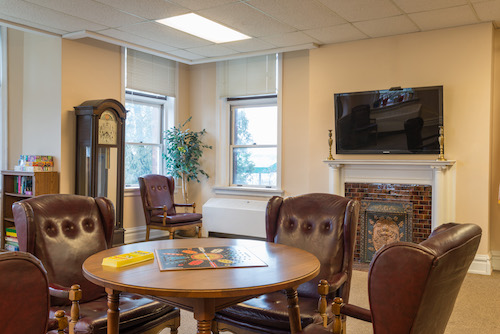
How is Springfield Nursing & Independent Living Staffed?

CMS rates SPRINGFIELD NURSING & INDEPENDENT LIVING's staffing level at 3 out of 5 stars, which is average compared to other nursing homes. Staff turnover is 48%, compared to the Ohio average of 46%.

What Have Inspectors Found at Springfield Nursing & Independent Living?

State health inspectors documented 55 deficiencies at SPRINGFIELD NURSING & INDEPENDENT LIVING during 2019 to 2025. These included: 1 Immediate Jeopardy (the most serious level, indicating potential for serious harm or death), 1 that caused actual resident harm, 50 with potential for harm, and 3 minor or isolated issues. Immediate Jeopardy findings are rare and represent the most serious regulatory concerns. They require immediate corrective action.
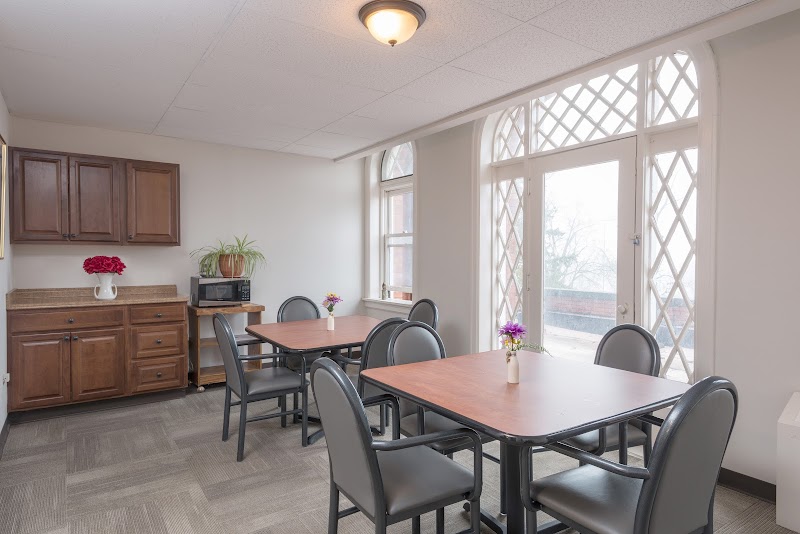
Who Owns and Operates Springfield Nursing & Independent Living?

SPRINGFIELD NURSING & INDEPENDENT LIVING is owned by a for-profit company. For-profit facilities operate as businesses with obligations to shareholders or private owners. The facility operates independently rather than as part of a larger chain. With 90 certified beds and approximately 61 residents (about 68% occupancy), it is a smaller facility located in SPRINGFIELD, Ohio.
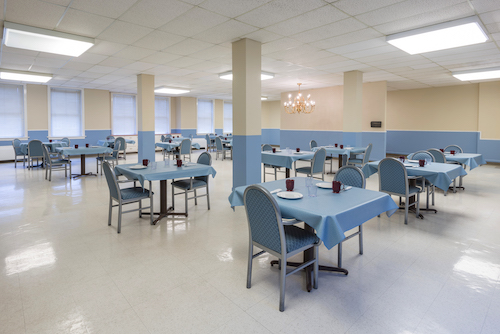
How Does Springfield Nursing & Independent Living Compare to Other Ohio Nursing Homes?

Compared to the 100 nursing homes in Ohio, SPRINGFIELD NURSING & INDEPENDENT LIVING's overall rating (1 stars) is below the state average of 3.2, staff turnover (48%) is near the state average of 46%, and health inspection rating (1 stars) is much below the national benchmark.

What Should Families Ask When Visiting Springfield Nursing & Independent Living?

Based on this facility's data, families visiting should ask: "What changes have been made since the serious inspection findings, and how are you preventing similar issues?" "Can I visit during a mealtime to observe dining assistance and food quality?" "How do you handle medical emergencies, and what is your hospital transfer rate?" "Can I speak with family members of current residents about their experience?" These questions are particularly relevant given the facility's Immediate Jeopardy citations.

Is Springfield Nursing & Independent Living Safe?

Based on CMS inspection data, SPRINGFIELD NURSING & INDEPENDENT LIVING has documented safety concerns. Inspectors have issued 1 Immediate Jeopardy citation (the most serious violation level indicating risk of serious injury or death). The facility has a 1-star overall rating and ranks #100 of 100 nursing homes in Ohio. Families considering this facility should ask detailed questions about what corrective actions have been taken since these incidents.

Do Nurses at Springfield Nursing & Independent Living Stick Around?

SPRINGFIELD NURSING & INDEPENDENT LIVING has a staff turnover rate of 48%, which is about average for Ohio nursing homes (state average: 46%). Moderate turnover is common in nursing homes, but families should still ask about staff tenure and how the facility maintains care continuity when employees leave.

Was Springfield Nursing & Independent Living Ever Fined?

SPRINGFIELD NURSING & INDEPENDENT LIVING has been fined $170,487 across 2 penalty actions. This is 4.9x the Ohio average of $34,784. Fines at this level are uncommon and typically indicate a pattern of serious deficiencies, repeated violations, or failure to correct problems promptly. CMS reserves penalties of this magnitude for facilities that pose significant, documented risk to resident health or safety. Families should request specific documentation of what issues led to these fines and what systemic changes have been implemented.

Is Springfield Nursing & Independent Living on Any Federal Watch List?

SPRINGFIELD NURSING & INDEPENDENT LIVING is not on any federal watch list. The most significant is the Special Focus Facility (SFF) program, which identifies the bottom 1% of nursing homes nationally based on persistent, serious quality problems. Not being on this list means the facility has avoided the pattern of deficiencies that triggers enhanced federal oversight. This is a positive indicator, though families should still review the facility's inspection history directly.