VILLA SPRINGFIELD REHABILITATION AND HEALTHCARE CE
701 VILLA ROAD, SPRINGFIELD, OH 45503 (937) 399-5551
For profit - Limited Liability company 110 Beds CROWN HEALTHCARE GROUP Data: November 2025
Trust Grade
50/100
#807 of 913 in OH
Last Inspection: February 2025

Within standard 12-15 month inspection cycle. Federal law requires annual inspections.

Overview

Villa Springfield Rehabilitation and Healthcare Center has a Trust Grade of C, which means it is average and in the middle of the pack among nursing homes. In Ohio, it ranks #807 out of 913 facilities, placing it in the bottom half, and #11 out of 13 in Clark County, indicating limited local options. The facility's trend is worsening, with issues increasing from 2 in 2024 to 11 in 2025. Staffing is rated 2 out of 5 stars, with a turnover rate of 51%, which is slightly above the state average of 49%, suggesting some instability among staff. While the facility has not incurred any fines, which is a positive sign, serious concerns have been noted, such as improper food storage that could lead to foodborne illness and failures in tracking employee illnesses that could impact infection control. Additionally, there was a lack of communication with families about COVID-19 status during outbreaks, which raises further concerns. Overall, while there are strengths in certain areas, these issues highlight significant weaknesses that families should consider.

Trust Score
C
50/100
In Ohio
#807/913
Bottom 12%
Safety Record
Low Risk
No red flags
Inspections
Getting Worse
2 → 11 violations
Staff Stability
⚠ Watch
51% turnover. Above average. Higher turnover means staff may not know residents' routines.
Penalties
✓ Good
No fines on record. Clean compliance history, better than most Ohio facilities.
Skilled Nurses
⚠ Watch
Each resident gets only 24 minutes of Registered Nurse (RN) attention daily — below average for Ohio. Fewer RN minutes means fewer trained eyes watching for problems.
Violations
⚠ Watch
21 deficiencies on record. Higher than average. Multiple issues found across inspections.
★★☆☆☆
2.0
Overall Rating
★★☆☆☆
2.0
Staff Levels
★★★★☆
4.0
Care Quality
★★☆☆☆
2.0
Inspection Score
Stable
2024: 2 issues
2025: 11 issues

The Good

  • 4-Star Quality Measures · Strong clinical quality outcomes
  • Full Sprinkler Coverage · Fire safety systems throughout facility
  • No fines on record

Facility shows strength in quality measures, fire safety.

The Bad

2-Star Overall Rating

Below Ohio average (3.2)

Below average - review inspection findings carefully

Staff Turnover: 51%

Near Ohio avg (46%)

Higher turnover may affect care consistency

Chain: CROWN HEALTHCARE GROUP

Part of a multi-facility chain

Ask about local staffing decisions and management

The Ugly 21 deficiencies on record

Feb 2025 11 deficiencies
CONCERN (D)

Potential for Harm - no one hurt, but risky conditions existed

Notification of Changes (Tag F0580)

Could have caused harm · This affected 1 resident

**NOTE- TERMS IN BRACKETS HAVE BEEN EDITED TO PROTECT CONFIDENTIALITY** Based on review of the medical record, staff interviews, and policy review, the facility failed to ensure the resident's physici...

Read full inspector narrative →
**NOTE- TERMS IN BRACKETS HAVE BEEN EDITED TO PROTECT CONFIDENTIALITY** Based on review of the medical record, staff interviews, and policy review, the facility failed to ensure the resident's physician and/or provider was notified timely when residents developed significant weight loss. This affected two Residents (#31 and #48) of the twelve residents reviewed for significant weight loss. The facility census was 93. Findings include: 1) Review of the medical record for Resident #31 revealed an admission date of 05/11/20. Diagnoses included cirrhosis of liver, thrombocytopenia, and major depressive disorder. Review of the monthly weight records for Resident #31 revealed the following dates and weights: a) On 07/01/24, the resident was recorded at 132.1 pounds (lbs.). b) There was no documented weight recorded for August 2024. c) There was no documented weight recorded for September 2024. d) On 10/03/24: the resident was recorded at 114 lbs. e) On 10/15/24: the resident was recorded at 110 lbs. Review of the care plan for Resident #31 dated 07/14/24, revealed Resident #31 was at risk for altered nutritional status related to dementia, depression, hypertension, and psychosis. Interventions included to administer medication and/or vitamin/mineral supplements per physician order, monitor meal percentage intake for changes in eating habits, periodically obtain weight, evaluate, and report to the Registered Dietician (RD), physician, and family of significant weight changes, and provide feeding and dining assistance as needed. Review of Annual Minimum Data Set (MDS) assessment dated [DATE], revealed Resident #31 had moderate cognitive impairment as evidenced by a Brief Interview for Mental Status (BIMS) score of nine. This resident was assessed to require setup with eating. Interview with Nurse Practitioner (NP) #211 on 02/13/25 at 8:18 A.M., verified she was never notified of Resident #31's significant weight loss by the facility, nor did she receive any notification from RD #210. Review of the medical record for Resident #31 revealed there was no documentation regarding notification to the physician and/or provider in relation to the resident's significant weight loss. 2) Review of the medical record for Resident #48 revealed an admission date of 08/13/24. Diagnoses included depression, malignant neoplasm of prostate, and metabolic encephalopathy. Review of the weight records for Resident #48, revealed the following dates and weights: a) On 08/13/24, the resident weighed 204 lbs. b) On 09/12/24, the resident weighed 196 lbs. c) There was no documented weight recorded for October 2024. d) On 11/11/24, the resident weighed 193 lbs. e) On 12/06/24, the resident weighed 188 lbs. f) On 01/03/25, the resident weighed 177.6 lbs. g) On 01/23/25, the resident weighed 171.6 lbs. h) On 02/05/25, the resident weighed 163.2 lbs. i) On 02/11/25, the resident weighed 161 lbs. Review of the most recent MDS assessment dated [DATE], revealed Resident #48 had intact cognition as evidenced by a BIMS score of 15. This resident was assessed to require setup with eating, substantial assistance with toileting, bathing, and dressing, and partial assistance with transfers. Review of the care plan for Resident #48 dated 12/02/24, revealed the resident was at risk for altered nutritional status related to depression, hypertension, and abnormal lab values. Interventions included to administer medications and/or vitamin/mineral supplements per physician orders, monitor meal percentage intake for changes in eating habits, periodically obtain weight, evaluate, and report to the RD, physician, and family of significant weight changes. Interview on 02/12/25 at 1:28 P.M. with RD #210, revealed she was tasked with completing a monthly notification to the physician and/or providers for residents with significant weight loss. Interview with NP #211 on 02/13/25 at 8:18 A.M., revealed she was never notified of Resident #48's significant weight loss by the facility, nor did she receive any notification from RD #210. Review of the medical record for Resident #48, revealed there was no documentation regarding notification to the physician and/or provider in relation to the resident's significant weight loss. Review of the facility policy titled, Physician Notification, dated September 2021, revealed physicians were immediately informed of resident changes in condition that required immediate notification, resulting in the resident receiving prompt medical intervention. Non-immediate notification revealed the physician should be informed of the problem or event during office hours and generally no later than the next regular office day. The physician may be notified at any time via facsimile communication.
CONCERN (D)

Potential for Harm - no one hurt, but risky conditions existed

Deficiency F0655 (Tag F0655)

Could have caused harm · This affected 1 resident

**NOTE- TERMS IN BRACKETS HAVE BEEN EDITED TO PROTECT CONFIDENTIALITY** 2) Review of the medical record of Resident #53 revealed an admission date of 11/15/24. Diagnoses included mild dementia with mo...

Read full inspector narrative →
**NOTE- TERMS IN BRACKETS HAVE BEEN EDITED TO PROTECT CONFIDENTIALITY** 2) Review of the medical record of Resident #53 revealed an admission date of 11/15/24. Diagnoses included mild dementia with mood disturbance, anxiety, depression, and psychosis. Review of the quarterly MDS for Resident #53 dated 01/06/25, revealed the resident had severely impaired cognition. The resident exhibited wandering, fluctuating inattention and disorganized thinking during the assessment period. The resident required supervision with eating, partial/moderate assistance with bed mobility, and substantial/maximal assistance with toileting, showering, and transfers. Review of a progress note for Resident #53 dated 11/19/24 at 3:04 P.M., revealed the resident's daughter was provided with a copy of the baseline care plan on 11/18/24. Review of the care plans for Resident #53, revealed the care plan was created on 11/19/24. Interview with SSD #105 on 02/12/25 at 9:57 A.M., verified Resident #53 was admitted on [DATE] and a care plan was created on 11/19/24. SSD #105 stated a baseline care plan should be created within 48 hours of admission. Review of the facility policy titled, Baseline Care Plan, dated September 2021, indicated a baseline plan of care to meet the resident's immediate needs shall be developed for each resident within 48 hours of admission. To ensure the resident's immediate care needs are met and maintained, a baseline care plan will be developed within 48 hours of the resident's admission. The resident and their representative would be provided a summary of the baseline care plans that included but was not limited to the initial goals of the resident, summary of the resident's medications and dietary instructions, any services and treatments to be administered by the facility and personnel acting on behalf of the facility and any updated information based on the details of the comprehensive care plan, as necessary. Based on medical record reviews, staff interviews, and policy review, the facility failed to ensure baseline care plans were developed within 48 hours of admission. This affected two Residents (#15 and #53) of the 11 residents reviewed for baseline care plans. The facility census was 93. Findings include: 1) Review of the medical record for Resident #15 revealed an admission date of 08/09/24. Diagnoses included chronic obstructive pulmonary disease (COPD), peripheral vascular disease (PVD), hyperlipidemia, atherosclerotic heart disease (ASHD), hypothyroidism, and congestive heart failure. Review of the quarterly Minimum Data Set (MDS) assessment for Resident #15 dated 11/21/24, revealed the resident had moderate cognitive impairment and required supervision with toilet hygiene and transfers, and partial/moderate assist with bathing and was independent with bathing. Review of the medical record for Resident #15 revealed all baseline care plans were created on 08/13/24, except for a smoking care plan which was dated 08/12/24. Review of an Interdisciplinary Team (IDT) note for Resident #15 dated 08/12/24 at 8:55 A.M., revealed the resident was presented with a list of medications, therapy orders, dietary instructions given with explanation and a copy of baseline care plans. Review of an Interdisciplinary Team (IDT) note for Resident #15 dated 08/20/24 at 4:55 A.M. revealed Resident #15's son was presented with a copy of baseline care plans, resident medication list, therapy orders, and dietary instructions. Interview on 02/12/25 at 9:56 A.M. with Social Service Director (SSD) #105, verified Resident #15 was admitted on [DATE] and verified Resident #15's baseline care plans were not created until 08/13/24. SSD #105 versified there was an IDT note dated 08/12/24 indicating Resident #15 was given a copy of baseline care plans on 08/12/24. SSD #105 verified Resident #15's son was given a copy of baseline care on 08/20/24.
CONCERN (D)

Potential for Harm - no one hurt, but risky conditions existed

ADL Care (Tag F0677)

Could have caused harm · This affected 1 resident

Based on medical record review, staff and resident interviews, and policy review, the facility failed to ensure showers were provided as scheduled. This affected one Resident (#15) of the four residen...

Read full inspector narrative →
Based on medical record review, staff and resident interviews, and policy review, the facility failed to ensure showers were provided as scheduled. This affected one Resident (#15) of the four residents reviewed for showers/baths. The facility census was 93. Findings include: Review of the medical record for Resident #15 revealed an admission date of 08/09/24. Diagnoses included chronic obstructive pulmonary disease (COPD), peripheral vascular disease (PVD), hyperlipidemia, atherosclerotic heart disease (ASHD), hypothyroidism, and congestive heart failure. Review of the Minimum Data Set (MDS) assessment for Resident #15 dated 11/21/24, revealed the resident had moderate cognitive impairment and required supervision with toilet hygiene and transfers, and partial/moderate assist with bathing and was independent with bathing. Review of the shower schedule for Resident #15, revealed the resident was to receive a shower/bath on Wednesdays and Saturdays between 7:00 A.M. to 3:00 P.M. Review of Resident #15's shower documentation, revealed showers were received on 12/21/24, 12/28/24, 01/03/25, 01/10/25, 01/15/25, 01/22/25, 01/26/25, 02/05/25, and 02/12/25. Interview with Resident #15 on 02/11/25 at 11:39 A.M., revealed the resident does not receive showers as scheduled. Resident #15 stated she may get one shower weekly. Interview with Director of Nursing (DON) on 02/12/25 at 1:24 P.M., verified Resident #15 did not receive two showers per week as scheduled in December 2024, January 2025, and February 2025. The DON verified the medical record for Resident #15 did not contain documentation to support Resident #15 refused any showers/baths on her scheduled days. Review of the facility policy titled, Activities of Daily Living (ADLs), stated residents would be provided with care, treatment and services as appropriate to maintain or improve their ability to carry out activities of daily living (ADLs). The residents who are unable to carry out ADLs independently would receive the services necessary to maintain good nutrition, grooming, and personal and oral hygiene. The staff would provide appropriate support and assistance with hygiene (bathing, dressing, grooming, and oral care), mobility (transfers and ambulation), elimination (toileting), dining (meals and snacks) and communication (speech, language, and any functional communication systems).
CONCERN (D)

Potential for Harm - no one hurt, but risky conditions existed

Deficiency F0692 (Tag F0692)

Could have caused harm · This affected 1 resident

**NOTE- TERMS IN BRACKETS HAVE BEEN EDITED TO PROTECT CONFIDENTIALITY** Based on review of the medical record, staff interviews, and policy review, the facility failed to adequately monitor weights an...

Read full inspector narrative →
**NOTE- TERMS IN BRACKETS HAVE BEEN EDITED TO PROTECT CONFIDENTIALITY** Based on review of the medical record, staff interviews, and policy review, the facility failed to adequately monitor weights and implement appropriate interventions in a timely manner. This affected two Residents (#31 and #48) of the twelve residents reviewed for significant weight loss. The facility census was 93. Findings include: 1) Review of the medical record for Resident #31 revealed an admission date of 05/11/20. Diagnoses included cirrhosis of liver, thrombocytopenia, and major depressive disorder. Review of the care plan for revealed Resident #31 dated 07/14/24, revealed the resident was at risk for altered nutritional status related to dementia, depression, hypertension, and psychosis. Interventions included to administer medication and/or vitamin/mineral supplements per physician order, monitor meal percentage intake for changes in eating habits, periodically obtain weight, evaluate, and report to Registered Dietician (RD), physician, and family of significant weight changes, and provide feeding and dining assistance as needed. Review of the monthly weight records for Resident #31 revealed the following dates and weights: a) On 07/01/24, the resident was recorded at 132.1 pounds (lbs.) b) There was no documented weight recorded for August 2024. c) There was no documented weight recorded for September 2024. d) On 10/03/24, the resident was recorded at 114 lbs. e) On 10/15/24, the resident was recorded at 110 lbs. Review of the physician order for Resident #31 dated 10/15/24, revealed the resident was ordered a super donut breakfast one time a day for weight loss. Review of the nutritional assessment for Resident #31 dated 11/23/24, revealed the resident had not had a weight loss in the last three months and was at risk for malnutrition. Review of Annual Minimum Data Set (MDS) assessment dated [DATE], revealed Resident #31 had moderate cognitive impairment as evidenced by a Brief Interview for Mental Status (BIMS) score of nine. This resident was assessed to require setup with eating, substantial assistance with toileting and bathing, partial assistance with dressing, and supervision with transfers. Review of the physician order for Resident #31 dated 12/20/24, revealed the resident was ordered a health shake with lunch and dinner. Observations of the lunch meal service on 02/12/25 and 02/13/25 revealed Resident #31 was able to feed self and ate 25-50 percent of meals. Interview with RD #210 on 02/12/25 at 1:28 P.M., verified all residents should be weighed monthly unless weights needed to be monitored more often. RD #210 verified Resident #31 did not get weighed in August and September 2024, and Resident #31 was noted to have an 18-pound weight loss when weighted in October 2024, which was a 13.7 percent weight loss in 90 days. RD #210 also verified residents, who had a significant weight loss, were weighed more frequently than monthly to ensure weights were stabilizing after interventions were put into place. 2) Review of the medical record for Resident #48 revealed an admission date of 08/13/24. Diagnoses included depression, malignant neoplasm of prostate, and metabolic encephalopathy. Review of the weight records for Resident #48 revealed the following dates and weights: a) On 08/13/24, the resident weighed 204 lbs. b) On 09/12/24, the resident weighed 196 lbs. c) There was no documented weight recorded for October 2024 d) On 11/11/24, the resident weighed 193 lbs. e) On 12/06/24, the resident weighed 188 lbs. f) On 01/03/25, the resident weighed 177.6 lbs. g) On 01/23/25, the resident weighed 171.6 lbs. h) On 02/05/25, the resident weighed 163.2 lbs. i) On 02/11/25, the resident weighed 161 lbs. Review of the MDS assessment dated [DATE], revealed Resident #48 had intact cognition as evidenced by a BIMS score of 15. This resident was assessed to require setup with eating, substantial assistance with toileting, bathing, and dressing, and partial assistance with transfers. Review of the care plan for Resident #48 dated 12/02/24, revealed the resident was at risk for altered nutritional status related to depression, hypertension, and abnormal lab values. Interventions included to administer medications and/or vitamin/mineral supplements per physician orders, monitor meal percentage intake for changes in eating habits, periodically obtain weight, evaluate, and report to registered dietician, physician, and family of significant weight changes. Review of the physician order dated 01/27/25, revealed Resident #48 was ordered a health shake two times a day for risk of malnutrition 120 cubic centimeters (cc). Review of the nutritional assessment for Resident #48 dated 02/10/25, revealed the resident had a weight loss greater than 6.6 lbs. in the last three months. The nutritional assessment also revealed Resident #48 had not had a decrease in food intake. After reviewing the meal intake records for Resident #48 since admission in August 2024 revealed Resident #48 had been refusing breakfast consistently since December 2024. After reviewing meal intakes, Resident #48 was only eating around 50 percent of meals for lunch and dinner, which had changed since admission. Interview with RD #210 on 02/12/25 at 1:46 P.M., verified Resident #48 had a significant weight loss since admission, which was 21 percent in the six months. RD #210 reported that the resident was ordered a health shake on 01/27/25 to consume with lunch and dinner. RD #210 reported Resident #48 had been eating 75 percent of his meals in December, but as of recently, he was averaging about 45 percent of meal intakes. RD #210 reported the resident was out to the hospital from [DATE] through 01/22/25, which could have played a role in some of his weight loss. RD #210 explained Resident #48 was on diuretic therapy, which could have pertained to some weight loss as well. Observations of lunch meal services on 02/12/25 and 02/13/25 for Resident #48 revealed the resident was dependent on staff for meals and ate about 25 percent of meals. Interview with Nurse Practitioner (NP) #211 on 02/13/24 at 8:18 A.M., revealed she was unaware of the weight loss of Resident #48. NP #211 reported RD #210 had not notified her of any significant weight changes for Residents #31 or #48. NP #211 also explained residents with significant weight changes should be monitored more often than monthly to ensure residents were not continuing to lose weight and to identify and implement appropriate interventions. Review of the facility policy titled, Weight Assessment and Intervention, dated September 2021 revealed the multidisciplinary team would strive to prevent, monitor, and intervene for undesirable weight loss for our residents. The nursing staff would measure resident weights on admission, and at least monthly unless otherwise ordered by the physician. The dietician would review the weights to follow individual weight trends over time. Negative trends would be evaluated by the treatment team whether or not the criteria for significant weight change had been met. Interventions for undesirable weight loss should be based on careful considering of the following: nutrition and hydration needs of the resident, chewing and swallowing abnormalities and the need for diet modifications, the use of supplementation and/or feeding tubes, and end of life decisions and advance directives.
CONCERN (D)

Potential for Harm - no one hurt, but risky conditions existed

Deficiency F0805 (Tag F0805)

Could have caused harm · This affected 1 resident

**NOTE- TERMS IN BRACKETS HAVE BEEN EDITED TO PROTECT CONFIDENTIALITY** Based on review of the medical record, staff interviews, observations, and policy review, the facility failed to ensure suppleme...

Read full inspector narrative →
**NOTE- TERMS IN BRACKETS HAVE BEEN EDITED TO PROTECT CONFIDENTIALITY** Based on review of the medical record, staff interviews, observations, and policy review, the facility failed to ensure supplements were served in a manner appropriate for consumption. This affected one Resident (#48) of the 37 residents on supplements. The facility census was 93. Findings include: Review of the medical record for Resident #48 revealed an admission date of 08/13/24. Diagnoses included depression, malignant neoplasm of prostate, and metabolic encephalopathy. Review of the Quarterly Minimum Data Set (MDS) assessment dated [DATE], revealed Resident #48 had intact cognition as evidenced by a Brief Interview for Mental Status (BIMS) score of 15. This resident was assessed to require setup with eating. Review of the care plan dated 12/02/24, revealed Resident #48 was at risk for altered nutritional status related to depression, hypertension, and abnormal laboratory (lab) values. Interventions included: administer medications and/or vitamin/mineral supplements per the physician orders, monitor meal percentage intake for changes in eating habits, periodically obtain weight, evaluate, and report to Registered Dietician (RD), physician, and family of significant weight changes. Review of the physician order dated 01/27/25, revealed Resident #48 was ordered a health shake two times a day for risk of malnutrition 120 cubic centimeters (cc). Observation on 02/13/25 at 12:04 P.M , revealed Certified Nursing Assistant (CNA) #181 reported the health shake on Resident #48's lunch tray was frozen as she attempted to assist him to drink it. Interview on 02/13/25 at 12:06 P.M. with Resident #48 revealed he was unable to drink the health shake because it was frozen. Interview on 02/13/25 at 12:15 P.M. with CNA #181, revealed the health shake for Resident #48 was frozen, so she was unable to provide the supplement to him. CNA #181 verified the health shakes had been frozen for the last few weeks, which made consumption for residents during feeds difficult. Review of the facility policy titled, Facility Nutrition Program, dated September 2021 revealed direct care staff assisted by the facility's clinical dietician, would evaluate each individual's physical, functional, and psychosocial factors that affect eating and nutritional intake and utilization. A facility dietician would help assess the nutritional needs and risks of all residents in the facility and help the facility assure that it provided appropriate meals and other nutritional interventions.
CONCERN (D)

Potential for Harm - no one hurt, but risky conditions existed

Medical Records (Tag F0842)

Could have caused harm · This affected 1 resident

**NOTE- TERMS IN BRACKETS HAVE BEEN EDITED TO PROTECT CONFIDENTIALITY** Based on review of the medical record and interviews, the facility failed to maintain adequate documentation of meal intakes. Th...

Read full inspector narrative →
**NOTE- TERMS IN BRACKETS HAVE BEEN EDITED TO PROTECT CONFIDENTIALITY** Based on review of the medical record and interviews, the facility failed to maintain adequate documentation of meal intakes. This affected three Residents (#20, #31, and #48) of the nineteen residents reviewed for documentation. The facility census was 93. Findings include: 1) Review of the medical record for Resident #20 revealed an admission date of 02/21/23. Diagnoses included heart failure, acute pulmonary edema, type two diabetes mellitus (DM II), and cirrhosis of the liver. Review of the meal intake records from November 2024 through February 2025, revealed Resident #20 had missing documentation for meal intakes. Review of the most recent Minimum Data Set (MDS) assessment dated [DATE], revealed Resident #20 had moderate cognitive impairment as evidenced by a Brief Interview for Mental Status (BIMS) score of 12. This resident was assessed to require supervision with eating. Interview on 02/13/25 with the Director of Nursing (DON), reported staff should be documenting all meal intakes in the medical record. The DON also verified Resident #20's meal intakes documentation was incomplete. 2) Review of the medical record for Resident #31 revealed an admission date of 05/11/20. Diagnoses included cirrhosis of liver, thrombocytopenia, and major depressive disorder. Review of the meal intake records from November 2024 through February 2025, revealed Resident #31 had missing documentation for meal intakes. Review of the most recent MDS assessment dated [DATE], revealed Resident #31 had moderate cognitive impairment as evidenced by a BIMS score of nine. This resident was assessed to require setup with eating. Review of the care plan dated 07/14/24, revealed Resident #31 was at risk for altered nutritional status related to dementia, depression, hypertension, and psychosis. Interventions included: to administer medication and/or vitamin/mineral supplements per physician order, monitor meal percentage intake for changes in eating habits, periodically obtain weight, evaluate, and report to registered dietician (RD), physician, and family of significant weight changes, and provide feeding and dining assistance as needed. Interview on 02/13/25 with the DON, reported staff should be documenting all meal intakes in the medical record. The DON also verified Resident #31's meal intakes documentation was incomplete. 3) Review of the medical record for Resident #48 revealed an admission date of 08/13/24. Diagnoses included depression, malignant neoplasm of prostate, and metabolic encephalopathy. Review of the most recent MDS assessment dated [DATE], revealed Resident #48 had intact cognition as evidenced by a BIMS score of 15. This resident was assessed to require setup with eating. Review of the meal intake records from November 2024 through February 2025, revealed Resident #48 had missing documentation for meal intakes. Review of the care plan dated 12/02/24, revealed Resident #48 was at risk for altered nutritional status related to depression, hypertension, and abnormal lab values. Interventions included: to administer medications and/or vitamin/mineral supplements per physician orders, monitor meal percentage intake for changes in eating habits, periodically obtain weight, evaluate, and report to registered dietician, physician, and family of significant weight changes. Interview on 02/13/25 at 11:35 A.M. with the DON, reported staff should be documenting all meal intakes in the medical record. The DON also verified Resident #48's meal intakes documentation was incomplete.
CONCERN (E)

Potential for Harm - no one hurt, but risky conditions existed

Deficiency F0657 (Tag F0657)

Could have caused harm · This affected multiple residents

**NOTE- TERMS IN BRACKETS HAVE BEEN EDITED TO PROTECT CONFIDENTIALITY** 5) Review of medical record for Resident #51 revealed the resident was admitted to the facility on [DATE]. Diagnoses included CO...

Read full inspector narrative →
**NOTE- TERMS IN BRACKETS HAVE BEEN EDITED TO PROTECT CONFIDENTIALITY** 5) Review of medical record for Resident #51 revealed the resident was admitted to the facility on [DATE]. Diagnoses included COPD, dysphasia, hypokalemia, sepsis, chronic kidney disease, hypothyroidism, essential primary hypertension, gout, major depressive disorder, and adjustment disorder. Review of the most recent MDS assessment dated [DATE], revealed Resident #51 was cognitively intact. Review of a care conference note revealed Resident #51 had a care conference on 08/20/24. There was no other documented care conference for Resident #51. Interview with SSD #105 on 01/12/25 at 10:25 A.M., verified Resident #51 had a care conference on 08/20/24 and there was no other care conferences held for the resident in the past year. Review of the facility policy titled, Care Conference, dated 09/01/21, revealed the facility will hold regular interdisciplinary care conferences to provide residents and families with the opportunity to participate in the plan of care. Further review of the facility revealed each resident shall be invited to participate. 2) Review of the medical record for Resident #20 revealed an admission date of 02/21/23. Diagnoses included heart failure, acute pulmonary edema, type two diabetes mellitus, and cirrhosis of the liver. Review of the most recent MDS assessment dated [DATE], revealed Resident #20 had moderate cognitive impairment as evidenced by a Brief Interview for Mental Status (BIMS) score of 12. Review of the care conferences for the last 12 months revealed Resident #20 did not receive any care conferences. Interview with SSD #105 on 02/12/25 at 9:58 A.M., verified care conferences were not completed for Resident #20 for the last 12 months. 3) Review of the medical record for Resident #31 revealed an admission date of 05/11/20. Diagnoses included cirrhosis of liver, thrombocytopenia, and major depressive disorder. Review of most recent MDS assessment dated [DATE], revealed Resident #31 had moderate cognitive impairment as evidenced by a BIMS score of nine. Review of the care conferences for the last 12 months, revealed Resident #31 had one care conference on 06/11/24. Interview with SSD #105 on 02/12/25 at 9:58 A.M., verified care conferences were not completed for Resident #31 for the last 12 months besides on 06/11/24. 4) Review of the medical record for Resident #33 revealed an admission date of 01/05/23. Diagnoses included COPD, type two diabetes mellitus, and PVD. Review of the most recent assessment dated [DATE], revealed Resident #33 had intact cognition as evidenced by a BIMS score of 15. Review of the care conferences for the last 12 months revealed Resident #33 did not receive any care conferences. Interview with SSD #105 on 02/12/25 at 9:58 A.M., verified care conferences were not completed for Resident #33 for the last 12 months. Based on medical record reviews, staff interviews, and policy review, the facility failed to conduct care conferences as required. This affected five residents (#15, #20, #31, #33, and #51) of the 19 residents reviewed for care conferences. The facility census was 93. Findings included: 1) Review of the medical record for Resident #15 revealed an admission date of 08/09/24. Diagnoses included chronic obstructive pulmonary disease (COPD), peripheral vascular disease (PVD), hyperlipidemia, atherosclerotic heart disease (ASHD), hypothyroidism, and congestive heart failure. Review of the quarterly Minimum Data Set (MDS) assessment for Resident #15 dated 11/21/24, revealed the resident had moderate cognitive impairment. Review of the medical record for Resident #15, revealed no documented evidence the facility conducted quarterly care conferences with the resident or the resident's representative or members of the Interdisciplinary Team (IDT). Interview with Social Service Director (SSD) #105 on 02/12/25 at 9:56 A.M., verified the facility had not conducted quarterly care conferences for Resident #15 which included resident representative or member of the IDT since admission care conference on 08/12/14.
CONCERN (E)

Potential for Harm - no one hurt, but risky conditions existed

Deficiency F0761 (Tag F0761)

Could have caused harm · This affected multiple residents

Based on observations, staff interviews, and policy review, the facility failed to ensure insulin vials were stored properly. This affected four Residents (#09, #186, #188, and #191) who received insu...

Read full inspector narrative →
Based on observations, staff interviews, and policy review, the facility failed to ensure insulin vials were stored properly. This affected four Residents (#09, #186, #188, and #191) who received insulin. The facility identified nine residents received insulin. The facility census was 93. Findings include: Observations of the Skilled One medication cart on 02/11/25 at 7:35 A.M. with the Director of Nursing (DON), revealed Resident #09's insulin glargine (hormone that regulates blood sugar levels) vial 100 units per milliliter (ml) was opened and not dated. Resident #186's insulin glargine vial 100 units per ml was new, unopened and not being stored in the refrigerated. Interview with DON at the same time, verified Resident #09's insulin vial was opened and not dated and Resident #186's insulin vial should have been refrigerated since it had not been opened yet. Observations of the Skilled Two medication cart on 02/11/25 at 7:50 A.M. with Registered Nurse (RN) #192, revealed Resident #191's insulin Lispro vial 100 units per ml was new, unopened, and not refrigerated. Resident #188's Lantus SoloStar insulin 100 units per ml pen-injector was new, unopened and stored in the refrigerator. Interview with RN #192 at the same time, verified both Resident #191's insulin vial and Resident #188's insulin pen-injector should have been refrigerated since neither had been opened. Review of the facility policy titled, Storage of Medication, dated 09/01/21, revealed the facility shall store all drugs and biologicals in a safe, secure, and orderly manner. The policy stated the facility shall not use discontinued, outdated, or deteriorated drugs or biologicals and stated all drugs shall be returned to the dispensing pharmacy or destroyed. The policy continued to state medications requiring refrigeration must be stored in the refrigerator located in the drug room at the nurse's station or other secured location. Medications must be stored separately from food and must be labeled accordingly.
CONCERN (F)

Potential for Harm - no one hurt, but risky conditions existed

Food Safety (Tag F0812)

Could have caused harm · This affected most or all residents

Based on observation, staff interview, and policy review, the facility failed to ensure food was stored in a manner to prevent the potential spread of foodborne illness. This had the potential to affe...

Read full inspector narrative →
Based on observation, staff interview, and policy review, the facility failed to ensure food was stored in a manner to prevent the potential spread of foodborne illness. This had the potential to affect 91 of 93 residents in the facility. The facility identified two Residents (#44 and #52) who did not receive food from the facility. The facility census was 93. Findings include: Observation of the Memory Care Unit refrigerator and freezer on 02/13/25 at 10:58 A.M. with Certified Nursing Assistant (CNA) #144, revealed the following: 1. A health shake carton opened but not labeled or dated. 2. A 3-compartment plastic protein pack containing lunch meat chunks and cheese, which was opened and partially consumed, was not labeled nor dated. 4. An insulated container containing fruited gelatin, covered but not labeled nor dated 5. A bag of bacon bits, which was open but did not have a label nor date 6. A pitcher of an unidentified liquid, approximately 1/4 full, with no label nor date 7 .A brown bag from subway, containing food, with no label nor date 8. A container of yogurt, uncovered and open to air, not labeled, frozen solid 9. A brown streak of an unidentified substance on the back panel of the inside of the refrigerator, extending from the top shelf into the lower drawers. Interview at the same time, with CNA #144, verified the findings in the MCU refrigerator and freezer. Observation of the [NAME] Unit utility room's refrigerator and freezer on 02/13/25 at 11:04 A.M. with Licensed Practical Nurse (LPN) #131, revealed the following: 1. An insulated bowl, loosely covered with clear plastic wrap, containing unidentifiable contents, which were covered in a black and white fuzzy substance, with no label nor date 2. An insulated bowl, containing pudding, which was not labeled nor dated 3. A pitcher of lemonade which was not labeled nor dated. 4. A plastic container of prune juice which was opened and without label or date 5. A 12-ounce bottle of coke, which was approximately 1/4 full, without a label or date 6. A slice of pie on a Styrofoam plate, covered in clear plastic wrap, with no label nor date 7. A carton of thickened water, opened, with a date of 10/24 8. Two pints of ice cream, opened, covered, labeled with a resident's name but no date Interview at the same time with LPN #131 verified the findings in the [NAME] Unit utility room's refrigerator and freezer. LPN #131 verified the items should be labeled and dated. LPN #131 was unsure how long the thickened water was to be stored once opened. Review of the facility policy titled, Refrigerators and Freezers, undated, revealed the facility would ensure safe refrigerator and freezer sanitation and will observe food expiration guidelines. All food shall be appropriately dated to ensure proper rotation by expiration dates. Use by dates will be completed with expiration dates on all prepared food in refrigerators. Expiration dates on unopened food will be observed and use by dates indicated once food is opened. Supervisors will be responsible for ensuring food items in refrigerators and freezers are not expired or past perish dates. Refrigerators and freezers will be kept clean and free of debris. Review of the facility policy titled, Foods Brought by Family/Visitors, dated 09/01/21, revealed food brought by family/visitors that is left with the resident to consume later will be labeled with the resident's name and the date. Nursing and/or food service staff will discard any food prepared for the residents that show obvious signs of potential foodborne danger (for example, mold growth and past due package expiration dates).
CONCERN (F)

Potential for Harm - no one hurt, but risky conditions existed

Infection Control (Tag F0880)

Could have caused harm · This affected most or all residents

**NOTE- TERMS IN BRACKETS HAVE BEEN EDITED TO PROTECT CONFIDENTIALITY** Based on observation, staff interview, record review, employee file review, and facility policy review, the facility failed to t...

Read full inspector narrative →
**NOTE- TERMS IN BRACKETS HAVE BEEN EDITED TO PROTECT CONFIDENTIALITY** Based on observation, staff interview, record review, employee file review, and facility policy review, the facility failed to track employee call offs related to personal illness as part of the facility surveillance program for infectious diseases. This had the potential to affect all 93 residents who resided in the facility. The facility also failed to ensure annual employee Tuberculosis (TB) screenings were completed. This affected seven employees (Housekeeping Supervisor #103, Licensed Practical Nurses [LPNs] #136, 137 and #154, Certified Nursing Assistants [CNA] #153 and #173, and [NAME] #190) of the seven employee files reviewed but had the potential to affect all residents. The facility census was 93. Findings include: 1) Review of the facility's infection control surveillance logs and the corresponding facility's map of infections, the facility did not have any documented information related to the employee calls offs related to personal illness recorded on the surveillance logs. Interview with Human Resource Manager (HRM) #127 on 02/12/25 at 2:03 P.M., revealed the Human Resource Department does not track when employees call off for personal illnesses. Interview with the Administrator and Director of Nursing (DON) on 02/12/25 at 2:24 P.M. verified the facility does not track employee call offs for personal illness as part of the facility's infection control surveillance program. Review of the facility policy titled, Infection Prevention and Control Program, dated September 2022, revealed the facility surveillance tools are used for recognizing the occurrence of infections, recording their number and frequency, detecting outbreaks and epidemics, monitoring employee infections, and detecting unusual pathogens with infection control implications. 2) Review of employee personnel file for Housekeeping Supervisor #103, revealed a hire date of 12/22/22. Review of the file revealed no documentation to support an annual TB screening was completed in 2024. Review of the employee personnel file for Certified Nursing Assistant (CNA) #136, revealed a hire date of 11/11/21. Review of the file revealed no documentation to support an annual TB screening was completed in 2024. Review of the employee personnel file for Licensed Practical Nurse (LPN) #137, revealed a hire date of 05/30/19. Review of the file revealed no documentation to support an annual TB screening was completed in 2024. Review of the employee personnel file for CNA #153, revealed a hire date of 05/30/19. Review of the file revealed no documentation to support an annual TB screening was completed in 2024. Review of the employee personnel file for LPN #154, revealed a hire date of 05/03/13. Review of the file revealed no documentation to support an annual TB screening was completed in 2024. Review of the employee personnel file for CNA #173, revealed a hire date of 02/21/23. Review of the file revealed no documentation to support an annual TB screening was completed in 2024. Review of the employee personnel file for [NAME] #190, revealed a hire date of 09/20/23. Review of the file revealed no documentation to support an annual TB screening was completed in 2024. Interview on 02/13/25 at 10:37 A.M. with the DON, revealed all employees who have been employed more than one year are required to have an annual TB screening completed. The DON verified the facility did not have documentation to support the aforementioned employees had annual TB screenings completed in 2024. Review of the facility TB Risk assessment dated [DATE], revealed the facility was low risk for TB and an annual screening of symptoms would be completed. Review of the facility policy titled, TB plan, dated 09/2021, stated employees with negative skin test history would have an annual Mantoux if indicated by the facility's TB Risk assessment. The policy stated facilities categorized as low risk on the annual facility TB Risk Assessment do not have to do annual Mantoux but stated an annual assessment for symptoms would be completed.
CONCERN (F)

Potential for Harm - no one hurt, but risky conditions existed

Deficiency F0885 (Tag F0885)

Could have caused harm · This affected most or all residents

**NOTE- TERMS IN BRACKETS HAVE BEEN EDITED TO PROTECT CONFIDENTIALITY** Based on record review, staff interview, review of online guidance from Centers for Medicare and Medicaid Services (CMS), the fa...

Read full inspector narrative →
**NOTE- TERMS IN BRACKETS HAVE BEEN EDITED TO PROTECT CONFIDENTIALITY** Based on record review, staff interview, review of online guidance from Centers for Medicare and Medicaid Services (CMS), the facility failed to notify the resident's representatives and /or families of the facility's Coronavirus 2019 (COVID-19) status during an outbreak. This had the potential to affect all residents at the facility. The facility census was 93. Findings include: Review of the medical record for Resident #48 revealed the resident was admitted to the facility on [DATE]. Diagnoses included COVID-19, hereditary and idiopathic neuropathy, essential primary hypertension, mixed hyperlipidemia, metabolic encephalopathy, obstructive and reflux uropathy, hypomagnesemia, hypokalemia, and vitamin D deficiency. Review of Minimum Data Set (MDS) assessment for Resident #48, dated 01/14/25, revealed the resident was cognitively intact. Review of the physician orders dated 02/04/25, for Resident #48 revealed an order for the resident to be in droplet isolation until 02/13/25 for COVID-19. Review of the medical record for Resident #62, revealed the resident was admitted to the facility on [DATE]. Diagnoses included diabetes mellitus (DM), metabolic encephalopathy, disorders of magnesium metabolism, essential primary hypertension, chronic obstructive pulmonary disease (COPD), anemia, and vascular dementia. Review of the MDS assessment dated [DATE], revealed Resident #48 had impaired cognition. Review of a physician order dated 02/04/25 for Resident #63, revealed an order for the resident to be in droplet isolation until 02/13/24 for COVID-19. Interview with the Administrator on 02/12/25 at 2:24 P.M. revealed the facility was not aware of the need to notify the residents' representatives and/or families during a COVID-19 outbreak other than posting a sign on the front door. The Administrator verified the facility was not notifying the residents' representatives and/or families by 5:00 P.M. the next calendar when a COVID-19 outbreak was identified in the facility. Review of a CMS Quality Safety and Oversight Memorandum (QSO memo) titled QSO-20-29- NH, dated 05/06/20, revealed the facility would inform residents, their representatives, and families of those residing in facilities by 5:00 P.M. the next calendar day following the occurrence of either a single confirmed infection of COVID-19, or three or more residents or staff with new-onset of respiratory symptoms occurring within 72 hours of each other. This information must not include personally identifiable information; include information on mitigating actions implemented to prevent or reduce the risk of transmission, including if normal operations of the facility will be altered; and include any cumulative updates for residents, their representatives, and families at least weekly or by 5:00 P.M. the next calendar day following the subsequent occurrence of either each time a confirmed infection of COVID-19 is identified, or whenever three or more residents or staff with new onset of respiratory symptoms occur within 72 hours of each other.
Mar 2024 1 deficiency
CONCERN (D) 📢 Someone Reported This

A family member, employee, or ombudsman was alarmed enough to file a formal complaint

Potential for Harm - no one hurt, but risky conditions existed

Pressure Ulcer Prevention (Tag F0686)

Could have caused harm · This affected 1 resident

Based on medical record review, staff interviews, and policy review, the facility failed to complete an assessment of a pressure ulcer upon discovery. This affected one (#27) out of three residents re...

Read full inspector narrative →
Based on medical record review, staff interviews, and policy review, the facility failed to complete an assessment of a pressure ulcer upon discovery. This affected one (#27) out of three residents reviewed for pressure ulcers. The facility census was 79. Findings included: Review of the medical record for Resident #27 revealed an admission date of 12/18/23 with medical diagnoses of unspecified cord compression, diabetes mellitus, chronic obstructive pulmonary disease, hypertension, and recent left femur fracture. Review of the medical record for Resident #27 revealed a Minimum Data Set (MDS) assessment, dated 12/25/23 which indicated Resident #27 was cognitively intact and required maximum staff assistance for bathing bed mobility, toileting and transfers and required supervision with eating. Review of the MDS revealed no documentation to support Resident #27 had a pressure ulcer upon admission to the facility. Review of the medical record for Resident #27 revealed a significant change in condition assessment, dated 02/09/24, which stated an open area to the buttock was noted. The assessment stated the Nurse Practitioner was notified. The assessment did not include a description, measurements or staging of the open area to the buttock. Further review of the medical record revealed no documentation of the description, measurement or staging of the open area on 02/09/24. Review of the medical record for Resident #27 revealed a wound evaluation, dated 02/14/24, which indicated Resident #27 had a Stage III pressure ulcer to her sacrum which measured 5.0 centimeters (cm) by 4.0 cm by 0.1 cm with 50% slough noted. The evaluation stated the pressure ulcer was acquired in the facility and a new treatment was ordered. The evaluation stated the pressure ulcer was unavoidable secondary to resident's overall decline in health. Further review of the medical record revealed a wound evaluation, dated 03/13/24, which indicated Resident #27's sacrum pressure ulcer had deteriorated with measurements of 7.0 cm by 8.0 cm x 0.1 cm with 50% slough. Review of the medical record for Resident #27 revealed physician orders dated 01/06/24 to apply silver sulfadiazine cream 1% to buttocks every shift and as needed. Review of the medical record revealed physician orders dated 02/14/24 to apply silver sulfadiazine cream 1%, then barrier cream and an abdominal pad to the sacrum ulcer two times per day and as needed, low air loss mattress, and Prostat 30 milligrams for wound healing. Review of the treatment administration records (TAR) and medication administration records (MAR) for January 2024, February 2024, and March 2024 revealed treatments were completed as ordered and medication was administered as ordered. Interview on 03/20/24 at 11:30 A.M. with Licensed Practical Nurse (LPN) #124 confirmed she was the nurse who completed the change of condition assessment on 02/09/24 for Resident #27 related to the open area on the buttock. LPN #124 confirmed she did not measure the area or provide a description of the area in the medical record. LPN #124 stated at the time of observation on 02/09/24 the area to Resident #27's buttock was the size of a dime and was open. LPN #124 stated the wound did not have slough present. LPN #124 stated she notified the nurse practitioner (NP) and continued the treatment as ordered. LPN #124 stated the wound NP was notified and completed an evaluation of the pressure area on 02/14/24. Interview on 03/20/24 at 12:45 P.M. with Director of Nursing (DON) confirmed the medical record for Resident #27 did not contain the measurement or description of the area to the buttock on 02/09/24. Review of the facility policy titled, Skin/Wound Clinical Program, stated if a new wound issue was observed the staff would complete a wound assessment. This deficiency represents non-compliance investigated under Complaint Number OH00151656.
Feb 2024 1 deficiency
CONCERN (D) 📢 Someone Reported This

A family member, employee, or ombudsman was alarmed enough to file a formal complaint

Potential for Harm - no one hurt, but risky conditions existed

Resident Rights (Tag F0550)

Could have caused harm · This affected 1 resident

**NOTE- TERMS IN BRACKETS HAVE BEEN EDITED TO PROTECT CONFIDENTIALITY** Based on staff interview, resident interview, resident representative interview, and medical record review, the facility failed ...

Read full inspector narrative →
**NOTE- TERMS IN BRACKETS HAVE BEEN EDITED TO PROTECT CONFIDENTIALITY** Based on staff interview, resident interview, resident representative interview, and medical record review, the facility failed to treat a resident with dignity and respect when the Administrator threatened to discharge a resident. This affected one (Resident #55) of three reviewed for abuse. The facility census was 74. Findings include: Review of the medical record for Resident #55 revealed an admission date of 04/28/22. Diagnoses included heart failure, diabetes, chronic obstructive pulmonary disease, muscle wasting, end stage renal disease, left arm amputation between the elbow and wrist on the left arm. Review of the Minimum Data Set (MDS) assessment dated [DATE] revealed Resident #55 was cognitively intact and was independent with most activities of daily living and mobility and required assistance with bathing. Review of the plan of care dated 02/20/24 revealed Resident #55 was at risk for impaired psychiatric mood status related to depression with interventions to administer medications and treatments as indicated, behavioral health consults as needed, monitor for mood changes, provide a calm safe environment when resident was emotional or frustrated, allow time to voice feelings, and refer to social services. The resident also had a history of behaviors including verbal aggression, manipulative behaviors, cussing at staff and making sexual behaviors toward staff with interventions to administer medications as ordered, approach resident in a calm manner to avoid escalating the behavior, and monitor and document episodes of inappropriate behaviors. Review of the progress note dated 05/05/23 revealed a social service note alluding to an inappropriate comment made by Resident #55 and the resident stated it was a misunderstanding. No additional details were provided. Review of the progress note dated 05/08/23 revealed a behavior note of the resident calling staff an expletive and demanding a pain pill. Resident #55 reported he had waited over 90 minutes and the nurse stated she was giving report and the oncoming nurse would be in shortly. The resident had threatening behavior and comments to the nurse during this interaction. Review of the progress note dated 07/04/23 revealed a behavior note of Resident #55 smoking in a non-smoking area (outside). When the resident returned from smoking, he was educated on the smoking area and he stated he could smoke where he wanted. Review of the progress note dated 07/23/23 revealed a general note stated the resident informed nurse of unsupervised smoking going on. When nurse stated she would check on it, the resident became irate and lifted his hand as if he were to smack the nurse. Review of the progress note dated 11/13/23 revealed a report was made to social services that the resident was showing signs of aggression with another resident. When asked, Resident #55 denied this. Review of the progress note on 01/08/24 revealed a behavior note from the Administrator where the Administrator spoke with Resident #55 about how he treats other residents and staff due to complaints of being nasty to them cussing at staff and using sexual remarks when assisting with showers. The resident was informed of the possibility of getting a 30-day notice and also offered to send him to a homeless shelter and stated behaviors must stop. Interview on 02/27/24 at 10:40 A.M. with the Administrator revealed Resident #55 and Resident #75 were upset with how the Administrator handled a situation about a discussion related to resident discharge. The Administrator revealed he threatened to discharge Resident #55 due to his nastiness toward staff. The Administrator revealed he told Resident #55 if behaviors didn't stop, the resident would be discharged to the homeless shelters. The Administrator revealed the resident bullied other residents on the smoking patio and revealed he had a behavioral care plan. The Administrator revealed Resident #75 and her family were upset about the comment and threat of discharge to a shelter and requested for supervisor contact information. Resident #75's family contacted Corporate Administrator (CA) #250 to discuss her concerns and afterwards, CA #250 reached out to the Administrator and offered assistance. The Administrator revealed he informed Resident #75's family he knew he was not allowed to discharge Resident #55 to a homeless shelter and confirmed he was threatening him in an attempt to scare him straight. The Administrator revealed he was trying to scare him to not be a bully. Interview on 02/27/24 at 11:10 A.M. with Resident #75's family revealed the Administrator informed her he could not actually discharge Resident #55 to a shelter but wanted to scare him straight. Resident #75's family reported the Administrator's behavior and comments were inappropriate. Interview on 02/27/24 at 1:13 P.M. and again at 2:48 P.M. with Resident #55 confirmed he met with the Administrator and was told he would be dropped off at the homeless shelter. Resident #55 revealed he felt the threat of discharge was serious and reported he was trying to discharge to a different facility. Interview on 02/27/24 at 1:25 P.M. with Licensed Practical Nurse (LPN) #210 revealed she had not heard of Resident #55 having behaviors and revealed behavioral tracking was not being done for Resident #55. She revealed Resident #55 could be very direct and loud at times. LPN #210 reported any behaviors or threatening comments should be documented in the medical record. Interview on 02/27/24 at 1:35 P.M. with Resident #75 revealed after Resident #55 had a conversation with the Administrator, Resident #55 came to Resident #75's room tearful and revealed he was upset and told Resident #75 he was being kicked out to a shelter. Interview on 02/27/24 at 2:24 P.M. with the Director of Nursing (DON) revealed she was unable to find evidence of any recent behaviors which would lead to a discussion related to discharge and giving a 30 day discharge notice. Interview on 02/27/24 at 2:36 P.M. with CA #250 revealed a resident's family (Resident #75) contacted him related to concerns relating to the Administrator threatening a resident to discharge. CA #250 revealed he apologized from a customer service standpoint and spoke with the Administrator and offered assistance if needed. Interview on 02/27/24 at 3:20 P.M. with the Administrator confirmed the facility had only one incident documented since 07/20/23 related to Resident #55's behaviors. This deficiency represents non-compliance investigated under Complaint Number OH00150051.
Dec 2023 1 deficiency
CONCERN (E) 📢 Someone Reported This

A family member, employee, or ombudsman was alarmed enough to file a formal complaint

Potential for Harm - no one hurt, but risky conditions existed

Pharmacy Services (Tag F0755)

Could have caused harm · This affected multiple residents

Based on medical record review, staff interview interview, and policy review, the facility failed to ensure medications were given per physician orders upon admission. This affected five (#29, #32, #1...

Read full inspector narrative →
Based on medical record review, staff interview interview, and policy review, the facility failed to ensure medications were given per physician orders upon admission. This affected five (#29, #32, #110, #111, and #112) of five residents reviewed for medications. The facility census was 93. Findings include: 1. Review of the medical record for Resident #29 revealed an admission date of 12/15/23. Diagnoses included sepsis, chronic obstructive pulmonary disease, hypertension, heart failure, coronary artery disease, and depression. Review of December 2023 physician orders for Resident #29 revealed an order for the cholesterol lowering medication Lipitor 10 milligrams (mg) at bedtime, the sleep aid melatonin three (3) mg at bedtime, the antidepressant trazodone 50 mg at bedtime, the antibiotic cefazolin 1-4 grams intravenously (IV) in 50 milliliters (ml) three times daily, and the antihistamine meclizine 25 mg three times daily. Review of the medication administration record (MAR) for December 2023 revealed on 12/15/23 Resident #29 did not receive Lipitor 10 mg, melatonin 3 mg, and trazodone 50 mg at bedtime. Resident #29 also did not receive cefazolin IV at 9:00 A.M. on 12/16/23. Resident #29 did not receive meclizine 25 mg at 9:00 A.M. on 12/18/23, 12/19/23, and 12/20/23, at 1:00 P.M. on 12/18/23 and 12/20/23, and at 5:00 P.M. on 12/18/23, 12/19/23, and 12/20/23. 2. Review of the medical record for Resident #32 revealed an admission date of 12/18/23. Diagnoses included atherosclerotic heart disease of native coronary artery, type two diabetes, persistent atrial fibrillation, coronary angioplasty, hallucinations, depression, hypertension, and chronic kidney disease. Review of December 2023 physician orders for Resident #32 revealed an order for the antipsychotic risperidone one (1) mg at bedtime, the anticoagulant Eliquis five (5) mg twice daily, and the hypertension medication Cardizem extended release 240 mg daily in the morning. Review of the MAR for December 2023 revealed Resident #32 did not receive risperidone 1 mg and Eliquis 5 mg at bedtime on 12/18/23 and cardizem extended release 240 mg the morning of 12/19/23. 3. Review of the medical record for Resident #110 revealed an admission date of 11/18/23. Diagnoses included cardiac arrest, end stage renal disease, type two diabetes, chronic obstructive pulmonary disease (COPD), anxiety, syncope and collapse, hypertension, heart failure, and atherosclerotic heart disease of coronary artery. The resident was discharged on 11/28/23. Review of November 2023 physician orders for Resident #110 revealed orders for Lipitor 80 mg at bedtime, the antidepressant sertraline 50 mg at bedtime, the medications to treat COPD including Stiolto Respimat inhalation 2.5-2.5 micrograms (mcg/act) two (2) puffs orally twice daily and budesonide-formoterol fumarate inhalation 80-4.5 mcg/act 2 puffs orally twice daily, the nitrate medication isosorbide mononitrate extended release (ER) 30 mg twice daily, and the diuretic metolazone 5 mg twice daily. Review of the November 2023 MAR for Resident #110 revealed on 11/18/23 at bedtime the resident did not receive Lipitor 80 mg, sertraline 50 mg, Stiolto Respimat inhalation, budesonide-formoterol fumarate, isosorbide ER 30 mg, and metolazone 5 mg. Resident #110 also did not receive budesonide-formoterol fumarate in the morning on 11/19/23. 4. Review of the medical record for Resident #111 revealed an admission date of 10/12/23. Diagnoses included sepsis, chronic respiratory failure, type two diabetes, chronic obstructive pulmonary disease, acute kidney failure, depression, heart failure, hypertension, and coronary artery disease. The resident was discharged on 11/20/23. Review of October 2023 physician orders for Resident #111 revealed orders for Lantus solostar insulin 100 units/ml inject 32 units subcutaneously (SQ) at bedtime, the nerve pain medication pregabalin 25 mg daily, the medication to treat COPD fluticasone-salmeterol inhalation 250-50 mcg/act 1 puff twice daily, and the pain medication oxycontin ER abuse deterrent 20 mg every 12 hours until 11/11/23. Review of the October 2023 MAR for Resident #111 revealed on 10/13/23 and 10/14/23 the resident did not receive Lantus solostar 32 units SQ at bedtime. On 10/13/23, Resident #111 did not receive fluticasone-salmeterol at 6:00 A.M. On 10/12/23 at 6:00 P.M. and 10/13/23 at 6:00 A.M., the resident did not receive oxycontin ER abuse deterrent 20 mg. Also, on 10/13/23, the resident did not receive pregabalin 25 mg in the morning. 5. Review of the medical record for Resident #112 revealed an admission date of 11/07/23. Diagnoses included COPD, chronic respiratory failure, type two diabetes, glaucoma, depression, anemia, hypertension, seizures, congestive heart failure, and atherosclerotic heart disease of native coronary artery. The resident was discharged on 12/06/23. Review of November 2023 physician orders for Resident #112 revealed orders for the antihistamine azelastine nasal solution 0.1 percent (%) both nostrils twice daily, the medication to treat COPD budesonide-formoterol fumerate inhalation aerosol 160-4.5 mcg/act 2 puffs twice daily, the medication for glaucoma dorzolamide solution 2% one drop in both eyes twice daily, Farxiga 10 mg daily for diabetes, glucophage 1000 mg twice daily for diabetes, insulin glargine solostar pen 100 units/ml inject 35 units SQ at bedtime, the cholesterol medications fenofibrate 160 mg at bedtime and rosuvastatin 40 mg at bedtime, and venlafaxine ER 75 mg daily for depression. Review of the November 2023 MAR for Resident #112 revealed on 11/07/23 the resident did not receive insulin glargine 35 units SQ, fenofibrate 160 mg, rosuvastatin 40 mg, venlafaxine ER 75 mg, budesonide-formoterol fumerate inhalation, dorzolamid solution 2%, glucophage 1000 mg, and azelastine nasal solution at bedtime. Also, Resident #112 did not receive Farxiga 10 mg in the morning on 11/08/23. Interview on 12/21/22 at 9:30 A.M. with the Director of Nursing (DON) verified Resident #29, Resident #32, Resident #110, Resident #111, and Resident #112 did not receive medications as ordered, from the examples above, on the evening each resident admitted to the facility. The DON stated she was educating all nurses on pulling medications from the Omnicell (emergency medication back-up system) or notifying the physician to ensure medications can be held and started the next day when the medications were available from the pharmacy. Review of an undated policy titled, Administering Medications, revealed medications must be administered in accordance with the orders, including any required timeframes. This deficiency represents non-compliance investigated under Complaint Number OH00148733.
Feb 2023 1 deficiency
CONCERN (D) 📢 Someone Reported This

A family member, employee, or ombudsman was alarmed enough to file a formal complaint

Potential for Harm - no one hurt, but risky conditions existed

Deficiency F0760 (Tag F0760)

Could have caused harm · This affected 1 resident

Based on record review and interview, the facility failed to ensure intravenous (IV) antibiotics were administered in a timely manner. This affected one (Resident #84) of three residents reviewed for ...

Read full inspector narrative →
Based on record review and interview, the facility failed to ensure intravenous (IV) antibiotics were administered in a timely manner. This affected one (Resident #84) of three residents reviewed for IV antibiotics. The facility identified three residents who received antibiotics. The census was 97. Findings included: Medical record review for Resident #84 revealed an admission date of 01/19/23. His medical diagnoses were deep vein thrombosis. He came in with infection. Review of physician orders dated 01/20/23 at 3:40 A.M. revealed Daptomycin Intravenous Solution Reconstituted to use 750 mg one time a day for wounds. Review of progress notes dated 01/20/23 revealed the pharmacy was notified of the Daptomycin for Resident #84. Review of MAR dated 01/21/23 revealed Resident #84 didn't receive the Daptomycin as ordered. On 01/21/23 it was documented it wasn't given and instructed to look in the progress notes for the reason why. Review of progress notes dated 01/21/23 revealed no documented explanation as to why the medication wasn't given to Resident #84. During interview on 02/03/23 at 1120 P.M., LPN #166 stated she was the nurse who didn't administer the Daptomycin. She did not write a progress note as to why she didn't administer it. She said she looked in the refrigerator and in the E-box and didn't see it. She did not tell anyone and did not call the pharmacy to inquire about the medication. This deficiency represents non-compliance investigated under Complaint Number OH 00139675.
Jun 2022 6 deficiencies
CONCERN (D)

Potential for Harm - no one hurt, but risky conditions existed

Safe Environment (Tag F0584)

Could have caused harm · This affected 1 resident

**NOTE- TERMS IN BRACKETS HAVE BEEN EDITED TO PROTECT CONFIDENTIALITY** Based on medical record review, family interview, staff interview, review of the facility's policy, and observation, the facilit...

Read full inspector narrative →
**NOTE- TERMS IN BRACKETS HAVE BEEN EDITED TO PROTECT CONFIDENTIALITY** Based on medical record review, family interview, staff interview, review of the facility's policy, and observation, the facility failed to maintain the cleanliness of a resident's bathrooms. This affected one (Resident #77) of 24 residents reviewed for physical environment. The facility census was 81. Findings include Review of Resident #77's medical record revealed an admission date of 02/06/20. Diagnoses included cognitive communication deficit, failure to thrive and urine retention. Review of the quarterly Minimum Data Set (MDS) assessment dated [DATE] revealed Resident #77's cognition was hardly or never understood and required extensive assistance of one staff member for toileting. Observation on 06/06/22 at 10:40 A.M. revealed Resident #77's bathroom appeared dirty, especially the toilet. Resident's toilet had a pink ring in the bowl at the water line and a dark material splattered inside the bowl. Subsequent observations on 06/07/22 at 2:43 P.M., on 06/08/22 at 9:37 A.M., and on 06/08/22 at 11:33 A.M. revealed Resident #77's toilet bowl had a pink discoloration ring around the waterline and had a dark material splattered inside the bowl. On 06/08/22 at 9:37 A.M. and on 06/08/22 at 11:33 A.M., the toilet had urine unflushed sitting in the toilet bowl. Interview on 06/06/22 at 5:42 P.M. with Resident #77's family member revealed concerns about the facility's cleanliness. The family member stated the floors and bathroom had been dirty and she brought in cleaning supplies and scrubbed the bathroom herself due to wanting the resident to have a clean environment. Interview on 06/08/22 at 9:43 A.M. with Housekeeper #22 stated the resident rooms should be cleaned daily including all resident bathrooms. Housekeeper #22 stated there should be three to four housekeeping staff scheduled each day. Interview and observation on 06/08/22 at 2:30 P.M. with Certified Nursing Assistant (CNA) #151 confirmed Resident #77's bathroom was dirty and confirmed the toilet had a pink colored ring at the waterline and dark material splattered inside the bowl. CNA #151 stated Resident #77 was on a toileting training program. CNA #151 stated she would talk with the housekeeping supervisor to make sure Resident #77's bathroom gets cleaned. Review of the facility's undated policy titled Resident Room Cleaning and Bathroom Cleaning revealed the housekeeper should spray disinfectant into the bowl and let it sit for three to five minutes. Staff should wipe the inside of the bowl with cleaning clothes and johnny mops. The policy revealed a general cleaner can be used for stains as needed.
CONCERN (D)

Potential for Harm - no one hurt, but risky conditions existed

Deficiency F0657 (Tag F0657)

Could have caused harm · This affected 1 resident

**NOTE- TERMS IN BRACKETS HAVE BEEN EDITED TO PROTECT CONFIDENTIALITY** Based on record review, family interview, staff interviews, and policy review, the facility failed to provide the residents and/...

Read full inspector narrative →
**NOTE- TERMS IN BRACKETS HAVE BEEN EDITED TO PROTECT CONFIDENTIALITY** Based on record review, family interview, staff interviews, and policy review, the facility failed to provide the residents and/or family with timely care conferences. This affected two (#71 and #77) of two residents reviewed for care planning. The facility census was 81. Findings include: 1. Review of the medical record for Resident #71 revealed an admission date of 03/06/22. Diagnoses included sepsis, pneumonia due to methicillin resistant staphylococcus aureus, chronic obstructive pulmonary disease, heart failure, and atrial fibrillation. Review of the Medicare Minimum Data Set (MDS) assessment dated [DATE] revealed Resident #71 had moderate cognitive impairment and was assessed to require two-person total dependence with transfers and one-person extensive assistance with dressing, eating, toileting, and bathing. Review of the care conference records for Resident #71 revealed there were no care conferences held since admission. Interview on 06/08/22 08:54 AM with Social Services Director #13 confirmed there was no admission care conference completed for Resident #71. Social Services Director #13 confirmed Resident #71 did not have a care conference completed while at the facility. 2. Review of the medical record for the Resident #77 revealed an admission date of 02/06/20. Diagnoses included malnutrition, lack of coordination, cognitive communication deficit, aphagia, failure to thrive and urine retention. Review of the quarterly Minimum Data Set (MDS) assessment dated [DATE] revealed Resident #77's cognition was hardly or never understood and required extensive assistance of one staff members. Review of the medical record revealed no evidence of care conferences being held since admission. Interview on 06/06/22 at 5:44 P.M. with Resident #77's family member revealed she had not been invited to attend care conferences since the COVID-19 pandemic began. Interview on 06/08/22 at 10:24 A.M. with Director of Social Services #13 revealed facility has no evidence care conferences were completed for Resident #77. Review of the facility's policy titled Care Conference, dated 09/01/21, revealed the facility will hold regular interdisciplinary care conferences to provide residents and families the opportunity to participate in the plan of care. Each discipline shall come prepared to discuss problems, goals, and strategies. Each resident shall be invited to participate in their care conference. At the resident's discretion, the family shall be invited to participate also.
CONCERN (D)

Potential for Harm - no one hurt, but risky conditions existed

Deficiency F0679 (Tag F0679)

Could have caused harm · This affected 1 resident

**NOTE- TERMS IN BRACKETS HAVE BEEN EDITED TO PROTECT CONFIDENTIALITY** Based on staff interviews, record reviews, review of the facility's policy, and observations, the facility failed to provide act...

Read full inspector narrative →
**NOTE- TERMS IN BRACKETS HAVE BEEN EDITED TO PROTECT CONFIDENTIALITY** Based on staff interviews, record reviews, review of the facility's policy, and observations, the facility failed to provide activities to the residents on the COVID-19 unit. This affected two (Residents #11 and #26) of 15 residents residing on the COVID-19 unit. The facility census was 81. Findings include: 1. Review of the medical record for the Resident #11 revealed an admission date of 02/26/21. Diagnoses included COVID-19, malnutrition, hemiplegia and hemiparesis following intracerebral hemorrhage, dementia without behaviors, bipolar disorder, panic disorder, anxiety, and depression. Review of the annual activity assessment dated [DATE] revealed Resident #11 prefers independent and small group activities including watching television, word search, morning group activities, and coffee small group. Review of the care plan dated 02/26/22 revealed Resident #11 was at risk for altered activity patterns and decrease in activity participation with interventions including to provide daily activity listing, allow resident to make choices or decisions, and provide resident with activity calendar. Review of the quarterly Minimum Data Set (MDS) assessment dated [DATE] revealed Resident #11 had significant cognitive impairment and required extensive assistance of one to two staff members for mobility. Observation on 06/06/22 from 1:00 P.M. to 2:30 P.M. of COVID-19 unit revealed no resident activities occurred during this time even though they were scheduled on the calendar. Resident #11 was sitting in his wheelchair at the nursing desk and wandering around in the hallway. Resident #11 stated he was bored. 2. Review of the medical record for the Resident #26 revealed an admission date of 05/25/21. Diagnoses included COVID-19, heart failure, psychosis, dementia without behaviors, and major depression. Review of the annual Minimum Data Set (MDS) assessment dated [DATE] revealed Resident #26 had significant cognitive impairment and required extensive assistance of one to two staff members for mobility. Review of the annual activity assessment dated [DATE] revealed Resident #26 prefers to attend group activities daily and enjoys BINGO and watching television. Review of the care plan dated 04/22/22 revealed Resident #26 planned to stay long term in the facility with interventions to encourage Resident #11 to participate in activities. Observation on 06/06/22 from 1:00 P.M. to 2:30 P.M. of the COVID-19 unit revealed Resident #26 repeatedly came out to the nursing station to her room asking about her rock and needing to take the rock for a walk. Resident was wondering around the unit and was following staff into other resident rooms and interrupted resident care numerous times. Interview on 06/06/22 at 1:25 P.M. with Registered Nurse (RN) #72 revealed the residents on the COVID unit have no activities and only have the menu puzzles given to all facility residents. RN #72 revealed activity staff do not provide any assistance with activities while residents reside on the COVID-19 unit. Interview on 06/06/22 at 1:40 P.M. with Certified Nurse Aide (CNA) #80 stated the residents have been getting more disoriented being on the COVID-19 with increased confusion due to limited social interaction, no structure of the day, and isolation away from the rooms they were familiar with. Interview on 06/07/22 at 2:50 P.M. with Activity Director (AD) #19 stated when residents were transferred to the COVID-19 unit, they were given word searches. All facilities residents were given the daily menu packet which also includes coloring pages, sodoku, and crossword puzzles. AD #19 confirmed there were no activities for confused or cognitively impaired residents on the COVID-19 unit. AD #19 stated prior to being transferred to the COVID-19 unit, Resident #11 and #26 would attend group activities. AD #19 stated she used the activity connection website for ideas, but revealed the nurse and aide on the COVID-19 unit do not have the time to sit and read with each resident. AD #19 stated the activity staff had not been going to COVID-19 unit to check on residents and offer activities. Review of the Activity Policies and Procedures, dated 2015, revealed the daily programming should include ongoing activities designed to meet the needs of the residents and follow the interests and the physical, mental and psychological needs for well being of each resident. Create programs for residents who will not or cannot plan their own activities. Activities should offer a range of creative expressions, cultural programs, educational programs, evening programs, exercise and physical programs, helping programs, volunteer and work related programs, humor related programs, music programs, outdoor or outings, pet programs, physical games and recreational activities, recreational explorations, religious or spiritual programs, socials, special needs programs, and welcoming programs. The policy also revealed facility will offer individual and in room visit programs.
CONCERN (D)

Potential for Harm - no one hurt, but risky conditions existed

Accident Prevention (Tag F0689)

Could have caused harm · This affected 1 resident

**NOTE- TERMS IN BRACKETS HAVE BEEN EDITED TO PROTECT CONFIDENTIALITY** Based on observations, record review, staff interviews, and policy review, the facility failed to ensure fall interventions were...

Read full inspector narrative →
**NOTE- TERMS IN BRACKETS HAVE BEEN EDITED TO PROTECT CONFIDENTIALITY** Based on observations, record review, staff interviews, and policy review, the facility failed to ensure fall interventions were in place for a resident with a history of fall with a major injury. This affected one (Resident #29) of two residents reviewed for falls. The facility census was 81. Findings include: Review of the medical record for the Resident #29 revealed an admission date of 05/11/20. Diagnoses included unspecified traumatic nondisplaced spondylolisthesis of second cervical vertebra, dementia with behavioral disturbance, and anxiety disorder. Review of the annual Minimum Data Set (MDS) assessment dated [DATE] revealed Resident #29 had moderate cognitive impairment. Resident #29 required one-person extensive assistance with toileting and supervision with transfers. Review of the progress note dated 05/10/22 at 3:10 P.M. revealed Resident #29 had a fall in the dining room and hit the back of her head. Resident #29 had a hematoma and bruising to back of left arm. Resident #29 refused to go to the hospital. Physician and sister-in-law notified and received new orders for a computed tomography (CT) for the A.M. and hold Eliquis (blood thinner). On 05/10/22 at 8:22 P.M., Resident #29 agreed to be seen at the hospital. Review of the hospital discharge paperwork dated 05/14/22 revealed Resident #29 was admitted for a traumatic nondisplaced spondylolisthesis of C2 vertebral closed fracture after a fall. Review of the progress note dated 05/14/22 at 9:40 P.M. revealed Resident #29 returned from the hospital with a neck brace on, which should be worn at all times. Resident #29 to have a follow-up appointment in six weeks. Review of the physician order dated 05/17/22 revealed Resident #29 was ordered to limit lifting weight bearing to 15 pounds for three months and Resident #29 was ordered a hard cervical collar to be worn at all times. The physician order dated 05/26/22 revealed Resident #29 was ordered an x-ray of cervical spine two or three views on 06/06/22 for a follow up for nondisplaced fracture of C2. Review of the care plan dated 05/30/22 revealed Resident #29 was at risk for falls related to unsteady gait, history of falls, cognition deficits related to dementia, history of self-transfers, unaware of safety awareness, and incontinent of bowel/bladder. Interventions included to apply side rails to bed and hang a 'call before you fall' sign for a visual reminder. Staff to ensure there was a clear pathway. Staff to educate Resident #29 and family to call for assistance before transferring. Staff to keep bed in lowest position. Staff to maintain call light within reach and educate the use of call light. Staff to remind Resident #29 to use call light. Staff to ensure non-skid footwear was in place. Observation on 06/06/22 at 10:52 A.M. of Resident #29's call light revealed it was hanging on the wall behind Resident #29's bed by the privacy curtain and it was not within reach of Resident #29. Resident #29 was lying in bed. Resident #29 stated she does not have a call light. Observation on 06/06/22 at 10:59 A.M. revealed Resident #29 walked to the door with her walker and notified staff that her bed needed changed. Observation on 06/07/22 at 9:39 A.M. of Resident #29's call light was hanging on a chair behind Resident #29's bed, which revealed call light was out of reach. Resident #29 was lying in bed at this time. Observation on 06/08/22 at 9:07 A.M. of Resident #29's call light hanging on chair behind bed and privacy curtain revealed call light was out of reach. Resident #29 was lying in bed at this time. Interview on 06/08/22 at 9:11 A.M. with Registered Nurse (RN) #166 confirmed the call light was not within reach of Resident #29. RN #166 wrapped the call light around Resident #29's bed rail in reach of Resident #29. RN #166 educated Resident #29 to use the call light for assistance. Review of the facility's policy titled Falls, revealed based on previous evaluations and current data, the staff will identify interventions related to the resident's specific risks and causes to try to prevent the resident from falling and to try to minimize complications from falling. The staff, with the input of the attending physician, will identify appropriate interventions to reduce the risk of falls. If a systemic evaluation of a resident's fall risk identifies several possible interventions, the staff may choose to prioritize interventions. If falling recurs despite initial interventions, staff will implement additional or different interventions, or indicate why the current approach remains relevant.
CONCERN (D)

Potential for Harm - no one hurt, but risky conditions existed

Incontinence Care (Tag F0690)

Could have caused harm · This affected 1 resident

**NOTE- TERMS IN BRACKETS HAVE BEEN EDITED TO PROTECT CONFIDENTIALITY** Based on resident interview, staff interview, hospital record review, and medical record review, the facility failed to ensure a...

Read full inspector narrative →
**NOTE- TERMS IN BRACKETS HAVE BEEN EDITED TO PROTECT CONFIDENTIALITY** Based on resident interview, staff interview, hospital record review, and medical record review, the facility failed to ensure a resident admitted with an indwelling urinary catheter was timely assessed for the removal of the catheter as soon as possible and did not attempt a voiding trial. This affected one (Resident #5) of two residents reviewed for indwelling urinary catheters. The facility identified five residents with indwelling urinary catheters. The facility census was 81. Findings include: Record review for Resident #5 revealed an admission date of 02/10/22. Diagnoses included toxic encephalopathy, muscle wasting and atrophy, and obstructive and reflux uropathy. Review of the admission Minimum Data Set (MDS) assessment dated [DATE] revealed Resident #5 was cognitively intact. Resident #5 had an indwelling urinary catheter and was always incontinent of bowel. Review of the hospital records dated 02/10/22 revealed Resident #5 was seen by urology on 01/13/22 and a indwelling catheter was placed. The recommendation was for the indwelling catheter to be removal with voiding trial once having regular bowel movements and more medically stable. The indwelling catheter was removed on 02/08/22 and Resident #5 voided once and was unable to void with recurrent retention. A new indwelling catheter was placed 02/09/22. Resident #5 will be discharged from the hospital with an indwelling catheter. The skilled nursing facility and physician needs to follow and re-attempt a trial of voiding in the future. Review of the Nurse Practitioner (NP) progress notes dated 02/28/22 revealed due to the patient's limited mobility, they will not yet trial removing the catheter, but we will do that as the patient progresses. The NP progress note dated 03/09/22 revealed they will continue to also evaluate the patient's rehabilitative progress to remove her catheter once she was walking more consistently with the walker which she did do today. Review of the medical record from 02/10/22 to 06/08/22 revealed there no documented instance of the removal of the indwelling catheter or a voiding trial. There was no further mention in the medical record in the physician's or NP progress notes about removing the catheter for a voiding trial after 03/09/22. Interview with Resident #5 on 06/06/22 at 11:30 A.M. revealed she was admitted to the hospital a few months ago and they put in an indwelling urinary catheter. She stated the facility did not try to remove her catheter since she has been here. Subsequent interview with Resident #5 on 06/07/22 at 12:50 P.M. revealed she denies having any urinary tract infections since she has been at the facility and stated she ambulates with the assistance of a walker. Interview with the Director of Nursing (DON) on 06/09/22 at 9:10 A.M. stated when a resident has a recently inserted catheter, they send them out for a urologist appointment. The DON verified she could not find anything where the facility attempted a voiding trial or where Resident #5 had a scheduled urologist consult.
CONCERN (F)

Potential for Harm - no one hurt, but risky conditions existed

Food Safety (Tag F0812)

Could have caused harm · This affected most or all residents

Based on observation, staff interview, and policy review, the facility failed to ensure storage of equipment and foods were kept in a safe manner. This had the potential to affect all 81 residents res...

Read full inspector narrative →
Based on observation, staff interview, and policy review, the facility failed to ensure storage of equipment and foods were kept in a safe manner. This had the potential to affect all 81 residents residing in the facility who received meals from the kitchen. Findings include: Observations on 06/06/22 from 9:05 A.M. to 9:30 A.M. of the initial tour of the kitchen with Dietary Manager (DM) #167 revealed there was a thick layer of dust-like particles noted on the hood and vent above the grill. There were seven out of eleven pans observed were stored on the shelf wet. The sanitation testing strips had expired on 03/01/19, which were being currently used to test the chemical levels of the three-sink sanitation. The dry storage room had seven dented cans which included one can of crushed pineapple, one can of tropical fruit salad, three cans of fruit cocktail, and two cans of mandarin oranges. Interview on 06/06/22 from 9:05 A.M. through 9:30 A.M. with DM #167 verified all findings in the kitchen. Review of the facility's policy titled Food Safety in Receiving and Storage, revealed food is received and stored by methods to minimize contamination and bacterial growth. Food will be inspected when it is delivered to the facility and prior to storage for signs of contamination. Examples of signs of contamination conclude the following: cans with badly swollen sides or ends, flawed seals or seams, rust, dents, or leaks. Contaminated food will be refused and sent back to the vendor for credit. Review of the facility's policy titled Kitchen Sanitation and Cleaning Schedules revealed the facility should ensure a clean and sanitary food environment. The food and dining services manager develops, implements, and monitors a cleaning schedule that assigns specific cleaning responsibilities to specific individuals. The food and dining services manager/designee will check the cleaning schedule at the end of each shift to ensure assignments have been completed. Clean vent hoods to prevent accumulation of dirt and grease.
Understanding Severity Codes (click to expand)
Life-Threatening (Immediate Jeopardy)
J - Isolated K - Pattern L - Widespread
Actual Harm
G - Isolated H - Pattern I - Widespread
Potential for Harm
D - Isolated E - Pattern F - Widespread
No Harm (Minor)
A - Isolated B - Pattern C - Widespread

Questions to Ask on Your Visit

  • "Can I speak with families of current residents?"
  • "What's your RN coverage like on weekends and overnight?"

Our Honest Assessment

Strengths
  • • No major safety red flags. No abuse findings, life-threatening violations, or SFF status.
  • • No fines on record. Clean compliance history, better than most Ohio facilities.
Concerns
  • • 21 deficiencies on record. Higher than average. Multiple issues found across inspections.
  • • Grade C (50/100). Below average facility with significant concerns.
Bottom line: Mixed indicators with Trust Score of 50/100. Visit in person and ask pointed questions.

About This Facility

What is Villa Springfield Rehabilitation And Healthcare Ce's CMS Rating?

CMS assigns VILLA SPRINGFIELD REHABILITATION AND HEALTHCARE CE an overall rating of 2 out of 5 stars, which is considered below average nationally. Within Ohio, this rating places the facility higher than 0% of the state's 100 nursing homes. A rating at this level reflects concerns identified through health inspections, staffing assessments, or quality measures that families should carefully consider.
How is Villa Springfield Rehabilitation And Healthcare Ce Staffed?

CMS rates VILLA SPRINGFIELD REHABILITATION AND HEALTHCARE CE's staffing level at 2 out of 5 stars, which is below average compared to other nursing homes. Staff turnover is 51%, compared to the Ohio average of 46%.

What Have Inspectors Found at Villa Springfield Rehabilitation And Healthcare Ce?

State health inspectors documented 21 deficiencies at VILLA SPRINGFIELD REHABILITATION AND HEALTHCARE CE during 2022 to 2025. These included: 21 with potential for harm.
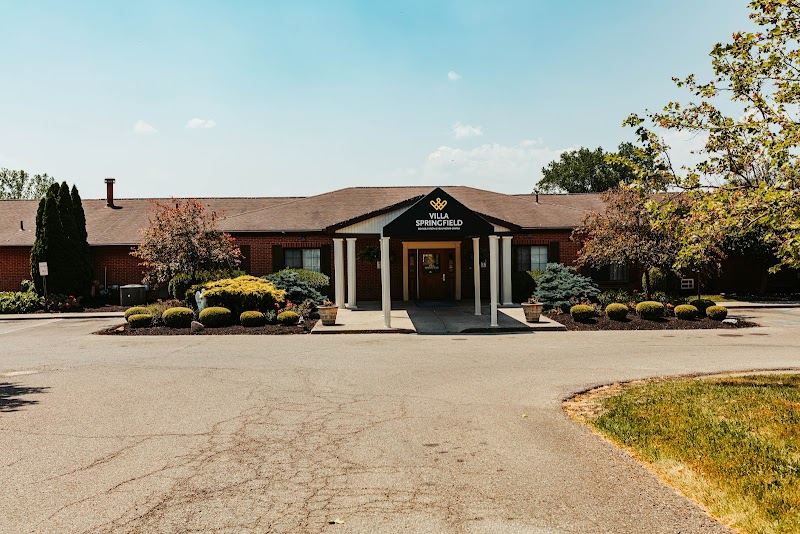
Who Owns and Operates Villa Springfield Rehabilitation And Healthcare Ce?

VILLA SPRINGFIELD REHABILITATION AND HEALTHCARE CE is owned by a for-profit company. For-profit facilities operate as businesses with obligations to shareholders or private owners. The facility is operated by CROWN HEALTHCARE GROUP, a chain that manages multiple nursing homes. With 110 certified beds and approximately 95 residents (about 86% occupancy), it is a mid-sized facility located in SPRINGFIELD, Ohio.
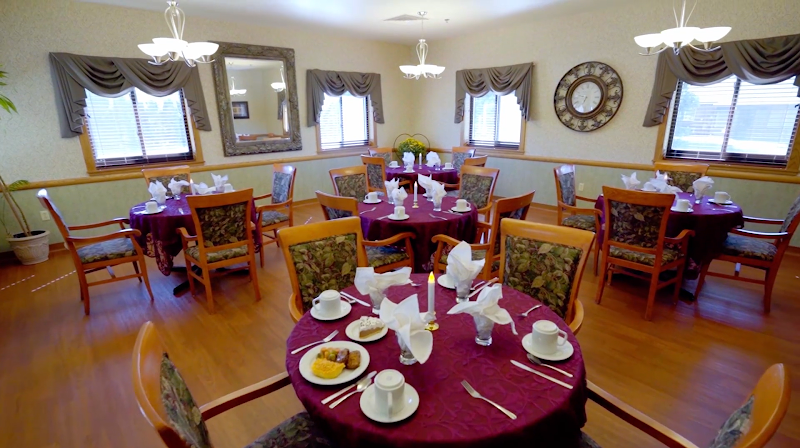
How Does Villa Springfield Rehabilitation And Healthcare Ce Compare to Other Ohio Nursing Homes?

Compared to the 100 nursing homes in Ohio, VILLA SPRINGFIELD REHABILITATION AND HEALTHCARE CE's overall rating (2 stars) is below the state average of 3.2, staff turnover (51%) is near the state average of 46%, and health inspection rating (2 stars) is below the national benchmark.

What Should Families Ask When Visiting Villa Springfield Rehabilitation And Healthcare Ce?

Based on this facility's data, families visiting should ask: "Can you walk me through typical staffing levels on day, evening, and night shifts?" "Can I visit during a mealtime to observe dining assistance and food quality?" "How do you handle medical emergencies, and what is your hospital transfer rate?" "Can I speak with family members of current residents about their experience?" These questions are particularly relevant given the below-average staffing rating.

Is Villa Springfield Rehabilitation And Healthcare Ce Safe?

Based on CMS inspection data, VILLA SPRINGFIELD REHABILITATION AND HEALTHCARE CE has a clean safety record: no substantiated abuse findings (meaning no confirmed cases of resident harm), no Immediate Jeopardy citations (the most serious violation level indicating risk of serious injury or death), and is not on the Special Focus Facility watch list (a federal program monitoring the lowest-performing 1% of nursing homes). The facility has a 2-star overall rating and ranks #100 of 100 nursing homes in Ohio. While no facility is perfect, families should still ask about staff-to-resident ratios and recent inspection results during their visit.

Do Nurses at Villa Springfield Rehabilitation And Healthcare Ce Stick Around?

VILLA SPRINGFIELD REHABILITATION AND HEALTHCARE CE has a staff turnover rate of 51%, which is 5 percentage points above the Ohio average of 46%. Moderate turnover is common in nursing homes, but families should still ask about staff tenure and how the facility maintains care continuity when employees leave.

Was Villa Springfield Rehabilitation And Healthcare Ce Ever Fined?

VILLA SPRINGFIELD REHABILITATION AND HEALTHCARE CE has no federal fines on record. CMS issues fines when nursing homes fail to meet care standards or don't correct problems found during inspections. The absence of fines suggests the facility has either maintained compliance or corrected any issues before penalties were assessed. This is a positive indicator, though families should still review recent inspection reports for the full picture.

Is Villa Springfield Rehabilitation And Healthcare Ce on Any Federal Watch List?

VILLA SPRINGFIELD REHABILITATION AND HEALTHCARE CE is not on any federal watch list. The most significant is the Special Focus Facility (SFF) program, which identifies the bottom 1% of nursing homes nationally based on persistent, serious quality problems. Not being on this list means the facility has avoided the pattern of deficiencies that triggers enhanced federal oversight. This is a positive indicator, though families should still review the facility's inspection history directly.