ARBORS AT STREETSBORO
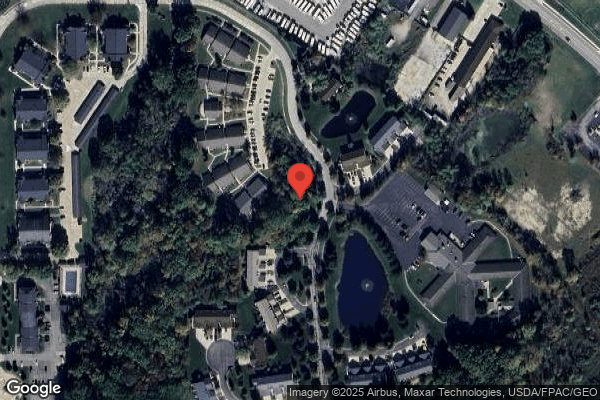
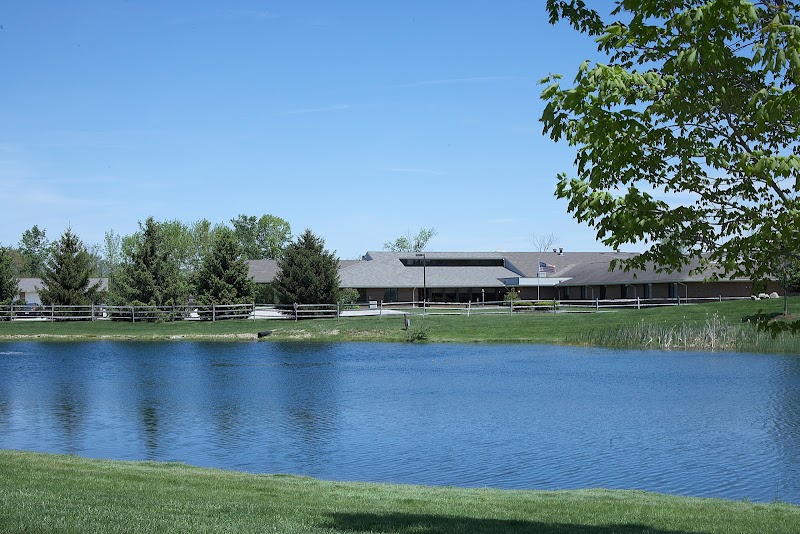
1645 MAPLEWOOD DR, STREETSBORO, OH 44241 (330) 626-3031
For profit - Limited Liability company 99 Beds ARBORS AT OHIO Data: November 2025 1 Immediate Jeopardy citation
Trust Grade
26/100
#598 of 913 in OH
Last Inspection: February 2025

Within standard 12-15 month inspection cycle. Federal law requires annual inspections.

Overview

Arbors at Streetsboro has a Trust Grade of F, indicating significant concerns with care quality. They rank #598 out of 913 facilities in Ohio, placing them in the bottom half, and #9 of 10 in Portage County, meaning there is only one local option that is better. While the facility is improving, having reduced issues from 21 in 2024 to 11 in 2025, the staffing situation raises concerns with a 61% turnover rate, which is higher than the Ohio average. Specific incidents of concern include a critical failure to supervise a high-risk resident, leading to an elopement, and a serious incident where a resident fell and fractured their arm due to inadequate supervision during a transfer. On a positive note, the quality measures scored 4 out of 5, suggesting that some aspects of care are better than others, but overall, families should carefully weigh these strengths against the significant weaknesses.

Trust Score
F
26/100
In Ohio
#598/913
Bottom 35%
Safety Record
High Risk
Review needed
Inspections
Getting Better
21 → 11 violations
Staff Stability
⚠ Watch
61% turnover. Above average. Higher turnover means staff may not know residents' routines.
Penalties
✓ Good
$10,842 in fines. Lower than most Ohio facilities. Relatively clean record.
Skilled Nurses
⚠ Watch
Each resident gets only 29 minutes of Registered Nurse (RN) attention daily — below average for Ohio. Fewer RN minutes means fewer trained eyes watching for problems.
Violations
⚠ Watch
52 deficiencies on record. Higher than average. Multiple issues found across inspections.
★★☆☆☆
2.0
Overall Rating
★★★☆☆
3.0
Staff Levels
★★★★☆
4.0
Care Quality
★★☆☆☆
2.0
Inspection Score
Stable
2024: 21 issues
2025: 11 issues

The Good

  • 4-Star Quality Measures · Strong clinical quality outcomes
  • Full Sprinkler Coverage · Fire safety systems throughout facility
  • No fines on record

Facility shows strength in quality measures, fire safety.

The Bad

2-Star Overall Rating

Below Ohio average (3.2)

Below average - review inspection findings carefully

Staff Turnover: 61%

15pts above Ohio avg (46%)

Frequent staff changes - ask about care continuity

Federal Fines: $10,842

Below median ($33,413)

Minor penalties assessed

Chain: ARBORS AT OHIO

Part of a multi-facility chain

Ask about local staffing decisions and management

Staff turnover is elevated (61%)

13 points above Ohio average of 48%

The Ugly 52 deficiencies on record

1 life-threatening 1 actual harm
Jul 2025 3 deficiencies
CONCERN (D) 📢 Someone Reported This

A family member, employee, or ombudsman was alarmed enough to file a formal complaint

Potential for Harm - no one hurt, but risky conditions existed

Resident Rights (Tag F0550)

Could have caused harm · This affected 1 resident

THE FOLLOWING DEFICIENCY REPRESENTS AN INCIDENT OF PAST NON-COMPLIANCE THAT WAS SUBSEQUENTLY CORRECTED PRIOR TO THIS SURVEY. Based on interview, record review and review of Self-Reported Incident (SRI...

Read full inspector narrative →
THE FOLLOWING DEFICIENCY REPRESENTS AN INCIDENT OF PAST NON-COMPLIANCE THAT WAS SUBSEQUENTLY CORRECTED PRIOR TO THIS SURVEY. Based on interview, record review and review of Self-Reported Incident (SRI) #261109, the facility failed to treat Resident #19 with respect and dignity. This affected one (Resident #19) of four residents reviewed for resident rights. The facility census was 70. Findings include:Review of the medical record for Resident #19 revealed an admission date of 01/31/17 with diagnoses including diabetes mellitus type two, generalized anxiety disorder, osteoarthritis and pain of the right knee, personality disorder, violent behavior, and major depressive disorder. Review of Resident #19's plan of care reviewed 10/29/24 revealed the resident used a wheelchair for self-propelling, required one person assist with transfers, and had behaviors including refusals of incontinence care and yelling or using profanity towards staff. Review of the Quarterly Minimum Data Set (MDS) assessment completed 06/05/25 revealed no cognitive impairment. Review of SRI tracking #261109 dated 06/02/25 revealed an allegation of physical abuse was reported to administration by Resident #72 who witnessed staff roughly transfer Resident #19 on 05/31/25 into a wheelchair. Video evidence indicated the incident actually occurred on 05/30/25 at 9:17 P.M. and involved Certified Nursing Assistant (CNA) #300 and Licensed Practical Nurse (LPN) #301. Resident #19 was lying on a common area couch and had an episode of incontinence but was resistive to return to her room via the wheelchair for personal care. CNA #300 made attempts and reapproach the resident several times for approximately one hour then asked LPN #301 for advice. Both CNA #300 and LPN #301 transferred Resident #19 together arm-in-arm standing on each of the resident's sides into the wheelchair without foot pedals. The resident would not hold her legs up so the two staff members tipped the wheelchair backwards, and CNA #300 pushed Resident #19 back to her room while LPN #301 held her legs. Review of the written witness statement for LPN #301 dated 06/03/25 indicated CNA #300 reported Resident #19 was incontinent on the couch and refused to get cleaned up saying to leave her alone, so they both tried to under arm her placing her in the chair, but it was difficult. The resident ended up at the tip of the wheelchair so CNA #300 leaned the wheelchair backwards to get Resident #19 into the back of the chair, but the resident was combative trying to kick and jump out of the chair, so LPN #301 grabbed her legs to prevent the resident from hurting herself and they got her back to the room for care. Review of the written witness statement for CNA #300 dated 06/02/25 indicated Resident #19 was incontinent on the couch so the aide tried to get her to go back to her room to get cleaned up but refused. LPN #301 came over to help. We sat the resident up, got on each side of her and picked her up and placed her into the wheelchair. CNA #300 tried to push Resident #19 to her room, but her feet were twisting into the wheels, so the aide held the wheelchair backwards and looked to LPN #301 for direction. LPN #301 told the aide to take Resident #19 back to her room just like that (tipped backwards), and when the resident got back to the room, she swung her nails toward the aide who decided to let Resident 19 cool down before care was provided. Review of a performance improvement form dated 06/06/25 for LPN #301 indicated the nurse was discharged from employment due to advising CNA #300 to transport Resident #19 while tipped backwards in a wheelchair on two wheels and then assisting by holding the resident's legs which was observed on video. Review of a performance improvement form dated 06/06/25 for CNA #300 indicated the aide was discharged from employment due to tipping Resident #19 backwards in the wheelchair onto two wheels and transporting her back to her room which was observed on video. Interview on 07/22/25 at 1:03 P.M. with Administrator verified the above incident findings. The deficient practice was corrected on 06/06/25 when the facility implemented the following corrective actions: CNA #300 and LPN #301 were suspended on 06/02/25 by the Director of Nursing (DON). Staff statements from those involved were obtained by DON on 06/02/25. On 06/02/25 an order was written for psychiatric/psychological services to consult Resident #19 on next facility visit. Resident skin assessments were completed post incident by floor nurses with no new skin issues identified. Resident #19's responsible party and nurse practitioner were notified on 06/02/25 by the DON. Social service designee completed psychosocial visits with Resident #19 on 06/04/25, 06/05/25 and 06/06/25 with no changes from baseline. All residents were interviewed and those who could not be interviewed received comprehensive skin assessments by licensed nurses by 06/04/25 with no variances noted. A root cause analysis was completed on 06/05/25 by the interdisciplinary team (IDT). Police were notified by Regional Director of Clinical Services (RDCS) #303 on 06/05/25 and report completed. All staff were educated by RDCS or designee by 06/06/25 regarding facility abuse policy, including timely reporting, the abuse coordinator and removing residents immediately when abuse identified; resident rights; restraints; and caring for residents with behaviors. Beginning on 06/05/25, online education was assigned entitled, Abuse Prevention, Dealing with Difficult Behaviors, which all staff members completed by 06/06/25. All facility staff completed questionnaires on 06/06/25 to validate learning of abuse reporting and prevention with immediate education provided by DON or designee if incorrect answers were submitted. Ad hoc QAPI (Quality Assurance and Performance Improvement) meeting was held on 06/06/25 with the interdisciplinary team to ensure compliance with facility abuse policy, timely reporting and resident rights. CNA #300 and LPN #301 were terminated from employment on 06/06/25 by the Administrator and DON. Beginning 06/06/25, the DON or designee audited two staff members daily on various shifts using visual audit to validate resident rights were honored, correct actions in response to resident refusals of care, and residents were free from abuse for four weeks Beginning 06/06/25, the DON or designee interviewed two staff members daily on various shifts on response to resident abuse or denial of rights, and when to notify the abuse coordinator of suspected abuse with immediate education if incorrect responses received for four weeks. Beginning 06/06/25, the DON or designee interviewed 15 residents weekly for four weeks regarding abuse and resident rights being followed. Results of audits were reviewed in a one-month follow-up QAPI Committee meeting with revisions to the plan or changes made in monitoring as deemed by the QAPI committee. This deficiency was an incidental finding identified during the complaint investigation.
CONCERN (D) 📢 Someone Reported This

A family member, employee, or ombudsman was alarmed enough to file a formal complaint

Potential for Harm - no one hurt, but risky conditions existed

Safe Environment (Tag F0584)

Could have caused harm · This affected 1 resident

**NOTE- TERMS IN BRACKETS HAVE BEEN EDITED TO PROTECT CONFIDENTIALITY** Based on observations, interview, record review, and review of the facility policy, the facility failed to maintain a clean and ...

Read full inspector narrative →
**NOTE- TERMS IN BRACKETS HAVE BEEN EDITED TO PROTECT CONFIDENTIALITY** Based on observations, interview, record review, and review of the facility policy, the facility failed to maintain a clean and sanitary environment. This affected two (Residents #6 and #67) of 14 residents reviewed for environment and had the potential to affect all residents residing in the facility. The facility census was 70. Findings include: 1. Observation on 07/21/25 at 9:54 A.M. revealed Resident #6 in a wheelchair next to the bed watching television. The room had a distinct odor of urine. The bed covers were pulled away which exposed a wet soiled incontinence pad. The edges of the soiled area were dried and yellowish-brown in color. There were six gnats crawling upon the wet part of the soiled area and two gnats flying above it. Nearby on the floor just outside the bathroom was a small pile of wet soiled clothes. Across the room from the bed near the wall was soiled linen including a towel and washcloth. Interview with Resident #6 at the time of the observation who complained about the bed and indicated having been up in the wheelchair for a long time without it being cleaned up. Interview on 07/21/25 at 10:01 A.M. with Certified Nursing Assistant (CNA) #214 confirmed the observation in Resident #6's room and verified night shift had gotten Resident #6 up and left it that way but had not had an opportunity to fix it yet although it had been a few hours since then. Review of the medical record for Resident #6 revealed an admission date of 07/25/19 with diagnoses including hemiplegia and hemiparesis following cerebral infarction affecting the left non-dominant side, congestive heart failure and diabetes mellitus type two. The Annual Minimum Data Set (MDS) assessment completed 06/10/25 indicated no cognitive impairment. The plan of care reviewed 06/27/25 specified Resident #6 required one to two staff assistance with all activities of daily living (ADL) and was incontinent of bowel and bladder. 2. Observation on 07/21/25 at 10:13 A.M. of the hallway approximately ten feet from and approaching Resident #67's room revealed a strong unpleasant odor of urine. The resident was not in the room and the odor was more pungent within it. Upon walking on the floor of the room, it was sticky as the sound of adherence and the resistance as shoes pulled away from the floor was felt. The bed covers were pulled back which exposed an incontinence pad with a large, dried area of urine yellowish-brown and dried smudges of feces. The bedside table was sticky with dried spills and a large number of crumbs and debris. Interview at the time of the observation with Licensed Practical Nurse (LPN) #246 verified the observation and indicated Resident #67 had a urinary catheter but would empty the urine bag without assistance and spill it on the floor and/or bed sheets. The resident also had behaviors including refusal of housekeeping or personal care, so staff had to reapproach or clean the room after the resident left the room. Interview on 07/21/25 at 10:56 A.M. with Administrator and Director of Nursing (DON) revealed Resident #67 was considered by staff as a focus resident because of the behaviors, so the staff had to check on the resident more frequently. Review of the medical record for Resident #67 revealed an admission date of 08/23/19 with diagnoses including Alzheimer's disease, dementia, sensorineural hearing loss, urethral stricture, congestive heart failure and diabetes mellitus type two. The Annual MDS assessment dated [DATE] indicated the resident had moderate cognitive impairment and a urinary catheter. The plan of care reviewed 06/10/25 specified Resident #67 required cues and assist as needed to accomplish daily tasks and was known to empty the urinary catheter bag without assistance. Review of the facility policy, Handling Soiled Linen, revised 12/20/23, revealed soiled linen was collected at the bedside or point of use and placed into a linen bag or designated lined receptacle when task was completed. The soiled linen was not kept in a resident's room, bathroom or other care areas. Review of the facility policy, Safe and Homelike Environment, revised 01/01/22, revealed the facility provided and maintained bed and bath linens that were clean and in good condition, and minimized odors by disposing of soiled linens promptly and reporting lingering odors to housekeeping. This deficiency represents non-compliance investigated under Master Complaint Number 2570725 and Complaint Number 1342408 (OH00166879).
CONCERN (D) 📢 Someone Reported This

A family member, employee, or ombudsman was alarmed enough to file a formal complaint

Potential for Harm - no one hurt, but risky conditions existed

Free from Abuse/Neglect (Tag F0600)

Could have caused harm · This affected 1 resident

THE FOLLOWING DEFICIENCY REPRESENTS AN INCIDENT OF PAST NON-COMPLIANCE THAT WAS SUBSEQUENTLY CORRECTED PRIOR TO THIS SURVEY. Based on interview, record review, review of Self-Reported Incident (SRI) #...

Read full inspector narrative →
THE FOLLOWING DEFICIENCY REPRESENTS AN INCIDENT OF PAST NON-COMPLIANCE THAT WAS SUBSEQUENTLY CORRECTED PRIOR TO THIS SURVEY. Based on interview, record review, review of Self-Reported Incident (SRI) #261204, and facility policy review, the facility failed to protect Resident #3 from verbal abuse by a staff member. This affected one (Resident #3) of four residents reviewed for abuse, neglect, misappropriation and exploitation. The facility census was 70. Findings include: Review of the medical record for Resident #3 revealed an admission date of 08/21/20 with diagnoses including Alzheimer's disease with late onset, dementia, diabetes mellitus type two, congestive heart failure, violent behavior, mood affective disorder, major depressive disorder, and nicotine dependence. Review of Resident #3's plan of care reviewed 04/25/25 revealed the resident had behaviors of increased agitation towards others, often unprovoked, verbal aggression and profanity. Review of the Annual Minimum Data Set (MDS) assessment completed 05/06/25 revealed no cognitive impairment. Review of a nursing progress note dated 05/31/25 revealed Resident #3 left outside the therapy room door. When Registered Nurse (RN) #302 asked the resident to stop, she replied shut up. Resident #3 was asked to stop letting ducks in and refused to leave the therapy room. Review of nursing progress notes dated 06/01/25 revealed RN #302 documented while on the phone with the Director of Nursing (DON) residents were in the therapy area and asked to leave but Resident #3 refused. RN #302 informed the resident she could have a police escort out if refusals continued because of safety, letting ducks into the building and administration's request to get all residents out of the therapy area. Resident #3 responded by calling RN #302 a [expletive] and stated, the nurse should make her get out. Resident #3 eventually left the therapy area. While RN #302 was at the medication cart counting narcotics in the nurses' station area, Resident #3 approached RN #302 and informed the nurse she did not want RN #302 in her room or taking care of her anymore. Resident #3 continued to state to RN #302, she don't want no [expletive] in her room, and you are a [expletive]. RN #302 told the resident it was inappropriate talk and furthermore if the resident crossed through the therapy area to the courtyard for any reason including smoking, it would be a direct infarct of the smoking rules and could result in losing smoking privileges. Resident #3 responded to RN #302 to kiss her [expletive] [expletive] and threatened to call her lawyer because RN #302 had no right to take away her smoking privileges because it was her right to do and say what she wanted, then left the nurses' station. Review of SRI tracking #261204 dated 06/04/25 revealed an allegation of verbal abuse was reported to administration via a company compliance hotline by Licensed Practical Nurse (LPN) #301 who reported she witnessed RN #302 on 05/31/25 abuse Resident #3 by calling the resident a hillbilly [expletive], and the DON witnessed it being on the phone at the time. Regional Director of Clinical Services (RDCS) #303 reviewed video evidence and found the incident occurred at approximately 7:30 P.M. to 7:40 P.M. when RN #302 and LPN #248 were seen at the medication cart near the nurses' station closest to the therapy room doors. Resident #3 approached RN #302, stated something, then walked away to the opposite end of the nurses' station nearest the therapy area by 300 hall. RN #302 then reacted by throwing both hands up in the air and pointing at Resident #3 while walking towards her, still using hand gestures continuing to point and reflecting excitability. Next, LPN #257 intervened by redirecting Resident #3 away from RN #302 out of the area toward the resident's room. As Resident #3 walked away, RN #302 continued to point at and use hand gestures but there was no audio as to what was said to the resident. RN #302 then picked up the telephone to make a call while standing at the medication cart with LPN #248. Review of the written witness statement by the DON dated 06/04/25 indicated receiving a phone call at the time of the incident from RN #302 who complained residents had exited out the therapy room doors to smoke which let ducks into the facility, and refused to listen when told to shut the door, leave the area and allow the ducks to exit the building. RN #302 reported Resident #3 was chasing after the ducks and would not listen, but eventually the residents did leave the therapy area and shut the door. RN #302 complained of both Residents #3 and #56 yelling and swearing at her about smoking and it being their right to smoke but Resident #56 did later apologize to her. RN #302 continued to complain about Resident #3 who called her a lesbian and told her they had rights to go smoke. RN #302 reported telling Resident #3 to move away from her and go to her room to defuse the situation. DON denied hearing any verbal interactions between RN #302 and Resident #3 over the telephone. Review of the written telephone interview between RDCS #303 and witness LPN #248 dated 06/04/25 indicated RN #302 was very upset, crying and talking about the workload while they were both counting narcotics at the medication cart when Resident #3 approached and told RN #302, she could not take care of her because of what was said, then called RN #302 a [expletive]. RN #302 informed LPN #248 the resident was calling her a lesbian then RN #302 said to Resident #3, I'm [expletive] married and have seven [expletive] kids. I bet you don't have a [expletive] husband. RN #302 then called Resident #3 a [expletive], so LPN #248 responded to RN #302, hey, hey, hey when it stopped, and Resident #3 then walked away. RN #302 called the DON to report what happened but did not tell the DON she had called Resident #3 names. Review of the written telephone interview between RDCS #303 and witness LPN #243 dated 06/04/25 indicated discussing the schedule and call-offs with RN #302 who was upset about it at the time. It was near smoke break for residents, so they were told it had to wait while the nurses were trying to call the DON to discuss the schedule. Then quacking was heard, and ducks were seen in the therapy area where the door had been propped open, so the residents were told to close the doors and not use them, but the residents replied they were just waiting for their smoke break. The nurses then informed them it may be some time before there was a smoke break. Resident #3 became upset yelling at them and called RN #302 a [expletive]. RN #302 was stern with Resident #3 telling the resident to leave the area. After the ducks got out of the facility, RN #302 went to the medication cart at the nurses' station when Resident #3 approached her and called her a lesbian [expletive]. RN #302 did not take it well and responded to Resident #3, I'm [expletive] married and have seven [expletive] kids. I bend over for every [expletive] in here, and you have the nerve to call me names. Resident #3 responded to RN #302, yep, yep. RN #302 then called the DON and reported Resident #3 was calling her names. The DON tried to talk to Resident #3 but the resident threw the phone down when LPN #243 handed it to her. RN #302 was crying and very upset. Review of the written telephone interview between RDCS #303 and witness LPN #257 dated 06/04/25 indicated RN #302 was trying to get two residents (#3 and #56) to exit the therapy area, shut the doors and redirect ducks out of the building. Resident #3 was calling RN #302 names then called the DON to discuss it and get assistance with getting residents to comply. While RN #302 was on the phone with the DON she called Resident #3 hillbilly [expletive]. Review of the written telephone interview between RDCS #303 and alleged perpetrator RN #302 dated 06/04/25 indicated Residents #3 and #56 were exiting the facility through the therapy doors which allowed ducks into the building. RN #302 asked them to close the doors to let the ducks exit, but Resident #3 started calling her names, calling her a [expletive] and telling her to kiss her [expletive] [expletive] all while attempting to get residents to come in. RN #302 denied calling Resident #3 any names only that the resident called her names. RN #302 reported working on the day after the incident and received report from other staff that Resident #3 had continued to talk about her, calling her names, so RN #302 approached the resident and asked her to stop speaking of the incident and calling her inappropriate names, but there were no further interactions. Review of the written telephone interview between RDCS #303 and witness LPN #301 (undated) indicated not being present during the incident on 05/31/25 but on 06/01/25 while working with RN #302 at the nurses' station, RN #302 informed her, and the other staff present there what had occurred the previous evening with Resident #3. RN #302 told them the resident had called her names, so she reciprocated. It was also relayed that the DON was on the phone at the time of the event, so LPN #301 called the compliance hotline (on 06/04/25).Review of a performance improvement form dated 06/06/25 for RN #302 indicated the nurse was discharged from employment due to being observed by staff being disrespectful to Resident #3 which was confirmed by review of video showing RN #302 pointing at the resident appearing to be aggressive. Review of the state nursing board complaint filed by the Administrator dated on 06/11/25 revealed a complaint made against RN #302 who was witnessed calling Resident #3 a [expletive], saying I'm [expletive] married and have seven [expletive] kids, was seen on video pointing at the resident while approaching her repeatedly shaking her arms, and was reported to the state agency for verbal abuse against Resident #3. Interview on 07/22/25 at 1:03 P.M. with the Administrator verified the above incident findings and confirmed the abuse investigation, SRI #261204, was substantiated. Interview on 07/22/25 at 3:00 P.M. with RDCS #303 confirmed the above findings of the incident and described the video findings as the nurses had come in at the start of the shift. RN #302 was there and probably was discussing the schedule. Another staff member saw ducks in the therapy gym, so everyone migrated over to them and then returned. RN #302 and LPN #248 were at the medication cart with Resident #3 at the other side of the nurses' station. The resident walked up to RN #302, said some things, supposedly calling the nurse a [expletive] and walked away. The altercation then occurred with RN #302 making a statement to the resident, pointing hands going toward her before returning to the medication cart to call the DON. Another nurse directed Resident #3 away from RN #302 back to her room. Review of the written interview between Social Services Designee (SSD) #275 and Resident #3 dated 06/04/25 indicated the resident got upset with a nurse, called her a [expletive] and then the staff member called the resident a [expletive]. Review of the facility policy, Abuse, Neglect and Exploitation, revised 01/10/24, revealed the facility implemented written policies and procedures to prohibit and prevent abuse, neglect and exploitation of residents. The facility would make efforts to ensure all residents were protected from physical and psychosocial harm, as well as additional abuse, during and after an investigation. All alleged violations were to be reported to the Administrator. The deficient practice was corrected on 06/06/25 when the facility implemented the following corrective actions:The DON and RN #302 were suspended on 06/04/25 immediately when the incident was reported via the company compliance hotline on 06/04/25 by LPN #301.Staff statements from those involved were obtained by RDCS #303 on 06/04/25.Resident #3 refused a skin assessment on 06/06/25 and then reattempted and allowed with no skin alterations noted.Resident #3 was observed via camera footage by RDCS #303 as being removed from the situation by LPN #257 on 05/31/25 and redirect to her room.Resident #3's responsible party and nurse practitioner were notified on 06/04/25 by RDCS #303.SSD #275 completed psychosocial visits with Resident #3 daily for 72 hours with no changes from baseline.The DON and RN #302 were suspended by RDCS #303 on 06/04/25 and after the investigation identified the DON was not on the phone at the time of the incident, and RN #302 displayed inappropriate behavior and cursing at Resident #3 which resulted in termination of employment on 06/06/25.A root cause analysis was completed on 06/05/25 by the interdisciplinary team (IDT).RN #302 was reported to the state board of nursing by the Administrator at the conclusion of the investigation.A PHQ9 assessment (measures depressive symptoms) was completed for Resident #3 and the resident was referred to psychiatric/psychological services on 06/06/25 by SSD #275.Police were notified by RDCS #303 on 06/05/25, and a report was completed.All residents were interviewed and those who could not be interviewed received comprehensive skin assessments by licensed nurses by 06/04/25 with no variances noted.All staff were educated by RDCS #303 or designee by 06/06/25 regarding facility abuse policy, including timely reporting, the abuse coordinator and removing residents immediately when abuse identified; resident rights; and caring for residents with behaviors.Beginning on 06/05/25, online education was assigned entitled, Abuse Prevention, Dealing with Difficult Behaviors, which all staff members completed by 06/06/25.All facility staff completed questionnaires on 06/06/25 to validate learning of abuse reporting and prevention with immediate education provided by DON or designee if incorrect answers were submitted.Ad hoc QAPI (Quality Assurance and Performance Improvement) meeting was held on 06/06/25 with the interdisciplinary team to ensure compliance with facility abuse policy, timely reporting and resident rights.Beginning 06/06/25, the DON or designee audited two staff members daily on various shifts using visual audit to validate resident rights were honored, correct actions in response to resident refusals of care, and residents were free from abuse for four weeks.Beginning 06/06/25, the DON or designee interviewed two staff members daily on various shifts on response to resident abuse or denial of rights, and when to notify the abuse coordinator of suspected abuse with immediate education if incorrect responses received for four weeks.Beginning 06/06/25, the DON or designee interviewed 15 residents weekly for four weeks regarding abuse and resident rights being followed.Results of audits were reviewed in a one-month follow-up QAPI Committee meeting with revisions to the plan or changes made in monitoring as deemed by the QAPI committee.This deficiency was an incidental finding identified during the complaint investigation.
May 2025 1 deficiency
CONCERN (D) 📢 Someone Reported This

A family member, employee, or ombudsman was alarmed enough to file a formal complaint

Potential for Harm - no one hurt, but risky conditions existed

Deficiency F0806 (Tag F0806)

Could have caused harm · This affected 1 resident

**NOTE- TERMS IN BRACKETS HAVE BEEN EDITED TO PROTECT CONFIDENTIALITY** Based on record review, photographs of meals & tray ticket review, and interview, the facility failed to follow Resident #90's m...

Read full inspector narrative →
**NOTE- TERMS IN BRACKETS HAVE BEEN EDITED TO PROTECT CONFIDENTIALITY** Based on record review, photographs of meals & tray ticket review, and interview, the facility failed to follow Resident #90's meal preferences. This affected one resident (Resident #90) of four residents reviewed for preferences. The census was 68. Findings include: Review of the closed medical record for Resident #90 revealed an admission date of 04/18/25 and a discharge date of 05/09/25. Resident #90's diagnoses included diabetes, end stage renal disease and major depression disorder. Review of the 5-day admission Minimum Data Set (MDS) dated [DATE] revealed Resident #90 was cognitively intact. She required set up assistance with meals. Review of the Nutrition Data Collection/Evaluation dated 04/23/25 revealed Resident #90 had carrots listed as one of her dislikes. Review of the undated Meal Tracker printout, revealed carrots were listed as a dislike among several other dislikes for Resident #90. The printout stated her diet was updated on 04/23/25. Review of photographs provided by Resident #90's family revealed four photographs of meals with tray tickets with the plated meal. On 04/28/25 the lunch ticket listed brussel sprouts selected as the vegetable to be served and the photograph showed carrots were served. On 4/28/25 the dinner ticket listed whole kernel corn to be served as the vegetable and the photograph showed carrots were served. On 04/30/25 the lunch ticket listed brussel sprouts as the selected vegetable and the photograph revealed the selection was not served. On 05/02/25 the lunch ticket listed broccoli florets selected as the vegetable and the photograph showed carrots were served. Interview on 05/13/25 at 7:30 P.M. with Resident #90's family member revealed Resident #90 was not provided meals according to her preference and the photos supported this. Interview on 05/14/25 at 12:00 P.M. with the District Director of Dietary and at 3:15 P.M. with the Director of Nursing revealed they reviewed the photographs of meals with tray tickets and verified Resident #90 received food items listed on her dislike list for three of the meals. Review of the facility policy titled Dining and Food Preferences, revised 10/2022 revealed individual dining, food, and beverage preferences are identified for all residents. The individual tray assembly ticket will identify all food items appropriate for the resident based on diet order, allergies & intolerances, and preferences. The photographs were viewed and verified on 05/14/25 by both the Regional Director of Dietary at 12:00 P.M. and the Director of Nursing on 3:15 P.M. This deficiency represents non-compliance investigated under Complaint Number OH00165632.
Feb 2025 7 deficiencies
CONCERN (D)

Potential for Harm - no one hurt, but risky conditions existed

Report Alleged Abuse (Tag F0609)

Could have caused harm · This affected 1 resident

**NOTE- TERMS IN BRACKETS HAVE BEEN EDITED TO PROTECT CONFIDENTIALITY** Based on medical record review, staff interview and facility policy review, the facility failed to report injuries of unknown or...

Read full inspector narrative →
**NOTE- TERMS IN BRACKETS HAVE BEEN EDITED TO PROTECT CONFIDENTIALITY** Based on medical record review, staff interview and facility policy review, the facility failed to report injuries of unknown origin to the state agency within the required time frame. This affected one resident (Resident #36) out of three residents reviewed for abuse. The facility census was 67. Findings include: Review of the medical record for Resident #36 revealed an admission date of 09/15/21. Diagnosis included psychosis not due to a substance or known physiological condition, fibromyalgia, chronic obstructive pulmonary disease, post-traumatic stress disorder, anxiety, major depressive disorder, hypertension and nicotine dependency. Review of Resident #36's annual Minimum Data Set (MDS) dated [DATE] revealed the resident had intact cognition. Resident #36 was independent with dressing, personal hygiene, they required setup or clean up assistance with eating, substantial to maximal assistance with bed mobility, and was dependent on staff for oral hygiene, and toileting hygiene. Review of Resident #36's progress notes dated 02/02/25 at 6:26 P.M. revealed Registered Nurse (RN) #333 documented Resident #36 had three new skin tears of unknown origin. Review of the Facility Self-Reported Incidents (SRI) revealed there were no reported injuries of unknown origins reported to the state agency for Resident #36 or dated for 02/02/25. Interview on 02/04/25 at 2:54 P.M. with the Director of Nursing (DON) revealed Registered Nurse (RN) #333 documented on 02/02/25 at 6:26 P.M., she observed three skin tears of unknown origin. The DON stated RN #333 did not notify them of the injuries of unknown origin. The DON stated they did not open a SRI related to Injury of Unknown Origin. Interview on 02/04/25 at 3:11 P.M. with Licensed Practical Nurse (LPN) #302 revealed they remembered Resident #36 had been incontinent, which was not normal for her and was more agitated then normal. LPN #302 stated she was not assigned to Resident #36, but RN #333 and LPN #370 were and seen them take the resident into the shower and when finished the resident went out to smoke with the other residents after her shower. Interview on 02/04/25 at 3:16 P.M. with LPN #370 revealed Resident #36 normally paces all day and loves to eat ice chips. LPN #370 stated themselves and RN #333 noticed the resident had been incontinent which was not normal, so they took her into the shower, washed her up, combed her hair, and changed her clothing. LPN #370 stated at the time of the shower they did not see any skin issues. Once the shower was completed the resident went out of the shower room and went out to smoke with the other residents. LPN #370 stated when the resident came back inside, LPN #370 and RN #333 noticed she had blood on her arm and had three injuries of unknown origin to their right forearm. LPN #370 stated they were unsure if RN #333 notified the guardian or the residents brother. LPN #370 stated they filled out a risk assessment related to the injuries of unknown origin. LPN #370 she did not notify the on-call nurse or the DON as she was on orientation and did not know if RN #333 notified them either. Interview on 02/05/25 at 9:30 A.M. with the DON revealed they confirmed the on-call nurse nor herself were notified of the injury of unknown origin. The DON stated they opened an SRI on 02/04/25 and started the investigation. The DON confirmed there was not an investigation started, or an SRI started on the day of injury. Interview on 02/05/25 at 9:50 A.M. with RN #333 revealed they were orienting LPN #370 on 02/02/25 and both noticed Resident #36 had been incontinent and both nurses took her to the shower room, washed her up, changed her clothing and combed out her hair, and then when exiting the shower room, the resident noticed it was time for a smoke break and went out to smoke with the other residents. RN #333 stated during her shower the resident did not have any skin issues. Upon returning from smoking the resident was found to have three skin tears to right forearm and documented them as injury of unknown origin because they did not know what happened or where they came from. RN #333 stated they filled out a risk assessment related to injury of unknown origin and put orders in for wound care to the skin tears to cleanse them with wound cleanse pat dry and cover with a border foam dressing. RN #333 stated they notified the Nurse Practitioner of the injuries of unknown origin but did not notify the DON or the on-call nurse. Review of the facility policy titled Abuse, Neglect, and Exploitation last revised 01/10/24 revealed under section IV Identification of Abuse, Neglect, and Exploitation, letter B Possible indicators of abuse include, but are not limited to, number three stated Physical injury of a resident of unknown source. Under section V Investigation of Alleged Abuse, Neglect, and Exploitation, letter A an immediate investigation is warranted when suspicion of abuse, neglect or exploitation, or reports of abuse, neglect or exploitation occur, letter B written procedures for investigation include: 1. identifying staff responsible for the investigation, 3. investigating different types of alleged violations, 4. identifying and interviewing all involved persons, including the alleged victim, alleged perpetrator, witnesses, and others who might have knowledge of the allegations, 5. focusing the investigation on determining if abuse, neglect, exploitation, and/or mistreatment has occurred, the extent, and cause and, 6. providing complete and thorough documentation of the investigation. Under section VII Reporting/Response 1. Reporting of alleged violations to the Administrator, state agency, adult protective services and to all other required agencies within specified time frames as required by state and federal regulations: A. immediately, but no later than two hours after the allegation is made, if the events that cause the allegation involve abuse or result in serious bodily injury, or B. not later than 24 hours if the events that cause the allegation do not involve abuse and do not result in serious bodily injury.
CONCERN (D)

Potential for Harm - no one hurt, but risky conditions existed

Investigate Abuse (Tag F0610)

Could have caused harm · This affected 1 resident

**NOTE- TERMS IN BRACKETS HAVE BEEN EDITED TO PROTECT CONFIDENTIALITY** Based on interview and record review the facility failed to investigate injuries of unknown origin to the state agency within th...

Read full inspector narrative →
**NOTE- TERMS IN BRACKETS HAVE BEEN EDITED TO PROTECT CONFIDENTIALITY** Based on interview and record review the facility failed to investigate injuries of unknown origin to the state agency within the required time frame. This affected one resident (Resident #36) out of three residents reviewed for abuse. The facility census was 67. Findings include: Review of the medical record for Resident #36 revealed an admission date of 09/15/21. Diagnosis included psychosis not due to a substance or known physiological condition, fibromyalgia, chronic obstructive pulmonary disease, post-traumatic stress disorder, anxiety, major depressive disorder, hypertension and nicotine dependency. Review of Resident #36's annual Minimum Data Set (MDS) dated [DATE] revealed the resident had intact cognition. Resident #36 was independent with dressing, personal hygiene, they required setup or clean up assistance with eating, substantial to maximal assistance with bed mobility, and was dependent on staff for oral hygiene, and toileting hygiene. Review of Resident #36's progress notes dated 02/02/25 at 6:26 P.M. revealed Registered Nurse (RN) #333 documented Resident #36 had three new skin tears of unknown origin. Review of the Facility Self-Reported Incidents (SRI) revealed there were no reported injuries of unknown origins reported to the state agency for Resident #36 or dated for 02/02/25. Interview on 02/04/25 at 2:54 P.M. with the Director of Nursing (DON) revealed Registered Nurse (RN) #333 documented on 02/02/25 at 6:26 P.M., she observed three skin tears of unknown origin. The DON stated RN #333 did not notify them of the injuries of unknown origin. The DON stated they did not open a SRI related to Injury of Unknown Origin. Interview on 02/04/25 at 3:11 P.M. with Licensed Practical Nurse (LPN) #302 revealed they remembered Resident #36 had been incontinent, which was not normal for her and was more agitated then normal. LPN #302 stated she was not assigned to Resident #36, but RN #333 and LPN #370 were and seen them take the resident into the shower and when finished the resident went out to smoke with the other residents after her shower. Interview on 02/04/25 at 3:16 P.M. with LPN #370 revealed Resident #36 normally paces all day and loves to eat ice chips. LPN #370 stated themselves and RN #333 noticed the resident had been incontinent which was not normal, so they took her into the shower, washed her up, combed her hair, and changed her clothing. LPN #370 stated at the time of the shower they did not see any skin issues. Once the shower was completed the resident went out of the shower room and went out to smoke with the other residents. LPN #370 stated when the resident came back inside, LPN #370 and RN #333 noticed she had blood on her arm and had three injuries of unknown origin to their right forearm. LPN #370 stated they were unsure if RN #333 notified the guardian or the residents brother. LPN #370 stated they filled out a risk assessment related to the injuries of unknown origin. LPN #370 she did not notify the on-call nurse or the DON as she was on orientation and did not know if RN #333 notified them either. LPN #370 stated they did not do any investigation into how the resident sustained the injuries of unknown origin. Interview on 02/05/25 at 9:30 A.M. with the DON revealed they confirmed the on-call nurse nor herself were notified of the injury of unknown origin. The DON stated they opened an SRI on 02/04/25 and started the investigation. The DON confirmed there was not an investigation started, or an SRI started on the day of injury. Interview on 02/05/25 at 9:50 A.M. with RN #333 revealed they were orienting LPN #370 on 02/02/25 and both noticed Resident #36 had been incontinent and both nurses took her to the shower room, washed her up, changed her clothing and combed out her hair, and then when exiting the shower room, the resident noticed it was time for a smoke break and went out to smoke with the other residents. RN #333 stated during her shower the resident did not have any skin issues. Upon returning from smoking the resident was found to have three skin tears to right forearm and documented them as injury of unknown origin because they did not know what happened or where they came from. RN #333 stated they filled out a risk assessment related to injury of unknown origin and put orders in for wound care to the skin tears to cleanse them with wound cleanse pat dry and cover with a border foam dressing. RN #333 stated they notified the Nurse Practitioner of the injuries of unknown origin but did not notify the DON or the on-call nurse. RN #333 stated the did not do any investigation into how the resident sustained the injuries of unknown origin. Review of the facility policy titled Abuse, Neglect, and Exploitation last revised 01/10/24 revealed under section IV Identification of Abuse, Neglect, and Exploitation, letter B Possible indicators of abuse include, but are not limited to, number three stated Physical injury of a resident of unknown source. Under section V Investigation of Alleged Abuse, Neglect, and Exploitation, letter A an immediate investigation is warranted when suspicion of abuse, neglect or exploitation, or reports of abuse, neglect or exploitation occur, letter B written procedures for investigation include: 1. identifying staff responsible for the investigation, 3. investigating different types of alleged violations, 4. identifying and interviewing all involved persons, including the alleged victim, alleged perpetrator, witnesses, and others who might have knowledge of the allegations, 5. focusing the investigation on determining if abuse, neglect, exploitation, and/or mistreatment has occurred, the extent, and cause and, 6. providing complete and thorough documentation of the investigation. Under section VII Reporting/Response 1. Reporting of alleged violations to the Administrator, state agency, adult protective services and to all other required agencies within specified time frames as required by state and federal regulations: A. immediately, but no later than two hours after the allegation is made, if the events that cause the allegation involve abuse or result in serious bodily injury, or B. not later than 24 hours if the events that cause the allegation do not involve abuse and do not result in serious bodily injury.
CONCERN (D)

Potential for Harm - no one hurt, but risky conditions existed

Deficiency F0679 (Tag F0679)

Could have caused harm · This affected 1 resident

**NOTE- TERMS IN BRACKETS HAVE BEEN EDITED TO PROTECT CONFIDENTIALITY** 2. Review of Resident #2's medical record revealed an admission date of 09/06/21. Diagnosis included interstitial pulmonary dise...

Read full inspector narrative →
**NOTE- TERMS IN BRACKETS HAVE BEEN EDITED TO PROTECT CONFIDENTIALITY** 2. Review of Resident #2's medical record revealed an admission date of 09/06/21. Diagnosis included interstitial pulmonary disease, obesity, sick sinus syndrome, major depressive disorder, gastroesophageal reflux disease, chronic pain, hypertension, and history of pulmonary embolism. Review of Resident #2's quarterly MDS dated [DATE] revealed the resident had intact cognition. They required setup or clean up assistance for eating and oral hygiene, she was dependent on staff for toileting hygiene, showers, dressing, personal hygiene and transfers by two staff members and use of a mechanical lift. Resident #2 used a motorized wheelchair and was independent on in the chair for wheelchair mobility. Review of Resident #2's activities care plan dated 12/20/24 revealed there was a care plan initiated stating Resident #2 was funny, lighthearted and pleasant to be around. She was mostly bed bound but would occasionally come out for bingo or prize auction. Resident #2 watched shows on television and on her phone and loved pet visits. Interventions included the resident would accept and/or participate with daily visits form staff, she would participate in activities of her choosing, staff were to provide daily visits for encouragement, monitor her wants or needs and for socialization, and staff were to provide monthly activity calendar. Review of Resident #2's activity documentation dated 11/01/24 through 01/31/25 revealed the resident participated or accepted 13 activities in November 2024 and December 2024 and eight in January 2024. Interview on 02/03/25 at 11:50 A.M. with Resident #2 revealed she stayed in her room most days and the activity staff did not come down to her room to do any activities with her. Resident #2 stated the activity staff always take the same couple of residents on outings and she was never included. Resident #2 stated the activities they have her documented as attending were from when the Certified Nursing Assistant (CNA) assigned to her would go down to the activity and sneak her the treats like popcorn to her. Interview on 02/06/25 at 12:31 P.M. with Resident #2 revealed there was an activity at 11:00 A.M. where popcorn was provided to the residents who attended the activity and not offered to the residents in their rooms. Resident #2 stated the CNA she is very close with had to sneak down to the activity and take some popcorn for her. Resident #2 stated they never come down and offer the snacks provided at the activity. Resident #2 stated she would like to go to activities or on outings or at the very least just be asked if she would like to go. She stated she would like something to do or at least be offered. She stated you can only watch so much television or look at her phone. Resident #2 stated she is very bored. 3. Review of the medical record for Resident #10 revealed an admission date of 09/02/22. Diagnosis included chronic respiratory failure, end stage renal disease (ESRD), diabetes, heart failure, morbid obesity, dependence on renal dialysis, osteoarthritis, major depressive disorder, anemia, sleep apnea, gastroesophageal reflux disease (GERD), lymphedema, hypotension, and incontinent of bowel and bladder. Review of Resident #10's quarterly MDS dated [DATE] revealed the resident was cognitively intact. Resident #10 required setup or clean up assistance with eating and oral hygiene. Resident #10 was dependent on staff for personal hygiene, bed mobility, lower body dressing and transfers with the use of a mechanical lift. Additionally Resident #10 required partial assistance with upper body dressing. Review of Resident #10's care plan dated 10/12/23 revealed he was a dialysis resident. He tended to stay in his room and self-recreate. He watched movies, television and plays games on his phone. Resident #10 was an avid football fan and enjoys college football. Interventions and goals included the resident would accept or participate in daily visits form staff, and he would participate in activities of his choice. Staff were to provide daily visits to encourage and monitor his wants, needs and for socialization. Additionally, staff were to provide monthly activity calendar. Review of Resident #10's activity documentation dated 11/01/24 through 01/31/25 revealed the resident participated or accepted seven activities in November 2024, four activities in December 2024 and two activities in January 2024. Interview on 02/04/25 at 9:36 A.M. with Resident #10 revealed the resident stated the activity department makes up monthly calendars and only do a few of the activities on them. Resident #10 stated they do not come in his room and do activities with him or provide him with puzzles or cross word puzzle books. Resident #10 stated he had to buy his own puzzle books for something to do other than watching television or playing games on his phone. Resident #10 stated he gets bored often. Interview on 02/06/25 at 12:41 P.M. with AD #363 revealed they confirmed Resident #10 was marked active for only 13 activities in a three-month period and the dates usually correlated with his one-on-one activities. AD #363 confirmed the one-on-one activities occurred once a week and were approximately 15 minutes long. AD #363 confirmed the residents activity care plan stated Resident #10 was to receive daily visits and they did not happen. Interview on 02/06/25 at 2:30 P.M. with Resident #10 revealed when asked about refusals of participation in activities as documented by activity staff he stated, How can he refuse activities if he is never offered to participate in them, additionally Resident #10 stated the one-on-one activities were the Activity Director or the Activity Assistants coming in to talk to him once a week for no longer than 15 minutes. He stated, That is a joke, talking with someone is not an activity. Review of facility list of Residents who went on outings from November 2024 and December 2024 revealed the same five residents Resident #4, #16, #40, #48, and #53 were the only ones who went out on the outings on 11/12/24 shopping, 11/26/24 lunch outing, 12/06/24 shopping, and 12/20/24 lunch outing. All outings were canceled in January 2025 due to AD #363 had balance issues and did not feel comfortable driving the bus. Review of the facility policy titled Activities, last revised 10/30/23 revealed under the section titled Policy stated It is the policy of the facility to provide an ongoing program to support residents in their choice of activities based on their comprehensive assessment, care plan, and preferences of each resident. Facility-sponsored group and individual activities and independent activities will be designed to meet the interests of and support the physical, mental, and psychosocial well-being of each resident, as well as encourage both independence and interaction within the community. Based on record review, observations and interviews, the facility failed to provide therapeutic activities to meet the needs and preferences of the resident population. This affected three Residents (#2, #10, and #47) of three residents investigated for activities. The facility census was 67. Findings include: 1. Review of the medical record revealed Resident #47 was admitted to the facility on [DATE] with diagnoses including anxiety disorder, cerebral edema, pain, cerebral infarction due to unspecified occlusion or stenosis, right hemiplegia and hemiparesis, aphasia, dysphagia, post traumatic seizures. Review of the quarterly Minimum Data Set (MDS) 3.0 assessment dated [DATE] revealed Resident #47 had a brief Interview of Mental Status (BIMS) score of 00, indicating severe cognitive impairment, and she was dependent on staff for transfers and mobility. Review of the care plan dated 11/28/24 revealed Resident #47 was at risk for altered activity patterns/pursuits related to anxiety, impaired mobility, sensory deficits. Resident #47 was unable to do things for herself. She enjoyed bingo when she was up. She liked to people watch. Interventions included staff to provide daily visits for encouragement, monitor her wants/needs, and socialization, one-on-one (1:1) visits from staff and volunteers as resident will allow, allow and encourage hallway activities as able, encourage activities that assure success and are non-threatening, and encourage to accept redirection into group activities to increase socialization. Observation on 02/03/25 at 10:37 A.M. revealed Resident #47 was observed lying in bed flat on her back watching an animated show on the television (TV) and presented with a flat affect. Resident #47 made eye contact with the surveyor but did not respond verbally. Observations on 02/04/25 at 10:07 A.M. revealed Resident #47 was lying in bed in her room with the TV on. On 02/04/25 at 3:54 P.M. Resident #47 was lying in bed on her back receiving enteral feeding with flat affect. The TV was showing an animated show. Observation on 02/05/25 at 9:37 A.M. revealed Resident #47 was lying in bed on her back with flat affect. The TV was showing an animated program. Resident #47 did not respond verbally to the surveyor this morning. Observation on 02/06/25 at 10:27 A.M. revealed Resident #47 was up in her chair in her room. Interview on 02/05/25 at 9:27 A.M. with Activity Director (AD) #363 revealed Resident #47 received 1:1 with activities staff probably only once a week and stated, they need to get her up and out of the room more. Resident #47 can't play bingo but enjoys sitting among the players and was aware of when numbers are called on her own card. Therapy observed activities and give Resident #47 a Reese's cup on special occasions. Record review of activities 1:1 log dated 10/29/24 through 02/04/25 revealed one 1:1 activity sessions were attempted per week. Two 1:1's were documented as unsuccessful as Resident #47 was marked as sleeping. The duration of each completed 1:1 was undocumented. Interview on 02/06/25 at 10:50 A.M. with AD #363 revealed 1:1's with Resident #47 usually occurred once weekly on Tuesdays and lasted about 15 minutes. The surveyor reviewed Resident #47's activity attendance logs with AD #363 who stated, we really need to get her up more. Resident #47's attendance logs stated she was present at four group activities from 11/01/24 through 01/31/25. All other entries were marked as not applicable, resident refused, or resident unavailable. The surveyor noted 1:1's were not scheduled on the monthly activity calendar, and AD #363 confirmed and stated she does not put them on the calendar.
CONCERN (D)

Potential for Harm - no one hurt, but risky conditions existed

Food Safety (Tag F0812)

Could have caused harm · This affected 1 resident

Based on observation, interview and policy review, the facility failed to provide a safe clean refrigerator for resident use. This affected one resident (#53) of 16 residents identified as having pers...

Read full inspector narrative →
Based on observation, interview and policy review, the facility failed to provide a safe clean refrigerator for resident use. This affected one resident (#53) of 16 residents identified as having personal refrigerators. Findings include: On 02/03/25 at 9:30 A.M. an observation of the room for Resident #53 revealed a mini refrigerator. A temperature log on the front of the refrigerator revealed a date of September 2024. The inside of the refrigerator was noted to be dirty with a pink dried substance on the inside. An interview with Registered Nurse (RN) #347 at the time of the observation verified the date of the temperature log as September 2024. RN #347 also verified the refrigerator was dirty with a dried pink substance inside. A review of the policy titled; Resident Refrigerators dated 01/01/2022 revealed the facility will ensure safe, sanitary use of any resident-owned refrigerators. The policy also stated housekeeping shall record temperatures daily on a temperature log attached to the refrigerator. The policy further stated housekeeping staff shall clean the refrigerator daily and discard any foods that are out of compliance.
CONCERN (D)

Potential for Harm - no one hurt, but risky conditions existed

Infection Control (Tag F0880)

Could have caused harm · This affected 1 resident

**NOTE- TERMS IN BRACKETS HAVE BEEN EDITED TO PROTECT CONFIDENTIALITY** Based on observation, interview, policy review, the facility failed to provide incontinence care utilizing proper personal prote...

Read full inspector narrative →
**NOTE- TERMS IN BRACKETS HAVE BEEN EDITED TO PROTECT CONFIDENTIALITY** Based on observation, interview, policy review, the facility failed to provide incontinence care utilizing proper personal protective equipment to ensure enhanced barrier precautions were followed. This affected one resident (#118) of 17 residents identified as being on enhanced barrier precautions. The facility census was 67. Findings include: A review of medical records for Resident #118 revealed a date of admission of 01/14/25 with diagnoses including but not limited to chronic peptic ulcer, hypertension, chronic kidney disease stage four and diabetes mellitus type two. Review of Resident #118's active physician orders revealed orders included, [NAME] (JP) drain (a drain inserted in the abdomen to remove fluids) anchor securely and empty every shift, wound care to bilateral lower buttocks, cleanse with normal saline, pat dry, apply mixed collagen particles, zinc oxide two times daily, wound care to left heel, cleanse with normal saline then Dakins solution, pat dry, paint with iodine swab sticks, cover with ABD pad and wrap with Kerlix and enhanced barrier precautions. An admission Minimum Data Set assessment dated [DATE] revealed a BIMS of 15 (cognitively intact). A care plan dated 01/14/25 revealed Resident #118 required enhanced barrier precautions. Interventions included, Utilize Enhanced Barrier Precautions when providing high contact resident care activities (dressing, bathing, transferring, personal hygiene, changing linens, changing briefs/assisting with toileting and use gown and gloves when providing direct care. On 02/04/25 at 4:05 P.M. observation of incontinence care for Resident #118 revealed Certified Nurse Assistants (CNAs) #305 and #360 rendering care without gowns on. Registered Nurse (RN) #347 verified CNAs #305 and #360 did not have gowns on while incontinence care was rendered at the time of the observation. RN #347 also verified there was a sign for enhanced barrier precautions posted on the door of Resident #118 and there was personal protective equipment stocked in the three-drawer plastic cart outside of the room. RN #347 verified CNAs #305 and #360 should have had gowns on. A review of the policy titled; Enhanced Barrier Precautions dated 2024 revealed enhanced barrier precautions refers refer to an infection control intervention designed to reduce transmission of multidrug-resistant organisms that employs targeted gown, and gloves use during high-contact resident care activities. Subpoint four stated high contact resident care activities included providing personal hygiene and changing briefs or assisting with toileting.
CONCERN (E)

Potential for Harm - no one hurt, but risky conditions existed

Pharmacy Services (Tag F0755)

Could have caused harm · This affected multiple residents

Based on observation, interview and policy review, the facility failed to secure sharp objects were disposed of properly. This had the potential to affect six residents (#17, #32, #53, #119, #121 and ...

Read full inspector narrative →
Based on observation, interview and policy review, the facility failed to secure sharp objects were disposed of properly. This had the potential to affect six residents (#17, #32, #53, #119, #121 and #122) identified as being ambulatory and residing on the 600 unit. The facility census was 67. Findings include: On 02/04/25 at 11:25 A.M. an observation of a treatment cart on the 600 unit revealed an open compartment for sharp objects. The open compartment did not contain a second receptacle for securing sharp objects. The open compartment contained nine used syringes, three lancets (a sharp object used to pierce fingers to test blood sugars) and one used needle for an insulin injector pen. Licensed Practical Nurse (LPN) #361 verified the exposed syringes, lancets and needle at the time of the observation. A review of the policy titled; Safe and Homelike Environment dated 01/01/2022 revealed the facility will provide a safe, clean, comfortable and home like environment. This includes ensuring that the residents can receive care and services safely and that the physical layout of the facility maximizes resident independence and does not pose a safety risk.
CONCERN (F)

Potential for Harm - no one hurt, but risky conditions existed

Deficiency F0838 (Tag F0838)

Could have caused harm · This affected most or all residents

Based on record reviews and interview the facility failed to ensure the Facility Assessment was completed accurately and thoroughly. This had the potential to affect all 67 residents. Findings Includ...

Read full inspector narrative →
Based on record reviews and interview the facility failed to ensure the Facility Assessment was completed accurately and thoroughly. This had the potential to affect all 67 residents. Findings Include: Review of the Facility Assessment revealed it was dated 01/2024 through 12/2024. The assessment did not have the names of the Administrator, Director of Nursing or Medical Director in the lines indicated nor was it marked as being reviewed. There was no indication of the type and number of staff needed to provide care and services. Interview on 02/05/25 at 12:30 P.M. with Administrator confirmed the Facility Assessment was not thorough and accurate.
Nov 2024 2 deficiencies 1 IJ
CRITICAL (J) 📢 Someone Reported This

A family member, employee, or ombudsman was alarmed enough to file a formal complaint

Immediate Jeopardy (IJ) - the most serious Medicare violation

Accident Prevention (Tag F0689)

Someone could have died · This affected 1 resident

THE FOLLOWING DEFICIENCY REPRESENTS AN INCIDENT OF PAST NON-COMPLIANCE THAT WAS SUBSEQUENTLY CORRECTED PRIOR TO THIS SURVEY. Based on observation, medical record review, review of facility video surve...

Read full inspector narrative →
THE FOLLOWING DEFICIENCY REPRESENTS AN INCIDENT OF PAST NON-COMPLIANCE THAT WAS SUBSEQUENTLY CORRECTED PRIOR TO THIS SURVEY. Based on observation, medical record review, review of facility video surveillance, review of a local police report, facility policy review and interview, the facility failed to provide adequate supervision for Resident #03, who was assessed to be high risk for elopement, had a history of exit seeking behavior, resided on the secured memory care unit and had a wander guard (wearable device to help keep residents at risk of wandering safe) to prevent elopement. This resulted in Immediate Jeopardy and the potential for serious harm, injury and/or death on 11/02/24 at 12:44 P.M. when Resident #03 followed dietary staff through the secured memory care door, traveled through the facility and eloped through the front door without staff knowledge. Furthermore, Resident #03's wander guard alarmed (as designed) at the front door when he exited; however, staff failed to timely respond and further failed to adequately investigate the source of the alarm upon response. Resident #03 walked approximately 0.7 miles away from the facility, through a neighborhood with two large ponds of water along the route traveled. Resident #03 was found by the local police after a concerned neighborhood resident saw Resident #03 fall and called 911. Upon police arrival, Resident #03 was found on his hands and knees on the sidewalk. Facility staff were unaware Resident #03 was missing until notified by the local police department (LPD) he had been found, approximately two hours after he was last seen in the facility by staff. In addition, a concern that did not rise to an Immediate Jeopardy occurred when the facility failed to provide adequate supervision for Resident #18 resulting in the resident eloping from the facility without staff knowledge. The resident was found by a facility staff member who was traveling to the facility for their scheduled shift. This affected two residents (#03 and #18) of three residents identified by the facility as being assessed as high risk for elopement. The facility census was 71. On 11/12/24 at 1:49 P.M. the Regional Director of Operations (RDO) #245, Director of Nursing (DON), Regional Director of Clinical Services (RDCS) #160, RDCS #161 and Licensed Practical Nurse/Unit Manager (LPN/UM) #248 were notified Immediate Jeopardy began on 11/02/24 at 12:44 P.M. when Resident #03 followed Dietary Aide (DA) #157 off the secured memory care unit, unnoticed. Resident #03 eloped through the front door of the facility and staff failed to respond timely to the wander guard alarm at the front door. When staff did respond, approximately 20 minutes after the alarm sounded, staff did not fully investigate the source of the alarm, turned the alarm off and failed to conduct a resident head count to ensure all residents were accounted for. The facility was unaware the resident was missing until returned to the facility by the LPD, nearly two hours after he eloped. The Immediate Jeopardy was removed, and the deficient practice corrected on 11/04/24 when the facility implemented the following corrective actions: • On 08/13/24, upon discovery Resident #18 had eloped from the facility, a head count was initiated by Licensed Practical Nurses (LPNs) #136 and #137 and all additional residents were accounted for. • On 08/13/24 at 8/13/24, LPN #249 completed a head-to-toe assessment on Resident #18. • On 08/13/24, Resident #18 was placed on one-on-one staff supervision, which would continue pending the outcome of a guardianship hearing on 11/18/24. • On 11/02/24 at 2:10 P.M., LPN #144 was notified by the LPD Resident #03 had been located off facility grounds. • On 11/02/24 at 2:11 P.M., LPN #144 initiated a resident head count to ensure all other residents were accounted for. • On 11/02/24 at approximately 2:30 P.M., the LPD and Emergency Medical Services (EMS) arrived at the facility with Resident #03. EMS and LPN #144 assessed the resident, and the resident was returned to the secured memory care unit. • On 11/02/24, Resident #03 was placed on one-on-one supervision. This would continue while the facility worked with the resident's guardian to determine any additional interventions or alternative placement. • On 11/02/24 at 5:30 P.M., the DON and LPN/UM #248 reviewed the facility cameras and completed a root cause analysis. It was determined Resident #03 was able to elope when staff exited the secured memory care unit without ensuring no residents were following, lack of timely staff response when the wander guard set off the front door alarm and lack of adequate staff response upon investigating the front door alarm. • On 11/02/24 at 5:45 P.M., the DON completed a wander guard audit for all residents (#03, #53 and #54) with wander guards to ensure the intervention was appropriate, orders were in place and care plans were updated with no discrepancies identified. • On 11/02/24 at 6:00 P.M., the DON and LPN/UM #248 reviewed and updated the resident elopement binder to ensure accuracy of information. • On 11/02/24 at 7:30 P.M., the DON completed a second audit of the facility elopement binder with no discrepancies identified. • On 11/02/24 at 8:00 P.M., the DON and LPN/UM #248 completed a reassessment of all facility residents for elopement risk. Care plans for residents at risk for elopement (#03, #18, #53 and #54) were reviewed and updated as appropriate. • On 11/02/24, an elopement drill was completed by the DON and LPN/UM #248. • On 11/02/24 by 11:59 P.M., the DON educated all facility staff in-person and by phone on ensuring residents do not follow them through the locked door of the secured memory care unit, the facility policy for elopement, responding to door alarms and missing resident with 100% of staff receiving the education. • On 11/02/24 by 11:59 P.M., the DON educated all Certified Nursing Assistants (CNA) in-person and by phone on resident supervision, to include checking on residents every two hours, and if unable to locate a resident, to immediately notify the nurse so a headcount of facility residents can be initiated and search conducted per facility policy with 100% of the CNAs receiving the education. • On 11/03/24 at 11:00 A.M., LPN #249 and LPN #139 completed a whole facility audit of windows and doors to validate all security measures were in place with no concerns identified. • On 11/03/24, Dietary Manager (DM) #156 completed one-on-one education with Dietary Aide (DA) #157 to ensure no residents were following when exiting the secured memory care unit. • Beginning on 11/02/24, the DON/designee would review all risk for elopement assessments and nursing quarterly assessments for four weeks to ensure accuracy and appropriate interventions are in place. • Beginning on 11/02/24, the DON/designee would observe food carts going off the secured memory care unit five times per week for eight weeks to ensure staff are following procedures to prevent residents from following behind them when exiting the unit. • Beginning on 11/02/24, the DON/designee would randomly observe staff entering and exiting the secured memory care unit for eight weeks to ensure procedures are followed to prevent residents from exiting the unit. • Beginning on 11/03/24, the Administrator/designee would complete daily elopement drills on random shifts for two weeks then monthly elopement drills (one on each shift per quarter). • Beginning on 11/04/24, the DON would review progress notes for all residents daily, Monday through Friday, for any documentation of exit seeking behaviors for four weeks to ensure appropriate interventions are implemented and care plans revised. • The Interdisciplinary Team (IDT) would continue to identify residents at risk for elopement upon admission/re-admission and change in condition to ensure appropriate interventions are implemented and care planned to address elopement risk. • DOM #246 would continue to monitor and validate door alarms and function per facility policy and procedures. • On 11/03/24, an ad hoc Quality Assurance Performance Improvement (QAPI) committee meeting was held, which included the Administrator, DON, Medical Director (MD) #247, Activities Director (AD) #255 and LPN/UM #248 to review the root cause analysis, policies and procedures and corrective action plan. • On 11/08/24, the QAPI Committee met to review the first week audit findings with no concerns identified. • Review of five (#08, #41, #42, #46, #54) additional open resident records revealed elopement risk assessments and elopement care plans were updated and accurately reflected resident needs to prevent elopement. No concerns were identified. • Interviews on 11/12/24 with DA #157, LPN #144, Certified Nursing Assistant (CNA) #123, Hospitality Aide (HA) #110, Medication Technician (MT) #102 and CNA #124 verified the facility provided education on the elopement policy and procedure, missing residents, response to door alarms and resident supervision. Findings include: 1. Review of the medical record for the Resident #03 revealed an admission date of 11/21/23 with diagnoses including dementia, mild with agitation; mild intellectual disabilities; impulse disorder; Alzheimer's disease with late onset; wandering in diseases classified elsewhere; and unspecified psychosis not due to a substance or known physiological condition. Further review revealed Resident #03 had a legal guardian and resided on the secured memory care unit of the facility. Review of the current physician orders revealed the resident's orders included may reside on the secure unit due to need for a smaller, more structured environment related to dementia diagnosis, nurse to check function and battery life of wander guard and may go on leave of absence (LOA) with escort and medications. Review of the Risk of Elopement/Wandering Review assessment, dated 08/14/24, revealed Resident #03 was moderately cognitively impaired with poor decision-making skills (for example, intermittent confusion, cognitive deficits or disoriented). Resident #03 ambulated independently. The resident verbalized the desire to go home, packed belongings to go home or stayed near exit doors. The assessment indicated Resident #03 wandered aimlessly/non-goal directed and this was not a new behavior. Further review of the assessment revealed Resident #03 was at risk for elopement/wandering as evidenced by pushing on the secured unit doors and verbalizing the desire to leave. Resident #03 had a history of leaving the secured unit, but not the facility. Review of the plan of care dated 08/22/24 revealed Resident #03 was at risk for elopement/wandering behavior related to exit seeking behavior, high risk for elopement and exiting unit. Interventions included every 15-minute checks per nursing judgment, placement of wander guard to lower extremity and check placement and battery life, calmly redirect and divert the resident's attention, distract when wandering/insisting on leaving the facility by offering pleasant diversions and promptly check when alarm system goes off to ensure the resident is safe and remains in the facility. Review of the quarterly Minimum Data Set (MDS) assessment, dated 10/25/24, revealed Resident #03 had a Brief Interview for Mental Status (BIMS) score of 09, indicating he had moderate cognitive impairment. The assessment identified the resident to have behaviors of wandering and was independent for ambulation. Review of a nursing note dated 11/02/24 at 3:58 P.M., and completed by LPN #144, revealed a call was received from the police department at 2:10 P.M. stating a resident (identified to be Resident #03) was on a street 0.7 miles away from the facility. The resident was crying and lost, taken to the police station and then brought back to the facility around 2:30 P.M. Further review of the note revealed the last time the resident was seen by the nurse was around 12:00 P.M. when the resident was eating pizza at a dining room table. Once Resident #03 was brought back to the facility by the police, a full head-to-toe assessment was completed. Vitals and assessment were normal and at baseline and the resident denied any pain. Resident #03 was wearing plaid pajama pants, a grey shirt and black slippers. Resident #03 stated he waited until the food tray cart was being collected to sneak behind the cart as the door was opened by staff. Resident #03 stated he went out the front door to go home with his sister. The resident denied being hurt or in any pain. Facility staff were asked if anyone noticed Resident #03 elope and all staff denied seeing the resident. Education was provided to staff on elopement risk and wander guard function check. Resident #03 was placed on one-on-one staff supervision and the responsible party was notified. Full head count was completed, and all residents were accounted for. Review of a local police report revealed on 11/02/24 at 1:43 P.M., a call was received from a neighborhood resident who reported seeing an elderly male walking, who was stumbling and fell to the ground. Further review revealed the responding officer arrived on the scene at 1:50 P.M. and found Resident #03 on his hands and knees and appeared disoriented. The officer called EMS, who responded and cleared the resident. EMS transported the resident back to the facility. The police response was cleared at 2:42 P.M. Review of the current physician orders revealed an order dated 11/02/24 (following the incident) for Resident #03 to remain on one-on-one with staff (supervision). Interview on 11/07/24 at 8:35 A.M. with the DON and LPN/UM #248 revealed on 11/02/24, DA #157 went to the secured memory care unit to collect the meal cart. When DA #157 exited the unit at 12:44 P.M., Resident #03 caught the door just before it closed. The resident then walked up the 600-hall, around the corner, down the 300-hall and out the front door. The administrative staff revealed there was no receptionist that day and the resident did not pass any staff member. The DON verified Resident #03 had a wander guard and the front door alarmed when he exited but stated staff did not respond timely or thoroughly investigate the alarms. The DON further confirmed Resident #03 was found 0.7 miles away by the police after someone in the neighborhood called 911 stating an elderly person was walking around. The DON stated EMS assessed Resident #03 and the resident had no visible injuries and did not require further evaluation at the hospital. Additionally, the DON verified Resident #03 had a history of eloping off the secured memory care unit, but not the facility, and staff were unaware the resident was gone until contacted by the police. Following the incident, the DON stated all facility staff received education on facility policies and procedures. Interview on 11/07/24 at 10:56 A.M. with Medication Technician (MT) #102 revealed she worked on the secured memory care unit early in the day on 11/02/24. MT #102 stated staff were busy caring for other residents and did not see Resident #03 elope from the unit. MT #102 stated (prior to the incident) Resident #03 always tried to run off the unit by following staff through the secured memory care unit door and DA #157 did not look to ensure the resident was not following him when he left the unit with the meal cart. Observation on 11/07/24 at 4:00 P.M. of the facility video surveillance from 11/02/24, with the DON, verified Resident #03 eloped from the secured memory care unit by following dietary staff off the unit. Resident #03 proceeded to walk down two halls and exited the facility through the front door. Interview on 11/12/24 at 10:33 A.M. with DA #157 verified Resident #03 was able to elope on 11/02/24 when he did not check behind him when exiting the secured memory care unit. Interview on 11/12/24 at 12:06 P.M. with Hospitality Aide (HA) #110 revealed on 11/02/24, she heard the front door alarm. HA #110 stated she responded, turned the alarm off and walked the perimeter of the parking lot. HA #110 stated she did not see anything and returned to the building without notifying anyone of the alarm. A telephone interview on 11/12/24 at 12:22 P.M. with LPN #144 revealed he was Resident #03's assigned nurse on 11/02/24. LPN #144 stated he last saw Resident #03 on that date around 12:00 P.M. when he was eating pizza brought in by his sister. LPN #144 stated he was caught up in his tasks and took a break from 12:25 P.M. to 1:05 P.M. LPN #144 verified he was unaware Resident #03 was missing until the police called around 2:10 P.M. Upon Resident #03's return to the facility around 2:30 P.M., LPN #144 assessed the resident, and no injuries or other concerns were identified. A telephone interview on 11/12/24 at 12:27 P.M. with RN #148 revealed she worked the 100 and 400-halls on 11/02/24. RN #148 stated she was unaware Resident #03 was missing from the facility until she saw the police and EMS arrive to the facility with the resident. Interview on 11/12/24 at 12:31 P.M. with CNA #123 revealed she worked on the 300-hall on 11/02/24. CNA #123 stated she was unaware Resident #03 had eloped from the facility until she saw the police bringing the resident back to the facility. Review of the facility policy titled Unsafe Wandering & Elopement Prevention, revised 01/01/22, revealed every effort would be made to prevent unsafe wandering and elopement episodes while maintaining the least restrictive environment for residents who are at risk for elopement. Nursing personnel must report and investigate all reports of missing residents. Additionally, it was the responsibility of all personnel to report any resident attempting to leave the premises, or suspected to be missing, to the licensed nurse. 2. Review of Resident #18's medical record revealed an admission date of 11/30/23 with diagnoses including unspecified dementia with psychotic disturbance, hallucinations, mild cognitive impairment and diabetes mellitus type II. Further review revealed Resident #18 was her own responsible person. Review of a nursing note dated 08/13/24 at 7:30 P.M. revealed Resident #18 was seen by oncoming shift staff in the church parking lot approximately 1.1 miles from the facility. Staff informed the writer of her location and staff were able to get the resident safely back to the facility. Once returned, a wander guard was placed on the resident and one-on-one with staff (supervision) was initiated. Resident #18 was assessed with no negative findings and the resident denied pain. She also denied any mental anguish and stated she was just going to get fresh air and grab something from the store, but then found herself lost and did not know how to get back. The Nurse Practitioner (NP), interim DON and Administrator were notified. Review of a Social Services (SS) progress note dated 08/13/24 at 7:59 P.M. revealed Resident #18 was wearing maroon plaid pajama pants, maroon crewneck sweatshirt, grey shoes, a black/tan ball cap and was carrying a red bag. Review of the Risk of Elopement/Wandering Review assessment, dated 08/14/24, revealed Resident #18 was cognitively impaired with poor decision-making skills (for example, intermittent confusion, cognitive deficits or disoriented), ambulated independently and wandered aimlessly or non-goal directed. This was a new behavior, and, for the first time, Resident #18 left the facility without supervision, when supervision was required. Review of care plan revised 08/13/24 revealed Resident #18 was at risk for elopement related to exit seeking behavior/elopement. Interventions included, but not limited to, one-on-one with staff (supervision), evaluate for need of wander guard use and distraction when wandering/insistent on leaving the facility by offering pleasant diversions. Further review revealed Resident #18 refused the use of a wander guard. Review of a Social Services (SS) progress note dated 08/14/24 at 10:08 A.M. revealed Resident #18 stated she went outdoors on the evening of 08/13/24 but was unable to recall the time. The resident stated she went to get fresh air and asked someone in passing, once off the facility property, if they could tell her where a store was. Resident #18 went to the store and purchased snacks. Resident #18 stated she was on her way back to the facility when she was contacted by staff. The resident stated she did not recall being lost. She was upset regarding a wander guard and refused a room change despite concerns regarding her safety being voiced to her. Resident #18 continued to state she was going home one minute, but the next minute voiced she no longer had her apartment as she told the manager she was ending her lease. Nursing also spoke with her regarding a possible psychiatric evaluation and the resident refused to go to the emergency room (ER) for evaluation. Resident #18's sister was aware and attempted to speak with her on the phone; however, Resident #18 became agitated and stated, I am not speaking to my sister or any other family! Review of a written statement, dated 08/14/24 at 9:05 A.M. and completed by former CNA #177, revealed she was driving to work (on 08/13/24), arriving around 7:02 P.M. CNA #177 was on Cleveland-East Liverpool Road when she looked to her right and witnessed an older black female dressed in flannel pajama pants, a long sleeve shirt, shoes, a tan baseball cap, carrying a tote bag and a box and she was wearing a surgical mask. She was standing on the sidewalk in front of the entrance of the driveway of a church. The woman looked familiar to one of the facility residents. Upon arrival at work, CNA #177 approached the nurses' station and stated she believed she saw one of the residents outside, in front of a church. CNA #177 asked if anyone had signed out and other staff indicated they were unaware of any residents outside and gone from the facility. CNA #177 was told to follow a nurse in her car to look for the resident where she was last seen, in front of the church. The resident was not there. CNA #177 pulled into the church parking lot and asked a man and a woman who were leaving the church if they had seen the resident. They said they had not seen her and gave CNA #177 permission to enter the church to look for her. Resident #18 was not located in the church. CNA #177 called the facility and was informed the nurse had searched the building and the resident had not returned. Review of the facility timeline of events, as observed via facility camera footage, revealed on 08/13/24 at 5:49 P.M., Resident #18 was observed in the facility around the nurses' station, heading in the direction of the front door. At 5:49 P.M. she was observed exiting he front door. From 5:49 P.M. through 6:01 P.M., Resident #18 remained on the facility grounds. At 6:01 P.M., Resident #18 left the property and started walking down the sidewalk. At 7:12 P.M., CNA, nurses and Resident #18 returned to the facility. Resident #18 was immediately assessed, a wander guard placed, and Resident #18 became one-on-one with staff (supervision). Review of the quarterly MDS assessment, dated 10/04/24, revealed Resident #18 had a BIMS score of 11, indicating she had moderate cognitive impairment. The resident was independent for ambulation. Interview on 11/12/24 at 9:22 A.M. with the DON, the Administrator, RDCS #160 and RDCS #161 revealed on 08/13/24 Resident #18 was seen in an area church parking lot, approximately 1.1 miles from the facility. CNA #177 informed LPN #137 she thought she saw the resident when she was driving into work. LPN #137, CNA #177 and LPN #136 got in the car and went to the church to bring Resident #18 back. While Resident #18 had never signed out of the facility previously, CNA #177 did not stop when she initially saw her because she was unsure if the resident had signed out. Resident #18 was her own responsible person, but the facility considered this incident an elopement because the resident did not inform staff she was leaving, and staff were unaware the resident left. Since the incident, Resident #18 had remained on one-on-one staff supervision pending the outcome of a guardianship hearing, which the resident appealed. Resident #18 refused the use of a wander guard and placement on the secured memory care unit. Interview on 11/12/24 at 11:50 A.M. with Resident #18 revealed she recalled the incident on 08/13/24. Resident #18 stated she wanted snacks, asked people where the store was located and went. Resident #18 stated she was not lost and knew what she was doing. Resident #18 confirmed she did not tell anyone she was leaving. On her way back to the facility, Resident #18 stated a girl (unable to recall who) stopped her, told her staff were looking for her and took her back to the facility. Review of the facility policy titled Unsafe Wandering & Elopement Prevention, revised 01/01/22, revealed every effort would be made to prevent unsafe wandering and elopement episodes while maintaining the least restrictive environment for residents who are at risk for elopement. Nursing personnel must report and investigate all reports of missing residents. Additionally, it was the responsibility of all personnel to report any resident attempting to leave the premises, or suspected to be missing, to the licensed nurse. This deficiency represents non-compliance investigated under Complaint Number OH00159626.
CONCERN (D) 📢 Someone Reported This

A family member, employee, or ombudsman was alarmed enough to file a formal complaint

Potential for Harm - no one hurt, but risky conditions existed

Report Alleged Abuse (Tag F0609)

Could have caused harm · This affected 1 resident

Based on medical record review, review of the Certification and Licensure System (CALS), staff interview and review of facility policy, the facility failed to report incidents of elopement to the Stat...

Read full inspector narrative →
Based on medical record review, review of the Certification and Licensure System (CALS), staff interview and review of facility policy, the facility failed to report incidents of elopement to the State Agency. This affected two residents (#03 and #18) of four residents reviewed for neglect. The facility census was 71. Findings include: Review of the medical record for Resident #03 revealed an admission dated of 11/21/23. Diagnoses included dementia, mild intellectual disabilities, impulse disorder, Alzheimer's disease with late onset, wandering in diseases classified elsewhere and unspecified psychosis not due to a substance or known physiological condition. Resident #03 had a legal guardian and resided on the secured memory care unit of the facility. Review of the quarterly Minimum Data Set (MDS) assessment, dated 10/25/24, revealed Resident #03 had a Brief Interview for Mental Status (BIMS) score of 09, indicating he had moderate cognitive impairment. The assessment identified the resident to have behaviors of wandering and he was independent for ambulation. Review of a nursing note dated 11/02/24 at 3:58 P.M., and completed by Licensed Practical Nurse (LPN) #144, revealed a call was received from the police department at 2:10 P.M. stating a resident (identified to be Resident #03) was on a street 0.7 miles away from the facility. The resident was crying and lost, taken to the police station and then brought back to the facility around 2:30 P.M. Further review of the note revealed the last time the resident was seen by the nurse was around 12:00 P.M. when the resident was eating pizza at a dining room table. Once Resident #03 was brought back to the facility by the police, a full head-to-toe assessment was completed. Vitals and assessment were normal and at baseline and the resident denied any pain. Resident #03 stated he waited until the food tray cart was being collected to sneak behind the cart as the door was opened by staff. Resident #03 stated he went out the front door to go home with his sister. The resident denied being hurt or in any pain. Facility staff were asked if anyone noticed Resident #03 elope and all staff denied seeing the resident. Education was provided to staff on elopement risk and wander guard function check. Resident #03 was placed on one-on-one staff supervision and the responsible party was notified. Full head count was completed, and all residents were accounted for. Review of a local police report revealed on 11/02/24 at 1:43 P.M., a call was received from a neighborhood resident who reported seeing an elderly male walking, who was stumbling and fell to the ground. Further review revealed the responding officer arrived on the scene at 1:50 P.M. and found Resident #03 on his hands and knees and appeared disoriented. The officer called EMS, who responded and cleared the resident. EMS transported the resident back to the facility. The police response was cleared at 2:42 P.M. Review of CALS revealed no evidence a self-reported incident (SRI) related to Resident #03's elopement was reported to the state agency. Interview on 11/07/24 at 8:35 A.M. with the Director of Nursing (DON) confirmed Resident #03 eloped from the facility on 11/02/24. The DON further confirmed facility staff were unaware the resident was missing until the local police department contacted the facility after finding the resident approximately 0.7 miles away from the facility. 2. Review of the medical record for Resident #18 revealed an admission date of 11/30/23. Diagnoses included unspecified dementia, hallucination, mild cognitive impairment, acute osteomyelitis of the right ankle and foot, arthritis due to other bacteria to the right ankle and foot, and diabetes mellitus type II with diabetic neuropathy. Review of the quarterly MDS assessment, dated 10/04/24, revealed Resident #18 had a BIMS score of 11, indicating she had moderate cognitive impairment. The resident was independent for ambulation. Review of a nursing note dated 08/13/24 at 7:30 P.M. revealed Resident #18 was seen by oncoming shift staff in the church parking lot approximately 1.1 miles from the facility. Staff informed the writer of her location and staff were able to get the resident safely back to the facility. Once returned, a wander guard was placed on the resident and one-on-one with staff (supervision) was initiated. Resident #18 was assessed with no negative findings and the resident denied pain. She also denied any mental anguish and stated she was just going to get fresh air and grab something from the store, but then found herself lost and did not know how to get back. The Nurse Practitioner (NP), interim DON and Administrator were notified. Review of CALS revealed no evidence an SRI was reported to the state agency related to Resident #18's elopement. Interview on 11/12/24 at 9:22 A.M. with the DON, the Administrator, Regional Director of Clinical Services (RDCS) #160 and RDCS #161 revealed on 08/13/24, Resident #18 was seen in an area church parking lot approximately 1.1 miles from the facility. While Resident #18 was her own responsible person, the facility treated the incident as an elopement because the resident did not inform staff she was leaving the facility. Since the incident, the facility attempted to place a wander guard on Resident #18 and move her to the secured memory care unit, with the resident refusing each intervention. Resident #18 remained on one-on-one staff supervision pending the outcome of a guardianship hearing on 11/18/24. Interview on 11/12/25 at 1:45 P.M. with Regional Director of Operations (RDO) #245 verified the facility did not submit an SRI for either Resident #03 or Resident #18's elopements from the facility. Review of the facility policy titled Compliance with Reporting Allegations of Abuse/Neglect/Exploitation, dated 10/24/22, revealed the facility would report all alleged violations and all substantiated incidents to the State Agency and to all other agencies as required and take all necessary corrective actions depending on the results of the investigation. This deficiency was an incidental finding discovered during the complaint investigation.
Apr 2024 3 deficiencies
CONCERN (D) 📢 Someone Reported This

A family member, employee, or ombudsman was alarmed enough to file a formal complaint

Potential for Harm - no one hurt, but risky conditions existed

Resident Rights (Tag F0550)

Could have caused harm · This affected 1 resident

Based on observation, interview, and medical record review the facility failed to ensure Resident #42 consistently recieved a divided plate with all meals as requested. The affected one (Resident #42)...

Read full inspector narrative →
Based on observation, interview, and medical record review the facility failed to ensure Resident #42 consistently recieved a divided plate with all meals as requested. The affected one (Resident #42) of three residents reviewed for resident preferences. The facility census was 63. Findings include: Review of the medical record for Resident #42 revealed an admission date of 03/03/20. Diagnoses included but were not limited to Alzheimer's dementia, dysphagia, and failure to thrive. Review of the 03/28/24 Minimum Data Set assessment for Resident #42 revealed Resident #42 had mild cognitive impairment. Review of Resident #42's diet ticket revealed a preference of a divided plate with meals. Review of Resident #42's current care plans including the nutritional care plan dated 04/12/24 revealed no information related to the use of a divided plated or Resident #42's request to have all meals served on a divided plate. Observation on 04/23/24 at 12:39 P.M. revealed Resident #42's lunch meal was not served on a divided plate. Resident #42 confirmed she was not provided a divided plate as requested. Observation on 04/24/24 at 12:40 P.M. revealed Resident #42's lunch meal was not served on a divided plate. Resident #42 confirmed she did had not been provided a divided plate as requested. Interview on 04/24/24 at 1:35 P.M. with District Manger (DM) #265 confirmed Resident #42's meal ticket had a preference of a divided plate. DM #265 said Resident #42 shared her preference for a divided plate and the information was placed on her diet ticket. DM #265 explained Resident #32 wanted a divided plate because she did not want different food types touching. Interview on 04/25/24 at 7:52 A.M. with Resident #42 revealed she was not always provided with a divided plate. Review of the 07/31/20 revised facility policy called Resident Food Preferences revealed the resident's clinical record would document the resident's like and dislikes and special dietary instructions . This deficiency represents non-compliance investigated under Complaint Number OH00152644.
CONCERN (D) 📢 Someone Reported This

A family member, employee, or ombudsman was alarmed enough to file a formal complaint

Potential for Harm - no one hurt, but risky conditions existed

Quality of Care (Tag F0684)

Could have caused harm · This affected 1 resident

**NOTE- TERMS IN BRACKETS HAVE BEEN EDITED TO PROTECT CONFIDENTIALITY** Based on observation, interview and record review the facility failed to ensure care planned and physician ordered protective ba...

Read full inspector narrative →
**NOTE- TERMS IN BRACKETS HAVE BEEN EDITED TO PROTECT CONFIDENTIALITY** Based on observation, interview and record review the facility failed to ensure care planned and physician ordered protective barrier cream was applied after incontinence care. This affected two (#43 and #53) of three residents observed for incontinence care. The facility census was 63. Findings include: 1. Review of Resident #43's medical records revealed an admission date of 04/18/24. Diagnoses included abdominal wall wound, muscle weakness and need for personal care assistance. Review of the Minimum Data Set (MDS) assessment dated [DATE] revealed Resident #43 had intact cognition. The functional status and skin assessment portion of the assessment was still in progress. Review of care plan dated 04/18/24 revealed Resident #43 required assistance of one staff with toileting. Review of skin assessment dated [DATE] revealed Resident #43 had a stage two pressure ulcer (open wound that breaks through the top layer of skin) to the right buttock. Review of physician orders for April 2024 revealed an order to apply zinc oxide cream to right buttock after incontinence care and as needed. Interview on 04/23/24 at 11:10 A.M. with Resident #43 revealed her peri area was irritated and she also had a wound to her buttocks. Resident #43 stated staff had not been putting cream on her peri area or buttocks. At time of interview State Tested Nursing Assistants (STNAs) #205 and #209 entered to provide care. Observation revealed Resident #43 was not wearing an incontinence brief and there was no zinc oxide cream to her peri area or buttocks. At time of observation STNA #205 stated Resident #43 refused to wear a brief or have the zinc oxide applied. Resident #43 stated I have never refused anything. 2. Review of Resident #53's medical records revealed an admission date of 01/08/24 and a readmission date of 04/20/24. Review of the MDS assessment dated [DATE] revealed Resident #53 had intact cognition and was incontinent of bowel and bladder. Review of progress note dated 04/01/24 revealed Resident #53's front and back peri area was raw and painful. The note further indicated staff to clean Resident #53 every two hours and apply Calmoseptine (barrier cream) with every change. Review of Resident #53's care plan dated 04/19/24 revealed Resident #53 was incontinent of bowel and bladder. Interventions included provide incontinence care and apply barrier cream after care. Review of hospital paperwork dated 04/19/24 revealed Resident #53 was ordered zinc oxide cream to peri area. Review of physician orders dated 04/24/24 revealed to apply zinc oxide to affected area daily and as needed. Interview on 04/25/24 at 1:41 P.M. with Resident #53 revealed her peri area was painful and irritated. Observation of incontinence care on 04/25/24 at 2:04 P.M. with Licensed Practical Nurse (LPN) #225 revealed Resident #53's peri area was reddened and painful and had no signs of zinc oxide cream or any barrier cream. At time of observation STNA #249 knocked on Resident #53's door to provide a gown to LPN #225. LPN #225 asked STNA #249 if she had applied barrier cream to Resident #53 and STNA #249 stated she had not. LPN #225 stated Resident #53 should have barrier cream applied after each incontinence episode. This deficiency represents non-compliance investigated under Complaint Number OH00152644. This deficiency is an example of continued noncompliance from the survey dated 03/13/24.
CONCERN (D) 📢 Someone Reported This

A family member, employee, or ombudsman was alarmed enough to file a formal complaint

Potential for Harm - no one hurt, but risky conditions existed

Deficiency F0790 (Tag F0790)

Could have caused harm · This affected 1 resident

Based on interview and record review, the facility failed to provide dental services as requested. The affected one (Resident #42) of three residents reviewed for dental services. The facility census ...

Read full inspector narrative →
Based on interview and record review, the facility failed to provide dental services as requested. The affected one (Resident #42) of three residents reviewed for dental services. The facility census was 63. Findings include: Review of the medical record for Resident #42 revealed an admission date of 03/03/20. Diagnoses included but were not limited to Alzheimer's dementia, dysphagia, failure to thrive. Review of the nursing progress note dated 04/01/24 revealed Resident #42 had weight loss and the Nurse Practitioner and Resident #42's brother were notified. Resident #42's brother requested a dental consult. Review of the physician orders dated 04/02/24 for Resident #42 revealed a dental consult due to improper fitting dentures. Interview on 04/24/24 at 12:54 P.M. with the Registered Dietitian revealed she was not aware of any dental concerns related to Resident #42. Interview on 04/24/24 at 2:18 P.M. with Social Worker (SW) #223 revealed Resident #42 was last seen by the dentist on 01/05/24. SW #223 was not aware of any dental concerns and confirmed Resident #42 was not seen when the dentist was at the facility on 04/16/24. Interview on 04/25/24 at 7:52 A.M. with Resident #42 revealed she thought she had weight loss and had asked to see the dentist because her dentures were not fitting comfortably. Interview on 04/29/24 at 8:35 A.M. with the Director Nursing (DON) confirmed Resident #42 had an order for a dental consultation but was not seen on 04/16/24 when the dentist was at the facility. Review of the 10/30/23 revised facility policy Dental Services revealed the facility would promptly refer residents with lost or damaged dental for dental services. This deficiency represents non-compliance investigated under Complaint Number OH00152644.
Mar 2024 16 deficiencies
CONCERN (D) 📢 Someone Reported This

A family member, employee, or ombudsman was alarmed enough to file a formal complaint

Potential for Harm - no one hurt, but risky conditions existed

Resident Rights (Tag F0550)

Could have caused harm · This affected 1 resident

**NOTE- TERMS IN BRACKETS HAVE BEEN EDITED TO PROTECT CONFIDENTIALITY** Based on observation, interview, medical record review, review of an audio video recording, and facility policy review the facil...

Read full inspector narrative →
**NOTE- TERMS IN BRACKETS HAVE BEEN EDITED TO PROTECT CONFIDENTIALITY** Based on observation, interview, medical record review, review of an audio video recording, and facility policy review the facility failed to ensure Residents #8 and #65 were treated in a dignified manner. This affected two residents (#8 and #65) of 22 residents reviewed for resident rights. The facility census was 66. 1. Review of the medical record for Resident #8 revealed an admission date of 03/03/20. Diagnoses included anemia, hypothyroidism, overactive bladder, and adult failure to thrive. Review of the quarterly Minimum Data Set (MDS) assessment dated [DATE] revealed Resident #8 was moderately cognitively impaired. She required supervision for eating, assistance of one person bathing, toileting and dressing, and assistance of two people for transfers. Review of the care plan dated 01/04/24 revealed Resident #8 was always incontinent of bowel and bladder due to cognitive impairment and a decreased sensation to void. Interventions included assisting with toileting hygiene, checking and changing at regular intervals and observing for redness, irritation, skin excoriation and reporting findings to the nurse or physician. Observation on 03/12/24 at 11:05 A.M. revealed Resident #8 was receiving incontinence care from State Tested Nurse Aide (STNA) #216 beside a large bedroom window. The window blinds were open, and a parking lot and several parked vehicles were noted just outside Resident #8's window. During this observation, the foot of Resident #8's bed was not lowered due to the bed controller not working properly. STNA #216 proceeded to provide care while Resident #8 struggled to roll onto her left side with her pelvic area lower than the rest of the body and her legs elevated and hanging partially off the bed. Interview on 03/12/24 at 11:20 A.M. with Resident #8 confirmed the blinds were open during her incontinence care. Resident #8 then stated, Who is gonna see me, I guess. They are just going to do what they want anyhow. Resident #8 further stated it was uncomfortable and difficult to move around when staff changed her with the foot of the bed elevated. Interview on 03/12/24 at 11:30 A.M. with STNA #216 confirmed incontinence care was provided to Resident #8 with the window blinds open and the foot of her bed elevated. STNA #216 further confirmed Resident #8's foot of the bed sometimes got stuck in the elevated position. She revealed she did not notify maintenance about the issue because it had been happening for about a week, and she thought they were already aware. Review of the facility procedure checklist titled PSTG Peri Care (Male & Female) and Catheter Care revealed staff must ensure window blinds are closed prior to rendering incontinence care. 2. Review of the medical record for Resident #65 revealed an admission date of 02/13/24. Diagnoses included systolic congestive heart failure, chronic obstructive pulmonary disease (COPD), dementia, hypertension, spinal stenosis, functional urinary incontinence, and dysphagia. Review of the admission MDS assessment dated [DATE] revealed Resident #65 had intact cognition. Resident #65 was dependent on staff and required assistance from two staff for bed mobility, toileting, and bathing. Resident #65's medication regimen included antipsychotic, antianxiety, antidepressant, anticoagulant, diuretic, and scheduled opioid medications. Interview on 03/05/24 at 11:30 A.M. with Resident #65 revealed she felt staff did not take their time to learn her care needs correctly and were disrespectful when she verbalized concerns. She stated, they just don't care. During the interview, Resident #65 confirmed her medications were given mixed in applesauce. Interview on 03/05/24 at 11:45 A.M. with Registered Nurse (RN) #223 confirmed Resident #65 received her oral medications mixed with applesauce per resident preference. Observation of video footage from 02/25/24 provided by Resident #65 and her representative revealed RN #201 entered the resident's room at 1:35 P.M. with a medicine cup and spoon and told Resident #65 she was going to use the resident's applesauce to administer her medications. As RN #201 removed the lid, Resident #65 stated, that smells bad! RN #201 replied yeah, I don't know. I don't work in the kitchen. RN #201 asked if Resident #65 would like her medication without the mixture in the bowl, but then stated, I mean, I already mixed it, while proceeding to spoon feed the mixture of food substance and medications into Resident #65's mouth. Resident #65 was heard stating it was nauseating, and RN #201 agreed and said she could smell it too. Interview with the Administrator, after viewing video recordings on 03/12/24 at 3:30 P.M., confirmed it was RN #201 administering Resident #65's medications on 02/25/24 at 1:35 P.M., and Resident #65 informed RN #201 that the applesauce used with the medication smelled bad, prior to medication administration. This deficiency represents non-compliance investigated under Complaint Number OH00151487.
CONCERN (D) 📢 Someone Reported This

A family member, employee, or ombudsman was alarmed enough to file a formal complaint

Potential for Harm - no one hurt, but risky conditions existed

Deficiency F0561 (Tag F0561)

Could have caused harm · This affected 1 resident

**NOTE- TERMS IN BRACKETS HAVE BEEN EDITED TO PROTECT CONFIDENTIALITY** Based on observation, interview, medical record review, and review of video footage, the facility failed to ensure choices that ...

Read full inspector narrative →
**NOTE- TERMS IN BRACKETS HAVE BEEN EDITED TO PROTECT CONFIDENTIALITY** Based on observation, interview, medical record review, and review of video footage, the facility failed to ensure choices that were significant to Resident #65 related to care were honored per resident and resident family request. This affected one resident (Resident #65) of 22 residents reviewed for resident rights. The facility census was 66. Findings include: Review of the medical record for Resident #65 revealed an admission date of 02/13/24. Diagnoses included systolic congestive heart failure (CHF), chronic obstructive pulmonary disease (COPD), dementia, hypertension, spinal stenosis, functional urinary incontinence, and dysphagia. Review of the admission Minimum Data Set (MDS) assessment dated [DATE] revealed Resident #65 had intact cognition. Resident #65 was incontinent, dependent on staff for toileting and bathing, and required assistance from two staff for bed mobility, toileting, and bathing. Review of the care plan dated 02/13/24 revealed Resident #65 Resident had an activities of daily living (ADL) self-care performance deficit and impaired pulmonary/respiratory status related to anxiety, CHF, COPD, history of smoking, pain, respiratory failure, shortness of breath, and bilevel positive airway pressure (BiPAP) via Trilogy (all in one ventilation device, capable of delivering invasive and non-invasive ventilation modes). On 03/04/24, an intervention was added indicating Resident #65's family requested a sign on the door to always wear a mask when entering the resident's room. The care plan also revealed Resident #65 had episodes of bowel and bladder incontinence related to cognitive impairment, CHF, depression, diuretic use, generalized weakness, impaired mobility, pain, and physical limitations. Interventions included assisting with toileting hygiene, checking and changing at regular intervals, observing for redness, irritation, skin excoriation and reporting findings to the nurse or physician, and providing disposable incontinence products. Observation on 03/05/24 at 10:30 A.M. of Resident #65's incontinence care revealed State Tested Nurse Aide (STNA) #217 wore a surgical mask below her nose throughout the duration of resident care. Further observation revealed size two extra-large (XL) bariatric briefs were the incontinence briefs used for Resident #65. Interviews on 03/05/24 at 10:50 A.M. with STNA #217 and STNA #218 confirmed they were aware Resident #65 typically wore a size five XL bariatric brief and that the facility did not have any for them to use. STNA #218 stated she informed Social Services Designee (SSD) #200 they needed more of the bariatric-sized briefs, especially the five XL. She verbalized concern the two XL could cause skin irritation in the groin area because they were snug on Resident #65. During this interview, STNA confirmed her surgical mask was below her nose and she has trouble with it falling. STNA #217 also confirmed she was aware of Resident #65 and her family's request that masks be worn when in her room due to fear of respiratory compromise. Interview on 03/05/24 at 11:30 A.M. with Resident #65 confirmed she was fearful of getting a respiratory infection, and staff were not consistently wearing masks per her request or were wearing the masks below their nose or chin when they did put them on. Resident #65 also confirmed the briefs she was wearing were smaller than the ones she prefers. During the interview, Resident #65's daughter was present and confirmed she had witnessed several nurses refuse to wear or improperly wear their masks when in her mom's room. She further confirmed Resident #65 needs a size five XL brief, but the facility had not provided them for the past several days. Interview on 03/13/24 with STNA #213 confirmed the facility does not stock enough bariatric-sized briefs and she had several residents who were larger and must wear briefs that do not fit them well. During the interview, STNA #213 provided Resident #65 as an example of a resident who needed the white bariatric five XL briefs, and she does not have any. She stated she checked central supply and there are no bariatric sizes available. Observation of the central supply room on 03/13/24 at 3:55 A.M. with STNA #228 revealed several packages and boxes full of size large briefs. There were a couple small and medium packages in the supple room. No extra-large or larger sized briefs were found in the central supply room during this observation. Interviews on 03/13/24 with STNA #228 at 3:55 A.M. and with STNA #229 at 3:59 A.M. confirmed there was only one central supply room in the facility and to their knowledge, there was nowhere else in the facility they were stored. Both stated during these interviews that if the briefs needed are not in the central supply room or a resident's room, then they do not have them. Interview on 03/13/24 at 4:30 A.M. with the Director of Nursing (DON) revealed the facility does have bariatric-sized briefs, but they are kept locked in the medical records room. She further stated residents who met the measurement criteria were provided the briefs and that central supply distributed them twice per week to those meeting specific criteria. During the course of the survey, video recordings of Resident #65 receiving care in her room were provided by her daughter. Review of these videos revealed staff did not properly don a surgical face mask when providing care to Resident #65 on dates and times as follows: • Observation of a video recording in Resident #65's room on 02/25/24 from 1:35 P.M. to 1:44 P.M. of Registered Nurse (RN) #201 revealed her surgical mask was below her nose during medication administration, assisting the resident with her drink, and placing and removing food items from her bedside table. RN #201 continued rendering more than eight minutes of close resident care with her mask placed below her nose, including replacement of the BiPAP chinstraps around Resident #65's head and face, placing the BiPAP mask and initiating BiPAP, initiating an aerosol treatment, repositioning the resident, and replacing blankets and pillows around the resident. • Observation of a video recording compilation of Resident #65's room on 02/28/24 from 4:58 P.M. to 5:00 P.M. and 5:02 P.M. to 5:03 P.M. revealed RN #201 in Resident #65's room with a surgical mask below her nose. Further recording at 5:02 P.M. revealed RN #201 returned to the resident's room with the surgical mask below her chin. After viewing the videos alongside the Administrator on 03/13/24 at 3:30 P.M., the Administrator confirmed Resident #65 and her family requested anyone entering the residents room wear a mask. The Administrator further confirmed the videos demonstrated staff failed to properly mask per resident and family choice. This deficiency was an incidental finding identified during the complaint investigation.
CONCERN (D) 📢 Someone Reported This

A family member, employee, or ombudsman was alarmed enough to file a formal complaint

Potential for Harm - no one hurt, but risky conditions existed

Notification of Changes (Tag F0580)

Could have caused harm · This affected 1 resident

**NOTE- TERMS IN BRACKETS HAVE BEEN EDITED TO PROTECT CONFIDENTIALITY** THE FOLLOWING DEFICIENCY REPRESENTS AN INCIDENT OF PAST NON-COMPLIANCE THAT WAS SUBSEQUENTLY CORRECTED PRIOR TO THIS SURVEY. Bas...

Read full inspector narrative →
**NOTE- TERMS IN BRACKETS HAVE BEEN EDITED TO PROTECT CONFIDENTIALITY** THE FOLLOWING DEFICIENCY REPRESENTS AN INCIDENT OF PAST NON-COMPLIANCE THAT WAS SUBSEQUENTLY CORRECTED PRIOR TO THIS SURVEY. Based on medical record review, interview, and review of the facility policy, the facility failed to ensure Resident #66's representative was notified of a significant change in condition. This affected one resident (#66) of three residents reviewed for notification of changes. The facility census was 66. Findings include: Review of the medical record for Resident #66 revealed an admission date of 01/19/24. Diagnoses included chronic respiratory failure with hypoxia, tracheostomy status, ventilator dependence, epilepsy, adult failure to thrive, colostomy status, dysphagia, and feeding difficulties. Review of the admission Minimum Data Set (MDS) assessment dated [DATE] revealed Resident #66 had intact cognition, was dependent for toileting, and required substantial assistance for bathing and personal hygiene. Resident #66 required oxygen therapy, suctioning, tracheostomy care, and intravenous medications. Review of the progress notes revealed a nursing note dated 02/05/24 at 2:37 P.M. that Resident #66 developed abnormal lung sounds and two plus pitting edema to her extremities, and there was concern of possible fluid overload. The note further revealed the pulmonologist was contacted and an order was obtained for a STAT (to be done immediately) chest x-ray with front and lateral views. There was no documented evidence the resident's representative was notified of Resident #66's change in condition. Review of the progress note dated 02/05/24 at 5:41 P.M. revealed Resident #66's lab report indicated low potassium and new orders were received from the Nurse Practitioner for Potassium 40 milliequivalents (mEq) to be administered at that time and again six hours later. There was no documented evidence Resident #66's representative was notified of lab results or new orders. Review of the progress note dated 02/06/24 revealed Resident #66 was found unresponsive at 5:25 A.M. and at 5:30 A.M. two nurses confirmed the absence of heart sounds, carotid pulse, and respirations. The note further revealed notification was made to the on-call Certified Nurse Practitioner (CNP) and the Director of Nursing (DON) was made at 5:50 A.M. The progress note further revealed the initial attempt to contact the resident's power of attorney (POA) was made at 6:00 A.M., second attempt was made at 6:08 A.M., and notification was successful at 6:35 A.M. Interview on 03/12/24 at 4:05 P.M. with the DON confirmed no notifications were made on 02/05/24 to Resident #66's representative/POA regarding her change in condition, lab results, or new orders. Review of the facility policy titled Notification of Changes, dated 01/01/22, revealed even in competent individuals, the facility must contact the resident's representative or designated family member of significant changes in health status, especially in the case of sudden illness, because the resident may not be able to notify them personally. The deficient practice was corrected on 02/07/24 when the facility implemented the following corrective actions: • On 02/06/24, identified all resident had the potential to be affected by the deficiency and the DON reviewed resident medical records. • On 02/06/24, the Staff Development Coordinator (SDC) and the DON educated all nurses on lab monitoring, orders, and medication changes. • On 02/07/24, the Regional Director of Clinical Services provided education to the DON and the SDC on ensuring proper notification was in place for all new orders and changes in condition. • On 02/07/24, the facility held an interdisciplinary team meeting and an ad hoc Quality Assurance and Performance Improvement (QAPI) meeting. • Beginning on 02/07/24, the DON or designee will monitor for proper notification of all new orders and changes in condition from the prior day(s) in the morning clinical meetings daily on Mondays through Fridays. • The nurse manager will perform audits on all prior day orders for notifications and proper documentation in the electronic medical records Monday through Friday for four weeks. Daily audits commenced on 02/06/24. • Results of audits will be reviewed in the next QAPI Committee meeting in one month and revisions or changes in monitoring will be made as deemed necessary by the QAPI Committee. This deficiency represents non-compliance investigated under Complaint Number OH00151113.
CONCERN (D) 📢 Someone Reported This

A family member, employee, or ombudsman was alarmed enough to file a formal complaint

Potential for Harm - no one hurt, but risky conditions existed

Abuse Prevention Policies (Tag F0607)

Could have caused harm · This affected 1 resident

**NOTE- TERMS IN BRACKETS HAVE BEEN EDITED TO PROTECT CONFIDENTIALITY** Based on record review, interview, review of the Ohio Department of Health's Gateway, and review of the facility policy the faci...

Read full inspector narrative →
**NOTE- TERMS IN BRACKETS HAVE BEEN EDITED TO PROTECT CONFIDENTIALITY** Based on record review, interview, review of the Ohio Department of Health's Gateway, and review of the facility policy the facility failed to implement their policy for abuse regarding an allegation of staff-to-resident resident abuse for Resident #65. This affected one resident (#65) of six residents reviewed for abuse. The facility census was 66. Findings include: Review of the medical record for Resident #65 revealed an admission date of 02/13/24. Diagnoses included respiratory failure, congestive heart failure (CHF), dementia, depression, and chronic obstructive pulmonary disease (COPD). Review of the comprehensive Minimum Data Set (MDS) assessment dated [DATE] revealed Resident #65 was cognitively intact. She was totally dependent on staff for toileting and showering and required substantial or maximum assistance for oral and personal hygiene. Interview on 03/06/24 at 11:26 A.M. with Resident #65 revealed Registered Nurse (RN) #201 was rough with her when providing care. Interview on 03/06/24 at 2:20 P.M. with the Administrator confirmed she had no knowledge of any concerns regarding care provided to Resident #65 by staff. She was then informed Resident #65 and her daughter reported Registered Nurse (RN) #201 was rough with her when providing care. Interview on 03/11/24 at 10:03 A.M. with the Administrator confirmed she had not reported the allegation of staff-to-resident abuse to the state agency, started an investigation, or suspended the alleged perpetrator following the allegation of abuse against RN #201. Review of the facilities' self-reported incidents (SRI) in Ohio Department of Health's Gateway revealed an SRI regarding the allegation of staff-to resident abuse made by Resident #65 and her daughter regarding RN #201 was reported to the state agency on 03/11/24 at 5:05 P.M. Review of the facility policy titled Abuse, Neglect and Exploitation, dated 07/28/20, revealed an immediate investigation was necessary when a suspicion of abuse, neglect, or exploitation, or reports of abuse, neglect, or exploitation occurred. Reporting of alleged violations to the state agency and other required agencies would occur immediately but no later than two hours after the allegation was made. This deficiency was an incidental finding identified during the complaint investigation.
CONCERN (D) 📢 Someone Reported This

A family member, employee, or ombudsman was alarmed enough to file a formal complaint

Potential for Harm - no one hurt, but risky conditions existed

Report Alleged Abuse (Tag F0609)

Could have caused harm · This affected 1 resident

**NOTE- TERMS IN BRACKETS HAVE BEEN EDITED TO PROTECT CONFIDENTIALITY** Based on record review, interview, review of the Ohio Department of Health's Gateway, and facility policy review the facility fa...

Read full inspector narrative →
**NOTE- TERMS IN BRACKETS HAVE BEEN EDITED TO PROTECT CONFIDENTIALITY** Based on record review, interview, review of the Ohio Department of Health's Gateway, and facility policy review the facility failed to report an allegation of staff-to-resident abuse involving Resident #65 within the required time frame to the state agency. This affected one resident (#65) of six residents reviewed for abuse. The facility census was 66. Findings include: Review of the medical record for Resident #65 revealed an admission date of 02/13/24. Diagnoses included respiratory failure, congestive heart failure (CHF), dementia, depression, and chronic obstructive pulmonary disease (COPD). Review of the comprehensive Minimum Data Set (MDS) assessment dated [DATE] revealed Resident #65 was cognitively intact. She was totally dependent on staff for toileting and showering and required substantial or maximum assistance for oral and personal hygiene. Interview on 03/06/24 at 11:26 A.M. with Resident #65 and her daughter revealed Registered Nurse (RN) #201 was rough with her when providing care. Interview on 03/06/24 at 2:20 P.M. with the Administrator confirmed she had no knowledge of any concerns regarding care provided to Resident #65 by staff. She was then informed Resident #65 and her daughter reported RN #201 was rough with her when providing care. Interview on 03/11/24 at 10:03 A.M. with the Administrative confirmed she had not reported the allegation of staff-to resident abuse to the state agency regarding RN #201. Review of the facilities' self-reported incidents (SRI) in Ohio Department of Health's Gateway revealed an SRI regarding the allegation of staff-to resident abuse made by Resident #65 and her daughter regarding RN #201 was reported to the state agency on 03/11/24 at 5:05 P.M. Review of the facility policy titled Abuse, Neglect and Exploitation, dated 07/28/20, revealed an immediate investigation was necessary when a suspicion of abuse, neglect or exploitation or reports of abuse, neglect or exploitation occurred. Reporting of alleged violations to the state agency and other required agencies would occur immediately but no later than two hours after the allegation was made. This deficiency was an incidental finding identified during the complaint investigation.
CONCERN (D) 📢 Someone Reported This

A family member, employee, or ombudsman was alarmed enough to file a formal complaint

Potential for Harm - no one hurt, but risky conditions existed

Investigate Abuse (Tag F0610)

Could have caused harm · This affected 1 resident

**NOTE- TERMS IN BRACKETS HAVE BEEN EDITED TO PROTECT CONFIDENTIALITY** Based on record review, interview, and facility policy review the facility failed to thoroughly investigate an allegation of sta...

Read full inspector narrative →
**NOTE- TERMS IN BRACKETS HAVE BEEN EDITED TO PROTECT CONFIDENTIALITY** Based on record review, interview, and facility policy review the facility failed to thoroughly investigate an allegation of staff-to-resident abuse involving Resident #65. This affected one resident (#65) of six residents reviewed for abuse. The facility census was 66. Findings include: Review of the medical record for Resident #65 revealed an admission date of 02/13/24. Diagnoses included respiratory failure, congestive heart failure (CHF), dementia, depression, and chronic obstructive pulmonary disease (COPD). Review of the comprehensive Minimum Data Set (MDS) assessment dated [DATE] revealed Resident #65 was cognitively intact. She was totally dependent on staff for toileting and showering and required substantial or maximum assistance for oral and personal hygiene. Interview on 03/06/24 at 11:26 A.M. with Resident #65 and her daughter revealed Registered Nurse (RN) #201 was rough with her when providing care. Interview on 03/06/24 at 2:20 P.M. with the Administrator confirmed she had no knowledge of any concerns regarding care provided to Resident #65 by staff. She was then informed Resident #65 reported RN #201 was rough with her when providing care. Interview on 03/11/24 at 10:03 A.M. with the Administrative confirmed she had not started an investigation regarding the allegation against RN #201. Review of the facility policy titled Abuse, Neglect and Exploitation, dated 07/28/20, revealed an immediate investigation was necessary when a suspicion of abuse, neglect or exploitation or reports of abuse, neglect or exploitation occurred. This deficiency was an incidental finding identified during the complaint investigation.
CONCERN (D) 📢 Someone Reported This

A family member, employee, or ombudsman was alarmed enough to file a formal complaint

Potential for Harm - no one hurt, but risky conditions existed

ADL Care (Tag F0677)

Could have caused harm · This affected 1 resident

**NOTE- TERMS IN BRACKETS HAVE BEEN EDITED TO PROTECT CONFIDENTIALITY** Based on record review, interview, and facility policy review the facility failed to ensure Residents #5 and #43 received shower...

Read full inspector narrative →
**NOTE- TERMS IN BRACKETS HAVE BEEN EDITED TO PROTECT CONFIDENTIALITY** Based on record review, interview, and facility policy review the facility failed to ensure Residents #5 and #43 received showers consistently. This affected two residents (#5 and #43) of four residents reviewed for showers. The facility census was 66. Findings include: 1. Review of the medical record for Resident #5 revealed an admission date of 01/10/23. Diagnoses included diabetes, chronic obstructive pulmonary disease (COPD), arthritis, and hypertension. Review of the quarterly Minimum Data Set (MDS) assessment dated [DATE] revealed Resident #5 was moderately cognitively impaired. She required set-up and clean-up assistance for oral hygiene, personal hygiene, and toileting and supervision for showering and bathing. It was very important to her to choose between a tub bath, shower, bed bath, or sponge bath. Review of the care plan dated 02/01/24 revealed Resident #5 had a self-care performance deficit due to COPD, depression, kidney disease, and anxiety. Interventions included assistance of one person for bathing, honoring choices and preferences, and providing cues and assistance as needed. Interview on 03/07/24 at 3:02 P.M. with Resident #5 revealed she did not always want showers when they were offered or scheduled. Review of the state tested nurse aide (STNA) tasks dated 02/08/24 through 03/04/24 revealed Resident #5 was to receive a shower on Mondays, Thursdays, and as needed. The resident received a shower on Wednesday, 02/14/24, Thursday, 02/15/24, and Thursday, 02/22/24. She refused on Thursday, 02/08/24, Monday, 02/19/24, and Thursday, 02/29/24. There was no documented evidence a shower was offered, received, or refused a shower on Monday, 02/12/24 or Monday, 02/26/24. Review of the nursing progress notes revealed the resident refused to shower on Friday, 02/09/24 and Tuesday, 02/20/24. Information obtained from Resident #5's daughter revealed she helped her mother shower on Saturday, 01/27/24. Prior to that, her last shower was Monday, 01/22/24. She reported her mother was not receiving proper hygiene and had not received a shower in one week. 2. Review of the medical record for Resident #43 revealed an admission date of 10/03/23. Diagnoses included rheumatoid arthritis, gastroesophageal reflux disease (GERD), and hypothyroidism. Review of the quarterly MDS assessment dated [DATE] revealed Resident #43 was cognitively intact. She required set-up help for eating and oral hygiene, substantial or maximum assistance for showering and personal hygiene, and was totally dependent upon staff for toileting. Review of the comprehensive MDS assessment dated [DATE] revealed it was important for Resident #43 to choose between a tub bath, shower, bed bath, or sponge bath. Review of the STNA tasks dated 02/11/24 through 03/11/24 revealed the resident received a shower on Thursday, 02/29/24 and Thursday, 03/07/24. She refused a shower on Thursday, 02/22/24 and Monday, 03/04/24. There was no documented evidence a shower was offered, received, or refused from 02/11/24 through 02/22/24. Review of the nursing progress notes revealed the resident refused to shower on Saturday, 02/24/24, Monday, 02/26/24 and Tuesday, 03/05/24. Interview on 03/04/24 at 1:15 P.M. with Registered Nurse (RN) #201 revealed she felt the facility could do a better job of ensuring showers were completed as scheduled. Interview on 03/06/24 at 2:02 P.M. with STNA #202 revealed showers were documented in the electronic medical record. If the resident refused, the nurse was asked to verify the refusal. Interview on 03/11/24 at 8:59 A.M. with Resident #43 revealed she had not received a shower in six weeks. She reported she got bed baths maybe once every two weeks. Interview on 03/11/24 at 1:56 P.M. with the Administrator confirmed showers would be documented in the electronic medical record. She verified there was no other evidence showers had been refused or provided to Residents #5 and #43 outside of what was documented in the STNA tasks identified above. Review of the facility policy titled Bathing a Resident, dated 10/01/22, revealed the facility would assist residents with bathing to maintain proper hygiene. This deficiency represents noncompliance investigated under Complaint Numbers OH00151297 and OH00150535.
CONCERN (D) 📢 Someone Reported This

A family member, employee, or ombudsman was alarmed enough to file a formal complaint

Potential for Harm - no one hurt, but risky conditions existed

Deficiency F0679 (Tag F0679)

Could have caused harm · This affected 1 resident

Based on observation, interview, and record review the facility failed to ensure activities were offered to meet Residents #30, #4, and #14's preferences. This affected three residents (#30, #4, and #...

Read full inspector narrative →
Based on observation, interview, and record review the facility failed to ensure activities were offered to meet Residents #30, #4, and #14's preferences. This affected three residents (#30, #4, and #14) of three residents reviewed for activities and had the potential to affect all 66 residents in the facility. Findings include: Interview on 03/04/24 at 1:13 P.M. with Resident #30 revealed she wanted to get up for the day and missed a smoke break already, which she enjoys participating in. Interview on 03/04/24 at 1:20 P.M. with Registered Nurse (RN) #201 revealed residents often complained to her about activities, and there was nothing to do in the evenings or on weekends. Interview on 03/06/24 at 2:02 P.M. with State Tested Nurse Aide (STNA) #202 revealed residents complained about being bored, especially on weekends. She revealed there were no activities provided after 1:00 P.M. or 2:00 P.M. and residents were restless. Interview on 03/11/24 at 8:59 A.M. with Resident #4 revealed there was not much to do in the facility. Interview on 03/11/24 at 12:59 P.M. with Resident #14 revealed she did not think there were enough activities. She revealed activities were conducted in the common area where the facility also conducted job interviews, and residents felt they could not be themselves while facility staff were in the dining area. Interview on 03/12/24 at 2:40 P.M. with Activity Director #215 revealed many of the residents in the facility enjoy playing cards. She revealed bingo was held three times a week, field trips occurred two times per month, and crafts were on Fridays. The facility offered five to six activities per day. Evening activities were available on Mondays and Thursdays only, Wednesday nights residents were encouraged to participate in independent activities. Activity staff were available on weekends from 8:30 A.M. to 3:00 P.M.; no activities took place after 2:00 P.M. on the weekends. Residents who did not want to participate in group activities, the activity staff would check in with them once to twice per week. Random intermittent observations on 03/04/24, 03/05/24, 03/05/24, 03/11/24 and 03/12/24 revealed group activities occurred in the resident dining area. Group activities consisted of independently led card games, bingo, trivia, and music. Observation on 03/12/24 at 11:00 A.M. revealed pet therapy was occurring with a therapy dog visiting residents in their rooms. Review of the activity calendars for January, February, and March 2023 revealed a limited number of activities occurring past 3:00 P.M. during the week, organized activities ending at 2:00 P.M. on the weekends with an individual activity scheduled for 3:00 P.M., and trivia occurred almost daily. This deficiency represents noncompliance investigated under Complaint Number OH00151297.
CONCERN (D) 📢 Someone Reported This

A family member, employee, or ombudsman was alarmed enough to file a formal complaint

Potential for Harm - no one hurt, but risky conditions existed

Quality of Care (Tag F0684)

Could have caused harm · This affected 1 resident

**NOTE- TERMS IN BRACKETS HAVE BEEN EDITED TO PROTECT CONFIDENTIALITY** Based on observation, interview, record review, and review of the facility policy the facility failed to ensure call lights were...

Read full inspector narrative →
**NOTE- TERMS IN BRACKETS HAVE BEEN EDITED TO PROTECT CONFIDENTIALITY** Based on observation, interview, record review, and review of the facility policy the facility failed to ensure call lights were answered in a timely fashion. This affected two residents (#25 and #36) of three residents reviewed for call lights. The facility census was 66. Findings Include: 1. Review of the medical record for Resident #25 revealed an admission date of 11/04/08. Diagnoses included heart failure, morbid obesity, depression, and bladder dysfunction. Review of the quarterly Minimum Data Set (MDS) assessment dated [DATE] revealed Resident #25 was cognitively intact. She required substantial or maximum assistance with toileting and showering and set-up help for eating, personal hygiene, and oral hygiene. Review of the care plan dated 02/23/24 revealed Resident #25 had a self-care deficit related to impaired mobility, morbid obesity, and difficulty walking. Interventions included encouragement to use her call light, placing assistive devices in reach, and honoring choices and preferences. Observation on 03/04/24 at 12:29 P.M. of the 200-hall revealed the call light had been activated for Resident #25. Observation on 03/04/24 at 12:45 P.M. revealed Registered Nurse (RN) #201 was seated at the nurse's station within view of Resident #25's call light. Observation on 03/04/24 at 12:46 P.M. revealed State Tested Nurse's Aide (STNA) #205 began passing out lunch trays on the 200-hall. Three other employees were observed assisting with passing out lunch trays and did not respond to Resident #25's call light. Observation on 03/04/24 at 12:47 P.M. revealed Medication Technician (MT) #203 entered Resident #25's room and turned off her call light. The light remained unanswered for a total of 18 minutes. Interview on 03/04/24 at 12:49 A.M. with MT #203 revealed everyone was responsible for answering call lights, and they should be answered as soon as possible. She revealed she forgot to turn off the call light for Resident #25 and did not address the resident's need, which was a request for denture adhesive. She revealed she was aware there were times employees walked by call lights and did not answer them if they felt the resident did not need anything. 2. Review of the medical record for Resident #36 revealed and admission date of 07/29/22. Diagnoses included kidney disease, diabetes, osteoarthritis, and overactive bladder. Review of the quarterly MDS assessment dated [DATE] revealed Resident #36 was cognitively intact. He required substantial or maximum assistance for showering, partial or moderate assistance for hygiene and set-up help for eating and oral hygiene. He was totally dependent on others for toileting. Review of the care plan dated 01/04/24 revealed Resident #36 had a self-care deficit related to diabetes, depression, generalized weakness, and psychoactive drug use. Interventions included assistance of one person for bathing, bed mobility, dressing, personal hygiene and toileting, encouragement to use the call light and assist as needed with daily tasks. Observation on 03/12/24 at 9:40 A.M. revealed Resident #36's call light had been activated. Observation on 03/12/24 at 10:04 A.M. revealed STNA #205 entered Resident #36's room and turned off his call light. The light remained on for a total of 24 minutes. Interview on 3/12/24 at 10:05 AM with STNA #205 revealed Resident #36 requested assistance with his colostomy bag. She revealed she was not able to meet this need and planned to get the nurse. Resident #36 told her someone else had already offered to get the nurse for him, but no nurse had taken care of his colostomy bag. STNA #205 confirmed anyone could answer call lights. She also revealed 24 minutes was longer than it should take for staff to respond to a call light. Interview on 03/12/24 at 1:08 P.M. with Resident #36 revealed it took the facility a long time to answer his call light at times. Interview on 03/12/24 at 3:07 P.M. with the Administrator revealed anyone was able to answer call lights. If staff were not able to meet the resident's need, she asked them to leave the light on and find a qualified staff member to help the resident. Review of the facility policy titled Call Lights: Accessibility and Timely Response, dated 12/28/23, revealed any staff member who saw or heard a call light was responsible for responding. If that staff could not meet the residents' needs, they were responsible for notifying the appropriate personnel. This deficiency is an incidental finding identified during the complaint investigation.
CONCERN (D) 📢 Someone Reported This

A family member, employee, or ombudsman was alarmed enough to file a formal complaint

Potential for Harm - no one hurt, but risky conditions existed

Incontinence Care (Tag F0690)

Could have caused harm · This affected 1 resident

**NOTE- TERMS IN BRACKETS HAVE BEEN EDITED TO PROTECT CONFIDENTIALITY** Based on observation, interview, record review, and facility policy review the facility failed to ensure timely incontinence car...

Read full inspector narrative →
**NOTE- TERMS IN BRACKETS HAVE BEEN EDITED TO PROTECT CONFIDENTIALITY** Based on observation, interview, record review, and facility policy review the facility failed to ensure timely incontinence care was provided for Residents #8 and #43. This affected two residents (#8 and #43) of three residents reviewed for incontinence care. The facility census was 66. Findings include: 1. Review of the medical record for Resident #8 revealed an admission date of 03/03/20. Diagnoses included anemia, hypothyroidism, overactive bladder, and adult failure to thrive. Review of the quarterly Minimum Data Set (MDS) assessment dated [DATE] revealed Resident #8 was moderately cognitively impaired. She required supervision for eating, assistance of one person bathing, toileting and dressing, and assistance of two people for transfers. Review of the care plan dated 01/04/24 revealed Resident #8 was always incontinent of bowel and bladder due to cognitive impairment and a decreased sensation to void. Interventions included assisting with toileting hygiene, checking and changing at regular intervals and observing for redness, irritation, skin excoriation, and reporting findings to the nurse or physician. Interview on 03/12/24 at 10:55 A.M. with Resident #8 revealed that on more than one occasion, she had gone 12 hours without being checked on or changed. Resident #8 stated she gets sore down there while pointing to her perineal area. Resident #8 further stated she could see a red area when her briefs get changed. Resident #8 did not recall when she was last checked for incontinence, but stated her brief felt like it was not positioned correctly and made her very uncomfortable. Observation on 03/12/24 at 11:05 A.M. of Resident #8 receiving incontinence care from State Tested Nurse Aide (STNA) #216 revealed Resident #8 had a moderately wet brief and a small bowel movement. Further observation revealed a dark pink area on Resident #8's right groin along where the brief sat and bright red discoloration of the prominent edges of the labia majora. Review of the bladder elimination task in the electronic medical record from 02/29/24 through 3:25 A.M. on 03/13/24 revealed no documented evidence that Resident #8 was checked for incontinence during the following intervals: • between 02/29/24 at 6:36 P.M. and 03/01/24 at 6:49 P.M. • between 03/02/24 at 12:00 P.M. and 03/03/24 at 5:21 A.M. • between 03/03/24 at 9:24 A.M. and 03/04/24 at 12:40 A.M. • between 03/04/24 at 5:32 A.M. and 03/05/24 at 5:32 P.M. • between 03/07/24 at 9:03 A.M. and 03/08/24 at 3:52 A.M. • between 03/10/24 at 12:00 P.M. and 03/11/24 at 2:41 A.M. • between 03/12/24 at 4:56 A.M. and 03/12/24 at 11:26 A.M. • As of 3:25 A.M. on 03/13/24, there was no further documentation of bladder elimination since 03/12/24 at 11:26 A.M. 2. Review of the medical record for Resident #43 revealed an admission date of 10/03/23. Diagnoses included rheumatoid arthritis, gastroesophageal reflux disease (GERD), and hypothyroidism. Review of the quarterly MDS assessment dated [DATE] revealed Resident #43 was cognitively intact. She required set-up help for eating and oral hygiene, substantial or maximum assistance for showering and personal hygiene, and was totally dependent upon staff for toileting. Review of the care plan dated 01/12/24 revealed Resident #43 had episodes of bowel and bladder incontinence due to a decreased sensation to void. Interventions included assisting the resident with toileting needs, checking, and changing at regular intervals as needed, and observing for redness, skin irritation, or excoriation, and notifying the nurse or physician. The resident requested not to be awakened at nighttime unless she asked. Review of the STNA tasks dated 02/29/24 through 03/13/24 revealed the only documented evidence Resident #43 was provided incontinence care occurred on the following dates and times: • 02/29/24 at 5:59 A.M. and 6:50 A.M. • 03/01/24 at 4:01 A.M. and 10:18 A.M. • 03/02/24 at 1:31 A.M. and 1:59 P.M. • 03/03/24 at 5:51 A.M. and 9:45 A.M., • 03/04/24 at 1:56 A.M., 9:30 A.M. and 7:16 P.M. • 03/05/24 at 5:58 A.M. and 9:20 A.M. • 03/06/24 at 4:40 A.M. and 1:59 P.M. • 03/07/24 at 4:15 A.M. and 1:45 P.M. • 03/08/24 at 9:35 A.M. and 11:59 P.M. • 03/09/24 at 1:39 A.M. and 1:59 P.M. • 03/10/24 at 3:40 A.M. • 03/11/24 at 2:55 A.M. and 1:59 P.M. • 03/12/24 4:24 A.M. and 1:59 P.M. Interview on 03/13/24 at 3:50 A.M. with the Director of Nursing (DON) revealed the standard of care was to check and change residents every two hours for incontinence . Review of the facility policy titled 'Incontinence, dated 10/26/23, revealed incontinent residents would receive appropriate treatment and services to prevent infection and restore continence to the extent possible. This deficiency represents noncompliance investigated under Complaint Numbers OH00151487 and OH00151297.
CONCERN (D) 📢 Someone Reported This

A family member, employee, or ombudsman was alarmed enough to file a formal complaint

Potential for Harm - no one hurt, but risky conditions existed

Respiratory Care (Tag F0695)

Could have caused harm · This affected 1 resident

**NOTE- TERMS IN BRACKETS HAVE BEEN EDITED TO PROTECT CONFIDENTIALITY** Based on interviews, medical record review, and observation of a video recording, the facility failed to provide appropriate res...

Read full inspector narrative →
**NOTE- TERMS IN BRACKETS HAVE BEEN EDITED TO PROTECT CONFIDENTIALITY** Based on interviews, medical record review, and observation of a video recording, the facility failed to provide appropriate respiratory treatment to Resident #65. This affected one resident (#65) of three residents reviewed for respiratory care and services. The facility census was 66. Findings include: Review of the medical record for Resident #65 revealed an admission date of 02/13/24. Diagnoses included systolic congestive heart failure (CHF), chronic obstructive pulmonary disease (COPD), dementia, hypertension, spinal stenosis, functional urinary incontinence, and dysphagia. Review of the admission Minimum Data Set (MDS) assessment dated [DATE] revealed Resident #65 had intact cognition. She was dependent on staff and required assistance from two staff for bed mobility, toileting, and bathing. Resident #65 received oxygen therapy. Review of a physician's order dated 02/13/24 revealed Resident #65 was ordered bilevel positive airway pressure (BiPAP, a non-invasive ventilation device that helps you breathe) to be always on, except for when eating. Another order, dated 02/13/24, revealed Resident #65 was to have oxygen on at three liters via nasal cannula (NC) when eating and with the BiPAP when not eating. Review of the care plan revealed Resident #65 had an impaired pulmonary/respiratory status. An intervention dated 02/13/24 included keeping Resident #65's head of bed elevated to aid in comfort and facilitate optimal breathing and to avoid shortness of breath while lying flat. Other interventions included observing and alleviating anxiety related to shortness of breath, and providing BiPAP, oxygen, and treatments as ordered. Review of a progress note dated 03/05/24 revealed Respiratory Therapist (RT) #226 entered the room of Resident #65 and found the resident receiving a bed bath and lying flat with her nasal cannula on. RT #226 then placed Resident #65 on the BiPAP for comfort. Observation on 03/05/24 of Resident #65 in her room revealed a sign near her bedside table stating Resident #65 should be placed on three liters of oxygen via NC for all medication passes and not to lift her mask or give medications through the side of her mask. Further observation of Resident #65's whiteboard to the left of her bed on 03/05/24 and 03/06/24 revealed a written message in black dry-erase ink directing the resident be placed on her NC for medication administration. An interview on 03/05/24 at 11:30 A.M. with Resident #65 confirmed she was anxious regarding her care and had a fear of choking when given medications with the BiPAP on. Resident #65 confirmed some of the nurses gave her medication under her BiPAP mask, with the BiPAP on. During this interview, Resident #65's daughter voiced the same concerns, reiterating the nurses are not following safe medication practices and she fears aspiration or worse. During the interview, the resident's daughter showed pictures and a short video on her phone of Resident #65 receiving medications under her mask. Interview on 03/06/24 at 3:00 P.M. with RT #226 confirmed Resident #65 was lying flat in bed receiving a bed bath by one state tested nurse aide (STNA) #217 on 03/05/24 and did not have her BiPAP on when she entered the room. RT #226 confirmed she placed Resident #65 on the BiPAP for comfort and assisted during the rest of the bed bath. RT #226 further confirmed Resident #65 should not be lying flat and should not be taken off her BiPAP unless eating, drinking, or receiving her medications. Interview on 03/12/24 at 1:40 P.M. with RT #225 confirmed administration of food, beverage, or medications under a BiPAP mask causes a high risk for aspiration. Further interview with RT #225 revealed best practice is to lift a BiPAP mask fully away from the face, administer medications and allow time to swallow completely, and make certain the resident is ready before resecuring the mask. For residents on continuous oxygen, a nasal cannula may be used during medication administration while the BiPAP is not in use. During this interview, RT #225 stated staff were made aware of Resident #65's preference of having the NC placed during medication administration versus pulling the BiPAP mask fully off the face and not applying oxygen for medication administration. During the survey, video footage of care provided in Resident #65's room was provided by Resident #65's daughter, with approval from the resident. Observation of this video recorded on 03/05/24 from 11:03 P.M. to 11:06 P.M., and viewed alongside the Administrator on 03/12/24 at 3:30 P.M., revealed the following: At 11:04 P.M. on 03/05/24, registered nurse (RN) #230 told Resident #65 This is that one and a half pill that I usually just sneak in your mask. The recording further showed RN #230 lifted the bottom corner near the left side of Resident #65's BiPAP mask (with BiPAP machine running), gave a spoonful of medication mixed with applesauce, and immediately set the mask back down in place. The Administrator was interviewed on 03/12/24 following observation of the video footage from 03/05/24. During the interview, the Administrator acknowledged the BiPAP mask was not completely removed from Resident #65's face for medication administration. This deficiency represents non-compliance investigated under Complaint Number OH00151487.
CONCERN (D) 📢 Someone Reported This

A family member, employee, or ombudsman was alarmed enough to file a formal complaint

Potential for Harm - no one hurt, but risky conditions existed

Pharmacy Services (Tag F0755)

Could have caused harm · This affected 1 resident

**NOTE- TERMS IN BRACKETS HAVE BEEN EDITED TO PROTECT CONFIDENTIALITY** Based on interview and medical record review, the facility failed to timely provide and obtain medications to meet Resident #66'...

Read full inspector narrative →
**NOTE- TERMS IN BRACKETS HAVE BEEN EDITED TO PROTECT CONFIDENTIALITY** Based on interview and medical record review, the facility failed to timely provide and obtain medications to meet Resident #66's needs. This affected one resident (#66) of six residents reviewed for medication administration. The facility census was 66. Findings include: Review of the medical record for Resident #66 revealed an admission date of 01/19/24. Diagnoses included chronic respiratory failure with hypoxia, tracheostomy status, ventilator dependence, epilepsy, adult failure to thrive, colostomy status, dysphagia, and feeding difficulties. Review of the admission Minimum Data Set (MDS) assessment dated [DATE] revealed Resident #66 had intact cognition, was dependent for toileting, and required substantial assistance for bathing and personal hygiene. Resident #66 required oxygen therapy, suctioning, tracheostomy care, and intravenous medications. Review of physician's orders in the electronic medical record revealed medication orders dated 01/19/24, including: • Phenobarbital 60 milligrams (mg) (anticonvulsant), 1 tablet by mouth two times per day for seizures. • Diphenoxylate-Atropine 2.5-0.025 mg (antidiarrheal), one tablet by mouth three times a day (may have up to 16 doses per day) Review of the Physician orders and medication administration record (MAR) also revealed the following duplication of orders for Loperamide Hydrochloride (HCL) as follows: • Loperamide HCL 2 mg (antidiarrheal), two tablets by mouth before meals and at bedtime (start date 01/19/24, stop date 01/23/24) • Loperamide HCL 2 mg, two tablets by mouth in the afternoon (start date 01/20/24, stop date 01/26/24 • Loperamide HCL 2 mg, two tablets by mouth in the evening (start date 01/20/24, stop date 01/26/24) • Loperamide HCL 2 mg, two tablets by mouth at bedtime (start date 01/20/24, stop date 01/26/24) • Loperamide HCL 2 mg, two tablets by mouth one time daily (start date 01/20/24, stop date 01/26/24) Review of the MAR for January 2024 revealed the following medications were not given to Resident #66 as ordered: • Phenobarbital 60 mg, one tab by mouth two times/day for seizures was not administered on the evening of 01/19/24, morning of 01/20/24, morning and evening on 01/21/24, morning and evening of 01/22/24, or the morning of 01/23/24. • Diphenoxylate-Atropine 2.5-0.025 mg, one tablet by mouth three times daily (up to 16 doses/day) - No doses of this medication were given on 01/20/24 or 01/21/24. • Loperamide HCL 2 mg, two tablets by mouth - MAR signoffs for the order frequency of before meals and at bedtime, as well as the MAR signoffs for the four separate orders reflecting this medication was to be given in the morning, afternoon, evening, and at bedtime were all reviewed and compared. After reviewing all five orders on the January MAR, there was no evidence Resident #66 received Loperamide HCL on 01/21/24 at lunch time or in the evening, nor did she receive this medication on 01/22/24 at lunch time, in the evening, or at bedtime. Review of the progress note dated 01/21/24 revealed the shipment received from the pharmacy revealed the following controlled medications were not received: oxycodone 7.5 mg (narcotic pain medication), diphenoxylate-atropine 2.5-0.025 mg, and phenobarbital 60 mg. The progress note indicated the pharmacy was contacted, facility informed a prescription was required, and the nurse practitioner (NP) was notified. Review of the electronic medication administration record (eMAR) notes for phenobarbital revealed notes entered on 01/20/24, two notes on 01/22/24, and one note on 01/23/24 the medication was not delivered from the pharmacy. One note on 01/22/24 at 11:27 P.M. noted the phenobarbital was on back-order. Review of the eMAR progress notes for diphenoxylate-atropine revealed one note, entered 01/20/24 at 2:19 P.M. stating Meds not here. Review of the eMAR progress note, entered 01/22/24 at 9:20 AM., revealed Loperamide HCL was unavailable as house stock and was changed to a pharmacy delivery. Further review of eMAR notes regarding Loperamide HCL revealed four additional notes confirming the medication was not given in the afternoon, evening, or at bedtime on 01/22/24 due to unavailability from pharmacy and not being stocked by the facility. Interview on 03/12/23 at 4:05 P.M. with the Director of Nursing (DON) confirmed Resident #66 had not received the ordered Phenobarbital until the evening dose on 01/23/24, did not receive Loperamide per physician orders on 01/21/24 and 01/22/24, and did not receive the ordered diphenoxylate-atropine on 01/20/24 or 01/21/24. The DON further revealed the NP was notified the phenobarbital was not given with no new orders received. She further revealed the pharmacist informed her the phenobarbital dose was not a common dose and not stocked by the pharmacy. During the interview, the DON revealed the facility did not have loperamide in stock and once she was notified Resident #66 was not receiving ordered doses, she purchased the drug at an outpatient pharmacy. Review of email communications between the facility and the contracted pharmacy from 03/13/24 at 7:02 A.M. revealed the pharmacy received a verbal order from the provider on 01/21/24 and the distributor does not have weekend deliver. Review of the policy titled Medication Administration, dated 01/17/23, revealed medications are administered as ordered by the physician. This deficiency represents non-compliance investigated under Complaint Numbers OH00151487 and OH00151113.
CONCERN (D) 📢 Someone Reported This

A family member, employee, or ombudsman was alarmed enough to file a formal complaint

Potential for Harm - no one hurt, but risky conditions existed

Infection Control (Tag F0880)

Could have caused harm · This affected 1 resident

**NOTE- TERMS IN BRACKETS HAVE BEEN EDITED TO PROTECT CONFIDENTIALITY** Based on observation, interview, medical record review, policy review, and review of video footage, the facility failed to imple...

Read full inspector narrative →
**NOTE- TERMS IN BRACKETS HAVE BEEN EDITED TO PROTECT CONFIDENTIALITY** Based on observation, interview, medical record review, policy review, and review of video footage, the facility failed to implement appropriate infection control measures to help prevent the development and/or transmission of infections. This affected one resident (#65) of four residents reviewed for infection control. The facility census was 66. Findings include: Review of the medical record for Resident #65 revealed an admission date of 02/13/24. Diagnoses included systolic congestive heart failure (CHF), chronic obstructive pulmonary disease (COPD), dementia, hypertension, spinal stenosis, functional urinary incontinence, and dysphagia. Review of the admission Minimum Data Set (MDS) assessment dated [DATE] revealed Resident #65 had intact cognition. Resident #65 was incontinent and dependent on staff for care and required assistance from two staff for bed mobility, toileting, and bathing. Review of Resident #65's physician order, dated 02/13/24, revealed the resident was on enhanced barrier precautions (EBP) from 02/13/24 until 02/28/24 at 2:42 P.M. Another order, dated 02/28/24 at 2:42 P.M., revealed Resident #65 was to be placed on transmission-based precautions (TBP) while ruling out COVID-19 infection. On 03/04/24, Resident #65 had an order to be placed back on EBP. Further review of the orders revealed Resident #65 required continuous bilevel positive airway pressure (BiPAP), a non-invasive ventilation device that helps you breathe. Review of the care plan revealed Resident #65 had the care plan updated on 03/04/24 from a focus of TBP that was put into place on 02/28/24 to EBP for multiple comorbidities. Observation on 03/05/24 of the outside of Resident #65's room revealed a sign indicating the resident was on EBP, a cart containing gowns, gloves, and surgical masks, and a sign directing staff to always wear a mask when in the resident's room per request of the resident's daughter. An interview on 03/05/24 at 11:30 A.M. with Resident #65 confirmed she was fearful of getting an infection an anxious because staff were not always taking appropriate precautions, including wearing the appropriate personal protective equipment (PPE) when indicated and had improperly worn surgical masks. During this interview, the resident's daughter voiced the same concerns, reiterating staff do not follow proper infection control procedures. An interview on 03/06/24 with Registered Nurse (RN) #224 confirmed Resident #65 was placed on EBP due to immunosuppression and poor lung capacity with continuous BiPAP. During the survey, various video footage of care provided in Resident #65's room was provided by Resident #65's daughter, with approval from the resident. The videos were viewed per their request. The following incidents summarize the findings from these videos: • Observation of a video recording in Resident #65's room on 02/25/24 from 1:35 P.M. to 1:44 P.M. of Registered Nurse (RN) #201 revealed she did not have on a gown or gloves, and her surgical mask was below her nose during medication administration, assisting the resident with her drink, and placing and removing food items from her bedside table. RN #201 continued rendering more than eight minutes of close resident care without a gown, and with her mask placed below her nose, including replacement of the BiPAP chinstraps around Resident #65's head and face, placing the BiPAP mask and initiating BiPAP, filling a nebulizer cup with medication to be aerosolized, starting the aerosol treatment as the medication was being aerosolized into the air as she walked to the other side of the bed to hook it up in-line to the BiPAP, repositioning the resident, and shaking and placing blankets and pillows. • Observation of a video recording compilation of Resident #65's room on 02/28/24 from 4:58 P.M. to 5:00 P.M. and 5:02 P.M. to 5:03 P.M. revealed RN #201 in Resident #65's room with a surgical mask below her nose, no face shield, and no gloves while handling the resident's spoon, medicine cup, and a bowl on the bedside table. Further recording at 5:02 P.M. revealed RN #201 returned to the resident's room with no gloves, no gown, no face shield, and a surgical mask below her chin. RN #201 proceeded to remove the medication from the resident's room during this recording, stating the resident would get the medication when her dinner tray arrived. • Observations of a video recording of Resident #65's room on 03/07/24 from 7:44 P.M. to 7:55 P.M. revealed Resident #65 received incontinence care by two staff members between 7:47 P.M. And 7:52 P.M. During the incontinence care observation via video, State Tested Nurse Aide (STNA) #213 failed to remove her used gloves, perform hand hygiene, and reapply clean gloves when she moved between care which caused contamination of her gloved hands and care that consisted of dispensing and applying a cream to the groin area she just cleaned. Further review of the video showed STNA #213 used the same gloved hands to wash, rinse, and dry Resident #65's perineal area and buttocks and then not performing hand hygiene or a glove change before handling, dispensing, or applying the cream to Resident #65's bottom. • Observations of a video recording of Resident #65's room on 03/07/24 from 11:38 P.M. to 11:41 P.M. revealed RN #230 did not don a gown for resident care, including removing the BiPAP mask, applying oxygen through a nasal cannula (NC), ensuring the resident swallowed her medication, removing the NC, reapplying the BiPAP mask, and resuming the BiPAP preprogrammed treatment. An interview on 03/12/24 at 3:30 P.M. with the Administrator, after she viewed the videos, confirmed the following: 1) The 02/25/24 video from 1:35 P.M. to 1:44 P.M demonstrated RN #201 performing care lasting more than eight minutes with a mask below her nose and no gown for care including medication administration, manipulation of BiPAP devices, repositioning, and manipulation of pillows and bed linen. She also confirmed no gloves were used for handling the resident's applesauce and administering medications. 2) Staff should have donned an N95 mask, face shield, gown, gloves, and the medication should not have been taken out of the room once laying on the bedside table, since Resident #65 started on TBP on 02/28/24. 3) She confirmed it was STNA #213 in the video on 03/07/24 from 7:44 P.M. to 7:55 P.M. who did not change gloves or perform hand hygiene between dirty and clean procedures. 4) No gown was worn by RN #230 during resident care. Review of the Facility's infection control log revealed Resident #65 developed a fever and green mucous on night shift 02/27/24 and was placed on TBP on 02/28/24 until COVID-19 could be ruled out. Review of the policy titled Enhanced Barrier Precautions, (EBP), revised 08/31/23, revealed a resident with certain conditions or devices may be placed on EBP if the facility determines they are an increased risk of transmission or acquisition of a multi-drug resistant microorganism (MDRO). The policy stated EBP must be used for high-touch resident care, including changing linens and device use and care. Review of the policy titled Transmission-Based (Isolation) Precautions, last revised on 12/27/23, revealed residents suspected of having COVID-19 or other communicable disease should be placed on isolation precautions while awaiting confirmation. Review of the policy updated on 05/26/23 titled COVID-19 Prevention, Response, and Reporting revealed health care providers entering the room of a resident with suspected COVID-19 must wear a fit-tested respirator with N95 filter or higher, gown, gloves, and eye protection. The policy further revealed these precautions were to be maintained until symptomatic residents were afebrile, symptoms had improved, and they had two consecutive negative tests from specimens collected 48 hours apart. This deficiency represents non-compliance investigated under Master Complaint Number OH00151581, and Complaint Numbers OH00151487, and OH00150414.
CONCERN (D) 📢 Someone Reported This

A family member, employee, or ombudsman was alarmed enough to file a formal complaint

Potential for Harm - no one hurt, but risky conditions existed

Deficiency F0919 (Tag F0919)

Could have caused harm · This affected 1 resident

**NOTE- TERMS IN BRACKETS HAVE BEEN EDITED TO PROTECT CONFIDENTIALITY** Based on observation, record review, and interview, the facility failed to ensure the call light in the bathroom was reset appro...

Read full inspector narrative →
**NOTE- TERMS IN BRACKETS HAVE BEEN EDITED TO PROTECT CONFIDENTIALITY** Based on observation, record review, and interview, the facility failed to ensure the call light in the bathroom was reset appropriately after use to ensure Resident #39 was able to activate the call light in the room. This affected one resident (#39) of three residents reviewed for call light functionality. The facility census was 66. Findings include: Review of the medical record for Resident #39 reviewed and admission date of 02/09/24. Diagnoses included hypertension, depression, and repeated falls. Review of the comprehensive Minimum Data Set (MDS) assessment dated [DATE] revealed Resident #39 was moderately cognitively impaired. She required set-up assistance for eating, personal hygiene, oral care, and toileting, and supervision for showering. Interview on 03/06/24 at 1:14 P.M. with Resident #39 revealed she had her call light on for at least 15 minutes. Observation at the time of the interview revealed no evidence the call light had been activated. Interview on 03/06/24 at 1:16 P.M. with Licensed Practical Nurse (LPN) #208 confirmed there was no evidence an audible or visual sound was present to indicate the call light was activated for Resident #39. She asked Resident #39 to push her call button again and again confirmed there was no evidence the button had been pushed. LPN #208 then confirmed the call light in the bathroom had been activated at an earlier time and was never reset. Interview on 03/06/24 at 1:21 P.M. with Maintenance Director #207 revealed if a call light was activated and the system was not reset, any other call lights within that room could not be activated until the initial light was reset. He revealed he audited call lights for functionality weekly and did not have any concerns with call lights not functioning properly. This deficiency was an incidental finding identified during the complaint investigation.
CONCERN (E) 📢 Someone Reported This

A family member, employee, or ombudsman was alarmed enough to file a formal complaint

Potential for Harm - no one hurt, but risky conditions existed

Deficiency F0725 (Tag F0725)

Could have caused harm · This affected multiple residents

**NOTE- TERMS IN BRACKETS HAVE BEEN EDITED TO PROTECT CONFIDENTIALITY** Based on observation, record review, payroll-based journal review, and interviews with staff and residents the facility failed t...

Read full inspector narrative →
**NOTE- TERMS IN BRACKETS HAVE BEEN EDITED TO PROTECT CONFIDENTIALITY** Based on observation, record review, payroll-based journal review, and interviews with staff and residents the facility failed to have sufficient staffing to meet the care needs of all residents. This affected six residents (#39, #25, #36, #5, #43, #8) of 22 residents reviewed for care concerns and had the potential to affect all residents. The facility census was 66. Findings include: 1. Interviews with residents and staff between 03/04/24 and 03/13/24 revealed the following: • Interview on 03/04/24 at 1:15 P.M. with Registered Nurse (RN) #201 revealed she felt the facility could do a better job of ensuring showers were completed as scheduled. • Interview on 03/06/24 at 1:14 P.M. with Resident #39 revealed it didn't matter if she had her call light on for 15 minutes or 45 minutes, staff did not respond. • Interview on 03/12/24 at 11:17 A.M. with Resident #25 revealed her call it has been on for up to two hours at a time. At that point she tries to get up and take care of things for herself. • Interview on 03/12/24 at 1:08 P.M. with Resident #36 revealed it often took a long time for staff to respond to his call light. • Interview on 03/13/24 at 2:03 A.M. with RN #212 revealed it was hard to get all the residents up and ready for dialysis on dialysis days. She revealed the meds were often passed late, and people went eight to nine hours without being changed. 2. Observation on 03/04/24 at 12:29 P.M. of the 200-hall revealed the call light had been activated for Resident #25. Observation on 03/04/24 at 12:45 P.M. revealed RN #201 was seated at the nurse's station within view of Resident #25's call light. Observation on 03/04/24 at 12:46 P.M. revealed State Tested Nurse Aide (STNA) #205 began passing out lunch trays on the 200-hall. Three other employees were observed assisting with passing out lunch trays and did not respond to Resident #25's call light. Observation on 03/04/24 at 12:47 P.M. revealed Medication Technician (MT) #203 entered Resident #25's room and turned off her call light. The light remained unanswered for a total of 18 minutes. Interview on 03/04/24 at 12:49 A.M. with MT #203 revealed everyone was responsible for answering call lights, and they should be answered as soon as possible. She revealed she forgot to turn off the call light for Resident #25 and did not address the resident's need, which was a request for denture adhesive. She revealed she was aware there were times employees walked by call lights and did not answer them if they felt the resident did not need anything. Interview on 03/04/24 at 1:15 P.M. with RN #201 revealed on dialysis days (Mondays, Wednesdays, and Fridays) there were several residents who needed to get up early to go to dialysis, and care was often delayed for residents who did not have dialysis. She felt the facility could do a better job of ensuring showers were completed as scheduled. 3. Interview on 03/07/24 at 3:02 P.M. with Resident #5 revealed she did not always want showers when they were offered or scheduled. Review of the STNA tasks dated 02/08/24 through 03/04/24 revealed Resident #5 was to receive a shower on Mondays, Thursdays, and as needed. The resident received a shower on Wednesday, 02/14/24, Thursday, 02/15/24, and Thursday, 02/22/24. She refused on Thursday, 02/08/24, Monday, 02/19/24, and Thursday, 02/29/24. There was no documented evidence a shower was offered, received, or refused a shower on Monday, 02/12/24 or Monday, 02/26/24. Review of the nursing progress notes revealed the resident refused to shower on Friday, 02/09/24 and Tuesday, 02/20/24. Information obtained from Resident #5's daughter revealed she helped her mother shower on Saturday, 01/27/24. Prior to that, her last shower was Monday, 01/22/24. She reported her mother was not receiving proper hygiene and had not received a shower in one week. Interview on 03/11/24 at 1:56 P.M. with the Administrator confirmed showers would be documented in the electronic medical record. She verified there was no other evidence showers had been refused or provided to Resident #5 outside of what was documented in the STNA tasks identified above. 4. Interview on 03/11/24 at 8:59 A.M. with Resident #43 revealed she had not received a shower in six weeks. She reported she got bed baths maybe once every two weeks. Review of the STNA tasks dated 02/11/24 through 03/11/24 revealed Resident #43 received a shower on Thursday, 02/29/24 and Thursday, 03/07/24. She refused a shower on Thursday, 02/22/24 and Monday, 03/04/24. There was no documented evidence a shower was offered, received, or refused from 02/11/24 through 02/22/24. Review of the nursing progress notes revealed the resident refused to shower on Saturday, 02/24/24, Monday, 02/26/24 and Tuesday, 03/05/24. Interview on 03/11/24 at 1:56 P.M. with the Administrator confirmed showers would be documented in the electronic medical record. She verified there was no other evidence showers had been refused or provided to Resident #43 outside of what was documented in the STNA tasks identified above. Review of the facility policy titled Bathing a Resident, dated 10/01/22, revealed the facility would assist residents with bathing to maintain proper hygiene. 5. Interview on 3/11/24 at 8:59 A.M. with Resident #43 revealed the facility was short staffed, and she often was not given the opportunity to get out of bed, especially on dialysis days. Observation and interview on 03/11/24 at 11:53 A.M. with Resident #43 revealed the resident remained lying down in bed. She revealed showers were also not given on dialysis days and she has stopped asking to get out of bed or get a shower on dialysis days. Interview on 03/11/24 at 12:35 P.M. with STNA #202 revealed staffing on dialysis days was not good. Incontinence care was often delayed as a result, and residents knew their care would be delayed on dialysis days. She revealed she often stayed over her scheduled working hours to ensure showers were done, although they were later in the day than normal. 6. Observation on 03/12/24 at 9:40 A.M. revealed Resident #36's call light had been activated. Observation on 03/12/24 at 10:04 A.M. revealed STNA #205 entered Resident #36's room and turned off his call light. The light remained on for a total of 24 minutes. Interview on 3/12/24 at 10:05 AM with STNA #205 revealed Resident #36 requested assistance with his colostomy bag. She revealed she was not able to meet this need and planned to get the nurse. Resident #36 told her someone else had already offered to get the nurse for him, but no nurse had taken care of his colostomy bag. STNA #205 confirmed anyone could answer call lights. She also revealed 24 minutes was longer than it should take for staff to respond to a call light. Interview on 03/12/24 at 1:08 P.M. with Resident #36 revealed it took the facility a long time to answer his call light at times. Interview on 03/12/24 at 3:07 P.M. with the Administrator revealed anyone was able to answer call lights. If staff were not able to meet the resident's need, she asked them to leave the light on and find a qualified staff member to help the resident. 7. Review of the medical record for Resident #8 revealed an admission date of 03/03/20. Diagnoses included anemia, hypothyroidism, overactive bladder, and adult failure to thrive. Review of the quarterly Minimum Data Set (MDS) assessment dated [DATE] revealed Resident #8 was moderately cognitively impaired. She required supervision for eating, assistance of one person bathing, toileting and dressing, and assistance of two people for transfers. Review of the care plan dated 01/04/24 revealed Resident #8 was always incontinent of bowel and bladder due to cognitive impairment and a decreased sensation to void. Interventions included assisting with toileting hygiene, checking and changing at regular intervals and observing for redness, irritation, skin excoriation, and reporting findings to the nurse or physician. Interview on 03/12/24 at 10:55 A.M. with Resident #8 revealed that on more than one occasion, she had gone 12 hours without being checked on or changed. Resident #8 stated she gets sore down there while pointing to her perineal area. Resident #8 further stated she could see a red area when her briefs get changed. Resident #8 did not recall when she was last checked for incontinence, but stated her brief felt like it was not positioned correctly and made her very uncomfortable. Observation on 03/12/24 at 11:05 A.M. of Resident #8 receiving incontinence care from STNA #216 revealed Resident #8 had a moderately wet brief and a small bowel movement. Further observation revealed a dark pink area on Resident #8's right groin along where the brief sat and bright red discoloration of the prominent edges of the labia majora. Review of the bladder elimination task in the electronic medical record from 02/29/24 through 3:25 A.M. on 03/13/24 revealed no documented evidence that Resident #8 was checked for incontinence during the following intervals: • between 02/29/24 at 6:36 P.M. and 03/01/24 at 6:49 P.M. • between 03/02/24 at 12:00 P.M. and 03/03/24 at 5:21 A.M. • between 03/03/24 at 9:24 A.M. and 03/04/24 at 12:40 A.M. • between 03/04/24 at 5:32 A.M. and 03/05/24 at 5:32 P.M. • between 03/07/24 at 9:03 A.M. and 03/08/24 at 3:52 A.M. • between 03/10/24 at 12:00 P.M. and 03/11/24 at 2:41 A.M. • between 03/12/24 at 4:56 A.M. and 03/12/24 at 11:26 A.M. • As of 3:25 A.M. on 03/13/24, there was no further documentation of bladder elimination since 03/12/24 at 11:26 A.M. Interview on 03/13/24 at 3:50 A.M. with the Director of Nursing (DON) revealed the standard of care was to check and change residents every two hours for incontinence. 8. Review of the medical record for Resident #43 revealed an admission date of 10/03/23. Diagnoses included rheumatoid arthritis, gastroesophageal reflux disease (GERD), and hypothyroidism. Review of the quarterly MDS assessment dated [DATE] revealed Resident #43 was cognitively intact. She required set-up help for eating and oral hygiene, substantial or maximum assistance for showering and personal hygiene, and was totally dependent upon staff for toileting. Review of the care plan dated 01/12/24 revealed Resident #43 had episodes of bowel and bladder incontinence due to a decreased sensation to void. Interventions included assisting the resident with toileting needs, checking, and changing at regular intervals as needed, and observing for redness, skin irritation, or excoriation, and notifying the nurse or physician. The resident requested not to be awakened at nighttime unless she asked. Review of the STNA tasks dated 02/29/24 through 03/13/24 revealed the only documented evidence Resident #43 was provided incontinence care occurred on the following dates and times: • 02/29/24 at 5:59 A.M. and 6:50 A.M. • 03/01/24 at 4:01 A.M. and 10:18 A.M. • 03/02/24 at 1:31 A.M. and 1:59 P.M. • 03/03/24 at 5:51 A.M. and 9:45 A.M., • 03/04/24 at 1:56 A.M., 9:30 A.M. and 7:16 P.M. • 03/05/24 at 5:58 A.M. and 9:20 A.M. • 03/06/24 at 4:40 A.M. and 1:59 P.M. • 03/07/24 at 4:15 A.M. and 1:45 P.M. • 03/08/24 at 9:35 A.M. and 11:59 P.M. • 03/09/24 at 1:39 A.M. and 1:59 P.M. • 03/10/24 at 3:40 A.M. • 03/11/24 at 2:55 A.M. and 1:59 P.M. • 03/12/24 4:24 A.M. and 1:59 P.M. Interview on 03/13/24 at 3:50 A.M. with the DON revealed the standard of care was to check and change residents every two hours for incontinence. 9. Review of the payroll-based journal (PBJ) staffing data report for fiscal year (FY) quarter four 2023 (July 1 - September 30) revealed the facility had a one-star staff rating. This deficiency represents noncompliance investigated under Master Complaint Number OH00151581 and Complaint Numbers OH00151487 and OH00151113.
CONCERN (E) 📢 Someone Reported This

A family member, employee, or ombudsman was alarmed enough to file a formal complaint

Potential for Harm - no one hurt, but risky conditions existed

Safe Environment (Tag F0921)

Could have caused harm · This affected multiple residents

Based on observation, record review, interview, and facility policy review the facility failed to ensure the environment was maintained in a clean and sanitary manner. This had the potential to affect...

Read full inspector narrative →
Based on observation, record review, interview, and facility policy review the facility failed to ensure the environment was maintained in a clean and sanitary manner. This had the potential to affect all 13 residents (#45, #46, #47, #48, #49, #50, #51, #52, #53, #54, #55, #56 and #57) residing on the secured unit as well as Resident #43 who used the shower on the secured unit. The facility census was 66. Findings include: Interview on 03/11/24 at 8:59 A.M. with Resident #43 revealed the last time she had a shower in the secured unit shower room there was a terrible odor. Observation on 03/06/24 at 1:20 P.M. of the central bath/shower room on the secured unit revealed two of three shower stalls had chipping in the center of the inside shower wall panel. One shower stall had a broken area around the water faucet control panel with exposed plumbing area noted. One stall had a soiled washcloth on the floor, and another had used towels and washcloths on the floor. There were multiple brown spots on the shower floor, as well as a raised brown substance approximately 2.5 inches by 1 inch. Observation at that time also revealed a pervasive odor (smelled like stool) throughout the shower room, which was stronger near the middle shower stall. The above findings were confirmed by State Tested Nurse Aide (STNA) #209 at the time of the observation. Interview on 03/06/24 at 1:20 P.M. with STNA #209 confirmed the showers are supposed to be cleaned and disinfected by the aides after each use. The shower stalls were not cleaned after use, brown substances were on the shower floor, and there were broken pieces of the shower walls on both shower stalls being used on that until. She also confirmed the third shower stall was not being used at this time. The facility identified 13 residents (#45, #46, #47, #48, #49, #50, #51, #52, #53, #54, #55, #56 and #57) resided on the secured unit, as well as Resident #43 used the shower room on the secured unit. Review of the facility policy titled Routine Cleaning and Disinfection, dated 02/01/22, revealed the facility would ensure routine cleaning occurred to provide a safe and sanitary environment. This included the removal of visible soil from objects and surfaces. This deficiency represents noncompliance investigated under Complaint Number OH00150414.
Nov 2023 4 deficiencies 1 Harm
SERIOUS (G) 📢 Someone Reported This

A family member, employee, or ombudsman was alarmed enough to file a formal complaint

Actual Harm - a resident was hurt due to facility failures

Accident Prevention (Tag F0689)

A resident was harmed · This affected 1 resident

**NOTE- TERMS IN BRACKETS HAVE BEEN EDITED TO PROTECT CONFIDENTIALITY** THE FOLLOWING DEFICIENCY REPRESENTS AN INCIDENT OF PAST NON-COMPLIANCE THAT WAS SUBSEQUENTLY CORRECTED PRIOR TO THIS SURVEY. Ba...

Read full inspector narrative →
**NOTE- TERMS IN BRACKETS HAVE BEEN EDITED TO PROTECT CONFIDENTIALITY** THE FOLLOWING DEFICIENCY REPRESENTS AN INCIDENT OF PAST NON-COMPLIANCE THAT WAS SUBSEQUENTLY CORRECTED PRIOR TO THIS SURVEY. Based on record review, interviews with staff, review of the facility's fall investigation and facility policy and procedure the facility failed to prevent Resident #53's fall. This affected one out of three residents reviewed for falls. The facility census was 67. Actual Harm occurred on 06/25/23 when Hospitality Aide (HA) #75 was pushing Resident #53, who was dependent on staff for transfer, had impairment on one side of the upper body and impairment on both sides of the lower extremities and used a wheelchair for mobility outside in her wheelchair while talking on her phone. Resident #63's wheelchair slipped off the sidewalk, tipping the wheelchair and Resident #53 fell to the ground. Resident #53 sustained a fractured left humerus because of the fall. Findings include: Resident #53 was admitted on [DATE] with diagnoses including nontraumatic subarachnoid hemorrhage, Alzheimer's dementia, fractured left humerus, bone density disorder, osteoarthritis, intervertebral disc degeneration, spondylosis, presbyopia, peripheral vascular disease, obesity, atrial fibrillation, cerebral vascular disease, high blood pressure, right and left ankle contracture, right and left knee contracture, anemia, depression, and a history of venous thrombosis. Resident #53 had medical conditions including muscle weakness, need for assistance with personal care, and dependence on a wheelchair for mobility. Review of Resident #53's Minimum Data Set (MDS) assessment dated [DATE] indicated Resident #53 was dependent on staff for transfer, impairment on one side of the upper body and impairment on both sides of the lower extremities and used a wheelchair for mobility. The MDS assessment indicated she had a risk for falls and a plan of care was initiated to prevent falls. Review of Resident #53's plan of care revised on 08/18/23 indicated a risk for falls related to cerebral vascular accident, agitation, bladder incontinence, decrease strength and endurance, functional problems, opioid/antipsychotic medication use, recent fracture of the humerus. Resident #53 was dependent on staff for all transfers using a mechanical lift. Interventions in the plan of care included applying anti-tippers to the back of the wheelchair. Review of Resident #53's nursing progress note dated 06/25/23 indicated staff assisted Resident #23 in her wheelchair to go outside for a smoking break. While staff was pushing Resident #53 in her wheelchair the front wheel of the wheelchair slipped off the sidewalk causing the wheelchair to tip and Resident #53 fell out of the wheelchair onto her stomach. Resident #53 was assessed and found abrasions on both knees and Resident #53 complained of left shoulder pain and had redness noted on the right side of her forehead. Resident #53 was sent to the hospital for an evaluation. Staff were educated to stay towards the center of the sidewalk when assisting a resident outdoors in a wheelchair. Resident #53 returned to the facility from the emergency room on [DATE] with her left arm mobilized in a sling. Review of the fall investigation dated 06/25/23 indicated while HA #75 was pushing Resident #53 in her wheelchair the front wheel slid off the sidewalk, tipped and Resident #53 fell to the ground on her stomach. The staff used a mechanical lift pad to lift Resident #53 back to the wheelchair. An interview with Resident #53 on 11/15/23 at 9:40 A.M. revealed she was assisted by an aide (unnamed) in her wheelchair to go outside for her smoking break. Resident #53 stated the aide was talking on her phone and was distracted. Resident #53 stated the aide was pushing her outside on the sidewalk and the front wheel of the wheelchair slipped off the edge of sidewalk causing the wheelchair to tip, and she fell to the ground. Resident #53 stated she was transported to the hospital and an x-ray was performed on her left shoulder. Resident #53 stated the x-ray results revealed she had fractured her left arm. The hospital staff applied a sling to immobilize her shoulder and she returned to the facility the next day. Interviews with Resident #3 and Resident #5 on 11/15/23 at 9:47 A.M revealed they witnessed Resident #53's fall on 06/25/34. Both residents stated HA #75 was talking on her phone while pushing Resident #53 in her wheelchair outside the facility on the sidewalk and the front wheel of the wheelchair slipped off the sidewalk causing the wheelchair to tip and Resident #53 to fall out of the wheelchair to the ground. Both residents stated they reported they had witnessed the fall to staff (unnamed). An interview with HA #76 on 11/15/23 at 2:52 P.M. revealed she was pushing a resident in a wheelchair following behind Resident #53 and HA #75 on 06/25/23 for the residents' smoking break. HA #76 stated she witnessed the fall and stated HA #75 was talking on her phone and was distracted when Resident #53's wheelchair went off the sidewalk and Resident #53 fell to the ground. HA #76 stated HA #75 was not paying attention and had one hand on Resident #53's wheelchair while pushing Resident #53's wheelchair to guide the wheelchair down the sidewalk when the fall occurred. An interview with the Director of Nursing on 11/15/23 at 3:00 P.M. verified the above information. The facility policy and procedure titled Fall Prevention Program revised on 10/25/23 indicated each resident would be assessed for the risks of falling and would receive care and services in accordance with the level of risk to minimize the likelihood of falls. The policy and compliance guidelines included: 1. The facility utilized a standardized risk assessment for determining a resident's fall risk. 2. Upon admission, the nurse would complete a fall risk assessment along with the admission assessment to determine the resident's level of fall risk. 3. The nurse would indicate the resident's fall risk and initiate interventions on the resident's care plan, in accordance with the resident's level of risk. 4. When a resident who did not have a history of falling experienced a fall, the resident would be placed on the facility's Fall Prevention Program. 5. Each resident's risk factors, and environmental hazards would be evaluated when developing the comprehensive plan of care. The deficient practice was corrected on 06/30/23 when the facility implemented the following corrective actions: • On 06/26/23 all staff responsible for assisting with smoking breaks were provided education by the Director of Nursing (DON) and Licensed Practical Nurse (LPN) #82 to ensure residents who needed assistance with mobility were kept in the middle of the pathway. • On 06/26/23 the facility conducted an ad hoc Quality Assurance and Performance Improvement (QAPI) meeting to review the findings of the investigation. • On 06/28/23 all staff and cognitively intact residents were educated regarding wheelchairs having the right of way on the sidewalk by the DON. • On 06/30/23 the edges of the facility sidewalk were highlighted by the Maintenance Director to clearly identify the sidewalk edge parameters. • On 06/30/23 a new smoking area was identified by Maintenance Director in the dementia courtyard for residents residing in the dementia unit. Residents residing on the secured dementia unit would start their smoking break after the non-secured nursing unit residents until the dementia smoking area was completed. • All newly admitted residents who smoke will be educated on the smoking break times and residents in wheelchairs have the right of way while using the sidewalk. • The DON to audit smoking breaks five times a week for four weeks of using both hands to maneuver the wheelchair while assisting residents for their smoking break, residents moving in and out of the facility using the sidewalk in single file, and the ensure the sidewalk was clearly marked. • Results of the audits would be reviewed in the QAPI Committee meeting after one month with revision to the plan and changes in monitoring as deemed by the QAPI committee. • On 07/06/23 and 07/13/23 the facility conducted additional ad hoc QAPI meeting and reviewed the occurrence. This deficiency represents non-compliance investigated under Complaint Number OH00147691.
CONCERN (D) 📢 Someone Reported This

A family member, employee, or ombudsman was alarmed enough to file a formal complaint

Potential for Harm - no one hurt, but risky conditions existed

Grievances (Tag F0585)

Could have caused harm · This affected 1 resident

**NOTE- TERMS IN BRACKETS HAVE BEEN EDITED TO PROTECT CONFIDENTIALITY** Based on record review and interview the facility failed to respond to Resident #68's and Resident #8's concerns in a timely man...

Read full inspector narrative →
**NOTE- TERMS IN BRACKETS HAVE BEEN EDITED TO PROTECT CONFIDENTIALITY** Based on record review and interview the facility failed to respond to Resident #68's and Resident #8's concerns in a timely manner. This affected two out of three residents reviewed for concerns. The facility census was 67. Findings include: 1. Resident #68 was admitted on [DATE] with diagnoses including fragile x chromosome, tachycardia, parasthesia of skin, depression, autism, anxiety, alcohol abuse, cannabis abuse, fluid and electrolyte disorder, alcoholic hepatitis, clubfoot, nicotine dependence, hypothyroidism and elevated white blood cell count. A review of the Resident Council Minutes dated 08/31/23 indicated Resident #68 had complained about not receiving his crushed medications. There was no additional information documented in Resident #68's clinical record regarding the concern. Resident #68 was not available for an interview during the survey. An interview with Director of Nursing on 11/16/23 at 10:30 A.M. revealed she was aware of Resident #68's concern but was unable to remember the details of the concern. The Director of Nursing indicated the Staff Development Coordinator was given the information and had provided staff education regarding the problem. An interview with Staff Development Coordinator on 11/16/23 at 10:46 A.M. revealed she was never informed of Resident #68's concern regarding his crushed medications and was unable to provide details about the specifics of the concern. The Staff Development Coordinator stated she had provided no education for the staff and had not personally talked to Resident #68 regarding his concern with not receiving crushed pills. 2. Resident #8 was admitted on [DATE] with diagnoses including rheumatoid polyneuropathy with rheumatoid arthritis, gastrointestinal reflux disease, thyroid disorder, arthritis, depression, [NAME]-Danlos syndrome (connective tissue disease), high blood pressure, and constipation. Resident #8's clinical record indicated a urinary tract infection diagnosis was confirmed on 11/16/23. Review of Resident #8's Minimum Data Set (MDS) assessment dated [DATE] indicated she was always incontinent of urine and frequently incontinent of bowel. The MDS assessment indicated she was not a candidate for a toileting program. A review of Resident #8's nursing progress note dated 11/06/23 at 6:56 A.M. indicated Resident #8 had complained she was not provided incontinence care during the night. Resident #8 was educated on using her call light to alert the staff of need for incontinence care. The nursing progress note indicated the staff were educated on the need to check and change Resident #8 every two hours due to increased episodes of incontinence. Review of Resident #8's plan of care initiated on 10/18/23 indicated Resident #8 had episodes of bladder / bowel incontinence related to decreased sensation to void, depression, and generalized weakness. Interventions on the plan of care included to assist resident with toileting needs, check at regular intervals and change as needed, observe peri/rectal-area for redness, irritation, skin excoriation/breakdown, provide disposable incontinence products and provide peri-care after each incontinent episode; apply house barrier cream after incontinence care. A review of Resident Council Minutes dated 09/28/23 indicated Resident #8 had informed the facility of two State Tested Nursing Assistants (STNA #79 and STNA #80) who often were not answering call lights and taking breaks together and leaving the nursing unit without a stna to answer the call lights. An interview with Resident #8 on 11/16/23 at 7:15 A.M. revealed the staff did not always answer the call lights or provide incontinence care in a timely manner. Resident #8 stated she had informed the Director of Nursing and Nurse Practitioner regarding the need to to have incontinence care in a timely manner to a prevent a urinary tract infection. Resident #8 stated the facility had not resolved the issue to her satisfaction. Resident #8 stated she was worried she would get a urinary tract infection due to laying in an incontinence brief soaked in urine for an extended period of time. An interview with Licensed Practical Nurse (LPN) #81 on 11/16/23 at 7:29 A.M. revealed she was informed of Resident #8's concern with untimely incontinence care by Resident #8. LPN #81 stated she talked to both STNA #79 and STNA #80 who informed her they had not checked on Resident #8 because she did not press her call light. LPN #81 informed both STNA #79 and STNA #80 of the need for staff to check Resident #8 every two hours even if she did not alert them by pressing her call light of the need to have incontinence care. LPN #81 stated she had informed the Director of nursing the following morning of Resident #8's concern with incontinence care. An interview with Director of Nursing on 11/16/23 at 7:50 A.M. revealed she was aware of Resident #8's concern regarding incontinence care and had followed up with Resident #8 on 11/13/23. The Director of Nursing stated she had not addressed the concern with STNA #79 or STNA #80 until 11/16/23. The Director of Nursing verified the above findings during the interview. The Director of Nursing was unable to provide documentation of when she had addressed Resident #8's concern. This deficiency represents non-compliance investigated under Complaint Number OH00147691.
CONCERN (D) 📢 Someone Reported This

A family member, employee, or ombudsman was alarmed enough to file a formal complaint

Potential for Harm - no one hurt, but risky conditions existed

Incontinence Care (Tag F0690)

Could have caused harm · This affected 1 resident

**NOTE- TERMS IN BRACKETS HAVE BEEN EDITED TO PROTECT CONFIDENTIALITY** Based on record review and resident/staff interview the facility failed to ensure Resident #8 received assistance with incontine...

Read full inspector narrative →
**NOTE- TERMS IN BRACKETS HAVE BEEN EDITED TO PROTECT CONFIDENTIALITY** Based on record review and resident/staff interview the facility failed to ensure Resident #8 received assistance with incontinence care in a timely manner. This affected one out of three residents reviewed for incontinence care. The facility census was 67. Findings include: Resident #8 was admitted on [DATE] with diagnoses including rheumatoid polyneuropathy with rheumatoid arthritis, gastrointestinal reflux disease, thyroid disorder, arthritis, depression, [NAME]-Danlos syndrome (connective tissue disease), high blood pressure, and constipation. Resident #8's clinical record indicated a urinary tract infection diagnosis was confirmed on 11/16/23. Review of Resident #8's Minimum Data Set (MDS) assessment dated [DATE] indicated she was always incontinent of urine and frequently incontinent of bowel. The MDS assessment indicated she was not a candidate for a toileting program. A review of Resident #8's nursing progress note dated 11/06/23 at 6:56 A.M. indicated Resident #8 had complained she was not provided incontinence care during the night. Resident #8 was educated on using her call light to alert the staff of need for incontinence care. The nursing progress note indicated the staff were educated on the need to check and change Resident #8 every two hours due to increased episodes of incontinence. The nursing note indicated a note was placed in the physician's binder to see Resident #8 in the morning for a possible urinary tract infection. Review of Resident #8's plan of care initiated on 10/18/23 indicated Resident #8 had episodes of bladder/bowel incontinence related to decreased sensation to void, depression, and generalized weakness. Interventions on the plan of care included to assist resident with toileting needs, check at regular intervals and change as needed, observe peri/rectal-area for redness, irritation, skin excoriation/breakdown, provide disposable incontinence products and provide peri-care after each incontinent episode; apply house barrier cream after incontinence care. An interview with Resident #8 on 11/16/23 at 7:15 A.M. revealed the staff did not always answer the call lights or provide incontinence care in a timely manner. Resident #8 stated she had informed the Director of Nursing and Nurse Practitioner regarding the need to to have incontinence care in a timely manner to a prevent a urinary tract infection. Resident #8 stated the facility had not resolved the issue to her satisfaction. Resident #8 stated she was worried she would get a urinary tract infection due to laying in an incontinence brief soaked in urine for an extended period of time. An interview with Licensed Practical Nurse (LPN) #81 on 11/16/23 at 7:29 A.M. revealed she was informed of Resident #8's concern with untimely incontinence care by Resident #8. LPN #81 stated she talked to both STNA #79 and STNA #80 who informed her they had not checked on Resident #8 because she did not press her call light. LPN #81 informed both STNA #79 and STNA #80 of the need for staff to check Resident #8 every two hours even if she did not alert them by pressing her call light of the need to have incontinence care. LPN #81 stated she had informed the Director of nursing the following morning of Resident #8's concern with incontinence care. An interview with Director of Nursing on 11/16/23 at 7:50 A.M. revealed she was aware of Resident #8's concern regarding incontinence care on 11/13/23 and had not addressed the concern with STNA #79 or STNA #80 until 11/16/23. The Director of Nursing verified the above findings during the interview. The facility policy titled Incontinence revised on 10/26/23 indicated the policy was based on the resident's comprehensive assessment, all residents that were incontinent would receive appropriate treatment and services. The Policy Explanation and Compliance Guidelines indicated: • The facility must ensure that residents who are continent of bladder and bowel upon admission receive appropriate treatment, services, and assistance to maintain continence unless his or her clinical condition is or becomes such that continence is not possible to maintain. • For residents with urinary incontinence, the facility will ensure that residents are not catheterized unless the residentâ Euros (Trademark) clinical condition demonstrates that catheterization was necessary. • Residents that enter the facility with an indwelling catheter, or receives one while in the facility, will be assessed for removal of the catheter as soon as possible, unless the residentâ Euros (Trademark) clinical condition demonstrates that catheterization was necessary. • Residents that are incontinent of bladder or bowel will receive appropriate treatment to prevent infections and to restore continence to the extent possible. This deficiency represents non-compliance investigated under Complaint Number OH00147691.
CONCERN (D) 📢 Someone Reported This

A family member, employee, or ombudsman was alarmed enough to file a formal complaint

Potential for Harm - no one hurt, but risky conditions existed

Infection Control (Tag F0880)

Could have caused harm · This affected 1 resident

**NOTE- TERMS IN BRACKETS HAVE BEEN EDITED TO PROTECT CONFIDENTIALITY** Based on observation and interview the facility failed to ensure staff washed their hands to prevent possible cross contaminatio...

Read full inspector narrative →
**NOTE- TERMS IN BRACKETS HAVE BEEN EDITED TO PROTECT CONFIDENTIALITY** Based on observation and interview the facility failed to ensure staff washed their hands to prevent possible cross contamination of germs during Resident #40's medication administration and Resident #27's incontinence care. This affected one out of five residents observed during medication administration and one out of three residents reviewed for incontinence care. The facility census was 67. Findings include: 1. Resident #40 was admitted on [DATE] with diagnoses including deep vein thrombosis, high blood pressure, hemiplegia, dementia, depression, schizophrenia, psychotic disorder, asthma, and diabetes mellitus. An observation on 11/15/23 at 8:15 A.M. of Registered Nurse (RN) #77 administer medications to Resident #40 revealed concerns with hand hygiene. RN #77 was finishing administering medications to Resident #19 and left Resident #19's room and did not wash/sanitize her hands prior to removing and dispensing Resident #40's oral medications in a medication cup. RN #77 removed nine medications (amlodipine, aspirin, vitamin D, citalopram, furosemide, gabapentin, losartan, memantine, metformin) from the medication cart to administer to Resident #40 and proceeded to enter Resident #40's room and handed the cup of medication to Resident #40. Resident #40 consumed the medications and RN #77 exited Resident #40's room and did not wash/sanitize her hands. RN #77 proceeded to remove Resident #62's medications from the medication cart when she was asked to stop the medication administration task and wash/sanitize her hands. An interview with RN #77 on 11/15/23 at 8:25 A.M. verified she should have washed her hands after administering the medication to Resident #19 before administering medications to Resident #40 and after administering medications to Resident #40 before administering medications to Resident #62. 2. Resident #27 was admitted on [DATE] with diagnoses including stroke, obstructive uropathy, hemiplegia, depression, and high blood pressure. Resident #27's Minimum Data Set (MDS) assessment dated [DATE] indicated he was always incontinent of bowel and bladder. An observation of State Tested Nursing Assistant (STNA) #78 on 11/16/23 at 6:30 A.M. check residents for incontinence revealed a concern with hand hygiene. STNA #78 entered Resident #33's room and donned a pair if disposable gloves and rolled Resident #33 to check the incontinence brief for incontinence. STNA #78 removed the gloves and donned a second pair of disposable gloves without washing/sanitizing her hands and entered Resident #27's room to check his incontinence brief and found the incontinence brief soaked with urine. STNA #78 left Resident #27's room and with the same gloved hands and entered the clean linen storage closet and obtained linens to perform Resident #27's incontinence care. STNA #78 proceeded to remove her gloves and donned a third pair of disposable gloves without washing/sanitizing her hands and performed Resident #27's incontinence care. STNA #78 completed the incontinence care for Resident #27 and using the same gloved hands assisted Resident #27 with repositioning in the bed touching the bed remote, pulling the light cord and repositioned Resident #27's bedside table close to the bed without removing the soiled gloves or washing/sanitizing her hands. An interview with STNA #78 on 11/16/23 at 6:45 A.M. verified the above findings and agreed she should have washed her hands between glove changes, after checking Resident #33 for incontinence, and before touching the various items in Resident #27's room after performing incontinence care. Review of the facility policy and procedure titled Hand Hygiene revised on 01/01/22 indicated all staff would perform proper hand hygiene procedure to prevent the spread of infection to other personnel, residents and visitors. This applied to all staff working in all locations within the facility with the exception of food prep areas. Hand hygiene was the general term for cleaning hands by handwashing with soap and water or use of an aseptic hand rub, also known as alcohol-based hand rub. Hand hygiene was indicated and would be performed under conditions listed below: Wash hands with soap and water: -When hand are visibly dirty. - When hands are visibly soiled with blood or body fluids. - Before and after eating. - After use of the restroom. - Exposure to Bacillus anthracis is suspected or proven. - Exposure to Clostridium difficile is suspected or likely. - After caring for a person with known of suspected infectious diarrhea. Clean hands with soap and water or alcohol based hand rub: - When coming on duty. - Between resident contacts. - After handling contaminated objects. - Before performing invasive procedures. - Before applying and upon removing personal protective equipment. - Before preparing and handling medications. - Before and after handling clean or soiled dressings and/or linen. - Before performing resident care procedures. - Before and after providing resident care procedures. - Before and after caring for residents in isolation precautions. - After handling items potentially contaminated with blood or body fluids, secretions, excretions. - When moving from contaminated body site to clean body sit during resident care. - After assistance with personal bodily functions. - After sneezing, coughing, and/or blowing or wiping nose. - Before going off duty. - When in doubt.
Aug 2023 3 deficiencies
CONCERN (D) 📢 Someone Reported This

A family member, employee, or ombudsman was alarmed enough to file a formal complaint

Potential for Harm - no one hurt, but risky conditions existed

Pressure Ulcer Prevention (Tag F0686)

Could have caused harm · This affected 1 resident

**NOTE- TERMS IN BRACKETS HAVE BEEN EDITED TO PROTECT CONFIDENTIALITY** Based on record review and interview, the facility failed to ensure pressure ulcer wound care was completed as ordered. This fin...

Read full inspector narrative →
**NOTE- TERMS IN BRACKETS HAVE BEEN EDITED TO PROTECT CONFIDENTIALITY** Based on record review and interview, the facility failed to ensure pressure ulcer wound care was completed as ordered. This finding affected two (Residents #38 and #68) of three residents reviewed for pressure wounds. Findings include: 1. Review of Resident #38's medical record revealed the resident was admitted on [DATE] with diagnoses including end stage renal disease, peripheral vascular disease and need for assistance with personal care. Review of Resident #38's physician orders revealed an order dated 07/20/23 to irrigate the sacral pressure wound with normal saline (NS), pat dry, apply calcium alginate (soft, comfortable, highly absorbent dressing) and silicon to the wound bed and cover with a bordered foam dressing every night shift. Review of Resident #38's Minimum Data Set (MDS) 3.0 comprehensive assessment dated [DATE] revealed the resident exhibited intact cognition. Review of Resident #38's Skin and Wound Evaluation form dated 08/17/23 revealed the resident had a stage 3 sacral pressure ulcer (affects the top two layers of skin, as well as fatty tissue) present upon admission measuring 1.0 centimeters (cm) length by 1.1 cm width by 0.2 cm depth. Review of Resident #38's medication administration records (MARS) and treatment administration records (TARS) from 08/01/23 to 08/23/23 revealed no evidence pressure ulcer wound care was completed on 08/04/23 and 08/07/23. Interview on 08/24/23 at 9:11 A.M. with the Director of Nursing (DON) confirmed the wound care was not completed on Resident #38's sacral pressure ulcer on 08/04/23 and 08/07/23 as ordered by the physician. 2. Review of Resident #68's medical record revealed the resident was admitted to the facility on [DATE] and discharged to the hospital on [DATE] with diagnoses including acute and subacute endocarditis, diabetes and end stage renal disease. Review of Resident #68's physician orders revealed an order dated 08/03/23 to irrigate the right heel/achilles with NS, pat dry, pad and protect with an abdominal pad (ABD) and wrap with Kerlix one time a day. This order was discontinued on 08/05/23 and a new order was placed on 08/05/23 to irrigate the right heel/achilles with NS, pat dry, pad and protect with an ABD and Kerlix daily every day shift for wound care. Review of Resident #68's MARS and TARS from 08/02/23 to 08/11/23 revealed no evidence pressure ulcer wound care to the right posterior heel was completed on 08/04/23 and 08/07/23. Review of Resident #68's MDS 3.0 comprehensive assessment dated [DATE] revealed the resident exhibited intact cognition. Review of Resident #68's Skin and Wound Evaluation form dated 08/10/23 indicated the resident had an unstageable right achilles pressure wound which was present upon admission and measured 0.8 cm length by 0.7 cm width and the wound had 100% (percent) eschar. Interview on 08/24/23 at 9:11 A.M. with the DON confirmed Resident #68's right heel/achilles wound care was not completed as ordered on 08/04/23 and 08/07/23. Review of the Pressure Injury Prevention and Management policy revised 01/01/22 indicated the facility was committed to the prevention of avoidable pressure injuries and the promotion of healing of existing pressure injuries. This deficiency represents non-compliance investigated under Complaint Numbers OH00145816 and OH00145372.
CONCERN (D) 📢 Someone Reported This

A family member, employee, or ombudsman was alarmed enough to file a formal complaint

Potential for Harm - no one hurt, but risky conditions existed

Unnecessary Medications (Tag F0759)

Could have caused harm · This affected 1 resident

**NOTE- TERMS IN BRACKETS HAVE BEEN EDITED TO PROTECT CONFIDENTIALITY** Based on observation, record review and interview, the facility failed to ensure a medication error rate of less than 5% (percen...

Read full inspector narrative →
**NOTE- TERMS IN BRACKETS HAVE BEEN EDITED TO PROTECT CONFIDENTIALITY** Based on observation, record review and interview, the facility failed to ensure a medication error rate of less than 5% (percent). A total of 34 medications were administered with three medication administration errors for a medication error rate of 8.82%. This finding affected one (Resident #44) of four residents observed for medication administration. Findings include: Review of Resident #44's medical record revealed the resident was admitted on [DATE] with diagnoses including major depressive disorder, unspecified lack of coordination and difficulty in walking. Review of Resident #44's Minimum Data Set (MDS) 3.0 assessment dated [DATE] revealed the resident exhibited moderate cognitive impairment. Review of Resident #44's physician orders revealed an order dated 04/11/17 for Aspirin 81 mg (milligrams) chewable give one tablet one time a day; an order dated 04/11/17 for Gavilax Powder give 17 grams orally one time a day for constipation; and an order dated 09/26/18 for Calcium/Vitamin D tablet 600/400 mg give one tablet by mouth three times a day for health maintenance. Observation with Medication Technician (Med Tech)/State Tested Nursing Assistant (STNA) #801 of Resident #44's medication administration revealed nine medications were administered with three errors. Med Tech/STNA #801 administered Aspirin 81 mg enteric coated instead of chewable. She also administered two tablets of Calcium with D (one on a medication card and one in a medication bottle) and she did not administer the Gavilax for constipation. Med Tech/STNA #801 was observed to hand Resident #44 the medications in a plastic medication administration cup in the resident's room and the resident consumed the medications as administered. The nurse was not observed to remove any medications from the medication administration cup prior to administration. A total of 34 medications were administered with three medication administration errors for a medication error rate of 8.82%. Interview on 08/23/23 at 9:17 A.M. with Med Tech/STNA #801 indicated she was unaware the Aspirin was ordered as chewable and she had administered enteric coated in error. She confirmed she did not administer the Gavilax medication for constipation and had placed two Calcium with Vitamin D tablets in the medication administration cup in error. Review of the Medication Administration Policy revised 01/01/22 revealed medications were administered by licensed nurses, or other staff who were legally authorized to do so in the state, as ordered by the physician and in accordance with professional standards of practice, in a manner to prevent contamination or infection. This deficiency represents non-compliance investigated under Complaint Number OH00145372.
CONCERN (D) 📢 Someone Reported This

A family member, employee, or ombudsman was alarmed enough to file a formal complaint

Potential for Harm - no one hurt, but risky conditions existed

Deficiency F0760 (Tag F0760)

Could have caused harm · This affected 1 resident

**NOTE- TERMS IN BRACKETS HAVE BEEN EDITED TO PROTECT CONFIDENTIALITY** Based on record review and interview, the facility failed to ensure antibiotic medications were administered as ordered. This fi...

Read full inspector narrative →
**NOTE- TERMS IN BRACKETS HAVE BEEN EDITED TO PROTECT CONFIDENTIALITY** Based on record review and interview, the facility failed to ensure antibiotic medications were administered as ordered. This finding affected two (Residents #63 and #68) of two residents reviewed for intravenous (IV) antibiotics. Findings include: 1. Review of Resident #63's medical record revealed the resident was admitted on [DATE] with diagnoses including acquired absence of right leg below the knee, anxiety disorder and major depressive disorder. Review of Resident #63's physician orders revealed an order dated 07/28/23 for Nafcillin Sodium (antibiotic) IV three grams every 24 hours for an infection until 09/13/23. Review of Resident #63's medication administration records (MARS) revealed the resident's Nafcillin IV antibiotic was administered on 07/31/23 at 12:07 A.M. and subsequent administrations of the IV antibiotic was administered on 08/03/23 at 9:00 A.M., 08/04/23 at 7:20 A.M., 08/06/23 at 1:52 A.M., 08/07/23 at 1:28 A.M., 08/12/23 at 1:22 A.M., 08/15/23 at 9:20 P.M., 08/16/23 at 10:21 P.M., 08/18/23 at 2:21 A.M., and 08/19/23 at 2:37 A.M. Interview on 08/23/23 at 12:10 P.M. with the Director of Nursing (DON) confirmed the first dose of Resident #63's IV antibiotic was administered on 07/31/23 at 12:07 A.M. and the nursing staff have one hour before and one hour after the scheduled dose to administer the IV antibiotic. The DON confirmed staff were required to administer the IV antibiotic between 11:07 P.M. and 1:07 A.M. and the antibiotics were not administered timely every 24 hours from 08/01/23 to 08/22/23 for nine IV antibiotic administrations. 2. Review of Resident #68's medical record revealed the resident was admitted to the facility on [DATE] and discharged to the hospital on [DATE] with diagnoses including acute and subacute endocarditis, diabetes and end stage renal disease. Review of Resident #68's physician orders revealed an order dated 08/03/23 for Pipercillin Sodium-Tazobactam (antibiotic) 3.375 grams/50 ml (milliliters), use 50 ml intravenously two times a day for an infection due at 5:00 A.M. and 5:00 P.M. Review of Resident #68's medication administration records from 08/03/23 to 08/11/23 revealed the IV antibiotic was due at 5:00 A.M. and 5:00 P.M. and on 08/05/23 the antibiotic was administered at 7:05 A.M.; on 08/05/23 at 6:39 P.M.; on 08/06/23 at 6:48 A.M.; 08/07/23 at 6:24 A.M.; 08/07/23 at 9:24 P.M.; 08/08/23 at 6:44 A.M.; 08/08/23 at 6:32 P.M.; 08/10/23 at 8:17 A.M. and on 08/11/23 at 6:26 A.M. Interview on 08/23/23 at 12:10 P.M. with the DON confirmed the nursing staff did not administer Resident #68's IV antibiotics timely for nine doses out of thirteen doses administered to the resident during her admission to the facility. Review of the Medication Administration Policy revised 01/01/22 revealed medications were administered by licensed nurses, or other staff who were legally authorized to do so in the state, as ordered by the physician and in accordance with professional standards of practice, in a manner to prevent contamination or infection. This deficiency represents non-compliance investigated under Complaint Number OH00145372.
Feb 2023 3 deficiencies
CONCERN (D) 📢 Someone Reported This

A family member, employee, or ombudsman was alarmed enough to file a formal complaint

Potential for Harm - no one hurt, but risky conditions existed

Deficiency F0660 (Tag F0660)

Could have caused harm · This affected 1 resident

**NOTE- TERMS IN BRACKETS HAVE BEEN EDITED TO PROTECT CONFIDENTIALITY** Based on record review and interview, the facility failed to return medications supplied by the family for Resident #71 after Re...

Read full inspector narrative →
**NOTE- TERMS IN BRACKETS HAVE BEEN EDITED TO PROTECT CONFIDENTIALITY** Based on record review and interview, the facility failed to return medications supplied by the family for Resident #71 after Resident #71 was discharged to the hospital. This affected one (Resident #71) of three residents reviewed for discharge. The total census was 69. Findings include: Record review of Resident #71 revealed she was admitted [DATE] and discharged [DATE]. Her diagnoses included chronic respiratory failure, major depressive disorder, unspecified psychosis, anxiety disorder, and dementia. She had orders for scheduled diazepam (Valium) which she received throughout her stay. Review of the facility's medication destruction log revealed seven and one-half pills provided by Walmart Pharmacy and 15 pills from Pharmerica of Resident #71's diazepam were destroyed on 01/03/23. Interview with a family member of Resident #71 on 02/22/23 at 1:35 P.M. revealed the family had to provide multiple home medications for the resident while in the facility, including the anti-anxiety medication diazepam. The family member stated the family had made multiple calls to the facility to retrieve the diazepam after the resident's discharge with no resolution. Interview with the Director of Nursing (DON), Administrator, and Regional Nurse #601 on 02/22/23 at 4:48 P.M. confirmed the above findings. They said the family provided psychoactive medications via Walmart Pharmacy which the facility destroyed after the resident's discharge. The DON further explained the facility destroyed the medications after two weeks because the facility could not store them any longer, however, the DON verified the medications were destroyed on 01/03/23 just days after Resident #71 was discharged to the hospital on [DATE]. Review of the unused drugs policy dated 01/2022 revealed unwanted, non-returnable medications were to be secured and destroyed with witnessed confirmation. The policy did not specify a timeframe this was to be done in or what the facility should do with unused medications that had been provided by residents from their own personal pharmacy. This deficiency represents noncompliance investigated under OH00140468.
CONCERN (D) 📢 Someone Reported This

A family member, employee, or ombudsman was alarmed enough to file a formal complaint

Potential for Harm - no one hurt, but risky conditions existed

Tube Feeding (Tag F0693)

Could have caused harm · This affected 1 resident

**NOTE- TERMS IN BRACKETS HAVE BEEN EDITED TO PROTECT CONFIDENTIALITY** Based on record review and interview, the facility failed to ensure Resident #70 received adequate tube feed care, including mai...

Read full inspector narrative →
**NOTE- TERMS IN BRACKETS HAVE BEEN EDITED TO PROTECT CONFIDENTIALITY** Based on record review and interview, the facility failed to ensure Resident #70 received adequate tube feed care, including maintaining a patent feeding tube and providing enteral nutrition and hydration upon her return from hospitalizations. This affected one (Resident #70) of three residents reviewed for enteral nutrition. The total census was 69. Findings include: Record review of Resident #70 revealed she was admitted to the facility 10/25/22 with diagnoses including tracheostomy status, congestive heart failure, breast and brain cancer, and encephalopathy. She had a code event on 12/30/22 and expired the same day. Review of her Minimum Data Set 3.0 assessment dated [DATE] revealed she was severely cognitively impaired and utilized a feeding tube for nutrition. Record review of Resident #70 revealed a progress note dated 10/26/22 which said the resident's blood pressure (BP) was 229/106 (normal human BP is 120/80). The physician ordered Clonidine to treat the elevated BP, however the nurse could not administer it to Resident #70 due to the NG (nasogastric) portal not accessible to give the medications and sent the resident to the emergency room (ER). A progress note at 11:39 P.M. that day revealed the resident returned to the facility and the nurse did not have the proper equipment to administer medications. A note on 10/27/22 revealed the resident was sent to the emergency room to have the NG tube changed, and the resident returned the next day. The resident was sent to the emergency room multiple times due to events of a clogged NG tube on 10/29/22, 10/30/22, 10/31/22, 11/10/22, and 11/28/22 per the documentation in the medical record. A progress note for the 10/31/22 visit to the hospital further revealed the ER nurse found the NG tube to have residual medications inside when she unclogged it (suspicious for inadequate flushing following medication administration). A progress note for the 11/28/22 hospital visit revealed the NG tube was clogged because the aide forgot to turn it back on after cleaning the resident and it was estimated to be off for a few hours (stationary tube feed can solidify if left in a gastric tube and clog it). The resident received a PEG tube (a feeding tube inserted into the stomach) on 12/02/22, with no further related complications until the resident expired on 12/30/22. Review of Resident #70's orders and administration records revealed she did not receive any ordered oral medications from her admission on [DATE] until the evening of 10/27/22. This included four doses of Metoprolol Tartrate, a blood pressure medication. Additionally, her enteral feed order was documented as not given the evening and night of 10/26/22. Additionally, her tube feed orders (including nutrition and hydration) were discontinued when she was hospitalized on [DATE] and there was no documentation they were re-ordered or administered when she resided at the facility from 12/23/22 to 12/26/22 (between two hospital stays) or from 12/28/22 to 12/30/22 (between a hospital stay and her expiration). Interview with a family member of Resident #70 on 02/22/23 at 1:36 P.M. revealed the resident's tube feed was frequently clogged at the facility and she at times went two full days without food or medications. She said at least once this occurred because the facility attempted to crush capsules including the outer shell and push them through the feeding tube. Interview with the Director of Nursing, The Administrator, and Regional Nurse #601 on 02/22/23 at 4:48 P.M. confirmed the above findings. They said Resident #70 came to the facility from a different state and the facility had to borrow supplies from a local hospital ER to make their tube feed administration equipment compatible. This deficiency represents noncompliance investigated under OH00140338.
CONCERN (D) 📢 Someone Reported This

A family member, employee, or ombudsman was alarmed enough to file a formal complaint

Potential for Harm - no one hurt, but risky conditions existed

Medical Records (Tag F0842)

Could have caused harm · This affected 1 resident

**NOTE- TERMS IN BRACKETS HAVE BEEN EDITED TO PROTECT CONFIDENTIALITY** Based on record review and interview, the facility failed to properly document in the medical record a transfer and discharge fo...

Read full inspector narrative →
**NOTE- TERMS IN BRACKETS HAVE BEEN EDITED TO PROTECT CONFIDENTIALITY** Based on record review and interview, the facility failed to properly document in the medical record a transfer and discharge for Resident #71. This affected one (Resident #71) of three residents reviewed for changes in status. The total census was 69. Findings include: Record review of Resident #71 revealed she was admitted [DATE] and discharged from the facility to the hospital on [DATE]. Her diagnoses included chronic respiratory failure, major depressive disorder, unspecified psychosis, anxiety disorder, and dementia. No note, assessment, or other documentation revealed her discharge location, time, or disposition. The last progress note dated 12/28/22 said her home caregiver picked up her belongings, and her most recent notes, documented prior to her discharge date on 12/27/22, were dated 12/23/22 revealing no evidence the facility documented the hospitalization and discharge on [DATE]. Interview with a family member of Resident #71 on 02/22/23 at 1:35 A.M. revealed the family took Resident #71 to the hospital on their own initiative on 12/27/22 due to suspicion she had a urinary infection. She said the resident was acting sick, appeared dehydrated, and her urine 'looked like coffee.' Interview with the Director of Nursing, The Administrator, and Regional Nurse #601 on 02/22/23 at 4:48 P.M. confirmed the above findings. They said the family wanted Resident #71 to go to the emergency room and declined the facility's offer to arrange transportation, opting to take her themselves. This deficiency was an incidental finding investigated under Complaint Number OH00140468.
Jan 2023 1 deficiency
CONCERN (D) 📢 Someone Reported This

A family member, employee, or ombudsman was alarmed enough to file a formal complaint

Potential for Harm - no one hurt, but risky conditions existed

ADL Care (Tag F0677)

Could have caused harm · This affected 1 resident

**NOTE- TERMS IN BRACKETS HAVE BEEN EDITED TO PROTECT CONFIDENTIALITY** Based on observation, record review and interview, the facility failed to ensure showers/hair care was completed for dependent r...

Read full inspector narrative →
**NOTE- TERMS IN BRACKETS HAVE BEEN EDITED TO PROTECT CONFIDENTIALITY** Based on observation, record review and interview, the facility failed to ensure showers/hair care was completed for dependent residents including Residents #14 and #41. This finding affected two (Residents #14 and #41) of eight resident records reviewed for showers. Findings include: 1. Review of Resident #14's medical record revealed she was admitted to the facility on [DATE], hospitalized on [DATE], returned on 12/11/22, hospitalized on [DATE] and returned on 01/01/23 with diagnoses including acute respiratory failure with hypercapnia, nontraumatic intracerebral hemorrhage in the cerebellum, tracheostomy status (tube in throat to help her breathe) and gastrostomy status (tube in stomach for fluids, nutrition and medications). Review of Resident #14's Minimum Data Set (MDS) 3.0 assessment dated [DATE] revealed she exhibited a severe memory problem. Review of Resident #14's shower documentation from 01/04/23 to 01/21/23 revealed her showers/bed baths were due Wednesdays and Saturdays on dayshift and as needed. Documentation indicated Resident #14 received bed baths on 01/04/23, 01/07/23, 01/11/23, 01/18/23 and 01/23/23. Observation on 01/23/23 at 7:39 A.M. revealed Resident #14 was in bed and lying on an air mattress. Her bed linens appeared clean but and her hair appeared flat and oily. She was not interviewable. Interview on 01/24/23 at 8:35 A.M. with Resident #14's husband indicated his wife did not get showers and her hair was always oily and dirty. Interview on 01/24/23 at 10:15 A.M. with the Director of Nursing (DON) confirmed Resident #14's medical record did not have evidence she received showers and/or necessary hair care as needed in the last 30 days and she would educate her staff. Review of the Bathing a Resident policy revised 10/01/22, indicated it was the practice of the facility to assist residents with bathing to maintain proper hygiene and help prevent skin issues. 2. Review of Resident #41's open medical record revealed she was admitted on [DATE] with diagnoses including muscle weakness, unstageable pressure ulcer of the sacrum and dependence on renal dialysis. Review of Resident #41's MDS 3.0 assessment dated [DATE] revealed she was alert, oriented and exhibited intact cognition and required extensive one staff person assist for bed mobility, dressing, toilet use and personal hygiene and was totally dependent on one staff person assist for bathing. Review of Resident #41's shower documentation revealed she was to receive showers/bed baths on Wednesday and Saturday evenings and as needed. Review of the shower documentation for the last 30 days revealed Resident #41 refused a shower on 01/18/23. No other shower documentation was available. Interview on 01/23/23 at 1:10 P.M. with Resident #41 indicated she did not get a lot of showers because it was hard for her to get out of bed. Interview on 01/24/23 at 10:15 A.M. with the DON confirmed Resident #41's medical record did not reveal evidence she was offered or received showers as scheduled. Review of the Bathing a Resident policy revised 10/01/22, indicated it was the practice of the facility to assist residents with bathing to maintain proper hygiene and help prevent skin issues. This deficiency represents noncompliance investigated under Complaint Number OH00138600.
May 2022 2 deficiencies
CONCERN (E)

Potential for Harm - no one hurt, but risky conditions existed

Safe Environment (Tag F0584)

Could have caused harm · This affected multiple residents

Based on observations and interviews, the facility failed to maintain the secured memory unit in a clean, comfortable and homelike condition. This affected Resident #49 and Resident #50 and had the po...

Read full inspector narrative →
Based on observations and interviews, the facility failed to maintain the secured memory unit in a clean, comfortable and homelike condition. This affected Resident #49 and Resident #50 and had the potential to affect all 17 residents (#1, #2, #5, #6, #10, #20, #28, #29, #32, #39, #42, #43, #44, #48, #49, #50 and #52) who resided on the secured memory unit. The facility had 52 residents residing in the facility. Findings include: During the initial tour of the secured memory unit on 05/23/22 at 10:00 A.M. the common dining room/living room and the long hallway had ceiling vents without any covers and three oversized chairs where the arms were worn and the seat cushions were permanently compressed in the center and split exposing the cushions. Interview with Resident #49's spouse, who resided on the secured memory unit, on 05/23/22 at 1:38 P.M. reported the air duct or vent covers had been removed from the ceiling in the entire secured memory unit for the last two to three weeks. The spouse reported requesting a work order be put in for them to be replaced because Resident #49 had dementia and was fearful that something was going to come through the hole. The spouse reported he talked with a nurse again last Friday but they had yet to be replaced. Tour of the secured memory unit and interview with State Tested Nurse Aide (STNA) #813 beginning on 05/23/22 at 3:31 P.M. verified the ceiling vents/air duct covers were removed a couple of weeks ago but he did not know the reason. There were eight ceiling vent/air ducts in the common dining/living room, three in the long hall, two in the break room, two in each resident bedroom and one in each resident bathroom, Residents #1, #2, #5, #6, #10, #20, #28, #29, #32, #39, #42, #43, #44, #48, #49, #50 and #52, all without covers. On 05/23/22 at 3:40 P.M., Resident #50 reported the ceiling vent cover had been off for a while and the air was making him cold. Observation on the secured memory unit on 05/24/22 at 8:13 A.M. revealed the ceiling vent/air duct covers remained off in the resident rooms and hallways. Interview with the Administrator on 05/24/22 at 11:30 A.M. indicated the ceiling vent/air duct covers were removed to be sanded and painted. He verified Resident #49's spouse told him the resident was fearful of the hole in the ceiling. The secured memory unit also had three oversized padded chairs with the arm rests worn off, the seats of the chairs were split and had a dip in the center where the cushion was compressed. These chairs were observed on the secured memory care unit from 05/23/22 through 05/26/22. Residents were observed using the chairs on these days. Interview with Housekeeper #865 on 05/24/22 at 2:00 P.M. verified this concern with the condition of the chairs and said they needed to be thrown out. She reportedly cleaned them every day but verified the split areas were not cleanable. Interview with the Administrator on 05/26/22 at 9:30 A.M. indicated they were going to dispose of the chairs in poor condition on the secured memory unit.
CONCERN (E)

Potential for Harm - no one hurt, but risky conditions existed

Deficiency F0679 (Tag F0679)

Could have caused harm · This affected multiple residents

**NOTE- TERMS IN BRACKETS HAVE BEEN EDITED TO PROTECT CONFIDENTIALITY** Based on observations, interviews, record review and activity calendar review, the facility failed to provide individualized act...

Read full inspector narrative →
**NOTE- TERMS IN BRACKETS HAVE BEEN EDITED TO PROTECT CONFIDENTIALITY** Based on observations, interviews, record review and activity calendar review, the facility failed to provide individualized activity programs to meet the needs of residents residing on the secured memory care unit. This affected Resident's #1, #10, #42, #48 and #49 and had the potential to affect all 17 residents (#1, #2, #5, #6, #10, #20, #28, #29, #32, #39, #42, #43, #44, #48, #49, #50 and #52) who resided on the secured memory unit. The facility census was 52 residents. Findings include: 1. Review of the medical record revealed Resident #10 was admitted to the facility on [DATE] with diagnoses including Alzheimer's disease with early onset, palliative care, dementia, adult failure to thrive and anxiety. Review of the admission minimum data set (MDS) assessment dated [DATE] indicated she was severely cognitively impaired and displayed no behaviors. It was very important for Resident #10 to listen to music, be around animals such as pets, do her favorite activity and participate in religious services or practices Review of the preferences for customary routine and activities assessment dated [DATE] indicated it was very important for Resident #10 to listen to the music, she specifically liked Christian music, to be around animals/pets (dogs/cats), music and family. This assessment also indicated getting fresh weather by going outside were very important for Resident #10, as well as religious service/practices. Review of the activity plan of care initiated on 11/28/21 indicated Resident #10 resided on the secured memory unit and received Hospice services. Resident #10 was dependent on staff for her leisure needs. She liked Christian music, television, family, animals, and snacks, especially ice cream. She resided on the secured memory unit including involvement in activities. Review of the quarterly activity progress note dated 03/18/22 indicated Resident #10's condition remained unchanged and indicated she enjoyed activities of her own choosing, she was social, independently mobile in her wheelchair, and the care plan remained appropriate. Review of the activity calendars for April and May 2022 on the secured memory unit revealed four to five activities were scheduled per day. One of the activities was music at noon during the lunch meal and reminisce at 3:00 P.M. from Monday to Friday. Coloring was scheduled at 9:00 A.M. on Friday's, Saturday's and Sundays, ball toss at 10:00 A.M. on Mondays and Thursdays, and balloon volley at 10:00 A.M. every Tuesday. There were no religious services scheduled. There were no activities scheduled past 3:00 P.M. on any of the days. The calendars lacked a variety of planned activities to meet the needs of the residents. Review of the activity participation tasks in the last 30 days (back from 05/23/22) indicated she participated in bingo 11 times, arts and crafts, birthday party, cards five times, church/religious activities three times, cooking one time, exercise once, cognitive games twice, table games twice, manicure/salon, movie, pet visit and reminiscing four times. Review of the activity participation task for 05/23/22 indicated Resident #10 participated in ball toss, music at noon and bingo at 2:00 P.M. Interview with Resident #10's family on 05/23/22 at 10:48 A.M. revealed she visited Resident #10 a couple of times per week. Resident #10's family reported activity staff did not do anything for or with Resident #10, she would just passively observe activities provided to other residents. Resident #10 was observed on 05/23/22 at 10:00 A.M. in bed with no stimulation or activities being provided. On 05/23/22 at 3:29 P.M., Resident #10 was observed seated in a high back wheelchair facing the wall in her room. The television was on in her room but the volume was low that the surveyor could not hear what was being said. On 05/24/22 at 8:10 A.M., Resident #10 was in bed with no stimulation or activities being provided in the room. At 10:05 A.M., Resident #10 remained in bed and there was no stimulation or activities being provided in the room. At 10:53 A.M., Resident #10's the television was turned on. At 2:17 P.M., Resident #10 was mobilizing her wheelchair with her feet in the common area but not involved in any activity programming. Interview with the Life Enrichment Coordinator (LEC) #827 on 05/25/22 at 9:23 A.M. reported she tried to keep the residents engaged as much as possible. LEC #827 said the residents on the unsecured unit could request their wants and needs for activities but voiced concern about the residents on the secured memory unit. LEC #827 indicated she could not get the residents out of bed herself because she was not an aide and at minimum the staff should be turning on her television, or playing movies or music for residents. LEC #827 reported Resident #10 could mark a bingo card but only with help and would participate in food related activities. LEC #827 verified Resident #10 did not participate in the three activities she had been marked as attending on 05/23/22, indicating these were marked in error. 2. Review of the medical record revealed Resident #42 was admitted to the facility on [DATE] with diagnoses including left craniotomy following a fall down the stairs, cerebral infarction (stroke) due to embolism of left middle cerebral artery, hemiplegia and hemiparesis (weakness/paralysis on one side of the body) following his stoke affecting his right dominant side, dysphagia (difficulty swallowing), aphasia (difficulty speaking and/or understanding language) and vascular dementia with behavioral disturbance. Review of the significant change preferences for customary routine and activities assessment dated [DATE] indicated Resident #42's interview could not be completed because he gave no responses or was nonresponsive. Review of the activity evaluation dated 11/12/21 indicated Resident #42 enjoyed family/friend visits, movies/television, music/talk and pet visits. Adaptive equipment needed for activities were his glasses. The form indicated the information was obtained from the resident, previous caregiver, and observations. Review of the significant change MDS assessment dated [DATE] indicated Resident #42 was severely cognitively impaired. He was not able to be interviewed for the daily and activity preferences section. The staff assessment of daily and activity preferences indicated Resident #42 enjoyed listening to music and being around animals such as pets. This assessment indicated Resident #42 required extensive assistance of one staff for toileting and personal hygiene. Review of the activity care plan revised on 03/02/22 indicated Resident #42 was dependent on staff for all of his leisure needs due to his stroke. This care plan indicated Resident #42 had cognitive and speech impairments and he enjoyed watching movies and listening to music. The goal given was for Resident #42 was for him to participate in an activity of choice through the next review and for him to accept and participate in daily visit from staff as able. The interventions listed were for staff to provide daily visits for socialization, turn on radio/compact disc player, play movies and monitor for any wants/needs. Staff were to provide a monthly activity calendar and review it with the resident as needed. The plan of care related to Resident #42 residing on the secured memory care unit was initiated on 04/13/22 and directed staff to involve/offer/invite him to activities and encourage him to be up and out of bed daily. Review of the activities quarterly progress note dated 04/27/22 indicated Resident #42 and his needs were unchanged. It indicated Resident #42 had problems being understood and could not initiate activities and seemed sad. They indicated participation was the same and the activity care planning remained appropriate. Review of the activity calendars for April and May 2022 on the secured memory unit revealed four to five activities were scheduled per day. One of the activities was music at noon during the lunch meal and reminisce at 3:00 P.M. from Monday to Friday. Coloring was scheduled at 9:00 A.M. on Friday's, Saturday's and Sundays, ball toss at 10:00 A.M. on Mondays and Thursdays, and balloon volley at 10:00 A.M. every Tuesday. There were no religious services scheduled. There were no activities scheduled past 3:00 P.M. on any of the days. The calendars lacked a variety of planned activities to meet the needs of the residents. Review of the activity tasks for the last 30 days (back from 05/23/22) indicated Resident #42 he participated in bingo 12 times, arts/crafts twice, a birthday party, cards five times, church three times, cooking, exercise twice, cognitive games twice, manicure/salon, music/entertainment, movie, pet visits twice, special events six times, and trivia. Some of the documented activities for Resident #42 would not be possible due to his physical and verbal limitations. There was no documentation Resident #42 was provided any in-room visits or sensory visits. On 05/23/22, activity staff marked Resident #42 as participating in in arts/crafts, bingo and exercise. However, he was observed in bed all day on 05/23/22 including at 1:57 P.M., 3:38 P.M. and 5:00 P.M. Interview with Resident #42's brother on 05/23/22 at 1:57 P.M. revealed there was nothing for Resident #42 to do and said there were no activities provided to him. Observation on 05/24/22 at 8:10 A.M. and 10:06 A.M. revealed Resident #42 awake in his room and looking around with no type of activity or stimulation provided by the facility. Interview with LEC #827 on 05/25/22 at 9:46 A.M. reported activities marked for Resident #42 on 05/23/22 were marked in error and verified he had not been out of bed all day. LEC #827 said Resident #42 liked music, but entertainers coming to the facility did not go to the secured memory unit. LEC #827 said Resident #42 could indicate with his eyes a response to her questions. LEC #827 verified these activity concerns for Resident #42. 3. Review of the medical record revealed Resident #49 was admitted to the facility on [DATE] with diagnoses including vascular dementia with behavioral disturbance, other signs and symptoms involving cognitive functions and awareness, auditory hallucinations, visual hallucinations, anxiety disorder and major depressive disorder. Review of the activity plan of care initiated 04/29/22 indicated Resident #49 would benefit from the secured memory unit where staff attempted to keep the unit a calm/quiet setting, encouraged involvement in activities and monitored for changes in mood/behavior and for the continued need of the secured unit. This care plan said a monthly activity calendar would be provided. Review of preferences for customary routine and activities dated 05/03/22 indicated it was very important for Resident #49 to have books, newspapers, and magazines to read such as the bible, she enjoyed all music, keeping up with the news via the television, bingo, eating, liked the outdoors, and participation in religious services (Baptist). Review of the activity's evaluation dated 05/03/22 indicated Resident #49 found strength in her religion and enjoyed arts and crafts, bingo, parties/social events, pet visit, religious activities, gardening/outdoors, movies/TV and music/talk radio. Review of the admission MDS assessment dated [DATE] indicated Resident #49 was severely cognitively impaired and did not have symptoms of psychosis or behaviors. This assessment indicated it was very important for Resident #49 to have books, newspapers, and magazines to read, to listen to music, keep up with the news, do things with groups of people, go outside to get fresh air when the weather was good, and participate in religious services or practices. Review of the activity calendars for April and May 2022 on the secured memory unit revealed four to five activities were scheduled per day. One of the activities was music at noon during the lunch meal and reminisce at 3:00 P.M. from Monday to Friday. Coloring was scheduled at 9:00 A.M. on Friday's, Saturday's and Sundays, ball toss at 10:00 A.M. on Mondays and Thursdays, and balloon volley at 10:00 A.M. every Tuesday. There were no religious services scheduled. There were no activities scheduled past 3:00 P.M. on any of the days. The calendars lacked a variety of planned activities to meet the needs of the residents. Review of the planned activity tasks for the last 30 days (back from 05/23/22) indicated she participated in arts/crafts, bingo nine times, birthday party, cards four times, religion three times, cooking, cognitive games, table games, manicure, movie, music/entertainment, pet visit and reminiscing three times. Interview with Resident #49's spouse on 05/23/22 at 1:38 P.M. revealed she spent most of her time asleep. Resident #49's spouse said the facility did not have any activities for residents, indicating this may be one of the reasons his wife slept most of the time. Resident #49 was observed in bed in her room on 05/23/22 at 3:30 P.M., 05/24/22 at 8:15 A.M., 10.05 A.M., 10:54 A.M., 1:58 P.M. and 2:05 P.M. and on 05/25/22 at 2:00 P.M. without provision of any type of meaningful activity. Interview with LEC #827 on 05/25/22 at 9:54 A.M. reported Resident #49 was new to the facility, refused everything and wouldn't come out of her room. LEC #827 admitted Resident #49 played the card game UNO once, but nothing else. LEC #827 verified she was aware of Resident #49's interest in religious activities, but reported the bible study was held on the secured memory unit. 4. Interview with Resident #1 and Resident #48 on 05/23/22 at 11:15 A.M. reported activities did not happen all the time. Both of these residents reported there was nothing to do there.
May 2019 7 deficiencies
CONCERN (D)

Potential for Harm - no one hurt, but risky conditions existed

ADL Care (Tag F0677)

Could have caused harm · This affected 1 resident

**NOTE- TERMS IN BRACKETS HAVE BEEN EDITED TO PROTECT CONFIDENTIALITY** Based on observation, record review and interview the facility failed to ensure Resident #79, who required extensive assistance ...

Read full inspector narrative →
**NOTE- TERMS IN BRACKETS HAVE BEEN EDITED TO PROTECT CONFIDENTIALITY** Based on observation, record review and interview the facility failed to ensure Resident #79, who required extensive assistance from staff for toileting received timely and thorough incontinence care. This affected one resident (Resident #79) of one resident reviewed for bladder incontinence. The facility identified 37 residents who were incontinent and needed extensive assistance from staff or who were totally dependent for toileting needs. Findings include: Review of Resident #79's medical record revealed the resident was admitted on [DATE] with diagnoses including vascular dementia with behavioral disturbance, bipolar disorder, and chronic kidney disease. Review of the Urinary Continence Evaluation dated 05/04/18 indicated the resident had a history of urinary tract infection, chronic kidney disease, and needed verbal supervision with toileting. The resident's perception of the need to void was diminished. He was on a prompted voiding program. Review of the annual Minimum Data Set (MDS) 3.0 assessment, dated 04/25/19 revealed Resident #79 had moderately impaired cognition, needed limited assistance with bed mobility, transfers, and ambulation, and extensive assistance with toileting and personal hygiene. The assessment revealed the resident was frequently incontinent of bowel and bladder. Review of Resident #79's plan of care for activities of daily living, revised 05/01/19 included the resident required extensive assistance of one staff for toilet use. The plan of care for bladder incontinence, revised 05/01/19 indicated the resident used disposable briefs and was on a check every two hours, change as needed, and provide peri care after each incontinence episode. The plan of care for falls revised 05/01/19 included an intervention initiated 04/19/19 for caregivers to offer toileting and to return to bed after breakfast meal. During an observation on 05/06/19 at 8:13 P.M., Resident #79 was seated in the common area. He was wearing sweat pants. The sweat pants had a large wet area to the left lower buttock/upper leg area. At 8:22 P.M., the surveyor intervened and requested to observe staff provide incontinence care to Resident #79. On 05/06/19 at 8:25 P.M., Resident #79 returned to his room with staff. At first the resident refused to go into the bathroom with staff. Within a minute or two, the resident agreed to be toileted. State Tested Nursing Assistant (STNA) #630 provided incontinence care. Resident #79's incontinence brief was heavily soiled. STNA #630 agreed the resident's pant were wet with urine and the brief was heavily soiled. During an observation on 05/07/19 at 6:33 P.M., Resident #79 was lying in bed with blanket over him. On the floor about ten feet from the bed was a pile of bed linen, sheets and a white colored blanket. At 6:35 P.M., the surveyor requested to observe staff provide incontinence care to Resident #79. At first the resident refused to get up and go to the bathroom with staff. Within a minute or two, the resident agreed to be toileted. STNA #637 and Licensed Practical Nurse (LPN) #657 provided incontinence care. Resident #79 had no incontinence brief on. LPN #657 indicated the resident sometimes removed it on his own. The LPN agreed his pants were soiled. After incontinence care, LPN #657 confirmed his bottom sheet on his bed was wet. STNA #637 and LPN #657 changed his bed linen. During an observation on 05/08/19 at 10:58 A.M., Resident #79 walked into the dining room/activity area with his walker. The front side of the resident's pants were wet. Staff immediately noticed. At 10:59 A.M., the surveyor requested to observe incontinence care. LPN #657 and STNA #627 accompanied the resident back to his room. At first Resident #79 refused to go to the bathroom. He indicated he just wanted to lie down. After a minute, he agreed to be toileted. LPN #657 informed the resident that his shirt and pants were both wet. She removed both the resident's shirt and pants and had him sit on the toilet. LPN #657 agreed Resident #79's incontinence brief was heavily soiled. The resident had a strong urine odor. LPN #657 provided peri care. The resident had a bowel movement while on the toilet. The LPN cleaned the resident's back buttock then LPN #657 and STNA #627 secured his incontinence brief. At this point STNA #627 left the bathroom, and Resident #79 walked into the bedroom area of his room. The surveyor asked LPN #657 why she did not clean the front of Resident #79 where he had been wet with urine. After surveyor intervention, LPN #657 asked the resident to come back into the bathroom. Peri care was then provided. On 05/09/19 at 9:34 A.M., an interview with STNA #626 revealed she normally works on the 500 Hall. She stated Resident #79 was to be toileted every two hours. He sometimes goes on his own. Quite often, the resident initially refuses to be toileted. When he refuses, she will return a short time later. She stated the resident was generally compliant and always incontinent of urine.
CONCERN (D)

Potential for Harm - no one hurt, but risky conditions existed

Incontinence Care (Tag F0690)

Could have caused harm · This affected 1 resident

Based on observation, record review and interview the facility failed to ensure urinary catheter tubing was properly secured to prevent unintentional dislodging and/or discomfort for three residents (...

Read full inspector narrative →
Based on observation, record review and interview the facility failed to ensure urinary catheter tubing was properly secured to prevent unintentional dislodging and/or discomfort for three residents (Resident #68, #78, and #232) of four residents reviewed for urinary catheter use. Findings include: 1. Review of medical record for Resident #78 revealed an admission date of 04/24/19 with diagnoses including multiple sclerosis, altered mental status and neuromuscular dysfunction of the bladder, unspecified. Review of Resident #78's plan of care dated 04/25/19 revealed chronic use of indwelling catheter related to neurogenic bladder associated with multiple sclerosis. Interview with Resident #78 on 05/08/19 at 2:00 P.M. revealed concerns that his catheter tubing was not secured to his leg and pulled when the tubing was stuck under his hip while lying in bed. Resident #78 indicated the catheter tubing had never been secured. Interview and observation with STNA #617 on 05/08/19 at 2:15 P.M. verified the resident's catheter tubing was not secured. STNA #617 also stated she had never observed the catheter tubing being secured. 2. Review of the medical record for Resident #232 revealed an admission date of 04/29/19 with diagnosis of retention of urine. Review of Resident #232's plan of care dated 04/29/19 revealed the resident was admitted with an indwelling urinary catheter. There was no intervention related to securing the catheter tubing contained on the plan of care. Interview and observation with Resident #232 on 05/09/19 10:30 A.M. revealed staff did not provide for a mechanism to ensure his catheter tubing was secured in any fashion. Interview with Licensed Practical Nurse (LPN) #673 on 05/09/19 at 10:35 A.M. revealed LPN #673 was unaware of a facility policy regarding securing urinary catheter tubing to prevent pulling and irritation. LPN #673 verified Resident #232's catheter was not secured at the time of the interview. 3. Review of the medical record for Resident #68 revealed an admission date of 01/31/19 with diagnoses including retention of urine, dementia, and urinary tract infection, site not specific. Review of Resident #68's current plan of care revealed the resident had an indwelling urinary catheter related to retention of urine. The plan of care did not include interventions related to securing catheter tubing. An interview and observation with State Tested Nurse Assistant (STNA) #617 on 05/08/19 at 2:02 P.M. verified the resident's catheter tubing was not secured. Review of urinary catheter care policy dated 2015 revealed staff were to utilize a leg strap or other catheter securing device to reduce friction and movement at the insertion site. Review of the CDC site for current information on catheter use, management and care at http://www.cdc.gov/HAIC/ca_uti/uti.html revealed a a strong recommendation to properly secure indwelling catheters after insertion to prevent movement and urethral traction.
CONCERN (D)

Potential for Harm - no one hurt, but risky conditions existed

Deficiency F0692 (Tag F0692)

Could have caused harm · This affected 1 resident

**NOTE- TERMS IN BRACKETS HAVE BEEN EDITED TO PROTECT CONFIDENTIALITY** Based on observation, record review and interview the facility failed to ensure a re-weight was obtained timely following an ide...

Read full inspector narrative →
**NOTE- TERMS IN BRACKETS HAVE BEEN EDITED TO PROTECT CONFIDENTIALITY** Based on observation, record review and interview the facility failed to ensure a re-weight was obtained timely following an identified weight loss for Resident #47 and failed to ensure nutritional supplements were implemented timely as recommended. This affected one resident (Resident #47) of four residents reviewed for weight loss. Findings include: Review of the record for Resident #47 revealed the resident was admitted to the facility on [DATE] with diagnoses including vascular dementia, hypertension and major depressive disorder. The resident had a Nutritional Data Collection/Evaluation completed 04/05/19. Resident #47 was on a regular diet, regular textures, thin liquids, and received a peanut butter and jelly sandwich at bedtime. His weight on 04/01/19 was 185.6 pounds and height 68 inches. His weight was documented as stable. Review of the Minimum Data Set (MDS) 3.0 assessment, dated 04/17/19 indicated Resident #47 had moderate cognitive deficits and needed supervision during meals. He had no weight loss, no difficulty chewing or swallowing, and no nutritional interventions. The resident had a care plan for nutrition, revised 04/23/19 which included to monitor, record, and report weight changes equal to or greater than five percent in in one month, 7.5 percent in three months, or 10 percent in six months. Review of the record revealed Resident #47's weight was 164.4 pounds on 05/01/19. Review of a dietary progress note dated 05/03/19, indicated Resident #47 had a 21.2 pound weight loss or 11.4 percent in one month. He had a nutritionally significant weight loss for 30 and 90 days noted. Resident consumed 25-75% of meals and receives chocolate ice cream three times a day and cottage cheese at lunch and dinner. He has been eating meals in his room more frequently rather than eating in the dining room like he had previously been doing. He likes high carbohydrate foods such as noodles with gravy and macaroni and cheese. The dietician recommended 120 milliliter (ml) med pass supplement three times a day and for nursing to reweigh resident. Review of the record for Resident #47 between 05/01/19 and 05/08/19 revealed no evidence a reweigh was completed or evidence the supplement was initiated. During an observation on 05/07/19 at 11:58 A.M., Resident #47 was in bed eating. He fed himself. The resident had eaten his cottage cheese, chocolate ice cream, spinach, and whole milk. His garlic bread and pasta with meat sauce were untouched. The resident indicated he really does not like meat. On 05/07/19 at 6:17 P.M., an observation revealed the resident was in bed eating dinner. He had eaten his French fries, tossed salad, and ice cream. He had not touched his chicken patty sandwich or fruit salad. On 05/07/19 at 6:29 P.M., Resident #47 had eaten no additional food. He had not touched his chicken patty sandwich, fruit salad, or milk. On 05/08/19 at 5:45 P.M., an interview with Registered Dietician/Licensed Dietitian (RD/LD) #690 revealed she assessed Resident #47 on 05/03/19 for the weight loss. She recommended a reweigh and med pass supplement 120ml three times a day. The RD/LD indicated she writes all her recommendations on Medical Nutritional Therapy Assessment Recommendation sheets then places two copies into the unit manager's box and one copy into the director of nursing's box. She indicated she was not allowed to write any orders for supplements. Her expectation was the facility followed through and gets a physician order within 24 hours. RD/LD #690 agreed there was no evidence the facility had obtained a reweight or initiated a supplement for Resident #47. The dietician indicated she asked the nurse on 200 Hall on 05/03/19 to get a weight on Resident #47. She could not remember which nurse. On 05/08/19 at 6:04 P.M., an interview with Licensed Practical Nurse (LPN) #663 and RD/LD #690 was conducted. LPN #663 indicated the State tested nursing assistants (STNAs) usually do a reweight when requested then the nurse entered the weight into the electronic record. During an interview on 05/08/19 at 6:10 P.M., the director of nursing (DON) revealed she had received the dietician's recommendations and the recommendations were followed up on. The surveyor requested the DON find Resident #47's reweight after 05/01/19's weight and evidence a supplement was initiated. The DON then agreed these recommendations were missed. She agreed there was no evidence Resident #47 was reweighed or med pass supplement initiated. On 05/09/19 at 11:07 A.M., an interview with STNA #688 revealed Resident #47 had been spending more time in his room since he was sick a little over one month ago. Prior to that, he would come out for meals, church, and sit out in the common area in the evening. She stated the resident's appetite had been poor. The surveyor requested the facility's policy for reweighing residents. The facility was unable to provide the policy during the survey. Review of the facility's policy Nutrition (Impaired)/Unplanned Weight Loss - Clinical Protocol (revised 06/20/16) did not include when to reweigh a resident.
CONCERN (E)

Potential for Harm - no one hurt, but risky conditions existed

Deficiency F0761 (Tag F0761)

Could have caused harm · This affected multiple residents

**NOTE- TERMS IN BRACKETS HAVE BEEN EDITED TO PROTECT CONFIDENTIALITY** Based on observation, record review and interview the facility failed to ensure insulin vials and pens were labeled with a date ...

Read full inspector narrative →
**NOTE- TERMS IN BRACKETS HAVE BEEN EDITED TO PROTECT CONFIDENTIALITY** Based on observation, record review and interview the facility failed to ensure insulin vials and pens were labeled with a date to indicate when first used. This affected one (Resident #230) of one resident observed receiving insulin during medication administration and four (Residents #21, #44, #48, and #68) of six residents on 300 Hall with physician orders for insulin. The facility census was 82. Findings include: 1. Review of the medical record revealed Resident #230 was admitted to the facility on [DATE]. She had a physician order dated 05/01/19 for Toujeo SoloStar inject 6 units subcutaneously one time a day for diabetes. During a medication administration observation on 05/08/19 at 8:00 A.M., Licensed Practical Nurse (LPN) #664 administered medications to Resident #230. The LPN administered Toujeo SoloStar insulin 6 units. Review of the insulin injector pen indicated it was prepared at the pharmacy on 05/02/19. There was no date to indicate when the insulin pen was first opened. On 05/08/19 at 8:17 A.M., LPN #664 verified the opened insulin injector pen was not labeled with a date to indicate when it was first used. Review of the manufacturer's recommendations revealed Toujeo SoloStar disposable prefilled pens should be discarded after expiration date if not in use or after 56 days if in use. 2. During an observation accompanied by Registered Nurse (RN) #673 on 05/08/19 at 1:40 P.M., the 300 Hall medication cart contained: - An opened Levemir insulin 10 milliliter (ml) vial belonging to Resident #68. The insulin was prepared at the pharmacy on 04/16/19. There was no date on the box or the vial to indicate when the insulin was first used. Review of the record revealed Resident #68's most recent physician order dated 05/02/19 was for insulin detemir (Levemir) solution inject 9 units subcutaneously one time a day for diabetes. - An opened Humalog insulin 10ml vial belonging to Resident #44. The insulin was prepared at the pharmacy on 04/18/19. There was no date on the box or the vial to indicate when the insulin was first used. Review of the record revealed Resident #44's most recent physician order dated 05/02/19 was for Humalog solution inject as per sliding scale: if blood sugar 151-200 = 1 unit; if 201-250 = 2 units; if 251-300 = 3 units; 301-350 = 4 units; 351-400 = 5 units subcutaneously four times a day for diabetes; and inject 2 units subcutaneously two times a day; and inject 4 units subcutaneously one time a day. - An opened Novolog Flexpen 3ml insulin pen belonging to Resident #68. The insulin was prepared at the pharmacy on 05/05/19. There was no date on the insulin injector pen to indicate then the insulin was first used. Review of the record revealed Resident #68 had a physician order dated 05/04/19 for Novolog PenFill solution inject as per sliding scale: if blood sugar 151-200 = 1 unit; 201-250 = 2 units; 251-300 = 3 units; 301-350 = 4 units; 351-400 = 5 units subcutaneously before meals for DM. Call physician or nurse practitioner if blood sugar is above 400. - An opened Humalog KwikPen 3ml belonging to Resident #48. The insulin was prepared at the pharmacy on 05/03/19. There was no date on the insulin injector pen to indicate when the insulin was first used. Review of the record revealed Resident #48 had a physician order dated 05/03/19 for Humalog KwikPen inject 24 units subcutaneously two times a day and inject 18 units subcutaneously one time a day for diabetes. - An opened Levemir FlexTouch 3ml insulin pen belonging to Resident #21. The insulin was prepared at the pharmacy on 05/02/19. There was no date on the insulin injector pen to indicate when the insulin was first used. Review of the record revealed Resident #21 had a physician order dated 03/07/18 for Levemir FlexTouch inject 12 units subcutaneously at bedtime for diabetes. During an interview on 05/08/19 at 2:00 P.M., RN #673 confirmed the opened insulin vials and injector pens had no date to indicate when they were first used. Review of the manufacturers' recommendations indicated after initial use, Levemir vials and Levemir FlexTouch pens should be discarded after 42 days. After initial use, Humalog KwikPens and Novolog FlexPens should be discarded after 28 days.
CONCERN (E)

Potential for Harm - no one hurt, but risky conditions existed

Medical Records (Tag F0842)

Could have caused harm · This affected multiple residents

**NOTE- TERMS IN BRACKETS HAVE BEEN EDITED TO PROTECT CONFIDENTIALITY** Based on observation, record review and interview the facility failed to accurately document Resident #42's participation in act...

Read full inspector narrative →
**NOTE- TERMS IN BRACKETS HAVE BEEN EDITED TO PROTECT CONFIDENTIALITY** Based on observation, record review and interview the facility failed to accurately document Resident #42's participation in activities. The facility also failed to ensure routine urinary catheter care was documented as being provided as ordered for Resident #39, #68, #78 and #232. This affected four residents (Resident #39, #68, #78, and #232) of four residents reviewed for urinary catheter use and one resident (Resident #42) of two residents reviewed for activities. Findings include: 1. Record review revealed Resident #42 was admitted to the facility on [DATE] with diagnoses including emphysema, schizoaffective disorder, nicotine and alcohol dependence. Review of Resident #42's quarterly Minimum Data Set (MDS) 3.0 assessment revealed the resident's cognition was intact. Observation of Resident #42 on 05/07/19 at 1:57 P.M., 4:31 P.M. and 6:32 P.M. and on 05/08/19 at 7:57 A.M., 12:08 P.M., and 2:59 P.M. revealed the resident was in his room watching television, listening to music, or napping. Review of the Activity documentation for Resident #42 revealed he used the Activity Cart and went to the Current Events activity on 05/07/19. In an interview with Resident #42 on 05/08/19 at 9:55 A.M., the resident reported he did not go to any activity or current events yesterday, 05/07/19. He did not recall a cart coming around with books or puzzles either. He states he didn't do anything on Monday, 05/06/19, either. Further review of Resident #42's activity charting, for planned activities, revealed on 05/04/19 he was documented to be at current events, games/cards and happy hour. On 05/05/19 he was documented to be at church services twice and on 05/06/19 he was documented as being at bingo, cards, church and cards/table games. Another section of the Activity charting, for daily routine, regarding active or passive participation revealed Resident #42 was documented as consistently as an active participant. In another Activity charting section, for planned activities, regarding participation revealed Resident #42 consistently refused activities. On 05/08/19 at 2:24 P.M. interview with Licensed Social Worker (LSW) #677 reported Resident #42 preferred to stay in his room and listen to music and watch television. Review of activity care plan corroborated LSW #677's statement. On 05/08/19 at 2:42 P.M. interview with Resident #42 revealed he does not go out to activities except for live entertainment. On 05/09/19 at 12:31 P.M. interview with Activity Director (AD) #602 revealed the State Tested Nursing Assistants (STNAs) also have access an Activities tracking tool. There were two Activity trackers, Daily Routine and Planned Activities, and both departments were using it. AD #602 reported it does not excuse the contradictory documentation.2. Review of the medical record for Resident #39 revealed an admission date of 02/15/18 with diagnoses including chronic kidney disease, and neuromuscular dysfunction of bladder, unspecified. Review of Resident #39's plan of care, dated 01/06/18 revealed the resident had an indwelling urinary catheter related to neuromuscular bladder (obstructive and reflux). Review of a physician order, dated 02/15/18 revealed catheter care every shift. A review of documentation related to catheter care provided for past 30 days revealed documentation care was provided twice on 04/11/19, 04/12/19, 04/14/19, 04/15/19, 04/16/19, 04/19/19, once on 04/22/19, 04/25/19, 04/26/19, 04/27/19, 04/29/19, 05/03/19 and 05/06/19. Review of progress notes for corresponding time period revealed no evidence the resident refused catheter care Interview with the Administrator and Director of Nursing (DON) on 05/08/19 at 2:06 P.M. verified the lack of documentation related to catheter care. The Administrator and DON stated that staff will be educated on documenting catheter care correctly in the medical record. 3. Review of the medical record for Resident #68 revealed an admission date of 01/31/19 with diagnoses including retention of urine, dementia, and urinary tract infection, site not specific. Review of Resident #68's current plan of care revealed the resident had an indwelling urinary catheter related to retention of urine. Review of the physician order, dated 04/11/19 revealed catheter care every shift. Review of the catheter care documentation for past 30 days revealed documentation care was provided once on 04/11/19, once on 04/13/19, twice on 04/16/19, 04/17/19, 04/18/19, 04/19/19 and once on 04/22/19, 04/25/19, 04/26/19 and 04/17/19. Review of progress notes for corresponding time period revealed no evidence the resident refused catheter care. An interview with State Tested Nurse Assistant (STNA) #617 on 05/08/19 at 2:02 P.M. revealed catheter care was to be provided every shift and believed it was being completed by STNA staff. Interview with the Administrator and Director of Nursing (DON) on 05/08/19 at 2:06 P.M. verified the lack of documentation related to catheter care. The Administrator and DON stated that staff will be educated on documenting catheter care correctly in the medical record. 4. Review of medical record for Resident #78 revealed an admission date of 04/24/19 with diagnoses including multiple sclerosis, altered mental status and neuromuscular dysfunction of the bladder, unspecified. Review of Resident #78's plan of care dated 04/25/19 revealed chronic use of indwelling catheter related to neurogenic bladder associated with multiple sclerosis. Interventions for providing catheter care every shift were written on the care plan. Review of physician orders revealed there was no order for catheter care. However, review of urinary catheter care documentation revealed catheter care was documented as provided to the resident twice on 04/26/19, 04/28/19, 04/29/19, 04/30/19, 05/02/19, 05/04/19, 05/05/19 and 05/07/19. Review of progress notes for corresponding days revealed no evidence the resident had refused catheter care. Interview with the Administrator and Director of Nursing (DON) on 05/08/19 at 2:06 P.M. verified the lack of documentation related to catheter care. The Administrator and DON stated that staff will be educated on documenting catheter care correctly in the medical record. 5. Review of the medical record for Resident #232 revealed an admission date of 04/29/19 with diagnosis of retention of urine. Review of Resident #232's plan of care dated 04/29/19 revealed the resident was admitted with an indwelling urinary catheter. Interventions for providing catheter care every shift were included on the plan of care. Review of the physician order dated 04/29/19 revealed catheter care every shift. A review of catheter care documentation for past 30 days revealed staff provided care twice on 04/30/19, once on 05/01/19, twice on 05/02/19, once on 05/03/19, twice on 05/07/19 and twice on 05/08/19. Review of progress notes for the corresponding time period revealed no evidence the resident refused catheter care. Interview and observation with Resident #232 on 05/09/19 10:30 A.M. revealed staff sometimes provided catheter care. Interview with the Administrator and Director of Nursing (DON) on 05/08/19 at 2:06 P.M. verified the lack of documentation related to catheter care. The Administrator and DON stated that staff will be educated on documenting catheter care correctly in the medical record.
CONCERN (F)

Potential for Harm - no one hurt, but risky conditions existed

Pharmacy Services (Tag F0755)

Could have caused harm · This affected most or all residents

**NOTE- TERMS IN BRACKETS HAVE BEEN EDITED TO PROTECT CONFIDENTIALITY** Based on observation, record review and interview the facility failed to dispose of medications when they were expired and/or pe...

Read full inspector narrative →
**NOTE- TERMS IN BRACKETS HAVE BEEN EDITED TO PROTECT CONFIDENTIALITY** Based on observation, record review and interview the facility failed to dispose of medications when they were expired and/or per manufacturers' recommendations. This affected one (Resident #21) of six residents receiving insulin who resided on 300 Hall with insulin not disposed of per the manufacturer recommendations and one (Resident #19) of five residents receiving inhalant medication who resided on 100 Hall with an inhaler not disposed of per the manufacturers recommendation. This had the potential to affect all 82 residents when all syringes containing heparin lock flush solution located in the facility's intravenous (IV) cart were maintained past the expiration date. Findings include: 1. During an observation accompanied by Registered Nurse (RN) #673 on [DATE] at 1:40 P.M., the 300 Hall medication cart contained a 3 milliliter (ml) vial of Humulin R insulin belonging to Resident #21. The vial was dated as opened [DATE]. Review of the record revealed Resident #21 had a physician order dated [DATE] for Humulin R solution inject as per sliding scale: if blood sugar 180-250 = 2 units; 251-300 = 4 units; 301-350 = 6 units; 351-400 8 units subcutaneously before meals for diabetes. During an interview on [DATE] at 1:47 P.M., RN #673 verified the insulin should have been discarded. Review of the manufacturer's recommendations for storage indicated open vials may be stored in the refrigerator or at room temperature for up to 31 days. 2. During an observation accompanied by Licensed Practical Nurse (LPN) #664 on [DATE] at 2:10 P.M., the intravenous (IV) cart contained a total of 11 five milliliter (ml) syringes of heparin lock (HepLock) flush solution. There were eight 5 ml syringes of HepLock flush (50 units/5 ml) which had an expiration date of [DATE]. The other three 5 ml syringes had an expiration date of [DATE]. There were no additional syringes with HepLock flush found in the stock IV cart. During an interview on [DATE] at 2:16 P.M., LPN #664 confirmed the observation. She indicated the facility recently changed pharmacies. This was a brand new IV cart. 3. During an observation accompanied by LPN #658 on [DATE] at 2:20 P.M., the 100 Hall medication cart contained an opened Breo Ellipta 100-25 micrograms (mcg) inhalant belonging to Resident #19. The inhalant was dated as opened on [DATE]. Review of the record revealed Resident #19 had a physician order dated [DATE] for Breo Ellipta Aerosol Powder Breath Activated 100-25 mcg/inhalation inhale one puff orally one time a day for acute and chronic respiratory failure. Review of the manufacturer's recommendations indicated the inhalant medication was good for six weeks after opening the moisture-protective foil tray or when the counter ready '0' whichever comes first. During an interview on [DATE] at 2:30 P.M., LPN #658 agreed the inhalant medication should have been discarded.
CONCERN (F)

Potential for Harm - no one hurt, but risky conditions existed

Food Safety (Tag F0812)

Could have caused harm · This affected most or all residents

Based on observation, record review and interview the facility failed to ensure dietary employees properly restrained their facial hair in the kitchen to prevent contamination of food. This had the po...

Read full inspector narrative →
Based on observation, record review and interview the facility failed to ensure dietary employees properly restrained their facial hair in the kitchen to prevent contamination of food. This had the potential to affect 80 of 80 residents who received meal trays from the kitchen. The facility identified two residents (Resident #6 and Resident #8) who received nothing by mouth. The facility census was 82. Findings include: Observation of the lunch meal tray line on 05/08/19 from 11:20 A.M. to 12:25 P.M. revealed there were multiple dietary staff members assisting in lunch preparation, including Dietary Aide (DA) #700 and DA #701. The employees were observed working in the kitchen washing dishes and/or helping to prepare and serve lunch meal service. Dietary aide #700 had approximately one-fourth inch full beard growth and was not wearing a beard cover. Dietary aide #700 was catching and putting away the clean dishes coming out of the dish machine and loading trays on carts. Dietary aide #701 had chin hair and a light mustache approximately an eighth of an inch in length and was plating the lunch foods and was not wearing beard cover. Both DA #700 and #701 were observed delivering meals and desserts for lunch tray line. An interview was conducted on 05/8/19 at 12:25 P.M. with the Regional Dietary Manager # 101 who acknowledged DA #700 and #701 were not wearing beard covers in the kitchen and indicated they would be re-educated on proper facial hair restraint. Review of the policy titled Staff Attire, dated 5/2014 and revised 9/2017 revealed all staff members would have have their hair off of the shoulders, confined in a hair net or cap, and facial hair properly restrained.
Understanding Severity Codes (click to expand)
Life-Threatening (Immediate Jeopardy)
J - Isolated K - Pattern L - Widespread
Actual Harm
G - Isolated H - Pattern I - Widespread
Potential for Harm
D - Isolated E - Pattern F - Widespread
No Harm (Minor)
A - Isolated B - Pattern C - Widespread

Questions to Ask on Your Visit

  • "What changes have you made since the serious inspection findings?"
  • "Why is there high staff turnover? How do you retain staff?"
  • "Can I speak with families of current residents?"
  • "What's your RN coverage like on weekends and overnight?"

Our Honest Assessment

Strengths
  • • Licensed and certified facility. Meets minimum state requirements.
Concerns
  • • Multiple safety concerns identified: 1 life-threatening violation(s), 1 harm violation(s). Review inspection reports carefully.
  • • 52 deficiencies on record, including 1 critical (life-threatening) violation. These warrant careful review before choosing this facility.
  • • $10,842 in fines. Above average for Ohio. Some compliance problems on record.
  • • Grade F (26/100). Below average facility with significant concerns.
Bottom line: Trust Score of 26/100 indicates significant concerns. Thoroughly evaluate alternatives.

About This Facility

What is Arbors At Streetsboro's CMS Rating?

CMS assigns ARBORS AT STREETSBORO an overall rating of 2 out of 5 stars, which is considered below average nationally. Within Ohio, this rating places the facility higher than 0% of the state's 100 nursing homes. A rating at this level reflects concerns identified through health inspections, staffing assessments, or quality measures that families should carefully consider.
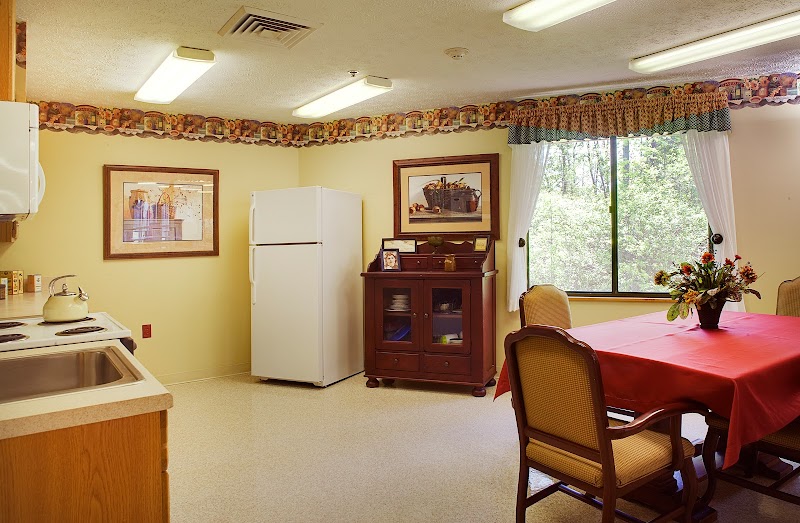
How is Arbors At Streetsboro Staffed?

CMS rates ARBORS AT STREETSBORO's staffing level at 3 out of 5 stars, which is average compared to other nursing homes. Staff turnover is 61%, which is 15 percentage points above the Ohio average of 46%. High turnover can affect care consistency as new staff learn residents' individual needs.

What Have Inspectors Found at Arbors At Streetsboro?

State health inspectors documented 52 deficiencies at ARBORS AT STREETSBORO during 2019 to 2025. These included: 1 Immediate Jeopardy (the most serious level, indicating potential for serious harm or death), 1 that caused actual resident harm, and 50 with potential for harm. Immediate Jeopardy findings are rare and represent the most serious regulatory concerns. They require immediate corrective action.
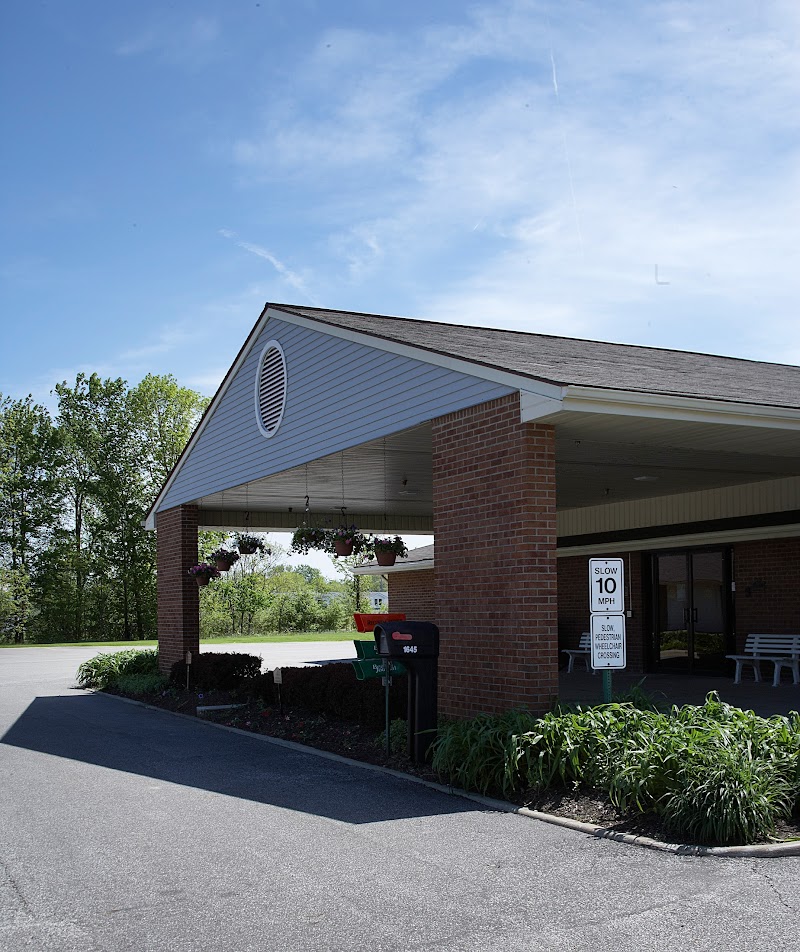
Who Owns and Operates Arbors At Streetsboro?

ARBORS AT STREETSBORO is owned by a for-profit company. For-profit facilities operate as businesses with obligations to shareholders or private owners. The facility is operated by ARBORS AT OHIO, a chain that manages multiple nursing homes. With 99 certified beds and approximately 65 residents (about 66% occupancy), it is a smaller facility located in STREETSBORO, Ohio.
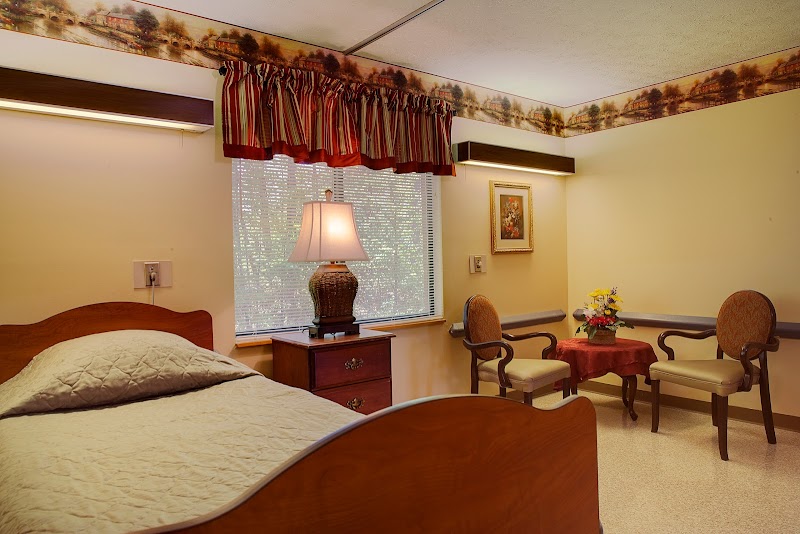
How Does Arbors At Streetsboro Compare to Other Ohio Nursing Homes?

Compared to the 100 nursing homes in Ohio, ARBORS AT STREETSBORO's overall rating (2 stars) is below the state average of 3.2, staff turnover (61%) is significantly higher than the state average of 46%, and health inspection rating (2 stars) is below the national benchmark.

What Should Families Ask When Visiting Arbors At Streetsboro?

Based on this facility's data, families visiting should ask: "What changes have been made since the serious inspection findings, and how are you preventing similar issues?" "How do you ensure continuity of care given staff turnover, and what is your staff retention strategy?" "Can I visit during a mealtime to observe dining assistance and food quality?" "How do you handle medical emergencies, and what is your hospital transfer rate?" These questions are particularly relevant given the facility's Immediate Jeopardy citations and the facility's high staff turnover rate.

Is Arbors At Streetsboro Safe?

Based on CMS inspection data, ARBORS AT STREETSBORO has documented safety concerns. Inspectors have issued 1 Immediate Jeopardy citation (the most serious violation level indicating risk of serious injury or death). The facility has a 2-star overall rating and ranks #100 of 100 nursing homes in Ohio. Families considering this facility should ask detailed questions about what corrective actions have been taken since these incidents.

Do Nurses at Arbors At Streetsboro Stick Around?

Staff turnover at ARBORS AT STREETSBORO is high. At 61%, the facility is 15 percentage points above the Ohio average of 46%. High turnover means new staff may not know residents' individual needs, medications, or preferences. It can also be disorienting for residents, especially those with dementia who rely on familiar faces. Families should ask: What is causing the turnover? What retention programs are in place? How do you ensure care continuity during staff transitions?

Was Arbors At Streetsboro Ever Fined?

ARBORS AT STREETSBORO has been fined $10,842 across 1 penalty action. This is below the Ohio average of $33,187. While any fine indicates a compliance issue, fines under $50,000 are relatively common and typically reflect isolated problems that were subsequently corrected. Families should ask what specific issues led to these fines and confirm they've been resolved.

Is Arbors At Streetsboro on Any Federal Watch List?

ARBORS AT STREETSBORO is not on any federal watch list. The most significant is the Special Focus Facility (SFF) program, which identifies the bottom 1% of nursing homes nationally based on persistent, serious quality problems. Not being on this list means the facility has avoided the pattern of deficiencies that triggers enhanced federal oversight. This is a positive indicator, though families should still review the facility's inspection history directly.