MAPLECREST NURSING AND HTA
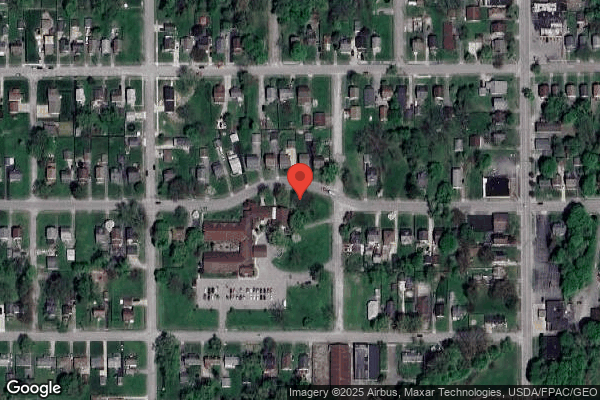
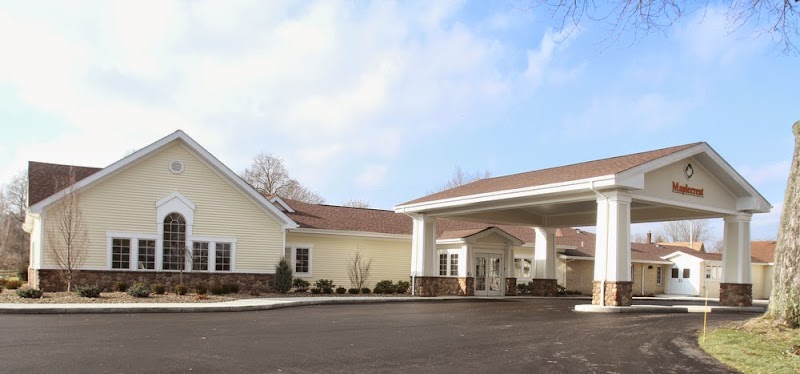
400 SEXTON STREET, STRUTHERS, OH 44471 (330) 755-1466
For profit - Limited Liability company 55 Beds Independent Data: November 2025
Trust Grade
80/100
#109 of 913 in OH
Last Inspection: April 2025

Within standard 12-15 month inspection cycle. Federal law requires annual inspections.

Overview

Maplecrest Nursing and HTA has a Trust Grade of B+, which means it is above average and recommended for families considering care options. It ranks #109 out of 913 facilities in Ohio, placing it in the top half, and #8 out of 29 in Mahoning County, indicating only seven local options are better. However, the facility is experiencing a worsening trend, with issues increasing from 2 in 2024 to 7 in 2025, raising some concerns. Staffing is a strength, rated at 5 out of 5 stars with a turnover rate of 39%, which is much lower than the state average, suggesting that staff remain consistent and familiar with residents. On the downside, there have been serious concerns, including a failure to implement a proper pressure ulcer prevention program, which resulted in a resident developing an unstageable pressure ulcer, and issues with ensuring accurate advance directives in care plans. Despite these weaknesses, the facility has not incurred any fines, indicating compliance with regulations.

Trust Score
B+
80/100
In Ohio
#109/913
Top 11%
Safety Record
Moderate
Needs review
Inspections
Getting Worse
2 → 7 violations
Staff Stability
○ Average
39% turnover. Near Ohio's 48% average. Typical for the industry.
Penalties
✓ Good
No fines on record. Clean compliance history, better than most Ohio facilities.
Skilled Nurses
✓ Good
Each resident gets 42 minutes of Registered Nurse (RN) attention daily — more than average for Ohio. RNs are trained to catch health problems early.
Violations
⚠ Watch
17 deficiencies on record. Higher than average. Multiple issues found across inspections.
★★★★★
5.0
Overall Rating
★★★★★
5.0
Staff Levels
★★★★★
5.0
Care Quality
★★★★☆
4.0
Inspection Score
Stable
2024: 2 issues
2025: 7 issues

The Good

  • 5-Star Staffing Rating · Excellent nurse staffing levels
  • 5-Star Quality Measures · Strong clinical quality outcomes
  • Full Sprinkler Coverage · Fire safety systems throughout facility
  • No fines on record
  • Staff turnover below average (39%)

    9 points below Ohio average of 48%

Facility shows strength in staffing levels, quality measures, fire safety.

The Bad

Staff Turnover: 39%

Near Ohio avg (46%)

Typical for the industry

The Ugly 17 deficiencies on record

1 actual harm
Apr 2025 7 deficiencies 1 Harm
SERIOUS (G)

Actual Harm - a resident was hurt due to facility failures

Pressure Ulcer Prevention (Tag F0686)

A resident was harmed · This affected 1 resident

**NOTE- TERMS IN BRACKETS HAVE BEEN EDITED TO PROTECT CONFIDENTIALITY** Based on observation, record review, interview, and facility policy review, the facility failed to develop and implement a compr...

Read full inspector narrative →
**NOTE- TERMS IN BRACKETS HAVE BEEN EDITED TO PROTECT CONFIDENTIALITY** Based on observation, record review, interview, and facility policy review, the facility failed to develop and implement a comprehensive and individualized pressure ulcer prevention program to prevent the development of pressure ulcers, timely identify new pressure ulcers and perform wound care using appropriate infection control practices. This affected one resident (#43) of one resident reviewed for pressure ulcers. This had the potential to affect four residents (#4, #9, #17, and #43) identified by the facility with pressure ulcers. Actual Harm occurred on 01/29/25 when Resident #43, who was dependent on staff assistance for most all activities of daily living (ADL) including toileting, and transfers, and required substantial to maximum assistance with rolling left and right in bed, was found to have an in-house acquired unstageable (full thickness tissue loss in which the actual depth of the ulcer was obscured by slough/ dead skin) pressure ulcer to his right gluteal fold (horizontal crease between the buttocks ad posterior upper thigh) per Registered Nurse (RN)/ Wound Nurse #449 as the wound bed contained 90 percent (%) slough. The facility failed to provide documented evidence of effective, comprehensive, and adequate interventions being in place to prevent the development of the pressure ulcer and to ensure the pressure ulcer was identified before being found as unstageable. Findings included: Review of the medical record for Resident #43 revealed an admission date of 12/09/24 and diagnoses including acute kidney failure, hypertension, osteoarthritis, and muscle wasting with atrophy. Review of care plan dated 12/10/24 revealed Resident #43 was at risk for impaired skin integrity. Interventions included assess skin on admission, quarterly, annually and upon significant change, encourage and assist in turning and repositioning every two hours and as indicated, encourage nutrition and hydration supplements as ordered, incontinence care with barrier cream, keep linen clean, dry, and wrinkle free, keep skin clean and dry, treatments and dressings as ordered by the physician and pressure relieving cushion to wheelchair. Review of the re-admission Braden Scale (assesses risk for developing pressure ulcers) dated 12/27/24 and completed by Licensed Practical Nurse (LPN) #446 revealed Resident #43 was at high risk for developing pressure ulcers because his sensory perception was very limited, he was occasionally moist, he was bedfast, he had inadequate nutrition, he was very limited on mobility and had a problem with friction and shearing as he required moderate to maximum assistance with moving. Review of the Admission/ Medicare five-day Minimum Data Set (MDS) assessment dated [DATE] revealed Resident #43 had impaired cognition and was dependent on toileting hygiene. The MDS assessment revealed during the assessment period rolling left and right and transfers were not attempted due to medical condition. He was at risk for pressure ulcers and had one unstageable pressure ulcer that was present on admission. Review of the nursing note dated 01/28/25 timed 4:36 A.M. and completed by RN #414 revealed Resident #43 had a new area to his right gluteal fold. There was no staging classification, description, and/or measurements noted per the nursing note or any other assessment form. Review of the Weekly Wound Observation Tool (documented as first observation in the note section) completed by RN/ Wound Nurse #449 and dated 01/29/25 revealed Resident #43 was found to have an unstageable pressure ulcer to his right gluteal fold that measured a length of 3.4 centimeters (cm), width of 2.0 cm and 0.2 cm in depth. The wound bed contained 90 percent slough and 10 percent granulated tissue with moderate serosanguinous (combination of clear and blood) drainage. Primary Care Physician (PCP) #482 was notified and ordered to cleanse the wound with normal saline, pat dry, apply calcium alginate (a highly absorbent wound dressing), cover with foam dressing twice a day. The assessment revealed the pressure ulcer was present on admission. Review of an Outside Wound Clinic progress note dated 01/29/25 and completed by Wound Physician #483 revealed Resident #43 was seen in the clinic and new orders were received for the right posterior thigh (the facility identified as right gluteal fold) to cleanse with vashe (super-oxidized solution formulated to combat bacteria and facilitate wound healing), apply silver alginate (absorbent dressing with antimicrobial properties) and cover with silicone border dressing every day. Resident #43 was also seen for the pressure ulcer to his coccyx that was present on admission and a wound culture was taken of this area. There were no details including measurements or classification of the wounds in the progress note. Review of the Wound Culture completed on Resident #43's coccyx pressure ulcer obtained on 01/29/25 and resulted on 02/01/25 revealed mixed gram-negative organisms (bacteria) and rare gram-positive cocci (unique group of bacteria that cause various infections) in pairs. Review of an Outside Wound Clinic progress note dated 01/29/25 and completed by Wound Physician #483 revealed he reviewed the wound culture results for Resident #43 and ordered doxycycline (antibiotic) 100 milligram (mg) by mouth every 12 hours. The progress note revealed to continue same treatment to the right posterior thigh: cleanse with vashe, apply silver alginate and cover with silicone border dressing every day. The progress note revealed the treatment order for the coccyx remained the same: cleanse with vashe, pack with silver alginate rope, and cover with silicone border. Review of the Wound Culture completed on Resident #43's coccyx pressure ulcer obtained on 02/27/25 and resulted on 03/01/25 revealed corynebacterium striatum (opportunistic bacteria that can infect tissues, complicate wound healing and often was resistant to various antibiotics) and granulicatella adiacens (gram positive bacteria) was identified in the wound. Review of Infection Control Physician #484's progress note dated 03/02/25 revealed Resident #43's coccyx wound culture was reviewed and Ceftriaxone (antibiotic) 2,000 mg intravenously (IV) every 24 hours for 42 doses was ordered. Review of the Outside Wound Clinic progress note dated 03/13/25 and completed by Wound Physician #483 revealed Resident #43's wound care orders for his right posterior thigh was to cleanse wound with vashe, apply black foam to wound bed, cover with drape, and apply wound vacuum (negative pressure suction to help bring the wound edges together and remove fluid and dead tissue) at 125 millimeters of mercury (mmHg). The note revealed to continue IV antibiotic Ceftriaxone as ordered per Infection Control Physician #484. There were no details including measurements of the wound in the progress noted. Review of the Medicare five-day MDS assessment dated [DATE] revealed Resident #43 had impaired cognition and was dependent on staff assistance with toileting hygiene and transfers. He required substantial to maximum assistance with dressing, rolling left and right and showers. He was at risk for developing pressure ulcers and had two unstageable pressure ulcers with one being present on admission. Review of the Weekly Wound Observation completed by RN/ Wound Nurse #449 and dated 04/07/25 revealed Resident #43's pressure ulcer to his right gluteal fold was now a Stage 4 (full thickness tissue loss with exposed bone, tendon, or muscle) pressure ulcer that measured 3.4 cm in length, 5.2 cm in width and 4.6 cm in depth. The wound area contained 25 % necrosis, 75 % slough and moderate serosanguinous drainage. The treatment was for a wound vacuum at 125 mmHg to the pressure area and change every Monday, Wednesday and Friday. Interview on 04/08/25 at 10:59 A.M. with RN/ Wound Nurse #449 revealed she incorrectly placed on the Weekly Wound Observation Tool dated 01/29/25 that Resident #43 was admitted with the pressure ulcer to his right gluteal fold and verified the wound was in-house acquired. RN/Wound Nurse #449 also verified the nursing note dated 01/28/25 indicated Resident #43 had a new area to his right gluteal fold but there was no documentation of staging, description or measurements per the nursing note or any other assessment form until she completed the Weekly Wound Observation Tool dated 01/29/25 and it was classified as unstageable. RN/Wound Nurse #449 revealed the pressure ulcer to Resident #43's right gluteal fold contained 90% white slough to the wound bed and she did not know why the wound was not found at an earlier stage especially with already formed slough inside the wound bed. RN/Wound Nurse #449 revealed she was aware Resident #43 refused to turn once and that after she educated him to her knowledge, he did not refuse any further. RN/Wound Nurse #449 had not relayed to LPN/ MDS #419 that Resident #43 had refused because in her opinion it was an isolated event and the education provided was effective, and he refused no longer. Interview on 04/08/25 at 11:49 A.M. and 12:34 P.M. with LPN/ MDS #419 verified on the Admission/ Medicare five-day MDS assessment dated [DATE] she had marked that rolling left and right and/or transfers were not attempted for Resident #43 due to medical condition. LPN/MDS #419 revealed she was unsure why she had marked that as she could not think of the medical condition that would have prevented Resident #43 from being turned. She revealed nobody had communicated anything to her regarding Resident #43 refusing care including turning as she would have documented that in his care plan. LPN/MDS #419 verified there was nothing in Resident #43's care plan regarding being noncompliant with care including turning and repositioning. Interview on 04/08/25 at 12:12 P.M. and 12:38 P.M. with the Director of Nursing (DON) verified Resident #43's right gluteal fold was found at an unstageable pressure ulcer with 90 % slough inside the wound bed. The DON also verified that there was no medical condition that prevented Resident #43 from being turned and the MDS assessment dated [DATE] was marked incorrectly as he was dependent on staff assistance with bed mobility and transfers. Review of the Outside Wound Clinic progress note dated 04/09/25 completed by Wound Physician #483 revealed to place wound vacuum on hold and change treatment order to cleanse the right posterior thigh with vashe, apply silver alginate and cover with silicone border. The treatment to Resident #43's coccyx was changed to cleanse with vashe, pack with silver alginate rope and cover with silicone border. The progress note revealed to continue to follow with Infection Control Physician #484. Observation of wound care on 04/10/25 at 10:26 A.M. with RN/Wound Nurse #449 and Certified Nursing Assistant (CNA) #478 revealed Resident #43 was dependent on staff assistance to turn to his side. RN/ Wound Nurse #449 had performed hand hygiene and applied gloves, gown and mask as Resident #43 was on enhanced barrier precautions. RN/Wound Nurse #449 proceeded to remove the dressings from the right gluteal fold and coccyx and disposed of them. RN/Wound Nurse #449 changed her gloves but did not wash her hands. She proceeded to pour vashe wound solution inside each wound and then took an unsterile gauze four by four and cleansed the inside of the coccyx wound and then with the same gloved hand took another unsterile gauze four by four and cleansed the inside of the right gluteal fold wound. Then, she took a sterile four by four and wiped the inside of the coccyx wound and then took a sterile four by four and wiped the inside of the right gluteal fold wound with the same gloved hands that had come in contact with both wounds. RN/Wound Nurse #449 described the right gluteal fold as a Stage IV with 90 percent necrotic tissue and 10 percent slough. RN/Wound Nurse #449 described the coccyx wound as also a Stage IV and only having 10 percent granulated tissue as majority of the wound bed contained slough. Both wounds had moderate yellow drainage with a foul smell. RN/Wound Nurse #449 proceeded with the same gloved hands to pack the coccyx wound with silver calcium rope gauze and then packed the right gluteal fold. She then took Skin Prep and wiped around both wounds (right gluteal fold and coccyx) with same gloved hand, then covered each wound with silicone border dressing. RN/Wound Nurse #449 then proceeded to doff and wash her hands. Interview on 04/10/25 at 10:49 A.M. with RN/Wound Nurse #449 verified Resident #43 had a wound culture completed of his coccyx area that indicated it was infected, and he was started on IV antibiotics on 03/02/25 for 42 doses that continued at this time. RN/Wound Nurse #449 verified the right gluteal fold had not been cultured and to her knowledge there was nothing documented that the right gluteal had an infection. RN/Wound Nurse #449 verified she had removed both dressings at the same time, changed her gloves and did not wash her hands. She verified she had cleansed each wound with the same gloved hands with vashe wound care solution and then packed each wound with the same gloved hands without washing her hands and/or changing her gloves. She verified that she then applied Skin Prep to the skin surrounding the wounds and applied the silicone border dressing with the same gloved hands. RN/Wound Nurse #449 verified there was the potential to cross contaminate the already known wound infection to the coccyx wound to the right gluteal fold wound. RN/Wound Nurse #449 verified she should have completed each wound dressing separately including cleaning the wound, packing the wound, and covering the wound and not with the same gloved hands as well as washing her hands after removing the old dressings before applying new gloves. Interview on 04/10/25 at 11:49 A.M. with the DON verified Resident #43's coccyx wound culture had come back positive indicating he had an infection and was on IV antibiotics. She verified RN/ Wound Nurse #449 should have washed her hands after removing the old dressings. The DON also verified RN/ Wound Nurse #449 should not have cleansed, packed and covered the coccyx and right gluteal fold wounds with the same gloved hands as there was a potential for cross contamination of infection especially since the coccyx wound already had a known infection. Review of the undated facility policy labeled, Pressure Injury Prevention revealed the purpose of the policy was to ensure the safety and well-being of the residents by minimizing the risk of pressure injuries and promote skin integrity. The policy revealed if a Braden Scale for Predicting Pressure Sore Risk was 18 or lower than preventative orders would be implemented such as turning and repositioning and elevating heels. The policy revealed proper lifting and transferring techniques would be utilized to minimize shearing and skin damage, appropriate support surfaces such as mattresses and cushions would be used to redistribute pressure and ongoing education to all staff members on pressure ulcer prevention and management. Review of the undated facility policy, Wound Care and Dressing Change revealed the purpose of the policy was to ensure consistent, safe and effective wound care to reduce the risk of infection and promote wound healing. The policy revealed the dressing change process included to perform hand hygiene and don gloves, remove old dressing carefully noting any drainage or odor, remove gloves and perform hand hygiene. The nurse was to don new gloves, cleanse wound per orders, apply new dressing as prescribed and secure dressing. There was nothing in the policy regarding the process the nurse should follow when there was more than one wound.
CONCERN (D)

Potential for Harm - no one hurt, but risky conditions existed

Deficiency F0578 (Tag F0578)

Could have caused harm · This affected 1 resident

**NOTE- TERMS IN BRACKETS HAVE BEEN EDITED TO PROTECT CONFIDENTIALITY** Based on interview, record review and review of facility policy the facility failed to ensure Resident #43's advance directives ...

Read full inspector narrative →
**NOTE- TERMS IN BRACKETS HAVE BEEN EDITED TO PROTECT CONFIDENTIALITY** Based on interview, record review and review of facility policy the facility failed to ensure Resident #43's advance directives were accurate in the physician orders and care plan. This affected one resident (Resident #43) out of one resident (Resident #43) reviewed for advance directives. The facility census was 46. Findings included: Review of the medical record for Resident #43 revealed an admission date of 12/09/24 and diagnoses including acute kidney failure, hypertension, osteoarthritis, and muscle wasting with atrophy. Review of the care plan dated 12/10/24 revealed Resident #43's advance directives indicated he was a full code. Review of the Do Not Resuscitate (DNR) Comfort Care form in Resident #43's medical record revealed on 12/13/24 Primary Care Physician (PCP) #482 signed the form indicating Resident #43 was a DNR comfort care- arrest. Review of the DNR Comfort Care form in Resident #43's medical record revealed on 12/26/24 PCP #482 changed Resident #43's advance directives from a DNR comfort care- arrest to a DNR comfort care. Review of Medicare five-day Minimum Data Set (MDS) assessment dated [DATE] revealed Resident #43 had impaired cognition. Review of the April 2025 physician orders revealed Resident #43 had an advanced directive order dated 12/27/24 for a DNR comfort care- arrest. Interview on 04/08/25 at 11:49 A.M. and 12:34 P.M. with Licensed Practical Nurse (LPN)/ MDS #419 verified Resident #43's care plan was inaccurate as the care plan had identified Resident #43 as a full code and that he should have been a DNR comfort care. She also verified the physician order of DNR comfort care- arrest in the electronic medical record was also inaccurate as the physician order did not match the DNR Comfort Care form that indicated Resident #43 was to be a DNR-comfort care. Interview on 04/08/25 at 12:12 P.M. and 12:38 P.M. with the Director of Nursing (DON) verified the advanced directives were inaccurate in the care plan and physician orders. The DON verified the care plan indicated Resident #43 was a full code, the physician order in the electronic medical record indicated Resident #43 was a DNR comfort care- arrest and the DNR Comfort Care form in Resident #43's medical record indicated he was to be a DNR comfort care. The DON verified Resident #43 should have been a DNR comfort care. Review of the facility policy labeled, Advanced Directives dated January 2015 revealed advanced directives would be respected in accordance with state and facility policy. The policy revealed prior to admission the admissions coordinator, or the social service designee would provide written information regarding the right to formulate advanced directives. Any changes of an advance directive would be submitted in writing to the Administrator and/or Director of Nursing who would submit the changes to the care plan team for adjustments to the care plan. The Director of Nursing or designee would notify the attending physician of the advanced directives so that appropriate orders would be documented in the medical record and care plan.
CONCERN (D)

Potential for Harm - no one hurt, but risky conditions existed

Deficiency F0694 (Tag F0694)

Could have caused harm · This affected 1 resident

**NOTE- TERMS IN BRACKETS HAVE BEEN EDITED TO PROTECT CONFIDENTIALITY** Based on observation, record review, interview and review of facility policy the facility failed to ensure Resident #43's periph...

Read full inspector narrative →
**NOTE- TERMS IN BRACKETS HAVE BEEN EDITED TO PROTECT CONFIDENTIALITY** Based on observation, record review, interview and review of facility policy the facility failed to ensure Resident #43's peripherally inserted central catheter (PICC) line (a long flexible tube usually inserted into the vein in the upper arm and passed through a larger vein near the heart to administer medications and other treatments) dressing was changed as ordered. This affected one resident (Resident #43) out of one resident (Resident #43) reviewed for intravenous (IV) therapy. Findings included: Review of medical record for Resident #43 revealed an admission date of 12/09/24 and diagnoses including acute kidney failure, hypertension, osteoarthritis, and muscle wasting with atrophy. Review of undated care plan revealed Resident #43 had intravenous (IV) medications. Interventions included IV dressing change as ordered, and monitor, document and report as needed signs and symptoms of infection at the site including drainage, inflammation, swelling, redness and warmth. Review of March and April 2025 physician orders revealed the following orders all dated 03/06/25: monitor PICC line to right upper extremity for any signs of infection or infiltration every shift, Ceftriaxone (antibiotic) 2,000 milligram (mg) intravenously (IV) every 24 hours for 42 doses due to wound infection, change PICC line dressing to right upper extremity every week (Thursday), and flush PICC line to right upper extremity before and after every antibiotic administration using the SASH method (a guideline for flushing and delivering medication to IV lines, that stands for administration of saline, medication, saline, and then heparin (blood thinner) to prevent complications and ensure safe IV line maintenance). Review of the March 2025 Treatment Administration Record (TAR) revealed the order to change Resident #43's PICC line dressing to his right upper extremity every week was not documented as completed as ordered on 03/20/25 as it was blank. There was no documentation the PICC line dressing was changed from 03/13/25 until 03/27/25. Review of Medicare five-day MDS assessment dated [DATE] revealed Resident #43 had impaired cognition and received intravenous antibiotics. Review of the April 2025 TAR revealed Resident #43's order to change the PICC line dressing to Resident #43's right upper extremity every week was documented as completed on 04/03/25 by Licensed Practical Nurse (LPN) #446. Observation on 04/09/25 at 8:35 A.M. revealed Resident #43's right upper extremity PICC line was intact with a dressing covering the PICC line dated 03/27/25. The dressing was loose to the lower left as it was peeling and folding upward. Interview and observation on 04/09/25 at 8:56 A.M. with LPN #446 verified Resident #43's right upper extremity PICC line dressing was dated 03/27/25. LPN #446 verified the dressing was supposed to be completed once a week and was scheduled to be changed 04/03/25. LPN #446 verified she had signed off in the TAR that the dressing was changed on 04/03/25 and that she did not change the dressing. LPN #446 revealed she had been sick and all the days run together so she did not know why she had documented that she had changed the dressing when she had not. LPN #446 verified the right upper extremity PICC line dressing was loose and the lower left corner of the dressing was peeling and folding upward. Interview on 04/09/25 at 9:10 A.M. with the Director of Nursing (DON) verified PICC line dressings were to be changed once a week. The DON also verified Resident #43 was the only resident currently receiving IV therapy. Review of undated facility policy labeled, PICC Line revealed the dressing over the PICC line should be changed every seven days or sooner if the dressing became wet, soiled or loose. The nurse was to document the dressing change procedure including date and any observations regarding the site including signs of infection, and condition of catheter.
CONCERN (D)

Potential for Harm - no one hurt, but risky conditions existed

Drug Regimen Review (Tag F0756)

Could have caused harm · This affected 1 resident

**NOTE- TERMS IN BRACKETS HAVE BEEN EDITED TO PROTECT CONFIDENTIALITY** Based on medical record review and staff interview, the facility failed to ensure pharmacy recommendations were reviewed and res...

Read full inspector narrative →
**NOTE- TERMS IN BRACKETS HAVE BEEN EDITED TO PROTECT CONFIDENTIALITY** Based on medical record review and staff interview, the facility failed to ensure pharmacy recommendations were reviewed and responded to timely from the physician. This affected one resident (#29) of five residents reviewed for unnecessary medications. The current census was 46. Findings included: Review of Resident #29 record revealed the resident was admitted to the facility on [DATE]. Diagnoses for Resident #29 included cerebral infarction, schizoaffective disorder, major depression, hemiplegia, anxiety disorder and chronic pain syndrome. Review of Resident #29's Minimum Data Set ( MDS) 3.0 quarterly assessment dated [DATE] revealed the resident had good cognition and was receiving antipsychotic, antidepressant, diuretic, and antiplatelet medication during the assessment period. Review of the physician order dated 10/28/24 revealed Risperidone oral tablet one milligram by mouth at bed time for schizoaffective disorder. Review of Resident #29's Pharmacy Drug Regimen Review sheet with dates of 04/17/24 through 03/12/25 revealed a recommendation was made to the physician on 02/18/25. Review of the Physician's Communication Form dated 02/18/25 revealed a pharmacy recommendation for a dose reduction for the psychoactive medication Risperidone one milligram tablet. Further review of Resident #29's medication record, treatment records, progress notes, and physician orders revealed there was no documentation of a response from the physician to the pharmacy or facility staff until the physician response dated 04/07/25 indicating not to reduce Risperidone. Interview on 04/08/25 at 3:04 P.M. with the Director of Nursing ( DON) verified a recommendation was made by the pharmacist on 02/18/25 and the response was not timely since the psychiatrist was in the building every six weeks and the nurse practitioner more often. Review of facility policy Tapering Medications and Gradual Drug Dose Reduction, revised April 2007, revealed after medication was ordered for a resident, the staff and practitioner would seek an appropriate does and duration for each medication that also minimized the risk of adverse consequences.
CONCERN (D)

Potential for Harm - no one hurt, but risky conditions existed

Deficiency F0805 (Tag F0805)

Could have caused harm · This affected 1 resident

**NOTE- TERMS IN BRACKETS HAVE BEEN EDITED TO PROTECT CONFIDENTIALITY** Based on interview, observation, and policy review the facility failed to ensure physician ordered diet modification texture was...

Read full inspector narrative →
**NOTE- TERMS IN BRACKETS HAVE BEEN EDITED TO PROTECT CONFIDENTIALITY** Based on interview, observation, and policy review the facility failed to ensure physician ordered diet modification texture was followed as required. This affected one resident (#5) of three residents reviewed for diet texture. The facility census was 46. Findings included: Review of the medical record for Resident #5 revealed an admission date of 11/11/24. Diagnoses included but were not limited to gastrointestinal hemorrhage, chronic kidney disease, neoplasm of parotid gland, dysphagia and cognitive communication deficit. Review of the Care Plan dated 03/10/25 revealed Resident #5 had swallowing problems related to swallowing assessment results per Modified Barium Swallow (MBS) study. Resident #5 had a potential risk of aspiration. Interventions included monitor dietary intake. Monitor, document, report as needed dysphagia such as pocketing, choking, coughing, drooling, holding food in mouth, and several attempts to swallow. Aid with meals as needed to encourage intake. Refer to speech therapist for swallowing evaluation. Resident to eat only with supervision. Review of the physician order dated 03/10/25 for Resident #5 revealed a diet order for regular diet, puree texture, and honey thick consistency for liquids. Review of the quarterly Minimum Data Set (MDS) 3.0 assessment dated [DATE] for Resident #5 revealed a Brief Interview of Mental Status (BIMS) score of eight which indicated moderate cognitive impairment. Resident #5 received a mechanically altered therapeutic diet, and required moderate assistance for eating meals. Review of the Speech Therapy Note dated 04/03/25 revealed Resident #5 had limited insight into current physical impairment. Resident #5 consumed honey thick liquids with no signs and symptoms of aspiration. Intervention included honey thick drinks and puree consistencies. Observation on 04/08/25 at 8:19 A.M. of the Activities Dining Room revealed Resident #5 was feeding himself breakfast that consisted of apple juice that was thick, cream of wheat, puree banana, pancakes that were of a minced consistency, sausage that was of a minced consistency, and milk that was thick. Resident #5 was observed to chew his food upon feeding himself. Interview on 04/08/25 at 8:26 A.M. with the Director of Nursing (DON), who was in the Activities Dining Room, confirmed Resident #5 was to receive puree food. Interview on 04/08/25 at 8:28 A.M. with Dietary Manager #401 verified Resident #5's breakfast was minced/chopped and not smooth. Interview on 04/08/25 at 8:29 A.M. with Resident #5 revealed he was a poor historian. Interview on 04/08/25 at 12:49 P.M. with Speech Therapist #481 revealed Resident #5 was evaluated by speech therapy and was ordered a puree diet consistency and honey thick liquid consistency after a Modified Barium Swallow (MBS) test was done on 03/08/24. The puree consistency honey thick liquids was deemed the safest diet at that time to reduce the risk of choking and aspiration. Interview on 04/09/25 at 9:00 A.M. with Registered Dietitian (RD) #454 revealed Resident #5 was ordered a puree food consistency because Resident #5 was at high risk for aspiration. Review of the facility's undated policy Food Textures revealed puree diet texture was smooth, lump free and did not require chewing.
CONCERN (D)

Potential for Harm - no one hurt, but risky conditions existed

Infection Control (Tag F0880)

Could have caused harm · This affected 1 resident

**NOTE- TERMS IN BRACKETS HAVE BEEN EDITED TO PROTECT CONFIDENTIALITY** Based on observation, record review, interview, and facility policy review, the facility failed to perform wound care using appr...

Read full inspector narrative →
**NOTE- TERMS IN BRACKETS HAVE BEEN EDITED TO PROTECT CONFIDENTIALITY** Based on observation, record review, interview, and facility policy review, the facility failed to perform wound care using appropriate infection control practices. This affected one resident (#43) of one resident observed for wound care. This had the potential to affect six Residents (#4, #9, #17, #18, #31 and #43) identified by the facility with wounds requiring dressing changes. Findings included: Review of medical record for Resident #43 revealed an admission date of 12/09/24 and diagnoses including acute kidney failure, hypertension, osteoarthritis, and muscle wasting with atrophy. Review of the care plan dated 12/10/24 revealed Resident #43 was at risk for impaired skin integrity. Interventions included skin assessment on admission, quarterly, annually and upon significant change, encourage and assist in turning and repositioning every two hours and as indicated, and treatments and dressings as ordered by the physician. Review of the Outside Wound Clinic progress note dated 01/29/25 and completed by Wound Physician #483 revealed Resident #43 was seen in the clinic and new orders were received for the right posterior thigh (the facility identified as right gluteal fold) to cleanse with vashe (super-oxidized solution formulated to combat bacteria and facilitate wound healing), apply silver alginate (a wound care absorbent dressing with antimicrobial properties) and cover with silicone border dressing every day. Resident #43 was also seen for a pressure ulcer to his coccyx that was present on admission and a wound culture was taken of this area. There were no details including measurements, description or classification of the wounds noted in the progress note. Review of the Wound Culture completed on Resident #43's coccyx pressure ulcer obtained on 01/29/25 and resulted on 02/01/25 revealed mixed gram-negative organisms (bacteria) and rare gram-positive cocci (unique group of bacteria that cause various infections) in pairs. Review of the Wound Culture completed on Resident #43's coccyx pressure ulcer obtained on 02/27/25 and resulted on 03/01/25 revealed corynebacterium striatum (opportunistic bacteria that can infect tissues, complicate wound healing and often was resistant to various antibiotics) and granulicatella adiacens (gram positive bacteria) was identified in the wound. Review of Infection Control Physician #484's progress note dated 03/02/25 revealed Resident #43's coccyx wound culture was reviewed and Ceftriaxone (antibiotic) 2,000 mg intravenously (IV) every 24 hours for 42 doses was ordered. Review of the Medicare five-day Minimum Data Set (MDS) assessment dated [DATE] revealed Resident #43 had impaired cognition and had two unstageable (full thickness tissue loss in which the actual depth of the ulcer was obscured by slough/ dead skin) pressure ulcers. Review of the Weekly Wound Observation completed by Registered Nurse (RN)/ Wound Nurse #449 and dated 04/07/25 revealed Resident #43's pressure ulcer to his right gluteal fold was now a Stage 4 (full thickness tissue loss with exposed bone, tendon, or muscle) pressure ulcer that measured 3.4 centimeter (cm) in length, 5.2 cm in width and 4.6 cm in depth. The wound area contained 25 percent necrosis, 75 percent slough and moderate serosanguinous drainage. The treatment was for a wound vacuum (negative pressure suction to help bring the wound edges together and remove fluid and dead tissue) at 125 millimeters of mercury and change every Monday, Wednesday and Friday. Review of the Outside Wound Clinic progress note dated 04/09/25 and completed by Wound Physician #483 revealed to place wound vacuum on hold and change treatment order to cleanse the right posterior thigh with vashe, apply silver alginate and cover with silicone border. The treatment to Resident #43's coccyx was changed to cleanse with vashe, pack with silver alginate rope and cover with silicone border. The progress note revealed to continue to follow with Infection Control Physician #484. Observation of wound care on 04/10/25 at 10:26 A.M. with RN/Wound Nurse #449 and Certified Nursing Assistant (CNA) #478 revealed Resident #43 was dependent on staff assistance to turn to his side. RN/ Wound Nurse #449 had performed hand hygiene and applied gloves, gown and mask as Resident #43 was on enhanced barrier precautions. RN/Wound Nurse #449 proceeded to remove the dressings to the right gluteal fold and coccyx and disposed of them. RN/Wound Nurse #449 changed her gloves but did not wash her hands. She proceeded to pour vashe wound solution inside each wound and then took an unsterile gauze four by four and cleansed the inside of the coccyx wound and then with the same gloved hand took another unsterile gauze four by four and cleansed the inside of the right gluteal fold wound. Then, she took a sterile four by four and wiped the inside of the coccyx wound and then took a sterile four by four and wiped the inside of the right gluteal fold wound with the same gloved hands that had come in contact with both wounds. RN/Wound Nurse #449 described the right gluteal fold as a Stage IV with 90 percent necrotic tissue and 10 percent slough. RN/Wound Nurse #449 described the coccyx wound as a Stage IV and only having 10 percent granulated tissue as majority of the wound bed contained slough. Both wounds had moderate yellow drainage with a foul smell. RN/Wound Nurse #449 proceeded with the same gloved hand and packed the coccyx wound with silver calcium rope gauze and then packed the right gluteal fold. RN/Wound Nurse #449 then took Skin Prep and wiped around the right gluteal fold and coccyx with same gloved hand. RN/Wound Nurse #449 then covered each wound with silicone border dressing and proceeded to doff and wash her hands. Interview on 04/10/25 at 10:49 A.M. with RN/Wound Nurse #449 verified Resident #43 had a wound culture completed of his coccyx area that indicated it was infected, and he was started on IV antibiotics on 03/02/25 for 42 doses that continued at this time. RN/Wound Nurse #449 verified the right gluteal fold was not cultured and to her knowledge there was nothing documented that the right gluteal had an infection. RN/Wound Nurse #449 verified she had removed both dressings at the same time, changed her gloves and did not wash her hands. She verified she had cleansed each wound with the same gloved hands with vashe wound care solution and then packed each wound with the same gloved hands without washing her hands and/or changing her gloves. RN Wound Nurse #449 verified that she then applied Skin Prep to the skin surrounding the wounds and applied the silicone border dressing with the same gloved hands. RN/Wound Nurse #449 verified there was the potential to cross contaminate the already known wound infection to the coccyx wound to the right gluteal fold. RN/Wound Nurse #449 verified she should have completed each wound dressing separately including cleaning the wound, packing the wound, and covering the wound and not with the same gloved hands as well as washing her hands after removing the old dressings before applying new gloves. Interview on 04/10/25 at 11:49 A.M. with Director of Nursing (DON) verified Resident #43's coccyx wound culture had come back positive indicating he had an infection and was on an IV antibiotic. The DON verified RN/ Wound Nurse #449 should have washed her hands after removing the old dressings. The DON also verified RN/ Wound Nurse #449 should not have cleansed, packed and covered the coccyx and right gluteal fold wounds with the same gloved hands as there was a potential for cross contamination of infection especially since the coccyx wound already had a known infection. Review of undated facility policy, Wound Care and Dressing Change revealed the purpose of the policy was to ensure consistent, safe and effective wound care to reduce the risk of infection and promote wound healing. The policy revealed the dressing change process included to perform hand hygiene and don gloves, remove old dressing carefully noting any drainage or odor, remove gloves and perform hand hygiene. The nurse was to don new gloves, cleanse wound per orders, apply new dressing as prescribed and secure dressing. There was nothing in the policy regarding the process the nurse should follow when there was more than one wound.
MINOR (B)

Minor Issue - procedural, no safety impact

Deficiency F0912 (Tag F0912)

Minor procedural issue · This affected multiple residents

**NOTE- TERMS IN BRACKETS HAVE BEEN EDITED TO PROTECT CONFIDENTIALITY** Based on record review and interview the facility failed to provide single rooms with at least 100 square feet of living space i...

Read full inspector narrative →
**NOTE- TERMS IN BRACKETS HAVE BEEN EDITED TO PROTECT CONFIDENTIALITY** Based on record review and interview the facility failed to provide single rooms with at least 100 square feet of living space in each room. This affected six residents ( #2, #13, #16, #22, #38, and #41) of 46 residents residing in the facility. Findings included: On 04/08/25 at 8:30 A.M. an interview with the Administrator confirmed the facility had six single rooms with less than the required 100 square footage of living space. Six of the six rooms were occupied by residents at the time of the survey. Review of the space/occupancy certification waiver, dated 11/22/22, revealed Resident #2, #13, #22, #38, and #41 were in single rooms that measured less than the required 100 square feet of living space. The room measurements and residents affected were as follows. room [ROOM NUMBER] (Resident #41) 96.47 square feet. room [ROOM NUMBER] (Resident #2) 93.15 square feet. room [ROOM NUMBER] (Resident #38) 96.46 square feet. room [ROOM NUMBER] (Resident #13) 93.55 square feet. room [ROOM NUMBER] (Resident #16) 97.75 square feet. room [ROOM NUMBER] (Resident #22) 91.50 square feet.
Jun 2024 1 deficiency
CONCERN (D) 📢 Someone Reported This

A family member, employee, or ombudsman was alarmed enough to file a formal complaint

Potential for Harm - no one hurt, but risky conditions existed

Pressure Ulcer Prevention (Tag F0686)

Could have caused harm · This affected 1 resident

**NOTE- TERMS IN BRACKETS HAVE BEEN EDITED TO PROTECT CONFIDENTIALITY** Based on observation, interview and record review the facility failed to assess the skin underneath Resident #28's right lower e...

Read full inspector narrative →
**NOTE- TERMS IN BRACKETS HAVE BEEN EDITED TO PROTECT CONFIDENTIALITY** Based on observation, interview and record review the facility failed to assess the skin underneath Resident #28's right lower extremity hinged brace resulting in an in-house acquired stage II pressure ulcer under the brace. This affected one resident (#28) of three residents reviewed for pressure ulcers. The facility census was 52. Findings include: Review of the medical record for Resident #28 revealed an admission date of 04/23/24. Diagnoses included displaced comminuted fracture of the shaft of the right femur, chronic atrial fibrillation, and cerebral infarction. Review of the physician's order dated 04/26/24 revealed Resident #28 had an order for a right lower extremity hinged brace which was to remain intact and only to be removed for personal hygiene. Review of the admission Minimum Data Set (MDS) assessment dated [DATE] revealed Resident #28 had moderate cognitive impairment. Resident #28 required substantial/maximal assistance for eating, oral hygiene, upper body dressing, and showering/bathing. Resident #28 was dependent for toileting, lower body dressing, and putting on and taking off footwear. Resident #28 was frequently incontinent of urine and bowel. Resident #28 had no pressure ulcers on admission and was at risk of developing pressure ulcers. Review of the care plan for Resident #28 dated 05/08/24 revealed she was at risk for skin breakdown. Interventions included to assess skin weekly and turn and reposition every two hours. Review of the nursing progress note dated 05/18/24 for Resident #28 revealed an area was found on her right outer lower extremity under the hinged brace. The physician and her family were notified. Review of the skin incident/accident witness statement dated 05/18/24 authored by Licensed Practical Nurse (LPN) #530 revealed she was called to Resident #28's room by a state tested nurse aide (STNA) and observed the area to the right outer lower leg. Review of the skin incident/accident witness statement dated 05/18/24 by STNA #522 revealed she was doing care for Resident #28 when she complained of pain in her right lower leg. The STNA #522 got a mirror and looked inside her brace and found a new skin area and notified the nurse. There was no documented evidence that treatment orders were implemented until 05/20/24. Review of weekly skin assessment dated [DATE] revealed family was notified of the wound on 05/18/24. The lateral right lower extremity was found to have a stage II pressure ulcer (partial thickness loss of dermis presenting as a shallow open ulcer with a red pink wound bed, without slough, may also present as an intact or open/ruptured serum filled blister) identified on 05/18/24. The wound bed was epithelial tissue, slough, and was moist. There was a scant amount of serosanguinous drainage with no odors. The wound measured 28 millimeters (mm) length by 6 mm width, by 1 mm depth. The surrounding skin was dry and intact erythematous. An order to clean with normal saline, apply optical AG and cover with a foam dressing. The comment section revealed it was from her hinged brace to her right lower extremity, per surgeon it may only be removed for hygiene purposes. A treatment order was put into place to assess skin every shift under the brace. Review of physician orders revealed on 05/20/24 orders for low air loss mattress to bed and check function every shift. Prosource (supplement) 30 milliliters (ml) by mouth twice a day for wound healing. Check placement of hinged brace to right lower extremity and assess skin integrity under the brace every shift. The resident was to have a protective boot to the left lower extremity at all times and a heel protector to the right lower extremity while in bed for skin integrity. Interview on 06/07/24 at 8:15 A.M. with Resident #28 confirmed she had a wound on her right lower extremity that was caused by the brace she must wear. She reported the staff was caring for it and it is healing. Interview on 06/07/24 at 8:49 A.M. with Wound Care Registered Nurse (RN) #548 confirmed that Resident #28 was admitted with a hinged brace to her right lower extremity. She reported staff informed her that they were checking underneath the brace but there was no documented evidence of it until an area was identified on 05/18/24. She confirmed when she returned to work on 05/20/24 she assessed Resident #28's wound with the wound care team. They put treatments in place including for the staff to check residents' skin under the brace every shift. She also completed an in-service with the staff to educate them on the new changes for when a resident is admitted with a brace. RN #548 also confirmed that residents were assessed with no new findings. Review of the in-service completed on 05/20/24 revealed eleven nurses signed the sign in sheet. Observation on 06/07/24 at 9:44 A.M. of wound care for Resident #28 with STNA #530 and Wound Care RN #548 revealed the area was clean and the edges were dry. There was moderate amount of serosanguineous drainage with no odor. Good hand hygiene and resident privacy was maintained during the observation. This deficiency represents noncompliance investigated under Complaint Number OH00154076.
Feb 2024 1 deficiency
CONCERN (D) 📢 Someone Reported This

A family member, employee, or ombudsman was alarmed enough to file a formal complaint

Potential for Harm - no one hurt, but risky conditions existed

Free from Abuse/Neglect (Tag F0600)

Could have caused harm · This affected 1 resident

Based on record review and interview, the facility did not ensure Resident #51 was not verbally abused by a nurse. This affected one resident (#51) of three residents reviewed for abuse. The facility ...

Read full inspector narrative →
Based on record review and interview, the facility did not ensure Resident #51 was not verbally abused by a nurse. This affected one resident (#51) of three residents reviewed for abuse. The facility census was 53. Findings include: Review of the medical record for Resident #51 revealed an admission date of 04/17/23 with diagnoses including cerebral infarction, chronic obstructive pulmonary disease, atherosclerotic heart disease, chronic systolic congestive heart failure, cerebral aneurism non ruptured and hyperlipidemia. Review of the comprehensive Minimum Data Set (MDS) 3.0 assessment, dated 12/26/23, revealed the resident had a Brief Mental Status score of 15 out of 15 indicating intact cognition. Resident #51 had no behavioral problems, hallucinations, or delusions. Review of the Self Reported Incident (SRI), dated 01/28/24, revealed on 01/27/24, the daughter of Resident #51 reported to the facility Licensed Practical Nurse (LPN) on duty that she was very upset by the way her mother had been spoken to by LPN #105 on 01/26/24. Resident #51's daughter stated her mother, Resident #51, reported to her she had been called stupid and ignorant by LPN#105 upon receiving her evening medications. The LPN who received the allegation immediately notified the Director of Nursing (DON) who reported the incident to the facility Administrator. The facility Administrator submitted a Self Reported Incident on 01/28/2024. LPN #105 was not on duty at the time of the allegation and was not scheduled to work again until 01/29/24 at 2:00 P.M. The facility Administrator, DON, and Assistant DON interviewed Resident #51 on 01/29/24 at 9:40 A.M. During the interview, Resident #51 stated she had asked LPN #105 if her Klonopin medication was included with her medication administration and the responce from LPN#105 was Are you just stupid? Resident #51 stated she asked why she would say that and LPN #105 responded are you just dumb or retarded? You have asked me this before and I have told you that you get this medication routinely. Resident #51 stated sometimes I forget things, I have dementia. Resident #51 stated LPN #105 then went on to care for her roommate. LPN #105 later returned, got into her face and told her you don't have dementia, I looked it up. She then stated LPN #105 began questioning her why she was getting so much pain medication which Resident #51 did not understand why she was being asked this. The facility Administrator, DON, and Assistant DON then interviewed Resident #51's daughter on 1/29/24 at 10:30 A.M. who reported her mother informed her while she was visiting on 01/27/24 LPN #105 had called her stupid and retarded when she asked a question about her medications and the nurse was not very nice. Resident #51's daughter then explained the nurse had been rude to her on the day of her mother's admission to the facility. The daughter requested to speak to the facility nurse directly and was informed by administration they would be investigating and would address LPN #105. The facility requested the daughter provide a written statement which she did. The facility Administrator, DON, and Assistant DON interviewed LPN#105 on 01/29/24 at approximately 11:00 A.M. LPN #105 denied making any of the alleged statements or having any wrongdoing in this matter. LPN #105 stated she did not know of any reason why this resident would make up this allegation and has not had any negative interactions with the resident. When LPN #105 was asked if she had ever made a comment about or referred to a resident as retarded, she did admit she had said this in the presence of other staff members. LPN #105 was informed she was being suspended pending full investigation of the incident. A written statement regarding the incident was requested from and provided by LPN #105. Resident #51's roomate, Resident #29, when interviewed by staff reported she did hear LPN #105 call Resident #51 stupid and ask her about pain medications. Review of the written statement taken from Resident #51 after the incident revealed LPN #105 was giving medications to her and she asked LPN #105 about her pain medication Klonopin and if it was included in the medications she was receiving at this time. LPN #105 responded Are you just stupid? Resident #51 responded why? LPN #105 then responded, Are you just dumb or retarded? You have asked me this before and I have told you that you get this medication routinely Resident #51 responded sometimes I forget things, I have dementia. LPN #105 then went to another resident's room to care for her. LPN #105 then came back to Resident #51's room a few minutes later, got down close to her face, and said you don't have dementia, I looked it up than began questioning why Resident #51 was getting so much pain medication, which Resident #51 did not understand why LPN #105 was asking her this. The facility substantiated the allegation of abuse after the investigation was verified by evidence. The facility terminated LPN #105's employment while she remained on suspension during the investigation. Further review of the facility investigation and follow-up actions to the incident revealed a list of 72 staff members of which 53 had evidence via staff signatures and/or written acknowledgment of on-line training on the topic Elder Abuse: what you need to know or F600 Freedom from abuse, neglect and exploitation for the date range of training completion 01/31/24 through 02/13/24. Two of the 72 staff members were marked as on leave of absence at the time of the training and one was marked as no longer employed at the facility. In addition to the interviews with Resident #51 and #29, the facility staff interviewed 20 additional interviewable residents with no findings of verbal abuse. There was no evidence in the facility investigation that non-interviewable residents had skin assessments performed on them to ensure no form of abuse had occured with them. On 02/05/24, as part of a quality assurance audit, 19 interviewable residents were interviewed for concerns or instances of verbal abuse and no issues were identified during the interviews. An interview was conducted on 02/13/24 at 2:45 P.M., with Resident #51 who confirmed the statement she gave to the facility. Resident #51 verified she felt she was verbally abused when LPN #150 asked her if she was stupid, dumb or retarded. An interview with LPN #150 was unable to be completed, as she could not be reached for comment. An interview was conducted on 02/13/24 at 3:01 P.M. with the Administrator who verified LPN #150 was terminated from the facility due to substantiated verbal abuse of Resident #51. The Administrator verified he had submitted all evidence of corrective actions taken to the surveyor for review as of 02/13/24. Review of facility policy titled Abuse Policy and Procedure, undated, stated the facility will not condone resident abuse by anyone, including staff members and described verbal abuse as any use of oral, written or gestured language that includes disparaging and derogatory terms to the resident or their families or within their hearing distance, to describe residents, regardless of their age, ability to comprehend or disability. This deficiency represents non-compliance investigated under Complaint Number OH00150429.
Sept 2022 5 deficiencies
CONCERN (D)

Potential for Harm - no one hurt, but risky conditions existed

Deficiency F0578 (Tag F0578)

Could have caused harm · This affected 1 resident

Based on record review, facility policy and procedure review and interview the facility failed to ensure Resident #40's advance directives were accurately reflected in the resident's medical record (t...

Read full inspector narrative →
Based on record review, facility policy and procedure review and interview the facility failed to ensure Resident #40's advance directives were accurately reflected in the resident's medical record (the physician's orders and care plan were different). This affected one resident (#40) of one resident reviewed for advance directives. Findings include: Review of medical record for Resident #40 revealed an admission date of 09/30/21 with diagnoses including dementia, hypertension, spinal stenosis, and depression. Review of comprehensive care plan, dated 10/31/21 revealed Resident #40 wished to have her advanced directives honored as she was a Full Code. Review of a Do Not Resuscitate (DNR) form for Resident #40 located in her medical record revealed on 11/30/21 Primary Care Physician (PCP) #900 signed a DNR Comfort Care- Arrest advance directive form for the resident. No other DNR forms were noted in the resident's medical record. Review of the Minimum Data Set (MDS) 3.0 assessment, dated 06/14/22 revealed Resident #40 was rarely or never understood. Review of the September 2022 physician's orders for Resident #40 revealed she had a DNR Comfort Care order dated 12/04/21, not a DNR Comfort Care- Arrest order. On 09/07/22 at 1:48 P.M. interview with the Director of Nursing (DON) revealed Resident #40 had a DNR form in her medical record that identified her advance directive status as DNR Comfort Care- Arrest. She indicated Resident #40's physician's orders identified Resident #40 as having a DNR Comfort Care was the DON indicated was inaccurate. The DON also verified Resident #40's care plan identified Resident #40 had a Full Code status which was also inaccurate. On 09/07/22 at 2:06 P.M. interview with the Licensed Practical Nurse (LPN)/Minimum Data Set (MDS) Coordinator verified the comprehensive care plan for Resident #40 was inaccurate as her advance directives should have been a DNR Comfort Care- Arrest not a Full Code. Review of facility policy titled Advance Directives Policy Statement, dated January 2015 revealed any changes of an advance directive must be submitted in writing to the Administrator and/or Director of Nursing who would submit the changes to the care plan team for adjustments to the resident's Minimum Data Set (MDS) and care plan. The policy also revealed the Director of Nursing and/or designee would notify the attending physician of the advance directives so that appropriate orders were documented in the medical record and care plan.
CONCERN (D)

Potential for Harm - no one hurt, but risky conditions existed

Transfer Notice (Tag F0623)

Could have caused harm · This affected 1 resident

**NOTE- TERMS IN BRACKETS HAVE BEEN EDITED TO PROTECT CONFIDENTIALITY** Based on closed record review and interview the facility failed to notify Resident #43's representative in writing of a discharg...

Read full inspector narrative →
**NOTE- TERMS IN BRACKETS HAVE BEEN EDITED TO PROTECT CONFIDENTIALITY** Based on closed record review and interview the facility failed to notify Resident #43's representative in writing of a discharge to the hospital. This affected one resident (#43) of one resident reviewed for hospitalization. Findings include: Review of Resident #43's closed medical record revealed an initial admission date of 06/21/22 with diagnoses including hemiplegia/hemiparesis, gastrointestinal hemorrhage, anxiety, anemia, diabetes, hypertensive kidney disease, hyperlipidemia and gastrostomy. Review of a progress note indicated Resident #43 was discharged to the hospital on [DATE] for acute renal failure, gastrointestinal bleed and anemia. Resident #43 was then discharged from the hospital to a different facility closer to her family. Review of Resident #43's medical record revealed no evidence the resident's representative was provided in writing a transfer/discharge notice indicating the reasons for the discharge, the effective date of the discharge, the location where Resident #43 was sent, a statement of Resident #43's appeal rights, and the name/address/phone number of the Office of the State Long Term Care Ombudsman; all in writing and in a language and manner they understand. On 09/07/22 at 1:02 P.M. interview with the Director of Nursing (DON) and Business Office Manager #510 verified the facility did not notify the resident's representative of the discharge. The DON indicated the facility had not provided written discharge notices for any residents discharged from the facility in the last year.
CONCERN (D)

Potential for Harm - no one hurt, but risky conditions existed

Comprehensive Care Plan (Tag F0656)

Could have caused harm · This affected 1 resident

Based on observation, record review, facility policy and procedure review and interview the facility failed to ensure Resident #34, who was identified as being at moderate risk for wandering/elopement...

Read full inspector narrative →
Based on observation, record review, facility policy and procedure review and interview the facility failed to ensure Resident #34, who was identified as being at moderate risk for wandering/elopement had a care plan specifying this risk with individualized interventions. This affected one resident (#34) of one resident reviewed for wandering/elopement. Findings include: Review of the medical record for Resident #34 revealed an admission date of 04/08/22 with diagnoses including dementia, hypertension and hearing loss. Review of an admission Wandering Assessment, dated 04/08/22 and completed by Registered Nurse (RN) #502 revealed Resident #34 was at moderate risk for wandering. The assessment revealed Resident #34 was disoriented, forgetful, had a short attention span and she did not understand her surroundings. Review of the comprehensive care plan, with a date of initiation of 04/11/22 revealed Resident #34 did not have a care plan that identified Resident #34 the risk for wandering/elopement. Review of a quarterly Wander Assessment, dated 07/26/22 and completed by Licensed Practical Nurse (LPN) #536 revealed Resident #34 remained at moderate risk for wandering. The assessment revealed Resident #34 was forgetful, had a short attention span and did not understand what was being said due to cognition. Review of the quarterly Minimum Data Set (MDS) 3.0 assessment, dated 08/14/22 revealed Resident #34 was rarely or never understood. The assessment revealed the resident was non-ambulatory and required staff supervision with one-person physical assist for locomotion on and off the unit. This assessment indicated the resident had no wandering behaviors identified. Review of a nursing note, dated 08/25/22 at 7:04 P.M. and completed by LPN #528 revealed Resident #34 was exit seeking and confused. The nursing note revealed one on one (supervision) was effective. Review of a nursing note, dated 09/01/22 at 9:15 P.M. and completed by LPN #531 revealed Resident #34 was propelling all over the facility in her wheelchair continually asking everyone where her purse and shoes were. Review of a nursing note, dated 09/03/22 at 7:49 P.M. and completed by LPN #528 revealed Resident #34 was in her wheelchair wandering asking staff, do you see my shoes? and when staff attempted to redirect, resident cursed. Review of a nursing note, dated 09/05/22 at 4:04 P.M. and completed by LPN #528 revealed Resident #34 was exit seeking and wandering. The nursing note revealed Resident #34 was verbally aggressive and swearing at staff when redirected. On 09/07/22 at 1:27 P.M. and 3:23 P.M. Resident #34 was observed self-propelling her manual wheelchair throughout the facility including into the lobby area. On 09/07/22 at 2:06 P.M. interview with LPN/MDS Coordinator #523 verified on 04/08/22 and 7/26/22 Resident #34 was assessed at moderate risk for wandering. She also verified in the nursing notes on 08/25/22, 09/01/22, 09/03/22 and 09/05/22 Resident #34 was wandering and/or exit seeking. LPN/MDS Coordinator #523 verified the facility had not developed a comprehensive and individualized care plan for Resident #34's wandering and/or exit seeking behavior. Review of undated and untitled State Tested Nursing Aide (STNA) report sheet revealed Resident #34 was at risk for wandering. Review of an undated facility policy titled Elopement Policy and Procedure revealed confused residents that appear to have a tendency towards elopement would be targeted to wear a wander guard bracelet. The policy did not include anything regarding ensuring a care plan was initiated when a resident was assessed at moderate to high risk for wandering and/ or elopement.
CONCERN (D)

Potential for Harm - no one hurt, but risky conditions existed

Accident Prevention (Tag F0689)

Could have caused harm · This affected 1 resident

**NOTE- TERMS IN BRACKETS HAVE BEEN EDITED TO PROTECT CONFIDENTIALITY** Based on record review, facility policy and procedure review and interview the facility failed to ensure fall risk assessments w...

Read full inspector narrative →
**NOTE- TERMS IN BRACKETS HAVE BEEN EDITED TO PROTECT CONFIDENTIALITY** Based on record review, facility policy and procedure review and interview the facility failed to ensure fall risk assessments were completed timely following falls and failed to ensure fall care plan updates were completed timely to include all interventions in place. This affected three residents (#14, #20 and #39) of three residents reviewed for falls. Findings include: 1. Review of the medical record for Resident #39 revealed the resident was admitted to the facility on [DATE] with diagnoses including cerebral infarction, hemiplegia and hemiparesis affecting right dominant side and schizophrenia. Review of the assessments revealed on 12/30/21 a fall assessment was completed following a significant change in condition and Resident #39 was determined to be at high risk for falls. Review of the plan of care, dated 01/14/22 revealed Resident #39 was at risk for falls related to injuries. Interventions included one person assist for transfers with wheelchair, assess need for safety measures and fall interventions as needed (call light in reach, provide verbal reminders to call when needing assistance, place all personal items within reach). On 08/24/22 a care plan intervention included a pressure alarm to wheelchair as ordered and indicated to alert nursing of attempt to rise from chair. Review of the nursing progress notes dated 01/24/22 at 1:15 P.M. revealed a nurse was called to Resident #39's room and the resident was observed on the floor between the bed and his wheelchair. Vital signs were temperature 97.6; pulse 70; respirations 18; blood pressure 108/58; pulse oximetry was 94%; range of motion within normal limits, no injuries noted. Resident denied hitting his head. The physician was notified, pressure alarm was placed to wheelchair. The resident was assisted to bed with two person assistance. On 01/24/22 at 1:15 P.M., a nurse documented initiated neurological assessments; On 01/24/22 at 9:59 P.M. a nurse documented resident had no complaint of discomfort or pain from fall; On 01/25/22 at 12:42 P.M. a nurse documented the resident was alert and oriented, vital signs stable, no behaviors or complaints of pain or discomfort from previous fall. Chair alarm in place and functioning properly. On 01/26/22 at 4:45 P.M., a nurse documented the physician acknowledges notification of resident fall from wheelchair on 01/24/22. On 01/24/22, 01/25/22, 01/26/22 and 01/27/22 neurological assessments of Resident #39 were documented in the resident's records related to a fall. On 04/05/22 a quarterly fall assessment was completed and the resident was determined to be at a high risk for falls. On 04/06/22 at 11:54 P.M. a nurse documented a care plan meeting was held, resident declined attendance. Review of the quarterly Minimum Data Set (MDS) 3.0 assessment, dated 06/17/22 revealed Resident #39 had mild cognitive impairment. The assessment revealed Resident #39 required extensive one person assistance for bed mobility, transfers, toilet use and personal hygiene. The MDS also noted Resident #39 had no falls since admission. The resident was ordered an antidepressant and a diuretic medication. On 09/02/22 at 12:55 A.M., a nurse documented being called to the resident's room and observing Resident #39 sitting on the floor next to the bed. Resident stated that he was trying to get up out of bed and get some clothes out of his drawer and his feet slid forward and he lowered himself down next to his bed and put his call light on for help. Resident said he did not hit his head and had no voiced complaints of pain. Range of motion and vital signs are all within normal limits for this resident. Blood pressure 134/74; temperature 97.8; pulse 76; respirations 18; pulse oximetry 96%. Resident was assisted up with two person assist back into bed and Neuro checks started. Physician notified and message left for the residents' family. Staffing will continue to monitor the resident. On 09/02/22, 09/03/22, 09/04/22 and 09/05/22 neurological assessments for Resident #39 were documented in the resident's records related a falls. Review of the physician's orders revealed one person assist with transfers with wheeled walker, occupational therapy consult, pressure alarm to wheelchair (initiated 01/24/22). The resident also received medications including Remeron, Hydrochlorothiazide, Metoprolol, Amlodipine, Losartan and Rivastigmine. On 09/07/22 at 3:45 P.M. interview with the Director of Nursing (DON) revealed there were no fall assessments completed for Resident #39 subsequent to the falls experienced on 01/24/22 and 09/02/22 and there should have been. The DON verified there should have been a fall assessment documented after the falls. The DON revealed staff performed a fall investigation on 01/24/22 with a recommendation for a seat alarm on the resident's wheelchair, but the recommendation for the seat alarm was not included with the resident's care plans until 08/24/22 and a fall investigation was completed on 09/02/22 with a referral to physical therapy for safe measures to independently obtain personal items. Review of the facility undated Fall Management policy revealed when a fall occurs with no injuries, the attending physician and family would be notified in an appropriate time frame, recommendations would be made and a safety nurse would follow through with an investigation. Review of the facility undated Fall Prevention Policy revealed upon admission and quarterly in correlation with the Minimum Data Set (MDS) assessment, a falls assessment would be completed on the resident with a fall risk score. 2. Review of medical record for Resident #20 revealed the resident was admitted to the facility on [DATE] with diagnoses including atrial fibrillation, heart failure, and hypertension. Review of the plan of care, dated 04/08/22 revealed Resident #20 was at risk for falls related to previous falls. Interventions included one person assist with front wheeled walker for transfers and gait, assess need for safety measures, fall interventions as needed, call light in reach, provide verbal reminders to call for assistance when needed. Review of the fall assessment, dated 04/08/22 revealed Resident #20 was at moderate risk for falls. On 05/21/22, 05/22/22, 05/23/22 and 05/24/22 neurological assessments were documented subsequent to a resident fall. Review of a nurse progress note, dated 05/21/22 at 5:45 P.M. revealed a nurse documented Resident #20 was observed sitting on the floor on his bathroom with his feet towards commode. Resident stated after toileting, he was trying to adjust his pants and slid out of the wheelchair onto his buttocks. Back brace in place. Denies pain or injury. Resident was returned to bed with two person assistance and family was notified. Review of the quarterly Minimum Data Set (MDS) 3.0 assessment, dated 07/21/22 revealed the resident had intact cognition and required limited one person assistance for bed mobility, extensive two person assistance for transfers and toilet use and extensive one person assistance for dressing and personal hygiene. The assessment revealed Resident #20 was always continent of bowel and bladder and was prescribed an antidepressant and an anticoagulant. Review of the physician's orders revealed the resident required one assist with front wheeled walker for transfer and gait, up in wheelchair daily, bilateral grab bars up at all times when in bed and received the medications Cymbalta and Eliquis. On 09/07/22 at 3:45 P.M. interview with the Director of Nursing (DON) revealed there were no fall assessments completed for Resident #20 subsequent to the fall experienced on 05/21/22 and there should have been. The DON verified there should have been a fall assessment documented after the falls. Review of the facility undated Fall Management policy revealed when a fall occurs with no injuries, the attending physician and family would be notified in an appropriate time frame, recommendations would be made and a safety nurse would follow through with an investigation. Review of the facility undated Fall Prevention Policy revealed upon admission and quarterly in correlation with the Minimum Data Set (MDS) assessment, a falls assessment would be completed on the resident with a fall risk score. 3. Review of medical record for Resident #14 revealed an admission date of 06/24/22 with diagnoses including chronic obstructive pulmonary disease, respiratory failure, type two diabetes mellitus and chronic kidney disease. Review of the resident assessments revealed on 06/24/22 a fall assessment revealed Resident #14 was at high risk for falls. Review of care plan, dated 06/27/22 revealed the resident was at risk for falls. Interventions included two person assist for transfers, call light in reach, provide verbal reminders to call for assistance and personal alarm to wheelchair at all times and check for function. Review of the quarterly MDS 3.0 assessment, dated 07/04/22 revealed the resident had moderate cognitive impairment and required extensive two person assist for bed mobility, toilet use and transfers and extensive one person assist for dressing and personal hygiene. The assessment revealed Resident #14 was also always incontinent of bowel and bladder and received insulin injections and a diuretic medication. Review of a nursing progress notes revealed on 07/09/22 at 3:54 P.M. a nurse documented Resident #14 was observed lying on the floor on the left side of the bed, call light was in reach and the floor was clean and dry. The resident was wearing hard soled slippers and the wheelchair was in close proximity at the time of the incident. The resident's call light was on and he was last observed by staff 15 minutes prior to the fall sitting in his wheelchair and using the telephone. Resident stated he was trying to get into bed. Resident denied pain and had no visible signs of injuries On 07/09/22, 07/10/22, 07/12/22 and 07/13/22 neurological assessments were completed for the resident subsequent to a fall. On 08/25/22 at 8:02 P.M. a nurse documented Resident #14 was observed sitting on the floor in front of his wheelchair. The resident stated he was trying to scoot back in the chair and it was not locked and he slid to the floor. The resident stated he did not hit his head, nor have any pain. Vital signs for the resident were within normal limits for the resident and range of motion was within normal limits. On 08/25/22, 08/26/22, 08/27/22 and 08/28/22 neurological assessments were completed for the resident subsequent to a fall. Review of the resident's physician's orders revealed an order for personal alarm to wheelchair at all times, two person assist with wheeled walker for transfer, up in wheelchair as tolerated. The resident had medication orders that included Glargine insulin, Lasix and Clopidogrel. On 09/07/22 at 3:45 P.M. interview with the DON revealed there were no fall assessments completed for Resident #14 following the falls on 07/09/22 or 08/25/22 and there should have been. The DON verified there should have been a fall assessment documented after the falls. Review of the facility undated Fall Management policy revealed when a fall occurs with no injuries, the attending physician and family would be notified in an appropriate time frame, recommendations would be made and a safety nurse would follow through with an investigation. Review of the facility undated Fall Prevention Policy revealed upon admission and quarterly in correlation with the Minimum Data Set (MDS) assessment, a falls assessment would be completed on the resident with a fall risk score.
MINOR (B)

Minor Issue - procedural, no safety impact

Deficiency F0912 (Tag F0912)

Minor procedural issue · This affected multiple residents

**NOTE- TERMS IN BRACKETS HAVE BEEN EDITED TO PROTECT CONFIDENTIALITY** Based on record review and interview the facility failed to provide single rooms with at least 100 square feet of living space i...

Read full inspector narrative →
**NOTE- TERMS IN BRACKETS HAVE BEEN EDITED TO PROTECT CONFIDENTIALITY** Based on record review and interview the facility failed to provide single rooms with at least 100 square feet of living space in each room. This affected six residents (#11, #14, #22, #29, and #30) of 44 residents residing in the facility. Findings include: On 09/06/22 at 9:42 A.M. interview with the Administrator revealed the facility had six single rooms with less than the required 100 square footage of living space. Five of the six rooms were occupied by residents at the time of the survey. Review of the space/occupancy certification waiver applications revealed Resident #11, #14, #22, #29, and #30 were in single rooms that measured less than the required 100 square feet of living space. The room measurements and residents affected were as follows: room [ROOM NUMBER] (Resident #30) 96.47 square feet. room [ROOM NUMBER] (Resident #14) 93.15 square feet. room [ROOM NUMBER] (Resident #11) 96.46 square feet. room [ROOM NUMBER] (Resident #22) 93.55 square feet. room [ROOM NUMBER] (vacant) 97.75 square feet. room [ROOM NUMBER] (Resident #29) 91.50 square feet.
Aug 2019 3 deficiencies
CONCERN (E)

Potential for Harm - no one hurt, but risky conditions existed

Deficiency F0883 (Tag F0883)

Could have caused harm · This affected multiple residents

Based on record review and interview the facility failed to administer pneumococcal vaccines upon informed consent or obtain a signed informed consent. This affected five residents (#10, #14, #20, #42...

Read full inspector narrative →
Based on record review and interview the facility failed to administer pneumococcal vaccines upon informed consent or obtain a signed informed consent. This affected five residents (#10, #14, #20, #42, and #46) of five residents reviewed for pneumococcal vaccines. Findings include: 1. Record review for Resident #20 revealed an admission date of 05/18/16 and diagnoses including chronic kidney disease, and seasonal allergic rhinitis. Resident #20's record did not show any documentation she received the pneumococcal vaccine or any documentation as to the vaccine being medically contraindicated. Review of form titled, Informed Consent for Pneumococcal Vaccine for Resident #20 revealed she signed and dated the informed consent on 08/24/18 stating she gave the facility permission to administer a pneumococcal vaccination unless medically contraindicated. 2. Record review for Resident #42 revealed an admission date of 08/17/17 and diagnoses including Parkinson's disease, hypertension, and Alzheimer's disease. Resident #42's record did not show any documentation he received the pneumococcal vaccine or any documentation as to the vaccine being medically contraindicated. Review of form titled, Informed Consent for Pneumococcal Vaccine for Resident #42 revealed the facility received a telephone consent on 10/19/18 from Resident #42's wife stating she gave the facility permission to administer a pneumococcal vaccination unless medically contraindicated. 3. Record review for Resident #10 revealed an admission date of 12/20/17 and diagnoses including hypertension, diabetes, and asthma. Resident #10's record did not show any documentation she received the pneumococcal vaccine or any documentation as to the vaccine being medically contraindicated. Review of form titled, Informed consent for Pneumococcal Vaccine for Resident #10 revealed she signed stating she gave the facility permission to administer a pneumococcal vaccination unless medically contraindicated. 4. Record review for Resident #14 revealed an admission date of 06/01/18 and diagnoses including heart failure and chronic atrial fibrillation. Review of Resident #14's record did not show any documentation she received the pneumococcal vaccine or any documentation as to the vaccine being medically contraindicated. Review of form titled, Informed consent for Pneumococcal Vaccine for Resident #14 revealed she signed stating she gave the facility permission to administer a pneumococcal vaccine unless medically contraindicated. The informed consent was not dated. 5. Record review for Resident #46 revealed an admission date of 02/19/18 and diagnoses including hypertension and asthma with acute exacerbation. Resident #46's record did not show any documentation she received the pneumococcal vaccine or any documentation as to the vaccine being medically contraindicated. Review of form titled, Informed consent for Pneumococcal Vaccine for Resident #46 revealed the box was marked with a X giving the facility permission to administer a pneumococcal vaccination unless medically contraindicated. The informed consent was not signed or dated. Interview on 08/29/19 at 1:23 P.M. with the Director of Nursing and Assistant Director of Nursing (ADON) #328 verified they received signed consents from Resident #10, #14, #20, and #42 but had no documentation the pneumococcal vaccine was administered or any documentation the vaccine was medically contraindicated from being administered. They verified Resident #46's consent was marked with an X to receive the vaccine but was not signed or dated. They had no other documentation regarding Resident #46 consenting or refusing the pneumococcal vaccine or any documentation she received the vaccine or that the vaccine was medically contraindicated. Interview on 08/29/19 at 2:34 P.M. with the Director of Nursing revealed the facility did not have a policy regarding Pneumococcal vaccines.
MINOR (B)

Minor Issue - procedural, no safety impact

Deficiency F0912 (Tag F0912)

Minor procedural issue · This affected multiple residents

**NOTE- TERMS IN BRACKETS HAVE BEEN EDITED TO PROTECT CONFIDENTIALITY** Based on record review and interview the facility failed to provide single rooms with at least 100 square feet of living space i...

Read full inspector narrative →
**NOTE- TERMS IN BRACKETS HAVE BEEN EDITED TO PROTECT CONFIDENTIALITY** Based on record review and interview the facility failed to provide single rooms with at least 100 square feet of living space in each room. This affected six residents (#49, #48, #5, #7, #39, and #41) of 50 residents residing in the facility. Findings include: Interview on 08/28/19 at 9:42 A.M. with the Administrator revealed the facility had six single rooms with less than the required 100 square footage of living space. Six of the six rooms were occupied by residents at the time of the survey. Review of the space/occupancy certification waiver applications revealed Resident #49, #48, #5, #7, #39, and #41 were in single rooms that measured less than the required 100 square feet of living space. The room measurements and residents affected were as follows: room [ROOM NUMBER] (Resident #49) 96.47 square feet. room [ROOM NUMBER] (Resident #48) 93.15 square feet. room [ROOM NUMBER] (Resident #5) 96.46 square feet. room [ROOM NUMBER] (Resident #7) 93.55 square feet. room [ROOM NUMBER] (Resident #39) 97.75 square feet. room [ROOM NUMBER] (Resident #41) 91.50 square feet.
MINOR (C)

Minor Issue - procedural, no safety impact

Deficiency F0558 (Tag F0558)

Minor procedural issue · This affected most or all residents

**NOTE- TERMS IN BRACKETS HAVE BEEN EDITED TO PROTECT CONFIDENTIALITY** Based on observation, record review and interview the facility failed to ensure water temperatures were maintained at a comforta...

Read full inspector narrative →
**NOTE- TERMS IN BRACKETS HAVE BEEN EDITED TO PROTECT CONFIDENTIALITY** Based on observation, record review and interview the facility failed to ensure water temperatures were maintained at a comfortable level for resident use between 105 - 120 degrees Fahrenheit in resident rooms and shower rooms. This had the potential to affect all 50 residents residing in the facility. Findings include: 1. On 08/26/19 at 10:30 A.M. interview with Resident #6 revealed he wished the water in his room was hotter. Resident #6 explained he often took sponge baths and the water was not as hot as he would like it. On 08/26/19 at 10:36 A.M. interview with Resident #38 revealed she had to let the hot water in her room run a long time before it would get warm. Review of the facility document titled Water Temperatures, dated 06/10/19 to 08/26/19 revealed all water temperatures below 106 or above 119 F would be immediately regulated to be in mid range by the Maintenance Supervisor. The documented water temperatures varied in a range of 112-118 in resident rooms and the shower rooms during this time period. An interview was conducted on 08/27/19 at 2:58 P.M. with Maintenance Supervisor (MS) #800 who stated he checked water temperatures in residents rooms and shower rooms once a week and the temperatures had been right around 116 to 117 degrees Fahrenheit (F). 2. On 08/27/19 from 2:59 P.M. to 3:09 P.M. water temperatures were obtained with MS #800 in resident rooms and shower rooms using a calibrated, digital thermometer. The results were as follows: room [ROOM NUMBER] - 95.5 degrees Fahrenheit (F). room [ROOM NUMBER] - 90.0 degrees F. room [ROOM NUMBER] - 92.0 degrees F. room [ROOM NUMBER] - 114.2 F room [ROOM NUMBER] - 89.2 degrees F. The B shower room B - 114 degrees F. During the above observations MS #800 let each water faucet run for two to four minutes before reading a final temperature. MS #800 revealed he did not know why there was such a difference in the room water temperatures. On 08/29/19 from 8:37 A.M. to 8:55 A.M. additional observations of the water temperatures during a tour with MS #800 of resident rooms and the shower room water temperatures revealed the following: room [ROOM NUMBER] - 95 degrees F. room [ROOM NUMBER] - 95.4 degrees F. Shower room B on 100 hall - 113 F. room [ROOM NUMBER] - 107 degrees F. room [ROOM NUMBER] - 109 degrees F. Shower room C1- 108 degrees F. Shower room C2 - 91.0 degrees F after running the water from 8:53 A.M. to 8:55 A.M. On 08/29/19 at 9:11 A.M. interview with the Administrator revealed the facility was purchasing a circulation pump that would detect water temperatures in the pipes and work to circulate the water supply to keep water temperatures within an acceptable range for the residents. On 08/29/19 at 11:07 A.M. interview with State Tested Nursing Assistant (STNA) #329 revealed she had noticed the hot water temperatures were not consistent and not every resident room had a problem with hot water not being hot enough just some of the rooms. STNA #329 added she did not use shower room C2 because the water does not get hot enough to comfortably shower residents so she used only shower room C1. On 08/29/19 at 2:48 P.M. interview with MS #800 revealed the facility did not have a policy on how to regulate and monitor water temperatures. He added he had the guideline he followed at the bottom of the water temperature logs.
Understanding Severity Codes (click to expand)
Life-Threatening (Immediate Jeopardy)
J - Isolated K - Pattern L - Widespread
Actual Harm
G - Isolated H - Pattern I - Widespread
Potential for Harm
D - Isolated E - Pattern F - Widespread
No Harm (Minor)
A - Isolated B - Pattern C - Widespread

Questions to Ask on Your Visit

  • "Can I speak with families of current residents?"
  • "What's your RN coverage like on weekends and overnight?"

Our Honest Assessment

Strengths
  • • Grade B+ (80/100). Above average facility, better than most options in Ohio.
  • • No fines on record. Clean compliance history, better than most Ohio facilities.
  • • 39% turnover. Below Ohio's 48% average. Good staff retention means consistent care.
Concerns
  • • 17 deficiencies on record, including 1 serious (caused harm) violation. Ask about corrective actions taken.
Bottom line: Generally positive indicators. Standard due diligence and a personal visit recommended.

About This Facility

What is Maplecrest Nursing And Hta's CMS Rating?

CMS assigns MAPLECREST NURSING AND HTA an overall rating of 5 out of 5 stars, which is considered much above average nationally. Within Ohio, this rating places the facility higher than 99% of the state's 100 nursing homes. This rating reflects solid performance across the metrics CMS uses to evaluate nursing home quality.

How is Maplecrest Nursing And Hta Staffed?

CMS rates MAPLECREST NURSING AND HTA's staffing level at 5 out of 5 stars, which is much above average compared to other nursing homes. Staff turnover is 39%, compared to the Ohio average of 46%. This relatively stable workforce can support continuity of care.

What Have Inspectors Found at Maplecrest Nursing And Hta?

State health inspectors documented 17 deficiencies at MAPLECREST NURSING AND HTA during 2019 to 2025. These included: 1 that caused actual resident harm, 12 with potential for harm, and 4 minor or isolated issues. Deficiencies causing actual harm indicate documented cases where residents experienced negative health consequences.

Who Owns and Operates Maplecrest Nursing And Hta?

MAPLECREST NURSING AND HTA is owned by a for-profit company. For-profit facilities operate as businesses with obligations to shareholders or private owners. The facility operates independently rather than as part of a larger chain. With 55 certified beds and approximately 49 residents (about 89% occupancy), it is a smaller facility located in STRUTHERS, Ohio.

How Does Maplecrest Nursing And Hta Compare to Other Ohio Nursing Homes?

Compared to the 100 nursing homes in Ohio, MAPLECREST NURSING AND HTA's overall rating (5 stars) is above the state average of 3.2, staff turnover (39%) is near the state average of 46%, and health inspection rating (4 stars) is above the national benchmark.

What Should Families Ask When Visiting Maplecrest Nursing And Hta?

Based on this facility's data, families visiting should ask: "Can I visit during a mealtime to observe dining assistance and food quality?" "How do you handle medical emergencies, and what is your hospital transfer rate?" "Can I speak with family members of current residents about their experience?"

Is Maplecrest Nursing And Hta Safe?

Based on CMS inspection data, MAPLECREST NURSING AND HTA has a clean safety record: no substantiated abuse findings (meaning no confirmed cases of resident harm), no Immediate Jeopardy citations (the most serious violation level indicating risk of serious injury or death), and is not on the Special Focus Facility watch list (a federal program monitoring the lowest-performing 1% of nursing homes). The facility has a 5-star overall rating and ranks #1 of 100 nursing homes in Ohio. While no facility is perfect, families should still ask about staff-to-resident ratios and recent inspection results during their visit.

Do Nurses at Maplecrest Nursing And Hta Stick Around?

MAPLECREST NURSING AND HTA has a staff turnover rate of 39%, which is about average for Ohio nursing homes (state average: 46%). Moderate turnover is common in nursing homes, but families should still ask about staff tenure and how the facility maintains care continuity when employees leave.

Was Maplecrest Nursing And Hta Ever Fined?

MAPLECREST NURSING AND HTA has no federal fines on record. CMS issues fines when nursing homes fail to meet care standards or don't correct problems found during inspections. The absence of fines suggests the facility has either maintained compliance or corrected any issues before penalties were assessed. This is a positive indicator, though families should still review recent inspection reports for the full picture.

Is Maplecrest Nursing And Hta on Any Federal Watch List?

MAPLECREST NURSING AND HTA is not on any federal watch list. The most significant is the Special Focus Facility (SFF) program, which identifies the bottom 1% of nursing homes nationally based on persistent, serious quality problems. Not being on this list means the facility has avoided the pattern of deficiencies that triggers enhanced federal oversight. This is a positive indicator, though families should still review the facility's inspection history directly.