VANCREST OF URBANA, INC
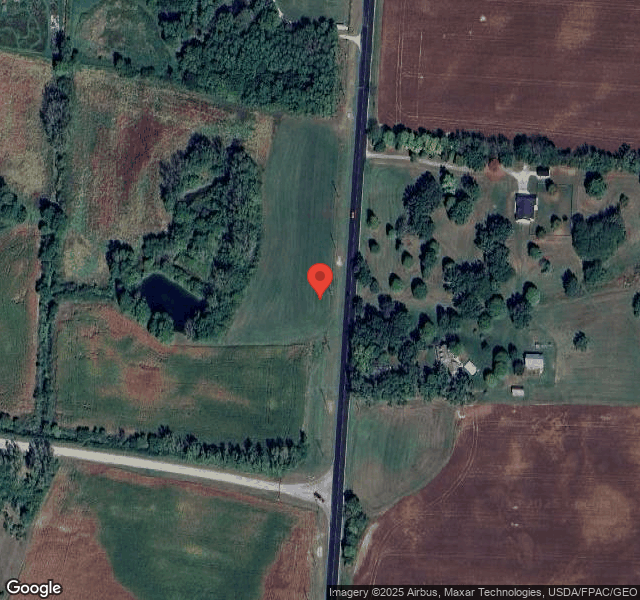

2380 ST RT 68 S, URBANA, OH 43078 (937) 653-5291
For profit - Limited Liability company 75 Beds VANCREST HEALTH CARE CENTERS Data: November 2025
Trust Grade
45/100
#805 of 913 in OH
Last Inspection: April 2024

Within standard 12-15 month inspection cycle. Federal law requires annual inspections.

Overview

Vancrest of Urbana, Inc. has a Trust Grade of D, which means it is below average and has several concerning issues. It ranks #805 out of 913 nursing facilities in Ohio, placing it in the bottom half, and #3 out of 3 in Champaign County, indicating that there are only two other local options that are better. Fortunately, the facility is trending toward improvement, having reduced the number of issues from 6 in 2024 to just 1 in 2025. Staffing has a 2/5 star rating, but with a turnover rate of 38%, it is better than the Ohio average of 49%, suggesting some staff stability. However, there are significant concerns about RN coverage, which is lower than 93% of Ohio facilities, and this may impact the quality of care. Specific incidents reported include a resident suffering a bruise and laceration due to improper use of a mechanical lift during transfer, and failures in food safety that could affect all residents, such as expired food not being discarded and improper glove use in food preparation. Overall, while there are some strengths, such as staffing stability, there are critical areas that families should consider carefully.

Trust Score
D
45/100
In Ohio
#805/913
Bottom 12%
Safety Record
Moderate
Needs review
Inspections
Getting Better
6 → 1 violations
Staff Stability
○ Average
38% turnover. Near Ohio's 48% average. Typical for the industry.
Penalties
✓ Good
No fines on record. Clean compliance history, better than most Ohio facilities.
Skilled Nurses
⚠ Watch
Each resident gets only 22 minutes of Registered Nurse (RN) attention daily — below average for Ohio. Fewer RN minutes means fewer trained eyes watching for problems.
Violations
⚠ Watch
36 deficiencies on record. Higher than average. Multiple issues found across inspections.
★★☆☆☆
2.0
Overall Rating
★★☆☆☆
2.0
Staff Levels
★★★★☆
4.0
Care Quality
★★☆☆☆
2.0
Inspection Score
Stable
2024: 6 issues
2025: 1 issues

The Good

  • 4-Star Quality Measures · Strong clinical quality outcomes
  • Full Sprinkler Coverage · Fire safety systems throughout facility
  • No fines on record
  • Staff turnover below average (38%)

    10 points below Ohio average of 48%

Facility shows strength in quality measures, fire safety.

The Bad

2-Star Overall Rating

Below Ohio average (3.2)

Below average - review inspection findings carefully

Staff Turnover: 38%

Near Ohio avg (46%)

Typical for the industry

Chain: VANCREST HEALTH CARE CENTERS

Part of a multi-facility chain

Ask about local staffing decisions and management

The Ugly 36 deficiencies on record

1 actual harm
Jul 2025 1 deficiency 1 Harm
SERIOUS (G) 📢 Someone Reported This

A family member, employee, or ombudsman was alarmed enough to file a formal complaint

Actual Harm - a resident was hurt due to facility failures

Accident Prevention (Tag F0689)

A resident was harmed · This affected 1 resident

Based on medical record review, review of hospital records, staff interview, and review of the facility policy, the facility failed to ensure staff safely transferred residents via mechanical lift. Th...

Read full inspector narrative →
Based on medical record review, review of hospital records, staff interview, and review of the facility policy, the facility failed to ensure staff safely transferred residents via mechanical lift. This resulted in Actual Harm to Resident #19 on 06/06/25 when staff transferred the resident into a recliner via Hoyer lift. The Hoyer lift was not wide enough to accommodate Resident #19's recliner and the bar of the lift swung back and struck the resident in the forehead causing bruising and a laceration to her forehead which required an emergency room visit and repair with sutures. This affected one (Resident #19) of three residents reviewed for accidents. The facility also failed to prevent resident falls and failed to thoroughly investigate resident falls. This affected one (Resident #25) of three residents reviewed for falls. The facility census was 61 residents. Findings include: 1. Review of the medical record for Resident #19 revealed an admission date of 07/29/23 with diagnoses including displaced fracture of base of neck of left femur, contracture of lower leg muscle, and osteoarthritis. Review of the Minimum Data Set (MDS) assessment for Resident #19 dated 06/02/25 revealed the resident had severe cognitive impairment, had functional limitations to the bilateral lower extremities, and was dependent on staff assistance with all transfers. Review of the incident report for Resident #19 dated 06/06/25 timed at 9:30 A.M. revealed staff were transferring resident to the recliner when Hoyer legs would not stretch wide enough to accommodate the recliner. Staff continued to use the Hoyer lift to lower the resident into the recliner. As the staff were lowering Resident #19 into the recliner, the Hoyer lift snapped back and hit the resident on the head causing a laceration. Resident #19 was sent to the emergency room (ER). Review of the progress note for Resident #19 date 06/06/25 timed at 10:43 A.M. revealed two Certified Nursing Assistants (CNAs) reported the resident sustained a laceration to the head during a Hoyer lift transfer when the legs of the lift did not stretch wide enough for the recliner causing the lift to snap back resulting in the resident sustaining the laceration as they were lowering the resident into the recliner. Review of the progress note for Resident #19 dated 06/06/25 timed at 1:30 P.M. revealed the resident returned from the ER with a suture to a laceration to the resident's left upper forehead. The resident also had some purple bruising to the forehead. Review of the care plan for Resident #19 updated 06/06/25 revealed the resident sustained a skin tear and a laceration to her head during a Hoyer lift transfer. Interventions included staff should use caution during transfers and bed mobility to prevent striking the resident's arms, legs, and hands against any sharp or hard surface. Review of the hospital records for Resident #19 dated 06/06/25 revealed the resident arrived in the ER with a head injury sustained when staff at the nursing home transported the resident to a recliner via Hoyer lift. Resident sustained a head injury without loss of consciousness when she was struck in the head with a metal pole from the left. Resident #19 had significant bleeding and receives Xarelto (a blood thinner) for treatment of atrial fibrillation. Lidocaine with epinephrine was applied to the injured area and the laceration was repaired with one suture applied. Review of the interdisciplinary team (IDT) investigation of the incident involving Resident #19 dated 06/09/25 revealed two aides assisted the resident to the recliner via Hoyer lift. During the transfer the legs of the Hoyer lift would not extend to the width of the recliner due to the size of the chair. The Hoyer device made contact with resident's head causing a laceration. Resident #19 was sent to the ER and returned with a suture to the laceration to the forehead. Resident #19 typically rested in a geri chair when out of bed but was in the process of getting a new chair from the hospice provider, and the recliner was used instead on 06/06/25. The facility follow up included to not utilize the recliner for Resident #19 because the Hoyer legs could not spread wide enough for the resident to safely transfer and to educate staff on the resident's care plan and appropriate Hoyer usage. Interview on 07/02/25 at 2:00 P.M. with the Director of Nursing (DON) confirmed on 06/06/25 two CNAs transferred Resident #19 to her recliner with a Hoyer that was too small to accommodate the width of the recliner. The DON confirmed staff continued with the transfer even when they became aware the Hoyer lift was not the correct size to complete the transfer. The DON confirmed as the staff lowered Resident #19 into the recliner, the bar of the Hoyer lift swung back and hit the resident in the head. Resident #19 sustained a laceration and bruising to the left forehead which resulted in the resident being sent to the ER for sutures. The DON confirmed the aides involved in the incident for Resident #19 on 06/06/25 were a hospice aide and a facility aide who was no longer employed with the facility. Review of the facility policy titled Activities of Daily Living dated September 2018 revealed staff should follow necessary precautions to ensure the safety of the residents during activities of daily living (ADLs). 2. Review of the medical record for Resident #25 revealed an admission date of 04/05/22 with diagnoses including type two diabetes mellitus, acquired absence of left leg below knee, acquired absence of right leg below knee, and chronic respiratory failure with hypoxia. Review of the progress note for Resident #25 dated 04/12/25 timed at 2:00 A.M. revealed the resident was on the floor laying on his right side between the window wall area and the bed. The bed was locked, and the side rails were up. Resident #25 complained of lower back pain and requested to go to the emergency room. Review of the fall report dated 04/12/25 at 2:00 A.M. revealed the resident was laying on the floor. Resident stated his arm was tired, so he let go of the side rail and then fell to the floor. Further review of the fall report revealed the event was not witnessed and resident did not go to the hospital. Review of the care plan for Resident #25 updated 04/12/25 revealed the resident had an actual fall with minor injury. Interventions included the following: educate resident on safety techniques with positioning and the use of assist bars, and encourage rest breaks when tired. Review of the MDS assessment for Resident #25 dated 05/06/25 revealed the resident was cognitively intact and required substantial assistance with bed mobility. Interview on 07/01/25 at 9:00 A.M. with Resident #25 confirmed he had fallen from his bed in April 2025. Resident #25 confirmed he was not interviewed about the incident, and when CNA #255 came into his room to change him, she shoved him over to the right side of the bed and he fell off the edge of the bed and onto the floor. Interview on 07/07/25 at 10:08 A.M. with Licensed Practical Nurse (LPN) Unit Manager #204 confirmed she documented Resident #25's fall on 04/12/25 in the progress notes, because the agency nurse who was working at the time of the fall didn't document anything about the fall. LPN #204 confirmed the facility did not interview Resident #25 about how the fall occurred. Interview on 07/07/25 at 11:38 A.M. with CNA #255 confirmed on 04/12/25 at approximately 2:00 A.M. she went into Resident #25's room to perform peri-care after trying to get another staff member to assist. CNA #255 confirmed she was not able to get another staff member to assist with Resident #25's peri-care, so she went into his room alone. Interview confirmed she rolled Resident #25 onto his right side, away from her, and the resident rolled out of bed onto the floor. CNA #255 confirmed the fall report was not accurate, and the fall was her fault because she rolled the resident away from her. CNA #25 confirmed the nurse didn't assess the resident or interview him. Interview on 07/07/25 at 2:25 P.M. with the Director of Nursing (DON) confirmed on 04/12/25 Resident #25 fell out of bed during routine care. The DON confirmed the fall investigation report dated 04/12/25 was not complete, and the resident was not interviewed after the fall. Review of the facility policy titled Managing Falls and Fall Risk undated revealed the staff would identify interventions related to the resident's specific risks and causes to try to prevent the resident from falling. This deficiency represents noncompliance investigated under Complaint Number OH00166581 and Complaint Number OH00164646.
Apr 2024 6 deficiencies
CONCERN (D)

Potential for Harm - no one hurt, but risky conditions existed

Deficiency F0582 (Tag F0582)

Could have caused harm · This affected 1 resident

**NOTE- TERMS IN BRACKETS HAVE BEEN EDITED TO PROTECT CONFIDENTIALITY** Based on record review, interview, and policy review, the facility failed to ensure residents were given the Notice of Medicate ...

Read full inspector narrative →
**NOTE- TERMS IN BRACKETS HAVE BEEN EDITED TO PROTECT CONFIDENTIALITY** Based on record review, interview, and policy review, the facility failed to ensure residents were given the Notice of Medicate Non-coverage in a timely manner. This affected one (Resident #282) of three residents reviewed for beneficiary notices. The facility census was 67. Findings include: Review of the medical record for Resident #282 revealed an admission date of 09/27/23 and discharge date of 10/18/23. Diagnoses included chronic hepatitis and hypertension. Review of the Minimum Data Set (MDS) assessment dated [DATE] revealed Resident #282 had moderate cognitive impairment. Review of the Notice of Medicate Non-coverage (NOMNC) revealed Resident #282's last covered day of Part A services was 10/17/23. The NOMNC was signed by the resident on the same day on 10/17/23. Interview on 04/11/24 at 3:44 P.M. with Business Office Manager (BOM #120) verified Resident #282 did not receive the NOMNC until 10/17/23, which was the last covered day. BOM #120 stated she thought the resident was going to stay here on hospice and family was unsure. BOM #120 verified that regardless of Resident #282 staying past the last covered day, the family and resident should have been notified 48 hours prior to last covered day. Review of the facility's policy titled Medicare Advance Beneficiary and Medicare Non-Coverage Notices, revised September 2022, revealed if the resident's Medicare part A stay or when all of Part B therapies are ending, a Notice of Medicare Non-Coverage is issued to the resident at least two calendar days before benefits end.
CONCERN (D)

Potential for Harm - no one hurt, but risky conditions existed

Comprehensive Care Plan (Tag F0656)

Could have caused harm · This affected 1 resident

**NOTE- TERMS IN BRACKETS HAVE BEEN EDITED TO PROTECT CONFIDENTIALITY** Based on record review, staff interview, and policy review, the facility failed to ensure care plans were person-centered to inc...

Read full inspector narrative →
**NOTE- TERMS IN BRACKETS HAVE BEEN EDITED TO PROTECT CONFIDENTIALITY** Based on record review, staff interview, and policy review, the facility failed to ensure care plans were person-centered to include all areas of concern. This affected three (Resident #14, #50, and #72) of 17 residents reviewed for care plans. The facility census was 67. Findings include: 1. Review of Resident #14's medical record revealed Resident #14 had an admission date of 09/12/19. Diagnoses included Alzheimer's disease, dementia, and age-related physical debility. Review of the Minimum Data Set (MDS) assessment dated [DATE] revealed Resident #14 had severely cognitively impaired. Resident #14 was dependent on staff for toileting and was incontinent of bowel and bladder. Review of the plan of care dated 03/18/24 revealed that Resident #14 had no active care plan of incontinence care, wore incontinence briefs, and was dependent on staff for care. Resident #14 was at risk for nutrition and dehydration related to urinary tract infections. Interventions included monitor for signs and symptoms of dehydration, explain importance of adequate urinary output, monitor skin status, and obtain weight as resident allows. Interview on 04/11/24 at 1:38 P.M. with Quality Assurance Nurse (QAN) #122 verified Resident #14's care plan did not include areas to address Resident #14's incontinence care, wore incontinent briefs, and was dependent on staff for care. QAN #122 stated Resident #14 should have had this addressed at the beginning of her stay at the facility. 2. Review of the medical record for Resident #50 revealed an admission date of 01/07/23. Diagnoses included Alzheimer's disease, dementia, anxiety, and insomnia. Review of the Minimum Data Set (MDS) assessment dated [DATE] revealed Resident #50 had severe cognitive impairment and received an antidepressant. Review of the care plan dated 04/05/24 revealed the resident did not have an active care plan for psychotropic medications regarding antidepressant medications. Interview with the Director of Nursing on 04/12/24 at 10:15 A.M. confirmed the facility did not have a care plan for the resident's use of psychotropic medications. 3. Review of the medical record for Resident #72 revealed an admission date of 02/21/24. Diagnoses included metabolic encephalopathy, chronic kidney disease stage three, major depressive disorder, and adjustment disorder with anxiety. Review of the Minimum Data Set (MDS) assessment dated [DATE] revealed Resident #72 was dependent on staff for toileting and was incontinent of bowel and bladder. Resident #72 had severe cognitive impairment. Review of the care plan dated 02/23/24 revealed no active care plan of incontinence care. Interview on 04/11/24 at 1:24 P.M. with State Tested Nursing Assistant (STNA) #69 verified Resident #69 was incontinent of urine. STNA #69 verified the resident wore briefs and received incontinence care from staff. Interview on 04/11/24 at 1:24 P.M. with Quality Assurance Nurse (QAN) #122 verified Resident #72 did not have an active care plan for incontinence care. QAN #122 verified the resident was incontinent since admission into facility and should have a incontinence care plan. Review of the facility's policy titled Care Planning-Interdisciplinary Team, revised March 2022, revealed comprehensive, person-centered care plans are based on resident assessments and developed by and interdisciplinary team.
CONCERN (D)

Potential for Harm - no one hurt, but risky conditions existed

Medication Errors (Tag F0758)

Could have caused harm · This affected 1 resident

**NOTE- TERMS IN BRACKETS HAVE BEEN EDITED TO PROTECT CONFIDENTIALITY** Based on medical record review, review of the facility policy, review of the guidance from Medscape, and staff interview, the fa...

Read full inspector narrative →
**NOTE- TERMS IN BRACKETS HAVE BEEN EDITED TO PROTECT CONFIDENTIALITY** Based on medical record review, review of the facility policy, review of the guidance from Medscape, and staff interview, the facility failed to ensure a resident had the proper diagnosis for administration of an antipsychotic medication. This affected one (Resident #3) of five residents reviewed for unnecessary medication use. The facility census was 67. Findings include: Review of the medical record for Resident #3 revealed she was admitted to the facility on [DATE] with a diagnosis of delirium due to known physiological condition, Alzheimer's disease, and anxiety. Review of the Minimum Data Set (MDS) assessment dated [DATE] revealed Resident #3 had severe cognitive impairment. Review of Resident #3's physician orders for 04/2024 revealed an order for Zyprexa (antipsychotic) for delirium. Review of Resident #3's diagnoses revealed no schizophrenia or bipolar disorder diagnoses. The only diagnosis listed was delirium due to known psychological condition, but no psychological diagnoses was listed. Interview on 04/12/24 at 8:50 A.M. with the Director of Nursing verified Resident #3 was on Zyprexa for delirium and did not have a diagnoses of schizophrenia or bipolar disorder. Review of the guidance from Medscape at https://reference.medscape.com/drug/zyprexa-relprevv-olanzapine-342979 revealed Zyprexa is an antipsychotic medication commonly used to treat schizophrenia or bipolar disorder. In the geriatric population, Zyprexa is not approved for dementia-related psychosis, because of increased risk of cardiovascular or infection-related mortality. Review of the facility policy titled Antipsychotic Medication Use, dated 07/2022, revealed a resident will only receive antipsychotic medication when necessary to treat a specific condition for which they are indicated and effective.
CONCERN (D)

Potential for Harm - no one hurt, but risky conditions existed

Deficiency F0883 (Tag F0883)

Could have caused harm · This affected 1 resident

Based on record review, review of the facility policy, and staff interview, the facility failed to ensure the residents were offered the pneumonia vaccine. This affected three (#19, #20, and #50) of f...

Read full inspector narrative →
Based on record review, review of the facility policy, and staff interview, the facility failed to ensure the residents were offered the pneumonia vaccine. This affected three (#19, #20, and #50) of five residents reviewed for pneomococcal immunization. The facility census was 67. Findings include: 1. Review of the medical record for Resident #19 revealed an admission date 04/01/22. The medical record revealed Resident #19 had the influenza vaccination on 10/03/23, and there was no evidence the resident was offered the pneumococcal immunization. Interview on 04/11/24 at 3:50 P.M. with the Director of Nursing (DON) confirmed Resident #19 did not get offered the pneumonia vaccination. 2. Review of the medical record for Resident #20 revealed an admission date of 11/27/23. There was no evidence Resident #20 was offered the pneumococcal immunization or received it in the past prior to admission. Interview on 04/11/24 at 9:50 A.M. with the Director of Nursing (DON) confirmed Resident #20 did not get offered the pneumonia vaccination. 3. Review of the medical record for Resident #50 revealed an admission date 01/07/23. There was no evidence Resident #50 was offered the pneumococcal immunization or received it in the past prior to admission. Interview on 04/11/24 at 9:50 A.M. with the Director of Nursing (DON) confirmed Resident #50 did not get offered the pneumonia vaccination. Review of the facility's undated policy titled Pneumococcal Vaccine Policy revealed all residents who were admitted to the facility were to be offered the pneumococcal vaccine. Residents were to have pneumococcal assessment within five working days of resident's admission.
CONCERN (E)

Potential for Harm - no one hurt, but risky conditions existed

Deficiency F0804 (Tag F0804)

Could have caused harm · This affected multiple residents

**NOTE- TERMS IN BRACKETS HAVE BEEN EDITED TO PROTECT CONFIDENTIALITY** Based on record review, completion of a test tray, review of resident council notes, observations, and resident and staff interv...

Read full inspector narrative →
**NOTE- TERMS IN BRACKETS HAVE BEEN EDITED TO PROTECT CONFIDENTIALITY** Based on record review, completion of a test tray, review of resident council notes, observations, and resident and staff interviews, the facility failed to serve palatable meals to the residents. This affected five (Resident #19, #21, #22, #25, and #66) of 17 residents reviewed for dietary services. The facility census was 67. Findings include: 1. Review of the medical record for Resident #19 revealed an admission date of 04/01/22. Diagnoses included congestive heart failure, hypertension, and anemia. Review of the Minimum Data Set (MDS) assessment dated [DATE] revealed Resident #19 was cognitively intact. Interview on 04/09/24 at 10:02 A.M. with Resident #19 revealed the food was often cold when she receives it. 2. Review of the medical record for Resident #66 revealed an admission date of 11/03/23. Diagnoses included chronic obstructive pulmonary disease, congestive heart failure, type two diabetes mellitus, and non-celiac gluten sensitivity. Review of the MDS assessment dated [DATE] revealed Resident #66 was cognitively intact. Interview on 04/11/24 at 9:19 A.M. with Resident #66 stated the chicken and dumplings served for lunch yesterday were dry. Resident #66 stated he did not eat very much of them. Resident #66 stated the problem was that some days the food was good but, on the other days, the food was terrible. 3. Review of the medical record for Resident #22 revealed an admission date 08/12/16. Diagnoses included acute respiratory failure. Review of the MDS assessment dated [DATE] revealed Resident #22 had moderately impaired cognition. Observation and interview on 04/09/24 at 12:35 P.M. with Resident #22's plate of food revealed she had cream dried beef gravy, toast, fruit, corn, and drinks. Resident #22 stated the chip beef gravy was not good. Resident #22 stated it did not look good and was tasteless. Resident #22 stated the food here can be terrible. 4. Review of the medical record for Resident #21 revealed an admission date of 12/04/17. Diagnoses included chronic obstructive pulmonary disease, type two diabetes mellitus, and atrial fibrillation. Review of the MDS assessment dated [DATE] revealed she was cognitively intact. Interview on 04/10/24 at 10:00 A.M. with Resident #21 stated her meal yesterday was cold, tasteless, and awful. Resident #21 stated she always gets carbohydrates, and she does not eat any carbohydrates. Subsequent interview on 04/11/24 at 9:50 A.M. with Resident #21 stated the meal yesterday for lunch and dinner was awful. Resident #21 stated she refused the lunch and dinner yesterday. Resident #21 who stated she was offered an alternative but also refused it. 5. Review of the medical record for Resident #25 revealed she was admitted to the facility on [DATE]. Diagnoses included paroxysmal atrial fibrillation and heart failure. Review of the MDS assessment dated [DATE] revealed Resident #25 was cognitively intact. Interview with Resident #25 on 04/09/24 at 1:30 P.M. revealed the facility needed to do something about the food. She revealed the food was usually served cold and very tasteless. She stated she was the Resident Council President and has addressed this multiple times with the administration. Resident #25 revealed nothing has been done about the quality of the food. Observation on 04/10/24 at 1:11 P.M. of test tray revealed one scoop of mashed potatoes, one scoop full of chicken and dumplings, and carrots. Mashed potatoes taste and texture were okay. Chicken and dumplings looked unrecognizable and in a clump on the tray. The dumplings were dry with a heavy texture and chewy. The dumplings tasted like flour. Chicken was tough and flavorless. Carrots were soggy and watered down. Interview on 04/11/24 at 12:43 P.M. with Dietary Manager (DM) #37 stated the chicken and dumplings that were prepared yesterday came frozen. DM #37 stated the dumplings were frozen and the chicken was shredded chicken that comes in frozen and they were cooked separately and then combined. DM #37 stated she believed the cook added cream of chicken soup to the chicken and dumplings. Review of the Resident Council notes for February, March, and April of 2024 revealed the residents expressed concerns regarding the food and menus.
CONCERN (F)

Potential for Harm - no one hurt, but risky conditions existed

Food Safety (Tag F0812)

Could have caused harm · This affected most or all residents

Based on observations, policy review, and staff interview, the facility failed to date dry product when delivered to the facility, failed to discard expired foods, and failed to ensure staff changed g...

Read full inspector narrative →
Based on observations, policy review, and staff interview, the facility failed to date dry product when delivered to the facility, failed to discard expired foods, and failed to ensure staff changed gloves after touching surfaces before touching food while preparing food served to the residents. This had the potential to affect all 67 residents who received food from the kitchen. The facility census was 67. Findings include: 1. Observation on 04/09/24 at 8:20 A.M. of the dry food storage area revealed two bags of spiral noodles with expiration date of 06/17/23, seven bags of vanilla wafers with one bag open with no date, four bags of yellow cake mix, eight bags of powdered sugar, four bags of brown sugar, and three cans of three bean salad not dated with the date delivered to facility. Interview on 04/09/24 at 8:26 A.M. with Dietary Aide #27 verified the two bags of spiral noodles were expired. Dietary Aide #27 verified the vanilla wafers, yellow cake mix, powdered sugar, brown sugar, and cans of three been salad were not dated. Dietary Aide #27 stated the vanilla wafers were in a box that was dated yesterday and someone must have taken them from the box. Dietary Aide #27 verified the box with brown sugar, powdered sugar, and three bean salad was not dated as well. Interview on 04/09/24 at 11:25 A.M. with Dietary Manager (DM) #37 verified the undated brown sugar, powdered sugar, three bean salad, and the expired spiral noodles. DM #37 stated the yellow cake mix was dated however, the date was on the back of the package. DM #37 informed the yellow cake mix bags were inspected front and back and no date was present at the time of the observation. Review of the facility policy titled Food Receiving and Storage, revised November 2022, revealed dry foods that are stored in bins are removed from original packaging, labeled and dated (use by date). Such foods are rotated using a first in - first out system. 2. Observation on 04/09/24 at 11:45 A.M. revealed Dietary Aide #22 was preparing a cheeseburger for a resident. Dietary Aide #22 touched the hamburger bun, hamburger, cheese, and spatula with the same gloved hands. Dietary Aide #22 then touched the fryer basket handle, prep table, and tongs before touching the sandwich again with the same gloved hands to move it over to put French fries into the container. Dietary Aide #22 did not change gloves or wash hands throughout the entire process. Interview on 04/09/24 at 11:55 A.M. with Dietary Aide #22 verified she did not change her gloves between touching surfaces and then touched food. Dietary Aide #22 verified that she was supposed to change gloves.
Sept 2023 1 deficiency
CONCERN (D) 📢 Someone Reported This

A family member, employee, or ombudsman was alarmed enough to file a formal complaint

Potential for Harm - no one hurt, but risky conditions existed

Pharmacy Services (Tag F0755)

Could have caused harm · This affected 1 resident

Based on medical record review, staff interview, and review of policy, the facility failed to timely obtain a newly admitted resident's medications. This affected one (#4) of three residents reviewed ...

Read full inspector narrative →
Based on medical record review, staff interview, and review of policy, the facility failed to timely obtain a newly admitted resident's medications. This affected one (#4) of three residents reviewed for medications. The census was 68. Findings include: Review of Resident #4's closed medical record revealed an admission date of 07/30/23 (Sunday). Diagnoses listed included cervical disk disorder with myelopathy, spinal stenosis, osteoarthritis, depression, hypothyroidism, and anxiety. Resident #4 left the facility against medical advice (AMA) on 08/01/23. Review of physician orders revealed an order dated 07/30/23 for levothyroxine sodium tablet 88 micrograms (mcg) give one tablet by mouth at bedtime for hypothyroidism. An order dated 07/31/23 was for methylprednisolone oral therapy pack four milligrams (mg) given one tablet a day for pain and inflammation for seven days. Review of medication administration records (MARs) revealed levothyroxine 88 mcg was not administered on 07/30/23 or 07/31/23 due to not being available. Methylprednisolone oral therapy pack four mg was not administered on 07/31/23 due not being available. Interview on 09/20/23 at 2:05 P.M., with Registered Nurse (RN) #100 stated that normal pharmacy delivery days were on Monday, Wednesday, and Friday. If a resident was admitted on the weekend, Tuesday or Thursday, or after pharmacy deliveries on Monday, Wednesday, and Friday the pharmacy service would call a local pharmacy to obtain resident medications. RN #100 stated Resident #4's levothyroxine sodium tablet should have been available to be administered on 07/30/23 and 07/31/23 and methylprednisolone on 07/31/23 but both medications were not available at the facility. Review of the policy titled Pharmacy Services Overview dated revised April 2019, revealed pharmacy services are available to residents 24 hours a day, seven days a week. Residents should have a sufficient supply of their prescribed medications and receive medications (routine, emergency or as needed) in a timely manner. This deficiency represents non-compliance investigated under Complaint Number OH00146222.
Aug 2023 4 deficiencies
CONCERN (D) 📢 Someone Reported This

A family member, employee, or ombudsman was alarmed enough to file a formal complaint

Potential for Harm - no one hurt, but risky conditions existed

Transfer Requirements (Tag F0622)

Could have caused harm · This affected 1 resident

**NOTE- TERMS IN BRACKETS HAVE BEEN EDITED TO PROTECT CONFIDENTIALITY** Based on medical record view, hospital documentation review, staff interview, and review of a facility policy the facility faile...

Read full inspector narrative →
**NOTE- TERMS IN BRACKETS HAVE BEEN EDITED TO PROTECT CONFIDENTIALITY** Based on medical record view, hospital documentation review, staff interview, and review of a facility policy the facility failed to allow a resident to return to the facility after a visit to the emergency room. This affect one (#15) of four residents reviewed for discharge. The census was 71. Findings include: Review of the medical record for Resident #15 revealed an admission date of 04/08/23. Diagnoses included atrial fibrillation, hypertensive heart disease with heart failure, chronic systolic (congestive heart failure), chronic obstructive pulmonary disease, cerebral vascular disease, and depression. Further review of the medical record revealed Resident #15 was sent to the emergency department (ED) on 07/31/23, did not return to the facility, and the facility stopped billing Medicaid for Resident #15 on 07/31/23. Review of Resident #15's facility nursing progress notes on 07/31/23 revealed Licensed Practical Nurse (LPN) #149 returned to the facility at 6:50 P.M. after an incident involving Resident #15. The progress notes further revealed the physician sent an order to the facility indicating to emergency admit (pink slip) Resident #15 to the hospital for a psychiatric evaluation. LPN #149 called the ED and was instructed by ED staff that a formal pink slip had to be completed and signed by the physician and accompany the resident. At 9:00 P.M., the physician sent the completed pink slip form to the facility and emergency medical services (EMS) was called for transport. EMS arrived and Resident #15 refused to go to the hospital with them. Resident #15 took his gown off and urinated on the floor. The EMS staff tried to speak to Resident #15 calmly to have him willingly go with them; however, Resident #15 cursed and threatened the EMS staff. The EMS staff called their supervisor, who arrived at the facility, and EMS staff administered an intramuscular medication to Resident #15, and transferred him to the hospital. Review of the ED physician report dated 07/31/23 at 9:57 P.M. revealed, upon arrival to the ED, Resident #15 had normal vital signs, was in no acute distress, and was cooperative. Resident #15 was under the influence of the dissociate anesthetic medication Ketamine which was given prior to arrival. Resident #15 reported he was drinking alcohol, denied any suicidal or homicidal ideation, and denied intentionally starting a fire. After speaking with the facility staff, Resident #15 was sent to the ED under the suspicion that he intentionally set a fire, but Resident #15 denied the allegation. The application for Resident #15's emergency admission came with the resident to the ED, but it was believed it was not a legal document. Resident #15 was observed for an extended period at which time he reached clinical sobriety. At the time of disposition, Resident #15 was alert and oriented, was not slurring any speech, and was conversing in full sentences. Resident #15 denied any history consistent with acute or life-threatening pathology. Resident #15 expressed he was upset about having to move rooms at the skilled facility, and that he smoked a bunch of cigarettes because he was upset, and threw a cigarette butt in a trash can. Resident #15 stated he felt bad about his actions and would not be smoking in his room anymore. Resident #15 was appropriate for discharge with an estimated arrival for an ambulance to take Resident #15 back to facility at 12:45 A.M on 08/01/23. Review of Resident #15's facility nursing progress note dated 07/31/23 at 10:30 P.M. revealed LPN #149 received a call from the ED reporting Resident #15's pink slip was not valid. The ED nurse explained the ED would monitor Resident #15 and evaluate him after his medication wore off, but there was nothing medically wrong with Resident #15 and he would be returning to the facility. LPN #149 indicated it was not safe for Resident #15 to return to the facility because of a threat to resident and staff safety. LPN #149 indicated she would call the Administrator due to policies and procedures in accepting Resident #15 back to the facility who was pink slipped, and Resident #15 was not to return to the facility. LPN #149 reached out to the Administrator about the phone call she had with the ED staff and left a voicemail for Physician #210 with no return call received. Review of the ED nursing progress notes revealed a discharge report was called into the facility at 1:34 A.M. on 08/10/23 and received by LPN #110. Review of Resident #15's facility nursing progress notes on 08/01/23 at 2:00 A.M. revealed Social Services Designee (SSD) #120 received notification Resident #15 was was returning to the facility, so he called the ED staff and was told the pink slip was invalid, and they felt Resident #15 was cleared to return to the facility. There was no additional documented information in Resident #15's facility medical record about him arriving at the facility after being sent to the hospital on [DATE], and the facility instructing the transport personnel to take Resident #15 back to the hospital as the facility would not readmitted the resident to the facility. Review of the ED nursing progress report dated 08/01/23 at 1:44 A.M. revealed a male called from the facility, and identified as the Director of Nursing (DON), and spoke with the ED nurse. The DON wanted to know why Resident #15 was sent back to the facility and why the pink slip was not valid. The DON was accusing Resident #15 of intentionally starting a fire in the bathroom, and he continued to be upset after an explanation was given. Review of Resident #15's ED medical record revealed on 08/01/23 at 2:15 A.M., Resident #15 returned to the hospital and was readmitted . Further review revealed the nursing home refused to accept Resident #15 back into the facility after he was medically cleared, discharged from ED, and report was given to facility nurse before Resident #15 left the ED. At the time of the report, the facility nurse did not refuse to take Resident #15 back. The legal team of the hospital was contacted and decided to have Resident #15 admitted after he was cleared by psychiatry, and will be placed in another nursing facility because the current facility was not willing to accept him back. Review of Resident #15's hospital record on 08/01/23 at 7:39 A.M. revealed a hospital case manager sent clinical documentation to the facility, and at 9:25 A.M. on 08/10/23 the case manager attempted to call the facility's social services designee with no answer. An email was also sent with no response received. At 9:49 A.M. on 08/01/23, the hospital case manager spoke with the facility's Ombudsman about the situation, and at 11:35 A.M. someone from the nursing home stated they should be willing to accept Resident #15 back if they had a bed available. At 11:40 A.M. on 08/01/23, all clinical documentation was sent to the facility, and at 2:54 P.M. the case manager received a call from Ombudsman #399 who explained the facility was refusing to allow Resident #15 to return to the facility. Ombudsman #399 and the case manager continued working on alternative placement in case the facility refused to allow Resident #15 to return. Resident #15 was discharged from the hospital on [DATE] to another long-term care facility. Interview on 08/15/23 at 11:00 A.M. with the Administrator and the Director of Nursing (DON) occurred. The Administrator explained on 07/31/23 they were notified Resident #15 was caught smoking in his room and a few minutes later there was a fire in his bathroom waste basket. The residents were evacuated, the fire was put out, and Resident #15 was placed in a private room. Facility staff believed earlier in the day during a leave of absence Resident #15 obtained cigarettes and a lighter, and the facility was a non-smoking facility. Facility staff found an empty bottle of alcohol in his room. Physician #210 was notified of the incident and informed Resident #15 was not acting like himself as he was laughing at staff and residents during the evacuation. Physician #210 ordered to pink slip Resident #15 for an evaluation, and Social Service Designee (SSD) #120 notified a local behavior hospital with no return call. Three hours later, per Physician #210, Resident #15 was sent to the local ED with a pink slip. Interview on 08/15/23 at 11:30 A.M. with Physician #210 stated he did not see Resident #15 on 07/31/23. Physician #210 stated he did not need to as the staff explained the situation, and he verified he ordered Resident #15 be pink-slipped to the hospital. Physician #210 confirmed he received a call from the facility's nurse on 08/01/23 explaining the ED physician called and was sending Resident #15 back to the facility. Physician #210 called the ED and spoke to someone and told the ED staff they could not send Resident #15 back to the facility as he wanted a psychological evaluation completed on Resident #15. Physician #210 reported that he assumed Resident #15 would return to the facility after having a psychological evaluation. Interview on 08/15/23 at 11:30 A.M., with SSD #120, who handles facility admissions, confirmed he was called back into the facility at 6:00 P.M. on 07/31/23 because of a fire. When he spoke to Resident #15 he was belligerent, and not remorseful for his actions or the safety risk caused to facility or residents. SSD #120 confirmed he worked with LPN #149 to obtain a pink slip for Resident #15. SSD #120 confirmed Resident #15 did not return to the facility, and he was told by the Administrator not to follow up on Resident #15 during the day on 08/01/23 for readmission. Interview on 08/15/23 at 11:45 A.M., with LPN #149 confirmed she was called back into the facility on [DATE] at 6:50 P.M. and was working with the SSD #120 to obtain a pink slip to send Resident #15 out for a psychological evaluation. Interview on 08/15/23 at 11:55 A.M., with the Administrator confirmed she instructed the SSD #120 not to contact the ED to find out a status report on Resident #15. The Administrator stated per Physician #210, the ED staff member hung up the phone with Physician #210 while discussing the case around 2:00 A.M. on 08/01/23; therefore, it was no longer their responsibility where Resident #15 was or how he was doing. The Administrator placed a call to Ombudsman #399 and explained the situation and stated they would not take Resident #15 back because he did not have a psychological evaluation done. The Administrator stated Ombudsman #399 told her he would call the hospital to explain the situation, and she did not have to take Resident #15 back to the facility. The Administrator knew nothing about Resident #15 until she received facsimile (fax) documentation from another facility requesting Resident #15's medical records. The Administrator was adamant they never discharged Resident #15 from the facility. A telephone interview was completed on 08/15/23 at 12:15 P.M., with Ombudsman #399 who clarified he did not tell the Administrator not to take Resident #15 back. Ombudsman #399 reported he explained to the Administrator why they would have to take Resident #15 back and the process of issuing a proper 30-day discharge. Interview on 08/16/23 at 9:30 A.M with the Director of Nursing (DON) stated she was new to the facility, and she was not at the facility while a pink slip was being obtained for Resident #15. DON stated she was called in and arrived at the facility and found Resident #15 sitting in the hallway unattended. DON stated she instructed staff to start one-on-one observations while they determine where Resident #15 would be sent. DON stated she observed Resident #15 to be calm and non-threatening. After Resident #15 was transferred out of the facility she left for the night, and she was not contacted when Resident #15 was discharged from the hospital and returned to the facility during the early morning on 08/01/23. DON stated she later found out the Administrator did not allow Resident #15 to come into the building when he was initially discharged from the ED and returned to the facility. DON stated facility staff refused Resident #15 admittance back into the facility. Interview on 08/16/23 at 10:40 A.M., with SSD #120 confirmed Resident #15 was discharged from the ED and was transported to the facility. SSD #120 stated when he arrived facility staff instructed the EMS staff to transport Resident #15 back to the hospital. Interview on 08/16/23 at 3:45 P.M. with the ED Physician #400 confirmed his documentation in Resident #15's hospital medical record, and stated he discharged Resident #15 back to the facility. ED Physician #400 stated the facility sent Resident #15 back to the ED and did not readmit him to the facility. ED Physician #400 stated he spoke to the hospital legal team and was instructed to readmit Resident #15 to the ED in order to find another place for him to be discharged to. Review of the facility's transfer and discharge policy dated November 2017 revealed before a resident was discharged , appropriate notice will be provided to the resident and/or their legal representative. This deficiency represents non-compliance investigated under Complaint Number OH00145095.
CONCERN (D) 📢 Someone Reported This

A family member, employee, or ombudsman was alarmed enough to file a formal complaint

Potential for Harm - no one hurt, but risky conditions existed

Transfer Notice (Tag F0623)

Could have caused harm · This affected 1 resident

**NOTE- TERMS IN BRACKETS HAVE BEEN EDITED TO PROTECT CONFIDENTIALITY** Based on medical record review, staff interview, review of emails sent to the State Long-Term Care Ombudsman, and review of a fa...

Read full inspector narrative →
**NOTE- TERMS IN BRACKETS HAVE BEEN EDITED TO PROTECT CONFIDENTIALITY** Based on medical record review, staff interview, review of emails sent to the State Long-Term Care Ombudsman, and review of a facility policy, the facility failed to notify the Office of the State Long-Term Care Ombudsman when residents were discharged from the facility. This affected two (#15 and #24) of four reviewed for discharge. The facility census was 71. Findings include: 1. Review of the medical record for Resident #15 revealed an admission date of 04/08/23. Diagnoses included atrial fibrillation, hypertensive heart disease with heart failure, chronic systolic (congestive heart failure), chronic obstructive pulmonary disease, cerebral vascular disease, and depression. Further review of the medical record revealed Resident #15 was sent to the hospital on [DATE] and was discharged to the hospital on [DATE]. There was no documentation the Office of the State Long-Term Care Ombudsman was notified. 2. Review of Resident #24's medical record revealed an admission date of 04/23/23. Diagnosis included displaced fracture of the lateral malleolus of the right tibia. Resident #24 was discharged home on [DATE] and return to the facility was not anticipated. There was no documentation the Office of the State Long-Term Care Ombudsman was notified. Review of email documentation sent to the Office of the State Long-Term Care Ombudsman office in May, June and July 2023 regarding resident transfers and discharges from the facility did not include documentation or notification of Resident #15 and Resident #24 being discharged from the facility. Interview on 08/16/23 at 4:15 P.M. with Social Service Designee (SSD) #120 stated he did not notify the Office of the State Long-Term Care Ombudsman when residents are discharged from the facility, including Resident #15 and Resident #24, and it was his understanding the Ombudsman was to be notified for transfers from the facility only. Interview on 08/16/23 at 4:20 P.M., with the Administrator stated it was not facility policy to notify the Office of the State Long-Term Care Ombudsman when residents are discharged from the facility. Review of the facility's transfer and discharge policy dated November 2017 revealed no indication the Ombudsman should be notified when a resident was discharged from the facility.
CONCERN (D) 📢 Someone Reported This

A family member, employee, or ombudsman was alarmed enough to file a formal complaint

Potential for Harm - no one hurt, but risky conditions existed

Deficiency F0661 (Tag F0661)

Could have caused harm · This affected 1 resident

Based on medical record review, staff interview, and review of a facility policy, the facility failed to provide a discharge summary when residents were discharged from the facility. This affected one...

Read full inspector narrative →
Based on medical record review, staff interview, and review of a facility policy, the facility failed to provide a discharge summary when residents were discharged from the facility. This affected one (#22) of four residents reviewed for discharge. The census was 71. Findings include: Review of Resident #22's medical record revealed an admission date of 07/28/23. Diagnoses included transient ischemic attack, cerebral infarction, and bone density and structure disorder. Resident #22 was discharged on 08/12/23. Review of Resident #22 medical record revealed there was no discharge summary completed when Resident #22 was discharged on 08/12/23. Interview on 08/16/23 at 2:00 P.M. with Social Service Designee (SSD) #120 stated Resident #22 was discharged to an assisted living facility, therefore, Resident #22 did not require a discharge recapitulation of her stay. SSD #120 stated the facility sent documentation by facsimile (fax) to the assisted living facility. Interview on 08/16/23 at 2:05 P.M. with Licensed Practical Nurse (LPN) #149 confirmed Resident #22 did not receive written discharge summary when she was discharged to her home at an assisted living facility, and confirmed the assisted living facility was not part of the nursing home. Review of a blank discharge instruction packet provided by LPN #149 revealed a recapitulation of a resident's stay while receiving services by the facility. Each resident being discharged or their representative were to sign an acknowledgement of receipt of their discharge instructions for care. Review of the facility's transfer and discharge policy dated November 2017 revealed it did not include information related to a discharge summary was to be provided when a resident was discharged to the community.
CONCERN (D) 📢 Someone Reported This

A family member, employee, or ombudsman was alarmed enough to file a formal complaint

Potential for Harm - no one hurt, but risky conditions existed

Medical Records (Tag F0842)

Could have caused harm · This affected 1 resident

Based on medical record review and staff interview, the facility failed to have physician visits or progress notes available in resident medical records. This effected three (#15, #18, and #22) of fou...

Read full inspector narrative →
Based on medical record review and staff interview, the facility failed to have physician visits or progress notes available in resident medical records. This effected three (#15, #18, and #22) of four resident's medical records reviewed for reviewed for discharge. The census was 71. Findings include: 1. Review of the medical record for Resident #15 revealed an admission date of 04/08/23. Diagnoses included atrial fibrillation, hypertensive heart disease with heart failure, chronic systolic (congestive heart failure), chronic obstructive pulmonary disease, cerebral vascular disease, and depression. Further review of the medical record did not have physician progress notes or visit noted available for review. 2. Review of Resident #18's medical record revealed an admission date of 06/20/23. Diagnoses included chronic gout, hypertension, hyperlipidemia, and chronic kidney disease. Further review of the medical record did not have physician progress notes or visit notes available for review. 3. Review of Resident #22's medical record revealed an admission date of 07/28/23. Diagnoses included transient ischemic attack, cerebral infarction, and bone density and structure disorder. Further review of the medical record did not have physician progress notes or visit notes available for review. Interview on 8/15/23 at 11:00 A.M. with the Administrator confirmed the Director of Nursing had to contact the physician's office to send the progress notes or visit notes for residents that were seen in order to have the notes for review. The Administrator confirmed she called Resident #15 physician's office to have them facsimile (fax) all his visit notes to the facility. Interview on 08/15/23 at 1:00 P.M., with Social Service Designee #120 revealed physician progress notes for Resident #15 dated 05/08/23, 05/16/27, 05/27/23, 06/16/23 and 06/27/23 were received through the fax machine on 08/15/23. Interview on 08/16/23 at 2:15 P.M. with the Director of Nursing revealed physician visits notes dated 4/10/23, 4/22/23 and 04/27/23 for Resident #15 were received by the facility from the fax machine on 08/16/23. Interview on 08/16/23 at 2:25 P.M. with the Director of Nursing confirmed Resident #18's and Resident #22's physician progress notes were not available in their medical records.
Mar 2023 19 deficiencies
CONCERN (D)

Potential for Harm - no one hurt, but risky conditions existed

Deficiency F0553 (Tag F0553)

Could have caused harm · This affected 1 resident

**NOTE- TERMS IN BRACKETS HAVE BEEN EDITED TO PROTECT CONFIDENTIALITY** Based on record review, staff and resident interview, the facility failed to invite and involve a resident and/or their represen...

Read full inspector narrative →
**NOTE- TERMS IN BRACKETS HAVE BEEN EDITED TO PROTECT CONFIDENTIALITY** Based on record review, staff and resident interview, the facility failed to invite and involve a resident and/or their representative in their care planning and conduct care plan meetings. This affected one (#26) of 24 residents reviewed for care planning. The facility census was 67. Findings include: Review of the medical record for Resident #26 revealed admission date of 04/01/22. The resident was admitted with diagnoses including stroke and hemiplegia of the left dominant side. Review of the quarterly Minimum Data Set (MDS) assessment dated [DATE] revealed the resident had intact cognition and required extensive two person assistance for bed mobility, one total dependence for transfers, toileting, and supervision for eating. Resident #26's MDS documentation revealed a quarterly MDS assessment was completed on 10/14/22. Review of the progress notes for Resident #26 revealed no documentation of care conferences being held. Upon request the facility provided paperwork for a care conference dated 10/26/23. There was no evidence of an invitation to a care plan meeting. Interview on 02/27/23 at 2:52 P.M., with Resident #26 revealed she or her representative had not had care conference or an invitation. Interview on 03/02/23 at 5:00 P.M., with Social Services Designee #139 verified the last care conference for Resident #26 was on 10/26/23 and no family or resident attended.
CONCERN (D)

Potential for Harm - no one hurt, but risky conditions existed

Notification of Changes (Tag F0580)

Could have caused harm · This affected 1 resident

**NOTE- TERMS IN BRACKETS HAVE BEEN EDITED TO PROTECT CONFIDENTIALITY** Based on record review, staff interviews, and policy review, the facility failed to notify a physician of a fall with a head inj...

Read full inspector narrative →
**NOTE- TERMS IN BRACKETS HAVE BEEN EDITED TO PROTECT CONFIDENTIALITY** Based on record review, staff interviews, and policy review, the facility failed to notify a physician of a fall with a head injury. This affected one (#63) of two reviewed for accidents. The facility census was 67. Findings include: Review of medical record for Resident #63 revealed admission date of 02/02/23. The resident was admitted with diagnoses including pneumonia, bacteremia, hypertension, atrial fibrillation, depression, and anxiety. The resident remains in the facility. Review of the admission Minimum Data Set (MDS) assessment dated [DATE] revealed the resident has intact cognition and required extensive one person assistance for bed mobility, transfers, dressing, toileting, personal hygiene, and supervision for eating. Record review revealed Resident #63 had an unwitnessed fall in the bathroom on 02/28/23. The fall resulted in contusion to the left forehead. Neurological assessments were initiated and were negative. Notification of the fall was written in the provider communication book. Interview on 03/02/23 at 8:44 A.M., with Certified Nurse Practitioner (CNP) #153 revealed she was not informed of Resident #63's fall. She added she created a list which was posted in the provider communication book of examples of when to call the provider and when it was acceptable to leave the information in the communication book. CNP #53 verified a fall with head injury requires a call to the provider. Interview on 03/02/23 at 9:10 A.M., with the Director of Nursing (DON) verified Resident #63 had a fall which resulted in a contusion to her left forehead, and it was the expectation the provider would be notified. The DON also verified there was no documentation CNP #153 had been notified, other than written in the communication book. Review of the policy tilted Fall Policy, dated September 2012, revealed preceding an assessment, the staff and physician will identify pertinent interventions to try to prevent subsequent falls and to address risks of serious consequences of falling.
CONCERN (D)

Potential for Harm - no one hurt, but risky conditions existed

Deficiency F0582 (Tag F0582)

Could have caused harm · This affected 1 resident

**NOTE- TERMS IN BRACKETS HAVE BEEN EDITED TO PROTECT CONFIDENTIALITY** Based on record review and staff interview, the facility failed to inform a resident/ representative of cost for care and servic...

Read full inspector narrative →
**NOTE- TERMS IN BRACKETS HAVE BEEN EDITED TO PROTECT CONFIDENTIALITY** Based on record review and staff interview, the facility failed to inform a resident/ representative of cost for care and services that they would be responsible for when a payor source would change. This affected two (#7 and #36) of three residents reviewed for beneficiary notification the cost of the skilled service after by Medicare Part A. The total facility census was 67. Findings include: 1. Review of Resident #7's medical record revealed the resident was admitted to the facility on [DATE], with Medicare Part A as her payor source. The resident record revealed the resident payor source changed on 02/16/23 to Medicaid and the resident remained in the facility. Resident #7's diagnoses included diabetes, chronic kidney disease, hypertensive heart disease, Parkinson's disease, hyperlipidemia, and depression. Review of Resident #7's quarterly minimum data set (MDS) assessment dated [DATE], revealed the resident was cognitively intact, had no behaviors, and required extensive assist for bed mobility, and personal hygiene, limited assist with transfers, toileting, and dressing and required supervision for eating. The resident received 15 minutes of speech therapy, 245 minutes of occupational therapy and 160 minutes of physical therapy during the review period. Review of the Skilled Nursing Facility/Advanced Beneficiary Notice (SNF/ABN) provided to Resident #7's Power of Attorney (POA) on 02/12/23, revealed the resident was receiving skilled services at the facility through the Medicare Part A benefit starting on 12/30/23 and the skilled benefit through Medicare Part A would end on 02/14/23. Review of Resident #7's SNF/ABN revealed the facility informed the POA the inpatient skilled nursing facility stay would not be paid by Medicare Part A and the resident/POA would be responsible for the following payment related to the resident's continued stay at the facility. Room and board payment of $288.00 a day, eight incontinent supplies per day with no monetary value provided, and six days of oxygen therapy with no monetary value provided. The SNF/ABN did not provide the cost of the skilled services the resident was being cut from for the POA to review and decide if the POA wanted to the resident to continue with the skilled services. Interview on 03/02/23 at 11:18 A.M., with Social Service Designee (SSD) #139 confirmed the cost for the skilled services which were no longer being provided under Medicare Part A for Resident #7 was not provided on the SNF/ABN. 2. Review of Resident #36's medical record revealed the resident was initially admitted to the facility on [DATE], with the most recent re-admission date of 11/02/22, with the payor source of Medicare Part A. The resident record revealed the payor source changed to Medicaid on 01/11/23 and the resident remained in the facility. Resident #36's diagnoses included hypertension, chronic kidney disease, peripheral vascular disease, anemia, and chronic obstructive pulmonary disease. Review of Resident #36's discharge from Medicare Part A, MDS assessment dated [DATE] revealed the resident had received 145 minutes of speech therapy, 2198 minutes of occupational therapy and 1432 minutes of physicial therapy while on Medicare part A services. Review of Resident #36's SNF/ABN revealed the facility informed the resident the inpatient skilled nursing facility stay will not be paid by Medicare part A starting on 01/11/23 and the resident would be responsible for the following payment related to the resident's continued stay at the facility. Room and board payment of $288.00 a day, and eight incontinent supplies per day with no monetary value provided. The SNF/ABN did not provide the cost of the skilled services the resident was being cut from for the resident to review and decide if they wished to continue with the skilled services. Review of Resident #36's quarterly minimum data set (MDS) assessment dated [DATE] revealed the resident was cognitively intact, had no behaviors, and required extensive assist for bed mobility, transfers, dressing, toileting, and personal hygiene, and required supervision for eating. Interview on 03/02/23 at 11:18 A.M. with SSD #139 confirmed the cost for the skilled services which were no longer being provided under Medicare Part A for Resident #36 was not provided on the SNF/ABN.
CONCERN (D)

Potential for Harm - no one hurt, but risky conditions existed

Safe Environment (Tag F0584)

Could have caused harm · This affected 1 resident

**NOTE- TERMS IN BRACKETS HAVE BEEN EDITED TO PROTECT CONFIDENTIALITY** Based upon observation, resident and staff interviews, the facility failed to maintain a environment in good repair. This affect...

Read full inspector narrative →
**NOTE- TERMS IN BRACKETS HAVE BEEN EDITED TO PROTECT CONFIDENTIALITY** Based upon observation, resident and staff interviews, the facility failed to maintain a environment in good repair. This affected one (#30) of 67 residents reviewed for homelike environment. The facility census was 67. Findings include: Review of medical record for Resident #30 revealed admission date of 04/29/22. The resident was admitted with diagnoses including stroke, hemiplegia affecting right dominant side. The resident remains in the facility. Review of the quarterly Minimum Data Set (MDS) dated [DATE], revealed the resident had intact cognition and required supervision for eating and extensive assistance for all other activities of daily living. Interview and observation on 02/27/23 at 1:02 P.M., with Resident #30 revealed she was bothered by the chipped paint and dry wall damage beside her bed, which was caused by her recliner hitting the wall. Resident #30 shared the facility moved her bed against the damaged wall after a fall and she would like the wall fixed. Observation of the wall, at the time of the interview, revealed beside Resident #30's bed an area approximately three foot by six inch of scattered gouging of drywall. Interview on 03/02/23 at 8:29 A.M., with Maintenance Director (MD) #73 verified the damaged area to the wall of Resident #30's room. MD #73 acknowledged the room was not homelike and shared the facility was aware of the damage to walls from recliners and would be identifying and fixing those areas.
CONCERN (D)

Potential for Harm - no one hurt, but risky conditions existed

Comprehensive Assessments (Tag F0636)

Could have caused harm · This affected 1 resident

**NOTE- TERMS IN BRACKETS HAVE BEEN EDITED TO PROTECT CONFIDENTIALITY** Based on record review, staff interview and review of the Long-Term Care Facility Resident Assessment Instrument (RAI) 3.0 User'...

Read full inspector narrative →
**NOTE- TERMS IN BRACKETS HAVE BEEN EDITED TO PROTECT CONFIDENTIALITY** Based on record review, staff interview and review of the Long-Term Care Facility Resident Assessment Instrument (RAI) 3.0 User's Manual, the facility failed to complete a discharge assessment in a timely manner. This affected one (#64) of 24 residents reviewed for assessments. The facility census was 67. Findings include: Review of the closed medical record for Resident #64 revealed admission date of 08/31/22. The resident was admitted with diagnoses including stroke, diabetes mellitus type two, hypertension and atrial fibrillation. The resident was discharged on 10/20/22. Review of the admission Minimum Data Set (MDS) dated [DATE] revealed the resident had impaired cognition and required extensive assistance or was totally dependent for her activities of daily living. Review of the MDS assessments in the medical record revealed a discharge assessment was not completed as of 02/28/23. Interview on 03/01/23 at 8:09 A.M., with MDS Nurse #124 verified a discharge MDS was not completed as required for Resident #64. Review of the Long-Term Care Facility Resident Assessment Instrument (RAI) 3.0 User's Manual v1.17.1R, effective July 15, 2022, revealed a discharge assessment must be completed no later than 14 days after the date of discharge.
CONCERN (D)

Potential for Harm - no one hurt, but risky conditions existed

Assessment Accuracy (Tag F0641)

Could have caused harm · This affected 1 resident

**NOTE- TERMS IN BRACKETS HAVE BEEN EDITED TO PROTECT CONFIDENTIALITY** 2. Review of record for Resident #57 revealed admission date on 10/05/21. Diagnoses included palliative care, cerebral infarctio...

Read full inspector narrative →
**NOTE- TERMS IN BRACKETS HAVE BEEN EDITED TO PROTECT CONFIDENTIALITY** 2. Review of record for Resident #57 revealed admission date on 10/05/21. Diagnoses included palliative care, cerebral infarction, and mild cognitive impairment. Review of Significant Change MDS assessment dated on 11/07/22 revealed Resident #57 was cognitively intact and Section J 1400 was listed as no, indicating the resident did not have a condition or chronic disease that may result in a life expectancy of less than 6 months. and section O 0100 K hospice was not marked. Review of MDS dated on 02/07/23 revealed Resident #57 was cognitively intact and Section J 1400 was listed as no, indicating the resident did not have a condition or chronic disease that may result in a life expectancy of less than 6 months. and section O 0100 K hospice was not marked. Review of Plan of Care dated 02/21/23 revealed Resident #57 had diagnosis of cerebral atherosclerosis and was admitted to hospice. Interventions included one on one visit as needed, allow resident to ventilate feelings, call hospice with any concerns, observer for pain, observe for signs and symptoms of depression and grief, offer reassurance, and see hospice plan of care. Review of physician order dated on 10/28/22 revealed Resident #57 had been admitted to hospice on 10/27/22 with diagnosis of cerebral atherosclerosis. Interview on 03/01/23 at 3:40 P.M., with MDS Nurse #124 confirmed Resident #57 was on hospice services but it was not marked on the quarterly MDS dated [DATE] or on the significant change MDS dated and J 1400 was marked as no on both assessments. MDS Nurse #124 stated she reviews the information provided by the nursing staff to complete the MDS assessments. Review of the Long-Term Care Facility Resident Assessment Instrument (RAI) 3.0 User's Manual v1.17.1R, effective July 15, 2022, revealed under section G 0400: Functional Limitation in Range of Motion revealed revealed Upper Extremity - includes shoulder, elbow, wrist, and fingers. For each hand, instruct the resident to make a fist and then open the hand. Coding Tips: Do not look at limited ROM in isolation. You must determine if the limited ROM impacts functional ability or places the resident at risk for injury. Under Section J 1400: Prognosis (cont.): Coding Instructions-Code 0, no: if the medical record does not contain physician documentation that the resident is terminally ill and the resident is not receiving hospice services. Code 1, yes: if the medical record includes physician documentation: 1) that the resident is terminally ill; or 2) the resident is receiving hospice services Based on record review, observation, review of the Long-Term Care Facility Resident Assessment Instrument (RAI) 3.0 User's Manual, and staff interviews, the facility failed to accurately assess a resident and reflect the accurate assessment on the the Minimum Data Set (MDS) 3.0 assessment. This affected two (#48 and #57) of 24 resident assessments reviewed for accuracy. The total facility census was 67. Findings include: 1. Review of Resident #48's medical record revealed the resident was admitted to the facility on [DATE], with diagnoses that included Alzheimer's disease, rheumatoid arthritis, idiopathic peripheral neuropathy, and palliative care. Review of Resident #48's physician orders revealed the resident started hospice care on 09/27/22 with a terminal diagnosis of Alzheimer's Disease. Resident #48 additionally had a physician order for bilateral palm protectors for four hours daily as tolerated dated 06/27/22. Review Resident #48's care plans revealed the resident had a care plan for activities of daily living with an intervention of bilateral palm protectors for four hours daily dated 07/05/22, and a hospice care care plan in place dated 09/27/22. Review of the significant change Minimum Data Set (MDS) assessment dated [DATE], revealed Resident #48 had cognitive impairment, and was dependant on staff for all daily cares. Resident #48 was assessed as not having any functional limitation in range of motion. Section J 1400 was listed as no, indicating the resident did not have a condition or chronic disease that may result in a life expectancy of less that 6 months. and section O 0100 K hospice was not marked. Review of the quarterly MDS assessment dated [DATE], revealed Resident #48 had cognitive impairment, and was dependant on staff for all daily cares. Resident #48 was assessed as not having any functional limitation in range of motion. Section J 1400 was listed as no, indicating the resident did not have a condition or chronic disease that may result in a life expectancy of less that 6 months. and section O 0100 K hospice was not marked. Observation of Resident #48 on 02/27/23 at 2:10 P.M., revealed the resident was sitting in her room in the wheelchair and her hands were closed and her fingers were touching her palms. There was a note above the bed which stated to have palm protectors in place. The resident was asked if she could open her hands and she was unable to straighten her fingers on command. Observation of Resident #48 on 02/28/23 at 8:08 A.M., revealed bilateral palm protectors were in place. Interview on 03/01/23 at approximately 10:25 A.M., with the Director of Nursing (DON) confirmed the resident has bilateral hand contractures and uses palm protectors daily. The DON also confirmed the resident was on hospice services. Interview on 03/01/23 at 3:30 P.M.,with MDS Nurse #124 confirmed Resident #48 was on hospice services but it was not indicated on the quarterly MDS dated [DATE] or on the significant change MDS dated [DATE] and J 1400 was listed as no on both assessments. MDS Nurse #124 stated she reviews the information provided by the nursing staff to complete the MDS assessments.
CONCERN (D)

Potential for Harm - no one hurt, but risky conditions existed

Deficiency F0655 (Tag F0655)

Could have caused harm · This affected 1 resident

**NOTE- TERMS IN BRACKETS HAVE BEEN EDITED TO PROTECT CONFIDENTIALITY** Based on record review, staff interview, and review of the Long-Term Care Facility Resident Assessment Instrument (RAI) 3.0 User...

Read full inspector narrative →
**NOTE- TERMS IN BRACKETS HAVE BEEN EDITED TO PROTECT CONFIDENTIALITY** Based on record review, staff interview, and review of the Long-Term Care Facility Resident Assessment Instrument (RAI) 3.0 User's Manual, the facility failed to develop a baseline care plan timely. This affected one (#172) of 24 residents reviewed fro care planning. The facility census was 67. Findings include: Review of medical record for Resident #172 revealed an admission date of 02/06/23. The resident was admitted with diagnoses including stoke, hemiplegia of left non dominant side and dysarthria (slurred or slow speech that can be difficult to understand). The resident remains in the facility. Review of the admission Minimum Data Set (MDS) dated [DATE], revealed the resident had intact cognition and required extensive one person assistance for bed mobility, transfers, dressing, eating and toileting. Review of a care plan, initiated on 02/13/23, revealed a communication focus related to dysarthria due to a stroke; activities of daily living self-care performance due to hemiplegia and nutritional/dehydration risk related to a stroke, dysphagia and vitamin deficiency. Record review of the electronic charting for Resident #172 revealed no baseline care plan for communication, nutrition or activities of daily living was completed within 48 hours. Interview on 03/02/23 at 11:11 A.M., with the Director of Nursing (DON) verified communication, nutrition and activities of daily living were not addressed in a baseline care plan. Review of the Long-Term Care Facility Resident Assessment Instrument (RAI) 3.0 User's Manual v1.17.1R, effective July 15, 2022, revealed the baseline care plan must be developed within 48 hours and include dietary orders and the instructions needed to provide effective person-centered care if the resident.
CONCERN (D)

Potential for Harm - no one hurt, but risky conditions existed

Quality of Care (Tag F0684)

Could have caused harm · This affected 1 resident

**NOTE- TERMS IN BRACKETS HAVE BEEN EDITED TO PROTECT CONFIDENTIALITY** Based on medical record review, observations, and staff interviews, the facility failed to ensure a physician ordered consult wi...

Read full inspector narrative →
**NOTE- TERMS IN BRACKETS HAVE BEEN EDITED TO PROTECT CONFIDENTIALITY** Based on medical record review, observations, and staff interviews, the facility failed to ensure a physician ordered consult with specialized physician appointment was made timely. This affected one (#63) of 24 residents records reviewed for quality of care. The facility census was 67. Findings include: Review of medical record for Resident #63 revealed admission date of 02/02/28. The resident was admitted with diagnoses including pneumonia, bacteremia, hypertension, depression and anxiety. Review of the admission Minimum Data Set (MDS) assessment dated [DATE], revealed the resident had intact cognition and required extensive one person assistance for bed mobility, transfers, dressing, toileting, personal hygiene, and supervision for eating. Review of the physician orders for Resident #63 revealed a 02/23/23 order for a gastrointestinal (GI) consult. Observation on 03/01/23 at 9:47 A.M., revealed Medical Records #134 was on the phone making an appointment for Resident #63. Interview with Medical Records #134, after she hung up, she stated was not informed of the consult order until Monday 02/27/23 and the consulted physician required a signed written order prior to making the appointment. She stated she faxed a signed copy of the order with a note later in the day with a request to have the office call to set the appointment. She shared the office did not call back on Monday so she just called them to follow up. A request was made to have a copy of the fax. This was not provided during the survey. Interview on 03/01/23 at 10:01 A.M., with Unit Manager #108 revealed new admission and follow up appointments are given to Medical Records #134 to make. She stated the order is written and signed by the nurse on an order form and placed in a folder for Medical Records #134 to make the appointment. She stated the order sometimes needs signed by the practitioner for the consulted office prior to the appointment being made. A request was made for the signed follow up order. This was not provided by the end of the survey. Interview on 03/02/23 at 8:44 A.M., with Certified Nurse Practitioner (CNP) #153 revealed she was not asked to sign the GI consult order, and she was not made aware the appointment was not made until 03/01/23.
CONCERN (D)

Potential for Harm - no one hurt, but risky conditions existed

Deficiency F0685 (Tag F0685)

Could have caused harm · This affected 1 resident

**NOTE- TERMS IN BRACKETS HAVE BEEN EDITED TO PROTECT CONFIDENTIALITY** Based on observation, record review, resident and staff interview, the facility failed to ensure a follow up appointment with an...

Read full inspector narrative →
**NOTE- TERMS IN BRACKETS HAVE BEEN EDITED TO PROTECT CONFIDENTIALITY** Based on observation, record review, resident and staff interview, the facility failed to ensure a follow up appointment with an ophthalmologist was scheduled and a physician ordered medication was started for maintaining This affected one (#10) of four residents reviewed for vision and hearing services. The facility census was 67. Findings include: Review of Resident #10's medical record revealed the resident was admitted to the facility on [DATE], with the diagnoses included osteomyelitis, peripheral vascular disease, type two diabetes, atrial fibrillation, dementia, and hypertension. Review of the Quarterly Minimum Data Set (MDS) assessment dated [DATE] revealed Resident #10 was cognitively impaired and had adequate vision without corrective lenses. Review of Resident #10's care plan indicated he had impaired visual function related to a bind spot of the unspecified eye. Interventions include to arrange consultation with eye care practitioner as required, monitor for any changes in ability to complete activities of daily living, a decline in mobility, or sudden vision loss. Review of the optometry note dated 07/06/22 revealed Resident #10 was seen at the facility, by the optometrist and the resident was diagnosed to have age related nuclear cataracts bilaterally, and had mild macular degenerations. The note plan stated cataracts are visually significant, please schedule for cataract evaluation with the ophthalmologist of the facilities choice, and the plan was to monitor the macular degeneration at regular intervals and the supplement AREDS (nutritional supplement for age related macular degeneration) was discussed with the patient. Review of Resident #10's record revealed there were no notes from an ophthalmologist and the resident was not on the AREDS supplement. Interview on 02/27/23 at 11:30 A.M., with Resident #10 revealed he was seen by the eye doctor at the facility and told he had cataracts and needed surgery for them, but there had been no follow up and it had been a long time ago he was told about needing cataract surgery. Interview on 03/01/23 at 4:09 P.M., with the Director of Nursing (DON) revealed the process for ancillary practitioners is the Social Service Designee (SSD) #139 will set up the practitioner visits at the facility. After the visit the SSD #139 will place the practitioner notes on the resident's medical record. The DON stated on 02/28/23, the facility identified the process was not being followed and the SSD #139 was not obtaining the ancillary practitioner notes and placing them in the resident's medical record. Resident #10's optometry practitioner note from 07/06/22, was reviewed with the DON and it was verified Resident #10 had not been seen or had an appointment set up to be seen by an ophthalmologist and the resident was not on the eye supplement AREDS.
CONCERN (D)

Potential for Harm - no one hurt, but risky conditions existed

Accident Prevention (Tag F0689)

Could have caused harm · This affected 1 resident

**NOTE- TERMS IN BRACKETS HAVE BEEN EDITED TO PROTECT CONFIDENTIALITY** Based on record review, staff interview, and review of the policy, the facility failed to ensure new fall interventions were tim...

Read full inspector narrative →
**NOTE- TERMS IN BRACKETS HAVE BEEN EDITED TO PROTECT CONFIDENTIALITY** Based on record review, staff interview, and review of the policy, the facility failed to ensure new fall interventions were timely implemented after a resident sustained a major injury requiring a hospital visit. This affected one (#22) of two residents reviewed for accidents. The facility census was 67. Findings include: Medical record review for Resident #22 revealed an admission date on 12/22/21. Diagnoses included chronic kidney disease and chronic obstructive pulmonary disease. Resident #22 was sent to the hospital on [DATE] and readmitted to the facility on [DATE] with a new diagnosis of non-traumatic subdural hemorrhage. Review of the Minimum Data Set (MDS) assessment dated on 01/05/23 revealed Resident #22 was severely cognitively impaired. Resident #22 utilized a wheelchair to ambulate at the facility. Review of the progress note dated 02/05/23 revealed an activity staff member observed Resident #22 on the floor, face first. Resident #22 was bleeding from above the right eyebrow and under right eye. The progress note dated 02/05/23 at 7:13 P.M. revealed Resident #22 was being transferred to the hospital for subdural hematoma. Review of the facility's fall investigation dated 02/05/23 revealed Resident #22 had an unwitnessed fall. Resident #22 had come into the activities room and wanted a snack. Activities Director (AD) #70 turned around for two seconds, then heard a thump. AD #70 instantly turned around and saw that Resident #22 had fallen out of her wheelchair. Resident #22 was found lying on her stomach on the right side of face. There was blood on the floor and Resident #22 had a skin tear to her right forearm, a cut above the right eyebrow, and under the right eye. Resident #22's eye was swelling and was black and blue and sent to the emergency room. The new intervention was for occupational therapy (OT) to assess Resident #22 in her wheelchair upon return from the hospital. Review of the hospital discharge note dated 02/11/23 revealed Resident #22 was discharged from the hospital with diagnosis of subdural hematoma. Review of the plan of care dated 02/12/23 revealed Resident #22 had an alteration in neurological status to right temporal subdural hematoma related to a fall on 02/05/23. Interventions included to monitor and document tremors, rigidity, and dizziness, offer pain management as needed, reposition, and ambulate as tolerated. Physical therapy (PT) and OT to evaluate and treat as ordered. Review of the OT assessment for Resident #22 revealed Resident #22 was not assessed by OT until ten days later on 02/21/23 after Resident #22 returned from the hospital (02/11/23). OT recommendations were to change Resident #22's wheelchair to a lower seat height to increase Resident #22's foot contact on the floor. Resident #22's prior wheelchair did not allow for full foot contact on the floor. This new seat height will decrease risk for falls anteriorly but not prevent falls forward. Interview on 03/01/23 at 10:30 A.M. with Unit Manager #111 verified the new fall interventions to Resident #22 was therapy to evaluate the wheelchair to see if it was appropriate for Resident #22. Interview on 03/01/23 at 5:35 P.M. with Therapy Director #15 stated he did not assess Resident #22's wheelchair, because it was to be done by OT #155. OT #155 was out of the facility with COVID-19. Therapy Director #154 stated the facility could have called in another OT to assess Resident #22 in her wheelchair but did not explain why this didn't occur. Interview on 03/02/23 at 10:30 A.M. with OT #155 stated he was the only person who could assess Resident #22. OT #155 stated Resident #22 and her wheelchair was assessed on 02/21/22. OT #155 stated he placed Resident #22 in another wheelchair that was lower to the floor so her feet would touch the floor on 02/21/22. OT #155 stated Resident #22 had not fallen since the new wheelchair was given to her on 02/21/23. OT #155 verified Resident #22 was not timely assessed for the wheelchair after coming back from the hospital on [DATE]. Review of the policy titled Fall Policy, dated September 2012, revealed based on assessment, the staff and physician will identify pertinent interventions to try to prevent subsequent falls and to address risks of serious consequences of falling. If underlying causes cannot be readily identified or corrected, staff will try various relevant interventions, based on assessment of the nature of falling.
CONCERN (D)

Potential for Harm - no one hurt, but risky conditions existed

Deficiency F0692 (Tag F0692)

Could have caused harm · This affected 1 resident

**NOTE- TERMS IN BRACKETS HAVE BEEN EDITED TO PROTECT CONFIDENTIALITY** Based on record review, policy review, and staff interviews, the facility failed to obtain weights in a timely manner. This affe...

Read full inspector narrative →
**NOTE- TERMS IN BRACKETS HAVE BEEN EDITED TO PROTECT CONFIDENTIALITY** Based on record review, policy review, and staff interviews, the facility failed to obtain weights in a timely manner. This affected two (#172 and #63) of three residents reviewed for nutrition. The facility census was 67. Findings include: 1. Review of medical record for Resident #172 revealed an admission date of 02/06/23. The resident was admitted with diagnoses including stroke, hemiplegia of left non dominant side and dysarthria (slurred or slow speech that can be difficult to understand). Review of the admission Minimum Data Set (MDS) assessment dated [DATE] revealed the resident has intact cognition and required extensive one person assistance for bed mobility, transfers, dressing, eating and toileting. Review of the care plan initiated on 02/16/23, revealed a nutritional/dehydration risk related to a stroke, dysphagia and vitamin deficiency. Interventions included to obtain a weight at a minimum of monthly and report any significant change to the physician, provide and serve nutritional supplements as ordered, and monitor and report any pocketing, choking, coughing, drooling or refusals to eat. Record review of the electronic charting on 03/01/23 for Resident #172 revealed one weight documented on 02/08/23 of 146.6 pounds. Interview on 03/01/23 at 8:51 A.M., with the Director of Nursing (DON) revealed the weight policy was: to obtain an admission weight, weekly weights times four weeks and then monthly. She verified Resident #172 has had one weight since admission. Interview on 03/01/23 at 7:51 A.M., with the DON revealed a second weight obtained of Resident #172 on 03/01/23 at 11:11 A.M. ,was 137.6. This represented a 6.7 percent loss. The DON shared Resident #172's spouse and physician were notified. 2. Review of medical record for Resident #63 revealed admission date of 02/02/23. The resident was admitted with diagnoses including pneumonia, bacteremia, hypertension, depression, and anxiety. The resident remains in the facility. Review of the admission MDS assessment dated [DATE], revealed she had a Brief Interview Mental Status (BIMS) score of 14 indicating intact cognition. She required extensive one person assistance for bed mobility, transfers, dressing, toileting, personal hygiene, and supervision for eating. Her weight was listed as 173. Review of the care plan for nutrition and dehydration risk was initiated on 02/02/23, with interventions which included to obtain weights at a minimum of monthly, provide and serve supplements as ordered, dietician to make diet change recommendations as needed. Review of the admission progress not revealed admit pending hospital weight 160 pounds (#) of February 10, 2023, reflect a 9#/5.3% weight loss compared to last admission hospital weight. Weight change most likely related differential of scales due to different hospitals. Anticipate weight change. Nutrition recommendation: Obtain admission weight, continue to follow and make recommends as needed. This was documented by Dietitian #151. Record review of the electronic charting for Resident #63 revealed one weight was obtained on 02/27/23 of 138.8 pounds. Interview on 03/01/23 at 9:33 A.M., with Dietician #151 revealed she assessed Resident #63 on 02/23/23 and requested staff to weigh Resident #63 because there was no admission weight available. Interview on 03/01/23 at 8:51 A.M., with the Director of Nursing (DON) revealed the weight policy was: to obtain an admission weight, weekly weights times four weeks and then monthly. She verified Resident #172 has had one weight since admission. Review of the undated policy titled Weight Assessment and Interventions, revealed residents are weighed upon admission and at intervals established by the interdisciplinary team.
CONCERN (D)

Potential for Harm - no one hurt, but risky conditions existed

Drug Regimen Review (Tag F0756)

Could have caused harm · This affected 1 resident

**NOTE- TERMS IN BRACKETS HAVE BEEN EDITED TO PROTECT CONFIDENTIALITY** Based on record review, staff interview and policy review, the facility failed to act on pharmacy recommendations timely and the...

Read full inspector narrative →
**NOTE- TERMS IN BRACKETS HAVE BEEN EDITED TO PROTECT CONFIDENTIALITY** Based on record review, staff interview and policy review, the facility failed to act on pharmacy recommendations timely and the facility failed to provide a rationale for refusing a pharmacy recommendation. This affected three (#2, #8 and #3) of five residents reviewed for unnecessary medications. The facility census was 67. Findings include: 1. Review of the Resident #2's medical record revealed the resident was admitted to the facility on [DATE], with diagnoses including weakness, hypothyroidism, left knee replacement, depression, anxiety, dementia and cerebral infarction. Review of most recent quarterly Minimum Data Set (MDS) assessment dated [DATE] revealed the resident is cognitively impaired, wanders daily but had no other behaviors. Resident #2 required limited assist with personal hygiene, supervision for toileting, and dressing and was independent with bed mobility, transfers, and eating. Resident #2 received seven days of antipsychotic and antidepressant medication and six days of antianxiety medication. Review of Resident #2's physician orders revealed the resident had the following medication orders: Trazadone (sedative) 50 milligram (mg) daily at bedtime as needed for insomnia, ordered on 10/27/22 with end date of indefinite; Buspirone (antianxiety) 15 mg twice a day for anxiety dated 10/27/22; Desvenlafaxine ER (antidepressant) 150 daily for depression dated 10/27/22; Seroquel (antipsychotic) 75 mg daily for Alzheimer's/dementia; and Divalproex Sodium (anti seizure) oral tablet delayed release 250 mg daily for behaviors dated 10/27/22 Review of consultant pharmacist review dated 01/08/23 revealed Resident #2 is receiving the following psychoactive medications that are due for review. Per Centers of Medicare Services (CMS) regulations please evaluate the resident for trial dose reduction: Buspirone 15 mg give 1 by mouth two times a day for anxiety ordered on 10/27/22; Desvenlafaxine ER oral tablet 150 mg give on tablet for depression ordered 10/27/22; Divalproex sodium oral tablet delayed release 250 mg give one by mouth two times a day for behaviors 10/27/22; and Seroquel 75 mg give one tablet by mouth one time a day for Alzheimer dementia. Consider a GDR for at least on of the above along with a stop date to the as needed Trazodone. If dose reduction is contraindicated or resident failed previous reduction attempt please document below. The consultant pharmacist review was blank and there was no indication the physician had seen or addressed the recommendation. Interview on 03/02/23 at 9:54 A.M., with the Director of Nursing (DON) confirmed the 01/08/22 consultant pharmacist recommendation had not been addressed by the physician. The DON also verified Alzheimer's dementia is not an approved diagnosis for the use of Seroquel, however it is the diagnosis Resident #2 has for the use of the medication. 2. Review of Resident #3's medical record revealed the resident was admitted to the facility on [DATE] with an diagnoses including traumatic brain injury, dementia, depression and unspecified psychosis. Review of the quarterly MDS assessment dated [DATE] revealed Resident #3 had cognitive impairment, no behaviors, delusions or hallucinations. Resident #3 received seven days of antipsychotic, antidepressant, and opioid medication. Review of Resident #3's physician orders revealed the resident had: Seroquel (antipsychotic) 12.5 mg twice daily ordered on 05/19/22 and Zoloft (antidepressant) 50 mg at bedtime dated 03/06/18. Review of the consultant pharmacist recommendation dated 10/04/22 revealed Resident #3 was receiving: Seroquel (antipsychotic) 12.5 mg twice daily ordered on 05/19/22 and Zoloft (antidepressant) 50 mg at bedtime dated 03/06/18. The recommendation stated to consider a gradual dose reduction (GDR) on at least one of the medications above. The form was mark disagree and signed by the provider on 10/31/22 but there was no rationale for why the GDR was refused. Review of the consultant pharmacist recommendation dated 04/21/22 revealed Resident #3 was receiving: Zoloft 50 mg daily at bedtime dated 03/06/18. The recommendation stated to consider a gradual dose reduction (GDR) on the medication. The form was blank and it was not signed by the provider indicating the provider had not been made aware of the requested GDR. Interview on 03/02/23 at 12:00 P.M., with the DON verified the practitioner did not explain why they were not willing to attempt a GDR on Resident #3 on the 10/31/22 and the GDR recommendation from 04/21/22 had not been addressed by the physician. 3. Review of Resident #8's medical record revealed the resident was admitted to he facility on 03/11/17. with diagnoses including atrial fibrillation, hypertension, anxiety depression and dementia. Review to the annual MDS dated [DATE] revealed the resident is cognitively intact and received seven days of antipsychotic, antidepressant, hypnotic and diuretic medication. Review of Resident #8's physician orders revealed the resident had the following medication orders: Ariprazole (antipsychotic) 0.5 mg at bedtime for major depression dated 09/05/21; Bupropion (antidepressant) 150 mg daily for depression dated 09/07/21; Trazadone (sedative) 50 mg daily for insomnia dated 05/30/22; Xanax (antianxiety) 0.25 mg three times daily for anxiety dated 09/28/22; Zoloft (antidepressant) 150 mg daily for depression dated 09/05/21 and Carafate 1 gram (gm) twice daily for gastro esophageal reflux disease dated 01/17/22. Review of the consultant pharmacist recommendation dated 08/03/22 revealed Resident #8 was receiving: Carafate 1 gm twice daily for gastro esophageal reflux disease dated 01/17/22. The recommendation stated to consider decreasing the Carafate does to once a day to determine if a lower dose will be effective. The form was blank and it was not signed by the provider indicating the provider had not been made aware of the requested GDR. Review of the consultant pharmacist recommendation dated 12/05/22 revealed Resident #8 was receiving: Ariprazole (antipsychotic) 0.5 mg at bedtime for major depression dated 09/05/21; Bupropion (antidepressant) 150 mg daily for depression dated 09/07/21; Trazadone (sedative) 50 mg daily for insomnia dated 05/30/22; Xanax (antianxiety) 0.25 mg three times daily for anxiety dated 09/28/22 and Zoloft (antidepressant) 150 mg daily for depression dated 09/05/21. The form was marked disagree and hand written in have psychiatric services manage the psychotropic medications and signed by the facility practitioner. Interview on 03/02/23 at 5:06 P.M., with the DON confirmed the facility was contracting with a new psychiatric contractor to provided psychiatric services to residents at the facility, however, the services had not started. The DON verified due to the services not having had started the consultant pharmacist recommendation dated 12/05/22 had not been acted on and the consultant pharmacist recommendation dated 08/03/22 was not addressed either. Review of the undated policy titled Psychotropic Medication revealed the intent of the policy is that a resident's mood, mental status, or behavior may be appropriately managed without antipsychotic drugs through the use of non-drug interventions to manage resident behavior. However, situations do exist in which behavior management programs must be supplemented with lowest possible antipsychotic drug dosage. All psychoactive medications will be monitored at the lowest effective dose for the medical symptom that resident is prescribed.
CONCERN (D)

Potential for Harm - no one hurt, but risky conditions existed

Deficiency F0760 (Tag F0760)

Could have caused harm · This affected 1 resident

**NOTE- TERMS IN BRACKETS HAVE BEEN EDITED TO PROTECT CONFIDENTIALITY** Based on record review, policy review and staff interviews, the facility failed to give a physician ordered medication for a wei...

Read full inspector narrative →
**NOTE- TERMS IN BRACKETS HAVE BEEN EDITED TO PROTECT CONFIDENTIALITY** Based on record review, policy review and staff interviews, the facility failed to give a physician ordered medication for a weight gain for congestive heart failure as ordered. This affected one (#44) of five resident records reviewed for medications. The facility census was 67. Findings include: Review of medical record for Resident #44 revealed admission date of 02/06/23. The resident was admitted with diagnoses including kidney disease stage three (of four), atrial fibrillation, acute on chronic congestive heart failure. The resident remains in the facility. Review of the admission Minimum Data Set (MDS) dated [DATE] revealed the resident has impaired cognition and required one person assistance for toileting, limited assistance for personal hygiene, bed mobility, transfers and supervision for eating. Review of the care plan initiated 02/06/23 revealed an altered cardiovascular status related to acute on chronic congestive heart failure. Interventions included but were not limited to assess for shortness of breath, diet as ordered, medications as ordered and monitor/document effectiveness. Review of the physician orders revealed an order with a start date of 02/08/23 to give Furosemide (diuretic) 80 milligrams (mg) at 2:00 P.M., as needed for congestive heart failure if two-pound increase in daily weight. Record review of the daily weights for Resident #44 revealed 02/21/23 weight of 140.1 pounds, there is no documented weight for 02/22/23, her 02/23/23 weight was 143.0 pounds. Further record review of the daily weights for Resident #44 revealed a weight of 139.8 pounds on 02/24/23, 144.0 (4.2 pound weight increase) pounds on 02/25/23 and 147.0 (three pound weight increase) pounds on 02/26/23. There is no documentation on the February Medication Administration Record (MAR) of the as needed Furosemide was given as ordered. Interview on 02/28/22 at 2:39 P.M., with the Director of Nursing (DON) provided documentation of Resident #44's refusal for 02/22/23. The DON did verify the physician was not notified of a refusal and subsequent weight gain of 2.9 pounds in that time period. The DON verified the Furosemide was not given on 02/25/23 or 02/26/23 as ordered for a two pound weight increase. Review of the policy titled Medication Administration General Guidelines last revised 10/22/07 revealed medications are to be administered in accordance with the written orders of the physician.
CONCERN (D)

Potential for Harm - no one hurt, but risky conditions existed

Deficiency F0772 (Tag F0772)

Could have caused harm · This affected 1 resident

**NOTE- TERMS IN BRACKETS HAVE BEEN EDITED TO PROTECT CONFIDENTIALITY** Based on record review, family and facility staff interview, the facility failed to ensure laboratory test were completed timely...

Read full inspector narrative →
**NOTE- TERMS IN BRACKETS HAVE BEEN EDITED TO PROTECT CONFIDENTIALITY** Based on record review, family and facility staff interview, the facility failed to ensure laboratory test were completed timely. This affected two (#2 and #3) of five residents reviewed for unnecessary medications. The total facility census was 67. Findings include: 1. Review of the Resident #2's medical record revealed the resident was admitted to the facility on [DATE], with diagnoses including weakness, hypothyroidism, left knee replacement, depression, anxiety, dementia and cerebral infarction. Review of most recent quarterly Minimum Data Set (MDS) assessment dated [DATE] revealed the resident is cognitively impaired, wandered daily but had no other behaviors. Resident #2 received six days of anticoagulant and antianxiety medication and seven days of antipsychotic and antidepressant medications. Review of Resident #10's admission orders dated 10/27/22 (Thursday) revealed the following orders: Coumadin (anticoagulant) 8 milligram (mg) Monday, Wednesday, and Friday; Coumadin 7.5 mg on Tuesday, Thursday , Saturday and Sunday dated 10/27/22. Hold Coumadin today and tomorrow (10/27/22 and 10/28/22 and check prothrombin time (PT) and international normalized ratio (INR) PT/INR prior to Coumadin administration on 10/29/22. Physician order dated 10/27/22, 11/03/22 and 01/11/23 for Coumadin ordered as 8 mg Monday, Wednesday, and Friday and 7.5 mg on Tuesday, Thursday Saturday and Sunday. Coumadin was ordered on a laboratory result slip on 12/26/22 as 7 mg daily on Monday, Tuesday, Wednesday, Thursday, Friday, and Saturday and 3.5 mg on Sunday. Review of laboratory results revealed Resident #2's first PT/INR completed a the facility after admission on [DATE] was on 11/01/22 and not on 10/29/22 as ordered. Review of Resident #2's Medication Administration Record for October 2022 revealed the resident Coumadin was not provided on 10/27/22, 10/28/22 as ordered. The Coumadin was held on 10/29/22 and 10/30/22 and the resident received her first dose of Coumadin at the facility on 10/31/22 with an INR reading of 2.13. There is no laboratory result on the medical record that matches the INR result of 2.13. Review of Resident #2's PT/INR orders revealed the resident had the following orders in the medical record: PT/INR weekly dated 10/31/22; Stat PT/INR on 11/04/22; PT/INR on 11/11/22; PT/INR one time only on 11/21/22; PT/INR every 2 weeks dated 11/23/22 with an end date of 12/02/22; PT/INR every 2 weeks dated 12/06/22; PT/INR on 01/05/22, PT/INR 01/25/23 and PT/INR 02/27/23 Review of Resident #2's laboratory results revealed the resident had PT/INR laboratory testing completed on 11/01/22, 11/04/22, 11/07/22, 11/14/22, 11/17/22, 11/22/22, 11/28/22, 12/05/22, 12/07/22, 12/12/22, 12/26/22, 01/05/22, 01/25/22 and 02/27/22. There were PT/INR laboratory orders on the 11/14/22 laboratory test results paper to draw a PT/INR on 11/17/22. There is no order in the medical record for the PT/INR laboratory test completed on 11/28/22, 12/07/22, and 12/12/22. Interview on 02/27/23 at 9:40 A.M., with Resident #2's daughter stated the facility cannot complete laboratory testing correctly for the resident's Coumadin administration, which is why she is in the nursing facility. Interview on 03/01/23 at 9:15 A.M., with the Director of Nursing (DON) revealed the facility does not have a flow sheet that they track Coumadin and Pt/INR laboratory test and results on. The DON revealed the unit manager manages the PT/INR's and Coumadin dosing and should be looking at those daily. Interview on 03/01/23 at 9:30 A.M., with Unit Manager (UM) #111 stated there is no Coumadin tracking that is used by the facility. UM #111 stated Resident #2 was initially followed by the house doctor incorrectly and her Coumadin and PT/INR monitoring is only to go through her physician in the community. UM #111 stated the laboratory testing and Coumadin monitoring should be clear in the medical record and when asked why the orders in the medical record do not align with the laboratory testing results in the medical record UM #111 stated she would have to get with the community physician to see if there were other results and laboratory orders at their office that were not in the medical record at the facility the UM #111 stated she would have to get back with the surveyor. No follow up was provided. Interview on 03/01/23 at 11:01 A.M., with the DON confirmed the PT/INR laboratory test was not completed on 10/29/22 as ordered at admission and the DON confirmed the PT/INR laboratory results in the medical record do not follow the physician orders for PT/INR testing. 2. Review of Resident #3's medical record revealed the resident was admitted to the facility on [DATE], with diagnoses including traumatic brain injury, dementia, depression and unspecified psychosis. Review of the 01/19/23 quarterly MDS assessment revealed Resident #3 had cognitive impairment, no behaviors, delusions or hallucinations. Resident #3 received seven days of antipsychotic, antidepressant, and opioid medication. Review of Resident #3's physician orders revealed an order for Atorvastatin (statin) 10 mg daily for hyperlipidemia dated 03/24/21. Resident #3 had a lipid profile ordered every six months dated 03/21/21. Review of laboratory results revealed the resident had a lipid profile in the last year on 11/07/21 and not every six months as ordered. Interview on 03/02/23 at 2:26 P.M., with Director of Nursing (DON) verified the lipid was not completed every 6 months as ordered.
CONCERN (D)

Potential for Harm - no one hurt, but risky conditions existed

Deficiency F0776 (Tag F0776)

Could have caused harm · This affected 1 resident

**NOTE- TERMS IN BRACKETS HAVE BEEN EDITED TO PROTECT CONFIDENTIALITY** Based on review of medical record and staff interviews, the facility failed to ensure physician ordered radiology test were comp...

Read full inspector narrative →
**NOTE- TERMS IN BRACKETS HAVE BEEN EDITED TO PROTECT CONFIDENTIALITY** Based on review of medical record and staff interviews, the facility failed to ensure physician ordered radiology test were completed timely. This affected one (#22) of 24 resident reviewed for radiology. The facility census was 67. Findings included: Review of Resident #22's medical record revealed an admission date on od 12/22/21 and re-admission date of 02/11/23. Diagnoses for Resident #22 included chronic kidney disease, chronic obstructive pulmonary disease, nontraumatic subdural hemorrhage on 02/05/23, and dysphagia. Review of the Minimum Data Set (MDS) assessment dated on 01/05/23 revealed Resident #22 was severely cognitively impaired and required for assistance extensive one-person physical assist for dressing, bed mobility, transfers, eating, bathing, and toilet use. Resident #22 used a wheelchair to ambulate at the facility. Review of hospital discharge document dated on 02/05/23 revealed to complete a CAT (Computed Axial Tomography) scan of the head without contrast by or approximate on 02/20/23. Review of progress note dated on 02/16/23 at 9:54 P.M., documented by Licensed Practical Nurse (LPN) #116, documented the Nurse Practitioner into see resident and a new order for CAT scan without contrast, to follow up of subdural hematoma. Review of physician order for Resident #22 dated 02/16/23, revealed an order for CAT Scan without contrast, to follow up with subdural hematoma on 02/20/23 approximate. Observation on 02/27/23 at 10:40 A.M., with Resident #22 who had a large black bruise to right cheek that was swollen the size of golf ball. Interview on 03/01/23 at 10:30 A.M., with Unit Manager #111, stated she did not remember when the CAT Scan for Resident #22 was ordered for follow up per hospital discharge. Interview on 03/01/23 at 10:35 A.M., with Medical Records #134, stated she did not remember when she set up the CAT Scan of head for Resident #22 for follow up after hospital discharge on [DATE]. Interview on 03/01/23 at 10:45 A.M., with Unit Manager #111, stated the CAT scan was not ordered timely per physicians order.
CONCERN (D)

Potential for Harm - no one hurt, but risky conditions existed

Dental Services (Tag F0791)

Could have caused harm · This affected 1 resident

**NOTE- TERMS IN BRACKETS HAVE BEEN EDITED TO PROTECT CONFIDENTIALITY** Based on observation, record review, resident and facility staff interview, the facility failed to timely obtain dental services...

Read full inspector narrative →
**NOTE- TERMS IN BRACKETS HAVE BEEN EDITED TO PROTECT CONFIDENTIALITY** Based on observation, record review, resident and facility staff interview, the facility failed to timely obtain dental services. This affected one (#10) of three residents reviewed for dental services. The total facility census was 67. Findings include: Review of Resident #10's medical record revealed the resident was admitted to the facility on [DATE], with the diagnoses including osteomyelitis, peripheral vascular disease, type two diabetes, atrial fibrillation, dementia, and hypertension. Review of the quarterly Minimum Data Set assessment dated [DATE] revealed the resident had cognitive impairment, and did not have mouth pain, discomfort or difficulty with chewing. Resident #10's medical record was silent to the resident being provided dental services at the facility. Review of Resident #10's admission contract signed by the resident revealed the resident had signed to receive dental practitioner services at the facility. Review of the last year of dental visits revealed the dentist had been at the facility on the following dates 02/20/23, 12/13/22, 10/17/22, 09/23/22, 07/27/22, 07/13/22, 06/23/22 and 05/06/22 and Resident #10 was not seen at any of those visits by the dental practitioner. Observation on 02/27/23 at 11:28 A.M., with Resident #10 revealed he has tooth fragments present in his mouth but no full teeth are present in his mouth. Interview at the time, Resident #10 stated he would be interested in having false teeth, but he does no have the money to purchase false teeth. The resident denied seeing a dental practitioner at the facility and denied pain related to his tooth fragments. Resident #10 opened his mouth and four teeth fragments were visible on the lower gum line level with the gum surface. The teeth fragments were white in color with black spots on them and were in the location where the front four bottom teeth should be present. Interview and observation on 03/01/23 at approximately 2:15 P.M., with Licensed Practical Nurse #120 of Resident #10's oral cavity revealed Resident #10 had four partial tooth fragments on the bottom gum line where the front four teeth would be located, the fragments were level with the gum surfaces and were white with black spots on the fragments. LPN #120 moved Resident#10's upper lip to reveal the upper gum of Resident #10 and it was observed the resident had a partial tooth fragment level with the upper gum surface on the right side of his upper gum. The tooth fragment was white with black spot on the fragment. LPN #120 verified the tooth fragments were present and during the observation Resident #10 indicated the areas do no hurt him. Interview on 03/01/23 at 4:09 P.M., with the Director of Nursing (DON) revealed the process for ancillary practitioners is the Social Service Designee (SSD) #139 will set up the practitioner visits at the facility and after the visit the SSD #139 will place the practitioner notes on the resident's medical record. The DON stated on 02/28/23 the facility identified the process was not being followed and the SSD #139 was not obtaining the ancillary practitioner notes and placing them in the resident's medical record.
CONCERN (D)

Potential for Harm - no one hurt, but risky conditions existed

Deficiency F0805 (Tag F0805)

Could have caused harm · This affected 1 resident

Based on record review, observation, staff interview, and policy review, the facility failed to provide a diet order to meet the needs of the resident. This affected one (#22) of three residents revie...

Read full inspector narrative →
Based on record review, observation, staff interview, and policy review, the facility failed to provide a diet order to meet the needs of the resident. This affected one (#22) of three residents reviewed for dietary needs. The facility census was 67. Findings include: Review of record for Resident #22 revealed an admission date on of 12/22/21 and re-admission date of 02/11/23, with diagnosis including chronic kidney disease, chronic obstructive pulmonary disease, nontraumatic subdural hemorrhage on 02/05/23, and dysphagia. Review of Minimum Data Set (MDS) assessment dated on 01/05/23 revealed the resident was severely cognitively impaired. Resident required for assistance extensive one-person physical assist for dressing, bed mobility, transfers, eating, bathing, and toilet use. Review of the plan of care dated on 02/12/23 revealed Resident #22 was at risk for nutritional status due to fracture to right humerus. Resident was total dependence during meals at all times. Interventions included monitor for signs and symptoms of chewing or swallowing difficulties, honor food preferences, reinforce to the resident the importance of maintaining the diet ordered, offer substitutes as needed, and provide serve diet as ordered. Observation on 02/27/23 at 12:45 P.M., with Resident #22 who had received a magic cup, thickened juice, water honey thick, tomato soup, and potatoes. Water and tomato soup was honey thick and running. Interview on 02/27/23 at 12:50 P.M., with State Tested Nurse Aid (STNA) #304 who stated Resident #22 had honey thick with puree diet. Review of the medical record on 02/27/23 at 12:52 P.M., of Resident #22 Electronic Chart and hard chart revealed no diet order was put into the chart. Interview on 02/27/23 at 1:10 P.M., with Licensed Practical Nurse (LPN) #120 stated there was not a diet order in Resident #22 electronic chart. LPN #120 stated that the resident had been admitted recently from the hospital. LPN #120 stated her admission date was on 02/11/23. LPN #120 stated it looks like she does not have a diet order. Observation on 02/27/23 at 1:13 P.M., with Resident #22 who was being fed by STNA #304 with thin tomato soup and thin water in glass. Interview on 02/27/23 at 1:13 P.M., with LPN #120 who stated the water and tomato soup look like too thin liquid for the resident. LPN #120 stated she thought Resident #22 should have pudding thick for fluids. LPN #120 stated she was going to put diet order in right now. Review of diet order revealed Resident #22 had a diet placed in electronic chart. Diet was regular diet, pureed texture, and pudding consistency. Dated on 02/27/23 at 1:47 P.M. , the order was placed in chart. Review of the policy tilted Therapeutic Diet Policy dated on 10/2017 revealed a therapeutic diet was considered a diet ordered by a physician, practitioner or dietician as part of treatment for a disease or clinical condition, to modify specific nutrients in the diet, or to alter the texture of a diet for example altered consistency diet.
CONCERN (E)

Potential for Harm - no one hurt, but risky conditions existed

Medication Errors (Tag F0758)

Could have caused harm · This affected multiple residents

**NOTE- TERMS IN BRACKETS HAVE BEEN EDITED TO PROTECT CONFIDENTIALITY** 4. Review of record for Resident #58 revealed admission date on 12/13/21, with diagnoses included dementia without behaviors, bi...

Read full inspector narrative →
**NOTE- TERMS IN BRACKETS HAVE BEEN EDITED TO PROTECT CONFIDENTIALITY** 4. Review of record for Resident #58 revealed admission date on 12/13/21, with diagnoses included dementia without behaviors, bipolar disorder, anxiety, and major depressive disorder. Review of MDS assessment dated on 12/21/22, revealed Resident #58 was severely cognitively impaired. Review of Resident #58 physician orders revealed the resident had the following medications orders: Aripiprazole (antipsychotic) 5 mg by mouth at bedtime every day, ordered 02/25/23; Aripiprazole (antipsychotic) 2 mg by mouth at bedtime, ordered 09/30/22, end date on 01/25/23; Citalopram (antidepressant) 5 mg by mouth every day, ordered 12/13/21, end date on 02/09/22; Namenda (dementia) 20 mg by mouth daily, ordered 02/15/23; Donepezil (dementia) 10 mg by mouth at bedtime, ordered 12/13/21; Trazadone (sedative) 50 mg by mouth at bedtime, ordered 12/13/22, end date on 12/01/22 and Trazadone (sedative) 100 mg by mouth at bedtime, ordered 12/01/22. Review of Resident #58 medical record revealed there was no behavior monitoring documented on the following days during the last two months: 01/01/23, 01/06/23, 01/12/23, 01/13/23, 01/16/23, 01/19/23, 01/22/23, 02/08/23, 02/11/23, 02/15/23, 02/17/23, 02/18/23, 02/19/23, 02/26/23, and 03/01/23. Interview on 03/02/23 at 5:06 P.M., with the DON confirmed the resident had not had routine behavior monitoring and should have been completed daily. Review of policy titled Behavioral Assessment, Intervention, and Monitoring dated 2001 last revised March 2019 revealed: The facility will provide and residents will receive behavioral health services as needed to attain or maintain the highest practicable physical, mental and psychosocial well-being in accordance with the comprehensive assessment and plan of care. Behavioral symptoms will be identified using facility-approved behavioral screening tools and the comprehensive assessment. Residents who do not display symptoms of, or have not been diagnosed with, mental, psychiatric, psychosocial adjustment, substance abuse or post-traumatic stress disorder(s) will not develop behavioral disturbances that cannot be attributed to a specific clinical condition that makes the pattern unavoidable. Behavioral health services will be provided by qualified staff who have the competencies and skills necessary to provide appropriate services to the residents. Residents will have minimal complications associated with the management of altered or impaired behavior. The facility will comply with regulatory requirements related to the use of medications to manage behavioral changes. Under the section of Management: When medications are prescribed for behavioral symptoms, documentation will include: rationale for use; potential underlying causes of the behavior; other approaches and interventions tried prior to the use of antipsychotic medications; potential risks and benefits of medications as discussed with the resident and/or family; specific target behaviors and expected outcomes; dosage; duration; monitoring for efficacy and adverse consequences; and plans (if applicable) for gradual dose reduction. Based on record review, staff interviews and policy review, the facility failed to ensure residents who received psychotropic drugs were provided routine behavior monitoring. This affected four (#2, #3, #8 and # 58) of five residents reviewed for unnecessary medications. The total facility census was 67. Findings include: 1. Review of the Resident #2's medical record revealed the resident was admitted to the facility on [DATE], with diagnoses including weakness, hypothyroidism, left knee replacement, depression, anxiety, dementia and cerebral infarction. Review of most recent quarterly Minimum Data Set (MDS) assessment dated [DATE] revealed the resident is cognitively impaired, wanders daily but had no other behaviors. Resident #2 required limited assist with personal hygiene, supervision for toileting, and dressing and was independent with bed mobility, transfers, and eating. Resident #2 received seven days of antipsychotic and antidepressant medication and six days of antianxiety medication. Review of Resident #2's physician orders revealed the resident had the following medication orders: Trazadone (sedative) 50 milligrams (mg) daily at bedtime as needed for insomnia, ordered on 10/27/22 with end date of indefinite; Buspirone (antianxiety) 15 mg twice a day for anxiety dated 10/27/22; Desvenlafaxine ER (antidepressant) 150 daily for depression dated 10/27/22; Seroquel (antipsychotic) 75 mg daily for Alzheimer's/dementia and Divalproex Sodium (anti seizure) oral tablet delayed release 250 mg daily for behaviors dated 10/27/22. Review of the last two months of behavior monitoring for Resident #2 revealed the resident had evidence of behavior monitoring in the medical record. Interview 03/02/23 at 10:00 A.M., with Licensed Practical Nurse (LPN) #120 revealed the residents on psychoactive medication have daily behavior monitoring under the assessment tab in the electronic medical record. Interview on 03/02/23 at 10:33 A.M., with the Director of Nursing (DON) confirmed the resident had not had behavior monitoring completed at the facility. The DON stated the resident had a history of inpatient psychiatric hospitalization, however, there are no diagnosis other than dementia, Alzheimer or depression in the resident's medical record to support the use of the Seroquel in the care of this resident. The DON verified the resident should have daily behavior monitoring. 2. Review of Resident #3's medical record revealed the resident was admitted to the facility on [DATE], with diagnoses including traumatic brain injury, dementia, depression and unspecified psychosis. Review of the quarterly MDS assessments dated 01/19/23 revealed Resident #3 had cognitive impairment, no behaviors, delusions or hallucinations. Resident #3 received seven days of antipsychotic, antidepressant, and opioid medication. Review of Resident #3's physician orders revealed Seroquel (antipsychotic) 12.5 mg twice daily ordered on 05/19/22 and Zoloft (antidepressant) 50 mg at bedtime dated 03/06/18. Review of Resident #3's medical record revealed the resident had evidence of behavior monitoring on the following days during the last two months: 01/01/22, 01/04/22, 01/05/22, 01/06/22, 01/09/22, 01/13/22, 01/14/22, 01/25/22, 01/29/22, 02/05/22, 02/09/22, 02/15/22, 02/17/22, 02/18/22, 02/24/22, 02/26/22, 02/27/22 and 02/28/22 Interview on 03/02/23 at 10:33 A.M., with the DON confirmed the resident had not had routine behavior monitoring completed at the facility. The DON verified the resident should have daily behavior monitoring in the medical record. 3. Review of Resident #8's medical record revealed the resident was admitted to the facility on [DATE], with diagnoses including atrial fibrillation, hypertension, anxiety depression and dementia. Review to the annual MDS assessment dated [DATE] revealed the resident is cognitively intact and received seven days of antipsychotic, antidepressant, hypnotic and diuretic medication. Review of Resident #8's physician orders revealed the resident had the following medication orders: Ariprazole (antipsychotic) 0.5 mg at bedtime for major depression dated 09/05/21; Bupropion (antidepressant) 150 mg daily for depression dated 09/07/21; Trazadone (sedative) 50 mg daily for insomnia dated 05/30/22; Xanax (antianxiety) 0.25 mg three times daily for anxiety dated 09/28/22; and Zoloft (antidepressant) 150 mg daily for depression dated 09/05/21 Review of Resident #8's medical record revealed there was no behavior monitoring documented on the following days during the last two months: 01/01,22 01/04/22, 01/06/22, 01/08/22, 01/12/22, 01/13/22, 01/16/22, 01/18/22, 01/22/22, 02/08/22, 02/11/22, 02/15/22, 02/17/22, 02/18/22, 02/20/22, 02/25/22, 02/26/22, and 02/28/22. 01/01,22 01/04/22, 01/06/22, 01/08/22, 01/12/22, 01/13/22, 01/16/22, 01/18/22, and 01/22/22. Interview on 03/02/23 at 5:06 P.M., with the DON confirmed the resident had not had routine behavior monitoring completed at the facility. The DON verified the resident should have daily behavior monitoring in the medical record.
CONCERN (F)

Potential for Harm - no one hurt, but risky conditions existed

Food Safety (Tag F0812)

Could have caused harm · This affected most or all residents

Based on observation, staff interview and policy reviews, the facility failed to store food and maintain food in a safe fashion and and failed to serve food in a hygienic manner. This had the potentia...

Read full inspector narrative →
Based on observation, staff interview and policy reviews, the facility failed to store food and maintain food in a safe fashion and and failed to serve food in a hygienic manner. This had the potential to affect 67 of 67 residents who receive food from the kitchen. The total facility census was 67. Findings include: Observation of the reach in refrigerator with Dietary Manager (DM) #113 in the central kitchen on 02/27/23 at 9:40 A.M., revealed turkey lunch meat was in a zipper plastic bag dated 02/20/23 and ham lunch meat was in a zipper plastic bad was dated 02/20/23. At the time of the observation, DM #113 stated the two lunch meats should only be stored in the refrigerator for three days and DM #113 removed the lunch meat zipper bags from the refrigerator so they could not be used. There were two bowls in the reach in refrigerator that had a red liquid in them and the bowls were not dated or labeled. DM #113 verified the bowls should be dated and labeled and removed the bowls. DM #113 stated they were tomato soup. Observation of the lunch meal tray line on 03/01/23 from 12:00 P.M. to 12:35 P.M., observed [NAME] #79 picked up the egg roll, and place it on the plate with his gloved hand. Then [NAME] #79 after all food was placed on the plate, the cook would pick up the meal ticket for the specific resident and place it next to the resident plate to be placed in the food cart for distribution to the residents on the floor. Interview on 03/01/23 at 12:30 P.M., with DM #113 confirmed [NAME] #79 should no touch food items with his gloved hand and then touch non food items to prevent contamination of the food. Interview with the Director of Nursing on 03/01/23 at 12:40 P.M. it was confirmed the facility had not had any outbreak of illness related to food contamination. The DON verified the kitchen staff plating food should not touch food items with the same gloved hand that touches non food items. Review of the policy titled Food Storage dated 2021 revealed leftover food should be stored in covered containers or wrapped carefully and securely and clearly labeled and dated before being refrigerated. Leftover food must be used within seven days or discarded as per the 2017 Federal Food Code. All foods should be covered, labeled and dated and routinely monitored to assure that food (including leftovers) will be consumed by their safe use by dates, or frozen (where applicable), or discarded. Review of policy titled Food Preparation and Service dated 2001 revealed food and nutrition services employees prepare, distribute, and serve food in a manner that complies with safe food handling practices. Cross-contamination can occur when harmful substances, i.e., chemical or disease-causing microorganisms are transferred to food by hands (including gloved hands), food contact surfaces, sponges, cloth towels. or utensils that are not adequately cleaned. Cross-contamination can also occur when raw food touches or drips onto cooked or ready-to-eat foods.
Jan 2020 5 deficiencies
CONCERN (D)

Potential for Harm - no one hurt, but risky conditions existed

Transfer Notice (Tag F0623)

Could have caused harm · This affected 1 resident

**NOTE- TERMS IN BRACKETS HAVE BEEN EDITED TO PROTECT CONFIDENTIALITY** 2. Review of the medical record for Resident #21 revealed an admission date of 10/27/09 with diagnoses including dementia with b...

Read full inspector narrative →
**NOTE- TERMS IN BRACKETS HAVE BEEN EDITED TO PROTECT CONFIDENTIALITY** 2. Review of the medical record for Resident #21 revealed an admission date of 10/27/09 with diagnoses including dementia with behavioral disturbance, Alzheimer's disease, and chronic obstructive pulmonary disease. Review of the nurse's note dated 10/15/19 revealed Resident #21 was sent to the emergency room on [DATE] for evaluation of her right leg after a fall. Review of the nurse's note dated 10/18/19 revealed the resident was re-admitted to the facility from the hospital on [DATE]. Review of the medical record revealed no evidence the Ombudsman was provided a copy of the transfer notice for Resident #21's transfer to the hospital on [DATE]. Interview with Social Service Manager #237 on 01/22/20 at 1:49 P.M. verified the Ombudsman was not provided a copy of the transfer notice for Resident #21's transfer to the hospital on [DATE]. Review of the policy titled Transfer and Discharge, dated November 2017, revealed providing the Ombudsman with a copy of the transfer or discharge notice was not addressed in the policy. Based on medical record review and staff interview; the facility failed to notify the resident/resident representative in writing of the reason transfer/discharge to the hospital. Additionally, the facility failed to send a copy of the notice to the Ombudsman. This affected two (#63 and #21) of five resident's reviewed for hospitalization. The census was 70. Findings include: 1. Review of the medical record for Resident #63 revealed the resident was admitted to the facility on [DATE]. Diagnoses include congestive heart failure, diabetes mellitus type two, major depressive disorder, cellulitis, morbid obesity, chronic kidney disease, cellulitis of left lower limb, hypertension, and osteoporosis. Review of a progress note dated 11/20/19 at 12:16 P.M. revealed Resident #63 had an unwitnessed fall at the facility on 11/20/19. Documentation revealed the physician was at the facility and gave orders to send the resident to the hospital for evaluation and treatment. The resident was admitted to the hospital. Review of a progress note dated 11/26/19 at 9:43 P.M. revealed Resident #63 was readmitted to the facility from the hospital. Review of the medical record for Resident #63 revealed no evidence the resident or resident representative was given a notice of the reason for transfer/discharge in writing. Continued medical record review revealed no evidence the Ombudsman was notified of Resident #63 being transferred/discharged to the hospital. Interview on 01/22/20 at 2:10 P.M. with social service manager (SSM) #237 verified Resident #63 was admitted to the hospital on [DATE] and readmitted to the facility on [DATE]. SSM #237 further verified Resident #63 or the resident representative was not given a written notice of the reason for transfer/discharge to the hospital. Continued interview with SSM #237 verified the Ombudsman was not made aware of Resident #63's transfer/discharge to the hospital.
CONCERN (D)

Potential for Harm - no one hurt, but risky conditions existed

Deficiency F0625 (Tag F0625)

Could have caused harm · This affected 1 resident

**NOTE- TERMS IN BRACKETS HAVE BEEN EDITED TO PROTECT CONFIDENTIALITY** Based on medical record review and staff interview, the facility failed to notify the resident/resident representative of the be...

Read full inspector narrative →
**NOTE- TERMS IN BRACKETS HAVE BEEN EDITED TO PROTECT CONFIDENTIALITY** Based on medical record review and staff interview, the facility failed to notify the resident/resident representative of the bed hold and reserve bed payment policy upon transfer to the hospital. This affected one (#63) of five resident's reviewed for hospitalization. The census was 70. Findings include: Review of the medical record for Resident #63 revealed the resident was admitted to the facility on [DATE]. Diagnoses include congestive heart failure, diabetes mellitus type two, major depressive disorder, cellulitis, morbid obesity, chronic kidney disease, cellulitis of left lower limb, hypertension, and osteoporosis. Review of a progress note dated 11/20/19 at 12:16 P.M. revealed Resident #63 had an unwitnessed fall at the facility on 11/20/19. Documentation revealed the physician was at the facility and gave orders to sent the resident to the hospital for evaluation and treatment. The resident was admitted to the hospital. Review of a progress note dated 11/26/19 at 9:43 P.M. revealed Resident #63 was readmitted to the facility from the hospital. Review of the medical record for Resident #63 revealed no evidence the resident or resident representative was provided the bed hold and reserve bed payment policy upon transfer to the hospital. Interview on 01/22/20 at 2:10 P.M. with social service manager (SSM) #237 verified Resident #63 or the resident's representative was not given the bed hold and reserve bed payment policy upon transfer to the hospital on [DATE].
CONCERN (D)

Potential for Harm - no one hurt, but risky conditions existed

Deficiency F0657 (Tag F0657)

Could have caused harm · This affected 1 resident

**NOTE- TERMS IN BRACKETS HAVE BEEN EDITED TO PROTECT CONFIDENTIALITY** 2. Review of the medical record for Resident #21 revealed an admission date of 10/27/09 with diagnoses including dementia with b...

Read full inspector narrative →
**NOTE- TERMS IN BRACKETS HAVE BEEN EDITED TO PROTECT CONFIDENTIALITY** 2. Review of the medical record for Resident #21 revealed an admission date of 10/27/09 with diagnoses including dementia with behavioral disturbance, Alzheimer's disease, and generalized muscle weakness. Review of the comprehensive care plan revealed a care plan focus of Resident #21 had potential for injuries/falls related to cognitive deficits, does not wait for assistance, wandering, incontinence, and per x-ray has osteopenia which increases risk of injury with falls. The care plan had a goals of safety will be maintained through next review, and will have minimal risk of injury from falls through next review. The care plan had fall interventions which included call light within reach while in the room, encourage non-skid footwear at all times, encourage to rest throughout the day, ensure blanket corner is tucked on left side of the bed, frequent orientation to room, bathroom, call light and facility, keep needed items within reach, left side of bed against the wall, maintain uncluttered environment, non-skid strips to right side of bed, physical therapy and occupational therapy evaluation and treatment as ordered and as needed, shoes on feet when up ambulating, wake resident and toilet at 2:00 A.M. every night and State Tested Nurse Aides to start rounds with this resident. The care plan did not include a fall intervention for a fall mat on the right side of the bed while the resident was in bed. Observation of Resident #21 and her room on 01/22/20 at 10:18 A.M. revealed Resident #21 was lying in bed with a fall mat on the right side of the bed. Interview with Director of Nursing on 01/22/20 at 10:18 A.M. revealed Resident #21 was to have a fall mat to the right side of the bed while she was in the bed. The interview further revealed the fall mat was added as an intervention when the resident became less ambulatory. The interview verified the care plan was not updated to include the fall intervention of a fall mat to the right side of the bed while in bed. Review of the policy titled Fall Risk Assessment, last revised 10/01/14 revealed, interventions established for those residents identified to be at risk must be documented in the residents care plans. Based on medical record review, resident and staff interviews, and policy review; the facility failed to ensure a resident was included in the care planning process. This affected one (#68) of two residents review for care planning. Additionally, the facility failed to revise a plan of care to include updated fall interventions. This affected one (#21) of two resident reviewed for falls. The census was 70. Findings include: 1. Review of the medical record for Resident #68 revealed the resident was admitted to the facility on [DATE]. Diagnoses include diabetes mellitus type two, hyperlipidemia, congestive heart failure, chronic obstructive pulmonary disease, muscle weakness, insomnia, chronic pain, osteoporosis, cognitive communication deficit, hypertension, chronic respiratory failure, and hyponatremia. Review of a quarterly minimum data set (MDS) assessment dated [DATE] revealed Resident #68 had intact cognition. Continued review of the medical record revealed a quarterly MDS assessment was also completed on 12/23/19. The resident continued to have intact cognition. Review of Resident #68's medical record from 10/01/19 to 01/22/20 revealed the medical record had no evidence of a care conference or of the resident being included in the care planning process for the assessments dated 10/09/19 and 12/23/19. Interview on 01/21/20 at 8:44 A.M. with Resident #68 revealed the resident had not been invited to a care conference or been asked to participate in the care planning process. Interview on 01/22/20 at 11:41 A.M. with social service manager (SSM) #237 revealed care conference are to be held quarterly. SSM #237 verified there was no care conference for Resident #68 during the fourth quarter of 2019. SSM #237 further verified the facility failed to include Resident #68 in the care planning process. Review of an undated policy titled, Care Conferences revealed the intention of care planning is to meet the resident needs in a manner conductive to obtaining the best outcome for the individual. Care conferences are a part of this process. Conferences are done in a variety of ways using various methods at various times. Conferences may be face to face, telecommunication and written communication. An interdisciplinary care conference will be held to coordinate and plan the care of each resident within five days of admission, quarterly, and whenever requested by a member of the team, resident, or family. Social service will coordinate meetings.
CONCERN (E)

Potential for Harm - no one hurt, but risky conditions existed

Assessment Accuracy (Tag F0641)

Could have caused harm · This affected multiple residents

**NOTE- TERMS IN BRACKETS HAVE BEEN EDITED TO PROTECT CONFIDENTIALITY** 2. Review of the medical record for Resident #21 revealed an admission date of 10/27/09 with diagnoses including dementia with b...

Read full inspector narrative →
**NOTE- TERMS IN BRACKETS HAVE BEEN EDITED TO PROTECT CONFIDENTIALITY** 2. Review of the medical record for Resident #21 revealed an admission date of 10/27/09 with diagnoses including dementia with behavioral disturbance, Alzheimer's disease, and chronic obstructive pulmonary disease. Review of the physician orders for Resident #21 revealed a gradual dose reduction (GDR) was completed on 03/04/19 when Resident #21's Seroquel was decreased from 50 milligrams by mouth two times a day to 25 milligrams by mouth one time a day in the morning and 50 milligrams by mouth one time a day in the evening. Review of the Significant Change MDS assessment dated [DATE] revealed Resident #21 was coded as receiving anti-psychotics on a routine basis only. Further review of the Significant Change MDS assessment dated [DATE] revealed the last GDR attempt was completed on 01/09/18. Interview with Director of Nursing on 01/23/20 at 9:01 A.M. verified Resident #21's last GDR attempt was completed on 03/04/19 and the Significant Change MDS assessment dated [DATE] was incorrect. 3. Review of the medical record for Resident #22 revealed an admission date of 12/04/17 with diagnoses including diabetes mellitus type two, depression, and hypertension. Review of the physician orders for Resident #22 revealed an order dated 09/14/19 for Novolin 70/30 Suspension 100 unit/milliliter, a diabetes medication, inject 15 units subcutaneously two times a day. Review of the October Insulin Administration Record for Resident #22 revealed Resident #22 received an injection of 15 units of Novolin two times a day every day in October. Review of the Annual MDS assessment dated [DATE] revealed Resident #22 was coded as having received zero injections in the seven day look back period. Interview with MDS Coordinator #236 on 01/22/20 at 2:19 P.M. verified Resident #22 received seven injections in the look back period and the Annual MDS assessment dated [DATE] coded the number of injections incorrectly. Based on medical record review, observation, and resident and staff interviews, the facility failed to ensure minimum data set (MDS) assessments were accurate. This affected four (#68, #73, #21, and #22) of 16 residents reviewed for accuracy of the assessment. The census was 70. Findings include: 1. Review of the medical record for Resident #68 revealed the resident was admitted to the facility on [DATE]. Diagnoses include diabetes mellitus type two, hyperlipidemia, congestive heart failure, chronic obstructive pulmonary disease, muscle weakness, insomnia, chronic pain, osteoporosis, cognitive communication deficit, hypertension, chronic respiratory failure, and hyponatremia. Review of an admission minimum data set (MDS) assessment dated [DATE], revealed Resident #68 had no natural teeth or tooth fragments (edentulous). Review of a quarterly MDS assessment dated [DATE], revealed the resident had intact cognition. Review of Resident #68's plan of care dated 06/19, revealed the resident was at risk for oral discomfort due to the use of full upper and lower dentures. Interventions include assist with oral care as needed and assist with referrals as needed. Interview on 01/21/20 at 8:44 A.M. with Resident #68 revealed the resident utilized a full upper denture and partial bottom denture. Interview with the resident revealed the resident had no upper teeth and two bottom teeth. Observation during the interview verified Resident #68 had no upper teeth and two bottom teeth. Interview on 01/22/20 at 1:22 P.M. with licensed practical nurse (LPN) #236 revealed the nurse reported Resident #68 utilized a full upper and lower denture because the resident had no upper or lower teeth. Observation (during the interview) of Resident #68's oral cavity, with LPN #236, verified Resident #68 had two bottom teeth. Further interview with LPN #236 verified the quarterly MDS assessment dated [DATE] for Resident #68 was not accurate. 4. Closed medical record review for Resident #73 found an admission dated of 10/24/19 with diagnoses: aftercare following joint replacement surgery, major depressive disorder, congestive heart failure, restless leg syndrome, diabetes mellitus type two with diabetic neuropathy, hypertensive heart disease with heart failure, obstructive sleep apnea, pulmonary hypertension, morbid obesity due to excessive calories, presence of left artificial knee joint, long term use of insulin, asthma, osteoarthritis, gastro-esophageal reflux disease, and muscle weakness. Review of Resident #73's medical record revealed the resident was discharged home on [DATE] after skilled therapy was cut. Review of MDS assessments was conducted. A Discharge Return Not Anticipated/End of Prospective Payment System (PPS) Part A stay noted the resident was discharged to the community on 11/08/19. An MDS dated [DATE] Discharge Return Not Anticipated stated the resident was discharged to an acute hospital. An interview with DON on 01/22/2020 at 11:15 A.M. confirmed Resident #73's MDS was inaccurate coded. The DON confirmed Resident #73 was discharged home; however, the MDS identified the resident was discharged to the acute care hospital.
CONCERN (F)

Potential for Harm - no one hurt, but risky conditions existed

Food Safety (Tag F0812)

Could have caused harm · This affected most or all residents

Based on observation, staff interview, and policy review, the facility failed to maintain the kitchen in a clean and sanitary manner. This had the potential to affect all 70 residents who receive meal...

Read full inspector narrative →
Based on observation, staff interview, and policy review, the facility failed to maintain the kitchen in a clean and sanitary manner. This had the potential to affect all 70 residents who receive meals from the kitchen. The census was 70. Findings include: 1. Observation of the kitchen on 01/21/20 at 9:05 A.M. revealed a grayish fuzzy like substance on the light fixture above the food preparation table. Interview with Dietary Aide #143 on 01/21/20 at 9:05 A.M. verified there was a grayish fuzzy like substance on the light fixture above the food preparation table. 2. Observation of the kitchen on 01/22/20 at 11:13 A.M. revealed a grayish fuzzy like substance on the light fixture above the food preparation table. Interview with Dietary Manager #152 on 01/22/20 at 11:13 A.M. verified there was a grayish fuzzy like substance on the light fixture above the food preparation table. 3. Observation of the kitchen on 01/22/20 at 12:10 P.M. revealed a grayish fuzzy like substance on the piping along the ceiling above the tray line area. Interview with Dietary Manager #152 on 01/22/20 at 12:10 P.M. verified there was a grayish fuzzy like substance on the piping along the ceiling above the tray line area. The facility confirmed all 70 residents receive their meals from the kitchen. 4. Observation of the kitchen on 01/23/20 at 1:32 P.M. revealed there was still a grayish fuzzy like substance on the light fixture above the food preparation table and the piping along the ceiling above the tray line area. Review of the daily cleaning schedule form dated January 20 through January 26 revealed cleaning of the light fixture above the food preparation table and the piping along the ceiling above the tray line area were not addressed on the daily cleaning schedule.
Understanding Severity Codes (click to expand)
Life-Threatening (Immediate Jeopardy)
J - Isolated K - Pattern L - Widespread
Actual Harm
G - Isolated H - Pattern I - Widespread
Potential for Harm
D - Isolated E - Pattern F - Widespread
No Harm (Minor)
A - Isolated B - Pattern C - Widespread

Questions to Ask on Your Visit

  • "Can I speak with families of current residents?"
  • "What's your RN coverage like on weekends and overnight?"

Our Honest Assessment

Strengths
  • • No fines on record. Clean compliance history, better than most Ohio facilities.
  • • 38% turnover. Below Ohio's 48% average. Good staff retention means consistent care.
Concerns
  • • 36 deficiencies on record, including 1 serious (caused harm) violation. Ask about corrective actions taken.
  • • Grade D (45/100). Below average facility with significant concerns.
Bottom line: Trust Score of 45/100 indicates significant concerns. Thoroughly evaluate alternatives.

About This Facility

What is Vancrest Of Urbana, Inc's CMS Rating?

CMS assigns VANCREST OF URBANA, INC an overall rating of 2 out of 5 stars, which is considered below average nationally. Within Ohio, this rating places the facility higher than 0% of the state's 100 nursing homes. A rating at this level reflects concerns identified through health inspections, staffing assessments, or quality measures that families should carefully consider.

How is Vancrest Of Urbana, Inc Staffed?

CMS rates VANCREST OF URBANA, INC's staffing level at 2 out of 5 stars, which is below average compared to other nursing homes. Staff turnover is 38%, compared to the Ohio average of 46%. This relatively stable workforce can support continuity of care.

What Have Inspectors Found at Vancrest Of Urbana, Inc?

State health inspectors documented 36 deficiencies at VANCREST OF URBANA, INC during 2020 to 2025. These included: 1 that caused actual resident harm and 35 with potential for harm. Deficiencies causing actual harm indicate documented cases where residents experienced negative health consequences.

Who Owns and Operates Vancrest Of Urbana, Inc?

VANCREST OF URBANA, INC is owned by a for-profit company. For-profit facilities operate as businesses with obligations to shareholders or private owners. The facility is operated by VANCREST HEALTH CARE CENTERS, a chain that manages multiple nursing homes. With 75 certified beds and approximately 64 residents (about 85% occupancy), it is a smaller facility located in URBANA, Ohio.

How Does Vancrest Of Urbana, Inc Compare to Other Ohio Nursing Homes?

Compared to the 100 nursing homes in Ohio, VANCREST OF URBANA, INC's overall rating (2 stars) is below the state average of 3.2, staff turnover (38%) is near the state average of 46%, and health inspection rating (2 stars) is below the national benchmark.

What Should Families Ask When Visiting Vancrest Of Urbana, Inc?

Based on this facility's data, families visiting should ask: "Can you walk me through typical staffing levels on day, evening, and night shifts?" "Can I visit during a mealtime to observe dining assistance and food quality?" "How do you handle medical emergencies, and what is your hospital transfer rate?" "Can I speak with family members of current residents about their experience?" These questions are particularly relevant given the below-average staffing rating.

Is Vancrest Of Urbana, Inc Safe?

Based on CMS inspection data, VANCREST OF URBANA, INC has a clean safety record: no substantiated abuse findings (meaning no confirmed cases of resident harm), no Immediate Jeopardy citations (the most serious violation level indicating risk of serious injury or death), and is not on the Special Focus Facility watch list (a federal program monitoring the lowest-performing 1% of nursing homes). The facility has a 2-star overall rating and ranks #100 of 100 nursing homes in Ohio. While no facility is perfect, families should still ask about staff-to-resident ratios and recent inspection results during their visit.

Do Nurses at Vancrest Of Urbana, Inc Stick Around?

VANCREST OF URBANA, INC has a staff turnover rate of 38%, which is about average for Ohio nursing homes (state average: 46%). Moderate turnover is common in nursing homes, but families should still ask about staff tenure and how the facility maintains care continuity when employees leave.

Was Vancrest Of Urbana, Inc Ever Fined?

VANCREST OF URBANA, INC has no federal fines on record. CMS issues fines when nursing homes fail to meet care standards or don't correct problems found during inspections. The absence of fines suggests the facility has either maintained compliance or corrected any issues before penalties were assessed. This is a positive indicator, though families should still review recent inspection reports for the full picture.

Is Vancrest Of Urbana, Inc on Any Federal Watch List?

VANCREST OF URBANA, INC is not on any federal watch list. The most significant is the Special Focus Facility (SFF) program, which identifies the bottom 1% of nursing homes nationally based on persistent, serious quality problems. Not being on this list means the facility has avoided the pattern of deficiencies that triggers enhanced federal oversight. This is a positive indicator, though families should still review the facility's inspection history directly.