WALNUT HILLS NURSING HOME
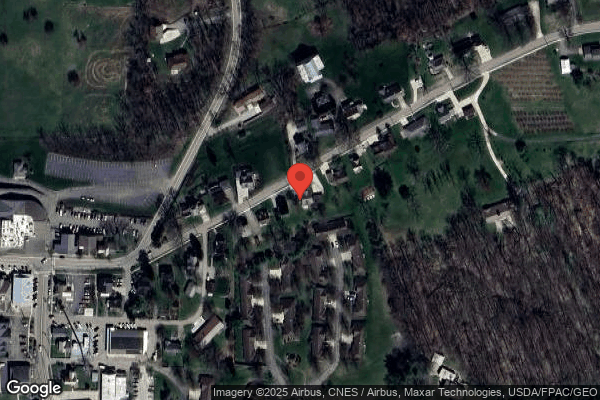

4748 OLDE PUMP STREET, WALNUT CREEK, OH 44687 (330) 893-3200
Non profit - Church related 76 Beds Independent Data: November 2025
Trust Grade
50/100
#813 of 913 in OH
Last Inspection: November 2024

Within standard 12-15 month inspection cycle. Federal law requires annual inspections.

Overview

Walnut Hills Nursing Home has a Trust Grade of C, which means it is average and sits in the middle of the pack compared to other facilities. It ranks #813 out of 913 in Ohio, placing it in the bottom half of the state, and #5 out of 5 in Holmes County, indicating that there are no better local options. The facility is improving, with issues decreasing from 20 in 2024 to just 1 in 2025. However, staffing is a concern, rated at 1 out of 5 stars, and while the turnover rate is at 50%, which is around the Ohio average, the low RN coverage is troubling as it is less than 86% of other facilities. Fortunately, the home has not incurred any fines, which is a positive sign, and it does have better quality measures at 4 out of 5 stars. On the downside, recent inspections found that staff failed to properly report nursing hours and did not consistently practice hand hygiene during meal and medication administration, which raises concerns about infection control and overall care quality. Families should weigh these strengths and weaknesses carefully when considering Walnut Hills for their loved ones.

Trust Score
C
50/100
In Ohio
#813/913
Bottom 11%
Safety Record
Low Risk
No red flags
Inspections
Getting Better
20 → 1 violations
Staff Stability
⚠ Watch
50% turnover. Above average. Higher turnover means staff may not know residents' routines.
Penalties
✓ Good
No fines on record. Clean compliance history, better than most Ohio facilities.
Skilled Nurses
⚠ Watch
Each resident gets only 29 minutes of Registered Nurse (RN) attention daily — below average for Ohio. Fewer RN minutes means fewer trained eyes watching for problems.
Violations
⚠ Watch
36 deficiencies on record. Higher than average. Multiple issues found across inspections.
★★☆☆☆
2.0
Overall Rating
★☆☆☆☆
1.0
Staff Levels
★★★★☆
4.0
Care Quality
★★★☆☆
3.0
Inspection Score
Stable
2024: 20 issues
2025: 1 issues

The Good

  • 4-Star Quality Measures · Strong clinical quality outcomes
  • No fines on record

Facility shows strength in quality measures.

The Bad

2-Star Overall Rating

Below Ohio average (3.2)

Below average - review inspection findings carefully

Staff Turnover: 50%

Near Ohio avg (46%)

Higher turnover may affect care consistency

The Ugly 36 deficiencies on record

Mar 2025 1 deficiency
CONCERN (D) 📢 Someone Reported This

A family member, employee, or ombudsman was alarmed enough to file a formal complaint

Potential for Harm - no one hurt, but risky conditions existed

Deficiency F0602 (Tag F0602)

Could have caused harm · This affected 1 resident

**NOTE- TERMS IN BRACKETS HAVE BEEN EDITED TO PROTECT CONFIDENTIALITY** THE FOLLOWING DEFICIENCY REPRESENTS AN INCIDENT OF PAST NON-COMPLIANCE THAT WAS SUBSEQUENTLY CORRECTED PRIOR TO THIS SURVEY. Ba...

Read full inspector narrative →
**NOTE- TERMS IN BRACKETS HAVE BEEN EDITED TO PROTECT CONFIDENTIALITY** THE FOLLOWING DEFICIENCY REPRESENTS AN INCIDENT OF PAST NON-COMPLIANCE THAT WAS SUBSEQUENTLY CORRECTED PRIOR TO THIS SURVEY. Based on medical record reviews, reviews of a facility investigation, review of self-reported incidents (SRIs), and review of a facility policy, the facility failed to ensure residents were free from misappropriation. This affected two (#4 and #47) of two residents reviewed for misappropriation. The facility census was 47. Findings include: Review of the medical record for Resident #4 revealed an admission date of 05/24/23 with diagnoses including chronic obstructive pulmonary disease (COPD), congestive heart failure, and depression. Review of the most recent Minimum Data Set (MDS) 3.0 assessment dated [DATE] revealed Resident #4 was unable to be interviewed and was dependent on staff for activities of daily living (ADLs). Review of the physician's orders for December 2024 revealed Oxycodone (narcotic pain medication) 20 milligrams (mg) given every six hours routinely and a as needed (PRN) order for five mg of Oxycodone every two hours. Review of the medical record for Resident #47 revealed an admission date of 07/14/17 with diagnoses including cerebral palsy, major depressive disorder, and generalized anxiety disorder. Review of the MDS 3.0 assessment dated [DATE] revealed Resident #47 had intact cognition and was dependent on staff for ADLs. Review of the physician's orders for December 2024 revealed Oxycodone five mg twice daily and a as needed (PRN) order for five mg of Oxycodone every four hours. Review of the SRI dated 01/09/25 revealed Licensed Practical Nurse (LPN) #108 signed out as needed (PRN) Oxycodone immediate release (IR) five milligrams (mg) for Resident #4 on 12/31/24 at 7:20 P.M. and 9:50 P.M. and on 01/01/24 at 4:00 A.M. on one narcotic count card and on another narcotic card for Resident #4 revealed Oxycodone IR 20 mg signed out at 7:20 P.M. on 12/31/24 as well as 12:00 A.M. and 5:00 A.M. on 01/01/25 in the narcotic count book. Resident #4's medication administration records (MARs) for December 2024 and January 2025 did not reveal that the PRN five mg. Oxycodone IR was administered to Resident #4 by LPN #108. Further review of the MARs for 12/31/24 and 01/01/25 revealed that they were not signed off and that Oxycodone IR 20 mg was not due at the times when taken from cart. Resident #4 was unable to verify she received it. Resident #4's habit was to sleep through the night and normally does not get the Oxycodone IR five mg at night. Additionally, the SRI revealed LPN #108 signed out PRN Oxycodone IR five mg for Resident #47 out at 7:00 P.M. and 11:10 P.M. on 12/31/24 and 3:14 A.M. on 01/01/25 on a card in the narcotic count book. Resident #47's MARs for December 2024 and January 2025 did not reveal that the PRN five mg. Oxycodone IR was administered to Resident #47 by LPN #108. Resident #47 denied that she was woken up to receive PRN Oxycodone through the night. Resident #47 verified that she received her routine medication at 9:00 A.M. and 5:00 P.M. by LPN #109. Resident #47's habit was to sleep through the night and normally does not get Oxycodone five mg at night. The facility's investigation revealed after LPN #108 left for the day, LPN #102 looked closer at the narcotic sheets for Resident #4 and found discrepancies which prompted the investigation. The facility substantiated the SRI and reported LPN #108 to the Ohio Board of Nursing (OBN), Ohio Board of Pharmacy (OBP), and the Local Police Department (LPD). An interview on 03/12/25 at 1:00 P.M. with the Administrator stated she was in training when the incident occurred and verified LPN #108 misappropriated Residents #47 and #4's narcotic medications. Review of the facility policy titled Controlled Substance Administration and Accountability Policy, dated 04/08/23 revealed the facility will have safeguards in place to prevent loss, diversion or accidental exposure. The deficient practice was corrected on 01/23/25 when the facility implemented the following corrective actions: • On 01/01/25 at 10:00 A.M. all residents on North Hall were assessed for pain and accuracy of narcotics and no further issues were noted by the Former Director of Nursing (FDON) #110. • On 01/01/25 at 10:30 A.M. the Medical Director #112 was notified and it was discussed her next steps in notification. • On 01/01/25 at 11:00 A.M., FDON #108 reported the incident to the agency that LPN #108 was employed and put on the do not return list. • On 01/02/25 at 2:00 P.M., FDON #108 notified the OBN asking for additional guidance to ensure all appropriate entities were notified. • On 01/02/25 at 3:10 P.M., FDON #108 reported the incident to the local police department. Report #25HC00022. • On 01/23/25, all nurses and medication technicians were in-service on controlled substance policy, and medication administration policy. This was an incidental finding during the course of the complaint investigation.
Nov 2024 5 deficiencies
CONCERN (D)

Potential for Harm - no one hurt, but risky conditions existed

Respiratory Care (Tag F0695)

Could have caused harm · This affected 1 resident

**NOTE- TERMS IN BRACKETS HAVE BEEN EDITED TO PROTECT CONFIDENTIALITY** Based on record review, observation, interview, and facility policy review, the facility failed to follow physician ordered oxyg...

Read full inspector narrative →
**NOTE- TERMS IN BRACKETS HAVE BEEN EDITED TO PROTECT CONFIDENTIALITY** Based on record review, observation, interview, and facility policy review, the facility failed to follow physician ordered oxygen settings for administration of oxygen to residents. This affected one resident (Resident #15) out of four residents reviewed for respiratory care. The facility census was 41. Findings Include: Review of Resident #15's medical record revealed Resident #15 was admitted on [DATE] with diagnoses including respiratory disorder, dementia, and breast cancer. Resident #15 required assistance from staff for activities of daily living (ADL) tasks. Review of Resident #15's physician orders revealed an order dated 10/11/24 to administer continuous oxygen 1 to 2 liters per minute (LPM) via nasal cannula to maintain oxygen saturation (SAT) above 90 percent (%) for dependence on supplemental oxygen. Review of Resident #15's Medication Administration Record (MAR) dated 10/01/24 to 11/06/24 revealed the order dated 10/11/24 to administer continuous oxygen 1 to 2 LPM via nasal cannula to maintain oxygen SAT's above 90% for dependence on supplemental oxygen was documented as being administered with oxygen SAT recordings ranging from 90% to 97%. Observation on 11/04/24 at 10:36 A.M. revealed an oxygen concentrator located in Resident #15's room. The oxygen concentrator had a small piece of bright yellow paper taped to the top of the concentrator next to the settings observation gauge. On the piece of bright yellow paper was written 1-2 Liters. The concentrator's setting was observed to be set at 0.5 LPM. There was clear oxygen tubing connected from the oxygen concentrator to Resident #15 via a nasal cannula. Interview on 11/04/24 at 4:44 P.M. with the Director of Nursing (DON) confirmed Resident #15's oxygen concentrator setting was on 0.5 LPM's even though the physicians order for the resident was for the oxygen setting to be 1 to 2 LPM. The DON stated the physician's orders were to be followed as written. Review of the facility's policy titled, Oxygen Administration, dated June 2019, revealed oxygen was to be administered under orders of a physician, except in the case of emergency.
CONCERN (D)

Potential for Harm - no one hurt, but risky conditions existed

Antibiotic Stewardship (Tag F0881)

Could have caused harm · This affected 1 resident

**NOTE- TERMS IN BRACKETS HAVE BEEN EDITED TO PROTECT CONFIDENTIALITY** Based on record review, staff interview, review of infection control logs, and policy review, the facility failed to update and ...

Read full inspector narrative →
**NOTE- TERMS IN BRACKETS HAVE BEEN EDITED TO PROTECT CONFIDENTIALITY** Based on record review, staff interview, review of infection control logs, and policy review, the facility failed to update and implement their antibiotic stewardship program policy to ensure antibiotics were ordered appropriately. This affected one (Resident #30) out of one reviewed for antibiotic use. Findings include: Review of the medical record revealed Resident #30 was admitted on [DATE] with diagnoses that included heart failure and chronic kidney disease. A progress note dated 08/14/24 at 5:40 A.M. revealed Resident #30 voiced a complaint of pressure and discomfort to bladder. Resident #30 reported feeling the need to void but unable to do so. A urine culture reported 08/15/24 revealed mixed microbiota to urine sample for Resident #30 due to possible contamination. No antibiotic sensitivity was identified. Review of the McGeer Criteria for Infection Surveillance Checklist dated 08/16/24 revealed Resident #30 had dysuria, pain, swelling, and/or tenderness. The microbiologic criteria was not met due to mixed microbiota. The checklist was marked as urinary tract infection criteria was not met. Review of the monthly infection log revealed on 08/16/24 Resident #30 had a urinary tract infection on 08/16/24 and the culture results were negative and the criteria was not met. A progress note dated 08/16/24 at 6:52 A.M. revealed orders were received to start Resident #30 on Augmentin (antibiotic) twice a day for for seven days. The Minimum Data Set (MDS) dated [DATE] revealed Resident #30 was cognitively intact and frequently incontinent of urine. Interview on 11/06/24 at 8:34 A.M. Director of Nursing (DON) revealed the facility no longer used the Loeb Criteria, but used McGeer Criteria to determine if an infection met the criteria for an antibiotic to be administered. DON verified there were no culture results for Resident #30 on 08/16/24 to identify what antibiotic the infection was susceptible to. Review of the Antibiotic Stewardship Policy dated 06/05/22 revealed the policy was not updated to use McGeer Criteria as it stated antibiotic use protocols included the Loeb Minimum Criteria to be used to determine whether to treat any infection with antibiotics.
CONCERN (E)

Potential for Harm - no one hurt, but risky conditions existed

Food Safety (Tag F0812)

Could have caused harm · This affected multiple residents

Based on observation, staff interviews, and facility policy review, the facility failed to complete hand hygiene during the dining room and room tray meal service. This affected two residents (Residen...

Read full inspector narrative →
Based on observation, staff interviews, and facility policy review, the facility failed to complete hand hygiene during the dining room and room tray meal service. This affected two residents (Resident #25 and Resident #39) with the potential to affect all 13 residents on the skilled unit. The facility census was 41. Findings Include: 1. Observation on 11/04/24 at 12:04 P.M. revealed Certified Nursing Assistant (CNA) #356 was performing the lunch meal service in the skilled unit dining room for nine residents. CNA #356 had served the residents their drinks of choice prior to the tray cart being delivered from the kitchen. Upon receiving the tray cart in the dining room, CNA #356 began serving the trays to each resident, and assisting in preparing the food (such as removing lids to items and cutting up meat as needed) for ease of eating by the residents. After each resident was served, CNA #356 would return to the tray cart, open the cart door, remove a tray, and close the door without sanitizing or washing his hands. CNA #356 continued to serve the lunch trays until each resident in the dining room had received a lunch meal. CNA #356 then notified CNA #253 that the tray cart was ready for the room trays to be served to the residents who chose to stay in their rooms for lunch meal. Interview on 11/04/24 at 12:15 P.M. with CNA #356 revealed he did not wash his hands during lunch tray service in the dining room. CNA #356 stated washing or sanitizing his hands should have happened while the trays were being served to the residents. Review of the facility policy titled, Infection Prevention and Control, dated March 2020, revealed all staff shall wash their hands when coming on duty, between resident contacts, after handling contaminated objects, after personal protective equipment (PPE) removal, before/after eating, before/after toileting, and before going off duty. 2. Observation on 11/04/24 at 12:23 P.M. revealed Certified Nursing Assistant (CNA) #253 retrieved the tray cart from the skilled unit's dining room. CNA #253 opened the cart door, removed a lunch tray for Resident #25, knocked on the door and entered Resident #25's room. CNA #253 removed several items off the bedside table, placed the lunch tray on the bedside table, removed the lids, and exited the room. CNA #253 returned to the tray cart, opened the door, removed Resident #39's tray, closed the cart door and served Resident #39's tray without washing or sanitizing her hands. Interview on 11/04/24 at 12:40 P.M. with CNA #253 confirmed she did not wash or sanitize her hands between serving Resident #25's lunch and Resident #39's tray. CNA #253 stated she should have washed or sanitized her hands between serving the two residents their lunch tray. Review of the facility policy titled, Infection Prevention and Control, dated March 2020, revealed all staff shall wash their hands when coming on duty, between resident contacts, after handling contaminated objects, after personal protective equipment (PPE) removal, before/after eating, before/after toileting, and before going off duty.
CONCERN (E)

Potential for Harm - no one hurt, but risky conditions existed

Infection Control (Tag F0880)

Could have caused harm · This affected multiple residents

Based on observation, record review, staff interview and facility policy review the facility failed to perform hand hygiene during medication administration. This deficient practice affected two resid...

Read full inspector narrative →
Based on observation, record review, staff interview and facility policy review the facility failed to perform hand hygiene during medication administration. This deficient practice affected two residents (#10 and #16) out of six residents observed for infection control medication administration. The facility census was 41. Findings Include: Observation on 11/05/24 from 12:57 P.M. to 1:15 P.M. revealed Licensed Practical Nurse (LPN) #344 completing noon medications administration for residents residing on the skilled unit. LPN #344 sanitized hands prior to preparing Resident #16's narcotic medication for administration and locked the medication cart. LPN #344 then knocked on Resident #16's room door and entered the room. LPN #344 handed the medication cup to Resident #16 and Resident #16 took the medication with a drink of water. LPN #344 removed the medication and water cup from the room, returned to the medication cart and disposed of the cups in the trash can. LPN #344 then documented the administration of Resident #16's medication in Medication Administration Record (MAR). LPN #344 did not wash or sanitize hands. LPN #344 then began preparing Resident #10's medication for administration and locked the medication cart. LPN #344 then knocked on Resident #10's door and entered the room. LPN #344 handed the medication cup to Resident #10 and Resident #10 took the medication and handed the medication cup back to LPN #344. LPN #344 assisted Resident #10 with holding the water cup for Resident #10 to take a drink from. LPN #344 then left the room and returned to the medication cart and disposed of the used medication cup. LPN #344 then documented the administration of Resident #10's medication in the MAR. LPN #344 did not wash or sanitize her hands following the completion of medication administration. Review of Resident #16's medical record and physician orders revealed Resident #16 had an order dated 10/31/24 for pain medication Norco 5 milligrams (MG) - 325 MG tablet, one tablet by mouth three times per day for pain. Further review of Resident #16's MAR dated 11/04/24 revealed pain medication Norco had been administered by LPN #344. Review of Resident #10's medical record and physician orders revealed an order dated 09/05/24 for diuretic medication Lasix 40 MG, one tablet by mouth two times daily for heart failure. Further review of Resident #10's MAR dated 11/04/24 revealed diuretic medication Lasix had been administered by LPN #344. Interview on 11/05/24 at 1:20 P.M. with LPN #344 confirmed LPN #344 did not wash or sanitizer her hands before, during, or after administering medications to Resident #10 and #16. LPN #344 stated they should have washed or sanitized their hands during medication admiistration. Review of the facility policy titled, Infection Prevention and Control, dated 03/20 revealed, All staff shall wash their hands when coming on duty, between resident contacts, after handling contaminated objects, after PPE removal, before/after eating, before/after toileting, and before going off duty.
CONCERN (F)

Potential for Harm - no one hurt, but risky conditions existed

Staffing Data (Tag F0851)

Could have caused harm · This affected most or all residents

Based on record review and interview, the facility failed to completely and accurately report staff hours worked for the Payroll Based Journal (PBJ) report. This had the potential to affect all 41 res...

Read full inspector narrative →
Based on record review and interview, the facility failed to completely and accurately report staff hours worked for the Payroll Based Journal (PBJ) report. This had the potential to affect all 41 residents residing in the facility. Findings include: Review of the PBJ report revealed the facility failed to have licensed nursing coverage 24 hours per day on 06/08/24, 06/09/24, 06/23/24, 06/29/24, and 06/30/24. Review of the staffing schedules for the nurses on 06/08/24, 06/09/24, 06/23/24, 06/29/24, and 06/30/24 revealed there was a licensed nurse in the facility. Interview on 11/07/24 at 9:45 A.M. with the Director of Nursing (DON) verified the corporate office stated they had trouble getting the invoices for agency staff and did not submit accurate staffing for nurses on 06/08/24, 06/09/24, 06/23/24, 06/29/24, and 06/30/24.
Jul 2024 9 deficiencies
CONCERN (D) 📢 Someone Reported This

A family member, employee, or ombudsman was alarmed enough to file a formal complaint

Potential for Harm - no one hurt, but risky conditions existed

Deficiency F0583 (Tag F0583)

Could have caused harm · This affected 1 resident

**NOTE- TERMS IN BRACKETS HAVE BEEN EDITED TO PROTECT CONFIDENTIALITY** Based on observation, medical record review, resident right posting review, and interview, the facility failed to ensure residen...

Read full inspector narrative →
**NOTE- TERMS IN BRACKETS HAVE BEEN EDITED TO PROTECT CONFIDENTIALITY** Based on observation, medical record review, resident right posting review, and interview, the facility failed to ensure resident mail was delivered unopened. This affected two residents (#79 and #91) of five sampled residents. The census was 45. Findings include: Medical record review revealed Resident #79 was admitted on [DATE] and Resident #91 was admitted on [DATE]. Review of Resident #79's quarterly Minimum Data Set 3.0 (MDS) assessment dated [DATE] and Resident #91's quarterly MDS assessment dated [DATE] revealed the residents were cognitively intact for daily decision-making. On 06/25/24 at 3:35 P.M., observation of the facility required postings revealed residents had the right to have mail delivered unopened. On 06/26/24 between 9:53 A.M. and 10:05 A.M., interview with Resident #79 revealed her mail was opened in May 2024 by staff without her permission. Resident #79 stated her opened mail included a retail store package, her wireless service provider bill and an advertisement. The mail was delivered to her opened and paperclipped to a facility stamped envelope. Resident #79 stated she asked Charge Nurse #108 why her mail was opened and Charge Nurse #108 stated she was told to open both her mail and the retail package. Resident #79 stated this was a violation of her rights and it made her very upset. The resident stated she does have terrible arthritis (severe hand/finger contractions) but she could still open her own mail or at least it should be delivered unopened and if she chooses to have staff assist her with opening her mail, she would be okay with that. On 06/27/24 at 9:47 A.M., interview with Resident #91 revealed staff has delivered her mail opened and she has not given the facility permission to do this. Resident #91 stated it was not their business what she gets in the mail. She has also been waiting on a package that her daughter ordered for her over two weeks ago that she has not received. On 06/27/24 at 9:55 A.M., interview with Life Enrichment Director (LED) #126 stated Resident #91's daughter had sent her a package but it was addressed to the daughter; therefore, the package was returned to sender per the Director of Nursing. LED #126 stated the facility had not informed Resident #91 or her daughter of this but would notify her today. LED #126 verified residents had the right to receive unopened mail and resident mail should only be opened when permission was given. On 06/27/24 at 10:03 A.M., interview with Charge Nurse #108 stated she has delivered mail to residents when needed and verified she had opened Resident #79's mail and retail store package. Charge Nurse #108 stated she was instructed to do so because the box sounded like there was a bottle of pills in it. Charge Nurse #108 verified she opened the package without the resident's permission. Charge Nurse #108 would not say who instructed her to open the package but verified she should have had permission before opening the resident's mail. Charge Nurse #108 stated Resident #79 was upset when this happened and the resident was very particular with her things including her mail. On 06/27/24 at 10:42 A.M., interview with Business Office Manager #166 stated she does not open resident mail or packages. This deficiency represents non-compliance investigated under Master Complaint Number OH00154718, Complaint Number OH00154465.
CONCERN (D) 📢 Someone Reported This

A family member, employee, or ombudsman was alarmed enough to file a formal complaint

Potential for Harm - no one hurt, but risky conditions existed

Deficiency F0691 (Tag F0691)

Could have caused harm · This affected 1 resident

**NOTE- TERMS IN BRACKETS HAVE BEEN EDITED TO PROTECT CONFIDENTIALITY** Based on observation, medical record review and interview, the facility failed to ensure ostomy supplies were available as order...

Read full inspector narrative →
**NOTE- TERMS IN BRACKETS HAVE BEEN EDITED TO PROTECT CONFIDENTIALITY** Based on observation, medical record review and interview, the facility failed to ensure ostomy supplies were available as ordered. This affected one of one resident (#9) residing in the facility with an ostomy. The facility census was 45. Findings include: Medical record review revealed Resident #9 was admitted on [DATE] with diagnoses including hip fracture, weakness, atrial fibrillation, constipation and colostomy. Review of the electronic Physician Orders dated 06/26/24 revealed Resident #9 was ordered to use the following ostomy supplies: [NAME] Wafer #11402 and [NAME] Bag #18182. Resident #9's ostomy wafer and ostomy bag was to be changed every three days and as needed. On 07/03/24 at 9:29 A.M., observation of Resident #9's ostomy supplies located in her closet and top dresser drawer were labeled [NAME] Wafer #11402 and Ostomy Bag #18373. Charge Nurse #138 asked Resident #9 if she could see what ostomy supplies were in use at the time of the observation, and Resident #9 raised her shirt revealing an ostomy bag #18373 attached to the wafer. Interview with Resident #9 at the time of the observation stated those are the only ones for staff to use. Resident #9 further stated that she had not had a bowel movement for two days and had not had any incontinence issues. Review of the care plan: Potential for bowel incontinence related to weakness dated 06/26/24 revealed a goal to have fewer incontinence episodes as evidence by STNA documentation. There was no mention of the resident's ostomy and no interventions related to what supplies to use or how often to care for the site. Review of the record revealed no evidence of a care plan related to Resident #9's colostomy. On 07/03/24 at 9:27 A.M. and 9:34 A.M., observation with Charge Nurse #138 verified the resident was not using the physician ordered size ostomy bag and stated the facility did not have the size ordered. Charge Nurse #138 stated the resident had been discharged home and returned the same day and did not bring back her ostomy supplies. Charge Nurse #138 verified the resident was readmitted on [DATE] and had been using ostomy bag #18373 since readmission. This deficiency represents non-compliance investigated under Complaint Number OH00154465.
CONCERN (D) 📢 Someone Reported This

A family member, employee, or ombudsman was alarmed enough to file a formal complaint

Potential for Harm - no one hurt, but risky conditions existed

Deficiency F0692 (Tag F0692)

Could have caused harm · This affected 1 resident

**NOTE- TERMS IN BRACKETS HAVE BEEN EDITED TO PROTECT CONFIDENTIALITY** Based on medical record review, policy review and interview, the facility failed to obtain weights as ordered. This affected one...

Read full inspector narrative →
**NOTE- TERMS IN BRACKETS HAVE BEEN EDITED TO PROTECT CONFIDENTIALITY** Based on medical record review, policy review and interview, the facility failed to obtain weights as ordered. This affected one resident (#37) of six sampled residents. The census was 45. Findings include: Medical record review revealed Resident #37 was admitted on [DATE] with diagnoses included cerebral infarction, [NAME]-barre syndrome, arthritis, multiple myeloma, barrett's esophagus paroxysmal atrial fibrillation, severe protein calorie malnutrition, and severe sepsis with septic shock. Review of the admission Minimum Data Set 3.0 (MDS) assessment dated [DATE] revealed Resident #37's cognition was moderately impaired for daily decision-making, was at risk for pressure ulcer development, and had no unhealed pressure, venous or arterial ulcers. Review of the Nutritional assessment dated [DATE] revealed Resident #37 had a clinically significant weight loss of 18% prior to admission to the facility with severe protein calorie malnutrition. Weights were to be monitored. Review of the electronic Physician Orders dated 04/04/24 revealed daily weights were ordered and Dietitian #186's Interdisciplinary Notes dated 05/09/24 revealed Resident #37's weight was stable at 151.9 pounds (lbs) with a body mass index of 23. Review of the Vital Stats dated 06/01/24 Thru 07/01/24 revealed Resident #37's weight on 06/15/24 was 148 lbs. and on 07/01/24 his weight was 149.1 lbs. Review of Resident #37's Treatment Record and Weight Tracker dated 06/01/24 through 07/01/24 revealed daily weights were not completed as ordered except on 06/09/24, 06/15/24, 06/17/24, 06/23/24, 06/24/24, 06/30/24 and 07/01/24. Review of the care plan: Vital Parameters dated 04/18/24 revealed to obtain weights as ordered. On 07/03/24 at 10:14 A.M., interview with Dietitian #186 verified Resident #37 was ordered daily weights, weights were to be documented in the electronic record and it was her expectation for physician orders to be followed. This deficiency represents non-compliance investigated under Complaint Number OH00154465.
CONCERN (D) 📢 Someone Reported This

A family member, employee, or ombudsman was alarmed enough to file a formal complaint

Potential for Harm - no one hurt, but risky conditions existed

Pharmacy Services (Tag F0755)

Could have caused harm · This affected 1 resident

**NOTE- TERMS IN BRACKETS HAVE BEEN EDITED TO PROTECT CONFIDENTIALITY** Based on medical record review and staff and resident interviews, the facility failed to ensure their pharmacy services provided...

Read full inspector narrative →
**NOTE- TERMS IN BRACKETS HAVE BEEN EDITED TO PROTECT CONFIDENTIALITY** Based on medical record review and staff and resident interviews, the facility failed to ensure their pharmacy services provided resident intravenous medication in a timely manner. This affected one resident (#45) of two residents reviewed for intravenous medication administration. The census was 45. Findings include: 1. Medical record review revealed Resident #45 was admitted on [DATE] with diagnoses including cerebral infarction, bacteremia and sepsis. Review of the Physician Orders dated 05/27/24 revealed to administer Ceftriaxone (antibiotic) 2 grams (g) intravenous (IV) every 12 hours for infection through 06/28/24. Review of the Medication Administration Record (MAR) dated June 2024 revealed the following IV antibiotics were not administered as ordered: Ceftriaxone 2 g IV was not administered upon rising on 06/08/24, 06/10/24, 06/19/24, 06/23/24 and 06/24/24. Ampicillin 2 g IV for bacteremia was not administered at 12 noon on 06/19/24 and 06/20/24. Ceftriaxone 2 g IV was not administered in the evening on 06/19/24. Review of Resident #45's Interdisciplinary Notes dated 06/24/24 at 4:32 P.M. revealed the certified nurse practitioner (CNP) was notified of four missed doses of Ceftriaxone intravenous and ordered to extend the order by four doses due to the same. Review of the Medication Incident Reporting (MIR) dated 06/24/24 revealed Ceftriaxone 2 g IV was not administered as ordered due to pharmacy did not deliver medication on 06/21/24, 06/22/24, 06/23/24 or 06/24/24. Review of the electronic mail dated 06/24/24 revealed the Director of Nursing informed pharmacy of concerns related to inability to receive needed supplies and medications. This weekend we experienced not being able to get hold of pharmacy. Numerous phone calls were made all weekend. When someone did answer we were told that the antibiotic would be in the next PM run. Never came. When they called about it, the tech said it looks like it was never received but it was suppose to go out. He has missed 4 doses of his Ceftriaxone but it was suppose to go out. The resident has missed four doses of his Ceftriaxone and one dose of Ampicillin either due to no drug or no tubing. Review of the Pharmacy POD After Hours Daily Summaries revealed the following IV antibiotics were dispensed/in progress: On 06/13/24, 16 Ampicillin 2g/100ml NS and eight Ceftriaxone 2g/100ml NS were dispensed. On 06/17/24, 12 Ampicillin 2g/100ml NS and six Ceftriaxone 2g/100ml NS were in progress. On 06/19/24, 14 IV tubing sets were dispensed. On 06/20/24, 16 ampicillin 2g/100ml NS and eight Ceftriaxone 2g/100ml NS were dispensed. Review of the signed pharmacy Packaging Slips revealed the following: On 06/10/24, 12 Ampicillin 2g/100ml NS, six Ceftriaxone 2g/100ml NS and six IV tubing sets were received by facility staff. On 06/13/24, IV supplies including 14 IV tubing sets were received by facility staff. On 06/17/24, 12 Ampicillin 2g/100ml NS and six Ceftriaxone 2g/100ml NS were received by facility staff. On 07/01/24 at 9:04 A.M., interview with the Director of Nursing stated the facility was not able to administer IV medications as ordered due to not having adequate supply of the IV antibiotics and/or IV tubing. The DON stated she has reached out to pharmacy to address the issue but continues to have issues with timely delivery of medications. On 07/01/24 at 2:45 P.M., electronic interview with Pharmacy #202 revealed the pharmacy did not have signed manifests that were linked in our system for every delivery but provided the above. Typically IV medications were sent out twice per week on Monday and Thursday for refills and a weeks worth of supplies was sent out every Wednesday for refills; however, it looks like there is a record of them running out of tubing prematurely on multiple occasions. The facility should also have six vials of Ampicillin and six vials of Ceftriaxone 1gm in their IV emergency kit. This kit is replenished on request from the facility. On 07/10/24 at 10:02 A.M., electronic interview with the Administrator revealed the facility did not have a policy for pharmacy. This deficiency represents non-compliance investigated under Complaint Number OH00154465.
CONCERN (D) 📢 Someone Reported This

A family member, employee, or ombudsman was alarmed enough to file a formal complaint

Potential for Harm - no one hurt, but risky conditions existed

Medical Records (Tag F0842)

Could have caused harm · This affected 1 resident

**NOTE- TERMS IN BRACKETS HAVE BEEN EDITED TO PROTECT CONFIDENTIALITY** Based on medical record review, observation, and interview, the facility failed to maintain an accurate medical record. This aff...

Read full inspector narrative →
**NOTE- TERMS IN BRACKETS HAVE BEEN EDITED TO PROTECT CONFIDENTIALITY** Based on medical record review, observation, and interview, the facility failed to maintain an accurate medical record. This affected three residents (#45, #87 and #99) of six sampled residents. The census was 45. Findings include: 1. Medical record review revealed Resident #99 was admitted on [DATE] with diagnoses including chronic atrial fibrillation, congestive heart failure and edema. Review of the hospital Discharge Instructions dated 10/18/23 revealed Resident #99 was prescribed Torsemide (diuretic) 40 mg once a day. Review of the electronic Physician's Orders dated 10/17/23 revealed to administer two tablets of Torsemide 20 mg daily. Review of the electronic Medication Administration Record (MAR) dated October 2023 revealed two different doses to administer for Torsemide. The order was transcribed on the electronic MAR as follows: 'Torsemide 20 mg by mouth once daily. Give two tablets to equal 40 mg for Essential Hypertension. 20 mg po (orally) QD (everyday)'. On 07/03/24 at 12:40 P.M., interview with the Director of Nursing verified the order for Torsemide was not clearly written as it indicated two different doses to be administered (20 mg or 40 mg) between 10/18/23 and 11/07/23. 2. Medical record review revealed Resident #45 was admitted on [DATE] with diagnoses including cerebral infarction and sepsis. Review of the Physician Orders dated 05/27/24 revealed to administer Ceftriaxone (antibiotic) 2 grams (g) intravenous (IV) every 12 hours for infection through 06/28/24. Review of the resident's Interdisciplinary Notes revealed Resident #45's antibiotic infused without difficulty at 6:20 A.M. and a second dose was documented at 5:23 P.M. as being administered. Review of the MAR dated June 2024 revealed no evidence Ceftriaxone 2 g IV was administered on 06/22/24. On 07/01/24 at 12:30 P.M., interview with the Director of Nursing verified the medication record did not indicate Ceftriaxone 2 g was administered on 06/22/24. 3. Medical record review revealed Resident #87 was admitted on [DATE] with diagnoses including post-polio syndrome, hip fracture, hypertension and depression. Review of the Interdisciplinary Notes dated 06/17/24 revealed an air mattress with bolsters from hospice was requested and a low-air loss mattress was placed on the residents bed on 06/19/24. On 06/21/24, the resident's care conference indicated a foam mattress with foam overlay was ordered in case he wanted to lay in his bed since he preferred sleeping in recliner. On 06/25/24 at 3:27 P.M., observation revealed Resident #87's was laying in bed on his back on a standard mattress at a 45 degree angle. The resident was partially covered with a sheet. Review of the Wound Progress Report dated 06/25/24 revealed Resident #87 had developed two facility acquired pressure ulcers and new orders received included a recommendation of an air mattress. On 06/27/24 between 2:00 P.M. and 2:11 P.M., interview with the DON stated Resident #87 had a low air loss mattress from hospice on his bed. Observation with staff revealed no low air loss mattress on Resident #87's bed and the resident was laying on his back on a regular mattress. DON stated she was not aware this had not been done. The DON asked LPN #108 why the specialty mattress was not in place and she stated one had been ordered two days ago but he did not have one yet. DON verified the medical record was not accurate related to the use of a specialty pressure relieving mattress. This deficiency represents incidental non-compliance investigated under Complaint Number OH00154465 and Complaint Number OH00154365.
CONCERN (D) 📢 Someone Reported This

A family member, employee, or ombudsman was alarmed enough to file a formal complaint

Potential for Harm - no one hurt, but risky conditions existed

Infection Control (Tag F0880)

Could have caused harm · This affected 1 resident

**NOTE- TERMS IN BRACKETS HAVE BEEN EDITED TO PROTECT CONFIDENTIALITY** Based on medical record review, observation, policy review, and interview, the facility failed to maintain adequate infection co...

Read full inspector narrative →
**NOTE- TERMS IN BRACKETS HAVE BEEN EDITED TO PROTECT CONFIDENTIALITY** Based on medical record review, observation, policy review, and interview, the facility failed to maintain adequate infection control practices. This affected one resident (#87) of three residents observed for pressure ulcer treatments and one resident (#25) resident observed for incontinence care. The census was 45. Findings include: 1. Medical record review revealed Resident #87 was admitted on [DATE] with diagnoses including post-polio syndrome, hip fracture, hypertension and depression. Review of the Wound Progress Report dated 06/25/24 revealed Resident #87 had developed two facility acquired pressure ulcers including an unstageable pressure ulcer to the left midline buttock measuring 5.22 centimeters (cm) in length by 2.8 (cm) in width. The wound bed was covered with slough. On 06/27/24 at 12:18 P.M., observation of Resident #87's left midline buttock pressure ulcer treatment revealed Licensed Practical Nurse (LPN) #60 gathered her supplies, washed her hands at the sink and Hospice Aide #204 rolled Resident #87 onto his right side revealing an unstageable left midline buttock pressure ulcer approximately 6.0 (cm) in (l) by 3.0 (c) in (w). The wound was covered with necrotic (dead) tissue and the outer left buttock was dark purple in appearance. LPN #60 cleansed the wound with normal saline, applied collagenese santyl with a sterile q-tip to the necrotic area of the wound, applied a 6 (cm) by 6 (cm) comfort foam border to the area, dated the dressing once and then removed her gloves. LPN #60 washed her hands at the sink and assisted Hospice Aide #204 with positioning Resident #87 up in bed laying on his back. On 06/27/24 at 12:30 P.M., interview with LPN #60 verified she did not change her gloves after cleansing the wound or during the dressing change. LPN #60 stated she thought about it but the resident just had a bath so didn't think she needed to. Review of the policy: Clean Dressing Change (revised 01/29/24) revealed it was the policy of this campus to provide wound care in a manner to decrease potential for infection and/ or cross-contamination. Physician's orders will specify type of dressing and frequency of changes. Procedure included to perform hand hygiene and put on clean gloves. Cleanse the wound as ordered, pat dry with gauze, measure wound using disposable measuring guide, perform hand hygiene and put on clean gloves. Apply topical ointments or creams and dress the wound as ordered, protect surrounding skin as indicated with skin protectant, secure dressing and mark with initials and date. Discard disposable items and gloves into appropriate trash receptacle and perform hand hygiene. 2. Medical record review revealed Resident #25 was admitted on [DATE] with diagnoses including dementia, anxiety and depression. Review of the quarterly Minimum Data Set 3.0 assessment dated [DATE] revealed the resident was always incontinent of bowel and bladder and dependent on staff for assistance with toileting. On 07/02/24 at 10:52 A.M., observation of incontinence care revealed State Tested Nurse Aide (STNA) #46 gathered supplies including disposable incontinence wipes and an incontinence product, washed hands at the sink and applied gloves. STNA #46 assisted Resident #25 from her recliner chair to a standing position with a sit-to-stand mechanical lift, placed a bedside commode behind the resident, untabbed the resident's product and allowed it to fall into the bedside commode beneath the resident. The brief was saturated with urine and loose bowel movement. STNA #46 proceeded to use multiple incontinence wipes to cleanse the resident of bowel and urine dropping them into the bedside commode. STNA #46 then grasped the clean incontinence product, applied the new incontinence product, grasped the resident's dress, pushed the bedside commode away from the resident, maneuvered the sit-to-stand lift over the resident's wheelchair, lowered the resident into the wheelchair, applied the foot pedals to the wheelchair and then removed the soiled gloves. On 07/02/24 at 11:00 A.M., interview with STNA #46 verified gloves were not changed during incontinence care. Review of the policy: Perineal Care (revised 04/14/23) revealed it is the practice of this facility to provide perineal care to all incontinent residents during routine bath and as needed in order to promote cleanliness and comfort, prevent infection to the extent possible, and to prevent and assess for skin breakdown. Procedures included setting up supplies, place waterproof pad underneath resident, cleanse, thoroughly dry, re-position resident in supine position, change gloves if soiled and continue with perineal care. This deficiency identifies non-compliance investigated at Complaint Number OH00154465.
CONCERN (E) 📢 Someone Reported This

A family member, employee, or ombudsman was alarmed enough to file a formal complaint

Potential for Harm - no one hurt, but risky conditions existed

Pressure Ulcer Prevention (Tag F0686)

Could have caused harm · This affected multiple residents

**NOTE- TERMS IN BRACKETS HAVE BEEN EDITED TO PROTECT CONFIDENTIALITY** Based on observation, medical record review, policy review and interview, the facility failed to provide adequate care and servi...

Read full inspector narrative →
**NOTE- TERMS IN BRACKETS HAVE BEEN EDITED TO PROTECT CONFIDENTIALITY** Based on observation, medical record review, policy review and interview, the facility failed to provide adequate care and services to prevent the development and decline of pressure ulcers. This affected three residents (#37, #87 and #91) of four residents reviewed for pressure ulcers. The facility identified three residents with pressure ulcers and the facility census was 45. Findings include: 1. Medical record review revealed Resident #87 was admitted on [DATE] with diagnoses including post-polio syndrome, hip fracture, hypertension and depression. Review of the Braden Scale for Predicting Pressure Ulcer Risk dated 01/06/24 revealed Resident #87 was at high risk for pressure ulcer/injury development. There was no risk assessment completed between 01/06/24 and 06/25/24. Review of the quarterly Minimum Data Set 3.0 (MDS) assessment dated [DATE] revealed Resident #87 was cognitively intact and was not at risk for pressure ulcers. Review of the Wound Progress Report dated 05/29/24 revealed Resident #87 developed a facility acquired Stage II (partial-thickness loss of skin with exposed dermis, presenting as a shallow open ulcer) left mid-buttock pressure ulcer that was healed on 06/12/24. Review of the Treatment Record (TAR) dated June 2024 revealed the following treatments were not completed as ordered: Barrier cream and foam dressing to left buttock daily was not completed on 06/24/24, the left buttock and left lateral ankle pressure ulcer treatment was not completed on 06/26/24. On 06/25/24 at 3:27 P.M., observation revealed Resident #87 was laying in bed on his back on a standard mattress at a 45 degree angle. The resident was partially covered with a sheet. Review of the Wound Progress Report dated 06/25/24 revealed Resident #87 had developed two facility acquired pressure ulcers including: an unstageable (full-thickness skin and tissue loss in which the extent of tissue damage within the ulcer cannot be confirmed because the wound bed is obscured by slough or eschar) pressure ulcer to the left midline buttock measuring 5.22 centimeters (cm) in length (l) by 2.8 (cm) in width (w) and the wound bed was covered with slough. The resident also had a Stage II fluid filled blister measuring 2.5 (cm) in (l) by 1.8 (cm) in (w) to the left lateral ankle. New order was received to pad and protect wound physician recommended an air mattress. On 06/26/24 at 11:55 A.M., observation revealed no evidence of a low air loss mattress on Resident #87's bed. On 06/27/24 at 12:18 P.M., observation of Resident #87's left midline buttock dressing change revealed an unstageable left midline buttock pressure ulcer approximately 6.0 (cm) in (l) by 3.0 (c) in (w). The wound was covered with necrotic (dead) tissue and the outer left buttock was dark purple in appearance. On 06/27/24 at 1:24 P.M., interview with Charge Nurse #108 verified Resident #87 did not have a Braden Risk assessment completed since 01/06/24 and these should be done every three months and with any change in skin or condition. On 06/27/24 between 2:00 P.M. and 2:11 P.M., interview with the Director of Nursing (DON) stated Resident #87 had a low air loss mattress from hospice on his bed. Observation with staff revealed no low air loss mattress on Resident #87's bed and resident was laying on his back on a regular mattress. DON asked Licensed Practical Nurse (LPN) #108 about having the specialty mattress and she stated one had been ordered two days ago but he did not have one yet. DON instructed LPN #108 to call hospice and if an air mattress could not be obtained to let her know so she can rent one for him. On 07/01/24 at 2:20 P.M., interview with the DON verified there was no evidence treatments were completed on 06/26/24, the resident did not have a low air loss mattress as recommended and was at high risk for skin breakdown. 2. Review of the record revealed Resident #37 was admitted on [DATE] with diagnoses included cerebral infarction, [NAME]-barre syndrome, arthritis, multiple myeloma, barrette's esophagus, paroxysmal atrial fibrillation and severe sepsis with septic shock. Review of the Skin Evaluation Form dated 03/28/24 revealed a pressure ulcer to the lateral left leg measuring 10.0 (cm) in (l) by 4.5 (cm) in (w) by <0.1 (cm) in depth (d). The wound edges were blackened, there was a moderate amount of serosangenous drainage. The ulcer was not staged, no interventions were documented and the assessment did not have a signature of the person completing the assessment. Review of the admission Minimum Data Set 3.0 (MDS) assessment dated [DATE] revealed Resident #37's cognition was moderately impaired for daily decision-making, was at risk for pressure ulcer and had no unhealed pressure, venous or arterial ulcers. Review of the Braden Scale for Predicting Pressure Ulcer Risk dated 04/18/24 revealed Resident #37 was at risk for pressure ulcer/injury development. No other risk assessments were available for review after 04/18/24. Review of the left lateral leg (LLL) Wound Progress Reports and Treatment Record (TAR) dated June 2024 revealed the following: Dated 06/05/24, the wound measured 1.26 centimeters (cm) in width (w) by 3.14 (cm) in length (l) by 0.11 (cm) in depth (d). Treatment orders included to cleanse the wound with saline solution and pat dry with gauze. Apply Tetracyte to the wound bed, followed by oil emulsion gauze and alginate. Cover with ABD pad and wrap with Kerlix followed by ACE bandage 3 times weekly and as needed (PRN) and apply silver nitrate to hypergranulated tissue. Follow up in one week. Review of Resident #37's TAR revealed the wound treatment was not completed on 06/07/24. Dated 06/12/24, the wound was covered in 100% granulation (healthy) tissue and measured 2.59 (cm) in (w) by 2.49 (cm) in (l) by 0.11 (cm) in (d). The debridement area was cleansed with saline solution then dressed with a non-adherent dressing. The clinician reviewed the importance of off loading. turning, repositioning and dressing change and frequency to help achieve wound healing. Treatment orders included to cleanse the wound with saline solution and pat dry with gauze. Apply oil emulsion gauze and alginate. Cover with ABD pad and wrap with Kerlix followed by ACE bandage 3 times weekly and PRN. Apply silver nitrate to hypergranulated tissue. Review of Resident #37's TAR revealed the wound treatment was not completed on 06/17/24. Dated 06/18/24, the wound appearance was 51.01% granulation tissue and 48.99% necrotic (dead) tissue and measured 6.28 (cm) in (w) by 6.42 (cm) in (l) by 0.2 (cm) in (d). The debridement area was cleansed with wound cleanser then dressed with a non-adherent dressing, fluff and conforming gauze. The clinician reviewed the importance of off loading, turning, and repositioning and dressing change and frequency to help achieve wound healing. The clinician referred the patient to the primary care physician for further intervention to aid in cessation. Treatment order to cleanse with wound cleanser, apply Mupirocin (topical antibiotic that's used to treat small areas of bacterial skin infections), cover with a non-stick and absorbent dressing. Wrap toes to above left knee with rolled gauze and light compression bandage daily. Start Keflex (antibiotic) 250 mg per tablet daily for one week. Review of Resident #37's Physician Orders and Medication Administration Record revealed Keflex was not ordered or administered until 06/19/24. Review of Resident #37's TAR revealed the new wound order given on 06/18/24 was not written until 06/20/24 and the LLL treatment was not completed on 06/20/24, 06/22/24, 06/24/24 or 06/25/24. Dated 06/25/24, wound measured 5.68 (cm) in (l) by 5.76 (cm) in (w) by 0.1 (cm) in (d) with 100% granulation. Treatment orders included to cleanse with wound cleanser, stop Mupirocin, and cover with nonstick dressing and absorbent pad dressing daily for one week. Finish Keflex until gone. Review of Resident #37's TAR revealed LLL treatments were not completed every three days as ordered on 06/07/24 or 06/17/24. Daily LLL wound treatments were not completed daily as ordered on 06/20/24, 06/22/24, 06/24/24, 06/25/24, 06/26/24, 06/27/24 or 06/28/24. Review of the care plan: Actual Skin Breakdown LLL wound dated 04/10/24 revealed a goal for the wound to decrease in size and show improvement and interventions included to administer treatments as ordered. On 07/01/24 at 1:40 P.M., interview with Charge Nurse #124 verified the above and confirmed a decline in Resident #37's LLL wound between 06/12/24 and 06/18/24. Charge Nurse #124 stated physician orders were to be completed as ordered and any new orders were to be started that day. On 07/09/24 at 12:12 P.M., electronic mail correspondence with LPN #138 would not confirm nor deny the accuracy of the MDS information or the unsigned assessments. 3. Medical record review revealed Resident #91 was admitted on [DATE] with diagnoses including diabetes mellitus, hip fracture and manic depression. Review of the Braden Scale for Predicting Pressure Ulcer Risk dated 01/03/24 revealed Resident #91 was at risk for pressure ulcer/injury development. There was no other risk assessment completed after 01/03/24. Review of the quarterly MDS assessment dated [DATE] revealed the resident was cognitively intact for daily decision-making and had one unstageable pressure ulcer. Review of Resident #91's Skin Evaluation Forms revealed the following: Dated 01/26/24, development of a suspected deep tissue injury (SDTI), soft mushy heel and area was light purple in color. Interventions included to pad and protect, float heels and bilateral foot pillows. The SDTI measured 4.5 (cm) in (l) by 5.0 (cm) in (w). Dated 01/30/24, SDTI declined to an unstageable pressure ulcer of the left heel with eschar (black, dead) noted measuring 4.0 (cm) in (l) by 5.5 (cm) in (w) by 0.1 (cm) in (d). The assessment indicated edema was present and did not indicate the amount of eschar covering the wound. Treatment was to pad and protect with ABD and Kerlix three times a week. Review of the TAR dated February 2024 revealed a left heel treatment to pad and protect with ABD and Kerlix three times a week was not completed between 02/09/24 and 02/12/24 and bilateral foot pillows and float heels at all times was not documented as being done on 02/03/24, 02/09/24 to 02/12/24, 02/19/24 or 02/27/24. Review of the record revealed no evidence of vitamins or nutritional supplements were ordered for Resident #91's unstageable left heel pressure ulcer between 01/26/24 and 03/31/24. On 06/26/24 at 5:00 P.M., interview with the DON verified if there was not initials on the electronic MAR/TAR it meant it was not done. On 07/09/24 at 12:42 P.M., electronic interview with the Administrator would not confirm or deny the above information. Review of the policy: Pressure Injury Prevention and Management (revised 02/26/24) revealed the facility was committed to the prevention of avoidable pressure injuries, unless clinically unavoidable, and to provide treatment and services to heal the pressure ulcer/injury, prevent infection and the development of additional pressure ulcers/injuries. This deficiency represents non-compliance investigated under Complaint Number OH00154465.
MINOR (C) 📢 Someone Reported This

A family member, employee, or ombudsman was alarmed enough to file a formal complaint

Minor Issue - procedural, no safety impact

Deficiency F0577 (Tag F0577)

Minor procedural issue · This affected most or all residents

Based on observation, medicare health inspection report review, survey inspection review and interview, the facility failed to ensure state survey results were readily accessible for review including ...

Read full inspector narrative →
Based on observation, medicare health inspection report review, survey inspection review and interview, the facility failed to ensure state survey results were readily accessible for review including the most recent survey of the facility. This had the potential to affect all 45 residents residing in the facility. Findings include: Review of the Medicare website: Facility Health and Complaint Inspection Data revealed the facility's most recent health inspection was completed on 09/23/22 and complaint inspections were completed on 03/13/23, 05/04/23, 02/06/24, and 04/04/24. On 06/25/24 at 3:35 P.M., observation of the facility posting corkboard located across from the activity room leading towards the 100 and 200 halls revealed required postings including resident right information and the most recent federal Statement of Deficiencies and Plan of Correction survey results. The most recent posted health inspection (annual) survey results dated 09/23/22 did not include the facility's plan of correction. Other survey type results posted were dated 12/05/19 through 05/04/23. No other survey results were posted for review after the survey completed 05/04/23. On 06/26/24 at 10:50 A.M., observation of the main office/receptionist area with Scheduling Coordinator #94 revealed a table against the wall which included an unlabeled green binder and a clipboard standing upright between two bookends. Review of the unlabeled binder revealed survey results dated 09/23/22 without the written facility plan of correction. No survey results after 09/23/22 were available for review in the green binder. On 06/26/24 at 10:59 A.M., observation with Business Office Manager (BOM) #166 revealed the most recent survey results posted in the leading to the 100 and 200 halls was dated 05/04/23 and the most recent survey results for review in the receptionist area was dated 09/23/22. BOM #166 verified the facility had not posted the survey results for the complaint investigations completed on 03/13/23, 02/06/24 or 04/04/24. This deficiency represents an incidental finding of non-compliance investigated under Master Complaint Number OH00154718, Complaint Number OH00154465 and Complaint Number OH00154365.
MINOR (C) 📢 Someone Reported This

A family member, employee, or ombudsman was alarmed enough to file a formal complaint

Minor Issue - procedural, no safety impact

Staffing Information (Tag F0732)

Minor procedural issue · This affected most or all residents

Based on observation, and interview, the facility failed to post nursing staff data in a place that was readily visible. This had the potential to affect all 45 residents residing in the facility. Fi...

Read full inspector narrative →
Based on observation, and interview, the facility failed to post nursing staff data in a place that was readily visible. This had the potential to affect all 45 residents residing in the facility. Findings include: On 06/25/24 at 3:16 P.M., observation of the facility revealed no evidence the daily nurse staffing data was posted in a visible area. On 06/26/24 at 7:47 A.M., 7:56 A.M. and 10:50 A.M., observations of the facility revealed no evidence the nurse staffing data was posted in a visible area. On 06/26/24 at 10:50 A.M., interview with Scheduling Coordinator #94 revealed the nurse staffing data was kept on a clipboard across from the receptionist. At that time, she proceeded to a table located against the wall across from the receptionist, and removed a clipboard positioned on its side facing the wall that was wedged between a set of bookends and an unlabeled green binder. Observation of the clipboard revealed the daily nurse staffing posting dated 06/26/24. On 06/26/24 at 11:04 A.M., interview with Scheduling Coordinator #94 verified the posting was not readily visible to residents, visitors or staff and stated she was unaware it had to be visible at all times. On 06/27/24 at 9:33 A.M., observation of the receptionist area revealed the nurse staffing data posted was laying on top of a table attached to a clipboard. The posted nurse staffing data was dated Wednesday, 06/26/24. At the time of the observation, Business Office Manager #166 verified the nurse staffing data had not yet been posted for 06/27/24. On 07/02/24 at 9:45 A.M., observation revealed the nurse staffing data posted was dated 07/01/24. Social Work Designee #119 verified the current nurse staffing data for 07/02/24 was not posted at the time of the observation. This deficiency represents incidental findings of non-compliance investigated under Complaint Number OH00154465.
Apr 2024 2 deficiencies
CONCERN (D) 📢 Someone Reported This

A family member, employee, or ombudsman was alarmed enough to file a formal complaint

Potential for Harm - no one hurt, but risky conditions existed

Unnecessary Medications (Tag F0759)

Could have caused harm · This affected 1 resident

**NOTE- TERMS IN BRACKETS HAVE BEEN EDITED TO PROTECT CONFIDENTIALITY** Based on record review, observation, and interview, the facility failed to maintain a medication error rate of less than five pe...

Read full inspector narrative →
**NOTE- TERMS IN BRACKETS HAVE BEEN EDITED TO PROTECT CONFIDENTIALITY** Based on record review, observation, and interview, the facility failed to maintain a medication error rate of less than five percent. Three errors occurred within 27 opportunities for error resulting in a medication error rate of 11.0 %. This affected two residents (Resident #45 and #49) of four reviewed for medication administration. The facility census was 50. Findings included: 1. Review of the medical record revealed Resident #45 was admitted to the facility on [DATE]. Diagnoses included cerebral infarction, hemiplegia to the right side, dysphagia, atherosclerotic heart disease, rheumatoid arthritis, hypertension, congestive heart failure, Sjogren's syndrome nontraumatic intracranial hemorrhage, pacemaker, and depression. Review of the quarterly [NAME] Data Set (MDS) 3.0 assessment dated [DATE] revealed Resident #45 had moderately impaired cognition. Review of the [DATE] physician's orders revealed Resident #45 had an order for Refresh tears 0.5 percent one drops in both eyes three times daily and lactulose (stool softner) 30 milliliters (ml) once daily. Observation of medication administration on [DATE] at 7:15 A.M. revealed Medication Assistant (MA-C) #101 prepared medication for Resident #45. MA-C#101 only poured 15 milliliters (ml) of lactulose syrup into the medication cup (the order was for 30 ml) and the bottle of refresh tears had an expiration date of 09/2023. MA-C#101 started to walk away from the medication cart to go administer these medications to Resident #45 when the surveyor stopped her and verified the medications errors. She verified at this time the lactulose was the wrong dosage and the bottle of Refresh tears had expired on 09/2023. She indicated that was the only bottle of refresh tears in the medication cart to be administered to Resident #45 and she had been receiving them daily. 2. Review of the medical record revealed Resident #49 was admitted to the facility on [DATE]. Diagnoses included dementia, asthma. shortness of breath, hypertension, edema, anxiety disorder, depression, osteoporosis, hypothyroidism, allergic rhinitis, and chronic respiratory failure. Review of the quarterly MDS 3.0 assessment dated [DATE] revealed Resident #49 had intact cognition. Review of the [DATE] physician's orders revealed Resident #49 had an order for Fluticasone propionate diskus (asthma medication)100 micrograms one inhalation twice daily. Observation of medication administration on [DATE] at 7:10 A.M. revealed MA-C #101 prepared medication for Resident #49. MA-C #101 did not have Resident #49 rinse her mouth out after administering her Fluticasone propionate diskus inhalation. Resident #49 even asked if she had to rinse her mouth out and MA-C #101 stated to her no she did not. MC-A #101 verified at this time she had not had Resident #49 rinse her mouth out after administering the inhaler. Review of the manufacture's instruction for Fluticasone propionate diskus revealed after inhalation the patient should rinse their mouth out with water without swallowing to help reduce the risk of oropharyngeal candidiasis. This deficiency represents non-compliance investigated under Master Complaint Number OH00152435 and Complaint Numbers OH00152010 and OH00151914.
CONCERN (E) 📢 Someone Reported This

A family member, employee, or ombudsman was alarmed enough to file a formal complaint

Potential for Harm - no one hurt, but risky conditions existed

Deficiency F0726 (Tag F0726)

Could have caused harm · This affected multiple residents

**NOTE- TERMS IN BRACKETS HAVE BEEN EDITED TO PROTECT CONFIDENTIALITY** Based on medical record review, job description review, and interview the facility failed to ensure a medication assistant did n...

Read full inspector narrative →
**NOTE- TERMS IN BRACKETS HAVE BEEN EDITED TO PROTECT CONFIDENTIALITY** Based on medical record review, job description review, and interview the facility failed to ensure a medication assistant did not perform duties outside her scope of practice. This affected four residents (#25, #32, #35 and #38 ) of nine residents reviewed for care and service. The facility census was 50. Findings included: 1. Review of the medical record revealed Resident #25 was admitted to the facility on [DATE]. Diagnoses included low back pain, diabetes, hypertension, chronic kidney disease, osteoarthritis, osteoporosis, anxiety disorder, depression, thyroid nodule, seasonal allergies, gout, malignant neoplasm of large intestines, cataracts, cerebral infarction, and traumatic brain injury. Review of the quarterly Minimum Data Set (MDS) 3.0 assessment dated [DATE] revealed Resident #25 had intact cognition. Review of the April physician's orders revealed Resident #25 had an order for tramadol (a narcotic pain medication) 50 milligrams (mg) once daily. Review of the February 2024 medication administration records (MAR) revealed Medication Assistant (MA-C) #101 documented pain levels for Resident #25 on 02/03/24, 02/04/24, 02/12/24, 02/17/24, 02/18/24, 02/21/24, 02/22/24, and 02/23/24. Review of the March 2024 MAR revealed MA-C #101 documented pain levels for Resident #25 on 03/02/24, 03/03/24, 03/06/24, 03/07/24, 03/08/24, 03/16/24, 03/17/24, 03/20/24, 03/21/24, 03/25/24, 03/26/24, 03/30/24, and 03/31/24. Review of the progress note dated 03/11/24 at 9:30 A.M. revealed MA-C #101 had documented details about Resident #25 sliding out of her chair under the nursing section of the progress notes. The details documented included Resident #25 told the medication assistant she had slid out of her recliner chair yesterday around 3:00 P.M. She said when the nurse helped her up, she hit her knee off the floor and it was bleeding. It was not bleeding now but the resident asked her to clean it and put a bandage on it. Review of the progress note dated 03/17/24 at 3:28 P.M. revealed MA-C #101 documented details about a fall for Resident #25 under the nursing section of the progress notes. The details documented included Resident #25 was found on the floor at 2:30 P.M. Resident #25 stated she was messing around with her stuff. Her vital signs were okay. The Nurse Practitioner (NP) and family were aware. There was no follow-up documentation from a licensed nurse regarding the details of this note. On 04/03/24 at 12:45 P.M. MA-C #101 verified she had notified the NP of Resident #25's fall, had cleaned and bandaged the knee of Resident #25 and she had assessed and documented the resident's pain level because other nursing staff told her she could. MA-C #101 did not provide evidence the resident was assessed by a licensed nurse related to this incident. 2. Review of the medical record revealed Resident #32 was admitted to the facility on [DATE]. Diagnoses included diabetes, atherosclerotic heart disease, chronic kidney disease, bipolar disorder, fractured upper tibia, insomnia, and anxiety disorder. Review of the quarterly MDS 3.0 assessment dated [DATE] revealed Resident #32 had intact cognition. Review of the February 2024 MAR revealed MA-C #101 documented pain levels for Resident #32 on 02/03/24, 02/04/24, 02/12/24, 02/17/24, 02/18/24, 02/21/24, 02/22/24, and 02/23/24. Review of the progress notes dated 03/03/24 at 11:25 A.M. revealed MA-C #101 documented the following in the nursing section of the progress notes: Resident #32 was very agitated and uncooperative when taking her medications. She was having to ask her numerous times to take it before she would take anything. She took her as needed Ativan. She refused to wear her brace, it was explained to her that she needs to wear it per therapy and she still refused. Review of the March 2024 MAR revealed MA-C #101 documented pain levels for Resident #32 on 03/02/24, 03/03/24, 03/06/24, 03/07/24, 03/08/24, 03/11/24, 03/16/24, 03/17/24, 03/20/24, 03/21/24, 03/25/24, 03/26/24, 03/30/24, and 03/31/24. On 04/03/24 at 6:45 A.M. an interview with MA-C #101 revealed she documented behaviors she witnessed while attempting to give the resident medications. She stated she was told by the Director of Nursing she could. On 04/03/24 at 12:45 P.M. an interview with MA-C #101 revealed she had assessed the resident for pain and documented the pain level because other nursing staff told her she could. 3. Review of the medical record revealed Resident #38 was admitted to the facility on [DATE]. Diagnoses included cerebral infarction, hemiplegia of the left side, thyrotoxicosis with goiter, glaucoma, insomnia, and dementia. Review of the MDS 3.0 assessment dated [DATE] revealed Resident #38 had moderately impaired cognition. Review of the February 2024 MAR revealed MA-C #101 documented pain levels for Resident #38 on 02/03/24, 02/04/24, 02/12/24, 02/17/24, 02/18/24, 02/21/24, 02/22/24, and 02/23/24. Review of the March 2024 MAR revealed MA-C #101 documented pain levels for Resident #38 on 03/02/24, 03/03/24, 03/06/24, 03/07/24, 03/08/24, 03/11/24, 03/16/24, 03/17/24, 03/20/24, 03/21/24, 03/25/24, 03/26/24, 03/30/24, and 03/31/24. Review of the progress note dated 03/20/24 at 10:22 A.M. revealed MA-C #101 documented the following under the nursing section of the progress notes: Resident #38 went out for a swallowing test this morning and she was allowed to eat regular food. There was no documentation regarding whether or not an official order for a regular diet had been obtained by a nurse or if a copy of the swallowing evaluation was received from the hospital and in the resident's chart for verification of the diet change. Further review of the medical record revealed no evidence of swallowing test results present in the medical record for Resident #38, however, there was no evidence Resident #38 had been adversely affected by eating a regular diet after MA-C #101 charted Resident #38 was allowed a regular diet on 03/20/22. On 04/03/24 at 12:15 P.M. an interview with the Director of Nursing revealed the facility never received the swallowing evaluation from the hospital for Resident #38. She stated they had been trying to get it from the hospital but the hospital had not sent it yet to them. On 04/03/24 at 12:45 P.M. an interview with MA-C #101 revealed Resident #38 had told her about her diet change. She stated the unit manager called the hospital to verify the order and she charted on it. MA-C #101 revealed she had assessed and documented pain levels because other nursing staff told her she could. 4.Review of the medical record revealed Resident #35 was admitted to the facility on [DATE]. Diagnoses included malignant neoplasm of the colon, intestinal obstruction, malignant neoplasm of the peritoneum, mal neoplasm of small intestine, heart failure, hypothyroidism, hypertension, chronic obstructive pulmonary disease, bipolar disorder, epilepsy, anxiety disorder, depression, mental disorder, and alcohol dependence. Review of the significant change MDS 3.0 assessment dated [DATE] revealed Resident #35 had intact cognition. Review of the February 2024 MAR revealed MA-C #101 documented pain levels for Resident #35 on 02/03/24, 02/04/24, 02/12/24, 02/17/24, 02/18/24, 02/21/24, 02/22/24, and 02/23/24. Review of the March 2024 MAR revealed MA-C #101 documented pain levels for Resident #35 on 03/02/24, 03/03/24, 03/06/24, 03/07/24, 03/08/24, 03/11/24, 03/16/24, 03/17/24, 03/20/24, 03/21/24, 03/25/24, 03/26/24, 03/30/24, and 03/31/24. On 04/03/24 at 12:45 P.M. an interview with MA-C #101 revealed she had assessed and documented pain levels because other nursing staff told her she could. 5. Review of the personnel file for MA-C #101 revealed she had been working at the facility as a Medication Assistant since January 2024 and had been working as a State Tested Nursing Assistant (STNA) prior to the current position with the facility. Review of the Ohio Nurse Aide Registry revealed MA-C #101 held a current certification as an STNA in Ohio with an expiration date of 03/19/2026 and was in good standing. Additional interview on 04/03/24 at 10:10 A.M. with MA-C #101 revealed she does give report to the next nurse and received report from the off going nurse for the hall she was working, she did call physicians and NPs to updated them on resident status, falls and concerns. She stated she would put them on hold and get a nurse if they had an order to give. MA-C #101 verified she was completing resident assessments instead of a nurse doing the assessment in order to administer as needed (prn) medications to residents. MA-C #101 revealed she would get a nurse if a resident required insulin or narcotic administration. On 04/03/24 at 1:00 P.M. interview with the Director of Nursing revealed she had provided education to MA-C 3101 when the employee started as a medication assistant on what she could chart and not chart on. During the interview, the DON stated what was the sense of having medication assistants if they could only administer medications. She verified the nurse giving the narcotic pain medication should be documenting the pain level not MA-C #101. Review of the facility job description for a medication aide dated 07/2023 revealed the scope of responsibility of a medication aide would be for providing routine daily nursing care and activities of daily living to the residents in accordance with Ohio federal and state regulation and standards and the polices and procedures of the corporation. The medication aide could not administer the first dose of medications, could not split pills, could not remove medication from the emergency drug kit. They can prepare and administer oral medications, nasal drops, eye drops, ear drops, topical, rectal and vaginal medication and transdermal patches, as needed medications, they can stock the medication cart, apply treatments and test only after being signed off for diabetic testing, both urine and finger sticks, fecal and urine specimens, hemoccult testing, emptying an changing colostomy bags, instilling commercially prepared enema, apply lotions, creams and protectants to the skin except those used for debridement, apply cold dry compressed, administered a sitz bath and obtain vital signs. They are able to document medication given to the resident, notify staff nursing of any changes in the resident's condition, assist with feeding the residents, assist the licensed nurse and nursing assistants with care and direct family concerns to the staff nurse. This job description does not mention a medication aide could document behaviors, complete assessments for administering as needed medications, complete pain level assessments, notify the physician or put a dressing on a wound in place of a licensed nurse. This deficiency represents non-compliance investigated under Complaint Number OH00OH00151914.
Feb 2024 4 deficiencies
CONCERN (D) 📢 Someone Reported This

A family member, employee, or ombudsman was alarmed enough to file a formal complaint

Potential for Harm - no one hurt, but risky conditions existed

Notification of Changes (Tag F0580)

Could have caused harm · This affected 1 resident

**NOTE- TERMS IN BRACKETS HAVE BEEN EDITED TO PROTECT CONFIDENTIALITY** Based on review of the medial record and interview with staff, the facility failed to ensure the physician was notified Resident...

Read full inspector narrative →
**NOTE- TERMS IN BRACKETS HAVE BEEN EDITED TO PROTECT CONFIDENTIALITY** Based on review of the medial record and interview with staff, the facility failed to ensure the physician was notified Resident #31 had not received her antidepressant medication as ordered by the physician. This affected one resident (Resident #31) of three residents reviewed for medication administration. The facility census was 53. Findings include: Review of the medical record revealed Resident #31 was admitted to the facility on [DATE]. Diagnoses included respiratory failure, dementia, insomnia, schizophrenia, hypertension, hemiplegia, polyneuropathy, restless leg syndrome, neuromuscular dysfunction of the bladder, breast cancer with breast removal, anxiety disorder and Parkinson's disease. Review of the physician orders revealed Resident #31 had an order for Zoloft 25 milligrams once daily dated 06/26/23. Review of the quarterly Minimum Data Set (MDS) assessment dated [DATE] revealed Resident #31 had intact cognition. Review of the December 2023 medication administration record revealed Zoloft for Resident #31 was not available on 12/09/23, 12/19/3, 12/20/23 and 12/21/23. Review of the nurse's notes from 12/01/23 to 12/31/23 revealed no documentation of Resident #31 not receiving her Zoloft on 12/09/23, 12/19/23, 12/20/23 and 12/21/23 and there was no documentation the physician was notified. Review of the Pharmacy reorder form revealed the Zoloft for Resident #31 was not reordered until 12/24/23. On 02/05/24 at 11:45 A.M. an interview with Resident #31 revealed she was never told she did not receive her Zoloft on 12/09/23, 12/19/23, 12/20/23, and 12/21/23. She stated she took her pills in pudding to get them down so she would have never noticed it. On 02/06/24 at 8:20 A.M. an interview with the Director of Nursing (DON) confirmed Resident #31 had not received her Zoloft on 12/09/23, 12/19/23, 12/20/23, and 12/21/23. She stated her Zoloft was not reordered and she did not know why. She stated it was not in their emergency medication kit. On 02/06/24 at 10:25 A.M. an interview with the DON confirmed the physician was not notified the Zoloft for Resident #31 was not available on 12/09/23, 12/19/23, 12/20/23, and 12/21/23. This deficiency represents non-compliance investigated under Complaint Number OH00149620.
CONCERN (D) 📢 Someone Reported This

A family member, employee, or ombudsman was alarmed enough to file a formal complaint

Potential for Harm - no one hurt, but risky conditions existed

Accident Prevention (Tag F0689)

Could have caused harm · This affected 1 resident

**NOTE- TERMS IN BRACKETS HAVE BEEN EDITED TO PROTECT CONFIDENTIALITY** Based on observation, review of the medical record and interview with the staff, the facility failed to ensure fall intervention...

Read full inspector narrative →
**NOTE- TERMS IN BRACKETS HAVE BEEN EDITED TO PROTECT CONFIDENTIALITY** Based on observation, review of the medical record and interview with the staff, the facility failed to ensure fall interventions were in place for Resident #13. This affected one resident ( Resident #13) of six residents reviewed for plan of care. The facility census was 53. Findings included: Review of the medical record revealed Resident #13 was admitted to the facility on [DATE]. Diagnoses included heart failure, dementia, hypertension, osteoarthritis, insomnia, history of falling and hearing loss. Review of the quarterly Minimum Data Set assessment dated [DATE] revealed Resident # 13 had severely impaired cognition, was frequently incontinent of bladder and bowel and did not have any pressure areas. Review of the plan of care dated 09/01/22 with a revision date of 01/26/24 revealed Resident #13 was at risk for fall related injuries related to history of falls, impaired cognition, dementia, impaired mobility, impaired hearing, impaired vision, and insomnia. Intervention included a fall mat to the open side of the bed (01/26/24). Observation on 02/05/24 at 2:00 P.M. and 2:30 P.M. revealed Resident #13 was in bed and her floor mat was folded up and leaning against the wall. On 02/05/24 at 2:30 P.M. an interview with State Tested Nursing Assistant #300 confirmed the floor mat for Resident #13 was not on the floor on her open side of the bed but should be on the floor with the resident in bed. Review of the facility policy titled, Accident and Supervision Policy, dated 01/24 revealed the resident's environment would remain as free of accidents and hazards as was possible. Each resident would receive adequate supervision and assistive devices to prevent accidents. This deficiency resulted from an incidental finding during the investigation of Complaint Number OH00149620.
CONCERN (D) 📢 Someone Reported This

A family member, employee, or ombudsman was alarmed enough to file a formal complaint

Potential for Harm - no one hurt, but risky conditions existed

Deficiency F0742 (Tag F0742)

Could have caused harm · This affected 1 resident

**NOTE- TERMS IN BRACKETS HAVE BEEN EDITED TO PROTECT CONFIDENTIALITY** Based on medical record review and staff interview the facility failed to ensure Resident #31, who had diagnoses of dementia and...

Read full inspector narrative →
**NOTE- TERMS IN BRACKETS HAVE BEEN EDITED TO PROTECT CONFIDENTIALITY** Based on medical record review and staff interview the facility failed to ensure Resident #31, who had diagnoses of dementia and schizophrenia received adequate treatment, including the administration of the anti-depressant medication, Zoloft as ordered to assist the resident to maintain her highest practicable level of well-being. This affected one resident (#31) of three residents reviewed for medication administration. The facility census was 53. Findings included: Review of the medical record revealed Resident #31 was admitted to the facility on [DATE]. Diagnoses included respiratory failure, dementia, insomnia, schizophrenia, hypertension, hemiplegia, polyneuropathy, restless leg syndrome, neuromuscular dysfunction of the bladder, breast cancer with breast removal, anxiety disorder, Parkinson's disease. Review of the physician's orders revealed Resident #31 had an order for Zoloft 25 milligrams (mg) once daily dated 06/26/23. Review of the quarterly Minimum Data Set assessment dated [DATE] revealed Resident #31 had intact cognition. Review of the December 2023 medication administration record revealed Zoloft for Resident #31 was not available on 12/09/23, 12/19/23, 12/20/23 and 12/21/23. Review of the nurse's notes from 12/01/23 to 12/31/23 revealed no documentation of Resident #31 not receiving her Zoloft on 12/09/23, 12/19/23, 12/20/23 and 12/21/23. Review of the Pharmacy reorder from revealed the Zoloft for Resident #31 was not reordered until 12/24/23. On 02/05/24 at 11:45 A.M. an interview with Resident #31 revealed she was never told she did not receive her Zoloft on 12/09/23, 12/19/23, 12/20/23, and 12/21/23. She stated she took her pills in pudding to get them down so she would have never noticed it. On 02/06/24 at 8:20 A.M. an interview with the Director of Nursing (DON) confirmed Resident #31 had not received her Zoloft on 12/09/23, 12/19/23, 12/20/23, and 12/21/23. She stated her Zoloft was not reordered and she did not know why. She stated it was not in their emergency medication kit. This deficiency represents non-compliance investigated under Complaint Number OH00149620.
CONCERN (D) 📢 Someone Reported This

A family member, employee, or ombudsman was alarmed enough to file a formal complaint

Potential for Harm - no one hurt, but risky conditions existed

Medication Errors (Tag F0758)

Could have caused harm · This affected 1 resident

**NOTE- TERMS IN BRACKETS HAVE BEEN EDITED TO PROTECT CONFIDENTIALITY** Based on medical record review and interview the facility failed to ensure the anti-anxiety medication, Ativan was only administ...

Read full inspector narrative →
**NOTE- TERMS IN BRACKETS HAVE BEEN EDITED TO PROTECT CONFIDENTIALITY** Based on medical record review and interview the facility failed to ensure the anti-anxiety medication, Ativan was only administered to Resident #13 with a valid physician order. This affected one resident (#13) of three residents reviewed for medication administration. The facility census was 53. Findings Included: Review of the medical record revealed Resident #13 was admitted to the facility on [DATE] with diagnoses including heart failure, dementia, hypertension, osteoarthritis, insomnia, history of falling and hearing loss. Review of the quarterly Minimum Data Set assessment dated [DATE] revealed Resident # 13 had severely impaired cognition, was frequently incontinent of bladder and bowel and did not have any pressure areas. Review of the medication incident report dated 01/31/24 revealed on 01/10/24 Agency Nurse# 200 gave an Ativan 0.5 milligrams (mg) to Resident #13 without an order. It was not reported until 01/31/24. The notable detail of the report indicated the as needed anxiety medication had a 14-day expiration date and the medication was reordered on 01/11/24. Review of the narcotic count sheet revealed the last dose of Ativan 0. 5 mg Resident #13 had received was on 12/17/23 at 8:00 P.M. Review of the physician's orders revealed Resident #13 had an order for Ativan 0.5 mg every four hours as needed dated 12/11/23. The medication was discontinued on 12/26/23. On 02/05/24 at 12:15 P.M. an interview with the Director of Nursing (DON) revealed the incident with Resident #13 occurred because her Ativan order had been for only 14 days and it was never renewed. She verified Agency Nurse #200 gave an Ativan 0.5 mg to Resident #13 without a physician's order. On 02/05/24 at 3:30 P.M. an interview with Licensed Practical Nurse #100 revealed the pharmacy caught the medication error during an audit on 01/31/24. She did not notify the family until 02/02/24. On 02/06/24 at 9:50 A.M. an interview with Agency Nurse #200 revealed she was not aware she had a medication error on 01/31/24 and she never received a call from the DON with a verbal warning. She stated she had been working midnights that night and she remembered not being able to sign the Ativan off on the Medication Administration Record (MARS). She stated the nurse working before her told her if the resident needed Ativan, it was in the drawer. She stated she gave it to her and when she went to sign it off on the MARS it was not there. She stated she did not think anything of it because they sometimes had issue with not being able to sign off the medications on the MARS. Review of the facility policy titled, Medication Error Policy, dated 04/19 revealed it was the policy of the facility to provide protection from the health, welfare, and rights of each resident by ensuring residents received care and services safely in an environment free of significant medication errors. The facility would ensure medications were administered according to the physician's orders. This deficiency represents non-compliance investigated under Complaint Number OH00149620.
Sept 2022 4 deficiencies
CONCERN (D)

Potential for Harm - no one hurt, but risky conditions existed

Deficiency F0688 (Tag F0688)

Could have caused harm · This affected 1 resident

Based on observation, interview, record review and policy review the facility failed to ensure a resident received recommended Restorative Range of Motion (ROM) services after being discharged from th...

Read full inspector narrative →
Based on observation, interview, record review and policy review the facility failed to ensure a resident received recommended Restorative Range of Motion (ROM) services after being discharged from therapy. This affected one of one resident reviewed for restorative nursing services (Resident #27). The facility census was 44. Findings included: Review of Resident #27's medical record revealed an admission date of 02/10/06. Diagnoses included spastic quadriplegic cerebral palsy, pain in her left hand, and dependence of a wheelchair. Review of Resident #27's quarterly Minimum Data Set (MDS) 3.0 assessment, dated 08/09/22, revealed the resident was cognitively intact. The assessment identified that Resident #27 used a wheelchair and required extensive physical assistant with the help of two people for bed mobility/transferring and extensive physical assistance with physical help of one person for personal hygiene. Review of Resident #27's Care Plan, dated 12/01/21, revealed the resident had an activity of daily living self-care deficit related to weakness, impaired mobility, spastic movements due to cerebral palsy, poor trunk control, and pain. The resident also had a care plan for a splint or brace to her left wrist due to decreased range of motion. Interventions included passive ROM to splinted extremity and to remind the resident of the importance of wearing the splint and the potential for decreased ROM if she refuses. Observation and interview on 09/19/22 at 11:11 A.M. revealed Resident #27 to have contractures to her bilateral hands and was dependent on a wheelchair. Upon interview, Resident #27 stated that she is not receiving any type of therapy services including restorative and staff do not provide ROM exercises to her bilateral hands. Review of Resident #27's 03/13/20 Occupational Therapy (OT) discharge paperwork from the last time she received therapy services revealed she was to have a restorative program upon discharge. The program was established and staff trained and was for Active ROM including two sets of 10 for all joints. Interview on 09/20/22 at 11:52 A.M. State Tested Nursing Assistant (STNA) #103 revealed she does not perform ROM for Resident #27 and did not know she was to receive ROM services. Interview on 09/20/22 at 11:55 A.M. STNA #104 revealed she does not perform ROM for Resident #27 and never has. She stated that they were not able to complete ROM on residents when they were understaffed, but now that it has improved, they are going to start the program again. Interview on 09/20/22 at 11:56 A.M. [NAME] Clerk #105 revealed that she is now responsible for completing restorative programs on the residents in the facility. She confirmed that Resident #27 is not receiving a restorative program and does not receive ROM exercises. Interview on 09/20/22 at 2:11 P.M. the Director of Nursing confirmed the facility did not initiate a restorative program and they are not completing ROM exercises as indicated on Resident #27's care plan and OT recommendations. Review of the undated facility policy, Restorative Nursing Program, revealed restorative nursing programs will be provided for any resident who has been identified as having a need for such service. These services will include consistent and structured programs designated by the licensed nurse and can be provided by the STNAs or trained restorative aides on a day to day basis.
CONCERN (D)

Potential for Harm - no one hurt, but risky conditions existed

Deficiency F0757 (Tag F0757)

Could have caused harm · This affected 1 resident

Based on observation, interview, and record review the facility failed to ensure a resident received adequate monitoring while receiving blood thinning medication. This affected one of six residents r...

Read full inspector narrative →
Based on observation, interview, and record review the facility failed to ensure a resident received adequate monitoring while receiving blood thinning medication. This affected one of six residents reviewed for unnecessary medication use (Resident #11). The facility census was 44. Findings include: Review of Resident #11's medical record revealed an admission date of 01/07/22. Diagnoses included unspecified dementia without behavioral disturbance, anemia, atherosclerosis heart disease of native coronary, edema, depression, and pain. Review of Resident #11's quarterly Minimum Data Set (MDS) 3.0 assessment, dated 07/13/22, revealed the resident had a cognitive impairment. The assessment identified that Resident #11 required extensive physical assistant with the help of two people for bed mobility and transferring. Review of Resident #11's Care Plan, dated 06/24/22, revealed the resident has impaired cerebrovascular status related to hypertension and coronary artery disease. Interventions included aspirin and Plavix (blood thinning medications) therapy as ordered and to monitor for signs and symptoms of a bleeding disorder, and abnormal bruising. Review of Resident #11's September 2022 physician orders revealed orders to monitor for signs and symptoms of bleeding, bruising, light headiness, and paleness every shift, and geri-sleeves to bilateral arms every shift for skin protection. Additionally the resident was also noted to be on two anticoagulant (blood thinning) medications, Aspirin 81 milligrams (mg) daily and Plavix 75 mg daily. Observation on 09/19/22 at 10:45 A.M. revealed Resident #11 sitting in her bed. She had short sleeves on with Geri-sleeves underneath her shirt. She had a large black and purple bruise to left arm by elbow. Review of Resident #11 skin assessments and nursing notes revealed no evidence of documentation related to the large bruise on the resident's left arm. Interview on 09/21/22 at 9:06 A.M. Resident #11 stated that she obtained the bruise a few days ago. Interview on 09/21/22 at 5:18 P.M. Licensed Practical Nurse (LPN) #100 who worked 09/19/22 revealed she did not assess Resident #11 for bruising as the resident's order indicated to do. Interview on 09/22/22 at 10:33 A.M. with LPN #102 who worked 09/20/22 revealed she also did not assess Resident #11 for bruising as the resident's order indicated to do. Review of Resident #11's skin assessment, dated 09/21/22, (after the surveyor reported the bruise to the facility staff) revealed the resident had a greenish yellow with purple proximal edge discoloration noted with a length of 8 centimeters (cm) and a width of 11 cm. Interview on 09/22/22 at 10:11 A.M. the Director of Nursing (DON) confirmed the facility has not been monitoring Resident #11 for bruising as ordered for the use of her blood thinning medications. She continued that if the facility nurses were monitoring the resident as ordered Resident #11's bruise would have been identified timely. The DON continued that an investigation would be initiated into how the resident obtained the large bruise.
CONCERN (D)

Potential for Harm - no one hurt, but risky conditions existed

Antibiotic Stewardship (Tag F0881)

Could have caused harm · This affected 1 resident

Based on medical record review, staff interview and policy review, the facility failed to ensure residents receiving antibiotic medication had appropriate indication for antibiotic use. This affected ...

Read full inspector narrative →
Based on medical record review, staff interview and policy review, the facility failed to ensure residents receiving antibiotic medication had appropriate indication for antibiotic use. This affected two (Resident #25 and #29) of five residents reviewed for medication use. The facility census was 44. Findings include: 1. Review of Resident #25's medical record revealed an admission date of 04/28/20 with diagnoses that included cerebrovascular accident with hemiplegia and congestive heart failure. Further review of the medical record revealed antibiotic orders on 10/01/21 through 10/08/21 for the use of amoxicillin (antibiotic) 500 milligrams (mg) three times daily. Review of the facility Revised McGreer Criteria for Infection Surveillance Checklist (antibiotic assessment form) completed on 10/04/21 indicated the amoxicillin was initiated due to Resident #25 with a complaint of ear fullness. Further review of the antibiotic assessment form revealed no evidence of any other symptoms reported by the resident. The form indicated the use of antibiotics did not meet criteria for antibiotic use. Interview with Registered Nurse (RN) #101 on 09/22/22 at 10:45 A.M. verified there was no evidence of appropriate indication of use for the amoxicillin for ear fullness due to not meeting McGreer criteria for antibiotic use. 2. Review of Resident #29's medical record revealed an admission date of 11/18/21 with diagnoses that included diabetes mellitus type II and schizoaffective disorder. Further review of the medical record revealed antibiotic orders on 01/21/22 through 02/03/22 for Levaquin (antibiotic) 500 mg every day for a urinary tract infection (UTI), 03/09/22 through 03/12/22 for Cipro (antibiotic) 500 mg every 12 hours for suspected UTI, 03/12/22 for Ceftriaxone (antibiotic) 1 gram (gm) intramuscularly (IM) times one only for suspected UTI, 03/12/22 through 03/16/22 for Levaquin 750 mg every day for UTI, 05/18/22 through 05/27/22 Augmentin 875-125 mg every 12 hours for a perforated ear drum and 07/27/22 through 08/02/22 for UTI. Review of the antibiotic assessment form with a review date of 01/20/22 revealed criteria not met for antibiotic use for a UTI. Review of the antibiotic assessment form with a review date of 03/10/22 revealed a urinalysis and culture was completed on 03/08/22 with results reported on 03/10/22. Review of the lab culture revealed Streptocococcus Viridans (gram-positive bacteria) growth. No sensitivity was completed to determine which antibiotic was appropriate for use. Review of the antibiotic assessment form with a review date of 05/19/22 revealed preventative antibiotic use for a perforated ear drum for Resident #29. Further review of the assessment form revealed on 05/18/22 Resident #29 had no complications or symptoms from the perforated ear drum. Review of the antibiotic assessment form with a date of 07/26/22 revealed antibiotic use for a UTI. Further review of the antibiotic assessment form revealed Resident #29 did not meet criteria for use of an antibiotic. Interview with Registered Nurse (RN) #101 on 09/22/22 at 10:45 A.M. verified Resident #29 did not meet McGreer criteria for appropriate antibiotic use on 01/21/22, 05/18/22 and 07/27/22. RN #101 also verified that Resident #29 received three different antibiotics for one UTI on 03/09/22 with no culture sensitivity completed to determine appropriate antibiotic use. Review of the facility policy, Antibiotic Stewardship, with a revision date of 10/2019 revealed: Purpose - it is the policy of this facility to ensure antibiotics are ordered and administered appropriately in order to reduce likelihood of antibiotic resistance. Antibiotics will be prescribed and administered to residents under the guidance of the facility's Antibiotic Stewardship Program. Policy Implementation - If an antibiotic is indicated, per determination by McGreer's criteria, prescribers will provide complete antibiotic order including the following elements: drug name, dose, frequency of administration, duration of treatment, route of administration and indication for use.
CONCERN (E)

Potential for Harm - no one hurt, but risky conditions existed

Abuse Prevention Policies (Tag F0607)

Could have caused harm · This affected multiple residents

Based on record review, interview and policy review the facility failed to ensure all potential new hires were checked against the state Nurse Aide Registry (NAR), reference checks were completed and ...

Read full inspector narrative →
Based on record review, interview and policy review the facility failed to ensure all potential new hires were checked against the state Nurse Aide Registry (NAR), reference checks were completed and background checks were completed in timely manner to ensure no employee had findings concerning abuse, neglect, exploitation or misappropriation of residents' property prior to working with residents. This was identified for seven employees, State Tested Nursing Assistant (STNA) #107, STNA #108, STNA #109, STNA #110, [NAME] Specialist #112, [NAME] #114 and Maintenance Staff (MS) #115, out of ten employees reviewed and had the potential to affect all 44 residents residing in the facility. Findings include: On 09/22/22 at 11:45 A.M., review of personnel files with Human Resources (HR) #106 revealed the following concerns: 1. Review of the personnel file for STNA #107 revealed a hire date of 06/27/22. There was no evidence STNA #107 was checked against the NAR on or prior to 06/27/22. No reference checks were available for review. 2. Review of the personnel file for STNA #108 revealed a hire date of 04/01/22. No reference checks were available for review. 3. Review of the personnel file for STNA #109 revealed a hire date of 06/03/22. STNA #109 had been checked against the NAR on 06/13/22 which was after her hire date. No reference checks were available for review. 4. Review of the personnel file for STNA #110 revealed a hire date of 06/06/22. STNA #110's background check was completed on 08/25/22, over two months after her hire date. STNA #110 was checked against the NAR on 09/19/22, over three months after her hire date. No reference checks were available for review. 5. Review of the personnel file for [NAME] Specialist (BS) #112 revealed a hire date of 07/20/21. BS #112 was not checked against the NAR. No reference checks were available for review. 6. Review of the personnel file for [NAME] #114 revealed a hire date of 07/11/22. [NAME] #114's background check was completed on 08/08/22, nearly a month after her hire date. [NAME] #114 was not checked against the NAR. No reference checks were available for review. 7. Review of the personnel file for Maintenance Staff (MS) #115 revealed a hire date of 06/27/22. MS #115's background check was completed on 07/20/22, nearly a month after her hire date. MS #115 was not checked against the NAR. No reference checks were available for review. Interview on 09/22/22 at 11:45 A.M. with HR #106 verified the above background and NAR checks were not completed on or before an employee's date of hire to ensure no employee had findings concerning abuse, neglect, exploitation or misappropriation of residents' property. HR #106 also verified the lack of reference checks identified during the personnel file review. Interview on 09/22/22 at 1:56 P.M. with the Director of Nursing (DON) and the Administrator revealed they were unaware all staff, not just nurses and STNAs, had to be checked against the NAR prior to an employee's date of hire to ensure no findings of abuse or neglect. Review of the facility's policy, Abuse, Neglect and Exploitation, revised 02/19/21 revealed potential employees will be screened for a history of abuse, neglect, exploitation, or misappropriation of resident property. Background, reference and credentials' checks shall be conducted on potential employees, contracted temporary staff, students affiliated with academic institutions, volunteers and consultants. Screenings may be conducted by the facility itself, third party agency or academic institution. The facility will maintain documentation of proof the screening occurred. The policy did not specifically address a timeframe for the background and reference checks to be conducted.
Dec 2019 11 deficiencies
CONCERN (D)

Potential for Harm - no one hurt, but risky conditions existed

Resident Rights (Tag F0550)

Could have caused harm · This affected 1 resident

**NOTE- TERMS IN BRACKETS HAVE BEEN EDITED TO PROTECT CONFIDENTIALITY** Based on observation, medical record review and interview, the facility failed to maintain resident dignity. This affected two r...

Read full inspector narrative →
**NOTE- TERMS IN BRACKETS HAVE BEEN EDITED TO PROTECT CONFIDENTIALITY** Based on observation, medical record review and interview, the facility failed to maintain resident dignity. This affected two residents (Resident #11 and #32) observed in one of three dining rooms and one resident (Resident #8) observed with an indwelling urinary catheter. The facility identified two residents with an indwelling or external catheter. Findings include: 1. Medical record review revealed Resident #32 was admitted on [DATE] with diagnoses including Alzheimer's disease and dementia. Review of the care plan: activities of daily living (ADL) Functional/Rehab Potential dated 10/18/19 revealed to provide privacy and dignity. On 12/02/19 at 11:59 A.M., observation revealed Resident #32 was sitting in a specialized wheelchair in the dining room. The lunch meal included breaded fish, tartar sauce, mashed potatoes with garlic and a piece of banana cake. On 12/02/19 between 12:03 P.M. and 12:17 P.M., observation of the lunch meal revealed the following: Resident #32 picked up the banana cake with her left hand and began eating with her fingers. Licensed Practical Nurse (LPN) #101 walked by the resident without intervening or cueing the resident to use her silverware and the resident continued to eat the meal with her fingers. [NAME] cake icing was observed on her hand and fingers when she picked up a piece of the breaded fish (which broke in half) and began eating the fish with tartar sauce with her fingers. Mashed potatoes had fallen on the table and the resident ate the potatoes off the table and then was observed trying to lick the food off her fingers. Food residue was also observed on the resident's face and mouth. On 12/02/19 at 12:17 P.M., Certified Nursing Assistant (CNA) #102 was observed positioning Resident #32 in her wheelchair; however, CNA #102 did not clean the resident's hands or face and did not cue or assist the resident to use her silverware. CNA #102 left the table and Resident #32 continued to eat with her fingers. 2. Medical record review revealed Resident #11 was admitted on [DATE] with diagnoses including Alzheimer's disease. Review of the quarterly Minimum Data Set 3.0 assessment dated [DATE] revealed the resident was severely impaired for daily decision-making and required extensive assistance with eating. On 12/02/19 between 11:48 A.M. and 12:18 P.M., observation revealed three residents, including Resident #11, were seated at a table in the 100/200 hall dining room. The two other residents were served their lunch meal at 11:48 A.M. and CNA #105 sat between the residents and provided assistance/cueing. Resident #11 was sitting at the table and was not served her meal until 12:18 P.M On 12/03/19 at 3:15 P.M., interview with Registered Nurse #100 verified resident dignity would not be maintained if residents were observed eating, non-finger foods, with their fingers and/or not being served at the same time when sitting at the same table. 3. Medical record review revealed Resident #8 was admitted on [DATE] with diagnoses including neurogenic bladder and bladder obstruction. Review of the Physician Orders dated 02/21/19 revealed an order for an indwelling urinary catheter. On 12/02/19 at 11:24 A.M. and 3:18 P.M., observation revealed dark, yellow urine in the resident's urinary catheter drainage bag hanging from his bed frame. The uncovered drainage bag was observed from the hallway. On 12/03/19 at 10:25 A.M., observation revealed Resident #8's urinary drainage bag was uncovered and contained yellow urine with sediment. Interview with CNA #104 at the time of the observation verified the resident catheter bag was not covered. Review of the care plan: Alteration in Elimination dated 09/06/19 revealed interventions to cover the catheter drainage bag when up to promote privacy. On 12/03/19 at 10:37 A.M., interview with LPN #103 stated urinary drainage bags were covered when out of the room to maintain dignity and verified if someone was able to see the urine in the collection bag from the hallway, the resident's dignity would not be maintained.
CONCERN (D)

Potential for Harm - no one hurt, but risky conditions existed

Deficiency F0578 (Tag F0578)

Could have caused harm · This affected 1 resident

**NOTE- TERMS IN BRACKETS HAVE BEEN EDITED TO PROTECT CONFIDENTIALITY** 2. Record review revealed Resident #13 was admitted on [DATE] with diagnoses including but not limited to alzheimers, dementia, ...

Read full inspector narrative →
**NOTE- TERMS IN BRACKETS HAVE BEEN EDITED TO PROTECT CONFIDENTIALITY** 2. Record review revealed Resident #13 was admitted on [DATE] with diagnoses including but not limited to alzheimers, dementia, hypertension, osteoarthritis, hyperlipidemia, spinal stenosis, and heart failure. Resident #13's physician orders in the electronic medical system, dated 06/02/15, revealed she was ordered do not resuscitate comfort care - arrest (DNRCC-A) for her advanced directives. Resident #13's DNR Order Form, dated 09/27/19, revealed the resident chose do no resuscitate comfort care (DNRCC) as her advanced directive. Interview on 12/02/19 at 3:42 P.M. with Registered Nurse (RN) #36 confirmed Resident #13's had an order for DNRCC-A although the DNR Order Form indicated DNRCC. Based on medical record review, staff interview, and policy review the facility failed to ensure advance directive information was consistently documented between medical record/data sources. This affected two residents (Resident's #13 and #47) of 24 residents records reviewed. Findings included: 1. Record review revealed Resident #47 was admitted to the facility on [DATE] and was re-admitted on [DATE] with diagnoses including low back pain, history of falling, malignant neoplasm of the bladder, dysphagia, prediabetes, diverticulitis, gastro-esophageal reflux, dementia, acute kidney failure, Parkinson disease, malignant neoplasm of the skin, hypertension, cognitive communication, anemia, and hypercholesterolemia. Review of Resident #47's paper record revealed a signed code status indicating the resident requested not to be resuscitated and comfort care-Arrest (DNRCC-A) only, however, on the outside of the chart (on the stem of the chart) indicated the resident was a full code. Review of Resident #47's current electronic orders dated 11/2019 revealed the resident had two code status orders. One was a full code and the other was DNRCC-A. Review of Resident #47's vital parameter plan of care dated 11/13/19 revealed the resident was a full code. Interview on 12/02/19 at 2:32 P.M., with Director of Nursing (DON) confirmed there was two current code status orders. One was for a full code and the other was for a DNRCC-A. Interview on 12/02/19 at 2:35 P.M., with Registered Nurse (RN) #9 confirmed the code status on the stem of the chart indicated the resident code status was full code, however, the code status in the electronic medical record indicated the resident's code status was DNRCC-A. Review of resident rights and Advanced Directives undated revealed the facility policy was to support and facilitate a resident's rights to request, refuse and /or discontinue medical or surgical treatments and to formulate an advance directive. On admission, the facility would determine if the resident had executed an advance directive, and if not, determine whether the resident would like to formulate and advance directive.
CONCERN (D)

Potential for Harm - no one hurt, but risky conditions existed

Deficiency F0582 (Tag F0582)

Could have caused harm · This affected 1 resident

**NOTE- TERMS IN BRACKETS HAVE BEEN EDITED TO PROTECT CONFIDENTIALITY** Based on record review, beneficiary notification review, policy review and interview, the facility failed to provide residents w...

Read full inspector narrative →
**NOTE- TERMS IN BRACKETS HAVE BEEN EDITED TO PROTECT CONFIDENTIALITY** Based on record review, beneficiary notification review, policy review and interview, the facility failed to provide residents with required information regarding options of continuation of skilled services. This affected two (Resident #34 and #71) of three residents reviewed for beneficiary notices. Findings include: 1. Record review revealed Resident #34 was admitted on [DATE] with diagnoses including hypertension and muscle weakness. Review of the SNF (skilled nursing facility) Beneficiary Protection Notification Review dated 08/08/19 revealed current skilled services were to end on 08/07/19; however, there was no evidence of what skilled services were ending. Review of the Skilled Nursing Facility Advance Beneficiary Notice of Non-coverage (SNFABN) dated 08/08/19 revealed the resident wanted the care listed above and could not appeal because MCR would not be billed. The services listed were for long term care services with a daily room rate of $271.00. There was no evidence the facility provided the resident with information regarding the cost to continue skilled services if the resident chose additional skilled care. 2. Record review revealed Resident #71 was admitted on [DATE] with diagnoses including pneumonia, cerebrovascular accident and hemiplegia. Review of the SNF Beneficiary Protection Notification Review dated 07/15/19 revealed current services were to end on 07/17/19. Review of the Notice of Medicare Non-Coverage revealed no evidence of what services the resident was receiving. Review of the Skilled Nursing Facility Advance Beneficiary Notice of Non-coverage (SNFABN) dated 07/18/19 revealed the resident wanted the care listed above and could not appeal because MCR would not be billed. The services listed were for long term care services with a daily room rate of $470.00. There was no evidence the facility provided the resident with information regarding the cost to continue skilled services if the resident chose additional skilled care. Review of the undated policy: Advanced Beneficiary Notices revealed the facility was to inform Medicare beneficiaries of potential liability of payments. On 12/04/19 at 9:05 A.M., interview with Business Office Manager #106 verified Residents #34 and #71's beneficiary notifications were not accurate, was not provided to the resident within the required timeframe, did not list the type of skilled services being cut from and did not indicate cost of skilled therapy if resident wanted more services.
CONCERN (D)

Potential for Harm - no one hurt, but risky conditions existed

ADL Care (Tag F0677)

Could have caused harm · This affected 1 resident

**NOTE- TERMS IN BRACKETS HAVE BEEN EDITED TO PROTECT CONFIDENTIALITY** Based on observation, medical record review and interview, the facility failed to ensure eye glasses were clean for residents re...

Read full inspector narrative →
**NOTE- TERMS IN BRACKETS HAVE BEEN EDITED TO PROTECT CONFIDENTIALITY** Based on observation, medical record review and interview, the facility failed to ensure eye glasses were clean for residents requiring assistance. This affected one (Resident #61) of three residents reviewed for communication/sensory. Findings include: Medical record review revealed Resident #61 was admitted on [DATE] with diagnoses including diabetes mellitus and cerebral vascular accident (CVA) with left hemiplegia (paralysis on one side of the body). Review of the quarterly Minimum Data Set 3.0 assessment dated [DATE] revealed Resident #61 was cognitively intact for daily decision-making, had adequate vision with the use of glasses and he required extensive assist with personal hygiene. Review of the undated Resident Care Guide revealed Resident #61 wore glasses. Review of the care plan: ADL Self-Care Deficit due to CVA with left hemiplegia dated 10/14/19 revealed Resident #61 required extensive assistance with personal hygiene. Review of the record revealed no care plan addressing the resident's need to wear glasses or cleaning them. On 12/02/19 at 10:52 A.M., observation revealed Resident #61's eyeglasses were dirty and smudged. On 12/03/19 at 9:42 A.M., observation revealed Resident #61 was sitting at the nurses station in wheelchair and was wearing glasses. The resident's glasses were observed to be smudged and dirty. Resident #61 stated his glasses were dirty, he required assistance from staff to clean them and he had an additional pair of glasses in his room. On 12/03/19 at 9:43 A.M., interview with Licensed Practical Nurse (LPN) #103 verified Resident #61's glasses were dirty and stated the resident required staff assistance with care including cleaning his glasses. LPN #103 stated staff should be cleaning the resident's glasses when the resident gets up in the morning and as needed. On 12/03/19 at 10:26 A.M., interview with Certified Nursing Assistant #104 stated staff cleaned the resident's glasses when providing care. On 12/03/19 at 3:12 P.M., interview with Registered Nurse #100 verified nursing was responsible for cleaning the resident's glasses.
CONCERN (D)

Potential for Harm - no one hurt, but risky conditions existed

Quality of Care (Tag F0684)

Could have caused harm · This affected 1 resident

**NOTE- TERMS IN BRACKETS HAVE BEEN EDITED TO PROTECT CONFIDENTIALITY** Based on observation, medical record review and interview, the facility failed to assist and ensure supports were in place as re...

Read full inspector narrative →
**NOTE- TERMS IN BRACKETS HAVE BEEN EDITED TO PROTECT CONFIDENTIALITY** Based on observation, medical record review and interview, the facility failed to assist and ensure supports were in place as recommended to maintain positioning. This affected one resident (Resident #32) observed in one of three dining rooms. Findings include: Medical record review revealed Resident #32 was admitted on [DATE] with diagnoses including Alzheimer's disease and open reduction internal fixation of the left hip. Review of the OT (occupational therapy) Discharge summary dated [DATE] revealed recommendations including the use of a specialized wheelchair with a right lateral support, a right padded arm rest, and right padded leg box. Review of the OT Long-Term Goals dated 07/15/19 included Resident #32 was to demonstrate midline sitting after set-up in a reclining wheelchair with the addition of a right lateral support and potentially a left lateral support to facilitate the ability to perform functional tasks at wheelchair level. Review of the care plan: Musculoskeletal System revised 10/18/19 revealed the need for monitoring due to the resident was non-ambulatory and to assess muscle for strength in flexion/extension and abnormal movement, spasticity and tremors. Review of the care plans revealed no evidence the resident required assist with positioning or required any supports for positioning. On 12/02/19 between 11:59 A.M. and 12:17 P.M., observation of the lunch meal in the 100/200 hall dining room revealed Resident #32 was sitting at a table in a specialized wheelchair and was leaning to the right. The resident's armpit was resting against a padded right arm rest, her right hand was resting against the wheel and she was eating with her left hand. There was no right lateral support observed on the wheelchair. At 12:03 P.M., Licensed Practical Nurse (LPN) #101 was observed walking past Resident #32 and did not reposition Resident #32. At 12:07 P.M., the resident tried to pull herself to an upright position but was unable to and continued to lean to the right. At 12:17 P.M., Certified Nursing Assistant (CNA) #102 was observed placing her arms under the resident to position her; however, once CNA #102 left the table, the resident slowly leaned back to the right without any side supports. On 12/03/19 at 2:30 P.M., interview with Rehab Director #108 stated Resident #32 was on therapy caseload for positioning due to the resident leaning in her wheelchair. Rehab Director #108 stated the resident was to have a right lateral support and arm rest on her wheelchair to maintain appropriate positioning in the wheelchair. At the time of the interview, Rehab Director #108 verified there was no right lateral support on the resident's wheelchair. Rehab Director #108 also stated Resident #32 should not be leaning and it was her expectation that staff would notify therapy of this to address positioning concerns. On 12/03/19 at 3:17 P.M., interview with Registered Nurse #100 verified there was no evidence the resident would require assist or lateral supports to aide in positioning to maintain proper alignment. RN #100 stated she was currently working on updating the care plans and verified the care plans were not comprehensive or individualized.
CONCERN (D)

Potential for Harm - no one hurt, but risky conditions existed

Deficiency F0685 (Tag F0685)

Could have caused harm · This affected 1 resident

**NOTE- TERMS IN BRACKETS HAVE BEEN EDITED TO PROTECT CONFIDENTIALITY** Based on observation, medical record review and interview, the facility failed to ensure resident hearing aides were used. This ...

Read full inspector narrative →
**NOTE- TERMS IN BRACKETS HAVE BEEN EDITED TO PROTECT CONFIDENTIALITY** Based on observation, medical record review and interview, the facility failed to ensure resident hearing aides were used. This affected one (Resident #8) of three residents reviewed for communication-sensory. Findings include: Medical record review revealed Resident #8 was admitted on [DATE] with diagnoses including depression and diabetes mellitus. Review of the Resident Care Guide dated 11/16/18 revealed Resident #8 wore hearing aids. Review of the quarterly Minimum Data Set 3.0 (MDS) assessment dated [DATE] revealed Resident #8 had adequate hearing with hearing aids. Review of the significant change MDS assessment dated [DATE] revealed the resident had moderate difficulty hearing and did not have hearing aids or other hearing appliance. Review of the Focused and Comprehensive assessment dated [DATE] revealed the resident had hearing difficulty. No evidence the resident wore hearing aids. Review of the care plans: Alteration in communication related to moderate difficulty hearing dated 09/06/19 revealed interventions including to assist with hearing aid placement and maintenance. On 12/02/19 at 3:42 P.M., observation revealed Resident #8 was not wearing hearing aids. On 12/03/19 at 10:34 A.M., observation revealed Resident #8 was in bed with no hearing aids. On 12/03/19 at 10:27 A.M., interview with Certified Nurse Assistant (CNA) #104 stated she was the residents aid, has taken care of him before and the resident did not use or have a hearing aid. Observation with CNA #104 at the time of the interview verified Resident #8 was not wearing hearing aids. On 12/03/19 at 11:01 A.M., interview with Licensed Practical Nurse (LPN) #103 stated she was Resident #8's nurse and he did not use or wear hearing aids. On 12/03/19 at 11:19 A.M., interview with Registered Nurse (RN) #100 verified the significant change MDS assessment indicated a decline in hearing and no hearing aids were used during the assessment. On 12/03/19 at 3:43 P.M., interview with Licensed Social Worker (LSW) #107 stated she located Resident #8's hearing aids in his bedside drawer and they were functional. LSW #107 stated staff should know what appliances each resident used and ensure they were used.
CONCERN (D)

Potential for Harm - no one hurt, but risky conditions existed

Pressure Ulcer Prevention (Tag F0686)

Could have caused harm · This affected 1 resident

**NOTE- TERMS IN BRACKETS HAVE BEEN EDITED TO PROTECT CONFIDENTIALITY** 2. Record review revealed Resident #52 was admitted on [DATE] with diagnoses including but not limited to dementia without behav...

Read full inspector narrative →
**NOTE- TERMS IN BRACKETS HAVE BEEN EDITED TO PROTECT CONFIDENTIALITY** 2. Record review revealed Resident #52 was admitted on [DATE] with diagnoses including but not limited to dementia without behavioral disturbance, abnormal posture, and congestive heart failure. Resident #52's Skin Evaluation Form dated 11/30/19 revealed the resident had a skin condition to his right hip, and the type of the skin condition was marked other. The description indicated it was an open area, surrounding skin reddened but blanchable. The wound bed was beefy, red, and scant amount of bright red drainage. The wound was 0.7 centimeters by one centimeter wide and less than 0.1 cm deep. The wound edge was undermining. The stage was identified to be inapplicable. Interview on 12/03/19 at 10:34 A.M. with Director of Nursing (DON) revealed Resident #52's wound was on the on his right hip bone, so the wound should have been identified as a pressure ulcer on the skin condition form. The DON revealed the wound would be classified as a stage two pressure ulcer because it was open. Based on observation, medical record review, staff interview, and policy review the facility failed to ensure pressure ulcers were assessed accurately. This affected three (Residents #5, #47, and #52) of three residents reviewed for pressure ulcers. Finding include: 1. Record review revealed Resident #47 was admitted to the facility on [DATE] with diagnoses including anemia, Parkinson's disease, bladder cancer, prediabetes, and lumbar fracture. Review of Resident #47's Braden scale for predicting pressure sore risk dated 11/13/19 indicated the resident had a potential problem with friction and shearing and had inadequate nutritional intakes. Review of Resident #47's skin assessments dated 11/21/19 and 11/28/19 revealed on 11/21/19 a new area on the right inner buttocks was identified. The skin area was classified as other. The description indicated the area measure one centimeter (cm) long by 1/2 cm wide superficial open skin area. There was no evidence of a description of the wound. The treatment was to cleanse the area with saline and apply a foam dressing. On the body diagram there was a X mark on the middle of right top buttocks. On 11/28/19 the weekly skin assessment of the right inner buttocks indicated the area was still classified as other and measured 1 cm long by 1 cm wide by 0.1 millimeters (mm) depth. There was no evidence of a description of the wound except the surrounding skin was red around the wound. The area was cleansed with normal saline and a foam dressing was applied. Review of Resident #47's orders dated 11/21/19 revealed to cleanse right inner buttocks with normal saline and apply a foam dressing every seven days and as needed. Interview on 12/03/19 at 10:37 A.M. and 2:35 P.M., with the Director of Nursing (DON) revealed he was not sure what other was, but after he spoke with staff today to clarify the nurse reported the area on the right buttocks was caused from friction. The resident was noted to scoot/slide down in his chair. The DON reported the area should have been classified as a stage II pressure ulcer (partial-thickness loss of dermis). The DON verified the skin alteration assessments only included measurements of the area and there was no evidence of the assessment of the wound. Observation on 12/04/19 at 11:49 A.M., of Resident #47's skin alteration with LPN #23 and RN #7 revealed an open area noted on the top outer right intergluteal cleft measuring 0.7 cm by 0.5 m and depth undetermined due to wound bed was covered with thick yellow/tan slough. Interview on 12/04/19 at 8:15 A.M. and 10:34 A.M., with Licensed Practical Nurse (LPN) #23 revealed when she changed Resident #47's right buttocks dressing this morning the wound bed was yellow, wet, moist, and soft with serosanguineous drainage noted. The LPN verified the wound was yellow yesterday also when she had to change the dressing. Interview on 12/04/19 at 10:30 A.M., with Registered Nurse (RN) #100 revealed Resident #47's skin alteration was discussed in morning meeting today and the facility had originally thought the skin alteration was in the right inner buttocks due to the description of the wound, however the diagram indicated the area was on outer aspect of the buttocks. She reported the wound had deteriorated to an unstageable (full-thickness tissue loss) according the nurse's assessment in report due to the wound bed was now covered in yellow slough. Interview on 12/04/19 at 11:49 A.M. and 1:43 P.M., with RN #7 reported she had not observed the skin alteration until today, however if the area was classified as a pressure ulcer it would be classified as an unstageable pressure ulcer. Review of the classification of tissue destruction in pressure policy, undated, revealed a pressure ulcer was a localized injury to the skin and/or underlying tissue usually over a bony prominence, as a result of pressure, or pressure in combination with shear and/or friction. Review of the wound assessment policy dated 03/09 revealed wound assessment was used to monitor and evaluate wound progress. The wound assessment would include site/location, size, shape, appearance, and drainage/exudate. Notify physician and family. 3. Medical record review revealed Resident #5 was admitted on [DATE]. Diagnoses included a facility-acquired Stage III pressure ulcer (full thickness tissue loss with no bone, tendon or muscle exposed) to the right buttock. Review of the care plan: Pressure Ulcer Right Buttock dated 06/15/19 revealed interventions included to treat as ordered and ensure pressure relief device to the bed. Review of the quarterly Minimum Data Set 3.0 assessment dated [DATE] revealed the resident was at risk for pressure ulcer development and had a Stage III pressure ulcer. Review of the Braden assessment dated [DATE] revealed Resident #5 was not at high risk for pressure ulcers. Review of the Physician Orders dated November 2019 revealed to check the air mattress every shift and complete daily pressure ulcer dressing changes. The dressing change included to cleanse the open area with normal saline, apply barrier wipe around the wound, pack lightly with mesalt (stimulates the cleansing of heavily discharging wounds in the inflammatory phase by absorbing exudate, bacteria and necrotic material) and cover with a foam dressing. On 12/04/19 between 10:21 A.M. and 10:45 A.M. observation of Resident #5's pressure ulcer dressing change included the following: Licensed Practical Nurse (LPN) #109 gathered supplies from the treatment cart including a new package of mesalt and a pair of treatment scissors from the top drawer of the treatment cart. The scissors were laying in the drawer and were not in a sealed package. LPN #109 was observed opening the package of mesalt, used the treatment scissors to cut an approximate quarter inch strip of the mesalt, returned the mesalt to the unsealed package and placed the mesalt package back in the cart for future use. LPN #109 did not clean the treatment scissors prior to or after using them to cut the mesalt impregnated gauze. LPN #109 entered the room with the surveyor and the resident was observed laying in bed on her left side and the air mattress was deflated. The plug of the air mattress was observed to be coming out of the electrical socket and the air mattress was not on. This was verified by LPN #109 at the time of the observation and verified the bed was to be on at all times. LPN #109 placed the dressing supplies on the over bed table, washed her hands at the sink, donned gloves, closed the door to the room and positioned the trash can and table next to the bed with her gloved hands. LPN #109 removed the soiled dressing and the soiled dressing was observed to contain moderate wound drainage. LPN #109 then proceeded to cleanse the wound with normal saline, placed the quarter inch strip of mesalt in the wound and then removed her gloves and placed them in the trash bag. LPN #109 then went outside the room to get the treatment scissors out of the cart, returned to the room, closed the door, washed her hands, donned gloves and covered the wound with a foam dressing. On 12/04/19 at 10:46 A.M., interview with LPN #109 verified the treatment scissors were not cleaned before use, standard precautions and hand washing/gloving was not completed as indicated during the above observation. Review of the policy: Dressing-Clean Technique dated October 1999 revealed all dressings were to be performed using clean technique unless otherwise specified by physician. Procedures including to remove the soiled dressing and discard into a plastic bag, change gloves, clean wound with sterile normal saline solution or as specified by physician. Review of the undated policy: Standard Precautions revealed staff must use standard precautions when coming in contact with non-intact skin to reduce the risk of transmission of microorganisms from both recognized sources of infection or unrecognized sources of infection in healthcare facilities. Standard precautions included: hand washing before and after gloves are removed and gloves were to be worn when touching contaminated items. Review of the undated policy: Pressure Ulcer Prevention revealed the facility was to identify existing skin alterations, to identify risk factors, reduce risk, attempt to prevent and treat skin alterations.
CONCERN (D)

Potential for Harm - no one hurt, but risky conditions existed

Deficiency F0688 (Tag F0688)

Could have caused harm · This affected 1 resident

**NOTE- TERMS IN BRACKETS HAVE BEEN EDITED TO PROTECT CONFIDENTIALITY** Based on medical record review, observation, and interview the facility failed to ensure Resident #41 bilateral hand splints wer...

Read full inspector narrative →
**NOTE- TERMS IN BRACKETS HAVE BEEN EDITED TO PROTECT CONFIDENTIALITY** Based on medical record review, observation, and interview the facility failed to ensure Resident #41 bilateral hand splints were applied per orders. This affect one (Resident #41) of one resident reviewed for range of motion. Findings include: Record review revealed Resident #41 was admitted on [DATE] with diagnoses which included Alzheimer disease, primary generalized osteoarthritis, contracture of left elbow, contracture left hand, and abnormal posture. Minimum Data Assessment (MDS) completed on 10/23/19 revealed Resident #41 is rarely or never understood and has no behaviors. The MDS also revealed Resident #41 required extensive assistance of two staff members for dressing and personal hygiene. Resident #41 also had functional limitations and was impaired on both sides in upper extremities and one side of her lower extremity. Record review for Resident #41's care plan created 10/29/19 included Resident #41 was at risk for impaired functional range of motion (ROM) related to her contracture's and degenerative joint disease (DJD) (a degeneration of joint cartilage and the underlying bone). Interventions in Resident #41's care plan included staff was to apply the left hand splint every day with morning care and remove before supper. Record review revealed Occupational Therapy (OT) had been initiated for Resident #41 on 10/09/19 for hand splinting and discontinued on 11/26/19. OT recommendations for Resident #41 included left and right palm guards with red foam spacers to be worn daily and removed at bedtime. Record review of physician orders for Resident #41 dated 11/27/19 revealed left and right palm guards with red foam spacers were to be worn daily and removed at bedtime. Observation on 12/02/19 at 1:35 P.M. and 12/02/19 3:44 P.M. revealed Resident #41 was laying in bed with her eyes closed. Resident #41 had her hands laying on her chest and palm guards were not present. Observation on 12/03/19 at 11:20 A.M. revealed Resident #41 was sitting up in a wheel chair in the lounge. Resident #41's palm guards were not on her hands. Interview on 12/03/19 at 11:22 A.M. with Licensed Practical Nurse (LPN) #38 confirmed Resident #41 did not have her palm guards on her hands. LPN #38 stated, there are supposed to be red things in her palms, they are not there, I will have to check to see when she is suppose to have them on. Observation on 12/03/19 at 3:45 P.M. revealed Resident #41 was laying in her bed and had no palm protectors on. Interview on 12/03/19 at 3:48 P.M. with STNA #83 confirmed Resident #41 did not have palm protectors on. Observation on 12/04/19 at 9:20 A.M. revealed Resident #41 was sitting up in her chair in the dining room. Resident #41 had no palm protectors on. Observation on 12/04/19 at 9:29 A.M. with Occupational Therapist, registered (OTR) #127 confirmed Resident #41 did not have palm protectors on her hands. The OTR went into Resident #41s room and confirmed the palm protectors were located, (with red inserts), on top of Resident #41's dresser in a clear plastic bin. Interview on 12/04/19 at 9:30 A.M. with OTR #127 revealed Resident #41 had been discharged from OT the previous week and the palm guards with the red inserts were provided at that time. OTR #127 stated, They are in her room and they should be putting them on her, we do intermittent training and I have done training with the staff and showed them how to apply the palm protectors. Record review on 12/04/19 at 9:44 A.M. of OTR #127 documentation confirmed dates of training with staff regarding palm guards for Resident #41 was completed on 11/19/19, 11/21/19 and 11/26/19. The record did not include staff members who had attended. The records reviewed included written information regarding the splinting and positioning program which had also been confirmed to be located on the resident's closet door and in the functional maintenance plan binder located at the nurses station. Record review on 12/04/19 at 2:34 P.M. of Resident #41's treatment records revealed LPN #38 documented for 12/02/19 and 12/03/19 that the left and right palm guards with red foam spacer had been applied upon rising. Interview on 12/04/19 at 3:00 P.M. with Registered Nurse (RN) #9 confirmed Resident #41's treatment records revealed LPN #38 documented for 12/02/19 and 12/03/19 that the left and right palm guards with red foam spacer had been applied upon rising.
CONCERN (D)

Potential for Harm - no one hurt, but risky conditions existed

Accident Prevention (Tag F0689)

Could have caused harm · This affected 1 resident

**NOTE- TERMS IN BRACKETS HAVE BEEN EDITED TO PROTECT CONFIDENTIALITY** 2. Review of medical records for Resident #16 revealed an admission date of 10/06/15. The diagnoses for Resident #16 included de...

Read full inspector narrative →
**NOTE- TERMS IN BRACKETS HAVE BEEN EDITED TO PROTECT CONFIDENTIALITY** 2. Review of medical records for Resident #16 revealed an admission date of 10/06/15. The diagnoses for Resident #16 included dementia, dysphagia (difficulty or discomfort in swallowing as a symptom of disease), and abnormal posture. The documentation in Resident #16's care plan dated 06/12/19 included Resident #16 had trouble making appropriate decisions, rarely understands, and was rarely understood. The interventions in the care plan included Resident #16 was to have assistance with eating as needed. The physician orders clarified 12/03/19 for Resident #16's diet was mechanical soft diet with pureed meats. Resident #16's weight record revealed on 05/24/19 Resident #16 weighed 127.2 pounds and on 11/29/19 Resident #16 weighed 133.3 pounds. Observation in the dining room on 12/02/19 at 12:20 P.M. revealed State Tested Nursing Assistant (STNA) #8 had been feeding Resident #16 her lunch. Observation of Resident #16's food card provided with the food tray revealed Resident #16 was to receive a mechanical soft with pureed meats diet. Interview on 12/02/19 at 12:22 P.M. with STNA #8 revealed Resident #16 was unable to feed herself and required assistance for all meals. Observation on 12/02/19 at 5:22 PM revealed Resident #16 and Resident #55 in the dining room being fed by a female not dressed in staff uniform. Interview on 12/02/19 at 5:23 P.M. in the dining room with LPN #38 revealed Resident #16 and Resident #55 had been assisted by Volunteer #201. LPN #38 verified Volunteer #201 routinely volunteered and fed residents who required assistance. Interview on 12/02/19 at 5:30 P.M. with Volunteer #201 confirmed she is a volunteer at the facility and came in every Monday evening and assisted with feeding two to three residents each visit. Volunteer #201 revealed she had no training to feed residents. Interview on 12/02/19 at 6:15 P.M. with the Director of Nursing (DON) revealed volunteers do not receive training for feeding residents. The DON explained, Volunteers are like family, they are not paid assistants, we talked about it a while back and after looking into it, we thought it was ok. Interview on 12/03/19 at 9:00 A.M. with the DON revealed Residents #16 and #55 had no history of any choking episodes. 3. Review of medical record for Resident #55 revealed an admission date of 04/19/13. Medical diagnoses included dementia without behaviors, unspecified lack of coordination, muscle weakness, and a history of cerebral infarct (an area of necrotic tissue in the brain resulting from a blockage or narrowing in the arteries supplying blood and oxygen to the brain). Physician diet orders for Resident #55 included a regular texture, low concentrated sweets diet, no added salt, and may have small portions at meals as desired. Resident #55's care plan dated 10/31/19 included to assist Resident #55 with eating as needed. Minimum Data assessment dated [DATE] included Resident #55 had no swallowing disorders. Resident #55's weight record revealed on 05/29/19 Resident #55 weighed 186.5 pounds and on 11/27/19 Resident #55 weighed 189.3 pounds. Observation on 12/02/19 at 12:14 P.M. revealed Resident #55 sitting up in her wheelchair in the dining room. Resident #55 required cueing from STNA #29 to take bites of food. Interview on 12/02/19 at 1:00 P.M. with STNA #29 revealed Resident #55 ate 75% of her lunch with cueing and assistance with feeding. Observation on 12/02/19 at 5:30 P.M. revealed Resident #55 ate 75% of supper with assistance of eating from Volunteer #201. Observation on 12/03/19 at 9:27 A.M. revealed Resident #55 ate 100% of her breakfast with assistance by STNA #29 for cueing. Observation on 12/03/19 at 11:49 A.M. revealed Resident #55 sitting up in her wheel chair in the dining room eating her lunch with cueing from STNA #29. Based on observation, interview, and record review, the facility failed to ensure Resident #13 was properly assessed post falling and failed to investigate the falls thoroughly, and failed to ensure Resident #16 and Resident #55 were fed by qualified professionals. This affected one (Resident #13) of two residents reviewed for accidents, and two (Resident #16 and Resident #55) of four residents reviewed for nutrition. Findings include: 1. Record review revealed Resident #13 was admitted on [DATE] with diagnoses including but not limited to Alzheimer's, arthritis, spinal stenosis, muscle weakness, difficulty walking, attention and concentration deficit. Resident #13's quarterly Minimum Data Set (MDS) assessment dated [DATE] revealed her cognition was moderately impaired, she required two person extensive assistance with bed mobility, transfers, and toilet use, and was frequently incontinent of urine. Review of Resident #13's fall history provided by the facility revealed she had a fall on 07/13/19, 07/27/19, and 02/01/19. Review of Resident #13's Interdisciplinary Note dated 07/13/19 at 7:27 A.M. revealed the resident was observed on the floor of her room lying parallel to the bed with her head at the foot of the bed resting on a rolled blanket. Resident #13 stated she hit her head, her range of motion was good, had not bleeding, redness, bruising, and the physician ordered neurological checks. Review of Resident #13's Post Fall investigation completed by the facility related to Resident #13's fall revealed the resident did not have neurological checks completed from 11:00 P.M. on 12/13/19 through 7:00 A.M. on 12/14/19. The investigation did not include when the resident was last checked on our staff statements to help identify the root cause of the resident's fall. Interview on 12/03/19 at 2:02 P.M. with the Director of Nursing (DON) revealed the nurse on shift would have gathered statements from the staff working on 12/13/19 to identify when the resident was last seen or checked on, but there was no evidence of what the staff reported happened during that shift. The DON revealed the interdisciplinary teams review the fall to help identify the root cause. The DON revealed neurological checks are completed for 24 hours if it is suspected a resident hit their head, and confirmed there was no evidence Resident #13 received neurological checks on the above dates. Review of Resident #13's Interdisciplinary Note dated 07/27/19 revealed at 2:06 A.M. the resident was observed laying on the floor by her bed. The resident was confused and delusional. Resident #13 stated her butt was sore, and she had a red area on the back of her right shoulder. Resident #13 denied hitting her head and no injury to her head was noted. Resident #13 was unable to tell what happened. Review of Resident #13's Post Fall investigation related to her fall on 07/27/19 revealed no evidence the facility gathered statements from staff to identify events leading up to her fall or that neurological checks were completed. Interview on 12/04/19 at 1:44 P.M. with DON revealed the facility did not have information of when Resident #13 was last checked on when she fell on [DATE]. DON revealed if a fall is unwitnessed and a resident was unable to tell what happened, the facility would use clinical judgement to identify if they hit their head or not. Although Resident #13 was delusional, confused, and could not tell what happened, the DON revealed the facility determined the resident did not hit her head on 07/27/19 based on clinical judgement, and confirmed neurological checks were not completed. Review of the facility policy titled, Emergency Procedures, undated, revealed the facility did not have a procedure to follow if a fall was unwitnessed. If a fall/incident involved head contact, cranial checks would be assessed and documented every shift for 24 hours or as per physician orders, and report any abnormal findings that develop to physician.
CONCERN (D)

Potential for Harm - no one hurt, but risky conditions existed

Infection Control (Tag F0880)

Could have caused harm · This affected 1 resident

**NOTE- TERMS IN BRACKETS HAVE BEEN EDITED TO PROTECT CONFIDENTIALITY** Based on observation, medical record review, policy review and interview, the facility failed to maintain infection control prac...

Read full inspector narrative →
**NOTE- TERMS IN BRACKETS HAVE BEEN EDITED TO PROTECT CONFIDENTIALITY** Based on observation, medical record review, policy review and interview, the facility failed to maintain infection control practices during a pressure ulcer dressing change. This affected one (Resident #5) of three residents reviewed for pressure ulcers. Findings include: Medical record review revealed Resident #5 was admitted on [DATE]. Diagnoses included a facility-acquired Stage III pressure ulcer (full thickness tissue loss with no bone, tendon or muscle exposed) to the right buttock. On 12/04/19 between 10:21 A.M. and 10:45 A.M. observation of Resident #5's pressure ulcer dressing change included the following: Licensed Practical Nurse (LPN) #109 gathered supplies from the treatment cart including a new package of mesalt and a pair of treatment scissors from the top drawer of the treatment cart. The scissors were laying in the drawer and were not in a sealed package. LPN #109 was observed opening the package of mesalt, used the treatment scissors to cut an approximate quarter inch strip of the mesalt, returned the mesalt to the unsealed package and placed the mesalt package back in the cart for future use. LPN #109 did not clean the treatment scissors prior to or after using them to cut the mesalt impregnated gauze. LPN #109 entered the room with the surveyor and the resident was observed laying in bed on her left side and the air mattress was deflated. The plug of the air mattress was observed to be coming out of the electrical socket and the air mattress was not on. This was verified by LPN #109 at the time of the observation and stated the bed was to be on at all times. LPN #109 placed the dressing supplies on the over bed table, washed her hands at the sink, donned gloves, closed the door to the room and positioned the trash can and table next to the bed with her gloved hands. LPN #109 removed the soiled dressing and the soiled dressing was observed to contain moderate wound drainage. LPN #109 then proceeded to cleanse the wound with normal saline, place the quarter inch strip of mesalt in the wound and then removed her gloves and placed them in the trash bag. LPN #109 then went outside the room to get the treatment scissors out of the cart, returned to the room, closed the door, washed her hands, donned gloves and covered the wound with a foam dressing. On 12/04/19 at 10:46 A.M., interview with LPN #109 verified the treatment scissors were not cleaned before use, standard precautions and hand washing/gloving was not completed as indicated during the above observation. Review of the policy: Dressing-Clean Technique dated October 1999 revealed all dressings were to be performed using clean technique unless otherwise specified by physician. Procedures including to remove the soiled dressing and discard into a plastic bag, change gloves, clean wound with sterile normal saline solution or as specified by physician. Review of the undated policy: Standard Precautions revealed staff must use standard precautions when coming in contact with non-intact skin to reduce the risk of transmission of microorganisms from both recognized sources of infection or unrecognized sources of infection in healthcare facilities. Standard precautions included: hand washing before and after gloves are removed and gloves were to be worn when touching contaminated items.
CONCERN (E)

Potential for Harm - no one hurt, but risky conditions existed

Deficiency F0700 (Tag F0700)

Could have caused harm · This affected multiple residents

**NOTE- TERMS IN BRACKETS HAVE BEEN EDITED TO PROTECT CONFIDENTIALITY** Based on observation, interview, and record review, the facility failed to ensure the width between bed rails were the proper di...

Read full inspector narrative →
**NOTE- TERMS IN BRACKETS HAVE BEEN EDITED TO PROTECT CONFIDENTIALITY** Based on observation, interview, and record review, the facility failed to ensure the width between bed rails were the proper dimensions to ensure safety for 10 residents (Resident #5, Resident #13, Resident #15, Resident #43, Resident #19, Resident #30, Resident #35, Resident #50, Resident #52, Resident #53) out of 69 residents observed for the use of bed rails. Findings include: 1. Record review revealed Resident #52 was admitted on [DATE] with diagnoses including but not limited to dementia, abnormal posture, muscle weakness, history of falling, and attention and concentration deficit. Resident #52's Bed Rails Use Assessment Form, dated 12/02/19, revealed the resident had bed rails due to the resident representative request and for safety. Observation on 12/03/19 at 3:36 P.M. revealed Resident #52 was lying in his bed with bilateral half bed rails up. Observation on 12/03/19 at 4:00 P.M. with Licensed Practical Nurse (LPN) #38, revealed the width between the rails within the bed rail on Resident #52's bed were 7 and 3/4 inches wide. Interview with LPN #38 at this time confirmed this observation. 2. Record review revealed Resident #13 was admitted on [DATE] with diagnoses including but not limited to Alzheimer's disease, muscle weakness, and attention and concentration deficit. Resident #13's Bed Rail Use Assessment Form dated 07/31/19 revealed the resident used bed rails based on the resident/representative request, and for mobility/transferring assistance. Observation on 12/03/19 at 4:04 P.M. with LPN #38 present, revealed the width between the rails within the bed rail on Resident #13's bed were 7 and 3/4 inches wide. Interview with LPN #38 at this time confirmed this observation. 3. Record review revealed Resident #35 was admitted on [DATE] with diagnoses including but not limited to dementia, Alzheimer's disease, and left and right hand contracture. Resident #35's Bed Rail Use Assessment Form, dated 11/29/19, revealed the resident had bed rails due to the resident's request and for safety. Observation on 12/03/19 at 4:10 P.M. with LPN #38 present, revealed the width between the rails within the bed rail on Resident #35 bed were 7 and 3/4 inches wide. Interview with LPN #38 at this time confirmed this observation. 4. Record review revealed Resident #43 was admitted on [DATE] with diagnoses including but not limited to dementia, muscle weakness, history of falling, and lack of coordination. Resident #43's Bed Rail Use Assessment Form, dated 10/018, revealed the resident used bed rails for the resident/representative request, and for safety and mobility/ transferring assistance. Observation on 12/03/19 at 4:40 P.M. with LPN #103 present, revealed the width between the rails within the bed rail on Resident #43 bed were 7 and 3/4 inches wide. Interview with LPN #103 at this time confirmed this observation. 5. Record review revealed Resident #15 was admitted on [DATE] with diagnoses including but not limited to dementia, anxiety disorder, and muscle weakness. Resident #15's Bed Rail Use Assessment Form dated 11/26/19 revealed the resident's bed rails were recommended due to the resident/resident representative request. Observation on 12/03/19 at 4:40 P.M. with LPN #103 present, revealed the width between the rails within the bed rail on Resident #15 bed were 7 and 3/4 inches wide. Interview with LPN #103 at this time confirmed this observation. 6. Record review revealed Resident #50 was admitted on [DATE] with diagnoses including but not limited to multiple fractured ribs, muscle weakness, difficulty walking, and cognitive communication deficit. Resident #50's Bed Rail Use Assessment Form, dated 11/26/19, revealed the resident had bed rails due to the resident request, and for safety and mobility/transferring assistance. Observation on 12/03/19 at 4:36 P.M. with State Tested Nursing Assistant (STNA) #61 present revealed the width between the rails within the bed rail on Resident #50's bed were 7 and 3/4 inches wide. Interview with STNA #61 at this time confirmed this observation. 7. Record review revealed Resident #5 was admitted on [DATE] with diagnoses including but not limited to muscle weakness, nonrheumatic aortic valve insufficiency, and dependence on wheelchair. Resident #5's Bed Rail Use Assessment Form, dated 11/26/19, revealed the resident had bed rails due to resident/representative request, and safety and mobility/transferring assistance. Observation on 12/03/19 at 4:42 P.M. with State Tested Nursing Assistant (STNA) #61 present revealed the width between the rails within the bed rails on Resident #5's bed were 6 and 1/2 inches wide. Interview with STNA #61 at this time confirmed this observation. 8. Record review revealed Resident #19 was admitted on [DATE] with diagnoses including but not limited to difficulty walking, muscle weakness, cognitive communication deficit, history of falling, and dementia. Resident #19's Bed Rail Use Assessment Form, dated 11/25/19, revealed the resident had bed rails due to resident/representative request, safety, and mobility/transferring assistance. Observation on 12/03/19 at 4:45 P.M. with State Tested Nursing Assistant (STNA) #61 present revealed the width between the rails within the bed rail on Resident #19 bed were 7 and 3/4 inches wide. Interview with STNA #61 at this time confirmed this observation. 9. Record review revealed Resident #53 was admitted on [DATE] with diagnoses including but not limited to mild cognitive impairment, muscle weakness, and difficulty walking. Resident #53's Bed Rail Use Assessment Form, dated 11/26/19, revealed the resident used bed rails due to the resident/representative request, safety, and mobility/transferring assistance. Observation on 12/03/19 at 4:47 P.M. with State Tested Nursing Assistant (STNA) #61 present revealed the width between the rails within the bed rail on Resident #53's bed were 7 and 3/4 inches wide. Interview with STNA #61 at this time confirmed this observation. 10. Record review revealed Resident #30 was admitted on [DATE] with diagnoses including but not limited to cognitive communication deficit, muscle weakness, difficulty walking, lack of coordination, Parkinson's Disease, and spinal stenosis. Resident #30's Bed Rail Use Assessment Form, dated 11/26/19, revealed the resident had bed rails due to the resident/representative request, safety, and mobility/transferring assistance. Observation on 12/03/19 at 4:48 P.M. with State Tested Nursing Assistant (STNA) #61 present revealed the width between the rails within the bed rail on Resident #30's bed were 7 and 3/4 inches wide. Interview with STNA #61 at this time confirmed this observation. Interview on 12/04/19 at 7:44 A.M. with Director of Nursing (DON) revealed the facility followed Federal Drug Administration (FDA) guidelines regarding bed rail dimensions. DON revealed sometime in October and November, 2019 they completed an audit identifying several resident beds that had bed rails in zone one that were greater than 4 and 3/4 inches wide. DON revealed the facility has been working with volunteers to make covers that go over the bed rails. Review of the facility Bed Inspections audits, dated Fall 2019, revealed ten resident beds had bed rails in zone one that the width between rails was greater than 4 and 3/4 inches. The inspection did not identify which residents resided in the rooms at the time of the inspection. Review of the facility policy titled, Proper Use of Side Rails, revealed if side rails are used, the facility would ensure the correct us of the rails. Guidelines including the facility will assure the correct installation and maintenance of bed rails, prior to use. This includes inspecting and regularly checking the mattress and bed rails for gaps and areas of possible entrapment. Review of the Guidance for Industry and FDA Staff: Hospital Bed System Dimensional and Assessment Guidance to Reduce Entrapment, issued 03/10/06, revealed zone one is any open space within the perimeter of the bed rail. Openings in the rail should be small enough to prevent the head from entering. It is recommended that the space be less than 4 and 3/4 inches, representing head breadth.
Understanding Severity Codes (click to expand)
Life-Threatening (Immediate Jeopardy)
J - Isolated K - Pattern L - Widespread
Actual Harm
G - Isolated H - Pattern I - Widespread
Potential for Harm
D - Isolated E - Pattern F - Widespread
No Harm (Minor)
A - Isolated B - Pattern C - Widespread

Questions to Ask on Your Visit

  • "Can I speak with families of current residents?"
  • "What's your RN coverage like on weekends and overnight?"

Our Honest Assessment

Strengths
  • • No major safety red flags. No abuse findings, life-threatening violations, or SFF status.
  • • No fines on record. Clean compliance history, better than most Ohio facilities.
Concerns
  • • 36 deficiencies on record. Higher than average. Multiple issues found across inspections.
  • • Grade C (50/100). Below average facility with significant concerns.
Bottom line: Mixed indicators with Trust Score of 50/100. Visit in person and ask pointed questions.

About This Facility

What is Walnut Hills's CMS Rating?

CMS assigns WALNUT HILLS NURSING HOME an overall rating of 2 out of 5 stars, which is considered below average nationally. Within Ohio, this rating places the facility higher than 0% of the state's 100 nursing homes. A rating at this level reflects concerns identified through health inspections, staffing assessments, or quality measures that families should carefully consider.
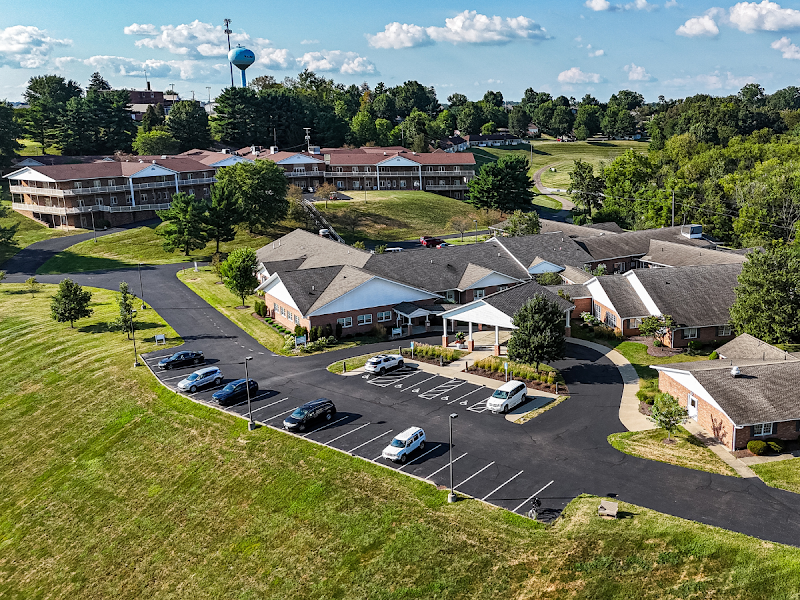
How is Walnut Hills Staffed?

CMS rates WALNUT HILLS NURSING HOME's staffing level at 1 out of 5 stars, which is much below average compared to other nursing homes. Staff turnover is 50%, compared to the Ohio average of 46%. RN turnover specifically is 67%, which is notably high. RNs provide skilled clinical oversight, so turnover in this role can affect medical care quality.

What Have Inspectors Found at Walnut Hills?

State health inspectors documented 36 deficiencies at WALNUT HILLS NURSING HOME during 2019 to 2025. These included: 34 with potential for harm and 2 minor or isolated issues.

Who Owns and Operates Walnut Hills?

WALNUT HILLS NURSING HOME is owned by a non-profit organization. Non-profit facilities reinvest revenue into operations rather than distributing to shareholders. The facility operates independently rather than as part of a larger chain. With 76 certified beds and approximately 47 residents (about 62% occupancy), it is a smaller facility located in WALNUT CREEK, Ohio.

How Does Walnut Hills Compare to Other Ohio Nursing Homes?

Compared to the 100 nursing homes in Ohio, WALNUT HILLS NURSING HOME's overall rating (2 stars) is below the state average of 3.2, staff turnover (50%) is near the state average of 46%, and health inspection rating (3 stars) is at the national benchmark.

What Should Families Ask When Visiting Walnut Hills?

Based on this facility's data, families visiting should ask: "Can you walk me through typical staffing levels on day, evening, and night shifts?" "Can I visit during a mealtime to observe dining assistance and food quality?" "How do you handle medical emergencies, and what is your hospital transfer rate?" "Can I speak with family members of current residents about their experience?" These questions are particularly relevant given the below-average staffing rating.

Is Walnut Hills Safe?

Based on CMS inspection data, WALNUT HILLS NURSING HOME has a clean safety record: no substantiated abuse findings (meaning no confirmed cases of resident harm), no Immediate Jeopardy citations (the most serious violation level indicating risk of serious injury or death), and is not on the Special Focus Facility watch list (a federal program monitoring the lowest-performing 1% of nursing homes). The facility has a 2-star overall rating and ranks #100 of 100 nursing homes in Ohio. While no facility is perfect, families should still ask about staff-to-resident ratios and recent inspection results during their visit.

Do Nurses at Walnut Hills Stick Around?

WALNUT HILLS NURSING HOME has a staff turnover rate of 50%, which is about average for Ohio nursing homes (state average: 46%). Moderate turnover is common in nursing homes, but families should still ask about staff tenure and how the facility maintains care continuity when employees leave.

Was Walnut Hills Ever Fined?

WALNUT HILLS NURSING HOME has no federal fines on record. CMS issues fines when nursing homes fail to meet care standards or don't correct problems found during inspections. The absence of fines suggests the facility has either maintained compliance or corrected any issues before penalties were assessed. This is a positive indicator, though families should still review recent inspection reports for the full picture.

Is Walnut Hills on Any Federal Watch List?

WALNUT HILLS NURSING HOME is not on any federal watch list. The most significant is the Special Focus Facility (SFF) program, which identifies the bottom 1% of nursing homes nationally based on persistent, serious quality problems. Not being on this list means the facility has avoided the pattern of deficiencies that triggers enhanced federal oversight. This is a positive indicator, though families should still review the facility's inspection history directly.