SIGNATURE HEALTHCARE OF FAYETTE COUNTY
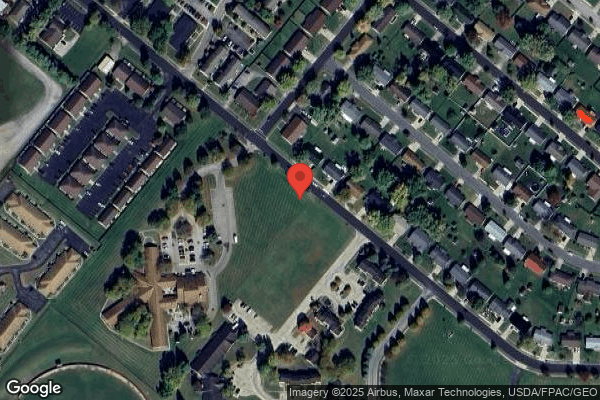
375 GLENN AVENUE, WASHINGTON COURT HOU, OH 43160 (740) 335-9270
For profit - Corporation 92 Beds SIGNATURE HEALTHCARE Data: November 2025
Trust Grade
60/100
#546 of 913 in OH
Last Inspection: October 2022

Over 2 years since last inspection. Current conditions may differ from available data.

Overview

Signature Healthcare of Fayette County has a Trust Grade of C+, indicating that the facility is slightly above average but still has room for improvement. In Ohio, it ranks #546 out of 913, placing it in the bottom half of nursing homes in the state, and #4 out of 4 in Fayette County, meaning there are no better local options available. The facility's trend is worsening, with the number of reported issues increasing from 2 in 2024 to 6 in 2025. Staffing is a concern, with a rating of 2 out of 5 stars and a high turnover rate of 46%, which is below the state's average. However, they have not incurred any fines, which is a positive aspect; still, RN coverage is less than 90% of other facilities, which could impact care quality. Specific incidents reported include food being served at unsafe temperatures, with cold meals being a frequent issue for residents, and failures in portion control during meal service, potentially affecting residents’ nutrition. Additionally, there have been concerns regarding the proper storage and dating of food items, which could lead to contamination. While the facility has some strengths, such as no fines and slightly above-average quality measures, these weaknesses in food service and staffing are significant considerations for families.

Trust Score
C+
60/100
In Ohio
#546/913
Bottom 41%
Safety Record
Low Risk
No red flags
Inspections
Getting Worse
2 → 6 violations
Staff Stability
⚠ Watch
46% turnover. Above average. Higher turnover means staff may not know residents' routines.
Penalties
✓ Good
No fines on record. Clean compliance history, better than most Ohio facilities.
Skilled Nurses
⚠ Watch
Each resident gets only 20 minutes of Registered Nurse (RN) attention daily — below average for Ohio. Fewer RN minutes means fewer trained eyes watching for problems.
Violations
⚠ Watch
27 deficiencies on record. Higher than average. Multiple issues found across inspections.
★★★☆☆
3.0
Overall Rating
★★☆☆☆
2.0
Staff Levels
★★★★☆
4.0
Care Quality
★★★☆☆
3.0
Inspection Score
Stable
2024: 2 issues
2025: 6 issues

The Good

  • 4-Star Quality Measures · Strong clinical quality outcomes
  • Full Sprinkler Coverage · Fire safety systems throughout facility
  • No fines on record

Facility shows strength in quality measures, fire safety.

The Bad

3-Star Overall Rating

Near Ohio average (3.2)

Meets federal standards, typical of most facilities

Staff Turnover: 46%

Near Ohio avg (46%)

Higher turnover may affect care consistency

Chain: SIGNATURE HEALTHCARE

Part of a multi-facility chain

Ask about local staffing decisions and management

The Ugly 27 deficiencies on record

Jul 2025 6 deficiencies
CONCERN (D) 📢 Someone Reported This

A family member, employee, or ombudsman was alarmed enough to file a formal complaint

Potential for Harm - no one hurt, but risky conditions existed

Safe Environment (Tag F0584)

Could have caused harm · This affected 1 resident

**NOTE- TERMS IN BRACKETS HAVE BEEN EDITED TO PROTECT CONFIDENTIALITY** Based on observations, resident interview, staff interview, and review of facility policy and procedures, the facility failed to...

Read full inspector narrative →
**NOTE- TERMS IN BRACKETS HAVE BEEN EDITED TO PROTECT CONFIDENTIALITY** Based on observations, resident interview, staff interview, and review of facility policy and procedures, the facility failed to ensure the personalized air conditioner (PTAC) in Resident #55's room was maintained in a clean manner and the facility also failed to maintain plumbing in Resident #48's bathroom to prevent leaking. This affected two residents (#48 and #55) of 30 residents in the sample. The facility census was 64. Findings include 1. Review of the medical record for Resident #55 revealed an admission date of 07/30/24. Diagnoses included epilepsy, anxiety, dementia, diabetes, psychotic disorder and heart failure. Review of the Minimum Data Set (MDS) assessment dated [DATE] revealed Resident #55 was cognitively impaired with a Brief Interview of Mental Status (BIMS) of 05. Interview and observation on 06/16/25 at 10:33 A.M. with Resident #55 confirmed PTAC machine was visibly dirty and had a thick layer of dust on the vent. Resident turned on the PTAC air conditioner and a foul (trash like) smell came from the unit. Interview and observation on 06/17/25 at 3:25 P.M. with Resident #55 revealed the PTAC and vent had not been cleaned with large pieces of debris and a thick layer of dust. Interview and observation 06/17/25 at 3:31 P.M. with Maintenance Director #110 confirmed PTAC unit was dirty with large pieces of debris and a thick layer of dust. He revealed he was responsible for care and maintenance of the PTAC unit. Review of the undated facility policy titled Housekeeping/Environment Services revealed cleaning schedules shall be developed and implemented to assure each area of the facility was maintained. 2. Review of the medical record for Resident #48 revealed an admission date of 03/04/25. Diagnoses included pulmonary disease, heart disease, and visual loss. Review of the Minimum Data Set (MDS) assessment dated [DATE] revealed Resident #48 was cognitively intact with a Brief Interview of Mental Status (BIMS) of 15. Interview and observation on 06/17/25 at 3:25 P.M. with Resident #48 revealed the bathroom had a leak and when you stepped on the flooring, water beads would seep through the cracks between the floorboards. Interview and observation 06/17/25 at 3:31 P.M. with Maintenance Director #110 confirmed the water beads coming up from bathroom flooring in Resident #48's room. Review of the undated facility policy titled Housekeeping/Environment Services revealed cleaning schedules shall be developed and implemented to assure each area of the facility was maintained. This deficiency represents non-compliance investigated under Complaint Number OH00165179.
CONCERN (D) 📢 Someone Reported This

A family member, employee, or ombudsman was alarmed enough to file a formal complaint

Potential for Harm - no one hurt, but risky conditions existed

Deficiency F0692 (Tag F0692)

Could have caused harm · This affected 1 resident

**NOTE- TERMS IN BRACKETS HAVE BEEN EDITED TO PROTECT CONFIDENTIALITY** Based on observations, medical record review, staff interview, family interviews, review of hospital records, and review of the ...

Read full inspector narrative →
**NOTE- TERMS IN BRACKETS HAVE BEEN EDITED TO PROTECT CONFIDENTIALITY** Based on observations, medical record review, staff interview, family interviews, review of hospital records, and review of the facility policy, the facility failed to ensure a resident, who was identified at risk of nutritional problems and malnutrition, maintained acceptable parameters of nutritional status, and failed to follow nutritional interventions, complete weekly weights as ordered, provide appropriate assistance with meals, and provide appropriate oversight and monitoring to address significant and severe weight loss for Resident #10. This affected one (#10) of five residents (#10, #21, #26, #34, and #35) reviewed for nutrition. The facility identified a total of eight residents (#10, #11, #21, #27, #33, #35, #46 and #58) as being at nutritional risk. The facility census was 64. Findings include: Review of the medical record for Resident #10 revealed an admission date of 03/01/24. Diagnoses included respiratory failure, dysphagia, atrial fibrillation, diabetes, muscle weakness, metabolic encephalopathy, and muscle wasting atrophy. Review of Resident #10's medical record revealed no documented evidence of an admission nutritional assessment or admission risk assessment. Review of Resident #10's weights revealed on 03/01/24 the resident weighed 318 pounds (lbs.) upon admission, on 08/03/24 the resident weighed 269.6 lbs., on 10/04/24 the resident weighed 255.8 lbs., on 11/06/24 the resident weighed 252.0 lbs., and on 12/07/24 the resident weighed 244.0 lbs. Review of Resident #10's dietitian progress notes dated 12/18/24 revealed the resident's weight was trending down from 273 lbs. to 244 lbs. for a 10.6% weight loss in 180 days with 25 to 100% of intakes. Ice cream and pudding supplements were in place and weight loss was beneficial due to the residents' high Body Mass Index (BMI). The physician and nursing staff were notified of the weight loss. Review of Resident #10's physician order dated 12/20/24 revealed a diet order for regular diet at regular consistency with double protein portions. Review of Resident #10's physician orders revealed an order dated 12/23/24 for the resident to be assisted with meals due to pocketing food. Review of Resident #10's weights revealed on 01/07/25 the resident weighed 239 lbs. Review of the dietitian progress notes dated 01/08/25 revealed Resident #10's weight was trending down from 275 lbs. to 239 lbs. for a 13.1% loss in 180 days with gradual weight loss. Double protein portions were recommended although the resident voiced displeasure with the quality of the food. Intakes were variable at 25 to 100%. House shakes had also been added and ordered on 12/20/24 for lunch and dinner trays. The order was discontinued on 02/03/25 when the resident was hospitalized . The physician and nursing staff were notified of the weight loss. Review of progress note dated 01/28/25 revealed upon assessment, Resident #10 had increased confusion and frequent involuntary movements. Vital signs included blood pressure 143/90 millimeters of mercury (mmHg) [normal ranges around 120/80 mmHg], respirations 19 breaths per minute (normal ranges from around 12 to 18) and pulse 87 beats per minute (bpm) [normal ranges from around 60 to 100]. The resident was maintaining oxygen saturation levels at 94 % on 3 liters of oxygen. After informing the nurse practitioner of findings, an order was received to send Resident #10 to the hospital for evaluation. Review of the dietitian's progress notes dated 01/29/25 revealed Resident #10 had a weight loss of 12.9% over 180 days. Intakes were variable at 25 to 75% of meals. Weekly weights were to be added due to the need for close monitoring and follow-up. The most recent weight to this dietitian's note, was on 01/07/25 when the resident weighed 239 lbs. Review of the plan of care dated 01/29/25 revealed Resident #10 had a nutritional problem or potential nutrition problem related to significant weight loss, feeding assistance, therapeutic diet, and meal refusals with interventions including to monitor, document and report signs and symptoms of dysphagia including pocketing, choking, coughing, drooling etc., monitor signs and symptoms of malnutrition including weight loss of over three pounds in one week, over five percent in one month, over seven and a half percent in three months, and over 10 percent in six months, to provide and serve diets as ordered, and dietitian to evaluate and make recommendations as needed. There was no documentation of a nutrition care plan prior to 01/29/25 and the care plan was not updated after the resident's weight loss, pureed diet order change or her hospitalization. Review of Resident #10's hospital discharge summary revealed the resident was admitted to the hospital on [DATE] and discharged back to the facility on [DATE]. The summary also revealed the resident was evaluated for altered mental status, dysphagia, and aspiration. The hospital discharge diet recommendations were for a carb-controlled diet with pureed texture and thin liquids. Review of physician orders dated 02/03/25 revealed Resident #10 had a diet order for a carb-controlled diet with pureed texture. Review of Resident #10's weights revealed on 02/03/25 and 02/04/25, the resident weighed 241.3 lbs. Review of Resident #10's physician orders dated 02/04/25 through 03/04/25 revealed an order for weekly weights. Review of the dietitian's progress notes dated 02/12/25 revealed Resident #10's weight loss was trending down from 270 lbs. to 241.3 lbs. with a weight loss of 10.7% over 180 days. Resident #10 had returned from the hospital with a diet downgrade to pureed texture. Intakes were poor at less than 25 to 75% of meals consumed. It noted that Resident #10 needed assistance for feeding at times and weekly weights were to be continued for close monitoring and follow-up. There was no documented evidence in the medical record of the resident having a weight of exactly 270 lbs. per this dietitian's note. Review of the quarterly Minimum Data Set (MDS) assessment dated [DATE] revealed Resident #10 had significant cognitive impairment with a Brief Interview of Mental Status (BIMS) of 03 indicating impaired cognition. The resident was noted as independent with eating and had previous significant weight loss and was not on a weight loss program. Review of the physician note dated 03/03/25 revealed Resident #10 continued to require full assistance with activities of daily living including supervision during meals due to pocketing. She had chronic weight loss with a current weight of 239 lbs. It noted that Resident #10 had a history of poor oral intake due to food dissatisfaction but agreed to house shakes. Review of Resident #10's weights revealed on 03/09/25 the resident weighed 217.4 lbs. Review of Resident #10's physician orders dated 03/11/25 through 05/21/25 revealed an order for weekly weights. Review of the dietitian's progress notes dated 03/12/25 revealed Resident #10 had a weight loss of 241 lbs. to 217.4 lbs. for a weight loss of 10% over 30 days. Resident #10 did not like the pureed texture, and intakes were low at 25 to 75% of meals. Med pass (supplement) was added three times daily as well as an appetite stimulant to improve intakes. The plan was to continue weekly weights for close monitoring and follow up. Review of Resident #10's progress notes dated 03/12/25 revealed the physician was notified of the resident's significant weight loss. A new order was received for Mirtazapine (an appetite stimulant). Review of Resident #10's physician orders revealed on 03/12/25 the resident was ordered Med Plus 2.0 three times daily for a supplement and Mirtazapine due to increased weight loss. Review of Resident #10's Medication Administration Record (MAR) from March 2025 through June 2025 revealed the supplements and appetite stimulant were completed and offered as ordered. The Med Plus supplement was frequently refused or very little was consumed. Review of Resident #10's weights revealed on 03/18/25 the resident weighed 216.6 lbs. and on 04/06/25 the resident weighed 217.8 lbs. Review of the dietitian's progress notes dated 04/09/25 revealed Resident #10 had a weight loss of 14.8% over 180 days. Resident #10 required assistance at times with meals. The plan was to continue weekly weights for close monitoring and follow up. Review of the dietitian's progress notes dated 04/29/25 revealed Resident #10 had a weight loss of 14.9% over 180 days. Resident #10 required assistance at times with meals. The plan was to continue weekly weights for close monitoring and follow up. The most recent weight to this dietitian's note, was on 04/06/25 when the resident weighed 217.8 lbs. Review of Resident #10's weights revealed on 05/04/25 the resident weighed 216.6 lbs. Review of the quarterly Minimum Data Set (MDS) assessment, with a target date of 05/16/25, revealed Resident #10 had significant cognitive impairment with a BIMS of 04. The activities of daily living section of the assessment, dated 05/29/25 within the MDS, noted that Resident #10 was independent for eating. Review of facility tasks from 05/01/25 to 05/31/25 revealed Resident #10 was independent with eating seven meals out of 93. The remaining days the resident required supervision assistance for 42 meals, limited assistance for five meals, extensive assistance for three meals, and total dependence for three meals. Thirty-three meals were either not documented or marked as refused and NA for not applicable. Review of facility tasks from 06/01/25 to 06/15/25 revealed Resident #10 was independent with eating two meals out of 45. The remaining days the resident required supervision assistance for 26 meals, limited assistance for zero meals, extensive assistance for one meal, and total dependence for three meals. Thirteen meals were either not documented or marked as refused and NA for not applicable. Review of the dietitian's progress notes dated 05/21/25 revealed Resident #10's weekly weights were discontinued due to stabilization of weights over 90 days. Review of Resident #10's Treatment Administration Record (TAR) from February 2025 to May 2025 revealed Licensed Practical Nurse (LPN) #138 had signed off the weekly weight for all of the residents ordered weekly weights, but there was no documentation on the TAR for what the weights actually were. Review of Resident #10's medical record related to the weekly weights order for February 2025 through May 2025 revealed weekly weights were not completed as ordered. The resident had monthly weights completed with only two additional weights completed on 03/09/25 and 03/18/25. Review of Resident #10's weights revealed on 06/04/25 the resident weighed 212.4 lbs. Review of the dietitian's progress notes dated 06/04/25 revealed Resident #10 triggered for significant weight loss for a weight loss of 13.1% over 180 days. It noted that her intake improved from 25 to 100% and the resident required assistance at times with meals. Review of a speech therapy note dated 06/07/25 revealed an assessment occurred of Resident #10 eating a cookie. She required excessive time for chewing and moderate pocketing and food left in the cheek. Resident #10 was unable to fully clear food and was given maximum verbal cues. Review of speech therapy notes dated 06/11/25 revealed Resident #10 was trialed on a more liberalized (mechanical) diet and had a choking episode during the trial. Review of the menu ticket dated 06/16/25 revealed Resident #10 had a pureed diet order and was to receive pureed honey glazed turkey, pureed sweet potatoes, pureed green beans, and pureed strawberries. A note at the bottom stated vanilla house shake and ice cream with lunch and dinner trays only [indicating the shake and ice cream were to be given in addition to the meal]. Observation on 06/16/25 at 11:50 A.M. revealed Resident #10 was served a lunch tray. Resident #10 was not assisted to a sitting position in her bed and was not supervised or assisted while eating. Resident #10 told Certified Nurse Aide (CNA) #80 she did not want her food as it looked gross. CNA left the tray at the bedside and did not offer any alternatives. Observation and interview on 06/16/25 at 12:20 P.M. revealed Resident #10 had eaten less than 25% of the meal. CNA #80 confirmed Resident #10 had eaten less than 25% of the meal tray and confirmed no assistance was provided. Review of facility tasks for meal assistance revealed on 06/16/25 it indicated Resident #10 received supervision assistance for the lunch meal. Interview on 06/16/25 at 3:19 P.M. with Resident #10's family revealed the resident had not been eating the pureed food and confirmed she had lost weight. He was concerned and wanted her moved back to a mechanical soft diet so she wouldn't refuse her meals as often. He also reported concerns about quality of life versus quantity of life, especially if she was just starving herself due to not liking the food. Observation on 06/17/25 at 12:08 P.M. revealed Resident #10 had a lunch tray at bedside. Resident #10 was not assisted to a sitting position in her bed and was not supervised or assisted while eating. Review of facility tasks for meal assistance revealed on 06/17/25 it stated Resident #10 required total dependance upon staff assistance for the lunch meal. Interview on 06/17/25 at 12:13 P.M. with CNA #118 revealed they picked up Resident #10's food tray and the resident had eaten about 10% of her food. CNA #118 confirmed she did not offer an alternative and did not assist the resident with eating. CNA #118 was unable to answer if Resident #10 required assistance with eating and was unable to answer when asked how staff should find out/determine if a resident required assistance with eating. CNA #118 was shown the orders in Resident #10's record and she then confirmed Resident #10 had an order to assist with eating due to pocketing food and confirmed staff should be observing and offering assistance per the physician order. Interview on 06/17/25 at 12:13 P.M. with the Director of Nursing (DON) confirmed Resident #10 had an order to assist with meals due to pocketing and was unable to state what the order meant for the resident or what her expectations were related to staff responding to or following the order. She further stated she would need to review the facility policy regarding what the order meant. Interview on 06/17/25 at 1:51 P.M. with Regional Nurse #160 confirmed Resident #10 had an order for assistance with meals due to pocketing and the facility had no policy specific to and could not explain what the order of assistance due to pocketing meant. Interview on 06/18/25 at 9:35 A.M. with Dietitian #162 revealed Resident #10 had been steadily losing weight since her admission in March 2024. She confirmed Resident #10 was obese and some weight loss was not concerning to her, but she did not want the resident to have significant drops in weight or be listed as excessive weight loss. Dietitian #162 confirmed the resident was hospitalized for an aspiration event and returned on a pureed diet. Resident #10 was accepting of the shakes and ice cream and ate very little of her meals. Dietitian #162 confirmed she recommended weekly weights to try and catch any big drops or changes in her weights and staff informed her they were assisting residents [including Resident #10] with eating. Dietitian #162 confirmed facility staff were not completing weekly weights as recommended and it was a struggle to get staff to obtain weights. She stated she spoke to the floor staff and management staff about getting the weights completed. She also reported corporate staff told her to discontinue weekly weights so they would not get a citation for not obtaining weights. She stated she would expect staff to offer assistance with eating when required and alternatives should have been offered if residents declined the meal or ate very little of it. Interview on 06/18/25 at 10:29 A.M. with Speech Therapist (ST) #155 revealed Resident #10 had not passed the food trial for the mechanical soft food texture due to coughing during the trial. She revealed Resident #10 did pocket pureed food, especially pureed eggs, but that she continued to recommend pureed texture and continued to work with the resident. She acknowledged while many days Resident #10 could feed herself, pocketing food was not safe and monitoring/assisting during meals was appropriate. Interview on 06/18/25 at 11:00 A.M. with the DON confirmed weekly weights were not obtained as ordered for Resident #10 and she also confirmed the resident was not being assisted during meals as ordered/required. Interviews on 06/16/25 around 11:00 A.M. and on 06/18/25 around 4:00 P.M. with Regional Nurse #160 revealed the facility had been purchased by a new entity with a change over in December 2024. Regional Nurse #160 stated the previous company had walked in and took many boxes of records without current staff's knowledge of exactly what was taken. He also revealed the previous company had Matrix electronic charting system and now this new company had Point Click Care (PCC) charting system, and not everything had been transferred over to PCC. He revealed they only had access to a limited version of the old Matrix charting system, leading to missing medical record documentation including information pertaining to Resident #10's nutrition. Interview on 06/26/25 at 10:54 A.M. with LPN #138 revealed that weekly weights and other vital signs were to be completed over the weekends, so when she worked on Tuesday's she would just sign off it got completed. LPN #138 verified she did not obtain any weights for Resident #10 but signed them off. She reported all weights would be documented in the weights and vital signs section of the medical record. Review of the facility policy titled, Weights, dated 09/01/21 revealed weights must be obtained routinely in order to monitor parameters of nutrition over time. Weekly weight should be obtained by the same day each week when possible. The dietitian or physician may order specific nutritional interventions as indicated. Review of the facility policy titled Assistance with meals dated September 2021 revealed residents shall receive assistance with meals in a manner that meets the individual needs of each resident. Facility staff shall serve resident trays and help residents who require assistance with eating. Review of the undated facility policy titled Activities of Daily Living revealed residents shall be provided with care, treatment and services to maintain or improve abilities. The types of assistance included: Independent, where the resident shall complete the activity with no help or staff oversight at any time in the last seven days; Supervision, where the resident required oversite, encouragement or cueing to complete the activity three or more times in the previous seven days; Limited assistance, where the resident was highly involved in the activity and received physical help in guided maneuvering of limbs(s) or other non-weight bearing assistance three or more times in the previous seven days; Extensive assistance, where the resident preformed part of the activity over the past seven days or staff provided weight bearing support; And total dependance, where staff performed an activity with no participation by resident for any aspect of the ADL activity during the entire seven day look back. This deficiency represents non-compliance investigated under Complaint Number OH00165179.
CONCERN (D) 📢 Someone Reported This

A family member, employee, or ombudsman was alarmed enough to file a formal complaint

Potential for Harm - no one hurt, but risky conditions existed

Deficiency F0805 (Tag F0805)

Could have caused harm · This affected 1 resident

**NOTE- TERMS IN BRACKETS HAVE BEEN EDITED TO PROTECT CONFIDENTIALITY** Based on resident interview, staff interview, and record review, the facility failed to place Resident #26 on the appropriate di...

Read full inspector narrative →
**NOTE- TERMS IN BRACKETS HAVE BEEN EDITED TO PROTECT CONFIDENTIALITY** Based on resident interview, staff interview, and record review, the facility failed to place Resident #26 on the appropriate diet. This affected one resident (#26) out of 30 residents reviewed for the sample. The facility had a census of 64. Findings include: Review of the medical record for Resident #26 revealed an original admission date of 01/30/25 and the most recent re-entry on 05/28/25. Diagnoses included acute osteomyelitis of the left tibia and fibula, extended-spectrum beta-lactamase (ESBL)-producing Escherichia coli infection, metabolic encephalopathy, and acute kidney failure with tubular necrosis. Review of the 5-day Minimum Data Set (MDS) 3.0 assessment dated [DATE] for Resident #26 revealed a Brief Interview for Mental Status (BIMS) score of 12, indicating moderate cognitive impairment. Additionally, Section K of the MDS stated Resident #26 had no swallowing disorders, was on a therapeutic diet, but it did not state that the resident was receiving a mechanically altered diet. Review of Resident #26's hospital Discharge summary dated [DATE] revealed the resident was to continue a regular diet. Review of Resident #26's physician orders revealed the facility initiated a mechanically soft texture diet on 06/03/25. The order was changed to a regular texture diet on 06/17/25 following surveyor intervention. Review of the amount eaten task for the past 30 days revealed Resident #26 consumed less than 50% of meals on multiple dates, including 05/31/25, 06/06/25, 06/07/25, 06/08/25, 06/10/25, 06/12/25, 06/14/25, and 06/15/25. Interview on 06/16/25 at 4:00 P.M. with Resident #26 revealed he was placed on a mechanically soft diet upon admission on [DATE] and did not know why. He stated he did not like the mechanically soft diet and most of the time would not eat the meals provided, so his family would bring in food. On 06/18/25 at 10:08 A.M., Resident #26 further stated he was not eating the food because of the mechanical soft texture. Interview on 06/17/25 at 12:57 P.M. with Rehabilitation Director #144 revealed the speech therapist mistakenly placed Resident #26 on a mechanically altered diet based on his previous admission. The Rehabilitation Director stated there were no speech therapy progress notes from the current admission, and the therapist based the order on Section K of the MDS, which incorrectly reflected that the resident was on a mechanically altered diet. Interview on 06/18/25 at 11:49 A.M. with the Registered Dietitian (RD) #162 revealed that placing Resident #26 on a mechanical soft diet was an error. The RD stated that during the initial screening, the resident did not demonstrate any issues with chewing or swallowing and had not failed any feeding or pocketing tests. She confirmed the diet was mistakenly continued from the prior stay, during which the resident had been on a mechanical soft renal diet due to broken teeth.
CONCERN (E) 📢 Someone Reported This

A family member, employee, or ombudsman was alarmed enough to file a formal complaint

Potential for Harm - no one hurt, but risky conditions existed

Infection Control (Tag F0880)

Could have caused harm · This affected multiple residents

**NOTE- TERMS IN BRACKETS HAVE BEEN EDITED TO PROTECT CONFIDENTIALITY** 3. a. Review of the record for Resident #59 revealed an admission date 10/05/23. Diagnoses included type two diabetes and develo...

Read full inspector narrative →
**NOTE- TERMS IN BRACKETS HAVE BEEN EDITED TO PROTECT CONFIDENTIALITY** 3. a. Review of the record for Resident #59 revealed an admission date 10/05/23. Diagnoses included type two diabetes and developmental disorder of scholastic skills. Review of Resident #59's physician order dated 12/09/24 revealed that Resident #59 had an order for Insulin Lispro injection solution 100 unit per milliliter subcutaneously before meals and at bedtime for diabetes. Review of the plan of care dated 04/03/25 revealed that Resident #59 had impaired metabolic status related to diabetes. Interventions included administering medication as ordered, monitoring laboratory results, monitoring vital signs, and reporting adverse side effects to the physician. Review of the quarterly Minimum Data Set (MDS) 3.0 assessment dated [DATE] revealed that Resident #59 had Brief Interview for Mental Status (BIMS) of 15 that indicated she was cognitively intact. b. Review of the record for Resident #30 revealed an admission date 01/05/24. Diagnoses included type two diabetes mellitus and chronic systolic heart failure. Review of the physicians order dated 04/04/25 revealed that Resident #30 had an order for insulin Glargine-yfgn subcutaneous solution 100 units per milliliter one time a day with blood glucose check in the morning. Observation on 06/17/25 at 8:00 A.M. with Licensed Practical Nurse (LPN) #135 revealed she came out of Resident #30's room with a glucometer in her hand. LPN #135 took a Sani disinfectant wipe disinfectant (a germicidal, tuberculocidal, and viricidal disinfectant) and wrapped it around the glucometer and sat it on top of the medication cart where it stayed wrapped in the Sani wipe for six minutes. LPN #135 prepared medication for Resident #59 and after the medications were prepared, LPN #135 took the wrapped glucometer with the Sani wipe to Resident #59 room to perform a blood glucose check. LPN #135 laid a brown paper towel on top of a bedside table then placed the wrapped glucometer on top of it. LPN #135 washed her hands, then placed gloves on her hands, then unwrapped the Sani wipe from the glucometer, then picked it up to obtain Resident #59's blood glucose check. LPN #135 took the blood glucose from Resident #59's finger, then disposed of her gloves in the trash can. LPN #135 washed her hands, then wrapped the Sani wipe back around the glucometer (the same wipe that was used to disinfect the glucometer after Resident #30's blood glucose check), then exited Resident #59 room. LPN #135 laid the glucometer with the Sani wipe on top of her medication cart. Interview on 06/17/25 at 8:05 A.M. with LPN #135 verified that she did not maintain infection control by utilizing the same Sani disinfectant wipe from Resident #30's room after her blood glucose was taken and took it into Resident #59's room for her blood glucose check. Interview on 06/17/25 at 5:00 P.M. with LPN #135 stated that she also did not follow the Sani wipe directions that stated to clean, and then leave the item to dry for two minutes after the cleaning to work properly. Review of the facility document titled Safety Data Sheet dated 02/18/19 revealed that product Super Sani-Cloth Germicidal wipes directions were to use it as a disinfectant on hard, non-porous surfaces. It stated to not reuse the towelette and to pick up the wipe and place it in appropriate container for infectious waste disposal. Review of the facility document titled Super Sani-Cloth dated unknown revealed that the bactericidal, tuberculocidal and viricidal had a dwell time to dry in two minutes. 4. Review of the medical record revealed that Resident #19 had admission date 05/17/25. Diagnoses included paraplegia, neuromuscular dysfunction of bladder, depression disorder, and dependence on wheelchair. Review of the physician order dated 12/20/24 revealed Resident #19 had an order for enhanced barrier precautions every day and night. Review of the physician order dated 12/22/24 revealed Resident #19 had a suprapubic catheter, 24 french with a 10 milliliter (ml) bulb. The orders also revealed an order for suprapubic catheter care every shift. Review of physician order dated 03/21/25 revealed that Resident #19 had wound care for right hip and left ischial with instructions to apply Dakins solution to moisten gauze, squeezing out excess moisture to lightly pack gauze inside the wound, ensuring it did not pass the edge of the wound, cover with abdominal dressing, then apply a thin layer of thick barrier paste to satellite macerated ulcerations twice a day or as needed every shift for wounds. Review of plan of care dated 04/21/25 Resident #19 had a suprapubic catheter related to having neurogenic bladder. Interventions included monitor and document intake and output as per facility policy, monitor for pain and discomfort, and report to the physician for signs and symptoms of urinary tract infection. Review of quarterly Minimum Data Set (MDS) 3.0 assessment dated [DATE] revealed that Resident #19 had a Brief Interview for Mental Status (BIMS) of 15 that indicated he was cognitively intact. Resident #19 was independent with all care though he did have a wound and a suprapubic catheter. Observation and interview on 06/16/25 at 4:51 P.M. with Certified Nurse Aid (CNA) #501 verified there was no enhanced barrier precaution sign for Resident #19's room even though the resident had an indwelling urinary catheter. Interview on 06/17/25 at 11:40 A.M. with Wound Nurse Practitioner #600 confirmed Resident #19 had a wound and it was being debrided in an outpatient clinic because it was too deep to treat at the facility. Review of the facility policy titled Enhanced Barrier Precautions (EBP) dated January 2024 revealed that enhanced barrier precautions are an infection control method used in the facility to reduce transmission of drug-resistant organisms. Review of the facility policy titled Infection Prevention and Control Program dated September 2022 revealed the infection prevention and control program was a facility-wide effort involving all disciplines and individuals and was an integral part of the quality assurance and performance improvement program. Prevention of infection was to implement appropriate isolation precautions when necessary and educating staff and ensuring that they adhere to the proper techniques and procedures. 5. Review of the medical record revealed that Resident #38 was admitted on [DATE]. Diagnoses included myotonic muscular dystrophy, aural vertigo, and ataxic gait. Review of the physician order dated 03/03/25 revealed that Resident #38 was to be on enhanced barrier precautions every shift. Review of the quarterly Minimum Data Set (MDS) 3.0 assessment dated [DATE] revealed Resident #38 had a Brief Interview for Mental Status (BIMS) of 02 that indicated severely cognitively impaired. Resident #38 was independent for eating, oral care, and personal hygiene. Resident #38 required partial to moderate assistance for toileting and required substantial maximum assistance for dressing the lower body and baths. The assessment indicated the resident had an indwelling suprapubic catheter. Review of the plan of care dated 05/20/25 revealed that Resident #38 had suprapubic catheter related to obstructive uropathy. Interventions included monitor of signs and symptoms of urinary tract infection, document output, securement device to be applied to securely anchor catheter tubing, change catheter and drainage system as ordered, keep tubing free of kinks, and privacy cover to the drainage bag. Review of the physician order dated 05/22/25 revealed that Resident #38 had an order for a suprapubic catheter and an order to re-insert Foley catheter as needed for malfunction or dislodgement. Observation on 06/16/25 at 4:51 P.M. with Resident #38 revealed an enhanced barrier precaution sign was not posted outside or in the room. Interview on 06/16/25 at 4:51 P.M. with Certified Nurse Aid (CNA) #501 verified there was no enhanced barrier precaution sign for Resident #38's room even though the resident had an indwelling urinary catheter. Review of the facility policy titled Enhanced Barrier Precautions (EBP) dated January 2024 revealed that enhanced barrier precautions are an infection control method used in the facility to reduce transmission of drug-resistant organisms. Review of the facility policy titled Infection Prevention and Control Program dated September 2022 revealed the infection prevention and control program was a facility-wide effort involving all disciplines and individuals and was an integral part of the quality assurance and performance improvement program. Prevention of infection was to implement appropriate isolation precautions when necessary and educating staff and ensuring that they adhere to the proper techniques and procedures. 6. Review of record revealed that Resident #60 had admission date 01/09/25. Diagnoses included injury at C4 level of cervical spinal cord, quadriplegia, acute and chronic respiratory failure with hypoxia, disorder of autonomic nervous system, and morbid (severe) obesity. Review of the plan of care dated 03/21/25 revealed that Resident #60 had episodes of bladder and bowel incontinence. Interventions included administering medications, assisting residents with toileting needs, monitoring rectal area for redness, irritation, and skin excoriation or breakdown, provide peri care after each incontinent episode, then apply house barrier after incontinence care. Review of plan of care dated 03/21/25 revealed that Resident #60 had impaired skin integrity as evidenced by a pressure ulcer related to the resident being confined to a bed at all times, or most of the times with intervention to assist the resident with turning and repositioning, encourage the resident to reposition, laboratory services as ordered, medication per physicians ordered, complete Braden scale as needed, if resident refuses interventions and treatments encourage compliance to minimize further skin impairment, and complete wound evaluation to monitor the progress of the resident's skin condition. Review of the physician order dated 05/04/25 revealed that Resident #60 had an order to cleanse the coccyx wound with 0.125% Dakins solution, then rinse with saline, apply zinc oxide topically to the peri wound and apply silver alginate rope to wound bed, leaving a one-inch tail and cover with abdominal daily and may change as needed if it becomes soiled or displaced. Review of the quarterly Minimum Data Set (MDS) dated [DATE] revealed Resident #60 had a Brief Interview of Mental Status (BIMS) of 15 that indicated he was cognitively intact. Resident #60 was dependent on staff for assistance with meals, oral care, incontinence care, dressing lower and upper body, personal hygiene, and bathing. Review of the skin evaluation dated 06/11/25 revealed that Resident #60's coccyx pressure wound was a stage four and measured 2.5 centimeters (cm) by 2.5 cm by 5.5 cm depth. Observation on 06/18/25 from 10:39 A.M. through 10:55 A.M. with Resident #60 who was provided incontinence care before wound care. CNA #90 provided the incontinence care. She used a washcloth to wipe away feces, but instead pushed a large amount of feces into the wound bed. LPN #94 then performed the wound treatment by using Dakins to the wound bed that was 0.0125 strength (quarter strength) then utilized four normal saline syringes to cleanse the wound bed. Then calcium alginate rope was applied with a sterile Q-Tip, then an abdominal dressing with tape was applied. Interview on 06/18/25 at 10:49 A.M. with CNA #90 confirmed that during incontinence care for Resident #60, she had wiped the feces into the wound bed when providing incontinence care. CNA #90 stated that was not normal practice and stated it could cause an infection in the wound. Interview on 06/18/25 at 10:52 A.M. with LPN #94 revealed that it looked like a problem having feces in the wound bed. LPN #94 stated it had happened before and that she would have to wash the wound out some more to cleanse the feces out of the wound bed. Review of the facility policy titled Wound Care dated September 2021 revealed part of the procedure was to wash and dry hands thoroughly, put on gloves, cleanse the wound and then apply treatments as ordered by the physician. This deficiency represents non-compliance investigated under Complaint Number OH00165179. Based on observation, record review, interview, and review of facility policy and procedure, the facility failed to ensure implementation of the appropriate isolation status for Resident #19, #26, and #38. This affected three residents (#19, #26, and #38) out of five residents reviewed for infections. The facility failed to ensure proper hand hygiene was followed during a tube feed administration for Resident #162. This affected one resident (#162) out of one residents reviewed for tube feeding. The faciltiy failed to ensure appropriate glucometer sanitation for Resident #59. This affected one resident (#59) out of three residents observed for medication administration. And the facility failed to maintain infection control during wound care for Resident #60. This affected one resident (#60) out of one resident reviewed for pressure ulcers. The facility census was 64. Findings include: 1. Review of the medical record for Resident #26 revealed an original admission date of 01/30/25 and the most recent re-entry was on 05/28/25. Diagnoses included acute osteomyelitis of the left tibia and fibula, extended-spectrum beta-lactamase (ESBL)-producing Escherichia coli infection, metabolic encephalopathy, and acute kidney failure with tubular necrosis. Review of the 5-day minimum data set (MDS) 3.0 assessment dated [DATE] for Resident #26 revealed a Brief Interview of Mental Status (BIMS) score of 12, indicating moderately impaired cognition. Review of Resident #26's physician orders revealed ongoing enhanced barrier precautions (EBP) starting on 05/29/25 related to an indwelling urinary catheter and an order for contact precautions specifically for Clostridioides difficile (C. diff) from 06/16/25 to 06/17/25. Review of the laboratory results confirmed a positive test for C. diff on 06/06/25. No subsequent testing was completed to determine a resolution; however, on 06/18/25, the Assistant Director of Nursing stated that the resident had completed antibiotic treatment and had formed stool for 48 hours, so retesting was not performed. Observation on 06/16/25 at 11:45 A.M. revealed only the enhanced barrier precaution sign posted on the resident's door, but no contact precaution signage was present. Further observation and interview on 06/17/25 at 11:30 A.M. revealed multiple family members present in the resident's room without the use of any personal protective equipment (PPE). The resident's son reported that staff had not educated the family on the risks of entering the room without PPE. Interview on 06/16/25 at 11:45 A.M. with Licensed Nurse Practitioner (LPN) #93 confirmed the resident had an active C. diff infection, but contact precautions were not implemented in practice, despite new orders for contact precautions being placed on the same date. Review of the facility policy titled, Infection prevention and control program dated September 2022 revealed to prevent infection the facility will implement appropriate isolation precautions when necessary. 2. Review of the medical record for Resident #162 revealed an admission date of 11/14/24. Diagnoses included type one diabetes mellitus without complications, chronic obstructive pulmonary disease, muscle wasting and atrophy, and presence of a gastrostomy feeding tube. Review of the most recent quarterly Minimum Data Set (MDS) 3.0 assessment dated [DATE] for Resident #162 revealed a Brief Interview for Mental Status (BIMS) score of 13, indicating intact cognition. The resident required moderate assistance with most transfers and lower body dressing, used a wheelchair, and was occasionally incontinent of bladder and bowel. Review of physician orders revealed Resident #162 received TwoCal 240 milliliters via gastrostomy tube five times per day as bolus feeds, with water flushes of 150 milliliters every six hours and 60 milliliters every four hours. The resident also had orders to flush the tube before and after medications, maintain the head of bed at 30 to 45 degrees during and after feedings, and monitor the site for signs of infection or complications. The care plan identified maintaining adequate nutritional and hydration status as a goal, with interventions including infection monitoring, respiratory assessment, and monitoring for gastrointestinal symptoms. Observation on 06/23/25 at 9:59 A.M. revealed Licensed Practical Nurse (LPN) #138 performed hand hygiene and donned personal protective equipment (PPE) prior to administering the resident's tube feeding. During the process, the nurse dropped an item on the floor and touched the floor while wearing gloves. The nurse did not change gloves or perform hand hygiene before proceeding with the procedure. The nurse then attempted to pull residual fluid, then flushed the tube with 30 milliliters of water, administered the full TwoCal bolus feeding via syringe, and flushed again with 30 milliliters of water. Interview on 06/23/25 at 9:59 A.M. confirmed that she had touched the ground with her gloved hands and did not remove or change gloves or wash her hands prior to completing the resident's tube feeding. Review of the facility policy titled, Infection prevention and control program dated 09/22 revealed to prevent infection the facility will educate staff and ensure that they adhere to proper techniques and procedures.
CONCERN (F) 📢 Someone Reported This

A family member, employee, or ombudsman was alarmed enough to file a formal complaint

Potential for Harm - no one hurt, but risky conditions existed

Menu Adequacy (Tag F0803)

Could have caused harm · This affected most or all residents

**NOTE- TERMS IN BRACKETS HAVE BEEN EDITED TO PROTECT CONFIDENTIALITY** Based on observation, resident interview, staff interview, review of dietary production spreadsheets, review of resident meal ti...

Read full inspector narrative →
**NOTE- TERMS IN BRACKETS HAVE BEEN EDITED TO PROTECT CONFIDENTIALITY** Based on observation, resident interview, staff interview, review of dietary production spreadsheets, review of resident meal tickets, and review of the facility's always available menu, the facility failed to ensure portion sizes were served as planned, which had the potential to affect all residents. The facility also failed to ensure items on the always available menu were available for Resident #17 and Resident #37. This affected two residents (#17 and #37) out of 64 residents observed during dining. The facility also failed to ensure the meal served matched the meal ticket. This affected two Residents (#10 and #21) of three observed for meal tickets. The facility census was 64. Findings include: 1. Observations on 06/17/25 from 11:05 A.M. to 11:35 A.M. revealed four ounce scoops were utilized for the pureed and regular broccoli. When [NAME] #125 was serving the meal and scooped the pureed and regular broccoli, she was not filling the entire scoop. Interview on 06/17/25 at 11:35 A.M., [NAME] #125 verified she was not consistently filling the entire scoop with the pureed and regular broccoli when serving. When queried as to how much broccoli was actually being served, [NAME] #125 replied, that's a good question. 2. Observations on 06/17/25 from 11:05 A.M. to 12:09 P.M. revealed three ounce scoops were utilized for the pureed and ground pork loin. Review of the Production Sheet, dated 2025, revealed the serving size for the ground pork and pureed pork was a #8 scoop (4 ounces). Interview on 06/17/25 at 12:09 P.M., Dietary Director (DD) #101 verified three ounce scoops were utilized for the pureed and ground pork and the serving size on the production sheet was four ounces. DD # 101 stated the cook was responsible for ensuring the appropriate scoop size was used. 3. Observation on 06/17/25 at 11:52 A.M. revealed an unidentified staff member opened the door to the kitchen and asked the dietary staff for a grilled cheese for Resident #17. [NAME] #135 stated there were no grilled cheese's available. The unidentified staff member then exited the kitchen without any food. Review of the undated facility document titled, Always Available at Mealtimes, revealed grilled cheese, hot dogs, peanut butter and jelly sandwiches, deli sandwiches, and salads were available. Observation on 06/17/25 at 12:50 P.M. revealed the always available menu was posted throughout the building. Interview on 06/17/25 at 12:50 P.M., Dietary Director (DD) #101 confirmed grilled cheese was on the always available menu, posted throughout the building and was not available for the lunch meal. DD #101 stated she had ran out of cheese. DD #101 stated she was going to go to a local grocery store earlier in the day, however the Administrator told her not to go. DD #101 confirmed items on the always available menu should always be available. Interview on 06/18/25 at 2:56 P.M., Resident #17 stated she did not like what she was served for lunch on 06/17/25 and stated she did not recall receiving a grilled cheese at lunch instead of the original menu items. 4. Review of Resident #37's lunch meal ticket, dated 06/17/25, revealed a note to add a grilled cheese to the meal. Review of the undated facility document titled, Always Available at Mealtimes, revealed grilled cheese, hot dogs, peanut butter and jelly sandwiches, deli sandwiches, and salads were available. Observation on 06/17/25 at approximately 12:15 P.M. revealed Resident #37's meal tray contained pork loin, a baked potato, broccoli, and a lemon bar. There was no grilled cheese provided on the lunch tray. Interview on 06/17/25 at approximately 12:15 P.M., Dietary Director (DD) #101 verified Resident #37 was not provided with a grilled cheese because the kitchen was out of cheese. Interview on 06/18/25 at 2:54 P.M., Resident #37 verified she did not receive the grilled cheese at lunch on 06/17/25 as was printed on her meal ticket. Resident #37 stated what was served on her tray did not match what was printed on her meal ticket and that happened all the time. 5. Review of the medical record for Resident #10 revealed an admission date of 03/01/24. Diagnoses included respiratory failure, dysphasia, atrial fibrillation, diabetes, muscle weakness, metabolic encephalopathy, and muscle wasting atrophy. Review of Resident #10's dietician progress notes dated 12/18/24, 01/08/25, and 01/29/25 revealed the resident did not like the quality of the food provided. Review of Resident #10's hospital discharge summary revealed the resident was admitted to the hospital on [DATE] and discharged back to the facility on [DATE]. The summary also revealed the resident was evaluated for altered mental status, dysphagia, and aspiration. The hospital discharge diet recommendations were for a carb-controlled diet with puree texture and thin liquids. Review of physician orders dated 02/03/25 revealed Resident #10 had a diet order for a carb-controlled diet with puree texture. Review of the Minimum Data Set (MDS) assessment dated [DATE] revealed Resident #10 had significant cognitive impairment with a Brief Interview of Mental Status (BIMS) of 03 indicating impaired cognition. The resident was noted as independent with eating and had previous significant weight loss and was not on a weight loss program. Review of the menu ticket dated 06/16/25 revealed Resident #10 had a puree diet order and was to receive pureed honey glazed turkey, pureed sweet potatoes, pureed green beans, and pureed strawberries. Observation on 06/16/25 at 11:50 A.M. revealed Resident #10 was served a lunch tray which included mashed potatoes and gravy, with no mashed sweet potatoes provided. Resident #10 told Certified Nurse Aide (CNA) #80 she did not want her food as it looked gross and also stated, those don't look like sweet potatoes. The CNA left the tray at bedside and did not offer any alternatives. Observation and interview on 06/16/25 at 12:20 P.M. revealed Resident #10 had eaten less than 25% of the meal. CNA #80 confirmed Resident #10 had eaten less than 25% of the meal tray. The CNA also confirmed the resident was not provided the meal that was on the menu, as she was given mashed potatoes and not pureed sweet potatoes. Interview on 06/18/25 at 9:35 A.M. with Dietician #162 revealed the facility should be following the meal tickets and menu. 6. Review of the medical record for Resident #21 revealed an admission date of 05/24/23. Diagnoses included Parkinson's disease, dysphasia, muscle wasting, diabetes and malnutrition. Review of the Minimum Data Set (MDS) assessment dated [DATE] revealed Resident #21 had cognitive impairment with a Brief Interview of Mental Status (BIMS) of 09. Review of Resident #21's physician order dated 02/11/25 revealed a diet order for a no added salt diet with mechanical soft texture. Review of the meal ticket dated 06/16/25 revealed Resident #21 was to receive ground honey glazed turkey, soft roasted sweet potatoes, green beans, and bananas. Review of the substitution log dated June 2025 revealed no evidence of the facility being out an any items on 06/16/25. Observation and interview on 06/16/25 at 12:03 P.M. with Resident #21 and Licensed Practical Nurse (LPN) #122 revealed the LPN brought in the food tray for the lunch meal which did not include green beans. LPN #122 confirmed the meal ticket stated green beans yet no green beans were provided. Resident #21 reported that the kitchen rarely served the menu as posted and items frequently did not match the tickets. This deficiency represents non-compliance investigated under Complaint Number OH00165179.
MINOR (C) 📢 Someone Reported This

A family member, employee, or ombudsman was alarmed enough to file a formal complaint

Minor Issue - procedural, no safety impact

Abuse Prevention Policies (Tag F0607)

Minor procedural issue · This affected most or all residents

Based on review of the employee files, staff interview, and review of the facility policy and procedure, the facility failed to complete employee reference checks prior to hire and failed to ensure do...

Read full inspector narrative →
Based on review of the employee files, staff interview, and review of the facility policy and procedure, the facility failed to complete employee reference checks prior to hire and failed to ensure documented evidence of written policies and procedures pertaining to screening potential new employees with employee reference checks prior to hire. This had the potential to affect all facility residents. The facility census was 64. Findings include: 1. Review of the employee file for Certified Nursing Assistant (CNA) #120 revealed she began employment on 04/09/24. The employee file had no evidence of reference checks being completed prior to hire. 2. Review of the employee file for Certified Nursing Assistant (CNA) #124 revealed she began employment on on 05/31/25. The employee file had no evidence of reference checks being completed prior to hire. 3. Review of the employee file for Licensed Practical Nurse (LPN) #78 revealed she began employment on 06/08/25. The employee file had no evidence of reference checks being completed prior to hire. 4. Review of the employee file for Licensed Practical Nurse (LPN) #79 revealed she began employment around October 2024, the facility was unable to provide an exact start date. The employee file had no evidence of reference checks being completed prior to hire. Interview on 06/24/25 at 3:30 P.M. with the Director of Nursing (DON) revealed reference checks were not in the employee files for CNA #120 and #124 and LPN #78 and LPN #79. Interview on 06/24/25 at 4:20 P.M. with the Administrator and Director of Nursing (DON) confirmed the facility had no policy related to employee reference checks. The DON stated this company does not do reference checks. 5. Review of the facility policy titled, Abuse Investigation and Reporting, dated September 2021 revealed no written/documented evidence within the policy related to screening potential staff for a history of abuse, neglect, exploitation or misappropriation, including attempting to obtain information from previous employers and/or current employers. Interview on 06/24/25 at 4:20 P.M. with the Administrator and Director of Nursing (DON) confirmed the facility had no policy related to employee reference checks. The DON stated this company does not do reference checks.
Aug 2024 2 deficiencies
CONCERN (D) 📢 Someone Reported This

A family member, employee, or ombudsman was alarmed enough to file a formal complaint

Potential for Harm - no one hurt, but risky conditions existed

Deficiency F0558 (Tag F0558)

Could have caused harm · This affected 1 resident

**NOTE- TERMS IN BRACKETS HAVE BEEN EDITED TO PROTECT CONFIDENTIALITY** Based on record review, observations, and interviews, the facility failed to provide appropriately sized incontinence briefs for...

Read full inspector narrative →
**NOTE- TERMS IN BRACKETS HAVE BEEN EDITED TO PROTECT CONFIDENTIALITY** Based on record review, observations, and interviews, the facility failed to provide appropriately sized incontinence briefs for residents who have bariatric needs. This affected three (Residents #48, #66, and #77) of three bariatric residents reviewed. The facility census was 78. Findings include: 1. Record review for Resident #48 revealed this resident was admitted to the facility on [DATE] and had diagnoses including chronic respiratory failure, atrial fibrillation, incontinence, urinary tract infections, anxiety, and depression. Review of the quarterly Minimum Data Set (MDS) assessment dated [DATE] revealed this resident had minimally impaired cognition evidenced by a Brief Interview for Mental Status (BIMS) assessment score of 13. This resident was assessed to be frequently incontinent of both bowel and bladder. Interviews with Registered Nurse (RN) #30 and Licensed Practical Nurse (LPN) #60 on 08/07/24 at 9:15 A.M. revealed the facility is always out of 3XL incontinence briefs for Resident #48. Both stated they have incontinence pull ups in that size but they do not work for this resident. Both stated they do not have adequate supplies to do their job. Observation of the supply room on 08/07/24 at 9:20 A.M. revealed no available bariatric 3XL incontinence briefs on any of the shelves. This was verified by LPN #40. Interview with State Tested Nursing Assistant (STNA) #50 on 08/07/24 at 9:45 A.M. revealed she always has to take briefs from other residents due to not having the correct size for Resident #48. She stated this resident uses 3 XL bariatric briefs which the facility does not have, and this has been an ongoing problem. Interview with Resident #48 on 08/07/24 at 9:49 A.M. revealed the incontinence brief that she is wearing is extremely uncomfortable and tight fitting. Resident stated she does not think they have the correct size for her needs. 2. Record review for Resident #66 revealed this resident was admitted to the facility on [DATE] and had diagnoses including chronic respiratory failure, chronic obstructive pulmonary disease, and incontinence. Review of the quarterly Minimum Data Set (MDS) assessment dated [DATE] revealed this resident was cognitively intact evidenced by a Brief Interview for Mental Status (BIMS) assessment score of 15. This resident was assessed to be occasionally incontinent of bladder and frequently incontinent of bowel. Interviews with RN #30 and LPN #60 on 08/07/24 at 9:15 A.M. revealed the facility is always out of 3XL incontinence briefs for Resident #66. Both stated they have incontinence pull ups in that size but they do not work for this resident. Both stated they do not have adequate supplies to do their job. Observation of the supply room on 08/07/24 at 9:20 A.M. revealed no available bariatric 3XL incontinence briefs on any of the shelves. This was verified by LPN #40. Interview with STNA #50 on 08/07/24 at 9:45 A.M. revealed she always has to take briefs from other residents due to not having the correct size for Resident #66. She stated this resident uses 3XL bariatric briefs which the facility does not have, and this has been an ongoing problem. Interview with Resident #66 on 08/07/24 at 9:55 A.M. revealed the facility rarely has her size of incontinence briefs and the ones that are being used are too tight. 3. Record review for Resident #77 revealed this resident was admitted to the facility on [DATE] and had diagnoses including chronic respiratory failure, urine retention, morbid obesity, incontinence, and quadriplegia. Review of the quarterly Minimum Data Set (MDS) assessment dated [DATE] revealed this resident had no cognition impairments evidenced by a Brief Interview for Mental Status (BIMS) assessment score of 15. This resident was assessed to be always incontinent of both bowel and bladder. Interviews with RN #30 and LPN #60 on 08/07/24 at 9:15 A.M. revealed the facility is always out of 3XL incontinence briefs for Resident #77 resident. Both stated they have incontinence pull ups in that size but they do not work for this resident. Both stated they do not have adequate supplies to do their job. Observation of the supply room on 08/07/24 at 9:20 A.M. revealed no available bariatric 3XL incontinence briefs on any of the shelves. This was verified by LPN #40. Interview with STNA #50 on 08/07/24 at 9:45 A.M. revealed she always has to take briefs from other residents due to not having the correct size for Resident #77. She stated this resident uses 3XL bariatric briefs which the facility does not have, and this has been an ongoing problem. Interview with Resident #77 on 08/07/24 at 10:05 A.M. revealed the facility almost never has the correct incontinence brief for him and are always out of them. Stated most of the ones being used are too tight and uncomfortable. This deficiency represents non-compliance investigated under Complaint Number OH00156086.
CONCERN (D) 📢 Someone Reported This

A family member, employee, or ombudsman was alarmed enough to file a formal complaint

Potential for Harm - no one hurt, but risky conditions existed

Respiratory Care (Tag F0695)

Could have caused harm · This affected 1 resident

**NOTE- TERMS IN BRACKETS HAVE BEEN EDITED TO PROTECT CONFIDENTIALITY** Based on observations, staff interviews, record reviews, and review of facility policies, the facility failed to ensure oxygen t...

Read full inspector narrative →
**NOTE- TERMS IN BRACKETS HAVE BEEN EDITED TO PROTECT CONFIDENTIALITY** Based on observations, staff interviews, record reviews, and review of facility policies, the facility failed to ensure oxygen tubing was changed monthly due to inadequate supply. This affected one resident (#41) of the four residents reviewed for respiratory care. The facility census was 78. Findings include: Record review for Resident #41 revealed this resident was admitted to the facility on [DATE] and had diagnoses including acute respiratory failure with hypoxia, sleep apnea, mood disorder, and congestive heart failure. Review of the quarterly Minimum Data Set (MDS) assessment dated [DATE] revealed this resident had minimally impaired cognition evidenced by a Brief Interview for Mental Status (BIMS) assessment score of 11. This resident was assessed to have received oxygen continuously while residing in the facility. Review of the care plan dated 05/06/24 revealed this resident received oxygen therapy. Interventions included to change the humidifier bottle and tubing every month and as needed per facility policy. Interviews with Registered Nurse (RN) #30 and Licensed Practical Nurse (LPN) #60 on 08/07/24 at 9:15 A.M. revealed there have been no oxygen cannulas in the storage room for several weeks. Both stated they do not have adequate supplies to do their job. Observation of the supply room on 08/07/24 at 9:20 A.M. revealed no available oxygen cannulas being held in storage. The box observed for storage of this item was empty, with the exception of three tracheostomy masks. This was verified by LPN #40. Observation on 08/07/24 at 10:00 A.M. revealed the oxygen tubing for Resident #41 was connected to the oxygen supply for this resident and was labeled with a date of 06/16/24. Interview with Resident #41 on 08/07/24 at 10:00 A.M. revealed she could not remember the last time her oxygen tubing and cannula had been replaced. Interview on 08/07/24 at 10:05 A.M. with LPN #40 verified the oxygen tubing for Resident #41 was labeled with a date of 06/16/24. She verified she could not provide another date which it had been changed last. Review of the facility policy titled, Oxygen Administration, revised 05/24/24 revealed the policy stated to change oxygen tubing and cannulas monthly and as needed. This deficiency represents non-compliance investigated under Complaint Number OH00156086.
Dec 2023 1 deficiency
CONCERN (F) 📢 Someone Reported This

A family member, employee, or ombudsman was alarmed enough to file a formal complaint

Potential for Harm - no one hurt, but risky conditions existed

Deficiency F0804 (Tag F0804)

Could have caused harm · This affected most or all residents

Based on observations, staff and resident interviews, review of the Resident Council food food committee minutes, and policy review, the facility failed to ensure the food was served at the appropriat...

Read full inspector narrative →
Based on observations, staff and resident interviews, review of the Resident Council food food committee minutes, and policy review, the facility failed to ensure the food was served at the appropriate and safe temperatures to the residents. This had the potential to affect all residents except for one resident (#44) who received all his nutrition via a tube feeding. The facility census was 67. Findings include: Interview with Resident #2 on 12/22/23 at 9:18 A.M. revealed the food was served cold nine out of 10 meals. Observations of the lunch meal service on 12/22/23 starting at 11:25 A.M. revealed the meal service was in progress and meals for the 100 hall were already served from the kitchen. Using the surveyor's calibrated thermometer, the steam table hot holding food temperature for the puree cheese rice was 120 degrees Fahrenheit (F) and macaroni and cheese was 128 degrees F. [NAME] #75 verified the food temperatures and heated the pans of pureed cheese rice and macaroni and cheese in the oven. [NAME] #75 revealed she did not check or record any food temperatures prior to the meal service. Interview on 12/22/23 at 11:45 A.M. with Dietary Manager #70 verified the temperatures of all foods served should be taken and recorded by the cook prior to each meal service. Hot foods were held at 135 degrees F or greater. Interview with Resident #4 on 12/22/23 at 12:15 P.M. revealed the food was served cold at times. Interview with Activities Director #80 on 12/22/23 at 12:30 P.M. revealed she was present at the food committee conducted on 12/21/23. All five residents attending the meeting felt the food was served cold. Review of the Resident Council food committee minutes dated 12/21/23 revealed five residents (#30, #51, #52, #56 and #65) felt the food was served cold. Review of the policy titled Food Preparation, dated 02/2023, revealed foods were held at safe and appropriate temperatures during hot holding 135 degrees F or greater. Food temperatures were taken and recorded at the time of the meal service, and monitored periodically during the meal service. This deficiency represents non-compliance investigated under Complaint Number OH00148452.
Oct 2022 5 deficiencies
CONCERN (D)

Potential for Harm - no one hurt, but risky conditions existed

Deficiency F0655 (Tag F0655)

Could have caused harm · This affected 1 resident

**NOTE- TERMS IN BRACKETS HAVE BEEN EDITED TO PROTECT CONFIDENTIALITY** Based on medical record review, staff interview, and review of facility policy, the facility failed to complete a baseline care ...

Read full inspector narrative →
**NOTE- TERMS IN BRACKETS HAVE BEEN EDITED TO PROTECT CONFIDENTIALITY** Based on medical record review, staff interview, and review of facility policy, the facility failed to complete a baseline care plan for one (Resident #262) out of the two residents reviewed for baseline care plans. The facility census was 62. Findings include: Review of the medical record for Resident #262 revealed an admission date of 09/30/22. Diagnoses included nondisplaced fracture of right femur, urinary tract infection, encephalopathy, wedge compression fracture of unspecified lumbar vertebra, diabetes mellitus, chronic atrial fibrillation, and chronic kidney disease. Review of the Nurse Designee Functional assessment dated [DATE] revealed Resident #262 required substantial/maximal staff assistance for eating, oral hygiene, and toilet hygiene. Resident #262 did not walk or transfer at the time of the assessment. Further review of the medical record revealed a Brief Interview for Mental Status dated 10/03/22 which revealed the resident had moderate cognitive impairment. Further review of the medical record revealed no documentation to support a 48-hour baseline care plan was developed and reviewed with the resident or the resident's representative Interview on 10/04/22 at 11:15 A.M. with the Director of Nursing (DON) confirmed Resident #262 did not have documentation to support a 48-hour care plan was completed and reviewed with resident or resident's representative. Review of facility policy titled, Baseline Care Plan, stated the facility is to complete Baseline Care Plan to promote the continuity of care and communication among nursing home stakeholders, increase resident safety, and safeguard against adverse events that most likely to occur right after admission. Further review of the policy revealed the 48-hour baseline care plan would be the working tool for the for the first 48 hours and would be presented to resident and/or representative prior to completion of Comprehensive Care Plan. The policy stated the facility must provide a summary of the care plan to the resident and/or representative.
CONCERN (D)

Potential for Harm - no one hurt, but risky conditions existed

Comprehensive Care Plan (Tag F0656)

Could have caused harm · This affected 1 resident

**NOTE- TERMS IN BRACKETS HAVE BEEN EDITED TO PROTECT CONFIDENTIALITY** 2. Medical record review for Resident #33 revealed an admission date of 08/04/22. Diagnoses included acute and chronic respirato...

Read full inspector narrative →
**NOTE- TERMS IN BRACKETS HAVE BEEN EDITED TO PROTECT CONFIDENTIALITY** 2. Medical record review for Resident #33 revealed an admission date of 08/04/22. Diagnoses included acute and chronic respiratory failure with hypoxia, unspecified protein-calorie malnutrition, diabetes mellitus, anemia, disorder of the kidney and ureter, and stage IV pressure ulcers to left and right buttock. Review of the Minimum Data Set (MDS) assessment dated [DATE] revealed Resident #33 was cognitively intact. Resident #33 required extensive assistance of two staff members for bed mobility, transfers, dressing, toileting, bathing, and the resident did not ambulate. Further review of the MDS revealed the resident admitted with two stage IV pressure ulcers. Further review of the medical record revealed no care plan in place to address Resident #33's pressure ulcers, including no goals or interventions. Interview on 10/05/22 at 10:20 A.M. with MDS Nurse #140 confirmed Resident #33 did not have a comprehensive person-centered care plan to address Resident #33's pressure ulcers, including a lack of measurable objectives and timeframe's to meet Resident #33's medical, nursing, and psychosocial needs. Review of facility policy titled, Comprehensive Care Plans, revised date 07/19/18 revealed the MDS will be used to assess the resident's clinical condition, cognitive and functional stats and use of services. The Care Area Assessments (CAA) are used in the development of the comprehensive care plan. The resident's Comprehensive Care Plan is developed within seven (7) days of the completion of the resident's comprehensive assessment (MDS/CAA). Based on medical record review, staff interview, and review of facility policy, the facility failed to update care plans to ensure plans met the resident's current level of needs. This affected two (Residents #50 and #33) of three reviewed for care planning. The facility census was 62. Findings include: 1. Medical record review for Resident #50 revealed an admission date of 07/10/22. Diagnoses included paraplegia, pain in thoracic spine, muscle wasting and atrophy, muscle spasm, and limitation of activities due to disability. Review of the admission Minimum Data Set (MDS) assessment dated [DATE] revealed Resident #50 had intact cognition. Resident #50 required extensive assistance of two plus persons for bed mobility, transfers, toilet use, and personal hygiene. Review of Resident #50's care plan dated 07/20/22 revealed no goals or interventions in place for Activities of Daily Living (ADLs). Interview on 10/05/22 at 11:16 P.M. with Licensed Practical Nurse (LPN) #140 verified Resident #50's care plan did not address the resident's needs for ADLs.
CONCERN (D)

Potential for Harm - no one hurt, but risky conditions existed

Deficiency F0698 (Tag F0698)

Could have caused harm · This affected 1 resident

Based on medical record review, dialysis contract review, and staff interviews, the facility failed to conduct ongoing assessment of a resident related complications prior to and/or post dialysis. The...

Read full inspector narrative →
Based on medical record review, dialysis contract review, and staff interviews, the facility failed to conduct ongoing assessment of a resident related complications prior to and/or post dialysis. The facility also failed to communicate the resident's vital signs and medical status with the dialysis center. This affected the one (Resident #263) resident who received dialysis. The facility census was 62. Findings include: Review of the medical record for Resident #263 revealed an admission date of 09/27/22. The medical record for Resident #263 revealed medical diagnoses of congestive heart failure (CHF), diabetes mellitus (DM), unspecified protein-calorie malnutrition, chronic kidney disease, and dependence on renal dialysis. Review of the admission Observation dated 09/28/22 revealed Resident #263 was alert and oriented to person, place, time, and situation. The assessment revealed Resident #263 required supervision or assistance with mobility, transfers, and ambulation. Review of Resident #263's current physician orders revealed the resident had an order for hemodialysis at an outpatient dialysis facility weekly on Tuesdays, Thursdays, and Saturdays. Further review of the the medical record revealed there was no documentation to confirm the facility provided ongoing monitoring of Resident #263 for dialysis related complications such as bleeding, access site infection or hypotension prior to or post dialysis. Further review of the medical record revealed no documentation to confirm collaboration of care and communication between the facility and the dialysis center. Interview on 10/04/22 at 10:00 A.M. with Licensed Practical Nurse (LPN) #165 confirmed Resident #263's medical record did not contain documentation to support the facility conducted ongoing monitoring for dialysis related complications prior to or post dialysis. LPN #263 stated the staff did not complete pre-dialysis or post dialysis assessments for Resident #236. LPN #263 further confirmed Resident #263's medical record did not contain documentation to support collaboration of care and communication between the facility and the dialysis center. Interview on 10/04/22 at 3:37 P.M. with Director of Nursing (DON) confirmed the staff did not complete pre-dialysis or post dialysis assessments to monitor for dialysis related complications for Resident #263. The DON verified the medical record for Resident #263 did not contain documentation to support collaboration and communication between the facility and dialysis center. Review of a contract titled, Long Term Care (LTC) outpatient Dialysis Services Coordination Agreement, revealed mutual obligations by both entities for collaboration of care. The agreement revealed both entities shall ensure that there is documented evidence of collaboration of care and communication between the facility and dialysis center.
CONCERN (D)

Potential for Harm - no one hurt, but risky conditions existed

Deficiency F0773 (Tag F0773)

Could have caused harm · This affected 1 resident

**NOTE- TERMS IN BRACKETS HAVE BEEN EDITED TO PROTECT CONFIDENTIALITY** Based on medical record review and staff interview, the facility failed to complete laboratory (lab) orders as directed. This af...

Read full inspector narrative →
**NOTE- TERMS IN BRACKETS HAVE BEEN EDITED TO PROTECT CONFIDENTIALITY** Based on medical record review and staff interview, the facility failed to complete laboratory (lab) orders as directed. This affected one (Resident #22) of three residents reviewed for physician orders. The facility census was 62. Findings include: Medical record review for Resident #22 revealed an admission date of 11/10/20. Diagnoses included chronic obstructive pulmonary disease (COPD), muscle wasting and atrophy, type II diabetes, major depressive disorder, and anxiety disorder. Review of the quarterly Minimum Data Set (MDS) assessment dated [DATE] revealed Resident #22 had intact cognition. The resident required supervision for bed mobility, transfers, walk in room, walk in corridor, toilet use, and personal hygiene. The resident received antianxiety, antidepressant, and opioid medications. Review of physician orders dated 07/23/22, start date 07/25/22, revealed a one time order for the following labs: basic metabolic panel (BMP), complete blood count (CBC) with differential, Hemoglobin A1C, and thyroid stimulating hormone (TSH). Further review of the medical record revealed no documentation ordered labs were completed. Interview on 10/05/22 at 2:54 P.M. the Director of Nursing verified there were no lab results documented for the ordered lab draws.
CONCERN (D)

Potential for Harm - no one hurt, but risky conditions existed

Infection Control (Tag F0880)

Could have caused harm · This affected 1 resident

**NOTE- TERMS IN BRACKETS HAVE BEEN EDITED TO PROTECT CONFIDENTIALITY** Based on observation, medical record review, and interview, the facility failed to properly practice proper infection control pr...

Read full inspector narrative →
**NOTE- TERMS IN BRACKETS HAVE BEEN EDITED TO PROTECT CONFIDENTIALITY** Based on observation, medical record review, and interview, the facility failed to properly practice proper infection control procedures when providing wound care. This affected one (Resident #46) out of four residents reviewed for infection control procedures during wound care. The facility census was 62. Findings include: Review of the medical record for Resident #46 revealed she was admitted to the facility on [DATE] with diagnoses of congestive heart failure, muscle wasting and atrophy, atrial fibrillation, type II diabetes, urinary tract infection, and chronic respiratory failure. Review of the Minimal Data Set (MDS) assessment dated [DATE] revealed Resident #46 was cognitively intact. Resident #46 required assistance from staff for all activities of daily living and was totally dependent upon staff for maintaining personal hygiene. Resident #46 a stage IV pressure ulcer on her left heel. Review of the care plan dated 08/19/22 revealed Resident #46 was at risk for impaired skin related to advanced disease process, weakness, pain, malnutrition, muscle wasting and atrophy, shortness of breath, morbid obesity, resident refuses skin checks, resident refuses treatments, resident refuses showers, and resident refuses peri-care. Interventions included to see current physician's orders for current treatment as ordered by physician, weekly skin assessments, report changes in skin status to physician. Review of the physician's orders dated 10/05/22 revealed the following wound care orders: Wash left heel with wound wash, pat dry, paint open area with betadine, cover with non-adherent pad, and wrap with Kerlex. Change daily and as needed. Observation on 10/05/22 at 1:00 P.M. of wound care for Resident #46 provided by Licensed Practical Nurse (LPN) #126 and Registered Nurse (RN) #173 revealed LPN #126 washed her hands before donning gloves and removed Resident #46's old, dirty, dressing. LPN #126 continued to clean Resident #46's wound with wound wash. LPN #126 continued with the same gloves and started to clean the pressure cite with betadine. The surveyor had to intervene and ask LPN #126 if she changed her gloves. LPN #126 reported she was going to change her gloves after cleaning the pressure cite with betadine. LPN #126 changed her gloves and proceeded with wound care (after surveyor intervention). Interview with the Director of Nursing (DON) on 10/05/22 at 1:15 P.M. confirmed LPN #126 should have changed her gloves after removing the old, dirty dressing from Resident #46's foot and before she used the betadine on the pressure area. Review of the facility policy titled, Handwashing/Hand Hygiene, dated 08/2019 revealed hand hygiene should be used before handling clean or soiled dressings, gauze pads, etc. Before moving from a contaminated body site to a clean body site during resident care. After contact with blood or bodily fluids.
Oct 2019 12 deficiencies
CONCERN (D)

Potential for Harm - no one hurt, but risky conditions existed

Resident Rights (Tag F0550)

Could have caused harm · This affected 1 resident

**NOTE- TERMS IN BRACKETS HAVE BEEN EDITED TO PROTECT CONFIDENTIALITY** Based on medical record review, observation, interview, and facilities policy review the facility failed to provide dignity to r...

Read full inspector narrative →
**NOTE- TERMS IN BRACKETS HAVE BEEN EDITED TO PROTECT CONFIDENTIALITY** Based on medical record review, observation, interview, and facilities policy review the facility failed to provide dignity to residents with catheters. This affected two (Resident #18 and Resident #25) out of six residents with catheters. The facility census was 62. Findings include: 1. Review of the medical record for Resident #18 revealed an admission date of 08/08/12 with diagnoses including heart failure, aphasia, urinary tract infection, diabetes mellitus, dementia, paraplegia, and urinary retention. Review of the quarterly minimum data set (MDS) assessment dated [DATE] revealed cognitive status was not assessed and he had presence of a catheter. Review of physician note dated 10/19/19 revealed Resident #18 had poor cognition. Review of physician orders dated October 2019 revealed Resident #18 had a suprapubic catheter. Review of careplans revealed Resident #18 had diagnosis of obstructive uropathy that required use of an indwelling catheter. Goal was for Resident #18's dignity to be maintained without embarrassment or fear by resident and will have reduced risk related to device for altered elimination. Intervention included to place drainage bag in appropriate holder. Observation was conducted on 10/28/19 at 11:42 A.M. and at 5:06 P.M. and Resident #18 was resting in bed with catheter drainage bag visible to hallway and was not covered in a dignity bag. Interview was conducted on 10/28/19 at 5:06 P.M. with Licensed Practical Nurse (LPN) #235 and she verified Resident #18's catheter bag was not covered to provide dignity. 2. Review of the medical record for Resident #25 revealed an admission date of 07/20/12 with diagnoses including but not limited to paraplegia, bladder disorder, depression, and neuromuscular dysfunction of the bladder. Review of the quarterly MDS dated [DATE] revealed Resident #25 had some moderate cognitive deficits and presence of a catheter. Review of physician orders dated October 2019 revealed supra pubic catheter to straight drain and privacy bag at all times. Review of careplan revealed Resident #25 had suprapubic catheter and intervention included to place drainage bag in appropriate holder. Observation was conducted on 10/28/19 at 10:12 A.M. and at 5:02 P.M. of Resident #25 resting in bed and catheter drainage bag was visible to the hallway and was not covered in a dignity bag. Interview was conducted on 10/28/19 at 5:02 P.M. with LPN #235 and she verified Resident #25's catheter bag was not covered to provide dignity. Review of facilities Resident Rights Policy dated 08/16/18 revealed all residents have the right to be treated with respect and dignity.
CONCERN (D)

Potential for Harm - no one hurt, but risky conditions existed

Deficiency F0567 (Tag F0567)

Could have caused harm · This affected 1 resident

Based on review of resident funds, staff and resident interview and facility policy review the facility failed to ensure personal funds money could be obtained on the weekends. This affected one (Resi...

Read full inspector narrative →
Based on review of resident funds, staff and resident interview and facility policy review the facility failed to ensure personal funds money could be obtained on the weekends. This affected one (Resident #11) of four residents reviewed for personal funds. The facility identified 36 residents with personal funds. The facility census was 62. Findings include: Review of resident funds for Resident #11 revealed she had not made any withdrawals on the weekends from 08/01/19 through 09/30/19. Interview with Resident #11 on 10/28/19 at 10:33 A.M. revealed she didn't think she could take money out on the weekends from her personal account. Interview with Business Office Manager (BOM) #225 on 10/31/19 at 2:12 P.M. revealed there was a petty cash box left on the weekends at the charge nurse's station that only had $40.00 in it and stated that was all that was allowed on the weekends. She stated typically the residents get what they want before the weekend. Interview with Registered Nurse #241 on 10/31/19 at 2:28 P.M. who worked on the unit revealed she worked weekends and said there was a petty cash box left on the weekends for residents who wanted to withdraw money from their personal accounts. She stated if a resident needed more than $40.00 the resident would have to wait until Monday morning when the BOM was in the office. Review of policy entitled Resident Trust Fund dated 12/01/18 revealed it was a federal requirement that petty cash was to be available 24 hours/7 days a week. A locked cash box will be given to the nurse manager every evening and on the weekends with $50.00 cash in the box.
CONCERN (D)

Potential for Harm - no one hurt, but risky conditions existed

Transfer Notice (Tag F0623)

Could have caused harm · This affected 1 resident

**NOTE- TERMS IN BRACKETS HAVE BEEN EDITED TO PROTECT CONFIDENTIALITY** Based on medical record review and staff interview the facility failed to notify a resident and/or the residents representative ...

Read full inspector narrative →
**NOTE- TERMS IN BRACKETS HAVE BEEN EDITED TO PROTECT CONFIDENTIALITY** Based on medical record review and staff interview the facility failed to notify a resident and/or the residents representative in writing the reason for the transfer to the hospital. This affected one (Resident #52) of two residents reviewed for transfer and discharge. The facility census was 62. Findings include: Review of Resident #52's medical record revealed an admission date of 07/07/17 with pertinent diagnosis of: chronic obstructive pulmonary disease, adult failure to thrive, atrial fibrillation, osteoarthritis, congestive heart failure, generalized anxiety disorder, chronic kidney disease, and major depressive disorder. Review of the 09/30/19 Minimum Data Set (MDS) assessment revealed the resident was severely cognitively impaired and required extensive assistance for bed mobility, transfer, dressing and persona hygiene. Resident #52 was always continent of bowel and bladder and used a wheelchair to aid in mobility. Review of a late entry progress note dated 10/15/19 revealed the resident was having increased behaviors, each episode was becoming more frequent and more aggressive. The resident was sent out to a behavioral hospital on [DATE]. Further review of the medical record revealed no documented instance where the resident and/or residents representative were notified in writing of the reason for the transfer to the hospital. Interview with the Administrator on 10/31/19 at 12:06 P.M. verified the facility did not notify the resident and/or residents representative in writing of the transfer to the hospital.
CONCERN (D)

Potential for Harm - no one hurt, but risky conditions existed

PASARR Coordination (Tag F0644)

Could have caused harm · This affected 1 resident

Based on medical record review and staff interview the facility failed to ensure a resident with a newly evident mental disorder was referred for a pre-admission screening and resident review (PASARR)...

Read full inspector narrative →
Based on medical record review and staff interview the facility failed to ensure a resident with a newly evident mental disorder was referred for a pre-admission screening and resident review (PASARR) upon a significant change. This affected one (Resident #47) of one resident reviewed for PASARR. The facility census was 62. Findings include: Record review of Resident #47 revealed an admission date of 11/30/17 with pertinent diagnoses of: Parkinson disease, left femur fracture, adult failure to thrive, muscle weakness, basal cell carcinoma of skin of scalp, anxiety disorder, psychosis, bipolar disorder, depressive episodes, osteoarthritis, pain, cognitive communication deficit, vitamin deficiency, vitamin b12 deficiency, hypertensive heart disease, chronic hepatitis, idiopathic hypotension, and nicotine dependence. Review of a 07/26/19 significant change Minimum Data Set (MDS) assessment revealed the resident was rarely or never understood and requires extensive assistance for bed mobility, dressing, eating, toilet use, and personal hygiene. The resident used a wheelchair to aid in mobility and was always incontinent of bowel and bladder. Review of the medical record on 10/29/19 revealed new diagnosis of bipolar disorder on 05/16/19, and anxiety disorder on 06/23/19. There was not a new PASARR completed for the new diagnosis with the significant change. Interview with the Administrator on 10/30/19 at 9:28 A.M. verified they did not complete a PASARR when Resident #47 had a significant change and new diagnosis of bipolar disorder and anxiety disorder.
CONCERN (D)

Potential for Harm - no one hurt, but risky conditions existed

Comprehensive Care Plan (Tag F0656)

Could have caused harm · This affected 1 resident

**NOTE- TERMS IN BRACKETS HAVE BEEN EDITED TO PROTECT CONFIDENTIALITY** Based on medical record review, staff interview and facility policy review the facility failed to develop a comprehensive care p...

Read full inspector narrative →
**NOTE- TERMS IN BRACKETS HAVE BEEN EDITED TO PROTECT CONFIDENTIALITY** Based on medical record review, staff interview and facility policy review the facility failed to develop a comprehensive care plan to address the behavioral and refusal of care needs. This affected one (Resident #155) of one resident reviewed for the behavioral/emotional care area. The facility census was 62. Findings include: Review of Resident #155's record revealed an admission date of 08/22/19 with diagnoses including major depressive disorder recurrent with severe psychotic symptoms,, primary insomnia, other speech and language deficits following cerebral infarction (stroke), type two diabetes mellitus, and other encephalopathy (a brain disease that alters brain function or structure. Review of the Minimum Data Set (MDS) dated [DATE] revealed Resident #155 had severely impaired decision making skills and short/long term memory problems. The MDS further revealed Resident #155 needed the extensive assistance of two people for bed mobility, dressing, toileting and personal hygiene and was totally dependent on the assistance for transfers and bathing. Resident #155 had behaviors and incidents of refusing care. Review of Resident #155's care plan dated 09/18/19 revealed no documentation related to the refusal of care of behaviors. Review of the nursing progress notes dated 09/21/19 at 4:02 P.M. revealed Resident # 155 was pulling away and attempted to swing at the nurse during blood glucose monitoring. The nurse documented the resident refused and did not obtain the blood sugar or administer insulin per sliding scale. Review of the nursing progress note dated 09/22/19 at 9:30 A.M. revealed Resident #155's husband requested blood glucose monitoring be done to the resident's ear lobe, the resident became agitated and punched the nurse in the stomach. The blood glucose monitoring was not completed and no insulin was given per sliding scale. Review of nursing progress noted dated 10/03/19 at 12:19 P.M. revealed Resident # 55 attempted to strike the nurse when obtaining accucheck and administering insulin. Review of Resident #155's physician order dated 10/03/19 revealed an order for Humalog U-100 Insulin sliding scales with instructions to call the physician if blood sugar levels were less than 60 or greater than 400 and further instructions on the number of units of medication to give based on the blood glucose levels. Review of the Medication Administration Record (MAR) dated 10/01/19-10/31/19 revealed that Resident #155 refused Humalog U-100 insulin on 10/03/19, 10/06/19, 10/07/19, 10//08/19, 10/10/19, 10/14/19, 10/23/19, 10/24/19 10/27/19, 10/28/19 and 10/30/19. Interview with the Corporate Director of Nursing (DON) #205 on 10/31/19 at 8:39 A.M. revealed the facility did not have any behavior documentation for Resident #155 as they recently switched computers and the information from the old system was not transferred into the new system. Interview with State Tested Nurses Aid (STNA) # 219 on 10/31/19 at 11:10 A.M. verified that Resident #155 hits the nursing staff but was not usually combative with the STNA's. STNA #219 stated Resident #155 was mostly combative during shots and insulin administration. Interview with Licensed Practical Nurse (LPN) #252 on 10/31/19 at 11:14 A.M. confirmed that Resident #155 was a challenge and resistant to care when performing a finger stick and that behaviors were documented in the skilled notes. Interview with STNA #269 on 10/31/19 at 11:19 A.M. verified that Resident #155 was often resistant to care and that she fights the staff when care was given. Interview with the Director of Nursing (DON) on 10/31/19 at 11:35 A.M. confirmed that Resident #155 did not have a care plan or interventions for the refusal of care of behaviors. Review of the facility policy titled Comprehensive Care Plans dated 07/19/18 revealed a person-centered comprehensive care plan that includes measurable objectives and timetables to meet the resident's medical, nursing, mental and psychological needs is developed for each resident. The care plan will include how the facility will assist the resident to meet their needs and goals and preferences. The policy further revealed the resident has the right to refuse to participate in the development of the care plan, medical and nursing treatments. When such refusals are made, appropriate documentation will be entered into the resident's medical record. In the case of a resident refusal or declination of care or treatment that poses a risk to the resident's health or safety, the comprehensive care plan will identify the care or treatment being declined, the risk the declination poses to the resident and the efforts made by the team to educate the resident and representative as appropriate. The attempts to find alternative mans to address the identified need/ risk shall be documented in the care plan.
CONCERN (D)

Potential for Harm - no one hurt, but risky conditions existed

Deficiency F0657 (Tag F0657)

Could have caused harm · This affected 1 resident

**NOTE- TERMS IN BRACKETS HAVE BEEN EDITED TO PROTECT CONFIDENTIALITY** Based on medical record review, observation, and interview, the facility failed to update and revise resident care plans. This a...

Read full inspector narrative →
**NOTE- TERMS IN BRACKETS HAVE BEEN EDITED TO PROTECT CONFIDENTIALITY** Based on medical record review, observation, and interview, the facility failed to update and revise resident care plans. This affected one (Resident #18) out of 20 residents reviewed for accurate care plans. The facility census was 62. Findings include: Review of the medical record for Resident #18 revealed an admission date of 08/08/12 with diagnoses of heart failure, aphasia, urinary tract infection, diabetes mellitus, dementia, paraplegia, and urinary retention. Review of the quarterly minimum data set assessment dated [DATE] revealed cognitive status was not assessed and Resident #18 had range of motion impairments to upper and lower bilateral extremities. Review of physical therapy discharge note dated 08/23/19 revealed Resident #18 was educated on the importance of continuing to wear hip abductor brace in order to decrease contractures and improve neutral position. Staff to get him up out of bed daily and apply the abductor brace daily. Physical therapy discharge instructions included 24 hour care and brace. Review of Resident #18's care plan revealed he was at risk for pain related to joint contracture to leg. Resident #18 had activity of daily living deficit and risk for complications related to dementia and paraplegia. The care plans were silent of any intervention for use of hip abductor. Review of physician note dated 10/19/19 revealed Resident #18 had poor cognition. Review of physician orders dated October 2019 revealed no order for any brace or hip abductor. Observation was conducted on 10/28/19 at 10:45 A.M. with Resident #18 and he was sitting up in wheel chair with hip abductor in place. Interview was conducted on 10/30/19 at 3:13 P.M. with State Tested Nursing Assistant (STNA) #209 and she stated Resident #18 does wear hip abductor when up in his chair. Interview was conducted on 10/30/19 at 4:59 P.M. with Registered Nurse (RN) #205 and he verified Resident #18's care plan was not updated to reflect use of hip abductor.
CONCERN (D)

Potential for Harm - no one hurt, but risky conditions existed

Incontinence Care (Tag F0690)

Could have caused harm · This affected 1 resident

**NOTE- TERMS IN BRACKETS HAVE BEEN EDITED TO PROTECT CONFIDENTIALITY** Based on medical record review, observation and interview the facility failed to provide appropriate care for residents with cat...

Read full inspector narrative →
**NOTE- TERMS IN BRACKETS HAVE BEEN EDITED TO PROTECT CONFIDENTIALITY** Based on medical record review, observation and interview the facility failed to provide appropriate care for residents with catheters. This affected one (Resident #25) out of six residents with catheters. The facility census was 62. Findings include: Review of the medical record for Resident #25 revealed an admission date of 07/20/12 with diagnoses of paraplegia, bladder disorder, depression, and neuromuscular dysfunction of the bladder. Review of the quarterly minimum data set assessment dated [DATE] revealed Resident #25 had some moderate cognitive deficits and presence of a catheter. Review of physician orders dated October 2019 revealed supra pubic catheter to straight drain and privacy bag at all times. Review of careplan revealed Resident #25 had suprapubic catheter and intervention included to keep drainage bag below the level of the bladder. Observation was conducted on 10/28/19 at 5:08 P.M. of Resident #25 resting in bed and catheter drainage bag was placed up by Resident #25's head on the bed frame and not below level of the bladder. Interview was conducted at the time of the observation with Licensed Practical Nurse #235 and she verified Resident #25's catheter bag was not properly placed below the level of the bladder.
CONCERN (D)

Potential for Harm - no one hurt, but risky conditions existed

Deficiency F0692 (Tag F0692)

Could have caused harm · This affected 1 resident

**NOTE- TERMS IN BRACKETS HAVE BEEN EDITED TO PROTECT CONFIDENTIALITY** Based on medical record review, staff interview and facility policy review the facility failed to notify the physician of a sign...

Read full inspector narrative →
**NOTE- TERMS IN BRACKETS HAVE BEEN EDITED TO PROTECT CONFIDENTIALITY** Based on medical record review, staff interview and facility policy review the facility failed to notify the physician of a significant weight loss for Resident #50 and failed to implement fluid restrictions for Resident #31. This affected two (Resident's #31 and #50) of two residents reviewed for change in condition. The facility census was 62. Findings include: 1- Review of Resident #50's medical record revealed an admission date of 05/21/19 and a readmission date of 09/26/19 with diagnoses including anemia, muscle weakness, dysphagia following cerebral infarction, mild intellectual disabilities and anorexia. Review of the Minimum Data Set (MDS) quarterly review dated 10/17/19 revealed Resident #50 was moderately cognitively impaired and required the extensive assistance of two people for bed mobility and transfers. The resident required extensive assistance of one person for dressing and toileting, and supervision and set up care for eating. Resident #50 had a weight loss of five percent (%) or more in one month and/or 10 % or more in six months and was not on a physician prescribed weight loss program. Review of Resident #50's care plan dated 06/11/19 revealed the resident was at risk for malnutrition and weight loss with interventions and goals of weight maintained within acceptable parameters, consult with dietician and follow recommendations, keep physician and significant other/designated family member informed of any weight loss, monitor and record percentage of food intake and monitor for weight loss. Review of Resident #50's discontinued physician orders revealed Ensure clear eight ounces (a nutritional supplement) three times a day for the diagnoses of body mass index of 19.9 or less was ordered on 07/24/19 and discontinued on 10/17/19. Review of Resident #50's physician order dated 10/17/19 revealed an order for a regular diet with mechanical soft consistency and thin liquids. Review of Resident #50's dietary progress note dated 10/21/19 at 11:52 A.M. revealed weight today 109.4 pounds, down a few pounds since the beginning of the month. Weight loss 11.2 % in 30 days. The note further revealed the resident looked as if she was gaining and was eating well. That food preferences were known and a weight gain was expected and would be monitored. No documentation that the physician was notified of the weight loss was found in the resident chart. Interview with Social Services Director #256 on 10/31/19 at 10:53 A.M. revealed that Resident # 50 continued to have weight loss. Interview with the Director of Nursing (DON) and Corporate DON #205 on 10/31/19 at 12:15 P.M. revealed that the nurse was responsible for notifying the physician of a significant weight loss and there was no documentation that the physician was notified. The DON stated that the dietician writes down the weight loss information on her monthly audits and that audit was provided to the facility but the physician was not notified of the weight loss. Interview with the Dietician #300 on 10/31/19 at 12:38 P.M. confirmed that Resident #50's weight loss was documented on the monthly audits and Dietician #300 did not notify the physician. Review of the facility policy titled Change of Condition dated 07/10/18 revealed the facility will evaluate and document changes in the resident's health, mental or psychosocial status in an efficient and effective manner to document actions to include a significant change in the resident's physical, mental or psychosocial status. 2. Medical record review for Resident #31 revealed an admission date of 08/12/19. Medical diagnoses included renal failure and traumatic brain injury. Review of the admission MDS dated [DATE] revealed the resident was severely cognitively impaired. Functional status was supervision for bed mobility, eating and toileting and he was a limited assistance for transfers. He was coded for dialysis. Review of physician orders dated 08/12/19 revealed thin liquids with 1500 cubic centimeters (cc) fluid restriction. Review of progress notes, treatments administration records and medication treatment records from 08/12/19 through 10/30/19 revealed they were silent for documentation of consumption of fluids for the resident. Review of care plan dated 10/14/19 for Resident #31 revealed the resident was at risk for nutritional or hydration risk related to fluid overload. Intervention was to monitor intake of fluids. Review of a progress note dated 10/29/19 at 11:48 A.M. referring to an email from dialysis revealed the center was concerned about the resident's weight. The note revealed he had an adjustment to his phosphate binders, but weight gain was an issue. The center revealed they planned to speak to Registered Dietician (RD) #500 for the facility. Further review of the progress notes revealed the resident had not been out to the hospital for anything. Interview with Dietary Manager (DM) #203 on 10/31/19 at 10:59 A.M. revealed she knew the resident was on a fluid restriction and he received 750 milliliters a day from dietary. She stated she didn't see him getting extra fluids in the facility and she had educated the staff on his fluid restriction. Interview with State Tested Nursing Aide (STNA) #242 on 10/31/19 at 11:06 A.M. who was caring for the resident on this day revealed she had been passing water and ice to Resident #31. She stated he drank a lot of water. She said it wasn't on her care tracker to provide a fluid restriction for the resident. Interview with LPN #213 on 10/31/19 at 11:19 A.M. revealed she wasn't aware of a fluid restriction for the resident and had not been implementing it. She stated this was probably an order that got missed during the transfer from one charting program to another. Interview with RD #500 on 10/31/19 at 11:34 A.M. revealed Resident #31 was on a fluid restriction. When asked if she educated the staff about the fluid restriction she replied they should know what to do for a fluid restriction. She stated she received an email from the dialysis center and stated she knew about the elevated phosphorus levels but didn't see about the weight gain. Interview with the DON on 10/31/19 at 12:00 P.M. revealed there wasn't any documentation for the fluid restriction. She stated it was put in the system as a dietary order only and the nurse couldn't sign off on it since it wasn't in the nursing side of the electronic charting. A policy was requested, but not received.
CONCERN (D)

Potential for Harm - no one hurt, but risky conditions existed

Drug Regimen Review (Tag F0756)

Could have caused harm · This affected 1 resident

**NOTE- TERMS IN BRACKETS HAVE BEEN EDITED TO PROTECT CONFIDENTIALITY** Based on medical record review, observation, staff interview and facility policy review the facility failed to ensure an Abnorma...

Read full inspector narrative →
**NOTE- TERMS IN BRACKETS HAVE BEEN EDITED TO PROTECT CONFIDENTIALITY** Based on medical record review, observation, staff interview and facility policy review the facility failed to ensure an Abnormal Involuntary Movement Scale (AIMS) was completed correctly and timely, behaviors were monitored for an antipsychotic medication, and recommendation from the pharmacy was completed. This affected one (Resident #1) of five reviewed for unnecessary medications. In addition, the facility failed to ensure resident's blood sugars were reported to the physician and pharmacy recommendations were completed. This affected one (Resident #42) of five reviewed for unnecessary medications. The facility census was 62. Findings include: 1. Medical record review for Resident #1 revealed an admission date of 06/17/09. Medical diagnoses included hypertension, atrial fibrillation, diabetes, depression, anxiety, manic depressive, and schizophrenic. Review of the quarterly Minimum Data Set (MDS) dated [DATE] revealed Resident #1 was cognitively intact. Her functional status was supervision for bed mobility, transfers, toileting and eating. Review of physician orders dated 07/11/18 revealed Seroquel (anti-psychotic) 25 milligrams (mg) to be given every day. Review of AIMS dated 11/14/18 revealed Resident #1 scored a two for mild jaw movement, a three for moderate trunk movements, and a three for moderate severity of abnormal movements. If there was a score of three or four in only one of the seven body areas the resident should be referred for a complete neurological exam. Further review of the AIMS revealed there wasn't any completed after 11/14/18. Review of pharmacy recommendations for Resident #1 revealed her name was not on the pharmacy form dated 05/09/19 which indicated there was a pharmacy recommendation. Further review of the record revealed it was silent for a pharmacy recommendation and the resident was not out to the hospital during the time frame. Further review of the medical record for behaviors for Resident #1 revealed from 07/01/19 through 10/31/19 behaviors were only monitored during the month of October 2019. Interview with the Director of Nursing (DON) on 10/30/19 at 3:14 P.M. revealed she didn't have any documentation for behaviors except for October, 2019 and the records could have been lost when they changed charting systems. Interview with Corporate Director of Nursing (CDON) #205 on 10/30/19 at 4:50 P.M. revealed the AIMS was probably wrong, but would check for a neurological assessment for Resident #1. He verified the AIMS should be done every six months. Observation of Resident #1 on 10/31/19 at 8:45 A.M. revealed she had no abnormal movements related to medications. Interview with Licensed Practical Nurse (LPN) #235 on 10/31/19 at 9:42 A.M. revealed Resident #1 had a long history of opening and closing of her mouth and rocking back and forth. She stated that she documented on the AIMS incorrectly on 11/14/18. She stated it was more of behaviors instead of from the medications. Follow up interview with CDON #205 on 10/31/19 at 11:10 A.M. verified there wasn't any recommendations that could be found by the facility or the pharmacy. Review of policy entitled Psychotropic Medications revised 09/05/18 revealed AIMS will be completed prior to intimating use of an antipsychotic medication and as required and every six months. Further review of the policy revealed to monitor psychotropic drug use daily noting any adverse effects such as increased somnolence or functional decline. Further review of the policy revealed the pharmacist will perform a monthly drug regimen review including a review of the resident's medical chart. The pharmacist will document on a separate report of any irregularities and notify the attending physician, medical director and the DON. The consultant pharmacist and the nursing care center will follow up on recommendations to verify that appropriate action has been taken. Recommendations should be acted upon within 30 days. 2. Medical record review revealed Resident #42 was admitted on [DATE]. Medical diagnoses included anxiety, depressive disorder and diabetes. Review of the quarterly MDS dated [DATE] revealed the resident was cognitively intact. Functional status was extensive assistance for bed mobility, transfers, toileting and supervision for eating. Review of pharmacy recommendations for Resident #42 revealed her name was not on the pharmacy form which indicated there was a pharmacy recommendation dated 10/17/18 and 02/11/19. Further review of the medical record revealed there was no pharmacy recommendations for 10/17/18 or 02/11/19 and the resident was not out to the hospital during the time frame. Review of physician orders dated 06/09/19 through 07/23/19 revealed Novolog sliding scale to call the physician if blood sugar was less than 60 and more than 400. Further review of physician orders dated 07/23/19 revealed to discontinue the Novolog and resident was to only receive Novolin 130 units with every meal. Also received new order to stop faxing blood sugars weekly and go to faxing every three weeks. Further review of orders dated 07/30/19 for Resident #42 revealed Humulin R U-500 Kwikpen insulin to administer 130 units if under 200 and to administer 140 units if more than 200. There were no other parameters. Review of blood sugars from 07/01/19 through 09/27/19 for Resident #42 revealed as follows: 07/01/19-54 07/05/19 -520 07/22/19-487 07/27/19-455 08/11/19-509 08/25/19-466 08/26/19-527 08/28/19-407 08/28/19-53 09/27/19-453 Review of progress notes dated 07/01/19 through 09/27/19 for Resident #42 revealed there wasn't any notification made to the physician for the above mentioned blood sugars. There wasn't any faxes that could be produced for the resident from 07/01/19 through 09/27/19. Interview with LPN #235 on 10/30/19 at 2:41 P.M. revealed the facility faxed the blood sugars to the endocrinologist, but couldn't produce any. She said the physician didn't want them to call with high or low blood sugars. She verified there wasn't any Situation, Background, Assessment and Recommendation (SBAR) or events in the charting for the resident's high and low blood sugars. Interview with LPN #213 on 10/31/19 at 10:20 A.M. revealed she charted those blood sugars that were high and low and she said there wasn't any order to call the physician for these blood sugars. She said the blood sugars are faxed every two weeks to an endocrinologist, but couldn't produce any faxes that they were done. She said nursing practice would tell her to call the physician, but now we have parameters for the blood sugars to call physician for less than 60 or greater than 400. Interview with Registered Nurse (RN) #241 on 10/31/19 at 10:28 A.M. revealed she had not put a note in the chart. RN #241 said she would have called the doctor for low blood sugars. She said the original order was to fax the blood sugars every two weeks to the endocrinologist, but it didn't have any parameters and she didn't call for clarification. Interview with CDON #205 on 10/31/19 at 11:10 A.M. verified there wasn't any pharmacy recommendations that could be found by the facility or the pharmacy for Resident #42 Review of policy entitled Psychotropic Medications revised 09/05/18 revealed the pharmacist will perform a monthly drug regimen review including a review of the resident's medical chart. The pharmacist will document on a separate report of any irregularities and notify the attending physician, medical director and the DON. The consultant pharmacist and the nursing care center will follow up on recommendations to verify that appropriate action has been taken. Recommendations should be acted upon within 30 Review of policy entitled Change of Condition dated 07/10/18 revealed the facility will evaluate and document changes in a resident's health status in an efficient and effective way and relay the evaluation information to the physician and document actions to include a significant change in the resident's physical, mental or psychosocial status or a need to alter treatment.
CONCERN (D)

Potential for Harm - no one hurt, but risky conditions existed

Infection Control (Tag F0880)

Could have caused harm · This affected 1 resident

Based on medical record review, observation, staff interview, and facility policy review the facility failed to ensure infection prevention procedures were followed. The facility failed to properly cl...

Read full inspector narrative →
Based on medical record review, observation, staff interview, and facility policy review the facility failed to ensure infection prevention procedures were followed. The facility failed to properly clean Resident #205's perineal area during indwelling Foley catheter care. This affected one (Resident #205) of two residents reviewed for catheter care. The facility census was 62. Findings include: Record review of Resident #205 revealed an admission date of 10/22/19 with diagnoses of: fracture of unspecified parts of unbearable spine and pelvis, fracture of upper end of right humerus, orthostatic hypotension, anemia, cerebral infarction, polyneuropathy, and retention of urine. Review of a physician order dated 10/23/19 revealed change Foley catheter as needed. Observation of indwelling Foley catheter care for resident #205 on 10/30/19 at 3:22 P.M. revealed Licensed Practical Nurse (LPN) #252 got her materials ready including soap, water, wash cloths, and a wash basin. LPN #252 preceded to clean the Foley catheter tubing with soap and water and then rinsed the catheter tubing. LPN #252 did not clean the resident's perineal (vaginal) area during the catheter care. Interview with LPN #252 on 10/30/19 at 4:55 P.M. verified that she did not clean Resident #252's perineal area during catheter care, and she only cleaned the catheter tubing. Review of the facility policy titled Catheter Care Procedure dated 05/23/18 revealed to use non dominant hand to gently separate labia to fully expose urethral meatus and catheter. Provide perineal hygiene using soap and warm water.
CONCERN (E)

Potential for Harm - no one hurt, but risky conditions existed

Abuse Prevention Policies (Tag F0607)

Could have caused harm · This affected multiple residents

Based on personnel record review, staffing schedule review, phone email review, staff interview and facility policy review, the facility failed to implement their abuse policy when background checks w...

Read full inspector narrative →
Based on personnel record review, staffing schedule review, phone email review, staff interview and facility policy review, the facility failed to implement their abuse policy when background checks were not conducted prior to employment and the facility allowed an employee to continue to work when the background check was not received within 30 days. This affected one State Tested Nursing Aide (STNA) #210 of nine personnel records reviewed for background checks. STNA #210 was permitted to work two shifts on Hallway #3, after the 30 days had elapsed. The facility identified Hallway #3 had 14 residents (#4, #6, #10, #12, #14, #23, #37, #39, #44, #46, #47, #48, #54 and #207) who resided there. The census was 62. Findings include: Review of the personnel file for STNA #210 revealed she was hired on 09/18/19. The file lacked a background check. Review of staffing schedule dated 10/26/19 and 10/30/19 revealed STNA #210 worked Hallway #3 from 6:00 P.M. to 6:30 A.M. Review of the administrator's phone email on 10/31/19 at 3:00 P.M. revealed he had submitted the background check for STNA #210 on 09/23/19. Interview with the administrator on 10/31/19 at 3:20 P.M. revealed he had submitted the background check for STNA #210 on 09/23/19 and he had not received it back within the allotted timeframe of 30 days. The Administrator revealed he he did not realize 30 days had passed. He verified STNA #210 worked on 10/26/19 and 10/30/19 but denied any concerns. He verified he didn't implement the policy. Review of facility policy entitled Abuse, Neglect and Misappropriation of Property revised 05/08/19 revealed under the subheading of screening revealed criminal background checks will be conducted prior to permanent employment.
CONCERN (F)

Potential for Harm - no one hurt, but risky conditions existed

Food Safety (Tag F0812)

Could have caused harm · This affected most or all residents

Based on observation, staff interview and facility policy review the facility failed to properly store and date food items to prevent contamination and spoilage. This had the potential to affect 59 of...

Read full inspector narrative →
Based on observation, staff interview and facility policy review the facility failed to properly store and date food items to prevent contamination and spoilage. This had the potential to affect 59 of 62 residents as the facility identified there residents (Resident #39, #155, and #207) who did not eat by mouth . The census was 62. Findings include: Observation of the kitchen on 10/28/19 at 8:48 A.M. revealed a loaf of sliced white bread in a plastic crate open to air and stored in the dry food storage room in the corner where all the bread and buns were stored. Interview with Dietary Manager #203 on 10/28/19 8:53 A.M. verified the loaf of bread was open to air and should be closed when stored. Observation of the kitchen on 10/28/19 at 9:00 A.M. revealed a package of hot dog buns dated 10/17/19 stored with the bread products and a package of elbow macaroni noodles that were opened and undated. Interview with Dietary Aid # 264 on 10/28/19 at 9:05 A.M. confirmed that the package of hot dog buns were dated for 10/17/19 and that facility was supposed to use the bread prior to the expiration date stamp. Dietary Aid #264 verified the open package of elbow macaroni noodles was not dated and that all food items were to be dated when they were opened so staff could verify the product was still fresh. Review of the facility policy titled Food Storage dated 08/09/17 revealed any expired or outdated food products should be discarded and all products should be inspected for safety and quality and be dated upon receipt and when they are prepared. Leftovers should be dated according to the leftover policy and to cover, label and date each product.
Sept 2018 1 deficiency
CONCERN (D)

Potential for Harm - no one hurt, but risky conditions existed

Infection Control (Tag F0880)

Could have caused harm · This affected 1 resident

**NOTE- TERMS IN BRACKETS HAVE BEEN EDITED TO PROTECT CONFIDENTIALITY** Based on observation, record review, policy review and staff interview, the facility failed to ensure proper hand hygiene was ut...

Read full inspector narrative →
**NOTE- TERMS IN BRACKETS HAVE BEEN EDITED TO PROTECT CONFIDENTIALITY** Based on observation, record review, policy review and staff interview, the facility failed to ensure proper hand hygiene was utilized during wound care and medication administration. This affected two (Resident #45 and Resident #20) of five residents observed for care including medication administration and wound care. The facility census was 56. Findings include: 1. Review of Resident #45's medical record revealed the resident was admitted to the facility on [DATE]. Diagnoses included spastic paraplegia, depression, venous insufficiency, obesity, neurogenic bladder, osteomyelitis, gastroesophageal reflux disease, coronary artery disease, peripheral artery disease, osteoarthritis, hypothyroidism, chronic pain and anemia. Review of the quarterly Minimum Data Set (MDS) 3.0 assessment dated [DATE] revealed the residents Brief Interview for Mental Status (BIMS) Score was 15 indicating intact cognition. Observation on 09/20/18 at 10:54 A.M. of wound care performed by Licensed Practical Nurse (LPN) #25 on Resident #45's right lower extremity was completed. LPN #25 washed her hands, put gloves on, cleaned her scissors with an alcohol pad and cut the dressing off the residents right lower leg. LPN #25 then disposed of the dirty dressing in a plastic bag. LPN #25 sprayed wound cleanser on the wound and wiped the wound with gauze to dry with the same gloves on. LPN #25 removed her gloves, washed her hands, put gloves on, applied santyl ointment to folded piece of gauze and applied to the wound bed. LPN #25 then covered the wound with gauze, an abdominal pad (ABD) pad, wrapped kerlix around the leg and applied tape. LPN #25 removed her gloves and washed her hands. Interview on 09/20/18 at 11:42 A.M.,, with LPN #25 verified she did not change her gloves, wash her hands and apply clean gloves after removing the soiled dressing from Resident #45's right lower extremity, before cleansing the wound with wound cleanser and gauze and applying the ointment and clean gauze dressing. Review of the Pressure Ulcer Treatment Policy and Procedure revealed the procedure included to remove the soiled dressing and place in an opened plastic bag. Also remove soiled gloves and place in plastic bag, wash hands dry thoroughly and apply gloves. Review of the Hand Washing/Hand Hygiene policy revealed policy was to perform hand hygiene after contact with a resident's intact skin, blood or bodily fluids, after handling used dressings, contaminated equipment, etc., after removing gloves. 2. Observation on 09/19/18 at 8:35 A.M. revealed Registered Nurse (RN) #100 was conducting a medication pass for Resident #20. RN #100 pushed the pills out of the blister pack storage container and then put the pills into her bare hands then placed them into a plastic medicine cup for administration to Resident #20. Interview with RN #100 on 09/19/18 at 8:35 A.M. verified that she touched Resident #20 pills with her bare hands and put them into the medicine cup for him to take.
Understanding Severity Codes (click to expand)
Life-Threatening (Immediate Jeopardy)
J - Isolated K - Pattern L - Widespread
Actual Harm
G - Isolated H - Pattern I - Widespread
Potential for Harm
D - Isolated E - Pattern F - Widespread
No Harm (Minor)
A - Isolated B - Pattern C - Widespread

Questions to Ask on Your Visit

  • "Can I speak with families of current residents?"
  • "What's your RN coverage like on weekends and overnight?"

Our Honest Assessment

Strengths
  • • No major safety red flags. No abuse findings, life-threatening violations, or SFF status.
  • • No fines on record. Clean compliance history, better than most Ohio facilities.
Concerns
  • • 27 deficiencies on record. Higher than average. Multiple issues found across inspections.
Bottom line: Mixed indicators with Trust Score of 60/100. Visit in person and ask pointed questions.

About This Facility

What is Signature Healthcare Of Fayette County's CMS Rating?

CMS assigns SIGNATURE HEALTHCARE OF FAYETTE COUNTY an overall rating of 3 out of 5 stars, which is considered average nationally. Within Ohio, this rating places the facility higher than 0% of the state's 100 nursing homes. This mid-range rating indicates the facility meets federal standards but may have areas for improvement.

How is Signature Healthcare Of Fayette County Staffed?

CMS rates SIGNATURE HEALTHCARE OF FAYETTE COUNTY's staffing level at 2 out of 5 stars, which is below average compared to other nursing homes. Staff turnover is 46%, compared to the Ohio average of 46%. This relatively stable workforce can support continuity of care. RN turnover specifically is 69%, which is notably high. RNs provide skilled clinical oversight, so turnover in this role can affect medical care quality.

What Have Inspectors Found at Signature Healthcare Of Fayette County?

State health inspectors documented 27 deficiencies at SIGNATURE HEALTHCARE OF FAYETTE COUNTY during 2018 to 2025. These included: 26 with potential for harm and 1 minor or isolated issues.

Who Owns and Operates Signature Healthcare Of Fayette County?

SIGNATURE HEALTHCARE OF FAYETTE COUNTY is owned by a for-profit company. For-profit facilities operate as businesses with obligations to shareholders or private owners. The facility is operated by SIGNATURE HEALTHCARE, a chain that manages multiple nursing homes. With 92 certified beds and approximately 64 residents (about 70% occupancy), it is a smaller facility located in WASHINGTON COURT HOU, Ohio.
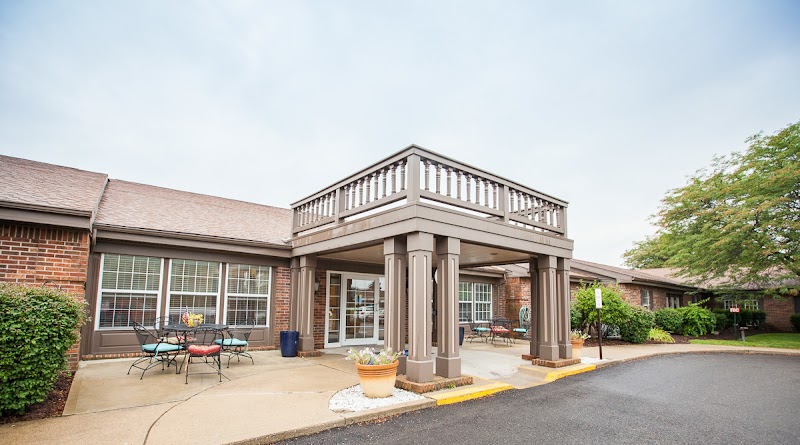
How Does Signature Healthcare Of Fayette County Compare to Other Ohio Nursing Homes?

Compared to the 100 nursing homes in Ohio, SIGNATURE HEALTHCARE OF FAYETTE COUNTY's overall rating (3 stars) is below the state average of 3.2, staff turnover (46%) is near the state average of 46%, and health inspection rating (3 stars) is at the national benchmark.

What Should Families Ask When Visiting Signature Healthcare Of Fayette County?

Based on this facility's data, families visiting should ask: "Can you walk me through typical staffing levels on day, evening, and night shifts?" "Can I visit during a mealtime to observe dining assistance and food quality?" "How do you handle medical emergencies, and what is your hospital transfer rate?" "Can I speak with family members of current residents about their experience?" These questions are particularly relevant given the below-average staffing rating.

Is Signature Healthcare Of Fayette County Safe?

Based on CMS inspection data, SIGNATURE HEALTHCARE OF FAYETTE COUNTY has a clean safety record: no substantiated abuse findings (meaning no confirmed cases of resident harm), no Immediate Jeopardy citations (the most serious violation level indicating risk of serious injury or death), and is not on the Special Focus Facility watch list (a federal program monitoring the lowest-performing 1% of nursing homes). The facility has a 3-star overall rating and ranks #100 of 100 nursing homes in Ohio. While no facility is perfect, families should still ask about staff-to-resident ratios and recent inspection results during their visit.

Do Nurses at Signature Healthcare Of Fayette County Stick Around?

SIGNATURE HEALTHCARE OF FAYETTE COUNTY has a staff turnover rate of 46%, which is about average for Ohio nursing homes (state average: 46%). Moderate turnover is common in nursing homes, but families should still ask about staff tenure and how the facility maintains care continuity when employees leave.

Was Signature Healthcare Of Fayette County Ever Fined?

SIGNATURE HEALTHCARE OF FAYETTE COUNTY has no federal fines on record. CMS issues fines when nursing homes fail to meet care standards or don't correct problems found during inspections. The absence of fines suggests the facility has either maintained compliance or corrected any issues before penalties were assessed. This is a positive indicator, though families should still review recent inspection reports for the full picture.

Is Signature Healthcare Of Fayette County on Any Federal Watch List?

SIGNATURE HEALTHCARE OF FAYETTE COUNTY is not on any federal watch list. The most significant is the Special Focus Facility (SFF) program, which identifies the bottom 1% of nursing homes nationally based on persistent, serious quality problems. Not being on this list means the facility has avoided the pattern of deficiencies that triggers enhanced federal oversight. This is a positive indicator, though families should still review the facility's inspection history directly.