FULTON MANOR NURSING & REHAB C
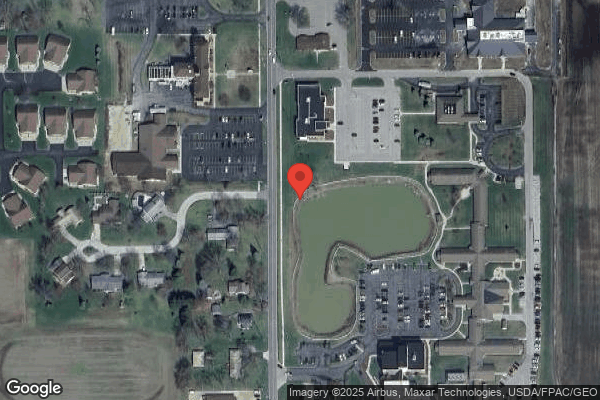
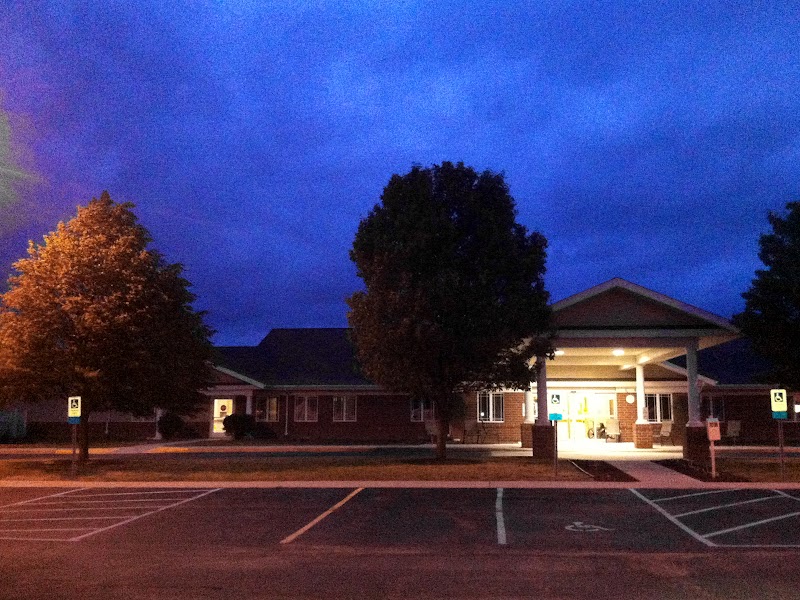
723 SOUTH SHOOP AVENUE, WAUSEON, OH 43567 (419) 335-2017
Non profit - Corporation 71 Beds Independent Data: November 2025
Trust Grade
70/100
#260 of 913 in OH
Last Inspection: August 2023

Over 2 years since last inspection. Current conditions may differ from available data.

Overview

Fulton Manor Nursing & Rehab has a Trust Grade of B, indicating it is considered a good choice for care, placing it solidly in the middle range of facilities. It ranks #260 out of 913 in Ohio, meaning it performs better than half of the state's nursing homes, and is #3 out of 5 in Fulton County, so only one local facility is rated higher. However, the facility is experiencing a worsening trend, with issues increasing from 3 in 2020 to 7 in 2023. Staffing is a strength here, with a 4 out of 5 stars rating and a turnover rate of 40%, which is lower than the state average, indicating staff stability. While there have been no fines reported, which is a positive sign, recent inspections revealed some concerning incidents: staff failed to provide urinary catheterization as per physician orders for one resident, and there were issues with ensuring proper food preparation sanitation practices, which could affect all residents. Overall, while there are strong points in staffing and lack of fines, families should be aware of the recent trends and specific care concerns.

Trust Score
B
70/100
In Ohio
#260/913
Top 28%
Safety Record
Low Risk
No red flags
Inspections
Getting Worse
3 → 7 violations
Staff Stability
○ Average
40% turnover. Near Ohio's 48% average. Typical for the industry.
Penalties
✓ Good
No fines on record. Clean compliance history, better than most Ohio facilities.
Skilled Nurses
✓ Good
Each resident gets 57 minutes of Registered Nurse (RN) attention daily — more than average for Ohio. RNs are trained to catch health problems early.
Violations
⚠ Watch
24 deficiencies on record. Higher than average. Multiple issues found across inspections.
★★★★☆
4.0
Overall Rating
★★★★☆
4.0
Staff Levels
★★★★☆
4.0
Care Quality
★★★★☆
4.0
Inspection Score
Stable
2020: 3 issues
2023: 7 issues

The Good

  • 4-Star Staffing Rating · Above-average nurse staffing levels
  • 4-Star Quality Measures · Strong clinical quality outcomes
  • Full Sprinkler Coverage · Fire safety systems throughout facility
  • No fines on record
  • Staff turnover below average (40%)

    8 points below Ohio average of 48%

Facility shows strength in staffing levels, quality measures, fire safety.

The Bad

Staff Turnover: 40%

Near Ohio avg (46%)

Typical for the industry

The Ugly 24 deficiencies on record

Oct 2023 2 deficiencies
CONCERN (D) 📢 Someone Reported This

A family member, employee, or ombudsman was alarmed enough to file a formal complaint

Potential for Harm - no one hurt, but risky conditions existed

Incontinence Care (Tag F0690)

Could have caused harm · This affected 1 resident

**NOTE- TERMS IN BRACKETS HAVE BEEN EDITED TO PROTECT CONFIDENTIALITY** Based on medical record review, and staff interview, the facility failed to ensure urinary intermittent straight catheterization...

Read full inspector narrative →
**NOTE- TERMS IN BRACKETS HAVE BEEN EDITED TO PROTECT CONFIDENTIALITY** Based on medical record review, and staff interview, the facility failed to ensure urinary intermittent straight catheterization was provided in accordance with physician orders. This affected one (#01) of three sampled residents reviewed for urinary catheterization. Facility census 52. Findings include: Review of the medical record for Resident #01, revealed the resident was admitted to the facility on [DATE] with the diagnosis including, non-pressure chronic ulcer to back, paraplegia, type 2 diabetes mellitus, osteomyelitis, pressure ulcer of sacral region, varicose veins with ulcer to lower extremity, and hypertension. Review of the Minimum Data Set (MDS) assessment 3.0 dated 08/27/23 for Resident #01, revealed the resident was assessed with intact cognition, able to make needs known, dependent on staff for activities of daily living, utilized an ostomy and required intermittent catheterization. Review of the physician orders dated 08/14/23 for Resident #01, revealed the resident was ordered to be catheterized via a straight catheter (device used to empty the bladder) every six hours and as needed (PRN) due to paralysis and urinary retention. The orders dated 08/15/23 revealed the staff would document urinary output every shift. Review of the August 2023 treatment administration records (TARs) for Resident #01 revealed no documented evidence the facility provided the resident with a straight catheterization (cath) every six hours as ordered. The TARs indicated the resident did not receive a straight cath every six hours as ordered on the following dates: 08/15/23, 08/16/23, 08/18/23 08/19/23 08/21/23, 08/22/23, 08/24/23, 08/26/23, 08/27/23, 08/28/23 and 08/31/23. The TARs on those dates were marked with an x for the missed procedures. The TARs indicated no straight cath was performed for the entire day on 08/17/23 and no documented evidence a straight cath was performed on 08/20/23 (day shift), 08/23/23 (night shift), and 08/30/23 (night shift). The TARs also indicated no urinary output was recorded on 08/17/23 (day and night shifts), 08/23/23 (day and night shifts) and 08/30/23 (night shift) Review of the September 2023 TARs for Resident #01, revealed the resident was only scheduled for straight cath once during the day shift and once during the night instead of the ordered every six hours. The TARs indicated the resident did not receive a straight cath every six hours as ordered from 09/01/23 through 09/22/23 when the orders were discontinued. The TARs revealed no documented evidence the resident received a straight cath on 09/10/23 (night shift), 09/15/23 (day shift), 09/18/23 (night shift), and 09/21/23 (day shift). The TARs also indicated no urinary output was recorded for the resident on 09/03/23 (night shift), 09/08/23 (day shift), 09/10/23 (night shift), 09/15/23 (day shift) 09/16/23 (day shift), 09/18/23 (night shift) and 09/21/23 (day shift) Interview with Director of Nursing (DON) on 10/23/23 at 11:25 A.M. confirmed Resident #01 was not provided with intermittent urinary catheterization every six hours as ordered by the physician and confirmed the resident's urinary output was not recorded as ordered. This deficiency represents non-compliance investigated under Complaint Number OH00146874.
CONCERN (D) 📢 Someone Reported This

A family member, employee, or ombudsman was alarmed enough to file a formal complaint

Potential for Harm - no one hurt, but risky conditions existed

Deficiency F0760 (Tag F0760)

Could have caused harm · This affected 1 resident

**NOTE- TERMS IN BRACKETS HAVE BEEN EDITED TO PROTECT CONFIDENTIALITY** THE FOLLOWING DEFICIENCY REPRESENTS AN INCIDENT OF PAST NON-COMPLIANCE THAT WAS SUBSEQUENTLY CORRECTED PRIOR TO THIS SURVEY. Bas...

Read full inspector narrative →
**NOTE- TERMS IN BRACKETS HAVE BEEN EDITED TO PROTECT CONFIDENTIALITY** THE FOLLOWING DEFICIENCY REPRESENTS AN INCIDENT OF PAST NON-COMPLIANCE THAT WAS SUBSEQUENTLY CORRECTED PRIOR TO THIS SURVEY. Based on medical record review, staff interview, review of facility policy and facility documentation, the facility failed to ensure medications were administered without significant errors. This affected one (Resident #01) of the six residents reviewed for medication administration. The facility census 52. Findings include: Review of the medical record for Resident #01, revealed the resident was admitted to the facility on [DATE] with the diagnosis including, non-pressure chronic ulcer to back, paraplegia, diabetes mellitus, osteomyelitis, pressure ulcer of sacral region, varicose veins with ulcer to lower extremity, and hypertension. Review of the Minimum Data Set (MDS) assessment 3.0 dated 08/27/23 for Resident #01, revealed the resident was assessed with intact cognition, able to make needs known, dependent on staff for activities of daily living, utilized an ostomy, required intermittent catheterization and received antibiotics. Review of the physician orders dated 08/15/23 for Resident #01, revealed the resident was ordered to receive intravenous (IV) antibiotic administration of Cefepime HCL one gram (gm) in 50 milliliters (ml) every eight hours. Review of the nurse's notes dated 09/13/23 at 3:56 P.M. for Resident #01 and authored by Registered Nurse (RN) #200, revealed the resident was given an incorrect IV antibiotic this morning and was discovered by this nurse. The physician was notified and ordered to continue giving the ordered antibiotic as scheduled and continue monitoring the resident for adverse reactions. Review of a facility document titled Employee Coaching Form dated 09/14/23 was provided to RN #201 due to giving the incorrect antibiotic to Resident #01 on 09/13/23. Review of a facility document titled Incident Review dated 09/15/23 at 6:41 P.M., revealed a medication error was recorded for Resident #01. The documented noted on 09/13/23 at 2:30 P.M., RN #200 went into Resident #01's room to hang the scheduled IV antibiotic, Cefepime HCL one gm/50 ml and upon removal of the previous bag hung by third shift nurse (RN #201), RN #200 noticed it was the wrong dose, wrong medication, and the wrong patient's name on the bag. Resident #01 was given Ceftriaxone two grams (gms) /100 ml and the entire medication had already been infused. The physician was unaware of the situation and was notified at 3:00 P.M. The physician noted if there were no adverse reactions from the resident, continued with the scheduled IV antibiotics and to continue monitoring the resident for any adverse effects. Review of the facility policy titled Medication Administration Policy revised on 09/19/23, revealed medications shall be administered only upon the order of a physician or other licensed independent practitioner who is authorized to provide care to the resident. The person administering the medication will verify the accurate medication, dosage, route of administration, appropriate time for administration, and correct resident. Interview with the Director of Nursing (DON) on 10/23/23 at 11:25 A.M., verified Resident #01 received the wrong IV antibiotic which resulted in a medication error. The DON stated corrective action was taken following the incident. The deficiency was corrected on 09/29/23 after the facility implemented the following corrective actions. On 09/13/23 at 3:00 P.M., the physician was notified of the medication error and no new orders were obtained. On 09/14/23, RN #201 received an Employee Coaching due to giving Resident #01 an incorrect antibiotic. On 09/19/23, the facility revised their medication administration policy to include medication packages to be electronically scanned which will perform a double check to indicate if the correct medications are being dispensed. After scanning the medications, the nurse administering the medication may remove it from the packaging and prepare it as necessary to be given to the resident. The nurse then returns to the electronic medication administration record (MAR) and electronically signs all medications that were provided and accepted by the resident. On 09/21/23, 10/12/23, and 10/17/23, medication administration observation and audits were conducted by the DON. On 09/28/23, all facility nurses were given in-service training in the prevention of medication errors and the medication administration policy, including six rights and three checks. On 10/23/23 between 7:51 A.M. and 8:32 A.M., observation of medication administration with Licensed Practical Nurse (LPN) #300 and RN #204 noted medications were given to three residents (#04, #05, and #06) in accordance with the physician orders. On 10/23/23 at 1:14 P.M., an interview with LPN #300 confirmed attending in-service training related to medication error prevention. On 10/23/23 at 1:20 P.M., an interview with RN #205 confirmed attending in-service training related to medication error prevention. This deficiency represents non-compliance investigated under Complaint Number OH00146874.
Aug 2023 5 deficiencies
CONCERN (D)

Potential for Harm - no one hurt, but risky conditions existed

Deficiency F0578 (Tag F0578)

Could have caused harm · This affected 1 resident

**NOTE- TERMS IN BRACKETS HAVE BEEN EDITED TO PROTECT CONFIDENTIALITY** Based on electronic and paper medical record review, staff interview, and review of the facility policy, the facility failed to ...

Read full inspector narrative →
**NOTE- TERMS IN BRACKETS HAVE BEEN EDITED TO PROTECT CONFIDENTIALITY** Based on electronic and paper medical record review, staff interview, and review of the facility policy, the facility failed to ensure accurate advanced directives were located in each medical record. This affected one (#13) of one resident reviewed for advanced directives. The facility census was 51. Findings include: Review of Resident #13's medical record revealed an admission date of 07/22/21. Diagnoses included dementia, hypertension, atherosclerotic heart disease, anxiety disorder, and depression. Review of the quarterly Minimum Data Set (MDS) assessment dated [DATE] revealed Resident #13 was severely cognitively impaired. Review of a Do Not Resuscitate (DNR) Order Form dated 09/01/22, and located in Resident #13's paper medical record, revealed the resident's advanced directives were DNR Comfort Care (meaning the DNR protocol was effective immediately). Review of a current physician order dated 07/31/23, and located in the electronic medical record (EMR) revealed Resident #13's advanced directives were Do Not Resuscitate Comfort Care-Arrest (DNRCC-A), meaning providers will treat the resident as any other without a DNR order until the point of cardiac or respiratory arrest at which point all life saving interventions will stop and the DNR Comfort Care protocol will be implemented. Interview on 08/31/23 at 12:14 P.M. with Registered Nurse (RN) #510 stated staff members could check either the paper chart or the EMR to determine a resident's advanced directives, if needed. RN #510 verified Resident #13's advanced directives order in the EMR did not match the order in the the paper chart, and stated she would take care of it. Review of an undated facility policy titled, Advance Directives, revealed documentation of advanced directives will be maintained by the facility in the resident's current chart throughout the course of the stay.
CONCERN (D)

Potential for Harm - no one hurt, but risky conditions existed

ADL Care (Tag F0677)

Could have caused harm · This affected 1 resident

**NOTE- TERMS IN BRACKETS HAVE BEEN EDITED TO PROTECT CONFIDENTIALITY** Based on medical record review, observation, and staff interview, the facility failed to ensure a dependent resident received ad...

Read full inspector narrative →
**NOTE- TERMS IN BRACKETS HAVE BEEN EDITED TO PROTECT CONFIDENTIALITY** Based on medical record review, observation, and staff interview, the facility failed to ensure a dependent resident received adequate assistance with shaving. This affected one (#13) of one residents reviewed for activities of daily living. The facility census was 51. Findings include: Review of Resident #13's medical record revealed an admission date of 07/22/21. Diagnoses included dementia, hypertension, atherosclerotic heart disease, anxiety disorder, and depression. Review of the quarterly Minimum Data Set (MDS) assessment dated [DATE] revealed Resident #13 was severely cognitively impaired and required extensive assistance with personal hygiene. Review of the plan of care initiated 08/13/21 revealed Resident #13 required assistance with activities of daily living (ADLs) due to physical limitations secondary to dementia and anxiety. Interventions included to set up supplies needed to assist with completion of ADLs, provide needed assistance of one staff member for proper completion of ADLs, encourage the resident to do as much as possible for herself, and give simple direct steps and allow ample time to complete the task at hand. Observations on 08/29/23 at 8:12 A.M. and on 08/30/23 at 8:05 A.M. of Resident #13 revealed the resident had several long hairs on her chin, approximately one-quarter inch in length. Interview on 08/30/23 at 9:26 A.M. with State Tested Nurse Aide (STNA) #504 stated Resident #13 required staff assistance with hygiene and grooming. STNA #504 stated shaving was typically done on shower days and she assisted Resident #13 with a shower on 08/29/23. STNA #504 stated she did not shave residents who did not have an electric razor because she was afraid of disposable razors. STNA #504 verified the hair growth on Resident #13's chin and confirmed she did not assist the resident with shaving during her shower on 08/29/23.
CONCERN (D)

Potential for Harm - no one hurt, but risky conditions existed

Pressure Ulcer Prevention (Tag F0686)

Could have caused harm · This affected 1 resident

**NOTE- TERMS IN BRACKETS HAVE BEEN EDITED TO PROTECT CONFIDENTIALITY** Based on medical record review and staff interview, the facility failed to provide treatment for pressure ulcers per physician o...

Read full inspector narrative →
**NOTE- TERMS IN BRACKETS HAVE BEEN EDITED TO PROTECT CONFIDENTIALITY** Based on medical record review and staff interview, the facility failed to provide treatment for pressure ulcers per physician order. This affected one (#7) of one residents reviewed for pressure ulcers. The facility identified four residents with pressure ulcers. The facility census was 51. Findings include: Review of Resident #7's medical record revealed an admission date of 05/26/21. Diagnoses included atherosclerosis of native arteries of extremities, hypotension, atrial fibrillation, type II diabetes chronic kidney disease, chronic obstructive pulmonary disease (COPD), and major depressive disorder. Review of the quarterly Minimum Data Set (MDS) assessment dated [DATE] revealed Resident #7 was cognitively intact, was at risk for pressure ulcers, and had one stage II pressure ulcer (partial-thickness skin loss with exposed dermis). Review of the plan of care dated 06/07/21 revealed Resident #7 was at risk for skin breakdown. Interventions included wound treatment per facility protocol or wound care. Review of a wound care note dated 07/03/23 revealed Resident #7 had a stage II pressure wound to the coccyx which was acquired on 05/11/23. Additional review of wound care notes dated 07/10/23, 07/17/23, 07/24/23, and 08/01/23 revealed no worsening of the wound, and Resident #7 refused to lay down during the day to reduce pressure. Review of an assessment used to predict pressure ulcer development dated 08/12/23 revealed Resident #7 was at moderate risk for pressure sores. Review of physician orders dated 06/20/23 revealed Resident #7 was ordered to cleanse the sacral area with normal saline, pat dry, pack the wound with a thin strip of Mesalt, cover with Allevyn dressing, and change daily and as needed. Review of Resident #7's treatment administration record (TAR) for July 2023 revealed sacral treatments were not documented as provided on 07/04/23, 07/06/23, 07/11/23, 07/13/23, 07/18/23, 07/19/23, 07/20/23, and 07/22/23. Interview on 08/29/23 at 3:58 P.M. with the Director of Nursing (DON) verified the facility had no evidence Resident #7's wound treatments were administered as ordered by the physician on 07/04/23, 07/06/23, 07/11/23, 07/13/23, 07/18/23, 07/19/23, 07/20/23, and 07/22/23. Interview on 08/30/23 at 8:59 A.M. with Licensed Practical Nurse (LPN) #505 stated she was the treatment nurse. LPN #505 stated while Resident #7 was not always compliant with repositioning to relieve pressure, the resident was compliant with wound treatments.
CONCERN (D)

Potential for Harm - no one hurt, but risky conditions existed

Respiratory Care (Tag F0695)

Could have caused harm · This affected 1 resident

**NOTE- TERMS IN BRACKETS HAVE BEEN EDITED TO PROTECT CONFIDENTIALITY** Based on observation, medical record review, staff interview, and review of facility policy, the facility failed to ensure a res...

Read full inspector narrative →
**NOTE- TERMS IN BRACKETS HAVE BEEN EDITED TO PROTECT CONFIDENTIALITY** Based on observation, medical record review, staff interview, and review of facility policy, the facility failed to ensure a resident receiving supplemental oxygen therapy had a physician order for use. This affected one (#301) of residents reviewed for oxygen therapy. The facility identified nine residents that use supplemental oxygen. The facility census was 51. Findings include: Review of the medical record for Resident #301 revealed an admission date of 08/23/23 with diagnoses of heart failure and atrial fibrillation. Review of an initial assessment dated [DATE] revealed the resident was alert and oriented to person, place, and time, and was noted to have supplemental oxygen at two liters per minute by way of nasal cannula. Review of Resident #301's current physician orders for August 2023 revealed there were not any orders for supplemental oxygen therapy. Observation on 08/28/23 at 3:26 P.M. revealed Resident #301 was resting in bed after lunch and therapy with supplemental oxygen on at two liters per minute via nasal cannula. Interview on 08/28/23 at 3:26 P.M. with Resident #301 stated she was on oxygen at home only in the afternoon and during the night. Observation on 08/29/23 at 7:45 A.M. revealed Resident #301 was resting in bed with supplemental oxygen in place via nasal cannula at two liters per minute. Observation on 08/31/23 at 8:04 A.M. revealed Resident #301 was sitting in her recliner eating breakfast with supplemental oxygen on via nasal cannula at two liters per minute. Interview on 08/31/23 at 8:05 A.M. with Registered Nurse (RN) #508 verified Resident #301 was receiving supplemental oxygen by nasal cannula at two liters per minutes, and verified the medical record for Resident #301 contained no orders for supplemental oxygen therapy. Review of an undated facility policy titled, Oxygen Use/Administration, revealed oxygen must be prescribed by a physician, and a complete order must be obtained to include liter flow per minute, titration instructions, and type of delivery device (nasal cannula, simple mask).
CONCERN (D) 📢 Someone Reported This

A family member, employee, or ombudsman was alarmed enough to file a formal complaint

Potential for Harm - no one hurt, but risky conditions existed

Pharmacy Services (Tag F0755)

Could have caused harm · This affected 1 resident

**NOTE- TERMS IN BRACKETS HAVE BEEN EDITED TO PROTECT CONFIDENTIALITY** Based on medical record review, resident and staff interview, pharmacy staff interview, and review of a facility policy, the fac...

Read full inspector narrative →
**NOTE- TERMS IN BRACKETS HAVE BEEN EDITED TO PROTECT CONFIDENTIALITY** Based on medical record review, resident and staff interview, pharmacy staff interview, and review of a facility policy, the facility failed to ensure medications were administered per physician order. This affected one (#39) of three residents reviewed for medication administration. The facility census was 51. Findings include: Review of Resident #39's medical record revealed an admission date of 01/31/23. Diagnoses included chronic obstructive pulmonary disease (COPD), hypertension, osteoarthritis, and repeated falls. Review of the quarterly Minimum Data Set (MDS) assessment dated [DATE] revealed Resident #39 was severely cognitively impaired. Review of the plan of care initiated 02/20/23 revealed Resident #39 was at risk for shortness of breath related to COPD. Interventions included to administer medications as ordered and monitor for adverse side effects. Review of a current physician order dated 07/13/23 revealed Resident #39 was ordered the combination inhaled medication to treat COPD Breztri Aerosphere to receive two puffs orally two times a day. Review of Resident #39's medication administration record (MAR) from 08/01/23 through 08/30/23 revealed Breztri Aerosphere was documentated on 08/07/23 at the evening dose, on 08/08/23 at the morning dose, on 08/09/23 at the evening dose, on 08/11/23 at the evening dose, on 08/12/23 at the morning dose, on 08/28/23 at the evening dose, and on 08/29/23 at the morning dose with the MAR code of 9. Further review of the MAR revealed the code 9 indicated the medication was unavailable. Review of Resident #39's nursing progress notes related to administration of Breztri Aerosphere revealed on 08/07/23 the facility was waiting on pharmacy, on 08/08/23 the medication was on order, on 08/09/23 the medication was not available from pharmacy, on 08/11/23 the medication was not available, on 08/12/23 the medication was on order, and on 08/28/23 the medication was not available pharmacy was called. Interview on 08/28/23 at 12:27 P.M., with Resident #39 stated he had not received his Breztri Aerosphere inhaler as physician ordered. Resident #39 stated nursing staff told him it had been ordered, but the pharmacy had not delivered it. Resident #39 stated he was concerned he did not have his medication like he was supposed to because he had blood clots in his lungs in the past. Interview on 08/30/23 at 3:46 P.M., with the Director of Nursing (DON) verified Resident #39 did not receive Breztri Aerosphere as ordered on 08/08/23, 08/09/23, 08/11/23, 08/12/23, and 08/28/23. The DON stated she became aware on 08/28/23 the inhaler was not available, and it was believed it was accidentally thrown away. The DON stated the medication was reordered on 08/28/23, but it was too early to refill the medication. As a result, the DON authorized the refill with the facility paying for the cost of the medication. The DON verified the medication should have been in the facility for administration, and Resident #39 did not receive the inhaler as ordered. Interview on 08/30/23 at 3:55 P.M., with Pharmacy Order Entry Technician (POET) #507 confirmed Resident #39's Breztri Aerosphere was filled and delivered to the facility on [DATE] and 08/13/23. On 08/28/23, the pharmacy received a refill request but since each order was a 30-day supply, it was too soon to fill the order request. POET #507 confirmed the facility authorized payment and the medication was delivered on 08/29/23. Review of an undated facility policy titled, Medication Administration Policy, revealed medications shall be administered only upon the order of a physician or other Licensed Independent Practitioner who is authorized to provide care to the resident. If a medication is not available during the process, the nurse indicates this in the electronic medication administration record (EMAR). Additionally, a note is documented in the EMAR by the nurse detailing the communication to the pharmacy regarding the missing medication. This deficiency represents non-compliance investigated under Complaint Number OH00131350.
Mar 2020 3 deficiencies
CONCERN (D)

Potential for Harm - no one hurt, but risky conditions existed

Deficiency F0583 (Tag F0583)

Could have caused harm · This affected 1 resident

**NOTE- TERMS IN BRACKETS HAVE BEEN EDITED TO PROTECT CONFIDENTIALITY** Based on record review, observation, staff interview, and review of the facility's policy, the facility failed to ensure a resid...

Read full inspector narrative →
**NOTE- TERMS IN BRACKETS HAVE BEEN EDITED TO PROTECT CONFIDENTIALITY** Based on record review, observation, staff interview, and review of the facility's policy, the facility failed to ensure a resident had privacy during incontinence care. This affected one (Resident #18) of one resident reviewed for privacy. The facility census was 64. Findings include: Review of Resident #18's medical record revealed an admission date of 06/05/17. Diagnoses included Parkinson's disease and coronary artery disease. Review of the Minimum Data Set (MDS) assessment, dated 12/26/19, revealed the resident was moderately cognitively impaired. He was dependent upon staff for transfers and toileting and was frequently incontinent. Review of the care plan, dated 06/15/17, revealed the resident required assistance with activities of daily living (ADLs) due to physical limitations related to difficulty with walking and generalized weakness. Resident #18 required assistance with elimination due to being incontinent and was unable to use the toilet himself. Observation on 03/02/20 at 1:02 P.M. revealed Resident #18 and #20 shared the same room number and their rooms were set up like a jack-and-[NAME] style bathroom that leads into each other's side of the room. During an interview with Resident #20, Resident #18 was observed laying on his right side with his shirt slightly pulled up and his pants pulled down while State-Tested Nurse Aides (STNA) #429 and #440 provided incontinence care. Resident #18's door was closed, however his privacy curtain located between Resident #18's room and his roommate's room (Resident #20) was not pulled and Resident #18's buttocks could be seen from Resident #20's side of the room. Interview on 03/02/20 at 1:03 A.M. with STNA #429 verified Resident #18's privacy curtain was not closed while Resident #18 received incontinence care. Review of the facility's undated policy titled, Residents Rights and Dignity Issues, revealed privacy curtains are used to ensure the resident's privacy.
CONCERN (D)

Potential for Harm - no one hurt, but risky conditions existed

Infection Control (Tag F0880)

Could have caused harm · This affected 1 resident

Based on record review, observation, staff interview and review of the facility's policy, the facility failed to ensure the residents were protected against infection with the appropriate use of perso...

Read full inspector narrative →
Based on record review, observation, staff interview and review of the facility's policy, the facility failed to ensure the residents were protected against infection with the appropriate use of personal protective equipment (PPE) and hand hygiene. This affected four residents (#9, #26, #32 and #52) of 19 residents who received a hall tray. This had the potential to affect all 64 residents residing in the facility. Findings include: 1. Review of the medical record for Resident #52 revealed an admission date of 02/08/18 and diagnoses including chronic kidney disease, active bronchitis, and active influenza A. Review of the Minimum Data Set (MDS) assessment, dated 11/14/19, revealed the resident's cognition was intact and had no behaviors. Review of Influenza A & B laboratory result, dated 02/23/20, revealed the active flu A was detected. Review of the physician's orders, dated 02/24/20, revealed an order for Tamiflu (antiviral) 75 milligrams (mg.) by mouth two times a day for five days and a physician order for doxycycline (antibiotic) 100 mg. by mouth two times a day for seven days. On 02/29/20, an order for the resident to be on hourly checks. Observation on 03/02/20 at 1:42 P.M. of Resident #52 revealed she was in her room on droplet precautions and was actively coughing. The resident's room had a sign indicating to enter the room, you need a mask and gloves, which were outside the room. Resident #52 had her call light on. State Tested Nursing Assistant (STNA) #440 went into the room without a mask or gloves. Resident #52 asked for new ice and no water in her personal big gulp cup. STNA #440 took the big gulp cup and stated she would return. The STNA returned with ice in the big gulp cup. During this observation, the STNA was observed to not wash her hands when she entered or left the resident's room. Interview on 03/02/20 at 1:46 P.M. with STNA #440 confirmed she had not washed her hands before and after care and did not put gloves and a mask one. The STNA verified she put ice in the same cup as she took from the resident's room and the cup was not sanitized. The STNA #440 revealed she was an agency STNA and she didn't know what they were doing to pass ice water while on droplet precautions. The STNA then confirmed she did not see the sign on the door. 2. Observation on 03/02/20 at 12:02 P.M. during the lunch trays being passed on the 400-hall revealed Dietary Aide (DA) #516 was observed putting on personal protective equipment (PPE) and did not wash or sanitize hands prior. DA #516 applied a mask and then gloves. The DA touched her face with the gloves as she positioned the mask. She then served a tray to Resident #32 in her room and assisted the resident (on droplet precautions) with organizing the items on her bedside table and setting up food tray. Observation of a sign posted on the door of Resident #32 stated to wear a mask and gloves when entering and the supplies were outside of the room. The DA #516 did not do hand hygiene after removing the PPE or assisting with the next tray. The DA #516 came out of the room with the PPE and removed the PPE as she walked down the hall. The DA #516 threw the PPE in the trash can in a room titled Nourishment. She then went to the cart and picked up a tray and delivered it to Resident #9 in the resident's room. She touched Resident #9's clothing, blanket, and bedside table then assisted with food set up. The DA did not do hand hygiene before or after assisting the resident in the room. The DA then proceeded to assist Resident #26 in her room (on droplet precautions) by getting the food tray off the cart, then putting the tray back on the cart to apply PPE. Again, the DA did not do hand hygiene before or after assisting Resident #26. The DA once again walked down to the room titled Nourishment to dispose of the PPE. The DA then applied PPE and took the last tray off the food cart and delivered to Resident #52 in her room (on droplet precautions). The DA came out of the room into the hallway with PPE on and was questioned about her knowledge of infection control, hand hygiene and PPE. Interview on 03/02/20 at 12:19 P.M. with DA #516 confirmed she did not use hand hygiene in between residents, before and after applying PPE. The DA #516 revealed she did not know the order PPE was applied and stated it was her first day passing trays to resident rooms. Interview on 03/02/20 at 12:22 P.M. with Dietary Manager (DM) #517 revealed the DA #516 was on her first day of training passing trays. The DM revealed DA #516 had not had infection control training prior to working the floor. The DM revealed they were short staffed, and DA #516 was pulled from orientation to help with food service. The DM was asked for clarification two times revealing no orientation with infection control was done for the DA #516 previously. Interview on 03/02/20 at 12:40 P.M. with the Administrator revealed she had no knowledge of DA #516 serving food prior to infection control training. Interview on 03/02/20 at 1:10 P.M. with Food Service Director (FSD) #510, DM #517 and the Administrator. The FSD stated DA #516 had infection control orientation in a different department and has worked for them since October 2019 passing trays in the dining room and in the hospital. The FSD verified the same infection control practices would be used in all work environments. He provided a signed statement from DA #516 stating she had previously been trained in infection control. The Administrator and FSD #510 revealed DA #516 would be trained again on infection control. Review of the facility's policy titled, Water Pass, dated 12/31/18, revealed for residents on isolation precautions as per the Infection Preventionist, the staff will take a disposable cup into the room, fill the reusable cup and then dispose of the foam cup along with their PPE upon leaving the room. Review of the facility's policy titled, Guidelines for the Control of Healthcare-associated infections, dated 10/11/18, revealed PPE must be readily available near the resident's room, donned upon entering the resident room, removed and hand hygiene performed when leaving the room. Review of the facility's policy titled, Standard Precaution-Personal Protective Equipment, dated 06/14/18, revealed hands must be decontaminated prior to putting on gloves. The policy further revealed hands should be washed or use alcohol-based hand sanitizer after gloves are removed. The policy revealed gloves should not be worn in the hallways.
MINOR (C)

Minor Issue - procedural, no safety impact

Food Safety (Tag F0812)

Minor procedural issue · This affected most or all residents

**NOTE- TERMS IN BRACKETS HAVE BEEN EDITED TO PROTECT CONFIDENTIALITY** Based on observation, staff interview and review of the facility's policy, the facility failed to ensure garbage cans were cover...

Read full inspector narrative →
**NOTE- TERMS IN BRACKETS HAVE BEEN EDITED TO PROTECT CONFIDENTIALITY** Based on observation, staff interview and review of the facility's policy, the facility failed to ensure garbage cans were covered with lids when not in use. In addition, the facility failed to ensure trays were distributed in a safe and sanitary manner. This had the potential to affect all 64 of 64 residents who receive food from the kitchen. Findings include: Observation on 03/02/20 at 8:51 A.M. revealed there were four trash cans located in the main kitchen were uncovered and trash was exposed. No lids were available and the trash cans were not in use. Interview on 03/02/20 at 8:56 A.M. with Dietary Manager #515 verified the lids were not used to cover the trash cans. Dietary Manager #515 further explained lids were not utilized because staff would touch them often and would have to wash and re-glove their hands. Observation on 03/02/20 at 9:10 A.M. revealed two trash cans located in the nursing home serving kitchen were uncovered and trash was exposed. No lids were available and the trash cans were not in use. Interview on 03/02/20 at 9:14 A.M. with Dietary Staff #518 confirmed the trash lids were not used to cover trash cans. Interview on 03/02/20 at 11:15 A.M. with Dietary Manager #510 stated the lids have never been utilized to cover the trash can. Observation on 03/03/20 at 9:22 A.M. of the trash cans remained uncovered with no lids in the nursing home serving kitchen. The trash cans were not in use. Observation on 03/03/20 at 9:29 A.M. of the main kitchen found one trash can was not in use and remained uncovered with no lid. Review of the facility's policy titled, [NAME] Manor/[NAME] Suites Food and Nutrition Services, last revised September 2017, revealed all garbage and refuse is disposed of according to the health department regulations.
Jan 2019 14 deficiencies
CONCERN (D)

Potential for Harm - no one hurt, but risky conditions existed

Resident Rights (Tag F0550)

Could have caused harm · This affected 1 resident

**NOTE- TERMS IN BRACKETS HAVE BEEN EDITED TO PROTECT CONFIDENTIALITY** Based on observation and staff interview, the facility failed to ensure a resident's dignity was maintained when the resident's ...

Read full inspector narrative →
**NOTE- TERMS IN BRACKETS HAVE BEEN EDITED TO PROTECT CONFIDENTIALITY** Based on observation and staff interview, the facility failed to ensure a resident's dignity was maintained when the resident's catheter bag was not covered during dining. This affected one (#2) of three residents reviewed for urinary catheters. The facility identified three residents with urinary catheters. The facility census was 67. Findings include: Review of Resident #2's medical record revealed an admission date of 12/28/18. The resident was discharged to the hospital on [DATE] and returned to the facility on [DATE]. Medical diagnoses included altered mental status, chronic kidney disease, dehydration, encephalopathy, major depressive disorder, urinary retention with urethral stricture, urinary tract infection, sepsis, and diabetes mellitus. Review of physician orders dated 01/11/19 revealed orders for an indwelling urinary catheter. Observation of Resident #2 on 01/14/19 at 12:00 P.M. revealed the resident was in the dining room in his wheelchair. His urinary catheter bag was attached to the wheelchair and was not covered with a dignity bag. Interview with State Tested Nursing Assistant (STNA) #95 on 01/14/19 at 12:03 P.M. verified the resident did not have a dignity bag covering his urinary catheter bag. Observation of Resident #2 on 01/16/19 at 5:01 P.M. revealed the resident was in the dining room in his wheelchair. His urinary catheter bag was attached to the wheelchair and was not covered with a dignity bag. Interview with STNA #120 on 01/16/19 at 5:01 P.M. verified the resident did not have a dignity bag covering his urinary catheter bag.
CONCERN (D)

Potential for Harm - no one hurt, but risky conditions existed

Deficiency F0583 (Tag F0583)

Could have caused harm · This affected 1 resident

Based on medical record review, observation, and staff interview, the facility failed failed to ensure privacy was maintained during incontinence care for one (#11) of one resident observed for incont...

Read full inspector narrative →
Based on medical record review, observation, and staff interview, the facility failed failed to ensure privacy was maintained during incontinence care for one (#11) of one resident observed for incontinence care. The facility identified 39 residents that are incontinent of bladder and 23 residents who area incontinent of bowel that would require incontinence care. The facility census was 67. Findings include: Review of the medical record for Resident #11 revealed an admission date of 3/10/14. Diagnoses included colitis, atrial fibrillation, anemia, syncope, peripheral vascular disease, arthritis, overactive bladder, and peripheral edema. Review of the Minimum Data Set (MDS) assessment, revealed Resident #11, had severe cognitive impairment. Resident #11 was frequently incontinent of bladder and always incontinent of bowel. Observation on 1/16/19 at 11:34 A.M. of State Tested Nurse Aide (STNA) #150 and STNA #155 performing perineal (peri) care for Resident #11 revealed during the peri care someone knocked on the door. Both STNA #150 and STNA #155 responded Resident care. Environmental Services #160 opened the door, entered the room, and noted the STNAs were in the middle of peri care. Environmental Services #160 went back out into the hallway, left the door open, and reentered the room with blankets. Environmental Service #160 laid the blankets on Resident #11's tray table. Resident #11's buttocks were exposed towards the door. Interview on 1/16/19 at 11:36 A.M., STNA #150 and STNA #155 both verified they had stated Resident care when someone knocked at the door. Both verified they did not give permission to enter the room. STNA #150 stated this happens all the time. Interview on 1/16/19 at 11:42 A.M., Environmental Services #160 verified she came in the room after the STNAs said Resident care. Environmental Services #160 stated she knew she should not have entered the room.
CONCERN (D)

Potential for Harm - no one hurt, but risky conditions existed

Transfer Notice (Tag F0623)

Could have caused harm · This affected 1 resident

**NOTE- TERMS IN BRACKETS HAVE BEEN EDITED TO PROTECT CONFIDENTIALITY** Based on medical record review, review of facility policy, and staff interview, the facility failed to provide a notice of trans...

Read full inspector narrative →
**NOTE- TERMS IN BRACKETS HAVE BEEN EDITED TO PROTECT CONFIDENTIALITY** Based on medical record review, review of facility policy, and staff interview, the facility failed to provide a notice of transfer when residents were transferred to the hospital This affected two (#26, #66) of two residents reviewed for hospitalizations. The facility identified four residents discharged to the hospital in the last 30 days. The facility census was 67. Findings include: 1. Review of the medical record for Resident #26 revealed the resident was admitted to the facility on [DATE]. Diagnoses included deep vein thrombosis, gastro-esophageal reflux disease, glaucoma, macular degeneration, hypertension, shortness of breath, atrial fibrillation, bilateral diabetic heel ulcers status debridement, diabetes mellitus, end stage renal disease, coronary artery disease, congestive heart failure, degenerative disc disease, chronic osteomyelitis, left above knee amputation, right second toe amputation and sepsis. Review of an annual Minimum Data Set (MDS) 3.0 assessment, dated 11/01/18, revealed the resident had no cognitive deficits or rejection of care, required extensive assistance for bed mobility, transfers, locomotion, dressing, toileting and hygiene. Review of the Fulton Manor Nursing and Rehabilitation to Hospital Transfer Form, dated 07/24/18, revealed the resident was sent to the hospital on [DATE] due to chest pain. The bottom right corner had Date Sent: 07/24/18 but did not say to whom. Review of a Status Memo dated 07/24/18 revealed notification was sent regarding the transfer on 07/24/18 but did not reveal to whom. Review of the Fulton Manor Nursing and Rehabilitation to Hospital Transfer form dated 11/0718 revealed the resident was transferred to the hospital on [DATE]. The bottom right corner had Date Sent: 11/08/18 but did not say to whom. Review of progress notes dated 07/23/18 through 07/27/18 and 11/07/18 through 11/11/18 revealed no documentation regarding a notice of transfer being given to the resident or resident family. Interview with Resident #26 on 01/14/19 at 11:40 A.M. revealed she had not received a notice of transfer when she had been transferred to the hospital. Interview Social Service Worker #85 on 01/16/19 at 3:00 P.M. verified Resident #26's responsible party was notified of the transfer by phone at the time of the transfer and a written form was sent on 07/24/18 and 11/08/18. She stated there was nothing in the facility to document this occurred. She verified the transfer form showed the date the form was sent but not to whom. She verified the resident was not given a notice of transfer for 07/24/18 or 11/08/18. Review of the undated facility policy titled Notice of Transfers revealed the resident, representative, Ohio Department of Health legal, and Ohio ombudsman were to be sent a notice when a resident was transferred to the emergency room or admitted to the hospital. 2. Review of the medical record for Resident #66 revealed an admission date of 12/06/18 and a discharge date of 12/14/18. Diagnoses included chronic obstructive pulmonary disease, acute congestive heart failure, dyspnea, unspecified, chronic lympoid leukemia, coronary artery disease involving native coronary artery without angina pectoris, grave's disease, history of right breast cancer, diabetes mellitus type 2, hypothyroidism, and hypertension. Review of the hospital transfer form dated 12/14/18 revealed Resident #66 was transferred the hospital due to being short of breath. The form indicated the date sent was 12/14/18. The form does not state where it was sent. Interview on 1/17/19 at 2:19 P.M. with Social Service Worker #85 verified a written transfer form was sent to the family, but not the resident. The facility has no proof of documentation to verify they sent this notice to the family.
CONCERN (D)

Potential for Harm - no one hurt, but risky conditions existed

Deficiency F0625 (Tag F0625)

Could have caused harm · This affected 1 resident

Based on medical record review, staff interview, and policy review, the facility failed to provide a bed hold notice to one (#66) of two residents reviewed for hospitalization. The facility census was...

Read full inspector narrative →
Based on medical record review, staff interview, and policy review, the facility failed to provide a bed hold notice to one (#66) of two residents reviewed for hospitalization. The facility census was 67. Findings include: Review of the medical record for Resident #66 revealed an admission date of 12/06/18. Diagnoses included chronic obstructive pulmonary disease, acute congestive heart failure, dyspnea, unspecified, chronic lympoid leukemia, coronary artery disease involving native coronary artery without angina pectoris, Grave's disease, history of right breast cancer, diabetes mellitus type 2, hypothyroidism, and hypertension. Review of the hospital transfer form dated 12/14/18 revealed Resident #66 was transferred the hospital due to being short of breath. Further review revealed no record of a bed hold notice given to Resident #66 and/or resident representative. Interview with Business Office Manager on 01/17/19 at 11:00 A.M. verified bed hold notices were not provided to private pay residents or to those residents who received Medicare part A skilled services. She stated bed hold notices were provided to the responsible parties of residents who received Medicaid services and did not get provided to the residents unless they were their own responsible party. Interview with Business Office Manager on 1/17/19 at 2:10 P.M. verified Resident #66 and the representative did not receive a bed hold notice when she was discharged from the facility on 12/14/18. Review of the undated policy titled Bed Hold revealed the bed hold procedure as follows for Medicare bed hold included the nurse will notify the Business Office when a resident leaves the facility, including time of day and transportation method. The facility will notify the resident or family when there is a need for the bed being held at no charge. The family at that point will need to decide to pay to hold the bed or release the bed to the other resident. The policy indicates for private pay bed hold the residents are notified upon admission beds are held automatically at 100% of the daily rate if a resident leaves the facility for any reason. It is the responsibility of the resident or family to notify the facility if the bed is not to be held.
CONCERN (D)

Potential for Harm - no one hurt, but risky conditions existed

Assessment Accuracy (Tag F0641)

Could have caused harm · This affected 1 resident

**NOTE- TERMS IN BRACKETS HAVE BEEN EDITED TO PROTECT CONFIDENTIALITY** Based on medical record review, staff interview, and review of facility policy, the facility failed to accurately document the t...

Read full inspector narrative →
**NOTE- TERMS IN BRACKETS HAVE BEEN EDITED TO PROTECT CONFIDENTIALITY** Based on medical record review, staff interview, and review of facility policy, the facility failed to accurately document the terminally ill status of a resident on the Minimum Data Set assessment for one (#34) of 18 residents who had an reviewed. The facility census was 67. Findings include: Review of the medical record for Resident #34 revealed the resident was admitted to the facility on [DATE]. Diagnoses included degenerative disease of the nervous system, dysphagia, unsteadiness, muscle weakness, supranuclear opthalmoplegia, Steel-[NAME]-[NAME] palsy syndrome, urinary tract infections, atrial fibrillation, chronic obstructive pulmonary disease, cerebrovascular disease, coronary artery disease and Parkinson's disease. Review of physician orders dated 09/12/18 revealed the resident was admitted to hospice with a primary diagnosis of progressive supranuclear palsy Review of the hospice documentation dated 09/12/18 revealed the physician certified the resident's prognosis was six months or less if the disease ran its normal course. A diagnoses of Parkinson's disease was listed. Review of a quarterly Minimum Data Set (MDS) 3.0 assessment,dated 11/15/18, revealed the resident had severe cognitive deficits. Section J1400 revealed the resident did not have a terminal diagnosis. Interview with MDS Nurse #175 on 01/17/19 at 2:00 P.M. verified Resident #34's MDS was not coded as having a terminal illness. Review of an undated facility policy titled MDS Process Policy revealed each department was responsible for completing their section of the MDS timely and accurately.
CONCERN (D)

Potential for Harm - no one hurt, but risky conditions existed

Quality of Care (Tag F0684)

Could have caused harm · This affected 1 resident

Based on medical record review, resident interview, staff interview, family interview, and policy review, the facility failed to monitor the bowel regimen for two ( #50 and #314) of five residents rev...

Read full inspector narrative →
Based on medical record review, resident interview, staff interview, family interview, and policy review, the facility failed to monitor the bowel regimen for two ( #50 and #314) of five residents reviewed for bowel regimen. The facility census was 67. Findings include: 1. Review of the medical record for Resident #50 revealed an admission date of 10/26/18. Diagnoses included cardiomyopathy, chronic obstructive pulmonary disease, constipation, urinary retention, vascular dementia, coronary artery disease, and major depressive disorder. Review of the Minimum Data Set (MDS) assessment, dated 12/17/18, revealed Resident #50 had mild cognitive impairment. Review of the current physician orders revealed an order for Dulcolax suppository 10 milligrams (mg) daily as needed, Milk of Magnesia 30 milliliters (ml) daily as needed, Miralax 17 grams daily as needed. Review of the bowel monitoring records for Resident #50 revealed there was no bowel movement recorded from 11/02/18 thru 11/20/18, 11/21/18 thru 11/29/18, 12/16/18 thru 12/22/18, and 01/10/19 thru 01/17/19. Review of the progress notes for Resident #50 revealed a note dated 12/05/18 documenting the resident was on bowel list for no bowel movement. Resident #50 told staff that he had a bowel movement on 12/04/18. Progress note dated 1/08/19 revealed Resident #50 was complaining of constipation, and not being able to have a bowel movement after multiple tries. Resident #50 requested something. Milk of Magnesia with prune juice was given. Suppository was given following no results from the Milk of Magnesia. Results were obtained following the suppository. Interview on 1/17/19 at 9:47 A.M., Resident #50 revealed he did not recall how long he had gone without having a bowel movement, but stated he knows sometimes it has been awhile. Interview on 1/17/19 at 12:06 P.M., the Director of Nursing (DON) revealed the facility does not have a way to track resident's bowel movements. The DON stated that it is the protocol for the night shift nurse to check each resident's bowel movement pattern and to initiate the bowel protocol if the resident has not had a bowel movement in two days. The DON verified Resident #50 did not have a bowel movement documented from 11/02/18 thru 11/20/18, 11/21/18 thru 11/29/18, 12/16/18 thru 12/22/18, and 01/10/19 thru 01/17/19. 2. Review of the medical record for Resident #314 revealed an admission date of 12/31/18. Diagnoses included gangraneous changes right foot, diabetes mellitus type one, coronary artery disease, atrial fibrillation, chronic kidney disease stage four, hydronephrosis, heart failure, hypertension, hyperlipidemia, and osteoarthritis. Review of Resident #314's current physician orders revealed orders for Milk of Magnesia 30 ml daily as needed and Dulcolax suppository 10 mg rectally daily as needed. Review of the bowel monitoring record for Resident #314 revealed they did not have a bowel movement documented from 01/01/19 thru 01/07/19 and 1/13/19 thru 1/17/19. Review of the progress notes for Resident #314 revealed no documentation of bowel movements or interventions given from 01/01/19 thru 1/07/19 and 1/13/19 thru 1/17/19. Interview on 1/16/19 at 9:15 A.M., Resident #314's family stated they are unsure if Resident #314 had been having bowel movements regularly. Family stated Resident #314 was not reliable to answer that question either. Interview on 1/16/19 at 11:37 A.M., State Tested Nurse Aide (STNA) #150 said if a resident has a bowel movement they document it in the computer or on the 24 hour care sheet. STNA #150 said they are unable to see if a resident has had a bowel movement in the prior days when documenting. Interview on 1/17/19 at 12:06 P.M., the DON verified that Resident #314 has not had a bowel movement documented from 1/01/19 thru 1/07/19 and 1/13/19 thru 1/17/19. Review of the undated facility policy titled Bowel Protocol revealed residents will be monitored daily for bowel function. Each shift the charge nurse will remind the STNA to complete bowel movement documentation on the nursing assistant 24 hour report sheet, day one, two, three, and four and appropriate laxative to be given. Each charge nurse will be responsible to follow physician orders as indicated. If a resident is consistently constipated, review medications with physician for need of a stool softener or additional routine medications. If no bowel movement in two days, give prune juice four ounces with breakfast. If no bowel movement for three days, give four ounces prune juice and milk of magnesia 30 ml with breakfast. If no bowel movement for four days give dulcolax suppository rectal after breakfast, but prior to lunch. If no bowel movement with four hours after the dulcolax suppository, give fleets enema rectal on the evening shift. Contact the physician if the above protocol is not effective.
CONCERN (D)

Potential for Harm - no one hurt, but risky conditions existed

Accident Prevention (Tag F0689)

Could have caused harm · This affected 1 resident

Based on observation, medical record review, and staff interview, the facility failed to ensure medications were not left unsupervised in a resident's room. This had the potential to affect ten reside...

Read full inspector narrative →
Based on observation, medical record review, and staff interview, the facility failed to ensure medications were not left unsupervised in a resident's room. This had the potential to affect ten residents (#5, #6, #7, #8, #37, #42, #60, #66, #165, and #167) on the 200 Wing who were confused and independently ambulatory. The facility census was 67. Findings include: Observation on the 200 Wing of Resident #38's room on 01/14/19 at 10:49 A.M. revealed a medication cup containing eight pills sitting on the bedside table in front of the resident. Review of the medical record revealed the medications in Resident #38's room were the bladder relaxant oxybutynin, potassium chloride, sennalax, acidophilus, antianxiety medication buproprion, docusate, ferrous sulfate, and the diuretic furosemide. Interview with Registered Nurse #100 on 01/14/19 at 1:01 P.M. verified she left Resident #38's medications in her room and should not have left the medications unattended. The facility identified ten residents (#5, #6, #7, #8, #37, #42, #60, #66, #165, and #167) on the 200 Wing who were confused and independently ambulatory.
CONCERN (D)

Potential for Harm - no one hurt, but risky conditions existed

Drug Regimen Review (Tag F0756)

Could have caused harm · This affected 1 resident

**NOTE- TERMS IN BRACKETS HAVE BEEN EDITED TO PROTECT CONFIDENTIALITY** Based on medical record review, review of facility policy, resident interview, and staff interview, the pharmacist failed to ack...

Read full inspector narrative →
**NOTE- TERMS IN BRACKETS HAVE BEEN EDITED TO PROTECT CONFIDENTIALITY** Based on medical record review, review of facility policy, resident interview, and staff interview, the pharmacist failed to acknowledge indefinite use of an antibiotic during the monthly drug regimen review. This affected one resident (#18) of five residents reviewed for unnecessary medications. The facility identified nine residents who currently received antibiotics. The facility census was 67. Findings include: Review of the medical record for Resident #18 revealed the resident was admitted to the facility on [DATE]. Diagnoses included diabetes mellitus, hypertension, Parkinson's disease, left patellar (knee) repair, deep vein thrombosis right arm axilla, mesothelioma, bleeding gastric ulcer, gastro-esophageal reflux disease, and pressure ulcers. Review of a quarterly Minimum Data Set (MDS) 3.0 assessment, dated 10/25/18, revealed the resident had no cognitive deficits. Antibiotics were used for all seven days of the assessment period. Review of physician orders dated 09/13/17 revealed the resident had been started on levofloxacin ( antibiotic) 500 milligrams (mg) by mouth daily for an indefinite period. No diagnosis was provided for the use of the antibiotic. Review of physician progress notes in the medical record dated 12/2017 to 01/18/19 revealed no mention of the antibiotic. Review of pharmacy recommendations revealed no recommendations had been brought to the physician's attention regarding no diagnosis for the continued levofloxacin or rationale for its continued use. Review of the Monthly Medication Regimen Review revealed the pharmacist had reviewed the resident's chart monthly between 12/2017 and 01/2019. Use of an indefinite antibiotic was not listed at any time. Review of Medication Administration Records dated 10/2018, 11/2018, 12/2018 and 01/2019 revealed the levofloxacin 500 mg had been given daily as ordered. Interview with Resident #18 on 01/16/19 at 11:00 A.M. revealed he felt good and did not feel like he had an infection. Interview with the Director of Nursing on 01/17/19 at 1:00 P.M. verified there was no documentation on the pharmacist monthly medication regimen review to acknowledge the ongoing use of levofloxacin since the residents admission. She further verified the pharmacist was to monitor the use of antibiotics and be sure there was a justifiable diagnosis for its use. Review of facility policy titled Medication Regimen Review, dated 11/28/16, revealed the consulting pharmacist was to perform a comprehensive review of each resident's medication regimen at least monthly. This was to include an evaluation of the resident's response to medication therapy to determine the resident maintained the highest practicable level of functioning while preventing or minimizing adverse consequences related to medication therapy. Recommendations were to be reported to the Director of Nursing, attending practitioner, the attending practitioner, the medical director and /or the administrator. The resident's drug regimen was to be free from unnecessary medications, which was any medication used in excessive dose, excessive duration, without adequate monitoring, without adequate indications for use, or in the presence of any adverse consequences.
CONCERN (D)

Potential for Harm - no one hurt, but risky conditions existed

Deficiency F0757 (Tag F0757)

Could have caused harm · This affected 1 resident

**NOTE- TERMS IN BRACKETS HAVE BEEN EDITED TO PROTECT CONFIDENTIALITY** Based on medical record review, review of facility policy, resident interview, review of McGreer definitions of infection, and s...

Read full inspector narrative →
**NOTE- TERMS IN BRACKETS HAVE BEEN EDITED TO PROTECT CONFIDENTIALITY** Based on medical record review, review of facility policy, resident interview, review of McGreer definitions of infection, and staff interview, the facility failed to provide justification for the long term antibiotics use for one (#18) of five residents reviewed for unnecessary medications. The facility identified nine residents on antibiotics. The facility census was 67. Findings include: Review of the medical record for Resident #18 revealed the resident was admitted to the facility on [DATE]. Diagnoses included diabetes mellitus, hypertension, Parkinson's disease, left patellar (knee) repair, deep vein thrombosis right arm axilla, mesothelioma, bleeding gastric ulcer, gastro-esophageal reflux disease, and pressure ulcers. Review of a quarterly Minimum Data Set (MDS) 3.0 assessment, dated 10/25/18, revealed the resident had no cognitive deficits. Antibiotics were used for all seven days of the assessment period. Review of physician orders dated 09/13/17 revealed the resident had been started on levofloxacin ( antibiotic) 500 milligrams (mg) by mouth daily for an indefinite period. No diagnosis was provided for the use of the antibiotic. Review of attending physician progress notes in the medical record dated 12/2017 to 01/18/19 revealed no mention of the antibiotic. Review of orthopedic physician progress notes dated 05/14/18 revealed a history for the resident of an infection of the left lower leg on 07/26/16. Review of nursing progress notes dated 12/2017 through 01/17/19 revealed the resident had no signs of infection, no fever, no redness or swelling of the leg, or acute changes in mental status. Review of the Monthly Medication Regimen Review revealed the pharmacist had reviewed the resident's chart monthly. Use of an indefinite antibiotic was not listed at any time. Review of Medication Administration Records dated 10/2018, 11/2018, 12/2018 and 01/2019 revealed the levofloxacin 500 mg had been given daily as ordered. Observation of Resident #18 on 01/16/19 at 11:00 A.M. revealed the resident had no signs of infection. Observation of bilateral knees revealed no swelling or redness. Interview with Resident #18 on 01/16/19 at 11:00 A.M. revealed he felt good and did not feel like he had an infection. Review of the Infection Control Tool dated 07/2018 through 12/2018 revealed Resident #18's levofloxacin was not included in the facility's monitoring of antibiotic usage. Interview with the Director of Nursing on 01/17/19 at 1:00 P.M. verified there was no documentation on the continued use of the levofloxacin for Resident #18 since before he was admitted to the facility. She verified it had not been documented by the attending physician or the orthopedic physician for over a year. She stated the medication was started by the orthopedic physician well before the resident was admitted and the continued use had not been monitored. She further verified the resident did not have any signs of infection. Review of Surveillance Definitions of Infections in Long Term Care Facilities: Revisiting the McGeer Criteria dated 10/2012 revealed infections and symptoms were to be monitored. Symptoms were to be new or acutely worse, and identification of infections were not to be based on a single piece of evidence. Diagnosis by a physician alone was not sufficient for surveillance definition of infection and must be accompanied with compatible signs and symptoms. Common definitions for infection included fever, acute changes in mental status and acute functional decline. Review of facility policy titled Medication Regimen Review, dated 11/28/16, revealed the consulting pharmacist was to perform a comprehensive review of each resident's medication regimen at least monthly. This was to include an evaluation of the resident's response to medication therapy to determine the resident maintained the highest practicable level of functioning while preventing or minimizing adverse consequences related to medication therapy. Recommendations were to be reported to the Director of Nursing, attending practitioner, the attending practitioner, the medical director and /or the administrator. The resident's drug regimen was to be free from unnecessary medications, which was any medication used in excessive dose, excessive duration, without adequate monitoring, without adequate indications for use, or in the presence of any adverse consequences.
CONCERN (D)

Potential for Harm - no one hurt, but risky conditions existed

Deficiency F0760 (Tag F0760)

Could have caused harm · This affected 1 resident

**NOTE- TERMS IN BRACKETS HAVE BEEN EDITED TO PROTECT CONFIDENTIALITY** Based on medical record review and staff interview, the facility failed to ensure a resident received intravenous antibiotics as...

Read full inspector narrative →
**NOTE- TERMS IN BRACKETS HAVE BEEN EDITED TO PROTECT CONFIDENTIALITY** Based on medical record review and staff interview, the facility failed to ensure a resident received intravenous antibiotics as ordered to treat a diagnosis of septic urinary tract infection. This affected one (Resident #2) of three residents reviewed for urinary catheters/urinary tract infections. The facility identified nine residents on antibiotics. The facility census was 67. Findings include: Review of Resident #2's medical record revealed an admission date of 12/28/18. He was discharged to the hospital on [DATE] and returned to the facility on [DATE]. Diagnoses included altered mental status, sepsis, urinary tract infection, chronic kidney disease, dehydration, encephalopathy, major depressive disorder, urinary retention with urethral stricture, and diabetes mellitus. Review of the resident's hospital readmission orders dated 01/11/19 revealed the resident was to receive intravenous (IV) vancomycin (antibiotic) 750 milligrams (mg) on Tuesday, Thursday, and Saturday with dialysis for two weeks for a sepsis infection. Review of the resident's baseline care plan revealed he had an alteration in urinary output related to urinary tract infection/sepsis. Review of the resident's dialysis report forms revealed the resident went to dialysis on 01/12/19 and 01/15/19. On 01/12/19, medications/IV fluids received included Epogen and liquacel. On 01/15/19, he received Engerix, Epogen, and heparin. There was no documentation indicating the resident received vancomycin. Review of the resident's facility Medication Administration Record revealed the resident was to receive his vancomycin at dialysis. Continued review of the resident's medical record revealed no indication the facility had notified the dialysis center of the order for vancomycin to be administered during dialysis treatments. Interview with Licensed Practical Nurse (LPN) #115 on 01/17/19 at 11:02 A.M. revealed the resident was to receive his vancomycin at dialysis. She verified the vancomycin administration was not documented on the resident's dialysis report sheets on 01/12/19 or 01/15/19 and it had not been administered by the facility. Telephone interview with Dialysis Administrative Assistant #165 on 01/17/19 at 10:59 A.M. revealed the resident's vancomycin had not been administered with his dialysis treatments. She stated the dialysis center did not have an order for the resident to receive vancomycin. Interview with the Director of Nursing on 01/17/19 at 1:23 P.M. verified there was no documentation indicating the facility notified the dialysis center of the resident's vancomycin order.
CONCERN (D)

Potential for Harm - no one hurt, but risky conditions existed

Dental Services (Tag F0791)

Could have caused harm · This affected 1 resident

**NOTE- TERMS IN BRACKETS HAVE BEEN EDITED TO PROTECT CONFIDENTIALITY** Based on medical record review, staff interview, resident interview and observation, the facility failed to follow up on dental ...

Read full inspector narrative →
**NOTE- TERMS IN BRACKETS HAVE BEEN EDITED TO PROTECT CONFIDENTIALITY** Based on medical record review, staff interview, resident interview and observation, the facility failed to follow up on dental recommendations for teeth extraction and dentures. This affected one (#26) of one resident reviewed for dental services. The facility identified 12 residents who received dental services from the facility dentist. The facility census was 67. Findings include: Review of the medical record for Resident #26 revealed the resident was admitted to the facility on [DATE]. Diagnoses included deep vein thrombosis, gastro-esophageal reflux disease, glaucoma, macular degeneration, hypertension, shortness of breath, atrial fibrillation, bilateral diabetic heel ulcers status debridement, diabetes mellitus, end stage renal disease, coronary artery disease, congestive heart failure, degenerative disc disease, chronic osteomyelitis, left above knee amputation, right second toe amputation and sepsis. Review of an annual comprehensive Minimum Data Set (MDS) 3.0 assessment, dated 11/01/18, revealed the resident had no cognitive deficits. The resident had obvious broken teeth. Review of a Health Care Services consent form dated 11/02/16 revealed the resident had signed the consent to be treated by the facility dentist. Review of a dental exam dated 08/20/18 revealed it was the resident's initial exam. The resident had severe general erosion with no signs of infection. The dentist proposed seven extractions for teeth #2, #3, #9, #10, #12, #19, and #20. No further follow up was available. Interview with Resident #26 on 01/14/19 at 11:40 A.M. revealed she saw the facility dentist several months ago and was told by him that she needed several teeth extracted and then get fit for dentures. She stated she has not heard back from anyone. She indicated she had difficulty at times eating food due to the condition of her teeth. Observation of Resident #26 on 01/14/19 at 11:40 A.M. revealed multiple broken teeth. Interview with Licensed Social Worker (LSW) #250 on 01/16/19 at 11:30 A.M. revealed she was responsible to follow up after resident dental appointments that required additional treatment. She verified Resident #26 was seen by the dentist of 08/20/18 and the LSW was unaware of any additional follow up. She verified the resident was to have teeth extractions and be fitted for dentures. She stated she had not contacted the dentist and was unaware if there were plans for treatment when the dentist visited in 02/2019. Further interview with LSW #250 on 01/16/619 at 11:40 A.M. revealed she had contacted the dentist office who reported they had sent consent forms to the resident's family but they were not returned. She verified she was unaware the resident needed follow up and verified no one had followed up on the dental recommendation for the extractions and dentures. LSW #250 also verified the resident should have been given the form to consent for herself as she was her own responsible party.
CONCERN (D)

Potential for Harm - no one hurt, but risky conditions existed

Infection Control (Tag F0880)

Could have caused harm · This affected 1 resident

Based on observation, interview, and policy review, the facility failed to wear gloves during eye drop administration. This affected one (5#0) of one resident observed for eye drop administration. The...

Read full inspector narrative →
Based on observation, interview, and policy review, the facility failed to wear gloves during eye drop administration. This affected one (5#0) of one resident observed for eye drop administration. The facility census was 67. Findings include: Observation on 1/15/19 at 10:15 A.M. revealed Registered Nurse (RN)#100 administering eye drops, with no gloves on, to Resident #50. RN #100 did perform hand hygiene after eye drop administration. Interview on 1/15/19 at 10:15 A.M., RN #100 verified she did not wear gloves during eye drop administration to Resident #50. Review of the policy titled Standards For Medication Administration, dated 02/2005, revealed gloves will be worn when contact with a resident's body substances, non-intact skin, or mucous membranes is anticipated.
CONCERN (D)

Potential for Harm - no one hurt, but risky conditions existed

Antibiotic Stewardship (Tag F0881)

Could have caused harm · This affected 1 resident

**NOTE- TERMS IN BRACKETS HAVE BEEN EDITED TO PROTECT CONFIDENTIALITY** Based on medical record review, observation, review of facility policy, resident interview, review of McGreer definitions of inf...

Read full inspector narrative →
**NOTE- TERMS IN BRACKETS HAVE BEEN EDITED TO PROTECT CONFIDENTIALITY** Based on medical record review, observation, review of facility policy, resident interview, review of McGreer definitions of infection, and staff interview and staff interview, the facility failed to develop an effective antibiotic stewardship program to monitor antibiotic routine use. This affected one resident (#18) of five residents reviewed for unnecessary medications. The facility identified nine residents on antibiotics. The facility census was 67. Findings include: Review of the medical record for Resident #18 revealed the resident was admitted to the facility on [DATE]. Diagnoses included diabetes mellitus, hypertension, Parkinson's disease, left patellar (knee) repair, deep vein thrombosis right arm axilla, mesothelioma, bleeding gastric ulcer, gastro-esophageal reflux disease, and pressure ulcers. Review of a quarterly Minimum Data Set (MDS) 3.0 assessment, dated 10/25/18, revealed the resident had no cognitive deficits, behaviors or rejection of care. Resident #18 required extensive assistance for bed mobility, dressing, toileting, hygiene and was totally dependent for transfers and locomotion. Antibiotics were used for all seven days of the assessment period. Review of physician orders dated 09/13/17 revealed the resident had been started on levofloxacin ( antibiotic) 500 milligrams (mg) by mouth daily for an indefinite period. No diagnosis was provided for the use of the antibiotic. Review of physician progress notes in the medical record dated 12/2018 to 01/18/19 revealed no mention of the antibiotic. Review of orthopedic physician progress notes dated 05/14/18 revealed a history for the resident of an infection of the left lower leg on 07/26/16. Review of nursing progress notes dated 12/2017 through 01/17/19 revealed the resident had no signs of infection, no fever, no redness or swelling of the leg, or acute changes in mental status. Review of the Monthly Medication Regimen Review revealed the pharmacist had reviewed the resident's chart monthly. Use of an indefinite antibiotic was not listed at any time. Review of pharmacy recommendations revealed no recommendations had been brought to the physician's attention regarding no diagnosis for the continued levofloxacin or rationale for its continued use. Review of Medication Administration Records dated 10/2018, 11/2018, 12/2018 and 01/2019 revealed the levofloxacin 500 mg had been given daily as ordered. Observation of Resident #18 on 01/16/19 at 11:00 A.M. revealed the resident had no signs of infection. Observation of bilateral knees revealed no swelling or redness. Interview with Resident #18 on 01/16/19 at 11:00 A.M. revealed he felt good and did not feel like he had an infection. Review of the Infection Control Tool dated 07/2018 through 12/2018 revealed Resident #18's levofloxacin was not included in the facility's monitoring of antibiotic usage. Interview with Infection Control Nurse #180 on 01/16/19 at 10:30 A.M. revealed long term antibiotics were not monitored by the infection control committee as they were not thought to be for active infections. She further verified long term antibiotics were not included on the antibiotic/infection log. She stated they were monitored by the physician and pharmacist and she did nothing with them unless asked by the pharmacist. Interview with the Director of Nursing on 01/17/19 at 1:00 P.M. verified there was no documentation on the continued use of the levofloxacin for Resident #18 since before he was admitted to the facility. She verified it had not been documented by the attending physician or the orthopedic physician for over a year. She stated the medication was started by the orthopedic physician well before the resident was admitted and it's continued use had not been monitored. She further verified the resident did not have any signs of infection. Review of Surveillance Definitions of Infections in Long Term Care Facilities: Revisiting the McGeer Criteria dated 10/2012 revealed infections and symptoms were to be monitored. Symptoms were to be new or acutely worse, and identification of infections were not to be based on a single piece of evidence. Diagnosis by a physician alone was not sufficient for surveillance definition of infection and must be accompanied with compatible signs and symptoms. Common definitions for infection included fever, acute changes in mental status and acute functional decline. Review of facility policy Antibiotic Stewardship program dated 10/11/18 revealed the facility was to implement an Antibiotic Stewardship Program (ASP) which would promote appropriate use of antibiotics while optimizing the treatment of infections while reducing the adverse events associated with antibiotic use. The facility was to use the ASP team to review medication and antibiotic use, ensure education and training about antibiotic stewardship was provided to resident care staff, providers and residents and families. A pharmacist was to perform a medication regimen review and assist in oversight of antibiotic prescribing and report situations with questionable indications to the Director of Nursing and attending physician. Antibiotic orders were to include a dose, duration and indication for use and the team was to conduct surveillance for infection based on the McGeer criteria for infection in the long term care facility. Review of facility policy titled Medication Regimen Review, dated 11/28/16, revealed the consulting pharmacist was to perform a comprehensive review of each resident's medication regimen at least monthly. This was to include an evaluation of the resident's response to medication therapy to determine the resident maintained the highest practicable level of functioning while preventing or minimizing adverse consequences related to medication therapy. Recommendations were to be reported to the Director of Nursing, attending practitioner, the attending practitioner, the medical director and /or the administrator. The resident's drug regimen was to be free from unnecessary medications, which was any medication used in excessive dose, excessive duration, without adequate monitoring, without adequate indications for use, or in the presence of any adverse consequences.
CONCERN (F)

Potential for Harm - no one hurt, but risky conditions existed

Food Safety (Tag F0812)

Could have caused harm · This affected most or all residents

Based on observation, staff interview, review of facility logs, review of manufacturer guidelines, and review of facility policies, the facility failed to ensure a facility dishwasher was functioning ...

Read full inspector narrative →
Based on observation, staff interview, review of facility logs, review of manufacturer guidelines, and review of facility policies, the facility failed to ensure a facility dishwasher was functioning at the proper wash temperature. In addition, the facility failed to ensure food preparation was conducted in a sanitary manner. These failed practices had the potential to affect all 67 residents. Findings include: 1. During initial tour of the kitchen on 01/14/19 at 8:40 A.M., the facility low temperature dishwasher was observed to have a broken temperature gauge. Review of the facility dishwasher log revealed the wash temperatures were not being monitored. Chemicals were being monitored and were at acceptable ranges. Interview with Dietary Aide #170 on 01/14/19 at 8:40 A.M. verified the facility did not monitor temperatures of the wash cycle, only the chemicals of the final rinse. She verified the temperature gauge was broken. Interview with Dietary Manager #105 on 01/16/19 at 4:25 P.M. verified the facility was not logging temperatures, only chemical levels. She checked the water temperature and it was only getting to 107 degrees, which she verified was not hot enough to meet the guidelines for a low temperature dishwasher, per the manufacturer guidelines. Interview with Food and Nutrition Director #110 on 01/17/19 at 11:30 A.M. verified the manufacturer guidelines required the water temperature to be at a minimum of 120 degrees. He stated the facility was updating the low temperature dishwasher log to reflect the need for a temperature and chemical sanitizer check. Review of the manufacturer's guidelines for the facility low temperature dishwasher revealed general operation instructions included: please follow the instructions given here each shift to assure trouble free operation. Steps included once a proper water level was established, check the temperature of the water (should be minimum 120 degrees Fahrenheit, recommended 140 degrees Fahrenheit). Review of an undated facility policy titled Dish Machine Temperatures revealed all dish machines should have an external thermometer to measure the wash and rinse cycle temperatures. The final rinse of a low temperature dish machine must be between 75 degrees and 120 degrees depending on the sanitizer used. 2. Observation of puree and mechanical ground preparation with [NAME] #90 on 01/16/19 at 10:37 A.M. revealed she began to puree fish and opened the food processor as the fish was not blending correctly. [NAME] #90 used her gloved hands to reach in and break the fish into smaller pieces. At 10:39 A.M., [NAME] #90 picked up fish with her gloved hands and put it into the robocoupe machine. She used her gloved hands to break the fish into pieces. During preparation of the pureed green beans and onions at 10:46 A.M., [NAME] #90 used her gloved hands to scoop green beans from the stainless steel pan they were in. She had previously touched the outside of the food processor, robocoupe and the stainless pans with her gloved hands. During observation of lunch service on 01/16/19 at 11:15 A.M., [NAME] #90 was observed touching the inside of the green bean scoop with her gloved hands to assist the green beans off the scoop. She then used her gloved hands to assist in chopping the green beans into smaller pieces on a resident's plate. [NAME] #90 had previously touched the outside of the holding cart, toaster oven, cupboard doors, and the refrigerator handle. She was then observed using the same gloves to pick up turkey lunch meat, toasted bread, bacon, lettuce, and tomato. There were no utensils available for the bacon, bread, lettuce, lunch meat, or tomatoes. At 11:29 A.M., [NAME] #90 was observed using her gloved hands to break fish up into bite sized pieces on a resident's plate. She took her gloves off and put new gloves on at 11:30 A.M. She then touched the toaster oven and a drawer handle, then proceeded to use her gloved hands to touch bread, lettuce, turkey, and bacon. Interview with [NAME] #90 on 01/19/19 at 11:40 A.M. verified the above findings. Review of a facility policy titled Fulton County Health Center Food Preparation, revised on 11/18, revealed disposable food service gloves and properly sanitized utensils will be used to avoid bare hand contact with ready-to-eat food.
Understanding Severity Codes (click to expand)
Life-Threatening (Immediate Jeopardy)
J - Isolated K - Pattern L - Widespread
Actual Harm
G - Isolated H - Pattern I - Widespread
Potential for Harm
D - Isolated E - Pattern F - Widespread
No Harm (Minor)
A - Isolated B - Pattern C - Widespread

Questions to Ask on Your Visit

  • "Can I speak with families of current residents?"
  • "What's your RN coverage like on weekends and overnight?"

Our Honest Assessment

Strengths
  • • No major safety red flags. No abuse findings, life-threatening violations, or SFF status.
  • • No fines on record. Clean compliance history, better than most Ohio facilities.
  • • 40% turnover. Below Ohio's 48% average. Good staff retention means consistent care.
Concerns
  • • 24 deficiencies on record. Higher than average. Multiple issues found across inspections.
Bottom line: Mixed indicators with Trust Score of 70/100. Visit in person and ask pointed questions.

About This Facility

What is Fulton Manor Nursing & Rehab C's CMS Rating?

CMS assigns FULTON MANOR NURSING & REHAB C an overall rating of 4 out of 5 stars, which is considered above average nationally. Within Ohio, this rating places the facility higher than 99% of the state's 100 nursing homes. This rating reflects solid performance across the metrics CMS uses to evaluate nursing home quality.

How is Fulton Manor Nursing & Rehab C Staffed?

CMS rates FULTON MANOR NURSING & REHAB C's staffing level at 4 out of 5 stars, which is above average compared to other nursing homes. Staff turnover is 40%, compared to the Ohio average of 46%. This relatively stable workforce can support continuity of care.

What Have Inspectors Found at Fulton Manor Nursing & Rehab C?

State health inspectors documented 24 deficiencies at FULTON MANOR NURSING & REHAB C during 2019 to 2023. These included: 23 with potential for harm and 1 minor or isolated issues.

Who Owns and Operates Fulton Manor Nursing & Rehab C?

FULTON MANOR NURSING & REHAB C is owned by a non-profit organization. Non-profit facilities reinvest revenue into operations rather than distributing to shareholders. The facility operates independently rather than as part of a larger chain. With 71 certified beds and approximately 67 residents (about 94% occupancy), it is a smaller facility located in WAUSEON, Ohio.

How Does Fulton Manor Nursing & Rehab C Compare to Other Ohio Nursing Homes?

Compared to the 100 nursing homes in Ohio, FULTON MANOR NURSING & REHAB C's overall rating (4 stars) is above the state average of 3.2, staff turnover (40%) is near the state average of 46%, and health inspection rating (4 stars) is above the national benchmark.

What Should Families Ask When Visiting Fulton Manor Nursing & Rehab C?

Based on this facility's data, families visiting should ask: "Can I visit during a mealtime to observe dining assistance and food quality?" "How do you handle medical emergencies, and what is your hospital transfer rate?" "Can I speak with family members of current residents about their experience?"

Is Fulton Manor Nursing & Rehab C Safe?

Based on CMS inspection data, FULTON MANOR NURSING & REHAB C has a clean safety record: no substantiated abuse findings (meaning no confirmed cases of resident harm), no Immediate Jeopardy citations (the most serious violation level indicating risk of serious injury or death), and is not on the Special Focus Facility watch list (a federal program monitoring the lowest-performing 1% of nursing homes). The facility has a 4-star overall rating and ranks #1 of 100 nursing homes in Ohio. While no facility is perfect, families should still ask about staff-to-resident ratios and recent inspection results during their visit.

Do Nurses at Fulton Manor Nursing & Rehab C Stick Around?

FULTON MANOR NURSING & REHAB C has a staff turnover rate of 40%, which is about average for Ohio nursing homes (state average: 46%). Moderate turnover is common in nursing homes, but families should still ask about staff tenure and how the facility maintains care continuity when employees leave.

Was Fulton Manor Nursing & Rehab C Ever Fined?

FULTON MANOR NURSING & REHAB C has no federal fines on record. CMS issues fines when nursing homes fail to meet care standards or don't correct problems found during inspections. The absence of fines suggests the facility has either maintained compliance or corrected any issues before penalties were assessed. This is a positive indicator, though families should still review recent inspection reports for the full picture.

Is Fulton Manor Nursing & Rehab C on Any Federal Watch List?

FULTON MANOR NURSING & REHAB C is not on any federal watch list. The most significant is the Special Focus Facility (SFF) program, which identifies the bottom 1% of nursing homes nationally based on persistent, serious quality problems. Not being on this list means the facility has avoided the pattern of deficiencies that triggers enhanced federal oversight. This is a positive indicator, though families should still review the facility's inspection history directly.