NATIONAL CHURCH RESIDENCES BRISTOL VILLAGE
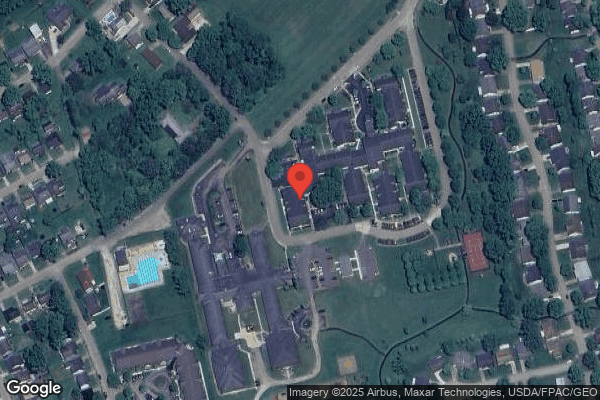
444 CHERRY ST, WAVERLY, OH 45690 (740) 947-2113
Non profit - Corporation 40 Beds Independent Data: November 2025
Trust Grade
90/100
#119 of 913 in OH
Last Inspection: October 2024

Within standard 12-15 month inspection cycle. Federal law requires annual inspections.

Overview

National Church Residences Bristol Village in Waverly, Ohio, has received an excellent Trust Grade of A, indicating a high level of care and services. It ranks #119 out of 913 facilities in Ohio, placing it in the top half, and is the best option among three local facilities in Pike County. The facility is improving, having reduced its reported issues from two in 2023 to none in 2024, and it has no fines on record, which is a positive sign of compliance. Staffing is rated average, with a 3/5 star rating and a turnover rate of 42%, which is below the state average, and it has good RN coverage, surpassing 88% of Ohio facilities, ensuring that registered nurses are available to catch potential problems. However, there are some concerns, including incidents related to food safety and palatability, as well as a failure to conduct a thorough investigation into an allegation of physical abuse, which indicates that there are areas for improvement despite the overall strengths of the facility.

Trust Score
A
90/100
In Ohio
#119/913
Top 13%
Safety Record
Low Risk
No red flags
Inspections
Getting Better
2 → 0 violations
Staff Stability
○ Average
42% turnover. Near Ohio's 48% average. Typical for the industry.
Penalties
✓ Good
No fines on record. Clean compliance history, better than most Ohio facilities.
Skilled Nurses
✓ Good
Each resident gets 45 minutes of Registered Nurse (RN) attention daily — more than average for Ohio. RNs are trained to catch health problems early.
Violations
○ Average
7 deficiencies on record. Average for a facility this size. Mostly minor or procedural issues.
★★★★★
5.0
Overall Rating
★★★☆☆
3.0
Staff Levels
★★★★★
5.0
Care Quality
★★★★★
5.0
Inspection Score
Stable
2023: 2 issues
2024: 0 issues

The Good

  • 5-Star Quality Measures · Strong clinical quality outcomes
  • Full Sprinkler Coverage · Fire safety systems throughout facility
  • No fines on record
  • Staff turnover below average (42%)

    6 points below Ohio average of 48%

Facility shows strength in quality measures, fire safety.

The Bad

Staff Turnover: 42%

Near Ohio avg (46%)

Typical for the industry

The Ugly 7 deficiencies on record

Nov 2023 2 deficiencies
CONCERN (D) 📢 Someone Reported This

A family member, employee, or ombudsman was alarmed enough to file a formal complaint

Potential for Harm - no one hurt, but risky conditions existed

Investigate Abuse (Tag F0610)

Could have caused harm · This affected 1 resident

**NOTE- TERMS IN BRACKETS HAVE BEEN EDITED TO PROTECT CONFIDENTIALITY** Based on record review, facility reported incident review, and interview, the facility failed to complete a thorough investigati...

Read full inspector narrative →
**NOTE- TERMS IN BRACKETS HAVE BEEN EDITED TO PROTECT CONFIDENTIALITY** Based on record review, facility reported incident review, and interview, the facility failed to complete a thorough investigation for an allegation of physical abuse. This affected one resident (#75) of three residents reviewed for allegations of abuse. The facility census was 36. Findings included: Closed record review revealed Resident #75 was admitted to the facility on [DATE] with diagnoses including respiratory failure, chronic obstructive pulmonary disease, chronic systolic congestive heart failure, dysphagia, anemia, panic disorder, and gastro-esophageal reflux disease. Review of minimum data set assessment collected on 04/04/23 revealed Resident #75 had mild- impaired cognition and did not have behaviors related to refusing care. Review of transfer and discharge records revealed Resident #75 transferred to the hospital on [DATE]. Review of a facility reported incident completed on 04/03/23 revealed Resident #75's representative spoke with the administrator regarding an allegation of staff forcing her to take a shower. The facility did start an immediate report to appropriate agencies regarding the alleged incident, but the facility did not provide evidence of interviews with Resident #75, like residents, or staff members and the investigation did not include evidence of a skin check or resident assessment being completed. Interview on 11/07/23 at 2:05 P.M. with the Administrator confirmed there were no other records regarding the investigation to review. Review of a policy titled Abuse, Mistreatment, Neglect, Injuries of Unknown Source revealed the facility should interview the resident, the accused, and all witnesses including anyone who worked directly with the resident, came into contact with the resident, or heard or saw the incident occur. After each interview, the interviewee should be allowed to review the statement collected and sign to prove the documentation is an accurate reflection of their view. Policy also stated the facility should review the resident records. This deficiency is cited as an incidental finding to Complaint Number OH00143598.
CONCERN (D) 📢 Someone Reported This

A family member, employee, or ombudsman was alarmed enough to file a formal complaint

Potential for Harm - no one hurt, but risky conditions existed

Deficiency F0692 (Tag F0692)

Could have caused harm · This affected 1 resident

**NOTE- TERMS IN BRACKETS HAVE BEEN EDITED TO PROTECT CONFIDENTIALITY** Based on record review and interview, the facility failed to ensure nutritional interventions were provided to residents in a ti...

Read full inspector narrative →
**NOTE- TERMS IN BRACKETS HAVE BEEN EDITED TO PROTECT CONFIDENTIALITY** Based on record review and interview, the facility failed to ensure nutritional interventions were provided to residents in a timely manner. This affected one resident (#74) of three residents reviewed for nutrition services. The facility census was 36. Findings included: Record review revealed Resident #74 was admitted to the facility on [DATE] with diagnoses including dementia, heart failure, chronic kidney disease stage 3, anemia, gastro-esophageal reflux disease, and atrial fibrillation. Review of a minimum data set (MDS) assessment collected on 11/02/22 revealed Resident #74 had mildly impaired cognition, no behaviors, required set up or clean up assistance with meals, and was receiving a therapeutic diet. Review of orders revealed Resident #74 had an order for a no added salt diet on 10/27/22 and had received an order for Ensure Plus twice a day on 11/22/22. Review of medication administration record (MAR) for November and December 2022 revealed Resident #74 did not receive first administration of Ensure Plus until 12/01/22. Interview on 11/07/23 at 2:02 P.M. with the Director of Nursing (DON) revealed the dietician had made a recommendation for Ensure Plus on 11/22/22, however the physician was out of town and the order was not signed until 12/01/22. The DON stated the facility did have a nurse practitioner to cover for emergent services while the physician was unavailable but she would not sign certain orders such as nutrition recommendations. The DON stated she did not feel this was sufficient and she did not believe the facility had a policy related to physician services. This deficiency represents non-compliance investigated under Complaint Number OH00143598.
Nov 2022 4 deficiencies
CONCERN (D)

Potential for Harm - no one hurt, but risky conditions existed

Transfer Notice (Tag F0623)

Could have caused harm · This affected 1 resident

**NOTE- TERMS IN BRACKETS HAVE BEEN EDITED TO PROTECT CONFIDENTIALITY** Based on record review and interview the facility failed to ensure the State Ombudsman was notified of a transfer to the hospita...

Read full inspector narrative →
**NOTE- TERMS IN BRACKETS HAVE BEEN EDITED TO PROTECT CONFIDENTIALITY** Based on record review and interview the facility failed to ensure the State Ombudsman was notified of a transfer to the hospital involving Resident #16. This affected one resident (#16) of one resident reviewed for hospitalization. Findings Include: Record review for Resident #16 revealed an admission date of 07/09/22 with diagnoses including chronic obstructive pulmonary disease, history of falling, urinary tract infection, atrial fibrillation, hypertension, dizziness and giddiness, chronic gout, tobacco use, pulmonary edema, anemia, type two diabetes mellitus, hypothyroidism, long term use of anticoagulants, low back pain, overactive bladder, hyperlipidemia, major depressive disorder, anxiety disorder, insomnia and post-laminectomy syndrome. Review of the 10/12/22 quarterly Minimum Data Set (MDS) 3.0 assessment revealed the resident was cognitively intact, required limited assistance from staff for dressing and supervision (from staff) for bed mobility, transfers, walking in room, eating, toilet use, and personal hygiene. The assessment revealed the resident used a walker and wheelchair to aid in mobility, was occasionally incontinent of bladder and always continent of bowel. Review of a progress note, dated 10/16/22 at 5:40 P.M. revealed the resident was summoning staff to room. The resident was laying in bed rigid, yelling out and complaining of severe intermittent pain to mid abdominal region and also had complaints of pain to the upper chest. The physician was notified and new orders were received to send the resident to the emergency room for evaluation. Review of the medical record revealed no documented evidence the State Ombudsman was notified of the resident being transferred/admitted to the hospital on [DATE]. Interview with the Administrator on 11/16/22 at 1:40 P.M. revealed the facility was unable to provide written evidence the State Ombudsman was notified of Resident #16's hospital transfer/admission on [DATE]. The Administrator revealed the facility had not been notifying the State Ombudsman of resident transfers and discharges for the previous four months.
CONCERN (D)

Potential for Harm - no one hurt, but risky conditions existed

PASARR Coordination (Tag F0644)

Could have caused harm · This affected 1 resident

**NOTE- TERMS IN BRACKETS HAVE BEEN EDITED TO PROTECT CONFIDENTIALITY** Based on record review and staff interview, the facility failed to ensure Resident #18's Pre-admission Screening and Resident Re...

Read full inspector narrative →
**NOTE- TERMS IN BRACKETS HAVE BEEN EDITED TO PROTECT CONFIDENTIALITY** Based on record review and staff interview, the facility failed to ensure Resident #18's Pre-admission Screening and Resident Review (PASARR) documents were accurate related to the resident's condition and diagnoses. This affected one resident (#18) of one resident reviewed for PASARR. Findings Include: Record review revealed Resident #18 was admitted to the facility on [DATE] with diagnoses including hypertensive heart and chronic kidney disease, heart failure, atrial fibrillation, end stage renal disease, type II diabetes, orthostatic hypotension, atherosclerotic heart disease, major depressive disorder, dysphagia, chronic respiratory failure, delusional disorder, peripheral vascular disease, generalized anxiety disorder, hyperlipidemia, iron deficiency, gout, and insomnia. Review of Resident #18 PASARR document, dated 12/16/19 revealed under Section D, it indicated the resident had no mental health diagnoses. However, review of the resident's diagnoses list, the resident had the following diagnoses that should have been indicated on the PASARR document: major depressive disorder (dated 11/21/19). Review of the Minimum Data Set (MDS) 3.0 assessment, dated 10/10/22 revealed the resident was cognitively intact. On 11/17/22 at 10:09 A.M. interview with Licensed Practical Nurse (LPN) #135 revealed the facility would complete a PASARR/update a PASARR document after 20 days of an initial stay after a resident's admission from the hospital or a resident had left to go to the hospital, and was not back in the facility for 72 hours. LPN #135 revealed the facility did not have a mechanism/procedure to inform her of updated/added mental health diagnoses while resident was in the facility. She confirmed Resident #18 had mental health diagnoses that were not included in the PASARR documentation submitted for review.
CONCERN (D)

Potential for Harm - no one hurt, but risky conditions existed

Deficiency F0646 (Tag F0646)

Could have caused harm · This affected 1 resident

**NOTE- TERMS IN BRACKETS HAVE BEEN EDITED TO PROTECT CONFIDENTIALITY** Based on record review and staff interview, the facility failed to ensure a new Pre-admission Screening and Resident Review (PAS...

Read full inspector narrative →
**NOTE- TERMS IN BRACKETS HAVE BEEN EDITED TO PROTECT CONFIDENTIALITY** Based on record review and staff interview, the facility failed to ensure a new Pre-admission Screening and Resident Review (PASARR) was competed for Resident #18 following changes to the resident's mental health diagnoses. This affected one resident (#18) of one resident reviewed for PASARR. Findings Include: Record review revealed Resident #18 was admitted to the facility on [DATE] with diagnoses including hypertensive heart and chronic kidney disease, heart failure, atrial fibrillation, end stage renal disease, type II diabetes, orthostatic hypotension, atherosclerotic heart disease, major depressive disorder, dysphagia, chronic respiratory failure, delusional disorder, peripheral vascular disease, generalized anxiety disorder, hyperlipidemia, iron deficiency, gout, and insomnia. Review of Resident #18 PASARR document, dated 12/16/19 revealed under Section D, it indicated the resident had no mental health diagnoses. However, review of the resident's diagnoses list, the resident had the following diagnoses that should have been indicated/updated on the PASARR document: major depressive disorder (dated 11/21/19), delusional disorders (dated 12/02/20) and generalized anxiety disorder (added 06/09/20). Review of the Minimum Data Set (MDS) 3.0 assessment, dated 10/10/22 revealed the resident was cognitively intact. On 11/17/22 at 10:09 A.M. interview with Licensed Practical Nurse (LPN) #135 revealed the facility would complete a PASARR/update a PASARR document after 20 days of an initial stay after a resident's admission from the hospital or a resident had left to go to the hospital, and was not back in the facility for 72 hours. LPN #135 revealed the facility did not have a mechanism/procedure to inform her of updated/added mental health diagnoses while resident was in the facility. She confirmed Resident #18 had mental health diagnoses that were not included in the PASARR documentation submitted for review.
CONCERN (F)

Potential for Harm - no one hurt, but risky conditions existed

Food Safety (Tag F0812)

Could have caused harm · This affected most or all residents

Based on observation, facility policy and procedure review and interview the facility failed to properly store, date (label), and prepare food to protect against contamination and/or spoilage. This ha...

Read full inspector narrative →
Based on observation, facility policy and procedure review and interview the facility failed to properly store, date (label), and prepare food to protect against contamination and/or spoilage. This had the potential to affect all 37 residents residing in the facility. Findings Include: 1. On 11/14/22 at 8:45 A.M. and 9:20 A.M. observation in the kitchen revealed three sealed/unopened packages of ham in a large plastic container in the walk in refrigerator. Two packages were thawed and cool to the refrigerator's temperature. One package still had frost/ice on the outside and was frozen to touch. Neither package had a date as to when it was delivered or when it was removed from the freezer to thaw for service. Also, there was one package of a block of cheese that was in a sealed plastic bag, due to the cheese being opened but not fully used. There was no date on the bag of the cheese as to when it was opened. Finally, there was a large metal pan of vegetable soup with no top and no date on the pan, inside the walk in freezer. Interview with Dietary Staff #201 on 11/14/22 at 8:50 A.M. confirmed the ham packages that were in the walk in refrigerator, were originally in the freezer. She confirmed staff typically take frozen items out of the freezer, and allow them to thaw in the refrigerator for three days, and then use them. She confirmed she does not know the exact date when the packages of ham were taken out, but confirmed that one package was still frozen and two were not. She stated she cooked the vegetable soup that morning, and put it in the freezer to cool, because it would be served for the residents to eat in a few days. She indicated there was no lid on the pan of vegetable soup, so it would cool/freeze faster. Interview with Director of Food Services #123 on 11/14/22 at 9:20 A.M. confirmed there was no date on the three packages of ham, block of cheese in the plastic bag, and vegetable soup that was in the freezer. She also confirmed there should be dates on all three items; when the vegetable soup was placed in the freezer, when the ham was removed from the freezer to the refrigerator, and when the cheese was first opened. She also confirmed the pan of vegetable soup should have had a lid on it. Review of facility Refrigerated Storage policy, dated January 2016 revealed perishable foods shall be stored in a manner that optimizes food safety and quality. All pre-dished items shall be covered to prevent off-flavoring, drying, or cross contamination while refrigerated. Food container covers shall be impervious and non-absorbent. Refrigerated items shall bear a label indicating product name and date (month, day, year) product was received, used or first opened. Review of Frozen Storage policy, dated January 2016 revealed all frozen products shall be labeled indicating product name and date of delivery (month, day, and year). Review of facility Thawing policy, dated January 2016 revealed all frozen foods shall be thawed in a manner that optimizes food safety and quality. The dietary manager or designee shall indicate products to be removed from the freezer for thawing. Food shall be thawed under refrigeration that maintains the food temperature at 41 degrees Fahrenheit or below. Food items shall be placed in a pan to collect any juices and shall be placed on the lowest refrigerated unit shelf to prevent cross contamination. Pan shall be checked frequently to prevent overflow. Food items shall be placed in separate pans for thawing (do not thaw chicken with beef or ham.) 2. On 11/16/22 at 10:17 A.M., 10:21 A.M., and 10:25 A.M. Dietary Staff (DS) #201 was observed with a disposable glove on her right hand. DS #201 was observed to place pieces of pork into the blender with her gloved hand. After putting the pork in, she touched the blender, dirty counter top, metal pans, cloth towel, utensil, and blender lid. Then, she put more pork into another blender to make ground textured meat. She used the same gloved hand (did not change glove), to put more of the meal into the blender. After blending the meat to the proper texture, she opened the lid and put the same gloved hand on the inside of the blender to hold the blade intact while dumping the meat into a metal pan. After putting the metal pan of ground meat on the steam table, she took the pork gravy pan to the steam table to put it on the tray line as well. Prior to doing that, she wiped the sides of the gravy pan with the same gloved hand four times, and put the wiped gravy back into the gravy pan. Interview with Dietary Staff #201 on 11/16/22 at 10:26 A.M. confirmed she did not change her gloves throughout the entire preparation and storage process listed above. DS #201 revealed she does not change her gloves while she is working with the same food type (all pork products). Review of facility Disposable Gloves policy, dated October 2020 revealed disposable gloves shall be used for only one task and shall be discarded when damaged or soiled or when interruptions occur in operation. Gloved hands were considered a food contact surface that could become contaminated or soiled. Disposable gloves need to be changed between tasks and as often as hands need to be washed.
Jan 2020 1 deficiency
CONCERN (E)

Potential for Harm - no one hurt, but risky conditions existed

Deficiency F0804 (Tag F0804)

Could have caused harm · This affected multiple residents

**NOTE- TERMS IN BRACKETS HAVE BEEN EDITED TO PROTECT CONFIDENTIALITY** Based on observation, interview and test tray, the facility failed to provide residents with palatable food. This affected seven...

Read full inspector narrative →
**NOTE- TERMS IN BRACKETS HAVE BEEN EDITED TO PROTECT CONFIDENTIALITY** Based on observation, interview and test tray, the facility failed to provide residents with palatable food. This affected seven residents (Residents #37, #18, #36, #2, #93, #20 and #197) and had the potential to affect all residents residing in the facility at this time. The facility also failed to follow the recipe for pureed meat. This had the potential to affect two residents (Residents #15 and #29) identified by the facility as receiving pureed diets. The facility census was 54. Findings include: 1. Review of the facility's menu for the week of 01/20/20 through 01/24/19 revealed lunch for 01/23/20 was cod nuggets, Spanish rice, Key [NAME] blend vegetables, cornbread and cherry pie. A test tray was completed on 01/23/20 at 11:50 A.M. by surveyors #32654, #36303, and #41271 which revealed the cod nuggets and Spanish rice were not palatable due to the rice being mushy and the cod having a rubbery texture. Observation 01/23/20 between 11:30 A.M. and 12:45 P.M. of residents eating lunch revealed Residents #37, #18, #36, #2, #93, #20 and #197, had eaten between 25 percent (%) to 50% of their meals. Interview on 01/23/20 between 11:50 A.M. and 12:45 P.M. with Residents #37, #18, #36, #2, #93, #20 and #197 revealed the food did not taste good, and the cod nuggets were over cooked and too difficult to chew. Interview on 01/23/20 with Dietary #14 confirmed the residents did not consume much of their lunch. 2. Observation on 01/22/20 at 11:00 A.M. of [NAME] #29 preparing pureed ham for lunch revealed she used one ounce of water to mix in with the pureed ham to ensure the correct texture. Review of the facility's recipe for pureeing meat revealed one ounce of broth was to be used with pork, beef and chicken to ensure correct texture while still preserving the flavor of the meat. Interview on 01/22/20 at 11:02 A.M. with [NAME] #29 confirmed the use of water with the ham to ensure the correct texture. Interview on 01/22/20 at 11:30 A.M. with Dietary #14 confirmed [NAME] #29 should have used broth to mix with the ham instead of the water. The facility identified two residents (Residents #15 and #29) as receiving pureed diets.
Understanding Severity Codes (click to expand)
Life-Threatening (Immediate Jeopardy)
J - Isolated K - Pattern L - Widespread
Actual Harm
G - Isolated H - Pattern I - Widespread
Potential for Harm
D - Isolated E - Pattern F - Widespread
No Harm (Minor)
A - Isolated B - Pattern C - Widespread

Questions to Ask on Your Visit

  • "Can I speak with families of current residents?"
  • "What's your RN coverage like on weekends and overnight?"

Our Honest Assessment

Strengths
  • • Grade A (90/100). Above average facility, better than most options in Ohio.
  • • No major safety red flags. No abuse findings, life-threatening violations, or SFF status.
  • • No fines on record. Clean compliance history, better than most Ohio facilities.
  • • 42% turnover. Below Ohio's 48% average. Good staff retention means consistent care.
Concerns
  • • No significant concerns identified. This facility shows no red flags across CMS ratings, staff turnover, or federal penalties.
Bottom line: Generally positive indicators. Standard due diligence and a personal visit recommended.

About This Facility

What is National Church Residences Bristol Village's CMS Rating?

CMS assigns NATIONAL CHURCH RESIDENCES BRISTOL VILLAGE an overall rating of 5 out of 5 stars, which is considered much above average nationally. Within Ohio, this rating places the facility higher than 99% of the state's 100 nursing homes. This rating reflects solid performance across the metrics CMS uses to evaluate nursing home quality.

How is National Church Residences Bristol Village Staffed?

CMS rates NATIONAL CHURCH RESIDENCES BRISTOL VILLAGE's staffing level at 3 out of 5 stars, which is average compared to other nursing homes. Staff turnover is 42%, compared to the Ohio average of 46%. This relatively stable workforce can support continuity of care.

What Have Inspectors Found at National Church Residences Bristol Village?

State health inspectors documented 7 deficiencies at NATIONAL CHURCH RESIDENCES BRISTOL VILLAGE during 2020 to 2023. These included: 7 with potential for harm.

Who Owns and Operates National Church Residences Bristol Village?

NATIONAL CHURCH RESIDENCES BRISTOL VILLAGE is owned by a non-profit organization. Non-profit facilities reinvest revenue into operations rather than distributing to shareholders. The facility operates independently rather than as part of a larger chain. With 40 certified beds and approximately 35 residents (about 88% occupancy), it is a smaller facility located in WAVERLY, Ohio.

How Does National Church Residences Bristol Village Compare to Other Ohio Nursing Homes?

Compared to the 100 nursing homes in Ohio, NATIONAL CHURCH RESIDENCES BRISTOL VILLAGE's overall rating (5 stars) is above the state average of 3.2, staff turnover (42%) is near the state average of 46%, and health inspection rating (5 stars) is much above the national benchmark.

What Should Families Ask When Visiting National Church Residences Bristol Village?

Based on this facility's data, families visiting should ask: "Can I visit during a mealtime to observe dining assistance and food quality?" "How do you handle medical emergencies, and what is your hospital transfer rate?" "Can I speak with family members of current residents about their experience?"

Is National Church Residences Bristol Village Safe?

Based on CMS inspection data, NATIONAL CHURCH RESIDENCES BRISTOL VILLAGE has a clean safety record: no substantiated abuse findings (meaning no confirmed cases of resident harm), no Immediate Jeopardy citations (the most serious violation level indicating risk of serious injury or death), and is not on the Special Focus Facility watch list (a federal program monitoring the lowest-performing 1% of nursing homes). The facility has a 5-star overall rating and ranks #1 of 100 nursing homes in Ohio. While no facility is perfect, families should still ask about staff-to-resident ratios and recent inspection results during their visit.

Do Nurses at National Church Residences Bristol Village Stick Around?

NATIONAL CHURCH RESIDENCES BRISTOL VILLAGE has a staff turnover rate of 42%, which is about average for Ohio nursing homes (state average: 46%). Moderate turnover is common in nursing homes, but families should still ask about staff tenure and how the facility maintains care continuity when employees leave.

Was National Church Residences Bristol Village Ever Fined?

NATIONAL CHURCH RESIDENCES BRISTOL VILLAGE has no federal fines on record. CMS issues fines when nursing homes fail to meet care standards or don't correct problems found during inspections. The absence of fines suggests the facility has either maintained compliance or corrected any issues before penalties were assessed. This is a positive indicator, though families should still review recent inspection reports for the full picture.

Is National Church Residences Bristol Village on Any Federal Watch List?

NATIONAL CHURCH RESIDENCES BRISTOL VILLAGE is not on any federal watch list. The most significant is the Special Focus Facility (SFF) program, which identifies the bottom 1% of nursing homes nationally based on persistent, serious quality problems. Not being on this list means the facility has avoided the pattern of deficiencies that triggers enhanced federal oversight. This is a positive indicator, though families should still review the facility's inspection history directly.