LAFAYETTE POINTE NURSING & REHAB CTR
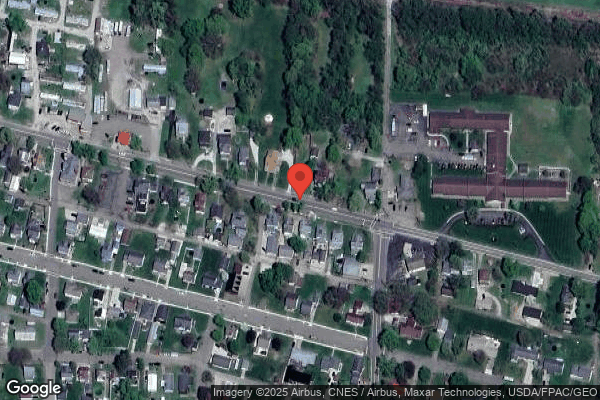
620 EAST MAIN STREET, WEST LAFAYETTE, OH 43845 (740) 545-6355
For profit - Corporation 65 Beds FOUNDATIONS HEALTH SOLUTIONS Data: November 2025
Trust Grade
90/100
#97 of 913 in OH
Last Inspection: March 2024

Within standard 12-15 month inspection cycle. Federal law requires annual inspections.

Overview

Lafayette Pointe Nursing & Rehab Center has received an excellent Trust Grade of A, indicating it is highly recommended and performs well overall. It ranks #97 out of 913 facilities in Ohio, placing it in the top half, and #2 out of 3 in Coshocton County, meaning only one local facility is rated higher. The facility is improving, with issues decreasing from 4 in 2022 to 2 in 2024. Staffing is a concern, rated at 2 out of 5 stars, but the turnover is a relatively low 32% compared to the state average of 49%, suggesting staff stability. Notably, there were no fines recorded, which is a positive sign, and the facility has average RN coverage, which could be better. However, there were some specific incidents, such as failing to provide the required RN coverage for several days and not completing a thorough investigation after a resident's fall that resulted in a major injury, which indicate areas needing attention.

Trust Score
A
90/100
In Ohio
#97/913
Top 10%
Safety Record
Low Risk
No red flags
Inspections
Getting Better
4 → 2 violations
Staff Stability
○ Average
32% turnover. Near Ohio's 48% average. Typical for the industry.
Penalties
✓ Good
No fines on record. Clean compliance history, better than most Ohio facilities.
Skilled Nurses
⚠ Watch
Each resident gets only 29 minutes of Registered Nurse (RN) attention daily — below average for Ohio. Fewer RN minutes means fewer trained eyes watching for problems.
Violations
○ Average
9 deficiencies on record. Average for a facility this size. Mostly minor or procedural issues.
★★★★★
5.0
Overall Rating
★★☆☆☆
2.0
Staff Levels
★★★★★
5.0
Care Quality
★★★★☆
4.0
Inspection Score
Stable
2022: 4 issues
2024: 2 issues

The Good

  • 5-Star Quality Measures · Strong clinical quality outcomes
  • Full Sprinkler Coverage · Fire safety systems throughout facility
  • No fines on record
  • Staff turnover below average (32%)

    16 points below Ohio average of 48%

Facility shows strength in quality measures, fire safety.

The Bad

Staff Turnover: 32%

14pts below Ohio avg (46%)

Typical for the industry

Chain: FOUNDATIONS HEALTH SOLUTIONS

Part of a multi-facility chain

Ask about local staffing decisions and management

The Ugly 9 deficiencies on record

Mar 2024 2 deficiencies
CONCERN (D)

Potential for Harm - no one hurt, but risky conditions existed

Accident Prevention (Tag F0689)

Could have caused harm · This affected 1 resident

**NOTE- TERMS IN BRACKETS HAVE BEEN EDITED TO PROTECT CONFIDENTIALITY** Based on record review, interview, and policy review, the facility failed to ensure a comprehensive fall investigation was compl...

Read full inspector narrative →
**NOTE- TERMS IN BRACKETS HAVE BEEN EDITED TO PROTECT CONFIDENTIALITY** Based on record review, interview, and policy review, the facility failed to ensure a comprehensive fall investigation was completed following a fall with major injury. This affected one resident (Resident #21) of three residents reviewed for accidents. Findings include: Review of Resident #21's medical record revealed the resident was admitted to the facility on [DATE] with diagnoses including dementia, weakness, difficulty walking, anxiety, and osteoarthritis. Review of the plan of care, dated 10/24/23, revealed Resident #21 was at risk for injury related to falls with interventions including bed and chair alarms to alert staff of unassisted transfers. Review of the quarterly Minimum Data Set (MDS) 3.0 assessment, dated 01/02/24, revealed the resident's Brief Interview for Mental Status (BIMS) score could not be assessed due to the resident rarely/never being understood. The resident required physical assistance activities of daily living (ADLs). The resident's mobility devices were a walker and a wheelchair. The assessment indicated there was one fall without injury since admission or the prior assessment. Review of the fall risk assessment, dated 01/07/24, revealed Resident #21 was at risk for falls. Review of the Fall Investigation, dated 02/01/24, revealed the resident could not tell what happened due to her level of orientation. Current fall interventions were in place. The resident was wandering out of her wheelchair in the hallway, right outside of her room. The resident fell on her left side, mainly on hip, and the fall was witnessed by state-tested nursing assistant (STNA). The resident was sent to the emergency room (ER) for evaluation. Further review of the fall investigation section titled, Observations at the Time of Fall, did not indicate if any alarms were sounding or not sounding. Both choices were left blank. The resident sustained a fall on 02/01/24 which resulted in a left intertrochanteric femur fracture. During interview on 03/20/24 at 3:52 P.M. with Licensed Practical Nurse (LPN) #100 confirmed that although her nursing progress note failed to indicate if Resident #21's wheelchair alarm was sounding, the chair alarm was properly working and sounding at the time of the fall. During interview on 03/20/24 at 4:40 P.M. with Regional Clinical Consultant #400 and the DON both confirmed the fall investigation failed to indicate if Resident #21's wheelchair alarm was sounding at the time of the fall on 02/01/24. Regional Clinical Consultant #400 and the DON both confirmed the fall investigation should have included this information. Review of the facility's policy titled, Fall Management, revision date of 10/17/16, revealed residents who experience a fall will receive prompt medical attention. Immediate needs will be quickly assessed and responded to. A plan will be identified and implemented as necessary to protect the resident and/or others from recurrence. Management of falls includes the charge nurse gathers and records as much pertinent data as possible related to the fall.
CONCERN (F)

Potential for Harm - no one hurt, but risky conditions existed

Deficiency F0727 (Tag F0727)

Could have caused harm · This affected most or all residents

THE FOLLOWING DEFICIENCY REPRESENTS AN INCIDENT OF PAST NON-COMPLIANCE THAT WAS SUBSEQUENTLY CORRECTED PRIOR TO THIS SURVEY. Based on record review, interview, and the facility submitted Payroll Base...

Read full inspector narrative →
THE FOLLOWING DEFICIENCY REPRESENTS AN INCIDENT OF PAST NON-COMPLIANCE THAT WAS SUBSEQUENTLY CORRECTED PRIOR TO THIS SURVEY. Based on record review, interview, and the facility submitted Payroll Based Journal (PBJ) tracking information, the facility failed to ensure a registered nurse (RN) for at least eight consecutive hours a day, seven days a week as required. This had the potential to affect all 56 residents residing in the facility. Findings include: Review of the third quarter PBJ Staffing Data Report form submitted from 04/01/23 to 06/30/23 revealed the following dates the facility to not meet the RN staffing requirement: 04/01/23 Saturday (SA), 04/09/23 Sunday (SU); 04/15/23 (SA); 04/16/23 (SU); 04/29/23 (SA); 04/30/23 (SU) 05/06/23 (SA); 05/07/23 (SU); 05/20/23 (SA); 05/21/23 (SU); 05/27/23 (SA); 05/29/23 (MO); 06/10/23 (SA); 06/11/23 (SU); 06/18/23 (SU); 06/24/23 (SA); 06/25/23 (SU). Interview on 03/20/24 at 8:55 A.M. the Administrator revealed the facility had a hard time: getting registered nurses in 2023 but after the facility didn't meet the requirement with the PBJ report for the third quarter, the facility began to search for RNs to hire and RNs have been hired and should be fine now. Interview on 03/20/24 at 2:30 P.M. with the Assistant Director of Nursing (ADON) verified the following dates did not have the required eight hours per day of RN coverage: 04/01/23 Saturday (SA), 04/09/23 Sunday (SU); 04/15/23 (SA); 04/16/23 (SU); 04/29/23 (SA); 04/30/23 (SU) 05/06/23 (SA); 05/07/23 (SU); 05/20/23 (SA); 05/21/23 (SU); 05/27/23 (SA); 05/29/23 (MO); 06/10/23 (SA); 06/11/23 (SU); 06/18/23 (SU); 06/24/23 (SA); 06/25/23 (SU). The deficient practice was corrected on 01/01/24 when the facility implemented the following corrective actions: • The facility hired RN #66 on 11/22/23, RN #67 on 12/18/23, RN # 71 on 11/28/23. • Review of schedules and assignment sheets from 01/01/24 through 03/16/24 revealed eight consecutive hours of RN coverage seven days per week.
Apr 2022 4 deficiencies
CONCERN (D)

Potential for Harm - no one hurt, but risky conditions existed

Investigate Abuse (Tag F0610)

Could have caused harm · This affected 1 resident

**NOTE- TERMS IN BRACKETS HAVE BEEN EDITED TO PROTECT CONFIDENTIALITY** Based on interview, record review, and review of the facility policy, the facility failed to complete a full investigation of ve...

Read full inspector narrative →
**NOTE- TERMS IN BRACKETS HAVE BEEN EDITED TO PROTECT CONFIDENTIALITY** Based on interview, record review, and review of the facility policy, the facility failed to complete a full investigation of verbal abuse for one (Resident #44) of 54 residents and/or family members interviewed. The facility census was 54. Findings include: Record review revealed Resident #44 was admitted to the facility on [DATE] with diagnosis including muscle weakness and generalized anxiety. Review of the Minimum Data Set (MDS) 3.0 assessment dated [DATE] revealed Resident #44 was cognitively intact and required extensive assistance of one staff for dressing. Interview on 04/26/22 at 9:14 A.M. with Resident #44 revealed when he asked State Tested Nursing Assistant (STNA) #523 to button his shirt, STNA #523 told him to go to [expletive]. Resident #44 revealed this occurred a while ago while at this facility, but he was unable to recall when. Resident #44 revealed he did speak with other staff regarding the concern. Interview on 04/26/22 at 4:04 P.M. with the Administrator confirmed Resident #44 expressed his concern that STNA #523 told him to go to [expletive] when he asked for assistance buttoning his shirt. The Administrator confirmed he could not recall when this occurred but stated a complete investigation to include suspension of STNA #523 during an investigation, interviews with additional residents and staff was not completed by the facility since the initial allegation was made. The Administrator stated Resident #44 frequently brought up the concern. Interview on 04/26/22 at 4:24 P.M. with STNA #523 revealed Resident #44 made this statement to several staff members multiple times. STNA #523 revealed the accusation first occurred around December 2020 during his shift while working at this facility. He was asked by the Administrator if it occurred, and the allegation was denied by STNA #523. STNA #523 confirmed he was not asked to leave at the time or at any time for an investigation to occur. Interview on 04/27/22 at 8:19 A.M. with the Facility Ombudsman revealed on 10/21/21 the Interim Facility Ombudsman spoke to Resident #44. Resident #44 mentioned STNA #523 told him to go to [expletive]. The Interim Facility Ombudsman notified the Director of Nursing (DON) on 10/21/21 of the concern. The Interim Facility Ombudsman again spoke with the DON on 11/02/21 to follow up on the concern. Review of the facility policy titled Abuse, Neglect, Exploitation, and Misappropriation of Residents Property, dated 11/21/16, revealed it is the facility's policy to investigate all alleged violations of abuse, neglect, exploitation or misappropriation of resident's property. If a staff member is accused or suspected of abuse, neglect, exploitation, or misappropriation of resident's property the facility should remove the staff member from the facility schedule pending the outcome of the investigation and have evidence that all violations are thoroughly investigated.
CONCERN (D)

Potential for Harm - no one hurt, but risky conditions existed

Deficiency F0685 (Tag F0685)

Could have caused harm · This affected 1 resident

**NOTE- TERMS IN BRACKETS HAVE BEEN EDITED TO PROTECT CONFIDENTIALITY** Based on record review and interview the facility failed to assist Resident #48 in repairing or replacing her prescription eyegl...

Read full inspector narrative →
**NOTE- TERMS IN BRACKETS HAVE BEEN EDITED TO PROTECT CONFIDENTIALITY** Based on record review and interview the facility failed to assist Resident #48 in repairing or replacing her prescription eyeglasses when the arm of the eyeglasses broke. This affected one (Resident #48) of 54 residents and/or their family members interviewed for ancillary services provided. The facility census was 54. Findings include: Record review for Resident #48 revealed an admission date of 10/10/15 with diagnosis including need for assistance with personal care and age-related nuclear cataracts bilateral. Review of the Minimum Data Set (MDS) 3.0 assessment dated [DATE] revealed Resident #48 was cognitively intact. Resident #48's vision was adequate with corrective lenses. Interview on 04/26/22 at 9:36 A.M. with Resident #48 revealed her prescription eyeglasses broke several months ago. Resident #48 revealed she spoke with Social Service Designee (SSD) #528 at the time they broke, but they still haven't been repaired or replaced. Resident #48 revealed she was wearing a pair of old prescription glasses from several years ago, and she needed to frequently adjust them due to double vision. Resident #48 revealed she felt she had no choice but to wait another month for the repair of the glasses. Interview on 04/28/22 at 10:03 A.M. with SSD #528 confirmed she knew about Resident #48's prescription eyeglasses breaking. The arm of the eyeglasses broke. SSD #528 tried to take the screw out of the old pair and put it into the new pair to fix the arm, but the screw was too big. SSD #528 confirmed there was no documentation, and she could not recall when the glasses broke. SSD #528 confirmed the eye doctor was scheduled to visit the facility including Resident #48 on 03/14/22. On 03/14/22 Resident #48 was in isolation, so the eye doctor did not see her and would visit again in May 2022. SSD #528 confirmed she did not attempt further to repair or replace Resident #48's eyeglasses. Interview on 04/28/22 at 10:10 A.M. revealed SSD #528 called Resident #48's eye doctor. The office confirmed they would send Resident #48 a new pair that would arrive in five to seven days. Interview on 04/28/22 at 11:06 A.M. with SSD #528 confirmed she could have had the eye doctor fix the eyeglasses when he was there on 03/14/22 or ordered a new pair at the time they broke. SSD #528 revealed she just didn't even think about it and figured the eye doctor would see her next time he visited in May 2022.
CONCERN (D)

Potential for Harm - no one hurt, but risky conditions existed

Respiratory Care (Tag F0695)

Could have caused harm · This affected 1 resident

**NOTE- TERMS IN BRACKETS HAVE BEEN EDITED TO PROTECT CONFIDENTIALITY** Based on record review, staff interview, resident interview, observations, and policy review the facility failed to administer o...

Read full inspector narrative →
**NOTE- TERMS IN BRACKETS HAVE BEEN EDITED TO PROTECT CONFIDENTIALITY** Based on record review, staff interview, resident interview, observations, and policy review the facility failed to administer oxygen as ordered by the physician. This affected two residents (Resident's #60 and #18) of two residents reviewed for respiratory care. The facility census was 54. Findings include: 1. Review of the medical record for Resident #60 revealed an initial admission date of 12/21/16 and a re-entry date of 05/28/17. Diagnoses included chronic obstructive pulmonary disease (COPD), obstructive sleep apnea (OSA), chronic congestive heart failure (CHF), and anemia. Review of the physician orders for April 2022 identified an order dated 03/20/20 for observations to ensure Resident #60 avoided lying flat, related to shortness of breath or trouble breathing related to a diagnosis of CHF. Review of the quarterly Minimum Data Set (MDS) 3.0 assessment dated [DATE] revealed Resident #60 had intact cognition with a Brief Interview of Mental Status (BIMS) score of 15 out of 15 (no impairment) and no noted behaviors. The resident required extensive assistance of one to two staff members for all activities of daily Living (ADL) except eating which he required set-up and supervision. Further review of the MDS revealed Resident #60 received oxygen therapy. Review of the plan of care dated 04/10/22 revealed Resident #60 was anemic. Interventions included alerting the nurse if the resident complains of/or exhibits signs/symptoms of fatigue, skin pallor, shortness of breath, lightheadedness, dizziness, or a fast heartbeat. Review of the plan of care dated 04/10/22 revealed Resident #60 had cardiac symptoms due to CHF, hypertensive heart disease, and COPD. Interventions included oxygen per orders. Review of the plan of care dated 04/10/22 revealed Resident #60 had a diagnosis of COPD and exhibited shortness of breath while lying flat in relation to an active diagnosis of CHF, chronic kidney disease (CKD), COPD, and asthma. Review of the plan of care dated 04/10/22 revealed Resident #60 was at risk for impaired respiratory function or respiratory infection related to a history of COVID-19 virus, COPD, and CHF. Interventions included oxygen as ordered. Review of the Electronic Treatment Administration Record (ETAR) revealed Resident #60's order for continuous oxygen, per nasal cannula, at two to four liters per minute to maintain oxygen saturation above 90 percent (%) was signed off every day in April 2022. Further review of the ETAR revealed Resident #60 was intermittently wearing zero to two liters of oxygen. Review of the plan of care dated 04/10/22 revealed Resident #60 had a self-care deficit, requiring assistance with ADL due to arthritis, pain, spinal stenosis, obesity, resident continued to sleep in her recliner chair due to shortness of breath lying flat. Interventions included monitoring as needed (prn) for changes in resident's abilities and adjust amount of assistance provided based on resident's needs. Review of the progress note dated 04/18/22 at 10:27 A.M. by Registered Nurse (RN) #536 revealed Resident #60 had COPD and wore oxygen at night. Review of physician orders for April 2022 identified an order dated 04/21/21 for continuous oxygen, per nasal cannula, at two to four liters per minute to maintain saturation above 90 %. Observation and interview on 04/25/22 at 7:34 P.M. of Resident #60 revealed her oxygen concentrator was running, but Resident #60 was not utilizing the oxygen. The resident revealed she wore her oxygen at night. Observations on 04/26/22 at 8:02 A.M., 04/26/22 4:15 P.M., and 04/27/22 9:01 A.M. revealed Resident #60 was sitting in her room, with no oxygen in place. Interview on 04/26/22 at 4:15 P.M. with RN #533 confirmed Resident #60 only wore oxygen at night and did not need it throughout the day. Review of the facility policy titled Respiratory: Oxygen Administration via Nasal Cannula, revised 08/25/12, revealed the facility required a physician order to be obtained prior to the administration of oxygen via nasal cannula. The orders for oxygen via nasal cannula must state the liter flow and specific weaning criteria. 2. Review of the medical record for Resident #18 revealed an admission date of 03/03/22. Diagnoses included asthma, acute respiratory failure, carcinoma in the SITU (a term used to define and describe a cancer that is only present in the cells where it started and has not spread to any nearby tissues) of the unspecified bronchus and lung, pleural effusion, acute on chronic CHF, anemia, pneumonia, malignant carcinoma tumor of the bronchus, and iron deficiency anemia. Review of the physician orders for April 2022 identified an order dated 03/07/22 for continuous oxygen per nasal cannula to maintain saturation above 90 % and to check Resident #18's oxygen saturation every shift while on oxygen. Review of the ETAR revealed the orders dated 03/07/22 for continuous oxygen per nasal cannula to maintain saturation above 90 % and to check Resident #18's oxygen saturation every shift while on oxygen, were checked off as completed every day of April 2022. Review of the quarterly MDS 3.0 assessment dated [DATE] revealed Resident #18 had intact cognition with a BIMS score of 15 out of 15 (no impairment) and no documented behaviors. Resident #18 required limited to extensive assistance of one staff member for all ADL except eating which he required set-up and supervision and personal hygiene which he was independent. Further review of the MDS revealed the resident received oxygen therapy. Review of the plan of care dated 04/22/22 revealed Resident #18 did not have an oxygen therapy care plan. When the Director of Nursing (DON) was asked for an oxygen care plan, she provided the surveyor with the care plan for altered health maintenance related to progressive physical and mental status: right and left lung cancers undergoing treatment until recent illness, Fournier's gangrene with surgical debridement and s/p catheter placement, had hypertension (HTN), hyperkeratosis lenticularis perstans (HLP), asthma, transcatheter aortic valve placement, anemia, atrial fibrillation, and diabetes mellitus. Interventions included medications as ordered. Review of the progress note dated 04/26/22 at 8:45 A.M. by RN #553 revealed shortness of breath on exertion which was relieved by rest and/or oxygen. Resident #18 had been using supplemental oxygen less and remains above 95% on room air (RA). Review of Resident #18's oxygen saturations revealed no concerns. The oxygen saturations were intermittently RA and intermittently on oxygen. Interview on 04/26/22 at 4:15 P.M. with RN #533 confirmed Resident #18 only wore oxygen at night and did not need it throughout the day. Review of the facility policy titled, Respiratory: Oxygen Administration via Nasal Cannula, revised 08/25/12, revealed the facility required a physician order to be obtained prior to the administration of oxygen via nasal cannula. The orders for oxygen via nasal cannula must state the liter flow and specific weaning criteria.
CONCERN (D)

Potential for Harm - no one hurt, but risky conditions existed

Medical Records (Tag F0842)

Could have caused harm · This affected 1 resident

**NOTE- TERMS IN BRACKETS HAVE BEEN EDITED TO PROTECT CONFIDENTIALITY** Based on interviews and record review, the facility failed to ensure Resident #50's medical record accurately reflected the corr...

Read full inspector narrative →
**NOTE- TERMS IN BRACKETS HAVE BEEN EDITED TO PROTECT CONFIDENTIALITY** Based on interviews and record review, the facility failed to ensure Resident #50's medical record accurately reflected the correct weights. This affected one (Resident #50) of three residents (Resident's #26, #39 and #50) reviewed for nutrition and weight loss. The facility census was 54. Findings include: Review of the medical record revealed Resident #50's was admitted on [DATE]. Diagnoses included gastrostomy status (tube to feed resident), Parkinson's disease, muscle wasting and atrophy, and severe intellectual disabilities. Review of Resident #50's weights revealed on 12/22/21 he weighed 166.4 pounds (lbs.), 12/27/21 was 165 lbs., 01/03/22 was 165 lbs., 01/10/22 was 166 lbs., 01/17/22 was 166 lbs., 02/02/22 was 119.6 lbs., 02/07/22 was 119.8 lbs., 02/14/22 was 122 lbs., 02/24/22 was 122.4 lbs., 02/28/22 was 122 lbs., 03/07/22 was 121.8 lbs., 03/14/22 was 117 lbs., 03/21/22 117.5 lbs., 03/28/22 was 120.5 lbs., 04/02/22 was 122 lbs., 04/04/22 was 120 lbs., 04/11/22 was 123.7 lbs., 04/13/22 was 124 lbs., 04/18/22 was 121 lbs. and on 04/25/22 was 124.8 lbs. Review of Resident #50's hospital Discharge summary dated [DATE] revealed he weighed 113 pounds. Interview on 04/27/22 at 9:00 A.M. with Dietician #567 revealed there was a discrepancy with the weights from 12/22/21 through 01/17/22. She verified the weights on 12/22/21, 12/27/21, 01/03/22, 01/10/22 and 01/17/22 were inaccurate. Dietician #567 stated Resident #50 was stable with nutrition, laboratory findings and had no change in appearance from 01/17/22 to 02/02/22 when there was a 46.8-pound weight loss. She verified findings from the hospital discharge paperwork stating Resident #50 weighed 113. Interview on 04/27/22 at 3:12 P.M. with the Director of Nursing (DON) verified Resident #50's weights from 12/22/21 through 01/17/22 were inaccurate.
Sept 2019 3 deficiencies
CONCERN (D)

Potential for Harm - no one hurt, but risky conditions existed

Dental Services (Tag F0791)

Could have caused harm · This affected 1 resident

**NOTE- TERMS IN BRACKETS HAVE BEEN EDITED TO PROTECT CONFIDENTIALITY** 3. Review of medical record revealed Resident #59 was admitted on [DATE] with diagnoses that included Alzheimer's disease and dy...

Read full inspector narrative →
**NOTE- TERMS IN BRACKETS HAVE BEEN EDITED TO PROTECT CONFIDENTIALITY** 3. Review of medical record revealed Resident #59 was admitted on [DATE] with diagnoses that included Alzheimer's disease and dysphagia. The current plan of care (initiated 04/23/19 revealed Resident #59 had impaired dentition and was at risk for oral problems related to the use of dentures/partials. The resident stated she lost her upper denture at a previous facility. Interventions included dental consults and follow up as ordered and as needed, dentures to be cleansed daily, and dentures to be worn for meals. Review of an admission oral examination dated 04/04/19 at 1:33 P.M. revealed Resident #59 stated she had lost her upper denture a couple weeks ago. The oral examination dated 04/22/19 at 1:14 P.M. revealed the resident's upper denture was missing and the resident had four or more decayed or broken natural teeth. The resident stated she had discomfort to lower teeth. The oral examination dated 05/04/19 at 3:55 P.M. revealed the resident's upper denture was missing. The resident stated she had discomfort to lower teeth. The oral examination dated 07/16/19 at 11:34 A.M. revealed Resident #59 had her own teeth to the lower gum and was awaiting upper dentures. The resident reported oral pain/discomfort. The oral examination dated 07/23/19 at 5:29 P.M. revealed Resident #59 was awaiting upper dentures. The resident reported oral/pain discomfort. Review of dental summary report dated 07/26/19 revealed Resident #59 had an emergency, limited exam of upper and lower (gums/teeth). The summary revealed the area had been a problem for less than 24 hours. The doctor's note revealed Resident #59 had misplaced her upper denture and did not have any complaints. An oral examination dated 08/26/19 at 11:62 P.M. revealed Resident #59 had oral discomfort. Interview on 09/24/19 at 3:42 P.M. Administrator revealed Resident #59 did not have have a top denture when admitted on [DATE]. Interview on 09/25/19 at 10:50 A.M. with Licensed Practical Nurse #52 verified Resident #59 had seen the facility dentist on 07/26/19 but there was not a explanation of what care had been provided or if an upper denture had been ordered. Interview on 09/25/19 at 2:06 P.M. Director of Nursing verified there was no documentation of the dental care Resident #59's had received. Based on observation, record review and interview the facility failed to ensure timely and comprehensive dental services were provided to all residents. This affected three residents (#54, #57 and #59) of four residents reviewed for dental services. Findings include: 1. Record review revealed Resident #54 was admitted to the facility on [DATE] with diagnoses including dysphagia, chronic pain, anemia, and gastro-esophageal reflux disease (GERD). Further review revealed no evidence the resident had seen the dentist since admission. Review of Resident #54's ancillary consents dated 06/17/19 revealed the resident requested dental services. Review of Resident #54's oral assessment completed on 08/15/19 revealed the resident was edentulous. Review of Resident #54's care plan for impaired dentition and risk for oral problems related to missing some natural teeth or edentulous revealed the resident was ok to see the dentist, would be free of signs or symptoms or reports of poor self-image related to dental status, refer to dentist as needed, dental consults/follow up as ordered and as needed. Review of Resident #54's current orders dated 09/2019 revealed an order for treatments as needed by the dentist. Observation and interview on 09/23/19 at 3:48 P.M., with Resident #54 revealed he would like to see the dentist to get dentures. The resident was observed to be edentulous. Interview on 09/24/19 at 3:40 P.M., with Social Service Designee (SSD) #21 verified Resident #54 had signed consent to see the dentist, however had not been seen as of this time. The resident was scheduled to see the dentist on 07/26/19, however the dentist did not see him due to time constraints. The dentist was scheduled to see 15 residents but only saw three. The dentist had documented he was not able to see them due time constraints. The SSD reported she tried to add the new admissions on the next scheduled dental visit. 2. Record review revealed Resident #57 was admitted to the facility on [DATE] with diagnoses including quadriplegia, pressure ulcers, dysphagia, and GERD. Further review revealed no evidence the resident had been seen by the dentist. Review of Resident #57's ancillary consents revealed the resident's power of attorney signed consent on 06/25/18 for dental services. The SSD note dated 01/07/19 and 05/17/19 reveled the resident was not seen by the dentist on 01/07/19 and 05/17/19 due to time constraints of the doctor. Would be rescheduled. Review of the dental list dated 07/26/19 revealed no evidence Resident #57's was on the list to be seen. Review of Resident #57's oral assessment completed on 08/30/19 revealed the resident was edentulous. Review of Resident #57's current orders dated 09/2019 revealed the resident had orders to be treated by the dentist. Review of Resident #57's plan of care for impaired dentition and risk for oral problems revealed the resident would wear dentures as tolerated, no adverse effects from dentures or partials, if ill-fitting dentures contact SSD to make arrangements to get dentures examined for repairs if necessary, dental consult/follow up as ordered, dentures to be cleaned daily, dentures in-place of all meals, Observation and interview on 09/23/19 at 11:12 A.M., with Resident #57 revealed he did not have dentures and would like dentures. The resident was observed to be edentulous. Interview on 09/24/19 at 3:40 P.M., with SSD #21 verified the resident had not been seen by the dentist. She confirmed the resident was not seen on 01/07/19 and 05/17/19 due to time constraints of the dentist. The resident was not seen on 07/26/19 when the dentist visited. Interview on 09/24/19 at 4:42 P.M., with the Director of Nursing (DON) confirmed the resident doesn't have dentures and the dental plan of care was inaccurate. Review of dental services policy dated 11/14/17 revealed the facility would assist the resident in obtaining routine and emergency dental care.
CONCERN (D)

Potential for Harm - no one hurt, but risky conditions existed

Antibiotic Stewardship (Tag F0881)

Could have caused harm · This affected 1 resident

**NOTE- TERMS IN BRACKETS HAVE BEEN EDITED TO PROTECT CONFIDENTIALITY** Based on record review and interview the facility failed to implement a comprehensive antibiotic stewardship program to monitor ...

Read full inspector narrative →
**NOTE- TERMS IN BRACKETS HAVE BEEN EDITED TO PROTECT CONFIDENTIALITY** Based on record review and interview the facility failed to implement a comprehensive antibiotic stewardship program to monitor and prevent unnecessary/inappropriate use of antibiotics. This had the potential to affect one resident (#47) of two residents reviewed for infections. Findings include: Record review revealed Resident #47 was admitted to the facility on [DATE] with diagnoses including supra pubic catheter, benign prostatic hyperplasia with lower tract symptoms, flaccid neuropathic bladder, dysuria, urinary tract infection, and diabetes. Review of Resident #47's urinalysis, orders, medication administration records (MAR), and progress notes dated 08/01/19 to 09/26/19 revealed: a. On 08/14/19 a urine was obtained due to the resident had an elevated white blood count 11.1 (4.5-10.8) on 08/13/19. There was no documented evidence the resident had urinary symptoms. On 08/16/19 the urine culture returned indicating the organism was Enterococcus Faecalis greater than 100,000. The organism was sensitive to Vancomycin and Ampicillin. The physician ordered Vancomycin 250 milligrams (mg) every six hours for two weeks on 08/16/19. The MAR indicated the resident's Vancomycin was not started until four days later 08/20/19 and he only received two doses then the antibiotic was changed to Amoxicillin 500 mg three times a day for five days for urinary tract infection (UTI). There was no documented evidence indicating why the antibiotic was not started until 08/20/19 or why it was switched. Review of the infection control/antibiotic stewardship log dated 08/2019 revealed Resident #47's did not meet the criteria for infection or antibiotic use. Further review revealed the resident had a UTI, the onset of date of the symptoms was 08/17/19 and date of the culture was 08/17/19. The resident was ordered Vancomycin 250 mg four times a day for 14 days. The order was discontinued on 08/20/19 and new order was received for Amoxicillin 500 mg three times a day for five days. Interview on 09/26/19 at 9:51 A.M., with the Director of Nursing (DON) verified the resident did not meet the McGeer criteria for infection or the Loeb criteria for antibiotic treatment. The DON revealed the facility used both McGeer and Loeb. The McGeer was used to ensure resident had a qualifying infection and the Loeb was used to determine if they met criteria for antibiotic use. The DON reported the facility received the urine culture back on 08/16/19, however the physician wanted the resident's urologist to address the urine results. The nurse called the urology office and the urologist was not available until Monday. On Monday the urologist wanted the resident started on a probiotic for one day then start the Vancomycin on Tuesday. The DON reported staff did not document the above information. She had interviewed the staff member yesterday after concerns were brought to her attention during the survey. She had no explanation why the probiotic had to be started one day before the Vancomycin. The DON reported the Vancomycin was switched after two doses due to the pharmacist had reviewed the medical record and reported oral Vancomycin was not absorbent and requested the antibiotic be changed to Amoxicillin 500 mg. The DON confirmed there was no documented evidence the physician was aware the resident did not meet criteria for treatment. b. On 09/09/19 a urine was collected, and the culture report was received on 09/11/19 which indicated the resident had the same organism as 08/09/19 (Enterococcus Faecalis). There was no documented evidence the physician was made aware of the urine results or the resident had urinary symptoms. Review of the infection control/antibiotic stewardship log dated 09/2019 revealed no evidence the resident was listed on the log for infections. Interview on 09/26/19 at 9:51 A.M., with the DON verified there was no documented evidence in the medical record that indicated the physician was notified of urinalysis results, however the shift report (not part of the medical record) revealed no new orders due to resident was not having any symptoms. She confirmed the resident was not listed on the infection control log. c. Review of the resident's medication administration record (MAR) dated 09/2019 revealed on 09/22/19 the resident was ordered Cephalexin 500 mg three times a day for UTI. There was no evidence of a urinalysis or culture results in the medical record. The resident was sent to the emergency room [DATE] for a low blood pressure and complaints of not feeling well. The emergency room reported the resident had UTI and sent the resident back the same day on antibiotics. Review of the infection control/antibiotic stewardship log dated 09/2019 revealed on the resident was started on Cephalexin 500 mg on 09/22/19 and did not meet criteria. Interview on 09/26/19 at 9:51 A.M., with the DON verified there was no documented evidence in the medical record of the urinalysis or culture that was obtained in the emergency room on [DATE]. The DON reported she called the laboratory today and they reported the urine culture showed greater than 100,000-gram negative rods and they did not have the culture results at this time. The DON verified there was no culture to confirm the Cephalexin was sensitive to the organism. Review of the Loeb minimum criteria for imitation of antibiotics undated revealed suspected UTI's with indwelling catheter would have at least one of the following: -fever -new costovertebral tenderness -rigors -new onset of delirium. Review of the McGeer criteria for infection dated 2012 revealed the resident had to meet both criteria: 1. One of the following: -fever, rigor, hypotension -change in mental status or acute functional decline -purulent drainage from around the catheter 2. Urinary catheter specimen culture with at least 100,000 of any organisms. Review of the antibiotic stewardship program policy dated 11/28/17 revealed the attending physician would prescribe appropriate antibiotics in accordance with standards of practice and facilities protocols. McGeer criteria would be used to define infections and the Loeb criteria would be used to determine whether to treat an infection with antibiotics. Antibiotics orders obtained upon admission or readmission to the facility shall be reviewed for appropriateness, as well as those obtained from consulting, specialty, or emergency providers.
CONCERN (D)

Potential for Harm - no one hurt, but risky conditions existed

Deficiency F0883 (Tag F0883)

Could have caused harm · This affected 1 resident

**NOTE- TERMS IN BRACKETS HAVE BEEN EDITED TO PROTECT CONFIDENTIALITY** Based on record review and interview the facility failed to ensure immunizations were administered as ordered. This affected one...

Read full inspector narrative →
**NOTE- TERMS IN BRACKETS HAVE BEEN EDITED TO PROTECT CONFIDENTIALITY** Based on record review and interview the facility failed to ensure immunizations were administered as ordered. This affected one resident (#62) of five residents reviewed for immunizations. Findings include: Medical record review revealed Resident #62 was admitted on [DATE] with diagnoses including heart failure, hypoxia and pneumonia. Review of the consent titled, Pneumococcal Conjugate Vaccine (PCV13 or Prevnar 13) dated 05/01/19 revealed Resident #62 gave consent to receive the pneumococcal and Prevnar 13 vaccine. Review of the physician orders and the Medication Administration Record dated 05/02/19 revealed to administer Prevnar 13 (pneumococcal conjugate vaccine) intramuscularly one time for immunity. The vaccine was not administered on 05/02/19 as ordered as the facility was waiting for pharmacy to deliver. Review of the admission Minimum Data Set 3.0 (MDS) assessment dated [DATE] and the quarterly MDS assessment dated [DATE] revealed Resident #62's pneumococcal vaccine was not up to date and was not offered to the resident. Review of the progress notes, dated 09/16/19 revealed Resident #62 was admitted to the hospital with a diagnosis of pneumonia. Review of the record dated 05/02/19 to 09/25/19 revealed no documented evidence the pneumococcal vaccination had been administered. On 09/25/19 12:36 P.M., interview with Licensed Practical Nurse #52 unit manager verified Resident #62 consented to receive the Prevnar 13 vaccine on 05/01/19 and there was no documented evidence it was administered. Review of the policy titled Immunization of Residents, revised November 2015 revealed it was the facility policy to deliver appropriate vaccinations in a timely manner in accordance with current CDC (Centers for Disease Control and Prevention) guidelines and recommendations. Procedures included upon admission residents were to be offered a pneumococcal vaccine unless contraindicated or already immunized. A physician order was to be obtained and if the resident/representative consent was obtained for the vaccine it was to be administered.
Understanding Severity Codes (click to expand)
Life-Threatening (Immediate Jeopardy)
J - Isolated K - Pattern L - Widespread
Actual Harm
G - Isolated H - Pattern I - Widespread
Potential for Harm
D - Isolated E - Pattern F - Widespread
No Harm (Minor)
A - Isolated B - Pattern C - Widespread

Questions to Ask on Your Visit

  • "Can I speak with families of current residents?"
  • "What's your RN coverage like on weekends and overnight?"

Our Honest Assessment

Strengths
  • • Grade A (90/100). Above average facility, better than most options in Ohio.
  • • No major safety red flags. No abuse findings, life-threatening violations, or SFF status.
  • • No fines on record. Clean compliance history, better than most Ohio facilities.
  • • 32% turnover. Below Ohio's 48% average. Good staff retention means consistent care.
Concerns
  • • No significant concerns identified. This facility shows no red flags across CMS ratings, staff turnover, or federal penalties.
Bottom line: Generally positive indicators. Standard due diligence and a personal visit recommended.

About This Facility

What is Lafayette Pointe Nursing & Rehab Ctr's CMS Rating?

CMS assigns LAFAYETTE POINTE NURSING & REHAB CTR an overall rating of 5 out of 5 stars, which is considered much above average nationally. Within Ohio, this rating places the facility higher than 99% of the state's 100 nursing homes. This rating reflects solid performance across the metrics CMS uses to evaluate nursing home quality.

How is Lafayette Pointe Nursing & Rehab Ctr Staffed?

CMS rates LAFAYETTE POINTE NURSING & REHAB CTR's staffing level at 2 out of 5 stars, which is below average compared to other nursing homes. Staff turnover is 32%, compared to the Ohio average of 46%. This relatively stable workforce can support continuity of care. RN turnover specifically is 56%, which is notably high. RNs provide skilled clinical oversight, so turnover in this role can affect medical care quality.

What Have Inspectors Found at Lafayette Pointe Nursing & Rehab Ctr?

State health inspectors documented 9 deficiencies at LAFAYETTE POINTE NURSING & REHAB CTR during 2019 to 2024. These included: 9 with potential for harm.

Who Owns and Operates Lafayette Pointe Nursing & Rehab Ctr?

LAFAYETTE POINTE NURSING & REHAB CTR is owned by a for-profit company. For-profit facilities operate as businesses with obligations to shareholders or private owners. The facility is operated by FOUNDATIONS HEALTH SOLUTIONS, a chain that manages multiple nursing homes. With 65 certified beds and approximately 49 residents (about 75% occupancy), it is a smaller facility located in WEST LAFAYETTE, Ohio.

How Does Lafayette Pointe Nursing & Rehab Ctr Compare to Other Ohio Nursing Homes?

Compared to the 100 nursing homes in Ohio, LAFAYETTE POINTE NURSING & REHAB CTR's overall rating (5 stars) is above the state average of 3.2, staff turnover (32%) is significantly lower than the state average of 46%, and health inspection rating (4 stars) is above the national benchmark.

What Should Families Ask When Visiting Lafayette Pointe Nursing & Rehab Ctr?

Based on this facility's data, families visiting should ask: "Can you walk me through typical staffing levels on day, evening, and night shifts?" "Can I visit during a mealtime to observe dining assistance and food quality?" "How do you handle medical emergencies, and what is your hospital transfer rate?" "Can I speak with family members of current residents about their experience?" These questions are particularly relevant given the below-average staffing rating.

Is Lafayette Pointe Nursing & Rehab Ctr Safe?

Based on CMS inspection data, LAFAYETTE POINTE NURSING & REHAB CTR has a clean safety record: no substantiated abuse findings (meaning no confirmed cases of resident harm), no Immediate Jeopardy citations (the most serious violation level indicating risk of serious injury or death), and is not on the Special Focus Facility watch list (a federal program monitoring the lowest-performing 1% of nursing homes). The facility has a 5-star overall rating and ranks #1 of 100 nursing homes in Ohio. While no facility is perfect, families should still ask about staff-to-resident ratios and recent inspection results during their visit.

Do Nurses at Lafayette Pointe Nursing & Rehab Ctr Stick Around?

LAFAYETTE POINTE NURSING & REHAB CTR has a staff turnover rate of 32%, which is about average for Ohio nursing homes (state average: 46%). Moderate turnover is common in nursing homes, but families should still ask about staff tenure and how the facility maintains care continuity when employees leave.

Was Lafayette Pointe Nursing & Rehab Ctr Ever Fined?

LAFAYETTE POINTE NURSING & REHAB CTR has no federal fines on record. CMS issues fines when nursing homes fail to meet care standards or don't correct problems found during inspections. The absence of fines suggests the facility has either maintained compliance or corrected any issues before penalties were assessed. This is a positive indicator, though families should still review recent inspection reports for the full picture.

Is Lafayette Pointe Nursing & Rehab Ctr on Any Federal Watch List?

LAFAYETTE POINTE NURSING & REHAB CTR is not on any federal watch list. The most significant is the Special Focus Facility (SFF) program, which identifies the bottom 1% of nursing homes nationally based on persistent, serious quality problems. Not being on this list means the facility has avoided the pattern of deficiencies that triggers enhanced federal oversight. This is a positive indicator, though families should still review the facility's inspection history directly.