ADAMS COUNTY MANOR

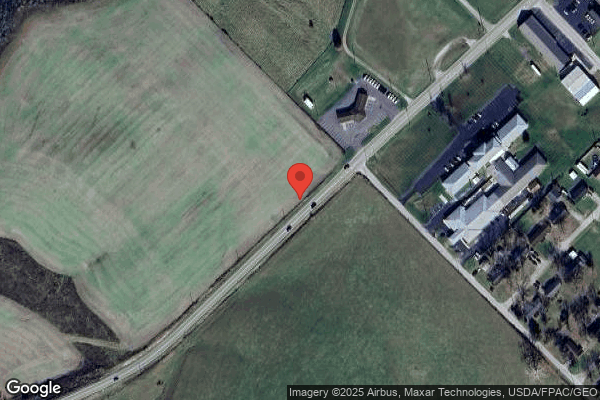
10856 STATE ROUTE 41, WEST UNION, OH 45693 (937) 544-2205
For profit - Corporation 74 Beds Independent Data: November 2025
Trust Grade
63/100
#388 of 913 in OH
Last Inspection: March 2024

Within standard 12-15 month inspection cycle. Federal law requires annual inspections.

Overview

Adams County Manor has a Trust Grade of C+, which means it is considered decent and slightly above average. It ranks #388 out of 913 nursing homes in Ohio, placing it in the top half of facilities statewide, but it is #3 out of 3 in Adams County, indicating only one local option is better. The facility has been worsening, with issues increasing from 1 in 2023 to 2 in 2024. Staffing is a weakness, with a rating of 1 out of 5 stars and a turnover rate of 54%, which is average compared to the state. The facility also faced $7,901 in fines, which is average, but it has concerning RN coverage, being lower than 80% of Ohio facilities. Specific incidents include a serious failure to secure a mechanical lift during a resident transfer, leading to an avoidable fall and injuries, and a concern regarding hand sanitation practices during meal delivery, which could risk infection for multiple residents. Overall, while the facility has some strengths, such as good health inspection scores, there are significant areas for improvement that families should consider.

Trust Score
C+
63/100
In Ohio
#388/913
Top 42%
Safety Record
Moderate
Needs review
Inspections
Getting Worse
1 → 2 violations
Staff Stability
⚠ Watch
54% turnover. Above average. Higher turnover means staff may not know residents' routines.
Penalties
○ Average
$7,901 in fines. Higher than 68% of Ohio facilities. Some compliance issues.
Skilled Nurses
⚠ Watch
Each resident gets only 27 minutes of Registered Nurse (RN) attention daily — below average for Ohio. Fewer RN minutes means fewer trained eyes watching for problems.
Violations
○ Average
10 deficiencies on record. Average for a facility this size. Mostly minor or procedural issues.
★★★☆☆
3.0
Overall Rating
★☆☆☆☆
1.0
Staff Levels
★★★★☆
4.0
Care Quality
★★★★☆
4.0
Inspection Score
Stable
2023: 1 issues
2024: 2 issues

The Good

  • 4-Star Quality Measures · Strong clinical quality outcomes
  • Full Sprinkler Coverage · Fire safety systems throughout facility
  • No fines on record

Facility shows strength in quality measures, fire safety.

The Bad

3-Star Overall Rating

Near Ohio average (3.2)

Meets federal standards, typical of most facilities

Staff Turnover: 54%

Near Ohio avg (46%)

Higher turnover may affect care consistency

Federal Fines: $7,901

Below median ($33,413)

Minor penalties assessed

The Ugly 10 deficiencies on record

1 actual harm
Mar 2024 2 deficiencies
CONCERN (D)

Potential for Harm - no one hurt, but risky conditions existed

Deficiency F0645 (Tag F0645)

Could have caused harm · This affected 1 resident

**NOTE- TERMS IN BRACKETS HAVE BEEN EDITED TO PROTECT CONFIDENTIALITY** Based on record reviews and staff interview, the facility failed to ensure Preadmission Screening and Resident Review (PASRR) wa...

Read full inspector narrative →
**NOTE- TERMS IN BRACKETS HAVE BEEN EDITED TO PROTECT CONFIDENTIALITY** Based on record reviews and staff interview, the facility failed to ensure Preadmission Screening and Resident Review (PASRR) was completed accurately and following the additional of a new mental health diagnosis. This affected three residents (#6, #39, and #53) out of the four residents whose PASRR's were reviewed during the annual survey. The facility census was 64. Findings include: 1. Record review for Resident #6 revealed the resident was admitted to the facility on [DATE] and had diagnoses including dementia without behavioral disturbance, psychotic disturbance, and mood disturbance. Review of the quarterly Minimum Data Set (MDS) assessment, dated 02/20/24, revealed this resident had moderately impaired cognition evidenced by a Brief Interview for Mental Status (BIMS) assessment score of 05 out of 15. Further record review for Resident #6 revealed the resident had a new mental health diagnosis of psychosis added on 01/04/21 while residing in the facility. No new PASRR was completed following the addition of a new mental health diagnosis. Interview with the Administrator on 03/20/24 at 11:30 A.M. confirmed a new PASRR was not completed following the addition of the diagnosis of psychosis on 01/04/21. 2. Record review of Resident #39 revealed the resident was admitted to the facility on [DATE] and readmitted [DATE]. Diagnoses for Resident #39 included diagnosis of depression listed on 10/10/23, psychosis listed on 05/05/22, and anxiety disorder listed on 06/08/21. Review of the Minimum Data Set, (MDS) comprehensive assessment dated [DATE] revealed, the resident had impaired cognition and was receiving medications Duloxetine HCL 20 milligrams (mg) at bedtime for depression and Buspirone HCL 10 mg two times a day for anxiety disorder. Review of Resident #39 PASARR , dated 09/13/22, did not include the diagnoses of psychosis and depression. Interview on 03/20/24 at 2:30 P.M. the Administrator verified Resident #39 PASARR, dated 09/13/22, was inaccurate as it did not include the resident's diagnoses of psychosis and depression. 3. Record review of Resident #53 revealed the resident was admitted to the facility on [DATE]. Diagnoses for Resident #53 included dementia, bipolar disorder and depression. Review of the Minimum Data Set, (MDS) comprehensive assessment dated [DATE], revealed the resident had severely impaired cognition and was receiving medications Olanzapine 2.5 mg two times a day for bipolar disorder, Divalproex sodium 125 mg for bipolar disorder and Citalopram hydrobromide 10 mg for depression. Review of Resident #53 PASARR , dated 02/02/22, did not include the diagnoses of bipolar disorder and dementia. Interview on 03/20/24 at 2:30 P.M., the Administrator verified Resident #53 PASARR, dated 02/02/22 was inaccurate as it did not include the resident's diagnoses of bipolar disorder and dementia.
CONCERN (E)

Potential for Harm - no one hurt, but risky conditions existed

Infection Control (Tag F0880)

Could have caused harm · This affected multiple residents

**NOTE- TERMS IN BRACKETS HAVE BEEN EDITED TO PROTECT CONFIDENTIALITY** Based on observation, interview, and facilities policy review, the facility failed to follow hand sanitation infection control p...

Read full inspector narrative →
**NOTE- TERMS IN BRACKETS HAVE BEEN EDITED TO PROTECT CONFIDENTIALITY** Based on observation, interview, and facilities policy review, the facility failed to follow hand sanitation infection control practices during meal tray delivery. This had the potential to affect seven rooms of residents (Residents in rooms #204, #205, #209, #210, #105, #106 and #110). The facility total census was 64. Findings include: Observation on 03/20/24 during lunch meal tray delivery, between 11:40 A.M. and 11:54 A.M., revealed State Tested Nurse Aide, (STNA) # 118 delivered the lunch meal tray to Resident room [ROOM NUMBER]. STNA #118 hands touched resident personal items on the overbed table to make room for the meal tray. The STNA #118 removed lids from the bowls of foods, touched the surface of the overbed table and touched the surface of the resident bed. STNA #118 exited Resident room [ROOM NUMBER] room past a wall mounted hand sanitizer dispensing station and a handwashing sink without sanitizing her hands. STNA #118 returned to the food delivery cart, touched the cart surface, touched her hair and delivered Resident room [ROOM NUMBER] meal tray. STNA #118 was observed to remove resident personal items from the overbed table, remove food container lids and touch the overbed table surface. STNA #118 exited Resident room [ROOM NUMBER] room, past a wall mounted hand sanitizer dispensing station and a handwashing sink, without sanitizing her hands. Observation on 03/20/24 between 11:40 A.M. and 11:54 A.M., revealed STNA #107 entered Resident Rooms #209, arranged personal items on the bedside stand, removed food bowl lids and touched the bed surface. STNA #107 exited Resident room [ROOM NUMBER] room, past a wall mounted hand sanitizer dispensing station and a handwashing sink, without sanitizing her hands. STNA #107 obtained and delivered Resident room [ROOM NUMBER] meal tray without performing hand sanitation between Resident room [ROOM NUMBER] and Resident room [ROOM NUMBER] meal tray deliveries. Observation on 03/20/24 during lunch meal tray delivery, between 11:50 A.M. and 12:01 P.M., revealed STNA #170 delivered the lunch meal tray to Resident room [ROOM NUMBER]. STNA #170 was observed to remove personal items from the overbed table, remove food bowl lids, assisted resident positioning, and touched the bed linens. The STNA #170 exited the room without hand sanitation, including washing or use of hand sanitizer. STNA #170 obtained Resident room [ROOM NUMBER] meal tray and delivered the meal tray. STNA #170 touched personal resident objects on the overbed table. STNA #170 did not perform hand sanitizing when leaving the room. STNA #170 obtained and delivered Resident room [ROOM NUMBER] meal tray with hand sanitizing from meal tray delivery of Resident room [ROOM NUMBER]. Interview on 03/20/24 at 11:48 A.M., STNA #118 verified she had not performed hand sanitation between meal tray delivery of Resident Rooms #204 and Resident room [ROOM NUMBER]. STNA #118 stated hand sanitation should be performed between every meal tray delivery. STNA #118 verified there were hand washing sinks and wall mounted hand sanitizing solution dispensers in every resident room. Interview on 03/20/24 at 11:49 A.M., STNA #107 verified she had not performed hand sanitation between meal deliveries of Resident room [ROOM NUMBER] and Resident room [ROOM NUMBER]. STNA #107 stated sometimes the nurse aides forget to perform hand sanitizing between each meal tray delivery. Interview on 03/20/24 at 12:12 P.M., STNA #170 verified she had not performed hand sanitizing between meal tray delivery between Resident Rooms #105, Resident room [ROOM NUMBER] and Resident room [ROOM NUMBER]. STNA #170 stated she was unsure how often hand sanitation should occur between meal tray deliveries. Interview on 03/21/24 at 10:39 A.M. the Director of Nursing, (DON) verified hand sanitizing should occur after handling a resident's belongings. The DON verified hand sanitizer solution and hand washing sinks were in each resident room for staff to perform hand sanitizing after meal tray delivery and prior to delivery of the next resident's meal delivery. Review of the facility policy, titled, Infection Control Hand Hygiene, undated, revealed hand hygiene is in reference to utilization of alcohol-based products and or hand washing with soap and water. Use of hand hygiene is required before and after every resident contact including touching a resident, handling the resident's belongings, and after touching the face or hair.
Feb 2023 1 deficiency 1 Harm
SERIOUS (G) 📢 Someone Reported This

A family member, employee, or ombudsman was alarmed enough to file a formal complaint

Actual Harm - a resident was hurt due to facility failures

Accident Prevention (Tag F0689)

A resident was harmed · This affected 1 resident

**NOTE- TERMS IN BRACKETS HAVE BEEN EDITED TO PROTECT CONFIDENTIALITY** THE FOLLOWING DEFICIENCY REPRESENTS AN INCIDENT OF PAST NON-COMPLIANCE THAT WAS SUBSEQUENTLY CORRECTED PRIOR TO THIS SURVEY. Bas...

Read full inspector narrative →
**NOTE- TERMS IN BRACKETS HAVE BEEN EDITED TO PROTECT CONFIDENTIALITY** THE FOLLOWING DEFICIENCY REPRESENTS AN INCIDENT OF PAST NON-COMPLIANCE THAT WAS SUBSEQUENTLY CORRECTED PRIOR TO THIS SURVEY. Based on medical record review, review of the hospital discharge summary, review of the fall investigation, staff interview, and review of the facility policy, the facility failed to provide Resident #64 with a safe transfer using a mechanical lift. Actual Harm occurred to Resident #64 on 10/25/22 when the resident received assistance from two staff persons using a mechanical lift without staff first securing the loop of the lift pad correctly resulting in an avoidable fall with injuries including unspecified fracture of the shaft of the right and left tibia and fibula. This affected one (Resident #64) of three residents reviewed for falls. The facility census was 64. Findings include: Review of the medical record revealed Resident #64 was re-admitted to the facility from an acute hospital stay on 10/26/22 with diagnoses including unspecified fracture of the shaft of the right and left tibia and fibula, quadriplegia, and hypertension. Review of the fall risk assessment dated [DATE] revealed Resident #64 was not at risk for falls. Review of the fall risk assessment dated [DATE] revealed Resident #64 was at high risk for falls. Review of the quarterly Minimum Data Set (MDS) assessment dated [DATE] revealed Resident #64 was alert and oriented to person, place and time. Resident #64 was identified as needing total dependence on two staff persons for transfers using a mechanical lift. Review of the plan of care dated 11/04/22 revealed Resident #64 was at a risk for falls due to decreased mobility, recent (inoperable) bilateral tibia/fibula fracture, quadriplegia, weakness, decreased mobility, non ambulatory, and required a Hoyer lift for transfers. Interventions included keep call light in reach, pathways free of clutter, two person assist with transfers using a Hoyer lift, night light in bathroom, encourage resident to participate in care and may get up per Hoyer lift to wheelchair with foot extenders with immobilizers in place to bilateral lower extremities. The plan of care also revealed Resident #64 had a self-care deficit as evidenced by recent (inoperable) bilateral tibia and fibula fractures, quadriplegia, weakness, decreased endurance and impaired balance. The resident was non ambulatory. Interventions included weight bearing support of one to two staff for bed mobility, dressing, toileting, hygiene and bathing and total dependence on two staff persons using a mechanical lift for transfers. Review of the facility fall investigation dated 10/25/22 revealed Resident #64 was being transferred via Hoyer lift with two State Tested Nursing Assistants (STNA) using the appropriate mechanical lift sling. One STNA attached the upper left and right loops of the sling while the other STNA attached the lower left and right loops. The facility conclusion indicated the metal safety clip, which would secure the left shoulder strap/loop onto the hook was not engaged. The loop instead was rested on the tip of the hook. Resident #64 was elevated into the air to transfer when she began to wiggle and move attempting to reposition herself in the lift sling. During these movements the loop on the left shoulder strap of the lift sling dislodged resulting in the resident falling to the floor rapidly resulting in bilateral tibia and fibula fractures. Review of the nurse's note dated 10/25/22 at 12:45 A.M. revealed the nurse responded to calls from resident's room to find Resident #64 lying on her back with her left leg lying over the Hoyer lift leg and the right leg bent at the knee behind the leg. The STNA's reported the resident fell out of the top of the Hoyer lift sling during transfer from wheelchair to bed. Resident #64 complained of pain at level 10 out of 10 and was sent to the local emergency room for evaluation and treatment. A nurse's note dated 10/26/22 at 4:25 P.M. revealed the resident returned to the facility at approximately 11:30 A.M. with immobilizers in place to bilateral lower extremities. Review of the hospital Discharge summary dated [DATE] at 12:45 P.M. revealed the resident was seen in the emergency department after a fall at the nursing home. The orthopedic team at the hospital saw Resident #64 related to fracture in both of her legs. The orthopedic team believed the fractures would heal without any need for surgery. During the emergency room visit the resident had imaging tests completed. The x-rays of the right and left lower extremity indicated minimally displaced proximal tibial metaphyseal fracture and nondisplaced proximal fibular fracture of the left leg. The x-rays indicated mildly displaced comminuted proximal fibular and tibial metaphyseal fracture to the right leg. An interview on 02/06/23 at 10:00 A.M. with the Director of Nursing (DON) confirmed Resident #64 fell from the Hoyer lift sling while being transferred from wheelchair to bed resulting in fractures to bilateral tibia and fibulas. The DON stated the sling came out of the hook on the lift bar and the security clip was not in place. Review of the facility's policy titled Hoyer Lift Policy and Operation revealed it is the policy of this facility to provide safe transfers for all residents that are unable to transfer themselves. The method of transfer will be decided by the Interdisciplianry Team and addressed in the resident's plan of care. The deficient practice was corrected on 11/11/22, when the nurse managers provided education on the Hoyer lift sling safety checks and the policy and procedure of Hoyer lift operation to 25 nurses and 40 STNAs, and the facility implemented the following corrective actions: • On 10/25/22, Resident #64 was sent to the local emergency department for evaluation and treatment. • On 10/25/22, the Director of Patient Services inspected the residents Hoyer lift. The lift was in clean condition and showed minor wear marks on areas of movement. There were no cracks or broken areas to the main structure. All of the bolts were in place and tight. There were a total of six sling clips on the boom and all were operational and in working order. The base extended smoothly with no jerking motions and worked well with the no issues. The boom rose and fell smoothly, all four wheels moved freely and locks operated with no issues. • On 10/25/22, the DON provided education on Hoyer lift sling safety checks and policy and procedure of Hoyer lift operation to the two STNA's involved in the incident. • On 10/25/22 through 11/11/22, the nurse managers provided education on Hoyer lift sling safety checks and policy and procedure of Hoyer lift operation to 25 nurses and 40 STNA's. • On 10/25/22 and ongoing, the nurse managers completed competency checks on how to use the Hoyer lift correctly and safely with the nurses and STNA's. • On 10/25/22, the DON provided education to the laundry staff regarding how to correctly wash and inspect the Hoyer lift slings. • On 10/25/22, the DON and nurse managers numbered the mechanical lifts and corresponding lift pads. • On 10/25/22, Resident #64's plan of care was updated. • Beginning 10/25/22, ongoing audits/observations of lift transfers on lift involved weekly for four weeks, then as determined by Quality Assurance. • There were no unsafe resident transfers from 10/25/22 to 02/13/23 the time of the onsite complaint investigation. This deficiency represents non-compliance investigated under Complaint Number OH00140041.
Jul 2021 4 deficiencies
CONCERN (D)

Potential for Harm - no one hurt, but risky conditions existed

Resident Rights (Tag F0550)

Could have caused harm · This affected 1 resident

Based on medical record review, observation, and staff interview, the facility failed to maintain dignity while feeding Resident #44. The facility identified two residents who were dependent on staff ...

Read full inspector narrative →
Based on medical record review, observation, and staff interview, the facility failed to maintain dignity while feeding Resident #44. The facility identified two residents who were dependent on staff for feeding. The facility census was 64. Findings include: Review of the medical record of Resident #44 revealed an admission date of 01/09/13. Diagnoses included dysphagia, protein-calorie malnutrition, major depressive disorder, cognitive communication deficit, chronic obstructive pulmonary disease (COPD), anxiety disorder, and cerebral infarction (stroke). Review of the quarterly Minimum Data Set (MDS) assessment, dated 06/15/21, revealed the resident had impaired cognition and was dependent on the assistance of one staff for feeding. Observation and interview on 06/28/21 at 11:43 A.M. revealed Resident #44 laying in bed. The right side of Resident #44's bed was against the wall and RN #139 was standing at the left side of the bed feeding Resident #44. RN #139 verified she was feeding Resident #44 while standing up and further stated she was right-handed so it was easier for her to feed the resident while standing up. Interview on 07/01/21 at 10:00 A.M. with the Director of Nursing (DON) stated the expectation was for staff to be seated when feeding residents.
CONCERN (D)

Potential for Harm - no one hurt, but risky conditions existed

Assessment Accuracy (Tag F0641)

Could have caused harm · This affected 1 resident

Based on record review and staff interview, the facility failed to accurately code a resident's fall status on the Minimum Data Set (MDS) assessment. This affected one (Resident #13) of 18 residents r...

Read full inspector narrative →
Based on record review and staff interview, the facility failed to accurately code a resident's fall status on the Minimum Data Set (MDS) assessment. This affected one (Resident #13) of 18 residents reviewed for accurate MDS assessments. The facility census was 64 residents. Findings include: Review of the medical record for Resident #13 revealed an admission date of 06/15/19. Diagnoses included dementia and transient cerebral ischemic attack. Review of the progress notes revealed the resident had falls on 03/04/21, 11/22/20, and 11/07/20. Review of the Minimum Data Set (MDS) assessments revealed a quarterly assessment was completed on 04/05/21, an annual assessment was completed on 02/11/21, and a quarterly assessment on 11/18/20. No additional MDS assessments were completed between 11/18/20 and 04/05/21. Subsequent review of the MDS assessments, dated 04/05/21 and 02/11/21, revealed section J1800 was negative for any falls since the prior assessment. Interview on 06/30/21 at 2:38 P.M. with Licensed Practical Nurse (LPN) #114 verified the MDS assessments for Resident #13, dated 04/05/21 and 02/11/21, were coded incorrectly and should have indicated there was a fall.
CONCERN (D)

Potential for Harm - no one hurt, but risky conditions existed

Respiratory Care (Tag F0695)

Could have caused harm · This affected 1 resident

**NOTE- TERMS IN BRACKETS HAVE BEEN EDITED TO PROTECT CONFIDENTIALITY** 3. Review of the medical record for Resident #44 revealed an admission date of 01/09/13. Diagnoses included chronic obstructive ...

Read full inspector narrative →
**NOTE- TERMS IN BRACKETS HAVE BEEN EDITED TO PROTECT CONFIDENTIALITY** 3. Review of the medical record for Resident #44 revealed an admission date of 01/09/13. Diagnoses included chronic obstructive pulmonary disease (COPD) and cerebral infarction. Review of the quarterly MDS assessment, dated 06/15/21, revealed the resident had impaired cognition. Review of the physician's orders revealed order on 08/20/20 for oxygen at two liters per minute as needed per nasal cannula six to eight per day and an order on 09/26/17 for one dose duoneb solution 0.5-2.5 (3.0) milligrams/3.0 milliliter solution every four hours as needed. Review of the treatment administration record (TAR) revealed RN #139 signed off the oxygen as administered on 06/28/21 and 06/29/21. Observations on 06/28/21 at 9:42 A.M. and 11:43 A.M, and on 06/29/21 at 3:00 P.M., and 4:08 P.M. revealed no oxygen concentrator nor oxygen tank in Resident #44's room. Observation on 06/29/21 at 3:00 P.M. revealed a nebulizer placed on Resident #44's bedside table. The tubing did not contain any date to indicate when it was last replaced. Interview on 06/29/21 at 4:08 P.M. with RN #139 verified there was no there was no date on the nebulizer tubing nor were there oxygen concentrator or tanks in Resident #44's room. The RN further stated Resident #44 had not received oxygen anytime recently. RN #139 verified the MAR had been signed off indicating the oxygen was administered when the oxygen had not been administered. Based on record review, observations, and staff interviews, the facility failed to obtain a physician order for the use of oxygen, failed to administer oxygen as physician ordered, and failed to properly label the oxygen tubing during continuous use. This affected three residents (Resident #27, #44, and #215) of 23 residents receiving oxygen therapy. The facility census was 64. Findings include: 1. Record review for Resident #27 revealed the resident was admitted to the facility on [DATE]. Diagnoses included chronic respiratory failure and congestive heart failure. Review of the Minimum Data Set assessment, dated 05/05/21, revealed the resident was rarely/never understood. Review of the physician orders, dated 06/2021, revealed there were no orders for the use of oxygen. After surveyor intervention on 06/29/21, there was a physician order for the use of oxygen at two liters via nasal cannula. Observation of Resident #27 on 06/28/21 at 2:38 P.M. revealed the resident had oxygen tubing that was not labeled or dated during the time of use. Subsequent observation of Resident #27 on 06/29/21 at 2:35 P.M. revealed the oxygen tubing was still not labeled or dated. During this observation, Registered Nurse (RN) #212 verified the oxygen was running at three liters per minute and tubing was unlabeled or dated. The RN explained a contracted provider supplies the oxygen and they change out the tubing weekly, and they do not label or date the tubing. 2. Record review for Resident #215 on 06/29/21 at 1:58 P.M. revealed the resident was admitted to the facility on [DATE]. Diagnoses included asthma and emphysema. Review of the MDS assessment, dated 06/19/21, revealed the resident had intact cognition. Review of the physician orders, dated 06/2021, revealed there were no orders for the use of oxygen. After surveyor intervention on 06/29/21, there was a physician order for the use of oxygen at two liters via nasal cannula. Observation of Resident #215 on 06/28/21 at 3:22 P.M. revealed the resident had oxygen tubing that was not labeled or dated during the time of use. Subsequent observation of Resident #27 on 06/29/21 at 2:35 P.M. revealed the oxygen tubing still not labeled or dated. During the observation, RN #212 verified the oxygen was running at three liters per minute and the tubing was unlabeled or dated. On 06/30/21 at 2:40 P.M., an interview with the Director of Nursing (DON) on 06/30/21 at 2:40 P.M. verified Resident #27 and #215 did not have an active order for oxygen in place until it was obtained on 06/29/21. The DON verified the physician orders were for two liters, not three liters for Resident #27 and #215.
CONCERN (D)

Potential for Harm - no one hurt, but risky conditions existed

Deficiency F0919 (Tag F0919)

Could have caused harm · This affected 1 resident

Based on record review, observation, and staff interview, the facility failed to ensure the resident's call lights were functioning. This affected three (Resident #09, #16 and #18) of 24 residents rev...

Read full inspector narrative →
Based on record review, observation, and staff interview, the facility failed to ensure the resident's call lights were functioning. This affected three (Resident #09, #16 and #18) of 24 residents reviewed for call lights. The facility census was 64 residents. Findings include: 1. Review of the medical record of Resident #09 revealed an admission date of 03/31/21. Diagnoses included dementia without behavioral disturbance, type 2 diabetes mellitus, muscle weakness, and bipolar disorder. Review of the Medicare five-day Minimum Data Set (MDS) assessment, dated 06/23/21, revealed the resident had impaired cognition and required extensive assistance of two staff for bed mobility, transfers, and toileting. Review of the medical record for Resident #18 revealed an admission date of 09/17/20. Diagnoses included cerebrovascular disease, acute ischemic heart disease, dementia with behavioral disturbance, and cerebral infarction (stroke). Review of the comprehensive MDS assessment, dated 04/14/21, revealed the resident had impaired cognition, required extensive assistance of two staff for bed mobility and extensive assistance of one staff for transfers and toileting. Observation on 06/28/21 at 11:28 A.M. revealed Resident #09's call light was activated via the call button at the resident's bedside. The light was not observed to turn on outside of the room above the door. Observation on 06/28/21 at 11:29 A.M. revealed Resident #18's (Resident #09's roommate) call light was activated via the call button at the resident's bedside. The light was not observed to turn on outside of the room above the door. Interview on 06/28/21 at 11:35 A.M. with Registered Nurse (RN) #215 verified the light did not light up outside the room of Residents #09 and #18 and did not transmit a signal to the pagers carried by the staff. 2. Review of the medical record for Resident #16 revealed an admission date of 12/07/20. Diagnoses included chronic obstructive pulmonary disease, dementia with behavioral disturbance, anxiety disorder, major depressive disorder, and non-st elevation (NSTEMI) myocardial infarction. Review of the quarterly MDS assessment revealed the resident had intact cognition and required supervision for bed mobility, transfers, and ambulation. Observation on 06/28/21 at 2:20 P.M. revealed Resident #16's call light was activated via the call button at the resident's bedside. The light was not observed to turn on outside of the room above the door. Interview on 06/28/21 at 2:20 P.M. with State Tested Nursing Aide (STNA) #240 verified the light did not come on outside the door nor did not transmit a signal to the pagers carried by the staff. Further interview with STNA #240 revealed the call light cord was not plugged into the wall.
Mar 2019 3 deficiencies
CONCERN (D)

Potential for Harm - no one hurt, but risky conditions existed

Deficiency F0604 (Tag F0604)

Could have caused harm · This affected 1 resident

**NOTE- TERMS IN BRACKETS HAVE BEEN EDITED TO PROTECT CONFIDENTIALITY** Based on medical record review, observations, staff interview, and review of facility policy, the facility failed to ensure a re...

Read full inspector narrative →
**NOTE- TERMS IN BRACKETS HAVE BEEN EDITED TO PROTECT CONFIDENTIALITY** Based on medical record review, observations, staff interview, and review of facility policy, the facility failed to ensure a resident was free from a physical restraint. This affected one resident (#64) of one resident reviewed for physical restraints. The facility census was 73. Findings include: Medical record review revealed Resident #64 was admitted to the facility on [DATE] with the following diagnoses; cerebral infarction (stroke), major depressive disorder, cognitive communication deficit, chronic obstructive pulmonary disease (COPD), and anxiety disorder. Review of Resident #64's quarterly Minimum Data Set (MDSs) assessment dated [DATE] revealed the resident had severe cognitive impairment. The MDS further revealed the resident was totally dependent on staff with transfers and had a chair alarm. Review of Resident #64's care plan revealed the resident had a self releasing alarm seat belt in place on her wheelchair. The care plan identified Resident #64's seat belt as an enabler due to it enabling her to maintain an appropriate position in her wheelchair. The care plan further revealed Resident #64 was able to release her seat belt on her own. Review of Resident #64's physical restraint assessment dated [DATE] revealed the resident leaned to the right, had poor trunk control, was unable to recover the loss of balance when sitting and was unable to stand except with weight bearing support of two staff. Resident #64 demonstrated the ability to release and reapply the Velcro self releasing alarming seatbelt every time upon request, therefore the seat belt was not considered a restraint. Review of Resident #64's progress note dated 03/04/19 revealed an interdisciplinary team meeting was held on 02/28/19. Resident #64's self releasing alarm seat belt was in use to increase resident's sense of safety. Resident #64 was reported to be recently observed fastening and unfastening her seatbelt at random times. The note also revealed the seat belt did not restrain the resident from exiting the chair. Observation of Resident #64 on 03/14/19 at 9:03 A.M., revealed resident to be sitting in her wheelchair in the dining room with her Velcro self releasing alarming seat belt in place. Observation of Resident #64 on 03/14/19 at 9:11 A.M., revealed Registered Nurse (RN) #124 asked Resident #64 to take off her Velcro self releasing alarming seat belt. RN #124 asked the resident several times and cued her by pointing to the seat belt connector. Resident #64 stared at RN #124 and after being cued multiple times she was able to slightly lift up the plastic clip to her seat belt setting off the alarm. Resident #64's seat belt was remained fastened with the Velcro. RN #124 verified Resident #64 was able to lift the plastic clip on her seat belt after being cued multiple times, however the seat belt remained fastened with the Velcro. RN #124 revealed the resident became agitated at times when attempting to remove the seat belt. Review of the facility's Physical Restraints policy dated 01/08/12 revealed physical restraints to be any manual method or physical or mechanical device, material or equipment attached to or adjacent to the resident's body that the individual cannot easily remove which restricts freedom of movement or normal access to one's own body.
CONCERN (D)

Potential for Harm - no one hurt, but risky conditions existed

Abuse Prevention Policies (Tag F0607)

Could have caused harm · This affected 1 resident

**NOTE- TERMS IN BRACKETS HAVE BEEN EDITED TO PROTECT CONFIDENTIALITY** Based on medical record review, staff interview, and facility policy review, the facility failed to implement their abuse policy...

Read full inspector narrative →
**NOTE- TERMS IN BRACKETS HAVE BEEN EDITED TO PROTECT CONFIDENTIALITY** Based on medical record review, staff interview, and facility policy review, the facility failed to implement their abuse policy when they failed to submit a self-reported incident (SRI) to the state agency regarding a resident to resident physical abuse, and further failed to ensure a resident was free from resident to resident physical abuse. This affected one resident (#12) of one resident reviewed for abuse. The facility census was 73. Findings include: 1. Medical record review revealed Resident #12 was admitted to the facility on [DATE] with the following diagnoses; unspecified dementia with behavioral disturbance, anxiety disorder, unspecified psychosis not due to a substance or known physiological condition, and major depressive disorder. Review of Resident #12's annual Minimum Data Sets (MDSs) assessment dated [DATE] revealed the resident had severe cognitive impairment. Review of Resident #12's progress note written by Registered Nurse (RN) #124 dated 12/19/18 revealed Resident #12 said a man came in and grabbed her wrist and knocked her stuff off of her door. Resident #12 was noted with a small skin tear and a bruise. Both residents were separated. Resident #12 was ordered a treatment for her wrist. 2. Medical record review revealed Resident #220 was admitted to the facility on [DATE] with the following diagnoses; transient cerebral ischemia attack (stroke), unspecified psychosis not due to substance or known physiological condition, Alzheimer's disease, and major depressive disorder. Resident #220 passed away at the facility on 01/20/19. Review of the resident MDS assessment dated [DATE] revealed the resident had severe cognitive impairment. Review of Resident #220's progress note written by RN #124 dated 12/19/18 revealed a State Tested Nurse Aide (STNA) reported Resident #12 said Resident #220 came in her room, knocked decorations off her door and grabbed her wrist causing a skin tear with a small bruise. Both residents were separated and placed on 15 minute checks. Review of the Activities Director (AD) #14's statement dated 12/19/18 revealed the AD was walking down the hallway and witnessed Resident #220 at Resident #12's doorway pulling at her decorations. Resident #12 approached Resident #220 at the same time and Resident #220 reached out and grabbed Resident #12's wrist. AD #14 intervened and redirected Resident #220 away from the doorway. Interview with the Director of Nursing (DON) on 03/13/19 at 12:57 P.M., verified Resident #220 grabbed Resident #12 causing a bruise and an skin tear on 12/19/18. The DON revealed she investigated the incident and found Resident #220 was knocking down Resident #12's decorations and grabbed Resident #12's arm and his finger nail caught her arm leaving a skin tear. The DON confirmed a SRI was not completed and submitted regarding the resident to resident physical abuse between Resident #12 and Resident #220. Review of the facility's Abuse and Neglect policy dated November 2018 revealed abuse is the willful infliction of injury, unreasonable confinement, intimidation, or punishment that results in physical harm, or pain or mental anguish. All alleged violations involving abuse, neglect, exploitation or mistreatment including injuries of unknown source and misappropriation of property, are reported immediately, but not later than two hours after the allegation is made if the events that cause the allegation involve abuse or result in seriously bodily injury, or not later than 24 hours if the event that cause the allegation do not involve abuse or do not result in serious bodily injury.
CONCERN (D)

Potential for Harm - no one hurt, but risky conditions existed

Report Alleged Abuse (Tag F0609)

Could have caused harm · This affected 1 resident

**NOTE- TERMS IN BRACKETS HAVE BEEN EDITED TO PROTECT CONFIDENTIALITY** Based on medical record review, staff interview, and facility policy review, the facility failed to report and submit a self-rep...

Read full inspector narrative →
**NOTE- TERMS IN BRACKETS HAVE BEEN EDITED TO PROTECT CONFIDENTIALITY** Based on medical record review, staff interview, and facility policy review, the facility failed to report and submit a self-reported incident (SRI) of resident to resident physical abuse to the state agency within 24 hours. This affected one resident (#12) of one resident reviewed for abuse. The facility census was 73. Findings include: 1. Medical record review revealed Resident #12 was admitted to the facility on [DATE] with the following diagnoses; unspecified dementia with behavioral disturbance, anxiety disorder, unspecified psychosis not due to a substance or known physiological condition, and major depressive disorder. Review of Resident #12's annual Minimum Data Sets (MDSs) assessment dated [DATE] revealed the resident had severe cognitive impairment. Review of Resident #12's progress note written by Registered Nurse (RN) #124 dated 12/19/18 revealed Resident #12 said a man came in and grabbed her wrist and knocked her stuff off of her door. Resident #12 was noted with a small skin tear and a bruise. Both residents were separated. Resident #12 was ordered a treatment for her wrist. 2. Medical record review revealed Resident #220 was admitted to the facility on [DATE] with the following diagnoses; transient cerebral ischemia attack (stroke), unspecified psychosis not due to substance or known physiological condition, Alzheimer's disease, and major depressive disorder. Resident #220 passed away at the facility on 01/20/19. Review of the resident MDS assessment dated [DATE] revealed the resident had severe cognitive impairment. Review of Resident #220's progress note written by RN #124 dated 12/19/18 revealed a State Tested Nurse Aide (STNA) reported Resident #12 said Resident #220 came in her room, knocked decorations off her door and grabbed her wrist causing a skin tear with a small bruise. Both residents were separated and placed on 15 minute checks. Review of the Activities Director (AD) #14's statement dated 12/19/18 revealed the AD was walking down the hallway and witnessed Resident #220 at Resident #12's doorway pulling at her decorations. Resident #12 approached Resident #220 at the same time and Resident #220 reached out and grabbed Resident #12's wrist. AD #14 intervened and redirected Resident #220 away from the doorway. Interview with the Director of Nursing (DON) on 03/13/19 at 12:57 P.M., verified Resident #220 grabbed Resident #12 causing a bruise and an skin tear on 12/19/18. The DON revealed she investigated the incident and found Resident #220 was knocking down Resident #12's decorations and grabbed Resident #12's arm and his finger nail caught her arm leaving a skin tear. The DON confirmed a SRI was not completed regarding the resident to resident physical abuse between Resident #12 and Resident #220. Review of the facility's Abuse and Neglect policy dated November 2018 revealed all alleged violations involving abuse, neglect, exploitation or mistreatment including injuries of unknown source and misappropriation of property, are reported immediately, but not later than two hours after the allegation is made if the events that cause the allegation involve abuse or result in seriously bodily injury, or not later than 24 hours if the event that cause the allegation do not involve abuse or do not result in serious bodily injury.
Understanding Severity Codes (click to expand)
Life-Threatening (Immediate Jeopardy)
J - Isolated K - Pattern L - Widespread
Actual Harm
G - Isolated H - Pattern I - Widespread
Potential for Harm
D - Isolated E - Pattern F - Widespread
No Harm (Minor)
A - Isolated B - Pattern C - Widespread

Questions to Ask on Your Visit

  • "Can I speak with families of current residents?"
  • "What's your RN coverage like on weekends and overnight?"

Our Honest Assessment

Strengths
  • • Licensed and certified facility. Meets minimum state requirements.
Concerns
  • • 10 deficiencies on record, including 1 serious (caused harm) violation. Ask about corrective actions taken.
Bottom line: Mixed indicators with Trust Score of 63/100. Visit in person and ask pointed questions.

About This Facility

What is Adams County Manor's CMS Rating?

CMS assigns ADAMS COUNTY MANOR an overall rating of 3 out of 5 stars, which is considered average nationally. Within Ohio, this rating places the facility higher than 0% of the state's 100 nursing homes. This mid-range rating indicates the facility meets federal standards but may have areas for improvement.

How is Adams County Manor Staffed?

CMS rates ADAMS COUNTY MANOR's staffing level at 1 out of 5 stars, which is much below average compared to other nursing homes. Staff turnover is 54%, compared to the Ohio average of 46%. RN turnover specifically is 64%, which is notably high. RNs provide skilled clinical oversight, so turnover in this role can affect medical care quality.

What Have Inspectors Found at Adams County Manor?

State health inspectors documented 10 deficiencies at ADAMS COUNTY MANOR during 2019 to 2024. These included: 1 that caused actual resident harm and 9 with potential for harm. Deficiencies causing actual harm indicate documented cases where residents experienced negative health consequences.

Who Owns and Operates Adams County Manor?

ADAMS COUNTY MANOR is owned by a for-profit company. For-profit facilities operate as businesses with obligations to shareholders or private owners. The facility operates independently rather than as part of a larger chain. With 74 certified beds and approximately 66 residents (about 89% occupancy), it is a smaller facility located in WEST UNION, Ohio.

How Does Adams County Manor Compare to Other Ohio Nursing Homes?

Compared to the 100 nursing homes in Ohio, ADAMS COUNTY MANOR's overall rating (3 stars) is below the state average of 3.2, staff turnover (54%) is near the state average of 46%, and health inspection rating (4 stars) is above the national benchmark.

What Should Families Ask When Visiting Adams County Manor?

Based on this facility's data, families visiting should ask: "Can you walk me through typical staffing levels on day, evening, and night shifts?" "Can I visit during a mealtime to observe dining assistance and food quality?" "How do you handle medical emergencies, and what is your hospital transfer rate?" "Can I speak with family members of current residents about their experience?" These questions are particularly relevant given the below-average staffing rating.

Is Adams County Manor Safe?

Based on CMS inspection data, ADAMS COUNTY MANOR has a clean safety record: no substantiated abuse findings (meaning no confirmed cases of resident harm), no Immediate Jeopardy citations (the most serious violation level indicating risk of serious injury or death), and is not on the Special Focus Facility watch list (a federal program monitoring the lowest-performing 1% of nursing homes). The facility has a 3-star overall rating and ranks #100 of 100 nursing homes in Ohio. While no facility is perfect, families should still ask about staff-to-resident ratios and recent inspection results during their visit.

Do Nurses at Adams County Manor Stick Around?

ADAMS COUNTY MANOR has a staff turnover rate of 54%, which is 8 percentage points above the Ohio average of 46%. Moderate turnover is common in nursing homes, but families should still ask about staff tenure and how the facility maintains care continuity when employees leave.

Was Adams County Manor Ever Fined?

ADAMS COUNTY MANOR has been fined $7,901 across 1 penalty action. This is below the Ohio average of $33,158. While any fine indicates a compliance issue, fines under $50,000 are relatively common and typically reflect isolated problems that were subsequently corrected. Families should ask what specific issues led to these fines and confirm they've been resolved.

Is Adams County Manor on Any Federal Watch List?

ADAMS COUNTY MANOR is not on any federal watch list. The most significant is the Special Focus Facility (SFF) program, which identifies the bottom 1% of nursing homes nationally based on persistent, serious quality problems. Not being on this list means the facility has avoided the pattern of deficiencies that triggers enhanced federal oversight. This is a positive indicator, though families should still review the facility's inspection history directly.