EAGLE CREEK NURSING CENTER
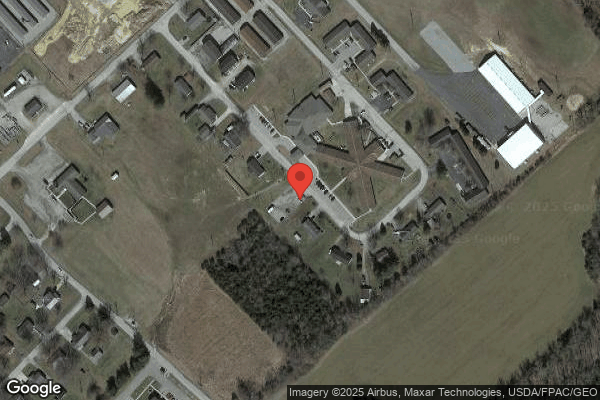

141 SPRUCE LANE, WEST UNION, OH 45693 (937) 544-5531
For profit - Corporation 85 Beds SABER HEALTHCARE GROUP Data: November 2025
Trust Grade
80/100
#59 of 913 in OH
Last Inspection: December 2024

Within standard 12-15 month inspection cycle. Federal law requires annual inspections.

Overview

Eagle Creek Nursing Center in West Union, Ohio, has a Trust Grade of B+, which means it is above average and recommended for families considering care options. It ranks #59 out of 913 facilities in Ohio, placing it in the top half, and is the best option among the three facilities in Adams County. However, the facility's trend is worsening, as the number of reported issues increased from 2 in 2023 to 4 in 2024. Staffing is considered a strength with a turnover rate of 33%, which is below the Ohio average of 49%, but their RN coverage is rated as average, meaning it may not be as robust as some other facilities. Notably, the center has no fines, indicating compliance with regulations, but there are serious concerns regarding food safety, such as poorly maintained kitchen equipment and expired or unlabeled food items, which could potentially affect residents' health.

Trust Score
B+
80/100
In Ohio
#59/913
Top 6%
Safety Record
Low Risk
No red flags
Inspections
Getting Worse
2 → 4 violations
Staff Stability
○ Average
33% turnover. Near Ohio's 48% average. Typical for the industry.
Penalties
✓ Good
No fines on record. Clean compliance history, better than most Ohio facilities.
Skilled Nurses
○ Average
Each resident gets 30 minutes of Registered Nurse (RN) attention daily — about average for Ohio. RNs are the most trained staff who monitor for health changes.
Violations
⚠ Watch
30 deficiencies on record. Higher than average. Multiple issues found across inspections.
★★★★★
5.0
Overall Rating
★★★☆☆
3.0
Staff Levels
★★★★★
5.0
Care Quality
★★★★☆
4.0
Inspection Score
Stable
2023: 2 issues
2024: 4 issues

The Good

  • 5-Star Quality Measures · Strong clinical quality outcomes
  • Full Sprinkler Coverage · Fire safety systems throughout facility
  • No fines on record
  • Staff turnover below average (33%)

    15 points below Ohio average of 48%

Facility shows strength in quality measures, fire safety.

The Bad

Staff Turnover: 33%

13pts below Ohio avg (46%)

Typical for the industry

Chain: SABER HEALTHCARE GROUP

Part of a multi-facility chain

Ask about local staffing decisions and management

The Ugly 30 deficiencies on record

Dec 2024 4 deficiencies
CONCERN (D)

Potential for Harm - no one hurt, but risky conditions existed

Comprehensive Care Plan (Tag F0656)

Could have caused harm · This affected 1 resident

Based on medical record review and staff interview, the facility failed to develop a comprehensive care plan for a resident on an anticoagulant. This affected one (#41) of three residents reviewed for...

Read full inspector narrative →
Based on medical record review and staff interview, the facility failed to develop a comprehensive care plan for a resident on an anticoagulant. This affected one (#41) of three residents reviewed for hospitalization. The facility census was 71. Findings include: Record review of Resident #41 revealed a most recent admission date of 10/30/24. Diagnoses include acute and chronic respiratory failure with hypoxia, tracheostomy status, hemiplegia, unspecified affecting left nondominant side, chronic obstructive pulmonary disease, convulsions, heart failure, type two diabetes mellitus without complications, long term use of antithrombotics/antiplatelets and abnormal uterine and vaginal bleeding 12/12/24. Review of the 11/04/24 admission Minimum Data Set (MDS) assessment revealed Resident #41 is moderately cognitively impaired and was coded as taking an anticoagulant and an antiplatelets. Review of a physician order dated 10/31/24 revealed Resident #41 had an order for Eliquis (apixaban, an anticoagulant) five milligrams every 12 hours. Review of the medical record on 12/17/24 revealed there was not a care plan addressing the use of anticoagulant bleeding risk for Resident #41. Interview with the Director of Nursing (DON) on 12/19/24 at 9:14 A.M. verified there was not a care plan addressing Resident #41 uses of an anticoagulant and risk for bleeding.
CONCERN (D)

Potential for Harm - no one hurt, but risky conditions existed

Deficiency F0800 (Tag F0800)

Could have caused harm · This affected 1 resident

**NOTE- TERMS IN BRACKETS HAVE BEEN EDITED TO PROTECT CONFIDENTIALITY** Based on medical record review, review of recipes, observations, staff interviews and policy review, the facility failed to prov...

Read full inspector narrative →
**NOTE- TERMS IN BRACKETS HAVE BEEN EDITED TO PROTECT CONFIDENTIALITY** Based on medical record review, review of recipes, observations, staff interviews and policy review, the facility failed to provide special dietary foods as ordered by the physician. This affected three (#14, #15 and #37) of five residents reviewed for special dietary foods. The facility census was 71. Findings include: 1. Record review of Resident #14 revealed the resident was admitted to the facility on [DATE]. Diagnoses include dysphagia, weight loss history and dementia. Review of the Minimum Data Set (MDS) assessment dated [DATE] revealed Resident #14 had impaired cognition and required assistance with eating. Further review of Resident #14's medical record revealed the resident had a diet order for fortified foods at each meal. 2. Record review of Resident #15 revealed the resident was admitted to the facility on [DATE]. Diagnoses include chronic obstruction pulmonary disease, nausea and history of weight loss. Review of the MDS assessment dated [DATE] revealed Resident #15 had intact cognition and required assistance with eating. Further review of Resident #15's medical record revealed the resident had a diet order for fortified foods at each meal. 3. Record review of Resident #37 revealed the resident was admitted to the facility on [DATE]. Diagnoses include dementia, heart disease and history of weight loss. Review of the MDS assessment dated [DATE] revealed Resident #37 had severely impaired cognition and required assistance with eating. Further review of Resident #37 medical record revealed the resident had a diet order for fortified foods at each meal. Review of fortified foods recipe for fortified oatmeal included sugar, butter, dry milk and evaporated milk. The fortified potato recipe revealed use of half and half cream and butter. Observation on 12/17/24 at 12:24 P.M. of Resident #14, #15, and #37 had served ravioli, green beans, bread and sherbert. There were no fortified foods served at the lunch meal. Interview on 12/17/24 at 11:18 A.M. the [NAME] #250 revealed she did not follow fortified food recipes, including oatmeal and potatoes for Resident #14, #15 and #37. [NAME] #250 stated the recipes included more ingredients to increase the calories in the foods. [NAME] #250 verified she had not prepared any fortified foods for the lunch meal Interview on 12/18/24 at 1:14 P.M. the Dietary Manager, (DM) #280 revealed the cooks have not prepared fortified foods by following the by fortified food recipes, which included high caloric ingredients. The fortified foods are planned for the residents as assessed by the Registered Dietitian, (RD) #140. Review of the facility policy tilted, Diet Orders Policy dated 03/18/24 revealed the facility will ensure residents are provided meals as ordered by their healthcare provider.
CONCERN (D)

Potential for Harm - no one hurt, but risky conditions existed

Infection Control (Tag F0880)

Could have caused harm · This affected 1 resident

**NOTE- TERMS IN BRACKETS HAVE BEEN EDITED TO PROTECT CONFIDENTIALITY** Based on medical record review, observation, staff interview and review of a memo from Centers for Medicare and Medicaid Service...

Read full inspector narrative →
**NOTE- TERMS IN BRACKETS HAVE BEEN EDITED TO PROTECT CONFIDENTIALITY** Based on medical record review, observation, staff interview and review of a memo from Centers for Medicare and Medicaid Services (CMS), the facility failed to maintain an infection prevention and control program to help prevent the development and transmission of communicable diseases and infections when a resident with a chronic diabetic ulcer requiring wound treatments and dressing changes was not timely placed on enhance barrier precautions. This affected one (#60) of two reviewed for infection control. The facility census was 71. Findings include: Record review of Resident #60 revealed an admission date of 02/03/24. Diagnoses include type two diabetes mellitus with foot ulcer 02/03/24, viral hepatitis B, iron deficiency anemia, vitamin d deficiency, chronic pain syndrome, pleural effusion, fibromyalgia, cirrhosis of the liver, major depressive disorder, encephalopathy, chronic obstructive pulmonary disease, hypertension, benign prostatic hyperplasia, nausea, and altered mental status. Review of the quarterly Minimum Data Set (MDS) assessment dated [DATE] revealed Resident #60 was cognitively intact and has a Diabetic foot ulcer. Review of Resident #60's wound clinic report dated 10/07/24 revealed the right medial forefoot abrasion went from abrasion to diabetic ulcer per Wound Certified Nurse Practitioner. Review of Resident #60's physician order dated 10/14/24 revealed an order to cleanse wound to right ball of foot with normal saline apply calcium alginate with silver to wound bed then zinc to peri wound then cover with abdominal pad and kerlix secure with tape for diabetic ulcer once a day. This order was discontinued 11/18/24. Review of Resident #60's physician order dated 11/18/24 revealed an order to cleanse wound to right ball of foot with normal saline apply santyl to wound bed then cover with calcium alginate with silver then zinc to peri wound then cover with abdominal pad and kerlix secure with tape for diabetic ulcer. This order was discontinued on 12/04/24. Review of Resident #60's physician order dated 12/04/24 revealed an order to cleanse wound to right ball of foot with normal saline apply santyl to wound bed then cover with abdominal pad and kerlix secure with tape. change daily and as needed for diabetic ulcer once a day. This order was discontinued on 12/18/24. Observation on 12/16/24 at 3:55 P.M. revealed there was no sign by the room or information showing Resident #60 was on enhanced barrier precautions. Review of a Physician Order dated 12/16/24 revealed Enhanced barrier precautions related to diabetic wound. Further review of the medical record on 12/17/24 revealed Resident #60 had an abrasion to the right medial forefoot on 08/01/24 that was classified as a chronic diabetic ulcer on 10/07/24. The wound required treatments and dressing changes and was not placed on enhanced barrier precautions until 12/16/24. Interview with the Director of Nursing (DON) on 12/19/24 at 1:34 P.M. verified Resident #60 has a chronic diabetic foot ulcer and was not placed on enhanced barrier precautions until 12/16/24. Review of memo from CMS titled QSO-24-08-NH dated 03/20/24 revealed enhanced barrier precautions are indicated for residents with any of the following: Wounds and/or indwelling medical devices even if the resident is not known to be infected or colonized with a multi-drug resistant organism (MDRO). Wounds generally include chronic wounds, not shorter-lasting wounds, such as skin breaks or skin tears covered with an adhesive bandage (e.g., Band-Aid) or similar dressing. Examples of chronic wounds include, but are not limited to, pressure ulcers, diabetic foot ulcers, unhealed surgical wounds, and venous stasis ulcers.
CONCERN (F)

Potential for Harm - no one hurt, but risky conditions existed

Food Safety (Tag F0812)

Could have caused harm · This affected most or all residents

Based on observations and staff interview, the facility failed to store foods and maintain kitchen equipment under sanitary conditions. This affected all 71 residents who received food from the kitche...

Read full inspector narrative →
Based on observations and staff interview, the facility failed to store foods and maintain kitchen equipment under sanitary conditions. This affected all 71 residents who received food from the kitchen. The facility census was 71. Findings include: During initial kitchen tour on 12/16/24 at 8:47 A.M., the was a large unlabeled and undated food bin containing a white substance under the food preparation counter. There was soy sauce, Worcestershire sauce, mayonnaise and opened bag of cheese with no expiration date or use by date in the walk-in refrigerator. Further observations of the stove ventilation revealed the hood had brown fuzzy debris of a quarter of inch in length hanging from the bottom rack. The debris was over the cooking surface of the stove, which contained open pans of cooking food. Interview on 12/016/24 at 8:50 A.M. the Dietary Manager, (DM) #280 verified there was no use by dates for open foods of soy sauce, Worcestershire sauce, mayonnaise and bag of cheese. DM #280 verified the stove hood was dirty and there was no evidence of stove hood cleaning provided. DM #280 stated there were no facility policies for labeling, and storage of foods and there was no facility policies provided of equipment cleaning. The facility confirmed all 71 residents receive their meals from the kitchen.
Jan 2023 2 deficiencies
CONCERN (D) 📢 Someone Reported This

A family member, employee, or ombudsman was alarmed enough to file a formal complaint

Potential for Harm - no one hurt, but risky conditions existed

Deficiency F0558 (Tag F0558)

Could have caused harm · This affected 1 resident

Based on record review, observation, staff interview, and review of the facility policy, the facility failed to ensure call lights were in reach per the resident's plan of care. This affected one (#34...

Read full inspector narrative →
Based on record review, observation, staff interview, and review of the facility policy, the facility failed to ensure call lights were in reach per the resident's plan of care. This affected one (#34) of three residents reviewed for call lights. The census was 65. Findings include: Review of the medical record for Resident #34 revealed an admission date of 10/02/20 with a diagnosis of dementia with behavioral disturbance. Review of the Minimum Data Set (MDS) for Resident #34 dated 10/29/22 revealed the resident was cognitively impaired and required extensive assistance of one to two staff with activities of daily living (ADL's). Review of the care plan for Resident #34 dated 10/22/20 revealed the resident had an ADL self care performance deficit related to Alzheimer's. Resident #34 required supervision/assistance with bed mobility, transfers, eating and toileting. Declines or fluctuations in ADL's were expected due to diagnosis of Alzheimer's. Interventions included staff should encourage resident to use call bell for assistance. Observation on 01/03/23 at 12:45 P.M. of Resident #34 revealed the resident was in bed, and her call light was clipped to the wall and was outside the resident's reach. Interview on 01/03/23 at 12:45 P.M. with State Tested Nursing Assistant (STNA) #150 confirmed Resident #34 was able to use her call light and it should be within reach at all times. STNA #150 confirmed the call light was clipped to the wall and was out of the reach of resident. Interview on 01/04/23 at 9:15 A.M. with the Director of Nursing (DON) confirmed all residents should have their call lights within reach when they are in bed. Review of the facility policy titled Resident Communication System and Call light policy dated 06/30/17 revealed when resident is confined to bed and chair be sure the call light is within easy reach of the resident. This deficiency represents non-compliance investigated under Complaint Number OH00138421.
CONCERN (D) 📢 Someone Reported This

A family member, employee, or ombudsman was alarmed enough to file a formal complaint

Potential for Harm - no one hurt, but risky conditions existed

Pressure Ulcer Prevention (Tag F0686)

Could have caused harm · This affected 1 resident

Based on record review, observation, staff interview, and review of the facility policy, the facility failed to ensure residents with pressure ulcers received proper wound care. This affected one (#34...

Read full inspector narrative →
Based on record review, observation, staff interview, and review of the facility policy, the facility failed to ensure residents with pressure ulcers received proper wound care. This affected one (#34) of three residents reviewed for wound care. The census was 65. Findings include: Review of the medical record for Resident #34 revealed an admission date of 10/02/20 with a diagnosis of dementia with behavioral disturbance. Review of the Minimum Data Set (MDS) for Resident #34 dated 10/29/22 revealed the resident was cognitively impaired and required extensive assistance of one to two staff with activities of daily living (ADL's). Review of the care plan for Resident #34 dated 10/26/22 revealed the resident had impaired skin integrity as evidenced by stage IV pressure ulcers to sacrum and to the left hip. Interventions included the following: monitor wound for signs of infection, treatment as ordered, turning and repositioning per facility protocol. Review of the most recent wound assessments for Resident #34 dated 12/30/22 revealed wound to resident's sacrum was classified as a stage IV pressure ulcer and measured 6.9 centimeters (cm) in length by 4.7 cm in width by 1.6 cm in depth and wound to resident's left hip was classified as a stage IV pressure ulcer and measured 1.3 cm in length by 1.5 cm in width by 1.1 cm in depth. Review of the January 2023 monthly physician orders for Resident #34 revealed an order dated 11/19/22 to cleanse pressure ulcer to sacrum with normal saline, gauze with Dakin's solution in the wound, cover with ABD pad once daily and as needed and an order dated 11/26/22 to cleanse pressure ulcer to left hip with normal saline, gauze with Dakin's solution in the wound, cover with ABD pad once daily and as needed. Observation on 01/04/23 at 7:35 A.M. of wound care for Resident #34 per Licensed Practical Nurse (LPN) #300 assisted by State Tested Nursing Assistant (STNA) #150 revealed aide and nurse positioned Resident #34 on her left hip (the hip with a stage IV pressure ulcer) and LPN #300 removed the ABD pad and pulled the packing out of the sacral wound bed. STNA #150 positioned Resident #34 on her back with sacral wound uncovered and making direct contact with resident's incontinence brief while nurse removed the ABD pad and pulled the packing out of the left hip wound bed. STNA #150 then positioned Resident #34 on her left side while LPN #300 completed the treatment to resident's sacral wound. The treatment to the sacrum took approximately 15 minutes, and during the sacral treatment the left hip wound was uncovered and was in direct contact with resident's incontinence brief. After completing the sacral wound treatment, the aide positioned Resident #34 on her back. LPN #300 cleansed the left hip wound with normal saline but did not apply an ABD pad to cover the wound as per the physician's order. STNA #150 then fastened Resident #34's incontinence brief over the left hip wound. Interview on 01/04/23 at 8:12 A.M. with LPN #300 confirmed she and aide had positioned resident directly on her left side which had a stage IV pressure ulcer during the sacral dressing treatment. LPN #300 further confirmed she had taken off the wound dressings for both wounds at the start of the treatment leaving the left hip wound uncovered during the treatment to the sacral wound and possibly increasing chance of wound infection. LPN #300 confirmed she had not applied an ABD pad to cover the left hip wound after she packed the wound and confirmed the physician's order read the wound was to be covered with an ABD pad. Interview on 01/04/23 at 9:15 A.M. with the Director of Nursing (DON) confirmed Resident #34 should not be positioned on her left hip during wound care to the sacrum because of the existing pressure ulcer to the left hip. DON confirmed resident should have been positioned on her right side during treatment to the sacrum. DON confirmed nurses should treat one area at a time and should not remove the old dressing to the wound until the time of the treatment. DON confirmed Resident #34's physician's order to the left hip was for wound to be covered with an ABD pad and the wound should not be left uncovered in order to prevent possible wound infection. Review of the facility policy titled Pressure Injury Prevention and Treatment dated 09/18/20 revealed residents would receive necessary treatment and services consistent with professional standards of practice to promote healing and to prevent infection. Further review of the policy revealed treatments should be administered as ordered. This deficiency represents non-compliance investigated under Complaint Numbers OH00138421 and OH00138391.
Aug 2022 7 deficiencies
CONCERN (D)

Potential for Harm - no one hurt, but risky conditions existed

Assessment Accuracy (Tag F0641)

Could have caused harm · This affected 1 resident

**NOTE- TERMS IN BRACKETS HAVE BEEN EDITED TO PROTECT CONFIDENTIALITY** Based on staff interview, and record review the facility failed to accurately assess a resident status and submit the discharge ...

Read full inspector narrative →
**NOTE- TERMS IN BRACKETS HAVE BEEN EDITED TO PROTECT CONFIDENTIALITY** Based on staff interview, and record review the facility failed to accurately assess a resident status and submit the discharge assessment when the resident was discharged to the hospital. This affected one (Resident #1) of one reviewed for resident assessment. The facility census was 54. Findings include: Record review of Resident #1 revealed an admission date of 11/20/21. The resident had pertinent diagnoses of: unspecified symptoms involving nervous system, hyperlipidemia, benign prostatic hyperplasia with lower urinary tract symptoms, chronic kidney disease, chronic obstructive pulmonary disease, slurred speech, emphysema, dementia with behavioral disturbance, malaise, repeated falls, osteoarthritis, muscle weakness, protein-calorie malnutrition, dyspnea, atherosclerotic heart disease of native coronary artery, insomnia, and Parkinson's disease. Review of the 02/27/22 quarterly Minimum Data Set (MDS) assessment revealed the resident was severely cognitively impaired and required extensive assistance for bed mobility, dressing, toilet use, and personal hygiene. The resident required total dependence for bathing and used a wheelchair and walker to aid in mobility. Review of progress notes dated 4/14/22 at 1:57 P.M. revealed Resident out of facility at hospital. Review of progress notes dated 04/14/22 at 2:37 P.M. revealed call received from hospital, nurse states that resident will be going inpatient hospice at another facility. Review of the electronic medical record on 08/24/22 revealed the last completed MDS assessment was a quarterly done on 02/27/22. There was no documented evidence of a discharge MDS assessment being completed. Interview with Regional Director of Clinical Services #250 on 08/25/22 at 10:26 A.M. verified Resident #1 was discharged to the hospital on [DATE] and there was not a completed discharge Minimum Data Set assessment.
CONCERN (D)

Potential for Harm - no one hurt, but risky conditions existed

Comprehensive Care Plan (Tag F0656)

Could have caused harm · This affected 1 resident

**NOTE- TERMS IN BRACKETS HAVE BEEN EDITED TO PROTECT CONFIDENTIALITY** Based on observation, interviews, and record review, the facility failed to timely implement a behavioral care plan. This affect...

Read full inspector narrative →
**NOTE- TERMS IN BRACKETS HAVE BEEN EDITED TO PROTECT CONFIDENTIALITY** Based on observation, interviews, and record review, the facility failed to timely implement a behavioral care plan. This affected one resident (#7) out of the three residents reviewed for mood and behavior. The facility census was 54. Findings include: Record review for Resident #7 revealed this resident was admitted to the facility on [DATE] and had diagnoses including unspecified dementia without behavioral disturbances, anxiety disorder, sexual dysfunction, hypertension, and epileptic seizures. Review of the discharge Minimum Data Set (MDS) assessment, dated 06/28/22, revealed this resident had exhibited physical and verbal behaviors directed at others one to three days during the lookback period. Review of the progress note, dated 06/28/22, revealed this resident had been aggressive with another resident and was seen hitting the other resident with her cane. The resident was placed on 15 minute checks and was to be sent to another facility for behavioral management and medication review. Review of the facility census timeline for this resident revealed the resident was transferred out of the facility on 06/28/22 and returned to the facility on [DATE]. Review of the active care plans for this resident revealed a care plan addressing behaviors and providing interventions for behavior management was not implemented until 08/23/22. Observation on 08/22/22 from 10:55 A.M. through 11:10 A.M. revealed Resident #7 was extremely agitated and was being argumentative with staff. The resident was observed to stand in the doorway of Resident #6's room and tell the resident to shut up as he was talking and then walk back to her room. Interview with Registered Nurse (RN) #104 on 08/24/22 at 2:30 P.M. verified Resident #7 had behavioral problems and a care plan had not been implemented addressing the behavioral problems until 08/23/22.
CONCERN (D)

Potential for Harm - no one hurt, but risky conditions existed

Deficiency F0657 (Tag F0657)

Could have caused harm · This affected 1 resident

**NOTE- TERMS IN BRACKETS HAVE BEEN EDITED TO PROTECT CONFIDENTIALITY** Based on observation, interview, and record review, the facility failed to timely revise fall care plan interventions. This affe...

Read full inspector narrative →
**NOTE- TERMS IN BRACKETS HAVE BEEN EDITED TO PROTECT CONFIDENTIALITY** Based on observation, interview, and record review, the facility failed to timely revise fall care plan interventions. This affected one resident (#35) out of the three residents reviewed for falls. The facility census was 54. Findings include: Record review for Resident #35 revealed this resident was admitted to the facility on [DATE] and had diagnoses including muscle weakness, unsteadiness on feet, chronic gout, depression, anxiety, and history of falls. Review of the quarterly Minimum Data Set (MDS) assessment, dated 07/12/22, revealed this resident had moderately impaired cognition and was assessed to require supervision for bed mobility and extensive assistance from one staff member for transfers and toileting. Review of the care plan, dated 11/02/18, revealed this resident was at risk for falls. Interventions included non-skid strips in front of chair, non-skid strips to floor beside bed, and reminder sign to ask for assistance with transfers and ambulation. Observation on 08/24/22 at 4:05 P.M. revealed Resident #35 was sitting in her recliner in her room. There were no non-skid strips present by the bed, in front of the chair, or anywhere else in the room. There was not a sign present in the room to remind the resident to ask for assistance with transfers and ambulation. Verified with Registered Nurse (RN) #210 at the time of the observation. Interview with the Director of Nursing (DON) on 08/24/22 at 4:15 P.M. revealed Resident #35 had recently had a room change at which time the Interdisciplinary Team had met and reviewed the residents fall interventions. The DON stated interventions including non-skid strips to the side of the bed and in front of the chair and the reminder sign to call for assistance had been agreed upon to be discontinued. The DON verified the interventions on the residents fall care plan had not been updated as agreed upon by the Interdisciplinary Team.
CONCERN (D)

Potential for Harm - no one hurt, but risky conditions existed

Quality of Care (Tag F0684)

Could have caused harm · This affected 1 resident

**NOTE- TERMS IN BRACKETS HAVE BEEN EDITED TO PROTECT CONFIDENTIALITY** Based on observation, interview, and record review, the facility failed to ensure ordered medications was available and administ...

Read full inspector narrative →
**NOTE- TERMS IN BRACKETS HAVE BEEN EDITED TO PROTECT CONFIDENTIALITY** Based on observation, interview, and record review, the facility failed to ensure ordered medications was available and administered as ordered by the physician. This affected one resident (#36) out of the four residents observed for medication administration. The facility census was 54. Findings include: Record review for Resident #36 revealed this resident was admitted to the facility on [DATE] and had diagnoses including heart failure, hypertension, atrial fibrillation, and Gastro-Esophageal Reflux Disease (GERD). Review of the quarterly Minimum Data Set (MDS) assessment, dated 07/12/22, revealed this resident had mildly impaired cognition and was assessed to require extensive assistance from two staff members for bed mobility, limited assistance from one staff member for transfers, and extensive assistance from one staff member for toileting. Review of the physicians order, dated 10/20/21, revealed an order to administer one capsule of Aspirin 162.5 milligram 24 hour Extended Release medication every day. Review of the active, discontinued, completed, and struck out physicians orders for this resident revealed there was not an order for the administration of the medication Protonix. Observation on 08/24/22 at 9:45 A.M. during medication administration revealed the medication Aspirin 162.5 milligram 24 hour Extended Release capsule was not available on the medication cart or in the facility emergency medication supply for administration to Resident #36. There were two cards of the medication Protonix 40 milligram Delayed Release Capsules on the cart which had multiple doses missing. Interview with Registered Nurse (RN) #210 on 08/24/22 at 9:45 A.M. verified the medication Aspirin 162.5 milligram 24 hour Extended Release capsule was not available in the facility for administration to the resident. RN #210 also verified there were two prescription cards of 40 milligram Protonix labeled with Resident #35's name present on the medication cart with multiple doses missing although there was not an order for the administration of the medication in the residents medical record. Interview with RN #104 on 08/24/22 at 2:30 P.M. verified the facility did not have the medication Aspirin 162.5 milligram 24 hour Extended Release capsules available for administration and did not have evidence of the facility ever having the medication available for administration to Resident #36. RN #104 stated an order for the administration of Protonix 40 milligram Extended Release tablets to Resident #36 had been sent to the facility pharmacy by an outside physician the resident had seen but the order had never been transcribed to the residents Medication Administration Record for administration.
CONCERN (F)

Potential for Harm - no one hurt, but risky conditions existed

Food Safety (Tag F0812)

Could have caused harm · This affected most or all residents

Based on observation, interview, and policy review, the facility failed to store foods, discard expired foods and maintain food equipment in sanitary condition. This had the potential to affect 54 res...

Read full inspector narrative →
Based on observation, interview, and policy review, the facility failed to store foods, discard expired foods and maintain food equipment in sanitary condition. This had the potential to affect 54 residents who received food from the kitchen. The facility census was 54. Findings include: Observation on 08/22/22 at 9:37 A.M. revealed following sanitation violations in the main kitchen: 1. Two open orange juice containers in reach-in refrigerator with no open date. 2. One thickened water container in reach-in refrigerator with no open date. 3. Two cranberry juice containers in reach-in refrigerator with no open date. 4. One unlabeled and undated container of a white substance on storage shelf. 5. One bag of opened and unsealed shredded cheese in walk in refrigerator. 6. A tray of 12 individual bowls of cereal unlabeled and undated in the dry storage area. 7. One box of opened cream of wheat cereal with expired date of 03/01/22. In the dining area, the ice machine had ice scoops stored in containers that did not permit drainage. The containers were on top of the ice machine and the ice scoops were stored horizontally in the ice scoop containers. In the dining room, the observation of the resident refrigerator revealed the following sanitation violations: 1. Two pizza boxes containing pizza dated 07/25/22 and no identified resident. 2. Two containers of tomatoes dated 05/20/22. 3. One opened loaf of bread undated. 4. Two containers of whole milk dated 07/12/22. In the dishwashing area, the floor had an area of 36 inches by 6 inches of missing and cracked tiles with noted food debris. In the kitchen cooking area, the hood vents above the stove and grill area, had visible grey dust directly over the cooking surface. Throughout the kitchen area and dish washing area, the ceiling was soiled with food debris and visible dust. Interview on 08/22/22 at 9:37 A.M. the Diet Manger, (DM), #181 verified the foods in the reach in refrigerator and in the resident refrigerator should have open dates, had labels and the expired foods should have been discarded. DM #181 verified opened perishable foods are to be discarded after seven days. The DM #181 verified the dishwasher floor tile needed repaired. DM #181 verified the hood vents had dust over the cooking area and the ice machine scoops should be stored vertically. Interview on 08/25/22 at 9:00 A.M. with Maintenance Director, (MD) # 186 and DM #181 verified the hood vents had dust above the cooking surface and needed cleaned. The MD #186 stated although the hood cleaning contract company cleaned and inspected the hood in April 2022, and scheduled to return September 2022, the vents should be cleaned between visits of the contract company. The MD #186 verified the cracked and missing tiles in dishwashing area needed replaced and the ceiling needed cleaned. Review of facility policy, Storage of Refrigerated Foods Policy dated 02/19/19, and Hood and Filter Cleaning Instructions, undated, revealed refrigerator items must have a label, and a date the food should be consumed or discarded. Hood filters will be cleaned as needed.
CONCERN (F)

Potential for Harm - no one hurt, but risky conditions existed

Room Equipment (Tag F0908)

Could have caused harm · This affected most or all residents

Based on observation ,interview, and policy review, the facility failed to maintain food equipment in good repair. This had the potential to affect 54 residents who received food from the kitchen. The...

Read full inspector narrative →
Based on observation ,interview, and policy review, the facility failed to maintain food equipment in good repair. This had the potential to affect 54 residents who received food from the kitchen. The facility census was 54. Findings include: Observation on 08/22/22 at 9:37 A.M. revealed the walk-in freezer had six inches by 24 inch area of ice buildup under the condenser at the back of the freezer. There was noted ice particles on top of and below food boxes stored below the condenser. Interview on 08/22/22 at 9:37 A.M. the Diet Manger, (DM) #181 verified the walk-in freezer had ice built up under the condenser and had not been working properly for several months. The DM #181 verified there was ice above and below boxes of frozen foods which did not permit proper air circulation. Interview on 08/25/22 at 9:00 A.M. with Maintenance Director, (MD) # 186 verified the walk-in freezer had ice built up under the condenser, had been occurring for a month and had not been removed or repaired. He verified a freezer condenser would not normally have an ice buildup. He verified the ice buildup would reduce air circulation in the freezer. Review of facility policy, Storage of Refrigerated Foods Policy dated 02/19/19 revealed all foods should be stored to allow air circulation.
MINOR (C)

Minor Issue - procedural, no safety impact

Staffing Information (Tag F0732)

Minor procedural issue · This affected most or all residents

Based on observation, interview, and record review, the facility failed to ensure accurate daily staffing postings were displayed. This affected all 54 residents residing in the facility. Findings inc...

Read full inspector narrative →
Based on observation, interview, and record review, the facility failed to ensure accurate daily staffing postings were displayed. This affected all 54 residents residing in the facility. Findings include: Observation on 08/22/22 at 10:30 A.M. revealed the daily staffing postings were displayed in a box located by the nursing station. The postings contained the date and resident census number, but did not contain any information regarding the nursing hours present in the facility. The postings were dated 08/11/22, 08/12/22, 08/13/22, 08/17/22, 08/18/22, and 08/22/22. Interview with Licensed Practical Nurse (LPN) #184 on 08/22/22 at 10:35 A.M. revealed the night shift nursing staff were to fill out the daily staffing postings and place them in box hanging on the wall by the nurses station. LPN #184 verified the postings hanging in the box on the wall by the nurses station contained the dates and resident census number, but did not contain the nurse staffing hours they were supposed to.
Oct 2019 17 deficiencies
CONCERN (D)

Potential for Harm - no one hurt, but risky conditions existed

Resident Rights (Tag F0550)

Could have caused harm · This affected 1 resident

**NOTE- TERMS IN BRACKETS HAVE BEEN EDITED TO PROTECT CONFIDENTIALITY** Based on observation, medical record review, staff interview, and policy review, the facility failed to maintain residents digni...

Read full inspector narrative →
**NOTE- TERMS IN BRACKETS HAVE BEEN EDITED TO PROTECT CONFIDENTIALITY** Based on observation, medical record review, staff interview, and policy review, the facility failed to maintain residents dignity with toileting. This affected one (#20) out of 21 residents reviewed for privacy and dignity. The facility census was 88. Findings include: Review of the medical record for Resident #20 revealed an admission date of 05/20/16 with diagnoses including but not limited to dementia, history of falling, hypertension, and anxiety. Review of the quarterly minimum data set assessment dated [DATE] revealed cognitive status was not assessed, she received extensive assistance for toileting and hygiene needs and was frequently incontinent of bladder. Review of social service note dated 10/18/19 revealed Resident #20 had severe cognitive impairment. Review of physician orders dated October 2019 revealed Resident #20 is to use the bedside commode. Review of care plan revealed Resident #20 had an activity of daily living performance deficit related to limited mobility and required assistance with toileting and intervention included bedside commode. Resident #20 has bladder incontinence related to dementia and impaired mobility and included intervention to provide incontinence care and change clothing as needed after incontinent episodes. Observation was conducted on 10/21/19 at 12:17 P.M. and noted Resident #20 using bed side commode and had urinated on floor in front of commode and her pants were down. The bedroom door was open and her bedside commode is in view of doorway as it was placed in front of bathroom door. Observation was conducted on 10/23/19 at 12:58 P.M. and noted Resident #20 propelling self in wheelchair down hallway with incontinence of urine visible through her pants with urine odor. Observation was conducted on 10/23/19 at 2:05 P.M. and Resident #20 was sitting in dining room/lounge area with other residents watching television. Resident #20 remained with visible incontinence of urine through her pants. Observation was conducted on 10/23/19 at 2:49 P.M. with Resident #20 and she was propelling self down hallway in wheelchair and had the same pants on with dry incontinent stain of urine noted on front of pants. Observation was conducted on 10/23/19 at 3:10 P.M. of Resident #20 propelling self down hallway in wheelchair with large amount of incontinence of urine going down both legs of her pants and strong urine smell. Observation was conducted on 10/24/19 at 8:25 A.M. of Resident #20 and revealed Resident #20's bedside commode was directly in view of the hallway inside of her room. Resident #20 was observed attempting to toilet herself on her bedside commode with the door open. Interview was conducted on 10/22/19 at 1:45 P.M. with State Tested Nursing Assistant (STNA) #34 and she stated that Resident #20 will not keep any attend on and will throw them in the corner. She stated Resident #20 uses a bedside commode but will still urinate all over the floor and they placed the bedside commode in front of the bathroom door because she was urinating all over the bathroom floor that other residents use. Interview was conducted on 10/23/19 at 9:35 A.M. with STNA #16 and she stated Resident #20 will take herself to the bathroom and will not leave pull ups on and they have to change her at least once a day. She stated she does have a bedside commode and will urinate on floor in front of it and all over her room. Interview was conducted on 10/23/19 at 3:21 P.M. with Licensed Practical Nurse (LPN) #30 and she verified large amount of incontinence of urine visible for Resident #20 as well as previous dried urine stains on pants from earlier incontinent episode. Interview was conducted on 10/24/19 at 8:25 A.M. with Registered Nurse (RN) #96 and she verified Resident #20 had her pants pulled down and was attempting to toilet herself with the door open and the bedside commode in the doorway. Review of facilities Resident Rights and Facility Responsibilities Policy dated November 2016 revealed the facility must treat each resident with dignity and care for each resident in a manner and in an environment that promotes maintenance or enhancement of quality of life and protect and promote the rights of the resident.
CONCERN (D)

Potential for Harm - no one hurt, but risky conditions existed

Deficiency F0578 (Tag F0578)

Could have caused harm · This affected 1 resident

**NOTE- TERMS IN BRACKETS HAVE BEEN EDITED TO PROTECT CONFIDENTIALITY** Based on medical record review, staff interviews, review of the Ohio Revised Code and policy review, the facility failed to main...

Read full inspector narrative →
**NOTE- TERMS IN BRACKETS HAVE BEEN EDITED TO PROTECT CONFIDENTIALITY** Based on medical record review, staff interviews, review of the Ohio Revised Code and policy review, the facility failed to maintain proper documentation of residents advanced directive wishes for their code statuses on valid forms. This affected two (#63 and #89) of two residents reviewed for advanced directives. The resident census was 88. Findings include: 1. Record review of Resident #89's chart revealed resident was admitted to the facility on [DATE] with the following diagnoses; schizophrenia, insomnia, hypocalcemia, dementia with behavioral disturbance, muscle weakness, dissociative conversion disorder, epilepsy anemia, other nail disorder and dysphagia. Review of Resident #89's quarterly Minimum Data Sets (MDS) assessment dated [DATE] revealed resident to be severely cognitively impaired and required extensive assistance with bed mobility, transfers, dressing, toileting and personal hygiene. Resident #89 also required supervision with eating on the 09/30/19 MDS. Review of Resident #89's electronic medical record revealed resident was listed to have a Do Not Resuscitate Comfort Care Arrest (DNRCCA) order in the electronic chart. Review of Resident #89's paper chart revealed a red paper in the chart that stated resident was a do not resuscitate comfort care (DNRCC). Resident #89 also had a generic hospital form indicating resident was a DNRCCA signed by the physician at the hospital on [DATE]. Further review of Resident #89's chart revealed resident to have an appendix A form that indicated his code status to be a full resuscitation effort arrest dated 12/08/09. Interview with the Director of Nursing (DON) on 10/21/19 at 2:58 P.M. verified Resident #89 to be listed as a DNRCCA in the electronic chart. The DON confirmed Resident #89 did not have an appendix A form signed to indicate Resident #89 was a DNRCCA. The DON also verified Resident #89 had an official full resuscitation effort arrest and a red paper indicating resident was a DNRCC in the chart. 2. Record review of Resident #63's chart revealed resident was admitted to the facility on [DATE] with the following diagnoses; other abnormalities of gait and mobility, muscle weakness, central retinal vein occlusion, other malaise, unspecified dementia with behavioral disturbance and anxiety disorder. Review of Resident #63's quarterly MDS assessment dated [DATE] revealed resident to be severely cognitively impaired and required supervision with eating, bed mobility, transfers, dressing, toileting and personal hygiene. Review of Resident #63's electronic medical record revealed resident was listed to have a Do Not Resuscitate Comfort Care (DNRCC) order in the electronic chart. Review of Resident #63's paper chart revealed resident to have an appendix A form that indicated her code status was a DNRCC. Further review of Resident #63's appendix A code status form revealed the form was not signed by the physician. Interview with the Director of Nursing (DON) on 10/21/19 at 2:58 P.M. verified Resident #63's code status appendix A form indicating resident had a DNRCC code status was not signed by the physician. A review was conducted on the code status documents on the Ohio Revised Code 3701-62-04 required the facility to document the Resident's code status on the approved Appendix A form. Review of the facility's undated Advanced Directives policy revealed a copy of the valid advanced directive must be included in the resident's medical record.
CONCERN (D)

Potential for Harm - no one hurt, but risky conditions existed

Notification of Changes (Tag F0580)

Could have caused harm · This affected 1 resident

**NOTE- TERMS IN BRACKETS HAVE BEEN EDITED TO PROTECT CONFIDENTIALITY** Based on medical record review, staff interview and policy review, the facility failed to notify the physician and family when a...

Read full inspector narrative →
**NOTE- TERMS IN BRACKETS HAVE BEEN EDITED TO PROTECT CONFIDENTIALITY** Based on medical record review, staff interview and policy review, the facility failed to notify the physician and family when a resident had a fall. This affected one resident (Resident #79) of three residents reviewed for falls. Facility census was 88. Findings Include: Review of Resident #79's medical record revealed the resident was admitted to the facility on [DATE] with diagnoses including osteoporosis with history of pathological fracture, anxiety, depression, emphysema, history of cerebral infarction, and endometrium cancer. Review of the medical record for Resident #79 revealed two sons were identified to be contacted in case of emergency. Review of the quarterly Minimum Data Set completed on 10/01/19 indicated no cognitive delay. Resident #79 was identified as requiring supervision with all activities of daily living. Review of the fall risk evaluation completed on 07/22/19 indicated Resident #79 was a low fall risk, had no falls during the past 90 days, no cognitive status change, adequate vision, independent with mobility and continent. Resident #79 balance was not steady, however able to stabilize self with assistive device and no change in blood pressure was noted. A fall risk evaluation dated 10/16/19 indicated high risk for fall, had one fall in the past 90 days, no change in cognitive status or behaviors noted, adequate vision, continent and ambulates with assistance of devices. Balance not steady, but able to stabilize with assistive devices. A nursing progress note on 07/22/19 at 4:45 A.M. indicated the nurse entered Resident #79 room room after hearing a knocking sound. Resident #79 was found sitting on her bottom in the door way coming out of her bathroom, covered with blood from laceration on left forehead. The nursing note indicated blood was also noted in the middle of the bathroom floor. Vital signs were obtained and a call was placed to 911 for transportation to the emergency room for evaluation. The nursing notes indicated an attempt was made to notify one son on 07/22/19 at 5:00 A.M., however phone was not set up for messages. Resident #79 returned to the facility on [DATE] at 8:45 A.M. with eight staples to her forehead. The nursing progress note did not indicate the physician was notified or any attempt to notify residents other responsible party. On 10/16/19 at 5:15 A.M. a nursing progress note indicated Resident #79 slid off the side of the bed to the floor and had a skin tear to the right arm. On 10/16/19 at 5:15 P.M. an nursing progress note indicated a follow up to post fall, dressing were currently ordered and were dry and intact. The nursing progress notes did not indicate the family or physician was notified. On 10/22/19 at 5:15 P.M. during an interview with the Director of Nurses (DON) she stated documentation of physician and family notification should be in the progress notes in the medical record and no documentation was noted in the electronic or hard chart indicating the physician or family were notified. Review of the facility policy Notification of Change in Resident's Condition, dated 08/2017, indicated to notify the physician of a change in the resident and document in the nursing notes and to notify the responsible party by calling the first name to be called on the resident's face sheet. If no response, call the second name and continue until someone is notified. Document notification in the resident's medical record.
CONCERN (D)

Potential for Harm - no one hurt, but risky conditions existed

Deficiency F0625 (Tag F0625)

Could have caused harm · This affected 1 resident

**NOTE- TERMS IN BRACKETS HAVE BEEN EDITED TO PROTECT CONFIDENTIALITY** Based on medical record review, staff interview and policy review, the facility failed to ensure residents received written bed ...

Read full inspector narrative →
**NOTE- TERMS IN BRACKETS HAVE BEEN EDITED TO PROTECT CONFIDENTIALITY** Based on medical record review, staff interview and policy review, the facility failed to ensure residents received written bed hold notifications within 24 hours of their discharges from the facility. This affected two (#21 and #56) of two residents reviewed for discharge notification. The facility census was 88. Findings include: 1. Record review revealed Resident #21 was admitted to the facility on [DATE] with the following diagnoses; difficulty in walking, hypertension, transient cerebral ischemic attack, chronic obstructive pulmonary disease, unspecified psychosis, anxiety disorder and major depressive disorder. Review of Resident #21's quarterly Minimum Data Sets (MDS) assessment dated [DATE] revealed the resident to be severely cognitively impaired and required extensive assistance with bed mobility, transfers, dressing, toileting and personal hygiene. Resident #21 also required supervision with eating on the 07/20/19 MDS. Review of Resident #21's chart revealed resident was discharged to the psychiatric hospital for increased anxiety and agitation on 10/10/19. Resident #21 was readmitted to the facility on [DATE]. Review of Resident #21's bed hold notification for her 10/10/19 discharge to the hospital revealed Resident #21's resident representative was not mailed a written bed hold notification until 10/15/19. Interview with Business Office Manager #57 on 10/24/19 at 9:38 A.M. verified Resident #21's resident representative did not receive a written bed hold notifications within 24 hours of Resident #21's discharge to the hospital on [DATE]. 2. Record review revealed Resident #56 was admitted to the facility on [DATE] with the following diagnoses; respiratory failure, syncope and collapse, muscle weakness, altered mental status and other speech and language deficit. Resident #56 discharged from the facility on 10/21/19. Review of Resident #56's quarterly MDS assessment dated [DATE] revealed the resident to be cognitively intact and required extensive assistance with transfers, bed mobility, dressing and personal hygiene. Resident #56 also required limited assistance with toileting and supervision with eating on the 09/07/19 MDS. Review of Resident #56's chart revealed resident was discharged to the hospital on [DATE] with chest pains. Review of Resident #56's chart revealed no bed hold notice on file for Resident #56's discharge to the hospital on [DATE]. Interview with Business Office Manager #57 on 10/24/19 at 2:25 P.M. verified Resident #56 or Resident #56's resident representative did not receive a written bed hold notification upon Resident #56's discharge to the hospital on [DATE]. Review of the facility's Bed Hold Letter Policy dated October 2015 revealed the facility will track the resident's bed hold days and notify the appropriate parties using a bed hold letter.
CONCERN (D)

Potential for Harm - no one hurt, but risky conditions existed

Deficiency F0645 (Tag F0645)

Could have caused harm · This affected 1 resident

**NOTE- TERMS IN BRACKETS HAVE BEEN EDITED TO PROTECT CONFIDENTIALITY** Based on medical record review, and staff interviews, the facility failed to ensure a resident that remained in the facility had...

Read full inspector narrative →
**NOTE- TERMS IN BRACKETS HAVE BEEN EDITED TO PROTECT CONFIDENTIALITY** Based on medical record review, and staff interviews, the facility failed to ensure a resident that remained in the facility had a pre-admission screening and resident review (PASARR) prior to admission to the facility. This affected one (#54) of one resident reviewed for PASARR. The facility census was 88. Findings include: Record review revealed Resident #54 was admitted to the facility on [DATE] with the following diagnoses; schizophrenia, bipolar disorder, other dysphagia, chronic obstructive pulmonary disease, hypothyroidism, unspecified abnormalities of gait and mobility, muscle weakness and unsteadiness on feet. Review of Resident #54's quarterly Minimum Data Sets (MDS) assessment dated [DATE] revealed the resident to be severely cognitively impaired and required extensive assistance with personal hygiene, toileting and dressing. Resident #54 also required supervision with bed mobility, transfers and eating on the 09/05/19 MDS. Review of Resident #54's chart revealed the resident did not have a pre-admission screening and resident review (PASARR) prior to being admitted and while residing at the facility. Interview on 10/22/19 at 9:56 A.M. with Social Services #73 verified Resident #54 did not have a PASARR on file at the facility despite her being admitted to and residing in the facility since 08/24/14.
CONCERN (D)

Potential for Harm - no one hurt, but risky conditions existed

Deficiency F0657 (Tag F0657)

Could have caused harm · This affected 1 resident

**NOTE- TERMS IN BRACKETS HAVE BEEN EDITED TO PROTECT CONFIDENTIALITY** 3. Record review of Resident #89's chart revealed resident was admitted to the facility on [DATE] with the following diagnoses; ...

Read full inspector narrative →
**NOTE- TERMS IN BRACKETS HAVE BEEN EDITED TO PROTECT CONFIDENTIALITY** 3. Record review of Resident #89's chart revealed resident was admitted to the facility on [DATE] with the following diagnoses; schizophrenia, insomnia, hypocalcemia, dementia with behavioral disturbance, muscle weakness, dissociative conversion disorder, epilepsy anemia, other nail disorder and dysphagia. Review of Resident #89's quarterly MDS assessment dated [DATE] revealed resident to be severely cognitively impaired and required extensive assistance with bed mobility, transfers, dressing, toileting and personal hygiene. Resident #89 also required supervision with eating on the 09/30/19 MDS. Review of Resident #89's chart revealed resident was invited but did not attend a care conference on 10/09/19. Further review of Resident #89's chart revealed resident did not have and was not invited to any care conferences prior to the care conference held on 10/09/19. Interview with Resident #89 on 10/21/19 at 12:54 P.M. revealed he had not been invited to care conference and had not been given the opportunity to participate in the care planning process. Interview with Social Services #73 on 10/23/19 at 3:03 P.M. verified Resident #89 did not have a care conference and was not invited to participate in care planning prior to his care conference held on 10/09/19 despite Resident #89 residing at the facility since 08/11/16. Review of the facility's Care Conference policy dated August 2015 revealed the facility will hold regular interdisciplinary care conferences. The policy also revealed each resident shall be invited to care conference. Based on observation, medical record review, staff and resident interview and policy review, the facility failed to update and revise residents care plans for two residents (#20 and #35) and failed to involve one resident (#89) in their care planning participation. This affected three (#20, #35, and #89) out of 21 residents reviewed for care planning. The facility census was 88. Findings include: 1. Review of the medical record for Resident #20 revealed an admission date of 05/20/16 with diagnoses including but not limited to dementia, history of falling, hypertension, and anxiety. Review of the quarterly minimum data set assessment (MDS) dated [DATE] revealed cognitive status was not assessed, she received extensive assistance for toileting and hygiene needs and was frequently incontinent of bladder. Review of social service note dated 10/18/19 revealed Resident #20 had severe cognitive impairment. Review of physician orders dated October 2019 revealed Resident #20 is to use the bedside commode. Review of care plan revealed Resident #20 had an activity of daily living performance deficit related to limited mobility and required assistance with toileting and intervention included bedside commode. Resident #20 has bladder incontinence related to dementia and impaired mobility. Observation was conducted on 10/21/19 at 12:17 P.M. and Resident #20 had urinated on her bedroom floor. Observation was conducted on 10/22/19 at 1:38 P.M. and on 10/23/19 at 9:02 A.M. and noted a very strong urine odor from Resident #20's room. Interview was conducted on 10/22/19 at 1:45 P.M. with State Tested Nursing Assistant (STNA) #34 and she stated that Resident #20 will not keep any attend on and will throw them in the corner. She stated Resident #20 uses a bedside commode but will still urinate all over the floor and they placed the bedside commode in front of the bathroom door because she was urinating all over the bathroom floor that other residents use. Interview was conducted on 10/23/19 at 9:35 A.M. with STNA #16 and she stated Resident #20 will take herself to the bathroom and will not leave pull ups on and they have to change her at least once a day. She stated she does have a bedside commode and will urinate on floor in front of it and all over her room. Interview was conducted on 10/23/19 at 11:15 A.M. with Social Service Staff #73 and she verified there was no care plan in place prior to 10/22/19 for Resident #20 urinating one the bedroom floor and that it had been an ongoing problem. 2. Review of Resident #35's medical record revealed the resident was admitted to the facility on [DATE] with diagnoses including dementia, hypertension, anxiety, Alzheimer's disease, unspecified psychosis (07/31/19), and artificial right hip joint. Review of the quarterly MDS completed on 08/08/19 indicated Resident #35 had severe cognitive impairment, required extensive assistance of two staff for activities of daily living. The staff assessment of Resident #35 mood revealed depressed, trouble falling asleep, feeling tired, appetite concerns. Resident #35 had indicators for psychosis including delusions and no behaviors were identified. A review of the physician orders indicated Resident #35 was currently receiving Meloxicam 7.5 milligrams (mg) daily for inflammation, Levothyroxine Sodium 25 micrograms (mcg) daily for hypothyroidism, Tramadol 50 mg two times daily for pain and Tylenol 325 mg two tablets ever four hours as needed for pain. The physician orders indicated Lovenox (an anticoagulant) was discontinued on 01/14/19 and Risperidone (an antipsychotic medication) was discontinued on 08/28/19. A review of Resident #35 plan of care on 10/23/19 indicated Resident #35 was receiving anticoagulant and psychotropic medication. On 10/23/19 at 12:02 P.M. Licensed Practical Nurse (LPN) #30 reported knowing Resident #35 and was familiar with his medications. LPN #30 stated Resident #35 was currently not receiving any psychotropic or anticoagulant medications. During an interview with Registered Nurse (RN) #101 on 10/23/19 at 1:46 P.M. she reported she was responsible for Resident #35 plan of care and had not updated the plan of care when the anticoagulant medication or psychotropic medication was discontinued.
CONCERN (D)

Potential for Harm - no one hurt, but risky conditions existed

Deficiency F0676 (Tag F0676)

Could have caused harm · This affected 1 resident

**NOTE- TERMS IN BRACKETS HAVE BEEN EDITED TO PROTECT CONFIDENTIALITY** Based on observation, medical record review, staff interview, and policy review, the facility failed to provide timely incontine...

Read full inspector narrative →
**NOTE- TERMS IN BRACKETS HAVE BEEN EDITED TO PROTECT CONFIDENTIALITY** Based on observation, medical record review, staff interview, and policy review, the facility failed to provide timely incontinence care to a resident. This affected one (#20) out of two residents reviewed for activities of daily living. The facility census was 88. Findings include: Review of the medical record for Resident #20 revealed an admission date of 05/20/16 with diagnoses including but not limited to dementia, history of falling, hypertension, and anxiety. Review of the quarterly minimum data set assessment dated [DATE] revealed cognitive status was not assessed, she received extensive assistance for toileting and hygiene needs and was frequently incontinent of bladder. Review of social service note dated 10/18/19 revealed Resident #20 had severe cognitive impairment. Review of physician orders dated October 2019 revealed Resident #20 is to use the bedside commode. Review of care plan revealed Resident #20 had an activity of daily living performance deficit related to limited mobility and required assistance with toileting and intervention included bedside commode. Resident #20 has bladder incontinence related to dementia and impaired mobility and included intervention to provide incontinence care and change clothing as needed after incontinent episodes. Observation was conducted on 10/23/19 at 12:58 P.M. and noted Resident #20 propelling self in her wheelchair down the hallway with incontinence of urine visible through her pants with urine odor. Observation was conducted on 10/23/19 at 2:05 P.M. and Resident #20 was sitting in dining room/lounge area with other residents watching television. Resident #20 remained with visible incontinence of urine through her pants. Observation was conducted on 10/23/19 at 2:49 P.M. with Resident #20 and she was propelling self down hallway in wheelchair and had the same pants on with dry incontinent stain of urine noted on front of pants. Observation was conducted on 10/23/19 at 3:10 P.M. of Resident #20 propelling self down hallway in wheelchair with large amount of incontinence of urine going down both legs of her pants and strong urine smell. Interview was conducted on 10/23/19 at 3:21 P.M. with Licensed Practical Nurse (LPN) #30 and she verified large amount of incontinence of urine visible for Resident #20 as well as previous dried urine stains on pants from earlier incontinent episode. Review of facilities Incontinent Resident Care Policy dated November 2015 revealed incontinent residents will be cared for by nursing personnel to ensure adequate skin care, control odor, and provide personnel hygiene.
CONCERN (D)

Potential for Harm - no one hurt, but risky conditions existed

Quality of Care (Tag F0684)

Could have caused harm · This affected 1 resident

**NOTE- TERMS IN BRACKETS HAVE BEEN EDITED TO PROTECT CONFIDENTIALITY** Based on medical record review, observation and staff and resident interview , the facility failed to conduct an accurate skin a...

Read full inspector narrative →
**NOTE- TERMS IN BRACKETS HAVE BEEN EDITED TO PROTECT CONFIDENTIALITY** Based on medical record review, observation and staff and resident interview , the facility failed to conduct an accurate skin assessment of a resident's skin tear. This affected on (#79) of 18 residents reviewed. Facility census was 88. Findings include: Review of Resident #79's medical record revealed the resident was admitted to the facility on [DATE] with diagnoses including osteoporosis with history of pathological fracture, anxiety, depression, emphysema, history of cerebral infarction, and endometrium cancer. Review of the quarterly Minimum Data Set completed on 10/01/19 indicated no cognitive delay. Resident #79 was identified as requiring supervision with all activities of daily living. A nursing progress noted dated 10/16/19 at 5:15 A.M. indicated Resident #79 slid off the side of the bed onto the floor which resulted in a skin tear to right arm. A post fall nursing progress note on 10/16/19 at 5:15 PM. indicated the resident's skin tone was normal, skin warm and dry. Dressing was dry and intact. A physician order dated 10/16/19 indicated to cleanse a skin tear on the right lateral arm with normal saline, apply steri strips and monitor for signs and symptoms of infections until resolved. Resident #79 plan of care dated 10/16/19 indicated impairment to skin integrity related to a skin tear to the right arm. Interventions included assess area for signs/symptoms of infection, treat per physician order, document, educate and laboratory tests per order. The bi-weekly skin assessment dated [DATE] revealed no current skin issues. The bi-weekly skin assessment dated [DATE] indicated a skin issue to the right elbow with treatment in place. Observation of Resident #79 on 10/21/19 at 11:29 A.M. revealed steri-strips noted to right arm. Resident #79 reported on 10/23/19 at 10:45 A.M. the injury (skin tear) to her arm occurred when she fell out of bed and 'laid open' the area on her arm. During an interview with the Director of Nurses (DON) on 10/23/19 at 10:56 A.M. confirmed the skin assessment on 10/17/19 was inaccurate due to documentation of laceration on 10/16/19 to right arm and skin assessment identified no skin concerns, however documentation of a fall on 10/16/19 identified a laceration to the right elbow with steri strips applied.
CONCERN (D)

Potential for Harm - no one hurt, but risky conditions existed

Deficiency F0688 (Tag F0688)

Could have caused harm · This affected 1 resident

**NOTE- TERMS IN BRACKETS HAVE BEEN EDITED TO PROTECT CONFIDENTIALITY** Based on observation, medical record review and staff interview, the facility failed to ensure a resident received appropriate c...

Read full inspector narrative →
**NOTE- TERMS IN BRACKETS HAVE BEEN EDITED TO PROTECT CONFIDENTIALITY** Based on observation, medical record review and staff interview, the facility failed to ensure a resident received appropriate care and services to prevent a further decline in the resident's contractures. This affected one (#78) of two residents reviewed for range of motion. The facility census was 88. Findings include: Record review revealed Resident #78 was admitted to the facility on [DATE] with the following diagnoses; Huntington disease, restlessness and agitation, flaccid hemiplegia affecting right dominant side, dysphagia, muscle weakness, contracture of right knee, contracture of left knee, unspecified dementia with behavioral disturbance and hyperlipidemia. Review of Resident #78's quarterly Minimum Data Sets (MDS) assessment dated [DATE] revealed the resident to be severely cognitively impaired and required total dependence with bed mobility, eating, transfers, dressing, toileting and personal hygiene. Review of Resident #78's occupational therapy Discharge summary dated [DATE] revealed resident was to have range of motion and palm protectors placed. Review of Resident #78's chart revealed no information regarding resident receiving range of motion from 10/01/19 to 10/24/19. Review of Resident #78's care plan dated 09/17/19 revealed resident will wear bilateral palmar orthotic at all times for positioning of bilateral hands. Review of Resident #78's orders revealed resident was ordered to wear bilateral palmar orthotics at all times for positioning of bilateral hands on 02/11/19. Observation of Resident #78 on 10/21/19 at 11:31 A.M. revealed resident to be sitting in his wheelchair in the activities room. Resident #78 was observed to have bilateral contractures to his hands with no devices in place. Observation of Resident #78 on 10/22/19 at 3:01 P.M. revealed resident to be sitting in his wheelchair in the activities room. Resident #78 was observed to have bilateral contractures to his hands with no devices in place. Observation of Resident #78 on 10/22/19 at 4:54 P.M. revealed resident to be sitting in his wheelchair in the activities room. Resident #78 was observed to have bilateral contractures to his hands with no devices in place. Observation of Resident #78 on 10/23/19 at 9:01 P.M. revealed resident to be asleep in bed. Resident #78 was observed to have bilateral contractures to his hands with no devices in place. Observation of Resident #78 on 10/23/19 at 11:59 A.M. revealed resident to be sitting in his wheelchair in the activities room. Resident #78 was observed to have bilateral contractures to his hands with no devices in place. Interview with Licensed Practical Nurse (LPN) #30 on 10/23/19 at 11:59 A.M. verified Resident #78 was not wearing his bilateral palmar orthotics as ordered and listed on his care plan. Interview with the Director of Nursing (DON) on 10/24/19 at 12:08 P.M. verified Resident #78 did not receive any range of motion or restorative therapy from 10/01/19 to 10/24/19.
CONCERN (D)

Potential for Harm - no one hurt, but risky conditions existed

Drug Regimen Review (Tag F0756)

Could have caused harm · This affected 1 resident

**NOTE- TERMS IN BRACKETS HAVE BEEN EDITED TO PROTECT CONFIDENTIALITY** Based on medical record review and staff interview, the facility failed to ensure the physician had review the monthly pharmacis...

Read full inspector narrative →
**NOTE- TERMS IN BRACKETS HAVE BEEN EDITED TO PROTECT CONFIDENTIALITY** Based on medical record review and staff interview, the facility failed to ensure the physician had review the monthly pharmacist drug regimen review and any concerns were addressed in a timely manner. This affected two (#15 and #25) of five residents reviewed for unnecessary medications. Facility census was 88. Findings include: 1. Review of Resident #15's medical record revealed the resident was admitted to the facility on [DATE] with diagnoses of dementia, heart failure, malaise, major depression and malignant neoplasm of esophagus. Review of the quarterly Minimum Data Set (MDS) completed on 10/04/19 indicated Resident #15 had severe cognitive impairment. Resident #15 required one person limited assistance with mobility, one person extensive assistance with dressing, eating, toilet use and personal hygiene. No indications for psychosis were identified. Antipsychotics were used on a daily basis and no gradual dose reduction (GDR) was done since the past review. Review of the physician orders revealed Risperidone (a psychotropic medication) one milligram (mg) from 01/24/19 through 03/16/19, Risperidone 0.5 mg from 03/17/19 through 06/19/19 and Risperidone 0.25 mg from 06/19/19 through 09/21/19 when the medication was to be discontinued. Review of the monthly pharmacy review for 02/19/19, 06/18/19 and 09/17/19 indicated to see report for irregularities. Review of the medical record and electronic medical record did not contain the pharmacist report of irregularities. On 10/24/19 at 1:32 P.M. during an interview with the Director of Nurses (DON) she reported the facility was unable to locate the pharmacy recommendations made to the physician. The DON stated the recommendations were received on green paper, which was then copied and given to medical records for physician review. The DON stated after the physician reviewed the recommendation and approved or disapproved, any orders were to be placed on the residents chart and the signed green recommendation form would be returned to medical records. The DON stated medical records was unable to locate these forms. 2. Record review of Resident #25 revealed an admission date of 04/18/16 with pertinent diagnosis of: anxiety disorder, heart failure, essential hypertension, hyperlipidemia, hypothyroidism, abdominal hernia, arthropathy, diverticulitis of intestine, muscle weakness, psychosis, dementia with behavioral disturbance, visual hallucinations, malaise, dysphagia, asthma, age related osteoporosis, major depressive do, dry eye syndrome, blindness in one eye, hearing loss, difficulty in walking, and chronic obstructive pulmonary disease. Review of the 07/23/19 quarterly MDS assessment revealed Resident #25 is never or rarely understood and requires extensive assistance for bed mobility, transfer, dressing, toilet use and personal hygiene. The resident is always incontinent of bowel and bladder and uses a walker to aid in ambulation. Review of the medical record on 10/23/19 revealed pharmacy recommendations were made for Resident #25 on the dates of 04/22/19, 05/20/19, 06/17/19 and 08/19/19. There was no record of the pharmacy recommendations in the medical record or that they were seen by the physician. Interview with the Director of Nursing (DON) on 10/24/19 at 12:10 P.M. verified there was no signed pharmacy recommendations for Resident #25 for the dates of 04/22/19, 05/20/19, 06/17/19 and 08/19/19.
CONCERN (D)

Potential for Harm - no one hurt, but risky conditions existed

Deficiency F0757 (Tag F0757)

Could have caused harm · This affected 1 resident

Based on medical record review, staff interview and review of medication information from Medscape, the facility failed to ensure residents drug regimen were free from unnecessary medications when Res...

Read full inspector narrative →
Based on medical record review, staff interview and review of medication information from Medscape, the facility failed to ensure residents drug regimen were free from unnecessary medications when Resident #25 was prescribed Ranexa (a drug used to treat angina, chest pain) without an accurate diagnosis. This affected one (#25) of five residents reviewed for unnecessary medications. The facility census was 88. Findings include: Record review of Resident #25 revealed an admission date of 04/18/16 with pertinent diagnosis of: anxiety disorder, heart failure, essential hypertension, hyperlipidemia, hypothyroidism, abdominal hernia, arthropathy, diverticulitis of intestine, muscle weakness, psychosis, dementia with behavioral disturbance, visual hallucinations, malaise, dysphagia, asthma, age related osteoporosis, major depressive do, dry eye syndrome, blindness in one eye, hearing loss, difficulty in walking, and chronic obstructive pulmonary disease. Review of the 07/23/19 quarterly Minimum Data Set (MDS) assessment revealed Resident #25 is never or rarely understood and requires extensive assistance for bed mobility, transfer, dressing, toilet use and personal hygiene. The Resident is always incontinent of bowel and bladder and uses a walker to aid in ambulation. Review of a Physicians Order dated 06/22/19 revealed an order for Ranexa (a drug used to treat angina, chest pain) 500 milligrams give by mouth two times a day for gastro esophageal reflux disease. Interview with the Director of Nursing on 10/24/19 at 12:10 P.M. verified the order for Ranexa was being given without an accurate diagnosis for the medication. Review of medication information from Medscape revealed Ranexa is an antianginal and is used for chronic angina or chest pain.
CONCERN (D)

Potential for Harm - no one hurt, but risky conditions existed

Medication Errors (Tag F0758)

Could have caused harm · This affected 1 resident

**NOTE- TERMS IN BRACKETS HAVE BEEN EDITED TO PROTECT CONFIDENTIALITY** Based on medical record review, staff interview and policy review, the facility failed to ensure a resident was free from unnece...

Read full inspector narrative →
**NOTE- TERMS IN BRACKETS HAVE BEEN EDITED TO PROTECT CONFIDENTIALITY** Based on medical record review, staff interview and policy review, the facility failed to ensure a resident was free from unnecessary medication when the staff failed to implement a gradual dose reduction (GDR) for an antipsychotic medication as ordered by the physician. This affected one (#15) of five residents reviewed for unnecessary medications. Facility census was 88. Findings include: Review of Resident #15's medical record revealed the resident was admitted to the facility on [DATE] with diagnoses of dementia, heart failure, malaise, major depression and malignant neoplasm of esophagus. Review of the quarterly Minimum Data Set completed on 10/04/19 indicated Resident #15 had severe cognitive impairment. Resident #15 required one person limited assistance with mobility, one person extensive assistance with dressing, eating, toilet use and personal hygiene. No indications for psychosis were identified. Antipsychotics were used on a daily basis and no GDR had occurred since the past review. Review of the physician orders revealed Risperidone (a psychotropic medication) one milligram (mg) from 01/24/19 through 03/16/19, Risperidone 0.5 mg from 03/17/19 through 06/19/19 and Risperidone 0.25 mg from 06/19/19 through 09/21/19 when the medication was to be discontinued. Review of the Medication Administration Record (MAR) indicated Resident #15 continued to receive Risperidone 0.25 mg two times daily 09/22/19 through 10/06/19. A nursing progress note on 10/16/19 at 1:42 P.M. indicated Resident #15 had a physician order to discontinue Risperidone 0.25 mg two times daily on 09/22/19 however the medication was not discontinued until 10/07/19. On 10/24/19 at 1:32 P.M. during an interview with the Director of Nurses (DON) she stated Resident #15 physician had approved discontinuing the Risperidone, however the nurse did not transfer the order to the MAR when it was sent to pharmacy. Review of facility policy Physician Orders, dated 10/2015 indicated the charge nurse shall transcribe and review all physician orders in order to effect their implementation.
CONCERN (D)

Potential for Harm - no one hurt, but risky conditions existed

Laboratory Services (Tag F0770)

Could have caused harm · This affected 1 resident

**NOTE- TERMS IN BRACKETS HAVE BEEN EDITED TO PROTECT CONFIDENTIALITY** Based on medical record review, staff and resident interviews, and policy review the facility failed to obtain labwork and urina...

Read full inspector narrative →
**NOTE- TERMS IN BRACKETS HAVE BEEN EDITED TO PROTECT CONFIDENTIALITY** Based on medical record review, staff and resident interviews, and policy review the facility failed to obtain labwork and urinalysis per physician orders. This affected two (#13 and #25) out of seven residents reviewed for labs. The facility census was 88. Findings include: 1. Review of the medical record for Resident #13 revealed an admission date of 04/13/18 with diagnoses including but not limited to end stage renal dialysis, urinary tract infection, retention of urine, and panic disorder. Review of quarterly minimum data set (MDS) assessment dated [DATE] revealed Resident #13 had no cognitive deficits, had presence of indwelling Foley catheter, and received dialysis treatment. Review of physician telephone order dated 07/03/19 revealed order to obtain urinalysis due to blood in urine. Review of the medical record was silent that any urinalysis was obtained as ordered on 07/03/19. Review of care plan revealed Resident #13 had urinary retention, presence of catheter, history of urinary tract infections (UTI's), and is non compliant with catheter care and keeps her catheter at waist level. Interview was conducted on 10/21/19 at 10:48 A.M. with Resident #13 and she stated the facility did not check her urine a couple months ago. She stated she has history of frequent UTI's. Interview was conducted on 10/23/19 at 1:01 P.M. with the Director of Nursing and she verified they did not have urinalysis that was ordered on 07/03/19. Review of facilities Physician Orders Policy dated October 2015 revealed the charge nurse shall transcribe and review all physician orders in order to effect their implementation. 2. Record review of Resident #25 revealed an admission date of 04/18/16 with pertinent diagnosis of: anxiety disorder, heart failure, essential hypertension, hyperlipidemia, hypothyroidism, abdominal hernia, arthropathy, diverticulitis of intestine, muscle weakness, psychosis, dementia with behavioral disturbance, visual hallucinations, malaise, dysphagia, asthma, age related osteoporosis, major depressive do, dry eye syndrome, blindness in one eye, hearing loss, difficulty in walking, and chronic obstructive pulmonary disease. Review of the 07/23/19 quarterly MDS assessment revealed Resident #25 is never or rarely understood and requires extensive assistance for bed mobility, transfer, dressing, toilet use and personal hygiene. The resident is always incontinent of bowel and bladder and uses a walker to aid in ambulation. Review of a Physicians Order dated 10/02/17 revealed an order to draw a prealbumin lab (a test to see if you are getting enough protein in your diet) every three months with no stop date. Review of the medical record on 10/23/19 revealed a lab for prealbumin was drawn on 09/02/19. No other lab for prealbumin was able to be found within the last year. Interview with Registered Nurse (RN) #37 on 10/24/19 at 2:20 P.M. verified the only lab she can find for prealbumin in the medical record or the computer is from 09/02/19.
CONCERN (D)

Potential for Harm - no one hurt, but risky conditions existed

Dental Services (Tag F0791)

Could have caused harm · This affected 1 resident

**NOTE- TERMS IN BRACKETS HAVE BEEN EDITED TO PROTECT CONFIDENTIALITY** Based on medical record review, observation and staff and resident interview, the facility failed to ensure dental services were...

Read full inspector narrative →
**NOTE- TERMS IN BRACKETS HAVE BEEN EDITED TO PROTECT CONFIDENTIALITY** Based on medical record review, observation and staff and resident interview, the facility failed to ensure dental services were offered to residents. This affected one (#3) of one residents reviewed for dental concerns. Facility census was 88. Findings include: Review of Resident #3's medical record revealed the resident was admitted to the facility on [DATE] with diagnoses including depression, asthma, seizures, hypertension, colostomy status, anxiety, history of wound to buttock and developmental disorder. Review of the quarterly Minimum Data Set (MDS) dated [DATE] indicated no cognitive delay and required one person extensive physical assistance for person hygiene including brushing teeth. The annual MDS dated [DATE] indicated no dental concerns. Review of State Tested Nursing Assistant (STNA) documentation for 09/2019 and 10/2019 indicated Resident #3 was extensive assistance of one person for oral hygiene which was provided two times daily. Review of the physician orders for Resident #3 indicated services per ancillary services as needed. No documentation was present in Resident #3's electronic record or the hard chart of dental services provided. During an interview with Resident #3 on 10/21/19 at 3:53 P.M. debris was noted at the gumline, between and on teeth. Resident #3 teeth appeared as though they needed cleaned. During an interview Social Service Designee (SSD) #73 reported on 10/22/19 at 2:24 P.M. she was the contact person for dental services at the facility. SSD #73 stated all services provided by dental, vision, auditory and podiatry were kept in her office and not placed in the medical record. She stated Resident #3 normally refused all dental consults. On 10/22/19 at 3:27 P.M. STNA #60 reported she normally worked on the hall with Resident #3. STNA #60 stated she could normally get Resident #3 to allow care to be given 200 Hall and was familiar with Resident. Stated normally could get him to allow care to be given. On 10/23/19 at 10:54 A.M. Resident #3 stated did not always get his teeth brushed and was not sure why. Resident #3 stated he would like to see the dentist. During an interview with SSD #73 she reported on 10/23/19 at 10:58 A.M. she was unable to determine the last time Resident #3 had been referred to see the dentist. SSD #73 stated she did not have any information regarding dental referrals for Resident #3.
CONCERN (E)

Potential for Harm - no one hurt, but risky conditions existed

Medical Records (Tag F0842)

Could have caused harm · This affected multiple residents

**NOTE- TERMS IN BRACKETS HAVE BEEN EDITED TO PROTECT CONFIDENTIALITY** Based on record review and interview, the facility failed to ensure physician visit notes were accessible in the resident's medi...

Read full inspector narrative →
**NOTE- TERMS IN BRACKETS HAVE BEEN EDITED TO PROTECT CONFIDENTIALITY** Based on record review and interview, the facility failed to ensure physician visit notes were accessible in the resident's medical record. This affected seven (#21, #78, #54, #12, #13, #77 and #25) of 18 residents reviewed for complete and accessible medical records. The facility census was 88. Findings include: 1. Record review revealed Resident #21 was admitted to the facility on [DATE] with the following diagnoses; difficulty in walking, hypertension, transient cerebral ischemic attack, chronic obstructive pulmonary disease, unspecified psychosis, anxiety disorder and major depressive disorder. Review of Resident #21's quarterly Minimum Data Sets (MDS) assessment dated [DATE] revealed the resident to be severely cognitively impaired and required extensive assistance with bed mobility, transfers, dressing, toileting and personal hygiene. Resident #21 also required supervision with eating on the 07/20/19 MDS. Review of Resident #21's chart on 10/23/19 revealed no physician visits noted in the resident's electronic or paper chart. Interview with the Director of Nursing on 10/23/19 at 10:22 A.M. verified none of the physician visits were accessible in Resident #21's electronic or paper record. The DON reported all physician visits were kept in the medical records department and were not accessible to staff. 2. Record review revealed Resident #78 was admitted to the facility on [DATE] with the following diagnoses; Huntington disease, restlessness and agitation, flaccid hemiplegia affecting right dominant side, dysphagia, muscle weakness, contracture of right knee, contracture of left knee, unspecified dementia with behavioral disturbance and hyperlipidemia. Review of Resident #78's quarterly MDS assessment dated [DATE] revealed the resident to be severely cognitively impaired and required total dependence with bed mobility, eating, transfers, dressing, toileting and personal hygiene. Review of Resident #78's chart on 10/23/19 revealed no physician visits noted in the resident's electronic or paper chart. Interview with the Director of Nursing on 10/23/19 at 10:22 A.M. verified none of the physician visits were accessible in Resident #78's electronic or paper record. The DON reported all physician visits were kept in the medical records department and were not accessible to staff. 3. Record review revealed Resident #54 was admitted to the facility on [DATE] with the following diagnoses; schizophrenia, bipolar disorder, other dysphagia, chronic obstructive pulmonary disease, hypothyroidism, unspecified abnormalities of gait and mobility, muscle weakness and unsteadiness on feet. Review of Resident #54's quarterly MDS assessment dated [DATE] revealed the resident to be severely cognitively impaired and required extensive assistance with personal hygiene, toileting and dressing. Resident #54 also required supervision with bed mobility, transfers and eating on the 09/05/19 MDS. Review of Resident #54's chart on 10/23/19 revealed no physician visits noted in the resident's electronic or paper chart. Interview with the Director of Nursing on 10/23/19 at 10:22 A.M. verified none of the physician visits were accessible in Resident #54's electronic or paper record. The DON reported all physician visits were kept in the medical records department and were not accessible to staff. 4. Record review revealed Resident #12 was admitted to the facility on [DATE] with the following diagnoses; muscle weakness, other lack of coordination, difficulty in walking, anxiety disorder, schizophrenia, psychosis, restlessness and agitation, heart failure and edema. Review of Resident #12's quarterly MDS assessment dated [DATE] revealed the resident to be severely cognitively impaired and required total dependence with bed mobility, transfers and toileting. Resident #12 also required extensive assistance with personal hygiene and dressing and limited assistance with eating on the 10/03/19 MDS. Review of Resident #12's chart on 10/23/19 revealed no physician visits noted in the resident's electronic or paper chart. Interview with the Director of Nursing on 10/23/19 at 10:22 A.M. verified none of the physician visits were accessible in Resident #12's electronic or paper record. The DON reported all physician visits were kept in the medical records department and were not accessible to staff. 5. Review of the medical record for Resident #13 revealed an admission date of 04/13/18 with diagnoses including but not limited to end stage renal dialysis, diabetes mellitus, urinary tract infection, heart failure, retention of urine, and panic disorder. Review of quarterly MDS assessment dated [DATE] revealed Resident #13 had no cognitive deficits, had presence of indwelling Foley catheter, and received dialysis treatment. Review of the electronic and paper medical record for Resident #13 was silent for any physician progress notes. During the survey, the Director of Nursing and Administrator was able to obtain physician progress notes dated 04/28/19, 06/29/18, 07/21/19, 08/23/19, and 09/22/19. There was none for May 2019 and prior to April 2019. Interview was conducted on 10/23/19 at 10:22 A.M. with the Director of Nursing and she stated the physicians would send her their progress notes once dictated via computer. She verified there was no physician progress notes for Resident #20 in medical record for nurses to review. Interview was conducted on 10/23/19 at 10:56 A.M. with the Administrator and she stated she did not know why the physician progress notes were not in residents chart. She stated they tried to call the physician but he was out of town. Interview was conducted on 10/24/19 at 11:28 A.M. with the Director of Nursing and she stated the physician comes in and then later dictates the progress notes and she received them via email and then she would print them and take to medical records to place in physician's folder to sign and then they were supposed to be filed in the residents charts. The Director of Nursing verified they were not all being placed in charts and they had some work to do on this. 6. Review of the medical record for Resident #77 revealed an admission date of 08/03/18 with diagnoses including but not limited to wernickes encephalopathy, seizures, and diabetes mellitus. Review of the annual MDS assessment dated [DATE] revealed she had some moderate cognitive deficits, received scheduled pain medication, total assistance with transfers, and had range of motion limitations to both lower extremities. Review of the electronic and paper medical record for Resident #77 was silent for any physician progress notes. During the survey, the Director of Nursing and Administrator was able to obtain physician progress notes dated from March 2019 through September 2019 for Resident #77. Interview was conducted on 10/23/19 at 10:22 A.M. with the Director of Nursing and she stated the physicians would send her their progress notes once dictated via computer. She verified there was no physician progress notes for Resident #77 in medical record for nurses to review. Interview was conducted on 10/23/19 at 10:56 A.M. with the Administrator and she stated she did not know why the physician progress notes were not in residents chart. She stated they tried to call the physician but he was out of town. Interview was conducted on 10/24/19 at 11:28 A.M. with the Director of Nursing and she stated the physician comes in and then later dictates the progress notes and she received them via email and then she would print them and take to medical records to place in physician's folder to sign and then they were supposed to be filed in the residents charts. The Director of Nursing verified they were not all being placed in charts and they had some work to do on this. 7. Record review of Resident #25 revealed an admission date of 04/18/16 with pertinent diagnosis of: anxiety disorder, heart failure, essential hypertension, hyperlipidemia, hypothyroidism, abdominal hernia, arthropathy, diverticulitis of intestine, muscle weakness, psychosis, dementia with behavioral disturbance, visual hallucinations, malaise, dysphagia, asthma, age related osteoporosis, major depressive do, dry eye syndrome, blindness in one eye, hearing loss, difficulty in walking, and chronic obstructive pulmonary disease. Review of the 07/23/19 quarterly MDS assessment revealed Resident #25 is never or rarely understood and requires extensive assistance for bed mobility, transfer, dressing, toilet use and personal hygiene. The resident is always incontinent of bowel and bladder and uses a walker to aid in ambulation. Review of the medical record on 10/23/19 revealed no physician monthly progress notes were in the medical record for the last year. Interview with the Director of Nursing (DON) on 10/23/19 at 10:22 A.M. revealed the physician sends progress notes to the DON by computer and then the physician would send a signed copy at a later date for medical records which was placed in the files. The DON confirmed no signed progress notes in the medical record was available for staff to review. Interview with the DON on 10/24/19 at 9:31 A.M. verified there was no physician monthly progress notes in the medical record in the last year for Resident #25.
CONCERN (F)

Potential for Harm - no one hurt, but risky conditions existed

Infection Control (Tag F0880)

Could have caused harm · This affected most or all residents

**NOTE- TERMS IN BRACKETS HAVE BEEN EDITED TO PROTECT CONFIDENTIALITY** Based on medical record review, observation, staff interview and policy review, the facility failed to ensure proper infection c...

Read full inspector narrative →
**NOTE- TERMS IN BRACKETS HAVE BEEN EDITED TO PROTECT CONFIDENTIALITY** Based on medical record review, observation, staff interview and policy review, the facility failed to ensure proper infection control techniques were maintained while providing care in an isolation room and in the facility laundry room. This affected one (#14) randomly observed resident receiving care by staff who was in isolation precautions and also had the potential to affect all 88 residents whose laundry was completed at the facility. The facility census was 88. Findings include: 1. Review of Resident #14's medical record revealed the resident was admitted to the facility on [DATE] with diagnoses including anxiety disorder, depression, hypertension, diabetes mellitus Type II, cerebral infarction, mild cognitive impairment and pseudobulbar affect. Review of the physician orders for Resident #14 included an order on 08/24/19 for contact isolation due to infection (Pseudomonas and Methicillin Resistant Staphylococcus Aureus (MRSA)) in a heel wound which continued to be current on the 10/2019 physician monthly orders. On 10/21/19 at 2:43 P.M. Social Service Designee (SSD) #73 was observed in Resident #14 room handling bed linen and personal property. SSD #73 did not have have any type of Personal Protective Equipment (PPE) on. The Assistant Director of Nurses (ADON) confirmed Resident #14 was on contact isolation for a wound to her heel and anyone touching any articles in the room should have a gown and gloves on. The ADON confirmed SSD #73 did not have any PPE on and instructed her to apply PPE. On 10/21/19 at 2:46 P.M. Maintenance Staff #72 was observed in Resident #14 room without any PPE. Maintenance Staff #72 was observed to touch the remote control used by Resident #14 and her television. On 10/21/19 at 2:50 P.M. Maintenance Staff #72 reported he drove the bus for the facility and had been in Resident #14 room working on the television and remote. Maintenance Staff #72 stated did not have to use any PPE due to only working on television and not touching the resident. Review of the facility policy Transmission Based Precautions, dated 07/2019 revealed contact precautions were to be utilized with direct or indirect contact with the resident or the resident's environment. 2. During tour of the laundry area on 10/24/19 at 2:32 P.M. with Maintenance Supervisor #75 and Medical Records Staff #59 one laundry barrel was observed overflowing with the lid unable to be secured. The linen in the laundry barrel was not in bags and was soiled. Maintenance Supervisor #75 reported all laundry was to be maintained in bags and laundry barrel lids were to be secured. Medical Records Staff #58 stated all laundry was to be maintained in bags until placed in the washing machine. The facility confirmed this had the potential to affect all residents residing in the facility. Review of the facility policy Soiled Linen Handling, dated 07/2019 revealed linen would be handled in a manner that prevents gross microbial contamination of the air and persons handling the linen.
CONCERN (F)

Potential for Harm - no one hurt, but risky conditions existed

Safe Environment (Tag F0921)

Could have caused harm · This affected most or all residents

2. Multiple observations was conducted from 10/21/19 through 10/23/19 of strong urine smell down 400 hallway. Observation was conducted on 10/21/19 at 12:17 P.M. of Resident #20 and had urinated all o...

Read full inspector narrative →
2. Multiple observations was conducted from 10/21/19 through 10/23/19 of strong urine smell down 400 hallway. Observation was conducted on 10/21/19 at 12:17 P.M. of Resident #20 and had urinated all over bedroom floor. Observation was conducted on 10/22/19 at 1:38 P.M. of very strong urine odor coming from Resident #20's room and into the hallway. There was urine on the floor in Resident #20's room. Observation was conducted on 10/23/19 at 9:02 A.M. and revealed a strong urine odor from Resident #20's room and into the hallway. Interview was conducted on 10/23/19 at 1:45 P.M. with State Tested Nursing Assistant (STNA) #34 and she stated that Resident #20 will not keep any attend on and will throw them in the corner. She stated Resident #20 uses a bedside commode but will still urinate all over the floor and they placed the bedside commode in front of the bathroom door because she was urinating all over the bathroom floor that other residents use. She stated it was all day long that Resident #20 will urinate everywhere. Interview was conducted on 10/23/19 at 9:35 A.M. with STNA #16 and she stated Resident #20 will take herself to the bathroom and will not leave pull ups on and they have to change her at least once a day. She stated she does have a bedside commode and will urinate on floor in front of it and all over her room. Interview was conducted on 10/23/19 at 9:39 A.M. with Housekeeper #17 and Housekeeper #64 and they stated they clean resident rooms once a day including sweeping and mopping. They stated they were aware of the strong urine odor in Resident #20's room and hallway and they try to clean it several times a day. The facility confirmed there are 14 residents (#8, #13, #18, #20, #31, #33, #41, #43, #45, #77, #80, #81, #85, and #342) residing on the 400 unit that could potentially be affected by the urine odor. Review of facilities Environmental Cleaning and Disinfection Policy dated 07/19/19 revealed proper cleaning and disinfecting environmental surfaces is necessary to break the chain of infection. Surfaces that are visibly soiled should be cleaned and disinfected immediately. Based on observation, staff interview, review of a dryer cleaning schedule and policy review, the facility failed to ensure the dryer was properly cleaned. This had the potential to affect all 88 residents residing at the facility. Additionally, the facility failed to maintain a sanitary and odor free environment. This had the potential to affect all 14 residents (#8, #13, #18, #20, #31, #33, #41, #43, #45, #77, #80, #81, #85, and #342) residing on the 400 unit. The facility census was 88. Findings Include: 1. During tour of the laundry area on 10/24/19 at 2:32 P.M. with Maintenance Supervisor #75 and Medical Records Staff #58 a build up of lint was noted in two of the three dryers in the laundry room. The dryers were empty. Review of the dryer cleaning schedule indicated the dryers had been free of lint at 1:00 P.M. The scheduled also indicated no laundry personal worked in the facility from 1:00 P.M. to 3:00 P.M. Maintenance Supervisor #75 and Medical Records Staff #58 confirmed the dryers were empty of any articles, the cleaning sheet indicated there was no lint at 1:00 P.M., there was no staff currently working in the laundry department. They confirmed the lint build up in the two dryers. Medical Records Staff #58 stated the dryers were to be cleaned of all lint after usage and apparently this had not been completed as indicated. The facility confirmed this had the potential to affect all resident as all 88 residents residing in the facility have their laundry completed by the facility.
Understanding Severity Codes (click to expand)
Life-Threatening (Immediate Jeopardy)
J - Isolated K - Pattern L - Widespread
Actual Harm
G - Isolated H - Pattern I - Widespread
Potential for Harm
D - Isolated E - Pattern F - Widespread
No Harm (Minor)
A - Isolated B - Pattern C - Widespread

Questions to Ask on Your Visit

  • "Can I speak with families of current residents?"
  • "What's your RN coverage like on weekends and overnight?"

Our Honest Assessment

Strengths
  • • Grade B+ (80/100). Above average facility, better than most options in Ohio.
  • • No major safety red flags. No abuse findings, life-threatening violations, or SFF status.
  • • No fines on record. Clean compliance history, better than most Ohio facilities.
  • • 33% turnover. Below Ohio's 48% average. Good staff retention means consistent care.
Concerns
  • • 30 deficiencies on record. Higher than average. Multiple issues found across inspections.
Bottom line: Generally positive indicators. Standard due diligence and a personal visit recommended.

About This Facility

What is Eagle Creek Nursing Center's CMS Rating?

CMS assigns EAGLE CREEK NURSING CENTER an overall rating of 5 out of 5 stars, which is considered much above average nationally. Within Ohio, this rating places the facility higher than 99% of the state's 100 nursing homes. This rating reflects solid performance across the metrics CMS uses to evaluate nursing home quality.
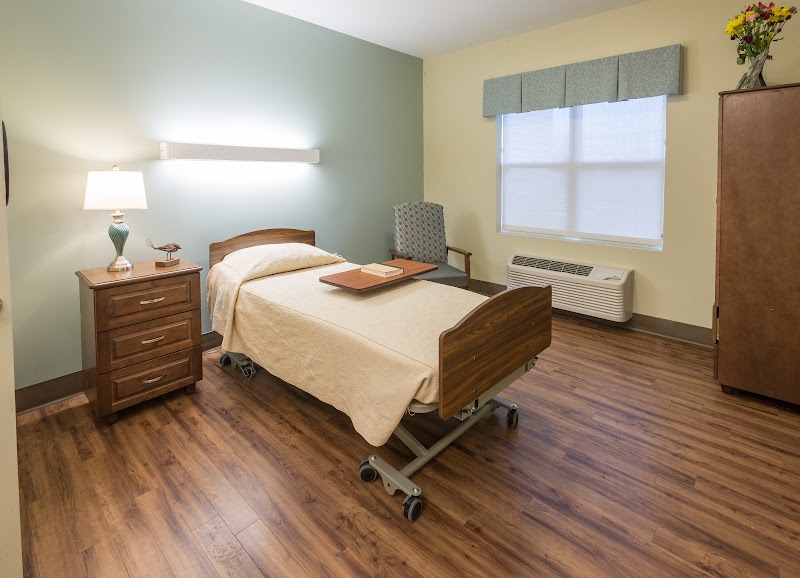
How is Eagle Creek Nursing Center Staffed?

CMS rates EAGLE CREEK NURSING CENTER's staffing level at 3 out of 5 stars, which is average compared to other nursing homes. Staff turnover is 33%, compared to the Ohio average of 46%. This relatively stable workforce can support continuity of care.

What Have Inspectors Found at Eagle Creek Nursing Center?

State health inspectors documented 30 deficiencies at EAGLE CREEK NURSING CENTER during 2019 to 2024. These included: 29 with potential for harm and 1 minor or isolated issues.
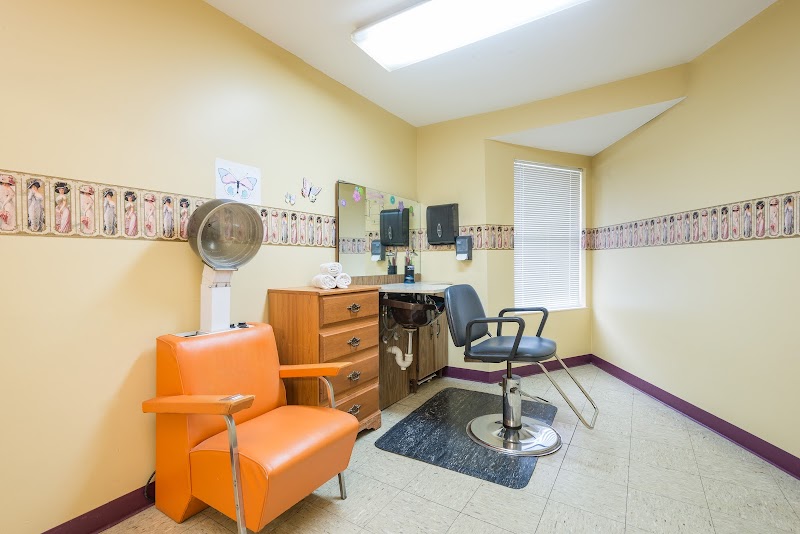
Who Owns and Operates Eagle Creek Nursing Center?

EAGLE CREEK NURSING CENTER is owned by a for-profit company. For-profit facilities operate as businesses with obligations to shareholders or private owners. The facility is operated by SABER HEALTHCARE GROUP, a chain that manages multiple nursing homes. With 85 certified beds and approximately 71 residents (about 84% occupancy), it is a smaller facility located in WEST UNION, Ohio.
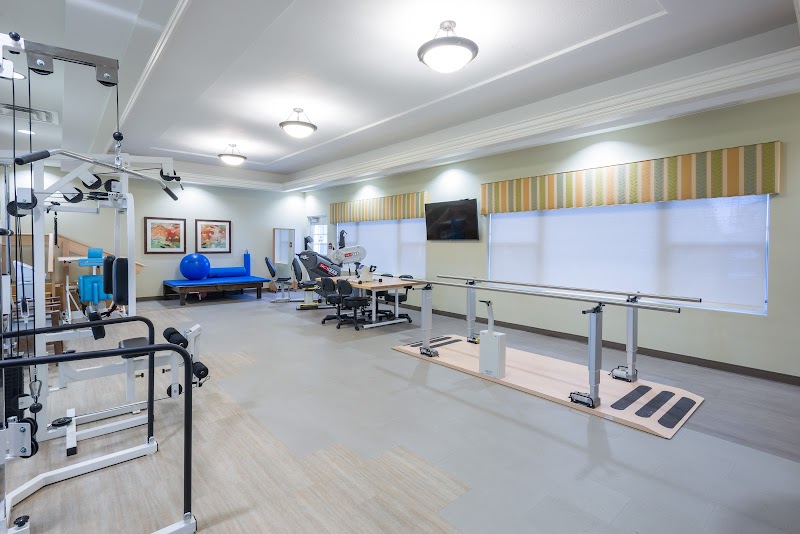
How Does Eagle Creek Nursing Center Compare to Other Ohio Nursing Homes?

Compared to the 100 nursing homes in Ohio, EAGLE CREEK NURSING CENTER's overall rating (5 stars) is above the state average of 3.2, staff turnover (33%) is significantly lower than the state average of 46%, and health inspection rating (4 stars) is above the national benchmark.

What Should Families Ask When Visiting Eagle Creek Nursing Center?

Based on this facility's data, families visiting should ask: "Can I visit during a mealtime to observe dining assistance and food quality?" "How do you handle medical emergencies, and what is your hospital transfer rate?" "Can I speak with family members of current residents about their experience?"

Is Eagle Creek Nursing Center Safe?

Based on CMS inspection data, EAGLE CREEK NURSING CENTER has a clean safety record: no substantiated abuse findings (meaning no confirmed cases of resident harm), no Immediate Jeopardy citations (the most serious violation level indicating risk of serious injury or death), and is not on the Special Focus Facility watch list (a federal program monitoring the lowest-performing 1% of nursing homes). The facility has a 5-star overall rating and ranks #1 of 100 nursing homes in Ohio. While no facility is perfect, families should still ask about staff-to-resident ratios and recent inspection results during their visit.

Do Nurses at Eagle Creek Nursing Center Stick Around?

EAGLE CREEK NURSING CENTER has a staff turnover rate of 33%, which is about average for Ohio nursing homes (state average: 46%). Moderate turnover is common in nursing homes, but families should still ask about staff tenure and how the facility maintains care continuity when employees leave.

Was Eagle Creek Nursing Center Ever Fined?

EAGLE CREEK NURSING CENTER has no federal fines on record. CMS issues fines when nursing homes fail to meet care standards or don't correct problems found during inspections. The absence of fines suggests the facility has either maintained compliance or corrected any issues before penalties were assessed. This is a positive indicator, though families should still review recent inspection reports for the full picture.

Is Eagle Creek Nursing Center on Any Federal Watch List?

EAGLE CREEK NURSING CENTER is not on any federal watch list. The most significant is the Special Focus Facility (SFF) program, which identifies the bottom 1% of nursing homes nationally based on persistent, serious quality problems. Not being on this list means the facility has avoided the pattern of deficiencies that triggers enhanced federal oversight. This is a positive indicator, though families should still review the facility's inspection history directly.