LANDINGS OF WESTERVILLE HEALTH AND REHAB THE
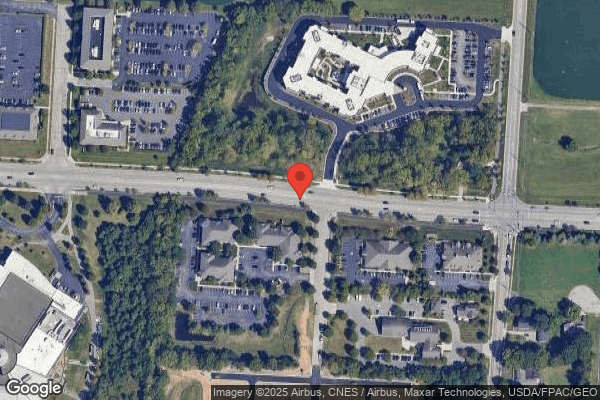

350 COUNTY LINE ROAD WEST, WESTERVILLE, OH 43082 (740) 616-7131
For profit - Corporation 120 Beds FOUNDATIONS HEALTH SOLUTIONS Data: November 2025
Trust Grade
85/100
#99 of 913 in OH
Last Inspection: March 2025

Within standard 12-15 month inspection cycle. Federal law requires annual inspections.

Overview

Landings of Westerville Health and Rehab has received a Trust Grade of B+, indicating it is recommended and above average compared to other facilities. It ranks #99 out of 913 in Ohio, placing it in the top half, and #3 out of 8 in Delaware County, meaning only two local options are better. However, the facility is facing a worsening trend in its performance, with issues increasing from 1 in 2024 to 6 in 2025. Staffing is a mixed bag; while they have a good RN coverage that exceeds 80% of Ohio facilities, the staffing rating is only 2 out of 5 stars, indicating below-average performance, and turnover is at 42%, which is slightly better than the state average. Importantly, the facility has not incurred any fines, which is a positive sign, but there have been serious incidents noted, such as a resident suffering a major injury from a fall due to improper care during incontinence care. Additionally, there were concerns regarding a lack of oversight for residents with surveillance cameras, as well as failures in ensuring residents with "Nothing by Mouth" orders were not given liquids during oral care, which could lead to serious health risks. Overall, while there are strengths, particularly in RN coverage and absence of fines, families should be aware of the serious concerns raised in recent inspections.

Trust Score
B+
85/100
In Ohio
#99/913
Top 10%
Safety Record
Moderate
Needs review
Inspections
Getting Worse
1 → 6 violations
Staff Stability
○ Average
42% turnover. Near Ohio's 48% average. Typical for the industry.
Penalties
✓ Good
No fines on record. Clean compliance history, better than most Ohio facilities.
Skilled Nurses
✓ Good
Each resident gets 55 minutes of Registered Nurse (RN) attention daily — more than average for Ohio. RNs are trained to catch health problems early.
Violations
○ Average
7 deficiencies on record. Average for a facility this size. Mostly minor or procedural issues.
★★★★★
5.0
Overall Rating
★★☆☆☆
2.0
Staff Levels
★★★★★
5.0
Care Quality
★★★★☆
4.0
Inspection Score
Stable
2024: 1 issues
2025: 6 issues

The Good

  • 5-Star Quality Measures · Strong clinical quality outcomes
  • Full Sprinkler Coverage · Fire safety systems throughout facility
  • No fines on record
  • Staff turnover below average (42%)

    6 points below Ohio average of 48%

Facility shows strength in quality measures, fire safety.

The Bad

Staff Turnover: 42%

Near Ohio avg (46%)

Typical for the industry

Chain: FOUNDATIONS HEALTH SOLUTIONS

Part of a multi-facility chain

Ask about local staffing decisions and management

The Ugly 7 deficiencies on record

1 actual harm
Sept 2025 2 deficiencies
CONCERN (D) 📢 Someone Reported This

A family member, employee, or ombudsman was alarmed enough to file a formal complaint

Potential for Harm - no one hurt, but risky conditions existed

Resident Rights (Tag F0550)

Could have caused harm · This affected 1 resident

Based on medical record review, staff interviews, and facility policy review, the facility failed to honor Resident #15 ‘s right to have a camera surveillance in her room when her camera was unplugged...

Read full inspector narrative →
Based on medical record review, staff interviews, and facility policy review, the facility failed to honor Resident #15 ‘s right to have a camera surveillance in her room when her camera was unplugged and not reconnected to power. This affected one resident (Resident #15) out of 15 residents identified by the facility as having surveillance cameras in their rooms. Facility census was 109. Findings include: Review of Resident #15's medical record revealed an admission date of 11/27/2023 with diagnoses that included but were not limited to cerebral infarction, emphysema, acute chronic respiratory failure with hypoxia, diabetes mellitus, atrial fibrillation and depression.Review of Resident # 15's most recent Minimum Data Set (MDS) 3.0 assessment dated , 07/25/25 revealed a Brief Interview for Mental Status (BIMS) score of six indicating the resident was cognitively impaired. The resident was assessed to require total assistance from staff with activities of daily living.Review of Resident # 15's progress notes dated 08/05/25 revealed that Unit Manager (UM) # 379 removed a power strip from the resident's room.Interview on 09/02/25 at 1:35 P.M. with UM # 379 revealed on 08/05/25 he removed a power strip from Resident #15's room that was attached to her surveillance camera. UM # 379 confirmed he did not plug the camera to a power source after he removed the power strip. UM #379 stated the camera was not plugged in by any staff member, and family was notified and he was unsure when family came to the facility to reconnect the camera.Interview on 09/02/25 at 4:05 P.M. with the Administrator revealed she was unaware the surveillance camera in Resident #15's room was not reconnected to power after the power strip was removed by the facility staff.Review of facility policy titled Electronic Monitoring in Resident Rooms dated March 23, 2022 revealed: The Facility will permit residents and legally authorized people to install and use electronic monitoring devices in accordance wit applicable laws. Only authorized facility personnel are permitted to install electronic monitoring devices in resident rooms.
CONCERN (D) 📢 Someone Reported This

A family member, employee, or ombudsman was alarmed enough to file a formal complaint

Potential for Harm - no one hurt, but risky conditions existed

Quality of Care (Tag F0684)

Could have caused harm · This affected 1 resident

Based on medical record review, review of facility training, and staff interviews, the facility failed to ensure that residents with Nothing by Mouth (NPO) orders did not receive any liquids by mouth ...

Read full inspector narrative →
Based on medical record review, review of facility training, and staff interviews, the facility failed to ensure that residents with Nothing by Mouth (NPO) orders did not receive any liquids by mouth during oral care. This affected one (Resident #15) out of 17 residents the facility identified as NPO. The facility census was 109.Findings include:Review of Resident #15's medical record revealed an admission date of 11/27/2023 with diagnoses that included but were not limited to cerebral infarction, emphysema, acute chronic respiratory failure with hypoxia, diabetes mellitus, atrial fibrillation, tracheostomy dependent and depression.Review of Resident # 15's most recent Minimum Data Set (MDS) 3.0 assessment dated , 07/25/25 revealed a Brief Interview for Mental Status (BIMS) score of six indicating the resident was cognitively impaired. The resident was assessed to require total assistance from staff with activities of daily living and oral hygiene care.Review of Resident #15's progress notes dated 08/14/25 by Unit Manager (UM) # 379 revealed family was contacted regarding the scant amount of liquid Resident #15 received from her Chlorhexidine (antimicrobial) administration on 8/12/25.Review of Resident # 15's current monthly physicians orders dated 08/25/25, revealed an NPO diet order and an order for Chlorhexidine Gluconate Solution (medication used for oral care with NPO residents) 0.12%; give 15 milliliters (ml) orally four times a day.Review of Resident #15's August 2025 Medication Administration Record (MAR) revealed Licensed Practical Nurse (LPN) # 200 signed as administering Chlorhexidine Gluconate Solution on 08/12/25 at 9:00 P.M. Interview on 09/02/25 at 1:35 P.M. with UM # 379 revealed that Nurse #200 poured a small amount of chlorhexidine medication in the front of Resident #15's mouth to thoroughly clean her bottom teeth. He also stated that Director of Nursing (DON) #393 was aware and had educated the staff on oral care for NPO residents. Interview on 09/02/25 at 2:25 P.M. with DON #393 revealed he was aware of the incident and had educated nursing and respiratory therapy staff on oral care with chlorhexidine for NPO patients on 08/13/25.Review of facility training titled Oral Care with Chlorhexidine -NPO patients undated revealed the following step by step instructions: 1. Verify & prepare: Confirm order, allergies, NPO status, aspiration risk. Wash hands and apply gloves. 2. Position: head of bed (HOB) 30-45 upright OR side-lying if unable. 3. Application: Pour 10-15 ml into a cup, soak foam swab (no double dipping). 4. Cleaning: Swab inner cheeks, gums, tongue, teeth - replace swab if soiled. 5. Suction: Yankauer/inline suction during care. If alert, spit into basin (no rinsing with water). 6. Completion: Dispose of supplies, remove personal protective equipment (PPE), document care and findings.
Mar 2025 4 deficiencies 1 Harm
SERIOUS (G)

Actual Harm - a resident was hurt due to facility failures

Accident Prevention (Tag F0689)

A resident was harmed · This affected 1 resident

**NOTE- TERMS IN BRACKETS HAVE BEEN EDITED TO PROTECT CONFIDENTIALITY** Based on medical record review, staff and resident interviews, and policy review, the facility failed to ensure proper positioni...

Read full inspector narrative →
**NOTE- TERMS IN BRACKETS HAVE BEEN EDITED TO PROTECT CONFIDENTIALITY** Based on medical record review, staff and resident interviews, and policy review, the facility failed to ensure proper positioning technique was implemented during incontinence care which resulted in a fall out of bed with a major injury. Actual Harm occurred on 10/16/24 when Resident #30, who was cognitively intact, at risk for falls and dependent on staff for turning, repositioning, and toileting sustained a fall out of bed when one staff member was providing incontinent care, and the resident fell to the floor fracturing her left femur due to improper positioning technique. This affected one (Resident #30) of three residents reviewed for falls. The census was 113. Findings included: Medical record review for Resident #30 revealed an admission date of 01/05/24. Medical diagnoses included spinal cord compression, diabetes, malnutrition, and spinal stenosis. Review of the care plan for Resident #30 dated 09/26/24 revealed she was at risk for falls related to debilitation, weakness, pain, personal history of falls, and use of the psychotic medications. Interventions were to encourage and remind to ask for assistance, have commonly used articles within reach, and maintain a clear pathway. Further review of the care plan revealed Resident #30 may require assistance with Activities of Daily Living (ADL's) and may be at risk of developing complications associated with decreased ADL self-performance. Interventions included re-position/perform mobility with two-person assistance, toilet with two-person assistance, and assist bars to the bed. Review of the fall assessment dated [DATE] revealed Resident #30 had a five as a score indicating the resident was at moderate risk for falls. The resident had not had previous falls and wasn't easily distracted. Review of the quarterly Minimum Data Set (MDS) dated [DATE] revealed Resident #30 was cognitively intact. Her functional status was dependent for eating, toileting, bed mobility, and transfers were not applicable. She was always incontinent of bowel and bladder. Review of the progress notes dated 10/16/24 at 10:00 A.M. revealed a Certified Nursing Aide (CNA) reported to the nurse Resident #30 had fallen. The nurse entered the room and the resident was observed (on the floor) on the right side of the bed with head towards the bathroom, lying on her left side. Her feet were extended towards the foot of the bed. She was assessed head to toe, vital signs were taken, and the left leg was shorter than the right leg. There were multiple skin tears. Her leg was immobilized utilizing a pillow and a blanket. She was assisted back into the bed with three person assistance. Resident #30 complained of pain to her left hip and she was medicated for pain. The physician was called and an order was obtained for a STAT X-ray of the left hip. Wounds were cleansed and treatment was implemented. Review of the X-ray for Resident #30 dated 10/16/24 revealed there was a left femoral neck fracture. Review of the statement by CNA #89 dated 10/16/24 revealed she was providing incontinence care for Resident #30 and after she finished changing the brief she realized the bed pad was wet, so she reached out with one hand to get an incontinence pad off a night stand, and with the other hand she was holding onto the pad the resident was lying on and the resident fell out of bed onto the floor. Review of Interdisciplinary Team (IDT) progress note dated 10/16/24 revealed CNA #89 was responsible for the resident's care at the time of the incident reported the following details surrounding the resident's fall: CNA #89 came and got the nurse and the manager and stated Resident #30 fell out of bed when she was changing her. CNA #89 stated that she had her rolled over facing left and went to reach for a pad, the resident was reaching for the left assist bar and rolled out of the bed to the floor, small laceration to back of left scalp, several skin tears to left arm, hematoma and skin tear to left leg, wounds cleaned and dressed, resident complained of left hip pain, and she was given pain medications and neurological checks were started. The resident stated I don't know what happened. The Power of Attorney (POA) was called related to the resident's fall, and does not want resident sent to the hospital at this time. Interview with Resident #30 on 03/03/25 at 12:12 P.M. revealed she had fallen out of the bed about six to seven months ago. She stated one aide was changing her brief and wasn't watching her and she rolled out of the bed onto the floor and hit the cabinet behind the bed and broke her leg and her hip. She stated it took four to five staff members to get her back into the bed. She said she was under hospice care and didn't want to go out to the hospital for care, she and her power of attorney wanted to be comfort measures. Interview with CNA #89 on 03/04/25 at 2:13 P.M. revealed she went into the room to provide incontinence care for Resident #30 and got her brief on her and rolled her away from her and denied the resident was rolled too far to the edge of the bed and said she noticed the pad under the resident had feces on it. The aide stated she reached around to grab a new pad with her right hand while her left hand was holding onto the rolled-up pad near the resident. CNA#89 admitted she was holding the pad and not the resident. She said the resident rolled out of the bed. She stated the resident may have tried to grab the side rail or her remote, but she wasn't sure because she could not see what the resident was doing while she reached around for the pad. She said she was alone in the room, so she left the resident on the ground and went to the hall and got a coworker to stay with the resident and went and got the nurse. She said the resident wasn't a two-person assistance until she had this fall and now this was the new intervention. Interview with Registered Nurse (RN) #92 on 03/04/25 at 2:49 P.M. revealed she was the nurse who was taking care of Resident #30 on the day of 10/16/24. She stated CNA #89 stepped out into the hallway and yelled for her to come to Resident #30's room because the resident had fallen out of bed. She stated when she got to the room the resident was on her left side on the floor. She was assessed and her leg was immobilized and she was put back to bed. She notified the physician and she came in to see the resident. She said the CNA either left the room to get the linens or left the resident in the bed to get the linens in the room. Either way the CNA left the resident in bed and she fell. Review of the procedures policy entitled CNA Mock Skills not dated revealed: (1) Adjust the bed to a comfortable height and the lower the head completely. (2) Place the patient on the side of the bed facing away from the intended direction of turning. (3) Transfer the upper trunk first, supporting the shoulders, then the lower trunk, supporting the hips. (4) Raise the side rail and move to the opposite side of the bed. (5) Flex the knee not near the mattress and place a hand on the patient's hip and shoulder. (6) Roll the patient toward you onto their side.
CONCERN (D)

Potential for Harm - no one hurt, but risky conditions existed

Deficiency F0657 (Tag F0657)

Could have caused harm · This affected 1 resident

**NOTE- TERMS IN BRACKETS HAVE BEEN EDITED TO PROTECT CONFIDENTIALITY** 2. Medical record review for Resident #30 revealed an admission date of 01/05/24. Medical diagnoses included spinal cord compres...

Read full inspector narrative →
**NOTE- TERMS IN BRACKETS HAVE BEEN EDITED TO PROTECT CONFIDENTIALITY** 2. Medical record review for Resident #30 revealed an admission date of 01/05/24. Medical diagnoses included spinal cord compression, diabetes, malnutrition, and spinal stenosis. Review of the care plan for Resident #30 dated 09/26/24 revealed she was at risk for falls related to debilitation, weakness, pain, personal history of falls, and use of the psychotic medications. Interventions were to encourage and remind to ask for assistance, have commonly used articles within reach, and maintain a clear pathway. Further review of the care plan revealed Resident #30 may require assistance with Activities of Daily Living (ADL's) and may be at risk of developing complications associated with decreased ADL self-performance. Interventions included re-position/perform mobility with two-person assistance, toilet with two-person assistance, and assist bars to the bed. Review of the quarterly Minimum Data Set (MDS) dated [DATE] revealed Resident #30 was cognitively intact. Her functional status was dependent for eating, toileting, bed mobility, and transfers were not applicable. She was always incontinent for bowel and bladder. Interview with the Director of Nursing (DON) on 03/05/25 at 11:04 A.M. revealed the care plan for Resident #30 was not accurate as it documented Resident #30 to require two person assistance with ADL care and did not reflect Resident #30 being dependent on staff for her ADL care. The DON confirmed the care plan had not been revised to reflect Resident 30's actual care needs. Review of the facilities Care Plan Policy, dated 01/01/2015 revealed the facility will have updated versions of Resident Assessment Instrument (RAI) manual in hard copy from format accessible to members of the team responsible for completion of these areas. Based on interview, observation, record review, and facility policy review, the facility failed to ensure residents had updated accurate care plans for two Residents (#30 and #65) out of six Residents reviewed for care plans. The facility census was 113. Findings Include: Review of the medical record for Resident #65 revealed an admission date of 12/25/22 with diagnoses of encephalopathy, asthma with acute exacerbation, morbid obesity, chronic kidney disease, anxiety and depression. Resident was documented to be alert and oriented to person, place and time with no cognitive deficits. On 04/06/23 Resident #65 saw the facility contracted eye doctor and was diagnosed with cataracts in both eyes. Optometrist recommended removal of the cataracts and Resident #65 declined. Review of Resident #65 care plan last dated 01/13/25 did not include identification of resident having cataracts, referral for cataract surgery and use of ophthalmic medication. Interview on 03/05/25 at 2:00 P.M. with Regional Registered Nurse #164 confirmed Resident #65's care plan did not include identification and care for cataracts.
CONCERN (D)

Potential for Harm - no one hurt, but risky conditions existed

Deficiency F0685 (Tag F0685)

Could have caused harm · This affected 1 resident

**NOTE- TERMS IN BRACKETS HAVE BEEN EDITED TO PROTECT CONFIDENTIALITY** Based on observations, resident interview, and medical record review, the facility failed to implement physician orders causing ...

Read full inspector narrative →
**NOTE- TERMS IN BRACKETS HAVE BEEN EDITED TO PROTECT CONFIDENTIALITY** Based on observations, resident interview, and medical record review, the facility failed to implement physician orders causing a delay in treatment for one resident (#65) . The census was 113. Findings Include: Review of the medical record for Resident #65 revealed an admission date of 12/25/22 with medical diagnoses of encephalopathy, asthma with acute exacerbation, morbid obesity, chronic kidney disease, anxiety and depression. Resident #65 was documented to be alert and oriented to a person, place and time with no cognitive deficits. Review of Resident #65's annual eye examination dated 04/06/23 the Resident #65 revealed the resident was seen by the facility eye doctor and was diagnosed with cataracts in both eyes. Optometrist recommended removal of the cataracts and Resident #65 declined. Review of Resident #65's annual eye examination dated 05/03/24 revealed Resident #65 agreed to have cataract surgery due to a decrease in vision. The optometrist instructed the facility to set up consultation at a specialist office for cataract surgery. Review of the Resident record revealed on 10/14/24 at 9:30 A.M. Resident #65 had a follow up appointment with the Optometrist who confirmed a consultation visit was not scheduled for the removal of Resident #65 cataracts. Review of the nurse's progress notes from 05/03/24 to 03/03/25 revealed no indication of the referral being made to the eye specialist. Interview on 03/03/25 at 4:25 P.M. with Resident #65 who appeared to be upset revealed no one in the facility listened to her when she was to see a specialist for cataract removal in both eyes. She said the eye doctor instructed the staff to set up an appointment for a specialist to remove the cataracts in May of 2024, but they never did. When the eye doctor came back to the facility on [DATE] he was furious and asked her why she did not see a specialist. She explained, multiple times she spoke to the nurses and the unit manager about making the appointment, but no one ever did. On 01/03/25 she finally saw the specialist and was told she had too much pressure behind her eyes and could not have her cataract surgery until the pressure was treated. Since 01/03/25 she saw the specialist one more time and surgery has not been recommended due to the pressure in her eyes. Interview on 03/05/25 at 1:00 P.M. with the Director of Nursing verified a consult with an eye specialist was not made until after Resident #65 seen the optometrist on 10/14/25. The first available appointment for Resident #65 was scheduled for 02/21/25.
CONCERN (D)

Potential for Harm - no one hurt, but risky conditions existed

Deficiency F0760 (Tag F0760)

Could have caused harm · This affected 1 resident

**NOTE- TERMS IN BRACKETS HAVE BEEN EDITED TO PROTECT CONFIDENTIALITY** Based on record review, interview, and facility policy review, the facility failed to administer antibiotic medication to one, R...

Read full inspector narrative →
**NOTE- TERMS IN BRACKETS HAVE BEEN EDITED TO PROTECT CONFIDENTIALITY** Based on record review, interview, and facility policy review, the facility failed to administer antibiotic medication to one, Resident #100, of three reviewed for antibiotic use. The facility census was 113. Findings Included: Review of the record for Resident #100 revealed an admission date of 08/27/24. Diagnoses included anoxic brain damage, chronic respiratory failure with hypoxia, osteomyelitis of vertebra sacral and sacrococcygeal, type two diabetes, and dependence of respiratory ventilator and oxygen. Review of quarterly minimum data set (MDS) assessment dated [DATE] revealed Resident #100 had was unable to complete a brief interview of mental status (BIMS) indicating the he was severely cognitively impaired. Resident #100 dependent on staff for oral care, toileting, personal hygiene, bathing, dressing upper and lower body, and placing shoes on and off feet. Review of the plan of care dated 05/15/24 revealed Resident #100 had altered health maintenance related to progressive physical and mental status, related to anemia, contractures, history of ileus, diffuse anoxic brain damage, osteomyelitis, seizures, and sepsis. Administer medication as ordered, administer oxygen per physician order, monitor effectiveness of pain medications or side effects and report to medical director, monitor for signs and symptoms of cardiac distress, and monitor for symptoms of distress, infection, increased temperature, redness, warmth of swelling, and elevated white blood count, and decreased urine output. Review of hospital document dated 10/16/24 for Resident #100 revealed the Resident admitted to the hospital on [DATE] with severe sepsis, was noted to have cardiac arrest in the Emergency Department, and be admitted to the Intensive Care Unit (ICU) on 10/08/24. Septic shock resolved on 10/13/24 when the resident was transferred out of ICU. Resident remained in the hospital and was discharged back to the facility on [DATE]. The document revealed the resident was to have the following medication changes; start taking these medications Cefpodoxime (antibiotic) 200 mg take one tablet two times a day for 14 days, Ciprofloxacin (antibiotic) 750 mg take one tablet two times a day for 14 days, Linezolid (antibiotic) 600 mg take one tablet two times a day, and stop taking Acetaminophen 160 mg/5 ml elixir. Review of progress note dated 10/17/24 at 12:10 A.M. by Licensed Practical Nurse (LPN) #73 revealed Resident #100 arrived via stretcher at 11:33 P.M. from the hospital. All orders have been verified. Review of physician order dated 10/17/24 revealed that Resident #100 had an order for Cefpodoxime Proventil Oral Suspension Reconstituted 100 MG/5 ML give gastric tube to give 10 ml enterally two times a day for sepsis for 14 days. To start on 10/17/24 at 6:00 A.M. Review of progress note dated 10/17/24 at 6:16 A.M. LPN #73 documented Cefpodoxime Proventil Oral Suspension Reconstituted 100 MG/5 ML. Medication was not available, awaiting arrival from pharmacy. Review of progress note dated 10/18/24 at 11:56 P.M. LPN #19 documented Cefpodoxime Proventil Oral Suspension Reconstituted 100 MG per 5 ML. Pharmacy accidentally sent in tablet instead of reconstituted formula, per pharmacist the medication will be dropped shipped this morning. Review of progress note dated 10/19/24 at 5:40 A.M. LPN #19 documented Cefpodoxime Proxetil Oral Suspension Reconstituted 100 MG/5 ML. Awaiting delivery from the pharmacy for medication. Review of progress note dated 10/25/24 at 9:28 A.M. LPN #108 documented Cefpodoxime Proventil Oral Suspension Reconstituted 100 milligram (mg) per 5 milliliters (ml). Give 10 ml enterally two times a day for sepsis for 14 Days. Medication was unavailable, and pharmacy contacted. The pharmacist stated that medication is on back order. Review of the medication administration record from 10/01/24 through 10/31/24 revealed Resident #100 did not receive the following antibiotics: Cefpodoxime Proventil Oral Suspension Reconstituted 100 milligram per 5 milliliters for dates 10/17/24, 10/18/24, 10/19/24, and 10/25/24. Interview on 03/06/25 at 5:23 P.M. with Director of Nursing (DON) revealed the nurses did not chart in records they had notified the physician timely for all antibiotics that Resident #100 had missed on dates 10/17/24, 10/18/24, 10/19/24, and 10/25/24. Review of facility policy titled Change in Condition dated 10/18/2001 change of condition was defined as deterioration in health, mental, or psychological status of a resident related to a life-threatening condition, a significant alteration in treatment, or significant change in the resident's clinical conditions or status. One life threatening condition, depending on severity included infections. The unit supervisor or charge nurse will notify the resident, physician, and guardian of all changes as stated above, and any other situations requiring notification.
May 2024 1 deficiency
CONCERN (D) 📢 Someone Reported This

A family member, employee, or ombudsman was alarmed enough to file a formal complaint

Potential for Harm - no one hurt, but risky conditions existed

Deficiency F0760 (Tag F0760)

Could have caused harm · This affected 1 resident

**NOTE- TERMS IN BRACKETS HAVE BEEN EDITED TO PROTECT CONFIDENTIALITY** Based on observation, record review, staff interview and policy review, the facility failed to ensure medications were administe...

Read full inspector narrative →
**NOTE- TERMS IN BRACKETS HAVE BEEN EDITED TO PROTECT CONFIDENTIALITY** Based on observation, record review, staff interview and policy review, the facility failed to ensure medications were administered to the residents without a significant medication error. This affected one (Resident #31) of three residents reviewed for medication administration. The facility census was 110. Findings include: Review of Resident #31's medical record revealed the resident was admitted to the facility on [DATE]. Diagnoses included Alzheimer's disease and anxiety disorder. Review of Resident #31's physician orders dated 03/04/24 revealed an order for the resident to receive pureed foods with nectar thickened liquids. An order dated 06/14/23 for Divalproex Sodium oral tablet delayed release 250 milligrams (mg) (Divalproex Sodium), administer three tablets by mouth one time a day for convulsion. This order was discontinued on 04/30/24. A new order dated 04/30/24 for Divalproex Sodium oral capsule delayed release sprinkle 125 mg (Divalproex Sodium), administer four capsules by mouth one time a day. Interview and observation of medication administration on 04/30/24 at 7:30 A.M. revealed Registered Nurse (RN) #259 on 04/30/24 at 7:30 A.M. stated Resident #31 took her medications crushed in applesauce. RN #259 was observed to crush the Divalproex Sodium 250 mg three tablets and include them with the resident's other crushed morning medications and place all the crushed medications in applesauce. At 7:45 A.M., RN #259 was in Resident #31's room with the crushed morning medication explaining to the resident that it was time to take her medications. The Director of Nursing (DON) came to the door and told RN #259 to come out of the room with the medications. The DON asked if the Divalproex Sodium delayed release tablets were in the crushed medications and when the nurse replied yes, the DON instructed RN #259 that the medication could not be administered to the resident, as Divalproex Sodium delayed release tablets cannot be crushed. The DON was observed to open a binder on the medication cart and turn to the do not crush list provided by the pharmacy and showed the list to RN #259. RN #259 was observed to discard the medications and obtained Resident #31's morning medication again without the Divalproex Sodium delayed release tablets 250 mg, three tablets, in it as the DON stated they would need to get the order clarified. Interview with the DON on 04/30/24 at 12:55 P.M. confirmed any resident who had a pureed diet order should have their medications provided to them crushed. The DON verified the facility obtained an order for Divalproex Sodium oral capsule delayed release sprinkles 125 mg, give four capsules by mouth one time a day for Resident #31 on 04/30/24 as the capsules could be opened and sprinkled on food to give to residents, and Resident #31 took her medications crushed. The DON verified the Resident #31 had an order for pureed diet on 03/04/24 and until 04/30/24 the resident's Divalproex Sodium was ordered and provided to the resident as three 250 mg tablets that were not to be crushed, but crushed was the way the resident took her medications. The DON verified the facility staff had documented on the medication administration record every day during the month of April 2024 that the Divalproex Sodium delayed release 250 mg, three tablets had been administered to the resident. Review of the facility policy titled Medication Administration General Guidelines for Administering Medications dated 06/21/17 revealed medications will be administered by legally-authorized and trained persons in accordance to applicable State, Local and Federal laws and consistent with accepted standards of practice. The noted included to refer to medication reference text for administration of any medication when added to or mixed with any substance to facilitate administration, (e.g. applesauce, juice, milk, etc.). This deficiency represents non-compliance investigated under Complaint Number OH00153179.
Understanding Severity Codes (click to expand)
Life-Threatening (Immediate Jeopardy)
J - Isolated K - Pattern L - Widespread
Actual Harm
G - Isolated H - Pattern I - Widespread
Potential for Harm
D - Isolated E - Pattern F - Widespread
No Harm (Minor)
A - Isolated B - Pattern C - Widespread

Questions to Ask on Your Visit

  • "Can I speak with families of current residents?"
  • "What's your RN coverage like on weekends and overnight?"

Our Honest Assessment

Strengths
  • • Grade B+ (85/100). Above average facility, better than most options in Ohio.
  • • No fines on record. Clean compliance history, better than most Ohio facilities.
  • • 42% turnover. Below Ohio's 48% average. Good staff retention means consistent care.
Concerns
  • • 7 deficiencies on record, including 1 serious (caused harm) violation. Ask about corrective actions taken.
Bottom line: Generally positive indicators. Standard due diligence and a personal visit recommended.

About This Facility

What is Landings Of Westerville Health And Rehab The's CMS Rating?

CMS assigns LANDINGS OF WESTERVILLE HEALTH AND REHAB THE an overall rating of 5 out of 5 stars, which is considered much above average nationally. Within Ohio, this rating places the facility higher than 99% of the state's 100 nursing homes. This rating reflects solid performance across the metrics CMS uses to evaluate nursing home quality.

How is Landings Of Westerville Health And Rehab The Staffed?

CMS rates LANDINGS OF WESTERVILLE HEALTH AND REHAB THE's staffing level at 2 out of 5 stars, which is below average compared to other nursing homes. Staff turnover is 42%, compared to the Ohio average of 46%. This relatively stable workforce can support continuity of care.

What Have Inspectors Found at Landings Of Westerville Health And Rehab The?

State health inspectors documented 7 deficiencies at LANDINGS OF WESTERVILLE HEALTH AND REHAB THE during 2024 to 2025. These included: 1 that caused actual resident harm and 6 with potential for harm. Deficiencies causing actual harm indicate documented cases where residents experienced negative health consequences.

Who Owns and Operates Landings Of Westerville Health And Rehab The?

LANDINGS OF WESTERVILLE HEALTH AND REHAB THE is owned by a for-profit company. For-profit facilities operate as businesses with obligations to shareholders or private owners. The facility is operated by FOUNDATIONS HEALTH SOLUTIONS, a chain that manages multiple nursing homes. With 120 certified beds and approximately 110 residents (about 92% occupancy), it is a mid-sized facility located in WESTERVILLE, Ohio.
How Does Landings Of Westerville Health And Rehab The Compare to Other Ohio Nursing Homes?

Compared to the 100 nursing homes in Ohio, LANDINGS OF WESTERVILLE HEALTH AND REHAB THE's overall rating (5 stars) is above the state average of 3.2, staff turnover (42%) is near the state average of 46%, and health inspection rating (4 stars) is above the national benchmark.

What Should Families Ask When Visiting Landings Of Westerville Health And Rehab The?

Based on this facility's data, families visiting should ask: "Can you walk me through typical staffing levels on day, evening, and night shifts?" "Can I visit during a mealtime to observe dining assistance and food quality?" "How do you handle medical emergencies, and what is your hospital transfer rate?" "Can I speak with family members of current residents about their experience?" These questions are particularly relevant given the below-average staffing rating.

Is Landings Of Westerville Health And Rehab The Safe?

Based on CMS inspection data, LANDINGS OF WESTERVILLE HEALTH AND REHAB THE has a clean safety record: no substantiated abuse findings (meaning no confirmed cases of resident harm), no Immediate Jeopardy citations (the most serious violation level indicating risk of serious injury or death), and is not on the Special Focus Facility watch list (a federal program monitoring the lowest-performing 1% of nursing homes). The facility has a 5-star overall rating and ranks #1 of 100 nursing homes in Ohio. While no facility is perfect, families should still ask about staff-to-resident ratios and recent inspection results during their visit.

Do Nurses at Landings Of Westerville Health And Rehab The Stick Around?

LANDINGS OF WESTERVILLE HEALTH AND REHAB THE has a staff turnover rate of 42%, which is about average for Ohio nursing homes (state average: 46%). Moderate turnover is common in nursing homes, but families should still ask about staff tenure and how the facility maintains care continuity when employees leave.

Was Landings Of Westerville Health And Rehab The Ever Fined?

LANDINGS OF WESTERVILLE HEALTH AND REHAB THE has no federal fines on record. CMS issues fines when nursing homes fail to meet care standards or don't correct problems found during inspections. The absence of fines suggests the facility has either maintained compliance or corrected any issues before penalties were assessed. This is a positive indicator, though families should still review recent inspection reports for the full picture.

Is Landings Of Westerville Health And Rehab The on Any Federal Watch List?

LANDINGS OF WESTERVILLE HEALTH AND REHAB THE is not on any federal watch list. The most significant is the Special Focus Facility (SFF) program, which identifies the bottom 1% of nursing homes nationally based on persistent, serious quality problems. Not being on this list means the facility has avoided the pattern of deficiencies that triggers enhanced federal oversight. This is a positive indicator, though families should still review the facility's inspection history directly.