LOCUST RIDGE HEALTHCARE LLC
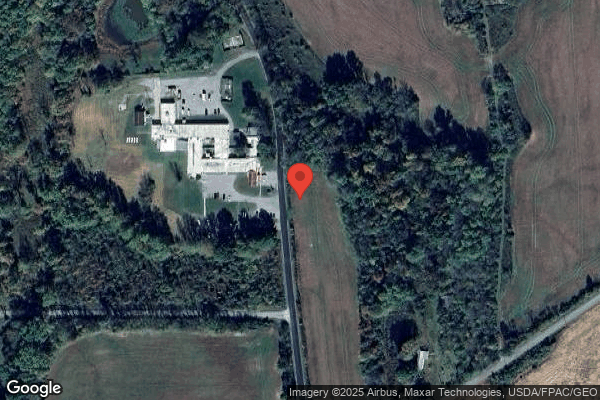

12745 ELM CORNER ROAD, WILLIAMSBURG, OH 45176 (513) 579-9949
For profit - Individual 61 Beds CCH HEALTHCARE Data: November 2025
Trust Grade
80/100
#105 of 913 in OH
Last Inspection: January 2024

Within standard 12-15 month inspection cycle. Federal law requires annual inspections.

Overview

Locust Ridge Healthcare LLC in Williamsburg, Ohio, has a Trust Grade of B+, indicating it is above average and recommended for families considering nursing home options. It ranks #105 out of 913 facilities in Ohio, placing it in the top half, and it is the best option among the four nursing homes in Brown County. The facility is showing improvement, with the number of reported issues decreasing from four in 2023 to just one in 2024. Staffing is rated at 4 out of 5 stars, which is a strength, though the turnover rate of 56% is slightly above the state average. Notably, there have been no fines recorded, and the facility has more registered nurse coverage than 85% of Ohio facilities, ensuring quality care. However, there are some concerns, including issues with food safety, such as expired food being found in storage and a lack of access for residents to their funds on weekends, which could impact their quality of life. Overall, Locust Ridge has both strengths and weaknesses that families should consider.

Trust Score
B+
80/100
In Ohio
#105/913
Top 11%
Safety Record
Low Risk
No red flags
Inspections
Getting Better
4 → 1 violations
Staff Stability
⚠ Watch
56% turnover. Above average. Higher turnover means staff may not know residents' routines.
Penalties
✓ Good
No fines on record. Clean compliance history, better than most Ohio facilities.
Skilled Nurses
✓ Good
Each resident gets 49 minutes of Registered Nurse (RN) attention daily — more than average for Ohio. RNs are trained to catch health problems early.
Violations
⚠ Watch
18 deficiencies on record. Higher than average. Multiple issues found across inspections.
★★★★★
5.0
Overall Rating
★★★★☆
4.0
Staff Levels
★★★★★
5.0
Care Quality
★★★★☆
4.0
Inspection Score
Stable
2023: 4 issues
2024: 1 issues

The Good

  • 4-Star Staffing Rating · Above-average nurse staffing levels
  • 5-Star Quality Measures · Strong clinical quality outcomes
  • Full Sprinkler Coverage · Fire safety systems throughout facility
  • No fines on record

Facility shows strength in staffing levels, quality measures, fire safety.

The Bad

Staff Turnover: 56%

Near Ohio avg (46%)

Frequent staff changes - ask about care continuity

Chain: CCH HEALTHCARE

Part of a multi-facility chain

Ask about local staffing decisions and management

Staff turnover is elevated (56%)

8 points above Ohio average of 48%

The Ugly 18 deficiencies on record

Jan 2024 1 deficiency
CONCERN (E)

Potential for Harm - no one hurt, but risky conditions existed

Deficiency F0567 (Tag F0567)

Could have caused harm · This affected multiple residents

Based on resident and staff interview and record review, the facility failed to ensure residents had access to funds on weekends and evenings. This had the potential to affect 34 residents (#1, #2, #3...

Read full inspector narrative →
Based on resident and staff interview and record review, the facility failed to ensure residents had access to funds on weekends and evenings. This had the potential to affect 34 residents (#1, #2, #3, #4, #5, #7, #10, #11, #13, #16, #17, #18, #19, #20, #21, #22, #24, #25, #26, #27, #28, #29, #31, #32, #37, #39, #40, #41, #42, #46, #49, #50, #51, and #52) who had funds with the facility. The facility census was 55. Findings include: Record review of Resident #4 revealed an admission date of 09/13/19 with pertinent diagnosis of: schizoaffective disorder bipolar type, anemia, major depressive disorder, post traumatic stress disorder, seizures, hypertension, seizures, and hypertension. Interview with Resident #4 on 01/28/24 at 12:30 P.M. revealed she is unable to get funds on the weekends. Interview with Business Office Manager (BOM) #25 on 01/31/24 at 9:50 A.M. revealed someone has the keys to the office on the weekends. There is no sign that you can get money on the weekends and we do not advertise that. Interview with State Tested Nurse Aide (STNA) #10 on 01/31/24 at 12:25 P.M. revealed they was not sure how to get funds if the family does not provide, and the BOM is not here. Interview with Registered Nurse (RN) #12 on 01/31/24 at 12:27 P.M. reveled they was not for sure how to get money on the weekends or evenings. Interview with STNA #14 on 01/31/24 at 12:32 P.M. revealed they was not sure how a resident would get funds if the BOM was not here, and they would ask the nurse on duty. Interview with RN #20 on 01/31/24 at 12:35 P.M. revealed they had a resident asked for funds after hours, and RN #20 told them no one is here to get money.
Dec 2023 4 deficiencies
CONCERN (D) 📢 Someone Reported This

A family member, employee, or ombudsman was alarmed enough to file a formal complaint

Potential for Harm - no one hurt, but risky conditions existed

Infection Control (Tag F0880)

Could have caused harm · This affected 1 resident

**NOTE- TERMS IN BRACKETS HAVE BEEN EDITED TO PROTECT CONFIDENTIALITY** Based on medical record review, observation, staff interview, and review of facility policy, the facility failed to follow infec...

Read full inspector narrative →
**NOTE- TERMS IN BRACKETS HAVE BEEN EDITED TO PROTECT CONFIDENTIALITY** Based on medical record review, observation, staff interview, and review of facility policy, the facility failed to follow infection control procedures when a staff member failed to wash or sanitize their hands after changing gloves during a dressing change for Resident #42. This affected one (Resident #42) of three residents reviewed for wound care. The facility census was 56. Findings include: Record review of Resident #42 revealed an admission date of 06/13/22 with pertinent diagnoses of congestive heart failure, chronic pain syndrome, type one diabetes mellitus with diabetic neuropathy, xerosis cutis, chronic venous hypertension, localized edema, mild intellectual disabilities, anxiety disorder, cellulitis of left lower limb, cognitive communication deficit, morbid obesity, anemia, atherosclerotic heart disease of native coronary, cardiac arrhythmia, heart failure, hyperlipidemia, hypertension, presence of prosthetic heart valve, and peripheral venous insufficiency. Review of the 07/21/23 quarterly Minimum Data Set (MDS) assessment revealed the resident was cognitively intact and required extensive assistance for bed mobility, transfers, dressing, toilet use, personal hygiene. Review of a physician order dated 07/06/23 revealed to cleanse area on abdominal mid [NAME] with normal saline, pat dry, apply calcium alginate inside of wound, and cover with clean dry dressing. Observation of Registered Nurse (RN) #10 completing the wound dressing change for Resident #42 on 12/05/23 at 11:20 A.M. revealed the nurse gathered the supplies and washed her hands and put on clean gloves. RN #10 opened gauze and used wound cleanser saline on the wound to the abdominal area. RN #10 removed her soiled gloves and put on clean gloves, RN #10 did not wash or sanitize her hands after removing the soiled gloves. RN #10 cut the calcium alginate and placed it in the wound and then placed the abdominal pad over the wound. Interview with RN #10 on 11:35 A.M. verified she did not wash her hands or use hand sanitizer after removing her gloves when she completed cleaning the wound. Review of a 08/01/19 facility handwashing/hand hygiene policy revealed to use an alcohol based hand rub of at least 62% alcohol or alternatively soap and water after removing gloves.
CONCERN (E) 📢 Someone Reported This

A family member, employee, or ombudsman was alarmed enough to file a formal complaint

Potential for Harm - no one hurt, but risky conditions existed

Deficiency F0694 (Tag F0694)

Could have caused harm · This affected multiple residents

**NOTE- TERMS IN BRACKETS HAVE BEEN EDITED TO PROTECT CONFIDENTIALITY** THE FOLLOWING DEFICIENCY REPRESENTS AN INCIDENT OF PAST NONCOMPLIANCE THAT WAS SUBSEQUENTLY CORRECTED PRIOR TO THIS SURVEY. Base...

Read full inspector narrative →
**NOTE- TERMS IN BRACKETS HAVE BEEN EDITED TO PROTECT CONFIDENTIALITY** THE FOLLOWING DEFICIENCY REPRESENTS AN INCIDENT OF PAST NONCOMPLIANCE THAT WAS SUBSEQUENTLY CORRECTED PRIOR TO THIS SURVEY. Based on staff interview, record review, website review, and document review, the facility failed to administer parenteral fluids per professional standards when they allowed a company who was not licensed in Ohio by the State Pharmacy Board to administer dangerous Intravenous (IV) fluid medications to residents. This affected three (Residents #42, #43, and #46) of three reviewed for pharmacy services. The facility identified 36 (Residents #9, #10, #11, #15, #18, #20, #21, #23, #25, #26, #27, #28, #33, #34, #39, #41, #42, #43, #46, #48, #51, #52, #53, #59, #60, #61, #62, #63, #64, #65, #66, #67, #68, #69, #70, #71 ) who received IV fluids through the company. The facility census was 56. Findings include: 1. Record review of Resident #42 revealed an admission date of 06/13/22 with pertinent diagnoses of congestive heart failure, chronic pain syndrome, type one diabetes mellitus with diabetic neuropathy, xerosis cutis, chronic venous hypertension, localized edema, mild intellectual disabilities, anxiety disorder, cellulitis of left lower limb, cognitive communication deficit, morbid obesity, anemia, atherosclerotic heart disease of native coronary, cardiac arrhythmia, heart failure, hyperlipidemia, hypertension, presence of prosthetic heart valve, and peripheral venous insufficiency. Review of the 07/21/23 quarterly Minimum Data Set (MDS) assessment revealed the resident was cognitively intact and required extensive assistance for bed mobility, transfer, walk in room, walk in corridor, dressing, toilet use, personal hygiene. Review of a physician order dated 03/13/23 revealed infection and derma infusion protocol-for Agency #700 IV therapy infusion-one time 1000 milliliters (ml) 0.9% normal saline at 1000 ml per (/) hour (hr) additive formula: ascorbic acid 5 gram (gm) b complex - b5 250 milligrams (mg), b7 biotin, 20 mg zinc 10 mg amino blend, glutamine 150 mg, arginine 500 mg, ornithine 150 mg, lysine 250 mg, citrulline 250 mg, and glutathione 600 mg. Review of a physician order dated 04/13/23 revealed infection and derma infusion protocol-for Agency #700 IV therapy infusion-one time 1000 ml 0.9% normal saline at 1000 ml/hr additive formula: ascorbic acid 5 gm b complex - b5 250 mg, b7 biotin, 20 mg zinc 10 mg amino blend, glutamine 150 mg, arginine 500 mg, ornithine 150 mg, lysine 250 mg, citrulline 250 mg, and glutathione 600 mg. 2. Record review of Resident #43 revealed an admission date of 11/21/22 with pertinent diagnoses of: parapelegia, radiculopathy cervical and thoracic region, muscle wasting and atrophy, colostomy status, morbid obesity, nutritional deficiency, xerosis cutis, neurogenic bladder, acute ischemic heart disease, type two diabetes mellitus, pressure ulcer of sacral region, atrial fibrillation, spinalfusion thoracic and lumbar region, hyperlipidemia, sleep apnea, hypertension, calculus of kidney, and retention of urine. Review of the 07/20/23 quarterly MDS assessment revealed the resident was totally dependent for transfers and required extensive assistance for bed mobility, dressing, toilet use and personal hygiene. Review of physician orders dated 03/13/23, 04/11/23, 05/15/23, 06/22/23, 07/20/23, and 08/29/23 revealed infection and derma infusion protocol-for Agency #700 IV therapy infusion-one time 1000 ml 0.9% normal saline at 1000 ml/hr additive formula: ascorbic acid 5 gm b complex - b5 250 mg, b7 biotin, 20 mg zinc 10 mg amino blend, glutamine 150 mg, arginine 500 mg, ornithine 150 mg, lysine 250 mg, citrulline 250 mg, and glutathione 600 mg. 3. Record review of Resident #46 revealed an admission date of 01/27/22 with pertinent diagnoses of: chronic obstructive pulmonary disease, [NAME] disorder, severe protein calorie malnutrition, chronic kidney disease, history of covid-19, chronic respiratory failure with hypoxia, dysphagia, benign neoplasm of cerebral meninges, hyperglycemia, gastro-esophagael reflux disease, arthropathy, history of falling, hyperlipidemia, hypertension, myoneural disorder, iron deficiency anemia, congestive heart failure, edema, vitamin D deficiency, long term opiate use, chronic pain, major depressive disorder, hypertensive heart and chronic kidney disease, and insomnia. Review of the 10/26/23 annual Minimum Data Set (MDS) assessment revealed the resident was cognitively intact and used a wheelchair to aid in mobility. The Resident was dependent for toileting, chair to chair transfer, and tub or shower transfer. The resident was always incontinent of bowel and bladder. Review of physician orders dated 03/13/23 and 04/13/23 revealed an order for infection infusion protocol-for Agency #700 IV therapy infusion-one time- 0.9% normal saline at 1000 ml/hr (total additive volume, 22 ml) additive formula: ascorbic acid 5 gm b complex - b5, 250 mg zinc, 10 mg amino blend, glutamine 150 mg, arginine 500 mg, ornithine 150 mg, lysine 250 mg, citrulline 250 mg, glutathione 600 mg. Review of the Ohio State Pharmacy Board website revealed Agency #700 does not have a valid license to dispense dangerous drugs in Ohio. Interview with Regional Nurse #300 on 12/05/23 at 2:20 P.M. revealed she found out from their corporate company the facility was going to utilize services from Agency #700 to try to enhance quality of life for residents with weight loss, wounds, or hydration issues. There were different types of nutritional IV bags for skin and hydration. Facility nurses got with the facility Physician and the Physician wrote an order for Agency #700's IV bags. Agency #700's nurse would come in and administer the IV fluids, which consisted of vitamins, supplements, and hydration. The last infusion month was September and Regional Nurse #300 was not sure why the corporate office stopped services, and reported services were on a trial basis. Interview with Regional Nurse #300 on 12/05/23 at 2:20 P.M. verified Agency #700 did not have an Ohio State Pharmacy Board license to dispense dangerous drugs in Ohio and that the facility was unaware of that at the time of IV administrations from March 2023 to September 2023. As a result of the incident, the facility took the following corrective actions to correct the deficient practice by 11/29/23: • On 09/22/23, Agency #700 cessation was effective. • On 11/20/23, education was provided to the governing body, [NAME] President of Operations #305, • and Director of Operations #310 to ensure TDD licensure for Ohio is effective before accepting medication into facility/administration of medication. • Starting on 11/22/23 monitoring of ongoing compliance would take place. The facility will complete audits of any company providing any pharmacy services to ensure that the appropriate TDD licensure is effective in the State of Ohio. Audits will be completed weekly for one month and then monthly times three months. Audits will be taken to the QAPI review. • On 11/29/23, residents who received Agency #700's IV fluids were assessed and had no signs or symptoms or adverse effects related to the IV medications. • On 11/29/23, all contracts that involve providing medications were reviewed to ensure the proper TDD licensure is in place and no issues were found. • On 12/08/23 at 11:16 A.M. an interview with [NAME] President of Operations #305 confirmed education in regards to proper pharmacy licensure for companies administering medications was provided. • Review of Residents #42, #43, and #46 revealed assessments were completed as indicated in the plan of correction. This deficiency represents non-compliance investigated under Complaint Number OH00146750.
CONCERN (E) 📢 Someone Reported This

A family member, employee, or ombudsman was alarmed enough to file a formal complaint

Potential for Harm - no one hurt, but risky conditions existed

Pharmacy Services (Tag F0755)

Could have caused harm · This affected multiple residents

**NOTE- TERMS IN BRACKETS HAVE BEEN EDITED TO PROTECT CONFIDENTIALITY** THE FOLLOWING DEFICIENCY REPRESENTS AN INCIDENT OF PAST NONCOMPLIANCE THAT WAS SUBSEQUENTLY CORRECTED PRIOR TO THIS SURVEY. Base...

Read full inspector narrative →
**NOTE- TERMS IN BRACKETS HAVE BEEN EDITED TO PROTECT CONFIDENTIALITY** THE FOLLOWING DEFICIENCY REPRESENTS AN INCIDENT OF PAST NONCOMPLIANCE THAT WAS SUBSEQUENTLY CORRECTED PRIOR TO THIS SURVEY. Based on staff interview, record review, and website review, the facility failed to provide pharmaceuticals services that assure the accurate acquiring, receiving, and dispensing of drugs when they allowed a company who was not licensed in Ohio by the State Pharmacy Board to administer dangerous Intravenous (IV) fluid medications. This affected three (Residents #42, #43, and #46) of three reviewed for pharmacy services. The facility identified 36 (Residents #9, #10, #11, #15, #18, #20, #21, #23, #25, #26, #27, #28, #33, #34, #39, #41, #42, #43, #46, #48, #51, #52, #53, #59, #60, #61, #62, #63, #64, #65, #66, #67, #68, #69, #70, #71 ) who received IV fluids through the company. The facility census was 56. Findings include: 1. Record review of Resident #42 revealed an admission date of 06/13/22 with pertinent diagnoses of congestive heart failure, chronic pain syndrome, type one diabetes mellitus with diabetic neuropathy, xerosis cutis, chronic venous hypertension, localized edema, mild intellectual disabilities, anxiety disorder, cellulitis of left lower limb, cognitive communication deficit, morbid obesity, anemia, atherosclerotic heart disease of native coronary, cardiac arrhythmia, heart failure, hyperlipidemia, hypertension, presence of prosthetic heart valve, and peripheral venous insufficiency. Review of the 07/21/23 quarterly Minimum Data Set (MDS) assessment revealed the resident was cognitively intact and required extensive assistance for bed mobility, transfer, walk in room, walk in corridor, dressing, toilet use, personal hygiene. Review of a physician order dated 03/13/23 revealed infection and derma infusion protocol-for Agency #700 IV therapy infusion-one time 1000 milliliters (ml) 0.9% normal saline at 1000 ml per (/) hour (hr) additive formula: ascorbic acid 5 gram (gm) b complex - b5 250 milligrams (mg), b7 biotin, 20 mg zinc 10 mg amino blend, glutamine 150 mg, arginine 500 mg, ornithine 150 mg, lysine 250 mg, citrulline 250 mg, and glutathione 600 mg. Review of a physician order dated 04/13/23 revealed infection and derma infusion protocol-for Agency #700 IV therapy infusion-one time 1000 ml 0.9% normal saline at 1000 ml/hr additive formula: ascorbic acid 5 gm b complex - b5 250 mg, b7 biotin, 20 mg zinc 10 mg amino blend, glutamine 150 mg, arginine 500 mg, ornithine 150 mg, lysine 250 mg, citrulline 250 mg, and glutathione 600 mg. 2. Record review of Resident #43 revealed an admission date of 11/21/22 with pertinent diagnoses of: parapelegia, radiculopathy cervical and thoracic region, muscle wasting and atrophy, colostomy status, morbid obesity, nutritional deficiency, xerosis cutis, neurogenic bladder, acute ischemic heart disease, type two diabetes mellitus, pressure ulcer of sacral region, atrial fibrillation, spinalfusion thoracic and lumbar region, hyperlipidemia, sleep apnea, hypertension, calculus of kidney, and retention of urine. Review of the 07/20/23 quarterly MDS assessment revealed the resident was totally dependent for transfers and required extensive assistance for bed mobility, dressing, toilet use and personal hygiene. Review of physician orders dated 03/13/23, 04/11/23, 05/15/23, 06/22/23, 07/20/23, and 08/29/23 revealed infection and derma infusion protocol-for Agency #700 IV therapy infusion-one time 1000 ml 0.9% normal saline at 1000 ml/hr additive formula: ascorbic acid 5 gm b complex - b5 250 mg, b7 biotin, 20 mg zinc 10 mg amino blend, glutamine 150 mg, arginine 500 mg, ornithine 150 mg, lysine 250 mg, citrulline 250 mg, and glutathione 600 mg. 3. Record review of Resident #46 revealed an admission date of 01/27/22 with pertinent diagnoses of: chronic obstructive pulmonary disease, [NAME] disorder, severe protein calorie malnutrition, chronic kidney disease, history of covid-19, chronic respiratory failure with hypoxia, dysphagia, benign neoplasm of cerebral meninges, hyperglycemia, gastro-esophagael reflux disease, arthropathy, history of falling, hyperlipidemia, hypertension, myoneural disorder, iron deficiency anemia, congestive heart failure, edema, vitamin D deficiency, long term opiate use, chronic pain, major depressive disorder, hypertensive heart and chronic kidney disease, and insomnia. Review of the 10/26/23 annual Minimum Data Set (MDS) assessment revealed the resident was cognitively intact and used a wheelchair to aid in mobility. The Resident was dependent for toileting, chair to chair transfer, and tub or shower transfer. The resident was always incontinent of bowel and bladder. Review of physician orders dated 03/13/23 and 04/13/23 revealed an order for infection infusion protocol-for Agency #700 IV therapy infusion-one time- 0.9% normal saline at 1000 ml/hr (total additive volume, 22 ml) additive formula: ascorbic acid 5 gm b complex - b5, 250 mg zinc, 10 mg amino blend, glutamine 150 mg, arginine 500 mg, ornithine 150 mg, lysine 250 mg, citrulline 250 mg, glutathione 600 mg. Review of the Ohio State Pharmacy Board website revealed Agency #700 does not have a valid license to dispense dangerous drugs in Ohio. Interview with Regional Nurse #300 on 12/05/23 at 2:20 P.M. revealed she found out from their corporate company the facility was going to utilize services from Agency #700 to try to enhance quality of life for residents with weight loss, wounds, or hydration issues. There were different types of nutritional IV bags for skin and hydration. Facility nurses got with the facility Physician and the Physician wrote an order for Agency #700's IV bags. Agency #700's nurse would come in and administer the IV fluids, which consisted of vitamins, supplements, and hydration. The last infusion month was September and Regional Nurse #300 was not sure why the corporate office stopped services, and reported services were on a trial basis. Interview with Regional Nurse #300 on 12/05/23 at 2:20 P.M. verified Agency #700 did not have an Ohio State Pharmacy Board license to dispense dangerous drugs in Ohio and that the facility was unaware of that at the time of IV administrations from March 2023 to September 2023. As a result of the incident, the facility took the following corrective actions to correct the deficient practice by 11/29/23: • On 09/22/23, Agency #700 cessation was effective. • On 11/20/23, education was provided to the governing body, [NAME] President of Operations #305, • and Director of Operations #310 to ensure TDD licensure for Ohio is effective before accepting medication into facility/administration of medication. • Starting on 11/22/23 monitoring of ongoing compliance would take place. The facility will complete audits of any company providing any pharmacy services to ensure that the appropriate TDD licensure is effective in the State of Ohio. Audits will be completed weekly for one month and then monthly times three months. Audits will be taken to the QAPI review. • On 11/29/23, residents who received Agency #700's IV fluids were assessed and had no signs or symptoms or adverse effects related to the IV medications. • On 11/29/23, all contracts that involve providing medications were reviewed to ensure the proper TDD licensure is in place and no issues were found. • On 12/08/23 at 11:16 A.M. an interview with [NAME] President of Operations #305 confirmed education in regards to proper pharmacy licensure for companies administering medications was provided. • Review of Residents #42, #43, and #46 revealed assessments were completed as indicated in the plan of correction. This deficiency represents non-compliance investigated under Complaint Number OH00146750.
CONCERN (E) 📢 Someone Reported This

A family member, employee, or ombudsman was alarmed enough to file a formal complaint

Potential for Harm - no one hurt, but risky conditions existed

Deficiency F0837 (Tag F0837)

Could have caused harm · This affected multiple residents

**NOTE- TERMS IN BRACKETS HAVE BEEN EDITED TO PROTECT CONFIDENTIALITY** THE FOLLOWING DEFICIENCY REPRESENTS AN INCIDENT OF PAST NONCOMPLIANCE THAT WAS SUBSEQUENTLY CORRECTED PRIOR TO THIS SURVEY. Base...

Read full inspector narrative →
**NOTE- TERMS IN BRACKETS HAVE BEEN EDITED TO PROTECT CONFIDENTIALITY** THE FOLLOWING DEFICIENCY REPRESENTS AN INCIDENT OF PAST NONCOMPLIANCE THAT WAS SUBSEQUENTLY CORRECTED PRIOR TO THIS SURVEY. Based on staff interview, record review, and website review, the governing body of the facility failed to appropriately manage the facility when they allowed an outside company, who was not licensed in Ohio by the State Pharmacy Board, to administer dangerous Intravenous (IV) fluid medications to residents. This affected three (Residents #42, #43, and #46) of three reviewed for pharmacy services. The facility identified 36 (Residents #9, #10, #11, #15, #18, #20, #21, #23, #25, #26, #27, #28, #33, #34, #39, #41, #42, #43, #46, #48, #51, #52, #53, #59, #60, #61, #62, #63, #64, #65, #66, #67, #68, #69, #70, #71 ) who received IV fluids through the company. The facility census was 56. Findings include: 1. Record review of Resident #42 revealed an admission date of 06/13/22 with pertinent diagnoses of congestive heart failure, chronic pain syndrome, type one diabetes mellitus with diabetic neuropathy, xerosis cutis, chronic venous hypertension, localized edema, mild intellectual disabilities, anxiety disorder, cellulitis of left lower limb, cognitive communication deficit, morbid obesity, anemia, atherosclerotic heart disease of native coronary, cardiac arrhythmia, heart failure, hyperlipidemia, hypertension, presence of prosthetic heart valve, and peripheral venous insufficiency. Review of the 07/21/23 quarterly Minimum Data Set (MDS) assessment revealed the resident was cognitively intact and required extensive assistance for bed mobility, transfer, walk in room, walk in corridor, dressing, toilet use, personal hygiene. Review of a physician order dated 03/13/23 revealed infection and derma infusion protocol-for Agency #700 IV therapy infusion-one time 1000 milliliters (ml) 0.9% normal saline at 1000 ml per (/) hour (hr) additive formula: ascorbic acid 5 gram (gm) b complex - b5 250 milligrams (mg), b7 biotin, 20 mg zinc 10 mg amino blend, glutamine 150 mg, arginine 500 mg, ornithine 150 mg, lysine 250 mg, citrulline 250 mg, and glutathione 600 mg. Review of a physician order dated 04/13/23 revealed infection and derma infusion protocol-for Agency #700 IV therapy infusion-one time 1000 ml 0.9% normal saline at 1000 ml/hr additive formula: ascorbic acid 5 gm b complex - b5 250 mg, b7 biotin, 20 mg zinc 10 mg amino blend, glutamine 150 mg, arginine 500 mg, ornithine 150 mg, lysine 250 mg, citrulline 250 mg, and glutathione 600 mg. 2. Record review of Resident #43 revealed an admission date of 11/21/22 with pertinent diagnoses of: parapelegia, radiculopathy cervical and thoracic region, muscle wasting and atrophy, colostomy status, morbid obesity, nutritional deficiency, xerosis cutis, neurogenic bladder, acute ischemic heart disease, type two diabetes mellitus, pressure ulcer of sacral region, atrial fibrillation, spinalfusion thoracic and lumbar region, hyperlipidemia, sleep apnea, hypertension, calculus of kidney, and retention of urine. Review of the 07/20/23 quarterly MDS assessment revealed the resident was totally dependent for transfers and required extensive assistance for bed mobility, dressing, toilet use and personal hygiene. Review of physician orders dated 03/13/23, 04/11/23, 05/15/23, 06/22/23, 07/20/23, and 08/29/23 revealed infection and derma infusion protocol-for Agency #700 IV therapy infusion-one time 1000 ml 0.9% normal saline at 1000 ml/hr additive formula: ascorbic acid 5 gm b complex - b5 250 mg, b7 biotin, 20 mg zinc 10 mg amino blend, glutamine 150 mg, arginine 500 mg, ornithine 150 mg, lysine 250 mg, citrulline 250 mg, and glutathione 600 mg. 3. Record review of Resident #46 revealed an admission date of 01/27/22 with pertinent diagnoses of: chronic obstructive pulmonary disease, [NAME] disorder, severe protein calorie malnutrition, chronic kidney disease, history of covid-19, chronic respiratory failure with hypoxia, dysphagia, benign neoplasm of cerebral meninges, hyperglycemia, gastro-esophagael reflux disease, arthropathy, history of falling, hyperlipidemia, hypertension, myoneural disorder, iron deficiency anemia, congestive heart failure, edema, vitamin D deficiency, long term opiate use, chronic pain, major depressive disorder, hypertensive heart and chronic kidney disease, and insomnia. Review of the 10/26/23 annual Minimum Data Set (MDS) assessment revealed the resident was cognitively intact and used a wheelchair to aid in mobility. The Resident was dependent for toileting, chair to chair transfer, and tub or shower transfer. The resident was always incontinent of bowel and bladder. Review of physician orders dated 03/13/23 and 04/13/23 revealed an order for infection infusion protocol-for Agency #700 IV therapy infusion-one time- 0.9% normal saline at 1000 ml/hr (total additive volume, 22 ml) additive formula: ascorbic acid 5 gm b complex - b5, 250 mg zinc, 10 mg amino blend, glutamine 150 mg, arginine 500 mg, ornithine 150 mg, lysine 250 mg, citrulline 250 mg, glutathione 600 mg. Review of the Ohio State Pharmacy Board website revealed Agency #700 does not have a valid license to dispense dangerous drugs in Ohio. Interview with Regional Nurse #300 on 12/05/23 at 2:20 P.M. revealed she found out from their corporate company the facility was going to utilize services from Agency #700 to try to enhance quality of life for residents with weight loss, wounds, or hydration issues. There were different types of nutritional IV bags for skin and hydration. Facility nurses got with the facility Physician and the Physician wrote an order for Agency #700's IV bags. Agency #700's nurse would come in and administer the IV fluids, which consisted of vitamins, supplements, and hydration. The last infusion month was September and Regional Nurse #300 was not sure why the corporate office stopped services, and reported services were on a trial basis. Interview with Regional Nurse #300 on 12/05/23 at 2:20 P.M. verified Agency #700 did not have an Ohio State Pharmacy Board license to dispense dangerous drugs in Ohio and that the facility was unaware of that at the time of IV administrations from March 2023 to September 2023. As a result of the incident, the facility took the following corrective actions to correct the deficient practice by 11/29/23: • On 09/22/23, Agency #700 cessation was effective. • On 11/20/23, education was provided to the governing body, [NAME] President of Operations #305, • and Director of Operations #310 to ensure TDD licensure for Ohio is effective before accepting medication into facility/administration of medication. • Starting on 11/22/23 monitoring of ongoing compliance would take place. The facility will complete audits of any company providing any pharmacy services to ensure that the appropriate TDD licensure is effective in the State of Ohio. Audits will be completed weekly for one month and then monthly times three months. Audits will be taken to the QAPI review. • On 11/29/23, residents who received Agency #700's IV fluids were assessed and had no signs or symptoms or adverse effects related to the IV medications. • On 11/29/23, all contracts that involve providing medications were reviewed to ensure the proper TDD licensure is in place and no issues were found. • On 12/08/23 at 11:16 A.M. an interview with [NAME] President of Operations #305 confirmed education in regards to proper pharmacy licensure for companies administering medications was provided. • Review of Residents #42, #43, and #46 revealed assessments were completed as indicated in the plan of correction. This deficiency represents non-compliance investigated under Complaint Number OH00146750.
May 2021 9 deficiencies
CONCERN (D)

Potential for Harm - no one hurt, but risky conditions existed

Deficiency F0578 (Tag F0578)

Could have caused harm · This affected 1 resident

**NOTE- TERMS IN BRACKETS HAVE BEEN EDITED TO PROTECT CONFIDENTIALITY** Based on medical record review, staff interview, and policy review the facility failed to ensure the physician signed a resident...

Read full inspector narrative →
**NOTE- TERMS IN BRACKETS HAVE BEEN EDITED TO PROTECT CONFIDENTIALITY** Based on medical record review, staff interview, and policy review the facility failed to ensure the physician signed a resident's formulated advanced directive. This had the potential to affect one resident (#7) of two residents reviewed for advanced directives. The facility census was 46. Findings include: Medical record review revealed Resident #7 was admitted to the facility on [DATE]. Diagnoses included schizophrenia, cognitive communication deficit, personal history of COVID19, muscle weakness, gastro esophageal reflux disease without esophagitis, essential tremors, nicotine dependence and iron deficiency anemia. Review of the quarterly Minimum Data Set (MDS) assessment dated [DATE] revealed the resident was moderately cognitively impaired and required supervision with bed mobility, dressing, toileting, eating and personal hygiene. Review of the code status form revealed Resident #7's guardian requested the resident was a do not resuscitate comfort care (DNRCC) on 04/20/20. Further review of the form revealed the form had not been signed by a physician. Review of the advanced directives care plan dated 01/18/21 revealed Resident #7 was listed as a DNRCC. Interview with Social Services Director (SSD) #59 on 05/26/21 at 9:12 A.M. verified Resident #7's DNRCC code status form dated 04/20/20 was not signed by the physician in the paper chart. SSD #59 also verified Resident #7's code status was listed as a DNRCC in the electronic record. Review of the facility policy titled Advanced Directives dated December 2016 revealed the Director of Nursing (DON) or designee will notify the attending physician of advance directives so that appropriate orders can be documented in the resident's medical record and plan of care. The attending physician will not be required to write orders for which he or she has an ethical or conscientious objection.
CONCERN (D)

Potential for Harm - no one hurt, but risky conditions existed

Transfer Notice (Tag F0623)

Could have caused harm · This affected 1 resident

**NOTE- TERMS IN BRACKETS HAVE BEEN EDITED TO PROTECT CONFIDENTIALITY** Based on medical record review, staff interview, and policy review the facility failed to provide a resident with transfer or di...

Read full inspector narrative →
**NOTE- TERMS IN BRACKETS HAVE BEEN EDITED TO PROTECT CONFIDENTIALITY** Based on medical record review, staff interview, and policy review the facility failed to provide a resident with transfer or discharge notices. The facility also failed to send a copy of the transfer or discharge notices to the Ombudsman for a resident who discharged to the hospital. This affected one resident (#18) of two residents reviewed for hospitalizations. The facility census was 46. Findings include: Review of the medical record revealed Resident #18 was admitted to the facility on [DATE]. Diagnoses included unspecified psychosis not due to a substance or known physiological condition, hyperlipidemia, other specified disorders of brain, hypokalemia, vitamin D deficiency, disorder urea cycle metabolism, thrombocytopenia, unspecified dementia without behavioral disturbance, schizophrenia, alcohol use unspecified with alcohol induced persisting dementia, gastro esophageal reflux disease and hypothyroidism. Review of the quarterly Minimum Data Set (MDS) assessment dated [DATE] revealed the resident was severely cognitively impaired and required supervision with bed mobility, dressing, toileting, eating and personal hygiene. Review of the progress note dated 11/28/20 at 8:49 A.M. revealed Resident #18 was sent to the emergency room. A progress note dated 12/02/20 at 1:30 P.M., revealed the resident returned to the facility. A progress note dated 12/26/20 at 12:16 P.M., revealed the resident was transferred and admitted to the hospital. A progress note dated 12/29/20 dated 11:49 P.M., revealed the resident returned to the facility. Review of the notices of transfer or discharge revealed there was no transfer or discharge notice provided to Resident #18 on 11/28/20 or 12/26/20 when Resident #18 was sent to the hospital. Further review of Resident #18's transfer and discharge notices revealed there was no documentation that the Ombudsman was notified or was sent a copy of Resident #18's transfer or discharge notice for his 11/28/20 and 12/26/20 hospitalization. Interview with the Administrator on 05/26/21 at 11:02 A.M. verified Resident #18 was not given a discharge or transfer notice and the Ombudsman was not notified of Resident #18's discharges to the hospital on [DATE] or 12/26/20. Review of the facility policy Transfer or Discharge Notice undated revealed the resident or the resident's representative will be notified of the reason for the transfer or discharge in writing and a copy of the notice will be sent to the office of the state long term care ombudsman.
CONCERN (D)

Potential for Harm - no one hurt, but risky conditions existed

Deficiency F0625 (Tag F0625)

Could have caused harm · This affected 1 resident

**NOTE- TERMS IN BRACKETS HAVE BEEN EDITED TO PROTECT CONFIDENTIALITY** Based on medical record review and staff interview the facility failed to provide written bed hold notices to a resident that di...

Read full inspector narrative →
**NOTE- TERMS IN BRACKETS HAVE BEEN EDITED TO PROTECT CONFIDENTIALITY** Based on medical record review and staff interview the facility failed to provide written bed hold notices to a resident that discharged to the hospital. This affected one resident (#18) of two residents reviewed for hospitalizations. The facility census was 46. Findings include: Review of the medical record revealed Resident #18 was admitted to the facility on [DATE]. Diagnoses included unspecified psychosis not due to a substance or known physiological condition, hyperlipidemia, other specified disorders of brain, hypokalemia, vitamin D deficiency, disorder urea cycle metabolism, thrombocytopenia, unspecified dementia without behavioral disturbance, schizophrenia, alcohol use unspecified with alcohol induced persisting dementia, gastro esophageal reflux disease and hypothyroidism. Review of the quarterly Minimum Data Set (MDS) assessment dated [DATE] revealed the resident was severely cognitively impaired and required supervision with bed mobility, dressing, toileting, eating and personal hygiene. Review of the progress note dated 11/28/20 at 8:49 A.M. revealed Resident #18 was sent to the emergency room. A progress note dated 12/02/20 at 1:30 P.M., revealed the resident returned to the facility. A progress note dated 12/26/20 at 12:16 P.M., revealed the resident was transferred and admitted to the hospital. A progress note dated 12/29/20 dated 11:49 P.M., revealed the resident returned to the facility. Review of the bed hold notices revealed there was no bed hold notices provided to Resident #18 or Resident #18's responsible party on 11/28/20 or 12/26/20 when Resident #18 was sent to the hospital. Interview with the Administrator on 05/26/21 at 11:02 A.M. verified Resident #18 or Resident #18's responsible party was not given a written bed hold notice when he discharged to the hospital on [DATE] or 12/26/20. Review of the facility policy titled Holding Bed Space dated December 2006 revealed the facility shall inform residents upon admission and prior to a transfer for hospitalization or therapeutic leave of the bed hold policy.
CONCERN (D)

Potential for Harm - no one hurt, but risky conditions existed

Deficiency F0646 (Tag F0646)

Could have caused harm · This affected 1 resident

**NOTE- TERMS IN BRACKETS HAVE BEEN EDITED TO PROTECT CONFIDENTIALITY** Based on medical record review and staff interviews, the facility failed to notify the state mental health authority when a resi...

Read full inspector narrative →
**NOTE- TERMS IN BRACKETS HAVE BEEN EDITED TO PROTECT CONFIDENTIALITY** Based on medical record review and staff interviews, the facility failed to notify the state mental health authority when a resident with a mental illness had a change of condition and was admitted to hospice. This affected one (#18) of two residents reviewed for significant change Pre-admission Screening and Resident Review (PASARR). The facility census was 46. Findings include: Review of Resident #18's medical record revealed an admission date of 12/11/19, with the following diagnoses: unspecified psychosis not due to a substance or known physiological condition, hyperlipidemia, other specified disorders of brain, hypokalemia, vitamin D deficiency, disorder urea cycle metabolism, thrombocytopenia, unspecified dementia without behavioral disturbance, schizophrenia, alcohol use unspecified with alcohol induced persisting dementia, gastro esophageal reflux disease and hypothyroidism. Review of Resident #18's quarterly Minimum Data Sets assessment dated [DATE] revealed resident to be severely cognitively impaired and required supervision with bed mobility, dressing, toileting, eating and personal hygiene. Review of Resident #18's physician's order dated 02/10/21 revealed Resident #18 was admitted to hospice on 02/10/21 for degeneration of the nervous system due to alcoholism. Review of Resident #18's hospice paperwork dated 02/11/21 revealed Resident #18 was admitted to hospice services on 02/11/21. Review of Resident #18's PASARR dated 11/26/19 revealed resident had serious indications of mental illness. Further review of Resident #18's PASARR revealed Resident #18 did not have a significant change PASARR or notification to the state mental health authority when the resident was admitted to hospice services on 02/11/21. Interview with Social Services Director (SSD) #59 on 05/26/21 at 9:06 A.M., verified Resident #18 did not have a significant change PASARR completed or notification to the state mental health authority of Resident #18's significant change in condition when he was admitted to hospice on 02/11/21.
CONCERN (D)

Potential for Harm - no one hurt, but risky conditions existed

Medical Records (Tag F0842)

Could have caused harm · This affected 1 resident

**NOTE- TERMS IN BRACKETS HAVE BEEN EDITED TO PROTECT CONFIDENTIALITY** Based on medical record review, policy review and staff interview, the facility failed to ensure resident's medical record accur...

Read full inspector narrative →
**NOTE- TERMS IN BRACKETS HAVE BEEN EDITED TO PROTECT CONFIDENTIALITY** Based on medical record review, policy review and staff interview, the facility failed to ensure resident's medical record accurately reflected the resident's code status. This had the potential to affect one (#18) of two residents reviewed for advanced directives. The census was 46. Findings include: Review of Resident #18's medical record revealed and admission date of 12/11/19, with the following diagnoses: unspecified psychosis not due to a substance or known physiological condition, hyperlipidemia, other specified disorders of brain, hypokalemia, vitamin D deficiency, disorder urea cycle metabolism, thrombocytopenia, unspecified dementia without behavioral disturbance, schizophrenia, alcohol use unspecified with alcohol induced persisting dementia, gastro esophageal reflux disease and hypothyroidism. Review of Resident #18's quarterly Minimum Data Sets assessment dated [DATE] revealed resident to be severely cognitively impaired and required supervision with bed mobility, dressing, toileting, eating and personal hygiene. Review of Resident #18's electronic physician orders dated 02/10/21 revealed Resident #18 had a verbal order for a do not resuscitate comfort care (DNRCC) code status. Review of Resident #18's face sheet dated 05/25/21 revealed Resident #18's code status to be a DNRCC. Review of Resident #18's paper chart revealed Resident #18 had the code status form dated and signed by the physician on 12/29/20 indicating Resident #18's code status to be a do not resuscitate comfort care arrest (DNRCCA). Interview with Social Services Director (SSD) #59 on 05/26/21 at 9:15 A.M., verified Resident #18's code status listed as a DNRCC in the electronic orders and face sheet did not match Resident #18's most recent code status form indicating Resident #18's code status was a DNRCCA in the paper chart. Review of the facility's undated policy titled Charting and Documentation revealed documentation in the medical record will be accurate.
CONCERN (D)

Potential for Harm - no one hurt, but risky conditions existed

Safe Environment (Tag F0921)

Could have caused harm · This affected 1 resident

Based on observation, resident and staff interviews, the facility failed to provide a safe and comfortable environment by not properly repairing a damaged wall in a resident room. This affected one (#...

Read full inspector narrative →
Based on observation, resident and staff interviews, the facility failed to provide a safe and comfortable environment by not properly repairing a damaged wall in a resident room. This affected one (#148) of five residents reviewed on the Station 1 hall. The facility census was 46. Findings include: Observation of Resident #148's room on 05/27/21 at 8:40 A.M., revealed there was an unpainted strip of wall approximately three feet above the floor that had numerous holes in the wall along the entire back wall of the room opposite the door to the room. This room also had a broken railing directly above the headboard of the resident's bed that was hanging loosely from the wall. Interview with Resident #148 on 05/27/21 at 8:50 A.M., revealed her room was like this when she moved into it. Resident stated it definitely needed fixed. Interview with the Administrator on 05/27/21 at 8:50 A.M., verified the room of Resident #148 needed repaired and verified a strip of unpainted wall with approximately six holes visible in the wall along the entire back of the room. Administrator also verified the broken railing above the resident's headboard.
CONCERN (E)

Potential for Harm - no one hurt, but risky conditions existed

Deficiency F0924 (Tag F0924)

Could have caused harm · This affected multiple residents

Based on observation and staff interview, the facility failed to ensure handrails were maintain in a safe manner to allow residents to utilize them. This had the potential to affect all 25 of 25 resid...

Read full inspector narrative →
Based on observation and staff interview, the facility failed to ensure handrails were maintain in a safe manner to allow residents to utilize them. This had the potential to affect all 25 of 25 residents on the Station 1 hall. The facility census was 46. Findings include: Observation of the Station 1 Hall on 05/27/21 at 8:40 A.M., revealed on the south side of the hall was an unpainted section of the wall, roughly about three feet from the floor, was missing a wooden handrail. This strip of unpainted wall was observed to have a broken piece of railing remaining with two nails sticking from the wall where the railing had been. Interview with the Administrator on 05/27/21 at 8:50 A.M., verified the hand railing was missing from the wall, and there were nails sticking out from the wall where the railing had been at one point in time. Observation of Station 1 Hall on 05/27/21 at 10:30 A.M., revealed the broken railing had been removed as well as the nails that had been sticking out of the wall.
CONCERN (F)

Potential for Harm - no one hurt, but risky conditions existed

Menu Adequacy (Tag F0803)

Could have caused harm · This affected most or all residents

Based on observation, review of menu spread sheets and recipes, review of policy and staff interviews, the facility failed to ensure menu spreadsheet and recipes for portion sizes were followed. This ...

Read full inspector narrative →
Based on observation, review of menu spread sheets and recipes, review of policy and staff interviews, the facility failed to ensure menu spreadsheet and recipes for portion sizes were followed. This affected 46 of 46 residents who received meals from the kitchen. The facility census was 46. Findings include: Review of the facility's menu spreadsheet dated 05/26/21 revealed the portion size for scrambled eggs to be three ounces. Review of the scrambled eggs recipe dated 05/26/21 revealed staff should count out the number of portions needed, place in the food processor and process until the characteristics were achieved. Milk should be added a little at a time to achieve the desired characteristic. Observation of the kitchen on 05/26/21 at 6:50 A.M., revealed Dietary Manager #48 to be making pureed scrambled eggs by placing two ounces of scrambled eggs each for two residents with a four ounces of scrambled eggs total into the food processor. Dietary Manager #28 then turned the food processor on and added two ounces of water to thin the scrambled eggs. After pureeing the scrambled eggs, Dietary Manager #48 divided the pureed eggs in half and put them into two divided plates. Interview with Dietary Manager #48 on 05/26/21 at 6:50 A.M. verified Dietary Manager #48 pureed two servings of scrambled eggs using four ounces of scrambled eggs and two ounces of water. Observation of tray line on 05/26/21 at 7:15 A.M., revealed Dietary Manager #48 to give all regular diets and mechanical soft diets two ounces of scrambled eggs. Interview with Dietary Manager #48 on 05/26/21 at 7:15 A.M., verified she provided all regular diets and mechanical soft diets two ounces of scrambled eggs. Dietary Manager #48 also verified the menu spreadsheet reported the portion size for scrambled eggs was three ounces. Interview with Dietary Technician 05/26/21 at 3:47 P.M., revealed scrambled eggs should be pureed or thinned using milk. Review of the facility's list of residents by diet types dated 05/24/21 revealed the facility had no residents that required no food by mouth (NPO). All residents received meals from the kitchen. Review of the policy titled Kitchen Weights, and Measures, dated April 2007, revealed food service staff will be trained in proper use of cooking and serving measurements to maintain portion control.
CONCERN (F)

Potential for Harm - no one hurt, but risky conditions existed

Food Safety (Tag F0812)

Could have caused harm · This affected most or all residents

Based on observation, record review, policy review and staff interviews, the facility failed to dispose of expired food out of active circulation. This had the potential to affect 46 of 46 residents w...

Read full inspector narrative →
Based on observation, record review, policy review and staff interviews, the facility failed to dispose of expired food out of active circulation. This had the potential to affect 46 of 46 residents who receive food from the kitchen. The facility census was 46. Findings include: Observation of the kitchen on 05/26/21 at 6:50 A.M., revealed there to be four loafs of expired white bread dated 05/24/21, four loaf of expired wheat bread dated 05/24/21 and eight loaf of expired wheat bread dated 05/23/21 in the facility's dry storage. Further observation of the kitchen revealed there to be an opened gallon of expired milk in the reach in refrigerator dated 05/25/21. Interview with Dietary Manager #48, at the time of the observation, verified there were four loafs of expired white bread dated 05/24/21, four loaf of expired wheat bread dated 05/24/21, eight loaf of expired wheat bread dated 05/23/21 in the facility's dry storage and an opened gallon of expired milk in the reach in refrigerator dated 05/25/21. Review of the facility's list of residents by diet types dated 05/24/21 revealed the facility had no residents that required no food by mouth (NPO). All residents in the facility receives food from the kitchen. Review of the policy titled Food Receiving and Storage, dated October 2017, revealed foods shall be received and stored in a manner that complies with safe food handling practices.
Feb 2019 4 deficiencies
CONCERN (D)

Potential for Harm - no one hurt, but risky conditions existed

Assessment Accuracy (Tag F0641)

Could have caused harm · This affected 1 resident

**NOTE- TERMS IN BRACKETS HAVE BEEN EDITED TO PROTECT CONFIDENTIALITY** Based on record review, observations, and staff interviews, the facility failed to accurately assess a resident's status on the ...

Read full inspector narrative →
**NOTE- TERMS IN BRACKETS HAVE BEEN EDITED TO PROTECT CONFIDENTIALITY** Based on record review, observations, and staff interviews, the facility failed to accurately assess a resident's status on the Minimum Data Set (MDS) for physical restraints. This affected one resident (#32) of twelve residents reviewed. The facility census was 41. Findings include: Review of the medical record for Resident #32 revealed an admission date of 06/23/16 with diagnoses of major depressive disorder (MDD) without psychotic features, generalized anxiety disorder, ureter stent placement, coronary angioplasty with stent placement, cardiac surgery, vascular surgery, pacemaker, insulin dependent diabetes mellitus (IDDM), urinary tract infection (UTI), hypothyroidism, hyperlipidemia, bipolar affective disorder, cerebral vascular accident (CVA), coronary artery disease (CAD), congestive heart failure (CHF), acute/chronic renal failure, and encephalopathy. Review of the resident baseline care plan dated 01/27/19 revealed no focus for physical restraints. Review of Resident #32's quarterly MDS assessment dated [DATE] revealed the resident had a Brief Interview for Mental Status (BIMS) score of three, indicating significant cognitive impairment with inattention, disorganized thinking, delusions, and verbal and physical behaviors directed at others and self. The resident required extensive one to two person physical assistance with most activities of daily living (ADLs). The resident was coded for physical restraints. Review of the facility matrix on 02/20/19 revealed Resident #32 was positively identified as having physical restraints. Observation on 02/21/19 at 7:20 A.M., revealed Resident #32 lying in bed sleeping without any physical restraints. Interview on 02/21/19 10:34 A.M., with Licensed Practical Nurse (LPN) #160 revealed Resident #32 had no physical restraints and had never been physically restrained. Interview on 02/21/19 at 1:12 P.M., with the Director of Nursing (DON) revealed she was unaware of any resident requiring physical restraints and verified Resident #32 did not have physical restraints. Interview on 02/21/19 at 1:21 P.M., with Regional Clinical Coordinator (RCC) #169 verified the MDS was coded incorrectly.
CONCERN (D)

Potential for Harm - no one hurt, but risky conditions existed

Deficiency F0657 (Tag F0657)

Could have caused harm · This affected 1 resident

Based on medical record review, interview, and review of and review of the Minimum Data Set (MDS) 3.0 Resident Assessment Instrument (RAI) guidelines, the facility failed to timely develop and impleme...

Read full inspector narrative →
Based on medical record review, interview, and review of and review of the Minimum Data Set (MDS) 3.0 Resident Assessment Instrument (RAI) guidelines, the facility failed to timely develop and implement comprehensive care plans within the required time frame. This affected one resident (Resident #42) of 12 residents reviewed for care plan accuracy and timeliness. The facility census was 41. Findings include: Review of the medical record for Resident #42 revealed an admission date of 11/29/18 with diagnoses including repeated falls, anemia, and alcohol dependence with withdrawal. She was discharged to the community on 12/22/18. Review of the admission MDS 3.0 revealed an assessment reference date of 11/29/18 and was signed as completed on 12/06/18. Care plan signature date was 12/06/18 and review of the care area assessment revealed activities of daily living, incontinence, activities, and falls was to be care planned on 12/06/18. Review of the medical record was silent of any comprehensive care plans. There was a baseline care plan in place upon admission dated 11/29/18 and did not include any interventions for falls, incontinence, or activities. Interview was conducted on 02/21/19 at 12:35 P.M. with Registered Nurse #180 verified there was no comprehensive care plans completed for Resident #42 and that they should have been completed on 12/06/18 and no later than 12/12/18. Review of the MDS 3.0 RAI guidelines revealed care plans must be developed within seven days of completion of the comprehensive assessment.
CONCERN (D)

Potential for Harm - no one hurt, but risky conditions existed

Drug Regimen Review (Tag F0756)

Could have caused harm · This affected 1 resident

**NOTE- TERMS IN BRACKETS HAVE BEEN EDITED TO PROTECT CONFIDENTIALITY** Based on record review and staff interview, the facility failed to conduct monthly medication regimen reviews for residents. Thi...

Read full inspector narrative →
**NOTE- TERMS IN BRACKETS HAVE BEEN EDITED TO PROTECT CONFIDENTIALITY** Based on record review and staff interview, the facility failed to conduct monthly medication regimen reviews for residents. This affected one (Resident #38) of five residents reviewed for unnecessary medications. The facility census was 41. Findings include: Review of the medical record review of Resident #38 revealed was admitted on [DATE] with diagnoses including severe cognitive decline, congestive heart failure, severe protein malnutrition, mood disorder, insomnia, coronary artery disease. Review of the Minimum Data Set (MDS) 3.0 quarterly assessment, dated 01/02/19, revealed the resident had severe cognitive impairment. Resident #38 exhibited no behaviors or rejection of care. Resident #38 received antianxiety and antidepressant medications. Review of Pharmacy Consultation Reports for November 2018, December 2018 and February 2019 revealed there were no monthly medication regimen review conducted by the pharmacist for Resident #38 for the months of October 2018, September 2018, August 2018 and January 2019. Interview on 02/21/19 at 2:16 P.M. with Director of Nursing (DON) verified no monthly medication reviews had been completed for Resident #38 for the months of October 2018, September 2018, August 2018 and January 2019.
CONCERN (E)

Potential for Harm - no one hurt, but risky conditions existed

Safe Environment (Tag F0584)

Could have caused harm · This affected multiple residents

**NOTE- TERMS IN BRACKETS HAVE BEEN EDITED TO PROTECT CONFIDENTIALITY** Based on observations and staff interviews, the facility failed to provide a safe, clean, comfortable, and homelike environment....

Read full inspector narrative →
**NOTE- TERMS IN BRACKETS HAVE BEEN EDITED TO PROTECT CONFIDENTIALITY** Based on observations and staff interviews, the facility failed to provide a safe, clean, comfortable, and homelike environment. This affected seven rooms (room [ROOM NUMBER], #13, #15, #20, #23, #26 and activity rooms) of 38 resident rooms in the facility. The facility census was 41. Findings include: 1. Observation on 02/19/19 at 10:35 A.M., of room [ROOM NUMBER] revealed a brown water stain in the corner of the room, a cracked window pane, dried and broken caulking around the window, and a sheet thumb tacked to the wall as a curtain. The bedsheet/curtain was tied in a knot at the bottom, allowing a view into the room from the courtyard. The resident was visible from room windows across the courtyard. Interview on 02/19/19 with Maintenance Director (MD) #184 and Regional Clinical Consultant (RCC) #169 verified the leak in the ceiling, the cracked window, and the sheet for a curtain. Both verified the resident was visible from the courtyard and the windows across the courtyard. 2. Observation on 02/19/19 at 11:00 A.M., revealed a cracked window in room [ROOM NUMBER] and a broken window handle lying on the window sill. 3. Observation on 02/19/19 at 5:00 P.M., revealed sheets as curtains were held in place by thumbtacks in Rooms #20, #23, and #26. In room [ROOM NUMBER], a valance was held above the window by thumbtacks. A towel was thumb tacked over the window in the memory care unit dining room. In room [ROOM NUMBER], the bottom window pane had a large crack in it. Observation on 02/20/19 at 7:10 A.M., revealed a bucket in the corner of the activity room with four inches of water from a drip in the ceiling with a brownish mark noted on the ceiling tiles. Observation on 02/20/19 at 8:00 A.M., revealed MD #184 changing stained ceiling tiles in room [ROOM NUMBER]. Interview on 02/21/19 at 9:30 A.M., with RCC #169 verified the environmental issues of sheets hung as curtains, cracked and broken windows, and leaks from the ceiling in room [ROOM NUMBER] and the activity room.
Understanding Severity Codes (click to expand)
Life-Threatening (Immediate Jeopardy)
J - Isolated K - Pattern L - Widespread
Actual Harm
G - Isolated H - Pattern I - Widespread
Potential for Harm
D - Isolated E - Pattern F - Widespread
No Harm (Minor)
A - Isolated B - Pattern C - Widespread

Questions to Ask on Your Visit

  • "Why is there high staff turnover? How do you retain staff?"
  • "Can I speak with families of current residents?"
  • "What's your RN coverage like on weekends and overnight?"

Our Honest Assessment

Strengths
  • • Grade B+ (80/100). Above average facility, better than most options in Ohio.
  • • No major safety red flags. No abuse findings, life-threatening violations, or SFF status.
  • • No fines on record. Clean compliance history, better than most Ohio facilities.
Concerns
  • • 18 deficiencies on record. Higher than average. Multiple issues found across inspections.
  • • 56% turnover. Above average. Higher turnover means staff may not know residents' routines.
Bottom line: Generally positive indicators. Standard due diligence and a personal visit recommended.

About This Facility

What is Locust Ridge Healthcare Llc's CMS Rating?

CMS assigns LOCUST RIDGE HEALTHCARE LLC an overall rating of 5 out of 5 stars, which is considered much above average nationally. Within Ohio, this rating places the facility higher than 99% of the state's 100 nursing homes. This rating reflects solid performance across the metrics CMS uses to evaluate nursing home quality.
How is Locust Ridge Healthcare Llc Staffed?

CMS rates LOCUST RIDGE HEALTHCARE LLC's staffing level at 4 out of 5 stars, which is above average compared to other nursing homes. Staff turnover is 56%, which is 10 percentage points above the Ohio average of 46%. High turnover can affect care consistency as new staff learn residents' individual needs. RN turnover specifically is 64%, which is notably high. RNs provide skilled clinical oversight, so turnover in this role can affect medical care quality.

What Have Inspectors Found at Locust Ridge Healthcare Llc?

State health inspectors documented 18 deficiencies at LOCUST RIDGE HEALTHCARE LLC during 2019 to 2024. These included: 18 with potential for harm.
Who Owns and Operates Locust Ridge Healthcare Llc?

LOCUST RIDGE HEALTHCARE LLC is owned by a for-profit company. For-profit facilities operate as businesses with obligations to shareholders or private owners. The facility is operated by CCH HEALTHCARE, a chain that manages multiple nursing homes. With 61 certified beds and approximately 53 residents (about 87% occupancy), it is a smaller facility located in WILLIAMSBURG, Ohio.

How Does Locust Ridge Healthcare Llc Compare to Other Ohio Nursing Homes?

Compared to the 100 nursing homes in Ohio, LOCUST RIDGE HEALTHCARE LLC's overall rating (5 stars) is above the state average of 3.2, staff turnover (56%) is near the state average of 46%, and health inspection rating (4 stars) is above the national benchmark.

What Should Families Ask When Visiting Locust Ridge Healthcare Llc?

Based on this facility's data, families visiting should ask: "How do you ensure continuity of care given staff turnover, and what is your staff retention strategy?" "Can I visit during a mealtime to observe dining assistance and food quality?" "How do you handle medical emergencies, and what is your hospital transfer rate?" "Can I speak with family members of current residents about their experience?" These questions are particularly relevant given the facility's high staff turnover rate.

Is Locust Ridge Healthcare Llc Safe?

Based on CMS inspection data, LOCUST RIDGE HEALTHCARE LLC has a clean safety record: no substantiated abuse findings (meaning no confirmed cases of resident harm), no Immediate Jeopardy citations (the most serious violation level indicating risk of serious injury or death), and is not on the Special Focus Facility watch list (a federal program monitoring the lowest-performing 1% of nursing homes). The facility has a 5-star overall rating and ranks #1 of 100 nursing homes in Ohio. While no facility is perfect, families should still ask about staff-to-resident ratios and recent inspection results during their visit.

Do Nurses at Locust Ridge Healthcare Llc Stick Around?

Staff turnover at LOCUST RIDGE HEALTHCARE LLC is high. At 56%, the facility is 10 percentage points above the Ohio average of 46%. Registered Nurse turnover is particularly concerning at 64%. RNs handle complex medical decisions and coordinate care — frequent RN changes can directly impact care quality. High turnover means new staff may not know residents' individual needs, medications, or preferences. It can also be disorienting for residents, especially those with dementia who rely on familiar faces. Families should ask: What is causing the turnover? What retention programs are in place? How do you ensure care continuity during staff transitions?

Was Locust Ridge Healthcare Llc Ever Fined?

LOCUST RIDGE HEALTHCARE LLC has no federal fines on record. CMS issues fines when nursing homes fail to meet care standards or don't correct problems found during inspections. The absence of fines suggests the facility has either maintained compliance or corrected any issues before penalties were assessed. This is a positive indicator, though families should still review recent inspection reports for the full picture.

Is Locust Ridge Healthcare Llc on Any Federal Watch List?

LOCUST RIDGE HEALTHCARE LLC is not on any federal watch list. The most significant is the Special Focus Facility (SFF) program, which identifies the bottom 1% of nursing homes nationally based on persistent, serious quality problems. Not being on this list means the facility has avoided the pattern of deficiencies that triggers enhanced federal oversight. This is a positive indicator, though families should still review the facility's inspection history directly.