Willoughby Post Acute
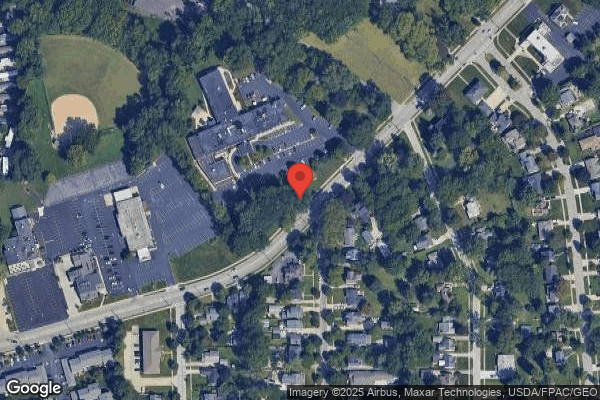
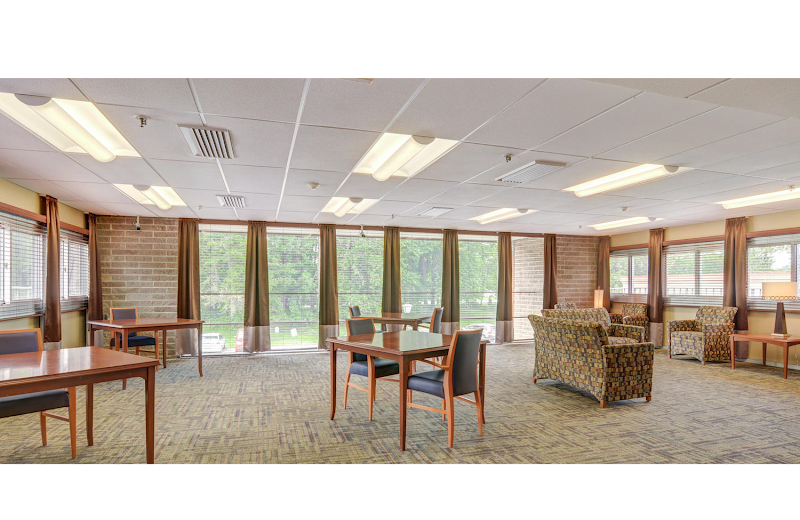
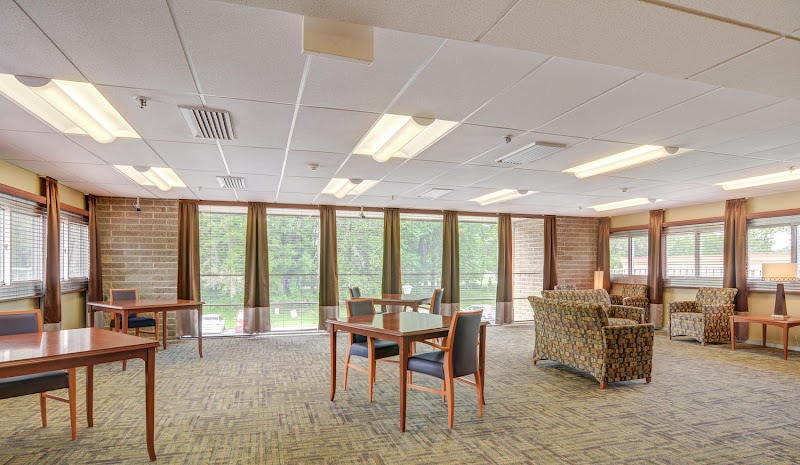
37603 EUCLID AVE, WILLOUGHBY, OH 44094 (440) 951-5551
For profit - Corporation 157 Beds PACS GROUP Data: November 2025
Trust Grade
35/100
#579 of 913 in OH
Last Inspection: August 2023

Over 2 years since last inspection. Current conditions may differ from available data.

Overview

Willoughby Post Acute has received a Trust Grade of F, indicating significant concerns about the quality of care provided. Ranked #579 out of 913 facilities in Ohio and #10 out of 14 in Lake County, it is in the bottom half of both state and county rankings, suggesting that there are many better options available. Although the facility shows an improving trend, with issues decreasing from seven in 2024 to four in 2025, it still has serious problems to address. Staffing is rated as average with a 50% turnover rate, and while RN coverage is also average, the facility has concerning fines totaling $52,600, which are higher than 79% of Ohio facilities. Specific incidents include a resident suffering a leg fracture during a transfer due to improper assistance, another resident experiencing poor oral care with dentures coated in mucus, and a resident developing a serious pressure ulcer due to inadequate preventive measures. Overall, while there are some strengths in quality measures, the facility has significant weaknesses that families should consider carefully.
Trust Score
F
35/100
In Ohio
#579/913
Bottom 37%
Safety Record
High Risk
Review needed
Inspections
Getting Better
7 → 4 violations
Staff Stability
⚠ Watch
50% turnover. Above average. Higher turnover means staff may not know residents' routines.
Penalties
✓ Good
$52,600 in fines. Lower than most Ohio facilities. Relatively clean record.
Skilled Nurses
○ Average
Each resident gets 31 minutes of Registered Nurse (RN) attention daily — about average for Ohio. RNs are the most trained staff who monitor for health changes.
Violations
⚠ Watch
22 deficiencies on record. Higher than average. Multiple issues found across inspections.
★★★☆☆
3.0
Overall Rating
★★☆☆☆
2.0
Staff Levels
★★★★★
5.0
Care Quality
★★☆☆☆
2.0
Inspection Score
Stable
2024: 7 issues
2025: 4 issues

The Good

  • 5-Star Quality Measures · Strong clinical quality outcomes
  • Full Sprinkler Coverage · Fire safety systems throughout facility
  • No fines on record

Facility shows strength in quality measures, fire safety.

The Bad

3-Star Overall Rating

Near Ohio average (3.2)

Meets federal standards, typical of most facilities

Staff Turnover: 50%

Near Ohio avg (46%)

Higher turnover may affect care consistency

Federal Fines: $52,600

Above median ($33,413)

Moderate penalties - review what triggered them

Chain: PACS GROUP

Part of a multi-facility chain

Ask about local staffing decisions and management

The Ugly 22 deficiencies on record

3 actual harm
Aug 2025 4 deficiencies
CONCERN (D) 📢 Someone Reported This

A family member, employee, or ombudsman was alarmed enough to file a formal complaint

Potential for Harm - no one hurt, but risky conditions existed

Accident Prevention (Tag F0689)

Could have caused harm · This affected 1 resident

**NOTE- TERMS IN BRACKETS HAVE BEEN EDITED TO PROTECT CONFIDENTIALITY** Based on observation, interview, review of the medical record, Employee Counseling Form review and review of the facility policy...

Read full inspector narrative →
**NOTE- TERMS IN BRACKETS HAVE BEEN EDITED TO PROTECT CONFIDENTIALITY** Based on observation, interview, review of the medical record, Employee Counseling Form review and review of the facility policy, the facility did not ensure fall interventions were implemented including proper staff assistance with bed mobility and toileting per the Kardex (summary of resident's information for reference) and the care plan. This affected one (Resident #12) out of three residents reviewed for falls. The facility census was 136. Findings include: Review of the medical record for Resident #12 revealed an admission date of 06/27/24 with diagnoses including hemiplegia and hemiparesis following cerebral infarction affecting right dominant side, congestive heart failure, chronic obstructive pulmonary disease, aphasic (a language disorder affecting resident's ability to communicate), and anxiety disorder. Review of the quarterly Minimum Data Set (MDS) assessment dated [DATE] revealed Resident #12 had impaired cognition and had impairment on one side to her upper and lower extremities. She was dependent on staff for most of her activities of daily living (ADL) including toileting hygiene and rolling left and right in bed. She was frequently incontinent of urine and always incontinent of bowel. Review of the care plan dated 05/21/25 revealed Resident #12 had bladder and bowel incontinence. Interventions included provide incontinence care on rounds and upon request. Review of the care plan dated 05/21/25 revealed Resident #12 had actual ADL decline and required staff assistance related to hemiplegia, anxiety, weakness and aphasia. Interventions included Resident #12 was totally dependent of two staff for bed mobility and toileting and she utilized a mechanical lift (a device designed to safely transfer a resident) for transfers. Review of the care plan dated 06/27/25 revealed Resident #12 was at risk for falls. Interventions included assistance with transfers, locomotion and mobility, do not leave resident in sitting position in bed, low bed, perimeter mattress, and staff education was provided on 07/28/25. Review of the nursing note dated 07/25/25 at 8:43 P.M. and completed by Registered Nurse (RN) #601 revealed Resident #12 was assessed for injuries, and she complained of right shoulder and jaw pain. Resident #12 and Certified Nursing Assistant (CNA) #611 stated she hit her head. The note revealed the Primary Care Physician (PCP) #900 and hospice were notified and ordered to send the resident to the emergency room (ER) for further evaluation. Review of the nursing note dated 07/26/25 at 12:40 A.M. and completed by RN #601 revealed Resident #12 rolled out of bed during patient care and hit her head. Review of the witness statement dated 07/26/25 that was taken by RN #601 from CNA #611 revealed, I was providing patient care when resident (Resident #12) rolled out of bed on the opposite side of the bed. The statement also revealed Resident #12 hit her head during the fall and CNA #611 yelled for help, and staff came to assist. Review of nursing note dated 07/26/25 at 4:17 A.M. and completed by RN #617 revealed Resident #12 returned from the ER with no injuries, including no fractures. Her vital signs were stable, and she was monitored at frequent intervals. Review of the Interdisciplinary Team (IDT) progress note dated 07/28/25 and completed by Licensed Practical Nurse (LPN)/ Unit Manager #610 revealed on 07/25/25 at approximately 8:00 P.M. Resident #12 had fallen out of bed during patient care. She was assessed and complained of right shoulder and jaw pain. The note revealed that staff stated she hit her head. PCP #900 was notified and ordered Resident #12 to go to the ER for further evaluation. The note revealed the fall intervention included that staff (CNA #611) was educated. Review of the Employee Counseling Form dated 07/28/25 revealed CNA #611 received a disciplinary action form from the Director of Nursing (DON) as he failed to follow a resident's care plan and Kardex resulting in a fall. CNA #611 was re-educated on use of Kardex and would follow the Kardex to ensure resident safety. Review of the Kardex as of 07/30/25 revealed Resident #12 was to be offered toileting on rounds and upon request and provided incontinence care on rounds and upon request. The Kardex revealed Resident #12 required total dependence of two staff for bed mobility and toileting. Observation on 07/30/25 at 3:17 P.M. revealed CNA #607 walked into Resident #12's room to provide incontinence care. She proceeded to don gloves, pulled back the sheet and rolled Resident #12 over towards the window. CNA #12 provided incontinence care and then rolled her back until she was lying flat on her back. Interview on 07/30/25 at 3:25 P.M. with CNA #607 verified she had turned Resident #12 and provided incontinence care by herself. She revealed she always completed Resident #12's care, including bed mobility and toileting hygiene, by herself. Interview on 07/30/25 at 3:31 P.M. and 3:45 P.M. with LPN/ Unit Manager #610 revealed on 07/25/25 at approximately 8:00 P.M. CNA #611 was providing incontinence care and rolled Resident #12 away from him towards the window resulting in Resident #12 falling out of bed onto the floor hitting her head. She revealed RN #601 assessed Resident #12 and she had complained of right shoulder and jaw pain; therefore, RN #601 sent Resident #12 to the ER per PCP #900's order for further evaluation. She revealed she had returned with no injury, including no fractures. She verified Resident 12's Kardex and care plan stated there were to be two staff always assisting Resident #12 with bed mobility, and toileting and that CNA #611 should not have completed her incontinence care by himself. She revealed CNA #611 received disciplinary action for not following the Kardex and care plan resulting in Resident #12's fall out of bed. LPN/ Unit Manager #610 was informed during observation on 07/30/25 at 3:17 P.M. of incontinence care for Resident #12, CNA #607 turned her towards the window away from her and provided incontinence care by herself. LPN/ Unit Manager #610 again verified per Resident #12's care plan and Kardex stated that two staff always were to assist with bed mobility and incontinence care for safety to prevent falls. Interview on 07/30/25 at 3:38 P.M. with RN #601 revealed she was the nurse on duty on 07/25/25 at approximately 8:00 P.M. when CNA #611 yelled up the hall as she was passing medications that Resident #12 had fallen out of bed while he was turning her. She verified CNA #611 turned her by himself to provide incontinence care, and she fell out of bed on the other side landing on her right side. She revealed the bed was approximately waist high as he was changing her. She revealed Resident #12 complained of right shoulder and jaw pain and had hit her head during the incident. She revealed her pain was a seven on a pain scale of zero to ten, ten being the worst pain. She revealed she contacted PCP #900 who ordered to send Resident #12 to the ER for further evaluation. Interview on 07/30/25 at 4:40 P.M. with CNA #611 revealed he had worked at the facility for approximately three months. He revealed on 07/25/25 at approximately 8:00 P.M. he went into Resident #12's room to change her. He revealed he elevated the height of the bed to waist high and rolled Resident #12 away from him towards the window, and her leg went over her other leg causing her to roll off the bed onto the floor. He revealed Resident #12 hit her head on the floor and he yelled for the nurse. He verified he turned her to provide incontinence care by himself, and no other staff was in the room. He revealed he was never previously trained on how to use a Kardex or care plan to know that Resident #12 was to be a two-person assist with bed mobility and toileting. He revealed he always felt she needed to be a two-person assist but when he asked other staff to assist him, they would never help him, so he usually always changed her by himself. He revealed he never reported to management that other staff would not assist him with Resident #12's care. He revealed after the incident he was educated on how to utilize a Kardex. Review of the facility policy labeled, Fall Risk Assessment, dated 2001, revealed the nursing staff in conjunction with the attending physician and others would seek to identify and document risk factors for falls and establish a resident-centered falls prevention plan based on relevant assessment information. Review of the facility policy labeled, Activities of Daily Living (ADL), Supporting, dated 2011, revealed residents who were unable to carry out activities of daily living independently received the services necessary to maintain good nutrition, grooming and personal hygiene. The policy revealed care, and services were provided in accordance with the plan of care including the appropriate support and assistance with including hygiene, and mobility. This deficiency represents non-compliance investigated under Complaint Number OH001276912 (OH00167179).
CONCERN (D) 📢 Someone Reported This

A family member, employee, or ombudsman was alarmed enough to file a formal complaint

Potential for Harm - no one hurt, but risky conditions existed

Deficiency F0760 (Tag F0760)

Could have caused harm · This affected 1 resident

**NOTE- TERMS IN BRACKETS HAVE BEEN EDITED TO PROTECT CONFIDENTIALITY** Based on observation, interview, medical record review, review of manufacture guidelines and facility policy review, the facilit...

Read full inspector narrative →
**NOTE- TERMS IN BRACKETS HAVE BEEN EDITED TO PROTECT CONFIDENTIALITY** Based on observation, interview, medical record review, review of manufacture guidelines and facility policy review, the facility failed to ensure residents were free from significant medication error. This affected two (Residents #133, and #137) out of seven residents observed and/or reviewed for medication administration. The facility census was 136. Findings include: 1. Review of the closed medical record for Resident #137 revealed an admission date of 06/28/25, and he was discharged home on [DATE]. His diagnoses included motor-vehicle accident with multiple fractures, diabetes and hypertension. Review of the After Visit Summary revealed on 06/28/25 Resident #137 was discharged from the hospital to the facility with the following medication orders: lispro insulin 100 units per milliliter (ml) inject zero to ten units subcutaneously (SQ) three times a day before meals as directed per insulin instructions. The last dose given at the hospital per the discharge instructions was on 06/28/25 at 1:24 P.M. The orders also included Lantus insulin 100 units per ml inject 10 units SQ once daily at bedtime. The last dose was given at the hospital on [DATE] at 9:15 P.M. Review of the nursing note dated 06/28/25 at 11:36 P.M. and completed by Licensed Practical Nurse (LPN) #606 revealed Resident #137 was admitted at approximately 6:30 P.M. He had an allergy to penicillin and had multiple fractures including to his bilateral femurs and nasal bone. Vital signs were obtained, but there was no documentation a blood sugar was taken. There was no documentation regarding Resident #137's insulin and that the orders were verified with Primary Care Physician (PCP) #900. Review of the blood sugars from admission on [DATE] to discharge on [DATE] revealed the first blood sugar documented for Resident #137 was on 06/30/25 at 9:29 A.M., and it was 165. Review of Nurse Practitioner (NP) #901's progress note dated 06/30/25 at 12:13 P.M. revealed Resident #137 had a diagnosis of diabetes, and she ordered lispro insulin before meals SQ per sliding scale and Lantus 10 units SQ at night. Review of Medicare five-day Minimum Data Set (MDS) assessment dated [DATE] revealed Resident #137 had intact cognition, and he received insulin. Interview on 07/30/25 at 1:55 A.M. with the Director of Nursing (DON) verified per the After Visit Summary from the hospital Resident #137 was to be on lispro insulin 100 units per ml inject zero to ten units SQ three times a day before meals as directed per insulin instructions and Lantus insulin 100 units per ml inject 10 units SQ once daily at bedtime. She verified these orders were not transcribed, and there was no documentation in the medical record that PCP #900 was contacted upon Resident #137's admission and verified there was no documentation stating Resident #137's insulin was discontinued. She verified the first documentation Resident #137's blood sugar was checked was on 06/30/25 at 9:29 A.M. and he had not received insulin until 06/30/25 (two days after he was admitted ). Interview on 07/30/24 at 2:08 P.M. and 3:58 P.M. with LPN #606 revealed she did not remember anything regarding Resident #137's admission including if she contacted PCP #900 to verify Resident 137's admission orders, and/or anything regarding his insulin orders from the hospital including what was on the After Visit Summary. LPN #606 revealed she did not know why Resident #137's insulin orders were not transcribed on admission. She revealed she did not remember day to day as she went from unit to unit. She revealed if it was not documented that she contacted PCP #900 then she probably did not. 2. Review of the medical record for Resident #133 revealed an admission date of 08/03/23 with diagnoses including dementia, diabetes, and hypertension. Review of the July 2025 physician orders revealed Resident #133 had an order for metoprolol succinate extended release (ER) give 25 milligram (mg) tablet one time a day for hypertension. There was no physician order to crush her medication. Review of the annual MDS assessment dated [DATE] revealed Resident #133 had impaired cognition. Observation on 07/30/25 at 8:35 A.M. revealed LPN #600 crushed Resident #133's medications including the Metoprolol Extended Release (ER) 25 mg. The only medication she did not crush was her ferrous sulfate which she placed whole in applesauce. She then placed the crushed medications in the applesauce and administered them to Resident #133 at 8:41 A.M. Interview on 07/30/25 at 8:43 A.M. with LPN #600 verified she had crushed Resident #133's metoprolol ER and that it was ER, and there was no order to crush it. She also verified there was nothing in the medical record that the physician had approved Resident #133's metoprolol ER to be crushed. Review of the Federal Drug Administration package insert labeled, Metoprolol Succinate Extended- Release Tablets, dated December 2007, revealed Metoprolol succinate ER were intended for daily administration for the treatment of hypertension and angina (chest pain). Metoprolol succinate ER tablets were scored and can be divided; however, the whole or half tablet should be swallowed whole and not chewed or crushed. Review of the facility policy labeled, Crushing Medications, dated 2001, revealed medications shall be crushed only when it is appropriate and safe to do so, consistent with physician orders. The nursing staff shall notify the attending physician who would give an order to crush a drug that the manufacturer states shall not be crushed, for example long acting or enteric coated medications. The policy revealed the physician must document why crushing the medication would not adversely affect the resident. Review of the facility policy labeled, Administering Medications, dated 2001, revealed medications were administered in a safe and timely manner. Medications were administered in accordance with prescriber orders. Review of the undated facility policy labeled, Nursing admission Assessment and Examination revealed the purpose of the policy was to ensure a comprehensive, timely and person-centered admission assessment was completed. The policy revealed the nurse was to confirm the accuracy of the medication list, names, and dosages of the medications by reconciling all medications promptly using the electronic data confirmation. This deficiency represents non-compliance investigated under Complaint Number OH001276910 (OH00165788) and OH001276912 (OH00167179).
CONCERN (D) 📢 Someone Reported This

A family member, employee, or ombudsman was alarmed enough to file a formal complaint

Potential for Harm - no one hurt, but risky conditions existed

Infection Control (Tag F0880)

Could have caused harm · This affected 1 resident

**NOTE- TERMS IN BRACKETS HAVE BEEN EDITED TO PROTECT CONFIDENTIALITY** Based on observation, interview, review of medical record and review of facility policy revealed the facility did ensure proper ...

Read full inspector narrative →
**NOTE- TERMS IN BRACKETS HAVE BEEN EDITED TO PROTECT CONFIDENTIALITY** Based on observation, interview, review of medical record and review of facility policy revealed the facility did ensure proper infection control during incontinence care. This affected one Resident (#12) out of five residents reviewed for incontinence care. This had the potential to affect 70 residents (#1, #2, #4, #7. #9, #10, #12, #13, #15, #19, #20, #22, #25, #27, #29, #30, #31, #33, #37, #38, #39, #40, #41, #45, #46, #47, #48, #53, #54, #56, #57, #58, #60, #61, #62, #71, #57, #77, #80, #81, #83, #84, #89, #90, #91, #93, #95, #96, #97, #98, #100, #101, #102, #104, #106, #107, #111, #112, #114, #115, #116, #119, #122, #124, #129, #131, #132, #133, #134, and #125) identified by the facility as incontinent.Review of the medical record for Resident #12 revealed an admission date of 06/27/24 with diagnoses including hemiplegia and hemiparesis following cerebral infarction affecting the right dominant side, congestive heart failure, and anxiety disorder. Review of the quarterly Minimum Data Set (MDS) assessment dated [DATE] revealed Resident #12 had impaired cognition and was dependent on staff for most of her activities of daily living (ADL) including toileting hygiene and rolling left and right in bed. She was frequently incontinent of urine and always incontinent of bowel. Review of the care plan dated 05/21/25 revealed Resident #12 had bladder and bowel incontinence. Interventions included observing for changes in skin integrity and providing incontinence care on rounds and upon request. There was nothing in the care plan regarding staff applying two incontinence briefs at once. Review of the Kardex as of 07/30/25 revealed Resident #12 was to be offered toileting on rounds and upon request and provided incontinence care on rounds and upon request. There was nothing in the Kardex regarding Resident #12 wearing two incontinence briefs. Observation on 07/30/25 at 3:17 P.M. revealed Certified Nursing Assistant (CNA) #607 walked into Resident #12's room to provide incontinence care. CNA #607 revealed she had changed Resident #12 before lunch. She proceeded to don gloves, take one towel and place the towel under the faucet, wetting both ends of the towel. She did not apply soap to the towel. She then pulled back the sheet, and Resident #12 was wearing two white incontinence briefs. The first brief was moderately saturated in urine. CNA #607 denied applying two incontinent briefs when she changed her before lunch but was unable to identify who else would have changed her. CNA #607 proceeded to roll Resident #12 over towards the window and removed both incontinence briefs. She then proceeded to use one end of the towel and cleansed her buttock region which had a small amount of bowel movement. Resident #12 continued to smear bowel movement as CNA #607 wiped; therefore, CNA #607 continued to wipe with the same end of the towel. CNA #607 then, without drying Resident #12's buttocks, proceeded to apply barrier cream with her gloved hand to her buttock and rolled her back until she was lying flat on her back. CNA #607 then proceeded with the same gloved hands to take the same towel but the other end of the towel and wiped the front of her perineal area using three swipes in an upward motion. The other side of the towel that had the smears of bowel movement on it was lying on Resident #12's bilateral thighs. After she wiped the front of her perineal area, she proceeded to take her hand and in a fanning type motion went back and forth in a motion as if she was trying to air dry the area for a few seconds. She then proceeded to take barrier cream and apply to the front of her perineal area, closed her incontinent brief and proceeded to cover her up. She then proceeded to remove her gloves and perform hand hygiene. Interview on 07/30/25 at 3:25 P.M. with CNA #607 verified she used one towel to perform perineal care for Resident #12. CNA #607 was asked why she did not use soap, and she stated, I did. (This was not observed as it was only observed that she stuck the towel under the faucet to wet both ends). She verified she wet both ends of the towel. She was asked how she washed, rinsed and dried if she used the same end of the towel but CNA #607 just looked at the surveyor and did not respond. She later stated, I flipped the towel but would not provide any other details. She verified that she had cleansed her buttock first that had bowel movement then proceeded to clean the front of her perineal area with the same gloved hands. She also verified she had applied barrier cream to her buttocks and then with the same gloved hands proceeded to clean the front of her perineal area and apply barrier cream. Interview on 07/30/25 at 3:31 P.M. and 3:45 P.M. with Licensed Practical Nurse (LPN)/ Unit Manager #610 verified Resident #12 was not to have two incontinence briefs on and to her knowledge CNA #607 was the aide assigned to her so would have been the one that most likely put the two briefs on as she could not think of anyone else who would of changed her. She also verified during perineal care that CNA #607 should not have used only one towel to provide incontinence care as she should have first started with the front and provided perineal care including washing, rinsing and drying with different washcloths and/or towel and then proceeded to cleanse her buttock area in the same manner. Interview on 07/30/25 at 3:38 P.M. with Registered Nurse (RN) #601 revealed she was the nurse for Resident #12, and that CNA #607 was assigned as her aide. To her knowledge, CNA #607 was the only one throughout the day that had performed incontinence care, so she would have been the aide that applied the two incontinence briefs. She verified Resident #12 was to only have one brief on. Review of the facility policy labeled, Perineal Care, dated 2001, revealed the purpose of the policy was to provide cleanliness and comfort to the residents, prevent infection, prevent skin irritation, and observe the resident's skin condition. The policy revealed the following equipment, and supplies were necessary when performing the procedure including wash basin, towels, washcloth, soap, and personal protective equipment. The steps to the policy included fill the wash basin one half full of warm water, wet the washcloth, apply soap and wash the perineal area by wiping front to back. Then staff were to rinse the perineum area thoroughly in same direction using fresh water, clean washcloth and then gently dry the perineum area. After the perineal area was cleansed staff were to turn resident to side and wash, rinse and dry the rectal area. This deficiency represents non-compliance investigated under Complaint Number OH001276910 (OH00165788) and OH001276912 (OH00167179).
CONCERN (F) 📢 Someone Reported This

A family member, employee, or ombudsman was alarmed enough to file a formal complaint

Potential for Harm - no one hurt, but risky conditions existed

Safe Environment (Tag F0921)

Could have caused harm · This affected most or all residents

**NOTE- TERMS IN BRACKETS HAVE BEEN EDITED TO PROTECT CONFIDENTIALITY** Based on observation, interview and facility policy review, the facility did not ensure the carpeting in the hallways of all uni...

Read full inspector narrative →
**NOTE- TERMS IN BRACKETS HAVE BEEN EDITED TO PROTECT CONFIDENTIALITY** Based on observation, interview and facility policy review, the facility did not ensure the carpeting in the hallways of all units was maintained in a clean manner. This had the potential to affect all 136 residents residing in the facility. Findings include: Observation on 07/30/25 from 8:23 A.M. to 9:23 A.M. revealed the carpeting in the hallways of all units were discolored and contained multiple black, brown stains throughout. Interview on 07/31/25 at 9:13 A.M. with Environmental Service Manager #613 revealed she was aware there were multiple stains on the carpeting on all the units. She revealed the facility had a floor technician who cleaned the carpeting routinely, but the carpeting was old, and the stains did not come up even after cleaned. She stated, the carpeting needs to be replaced. She revealed she was unsure if there were any quotes on getting the carpeting replaced or where the facility was at regarding replacing the carpeting. Environmental tour on 07/31/25 from 9:30 A.M. to 9:44 A.M. with Environmental Service Manager #613 and Administrator verified the following findings: A. Med Ridge unit revealed the carpeting near the double doors had approximately two large three feet by four feet black oblong stains. B. Entrance by the door of room [ROOM NUMBER] revealed the carpeting had a large black- brown stain approximately three feet by four feet. C. In front of room [ROOM NUMBER] it was revealed the carpeting had a black stain approximately six feet by four feet and another stain approximately three feet by three feet next to the other stain. D. In front of room [ROOM NUMBER] it was revealed the carpeting had a large brown stain circular in nature approximately three feet by three feet. E. Entrance by the doors of rooms [ROOM NUMBERS] revealed the carpeting contained large black, brown stains. F. Arcadia unit lounge area revealed the carpeting had multiple stains. G. Willow unit outside of elevator revealed the carpeting had dark, brown stains extending in front of both elevators. H. In front of room [ROOM NUMBER] the carpeting had a medium brown circular stain in the center of rug I. Near the double doors on Willow unit revealed the carpeting had approximately five feet by four feet black discolored stain. J. Entrance into the soiled utility, and stair well door entrance on Willow unit revealed the carpeting had large black discolorations K. Entrance by rooms [ROOM NUMBERS] revealed the carpeting had large black discolorations. L. Lakeside unit revealed the carpeting had black discolorations throughout the hallway of unit including the entry to the soiled utility room. M. Entrance by rooms 218, 219, 220, 221, 222, and 223 revealed there were large black discolorations on the carpeting. N. Courtside unit revealed the carpeting had discolorations throughout the hallway including outside the dining room had darker black stains. O. Entrance by rooms [ROOM NUMBER] revealed the carpeting had large black discolorations. P. Ridge unit carpeting contained black stains throughout the hallway including outside of the recreational therapy door entrance, and rooms 209, 210, 214, and 217. Interview with Administrator on 07/31/25 from 9:30 A.M. to 9:44 A.M. verified the above findings and revealed the carpeting does need replaced, and she was going to work on getting quotes. She verified she had not obtained any quotes currently nor did the facility have any active plans in process to replace the carpeting. Review of the facility policy labeled, Homelike Environment, dated 2001, revealed residents were to be provided safe, clean, comfortable and homelike environment. The facility staff and management maximize to the extent as possible a clean, sanitary and orderly environment. This deficiency represents non-compliance investigated under Complaint Number OH001276910 (OH00165788).
Nov 2024 5 deficiencies
CONCERN (D) 📢 Someone Reported This

A family member, employee, or ombudsman was alarmed enough to file a formal complaint

Potential for Harm - no one hurt, but risky conditions existed

Quality of Care (Tag F0684)

Could have caused harm · This affected 1 resident

**NOTE- TERMS IN BRACKETS HAVE BEEN EDITED TO PROTECT CONFIDENTIALITY** Based on closed record review and interview, the facility failed to collect a urinalysis for one resident, Resident #136 per the...

Read full inspector narrative →
**NOTE- TERMS IN BRACKETS HAVE BEEN EDITED TO PROTECT CONFIDENTIALITY** Based on closed record review and interview, the facility failed to collect a urinalysis for one resident, Resident #136 per the physicians orders. This affected one resident (Resident #136) of three residents reviewed for physician orders/labs. The facility census was 132. Findings include: Closed record review for Resident #136 revealed an admission date of 07/17/24 and a discharge date of 10/04/24. Diagnosis included type two diabetes mellitus, hydronephrosis, weakness, and retention of urine. Record review of the Medicare five-day Minimum Data Set (MDS) dated [DATE] revealed Resident #136 was cognitively intact. Resident #136 was dependent for toileting and was frequently incontinent of urine. Record review of the Certified Nurse Practitioner (CNP) #369 progress note for Resident #136 dated 09/27/24 at 10:19 A.M. revealed worsening confusion and anxiety, ordered to send urine stat. Record review of the physician orders for Resident #136 revealed an order dated 09/27/24 to collect urine for urinalysis. Record review of the urinalysis lab result for Resident #136 revealed the urine specimen was collected on 09/30/24 and reported to the facility on [DATE]. The results of the urinalysis revealed an abnormal result of three plus leukocytes, six to 20 white blood cells, bacteria and mucous. The urine had mixed flora, so sensitivity was not able to be completed. On 10/02/24 a new physician order was received for Resident #136 to straight cath for urine specimen and send for a urinalysis and culture and sensitivity. Record review for Resident #136 revealed no documentation of the straight cath for the urinalysis with a culture and sensitivity was completed on 10/02/24 or after. Record reviews revealed there was no documentation either to why the urinalysis was not collected for Resident #136. Interview on 11/19/24 with Director of Nursing (DON) revealed the CNP ordered the urinalysis stat for Resident #136 on 09/27/24. DON revealed urinalysis could not be done stat, the lab would not come to the facility to collect a stat urinalysis so she explained that to the CNP. DON confirmed the urinalysis was not collected until 09/30/24 and the results received on 10/01/24 had mixed flora. DON confirmed the physician ordered the straight cath for the urinalysis with a culture and sensitivity on 10/02/24. DON revealed she reviewed the labs collected by the lab company and confirmed the urinalysis was not collected for Resident #136 on or after 10/02/24 per the physicians orders. DON also confirmed there was no documentation in the medical record to why the urinalysis was not completed and confirmed there should have been documentation. DON revealed she did not know why the nurses did not collect the urinalysis per the physicians orders. This deficiency represents non-compliance investigated under Complaint Number OH00158759.
CONCERN (D) 📢 Someone Reported This

A family member, employee, or ombudsman was alarmed enough to file a formal complaint

Potential for Harm - no one hurt, but risky conditions existed

Pharmacy Services (Tag F0755)

Could have caused harm · This affected 1 resident

**NOTE- TERMS IN BRACKETS HAVE BEEN EDITED TO PROTECT CONFIDENTIALITY** Based on record review ,interview, and policy review, the facility failed to administer the correct medication to the resident. ...

Read full inspector narrative →
**NOTE- TERMS IN BRACKETS HAVE BEEN EDITED TO PROTECT CONFIDENTIALITY** Based on record review ,interview, and policy review, the facility failed to administer the correct medication to the resident. This affected one resident (Resident #136) of one resident reviewed for medication errors. The facility census was 132. Findings include: Record review for Resident #136 revealed an admission date of 07/17/24 and a discharge date of 10/04/24. Diagnosis included endocarditis, heart failure, hypertension, vascular dementia, and weakness. Record review of the Medicare five-day Minimum Data Set (MDS) dated [DATE] revealed Resident #136 was cognitively intact. Review of the medical record for September 2024 for Resident #136 revealed there was no documentation of a medication error that occurred or the physician being notified of a medication error. Review of the form titled, Investigative Data Sheet Medication/Treatment Error and Omission Form dated 09/24/24, untimed revealed Resident #136 received an incorrect blood pressure medication. The administration error was the wrong drug. The physician was notified, the responsible party was notified and the order received was to monitor blood pressure. The name of the medication nor the amount of time to monitor the blood pressure was documented on the form. Record review of the Medication Administration Record (MAR) for Resident #136 revealed on 09/24/24 at 9:00 A.M. Resident #136 received medications that included metoprolol succinate ER 12.5 milligrams (mg) for hypertension, spironolactone 25 mg for hypertension, torsemide 20 mg for hypertension, and Entresto 24-26 mg for hypertension (given at 9:00 A.M. and 5:00 P.M.). Interview on 11/19/24 at 3:55 P.M. with Director of Nursing (DON) revealed on 09/24/24 (unsure of the time) Registered Nurse (RN) #201 administered a blood pressure pill and a multivitamin to Resident #136 that was another residents medication. DON confirmed there was no documentation in Resident #136's medical record regarding the medication error, physician notification or if there were any new orders regarding the error. DON revealed RN #201 must have forgotten to document the information. DON confirmed the medication error, resident assessment, MD notification and any new orders should be documented in the resident medical records. DON revealed she discussed the medication error with RN #201 but neither her nor RN #201 wrote down the names of the medication administered in error to Resident #136. DON revealed she did not remember the names of the medications, but remembered it was a blood pressure medication and a multivitamin. Review of a notebook paper provided by DON with handwritten times and dated 09/24/24 - 09/25/24 with Resident #136's name next to the date revealed blood pressures were documented starting on 09/24/24 at 3:45 P.M. and monitored approximately every hour through 09/25/24 at 2:30 P.M.; No abnormal blood pressures were observed in the documentation. Phone interview on 11/20/24 at 6:17 P.M. with Resident #136's daughter revealed she was visiting Resident #136 on 09/24/24 in the evening when the medication error was made. Resident #136's daughter revealed, The nurse gave my mom the pills, they did not look right so I went to get the nurse, I turned around and my mom already took them, there was four of them, at first the nurse denied giving her the wrong pills then she admitted after looking at the records they were supposed to be for another resident, not her, she said don't worry about it, she will be fine. Resident #136's daughter revealed she wrote the name of the pills down that was given to Resident #136 in error. Resident #136's daughter revealed the pills were sodium bicarbonate (used to relieve heartburn), colace (used for constipation), norvasc five mg (used for high blood pressure) and simethicone (used to treat the symptoms of gas). Review of the facility policy titled, Preparation and General Guidelines, Medication Administration dated November 2021 revealed preparation of medication included Five Rights. Right resident, right drug, right dose, right route and right time are applied for each medication being administered. A triple check of these five rights are recommended. Residents are identified before medication is administered using two methods of identification. Medications supplied to one resident are never administered to another resident. This deficiency represents non-compliance investigated under Complaint Number OH00158759.
CONCERN (D) 📢 Someone Reported This

A family member, employee, or ombudsman was alarmed enough to file a formal complaint

Potential for Harm - no one hurt, but risky conditions existed

Medical Records (Tag F0842)

Could have caused harm · This affected 1 resident

**NOTE- TERMS IN BRACKETS HAVE BEEN EDITED TO PROTECT CONFIDENTIALITY** Based on record review and interview, the facility failed to document a medication error, the name of the medication, and follow...

Read full inspector narrative →
**NOTE- TERMS IN BRACKETS HAVE BEEN EDITED TO PROTECT CONFIDENTIALITY** Based on record review and interview, the facility failed to document a medication error, the name of the medication, and follow up in one resident, Resident #136's medical record. This affected one resident (Resident #136) of one resident reviewed for medication errors. The facility census was 132. Findings include: Record review for Resident #136 revealed an admission date of 07/17/24 and a discharge date of 10/04/24. Diagnosis included endocarditis, heart failure, hypertension, vascular dementia, and weakness. Record review of the Medicare five-day Minimum Data Set (MDS) dated [DATE] revealed Resident #136 was cognitively intact. Review of the medical record for September 2024 for Resident #136 revealed there was no documentation of a medication error that occurred or the physician being notified of a medication error. Review of the form titled, Investigative Data Sheet Medication/Treatment Error and Omission Form dated 09/24/24, untimed revealed Resident #136 received an incorrect blood pressure medication. The administration error was the wrong drug. The physician was notified, the responsible party was notified and the order received was to monitor blood pressure. The name of the medication nor the amount of time to monitor the blood pressure was documented on the form. Record review of the Medication Administration Record (MAR) for Resident #136 revealed on 09/24/24 at 9:00 A.M. Resident #136 received medications that included metoprolol succinate ER 12.5 milligrams (mg) for hypertension, spironolactone 25 mg for hypertension, torsemide 20 mg for hypertension, and Entresto 24-26 mg for hypertension (given at 9:00 A.M. and 5:00 P.M.). Interview on 11/19/24 at 3:55 P.M. with Director of Nursing (DON) revealed on 09/24/24 (unsure of the time) Registered Nurse (RN) #201 administered a blood pressure pill and a multivitamin to Resident #136 that was another residents medication. DON confirmed there was no documentation in Resident #136's medical record regarding the medication error, physician notification or if there were any new orders regarding the error. DON revealed RN #201 must have forgotten to document the information. DON confirmed the medication error, resident assessment, MD notification and any new orders should be documented in the resident medical records. DON revealed she discussed the medication error with RN #201 but neither her nor RN #201 wrote down the names of the medication administered in error to Resident #136. DON revealed she did not remember the names of the medications, but remembered it was a blood pressure medication and a multivitamin. Review of a notebook paper provided by DON with handwritten times and dated 09/24/24 - 09/25/24 with Resident #136's name next to the date revealed blood pressures were documented starting on 09/24/24 at 3:45 P.M. and monitored approximately every hour through 09/25/24 at 2:30 P.M.; No abnormal blood pressures were observed in the documentation. Phone interview on 11/20/24 at 6:17 P.M. with Resident #136's daughter revealed she was visiting Resident #136 on 09/24/24 in the evening when the medication error was made. Resident #136's daughter revealed, The nurse gave my mom the pills, they did not look right so I went to get the nurse, I turned around and my mom already took them, there was four of them, at first the nurse denied giving her the wrong pills then she admitted after looking at the records they were supposed to be for another resident, not her, she said don't worry about it, she will be fine. Resident #136's daughter revealed she wrote the name of the pills down that was given to Resident #136 in error. Resident #136's daughter revealed the pills were sodium bicarbonate (used to relieve heartburn), colace (used for constipation), norvasc five mg (used for high blood pressure) and simethicone (used to treat the symptoms of gas). Review of the facility policy titled, Preparation and General Guidelines, Medication Administration dated November 2021 revealed preparation of medication included Five Rights. Right resident, right drug, right dose, right route and right time are applied for each medication being administered. A triple check of these five rights are recommended. Residents are identified before medication is administered using two methods of identification. Medications supplied to one resident are never administered to another resident. This deficiency represents non-compliance investigated under Complaint Number OH00158759.
CONCERN (E) 📢 Someone Reported This

A family member, employee, or ombudsman was alarmed enough to file a formal complaint

Potential for Harm - no one hurt, but risky conditions existed

Safe Environment (Tag F0921)

Could have caused harm · This affected multiple residents

**NOTE- TERMS IN BRACKETS HAVE BEEN EDITED TO PROTECT CONFIDENTIALITY** Based on observation, interview, and review of the facility policy, the facility failed to assure rooms were appropriately clean...

Read full inspector narrative →
**NOTE- TERMS IN BRACKETS HAVE BEEN EDITED TO PROTECT CONFIDENTIALITY** Based on observation, interview, and review of the facility policy, the facility failed to assure rooms were appropriately cleaned and sanitized prior to admitting a new resident to the room. This had the potential to affect all new admissions. The facility census was 132. Findings include: Interview on 11/19/24 at 12:59 P.M. with Housekeeping Supervisor #221 revealed when a resident is discharged , the room the resident resided in is deep cleaned within 24 hours of the discharge. The deep cleaning included all trash would be pulled, all the contents in the room that belonged to the former resident would be removed and packed, all the drawers and closets would be emptied and cleaned and all surfaces would be cleaned. Observation and interview on 11/19/24 at 1:03 P.M. with Housekeeping Supervisor #221 of room [ROOM NUMBER] bed two revealed the portion of the room was unoccupied. Housekeeping Supervisor #221 confirmed the room had been deep cleaned and ready for a new admission. Observation with Housekeeping Supervisor #221 confirmed the nightstand in the cleaned room had a white brief in the top drawer, oxygen tubing, a used urinal with dried urine in the bottom and on the sides, and a collection canister with dried urine in the bottom. Housekeeping Supervisor #221 revealed those should have been removed when the room was deep cleaned. Observation and interview on 11/19/24 at 1:03 P.M. with Housekeeping Supervisor #221 of room [ROOM NUMBER] bed two revealed the portion of the room was unoccupied. Housekeeping Supervisor #221 confirmed the room had been deep cleaned and ready for a new admission. Observation revealed in the top drawer of the nightstand was several potato chips and crumbs. There were large visible dust piles behind the stand. The bedside stand had dry drips of a fluid on the front of the stand and thick dust on the entire lower rim of the stand. Housekeeping Supervisor #221 revealed the stand should have been moved out to clean the dust behind it, the drawers should have been cleaned out and the stand should have been washed down. Housekeeping Supervisor #221 revealed she had concerns brought to her in the past regarding the room not being deep cleaned before a new resident was admitted to the room. Housekeeping Supervisor #221 revealed that's when she started rotating housekeepers, but it only worked for a while. Interview on 11/20/24 with Resident #136's daughter revealed she was with Resident #136 when she was admitted to the facility. Resident #136's daughter revealed when she was admitted to the room, the room was still dirty, the floors were dirty, and it looked like the room hadn't been cleaned. There was another resident's personal items in the drawers and closet. Record review of the facility Admissions revealed for the months of October and November 2024 there were a total of 45 admissions to the facility. Review of the facility policy titled, Routine Cleaning dated 11/30/23 revealed surfaces in residents rooms/areas will be cleaned and disinfected according to current Centers for Disease Control (CDC) recommendations for disinfection of healthcare facilities and the OSHA Bloodborne Pathogens Standard to reduce the risk of infections and transmission of diseases. This deficiency represents non-compliance investigated under Complaint Number OH00158759.
CONCERN (F) 📢 Someone Reported This

A family member, employee, or ombudsman was alarmed enough to file a formal complaint

Potential for Harm - no one hurt, but risky conditions existed

Deficiency F0725 (Tag F0725)

Could have caused harm · This affected most or all residents

**NOTE- TERMS IN BRACKETS HAVE BEEN EDITED TO PROTECT CONFIDENTIALITY** Based on review of the Payroll-Based Journal (PBJ) Staffing Data Report, interview with residents and staff and review of the fa...

Read full inspector narrative →
**NOTE- TERMS IN BRACKETS HAVE BEEN EDITED TO PROTECT CONFIDENTIALITY** Based on review of the Payroll-Based Journal (PBJ) Staffing Data Report, interview with residents and staff and review of the facility assessment, the facility failed to assure sufficient staff to care for residents needs. This had the potential to affect all residents residing at the facility. The facility census was 132. Findings include: Record review of the PBJ Staffing Data Report 1705D Fiscal Year Quarter 3 2024 (April 1 - June 30) revealed Facility ID: OH00603 triggered a one star staffing rating and excessively low weekend staffing. Record review of the Facility assessment dated [DATE] revealed a Certified Bed Capacity of 157. The average daily census the last assessment revealed short stay average census of 19.4 and long stay average census was 105.4; This assessment will inform the facility's staffing decision to ensure that there are a sufficient number of staff with appropriate competencies and skill sets necessary to care for residents needs as identified through resident assessments and plans of care. The facility will consider staffing needs for each resident unit in the facility for each shift and adjust as necessary based on the resident population. Licensed nurses 1.0 -1.3, nurse aids 1.5 - 1.66 and nursing personnel with administrative duties .20 - .26. Review of the daily schedule revealed on 09/21/24 Licensed nurses were 1.05 and nurse aids were 1.4; On 09/22/24 Licensed Nurses were 1.05 and nurse aids were 1.29. Interview on 11/19/24 between 9:02 A.M. and 11:18 A.M. with Certified Nursing Assistant (CNA) #207 and #368 revealed at times when there are call offs, residents are not checked and changed every two hours and some residents don't receive their scheduled showers. Interview on 11/19/24 between 12:55 P.M. and 3:25 P.M. with Resident #118 and Resident Council President Resident #111 revealed at times it takes up to an hour for staff to answer call lights, showers/bathing are not consistently being done, residents are not being changed timely, especially on the weekends. The interview on 11/19/4 at 3:31 P.M. with Administrator revealed the corporate staff review the actual staff punches used to submit the PBJ. This deficiency represents non-compliance investigated under Complaint Number OH00158759.
Sept 2024 1 deficiency
CONCERN (D) 📢 Someone Reported This

A family member, employee, or ombudsman was alarmed enough to file a formal complaint

Potential for Harm - no one hurt, but risky conditions existed

Deficiency F0760 (Tag F0760)

Could have caused harm · This affected 1 resident

Based on interview, record review, and facility policy review, the facility failed to administer an antiparkinsonian medication as ordered by the prescriber to ensure Resident #118 was free from signi...

Read full inspector narrative →
Based on interview, record review, and facility policy review, the facility failed to administer an antiparkinsonian medication as ordered by the prescriber to ensure Resident #118 was free from significant medication error. This affected one resident (#118) out of three residents reviewed for medication administration. Findings include: Review of the medical record for Resident #118 revealed an admission date of 05/11/17. Diagnoses included hereditary spastic paraplegia, secondary parkinsonism, degenerative disease of nervous system, contracture of muscle multiple sites, and idiopathic progressive neuropathy. The Quarterly Minimum Data Set (MDS) assessment completed 08/16/24 indicated no cognitive impairment. Review of Resident #118's physician orders effective September 2024 revealed Rytary (antiparkinsonian medication) 48.75-195 milligrams, two capsules four times daily. Review of Resident #118's medication administration record for August 2024 to September 2024 revealed Rytary was scheduled four times daily at 8:00 A.M., 12:00 P.M., 5:00 P.M. and 10:00 P.M. Review of Resident #118's medication administration report from 08/17/24 to 08/24/24 revealed Rytary was administered late. On 08/18/24 the 8:00 A.M. dose was administered at 10:44 A.M. and the 12:00 P.M. dose was administered at 1:20 P.M. On 08/20/24 the 8:00 A.M. dose was administered at 9:36 A.M. On 08/21/24 the 5:00 P.M. dose was administered at 7:25 P.M. On 08/22/24 the 8:00 A.M. dose was administered at 9:40 A.M. and the 12:00 P.M. dose was administered at 1:37 P.M. On 08/23/24 the 8:00 A.M. dose was administered at 10:59 A.M. and the 12:00 P.M. dose was administered at 1:53 P.M. On 08/24/24 the 8:00 A.M. dose was administered at 10:41 A.M. Additional review of the administration report indicated on 08/24/24 both the 5:00 P.M. dose and the 10:00 P.M. dose were administered together at 10:07 P.M. On 09/12/24 at 8:30 A.M. interview with Resident #118 revealed concerns with staff administering his antiparkinsonian medication, which he was to receive four times a day, late. Interview on 09/12/24 at 12:12 P.M. with Director of Nursing (DON) verified the above medication administration findings. The DON stated she believed the nurses were likely not signing off medication administration at the actual time it was given but waiting until later in the shift to do it although that was not the proper procedure for medication administration. The DON revealed the nurses had one hour prior to one hour after the scheduled dose times to complete medication administration as ordered. Review of facility policy, Medication Administration - General Guidelines, revised December 2019 revealed the right resident, right drug, right dose, right route and right time were applied for each medication being administered. Medications were administered within 60 minutes of the schedule time. The individual who administered the medication dose recorded the administration on the medication administration record directly after the medication was given. This deficiency represents noncompliance investigated under Complaint Number OH00157103.
Aug 2024 1 deficiency
CONCERN (D) 📢 Someone Reported This

A family member, employee, or ombudsman was alarmed enough to file a formal complaint

Potential for Harm - no one hurt, but risky conditions existed

Safe Environment (Tag F0584)

Could have caused harm · This affected 1 resident

**NOTE- TERMS IN BRACKETS HAVE BEEN EDITED TO PROTECT CONFIDENTIALITY** Based on observation, interview and record review, the facility failed to maintain a clean, comfortable, homelike environment fo...

Read full inspector narrative →
**NOTE- TERMS IN BRACKETS HAVE BEEN EDITED TO PROTECT CONFIDENTIALITY** Based on observation, interview and record review, the facility failed to maintain a clean, comfortable, homelike environment for Resident #134 and Resident #109. This affected two residents (#134 and #109) of three residents reviewed for physical environment. The facility census was 128. Findings include: Review of the closed record for Resident #134 revealed an admission date of 12/28/23 with diagnoses including congestive heart failure, anemia, hypertension, hyperlipidemia and glaucoma. Review of the Minimum Data Set 3.0 assessment dated [DATE] revealed Resident #134 had intact cognition. Review of Resident Grievance Concern Log dated 01/15/24 revealed the family of Resident #134 had concerns about a window in Resident #134's room. Interview on 07/23/24 at 3:05 P.M. with Resident #134's family member revealed when the resident was residing in the facility during February 2024 the family member felt the room was not being cleaned thoroughly because there were spider webs formed up the entire right side of the outside of the window sill and underneath the sink in the room there was an exposed sink pipe and a black substance on the wall under the sink and under the sink counter. The family member said she would submit photos as evidence. She said the photos were taken before Resident #134 was discharged in February 2024. Review of photo evidence submitted by Resident #134's family member revealed a photo of spider webs formed up the entire right side of the outside window sill and another picture of the underside of a sink with open pipes and black like substance on the wall and under the sink counter. Observation on 07/23/24 at 4:00 P.M. of the room previously occupied by Resident #134 and at the time of the survey was occupied by Resident #109 revealed spider webs remained up the entire right side of the outside window sill upon looking out the window and the sink pipe was exposed with black like substance on the wall and under the sink counter which were the same details in the pictures submitted by Resident #134's family. Interview on 07/23/24 at 4:12 P.M. with Maintenance Director # 395 verified the spider webs had not been cleaned from the window sill and the pipe under the sink remained exposed with black like substance on the wall and under the counter. Interview on 07/23/23 at 4:15 P.M. with the Administrator revealed the Administrator reviewed the photos and verified that in the photo spider webs formed up the entire right side of the outside window sill and another picture of the underside of a sink with open pipes and black like substance on the wall and under the sink counter. Review of facility policy titled, Routine Cleaning dated 11/30/23, revealed rooms and areas were disinfected according to current Centers for Disease Control recommendation for healthcare facilities. This deficiency represents non-compliance investigated under Complaint Number OH00155736
Aug 2023 1 deficiency 1 Harm
SERIOUS (G)

Actual Harm - a resident was hurt due to facility failures

Accident Prevention (Tag F0689)

A resident was harmed · This affected 1 resident

**NOTE- TERMS IN BRACKETS HAVE BEEN EDITED TO PROTECT CONFIDENTIALITY** THE FOLLOWING DEFICIENCY REPRESENTS AN INCIDENT OF PAST NON-COMPLIANCE THAT WAS SUBSEQUENTLY CORRECTED PRIOR TO THIS SURVEY. Bas...

Read full inspector narrative →
**NOTE- TERMS IN BRACKETS HAVE BEEN EDITED TO PROTECT CONFIDENTIALITY** THE FOLLOWING DEFICIENCY REPRESENTS AN INCIDENT OF PAST NON-COMPLIANCE THAT WAS SUBSEQUENTLY CORRECTED PRIOR TO THIS SURVEY. Based on observation, record review and interview the facility failed to ensure Resident #49 was transferred safely between the bed and the wheelchair. Actual harm occurred on 07/02/23 when Resident #49 began complaining of pain in her right leg after her leg got caught between her bed and wheelchair during a staff assisted transfer. X-ray results dated 07/04/23 indicated Resident #49 had a right tibia and fibula fracture. The facility investigation determined this injury was caused from the staff assisted transfer. This affected one resident (#49) of six residents reviewed for accident hazards. The total census was 143. Findings include: Record review for Resident #49 revealed the resident was admitted to the facility on [DATE] and had diagnoses including diabetes, spinal stenosis, and venous insufficiency. A plan of care, dated 11/04/22 revealed staff were to provide assistance with transfers as needed. Review of the Minimum Data Set (MDS) 3.0 assessment, dated 05/04/23 revealed the resident was cognitively intact and required extensive two-person assistance for transfers. Review of a nurse's note dated 07/02/23 at 10:00 P.M. revealed the authoring nurse asked an STNA to assist Resident #49 to bed. The same STNA came to the nurse to tell her Resident #49 was complaining of arthritis pain and wanted some cream for it. The nurse completed a skin check and found no redness, bruising or edema in the right lower extremity. Between 11:00 P.M. to 11:30 P.M. the STNA told the nurse Resident #49 wanted to see her. Resident #49 told the nurse she had pain in her right leg, the nurse completed an assessment, offered Tylenol, and called the physician who ordered a STAT x-ray. The nurse completed another skin check and found no bruising, redness or swelling. Review of a nurse's note dated 07/03/23 at 12:30 A.M. revealed a late entry indicating Resident #49 had told the nurse during the transfer by the STNA she had hurt her leg. The resident declined to go out to the hospital for evaluation at that time but agreed to a STAT x-ray order. The resident was given Tylenol for pain and fell asleep. Further review of nurse's notes revealed the x-ray was documented as completed on 07/03/23 and reported 07/04/23, which identified an acute fracture to Resident #49's right tibia and fibula. She was sent to the emergency room on [DATE] and returned the same day with orders for follow-up orthopedic appointments. The resident's plan of care was updated on 07/05/23 to include having two staff assisting when providing transfers for Resident #49. Review of the facility investigation documentation into Resident #49's injury revealed an undated statement by STNA #938 stating she transferred Resident #49 to the wheelchair for a visit with family the morning of the event, and she had no complaints of pain. While trying to transfer her to the bed after the visit, the resident said ou so she stopped, sat the resident down in her chair, and retrieved another aide. The resident did not complain of pain until she was in the bed and staff notified the nurse. A documented interview with Resident #49 dated 07/03/23 revealed she stated her leg got caught between the wheelchair and the bed when the aide tried to transfer her and she said ouch. Later while lying down she began having pain again and informed the nurse. Undated documentation of a family interview revealed they denied any events occurred during the visit which could have resulted in injury. Review of physician's orders revealed an order dated 07/06/23 for the resident to be non-weight bearing on her right lower extremity and an order dated 07/11/23 for an immobilizer to her right lower extremity. Interview with Resident #49 on 07/31/23 at 10:06 A.M. revealed around the 4th of July, she suffered a broken leg when a single staff member tried to transfer her from the wheelchair, and her leg became caught between the wheelchair and the bed. She said the aide left after the transfer, and she called the nurse for pain medicine which was given. The next day the facility ordered x-rays and identified the leg had a fracture. Observation of Resident #49 at the time of the above interview revealed her right leg to be in a removable cast. Interview with the Director of Nursing (DON) on 08/02/23 at 8:05 A.M. revealed the facility had previously investigated Resident #49's alleged injury event. The nurse aide (STNA #938) who did the transfer no longer worked at the facility. The DON revealed during the investigation, STNA #938 said the resident complained of pain as soon as she tried to stand up during the transfer on 07/02/23. Resident #49 said her leg got caught between the bed and the wheelchair during the transfer, which STNA #938 denied. Interview with the Administrator on 08/02/23 at 5:11 P.M. confirmed the above findings. He said the facility did not determine the event to be an injury of unknown origin, as the facility concluded the injury occurred during the bedside transfer. Interview with STNA #871 on 08/03/23 at 3:58 P.M. revealed she was called into Resident #49's room on the evening of 07/02/23 to assist STNA #938 with providing positioning care. The STNA indicated Resident #49 did not complain of pain to her during the care. The deficiency was corrected on 07/06/23 when the facility implemented the following corrective actions: o On 07/03/23 an x-ray was completed and reported 07/04/23, which identified an acute fracture to Resident #49's right tibia and fibula. o On 07/04/23 Resident #49 was sent to the emergency room and returned the same day with orders for follow-up orthopedic appointments. o A fall investigation was completed including a statement by Resident #49. o On 07/05/23 Resident #49's plan of care was updated to include having two staff assisting when providing transfers. o On 07/06/23 and 07/11/23 Physician's orders were obtained related to Resident #49's injury. o On 07/06/23 a QAPI Plan was developed including the root cause was identified, education and audits were developed, and the Medical Director was notified. o On 07/06/23 an in-service was completed related to appropriate resident transfers by all State Tested Nurse Aides (STNAs) and Nurses. Education was provided by the Director of Nursing and Nursing Scheduler. o On 07/06/23 a house wide audits was completed for all residents' transfer status. o On 07/10/23 audits of transfers continued via observation of three residents three times a week for four weeks. The audits will be completed by the DON/designee. Audit findings will be presented to Quality Assurance and Performance Improvement (QAPI) committee for recommendations. Three weeks of audits (07/10/23, 07/19/23 and 07/26/23) were reviewed with no concerns noted. o On 07/31/23, during the interview with Resident #49, she voiced no current concerns related to inappropriate transfers. o During the course of the survey from 07/31/23 to 08/03/23 no current identified concerns related to inappropriate transfers were identified related to the regulation at F689.
May 2023 3 deficiencies 2 Harm
SERIOUS (G) 📢 Someone Reported This

A family member, employee, or ombudsman was alarmed enough to file a formal complaint

Actual Harm - a resident was hurt due to facility failures

ADL Care (Tag F0677)

A resident was harmed · This affected 1 resident

**NOTE- TERMS IN BRACKETS HAVE BEEN EDITED TO PROTECT CONFIDENTIALITY** Based on observation, interview, record review and review of facility policy, the facility failed to ensure physician orders wer...

Read full inspector narrative →
**NOTE- TERMS IN BRACKETS HAVE BEEN EDITED TO PROTECT CONFIDENTIALITY** Based on observation, interview, record review and review of facility policy, the facility failed to ensure physician orders were followed, and care planned interventions for oral care were implemented for Resident #109, Resident #112, and Resident #126, and failed to ensure Resident #12, #29 and #94 were provided proper incontinence care timely Actual Harm occurred on 03/19/23 at 4:19 P.M. when Resident #126, who exhibited moderate cognitive impairment and required extensive staff assistance for personal care was assessed (by hospital staff upon transfer from the facility) to have poor oral/denture condition. The resident's upper dentures were stuck in place and coated in thick, white yellow mucous and coating. Resident #126 had dryness of the mouth, dry, cracked lips, teeth, and tongue. There were large amounts of white patches noted to Resident #126's dentures, tongue, and gums. Resident #126's gums were bright red, and her teeth were covered in spots of thick and fuzzy white patches and areas of light yellow. Resident #126's tongue was cracked, hairy, with white plaque. The facility failed to provide evidence of adequate oral/denture care being provided on an ongoing basis prior to the hospitalization to prevent this condition. This affected three residents (Resident's #12, #29 and #94) out of four residents reviewed for incontinence care and three residents (#109, #112 and #126) of four residents reviewed for oral care. The facility census was 122. Findings include: 1. Review of the closed medical record for Resident #126 revealed an admission date of 02/01/23. Resident #126's diagnoses included traumatic subdural hemorrhage with loss of consciousness of 30 minutes or less, chronic pain syndrome, dementia with agitation, and Alzheimer's Disease. Resident #126 was discharged from the facility on 03/19/23. Review of Resident #126's physician orders dated 02/01/23 revealed the resident's overall plan of care and services were approved. Review of Resident #126's progress note, dated 02/02/23 at 4:00 P.M. included Resident #126 was admitted from the local hospital, had Alzheimer's disease, a history of multiple falls and had a pacemaker. Resident #126 wore full dentures. Review of Resident #126's progress notes from 02/03/23 through 03/19/23 did not reveal documented evidence Resident #126 refused to have her dentures removed from her mouth for cleaning, or documentation Resident #126 was missing her lower dentures. There was no documentation the family and responsible party were informed Resident #126's dentures were missing. Review of Resident #126's State Tested Nursing Assistant documentation from 02/02/23 through 03/19/23 indicated the opportunity to document personal hygiene three times a day on each shift noted personal hygiene assistance was not completed three times a day, every day as planned. Review of Resident #126's care plan dated 02/04/23, included Resident #126 had an ADL (activity of daily living) self-care deficit related to disease process, dementia. Resident #126 would receive assistance necessary to meet ADL needs. Interventions included to assist with daily hygiene, grooming, dressing, oral care and eating as needed. The care plan noted Resident #126 was resistive, non-compliant with treatment, care, refusing meds, ADL's and showers related to cognitive impairment. Resident #126 would participate in developing a personal schedule of care. Interventions included to allow for flexibility in ADL routine to accommodate mood, preferences, and customary routine. If Resident #126 resisted care, leave (if safe to do so) and return later; provide non-care related conversation proactively before attempting ADL's. Review of the admission Minimum Data Set (MDS) 3.0 assessment, dated 02/07/23 revealed Resident #126 had moderate cognitive impairment. The assessment revealed Resident #126 required extensive assistance of one staff for personal hygiene (included brushing teeth), bed mobility, transfers, and extensive assistance of two staff for toilet use. Resident #126 did not have broken or loosely fitting full or partial dentures, did not have an abnormal mouth issues such as ulcers, masses, oral lesions, and did not have inflamed or bleeding gums. Resident #126 did not have mouth or facial pain, discomfort or difficulty with chewing. Review of the facility Concern Log dated 03/03/23 and documented by Unit Manager #562 revealed Resident #126 was missing her lower dentures, and the concern type was loss, theft, damage. Review of Resident #126's Periodic Dental Examination and Charting dated 03/12/23, revealed bite registration, full upper and lower. Resident #126 was difficult, and an aide was present at 10:30 A.M., told nurse, kept in contact with Resident #126's spouse, and saw Resident #126 two times. Further review did not reveal documentation under areas of illnesses, medications, existing prostheses, oral hygiene, and ridges upper and lower. Review of Resident #126's progress note dated, 03/19/23 at 4:20 P.M. revealed Resident #126 was lethargic and slow to respond. Resident #126's husband was at bedside and wanted the resident to go to hospital to be evaluated. Resident #126's vital signs were a blood pressure of 109/51, pulse 81, respirations were 16, oxygen saturation was 88%, and her temperature was elevated at 101 degrees Fahrenheit. Resident #126's pupils were pin point and lung sounds were clear in all bases. The note documented mouth was dry, and tongue was dry with no coating noted. Certified Nurse Practitioner (CNP) #633 was notified and Resident #126 was transported via 911 to the local hospital Emergency Department. Review of Resident #126's hospital records revealed she arrived to the Emergency Department on 03/19/23 at 4:19 P.M. for altered mental status, fever, hypoxia and lethargy. Further review of the Emergency Department progress notes assessment at 8:44 P.M. included dryness of mouth, dry, cracked lips, teeth and tongue. Resident #126's upper dentures were stuck in place, coated in thick, white, yellow mucous and coating. There were large amounts of white patches noted to dentures, tongue and gums. Resident #126's gums were bright red, her teeth were covered in spots of thick and fuzzy white patches and areas of light yellow. Resident #126's tongue was cracked, hairy, with white plaque. Resident #126's appearance was disheveled, she was groomed inappropriately, and malodorous. Resident #126 was passive, noncommunicative, and had decreased responsiveness. Interview on 04/26/23 at 2:01 P.M. with Licensed Practical Nurse (LPN) #559 revealed Resident #126 was confused, would become agitated, was a high fall risk and was resistive to care. LPN #559 stated she remembered Resident #126 had dentures and she remembered Resident #126 wore her dentures a couple times. Interview on 04/26/23 at 2:37 P.M. with Unit Manager #562 revealed Resident #126's husband reported the resident's lower dentures were missing. Unit Manager (UM) #562 stated she documented the concern and it was addressed in an interdisciplinary team (IDT) meeting. UM #562 indicated Dentist #632 came to the facility, took impressions and dentures were made. UM #562 stated she did not know if the new dentures were delivered to the facility before Resident #562 was transported to the local Emergency Department, and could not remember if Resident #126's teeth were in the belongings her husband picked up from the facility. UM #562 stated when residents were cognitively impaired their teeth were often thrown in the trash or placed on the meal tray. UM #562 indicated she searched everywhere for Resident #126's teeth and could not find them. UM #562 stated Dentist #632 was contacted to have Resident #126's teeth replaced. UM #562 stated Dentist #632 had a helper when he visited the facility, and UM #562 did not make rounds with him. UM #562 stated she looked in Resident #126's mouth, she was missing her lower dentures, and the upper dentures were in her mouth. Interview on 04/26/23 at 3:10 P.M. with Director of Nursing (DON) revealed resident denture care should be completed in the morning and the evening as needed. The DON stated denture care included taking the dentures out of residents' mouths if the residents would allow it, and brushing the teeth. The DON stated residents would not always allow staff to remove their dentures from their mouth, but staff should reapproach the resident later to give denture care after the resident was comfortable and settled in. Interview on 05/01/23 at 7:08 A.M. with State Tested Nursing Assistant (STNA) #549 revealed Resident #126 had no issues with her dentures and did not have sores in her mouth that she was aware of. STNA #549 stated Resident #126 did not like to wear her top dentures because they were too big. STNA #549 indicated Resident #126 would take her dentures out as soon as they were put in her mouth. Interview on 05/01/23 at 7:13 A.M. with STNA #571 revealed she worked day shift, and two to three days a week she worked second shift as well. STNA #571 stated she usually worked in the memory care unit. STNA #571 stated STNA's from a staffing agency often worked second shift in the memory care unit. STNA #571 indicated she often was assigned to care for Resident #126, and she needed someone constantly monitoring her because she was a high fall risk, was combative, restless, and required extensive assistance of one staff with her ADL's. STNA #571 stated if the STNA staff took their time to work with Resident #126, she would allow them to take care of her. STNA #571 stated she was not aware Resident #126 had dentures until one day a man (Dentist #632) allowed her to stay in Resident #126's room while he was fitting her for dentures. STNA #571 stated Resident #126 did not like to have her dentures removed, would resist but eventually would allow dentures to be removed. STNA #571 stated she cleaned Resident #126's dentures and place them in a denture cup when she worked second shift, but she was not always assigned to her. Interview on 05/01/23 at 8:04 A.M. with DON revealed she could not say how long it would take for thick white yellow mucous and fuzz to grow on dentures. The DON stated it would depend on what the resident was eating and drinking and if they ate something that day. The DON stated if a resident was found to have red and inflamed gums it would be addressed right away. The DON stated the resident would probably complain of pain when eating and also when not eating. Interview on 05/01/23 at 8:17 A.M. with Dentist #632 revealed he was commissioned to make a full set of dentures for Resident #126. Dentist #632 stated he took impressions but did not do an oral exam because the facility only wanted dentures made. Dentist #632 stated he did not look underneath Resident #126's tongue and did not look at ridges on the top and bottom of her mouth. Dentist #632 stated he did not remember details of his visit, but Resident #126 was not cooperative. Dentist #632 stated it took four visits to complete a set of dentures and he saw Resident #126 two times. Dentist #126 stated if he only needed to make bottom dentures he might leave top dentures in the mouth when making the impressions. Interview on 05/01/23 at 8:50 A.M. with Licensed Social Worker (LSW) #543 revealed she did not document the missing lower dentures in Resident #126's progress notes and the Concern Form was the only documentation regarding Resident #126's missing dentures. LSW #543 stated if the Concern Form stated Resident #126 was missing her lower dentures then that is what would be replaced. LSW #543 stated upper dentures would not need to be replaced. Interview on 05/01/23 at 8:51 A.M. with Certified Nurse Practitioner (CNP) #633 revealed she examined Resident #126 on 03/19/23 at 9:15 A.M. as a follow up for hypertension medications. CNP #633 stated she examined Resident #126 including PERRLA (pupils equal, round, reactive to light and accommodation), listened to her heart, lungs, abdomen, and checked for edema (swelling) to her lower extremities. CNP #633 stated she did not do an oral exam and would only do an oral exam if needed. CNP #633 stated if the nurses or STNA's brought concerns to her attention then she would complete an oral exam. CNP #633 stated Resident #126 was sitting quietly in a padded wheelchair in the common area, and she did not find anything that concerned her during Resident #126's exam. CNP #633 stated later in the day Resident #126 developed a fever, the family was in the facility and requested Resident #126 to be transported to the local Emergency Department. Interview on 05/01/23 at 8:58 A.M. with Husband #634 revealed he thought Resident #126's care at the facility was terrible, and that was why he did not send her back after she was admitted to the hospital. Husband #634 stated he found Resident #126 drenched in urine, she did not have the correct size incontinence briefs on her even though he bought the correct size and brought them to the facility. Husband #634 stated he found Resident #126 wearing two incontinence briefs at the same time which were the wrong size. Husband #634 stated he would come to the facility at all hours because Resident #126 was unruly and he would help calm her down. Husband #634 stated Resident #126 was transported to the Emergency Department because she had a fever. Husband #634 stated Resident #126's lower dentures were lost and arrangements were made to replace them. Husband #634 stated he never saw any of the staff give Resident #126 mouth care, never saw staff clean her dentures, and never saw her dentures in the cup for cleaning. Husband #634 stated he brought Resident #126's denture cup from home and the staff did not use it, and he did not think it was ever used while Resident #126 was in the facility. Husband #634 stated he never saw Resident #126 take the dentures out of her mouth because she did not like the way they fit. Husband #634 stated Resident #126 only had top dentures because the bottom ones were lost. Husband #634 stated he asked an unidentified nurse about Resident #126's missing lower dentures and the nurse stated she was only in the facility temporarily, was passing medications and did not help him locate her teeth or even act like she cared. Interview on 05/01/23 at 2:23 P.M. with DON regarding Resident #126's denture and oral condition upon arrival to the hospital on [DATE] revealed Resident #126 was very combative and might not have allowed staff to remove dentures to clean them. The DON stated Resident #126 was combative when the dentist made impressions for dentures and would probably bite the aide if they tried to take her dentures out for cleaning. Review of the facility policy titled Personal Care and Activities of Daily Living dated, 06/2021, included personal care services included assistance with personal hygiene for example, hair, nails, skin, oral, shaving, eye care, make-up and jewelry, assistance with nighttime care and bathing. 2. Review of Resident #109's medical record revealed an admission date of 11/11/22 and diagnoses included other toxic encephalopathy, weakness, and dementia. Review of Resident #109's care plan dated 11/21/22 included Resident #109 had an ADL (activity of daily living) self-care deficit as evidenced by the need for assistance related to weakness, debility. Resident #109 would receive assistance necessary to meet ADL needs. Interventions included assist with daily hygiene, grooming, dressing, oral care and eating as needed. Review of Resident #109's quarterly MDS 3.0 assessment, dated 02/15/23 revealed Resident #109 had severe cognitive impairment. Resident #109 required extensive assistance of one staff member for bed mobility and personal hygiene (included brushing teeth) and required extensive assistance of two staff members for transfers. Review of Resident #109's physician orders dated 02/28/23 revealed overall plan of care and services approved. Review of Resident #109's State Tested Nursing Assistance documentation from 04/13/23 through 05/01/23 revealed Resident #109 required assistance of one staff member for personal hygiene including brushing teeth. Observation on 04/26/23 at 10:10 A.M. of State Tested Nursing Assistant's (STNA)'s #508 and #549 revealed they were providing incontinence care and morning care for Resident #109. STNA #508 filled a basin with warm water and had Resident #109 wash her face with a cloth. After Resident #109 washed her face STNA's #508 and #549 did not offer to brush her teeth and give oral care or ask Resident #109 if she would like to brush her teeth. STNA's #508 and #549 proceeded to give her a bed bath and provided incontinence care using appropriate standards of care. When STNA's #508 and #549 were finished with Resident #109's morning and incontinence care they assisted her into a wheelchair, and STNA #549 brushed Resident #109's hair. STNA's #508 and #549 did not offer to brush Resident #109's teeth or assist with brushing her teeth before finishing her morning care and leaving the room. Interview on 04/26/23 at 1:24 P.M. of STNA #549 confirmed Resident #109 did not have mouth care or her teeth brushed during her morning care. STNA #549 stated Resident #109 should have had oral care and her teeth brushed but she forgot to do it. 3. Review of Resident #112's medical record revealed an admission date of 12/03/21 and diagnoses included dementia, major depressive disorder, and hypertension. Review of Resident #112's care plan dated 06/03/22 included Resident #112 had an ADL self-care deficit related to physical limitations, dementia. Resident #112 would be clean, dressed and well groomed daily to promote dignity and psychosocial well-being. Resident #112 would receive assistance as necessary to meet ADL needs. Interventions included Resident #112 required extensive assistance with daily hygiene, grooming, dressing, supervision set-up oral care and eating as needed. Review of Resident #112's quarterly MDS 3.0 assessment dated [DATE] revealed Resident #112 had severe cognitive impairment. Resident #112 required extensive assistance of two staff members for bed mobility and personal hygiene (included brushing teeth) and had total dependence of two staff members for transfers. Interview on 04/26/23 at 11:16 A.M. with STNA #635 revealed he provided morning care for Resident #112 including washing her face and giving her a bed bath without initiating or completing oral care. When asked if he provided any other care during her morning care STNA #635 stated no. 4. Review of Resident #94's medical record revealed an admission date of 12/29/22 and diagnoses included other symptoms and signs involving the musculoskeletal system, dementia, and weakness. Review of Resident #94's care plan dated 12/30/22, included Resident #94 was at risk for alteration in skin integrity related to impaired mobility. Resident #94 would have decreased, minimized skin breakdown risks. Interventions included to provide preventive skin care routinely and as needed. Review of Resident #94's Quarterly Minimum Data Set (MDS) 3.0 assessment dated [DATE], revealed Resident #94 had moderate cognitive impairment. Resident #94 required extensive assistance of one staff member for bed mobility and toilet use. Resident #94 required extensive assistance of two staff members for transfers, and was frequently incontinent of urine and bowel. Observation on 04/12/23 at 7:50 A.M. of State Tested Nursing Assistant (STNA) #579 providing incontinence care for Resident #94 revealed Resident #94's incontinence brief, gown, draw sheet and bed sheet were soaked with urine. Resident #94 stated her incontinence brief did not get changed last night. Observation revealed redness and skin irritation between Resident #94's legs and on her bottom and barrier cream was applied by STNA #579. STNA #579 stated third shift was a problem and often when she came in at 7:00 A.M. the residents were not changed timely, were very wet and needed complete bed changes. STNA #579 stated this happened depending on which staff worked third shift. STNA #579 stated Resident #94 was not a heavy wetter and it looked like it had been a while since Resident #94 had her incontinence brief changed. STNA #579 stated residents told her when she was not working they did not have their incontinence briefs changed timely. 5. Review of Resident #29's medical record revealed an admission date of 03/23/22 and diagnoses included dementia, schizoaffective disorder, and overactive bladder. Review of Resident #29's care plan dated, 03/24/22 included Resident #29 had an ADL (activity of daily living) self-care deficit related to physical limitations and weakness. Resident #29 would be clean, dressed and well groomed daily to promote dignity and psychosocial well being. Interventions included Resident #29 required supervision to limited assistance with daily hygiene, grooming and dressing. Review of Resident #29's Annual MDS 3.0 assessment dated , 02/22/23 revealed Resident #29 had moderate cognitive impairment. Resident #29 required supervision and assistance of one staff member for toilet use. Resident #29 was occasionally incontinent of urine. Observation on 04/12/23 at 8:25 A.M. of STNA #584 providing incontinence care for Resident #29 revealed Resident #29's incontinence brief, draw sheet and sheet were soaked with urine. STNA #584 stated Resident #29 was not a heavy wetter. STNA #584 stated depending on which staff worked third shift determined if residents were changed timely, and as you can see Resident #29 was not changed timely. STNA #584 stated Resident #29 had recently become incontinent of urine more often, and if a staff member was not familiar with Resident #29 report should be given by the outgoing STNA to the new STNA arriving for work. Resident #29 stated the last time she was changed was after dinner sometime. 6. Review of Resident #12's medical record revealed an admission date of 07/19/19 and diagnoses included protein-calorie malnutrition, heart failure and hemiplegia (paralysis) and hemiparesis (weakness) following nontraumatic intracerebral hemorrhage affecting the left non-dominant side. Review of Resident #12's Quarterly MDS 3.0 assessment dated , 03/07/23 revealed Resident #12 had moderate cognitive impairment. Resident #12 required extensive assistance of two staff members for bed mobility and toilet use and had total dependence of two staff members for transfers. Resident #12 was always incontinent of urine and bowel. Observation on 04/12/23 at 8:46 A.M. of STNA #584 providing incontinence care for Resident #12 revealed Resident #12's incontinence brief was soaked with urine. Further observation revealed Resident #12 was wearing two incontinent briefs. STNA #584 stated Resident #12 should not have two incontinence briefs on and the previous STNA probably put two incontinence briefs on Resident #12 on because he was a heavy wetter. Review of the facility policy titled Personal Care and Activities of Daily Living dated, 06/2021 included the community goal was to maintain the resident's routine with personal care and activities of daily living, as specified in the Service Plan. It the resident's routine or changes in the routine present a health or hygiene concern, approaches were developed to address specific concerns. Resident Services staff promoted resident independence and self-care in these areas as practicable. Family involvement was encouraged. Personal care services included assisting with bathing and assisting with toileting, bladder and bowel management. This deficiency represents non-compliance investigated under Master Complaint Number OH00141926 and Complaint Number OH00141329.
SERIOUS (G) 📢 Someone Reported This

A family member, employee, or ombudsman was alarmed enough to file a formal complaint

Actual Harm - a resident was hurt due to facility failures

Pressure Ulcer Prevention (Tag F0686)

A resident was harmed · This affected 1 resident

**NOTE- TERMS IN BRACKETS HAVE BEEN EDITED TO PROTECT CONFIDENTIALITY** Based on observation, record review, facility policy and procedure review, and interview, the facility failed to ensure interven...

Read full inspector narrative →
**NOTE- TERMS IN BRACKETS HAVE BEEN EDITED TO PROTECT CONFIDENTIALITY** Based on observation, record review, facility policy and procedure review, and interview, the facility failed to ensure interventions were implemented to prevent and timely identify the development of Resident #125's pressure ulcer and/or to ensure adequate treatments for Resident #47 were in place to promote healing. Actual Harm occurred on 02/21/23 when Resident #125, who required extensive assistance from two staff for bed mobility, developed a new, in-house acquired deep tissue injury (purple or maroon localized area of discolored, intact skin or blood-filled blister due to damage of underlying soft tissue from pressure and/or shear) to the sacrum without evidence of adequate preventive interventions including turning and repositioning. The facility failed to identify the pressure ulcer prior to it being identified as a deep tissue injury. This affected two residents (#47 and #125) of three residents reviewed for pressure ulcers. The facility census was 122. Findings include: 1. Review of Resident #125's medical record revealed an admission date of 02/14/23 and diagnoses included two part displaced fracture of surgical neck of right humerus, type two diabetes mellitus, and vascular dementia, mild, without behavioral disturbances, psychotic disturbance, mood disturbance and anxiety. Review of Resident #125's hospital discharge instructions dated 02/14/23, included Resident #125 was discharged to the facility, level of care was skilled, and placement was for rehabilitation for 10 to 30 days. Further review revealed Resident #125 was at risk for developing a pressure ulcer, injury. Resident #125's skin was intact and there were no pressure ulcers, injuries. Review of Resident #125's Braden Scale For Predicting Pressure Sore Risk dated 02/14/23, revealed Resident #125 was at risk for developing a pressure ulcer, injury. Review of Resident #125's admission Evaluation dated 02/14/23, included Resident #125 was admitted from an acute care hospital. The evaluation revealed Resident #125 had a right great toe diabetic ulcer and measurements were length 0.9 centimeters (cm), width 0.9 cm and depth was unable to be determined. Resident #125 had a callous on the right foot and bruises and scabs to his upper extremities. Further review of the evaluation revealed Resident #125 was not independent with bed mobility, not independent moving supine to sitting, not able to sit on edge of bed with little or no support, not able to independently transfer from sit to stand, and not able to perform a stand pivot transfer with contact guard assist or less. Review of Resident #125's care plan dated 02/15/23 included Resident #125 had an activity of daily living (ADL) self-care deficit as evidenced by right proximal humerus fracture related to physical limitations. Resident #125 would receive assistance necessary to meet ADL needs. Interventions included bed mobility and transfers with extensive assistance of two staff and encourage and, or assist to reposition frequently. Review of Resident #125's physician orders dated 02/14/23 through 02/24/23 did not reveal orders for Resident #125 to be turned and repositioned. Review of Resident #125's Medication Administration Record (MAR) and Treatment Administration Record (TAR) from 02/14/23 through 02/24/23 did not reveal documentation Resident #125 was turned and repositioned. Review of Resident #125's progress notes from 02/14/23 through 02/24/23 did not reveal documentation Resident #125 was turned and repositioned or Resident #125 refused to be turned and repositioned. Review of Resident #125's progress notes dated 02/15/23, included follow up skin assessment following admission to the facility revealed Resident #125 had a fungal rash to the groin, nystatin powder was ordered, healing bruises to bilateral upper extremities from blood draws were scabbed over. Resident #125 had a healed diabetic ulcer to the right great toe. Review of Resident #125's progress notes dated 02/16/23, included Resident #125 had a body audit and no new areas were found. Review of Resident #125's shower sheets dated 02/17/23 did not reveal a new skin area of concern was documented. Review of Resident #125's admission Minimum Data Set (MDS) 3.0 assessment dated , 02/21/23 revealed Resident #125 was cognitively intact. Resident #125 required extensive assistance of two staff members for bed mobility and toilet use. Resident #125 required extensive assistance of one staff member for transfers, and was frequently incontinent of urine and always incontinent of bowel. Resident #125 was at risk for developing a pressure ulcer, injury and was not on a turning and repositioning program. Review of Resident #125's physician orders dated 02/21/23, revealed treatment to sacrum, cleanse with normal saline solution, pat dry, apply calcium alginate, cover with dry, clean, dressing, and change every day and as needed for wound care. Review of Resident #125's Braden Scale For Predicting Pressure Sore Risk dated 02/21/23 revealed Resident #125 was at moderate risk for developing a pressure ulcer, injury. Review of Resident #125's shower sheet dated 02/22/23, and documented by STNA #502 revealed a new area of concern was reported to the nurse and Resident #125's sacral area was circled on the shower sheet. Review of Resident #125's progress notes dated 02/22/23, included Resident #125 had decreased mobility leaving him at risk for skin alterations. A new area was noted to Resident #125's sacrum. Resident #125 had an unstageable deep tissue injury to the sacrum which measured length 9.0 centimeters (cm), width 7 cm, and depth was 0 cm. The sacrum was deep purple, red. Review of Resident #125's Treatment Administration Record (TAR) dated 02/23/23, revealed there was no documentation Resident #125's treatment to the sacrum was completed. Review of Resident #125's progress notes dated, 02/24/23 at 6:00 P.M. included Resident #125 was lethargic, Resident #125's blood sugar was 439, Resident #125 having large amounts of loose stool. Resident #125 was pallor in color, extremities cool and vital signs were blood pressure 99/58, heart rate 108, respirations 24, temperature 97.9 Fahrenheit and oxygen saturation 96 percent. Physician order to sent Resident #125 to the local hospital Emergency Department. Resident was transported via 911 to the local hospital Emergency Department. Resident #125 was sent to rule out sepsis. Review of Resident #125's Prehospital Care Report Summary dated, 02/24/23, included Emergency Medical Services (EMS) received a call on 02/24/23 at 6:13 P.M. from the facility for a sick person. EMS arrived at the facility at 6:19 P.M. and Resident #125's vital signs were blood pressure 112/62, pulse 110 per minute, respirations 16 per minute, and oxygen saturation was 99 percent. EMS started an intravenous to administer fluids. Staff informed EMS that Resident #125 experienced blood sugars of over 500, had a fracture of the right humeral head, and was likely septic due to a bedsore. Resident #125's blood sugar was 496 and Resident #125 was transported to the local hospital Emergency Department. Interview on 04/10/23 at 9:51 A.M. of Family Member (FM) #500 revealed Resident #125 was discharged from the facility after he was transported to the Emergency Department and admitted to the local hospital, and now resided at a different facility. FM #500 stated on 02/02/23, Resident #125 had a fall at home, sustained a fracture to his humerus and was transported via 911 to the local hospital. FM #500 stated Resident #125 was a patient in the hospital until 02/14/23. FM #500 stated Resident #125 needed skilled care until his arm healed and that was why he was admitted to the facility. FM #500 indicated discharge instructions from the local hospital were to make sure Resident #125 was turned and repositioned every two hours, and Resident #125 could not move his arm due to the fracture. FM #500 stated Resident #125 needed an incontinence brief and when she visited she would check to see if Resident #125's incontinence brief was changed timely. FM #500 revealed she checked Resident #125's incontinence brief and observed dried feces on his legs near his butt and thought to herself what was going on. FM #500 stated she activated the call light, but it took and hour and ten minutes for someone to answer the call light. FM #500 stated an unidentified nurse finally came in the room and assured FM #500 that Resident #125's incontinence brief would be checked every two hours and he would be repositioned every two hours, and an aide changed the incontinence brief and cleaned the feces off Resident #125's legs. A few days after this happened FM #500 saw Licensed Practical Nurse (LPN) #501 in the hall, called her into Resident #125's room, and asked her to examine him because she was his admitting nurse when he arrived at the facility. FM #500 stated LPN #501 did not find any pressure ulcer when Resident #125 was admitted to the facility. FM #500 stated she told LPN #501 she was furious with Resident #125's care and the facility had not been changing his incontinence brief timely, he had dried poop on his thighs, and his lower back hurt him. FM #500 indicated LPN #501 rolled Resident #125 onto his side, and exclaimed oh my god because she noticed a bedsore. FM #500 stated LPN #501 asked her if she had her permission to send Resident #125 to the hospital because the wound needed taken care of. FM #500 stated the wound was approximately three inches by two inches and was flaming red. FM #500 revealed Resident #125 was sent to the hospital via 911, the hospital staff told her he had a severe wound on his lower back and he needed to stay in the hospital. FM #500 stated Resident #125 was seen by a surgeon who told her Resident #125 was a very sick man and needed a wound vac to pull out the bacteria from the wound. FM #500 stated in addition to the wound vac Resident #125 had a PEG (percutaneous endoscopic gastrostomy) tube placed because he needed a lot of protein. FM #500 stated Resident #125 had a swollen right leg, had a blood clot in the leg and was placed on an anticoagulant. FM #500 stated Resident #125 was receiving therapy to help strengthen him while residing at the new facility, but the wound on his bottom was so painful it is getting in the way of the therapy because Resident #125 was unable to sit up. FM #500 indicated Resident #125 resided on the second floor skilled nursing unit when he was at the facility, he was neglected, she trusted the facility to take care of him and they did not take care of him. FM #500 stated Resident #125 was her whole world. Interview on 04/10/23 at 4:27 P.M. with Licensed Practical Nurse (LPN) #501 revealed Resident #125 was admitted to the facility on [DATE], and she completed his admission assessment. LPN #501 stated Resident #125 did not have a wound on his sacrum or buttocks when he was admitted , and developed a wound on his sacrum while residing in the facility. LPN #501 indicated the wound did not look good to her. LPN #501 stated the first day she saw Resident #125's sacral wound was the day he was transported to the hospital Emergency Department. LPN #501 revealed the sacral wound was butterfly shaped, had yellow slough, was purple and had black areas. LPN #501 stated she remembered thinking Resident #125 was not well, stat labwork was not quick in nursing home facilities, and she called Resident #125's physician to have Resident #125 sent to the local hospital. LPN #501 stated Resident #125 was in her assignment routinely when she worked at the facility and no State Tested Nursing Assistants (STNA)'s told her his bottom was red. LPN #501 stated Resident #125's wife told her Resident #125 did not activate his call light for help and he was not continent of urine and bowel. Interview on 04/11/23 at 12:00 P.M. with STNA's #502 and #503 revealed they could not remember all the details of Resident #125's wound on his bottom and his care because it was a couple months ago. STNA #503 stated the area on Resident #125's butt was about the size of a quarter, it was black and looked like the skin was ready to fall off. STNA #503 stated she reported the wound to Unit Manager/Registered Nurse (UM/RN) #504 when it was found. STNA #502 and #503 stated they worked together when Resident #125 was provided incontinence care. STNA #503 stated the area on his bottom did get bigger before Resident #125 was transferred to the hospital. Interview on 04/11/23 at 1:56 P.M. with UM/RN #504 revealed all residents should be turned and repositioned if they were not able to do it for themselves. UM/RN #504 stated if a resident required extensive assistance for care and the aides knew the resident needed assistance turning and repositioning then it was automatically initiated. UM/RN #504 stated the facility did not have physician orders for turning and repositioning, and she was not really sure how she could check if residents who need turned and repositioned were getting turned and repositioned because there was no documentation in the resident records regarding turning and repositioning. UM/RN #504 stated she learned of Resident #125's pressure injury on 02/21/23 and charted it on 02/22/23. UM/RN #504 stated Resident #125's deep tissue injury developed quickly. Interview on 04/11/23 at 2:23 P.M. with STNA's #502 and #503 revealed there was nowhere in residents records for the aides to chart turning and repositioning, and the aides knew to do it if a resident was bed bound or had trouble moving about the bed. STNA #502 stated Resident #125 was not always in bed and would sometimes get out of bed with assistance. STNA's #502 and #503 stated Resident #125 was not turned and repositioned before the wound on his sacrum was found, and it was after the wound was found that the aides initiated turning and repositioning. STNA #503 stated Resident #125 was not turned and repositioned before the aides found the wound on his sacrum. Interview on 04/11/23 at 3:21 P.M. with the Administrator revealed turning and repositioning was a standard of care and that was why there were no physician orders or documentation for turning and repositioning in the residents medical records. Interview on 04/12/23 at 10:59 A.M. with Unit Manager/Registered Nurse (UM/RN) #504 confirmed on 02/23/23, Resident #125's treatment to the sacrum was not documented it was completed. UM/RN #504 stated she did not know if the nurse completed the treatment and forgot to document she completed it, or she did not do the dressing change. Review of the facility policy titled Skin Management Guidelines dated, 03/2022 included the purpose was to describe the process steps required for identification of patient's at risk for the development of skin alterations, identify prevention techniques and interventions to assist with the management of pressure injuries and skin alterations. Care plan interventions to consider based upon the Braden risk categories included repositioning, off-loading, heel protection; manage moisture, pressure reduction support surface. If at moderate risk for developing a pressure ulcer, injury add position, maintain 30 degree lateral lying position. 2. Review of Resident #47's medical record revealed an admission date of 02/10/23 and diagnoses included an unstageable right hip pressure ulcer, bipolar disorder, schizophrenia, and multiple sclerosis. Review of Resident #47's care plan dated, 02/10/23 included Resident #47 was at risk for alteration in skin integrity related to impaired mobility, MS (Multiple Sclerosis), and CVA (cerebrovascular accident). Decrease, minimized Resident #47's breakdown risks. Interventions included to encourage to reposition and use assistive devices as needed. Review of Resident #47's admission MDS 3.0 assessment dated [DATE], revealed Resident #47 had severe cognitive impairment. Resident #47 required extensive assistance of two staff members for bed mobility, transfers, and toilet use. Resident #47 had an indwelling catheter and was frequently incontinent of bowel. Review of Resident #47's Braden Scale For Predicting Pressure Sore Risk dated, 04/01/23 revealed Resident #47 was at moderate risk for developing a pressure ulcer, injury. Review of Resident #47's Mobile Wound Care Provider Program Follow-Up progress notes dated 04/11/23, included Resident #47 had multiple wounds at multiple sites. Wounds were pressure injuries of sacrococcygeal region, unspecified stage, (measurements were length 2.2 centimeters (cm), width 2.8 cm and depth 1 cm), right hip, lateral buttock, Stage 3 (measurements were length of 3.5 cm, width 5 cm, and depth 1.5 cm), left perineal ischial region, Stage 2 (measurements were length 1.5 cm, width 2.5 cm, and depth 0.1 cm). Further review of the progress notes included Resident #47 was previously on a pressure relieving mattress but not at the time of the visit. Staff would obtain another air mattress for Resident #47. The notes stated diligent offloading and repositioning, turning at least every hour. Observation on 04/11/23 at 10:15 A.M. of Resident #47's wound care with Staff Development Coordinator/ Registered Nurse (SDC/RN) #517 and Wound Certified Nurse Practitioner (WNP) #630 revealed Resident #47 had a right hip wound approximately three inches in diameter, a sacral wound about three inches in diameter, and a left ischial wound approximately a half inch by an inch. WNP #630 measured the wounds and a treatment was ordered and completed. Observation revealed Resident #47 was not on a low air loss mattress and this observation was confirmed by WNP #630 and SDC/RN #517. WNP #630 stated Resident #47 was previously in a different room, was transferred to the room she currently resided in temporarily, and was on a low air loss mattress in the original room. WNP #630 stated the low air loss mattress was not transferred to the bed Resident #47 currently was lying in and WNP #630 asked SDC/RN #517 to make sure the low air loss mattress was put on Resident #47's bed. SDC/RN #517 stated Resident #47 went to an appointment recently, and when she returned she was moved to the room she was currently in due to the floor was being waxed. SDC/N #517 stated the bed Resident #47 was lying in did not have a low air loss mattress but this was a temporary bed and Resident #47 would soon be moved back to her original room. WNP #630 stated residents were placed on an air mattress when their pressure wounds were stage three and stage four. Observation on 04/12/23 at 7:45 A.M., 10:38 A.M., and 12:18 P.M. of Resident #47 revealed she was lying in bed, on her back, and the head of the bed was elevated approximately thirty degrees. There was no observation of a low air loss mattress on the bed. There was no observation of staff turning and repositioning Resident #47 or encouraging her to turn and reposition. Interview on 04/12/23 at 12:23 P.M. of State Tested Nursing Assistant (STNA) #503 confirmed Resident #47 was lying in bed on her back with the head of the bed elevated, and had been in bed all morning. STNA #503 stated she turned and repositioned Resident #47 while she was in bed with the assistance of STNA #502. Interview on 04/12/23 at 12:21 P.M. with Licensed Practical Nurse (LPN) #501 revealed Resident #47 had an appointment on 04/03/23, she had a procedure where a PEG (percutaneous endoscopic gastrostomy) tube was placed and when she returned on 04/03/23 she was moved to a temporary room due to the floor in her original room was being waxed. LPN #501 was not sure why Resident #47 was not moved back to her original room. LPN #501 confirmed Resident #47 did not have a low air loss mattress on her bed and the air mattress should have been moved to the temporary room. Observation on 04/12/23 at 3:53 P.M. and 4:30 P.M. lying on her back in bed and the head of the bed was elevated about 30 degrees. There was no observation of staff turning and repositioning Resident #47 or encouraging her to turn and reposition. Review of the facility policy titled Skin Management Guidelines dated 03/2022, included the purpose was to describe the process steps required for identification of patient's at risk for the development of skin alterations, identify prevention techniques and interventions to assist with the management of pressure injuries and skin alterations. Care plan interventions to consider based upon the Braden risk categories included repositioning, off-loading, heel protection; manage moisture, pressure reduction support surface. If at moderate risk for developing a pressure ulcer, injury add position, maintain 30 degree lateral lying position. This deficiency represents non-compliance investigated under Complaint Number OH00141200.
CONCERN (D) 📢 Someone Reported This

A family member, employee, or ombudsman was alarmed enough to file a formal complaint

Potential for Harm - no one hurt, but risky conditions existed

Deficiency F0760 (Tag F0760)

Could have caused harm · This affected 1 resident

**NOTE- TERMS IN BRACKETS HAVE BEEN EDITED TO PROTECT CONFIDENTIALITY** Based on interview, record review and review of facility policy, the facility failed to ensure Resident #125's insulin was admin...

Read full inspector narrative →
**NOTE- TERMS IN BRACKETS HAVE BEEN EDITED TO PROTECT CONFIDENTIALITY** Based on interview, record review and review of facility policy, the facility failed to ensure Resident #125's insulin was administered per physician orders. This affected one resident (Resident #125) out of three residents reviewed for insulin administration. The facility census was 122. Findings include: Review of Resident #125's medical record revealed an admission date of 02/14/23 and diagnoses included two part displaced fracture of surgical neck of right humerus, type two diabetes mellitus, and vascular dementia, mild, without behavioral disturbances, psychotic disturbance, mood disturbance and anxiety. Review of Resident #125's admission Minimum Data Set (MDS) 3.0 assessment dated [DATE], revealed Resident #125 was cognitively intact. Resident #125 required extensive assistance of two staff members for bed mobility and toilet use. Resident #125 required extensive assistance of one staff member for transfers, and was frequently incontinent of urine and always incontinent of bowel. Resident #125 was administered insulin. Review of Resident #125's care plan dated 02/15/23, included endocrine system related to insulin dependent diabetes. Resident #125's goal would be to minimize, be free of complications related to the disease process. Interventions included to administer medication per physician orders. a. Review of Resident #125's physician orders dated 02/21/23 at 3:07 P.M., revealed orders for Lantus SoloStar (insulin glargine) subcutaneous solution Pen-injector 100 units per milliliter (ml), inject 10 units subcutaneously every morning and at bedtime for diabetes mellitus. Further review of the orders did not reveal orders for blood sugar checks or parameters for blood sugar checks. Review of Resident #125's Medication Administration Record (MAR) revealed on 02/22/23 at 6:00 A.M. there was no documentation Lantus SoloStar Pen-Injector 10 units was administered. Review on 02/23/23 at 9:00 P.M. revealed Resident #125's blood sugar was 467. Review on 02/24/23 at 6:00 A.M. revealed Resident #125's blood sugar was 453. There was no documentation the physician was notified of Resident #125's blood sugars of 467 and 453. b. Review of Resident #125's physician orders dated 02/21/23 at 3:11 P.M., revealed orders for insulin lispro 100 units per milliliter (ml) pen, inject as per sliding scale, if blood sugar was 0 to 150 give 0 units, if blood sugar was 151-200 give 4 units, if blood sugar was 201 to 250 give 6 units, if blood sugar was 251 to 300 give 8 units, if blood sugar was 301 to 350 give 10 units, if blood sugar was 351 to 400 give 12 units, if blood sugar was 401 to 450 give 12 units, if blood sugar was greater than 450 give 14 units and call the physician, inject subcutaneously before meals for diabetes mellitus. Review of Resident #125's blood sugars revealed there were no blood sugar checks before meals on 02/21/23 for the dinner meal, and no blood sugar checks on 02/22/23 before breakfast, lunch, and dinner meal, and on 02/23/23 no blood sugar checks were documented before the breakfast and lunch meal. Review of Resident #125's Medication Administration Record (MAR) dated 02/21/23 through 02/23/23 revealed there was no documentation of insulin administration or blood sugars for the evening meal on 02/21/23, the breakfast, lunch, and evening meal on 02/22/23, and breakfast and lunch on 02/23/23. Review of Resident #125's progress notes dated, 02/23/23 at 5:00 P.M. written by Licensed Practical Nurse (LPN) #501 included Resident #125's blood sugar was 500, insulin not received during the previous shift, physician aware and ordered to administer 14 units insulin lispro 100 units per ml. Interview on 04/12/23 at 3:55 P.M. of LPN #501 revealed LPN #501 remembered Resident #125 did not receive his sliding scale insulin as ordered by the physician. LPN #501 stated she remembered Resident #125 received sliding scale insulin and when it did not pop up to give she started looking into why that occurred, and found Resident #125's sliding scale insulin was not given previously as ordered. LPN #501 stated she confirmed the sliding scale insulin order and called the physician to inform him Resident #125 did not receive his insulin as ordered and she received an order to give insulin 14 units for a blood sugar of 500. Interview on 04/12/23 at 4:00 P.M. with the Director of Nursing confirmed Resident #125's sliding scale insulin was not given according to physician orders. DON confirmed the physician was not notified of blood sugars above 450 when taken before administration of Lantus insulin. Review of facility policy titled Medication Administration: Medication Pass, dated 06/2021, included to administer medication in accordance with frequency prescribed by the physician, within 60 minutes before or after prescribed dosing time. If the resident was not in the room to receive the medication flag the MAR and at the conclusion of the medication pass, roll cart to resident's location and administer medications. Review of Medscape guidance for insulin glargine (Lantus Solostar) undated, revealed to make any changes to a patient's insulin regimen under close medical supervision with increased frequency of blood glucose monitoring. This deficiency represents non-compliance investigated under Complaint Number OH00141329.
Nov 2019 1 deficiency
CONCERN (D)

Potential for Harm - no one hurt, but risky conditions existed

Deficiency F0582 (Tag F0582)

Could have caused harm · This affected 1 resident

**NOTE- TERMS IN BRACKETS HAVE BEEN EDITED TO PROTECT CONFIDENTIALITY** Based on record review, interview and review of facility policy the facility failed to provided Notice of Medicare Non-Coverage ...

Read full inspector narrative →
**NOTE- TERMS IN BRACKETS HAVE BEEN EDITED TO PROTECT CONFIDENTIALITY** Based on record review, interview and review of facility policy the facility failed to provided Notice of Medicare Non-Coverage (NOMNC) to Resident #220 and Resident #221 with a minimum of two days notice before the end of covered services as required by Medicare guidelines. This affected two residents (Resident #220 and #221) of the three residents (Resident #104, #220, and #221) reviewed for liability notices. The facility census was 113. Findings include: 1. Resident #220 was initially admitted to the facility on [DATE], with diagnoses including: urinary tract infection, acute kidney failure, primary hypertension, anemia, and osteoarthritis. The facility initiated a last covered Medicare day of 10/17/18 and issued a Notice of Medicare Non-Coverage (NOMNC) form and a Skilled Nursing Facility Advanced Beneficiary Notice of Non- Coverage (SNF ABN) on 10/16/18. 2. Resident #221 was admitted to the facility on [DATE] with diagnoses including: sepsis, chronic obstructive pulmonary disease (COPD), primary hypertension, and chronic kidney disease. The facility initiated a last covered Medicare day of 10/25/19 and issued a Notice of Medicare Non-Coverage (NOMNC) form and a Skilled Nursing Facility Advanced Beneficiary Notice of Non- Coverage (SNF ABN) on 10/24/18. Interview with the Social Service Director (SSD) #500 on 11/21/19 at 1:14 P.M., verified the facility had not provided the NOMNC and SNF ABN forms within the required two day time period before the last day of covered services. Facility Policy taken from Form Instructions for the Notice of Medicare Non-Coverage (NOMNC) CMS-10123 dated 12/31/11, stated the Medicare provider or health plan must give an advance, completed copy of the Notice of Medicare Non-Coverage (NOMNC) to beneficiaries/enrollees receiving skilled nursing, home health, comprehensive outpatient rehabilitation facility, and hospice services not later than two days before the termination of services.
Oct 2018 6 deficiencies
CONCERN (D)

Potential for Harm - no one hurt, but risky conditions existed

Deficiency F0555 (Tag F0555)

Could have caused harm · This affected 1 resident

**NOTE- TERMS IN BRACKETS HAVE BEEN EDITED TO PROTECT CONFIDENTIALITY** Based on observation, interview and record review, the facility failed to ensure Resident #373 was provided with the right to ch...

Read full inspector narrative →
**NOTE- TERMS IN BRACKETS HAVE BEEN EDITED TO PROTECT CONFIDENTIALITY** Based on observation, interview and record review, the facility failed to ensure Resident #373 was provided with the right to change physicians per his request. This affected one of four residents reviewed for choices. The facility census was 123. Findings include: Resident #373 was admitted to the facility on [DATE] at 3:40 P.M. with diagnoses including seizures, chronic pain, depression and, a history of an intracranial hemorrhage (bleed) and post traumatic stress disorder related to military service in Iraq. He was seen in the hospital prior to admission for seizures, a migraine headache and disequilibrium (unsteadiness) and was admitted to the facility for ataxia (neurological problems including lack of coordination of muscular and eye movements, speech changes, and gait abnormality) and nausea, thought to be related to post concussive syndrome. Review of a progress note dated 09/17/18 at 4:35 P.M. revealed the resident requested pain medication and was ordered Tylenol as needed. A note on 09/19/18 by the physician indicated the resident reported lower back pain which he had had for many years and Tylenol was not helping. The resident did not want Tylenol and suggested ibuprofen or Toradol. He was ordered Neurontin (used to treat nerve pain). Review of an admission minimum data set assessment dated [DATE] revealed Resident #373 was cognitively intact, felt depressed at times, and had trouble concentrating. He required the supervision of one staff member for his activities of daily living. He received pain medications for almost constant pain that affected his sleep and activities. Progress notes revealed the resident was seen by the physician on 09/20/18, 09/21/18, 09/24/18, 09/25/18 with the resident mentioning on going pain concerns. The note on 09/24/18 indicated the resident was ordered a neurology consult. On 09/25/18, he was ordered as needed doses of Neurontin to help with the pain. He was seen again on 09/26/18. Review of a social service note dated 09/26/18 revealed the resident was assessed, but no concerns related to his medications or physician were noted. A physician note dated 09/27/18 at 1:11 P.M. revealed the resident had multiple complaints, now stating he had neuropathic pain in his shoulders due to his sciatica (nerve pain) in his back. The note indicated he also stated he had nerve damage in all spinal levels. There were no changes noted to his care or orders. Review of a nursing note dated 09/27/18 at 1;15 P.M. revealed the resident had some concerns at this time, including back pain and asking the physician to order Vicodin, which she did not do. He stated he would like to look into switching physicians, and the note indicated the physician was made aware of the situation. A nursing note on 09/29/18 at 8:24 P.M. revealed the resident was upset that he could not go on a leave of absence. The note indicated the resident was also upset about not being able to have Vicodin for pain and was asking to change doctors, and did not want his current doctor in his room. The resident was seen by the physician again on 10/01/18. There were no further notes found in the record concerning the resident's request to change physicians. An interview with Resident #373 on 10/01/18 at 2:50 P.M. revealed he was unhappy with his physician. He stated he had talked with staff at the facility and hoped they would follow through on his request for a change in physician. The resident was seen by the physician again on 10/02/18. A follow up interview with Resident #373 on 10/02/18 at 12:55 P.M. revealed he had still not heard from the facility on changing physicians. He stated the current physician still continued to come into his room to talk with him, and he really wanted to change to a different doctor. An interview with the director of nursing (DON) on 10/03/18 at 9:30 A.M. revealed she had heard on 09/28/18 that the resident wanted to change physicians. She said usual procedure was to notify the current physician then contact a new physician chosen by the resident. She was unsure why Resident #373's physician had not been changed. Review of a note dated 10/03/18 at 11:06 A.M. revealed the social worker and unit manager spoke with the resident about his previous conversations to request a physician change. An interview with Resident #373 on 10/03/18 at 3:00 P.M. revealed he was still upset about having the same physician. On 10/04/18 at 8:30 A.M. SW #400 verified Resident #373 had requested a physician change on 09/27/18 and again on 09/29/18. She confirmed he was his own responsible party and had the right to change physicians. She verified there was no evidence his request to change physicians was addressed until 10/03/18.
CONCERN (D)

Potential for Harm - no one hurt, but risky conditions existed

Deficiency F0583 (Tag F0583)

Could have caused harm · This affected 1 resident

**NOTE- TERMS IN BRACKETS HAVE BEEN EDITED TO PROTECT CONFIDENTIALITY** Based on observation, interview and record review, the facility failed to ensure personal privacy was provided during a dressing...

Read full inspector narrative →
**NOTE- TERMS IN BRACKETS HAVE BEEN EDITED TO PROTECT CONFIDENTIALITY** Based on observation, interview and record review, the facility failed to ensure personal privacy was provided during a dressing change for Resident #6. This affected one (Resident #6) of two residents observed for personal care. The facility census was 123. Findings include: Resident #6 was admitted to the facility on [DATE] with diagnoses including Parkinson's disease and major depression. Review of the quarterly minimum data set assessment dated [DATE] revealed he was cognitively intact. Review of physicians' orders dated 02/05/18, revealed an order for an ointment to his left lateral foot to be applied daily. The ointment was to be applied to the reddened area, then cover and wrap the foot with gauze. On 10/04/18 at 10:10 A.M. observation was made of a dressing change for Resident #6 with unit manager Registered Nurse (RN) #406 and Licensed Practical Nurse (LPN) #410. A cart was positioned in the doorway with dressing supplies on the top of the cart. The resident was in the bed next to the door. Resident #6 was in his bed partially covered with a blanket. He was pleasant and cooperative during the dressing change. RN #406 put a moisture proof barrier under his foot, removed the old dressing, washed her hands, obtained equipment to clean, measure and apply a new dressing to the area. The resident's door and privacy curtain remained open throughout the entire procedure, with several residents wheeling by in wheelchairs, noted to look into the room, and staff walking by, including the director of nursing (DON). When the dressing change was completed at 10:20 A.M., the DON was found standing in the hall near Resident #6's room. She confirmed the door to the resident's room was open during the dressing change and that the procedure was visible from the hallway. She stated her understanding was that the resident did not want his door closed. On 10/04/18 at 10:23 A.M. RN #406 verified she did not close Resident #6's door or pull the privacy curtain during the dressing change. She said she knew the resident usually preferred to have his door open but confirmed she should have asked the resident if she could close it during the dressing change. On 10/04/18 at 10:25 A.M. interview with Resident #6 revealed he liked having his door and curtain open most of the time so he could watch people walk by. He denied concerns with his door being closed during care. Review of the facility dressing change policy, revised in April 2016, revealed privacy should be provided for the resident prior to the dressing change, to include closing curtains around the bed, closing window curtains and door to room if possible.
CONCERN (D)

Potential for Harm - no one hurt, but risky conditions existed

Deficiency F0657 (Tag F0657)

Could have caused harm · This affected 1 resident

**NOTE- TERMS IN BRACKETS HAVE BEEN EDITED TO PROTECT CONFIDENTIALITY** Based on observation, interview and record review, the facility failed to ensure a care plan was updated for Resident #6 regardi...

Read full inspector narrative →
**NOTE- TERMS IN BRACKETS HAVE BEEN EDITED TO PROTECT CONFIDENTIALITY** Based on observation, interview and record review, the facility failed to ensure a care plan was updated for Resident #6 regarding skin impairment. This affected one resident (Resident # 6) of two residents reviewed for skin impairment. The facility census was 123. Findings include: Resident #6 was admitted to the facility on [DATE] with diagnoses including Parkinson's disease and major depression. Review of the quarterly minimum data set assessment dated [DATE] indicated the resident was cognitively intact, his skin was free from impairments, and he received a treatment to his skin. Review of his care plan dated updated on 12/09/18 revealed the resident was at risk for alteration in skin integrity related to impaired mobility. Interventions included to apply barrier cream as needed, encourage fluids and repositioning, float heels as able, observe skin conditions with care daily and report abnormalities. He also had a care plan for risk of loss of range of motion due to Parkinson's disease with contractures to the left leg and left upper extremities updated on 12/09/18. Interventions included careful positioning, assistance with mobility, and routine assessment of the skin with preventive care in place. The care plans did not indicate any currently open or impaired skin areas. Review of physician's orders revealed on 02/05/18, an order was written for an ointment to his left lateral foot every evening shift . The ointment was to be applied to a red area prior to applying a pad and wrapping the foot with gauze. Observation of Resident #6 on 10/02/18 at 11:15 A.M. revealed his left foot was bandaged. He stated he had a bed sore on his foot for which he received treatment. On 10/04/18 at 10:10 A.M. observation of a dressing change for Resident #6 revealed a reddened area that measured 0.7 cm by 0.4 cm. Registered Nurse (RN) #406 verified it was discovered as a crusted area 02/05/18. Since then the callous had fallen off leaving a reddened area. On 10/04/18 at 2:30 P.M. the Director of Nursing verified Resident #6's comprehensive care plan had not been updated to address the skin impairment of the left foot identified on 02/05/18.
CONCERN (D)

Potential for Harm - no one hurt, but risky conditions existed

Deficiency F0676 (Tag F0676)

Could have caused harm · This affected 1 resident

**NOTE- TERMS IN BRACKETS HAVE BEEN EDITED TO PROTECT CONFIDENTIALITY** Based on interview, observation and record review the facility failed to ensure Resident #77's electric wheelchair was repaired....

Read full inspector narrative →
**NOTE- TERMS IN BRACKETS HAVE BEEN EDITED TO PROTECT CONFIDENTIALITY** Based on interview, observation and record review the facility failed to ensure Resident #77's electric wheelchair was repaired. This affected one resident (Resident #77) of three residents with electric wheelchairs. The facility census was 123. Findings include: Resident #77 was admitted to the facility on [DATE] with diagnoses that included paraplegia (partial paralysis). Review of a care conference progress note dated 07/12/18 revealed the battery for Resident #77's electric wheelchair was dead again. Resident #77's sister inquired about eligibility for a new chair. The sister was to provide documentation for the current wheelchair and, the Licensed Social Worker was going to contact the resident's insurance company. Review of the Minimum Data Set (MDS) 3.0 dated 08/23/18 revealed Resident #77's Brief Interview for Mental Status (BIMS) score was a 14 which indicated she was cognitively intact. Resident #77's functional locomotion (moving about in his wheelchair) status on and off the unit revealed the activity occurred only once or twice. Interview on 10/01/18 at 3:26 P.M. with Resident #77 revealed he would like to get out of bed but could not because the battery for his electric wheelchair was dead. Resident #77 revealed his wheelchair stopped working several months ago. Resident #77 revealed he did not have enough strength in his arms to operate a regular wheelchair. Observations on 10/01/18, 10/02/18, 10/03/18, and 10/04/18 revealed Resident #77 did not get out of his bed. Interview on 10/02/18 at 4:17 P.M. with Social Service Director (SW) #400 revealed Resident #77's sister expressed concern about Resident #77's electric wheelchair not working at his care conference on 07/12/18. SW #400 verified that she did not attempt to follow up on the matter until Resident #77's sister brought in the wheelchair information approximately two weeks ago, which she forwarded the information to therapy. Interview on 10/2/18 at 3:59 P.M. with Therapy Director #418 revealed about two weeks age SW #400 informed her Resident #77's electric wheelchair was not functioning. Therapy Director #418 scheduled an appointment with a wheelchair company to look at Resident #77's wheelchair for 10/08/18 but she was not aware the resident's electric wheelchair had not been working and the resident had not been able to get out of bed since 07/12/18. Interview on 10/04/18 at 10:17 AM with STNA #421 revealed Resident #77 use to get up in his electric wheelchair about once a week. STNA #421 noticed the resident had not gotten up lately but did not know why. STNA #421 verified she did not know the electric wheelchair was not working. On 10/04/18 at 2:40 P.M. the Director of Nursing (DON) revealed when a resident's wheelchair was not functioning staff were expected to fill out a maintenance work order. The DON verified she did not know Resident #77's electric wheelchair had not been working since 07/12/18, and confirmed SW #400 should have notified maintenance and followed on getting it repaired timely.
CONCERN (D)

Potential for Harm - no one hurt, but risky conditions existed

Pressure Ulcer Prevention (Tag F0686)

Could have caused harm · This affected 1 resident

**NOTE- TERMS IN BRACKETS HAVE BEEN EDITED TO PROTECT CONFIDENTIALITY** Based on observation, interview and record review, the facility failed to ensure accurate and on-going assessments for Resident ...

Read full inspector narrative →
**NOTE- TERMS IN BRACKETS HAVE BEEN EDITED TO PROTECT CONFIDENTIALITY** Based on observation, interview and record review, the facility failed to ensure accurate and on-going assessments for Resident #6 regarding skin impairment. This affected one resident (Resident #6) of two reviewed for skin impairment. The facility census was 123. Findings include: Resident #6 was admitted to the facility on [DATE] with diagnoses including Parkinson's disease and major depression. Review of his care plan dated updated on 12/09/18 revealed the resident was at risk for alteration in skin integrity related to impaired mobility. Interventions included to observe skin conditions with care daily and report abnormalities. Another care plan was reviewed related to risk of loss of range of motion due to Parkinson's disease with contractures to the left leg and left upper extremities updated on 12/09/18. Interventions included routine assessment of the skin. The care plans did not indicate any current skin impairment. Review of the quarterly minimum data set assessment dated [DATE] indicated the resident was cognitively intact, his skin was free from impairments, and he received a treatment to his skin. Review of physician's orders revealed on 02/05/18, an order was written for an ointment to his left lateral foot every evening shift. The ointment was to be applied to a red area prior to applying a pad and wrapping the foot with gauze. Treatment Administration Records from February through October 2018 revealed Venelex (a healing agent) ointment was applied every night. The record contained no description of the appearance or measurements of the impaired skin area other than the reference on 02/05/18 of a red area noted in the treatment order. Observation of Resident #6 on 10/02/18 at 11:15 A.M. revealed his left foot was bandaged. He stated he had a bed sore on his foot for which he received treatment. An interview with Licensed Practical Nurse (LPN) #416 on 10/03/18 at 1:25 P.M. revealed she recalled on 02/05/18 Resident #6 complained that his foot hurt. She found a dry, tan colored area, on the resident's left lateral foot, estimated it was approximately 0.5 centimeters (cm) around, and the surrounding skin was reddened. The physician was notified and gave an order for Venelex. LPN #416 verified she did not actually measure nor did she document the appearance of the area, other than to indicate in the physician's order that the ointment was to be applied to a red area. On 10/04/18 at 10:10 A.M. observation of a dressing change for Resident #6 revealed a reddened area that measured 0.7 cm by 0.4 cm. Registered Nurse (RN) #406 verified it was discovered as a crusted area 02/05/18. Since then the callous had fallen off leaving a reddened area. On 10/04/18 at 2:30 P.M. the Director of Nursing verified on 02/05/18 LPN #416 discovered an area of skin impairment m on resident #6's left foot. LPN #416 failed to ensure an initial assessment, including determination of type of wound, measurements and description was completed and documented. The DON also verified no evidence could be found of any assessment of the skin impairment since discovery on 02/05/18.
CONCERN (D)

Potential for Harm - no one hurt, but risky conditions existed

Drug Regimen Review (Tag F0756)

Could have caused harm · This affected 1 resident

**NOTE- TERMS IN BRACKETS HAVE BEEN EDITED TO PROTECT CONFIDENTIALITY** Based on interview and record review the facility failed to ensure pharmacy recommendations for Resident #29 were addressed by t...

Read full inspector narrative →
**NOTE- TERMS IN BRACKETS HAVE BEEN EDITED TO PROTECT CONFIDENTIALITY** Based on interview and record review the facility failed to ensure pharmacy recommendations for Resident #29 were addressed by the physician. This affected one resident (Resident #29) of five residents reviewed for unnecessary medication use. The facility census was 123. Findings included: Resident #29 was admitted to the facility on [DATE] with diagnoses including vascular dementia with behavioral disturbances, psychosis, hypertension, diabetes mellitus, congestive heart failure and hyperlipidemia (high blood cholesterol). Review of Resident #29's pharmacist medication review dated 05/17/18 revealed physician orders included Aripiprazole five milligrams (mg) to be given by mouth at bedtime for psychosis, and Quetiapine Fumarate 100 mg by mouth at bedtime for psychosis. The pharmacist recommended to re-evaluate the benefit versus risk of continuing both atypical anti-psychotics and consider discontinuing one and increasing the dose of the other. Record review revealed Primary Care Physician #422 did not follow up on the pharmacy recommendation until 06/26/18 when Resident #29's Quetiapine Fumarate was decreased to 75 mg. Review of Resident #29's pharmacy medication review dated 06/22/18 revealed physician orders included Donepezil Hydrochloride (HCL) five mg by mouth at bedtime for dementia. The pharmacist recommended to improve efficiency, decrease administration time or minimize the risk of adverse drug reactions consider increasing Donepezil HCL to ten mg. Record review revealed Primary Care Physician #422 did not follow up on the pharmacy recommendation until 08/31/18 and increased the Donepezil HCL to 10 mg. Review of Resident #29's pharmacy medication review dated 07/12/18 revealed physician orders included Atorvastatin Calcium 40 mg by mouth daily for hypercholesterolemia. The pharmacist recommended to aid with monitoring therapy complete a liver function test (a blood test) and lipid panel (a blood test for fat and cholesterol levels) on the next convenient lab day and then at least annually. Record review revealed Primary Care Physician #422 failed to follow up on the pharmacy recommendation until 10/3/18. On that date a Lipid Panel was drawn and results revealed the resident's triglycerides were elevated at 281 and the High-Density Lipoprotein (HDL) was low at 35. Primary Care Physician #422 was notified of the abnormal lab results and ordered the Atorvastatin Calcium dose to be increased to 80 mg daily. The Liver Function test was scheduled to be drawn on 10/04/18. Review of Resident #29's pharmacy medication review dated 08/18/18 revealed physician orders for Metformin HCL tablet 850 mg to be given daily with breakfast for Diabetes. The pharmacist recommended to aid in monitoring therapy consider ordering a Hemoglobin (HGBA1C) for determination of the average levels of glucose in the blood on the next convenient lab day, every three months until treatment goals were met, then every six months. Record review revealed Primary Care Physician #422 did not address the pharmacist's recommendation until 10/04/18. The HGBA1C was ordered and drawn on 10/4/18. Interview on 10/03/18 at 4:09 P.M. with Registered Nurse (RN) #405 revealed the facility faxed the pharmacy recommendations for Resident #29 to Primary Care Physician #422. RN #405 verified Primary Care Physician #422 frequently failed to address pharmacy recommendations timely. On 10/04/18 at 09:35 A.M. interview with the Director of Nursing (DON) revealed facility policy was for pharmacy recommendations to be addressed by the physician within 30 days of the review. The DON verified Resident #29's physician failed to follow up on pharmacy recommendations dated 05/17/18, 06/22/18, 7/12/18, and 8/18/18 within 30 days. Review of facility policy labeled, Medication Regimen Review dated October 2017 revealed the Director of Nursing (DON) or designee is to review the medication regimen review and contact the attending physician to review and obtain orders as warranted. The DON or designee documents on the medication regimen record and in the patient's clinical record, the physician order and forwards the completed medication regimen record to the Director of Nursing within 30 days of the consultant pharmacists review.
Understanding Severity Codes (click to expand)
Life-Threatening (Immediate Jeopardy)
J - Isolated K - Pattern L - Widespread
Actual Harm
G - Isolated H - Pattern I - Widespread
Potential for Harm
D - Isolated E - Pattern F - Widespread
No Harm (Minor)
A - Isolated B - Pattern C - Widespread

Questions to Ask on Your Visit

  • "Can I speak with families of current residents?"
  • "What's your RN coverage like on weekends and overnight?"

Our Honest Assessment

Strengths
  • • Licensed and certified facility. Meets minimum state requirements.
Concerns
  • • Multiple safety concerns identified: 3 harm violation(s), $52,600 in fines. Review inspection reports carefully.
  • • 22 deficiencies on record, including 3 serious (caused harm) violations. Ask about corrective actions taken.
  • • $52,600 in fines. Extremely high, among the most fined facilities in Ohio. Major compliance failures.
  • • Grade F (35/100). Below average facility with significant concerns.
Bottom line: Trust Score of 35/100 indicates significant concerns. Thoroughly evaluate alternatives.

About This Facility

What is Willoughby Post Acute's CMS Rating?

CMS assigns Willoughby Post Acute an overall rating of 3 out of 5 stars, which is considered average nationally. Within Ohio, this rating places the facility higher than 0% of the state's 100 nursing homes. This mid-range rating indicates the facility meets federal standards but may have areas for improvement.
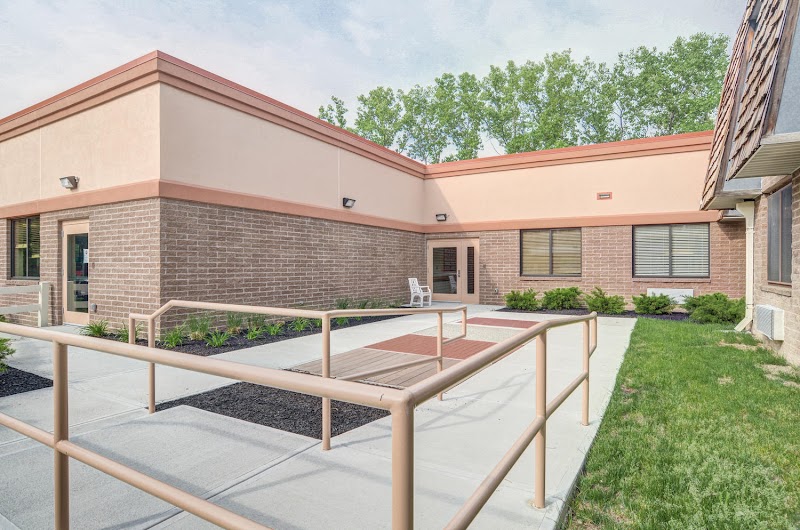
How is Willoughby Post Acute Staffed?
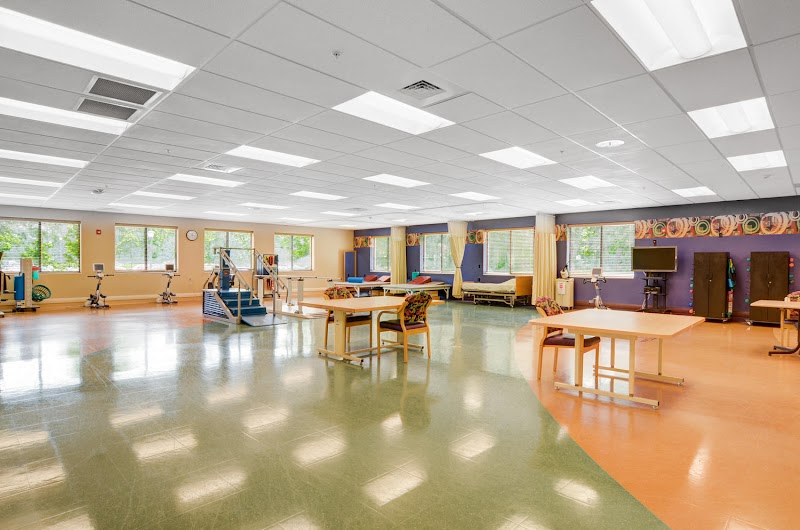
CMS rates Willoughby Post Acute's staffing level at 2 out of 5 stars, which is below average compared to other nursing homes. Staff turnover is 50%, compared to the Ohio average of 46%.

What Have Inspectors Found at Willoughby Post Acute?

State health inspectors documented 22 deficiencies at Willoughby Post Acute during 2018 to 2025. These included: 3 that caused actual resident harm and 19 with potential for harm. Deficiencies causing actual harm indicate documented cases where residents experienced negative health consequences.

Who Owns and Operates Willoughby Post Acute?

Willoughby Post Acute is owned by a for-profit company. For-profit facilities operate as businesses with obligations to shareholders or private owners. The facility is operated by PACS GROUP, a chain that manages multiple nursing homes. With 157 certified beds and approximately 141 residents (about 90% occupancy), it is a mid-sized facility located in WILLOUGHBY, Ohio.

How Does Willoughby Post Acute Compare to Other Ohio Nursing Homes?

Compared to the 100 nursing homes in Ohio, Willoughby Post Acute's overall rating (3 stars) is below the state average of 3.2, staff turnover (50%) is near the state average of 46%, and health inspection rating (2 stars) is below the national benchmark.

What Should Families Ask When Visiting Willoughby Post Acute?

Based on this facility's data, families visiting should ask: "Can you walk me through typical staffing levels on day, evening, and night shifts?" "Can I visit during a mealtime to observe dining assistance and food quality?" "How do you handle medical emergencies, and what is your hospital transfer rate?" "Can I speak with family members of current residents about their experience?" These questions are particularly relevant given the below-average staffing rating.

Is Willoughby Post Acute Safe?

Based on CMS inspection data, Willoughby Post Acute has a clean safety record: no substantiated abuse findings (meaning no confirmed cases of resident harm), no Immediate Jeopardy citations (the most serious violation level indicating risk of serious injury or death), and is not on the Special Focus Facility watch list (a federal program monitoring the lowest-performing 1% of nursing homes). The facility has a 3-star overall rating and ranks #100 of 100 nursing homes in Ohio. While no facility is perfect, families should still ask about staff-to-resident ratios and recent inspection results during their visit.

Do Nurses at Willoughby Post Acute Stick Around?

Willoughby Post Acute has a staff turnover rate of 50%, which is about average for Ohio nursing homes (state average: 46%). Moderate turnover is common in nursing homes, but families should still ask about staff tenure and how the facility maintains care continuity when employees leave.

Was Willoughby Post Acute Ever Fined?

Willoughby Post Acute has been fined $52,600 across 2 penalty actions. This is above the Ohio average of $33,605. Fines in this range indicate compliance issues significant enough for CMS to impose meaningful financial consequences. Common causes include delayed correction of deficiencies, repeat violations, or care failures affecting resident safety. Families should ask facility leadership what changes have been made since these penalties.

Is Willoughby Post Acute on Any Federal Watch List?

Willoughby Post Acute is not on any federal watch list. The most significant is the Special Focus Facility (SFF) program, which identifies the bottom 1% of nursing homes nationally based on persistent, serious quality problems. Not being on this list means the facility has avoided the pattern of deficiencies that triggers enhanced federal oversight. This is a positive indicator, though families should still review the facility's inspection history directly.