AUSTINTOWN HEALTHCARE CENTER
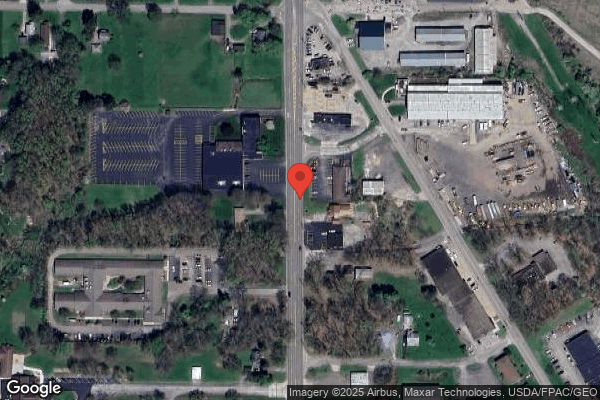
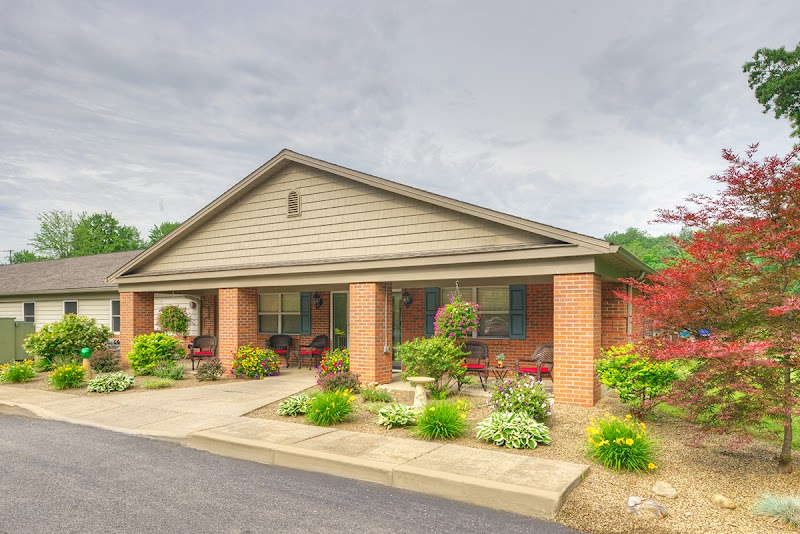
650 S MERIDIAN ROAD, YOUNGSTOWN, OH 44509 (330) 792-7799
For profit - Corporation 89 Beds COMMUNICARE HEALTH Data: November 2025
Trust Grade
85/100
#18 of 913 in OH
Last Inspection: June 2025

Inspected within the last 6 months. Data reflects current conditions.

Overview

Austintown Healthcare Center has a Trust Grade of B+, indicating it is above average and recommended for families considering care options. It ranks #18 out of 913 facilities in Ohio, placing it well within the top half, and is the top-ranked facility in Mahoning County. However, the facility is experiencing a worsening trend, with issues increasing from 2 in 2024 to 6 in 2025. Staffing is average with a 3/5 star rating and a turnover rate of 48%, which is slightly below the state average. Notably, the center has not incurred any fines, reflecting good compliance, and has better RN coverage than 78% of Ohio facilities, which is a strength since RNs can identify problems that other staff might overlook. On the downside, there have been specific incidents of concern, such as a resident missing scheduled showers due to staff not following care plans, creating a risk for hygiene issues. Additionally, there were observations of facility maintenance problems, including damaged walls and a shower room that posed potential safety hazards. Lastly, there were failures in timely assessments and wound care for new residents, indicating room for improvement in the initial care process. Overall, while Austintown Healthcare Center has strong points, the increasing number of issues and specific care shortcomings should be carefully considered by families evaluating their options.

Trust Score
B+
85/100
In Ohio
#18/913
Top 1%
Safety Record
Low Risk
No red flags
Inspections
Getting Worse
2 → 6 violations
Staff Stability
⚠ Watch
48% turnover. Above average. Higher turnover means staff may not know residents' routines.
Penalties
✓ Good
No fines on record. Clean compliance history, better than most Ohio facilities.
Skilled Nurses
○ Average
Each resident gets 41 minutes of Registered Nurse (RN) attention daily — about average for Ohio. RNs are the most trained staff who monitor for health changes.
Violations
⚠ Watch
16 deficiencies on record. Higher than average. Multiple issues found across inspections.
★★★★★
5.0
Overall Rating
★★★☆☆
3.0
Staff Levels
★★★★★
5.0
Care Quality
★★★★☆
4.0
Inspection Score
Stable
2024: 2 issues
2025: 6 issues

The Good

  • 5-Star Quality Measures · Strong clinical quality outcomes
  • Full Sprinkler Coverage · Fire safety systems throughout facility
  • No fines on record

Facility shows strength in quality measures, fire safety.

The Bad

Staff Turnover: 48%

Near Ohio avg (46%)

Higher turnover may affect care consistency

Chain: COMMUNICARE HEALTH

Part of a multi-facility chain

Ask about local staffing decisions and management

The Ugly 16 deficiencies on record

Jun 2025 6 deficiencies
CONCERN (D) 📢 Someone Reported This

A family member, employee, or ombudsman was alarmed enough to file a formal complaint

Potential for Harm - no one hurt, but risky conditions existed

Quality of Care (Tag F0684)

Could have caused harm · This affected 1 resident

**NOTE- TERMS IN BRACKETS HAVE BEEN EDITED TO PROTECT CONFIDENTIALITY** Based on observation, interview, record review, and facility policy review the facility failed to ensure Resident #78's immediat...

Read full inspector narrative →
**NOTE- TERMS IN BRACKETS HAVE BEEN EDITED TO PROTECT CONFIDENTIALITY** Based on observation, interview, record review, and facility policy review the facility failed to ensure Resident #78's immediate care and service needs were assessed and orders initiated at the time of admission. This affected one resident (#78) of two residents reviewed for admissions. In addition, the facility failed to ensure Resident #55 received wound treatments according to physician orders. This affected one resident (#55) of four residents reviewed for wound treatments. The facility census was 80. Finding included: 1. Review of the closed medical record for Resident #78 revealed an admission date of 03/08/25 at 6:07 P.M. and a discharge from the facility per resident request on 03/10/25 at 12:45 P.M Diagnoses included local infection of the skin, subcutaneous tissues, non-pressure ulcer of the right and left lower legs with fat layer exposed, peripheral vascular disease, type II diabetes, hypertension, Chronic Obstructive Pulmonary Disorder (COPD), and major depressive disorder. Review of Resident #78's progress notes dated 03/08/25 to 3/10/25 revealed there was no evidence of an admission note to the facility, no evidence the physician was notified of arrival and no evidence the admitting staff verified admission orders with the physician. Review of Resident #78's Hospital After Visit Summary (AVS) dated 03/08/25 revealed Resident #78 had been hospitalized from [DATE] to 03/08/25 with a diagnosis of foot infection. Resident #78 was discharged from the hospital with the following medication orders: Daptomycin (antibiotic) 800 milligram (mg) Intravenously (IV) every 24 hours for 14 days (next dose due to be given on 03/09/25), Oxycodone-acetaminophen (narcotic pain medication) 5-325 mg one tablet daily as needed for pain for three days (last dose given on 03/08/25 at 9:56 A.M.), Humulin (insulin to treat diabetes) R U-500 Kwik Pen 500 Unit/milliliter (ml) inject 120 units with breakfast, 50 units with lunch and 120 units with dinner (last dose given on 03/08/25 at 11:50 A.M.), albuterol sulfate 108 microgram (mcg)/Actuation (act), inhale two puffs into lungs every six hours as needed, apixaban (blood thinner) 5 mg take one tablet by mouth once a day starting on 03/09/25, bumetanide (diuretic) one mg tablet by mouth every day in the morning, citalopram (antidepressant) 20 mg tablet take one tablet daily (last dose given on 03/08/25 at 9:51 A.M., lisinopril (high blood pressure treatment) 10 mg tablet daily (last dose given on 03/08/25 at 9:51 A.M.), metoprolol (blood pressure treatment) 100 mg tablet by mouth daily (last dose given on 03/08/25 at 9:51 A.M.), mometasone-formoterol 200-5 mcg/act inhale 2 puffs in the morning and in the evening, Mujaro 2.5 mg once a week, multivitamin with minerals one tablet by mouth daily, pregabalin (anti-convulsant) 300 mg capsule by mouth twice a day for convulsions twice a day (last dose given on 03/08/25 at 9:51 A.M.), tamsulosin 0.4 mg take two capsules daily to equal 0.8 mg (last dose given on 03/08/25 at 9:51 A.M.) . There were also orders for wound care treatments to the bilateral lower extremities, rehabilitation therapy order and infectious disease protocol for IV therapy including standing orders for laboratory work, IV flushing orders, and IV dressing change orders. Review of Resident #78's physician orders revealed it was not until 03/10/25 that the following were initiated as orders: all facility standing orders for monitoring oxygen saturation and documenting results every shift due to COPD, Physical Therapy (PT) eval, Occupational Therapy (OT) eval, height, weight times four weeks upon admission, vital signs every shift times 72 hours then daily, COVID-19 testing as needed/may use PCR or POC testing, weekly skin assessment to be completed and documented, read tuberculosis (TB) skin test number one and number two with documentation of results on Medication Administration Record (MAR), ensure the resident is on a pressure reducing/relieving mattress every shift, consults with Audiology, Dental, Optometry, Ophthalmology and/or Podiatry as needed, monitor for pain every shift, and a wound care consult. Review of the Treatment Administration Record (TAR) and Medication Administration Record (MAR) dated March 2025 confirmed the aforementioned orders were not initiated until 03/10/25. Further review of Resident #78's physician orders revealed medications were not reconciled at the time of admission and the following orders were not initiated until 03/09/25: Daptomycin 500 mg IV, Oxycodone 5-325 mg, bumetanide 1 mg, metoprolol 100 mg, albuterol 108 mcg/act, tamsulosin 0.4 mg give two capsules to equal 0.8 mg, Mounjaro 2.5 mg/0.5 ml injection, pregabalin 300 mg two times a day for convulsions, and citalopram 20 mg for depression. Further review of Resident #78's Medication Administration Record (MAR) dated March 2025 confirmed Daptomycin, Oxycodone, bumetanide, metoprolol, albuterol, tamsulosin, Mounjaro, pregabalin and citalopram were not initiated until 03/09/25. Interview on 06/10/25 at 4:03 P.M. with the Director of Nursing (DON) revealed Licensed Practical Nurse (LPN) #631 was the admitting nurse for Resident #78 and did not complete any of the admission assessments required for new admissions, nor did they initiate any of the admitting physician orders from the hospital. Interview on 06/11/25 at 9:23 A.M. with the DON revealed they confirmed on admission, nursing staff were to complete a medication reconciliation, implement all orders obtained from the hospital, and notify the physician of resident arrival. The DON confirmed admission orders for Resident #78 were not initiated on the day of admission of 03/08/25 and were completed between 03/09/25 and 03/10/25 by Registered Nurse (RN) #712 causing medications, treatments and assessments to be missed for Resident #78. The DON also confirmed LPN #631 was issued an Employee Corrective Action final written warning for Performance/Policy Violation and Safety/Carelessness, due to: the staff member failing to comply with the admission policy of initial assessment and order entry in a timely manner of first hour of admission, interfering with medication delivery for treatment, initial assessment of wound and IV site not completed, and no orders for care entered. No admit vital signs were obtained, or height and weight. admission was not touched by shift change. This occurrence led to delay in medications and treatments being administered. Review of the undated facility policy titled admission Evaluation, revealed it was the policy of the facility to provide resident centered care that meets the psychosocial, physical, and emotional needs and concerns of the residents. A systematic evaluation is completed by a licensed nurse upon admission/readmission to assist in determining the most effective and appropriate care needs of each resident admitted to the center. Under the Procedure section staff are to complete the admission Initial UDA and appropriately triggered assessments electronically as soon as feasible but within 24 hours. Second, staff were to prioritize resident needs with appropriate interventions to include but not limited to, meeting immediate physical needs including assessment of pain, provide social and emotional support, identify any culturally specific needs, consider elopement risk, consider pressure injury risk, provide toileting needs, complete medication reconciliation, and consider last meal eaten and provide hydration. 2. Review of the medical record for Resident #55 revealed an admission date of 02/01/24 with diagnoses including chronic embolism and thrombosis of right and left femoral veins (blood clots to the legs), varicose veins of the left lower extremity with ulcer, peripheral vascular disease (PVD) (disorder that restricts the blood flow to the arms, legs and other parts of the body) and diabetes mellitus. Review of the physician's orders for June 2025 revealed Resident #55 had an order to cleanse the wound to his right posterior lower leg with normal saline and apply collagen (wound treatment) particles, cover with xeroform (non-adhering wound dressing), pad and wrap with kerlex (gauze wrap) daily and as needed dated 06/05/25. There were no physician's orders for wound care to the left leg. Review of treatment administration record (TAR) for June 2025 for Resident #55 revealed the nursing staff had documented on 06/08/25 that his treatment to his right lower leg was completed. There were no orders for wound treatments to the left leg. Review of the nursing progress notes from 06/07/25 through 06/09/25 for Resident #55 revealed there was no documentation related to his left lower leg having an open area, the physician being updated or a treatment being ordered. Observation on 06/09/25 at 1:43 P.M. of Resident #55 revealed he had wound treatments to bilateral lower legs. The dressings were dated 06/07/25. Observation and interview on 06/09/25 at 1:45 P.M. with Licensed Practical Nurse (LPN) #600 verified Resident #55 had a venous ulcer to the back of his right lower leg. She stated his treatment should have been completed daily and was not done on 06/08/25 as ordered. LPN #600 stated she did not know why he had a dressing on the left lower leg. She verified the dressings to bilateral lower extremities were dated 06/07/25. Resident #55 stated nursing staff had not performed the treatment to his right lower leg on 06/08/25. Interview and observation on 06/09/25 at 1:53 P.M. with Registered Nurse (RN) #609 revealed the dressing to the right lower leg was adaptic (non-adhering wound dressing) with a dry dressing and rolled gauze to secure the treatment in place. RN #609 stated Resident #55 previously had scabs to the front of his left leg due to his PVD. Observation revealed an open area to the front of his left leg. RN #609 stated the scabs must have come off and the nurse placed a dressing. She verified she was not updated on the resident's open area to his left leg. Interview on 06/09/25 at 1:59 P.M. with LPN #600 verified her initials were on the TAR on 06/07/25 and she had placed the dressing on Resident #55's left lower leg. She stated she placed the same treatment that was on the right lower extremity. LPN #600 stated she had not updated the physician, received an order for the left lower extremity or documented in the resident's medical record. Review of the facility policy titled, Skin Care and Wound Management Overview, undated, revealed the facility should review and select the appropriate treatment, obtain a physician's order and document treatment in the treatment administration record. This violation represents non-compliance investigated under Master Complaint Number OH00164793 and Complaint Number OH00163639.
CONCERN (D) 📢 Someone Reported This

A family member, employee, or ombudsman was alarmed enough to file a formal complaint

Potential for Harm - no one hurt, but risky conditions existed

Pressure Ulcer Prevention (Tag F0686)

Could have caused harm · This affected 1 resident

**NOTE- TERMS IN BRACKETS HAVE BEEN EDITED TO PROTECT CONFIDENTIALITY** Based on observation, interview, record review and review of facility policy, the facility did not ensure wound assessments accu...

Read full inspector narrative →
**NOTE- TERMS IN BRACKETS HAVE BEEN EDITED TO PROTECT CONFIDENTIALITY** Based on observation, interview, record review and review of facility policy, the facility did not ensure wound assessments accurately identified date of onset of a pressure ulcer and wound treatments were implemented as ordered by the physician for Resident #77. This affected one resident (Resident #77) of four residents reviewed for pressure ulcers. The facility census was 80. Findings include: Review of the closed medical record for Resident #77 revealed an admission date of 12/13/24 with diagnoses including osteomyelitis (infection of the bone) of the left foot and ankle, peripheral vascular disease (disorder that restricts the blood flow to the arms, legs and other parts of the body) and cellulitis (skin infection where the skin is swollen, painful and warm to the touch). Review of the hospital After Visit Summary, dated 12/13/24, revealed at the time of discharge from the hospital, Resident #77 had no pressure ulcers, but did have treatments in place for surgical incisions to his femoral left leg, left leg and left toe. Review of the nursing admission evaluation dated 12/13/24 for Resident #77 revealed he had no pressure ulcers. It was noted he had surgical incisions to the groin, left thigh, left lower leg and left toes. Review of the nursing notes for Resident #77 dated from 12/13/24 through 12/16/24 revealed the nursing staff had not documented any information to identify a pressure ulcer on right buttocks. Review of the comprehensive Minimum Data Set (MDS) 3.0 assessment dated [DATE] for Resident #77 revealed he had one Stage III pressure ulcer that was present upon admission. Review of the care plan for Resident #77, dated initiated 12/27/24 revealed he was admitted to the facility with a stage III pressure ulcer to his right buttock. Interventions included administer medications and treatments as ordered by medical provider, apply barrier creams post incontinence episodes, complete weekly skin checks and daily wound assessments. Review of the Wound Assessment Report, dated 12/17/24 by Nurse Practitioner (NP) #714 revealed she saw Resident #77 for the first time for a Stage III pressure ulcer (Full-thickness loss of skin, in which subcutaneous fat may be visible in the ulcer and granulation tissue and epibole (rolled wound edges) are often present) to the right buttocks. NP #714 stated it was 5.0 centimeters (cm) in length, 1.0 cm in width and 0.10 cm in depth and was present on admission. She ordered the facility nursing staff to cleanse the right buttock with normal saline, apply Triad Cream (wound care product designed to treat and protect skin from damage due to pressure ulcers) and leave open to air twice daily and as needed. Review of the Wound Assessment Report, dated 12/26/24 by NP #714 revealed she saw Resident #77 again for his right buttocks Stage III pressure ulcer. NP #714 stated the wound was now 4.0 cm in length, 2.0 cm in width and .2 cm in depth. NP #714 provided a new order for the nursing staff to cleanse the right buttock with normal saline and apply Triad Cream and a bordered foam daily and as needed. Review of the physician's orders and treatment administration record from December 2024, revealed NP #714's orders were not implemented for Resident #77's pressure ulcer of the right buttocks until 12/26/24. Interview on 06/11/25 at 2:37 P.M. with Registered Nurse (RN) #609 revealed she rounded with NP #714 and saw Resident #77 on 12/17/24. She verified NP #714 provided an order for treatment to Resident #77's right buttocks Stage III pressure ulcer. RN #609 stated NP #714 entered her own treatment orders in the computer and must have missed putting Resident #77's order in for his right buttocks. RN #714 verified that prior to NP #714 initially seeing Resident #77's right buttock pressure ulcer on 12/17/24 there had been no skin assessment nor other documentation in the medical record to reflect Resident #77 had a pressure ulcer upon admission yet it was documented as present upon admission in the MDS and wound assessment report. Interview on 06/12/25 at 11:28 A.M. with NP #714 verified she assessed Resident #77 on 12/17/25 and provided an order for Triad Cream to his right buttocks. She stated she had forgot to enter his order for the Stage III pressure ulcer into the computer until she returned again on 12/26/24. She stated his wound mildly worsened, however, due to his medical condition worsening could be expected as unavoidable and it was not due to the lack of treatment with the Triad Cream from 12/17/24 to 12/25/24. NP #714 stated she was notified Resident #77 was admitted with the pressure ulcer and she assessed him four days later. Review of the facility policy titled, Skin Care and Wound Management Overview, undated, revealed the facility should review and select the appropriate treatment, obtain a physician's order and document treatment in the treatment administration record. This violation represents non-compliance investigated under Master Complaint Number OH00164793 and Complaint Number OH00163639.
CONCERN (D)

Potential for Harm - no one hurt, but risky conditions existed

Tube Feeding (Tag F0693)

Could have caused harm · This affected 1 resident

Based on observation, interview, record review and review of facility policy, the facility failed to ensure Resident #184's enteral feedings were administered as ordered. This affected one resident (R...

Read full inspector narrative →
Based on observation, interview, record review and review of facility policy, the facility failed to ensure Resident #184's enteral feedings were administered as ordered. This affected one resident (Resident #184) of two residents reviewed for enteral nutrition. The facility census was 80. Findings include: Review of the medical record for Resident #184 revealed an admission date of 05/23/25 with diagnoses including cerebral infarction (stroke), hemiplegia affecting right side (paralysis), dysphagia (difficulty swallowing) and cognitive communication deficit. Review of the physician's orders for June 2025 for Resident #184 revealed she had an order for enteral feedings every shift at 60 milliliters (mL) an hour for 20 hours via the pump dated 06/03/25. Review of the Medication Administration Record (MAR) for June 2025 for Resident #184 revealed Registered Nurse (RN) #625 signed off her enteral feed order on 06/09/25 prior to 10:47 A.M. as administered as ordered. Observation on 06/09/25 at 10:40 A.M. of Resident #184 revealed her enteral feeding was running at 50 mL per hour. Observation and interview on 06/09/25 at 10:52 A.M. with RN #625 verified Resident #184's enteral feeding was running at 50 mL per hour and should be at 60 mL per hour. Review of the facility policy titled, Enteral General Nutritional (tube feeding) Guidelines, undated, revealed feeding the enteral feed through the electronic pump, nursing staff should verify the practitioner's order including the volume and rate to be infused.
CONCERN (D)

Potential for Harm - no one hurt, but risky conditions existed

Deficiency F0698 (Tag F0698)

Could have caused harm · This affected 1 resident

**NOTE- TERMS IN BRACKETS HAVE BEEN EDITED TO PROTECT CONFIDENTIALITY** Based on record review, interview and review of facility policy, the facility failed to ensure dialysis residents were monitored...

Read full inspector narrative →
**NOTE- TERMS IN BRACKETS HAVE BEEN EDITED TO PROTECT CONFIDENTIALITY** Based on record review, interview and review of facility policy, the facility failed to ensure dialysis residents were monitored before and after dialysis treatments, and daily weights were obtained according to physician order for Resident #4. This affected one resident (Resident #4) out of two residents reviewed for dialysis. The facility census was 80. Findings include: Review of Resident #4's medical record revealed an admission date of 12/08/23. Diagnoses included end stage renal disease, dependence on renal dialysis, chronic diastolic congestive heart failure, hyperlipidemia, disorders of bone density, Gastro-Esophageal Reflux Disease (GERD), hypertensive heart and Chronic Kidney Disease (CKD), type II diabetes mellitus, anxiety, and major depressive disorder. Review of Resident #4's quarterly Minimum Data Set (MDS) 3.0 assessment dated [DATE] revealed the resident had impaired cognition. They required setup or clean up assistance for eating, substantial to maximal assistance for oral hygiene, upper body dressing, personal hygiene, and bed mobility. They were dependent on staff for toileting hygiene, showers, and lower body dressing. Review of Resident #4's care plan date 10/05/24 revealed the resident was on dialysis therapy related to CKD three times a week. Interventions and goals indicated the resident would be free from signs and symptoms of complications from hemo-dialysis. Staff were to administer medications per medical provider's orders including monitoring weights daily and completing a pre and post dialysis assessment every dialysis treatment day. Review of Resident #4's physician orders dated June 2025 revealed there were orders for staff to obtain daily weights related to congestive heart failure and dependency on renal dialysis. There was an order for pre and post dialysis assessments to be completed every Tuesday, Thursday, and Saturday. Review of Resident #4's pre dialysis assessments revealed there were no pre dialysis assessments completed on 04/01/25, 04/03/25, 04/10/25, 04/15/25, 04/17/25, 04/22/25, 04/29/25, 05/01/25, 05/06/25, 05/13/25, 05/15/25, 05/20/25, and on 06/07/25. Review of Resident #4's post dialysis assessments revealed there were no post dialysis assessments completed on 04/15/28, 04/22/25, 04/29/25, 05/10/25, 05/15/25, 05/17/25, 05/29/25, and on 06/07/25. Review of Resident #4's daily weights from 04/01/25 through 06/05/25 revealed daily weights were not completed on 04/01/25, 04/02/25, 04/03/25, 04/06/25, 04/07/25, 04/09/25, 04/10/25, 04/14/25, 04/15/25, 04/16/25, 04/20/25, 04/21/25, 04/23/25, 04/24/25, 04/25/25, 04/27/25, 04/28/25, 04/30/25, 05/01/25, 05/04/25, 05/05/25, 05/06/25, 05/07/25, 05/08/25, 05/09/25, 05/10/25, 05/11/25, 05/12/25, 05/13/25, 05/14/25, 05/15/25, 05/16/25, 05/17/25, 05/18/25, 05/19/25, 05/21/25, 05/22/25, 05/26/25, 05/28/25, 05/29/25, 05/30/25, 06/01/25, 06/02/25, 06/03/25, 06/04/25, and on 06/05/25. Interview on 06/09/25 at 1:52 P.M. with Registered Nurse (RN) #610 revealed the Certified Nursing Assistants (CNA) obtain the resident's weight and notify the nurse of results so they can be documented. RN #610 stated there was no other place they would document the weights except for in the Electronic Medical Record (EMR) under the weight/vitals tab. Interview on 06/11/25 at 3:51 P.M. with Dietician #715 revealed they confirmed Resident #4 was on daily weights related to their diagnosis of congestive heart failure and the need for hemo-dialysis. Dietician #715 confirmed the daily weights are not being done per physician orders. Interview on 06/12/25 at 11:57 A.M. with the Regional Director of Clinical Operations (RDCO) revealed they confirmed there were multiple missing pre and post dialysis assessments for Resident #4 as well as multiple missing daily weights from 04/01/25 to 06/12/25 with no explanation given as to why. The RDCO stated staff are to complete a pre and post dialysis assessment on each dialysis day and the daily weights should be completed and documented daily per physician orders. Review of the undated facility policy titled Hemodialysis Care and Monitoring, revealed the facility uses this policy to provide resident centered care that meets the psychosocial, physical, and emotional needs and concerns of the residents. The facility is responsible to provide resident centered care to meet the resident's need for dialysis, provide a method for coordination and collaboration between the nursing home and the dialysis facility, provide outside dialysis services with an agreement between the facility and a Medicare Certified Dialysis facility, Provide a method for on-going communication and collaboration for the development and implementation of dialysis care plan. The facility will provide pre and post dialysis assessments and weights per physician orders.
CONCERN (D) 📢 Someone Reported This

A family member, employee, or ombudsman was alarmed enough to file a formal complaint

Potential for Harm - no one hurt, but risky conditions existed

Pharmacy Services (Tag F0755)

Could have caused harm · This affected 1 resident

Based on record review and interview, the facility failed to ensure medications were obtained timely from the pharmacy to meet resident needs. This affected two residents (Resident #64 and #78) of eig...

Read full inspector narrative →
Based on record review and interview, the facility failed to ensure medications were obtained timely from the pharmacy to meet resident needs. This affected two residents (Resident #64 and #78) of eight residents reviewed for medication administration. The facility census was 80. Findings include: 1. Review of Resident #64's medical record revealed an admission date of 05/03/25 with diagnoses including local infection of the skin and subcutaneous tissue, cellulitis of Left Lower Extremity (LLE), displaced bicondylar fracture of left tibia, type II diabetes mellitus, hypertension, major depressive disorder, and acute embolism and thrombosis of deep vein of left lower extremity. Review of Resident #64's admission Minimum Data Set (MDS) 3.0 assessment revealed the resident had intact cognition, was independent with eating, required setup or clean up assistance with oral hygiene, partial to moderate assistance with upper dressing,, personal hygiene, and bed mobility. Resident #64 required substantial to maximal assistance with toileting hygiene and showers and was dependent on staff for lower body dressing. Review of the Medication Administration Record (MAR) for May 2025 for Resident #64 revealed nursing staff documented not administered/not available from the pharmacy on 05/03/25 for the following medications: Amlodipine 10 Milligrams (mg), Atorvastatin 40 mg for lipids daily, Colace 100 mg for constipation, Duloxetine 90 mg daily for depression, Hydrochlorothiazide (HCTZ) 12.5 mg for hypertension daily, Lisinopril 40 mg daily for hypertension, Oxybrutrin 5 mg daily for urinary health, protonix 40 mg daily for GERD, Pioglitazone 30 mg daily for diabetes, Synthroid 88 micrograms (mcg) daily for hypothyroidism, Vitamin D 50 mcg for supplement, metformin 500 twice a day for diabetes, and Ceftriaxone 2 gm IV daily for soft tissue infection. Interview on 06/11/25 at 10:01 A.M. with Resident #64 revealed her medications were not available to be administered to her on the date of admission to the facility. She stated she had to wait a day to a day and a half before all her medications were available to be administered. Resident #64 stated because she did not receive her medications, she just felt like laying in bed, not going to therapy and not taking a shower because she felt nauseated and had some pain. 2. Review of the closed medical record for Resident #78 revealed an admission date of 03/08/25 at 6:07 P.M. and discharged from the facility per resident request on 03/10/25 at 12:45 P.M Diagnoses included local infection of the skin, subcutaneous tissues, non-pressure ulcer of the right and left lower legs with fat layer exposed, peripheral vascular disease, type II diabetes, hypertension, Chronic Obstructive Pulmonary Disorder (COPD), and major depressive disorder. Review of Resident #78's MAR dated March 2025 revealed on 03/09/25 the resident did not receive their Citalopram 20 mg daily for depression, pregabalin 300 mg twice a day for convulsions, and Daptomycin 500 mg IV daily for infection due to not being available from the pharmacy. Interview on 06/11/25 at 9:49 A.M. with Licensed Practical Nurse (LPN) #513 revealed LPN #513 did not always have the resident medications to give the residents because the medications were not being made available from the pharmacy and were not in the Nexus system (automated pill dispenser). LPN #513 stated they must make multiple phone calls to the pharmacy to inquire about where the medications are. LPN #513 stated with new admissions it is not uncommon if their medications are not available to give for approximately a day to a day and a half due to not arriving from the pharmacy in a timely manner. LPN #513 verified medications not administered as ordered for Resident #64 due to not being available to give to Resident #64. Interview on 06/11/25 at 9:23 A.M. with the DON verified Resident #78 had missed physician ordered medications due to the medications not being available to give to Resident #78. Interview on 06/11/25 at 1:02 P.M. with LPN #510 revealed there are times when medications do not arrive from the pharmacy timely. LPN #510 stated it can take up to a day and a half to get certain meds, including IV antibiotics and any medications not available in the Nexus system. Review of the facility policy titled, Pharmacy Services, revised 09/01/21, stated the pharmacy would supply medications that were needed and deliver the medications to the facility. This deficiency represents non-compliance investigated under Complaint Number OH00163639.
CONCERN (D) 📢 Someone Reported This

A family member, employee, or ombudsman was alarmed enough to file a formal complaint

Potential for Harm - no one hurt, but risky conditions existed

Infection Control (Tag F0880)

Could have caused harm · This affected 1 resident

Based on observation, interview and record review the facility failed to ensure Enhanced Barrier Precautions (EBP) were followed when administering Intravenous (IV) medications for Resident #64. This ...

Read full inspector narrative →
Based on observation, interview and record review the facility failed to ensure Enhanced Barrier Precautions (EBP) were followed when administering Intravenous (IV) medications for Resident #64. This affected one resident (Resident #64) out of three residents reviewed for Enhanced Barrier Precautions. The facility census was 80. Findings include: Review of Resident #64's medical record revealed an admission date of 05/03/25 with diagnosis including local infection of the skin and subcutaneous tissue, cellulitis of Left Lower Extremity (LLE), displaced bicondylar fracture of left tibia, type II diabetes mellitus, hypertension, major depressive disorder, and acute embolism and thrombosis of deep vein of left lower extremity. Review of Resident #64's admission Minimum Data Set (MDS) 3.0 assessment revealed the resident had intact cognition, was independent with eating, required setup or clean up assistance with oral hygiene, partial to moderate assistance with upper dressing, personal hygiene, and bed mobility. Resident #64 required substantial to maximal assistance with toileting hygiene and showers and was dependent on staff for lower body dressing. Review of Resident #64's care plan dated 05/21/25 revealed a care plan initiated related to Resident #64 had an infection, cellulitis of the LLE and was on IV antibiotics. Goals and interventions included the resident would be free from signs and symptoms of complications related to the infection. Staff were to administer antibiotics per medical providers orders, observe for side effects and effectiveness and report abnormal findings to medical provider. Additionally, there was a care plan for Enhanced Barrier Precautions (EBP) due to providing care to the resident with a history or colonized multi-drug-resistant organism. The care plan also consisted of Resident #64 was currently on IV therapy for antibiotics. The resident would be free of signs and symptoms of infection at IV insertion site, staff to administer IV medications and flushes per medical providers orders and report any abnormal findings. Review of Resident #64's physician orders dated June 2025 revealed the resident was in EBP related to Peripherally Inserted Central Catheter (PICC) when administering medication, dressing or bathing, showering, transferring in room or therapy gym, personal hygiene, changing linen, providing hygiene, changing briefs or assisting with toileting. Staff to administer Ceftriaxone Sodium 2 grams (gm) IV every 24 hours for soft tissue infection until 06/12/25 at 11:59 P.M. Observation on 06/11/25 at 9:54 A.M. of IV antibiotic administration for Resident #64 by Licensed Practical Nurse (LPN) #513 revealed LPN #513 did not wear proper Personal Protective Equipment (PPE) including a gown and gloves. Interview on 06/11/25 at 10:03 A.M. with LPN #513 revealed they verified Resident #64 was in EBP and stated they should have worn proper PPE including a gown and gloves to administer Resident #64's IV antibiotics. Review of the undated facility policy titled Enhanced Barrier Precautions revealed Enhanced Barrier Precautions is an infection control intervention designed to reduce transmission of multi-drug-resistant organisms. Personal Protective Equipment required is a gown and gloves. EBP are indicated for residents with any of the following including indwelling medical devices for example central lines such as PICC lines. Review of the facility policy titled Intermittent Infusion, last revised 12/2014 revealed under General Guidance number three Administration sets used for intermittent therapy will be changed every 24 hours.
Oct 2024 2 deficiencies
CONCERN (D) 📢 Someone Reported This

A family member, employee, or ombudsman was alarmed enough to file a formal complaint

Potential for Harm - no one hurt, but risky conditions existed

Infection Control (Tag F0880)

Could have caused harm · This affected 1 resident

**NOTE- TERMS IN BRACKETS HAVE BEEN EDITED TO PROTECT CONFIDENTIALITY** Based on observation, record review, review of facility policy, and interview the facility failed to ensure Enhanced Barrier Pre...

Read full inspector narrative →
**NOTE- TERMS IN BRACKETS HAVE BEEN EDITED TO PROTECT CONFIDENTIALITY** Based on observation, record review, review of facility policy, and interview the facility failed to ensure Enhanced Barrier Precautions (EBP) were followed for Resident #8. This affected one resident (Resident #8) out of four residents reviewed for infection control. The facility census was 83. Findings include: Review of medical record for Resident #8 revealed an admission date of 04/15/24. Medical diagnoses included necrotizing fasciitis, pressure ulcer of the sacral region stage four, type two diabetes mellitus, morbid obesity, hypertension, and neuromuscular dysfunction of the bladder. Review of the quarterly Minimum Data Set (MDS) 3.0 assessment dated [DATE] revealed Resident #8 had intact cognition, required set up or clean up assistance with oral hygiene, was independent with eating, was dependent on staff for toileting hygiene, and required partial to moderate assistance for showers, dressing, personal hygiene, and bed mobility. Review of Resident #8's physician orders dated October 2024 revealed the resident was in Enhanced Barrier Precautions related to wound and ostomy. Observation made on 10/15/24 at 11:00 A.M. of wound care for Resident #8 performed by Registered Nurse (RN) #800 and RN #801 revealed wound care was completed per physician orders. Resident #8 was in Enhanced Barrier Precautions (EBP) with appropriate signage and Personal Protective Equipment (PPE) supplied, however RN #800 and RN #801 did not wear the supplied PPE including gowns while performing care. Interview on 10/15/24 at 11:15 A.M. with RN #800 and RN #801 revealed they confirmed Resident #8 was in EBP and they should have worn PPE during wound care including gowns. Review of the undated facility policy titled Enhanced Barrier Precautions revealed enhanced barrier precautions refer to an infection control intervention designed to reduce transmission of Multi Drug Resistant Organisms (MDRO) that employs hand hygiene, targeted gown and glove use, during high contact resident care activities that include; Dressing, Bathing/Showering, Transferring, Providing hygiene, changing linens, changing briefs or assisting with toileting, device care or use, central line, urinary catheter, feeding tube, tracheostomy/ventilator, wound care, any skin opening requiring a dressing. This deficiency represents non-compliance as an incidental finding during investigation of Complaint Number OH00157322.
CONCERN (E) 📢 Someone Reported This

A family member, employee, or ombudsman was alarmed enough to file a formal complaint

Potential for Harm - no one hurt, but risky conditions existed

ADL Care (Tag F0677)

Could have caused harm · This affected multiple residents

**NOTE- TERMS IN BRACKETS HAVE BEEN EDITED TO PROTECT CONFIDENTIALITY** Based on record review and interview the facility failed to ensure showers were completed as scheduled and preferred for Residen...

Read full inspector narrative →
**NOTE- TERMS IN BRACKETS HAVE BEEN EDITED TO PROTECT CONFIDENTIALITY** Based on record review and interview the facility failed to ensure showers were completed as scheduled and preferred for Resident #7, #8, #36 and #42 who required staff assistance for showers. This affected four Residents (Residents #7, #8, #36, and #42) out of four residents reviewed for showers. The facility census was 83. Findings include: 1. Review of Resident #7's medical record revealed an admission date of 07/06/24. Medical diagnoses include hemiplegia and hemiparesis following cerebrovascular disease affecting left non-dominant side, repeated falls, epilepsy, and muscle weakness. Review of Resident #7's quarterly Minimum Data Set (MDS) 3.0 assessment dated [DATE] revealed the resident had intact cognition and was dependent on staff for toileting hygiene and showers. Review of Resident #7's care plan dated 10/10/24 revealed they were to have a shower every Tuesday, Thursday and Saturday. Review of Resident #7's shower documentation dated 09/19/24 to 10/12/24 revealed the resident did not receive their shower on 09/21/24, 09/26/24, 10/01/24, 10/08/24, and 10/10/24. 2. Review of Resident #8's medical record revealed an admission date of 04/15/24. Medical diagnoses included necrotizing fasciitis, stage four pressure ulcer to sacral region, type two diabetes mellitus, morbid obesity, hypertension, and lack of coordination. Review of Resident #8's quarterly MDS 3.0 assessment dated [DATE] revealed the resident had intact cognition and was dependent on staff for toileting hygiene and required partial to moderate assistance for showers. Review of Resident #8's care plan dated 09/19/24 revealed the resident was to have a shower on Tuesday, Thursday, and Saturday. Review of Resident #8's shower documentation dated from 09/17/24 to 10/12/24 revealed the resident did not receive their shower on 09/21/24, 09/24/24, 10/01/24, 10/08/24, 10/10/24, and 10/12/24. 3. Review of Resident #36's medical record revealed an admission date of 08/30/24. Medical diagnoses included neuroleptic induced parkinsonism, schizoaffective disorder, anxiety disorder, pressure ulcer of right hip, viral hepatitis C, and hypertension. Review of Resident #36's end of skilled stay MDS 3.0 assessment dated [DATE] revealed the resident had slightly impaired cognition and required substantial to maximal assistance for toileting hygiene, personal hygiene, and showers. Review of Resident #36's care plan dated 08/30/24 revealed the resident was to receive showers on Tuesday, Thursday, and Saturday. Review of Resident #36's shower documentation dated 09/16/24 to 10/15/24 revealed the resident did not receive showers on 09/17/24, 09/19/24, 09/21/24, 09/24/24, 09/26/24, 09/29/24, 10/03/24, 10/12/24, and 10/15/24. 4. Review of Resident #42's medical record revealed an admission date of 07/22/24. Medical diagnoses included necrotizing fasciitis, encephalopathy, altered mental status, sepsis, alcohol abuse, hypertension, need for assistance with personal care, and anxiety disorder. Review of Resident #42's Medicare Five Day MDS 3.0 assessment dated [DATE] revealed the resident had slightly impaired cognition and required substantial to maximal assistance with toileting hygiene, personal hygiene, and showers. Review of Resident #42's care plan dated 07/22/24 revealed the resident was to have showers on Monday, Wednesday, and Friday. Review of Resident #42's shower documentation dated 09/09/24 to 10/14/24 revealed the resident did not receive a shower on 09/13/24, 09/20/24, and 10/04/24. Interviews conducted on 10/15/24 from 11:15 A.M. to 4:30 P.M. with Registered Nurse (RN) #800, RN #801, RN #802, Licensed Practical Nurse (LPN) #803, LPN #804, and State Tested Nursing Assistant (STNA) #805 and STNA #806 revealed showers were done most of the time, but some are not and that Resident #7, #8, #36 and #42 did not always receive showers as scheduled and preferred. There was no reason as to why the showers were not done when asked. Interviews conducted on 10/15/24 from 11:25 A.M. to 4:40 P.M. with Residents #7, #8, #36, #40, #41, #42, and #50 revealed they did not always get their showers as scheduled or per their preference. This deficiency represents non-compliance identified during the investigation of Complaint Number OH00157322.
Nov 2023 4 deficiencies
CONCERN (D)

Potential for Harm - no one hurt, but risky conditions existed

Deficiency F0578 (Tag F0578)

Could have caused harm · This affected 1 resident

Based on record review, staff interview, and facility policy, the facility failed to have advance directives in the physical medical record as required. This affected one resident (#56) of 19 resident...

Read full inspector narrative →
Based on record review, staff interview, and facility policy, the facility failed to have advance directives in the physical medical record as required. This affected one resident (#56) of 19 residents reviewed for advanced directives. The facility census was 65. Findings include: Review of electronic medical record for Resident #56 revealed an admission date of 06/14/23 with pertinent diagnoses of hemiplegia and hemiparesis following cerebral infarction (stroke) affecting left non-dominant side, nontraumatic intracerebral hemorrhage (ruptured blood vessel in the brain), dysphagia (difficulty swallowing) following cerebral infarction, Bell's Palsy (a type of facial paralysis), major depressive disorder, and anxiety disorder. Review of the 09/21/23 quarterly Minimum Data Set (MDS) assessment revealed the resident was cognitively intact and required substantial/max assistance for eating, oral hygiene, and upper body dressing and was dependent on staff for lower body dressing. Further review of the medical record revealed Resident #56 had a physician order dated 07/14/23 for an advanced directive to be a do not resuscitate comfort care arrest (DNRCC-A) code status. Review of the DNR Comfort Care form scanned into Resident #56's electronic medical chart, which was signed by the nurse practitioner on 07/14/23, confirmed Resident #56 had an advanced directive to be a DNRCC-A code status. Review of the Resident #56's paper (hard) medical record on 11/22/23 at 2:45 P.M. with Regional Director of Clinical Operations #475 revealed there was no DNR Comfort Care form in the chart. Interview on 11/22/23 at 2:45 P.M. with the Regional Director of Clinical Operations #475 verified Resident #56's physical medical record did not have the DNR Comfort Care form in the chart as required. Review of undated facility policy Advance Directive (Resident's Right to Choose), revealed upon admission should the resident have an Advance Directive, copies would be made and placed on the hard chart medical record as well as communicated to the staff.
CONCERN (D)

Potential for Harm - no one hurt, but risky conditions existed

Tube Feeding (Tag F0693)

Could have caused harm · This affected 1 resident

**NOTE- TERMS IN BRACKETS HAVE BEEN EDITED TO PROTECT CONFIDENTIALITY** Based on observation, record review, review of policy and interviews, the facility failed to ensure gastrostomy tube (G-tube) me...

Read full inspector narrative →
**NOTE- TERMS IN BRACKETS HAVE BEEN EDITED TO PROTECT CONFIDENTIALITY** Based on observation, record review, review of policy and interviews, the facility failed to ensure gastrostomy tube (G-tube) medications were administered using proper technique. This effected one resident (Resident #49) of three residents reviewed for G-tube medication administration. The facility census was 65. Findings include: Review of Resident #49's medical record revealed an admission date of 12/29/22. Diagnoses included acute respiratory failure with hypoxia, atrial fibrillation, major depressive disorder, moderate protein-calorie malnutrition, dysphagia and hypertension. Review of Resident #49's annual Minimum Data Set (MDS) 3.0 assessment dated [DATE] revealed Resident #49 had severely impaired cognition and required maximal assistance by one to two staff members for all Activities of Daily Living (ADLs). All medications were provided through his G-tube. Review of Resident #49's physicians orders revealed orders for all medications to be given via G-tube including an order for Hydralazine 25 milligrams (mg) every eight hours for hypertension. Observation of medication administration on 11/21/23 at 2:00 P.M. by Licensed Practical Nurse (LPN) #427 for Resident #49 of administration of Hydralazine 25 mg via gastrostomy tube (G-tube) revealed LPN #427 used ice water from the nursing cart to dissolve medication for administration and used ice water to flush G-tube before and after medication administration. Interview on 11/21/23 at 2:15 P.M. with LPN #427 revealed he confirmed he used ice water to dissolve the medication and used ice water to flush the G-tube before and after medication administration. LPN #427 confirmed the water was ice cold and he was supposed to use tepid or room temperature water for administration and flush. Interview on 11/21/23 at 2:30 P.M. with the Director of Nursing (DON) revealed staff were to use room temperature or tepid water to dissolve medications and with flushes before and after each medication. She stated they are not to use ice water. Review of the undated facility policy titled Medication Administered by Enteral Tube, revealed under the procedure section letter I stated to dilute medication with 10-30 milliliters of tepid (not hot or cold) water. Under section III titled Administration of Medications via G-tube letter J revealed 15 milliliters of tepid water to be used to flush before and after medication administration.
CONCERN (D)

Potential for Harm - no one hurt, but risky conditions existed

Infection Control (Tag F0880)

Could have caused harm · This affected 1 resident

2. Review of the medical record for Resident #3 revealed an admission date of 05/08/23. Diagnoses included multiple sclerosis, cellulitis of the left lower limb, quadriplegia, type two diabetes mellit...

Read full inspector narrative →
2. Review of the medical record for Resident #3 revealed an admission date of 05/08/23. Diagnoses included multiple sclerosis, cellulitis of the left lower limb, quadriplegia, type two diabetes mellitus, and peripheral vascular disease. Review of physician orders for Resident #3 revealed an order dated 11/01/23 that stated wound care for right heel included to cleanse with wound cleanser, apply iodosorb (medicated wound ointment) to wound base, cover with abdominal pad and wrap with kerlix. The dressing was to be changed three times a week on Monday, Wednesday and Friday. Observation of wound care for Resident #3's right heel wound on 11/22/23 at 7:50 A.M. was completed by Licensed Practical Nurse (LPN) #404 and LPN #453. Observation revealed LPN #404 and #453 performed hand hygiene, donned personal protective equipment (PPE) and entered the room. The gathered wound dressing supplies were placed on the cleaned bedside table on a barrier. LPN #404 then removed soiled dressing. LPN #453 then cleansed the wound with wound cleanser. Once completed cleansing wound, LPN #453 then doffed the dirty gloves and donned clean gloves without performing hand hygiene. LPN #453 then applied a new clean wound dressing to Resident #3's right heel. LPN #404 and #453 then discarded supplies, doffed PPE and washed hands prior to exiting resident's room. Interview on 11/22/23 at 8:20 A.M. with LPN #453 confirmed when she doffed the dirty gloves after she had cleaned Resident #'3 wound bed, she did not perform hand hygiene before donning a clean pair of gloves to apply the new dressing. Review of facility policy titled Personal Protective Equipment Gloves dated 07/01/17 revealed staff were to perform hand hygiene before donning and after doffing gloves. Based on interview, observations, and record review the facility failed to ensure appropriate infection control practices were followed in regard to oral suctioning of respiratory secretions for Resident #4, and hand hygiene and glove use with wound care for Resident #3. This affected two residents ( #4 and #3) of five residents reviewed for infection control practices. The facility census was 65. Findings include: 1. Record review for Resident #4 revealed an admission date of 07/22/23. Diagnoses included cerebral palsy, dysphagia, unspecified psychosis, convulsions and anxiety. Review of Resident #4's quarterly Minimum Data Set (MDS) 3.0 assessment dated for 10/31/23 revealed the resident had severe cognitive impairment. Resident #4 was dependent for all care including Activities of Daily Living. Review of Resident #4's physician orders dated 11/10/23 revealed orders to change suction tubing and canister once per week on Sundays and as needed. Nursing staff to suction resident orally as needed. Observation on 11/20/23 at 10:20 A.M. of the suction canister used to hold mucus secretions removed from the residents mouth and throat appeared as three-fourth full of yellow mucus. On the top of the mucus, there was a thick layer of green, bubbly or foamy textured substance that had the appearance of a green mold or biofilm. Interview on 11/20/23 at 10:35 A.M. with Licensed Practical Nurse (LPN) #427 verified the canister was almost full, undated, and the contents of container was yellow mucus. On the top of the mucus, there was a thick layer of green, bubbly or foamy textured substance that had the appearance of a green Interview on 11/20/23 at 10:38 A.M. with the Director of Nursing revealed she confirmed the canister was full, undated, and almost full of yellow mucus. On the top of the mucus, there was a thick layer of green, bubbly or foamy textured substance that had the appearance of a green. She could not confirm when the canister was last changed due to the canister and tubing were undated.
MINOR (C)

Minor Issue - procedural, no safety impact

Staffing Data (Tag F0851)

Minor procedural issue · This affected most or all residents

Based on interview and record review, the facility failed to submit complete and accurate staffing information for the Payroll-Based Journal (PBJ) report to Centers for Medicare and Medicaid Services ...

Read full inspector narrative →
Based on interview and record review, the facility failed to submit complete and accurate staffing information for the Payroll-Based Journal (PBJ) report to Centers for Medicare and Medicaid Services (CMS). This had the potential to affect all 65 residents in the facility. Findings include: Review of [NAME] PBJ Staffing data report revealed facility triggered for low weekend staffing and one star staffing for fiscal year quarter two of 2023. Interview on 11/21/23 at 5:05 P.M. with the Administrator revealed they submit the facility staffing data to the corporate office who then reports the data to CMS. The Adminstrator revealed the way the facility staffing data was transposed from the coporate office who submitted the data to CMS was late and/or not accurate which resulted in the trigger of low weekend staffing and one star for staffing for Quarter Three of 2023.
Nov 2021 4 deficiencies
CONCERN (D)

Potential for Harm - no one hurt, but risky conditions existed

Deficiency F0657 (Tag F0657)

Could have caused harm · This affected 1 resident

**NOTE- TERMS IN BRACKETS HAVE BEEN EDITED TO PROTECT CONFIDENTIALITY** Based on record review, facility policy and procedure review and interview the facility failed to ensure quarterly care conferen...

Read full inspector narrative →
**NOTE- TERMS IN BRACKETS HAVE BEEN EDITED TO PROTECT CONFIDENTIALITY** Based on record review, facility policy and procedure review and interview the facility failed to ensure quarterly care conferences were conducted for Resident #39 and included the resident's family. This affected one resident (#39) of four residents reviewed for care planning. Findings include: Record review revealed Resident #39 was admitted to the facility on [DATE] with diagnoses including traumatic brain injury, adult failure to thrive, tracheostomy (trach), gastrostomy and paraplegia. Review of care conference documentation revealed there was an admission care conference held on 05/05/21. The meeting notes revealed a desire to wean off trach, to see a neurologist and determine if weaning weaning was a possibility. The resident's sister wanted the resident on a routine dose of the anti-anxiety medication, Ativan Review of the 07/03/21 quarterly Minimum Data Set (MDS) 3.0 assessment revealed Resident #39 was cognitively impaired and not able to make his needs known. Record review revealed no evidence of a quarterly multidisciplinary team (IDT) conference since the admission conference. On 11/16/21 at 5:11 P.M. interview with the resident's sister revealed concerns that communication with the facility was poor. The resident's sister denied having any type of quarterly care conference or meeting to discuss the resident's care. On 11/16/21 at 6:40 P.M. interview with the Administrator, Director of Nursing and Social Service Designee (SSD) #70 verified there were no evidence of any care conferences since the admission conference for Resident #39. Review of the facility undated policy titled Process for Care Plan Meetings revealed MDS and SSD work in identifying when a care plan meeting should be completed. A care plan note must be created at the time of the meeting to include a brief discussion of the meeting, concerns and follow-up. The note should include a list of all who attended the meeting both from the resident/representatives and facility staff. The note could be found in Point Click Care (electronic documentation) under progress notes.
CONCERN (D)

Potential for Harm - no one hurt, but risky conditions existed

Pressure Ulcer Prevention (Tag F0686)

Could have caused harm · This affected 1 resident

**NOTE- TERMS IN BRACKETS HAVE BEEN EDITED TO PROTECT CONFIDENTIALITY** Based on observation, record review and staff interview the facility failed to ensure a pressure ulcer was comprehensively asses...

Read full inspector narrative →
**NOTE- TERMS IN BRACKETS HAVE BEEN EDITED TO PROTECT CONFIDENTIALITY** Based on observation, record review and staff interview the facility failed to ensure a pressure ulcer was comprehensively assessed and treatment initiated when first observed. This affected one resident (#39) of four residents reviewed for pressure ulcers. The facility identified eight residents with pressure ulcers. Findings include: Record review revealed Resident #39 was admitted to the facility on [DATE] with diagnoses including traumatic brain injury, adult failure to thrive, tracheostomy, gastrostomy and paraplegia. Review of a 6/28/21 Braden Observation Tool revealed the resident was at high risk for pressure ulcers due to being bedfast, completely immobile, having limited sensory, moisture problems, inadequate nutrition and friction/shear problems. A physician order, dated 08/13/21 revealed to cleanse open area to right sacrum with normal saline, apply Calcium Alginate and cover with foam dressing daily and as needed every night shift. Review of the August 2021 treatment administration records revealed the treatment to the right sacrum was initially signed off as completed on 08/14/21. A 08/18/21 Skin Grid Pressure for a facility acquired right gluteal pressure ulcer revealed the pressure ulcer was discovered 08/11/21. However, there was no mention of a new pressure ulcer in any of the documentation on 08/11/21. There was no evidence of the location, size, appearance and characteristics or treatment for the pressure ulcer. The 08/18/21 Skin Grid Pressure for a facility acquired right gluteal pressure ulcer revealed the pressure ulcer was first observed 08/11/21. The pressure ulcer measured 2.0 centimeter (cm) in length by 1.6 cm width with 0.3 cm depth and was assessed to be a Stage IV (full thickness tissue loss with exposed bone, tendon, or muscle. Slough or eschar may be present. Often include undermining and tunneling). Epithelialization tissue and eschar were present, with a necrotic and yellow wound bed. No exudates with a pink or normal peri wound with undermining from 10-2. A physician note, dated 08/28/21 documented the Resident #39 developed new abrasive wounds to bilateral right glutei on 08/11/21 and reopened a Stage IV right gluteal pressure injury. There was no evidence a treatment was initiated to the right gluteal until 08/14/21 and no evidence of a comprehensive assessment was completed until 08/18/21. Review of the 10/21/21 quarterly Minimum Data Set (MDS) 3.0 assessment revealed the resident was severely impaired for daily decision making. The resident was totally dependent on two for bed mobility and transfers, totally dependent on one staff for eating and had bilateral upper and lower extremity impairment. The assessment reflect no weight gain or loss, noted 51% or more of calories were received through tube feeding, and 501 milliliters or more of fluid. The resident had two Stage IV pressure ulcers, an open lesion on the foot, received anti-anxiety medication and opioids, oxygen, suctioning and had a tracheostomy. On 11/17/21 at 3:20 P.M. observation of Resident #39's skin with Licensed Practical Nurse (LPN) #125 and the wound physician revealed the resident had a pressure ulcer to the right gluteal fold. The area was cleaned with Pure and Clean, cauterized with silver nitrate, covered with silver alginate, and a foam dressing. The pressure ulcer measured 1.2 cm in length by 0.7 cm width and was classified as a historical Stage IV with pink scar tissue surrounding the area. On 11/17/21 at 6:22 P.M. interview with the Director of Nursing (DON) verified there was no evidence of a comprehensive assessment or treatment initiated for Resident #39's right gluteal pressure ulcer when first observed on 08/11/21. Review of the Skin Care and Wound Management Stage III and IV pressure ulcer policy, reviewed 05/30/19 revealed obtain an order for treatment and document measurements and characteristics on the skin grid no less than weekly. This deficiency substantiates Complaint Number OH00127326.
CONCERN (D)

Potential for Harm - no one hurt, but risky conditions existed

Deficiency F0692 (Tag F0692)

Could have caused harm · This affected 1 resident

**NOTE- TERMS IN BRACKETS HAVE BEEN EDITED TO PROTECT CONFIDENTIALITY** Based on observation, record review and staff interview the facility failed to ensure Resident #39's ordered enteral (tube) feed...

Read full inspector narrative →
**NOTE- TERMS IN BRACKETS HAVE BEEN EDITED TO PROTECT CONFIDENTIALITY** Based on observation, record review and staff interview the facility failed to ensure Resident #39's ordered enteral (tube) feeding was being administered. This affected one resident (#39) of one resident reviewed for enteral feedings. The facility identified five residents receiving nutrition through a tube feeding. Findings include: Record review revealed Resident #39 was admitted to the facility on [DATE] with diagnoses including traumatic brain injury, adult failure to thrive, tracheostomy, gastrostomy and paraplegia. Review of the 10/21/21 quarterly Minimum Data Set (MDS) 3.0 assessment revealed the resident was severely impaired for daily decision making. The resident was totally dependent on two staff for bed mobility and transfers, totally dependent on one staff for eating and had bilateral upper and lower extremity impairment. The assessment reflected no weight gain or loss, noted the resident received 51% or more of calories through tube feeding and 501 milliliters or more of fluid. The resident had two Stage IV pressure ulcers, an open lesion on the foot, received an anti-anxiety medication and opioids, oxygen, suctioning and had a tracheostomy. Review of the physician's orders revealed an order for the enteral feeding, Glucerna 1.5 calorie via gastrostomy (peg) tube at 55 ml/hour (hr) for 22 hours a day. The resident had an order to received nothing by mouth (NPO), receiving all nutrition through the peg tube. On 11/17/21 at 10:11 A.M. Resident #39 was observed to have Glucerna 1.2 calorie being administered at 55 ml an hour. The bottle was dated 11/17/21 at 2:00 A.M. (as the time hung for feeding). On 11/17/21 at 10:21 A.M. interview with Licensed Practical Nurse (LPN) #81 verified the incorrect tube feeding was being administered to the resident. LPN #81 verified Glucerna 1.5 calorie was to be provided at 55 cc an hour instead of the 1.2 calorie that was being administered. This deficiency substantiates Complaint Number OH00127326.
CONCERN (E)

Potential for Harm - no one hurt, but risky conditions existed

Safe Environment (Tag F0921)

Could have caused harm · This affected multiple residents

4. A tour of the facility on 11/17/21 from 2:00 P.M. through 2:45 P.M. with the Administrator revealed: Residents #39 and Resident #53 had damaged walls that needed repaired and painted. Resident #28...

Read full inspector narrative →
4. A tour of the facility on 11/17/21 from 2:00 P.M. through 2:45 P.M. with the Administrator revealed: Residents #39 and Resident #53 had damaged walls that needed repaired and painted. Resident #28 had gnats in his bathroom, clustered along the walls toward the ceiling. Numerous doorways, including Resident #53's doorway, had damage and chipped paint that needed repaired. The shower room, on the long term care unit, had a lower broken panel which created the potential for injury to residents' being wheeled in and out of the shower. The Administrator verified the above observations during the tour of facility. Based on observation and interview the facility failed to provide a safe, sanitary and comfortable environment for all residents. This affected eight residents (#11, #16, #19, #28, #39, #40, #53 and #56) of 61 residents residing in the facility. Findings include: 1. On 11/15/21 at 4:22 P.M. observation of Resident's #39's room revealed the wall was gouged with paint and plaster off the headboard wall near the bed. The side wall and back wall were dirty as well as the privacy curtain which was dirty on the bottom right corner. On 11/16/21 at 5:11 P.M. observation of the resident's room and interview with the resident's sister revealed the floor at the head of the bed had a large hair ball, dust and debris. The walls and window had dried enteral (tube) feeding on them. The resident's sister also noted the dirty privacy curtain, a dirty tube feeding pole, the walls splashed with dry tube feeding, the window splashed with what she thought was tube feeding and the dirt on the floor including the hair ball. On 11/16/21 at 6:40 P.M. observation and interview with the Administrator verified the condition of the resident's room. The Administrator verified the soiled floor, walls, window, privacy curtain and equipment. The Administrator had been notified of the concerns earlier in the day and indicated he had housekeeping in the room and pointed out to them what needed cleaned. At the time of this observation, about 50 percent of the walls were cleaned. The floor had not been cleaned, the privacy curtain was changed and the tube feed equipment had been cleaned. 2. On 11/15/21 at 1:32 P.M. observation of Resident #40's room revealed the bed was lengthways on the wall. There was a one foot span with gouged drywall alongside the bed. The plaster and paint were off the wall. The painted door frames in the room had the paint scraped off. On 11/18/21 at 1:09 P.M. interview with the Administrator verified the facility rooms need updated as well as painted. 3. On 11/18/21 at 12:05 P.M. the following environmental concerns were noted: Resident #19's top dresser drawer had the whole front of the wooden door broken off. Blue walls had the plaster gouged along the bed exposing white drywall in a two foot by one foot area as well as a one foot by two inch gouge out of the plaster. Resident #16 had two large gouges in the drywall in the room, one being two feet by four inches. The resident's bedside table trim was delaminating. Resident #56 had gouged drywall to both sides of the back corner walls near the recliner. Resident #11 had debris behind the bed and nightstand that included food and paper trash. On 11/18/21 at 1:09 P.M. interview with the Administrator verified the facility rooms need updated as well as painted.
Understanding Severity Codes (click to expand)
Life-Threatening (Immediate Jeopardy)
J - Isolated K - Pattern L - Widespread
Actual Harm
G - Isolated H - Pattern I - Widespread
Potential for Harm
D - Isolated E - Pattern F - Widespread
No Harm (Minor)
A - Isolated B - Pattern C - Widespread

Questions to Ask on Your Visit

  • "Can I speak with families of current residents?"
  • "What's your RN coverage like on weekends and overnight?"

Our Honest Assessment

Strengths
  • • Grade B+ (85/100). Above average facility, better than most options in Ohio.
  • • No major safety red flags. No abuse findings, life-threatening violations, or SFF status.
  • • No fines on record. Clean compliance history, better than most Ohio facilities.
Concerns
  • • 16 deficiencies on record. Higher than average. Multiple issues found across inspections.
Bottom line: Generally positive indicators. Standard due diligence and a personal visit recommended.

About This Facility

What is Austintown Healthcare Center's CMS Rating?

CMS assigns AUSTINTOWN HEALTHCARE CENTER an overall rating of 5 out of 5 stars, which is considered much above average nationally. Within Ohio, this rating places the facility higher than 99% of the state's 100 nursing homes. This rating reflects solid performance across the metrics CMS uses to evaluate nursing home quality.

How is Austintown Healthcare Center Staffed?

CMS rates AUSTINTOWN HEALTHCARE CENTER's staffing level at 3 out of 5 stars, which is average compared to other nursing homes. Staff turnover is 48%, compared to the Ohio average of 46%.

What Have Inspectors Found at Austintown Healthcare Center?

State health inspectors documented 16 deficiencies at AUSTINTOWN HEALTHCARE CENTER during 2021 to 2025. These included: 15 with potential for harm and 1 minor or isolated issues.
Who Owns and Operates Austintown Healthcare Center?

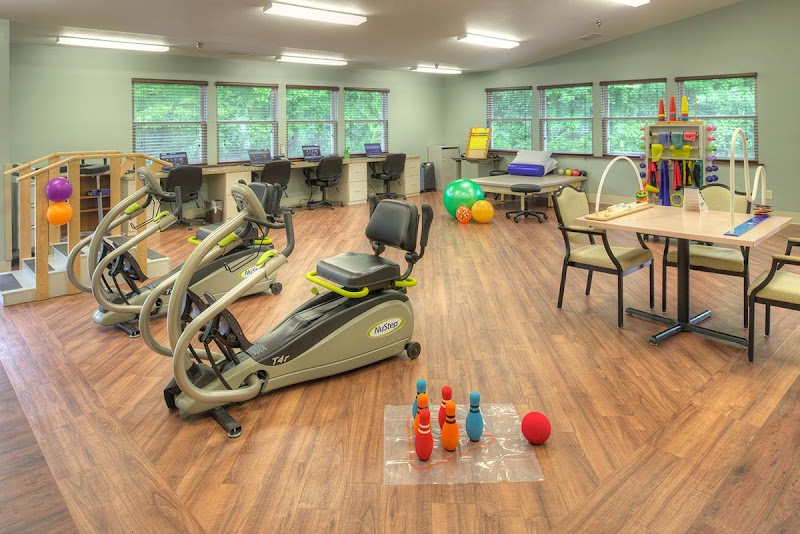
AUSTINTOWN HEALTHCARE CENTER is owned by a for-profit company. For-profit facilities operate as businesses with obligations to shareholders or private owners. The facility is operated by COMMUNICARE HEALTH, a chain that manages multiple nursing homes. With 89 certified beds and approximately 83 residents (about 93% occupancy), it is a smaller facility located in YOUNGSTOWN, Ohio.
How Does Austintown Healthcare Center Compare to Other Ohio Nursing Homes?

Compared to the 100 nursing homes in Ohio, AUSTINTOWN HEALTHCARE CENTER's overall rating (5 stars) is above the state average of 3.2, staff turnover (48%) is near the state average of 46%, and health inspection rating (4 stars) is above the national benchmark.

What Should Families Ask When Visiting Austintown Healthcare Center?

Based on this facility's data, families visiting should ask: "Can I visit during a mealtime to observe dining assistance and food quality?" "How do you handle medical emergencies, and what is your hospital transfer rate?" "Can I speak with family members of current residents about their experience?"

Is Austintown Healthcare Center Safe?

Based on CMS inspection data, AUSTINTOWN HEALTHCARE CENTER has a clean safety record: no substantiated abuse findings (meaning no confirmed cases of resident harm), no Immediate Jeopardy citations (the most serious violation level indicating risk of serious injury or death), and is not on the Special Focus Facility watch list (a federal program monitoring the lowest-performing 1% of nursing homes). The facility has a 5-star overall rating and ranks #1 of 100 nursing homes in Ohio. While no facility is perfect, families should still ask about staff-to-resident ratios and recent inspection results during their visit.

Do Nurses at Austintown Healthcare Center Stick Around?

AUSTINTOWN HEALTHCARE CENTER has a staff turnover rate of 48%, which is about average for Ohio nursing homes (state average: 46%). Moderate turnover is common in nursing homes, but families should still ask about staff tenure and how the facility maintains care continuity when employees leave.

Was Austintown Healthcare Center Ever Fined?

AUSTINTOWN HEALTHCARE CENTER has no federal fines on record. CMS issues fines when nursing homes fail to meet care standards or don't correct problems found during inspections. The absence of fines suggests the facility has either maintained compliance or corrected any issues before penalties were assessed. This is a positive indicator, though families should still review recent inspection reports for the full picture.

Is Austintown Healthcare Center on Any Federal Watch List?

AUSTINTOWN HEALTHCARE CENTER is not on any federal watch list. The most significant is the Special Focus Facility (SFF) program, which identifies the bottom 1% of nursing homes nationally based on persistent, serious quality problems. Not being on this list means the facility has avoided the pattern of deficiencies that triggers enhanced federal oversight. This is a positive indicator, though families should still review the facility's inspection history directly.