BEEGHLY OAKS CENTER FOR REHABILITATION & HEALING

6505 MARKET STREET, YOUNGSTOWN, OH 44512 (330) 884-2300
For profit - Limited Liability company 115 Beds DAVID OBERLANDER Data: November 2025
Trust Grade
0/100
#840 of 913 in OH
Last Inspection: September 2024

Within standard 12-15 month inspection cycle. Federal law requires annual inspections.

Overview

Beeghly Oaks Center for Rehabilitation & Healing has received a Trust Grade of F, indicating significant concerns about the quality of care provided. With a state rank of #840 out of 913, they are in the bottom half of nursing facilities in Ohio, and rank #26 out of 29 in Mahoning County, meaning only three facilities in the area perform worse. While the facility is reportedly improving, with issues dropping from 37 in 2024 to just 3 in 2025, it still has a concerning history, including $236,555 in fines, which is higher than 96% of facilities in Ohio. Staffing is below average at 2 out of 5 stars, with a 50% turnover rate, though they maintain average RN coverage, which is important for catching problems that other staff might miss. Specific incidents have raised red flags, such as a resident not receiving timely care after a fall, leading to severe pain and delayed hospitalization, and failures in implementing preventive measures against pressure ulcers, which could lead to serious health complications. Overall, while there are some signs of improvement, families considering this facility should weigh these significant weaknesses carefully.

Trust Score
F
0/100
In Ohio
#840/913
Bottom 8%
Safety Record
High Risk
Review needed
Inspections
Getting Better
37 → 3 violations
Staff Stability
⚠ Watch
50% turnover. Above average. Higher turnover means staff may not know residents' routines.
Penalties
○ Average
$236,555 in fines. Higher than 72% of Ohio facilities. Some compliance issues.
Skilled Nurses
✓ Good
Each resident gets 43 minutes of Registered Nurse (RN) attention daily — more than average for Ohio. RNs are trained to catch health problems early.
Violations
⚠ Watch
100 deficiencies on record. Higher than average. Multiple issues found across inspections.
★☆☆☆☆
1.0
Overall Rating
★★☆☆☆
2.0
Staff Levels
★★★☆☆
3.0
Care Quality
★☆☆☆☆
1.0
Inspection Score
Stable
2024: 37 issues
2025: 3 issues

The Good

  • Full Sprinkler Coverage · Fire safety systems throughout facility
  • No fines on record

Facility shows strength in fire safety.

The Bad

1-Star Overall Rating

Below Ohio average (3.2)

Significant quality concerns identified by CMS

Staff Turnover: 50%

Near Ohio avg (46%)

Higher turnover may affect care consistency

Federal Fines: $236,555

Well above median ($33,413)

Significant penalties indicating serious issues

Chain: DAVID OBERLANDER

Part of a multi-facility chain

Ask about local staffing decisions and management

The Ugly 100 deficiencies on record

7 actual harm
Mar 2025 1 deficiency
CONCERN (E) 📢 Someone Reported This

A family member, employee, or ombudsman was alarmed enough to file a formal complaint

Potential for Harm - no one hurt, but risky conditions existed

Deficiency F0804 (Tag F0804)

Could have caused harm · This affected multiple residents

Based on observation, interview, record review and facility policy review, the facility failed to prepare enough of the main entrée for the lunch meal on 03/03/25 resulting in meals being deliv...

Read full inspector narrative →
Based on observation, interview, record review and facility policy review, the facility failed to prepare enough of the main entrée for the lunch meal on 03/03/25 resulting in meals being delivered to the unit late and not being served at the correct temperatures. This affected one (1300) unit of four units in the facility. The facility census was 106. Findings include: Review of the facility menu spreadsheet for 03/03/25 revealed the lunch menu included eight ounces of country chicken and dumplings, four ounces of glazed carrots, cornbread, four ounces of diced pears, juice, and milk. Review of the facility mealtimes revealed tray line for the 1300 unit starts at 12:20 P.M. and should be delivered to the unit at 12:45 P.M. Observation of tray line and test tray on 03/03/25 at 11:35 A.M. revealed food temperatures chicken and dumplings 165 degrees Fahrenheit (F), carrots 164 degrees F, pears 36 degrees (F), juice 33 degrees (F), and milk 34 degrees (F). The tray line began at 11:45 A.M. Observation during tray line revealed the staff ran out of chicken and dumplings at 12:50 P.M. Dietary Manager #501 immediately began making more. The last cart and test tray for the 1300 unit left the kitchen at 1:05 P.M. Staff immediately began passing trays at 1:06 P.M. The final tray was delivered at 1:10 P.M. and the test tray was sampled with Dietary Manager #501. The food temperatures included carrots 124 degrees F, chicken and dumplings were 146 degrees F, milk 47 degrees F, and juice 58 degrees F. Dietary Manager #501 confirmed the food was not warm and appetizing. Interviews during the tray line with Cooks #505 and #506 confirmed they frequently run out of food because most residents request double portions. Review of the undated facility policy titled Food Temperatures revealed temperatures should be taken periodically to ensure hot food stays above 135 degrees F and cold foods stays below 41 degrees F. This deficiency represents noncompliance investigated under Master Complaint Number OH00162819.
Jan 2025 2 deficiencies
CONCERN (D) 📢 Someone Reported This

A family member, employee, or ombudsman was alarmed enough to file a formal complaint

Potential for Harm - no one hurt, but risky conditions existed

Quality of Care (Tag F0684)

Could have caused harm · This affected 1 resident

**NOTE- TERMS IN BRACKETS HAVE BEEN EDITED TO PROTECT CONFIDENTIALITY** Based on medical record review, policy review, and interview, the facility failed to ensure significant weight gain was timely i...

Read full inspector narrative →
**NOTE- TERMS IN BRACKETS HAVE BEEN EDITED TO PROTECT CONFIDENTIALITY** Based on medical record review, policy review, and interview, the facility failed to ensure significant weight gain was timely investigated and/or addressed for a resident with congestive heart failure (CHF). This affected one (Resident #43) of three residents reviewed for dietary assistance with meals. Findings include: Review of Resident #43's open medical record revealed an admission date of 12/27/23. Diagnoses included anxiety disorder, major depressive disorder, dementia, morbid obesity, peripheral vascular disease, lymphedema, senile degeneration of the brain and chronic congestive heart failure. A nutrition assessment dated [DATE] indicated Resident #43 ate independently and was receiving a no added sodium diet. Intakes were good at approximately 75%. Resident #43 was assessed as morbidly obese with no significant weight changes within the prior six months. A physician progress note for a visit from 12/07/24 revealed Resident #43 had significant lower extremity edema and a work up for aortic stenosis had been delayed. A cardiology consultation was requested but there may be a delay as the resident had not seen a cardiologist since 2021. Interventions included awaiting cardiology consultation for further evaluation and monitoring for signs of decompensation. If decompensation occurred the physician would consider inpatient admission through the emergency room (ER) for expedited care. Management with lasix (diuretic) 20 milligrams (mg) every day for edema would continue. Morbid obesity might be contributing to her other health issues, including lower extremity edema and difficulty in managing her cardiovascular conditions. The physician documented a weight of 314 pounds which was about the same as her admission weight of 311 pounds. A nursing note dated 12/10/24 at 9:17 A.M. indicated Resident #43's daughter and sister were present in the facility and requested Resident #43 be sent to the hospital for shortness of breath. The physician approved the request. A nursing note dated 12/11/24 at 10:51 indicated Resident #43 was admitted to the hospital with a diagnosis of heart failure. Resident #43 returned to the facility 12/15/24. Discharge paperwork revealed a resident teaching tool regarding CHF and indicated a daily weight was recommended. However, there was no order for daily weights. There was no indication the recommendation for daily weights for Resident #43 was discussed with the physician. A physician visit note dated 12/16/24 at 4:36 P.M. indicated concerns with bilateral lower extremity edema and redness. The physician indicated Resident #43 had been sent to the hospital where her diuretic was increased. A weight recorded on 12/17/24 revealed a weight of 348.2 pounds. A dietary note dated 12/20/24 at 10:16 A.M. indicated a significant weight gain was noted and a re-weight was requested. On 12/23/24 a weight of 341.6 pounds was recorded. During an interview of the Director of Nursing (DON) on 12/24/24 at 6:33 A.M., the Director of Nursing (DON) revealed she reviewed all weights. When a weight change of three to five pounds was noted from a previous weight, residents were automatically re-weighed prior to the weight being documented in the electronic health record. Once a re-weight was confirmed, if a significant change in weight was identified residents were discussed in the nutrition meetings held weekly. The dietitian reviewed the weights and made any recommendations by Friday every week. If a re-weight was requested, it was obtained the following Monday. The DON indicated the weight was placed into the electronic health record which the dietitian had access to and the weight would flag. The DON indicated she was uncertain how often the dietitian got into the system to review the weights. At 10:03 A.M. the DON stated every resident who went to the hospital with a diagnosis of CHF returned with the resident education form with recommendations for daily weights. This had been discussed with the physician previously who agreed daily weights were not required and it was sufficient to obtain weekly weights. Resident #43's needs for increased monitoring of weight had not been discussed with the physician even though the facility had confirmed a weight gain of 34 pounds in a 13 day period. The facility's policy which indicated if a weight was verified nursing would notify the dietitian was reviewed with the DON. The DON verified after staff confirmed the significant weight gain on 12/23/24 the dietitian was not notified. During an interview on 12/24/24 at 11:48 A.M. Dietitian #210 stated when she reviewed Resident #43's weight on 12/20/24 she recognized a significant weight gain and requested a re-weigh. The facility obtained the new weight on 12/23/24. The dietitian stated once the re-weight was obtained on 12/23/24 she was not notified of the accuracy/confirmation that Resident #43 had a significant weight gain. Dietitian #210 stated she would have reviewed the new weight on 12/27/24 to determine if further interventions would be recommended. The dietitian stated she covered five homes and she was unable to review weights of all residents who might trigger for significant weight changes every day. The dietitian confirmed a better system of communication would be helpful for her to address significant weight changes in a more timely manner. During a phone interview on 12/26/24 at 1:21 P.M., Physician #260 verified she visited Resident #43 the day after her readmission from the hospital. Resident #43's discharge weight from the hospital was reviewed. It had been recorded as 320 pounds. No weight was available from the facility at that time. She believed the weight of 348.2 and 341.6 were inaccurate. The resident had been weighed via the wheelchair scale on her weights prior to discharge to the hospital. She assumed whoever weighed her did not use correct procedure. After being informed of the interview with the DON indicating both of the weights had been confirmed, Physician #260 reviewed documentation and stated after re-admission staff had weighed Resident #43 using the hoyer scale. A weight gain that large did not make sense as Resident 43 had received increased diuretics at the hospital and a gain of that amount without some physical signs would not make sense. In the hospital records it was documented the treatment was more palliative because diuresing with larger amounts of diuretics would cause a drop in blood pressure and affect her renal function. The physician indicated the hoyer scale probably needed recalculated. The physician indicated she had not yet discussed the weight or possible recalculation of the scale with the facility. The physician indicated although Resident #43 had a weight gain she believed, according to the hospital weight, no increase in weight monitoring was necessary. Review of the facility's Weight Assessment and Intervention policy (revised September 2008) indicated any weight change of 5% or more since the last weight assessment would be retaken the next day for confirmation. If the weight was verified, nursing would notify the dietitian. If the weight change was desirable, the information would be documented and no change in the care plan would be necessary. The dietitian was responsible for discussing undesired weight gain with the resident and/or family.
CONCERN (D) 📢 Someone Reported This

A family member, employee, or ombudsman was alarmed enough to file a formal complaint

Potential for Harm - no one hurt, but risky conditions existed

Deficiency F0692 (Tag F0692)

Could have caused harm · This affected 1 resident

Based on medical record review and interview, the facility failed to ensure a resident's significant weight loss was promptly investigated to determine if any additional nutritional interventions were...

Read full inspector narrative →
Based on medical record review and interview, the facility failed to ensure a resident's significant weight loss was promptly investigated to determine if any additional nutritional interventions were necessary. This affected one (Resident #32) of three residents reviewed for nutrition. Findings include: Review of Resident #32's medical record revealed diagnoses including morbid obesity, type two diabetes mellitus, and vascular dementia. A plan of care initiated 11/05/23 indicated Resident #32 had a nutritional problem or potential nutritional problem related to diagnoses including diabetes mellitus, dementia, anemia, acute kidney failure, vitamin D deficiency, depression and hypertension and was on a therapeutic diet secondary to such. A goal initiated 11/05/23 indicated Resident #32 would maintain adequate nutritional status as evidenced by maintaining weight without significant change, no signs or symptoms of malnutrition, and consuming at least 75% of most meals daily. Gradual weight loss towards her ideal body weight range would be beneficial. An intervention initiated 01/31/23 indicated instructions to monitor/record/report signs and symptoms of malnutrition to the physician including significant weight loss of greater than 7.5% within three months. Another intervention initiated 01/31/23 indicated the dietitian was to evaluate and make diet change recommendations as necessary. A weight of 185.6 pounds was recorded in October 2024. No weight was recorded for November 2024. In December 2024 a weight of 171.2 pounds was recorded, representing a 7.76% loss in two months. A physician progress note for a visit made 12/07/24 indicated Resident #32 reported experiencing high blood sugar levels and weight loss which might be related to current medication regimen. Body weight was 171.2 pounds. Resident #32 had a history of morbid obesity and had decrease in weight. While weight loss was desired there was a concern about potential malnutrition. Interventions included continuing rybelsus (anti-diabetic medication) for weight management, monitoring weight regularly, and following up with prealbumin levels to assess nutritional status. A dietary note dated 12/13/24 at 8:39 A.M. revealed Resident #32 had experienced a 7.8% weight loss. A re-weigh was requested to verify the change. No further weights were recorded until staff were questioned about the dietitian's note on 12/23/24. On 12/24/24 at 6:00 A.M., the Director of Nursing (DON) stated she reviewed all weights. If she identified a discrepancy of more than five pounds since a previous weight, a resident was automatically re-weighed. The second weight was obtained before the information was entered into the electronic health record. The DON verified she had been unable to locate a weight obtained after the dietitian requested one on 12/13/24. At 6:22 A.M., the DON stated once the dietitian requested a re-weight the weight was expected to be obtained the following Monday. In this case the re-weight should have been obtained 12/16/24. On 12/24/24 at 11:48 A.M., Dietitian #210 stated the December weight was not put in the computer until 12/11/24. When she reviewed the weight on 12/13/24 she requested the resident be re-weighed. As of 12/23/24, she had not received a re-weight. Her expectation was to have the re-weights completed the Monday following the request. Because she managed nutritional assessments for residents in five different facilities, she was unable to reviewed all the weights for every facility on a daily basis and was reliant on staff drawing her attention to nutritional needs/significant weight changes. Otherwise, she had to wait until Friday when she reviewed the weights for the facility. Dietitian #210 could not explain how the lack of a new weight was not identified on 12/20/24 when she reviewed weights. During an interview with Physician #260 on 12/26/24 at 1:30 P.M. it was revealed some weight loss was expected related to the use of rybelsus. Physician #260 indicated she did plan on monitoring the prealbumin level but Resident #32 had refused the lab draws previously. Physician #260 stated she understood the concern of a weight loss being indicated on 12/05/24 which had not yet been addressed by the dietitian. Physician #260 stated she also understood the concern regarding Dietitian #210 recommending a re-weigh on 12/13/24 which had not been completed in a timely manner.
Nov 2024 2 deficiencies
CONCERN (D) 📢 Someone Reported This

A family member, employee, or ombudsman was alarmed enough to file a formal complaint

Potential for Harm - no one hurt, but risky conditions existed

Report Alleged Abuse (Tag F0609)

Could have caused harm · This affected 1 resident

Based on record review, staff interview, review of the State of Ohio Gateway system, and facility policy review, the facility failed to timely report possible misappropriation of narcotic medications ...

Read full inspector narrative →
Based on record review, staff interview, review of the State of Ohio Gateway system, and facility policy review, the facility failed to timely report possible misappropriation of narcotic medications to the appropriate state agency. This affected two residents (#83 and #106) of three residents reviewed for misappropriation of narcotic medications and had the potential to affect 33 additional residents (#1, #4, #7, #8, #13, #17 #18, #15, #21, #23, #24, #27, #33, #34, #36, #38, #39, #40, #45, #46, #48, #49, #50, #70, #72, #77, #79, #80, #88, #90, #93, #96, and #99) identified as being on narcotic medications. The facility census was 104. Findings include: 1. Review of the medical record for Resident #83 revealed an admission date of 09/07/24. Significant diagnoses included altered mental status, presence of left artificial knee joint, and arthritis of unspecified cite. Significant orders included tramadol 50 milligrams (mg) (opioid pain medication) one tablet every 12 hours as needed for pain. A review of the medication administration record (MAR) and the controlled drug disposition form for Resident #83 dated 09/01/24 through 09/30/24 revealed the following discrepancies: • On 09/02/24 at 7:00 A.M. one 50 mg tramadol tablet was signed out on the controlled drug disposition form by Licensed Practical Nurse (LPN) #420. There was no documented evidence on the MAR that the tramadol was administered. • On 09/05/24 at 7:10 A.M. one 50 mg tramadol tablet was signed out on the controlled drug disposition form by LPN #420. There was no documented evidence on the MAR that the tramadol was administered. • On 09/08/24 at 7:00 A.M. three 50 mg tramadol tablets were signed out on the controlled drug disposition form by LPN #420. There was no documented evidence on the MAR that the tramadol was administered. • On 09/12/24 at 7:00 A.M. one 50 mg tramadol tablet was signed out on the controlled drug disposition form by LPN #420. There was no documented evidence on the MAR that the tramadol was administered. • On 9/16/24 at 7:00 A.M. one 50 mg tramadol tablet was signed out on the controlled drug disposition form by LPN #420. There was no documented evidence on the MAR that the tramadol was administered. • On 09/16/24 at 8:30 P.M. one 50 mg tramadol tablet was signed out on the controlled drug disposition form by LPN #323. There was no documented evidence on the MAR that the tramadol was administered. 2. A review of the medical record for Resident #106 revealed an admission date of 08/29/23 with diagnoses including unspecified convulsions, cerebral infarction, and inflammatory disorder of the scrotum. Resident #106 had a physician's order for oxycodone 5 mg (opioid pain medication) give one tablet every six hours as needed for pain. A review of the MAR and the controlled drug disposition form for Resident #106 dated 09/01/24 through 09/30/24 revealed the following discrepancies: • On 09/04/24 at 2:30 P.M. one 5 mg oxycodone tablet was signed out on the controlled drug disposition form by LPN #420. There was no documented evidence on the MAR that the oxycodone was administered. • On 09/05/24 at 7:00 A.M. two 5 mg oxycodone tablets were signed out on the controlled drug disposition form by LPN #420. There was no documented evidence on the MAR that the oxycodone was administered. • On 09/07/24 at 3:40 P.M. one 5 mg oxycodone tablet was signed out on the controlled drug disposition form by LPN #420. There was no documented evidence on the MAR that the oxycodone was administered. • On 09/07/24 at 8:00 P.M. one 5 mg oxycodone tablet was signed out on the controlled drug disposition form by LPN #420. There was no documented evidence on the MAR that the oxycodone was administered. • On 09/09/24 at 4:00 P.M. one 5 mg oxycodone tablet was signed out on the controlled drug disposition form by LPN #420. There was no documented evidence on the MAR that the oxycodone was administered. • On 09/09/24 at 9:30 P.M. one 5 mg oxycodone tablet was signed out on the controlled drug disposition form by LPN #323. (LPN #323 stated it was her name but not her signature, and her name was misspelled). There was no documented evidence on the MAR that the oxycodone was administered. A review of staff schedules revealed LPN #323 was not working on 09/09/24 at 9:30 P.M. • On 09/10/24 at 8:00 A.M. one 5 mg oxycodone tablet was signed out on the controlled drug disposition form by LPN #420. There was no documented evidence on the MAR that the oxycodone was administered. • On 09/11/24 at 8:00 A.M. one 5 mg oxycodone tablet was signed out on the controlled drug disposition form by LPN #420. There was no documented evidence on the MAR that the oxycodone was administered. • On 09/12/24 at 8:00 A.M. one 5 mg oxycodone tablet was signed out on the controlled drug disposition form by LPN #420. There was no documented evidence on the MAR that the oxycodone was administered. • On 09/17/24 at 9:00 A.M. one 5 mg oxycodone tablet was signed out on the controlled drug disposition form by LPN #420. There was no documented evidence on the MAR that the oxycodone was administered. Interview on 10/28/24 at 10:10 A.M. with LPN #323 revealed she told the Director of Nursing (DON) on 09/27/24 that LPN #420 forged her signature on the controlled drug disposition on 09/09/24 (this was the first she was aware of it, and her name was misspelled). Review of the State of Ohio Gateway for facility self-reported incidents (SRI) on 10/28/24 revealed the facility did not report the allegation of misappropriation of narcotics on 09/27/24 as required. On 10/30/24 at 4:10 P.M. an interview with the DON revealed an incident of a nurse (LPN #420) signing another nurse's name (LPN #323) on the controlled drug disposition form and discrepancies with the controlled drug disposition forms and the MARs was reported to her on the evening of 09/27/24. The DON verified the allegation of misappropriation of narcotic mediation was not reported to the state agency as required. Review of the time sheet for LPN #420 revealed the last day she worked at the facility was 09/30/24. Review of the policy titled; Freedom of Abuse, Neglect, and Exploitation dated 10/2022 revealed a definition of misappropriation as the deliberate misplacement, exploitation, or wrongful, temporary or permanent use of a resident's belongings. This included diversion of a resident's medication including controlled substances, for staff use or personal gain. The policy also stated immediate reporting of all alleged violations to the state agency and all other required agencies. This deficiency represents non-compliance investigated under Complaint Number OH00158476.
CONCERN (D) 📢 Someone Reported This

A family member, employee, or ombudsman was alarmed enough to file a formal complaint

Potential for Harm - no one hurt, but risky conditions existed

Medical Records (Tag F0842)

Could have caused harm · This affected 1 resident

Based on record review, interview and facility policy review, the facility failed to ensure accurate narcotic medication administration was recorded for two residents (#83 and #106) three residents re...

Read full inspector narrative →
Based on record review, interview and facility policy review, the facility failed to ensure accurate narcotic medication administration was recorded for two residents (#83 and #106) three residents reviewed for administration of narcotic medications and had the potential to affect 33 additional residents (#1, #4, #7, #8, #13, #17 #18, #15, #21, #23, #24, #27, #33, #34, #36, #38, #39, #40, #45, #46, #48, #49, #50, #70, #72, #77, #79, #80, #88, #90, #93, #96, and #99) identified as being on narcotic medications. The facility census was 104. Findings include: 1. A review of the medical record for Resident #83 revealed an admission date of 09/07/24 with diagnoses including altered mental status, presence of left artificial knee joint, and arthritis of unspecified cite. Resident #83 had a physician's order for tramadol 50 milligrams (mg) (opioid pain medication) one tablet every 12 hours as needed for pain. A review of the medication administration record (MAR) and the controlled drug disposition form for Resident #83 dated 09/01/24 through 09/30/24 revealed the following discrepancies: • On 09/02/24 at 7:00 A.M. one 50 mg tramadol tablet was signed out on the controlled drug disposition form by Licensed Practical Nurse (LPN) #420. There was no documented evidence on the MAR that the tramadol was administered. • On 09/05/24 at 7:10 A.M. one 50 mg tramadol tablet was signed out on the controlled drug disposition form by LPN #420. There was no documented evidence on the MAR that the tramadol was administered. • On 09/08/24 at 7:00 A.M. three 50 mg tramadol tablets were signed out on the controlled drug disposition form by LPN #420. There was no documented evidence on the MAR that the tramadol was administered. • On 09/12/24 at 7:00 A.M. one 50 mg tramadol tablet was signed out on the controlled drug disposition form by LPN #420. There was no documented evidence on the MAR that the tramadol was administered. • On 9/16/24 at 7:00 A.M. one 50 mg tramadol tablet was signed out on the controlled drug disposition form by LPN #420. There was no documented evidence on the MAR that the tramadol was administered. • On 09/16/24 at 8:30 P.M. one 50 mg tramadol tablet was signed out on the controlled drug disposition form by LPN #323. There was no documented evidence on the MAR that the tramadol was administered. 2. A review of the medical record for Resident #106 revealed an admission date of 08/29/23 with diagnoses including unspecified convulsions, cerebral infarction, and inflammatory disorder of the scrotum. Resident #106 had a physician's order for oxycodone 5 mg (opioid pain medication) give one tablet every six hours as needed for pain. A review of the MAR and the controlled drug disposition form for Resident #106 dated 09/01/24 through 09/30/24 revealed the following discrepancies: • On 09/04/24 at 2:30 P.M. one 5 mg oxycodone tablet was signed out on the controlled drug disposition form by LPN #420. There was no documented evidence on the MAR that the tramadol was administered. • On 09/05/24 at 7:00 A.M. two 5 mg oxycodone tablets were signed out on the controlled drug disposition form by LPN #420. There was no documented evidence on the MAR that the tramadol was administered. • On 09/07/24 at 3:40 P.M. one 5 mg oxycodone tablet was signed out on the controlled drug disposition form by LPN #420. There was no documented evidence on the MAR that the tramadol was administered. • On 09/07/24 at 8:00 P.M. one 5 mg oxycodone tablet was signed out on the controlled drug disposition form by LPN #420. There was no documented evidence on the MAR that the tramadol was administered. • On 09/09/24 at 4:00 P.M. one 5 mg oxycodone tablet was signed out on the controlled drug disposition form by LPN #420. There was no documented evidence on the MAR that the tramadol was administered. • On 09/09/24 at 9:30 P.M. one 5 mg oxycodone tablet was signed out on the controlled drug disposition form by LPN #323. There was no documented evidence on the MAR that the tramadol was administered. A review of staff schedules revealed LPN #323 was not working on 09/09/24 at 9:30 P.M. • On 09/10/24 at 8:00 A.M. one 5 mg oxycodone tablet was signed out on the controlled drug disposition form by LPN #420. There was no documented evidence on the MAR that the tramadol was administered. • On 09/11/24 at 8:00 A.M. one 5 mg oxycodone tablet was signed out on the controlled drug disposition form by LPN #420. There was no documented evidence on the MAR that the tramadol was administered. • On 09/12/24 at 8:00 A.M. one 5 mg oxycodone tablet was signed out on the controlled drug disposition form by LPN #420. There was no documented evidence on the MAR that the tramadol was administered. • On 09/17/24 at 9:00 A.M. one 5 mg oxycodone tablet was signed out on the controlled drug disposition form by LPN #420. There was no documented evidence on the MAR that the tramadol was administered. On 10/30/24 at 4:20 P.M. an interview with the Director of Nursing (DON) verified the discrepancies with the controlled drug disposition forms and the MARs for Residents #83 and #106. The DON also verified LPN #323 was not on the schedule on 09/09/24. A review of the undated facility policy titled Administering Medication revealed in point 22, The individual administering medication initials the resident's MAR on the appropriate line after giving each medication. This deficiency represents non-compliance investigated under Complaint Number OH00158476 and is a recite to the annual survey completed 09/25/24. .
Sept 2024 31 deficiencies 4 Harm
SERIOUS (G)

Actual Harm - a resident was hurt due to facility failures

Quality of Care (Tag F0684)

A resident was harmed · This affected 1 resident

**NOTE- TERMS IN BRACKETS HAVE BEEN EDITED TO PROTECT CONFIDENTIALITY** Based on observation, interview, record review, review of the Prehospital Care Report Summary, and review of the facility policy...

Read full inspector narrative →
**NOTE- TERMS IN BRACKETS HAVE BEEN EDITED TO PROTECT CONFIDENTIALITY** Based on observation, interview, record review, review of the Prehospital Care Report Summary, and review of the facility policy the facility failed to ensure Resident #7 was provided timely and appropriate care and services to properly evaluate and treat a fall, Resident #7 was not administered pain medication for complaints of severe pain after the fall and was not transported to the hospital timely after the fall. This affected one resident (#7) of six residents reviewed for accidents. The facility census was 102. Actual Harm occurred on 06/17/24 at 7:55 P.M. when Resident #7 experienced a fall, voiced severe pain after the fall, did not have pain medication ordered, and the physician was not contacted and notified Resident #7 had a fall and was experiencing severe pain until 06/18/24 at 6:36 A.M., ten hours after the fall. The physician issued an order to send Resident #7 to the hospital for right hip and leg pain post fall. Evaluation at the hospital revealed Resident #7 was non-ambulatory, reported significant tenderness with right leg weight bearing, and significant tenderness to palpation of the right femur and right hip, and was diagnosed with a closed displaced fracture of the right acetabulum the socket of the hip joint, where the head of the femur sits). Findings include: Review of Resident #7's medical record revealed an admission date of 02/09/21 with diagnoses including unspecified injury of the head, displaced associated transverse-posterior fracture of the right acetabulum, type two diabetes mellitus with hyperglycemia, major depressive disorder, and end stage renal dialysis. Review of Resident #7's care plan initiated 02/10/21 and revised on 06/28/24 revealed Resident #7 was at increased risk for falls related to generalized weakness and diabetes mellitus. Resident #7 had an actual fall at the facility and outside the facility. Resident #7 would be free of falls through the review date. Interventions included to anticipate and meet the resident's needs, be sure Resident #7's call light was within reach, and encourage Resident #7 to use it for assistance as needed, and Resident #7 needed prompt response to all requests for assistance. Review of Resident #7's Fall Risk Review dated 04/16/24 revealed Resident #7 was at moderate risk for falls. Review of Resident #7's quarterly Minimum Data Set (MDS) 3.0 assessment dated [DATE] revealed Resident #7 was cognitively intact. Resident #7 required partial to moderate assistance for toileting, bathing, lower body dressing, sit to stand and chair, bed-to-chair transfer. Resident #7 was always continent of urine and bowel. Review of Resident #7's Incident Report dated 06/17/24 at 7:55 P.M. included Resident #7 had an unwitnessed fall, and his pain level was a ten out of ten on a scale of zero to ten, ten being the worst pain. There was no further documentation on 06/17/24. On 06/18/24, documentation included Resident #7 had an unwitnessed fall in his bedroom, Resident #7 stated he was transferring himself from the bed to the chair to go to the bathroom when he lost his balance and fell. Resident #7 denied hitting his head, vital signs were within normal limits (WNL), and he was able to move all extremities. Resident #7 was assisted into his wheelchair by Licensed Practical Nurse (LPN) #704 and State Tested Nursing Assistants (STNAs) #542 and #549. Resident #7 had complaints of right leg pain, his pain level was a ten out of ten, and Medical Doctor (MD) #705 was notified. Resident #7 was assessed by the day shift nurse after she received report. Resident #7 was still in bed complaining of right hip pain and stated, I can't get up for dialysis. MD #705 was notified, and a new order was given to send Resident #7 to the hospital emergency room (ER) via 911. The ambulance arrived on 06/18/24 at 6:45 A.M. for transfer. The nurse contacted the ER on [DATE] at 2:55 P.M. and was told Resident #7 was transferred to the main campus with a displaced right hip. MD #705 and Resident #7's son were notified of Resident #7's transfer to the main campus and admission to the hospital. Review of Resident #7's progress notes dated 06/17/24 at 7:55 P.M. through 06/18/24 at 4:24 A.M. did not reveal documented evidence that Resident #7 experienced a fall, had an evaluation for a fall including a pain evaluation, or evidence the physician was notified. Review of Resident #7's Medication Administration Record (MAR) dated 06/17/24 at 7:55 P.M. through 06/18/24 did not reveal documented evidence Resident #7 was administered pain medication, including Tylenol for complaints of right leg pain of ten out of ten on a scale of zero to ten, ten being the worst pain. Review of Resident #7's Neurological Review dated 06/18/24 at 4:24 A.M. and initiated on 06/17/24 at 7:55 P.M. included Resident #7's right lower extremity was weak, and he had pain. Review of Resident #7's Fall Packet dated 06/18/24 included a witness statement written by Licensed Practical Nurse (LPN) #704 revealed on 06/17/24 Resident #7 had an unwitnessed fall in his bedroom. Resident #7 stated he was transferring himself from the bed to a chair to go to the bathroom when he lost his balance and fell. Resident #7 denied hitting his head, vital signs were within normal limit (WNL), and he was able to move all extremities. Resident #7 complained of right leg pain and his pain was a ten out of ten on a scale of zero to ten, ten being the worst pain. The physician was notified. LPN #704 and two STNAs transferred Resident #7 to the wheelchair. STNA #549's witness statement included on 06/17/24 at 7:55 P.M. Resident #7's roommate came to the door of their room and yelled [Resident #7] fell on the floor. STNA #549 stated she told the nurse, and two STNAs and the nurse went into the room to assist Resident #7. The nurse took Resident #7's vital signs and asked him questions. The three of them lifted Resident #7 into his wheelchair. Review of Resident #7's progress notes dated 06/18/24 at 4:29 A.M. included Resident #7 had facial expressions, protective body movements, and vocal complaints of pain. Resident #7 rated his pain as a ten out of ten on a scale of zero to ten, ten being the worst. Resident #7 said he had intermittent, aching pain which was worse with movement in his right lower leg. Non-medication interventions did not provide relief. Resident #7 had no complaints of pain up until he fell. There was no evidence the physician was notified of Resident #7's fall or pain. Review of Resident #7's physician orders dated 06/18/24 at 5:49 A.M. revealed an order for an x-ray of the right lower extremity, one time only for fall purposes. Review of Resident #7's progress notes dated 06/18/24 at 5:55 A.M. revealed Resident #7's son was notified by phone and would like to be notified about the results of the x-ray. Review of Resident #7's physician orders dated 06/18/24 at 6:36 A.M. revealed send to ER for right hip and leg pain post fall. Review of Resident #7's Prehospital Care Report Summary dated 06/18/24 included a call was received from the facility at 6:32 A.M. and Emergency Medical Services (EMS) were on site at 6:39 A.M. The report stated Resident #7 fell on [DATE] at 8:00 P.M. Upon arrival, Resident #7 was lying supine in his bed, and staff said he fell yesterday and was able to transfer himself from the chair to his bed but now could not transfer from the bed to the chair. Resident #7 stated he was having pain since the fall. Resident #7 was taken by ambulance to the ER and had no new complaints during the transport. Review of Resident #7's Emergency Department (ED) Provider Notes dated 06/18/24 at 2:55 P.M. included Resident #7 had a fall at the facility last night when he was transitioning from his bed to the wheelchair, and he fell on his right hip. Resident #7 has been experiencing pain since his fall. Resident #7 was non-ambulatory and reported significant tenderness with weight bearing on the right leg, and significant tenderness to palpation on right femur and right hip. Resident #7 had a closed nondisplaced fracture of the right acetabulum. Review of Resident #7's progress notes dated 06/18/24 at 2:58 P.M. included after nurse to nurse (report) this A.M., Resident #7 was assessed post fall, and he was still in bed complaining of right hip pain and stating he could not go to hemodialysis. The unit manager (UM) and physician were notified, and orders were obtained to send Resident #7 to the local hospital ER to be evaluated. Resident #7 exited the facility at 6:54 A.M. via a stretcher. The ER was contacted, and Resident #7 was transported to the local hospital main campus with a displaced right hip. Observation on 09/10/24 at 3:09 P.M. of Resident #7 revealed he was sitting in a wheelchair in his room and his roommate (Resident #12) was sitting in a wheelchair next to him. When asked if he had any concerns, Resident #7 stated he broke his hip and had been paying for it ever since. Resident #7 stated his knees were no good and gave out, and no one was helping him the day he fell (06/17/24). Resident #7 indicated he stood up and was trying to transfer himself to his wheelchair that was by his bed, his knee gave out and he fell, landing directly on his knees. Resident #7 stated he did not have his call light on because he thought he could get up and walk by himself, he did not think he was wearing shoes or socks but could not remember for sure. Resident #7 stated he felt a lot of pain in his knees and right leg when he fell. Resident #7 stated it hurt so much because he fell on the hard floor. Resident #12 stated he yelled for help, and when the nurse and aides arrived, he told them Resident #7 needed an ambulance right away, but they would not call an ambulance, and did not call an ambulance until the next day. Resident #7 stated on 06/17/24 he fell around bedtime, which was about 7:00 P.M. or 8:00 P.M., and he was pissed off because he laid in bed all night, his leg hurt like hell, and the ambulance was not called until the next morning. Interview on 09/10/24 at 4:15 P.M. of the Director of Nursing (DON) revealed when a resident had a fall a nurse assessed the resident, and the resident was not to be moved or touched until the nurse arrived. Vital signs including neuro checks should be documented in the nurse's notes, but neuro checks were documented on paper and were not uploaded into the electronic record. The nurse should check for range of motion, internal or external rotation, length of leg, skin redness, discoloration, pain and this should also be documented in the nurse's notes or on the incident report. The DON stated if the resident had pain, it should be documented where the pain was and how bad it was. If a resident was having pain such as in the hip, neck, back staff should not move the resident and call 911. The DON confirmed 911 was not called when Resident #7 fell on [DATE] at 7:55 P.M. and Resident #7 reported pain at a ten out of a ten. Interview on 09/11/24 at 9:45 A.M. of LPN #704 revealed she was administering medications to the residents, and while she was doing the med pass STNA #549 told her Resident #7 fell and was on the floor. LPN #704 stated Resident #12 yelled out to tell them that Resident #7 fell, and when she found Resident #7 on the floor, she took his vital signs, he said his right leg was bothering him, and he was trying to go to the bathroom when he fell. LPN #704 stated two STNAs assisted her, and they helped the resident into his wheelchair, where he sat for at least two hours. LPN #704 stated Resident #7 did not have physician orders for pain medication, but she gave Tylenol to Resident #7 because the facility had standing orders to give Tylenol if needed for pain. The LPN stated she was busy that night and forgot to put the orders in his medical record. LPN #704 stated she documented she administered Tylenol and notified the physician, but the physician never responded, and on 06/18/24, in the morning, Resident #7 was still complaining of leg pain. LPN #704 indicated she called the on-call physician and received an order for an x-ray of Resident #7's right leg, but the day shift nurse arrived and said to just send the resident to the hospital via 911. LPN #704 stated Resident #7 said he had pain in his right leg, but it was not a ten anymore, and she checked him throughout the night but forgot to document she checked him and what his pain level was. In the morning, the STNA said Resident #7 did not want to get out of bed due to pain in his right leg. LPN #704 stated she wrote a note in the secure message system that Resident #7 had a fall, had bilateral bruising on his knees, and he complained of a pain level of ten out of ten on a zero to ten pain scale, ten being the worst, and he did not have pain medication ordered. LPN #704 stated she text the physician, but could not remember which physician, the physician never responded back, and she did not try again. Interview on 09/11/24 at 2:37 P.M. of the DON revealed she did not know all the details of Resident #7's fall, just what was written in the nurse's notes. The DON stated LPN #704 no longer worked at the facility. The DON stated she did not think MD #705 called back until 06/18/24 in the morning, did not know why MD #705 did not respond to the notification, and Resident #7 was sent to the ER. The DON confirmed LPN #704 did not place orders in Resident #7's medical record for Tylenol, and did not document she gave the Tylenol either. The DON confirmed Resident #7's pain was a rated a ten out of a ten which was pretty severe pain, and LPN #704 did not obtain orders for pain medication or administer pain medication. When Registered Nurse (RN) #627 arrived for work on 06/18/24 at 6:00 A.M. she contacted Medical Doctor (MD) #705 and received orders to send Resident #7 to the ER via 911. Interview on 09/12/24 at 8:01 A.M. of RN #627 revealed Resident #7 experienced a fall on 06/17/24 and when she arrived for work on 06/18/24 at 6:00 A.M. Resident #7 stated he was having hip pain, his pain was a ten out of ten and he could not go to dialysis because of the pain. RN #627 stated Resident #7's facial expressions looked like he was in pain. RN #627 indicated she notified MD #705, and he gave orders to send Resident #7 to the ER via 911.
SERIOUS (G) 📢 Someone Reported This

A family member, employee, or ombudsman was alarmed enough to file a formal complaint

Actual Harm - a resident was hurt due to facility failures

Pressure Ulcer Prevention (Tag F0686)

A resident was harmed · This affected 1 resident

**NOTE- TERMS IN BRACKETS HAVE BEEN EDITED TO PROTECT CONFIDENTIALITY** Based on observation, interview, record review, and review of the facility policy the facility failed to ensure individualized c...

Read full inspector narrative →
**NOTE- TERMS IN BRACKETS HAVE BEEN EDITED TO PROTECT CONFIDENTIALITY** Based on observation, interview, record review, and review of the facility policy the facility failed to ensure individualized care planned interventions were developed and followed to prevent Resident #32 and Resident #1 from developing in-house pressure ulcers and failed to ensure the pressure ulcers were timely identified, properly treated, and interventions were initiated to promote healing. Additionally, the facility failed to ensure Resident's #24, #29 and #71 had pressure ulcer risk evaluations completed quarterly, failed to ensure Resident #81 had skin checks and treatments completed as ordered, and failed to ensure Resident #81's physician orders and care planned interventions were followed for heel protectors. This affected six residents (#32, #1, #24, #29, #71, and #81) of seven residents reviewed for pressure ulcers. The facility census was 102. Actual Harm occurred on 08/07/24 when Resident #32, who was at risk for developing pressure ulcers, and was dependent on staff for bed mobility and incontinence care was identified to have new areas of in-house acquired skin impairment with no additional assessment or new treatment at that time. On 08/07/24 the facility assessed Resident #32 to have one new, in-house acquired Stage III pressure ulcers (full-thickness loss of skin that extended to the subcutaneous tissue, but did not cross the fascia beneath it) on his sacral area and a right below the knee amputation (BKA) eschar covered surgical wound, without proper prevention, treatment and interventions implemented. Resident #32's family voiced concerns staff did not provide timely assistance with turning and repositioning and off-loading his right BKA. Resident #32's wounds deteriorated, and he was transported to the hospital on [DATE] for evaluation and treatment of osteomyelitis (inflammation of the bone caused by an infection). Findings include: 1. Review of Resident #32's medical record revealed an admission date of 12/04/19 and a reentry date of 02/20/24. Diagnoses included unspecified sequelae of cerebral infarction, dementia, type two diabetes mellitus with hyperglycemia, and acquired absence of right leg below the knee (10/28/19) and left leg below the knee (08/31/21). Review of Resident #32's physician orders dated 04/25/24 revealed to turn and reposition frequently with rounds and as needed every shift. Review of Resident #32's Braden Scale for Predicting Pressure Ulcer Risk dated 05/16/24 revealed Resident #32 was at high risk for pressure ulcer development. Review of Resident #32's medical record, including progress notes, medication administration record (MAR), treatment administration records (TAR), physician orders from 07/01/24 through 08/14/24 did not reveal evidence Resident #32's right BKA was off loaded, or he was encouraged to off load his right BKA. Review of Resident #32's quarterly Minimum Data Set (MDS) 3.0 assessment dated [DATE] revealed the Brief Interview for Mental Status (BIMS) was not completed due to the resident being rarely or never understood. Resident #32 was dependent (on staff) for toileting hygiene, personal hygiene, bathing, dressing, chair, bed-to-chair transfer and rolling left and right. Sit to lying, lying to sitting on side of bed, sit to stand, and toilet transfer were not attempted due to medical condition or safety concerns. Resident #32 was at risk of developing pressure ulcers, injuries and did not have one or more unhealed pressure ulcers, injuries. Resident #32 received 51 percent of his total calories through a tube feeding, percutaneous endoscopic gastrostomy (PEG) tube. Review of Resident #32's TAR dated 07/29/24 and 07/30/24 at 6:00 P.M., 08/04/24 at 6:00 P.M., 08/10/24 and 08/11/24 at 6:00 A.M., 08/15/24 at 6:00 A.M., 08/20/24 at 6:00 P.M., and 08/21/24 at 6:00 A.M. did not reveal documented evidence Resident #32 was turned and repositioned frequently with rounds and as needed as ordered. Review of Resident #32's medical record including progress notes did not reveal documentation indicating why this was not completed. Review of Resident #32's shower sheet dated 08/04/24 revealed Resident #32 had an area on his buttocks (sacrum) that was not intact. There was no description of the area on the shower sheet. Review of Resident #32's medical record including physician orders, progress notes and evaluations from 08/04/24 through 08/07/24 did not reveal evidence Resident #32's area to his buttocks (sacrum) was evaluated, the physician was notified and a treatment ordered. Review of Resident #32's progress notes dated 08/07/24 at 4:07 P.M. included an unidentified State Tested Nursing Assistant (STNA) notified Wound Nurse (WN) #629 that Resident #32 had a new area to the buttocks (sacrum). During the skin assessment WN #629 also noticed a new area to Resident #32's left (right) BKA surgical site. Both areas were noted to have drainage and Certified Wound Nurse Practitioner (CWNP) #700 was in the facility and evaluated the wounds. All responsible parties were notified. Review of Resident #32's Visit Report dated 08/07/24 and authored by CWNP #700 included this was an initial wound encounter, and Resident #32 had a sacral Stage III pressure injury, pressure ulcer. Measurements were length 2.97 centimeters (cm), width 1.89 cm and depth of 0.3 cm. Adipose (fat tissue) was exposed and there was a moderate amount of serosanguineous drainage with no odor. The wound margin was undefined, wound bed had 26 to 50 percent bright red, pink, firm, granulation, one to 25 percent slough, and one to 25 percent epithelialization. Treatment orders were to cleanse the wound with mild soap and water, apply MediHoney (antibacterial ointment that promotes a moist wound environment, reduces inflammation, reduces odor, and lifts dead tissue) to wound base, apply calcium alginate (highly absorbent wound dressing) and cover with foam dressing two times per day and as needed, and off-loading per the facility pressure injury prevention, relief protocol. Review of Resident #32's Visit Report dated 08/07/24 and written by CWNP #700 included this was an initial wound encounter and Resident #32 had a right BKA eschar (dry, black, hard, dead tissue) covered surgical wound. Measurements were length 1.7 cm, width 0.93 cm and had no measurable depth. There was a moderate amount of yellow drainage noted with no odor, and the wound bed was one to 25 percent pink, firm, granulation, 76 to 100 percent slough (dead tissue, usually cream or yellow in color). Treatment orders were cleanse wound with mild soap and water, protect peri wound with no sting Skin-Prep (forms a barrier between the skin and adhesives to help preserve skin integrity), apply MediHoney to the wound base, apply calcium alginate and foam dressing daily and as needed, and off-loading per the facility pressure injury prevention, relief protocol. Review of Resident #32's care plan revised on 08/09/24 (with an initiation date of 02/22/24) included Resident #32 was at risk for impairment to skin integrity related to impaired mobility, incontinence, history of pressure injury to left gluteal fold, and history of pressure injury to the coccyx. Resident #32 had an actual area of skin impairment to the sacrum and right BKA. Resident #32 would maintain or develop clean and intact skin by the review date. Interventions included to administer treatments per physician order; follow facility protocols for treatment of injury; low air loss (LAL) mattress to bed at all times(AAT); monitor, document location, size and treatment of skin injury and report abnormalities, failure to heal, signs and symptoms of infection, maceration, etcetera (etc.) to the medical doctor (MD); turn and reposition frequently with rounds and as needed (PRN). Resident #32 had an amputation of bilateral lower extremities (BLE). Resident #32 would have an acceptable level of comfort and have well-controlled phantom pain (painful perception that an individual experiences relating to a limb that is not physically there) through the review date. Interventions included to change position frequently, alternate periods of rest with activity out of bed to prevent complications including skin pressure areas. Further review of Resident #32's care plan revised on 08/09/24 (initiated 02/22/24) did not reveal interventions to off-load right BKA or to avoid direct pressure to wound sites as ordered. Review of Resident #32's TAR dated 08/04/24 at 6:00 P.M., 08/10/24 at 6: A.M., 08/11/24 and 08/15/24 at 6:00 A.M., 08/20/24 at 6:00 P.M. and 08/21/24 at 6:00 A.M. did not reveal evidence Resident #32 was turned and repositioned frequently with rounds and as needed was completed. Review of Resident #32's progress notes did not reveal documentation indicating why Resident #32 was not turned and repositioned as ordered. Review of Resident #32's TAR dated 08/10/24, 08/20/24 and 08/21/24 did not reveal documented evidence the treatment to cleanse right BKA with normal saline, apply MediHoney then calcium alginate, overlay bordered foam dressing daily and as needed was completed as ordered. Review of Resident #32's medical record including progress notes did not reveal documentation indicating why the treatment was not completed as ordered. Review of Resident #32's TAR dated 08/10/24 at 6:00 A.M., 08/20/24 and 08/21/24 at 6:00 A.M., and 08/20/24 at 6:00 P.M. did not reveal documented evidence the treatment to cleanse sacrum with normal saline, apply MediHoney, calcium alginate and overlay bordered foam dressing every shift and as needed was completed as ordered. Review of Resident #32's medical record, including progress notes, did not reveal documentation indicating why Resident #32's treatment was not completed as ordered. Review of Resident #32's TAR dated 08/10/24 at 6:00 A.M., 08/11/24 at 6:00 A.M., 08/20/24 and 08/21/24 at 6:00 A.M., 08/25/24 at 6:00 A.M., 08/10/24 at 6:00 P.M., 08/20/24 and 08/26/24 at 6:00 P.M. did not reveal documented evidence the daily wound evaluation for sacrum document abnormalities in the progress notes, document if there was drainage, if the dressing was dry and intact, signs and symptoms of infection, necrotic tissue present, odor, surrounding skin tissue, wound pain every shift for wound assessment was completed as ordered. Review of Resident #32's medical record, including progress notes, did not reveal documentation indicating why Resident #32's assessment was not completed as ordered. Review of Resident #32's TAR dated 08/10/24 and 08/11/24 at 6:00 A.M., 08/20/24 and 08/21/24 at 6:00 A.M., 08/25/24 at 6:00 A.M., 08/10/24, 08/20/24 and 08/26/24 at 6:00 P.M. did not reveal documented evidence the daily wound evaluation for Resident #32's right BKA, document abnormalities in the progress notes, record drainage, if dressing dry and intact, signs and symptoms of infection, if necrotic tissue present, odor, surrounding skin appearance, wound pain every shift for wound assessment. Review of Resident #32's medical record, including progress notes, did not reveal documentation indicating why Resident #32's assessment was not completed as ordered. Review of Resident #32's STNA documentation in the electronic record dated 08/13/24 through 08/28/24 revealed on 08/13/24, 08/14/24, 08/17/24, 08/19/24, 08/25/24, and 08/28/24 Resident #32 was turned and repositioned two times in 24 hours. On 08/15/24, 08/20/24, and 08/24/24 Resident #32 was turned and repositioned three times in 24 hours. On 08/16/24, 08/21/24, 08/23/24, 08/26/24, and 08/27/24 documentation revealed Resident #32 was turned and repositioned one time in 24 hours. On 08/18/24 and 08/22/24 there was no documented evidence that Resident #32 was turned and repositioned. Review of Resident #32's Skin Only Evaluation dated 08/14/24 and completed by WN #629 included Resident #32 had a right BKA surgical wound, the length was 2.6 cm, width was 2.2 cm, and the depth was not determined. The wound exudate was serosanguineous, the dressing had moderate (26 to 75 percent) saturation, and there was no wound odor. The wound was painful to touch. Further review revealed Resident #32 had a Stage III pressure ulcer, injury to the sacrum. The length was 2.97 cm, width 1.89 cm, and the depth 0.3 cm. The wound exudate was sanguineous (bloody drainage) and dressing saturation was minimal (less than 25 percent). There was no wound odor, and the tissue was painful to the touch. The wound to Resident #32's sacrum remained stable at this time. No change to the treatment was made. The non-healing surgical wound to Resident #32's right BKA noted to be deteriorating and increased in size. The treatment remained the same. Review of Resident #32's physician orders dated 08/14/24 revealed an order to off-load the right BKA AAT every shift. This order was discontinued on 08/20/24. Review of Resident #32's TAR dated 08/15/24 at 6:00 A.M. revealed no documented evidence the right BKA was off-loaded AAT every shift as ordered. Review of Resident #32's medical record, including progress notes, did not reveal documentation why this was not done as ordered. Review of Resident #32's physician orders dated 08/20/24 revealed an order to encourage the resident to off-load the right BKA every shift. Review of Resident #32's TAR dated 08/20/24 at 6:00 P.M., and 08/21/24 at 6:00 A.M. did not reveal evidence Resident #32 was encouraged to off-load the right BKA every shift. Review of Resident #32's medical record, including progress notes, did not reveal documentation why this was not completed as ordered. Review of Resident #32's Visit Report dated 08/21/24 and completed by CWNP #700 included Resident #32 had an unstageable pressure injury (full thickness tissue loss in which the base of the ulcer is covered by slough and/or eschar in the wound bed, obscured full-thickness skin and tissue loss) to the sacrum. Resident #32's pressure ulcer was acquired on 08/07/24. Measurements were length 5.06 cm, width 4.85 cm with no measurable depth. Adipose was exposed. There was a moderate amount of serosanguineous drainage with no odor. The wound bed had 51 to 75 percent bright red, pink, firm, granulation, 26 to 50 percent eschar, no slough and epithelialization present. Resident #32's wound was deteriorating. Treatment was cleanse with mild soap and water, apply MediHoney to the wound base and cover with calcium alginate, apply an abdominal (ABD) pad and secure with paper tape. Change the dressing two times a day and as needed. New orders to turn and reposition every two hours, avoid direct pressure to the wound site, and implement the facility pressure injury prevention, relief protocol. Review of Resident #32's Visit Report dated 08/21/24 and completed by CWNP #700 included Resident #32's right BKA was an eschar covered surgical wound acquired on 08/07/24. The wound length was 2.23 cm. width 2.17 cm with no measurable depth. There was no drainage noted. The wound bed had no granulation, 76 to 100 percent eschar, no slough and no epithelialization present. The wound was completely covered with eschar. Resident #32's wound was deteriorating. New orders included the treatment was cleanse wound with normal saline, apply MediHoney to the wound base, cover with calcium alginate apply an ABD pad, Kerlix gauze, and secure with paper tape. Use a small piece of tape to also secure the Kerlix gauze to the leg. Change the dressing daily and as needed. New orders to turn and reposition the resident every two hours, avoid direct pressure to the wound site, and implement the facility pressure injury prevention, relief protocol. An x-ray of Resident #32's right BKA was ordered to rule out osteomyelitis. Review of Resident #32's progress notes dated 08/21/24 at 3:35 P.M. revealed Resident #32 was seen by CWNP #700, and a new order for an x-ray of the right knee and femur was given. Review of Resident #32's physician orders did not reveal physician orders from 08/21/24 through 08/28/24 for turning and repositioning every two hours and avoiding direct pressure to the wound. Further review from 08/21/24 through 08/28/24 did not reveal orders for Resident #32's right BKA to cleanse wound with normal saline, apply MediHoney to the wound base, cover with calcium alginate apply an ABD pad, Kerlix gauze, and secure with paper tape. Use a small piece of tape to also secure the Kerlix gauze to the leg. Change the dressing daily and as needed. Review of Resident #32's medical record, including progress notes, MAR, TAR, and electronic STNA documentation from 08/21/24 through 08/28/24 revealed no documented evidence Resident #32 was turned and repositioned every two hours, or direct pressure was avoided to the wound sites. Review of Resident #32's TAR dated 08/25/24 revealed no documented evidence the order to cleanse the right BKA with normal saline, apply MediHoney then calcium alginate, cover with an ABD pad and paper tape every dayshift and as needed was completed as ordered. The TAR did not reflect new orders written on 08/21/24. Review of Resident #32's TAR dated 08/21/24 through 08/28/24 did not reveal evidence treatments were completed for new orders written on 08/21/24 for Resident #32's right BKA which was cleanse wound with normal saline, apply MediHoney to the wound base, cover with calcium alginate apply an ABD pad, Kerlix gauze, and secure with paper tape. Use a small piece of tape to also secure the Kerlix gauze to the leg. Change the dressing daily and as needed. Review of Resident #32's TAR dated 08/25/24 at 6:00 A.M. revealed no documented evidence the treatment to cleanse the sacrum with normal saline, apply MediHoney, calcium alginate, and cover with an ABD pad and paper tape every shift and as needed was completed. There was no documentation in the medical record, including progress notes, indicating why the treatment was not completed. Review of Resident #32's Visit Report dated 08/28/24 and completed by CWNP #700 included Resident #32's sacral unstageable pressure injury acquired on 08/07/24 measured length 4.55 cm, width 4.19 cm with no measurable depth. There was no change in the wound progression. Treatment orders were unchanged from 08/21/24. Turn and reposition Resident #32 every two hours, avoid direct pressure to the wound site, implement the facility pressure injury prevention, relief protocol. Review of Resident #32's Visit Report dated 08/28/24 and completed by CWNP #700 included Resident #32's right BKA was an eschar covered wound acquired on 08/07/24. Wound measurements were length 2.16, width 2.54 cm and depth 1.2 cm. Bone was exposed and undermining noted at 12:00 o'clock with a maximum distance of 2.2 cm. There was a small amount of purulent drainage noted with no odor. The wound was deteriorating. Treatment orders were unchanged from 08/21/24. Turn and reposition every two hours, avoid direct pressure to the wound site, and implement the facility pressure injury prevention, relief protocol. Review of Resident #32's progress notes dated 08/28/24 at 12:07 P.M. included CWNP #700 evaluated Resident #32 and recommended and emergency department (ED) visit for further treatment. A new order was received to send the resident to the ED for evaluation and treatment. Review of Resident #32's After Visit Summary and Provider Notes for his hospital stay from 08/28/24 through 09/10/24 included Resident #32 had chronic osteomyelitis of the femur. Resident #32 had a right BKA stump complication, an open wound and was sent to the ED for an infection at the surgical site. Resident #32 had an ulceration to the surgical site of the right stump. Resident #32 had right BKA stump wound with acute right tibial osteomyelitis and was status post right BKA stump debridement on 09/03/24. Resident #32 had a full thickness wound to the right BKA stump, and the wound base was fibrotic with eschar noted. The wound was granular with edema, minor drainage and bleeding. Resident #32 had a Wound Vac placement. Resident #32 had an area of necrotic tissue on his sacrum about the size of a quarter and had a debridement of the sacral decubitus. Measurements on 08/29/24 of Resident #32's right knee were length 3.0 cm, width 3.0 cm and the depth was not determined. The wound was dry, pink, red in color and had a small amount of thick drainage. Resident #32's sacral measurements on 08/29/24 were length 8.0 cm, width 8.0 cm, depth was not determined, and there was a moderate amount of pink, red thick drainage. Interview on 09/09/24 at 9:54 A.M. of Family Member (FM) #701 revealed Resident #32 was a double amputee, could not speak, was admitted to the facility and resided on the rehab nursing unit. Resident #32 developed a bed sore which cleared up, then was transferred to the long-term care nursing unit. While residing on the long-term care nursing unit, Resident #32 developed another bed sore on his bottom, a wound on his stump, and was admitted to the hospital. FM #701 stated Resident #32 had an infection that went to the bone, and he required a procedure on his stump and had a peripherally inserted central catheter (PICC) line. FM #701 stated the facility was like two separate nursing homes and one received good care, and one side (the long-term side) received poor care. FM #701 stated there was a huge difference between the nursing units. FM #701 indicated when the family visited, and Resident #32 resided on the long-term hall the call light would be activated because Resident #32 needed care, and the nurses and aides did not come. FM #701 stated Resident #32 was not turned and repositioned unless the family requested it, and his right leg was not propped up, so it wasn't resting on the mattress. FM #701 stated the right stump must have been rubbing against the sheet. FM #701 stated every time the family visited the facility, Resident #32's right stump was not propped up and they had to constantly tell the nurses and aides about it. FM #701 indicated he talked to Social Services Designee (SSD) #632 and Unit Manager (UM) #702 about Resident #32's care. FM #701 revealed on the long-term side the black props were not used and instead the staff used pillows or sheets, and often when he visited, he found Resident #32's right stump resting directly on the pillow or sheets causing pressure directly to the area where the wound developed. FM #701 stated he told SSD #632 and UM #702 the staff on the long-term side needed education on how to properly position Resident #32. Observation on 09/11/24 at 11:48 A.M. with CWNP #700 and WN #629 of Resident #32's dressing changes revealed his right leg amputation site dressing was intact with a moderate amount of pink and brown drainage. The wound size was approximately one inch in diameter, and the wound bed was a dark pink, red with a white center, fascia (a thin, flexible, connective tissue) per CWNP #700). CWNP #700 stated when she first saw the wound on 08/07/24 it was 100 percent covered in eschar and it progressed to have a hole in the center with purulent drainage, she ordered an x-ray to rule out osteomyelitis, but the x-ray was fine and did not show osteomyelitis. Further observation revealed Resident #32 had a bilateral sacral open area with pink, brown drainage, the wound base had a white center (fat tissue per CWNP #700) and muscle could be visualized. CWNP #700 stated an area of eschar was taken off at the hospital. The wound was cleansed with normal saline, and MediHoney, calcium alginate, and an ABD pad were applied. CWNP #700 stated it could be he was not turned and positioned, and that was how pressure ulcers work. CWNP #700 stated the black wedge positioning device should be under the sheet and under Resident #32, and it had to be positioned properly to work. Interview on 09/11/24 at 1:59 P.M. of FM #703 revealed Resident #32 did not have a problem with his stumps until he was moved to the long-term nursing care side of the facility. FM #703 stated when Resident #32 was moved to the long-term care unit, he was not always turned and repositioned, and his leg was not always elevated off the mattress. FM #703 stated the family often reminded staff to turn and reposition Resident #32 and to elevate his right BKA. Observation on 09/11/24 at 2:00 P.M. of Resident #32 revealed he was lying on his back in bed, and his right and left BKA's were lying directly on the mattress, not off-loaded. Interview on 09/11/24 at 2:21 P.M. of STNA #555 confirmed Resident #32's right and left BKA's were not off-loaded from the mattress. Interview on 09/11/24 at 3:28 P.M. of WN #629 revealed the first time she saw Resident #32's wounds on his right stump and buttock was on 08/07/24 when the aides informed her that Resident #32 had a wound on his butt. WN #629 stated, when Resident #32 was rolled onto his side to look at his sacral area, she also saw a wound on the right BKA. WN #629 indicated Resident #32 had a sacral pressure ulcer in the past, but it was cleared up in 05/2024, and Resident #32 did not have wounds to his right BKA and sacrum before 08/07/24. WN #629 confirmed Resident #32's treatments were not documented as completed in the TAR, and it was challenging to make sure treatments and skin checks were completed as ordered. WN #629 stated, sometimes the nurses charted they did the treatments, but she would find dressings with old dates that did not correspond to the date they were signed off they were completed on the TAR. Interview on 09/11/24 at 3:37 P.M. of STNA #529 revealed she worked on the rehab side of the facility and took care of Resident #32. STNA #529 stated Resident #32 did not have a sore on his right BKA or a sore on his butt (sacrum) when he was transferred to the long-term care side of the facility. Interview on 09/12/24 at 11:16 A.M. of STNA #546 revealed Resident #32's treatments were not getting done on either his right BKA and his butt wound (sacrum). STNA #546 stated it depended on the nurse to determine if his treatments were completed. Interview on 09/12/24 at 11:52 A.M. of STNA #544 revealed he was aware Resident #32 had a sacral wound, but he did not know about the right BKA wound because Resident #32's right leg rested on the mattress right where the sore was. Interview on 09/18/24 at 1:00 P.M. of the Director of Nursing (DON) confirmed Resident #32's shower sheet dated 08/04/24 had an area to his buttocks (sacrum) identified, and the area was not documented or evaluated until 08/07/24. The DON stated the nurse did not sign the sheet and turned it in without addressing the area to Resident #32's buttocks (sacrum). The DON confirmed she was aware random treatments were not being completed for Resident #32's sacral pressure ulcer and right BKA wound. Interview on 09/18/24 at 2:05 P.M. of UM #702 revealed Resident #32's son talked to her about his care, and he was concerned about Resident #32 not getting turned and repositioned and was also concerned about his wound care. Review of the facility policy titled Prevention of Pressure Injuries, revised 04/2020, included the purpose was to provide information regarding identification of pressure injury risk factors and interventions for specific risk factors. Assess the resident on admission (within eight hours) for existing pressure injury risk factors and repeat the risk assessment weekly and upon any changes in condition. Inspect the skin daily when performing or assisting with personal care or activities of daily living (ADL). Identify any signs of developing pressure injuries, inspect pressure points, and reposition resident as indicated on the care plan. Choose a frequency for repositioning based on the resident's risk factors and current clinical practice guidelines. Evaluate, report and document potential changes in the skin. 2. Review of Resident #1's medical record revealed an admission date of 10/08/23 with diagnoses including displaced bicondylar fracture of left tibia, Alzheimer's disease, anxiety disorder, and legal blindness. Review of the Braden Scale for Predicting Pressure Ulcer Risk dated 12/03/23 revealed Resident #1 was high risk for pressure ulcer development. Further review of Resident #1's medical record did not reveal another Braden Scale for Predicting Pressure Ulcer Risk was completed until 07/18/24. On 07/18/24, Resident #1 was at high risk for developing a pressure ulcer. Review of the quarterly MDS 3.0 assessment dated [DATE] revealed Resident #1 had moderate cognitive impairment. Resident #1 was dependent for toileting and personal hygiene, bathing, and upper and lower body dressing. Resident #1 required substantial to maximal assistance to roll left and right, and was dependent for sitting to lying, lying to sitting on side of bed, sit to stand and chair, bed-to-chair transfer. Resident #1 was always incontinent of urine and bowel. Resident #1 was at risk of developing pressure ulcers, injuries and did not have one or more unhealed pressure ulcers, injuries. Review of Resident #1's progress notes dated 07/18/24 at 3:56 P.M. included Registered Nurse (RN) #627 was called to Resident #1's room by an unidentified STNA who noted an area to Resident #1's sacrum. The area was assessed and cleansed with normal saline, it was not open but was dark purple in color and measured 1.0 cm by 1.0 cm and appeared to be a deep tissue injury (DTI), (A purple or maroon localized area of discolored intact skin or blood-filled blister due to damage of underlying soft tissue due to pressure and/or shear. The area may be preceded by tissue that is painful, firm, mushy, boggy, warmer or cooler as compared to adjacent tissue). A new order was obtained to change to a thicker cream (Triad cream) to peri area, sacrum, and buttocks. Wound care was to refollow, and the physician, unit manager, and Resident #1's daughter were notified. Review of Resident #1's physician orders dated 07/18/24 revealed apply Triad cream to buttocks (purple area to sacrum), peri area, every shift for wound care. Review of Resident #1's medical record including progress notes, physician orders, TAR, and evaluations dated 07/18/24 through 09/12/24 did not reveal documented evidence that Resident #1's dark purple area on the sacrum was evaluated or treated. Review of Resident #1's care plan initiated on 10/10/23 and revised 08/26/24 included Resident #1 had actual impairment to skin integrity related to a Stage III pressure ulcer to the right buttocks present on admission to the facility and was at increased risk for further impairment to skin integrity related to incontinence, impaired mobility, and history of Stage II pressure ulcer (partial thickness loss of dermis presenting as a shallow open ulcer with a red pink wound bed, without slough, may also present as an intact or open/ruptured serum filled blister) to the left medial buttock. Resident #1 had a history of dark area to the sacrum, unopened. The goal was for Resident #1's skin injury to be healed by the review date. Interventions included to administer treatment per physician order, monitor, document location, size and treatment of skin injury. Report abnormalities, failure to heal, maceration etc. Review of Resident #1's shower sheet dated 08/05/24 revealed Resident #1 had a red spot on the tail bone. The shower sheet was signed by Licensed Practical Nurse (LPN) #601. There was no further evidence in Resident #1's medical record from 08/05/24 through 09/12/24 that the red spot on Resident #1's tail bone was evaluated or treated. Interview on 09/09/24 at 1:15 P.M. of STNA #554 revealed Resident #1 usually agreed to have all care completed and did not resist turning and repositioning. Interview on 09/11/24 at 8:48 A.M. of WN #629 revealed she accompanied CWNP #700 on wound rounds every Wednesday, and if there were new wounds between wound rounds, the concerns were handled by UM's #643 and #702, and the UMs would notify her of the new wounds. WN #629 stated UM's #643 and #702 kept a wound grid and updated it every Wednesday. When there was a new pressure injury, the physician, the DON, the Administrator, and CWNP #700 were notified. WN #629 stated a picture of the wound was texted to CWNP #700 and she would order treatments until she visited the facility the next Wednesday. WN #629 stated that she [NAME][TRUNCATED]
SERIOUS (G)

Actual Harm - a resident was hurt due to facility failures

Accident Prevention (Tag F0689)

A resident was harmed · This affected 1 resident

**NOTE- TERMS IN BRACKETS HAVE BEEN EDITED TO PROTECT CONFIDENTIALITY** Based on observation, record review, Emergency Medical Services (EMS) documentation, hospital record review, facility policy rev...

Read full inspector narrative →
**NOTE- TERMS IN BRACKETS HAVE BEEN EDITED TO PROTECT CONFIDENTIALITY** Based on observation, record review, Emergency Medical Services (EMS) documentation, hospital record review, facility policy review, and interview the facility failed to develop and implement an effective, comprehensive and individualized fall prevention program for Resident #197 to decrease the resident's risk of repeated falls. The facility failed to ensure Resident #197 was provided timely assistance with toileting and failed to ensure the resident was not left unattended in a chair in the activity room without proper footwear and clothing resulting in a fall on 08/26/24 with multiple fractures. The facility also failed to ensure accurate and complete fall risk assessments were completed for Resident #61. This affected two residents (#61 and #197) of six residents revealed for falls and/or accident hazards. The facility census was 102. Actual Harm occurred on 08/26/24 between approximately 1:30 A.M. to 1:40 A.M. when Resident #197, who was severely cognitively impaired, assessed to be at moderate to high risk for falls, dependent on staff for toileting and incontinent of both bowel and bladder sustained an unwitnessed fall resulting in a left femur fracture, a large left intramuscular hematoma, right tibia fracture, right fibula fracture, a non-displaced fracture of the right superior pubic ramus, an anterior acetabular column fracture, an inferior right pubic ramus fracture, and right sacrum fractures as a result of a fall. Prior to the fall, the resident had last been toileted on 08/25/24 at 9:21 P.M. (five hours earlier). The resident had been left unattended with bare feet and no pants, wearing only a brief, in a chair in the activity room at 1:00 A.M. by State Tested Nurse Aide (STNA) #518. Resident #2, who was alert and oriented, was in the activity room and watched Resident #197 stand up from a regular high back chair and remove her brief, which was saturated with urine, and throw it away in the trash can. Resident #197 then walked out activity room door and walked down the hallway and entered another resident's room where she fell. The resident was hospitalized from [DATE] to 09/08/24 as a result of the fall with injuries. Findings include: 1. Review of the medical record for Resident #197 revealed an initial admission date 05/05/24, Resident #197 was sent to the emergency room for increase in behaviors on 05/07/24 and returned to the facility on [DATE]. Resident #197 had diagnoses included chronic atrial fibrillation, muscle weakness, type two diabetes mellitus, unsteadiness on feet, osteoarthritis, hypertension, Alzheimer's disease, cognitive communication deficit, and dysphagia. Review of the plan of care for Resident #197, initiated on 05/06/24, revealed Resident #197 was at increased risk for falls related to Alzheimer's dementia. Resident #197 had an actual fall at the facility on 05/05/24. Goals included Resident #197 would be free from injury through the review date. Interventions included to anticipate and meet the resident needs, be sure the resident's call light was within reach, and encourage the resident to use it for assistance, educate the resident/family/care givers about safety reminders and what to do if a fall occurs, encourage the resident to participate in activities that promote exercise, physical activity, for strengthening and improved mobility. Additional interventions included staff to identify cause of falls, neurological checks for unwitnessed falls, occupational therapy (OT) and physical therapy (PT), to evaluate and treat as ordered. On 05/08/24 an intervention was added for staff to encourage resident to lay down on the couch when she falls asleep in chair. Further review of Resident #197's care plan for falls revealed the plan of care was not updated following falls sustained by the resident on 05/20/24, 06/17/24, 06/27/24, and 08/26/24. Review of the plan of care for Resident #197, initiated on 05/06/24, last revised on 07/31/24 revealed Resident #197 had frequent bladder incontinence related to Alzheimer's disease. Goals and interventions included Resident #197 would remain free form skin breakdown due to incontinence and brief use. Staff were to encourage and assist with toileting frequently with rounds and as needed, staff were to ensure the resident had an unobstructed path to the bathroom, establish voiding patterns check the resident frequently with rounds and as required for incontinence. Wash, rinse, and dry perineum, change clothing as needed after incontinence episodes. (There was no documented evidence in the medical record that the facility attempted to establish voiding patterns). Review of Resident #197's physician orders dated July 2024, August 2024, and September 2024 revealed staff were to encourage and assist with toileting frequently with rounds and as needed. Review of Resident #197's medical record revealed the resident had a witnessed fall in the facility on 05/05/24 at 8:10 P.M. The fall investigation revealed an STNA notified LPN #596 they observed Resident #197 was standing up beside her wheelchair and fell. Resident #197 was attempting to fold up her blanket. LPN #596 observed the resident sitting upright on her buttocks. She denied pain and was assessed with no apparent injuries, vital signs were noted to be within normal limits (WNL), range of motion (ROM) was WNL, and the resident was noted to be alert with confusion per her usual. LPN #596 noted in the report the resident did not speak to describe what happened, she just smiled at the nurse and denied pain when asked. Immediate action taken was the resident was placed under close supervision for the remainder of LPN #596's shift. Resident #197's family was not notified until 05/06/24 at 1:45 P.M., and the physician was notified on 05/06/24 at 3:32 A.M. Additionally, under the notes section, it stated the resident stumbled and fell before the STNA could reach the resident to assist. The resident was observed between her wheelchair and a couch (it was not specific where the fall happened in the facility). The resident was assisted back to her wheelchair by two staff members. PT and OT were to evaluate and treat the resident. (PT and OT were noted to be an original order from her admission on [DATE]). Review of Resident #197's Fall Risk Assessment completed on 05/06/24, revealed the resident was at a moderate risk for falls with a score of 11. A second witnessed fall happened on 05/20/24 at 3:30 P.M. in the lounge area. The incident description included the resident was in the lounge area sleeping in her chair, she awakened and attempted to transfer herself onto the couch, and she fell onto her buttocks. The fall was witnessed by an STNA. Resident #197 did not hit her head, ROM was WNL, and there was no discoloration noted with head-to-toe assessment. The physician and family were notified. Immediate action taken was when the staff notice that the resident is awake, they will assist in transferring the resident to the couch. The Fall Risk Assessment completed on 05/20/24 revealed the resident was at moderate risk for falls with a score of 14, with discrepancies in section four, staff did not mark the resident was on antihypertensives, section seven staff marked the resident was occasionally incontinent; however, all other documentation revealed the resident was totally incontinent of both bowel and bladder and dependent on staff for toileting hygiene, section eight, staff marked no behaviors noted, but nursing staff documented behaviors less than daily, and the vital signs used were from the day before on 05/19/24. A third unwitnessed fall occurred on 06/17/24 at 6:00 A.M. Resident #197 was found on the floor in the hallway sitting on her bottom. Resident #197 stated, going, going, fall. Nursing staff completed an assessment, vital signs were obtained, and the resident complained of pain to the right hip at a ten on a pain scale of zero to ten, ten being the worst. The physician, the on-call supervisor, and emergency medical services (EMS) were called, and the resident was taken to the hospital. Under the section titled Predisposing Environmental Factors it was marked inappropriate assistive device. The resident was admitted to the hospital from [DATE] to 06/20/24 for hyperkalemia (elevated potassium level). All scans and x-rays revealed no fractures. No new fall prevention interventions were implemented upon return from the hospital. The Fall Risk Assessment completed on 06/18/24 revealed the resident was a high risk for falls with a score of 16, with discrepancies noted in section seven, staff marked the resident was occasionally incontinent; however, all other documentation revealed the resident was totally incontinent of both bowel and bladder and dependent on staff for toileting hygiene. A witnessed fall occurred on 06/27/24 at 9:30 P.M. LPN #598 witnessed Resident #197 try to stand up, she asked the resident to sit back in the chair, the resident grabbed the table and was trying to sit down, there was no chair behind her, and LPN #598 guided her to the floor. LPN #598 and two STNAs assisted the resident up and back into the wheelchair, it was noted there was no intervention put in place, therapy was already working with the resident at this time. The Fall Risk Assessment completed on 06/27/24 was incomplete and no score was given but indicated the resident was a high risk; however, there were discrepancies noted in section four with no medications marked, the resident took antihypertensives and psychotropics, and in section seven staff marked the resident was occasionally incontinent; however, all other documentation revealed the resident was totally incontinent of both bowel and bladder and dependent on staff for toileting hygiene. The quarterly Fall Risk Assessment competed on 07/14/24 revealed the resident was at moderate risk for falls with a score of 13, with discrepancies noted in section four with no medications marked. The resident was on antihypertensives and psychotropics, in section eight no behaviors were marked; however, nursing documentation indicated the resident was exhibiting behaviors less than daily, and in section 11 the gait analysis was left blank. Review of Resident #197's progress note dated 08/25/24 at 8:13 P.M. revealed the resident was given Benadryl 25 milligrams (mg) as needed for itching. Review of STNA task documentation revealed the last time Resident #197 was provided incontinence care was on 08/25/24 at 9:21 P.M. Review of Resident #197's progress note dated 08/26/24 at 3:02 A.M. revealed Registered Nurse (RN) #621 documented she was flagged down by Resident #74 because Resident #197 had fallen. Resident #197 was observed lying on her left side in another resident's room crying out in pain. The resident was not wearing pants or a brief, and her left leg had a visible bone protrusion mid-thigh. The resident's left thigh was observed to be swollen about two time the size of her right thigh. RN #621 documented she observed the resident approximately five minutes prior to the incident sitting in the dining room, and at that time she was wearing her pants. Review of Resident #197's discharge Minimum Data Set (MDS) dated [DATE] revealed the resident was severely cognitively impaired. Resident #197 required set up or clean up assistance for eating, she was independent with bed mobility, she required supervision or touching assistance with walking, and was dependent on staff for oral hygiene, toileting hygiene, showering, dressing, and personal hygiene. Review of the ambulance run report from responding emergency medical service (EMS) revealed they received the call at 1:38 A.M., they were enroute at 1:40 A.M., on scene at 1:45 A.M., made patient contact at 1:47 A.M., and left the scene at 2:00 A.M. Review of the narrative text revealed they were dispatched for a fall. Upon arrival, they found the resident (Resident #197) lying supine on the floor. The resident was alert to self only, facility staff reported they were unsure how the resident got to the location, the resident was a fall risk, and they suspected the resident was attempting to use the restroom due to the absence of pants. At this time, the resident was noted to have remarkable deformity to the left femur. They log rolled the resident onto a sheet and lifted her onto the stretcher without incident. The resident was transported to the ambulance and secured for transport to the hospital. They applied a traction splint to the residents left leg. Review of Resident #197 discharge summary for hospital stay from 08/26/24 to 09/09/24 revealed the resident was treated for an acute, transverse, mildly displaced fractures of the proximal tibia and fibular shafts as seen on right knee x-rays, an acute fracture of the distal femoral diaphysis with posterior displacement and overlapping of the distal fracture fragment with anterior angulation, it also appeared laterally rotated, a large hematoma, as seen on computed tomography (CT) scan of the left femur with contrast, there were non-displaced fractures of the right superior pubic ramus and anterior acetabular column, the inferior right pubic ramus, and the right sacrum, as seen on a CT scan of the abdomen and pelvis with intravenous (IV) contrast. The resident required surgery on 08/27/24 to fix the left femur fracture and the right tibia and fibula fractures. Interview on 09/10/24 at 9:48 A.M. with STNA #511 (not present at the time of the fall) revealed Resident #197 walked prior to her fall on 08/26/24. She stated the resident does not know how to use her call light. Prior to her fall on 08/26/24, the resident was able to stand up on her own, she had a wheelchair to use but would often stand up from the wheelchair then walk everywhere. She stated the resident had a walker at one point, but someone took it from her. STNA #511 stated Resident #197 had been sleeping mostly since she returned from the hospital. STNA #511 stated the resident did not have any falls out of bed, all had been from her wheelchair or while she was standing. Interview on 09/10/24 at 10:15 A.M. with Resident #74 revealed he came out in the hallway on the night of 08/26/24 when he heard Resident #197 screaming for help. He stated he found the resident on the floor in another resident's room. He stated there was another female resident (Resident #2) in her wheelchair outside of the room where Resident #197 was. The other female resident was trying to calm Resident #197. Resident #74 stated he then went to go and find the STNA or nurse who were assigned to the 1400 hall that night but was not able to locate anyone. He stated he went back down to where Resident #197 was on the floor and told Resident's #197 and #2 that he was going to the 1300 unit to find a nurse to help. He went to the 1300 unit and found the nurse and told her a resident needed assistance, and the 1300-unit nurse ran over. When they were returning to the 1400 unit, the nurse assigned to the 1400 unit was returning and went to where Resident #197 was at on the floor. He stated Resident #197 did not have shoes, pants, or a brief on when he saw her. Interview on 09/10/24 at 4:24 P.M. with Resident #2 revealed she was awake in her room on 08/26/24 and had wheeled herself in her wheelchair to the activity room and upon entering the activity room, she smelled a very strong odor of urine and watched Resident #197 stand up from a regular high back chair and remove her brief which was saturated with urine and throw it away in the trash can. Resident #197 then walked out the one door and walked down the hallway a little way and went into another resident's room. Resident #2 stated she did not follow Resident #197 down the hall but heard the resident fall then scream out in pain. At this time Resident #2 went to find Resident #197 and found her on the floor in another resident's room crying in pain. This was when Resident #74 wheeled himself to them and stated he was going to go find the STNA or nurse for the unit. Resident #2 stated Resident #74 then returned after about five minutes and stated he could not find anyone and was going to go to the 1300 unit to get the aide or nurse from that unit. When asked if the resident had on pants or shoes when she first saw her in the activity room, she stated no, she did not have on pants or shoes. She stated she was in her bare feet. Interview on 09/11/24 at 1:00 P.M. with STNA #518 revealed she worked the night of 08/26/24 and last saw Resident #197 at approximately 1:00 A.M. when Resident #197 was attempting to walk and could not redirect the resident to sit down in her wheelchair, so she had her sit in the activity room on the 1400 hall. She stated the resident had on a brief and a shirt but no pants or shoes, she stated she then left the unit and went to the laundry room for approximately ten minutes and when she returned the resident had fallen and was injured. (The fall occurred between 1:30 A.M. and 1:40 A.M., but she stated she was only gone for 10 minutes). She did not state why she left the resident in the common area with no pants or shoes on. Interview on 09/12/24 at 10:46 A.M. with RN #621 revealed she was on duty and assigned to the 1400 hall the night of 08/26/24 when Resident #197 fell. She stated she does not recall where she was or where the aide was when the resident fell. She could not recall the name of the STNA working on the unit. She could not recall if the resident was in her wheelchair or in a regular chair or if the resident took her medications that night. She could not recall the time of the fall. She stated after she called 911, she sent the Director of Nursing (DON) a text message stating that the resident was sent to the hospital. She stated she notified the family but does not know who she spoke too. RN #621 was unable to state why she documented she saw resident #197 five minutes before the fall as noted in the nursing progress note associated with the incident. Interview on 09/12/24 at 10:59 A.M. with Licensed Practical Nurse (LPN) #593 revealed she was scheduled on the 1300 unit on 08/26/24 and was notified by Resident #74 there was a fall on the 1400 unit, and he could not find the nurse or aide, and Resident #197 needed assistance. She stated she was unsure of the time and printed the paperwork needed to send the resident to the hospital and showed the emergency medical technicians (EMTs) to Resident #197, and at this point, the EMTs took over care. Interview on 09/16/24 at 10:30 A.M. with the DON revealed she did receive a text message the night of 08/26/24 informing her Resident #197 was going to the hospital for injuries from a fall. She stated she did not know any other information until the next day. When asked what fall interventions were implemented after each of Resident #197's falls, she provided a list stating for the fall on 05/05/24 the intervention was for PT and OT to evaluate and treat as necessary; the fall on 05/20/24 staff were to encourage resident to lay down on couch or bed when falling asleep in chair; the fall on 06/17/24; the resident was sent to the hospital with no new fall prevention interventions implemented; fall on 06/27/24 referred to therapy for strengthening; and for the fall on 08/26/24 the resident was sent to the emergency room. She confirmed at this time the care plan was not updated after each fall, and proper fall prevention interventions were not in place. Investigations were completed with each fall; however, they did not conclude what the root cause of each fall, including the fall on 08/26/24. Interview on 09/16/24 at 1:41 P.M. with Resident #197's daughter revealed she had asked facility staff to put different fall interventions in place (specific interventions not provided); however, the daughter indicated none ever were. The resident's daughter revealed she was not notified of fall on 08/26/24 until the next morning. 2. Review of the medical record for Resident #61 revealed an admission date of 10/28/20. Diagnoses included hypothyroidism, essential primary hypertension, hyperlipidemia, major depressive disorder, adjustment disorder, and dementia Review of the quarterly MDS assessment dated [DATE] revealed Resident #61 was severely cognitively impaired. Resident #61 was independent with eating and personal hygiene, required supervision or touching assistance with oral hygiene, lower body dressing, and putting on and taking off footwear, required partial to moderate assistance with toileting and upper body dressing, and was dependent on for shower/bathing. Resident #61 was frequently incontinent of bowel and bladder. Review of the care plan dated 10/29/20 revealed Resident #61 was at increased risk for falls related to history of falling at home, decreased mobility and endurance, and Resident #61 had an actual fall at the facility. Review of the facility provided incident and accident log from 09/01/23 to 09/09/24 revealed Resident #61 fell on [DATE], 01/06/24, and 06/07/24 which resulted in a major injury. Review of assessments for Resident #61 revealed last Fall Risk Review was completed on 01/06/24 and was identified as a moderate risk for falling. Interview on 09/11/24 at 4:30 P.M. with the DON revealed fall assessments should be done quarterly and annually. The DON confirmed no fall risk assessments were completed since 01/06/24 for Resident #61. Review of the facility policy Fall Risk Assessment, dated 03/18, revealed the nursing staff, in conjunction with the attending physician, consultant pharmacist, therapy staff, and others, will seek to identify and document resident risk factors for falls and establish a resident-centered falls prevention plan based on relevant assessment information. Review of the facility policy titled Falls-Clinical Protocol, last revised March 2018, revealed with each fall the facility was to identify the cause of the fall, identify any injury, notify the physician, family and supervisor, implement appropriate fall interventions, monitor or continue with follow-up after each fall.
SERIOUS (G)

Actual Harm - a resident was hurt due to facility failures

Deficiency F0697 (Tag F0697)

A resident was harmed · This affected 1 resident

**NOTE- TERMS IN BRACKETS HAVE BEEN EDITED TO PROTECT CONFIDENTIALITY** Based on observation, interview, record review, local police department call detail report, self-reported incident (SRI) review,...

Read full inspector narrative →
**NOTE- TERMS IN BRACKETS HAVE BEEN EDITED TO PROTECT CONFIDENTIALITY** Based on observation, interview, record review, local police department call detail report, self-reported incident (SRI) review, review of prehospital care report summary, emergency department (ED) provider note, and facility policy review the facility failed to develop and implement an effective and individualized pain management program for Resident #147 following a significant change in condition resulting in severe pain that was not treated timely. This affected one resident (#147) of three residents reviewed for pain. The facility census was 102. Actual Harm occurred on 09/04/24 at 3:42 P.M. when Resident #147 notified staff repeatedly that she was having severe pain in her right knee and staff failed to thoroughly assess the resident, failed to notify the physician, and failed to administer pain medication resulting in the resident calling the local police for help three times (at 5:50 P.M., 5:56 P.M., and 6:59 P.M.). Local police subsequently sent an ambulance to the facility. Resident #147 was transferred to the local hospital where x-ray results revealed she had an acute fracture of the distal right femur, the fracture was slightly angulated and comminuted (broken into many pieces), and she had right knee soft tissue swelling and joint effusion. Findings include: Review of Resident #147's medical record revealed an admission date of 08/17/12 and a reentry date of 07/09/24. Diagnoses included unspecified fracture of the right ilium, sequela, fracture of sacrum, osteonecrosis of the right femur (death of bone tissue due to lack of blood supply), dependence on renal dialysis, and type two diabetes mellitus. Review of Resident #147's care plan dated 07/10/24 and revised on 08/27/24 included Resident #147 had pain related to a sacral fracture and right femur osteonecrosis. Resident #147 would verbalize adequate relief of pain or the ability to cope with incompletely relieved pain though the review date. Interventions included to administer analgesics per orders and give a half hour before treatments or care; anticipate Resident #147's need for pain relief and respond immediately to any complaint of pain; monitor and document for probable cause of each pain episode; monitor, record pain characteristics for example sharp, burning, and the pain severity on a scale of zero to ten, anatomical location, duration, aggravating factors and relieving factors; monitor, record and report to nurse any signs and symptoms of non-verbal pain; monitor, record, report to the nurse resident complaints of pain or requests for pain treatment; notify the physician if interventions were unsuccessful or if current complaint is a significant change from residents past experience of pain. Review of an (admission) Minimum Data Set (MDS) 3.0 assessment dated [DATE] revealed Resident #147 was cognitively intact. The assessment revealed Resident #147 was dependent (on staff) for toileting hygiene, bathing and lower body dressing, and required partial to moderate assistance for chair, bed-to-chair transfer. Resident #147 was occasionally incontinent of urine and always continent of bowel. Resident #147 experienced pain frequently in the last five days, pain made it hard for her to sleep at night, and she frequently limited her participation in rehabilitation therapy sessions due to pain. Resident #147 described her worst pain over the last five days as moderate. Review of Resident #147's physician orders dated 09/03/24 revealed hemodialysis Monday through Friday, with Dialyze Direct (in-facility hemodialysis treatment center) via right chest tesio (a twin catheter system that can be inserted into the chest through the internal jugular vein). Review of Resident #147's hemodialysis treatment information dated 09/04/24 included at 3:42 P.M. Resident #147 complained of a pain level of seven out of ten, ten being the worst pain, in her right knee. Further review revealed on 09/04/24 at 5:10 P.M. Resident #147 complained of pain rated a ten out of ten, ten being the worst pain, in her right knee. There was no documented evidence that Resident #147 was assessed, the physician was notified and/or pain medication was administered. Review of Resident #147's progress notes, physician orders and Medication Administration Record (MAR) from 09/04/24 at 3:42 P.M. through 09/04/24 at 5:10 P.M. revealed no documented evidence Resident #147 was assessed for pain by the facility nurses while she was in the on-site facility hemodialysis. There was no evidence Resident #147's physician was notified she was having pain, no documented evidence her pain level was rated on a scale of zero to ten, ten being the worst pain, and no evidence she had pain medication ordered and administered. Review of Resident #147's progress note dated 09/04/24 at 5:12 P.M. written by Licensed Practical Nurse (LPN) #589 included Resident #147 was having increased behaviors towards the staff and called a State Tested Nursing Assistant (STNA) an inappropriate name. Resident #147 activated her call light multiple times and stated she transferred herself on and off the toilet by herself. Resident #147 sat in the common area, then was assisted back to her room and into her bed by the STNAs using a mechanical lift. Resident #147 had no concerns or complaints. The local police department called and told LPN #589 that Resident #147 called them and stated she fell and needed an ambulance because her knee hurt. LPN #589 explained to the police Resident #147 recently returned to the facility after a hospital stay for a toe amputation. The local police decided not to dispatch police to the facility. A registered nurse (RN) was notified and went with LPN #589 to assess Resident #147 and look at her knee. No areas of redness swelling were noted, and Resident #147 was resting in bed and her dinner tray was in the room. There was no documented evidence that Resident #147 was assessed for pain or was asked to rate her pain using a pain scale of zero to ten, ten being the worst pain. Review of Resident #147's progress note dated 09/04/24 at 5:26 P.M. written by RN #629 revealed Resident #147 stated we broke her and my knee is killing me. Resident #147's skin was intact and no noticeable bruising was noted during the assessment. There was no documented evidence Resident #147 was assessed for pain or asked what her pain level was using a scale of zero to ten, ten being the worst pain. Review of Resident #147's local police department call detail report dated 09/04/24 between 5:50 P.M. and 5:56 P.M. included Resident #147 stated two aides hurt her, and she needed help. At 5:56 P.M. the report stated this was the second call from Resident #147, the facility was contacted, the police were told an order for an x-ray was obtained (ordered on 09/04/24 at 7:24 P.M.), and Resident #147 did not have visible injuries. The facility stated they did not want anyone sent right now, and the police department representative told them they would call back if Resident #147 continued to call. Review of Resident #147's local police department call detail report dated 09/04/24 at 6:59 P.M. included Resident #147 was calling again and saying she needed help. The dispatcher called the facility again and spoke to LPN #596 and advised her she was sending a squad. The ambulance company was notified and was enroute. Review of Resident #147's physician orders dated 09/04/24 at 7:15 P.M. revealed a new order for Xanax (anti-anxiety) oral tablet 0.5 milligrams (mg), one tablet by mouth every eight hours as needed for anxiety and record unsuccessful medication in the progress notes. Review of Resident #147's progress note dated 09/04/24 at 7:20 P.M. revealed the police contacted the facility and stated Resident #147 called again and an ambulance would be sent due to multiple calls being made (from the resident). Resident #147 was alert and oriented, vital signs were within normal limits, range of motion was within normal limits. Emergency medical technicians (EMTs) arrived at this time. Review of Resident #147's physician orders dated 09/04/24 at 7:24 P.M. revealed an order for an x-ray to the right knee due to pain. Review of Resident #147's progress note and MAR dated 09/04/24 from 5:10 P.M. through 7:32 P.M. when she was transported via ambulance to the local ED revealed no documented evidence Resident #147 was administered pain medication, or her pain was comprehensively assessed. Review of Resident #147's pre-hospital care report summary dated 09/04/24 included a call was received at 7:02 P.M. and they were on scene at 7:19 P.M. Resident #147's nurse stated she did not know anything about what happened with Resident #147 because it happened on day shift, and when she arrived for work, she was told Resident #147 called the police three times because she said the staff at the facility bumped her right knee and bent it the wrong way, on the mechanical lift during a transfer, causing severe pain. Resident #147 also reported she fell out of bed onto the floor, when she was trying to walk to the bathroom. The staff reported Resident #147 was unable to walk and if she had fallen, she would not be able to get herself off the floor. The facility staff stated none of this happened, and the physician was contacted for a portable x-ray and to restart Resident #147's Xanax (anti-anxiety) medication. The nurse thought all this was related to behavior problems Resident #147 had in the past. Resident #147 refused the portable x-ray because the images would be crappy and not show anything and insisted on being transported to the hospital for x-rays and treatment. Resident #147's right knee, where she reported having most of her pain was examined and found to be very swollen and painful. Resident #147 also complained of pain in her foot and ankle. EMS administered Fentanyl (narcotic pain reliever) to Resident #147 with no improvement in her pain and she was crying and sobbing, and she was transported to the local hospital and her care was transferred to the charge nurse at the hospital. Review of Resident #147's Emergency Department (ED) provider notes dated 09/04/24 through 09/05/24 included on 09/04/24 at 9:25 P.M. Resident #147's x-ray results revealed she had an acute fracture of the distal right femur, fracture was slightly angulated and comminuted, and she had right knee soft tissue swelling and joint effusion. Resident #147 presented to the ED for knee pain. Upon arrival to the ED, Resident #147 was hypertensive with otherwise stable vital signs. On exam Resident #147 had obvious swelling noted to the right knee with severe pain to palpation. Due to Resident #147's severe pain she was administered intravenous Morphine (narcotic pain reliever) and Zofran (antiemetic) for nausea. Review of Resident #147's after visit summary for the hospital stay, 09/05/24 through 09/06/24, included Resident #147 had a closed fracture of the right femur, unspecified fracture morphology (number of fragments and fracture lines), unspecified portion of the femur. Review of facility self-reported incident (SRI) tracking number 251548 dated 09/05/24 at 11:48 A.M. revealed the facility reported an allegation of staff-to-resident physical abuse involving Resident #147. The staff, including the Administrator and Director of Nursing (DON), became aware of the incident on 09/05/24 at approximately 9:00 A.M. (the nurses were aware on 09/04/24). The SRI included Resident #147 did not provide meaningful information when she was interviewed, and was care planned for making false allegations (not included in the care plan until 09/04/24), behaviors, refusing care, and dialysis. Resident #147 was cognitively intact with confusion. Resident #147 frequently yelled out, moaned, and was verbally aggressive with staff. On the evening of 09/03/24 Resident #147 returned from the hospital at approximately 6:00 P.M. Upon entering the room to answer her call light, an unidentified STNA found Resident #147 had transferred herself into her wheelchair and then onto the toilet by herself. The STNAs assisted Resident #147 to her wheelchair and then she was transferred to her bed. On 09/04/24, Resident #147 had onsite dialysis at the facility and had no issues in dialysis (Resident #147 complained of pain at a seven out of ten pain while in dialysis). After dialysis, Resident #147 was in the common area and at 5:00 P.M. per her request she was transferred into her bed and voiced no concerns (she told staff she had pain). Later that evening the facility received a call from the police stating Resident #147 called and stated she was in pain. An unidentified nurse went into Resident #147's room, and Resident #147 complained of right leg pain. The nurse noted no swelling or discoloration (the ambulance personnel found her right knee swollen and painful). Resident #147 did not have orders for pain medication, the on-call nurse, and physician were notified, and new orders for pain medication (no pain medication was ordered; Xanax was ordered on 09/04/24 after the resident was transferred to the ED), and an x-ray was to be completed. An unidentified aide entered Resident #147's room to collect her tray and check on Resident #147, found her crying, she stated she was in pain and called 911. The police contacted the facility stating Resident #147 called them three times, and they were sending an ambulance to the facility. Resident #147 was yelling and told the nurse she needed to go to the hospital because her leg was broken. Resident #147 was told the facility had an order for an x-ray, and Resident #147 was insistent and screamed she wanted to go to the hospital. On 09/05/24, the facility was made aware via the hospital that Resident #147 had a fractured femur and reported she was dropped or fell from the mechanical lift. An SRI was initiated, and an investigation began. Resident #147 was not witnessed to have a fall, and not witnessed to have a fall from the mechanical lift. Resident #147 told the social worker she fell while transferring herself in the bathroom. Resident #147 had a complex medical history, idiopathic aseptic necrosis, an unhealing fractured pelvis, Resident #147's bones were fragile, and the bones could fracture with the slightest movement. The fracture could have happened anytime Resident #147 moved her leg, Resident #147 transferred herself, or possibly from the movement that occurred naturally during mechanical lifts. Resident #147 called 911 herself to be sent out to the hospital, and an investigation was immediately started (the investigation was not initiated until 09/05/24 at 11:48 A.M). The allegation was unsubstantiated. Review of a witness statement dated 09/04/24 and written by STNA #524 stated, on 09/04/24 she entered Resident #147's room to collect her dinner tray, and Resident #147 was crying. Resident #147 stated she was crying and saying she could not eat because she was in pain, someone pushed her too hard, and she called 911. Review of a witness statement dated 09/05/24 and written by LPN #596 stated, on 09/04/24 the police called and told her Resident #147 called 911, this was the third call today, and the police were sending an ambulance. LPN #596 found Resident #147 crying when she entered her room, and said she wanted to leave and go to the hospital. LPN #596 asked Resident #147 why, and she said, my leg is broke, they were rough with me, I want to go, I want to go. The ambulance arrived shortly after and the DON and LPN #596's supervisor were notified. LPN #596 stated, Resident #147 did not have a prescription for pain medication because her pain medication was discontinued at the hospital prior to her discharge. LPN #596's unidentified supervisor told her Resident #147 had an order for Xanax and an order for an x-ray. Resident #147 refused the x-ray ordered to be done at the facility and left the facility via the ambulance on 09/04/24 at approximately 7:32 P.M. Review of Resident #147's progress note dated 09/07/24 at 2:11 P.M. and written by Medical Director #640 included Resident #147 had concerns including leg pain (was transferred from the local ED for a femur fracture) and had a knee immobilizer to her right leg. Resident #147 was at the acute care facility and had excruciating pain in the right leg and was recognized to have a right distal femur fracture. Resident #147 was offered pain control, nonoperative management, and a brace. Resident #147 had been in and out of acute care facilities multiple times. Interview on 09/16/24 at 4:48 P.M. of LPN #589 revealed on 09/04/24 she spoke to the police one time about Resident #147, and Resident #147 told the police she was hurt by the Hoyer (mechanical lift) when they got her up in the morning. LPN #589 stated the police told her Resident #147 needed to go to the hospital and called two more times on the next shift regarding Resident #147. LPN #589 stated she went with RN #629 to evaluate Resident #147 for cuts, bumps, bruises, swelling, redness because she was complaining of knee pain. LPN #589 stated she did not remember if Resident #147 was asked how bad her pain was, it was towards the end of the shift, and the physician was not notified Resident #147 was having right knee pain. Resident #147 was lying in bed, they moved her arms and legs and checked for redness inside her legs. LPN #589 stated Resident #147 stated she needed to go to the hospital because her knee hurt and said it was bumped when they were getting her up in the morning, but she did not identify any staff. LPN #589 indicated Resident #147 told them that was why she called the police. LPN #589 stated STNA #555 took care of Resident #147 on 09/04/24 and said Resident #147 did not get hurt while they were using the mechanical lift to transfer her. Resident #147's narcotic was discontinued at the hospital, and she did not have anything ordered for pain when she said her knee hurt. LPN #589 stated she did not call the physician, and she was not sure if anyone else did. LPN #589 stated her shift was over, and she left the facility shortly after Resident #147 was evaluated. Interview on 09/17/24 at 9:33 A.M. of STNA #529 revealed on 09/04/24 she helped STNA #555 transfer Resident #147 from the wheelchair to her bed, using the mechanical lift, and Resident #147 did not fall or slip and hit her knee, nor did her knee get caught on the bar. Interview on 09/17/24 at 10:42 A.M. of Resident #147 revealed I broke my femur at the facility when two aides were transferring her. Resident #147 stated the mechanical lift kind of collapsed and I slipped down and hit my femur but she could not remember which aides were transferring her. Resident #147 stated she told a nurse it happened but could not remember which nurse because she stated she was in so much pain. Interview on 09/17/24 at 10:57 A.M. of STNA #540 revealed Resident #147 had already hit her knee and stated her knee hurt when she assisted STNA #555 with Resident #147's transfer on 09/04/24. STNA #540 stated she told a nurse Resident #147 was complaining her knee hurt, but the nurses already knew because Resident #147 was complaining loudly about it in the common areas when she was being transported, and everyone could hear her say it. Interview on 09/17/24 at 12:02 P.M. of RN #629 revealed (on 09/04/24) she answered Resident #147's call light and Resident #147 stated she was in pain. RN #629 stated LPN #589 was Resident #147's nurse and the two of them checked Resident #147 for bruising, redness, cuts, but nothing was identified. RN #629 stated Resident #147 could not give them a straight answer about what happened and said she was dropped from the mechanical lift, and she also stated she fell in the bathroom. RN #629 stated Resident #147 called the police. RN #629 stated Resident #147 was in a lot of pain, was crying, and she did not remember if Resident #147 was asked to rate her pain on a scale of zero to ten. RN #629 stated she did not give Resident #147 pain medication or call the physician for an order for pain medication because she was not the resident's assigned nurse. RN #629 stated the physician was notified, an x-ray was ordered, and her shift was over, the resident left the facility and she did not know what happened after that. Interview on 09/17/24 at 3:30 P.M. of STNA #555 revealed she provided care for Resident #147 on 09/04/24 and Resident #147 did not tell her she had pain in her right knee, and there was no fall from the mechanical lift. Resident #147's leg never hit the mechanical lift (unable to give times). STNA #555 stated later in the day, Resident #147 put her call light on and said her knee hurt, and she called the police a few times and was transported to the hospital. STNA #555 stated Resident #147 did not tell her how bad the pain was, and she had behaviors. STNA #555 stated Resident #147 was not bumped or dropped during her transfers using the mechanical lift. Interview on 09/18/24 at 7:56 A.M. of Dialysis Nurse #644 revealed on 09/04/24 Resident #147 was upset and said her right leg was bumped when the girls were moving her. Dialysis Nurse #644 confirmed Resident #147 had pain rated a seven out of ten on a pain scale of zero to ten, ten being the worst pain, during dialysis and had complaints of pain at a ten out of ten when dialysis was finished on 09/04/24. Dialysis Nurse #644 stated the dialysis nurses did not give pain medication, but stated she told the facility nurses about Resident #147's complaints of severe pain. Dialysis Nurse #644 stated she did not document that she told the nurses about the pain, and stated she could not remember who she told. Review of the facility policy titled Administering Pain Medications, revised 03/2020, included the purpose of the procedure was to provide guidelines for assessing the resident's level of pain prior to administering analgesic pain medication. Pain management was a multidisciplinary care process that included the following: assessing the potential for pain, recognizing the presence of pain, identifying the characteristics of pain, addressing the underlying causes of the pain, developing and implementing approaches to pain management, monitoring the effectiveness of interventions and modifying approaches as necessary. Comprehensive pain assessments were conducted upon admission to the facility, at the quarterly review, whenever there was a significant change in condition, and when there was onset of new pain or worsening of existing pain. Acute pain (or significant worsening of chronic pain) should be assessed every 30 to 60 minutes after the onset and reassessed as indicated until relief was obtained. Document the following in the resident's medical record: results of the pain assessment, medication, dose, route of administration, results of the medication.
CONCERN (D) 📢 Someone Reported This

A family member, employee, or ombudsman was alarmed enough to file a formal complaint

Potential for Harm - no one hurt, but risky conditions existed

Notification of Changes (Tag F0580)

Could have caused harm · This affected 1 resident

**NOTE- TERMS IN BRACKETS HAVE BEEN EDITED TO PROTECT CONFIDENTIALITY** Based on interview, record review, and facility policy review the facility failed to ensure Resident #60's representative was ti...

Read full inspector narrative →
**NOTE- TERMS IN BRACKETS HAVE BEEN EDITED TO PROTECT CONFIDENTIALITY** Based on interview, record review, and facility policy review the facility failed to ensure Resident #60's representative was timely notified after a fall. This affected one resident (#60) of four residents reviewed for falls. The facility census was 102. Findings include: Review of the medical record revealed Resident #60 was admitted on [DATE]. Medical diagnoses included cerebral infarction due to thrombosis of right posterior cerebral artery, type two diabetes mellitus with diabetic chronic kidney disease, Bell's palsy, essential primary hypertension, dysphagia, epilepsy, and adjustment disorder with mixed anxiety and depressed mood. Review of the annual Minimum Data Set (MDS) assessment dated [DATE] revealed Resident #60 was moderately cognitively impaired. Resident #60 required setup or clean-up assistance with eating, partial to moderate assistance for oral hygiene and upper body dressing, and was dependent on staff for toileting, shower/bathing, lower body dressing, putting on and taking off footwear, and personal hygiene. Resident #60 was always incontinent of bowel and bladder. Review of the care plan dated 11/08/20 revealed Resident #60 was at risk for falls due to deconditioning, decreased mobility, gait and balance problems, neurological disorder. Resident #60 had an actual fall at the facility. Review of the progress note dated 04/08/24 at 6:22 A.M. revealed Resident #60 was found on the floor by a state tested nurse aide (STNA). Resident #60 was assessed with no negative findings and the physician was notified. The nurse documented the family would be notified by next shift. Further review of progress notes revealed no documented evidence Resident #60's representative was notified. A progress note dated 07/06/24 at 5:53 A.M. revealed Resident #60 was found sitting on the floor. There was no documented evidence of representative notification. A progress note dated 09/11/24 at 3:21 A.M. revealed Resident #60 was found on the floor of his room. There was no documented evidence of representative notification. Interview with the Director of Nursing (DON) on 09/17/24 at 10:40 A.M. confirmed there was no documented evidence that the facility staff notified Resident #60's representative of the falls on 04/08/24, 07/06/24, and 09/10/24. Review of the facility policy Change in a Resident's Condition or Status, dated 05/17, revealed unless otherwise instructed by the resident, a nurse will notify the resident's representative when the resident is involved in any accident or incident that results in an injury including injuries of an unknown source.
CONCERN (D) 📢 Someone Reported This

A family member, employee, or ombudsman was alarmed enough to file a formal complaint

Potential for Harm - no one hurt, but risky conditions existed

Deficiency F0625 (Tag F0625)

Could have caused harm · This affected 1 resident

**NOTE- TERMS IN BRACKETS HAVE BEEN EDITED TO PROTECT CONFIDENTIALITY** Based on record review, staff interview, and facility policy review the facility failed to provide written notification of the f...

Read full inspector narrative →
**NOTE- TERMS IN BRACKETS HAVE BEEN EDITED TO PROTECT CONFIDENTIALITY** Based on record review, staff interview, and facility policy review the facility failed to provide written notification of the facility's bed hold policy to the resident or the resident representative. This affected one resident (#197) of four residents reviewed for hospitalization. The facility census was 102. Findings include: Review of the medical record for Resident #197 revealed an admission date of 05/05/24 with subsequent hospitalizations from 06/17/24 to 06/19/24 and from 08/26/24 to 09/08/24. Diagnoses included Alzheimer's disease, chronic atrial fibrillation, muscle weakness, type two diabetes mellitus, hypertension, and major depressive disorder. Review of Resident #197's discharge Minimum Data Set (MDS) assessment dated [DATE] revealed the resident was severely cognitively impaired. Review of Resident #197's electronic medical record (EMR) profile revealed she had three emergency contacts listed with one designated as number one who was to be contacted with any changes in medical condition or hospitalizations. Interview on 09/16/24 at 11:46 A.M. with admission Coordinator (AC) #503 revealed she does not give the residents a copy of the bed hold policy prior to going to the hospital because she does not have an office at the facility, she is a liaison at the hospitals in the area and will leave a copy of the letter in the resident's hospital rooms. Once she is notified a resident is at the hospital, she will scan a copy of the letter to facility Social Service Designee (SSD) #632, and they will scan it into the residents EMR. She stated she will mail the letters to the first emergency contact. She does not send them through certified mail; she just mails them out regularly. AC #503 stated she does not document in the EMR regarding delivering or mailing out the bed hold letters. Interview 09/16/24 at 1:41 P.M. with Resident #197's daughter, Emergency Contact (EC) #1 revealed concerns that she had not been notified of the facility bed hold policy, she did not receive a copy of the policy and did not know what a bed hold even was. When asked if she was at the hospital with her mother, and stated yes, and stated no one from the facility approached her there or gave her any documents of the bed hold policy. EC #1 stated her mother is severely impaired and does not even know what day it is or where she is at. She stated no information like this should be discussed or given to her. Review of the facility policy titled Bed-Holds and Returns, last revised in March 2017, revealed under the policy statement, prior to transfers and therapeutic leaves, residents or resident representatives will be informed in writing of the bed-hold and return policy.
CONCERN (D) 📢 Someone Reported This

A family member, employee, or ombudsman was alarmed enough to file a formal complaint

Potential for Harm - no one hurt, but risky conditions existed

Comprehensive Care Plan (Tag F0656)

Could have caused harm · This affected 1 resident

**NOTE- TERMS IN BRACKETS HAVE BEEN EDITED TO PROTECT CONFIDENTIALITY** Based on record review, interview, and facility policy review the facility failed to ensure Resident #252's care plans were comp...

Read full inspector narrative →
**NOTE- TERMS IN BRACKETS HAVE BEEN EDITED TO PROTECT CONFIDENTIALITY** Based on record review, interview, and facility policy review the facility failed to ensure Resident #252's care plans were comprehensive to include all care needs. This affected one resident (#252) of 35residents reviewed for comprehensive care plans and had the potential to affect all 102 residents in the facility. Findings include: Review of the medical record for Resident #252 revealed an admission date of 07/31/24. Diagnoses included hypertension, kidney failure, muscle weakness, and chronic obstructive pulmonary disease (COPD). Review of the comprehensive Minimum Data Set (MDS) assessment dated [DATE] revealed Resident #252 was severely cognitively impaired. She required supervision for oral and personal hygiene, set up help for eating, and substantial assistance with toileting and showering. She was on oxygen. Review of the care plan dated 08/28/24 revealed no evidence Resident #252's care plan addressed the use of oxygen. Interview on 09/12/24 at 11:50 A.M. with the Director of Nursing (DON) confirmed oxygen was not included in Resident #252's comprehensive care plan. Review of the facility policy titled Care Plans, Comprehensive Person-Centered, dated December 2016, revealed the care plan would describe all services that assisted the resident in obtaining their highest level of physical, mental, and psychosocial well-being.
CONCERN (D) 📢 Someone Reported This

A family member, employee, or ombudsman was alarmed enough to file a formal complaint

Potential for Harm - no one hurt, but risky conditions existed

Deficiency F0676 (Tag F0676)

Could have caused harm · This affected 1 resident

**NOTE- TERMS IN BRACKETS HAVE BEEN EDITED TO PROTECT CONFIDENTIALITY** Based on observation, interview, record review, and review of the facility policy the facility failed to ensure Resident #84 rec...

Read full inspector narrative →
**NOTE- TERMS IN BRACKETS HAVE BEEN EDITED TO PROTECT CONFIDENTIALITY** Based on observation, interview, record review, and review of the facility policy the facility failed to ensure Resident #84 received therapy and restorative services to help prevent a decline in activity of daily living (ADL). This affected one resident (#84) out of three residents reviewed for therapy services. The facility census was 102. Findings include: Review of Resident #84's medical record revealed an admission date of 10/27/23 with diagnoses including pneumonitis due to inhalation of food and vomit, dysphagia, pseudobulbar affect, and unspecified macular degeneration. Resident #84 was discharged from hospice services on 06/24/24. Review of Resident #84's care plan initiated on 10/30/23 and revised 11/21/23 included Resident #84 had contractures to bilateral wrists and ankles present on admission to the facility. Encourage participation in ADL. Refer to Physical Therapy (PT) and Occupational Therapy (OT) services for position aids, splints, hand rolls, etcetera (etc.). Assess joints for limitations, swelling, redness or pain, and report to nursing and physician. Interventions included position Resident #84 for comfort, place and monitor use of pillows, rolls, splints and braces to assist with comfort and position; refer Resident #84 to PT and OT services as needed. Resident #84 required assistance with ADL related to limited mobility. Resident #84's ADL status would improve through the review date. Interventions included bilateral lower extremity strengthening and stretching initiated on 07/23/24, and therapy per orders. Review of Resident #84's Significant Change in Status Minimum Data Set (MDS) 3.0 assessment dated [DATE] revealed Resident #84 was cognitively intact. Resident #84 was dependent for eating, bathing, toileting, personal hygiene, and mobility. Resident #84 did not have complaints of difficulty or pain with swallowing, coughing or choking during meals or when swallowing medications, loss of liquids, solids from mouth when eating or drinking. Resident #84 received 26 to 50 percent of her total calories through tube feeding. Review of Resident #84's PT referral dated 07/03/24 revealed Resident #84 had weakness and contractures and recommendations were lower extremity strengthening and stretching. There was no referral for upper extremity strengthening and stretching. Review of Resident #84's Restorative Care Flow Record for 08/2024 and 09/2024 revealed Restorative Aide (RA) #513 assisted Resident #84 with bilateral lower extremity range of motion (ROM). There was no evidence RA #513 assisted Resident #84 with upper extremity strengthening and stretching. Observation on 09/09/24 at 1:17 P.M. of State Tested Nursing Assistant (STNA) #554 revealed she was feeding Resident #84. Resident #84 was alert and oriented, and they were having a nice conversation. STNA #554 finished feeding Resident #84 and walked out of the room. Interview on 09/09/24 at 1:17 P.M. of STNA #554 revealed when asked why Resident #84 required assistance with feeding, STNA #554 stated I asked myself the same question, and STNA #554 asked other staff why Resident #84 needed fed and was told Resident #84 was weak and requested to be fed because she could not hold a fork correctly, and the angle made it hard for her spear food. STNA #554 stated she did not usually work on the long-term care unit and did not know if Resident #84 received therapy services. Interview on 09/11/24 at 2:23 P.M. of Director of Rehab (DOR) #630 revealed Resident #84 could feed herself and only needed set-up help. DOR #630 stated OT had not worked with Resident #84 for awhile, she received hospice services, and when her hospice services were discontinued PT picked her up. When told Resident #84 was fed her meals by the aides, DOR #630 stated Resident #84 was a set-up for meals, and she thought Resident #84 probably liked the attention when she was fed by the staff. DOR #630 stated if the nurses or aides feel a resident needs therapy, they would tell the therapy staff. She did not know Resident #84 was not feeding herself, and nursing did not give a verbal or written referral for therapy. DOR #630 stated Unit Manager (UM) #702 was responsible for the restorative program. Interview on 09/12/24 at 8:06 A.M. of Registered Nurse (RN) #627 revealed Resident #84 was fed by staff because she could not put a spoon to her mouth. RN #627 stated she was not sure if Resident #84 received restorative or therapy services, and she did not put a referral in. RN #627 stated UM #702 was the person to speak to because she was responsible for the restorative program. Observation on 09/12/24 at 8:13 A.M. of Resident #84 revealed STNA #540 was feeding her the breakfast meal. When asked why she needed assistance with feeding, Resident #84 stated she could not hold a fork to feed herself because of the contractures in her hands. Resident #84 held her hands up so the surveyor could see the contractures. Resident #84 said she could hold a sandwich, but the sandwich had to be easy to hold, not like a sloppy joe. Resident #84 stated RA #513 worked with her about every other day, but it was with her legs, and not her hands. Interview on 09/12/24 at 8:16 A.M. of RA #513 revealed she worked with Resident #84 three times a week. RA #513 stated she assisted Resident #84 with ROM for her legs, and Resident #84 completed the ROM exercises with encouragement. RA #513 stated she did nothing with Resident #84's hands, talked to her about using built up spoons to feed herself, but Resident #84 said she could not hold any utensils. Interview on 09/12/24 at 8:33 A.M. of Physical Therapist (PT) #612 revealed she saw Resident #84 feed herself, but the contractures of her hands made it easier for someone to do it for her. Interview on 09/12/24 at 8:36 A.M. of Occupational Therapist (OT) #608 revealed Resident #84 was not on his caseload because she was receiving hospice services. OT #608 stated the last referral he had for Resident #84 was the hospice company wanted to know if she was appropriate for a standard wheelchair. OT #608 indicated he was not aware Resident #84 was not feeding herself and was being fed by staff members. OT #608 stated he was not given a referral for Resident #84 by the nurses or aides, but now that it was brought to his attention, he would evaluate her. Interview on 09/17/24 at 10:20 A.M. of UM #702 revealed Resident #84 was receiving lower strengthening and stretching starting 07/23/24, but nothing was being done and there was no program for her upper extremities. UM #702 stated Resident #84 wanted hospice services discontinued on 06/24/24, PT worked with her for her lower extremities, but not OT. Review of the facility policy titled Restorative Nursing Services revised 07/2017 included restorative nursing care consists of nursing interventions that may or may not be accompanied by formalized rehabilitative services (for example physical, occupational or speech therapies). Residents may be started on a restorative nursing program upon admission, during the course of stay or when discharged from rehabilitative care. Restorative goals may include but were not limited to supporting and assisting the resident in adjusting or adapting to changing abilities, developing, maintaining or strengthening his, her physiological and psychological resources, maintaining his, her dignity, independence and self-esteem, and participating in the development and implementation of his, her plan of care.
CONCERN (D) 📢 Someone Reported This

A family member, employee, or ombudsman was alarmed enough to file a formal complaint

Potential for Harm - no one hurt, but risky conditions existed

ADL Care (Tag F0677)

Could have caused harm · This affected 1 resident

**NOTE- TERMS IN BRACKETS HAVE BEEN EDITED TO PROTECT CONFIDENTIALITY** Based on observation, interview, record review, and review of facility policy the facility failed to ensure Resident #54 was ass...

Read full inspector narrative →
**NOTE- TERMS IN BRACKETS HAVE BEEN EDITED TO PROTECT CONFIDENTIALITY** Based on observation, interview, record review, and review of facility policy the facility failed to ensure Resident #54 was assisted into bed timely. This affected one resident (#54) out of three residents reviewed for dependent care. The facility census was 102. Findings include: Review of Resident #54's medical record revealed an admission date of 03/14/24 with diagnoses including acute respiratory failure with hypercapnia, type two diabetes mellitus with proliferative diabetic retinopathy without macular edema, and muscle weakness. Review of the quarterly Minimum Data Set (MDS) 3.0 assessment dated [DATE] revealed Resident #54 was cognitively intact. Resident #54 was dependent for personal care including toileting hygiene, bathing dressing, sit to stand, and chair, bed-to-chair transfer. Review of the care plan dated 03/15/24 included Resident #54 required assistance with activities of daily living (ADL) related to bariatric diagnosis. Resident #54's ADL status would improve through the review date. Interventions included encourage Resident #54 to use call bell system for assistance. Observation on 09/09/24 at 2:19 P.M. of Resident #54 revealed he was sitting in a wheelchair in his room and his call light was activated. Resident #54 stated his call light had been on for about 30 minutes. Resident #54 stated he activated his call light because he wanted to go to bed and needed a mechanical lift. Further observation revealed his bed did not have sheets on it, and the mattress was bare. Resident #54 stated someone took the sheet off the bed, and they had not replaced them yet. Observation on 09/09/24 at 2:21 P.M of Unit Manager (UM) #643 entered Resident #54's room and answered his call light. UM #643 told Resident #54 she would tell the state tested nursing assistants (STNAs) he wanted to go to bed and walked out of his room. Observation on 09/09/24 at 2:49 P.M. of Resident #54 revealed he was still sitting in his wheelchair waiting for the STNA's to put him to bed. Interview on 09/09/24 at 2:53 P.M. of STNA's #505 and #557 revealed there was an issue with another aide who was working on the unit and that was why it was taking so long to assist Resident #54 into his bed. STNA #557 stated the other STNA was not answering call lights and other things he should be doing and was sent home by the administration. Observation on 09/09/24 at 2:53 P.M. revealed a call light was activated and STNA #505 entered Resident #54's room to answer the light. STNA #557 stated she had to wait for STNA #505 to return because it took two STNA's to use the mechanical lift to transfer Resident #54 back to bed. Observation on 09/09/24 at 3:38 P.M. of STNA #557 revealed she was in Resident #54's room making his bed. Resident #54 was still sitting in his wheelchair and said he was sitting in his wheelchair too long and really wanted to go to bed no later than 3:00 P.M. today. Observation on 09/09/24 at 3:42 P.M. revealed STNA #505 returned and assisted STNA #557 with the mechanical lift to transfer Resident #54 to his bed. Review of the facility policy titled Resident Rights, revised 12/2016, included residents had the right to self-determination.
CONCERN (D)

Potential for Harm - no one hurt, but risky conditions existed

Incontinence Care (Tag F0690)

Could have caused harm · This affected 1 resident

**NOTE- TERMS IN BRACKETS HAVE BEEN EDITED TO PROTECT CONFIDENTIALITY** Based on interview, observation, record review, and facility policy review the facility failed to ensure timely incontinence car...

Read full inspector narrative →
**NOTE- TERMS IN BRACKETS HAVE BEEN EDITED TO PROTECT CONFIDENTIALITY** Based on interview, observation, record review, and facility policy review the facility failed to ensure timely incontinence care was provided for Resident #197. This affected one resident (#197) out of four residents reviewed for timely incontinence care. The facility census was 102. Findings include: Review of the medical record for Resident #197 revealed an initial admission date 05/05/24. Resident #197 was sent to the emergency room for increase in behaviors on 05/07/24 and returned to the facility on [DATE]. Diagnoses included chronic atrial fibrillation, muscle weakness, type two diabetes mellitus, unsteadiness on feet, osteoarthritis, hypertension, Alzheimer's disease, cognitive communication deficit, history of urinary tract infections, acute cystitis, dysphagia, and neuromuscular dysfunction of the bladder. Review of Resident #197's discharge Minimum Data Set (MDS) assessment dated [DATE] revealed the resident was severely cognitively impaired. Resident #197 required set up or clean up assistance for eating, she was independent with bed mobility, she required supervision or touching assistance with walking, and was dependent on staff for oral hygiene, toileting hygiene, showering, dressing, and personal hygiene. Upon return to the facility after a hospital stay from 08/26/24 to 09/08/24 the resident was to have nothing by mouth (NPO), and dependent on staff for all activities of daily living (ADL) including incontinence care and bed mobility. Review of the plan of care for Resident #197, initiated on 05/06/24and last revised on 07/31/24, revealed Resident #197 had frequent bladder incontinence related to Alzheimer's disease. Goals and interventions included Resident #197 would remain free from skin breakdown due to incontinence and brief use. Staff were to encourage and assist with toileting frequently with rounds and as needed, staff were to ensure the resident had an unobstructed path to the bathroom, establish voiding patterns, check the resident frequently with rounds and as required for incontinence, wash, rinse, and dry perineum, change clothing as needed after incontinence episodes, monitor and document intake and output as per facility policy, observe and document and signs or symptoms of a urinary tract infection (UTI), including pain, burning, blood tinged urine, cloudiness, no output, deepening urine color, increase pulse, increased temperature, urinary frequency, foul smelling urine, fever, chills, altered mental status, change in behavior, and or a change in eating patterns. Additional review of Resident #197's care plan, initiated on 05/06/24 and last revised on 09/10/24, revealed Resident #197 had the potential for impairment to skin integrity related to incontinence and diabetes. Resident #197 had actual incisions with staples to her left upper thigh, left outer thigh, and left knee. Goals and interventions included the resident would maintain clean and intact skin by the review date, encourage and assist to turn and reposition frequently with rounds and as needed, encourage good nutrition and hydration, follow protocols for treatment of injury, keep skin clean and dry. Use lotion on dry skin, pressure redistribution mattress to bed, and weekly treatment documentation to include measurement of each area of skin breakdown's width, length, depth, type of tissue, and exudate and any other notable changes or observations. There was no documented evidence in the care plan of the new area of sheering to coccyx found on 09/11/24. Review of Resident #197's physician's orders dated September 2024 revealed staff were to encourage and assist with toileting frequently with rounds and as needed, pressure redistribution mattress to bed, wound care to evaluate and treat as needed, weekly skin checks to be completed on Sunday nights, turn and reposition frequently with rounds and as needed, daily wound evaluations for coccyx wound, left hip incision, right anterior lower leg incision, left knee incision, right knee incision, cleanse right and left leg incisions with normal saline, and leave open to air. Cleanse the area to the coccyx with normal saline, apply Triad cream (zinc-oxide based cream) every shift and as needed. Observation made on 09/11/24 at 4:35 A.M. revealed Resident #197 was observed on her back and was incontinent of urine. Observation made on 09/11/24 at 6:15 A.M. revealed Resident #197 was observed on her back and was saturated with urine, the resident's brief, paper incontinence pad, and cloth incontinence pad were all saturated through. Observation made on 09/11/24 at 8:27 A.M. revealed Resident #197 was observed still on her back and was saturated with urine, her brief, paper incontinence pad, and cloth incontinence pad were saturated through. There was a brown ring present on the fitted sheet, and on the pillow elevating her legs down to the resident's mid-calf. Review of Resident #197's state tested nurse aide (STNA) task documentation revealed the last time there was documented evidence of turning and repositioning of the resident was on 09/11/24 at 3:46 A.M. Interview on 09/11/24 at 8:30 A.M. with Physical Therapy Assistant (PTA) #614 and STNA #525 revealed they confirmed the resident had been incontinent and not turned or repositioned. STNA #525 stated she had not been in the resident's room since her shift stated at 6:00 A.M., she stated she was busy cleaning up from the mess the midnight aide left her. Both staff interviewed confirmed the resident was saturated with urine, her brief, paper incontinence pad, and cloth incontinence pad were saturated through. There was a brown ring present on the fitted sheet, and on the pillow elevating her legs down to the resident's mid-calf. Interview on 09/11/24 at 9:50 A.M. with the Director of Nursing (DON) revealed STNAs should complete rounds on incontinent residents every two hours and as needed and are to reposition the resident and turn them at this time. Observation made on 09/16/24 at 7:01 A.M. of Resident #197 revealed she was lying on her back, and her brief was visibly soiled with urine. Observation made on 09/16/24 at 9:05 A.M. of Resident #197 revealed she was lying on back, and her brief was still visibly soiled with urine. Interview on 09/16/24 at 9:10 A.M. with STNA #511 revealed she confirmed she had not been in Resident #197's room to perform incontinence care or turn her since her shift started at 6:00 A.M. Observation made on 09/16/24 at 9:55 A.M. of incontinence care and wound care for Resident #197 performed by STNA #511, STNA #525, and Licensed Practical Nurse (LPN) #702 revealed they washed their hands, put on appropriate personal protective equipment (PPE) as the resident was in Enhanced Barrier Precautions (EBP), placed the residents tube feed on hold lowered the residents head, raised her bed to a comfortable height, and began to perform incontinence care. They cleansed her front peri area and then rolled the resident onto her right side with assistance from STNA #511 to ensure the resident did not roll back on them, LPN #702 then removed the old dressing from the wound to Resident #197's coccyx dated 09/16/24, LPN #702 cleansed the wound with normal saline patted dry with gauze, removed old gloves, washed hands and put new gloves on then proceeded to apply Triad cream to the wound. STNA #511 and LPN #702 at this time began to close the new clean brief without performing incontinence care to the resident's backside which had visible stool present. At this time incontinence care was stopped by surveyor and asked if the staff were done performing incontinence care at this time and they all stated yes, and then proceeded to fasten the brief. This surveyor brought the visible stool to their attention and the staff then proceeded to clean the resident appropriately. LPN #702, STNA #511, and STNA #525 confirmed they did not perform appropriate incontinence care for Resident #197. Interview on 09/16/24 at 10:09 A.M. with LPN #702 revealed she confirmed the dressing she removed during incontinence care was not the ordered dressing the resident was to have on her coccyx. LPN #702 confirmed the resident was only to have Triad Cream applied, and the area was to be left open to air. Interview on 09/16/24 at 1:59 P.M. with Certified Wound Nurse Practitioner (CWNP) #700 revealed Resident #197 was seen on 09/11/24 at the request of facility staff and documented the resident had a wound located on her coccyx described as partial thickness shearing acquired on 09/11/24. Initial wound measurements were length 2.63 centimeters (cm) by 1.95 cm width. There was no depth noted. There was a scant amount of serous drainage noted with no odor, wound bed had 76-100 percent (%) epithelialization. The peri wound skin texture was normal, moist, and normal in color. There were no signs or symptoms of infection. She stated she ordered for follow up visit in one week, cleanse the wound with mild soap and water, apply Triad cream twice a day and as needed, barrier cream to surrounding area three times a day and after incontinent episodes, and to turn and reposition the resident every two hours, and to avoid direct pressure to wound site. Interview on 09/18/24 at 3:45 P.M. with CWNP #700 revealed Resident #197's wound was observed an assessed with measurements of length 1.44 cm by width 2.38 cm by depth (D) 0.1 cm. There continued to be scant amount of serous drainage, no odor, and no signs or symptoms of infection. There were no changes to her orders, and she will continue to follow up weekly until the wound was healed. Review of the facility policy titled Routine Resident Checks, last revised in July 2013, revealed staff shall make routine checks to help maintain resident safety and well-being. Under number one letter A. Residents assessed for dependence on incontinence care of bowel and/or bladder shall have a routine check as needed but should reasonably be accommodated at least every two hours.
CONCERN (D)

Potential for Harm - no one hurt, but risky conditions existed

Deficiency F0692 (Tag F0692)

Could have caused harm · This affected 1 resident

**NOTE- TERMS IN BRACKETS HAVE BEEN EDITED TO PROTECT CONFIDENTIALITY** Based on observation, record review, interview, and facility policy review the facility failed to provide adequate oversight of ...

Read full inspector narrative →
**NOTE- TERMS IN BRACKETS HAVE BEEN EDITED TO PROTECT CONFIDENTIALITY** Based on observation, record review, interview, and facility policy review the facility failed to provide adequate oversight of nutritional needs regarding weight loss, physician notification, and supplements for Residents #71, #75, #81. This affected three residents (#71, #75 and #81) of five residents reviewed for nutrition. The facility census was 102. Findings include: 1. Review of the medical record for Resident #71 revealed an admission date of 07/01/24. Diagnoses included hydrocephalus, depression, obstructive uropathy, urine retention, dementia, diabetes, and venous insufficiency. Review of the comprehensive Minimum Data Set (MDS) assessment dated [DATE] revealed Resident #71 was severely cognitively impaired. He required set up help for eating and oral hygiene, substantial assistance for showering and was dependent for toileting. He had no pressure ulcers but was at risk, had no unknown weight loss or gain and no swallowing issues. Review of the physicians' orders for September 2024 revealed Resident #71 was on a mechanically altered, chopped texture diet with nectar consistency liquids which began on 08/15/24. He received Ensure Plus (supplement) eight ounces one time a day in the afternoon which began on 08/31/24. Resident #71 was ordered weekly weights for four weeks which began on 07/08/24. Review of Resident #71's weight revealed he weighed 200.0 pounds (lbs.) on 07/02/24 and 167.8 lbs. on 07/30/24. There was no recorded weight during the week of 07/14/24. Review of the medical record revealed Resident #71 was in the hospital from [DATE] through 07/14/24, 07/24/24 to 07/26/24, 08/06/24 to 08/15/24, 08/21/24 to 08/27/24 and 09/10/24 throughout the conclusion of the survey. Interview on 09/17/24 at 9:56 A.M. with Dietitian #639 revealed nursing was responsible for obtaining weekly weights and she reviewed them when she came to the facility on Fridays. She revealed the nursing department was responsible for notifying the physician if a resident had a significant weight loss. She confirmed Resident #71's weight was not obtained the week of 07/14/24 and she did not address his significant weight loss until 08/31/24. Interview on 09/17/24 at 10:48 AM. with the Director of Nursing (DON) revealed she was unsure who was responsible for notifying the physician of a significant weight loss or gain and identified there was an obvious breakdown in the system. She confirmed Resident #71's weight was not obtained the week of 07/14/24 as ordered and the physician was not notified of the significant weight loss. 2. Review of the medical record for Resident #75 revealed an admission date of 07/04/23. Diagnoses included uropathy, kidney failure, and diabetes. Review of the comprehensive MDS assessment dated [DATE] revealed Resident #75 was moderately cognitively impaired. He required supervision for eating and oral hygiene, substantial assistance for showering and was dependent for toileting. He had no weight gain and no oral or dental issues. Review of the physicians' orders for September 2024 revealed an order to notify the physician of a weight gain of two pounds in a day or three to five pounds in a week which began on 06/18/24. Review of Resident #75's weight revealed he weighed 197.2 lbs. on 07/09/24 and 206.7 lbs. on 07/10/24. Review of the (Medication Administration Record) MAR for August 2024 revealed weights were not obtained on 08/02/24, 08/03/24, 08/15/24, and 08/31/24. Review of the medical record revealed Resident #75 was in the hospital from [DATE] through 07/21/24 and 08/23/24 through 08/26/24. Interview on 09/17/24 at 9:56 A.M. with Dietitian #639 revealed nursing was responsible for obtaining weekly weights and she reviewed them when she came to the facility on Fridays. She revealed the nursing department was responsible for notifying the physician if a resident had a significant weight loss. She revealed she was unaware of Resident #75's weight gain. Interview on 09/17/24 at 10:48 AM. with the DON revealed she was unsure who was responsible for notifying the physician of a significant weight loss or gain and identified there was an obvious breakdown in the system. She confirmed the physician notified of Resident #75's weight gain. She confirmed daily weights were not obtained as ordered for Resident #75. 3. Review of the medical record for Resident #81 revealed an admission date of 07/01/24. Diagnoses included compression fracture of the vertebrae, asthma, depression, osteoporosis, dementia, and muscle weakness. Review of the comprehensive MDS assessment dated [DATE] revealed Resident #81 was severely cognitively impaired. She required supervision for personal hygiene, set up help for eating and oral hygiene and substantial assistance for toileting, showering and bathing. She had no weight loss or gain. Review of the physicians' orders for September 2024 revealed Resident #81 was ordered a Magic cup (frozen supplement to increase calorie and protein intake) with meals which began on 09/06/24. Observation on 09/11/24 at 1:08 P.M. of lunch revealed Resident #81 was eating lunch in her room. The meal consisted of salmon, squash, applesauce, and a dinner roll. The resident had juice and water. No Magic cup was observed. Interview at the time of the observation with Licensed Practical Nurse (LPN) #602 revealed he was aware Resident #81 was supposed to have a Magic cup with lunch, and that she did not have one at the observed meal. Review of the facility policy titled Weight Assessment and Intervention, dated September 2008, revealed weight changes of five percent or more since the last weight assessment would be retaken the next day for confirmation. If the weight was verified, nursing would immediately notify the dietitian in writing. The dietitian would respond within 24 hours of receipt of the written notification. The dietitian would review the weight record by the 15th of the month to follow individual weight trends over time. Negative trends would be evaluated by the treatment team. Assessment information would be analyzed by the team and conclusions made regarding appropriate calorie, protein and other nutritional needs.
CONCERN (D)

Potential for Harm - no one hurt, but risky conditions existed

Deficiency F0726 (Tag F0726)

Could have caused harm · This affected 1 resident

**NOTE- TERMS IN BRACKETS HAVE BEEN EDITED TO PROTECT CONFIDENTIALITY** Based on record review, observation, and interview the facility failed to ensure competent nursing staff as evidenced by a nurse...

Read full inspector narrative →
**NOTE- TERMS IN BRACKETS HAVE BEEN EDITED TO PROTECT CONFIDENTIALITY** Based on record review, observation, and interview the facility failed to ensure competent nursing staff as evidenced by a nurse leaving Resident #62, who was cognitively impaired with diagnoses of Alzheimer's disease, dysphagia (difficulty swallowing), flaccid hemiplegia, and a history of medication refusals, with a cup of pills to take to take independently. This affected one resident (#62) of 47 sampled residents. The facility census was 102. Findings include: Review of the medical record for Resident #62 revealed an admission date of 03/11/22. Diagnoses included urinary tract infection (UTI), chronic pain syndrome, cerebral infarction, essential primary hypertension, mixed hyperlipidemia, dysphagia, anxiety disorder, major depressive disorder, obsessive compulsive disorder, unspecified sequalae of cerebral infarction, flaccid hemiplegia affecting the left non-dominant size, and Alzheimer's disease. Review of the quarterly Minimum Data Set (MDS) assessment dated [DATE] revealed Resident #62 was cognitively impaired. Resident #62 required setup or clean up assistance with eating, partial to moderate assistance with oral hygiene, and was dependent on staff for toileting hygiene, shower/bathing, upper and lower body dressing, putting on and taking off footwear and personal hygiene. Resident #62 was always incontinent of bowel and bladder. Review of the care plan dated 03/11/22 revealed Resident #62 had impaired cognitive function/dementia or impaired thought processes related to Alzheimer's disease, dementia, and Resident #62 was resistive to care related to medication refusals. Review of the physician orders for September 2024 revealed Resident #62 was ordered Vitamin D tablet 50 micrograms (mcg) daily for supplementation, Crestor 10 milligrams (mg) daily for high cholesterol, Namenda 10 mg daily for cognition, omeprazole 40 mg daily for acid reflux, rivastigmine 6 mg twice daily for Alzheimer's disease, levetiracetam 500 mg twice daily for seizure prevention, Tylenol 650 mg every eight hours as needed for pain, Ibuprofen 200 mg every eight hours as needed for pain, baclofen 10 mg three times a day for muscle relaxation, Cymbalta delayed release 60 mg twice a day for depression, potassium chloride extended release 20 milliequivalents (mEq) daily for supplementation, Omega three fatty acid 1000 mg daily for supplementation, gabapentin 300 mg three times a day for nerve pain, aspirin 81mg daily for blood thinning, and Vistaril 25 mg every six hours as needed for anxiety. Observation on 09/10/24 at 9:45 A.M. revealed Resident #62 was observed lying in bed slumped leaning towards the right holding a medicine cup filled with approximately five unknown pills. Resident #62 appeared to be struggling to put pills from the medicine cup into her mouth. No staff member was observed in the room at that time. Interview and observation on 09/10/24 at 9:48 A.M. with Licensed Practical Nurse (LPN) #601 verified she left a cup full of medicine at Resident #62's bedside which she normally does and would go back and check to make sure Resident #62 took all her medication.
CONCERN (D)

Potential for Harm - no one hurt, but risky conditions existed

Deficiency F0757 (Tag F0757)

Could have caused harm · This affected 1 resident

**NOTE- TERMS IN BRACKETS HAVE BEEN EDITED TO PROTECT CONFIDENTIALITY** Based on record review, interview, and facility policy review the facility failed to ensure parameters were in place for the adm...

Read full inspector narrative →
**NOTE- TERMS IN BRACKETS HAVE BEEN EDITED TO PROTECT CONFIDENTIALITY** Based on record review, interview, and facility policy review the facility failed to ensure parameters were in place for the administration of pain medications for Resident #22. This affected one resident (Resident #22) of five reviewed for unnecessary medications. The facility census was 102. Findings include: Review of the medical record for Resident #22 revealed an admission date of 08/16/24. Diagnoses included panic disorder, depression, alcohol dependence, respiratory failure, and osteoarthritis. Review of the comprehensive Minimum Data Set (MDS) assessment dated [DATE] revealed Resident #22 was cognitively intact. She was independent in eating, dressing, toileting and personal hygiene, and required supervision for showering. Review of the physician's orders for September 2024 revealed an order for Tramadol 50 milligrams (mg) every 12 hours as needed for pain and an order for Acetaminophen 650 mg every six hours as needed for pain. Review of the care plan dated 08/16/24 revealed Resident #22 had pain interventions included anticipating the residents need for pain relief and responding immediately to any complaint of pain, evaluating the effectiveness of pain interventions, and monitoring and documenting the probable cause for any pain. Review of the Medication Administration Record (MAR) for August 2024 revealed Resident #22 received one dose of Acetaminophen (analgesic) for a pain level of zero on 08/19/24, two doses for a pain level of five on 08/20/24, one dose for pain level of four on 08/21/24, one dose for pain level of six on 08/22/24, one dose for a pain level of six on 08/24/24, one dose for pain level of six on 08/28/24, one dose for pain level of seven on 08/29/24, one dose for pain level of eight on 08/29/24, one dose for a pain level of zero on 08/31/24 and one dose for pain level five on 08/31/24. Resident #22 received one dose of Tramadol (narcotic pain medication) for a pain level of six on 08/17/24, one dose for a pain level of eight on 08/17/24, one dose for a pain level of eight on 08/18/24, one dose for a pain level of zero on 08/19/24, one dose for a pain level of zero on 08/20/24, one dose for pain level of seven on 08/21/24, one dose for a pain level of a nine on 08/21/24, one dose for pain level of seven on 08/22/24, one dose for a pain level of two on 08/23/24, one dose for pain level of eight on 08/23/24, one dose for pain level of nine on 08/24/24, one dose for pain level of six on 08/24/24, one dose for pain level of nine on 08/25/24, one dose for a pain level of seven on 08/25/24, one dose for a pain level of seven on 08/28/24, one dose for a pain level of seven on 08/29/24, one dose for pain level of five on 08/30/24, and one dose for pain level of zero on 08/31/24. Interview on 09/12/24 at 11:50 A.M. with the Director of Nursing (DON) confirmed the facility did not offer a lower-level pain medication prior to administering a stronger one. There were no parameters directing nursing which pain medication to administer. Review of the facility policy titled Administering Pain Medications, dated March 2020, revealed the facility would conduct a pain assessment including whether the pain has improved or worsened since the last assessment, the general condition of the resident, verbal and nonverbal signs of pain, level of consciousness and evidence or reports of adverse consequences related to medications. Pain medication would be administered as ordered.
CONCERN (D)

Potential for Harm - no one hurt, but risky conditions existed

Deficiency F0760 (Tag F0760)

Could have caused harm · This affected 1 resident

**NOTE- TERMS IN BRACKETS HAVE BEEN EDITED TO PROTECT CONFIDENTIALITY** Based on observation, interview, record review, review of manufacturer instructions, and facility policy review the facility fai...

Read full inspector narrative →
**NOTE- TERMS IN BRACKETS HAVE BEEN EDITED TO PROTECT CONFIDENTIALITY** Based on observation, interview, record review, review of manufacturer instructions, and facility policy review the facility failed to prevent a significant medication error for Resident #60 and Resident #149. This affected one resident (#60) of five residents reviewed for unnecessary medications and one resident (#149) of four residents reviewed for medication administration. The facility census was 102. Findings include: 1. Review of the medical record for Resident #60 revealed an admission date of 09/23/23. Medical diagnoses included cerebral infarction due to thrombosis of right posterior cerebral artery, flaccid hemiplegia affecting right dominant side, type two diabetes mellitus, hyperlipidemia, Bell's palsy, essential primary hypertension, transient ischemic attack, dysphagia, acute respiratory failure with hypoxia, chronic kidney disease, and epilepsy. Review of the annual Minimum Data Set (MDS) assessment dated [DATE] revealed Resident #60 was moderately cognitively impaired. Resident #60 required setup or clean-up assistance with eating, partial to moderate assistance for oral hygiene and upper body dressing, and was dependent on staff for toileting, shower/bathing, lower body dressing, putting on and taking off footwear, and personal hygiene. Resident #60 was always incontinent of bowel and bladder. Review of the care plan dated 11/08/24 revealed Resident #60 had a seizure disorder related to stroke with intervention to give seizure medication as ordered by doctor, monitor labs and report any sub therapeutic or toxic results to physician, and obtain and monitor lab and diagnostic work as ordered. Review of the physician's orders for September 2024 revealed Resident #60 was ordered Keppra 100 milligrams (mg)/milliliters (ml) give five ml (medication to treat seizures) daily and give an additional two and a half ml on Monday through Friday. Further review of physician orders revealed no orders for a Keppra level check. Resident #60 was also ordered metoprolol 25 mg (medication to treat high blood pressure, chest pain, and heart failure) daily for hypertension with no blood pressure parameters. Review of the medication administration records (MAR) for July 2024, August 2024, and September 2024 revealed metoprolol was held on 07/01/24, 07/02/24, 07/07/24,07/09/24, 07/18/24, 07/29/24, 07/30/24, 08/08/24, 08/09/24, 08/12/24, 08/22/24, 08/23/24, 08/26/24, 08/27/24, 09/03/24, 09/06/24, 09/09/24 and 09/12/24. Review of Resident #60 progress notes revealed metoprolol was held due to blood pressure readings prior to dialysis. Further review of progress notes revealed no documented communication with physician regarding when metoprolol should be held depending on blood pressure readings. Interview on 09/17/24 at 3:45 P.M. with the Director of Nursing (DON) confirmed metoprolol was held due to nursing judgement; however, there was no documented communication that the physician was notified the medication was held due to blood pressure results. Review of the lab results revealed Resident #60's last Keppra level check was completed in the facility was on 11/07/23. Review of the progress notes revealed on 08/26/24 Resident #60 was sent to the emergency department for seizure like activity. Review of the hospital documentation for hospitalization on 08/26/24 revealed Resident #60 was treated for breakthrough seizures with a loading dose of 1,000 mg intravenous (IV) Keppra and sent back to the facility. Interview on 09/16/24 at 3:42 P.M. with Unit Manager (UM) #702 confirmed last documented Keppra level was drawn on 11/07/23, and there were no standing orders to recheck. Interview on 09/16/24 at 4:20 P.M. with Nurse Practitioner (NP) #642 stated that they have not ordered a Keppra level on Resident #60 since November 2023, and they would be getting a level drawn on 09/17/24. NP #642 further stated that they usually would order a Keppra level to be drawn every four to six months. 2. Review of Resident #149's medical record revealed an admission date of 08/30/24. Diagnoses included displaced comminuted fracture of left tibial shaft, chronic kidney disease stage III B, type two diabetes mellitus, atrial fibrillation, and hypertension. Review of the Medicare five-day MDS assessment dated [DATE] revealed Resident #149 had intact cognition, required setup or cleanup assistance for eating, oral hygiene, and dressing. She required supervision or touching assistance for personal hygiene, she required partial to moderate assistance with bed mobility, substantial to maximal assistance for toileting hygiene, and showers and finally she was dependent for lower body dressing. Review of Resident #149's physician's orders dated for September 2024 revealed the resident was to have her blood sugar checked before meals and at bedtime with a Lispro insulin sliding scale of if blood sugar (BS) was 150-200 give 2 units (u), 201-250 give 4 u, 251-300 give 6 u, 301-350 8 u, 351-400 give 10u, 401-450 give 12u, and if over 450 notify the physician. Additionally Resident #149 was to receive Lantus 100 unit/milliliter (u/mL) inject 18 units subcutaneously (SQ) every night, and inject 3 u SQ one time a day in the A.M. Observations made on 09/11/24 from 8:30 A.M. to 8:51 A.M., 09/12/24 from 6:52 A.M. to 7:10 A.M. and on 09/18/24 at 8:51 A.M. to 9:00 A.M. of medication administration for Residents #7, #18, #32, and #149 by Licensed Practical Nurse (LPN) #600, LPN #602, LPN #603, and Registered Nurse (RN) #622 revealed there were 34 opportunities observed with all medications given per physician's orders. There were no medications omitted or given in error. There was one observation made on 09/18/24 from 8:51 A.M. to 9:00 A.M. of LPN #600 administering Lantus insulin to Resident #149 without performing hand hygiene before or after administering the medication, LPN #600 did not cleanse the top of the insulin pen with alcohol prior to putting on a new needle, LPN #600 did not waste two units of insulin to clear the air out of the needle per manufacturer's instructions, and she did not perform hand hygiene once she returned to the medication cart. Interview on 09/18/24 at 9:05 A.M. with LPN #600 revealed she confirmed she did not cleanse the insulin pen prior to putting on a new needle, she confirmed she did not waste two units prior to dialing to pen to the resident prescribed dose of three units, additionally she confirmed she did not perform hand hygiene before or after administering insulin Resident #149, nor did she preform hand hygiene once at the medication cart. LPN #600 questioned if they had to waste the two units each time they used the insulin pen. Review of the facility policy titled Adverse Consequences and Medication Errors, last revised April 2014, revealed under section titled Policy Interpretation and Implementation, number five: A medication error is defined as the preparation or administration of drugs or biological which is not in accordance with physician's orders, manufacturer specifications, or accepted professional standards and principles of the professional(s) providing services. Review of the manufacturer's instructions for the insulin pen revealed step one: remove the pen cover and clean the top with an alcohol swab, step three: [NAME] the pen needle A. turn the dial up to two units, B. press down on the dose knob until the dial is back to zero, C. repeat until insulin drops or stream appears. Step four: Select the dose, A. turn the dial to the dose given to you by your provider, B. double check the dose window to assure you have selected the proper dose.
CONCERN (D)

Potential for Harm - no one hurt, but risky conditions existed

Deficiency F0773 (Tag F0773)

Could have caused harm · This affected 1 resident

**NOTE- TERMS IN BRACKETS HAVE BEEN EDITED TO PROTECT CONFIDENTIALITY** Based on record review, interview, and facility policy review the facility failed timely notify the physician of lab results for...

Read full inspector narrative →
**NOTE- TERMS IN BRACKETS HAVE BEEN EDITED TO PROTECT CONFIDENTIALITY** Based on record review, interview, and facility policy review the facility failed timely notify the physician of lab results for Resident #81. This affected one resident (#81) of one resident reviewed for laboratory and diagnostic services. The facility census was 102. Findings include: Review of the medical record for Resident #81 revealed an admission date of 07/01/24. Diagnoses included compression fracture of the vertebrae, asthma, depression, osteoporosis, dementia, and muscle weakness. Review of the comprehensive Minimum Data Set (MDS) assessment dated [DATE] revealed Resident #81 was severely cognitively impaired. She required supervision for personal hygiene, set up help for eating and oral hygiene, and substantial assistance for toileting, showering, and bathing. She had no pressure ulcers but was at risk, no oral issues, and no weight loss or gain. Review of the nursing progress note dated 09/04/24 at 5:01 P.M. revealed a pustule like rash was noted to Resident #81's bilateral gluteal folds. An order was obtained for a culture with sensitivity. Review of the lab results dated 09/05/24 revealed the culture was obtained from the lab at 8:48 A.M. and reported to the facility on [DATE] at 12:31 P.M. There was no documented evidence the physician was notified of the lab results. Review of the lab results reported to the facility on [DATE] at 12:31 P.M. revealed heavy growth of lactose fermenter, heavy growth probable non-hem strep, and heavy growth diphtheroid bacillus. Interview on 09/12/24 at 10:53 A.M. with Licensed Practical Nurse (LPN) #643 confirmed the physician never reviewed the culture for Resident #81. She confirmed the facility should notify the physician of any lab results within 24 hours. Review of the nursing progress dated 09/12/24 at 11:30 A.M. revealed the culture results were reported to the physician and no new orders were given. Review of the facility policy titled Lab and Diagnostic Test Results, Clinical Protocol, dated November 2018, revealed when test results were reported to facility the nurse would review the results and notify the physician via phone, fax, voicemail, e-mail, pager, or telephone message. The facility would document when, how, and whom the information was provided to and the response.
CONCERN (D)

Potential for Harm - no one hurt, but risky conditions existed

Deficiency F0804 (Tag F0804)

Could have caused harm · This affected 1 resident

Based on record review, observation and interview, the facility failed to ensure appealing and palatable food was served to Resident #45 and #152. This affected two residents (#45 and #152) out of nin...

Read full inspector narrative →
Based on record review, observation and interview, the facility failed to ensure appealing and palatable food was served to Resident #45 and #152. This affected two residents (#45 and #152) out of nine residents reviewed for food and nutrition, and had the potential to affect 100 residents who received meals in the facility. The facility identified Resident #25 and #197 did not receive meals from the kitchen. The facility census was 102. Findings include: Review of the facility menu for 09/09/24 revealed residents were to have ham and hash brown skillet with a blueberry muffin for breakfast. Review of the recipe Homemade Blueberry Muffin dated 09/09/24 revealed once ingredients were mixed to then portion batter with a number 20 dipper into greased muffin pans about two thirds full. The recipe further stated that a regular portion was one whole muffin. Observation on 09/09/24 at 7:48 A.M. of breakfast meal service revealed Dietary Manager (DM) #576 was placing a scooper full of a grayish-blue food item on plates for resident breakfast tray line. Interview on 09/09/24 at 8:18 A.M. with Resident #45 revealed Resident #45 was unable to identify what a lump of dark brown crusty food on his breakfast tray was supposed to be. State Tested Nurse Aide (STNA) #554 at the time of the interview with Resident #45 stated the lump appeared to be a muffin and verified it was not in the shape of a muffin and looked over cooked. Interview on 09/09/24 at 8:33 A.M. with Resident #152 revealed Resident #152 pointed to a clump of food on the plate, which was dark brown, crusty with some dark spots throughout and asked what that was. STNA #554 at the time of the interview with Resident #152 stated it was a blueberry muffin. Interview on 09/09/24 at 9:34 A.M. with Resident #44 revealed he stated the facility food is not good, it does not taste good or look appealing. He stated he ordered food out a lot due to how horrible the facility food is. He stated he often received burnt food that was extremely hard and inedible. Interview on 09/09/24 at 11:44 A.M. with DM #576 stated she could not find muffin tins so she prepared the muffins on an edged cookie sheet for breakfast and scooped out what she believed would be equivalent to one muffin. DM #576 verified the residents were to receive one whole muffin and not a scoop of muffin. Interview and observation on 09/10/24 at 9:23 A.M. with Resident #44 revealed a burnt food item in the shaped of a slice of bread was on his plate. Resident #44 stated he thought it was supposed to be French toast but did not appear to be. Interview on 09/11/24 at 4:20 P.M. with DM #576 revealed since the blueberry muffins were made on an edged cookie sheet she had cut them into two by two square but could not definitively say she gave the proper serving of one muffin.
CONCERN (D)

Potential for Harm - no one hurt, but risky conditions existed

Deficiency F0810 (Tag F0810)

Could have caused harm · This affected 1 resident

**NOTE- TERMS IN BRACKETS HAVE BEEN EDITED TO PROTECT CONFIDENTIALITY** Based on observation, record review and interview, the facility failed to ensure residents had the required assistive devices to...

Read full inspector narrative →
**NOTE- TERMS IN BRACKETS HAVE BEEN EDITED TO PROTECT CONFIDENTIALITY** Based on observation, record review and interview, the facility failed to ensure residents had the required assistive devices to aid in maintaining independence while eating. This affected one resident (Resident #81) of nine residents reviewed for food/nutrition. The facility identified two residents (#46 and #81) who required assistive devices while eating. The facility census was 102. Findings include: Review of the medical record for Resident #81 revealed an admission date of 07/01/24. Diagnoses included compression fracture of the vertebrae, asthma, depression, osteoporosis, dementia and muscle weakness. Review of the comprehensive Minimum Data Set (MDS) 3.0 assessment dated [DATE] revealed Resident #81 was severely cognitively impaired. She required supervision for personal hygiene, set up help for eating and oral hygiene and substantial assistance for toileting, showering and bathing. She had no weight loss or gain. Review of the care plan dated 07/01/24 revealed Resident #81 had a nutritional problem due to dementia, hypertension, depression and schizophrenia. Interventions included monitoring and documenting signs and symptoms of pocketing, choking, coughing, drooling or holding food in mouth, obtaining and monitoring labs as ordered, occupational therapy screening and providing adaptive equipment as needed and providing and serving the residents' meal as ordered. Review of the meal ticket for Resident #81 for lunch 09/12/24 revealed she was to receive a sectional plate. Observation on 09/11/24 at 1:08 P.M. of lunch revealed Resident #81 was eating lunch in her room. The meal consisted of salmon, squash, applesauce and a dinner roll. No divided dish/sectional plate was observed. Interview at the time of the observation with Licensed Practical Nurse (LPN) #602 verified Resident #81 did not have a sectional plate. Review of the facility policy titled Assisting the Impaired Resident with In-Room Meals dated September 2013 revealed the facility would provide appropriate support to residents who needed assistance during meals including ensuring residents had the necessary items needed such as silverware, napkins and special devices.
CONCERN (D)

Potential for Harm - no one hurt, but risky conditions existed

Medical Records (Tag F0842)

Could have caused harm · This affected 1 resident

**NOTE- TERMS IN BRACKETS HAVE BEEN EDITED TO PROTECT CONFIDENTIALITY** Based on interview, record review and review of facility policy the facility failed to ensure resident records reflected Residen...

Read full inspector narrative →
**NOTE- TERMS IN BRACKETS HAVE BEEN EDITED TO PROTECT CONFIDENTIALITY** Based on interview, record review and review of facility policy the facility failed to ensure resident records reflected Resident #61 leaving and returning from the hospital. This affected one resident (#61) of 36 residents reviewed for accurate documentation. The facility census was 102. Findings include: Review of the medical record revealed Resident #61 was most recently admitted to the facility on [DATE]. Medical diagnoses included hypothyroidism, essential primary hypertension, hyperlipidemia, vitamin D deficiency, major depressive disorder, adjustment disorder, anxiety disorder, dementia, fracture of unspecified part of left shoulder scapula, multiple fractures of ribs, stress fractures of ulna and radius, and laceration without foreign body of scalp. Review of the quarterly Minimum Data Set (MDS) assessment dated [DATE] revealed Resident #61 was severely cognitively impaired. Resident #61 was independent with eating and personal hygiene, required supervision or touching assistance with oral hygiene, lower body dressing, and putting on and taking off footwear, required partial to moderate assistance with upper body dressing and was dependent on staff for shower and bathing. Resident #61 was frequently incontinent of bowel and bladder. Review of the progress note dated 06/07/24 at 6:36 P.M. Resident #61 was heard in the hallway yelling for help. Resident #61 was seen sitting on the floor with blood coming from her nose. The Nurse Practitioner was in the building and assessed Resident #61 with a new order to send to the emergency room for evaluation and possible treatment. Resident #61 was cleaned up, and an ambulance was called. Further review of progress notes revealed no further progress notes were entered until 06/08/24 at 5:26 P.M. which revealed Resident #61 did not complain of any pain post fall. Steri-strips (secures, closes, and supports small cuts) to the laceration to the nose were intact. No other injuries were noted. Review of document Prehospital Care Report Summary from Ambulance Service dated 06/07/24 revealed Resident #61 was transferred to hospital from the facility on 06/07/24 at 8:58 P.M. Review of Resident #61's progress notes from 06/07/24 to 06/08/24 revealed no progress note was entered regarding Resident #61 leaving the facility or returning from the hospital. Interview on 09/11/24 at 4:30 P.M. with the Director of Nursing (DON) confirmed there was no documentation of when Resident #61 was picked up by the ambulance or when Resident #61 returned from the hospital between 06/07/24 and 06/08/24. Review of the facility policy Charting and Documentation, last reviewed on 07/17, revealed all services provided to the resident, progress toward the care plan goals, or any changes in the medical physical, functional, or psychosocial condition, shall be documented in the resident's medical record. Events, incidents, or accidents involving the resident must be documented in the resident's medical record.
CONCERN (D)

Potential for Harm - no one hurt, but risky conditions existed

Deficiency F0883 (Tag F0883)

Could have caused harm · This affected 1 resident

Based on record review and interview the facility failed to ensure all residents were offered and received the influenza vaccine. This affected two residents (Residents #7 and #255) of five reviewed f...

Read full inspector narrative →
Based on record review and interview the facility failed to ensure all residents were offered and received the influenza vaccine. This affected two residents (Residents #7 and #255) of five reviewed for vaccinations. The facility census was 102. Findings include: Review of the medical record for Resident #7 revealed an admission date of 02/09/21. Diagnoses included heart disease, head injury, diabetes, hypertension, anxiety, kidney disease and overactive bladder. There was no documentation Resident #7 had been offered or refused the influenza vaccine. Review of Resident #7's immunization history revealed he last received an influenza vaccine on 10/28/22. Review of the influenza vaccine log for 2023 revealed Resident #7 consented to the influenza vaccine on 10/23/23 but never received it. Review of the medical record for Resident #255 revealed an admission date of 01/11/23 and a discharge date of 03/25/24. Diagnoses included heart disease, hypertension, depression, diabetes, hyperlipidemia, vitamin D deficiency and muscle weakness. There was no evidence Resident #255 had been offered or refused the influenza vaccine. Review of resident #255's immunization history revealed no evidence she had been offered an influenza vaccine. Review of the influenza vaccine log for 2023 revealed Resident #255 consented to the influenza vaccine on 10/23/23 but never received it. Interview on 09/12/24 at 1:23 P.M. with the Director of Nursing (DON) revealed Residents #7 and #255 both consented to the influenza vaccine but subsequently refused when the nurse went to administer it. She confirmed she had no evidence the resident's were offered and refused. Review of the facility policy titled Vaccination of Residents dated October 2019 revealed all residents would be offered vaccines that aided in the prevention of infectious disease unless the vaccine was medically contraindicated, and any refusals would be documented in the medical record.
CONCERN (D)

Potential for Harm - no one hurt, but risky conditions existed

Deficiency F0887 (Tag F0887)

Could have caused harm · This affected 1 resident

Based on record review and interview the facility failed to ensure all residents were offered the COVID-19 vaccine. This affected two residents (Residents #7 and #255) of five residents reviewed for v...

Read full inspector narrative →
Based on record review and interview the facility failed to ensure all residents were offered the COVID-19 vaccine. This affected two residents (Residents #7 and #255) of five residents reviewed for vaccinations. The facility census was 102. Findings include: Review of the medical record for Resident #7 revealed an admission date of 02/09/21. Diagnoses included heart disease, head injury, diabetes, hypertension, anxiety, kidney disease and overactive bladder. Review of Resident #7's immunization history revealed no evidence she had been offered a COVID-19 vaccine. Review of the medical record for Resident #255 revealed an admission date of 01/11/23 and a discharge date of 03/25/24. Diagnoses included heart disease, hypertension, depression, diabetes, hyperlipidemia, vitamin D deficiency and muscle weakness. Review of resident #255's immunization history revealed no evidence she had been offered a COVID-19 vaccine. Interview on 09/12/24 at 12:56 P.M. with the Director of Nursing (DON) revealed the facility had been asking residents if they wanted the COVID-19 vaccination but most residents declined and they did not document any declinations. She could provide no evidence Resident #7 and #255 had been offered the COVID-19 vaccination. Review of the facility policy titled Vaccination of Residents dated October 2019 revealed all residents would be offered vaccines that aided in the prevention of infectious disease unless the vaccine was medically contraindicated, and any refusals would be documented in the medical record.
CONCERN (E)

Potential for Harm - no one hurt, but risky conditions existed

Resident Rights (Tag F0550)

Could have caused harm · This affected multiple residents

**NOTE- TERMS IN BRACKETS HAVE BEEN EDITED TO PROTECT CONFIDENTIALITY** Based on observation, interview, record review, and facility policy review, the facility failed to promote an environment that m...

Read full inspector narrative →
**NOTE- TERMS IN BRACKETS HAVE BEEN EDITED TO PROTECT CONFIDENTIALITY** Based on observation, interview, record review, and facility policy review, the facility failed to promote an environment that maintained each residents' dignity by serving meal trays with no knives. This affected Residents #20 and #82 and had the potential to affect the remaining 15 residents (#8, #40, #49, #50, #53, #54, #67, #70, #83, #89, #147, #148, #149, #150, and #151) who resided on the 1200 hallway. The facility identified no residents on the 1200 hallway that received nothing by mouth. The facility also failed to ensure Resident #254's urostomy bag was covered with a privacy cover. This affected one resident (#254) of one resident reviewed for catheter care. The facility census was 102. Findings include: 1. Review of the medical record for Resident #20 revealed an admission date of 01/23/24 with medical diagnoses including anemia, type two diabetes mellitus, anxiety disorder, obstructive sleep apnea, chronic pain, muscle weakness, and chronic kidney disease stage three. Review of the physician's orders revealed Resident #20 was ordered a renal carbohydrate-controlled diet, regular texture and thin liquid consistency. Review of Resident #20's care plan dated 01/23/24 revealed the resident required assistance with activities of daily living related to fatigue with an intervention to encourage the resident to participate to the fullest extent possible with each interaction. Review of the most recent Minimum Data Set (MDS) Medicare Five-day assessment dated [DATE] revealed Resident #20 was cognitively intact. Resident #20 was independent with eating and was always continent of bowel and bladder. 2. Review of the medical record for Resident #84 revealed an admission date of 01/29/24 with medical diagnoses including osteomyelitis of vertebra lumbar region, adjustment disorder with depressed mood, type two diabetes mellitus, hyperkalemia, end stage renal disease, and general muscle weakness. Review of the physician's orders revealed Resident #84 was ordered a regular diet, regular texture and thin liquid consistency. Review of Resident #84's care plan dated 01/31/24 revealed the resident required assistance with activities of daily living related to generalized weakness with an intervention to encourage the resident to participate to the fullest extent possible with each interaction. Review of most recent Discharge Return Anticipated MDS assessment dated [DATE] revealed Resident #84 was mildly cognitively impaired. Resident #84 was independent with eating and was always incontinent of bowel and bladder. Interview on 09/09/24 at 1:45 P.M. with Dietary Manager #576 revealed she had ordered silverware since the facility did not have enough and speculated that staff were throwing out the reusable metal silverware. Observation on 09/10/24 at 9:51 A.M. revealed Residents #20 and #82 breakfast tray did not include metal knives or plastic knives and were observed to have to tear their sausage patties and French toast apart with their fingers. Interview on 09/10/24 at 9:51 A.M. with Dietary Manager #576 confirmed they had run out of metal knives and did not have any plastic knives. Dietary Manager #576 stated most of 1200 hall did not get knives. Interview on 09/11/24 at 12:15 P.M. with Dietary Manager #576 stated that the 1200 hall was always the last hallway to receive their meal trays for each meal. Review of the facility policy titled Resident Rights, last revised on 12/16, revealed residents have the right to a dignified existence. 3. Review of the medical record for Resident #254 revealed an admission date of 09/03/24. Diagnoses included anxiety, kidney disease, intestinal obstruction, stomach inflammation, constipation, and neuromuscular dysfunction of bladder. Review of the comprehensive MDS assessment dated [DATE] revealed Resident #254 was cognitively intact. She required supervision for oral and personal hygiene, set up help for eating and substantial assistance with toileting, showering and dressing. She had an ostomy. Review of the care plan dated 09/03/24 revealed Resident #254 had an ostomy. Interventions included keeping the ostomy site clean, free from infection, emptying the device as needed, and providing ostomy care every shift. Review of the physician's orders for September 2024 revealed an order dated 09/06/24 to keep the ostomy tubing straight to drain, keep below the level of the bladder, check placement and function, and keep the urinary drain bag covered. Observation on 09/09/24 at 9:49 A.M. revealed Resident #254 was lying in her bed. Her ostomy bag was laying on the floor, uncovered. Resident #254 revealed there was a black bag attached to her bed where the ostomy bag should have been. Interview at the time of the observation with Licensed Practical Nurse (LPN) #599 confirmed the ostomy bag should be hanging in the black bag and should not be on the floor.
CONCERN (E)

Potential for Harm - no one hurt, but risky conditions existed

Safe Environment (Tag F0584)

Could have caused harm · This affected multiple residents

**NOTE- TERMS IN BRACKETS HAVE BEEN EDITED TO PROTECT CONFIDENTIALITY** Based on observation, record review, interview, and facility policy review the facility failed to maintain a safe, clean, comfor...

Read full inspector narrative →
**NOTE- TERMS IN BRACKETS HAVE BEEN EDITED TO PROTECT CONFIDENTIALITY** Based on observation, record review, interview, and facility policy review the facility failed to maintain a safe, clean, comfortable and homelike environment including clean and sanitary tube feed pumps and poles. This affected three residents (#60, #84, and #197) out of five residents reviewed for tube feed, additionally one resident (#13) was affected out of five residents reviewed for a clean and sanitary environment. The facility census was 102. Findings include: 1. Review of Resident #13's medical record revealed and admission date of 04/14/23. Diagnoses included colon cancer, history of urinary tract infections, congestive heart failure, and dementia. Review of Resident #13's quarterly Minimum Data Set (MDS) assessment dated [DATE] revealed the resident had impaired cognition. She was dependent on staff for toileting hygiene, and personal hygiene. Resident #13 was always incontinent of both bowel and bladder. Observation made on 09/09/24 at 2:59 P.M. of Resident #13's room revealed State Tested Nurse Aide (STNA) #525 had thrown a soiled brief, paper incontinence pad, and cloth incontinence pad on the floor while providing incontinence care to the resident. Interview on 09/09/24 at 3:00 P.M. with STNA #525 revealed she confirmed she threw a soiled brief, paper incontinence pad, and cloth incontinence pad on the floor while providing incontinence care for Resident #13 and stated she knew she was not supposed to do this and quickly picked it all up and placed everything in the resident's trash can. 2. Review of Resident #60's medical record revealed an admission date of 09/23/24. Diagnoses included cerebral infarction due to thrombosis of right posterior cerebral artery, flaccid hemiplegia affecting right dominant side, Bell's palsy, dysphagia, and epilepsy. Review of Resident #60's annual MDS assessment dated [DATE] revealed the resident had impaired cognition. Resident #60 required setup or clean-up assistance for eating, partial to moderate assistance with oral hygiene, he was dependent for toileting hygiene, showers, dressing, and personal hygiene. Finally, he required partial to moderate assistance for bed mobility. Review of Resident #60's physician's orders dated September 2024 reveal the resident received enteral feeding of Glucerna 1.5 (nutritional supplement) at 70 milliliters (ml)/hour (hr) continuously. Observation on 09/12/24 at 7:15 A.M. of Resident #60's tube feed pump and pole revealed there was dried tube feed all over the screen, buttons, and the base of the pole. This was verified by STNA #540 at the time of the observation. Observation on 09/16/24 at 7:07 A.M. of Resident #60's tube feed and pole revealed there was still dried tube feed all over the screen, buttons, and the base of the pole. This was verified by Licensed Practical Nurse (LPN) #638 at the time of the observation. 3. Review of Resident #84's medical record revealed an admission date of 10/27/24. Diagnoses included pneumonitis due to inhalation of food and vomit, dysphagia, abnormal weight loss, adult failure to thrive, and intestinal malabsorption. Review of Resident #84's quarterly MDS assessment dated [DATE] revealed the resident was cognitively intact. Resident #84 required setup or clean-up assistance with eating and was dependent on staff for all other activities of daily living (ADL). Review of Resident #84 physician's orders dated September 2024 revealed the resident was to receive Isosource 1.5 (nutritional supplement) at 45 ml/hr continuous for 12 hours from 4:00 P.M. to 4:00 A.M., and the resident had orders for a regular diet, regular texture, with thin liquids. Observation on 09/12/24 at 7:11 A.M. of Resident #84's tube feed pump and pole revealed there was dried tube feed all over the base of the pole that was hardened. This was verified by STNA # 546 at the time of the observation. Observation on 09/16/24 at 7:05 A.M. of Resident #84's tube feed pump and pole revealed there was still dried tube feed all over the base of the pole hardened. This was verified at time of observation by LPN #638. 4. Review of Resident #197's medical record revealed and initial admission date of 05/08/24 with a recent hospital stay from 08/26/24 to 09/08/24. Diagnoses included Alzheimer's disease, adult failure to thrive, hypertension, and dysphagia. Review of Resident #197's discharge MDS assessment dated [DATE] revealed the resident had severely impaired cognition and required setup or clean-up assistance with eating. Upon return from the hospital on [DATE], the resident had a feeding tube placed while at the hospital and was to have nothing by mouth. Observation made on 09/12/24 at 6:43 A.M. of Resident #197's tube feed pump revealed there was a copious amount of dried tube feed on the front of the pump, along with what appeared to be Triad cream (a medicated barrier protection cream) on the front of the pump as well. Interview on 09/12/24 at 6:48 A.M. with LPN #603 verified Resident #197's tube feed pump had a copious amount of dried tube feed on the front of the pump, along with what appeared to be Triad cream on the front of the pump as well. She stated there was a cleaning schedule supposed to be completed by the night turn nursing staff, including cleaning the tube feed pumps and poles. She stated make sure you look at the bottoms of the poles too, they are all dirty. Interview on 09/12/24 at 8:00 A.M. with the Director of Nursing (DON) revealed there was no cleaning schedule to her knowledge for the midnight staff to complete nightly. Review of the facility policy titled Quality of Life- Homelike Environment, last revised May 2017, revealed residents are provided with a safe, clean, comfortable and homelike environment and encouraged to use their personal belongings to the extent possible. The facility staff would maintain a clean, sanitary, and orderly environment.
CONCERN (E) 📢 Someone Reported This

A family member, employee, or ombudsman was alarmed enough to file a formal complaint

Potential for Harm - no one hurt, but risky conditions existed

Deficiency F0657 (Tag F0657)

Could have caused harm · This affected multiple residents

**NOTE- TERMS IN BRACKETS HAVE BEEN EDITED TO PROTECT CONFIDENTIALITY** Based on record review, interview, and facility policy review the facility failed to ensure care plans were updated to include n...

Read full inspector narrative →
**NOTE- TERMS IN BRACKETS HAVE BEEN EDITED TO PROTECT CONFIDENTIALITY** Based on record review, interview, and facility policy review the facility failed to ensure care plans were updated to include new interventions and needs. This affected four residents (#22, #60, #81, and #197) of 35 residents reviewed for care plans, and had the potential to affect all 102 residents in the facility. Findings include: 1. Review of the medical record for Resident #22 revealed an admission date of 08/16/24. Diagnoses included panic disorder, depression, alcohol dependence, respiratory failure, and osteoarthritis. Review of the comprehensive Minimum Data Set (MDS) assessment dated [DATE] revealed Resident #22 was cognitively intact. She was independent for eating, dressing, toileting, and personal hygiene, and required supervision for showering. Review of the care plan dated 08/16/24 revealed Resident #22 used antipsychotic medications. Interventions included administering medications as ordered, monitoring for side effects, consulting with the pharmacy to consider dosage reductions, and discussing with the physician and family the ongoing need for medications. Review of the physician's orders for August and September 2024 revealed no evidence Resident #22 was taking antipsychotic medications. Interview on 09/12/24 at 12:17 P.M. with the Director of Nursing (DON) confirmed she was aware there were issues with care plans not being updated when diagnoses and resident need changed. She confirmed Resident #22 did not take antipsychotic medications. 2. Review of the medical record for Resident #60 revealed an admission date of 09/23/23. Diagnoses included cerebral infarction due to thrombosis of right posterior cerebral artery, flaccid hemiplegia affecting right dominant side, type two diabetes mellitus with diabetic chronic kidney disease, hyperlipidemia, Bell's palsy, essential primary hypertension, transient ischemic attack and cerebral infarction, dysphagia, chronic kidney disease, and epilepsy. Review of the annual MDS assessment dated [DATE] revealed Resident #60 was moderately cognitively impaired. Resident #60 required setup or clean-up assistance with eating, partial to moderate assistance with oral hygiene and upper body dressing, and was dependent on staff for toileting, shower/bathing, lower body dressing, putting on and taking off footwear and personal hygiene. Resident #60 was always incontinent of bowel and bladder. Review of the facility provided incident and accident log from 09/01/23 to 09/09/24 revealed Resident #60 had fallen on 04/08/24, 06/16/24, 06/20/24, 06/23/24, 07/02/24, 07/03/24 and 07/06/24. Review of the care plan dated 11/08/20 revealed Resident #60 was at risk for falls related to deconditioning, decreased mobility, gait and balance problems, neurological disorder. Resident #60 had an actual fall at the facility. Interventions included to anticipate and meet the resident needs, be sure the resident's call light was within reach, and encourage to use it as needed, bed in the lowest position, bedside floor mats, bolsters to bilateral bed at all times, call before you fall sign in room at all times, educate the resident and family about safety reminders and what to do if a fall occurs, educate the resident to participate in activities that promote exercise, physical activity for strengthening and improved mobility, identify the cause of falls, initiate medication review to reduce fall risk from medication regime, keep personal items within reach, neurological checks for unwitnessed falls, non-skid footwear each shift, occupational therapy referral, pain evaluation, perimeter overlay to bed at all times, physical therapy to evaluate and treat as ordered, provide safe and secure, clutter free environment, psych follow up as needed, and resident education regarding using the call light for staff assistance with needs. The last time Resident #60's fall care plan was updated was on 07/22/24 to add the intervention that Resident #60 was to be up in wheelchair before breakfast, all other interventions were implemented after falls that occurred prior to 04/08/24. Resident #60's care plan did not accurately reflect Resident #60's fall history with appropriate interventions that were implemented after each fall. Interview on 09/17/24 at 3:45 P.M. with the DON confirmed Resident #60's care plan was not updated with appropriate interventions from falls that occurred on 04/08/24, 06/16/24, 06/20/24, 06/23/24, 07/02/24, 07/03/24 and 07/06/24. 3. Review of the medical record for Resident #81 revealed an admission date of 07/01/24. Diagnoses included compression fracture of the vertebrae, asthma, depression, osteoporosis, dementia, and muscle weakness. Review of the comprehensive MDS assessment dated [DATE] revealed Resident #81 was severely cognitively impaired. She required supervision for personal hygiene, set up help for eating and oral hygiene, and substantial assistance for toileting, showering, and bathing. Review of the physician's orders for September 2024 revealed Resident #81 received a mechanically altered, ground texture diet. Review of the care plan dated 07/01/24 revealed Resident #81 was on a regular diet with regular texture. Interventions included adherence to the prescribed diet and dietary consults as needed. Interview on 09/12/24 at 12:17 P.M. with the DON confirmed Resident #81's care plan did not accurately reflect her current diet orders. 4. Review of the medical record for Resident #197 revealed an initial admission date 05/05/24. Resident #197 was sent to the emergency room for increase in behaviors on 05/07/24 and returned to the facility on [DATE]. Diagnoses included chronic atrial fibrillation, muscle weakness, type two diabetes mellitus, unsteadiness on feet, osteoarthritis, hypertension, Alzheimer's disease, cognitive communication deficit, and dysphagia. Review of the discharge MDS assessment dated [DATE] revealed Resident #197 was severely cognitively impaired. Resident #197 required set up or clean up assistance for eating, she was independent with bed mobility, she required supervision or touching assistance with walking, and was dependent on staff for oral hygiene, toileting hygiene, showering, dressing, and personal hygiene. Review of the care plan, initiated on 05/06/24, revealed Resident #197 was at increased risk for falls related to Alzheimer's dementia. Resident #197 had an actual fall at the facility on 05/05/24. Goals included Resident #197 will be free from injury through the review date. Interventions included to anticipate and meet the resident needs, be sure the resident's call light was within reach, and encourage the resident to use it for assistance, educate the resident/family/care givers about safety reminders and what to do if a fall occurs, encourage the resident to participate in activities that promote exercise, physical activity, for strengthening and improved mobility. Additional interventions included staff to identify cause of falls, neurological checks for unwitnessed falls, occupational and physical therapies to evaluate and treat as ordered, staff to encourage the resident to lay down on the couch when she falls asleep in chair. Further review of Resident #197's care plan for falls last revised on 05/08/24, revealed the residents care plan was not updated after each fall, and there was not appropriate fall interventions put in place after each fall. Interview on 09/16/24 at 10:30 A.M. with the DON revealed when asked what fall interventions were put in place after each of Resident #197's falls, she provided a list stating for the fall on 05/05/24 the intervention was for physical therapy (PT) and occupational therapy (OT) to evaluate and treat as necessary; however, this was already in place due to the resident being a new admission. The fall on 05/20/24, staff were to encourage the resident to lay down on couch or bed when falling asleep in the chair; the fall on 06/17/24, the resident was sent to the hospital with no actual fall intervention put in place upon return to the facility. For the fall on 06/27/24, the resident was referred to therapy for strengthening; however, the resident was already in therapy for strengthening, this was not a new intervention, and for the fall on 08/26/24, the resident was sent to the emergency room, with no new intervention put into place upon return to the facility. She confirmed the care plan was not updated after each fall, and proper fall interventions were not in place. Investigations were completed with each fall; however, they did not conclude what the root cause of each fall was. Interview on 09/16/24 at 1:41 P.M. with Resident #197's daughter revealed she had asked facility staff to put in different fall interventions, and none were ever put in place. Review of the facility policy titled Care Plans, Comprehensive Person-Centered, dated December 2016, revealed care plans would be revised as information and changes Iin the residents' need arose and the interdisciplinary team must review and update the care plan when there has been a significant change in the resident's condition, when the desired outcome is not met, and at least quarterly in conjunction with the required quarterly MDS assessment.
CONCERN (E)

Potential for Harm - no one hurt, but risky conditions existed

Respiratory Care (Tag F0695)

Could have caused harm · This affected multiple residents

**NOTE- TERMS IN BRACKETS HAVE BEEN EDITED TO PROTECT CONFIDENTIALITY** Based on observation, record review, interview, and facility policy review the facility failed to ensure oxygen was administered...

Read full inspector narrative →
**NOTE- TERMS IN BRACKETS HAVE BEEN EDITED TO PROTECT CONFIDENTIALITY** Based on observation, record review, interview, and facility policy review the facility failed to ensure oxygen was administered and cared for appropriately for Residents #2, #35, and #252. This affected three residents (#2, #35, and #252) of four residents reviewed for respiratory care. The facility identified 21 residents (#1, #2, #5, #14, #17, #20, #24, #26, #31, #34, #35, #55, #87, #88, #91, #149, #151, #152, #247, #252 and #253) who used oxygen. The facility census was 102. Findings include: 1. Review of the medical record for Resident #35 revealed an admission date of 07/31/24. Diagnoses included depression, chronic respiratory failure, diabetes, anemia, heart failure, and chronic obstructive pulmonary disease (COPD). Review of the comprehensive Minimum Data Set (MDS) assessment dated [DATE] revealed Resident #35 was cognitively intact. He was independent in eating, required supervision for oral and personal hygiene and required partial assistance for toileting, showering, and dressing. He was on oxygen. Review of the physician's orders for September 2024 revealed Resident #35 was on three liters of oxygen continuously. The order began on 08/08/24. Review of the care plan dated 08/07/24 revealed Resident #35 had altered respiratory status and difficulty breathing. Interventions included administering medications as order, encouraging sustained deep breaths, monitoring and documenting changes in orientation, increased restlessness, anger, anxiety and air hunger, maintaining oxygen settings, and pacing and scheduling activities to provide adequate rest periods. Observation on 09/09/24 at 10:46 A.M. revealed Resident #35 was using a portable oxygen tank set at two liters. Interview at the time of the observation with State Tested Nurse Aide (STNA) #505 confirmed the oxygen setting was two liters. 2. Review of the medical record for Resident #252 revealed an admission date of 07/31/24. Diagnoses included hypertension, kidney failure, muscle weakness, and COPD. Review of the comprehensive MDS assessment dated [DATE] revealed Resident #252 was severely cognitively impaired. She required supervision for oral and personal hygiene, set up help for eating, and substantial assistance with toileting and showering. She was on oxygen. Review of the physician's orders for September 2024 revealed Resident #252 was on four liters of oxygen continuously. The order began on 08/28/24. Observation on 09/09/24 at 9:34 A.M. revealed resident #252 was lying in bed with her oxygen in use. Her oxygen was set at 3.5 liters. Interview at the time of the observation with STNA #548 confirmed her oxygen was set at 3.5 liters. Review of the facility policy titled Oxygen Administration, dated October 2010, revealed the facility would review the physician's orders prior to administering oxygen to ensure accurate guidelines were followed. 3. Review of Resident #2's medical record revealed an admission date of 05/19/21. Diagnoses included anxiety, cerebral infarction, Sjogren syndrome with lung Involvement, chronic respiratory failure with hypoxia, congestive heart failure, multiple sclerosis, and atrial fibrillation. Review of Resident #2's quarterly MDS assessment dated [DATE] revealed the resident was cognitively intact. She was independent with eating, oral hygiene, toileting hygiene, dressing, personal hygiene, and bed mobility. She required set up help or clean up assistance with showers. Review of Resident #2's care plan dated 08/16/24 revealed the resident had congestive heart failure and was at risk for complications, goals and interventions included the resident will have clean lung sounds, heart rate and rhythm within normal limits through the review date. Staff to check breath sounds as needed and observe/document for labored breathing. Observe/document for the use of accessory muscles while breathing, encourage adequate nutrition, give cardiac medications as ordered, oxygen therapy per order, and vital signs per order and as needed. The resident had coronary artery disease related to atrial fibrillation, hypertension, and was at risk for complications. Interventions and goals included the resident will be free from signs and symptoms of complications of cardiac problems through the review date, staff to give all cardiac medications as ordered by the physician, observe and document side effects, and report adverse reactions to physician as needed. Resident #2 required oxygen therapy related to chronic heart disease and history of tobacco use. Interventions and goals included the resident would have no signs or symptoms of poor oxygen absorption through the review date, staff to encourage the resident to change positions with rounds and as needed to facilitate lung secretion movement and drainage, staff to encourage or assist with ambulation, staff to give medications as ordered by the physician. Observe and document side effects and effectiveness. Staff to observe for signs and symptoms of respiratory distress and report to the physician as needed including respirations, pulse oximetry, increased heart rate, restlessness, sweating, headaches, lethargy, confusion, atelectasis, cough, pleuritic pain, usage of accessory muscles, and skin color. Oxygen (O2) settings include O2 via nasal prongs at two liters (L) continuously. O2 tubing to be changed weekly on Sundays and as needed. Staff must date and tubing kept in a bag at all times when not in use. Review of Resident #2's physician orders dated September 2024 revealed orders for O2 at 2L via nasal cannula continuously, O2 tubing to be changed weekly on Sunday and as needed, tubing must be dated. O2 tubing to be kept in bag at all times if not in use. Observation on 09/10/24 at 10:54 A.M. of Resident #2's oxygen tubing revealed there were multiple dates on the tubing related to when the tubing was said to be changed. The first date observed on the tubing closest to the resident just under her chin was 09/07/24, further down the oxygen tubing closest to the oxygen concentrator, which was located between the wall and behind the resident's nightstand, the date was 07/22/24 with initials from the nurse who changed it. Additionally, located on the floor next to the oxygen concentrator was another nasal cannula not in a bag dated for 07/29/24. Interview on 09/10/24 at 10:59 A.M. with STNA #511 revealed she verified all the dates on the oxygen tubing Resident #2 was using and the date on the oxygen tubing located on the floor. Interview on 09/10/24 to 11:05 A.M. with Resident #2 revealed when asked when the last time someone change her oxygen tubing, she stated the midnight nurse had come in the other day and just put a piece of tape on the tubing with a date on it. She stated she did not change the tubing at all. Review of the facility policy titled Departmental (Respiratory Therapy)-Prevention of Infection, last revised November 2011, revealed under the Steps in the Procedure Infection Control Considerations Related to Oxygen Administration, number seven Change the oxygen cannula and tubing every seven days, or as needed.
CONCERN (E)

Potential for Harm - no one hurt, but risky conditions existed

Deficiency F0761 (Tag F0761)

Could have caused harm · This affected multiple residents

Based on observation, interview, and facility policy review the facility failed to ensure medications were not kept past the recommended storage dates, failed to ensure medications were not loose in t...

Read full inspector narrative →
Based on observation, interview, and facility policy review the facility failed to ensure medications were not kept past the recommended storage dates, failed to ensure medications were not loose in the medication cart, failed to ensure medications were dated when opened, and failed to ensure medications were not expired. This was observed on the three carts (1200, 1300, and 1400) of four medication carts in the facility. This affected one resident (#82) and had the potential to affect all 80 residents (#1, #2, #3, #4, #5, #6, #7, #8, #9, #11, #12, #13, #14, #15, #17, #18, #19, #20, #21, #23, #24, #25, #26, #27, #28, #29, #32, #33, #34, #36, #37, #38, #39, #40, #41, #42, #43, #44, #45, #46, #47, #49, #50, #52, #53, #54, #56, #57, #58, #60, #61, #62, #64, #65, #66, #67, #68, #69, #70, #73, #74, #76, #79, #80, #82, #83, #84, #85, #86, #87, #88, #89, #93, #147, #148, #149, #150, #151, #152, #197) residing on the 1200, 1300, and 1400 units. The facility census was 102. Findings include: Observation on 09/12/24 at 2:15 P.M. of the 1200-unit medication cart revealed a vial of Novolog insulin for Resident #82 opened on 07/27/24 with a sticker stating do not use after date of 08/31/24. Additionally, there was a vial of Lantus insulin for Resident #82 that was not dated by staff when opened but had a sticker on it stating to not use after 08/31/24. There was no other insulin observed in the cart for Resident #82 for staff to use. There were two small white round medications, and one pale yellow medication found loose in the medication cart as well. Interview on 09/12/24 at 2:30 P.M. with Licensed Practical Nurse (LPN) #638 revealed she verified the dates on the insulin vials, the loose medications, and that there was no other insulin for Resident #82 for staff to use. Observation on 09/12/24 at 2:51 P.M. of the 1300-unit medication cart revealed an over the counter (OTC) bottle of aspirin 325 milligrams (mg) tablets was marked open on 03/21/24 with an expiration date of 08/2024, OTC bottle of Iron 325 mg tablets was marked open on 09/01/24; however, there was no expiration dated printed on the bottle from the manufacturer, an OTC bottle of Flaxseed 1000 mg capsules was marked opened on 09/01/24; however, the expiration date was 07/2024. There was liquid protein observed spilled in top drawer of the cart, and there was a total of 29 loose medications found throughout the cart. Interview on 09/12/24 at 3:25 P.M. with Registered Nurse (RN) #627 revealed she confirmed all expired medications, spilled liquid protein, and the 29 loose medications found throughout the 1300-unit medication cart. Observation on 09/12/24 at 3:30 P.M. of the 1400-unit medication cart revealed there were OTC medications Citrucel plus D, and Famotidine 20 mg tablets that were open but not dated. Interview on 09/12/24 at 3:35 P.M. with LPN #603 revealed she verified the two medications on the 1400-unit medication cart were opened but not dated. Review of the facility policy titled Storage of Medications, last revised November 2020, revealed the facility stores all drugs and biologicals in a safe, secure, and orderly manner
CONCERN (E)

Potential for Harm - no one hurt, but risky conditions existed

Infection Control (Tag F0880)

Could have caused harm · This affected multiple residents

**NOTE- TERMS IN BRACKETS HAVE BEEN EDITED TO PROTECT CONFIDENTIALITY** Based on observation, record review and interview, the facility failed to ensure transmission-based precautions (TBP) were imple...

Read full inspector narrative →
**NOTE- TERMS IN BRACKETS HAVE BEEN EDITED TO PROTECT CONFIDENTIALITY** Based on observation, record review and interview, the facility failed to ensure transmission-based precautions (TBP) were implemented appropriately, oxygen and urostomy was cared for appropriately, hand hygiene was performed and enhanced barrier precautions (EHB) were followed. This affected five residents (Residents #24, #62, #71, #252 and #254) of eight reviewed for infection control and had the potential to affect all residents in the facility. The facility census was 102. Findings include: 1. Review of the medical record for Resident #71 revealed an admission date of 07/01/24. Diagnoses included hydrocephalus, depression, obstructive uropathy, urine retention, dementia, diabetes and venous insufficiency. Review of the comprehensive Minimum Data Set (MDS) assessment dated [DATE] revealed Resident #71 was severely cognitively impaired. He required set up help for eating and oral hygiene, substantial assistance for showering and was dependent for toileting. Review of the physicians' orders for September 2024 revealed Resident #71 was on contact isolation for Vancomycin Resistant Enterococci (VRE) (a type of bacteria that is resistant to many antibiotics, including vancomycin) and klebsiella (an infection commonly found in wounds, catheters, and intravenous (IV) line sites). The order began 08/28/24. Observation on 09/09/24 at 9:34 AM. revealed the door to resident #71's room revealed he was on EHB. Interview at the time of the observation with Licensed Practical Nurse (LPN) #599 confirmed the resident was on contact precautions. He located a sign in the resident's closet that identified him as being on contact precautions and confirmed the sign should be on the exterior door of the resident's room. 2. Review of the medical record for Resident #252 revealed an admission date of 07/31/24. Diagnoses included hypertension, kidney failure, muscle weakness and chronic obstructive pulmonary disease (COPD). Review of the comprehensive MDS assessment dated [DATE] revealed Resident #252 was severely cognitively impaired. She required supervision for oral and personal hygiene, set up help for eating and substantial assistance with toileting and showering. She was on oxygen. Review of the physician's orders for September 2024 revealed resident #252 was on four liters of oxygen continuously. The order began on 08/28/24. Observation on 09/09/24 at 9:29 A.M. revealed resident #252's oxygen tubing was lying on the floor. Interview at the time of the observation with State Tested Nursing Assistant (STNA) #548 confirmed her oxygen tubing should be off the floor when not in use. 3. Review of the medical record for Resident #254 revealed an admission date of 09/03/24. Diagnoses included anxiety, kidney disease, intestinal obstruction, stomach inflammation, constipation and neuromuscular dysfunction of bladder. Review of the comprehensive MDS assessment dated [DATE] revealed Resident #254 was cognitively intact. She required supervision for oral and personal hygiene, set up help for eating and substantial assistance with toileting, showering and dressing. She had an ostomy. Review of the care plan dated 09/03/24 revealed Resident #254 had an ostomy. Interventions included keeping the ostomy site clean, free from infection, emptying the device as needed. and providing ostomy care every shift. Review of the physician's orders for September 2024 revealed an order to keep the ostomy tubing straight to drain, keep below the level of the bladder, check placement and function and keep the urinary drain bag covered which began on 09/06/24. Observation on 09/09/24 at 9:49 A.M. revealed Resident #254 was lying in her bed. Her ostomy bag was laying on the floor, uncovered. Resident #254 revealed there was a black bag attached to her bed where the ostomy bag should have been. Interview at the time of the observation with LPN #599 confirmed the ostomy bag should be hanging in the black bag and should not be on the floor. 4. Review of medical record for Resident #24 revealed an admission date of 10/07/15. Medical diagnoses included pneumonia, acute on chronic combined systolic congestive and diastolic heart failure, unspecified atrial fibrillation, dysphaia oropharyngeal phase, hyperkalemia, essential primary hypertension, elevated white blood cell count, peripheral vascular disease, type two diabetes mellitus, acute respiratory failure, and disorder of the skin and subcutaneous tissue. Review of Medicare five-day MDS assessment dated [DATE] revealed Resident #24 had moderate cognitive impairment, required setup or cleanup assistance with eating and was dependent on staff for oral hygiene, toileting hygiene, shower and bathing, upper body dressing, lower body dressing, and putting on and taking off footwear. Resident #24 was always incontinent of bowel and bladder. Resident #24 had one stage three unhealed pressure ulcer. Review of care plan dated 10/08/15 revealed Resident #24 had an actual impairment to skin integrity. Further review of care plan revealed Resident #24 was in enhanced barrier precautions to prevent the spread of multidrug-resistant organisms (MDROs) related to wound care. Review of physician orders for Resident #24 revealed an order dated 07/24/24 for enhanced barrier precautions. Observation on 09/10/24 at 11:43 A.M. of incontinence care by STNA #543 and #646 revealed Resident #24 had an enhanced barrier precautions sign hanging under name on wall outside room stating gowns and gloves need to be worn during hands on care. STNA #543 and #646 washed hands, applied gloves and performed incontinence care for Resident #24. Once completed STNAs #646 and #543 removed gloves and washed hands. STNAs #543 and #646 were not observed wearing gowns during incontinence care. Interview on 09/10/24 at 12:00 P.M. with STNA #543 and #646 confirmed Resident #24 was in enhanced barrier precautions and did not wear a gown when they performed hands on care for Resident #24. Interview on 09/11/24 at 3:00 P.M. with the Director of Nursing (DON) confirmed Resident #24 was in enhanced barrier precautions due to an open wound on her coccyx and staff should wear gown and gloves when they provided hands on care. Observation on 09/12/24 at 3:30 P.M. with Unit Manager #702 revealed she had washed hands, applied gloves and then started providing hands on care by turning resident to expose coccyx wound to evaluate area. Once done evaluating the wound Unit Manager #702 rolled Resident #24 back and assisted her into a comfortable position. During this observation Unit Manager #702 stated she had forgotten to put on a gown prior to hands on care. Review of facility policy Enhanced Barrier Precautions dated 04/01/24 revealed enhanced barrier precautions apply to all residents with any skin openings that required a dressing and/or other medical device regardless of MDRO colonization. Personal Protective Equipment (PPE) was to be used in situations during high-contact resident care activities such as providing hygiene, changing linen and changing briefs or assisting with toileting. PPE required included gloves and gown prior to high contact care activity. 5. Review of medical record for Resident #62 revealed an admission date of 03/11/22. Medical diagnoses included urinary tract infection, chronic pain syndrome, cerebral infarction, essential primary hypertension, mixed hyperlipidemia, dysphagia, anxiety disorder, major depressive disorder, obsessive compulsive disorder, unspecified sequalae of cerebral infarction, flaccid hemiplegia affecting left non-dominant size, and Alzheimer's disease. Review of Resident #62's Quarterly MDS assessment revealed Resident #62 was cognitively impaired. Resident #62 required setup or clean up assistance with eating, partial to moderate assistance with oral hygiene, and was dependent on staff for toileting hygiene, shower/bathing, upper and lower body dressing, putting on and taking off footwear and personal hygiene. Resident #62 was always incontinent of bowel and bladder. Review of care plan dated 03/11/22 revealed Resident #62 had impaired cognitive function/dementia or impaired though processes related to Alzheimer's disease, dementia and Resident #62 was resistive to care related to medication refusals. Observation on 09/10/24 at 9:45 A.M. revealed Resident #62 was observed laying in bed slumped and leaning towards the right holding a medicine cup filled with approximately five unknown pills. Resident #62 appeared to be struggling to put pills from the medicine cup into her mouth. No staff member observed in the room at that time. Interview and observation on 09/10/24 at 9:48 A.M. with LPN #601 confirmed she had left a cup full of medicine at Resident #62's bedside. During the interview Resident #62 spilled remaining pills in the bed. LPN #601 assisted Resident #62 at first by scooping the spilled pills with the empty medicine cup but then started to pick up spilled pills with bare hands and placed them in the medicine cup and proceeded to give the pills to Resident #62. Hand hygiene was not observed during this interaction. Interview with LPN #601 on 09/10/24 at 9:58 A.M. confirmed she had not performed hand hygiene before or put on gloves before picking up residents spilled pills and giving them back to Resident #62 to take Review of the facilities' Infection Prevention and Control Plan revealed the facility would proactively prevent, identify report and investigate infections, initiate proper measures to limit the unprotected exposure to pathogens and implement infection prevention and control policies and protocols. The facility would also monitor for infection control practices pertaining to the residents, employees, visitors and the environment. Review of facility policy Handwashing/Hand Hygiene dated 08/19 revealed all personnel shall follow the handwashing and hand hygiene procedures to help prevent the spread of infections to other personnel, residents, and visitors. Alcohol-based hand rubs or alternatively soap and water is to be used before and after direct contact with residents, and before and after entering isolation precaution setting.
CONCERN (F) 📢 Someone Reported This

A family member, employee, or ombudsman was alarmed enough to file a formal complaint

Potential for Harm - no one hurt, but risky conditions existed

Deficiency F0809 (Tag F0809)

Could have caused harm · This affected most or all residents

Based on observation, interview, and record review the facility failed to ensure meals were served timely. This had the potential to affect 100 residents who received meals from the kitchen. The facil...

Read full inspector narrative →
Based on observation, interview, and record review the facility failed to ensure meals were served timely. This had the potential to affect 100 residents who received meals from the kitchen. The facility identified Resident #25 and #197 as not receiving meals from the kitchen. The facility census was 102. Findings include: Review of the untitled and undated facility-provided document revealed the following meal delivery schedule for the facility: breakfast was scheduled to be delivered on the 1300 hallway at 8:00 A.M., 1400 hallway at 8:15 A.M., 1100 hallway at 8:35 A.M., and 1200 hallway at 8:50 A.M., lunch was scheduled to be delivered on the 1300 hallway at 11:45 A.M., 1400 hallway at 12:00 P.M., 1100 hallway at 12:20 P.M. and 1200 hallway at 12:45 P.M., and dinner was scheduled to be delivered to 1300 hallway at 4:35 P.M., 1400 hallway at 4:50 P.M., 1100 hallway at 5:05 P.M., and 1200 hallway at 5:20 P.M. Review of Resident Council meeting minutes dated 05/24/24, 06/02/24, 07/15/24 and 08/19/24 revealed residents voiced complaints regarding the timeliness of meals being delivered to the units. Observation on 09/16/24 at 1:45 P.M. revealed 1100 hallway's lunch trays were just being delivered. Interview and observation on 09/17/24 at 9:25 A.M. with State Tested Nurse Aide (STNA) #529 revealed breakfast was delivered at 9:15 A.M. and was supposed to be on the floor at 8:30 A.M. STNA #529 further stated she usually worked six days a week and most of those days she worked breakfast was not delivered until about 10:30 A.M and would be late to all units. STNA #529 verified late meal service was an ongoing problem in the facility. Interview on 09/18/24 at 9:00 A.M. with Dialysis Nurse (DN) #644 revealed the facility was often late with delivering meal trays which caused residents who received services for the in-house dialysis program to be late to dialysis because they were either waiting for their meal trays or were eating which caused dialysis to be late. DN #644 further stated that if a resident ate a full meal just before receiving dialysis, they could become hypotensive if fluid needed to be drawn off or they could get nauseated and throw up. DN #644 stated residents often refuse their meal trays because the meals are delivered so late and they do not want to be late to dialysis.
CONCERN (F)

Potential for Harm - no one hurt, but risky conditions existed

Food Safety (Tag F0812)

Could have caused harm · This affected most or all residents

Based on observation, interview, record review, and policy review the facility failed to ensure food was stored, prepared and served under safe and sanitary conditions. This had the potential to affec...

Read full inspector narrative →
Based on observation, interview, record review, and policy review the facility failed to ensure food was stored, prepared and served under safe and sanitary conditions. This had the potential to affect all 100 residents who received meals from the kitchen. The facility identified Resident #25 and #197 did not receive meals from the kitchen. The facility census was 102. Findings include: 1. Observation of the kitchen area on 09/09/24 from 9:00 A.M. to 9:50 A.M. revealed the following findings which were verified by Dietary Manager (DM) #567: Inside the reach in cooler was a container of four hard boiled eggs, a container of cut cucumbers, a container of cut watermelon, an open jug of of garlic parmesan sauce and approximately 24 covered prepared cups of fruit with no date. There was also a container labeled pizza sauce with a date of 08/18 and an open can of cheese sauce loosely covered with plastic wrap that was dated 05/27. Inside the walk-in cooler was a container of hot dogs with no date, a container of leftover sausage and peppers dated 08/26 and seven containers of moldy strawberries dated delivered on 08/26/24. Subsequent observations of the general kitchen environment during this observation period revealed the wall behind the shelves to the right of the entrance to the walk-in freezer had red and black drippings dried on the wall. The side of the convection oven next to the stove was covered with dried food splatters. The top of the convection oven was covered with visible dust. The front right of the convection oven where the controls were was a build up dust and dried food. The front of the steam table where the controls were to control the heat had dried food drippings. 2. Observation of tray line on 09/09/24 from 11:54 A.M. to 1:00 P.M. revealed Dietary Aide (DA) #645 returned to the kitchen without washing hands and immediately started to assist with plating lunch. DA #645 was observed to not have a hair net on, rubbed eyes, face hair and nose multiple times while plating lunch. DA #645 was told to put a hair net on 20 minutes into tray line. DA #645 dropped a hot plate and the bottom of the plastic dome. DA #645 proceeded to pick the plastic bottom off the floor and placed it on the plate dispensary next to clean plates and continued to use oven mitts to pick up the hot plate on the floor. DA #645 walked the hot plate and plastic bottom over to the dishwashing area and returned. DA #645, without performing hand hygiene, continued to use the dirty oven mitts that had touched the floor to put clean hot plate and plates together for use for resident meals during the remaining of tray line. Interview on 09/09/24 at 12:50 P.M. with DA #645 confirmed they had not put a hair net on when they returned and immediately started to assist with tray line. DA #645 confirmed they had continuously touched their hair, nose, eyes and face multiple times without performing hand hygiene during tray line. DA #645 also confirmed that they did not perform hand hygiene or get new clean oven mitts after they picked the dropped hot plate and plastic bottom off the floor. Observation on 09/09/24 at 12:55 P.M. confirmed by DA #562 revealed four racks of bread and buns were sitting on the floor on top of a puddle of water next to a mop bucket filled with brown water. Observation on 09/09/24 at 12:55 P.M., confirmed by DA #562 revealed he had not had a hair net on since the morning due to forgetting to put one on. DA #562 stated he had prepared pudding for lunch without wearing a hair net. 3. Observation and Interview on 09/11/24 at 10:55 A.M. of preparation of pureed diets with [NAME] #572 revealed [NAME] #572 prepared pureed salmon in a blender then went over to the three-compartment sink and rinsed the blender and spatula, without washing or sanitizing proceeded to begin pureeing sweet potatoes in the same blender. [NAME] #572 confirmed they had only rinsed the blender and spatula between pureeing the salmon and the sweet potatoes and had not washed or sanitized the blender. 4. Review of the reach in cooler, walk-in cooler and walk-in freezer September 2024 temperature logs revealed temperatures were checked for 09/02/24, 09/03/24, 09/04/24 as well as 09/09/24, no other dates were completed. The facility was unable to provide temperature logs from June 2024 or July 2024. Interview on 09/09/24 at 3:29 P.M. with DM #576 confirmed they were not able to find temperature logs for June 2024 or July 2024 and confirmed the only days temperature checks were completed were for 09/02/24, 09/03/24, 09/04/24 as well as 09/09/24. Review of facility meal temperature logs revealed no documentation completion of meal temperatures were found for breakfast or lunch on 09/01/24, lunch on 09/02/24, breakfast and lunch on 09/03/24 and 09/04/24, breakfast lunch or dinner on 09/05/24, 09/06/24. 09/07/24, and 09/08/24, and dinner temperatures on 09/09/24. The facility was unable to provide meal temperature logs prior to 09/01/24. Interview on 09/11/24 at 1:10 P.M. with DM #576 confirmed documented completion of meal temperatures were missing for breakfast or lunch on 09/01/24, lunch on 09/02/24, breakfast and lunch on 09/03/24 and 09/04/24, breakfast lunch or dinner on 09/05/24, 09/06/24. 09/07/24, and 09/08/24, and dinner temperatures on 09/09/24. DM #576 also confirmed there were no meal temperature logs prior to 09/01/24. Review of facility policy Food Storage (2023) revealed food will be stored in an area that is clean, dry and free from contaminants. Food will be stored at appropriate temperatures and by methods designed to prevent contamination or cross contamination. Food items will be stored on shelves, with heavier and bulkier items stored on lower shelve. Food should be dated as its placed on the shelves. Date making should be visible on all high-risk food to indicate the date by which a ready to eat food should be consumed or discarded. Food should be stored a minimum of six inches above the floor. Leftover food should be stored in covered containers or wrapped carefully and securely and clearly labeled and dated before being refrigerated. Leftover food must be used within seven days or discarded. All refrigerator units should be kept clean and in good working condition at all times. Thermometers should be checked at least two times each day. All foods should be covered, labeled and dated and routinely monitored to ensure foods will be consumed by their use by dates, or frozen or discarded. Review of facility policy Food Safety and Sanitation (2023) revealed all staff in good health, will practice good hygiene and will use safe food handling practice. Hair restraints are required and should cover all hair on the head. Employees will wash their hands just before they start to work in the kitchen and after smoking, sneezing, using the restroom, handling poisonous compounds or dirty dishes, and touching face, hair, other people or surfaces or items with potential contamination. When a food package is opened, the food item should be marked to indicate the open date. Review of facility undated policy Resource: Sanitation of Dishes/Manual Washing revealed for sanitizing using immersion in hot water, water must be maintained at 171 degrees Fahrenheit for 30 seconds. For manual washing using chemicals to sanitize an exposure time of at least ten seconds for a chlorine solution of 50 milligrams (mg) per liter (L) that has a potential of hydrogen (pH) of ten or less and a temperature of at least 100 degrees Fahrenheit. 5. Observation on 09/09/24 at 7:48 A.M. revealed three large round trash cans on wheels throughout the kitchen without lids and contained trash. One of the large trash cans was observed uncovered and sitting right next to the stove where DM #576 was actively cooking lunch. Interview on 09/09/24 at 9:50 A.M. with DM #576 confirmed all three large trash cans on wheels did not have any lids on. DM #576 further stated she only had one lid for the large trash cans and did not have lids for the other two. Review of facility policy titled Waste Disposal (2023) revealed prior to disposal, all waste shall be kept in leak-proof, non-absorbent, fireproof containers that are kept covered when not in use.
CONCERN (F)

Potential for Harm - no one hurt, but risky conditions existed

Administration (Tag F0835)

Could have caused harm · This affected most or all residents

**NOTE- TERMS IN BRACKETS HAVE BEEN EDITED TO PROTECT CONFIDENTIALITY** Based on record review, review of administrative job descriptions and interview the facility failed to be administered in a mann...

Read full inspector narrative →
**NOTE- TERMS IN BRACKETS HAVE BEEN EDITED TO PROTECT CONFIDENTIALITY** Based on record review, review of administrative job descriptions and interview the facility failed to be administered in a manner that enabled it to use its resources effectively and efficiently to attain or maintain the highest practicable physical, mental, and psychosocial well-being of each resident which included failure to appropriately manage pressure ulcer prevention, accident prevention and pain management programs, and related quality of care indicators. This had the potential to affect all 102 residents residing in the facility. Findings include: Review of the facility job description labeled Administrator revealed the Administrator signed the job description on 06/28/21. The description revealed the Administrator would establish and maintain systems that were effective and efficient to operate the facility and safely meet the needs of residents. Responsibilities included but were not limited to operating the facility in accordance with established policies and procedures, establishing policies regarding responsibilities and activities on the individuals employed, establishing systems to enforce facility policies, establishing personnel policies and job descriptions, supervising all departments and administrative staff, ensuring all necessary supplies were purchased and available, determining the personnel requirements of the facility and hiring or arranging for sufficient staff to implement the facilities policies and procedures, assuming responsibility for reviewing and evaluating all recommendations of the facilities' committees and consultants and establishing systems to ensure compliance with federal and state regulations. During the onsite investigation, the following concerns were identified related to a lack of comprehensive and effective administrative oversight: Interview was conducted on 09/18/28 at 1:08 P.M. with the Administrator and Director of Nursing (DON) regarding the identified survey findings. The Administrator and DON were asked if they were currently working on any Quality Assurance Performance Improvement (QAPI) projects in the areas identified. Both revealed they had not developed any type of quality improvement plans for the following identified non-compliance: 1. Actual Harm occurred on 08/07/24 when Resident #32, who was at risk for developing pressure ulcers, and was dependent on staff for bed mobility and incontinence care was identified to have new areas of in-house acquired skin impairment with no additional assessment or new treatment at that time. On 08/07/24 the facility assessed Resident #32 to have one new, in-house acquired Stage III pressure ulcers (full-thickness loss of skin that extended to the subcutaneous tissue, but did not cross the fascia beneath it) on his sacral area and a right below the knee amputation (BKA) eschar covered surgical wound, without proper prevention, treatment and interventions implemented. Resident #32's family voiced concerns staff did not provide timely assistance with turning and repositioning and off-loading his right BKA. Resident #32's wounds deteriorated, and he was transported to the hospital on [DATE] for evaluation and treatment of osteomyelitis (inflammation of the bone caused by an infection). Review of Resident #32's After Visit Summary and Provider Notes for his hospital stay from 08/28/24 through 09/10/24 included Resident #32 had chronic osteomyelitis of the femur. Resident #32 had a right BKA stump complication, an open wound and was sent to the ED for an infection at the surgical site. Resident #32 had an ulceration to the surgical site of the right stump. Resident #32 had right BKA stump wound with acute right tibial osteomyelitis and was status post right BKA stump debridement on 09/03/24. Resident #32 had a full thickness wound to the right BKA stump, and the wound base was fibrotic with eschar noted. The wound was granular with edema, minor drainage and bleeding. Resident #32 had a Wound Vac placement. Resident #32 had an area of necrotic tissue on his sacrum about the size of a quarter and had a debridement of the sacral decubitus. Measurements on 08/29/24 of Resident #32's right knee were length 3.0 cm, width 3.0 cm and the depth was not determined. The wound was dry, pink, red in color and had a small amount of thick drainage. Resident #32's sacral measurements on 08/29/24 were length 8.0 cm, width 8.0 cm, depth was not determined, and there was a moderate amount of pink, red thick drainage. Interview on 09/09/24 at 9:54 A.M. of Family Member (FM) #701 revealed Resident #32 was a double amputee, could not speak, was admitted to the facility and resided on the rehab nursing unit. Resident #32 developed a bed sore which cleared up, then was transferred to the long-term care nursing unit. While residing on the long-term care nursing unit, Resident #32 developed another bed sore on his bottom, a wound on his stump, and was admitted to the hospital. FM #701 stated Resident #32 had an infection that went to the bone, and he required a procedure on his stump and had a peripherally inserted central catheter (PICC) line. FM #701 stated the facility was like two separate nursing homes and one received good care, and one side (the long-term side) received poor care. FM #701 stated there was a huge difference between the nursing units. FM #701 indicated when the family visited, and Resident #32 resided on the long-term hall the call light would be activated because Resident #32 needed care, and the nurses and aides did not come. FM #701 stated Resident #32 was not turned and repositioned unless the family requested it, and his right leg was not propped up, so it wasn't resting on the mattress. FM #701 stated the right stump must have been rubbing against the sheet. FM #701 stated every time the family visited the facility, Resident #32's right stump was not propped up and they had to constantly tell the nurses and aides about it. FM #701 indicated he talked to Social Services Designee (SSD) #632 and Unit Manager (UM) #702 about Resident #32's care. FM #701 revealed on the long-term side the black props were not used and instead the staff used pillows or sheets, and often when he visited, he found Resident #32's right stump resting directly on the pillow or sheets causing pressure directly to the area where the wound developed. FM #701 stated he told SSD #632 and UM #702 the staff on the long-term side needed education on how to properly position Resident #32. Interview on 09/18/24 at 1:00 P.M. of the Director of Nursing (DON) confirmed Resident #32's shower sheet dated 08/04/24 had an area to his buttocks (sacrum) identified, and the area was not documented or evaluated until 08/07/24. The DON stated the nurse did not sign the sheet and turned it in without addressing the area to Resident #32's buttocks (sacrum). The DON confirmed she was aware random treatments were not being completed for Resident #32's sacral pressure ulcer and right BKA wound. 2. Actual Harm occurred on 08/26/24 between approximately 1:30 A.M. to 1:40 A.M. when Resident #197, who was severely cognitively impaired, assessed to be at moderate to high risk for falls, dependent on staff for toileting and incontinent of both bowel and bladder sustained an unwitnessed fall resulting in a left femur fracture, a large left intramuscular hematoma, right tibia fracture, right fibula fracture, a non-displaced fracture of the right superior pubic ramus, an anterior acetabular column fracture, an inferior right pubic ramus fracture, and right sacrum fractures as a result of a fall. Prior to the fall, the resident had last been toileted on 08/25/24 at 9:21 P.M. (five hours earlier). The resident had been left unattended with bare feet and no pants, wearing only a brief, in a chair in the activity room at 1:00 A.M. by State Tested Nurse Aide (STNA) #518. Resident #2, who was alert and oriented, was in the activity room and watched Resident #197 stand up from a regular high back chair and remove her brief, which was saturated with urine, and throw it away in the trash can. Resident #197 then walked out activity room door and walked down the hallway and entered another resident's room where she fell. The resident was hospitalized from [DATE] to 09/08/24 as a result of the fall with injuries. Interview on 09/16/24 at 10:30 A.M. with the DON revealed she did receive a text message the night of 08/26/24 informing her Resident #197 was going to the hospital for injuries from a fall. She stated she did not know any other information until the next day. When asked what fall interventions were implemented after each of Resident #197's falls, she provided a list stating for the fall on 05/05/24 the intervention was for PT and OT to evaluate and treat as necessary; the fall on 05/20/24 staff were to encourage resident to lay down on couch or bed when falling asleep in chair; the fall on 06/17/24; the resident was sent to the hospital with no new fall prevention interventions implemented; fall on 06/27/24 referred to therapy for strengthening; and for the fall on 08/26/24 the resident was sent to the emergency room. She confirmed at this time the care plan was not updated after each fall, and proper fall prevention interventions were not in place. Investigations were completed with each fall; however, they did not conclude what the root cause of each fall, including the fall on 08/26/24. Interview on 09/16/24 at 1:41 P.M. with Resident #197's daughter revealed she had asked facility staff to put different fall interventions in place (specific interventions not provided); however, the daughter indicated none ever were. The resident's daughter revealed she was not notified of fall on 08/26/24 until the next morning. 3. Actual Harm occurred on 08/26/24 between approximately 1:30 A.M. to 1:40 A.M. when Resident #197, who was severely cognitively impaired, assessed to be at moderate to high risk for falls, dependent on staff for toileting and incontinent of both bowel and bladder sustained an unwitnessed fall resulting in a left femur fracture, a large left intramuscular hematoma, right tibia fracture, right fibula fracture, a non-displaced fracture of the right superior pubic ramus, an anterior acetabular column fracture, an inferior right pubic ramus fracture, and right sacrum fractures as a result of a fall. Prior to the fall, the resident had last been toileted on 08/25/24 at 9:21 P.M. (five hours earlier). The resident had been left unattended with bare feet and no pants, wearing only a brief, in a chair in the activity room at 1:00 A.M. by State Tested Nurse Aide (STNA) #518. Resident #2, who was alert and oriented, was in the activity room and watched Resident #197 stand up from a regular high back chair and remove her brief, which was saturated with urine, and throw it away in the trash can. Resident #197 then walked out activity room door and walked down the hallway and entered another resident's room where she fell. The resident was hospitalized from [DATE] to 09/08/24 as a result of the fall with injuries. Review of Resident #197 discharge summary for hospital stay from 08/26/24 to 09/09/24 revealed the resident was treated for an acute, transverse, mildly displaced fractures of the proximal tibia and fibular shafts as seen on right knee x-rays, an acute fracture of the distal femoral diaphysis with posterior displacement and overlapping of the distal fracture fragment with anterior angulation, it also appeared laterally rotated, a large hematoma, as seen on computed tomography (CT) scan of the left femur with contrast, there were non-displaced fractures of the right superior pubic ramus and anterior acetabular column, the inferior right pubic ramus, and the right sacrum, as seen on a CT scan of the abdomen and pelvis with intravenous (IV) contrast. The resident required surgery on 08/27/24 to fix the left femur fracture and the right tibia and fibula fractures. Interview on 09/16/24 at 10:30 A.M. with the DON revealed she did receive a text message the night of 08/26/24 informing her Resident #197 was going to the hospital for injuries from a fall. She stated she did not know any other information until the next day. When asked what fall interventions were implemented after each of Resident #197's falls, she provided a list stating for the fall on 05/05/24 the intervention was for PT and OT to evaluate and treat as necessary; the fall on 05/20/24 staff were to encourage resident to lay down on couch or bed when falling asleep in chair; the fall on 06/17/24; the resident was sent to the hospital with no new fall prevention interventions implemented; fall on 06/27/24 referred to therapy for strengthening; and for the fall on 08/26/24 the resident was sent to the emergency room. She confirmed at this time the care plan was not updated after each fall, and proper fall prevention interventions were not in place. Investigations were completed with each fall; however, they did not conclude what the root cause of each fall, including the fall on 08/26/24. 4. Actual Harm occurred on 06/17/24 at 7:55 P.M. when Resident #7 experienced a fall, voiced severe pain after the fall, did not have pain medication ordered, and the physician was not contacted and notified Resident #7 had a fall and was experiencing severe pain until 06/18/24 at 6:36 A.M., ten hours after the fall. The physician issued an order to send Resident #7 to the hospital for right hip and leg pain post fall. Evaluation at the hospital revealed Resident #7 was non-ambulatory, reported significant tenderness with right leg weight bearing, and significant tenderness to palpation of the right femur and right hip, and was diagnosed with a closed displaced fracture of the right acetabulum the socket of the hip joint, where the head of the femur sits). Review of Resident #7's Emergency Department (ED) Provider Notes dated 06/18/24 at 2:55 P.M. included Resident #7 had a fall at the facility last night when he was transitioning from his bed to the wheelchair, and he fell on his right hip. Resident #7 has been experiencing pain since his fall. Resident #7 was non-ambulatory and reported significant tenderness with weight bearing on the right leg, and significant tenderness to palpation on right femur and right hip. Resident #7 had a closed nondisplaced fracture of the right acetabulum. Interview on 09/10/24 at 4:15 P.M. of the DON revealed when a resident had a fall a nurse assessed the resident, and the resident was not to be moved or touched until the nurse arrived. Vital signs including neuro checks should be documented in the nurse's notes, but neuro checks were documented on paper and were not uploaded into the electronic record. The nurse should check for range of motion, internal or external rotation, length of leg, skin redness, discoloration, pain and this should also be documented in the nurse's notes or on the incident report. The DON stated if the resident had pain, it should be documented where the pain was and how bad it was. If a resident was having pain such as in the hip, neck, back staff should not move the resident and call 911. The DON confirmed 911 was not called when Resident #7 fell on [DATE] at 7:55 P.M. and Resident #7 reported pain at a ten out of a ten.
CONCERN (F)

Potential for Harm - no one hurt, but risky conditions existed

Deficiency F0865 (Tag F0865)

Could have caused harm · This affected most or all residents

Based on observation, interview, review of survey history from 12/16/22 through 06/05/24, review of approved plans of correction, and review of the State Operations Manual the facility failed to ensur...

Read full inspector narrative →
Based on observation, interview, review of survey history from 12/16/22 through 06/05/24, review of approved plans of correction, and review of the State Operations Manual the facility failed to ensure concerns were addressed in a timely manner and failed to ensure their Quality Assurance and Performance Improvement (QAPI) program committee thoroughly evaluated, identified areas in need of improvement, and prior deficient practices were being monitored to determine if the plan of correction was being implemented as written and corrections were being sustained. This has the potential to affect all 102 residents residing in the facility. Findings include: Review of the facility's survey tracking history revealed the facility had an annual survey completed on 12/16/22 and complaint surveys on 05/02/23, 06/14/23, 04/24/24 and 06/05/24 which all resulted in citations related to the kitchen and dining services. Review of the facility's written plan of corrections (POCs) for the repeated dietary concerns for the annual survey completed on 12/16/22, the complaint survey completed 05/02/23, the complaint survey completed 06/14/23, the complaint survey completed on 04/24/24, and the complaint survey completed on 06/05/24 revealed the facility had approved corrective action plans in place, including ensuring staff were educated regarding appropriate kitchen and dining services, policies and procedures, and audits of resident meals. Review of Resident Council minutes from September 2023 through August 2024 revealed multiple food complaints related to temperatures, condiments, portions, and variety of foods. Interview on 09/18/24 at 9:19 A.M. with the Administrator and Director of Nursing (DON) revealed the facility did not routinely monitor for quality assurance (QA) issues related to the kitchen and dining services, except for dietary preferences, and did not address the repeated concerns in Resident Council multiple food complaints related to temperatures, condiments, portions, and variety of foods. Interview on 09/23/24 at 9:39 A.M. with the Administrator revealed since the previous annual survey, the facility had a complete change in staffing in the kitchen to include the director, supervisor, and several cooks and aides. He could provide no evidence the facility had educated all newly hired staff on previously cited deficient practices. Observations and interviews throughout the annual survey revealed the facility failed to ensure recipes were followed, food was palatable, food was stored appropriately, and the kitchen was clean and sanitary. Review of the State Operations Manual (SOM), chapter seven, section §7317 titled Acceptable Plan of Correction effective 11-16-18 revealed the facility must develop a plan to monitor their ongoing performance toward compliance and ensure solutions put into place are sustained. Section §7317 also revealed when a plan of correction is approved, it is the facility who is ultimately accountable for managing their own compliance.
CONCERN (F)

Potential for Harm - no one hurt, but risky conditions existed

Room Equipment (Tag F0908)

Could have caused harm · This affected most or all residents

Based on observation, interview and review of facility work orders the facility failed to ensure the facility kitchen had a working garbage disposal. This had the potential to affect 100 residents who...

Read full inspector narrative →
Based on observation, interview and review of facility work orders the facility failed to ensure the facility kitchen had a working garbage disposal. This had the potential to affect 100 residents who received meals from the kitchen. The facility identified Residents #25 and #197 as not receiving meals from the kitchen. The facility census was 102. Findings include: Observation on 09/09/24 at 7:48 A.M. of the facility kitchen dish room revealed the table sink that led into the dishwasher did not have a garbage disposal or pipes connected at the bottom to catch food and water. Instead, there was a hole that opened under the table sink and there was a basin on the floor that was filled with brown water, food scraps and a mug. Kitchen staff were rinsing off the dirty dishes in the sink and water and food scraps fell from the sink into the basin on the floor. Follow up tour of the kitchen on 09/09/24 at 9:00 A.M. with Dietary Manager (DM) #576 revealed staff continued to use the table sink next to the dishwasher that did not have a garbage disposal. Review of facility work orders from 06/01/24 to 09/09/24 revealed there was no work order in the system regarding the kitchen garbage disposal. Interview on 09/09/24 at 3:06 P.M. with Maintenance Director (MD) #606 revealed the garbage disposal had not been functioning for about a month. MD #606 stated the garbage disposal had not been connected to the table sink for approximately a week and instead a basin that was placed under the sink for the time being that was catching water and food falling from the hole where the garbage disposal should be . MD #606 revealed they were unable to order a new garbage disposal due to the replacement parts would not fit on the current sink, so they were going to get quotes for a new table sink. MD #606 further stated that they were waiting on quotes. Interview on 09/11/24 at 4:35 P.M. with DM #576 confirmed they had been waiting for quotes to get a new table sink due to the garbage disposal not working and that it could not be replaced since the parts did not fit the sink they had.
Jun 2024 2 deficiencies
CONCERN (D) 📢 Someone Reported This

A family member, employee, or ombudsman was alarmed enough to file a formal complaint

Potential for Harm - no one hurt, but risky conditions existed

Deficiency F0583 (Tag F0583)

Could have caused harm · This affected 1 resident

**NOTE- TERMS IN BRACKETS HAVE BEEN EDITED TO PROTECT CONFIDENTIALITY** Based on observation, interview, record review, and facility policy review the facility failed to maintain privacy for the medic...

Read full inspector narrative →
**NOTE- TERMS IN BRACKETS HAVE BEEN EDITED TO PROTECT CONFIDENTIALITY** Based on observation, interview, record review, and facility policy review the facility failed to maintain privacy for the medical records of Residents #26 and #46. This affected two residents (#26 and #46) of three residents reviewed for confidentiality of records. This had the potential to affect all 99 residents residing in the facility. Findings include: 1. Review of the medical record for Resident #26 revealed an admission date of 12/12/23. Diagnoses included obstructive and reflux uropathy, secondary malignant neoplasm of the bone, malignant neoplasm of the prostrate, and paraplegia. Review of the quarterly Minimum Data Set (MDS) assessment dated [DATE] revealed Resident #26 had intact cognition. Resident #26 required extensive/substantial assistance for all activities of daily living. Resident #26 had an indwelling catheter for urine and was frequently incontinent of bowel. Review of the care plan dated 03/29/24 for Resident #26 revealed he would receive personalized care. Interventions included allowing the resident to choose a type of bath, bed bath, or shower, and to let him choose what he wants to wear. 2. Review of the medical record for Resident #46 revealed an admission date of 02/22/24. Diagnoses included peripheral vascular disease, hyperlipidemia, and end stage renal disease. Review of the quarterly MDS assessment dated [DATE] revealed Resident #46 had intact cognition. Resident #46 required assistance with all activities of daily living. Resident #46 had an indwelling catheter for urine and an ostomy for bowel. Review of the care plan dated 04/05/24 for Resident #46 revealed he was able to make his own leisure and lifestyle choices. Interventions included encouraging Resident #46 to participate in activities, and to provide Resident #46 with a monthly activities calendar. Observation on 06/04/24 at 8:12 A.M. revealed a medication cart in front of Resident #49's room with the laptop open and the medication list for Resident #26 exposed as well as his diagnosis and demographic information. Licensed Practical Nurse (LPN) #603 then exited Resident #49's room at 8:14 A.M. and immediately went to the computer screen. Interview during the observation with LPN #604 confirmed she did leave Resident #26's medical information exposed on the laptop while she was in Resident #49's room. She was not sure how long she was in there but reported she heard Resident #49 coughing, so she just went in. Observation on 06/04/24 at 8:16 A.M. revealed a medication cart in front of Resident #67's room with the laptop open and the screen exposing Resident #46's medication list and demographic information. LPN #565 was heard laughing in Resident #67's room with the door closed. LPN #565 then exited Resident #67's room at 8:18 A.M. Interview during the observation with LPN #565 confirmed she left the information exposed and knew she was not supposed to do that. Review of the facility policy titled Confidentiality of Information and Personal Privacy, revised October 2017, revealed the facility will safeguard the personal privacy and confidentiality of all resident personal and medical records. This deficiency represents noncompliance investigated under Master Complaint Number OH00154250.
CONCERN (F) 📢 Someone Reported This

A family member, employee, or ombudsman was alarmed enough to file a formal complaint

Potential for Harm - no one hurt, but risky conditions existed

Food Safety (Tag F0812)

Could have caused harm · This affected most or all residents

Based on observation, interview, record review, and facility policy review the facility failed to ensure food was stored and prepared in a sanitary manner and failed to ensure a sanitary environment. ...

Read full inspector narrative →
Based on observation, interview, record review, and facility policy review the facility failed to ensure food was stored and prepared in a sanitary manner and failed to ensure a sanitary environment. This had the potential to affect all 98 residents in the facility who receive food from the kitchen. The facility identified one resident (#16) who received nothing by mouth. The facility census was 99. Findings include: Tour of the kitchen on 06/05/25 at 9:10 A.M. with Dietary Manager #602 revealed the dishwasher was not reaching appropriate temperatures for the rinse cycle. It had not reached the appropriate temperature since the end of March 2024. Dietary Manager #602 reported that a repair man was there in March 2024, and he reported the dishwasher needed a bolster that was on backorder. The maintenance man was aware of it, and it had not come in. She reported that the staff was running dishes through the dishwasher twice and rinsing them in the sanitizer in the three sinks. She confirmed that no formal in-service was completed regarding the emergency dishwasher procedures, but the staff was informed. Dietary Manager #602 reported that staff were testing the water in the sanitizer sinks but they do not have plugs for the sinks, so they used clean dish towels to fill the sinks. Observation of the sanitizer sink revealed it tested 280 parts per million. Observation of the dishwasher revealed the wash cycle hit 152 degrees Fahrenheit and the rinse hit 81 degrees Fahrenheit. Subsequent observation of the dishwasher revealed the wash cycle hit 158 degrees Fahrenheit and the rinse hit 88 degrees Fahrenheit. Dietary Aide #601 was observed in the kitchen near the food preparation area with no hair net on. Observation of the walk-in cooler revealed an unsealed and undated open bag of bacon bits. Interview with Dietary Manager #602 confirmed she placed the bag of bacon bits in the walk-in cooler yesterday and did not date or seal it. Interview on 06/05/24 at 9:30 A.M. with Dietary Aide #601 confirmed she was not wearing a hair net and reported she just got to the kitchen and forgot. Interview on 06/05/24 at 9:35 A.M. with Dietary Aide #550 and Dietary Aide #569, as they were washing dishes, confirmed since the dishwasher was not reaching the appropriate temperatures, they have been running the dishes twice through the dishwasher and rinsing them in the three-sink sanitizer. They confirmed they tested the water in the three-sink system and documented it along with the dishwasher temperatures. No concerns with the dishwashing observations. Interview on 06/05/24 at 9:53 with the Administrator confirmed that he was not aware the dishwasher was not reaching appropriate temperatures. He reported he had just learned of it from Dietary Manager #602, and the company was called back out to the facility today. Interview on 06/05/24 at 9:55 A.M. with Maintenance Director #561 confirmed the dishwasher did stop reaching appropriate temperatures in March of 2024. He reported the company came out that day and recommended the bolster be replaced, but it was on backorder at that time. When they came to the facility in March 2024, the machine was fixed by changing a limit and it was functioning. He was not aware it was still not functioning, and he lost communication with the company. Maintenance Director #561 confirmed he just called the company, and they would be out to the facility today. Tour of the kitchen on 06/05/24 at 11:30 A.M. revealed Dietary Aide #550 prepping deserts with no hair net on. Interview during the observation with Dietary Aide #550 confirmed he was not wearing a hair net. Review of the dishwasher invoice dated 03/22/24 revealed that the technician arrived on site and operated the unit. The final rinse temperature was 77 degrees Fahrenheit. The high limit sensor had been tripped. The technician reset the limit and watched the unit heat up. The final rinse temperature went to 212 degrees Fahrenheit. The technician then adjusted the temperature to get it back to 189 degrees Fahrenheit. The technician recommended that the contactor and the thermostat be replaced. The customer requested a quote, and a quote was issued. Review of the facility policy preventing foodborne illness, food handling, revised July 2014, revealed all food service equipment and utensils will be sanitized according to the current guidelines and manufacturers' recommendations. Review of the facility policy titled Preventing Foodborne Illness, Employee Hygiene and Sanitary Practices, revised October 2017, revealed hair nets or caps and/or beard restraints must be worn to keep hair from contacted exposed food, clean equipment, utensils, and linens. This deficiency was an incidental finding identified during the complaint investigation.
Apr 2024 2 deficiencies
CONCERN (F) 📢 Someone Reported This

A family member, employee, or ombudsman was alarmed enough to file a formal complaint

Potential for Harm - no one hurt, but risky conditions existed

Menu Adequacy (Tag F0803)

Could have caused harm · This affected most or all residents

Based on review of the facility menus and spreadsheets, observation and interview, the facility failed to follow menus as written and failed to offer appropriate portion sizes of foods on the menu to ...

Read full inspector narrative →
Based on review of the facility menus and spreadsheets, observation and interview, the facility failed to follow menus as written and failed to offer appropriate portion sizes of foods on the menu to ensure residents received adequate nutrition. This had the potential to affect all residents receiving meals from the kitchen excluding one resident (Resident #16) the facility identified as eating nothing by mouth. The facility census was 97. Findings include: Review of the facility menu dated 04/17/24 revealed the lunch meal would consist of barbeque pork loin, cowboy baked beans, and buttered spinach. Review of the facility menu and spreadsheets for the dinner meal on 04/17/24 revealed tuna salad sandwiches with four ounces of tuna per sandwich would be served for dinner. Interview was conducted on 04/17/24 at 12:30 P.M. with Ombudsman #900 and #901 who were present in the facility at the time of the interview. Ombudsman #900 and #901 revealed there were many food complaints from the residents including hot foods being served cold, the foods not being palatable and the dietary staff not serving what was on the menu. Observation on 04/17/24 at 12:45 P.M. during tour of the kitchen revealed pork loin sitting in the cooler and no pork loin on the trayline for the lunch meal. Interview on 04/17/24 at 1:30 P.M. with the Assistant Kitchen Manager (AKM) #818 revealed the pork loin for the lunch meal was not done cooking so she pulled it out of the oven and placed it in the cooler. AKM #818 said stuffed peppers would be served in place of the pork loin. AKM #818 verified serving stuffed peppers was not on the menu for the lunch meal. Observation made on 04/17/24 at 4:00 P.M. of dinner tray line revealed AKM #818 was serving tuna salad sandwiches which only had three ounces of tuna salad on them and not the four ounces of tuna indicated on the spreadsheets in order to meet nutritional needs of the residents. Interview on 04/17/24 at 4:01 P.M. with [NAME] #711 confirmed she only used the three ounce scoop to make the tuna salad sandwiches and not the four ounce scoop as instructed on the menu/spreadsheets. Interview on 4/18/24 at 4:03 P.M. with the Dietary Manager (DM) #796 revealed kitchen staff do not follow the menus provided to them for the meals so the residents are served foods not on the planned menus. DM #796 also confirmed [NAME] #711 only served three ounces of tuna on the tuna salad sandwiches and not the four ounces of tuna as directed on the menu/spreadsheets. This deficiency represents non-compliance investigated under Master Complaint Number OH00152706 and Complaint Number OH00152341.
CONCERN (F) 📢 Someone Reported This

A family member, employee, or ombudsman was alarmed enough to file a formal complaint

Potential for Harm - no one hurt, but risky conditions existed

Deficiency F0804 (Tag F0804)

Could have caused harm · This affected most or all residents

Based on observation and interview, the facility failed to ensure palatable foods were served at meals. This had the potential to affect all residents receiving meals from the kitchen excluding one re...

Read full inspector narrative →
Based on observation and interview, the facility failed to ensure palatable foods were served at meals. This had the potential to affect all residents receiving meals from the kitchen excluding one resident (Resident #16) who the facility identified as eating nothing by mouth. The facility census was 97. Findings include: Interview was conducted on 04/17/24 at 12:30 P.M. with Ombudsman #900 and #901 who were present in the facility at the time of the interview. Ombudsman #900 and #901 revealed there were many food complaints from the residents including hot foods being served cold, the foods not being palatable and the dietary staff not serving what was on the menu. Interviews conducted intermittently throughout the survey from 04/17/24 to 04/24/24 with Residents #1, #15, #17, #20. #21, #42, and #58 revealed they were unhappy with the food. They stated the food did not always taste good and at times hot foods were served cold. Observation was conducted on 04/18/24 at 11:15 A.M. of the kitchen tray line and revealed all food being served for lunch from the trayline met minimum temperature requirements for food safety. Observation was conducted on 04/18/24 at 11:42 A.M. of a test tray containing lasagna, green beans, and cherry crisp. The temperatures were taken by the Dietary Manager (DM) who was using a calibrated thermometer and revealed the lasagna was 140 degrees Fahrenheit (F), the green beans were 110.4 degrees F, tasted cold and had no flavor, and the cherry crisp was 86 degrees F. Interview on 04/18/24 at 11:45 A.M. with the DM verified the green beans were cold and had no flavor to them. DM confirmed the green beans were not served at a palatable temperature. This deficiency represents non-compliance investigated under Master Complaint Number OH00152706 and Complaint Number OH00152341.
Nov 2023 6 deficiencies
CONCERN (D) 📢 Someone Reported This

A family member, employee, or ombudsman was alarmed enough to file a formal complaint

Potential for Harm - no one hurt, but risky conditions existed

ADL Care (Tag F0677)

Could have caused harm · This affected 1 resident

**NOTE- TERMS IN BRACKETS HAVE BEEN EDITED TO PROTECT CONFIDENTIALITY** Based on observation, medical record review and interview, the facility failed to ensure timely assistance was provided with inc...

Read full inspector narrative →
**NOTE- TERMS IN BRACKETS HAVE BEEN EDITED TO PROTECT CONFIDENTIALITY** Based on observation, medical record review and interview, the facility failed to ensure timely assistance was provided with incontinence care for one (Resident #25) of three residents reviewed for incontinence. The facility census was 96. Findings include: Review of Resident #25's medical record revealed diagnoses including weakness and paralysis of one side of the body following a stroke. An admission Minimum Data Set (MDS) assessment dated [DATE] indicated Resident #25 was cognitively intact and was always continent of bowel. On 11/07/23 at 9:19 A.M., Resident #25's call light was observed to be activated when the surveyor entered the hallway. At 9:20 A.M., Licensed Practical Nurse (LPN) #102 entered Resident #25's room and inquired if Resident #25 needed something to which he replied he had a bowel movement and needed cleaned. LPN #102 responded she would get Resident #25 some assistance and left the room. At 9:28 A.M., a staff member the resident identified as working in the therapy department responded to the call light and Resident #25 repeated his need and requested the call light be kept on. After the staff member left the room, Resident #25 was interviewed and stated he had been waiting for two hours to get incontinence care. At 9:31 A.M., a staff member later identified by the Director of Nursing (DON) as the medical records clerk entered the room and started to turn the call light off. Resident #25 insisted the call light be left on stating to her he had been waiting since before breakfast to receive incontinence care and he was supposed to get ready for therapy. The medical records clerk asked if there was anything she could do for Resident #25 who responded she could empty the urinal. The medical records clerk responded the aides would be there and left without emptying the urinal. At 9:43 A.M., State Tested Nursing Assistant (STNA) #104 and STNA #106 entered Resident #25's room and informed him they were there to provide a bath. When Resident #25 was turned to wash his buttocks he was noted to be incontinent of stool. Both STNAs apologized for not being able to provide care earlier. During an interview on 11/07/23 at 10:07 A.M., STNA #104 stated there were two aides working on Resident #25's hall that morning. They had five residents to get up and get ready for appointments and another five residents they had to get ready for dialysis. Nobody had informed the aides Resident #25 had reported he was incontinent. Directly before the aides arrived LPN #102 told them Resident #25 needed a bath. This deficiency represents non-compliance investigated under Master Complaint Number OH00147772 and OH00147621.
CONCERN (D) 📢 Someone Reported This

A family member, employee, or ombudsman was alarmed enough to file a formal complaint

Potential for Harm - no one hurt, but risky conditions existed

Quality of Care (Tag F0684)

Could have caused harm · This affected 1 resident

Based on observation, medical record review and interview, the facility failed to identify and address an area of skin impairment in a timely manner. This affected one (Resident #25) of ten residents ...

Read full inspector narrative →
Based on observation, medical record review and interview, the facility failed to identify and address an area of skin impairment in a timely manner. This affected one (Resident #25) of ten residents reviewed for quality of care. The facility census was 96. Findings include: Review of Resident #25's open medical record revealed diagnoses including type two diabetes mellitus, hypertension, heart disease and one sided weakness and paralysis following a stroke affecting the right dominant side. Resident #25 was admitted to the facility 11/01/23. There was no documentation of injuries or orders for dressing changes to the right lower arm. On 11/07/23 at 10:10 A.M., Resident #25 nodded toward a bandage on his right lower arm toward the wrist stating he wished somebody would check his arm. The bandage had been on his arm since he was in the hospital when he bumped his arm and it started bleeding. There was no date on the bandage. The bandage had some yellowish discoloration in some areas near the wrist and a dark discoloration in one area. Upon leaving the room, Licensed Practical Nurse (LPN) #102 was interviewed and stated there was no order for a treatment to Resident #25's right arm and she would need to research it. On 11/07/23 at 10:27 A.M., LPN #110 stated she did rounds with the wound physician and she had no knowledge of a dressing or skin impairment. Observations of the dressing change on the right arm revealed a skin tear on the lateral wrist which was scabbed. No signs of infection were noted. On 11/07/23 at 4:38 P.M., the Director of Nursing (DON) verified she was unable to find any assessment or documentation of Resident #25 having a bandage or skin impairment of the right arm or evidence staff had sought orders to remove the dressing and assess the area. This deficiency represents non-compliance investigated under Master Complaint Number OH00147772.
CONCERN (D) 📢 Someone Reported This

A family member, employee, or ombudsman was alarmed enough to file a formal complaint

Potential for Harm - no one hurt, but risky conditions existed

Accident Prevention (Tag F0689)

Could have caused harm · This affected 1 resident

**NOTE- TERMS IN BRACKETS HAVE BEEN EDITED TO PROTECT CONFIDENTIALITY** Based on observation, record review, and interview, the facility failed to timely assess a resident with a history of falls for ...

Read full inspector narrative →
**NOTE- TERMS IN BRACKETS HAVE BEEN EDITED TO PROTECT CONFIDENTIALITY** Based on observation, record review, and interview, the facility failed to timely assess a resident with a history of falls for continued fall risk or need for interventions and failed to ensure another resident's fall interventions were implemented in accordance with physician orders. This affected two (Residents #63 and #98) of four residents reviewed for falls. The facility census was 96. Findings include: 1. Review of Resident #98's medical record revealed diagnoses including displaced fracture of the surgical neck of the right humerus, epilepsy, acquired hemolytic anemia, type two diabetes mellitus, rhabdomyolysis, hypertension (HTN), hyperlipidemia, anxiety disorder, depression, sleep apnea, and alcohol abuse. A nursing note dated 10/19/23 at 6:15 P.M. indicated Resident #98 was admitted into the facility. A medication list was sent to the physician and verified. A nursing note dated 10/19/23 at 9:51 P.M. indicated the nurse was notified Resident #98 was in the bathroom on the floor. Resident #98 was alert and oriented but extremely weak. Resident #98 reported he hit his head. Resident #98 had a sling on his right arm but when the fall occurred the sling was not on. Resident #98 had bruising on his arms and back but verbalized those were due to a previous fall. Resident #98 reported he was transferring himself to the bathroom when he blanked out and fell hitting his head. The ambulance transported Resident #98 to the hospital. The physician was in the facility doing rounds and checked Resident #98. Review of a physician progress note dated 10/19/23 at 10:05 P.M. revealed he had visited the facility to see Resident #98 after being informed of his admission. Resident #98 had a history of seizure disorder. Resident #98 had been admitted to the hospital after having a seizure and falling down stairs and he sustained a right proximal humerus fracture. Resident #98 had been treated for alcohol withdrawal before being admitted to the facility. The physician documented when he saw Resident #98 he was already on the floor and appeared to be having significant pain. Resident #98 would not allow himself to be moved easily. There was concern about Resident #98 not knowing how he fell and he was found face flat on the floor. Resident #98 was immediately sent to the hospital for evaluation. The physician documented he wanted Resident #98 evaluated at the hospital due to concerns he might have had a changing serum level of his anti-seizure drugs. Further review of Resident #98's medical record revealed no admission assessment had been completed to determine immediate needs of Resident #98 or interventions which might be required based on his history of falls. During an interview on 11/07/23 at 2:19 P.M., the Director of Nursing (DON) stated Resident #98 was admitted at the change of shift. The 1100/1200 hall had three admissions that day with two nurses. After Resident #98 arrived at the facility the aide had provided water. Resident #98 asked for his light to be turned off and his door shut so he was seen by staff after his admission. The DON verified there was no assessment documented and the orders had not been transcribed yet. Resident #98 was sent to another facility after leaving the hospital. 2. Review of Resident #63's open medical record revealed diagnoses including osteoarthritis, delusional disorder, depression, HTN, generalized muscle weakness, schizoaffective disorder/bipolar type, personality disorder and anxiety disorder. A care plan initiated 03/29/16 indicated Resident #63 was at an increased risk for falls related to unsteady gait and confusion. Review of physician orders revealed on 02/13/23 orders were written for bed and wheelchair alarms at all times. Placement and function were to be monitored every shift. A nursing note dated 04/03/23 at 2:58 P.M. indicated a state tested nursing assistant (STNA) notified the nurse that Resident #63 had attempted to exit the facility out of the back door and fell onto her buttocks. No injuries were noted. A nursing note dated 04/04/23 at 4:05 P.M. indicated it was an addendum to the nursing note dated 04/03/23 at 2:58 P.M. The note indicated a door alarm was heard at the end of the 1200 hall. A STNA observed Resident #63 standing from the wheelchair and leaning on the exit door inside of the building. The exit door opened and Resident #63 took a step forward and stumbled and fell onto her buttocks in the doorway. Staff assisted Resident #63 back into her wheelchair and she was taken to her room. Review of a fall risk assessment dated [DATE] indicated Resident #63 was at moderate risk for falls. Risk factors included a history of falls within the past six months, memory deficits, and occasional incontinence. On 11/06/23 at 6:30 A.M., Resident #63 was observed sitting in a wheelchair in the doorway of her room. Resident #63 was confused. No wheelchair alarm was observed. On 11/06/23 at 7:18 A.M., Resident #63 was observed lying in bed. No alarms were observed in the bed or wheelchair. On 11/06/23 at 9:21 A.M., Resident #63 was lying in bed watching television. The pressure pad for her bed alarm was observed on the floor with no box to plug the cord into. On 11/06/23 at 11:38 A.M., Resident #63 remained in bed watching television. The pressure pad remained on the floor under the bed. On 11/06/23 at 11:39 A.M., Licensed Practical Nurse (LPN) #100 verified Resident #63 had orders for chair and bed alarms. Resident #63 verified there was no alarm on the wheelchair. LPN #100 retrieved the pressure alarm pad from off the floor under the bed and followed the cord verifying the alarm box was unable to be located. During an interview of the DON on 11/07/23 at 12:24 P.M., the DON verified there was no evidence the wheelchair alarm was sounding or implemented prior to Resident #63's fall on 04/03/23. This deficiency represents non-compliance investigated under Complaint Number OH00147523.
CONCERN (D) 📢 Someone Reported This

A family member, employee, or ombudsman was alarmed enough to file a formal complaint

Potential for Harm - no one hurt, but risky conditions existed

Incontinence Care (Tag F0690)

Could have caused harm · This affected 1 resident

Based on observations, medical record review, policy review and interview, the facility failed to monitor and ensure a resident's catheter bag was positioned appropriately to decrease risks associated...

Read full inspector narrative →
Based on observations, medical record review, policy review and interview, the facility failed to monitor and ensure a resident's catheter bag was positioned appropriately to decrease risks associated with urinary tract infections. This affected one (Resident #12) of three residents reviewed for urinary tract infections. Findings include: Review of Resident #12's medical record revealed diagnoses including type two diabetes mellitus, acute kidney failure, and obstructive and reflux uropathy. Resident #12 was sent to the hospital after falling on 09/30/23 and was admitted with a urinary tract infection (UTI). A Nurse Practitioner note dated 10/11/23 indicated Resident #12 had an indwelling foley which was draining a milky, light yellow urine and had just completed treatment for a UTI. A nurse practitioner note dated 11/04/23 indicated Resident #12's urine was clear yellow. On 11/02/23 at 11:30 A.M. when Licensed Practical Nurse (LPN) #102 entered Resident #12's room to administer medication, observations revealed Resident #12's urinary catheter bag was on the floor under the bed. LPN #102 administered the medication and left the room with no evidence she noticed the catheter bag on the floor. On 11/02/23 at 12:05 P.M., Resident #12 was sitting in the bed feeding herself a meal provided by staff. The urinary catheter bag remained under the bed on the floor. On 11/02/23 at 12:23 P.M., the urinary catheter bag remained on the floor under the bed. This was verified by LPN #102 who stated she would take care of it. At 12:27 P.M. LPN #102 returned with a urinary catheter bag cover into which she placed the catheter drainage bag. Review of the facility's Urinary Catheter Care policy (revised September 2014) revealed instructions to follow infection control practices to be sure the catheter tubing and drainage bag were kept off the floor. This deficiency represents non-compliance investigated under Master Complaint Number OH00147772.
CONCERN (D) 📢 Someone Reported This

A family member, employee, or ombudsman was alarmed enough to file a formal complaint

Potential for Harm - no one hurt, but risky conditions existed

Unnecessary Medications (Tag F0759)

Could have caused harm · This affected 1 resident

**NOTE- TERMS IN BRACKETS HAVE BEEN EDITED TO PROTECT CONFIDENTIALITY** Based on observations, review of physician orders, policy review and interview, the facility failed to ensure medications were a...

Read full inspector narrative →
**NOTE- TERMS IN BRACKETS HAVE BEEN EDITED TO PROTECT CONFIDENTIALITY** Based on observations, review of physician orders, policy review and interview, the facility failed to ensure medications were administered in accordance with physician orders and failed to ensure medications were not expired while preparing them for administration. This affected one (Resident #72) of eight residents observed for medication administration. Three errors were identified out of 33 opportunities resulting in a 9.09% medication error rate. The facility census was 96. Findings include: On [DATE] between 8:45 A.M. and 9:03 A.M., Licensed Practical Nurse (LPN) #102 was observed preparing and administering medication to Resident #72. The following errors were identified: 1. LPN #102 placed a stool softener in the medication cup along with other medication without checking the expiration date. The expiration date on the bottle was February 2023. After this was directed to the attention of LPN #102 she removed the stool softener from the medication cup. 2. Prior to LPN #102 placing a catapres patch 0.2 milligram patch on Resident #72's left arm, she removed a catapres patch dated 10/22. LPN #102 verified the date on the patch removed was dated 10/22. LPN #102 was unable to find another patch. On [DATE] at 9:05 A.M., LPN #102 verified the catapres patch was supposed to be changed every week on Monday. 3. During review of Resident #72's physician orders it was noted Resident #72 had an order for allopurinol which had not been administered. The Medication Administration Record (MAR) revealed the allopurinol was due to be administered at the same time as the previous medications. On [DATE] at 9:45 A.M., LPN #102 verified she had not administered the allopurinol stating she just missed the order. Review of the facility's policy, Administering Medications (revised [DATE]), revealed medications were to be administered in accordance with prescriber's orders. The individual administering the medication was required to check the label three times to verify the right resident, right medication, right dosage, right time and right route before giving the medication. The expiration/beyond use date on the medication label was checked prior to administering. This deficiency represents non-compliance investigated under Master Complaint Number OH00147772 and Complaint Number OH00147366.
CONCERN (D) 📢 Someone Reported This

A family member, employee, or ombudsman was alarmed enough to file a formal complaint

Potential for Harm - no one hurt, but risky conditions existed

Medical Records (Tag F0842)

Could have caused harm · This affected 1 resident

**NOTE- TERMS IN BRACKETS HAVE BEEN EDITED TO PROTECT CONFIDENTIALITY** Based on medical record review and interview, the facility failed to ensure a resident's medical record was complete in regard t...

Read full inspector narrative →
**NOTE- TERMS IN BRACKETS HAVE BEEN EDITED TO PROTECT CONFIDENTIALITY** Based on medical record review and interview, the facility failed to ensure a resident's medical record was complete in regard to a fall and unaccompanied exit of the facility and to ensure a resident's orders were transcribed timely. This affected two (Residents #12 and #62) of 14 residents whose medical records were reviewed. The facility census was 96. Findings include: 1. Review of Resident #62's medical record revealed diagnoses including end stage renal disease, anxiety disorder, hypertension, depression, insomnia, bipolar disorder, chronic viral hepatitis B, hepatitis A, and cognitive communication deficit. An elopement risk assessment dated [DATE] indicated Resident #62 was disoriented occasionally or orientation was not determined. Resident #62 was independently mobile. Resident #62 had exit seeking behaviors. On 10/27/23, Resident #62 was assessed as severely cognitively impaired. On 11/01/23, an order was written for a wanderguard to the left ankle at all times. Check the placement and function every shift. A nursing note dated 11/01/23 at 12:28 P.M. indicated family was notified of the fall. There was no documentation regarding what occurred in regard to the fall. During an interview on 11/07/23 at 2:19 P.M., the Director of Nursing (DON) was informed no information was located regarding the circumstances of a fall. The DON stated it was change of shift. The laboratory tech had been in the facility to draw blood. Resident #62 had been sitting in the lobby. When the lab personnel left Resident #62 followed her out the door. The laboratory representative looked back and observed Resident #62 sitting on the pavement outside the door. The DON stated when she spoke to Resident #62 he reported he thought he was leaving the lounge and not exiting the front door. A wanderguard was placed out of precaution. 2. Review of Resident #12's medical record revealed diagnoses including type two diabetes mellitus and acute kidney failure. A Nurse Practitioner note dated 09/23/23 indicated Resident #12's appetite remained fair to poor with some snacks provided by family. The nurse practitioner indicated she would start Marinol 2.5 milligrams (mg) every 12 hours. A Nurse Practitioner note dated 09/25/23 at 6:23 P.M. indicated labs that day included a glucose level of 509. The note indicated the orders sent to the supervisor platform on 09/24/23 were not initiated. New orders were sent to the supervisor platform. On 11/08/23 at 10:36 A.M. the DON provided a list of orders she indicated were the orders the Nurse Practitioner ordered on 09/24/23 but had not been transcribed. The orders were addressed by the Nurse Practitioner on 09/25/23 and transcribed. The orders included monitoring the blood sugars before meals and at bed time started 09/24/23, lantus insulin 3 units every day at bedtime, give a snack prior to insulin administration, decrease metoprolol (cardiac selective beta blocker) to 12.5 mg daily, start amlodipine (drug used for hypertension) 2.5 mg daily, Marinol (appetite stimulant) 2.5 mg every 12 hours and repeat BMP (lab test) on 09/27/23. This deficiency represents non-compliance investigated under Master Complaint Number OH00147772.
Jun 2023 4 deficiencies
CONCERN (D) 📢 Someone Reported This

A family member, employee, or ombudsman was alarmed enough to file a formal complaint

Potential for Harm - no one hurt, but risky conditions existed

Deficiency F0760 (Tag F0760)

Could have caused harm · This affected 1 resident

Based on record review, review of facility policy and interviews, the facility failed to ensure Resident #19 received pain medication as ordered by the physician. This affected one resident (#19) out ...

Read full inspector narrative →
Based on record review, review of facility policy and interviews, the facility failed to ensure Resident #19 received pain medication as ordered by the physician. This affected one resident (#19) out of three residents reviewed for pain medication administration. The facility census was 80. Findings include: Review of the medical record for Resident #19 revealed an admission date of 05/19/21. Diagnoses included cerebral infarction, multiple sclerosis, irritable bowel syndrome without diarrhea, type two diabetes mellitus, anxiety disorder, unspecified diastolic congestive heart failure, and major depressive disorder. Review of the annual Minimum Data Set (MDS) 3.0 assessment, dated 05/11/23, revealed Resident #19 was cognitively intact, had little interest or pleasure in doing things and felt down, depressed or hopeless nearly every day, required supervision of one person physical assist for bed mobility, required supervision of one person physical assist for dressing , toilet use, and personal hygiene, required physical help of one person physical assist in part of bathing activity, was independent with set up for eating, was occasionally incontinent of bladder and bowel, had received pain medication as needed and nonpharmacological interventions for pain, had frequent moderate intense pain which had not affected sleeping or day to day activities and received five days of an opioid (pain) medication. Review of physician orders for Resident #19 revealed an order dated 05/23/23 for one tablet of oxycodone-acetaminophen (a combination pain medication to help relieve moderate to severe pain) 7.5-3.25 milligram (MG) by mouth every six hours for pain. Review of June 2023 Medication Administration Record (MAR) revealed Resident #19 did not receive oxycodone-acetaminophen 7.5-3.25 MG tablet on 06/07/23 at 12:00 A.M. and 6:00 A.M. Review of the progress notes on 06/07/23 revealed Resident #19 had not received one tablet of oxycodone -acetaminophen 7.5-3.25 MG at midnight and 6:00 A.M., since it was out of stock and had been reordered. Review of the Controlled Drug Receipt Record/Disposition Forms, dated 05/30/23 to 06/13/23, revealed on 06/06/23, the last oxycodone -acetaminophen 7.5-3.25 MG tablet in stock for Resident #19 had been used at 6:00 P.M. There was no documentation on 06/07/23 Resident #19 had received one oxycodone -acetaminophen 7.5-3.25 MG tablet at 12:00 A.M. or 6:00 A.M Interview on 06/13/23 at 5:58 P.M. with the Director of Nursing (DON) confirmed the facility had used the last oxycodone -acetaminophen 7.5-3.25 MG tablet on 06/06/23 at 6:00 P.M. and Resident #19 had not received one tablet of oxycodone -acetaminophen 7.5-3.25 MG on 06/07/23 at 12:00 A.M. and 6:00 A.M. as ordered. The DON stated the supply of oxycodone -acetaminophen 7.5-3.25 MG tablets in the facility's pharmaceutical smart cabinet should have been administered until the pharmacy could restock the supply of oxycodone -acetaminophen 7.5-3.25 MG tablets for Resident #19. Interview on 06/13/23 at 6:15 P.M. with Resident #19 revealed she had experienced increased pain as a result of the missed doses of oxycodone -acetaminophen 7.5-3.25 MG tablets on 06/07/23. Review of the facility policy Administering Medications, revised April 2019, revealed medications would be administered as prescribed in a timely manner. This deficiency represents non-compliance investigated under Complaint Number OH00143624.
CONCERN (D) 📢 Someone Reported This

A family member, employee, or ombudsman was alarmed enough to file a formal complaint

Potential for Harm - no one hurt, but risky conditions existed

Deficiency F0805 (Tag F0805)

Could have caused harm · This affected 1 resident

Based on record review, observations and interviews, the facility failed to provide appropriate food items for Resident #43, #62, and #82 who were ordered mechanically altered diets. This affected thr...

Read full inspector narrative →
Based on record review, observations and interviews, the facility failed to provide appropriate food items for Resident #43, #62, and #82 who were ordered mechanically altered diets. This affected three Residents (#43, #62 and #82) of four residents reviewed for dietary services. The facility census was 80. Findings include: 1.Review of the medical record for Resident #43 revealed an admission date of 05/31/23. Diagnoses included chlamydial pneumonia, bacteremia, end stage renal disease and dependence on renal dialysis. Review of 06/07/23 admission/Medicare five-day Minimum Data Set 3.0 assessment revealed Resident #43 had intact cognition, required extensive assistance of one person for eating, had no significant weight changes, was on a therapeutic and mechanically altered diet, and was on dialysis. Review of physician orders for Resident #43 revealed an order dated 06/01/23 for a renal/controlled diet, puree texture, and thin liquids. A review of the 06/02/23 care plan for Resident #43 revealed a problem and/or potential problem with nutrition related to end stage renal disease and being hemodialysis dependent, moderate protein calorie malnutrition, and required a mechanically altered, therapeutic diet. Interventions included provide and serve diet and supplements as ordered, monitor and record meal and supplement intakes, and obtain and monitor lab/diagnostic work as ordered. Review of facility spread sheet for lunch 06/14/23 revealed the puree diets were to receive a number ten scoop of puree herb crusted pork loin with one ounce of gravy, one number eight scoop of puree buttered rice instead of the mashed potatoes, one four-ounce portion of puree green beans instead of the corn, and one four-ounce portion of puree fruit instead of the pudding. Observation on 06/14/23 at 12:05 P.M. of Resident #43's lunch tray delivered to room revealed on the tray was a dietary slip indicating Resident #43 was on a puree renal diet and one bowl of pudding, one bowl of puree corn which had visible hulls in it, one bowl of puree wild rice which had visible hulls in it, and no bowl of puree meat. At the time of observation, Certified Nursing Assistant (CNA) #617 confirmed the puree corn and puree wild rice was not at a smooth mash potato consistency and there was no meat. Interview on 06/14/23 at 12:12 P.M. with Dietary [NAME] #383 revealed she did not have the spreadsheet for that meal and confirmed she used puree corn for the purees and puree wild rice for the puree renal diets. Interview on 06/14/23 at 12:15 P.M. with Food Service Director (FSD) #615 revealed he didn't know why the dietary staff had not provided the correct items per the spread sheet and confirmed the spreadsheet should have been followed. Interview on 06/14/23 at 1:19 P.M. with the Speech Therapist #616 revealed puree consistency should be the consistency of applesauce and some things don't puree well, and corn and multigrain rice do not puree well. Interview on 06/14/23 at 2:12 P.M. with Dietitian #402 confirmed the facility should be following the spreadsheets. 2. Review of medical record for Resident #62 revealed an admission date of 09/13/22. Diagnoses included unspecified sequelae of cerebral infarction (stroke) , hemiplegia and hemiparesis (weakness or paralysis) following cerebral infarction, depression, type two diabetes, and dysphagia (difficult swallowing). Review of 04/02/23 quarterly Minimum Data Set (MDS) revealed Resident #62 was severely impaired cognitively; was total dependence of one person for eating, had no swallowing concerns, had an unplanned significant weight loss, and was on a mechanically altered diet. Review of Resident #62's physician orders revealed an order dated 05/01/23 for CCHO (consistent carbohydrate) diet, puree texture, and honey thick consistency. Review of diet tray card dated 06/14/23 revealed Resident #62 was on a puree diet. Review of care plan initiated 09/14/22 revealed Resident #62 was at nutritional risk related and risk for malnutrition related to decreased meal intakes interventions included feed resident all meals, encourage food and fluid intake and document. Observation on 06/14/23 at 12:05 P.M. of Resident #62's meal tray revealed Resident #62 had received puree roast beef, puree corn, and mashed potatoes. CNA #347 at the time of observation confirmed Resident #62 had received puree corn. Review of facility spread sheet for 06/14/23 lunch revealed puree diets would receive pureed number ten scoop of puree herb crusted pork loin with two ounces gravy, one number eight scoop of mashed potatoes, four ounces of green beans. Interview on 06/14/23 at 12:12 P.M. with Dietary [NAME] #383 revealed she did not have the spreadsheet for that meal and confirmed she used puree corn for the purees and puree wild rice for the puree renal diets. Interview on 06/14/23 at 12:15 P.M. with Food Service Director (FSD) #615 revealed he didn't know why dietary had not provided the correct items per the spread sheet and confirmed the spreadsheet should have been followed. Interview on 06/14/23 at 1:19 P.M. with the Speech Therapist #616 revealed puree consistency should be the consistency of applesauce and some things don't puree well, and corn and multigrain rice do not puree well. Interview on 06/14/23 at 2:12 P.M. with Dietitian #402 confirmed the facility should be following the spreadsheets. 3. Review of medical record for Resident #83 revealed a re-entry date of 11/30/21. Diagnoses included vascular dementia with agitation, dysphagia (difficulty swallowing), moderate protein calorie malnutrition, and major depressive disorder. Review of the 05/09/23 Minimum Data Set (MDS) revealed Resident #82 was severely impaired cognitively, was independent with setup only for eating, had no swallowing concerns or significant weight changes, and was on a therapeutic and mechanically altered diet. Review of the physician orders for Resident #82 revealed an order dated 05/01/23 for a consistent carbohydrate, mechanically altered, thin liquids diet. Review of care plan dated 09/30/21 revealed Resident #82 had diagnoses of diabetes, dementia, and dysphagia. Interventions included providing diet as ordered and dietitian to monitor and adjust as needed. Observation on 06/14/23 at 11:50 A.M. of Resident #82's lunch tray delivered to room revealed on the tray was dietary slip indicating Resident #82 was on a mechanical soft diet and on the plate was corn, ground beef with no gravy, and mashed potatoes, which was confirmed at the time of observation by CNA #347. Review of facility spread sheet for lunch on 06/14/23 revealed mechanical soft diets were to receive a number ten scoop of ground herb crusted pork loin with two ounces of gravy, mashed potatoes, and cut green beans were to be given instead of corn. Interview on 06/14/23 at 12:12 P.M. with Dietary [NAME] #383 revealed she did not have the spreadsheet for that meal and confirmed she used corn for the mech soft diets. Interview on 06/14/23 at 12:15 P.M. with Food Service Director (FSD) #615 revealed he didn't know why dietary had not provided the correct items per the spread sheet and confirmed the spreadsheet should have been followed. Interview on 06/14/23 at 1:19 P.M. with the Speech Therapist #616 revealed mechanical soft diets should always have a moistening agent on the mechanical soft meat or beside it so it can be applied. He confirmed the mechanical soft diets that he saw on 06/14/23 for lunch had not had a moistening agent. Interview on 06/14/23 at 2:12 P.M. with Dietitian #402 confirmed the facility should be following the spreadsheets. Review of facility policy Therapeutic Diets, revised October 2017, revealed a therapeutic diet was ordered as part of the treatment for a disease or clinical condition, to modify specific nutrients in the diet, or to alter the texture of the diet and would be provided as ordered. This deficiency represents non-compliance identified during the investigation of Complaint Number OH00143552.
CONCERN (D) 📢 Someone Reported This

A family member, employee, or ombudsman was alarmed enough to file a formal complaint

Potential for Harm - no one hurt, but risky conditions existed

Deficiency F0808 (Tag F0808)

Could have caused harm · This affected 1 resident

Based on record review, observations and interview, the facility failed to ensure the correct therapeutic diet was served to Resident #43 who was ordered a renal diet. This affected one resident (#43)...

Read full inspector narrative →
Based on record review, observations and interview, the facility failed to ensure the correct therapeutic diet was served to Resident #43 who was ordered a renal diet. This affected one resident (#43) of four residents reviewed for dietary services. The facility census was 80. Findings include: 1.Review of medical record for Resident #43 revealed an admission date of 05/31/23. Diagnoses included chlamydial pneumonia (a type of bacteria that can cause respiratory tract infections), bacteremia (bloodstream infection), and end stage renal (kidney) disease, and dependence on renal dialysis. Review of 06/07/23 admission/Medicare five-day Minimum Data Assessment revealed Resident #43 had intact cognition, required extensive assistance of one person for eating, had no significant weight changes, was on a therapeutic and mechanically altered diet and was on dialysis. Review of physician orders for Resident #43 revealed an order dated 06/01/23 for a renal/controlled diet, puree texture, and thin liquids. A review of the 06/02/23 care plan for Resident #43 revealed a problem and/or potential problem with nutrition related to end stage renal disease and being hemodialysis dependent, moderate protein calorie malnutrition, and required a mechanically and therapeutic diet. Interventions included provide and serve diet and supplements as ordered, monitor and record meal and supplement intakes, and obtain and monitor lab/diagnostic work as ordered. Review of the Resident Council minutes revealed on 03/17/23 dialysis residents stated they were receiving food items which were not appropriate for someone on a renal diet; on 04/17/23 residents voiced renal diets were not being followed; on 05/15/23 residents who were on a renal diet voiced they had been receiving citrus items. Review of the facility spreadsheet for lunch on 06/13/23 revealed a puree renal diet would receive one number ten scoop of puree chicken, one number eight scoop of puree buttered rice, one number eight scoop of puree green beans, and one number eight scoop of puree pineapple and cherries. Observation on 06/13/23 from 11:43 A.M. to 11:58 A.M. with Food Service Director (FSD) #615 of meal trays being passed revealed Resident #43's lunch meal tray card stated Resident #43 was on a puree, renal diet and observation of meal tray revealed Resident #43 had been served one bowl of puree chicken, one bowl of puree green beans, one bowl of mashed potatoes, and one bowl of banana pudding. The FSD #615, at the time of observation, revealed mashed potatoes and banana pudding were not appropriate for a renal puree diet and the spread sheet had not been followed. Interview on 06/14/23 at 2:12 P.M. with Dietitian #402 confirmed the facility should be following the spreadsheets. Review of facility policy Therapeutic Diets, revised October 2017, revealed a therapeutic diet was ordered as part of the treatment for a disease or clinical condition, to modify specific nutrients in the diet, or to alter the texture of the diet. This deficiency represents non-compliance investigated under Complaint Number OH00143552.
CONCERN (F) 📢 Someone Reported This

A family member, employee, or ombudsman was alarmed enough to file a formal complaint

Potential for Harm - no one hurt, but risky conditions existed

Deficiency F0804 (Tag F0804)

Could have caused harm · This affected most or all residents

Based on interviews, observations, record review, and review of facility policy, the facility failed to ensure palatable foods were served to residents which had the potential to affect 78 residents w...

Read full inspector narrative →
Based on interviews, observations, record review, and review of facility policy, the facility failed to ensure palatable foods were served to residents which had the potential to affect 78 residents who received food from the kitchen. The facility identified two residents (#18 and #30) as receiving nothing by mouth. The facility census was 80. Findings include: Interview on 06/12/23 at 10:11 A.M. with Resident #32 revealed the food was crappy and the food was cold. Interview on 06/12/23 at 10:24 A.M. with Resident #74 revealed the food was cold. Interview on 06/12/23 at 10:53 A.M. with Resident #25 revealed the food was cold. Interview on 06/12/23 at 11:13 A.M. with Resident #27 revealed the food was not palatable and was cold. Interview on 06/12/23 at 11:17 A.M. with Resident #45 revealed the food was always cold and not palatable. Interview on 06/12/23 at 11:37 A.M. with Resident #19 revealed the food was always cold and had no taste. Interview on 06/12/23 at 11:46 A.M. with Resident #35 revealed the food was cold and not palatable. Interview on 06/13/23 at 2:02 P.M. with CNA #357 revealed residents complained about the food being cold and not palatable. Interview on 06/13 at 2:16 P.M. with Activities Director #369 revealed residents state the food had no flavor and the food was cold. Review of the March, April, May, and June 2023 facility food temperature logs on 06/13/23 at 11:25 A.M. with Dietary [NAME] (DC) #336 revealed the dietary staff were not recording meal temperatures everyday at every meal. Each month there were some days the food temperatures were not recorded at all for any of the meals. DC #336 confirmed there were many meals where the meal item temperatures had not been recorded, and all menu items on tray line should have a temperature of the item taken to ensure it was fully cooled and at a safe and palatable temperature. DC #336 was not sure why staff had not been recording the meal temperatures. Review of the concern log for May 2023 revealed on 05/04/23 there was a concern the food had no flavor and was bland. Review of the Resident Council meeting minutes revealed on 03/17/23 residents had voiced a concern about no condiments being offered with meals, 04/17/23 numerous residents had voiced they would like food cooked with spices other than salt and there was a concern about the food temperatures, and on 05/15/23 residents had voiced the food was cold. During observation of the lunch tray line on 06/13/23 from 11:25 A.M. to 11:45 A.M., staff were on trayline plating up the lunch meal for the residents. Observation of the plate warmer revealed it was cold to touch and was observed to be unplugged. Dietary [NAME] #383 confirmed the plate warmer had not been plugged in, and she had not checked that day if it had been plugged in. At 11:41 A.M. the surveyor requested a test tray be prepared, and the test tray was placed on the delivery cart at 11:41 A.M The test tray arrived to the 1100 hall at 11:46 A.M., all other unit trays were passed to the residents then the test tray was taken off the cart at 11:58 A.M. by Food Service Director (FSD) #615 who proceeded to take temperatures of the food with the kitchen thermometer. The foods and temperatures were as followed: scalloped potatoes were 139.7 degrees Farenheight (F), pineapple tidbits were 52.3 degrees F and milk was 49.1 degrees F. Immediately following confirmation of the test tray temperatures, the surveyor taste-tested the scalloped potatoes, pineapple tidbits and milk. The scalloped potatoes were found to be unpalatable, as the potatoes were barely warm. The pineapple tidbits and milk were found to be unpalatable related to unsatisfactory temperatures that were not cold. At the time of observation, the FSD #615 verified the above findings and commented he had not seen the milk placed on ice for tray line. Observation of the meal trays being passed on the 1400 hall on 06/14/23 from 11:41 A.M. to 11:55 A.M. revealed there was a tray of salt, pepper, sugar, sugar substitute, and creamer on the bottom of the food cart. No residents were asked if they wanted any salt or pepper. Interview on 06/14/23 at 11:45 A.M. with Resident #19 revealed she had never been asked if she wanted salt, pepper or other condiments. Interview on 06/14/23 at 11:55 A.M with CNA #347 confirmed she had not been offered any salt and pepper, and if the residents wanted salt and pepper, they had to ask for it. Review of undated facility policy Food Temperatures at Point of Service revealed hot foods would be held at temperatures or above 135 degrees Fahrenheit and cold food would be held at 41 degrees Fahrenheit or below prior to serving to maintain food safety, best efforts would be made to present hot food hot and cold foods cold by using by using thermal lids and bases, heated plates, thermal pellets, refrigerated foods would be kept refrigerated, and when the refrigerated items were needed they would be removed in small batches. The food service staff would review council concerns. Review of undated facility policy Final Cooking Temperatures revealed the facility would monitor the food's internal temperature to ensure food was safe for consumption. Review of undated facility policy Food Temperatures revealed temperatures of food items being served from the tray line would be recorded on the food temperature log. This deficiency resulted from incidental findings during the investigation of Complaint Number OH00143552.
May 2023 2 deficiencies
CONCERN (D) 📢 Someone Reported This

A family member, employee, or ombudsman was alarmed enough to file a formal complaint

Potential for Harm - no one hurt, but risky conditions existed

Notification of Changes (Tag F0580)

Could have caused harm · This affected 1 resident

**NOTE- TERMS IN BRACKETS HAVE BEEN EDITED TO PROTECT CONFIDENTIALITY** Based on interview and record review, the facility failed to ensure Resident #82 and her representative was notified of a change...

Read full inspector narrative →
**NOTE- TERMS IN BRACKETS HAVE BEEN EDITED TO PROTECT CONFIDENTIALITY** Based on interview and record review, the facility failed to ensure Resident #82 and her representative was notified of a change of condition with a positive SARS-CoV-2 (COVID-19) test as well as notification of a room transfer. This affected one (Resident #82) of three residents reviewed for notification. The facility census was 80. Findings include: Review of the medical record for Resident #82 revealed an admission date of 04/15/23 with diagnoses including congestive heart failure, diabetes mellitus, end stage renal disease, and COVID-19 (05/07/23). Resident #82 was discharged from the facility on 05/12/23. Review of Resident #82's facility census room list revealed she was in room [ROOM NUMBER]-A on 04/24/23 and on 05/07/23 was moved to room [ROOM NUMBER]-B. Review of the nursing progress notes dated from 05/06/23 at 3:12 A.M. through 05/08/23 at 10:33 A.M. revealed no indication Resident #82 was notified that she had tested positive for COVID-19 or that she would be transferring rooms. Review of the COVID-19 testing information dated 05/07/23 for Resident #82 revealed her test was positive for COVID-19. Interview on 05/30/23 at 11:43 A.M. with the Administrator verified there was no documentation to show Resident #82 was notified of being positive for COVID-19 or that she was being transferred to another room. He stated the staff would have notified the resident as she was alert and oriented. Review of the facility policy titled, Transfer, Room to Room, revised December 2016, revealed the facility would provide the resident with information about where the room was located and why the transfer was taking place. The policy also stated the information should be recorded in the resident's medical record including the date and time the room transfer was made. Review of the facility policy titled, Change in a Resident's Condition or Status, revised May 2017, revealed the facility would notify the resident, his or her attending physician and representative of changes in the resident's medical/mental condition. Review of the facility policy titled, Positive COVID-19 Disaster Process, undated, revealed under the notify and document guidance that staff would update residents on positive tests if they were alert and oriented. This deficiency represents non-compliance investigated under Complaint Number OH00142962.
CONCERN (D) 📢 Someone Reported This

A family member, employee, or ombudsman was alarmed enough to file a formal complaint

Potential for Harm - no one hurt, but risky conditions existed

Assessment Accuracy (Tag F0641)

Could have caused harm · This affected 1 resident

**NOTE- TERMS IN BRACKETS HAVE BEEN EDITED TO PROTECT CONFIDENTIALITY** Based on interviews and record review, the facility failed to ensure resident assessments were accurately completed. This affect...

Read full inspector narrative →
**NOTE- TERMS IN BRACKETS HAVE BEEN EDITED TO PROTECT CONFIDENTIALITY** Based on interviews and record review, the facility failed to ensure resident assessments were accurately completed. This affected two (Residents #55 and #82) of seven residents reviewed for Minimum Data Set (MDS) 3.0 assessments. The facility census was 80. Findings include: 1. Review of the medical record revealed Resident #55 was admitted on [DATE] with diagnoses including diabetes mellitus, hypertension, and chronic kidney disease. Resident #55 had not been discharged out of the facility since 09/26/22 when she was at the hospital. Review of the Wound assessment dated [DATE] by Wound Physician #217 revealed Resident #55 had a stage two pressure ulcer to her left foot with an onset date of 04/25/23. Review of the quarterly MDS assessment dated [DATE] for Resident #55 revealed that on Section M she had an unhealed stage two pressure ulcer and it had been present on admission to the facility. Interview on 05/31/23 at 11:15 A.M. with the Director of Nursing (DON) verified Resident #55's stage two pressure ulcer was obtained in the facility and the MDS assessment dated [DATE] was incorrect under Section M stating it had been present on admission. 2. Review of the medical record for Resident #82 revealed an admission date of 04/15/23 with diagnoses including congestive heart failure, diabetes mellitus and end stage renal disease. Resident #82 was discharged from the facility on 05/12/23. Review of the hospice certification dated 04/15/23 revealed the medical director/hospice team physician listed certified Resident #82 had six months or less to live if the disease ran its normal course. The terminal diagnosis listed was end stage renal disease. Review of the physician's order dated 04/18/23 revealed Resident #82 was on oxygen continuously at three liters via nasal cannula. Review of the Wound assessment dated [DATE] by Wound Physician #217 for Resident #82 revealed she had a stage one pressure area to her right coccyx that healed on 04/27/23. Review of the significant change MDS assessment dated [DATE] for Resident #82 revealed she had been on hospice but under Section J, the facility documented No to the question does the resident have a condition or chronic disease that may result in a life expectancy of less than six months? Under Section M, the question does the resident have a pressure ulcer/injury, a scar over bony prominence or a non-removable dressing, was answered Yes. However, another question on Section M asked does the resident have one or more unhealed pressure ulcers/injuries, and the answer was marked No. Under section O, the facility had marked No to the question While a resident, in the last 14 days, did the resident receive oxygen? Interview on 05/30/23 at 2:39 P.M. with Registered Nurse (RN) #204 verified Resident #82's MDS assessment dated [DATE] was incorrect under Section J for life expectancy, Section M for having a pressure ulcer and Section O for not receiving oxygen while a resident. This deficiency represents non-compliance investigated under Complaint Number OH00142962.
May 2023 7 deficiencies
CONCERN (D) 📢 Someone Reported This

A family member, employee, or ombudsman was alarmed enough to file a formal complaint

Potential for Harm - no one hurt, but risky conditions existed

Assessment Accuracy (Tag F0641)

Could have caused harm · This affected 1 resident

**NOTE- TERMS IN BRACKETS HAVE BEEN EDITED TO PROTECT CONFIDENTIALITY** Based on record review, interview, and policy review the facility failed to accurately code the Minimum Data Set (MDS) assessmen...

Read full inspector narrative →
**NOTE- TERMS IN BRACKETS HAVE BEEN EDITED TO PROTECT CONFIDENTIALITY** Based on record review, interview, and policy review the facility failed to accurately code the Minimum Data Set (MDS) assessment for Resident #92. This affected one resident (#92) of three reviewed for assessments. The facility census was 89. Findings include: Review of the medical record for Resident #92 revealed an admission date of 03/08/23 and a discharge date of 04/20/23. Diagnoses included depression, dementia, and hypertension. Review of the comprehensive MDS assessment dated [DATE] revealed Resident #92 was severely cognitively impaired. He required extensive assistance of two people for bed mobility, transfers, dressing, toilet use, and personal hygiene and limited assistance of one person for eating. The assessment revealed he had no falls since the previous assessment dated [DATE]. Review of the facility incident log dated 02/01/23 through 04/30/23 revealed Resident #92 had unwitnessed falls on 03/15/23 and 03/23/23. Interview on 05/02/23 at 1:47 P.M. with Registered Nurse (RN) #200 confirmed the MDS assessment dated [DATE] did not include the falls on 03/15/23 and 03/23/23. Review of the facility policy titled Charting and Documentation, dated July 2017, revealed charting would be accurate and complete. This deficiency is an incidental finding to Master Complaint Number OH00142367 and Complaint Numbers OH00141518 and OH00141564.
CONCERN (D) 📢 Someone Reported This

A family member, employee, or ombudsman was alarmed enough to file a formal complaint

Potential for Harm - no one hurt, but risky conditions existed

Deficiency F0657 (Tag F0657)

Could have caused harm · This affected 1 resident

**NOTE- TERMS IN BRACKETS HAVE BEEN EDITED TO PROTECT CONFIDENTIALITY** Based on record review and interview, the facility failed to ensure care plans were updated to reflect changes in interventions....

Read full inspector narrative →
**NOTE- TERMS IN BRACKETS HAVE BEEN EDITED TO PROTECT CONFIDENTIALITY** Based on record review and interview, the facility failed to ensure care plans were updated to reflect changes in interventions. This affected one resident (#90) of three residents reviewed for care plans. The facility census was 89. Findings include: Review of the medical record for Resident #90 revealed an admission date of 09/01/22. Diagnoses included Parkinson's disease, diabetes, dementia, and depression. Review of the quarterly Minimum Data Set (MDS) 3.0 assessment for Resident #90 dated 04/06/23 revealed he was cognitively intact. He required limited assistance from one person for bed mobility, dressing, toilet use, and personal hygiene and set up help only for eating. Review of the fall risk assessment dated [DATE] revealed Resident #90 was at moderate risk for falls. Review of the plan of care dated 03/01/23 revealed Resident #90 was at risk for falls due to decreased mobility, medications, and Parkinson's disease. Interventions included ensuring the call light was in reach, using appropriate footwear, and keeping the environment clutter free. Review of the physician orders for April 2023 identified an order dated 04/21/23 for an alarm to Resident #90's wheelchair. Interview on 05/02/23 at 2:24 P.M. with the Director of Nursing (DON) confirmed the care plan was not updated to include new intervention of an alarm on 04/21/23. This deficiency is an incidental finding to Master Complaint Number OH00142367 and Complaint Numbers OH00141518 and OH00141564.
CONCERN (D) 📢 Someone Reported This

A family member, employee, or ombudsman was alarmed enough to file a formal complaint

Potential for Harm - no one hurt, but risky conditions existed

Accident Prevention (Tag F0689)

Could have caused harm · This affected 1 resident

**NOTE- TERMS IN BRACKETS HAVE BEEN EDITED TO PROTECT CONFIDENTIALITY** Based on record review and interview, the facility failed to ensure fall prevention interventions were in place as ordered for R...

Read full inspector narrative →
**NOTE- TERMS IN BRACKETS HAVE BEEN EDITED TO PROTECT CONFIDENTIALITY** Based on record review and interview, the facility failed to ensure fall prevention interventions were in place as ordered for Resident #90. This affected one resident (#90) of three residents reviewed for falls. The facility census was 89. Findings include: Review of the medical record for Resident #90 revealed an admission date of 09/01/22. Diagnoses included Parkinson's disease, diabetes, dementia, and depression. Review of the quarterly Minimum Data Set (MDS) 3.0 assessment dated [DATE] revealed Resident #90 was cognitively intact. He required limited assistance from one person for bed mobility, dressing, toilet use, and personal hygiene and set up help only for eating. Review of the fall risk assessment dated [DATE] revealed Resident #90 was at moderate risk for falls. Review of the plan of care dated 03/01/23 revealed Resident #90 was at risk for falls due to decreased mobility, medications, and Parkinson's disease. Interventions included ensuring the call light was in reach, using appropriate footwear, and keeping the environment clutter free. Review of the fall note dated 04/20/23 at 10:21 A.M revealed Resident #90 was found sitting on his buttocks next to the bed. The call light was on, and range of motion was in normal limits. Resident #90 was assisted to his wheelchair. Vital signs and neurological checks were initiated and within normal limits. The resident denied hitting his head and denied pain. No visible injuries were noted. When asked what happened, the resident stated, I slipped going from my bed to my wheelchair, just fell on my butt didn't hit head. The physician was notified at 10:37 A.M. and the family was notified at 11:11 A.M. New orders were obtained for labs, and education was provided to not transfer independently. The physician was notified of elevated ammonia levels of 41 (11 to 32 micromole per Liter (µmol/L) is the normal level for an adult male). Review of the fall note dated 04/20/23 at 7:10 P.M revealed Resident #90 was seen by another family member sitting on his buttocks on the floor in the 1300 hallway. The family notified the nurse. Resident #90 was found sitting upright on his buttocks, facing down the hallway, legs straight out in front of him. His walker was over his legs in front of him. Range of motion was within normal limits to all extremities. He denied pain and denied hitting his head. Resident #90 had a 2.5 centimeter (cm) by 2.0 cm skin tear to his right knee. The area was cleansed, and a bordered foam dressing was applied. He was assisted by the nurse and state tested nurse aide (STNA) up into his wheelchair and returned to his room. He was asked why he was getting up and stated, I was walking in the hallway to see what was going on. He declines going to the emergency room for evaluation. The physician and family were notified. Resident #90 was educated not to use his walker independently. Review of the fall note dated 04/20/23 at 10:10 P.M. revealed Resident #90 had a fall from the wheelchair at 9:14 P.M. No injury was noted, and the resident denied hitting his head. The family was notified at 10:14 P.M. The physician was notified at 10:15 P.M. and gave a verbal order for a chair alarm. The resident refused to go to the hospital for evaluation. Review of the April 2023 physician's order revealed the order for the chair alarm every shift was entered into the electronic medical record on 04/21/23 at 6:00 A.M. Review of the fall summary revealed Resident #90 had a fall from the wheelchair on 04/21/23 at 8:15 A.M. The resident denied pain and denied hitting his head. The chair alarm was not in place at the time of the fall. The physician and family were notified. The intervention was a room change closer to the nurse's station. Review of the fall summary revealed Resident #90 had a fall on 04/21/23 at 3:00 P.M. The chair alarm was not in place at the time of the fall. The resident stated he hit his head. The physician and family were notified. The resident was transferred to the emergency room for evaluation and returned 04/22/23 at approximately 5:35 A.M. with no negative findings. Review of the medical record revealed an Interdisciplinary Team (IDT) note dated 04/21/23 (untimed) stating the IDT reviewed and discussed that the chair alarm would be upsetting to Resident #90. A call was placed to the physician to request lab work to possibly identify the root cause of the falls. A new order was received for a prothrombin time (PT)/ international normalized ratio (INR) at this time. Review of the medical record revealed the PT INR results dated 04/21/23 at 3:10 P.M. revealed a PT of 33.2 and an INR of 3.2 (normal ranges for the PT are 11 to 13.5 seconds; INR 2.0 to 3.0). The physician was notified and suggested to stop the coumadin due to the falls. The staff spoke to the resident, and the resident was in agreement with discontinuing the coumadin. Review of the fall summary revealed Resident #90 had a fall on 04/22/23 at 6:00 P.M. from the bed. The resident denied pain and denied hitting his head. The resident had a skin tear to the left elbow. The resident refused a hospital evaluation. New interventions included a toileting schedule, STNAs to check the resident every 20 to 30 minutes, stop coumadin, add compression stockings. Review of the nurses note dated 04/23/23 at 3:03 P.M. revealed Resident #90 stated he wanted to go to the hospital due to an unrelieved headache. The as needed (PRN) Tylenol (analgesic) was ineffective. 911 was called and the resident was transferred to the local hospital. The hospital called on 04/23/23 at approximately 6:07 A.M. and reported Resident #90 had a brain bleed and a hospice consult had been initiated. Interview on 05/02/23 at 8:13 A.M. with the Director of Nursing (DON) revealed she was not notified of the order for the chair alarm until 04/21/23. At that time, she made the decision not to implement it. She did not know the physician had ordered it and felt Resident #90 would not want to use it. She confirmed no one had spoken to Resident #90 or his family about the chair alarm. She stated the physician was notified, but the medical record had no documented evidence that she had contacted the physician regarding not wanting to use the chair alarm. She verified the chair alarms were not in use at the time of the falls from the wheelchair on 04/21/23 at 8:15 A.M. and 3:00 P.M. Review of the facility policy titled Falls-Clinical Protocol, dated September 2012, revealed the physician and staff would identify interventions aimed at reducing falls. This deficiency represents non-compliance investigated under Complaint Number OH00142367.
CONCERN (D) 📢 Someone Reported This

A family member, employee, or ombudsman was alarmed enough to file a formal complaint

Potential for Harm - no one hurt, but risky conditions existed

Deficiency F0726 (Tag F0726)

Could have caused harm · This affected 1 resident

Based on record review, interview, review of the State tested Nurse Aide (STNA0 job description, and facility investigation the facility failed to ensure STNAs did not complete duties outside of their...

Read full inspector narrative →
Based on record review, interview, review of the State tested Nurse Aide (STNA0 job description, and facility investigation the facility failed to ensure STNAs did not complete duties outside of their scope of practice. This affected three residents (#68, #83, and #87) of three residents reviewed fingerstick blood sugars and had the potential to affect all 89 residents in the facility. Findings include: 1. Review of the medical record for Resident #68 revealed an admission date of 12/05/20. Diagnoses included diabetes, human immunodeficiency virus (HIV), and hypertension. 2. Review of the medical record for Resident #83 revealed an admission date of 03/22/21. Diagnoses included diabetes, spinal stenosis, and kidney disease. 3. Review of the medical record for Resident #87 revealed an admission date of 07/05/22. Diagnoses included hypertension, kidney disease, diabetes, and stroke. Interview on 05/02/23 at 11:23 A.M. with the Administrator revealed she was told by Registered Nurse (RN) #214 that STNAs #209 and #210 were taking finger stick blood sugars on Residents #68, #83, and #87 between 03/14/23 and 03/20/23. The Administrator confirmed STNA #209 admitted to taking finger stick blood sugars and both STNA's were suspended pending investigation. The Administrator confirmed no negative outcome came to any of the three residents involved. Interview on 05/02/23 at 11:35 A.M. with the Director of Nursing (DON) confirmed STNA's did not complete the competency needed to obtain finger stick blood sugars. Review of the investigation completed by the facility regarding the incident revealed both STNAs were disciplined for practicing outside their scope of practice. All STNAs were then educated on their job responsibilities. Review of the facility job description for STNAs revealed no evidence STNAs were allowed to obtain blood sugars. This deficiency represents non-compliance investigated under Complaint Number OH00141518.
CONCERN (D) 📢 Someone Reported This

A family member, employee, or ombudsman was alarmed enough to file a formal complaint

Potential for Harm - no one hurt, but risky conditions existed

Deficiency F0800 (Tag F0800)

Could have caused harm · This affected 1 resident

Based on observation, record review, interview, and facility policy review the facility failed to ensure diets were served to meet the nutritional needs of residents. This affected three residents (#5...

Read full inspector narrative →
Based on observation, record review, interview, and facility policy review the facility failed to ensure diets were served to meet the nutritional needs of residents. This affected three residents (#51, #73, and #74) of 11 residents reviewed for diets and had the potential to affect 87 of the 89 residents in the facility. The facility identified two residents (#2 and #60) who received nothing by mouth. Findings include: 1. Review of the medical record for Resident #51 revealed an admission date of 01/10/23. Diagnoses included diabetes, kidney disease, and dementia. Review of the physician's orders for March 2023 revealed a diet order for carbohydrate-controlled diet with ground meats. 2. Review of the medical record for Resident #73 revealed an admission date of 01/30/21. Diagnoses included diabetes, dementia, and anemia. Review of the physician's orders for March 2023 revealed a diet order for carbohydrate-controlled diet with ground meats. 3. Review of the medical record for Resident #74 revealed an admission date of 07/01/22. Diagnoses included muscle weakness, cognitive communication deficit, Alzheimer's disease, and diabetes. Review of the physician's orders for March 2023 revealed a diet order for carbohydrate-controlled diet with ground meats. Observation on 05/02/23 at 7:35 A.M. of the tray line revealed Dietary Aide #206 plating breakfast. The meal consisted of western scrambled eggs, French toast, and bacon. Residents #51, #73, and #74 were served western scrambled eggs and French toast. Interview on 05/02/23 at 8:13 A.M. with Kitchen Manager #204 and [NAME] #205 revealed residents on a ground meat diet did not get anything as a substitute for bacon, the bacon was just omitted from the tray. Review of the spread sheet for the current weeks' menu revealed breakfast for those on a ground meat diet were to receive western scrambled eggs, ground sausage with gravy, and toast. Interview on 05/02/23 at 11:09 A.M. with Dietitian #207 revealed she was aware of the substitution of bacon for sausage today and had no concerns with the nutritional substitution. She confirmed residents on a ground meat diet should have received a double portion of eggs today in place on the bacon, and one portion of eggs would not meet the nutritional requirements for that diet. Review of the facility policy titled Food and Nutrition Services, dated October 2017, revealed food and nutrition staff would inspect meal trays to ensure the correct meal was provided to each resident. This deficiency represents non-compliance investigated under Master Complaint Number OH00142367.
CONCERN (E) 📢 Someone Reported This

A family member, employee, or ombudsman was alarmed enough to file a formal complaint

Potential for Harm - no one hurt, but risky conditions existed

Deficiency F0806 (Tag F0806)

Could have caused harm · This affected multiple residents

Based on observation, record review, interview, and facility policy review the facility failed to ensure diets were served to accommodate allergies and individual preferences. This affected four resid...

Read full inspector narrative →
Based on observation, record review, interview, and facility policy review the facility failed to ensure diets were served to accommodate allergies and individual preferences. This affected four residents (#58, #61, #68, and #72) of 11 residents reviewed for diet preferences and had the potential to affect 87 of the 89 residents in the facility. The facility identified two residents (#2 and #60) as receiving nothing by mouth. Findings include: 1. Review of the medical record for Resident #58 revealed an admission date of 07/20/20. Diagnoses included heart disease, hypertension, Alzheimer's disease, and glaucoma. Review of the physician's orders for March 2023 revealed a diet order for carbohydrate-controlled diet with ground meats. 2. Review of the medical record for Resident #61 revealed an admission date of 06/08/20. Diagnoses included diabetes, hypertension, and depression. Resident #61 had an allergy to dairy. Review of the physician's orders for March 2023 revealed a diet order for carbohydrate-controlled renal diet. 3. Review of the medical record for Resident #68 revealed an admission date of 12/05/20. Diagnoses included diabetes, hypertension, and human immunodeficiency virus (HIV). Review of the physician's orders for March 2023 revealed a diet order for carbohydrate-controlled regular diet. 4. Review of the medical record for Resident #72 revealed an admission date of 09/14/22. Diagnoses included anxiety, cognitive communication deficit, and depression. Review of the physician's orders for March 2023 revealed a diet order for low fat, low cholesterol, regular diet. Interview on 05/01/23 at 11:32 A.M. with State Tested Nurse Aide (STNA) #203 revealed there are times residents are served the wrong consistency, they're served things they do not like, and they don't always get double portions. Observation on 05/02/23 at 7:35 A.M. of the tray line revealed Dietary Aide #206 plating breakfast. The meal consisted of western scrambled eggs, French toast, and bacon. Observation of the tray card for Resident #58 revealed drinks were to be served in a Kennedy cup (spillproof cup). Dietary Aide #206 placed Resident #58's tray on the meal cart to be served. Interview at the time of the observation revealed he did not realize Resident #58 was supposed to have a Kennedy cup, and he planned on serving the meal without it. He then placed the beverages in a Kennedy cup. Observation of the tray card for Resident #61 revealed a dairy allergy. Dietary Aide #206 placed regular milk on Resident #61's tray and placed it on the meal cart to be served. Interview at the time of the observation revealed he did not realize Resident #61 had a dairy allergy and was supposed to have Lactaid milk, and he planned on serving the meal with regular milk. He then replaced the milk with Lactaid milk. Observation of the tray cards for Residents #68 and #72 both revealed a dislike of western scrambled eggs. Residents #68 and #72 were served western scrambled eggs. Interview on 05/02/23 at 8:13 A.M. with Kitchen Manager #204 confirmed the meals were not plated or served according to allergies and preferences. Review of the facility policy titled Food and Nutrition Services, dated October 2017, revealed food and nutrition staff would inspect meal trays to ensure the correct meal was provided to each resident. This deficiency represents non-compliance investigated under Master Complaint Number OH00142367.
MINOR (C) 📢 Someone Reported This

A family member, employee, or ombudsman was alarmed enough to file a formal complaint

Minor Issue - procedural, no safety impact

Staffing Information (Tag F0732)

Minor procedural issue · This affected most or all residents

Based on observation and interview the facility failed to ensure posted nursing staff information was posted daily as required. This had the potential to affect all 89 residents residing in the facili...

Read full inspector narrative →
Based on observation and interview the facility failed to ensure posted nursing staff information was posted daily as required. This had the potential to affect all 89 residents residing in the facility. Findings include: Observation of the posted nursing staff information on 05/02/23 at 9:39 A.M. revealed the information posted was dated 04/28/23. Interview at the time of the observation with the Director of Nursing (DON) confirmed the required daily nursing staffing information had not been posted since 04/28/23. This deficiency is an incidental finding to Master Complaint Number OH00142367 and Complaint Numbers OH00141518 and OH00141564.
Dec 2022 33 deficiencies 3 Harm
SERIOUS (G)

Actual Harm - a resident was hurt due to facility failures

Pressure Ulcer Prevention (Tag F0686)

A resident was harmed · This affected 1 resident

**NOTE- TERMS IN BRACKETS HAVE BEEN EDITED TO PROTECT CONFIDENTIALITY** 2. Review of Resident #10's medical record revealed an admission date of 10/18/18 with diagnoses including hyperlipidemia, type ...

Read full inspector narrative →
**NOTE- TERMS IN BRACKETS HAVE BEEN EDITED TO PROTECT CONFIDENTIALITY** 2. Review of Resident #10's medical record revealed an admission date of 10/18/18 with diagnoses including hyperlipidemia, type two diabetes mellitus without complications and moderate protein-calorie malnutrition. Review of Resident #10's physician orders dated, 11/30/21, revealed orders to encourage and assist to turn and reposition frequently with rounds and as needed. Review of Resident #10's Braden Scale assessment dated , 12/22/21, revealed Resident #10 was at moderate risk for developing pressure ulcers and injuries. There were no further Braden Scale assessments documented from 12/22/21 through 05/25/22. Review of Resident #10's medical record did not reveal documentation weekly skin checks were completed from 03/15/22 through 05/25/22. Review of Resident #10's Braden Scale assessment dated , 05/25/22, revealed Resident #10 was at high risk for developing pressure ulcers and injuries. Review of Resident #10's progress notes dated, 05/25/22, included while State Tested Nursing Assistant (STNA) was completing a two-hour check and change for Resident #10 an open area was noted to the right buttock. The STNA reported the open area to the nurse and measurements were 3.0 centimeter (cm) by 0.5 cm of the pressure area on mid right buttock. The area had uneven edges, no edema or redness noted. Area cleansed with normal saline solution, collagen with border foam for protection. Resident #10 would be placed on the list to be evaluated per the wound physician. All entities notified. Review of Resident #10's Wound Assessment and Plan dated, 05/26/22, completed by Wound Physician (WP) #802 revealed this was the initial evaluation and Resident #10 had a right central left buttock Stage III pressure ulcer. The measurements were length 6.3 centimeters (cm), width of 7.1 cm, and depth was 0.3 cm. The wound bed composition was 90 percent epthelial and 10 percent granulation. Treatment orders were to cleanse wound with normal saline or sterile water, apply collagen, and cover with bordered foam dressing daily and as needed. Preventative wound recommendations were to use a low air loss mattress (LAL) and a Roho (decrease amount of pressure on sitting area) cushion to chair (related to stage three pressure injury). The assessment further indicated to unload area and side to side turning per facility protocol. Review of Resident #10's physician orders dated, 05/26/22, revealed an order to cleanse pressure area on right buttock with normal saline solution, apply collagen, cover with bordered foam daily and as needed. There were no orders documented for a LAL mattress or Roho cushion to chair. Further review of Resident #10's physician orders from 05/26/22 through 11/30/22 revealed a LAL mattress was not ordered until 10/13/22, and there were no orders documented for a Roho cushion. Review of Resident #10's progress notes from 05/26/22 through 10/13/22 did not reveal documentation of a LAL mattress. Review of Resident #10's dietary progress notes and nutrition assessments from 05/25/22 through 07/21/22 revealed there were no dietary notes or nutritional assessments. Further review of Resident #10's dietary progress notes and nutritional assessments revealed there were no recommendations related to Resident #10's pressure ulcer from 05/25/22 through 07/21/22. Review of Resident #10's Wound Assessment and Plan dated, 07/21/22, revealed Resident #10 had a right central left buttock Stage III pressure injury. The length was 3.6 cm, width of 4.0 cm, and the depth was 0.2 cm. The wound bed was 95 percent epthelial tissue and five percent granulation tissue. Review of Resident #10's dietary progress notes dated, 07/21/22, revealed Resident #10's skin was intact and there was no documentation related to Resident #10's right central left buttock Stage III pressure ulcer. There were no further dietary progress notes or nutritional assessments from 07/21/22 through 10/03/22. Preventative wound recommendations documented included to use a LAL mattress and a Roho cushion. Review of Resident #10's care plan dated, 08/07/22 revealed Resident #10 was at increased risk for further impairment to skin integrity related to incontinence, impaired mobility, diabetes mellitus, lymphedema, history of pressure area to left buttock and sacrum. Resident #10 had a left buttock wound that healed on 01/20/22, a sacrum wound that healed 03/10/22 and on 05/25/22 a right central left buttock pressure ulcer was identified. The care plan revealed Resident #10 would be free of complications related to skin integrity through the review date. Interventions included to administer treatments per physician orders; encourage and assist to turn and reposition with rounds and as needed; encourage good nutrition and hydration in order to promote healthier skin; monitor, document location, size, and treatment of skin injury, report abnormalities, failure to heal, signs and symptoms of infection, maceration etcetera to physician; pressure redistribution cushion to chair and pressure redistribution mattress to bed. Review of Resident #10's Wound Assessment and Plan dated, 09/29/22, revealed Resident #10 had a right central left buttock Stage III pressure injury (onset date 05/25/22). The measurements were a length of 6.7 cm, width of 6.7 cm, and the depth was 0.2 cm. The wound bed was 97 percent epithelial tissue and three percent granulation. Review of Resident #10's Annual Nutritional assessment dated , 10/03/22, revealed no documentation related to Resident #10's right central left buttock stage three pressure ulcer. The assessment stated Resident #10 had no skin issues and no skin breakdown, therefore nutritional interventions were not reviewed for wound healing. Review of Resident #10's Annual Minimum Data Set (MDS) 3.0 assessment dated , 10/07/22, included Resident #10 was cognitively intact. Review of Resident 10's Quarterly MDS assessment dated [DATE] revealed resident required extensive assistance of one staff member for bed mobility and toilet use, had total dependence on two staff members for transfers, was always incontinent of urine and bowel, and had a stage three pressure ulcer. Review of Resident #10's physician orders dated, 10/13/22, revealed LAL mattress with perimeter overlay to bed at all times, check for placement, function, and comfort every shift. Review of Resident #10's Wound Assessment and Plan dated, 11/17/22, revealed Resident #10's right central left buttock pressure ulcer was healed. The assessment further stated Resident #10's pressure ulcer was at risk for reopening due to limited mobility, moisture, urine, stool. Observation on 11/29/22 at 1:59 P.M. of Resident #10 revealed she was lying in bed on her back with the head of the bed elevated about 45 degrees. Interview on 11/30/22 at 12:36 P.M. with Licensed Practical Nurse/Unit Manager/Wound Nurse (LPN/UM/WN) #801 confirmed Resident #10's pressure ulcer to her right central left buttock was found on 05/25/22. LPN/UM/WN #801 stated a treatment was initiated on 05/25/22 until Wound Physician (WP) #802 was able to evaluate the wound. Interview on 11/30/22 at 2:48 P.M. with the Director of Nursing (DON) revealed skin checks were to completed weekly, and documented in the residents medical record by the nurses. DON confirmed they were not completed as required for Resident #10. Observation on 12/01/22 at 10:20 A.M. with WP #802 and LPN/UM/WN #801 revealed Resident #10's sacral area and buttock were reddened and no open areas were noted. WP #802 stated the wound was healed to the right central left buttock. Interview on 12/01/22 at 3:00 P.M. with LPN/UM/WN #801 revealed she did not remember if Resident #10 had a Low Air Loss (LAL) mattress before 10/13/22 when the order was placed. LPN/UM/WN #801 stated WP #802 made the decision if a resident needed a LAL mattress. Interview on 12/01/22 at 3:10 P.M. with WP #802 indicated he usually ordered a LAL mattress for a resident with a stage three or four pressure ulcer. WP #802 stated if a resident's pressure ulcer was progressing before it reached a stage three or four then he would go to the next level and order a LAL mattress and roho cushion. Observation on 12/01/22 at 4:46 P. M and on 12/05/22 at 8:52 A.M., 10:05 A.M., and 11:57 A.M. revealed Resident #10 lying in bed and was positioned on her back. There was no observation of staff members repositioning or encouraging her to reposition. Interview on 12/05/22 at 11:55 A.M. with State Tested Nursing Assistant (STNA) #970 revealed today was a very busy day, and the staff was working hard to take care of residents. STNA #970 stated she knew Resident #10 was lying in her bed all morning in the same position, and did not get repositioned every two hours as she should on this day. STNA #970 stated what can I say, we are doing our best. Review of Resident #10's electronic record dated, 12/05/22, revealed there was no documentation by STNA staff Resident #10 was turned and repositioned. Interview on 12/05/22 at 2:49 P.M. with Registered Dietician (RD) #954 revealed he was contracted by the facility and briefly helped out in 06/2022 and again in 11/2022. RD #954 stated he would not necessarily put a note in the residents records regarding pressure ulcers because he was doing as needed work, and was not in facility reviewing weekly wound reports. RD #954 stated he worked remotely and had not been in the facility at all. RD #954 stated he worked approximately six to eight hours a week in June and his main task was completing assessments and care planning. RD #954 stated he would look to see if a resident had a pressure ulcer and make recommendations if he felt it was appropriate. RD #954 did not remember if Resident #10 had a pressure ulcer and he did not have his computer to check. Interview on 12/05/22 at 3:23 P.M. with the Administrator revealed RD #958 no longer worked for the facility and was not available to interview. Interview on 12/07/22 at 3:42 P.M. with RD #956 revealed she was hired by the facility approximately a week ago. RD #956 stated if a resident developed a new pressure ulcer or injury a nutritional assessment should be completed and there should be an assessment in the resident's medical record once a month regarding the pressure ulcer. Review of the facility policy titled Pressure Ulcer Risk Assessment, revised 09/2013, included pressure ulcers were a serious skin condition for the resident. Routinely assess and document the condition of the resident's skin per facility wound and skin care program for any signs and symptoms of irritation or breakdown. Immediately report any signs of a developing pressure ulcer to the supervisor. A pressure ulcer risk assessment would be completed upon admission, and then weekly times three weeks, with each additional assessment, quarterly, annually and with significant changes. Skin would be assessed for the presence of developing pressure ulcers on a weekly basis or more frequently if indicated. Nurses would conduct skin assessments at least weekly to identify changes. Because a resident at risk can develop a pressure ulcer within two to six hours of the onset of pressure, the at-risk resident needed to be identified and have interventions implemented promptly to attempt to prevent pressure ulcers. 3. Review of Resident #9's medical record revealed an admission date of 02/26/22 and diagnoses included osteitis deformans (superficial inflammation of the cortex of the bone) of other bones, severe protein-calorie malnutrition, and obstructive and reflux uropathy. Review of Resident #9's Quarterly Minimum Data Set (MDS) 3.0 assessment dated , 11/25/22, revealed Resident #9 had moderate cognitive impairment. Resident #9 required extensive assistance of two staff members for bed mobility, transfers, and required extensive assistance of one staff member for toilet use. Resident #9 was always incontinent of urine and bowel. Resident #9 did not have a pressure ulcer or injury. Review of Resident #9's care plan 09/19/22 included Resident #9 had the potential for impairment to skin integrity related to impaired mobility, incontinence. Resident #9 had a stage one pressure area to left central right buttock and sacrum. Resident #9 would be free from complications related to skin integrity through the review date. Interventions included to encourage and assist to turn and reposition frequently with rounds and as needed; monitor and document location, size and treatment of skin injury, report abnormalities, failure to heal, maceration etcetera to the physician. Review of Resident #9's medical record from 10/15/22 through 11/17/22 did not reveal weekly skin assessments were completed. Review of Resident #9's Braden Scale For Predicting Pressure Sore Risk dated, 11/09/22, revealed Resident #9 was at moderate risk for developing pressure ulcer, injuries. Review of Resident #9's Wound Assessment and Plan dated, 11/17/22, included Resident #9's left central right sacrum butt wound was healed. The assessment revealed the wound was at risk for reopening due to limited mobility. The assessment further revealed to cleanse the area with saline, use skin prep and overlay a bordered foam dressing on Tuesday, Thursday, Saturday and as needed for one more week. The assessment stated to protect and unload the area. Observation on 11/29/22 at 9:09 A.M. of State Tested Nursing Assistant (STNA) #803 providing incontinence care for Resident #9 revealed there was no dressing on her sacrum. STNA #803 confirmed there was no dressing over Resident #9's sacral area and stated the nurses did not always replace dressings if they fell off during the night shift. Resident #9 had a large soft brown bowel movement and observation of her sacrum revealed the area was reddened, and an open area was noted. After surveyor intervention Registered Nurse (RN) #800 entered Resident #9's room, and confirmed there was a small open area with no dressing on Resident #9's sacral area. RN #800 cleansed the area with normal saline, applied collagen and a gauze border dressing. Interview on 11/30/22 at 2:48 P.M. with the Director of Nursing revealed skin checks were to completed weekly, and documented in the residents medical record by the nurses. DON confirmed they were not completed as required for Resident #9. Interview on 12/01/22 at 8:10 A.M. with LPN/UM/WN #801 revealed Resident #9's pressure ulcer was healed on 11/17/22 and WP #802 recommended the dressings continue for seven days after the wound was healed for preventative care. LPN/UM/WN #801 stated the dressing change orders were not discontinued after seven days and she would make sure she made the change in Resident #9's medical record to discontinue the dressing change. After surveyor intervention LPN/UM/WN #801 stated she would place Resident #9 on WP #802's schedule today. Observation on 12/01/22 at 9:47 A.M. of Resident #9 with WP #802 and LPN/UM/WN #801 revealed Resident #9 was lying on her back in bed. LPN/UM/WN #801 positioned Resident #9 on her side and removed her incontinence brief revealing it was wet with urine and a small bowel movement. Observation of Resident #9's sacral area revealed it was reddened and she had multiple open areas. The wound bed was pink, and in addition to the open areas Resident #9 had another small circular open area on the sacrum. LPN/UM/WN #801 applied skin prep and border foam to Resident #9's sacrum. LPN/UM/WN #801 stated she would have an STNA change Resident #9's incontinence brief and provide incontinence care for the bowel movement and urine. Review of Resident #9's Wound Assessment and Plan dated, 12/01/22, revealed the wound visit was an initial visit, the wound onset date was 12/01/22 and Resident #9 had a stage two pressure injury to the sacrum, buttock. The wound measurement was length 2.9 cm, width 0.4 cm width, and 0.1 cm depth. The periwound was within normal limits with minimal exudate (a mass of cells and fluid that has seeped out of blood vessels, or an organ, especially in inflammation) and erythema (superficial reddening of the skin) was noted. Treatment orders included to protect area and unload area. Review of Resident #9's physician orders dated, 12/01/22, revealed cleanse sacrum buttock with normal saline, apply skin prep to area, and overlay bordered foam dressing every day shift and as needed. Observation on 12/01/22 at 2:49 P.M., 4:46 P.M., and on 12/05/22 at 8:51 A.M., 10:04 A.M., and 11:54 A.M. revealed Resident #9 was lying on her back. There were no staff present repositioning Resident #9 or encouraging her to change position. Interview on 12/05/22 at 11:55 A.M. with State Tested Nursing Assistant (STNA) #970 revealed today was a very busy day, and the staff was working hard to take care of residents. STNA #970 stated she knew Resident #9 was lying in her bed all morning in the same position, and did not get repositioned every two hours as she should. STNA #970 stated what can I say, we are doing our best. 4. Review of Resident #81's medical record revealed an admission date of 08/25/22 and diagnoses included asthma, muscle weakness, and non-Hodgkin lymphoma. Resident #81 was discharged to another facility on 12/02/22. Review of Resident #81's physician orders dated, 08/25/22, revealed to complete a Braden Assessment every week for four weeks, every night shift, every Sunday for 21 days. Review of Resident #81's admission Minimum Data Set (MDS) 3.0 assessment dated , 09/01/22 revealed Resident #81 was cognitively intact and required extensive assistance of two staff for bed mobility and toilet use, and total dependence of two staff for transfers. Resident #81 had a stage two pressure ulcer. Review of Resident #81's Wound Assessment and Plan dated, 09/01/22, included Resident #81 had a stage two pressure ulcer on his coccyx which had a wound onset date of 08/25/22. The wound measurements were a length of 4.3 cm, width of 2.4 cm and a depth of 0.1 cm. Treatment orders included to protect and unload the area. Review of Resident #81's Wound Assessment and plan dated, 09/15/22, included Resident #81's stage two pressure ulcer to his coccyx was healed, but was at risk for reopening due to limited mobility. Treatment orders were to use a bordered foam dressing every Tuesday, Thursday, Saturday and as needed for one week. Treatment orders included to protect and unload area. Review of Resident #81's Braden Scale for Predicting Pressure Sore Risk dated, 09/01/22, and 09/08/22, revealed Resident #81 was at low risk for developing a pressure ulcer. There were no further Braden Scale assessments documented from 09/08/22 through 12/02/22. Review of Resident #81's care plan dated, 09/14/22, included Resident #81 had a stage two pressure ulcer to the coccyx and was at further risk for breakdown due to decreased mobility and incontinence. Resident #81's area to his coccyx would respond to treatment and heal without complication through the review date. The remainder os skin integrity would be maintained through the next review. Interventions included to encourage and assist to turn and reposition during rounds and as needed; observe and document location, size and treatment of skin injury, report abnormalities to the physician. Review of Resident #81's physician orders dated, 09/15/22, revealed to cleanse coccyx with normal saline, apply skin prep, area overlay bordered foam dressing daily and as needed, every day shift every Tuesday, Thursday, and Saturday, and as needed for one week. Review of Resident #81's medical record from 09/22/22 through 11/16/22 did not reveal weekly skin checks were completed. Review of Resident #81's physician orders dated, 11/16/22, revealed weekly skin checks by licensed nurse Thursday night shift, every night shift, every Thursday for skin checks. Interview on 11/30/22 at 2:48 P.M. with the Director of Nursing revealed skin checks were to completed weekly, and documented in the residents medical record by the nurses. DON confirmed they were not completed as required for Resident #81. Interview on 12/01/22 at 8:10 A.M. with LPN/UM/WN/IP #801 revealed Resident #81's pressure ulcer was healed on 09/15/22 and WP #802 recommended the dressings continue for seven days after the wound was healed for preventative care. LPN/UM/WN #801 stated the dressing change orders were not discontinued after seven days and she would make sure she made the change in Resident #81's medical record to discontinue the dressing change. Observation on 12/01/22 at 10:06 A.M. of Resident #81 revealed he was lying in bed on his back. WP #802 and LPN/UM/WN/IP #801 removed a dressing dated 11/29/22. Observation of Resident #81's coccyx revealed a two inch by approximately one quarter inch dark reddish-purple area which did not blanche, and WP #802 stated pressure caused it. LPN/UM/WN/IP #801 used skin prep and placed a border dressing. After finishing with Resident #81's dressing LPN/UM/WN/IP #801 positioned him on his back. Review of Resident #81's Wound Assessment and Plan dated, 12/01/22, included this was an initial assessment and the wound onset date was 12/01/22. Resident #81 had a stage one pressure injury (intact skin reddened with no blanche) to his coccyx. The wound measurements were a length of 2.8 cm, width of 0.4 cm, and depth was not applicable. Treatment orders included to protect and unload the area. Observation on 12/01/22 at 12:10 P.M., 2:46 P.M. and 4:47 P.M. revealed Resident #81 was lying on back in bed. Interview on 12/01/22 at 3:11 P.M. with WP #802 indicated if Resident #81 was lying longer than two hours in the same position without offloading it could lead to a pressure injury or ulcer. WP #802 stated he usually ordered a LAL mattress when a pressure ulcer was a stage 3 or 4, or if he saw a progression of the pressure ulcer then he would order a LAL mattress. Review of the facility policy titled Pressure Ulcer Risk Assessment, revised 09/2013, included pressure ulcers were a serious skin condition for the resident. Routinely assess and document the condition of the resident's skin per facility wound and skin care program for any signs and symptoms of irritation or breakdown. Immediately report any signs of a developing pressure ulcer to the supervisor. A pressure ulcer risk assessment would be completed upon admission, and then weekly times three weeks, with each additional assessment, quarterly, annually and with significant changes. Skin would be assessed for the presence of developing pressure ulcers on a weekly basis or more frequently if indicated. Nurses would conduct skin assessments at least weekly to identify changes. Because a resident at risk can develop a pressure ulcer within two to six hours of the onset of pressure, the at-risk resident needed to be identified and have interventions implemented promptly to attempt to prevent pressure ulcers. Based on observation, record review, review of facility policy and interview, the facility failed to develop and implement a comprehensive and individualized pressure ulcer prevention and treatment program to ensure interventions were initiated timely to prevent the development of pressure ulcers and/or to ensure adequate treatments were in place to promote healing. This affected four residents (Resident #9, #10, #20, and #81) of five residents reviewed for pressure ulcers. The facility census was 83. Actual Harm occurred on 12/01/22 when Resident #20, who was severely cognitively impaired, totally dependent on staff for activity of daily living care, was noted to have contractures and had a history of pressure ulcers to the coccyx was assessed to have a Stage III (full-thickness loss of skin, in which subcutaneous fat may be visible in the ulcer and granulation tissue and epibole (rolled wound edges) are often present) pressure ulcer to the coccyx without adequate evidence of interventions being in place to prevent the development of or identify the ulcer prior to being found as a Stage III. Actual Harm occurred on 05/25/22 when Resident #10 was assessed to have a Stage III pressure ulcer to the right central left buttock. The facility failed to identify the pressure ulcer prior to it being identified as a Stage III. Findings include: 1. Resident #20 was admitted to the facility on [DATE] with diagnoses including dysphasia following stroke, hemiplegia affecting left, non-dominant side, traumatic brain hemorrhage, malnutrition, kidney transplant status, and type II diabetes. Review of the annual Minimum Data Set (MDS) 3.0 assessment of 09/06/22 revealed the resident was severely cognitively impaired, had continuous inattention, was totally dependent on two staff for activities of daily living, was always incontinent of bowel and bladder, and had an in-house developed Stage III and Stage IV (full-thickness skin and tissue loss with exposed or directly palpable fascia, muscle, tendon, ligament, cartilage or bone in the ulcer) pressure ulcer. Review of the care plan of 9/15/22 revealed a care area for actual impairment to skin integrity related to pressure area to sacrum and right lateral ankle. The care plan also noted the resident was at increased risk for further impairment to skin integrity related to impaired cognition, diabetes incontinence, impaired mobility, generalized weakness, hemiparesis from a stroke and a history of skin tears and pressure ulcers. Interventions included wound care to evaluate and treat as needed, assessing, recording and monitoring wound healing, Prevalon boots (boots to offload heels), turning, monitoring diet as ordered and intake, and repositioning frequently with rounds and as needed. Review of Resident #20's progress notes for wound care from 03/03/22 to 12/03/22 revealed a wound to the sacrum was discovered on 02/27/22 and healed on 09/08/22, reopened on 09/15/22 and healed on 10/13/22. Review of Resident #20's most recent nutritional assessment, dated 06/13/22 included the need for supplements and monitoring to promote wound healing. There was no further nutritional assessment from a dietician since the reopening of the pressure ulcer on 09/15/22. Observations on 11/28/22 at 10:54 A.M., 1:15 P.M. and 3:54 P.M. revealed Resident #20 laying on his right side with his had tightly clenched around the transfer bar. Interview on 11/28/22 at 2:36 P.M. with the Director of nursing (DON), verified Resident #20's wounds on 02/27/22 and 09/15/22 were facility acquired. Interview on 11/28/22 at 3:02 P.M. with Resident #20's wife revealed she always sees the resident laying in the same position, on his right side. She reported the staff did not reposition the resident often enough. Observation on 12/01/22 at 9:23 A.M. of Resident #20's left sacral area (left sacrum right central buttock) revealed a new open wound approximately two inches by one inch. The wound bed had yellowish colored tissue in the center and was red around the edges. There was a moderate amount of yellowish-green drainage on the dressing. Wound Physician (WP) #802 stated Resident #20 was at high risk for developing pressure ulcers due to his contractures. WP #802 cleansed the wound with 0.125 percent Dakins solution and Licensed Practical Nurse/Unit Manager/Wound Nurse/Infection Preventionist (LPN/UM/WN/IP) #801 applied skin prep, silver alginate and a border dressing to the wound. Review of the wound nurse's note of 12/03/22 revealed wound doctor visit on 12/01/22 discovered a new Stage III pressure ulcer to Resident #20's left central right sacrum measuring 3.0 cm by 2.1 by 0.4. There was no evidence the facility identified the pressure ulcer prior to 12/01/22. Interview on 12/05/22 at 2:49 P.M. with Registered Dietician (RD) #954 revealed he was contracted by the facility and briefly helped in June 2022 and again in November 2022. RD #954 stated he would not necessarily put a note in the resident's records regarding pressure ulcers because he was doing as needed work and was not in facility reviewing weekly wound reports. RD #954 stated he worked remotely and had not been in the facility at all. RD #954 stated he worked approximately six to eight hours a week in June and his main task was completing assessments and care planning. RD #954 stated he would look to see if a resident had a pressure ulcer and make recommendations if he felt it was appropriate. Interview on 12/06/22 at 10:21 A.M. with LPN/UM/WN/IP #801 verified the wound on Resident #20's left sacral area was healed on 09/08/22, was found to re-open as a Stage III on 09/15/22 which had healed. The resident was assessed to have a new Stage III pressure ulcer on 12/01/22. Review of the March 2014 Pressure Ulcer Risk Assessment policy, revealed pressure ulcers usually occur when a resident remained in the same position for increased periods of time causing increased pressure or decreased blood flow. Staff were to perform skin inspections with routine daily care and notify nurses of any changes. Nurses were to conduct weekly skin assessments.
SERIOUS (G)

Actual Harm - a resident was hurt due to facility failures

Incontinence Care (Tag F0690)

A resident was harmed · This affected 1 resident

**NOTE- TERMS IN BRACKETS HAVE BEEN EDITED TO PROTECT CONFIDENTIALITY** Based on observation, interview, record review and review of facility policy, the facility failed to ensure Resident #72's cathe...

Read full inspector narrative →
**NOTE- TERMS IN BRACKETS HAVE BEEN EDITED TO PROTECT CONFIDENTIALITY** Based on observation, interview, record review and review of facility policy, the facility failed to ensure Resident #72's catheter was inserted timely. This affected one resident (Resident #72) out of three residents reviewed for catheter care. Actual Harm occurred on 11/15/22 at 5:37 P.M. when Resident #72 pulled his indwelling catheter out causing redness, irritation and bleeding, and the catheter was not reinserted until Resident #72 experienced abdominal pain and tenderness, was transported to the local Emergency Department on 11/16/22 at 1:57 P.M, a catheter was inserted in the Emergency Department and approximately a liter of urine was returned. Findings include: Review of Resident #72's medical record revealed an admission date of 11/03/22 and diagnoses included obstructive and reflux uropathy, benign prostatic hyperplasia without lower urinary tract symptoms, and mood disorder due to known physiological condition with depressive features. Resident #72 was discharged to the hospital on [DATE]. Review of Resident #72's care plan dated,11/04/22, revealed Resident #72 had an indwelling catheter related to obstructive uropathy. The care plan indicated Resident #72 would show no signs and symptoms of urinary infection through the review date. Resident #72 would remain free from catheter-related trauma through review date. Interventions included to monitor and document intake and output per facility policy; observe for signs and symptoms of discomfort on urination and frequency; observe, document for pain and discomfort due to catheter; observe, record, report to physician for signs and symptoms of urinary tract infection, including pain, burning, blood-tinged urine, no output; Resident #72 had an indwelling 16 French catheter with a 10 milliliter (ml) balloon. Review of Resident #72's admission Minimum Data Set (MDS) 3.0 assessment dated [DATE], revealed Resident #72 had severe cognitive impairment. Resident #72 required extensive assistance of two staff members for bed mobility, extensive assistance of one staff member for transfers, and had total dependence on one staff member for toilet use. Resident #72 had an indwelling catheter. Review of Resident #72's progress notes dated, 11/15/22 at 8:12 A.M., written by Medical Director #940 included Resident #72 had issues with his indwelling catheter and pulling it out. Resident #72's indwelling catheter was intact and draining upon examination. Review of Resident #72's nursing progress note, dated 11/15/22 at 5:37 P.M. revealed an unidentified State Tested Nursing Assistant (STNA) notified Licensed Practical Nurse (LPN) #971 that Resident #72 pulled out his indwelling catheter. when LPN #971 assessed the situation she noted stool and blood trailing from Resident #72's bed to the bathroom. Resident #72 was confused. LPN #971 called Medical Director (MD) #940 and was given verbal orders to reinsert Resident #72's catheter. LPN #971 attempted to reinsert Resident #72's catheter, and Resident #72 yelled out in pain. LPN #971 administered Tylenol (acetaminophen) and would pass on in report to try again. Review of Resident #72's nursing progress note written on 11/16/22 at 5:42 A.M. revealed Resident #72's catheter was out. Review of Resident #72's progress notes from 11/15/22 at 5:37 P.M. through 11/16/22 at 12:39 P.M. did not reveal documentation Resident #72's physician was notified the nurses were unable to insert an indwelling catheter. Review of Resident #72's nursing progress note dated, 11/16/2022 at 12:39 P.M revealed Resident #72's abdomen was distended and he was complaining of pain and discomfort. Resident #72 pulled foley catheter out and the nurse was unable to replace due to significant trauma to urethra. Bloody drainage noted. Resident #72 was transported to the local hospital by an Emergency Response ambulance company. Review of Resident #72's Prehospital Care Report Summary dated, 11/16/22, included a call was received from the facility at 12:34 P.M., the ambulance was dispatched at 1:32 P.M. and arrived at the facility at 1:36 P.M. The ambulance arrived with Resident #72 at the local hospital Emergency Department at 1:55 P.M. The Report revealed the dispatch reason was a sick person with a urination problem. The report further revealed Resident #72 had a foley catheter (indwelling catheter), Resident #72 pulled it out and the nurses were unable to reinsert a catheter. Resident #72 had pain on palpation to the abdomen and did not have a catheter in place. The facility wanted Resident #72 sent out to the Emergency Department to see the urology service and have a new catheter inserted. Emergency Medical Services (EMS) arrived at the Emergency Department, Resident #72 was registered and given a bed after about an hour of waiting in line. Review of Resident #72's Emergency Department Encounter dated, 11/16/22 at 1:57 P.M. included Resident #72 presented to the Emergency Department for urinary retention which started 11/15/22. Complaint was constant, moderate severity, nothing made it better or worse. Resident #72 had a chronic indwelling catheter secondary to neurogenic bladder, and pulled it out multiple times and again on 11/15/22. The facility was unable to reinsert an indwelling catheter and reported hematuria when the catheter was pulled out. Resident #72 pointed and localized the pain to his lower abdomen. Resident #72 was unable to provide further history due to his baseline mental status. Resident #72 had an indwelling catheter (coude catheter, designed to maneuver around obstructions or blockages in the urethra) placed in the Emergency Department and approximately one liter of urine was returned. Resident #72's labs show evidence of a urinary tract infection. Resident #72 was hypotensive to 77/47 and urinalysis was consistent with urinary tract infection, demonstrating packed [NAME] Blood Cells (WBC) with many bacteria, large LE (leukocyte esterase, used to determine urinary tract infection) with hematuria. Resident #72 was started on levaquin and doxycycline. Further review of Resident #72's Emergency Department report included a clinical impression of sepsis, due to unspecified organism and urinary tract infection associated with catheterization of urinary tract. Resident #72 was admitted to the intensive care unit and his condition was critical. Review of Resident #72's progress notes dated,11/17/2022 at 9:09 A.M., revealed Resident #72 was admitted to the local hospital with a diagnosis of catheter associated urinary tract infection. Interview on 11/30/22 at 2:51 P.M. with Registered Nurse (RN) #804 revealed on 11/16/22 she arrived for work and the midnight nurse told her Resident #72 pulled his catheter out on 11/15/22. RN #804 stated the midnight nurse did not try to replace it because Resident #72 had significant trauma to the urethra and she wanted to give him a break. RN #804 indicated the night nurse did not say if she attempted to contact Resident #72's physician to notify her the catheter was unable to be inserted. RN #804 stated she did not call the physician when she first assessed Resident #72 around 7:30 A.M. or 8:00 A.M. RN #804 stated Resident #72's urethra was red and inflamed and there was some urine and blood leakage noted. RN #804 stated she did not try to insert a catheter and thought Resident #72 was okay. RN #804 stated she proceeded to administer medications to the residents she was assigned to, and when she finished the med pass the aides told her Resident #72 was complaining of pain and discomfort in the bladder area. RN #804 stated she could not remember for sure but thought it was around 11:30 A.M. when this occurred. RN #804 stated she did not attempt to insert a catheter and called Resident #72's physician immediately. RN #804 stated she received orders from the physician to send Resident #72 to the Emergency Department. RN #804 revealed Resident #72 pulled out at least four indwelling catheters out since he admitted to the facility. RN #804 stated LPN #971 was working on 11/16/22 and told her Resident #72 pulled his indwelling catheter out on 11/15/22 and she passed the information to the night nurse. Interview on 12/01/22 at 4:37 P.M. with LPN #971 revealed she worked on 11/15/22, and around 5:00 P.M. an unidentified STNA told her Resident #72 pulled his catheter out. LPN #971 stated she entered Resident #72's room to evaluate him and saw blood and stool everywhere, noted trauma to Resident #72's urethra and also blood coming out of Resident #72's urethra. LPN #971 stated she called Medical Director (MD) #940, told her Resident #72 pulled his catheter out and there was trauma to his urethra and blood draining from his urethra. LPN #971 stated she received orders from MD #940 to reinsert Resident #72's catheter. LPN #971 verified Resident #72 yelled out in pain and she was unable to insert the catheter, but did not call MD #940 to notify her she could not reinsert Resident #72's catheter. LPN #971 stated she administered Tylenol (acetaminophen) to Resident #72 and told the next shift nurse Resident #72's catheter was out and needed reinserted. LPN #971 stated 11/15/22 was a very busy and hectic day and she felt overwhelmed with her assignment. LPN #971 stated when she called MD #940 she was told Nurse Practitioner (NP) #972 was on call because MD #940 was going out of town. LPN #971 indicated there were no memos stating Nurse Practitioner #972 was on call for MD #940. LPN #971 stated she did not call NP #972 to notify her Resident #72's catheter was unable to be inserted. LPN #971 stated she worked the next day and the nurse taking care of Resident #72 knew about the situation with his catheter, and knew he was on a blood thinner. LPN #971 stated she had another assignment on 11/16/22 and went on about her business. Interview on 12/07/22 at 9:03 A.M. with the Director of Nursing (DON) revealed she did not know anything about Resident #72 pulling his catheter out, or it was unable to be reinserted until he was sent to the Emergency Department on 11/16/22. The DON stated none of the day shift or night shift nurses contacted her. The DON stated NP #972 told her no nurses notified her Resident #72's catheter was pulled out or they were unable to reinsert it. Interview on 11/30/22 at 6:20 P.M. with MD #940 revealed she was unable to look at her messages from 11/15/22 and 11/16/22 because Resident #72 was discharged from the facility. MD #940 stated she remembered she was called about Resident #72 pulling his catheter out but could not verify the time. MD #940 stated she did not remember any nurse calling her to tell her Resident #72's catheter was unable to be reinserted after she gave the order to insert a catheter. Review of the facility policy titled Change in Resident's Condition or Status, revised 06/2013, included the facility should promptly notify the resident, his or her attending physician, and representative of changes in the resident's medical, mental condition and or status. The Nurse/Dietitian/Respiratory Therapist would notify the resident's Attending Physician or On-Call Physician when there had been a significant change in the resident's physical/emotional/mental condition. A significant change of condition was a decline or improvement in the resident's status that would not normally resolve itself without intervention by staff.
SERIOUS (G)

Actual Harm - a resident was hurt due to facility failures

Deficiency F0692 (Tag F0692)

A resident was harmed · This affected 1 resident

**NOTE- TERMS IN BRACKETS HAVE BEEN EDITED TO PROTECT CONFIDENTIALITY** Based on observation, interviews, record review and facility policy review, the facility failed to timely implement nutritional ...

Read full inspector narrative →
**NOTE- TERMS IN BRACKETS HAVE BEEN EDITED TO PROTECT CONFIDENTIALITY** Based on observation, interviews, record review and facility policy review, the facility failed to timely implement nutritional interventions for residents who experienced weight loss or were at risk of compromised nutrition. This affected four residents (Residents #38, #44, #66, and #80) out of five residents reviewed for nutrition. The facility census was 83. Actual harm occurred on 11/30/22 when Resident #44 was assessed to have a significant weight loss of 40 pounds (22.5 percent) from Resident #44's previous weight on 10/14/22 of 177 pounds and the facility failed to ensure nutritional interventions were implemented to prevent and address the weight loss. Findings include: 1. Medical Record review revealed Resident #44 had an admission date of 09/13/22 and diagnoses included unspecified cerebral infarction (stroke), traumatic hemorrhage of cerebrum (acute loss of blood in the brain), altered mental status, gastro-esophageal reflux disease (GERD) with esophagitis, depression, type two diabetes, and dysphagia following cerebral infarction. Review of Resident #44's admission nutrition assessment dated [DATE], revealed the resident needed assistance with meals. The resident was confused and had no skin issues or known significant weight changes. Resident #44 was consuming 75 percent of meals. Review of Resident #44's nutritional care plan dated 09/14/22 revealed the resident had a nutritional problem or potential nutritional program due to COVID 19, asthma, diabetes mellitus, cerebrovascular accident, GERD, and hypothyroidism. Interventions included intakes of greater than 50 percent (%) for three months, maintain current body weight for three months, monitor weights, intakes, provide adequate nutrition/hydration, and monitor resident and make adjustments to the plan of care as needed. Review of Physician #940's progress note dated 09/27/22 revealed a suspicion that Resident #44 was not consuming much during mealtimes, since his albumin level was low, and the staff were to encourage him during mealtimes. Review of Physician #940's progress note dated 10/03/22 revealed the need to monitor his nutritional intake due to uncontrolled blood sugars. Review of Resident #44's 5-day Minimum Data Set (MDS) assessment dated [DATE] revealed the resident's cognition was severely impaired and required extensive one person assistance with eating. Review of facility weights revealed Resident #44's weight was stable between 176.2 pounds and 180.8 pounds between 09/14/22 and 10/14/22. Review of medical record revealed Resident #44 was hospitalized from [DATE] to 11/25/22 for a urinary tract infection. Review of hospital records revealed the nutrition assessment completed on 11/23/22 for Resident #44 indicated Resident #44 had an average meal intake of 25 to 50 %, was at nutritional risk due to noted poor appetite for one to two weeks prior to admission, had a stated weight of 160 pounds, was started on an oral nutritional supplement while in the hospital, and would continue to be monitored. Review of hospital discharge paperwork printed 11/25/22 at 11:14 A.M. revealed Resident 44's latest vitals showed a weight of 152 pounds and 6.4 ounces. Review of admission/readmission evaluation dated 11/25/22 for Resident #44 revealed the most recent weight was 177.0 pounds on 10/14/22. Review of physician orders for Resident #44 indicated an order for a mechanically altered chopped texture, thin texture dated 11/25/22. Review of November 2022 meal intakes for Resident #44 revealed 52 meals with no data recorded; however, of the meals recorded, Resident #44 consumed 0% to 75% of his meals prior to hospital stay and after being readmitted on [DATE], all recorded meals were refused. Resident #44's medical record, including progress notes, showed no evidence of nutritional intervention on the days meals were refused or not recorded. Review of the weight obtained on 11/30/22 for Resident #44 (after surveyor requested it) revealed a weight of 135.8 pounds, and a reweight of 137.0 pounds was obtained on the same day, reflecting a significant weight loss of 40 pounds (22.5 %) from Resident #44's previous weight on 10/14/22 of 177 pounds. Assistant DON #837 verified the weight at the time of observation. Review of nutrition assessment started on 11/30/22 but signed on 12/04/22 revealed meal intakes were poor with refusal to 25% of meals being consumed, was on mirtazapine (Remeron) which might affect appetite stimulation, daily needs were 1550-1860 calories, 62-68 grams of protein, and fluid needs were 1860 milliliters, and ensure three times a day would be recommended secondary to significant weight loss and poor meal intakes. Review of Resident #44's breakfast, lunch, and dinner diet tray cards dated 11/30/22 revealed there was nothing listed in the dislike/do not serve or the special instructions sections. Review of Resident #44's physician orders revealed a nutritional supplement was not added until 12/04/22 to include Ensure three times a day. Interview on 12/01/22 at 4:25 P.M. with family of Resident #44 revealed she was not aware of the weight loss. She confirmed the resident had not been eating, and he needed assistance with eating due to his impaired vision. She stated Resident #44 would refuse meals at times, and she felt the weight loss was from a combination of not receiving the assistance with meals that he needed and from the meal refusals. She voiced his current weight was low for him. Interview on 12/01/22 at 4:38 P.M. with Physician #940 revealed she was unaware of Resident #44's weight loss. Interview on 12/01/22 at 5:58 P.M. with Dietitian #954 revealed Resident #44's weight was all over the place and he had requested an additional weight to ensure the present weight was accurate. He stated Resident #44's meal intakes were all over the board, and he was already on Remeron which could help increase his appetite. Dietitian #954 felt if the weight was still down after the requested reweight was obtained, Resident #44 would need some sort of intervention. He then stated he would no longer be covering the home since a new contracting company was starting. Interview on 12/05/22 at 11:35 A.M. with Director of Nursing (DON) revealed the unit manager was the one who would check the admissions to ensure nothing was missed. The nurse who completed the admission/readmission evaluation dated 11/25/22, came from another facility where the weights for readmits and admits were entered differently. The DON confirmed the unit manager missed that a new weight was not obtained for Resident #44, and there was not a new weight attained upon readmission for Resident #44. Interview on 12/05/22 at 12:52 P.M. with State Tested Nursing Assistant (STNA) #904 revealed she was the one who communicated with Resident #44 since they both spoke Spanish. STNA confirmed he had lost weight since she could see it on his body. She stated she told him he was wasting away. She fed him every meal when she worked, and he could hold a drink container or some finger foods if you put them in his hand. She voiced he ate better when he was first admitted , and he has told her he was not hungry. She would often offer him something else if he refused items, but he refused those items. When he was done eating, he would say in Spanish That's it. He has told her he did not like the food. She has told the kitchen his preferences and nothing has been done. He has continued to receive items on his tray, like apple juice, that he did not like. She has let the nurses know that he has not been eating and has been losing weight multiple times. The family did bring in supplements and snacks over the weekend. Someone would need to offer him the snacks since Resident #44 would not ask for the snacks. Interview on 12/05/22 at 10:52 A.M. with Licensed Practical Nurse (LPN) #962 revealed on certain days Resident #44 had a great appetite. If he was in pain, he would not eat. If Resident #44 was comfortable with the aide, he would eat better. LPN #940 completed his admission note in the progress notes. She stated until a new weight was put in the admission screener, the most recent weight was pulled forward in her note. She stated the person who completed the admission screener was responsible for obtaining a readmission weight. Observation on 12/06/22 at 1:35 P.M. revealed Resident #44's tray was observed sitting on the over bed table with the meal of two chicken tenders, one roll, one scoop mashed potatoes, and jello all untouched. The 8-ounce milk carton and the container of ensure plus were both unopened. Interview on 12/06/22 at 1:36 with STNA #980 revealed she did not know why his meal was not touched since she was not his aide that day. At the time of observation and questioning, the unit nurse went into his room and opened the Ensure plus, put a straw in it and held it to his mouth. Resident #44 then took some sips of the supplement but did not want his meal. Interview on 12/06/22 at 1:45 P.M. with STNA #803 revealed she passed out all of the meal trays and STNA #980 was supposed to feed Resident #44. Interview on 12/07/22 at 1:08 P.M. with LPN #960 revealed if a resident refused a meal, the facility should provide something else to eat. Interview on 12/07/22 at 1:20 with LPN #961 revealed if a resident was not eating well she should tell a supervisor. Review of facility policy titled Resident Nutrition Services, revised November 2009, revealed nursing would evaluate food and fluid intake in residents with, or at risk for significant nutritional problems. Nursing staff would assess and document the amounts eaten as indicated for individuals with, or at risk for, impaired nutrition. Significant variations from usual eating or intake patterns would be recorded in the resident's medical record. The nurse supervisor and/or unit manager would evaluate the significance of such information and report it. Review of facility policy titled Weight Assessment and Intervention, revised 2008, revealed residents would be weighed on admission, the next day and weekly for two weeks thereafter. If no weight concerns are noted, weights would be measured monthly thereafter. The multidisciplinary team would strive to prevent, monitor, and intervene undesirable weight loss. 2. Review of medical record for Resident #80 revealed an admission date of 07/25/22 and diagnoses included end stage renal (kidney) disease, essential (primary) hypertension (high blood pressure), acute on chronic diastolic (congestive) heart failure, and type 2 diabetes with hyperglycemia (excessive amount of glucose circulating in the blood) Review of care plan dated 07/26/22 revealed Resident #80 had a nutritional problem, or the potential of a nutrition problem, related to hyperkalemia, nausea and vomiting prior to admission, Acute Kidney Injury on chronic kidney disease, oral nutritional supplement, and therapeutic diet with goals of providing adequate nutrition hydration, maintain weights, and intakes greater than 50 %. Interventions included provide diet/supplements per orders and honor food preferences and monitor weights. Review of the quarterly Minimum Data Set (MDS) 3.0 assessment dated [DATE] revealed Resident #80 was cognitively intact, was independent with set up only eating, had no significant weight loss, was on a therapeutic diet, and was on dialysis. Review of physician orders for Resident #80 indicated an order for hemodialysis every Tuesday, Thursday, and Saturday dated 08/16/22, an order for a renal/controlled carbohydrate diet, regular texture, thin Liquids consistency dated 08/15/22 with a 100 gram protein added on 11/17/22 and an order for ensure with meals dated 12/04/22. Review of meal intakes for Resident #80 revealed for October 2022 six meal intakes were recorded with consumption varied from 0% to 75%. For November 2022, 27 meals were recorded with consumption between 0-25%. Review of facility weights revealed Resident #80 weighed 207 pounds on 7/25/22, 177.4 pounds on 08/08/22, 162.4 pounds on 08/25/22, 162.2 pounds on 09/01/22, and 163.0 on 10/18/22 which reflected a significant weight loss of 44.6 pounds (21.5 percent) from 7/25/22 to 8/25/22. Review of dietary progress notes for Resident #80 revealed ensure plus daily and ensure clear daily was recommended related to poor appetite on 08/19/22 and there were no other nutritional notes until 10/25/22 when the 44 pound weight loss within three months was noted to be anticipated due to fluid shifts and variable intakes from stomach discomfort. Resident #80 was to continue with current interventions. Interview on 12/01/22 with Dietitian #954 on 12/01/22 at 5:58 P.M. confirmed Resident #80 had lost a significant weight loss. He felt some of the weight loss could have been anticipated related to fluid shifts however this weight loss was so severe not all of it was anticipated. He confirmed Resident #80 was not assessed in a timely manner for the weight loss. He revealed if the weight loss was anticipated it would be care planned, and he confirmed there was no planned weight loss as a goal in the care plan. Interview on 12/01/22 at 9:40 A.M. with Renal Dietitian #964 confirmed Resident #80 had lost weight. On 7/30/22 Resident #80 left the dialysis center weighing 85.4 kilograms(kg) (187.9 pounds). He missed three treatments on 08/06/22, 08/09/22, and 08/11/22. On 08/13/22, he left the facility weighing 76.9 kg (169.2 pounds). On 08/30/22 he left the facility weighing 71.9 kg (158.2 pounds). His weight had remained stable since 08/30/22. Resident #80's albumin levels have decreased from 3.9 gram (g) per deciliter (dl) on 09/06/22 to 3.8 g/dl on 10/4/22 to 3.5 g/dl on 11/05/22. Renal Dietitian #964 has tried to reach out by email and has called several times with no return response from the facility. The renal doctor was concerned about the decreased albumin levels and ordered Resident #80 to be on a 100 g protein diet. Interview on 12/07/22 at 1:28 PM with Resident #80 confirmed he had lost weight, which he thought was from a combination of improved edema status and from poor meal intakes. He had never been asked his preferences. He was unaware there were alternatives for meals. He stated he either ate the meal or did not. Staff had never offered anything else if he did not eat. He stated he often used his supplements as meal replacements. Interview on 12/07/22 at 2:20 P.M. with LPN #902 confirmed his weight loss back in July and August of this year was a combination of resolved edema and poor meal intakes. Review of facility policy titled Resident Nutrition Services, revised November 2009, revealed nursing would evaluate food and fluid intake in residents with, or at risk for significant nutritional problems. Nursing staff would assess and document the amounts eaten as indicated for individuals with, or at risk for, impaired nutrition. Significant variations from usual eating or intake patterns would be recorded in the resident's medical record. The nurse supervisor and/or unit manager would evaluate the significance of such information and report it. 3. Review of medical record for Resident #38 revealed an admission date of 07/05/22 and diagnoses included acquired absence of left leg above knee (12/05/22), cerebral infarction (stroke), end stage renal disease, and type two diabetes with diabetic neuropathy. Review of care plan dated 07/06/22 revealed Resident #38 was had a nutritional or potential nutritional problem related to diabetes, end stage renal disease, therapeutic diet, and oral nutritional supplement with interventions which included provide diet/supplements per orders and honor food preferences as able, monitor weights, and adjust the plan of care as needed. Review of five day Modified Data Set (MDS) assessment dated [DATE] revealed Resident #38 was cognitively intact, was independent with no set up required for eating, was on a therapeutic diet, and had no significant weight changes. Review of progress note dated 11/17/22 revealed Resident #38 had been admitted to the hospital on with diagnoses of osteomyelitis of the left foot. Review of admission/readmission evaluation dated 11/26/22 for Resident #38 revealed he had returned from the hospital and had new left above knee amputation. Review of facility weights revealed Resident#38 weighed 200.8 pounds on 11/15/22, 187.0 pounds on 11/28/22, 182.1 pounds on 11/29/22, and 181.7 pounds on 12/01/22 which resulted in a significant weight loss of 6.8 percent (%) from 11/15/22 to 11/28/22. Review of Dietitian #956 weight change note for Resident #38 dated 12/04/22 revealed resident had experienced a significant weight loss and the weight fluctuation was in relation to dialysis. Interview on 12/07/22 at 3:35 P.M. with Dietitian #956 confirmed Resident #38 had a significant weight loss. She felt the weight loss was related to the weight fluctuation since he was on dialysis. She confirmed she did not read the hospital records was unaware Resident #38 had an amputation while in the hospital, which would result in a weight loss. Dietitian #956 stated she would have recalculated his needs and his BMI if she had known he had an amputation. Review of facility policy titled Nutrition (Impaired)/Unplanned Weight Loss-Clinical Protocol revealed the nursing staff will monitor and document the weight and dietary intake of residents in a format that permits readily available comparisons over time. The physician and/or dietitian will review possible causes of anorexia or weight loss. The staff and physician will identify pertinent interventions based on identified causes. 4. Resident #66 was admitted on [DATE] with diagnoses including history of stroke, Monoclonal gammopathies (conditions in which abnormal proteins are found in the blood), diabetes type II, acute respiratory failure with hypoxia, hyperlipidemia, hypomagnesemia, Vitamin D deficiency, congestive heart failure, edema, hypokalemia, acidosis, chronic kidney disease stage IV and cyst of kidney. Review of Resident #66's physician orders revealed orders for a renal /controlled carbohydrate diet, regular texture with thin liquids. Review of the Medicare 5-day MDS 3.0 assessment revealed the resident was cognitively intact, required extensive assist of two for ADLs, received oxygen therapy and dialysis. A nutritional assessment was completed on 09/29/22 by the former facility dietician revealed the resident was at risk of malnutrition related to his increased needs with hemodialysis. There was no further communication from a dietician at the facility Review of care plan of 10/23/22 for Resident #66 revealed a care area for nutrition related to edema, congestive heart failure and diabetes with interventions including providing diet and supplements per orders and honoring food preferences. Interview with Resident #66 on 11/28/22 at 3:56 P.M. revealed he does not receive the right diet. He normally eats one starch a day, as a diabetic. The facility was giving him two starches at each meal. They gave him a donut with icing for breakfast. He would like to have more protein, instead on the one old egg he sometime got. He would like fish, chicken. Sometimes the facility did not give him any meat for three days. Resident #66 revealed dietician at dialysis agreed with him that he was not eating right. Resident #55 revealed nobody at the facility asked him his preferences but the dietician at dialysis did. Observation and interview with Resident #66 on 11/30/22 at 8:35 A.M. revealed he received a pancake with syrup, coffee and diet lemonade for breakfast. Interview on 11/30/22 09:31 A.M. with Registered Nurse (RN) #804 revealed they made sure Resident #66 received his breakfast, medication and a blood sugar right away because his sugar tended to run low in the morning. She verified all residents usually received a donut or danish for breakfast. Interview on 12/01/22 at 9:20 A.M. Renal Dietitian (RD) #963 revealed she has been unable to reach a dietician or someone in dietary at the facility about Resident #66's diet preferences. The resident voiced to her that he was always hungry and was not getting enough to eat. She had a whole list of his preferences. She reported he has had a 6.9% weight loss from 10/02/22 to 12/01/22.
CONCERN (D)

Potential for Harm - no one hurt, but risky conditions existed

Deficiency F0561 (Tag F0561)

Could have caused harm · This affected 1 resident

**NOTE- TERMS IN BRACKETS HAVE BEEN EDITED TO PROTECT CONFIDENTIALITY** Based on interview, observation and record review, the facility failed to ensure Resident #56's preferences regarding bathing we...

Read full inspector narrative →
**NOTE- TERMS IN BRACKETS HAVE BEEN EDITED TO PROTECT CONFIDENTIALITY** Based on interview, observation and record review, the facility failed to ensure Resident #56's preferences regarding bathing were honored. This affected one resident (Residents #36) out of three residents reviewed for choices. Findings include: Review of Resident #36's medical record on 12/05/22 2:23 P.M. revealed an admission date of 11/01/22. Diagnosis included hypertension, type II diabetes mellitus, adult failure to thrive, urinary tract infection (UTI), diarrhea, hyperlipidemia, major depressive disorder, dysphagia, epilepsy, guillian-barre syndrome, and amyotrophic lateral sclerosis (ALS). Review of Resident #36's Minimum Data Set, dated [DATE] revealed the resident had intact cognition, she needed an extensive assist by two staff members for bed mobility, transfers via hoyer lift, dressing, toileting, personal hygiene and bathing. Review of Resident #36's care plan dated 11/01/22 revealed Resident #36 needed assistance with activities of daily living including showers related to limited mobility, decreased endurance, and strength, adult failure to thrive and weakness. Resident #36 was to receive showers based off her preference. Review of Resident #36's shower preference sheet dated 11/01/22 revealed the resident requested showers four times a week on the evening shift. Review of Resident #36's shower sheets dated 11/03/22 through 12/06/22 revealed the residents preferences were not honored and she had only received bed baths since admission. Interview on 12/01/22 at 12:52 PM with Resident #36 revealed when she was admitted to the facility she told Licensed Practical Nurese (LPN) #966 whom interviewed her about her preferences for showers, she would like to have a shower and not a bed bath. She was unable to get her hair washed with a bed bath and needs to have showers. She stated she has yet to have a shower and only has received bed baths since her admission on [DATE]. Interview on 12/01/22 at 1:00 P.M. with Licensed Practical Nurse (LPN) #966 revealed she interviewed Resident #36 on admission and filled out her preference sheet stating she wanted showers four times a week on Sunday, Tuesday, Thursday, and Saturday. Interview on 12/01/22 at 1:15 PM with LPN #837 confirmed Resident #36 had only received bed baths since her admission. LPN #837 spoke with Resident #36 and again confirmed her preferences of wanting showers four times a week on Sunday, Tuesday, Thursday, and Saturday on dayshift. LPN #36 confirmed showers were changed to dayshift to ensure they were being completed. Review of facility policy titled Shower Preference dated 10/09/22, revealed the facility was to have the residents choose when they would like to shower and how often to promote cleanliness and provide comfort to the resident.
CONCERN (D)

Potential for Harm - no one hurt, but risky conditions existed

Free from Abuse/Neglect (Tag F0600)

Could have caused harm · This affected 1 resident

**NOTE- TERMS IN BRACKETS HAVE BEEN EDITED TO PROTECT CONFIDENTIALITY** Based on observation, interview, record review, and facility policy review, the facility failed to ensure Resident #10 was free ...

Read full inspector narrative →
**NOTE- TERMS IN BRACKETS HAVE BEEN EDITED TO PROTECT CONFIDENTIALITY** Based on observation, interview, record review, and facility policy review, the facility failed to ensure Resident #10 was free from physical and mental abuse. This affected one resident (Resident #10) of three residents reviewed for abuse. Findings include: Review of Resident #10's medical record revealed an admission date of 10/18/18 and diagnoses included hyperlipidemia, type two diabetes mellitus without complications and moderate protein-calorie malnutrition. Review of Resident #10's care plan dated, 08/07/22, included Resident #10 had bladder incontinence related to impaired mobility. Resident #10 would remain free from skin breakdown due to incontinence and brief use through the review date. Interventions included check Resident #10 for incontinence with rounds and as required for incontinence. Wash, rinse and dry perineum and change clothing as needed after incontinence episodes. Review of Resident #1's Annual Minimum Data Set (MDS) 3.0 assessment dated , 09/26/22, revealed Resident #1 was cognitively intact. Review of the facility Self Reported Incident Form (SRI) dated, 09/30/22 revealed an allegation of physical and emotional, verbal abuse from a staff member towards Resident #10. The SRI stated the Administrator and Director of Nursing (DON) were notified of an incident that occurred on 09/29/22 by the nurse on day shift 09/30/22. State Tested Nursing Assistant (STNA) #973 was preparing to give a bed bath to Resident #10 and was called away to assist with the care of another resident while she was gathering supplies. Resident #10 stated STNA #973 left her uncovered in her bed while she assisted with the other resident. STNA #973 stated she did not leave Resident #10 uncovered. STNA #973 stated she and Resident #10 had a playful rapport and would tease each other at times. Resident #10 confirmed this and indicated she did not feel STNA #973 did anything wrong and stated she didn't hurt me. Resident #10 did not express any complaints to the nurse on duty. The facility unsubstantiated the allegations. The facility educated all staff on customer service, resident rights and professionalism on 10/10/22 or 10/11/22. STNA #973 would no longer be used at the facility. Further review of the facility SRI dated, 09/30/22, did not reveal a skin assessment was completed for Resident #10. Further review of the SRI dated, 09/30/22, revealed only one nurse (Licensed Practical Nurse #722) and one STNA (STNA #803) were interviewed regarding allegations of physical, verbal, and emotional abuse directed towards Resident #10 by a staff member. Review of a Witness Statement dated, 09/30/22, written by STNA #803 included after entering Resident #10's room during rounds, Resident #1 (Resident #10's roommate) asked to speak with her. Resident #1 confided to STNA #803 the midnight aide was very rough, verbally abusive and humiliated Resident #10. STNA #803 questioned Resident #10 about her experience with the midnight aide and she told the same story as Resident #1, and almost shed tears. STNA #803 reported the incident to the nurse. Review of a Resident Interview with Resident #1 dated, 10/03/22, revealed Resident #1 was asked three questions. The questions were have you ever been treated roughly by staff, have yelled or been rude to you, did you ever feel afraid because of the way you or some other resident was treated. Resident #1 responded no to all the questions. There was no further interview with Resident #1 documented regarding the situation she witnessed involving Resident #10 on 09/29/22. Review of an email from STNA #973 to the Administrator dated, 10/05/22 at 4:26 P.M. included STNA #973 stated when caring for Resident #10 she left her covered in the bed while she gathered supplies. While gathering supplies another STNA asked STNA #973 to assist her with another resident's care. When STNA #973 was finished assisting the other resident she returned to Resident #10's room and gave her a bed bath. STNA #973 stated she sarcastically responded no to Resident #10's question if she was going to put a clean incontinence brief on her. STNA #973 then stated of course she was going to place a clean incontinence brief on Resident #10. STNA #973 stated both of them used the words honey and sweetheart when addressing each other. STNA #973 finished giving Resident #10 a bed bath and left the room. Review of Resident #10's Annual Minimum Data Set (MDS) 3.0 assessment dated , 10/07/22, included Resident #10 was cognitively intact. Review of Resident 10's Quarterly MDS assessment dated [DATE] revealed resident required extensive assistance of one staff member for bed mobility and toilet use, had total dependence on two staff members for transfers, was always incontinent of urine and bowel, and had a stage three pressure ulcer. Review of Resident #1's progress notes dated, 11/23/22, revealed she was admitted to the local hospital for chest pain and was unable to be interviewed. Interview on 11/29/22 at 12:31 P.M. with STNA #803 revealed Resident #10's roommate Resident #1 told her about a situation that happened on night shift. Resident #1 told her the aide was rough with Resident #10 and whipping her around. The aide left Resident #10 exposed and did not close the curtain. Resident #1 stated the aide was not nice with her words. Resident #10 confirmed this happened and was almost in tears regarding the situation. STNA #803 stated she did not know which aide they were talking about. Resident #1 witnessed this incident and was upset this happened to Resident #10 and felt she needed to say something. Interview on 11/29/22 at 12:52 P.M. with the DON revealed she did not remember much about the situation involving Resident #10 other than it happened between 6:00 P.M. and 6:00 A.M. on 09/29/22. Resident #10 alleged that she was left uncovered during a bed bath, the STNA involved said she was doing a bed bath, got called out of room to assist with another resident, and did not remember leaving Resident #10 uncovered. The DON stated she was in the room with Administrator #974 during Resident #10's interview, and Resident #10 kept saying she was OK, she was just left uncovered. The DON stated STNA #973 was suspended immediately pending the investigation, was from a staffing agency and did not currently work at the facility. The DON stated the only STNA interviewed about the situation was STNA #803, and confirmed there were no other aide interviews in the SRI. The DON stated Administrator #974 no longer worked for the facility, and she did not know if he interviewed Resident #1 about the incident she witnessed regarding Resident #10. The DON stated she did not interview Resident #1 and confirmed there was no interview with Resident #1 regarding the incident she witnessed involving Resident #10 included in the investigation. Observation on 11/29/22 at 1:59 P.M. of Resident #10 revealed she was lying in bed. Further observation of her bed revealed there were grab bars on both sides of the bed at the level of her head. Interview on 11/29/22 at 1:59 P.M. with Resident #10 revealed she remembered the situation with STNA #973. Resident #10 stated STNA #973 was really rough with her, her bones were fragile and the aides had to be careful with her. Resident #10 stated she was not a spring chicken and STNA #973 bumped her head on the grab rail on both sides of the bed when she turned her from side to side. Resident #10 stated STNA #973 threw her from side to side very roughly and her head and legs were thrown around. Resident #10 indicated STNA #973 left the room and left her without a cover for about a half hour. Resident #10 stated she did not want STNA #973 to take care of her anymore. Resident #10 stated she had a hurt leg and the aides had to be careful when they turned her from side to side. Resident #10 indicated she wanted to be treated with respect and STNA #973 did not talk to her very nice either. Review of the facility policy titled Abuse, Neglect, and Exploitation of Residents, undated, included it was the responsibility of all staff to identify inappropriate behaviors towards residents, which may include but was not limited to use of derogatory language, rough handling of residents, ignoring residents while providing care. Signs and symptoms which may possibly indicate the presence of abuse included the resident might act withdrawn and unwilling to talk, depressed, ashamed, or overly embarrassed.
CONCERN (D)

Potential for Harm - no one hurt, but risky conditions existed

Investigate Abuse (Tag F0610)

Could have caused harm · This affected 1 resident

**NOTE- TERMS IN BRACKETS HAVE BEEN EDITED TO PROTECT CONFIDENTIALITY** Based on observation, interview, record review and review of the facility policy, the facility failed to ensure a thorough inves...

Read full inspector narrative →
**NOTE- TERMS IN BRACKETS HAVE BEEN EDITED TO PROTECT CONFIDENTIALITY** Based on observation, interview, record review and review of the facility policy, the facility failed to ensure a thorough investigation was completed for allegations of physical, emotional and verbal abuse towards Resident #10 by a staff member. This affected one resident (Resident #10) out of three residents reviewed for abuse. The facility census was 83. Findings include: Review of Resident #10's medical record revealed an admission date of 10/18/18 and diagnoses included hyperlipidemia, type two diabetes mellitus without complications and moderate protein-calorie malnutrition. Review of Resident #10's care plan dated, 08/07/22, included Resident #10 had bladder incontinence related to impaired mobility. Resident #10 would remain free from skin breakdown due to incontinence and brief use through the review date. Interventions included check Resident #10 for incontinence with rounds and as required for incontinence. Wash, rinse and dry perineum and change clothing as needed after incontinence episodes. Review of Resident #1's Annual Minimum Data Set (MDS) 3.0 assessment dated , 09/26/22, revealed Resident #1 was cognitively intact. Review of the facility Self Reported Incident Form (SRI) dated, 09/30/22 revealed an allegation of physical and emotional, verbal abuse from a staff member towards Resident #10. The SRI stated the Administrator and Director of Nursing (DON) were notified of an incident that occurred on 09/29/22 by the nurse on day shift 09/30/22. State Tested Nursing Assistant (STNA) #973 was preparing to give a bed bath to Resident #10 and was called away to assist with the care of another resident while she was gathering supplies. Resident #10 stated STNA #973 left her uncovered in her bed while she assisted with the other resident. STNA #973 stated she did not leave Resident #10 uncovered. STNA #973 stated she and Resident #10 had a playful rapport and would tease each other at times. Resident #10 confirmed this and indicated she did not feel STNA #973 did anything wrong and stated she didn't hurt me. Resident #10 did not express any complaints to the nurse on duty. The facility unsubstantiated the allegations. The facility educated all staff on customer service, resident rights and professionalism on 10/10/22 or 10/11/22. STNA #973 would no longer be used at the facility. Further review of the facility SRI dated, 09/30/22, did not reveal a skin assessment was completed for Resident #10. Further review of the SRI dated, 09/30/22, revealed only one nurse (Licensed Practical Nurse #722) and one STNA (STNA #803) were interviewed regarding allegations of physical, verbal, and emotional abuse directed towards Resident #10 by a staff member. Review of a Witness Statement dated, 09/30/22, written by STNA #803 included after entering Resident #10's room during rounds, Resident #1 (Resident #10's roommate) asked to speak with her. Resident #1 confided to STNA #803 the midnight aide was very rough, verbally abusive and humiliated Resident #10. STNA #803 questioned Resident #10 about her experience with the midnight aide and she told the same story as Resident #1, and almost shed tears. STNA #803 reported the incident to the nurse. Review of a Resident Interview with Resident #1 dated, 10/03/22, revealed Resident #1 was asked three questions. The questions were have you ever been treated roughly by staff, have yelled or been rude to you, did you ever feel afraid because of the way you or some other resident was treated. Resident #1 responded no to all the questions. There was no further interview with Resident #1 documented regarding the situation she witnessed involving Resident #10 on 09/29/22. Review of an email from STNA #973 to the Administrator dated, 10/05/22 at 4:26 P.M. included STNA #973 stated when caring for Resident #10 she left her covered in the bed while she gathered supplies. While gathering supplies another STNA asked STNA #973 to assist her with another resident's care. When STNA #973 was finished assisting the other resident she returned to Resident #10's room and gave her a bed bath. STNA #973 stated she sarcastically responded no to Resident #10's question if she was going to put a clean incontinence brief on her. STNA #973 then stated of course she was going to place a clean incontinence brief on Resident #10. STNA #973 stated both of them used the words honey and sweetheart when addressing each other. STNA #973 finished giving Resident #10 a bed bath and left the room. Review of Resident #10's Annual Minimum Data Set (MDS) 3.0 assessment dated , 10/07/22, included Resident #10 was cognitively intact. Review of Resident 10's Quarterly MDS assessment dated [DATE] revealed resident required extensive assistance of one staff member for bed mobility and toilet use, had total dependence on two staff members for transfers, was always incontinent of urine and bowel, and had a stage three pressure ulcer. Review of Resident #1's progress notes dated, 11/23/22, revealed she was admitted to the local hospital for chest pain and was unable to be interviewed. Interview on 11/29/22 at 12:31 P.M. with STNA #803 revealed Resident #10's roommate Resident #1 told her about a situation that happened on night shift. Resident #1 told her the aide was rough with Resident #10 and whipping her around. The aide left Resident #10 exposed and did not close the curtain. Resident #1 stated the aide was not nice with her words. Resident #10 confirmed this happened and was almost in tears regarding the situation. STNA #803 stated she did not know which aide they were talking about. Resident #1 witnessed this incident and was upset this happened to Resident #10 and felt she needed to say something. Interview on 11/29/22 at 12:52 P.M. with the DON revealed she did not remember much about the situation involving Resident #10 other than it happened between 6:00 P.M. and 6:00 A.M. on 09/29/22. Resident #10 alleged that she was left uncovered during a bed bath, the STNA involved said she was doing a bed bath, got called out of room to assist with another resident, and did not remember leaving Resident #10 uncovered. The DON stated she was in the room with Administrator #974 during Resident #10's interview, and Resident #10 kept saying she was OK, she was just left uncovered. The DON stated STNA #973 was suspended immediately pending the investigation, was from a staffing agency and did not currently work at the facility. The DON stated the only STNA interviewed about the situation was STNA #803, and confirmed there were no other aide interviews in the SRI. The DON stated Administrator #974 no longer worked for the facility, and she did not know if he interviewed Resident #1 about the incident she witnessed regarding Resident #10. The DON stated she did not interview Resident #1 and confirmed there was no interview with Resident #1 regarding the incident she witnessed involving Resident #10 included in the investigation. Observation on 11/29/22 at 1:59 P.M. of Resident #10 revealed she was lying in bed. Further observation of her bed revealed there were grab bars on both sides of the bed at the level of her head. Interview on 11/29/22 at 1:59 P.M. with Resident #10 revealed she remembered the situation with STNA #973. Resident #10 stated STNA #973 was really rough with her, her bones were fragile and the aides had to be careful with her. Resident #10 stated she was not a spring chicken and STNA #973 bumped her head on the grab rail on both sides of the bed when she turned her from side to side. Resident #10 stated STNA #973 threw her from side to side very roughly and her head and legs were thrown around. Resident #10 indicated STNA #973 left the room and left her without a cover for about a half hour. Resident #10 stated she did not want STNA #973 to take care of her anymore. Resident #10 stated she had a hurt leg and the aides had to be careful when they turned her from side to side. Resident #10 indicated she wanted to be treated with respect and STNA #973 did not talk to her very nice either. Review of the facility policy titled Abuse, Neglect, and Exploitation of Residents, undated, included it was the responsibility of all staff to identify inappropriate behaviors towards residents, which may include but was not limited to use of derogatory language, rough handling of residents, ignoring residents while providing care. Signs and symptoms which may possibly indicate the presence of abuse included the resident might act withdrawn and unwilling to talk, depressed, ashamed, or overly embarrassed. Review of the facility policy titled Abuse Investigations, undated, included to interview any witnesses to the incident. Interview of staff members and volunteers on all shifts who had contact with the resident during the period of the alleged incident. Interview of the resident's roommate, family members and visitors.
CONCERN (D)

Potential for Harm - no one hurt, but risky conditions existed

Assessment Accuracy (Tag F0641)

Could have caused harm · This affected 1 resident

**NOTE- TERMS IN BRACKETS HAVE BEEN EDITED TO PROTECT CONFIDENTIALITY** Based on record review, interview, and facility policy, the facility failed to ensure an accurate Minimum Data Set (MDS) assessm...

Read full inspector narrative →
**NOTE- TERMS IN BRACKETS HAVE BEEN EDITED TO PROTECT CONFIDENTIALITY** Based on record review, interview, and facility policy, the facility failed to ensure an accurate Minimum Data Set (MDS) assessment was completed for a Resident #4 and #36. This affected two residents (Resident #4 and Resident #36) out of 45 residents reviewed for MDS assessment accuracy. Findings include: 1. Record review revealed Resident #4 was admitted to the facility on [DATE] with acute respiratory failure, end stage renal disease, angina pectoris, encounter for aftercare following kidney transplant. Review of Resident #4's physician orders revealed an order dated 10/25/22 for the discontinuation of Nepro 60 milliliters (ml) for 10 hours from 8:00 P.M. to 6 A.M. with a free water flush from 8:00 P.M. to 6:00 P.M., an order dated 10/26/22 for the discontinuation of a 240 ml Nepro bolus after meals if less than 50% of meal eaten and 60 ml free water fluids (FWF) if Nepro bolus was given, an order dated 10/26/22 for the discontinuation of 30 ml/hour free water flush from 9:00 P.M. to 5:00 A.M., an order dated 10/25/22 for the discontinuation of the renal/carbohydrate controlled diet, mechanically altered ground texture, and thin liquids, an order dated 10/25/22 for the start of a renal/carbohydrate controlled diet, regular texture, and thin liquids. Review of Section K for MDS assessment with a reference end date of 11/08/22 revealed MDS #907 signed on 11/11/22 Resident #4 was on a feeding tube and mechanically altered diet within the last seven days. Interview on 12/06/22 at 1:55 P.M. with MDS #907 confirmed the five-day comprehensive MDS assessment dated [DATE] for Resident #4 was incorrectly coded since Resident #4 was not on a feeding tube or a mechanically altered diet during the seven day look back period. Review of facility policy titled Certifying Accuracy of the Resident Assessment, revised December 2009, revealed all personnel who complete any portions of the Material Data Set would certify with their signature the accuracy of that portion of the assessment.2. Review of Resident #36's medical record revealed an admission date of 11/01/22. Resident #36's Diagnoses included hypertension, type II diabetes mellitus, adult failure to thrive, urinary tract infection (UTI), diarrhea, hyperlipidemia, major depressive disorder, dysphagia, epilepsy, guillian-barre syndrome, and amyotrophic lateral sclerosis (ALS). Review of Resident #36's Minimum Data Set (MDS) dated [DATE] revealed the resident had intact cognition, she needed an extensive assist by two staff members for bed mobility, transfers via hoyer lift, dressing, toileting, personal hygiene ad bathing. She was independent with eating. Review of additional MDS assessments open dated for 02/03/23 revealed sections C, this area assessed the resident cognition and section D, which assessed the residents were already filled out, signed and locked by facility Social Service Designee (SSD) #930 on 11/10/22. Interview on 12/05/22 at 2:00 P.M. with the MDS Coordinator Registered Nurse (RN) #907 and the Director of Nursing (DON) revealed MDS assessments should only be filled out if the resident is in a current MDS look back period. The look back period is seven days before the MDS assessment is due. They both stated they should never be filled out, signed and locked two months ahead of time. Review of facility policy titled, Certifying Accuracy of the Resident Assessment, revised December 2009, revealed all personnel who complete any portions of the Minimum Data Set would certify with their signature the accuracy of that portion of the assessment.
CONCERN (D)

Potential for Harm - no one hurt, but risky conditions existed

Comprehensive Care Plan (Tag F0656)

Could have caused harm · This affected 1 resident

**NOTE- TERMS IN BRACKETS HAVE BEEN EDITED TO PROTECT CONFIDENTIALITY** Based on interview and record review, the facility failed to ensure care plans were comprehensive to address the needs of Reside...

Read full inspector narrative →
**NOTE- TERMS IN BRACKETS HAVE BEEN EDITED TO PROTECT CONFIDENTIALITY** Based on interview and record review, the facility failed to ensure care plans were comprehensive to address the needs of Residents #24, #83 and #294. This affected three residents (Residents #24, #83 and #294) of three residents reviewed for care plans. Findings include: 1. Resident #24 was admitted [DATE] with diagnoses including metabolic encephalopathy, type II diabetes, morbid obesity due to excess calories, end stage renal disease with anemia (ESRD). Review of Resident #24's physician orders revealed orders for a renal/controlled carbohydrate diet, regular texture with thin liquids. Review of weights for Resident #24 revealed a 16.75 percent (%) (37.3 pounds) increase from 08/27/22 to 11/26/22. Review of care plan of 09/05/22 revealed care areas for anemia related to ESRD and a risk of complications. Interventions included encourage intake of foods high in iron, and vitamin C, review diet and make recommendations as required, and a dietary consult to regulate protein, sodium and potassium. There was no care area for non-compliance with diet. Review of the quarterly Minimum Data Summary (MDS) 3.0 of 10/20/22 revealed resident was cognitively intact, required extensive assist of two for activities of daily living (ADL) and received dialysis. Interview with Renal Dietician (RD) #966 on 12/6/22 at 11:51 A.M. revealed Resident #24 was very noncompliant. She ordered door dash all the time at dialysis. Her fluid gains were excessive. She had an elevated potassium level of 5.8 on 11/18/22. At dialysis, they told Resident #24 that when she orders door dash she should let nursing know so she can receive her phosphate binders. She had been having excessive fluid gains and missing or shortening her treatments. Her noncompliance was her major concern. Interview on 12/06/22 at 12:19 P.M. with the Director of Nursing (DON) verified noncompliance with care and services should have been in Resident #24's care plan. 2. Review of the medical record for Resident #83 revealed the resident was admitted on [DATE] with end stage renal disease, hyperlipidemia, anxiety disorder, hyperlipidemia, anxiety, hypertension, cognitive communication deficit. Review of Resident #82's physician orders revealed orders for a regular diet, regular texture with thin liquids. Physician order dated 09/26/22 revealed the resident received hemodialysis on Mondays, Wednesdays and Friday at an outside dialysis center. Review of the Medicare 5-day MDS (3.0) assessment of 10/08/22 revealed the resident was not assessed cognitively, required extensive assist of one for ADLs and received dialysis. Review of the care plan of 10/11/22 revealed no care area for dialysis. It was mentioned briefly in a care area for the resident is resistive to care related to the resident had refused to go to hemodialysis as evidenced by nursing documentation. Interview on 12/06/22 at 12:19 PM with the DON verified a care area for dialysis should be included for anyone on dialysis. 3. Resident #294 was admitted on [DATE], and readmitted [DATE] with end stage renal disease, type II diabetes mellitus with diabetic neuropathy, acute pancreatitis, and moderate protein-calorie malnutrition. The resident received a renal/controlled carbohydrate diet (Renal/CCHO), regular texture, with thin liquids and ensure plus. Review of the quarterly MDS 3.0 assessment of 11/28/22 revealed the resident was moderately cognitively impaired, extensive assist of one, received transfusions, dialysis and a therapeutic diet. Review of care plan of 11/21/22 revealed plans to assist Resident #294 with activities of daily living due to altered cardiovascular status, nutrition problem or potential problem related to diagnoses, history of a stroke, a gastrointestinal bleed and pulmonary edema. Review of Physician progress note of 11/08/2022 revealed Resident #294 stated that she had acute bleeding and she was in the ICU for couple days and then she was on the regular floor. She does not know that anything was done differently and she feels that she still swollen but she also still has low blood because she continues to eats nonedible foods. In fact she loves chewing on tissue. During her stay at the hospital she was maintained on dialysis. Her severe anemia with a hemoglobin of 6.4 on arrival was given a blood transfusion. Review of progress note of 11/30/2022 revealed Resident #294 was observed eating her paper chuck. The nurse told her not to do that. When the aide went back in to check her she was still eating the chuck, and this was after she was eating paper towels. Interview on 12/05/22 at 5:36 P.M. with the DON revealed she was not aware of any behaviors for Resident #294, but verified behaviors should be included in the care plan. Interview on 12/06/22 at 9:14 A.M. with the resident's daughter revealed she made the facility aware of Resident #294's paper eating, due to her iron deficiency, when the resident was first admitted .
CONCERN (D)

Potential for Harm - no one hurt, but risky conditions existed

Deficiency F0676 (Tag F0676)

Could have caused harm · This affected 1 resident

**NOTE- TERMS IN BRACKETS HAVE BEEN EDITED TO PROTECT CONFIDENTIALITY** Based on observation, interview, and record review, the facility failed to ensure one resident (Resident #44), who was Spanish s...

Read full inspector narrative →
**NOTE- TERMS IN BRACKETS HAVE BEEN EDITED TO PROTECT CONFIDENTIALITY** Based on observation, interview, and record review, the facility failed to ensure one resident (Resident #44), who was Spanish speaking and had impaired vision, was provided a functional communication system. This affected one resident (Resident #44) of two residents reviewed for communication difficulty and/or sensory problems. Findings include: Medical Record review revealed Resident #44 had an admission date of 09/13/22 and diagnoses included neuromuscular dysfunction of bladder, unspecified convulsions, unspecified cerebral infarction (stroke), traumatic hemorrhage of cerebrum (acute loss of blood in the brain), altered mental status, and aphasia following cerebral infarction (inability to comprehend of formulate language because of damage to the brain from the stroke). Review of the care plan for Resident #44 dated 09/15/22 revealed a communication problem related to language barrier with a goal of being able to make basic needs known daily using a communication board and a facility provided translator as necessary. Review of physician note for Resident #44 on 10/01/22 revealed the physician had the nurse bring in her phone to help translate the Resident #44's answers to questions. Review of nurses note on 10/06/22 revealed Physician #802 was brought into the room to speak Spanish to him after he had a fall. Review of 11/05/22 nurse progress note revealed Resident #44 was unable to tell them what happened or what he was trying to do after a fall. Review of ophthalmologist note on 11/11/22 revealed Resident #44 complained of very blurry vision and being very photophobic (extreme sensitivity to light). Review of the five-day comprehensive Minimum Data Set (MDS) 3.0 assessment dated [DATE] revealed Resident #44 had minimal difficulty hearing, unclear speech, and moderately impaired vision. Resident #44 understood others and wore corrective lenses. Resident #44 was severely impaired cognitively and required extensive assist of two persons for bed mobility and toilet use, total dependence of one person for bathing, total dependence of two persons for transfer, extensive assistance of one person for dressing, personal hygiene, and supervision of one person assist for eating. Interview on 12/05/22 at 10:35 A.M. with Licensed Practical Nurse (LPN) #961 confirmed Resident #44 did speak Spanish and had a communication board. LPN #961 had never used the communication board since she utilized touched prompts to communicate with Resident #44. Interview on 12/05/22 at 10:52 A.M. with LPN #962 revealed she was unsure if he understood any English, and facility staff or family would translate when needed. LPN #962 had never used the communication board since she had used observation to determine Resident #44's needs, since Resident #44 would moan for pain and would touch the area where pain was being felt. Interview on 12/05/22 at 12:52 A.M. with State Tested Nursing Assistant (STNA) #904 revealed she was the one usually to communicate with Resident #44, since she spoke Spanish. Resident #44 slurred his words when she communicated with him, which would make it difficult for the translation applications on the phone to determine what he was saying. Resident #44 had recent eye surgery, which resulted in extreme sensitivity to the light. As a result, he wore sunglasses all the time or had a blanket over his head. Resident #44 did have a communication board in his room, but he never opened his eyes from the light sensitivity to be able to use it. His family would come in at night and would translate. Observation and interview on 12/05/22 at 3:38 P.M. with STNA #904 and Assistant Director of Nursing (DON) #837 revealed Resident #44 was sleeping in bed with sunglasses covering his eyes. Communication board found in the top drawer of dresser. Communication board observed to have pictures with Spanish words underneath it. Assistant DON #837 acknowledged resident does not open his eyes due to light sensitivity and would not be able to read the communication board. She said the staff could just say the Spanish words under the picture to communicate with Resident #44. Assistant DON #837 acknowledged she could read Spanish, since she took 3 years of Spanish, but she did not know if someone who did not have any Spanish education could read the Spanish words. Interview on 12/05/22 at 4:25 P.M. with family member of Resident #44 confirmed he had impaired vision. Interview on 12/05/22 at 4:52 PM with DON revealed the family told the facility, at the time of admission, Resident #44 was able to understand basic English. The facility made a communication board with Spanish words under the pictures. Resident #44's impaired vision was something new for him. Family of Resident #44 would help translate when they were here in the evening, and the facility used STNA #904, Maintenance Director #810, and Housekeeper #912 to interpret. The DON confirmed the facility did not use the services of a formal translator. Review of ophthalmology note on 12/06/22 revealed the family had not noticed any changes from last visit and Resident #44 was still complaining of light sensitivity. Observation on 12/07/22 at 1:22 P.M. revealed Resident #44 to be sleeping with blanket over head. Communication board observed under a container of wipes and paperwork in the top drawer of the dresser.
CONCERN (D)

Potential for Harm - no one hurt, but risky conditions existed

ADL Care (Tag F0677)

Could have caused harm · This affected 1 resident

**NOTE- TERMS IN BRACKETS HAVE BEEN EDITED TO PROTECT CONFIDENTIALITY** Based on observation, interview, and record review, the facility failed to ensure Resident #36 and Resident #191 received timely...

Read full inspector narrative →
**NOTE- TERMS IN BRACKETS HAVE BEEN EDITED TO PROTECT CONFIDENTIALITY** Based on observation, interview, and record review, the facility failed to ensure Resident #36 and Resident #191 received timely incontinence care. This affected two residents (Resident #36 and Resident #191) of three residents reviewed for incontinence. Findings include: 1. Review of Resident #36's medical record on 12/05/22 2:23 P.M. revealed an admission date of 11/01/22. Resident #36's diagnoses included hypertension, type II diabetes mellitus, adult failure to thrive, urinary tract infection (UTI), diarrhea, hyperlipidemia, major depressive disorder, dysphagia, epilepsy, Guillian-barre syndrome, and amyotrophic lateral sclerosis (ALS). Review of Resident #36's Minimum Data Set (MDS) assessment dated [DATE] revealed the resident had intact cognition, she needed an extensive assist by two staff members for bed mobility, transfers via hoyer lift, dressing, toileting, personal hygiene ad bathing. She was independent with eating. Review of Resident #36's care plan dated 11/01/22 revealed Resident #36 needed assistance with activities of daily living including showers related to limited mobility, decreased endurance, and strength, adult failure to thrive and weakness. Resident #36 had bladder incontinence related to impaired mobility and diuretic use. Review of Resident #36's physician orders dated December 2022 revealed orders for staff to record bowel movements every shift, encourage the resident to turn and reposition frequently with rounds and as needed, and incontinence care every two hours and as needed. Interview on 12/01/22 at 12:52 P.M. with Resident #36 revealed an aide on night shift left the resident completely saturated with urine through her brief, all of her bed linen, and on to the floor. Resident #36 stated she explained what happened to the day turn aide, State Tested Nursing Assistant (STNA) #917, when she came in her room for rounds and asked what was on the floor, Resident #36 stated That's me when asked what she meant by this she stated it was her urine on the floor because the night STNA did not change her at all. Interview on 12/01/22 at 1:00 PM with STNA #917 revealed Resident #36's concerns were told to the Registered Nurse (RN) #923, then to Scheduler #824 and then to Licensed Practical Nurse (LPN) #837. STNA #917 confirmed when she came in to do her rounds Resident #36 was saturated with urine through her brief, all of her bed linen, including the chux (incontinence) pad, fitted sheet, and onto the floor, STNA #917 confirmed Resident #36 stated it was her on the floor in regards to the floor being wet with urine. Resident #36 received incontinence care, a bed bath, and linen change. Resident #36 was extremely happy with the care provided by STNA #917. Interview on 12/01/22 at 1:07 PM with LPN #837 revealed she was informed of Resident #36's concerns and brought them up in morning meeting the to the scheduler, she was unsure if any education or questioning was done with the midnight aide STNA #813. Interview on 12/05/22 at 9:30 AM with the Director of Nursing (DON) revealed no formal education or discussion happened with STNA #813 until 12/01/22 over the phone. The DON stated Scheduler #824 called STNA #813 and left a message with no return call and never did any follow up until 12/01/22. Interview on 12/05/22 12:23 PM with the Scheduler #824 revealed she attempted to contact STNA #813 two times with no return call and then sent a text message with no response received from STNA #813. No other follow up was done until 12/01/22 when surveyor began to ask questions about the situation. 2. Record review for Resident #191 revealed an admission date of 06/14/22 with diagnoses including type II diabetes mellitus, hypertension, osteomyelitis, chronic kidney disease, gastroesophageal reflux, major depressive disorder, and atrial fibrillation. Review of quarterly MDS dated [DATE] revealed the resident had impaired cognition, she needed assistance by one staff member for bed mobility, transfers, dressing, toileting, bathing, and personal hygiene. Review of Resident #191's care plan dated 10/22/22 revealed she was at risk for impaired skin integrity due to incontinence of bowel and bladder. The resident needed assistance with incontinence care every two hours and as needed. Review of Resident #191's physicians orders dated December 2022 revealed orders for incontinence care every two hours and as needed, barrier cream to buttocks after each incontinence episode and as needed, and to encourage and assist resident to turn and reposition every two hours and as needed. Interview on 11/28/22 at 9:08 A.M. with STNA #965 revealed STNA #965 stated he was very busy this morning. He stated he answered Resident #191's call light earlier at 6:30 A.M. and told the resident he would be right back. STNA #965 stated he was busy with other residents and could not get back to her. Observation on 11/28/22 at 9:33 A.M. of incontinence care for Resident #191 revealed her brief was saturated, draw sheet and fitted sheet were wet with urine. Interview on 11/28/22 at 9:39 A.M. with STNA #965 confirmed Resident was saturated, draw sheet and fitted sheet were wet with urine. Interview on 12/07/22 at 11:15 A.M. with Resident #191 revealed she does not get timely incontinence care. Resident stated she laid in urine for two and a half hours waiting on STNA #965 to come back in room to change her on 11/28/22. Interview on 12/08/22 at 10:00 A.M. with Resident #191 revealed they had issues with incontinence care last night, she stated she was soaked most of the night. Review of facility policy titled Perineal Care dated October 2010, revealed facility to provide cleanliness and comfort to the resident, to prevent infections and skin irritation
CONCERN (D)

Potential for Harm - no one hurt, but risky conditions existed

Deficiency F0697 (Tag F0697)

Could have caused harm · This affected 1 resident

Based on observation, interview, record review and review of the facility policy, the facility failed to ensure Resident #2 received her pain medication per physician orders. This affected one residen...

Read full inspector narrative →
Based on observation, interview, record review and review of the facility policy, the facility failed to ensure Resident #2 received her pain medication per physician orders. This affected one resident (Resident #2) out of three residents reviewed for pain management. The facility census was 83. Findings include: Review of Resident #2's medical record revealed an admission date of 05/19/21 and diagnoses included cerebral infarction, acute kidney failure, fibromyalgia, and multiple sclerosis. Review of Resident #2's physician orders dated 05/26/22, revealed oxycodone-acetaminophen tablet 7.5 -325 milligrams (mg), give one tablet by mouth every six hours for pain. Review of Resident #2's Quarterly Minimum Data Set (MDS) 3.0 assessment dated , 11/19/22, revealed Resident #2 was cognitively intact and was independent for bed mobility, transfers, and toilet use. Resident #2 used oxygen. Review of Resident #2's Medication Administration Record (MAR) from 11/22/22 at 6:00 P.M. through 11/24/22 at 12:00 P.M. revealed Resident #2 was not administered oxycodone. Review of Resident #2's progress notes from 11/22/22 at 6:00 P.M. through 11/24/22 at 12:00 P.M. revealed on 11/23/22 at 5:15 A.M., 12:46 P.M., and 5:10 P.M. the notes stated awaiting delivery of oxycodone-acetaminophen 7.5 mg-325 mg, give one tablet by mouth every six hours for pain. On 11/23/22 at 11:05 PM. and and 11/24/22 at 5:04 A.M. the progress notes stated medication (oxycodone) not available. Observation on 11/28/22 at 9:35 A.M. of Resident #2 revealed she was lying in bed. Resident #2 stated her medications did not get reordered timely. Resident #2 stated she was sick on Thanksgiving day (11/24/22) because she did not receive her pain medication (oxycodone) for a few days before Thanksgiving. Resident #2 stated she was having withdrawal symptoms because she did not receive the oxycodone. Interview on 12/01/22 at 2:00 P.M. with the DON revealed Resident #2's oxycodone was ordered 11/23/22 and arrived on 11/25/22. The DON was not sure why the oxycodone was not ordered sooner. Interview on 12/01/22 at 04:32 P.M. with Licensed Practical Nurse (LPN) #971 revealed she worked on 11/23/22 at 6:00 P.M. through 11/24/22 at 6:00 A.M. LPN #971 stated Resident #2 was out of oxycodone (pain medication) for a few days. LPN #971 stated she worked for a staffing agency and she did not order Resident #2's oxycodone, and just documented the medication was not available in Resident #2's medical record. LPN #971 stated she did not have access to the automated medication dispensing system in the facility because she was from a staffing agency. LPN #971 stated she administered Tylenol to Resident #2. LPN #971 stated she did not check with any other nurses in the facility to see if they had access to the automated medication dispensing system. LPN #971 stated she did not call the Director of Nursing (DON) or Resident #2's physician, or the pharmacy to try to get an authorization code for the automated medication dispensing system so she could administer Resident #2 oxycodone. LPN #971 indicated she did not know the DON's phone number to contact her. LPN #971 stated she did not contact anyone regarding Resident #2's oxycodone. Interview on 12/05/22 at 12:57 P.M. with the DON confirmed Resident #2's oxycodone was not administered from 11/22/22 at 6:00 P.M. through 11/24/22 at 12:00 P.M. Interview on 12/05/22 at 1:16 P.M. with the DON revealed the facility did not give all nurses from a staffing agency a username and access to the automated medication dispensing system. The DON stated an agency nurse could get authorization from the pharmacy to remove oxycodone from the automated medication dispensing system. The DON confirmed no oxycodone was removed from the automated medication dispensing system for Resident #2 from 11/22/22 at 6:00 P.M. through 11/24/22 at 12:00 P.M. Review of the facility policy titled Pain Clinical Protocol revised 06/2013, included the physician and staff would identify individuals who had pain or who were at risk for having pain. The physician would order appropriate non-pharmacologic and medication interventions to address the individual's pain.
CONCERN (D)

Potential for Harm - no one hurt, but risky conditions existed

Deficiency F0713 (Tag F0713)

Could have caused harm · This affected 1 resident

**NOTE- TERMS IN BRACKETS HAVE BEEN EDITED TO PROTECT CONFIDENTIALITY** Based on interview, record review and review of facility policy, the facility failed to ensure Resident #24's physician was able...

Read full inspector narrative →
**NOTE- TERMS IN BRACKETS HAVE BEEN EDITED TO PROTECT CONFIDENTIALITY** Based on interview, record review and review of facility policy, the facility failed to ensure Resident #24's physician was able to be contacted for Resident #24's change in condition. This affected one resident (Resident #24) out of three reviewed for emergency physician services. Findings include:Resident #24 was admitted [DATE] with diagnoses including metabolic encephalopathy, diabetes type II,heart disease and end stage renal disease with anemia. The resident received off-site dialysis three days a week. Review of Resident #24's physician orders revealed orders for a renal/controlled carbohydrate diet with regular texture and thin liquids. Review of Resident #24's Quarterly MDS 3.0 assessment of 10/20/22 revealed the resident was cognitively intact, required extensive assist of two for activities of daily living, and received dialysis. Review of the care plan of 09/05/22 revealed care areas for anemia related to diabetes and at risk of complications. Interventions included dietary consults to regulate protein, sodium and potassium. Review of progress notes of 12/08/22 at 4:20 A.M. and 4:41 A.M. revealed Resident #24 was responsive only to painful stimuli. Her vitals were within normal limits. Her husband requested she be sent out to the hospital. The nurse reported she was unable to reach anyone at either of the on-call numbers for the resident's physician with no voicemail for the first number and the second number not being in service. Interview on 12/08/22 at 12:50 P.M. with Director of Nursing (DON) revealed she was unsure if the nurse on duty overnight did reach someone from the office of Resident #24's practice. She reported the physician was notified when he entered the facility later on 12/08/22. Review of Physician Services policy of April 2013 revealed the physician participates in resident assessment and care planning, monitoring changes in medical status, providing, consultation or treatment and provides. pertinent timely assessments. Policy of April 2013 for Attending Physician revealed the physician's responsibility includes timely and appropriate medical orders.
CONCERN (E)

Potential for Harm - no one hurt, but risky conditions existed

Respiratory Care (Tag F0695)

Could have caused harm · This affected multiple residents

**NOTE- TERMS IN BRACKETS HAVE BEEN EDITED TO PROTECT CONFIDENTIALITY** 4. Record review for Resident #16 revealed and admission dated of 02/04/22 and a discharge date of 12/04/22 by death in facility...

Read full inspector narrative →
**NOTE- TERMS IN BRACKETS HAVE BEEN EDITED TO PROTECT CONFIDENTIALITY** 4. Record review for Resident #16 revealed and admission dated of 02/04/22 and a discharge date of 12/04/22 by death in facility. Resident #16's diagnoses included stroke, obstructive sleep apnea, emphysema, history of COVID-19, acute respiratory failure, chronic obstructive pulmonary disease (COPD), and history of a pulmonary embolism. Review of Resident #16's quarterly Minimum Data Set (MDS) dated [DATE] revealed the resident had impaired cognition. Review of Resident #16's physician's orders dated December 2022 revealed orders for oxygen via nasal cannula at two liters/minute as needed. Observation on 12/01/22 at 4:46 P.M. of Resident #16's oxygen revealed she was on three liters/minute via nasal cannula continuously. Interview on 12/01/22 at 4:50 P.M. with Licensed Practical Nurse (LPN) #900 confirmed Resident #16 was on three liters/minute of oxygen via nasal cannula which was not following the physician orders of two liters/minute of oxygen via nasal cannula. Review of the undated facility policy titled Oxygen Administration revealed under section titled Preparation bullet point number one stated facility nursing staff was to verify that there is a physician's order for this procedure. Review the physician's orders or facility protocol for oxygen administration. 5. Record Review for Resident #25 revealed an admission date of 06/17/11. Resident #25's diagnoses included cerebral infarction, venous insufficiency, monothematic mitral valve insufficiency, dysarthria, cardiac arrhythmias, morbid obesity, and hypertension. Review of quarterly Minimum Data Set (MDS) dated [DATE] revealed Resident #25 had intact cognition. Review of Resident #25's care plan dated 11/23/22 revealed there was a care plan in place for oxygen therapy, however the care plan was for one liters/minute via nasal cannula. Review of Resident #25's physicians orders dated December 2022, revealed orders for Resident to be on one liters/minute of oxygen via nasal cannula continuously and may titrate to keep blood oxygen level (SpO2) above 92% every shift. Change oxygen tubing weekly on Sundays and as needed. Oxygen tubing must be kept in bag and dated when changed and oxygen tubing was to be kept in bag at all times (AAT) if not in use. Review of Resident #25's SpO2 documentation from 11/01/22 through 12/01/22 revealed the lowest SpO2 was 94% and the highest was 98% with no documentation of titration of oxygen. Observation on 11/30/22 at 5:20 P.M. of Resident #25's oxygen concentrator revealed she was receiving 7.5 liters/minute of oxygen via nasal cannula. Interview on 11/30/22 at 5:15 P.M. with Resident #25 revealed she stated she was to be on two liters/minute of oxygen via nasal cannula. She stated her oxygen tubing was changed today (11/30/22) but the last time it was change was two weeks ago. Interview on 12/01/22 at 4:55 P.M. with LPN #900 confirmed Resident #25 was on 7.5 liters/minute of oxygen which was not following the physician orders of one liter/minute of oxygen via nasal cannula. She stated they monitor residents SpO2 every shift and she is always in the high 92% and above. There were no attempts made to titrate the residents oxygen levels down. Review of the undated facility policy titled Oxygen Administration revealed under section titled Preparation bullet point number one stated facility nursing staff was to verify that there is a physician's order for this procedure. Review the physician's orders or facility protocol for oxygen administration. 6. Record review for Resident #58 revealed an admission date of 03/02/20. Resident #58's Diagnoses included pneumonia, occlusion and stenosis of bilateral carotid arteries, choric kidney disease, Neutrogena bladder, type II diabetes mellitus, hypertension, dysphagia, aphasia, depression, urinary retention, and anemia. Review of quarterly MDS dated [DATE] revealed Resident #58 had intact cognition. Review of Resident #58's care plan dated 10/24/22 revealed the resident had a history of pneumonia and is at risk for complications. Interventions included her pneumonia would resolve without complications, nursing staff was to listen to and document on residents breath sounds, head of bed to be elevated for comfort, monitor vital signs including SpO2, notify the physician with any new signs or symptoms of worsening pneumonia, oxygen therapy, change oxygen tubing weekly on Sundays and as needed, tubing must be kept in bag AAT if not in use, change the residents position with rounds to facilitate lung secretion movement and drainage, and resident was to have oxygen via nasal cannula at five liters/minute continuously. Review of physician's orders dated December 2022, revealed oxygen at five liters/minute was discontinued on 05/31/22 and never reordered by the physician. Observation 11/30/22 at 11:30 A.M. revealed Resident #58 had oxygen at five liters/minute via nasal cannula running. Interview with Resident #58 on 11/30/22 at 11:32 A.M. revealed she believed she should only be on two liters/minute of oxygen via nasal cannula. Resident #58 stated she was not short of breath, and she had no respiratory symptoms. Resident #58 stated she does remove her oxygen at times because she feels it is too much and gets irritated with it. Interview on 12/01/22 at 3:45 P.M. with LPN #900 confirmed Resident #58 was on oxygen at five liters/minute via nasal cannula and there was no current physician's order for it. Review of the undated facility policy titled Oxygen Administration revealed under section titled Preparation bullet point number one stated facility nursing staff was to verify that there is a physician's order for this procedure. Review the physician's orders or facility protocol for oxygen administration. Based on observation, interview, record review and review of facility policy, the facility failed to ensure Resident's #2, #15, #16, #25, #58 and #81 were administered oxygen per physician orders. This affected six residents (Resident's #2, #15, #16, #25, #58 and #81) out of seven reviewed for oxygen administration. Findings include: 1. Review of Resident #81's medical record revealed an admission date of 08/25/22 and diagnoses included asthma, muscle weakness, and non-[NAME] lymphoma. Review of Resident #81's physician orders dated, 08/29/22, revealed administer oxygen at five liters per minute via nasal cannula, every shift. Review of Resident #81's admission Minimum Data Set (MDS) 3.0 assessment dated [DATE] revealed Resident #81 was cognitively intact and required extensive assistance of two staff for bed mobility and toilet use, and total dependence of two staff for transfers. Resident #81 used oxygen. Observation on 11/28/22 at 2:23 P.M. of Resident #81 revealed he was lying in bed and had oxygen administered at two liters per minute via nasal cannula. Further observation of Resident #2 revealed there was no date documented on his oxygen tubing when it was changed. After surveyor intervention Registered Nurse (RN) #800 entered Resident #81's room and confirmed Resident #81's oxygen was administered at two liters per minute via nasal cannula, and there was no date on the oxygen tubing documenting when it was changed. RN #800 checked Resident #81's physician orders and stated the orders were to administer the oxygen at five liters per minute via nasal cannula. 2. Review of Resident #2's medical record revealed an admission date of 05/19/21 and diagnoses included cerebral infarction, acute kidney failure, fibromyalgia, and multiple sclerosis. Review of Resident #2's physician orders dated 03/18/22, revealed administer oxygen at five liters per minute via nasal cannula continuously every shift. Review of Resident #2's Quarterly Minimum Data Set (MDS) 3.0 assessment dated , 11/19/22, revealed Resident #2 was cognitively intact and was independent for bed mobility, transfers, and toilet use. Resident #2 used oxygen. Review of Resident #2's care plan, dated 09/12/22, included Resident #2 had oxygen therapy related to CHD, history of tobacco use. Resident #2 would have no signs and symptoms of poor oxygen absorption through the review date. Interventions included to give medications as ordered by physician; observe, document side effects and effectiveness. Review of Resident #2's Medication Administration Record (MAR) dated 11/01/22 through 11/28/22 revealed documentation each shift oxygen was administered at five liters per minute via nasal cannula. Observation on 11/28/22 at 9:35 A.M. of Resident #2 revealed she was lying in bed, and was administered oxygen at 3.5 liters per minute via nasal cannula. Registered Nurse (RN) #800 entered Resident #2's room and confirmed the oxygen was administered at 3.5 liters per minute via nasal cannula. After checking Resident #2's physician orders RN #800 stated the oxygen should be set at five liters per minute via nasal cannula. 3. Review of Resident #15's medical record revealed an admission date of 11/27/19 and diagnoses included acute and chronic respiratory failure with hypoxia, chronic obstructive pulmonary disease, dementia, type two diabetes mellitus with hyperglycemia, and major depressive disorder. Review of Resident #15's physician orders dated, 09/05/21, revealed oxygen tubing to be changed weekly on Sundays, every night shift, every Sunday, and as needed. Must be dated. Review of Resident #15's physician orders dated, 02/08/22, revealed oxygen administration at eight liters per minute via nasal cannula, continuous every shift. Review of Resident #15's Annual MDS 3.0 assessment dated , 09/04/22, revealed Resident #15 was cognitively intact. Resident #15 required extensive assistance of one staff member for bed mobility and transfers. Resident #15 used oxygen. Observation on 11/28/22 at 10:02 A.M. with Resident #15 revealed she was lying in bed and was administered oxygen at seven liters per minute via nasal cannula and there was no date documented on the oxygen tubing when it was changed. Resident #15 stated her oxygen should be set at eight liters per minute via nasal cannula. After surveyor intervention RN #800 entered Resident #15's room and confirmed the oxygen was administered at seven liters per minute via nasal cannula and there was no date on the oxygen tubing stating when it was changed. RN #800 checked Resident #15's physician orders and confirmed the oxygen should be administered at eight liters per minute via nasal cannula. Review of the facility policy titled Oxygen Administration, revised, 10/2010, included the purpose of the procedure was to provide guidelines for safe oxygen administration. Verify that there was a physician's order for this procedure. Review the physician's orders or facility protocol for oxygen administration.
CONCERN (E)

Potential for Harm - no one hurt, but risky conditions existed

Deficiency F0698 (Tag F0698)

Could have caused harm · This affected multiple residents

**NOTE- TERMS IN BRACKETS HAVE BEEN EDITED TO PROTECT CONFIDENTIALITY** Based on observation, interview, record review, and facility policy, the facility failed to ensure ongoing communication and col...

Read full inspector narrative →
**NOTE- TERMS IN BRACKETS HAVE BEEN EDITED TO PROTECT CONFIDENTIALITY** Based on observation, interview, record review, and facility policy, the facility failed to ensure ongoing communication and collaboration with the dialysis facility for residents who required dialysis. This affected all 14 residents (Resident #8, #24, #35, #38, #53, #57, #62, #66, #67, #74, #79, #80, #83, #294) of 14 residents reviewed for dialysis at the facility. Findings include: 1. Review of medical record for Resident #80 revealed an admission date of 08/11/22 and diagnoses included end stage renal (kidney) disease, essential (primary) hypertension (high blood pressure), acute on chronic diastolic (congestive) heart failure, and type 2 diabetes with hyperglycemia (excessive amount of glucose circulating in the blood) Review of the most recent quarterly Minimum Data Set (MDS) 3.0 assessment dated [DATE] revealed Resident #80 was cognitively impaired, required limited assistance with one-person physical assist for bed mobility, walk in room, walk in corridor, dressing, and toilet use, was independent with set up only eating and personal hygiene, was always continent of bowel and bladder, and was on dialysis. Review of physician orders for Resident #80 indicated an order for hemodialysis every Tuesday, Thursday, and Saturday dated 08/16/22, an order for a renal/controlled carbohydrate diet, regular texture, thin Liquids consistency dated 08/15/22 with a 100 gram protein added on 11/17/22 and an order for ensure with meals dated 12/04/22. Review of care plan dated 08/23/22 revealed Resident #80 had renal insufficiency related to end stage renal disease with interventions which included dietary consult to regulate protein, sodium, and potassium intake, monitor vital signs per order and as needed, and observe and report changes in mental status. Review of meal intakes from 10/01/22 to 11/30/22 for Resident #80 revealed in October 2022 six meal intakes were recorded with meal intakes varied from refusal to 75 percent (%) being consumed and the rest of the meals had no data recorded and in November 2022 27 meal intakes were recorded with refusal to 25% of meals being consumed and the rest of the meals had no data recorded. Review of the communications from the dialysis center to the facility from 10/08/22 to 11/17/22 for Resident #80 revealed three communications. On 10/08/22 a nurse at dialysis wrote a note to make sure Resident #80 was on the proper dose of renvela, on 11/11/22 the dialysis dietitian faxed over Resident #80's 11/08/22 labs which were drawn at dialysis, and on 11/17/22 the dietitian faxed over the nephrologist's order for a 100 g protein diet. Interviews on 11/30/22 at 11:40 A.M. and on 12/01/22 at 5:58 P. M with Dietitian #954 revealed he was not aware of the new order for a 100 g protein diet on 11/17/22, and he had not communicated with anyone from dialysis since he began coverage on 11/12/22. He confirmed the dietitian should communicate with dialysis periodically. Dietitian #953 stated some dialysis centers will send information, but he had not received any. Interview on 12/01/22 at 9:40 A.M. with Renal Dietitian #964 revealed Resident #80 had lost weight. On 7/30/22 Resident #80 left the dialysis center weighing 85.4 kilograms(kg) (187.9 pounds). He missed three treatments on 08/06/22, 08/09/22, and 08/11/22. On 08/13/22, he left the facility weighing 76.9 kg (169.2 pounds). On 08/30/22 he left the facility weighing 71.9 kg (158.2 pounds). His weight had remained stable since 08/30/22. Resident #80's albumin levels have decreased from 3.9 gram (g) per deciliter (dl) on 09/06/22 to 3.8 g/dl on 10/4/22 to 3.5 g/dl on 11/05/22. Renal Dietitian #964 has tried to reach out by email and has called several times with no return response from the facility. The renal doctor was concerned about the decreased albumin levels and ordered Resident #80 to be on a 100 g protein diet. Interview on 12/06/22 at 4:45 P.M. with the Director of Nursing (DON) and LPN #837 revealed the document titled Dialysis Hand Off Communication Report was not being filled out by the facility nurses prior to the residents going to dialysis. Interview on 12/07/22 at 9:45 A.M. with Dialysis Manager #951 for Resident #80's dialysis center revealed, according to Dialysis Nurse #952 and Dialysis Technician #953, the facility did not send communication sheets, which listed the pretreatment vitals, with residents. Dialysis Manager #951 stated after every treatment a communication sheet from the dialysis center was sent with the residents, and the dialysis center had recently sent copies of treatment sheets for Resident #80 to the facility on [DATE] after the facility had requested them. Interview on 12/07/22 at 10:34 A.M. with the DON confirmed dialysis residents did not have communication binders until 12/01/22, when she initiated them. Interview on 12/07/22 at 1:28 P.M. with Resident #80 revealed he had lost weight, which he felt was from a combination of improved edema and not eating the facility meals. He voiced a concern about receiving items on his tray, such as potatoes, orange juice and milk, which were not appropriate for a renal diet. Resident #80 stated his dialysis dietitian tried to tell the facility his preferences, and there has been no changes. He revealed he either ate or did not eat since staff members have never offered him something else if he did not eat his meal, and he used his supplements as a meal replacement. Review of undated facility policy titled Dialysis revealed communication with the dialysis center would be maintained using a communication book, which was to be sent every time the resident went for dialysis. The licensed nurse would evaluate observe and/or assess the shunt/fistula for signs/symptoms of bleeding and infection. The access site would be monitored and any bleeding, pain, swelling, or tingling/numbness would be reported to the physician. Post dialysis nurse would monitor BP, pulse, presence/absence of bruit/thrill, monitor for s/s of fluid overload, and would remove pressure dressing from the shunt/fistula site upon return from dialysis as indicated. If resident refused to go to dialysis, the physician would be notified. 2. Review of medical record for Resident #74 revealed an admission date of 02/08/22 and diagnoses included unspecified atrial fibrillation (irregular heartbeats), acute respiratory failure with hypoxia (difficulty breathing due to inadequate oxygen supply), end stage renal (kidney) failure, and dependence on renal dialysis. Review of quarterly Minimum Data Set (MDS) assessment dated [DATE] revealed Resident #74 was moderately impaired cognitively, required extensive of one person assist for dressing and personal hygiene, extensive of two person assist for bed mobility and toilet use, total dependence of one person assist for locomotion and bathing, total dependence with two person assist for transfer, was independent with set up for eating, and was on dialysis. Review of physician orders for Resident #74 indicated an order for hemodialysis every Monday, Tuesday, Wednesday, Thursday, and Friday dated 02/09/22. Review of care plan dated 02/27/22 revealed Resident #74 had renal insufficiency related to end stage renal disease and was on dialysis with interventions which included dietary consult to regulate protein, sodium, and potassium intake, monitor vital signs per order and as needed, and observe and report changes in mental status, and Resident #47 needed dialysis related to end stage renal disease with interventions which included no signs or symptoms of complications from dialysis and obtain vital signs and weight per protocol. Review of progress notes from 08/07/22 to 12/6/22 revealed no documentation between dialysis and the facility regarding Resident #74. Interviews on 11/30/22 at 11:40 A.M. and on 12/01/22 at 5:58 P. M with Dietitian #954 revealed he had not communicated with anyone from dialysis since he began coverage on 11/12/22. He confirmed the dietitian should communicate with dialysis periodically. Dietitian #953 stated some dialysis centers will send information, but he had not received any. Interview on 12/06/22 at 4:45 P.M. with the Director of Nursing (DON) and LPN #837 revealed the document titled Dialysis Hand Off Communication Report was not being filled out by the facility nurses prior to the residents going to dialysis. The dialysis center has a copy of the document and have been filling out their section and sending it back with the resident. Once the facility received the communication report back from dialysis, it was confirmed the facility nurses were not filling out the bottom portion of the form labeled For Nursing Home Use Only-Upon Return to the Facility Following Dialysis, which included the observation of signs or symptoms of infection and if bruit or thrill were present for their fistulas, and the facility nurses were throwing the forms in the locked shred box Interview on 12/07/22 at 10:07 A.M. with Dialysis Nurse #950 revealed the only facility nurse to send communication sheets was LPN #900 and all other facility nurses did not send any communication sheets. Dialysis Nurse #950 stated she would mark an X on the top section where pre dialysis information would be entered, so the information could not be entered later, because the information should have been on the sheet when the resident arrived. She would then fill out the middle section, where dialysis information was recorded, and then she would drop the communication sheet off at the nurse's station after dialysis. The communication sheets were to be filed in the residents' charts. Dialysis Nurse #950 had voiced her concerns to the DON and the Assistant DON #801, and they told her they knew staff had to get better at sending the communication sheet. The DON told her she made binders recently to help with the communication. Review of facility documents titled Dialysis Hand Off Communication Report for Resident #74 from 10/06/22 to 12/05/22 revealed the top section, which consisted of areas to note mental status, allergies, vital signs, current diet/fluid restrictions, resident compliance with diet/fluid restrictions, new medications since last dialysis, medical problems since last dialysis, labs drawn, and condition of assess site prior to leaving dialysis, and if there were any signs or symptoms of infection, which was to be completed by the facility prior to resident going to dialysis was blank with a large x over the section for 13 out of 22 documents. The top section of the documents which were filled in were all completed by LPN #900. The middle section, which consisted of areas to note pre and post dialysis weights, problems during dialysis, post treatment vitals, new lab results, updated or new physician orders, dietitian or social worker recommendations, food/fluid consumed during dialysis, medications given during dialysis, and any additional comments, was always filled out by the dialysis unit. The bottom section, which consisted of areas to note if bruit (vascular murmur) or thrill (vibratory sensation) were present, if there were any signs or symptoms of infection, and any additional comments, which was to be filled out by the facility were all blank. Review of undated facility policy titled Dialysis revealed communication with the dialysis center would be maintained using a communication book, which was to be sent every time the resident went for dialysis. 3. Review of medical record for Resident #294 revealed an admission date of 09/21/22 and diagnoses included end stage renal disease, type two diabetes mellitus, unspecified anemia, and moderate protein calorie malnutrition. Review of five-day Minimum Data Set (MDS) assessment dated [DATE] revealed Resident #294 had moderately impaired cognition, required extensive assist of one person for bed mobility, transfers, dressing, toilet use, and personal hygiene, limited assistance of one person for walk in room, supervision of one-person physical assist for eating, and was on dialysis. Review of physician orders for Resident #294 indicated an order for hemodialysis Tuesday, Thursday, and Saturday dated 11/12/22, and order for a renal carbohydrate diet, regular texture, thin liquids dated 11/10/22, and an order for Ensure plus dated 12/01/22. Review of care plan dated 10/24/22 revealed Resident #294 needed dialysis related to end stage renal disease with interventions which included vital signs pre and post dialysis, obtain vital signs and weights per protocol, and check and change dressing daily at access site, and Resident #294 had a nutritional problem or potential nutritional problem related to having end stage renal disease and needed hemodialysis and type two diabetes with interventions which included provide diet/supplements per orders and monitor resident and make adjustments to the plan of care as needed. Review of the communication between facility and dialysis for Resident #294 revealed there was only one document which was faxed from the dialysis center on 12/03/22. Interviews on 11/30/22 at 11:40 A.M. and on 12/01/22 at 5:58 P.M. with Dietitian #954 revealed he had not communicated with anyone from dialysis since he began coverage on 11/12/22. He confirmed the dietitian should communicate with dialysis periodically. Dietitian #954 stated some dialysis centers will send information, but he had not received any. Interview on 12/01/22 at 9:20 A.M. with Renal Dietitian #963 revealed she has had a hard time reaching the dietitian at the facility. She does fax to the facility monthly Resident #294's labs and weights. The last time she called the facility to speak with a dietitian, the facility told her they did not have a dietitian at that time. She had even left a message for the message for the food service manager with no return call. Interview on 12/06/22 at 4:45 P.M. with the Director of Nursing (DON) and LPN #837 confirmed the document titled Dialysis Hand Off Communication Reports were not being filled out by the facility nurses prior to the residents going to dialysis. Interview on 12/07/22 at 10:34 A.M. with the DON confirmed dialysis residents did not have communication binders until 12/01/22, when she initiated them. Review of undated facility policy titled Dialysis revealed communication with the dialysis center would be maintained using a communication book, which was to be sent every time the resident went for dialysis. The licensed nurse would evaluate observe and/or assess the shunt/fistula for signs/symptoms of bleeding and infection. The access site would be monitored and any bleeding, pain, swelling, or tingling/numbness would be reported to the physician. Post dialysis nurse would monitor BP, pulse, presence/absence of bruit/thrill, monitor for s/s of fluid overload, and would remove pressure dressing from the shunt/fistula site upon return from dialysis as indicated. If resident refused to go to dialysis, the physician would be notified. 4. Review of Resident #53's medical record revealed an admission date of 06/25/22 and diagnoses included end stage renal disease, dependence on renal dialysis, and type two diabetes mellitus. Review of Resident #53's care plan dated, 09/30/22, included Resident #53 needed hemodialysis related to ESRD (end stage renal disease) and was at risk for complications. Resident #53 would have immediate intervention should any signs and symptoms of complications from dialysis occur through the review date. Resident #53 would have no signs and symptoms of complications from dialysis through the review date. Interventions included to check and change dressing daily at access site; observe, document, report to the physician as needed any signs and symptoms of infection to access site: redness, swelling, warmth or drainage; observe LUE (left upper extremity) AVF (arteriovenous fistula) for signs and symptoms of bleeding and notify the physician as needed. Review of Resident #53's physician orders dated, 10/19/22, revealed hemodialysis Monday through Friday via LUE AVF (left upper extremity arteriovenous fistula). Review of Resident #53's Quarterly Minimum Data Set (MDS) 3.0 assessment dated , 10/19/22, revealed Resident #53 was cognitively intact. Resident #53 required extensive assistance of two staff members for bed mobility, total dependence of two staff members for transfers, and Resident #53 received dialysis. Review of Resident #53's Dialysis Hand Off Communication Reports from 09/02/22 through 12/05/22 revealed the area on the report to be filled out before dialysis was blank on all the reports with no information documented. Further review of the reports revealed the section titled Nursing Home Use Only, Upon Return To Facility Following Dialysis was blank on all the forms with no information documented for bruit present, thrill present, signs and symptoms of infection and the nurses signature. Review of Resident #53's Medication Administration Record (MAR) and Treatment Administration Record (TAR) from 09/02/22 through 12/05/22 did not reveal documentation Resident #53's AVF was checked for bruit, thrill, or signs of bleeding. Interview on 12/06/22 4:45 PM with the Director of Nursing (DON) and Licensed Practical Nurse/Assistant Director of Nursing (LPN/ADON) #837 revealed Dialysis Hand Off Communication Report sheets were not filled out by the facility nurses prior to residents going to dialysis. The sheets were not sent with the residents to dialysis. Dialysis centers have blank copies of this form and have been filling out their portions of the forms and sending it back to the facility with the resident, however facility nurses were throwing the forms in the locked shred box and not filling out the bottom portion of the form labeled For Nursing Home Use Only-Upon Return to the Facility Following Dialysis. Documentation included in this section was observing residents for signs and symptoms of infection, checking residents to see if bruit and thrill were present for their AV fistulas. The DON stated there was space to provide any additional comments and a signature. 5. Resident #24 was admitted [DATE] with diagnoses including metabolic encephalopathy, diabetes type II, heart disease and end stage renal disease with anemia. The resident received off-site dialysis three days a week and was her diet order was a renal/controlled carbohydrate diet with regular texture and thin liquids. Review of the quarterly MDS 3.0 assessment of 10/20/22 revealed the resident was cognitively intact, required extensive assist of two for ADLs, and received dialysis. Review of the care plan of 09/05/22 revealed care areas for anemia related to diabetes and at risk of complications. Interventions included dietary consults to regulate protein, sodium and potassium. Interview with Renal Dietician (RD) #966 on 12/06/22 at 11:51 AM revealed Resident #24 was very noncompliant. She ordered door dash all the time at dialysis. Her fluid gains were excessive. She had an elevated potassium level of 5.8 on 11/18/22. At dialysis, they told Resident #24 that when she ordered door dash she should let nursing know so she can receive her phosphate binders. She had been having excessive fluid gains and missing or shortening her treatments. Her noncompliance was her major concern. RD #966 had been unable to reach a dietician at a facility for the past few months. Interview on 12/06/22 4:45 PM with the DON and LPN #837 revealed Dialysis Hand Off Communication Report sheets were not being filled out by the facility nurses prior to residents going to dialysis. The sheets are not being sent with the residents to dialysis. Dialysis centers have blank copies of this form and have been filling out their portions of the forms and sending back to the facility with the resident, however facility nurses are throwing the forms in the locked shred box and not filling out the bottom portion of the form labeled For Nursing Home Use Only-Upon Return to the Facility Following Dialysis documentation included in this section is observing residents for signs and symptoms of infection, checking residents to see if bruit and thrill are present for their AV fistulas, there is space to provide any additional comments and a signature. Review of undated Dialysis policy revealed the facility has established standards of care for the dialysis resident which will be maintained by the nurse. Nurse will evaluate, observe and/or assess the shunt/fistula for sign /symptoms of bleeding and infection every shift. This will be recorded on the resident's medical record. Communications with the dialysis centers would be kept in a binder at each nurse station. There were no communication sheets from dialysis for review until they were faxed to the facility on [DATE] after requested. 6. Resident #66 was admitted on [DATE] with diagnoses including history of stroke, Monoclonal gammopathies (conditions in which abnormal proteins are found in the blood), diabetes type II, acute respiratory failure with hypoxia, hyperlipidemia, hypomagnesemia, Vitamin D deficiency, congestive heart failure, edema, hypokalemia, acidosis, chronic kidney disease stage IV and cyst of kidney. The resident received off-site dialysis three days a week and was ordered a Renal /controlled carbohydrate diet, regular texture with thin liquids. Review of the Medicare 5-day MDS 3.0 revealed the resident was cognitively intact, required extensive assist of two for ADLs, received oxygen therapy and dialysis. Review of care plan of 10/23/22 for Resident #66 revealed a care area for nutrition related to edema, congestive heart failure and diabetes with interventions including providing diet and supplements per orders and honoring food preferences. A nutritional assessment was completed on 09/29/22 by the former facility dietician revealed the resident was at risk of malnutrition related to his increased needs with hemodialysis. There was no further communication from a dietician at the facility. Interview with Resident #66 on 11/28/22 at 3:56 P.M. revealed he does not receive the right diet. He normally eats one starch a day, as a diabetic. The facility was giving him two starches at each meal. They gave him a donut with icing for breakfast. He would like to have more protein, instead on the one old egg he sometime got. He would like fish, chicken. Sometimes the facility did not give him any meat for three days. Resident #66 revealed the dietician at dialysis agreed with him that he was not eating right. Nobody at the facility asked him his preferences, but the dietician at dialysis did. Interview on 12/01/22 at 9:20 A.M. Renal Dietitian (RD) #963 revealed she has been unable to reach a dietician or someone in dietary at the facility about Resident #66's diet preferences. The resident voiced to her that he was always hungry and was not getting enough to eat. She had a whole list of his preferences. She reported he had has a 6.9 percent weight loss from 10/02/22 to 12/01/22. Interview on 12/06/22 4:45 PM with the DON and LPN #837 revealed Dialysis Hand Off Communication Report sheets were not being filled out by the facility nurses prior to residents going to dialysis. The sheets are not being sent with the residents to dialysis. Dialysis centers have blank copies of this form and have been filling out their portions of the forms and sending back to the facility with the resident, however facility nurses are throwing the forms in the locked shred box and not filling out the bottom portion of the form labeled For Nursing Home Use Only-Upon Return to the Facility Following Dialysis documentation included in this section is observing residents for signs and symptoms of infection, checking residents to see if bruit and thrill are present for their AV fistulas, there is space to provide any additional comments and a signature. There were no communication sheets from dialysis for review until they were faxed to the facility on [DATE] after requested. 7. Review of the medical record for Resident #83 revealed the resident was admitted on [DATE] with end stage renal disease, hyperlipidemia, anxiety disorder, hyperlipidemia, anxiety, hypertension, cognitive communication deficit. The resident received a regular diet, regular texture with thin liquids. Review of the Physician order dated 09/26/22 revealed the resident received hemodialysis on Mondays, Wednesdays and Friday at an outside dialysis center. Review of the Medicare 5-day MDS (3.0) assessment of 10/08/22 revealed the resident was not assessed cognitively, required extensive assist of one for ADLs and received dialysis. Review of the care plan of 10/11/22 revealed no care area for dialysis. It was mentioned briefly in a care area for the resident is resistive to care related to the resident had refused to go to hemodialysis as evidenced by nursing documentation. There were no communication sheets from dialysis until they were faxed to the facility on [DATE] after request. Interview with Renal Dietician (RD) #966 on 12/06/22 at 11:51 A.M. revealed she had a hard time reaching a dietician at the facility. She faxed sheets over and used to communicate with the former dietician but has not talked to any for a few months. Interview on 12/06/22 4:45 P.M. with the DON and LPN #837 revealed Dialysis Hand Off Communication Report sheets were not being filled out by the facility nurses prior to residents going to dialysis. The sheets are not being sent with the residents to dialysis. Dialysis centers have blank copies of this form and have been filling out their portions of the forms and sending back to the facility with the resident, however facility nurses are throwing the forms in the locked shred box and not filling out the bottom portion of the form labeled For Nursing Home Use Only-Upon Return to the Facility Following Dialysis documentation included in this section is observing residents for signs and symptoms of infection, checking residents to see if bruit and thrill are present for their AV fistulas, there is space to provide any additional comments and a signature. 8. Review of the medical record for Resident #79 revealed the resident was admitted [DATE] with diagnoses including malignant neoplasm of prostate, end stage renal disease, severe protein-calorie malnutrition, hypercalcemia and hyperlipidemia. Review of the Physician order dated 11/09/22 revealed the resident hemodialysis Monday Wednesday and Friday at a community dialysis center. Orders revealed the resident received a renal/Controlled Carbohydrate Diet (Renal/CCHO) diet, Regular texture, Thin Liquids consistency. Review of the 11/14/22 Medicare 5-day MDS 3.0 revealed the resident was severely cognitively impaired, with limited assist of one for ADLs, on dialysis and received a therapeutic diet. Care plan of 11/04/22 revealed care areas for anemia, pain related to cancer, potential for impairment to skin integrity, radiation therapy related to cancer with bone metastasis, renal insufficiency related to end stage disease and risk of complications, hemodialysis and a nutrition problem. There was no binder or communication sheets from dialysis for review regarding Resident #79's care. Interview on 12/01/22 at 9:20 A.M. with Renal Dietitian (RD) #963 revealed the RD was having a hard time reaching the dietitian at the facility. She faxed a monthly report to them, tried calling and emailing the dietitian with no response back from the dietitian. The last time she called the facility, the receptionist told her there was no dietitian at the facility at this time. Interview on 12/06/22 4:45 P.M. with the DON and LPN #837 revealed Dialysis Hand Off Communication Report sheets were not being filled out by the facility nurses prior to residents going to dialysis. The sheets were not being sent with the residents to dialysis. Dialysis centers have blank copies of this form and have been filling out their portions of the forms and sending back to the facility with the resident, however facility nurses are throwing the forms in the locked shred box and not filling out the bottom portion of the form labeled For Nursing Home Use Only-Upon Return to the Facility Following Dialysis documentation included in this section is observing residents for signs and symptoms of infection, checking residents to see if bruit and thrill are present for their AV fistulas, there is space to provide any additional comments and a signature. Interview on 12/06/22 at 05:24 P.M. with LPN #837 verified the facility had no communication sheets from dialysis for Resident #79. 9. Review of medical records for Resident #8, #35, #38, #57, and #67 revealed all residents were receiving dialysis. Interview on 12/06/22 at 4:45 P.M. with the Director of Nursing (DON) and LPN #837 confirmed the document titled Dialysis Hand Off Communication Reports were not being filled out by the facility nurses prior to the residents going to dialysis. Interview on 12/07/22 at 10:34 A.M. with the DON confirmed dialysis residents did not have communication binders until 12/01/22, when she initiated them. Review of undated facility policy titled Dialysis revealed communication with the dialysis center would be maintained using a communication book, which was to be sent every time the resident went for dialysis. The licensed nurse would evaluate observe and/or assess the shunt/fistula for signs/symptoms of bleeding and infection. The access site would be monitored and any bleeding, pain, swelling, or tingling/numbness would be reported to the physician. Post dialysis nurse would monitor BP, pulse, presence/absence of bruit/thrill, monitor for s/s of fluid overload, and would remove pressure dressing from the shunt/fistula site upon return from dialysis as indicated. If resident refused to go to dialysis, the physician would be notified.
CONCERN (E)

Potential for Harm - no one hurt, but risky conditions existed

Deficiency F0805 (Tag F0805)

Could have caused harm · This affected multiple residents

Based on observation, interview and record review, the facility failed to prepare food in a form to meet the individual needs of residents. This affected Residents (#9, #10,#20, #27, #35, and #81) who...

Read full inspector narrative →
Based on observation, interview and record review, the facility failed to prepare food in a form to meet the individual needs of residents. This affected Residents (#9, #10,#20, #27, #35, and #81) who were on a mechanically altered diet and Residents (#9 and #35) who were on nectar thick liquids. The facility census was 83. Findings include: Observation and interview on 11/28/22 from 11:00 A.M. to 12:02 P.M. with Dietary Supervisor #806 revealed the sweet and sour chicken was made with diced chicken and was being served to both the regular and mechanical soft diets. DS #806 confirmed the sweet and sour was made with diced chicken, and it was appropriate for the mechanical soft ground diets. DS #806 stated the facility would chop up items in the food processor, but she did not feel the food items were getting to the proper food consistency, which was why she would like to see the facility purchase a new commercial combination food processor. Interview on 11/30/22 at 9:00 A.M. with Speech Therapy (ST) #909 revealed a mechanical soft consistency should consist of all meat ground, which included fish, hamburger patties, meatballs, or anything with diced meat. She went on to state she had seen residents at the facility on a mechanically soft ground diet receive intact hamburgers, intact meatballs, and diced chicken, which was not mechanical soft per her standards. When it came to thickened liquids in the facility, the nectar thick juices tended to be thicker than nectar. For breakfast on 11/30/22, ST #909 observed Resident #35's juice to be honey thick instead of physician ordered nectar consistency. She had not had the opportunity to voice her concerns about the diet consistencies to DS #806 since DS #806 was relatively new. Interview on 11/30/22 at 11:40 A.M. with Dietitian #954 revealed residents on a mechanical soft ground diet should receive all meats ground which included diced chicken, meatballs, and hamburgers. Review of facility in house census for 11/28/22 revealed Residents (#9 and #35) were receiving nectar thick liquids and Residents (#9, #10, #20, #27, #35, and #81) were receiving a mechanical soft ground meal consistency. Observation of tray line on 12/01/22 from 11:15 A.M. to 12:30 P.M. revealed one of the two thickened orange juices sitting on the beverage cart at this start of the tray line was honey thick instead of nectar thick. Interview on 12/01/22 at 11:26 A.M. with Dietary #926 revealed she was the one who thickened the beverages. She stated she put two scoops of thickener in four ounces of juice to achieve nectar consistency. Review of the undated facility document posted on the wall of the kitchen by the juice gun indicated one leveled off tablespoon was needed to achieve nectar consistency in four ounces of liquid. Interview on 12/01/22 at 11:26 A.M. Dietary #926 revealed only one scoop of thickener was needed to achieve nectar consistency in four ounces of juice and confirmed two scoops of thickener in the juice was incorrect for nectar consistency. During the survey, the surveyors did not observe residents coughing or choking during meal consumption. Review of an email from DS #806 and Owner #976 dated 11/23/22 revealed the piece of equipment that was being used by the facility to make mechanical soft ground and puree foods was not making the correct texture and the cost of a new commercial food processor would be $1,338.00. Review of the facility policy titled Food Nutrition Program, revised 2007, revealed the facility would have an organized nutrition-related program which included a food service manager who would oversee the activities and functions of the kitchen staff, including food storage and preparation, sanitation issues, menu planning and preparation.
CONCERN (E)

Potential for Harm - no one hurt, but risky conditions existed

Deficiency F0808 (Tag F0808)

Could have caused harm · This affected multiple residents

**NOTE- TERMS IN BRACKETS HAVE BEEN EDITED TO PROTECT CONFIDENTIALITY** Based on observation, interview, policy review, and record review, the facility failed to assure the residents received the appr...

Read full inspector narrative →
**NOTE- TERMS IN BRACKETS HAVE BEEN EDITED TO PROTECT CONFIDENTIALITY** Based on observation, interview, policy review, and record review, the facility failed to assure the residents received the appropriate therapeutic diet as prescribed. This affected Resident #80, and had the potential to affect all 74 residents on a therapeutic diet. The facility identified 82 residents as receiving a meal from the kitchen. The facility identified Resident #142 as not receiving a meal from the kitchen. The facility census was 83. Findings include: Review of medical record for Resident #80 revealed an admission date of 08/11/22 and diagnoses included end stage renal (kidney) disease, essential (primary) hypertension (high blood pressure), acute on chronic diastolic (congestive) heart failure, and type 2 diabetes with hyperglycemia (excessive amount of glucose circulating in the blood) Review of the most recent quarterly Minimum Data Set (MDS) 3.0 assessment dated [DATE] revealed Resident #80 was cognitively impaired, required limited assistance with one-person physical assist for bed mobility, walk in room, walk in corridor, dressing, and toilet use, was independent with set up only eating and personal hygiene, was always continent of bowel and bladder, and went to dialysis. Review of Resident #80's physician orders dated 08/15/22 indicated a renal/controlled carbohydrate diet, Regular texture, Thin Liquids consistency with 100 g protein a day order added on 11/17/22. Order dated 12/04/22 indicated Ensure with meals secondary to weight loss. Review of Resident #80's meal intakes from 10/01/22 to 11/30/22 revealed refusal to 25 percent (%) of the meals recorded. Review of Resident #80's September to November 2022 medication administration record revealed refusal to 100 % of the Ensure being consumed and 100% of the Proheal supplements being consumed. Review of Resident's #80's care plan dated 07/26/22 revealed a nutritional problem related to hyperkalemia, nausea and vomiting prior to admission, chronic kidney disease, oral nutritional supplement, and therapeutic diet with an intervention to provide diet/supplements per orders and honor food preferences as able. Interview on 11/28/22 from 11:00 A.M. to 12:02 P.M. and at 2:15 P.M with Dietary Supervisor (DS) #806 revealed the facility does not have planned menus or spread sheets and staff members go off memory what each diet was supposed to get in regard to food and beverage items. Observation and interview on 11/29/22 at 8:10 A.M. of Resident #80's tray revealed his tray card stated no added salt carbohydrate consistent double portions diet. His breakfast tray revealed one scoop of scrambled egg, one muffin and one bowl of applesauce. State Tested Nurse Aide (STNA) #811 verified at the time of observation there was only one scoop of egg served. Interview on 12/01/22 at 9:40 A.M. with Renal Dietitian #964 revealed Resident #80 had lost weight and his albumin levels had decreased from 3.9 grams (g) per deciliter (dl)on 09/06/22 to 3.5 g/dl on 11/08/22. Renal Dietitian #964 had tried to reach out to the facility by emailing and phone calls for the past three months with no return email or phone call. On 11/17/22, an order was faxed from dialysis to the facility for 100 g protein diet since the renal doctor wanted Resident #80 on this diet due to decreasing albumin levels. Observation of the tray line from 11:15 A.M. to 12:30 P.M. on 12/01/22 revealed the facility ran out of vegetables at 12:12 P.M. with no replacement, ran out of spaghetti noodles at 12:16 P.M. with mashed potatoes being the replacement. Observation of Resident #80's lunch tray on tray line revealed one chicken breast, one roll, and a one snack package of oreos (with his renal restriction he could not eat the starch substitute of mashed potatoes). Dietary #835 confirmed the items on the plate at the time of observation. Interview on 12/01/22 at 5:58 P.M. with Dietitian #954 revealed he had been covering the facility for most of November. He had not had any communication with dialysis. He was unaware of the new order for 100 g protein diet on 11/17/22. Dietitian #954 stated Resident #80 was on Ensure plus, Ensure clear, and Proheal supplementation, and the supplements along with his diet should meet that 100g protein goal if supplements and diet were consumed; however, he could not guarantee resident was meeting the 100 g protein goal without a calorie count. A renal diet consisted of a diet free of oranges, potatoes, and tomato products with milk being limited to four to eight ounces a day. Interview on 12/07/22 at 1:28 P.M. revealed Resident #80 stated he was not receiving the right things on his meal tray since he was supposed to limit his milk intake and avoid potatoes, oranges, orange juice, and tomato products. Resident #80 stated he often received orange juice and milk on his tray and for lunch that day, he received potatoes. His dialysis dietitian tried to tell the facility his preferences and there has been no changes. If he was served something he was not supposed to have, he usually did not consume it. He often uses his supplements as meal replacements. Interview on 11/30/22 at 10:22 A.M. with the Administrator confirmed there were no menus or spreadsheets, and the new consulting company was going to provide menus and spreadsheets going forward. Review of facility policy titled Menus, revised October 2008, revealed menus would be written at least two weeks in advance, dated, and posted in the kitchen at least one week in advance. Menus would be varied and posted in at least two resident areas. Review of the facility policy titled Food Nutrition Program, revised 2007, revealed the facility would have an organized nutrition-related program which included a dietitian who would help assess nutritional needs and risks of all residents in the facility and would help assure the facility provided appropriate meals and other nutritional interventions and a food service manager who would oversee the activities and functions of the kitchen staff, including food storage and preparation, sanitation issues, menu planning and preparation.
CONCERN (E)

Potential for Harm - no one hurt, but risky conditions existed

Deficiency F0825 (Tag F0825)

Could have caused harm · This affected multiple residents

**NOTE- TERMS IN BRACKETS HAVE BEEN EDITED TO PROTECT CONFIDENTIALITY** 4. Record review for Resident #191 revealed an admission date of 06/14/22 and diagnoses included type II diabetes mellitus, hype...

Read full inspector narrative →
**NOTE- TERMS IN BRACKETS HAVE BEEN EDITED TO PROTECT CONFIDENTIALITY** 4. Record review for Resident #191 revealed an admission date of 06/14/22 and diagnoses included type II diabetes mellitus, hypertension, osteomyelitis, choric kidney disease, gastroesophageal reflux, major depressive disorder, and atrial fibrillation. Review of quarterly MDS dated [DATE] revealed the resident had impaired cognition, she needed assistance by one staff member for bed mobility, transfers, dressing, toileting, bathing, and personal hygiene. Review of Resident #191's physicians orders dated December 2022 revealed she was discharged from physical and occupational therapies on 11/23/22 and was referred to the restorative nursing program. Interview on 12/01/22 at 9:32 A.M. with the Therapy Director Physical Therapy Assistant (PTA) #814 revealed Resident #191 was referred to restorative therapy on 11/23/22 when she completed her PT/OT services. As of 12/01/22 the resident had not been seen by Restorative therapy. When asked what PTA #814's expectations were for how soon restorative therapy programs should start she stated with in one week of discharge. PTA #814 was asked to screen the resident to see if there were any declines since the end of Resident #191's PT/OT services. As of 12/01/22 there were not any declines. Interview on 12/01/22 at 12:47 P.M. with the Restorative Nurse LPN #801 revealed the therapy department would bring and hand the referral form to her. The resident who was referred would then be placed on to the restorative schedule for the first of the next month. LPN #801 stated if there was a new referral made they will remove a resident who has been on restorative therapy for a long period of time to make room for the new referral. Interview on 12/01/22 at 12:35 P.M. with Resident #191 revealed she was discharged from therapy on 11/23/22 with a referral to restorative nursing for therapy. The resident stated she was aware she was to be on restorative therapy and knew what it was. She has not started it yet and is unsure when it will start. Resident #191 stated she does not feel she had declined since discharge from therapy. Interviews on 11/30/22 at 2:11 P.M. with LPN #801 and State Tested Nursing Assistant (STNA) #816 revealed residents are usually scheduled for three time a week for restorative services. STNA #816 was the only restorative aide. When STNA #816 was pulled to the floor restorative therapy services (RTS) were not completed. STNA #816 stated if she was pulled to the floor she will document an X on the day restorative services were not available and she would mark an R if the resident refused. If there were three or more refusals the resident is cut from restorative services to make room for another resident. There were no restorative notes completed. Interview on 12/06/22 at 2:00 P.M. with LPN #801 revealed if a resident was discharged from therapy for example on 11/02/22 and was referred to restorative services the resident would not be added on the restorative schedule until the first of the following month. Review of restorative therapy documentation from 11/23/22 through 12/08/22 revealed Resident #191 did not start her restorative programs until 12/01/22 even though therapy referred Resident #191 to restorative on 11/23/22. Based on interview, observation and record review, the facility failed to ensure residents received restorative nursing services as recommended by the therapy department. This affected four residents (Resident #48, #50, #62 and #191) of four residents reviewed for restorative nursing services. Findings include: 1. Resident #48 was admitted [DATE] with diagnoses including injury to the spinal cord in the cervical region, spinal stenosis: cervical, and quadriplegia from a motor vehicle accident. Review of physician orders revealed orders for bilateral dynamic hand splints at all times while in bed for contractures. A physician order dated 08/30/22 revealed the resident was discharged from occupational therapy (OT) and referred to restorative nursing. An order dated 09/06/22 revealed the resident was discharged from physical therapy (PT) and referred to restorative nursing. Review of the quarterly MDS 3.0 of 11/15/22 revealed the resident was cognitively intact, and required total dependence of two for Activities of Daily Living (ADL). Review of the care plan of 11/17/22 revealed care areas included risk for an alteration in musculoskeletal status related to quadriplegia and hand contractures. Review of the Restorative services log for Resident #48 for November and December 2022 revealed the resident was to receive lower extremity stretching and strengthening at least 15 minutes six to seven days a week. The log indicated the resident received services three days out of thirty and refused services twice during the month. There were two days which indicated Restorative Aide (RA) #816 was pulled to work the floor and two days that RA #816 did not work. There was nothing recorded 11/24/22 through 11/30/22 and the facility could not provide any further information. The log for December 2022 revealed the resident did not receive services on 12/02/22 and 12/06/22 but did receive services on 12/07/22. Interview on 11/28/22 at 10:25 A.M. with Resident #48 revealed he did not always receive restorative services as scheduled. Interview on 11/30/22 at 2:11 P.M. with RA #816 and Licensed Practical Nurse/Unit Manager/Wound Nurse/Infection Preventionist/Restorative Nurse (RLPN) #801 revealed residents are usually scheduled for restorative services three times a week. RA #816 was the only restorative aide, and worked five days a week. When she was pulled to work the floor she could not provide restorative services, except for some of the residents on the hall she was working. RLPN #816 did not so restorative nursing progress notes. Interview on 12/08/22 at 10:09 A.M. with the Administrator and the Director of Nursing (DON) revealed there is another aide who provides restorative services on a part time basis but they could not provide any documentation of her training or restorative services for this resident. Review of the July 2013 policy for Restorative Nursing Care revealed the facility had an active program of restorative nursing which is developed and coordinated .to assist each resident maintain an optimal level of self-care and independence. 2. Resident #50 was admitted on [DATE] with diagnoses ulcerative proctitis (inflammation of the lining of the rectum), diabetes type II, and a history of stroke and severe sepsis. Review of Resident #30's quarterly MDS 3.0 assessment of 10/10/22 revealed the resident was cognitively intact, displayed rejection of care, and was total dependence of two for ADLs. Review of progress note of 11/11/12 revealed Resident #50 was discharged from PT, effective 11/03/22 and referred to restorative nursing. Review of care plan of 11/27/22 revealed care areas included history of stroke, increased risk of falls and resistance to care. Review of the restorative services log of November 2022 revealed Resident #50 was to receive bilateral lower extremity stretching with (PRAFO boots) his shoes with braces for at least 15 minutes six to seven days a week. The resident refused services on 11/15/22 and 11/22/22. Services were marked as not provided on 11/17/22, 11/19/22, 11/24/22, 11/26/22 and 11/29/22 because RA #816 was pulled to work the floor. Interview on 11/28/22 at 5:10 P.M. with Resident #50 revealed the resident was recently discharged from therapy and was supposed to have his PRAFO boots put on twice a day by restorative but it had not happened. The PRAFO boots were observed sitting on a chair across from the resident's bed. They were observed in the same place, same position on 11/29/22 at 9:15 A.M. and 11/30/22 at 11:15 A.M. Interview on 11/30/22 at 2:11 P.M. with RA #816 and RLPN #801 revealed Resident #50 was picked up for restorative services but had refused twice and verified services were not offered five days due to the RA working the floor. Residents are usually scheduled for restorative services three times a week. RA #816 was the only restorative aide, and worked five days a week. When she was pulled to work the floor she could not provide restorative services, except for some of the residents on the hall she was working. RLPN #816 did not so restorative nursing progress notes. Interview on 12/08/22 at 10:09 A.M. with the Administrator and the Director of Nursing (DON) revealed there is another aide who provides restorative services on a part time basis but they could not provide any documentation of her training or restorative services for this resident. Review of the July 2013 policy for Restorative Nursing Care revealed the facility had an active program of restorative nursing which is developed and coordinated .to assist each resident maintain an optimal level of self-care and independence. 3. Resident #62 was admitted on [DATE] with diagnoses including peripheral vascular disease, hypertension, metabolic encephalopathy, chronic respiratory failure, mild cognitive impairment and COVID-19 (11/13/20). Review of the annual MDS 3.0 of 10/10/22 revealed the resident was alert and oriented, independent for ADLs with setup only required. Review of the care plan of 11/12/22 revealed care areas potential for pressure development and an increased risk of falls. Review of order dated 11/18/22 revealed Resident #62 was discharged from OT services and referred to restorative services. Review of Resident #62's restorative documentation, revealed there was no log for restorative services for November 2022. Review of the restorative services log of December 2022 revealed Resident #62 was referred for bilateral strengthening, dynamic balance and activities. The resident was scheduled for restorative services on 12/02/22 and 12/07/22 but did not receive then due to RA#816 working the floor. Interview on 11/30/22 at 2:11 P.M. with RA #816 and RLPN #801 revealed residents were usually scheduled for restorative services three times a week. RA #816 was the only restorative aide, and worked five days a week. When she was pulled to work the floor she could not provide restorative services, except for some of the residents on the hall she was working. RLPN #816 did not so restorative nursing progress notes. Interview on 12/08/22 at 9:45 A.M. with Resident #62 revealed the resident had not yet received any restorative services. Review of the July 2013 policy for Restorative Nursing Care revealed the facility had an active program of restorative nursing which is developed and coordinated .to assist each resident maintain an optimal level of self-care and independence.
CONCERN (F)

Potential for Harm - no one hurt, but risky conditions existed

Resident Rights (Tag F0550)

Could have caused harm · This affected most or all residents

**NOTE- TERMS IN BRACKETS HAVE BEEN EDITED TO PROTECT CONFIDENTIALITY** Based on observation, interview, record review, and facility policy, the facility failed to promote an environment that maintain...

Read full inspector narrative →
**NOTE- TERMS IN BRACKETS HAVE BEEN EDITED TO PROTECT CONFIDENTIALITY** Based on observation, interview, record review, and facility policy, the facility failed to promote an environment that maintained each residents' dignity by serving meal trays with disposable spoons and no knives. This affected Resident #4 but had the potential to affect 82 residents who received meals from the kitchen. The facility identified Resident #142 as not receiving meals from the kitchen. The facility census was 83. Findings include: Review of medical record for Resident #4 revealed an admission date of 11/28/22 and diagnoses included acute respiratory failure, end stage renal (kidney) disease, unspecified angina pectoris (chest discomfort), and gastro-esophageal reflux disease (acid reflux) without esophagitis (inflammation of the esophagus). Review of the most recent five day Minimum Data Set assessment dated [DATE] revealed Resident #4 was cognitively intact, required extensive assist of two persons for bed mobility, total dependence of two persons physical assist for transfer, total dependence of one person assist for locomotion, toilet use, and bathing, extensive assist of one person for dressing, independent with set up for eating, limited assistance of one person for personal hygiene, and was always incontinent of bowel and bladder. Review of care plan dated 10/19/22 revealed Resident #4 required assist with activities of daily living related to fatigue with an intervention to encourage resident to participate to the fullest extent possible with each interaction. Review of Resident #4's physician order dated 10/25/22 indicated a renal/controlled carbohydrate diet, regular texture, thin liquids consistency. Interview on 11/28/22 at 2:15 P.M. with Dietary Supervisor (DS) #806 revealed on the 11/11/22, the first day she worked, she had to go get more silverware since the facility did not have enough. Observation on 11/29/22 at 4:54 P.M. revealed Resident #4 did not receive a knife with his meal and had to use a spoon to cut his turkey. Interview and observation on 11/29/22 at 4:54 P.M. with Licensed Practical nurse (LPN) #902 confirmed Resident #4 did not have a knife and did not offer to get a knife for Resident #4. Observation of the tray line on 12/01/22 from 11:15 A.M. to 12:30 P.M. revealed eight trays received a white plastic spoon, a metal fork and no knife. Dietary #926 at the time of observation confirmed the facility was out of metal spoons and forks and the facility was using plastic spoons but had no plastic knives to use as a replacement. Observation of the test tray on 12/01/22 at 12:35 P.M. revealed one plastic spoon, one metal fork, and no knife were on the meal tray. Interview on 12/2/22 at 9:03 A.M. with Administrator revealed she was aware of the facility running out of silverware and had bought some last week and had more ordered. Review of a list of resident diets revealed Resident #142 received nothing by mouth. Review of email from DS #806 to Owner #976 dated 11/23/22 at 6:08 P.M. confirmed on DS #806's first day of work, the facility did not have spoons or knives to send on the trays for the residents. Review of undated facility policy titled Resident Rights revealed a resident has the right to a homelike environment.
CONCERN (F)

Potential for Harm - no one hurt, but risky conditions existed

Deficiency F0583 (Tag F0583)

Could have caused harm · This affected most or all residents

Based on observation, interview, and facility policy, the facility failed to ensure the residents had the right to secure and confidential medical records by allowing state tested nursing assistants (...

Read full inspector narrative →
Based on observation, interview, and facility policy, the facility failed to ensure the residents had the right to secure and confidential medical records by allowing state tested nursing assistants (STNAs) to use their own personal computers to chart in the electronic medical record (EMR). This had the potential to affect all 83 residents. Findings include: Interview on 12/07/22 at 1:22 P.M. with STNA #917 revealed she had a difficult time finding a facility computer for charting. She stated there were two laptop computers on top of the medication carts along with two desktop computers for the 1100 and 1200 hall for charting. STNA #917 expressed some nurses would not let the STNAs use the laptops, or the nurses would sit in front of the desktop computer while using a laptop, which left the STNAs no computers for charting. STNA #917 stated she would bring in her own computer for easier access to charting. Interview on 12/07/22 at 1:55 P.M. with Director of Nursing (DON) confirmed the STNAs should use the desktop computers at the nursing station, or the laptop computers used for medication administration, if the medication administration was completed, for charting. She was aware the staff were having difficulty charting at times and had asked in the past for computer tablets or computer kiosks. The DON did not know the staff were bringing in their own computers, but she was okay with staff using their own computers for documentation since they don't have remote access to the EMR software program. She was not sure if anyone could screen shot items and then store the screen shots on their personal computer. Observation during facility tour on 12/07/22 from 2:25 P.M. and 2:30 P.M. revealed the 1100 and 1200 hallway nurse's station had two desktop computers and two laptop computers. The 1300 hallway nurse's station had two laptop computers and one desktop computer. The 1400 hallway nurse's station had one desktop computer and one laptop computer. Interview on 12/07/22 at 2:26 P.M. with License Practical Nurse (LPN) #900 revealed she had seen night shift STNAs bring in their own computers to chart. Observation and interview on 12/07/22 at 3:00 P.M. with STNA #803 revealed a grey laptop was observed sitting at the facility's 1400 hall nurse's station. STNA #803 stated it was her own computer, and she brought it into the facility all the time to chart. STNA #803 demonstrated to the surveyor that she went through an internet search site and then typed in the name of the EMR software the facility was using. The password for the EMR software had already been saved to her computer, and the EMR software was then brought up on her computer screen. On the screen was observed to be a resident's name, date of birth , room number, a picture of the resident, and all the areas where the STNAs were to record data. Observation during a facility tour from 2:25 P.M. to 2:30 P.M. on 12/08/22 revealed at each of three nurse's stations was posted undated posted sign with yellow highlighted words stating no personal electronic devices were to be used to log into the EMR software program with no exceptions. Review of facility document titled Information Technology-Confidentiality Form/User Agreement signed by STNA #803 on 03/29/22 revealed the facility would utilize mechanisms to ensure appropriate system access, and employees would agree to provide to the facility any portable device that may contain patient information. Review of facility policy titled Confidentiality of Information, revised March 2014, revealed the facility would safeguard all resident records, whether medical, financial, or social in nature, to protect the confidentiality of the information. Review of facility policy titled Electronic Medical Records, revised March 2014, revealed the facility's medical record system had technical safeguards, which included technical infrastructure, hardware, software, and security capabilities to prevent unauthorized access of electronic protected health information.
CONCERN (F)

Potential for Harm - no one hurt, but risky conditions existed

Deficiency F0725 (Tag F0725)

Could have caused harm · This affected most or all residents

**NOTE- TERMS IN BRACKETS HAVE BEEN EDITED TO PROTECT CONFIDENTIALITY** Based on observation, interview, and record review, the facility failed to ensure sufficient staffing to provide timely incontin...

Read full inspector narrative →
**NOTE- TERMS IN BRACKETS HAVE BEEN EDITED TO PROTECT CONFIDENTIALITY** Based on observation, interview, and record review, the facility failed to ensure sufficient staffing to provide timely incontinence care to Resident #191, provide sufficient restorative services to Resident #48, #50, #62 and #191, provide pain medications timely to Resident #2, and timely answer resident call lights. This had the potential to affect all 83 residents residing in the facility. Findings include: 1. Record review for Resident #191 revealed an admission date of 06/14/22 with diagnoses including type II diabetes mellitus, hypertension, osteomyelitis, chronic kidney disease, gastroesophageal reflux, major depressive disorder, and atrial fibrillation. Review of quarterly MDS dated [DATE] revealed the resident had impaired cognition, she needed assistance by one staff member for bed mobility, transfers, dressing, toileting, bathing, and personal hygiene. Review of Resident #191's care plan dated 10/22/22 revealed she was at risk for impaired skin integrity due to incontinence of bowel and bladder. The resident needed assistance with incontinence care every two hours and as needed. Review of Resident #191's physicians orders dated December 2022 revealed orders for incontinence care every two hours and as needed, barrier cream to buttocks after each incontinence episode and as needed, and to encourage and assist resident to turn and reposition every two hours and as needed. Interview on 11/28/22 at 9:08 A.M. with STNA #965 revealed STNA #965 stated he was very busy this morning. He stated he answered Resident #191's call light earlier at 6:30 A.M. and told the resident he would be right back. STNA #965 stated he was busy with other residents and could not get back to her. Observation on 11/28/22 at 9:33 A.M. of incontinence care for Resident #191 revealed her brief was saturated, draw sheet and fitted sheet were wet with urine. Interview on 11/28/22 at 9:39 A.M. with STNA #965 confirmed Resident was saturated, draw sheet and fitted sheet were wet with urine. Interview on 12/07/22 at 11:15 A.M. with Resident #191 revealed she does not get timely incontinence care. Resident stated she laid in urine for two and a half hours waiting on STNA #965 to come back in room to change her on 11/28/22. Interview on 12/08/22 at 10:00 A.M. with Resident #191 revealed they had issues with incontinence care last night, she stated she was soaked most of the night. Review of facility policy titled Perineal Care dated October 2010, revealed facility to provide cleanliness and comfort to the resident, to prevent infections and skin irritation 2. Resident #48 was admitted [DATE] with diagnoses including injury to the spinal cord in the cervical region, spinal stenosis: cervical, and quadriplegia from a motor vehicle accident. Review of physician orders revealed orders for bilateral dynamic hand splints at all times while in bed for contractures. A physician order dated 08/30/22 revealed the resident was discharged from occupational therapy (OT) and referred to restorative nursing. An order dated 09/06/22 revealed the resident was discharged from physical therapy (PT) and referred to restorative nursing. Review of the quarterly MDS 3.0 of 11/15/22 revealed the resident was cognitively intact, and required total dependence of two for Activities of Daily Living (ADL). Review of the care plan of 11/17/22 revealed care areas included risk for an alteration in musculoskeletal status related to quadriplegia and hand contractures. Review of the Restorative services log for Resident #48 for November and December 2022 revealed the resident was to receive lower extremity stretching and strengthening at least 15 minutes six to seven days a week. The log indicated the resident received services three days out of thirty and refused services twice during the month. There were two days which indicated Restorative Aide (RA) #816 was pulled to work the floor and two days that RA #816 did not work. There was nothing recorded 11/24/22 through 11/30/22 and the facility could not provide any further information. The log for December 2022 revealed the resident did not receive services on 12/02/22 and 12/06/22 but did receive services on 12/07/22. Interview on 11/28/22 at 10:25 A.M. with Resident #48 revealed he did not always receive restorative services as scheduled. Interview on 11/30/22 at 2:11 P.M. with RA #816 and Licensed Practical Nurse/Unit Manager/Wound Nurse/Infection Preventionist/Restorative Nurse (RLPN) #801 revealed residents are usually scheduled for restorative services three times a week. RA #816 was the only restorative aide, and worked five days a week. When she was pulled to work the floor she could not provide restorative services, except for some of the residents on the hall she was working. RLPN #816 did not so restorative nursing progress notes. Interview on 12/08/22 at 10:09 A.M. with the Administrator and the Director of Nursing (DON) revealed there is another aide who provides restorative services on a part time basis but they could not provide any documentation of her training or restorative services for this resident. Review of the July 2013 policy for Restorative Nursing Care revealed the facility had an active program of restorative nursing which is developed and coordinated .to assist each resident maintain an optimal level of self-care and independence. 3. Resident #50 was admitted on [DATE] with diagnoses ulcerative proctitis (inflammation of the lining of the rectum), diabetes type II, and a history of stroke and severe sepsis. Review of Resident #30's quarterly MDS 3.0 assessment of 10/10/22 revealed the resident was cognitively intact, displayed rejection of care, and was total dependence of two for ADLs. Review of progress note of 11/11/12 revealed Resident #50 was discharged from PT, effective 11/03/22 and referred to restorative nursing. Review of care plan of 11/27/22 revealed care areas included history of stroke, increased risk of falls and resistance to care. Review of the restorative services log of November 2022 revealed Resident #50 was to receive bilateral lower extremity stretching with (PRAFO boots) his shoes with braces for at least 15 minutes six to seven days a week. The resident refused services on 11/15/22 and 11/22/22. Services were marked as not provided on 11/17/22, 11/19/22, 11/24/22, 11/26/22 and 11/29/22 because RA #816 was pulled to work the floor. Interview on 11/28/22 at 5:10 P.M. with Resident #50 revealed the resident was recently discharged from therapy and was supposed to have his PRAFO boots put on twice a day by restorative but it had not happened. The PRAFO boots were observed sitting on a chair across from the resident's bed. They were observed in the same place, same position on 11/29/22 at 9:15 A.M. and 11/30/22 at 11:15 A.M. Interview on 11/30/22 at 2:11 P.M. with RA #816 and RLPN #801 revealed Resident #50 was picked up for restorative services but had refused twice and verified services were not offered five days due to the RA working the floor. Residents are usually scheduled for restorative services three times a week. RA #816 was the only restorative aide, and worked five days a week. When she was pulled to work the floor she could not provide restorative services, except for some of the residents on the hall she was working. RLPN #816 did not so restorative nursing progress notes. Interview on 12/08/22 at 10:09 A.M. with the Administrator and the Director of Nursing (DON) revealed there is another aide who provides restorative services on a part time basis but they could not provide any documentation of her training or restorative services for this resident. Review of the July 2013 policy for Restorative Nursing Care revealed the facility had an active program of restorative nursing which is developed and coordinated .to assist each resident maintain an optimal level of self-care and independence. 4. Resident #62 was admitted on [DATE] with diagnoses including peripheral vascular disease, hypertension, metabolic encephalopathy, chronic respiratory failure, mild cognitive impairment and COVID-19 (11/13/20). Review of the annual MDS 3.0 of 10/10/22 revealed the resident was alert and oriented, independent for ADLs with setup only required. Review of the care plan of 11/12/22 revealed care areas potential for pressure development and an increased risk of falls. Review of order dated 11/18/22 revealed Resident #62 was discharged from OT services and referred to restorative services. Review of Resident #62's restorative documentation, revealed there was no log for restorative services for November 2022. Review of the restorative services log of December 2022 revealed Resident #62 was referred for bilateral strengthening, dynamic balance and activities. The resident was scheduled for restorative services on 12/02/22 and 12/07/22 but did not receive then due to RA#816 working the floor. Interview on 11/30/22 at 2:11 P.M. with RA #816 and RLPN #801 revealed residents were usually scheduled for restorative services three times a week. RA #816 was the only restorative aide, and worked five days a week. When she was pulled to work the floor she could not provide restorative services, except for some of the residents on the hall she was working. RLPN #816 did not so restorative nursing progress notes. Interview on 12/08/22 at 9:45 A.M. with Resident #62 revealed the resident had not yet received any restorative services. Review of the July 2013 policy for Restorative Nursing Care revealed the facility had an active program of restorative nursing which is developed and coordinated .to assist each resident maintain an optimal level of self-care and independence. 5. Record review for Resident #191 revealed an admission date of 06/14/22 and diagnoses included type II diabetes mellitus, hypertension, osteomyelitis, choric kidney disease, gastroesophageal reflux, major depressive disorder, and atrial fibrillation. Review of quarterly MDS dated [DATE] revealed the resident had impaired cognition, she needed assistance by one staff member for bed mobility, transfers, dressing, toileting, bathing, and personal hygiene. Review of Resident #191's physicians orders dated December 2022 revealed she was discharged from physical and occupational therapies on 11/23/22 and was referred to the restorative nursing program. Interview on 12/01/22 at 9:32 A.M. with the Therapy Director Physical Therapy Assistant (PTA) #814 revealed Resident #191 was referred to restorative therapy on 11/23/22 when she completed her PT/OT services. As of 12/01/22 the resident had not been seen by Restorative therapy. When asked what PTA #814's expectations were for how soon restorative therapy programs should start she stated with in one week of discharge. PTA #814 was asked to screen the resident to see if there were any declines since the end of Resident #191's PT/OT services. As of 12/01/22 there were not any declines. Interview on 12/01/22 at 12:47 P.M. with the Restorative Nurse LPN #801 revealed the therapy department would bring and hand the referral form to her. The resident who was referred would then be placed on to the restorative schedule for the first of the next month. LPN #801 stated if there was a new referral made they will remove a resident who has been on restorative therapy for a long period of time to make room for the new referral. Interview on 12/01/22 at 12:35 P.M. with Resident #191 revealed she was discharged from therapy on 11/23/22 with a referral to restorative nursing for therapy. The resident stated she was aware she was to be on restorative therapy and knew what it was. She has not started it yet and is unsure when it will start. Resident #191 stated she does not feel she had declined since discharge from therapy. Interviews on 11/30/22 at 2:11 P.M. with LPN #801 and State Tested Nursing Assistant (STNA) #816 revealed residents are usually scheduled for three time a week for restorative services. STNA #816 was the only restorative aide. When STNA #816 was pulled to the floor restorative therapy services (RTS) were not completed. STNA #816 stated if she was pulled to the floor she will document an X on the day restorative services were not available and she would mark an R if the resident refused. If there were three or more refusals the resident is cut from restorative services to make room for another resident. There were no restorative notes completed. Interview on 12/06/22 at 2:00 P.M. with LPN #801 revealed if a resident was discharged from therapy for example on 11/02/22 and was referred to restorative services the resident would not be added on the restorative schedule until the first of the following month. Review of restorative therapy documentation from 11/23/22 through 12/08/22 revealed Resident #191 did not start her restorative programs until 12/01/22 even though therapy referred Resident #191 to restorative on 11/23/22. 6. Review of Resident #2's medical record revealed an admission date of 05/19/21 and diagnoses included cerebral infarction, acute kidney failure, fibromyalgia, and multiple sclerosis. Review of Resident #2's physician orders dated 05/26/22, revealed oxycodone-acetaminophen tablet 7.5 -325 milligrams (mg), give one tablet by mouth every six hours for pain. Review of Resident #2's Quarterly Minimum Data Set (MDS) 3.0 assessment dated , 11/19/22, revealed Resident #2 was cognitively intact and was independent for bed mobility, transfers, and toilet use. Resident #2 used oxygen. Review of Resident #2's Medication Administration Record (MAR) from 11/22/22 at 6:00 P.M. through 11/24/22 at 12:00 P.M. revealed Resident #2 was not administered oxycodone. Review of Resident #2's progress notes from 11/22/22 at 6:00 P.M. through 11/24/22 at 12:00 P.M. revealed on 11/23/22 at 5:15 A.M., 12:46 P.M., and 5:10 P.M. the notes stated awaiting delivery of oxycodone-acetaminophen 7.5 mg-325 mg, give one tablet by mouth every six hours for pain. On 11/23/22 at 11:05 PM. and and 11/24/22 at 5:04 A.M. the progress notes stated medication (oxycodone) not available. Observation on 11/28/22 at 9:35 A.M. of Resident #2 revealed she was lying in bed. Resident #2 stated her medications did not get reordered timely. Resident #2 stated she was sick on Thanksgiving day (11/24/22) because she did not receive her pain medication (oxycodone) for a few days before Thanksgiving. Resident #2 stated she was having withdrawal symptoms because she did not receive the oxycodone. Resident #2 revealed it always took a long time to have the call light answered. Interview on 12/01/22 at 2:00 P.M. with the DON revealed Resident #2's oxycodone was ordered 11/23/22 and arrived on 11/25/22. The DON was not sure why the oxycodone was not ordered sooner. Interview on 12/01/22 at 04:32 P.M. with Licensed Practical Nurse (LPN) #971 revealed she worked on 11/23/22 at 6:00 P.M. through 11/24/22 at 6:00 A.M. and they were really short staffed this night. LPN #971 stated Resident #2 was out of oxycodone (pain medication) for a few days. LPN #971 stated she worked for a staffing agency and she did not order Resident #2's oxycodone, and just documented the medication was not available in Resident #2's medical record. LPN #971 stated she did not have access to the automated medication dispensing system in the facility because she was from a staffing agency. LPN #971 stated she administered Tylenol to Resident #2. LPN #971 stated she did not check with any other nurses in the facility to see if they had access to the automated medication dispensing system. LPN #971 stated she did not call the Director of Nursing (DON) or Resident #2's physician, or the pharmacy to try to get an authorization code for the automated medication dispensing system so she could administer Resident #2 oxycodone. LPN #971 indicated she did not know the DON's phone number to contact her. LPN #971 stated she did not contact anyone regarding Resident #2's oxycodone. Interview on 12/05/22 at 12:57 P.M. with the DON confirmed Resident #2's oxycodone was not administered from 11/22/22 at 6:00 P.M. through 11/24/22 at 12:00 P.M. 7. During the annual survey, the following resident concerns were identified related to staffing: a. Interview on 11/28/22 at 9:59 A.M. with Resident #61 revealed on 11/27/22 there was only one STNA available. When thyme put the call light on the staff would turn the light off, and the resident waited almost three hours in a wet brief. b. Interview on 11/28/22 at 10:54 A.M. with Resident #191 revealed the resident waits a long time for call light to be answered. On this morning, the resident revealed she waited an hour for the call light to be answered. c. Interview on 11/28/22 at 1:12 P.M. with Resident #4 revealed the facility was unbelievable understaffed. Resident #4 revealed there was only one STNA on the floor and when they press the call light for needs they have to wait two to three hours for it to be answered. d. Interview on 11/28/22 at 3:02 P.M. with Resident #20's representative revealed the facility was short staff and not taking care of the resident as they should. The representative revealed the resident cannot ask for water and the water jug in the room is always room. The resident cannot call for help so the resident lays there until someone notices he needs changed and is last on the list. Representative revealed management changes frequently and she has found STNA's sleeping in the resident's room. e. Interview on 11/28/22 at 3:15 P.M. with Resident #62 revealed staffing levels were very bad on weekends and nights, staff have an attitude and they do not want to be bothered. f. Interview on 11/28/22 at 3:23 P.M. with Resident #24 revealed there was not enough staff on the weekends or at night to meet his needs and the staff have an attitude. g. Interview on 11/29/22 at 1:29 P.M. with Residents #14, #28, #46, #48, #76, and #85, during the Resident Council group meeting, revealed the facility staffing levels were not good. There were lots of call offs, including one night (unsure of date) when seven total nurses and aides called off. The facility used a lot of agency staff, and long term care residents tend to get the agency who are not familiar with their needs. Residents wait a long time for assistance, especially on nights and weekends. The facility does not care if people are supposed to show up at 7:00 P.M., but do not come until 7:30 P.M. Resident #85 reported she has had to stay up till 11:00 P.M. or 12:00 A.M. to get her nighttime meds. Unnamed staff have been overheard asking where other staff are because their names are on the schedule. It was reported that when people don't show up, they just fill the schedule in with names. The facility runs their own staffing agency so they can manipulate the schedule how ever they want.
CONCERN (F)

Potential for Harm - no one hurt, but risky conditions existed

Deficiency F0800 (Tag F0800)

Could have caused harm · This affected most or all residents

Based on interview, observation, and facility policy review, the facility failed to ensure residents were provided well balanced meals and failed to honor the residents' food and beverage preferences....

Read full inspector narrative →
Based on interview, observation, and facility policy review, the facility failed to ensure residents were provided well balanced meals and failed to honor the residents' food and beverage preferences. This affected Residents #4,#6, #26, #48, #61, #66, #77, and #80 and had the potential to affect 82 residents who received meals from the kitchen. The facility identified Resident #142 as not receiving meals from the kitchen. The facility census was 83. Findings include: Interview and observation on 11/28/22 at 1:02 P.M. and on 11/30/22 at 12:07 P.M. revealed Resident #4 felt he was getting items on his meal tray that he should not be getting on a renal diet, such as tomato and potato items. He stated he had told the facility staff his preferences; however, there were no preferences listed on his diet card. Resident #4 stated he told the facility staff he did not like the lemon diet iced tea; however, they kept sending the diet iced tea on his tray. Resident #4 stated he had voiced his preferences more than once, and he thought it fell on deaf ears. Observation of Resident #4's dietary card revealed there were no preferences or dislikes listed on the tray card. Interview during kitchen observation on 11/28/22 from 11:00 A.M. to 12:02 P.M. with Dietary Supervisor (DS) #806 revealed she was responsible for obtaining food and beverage preferences, but she had not obtained any preferences since she started on 11/11/22. The facility did not have planned menus, spread sheets, or an alternate menu. Interview on 11/28/22 at 2:15 P.M. with DS #806 revealed the facility toaster was not working and the facility had been serving Danishes, donuts, muffins instead of toast at breakfast. Interview on 11/28/22 at 5:33 P.M. revealed Resident #48 stated the facility had run out of food items at times. He expressed the facility no longer had menus or alternates, and he never received what he requested. Observation and interview on 11/29/22 at 7:55 A.M. revealed Resident #26 preferred cheerios for breakfast and she could not remember the last time she received cheerios. Observation of her tray card revealed cheerios was written as a preference and her tray did not contain any cheerios. Observation of tray line on 11/29/22 from 11:12 A.M. to 12:06 P.M. revealed the facility ran out of sweet and sour chicken and six residents received a hamburger, rice, and capri vegetables and three residents received a hamburger, mashed potatoes, and capri vegetables. Interview on 11/29/22 at 4:43 P.M. revealed Resident #61 was never asked about food and beverage preferences. She stated she did not like the scrambled eggs since they upset her stomach, but the facility kept sending them to her. She also had been receiving zero percent milk which she did not like. Resident #61 stated she was never asked about food and beverage preferences, and the facility did not send a menu. She felt she had no choices regarding her meals. If she did not like what was served, she would snack on something in her room. Interview on 11/30/22 at 9:00 A.M. with Speech Therapy #909 revealed she had noticed the facility breakfasts were very similar with everyone receiving scrambled eggs and either a donut, danish, muffin, pancake, waffle, or French toast. Interview on 11/30/22 at 11:40 A.M. with Dietitian #954 revealed the dietary manager or dietary designee should be obtaining the residents' food and beverage preferences. Interview on 11/30/22 at 11:45 A.M. revealed Resident #66 was never asked about preferences. Interview on 11/30/22 at 11:56 A.M. revealed Resident #77 felt he never got toast at breakfast, which he liked, and was never asked about his preferences. Interview on 12/01/22 at 11:07 A.M. revealed DS #806 stated the kitchen ran out of milk after the previous night's dinner, and there was no milk for breakfast that morning. The facility received a milk delivery after breakfast. Observation of the tray line on 12/01/22 from 11:15 A.M. to 12:30 P.M. revealed the facility ran out of carrots and peas and 24 residents did not receive any vegetables. The facility ran out of spaghetti noodles and 12 residents received mashed potatoes instead, and Residents (#4, #6, and #80) received no starch since the mashed potatoes were not appropriate for a renal diet. Interview on 12/07/22 at 1:28 P.M. revealed Resident #80 felt he was getting items on his meal tray that he should not be getting on a renal diet, such as potato items, orange juice, and milk. Resident #80 voiced he had received potatoes for lunch that day. Resident #80 stated his dialysis dietitian had tried to tell the facility his preferences, and there have been no changes. He was unaware if there were alternates for the meal. He either ate or did not eat the meal, since staff never offered anything else if he did not eat the meal. Resident #80 voiced he often used his supplements as meal replacements. Review of facility policy titled Resident Food Preferences, revised November 2008, revealed upon admission or within 24 hours after admission, a resident's food preferences were to be obtained, and the resident's clinical record, which included the tray card, would document the resident's likes and dislikes and special dietary instructions or limitations. Review of facility policy titled Menus, revised October 2008, revealed menus would be written at least two weeks in advance, dated, and posted in the kitchen at least one week in advance. Menus would be varied and posted in at least two resident areas. Review of facility policy titled Kitchen Weights and Measures, revised April 2007, revealed the food service manager would ensure cooks prepared the appropriate amount of food for the number of servings required.
CONCERN (F)

Potential for Harm - no one hurt, but risky conditions existed

Deficiency F0802 (Tag F0802)

Could have caused harm · This affected most or all residents

Based on observation, interview ,review of dietary schedules, and review of the Facility Wide Assessment, the facility failed to consistently provide adequate number of dietary staff to ensure a clean...

Read full inspector narrative →
Based on observation, interview ,review of dietary schedules, and review of the Facility Wide Assessment, the facility failed to consistently provide adequate number of dietary staff to ensure a clean kitchen and dumpster area. This had the potential to affect all 83 residents who resided in the facility, excluding Residents #142 who did not receive nutrition by mouth. Findings include: Observation of the kitchen and interview on 11/28/22 from 11:00 A.M. to 12:02 P.M. revealed the perimeter of the floor revealed a build up of dirt. Dietary Supervisor (DS) #806 stated the dietary aides were to mop it at night. Observation of the three-compartment sink revealed all three compartments had food debris on the bottom and sides. DS #806 confirmed the three-compartment sink had not been cleaned the previous night. DS #806 stated the tasks were not being completed since the facility did not have enough staff at night. DS #806 revealed the facility had hired some new staff, but they had not started yet. Interview and observation of the dumpster area on 11/20/22 with DS #806 revealed debris on the cement pad where the two blue dumpsters sat. At the time of the observation, DS #806 verified the findings and stated the area was better than what it usually looked like. DS#806 stated the dietary department had been short staffed, and they had not had time to come and clean the area. Review of the Facility Assessment, updated on 07/18/22, revealed the staffing plan specified the facility needed two individuals to fill the dietitian and director and nutrition services positions and five individuals to fill the food and nutrition services positions. Review of Dietary October and November 2022 schedules revealed the facility did not meet the recommended facility daily need of five nutrition services positions on 10/01/22, 10/02/22, 10/13/22, 10/16/22, 10/22/22, and 10/23/22 and on 11/06/22, 11/07/22, 11/08/22, 11/10/22, 11/13/22, and 11/25/22. Interview on 11/30/22 at 10:05 A.M. and on 12/07/22 at 2:45 P.M. with Administrator revealed DS #977 quit without notice on 08/16/22 and DS #978, who worked at a sister facility, filled in from 08/17/22 until Assistant DS #965 started on 10/27/22. The Administrator confirmed DS #978 worked at another facility and was not at the facility more than 20 hours in a week. DS #806 started on 11/08/22 and Assistant DS #965 walked out on 11/21/22. Dietitian #958's last day in the facility was 10/31/22 and Dietitian #954 started 11/12/22. On 11/28/22 a new dietitian contract was signed for dietitian consulting services for the period from 11/28/22 to 12/27/22, and Dietitian #954 would no longer be covering the facility. The Administrator confirmed the facility was not meeting their daily dietary service needs with the current dietary vacancies.
CONCERN (F)

Potential for Harm - no one hurt, but risky conditions existed

Menu Adequacy (Tag F0803)

Could have caused harm · This affected most or all residents

Based on observation, interview, policy review, and record review, the facility failed to ensure a standardized menu was followed and failed to ensure menus were distributed or posted for residents to...

Read full inspector narrative →
Based on observation, interview, policy review, and record review, the facility failed to ensure a standardized menu was followed and failed to ensure menus were distributed or posted for residents to make food choices. This had the potential to after all 82 residents receiving meals from the facility, specifically affected Residents #2, #4, #61, and #80. The facility identified Resident #142 as not receiving meals from the facility. The census was 83. Findings include: Interview and observation during the kitchen tour on 11/28/22 from 11:00 A.M. to 12:02 P.M. with Dietary Supervisor (DS) #806 revealed there were no facility menus. DS #806 at the time of observation confirmed the facility does not have planned menus or spread sheets at this time, and the facility staff would go off their knowledge of what scoop size to use. Interview on 11/28/22 at 1:02 P.M. revealed Resident #4 had no idea what the menu was and felt there was a lot of repetition. Interview on 11/28/22 at 2:15 P.M. and on 11/29/22 at 11:26 PM with DS #806 revealed staff members go off memory what each diet was supposed to get regarding food and beverage items. DS #806 stated the facility would send three to four ounces of protein, four ounces of a starch and four ounces of vegetable each meal. No menus were being sent out to the floor, but DS #806 was in the process of working on getting one. Observation of the menu board on 11/28/22 at 6:30 P.M. and subsequent observations throughout the survey of the menu board to the left of facility dining room door revealed there was no menu posted. Interview with Resident #2 on 11/29/22 at 7:50 AM revealed Resident #2 did not get a choice, and if she could not eat it, she would not eat. Observation and interview on 11/29/22 at 12:46 P.M. revealed Resident #4 did not eat his lunch. Resident #4 stated when he got too much of the same food items, he did not want to eat. Interview on 11/30/22 at 9:00 A.M. with Speech Therapy #909 stated there have not been any menus in the facility for a few months, and she had no idea what the residents should be receiving for their meals. Interview on 11/30/22 at 10:22 A.M. with the Administrator confirmed there were no menus or spreadsheets, and the new consulting company was going to provide menus and spreadsheets going forward. Interview on 11/30/22 at 11:17 A.M. revealed Resident #61 confirmed the facility did not send out a menu. He stated he had no choices at the facility, and if he did not like what was served, he would just snack on something in his room. Interview on 12/07/22 at 1:28 P.M. revealed Resident #80 felt the facility did not involve him in decisions about his diet and his meals consisted of whatever the kitchen sent him. Resident #80 was unaware if there were alternates for the meals, and stated if he didn't like the meal, he would just not eat. Resident #80 stated he would often use his supplements as a meal replacement. Review of resident council minutes notes from November 2021 to November 2022 revealed concerns on 07/22/22 of the menus not being handed out, on 09/26/22 of the menus, on 10/24/22 of the meals not matching the menus, and on 11/21/22 of the food portions being too small. Review of facility policy titled Standardized Recipes, revised April 2007, revealed standardized menus would be developed and used in the preparation of foods, and the food service manager would maintain the recipe file and make it available to the food service staff as necessary. Review of facility policy titled Menus, revised October 2008, revealed menus would be written at least two weeks in advance, dated, and posted in the kitchen at least one week in advance. Menus would be varied and posted in at least two resident areas. Review of the facility policy titled Food Nutrition Program, revised 2007, revealed the facility would have an organized nutrition-related program which included a dietitian who would help assess nutritional needs and risks of all residents in the facility and would help assure the facility provided appropriate meals and other nutritional interventions and a food service manager who would oversee the activities and functions of the kitchen staff, including food storage and preparation, sanitation issues, menu planning and preparation.
CONCERN (F)

Potential for Harm - no one hurt, but risky conditions existed

Deficiency F0804 (Tag F0804)

Could have caused harm · This affected most or all residents

Based on observation, interview, and record review, the facility failed to ensure food was served at an appetizing temperature and an acceptable palatability. This had the potential to affect 82 resid...

Read full inspector narrative →
Based on observation, interview, and record review, the facility failed to ensure food was served at an appetizing temperature and an acceptable palatability. This had the potential to affect 82 residents who received meals in the facility. The facility identified Resident #142 as receiving no food from the kitchen. The facility census was 83. Findings include: An interview on 11/28/22 at 10:03 A.M. with Resident #61 revealed every time the food was delivered it was cold or lukewarm and the meat was often dry. An interview conducted on 11/28/22 at 1:02 P.M. with Resident #4 revealed the food was the worst, and the food was cold almost every time it was delivered. An interview conducted on 11/28/22 03:24 PM with Resident #24 revealed the food was nasty and cold. An interview conducted on 11/29/22 at 8:35 A.M. with Resident #80 revealed food was cold and not good. An interview conducted on 11/29/22 at 4:41 P.M. with Resident #77 revealed the meals were frequently cold. Review of facility temperature logs from August 2022 through November 2022 revealed no tray line temperatures were recorded for August, September, and October 2022, and five unspecified days of temperatures for breakfast and lunch and 13 unspecified days of dinner temperatures were recorded for November 2022. Interview on 11/28/22 at 2:15 P.M. with Dietary Supervisor #806 confirmed no tray line temperatures were recorded from August to October 2022, and for November 2022, five unspecified days of temperatures for breakfast and lunch and 13 unspecified days of dinner temperatures were recorded. Interview and observation of the tray line on 12/01/22 from 11:15 A.M. to 12:30 P.M. revealed the temperature at the beginning of the tray line was 171.1 degrees Fahrenheit (F) for the Monterey chicken, 168.4 degrees F for spaghetti noodles, 163.4 degrees F for peas and carrots, 201 degrees F for the mashed potatoes, and 192 degrees F for the ground chicken, and 167.3 degrees F for the hamburger patty. At 12:12 P.M., the facility ran out of the peas and carrots, and 24 residents did not receive a vegetable. At 12:16 P.M., the facility ran out of the spaghetti noodles, and 12 residents received mashed potatoes instead. Dietary Staff #835 at time of observation revealed there was no explanation of why there was not enough food cooked. Observation of the facility plate warmer revealed the right side of the unit was not warm to touch which Dietary #835 confirmed at the time of observation. Tray service began at 11:15 A.M. The surveyor observed the last tray for the trays being completed at 12:28 P.M. At that time, a test tray was requested and placed on the food cart. The cart left the kitchen at 12:28 P.M. Interview with Dietary Supervisor #806 on 12/01/22 at 12:28 P.M. revealed the facility did have metal pellets to help keep the food warm, but they did not have enough lids and bottoms to use them. Dietary Supervisor #806 was updated the right side of the plate warmer was not warm to touch, and the facility ran out of vegetables and spaghetti noodles for lunch. The last tray was passed to the residents from the cart at 12:35 P.M. The test tray was removed at 12:35 P. M and taken to an empty resident room by the surveyor and Dietary Supervisor #806. Dietary Supervisor # 806 checked the temperatures of the food as the surveyor tasted the food for temperature and palatability. The Monterey chicken was 114.0 degrees F and tasted bland and lukewarm. There were no vegetables since the facility ran out of them during the tray line. Mashed potatoes were 124.3 degrees F and bland. The garlic bread roll was warm from being in the oven and was hard on top. The roll was too difficult to bite through due to the hardness of the top of the roll. The banana pudding was 68.7 degrees F and had a good taste but was warm. The eight-ounce container of two percent milk was 58.5 degrees F and tasted warm. The four-ounce container of apple juice was 48.6 degrees F and tasted cool. The coffee was 120.2 degrees, and the cup was warm to touch. Dietary Supervisor #806 at the time of observation confirmed the chicken was not warm enough, the garlic roll was too tough, and milk and banana pudding were too warm. .
CONCERN (F)

Potential for Harm - no one hurt, but risky conditions existed

Deficiency F0806 (Tag F0806)

Could have caused harm · This affected most or all residents

**NOTE- TERMS IN BRACKETS HAVE BEEN EDITED TO PROTECT CONFIDENTIALITY** Based on observation, interview, record review, and policy review, the facility failed to obtain or accommodate food and beverag...

Read full inspector narrative →
**NOTE- TERMS IN BRACKETS HAVE BEEN EDITED TO PROTECT CONFIDENTIALITY** Based on observation, interview, record review, and policy review, the facility failed to obtain or accommodate food and beverage preferences and failed to provide options of similar nutritive value to residents who chose not to eat the food that was initially served or who requested a different meal choice. This affected three (Resident #4, #61 and #80) but had the potential to affect all 82 residents receiving a meal from the kitchen. The facility identified Resident # 143 as not receiving food from the kitchen. The facility census was 83. Findings include: 1. Review of medical record for Resident #80 revealed an admission date of 08/11/22 and diagnoses included end stage renal (kidney) disease, essential (primary) hypertension (high blood pressure), acute on chronic diastolic (congestive) heart failure, and type 2 diabetes with hyperglycemia (excessive amount of glucose circulating in the blood) Review of the most recent quarterly Minimum Data Set (MDS) 3.0 assessment dated [DATE] revealed Resident #80 was cognitively impaired, required limited assistance with one-person physical assist for bed mobility, walk in room, walk in corridor, dressing, and toilet use, was independent with set up only eating and personal hygiene, and was always continent of bowel and bladder. Review of Resident #80's physician orders dated 08/15/22 indicated a Renal/Controlled Carbohydrate Diet (Renal/CCHO) diet, Regular texture, Thin Liquids consistency with 100 g protein a day order added on 11/17/22. Order dated 12/04/22 indicated Ensure (nutritional supplement) with meals secondary to weight loss. Review of Resident #80 meal intakes from 10/01/22 to 11/30/22 revealed refusal to 25 percent of the meals recorded. Review of Resident's #80 care plan dated 07/26/22 revealed a nutritional problem related to nausea and vomiting prior to admission, chronic kidney disease, diabetes, oral nutritional supplement, and therapeutic diet with an intervention to provide diet/supplements per orders and honor food preferences as able. Interview during observation on 11/28/22 from 11:00 A.M. to 12:02 P.M. with Dietary Supervisor #806 revealed the only alternate was hamburgers. It was her responsibility to obtain the food preferences, but she had not obtained any preferences since she started in November of this year (2022). Observation of the menu board on 11/28/22 at 6:30 P.M. posted at the dining room door and subsequent observations throughout the survey revealed there was no menu or alternate menu posted. Interview on 11/30/22 at 11:40 A.M. with Dietitian #954 confirmed the food service manager or dietary designee should be obtaining the food preferences. Interview on 11/30/22 at 12:05 P.M. with Resident #80 revealed he had never been asked his food and beverage preferences. Interview on 12/01/22 at 9:40 A.M. with Renal Dietitian #964 revealed Resident #80 had lost weight and his albumin levels have decreased from 3.9 grams (g) per deciliter (dl)on 09/06/22 to 3.5 g/dl on 11/08/22. Renal Dietitian #964 had tried to reach out to the facility by emailing and phone calls for the past 3 months with no return email or phone call. Interview on 12/07/22 at 1:28 P.M. with Resident #80 revealed he had lost weight which he felt was from a combination of improved edema and not eating the facility meals. Resident #80 did not feel the facility had involved him in his decisions about his diet since he was never asked about his preferences. Resident #80 stated his renal dietitian tried to tell the facility his preferences, and there has been no changes. Resident #80 stated he was unaware there were alternatives for the meal, and he either eats or does not eat since staff have never offered him anything else if he did not eat. Interview on 12/07/22 at 2:20 P.M. with Licensed Practical Nurse (LPN) #902 confirmed Resident #43 did not eat much which was in part to the food being cold or him not liking it. Review of the facility alternate menu revealed there was no alternate menu. Review of facility policy titled Resident Food Preferences, revised November 2008, revealed upon admission or within 24 hours after admission, a resident's food preferences were to be obtained, and the resident's clinical record, which included the tray card, would document the resident's likes and dislikes and special dietary instructions or limitations. Review of facility policy titled Menus, revised October 2008, revealed menus would be written at least two weeks in advance, dated, and posted in the kitchen at least one week in advance. Menus would be varied and posted in at least two resident areas. 2. Review of medical record for Resident #4 revealed an admission date of 11/28/22 and diagnoses included acute respiratory failure, end stage renal (kidney) disease, unspecified angina pectoris (chest discomfort), and gastro-esophageal reflux disease (acid reflux) without esophagitis (inflammation of the esophagus). Review of the most recent five day Minimum Data Set assessment dated [DATE] revealed Resident #4 was cognitively intact, required extensive assist of two persons for bed mobility, total dependence of two persons physical assist for transfer, total dependence of one person assist for locomotion, toilet use, and bathing, extensive assist of one person for dressing, independent with set up for eating, limited assistance of one person for personal hygiene, and was always incontinent of bowel and bladder. Review of Resident #4's physician order dated 10/25/22 indicated Renal/Controlled Carbohydrate Diet (Renal/CCHO) diet, Regular texture, Thin Liquids consistency. Review of care plan dated 10/14/22 revealed Resident #4 had nutritional problem or potential nutritional problem related to ischemic heart disease, kidney transplant, and end stage renal disease with an intervention to obtain food preferences as able. H Interview during observation on 11/28/22 from 11:00 A.M. to 12:02 P.M. with Dietary Supervisor #806 revealed the only alternate was hamburgers. It was her responsibility to obtain the food preferences, but she had not obtained any preferences since she started in November of this year. Interview on 11/28/22 at 1:02 P.M. with Resident #4 revealed he had been asked his preferences and the facility did not follow them since they are not listed on his dietary card. Observation of the menu board on 11/28/22 at 6:30 P.M. posted at the dining room door and subsequent observations throughout the survey revealed there was no menu or alternate menu posted. Interview on 11/30/22 at 11:40 A.M. with Dietitian #954 confirmed the food service manager or dietary designee should be obtaining the food preferences. Interview and observation on 11/30/22 at 12:07 P.M. with Resident #4 revealed he received a diet lemon iced tea on his tray. Resident #4 indicated he had told the facility staff he did not like the diet iced tea, but they continued to send it on his tray. Resident #4 stated he had voiced his preferences more than once, and he felt it fell on deaf ears. Observation of the dietary tray ticket revealed no listed preferences or dislikes. Review of the facility alternate menu revealed there was no alternate menu. Review of facility policy titled Resident Food Preferences, revised November 2008, revealed upon admission or within 24 hours after admission, a resident's food preferences were to be obtained, and the resident's clinical record, which included the tray card, would document the resident's likes and dislikes and special dietary instructions or limitations. Review of facility policy titled Menus, revised October 2008, revealed menus would be written at least two weeks in advance, dated, and posted in the kitchen at least one week in advance. Menus would be varied and posted in at least two resident areas. 3. Review of medical record for Resident #61 revealed an admission date of 08/16/20 and diagnoses included Covid-19 (10/19/22), obesity, type two diabetes mellitus without complications, gastro-esophageal reflux (acid reflux) without esophagitis (inflammation of the esophagus), and moderate protein calorie malnutrition. Review of the five-day Minimum Data Set (MDS) assessment dated [DATE] indicated Resident #61 was cognitively intact, required extensive assistance with two person assist with bed mobility, dressing, and toilet use, extensive assist with one person assist for eating, and personal hygiene, total dependence of two person assist for bathing, and was always incontinent of bowel and bladder. Review of care plan dated 08/23/22 revealed Resident #61 had nutritional problems or potential problem related to diabetes type two and interventions included Provide diet/supplements per orders and honor food preferences as able Review of the physician progress note on 10/10/22 revealed a dietary consult since Resident #61 complained about the food and how she couldn't eat certain foods. In addition, Resident #61 was worried how the meal items would affect her diabetes. Review of physician orders for Resident #61 dated 10/11/22 revealed a carbohydrate consistent diet , Regular texture, Thin Liquids consistency. Interviews on 11/29/22 at 4:43 P.M., 11/30/22 at 11:17 A.M., and 11/30/22 at 6:05 P.M. with Resident #61 revealed she was never asked about her preferences. She felt like she had no choices when it came to her meal. If she did not like what was served, she would snack on something in her room. Resident #61 has had family order food in since she felt she was getting inappropriate items for being a diabetic. Interview during observation on 11/28/22 from 11:00 A.M. to 12:02 P.M. with Dietary Supervisor #806 revealed the only alternate was hamburgers. It was her responsibility to obtain the food preferences, but she had not obtained any preferences since she started in November of this year. Observation of the menu board on 11/28/22 at 6:30 P.M. posted at the dining room door and subsequent observations throughout the survey revealed there was no menu or alternate menu posted. Interview on 11/30/22 at 11:40 A.M. with Dietitian #954 confirmed the food service manager or dietary designee should be obtaining the food preferences. Interview with Director of Nursing (DON) on 12/08/22 at 11:05 AM revealed nursing contacted the physician after the dietary consult was ordered and a new order was obtained for carbohydrate consistent diet on 10/11/22. Review of the facility alternate menu revealed there was no alternate menu. Review of facility policy titled Resident Food Preferences, revised November 2008, revealed upon admission or within 24 hours after admission, a resident's food preferences were to be obtained, and the resident's clinical record, which included the tray card, would document the resident's likes and dislikes and special dietary instructions or limitations. Review of facility policy titled Menus, revised October 2008, revealed menus would be written at least two weeks in advance, dated, and posted in the kitchen at least one week in advance. Menus would be varied and posted in at least two resident areas.
CONCERN (F)

Potential for Harm - no one hurt, but risky conditions existed

Deficiency F0807 (Tag F0807)

Could have caused harm · This affected most or all residents

**NOTE- TERMS IN BRACKETS HAVE BEEN EDITED TO PROTECT CONFIDENTIALITY** Based on observation, interview, record review and facility policy review, the facility failed to provide drinks consistent with...

Read full inspector narrative →
**NOTE- TERMS IN BRACKETS HAVE BEEN EDITED TO PROTECT CONFIDENTIALITY** Based on observation, interview, record review and facility policy review, the facility failed to provide drinks consistent with residents' preferences. This affected three (Residents #4, #61 and #80) but had the potential to affect all 82 residents who received beverages. The facility identified Resident # 142 as not receiving any beverages by mouth. The facility census was 83. Findings include: 1. Review of medical record for Resident #4 revealed an admission date of 11/28/22 and diagnoses included acute respiratory failure, end stage renal (kidney) disease, unspecified angina pectoris (chest discomfort), and gastro-esophageal reflux disease (acid reflux) without esophagitis (inflammation of the esophagus). Review of the most recent five day Minimum Data Set (MDS) assessment dated [DATE] revealed Resident #4 was cognitively intact, required extensive assist of two persons for bed mobility, total dependence of two persons physical assist for transfer, total dependence of one person assist for locomotion, toilet use, and bathing, extensive assist of one person for dressing, independent with set up for eating, limited assistance of one person for personal hygiene, and was always incontinent of bowel and bladder. Review of Resident #4's physician order dated 10/25/22 indicated renal/controlled carbohydrate, regular texture, thin liquids consistency. Review of care plan dated 10/14/22 revealed Resident #4 had a nutritional problem or potential nutritional problem related to ischemic heart disease, kidney transplant, and end stage renal disease with an intervention to honor food preferences as able. Interview during observation on 11/28/22 from 11:00 A.M. to 12:02 P.M. with Dietary Supervisor #806 revealed it was her responsibility to obtain the food preferences, but she had not obtained any preferences since she started on 11/11/12. Interview on 11/28/22 at 1:02 P.M. with Resident #4 revealed he had been asked his preferences and the facility did not follow them since they were not listed on his dietary card. Interview on 11/30/22 at 11:40 A.M. with Dietitian #954 confirmed the food service manager or dietary designee should be obtaining the food preferences. Interview and observation on 11/30/22 at 12:07 P.M. with Resident #4 revealed he received a diet lemon iced tea on his tray. Resident #4 indicated he had told the facility staff he did not like the diet iced tea, but they continued to send it on his tray. Resident #4 stated he had voiced his preferences more than once, and he felt it fell on deaf ears. Observation of the dietary tray ticket revealed no listed preferences or dislikes. Review of facility policy titled Resident Food Preferences, revised November 2008, revealed upon admission or within 24 hours after admission, a resident's food preferences were to be obtained, and the resident's clinical record, which included the tray card, would document the resident's likes and dislikes and special dietary instructions or limitations. 2. Review of medical record for Resident #61 revealed an admission date of 08/16/20 and diagnoses included Covid-19 (10/19/22), obesity, type two diabetes mellitus without complications, gastro-esophageal reflux (acid reflux) without esophagitis (inflammation of the esophagus), and moderate protein calorie malnutrition. Review of the five-day Minimum Data Set (MDS) assessment dated [DATE] indicated Resident #61 was cognitively intact, required extensive assistance with two person assist for bed mobility, dressing, and toilet use, extensive assist with one person assist for eating, and personal hygiene, total dependence of two person assist for bathing, and was always incontinent of bowel and bladder. Review of care plan dated 08/23/22 revealed Resident #61 had a nutritional problem or potential problem related to diabetes type two and interventions included provide diet/supplements per orders and honor food preferences as able. Review of Physician #979's progress note on 10/10/22 revealed a recommendation for a dietary consult since Resident #61 complained about the food and how she could not eat certain foods. In addition, Resident #61 was worried how the meal items would affect her diabetes. Review of physician orders for Resident #61 dated 10/11/22 revealed a carbohydrate consistent diet, regular texture, thin liquids consistency Interviews on 11/29/22 at 4:43 P.M., 11/30/22 at 11:17 A.M., and 11/30/22 at 6:05 P.M. with Resident #61 revealed she was never asked about her preferences. She felt like she had no choices when it came to her meal. If she did not like what was served, she would snack on something in her room. Resident #61 has had her family order food for her since she felt she was getting inappropriate items for being a diabetic. Observation and interview on 11/30/22 at 11:59 A.M. with Resident #61 revealed one eight-ounce container of zero percent milk was served on the lunch tray. Resident #61 voiced she did not like the zero percent milk. Interview during observation on 11/28/22 from 11:00 A.M. to 12:02 P.M. with Dietary Supervisor #806 revealed her responsibility was to obtain the residents food and beverage preferences, but she had not obtained any preferences since she started on 11/11/12. Interview on 11/30/22 at 11:40 A.M. with Dietitian #954 confirmed the food service manager or dietary designee should be obtaining the food and beverage preferences. Review of facility policy titled Resident Food Preferences, revised November 2008, revealed upon admission or within 24 hours after admission, a resident's food preferences were to be obtained, and the resident's clinical record, which included the tray card, would document the resident's likes and dislikes and special dietary instructions or limitations. 3. Review of medical record for Resident #80 revealed an admission date of 08/11/22 and diagnoses included end stage renal (kidney) disease, essential (primary) hypertension (high blood pressure), acute on chronic diastolic (congestive) heart failure, and type 2 diabetes with hyperglycemia (excessive amount of glucose circulating in the blood) Review of the most recent quarterly Minimum Data Set (MDS) 3.0 assessment dated [DATE] revealed Resident #80 was cognitively impaired, required limited assistance with one-person physical assist for bed mobility, walk in room, walk in corridor, dressing, and toilet use, was independent with set up only eating and personal hygiene, and was always continent of bowel and bladder. Review of Resident #80's physician orders dated 08/15/22 indicated a renal/controlled carbohydrate diet, regular texture, thin Liquids consistency with 100 g protein a day order added on 11/17/22. Order dated 12/04/22 indicated ensure with meals secondary to weight loss. Review of Resident #80 meal intakes from 10/01/22 to 11/30/22 revealed refusal to 25 percent of the meals recorded. Review of Resident's #80 care plan dated 07/26/22 revealed a nutritional problem related to nausea and vomiting prior to admission, chronic kidney disease, diabetes, oral nutritional supplement, and therapeutic diet with an intervention to provide diet/supplements per orders and honor food preferences as able. Interview during observation on 11/28/22 from 11:00 A.M. to 12:02 P.M. with Dietary Supervisor #806 revealed her responsibility was to obtain the food and beverage preferences, but she had not obtained any preferences since she started on 11/11/22. Interview on 11/30/22 at 11:40 A.M. with Dietitian #954 confirmed the food service manager or dietary designee should be obtaining the food and beverage preferences. Interview on 11/30/22 at 12:05 P.M. with Resident #80 revealed he had never been asked his food and beverage preferences. Interview on 12/01/22 at 9:40 A.M. with Renal Dietitian #964 revealed Resident #80 had lost weight and his albumin levels have decreased from 3.9 grams (g) per deciliter (dl)on 09/06/22 to 3.5 g/dl on 11/08/22. Renal Dietitian #964 had tried to reach out to the facility by emailing and phone calls for the past 3 months with no return email or phone call. Interview on 12/07/22 at 1:28 P.M. with Resident #80 revealed he had lost weight which he felt was from a combination of improved edema and not eating the facility meals. Resident #80 did not feel the facility had involved him in his decisions about his diet since he was never asked about his preferences. Resident #80 stated he was supposed to limit his milk and avoid orange juice, but he would often receive those drinks on his meal tray. Resident #80 stated his renal dietitian tried to tell the facility his preferences, and there has been no changes. Review of facility policy titled Resident Food Preferences, revised November 2008, revealed upon admission or within 24 hours after admission, a resident's food preferences were to be obtained, and the resident's clinical record, which included the tray card, would document the resident's likes and dislikes and special dietary instructions or limitations.
CONCERN (F)

Potential for Harm - no one hurt, but risky conditions existed

Deficiency F0809 (Tag F0809)

Could have caused harm · This affected most or all residents

**NOTE- TERMS IN BRACKETS HAVE BEEN EDITED TO PROTECT CONFIDENTIALITY** Based on observation and interviews, the facility failed to provide a substantial snack when there was greater than a 14-hour la...

Read full inspector narrative →
**NOTE- TERMS IN BRACKETS HAVE BEEN EDITED TO PROTECT CONFIDENTIALITY** Based on observation and interviews, the facility failed to provide a substantial snack when there was greater than a 14-hour lapse between the evening meal and breakfast. This had the potential to affect 82 residents who received meals from the kitchen. The facility identified Resident #142 as not receiving meals from the kitchen. Facility census was 83. Findings include: Observation of facility posted mealtimes revealed the start of breakfast service began at 7:15 A.M., lunch service began at 11:15 A.M., and dinner service began at 4:15 P.M., which was a 15-hour lapse between the evening meal and breakfast meal. Observation on 11/28/22 from 6:25 P.M. to 6:28 P.M. of the snack containers delivered by dietary staff to each of the three nurses stations revealed each nursing station received one metal square pan filled with three wrapped peanut butter and jelly sandwiches, three bananas, three snack sizes bags of pretzels, one snack size bag of potato chips, two eight-ounce containers of diet lemonade, two eight-ounce containers of diet iced tea, two snack fig [NAME] packages, and two fruit and grain cereal bars. Interview on 11/28/22 with License Practical Nurse (LPN) #975 at 6:30 P.M. verified the contents of the snack containers and stated this was what the kitchen usually sent for evening snacks. LPN #975 confirmed there were not enough substantial snacks to pass to everyone.
CONCERN (F)

Potential for Harm - no one hurt, but risky conditions existed

Food Safety (Tag F0812)

Could have caused harm · This affected most or all residents

Based on observation, record review and staff interview the facility failed to ensure the kitchen area was maintained in a clean and sanitary manner and food was labeled and dated in a manner to preve...

Read full inspector narrative →
Based on observation, record review and staff interview the facility failed to ensure the kitchen area was maintained in a clean and sanitary manner and food was labeled and dated in a manner to prevent contamination and/or spoilage. This had the potential to affect all 82 residents who received meals from the kitchen. The facility identified Resident # 142 as not receiving meals from the kitchen. The facility census was 83. Findings include: Observation of the kitchen area on 11/28/22 from 8:14 A.M. to 8:45 A.M. revealed the following findings which were verified by Dietary Supervisor (DS) #806: In the walk in cooler was one half bag of shredded cheddar cheese opened and not dated, one gallon storage bag of nine single serve unopened tubes of sour cream with a use by date of 11/08/2, one full bag of pepper jack cubes opened and not dated, one half bag of mild cheddar cheese cubes opened and not dated, one square metal pan of diced ham with a lid not labeled or dated, one large tube of raw hamburger with plastic wrap wrapped around the open end observed sitting directly on the second of the four open wired shelves with a half pan of mashed tator tots directly underneath, two unopened containers of cottage cheese with a best by date of 11/26/22, one full crate of eight ounce diet lemonade containers observed sitting on the cooler floor with another full crate of diet lemonade sitting on top of it, one square metal pan with a lid of chocolate pudding not dated or labeled, one square metal pan with a lid of tropical fruit not dated or labeled, and one rectangular metal pan with a lid of jelly not dated or labeled with a metal spoon stored in it. There was a brown substance observed all over the condenser fans and strings of dust was observed blowing from the condenser fans. In the walk-in freezer was one package of five waffles opened and not dated. The mixer was uncovered and had debris on the base and the underside of the unit. The two worktables by the dietary office had debris and dirt on the underneath shelf. The slicer was observed to have food debris on the blade. The stove top oven was observed to have over 50 food drips down the left-hand side of the stove top oven, debris and grease buildup on the griddle, and approximately 35 food splash marks down the front of the two oven doors. The steam table was observed to have food debris build up around the wells and on the shelf above wells. The convection oven was observed to have a metal tray with foil on it at the bottom of each of the ovens. The trays were full of black debris and were unable to be pulled out to be cleaned per observation from the DS #806. The plate warmer was observed to have food debris buildup around the metal openings where the plates were stored. A blue trashcan was observed to be not in use and had no lid on it. DS #806 stated she had no idea if there was a lid for that trash can. In the dry storage area, the floor was observed to have potato chip crumbs in the left-hand corner, rolled up dirty rags under shelving to the left-hand side of the door, one packing peanut observed under the can rack, four plastic lids on the right-hand floor, and the floor in general appeared dirty with built up dirt observed around the perimeter of the room. There was one half bag of cheddar cheese sauce opened and not dated, one half bag of country steak gravy mix opened and not dated, one 3/4 full bag of potato chips opened and not dated, one half bag of pancake mix opened and not dated, one large clear plastic container with a blue lid filled with crispy rice cereal not dated or labeled, one large clear plastic container with a blue lid filled with raisin bran cereal not dated or labeled, and one clear plastic bag of 12 dinner rolls opened and not dated. Observation of the dishwasher revealed the floor area under the machine was full of debris and dirt. Observation of the three-compartment sink revealed all three compartments had food debris on the bottom of the compartments and around the sides of the compartments. DS #806 confirmed the three-compartment sink was left from the previous night. DS #806 stated they do not have a sanitizer bucket at this time. They have a green bucket that they will use at times for sanitizer water. The green bucket was observed under the dirty side of the dish machine with a metal squeegee and a dried rolled up rag stored in it. Sanitizer level measured by DS #806 and read 0 parts per million. DS #806 stated the sanitizer was not working. Review of the sanitizer chemical log and dish machine temp log revealed there were no logs completed in October and November of 2022 and the last time it was filled out was in September 2022. DS #806 stated there was not a cleaning schedule, and she was working on developing one. Observation of the kitchen area on 11/28/22 from 11:00 A.M. to 12:02 P.M. revealed the following findings with DS #806 verifying at the time of observation: Observation of the six condiment containers on tray line which held mustard packets, ketchup packet, packaged cookies, salad dressings and tea bags revealed various debris on the bottom of each of the containers. Observation of the floor in the kitchen revealed the perimeter of the floor revealed a buildup of dirt. DS #806 stated the dietary aides were to mop it at night, but it had not been getting done since the facility did not have enough staff during the night to get it done. Review of facility temperature logs from August 2022 through November 2022 revealed no tray line temperatures were recorded from August 1st through October 31st. For November 2022, five unspecified days of temperatures for breakfast and lunch were recorded and 13 unspecified days of dinner temperatures were recorded. Observation of the kitchen and interview on 11/28/22 at 5:05 P.M. with the current Administrator revealed the previous Administrator had been working with the kitchen and his last day was 11/16/22. The Administrator was shown all areas of concern and verified the condition of the kitchen. Observation of the tray line on 11/29/22 from 11:12 A.M. to 12:05 P.M. revealed Dietary #835 was wearing a sweatshirt that had two long draw strings which touched the food or serving side of the 27 plates as Dietary #825 plated up the food. Observation and interview on 11/29/22 at 12:05 P.M. with Dietary #835 revealed there was red debris from the sweet and sour chicken on one of her draw strings which Dietary #835 confirmed at the time of observation. Interview on 11/30/22 at 12:50 P.M. with the Administrator revealed the service provider for the sanitizer was there for an emergency service call, and it was confirmed the sanitizer for the three-compartment sink was not working. New equipment was installed to resolve the issue. Review of the facility policy titled Food Receiving and Storage, revised July 2014, revealed food services would maintain clean storage areas at all times. Dry foods stored in bins would be removed from original packaging, labeled and dated. Refrigerated foods would be stored in a such a way to promote adequate air circulation around food storage containers. Uncooked and raw animal products would be stored separately in drip-proof containers and below fruits, vegetables, and other ready to eat foods. All foods stored in the refrigerator or freezer would be covered, labeled, and dated. Review of facility policy titled Refrigerators and Freezers, revised December 2014, revealed refrigerators and freezers would be kept clean, free of debris, and mopped with a sanitizing solution on a scheduled basis. Review of facility policy titled Sanitization, revised October 2008, revealed all kitchen areas would be kept clean, free from litter and rubbish. All equipment would be maintained in good repair. Sanitizing of environmental surfaces would be performed with a 150-200 parts per million (ppm) solution.
CONCERN (F)

Potential for Harm - no one hurt, but risky conditions existed

Garbage Disposal (Tag F0814)

Could have caused harm · This affected most or all residents

Based on observation, interview, and facility policy review, the facility did not maintain garbage and refuse properly in an area free of surrounding litter. This had the potential to affect all 83 re...

Read full inspector narrative →
Based on observation, interview, and facility policy review, the facility did not maintain garbage and refuse properly in an area free of surrounding litter. This had the potential to affect all 83 residents residing in the facility. Findings include: Interview and observation with Maintenance Staff #806 of the dumpster area on 11/30/22 at 8:45 A.M. revealed on the cement pad, where two blue dumpsters sat, were observed to be two clear gloves, four blue gloves, one empty eight ounce container of fruit punch, one fruit and grain bar in the package unopened, one cookie snack bag unopened, one white plastic spoon, one empty eight-ounce container of milk, one candy wrapper, one unopened pepper packet, one empty clear sleeve bag for foam cups, one half of a white Styrofoam plate, two empty clear plastic bags, one straw, one wet napkin, one unopened salt packet, one chocolate frozen supplement lid, a second candy wrapper, one green eight by eleven inch sheet of paper, one empty plastic medicine cup, and one empty pill packet. At the time of the observation, Maintenance Staff #806 verified the findings and stated this was better than what it usually looked like, and then stated, the kitchen had been short staffed and had not had time to clean the area. Review of the facility policy titled Food-Related Garbage and Rubbish Disposal, revised April 2006, revealed outside dumpsters would be kept free of surrounding litter.
CONCERN (F)

Potential for Harm - no one hurt, but risky conditions existed

Administration (Tag F0835)

Could have caused harm · This affected most or all residents

Based on interviews, observation and record reviews, the facility failed to use its resources effectively and efficiently to attain or maintain the highest practicable physical, mental, and psychosoci...

Read full inspector narrative →
Based on interviews, observation and record reviews, the facility failed to use its resources effectively and efficiently to attain or maintain the highest practicable physical, mental, and psychosocial well-being of each resident. This affected all residents of the facility. The census was 83. Findings include: During the annual recertification and extended survey completed from 11/28/22 through 12/16/22 the following concerns were identified through observation, record review, facility policy and procedure review and interview: a. The facility failed to promote an environment that maintained dignity and respect, failed to honor Resident #36's choices in bathing, and failed to ensure the safeguard of medical records. See findings at F550, F561, and F583. b. The facility failed to ensure Resident #10 was free from abuse and that all allegations of abuse were thoroughly investigated. See findings at F600 and F610. c. The facility failed to ensure resident minimum data set assessments were accurate for Resident #4 and Resident #36, and comprehensive care plans addressed the needs of Resident #24, #83, and #294. See findings at F641 and F656. d. The facility failed to ensure Resident #44 was provided a functional communication system, and failed to ensure Resident #36 and Resident #191 received timely incontinence care. See findings at F676 and F677. e. The facility failed to ensure pressure ulcer prevention and treatment program to ensure interventions were initiated timely to prevent the development of pressure ulcers and/or to ensure adequate treatments were in place to promote healing. This affected four residents (Resident #9, #10, #20, and #81) of five residents reviewed for pressure ulcers. Actual Harm occurred on 12/01/22 when Resident #20, who was severely cognitively impaired, totally dependent on staff for activity of daily living care, was noted to have contractures and had a history of pressure ulcers to the coccyx was assessed to have a Stage III (full-thickness loss of skin, in which subcutaneous fat may be visible in the ulcer and granulation tissue and epibole (rolled wound edges) are often present) pressure ulcer to the coccyx without adequate evidence of interventions being in place to prevent the development of or identify the ulcer prior to being found as a Stage III. Actual Harm occurred on 05/25/22 when Resident #10 was assessed to have a Stage III pressure ulcer to the right central left buttock. The facility failed to identify the pressure ulcer prior to it being identified as a Stage III. See findings at F686. f. The facility failed to ensure Resident #72's catheter was inserted timely. This affected one resident (Resident #72) out of three residents reviewed for catheter care. Actual Harm occurred on 11/15/22 at 5:37 P.M. when Resident #72 pulled his indwelling catheter out causing redness, irritation and bleeding, and the catheter was not reinserted until Resident #72 experienced abdominal pain and tenderness, was transported to the local Emergency Department on 11/16/22 at 1:57 P. M, a catheter was inserted in the Emergency Department and approximately a liter of urine was returned. See Findings at F690. g. The facility failed to timely implement nutritional interventions for residents who experienced weight loss or were at risk of compromised nutrition. This affected four residents (Residents #38, #44, #66, and #80) out of five residents reviewed for nutrition. Actual harm occurred on 11/30/22 when Resident #44 was assessed to have a significant weight loss of 40 pounds (22.5 percent) from Resident #44's previous weight on 10/14/22 of 177 pounds and the facility failed to ensure nutritional interventions were implemented to prevent and address the weight loss. See Findings at F692. h. The facility failed to ensure Resident's #2, #15, #16, #25, #58 and #81 were administered oxygen per physician orders, failed to ensure Resident #2 received her pain medication per physician orders, and failed to ensure 14 residents (Resident #8, #24, #35, #38, #53, #57, #62, #66, #67, #74, #79, #80, #83, #294) on dialysis received ongoing communication and collaboration with the dialysis facility for residents who required dialysis. See findings at F695, F697, and F698. i. The facility failed to ensure sufficient staffing to provide timely incontinence care to Resident #191, provide sufficient restorative services to Resident #48, #50, #62 and #191, provide pain medications timely to Resident #2, and timely answer resident call lights. See Findings at F725. j. The facility failed to provided well balanced meals, failed to honor the residents' food and beverage preferences, failed to consistently provide adequate number of dietary staff to ensure a clean kitchen and dumpster area, failed to ensure menus were distributed or posted for residents to make food choices, failed to ensure food was served at an appetizing temperature and an acceptable palatability in a form to meet the residents need, failed to provide food substitutions, failed to assure the residents received the appropriate therapeutic diet as prescribed, failed to assure residents received sufficient snacks, and failed to ensure the kitchen area was maintained in a clean and sanitary manner, affecting all 82 residents who received meals from the kitchen. See findings at F800, F802, F803, F804, F805, F806, F807, F808, F809, F812, and F814. k. The facility failed to ensure restorative services recommended by therapy were offered to Resident #48, #50, #62 and #191. See findings at F825. l. The facility failed to ensure Resident's #29 and #30 were placed on contact isolation related to urine culture results, failed to ensure Resident #29's antibiotics were ordered timely, failed to ensure Resident #2's oxygen tubing was changed as ordered, failed to ensure appropriate hand hygiene during medication administration, failed to ensure Resident #22's catheter was maintained in a sanitary manner to prevent infection, and failed to ensure appropriate personal protective equipment (PPE) was used when care was provided for a resident on contact precautions (Resident #33) to potentially prevent the spread of Clostridium Difficile infections, with the potential to affect all 83 residents residing in the facility. See findings at F880 Interview on 11/28/22 at 9:41 A.M revealed the Acting Administrator (AA) reported she had been acting as the interim administrator for four days, as the last administrator resigned the week before survey entrance. Interview on 12/08/22 at 4:37 P.M. with the Acting Administrator (AA) and Director of Nursing revealed quality assurance committee had recently worked on alarm response time and skin checks. The AA reported when she was the administrator of the building a few years ago, she had a binder for survey which she kept updated with policies, census, and other information. When she stepped in as acting administrator, at the end of November 2022, she found the binder and nothing had been updated since she left.
CONCERN (F)

Potential for Harm - no one hurt, but risky conditions existed

Deficiency F0841 (Tag F0841)

Could have caused harm · This affected most or all residents

**NOTE- TERMS IN BRACKETS HAVE BEEN EDITED TO PROTECT CONFIDENTIALITY** Based on interviews, observation and record reviews, the facility failed to ensure to ensure the medical director coordinated me...

Read full inspector narrative →
**NOTE- TERMS IN BRACKETS HAVE BEEN EDITED TO PROTECT CONFIDENTIALITY** Based on interviews, observation and record reviews, the facility failed to ensure to ensure the medical director coordinated medical care and helped to implement and evaluate resident care policies that reflect current professional standards of practice. This affected all residents of the facility. The census was 83. Findings include: 1. Resident #24 was admitted [DATE] with diagnoses including metabolic encephalopathy, diabetes type II,heart disease and end stage renal disease with anemia. The resident received off-site dialysis three days a week. Review of Resident #24's physician orders revealed orders for a renal/controlled carbohydrate diet with regular texture and thin liquids. Review of Resident #24's Quarterly MDS 3.0 assessment of 10/20/22 revealed the resident was cognitively intact, required extensive assist of two for activities of daily living, and received dialysis. Review of the care plan of 09/05/22 revealed care areas for anemia related to diabetes and at risk of complications. Interventions included dietary consults to regulate protein, sodium and potassium. Review of progress notes of 12/08/22 at 4:20 A.M. and 4:41 A.M. revealed Resident #24 was responsive only to painful stimuli. Her vitals were within normal limits. Her husband requested she be sent out to the hospital. The nurse reported she was unable to reach anyone at either of the on-call numbers for the resident's physician with no voicemail for the first number and the second number not being in service. Interview on 12/08/22 at 12:50 P.M. with Director of Nursing (DON) revealed she was unsure if the nurse on duty overnight did reach someone from the office of Resident #24's practice. She reported the physician was notified when he entered the facility later on 12/08/22. Review of Physician Services policy of April 2013 revealed the physician participates in resident assessment and care planning, monitoring changes in medical status, providing, consultation or treatment and provides. pertinent timely assessments. Policy of April 2013 for Attending Physician revealed the physician's responsibility includes timely and appropriate medical orders. 2. Review of Resident #29's medical record revealed an admission date of 04/21/19, a re-entry date of 10/03/22 and diagnoses included pulmonary embolism without acute cor pulmonale, heart failure, major depressive disorder and dementia. Review of Resident #29's admission Minimum Data Set (MDS) 3.0 assessment dated [DATE] revealed Resident #29 was cognitively intact and did not have an indwelling catheter and was always incontinent of urine and bowel. Review of Resident #29's lab report for urinalysis and culture and sensitivity revealed Resident #29's urine was collected on 11/15/22 and reported to the facility on [DATE]. The lab results included Resident #29 had Escherichia Coli and the colony count was greater than 100,000 CFU (colony forming unit) per milliliter (ml) and Resident #29 had Methicillin Resistant Staphylococcus Aureus (MRSA) and the colony count was greater than 100,000 CFU per ml. Further review of the lab report revealed Medical Director (MD) #940 reviewed the results on 11/21/22 at 6:13 A.M. Review of Resident #29's physician orders from 11/18/22 through 11/21/22 did not reveal orders for antibiotics to treat Resident #29's urinary tract infection reported on 11/18/22. Review of Resident #29's physician orders dated, 11/21/22 (three days after culture and sensitivity results were reported), revealed Bactrim DS (double strength) tablet 800-160 mg (sulfamethoxazole-trimethoprim), give one tablet by mouth two times a day for UTI (urinary tract infection) for seven days. Further Review of Resident #29's lab report for urinalysis and culture and sensitivity, reported to the facility on [DATE] revealed although the report was reviewed by Medical Director (MD) #940 on 11/21/22 there were no orders to place Resident #29 on Contact Precautions. Review of Resident #29's physician orders from 11/18/22 through 11/30/22 did not reveal Resident #29 was placed on Contact Precautions related to MRSA. Review of Resident #29's care plan dated, 10/03/22 through 11/30/22, did not reveal a care plan for Contact Precautions related to Methicillin Resistant Staphylococcus Aureus found in Resident #29's urinalysis and culture and sensitivity report for urine collected on 11/15/22. Observation on 11/28/22 at 4:30 P.M. of Resident #29 revealed she was lying in bed. There was no observation of a Contact Precaution Sign on the door to her room, or near the door to her room. Further observation did not reveal PPE supplies near the entrance to Resident #29's room. Interview on 11/30/22 at 10:00 A.M. with the DON and Licensed Practical Nurse/Unit Manager/Wound Nurse/Infection Preventionist (LPN/UM/WN/IP) #801 revealed Resident #29 was not on Contact Precautions for Methicillin-resistant Staphylococcus aureus (MRSA). The DON and LPN/UM/WN/IP #801 stated they were not aware Resident #29's urine culture reported she had MRSA infection. LPN/UM/WN/IP #801 stated it must have been missed when the results were reviewed. The DON and LPN/UM/WN/IP #801 stated the urine culture results reported 11/18/22 were reviewed by Medical Director (MD) on 11/21/22. The DON stated Resident #29 had a roommate (Resident #1) from 10/18/22 through 11/23/22 when Resident #1 was transported to the local hospital Emergency Department for complaints of chest pain. The DON confirmed Resident #29's antibiotics were not started until 11/21/22. Interview on 11/30/22 at 6:20 P.M. with Medical Director (MD) #940 stated she agreed Resident #29 should have been on Contact Precautions if MRSA was found in her urine. Review of the facility policy titled Isolation-Categories of Transmission-Based Precautions, revised, 01/2012, included in addition to Standard Precautions, implement Contact Precautions for residents known or suspected to be infected with microorganisms that could be transmitted by direct contact with the resident or indirect contact with environmental surfaces or resident-care items in the resident's environment. The decision on whether precautions were necessary would be evaluated on a case by case basis. Examples of infections requiring Contact Precautions included infections with multi-drug resistant organisms (determined on a case by case basis). Place the resident in a private room if possible. If a private room was not available, the Infection Preventionist would assess various risks associated with other resident placement options. Upon entering the Contact Precautions room wear a disposable gown and gloves. Remove the gloves before leaving the room and perform hand hygiene. After removing the gown, do not allow clothing to contact potentially contacted environmental surfaces. 3. Review of the facility Quality Assurance (QA) meeting attendance sheets from April 2021 through October 2022 revealed the Medical Director attended two meetings. Interview with the DON on 12/08/22 at 4:15 P.M. confirmed the Medical Director was present by phone for two of the QA meetings.
CONCERN (F)

Potential for Harm - no one hurt, but risky conditions existed

Medical Records (Tag F0842)

Could have caused harm · This affected most or all residents

3. Interview on 12/07/22 at 1:22 P.M. with STNA #917 revealed she had a difficult time finding a facility computer for charting. She stated there were two laptop computers on top of the medication car...

Read full inspector narrative →
3. Interview on 12/07/22 at 1:22 P.M. with STNA #917 revealed she had a difficult time finding a facility computer for charting. She stated there were two laptop computers on top of the medication carts along with two desktop computers for the 1100 and 1200 hall for charting. STNA #917 expressed some nurses would not let the STNAs use the laptops, or the nurses would sit in front of the desktop computer while using a laptop, which left the STNAs no computers for charting. STNA #917 stated she would bring in her own computer for easier access to charting. Interview on 12/07/22 at 1:55 P.M. with Director of Nursing (DON) confirmed the STNAs should use the desktop computers at the nursing station, or the laptop computers used for medication administration, if the medication administration was completed, for charting. She was aware the staff were having difficulty charting at times and had asked in the past for computer tablets or computer kiosks. The DON did not know the staff were bringing in their own computers, but she was okay with staff using their own computers for documentation since they did not have remote access to the EMR software program. She was not sure if anyone could screen shot items and then store the screen shots on their personal computer. Observation during facility tour on 12/07/22 from 2:25 P.M and 2:30 P.M. revealed the 1100 and 1200 hallway nurse's station had two desktop computers and two laptop computers. The 1300 hallway nurse's station had two laptop computers and one desktop computer. The 1400 hallway nurse's station had one desktop computer and one laptop computer. Interview on 12/07/22 at 2:26 P.M. with License Practical Nurse (LPN) #900 revealed she had seen night shift STNAs bring in their own computers to chart. Observation and interview on 12/07/22 at 3:00 P.M. with STNA #803 revealed a grey laptop was observed sitting at the facility's 1400 hall nurse's station. STNA #803 stated it was her own computer, and she brought it into the facility all the time to chart. STNA #803 demonstrated to the surveyor that she went through an internet search site and then typed in the name of the EMR software the facility was using. The password for the EMR software had already been saved to her computer, and the EMR software was then brought up on her computer screen. On the screen was observed to be a resident's name, date of birth , room number, a picture of the resident, and all the areas where the STNAs were to record data. Observation during a facility tour on 12/08/22 from 2:25 P.M. to 2:30 P.M. revealed at each of three nurse's stations was posted an undated sign with yellow highlighted words stating no personal electronic devices were to be used to log into the EMR software program with no exceptions. Review of facility document titled Information Technology-Confidentiality Form/User Agreement signed by STNA #803 on 03/29/22 revealed the facility would utilize mechanisms to ensure appropriate system access, and employees would agree to provide to the facility any portable device that may contain patient information. Review of facility policy titled Confidentiality of Information, revised March 2014, revealed the facility would safeguard all resident records, whether medical, financial, or social in nature, to protect the confidentiality of the information. Review of facility policy titled Electronic Medical Records, revised March 2014, revealed the facility's medical record system had technical safeguards, which included technical infrastructure, hardware, software, and security capabilities to prevent unauthorized access of electronic protected health information. 2. Review of Resident #2's medical record revealed an admission date of 05/19/21 and diagnoses included cerebral infarction, acute kidney failure, fibromyalgia, and multiple sclerosis. Review of Resident #2's physician orders dated, 03/20/22, revealed oxygen tubing to be changed weekly on Sunday and as needed, every night shift, every Sunday. Review of Resident #2's Quarterly Minimum Data Set (MDS) 3.0 assessment dated , 11/19/22, revealed Resident #2 was cognitively intact and was independent for bed mobility, transfers, and toilet use. Resident #2 used oxygen. Review of Resident #2's Treatment Administration Record (TAR) dated, 09/04/22, 09/11/22, 09/18/22, 09/25/22, 10/02/22, 10/09/22, 10/16/22, 10/23/22, 10/30/22, 11/06/22, 11/13/22, 11/20/22, 11/27/22 revealed documentation Resident #2's oxygen tubing was changed. Observation on 11/28/22 at 9:35 A.M. of Resident #2 revealed she was lying in bed, and was administered oxygen at 3.5 liters per minute via nasal cannula. Further observation revealed Resident #2's oxygen tubing was dated 09/04/22. Resident #2 stated her oxygen tubing had not been changed since 09/04/22. After surveyor intervention Registered Nurse (RN) #800 entered Resident #2's room and confirmed the oxygen tubing was dated 09/04/22. RN #800 stated the oxygen tubing needed changed and she would get new tubing immediately. Interview on 11/28/22 at 10:30 A.M. with the Director of Nursing (DON) confirmed Resident #2's TAR had documentation Resident #2's oxygen tubing was changed but the tubing she was using was dated 09/04/22.Based on observation, interview, and record review, the facility failed to ensure accurate and complete medical records related to dialysis treatment for 14 residents (Resident #8, #24, #35, #38, #53, #57, #62, #66, #67, #74, #79, #80, #83, #294) and oxygen tube changes for Resident #2, and failed to ensure resident medical records were maintained in a confidential and secure manner. This had the potential to affect all residents. The census was 83. Findings include: 1. Review of all 14 residents (Resident #8, #24, #35, #38, #53, #57, #62, #66, #67, #74, #79, #80, #83, #294) of 14 resident medical records of those who receive dialysis in the facility, revealed the medical record did not contain dialysis communication regarding each resident's medical care and status before and after receiving dialysis treatment. Interview on 12/06/22 at 4:45 P.M. with the Director of Nursing (DON) and Licensed Practical Nurse (LPN) #837 revealed the document titled Dialysis Hand Off Communication Report was not being filled out by the facility nurses prior to the residents going to dialysis. Review of undated facility policy titled Dialysis revealed communication with the dialysis center would be maintained using a communication book, which was to be sent every time the resident went for dialysis. The licensed nurse would evaluate observe and/or assess the shunt/fistula for signs/symptoms of bleeding and infection. The access site would be monitored and any bleeding, pain, swelling, or tingling/numbness would be reported to the physician. Post dialysis nurse would monitor BP, pulse, presence/absence of bruit/thrill, monitor for s/s of fluid overload, and would remove pressure dressing from the shunt/fistula site upon return from dialysis as indicated. If resident refused to go to dialysis, the physician would be notified.
CONCERN (F)

Potential for Harm - no one hurt, but risky conditions existed

Infection Control (Tag F0880)

Could have caused harm · This affected most or all residents

**NOTE- TERMS IN BRACKETS HAVE BEEN EDITED TO PROTECT CONFIDENTIALITY** 4. Record review for Resident #84 revealed an admission date of 09/28/22 diagnosis included pneumonia, hypertension, gastroesoph...

Read full inspector narrative →
**NOTE- TERMS IN BRACKETS HAVE BEEN EDITED TO PROTECT CONFIDENTIALITY** 4. Record review for Resident #84 revealed an admission date of 09/28/22 diagnosis included pneumonia, hypertension, gastroesophogeal reflux disease (GERD), history of COVID-19, dysphagia, normal pressure hydrocephalus, muscle weakness, and cognitive communication deficit. Review of Resident #84 Medicare 5-Day Minimum Data Set (MDS) dated [DATE] revealed Resident #84 has sever cognitive impairment. Resident #84 needed extensive assist by two staff members for bed mobility, he needed physical assistance by one staff member for transfers, dressing, toileting, personal hygiene, bathing and was independent with eating. Review of Resident #84's Physicians orders dated December 2022 revealed all medications were given as prescribed. There were no omissions or missing medications. Observation of medicatoin administration on 11/30/22 at 6:37 A.M. of Registered Nurse (RN) #804 revealed she sanitized hands, then proceeded to pop all medications one by one out of the bingo cards into her bare hands before putting the medications into a medication cup, medications were then crushed and placed in pudding. RN #804 touched the medication cart, medication drawers, the computer, the mouse, and then opened all capsules with bare hands. At no time did she repeat hand hygiene. RN #804 was observed touching the computer key pad, the mouse, the medication cart drawers, multiple bottles within the cart, at no time during the observation did RN #804 repeat hand hygiene by either using alcohol based hand rub (ABHR). Interview on 11/30/22 7:20 A.M. with RN #804 confirmed she did not follow appropriate infection control practices, by washing hands or by using ABHR and confirmed all actions seen during observation were incorrect including placing medication directly in to unclean hand and not directly into a medication administration cup. Review of medication administration policy dated December 2012 revealed at bullet point 22 Staff shall follow established facility infection control procedures (i.e. handwashing, antiseptic technique, gloves, isolation precautions, etc.) for the administration of medications as applicable. 5. Record review for Resident #22 revealed an admission dated of 10/27/22 with diagnoses included infection and inflammatory reaction due to indwelling urethral catheter, acidosis, disease of the pancreas, weakness, type II diabetes mellitus, acute kidney failure, diarrhea, chronic kidney disease stage III, hypothyroidism, neuromuscular dysfunction of bladder, COVID-19, hyperkalemia, wedge compression fracture of L5, hypertension, and hydronephrosis. Review of Resident #22's Medicare 5-Day Minimum Data Set (MDS) assessment dated [DATE] revealed the resident had moderately impaired cognition, she needed extensive assist by two staff members for bed mobility, transfers, toileting, and she was a one person physical assist for dressing, personal hygiene, and bathing. She was independent with eating. Review of Resident #22's physicians orders dated December 2022, revealed orders for irrigation of foley catheter with 30-60 milliliters (ml), catheter care every shift and as needed, the Foley catheter drainage bag was to be emptied every shift and as needed. Foley catheter bag was to be changed monthly on the 27th and as needed, every night shift starting on the 27th of every month and as needed. Resident #22 was ordered size 16 french foley with a 10 milliliter balloon to hold sterile water. Observation on 11/30/22 at 11:35 A.M. of Resident #22's catheter bag revealed it was on the floor next to her bed. Although there was a privacy bag on her bed frame for her foley catheter, it was not in use. Observation on 12/01/22 at 3:15 P.M. of Resident #22's catheter bag revealed it was on the floor next to her bed. Interview on 12/01/22 at 3:17 P.M. with LPN #902 confirmed urinary catheter bag should not be on the floor due to infection control purposes. LPN #902 stated it should be kept in the privacy bag on the residents' bed, wheelchair, or walker. Observation on 12/08/22 at 8:00 A.M. of Resident #22's catheter bag revealed the catheter tubing and drainage bag were draped over Resident #22's forearm. Interview on 12/08/22 at 8:05 A.M. with Resident #22 revealed she confirmed she frequently will carry her foley catheter tubing and drainage bag draped over her forearm. Resident #22 revealed she just does not care what other people think of her and she will do what she wants to. Interview on 12/08/22 at 11:30 A.M. with LPN #902 revealed she verified the catheter was not in a privacy bag and draped over the residents arm. Interview on 12/08/22 at 11:35 A.M. with Resident #22 revealed she places the catheter bag over her arm when walking with walker, she uses the privacy bag when in the wheelchair, and when in bed the catheter bag is placed on the floor. Review of facility policy titled Catheter Care, Urinary dated September 2014, revealed under section titled Infection Control number two, letter B. stated Be sure the catheter tubing and drainage bag are kept off the floor. 6. Record Review for Resident #33 revealed an initial admission date of 09/03/21 with a recurrent hospital stay on 11/25/22 and returned to the facility on [DATE]. Resident #33's diagnoses included, C-Diff (a fecal infection), end stage renal disease, hypertension, hyperlipidemia, osteoporosis, vitamin B deficiency, peripheral vascular disease, aortic valve stenosis, dependent on renal dialysis, atrial fibrillation, type II diabetes mellitus, congestive heart failure, major depressive disorder, and spinal stenosis. Review of Resident #33's Medicare 5-Day Minimum Data Set (MDS) dated [DATE] revealed Resident #33 had a severe cognitive impairment. Resident #33 needed extensive assist by two staff members for bed mobility, transfers, toileting, personal hygiene. Resident #33 needed extensive physical assist for dressing and eating. She was totally dependent on staff for bathing/showering. Review of Resident #33's physician orders dated December 2022, revealed Resident #33 had orders for probiotic acidophilus capsules (Lactobacillus) give one capsule by mouth one time a day for supplement, Vancomycin HCl capsule 250 mg, Give capsule by mouth four times a day for C-diff, and was on Contact Isolation every shift for C-diff for 10 Days. Observation on 12/01/22 at 8:21 A.M. revealed STNA #811 entered Resident #33's room who was in contact isolation due to a C-Diff infection. STNA #811 did not have on appropriate personal protective equipment (PPE) including gown and gloves. STNA #811 did have on a surgical mask and goggles which were required due to current COVID-19 guidelines. STNA #811 did not perform hand hygiene when entering the residents room. Review of contact isolation signage on Resident #33's door revealed all staff entering residents' room should have on appropriate PPE including a gown, gloves, mask, and goggles. Upon exiting the residents' room all staff were to perform appropriate hand hygiene with soap and water. Observation on 12/01/22 at 8:24 A.M. revealed STNA #811 exited Resident #33's room who was in contact isolation due to C-Diff infection. STNA #811 did not have on appropriate PPE while in residents' room and did not perform hand hygiene after caring for the resident and before exiting the room. Interview with STNA #811 on 12/01/22 at 8:25 A.M. revealed it was the second time in three years she had been on the 1300 hall and did not know if Resident #33 was in isolation or not. She confirmed the signage on the door stating resident was in contact isolation and the isolation PPE supplies directly outside of the residents room. STNA #811 confirmed she did not complete hand hygiene when entering or exiting the residents room, she then began to put on PPE including a gown and gloves to assist the resident. Based on observation, interview, record review and review of facility policy, the facility failed to ensure Resident's #29 and #30 were placed on contact isolation related to urine culture results, failed to ensure Resident #29's antibiotics were ordered timely, failed to ensure Resident #2's oxygen tubing was changed as ordered, failed to ensure appropriate hand hygiene during medication administration, failed to ensure Resident #22's catheter was maintained in a sanitary manner to prevent infection, and failed to ensure appropriate personal protective equipment (PPE) was used when care was provided for a resident on contact precautions (Resident #33) to potentially prevent the spread of Clostridium Difficile infections. This had the potential to affect all 83 residents residing in the facility. Findings include: 1. Review of Resident #29's medical record revealed an admission date of 04/21/19, a re-entry date of 10/03/22 and diagnoses included pulmonary embolism without acute cor pulmonale, heart failure, major depressive disorder and dementia. Review of Resident #29's admission Minimum Data Set (MDS) 3.0 assessment dated [DATE] revealed Resident #29 was cognitively intact and did not have an indwelling catheter and was always incontinent of urine and bowel. Review of Resident #29's lab report for urinalysis and culture and sensitivity revealed Resident #29's urine was collected on 11/15/22 and reported to the facility on [DATE]. The lab results included Resident #29 had Escherichia Coli and the colony count was greater than 100,000 CFU (colony forming unit) per milliliter (ml) and Resident #29 had Methicillin Resistant Staphylococcus Aureus (MRSA) and the colony count was greater than 100,000 CFU per ml. Further review of the lab report revealed Medical Director (MD) #940 reviewed the results on 11/21/22 at 6:13 A.M. Review of Resident #29's physician orders from 11/18/22 through 11/21/22 did not reveal orders for antibiotics to treat Resident #29's urinary tract infection reported on 11/18/22. Review of Resident #29's physician orders dated, 11/21/22 (three days after culture and sensitivity results were reported), revealed Bactrim DS (double strength) tablet 800-160 mg (sulfamethoxazole-trimethoprim), give one tablet by mouth two times a day for UTI (urinary tract infection) for seven days. Further Review of Resident #29's lab report for urinalysis and culture and sensitivity, reported to the facility on [DATE] revealed although the report was reviewed by Medical Director (MD) #940 on 11/21/22 there were no orders to place Resident #29 on Contact Precautions. Review of Resident #29's physician orders from 11/18/22 through 11/30/22 did not reveal Resident #29 was placed on Contact Precautions related to MRSA. Review of Resident #29's care plan dated, 10/03/22 through 11/30/22, did not reveal a care plan for Contact Precautions related to Methicillin Resistant Staphylococcus Aureus found in Resident #29's urinalysis and culture and sensitivity report for urine collected on 11/15/22. Observation on 11/28/22 at 4:30 P.M. of Resident #29 revealed she was lying in bed. There was no observation of a Contact Precaution Sign on the door to her room, or near the door to her room. Further observation did not reveal PPE supplies near the entrance to Resident #29's room. Interview on 11/30/22 at 10:00 A.M. with the DON and Licensed Practical Nurse/Unit Manager/Wound Nurse/Infection Preventionist (LPN/UM/WN/IP) #801 revealed Resident #29 was not on Contact Precautions for Methicillin-resistant Staphylococcus aureus (MRSA). The DON and LPN/UM/WN/IP #801 stated they were not aware Resident #29's urine culture reported she had MRSA infection. LPN/UM/WN/IP #801 stated it must have been missed when the results were reviewed. The DON and LPN/UM/WN/IP #801 stated the urine culture results reported 11/18/22 were reviewed by Medical Director (MD) on 11/21/22. The DON stated Resident #29 had a roommate (Resident #1) from 10/18/22 through 11/23/22 when Resident #1 was transported to the local hospital Emergency Department for complaints of chest pain. The DON confirmed Resident #29's antibiotics were not started until 11/21/22. Interview on 11/30/22 at 6:20 P.M. with Medical Director (MD) #940 stated she agreed Resident #29 should have been on Contact Precautions if MRSA was found in her urine. Review of the facility policy titled Isolation-Categories of Transmission-Based Precautions, revised, 01/2012, included in addition to Standard Precautions, implement Contact Precautions for residents known or suspected to be infected with microorganisms that could be transmitted by direct contact with the resident or indirect contact with environmental surfaces or resident-care items in the resident's environment. The decision on whether precautions were necessary would be evaluated on a case by case basis. Examples of infections requiring Contact Precautions included infections with multi-drug resistant organisms (determined on a case by case basis). Place the resident in a private room if possible. If a private room was not available, the Infection Preventionist would assess various risks associated with other resident placement options. Upon entering the Contact Precautions room wear a disposable gown and gloves. Remove the gloves before leaving the room and perform hand hygiene. After removing the gown, do not allow clothing to contact potentially contacted environmental surfaces. 2. Review of Resident #30's medical record revealed an admission date of 03/22/21 and diagnoses included interstitial pulmonary disease, type two diabetes mellitus with hyperglycemia, chronic kidney disease, major depressive disorder, adjustment disorder with mixed anxiety and depressed mood, dementia, schizophrenia. Review of Resident #30's physician orders dated, 10/13/22, revealed urinalysis with culture and sensitivity. Review of Resident #30's progress notes dated, 10/17/22, revealed urine for urinalysis and culture and sensitivity was obtained via straight catheter and sent to lab for testing. Review of Resident #30's Lab Results Report for the urinalysis and culture and sensitivity revealed the urine was collected on 10/17/22 and reported on 10/20/22. The report revealed Resident #30 had E. Coli-ESBL (escherichia coli- extended-spectrum beta-lactamases) greater than 100,000 CFU per ml. Resistance to cephalosporins, penicillins and aztreonam is due to ESBL's. Beta lactam combination drugs like ticarcillin clavulanate, amoxicillin clavulanate, ampicillin sulbactam and piperacillin tazobactam have been found to have reduced activity due to ESBL's. The literature strongly suggests that Carbapenems should be used to treat ESBL infections. Contact isolation was indicated. Review of Resident #30's Quarterly MDS 3.0 assessment dated , 10/18/22, revealed Resident #30 had moderate cognitive impairment. Resident #30 required extensive assistance of two staff members for bed mobility, had total dependence of two staff members for transfers, and total dependence of one staff member for toilet use. Resident #30 was occasionally incontinent of urine and always incontinent of bowel. Observation on 11/28/22 at 4:00 P.M. of Resident #30's room revealed she was not in her room due to admission to the local hospital on [DATE]. There was no observation of a Contact Precaution Sign on the door to her room, or near the door to her room. Further observation did not reveal PPE supplies near the entrance to Resident #30's room. Interview on 11/30/22 at 10:00 A.M. with the DON and Licensed Practical Nurse/Unit Manager/Wound Nurse/Infection Preventionist (LPN/UM/WN/IP) #801 revealed Resident #30 was not on Contact Precautions for E. Coli-ESBL. The DON and LPN/UM/WN/IP #801 stated they were not aware Resident #30's urine culture reported she had E. Coli-ESBL infection on 10/20/22. LPN/UM/WN/IP #801 stated it must have been missed when the results were reviewed. Review of the facility policy titled Isolation-Categories of Transmission-Based Precautions, revised, 01/2012, included in addition to Standard Precautions, implement Contact Precautions for residents known or suspected to be infected with microorganisms that could be transmitted by direct contact with the resident or indirect contact with environmental surfaces or resident-care items in the resident's environment. The decision on whether precautions were necessary would be evaluated on a case by case basis. Examples of infections requiring Contact Precautions included infections with multi-drug resistant organisms (determined on a case by case basis). Place the resident in a private room if possible. If a private room was not available, the Infection Preventionist would assess various risks associated with other resident placement options. Upon entering the Contact Precautions room wear a disposable gown and gloves. Remove the gloves before leaving the room and perform hand hygiene. After removing the gown, do not allow clothing to contact potentially contacted environmental surfaces. 3. Review of Resident #2's medical record revealed an admission date of 05/19/21 and diagnoses included cerebral infarction, acute kidney failure, fibromyalgia, and multiple sclerosis. Review of Resident #2's physician orders dated, 03/18/22, revealed administer oxygen at five liters per minute via nasal cannula continuously every shift. Review of Resident #2's physician orders dated, 03/20/22, revealed oxygen tubing to be changed weekly on Sunday and as needed, every night shift, every Sunday. Review of Resident #2's Quarterly Minimum Data Set (MDS) 3.0 assessment dated , 11/19/22, revealed Resident #2 was cognitively intact and was independent for bed mobility, transfers, and toilet use. Resident #2 used oxygen. Review of Resident #2's Treatment Administration Record (TAR) dated, 09/04/22, 09/11/22, 09/18/22, 09/25/22, 10/02/22, 10/09/22, 10/16/22, 10/23/22, 10/30/22, 11/06/22, 11/13/22, 11/20/22, 11/27/22 revealed documentation Resident #2's oxygen tubing was changed. Observation on 11/28/22 at 9:35 A.M. of Resident #2 revealed she was lying in bed, and was administered oxygen at 3.5 liters per minute via nasal cannula. Further observation revealed Resident #2's oxygen tubing was dated 09/04/22. Resident #2 stated her oxygen tubing had not been changed since 09/04/22. After surveyor intervention Registered Nurse (RN) #800 entered Resident #2's room and confirmed the oxygen tubing was dated 09/04/22. RN #800 stated the oxygen tubing needed changed and she would get new tubing immediately. Interview on 11/28/22 at 10:30 A.M. with the Director of Nursing (DON) confirmed Resident #2's TAR had documentation Resident #2's oxygen tubing was changed but the tubing she was using was dated 09/04/22.
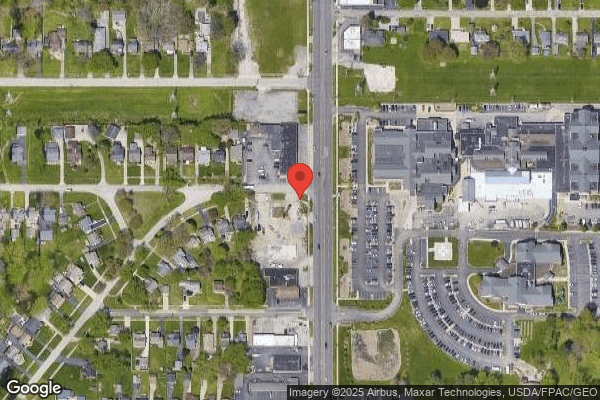
Jan 2020 8 deficiencies
CONCERN (D)

Potential for Harm - no one hurt, but risky conditions existed

Deficiency F0578 (Tag F0578)

Could have caused harm · This affected 1 resident

**NOTE- TERMS IN BRACKETS HAVE BEEN EDITED TO PROTECT CONFIDENTIALITY** Based on interview and record review the facility failed to ensure advance directives (code status) were accurate throughout Res...

Read full inspector narrative →
**NOTE- TERMS IN BRACKETS HAVE BEEN EDITED TO PROTECT CONFIDENTIALITY** Based on interview and record review the facility failed to ensure advance directives (code status) were accurate throughout Resident #79's medical record. This affected one resident of 24 residents reviewed for advance directives. Findings include: Review of the medical record revealed Resident #79 was admitted to the facility on [DATE] and diagnoses included arteriosclerotic heart disease, hypertension, and atrial fibrillation. Review of the Minimum Data Set (MDS) 3.0 assessment dated [DATE] revealed Resident #79 was alert, oriented and cognitively intact. Review of Resident #79's electronic physician orders dated 07/11/19 revealed an advance directive for Do Not Resuscitate Comfort Care-Arrest (DNRCC-Arrest) (emergency/resuscitative therapies before a cardiac arrest, but not during or after an arrest). Review of the medical record hard copy for Resident #79 revealed a signed advance directive dated 01/01/18 for Do Not Resuscitate Comfort Care (DNRCC) (provision of care for comfort and that eases pain and suffering but no resuscitative or life-saving measures would be provided in the event of respiratory or cardiac arrest). Interview with the Administrator on 01/28/20 at 10:30 A.M. confirmed a DNRCC-Arrest order was noted in the electronic record, and a DNRCC directive was noted in the hard copy of the medical record. Follow-up interview on 01/28/20 at 11:30 A.M. with the Administrator revealed Resident #79's desired advance directive was DNRCC-Arrest, and confirmed the advance directive in the hard chart had not been updated. Interview on 01/30/20 at 8:30 A.M. with Licensed Practical Nurse (LPN) #533 revealed the first place she would look for residents advance directives was on the Report Sheet she had on top of her medication cart. LPN #533 confirmed Resident #79's advance directive listed on the Report Sheet was DNRCC. LPN #533 verified the order in the electronic record was DNRCC-Arrest. Interview on 01/30/20 at 8:45 A.M. with the Administrator confirmed the Report Sheet on the medication cart had advance directive information listed for the residents. The Administrator confirmed the Report Sheet had Resident #79 listed as DNRCC. The Administrator stated the Report Sheet was not an official facility form, and a nurse created the form to help organize assignments.
CONCERN (D)

Potential for Harm - no one hurt, but risky conditions existed

Deficiency F0661 (Tag F0661)

Could have caused harm · This affected 1 resident

Based on medical record review and interview, the facility failed to provide discharge instructions to a resident which were easy to understand. This affected one (Resident #83) of one resident review...

Read full inspector narrative →
Based on medical record review and interview, the facility failed to provide discharge instructions to a resident which were easy to understand. This affected one (Resident #83) of one resident reviewed for discharge. Findings include: Review of Resident #83's closed medical record revealed diagnoses including sepsis, type 2 diabetes mellitus, moderate protein-calorie malnutrition, atrial fibrillation, anemia, abnormal uterine and vaginal bleeding, history of pulmonary embolism, atrial flutter and depression. A social service note dated 10/30/19 at 12:52 P.M. indicated Resident #83 voiced a desire to discharge home with home health and durable medical equipment. A nursing note dated 11/26/19 at 1:30 P.M. indicated Resident #83 discharged home. Resident #83 was given medications and discharge instructions. The discharge instructions included, Diet is as follows: CCHO/NAS diet regular texture, thin liquids. Labs-CBC w/diff and CMP 1 x a month on the 2nd of the month Continue w/Psych meds, check blood sugars Zinc oxide barrier cream to peri area and a PRN, clean area of coccyx w NSS, pat dry, apply Santyl thick mesalt and cover w/foam dressing. On 01/30/20 at 1:28 P.M., Social Service Designee (SSD) #558 was asked if Resident #83 had a medical background or would be expected to understand the abbreviated discharge instructions. SSD #558 verified Resident #83 may not have understood what was written on the discharge paper work given to her on discharge home.
CONCERN (D)

Potential for Harm - no one hurt, but risky conditions existed

Accident Prevention (Tag F0689)

Could have caused harm · This affected 1 resident

**NOTE- TERMS IN BRACKETS HAVE BEEN EDITED TO PROTECT CONFIDENTIALITY** Based on observation, medical record review and interview, the facility failed to implement physician orders to prevent falls fo...

Read full inspector narrative →
**NOTE- TERMS IN BRACKETS HAVE BEEN EDITED TO PROTECT CONFIDENTIALITY** Based on observation, medical record review and interview, the facility failed to implement physician orders to prevent falls for Resident #4. This affected one of two residents reviewed for accidents. Findings include: Review of Resident #4's medical record revealed diagnoses including apraxia (a neurological disorder that affects a person's ability to perform everyday movements), generalized muscle weakness, Alzheimer's disease, anemia, hypertension (high blood pressure), and psychotic disorder with delusions. A care plan initiated 06/10/17 indicated Resident #4 was at an increased risk of falls related to joint pain and a history of falls. Resident #4 had a physician's order dated 06/13/17 for a low bed with mats to the floor, an order dated 06/29/17 for anti-tippers to the wheelchair at all times, and an order dated 04/13/18 for dycem (a nonskid material) to the wheel chair seat. The care plan for Resident #4 was updated indicating automatic locking breaks were to be applied to the wheelchair at all times. A fall risk assessment dated [DATE] indicated Resident #4 continued to be at risk for falls. Risk factors included a history of one to two falls within the prior six months, use of anti-hypertensives medication, memory problems, occasional incontinence, agitated behaviors, and gait and balance problems. Observations on 01/28/20 at 1:12 P.M. revealed Resident #4 was lying in a low bed with an alarm. A mat was on the floor on the left side of the bed. On 01/29/20 at 8:00 A.M., Resident #4 was observed sitting in a wheelchair in her room. No anti-tippers or automatic brakes were observed on the wheelchair. On 01/29/20 at 2:04 P.M., Resident #4 was observed attempting to get out of bed independently. A mat was observed on the floor on the left side of the bed. There was no dycem in the wheelchair and no anti-tippers or automatic locking brakes were observed on the wheelchair. On 01/29/20 at 2:12 P.M., Licensed Practical Nurse (LPN) #500 observed and verified there were no anti-tippers or no automatic locking brakes on Resident #4's wheelchair. LPN #500 stated there was only one mat on floor although the order was for mats on the floor. LPN #500 verified there was no dycem in the wheelchair. On 01/29/20 at 2:20 P.M., LPN #500 stated she thought Resident #4's wheelchair had been taken for someone else.
CONCERN (D)

Potential for Harm - no one hurt, but risky conditions existed

Deficiency F0742 (Tag F0742)

Could have caused harm · This affected 1 resident

**NOTE- TERMS IN BRACKETS HAVE BEEN EDITED TO PROTECT CONFIDENTIALITY** Based on observation, record review and interview, the facility failed to ensure Resident #8 received the necessary treatment an...

Read full inspector narrative →
**NOTE- TERMS IN BRACKETS HAVE BEEN EDITED TO PROTECT CONFIDENTIALITY** Based on observation, record review and interview, the facility failed to ensure Resident #8 received the necessary treatment and services after identification of psychosocial adjustment difficulty. This affected one resident of 19 residents reviewed for identification of needs. Findings include: Resident #8 was initially admitted to the facility on [DATE] with diagnoses including compression fracture of thoracic vertebra, type two diabetes mellitus, and dementia. Review of Resident #8's quarterly Minimum Data Set (MDS) assessment, dated 10/18/19, indicated Resident #8 had severe cognitive impairment scoring a 5 out of 15 on the Brief Interview for Mental Status (BIMS). Scores of zero to seven indicate severe cognitive impairment. The 10/18/19 MDS assessment also indicated Resident #8 had severe depression, scoring 20 out of 30 on the Patient Health Questionnaire-9 (PHQ-9) (a scale to monitor depression for the previous 14 days). One specific question on the PHQ-9 asked if Resident #8 had thoughts of being better off dead or of hurting herself in some way and Resident #8 stated yes and indicated it happened two to six days during the previous 14 days. This assessment indicated she was totally dependent on two staff for bed mobility and transfers. Review of Resident #8's progress notes, which included all disciplines, revealed a progress note dated 10/15/19 at 8:33 A.M. which stated the PHQ-9 scale was completed with a score of 20 which indicated severe depression. Further review of Resident #8's progress notes did not reveal any documentation of further questioning into the statement of thoughts of being better off dead or of hurting herself, notification of the physician, or involvement/ notification of Resident #8's family. Review of Resident #8's physician progress notes revealed Resident #8 had seen the facility psychiatrist on 08/05/19, however had not been seen by the psychiatrist after this date. Resident #8's physician progress notes since the PHQ-9 results on 10/15/19 revealed no documentation regarding Resident #8's statements. Review of Resident #8's medical record revealed another PHQ-9 was completed on 12/17/19 with a score of three which indicated mild depression. Resident #8's mood care plan, dated 08/13/19, with goal revision dated 01/03/20, indicated Resident #8 had severely impaired cognitive function, impaired thought processes related to Alzheimer's/dementia as evidenced by her BIMS score, and a PHQ-9 score of three for minimal depression with no past history of depression. On 01/27/20 at approximately 10:00 A.M., Resident #8 was observed in bed in her room. She was not able to be interviewed due to her confusion. Interview on 01/28/20 at 4:26 P.M. with the Director of Nursing (DON) stated the facility does not have a policy for completion of the PHQ-9, the facility follows the Resident Assessment Instrument (RAI) manual. Review of the RAI manual, revised October 2019, did not reveal specific directions when a resident answers yes to being better off dead or of hurting themselves in some way. The RAI manual only gave instructions for how to complete the PHQ-9 and the scale regarding the scores received. Interviews on 01/28/20 at 5:25 P.M. with the Administrator, MDS Registered Nurse #620, and Activity Director (AD) #515 verified Resident #8's PHQ-9 score of 20 from 10/13/19, verified the lack of further documentation, notification of physician, psychiatrist, or family, and verified the care plan inconsistency. AD #515 stated she did ask Resident #8 if she had a plan to harm herself and Resident #8 stated she did not, however AD #515 confirmed she did not document the conversation.
CONCERN (D)

Potential for Harm - no one hurt, but risky conditions existed

Unnecessary Medications (Tag F0759)

Could have caused harm · This affected 1 resident

Based on observation, record review and interview, the facility failed to ensure medications were administered with an error rate of less than 5% and in accordance with manufacturer instructions. This...

Read full inspector narrative →
Based on observation, record review and interview, the facility failed to ensure medications were administered with an error rate of less than 5% and in accordance with manufacturer instructions. This resulted in three errors out of 28 opportunities resulting in a 10.7% medication error rate. This affected two (Residents #22 and #34) of six residents observed for medication administration. Findings include: 1. On 01/28/20 at 9:12 A.M., Licensed Practical Nurse (LPN) #500 was observed administering medication to Resident #34. One puff of Breo Ellipta, 100 micrograms (mcg)/25 mcg (asthma medication) was administered. Without instructing Resident #34 to rinse his mouth, LPN #500 then administered one dose of Spiriva, 18 mcg right after the Breo Ellipta. LPN #500 had Resident #34 rinse his mouth after the Spiriva was administered. Review of information on the Medscape website revealed after the use of Breo Ellipta, the mouth was to be rinsed to prevent dry mouth and throat irritation. Instructions revealed staff were to wait at least one minute between the use of each medication if other inhalers were used at the same time. Review of the facility's policy, Administering Medications through a Metered Dose Inhaler (revised October 2010), revealed instructions for nursing staff to allow at least two minutes between inhalations of different medications. On 01/29/20 8:06 A.M., LPN #500 verified when administering Resident #34's medication on 01/28/20 she did not have Resident #34 rinse his mouth after administration of the Breo Ellipta. LPN #500 also verified she did not wait one minute between the administration of the two different inhalers. This resulted in two medication errors. 3. On 01/29/20 at 3:20 P.M., LPN #500 was observed monitoring the blood glucose level of Resident #22. The blood glucose results were 353. LPN #500 verified she was administering insulin to Resident #22 one hour or greater before meals were scheduled to be delivered. LPN #500 stated residents who ate in their rooms received meals around 4:20 P.M. and in the dining room at 5:00 P.M. LPN #500 prepared and administered 12 units of Humulin R insulin to Resident #22. Resident #22 was offered her dinner tray at 4:30 P.M. Review of a Humulin R insulin insert revealed the pharmacological effect of Humulin R began approximately 30 minutes after administration of doses. Instructions revealed the injection of Humulin R should be followed by a meal within approximately 30 minutes of administration.
CONCERN (D)

Potential for Harm - no one hurt, but risky conditions existed

Medical Records (Tag F0842)

Could have caused harm · This affected 1 resident

**NOTE- TERMS IN BRACKETS HAVE BEEN EDITED TO PROTECT CONFIDENTIALITY** Based on record review and interview, the facility failed to ensure resident documentation was complete for Residents #8 and #82...

Read full inspector narrative →
**NOTE- TERMS IN BRACKETS HAVE BEEN EDITED TO PROTECT CONFIDENTIALITY** Based on record review and interview, the facility failed to ensure resident documentation was complete for Residents #8 and #82. This affected two of 20 residents reviewed for accuracy of medical records. Findings include: 1. Resident #8 was initially admitted to the facility on [DATE] with diagnoses including compression fracture of thoracic vertebra, type two diabetes mellitus, and dementia. Review of Resident #8's quarterly Minimum Data Set (MDS) assessment, dated 10/18/19, indicated Resident #8 had severe cognitive impairment scoring a 5 out of 15 on the Brief Interview for Mental Status (BIMS). The 10/18/19 MDS also indicated Resident #8 had severe depression scoring a 20 out of 30 on the Patient Health Questionnaire-9 (PHQ-9) (a scale to monitor depression for the previous 14 days). One specific question on the PHQ-9 asked if Resident #8 had thoughts of being better off dead or of hurting herself in some way and Resident #8 stated yes and the assessment said it happened two to six days during the previous 14 days. Review of Resident #8's progress notes, which included all disciplines, revealed a progress note dated 10/15/19 at 8:33 A.M. which stated the PHQ-9 scale was completed with a score of 20 which indicated severe depression. Further review of Resident #8's progress notes did not reveal any documentation of further questioning into the statement of thoughts of being better off dead or of hurting herself, notification of the physician, or involvement/ notification of Resident #8's family. Staff interviews on 01/28/20 at 5:25 P.M. with the Administrator, MDS Registered Nurse #620, and Activity Director (AD) #515 verified Resident #8's PHQ-9 score of 20 from 10/13/19, verified the lack of further documentation. AD #515 stated she did ask Resident #8 if she had a plan to harm herself and Resident #8 stated she did not, however AD #515 confirmed she did not document the conversation. Review of the facility policy titled, Charting and Documentation, revised April 2008, stated all services provided to the resident, or any changes in the resident's medical or mental condition, shall be documented in the resident's medical record. Review of the facility policy titled, Change in a Resident's Condition or Status, revised June 2013, stated the facility would promptly notify the resident, his or her attending physician, and representative of changes in the resident's medical/ mental condition and/ or status. 2. Resident #82 was admitted to the facility on [DATE] with diagnoses of status post right above knee amputation, type two diabetes mellitus, and chronic obstructive pulmonary disease. Resident #82's medical record indicated Resident #82 had Medicaid as her payer status. A Minimum Data Set (MDS) 3.0 assessment was not completed secondary to Resident #82 being admitted to the hospital on [DATE]. Review of the discharge return not anticipated MDS dated [DATE] revealed a staff assessment of cognition which indicated Resident #82 had intact cognition. Review of Resident #82's medical record revealed a progress note dated 11/07/19 stated Resident #82 was sent to the emergency room on [DATE] at 3:30 P.M. for foul smelling drainage at the sight of the amputation, the progress note did not state if Resident #82 was given a bed hold notice. Another progress note dated 11/11/19 stated Resident #82 was admitted to the hospital on [DATE] for cellulitis. Interview with the Administrator on 01/29/20 at 2:32 P.M. stated the facility has a Clinical Liaison who works outside of the facility and meets with residents and/or their authorized representatives in the hospital to discuss the bed hold policy and issue a bed hold notice. The Administrator presented an email from the Clinical Liaison which stated she had met with Resident #82 and her significant other in the hospital to discuss the bed hold and Resident #82 declined to hold the bed. The Administrator confirmed the Clinical Liaison does not keep a copy of the bed hold letter or document in the resident's chart secondary. Review of the facility policy titled, Charting and Documentation, revised April 2008, stated all services provided to the resident, or any changes in the resident's medical or mental condition, shall be documented in the resident's medical record. Review of the facility policy titled, Change in a Resident's Condition or Status, revised June 2013, stated the facility would promptly notify the resident, his or her attending physician, and representative of changes in the resident's medical/ mental condition and/or status.
CONCERN (E)

Potential for Harm - no one hurt, but risky conditions existed

Assessment Accuracy (Tag F0641)

Could have caused harm · This affected multiple residents

**NOTE- TERMS IN BRACKETS HAVE BEEN EDITED TO PROTECT CONFIDENTIALITY** 5. Review of the medical record for Resident #17 revealed an admission date of 03/29/19 and included diagnoses of schizophrenia,...

Read full inspector narrative →
**NOTE- TERMS IN BRACKETS HAVE BEEN EDITED TO PROTECT CONFIDENTIALITY** 5. Review of the medical record for Resident #17 revealed an admission date of 03/29/19 and included diagnoses of schizophrenia, major depressive disorder, and Parkinson's disease. Review of the physician orders dated 04/15/19 revealed Resident #17 was ordered Aripiprazole (an antipsychotic medication), 10 milligrams by mouth once a day for hallucinations. Review of the MDS 3.0 assessment dated [DATE] revealed Resident #17 was cognitively intact and did not receive any doses of an antipsychotic medication during the look back period. Review of the October 2019 Medication Administration Record (MAR) revealed on 10/24/19 through 10/30/19 revealed Resident #17 received Aripiprazole 10 milligrams by mouth once a day for hallucinations. Interview on 01/30/20 at 12:18 P.M. with MDS RN #620 confirmed the MDS from 10/30/19 did not accurately reflect the use of antipsychotic medications for Resident #17. 3. Review of Resident #65's medical record revealed the resident was admitted to the facility on [DATE] with diagnoses including acute respiratory failure, chronic obstructive pulmonary disease and primary hypertension. Review of Resident #65's MDS 3.0 assessment dated [DATE] revealed the resident exhibited moderate cognitive impairment and the resident received five doses of an anticoagulant. Review of Resident #65's physician orders and medication administration records from 12/29/19 to 01/29/20 did not reveal any evidence the resident was ordered or administered an anticoagulant medication. Interview on 01/28/20 at 3:03 P.M. with the MDS nurse, RN #620, confirmed no anticoagulant medication was administered to Resident #65 and the MDS dated [DATE] was inaccurate. 4. Review of Resident #8's medical record revealed the resident was re-admitted to the facility on [DATE] with diagnoses including anemia, altered mental status and dementia. Review of Resident #8's MDS 3.0 assessment dated [DATE] indicated the resident exhibited a memory problem and the resident had two unstageable (unable to determine stage due to slough and/or eschar present) pressure ulcers and both of these unstageable pressure ulcers were present upon admission/entry or reentry. Review of Resident #8's Wound Assessment and Plan dated 12/12/19 indicated the resident's left heel was an unstageable pressure ulcer with an onset date of 12/07/19, the resident's right heel was an unstageable pressure with an onset date of 10/24/19 and the resident's coccyx had an unstageable pressure with an onset date of 12/07/19. Interview on 01/28/20 at 3:03 P.M. with MDS RN #620 confirmed Resident #8's MDS 3.0 assessment did not accurately reflect Resident #8 having three pressure ulcers. Based on medical record review and interview, the facility failed to ensure Minimum Data Set (MDS) assessments were accurate for five (Residents #8, #17, #53, #65 and #74) of 20 residents whose records were reviewed for accuracy of assessments. Findings include: 1. Review of Resident #53's medical record revealed an initial admission date of 11/13/19. Diagnoses included altered mental status and hypertension. Wound grids dated 11/13/19 indicated Resident #53 had deep tissue injuries to the right and left heels. Skin grids were completed weekly with the wound grids dated 12/12/19 indicating Resident #53 continued to have deep tissue injuries to both heels. Resident #53 was discharged to the hospital on [DATE] with a sacral wound infection. Resident #53 returned from the hospital 12/23/19. Skin grids completed 12/26/19 indicated the pressure ulcers on both heels were unstageable with 100% eschar (dead tissue). A five day Minimum Data Set (MDS) assessment dated [DATE] indicated Resident #53 had two unstageable pressure deep tissue injuries which were present on admission. On 01/29/20 at 9:48 A.M., Registered Nurse (RN) #620 verified the MDS dated [DATE] should have been coded differently. Instead of two unstageable DTI on admission it should have indicated Resident #53 had two unstageable pressure ulcers with eschar present on admission or re-entry. 2. Review of Resident #74's medical record revealed diagnoses of chronic kidney disease and dementia. A physician's order dated 12/20/18 indicated it was okay to consult hospice for palliative care for pain management. On 12/26/18 an order was written for palliative care with hospice for dementia. An annual MDS assessment dated [DATE] indicated Resident #74 was not receiving hospice care. The most recent quarterly MDS dated [DATE] indicated Resident #74 was receiving hospice services. A note was made for a palliative care visit on 01/24/20. On 01/30/20 at 9:55 A.M., RN #620 stated although Resident #74 had palliative care through hospice, he had no documentation of terminal illness which was required to code for hospice. Therefore, the MDS indicating Resident #74 was receiving hospice services was coded incorrectly.
MINOR (C)

Minor Issue - procedural, no safety impact

Transfer Notice (Tag F0623)

Minor procedural issue · This affected most or all residents

**NOTE- TERMS IN BRACKETS HAVE BEEN EDITED TO PROTECT CONFIDENTIALITY** Based on record review and interview, the facility failed to provide transfer/discharge notices for Residents #53 and #82. This ...

Read full inspector narrative →
**NOTE- TERMS IN BRACKETS HAVE BEEN EDITED TO PROTECT CONFIDENTIALITY** Based on record review and interview, the facility failed to provide transfer/discharge notices for Residents #53 and #82. This affected two of three residents reviewed for hospitalization and had the potential to affect any of the resident in the facility. Findings include: 1. Resident #82 was admitted to the facility on [DATE] with diagnoses of right above knee amputation, type two diabetes mellitus, and chronic obstructive pulmonary disease. A Minimum Data Set (MDS) 3.0 assessment was not completed secondary to Resident #82 being admitted to the hospital on [DATE]. Review of the discharge return not anticipated MDS assessment dated [DATE] revealed a staff assessment of cognition which indicated Resident #82 had intact cognition. Review of Resident #82's medical record revealed a progress note dated 11/07/19 which stated Resident #82 was sent to the emergency room on [DATE] at 3:30 P.M. for foul smelling drainage at the sight of the amputation. Another progress note dated 11/11/19 stated Resident #82 was admitted to the hospital on [DATE] for cellulitis. Review of Resident #82's medical record did not reveal the presence of a transfer/discharge notice. Staff interview with the Director of Nursing (DON) on 01/28/20 at 4:25 P.M. verified the facility did not provide transfer/discharge notices to residents sent or admitted to the hospital. 2. Review of Resident #53's medical record revealed an initial admission date of 11/13/19. Diagnoses included hyperlipidemia, diverticulitis of the small intestine, difficulty walking, altered mental status, and hypertension. Resident #53 was admitted with a stage IV pressure ulcer (an ulcer with full-thickness skin and tissue loss with exposed or directly palpable fascia, muscle, tendon, ligament, cartilage or bone in the ulcer). A nursing note dated 12/12/19 at 4:03 P.M. indicated the wound care doctor assessed Resident #53's wound on her coccyx and determined it had deteriorated. The wound doctor believed Resident #53 would benefit from being sent to the hospital. Resident #53 was transferred to the hospital at 3:00 P.M. A nursing note dated 12/12/19 at 10:03 P.M. indicated hospital staff reported Resident #53 was admitted to the hospital with a diagnosis of infected decubitus (pressure) ulcer. There was no evidence of a written transfer/discharge notice provided to Resident #53 and her representative. Resident #53 returned to the facility 12/23/19. On 01/28/20 at 4:25 P.M., the Director of Nursing reported residents did not get a written discharge/transfer notice provided.
Understanding Severity Codes (click to expand)
Life-Threatening (Immediate Jeopardy)
J - Isolated K - Pattern L - Widespread
Actual Harm
G - Isolated H - Pattern I - Widespread
Potential for Harm
D - Isolated E - Pattern F - Widespread
No Harm (Minor)
A - Isolated B - Pattern C - Widespread

Questions to Ask on Your Visit

  • "Can I speak with families of current residents?"
  • "What's your RN coverage like on weekends and overnight?"

Our Honest Assessment

Strengths
  • • Licensed and certified facility. Meets minimum state requirements.
Concerns
  • • Multiple safety concerns identified: Special Focus Facility, 7 harm violation(s), $236,555 in fines, Payment denial on record. Review inspection reports carefully.
  • • 100 deficiencies on record, including 7 serious (caused harm) violations. Ask about corrective actions taken.
  • • $236,555 in fines. Extremely high, among the most fined facilities in Ohio. Major compliance failures.
  • • Grade F (0/100). Below average facility with significant concerns.
Bottom line: This facility is on CMS's Special Focus list for poor performance. Consider alternatives strongly.

About This Facility

What is Beeghly Oaks Center For Rehabilitation & Healing's CMS Rating?

CMS assigns BEEGHLY OAKS CENTER FOR REHABILITATION & HEALING an overall rating of 1 out of 5 stars, which is considered much below average nationally. Within Ohio, this rating places the facility higher than 0% of the state's 100 nursing homes. A rating at this level reflects concerns identified through health inspections, staffing assessments, or quality measures that families should carefully consider.

How is Beeghly Oaks Center For Rehabilitation & Healing Staffed?

CMS rates BEEGHLY OAKS CENTER FOR REHABILITATION & HEALING's staffing level at 2 out of 5 stars, which is below average compared to other nursing homes. Staff turnover is 50%, compared to the Ohio average of 46%.

What Have Inspectors Found at Beeghly Oaks Center For Rehabilitation & Healing?

State health inspectors documented 100 deficiencies at BEEGHLY OAKS CENTER FOR REHABILITATION & HEALING during 2020 to 2025. These included: 7 that caused actual resident harm, 91 with potential for harm, and 2 minor or isolated issues. Deficiencies causing actual harm indicate documented cases where residents experienced negative health consequences.

Who Owns and Operates Beeghly Oaks Center For Rehabilitation & Healing?

BEEGHLY OAKS CENTER FOR REHABILITATION & HEALING is owned by a for-profit company. For-profit facilities operate as businesses with obligations to shareholders or private owners. The facility is operated by DAVID OBERLANDER, a chain that manages multiple nursing homes. With 115 certified beds and approximately 97 residents (about 84% occupancy), it is a mid-sized facility located in YOUNGSTOWN, Ohio.

How Does Beeghly Oaks Center For Rehabilitation & Healing Compare to Other Ohio Nursing Homes?

Compared to the 100 nursing homes in Ohio, BEEGHLY OAKS CENTER FOR REHABILITATION & HEALING's overall rating (1 stars) is below the state average of 3.2, staff turnover (50%) is near the state average of 46%, and health inspection rating (1 stars) is much below the national benchmark.

What Should Families Ask When Visiting Beeghly Oaks Center For Rehabilitation & Healing?

Based on this facility's data, families visiting should ask: "Can you walk me through typical staffing levels on day, evening, and night shifts?" "Can I visit during a mealtime to observe dining assistance and food quality?" "How do you handle medical emergencies, and what is your hospital transfer rate?" "Can I speak with family members of current residents about their experience?" These questions are particularly relevant given the below-average staffing rating.

Is Beeghly Oaks Center For Rehabilitation & Healing Safe?

Based on CMS inspection data, BEEGHLY OAKS CENTER FOR REHABILITATION & HEALING has documented safety concerns. The facility is currently on the Special Focus Facility watch list (a federal program monitoring the lowest-performing 1% of nursing homes nationwide). The facility has a 1-star overall rating and ranks #100 of 100 nursing homes in Ohio. Families considering this facility should ask detailed questions about what corrective actions have been taken since these incidents.

Do Nurses at Beeghly Oaks Center For Rehabilitation & Healing Stick Around?

BEEGHLY OAKS CENTER FOR REHABILITATION & HEALING has a staff turnover rate of 50%, which is about average for Ohio nursing homes (state average: 46%). Moderate turnover is common in nursing homes, but families should still ask about staff tenure and how the facility maintains care continuity when employees leave.

Was Beeghly Oaks Center For Rehabilitation & Healing Ever Fined?

BEEGHLY OAKS CENTER FOR REHABILITATION & HEALING has been fined $236,555 across 2 penalty actions. This is 6.7x the Ohio average of $35,444. Fines at this level are uncommon and typically indicate a pattern of serious deficiencies, repeated violations, or failure to correct problems promptly. CMS reserves penalties of this magnitude for facilities that pose significant, documented risk to resident health or safety. Families should request specific documentation of what issues led to these fines and what systemic changes have been implemented.

Is Beeghly Oaks Center For Rehabilitation & Healing on Any Federal Watch List?

BEEGHLY OAKS CENTER FOR REHABILITATION & HEALING is currently an SFF Candidate, meaning CMS has identified it as potentially qualifying for the Special Focus Facility watch list. SFF Candidates have a history of serious deficiencies but haven't yet reached the threshold for full SFF designation. The facility is being monitored more closely — if problems continue, it may be added to the official watch list. Families should ask what the facility is doing to address the issues that led to this status.