CANFIELD HEALTHCARE CENTER
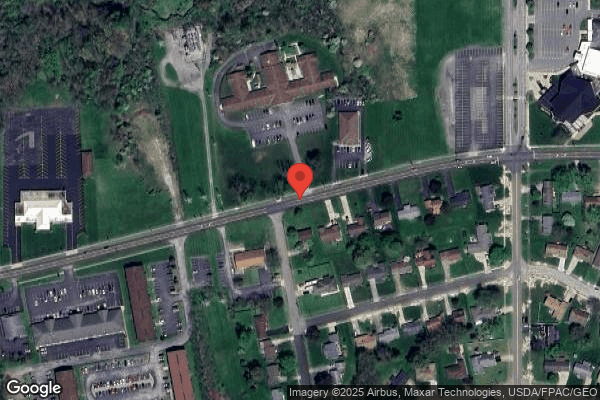
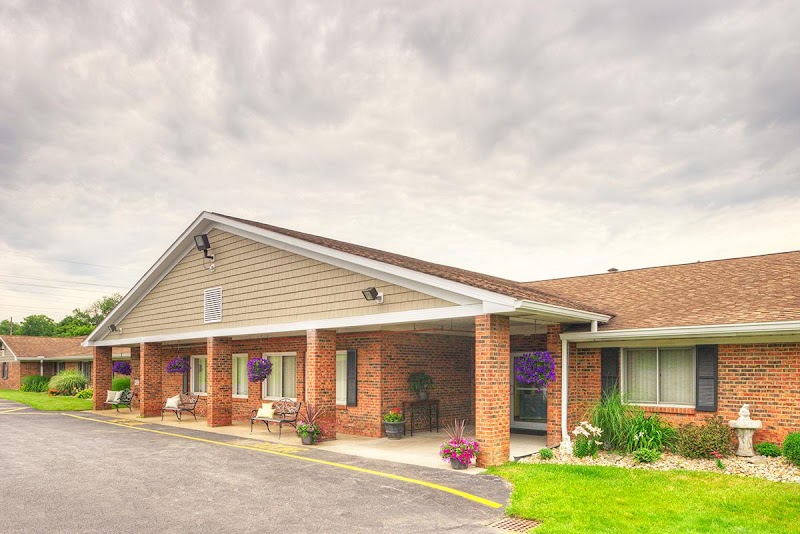
2958 CANFIELD RD, YOUNGSTOWN, OH 44511 (330) 792-5511
For profit - Corporation 90 Beds COMMUNICARE HEALTH Data: November 2025 1 Immediate Jeopardy citation
Trust Grade
0/100
#627 of 913 in OH
Last Inspection: September 2023

Over 2 years since last inspection. Current conditions may differ from available data.

Overview

Canfield Healthcare Center has received a Trust Grade of F, indicating significant concerns about the quality of care provided. It ranks #627 out of 913 facilities in Ohio, placing it in the bottom half, and #22 out of 29 in Mahoning County, meaning only a few local options are worse. The facility is worsening, with the number of health and safety issues increasing from 1 in 2024 to 10 in 2025. Staffing is a weakness with a low rating of 1 out of 5 stars and a turnover rate of 59%, which is higher than the state average, suggesting instability among caregivers. Additionally, the center has incurred fines totaling $59,072, which is concerning as it is higher than 86% of Ohio facilities, indicating repeated compliance problems. On a positive note, the center does achieve a 5 out of 5 star rating for quality measures, indicating some aspects of care are satisfactory. However, specific incidents raise significant concerns. For example, a resident at risk of elopement was allowed to leave the facility unattended, requiring police intervention to return them. Another serious incident involved a resident in severe pain who did not receive prescribed medication for over 48 hours, highlighting issues with pain management. Lastly, one resident developed pressure ulcers due to lack of adequate preventive care, demonstrating potential neglect in meeting resident needs. Families should weigh these strengths and weaknesses carefully.

Trust Score
F
0/100
In Ohio
#627/913
Bottom 32%
Safety Record
High Risk
Review needed
Inspections
Getting Worse
1 → 10 violations
Staff Stability
⚠ Watch
59% turnover. Above average. Higher turnover means staff may not know residents' routines.
Penalties
○ Average
$59,072 in fines. Higher than 56% of Ohio facilities. Some compliance issues.
Skilled Nurses
⚠ Watch
Each resident gets only 24 minutes of Registered Nurse (RN) attention daily — below average for Ohio. Fewer RN minutes means fewer trained eyes watching for problems.
Violations
⚠ Watch
51 deficiencies on record. Higher than average. Multiple issues found across inspections.
★★☆☆☆
2.0
Overall Rating
★☆☆☆☆
1.0
Staff Levels
★★★★★
5.0
Care Quality
★☆☆☆☆
1.0
Inspection Score
Stable
2024: 1 issues
2025: 10 issues

The Good

  • 5-Star Quality Measures · Strong clinical quality outcomes
  • Full Sprinkler Coverage · Fire safety systems throughout facility
  • No fines on record

Facility shows strength in quality measures, fire safety.

The Bad

2-Star Overall Rating

Below Ohio average (3.2)

Below average - review inspection findings carefully

Staff Turnover: 59%

13pts above Ohio avg (46%)

Frequent staff changes - ask about care continuity

Federal Fines: $59,072

Above median ($33,413)

Moderate penalties - review what triggered them

Chain: COMMUNICARE HEALTH

Part of a multi-facility chain

Ask about local staffing decisions and management

Staff turnover is elevated (59%)

11 points above Ohio average of 48%

The Ugly 51 deficiencies on record

1 life-threatening 2 actual harm
Sept 2025 9 deficiencies 1 IJ
CRITICAL (J) 📢 Someone Reported This

A family member, employee, or ombudsman was alarmed enough to file a formal complaint

Immediate Jeopardy (IJ) - the most serious Medicare violation

Accident Prevention (Tag F0689)

Someone could have died · This affected 1 resident

**NOTE- TERMS IN BRACKETS HAVE BEEN EDITED TO PROTECT CONFIDENTIALITY** Based on observation, record review, review of a facility self-report incident, facility investigation review, police report rev...

Read full inspector narrative →
**NOTE- TERMS IN BRACKETS HAVE BEEN EDITED TO PROTECT CONFIDENTIALITY** Based on observation, record review, review of a facility self-report incident, facility investigation review, police report review, policy review and interviews, the facility failed to provide adequate supervision and/or intervention to prevent resident elopement. This resulted in Immediate Jeopardy and the potential for actual harm beginning on 05/24/25 when Resident #13, who was assessed as an elopement risk, had exit seeking behaviors and was deemed incompetent by the court system, was permitted by staff to leave the facility unattended and without guardian consent. The resident's whereabouts were unknown until the resident was returned to the facility via police escort on this same date. The Immediate Jeopardy and potential for actual harm continued on 08/16/25 when staff allowed Resident #61, a moderately cognitively impaired resident to leave the facility unattended. The resident's whereabouts were unknown until the resident was found by police, on 08/17/25 a half mile from the facility sleeping on the ground behind a gas station. The resident was transported to the hospital for evaluation. In addition to the two incidents of elopement, the facility failed to have adequate systems in place to identify risks associated with its current practice of determining if residents could safely leave the facility unsupervised/unattended. In addition, concerns that did not rise to Immediate Jeopardy were identified when the facility failed to adequately supervise Resident #11, #37, #40 and #68 related to smoking and possession of smoking materials for safety/accidents. The facility also failed to ensure fall interventions were individualized and comprehensive to prevent falls for Residents #5. This affected two residents (#13 and #61) of three residents reviewed for wandering/elopement, four residents (#11, #37, #40 and #68) of 15 residents reviewed for smoking and one resident (#5) of three residents reviewed for falls. The facility identified three additional residents with guardianship in place (Resident #10, #51 and #55) and 21 additional residents with cognitive impairment (Resident #4, #8, #9, #11, #19, #22, #25, #31, #33, #34, #43, #44, #47, #51, #53, #61, #62, #63, #64, #66 and #72). The facility census was 72. On 08/28/25 at 2:04 P.M. the Administrator, Director of Nursing (DON) and Regional Registered Nurse (RN) #869 were notified Immediate Jeopardy began on 05/24/25 when the facility failed to have effective systems in place to prevent resident elopement (Resident #13 and #61) and to ensure residents' leaving the facility or with a desire to leave the facility were safe to be in the community independently and unsupervised. In addition, the facility failed to ensure adequate systems were in place to timely identify when residents were missing to ensure proper action was immediately taken. No changes in the facility's practice for determining if residents were able to leave the facility unattended was completed by the facility between 05/24/25 and 08/28/25. The Immediate Jeopardy was removed on 08/28/25 when the facility implemented the following corrective actions. On 08/17/25 the Administrator provided all staff education related to the facility elopement policy and procedures. On 08/18/25 Assistant Director of Nursing (ADON) #805 completed wandering assessments for all residents. On 08/18/25 the Administrator conducted a facility elopement drill. On 08/28/25 at 3:40 P.M. ADON #805 spoke with Resident #13's guardian, related to the resident's ability to leave the facility with supervision. On 08/28/25 by 6:00 P.M. the DON, Unit Manager #844 and ADON #805 re-assessed all residents for elopement risk. The results of the assessments revealed Resident #11, #13, #31, and #61 were identified as elopement risk. On 08/28/25 at 10:30 A.M., the door codes were changed by the door company. On 08/28/25 by 6:00 P.M., all residents were reviewed to determine if they were able to go on LOA supervised or unsupervised and orders were written to reflect the findings. On 08/28/25 the DON, ADON #805 and Unit Manager #844 consulted with resident families/guardians and physicians to determine resident LOA status. On 08/28/25 the DON/designee placed a list of residents (#4, #8, #9, #10, #11, #13, #22, #25, #31, #33, #34, #36, #43, #51, #53, #55, #61, and #66) who were not permitted to go on leave of absence (LOA) unsupervised at both nurses' stations and at the front receptionist area. On 08/28/25 Regional RN #869 reviewed and updated the elopement binders on all units. On 08/28/25, all staff were educated by Regional RN #869, LPN #865, Mobile Business Office Manager #890, Administrator, DON, ADON #805, Regional Director of Environmental Services #891, Dietary Manager #876, and Regional Dietary Manager #892 regarding all residents being required to have a physician order for LOA and if the LOA was required to be supervised or could be unsupervised. All staff were educated that nobody was to assist any resident out of the facility for any reason without consulting with the charge nurse who was assigned to that resident. Once a staff member confirmed with the nurse that a resident was permitted to go LOA, the staff member must enter the code without the resident seeing the code. At no time was it appropriate to give the code to a resident or family. Education included the facility door codes would be changed weekly. Education included not permitting residents to smoke in front of the facility and only permitting smoking in the designated courtyard. Beginning on 08/29/25 the DON/designee were assigned to review the LOA list daily in clinical meetings Monday through Friday and updates were to be completed if needed. A new list would be placed at both nursing stations and front desk on an ongoing basis. Beginning on 08/29/25 a process was initiated for the DON/designee to review new admissions in clinical meeting for LOA status on an ongoing basis. Beginning on 08/29/25 Human Resources (HR) #851/designee was assigned the duty to ensure all new hires were educated on the LOA process on an ongoing basis. Beginning on 08/29/25 the facility implemented a plan to conduct elopement drills by the DON/designee on a weekly basis each shift for four weeks then on an as needed basis. The drills were scheduled to begin the week of 09/01/25. Beginning on 08/29/25 the DON/designee was scheduled to interview five staff members on the LOA process weekly for four weeks then on an as needed basis. The interviews were scheduled to begin the week of 09/01/25. The results of all audits were to be reported, reviewed and trended for compliance through the facility Quality Assurance Committee for a minimum of six months then randomly thereafter for further recommendation. Beginning on 08/29/25 the Administrator/designee was to observe five smokers weekly for four weeks then on an as needed basis to ensure they were smoking in the appropriate areas. The results of all audits were to be reported, reviewed and trended for compliance through the facility Quality Assurance Committee for a minimum of six months then randomly thereafter for further recommendation. Although the Immediate Jeopardy was removed on 08/28/25, the deficiency remained at a Severity Level 2 (no actual harm with potential for more than minimal harm that is not Immediate Jeopardy) as the facility was in the process of implementing their corrective action plan and monitoring to ensure on-going compliance. Findings include:1. Review of Resident #13's medical record revealed an admission date of 05/23/25. Resident #13 had a letter of guardianship for person only for an indefinite time dated 04/30/25. Resident #13 had diagnoses including delusional disorders, anti-social personality disorder, anxiety disorder, apraxia (a neurological condition characterized by loss of the ability to perform activities that a person is physically able and willing to do), difficulty walking, and insomnia. Resident #13 had no physician orders regarding LOA. A nursing note by RN #847 dated 05/24/25 at 12:19 A.M. indicated Resident #13 arrived at the facility at 8:16 P.M., transported from the hospital. Resident #13 ambulated into the facility independently while carrying his personal belongings. Upon arrival, Resident #13 immediately expressed his intention to sign out and return home. Resident #13 was provided with education regarding his care plan and the importance of staying at the facility, but he remained insistent on leaving. Unit Manager #844 was made aware of the situation and advised that Resident #13 be re-educated, especially since he reportedly had no alternative place to go. Unit Manager #844 also sent the contact information of Resident #13's legal guardian to notify her of the situation. Resident #13's guardian was contacted, informed of Resident #13's desire to leave and advised that Resident #13 should remain at the facility as he has no safe discharge destination. Resident #13's guardian instructed staff to calm him and, if necessary, use the pink slip (involuntary psychiatric hold) process should he become aggressive. Resident #13 was encouraged to stay and agreed to watch television (TV) for a few minutes before making a final decision. Resident #13 was escorted to the TV lounge and made comfortable. After spending some time there, Resident #13 approached staff and requested to be taken to his room, stating he would remain at the facility for the night and reconsider leaving the following day. A nursing admission assessment dated [DATE] indicated Resident #13 was admitted with a cognitive disorder. Resident #13 was alert and oriented to person, place and time. It was unknown if Resident #13 had a history of exit seeking or wandering. The elopement part of the assessment indicated Resident #13 did not have a history of wandering and/or a pattern tied to Resident #13's past. Resident #13 was not accepting the new admission situation and Resident #13 had expressed anxiety/apprehension to leave the facility. Resident #13 was determined to be at risk for elopement or unsafe wandering. A baseline care plan indicated Resident #13 was at risk for elopement. Interventions included assessing for hunger, thirst, ambulation, and toileting needs. Wandering evaluations were to be completed upon admission/re-admission, quarterly and as necessary. Resident #13 was to be evaluated for need of a secure unit and the medical provider notified as needed. Interventions included providing diversionary activities as needed and redirecting Resident #13 when appropriate. A telehealth physician note by Physician #888 on 05/24/25 at 3:31 A.M. indicated Resident #13 was admitted after a psychiatric hospitalization. According to discharge papers, it appeared he had new onset delusions. A nursing note by LPN #861 dated 05/24/25 at 7:11 P.M. indicated Resident #13 signed out LOA around 3:45 P.M. stating he was going to the store. Resident #13 had not returned at that time. The note included all parties were aware. Review of a LOA sign out sheet dated 05/24/25 revealed Resident #13 signed out at 4:09 (did not indicate if A.M. or P.M. or include an anticipated return time) to go downtown. Sign in was at 8:24 or 8:29 (last number not completely legible) the same day. A nursing note by RN #846 dated 05/24/25 at 10:46 P.M. indicated Resident #13 was returned to the facility with police escorts at 8:10 P.M. No complaints were made. Record review revealed there was no evidence of further interventions or change in LOA process at this time for Resident #13. An admission Minimum Data Set (MDS) assessment dated [DATE] revealed Resident #13 was able to make himself understood and was able to understand others. A Brief Interview for Mental Status (BIMS) assessment indicated Resident #13 was cognitively intact with a score of 13 (out of 15 possible points). No signs of psychosis were noted. Wandering occurred daily. Wandering placed Resident #13 at significant risk of getting to a potentially dangerous place. Resident #13 was assessed as independent with walking 150 feet, once he was standing, in a corridor or similar space with no mobility devices. A nursing note by RN #805 dated 07/10/25 at 10:57 A.M. indicated Resident #13 began to exit seek. Resident #13 did not have clear directive as to where or why. A wanderguard device (a bracelet that alerts staff if a resident tries to leave a safe area) was applied. A voicemail was left for Resident #13's guardian. The resident's care plan was updated on 07/14/25 related to the wanderguard use and orders. A Nurse Practitioner (NP) note by NP #889 dated 07/31/25 indicated Resident #13 was hospitalized on [DATE] due to psychotic and cognitive disorders. Resident #13 was involuntarily probated by his sister for delusions involving Satan stealing his cigarettes and believing his sister was possessed by demons. Resident #13 exhibited poor hygiene, flight of ideas, paranoia and delusions. Review of the facility undated Resident Leave of Absence policy revealed a resident who was cognitively intact with independent decision making with a physician's order may sign themselves out for LOA. The procedure indicated a physician's order was to be obtained for the resident to leave the facility with or without supervision. The physician was to be alerted if the resident was at risk for elopement. Provide the resident or family/responsible party with the facility phone number as needed and instructions to contact the facility if return was delayed more than one hour from the anticipated return time. Contact the resident or family/responsible party if they had not returned within one hour of the anticipated return time. Notify the Executive Director if unable to contact the resident or responsible party, or if they refuse to return. On 08/27/25 at 8:15 A.M., the DON was interviewed regarding the facility LOA process. The DON indicated if a resident wanted to sign out LOA, nurses or herself checked a resident's BIMS score and expected it to be over 12 for a resident to leave unattended. Each resident had a LOA form in a notebook at their respective nursing station. Upon review of Resident #13's LOA form, the DON verified Resident #13 had not designated a planned return time when leaving in May 2025. The DON was asked about the rationale for Resident #13 being able to sign LOA when he had been assessed as an elopement risk and stated she would have to research it. On 08/27/25 at 10:58 A.M., the DON revealed Resident #13 was able to leave the facility on LOA by stating Resident #13 had been assessed as cognitively intact. The DON stated when the guardian was contacted the night of admission when Resident #13 wanted to leave, she had only indicated Resident #13 could not leave the facility to go home as he had no home or other alternate placement. The DON stated the guardian did not specifically state Resident #13 could not go out on LOA. During an interview on 08/27/25 at 10:13 A.M., LPN #859 stated if a resident wanted to go out LOA, they had to sign out on the LOA paper and nurses were to document it in the computer (recently started alert charting) that was accessible to the nurses and probably management, but she was not sure. The LPN revealed there was a list of residents who could not sign out LOA at the nursing station and front desk. LPN #859 was unable to identify who made the determination Resident #13 was able to be signed out LOA on 05/24/25. During an interview on 08/27/25 at 10:28 A.M., Resident #13 stated he continued to want to leave the facility and had spoken to everybody at the facility about wanting to leave. Resident #13 did not wish to speak about his LOA when police escorted him back to the facility. During an interview on 08/27/25 at 11:27 A.M., Resident #13's guardian stated Resident #13 had a long psychiatric stay prior to his admission to the facility. She stated when she was contacted by the facility the night Resident #13 was admitted , she did tell the facility Resident #13 was homeless and had nowhere to go and if he was unstable the facility should send him back to the psychiatric hospital. Resident #13's guardian stated she presumed staff would know with his history and wanting to leave the facility he should not be allowed to sign out LOA unless he was accompanied by family or someone from the facility. The guardian stated had staff consulted with her, Resident #13's guardian would have told them there were to be restrictions on Resident #13 signing himself out LOA. Resident #13's guardian stated she believed it was poor judgement on the facility's part if they let him sign himself out LOA. Resident #13's guardian stated she was not notified of Resident #13 leaving LOA and subsequently returning with police intervention. Resident #13's guardian stated Resident #13 had a son in Florida but was homeless for much of his life. Resident #13 was admitted to the psychiatric hospital after he became psychotic and tried to kill his sister who he was staying with. During an interview on 08/27/25 at 10:14 A.M., Certified Nursing Assistant (CNA) #835 stated nursing assistants could let residents sign out LOA if they were not on a list at the nursing station as not being permitted to go LOA. During an interview on 08/27/25 at 11:45 A.M., Regional RN #869 stated she did not know Resident #13 well enough to know if he should have been permitted to sign out LOA or if he should have been assessed as an elopement risk based on not wanting to be at the facility. RN #869 stated staff did not always have a resident's history when first admitted . Based on that, the facility probably should have waited until they were more familiar with Resident #13 to determine if he could safely leave the facility independently. RN #869 stated Resident #13 was assessed as cognitively intact on admission and was used to being homeless. During an interview on 08/27/25 at 5:10 P.M., the Administrator stated the facility had not notified the police when Resident #13 had not returned from LOA on 05/24/25, stating Resident #13 was known by the police in the community from past interactions. The Administrator revealed police had seen Resident #13 and stopped to inquire about what he was doing at an undisclosed location, and Resident #13 was able to inform them he was a resident of the facility. During an interview on 08/28/25 at 8:10 A.M., RN #846 stated she was unable to recall if the police indicated why they had picked up Resident #13 and returned him to the facility on [DATE]. RN #846 stated if a resident wished to sign out LOA they had to be independent and cognitively clear. Nurses have them sign a form saying when they expect to return and document. If a resident had a guardian, they were permitted to leave with the guardian. However, the RN revealed the facility allowed residents who met the criteria of cognitive abilities and independence to sign out for LOA without guardian input. During an interview on 08/28/25 at 8:18 A.M., LPN #861 stated the parties referred to in her progress note on 05/24/25 at 7:11 P.M. was the on-call unit manager (later identified as Unit Manager #844). LPN #861 stated for a resident to be able to sign out LOA she referred to a list or asked the DON or unit manager. During an interview on 08/28/25 at 8:23 A.M., the Administrator stated she had never been informed of Resident #13 leaving the facility on LOA until it was brought to her attention after questioning by the survey team. During an interview on 08/28/25 at 9:56 A.M., Unit Manager #844 stated when residents wanted to go out on LOA it was based largely on the cognitive scores on the BIMS interview. However, the facility tried not to let residents sign out on LOA for the first 24 hours after admission. A resident was permitted to leave the facility LOA if they had a guardian unless the guardian had provided specific instruction for them not to do so. Unit Manager #844 stated she was not aware of Resident #13 signing out LOA on 05/24/25 until staff called to report he had been returned to the facility by police. Unit Manager #844 stated it was her understanding Resident #13 wanted to go to the hospital to get personal items he believed were still there. Unit Manager #844 stated police were familiar with Resident #13 and simply gave him a ride to the facility, stating no police report had been filed. On 08/28/25, the local police department verified there was no police report involving Resident #13 on 05/24/25. During an interview on 08/28/25 at 12:47 P.M., RN #847 stated she assessed Resident #13 as an elopement risk on admission because he was very aggressive regarding his desire to want to leave and go home because there was nobody at his home to take care of it. RN #847 stated Resident #13 hovered at the front entrance for a long time, making attempts to leave but could not because he did not have the code to open the door. RN #847 stated Resident #13 was so upset he could not leave he made threatening moves toward her and only stopped when other residents placed themselves between her and Resident #13. On 08/28/25 at 4:25 P.M., ADON #805 spoke with Resident #13's guardian who indicated Resident #13 was to only go on supervised LOA with the guardian only. If anyone other than the guardian wanted to leave the facility with the resident, the guardian must be notified and give permission. During an interview on 09/02/25 at 11:21 A.M., LPN #858 stated she was not aware Resident #13 was unable to leave the facility on 05/24/25. Police had phoned the facility after her shift started (night shift) and told her Resident #13 was unsupervised downtown, maybe at the bus stop or the hospital, and they knew he should not be wandering around unaccompanied. Police offered to return Resident #13 to the facility. Once he arrived, Resident #13 was upset, and she explained to him he could not leave when he had a guardian. Resident #13 appeared to be confused and stated he did not know he had a guardian. During an interview on 09/02/25 at 4:18 P.M., the Medical Director stated he did review facility policies and provide input. However, regardless of how good a policy was, it was only effective upon staff implementing it. The Medical Director stated he had not been asked to provide input for LOA orders in the past three months. The facility had their own criteria for addressing LOA and would not necessarily involve guardian notification. Per the medical director, Resident #13's going LOA on 05/24/25 was not appropriate as Resident #13 had not been at the facility long enough to be assessed for health risks associated with him going LOA. 2. Record review revealed Resident #61 was admitted [DATE] with diagnoses of unspecified dementia, severe, with behavioral disturbance, unspecified mood disorder, alcohol dependence in remission, and cognitive communication deficit. Review of the Wandering Observation Tool dated 06/13/25 and 07/14/25 revealed Resident #61 was not at risk for wandering or eloping. Review of the quarterly MDS assessment dated [DATE] revealed Resident #61 was moderately cognitively impaired based on a score of eight out of 15 on the BIMS scale. The MDS revealed the resident was independent with all activities of daily living. Review of the progress note dated 08/17/25 at 2:57 A.M. by Curricular Practical Training (CPT) Intern RN #846 revealed Resident #61 was last seen (on 08/16/25) between 8:00 P.M. and 8:30 P.M. during medication administration. At regular night rounds, CPT Intern RN #846 noticed Resident #61 was not in his room. A facility and ground search was conducted, and Resident #61 was not found. The Nurse Supervisor LPN #858 was notified at 2:00 A.M. The Nurse Manager #844 contacted Resident #61's mother, the hospital, and various police stations, all of which were unaware of Resident #61's location. Review of the progress note dated 08/17/25 at 9:23 A.M. by Charge Nurse #842 revealed a call was received from the Local Police Department that Resident #61 was being transported to the hospital for an unknown reason. Review of the progress note dated 08/17/25 at 4:01 P.M. by RN Unit Manager #844 revealed Resident #61 was placed on 1:1 supervision upon return to the facility. Review of the physician orders revealed Resident #61 was placed on 1:1 supervision effective 08/17/25. Review of the progress note dated 08/17/25 at 4:04 P.M. by Charge Nurse #842 revealed Resident #61 returned to the facility (on 08/17/25) at 3:45 P.M. by ambulance with two staff and was alert and oriented to self. Resident #61 refused to have a wanderguard placed on his body. Review of a police report from the Local Police Department dated 08/17/25 revealed the facility reported a missing person incident on 08/17/25 at 2:53 A.M. The responding officer arrived at the facility at 4:15 A.M and spoke with healthcare worker CPT Intern RN #846 upon arrival. It was reported that Resident #61 had wandered away from the facility sometime after 8:30 P.M. on 08/16/25. CPT Intern RN #846 advised Resident #61suffered from depression, mood disorders, and alcoholism which caused him confusion at times. CPT Intern RN #846 advised she last gave the resident his medications on 08/16/25 at 8:30 P.M. at which time she watched him take a phone call and walk outside for a cigarette. She further stated that he had wandered from the facility before but not for this length of time. On 08/17/25 time unspecified, Youngstown Police Department received a message from Austintown Police Department stating Resident #61 was located by their officers and was being transported to the local emergency room. The facility was notified, and Resident #61 was removed from Law Enforcement Automated Data System (LEADS). Review of the Wandering Observation Tool dated 08/17/25 revealed Resident #61 was identified as a high risk for elopement or unsafe wandering. Review of the progress note dated 08/17/25 at 5:58 P.M. by LPN #858 revealed vital signs were obtained and a skin assessment was completed. There were no known injuries noted. There were no new orders from the emergency department, and Resident #61 continued to refuse a wanderguard. Review of the investigation of self-reported incident (SRI) tracking number 264129 revealed the following sequence of events: · On 08/16/25 at 7:30 P.M. Certified Nursing Assistant (CNA) #817 observed Resident #61 in his room and was told “a few hours later” Resident #61 was gone. · On 08/16/25 around 9:30 P.M. CNA #828 reported Resident #61 was seen by the front door attempting to put in door code to go outside and smoke. To not cause the door alarm to go off, CNA #828 entered the code and let Resident #61 out the front door to go smoke. CNA #828 observed Resident #61 walking towards the left side of the facility to sit at the table and chairs. CNA #828 revealed the resident did not have on a wanderguard and therefore, was not an elopement risk prior to letting him outside. · On 08/16/25 at 9:30 P.M. CNA #809 reported seeing Resident #61 at the bus stop when she went to a store across the street on her break, but the resident “was gone” when she came back. Around 2:00 A.M. she noticed he was not in his room and notified the nurse at which time they began to look for him. · On 08/16/25 at an unspecified time LPN #858 was notified by CNA #809 that Resident #61 was not in his room and unable to be found. LPN #858 initiated the facility's elopement action plan, and staff searched inside and outside the facility, but Resident #61was not accounted for. Management was notified during the search. · On 08/17/25 at 2:35 A.M. LPN #858 contacted Resident #61's mom and determined Resident #61was not there. · On 08/17/25 between 2:40 A.M. and 3:35 A.M. the police and hospital were contacted, but Resident #61 was still not located. A voice message was left with Resident #61's friend who was also listed as a contact. LPN #858 made multiple attempts to reach Resident #61 on his cell phone but was unsuccessful. As of 4:15 A.M. when LPN #858 left, Resident #61 had not been located. · On 08/17/25 at 2:00 A.M. CNA #833 reported another aide approached her to say that Resident #61was missing and that she saw him at the bus stop (on 08/16/25) about 9:00 P.M. They then started looking for him. · Review of the Police Dispatch Log revealed on 08/17/25 at 8:07 A.M. Resident #61 was found at a gas station which was one-half mile from facility and a 15-minute walk. Between 8:07 A.M. and 8:10 A.M. a male in the store notified police a man was sleeping behind the store. The responding officer noted Resident #61 was awake and breathing but was unable to focus or understand questions, had possible altered mental status, was very confused, and not aware of what happened last night. · Review of the Ambulance Prehospital Care Report Summary dated 08/17/25 revealed Resident #61 was transported to a local emergency department. Resident #61 walked with assistance to stretcher. No drug use was suspected, he was psychologically impaired, with the chief complaint being altered mental status. Resident #61 was found asleep behind a gas station and had no idea how he got there, where he lived, or what happened prior to his arrival at the scene. On 08/27/25 the administrator provided a list of residents with wanderguards and required 1:1 supervision. The list identified Resident #13 and #31 with wanderguards and #61 with 1:1 supervision. Observation on 08/27/25 at 8:03 A.M. revealed Resident #61 in his room sleeping with an aide standing outside his door. Several attempts from 08/27/25 to 08/28/25 to interview CNA #828, who initially let Resident #61 out of the building were unsuccessful. Interview on 08/27/25 at 10:58 A.M. with the DON revealed one CNA was assigned to always supervise Resident #61 on all shifts. That CNA did not provide any care to any other residents, was not included in the count for the floor aides and was to keep eyes on Resident #61 at all times. Observation at the time of the interview revealed CNA #822 was assigned to Resident #61 and was seated in a chair on the left side of the doorway to his room. Resident #61's assigned 1:1 CNA was not included in the count for the floor aides. Interview on 08/27/25 at 2:07 P.M. with LPN #858 revealed she was not schedul
CONCERN (D) 📢 Someone Reported This

A family member, employee, or ombudsman was alarmed enough to file a formal complaint

Potential for Harm - no one hurt, but risky conditions existed

Deficiency F0551 (Tag F0551)

Could have caused harm · This affected 1 resident

**NOTE- TERMS IN BRACKETS HAVE BEEN EDITED TO PROTECT CONFIDENTIALITY** Based on record review and interview, the facility did not ensure Resident #83's guardian was permitted to consent or decline in...

Read full inspector narrative →
**NOTE- TERMS IN BRACKETS HAVE BEEN EDITED TO PROTECT CONFIDENTIALITY** Based on record review and interview, the facility did not ensure Resident #83's guardian was permitted to consent or decline influenza and COVID immunizations. This affected one (Resident #83) of three residents reviewed for guardian's consent to treatment. The facility census was 72. Findings include:Review of the closed medical record revealed Resident #83 was admitted [DATE] with diagnoses of ataxic cerebral palsy, epilepsy, nutritional anemia, schizophrenia, and obsessive-compulsive disorder. Review of the emergency contacts revealed co-guardians were listed as the primary contacts. Review of the Amended Letters of Co-Guardianship filed with Mahoning County Probate Court on 12/09/15 revealed Resident #83's father and Resident #83's son were appointed co-guardians of person only and not estate for an indefinite time period or until revoked. Review of the quarterly Minimum Data Set (MDS) 3.0 assessment dated [DATE] revealed Resident #83 was cognitively intact as evidenced by a score of 15 out of 15 on the Brief Interview for Mental Status (BIMS). Resident #83 required moderate assistance for toileting hygiene, set up/clean up assistance for eating, and supervision for all other activities of daily living (ADL). Review of Resident #83's current care plan revealed the term guardian was absent from the care plan; however, the term resident representative was used throughout. Review of the undated COVID-19 Vaccination Declination Resident Form revealed it was signed by Resident #83 and not signed by a co-guardian. Review of the Influenza Vaccine Consent form dated 2/24 revealed it was signed by Resident #83 and not signed by a co-guardian. Interview on 09/08/25 at 3:25 P.M. with the Director of Nursing (DON) confirmed she was unsure of the consent process, so she had Resident #83 sign the consent and/or declinations. The DON reported she contacted the guardian by phone first although it was not documented in the record.
CONCERN (D) 📢 Someone Reported This

A family member, employee, or ombudsman was alarmed enough to file a formal complaint

Potential for Harm - no one hurt, but risky conditions existed

Notification of Changes (Tag F0580)

Could have caused harm · This affected 1 resident

**NOTE- TERMS IN BRACKETS HAVE BEEN EDITED TO PROTECT CONFIDENTIALITY** Based on medical record review, interview and facility policy review, the facility failed to notify Resident #83's guardian of a...

Read full inspector narrative →
**NOTE- TERMS IN BRACKETS HAVE BEEN EDITED TO PROTECT CONFIDENTIALITY** Based on medical record review, interview and facility policy review, the facility failed to notify Resident #83's guardian of a change in condition requiring hospitalization. The facility also failed to notify Resident #13's guardian of his intent to sign out on leave of absence (LOA) to get her input and failed to inform her of Resident #13's return to the facility involving police escort in a timely manner. This affected two (Residents #13 and #83) of 22 residents reviewed for notification. The facility census was 72. Findings include:1. Review of Resident #13's medical record revealed an admission date of 05/23/25. Resident #13 had a letter of guardianship for person only for an indefinite time dated 04/30/25. Resident #13 had diagnoses including delusional disorders, anti-social personality disorder, anxiety disorder, apraxia (a neurological condition characterized by loss of the ability to perform activities that a person is physically able and willing to do), difficulty walking, and insomnia. Resident #13 had no physician orders regarding LOA. A nursing note by Registered Nurse (RN) #847 dated 05/24/25 at 12:19 A.M. indicated Resident #13 arrived at the facility at 8:16 P.M., transported from the hospital. Resident #13 ambulated into the facility independently while carrying his personal belongings. Upon arrival, Resident #13 immediately expressed his intention to sign out and return home. Resident #13 was provided with education regarding his care plan and the importance of staying at the facility, but he remained insistent on leaving. Unit Manager #844 was made aware of the situation and advised that Resident #13 be re-educated, especially since he reportedly had no alternative place to go. Unit Manager #844 also sent the contact information of Resident #13's legal guardian to notify her of the situation. Resident #13's guardian was contacted, informed of Resident #13's desire to leave and advised that Resident #13 should remain at the facility as he has no safe discharge destination. Resident #13's guardian instructed staff to calm him and, if necessary, use the pink slip (involuntary psychiatric hold) process should he become aggressive. Resident #13 was encouraged to stay and agreed to watch television (TV) for a few minutes before making a final decision. Resident #13 was escorted to the TV lounge and made comfortable. After spending some time there, Resident #13 approached staff and requested to be taken to his room, stating he would remain at the facility for the night and reconsider leaving the following day. A nursing admission assessment dated [DATE] indicated Resident #13 was admitted with a cognitive disorder. Resident #13 was alert and oriented to person, place and time. It was unknown if Resident #13 had a history of exit seeking or wandering. The elopement part of the assessment indicated Resident #13 did not have a history of wandering and/or a pattern tied to Resident #13's past. Resident #13 was not accepting the new admission situation, and Resident #13 had expressed anxiety/apprehension to leave the facility. Resident #13 was determined to be at risk for elopement or unsafe wandering. A baseline care plan dated 05/24/25 indicated Resident #13 was at risk for elopement. Interventions included assessing for hunger, thirst, ambulation, and toileting needs. Wandering evaluations were to be completed upon admission/re-admission, quarterly and as necessary. Resident #13 was to be evaluated for need of a secure unit and the medical provider notified as needed. Interventions included providing diversionary activities as needed and redirecting Resident #13 when appropriate. A nursing note by Licensed Practical Nurse (LPN) #861 dated 05/24/25 at 7:11 P.M. indicated Resident #13 signed out LOA around 3:45 P.M. stating he was going to the store. Resident #13 had not returned at that time. The note included all parties were aware. Review of a LOA sign out sheet dated 05/24/25 revealed Resident #13 signed out at 4:09 (did not indicate if A.M. or P.M. or include an anticipated return time) to go downtown. Sign in was at 8:24 or 8:29 (last number not completely legible) the same day. A nursing note by RN #846 dated 05/24/25 at 10:46 P.M. indicated Resident #13 was returned to the facility with police escorts at 8:10 P.M. No complaints were made. A nursing note dated 05/25/25 at 10:50 P.M. indicated the nurse called the guardian to make her aware Resident #13 had signed out, left and had returned. The nurse left a voice mail requesting the guardian to call back. There was no further documentation of discussions with Resident #13's guardian. A Nurse Practitioner (NP) note by NP #889 dated 07/31/25 indicated Resident #13 was hospitalized on [DATE] due to psychotic and cognitive disorders. Resident #13 was involuntarily probated by his sister for delusions involving Satan stealing his cigarettes and believing his sister was possessed by demons. Resident #13 exhibited poor hygiene, flight of ideas, paranoia and delusions. On 08/27/25 at 8:15 A.M., the Director of Nursing (DON) was interviewed regarding Resident #13 being permitted to leave the facility LOA on 05/24/25 when the guardian had indicated she did not wish for him to leave the facility on 05/23/25. The DON verified because Resident #13 was assessed as cognitively intact and the guardian had stated she did not want him to leave to go home but gave no other parameters for LOA the facility did not believe it was necessary to contact the guardian for feedback. During an interview on 08/27/25 at 11:27 A.M., Resident #13's guardian stated Resident #13 had a long psychiatric stay prior to his admission to the facility. She stated when she was contacted by the facility the night Resident #13 was admitted , she did tell the facility Resident #13 was homeless and had nowhere to go, and if he was unstable the facility should send him back to the psychiatric hospital. Resident #13's guardian stated she presumed staff would know with his history and wanting to leave the facility, he should not be allowed to sign out LOA unless he was accompanied by family or someone from the facility. The guardian stated had staff consulted with her, Resident #13's guardian would have told them there were to be restrictions on Resident #13 signing himself out LOA. Resident #13's guardian stated she believed it was poor judgement on the facility's part if they let him sign himself out LOA. Resident #13's guardian stated she was not notified of Resident #13 leaving LOA and subsequently returning with police intervention. During an interview on 08/28/25 at 8:18 A.M., LPN #861 stated the parties referred to in her progress note on 05/24/25 at 7:11 P.M. was the on-call unit manager (later identified as Unit Manager #844). LPN #861 verified the guardian was not notified when she identified Resident #13 had not returned. Review of the facility undated Resident Leave of Absence policy revealed a resident who was cognitively intact with independent decision making with a physician's order may sign themselves out for LOA. The procedure indicated a physician's order was to be obtained for the resident to leave the facility with or without supervision. The physician was to be alerted if the resident was at risk for elopement. Provide the resident or family/responsible party with the facility phone number as needed and instructions to contact the facility if return was delayed more than one hour from the anticipated return time. Contact the resident or family/responsible party if they had not returned within one hour of the anticipated return time. Notify the Executive Director if unable to contact the resident or responsible party, or if they refuse to return. 2. Record review revealed Resident #83 was admitted on [DATE] with diagnoses of ataxic cerebral palsy, epilepsy, nutritional anemia, schizophrenia, and obsessive-compulsive disorder. Review of the Amended Letters of Co-Guardianship filed with Mahoning County Probate Court 12/09/15 revealed Resident #83's father and son were appointed co-guardians of person only for an indefinite time period or until revoked. Review of the obituary for Resident #83 father revealed he passed away 11/27/22 thus making the son the sole guardian of person. The record was not updated to reflect Resident #83's son was the guardian and the primary contact. Review of the quarterly Minimum Data Set (MDS) 3.0 assessment dated [DATE] revealed Resident #83 was cognitively intact as evidenced by a score of 15 out of 15 on the Brief Interview for Mental Status (BIMS). Resident #83 required moderate assistance for toileting hygiene, set up/clean up assistance for eating, and supervision for all other activities of daily living (ADL). Review of progress note dated 06/19/25 at 9:08 A.M. revealed LPN #856 reported Resident #83 “looked out of it” when she went to her room. LPN #856 called Resident #83's name with no response then proceeded to do a sternal rub, still with no verbal stimuli; however, her eyes were open and blinking. Vital signs were taken. Resident #83 was assessed by the NP, and both the physician and NP ordered she be sent to the hospital for evaluation. Resident #83's family was contacted by the NP with no response. There was no other progress note entries made after 06/19/25 at 9:08 A.M. Interview on 09/04/25 at 1:20 P.M. with LPN #856 confirmed she was the nurse that sent Resident #83 to the hospital and the author of the 06/19/25 progress note. LPN #856 reported she attempted to contact Resident #83's son but was unsuccessful, so she then called the phone number listed for Resident #83's father which was not a valid number. No voice message was left for Resident #83's son who was the legal living guardian. LPN #856 then reported the NP “took over and called the son herself and left a voice message”. LPN #856 further reported that the father's number was called first for changes in condition, but the son was contacted when the father's number was disconnected. Interview on 09/11/25 at 3:53 P.M. with NP #902 revealed that on 06/19/25 she attempted to contact Resident #83's father, but no one answered. She was unable to recall if she left a voice message but stated she did not like to leave messages that may cause panic which was a habit of hers. NP #902 did advise the staff to continue to attempt to contact the family. Review of the undated Notification of Change Policy revealed the center must inform the resident, consult with the resident's medical practitioner and/or notify the residents' representative, authorized family member or legal power of attorney/guardian when there is a change requiring such notification. Circumstances requiring notification included a transfer or discharge of the resident from the center. This deficiency represents noncompliance investigated under Master Complaint Number 1366502 (OH00167399) and Complaint Numbers 1366501 (OH00167396) and 1366500 (OH00167393).
CONCERN (D) 📢 Someone Reported This

A family member, employee, or ombudsman was alarmed enough to file a formal complaint

Potential for Harm - no one hurt, but risky conditions existed

Free from Abuse/Neglect (Tag F0600)

Could have caused harm · This affected 1 resident

**NOTE- TERMS IN BRACKETS HAVE BEEN EDITED TO PROTECT CONFIDENTIALITY** Based on record review, interview, observation and facility policy review, the facility failed to ensure Resident #25 were free ...

Read full inspector narrative →
**NOTE- TERMS IN BRACKETS HAVE BEEN EDITED TO PROTECT CONFIDENTIALITY** Based on record review, interview, observation and facility policy review, the facility failed to ensure Resident #25 were free from staff-to-resident verbal abuse. This affected one (Resident #25) or two residents reviewed for abuse. The facility census was 72. Findings include:Review of the medical record revealed Resident #25 was admitted on [DATE] with diagnoses including schizoaffective disorder, major depressive disorder (MDD), anxiety, hypertension, and the need for assistance with personal care. Review of the quarterly Minimum Data Set (MDS) assessment dated [DATE] revealed Resident #25 had impaired cognition. She required set up assistance with eating, substantial assistance with oral hygiene, toileting hygiene, dressing, personal hygiene and bed mobility. Resident #25 was dependent on staff for showers. Review of the care plan dated 07/31/25 revealed Resident #25 had impaired cognition related to intellectual disability and cognitive communication deficit. Interventions included staff were to administer all medications, keep routine as consistent as possible in order to decrease confusion, and staff to provide visible clocks, a calendar, low-glare, consistent care routines, familiar objects, and reduced sensory noise as much as possible. Observation on 08/28/25 at 9:45 A.M. revealed Certified Nursing Assistant (CNA) #816 was verbally abusive to Resident #25 when she yelled loudly and aggressively at Resident #25 and stated, Stop crying, or I will shut your door. There were no other residents in the room or hallway. Resident #25 was crying but could barely be heard. Review of the progress notes dated 08/28/25 revealed there were no progress notes related to the incident of witnessed verbal abuse that occurred on 08/25/25. Interview on 08/28/25 at 9:46 A.M. with CNA #816 revealed when the Surveyor asked why she was speaking to the resident in that tone and manner, CNA #816 stated because she needs to shut up and stop crying, she was upsetting other residents, and it needs to stop. On 08/28/25 at 9:47 A.M. incident of verbal abuse was reported to the Administrator and the Regional Director of Clinical Operations (RDCO) #869. While walking up the hall to the Administrators office, CNA #816 came down the hall and very closely approached the surveyor and asked where the [expletive] are you going then went back down to the nurses' station and waited there. On 08/28/25 at 9:49 A.M. the Administrator and RDCO #869 interviewed CNA #816, ensured Resident #25 was safe and escorted CNA #816 out of the building and began their investigation. Interview on 09/08/25 at 2:00 P.M. with Resident #25 revealed she was scared when CNA #816 yelled at her and told her she was going to shut the door. Observation on 09/04/25 at 9:58 A.M. of Resident #25 revealed she was sitting on the side of their bed crying with staff present trying to console the resident. Observation made on 09/08/25 at 1:54 P.M. of Resident #25 revealed they were resident quietly in their room with no distress noted. Review of the undated facility policy titled Ohio Abuse, Neglect, and Misappropriation revealed it was the intent of this facility to prevent the abuse, mistreatment, or neglect of residents or the misappropriation of tier property, corporal punishment and/or involuntary seclusion and to provide guidance to direct staff to manage any concerns or allegations of abuse, neglect or misappropriation of their property. Furthermore, it is the intent of this facility to employ only properly screened persons as a part of the resident care team by the applicable requirements. This deficiency represents noncompliance investigated under Complaint Number 1366499 (OH00167390).
CONCERN (D) 📢 Someone Reported This

A family member, employee, or ombudsman was alarmed enough to file a formal complaint

Potential for Harm - no one hurt, but risky conditions existed

ADL Care (Tag F0677)

Could have caused harm · This affected 1 resident

**NOTE- TERMS IN BRACKETS HAVE BEEN EDITED TO PROTECT CONFIDENTIALITY** Based on record review, staff interview, review of the shower audit tool and facility policy review, the facility failed to ensu...

Read full inspector narrative →
**NOTE- TERMS IN BRACKETS HAVE BEEN EDITED TO PROTECT CONFIDENTIALITY** Based on record review, staff interview, review of the shower audit tool and facility policy review, the facility failed to ensure Resident #6 received showers as scheduled. This affected one (Resident #6) of one resident reviewed for activities of daily living (ADL). The facility census was 72. Findings include:Record review revealed Resident #6 was admitted on [DATE] with diagnoses of immobility syndrome, severe protein-calorie malnutrition, and extended spectrum beta lactamase (ESBL) resistance. Review of the quarterly Minimum Data Set (MDS) 3.0 assessment dated [DATE] revealed Resident #6 was dependent on staff for toileting hygiene, showers, dressing, and transfers. Resident #6 was cognitively intact. Review of Resident #6's current care plan revealed Resident #6 had an ADL self-care performance deficit and required the staff to do all of the effort or have two or more staff to assist. Interview on 08/25/25 at 11:08 A.M. with Resident #6 revealed she was not bathed regularly and at times went one to two weeks without a shower or bed bath. Review of Resident #6's progress notes from June to September 2025 revealed on Thursday 08/28/25 it was noted Resident #6 refused a shower but requested a bed bath be given the following day. There was no documented evidence Resident #6 ever received a shower/bed bath on 08/29/25 as requested. The progress note dated 09/03/25 at 6:28 A.M. revealed Resident #6 received a bed bath. Interview on 09/08/25 at 10:49 A.M. with Certified Nursing Assistant (CNA) #829 revealed specific room numbers were assigned for showers each day; however, there were issues getting showers completed either because there was not enough staff or some staff unwilling to shower residents. Interview on 09/08/25 at 8:42 A.M. with Resident #6 revealed a shower was received the evening of 09/07/25 by CNA #845 which was not the assigned shower day. The shower was received on Sunday when her scheduled shower days were Wednesdays and Fridays. Interview on 09/08/25 at 10:21 A.M. with the Director of Nursing (DON) who was unable to dispute Resident #6 did not receive showers as scheduled and denied there were any staffing issues that affected residents getting showered. Interview on 09/08/25 at 10:49 A.M. with CNA #845 confirmed Resident #6 requested a shower. CNA #845 provided Resident #6 a shower because time allowed. CNA #845 denied any staffing concerns and was unable to provide an explanation as to why Resident #6 was not showered on Wednesdays and Fridays, which were the scheduled days. Review of the Shower Audit Form updated 08/25/25 confirmed Resident #6's scheduled shower days were Wednesdays and Fridays on the night shift which was from 7:00 P.M. to 7:00 A.M. Review of the Shower Sheet and Body/Skin Infection Form for Nurse Aides revealed a bed bath/shower was completed for Resident #6 on 06/09/25, 06/15/25, 06/27/25, 07/02/25, 07/25/25 (refused), 08/27/25 (refused) and 09/02/25. No other documentation was provided to show additional showers or bed baths were given. Review of the undated Routine Resident Care Policy stated routine daily care was provided by a CNA under the supervision of a nurse. Routine care included but was not limited to bathing, dressing, eating/hydration, and toileting. Review of the undated Perineal Care Policy stated perineal care would be planned for each individual resident to meet his/her specific needs, choice, and frequency.
CONCERN (D) 📢 Someone Reported This

A family member, employee, or ombudsman was alarmed enough to file a formal complaint

Potential for Harm - no one hurt, but risky conditions existed

Deficiency F0679 (Tag F0679)

Could have caused harm · This affected 1 resident

**NOTE- TERMS IN BRACKETS HAVE BEEN EDITED TO PROTECT CONFIDENTIALITY** Based on record review, observation, interview, and facility policy review, the facility failed to ensure residents were provide...

Read full inspector narrative →
**NOTE- TERMS IN BRACKETS HAVE BEEN EDITED TO PROTECT CONFIDENTIALITY** Based on record review, observation, interview, and facility policy review, the facility failed to ensure residents were provided with one-on-one activities to meet their interests and needs. This affected three (Residents #25, #29, and #83) of three residents reviewed for activities. The facility census was 72. Findings include:1. Review of Resident #25's medical record revealed an admission date of 06/09/25 with diagnoses included schizoaffective disorder, major depressive disorder (MDD), anxiety, hypertension, and need for assistance with personal care. Review of the quarterly Minimum Data Set (MDS) 3.0 assessment dated [DATE] revealed Resident #25 had impaired cognition and required setup assistance with eating, substantial assistance for oral hygiene, toileting, dressing, personal hygiene, and bed mobility, and finally Resident #25 was dependent on staff for showers. Review of the care plan dated 07/31/25 revealed Resident #25 was alert and oriented and could make her needs known. She continued to sleep a lot throughout the day, enjoyed Bingo when she was able to attend; however, for right now, she just wanted room visits. Staff would encourage her to participate in activities. Activity staff would continue room visits, and ensure her needs were met. Goals and interventions included Resident #25 was encouraged to participate when she was up and out of bed, staff would also do one-on-one visits. Staff were to encourage the resident to attend activities to support participation. Staff were to invite the resident to scheduled activities and provide one-on-one visits if unable to attend out-of-room events. Review of Resident #25's one-on-one master list for August 2025 revealed she was to receive a one-on-one activity twice a week on Wednesday and Saturday. Review of Resident #25's Record of One-on-One Activities for August 2025 revealed there was only one entry for the month stating the resident denied the activity. There were initials present by staff, but no one could read them. Interview on 09/08/25 at 10:32 A.M. with Resident #25 revealed she was not offered the opportunity to go out of her room to go to activities, and she would like to. She stated staff were mean to her and kept her in her room. Resident #25 stated staff from activities only came into her room when they wanted to, and they did not do anything with her when they came in. Interview on 09/09/25 at 12:12 P.M. with Activity Director (AD) #800 revealed documentation and one-on-one room visits were a problem. Surveyor asked for one month of documentation and a list of all one-on-one residents, and AD #800 stated she would not be able to find one month of documentation for one-on-one visits because she knew it did not exist. Observations made on 09/10/25 of Resident #25 at multiple times throughout the day revealed there were no one-on-one activities observed being completed during these observations. Interview on 09/12/25 at 12:00 P.M. with Activity Assistant (AA) #803 revealed some one-on-one activities were completed for Resident #25, but none of them were documented. AA #803 stated there was only one, one-on-one activity documented for August 2025. No other documentation was provided. 2. Review of Resident #29's medical record revealed an admission date of 08/01/24 with diagnoses including chronic respiratory failure with hypercapnia, obstructive sleep apnea, morbid obesity, chronic kidney disease (CKD) stage II, spinal stenosis, osteoarthritis, and MDD. Review of the annual MDS 3.0 assessment dated [DATE] revealed Resident #29 had intact cognition, was dependent on staff for toileting hygiene, showers, dressing, transfer including sit to lying, lying to sitting and required moderate assistance by staff for rolling left to right. Resident #29 used a wheelchair for mobility. Review of the care plan dated 02/19/25 revealed Resident #29 had little or no activity involvement related to little interest or pleasure in doing things outside of his room. Resident #29 would carry on a conversation with the activity's assistants about his gaming on his iPad and his streaming services and didn't mind the one-on-one visits. Goals and interventions included Resident #29 would participate in activities of choice through the review date, Resident #29 would show engagement in activities of interest, Resident #29 would accept and participate in one-on-one visits. Staff would assist with transport to activities as needed, encourage attendance to entertainment programs, large and small group activities, volunteer demonstrations, and religious activities. Staff would interview and determine resident activity preferences, they would introduce the resident to others with similar interests, invite the resident to scheduled activities, and provide one-on-one in-room visits if unable to attend out-of-room events. Review of facility one-on-one master list dated August 2025 revealed Resident #29 was to have one-on-one visits with activities twice a week on Sundays and Thursdays. Review of Resident #29's Record of One-on-One Activities form dated for 08/21/25 stated the resident just wanted to vent and chat, and on 08/24/25 staff sat and spoke with the resident about movies and gave the resident a daily chronicle to read. On 08/31/25 staff just sat and chatted with the resident. On 09/06/25 and 09/07/25 staff chatted about movies, family issues, video games, and showed pictures of movie actors he liked. There was no other documentation provided to show Resident #29 received one-on-one activities that were completed twice a week as scheduled. Review of Resident #29's Activity Participation Task from 08/11/25 to 09/07/25 revealed the resident refused all daily activities offered. Interview on 09/09/25 at 10:34 A.M. with AD #800 revealed the activity staff does not document when one-on-one activities are completed. AD #800 stated she had just started with the company, and it was her understanding there was no documentation showing when one-on-one activities were completed. Interview on 09/09/25 at 10:58 A.M. with Resident #29 revealed he does not like to participate in out-of-room activities. He stated he would rather just stay in his room and do what he wants to. The activity department does not do things he likes to do like playing video games or watching the movies he liked to watch. Resident #29 stated that even when the activity department comes in his room, they do not always do what he wants to, there was always an agenda with them. 3. Review of Resident #83's closed medical record revealed an admission date of 01/07/18 and a discharge date of 006/26/25. Diagnoses included ataxic cerebral palsy, epilepsy, anemia, thoracic aortic aneurysm, schizophrenia, obsessive compulsive disorder, MDD, and need for assistance with Activities of Daily Living (ADL) and personal care. Review of the discharge MDS 3.0 assessment dated [DATE] revealed Resident #83 had a slight impairment of cognition. She required supervision with eating, and oral hygiene and substantial assistance for toileting hygiene, showers, dressing, and personal hygiene. Review of the care plan dated 12/17/21 initiated for personalized activities revealed Resident #83 slept most of the day. However, when she was awake, she enjoyed coming to activities and participating in coffee social and talking with peers. Resident #83 also enjoyed Bingo and Bonkers, she loved to color and do art. She would attend parties and events; she chose when she wanted to participate in activities. Goals and interventions included the resident would participate in activities of choice; she would show engagement in activities of interest and would participate in one-on-one room visits. Review of Resident #83's activity participation documentation from 04/01/25 to 06/26/25 revealed on 04/02/25, 04/04/25, 04/07/25, 04/25/25, 05/26/25, and on 06/16/25 Resident #83 was not offered to participate in any activity throughout the day. Additionally, there was no documentation to support one-on-one activities that were offered and completed for this resident. Interview on 09/09/25 at 10:34 A.M. with the AD #800 revealed Resident #83 attended activities frequently including nails, talk sessions, movies, birthday parties, and Bingo. AD #800 stated after the residents decline in health, the activity department provided one-on-one visits with her. AD #800 was currently looking for documentation of participation in activities and one-on-one visits. AD #800 returned and revealed they did not have any one-on-one documentation to show one-on-one visits were provided to Resident #83. Interview on 09/09/25 at 11:56 A.M. with AD #800 revealed at the end of November 2024, the resident #83 would attend activities including nails, coffee social, birthday party, Bingo, even if she did not participate. After Christmas and spring, she started to get moodier with residents and declined to come down to activities, looked sicklier, and had declining health. Interview on 09/09/25 at 12:00 P.M. with AA #803 revealed Resident #83 was placed on one-on-one room activities due to the residents' decline in health; however, most of her one-on-one activities were sitting and chatting with the resident. AA #803 stated no documented evidence of the one-on-one activities existed. Review of the undated facility policy titled Activities Program revealed the facility was to provide resident centered care that meets the psychosocial, physical, and emotional needs and concerns of the residents. The activity program consists of individual and small and large group activities which are designed to meet the needs and interests of each resident and includes, at a minimum: social activities, indoor and outdoor activities, activities away from the facility, Religious programs, Creative activities, intellectual and educational activities, exercise activities, individualized activities, in-room activities, and community activities.
CONCERN (D) 📢 Someone Reported This

A family member, employee, or ombudsman was alarmed enough to file a formal complaint

Potential for Harm - no one hurt, but risky conditions existed

Quality of Care (Tag F0684)

Could have caused harm · This affected 1 resident

**NOTE- TERMS IN BRACKETS HAVE BEEN EDITED TO PROTECT CONFIDENTIALITY** Based on medical record review and interviews, the facility failed to ensure Resident #83's emergency contact was notified of a ...

Read full inspector narrative →
**NOTE- TERMS IN BRACKETS HAVE BEEN EDITED TO PROTECT CONFIDENTIALITY** Based on medical record review and interviews, the facility failed to ensure Resident #83's emergency contact was notified of a change in condition. This affected one (Resident #83) out of three residents reviewed for notification of change in condition. The facility census was 72. Findings include:Review of Resident #83's closed medical record revealed an admission date of 01/07/18 and a discharge date of 06/26/25. Diagnoses included ataxic cerebral palsy, epilepsy, anemia, thoracic aortic aneurysm, schizophrenia, obsessive compulsive disorder, major depressive disorder (MDD), and need for assistance with Activities of Daily Living (ADL) and personal care. Review of Resident #83's emergency contacts revealed the resident's father was listed as emergency contact #1; however, throughout the investigation it was identified the resident's father passed away in November of 2022. Resident #83's brother was listed as emergency contact #2. Review of the discharge MDS 3.0 assessment dated [DATE] revealed Resident #83 had slight impairment of cognition, she required supervision with eating, and oral hygiene and substantial assistance for toileting hygiene, showers, dressing, and personal hygiene. Review of Resident #83's progress notes from 04/28/25 to 06/26/25 revealed on 04/28/25 there was a urinalysis with culture and sensitivity (UA C&S) ordered with no supporting documentation as to why or who ordered it and if Resident #83's family was notified. Further review of Resident #83's progress notes revealed there were late entry progress notes entered on 06/04/25 at 2:29 P.M. effective for 05/05/25 at 2:09 P.M. and another late entry note dated 06/09/25 at 2:09 P.M. effective for 05/06/25 at 2:09 P.M. There was no evidence in the progress notes the resident's emergency contact was notified. Additionally, on 06/19/25 at 9:08 A.M. it was documented by Registered Nurse (RN) #844 that she went into Resident #83's room to find the resident looked out of it, she called the resident's name with no response, did a sternal rub on the resident with no response; the resident's eyes were open and blinking, but she was not responsive. Vital signs were assessed: blood pressure 98/71, heart rate 97, temperature 97.5 degrees Fahrenheit (F) and oxygen saturation was 97 percent on room air. RN #844 spoke with the physician who gave an order to send the resident to the hospital. Resident #83 was also evaluated by the Nurse Practitioner (NP) who also ordered the resident to go to the hospital. The progress note stated the resident's family was contracted by the NP with no response. Interview on 08/27/25 at 12:45 P.M. with the Director of Nursing (DON) confirmed the late entry documentation for Resident #83 for antibiotic use was completed one month later. The DON had no explanation why documentation was not completed timely. The DON confirmed Resident #83's father who was listed as emergency contact #1 had passed away in 2022, and the chart was not updated; therefore, no one in the resident's family was notified of her change in condition. Interview on 09/08/25 at 4:22 P.M. with RN #844 revealed Resident #83 was experiencing altered mental status. She was more depressed due to a roommate change. She thought it was a behavior and ordered the UA C&S. RN #844 confirmed she did not document the behaviors the resident was having, and she did not document if she notified the NP or the Physician. RN #844 confirmed she did not notify the family of the new order for the UA C&S, nor did she document any of this information. Review of the undated facility policy titled Notification of Change in Condition revealed it was the policy of the facility to provide resident centered care that meets the psychosocial, physical, and emotional needs, concerns of the residents, The safety of residents, staff, and visitors is of primary importance. The purpose of this policy is to provide guidance for notifications made to residents, resident representatives, and authorized family members for resident changes in condition. Changes may include but are not limited to accidents, incidents, transfers, changes in overall health status, significant medical changes, therapy services changes, transfer, hospitalizations, or death.This deficiency represents noncompliance investigated under Complaint Number 1366500 (OH00167393).
CONCERN (E) 📢 Someone Reported This

A family member, employee, or ombudsman was alarmed enough to file a formal complaint

Potential for Harm - no one hurt, but risky conditions existed

Deficiency F0657 (Tag F0657)

Could have caused harm · This affected multiple residents

**NOTE- TERMS IN BRACKETS HAVE BEEN EDITED TO PROTECT CONFIDENTIALITY** Based on record review, interview and policy review, the facility failed to ensure care conferences were completed quarterly for...

Read full inspector narrative →
**NOTE- TERMS IN BRACKETS HAVE BEEN EDITED TO PROTECT CONFIDENTIALITY** Based on record review, interview and policy review, the facility failed to ensure care conferences were completed quarterly for Residents #4, #25, #43, and #83. This affected four (Residents #4, #25, #43, and #83) of the eight residents reviewed for care conferences. The facility census was 72. Findings include:1. Record review revealed Resident #4 was admitted on [DATE] with diagnoses of hemiplegia and hemiparesis following cerebral infarction affecting the right dominant side, aphasia, dysphagia, chronic obstructive pulmonary disease, and adjustment disorder with mixed anxiety and depression. Review of Resident #4's progress notes revealed Resident #4's last care conference was 10/05/23. Review of the quarterly Minimum Data Set (MDS) 3.0 assessment dated [DATE] revealed Resident #4 was moderately cognitively impaired as evidenced by a score of eight out of 15 on the Brief Interview for Mental Status (BIMS). Resident #4 was dependent on staff for all activities of daily living (ADL). Review of Resident #4's care plan revealed it was routinely revised or updated with the most recent revision occurring on 08/07/25. Interview on 08/03/25 at 4:53 P.M. with Social Service Designee (SSD) #850 revealed the last care conference for Resident #4 was 02/07/25, but she was unable to provide documented evidence to support a care conference was held. 2. Record review revealed Resident #83 was admitted on [DATE] with diagnoses of ataxic cerebral palsy, epilepsy, nutritional anemia, schizophrenia, and obsessive-compulsive disorder. Review of Resident #83's progress notes revealed a care conference was conducted 02/10/25. The last care conference prior to that was 10/17/23. Review of Resident #83's care plan revealed it was routinely revised or updated with the most recent revision occurring 02/26/25. Review of the quarterly MDS 3.0 assessment dated [DATE] revealed Resident #83 was cognitively intact as evidenced by a BIMS score of 15 out of 15. Resident #83 required moderate assistance for toileting hygiene, set up/clean up assistance for eating, and supervision for all other ADL. Interview on 08/03/25 at 4:53 P.M. with SSD #850 confirmed the last care conference for Resident #83 was 10/17/23. 3. Record review revealed Resident #25 was admitted on [DATE] with diagnoses of schizoaffective disorder, major depressive disorder, obesity, chronic kidney disease, and type II diabetes. Review of Resident #25's progress notes revealed a care conference was conducted 02/10/25. The last care conference prior to that was 11/14/23. Review of the quarterly MDS 3.0 assessment dated [DATE] revealed Resident #25 was moderately cognitively impaired as evidenced by a BIMS score of eight out of 15. Resident #25 required maximal assistance with oral hygiene, toileting hygiene, personal hygiene, and transfers. Review of Resident #25's care plan revealed it was routinely revised or updated with the most recent revision occurring 06/30/25. Interview on 08/03/25 at 4:53 P.M. with Social Service Designee #850 confirmed no other care conferences were completed after 11/14/23 for Resident #25. 4. Record review revealed Resident #43 was admitted on [DATE] with diagnoses of hemiplegia and hemiparesis following cerebral infarction affecting the right dominant side, encephalopathy, occlusion and stenosis of the right carotid artery, and aphasia. Review of Resident #43's progress notes revealed the last care conference occurred 11/03/23. Review of the quarterly MDS 3.0 assessment dated [DATE] revealed Resident #43 was severely cognitively impaired as evidenced by a BIMS score of four out of 15. Resident #43 was dependent on staff for toileting, dressing, and shower transfers and moderate assistance for personal hygiene, and toilet and chair transfers. Review of Resident #43's care plan revealed it was routinely revised or updated with the most recent revision occurring 08/19/25. Interview on 08/03/25 at 4:53 P.M. with SSD #850 revealed the last care conference for Resident #43 was 02/07/25, but she was unable to provide documented evidence to support a care conference was held. Review of the undated Plan of Care Overview Policy revealed the facility would review care plans quarterly and/or with significant changes in care. Attendees would sign and date the care plan meeting agendas/documents. This deficiency represents noncompliance investigated under Complaint Number 1366500 (OH00167393).
CONCERN (F) 📢 Someone Reported This

A family member, employee, or ombudsman was alarmed enough to file a formal complaint

Potential for Harm - no one hurt, but risky conditions existed

Medical Records (Tag F0842)

Could have caused harm · This affected most or all residents

**NOTE- TERMS IN BRACKETS HAVE BEEN EDITED TO PROTECT CONFIDENTIALITY** Based on medical record review and interview the facility failed to ensure progress notes were comprehensive, accurate and in ch...

Read full inspector narrative →
**NOTE- TERMS IN BRACKETS HAVE BEEN EDITED TO PROTECT CONFIDENTIALITY** Based on medical record review and interview the facility failed to ensure progress notes were comprehensive, accurate and in chronological order for Resident #13, #25, #63, #76, and #83. This affected five (Residents #13, #25, #63, #76, and #83) of six residents records reviewed for clinical documentation. The facility census was 72. Findings include:1. Record review revealed Resident #76 was admitted [DATE] with diagnoses of local infection of the skin and subcutaneous tissue, secondary malignant neoplasm of bone, malignant neoplasm of cervix uteri, staphylococcus, Stage III pressure ulcer (full thickness tissue loss, subcutaneous fat may be visible but bone, tendon or muscle are not exposed, slough may be present but does not obscure the depth of tissue loss, may include undermining and tunneling) of the right buttock, Stage III pressure ulcer of the sacral region, and opioid dependence. Review of the admission Minimum Data Set (MDS) 3.0 assessment dated [DATE] revealed Resident #76 was cognitively intact, dependent on staff for showers, dressing, transfers, and bed mobility, and required maximal assistance for toileting hygiene. Review of the progress notes revealed the last note was dated 07/28/25 with 07/23/25 listed as the date of service. Resident #76 was seen that day by the wound care nurse practitioner (NP) who recommended surgical debridement of the sacral wound at the hospital at which time Resident #76 refused. Interview on 09/08/25 at 11:34 A.M. with the Director of Nursing (DON) revealed Resident #76 was sent to the hospital on [DATE] for further assessment of a wound and did not return. The DON confirmed there were no status updates or discharge documented in the resident's record after the hospital transfer. Interview on 09/08/25 at 2:00 P.M. with Admissions Director (AD) #804 revealed Resident #76 was transferred to Mercy Health Hospital and then to University of Pittsburgh Medical Center (UPMC) and was subsequently discharged . AD #804 reported multiple attempts were made to reach Resident #76's spouse; however, none were documented. Follow up interview on 09/08/25 at 2:26 P.M. with AD #804 revealed the nurse was to document the admitting diagnoses whenever a resident was admitted to the hospital, and AD #804 was to track the individual while hospitalized . AD #804 reported she tracked residents that were admitted to hospitals that were in network including local hospitals. If transferred to an out of network hospital, AD #804 followed up with the family or representative for updated information. Resident #76 was initially admitted to a local hospital but then transferred to UPMC which was out of network. AD #804 confirmed she did not document any of the information in the resident record. 2. Review of Resident #13's medical record revealed diagnoses including delusional disorders, anti-social personality disorder, anxiety disorder, difficulty walking, fall and insomnia. During review of Resident #13's progress notes, it was noted some notes failed to be comprehensive and accurate. a. A nursing note by Licensed Practical Nurse (LPN) #861 dated 05/24/25 at 7:11 P.M. indicated Resident #13 signed out leave of absence (LOA) around 3:45 P.M. stating he was going to the store. Resident #13 had not returned back yet at this time. All parties were aware. During an interview on 08/28/25 at 8:18 A.M., LPN #861 stated the parties referred to in her progress note on 05/24/25 at 7:11 P.M. was only the on-call unit manager. b. A nursing note by LPN #858 dated 05/25/25 at 10:50 P.M. indicated the nurse called the guardian to make her aware Resident #13 had signed out, left and had returned. The nurse left a voice mail requesting the guardian to call back. On 09/02/25 at 11:22, LPN #858 stated Resident #13 had not left the faciity on [DATE]. The note dated 05/25/25 at 10:50 P.M. was referring to the LOA on 05/24/25. 3. Review of Resident #25's medical record revealed an admission date of 06/09/22 with diagnoses included schizoaffective disorder, major depressive disorder (MDD), anxiety, hypertension, and the need for assistance with personal care. Review of Resident #25's quarterly MDS 3.0 assessment dated [DATE] revealed the resident had impaired cognition. She required set-up assistance with eating, substantial assistance with oral hygiene, toileting hygiene, dressing, personal hygiene and bed mobility. Resident #25 was dependent on staff for showers. Review of Resident #25's care plan dated 07/31/25 revealed she had impaired cognition related to intellectual disability and cognitive communication deficit. Staff were to administer all medications, keep routine as consistent as possible in order to decrease confusion, and staff to provide visible clocks, a calendar, low-glare, consistent care routines, familiar objects, and reduced sensory noise as much as possible. Review of Resident #25's progress notes dated 08/28/25 revealed there were no progress notes related to the incident of witnessed staff-to-resident verbal abuse on 08/25/25. Interview on 09/08/25 at 2:25 P.M. with the Administrator and with Social Service Designee (SSD) #850 revealed they confirmed no charting was completed on 08/28/25 regarding the abuse investigation, notification to physician, family or the police. 4. Review of the closed medical record for Resident #63 revealed an admission date of 07/14/25 and a discharge date of 08/28/25. Resident #63 had diagnoses including encephalopathy, anorexia, severe protein-calorie malnutrition, cognitive communication deficit, post-traumatic stress disorder (PTSD), cocaine use, adult failure to thrive, anxiety disorder, depression, hypertension, cancers of the urinary tract, nasal cavities, middle ear, and accessory sinuses, and nicotine dependence. Review of Resident #63's 5-day MDS 3.0 assessment dated [DATE] revealed the resident had impaired cognition that improved over time while at the facility to be intact. Resident #63 required setup assistance with eating, oral hygiene, and toileting hygiene, additionally she required supervision with showers and dressing and was independent with bed mobility. Review of Resident #63's progress notes revealed multiple late entry notes for example note entered by LPN #585 on 07/16/25 at 1:48 A.M. effective for 07/14/25 at 8:41 P.M., entered by SSD #850 on 07/26/25 at 11:45 A.M. effective for 07/24/25 at 11:44 A.M., entered by SSD #850 on 07/26/25 at 11:52 A.M. effective for 07/25//25 at 11:51 A.M., entered by LPN #858 on 07/29/25 at 1:16 A.M. effective for 07/27/25 at 9:09 P.M., entered by LPN #902 on 08/01/25 at 1:54 A.M. effective for 07/31/25 at 1:52 A.M., entered by LPN #858 on 08/17/25 at 12:37 A.M. effective for 08/15/25 at 10:50 A.M., Additionally, there was a resident to resident incident that occurred on 08/26/25 that was not documented on in Resident #63's chart and finally a note was entered by Assisted Director of Nursing (ADON) #805 on 08/29/25 at 8:37 A.M. effective for 08/28/25 at 6:34 P.M. Interview on 08/29/25 at 12:52 P.M. with ADON #805 confirmed all examples of late documentation. Interview on 09/02/25 at 1:11 P.M. with LPN #858 and SSD #850 confirmed all examples of late documentation and stated at times, there was not enough time in the day to chart everything that happened. 5. Review of Resident #83's medical record revealed an admission date of 01/07/18 and a discharge date of 006/26/25. Diagnoses included ataxic cerebral palsy, epilepsy, anemia, thoracic aortic aneurysm, schizophrenia, obsessive compulsive disorder, MDD, and need for assistance with Activities of Daily Living (ADL) and personal care. Review of Resident #83's discharge MDS 3.0 assessment dated [DATE] revealed the resident had slight impairment of cognition, and required supervision with eating, and oral hygiene they required substantial assistance for toileting hygiene, showers, dressing, and personal hygiene. Review of Resident #83's progress notes from 04/28/25 to 06/26/25 revealed on 04/28/25 there was a urinalysis with culture and sensitivity (UA C&S) ordered with no supporting documentation as to why or who ordered it and if Resident #83's family was notified. Further review of Resident #83's progress notes revealed there were late entry progress notes entered on 06/04/25 at 2:29 P.M. effective for 05/05/25 at 2:09 P.M. and another late entry note dated 06/09/25 at 2:09 P.M. effective for 05/06/25 at 2:09 P.M. Interview on 08/27/25 at 12:45 P.M. with the DON confirmed the late entry documentation for Resident #83 for antibiotic use was completed one month later. The DON had no explanation why documentation was not completed timely. Interview on 09/08/25 at 4:22 P.M. with RN #844 revealed Resident #83 was experiencing altered mental status. She was more depressed due to a roommate change. She thought it was a behavior and ordered the UA C&S. RN #844 confirmed she did not document the behaviors the resident was having, and she did not document if she notified the NP or the Physician. RN #844 confirmed she did not notify the family of the new order for the UA C&S, nor did she document any of this information. Review of the undated facility policy titled Clinical Documentation Standards revealed it is the policy of the facility to provide resident centered care that meets the psychosocial, physical, and emotional needs and concerns of the residents. Safety is primary concern for our residents, staff, and visitors. Maintaining the integrity, quality, and safety of medical records can help provide effective communication between practitioners that may serve to enhance resident outcomes. This facility uses both electronic medical records and paper medical records. A complete record contains an accurate and functional representation of actual experience of the resident and must contain enough information to show that the status of the individual resident is known, and a plan of care has been identified to meet the care needs identified in the medical record. Nurses will follow the basic standard of practice for documentation including but not limited to providing a timely and accurate account of resident information in the medical record, documenting legibly in English using only acceptable medical abbreviations. The nurse is expected to document accurately, truthfully, to the best of his/her knowledge, what is heard or seen during assessments or encounters that concern the resident. They are to not document opinions or impressions, and they are to document entries during the work shift and complete all entries before leaving the facility for that shift. This deficiency represents noncompliance investigated under Complaint Number 1366500 (OH00167393).
Mar 2025 1 deficiency
CONCERN (D) 📢 Someone Reported This

A family member, employee, or ombudsman was alarmed enough to file a formal complaint

Potential for Harm - no one hurt, but risky conditions existed

Deficiency F0661 (Tag F0661)

Could have caused harm · This affected 1 resident

**NOTE- TERMS IN BRACKETS HAVE BEEN EDITED TO PROTECT CONFIDENTIALITY** Based on closed record review, policy review and interview, the facility failed to ensure Resident #65's written discharge summa...

Read full inspector narrative →
**NOTE- TERMS IN BRACKETS HAVE BEEN EDITED TO PROTECT CONFIDENTIALITY** Based on closed record review, policy review and interview, the facility failed to ensure Resident #65's written discharge summary was accurate to reflect the amount of the medication, Oxycodone, provided to the resident at the time of discharge. This affected one resident (#65) of three residents reviewed for discharge. The facility census was 64. Findings include: Review of the closed medical record for Resident #65 revealed an admission date of 02/29/24 and a discharge date of 02/26/25. Resident #65 had diagnoses including paraplegia, chronic pain syndrome, and major depression. Review of a care plan dated 02/29/24 revealed Resident #65 had chronic complaints of pain. Interventions included to provide medications as ordered and monitor for effectiveness. Review of a physician order dated 01/07/25 revealed an order for the controlled substance Oxycodone 20 milligrams (mg) (opioid pain medication) by mouth four times a day. Review of the discharge Minimum Data Set (MDS) assessment dated [DATE] revealed Resident #65 had intact cognition. The assessment revealed Resident #65 required substantial/maximal (staff) assistance for all activities of daily living. Review of the Discharge summary dated [DATE] that was signed by Resident #65 revealed the resident would receive a thirty-day (30) supply of medication upon discharge. Review of a narcotic count sheet revealed the sheet was discontinued on 02/26/25 and 30 Oxycodone tablets were given to Resident #65. (30 tablets of the medication equaled a seven-and-a-half-day supply of the medication as the resident was ordered the medication four times per day). Review of the nurse's note dated 02/26/25 at 7:56 A.M. revealed Resident #65 was being discharged home at that time. All personal belongings were sent with him. The note included medications that were sent with Resident #65 including 30 Oxycodone tablets. Interview on 03/19/25 at 1:35 P.M. with Regional Nurse #502 verified when Resident #65 was discharged he was given 30 Oxycodone pills which would be seven days' worth of medication, not a 30-day supply that was stated in the written discharge summary. Regional Nurse #502 reported this was a clerical error. The regional nurse indicated in addition to the seven-day supply of Oxycodone, the facility set up an appointment with a primary care physician for 02/28/25, two days after the resident's discharge at which time medications could be reviewed and/or refills ordered. Interview on 03/19/25 at 2:02 P.M. with the Director of Nursing (DON) confirmed the nurse who went over the discharge instructions with Resident #65 documented on 02/26/25 at 7:56 A.M. the resident was sent with a 30-day supply of his regular medications and 30 tablets of Oxycodone. During the interview, the DON confirmed the written discharge summary documented that the resident was provided with a 30-day supply of all medications; however, this was not accurate as he only received 30 Oxycodone tablets. Review of the undated facility policy titled Transfer and Discharge revealed reconciliation of all pre-discharge medications with the resident's post discharge medications would include prescribed/prescription medications and over the counter medications. This deficiency represents non-compliance investigated under Master Complaint Number OH000163758.
Apr 2024 1 deficiency
CONCERN (D) 📢 Someone Reported This

A family member, employee, or ombudsman was alarmed enough to file a formal complaint

Potential for Harm - no one hurt, but risky conditions existed

Investigate Abuse (Tag F0610)

Could have caused harm · This affected 1 resident

**NOTE- TERMS IN BRACKETS HAVE BEEN EDITED TO PROTECT CONFIDENTIALITY** Based on record review and interviews, the facility did not ensure an allegation of physical abuse was thoroughly investigated. ...

Read full inspector narrative →
**NOTE- TERMS IN BRACKETS HAVE BEEN EDITED TO PROTECT CONFIDENTIALITY** Based on record review and interviews, the facility did not ensure an allegation of physical abuse was thoroughly investigated. This affected one resident (#70) of three residents reviewed for abuse. The facility census was 62. Findings include: Review of the medical record for Resident #70, revealed an admission date of 09/30/22. Diagnoses included peripheral neuropathy, repeated falls, presence of other orthopedic joint implants, alcohol dependence, psychoactive substance abuse, cocaine use, vascular dementia, unspecified mood disorder, and schizophrenia. Resident #70 was discharged back to the community on 11/23/23. Review of Resident #70's comprehensive admission Minimum Data Set (MDS) 3.0 assessment, dated 09/12/23, revealed the resident had a Brief Inventory Mental Status (BIMS) score of 15 out of 15 indicating he had intact cognition and no memory impairment. The resident was independent or required supervision for Activities of Daily Living (ADLs) including bed mobility, transfers, ambulation. Review of the medical record for Resident #32 revealed Resident #32 was admitted on [DATE] and had admitting diagnoses including alcohol induced dementia, dementia with behavioral disturbances, auditory hallucinations, anxiety disorder, and antisocial personality disorder. Resident #32's quarterly MDS dated [DATE] revealed the Resident had a BIMS of six (cognitive impairment), revealing he was severely cognitively impaired. Resident #32 needed substantial/maximal assistance for toileting, bathing, and dressing. The resident was listed as independent for transfers and needed supervision with ambulation. Resident #32 had been sent out to the hospital for behavior and agitation on 10/22/23 and returned to the facility on [DATE] at 1:03 P.M. and was put on 15-minute checks post hospitalization. It was then reported in nurse notes on 10/29/24, the day of the reported incident Resident #32 was being aggressive with staff, striking a nurse, and was put on a one to one with staff after incident. Resident #32 was seen by the Physician on 10/31/23 and ordered to the emergency room (ER) for psychiatric evaluation. Resident #32 returned to the facility on [DATE] after a stay at the Geri Psych hospital. Resident #32 was being followed by the facility Medical Director and a Psychiatric Nurse Practitioner. Resident #32 was a current resident in the facility at the time of the complaint survey. Review of a progress note authored by the DON on 10/29/2023 revealed Resident #70 stated another resident came into his room and they had a verbal altercation. The DON stated there was no evidence that Resident #32 had physically assaulted Resident #70, though Resident #70 stated he had. The DON and nurses looked at Resident #70's leg that had the recent surgery, the bandage was disheveled, the stitches and incision were fine and there was no redness or bruising was noted. The DON indicated Resident #70 called the Youngstown police department about the incident. The DON indicated both residents were separated, and Resident #70 felt safe and his psychosocial and physical well-being were intact. The DON indicated she suspected Resident #70 may have been trying to get additional pain killing drugs, especially since he had his Norco (narcotic pain medication) discontinued the previous day. Review of a nurse progress note dated 10/29/2023 by the Nurse Practitioner revealed the resident was complaining of right knee pain post altercation with another resident per nurse report. Resident #70 was in bed when another resident went in his room and stood over him. Resident #70 stated another resident (Resident #32) grabbed his right knee he just had replacement surgery on, and Resident #70 wanted sent out to the hospital. Per nurse report on assessment resident's dressing on his right knee was disheveled however incision was still completely intact. Resident #70 had no redness or bruising noted. No signs of injury or deformity were noted. Resident #70 complained of burning pain at the right knee of nine out of 10 with 10 being the worse pain. Review of the SRI dated 10/29/23 at 4:39 P.M. and related investigation revealed Resident #70 stated another resident (Resident #32) came into his room, and they had a verbal altercation. Resident #70 called the Youngstown police department. Resident #70 stated he felt safe and his psychosocial and physical well-being were intact. Both residents were separated. No injuries were noted to either resident. Resident #32 was currently in the hospital (for a psychiatric admission). Resident #32 had a BIMS of 5 (indicating severe cognitive impairment) Resident #70 had a BIMs of 15. Resident #32 wandered into Resident #70's room and was going through his belongings. Resident #70 started to yell for him to get out. Staff immediately responded and removed Resident #32 from the room and was placed at the nurse's station with no further incident. After investigation the facility did not feel abuse occurred based on the resident's cognitive status. Resident #32 was unable to tell the staff what he was doing. There was no intent by Resident #32 to harm the other resident. The investigation did not include skin checks of non-interviewable residents, did not include interviews with interviewable residents, did not mention the details about Resident #70's bandages on his leg being disheveled and made no mention of allegation of physical abuse by Resident #70. The investigation did include staff witness statements indicating yelling was heard coming from the room of Resident #70 and staff had to remove Resident #32 from his room. Review of the local law enforcement report 10/29/23 at 9:32 A.M revealed Resident #70 called and told Officer #500 that he had returned from the hospital and there was another male in his room. From there he said the other male jumped him and took his meds (medications). Resident #70 also stated Resident #32 punched a nurse and if the officer didn't get him out of here, he would. Interview on 04/17/24 at 11:55 A.M., with the DON revealed she did the investigation along with the Corporate Nurse #200 and filed an SRI for alleged verbal abuse. The DON did not believe physical abuse occurred because she believed Resident #70 had a regular pattern of this type of behavior, where he was a chronic substance abuser in the community, unhappy about being at the facility, and would engage in chronic attention seeking behaviors especially in behaviors that may result in him receiving additional pain medications. The DON stated no staff witnessed any physical altercation between Resident #70 and Resident #32, or Resident #32 and any other resident. The DON did state that Resident #32 had struck a nurse that night who was trying to deescalate Resident #32. Resident #32 was put on a one to one and sent out for a psychiatric hospitalization for agitation and suicidal ideation. DON verified despite Resident #70 indicating he was physically attacked, there was no investigation conducted pertaining to alleged physical abuse. Interview on 04/17/24 at 12:14 P.M. with the Ombudsman revealed the Ombudsman stated she had spoken to the facility on [DATE] to review an allegation of physical abuse involving Resident #70 as the alleged victim. The Ombudsman said the Director of Nursing (DON) verified for her that the alleged perpetrator was Resident #32 and did involve a resident-to-resident incident with Resident #70. The DON said no physical abuse had occurred only alleged verbal abuse, so the DON filed a self-reported incident (SRI) with the Ohio Department of Health for alleged verbal abuse involving Resident #70 and Resident #32. The Ombudsman said she had explained to the DON that the allegation of physical abuse reported to her office also included that the same alleged perpetrator allegedly assaulted another resident (name not specified) who was a white male in a wheelchair and nonverbal, assaulted a nurse and that the facility was doing nothing about preventing Resident #32 from continuing to assault other staff and residents. The Ombudsman stated on 11/29/23 she visited the facility and spoke with the DON again, who reported she did not file an SRI to the Ohio Department of Health for alleged physical abuse and was not planning on doing such, despite the Ombudsman specifically reporting allegations of physical abuse involving Resident #70 and potentially other residents were also affected by Resident #32. The Ombudsman stated physical abuse was clearly different than a verbal altercation. Interview with Resident #70 (who was not currently living in the facility) via phone on 04/17/24 at 12:27 P.M. revealed he repeated his allegation that he was physically attacked, not just a verbal altercation, by Resident #32 and that he had made it known to the facility staff that Resident #32 physically attacked him on the day of the incident. Review of facility policy titled Ohio Abuse, Neglect, and Misappropriation which was undated revealed accurate and timely reporting of incidents, both alleged and substantiated, will be sent to officials in accordance with the state law. The facility will complete a thorough investigation. This deficiency represents noncompliance identified during the investigation of Master Complaint Number OH00152747.
Sept 2023 18 deficiencies 1 Harm
SERIOUS (G)

Actual Harm - a resident was hurt due to facility failures

Deficiency F0697 (Tag F0697)

A resident was harmed · This affected 1 resident

**NOTE- TERMS IN BRACKETS HAVE BEEN EDITED TO PROTECT CONFIDENTIALITY** Based on observation, record review, review of controlled drug administration records, review of facility policy and interviews,...

Read full inspector narrative →
**NOTE- TERMS IN BRACKETS HAVE BEEN EDITED TO PROTECT CONFIDENTIALITY** Based on observation, record review, review of controlled drug administration records, review of facility policy and interviews, the facility failed to develop and implement a comprehensive and individualized pain management program, including assessment/monitoring of pain and administration of narcotic pain medication (Percocet) to meet Resident #45's needs and prevent severe pain. Actual harm occurred on 09/18/23 when as needed (PRN) Percocet 5-325 milligrams (mg) was not available to administer to Resident #45 as requested and as ordered by the physician. On 09/18/23 at 10:21 A.M. Resident #45 rated her pain level an eight on a scale of zero (no pain) to 10 (severe pain). Resident #45 was administered a dose of Percocet on 09/19/23 at 12:23 P.M. for severe pain rated at a level nine out of 10 after having gone over 48 hours without receiving the Percocet as requested. The resident verbalized she was in excruciating pain during this time-period with facial grimacing with movement of her legs and difficulty with ambulation related to the severe pain This affected one resident (#45) of two residents reviewed for pain management. The facility census was 66. Findings include: Review of medical record for Resident #45 revealed an admission date of 03/30/23. Diagnoses included unilateral primary osteoarthritis of the right knee, pain in unspecified knee, unspecified abnormalities of gait and mobility, uncomplicated psychoactive substance abuse, and major depressive disorder. Review of a care plan initiated 03/31/23 revealed Resident #45 had complaints of acute/chronic pain disease process related to substance use disorder and osteoarthritis. The goal was for Resident #45 to verbalize relief of pain. Interventions included provide medications per orders, monitor for signs and symptoms of side effects, and evaluate effectiveness of medication. The care plan revealed to observe for pain every shift, administer non-pharmacological interventions, and notify medical provider, resident representative if interventions were unsuccessful, or if current complaint was a significant change from resident's experience of pain. There were no new interventions added after the initial care plan date of 03/31/23. Review of Resident #45's physician's orders revealed an order dated 04/04/23 for one 600 milligram (mg) Ibuprofen Oral Tablet (non-steroidal anti-inflammatory drug) by mouth every six hours as needed for pain and an order dated 05/07/23 for one 500 mg Acetaminophen Extra Strength (non-narcotic pain reliever) tablet by mouth every six hours as needed for mild pain. Review of the facility Pain Observation Tool V5-V2, dated 06/29/23 revealed Resident #45 did not verbalize and/or exhibit non-verbal symptoms of pain, did not receive scheduled or as needed pain medication, and the resident stated deep relaxation and frequent position changes would help relieve pain. Pain management intervention was not necessary and there was no need for a change in interventions in the care plan. There was no additional Pain Observation Tool V5-V2 completed after 06/29/23. Review of the quarterly Minimum Data Set (MDS) 3.0 assessment dated [DATE] revealed Resident #45 was cognitively intact with a Brief Interview for Mental Status (BIMS) score of 15 out of 15 and required supervision with set up for bed mobility, transfers, and locomotion. Resident #45 during the reference period of the assessment was not on any routine or as needed pain medications and was not receiving any non-pharmacological pain-relieving interventions. Review of an 08/11/23 physician progress note, authored by Physician #850, revealed Resident #45 was complaining of continued pain in the knees, was having difficulty walking, and was not getting any pain medications. The physical exam revealed pain in the right knee with movement and positive crepitus (a cracking or popping sound) of the knee. The plan was to consult orthopedics to evaluate for knee replacement and to start Percocet for pain. Record review revealed a physician order, dated 08/11/23 for Percocet (Oxycodone with Acetaminophen) 5-325 mg one tablet by mouth every eight hours as needed for pain. Review of a 09/12/23 physician progress note, authored by Physician #850, revealed Resident #45 was complaining of continued pain in the knees but was improving with pain meds. The resident was having difficulty walking and there was pain in the right knee with movement. Review of the nursing progress notes between 09/13/23 and 09/27/23 revealed the notes did not contain any assessment of Resident #45's pain, request for pain medication and use of non-pharmacological interventions for pain management during this time period. Review of the controlled drug administration record for Resident #45 revealed a script for 26 tablets of Percocet was filled on 08/31/23, the last tablet was signed out on 09/17/23 at 9:00 A.M, and a new script for 30 tablets Percocet written and filled on 09/19/23. Review of the pain level vital section documentation of the medical record for 09/17/23 revealed no pain assessments were completed on 09/17/23. There was no documentation by nursing to reflect why the Percocet ran out on 09/17/23, whether or not the as-needed Acetaminophen was offered while waiting for the Percocet to be re-filled until 09/19/23 nor any documentation to reflect if the nurses attempted to get a Percocet from the facility starter box (which was a secured medication containment system at the facility where various medications including narcotics supplied from the pharmacy could be pulled until the medications arrived from the pharmacy). Review of the September 2023 MAR revealed pain levels were to be assessed every shift. On 09/17/23 Resident #45's pain level was not documented on the MAR nor was any Percocet, Ibuprofen or Acetaminophen documented as being administered to Resident #45. The next pain level was assessed on 09/18/23 at 10:21 A.M. and was assessed to be rated a level eight. On 09/18/23 at 5:02 P.M. the resident continued to rate pain at a level eight. On 09/19/23 at 10:43 A.M. the resident's pain was assessed to be a nine (out of 10 as the most severe pain). Further review of September 2023 Medication Administration Record (MAR) for Resident #45 confirmed she also did not receive any Percocet on 09/18/23 but did receive on 09/18/23 Ibuprofen at 10:21 A.M. for pain at a level rated an eight out of 10 and again received Ibuprofen at 5:02 P.M. with pain rated a level eight. On 09/19/23 she received Ibuprofen at 10:43 A.M with a pain level rated nine and finally received the Percocet on 09/19/23 at 12:23 P.M. for pain level of seven. There was no documentation she received any Acetaminophen on 09/17/23, 09/18/23, 09/19/23, or 09/20/23. Interview on 09/19/23 at 8:28 A.M. with Licensed Practical Nurse (LPN) #722 verified the supply of Percocet for Resident #45 had run out on 09/17/23 and the facility was waiting for the script to be signed to re-order it. LPN #722 said some Percocet could be pulled from the starter box, but she did not do that because she had to wait for a prescription to pull a Percocet from the starter box. LPN #722 verified Resident #45 had a pain level rated a nine during this time period. Interview on 09/19/23 at 8:52 A.M. with Resident #45 revealed she was in excruciating pain and rated her pain at a level a seven out of 10. She stated the facility had run out of her Percocet, which was why she hadn't received any of her Percocet medication. Observation at the time of interview revealed Resident #45 was laying down in her bed and when she moved her legs to the side of the bed to sit up, she grimaced in pain as she moved her legs. Interview on 09/19/23 at 11:59 A.M. with Resident #45 revealed she was currently rating her pain level a seven and it was difficult to walk because the pain was excruciating. Observation at the time of the interview revealed Resident #45 was walking slowly while holding onto the handrails on the wall as she walked. Resident #45 had facial grimacing with the movement of her legs. Interview on 09/20/23 at 7:54 A.M. with Resident #45 revealed she had received Percocet last night and stated the plan was to get knee replacements in December2023 because her knee problems were causing the pain. Observation at the time of the interview revealed she was not physically exhibiting any signs or symptoms of being in pain and said her pain had been relieved with the administration of Percocet. Interview on 09/21/23 at 1:55 P.M. with LPN #732 revealed it took some time to get pain medications re-ordered at the facility and the normal process was to ask for a re-order before the medication ran out. Interview on 09/21/23 at 2:03 P.M. with Resident #45 revealed on 09/17/23 and 09/18/23, she had difficulty walking and sleeping due to increased pain when her Percocet medication was not given to her. The resident stated when she turned in bed on those days, she would get a jolt of pain and would see stars from the severity of the pain. The resident reported when she received the Percocet on 09/19/23, she was able to get a better night's sleep and the pain level became more tolerable. She stated she did take the Ibuprofen when there was no Percocet, but the pain remained rated between a seven and nine. Resident #45 was visibly upset about having to wait for the Percocet order to be refilled and stated with tears I feel like I don't matter. I am a person and I do matter. Interview on 09/21/23 at 2:26 P.M. with Nurse Practitioner #810 revealed the normal process to ensure residents had their Percocet would be when the prescribed medication was getting low, the facility would reach out to the provider to see if the prescription could be refilled. The time it took for the provider to re-order varied and depended on various factors. She stated she was not sure what happened and why there was a delay in the prescription getting re-filled for Resident #45. Interview on 09/21/23 at 2:31 P.M. with Pharmacy Representative #851 revealed the new script for Percocet was written, filled, and delivered on 09/19/23. Interview on 09/21/23 at 3:30 P.M. with State Tested Nursing Assistant (STNA) #775 revealed on 09/18/23 Resident #45 seemed to be in more pain and was moving slower. Interview on 09/21/23 at 3:38 P.M. with STNA #740 revealed Resident #45 was walking slower earlier in the week (no date provided) due to pain in her knees. Interview on 09/25/23 at 2:29 P.M. with the Director of Nursing (DON) revealed the normal procedure to ensure Resident #45 had her Percocet would be to ask for a re-order when there were seven pills left. The floor nurse was responsible for re-ordering the medication. The DON said she had not been made aware the Percocet medication for Resident #45 had run out before it could be refilled, and she was not aware Resident #45 had been in pain as a result. The DON had no explanation of why the medication had not been ordered earlier to prevent the facility from running out of medication. Interview on 09/27/23 at 2:26 P.M. with Physician #850 revealed he was the physician for Resident #45 and was familiar with her condition of pain and a history of substance abuse. Physician #850 stated Resident #45's pain was valid, she was not attention seeking pain medication due to her history of substance abuse, and if she did not receive the Percocet, she would absolutely be in pain. Review of the undated facility policy Pain Management and Assessment revealed the facility provided resident centered care that would meet the psychological, emotional, and physical needs and concerns of the residents and, regarding pain management considerations, pharmacological interventions would be provided. Review of facility policy Non-Controlled Medication Orders, dated September 2018, revealed medications would be administered only upon the receipt of a clear, complete, and signed order of a person lawfully authorized to prescribe.
CONCERN (D) 📢 Someone Reported This

A family member, employee, or ombudsman was alarmed enough to file a formal complaint

Potential for Harm - no one hurt, but risky conditions existed

Free from Abuse/Neglect (Tag F0600)

Could have caused harm · This affected 1 resident

**NOTE- TERMS IN BRACKETS HAVE BEEN EDITED TO PROTECT CONFIDENTIALITY** Based on record review and interview, the facility failed to ensure a staff member did not verbally abuse Resident #57. This aff...

Read full inspector narrative →
**NOTE- TERMS IN BRACKETS HAVE BEEN EDITED TO PROTECT CONFIDENTIALITY** Based on record review and interview, the facility failed to ensure a staff member did not verbally abuse Resident #57. This affected one resident (#57) out of five residents reviewed for abuse. The facility census was 66. Findings include: Review of the medical record for Resident #57 revealed an admission date of 07/21/23 with diagnoses including opioid abuse, anxiety disorder, post-traumatic stress disorder, and depression. Review of the admission Minimum Data Set (MDS) 3.0 assessment dated [DATE] revealed Resident #57 was cognitively intact, exhibited no behaviors or rejection of care, and required supervision with no setup for walking or locomotion. Review of Resident #57's care plan initiated 08/02/23 revealed Resident #57 had a diagnosis of depression, anxiety and post-traumatic stress disorder, and had a history of opioid abuse with a goal Resident #57 would not experience any increase in signs or symptoms of mood disturbance. Interventions included administer medications as ordered, behavioral health consult as needed, communicate with resident/resident representative regarding mood state and treatment, consult with pastoral care, psychiatry services, and/or support groups, encourage resident to express feelings, encourage resident to participate in activities of choice, and notify medical provider of increased episodes of mood disturbance. Review of a nursing progress note dated 09/17/23 revealed Resident #57 was observed upset and alleged verbal altercation with a staff member. The staff member was sent home pending investigation. Resident #57 stated he felt safe. The physician was notified with no new orders. Law enforcement was contacted but Resident #57 declined to speak with the police. Resident #57 was his own responsible party. Review of the facility Self-Reported Incident (SRI) created on 09/17/23 and completed on 09/22/23 revealed on 09/17/23, under the category of allegation of emotional abuse, it was reported a staff member (Culinary Aide #716) may have used foul language in the vicinity of residents. The SRI was unsubstantiated by the facility. Review of the facility investigation revealed multiple written witness statements. The Director of Nursing (DON) written statement dated 09/17/23 revealed when she called to suspend Culinary Aide (CA) #716, the culinary aide stated, you can take this job and shove it up your (expletive) and then hung up. Review of State Tested Nursing Assistant (STNA) #778's witness statement dated 09/17/23 revealed CA #716 used profanity towards Resident #57 and threatened to beat him up. Review of STNA #740's witness statement dated 09/17/23 revealed Resident #57 came down to the kitchen to ask for a grilled cheese sandwich. CA #716 told Resident #57 to get out of the kitchen. Resident #57 started cussing at CA #716 and then CA #716 was mad and cussed at Resident #57. CA #716 stated she was going to beat his (expletive) and Resident #57 stated to come and show him. CA#716 asked for Resident #57's name and stated she could call her dad, since a man shouldn't talk to her like that. Review of Resident #57's witness statement dated 09/17/23 revealed he went to the kitchen for his wife's dinner plate. He stated a kitchen worker used profanity towards him and stated she was going to kick his (expletive). She then tried to come around the food cart, but the aides told him to leave, and he left the kitchen. Review of a 09/18/23 social services progress note revealed Resident #57 stated he felt safe and had no issues. Interview with Resident #57 on 09/18/23 at 10:37 A.M. revealed a staff member from the kitchen threatened him the previous night when he went to the kitchen, and the staff person ended up walking off the job. He declined wanting to complete a police report. Interview on 09/21/23 at 11:48 A.M. with STNA #740 revealed witnessing an incident involving Resident #57 who was disrespectful first to CA #716 and CA #716 had used profanity toward Resident #57. Interview on 09/21/23 at 11:55 A.M. with STNA #778 revealed on 09/17/23 between 5:30 P.M. and 6:00 P.M. Resident #57 came down to the kitchen and was upset that his wife did not receive grilled cheese on her plate. Resident #57 then got smart and CA #716 who told Resident #57 to get out of the kitchen and told the resident she was going to call her mom and dad up to the facility. CA #716 threatened to beat him up. STNA #778 confirmed CA #716 used profanity towards Resident #57. There was no physical contact between CA #716 and Resident #57. Interview on 09/21/23 at 12:38 P.M. with CA #713 revealed on 09/17/23 she was cooking that night in the kitchen. Resident #57 had brought down a paper earlier in the day stating his wife, who was also a resident in the facility, wanted grilled cheese that night. CA #713 stated she had grilled cheese made for Resident #57's wife but had not seen her tray go by for dinner and missed putting the grilled cheese on her plate. She stated she was getting ready to send the grilled cheese down to the unit when Resident #57 arrived in the kitchen. He stepped in the door and said shame, shame, shame. CA #716 told Resident #57 he had been coming down to the kitchen all the time and there was no need to give them attitude. CA #713 heard Resident #57 use profanity toward CA #716 and CA #716 used profanity towards Resident #57. CA #716 stated she didn't have time for this and had dads. The STNAs were able to get Resident #57 to go back to his room. CA #716 was sent home pending the investigation. Interview on 09/25/23 at 1:21 P.M. via phone with CA #716 revealed on 09/17/23 Resident #57 was not supposed to be in the kitchen. She stated it was her first interaction with him and he was being disrespectful and saying unnecessary stuff. CA #716 stated Resident #57 was cussing first and she confirmed she cussed back at him. CA #716 stated she wasn't going to be threatened by him and she told Resident #57 she had a dad if he was going to be aggressive toward her. CA #716 confirmed she was unable to finish her shift that night and was sent home pending an investigation. She then told the facility to take her name off the schedule. Interview on 09/25/23 at 4:50 P.M. with Regional Director of Clinical Operations #809 revealed she was aware of the 09/17/23 incident between Resident #57 and CA #716. She confirmed it didn't matter if Resident #57 used profanity towards CA #716 because the culinary aide should never use profanity toward the resident. Review of facility policy Ohio Abuse, Neglect, and Misappropriation, revised 04/01/19, revealed verbal abuse was the use of oral, written, or gestured language that willfully included disparaging and derogatory terms to residents or their families, and it was the intent of the facility to prevent abuse, mistreatment, or neglect of residents. This deficiency represents non-compliance identified during the investigation of Complaint Number OH00146473
CONCERN (D)

Potential for Harm - no one hurt, but risky conditions existed

PASARR Coordination (Tag F0644)

Could have caused harm · This affected 1 resident

Based on record review and interview, the facility failed to complete level two Preadmission Screening and Resident Review ( PASRR) for Resident #42's new diagnosis of schizoaffective disorder. This a...

Read full inspector narrative →
Based on record review and interview, the facility failed to complete level two Preadmission Screening and Resident Review ( PASRR) for Resident #42's new diagnosis of schizoaffective disorder. This affected one (Resident #42) of two residents reviewed for PASRR. The facility census was 66. Findings include: Review of medical record for Resident #42 revealed an admission date of 05/26/21. Diagnoses included chronic obstructive pulmonary disease (COPD), vascular dementia with other behavioral disturbance, adult failure to thrive, solitary pulmonary (lung) nodule, cognitive communication deficit, type two diabetes without complications, anxiety disorder, prostate cancer, and post-traumatic stress disorder (PTSD). On 06/28/22 a new diagnosis of schizoaffective disorder was added to Resident #42's diagnoses. Review of the 09/08/23 quarterly Minimum Data Set (MDS) 3.0 assessment revealed Resident #42 was severely impaired cognitively, exhibited no hallucinations or delusions but did exhibit physical and verbal behaviors one to three days during the assessment reference period, required extensive assist of one person for locomotion and personal hygiene, extensive assist of two people for bed mobility, transfer, and toilet use, and total dependence of two people for bathing, and received an antipsychotic seven days during the assessment reference period. Review of the care plan initiated on 12/17/21 and revised on 09/09/22 revealed Resident #42 had noted moods upon reviews. He had a history of alcohol abuse, PTSD, schizophrenia, anxiety, and depression. Moods fluctuated from review to review. The goal was Resident #42 will have emotional distress, remain to follow his daily routine through next review. Interventions included administering medications as ordered, observe and document signs/symptoms of effectiveness and side effects, behavioral health consults as needed, communicate with resident/resident representative regarding mood state and treatment, consult with pastoral care, psychiatry services, and/or support groups, encourage resident to express feelings, encourage resident to participate in activities of choice, encourage to maintain as much independence and control/decision making as much as possible, notify medical provider of increased episodes of mood disturbance, and provide emotional support as needed. Review of the 06/23/21 PASSR Identification screen, under section D: indicators of serious mental illness, revealed Resident #42 was not identified as having a diagnosis of Schizophrenia. Review of both the electronic and hard charts revealed no evidence the appropriate state agency (The Ohio Department of Mental Health) was notified of the new diagnosis for PASRR review as required. Interview on 09/20/23 at 10:03 A.M. with Director of Social Services verified the appropriate agency had not been notified of the new diagnosis as required. She stated she was just recently made aware the state agency needed to be notified of certain new diagnoses and was unaware Resident #42 had a new diagnosis of schizoaffective disorder on 06/28/22. Review of facility policy PASSR, effective date of 01/01/2020, revealed PASSR consisted of two parts which must follow the patient. Part one: Preadmission screen (PAS) for new admits which included a level one screen and a level two evaluation if indicated. Part two included a Resident Review (RR) which would be complete in accordance with the rules and per specified timeframes, which included any major decline or improvement in the individual's physical or mental condition which would not be normally resolved without interventions. This included a change in the individual's current diagnosis, mental health treatment, functional capacity, or behavior such that as a result of the change, the individual who did not previously have indications of severe mental disorder now has such indications. Social service or designee as assigned by the executive director would be responsible to track and submit all RRs, which included tracking events that trigger the RR along with key time frames to ensure a resident review was not missed.
CONCERN (D)

Potential for Harm - no one hurt, but risky conditions existed

Deficiency F0657 (Tag F0657)

Could have caused harm · This affected 1 resident

**NOTE- TERMS IN BRACKETS HAVE BEEN EDITED TO PROTECT CONFIDENTIALITY** Based on record review and interview, the facility failed to ensure Resident #48 was provided an opportunity to give input into ...

Read full inspector narrative →
**NOTE- TERMS IN BRACKETS HAVE BEEN EDITED TO PROTECT CONFIDENTIALITY** Based on record review and interview, the facility failed to ensure Resident #48 was provided an opportunity to give input into her plan of care. This effected one resident (Resident #48) of two residents reviewed for care planning. The facility census was 66. Findings include: Review of Resident #48's medical record revealed diagnoses including schizoaffective disorder, depression, anxiety disorder, and cognitive communication deficit. An admission assessment dated [DATE] indicated Resident #48 participated in the 48 hour baseline care planning. A social service note dated 08/30/22 at 7:32 P.M. indicated a call was placed to Resident #48's brother to schedule a care conference meeting. A voice message was left for a return call. A social service note dated 08/31/22 at 4:00 P.M. indicated a call was placed to Resident #48's brother. A care conference via phone was scheduled for 09/07/22 at 11:00 A.M. A social service note dated 08/31/22 at 4:09 P.M. indicated Resident #48's son was notified of the care conference meeting. A quarterly Minimum Data Set (MDS) 3.0 assessment dated [DATE] indicated Resident #48 was cognitively intact and was able to understand others. Resident #48 was able to make herself understood. There was no evidence of any further care conferences offered since the care conference meeting for 09/07/22 was scheduled. During an interview on 09/18/23 at 10:08 A.M., Resident #48 stated she was not involved in providing input into her care. Resident #48 stated she knew her son had attended a meeting in the past but she was not invited to attend. During an interview on 09/20/23 at 5:33 P.M., Social Service Designee (SSD) #719 stated care conferences were supposed to be provided on admission and quarterly thereafter. SSD #719 stated residents and resident representatives were supposed to be invited. A request was made for any additional information she could locate regarding any care conference invitations/meetings for Resident #48. The request was repeated on 09/21/23 at 9:00 A.M. and no additional information was provided by SSD #719. During an interview on 09/25/23 at 1:41 P.M., the Director of Nursing (DON) verified care conferences were supposed to be offered a minimum of quarterly. The DON stated social services was responsible for making notifications of care plan meetings. The DON was unable to respond as to why there was no evidence of quarterly care conferences being offered for Resident #48. Review of the facility's Plan of Care Overview policy (not dated) indicated residents/representatives would be informed of their plan of care in the most understandable manner possible. The resident/representative would have the right to participate in the development and implementation of his/her own plan of care including but not limited to a right to request meetings, right to identify individuals or roles to be included in the planning process, right to request revisions to the care plan, right to participate in goal establishment and outcomes, right to the type, amount, frequency and duration of care or other factors related to the effectiveness of the plan of care, right to be informed in advance of changes to the plan of care, right to see the care plan (including the right to sign after significant changes to the plan of care), and right to refuse specific treatments or care. The facility would review care plans quarterly and/or with significant changes in care, provide a summary of the baseline care plan to the resident and their representative, support the resident's right to participate in treatment and care planning, and support and encourage resident/representative participation including but not limited to helping residents/representatives to understand the comprehensive care planning process, holding meetings at a time when the resident was functioning at his/her best, scheduling meetings to accommodate a representative that might include conference calls, video conference sessions or live sessions, and planning adequate meeting time for decision making and discussion. Care plan meeting attendees would sign and date care plan meeting agendas/documents.
CONCERN (D)

Potential for Harm - no one hurt, but risky conditions existed

Deficiency F0676 (Tag F0676)

Could have caused harm · This affected 1 resident

**NOTE- TERMS IN BRACKETS HAVE BEEN EDITED TO PROTECT CONFIDENTIALITY** Based on medical record review and interview, the facility failed to initiate a dressing and grooming restorative program for on...

Read full inspector narrative →
**NOTE- TERMS IN BRACKETS HAVE BEEN EDITED TO PROTECT CONFIDENTIALITY** Based on medical record review and interview, the facility failed to initiate a dressing and grooming restorative program for one resident, Resident #48, of twenty five residents screened for activities of daily living. The facility census was 66. Findings include: Review of Resident #48's medical record revealed diagnoses including schizoaffective disorder, depression, anxiety disorder, hypertension, obesity, difficulty in walking, generalized muscle weakness and osteoporosis. An annual Minimum Data Set (MDS) 3.0 assessment dated [DATE] revealed Resident #48 was moderately cognitively impaired. Extensive assistance was required with bed mobility, dressing, and personal hygiene. Review of an Occupational Therapy (OT) evaluation dated 07/20/23 indicated Resident #48 had been referred to OT after a recent decline in activities of daily living and weakness. An OT Discharge summary dated [DATE] indicated at the time of discharge from OT, Resident #48 required stand by assistance for hygiene and grooming tasks and minimum assistance with upper body dressing. To facilitate the resident maintaining her level of performance and in order to prevent decline, development of and instruction in a Restorative Nursing Program (RNP) had been completed with the interdisciplinary team for dressing and grooming. During an interview on 09/20/23 at 2:00 P.M., Licensed Practical Nurse (LPN) #706 stated the facility had no consistent restorative program. LPN #706 stated Resident #48 had refused to participate in a Range of Motion (ROM) restorative nursing program (RNP) that was recommended by Physical Therapy (PT) during the same time frame. During an interview on 09/21/23 at 7:33 A.M., Therapy Director #821 stated after residents were finished with therapy a copy of the referral to restorative was placed in the restorative binder and a copy was provided to the Director of Nursing (DON). Restorative was responsible for placing the information into the electronic health record. On 09/21/23 at 8:11 A.M., Therapy Director #821 verified he was unable to locate the referral for RNP for dressing and grooming as recommended in the OT discharge notes. Review of an OT evaluation dated 09/21/23 indicated Resident #48 had been seen for therapy in the past with good progress to the point of limited assistance being required. The evaluation indicated Resident #48 demonstrated a slight decline in activities of daily living and slight increased weakness. Resident #48 was near functional status of her previous discharge not indicating a need for immediate therapy. The evaluation indicated due to the documented physical impairments and associated functional deficits, Resident #48 was at risk for increased dependency on caregivers. Review of the facility's Restorative Program policy (no implementation date recorded) revealed resident evaluation for consideration of the restorative treatment plan would include but was not limited to cognitive abilities to participate independently or with assistance and medical conditions to participate independently or with assistance. The assessment/evaluation would determine the services necessary.
CONCERN (D)

Potential for Harm - no one hurt, but risky conditions existed

Deficiency F0688 (Tag F0688)

Could have caused harm · This affected 1 resident

**NOTE- TERMS IN BRACKETS HAVE BEEN EDITED TO PROTECT CONFIDENTIALITY** Based on medical record review and interview, the facility failed to initiate a Range of Motion (ROM)Restorative Nursing Program...

Read full inspector narrative →
**NOTE- TERMS IN BRACKETS HAVE BEEN EDITED TO PROTECT CONFIDENTIALITY** Based on medical record review and interview, the facility failed to initiate a Range of Motion (ROM)Restorative Nursing Program (RNP) for one resident , Resident #40, of twenty residents screened for range of motion. The facility census was 66. Findings include: Review of Resident #40's medical record revealed diagnoses including flaccid hemiplegia (one side of the body loses motor function and becomes weak or paralyzed) affecting the left non-dominant side, stroke and generalized muscle weakness. Review of a Physical Therapy (PT) evaluation dated 08/17/23 revealed Resident #40 had limitations in ROM. A Discharge summary dated [DATE] indicated recommendations for a RNP for transfers and range of motion. During an interview on 09/18/23 at 11:20 A.M., Resident #40 stated she was unable to voluntarily move her left side. Resident #40 used her right arm and moved her left arm stating she was able to do ROM to her left arm. However, she was unable to move her left leg and ROM was not provided. On 09/20/23 at 2:00 P.M., Licensed Practical Nurse (LPN) #706 stated the recommendation for a RNP for transfers and ROM was not communicated to nursing. On 09/21/23 at 8:11 A.M., Therapy Director #821 verified he could locate no evidence the PT recommendation for transfers and ROM RNPs were communicated to nursing.
CONCERN (D)

Potential for Harm - no one hurt, but risky conditions existed

Accident Prevention (Tag F0689)

Could have caused harm · This affected 1 resident

**NOTE- TERMS IN BRACKETS HAVE BEEN EDITED TO PROTECT CONFIDENTIALITY** Based on record review, observations and interviews, the facility failed to eliminate hazard risk when a cognitively and physica...

Read full inspector narrative →
**NOTE- TERMS IN BRACKETS HAVE BEEN EDITED TO PROTECT CONFIDENTIALITY** Based on record review, observations and interviews, the facility failed to eliminate hazard risk when a cognitively and physically impaired resident with fall risk was able to leave the secured courtyard smoking area due to an unsecured gate. This affected one resident ( Resident #31) of eight residents reviewed for accidents/hazards. The facility census was 66. Findings include: Review of medical record revealed Resident #31 was admitted to the facility on [DATE]. Diagnosis included malignant neoplasm of unspecified part of bronchus or lung and brain, secondary malignant neoplasm of unspecified lung, cachexia, unspecified protein calorie malnutrition, muscle weakness, need for assistance for personal care, lack of coordination, adult failure to thrive, alcohol abuse. A niece was listed as resident representative durable power of attorney for care. Review of the quarterly Minimum Data Set (MDS) 3.0 assessment dated [DATE] revealed Resident #31 could make himself understood, was able to understand others, had impaired vision and severely impaired cognition per a Brief Interview for Mental Status (BIMS) score of three out of 15. Resident #31 had no symptoms of delirium, hallucination, no physical or verbal behaviors, no rejection of care and no wandering behavior during the assessment period. He required limited assistance with bed mobility, extensive assistance needed with transfers, one person assistance with locomotion and one-person physical assistance with toilet use. Resident #31 used a wheelchair for mobility and was always incontinent of bowel and urinary. There was no pain present during the assessment and resident #31 was in Hospice care. Review of the plan of care for Resident #31 with a date initiated of 10/20/22 revealed he was at risk for falls related to impaired balance, cognitive deficit, impaired safety awareness, malnutrition and Hospice services for brain and lung cancer. The care plan indicated a BIMS of three (severe cognitive impairment) which fluctuated from review to review. Record review of a smoking assessment dated [DATE] at 7:08 P.M. completed by the Director of Nursing (DON) revealed Resident #31 was assessed as independent for smoking. Record Review of a Fall Risk Observation tool dated 07/24/23 at 1:56 P.M. completed by Clinical Unit Manager #706 identified Resident #31 as a potential risk for falls related to diminished safety awareness, wheelchair/ambulation assistance needed and non-ambulatory gait and balance. Review of a nursing note dated 09/21/23 at 2:00 A.M. written by Licensed Practical Nurse (LPN) #728 revealed Resident #31 was observed outside in the grass on the side of the building at 2:00 A.M. by another resident. State Tested Nurse Aid (STNA) and nurse went outside and assessed resident #31 and put him back in his wheelchair. Record review of the facility investigation, dated 09/21/23, revealed Resident #31 had been found outside in the grass at 2:00 A.M. on 09/21/23 by another resident. Resident #31 had gotten out of the back gate because it was not locked as it should have been, and no alarm had sounded to alert staff he had gotten out of the back gate. Review of the witness statement dated 09/21/23 at 2:00 A.M. authored by LPN #728 revealed she was notified at 1:40 A.M. by staff Resident #31 was not able to be located and there was no alarm sounding in the facility. STNA #755 revealed Resident #31 was not in his room at 1:00 A.M. during rounds. Resident #31 was found outside in the front of the building sitting in the grass. The secured smoking area gate was open, so no alarm had sounded. STNA #779 witness statement revealed the back gate was open, no alarm had sounded, and Resident #31 was found outside in the front of the building in the grass. STNA #771's witness statement revealed the alarm never sounded, and Resident #31 got out the back gate as it was open. Review of the facility investigative elopement report #1159120 completed on 09/21/23 at 6:04 P.M. by Licensed Practical Nurse (LPN) #728 revealed LPN #728 was alerted by a State Tested Nurse Aid (STNA) Resident #31 was not in his room. LPN #728 and the STNA immediately began searching the facility interior and exterior for the resident. Approximately 15 to 20 minutes later, another resident alerted this nurse to Resident #31's location. LPN #728 observed Resident #31 sitting upright with his back to the front of his wheelchair, in the grass in front of building beside the window to room [ROOM NUMBER] or 108. A Smoking assessment dated [DATE] at 10:42 A.M. completed by the Director of Nursing (DON) revealed Resident #31 needed supervision when smoking. A BIMS assessment dated [DATE] at 2:37 P.M. completed by Director of Social Services (DSS) #719 revealed a new BIMS score of 13. Review of the medical record revealed on 09/21/23 at 7:00 P.M. Nurse Practitioner (NP) #810 issued an order for a Wander Guard to right ankle. Interview and observation on 09/21/23 at 3:50 P.M. with Resident #31 revealed he was alert and oriented to person and place. When asked about the incident on 09/21/23 he stated, fell in grass I was cold it was dark. He couldn't answer how he got outside or who found him. Observation of his right ankle at the time of the interview revealed the resident was wearing a Wander Guard. During an interview and observation on 09/21/23 at 4:14 P.M. with the DON revealed an investigation had been initiated into how Resident # 31 got outside independently. It was believed Resident # 31 had gone out the back gate of the secured smoking courtyard and propelled himself around the front of the facility where he was found. Observations with the DON revealed there was a keypad on the back gate in the courtyard. The DON pushed on the gate for 15 seconds. The gate started alarming when the gate was pushed on. After 15 seconds, the gate released, and the alarm was no longer able to be heard. The DON stated she would have to get the Administrator to reset the gate as the gate did not automatically secure again once it was opened. Interview on 09/21/23 at 4:19 P.M. with the Administrator revealed if a resident went out the courtyard gate the alarm would continue to sound at the nursing station and front desk until the system was reset by staff. The only way to secure the gate after it was opened was to flip a switch from inside the facility. The Administrator stated there were a couple of residents who would open the gate by pushing on it and walk around the facility. At that time the facility assumed that was how Resident #31 exited but the facility was continuing to investigate. Interview on 09/21/23 at 4:39 P.M. revealed Resident #49 verified he found Resident #31 around 2:00 A.M. on 09/21/23. Resident #49 stated Resident #31 was laying outside in the grass area in front of the building between the building and the parking lot. He stated Resident #31 was laying on the ground with his wheelchair tipped over. Resident #49 stated he noticed staff looking for Resident #31 and wanted to help staff. The last time Resident #49 saw Resident #31 the night of 09/20/23 was 11:00 P.M. in the recreation room. Observation on 09/21/23 at 4:41 P.M. with the Administrator verified Resident #31 had got out the back courtyard gate in his wheelchair and traveled a path to the front of the facility where there were areas of uneven pavement, and limited lighting in the dark. The Administrator pointed to the grassy area near the left side of the parking lot in the row closest to the nursing facility where he believed Resident #31 was found in the grass after falling out of his wheelchair. Observation was conducted with the Administrator on 09/25/23 at 9:22 A.M. of the recorded video surveillance from the night of 09/20/23. It was observed Resident # 45 pushed Resident #31 out the back door in his wheelchair to the smoking courtyard on 09/20/23 at 11:58 P.M. Resident #31 went out of camera range so it was not able to be determined by the video what time Resident #31 left the courtyard. It was observed on the surveillance video staff were in the courtyard at 2:03 A.M. looking around. Interview on 09/25/23 at 10:42 A.M. with Resident #45 stated Resident #31 was jammed in the door leading out into the courtyard on the night of 09/20/23 so she pushed him out the door to help him. Resident #45 verified Resident #31 did not come back into the facility with her. Interview and with Maintenance Director (MD) #718 on 09/25/23 at 10:47 A.M. revealed the gate through which Resident #31 left the courtyard on 09/21/23 can become ajar from a heavy wind or by a person pushing on it for 15 seconds. He stated the alarm to this gate was not sounding the morning of 09/21/23 when he reported to work so he assumed someone silenced the alarm and left the gate open. He stated anytime the alarm sounded staff were to address the alarm and reset it. MD #718 explained once the back gate was open, the only way to secure/lock it up again would be for someone to walk back into the facility, go into a maintenance room, use keys to open a box which had a reset switch and flip the switch to reset the lock on the gate. MD #718 said the gate opened with a 15 second egress in case of a fire or there was a code box next to the gate where a person could punch in the code and open the gate. MD #718 verified the facility was a secured facility, so the residents did not have the codes to get out of the facility unless assisted by staff. MD #718 expressed the gait was working as it should, however, if the gate is left open because staff do not reset the switch, then the building is no longer secured. MD #718 added the doors to get out into the smoking courtyard are always open, so anyone could walk out into the courtyard and leave the courtyard if the gate was not locked. Observation on 09/26/23 at 11:00 A.M. with MD #718 of the secured gate in the back courtyard revealed the gate was locked and there was a keypad to the left side which could open the gate using a code or pushing on the gate for 15 seconds. MD #718 pushed on the back gate for 15 seconds and the gate opened with an alarming sound. MD #718 said there have been several times he has come to work within the last three months and did rounds between 7:00 A.M. and 8:00 A.M. and found the gate open which led him to believe it had been left open all night. MD #718 stated all nursing staff have a key to the maintenance room to reset the back gate alarm. DM #718 stated the gate will not relock unless he comes in and resets the back gate and stated if the back gate is not reset, the gate will stay open all night. MD #718 took the surveyor to the maintenance room, opened a wall mounted box with a key and pointed to the switch that needed to be physically reset to relock the gate. Review of logbook documentation provided by MD #718 revealed that six days from the dates of 07/03/23 to 09/24/23 the gate was found open in the morning with no alarm sounding. Review of Elopement Prevention and Management Overview Policy #NS 1124-00 stated any resident admitted who was cognitively impaired was considered an elopement risk until determined otherwise. Environmental modification to prevent undetected exits such as door alarms or wander guards will be initiated for interventions.
CONCERN (D)

Potential for Harm - no one hurt, but risky conditions existed

Tube Feeding (Tag F0693)

Could have caused harm · This affected 1 resident

Based on policy review, interview, review of an article from the American Journal of Health-System Pharmacy, and observation, the facility failed to ensure staff appropriately flushed a feeding tube d...

Read full inspector narrative →
Based on policy review, interview, review of an article from the American Journal of Health-System Pharmacy, and observation, the facility failed to ensure staff appropriately flushed a feeding tube during medication administration . This effected one (Resident #22) of one resident reviewed for medication administration via feeding tube. Findings include: On 09/20/23 between 11:06 A.M. and 11:15 A.M., Licensed Practical Nurse #732 was observed administering medication to Resident #22 via a feeding tube. Among the medications administered were famotidine (a gastric acid secretion reducer), allopurinol (helps prevent increase or decreases uric acid levels), provera (hormone), sertraline (antidepressant), cimetidine (gastric acid secretion reducer) and cod liver oil (liquid). All the pills were crushed. Approximately five milliliters (ml) of water were added to the cups with the medications before they were emptied into the feeding tube. No flushes with water were conducted between the medications. On 09/20/23 at 11:29 A.M., LPN #732 verified although she flushed the feeding tube before she began and after she finished administering medications, she did not flush the feeding tube between medications. Review of the facility's policy, Medication Administered by Enteral Tube (implementation date not designated) revealed mixing medications might result in a drug interaction that may include occlusion of the tube and did not comply with medication administration practices of administering medication separately. Administer medication one at a time and follow with a minimum of 15 ml of water between medications unless other directed to do so which prevents clogging of the tube with drug to drug interactions. Review of a Medscape article from the American Journal of Health-System Pharmacy titled Medication Administration through Enteral Feeding Tubes revealed when multiple medications are scheduled for administration at the same time, each should be given separately, and the feeding tube should be irrigated with 5-10 ml of water between each medication. When delivering any medication through an enteral access device, the appropriate flushing technique is essential to reduce the risk of tube occlusion and to maintain patency.
CONCERN (D)

Potential for Harm - no one hurt, but risky conditions existed

Medication Errors (Tag F0758)

Could have caused harm · This affected 1 resident

Based on record review, facility policy review and interview the facility failed to ensure Resident #29's medication regimen was free of unnecessary medication. The facility failed to ensure a psychot...

Read full inspector narrative →
Based on record review, facility policy review and interview the facility failed to ensure Resident #29's medication regimen was free of unnecessary medication. The facility failed to ensure a psychotropic medication was discontinued timely following a pharmacy recommendation and nurse practitioner approval. This affected one resident (#29) of five residents reviewed for unnecessary medication. The facility census was 66. Findings include: Medical record review revealed Resident #29's initial admission to the facility was 06/30/23. Diagnoses included infection of the skin and subcutaneous tissue, unspecified severe protein calorie malnutrition, ulcer of sacral region unspecified stage, paraplegia, neuromuscular dysfunction of bladder, anxiety disorder, depression, muscle weakness, psychoactive substance abuse, opioid dependence, unspecified mood affective disorder, Viral Hepatitis C, asymptomatic Human Immunodeficiency Virus infection status. Review of the Comprehensive Minimum Data Set Assessment ( MDS) 3.0 dated 07/11/23, revealed the resident's cognition was intact. Review of physician's orders revealed on 07/11/23 the resident was ordered Trazodone HCL oral tablet 50 milligrams (an antidepressant) and Zolpidem tablet 5 milligrams (a sleep aid). Review of Communicare Regional Consultant Pharmacist monthly medication review note on 07/12/23 revealed a recommendation to discontinue Trazodone since Resident #29 was ordered Zolpidem for sleep. Nurse Practitioner (NP) #810 agreed with the recommendation to stop the Trazadone on 08/15/23. Review of Medication Administration Record (MAR) revealed the resident received Zolpidem 10 milligrams (mg) by mouth at bedtime for insomnia from 09/01/23 to 09/20/23 and Trazodone HCL tabled 50 mg by mouth at bedtime for depression on 09/09/23, 09/10/23, 09/11/23, 09/14/23, 09/15/23, 09/18/23, 09/19/23 and 09/20/23. Interview on 09/21/23 at 11:00 A.M. with NP #810 verified she agreed with the pharmacy recommendation to discontinue the Trazadone medication as noted above. The NP verified the medication had not been discontinued and continued to be administered. Interview on 09/21/23 at 11:08 A.M. with Resident #29 revealed he had asked nursing staff many times to discontinue the Trazadone because he stated he felt too tired. Interview with the Director of Nursing (DON) on 09/21/23 at 11:09 A.M. revealed she found the recommendation this morning to discontinue the Trazadone medication in her folder. The DON indicated she wrote the order to discontinue the Trazadone on 09/21/23. Review of Medication Regimen Review Policy and standard Procedure #NS 1218-01 revealed the director of nursing or designee will be responsible for addressing all medication irregularity reports with the attending physician or non- physician practitioner.
CONCERN (D)

Potential for Harm - no one hurt, but risky conditions existed

Laboratory Services (Tag F0770)

Could have caused harm · This affected 1 resident

Based on medical record review and interview, the facility failed to obtain laboratory tests as ordered. This affected one resident (#43) of five residents reviewed for unnecessary medication. The fac...

Read full inspector narrative →
Based on medical record review and interview, the facility failed to obtain laboratory tests as ordered. This affected one resident (#43) of five residents reviewed for unnecessary medication. The facility census was 66. Findings include: Review of Resident #43's medical record revealed diagnoses including type two diabetes mellitus with diabetic peripheral angiopathy, cerebrovascular disease, end stage renal disease, chronic obstructive pulmonary disease, moderate protein-calorie malnutrition, hypercholesterolemia, anemia, and fatty liver. A progress note by a Certified Nurse Practitioner (CNP) dated 09/05/23 indicated Resident #43's chief complaint was increased fatigue. No recent labs were available for review. Orders were written for laboratory tests including a Complete Blood Count (CBC) with differential and Comprehensive Metabolic Panel (CMP) every week for four weeks. Laboratory results from 09/07/23 revealed abnormal CBC results including an elevated [NAME] Blood Count (WBC) of 11.58 (reference range 4.8-10.8) and elevated platelet account of 440 (reference range of 140-400). The red blood count was low at 3.27 (reference range of 4.2-5.4), low hemoglobin of 8.7 (reference range of 12-16), low hematrocrit of 30.1 (reference range of 37-47%. An elevated glucose of 118 (reference range of 61-114) was identified on the CMP. No further CBC or CMP results were available. On 09/25/23 at 1:32 P.M., the Director of Nursing (DON) verified the CBC and CMP were not obtained as ordered. Review of the facility's Laboratory and Radiological Services and Results Reporting policy (no implementation date recorded) revealed the facility was responsible for the quality and timeliness of laboratory services whether services were provided by the facility or an outside resource. There were clinical and physiological risks when laboratory services were not performed in a timely manner or the results of the services were not reported and acted upon quickly.
CONCERN (D)

Potential for Harm - no one hurt, but risky conditions existed

Dental Services (Tag F0791)

Could have caused harm · This affected 1 resident

**NOTE- TERMS IN BRACKETS HAVE BEEN EDITED TO PROTECT CONFIDENTIALITY** Based on observation, record review and interview the facility failed to provide routine dental services for Resident #39 and Re...

Read full inspector narrative →
**NOTE- TERMS IN BRACKETS HAVE BEEN EDITED TO PROTECT CONFIDENTIALITY** Based on observation, record review and interview the facility failed to provide routine dental services for Resident #39 and Resident #15. This affected two residents (#15 and #39) of 25 residents screened for dental services. The facility census was 66. Findings include: 1. Resident #39 was admitted to the facility on [DATE] with diagnosis of major depressive disorder, alcohol dependence, anxiety disorder, Post-traumatic stress disorder, very low level of personal hygiene, personal history of suicidal behavior, severe protein calorie malnutrition, severe obesity due to excess calories, alcoholic hepatitis without ascites, personality disorder, urinary incontinence, incontinence of feces, atrial fibrillation, cognitive communication deficit, need for assistance with personal care, hypertension, disorder of teeth and supporting structures. The resident had a Managed Medicaid Non-PPS insurance. An encounter note written by Nurse Practitioner (NP) #810 date of service 07/13/23 revealed an acuity visit was done for Resident #39. History of present illness revealed a history of poor oral health, and poor oral hygiene practice. Resident had increased pain over one week located in lower right jaw. The resident was noted to have multiple broken teeth and swelled right lower gum molar broken. The resident was diagnosed with a tooth abscess and started on Amoxicillin (antibiotic) tablet twice a day for 14 days. Resident had poor dentition requiring referral to dentistry due to multiple broken cracked teeth. A referral was made to Mercy Health Dental clinic. Orders were placed and communicated with facility staff on 07/14/23 at 9:26 A.M. Review of [NAME] Healthcare Center order audit report verified an order date of 08/29/23 was completed and was set for Resident #39 to see a dentist on 09/14/23 with pick up details set. Observation of Resident #39 in the hallway on 09/19/23 and 09/20/23 revealed resident holding the side of her cheek in pain. Interview on 09/19/23 at 2:19 P.M. with Social Worker #719 revealed she was notified two weeks ago about the dental appointment for resident #39. Social Worker #719 made an appointment with an outside dentist on 09/14/23 who saw the resident for dental services and stated the facility used to have a receptionist make all the outside appointments. Interview on 09/21/23 at 1:55 P.M. with NP #810 revealed she had made a dental referral and an order was placed in the resident's medical record on 07/13/23. Interview on 09/21/23 at 4:05 P.M. with Resident #39 revealed she had dental pain for a long time and the pain felt like a nine on a scale of one to ten. Resident #39 stated she felt like the nursing home did not try to schedule a dental appointment and was worried her infection would turn to sepsis. Interview on 09/21/23 at 4:37 P.M. with Clinical Manager LPN #706 revealed the front desk employee would make outside physician appointments but the employee quit one month ago. The current procedure was to have the floor nurse make the outside appointment for the resident; if the nurse was unable to make the appointment, the nurse would give it to social work to make the appointment. Review of Dental Services Policy #NS 1115-01 stated the facility will assist the resident in obtaining Dental Services by making appointments and arranging transportation to and from dental service locations. 2. Review of medical record for Resident #15 revealed an admission date of 11/10/22. Review of the dental services dental enrollment form revealed on 11/23/22 Resident #15 had signed that she was requesting dental services. Resident #15 was in the hospital 04/12/23 and was discharged from facility on 04/18/23. On 05/15/23 Resident #15 was readmitted to the facility and went back to the hospital on [DATE] and returned to facility on 06/11/23. On 06/12/23 Resident #15 returned to the hospital and was readmitted back to the facility on [DATE]. Diagnoses included hemiplegia (one sided paralysis) and hemiparesis (partial weakness on one side of the body) following unspecified cerebrovascular disease (condition that affects the flow of blood through the brain) affecting right dominant side, severe major depressive disorder with psychotic symptoms, type two diabetes, anxiety disorder, pseudobulbar affect (condition characterized by episodes of sudden uncontrollable and inappropriate laughing and crying), and cognitive communication deficit. Review of progress notes from 05/20/23 to 09/15/23 revealed no dental concerns. Review of 07/12/23 quarterly Minimum Data Set (MDS) assessment revealed Resident #15 could make self-understood and understood others; was cognitively intact; required supervision of one person for personal hygiene; had no pain; had no significant weight changes; no mouth or facial pain; and no discomfort or difficulty with chewing. Review of care plan dated 07/12/23 revealed Resident #15 was at risk for dental complications due to missing and broken teeth with a goal to be free of infection, pain, or bleeding in the oral cavity. Interventions included oral assessment upon admission and as needed, dental consult as needed, educate resident/resident representative on changes in dentition, observe for signs and symptoms of infection, abscess, swelling, fever, pain, and redness; and observe for signs and symptoms of oral/dental pain, debris, cracked lips or bleeding, missing teeth, loose broken decayed teeth, and black, coated, enflamed, or smooth tongue; provide oral care as needed. Review of facility documentation revealed the dentist was in the facility providing dental services on 01/13/23, 05/12/23, 06/27/23, and 08/11/23. Review of census record for Resident #15 revealed she was not a resident in the facility during the 05/12/23 and 06/27/23 dental visits. Review of dental documentation revealed there was no evidence she had been seen by the dentist on 01/13/23 or 08/11/23. Interview and observation on 09/20/23 at 2:43 P.M. with Resident #15 revealed she had many missing teeth and Resident #15 kept pointing to her mouth and kept saying missing teeth. Resident #15 denied having any mouth pain but said yes when asked if she wanted to see a dentist. Interview on 09/21/23 at 9:27 A.M. with Director of Social Services (DSS) #719 revealed the dental office generated the list of which residents would be seen for their visit. If a resident needed added to the list, she would email the resident's face sheet to the dental office, and they would let her know if the resident could be seen on their next visit. DSS #719 confirmed Resident #15 had signed a dental consult on 11/23/22 and had not been seen by the dentist since admission on [DATE]. DDS #719 could not give an explanation on why Resident #15 had not been seen by the dentist. Interview on 09/21/23 at 10:30 A.M. with a Dental Office Representative revealed the office had not been aware Resident #15 had been a resident at the facility until 09/20/23. At that time, she had been added to the list to be seen on their next visit to the facility on [DATE]. If dental office had known she had been at the facility earlier, she would have already been seen by the dentist. Review of undated facility policy Dental Services revealed the facility would provide resident centered care that met the psychosocial, physical, and emotional needs and concerns of the resident and dental and oral health could impact the physical as well as the mental/emotional and psychological health of a resident. The facility would assist the resident in obtaining routine dental services.
CONCERN (D)

Potential for Harm - no one hurt, but risky conditions existed

Medical Records (Tag F0842)

Could have caused harm · This affected 1 resident

**NOTE- TERMS IN BRACKETS HAVE BEEN EDITED TO PROTECT CONFIDENTIALITY** Based on record review and interview, the facility failed to ensure treatments were documented in the medical record as complete...

Read full inspector narrative →
**NOTE- TERMS IN BRACKETS HAVE BEEN EDITED TO PROTECT CONFIDENTIALITY** Based on record review and interview, the facility failed to ensure treatments were documented in the medical record as completed for Resident #43. This affected one resident (#43) of the 31 resident records reviewed for the annual survey. The facility census was 66. Findings include: 1. Review of Resident #43's medical record revealed diagnoses including colostomy status. a. Review of physician orders revealed an order dated 09/12/23 for application of no sting skin prep around the stoma and to red areas when changing the colostomy bag every shift and an order dated 06/27/23 to change the ostomy bag four times a month. Review of the September 2023 Treatment Administration Record (TAR) revealed staff were not documenting when the colostomy bag was changed. On 09/25/23 at 1:24 P.M., interview of Licensed Practical Nurse (LPN) #706 verified the order for skin prep around the ostomy was a FYI (for your information) order so staff were aware to apply it when colostomy care was provided and was reflecting ostomy care was provided every shift. The Director of Nursing (DON) was present and verified the order for colostomy bag changes on a weekly basis had not been placed on the TAR. b. Review of a wound assessment dated [DATE] revealed Resident #43 had a Stage 4 pressure ulcer (Full-thickness skin and tissue loss with exposed or directly palpable fascia, muscle, tendon, ligament, cartilage or bone in the ulcer) to the sacrum acquired 05/13/23. Review of the September 2023 TAR revealed between 09/01/23 and 09/14/23 an order indicated the sacral wound was to be cleansed with dakins then the wound packed with dakins wet to dry fluffed gauze and cover with bordered foam twice a day and as needed. The TAR revealed staff did not document the dressing was changed or offered as ordered on day shift on 09/05/23, 09/06/23, 09/11/23, 09/13/23 or 09/14/23. On 09/14/23, the treatment was changed to cleanse the sacrum with dakins then apply calcium alginate and cover with a bordered foam twice a day and as needed. The September 2023 TAR did not reveal staff offered to change the sacral dressing on night shift on 09/19/23. On 09/25/23 at 1:24 P.M., interview of Licensed Practical Nurse (LPN) #706 and the DON were informed of the inconsistent documentation of wound treatments being offered/completed on the TAR. On 09/25/23 at 2:33 P.M. , LPN #706 verified staff were not consistently documenting treatments completed/reason they were not. Review of the facility's Clinical Record Guidelines revealed medication and treatment records were to be documented including date, time, and the person administering the medication/treatment.
CONCERN (D)

Potential for Harm - no one hurt, but risky conditions existed

Infection Control (Tag F0880)

Could have caused harm · This affected 1 resident

**NOTE- TERMS IN BRACKETS HAVE BEEN EDITED TO PROTECT CONFIDENTIALITY** Based on observation, interview and policy review the facility failed to ensure adequate infection control measures were impleme...

Read full inspector narrative →
**NOTE- TERMS IN BRACKETS HAVE BEEN EDITED TO PROTECT CONFIDENTIALITY** Based on observation, interview and policy review the facility failed to ensure adequate infection control measures were implemented during trach care, pressure ulcer bandage changes, and use of the urinary catheter. This affected two residents (#22 and #43). The census was 66. Findings include: 1. On 09/20/23 between 11:15 A.M. to 11:21 A.M., Licensed Practical Nurse (LPN) #732 was observed providing trach care and tracheal suctioning for Resident #22. Clean gloves were applied. LPN #732 opened a sterile package which contained a suction catheter and a pair of sterile gloves. The suction catheter was attached to tubing from the suction machine. The suction catheter was removed from the package with the clean gloves instead of using sterile gloves. The section of the catheter being inserted into the trach was handled with the clean glove. The suction catheter was removed with the end wiped with a tissue then reinserted into the trach. When preparing to change the trach inner cannula shiley, a new set of clean gloves was applied. The inner cannula was handled with the use of the clean gloves. On 09/20/23 at 11:21 A.M., interview after LPN #732 left Resident #22's room she verified she had used clean gloves instead of sterile gloves when performing trach care and suctioning and had not maintained aseptic technique. Review of the facility's Tracheostomy Care policy (implementation date not recorded) indicated prior to replacing the disposable inner cannula sterile gloves should be applied. Review of the facility's Tracheostomy suctioning policy (not dated) indicated sterile gloves were to be donned prior to suctioning and one hand was to be kept sterile. 2. Review of Resident #43's medical record revealed diagnoses including type two diabetes mellitus, acquired absence of the right leg above the knee, chronic pain syndrome, and obstructive and reflux uropathy. a. Review of a wound assessment dated [DATE] revealed Resident #43 had a Stage 4 pressure ulcer (Full-thickness skin and tissue loss with exposed or directly palpable fascia, muscle, tendon, ligament, cartilage or bone in the ulcer) to the sacrum acquired 05/13/23. On 09/21/23 between 7:55 A.M. and 8:04 A.M., LPN #735 was observed changing the dressing to the pressure ulcer on Resident #43's sacrum. Wound Nurse Practitioner (Wound NP #820) was present to measure and assess the wound. LPN #735 used the same gloves to remove the old dressing (dated 09/20/23), cleanse the wound, and apply the new dressing with calcium alginate and border gauze. On 09/21/23 at 8:10 A.M., LPN #735 verified she had not washed her hands or changed her gloves between removing the old dressing, cleansing the wound, and handling/applying the clean dressing. LPN #735 indicated she did not know how she was supposed to do that. Wound NP #820 verified it was standard practice to cleanse hands and change gloves between removing old dressings and cleansing the wound and handling/applying new dressings. b. A physician order dated 06/27/23 revealed an order for an indwelling urinary catheter to straight drainage. Review of an Infection Surveillance Criteria Report and the September 2023 Medication Administration Record (MAR) revealed Resident #43 was treated for a urinary tract infection (UTI) from 09/12/23 to 09/19/23. On 09/18/23 at 11:49 A.M., Resident #43 was observed lying in a low bed. The urinary catheter bag was observed on a dirty mat on the floor to the right side of the bed. On 09/19/23 at 7:08 A.M., Resident #43 was observed lying in a low bed with the urinary catheter bag lying on the floor. At 9:10 A.M. and 9:17 A.M., the urinary catheter bag was observed on the floor. On 09/19/23 at 9:17 A.M., LPN #730 verified the catheter bag was on the floor but should not have been. LPN #730 also verified the mat on the floor on the right side of the bed was dirty. Review of the facility's Catheter Care policy, date of implementation not indicated, indicated the collection bag was to be checked to ensure it was not on the floor and was draining properly.
CONCERN (E)

Potential for Harm - no one hurt, but risky conditions existed

Deficiency F0761 (Tag F0761)

Could have caused harm · This affected multiple residents

Based on observation , record review, review of medication information, policy review and interview the facility failed to store medication appropriately. Improper storage was identified on two (Unit ...

Read full inspector narrative →
Based on observation , record review, review of medication information, policy review and interview the facility failed to store medication appropriately. Improper storage was identified on two (Unit II medication cart and Unit I medication room) of three storage units observed. This affected four residents, Resident #12, #24, #57, and #261 of 66 residents residing in the facility. Findings include: 1. On 09/20/23 between 11:30 A.M. and 11:38 A.M., Licensed Practical Nurse (LPN) #732 was observed monitoring Resident #24's blood glucose level and administering insulin. While preparing to administer Resident #24's Humalog via an opened insulin pen, it was noted there was no date indicating when the insulin pen was opened. The label indicated the Humalog pen was delivered 08/22/23. This was verified by LPN #732 at the time of observation. Review of the Medscape website revealed opened Humalog pens could be stored at room temperature up to 28 days. 2. Observations of the 100 hall (Unit I) medication room with LPN #725 on 09/26/23 at 10:38 A.M. revealed there were two refrigerators for storage of medications. One of the refrigerators did not contain a thermometer to monitor the temperature under which the medications were stored and there was no evidence of a temperature log. Medications stored in the refrigerator included intravenous Daptomycin (antibiotic) for Resident #261 and Arformoterol tartrate inhalation solution (bronchodilator) for Resident #12. The lack of a thermometer, lack of evidence of temperature monitoring and presence of the medications was verified by LPN #725 at the time of the observation. Review of Resident #261's Medication Administration Record (MAR) revealed the Daptomycin order was valid through 09/10/23. Review of the Medscape website revealed Arformoterol tartrate solution should be stored in the refrigerator away from light. 3. Observations of the Section II medication cart with LPN #726 on 09/26/23 at 10:40 A.M., revealed a vial of Insulin Glargine for Resident #24 which did not contain information on the date it was opened. There was also a bottle of Cromolyn eye drops for Resident #57 with a label indicating it was delivered 08/22/23 with instructions to use for seven days. At the time of the observation, LPN #726 verified Resident #24's opened Insulin Glargine was not dated and that the eye drops for Resident #57 should have been discarded after the order was completed. Review of manufacturer information for Insulin Glargine revealed bottles in use or stored at room temperature should be discarded after 28 days. Review of Resident #57's MAR revealed the last dose of Cromolyn eye drops was administered on 08/30/23 during the 6:00 A.M. medication pass. Review of the facility's Storage of Medications policy, revised August 2020, revealed refrigerated medication was to be stored at temperatures between 36 degrees and 46 degrees Fahrenheit with a thermometer to allow temperature monitoring. The facility should maintain a temperature log in the storage area to record temperatures at least once a day or in accordance with facility policy. The policy revealed when the original seal of a manufacturer's container or vial was initially broken, the container or vial would be dated. The nurse should place a date opened sticker on the medication and record the date opened and the new expiration date. The expiration date of the vial or container would be 30 days from opening unless the manufacturer recommended another date or regulations/guidelines required different dating. If a vial or container was found without a stated date opened, the date opened would automatically default to the date dispensed and the expiration date would be calculated accordingly, unless otherwise indicated in a facility-specific policy. The nurse would check the expiration date of each medication before administering it. No expired medication would be administered to a resident. All expired medications would be removed from the active supply and destroyed in accordance with facility policy, regardless of the amount remaining. The policy did not address removal of drugs from circulation once the order was completed.
CONCERN (F) 📢 Someone Reported This

A family member, employee, or ombudsman was alarmed enough to file a formal complaint

Potential for Harm - no one hurt, but risky conditions existed

Deficiency F0727 (Tag F0727)

Could have caused harm · This affected most or all residents

Based on record review and staff interview the facility failed to use the services of a registered nurse (RN) for at least eight consecutive hours a day, seven days a week as required. This had the po...

Read full inspector narrative →
Based on record review and staff interview the facility failed to use the services of a registered nurse (RN) for at least eight consecutive hours a day, seven days a week as required. This had the potential to affect all 66 residents residing in the facility. Findings include: Review of schedules and punch detail for Registered Nurses from 09/01/23 to 09/24/23 revealed there was no RN coverage for eight consecutive hours on 09/02/23, 09/03/23, 09/04/23, 09/16/23, 09/17/23, and 09/23/23 as required. Interview on 09/25/23 at 10:56 A.M. with the Director of Nursing (DON) revealed one of the registered nurses, who had been out on maternity leave, just came back to work the previous week. Interview on 09/26/23 at 12:52 P.M. with the Administrator confirmed the facility had not had eight-hour consecutive RN coverage on a daily basis on the dates reviewed above. This deficiency represents non-compliance identified during the investigation of Complaint Number OH00146473
CONCERN (F)

Potential for Harm - no one hurt, but risky conditions existed

Deficiency F0804 (Tag F0804)

Could have caused harm · This affected most or all residents

Based on observation, interview, and review of facility policy, the facility failed to serve palatable meals. This affected 65 residents who received meals from the kitchen. The facility identified Re...

Read full inspector narrative →
Based on observation, interview, and review of facility policy, the facility failed to serve palatable meals. This affected 65 residents who received meals from the kitchen. The facility identified Resident #22 as receiving noting by mouth. The facility census was 66. Findings include: Interview on 09/18/23 at 10:56 A.M. with Resident #19 revealed no hot plates were ever used, and the food was cold. Observation of the tray line on 09/21/23 from 11:55 A.M. to 12:10 P.M. revealed no concerns with food quality. Observation was made as dietary staff prepared the lunch meal that consisted of chicken tacos, rice, corn, and watermelon. Cooking temperatures obtained at this time by Culinary Director #856 using a facility thermometer, confirmed the food being served reached temperatures that assured food safety. Further observation continued as dietary staff plated the lunch meal from a steam table in the kitchen. As the tray line neared an end, the surveyor requested a test tray be prepared and placed on the Wing One food cart. Observation was made as the test tray was prepared, placed on the cart at 12:12 P.M., and transported by District Manager #855 to Wing One where it arrived at 12:17 P.M. The test tray remained on the cart in view of the surveyor, until all other trays were distributed to residents. The test tray was removed from the cart at 12:24 P.M. by District Manager #855 who used a facility thermometer that confirmed the temperatures of the chicken taco was 103.2 degrees Fahrenheit (F), rice was 102 degrees F, corn was 107 degrees F, two percent milk was 36 degrees F, coffee was 141 degrees F, and watermelon was 38 degrees F. Immediately following confirmation of the test tray temperatures, the surveyor taste-tested the chicken taco which had good flavor but did not taste hot, the rice had good flavor and was moist but did not taste hot, the corn had good flavor but did not taste hot, the watermelon had good flavor and tasted cold, the milk tasted cold, the coffee tasted warm. The chicken taco, rice, and corn which were found to not be at satisfactory temperatures for palatability. The plate and the metal pellet under the plate were cold to the touch. District Manager #855 at the time of the observation also tasted the taco, rice, and corn and confirmed the items were not warm or palatable. District Manager #855 confirmed the plate and metal pellet under the plate were not warm to the touch. Observation on 09/21/23 at 12:35 P.M. with District Manager #855 of the warming unit in the kitchen that heated the plates and metal pellets revealed the unit was cold to the touch. District Manager #855 confirmed the unit was cold to the touch. Interview on 09/21/23 at 2:07 P.M. with Resident #45 revealed the tacos were cold today. She stated I hate cold food. She stated it was a nice lunch, but it was cold. She stated it could have been an eight and a half out of ten but it was a four out of ten since it was cold. Interview on 09/21/23 at 2:15 P.M. with Resident #49 revealed his lunch was cold today. He stated most of the time the food was cold. He stated his plate was not warm to the touch. Interview on 09/21/23 at 3:36 P.M. with Resident #57 revealed the tacos were cold today. The plate was cold to the touch. Review of facility policy Food: Quality and Palatability, revised September 2017, revealed food would be palatable, attractive, and served at an appetizing temperature.
CONCERN (F)

Potential for Harm - no one hurt, but risky conditions existed

Food Safety (Tag F0812)

Could have caused harm · This affected most or all residents

Based on observation, interview and facility policy. The facility failed to ensure the dietary staff members wore appropriate hair covering and failed to ensure the kitchen was clean and sanitary. Thi...

Read full inspector narrative →
Based on observation, interview and facility policy. The facility failed to ensure the dietary staff members wore appropriate hair covering and failed to ensure the kitchen was clean and sanitary. This affected 65 resident who received meals from the kitchen, the facility identified Resident #22 as receiving nothing by mouth. The facility census was 66. Findings include: Observation of the kitchen on 09/18/23 from 8:06 A.M. to 8:31 A.M. with Dietary [NAME] #707 revealed the following concerns: Culinary Aide #711 was observed on tray line not wearing a proper hair covering. At the time of observation, Culinary Aide #711 confirmed she did not have a hair covering on but had one on earlier in the day. Observation of the three-door reach in freezer located in the dry storage area revealed the bottom of the unit had an accumulation of food debris which included 16 loose peas, one corn kernel and two pieces of diced carrot. Observation of the two-door reach in freezer located in the dry storage area revealed the bottom of the unit an accumulation of food debris around the edges. Observation of the vents above the stove area revealed a buildup of dust and dirt. Observation of the three-door reach in cooler located in the main kitchen area revealed on the bottom of the unit there was an accumulation of food debris around the edges. On the bottom left of the unit, there was a large circular patch of stuck on brown cardboard and in the middle section there was observed to be a middle size patch of stuck on white cardboard. Observation of the bottom shelf of the steam table revealed dried liquid splashed and accumulation of food debris. Observation of the plate/pellet warmer unit revealed numerous liquid splash marks down the outside of the unit. Observation of the steel three tier serving cart located next to the steam table revealed an accumulation of food debris around the edges of all three tiers. Observation on 09/18/23 at 9:28 A.M. with Culinary Director #852 revealed he was shown all areas of concern. Interview at the time of observation revealed Culinary Director #852 affirmed the areas were dirty and needed cleaning. Culinary Director #852 stated the facility didn't currently have a Culinary Director, and he was helping the facility until a new Culinary Director could be hired. Review of facility dietary policy Environment, revised September 2017, revealed the kitchen would be maintained in a clean and sanitary manner, which included floors, walls, ceilings, lighting and ventilation. Review of facility dietary policy Staff Attire, revised September 2017, revealed all staff members would have their hair off the shoulders and confined in a hair net or cap. Review of facility dietary policy Equipment, revised September 2017, revealed all food service equipment would be clean and sanitary.
CONCERN (F)

Potential for Harm - no one hurt, but risky conditions existed

Deficiency F0868 (Tag F0868)

Could have caused harm · This affected most or all residents

Based on record review and interview the facility failed to have the required participants at the Quality Assurance Performance Improvement ( QAPI) meeting. This had the potential to affect all 66 res...

Read full inspector narrative →
Based on record review and interview the facility failed to have the required participants at the Quality Assurance Performance Improvement ( QAPI) meeting. This had the potential to affect all 66 residents. The facility census was 66. Findings include: Review of Policy and Standards Procedures Quality Assurance Performance Improvement ( QAPI) Plan #NS 1024-00 revealed the QAPI committee will include the Executive Director, Director of Nursing, Medical Director, Infection Preventionist, three other staff members and other state required attendees. Review of QAPI meeting agendas dated 09/02/22, 10/04/22, 11/02/22, 12/02/22, 01/06/23, 02/07/23, 03/03/23, 04/16/23, 05/04/23, 06/08/23, 07/05/23, 08/03/23, 09/01/23, the Executive Director, Director of Nursing, Infection Preventionist #706, and Medical Director attended all the meetings but thirteen of thirteen meetings did not have other staff members attend to meet the required attendance of the committee. Interview on 09/26/23 at 3:26 P.M. the Administrator verified no documented evidence other staff members attended the meeting dates.
Jan 2023 4 deficiencies 1 Harm
SERIOUS (G) 📢 Someone Reported This

A family member, employee, or ombudsman was alarmed enough to file a formal complaint

Actual Harm - a resident was hurt due to facility failures

Pressure Ulcer Prevention (Tag F0686)

A resident was harmed · This affected 1 resident

**NOTE- TERMS IN BRACKETS HAVE BEEN EDITED TO PROTECT CONFIDENTIALITY** Based on observation, record review, facility policy and procedure review, and interview the facility failed to implement adequa...

Read full inspector narrative →
**NOTE- TERMS IN BRACKETS HAVE BEEN EDITED TO PROTECT CONFIDENTIALITY** Based on observation, record review, facility policy and procedure review, and interview the facility failed to implement adequate interventions to prevent the development of bilateral deep tissue injury pressure ulcers to Resident #46's bilateral heels. The facility also failed to implement a treatment timely following the identification of the ulcers. Actual harm occurred on 09/22/22 when Resident #46, who had severe cognitive impairment and required extensive two person staff assistance for bed mobility, was found to have bilateral deep tissue injuries (defined as persistent non-blanchable deep red, maroon or purple discoloration, intact skin with localized area of persistent non-blanchable deep red, maroon, purple discoloration due to damage of underlying soft tissue) to both heels due to immobility with lack of evidence of preventative measures being in place prior to the development. This affected one resident (#46) of three residents reviewed for wound care. Findings include: Review of the medical record for Resident #46 revealed an admission date of 08/23/21. Diagnoses included ataxia, Alzheimer's disease, and type two diabetes mellitus. Review of skin pressure ulcer risk assessment dated [DATE] revealed Resident #46 was at moderate risk for skin breakdown. Review of annual Minimum Data Set (MDS) assessment dated [DATE] revealed Resident #46 had severe cognitive impairment. Resident #46 required extensive two-person physical assistance for bed mobility and transfers; extensive one-person physical assistance for dressing and eating; total dependence of two-persons for toilet use; and total dependence of one-person for personal hygiene. Resident #46 was frequently incontinent of urine and always incontinent of bowel. Resident #46 had no listed stageable or unstageable pressure ulcers. Resident #46 was listed as at risk for developing pressure ulcers. Review of care plan dated 09/16/22 for Resident #46 revealed she was at risk for developing pressure ulcers related to impaired mobility. Interventions included to encourage her to turn and reposition and perform weekly skin checks. There was no documented evidence Resident #46 was being assisted with turning and repositioning as identified on the care plan. Review of nursing progress note dated 09/22/22 authored by Licensed Practical Nurse (LPN) #535 for Resident #46 revealed the nurse was called into the resident's room to assist with care. During the transfer of Resident #46, LPN #535 observed marks on the resident's feet. LPN #535 documented the areas seem to be pressure ulcers. LPN #535 documented the nursing assistants were instructed to put Resident #46's feet up on a pillow while in bed and all parties were notified. Review of wound assessment dated [DATE] for Resident #46 authored by LPN #535 revealed the resident had acquired deep tissue injuries to her bilateral heels from immobility. There was no evidence to support any additional assessment of the deep tissue injuries to include measurement or description of the areas. There was no evidence of any physician ordered treatment to the bilateral deep tissue injuries to Resident #46's bilateral heels. There was no additional documentation of any assessment of Resident #46's bilateral deep tissue injuries to the heels. Review of physician's orders for Resident #46 dated 09/27/22 revealed to apply skin prep to both heels twice a day and wear heel protectors while in bed. This order was discontinued on 12/02/22. Review of nurse practitioner wound care notes dated 09/27/22 for Resident #46 revealed the resident's left heel had an unstageable deep tissue injury that was acquired in house on 09/22/22. The area was observed at 100% slough. Measurements were 3.01 centimeters (cm) length by 4.21 cm width with no depth. Resident #46's right heel was also listed as an unstageable deep tissue injury that was acquired in house on 09/22/22. It was described as 100% slough and measured 1.69 cm length by 1.76 cm width with no depth. Review of physician's order for Resident #46 dated 12/02/22 revealed to clean left and right heels with normal saline solution, apply betadine soaked gauze, and dry sterile dressing daily and as needed. The right heel order was discontinued on 12/09/22 and the left heel order was discontinued on 01/13/23. Review of physician's order dated 12/10/22 revealed to clean right heel with normal saline solution and apply betadine and dry sterile dressing daily and as needed. This order was discontinued on 01/05/23. Review of wound nurse practitioner note dated 01/05/23 revealed Resident #46's right heel unstageable deep tissue injury was healed. Review of wound nurse practitioner note dated 01/12/23 revealed Resident #46's unstageable deep tissue injury measured 1/18 cm length by 1.39 cm width with no depth. The wound was described at 100% slough and eschar, and improving. The left heel wound was acquired in house on 09/22/22. Review of physician's order dated 01/14/23 for Resident #46 revealed to clean left heel with normal saline solution and apply calcium silver alginate dressing and cover with a dry sterile dressing daily and as needed. Telephone interview on 01/04/23 at 10:40 A.M. with Resident #46's daughter revealed she is not happy with the care her mother is receiving at the facility. She reported her mother has wounds on both of her heels from them never getting her out of bed. Interview on 01/05/23 at 2:30 P.M. with the Director of Nursing (DON) confirmed there was no documentation of wound care interventions or treatments for Resident #46 in place from when her bilateral heel deep tissue injuries were observed on 09/22/22 until the wound nurse assessed them on 09/27/22. Observation of wound care on 01/10/23 at 11:00 A.M. with LPN #577 for Resident #46 revealed the left heel was observed as 100% slough, surrounding skin was pink and dry. Right heel wound was observed as newly healed. LPN #577 confirmed the wound nurse practitioner wanted the heel dressed for another week to ensure the left heel was completed healed. Interview on 01/18/23 at 3:30 P.M. with LPN #535 revealed on 09/22/22 a nursing assistant caring for Resident #46 reported to her the resident's heels were not right. LPN #535 went into the room to assess Resident #46's heels and discovered they were boggy and discolored black. LPN #535 then informed the clinical manager (who is no longer employed at the facility) and LPN #535 did receive orders for Resident #46 to apply skin prep and wear boots while in bed on 09/22/22 but LPN #535 did not the orders into the electronic medical record. LPN #535 confirmed Resident #46 can ambulate herself while up in her wheelchair but when she gets into bed she does not move or change positions. LPN #535 confirmed the care plan dated 09/16/22 revealed to encourage Resident #46 to turn and reposition. LPN #535 reported Resident #46 is agreeable to interventions but sometimes it is hard to know if she understands the directions because English is her second language. Subsequent interview on 01/18/23 at 3:44 P.M. with the DON confirmed the clinical manager who allegedly took the order on 09/22/22 for Resident #46 is no longer employed with the facility and they have no way to reach her. The DON confirmed Resident #46 will follow directions if asked. The DON reported sometimes Resident #46 is non-compliant with care and needs to be redirected. The DON also reported Resident #46's daughter prefers the resident's bed to be completely flat at all times and will enter the facility in the morning and remove anything that prevents the bed from staying flat. The DON confirmed Resident #46's heel wounds were acquired in house from immobility. She reported during that time Resident #46 was being treated for a urinary tract infection and more lethargic then usual. The DON also confirmed the care plan dated 09/16/22 did state to encourage Resident #46 to turn and reposition but had no documentation that Resident #46 was being turned and repositioned during that time. Review of facility policy pressure ulcer prevention: high risk revised 05/31/22 revealed staff must monitor for consistent implementation of interventions, evaluate the effectiveness of interventions, revise intervention and or goals as indicated, and communicate change in interventions to the caregiving staff. This deficiency represents non-compliance investigated under Complaint Number OH00138562.
CONCERN (D) 📢 Someone Reported This

A family member, employee, or ombudsman was alarmed enough to file a formal complaint

Potential for Harm - no one hurt, but risky conditions existed

Deficiency F0558 (Tag F0558)

Could have caused harm · This affected 1 resident

Based on record review, facility policy and procedure review and interview the facility failed to ensure Resident #17 was provided showers to meet her preference. This affected one resident (#17) of t...

Read full inspector narrative →
Based on record review, facility policy and procedure review and interview the facility failed to ensure Resident #17 was provided showers to meet her preference. This affected one resident (#17) of three residents reviewed for showers. Findings include: Review of the medical record for Resident #17 revealed an admission date of 08/06/12 with diagnoses including schizophrenia, bipolar disorder, and hypertension. Review of quarterly Minimum Data Set (MDS) 3.0 assessment, dated 10/21/22 revealed Resident #17 had intact cognition. The assessment revealed Resident #17 required extensive two-person physical assistance for bed mobility and dressing; total dependence from two persons for transfers and toilet use; supervision with set up help only for eating; extensive one-person physical assistance for personal hygiene; and total dependence of one-person for showers. Resident #17 was always incontinent of urine and bowel. Review of a nursing care plan for Resident #17, dated 11/14/22, revealed the resident had a self-care deficit related to her disease process. Interventions included to provide assistance with bathing and personal hygiene. Review of the facility shower schedule revealed Resident #17 was scheduled for a shower every Monday, Wednesday, and Friday during the night shift. Review of shower sheets for Resident #17 revealed only two showers were received the weeks of 12/11/22 through 12/17/22 (12/12/22 and 12/15/22). Only two showers were given the week of 12/18/22 to 12/24/22 (12/19/22 and 12/22/22). Only two showers were given the week of 12/25/22 to 12/31/22 (12/26/22 and 12/29/22). And only two showers were given the week of 01/01/23 to 01/07/23 (01/02/23 and 01/05/23). On 01/09/23 at 8:15 A.M. interview with Resident #17 confirmed she was only getting two showers a week. The resident reported she was scheduled to have a shower three days a week per her preference, but felt the staff had not been able to provide a third shower each week due to staffing issues. On 01/10/23 at 1:15 P.M. interview with the Director of Nursing (DON) confirmed Resident #17's showers had not been completed per the resident's preference during the time periods above. Review of facility policy ,undated, policy titled Routine Resident Care revealed routine resident care was care that was not necessarily medically or clinically based but necessary for quality of life promoting dignity and independence, as appropriate. It was the policy of the facility to promote resident centered care by attending to the physical, emotional, social, and spiritual needs and honor resident lifestyle preferences while in the care of this facility. Routine daily care by a certified nursing assistant included but was not limited to assisting or providing for personal care by bathing, dressing, eating and hydration, and toileting. This deficiency represents non-compliance investigated under Complaint Number OH00138562.
CONCERN (D) 📢 Someone Reported This

A family member, employee, or ombudsman was alarmed enough to file a formal complaint

Potential for Harm - no one hurt, but risky conditions existed

Deficiency F0694 (Tag F0694)

Could have caused harm · This affected 1 resident

Based on observation, record review, facility policy and procedure review, and interview the facility failed to obtain physician's orders for the maintenance and care of Resident #55's peripheral inse...

Read full inspector narrative →
Based on observation, record review, facility policy and procedure review, and interview the facility failed to obtain physician's orders for the maintenance and care of Resident #55's peripheral inserted central catheter (PICC). This affected one resident (#55) of three residents reviewed for PICC lines. Findings include: Review of the medical record for Resident #55 revealed an admission date of 12/28/22 with diagnoses including endocarditis, psychoactive substance abuse, and nonrheumatic mitral valve insufficiency. Review of a nursing progress note, dated 12/28/22, revealed Resident #55 arrived at the facility approximately 10:30 P.M. via medical transport. The resident had a peripheral inserted central catheter (PICC) line to his right arm that was patent and flushing well. Review of the physician's orders, dated 12/28/22 revealed no orders for the care or maintenance of the PICC line for the resident. On 01/04/23 at 1:30 P.M. observation revealed the resident had a PICC line to his right upper arm with a dressing intact covering the insertion site. On 01/05/23 at 2:30 P.M. interview with the Director of Nursing (DON) verified Resident #55 did not have any physician's orders for the care or maintenance of the resident's PICC line. Review of facility policy titled Central Venous Catheter, effective February 2009 revealed the facility must obtain physician's order for dressing change. This deficiency represents non-compliance investigated under Complaint Number OH00138857.
CONCERN (D) 📢 Someone Reported This

A family member, employee, or ombudsman was alarmed enough to file a formal complaint

Potential for Harm - no one hurt, but risky conditions existed

Deficiency F0760 (Tag F0760)

Could have caused harm · This affected 1 resident

Based on closed record review, facility policy and procedure review, and interview the facility failed to ensure Resident #78 was free from a significant medication error when the resident was incorre...

Read full inspector narrative →
Based on closed record review, facility policy and procedure review, and interview the facility failed to ensure Resident #78 was free from a significant medication error when the resident was incorrectly administered the intravenous medication, Oxacillin. This affected one resident (#78) of three residents reviewed for intravenous medications. Findings include: Review of the closed medical record for Resident #78 revealed an admission date of 10/21/22 and a discharge date of 11/25/22. Resident #78 had diagnoses including acute and subacute infective endocarditis, methicillin resistant staphylococcus aureus infection, hepatitis C, and psychoactive substance abuse disorder. Review of physician's orders revealed an order, dated 10/23/22 for Resident #78 to receive the antibiotic, Oxacillin sodium 12 grams intravenously every 24 hours. The order indicated 12 grams in 500 milliliters at 21 milliliters per hour. Review of care plan dated 10/24/22 for Resident #78 revealed the resident received intravenous therapy related to the disease process. Interventions included to administer intravenous medication per physician's orders and to visually inspect dressing site for any bleeding, redness, swelling, pain, or discharge. Review of a nursing progress note, dated 10/26/22, revealed Resident #78 received the 12 gram dose of Oxacillin over five hours instead of 24 hours. The physician, pharmacist, and responsible party were notified. The physician ordered immediate lab work and gave an order to administer one bag of 1000 milliliters normal saline solution (wide open) and then run subsequent bags of the solution at 75 milliliters per hour. Record review revealed the facility conducted an investigation of the incident. The Licensed Practical Nurse (LPN) who administered the medication incorrectly was suspended and disciplined. Review of a physician's note, dated 10/27/22 revealed Resident #78 was ordered Oxacillin 12 grams which was accidentally administered over five hours. Review of admission Minimum Data Set (MDS) 3.0 assessment, dated 10/28/22 revealed Resident #78 had intact cognition. The assessment revealed the resident was independent with activities of daily living including bed mobility, transfers, ambulation, dressing, eating, toilet use and personal hygiene. On 01/04/23 at 1:02 P.M. interview with the Director of Nursing (DON) confirmed the medication error when Resident #78 received the antibiotic Oxacillin over five hours instead of as ordered. The DON verified the physician and pharmacy were notified, the resident was given a bolus of normal saline and labs were drawn for two days to check for any possible complications. The DON indicated the resident did not sustain additional medical complications from receiving the antibiotic medication faster then ordered. Review of facility policy titled Adverse Drug Reaction Reporting, effective February 2009 revealed an adverse drug reaction was any response to a medication that was noxious or unintended and that occurred at any dose used for prophylaxis, diagnosis, or treatment, excluding failure to accomplish the intended purpose. Review of facility policy titled Intermittent Intravenous Infusion, revised December 2014 revealed a physician's order was required for an intermittent infusion. The nurse must verify physician's order and verify the solution was infusing at the prescribed rate. This deficiency represents non-compliance investigated under Complaint Number OH00138857.
Sept 2021 11 deficiencies
CONCERN (D)

Potential for Harm - no one hurt, but risky conditions existed

Notification of Changes (Tag F0580)

Could have caused harm · This affected 1 resident

**NOTE- TERMS IN BRACKETS HAVE BEEN EDITED TO PROTECT CONFIDENTIALITY** Based on record review, review of an injury report, interview and policy review, the facility failed to ensure a physician and r...

Read full inspector narrative →
**NOTE- TERMS IN BRACKETS HAVE BEEN EDITED TO PROTECT CONFIDENTIALITY** Based on record review, review of an injury report, interview and policy review, the facility failed to ensure a physician and responsible party received timely notification of an accident involving one (Resident #338) and one (Resident #339) and/or responsible party were timely notified of a room change. This affected two (Resident's #338 and #339) of two residents reviewed for notification. The census was 78. Findings include: 1. Review of Resident #338's closed medical record revealed diagnoses including Alzheimer's disease, dementia, anxiety disorder, diabetes mellitus, and acquired absence of the left below the knee amputation. A quarterly Minimum Data Set (MDS) 3.0 assessment dated [DATE] indicated Resident #338 was severely cognitively impaired and required supervision for locomotion on and off the unit. A Nurse Practitioner progress note dated 09/15/20 at 5:32 P.M. indicated Resident #338 had an appointment at the podiatrist who wanted to send her to the emergency department to evaluate her toe for blood flow. The note indicated Resident #338's daughter was upset and alleging Resident #338 got hurt at the facility when someone ran over her toe. Resident #338's daughter was requesting a copy of the incident report. (There had been no documentation of an accident/injury involving anybody running over Resident #338's toe in the medical record prior to this.) Review of a witness statement by Activity Employee #120 dated 09/07/20 indicated Resident #338's foot was accidentally run over by a rollator used by another resident. The incident was reported to Licensed Practical Nurse (LPN) #446. Review of a witness statement by LPN #446 dated 09/07/20 indicated Resident #338's foot looked to be slightly red when assessed after the accident was reported. Review of a form titled Injuries, dated 09/07/20, indicated the location of the injury was the right foot and toes. The report indicated Resident #338 was wheelchair bound. Interview on 09/15/21 at 1:58 P.M., the Director of Nursing (DON) verified there was no documented evidence Resident #338's responsible party or physician were notified regarding the incident on 09/07/20 until the nurse practitioner documented the daughter's concern on 09/15/20. 2. Review of Resident #339's closed medical record revealed he was admitted to the facility into room [ROOM NUMBER]. Diagnoses included anoxic brain damage, anxiety disorder, need for assistance with personal care, and generalized muscle weakness. Documentation in the census tab of the electronic health record indicated Resident #339 was moved to room [ROOM NUMBER] on 08/20/20. There was no evidence Resident #339 was provided notification prior to the move or that Resident #339's sister was notified. On 09/16/21 at 10:20 A.M. Resident #339's sister was interviewed and stated when Resident #339 was admitted to the facility he was placed on a quarantine unit. After being in the same room for more than a month, he was moved. Resident #339's sister stated she was not made aware of the move and when she asked Resident #339 about the move, he indicated he was not given notice either. Interview on 09/16/21 at 1:10 P.M., the DON verified she was unable to find documented evidence of notification prior to the room change. Review of the policy for room change, reviewed 02/14/17, revealed notification of room change requirements were considered part of the resident's rights and should be respected as any other resident right. This deficiency substantiates Master Complaint Number OH00115881 and Complaint Number OH000114133.
CONCERN (D)

Potential for Harm - no one hurt, but risky conditions existed

Free from Abuse/Neglect (Tag F0600)

Could have caused harm · This affected 1 resident

Based on medical record review, review of personnel files, review of facility reported incidents, review of the facility's Abuse policy, review of the employee handbook and interview, the facility fai...

Read full inspector narrative →
Based on medical record review, review of personnel files, review of facility reported incidents, review of the facility's Abuse policy, review of the employee handbook and interview, the facility failed to ensure staff did not misappropriate resident property. This affected one (Resident #340) of five residents reviewed for misappropriation. The facility census was 78. Findings include: Review of Temporary Nurse Aide #121's personnel file revealed she was hired 01/27/20 as a hospitality aide. The employee became a Temporary Nurse Aide on 09/18/20. The personnel file contained a statement from Business Office Manager #3 which indicated on 11/10/20, Counselor #122 reported Temporary Nurse Aide #121 asked Resident #340 for money (and received money) on several occasions. Temporary Nurse Aide #121 promised to repay Resident #340 on pay day. Temporary Nurse Aide #121 would not repay the money. A statement by Licensed Practical Nurse (LPN) #19 dated 11/14/20 indicated Resident #340 indicated Temporary Nurse Aide #121 had borrowed from her more than once but never repaid the last $25 she borrowed. Resident #340 reported Temporary Nurse Aide #121 would go to her crying she needed money. LPN #19 indicated Resident #340 had already reported this to Business Office Manager #3. The personnel file also contained communication from Counselor #122 which indicated Resident #340 reported to the counselor that Temporary Nurse Aide #121 borrowed $20.00 from her once and $25.00 from her on five different occasions. Resident #340 told the counselor the last time Temporary Nurse Aid #121 borrowed money it was not repaid. Resident #340 was upset as she had a limited income. Counselor #122 indicated she reported the information to Business Office Manager #3. Review of Facility Reported Incidents submitted by the facility revealed no report of Resident #340 alleging Temporary Nurse Aide #121 was borrowing money from and not repaying it. Review of the facility's Ohio Abuse, Neglect and Misappropriation policy, reviewed 05/30/19, revealed exploitation was identified as taking advantage of a resident for personal gain through the use of manipulation, intimidation, threats or coercion. Misappropriation of resident property was identified as deliberate misplacement, exploitation, or wrongful, temporary, or permanent use of a resident's belongings or money without the resident's consent. Interview on 09/15/21 at 11:05 A.M., the Administrator stated while he was investigating an allegation of unauthorized use of a different resident's debit card by Temporary Nurse Aide #121, she was suspended. When the facility contacted Temporary Nurse Aide #121 about Resident #340's concerns about not being repaid, reported she had been unable to repay her because she was not permitted in the facility. With permission, Temporary Nurse Aide #121 dropped the payment off in the facility parking lot. The Administrator indicated he did not identify this as misappropriation of Resident #340's property because she was paid back. Interview on 09/15/21 at 4:14 P.M., the Administrator stated he would understand the concern about Temporary Nurse Aide #121 borrowing money from Resident #340 if the resident was confused. The Administrator reported Temporary Nurse Aide #121 was suspended indefinitely 11/20/20. Review of Resident #340's medical record revealed diagnoses of psychosis, post-traumatic stress disorder, depression, mood affective disorder, and anxiety disorder. Review of Minimum Data Set (MDS) 3.0 assessments during the timeframe of Temporary Nurse Aide #121's employment revealed on 04/01/20 and 07/02/20 Resident #340 was assessed as being moderately cognitively impaired. On 10/02/20 Resident #340 was assessed as cognitively intact. Interview on 09/16/21 at 11:36 A.M., Business Office Manager #3 stated after Counselor #122 reported to her that Temporary Nurse Aide #121 was borrowing money from Resident #340 without it being repaid, she spoke to Resident #340 who confirmed the report. Business Office Manager #3 stated she reported the information to the Administrator. Business Office Manager #3 stated she believed if Temporary Nurse Aide #121 was borrowing money from Resident #340, it was a concern regardless of whether it was repaid. Interview on 09/16/21 at 11:39 A.M., LPN #19 verified Resident #340 told her Temporary Nurse Aide #121 had been borrowing money from her but had not paid her back the last time she borrowed money. LPN #19 stated she provided the information to the Administrator as she was concerned a staff member was borrowing money from a resident. Review of the employee handbook, revised 03/01/18, revealed on page 15 , under a section labeled Gratuities, under no circumstances should an employee solicit a gratuity from a resident or family member, nor should an employee ever borrow money from a resident or his/her family members. This deficiency substantiates Complaint Numbers OH00111375 and OH110759.
CONCERN (D)

Potential for Harm - no one hurt, but risky conditions existed

Report Alleged Abuse (Tag F0609)

Could have caused harm · This affected 1 resident

Based on medical record review, review of personnel files, review of facility reported incidents, review of the facility's Abuse policy, review of the employee handbook and interview, the facility fai...

Read full inspector narrative →
Based on medical record review, review of personnel files, review of facility reported incidents, review of the facility's Abuse policy, review of the employee handbook and interview, the facility failed to ensure allegations of a staff potentially misappropriating a resident's property were reported to the State Agency. This affected one (Resident #340) of five residents reviewed for misappropriation. The facility census was 78. Findings include: Review of Temporary Nurse Aide #121's personnel file revealed she was hired 01/27/20 as a hospitality aide. The employee became a Temporary Nurse Aide on 09/18/20. The personnel file contained a statement from Business Office Manager #3 which indicated on 11/10/20 Counselor #122 reported Temporary Nurse Aide #121 asked Resident #340 for money (and received money) on several occasions. Temporary Nurse Aide #121 promised to repay Resident #340 on pay day. Temporary Nurse Aide #121 would not repay the money. A statement by Licensed Practical Nurse (LPN) #19 dated 11/14/20 indicated Resident #340 indicated Temporary Nurse Aide #121 borrowed from her more than once but never repaid the last $25 she borrowed. Resident #340 reported Temporary Nurse Aide #121 would go to her crying she needed money. LPN #19 indicated Resident #340 had already reported this to Business Office Manager #3. The personnel file also contained communication from Counselor #122 which indicated Resident #340 reported to the counselor that Temporary Nurse Aide #121 borrowed $20.00 from her once and $25.00 from her on five different occasions. Resident #340 told the counselor the last time Temporary Nurse Aid #121 borrowed money it was not repaid. Resident #340 was upset as she had a limited income. Counselor #122 indicated she reported the information to Business Office Manager #3. Review of Facility Reported Incidents submitted by the facility revealed no report of Resident #340 alleging Temporary Nurse Aide #121 was borrowing money from and not repaying it. Review of the facility's Ohio Abuse, Neglect and Misappropriation policy, reviewed 05/30/19, revealed exploitation was identified as taking advantage of a resident for personal gain through the use of manipulation, intimidation, threats or coercion. Misappropriation of resident property was identified as deliberate misplacement, exploitation, or wrongful, temporary, or permanent use of a resident's belongings or money without the resident's consent. Interview on 09/15/21 at 11:05 A.M., the Administrator stated while he was investigating an allegation of unauthorized use of a different resident's debit card by Temporary Nurse Aide #121, she was suspended. When the facility contacted Temporary Nurse Aide #121 about Resident #340's concerns about not being repaid, Temporary Nurse Aide #121 reported she was unable to repay her because she was not permitted in the facility. With permission, Temporary Nurse Aide #121 dropped the payment off in the facility parking lot. The Administrator indicated he did not identify this as misappropriation of Resident #340's property because she was paid back. Therefore, it was not reported to the State Agency. Interview on 09/15/21 at 4:14 P.M., the Administrator stated he would understand the concern about Temporary Nurse Aide #121 borrowing money from Resident #340 if the resident was confused. The Administrator reported Temporary Nurse Aide #121 was suspended indefinitely 11/20/20. Review of Resident #340's medical record revealed diagnoses of psychosis, post-traumatic stress disorder, depression, mood affective disorder, and anxiety disorder. Review of Minimum Data Set (MDS) 3.0 assessments during the timeframe of Temporary Nurse Aide #121's employment revealed on 04/01/20 and 07/02/20 Resident #340 was assessed as being moderately cognitively impaired. On 10/02/20 Resident #340 was assessed as cognitively intact. Interview on 09/16/21 at 11:36 A.M., Business Office Manager #3 stated after Counselor #122 reported to her that Temporary Nurse Aide #121 was borrowing money from Resident #340 without it being repaid, she spoke to Resident #340 who confirmed the report. Business Office Manager #3 stated she reported the information to the Administrator. Business Office Manager #3 stated she believed if Temporary Nurse Aide #121 was borrowing money from Resident #340 it was a concern regardless of whether it was repaid. Interview on 09/16/21 at 11:39 A.M., LPN #19 verified Resident #340 told her Temporary Nurse Aide #121 had been borrowing money from her but had not paid her back the last time she borrowed money. LPN #19 stated she provided the information to the Administrator as she was concerned a staff member was borrowing money from a resident. Review of the employee handbook, revised 03/01/18, revealed on page 15, under a section labeled Gratuities, under no circumstances should an employee solicit a gratuity from a resident or family member, nor should an employee ever borrow money from a resident or his/her family members.
CONCERN (D)

Potential for Harm - no one hurt, but risky conditions existed

Quality of Care (Tag F0684)

Could have caused harm · This affected 1 resident

Based on medical record review and staff interview, the facility failed to ensure treatments for a wound were implemented in a timely manner. This affected one (Resident #339) of two residents reviewe...

Read full inspector narrative →
Based on medical record review and staff interview, the facility failed to ensure treatments for a wound were implemented in a timely manner. This affected one (Resident #339) of two residents reviewed for non-pressure related skin impairment. The facility census was 78. Findings include: Review of Resident #339's medical record indicated an admission date of 06/12/20. Diagnoses included complications of gastric band procedure and anoxic brain damage. Hospital discharge instructions revealed instruction to continue to change midline wound dressing daily. A collagen dressing was to be changed daily and covered with dry gauze. A hand-written nurse to nurse report indicated Resident #339 had a midline incision from an old surgery which had healed but had two open areas. Review of the admission assessment indicated Resident #339 had a surgical incision on the abdomen (no indication of a size or appearance) and a rash. The assessment indicated there was not a treatment order in place for each area noted. There was no documented evidence the physician was contacted for a treatment order and the order on the hospital discharge instructions was not transcribed onto Resident #339's orders or treatment administration records. On 06/19/20, an order was written for a weekly skin evaluation. No skin evaluation was documented at that time. A wound doctor note dated 06/24/20 indicated Resident #339 had a persistent abdominal wound related to his original surgery so the doctor was asked by nursing to see Resident #339 to evaluate his wound for treatment recommendations and management. The wound doctor note indicated the wound had five areas with scarred epithelial bridges in between. All the areas were irregular ovoid-shaped hyper granulated wounds with mild serosanguinous drainage. The wound doctor assessed Resident #339 with an abdominal post-surgical grade one dehiscence (surgical wound dehiscence is the separation of the margins of a closed surgical incision that had been made in skin, with or without exposure or protrusion of underlying tissue, organs, or implants. Grade one indicated only the dermal layer was involved) that would benefit from debridement of the hyper granulation tissue to facilitate wound closure. The wound doctor ordered initiated treatment. Interview on 09/15/21 at 2:05 P.M., the Director of Nursing (DON) verified discharge orders from the hospital contained instructions for wound care which were not transcribed or implemented. The DON verified she was unable to locate assessments from the time of admission until the wound doctor saw Resident #339 on 06/24/20. The DON verified there was no evidence of a treatment initiated until 06/25/20. This deficiency substantiates Complaint Number OH000114133.
CONCERN (D)

Potential for Harm - no one hurt, but risky conditions existed

Deficiency F0688 (Tag F0688)

Could have caused harm · This affected 1 resident

**NOTE- TERMS IN BRACKETS HAVE BEEN EDITED TO PROTECT CONFIDENTIALITY** Based on record review, interviews, observation and policy review, the facility failed to ensure restorative therapy was perform...

Read full inspector narrative →
**NOTE- TERMS IN BRACKETS HAVE BEEN EDITED TO PROTECT CONFIDENTIALITY** Based on record review, interviews, observation and policy review, the facility failed to ensure restorative therapy was performed per the resident's physician's orders and plan of care. This affected two (Resident's #12 and #339) of four reviewed for activities of daily living (ADL). The facility census was 78. Findings include: 1. Record review revealed Resident #12 was admitted to the facility on [DATE] with diagnoses including multiple sclerosis (MS), quadriplegia, spondylolysis, and radiculopathy of lumbar and cervical region. Interview on 09/13/21 at 11:20 A.M., with Resident #12 revealed she had MS and spinal cord injuries that have left her a quadriplegic. The resident reported her bilateral hand contractures and knee (leg) contractures had worsen and she could not raise her arms as far as she could after receiving therapy months ago. The resident confirmed she has not received restorative therapy since she had completed therapy months ago. She stated she only received therapy for approximately two weeks. Further observation and interview with Resident #12 on 09/13/21 at 11:20 A.M., revealed the resident was not able to extend or stretch her fingers to a neutral position. The resident reported she could not extend her legs to a neutral position or raise her bilateral shoulders to a neutral position. The resident reported she was able to extend bilateral hands and legs after therapy, however since she was not receiving therapy or restorative for months her range of motion (ROM) worsened. The resident reported she was dependent on staff prior and was still dependent on staff for all her ADL's, however she had noticed she was getting weaker in her upper body strength. The resident reported she was able to smoke with an adaptive device and she had noticed she was getting weaker and not able to lift arms as high. The resident demonstrated she could not lift arms and extended fingers. Review of Resident #12's undated therapy referral to restorative communication form revealed the resident was ordered a ROM program to maintain her current level of function. The ROM program included Active ROM to bilateral upper extremities (BUE), elbows and shoulders, and passive ROM to BUE, wrist and fingers, and bilateral lower extremity (BLE) active ROM and passive ROM. Review of Resident #12's task and orders dated 07/13/21 to present revealed the resident was ordered restorative active ROM and passive ROM BUE. Staff were to perform active ROM on BUE elbow to shoulder and passive ROM on bilateral wrist and fingers, may use ¼-pound weights if requested. Restorative performed six to seven days a week for at least 15 minutes to maintain current function. Allow for periods of rest as needed, reported complaints of pain to the nurse. There was no evidence of BLE active and passive ROM. Further review of Resident #12's tasks revealed no evidence that restorative therapy had been administered for performed from 07/13/21 to present. Review of the facilities list of residents receiving restorative therapy dated 09/15/21 revealed Resident #12 was to receive active ROM and passive ROM to BUE. Perform active ROM on BUE elbow to shoulder, and passive ROM on BUE wrist and fingers, may use ¼-pounds weights if requested. Perform six to seven days a week at least 15 minutes to maintain current function. Allow for periods of rest as needed, reported complaints of pain to the nurse. The was no evidence of restorative program for BLE. Review of Resident #12's Minimum Data Set (MDS) 3.0 dated 06/24/21 revealed the resident brief interview for mental status (BIMS) score was 15 (cognition intact), no rejection of care, total dependence for transfers, toilet use, and personal hygiene. The resident used a wheelchair for mobility. The resident and direct care staff believe the resident was capable of increase independence in at least some of her ADL. The resident did not receive the restorative therapy program. Review of Resident #12's ADL self-care performance deficit plan of care dated 07/01/21 revealed the resident was to receive a restorative program for active ROM and passive ROM to BUE. Perform active ROM on BUE elbow to shoulder, and passive ROM on BUE wrist and fingers, may use ¼-pounds weights if requested. Perform six to seven days a week at least 15 minutes to maintain current function. Allow for periods of rest as needed, reported complaints of pain to the nurse. The was no evidence of restorative program for BLE. Further review of Resident #12's paper medical record revealed no evidence restorative therapy was provided per orders and plan of care. Interview on 09/15/21 at 10:34 A.M., with the Director of Nursing (DON) confirmed there was no documented evidence in the electronic or paper medical record from 07/13/21 to present that Resident #12 was provided restorative therapy per order and plan of care. The DON confirmed the floor staff were responsible for performing restorative services. There was no one person designated to provided restorative therapy. Restorative therapy should be documented in the electronic medical record under the task tab. Interview on 09/15/21 at 1:47 P.M., with Occupational Therapist (OT) #62 revealed she recommended the resident to be transferred to a restorative program after she was discharged from therapy on 06/29/21. The discharge recommendation was for the ROM program including active ROM to BUE (elbows and shoulders) and passive ROM to BUE (wrist and fingers) and bilateral lower extremity (BLE) active ROM and passive ROM. Review of the facility policy titled Restorative Program, dated 07/26/18, revealed active ROM was the performance of an exercise to move a joint without any assistance or effort of another person to the muscles or surrounding the joint. Passive ROM was the movement of a joint through the range of motion with no effort from the patient. The purpose of the policy was to implement a plan of action for resident-specific care to maintain or improve mobility with the maximum practicable independence unless a reduction in mobility was demonstrably unavoidable. The medical director, director of nursing, and therapy would be accountable and have oversight of the program. The staff would be trained and competent and there would be sufficient staff to meet the needs of the program and resident care. 2. Review of Resident #339's medical record revealed diagnoses including anoxic brain injury, need for assistance with personal care, and generalized muscle weakness. On 07/28/20 an order was written for restorative active ROM to the right upper extremity, active assisted ROM to both lower extremities six to seven days a week to total 15 minutes a day to maintain Resident #339's current function. The order indicated Resident #339 required moderate assistance and verbal and tactile cues. Review of an August 2020 Treatment Administration Record (TAR) revealed nurses initialed the range of motion order as completed but did not indicate the time spent providing the services. Interview on 09/16/21 at 12:19 P.M., LPN #46 stated nurses did not perform the restorative ROM program but were supposed to check with the aides to determine if the ROM was performed. Aides performed and documented the ROM program when it was performed. Review of documentation by nursing assistants revealed between 08/02/20 and 08/08/20 ROM was provided two days. Between 08/09/20 and 08/15/20 ROM was provided a minimum of 15 minutes three days with two days marked as not applicable. Interview on 09/16/21 at 3:12 P.M., the DON verified restorative records did not reveal services were provided with the ordered frequency. This deficiency substantiates Complaint Number OH000114133.
CONCERN (D)

Potential for Harm - no one hurt, but risky conditions existed

Accident Prevention (Tag F0689)

Could have caused harm · This affected 1 resident

**NOTE- TERMS IN BRACKETS HAVE BEEN EDITED TO PROTECT CONFIDENTIALITY** 2. Review of the medical record for Resident #62 revealed an admission date of 08/09/21 with diagnoses including laceration to t...

Read full inspector narrative →
**NOTE- TERMS IN BRACKETS HAVE BEEN EDITED TO PROTECT CONFIDENTIALITY** 2. Review of the medical record for Resident #62 revealed an admission date of 08/09/21 with diagnoses including laceration to the left lower leg, history of falls, nicotine use, and a short stature due to an endocrine disorder. The MDS 3.0 assessment dated [DATE] revealed the resident had intact cognition and used tobacco products. Review of the nursing progress note dated 08/11/21 revealed the resident smoked cigarettes and was considered an unsafe smoker. The physician progress note dated 08/19/21 revealed Resident #62 was an unsafe smoker. Observations on 09/13/21 at 12:45 P.M. and on 09/15/21 at 12:55 P.M. of Resident #62 in her room revealed an electronic cigarette and a full pack of cigarettes sitting on her tray table. Observation on 09/16/21 at 11:27 P.M. revealed Resident #62 to have an open pack of cigarettes and a lighter on her tray table. There were no staff present in the room during these observations. Observation on 09/14/21 at 1:53 P.M. revealed Resident #62 to be smoking a cigarette in the designated smoking area outside at the facility. Resident #62 did not have a smoking apron over her clothing during this observation. Resident #62 was observed dropping ashes on her clothing as she was unable to extend her arm out past her body frame to flick the ashes from her cigarette. Hospitality Aide #100 was observed supervising the resident, however, did not intervene to assist the resident with disposing of her ashes properly so that they would not fall on her clothing. The facility document titled Canfield Smokers, dated 09/01/21, revealed Resident #62 needed to be supervised and wear a smoking apron while smoking. The facility policy titled Resident/Patient Smoking, reviewed 05/30/19, stated the facility will secure smoking materials in a locked area when not in use by the resident/patient for both independent and supervised smokers. The policy stated that smoking materials would be returned to the facility staff upon completion of smoking. Based on medical record review, review of facility smoking list, observation, interview, and policy review the facility failed to ensure residents were provided adequate supervision while smoking and failed to ensure accurate comprehensive smoking assessments were completed. This affected two (Resident #12 and #62) of four reviewed for accidents. The facility census was 78. Findings included: 1. Record review revealed Resident #12 was admitted to the facility on [DATE] with diagnoses including cigarette nicotine dependence, multiple sclerosis (MS), quadriplegia, spondylolysis, and radiculopathy of lumbar and cervical region. Review of the facility smoking list dated 09/01/21 revealed Resident #12 was listed as supervision with and a smoking apron. Review of Resident #12's smoking assessment dated [DATE] revealed the resident had dexterity problems, smoked six to 10 times daily, could light her own cigarette, required a cigarette holder, and could dispose of a cigarette appropriately. The assessment did not include the use of a smoking apron or required supervision. Interview and observation on 09/13/21 at 11:24 A.M., revealed Resident #12 was outside smoking without supervision or a smoking apron in place. The resident had a ring noted on her right index finger that held the cigarette. The resident reported staff must assist her outside, and they usually light her cigarette and then leave. The staff does not stay outside with her or supervise her while she smokes. Resident #12 reported the facility had smoking aprons, but staff does not give her one. The smoking aprons were observed hanging on the pavilion. The smoking aprons were in disrepair and had black mold on them. The resident confirmed she was unable to get a cigarette out of the package or light a cigarette due to medical conditions and contractures. She stated she lets the cigarette burn to the end and usually another resident would dispose of it for her. She was noted to be disposing ashes by taping the cigarette off her wheelchair, and the ashes were landing on the concrete floor. The other unidentified residents present reported they do not keep their smoking materials in the locked mailbox outside by the smoking pavilion. Resident #12 confirmed she keeps her smoking material on her because she cannot use the mailbox due to her medical condition. Interview and observation on 09/14/21 at 10:23 A.M., the Resident #12 was observed outside smoking without supervision or a smoking apron. The findings were confirmed by Social Service (SS) #91. SS #91 verified Resident #12 should be supervised and wearing a smoking apron. Observation on 09/14/21 at 10:53 A.M., revealed Resident #12 was still outside smoking without supervision or a smoking apron. Observation on 09/14/21 at 1:40 P.M., Resident #12 was observed outside with two other residents unsupervised and no smoking apron. Observation on 09/14/21 at 2:06 P.M. of Resident #12 with the Director of Nursing (DON) revealed the resident was outside smoking unsupervised and no smoking apron. The DON confirmed findings and confirmed the resident was not safe to smoke independently and required supervision. The DON could not answer why residents were smoking unsupervised. The resident reported the burn marks on her legs were prior to her admission in the facility. The resident reported she had no feelings in her legs. The one scar was from sitting a bowl of hot food on her legs and she didn't feel it was burning her. When her caregiver removed the bowl from the lap, her skin was attached to the bottom of the bowl. The residents have a mailbox outside where they were supposed to store their smoking materials. Each resident had their own key for the box. The DON confirmed Resident #12's smoking assessment was inaccurate to reflect the resident able to light cigarette and dispose of it properly. The DON also reported the assessment should have included the use of a smoking apron and staff supervision. The nurse completing the form did not document the resident's type of supervision or safety equipment. The DON reported the resident sits outside almost all day and smokes when she was not on a leave of absence. Review of the facility policy titled Nursing Services/Smoking, dated 03/25/18, revealed the smoking apron was a fire resistant apron used to cover the torso or body and lag to aid in preventing cigarette ashes or dropping cigarettes from igniting clothing. A supervised smoker was a resident that was unable to demonstrate safe smoking habits including smoking materials management, lighting, controlling a cigarette ash and extinguishing smoking material and requires staff supervision when smoking. All smoking materials will be maintained by the facility staff and provide to the residents upon request. All smoking materials will be returned to the facility staff upon completion of smoking. Supervised smoking would be performed by staff members.
CONCERN (D)

Potential for Harm - no one hurt, but risky conditions existed

Deficiency F0692 (Tag F0692)

Could have caused harm · This affected 1 resident

**NOTE- TERMS IN BRACKETS HAVE BEEN EDITED TO PROTECT CONFIDENTIALITY** Based on medical record review, observation, interview and policy review, the facility failed to ensure Resident #334 received d...

Read full inspector narrative →
**NOTE- TERMS IN BRACKETS HAVE BEEN EDITED TO PROTECT CONFIDENTIALITY** Based on medical record review, observation, interview and policy review, the facility failed to ensure Resident #334 received diet ordered by the physician. This affected one (Resident #334) of seven residents reviewed for nutrition. The facility census was 78. Findings include: Record review revealed Resident #334 was admitted to the facility on [DATE] with diagnoses including Parkinson's disease, chronic obstructive pulmonary disease, alcohol dependence, vitamin B deficiency, anemia, and chronic peptic ulcer disease. Interview with Resident #334 on 09/14/21 at 8:22 A.M. revealed he was not getting double portion of meals as ordered. The resident reported he had been using his own money to buy snacks. Review of the facility's list of resident diets dated 09/14/21 revealed no evidence Resident #334 was to receive double portion with meals. Review of Resident #334 diet requisition form dated 08/23/21 revealed no evidence of double portions with meals. Review of Resident #334's admission orders from another skilled nursing facility dated 08/06/21 revealed the resident was ordered double entrees. Review of Resident #334's current physician's orders dated 09/15/21 revealed on 08/23/21 (admission) the resident was ordered double portion entrees. Review of Resident #334's plan of care for nutritional problems/potential nutrition problems related to Parkinson disease, chronic obstructive pulmonary disease, alcohol dependence dated 09/01/21 revealed the resident was to receive double portion entrees. Review of Resident #334's nutritional note dated 09/01/21 revealed the resident's order included double portions. Observation on 09/14/21 at 5:46 P.M. of Resident #334's dinner meal revealed no evidence the resident received a double entree. Dietary Manger (DM) #98 confirmed the resident did not receive a double entrée. The DM reported she was not aware the resident was ordered double entree due to the dietary requisition form did not include double entree. The DM confirmed she did not have access to the resident physician's orders and if there would be an error, she would not be aware of it since she did not have access to them. Interview on 09/15/21 at 8:01 A.M., with Licensed Practical Nurse (LPN) #19 and DM #98 confirmed the resident was ordered double entrees, however the dietary requisition form was completed inaccurately, so the resident was not receiving the double portions. Review of the facilities policy titled Therapeutic Diets, dated 09/2017, revealed all residents have a diet order that is prescribed by the attending physician in accordance with applicable regulatory guidelines. The licensed nurse accepts the diet order from the authorized prescriber. The licensed Nurse completes and signs the diet requisition form, including the full diet order, food allergies, and specific food preference request. Diets are prepared in accordance with the guidelines in the approved diet manual and the individualized plan of care. This deficiency substantiates Complaint Number OH00114133.
CONCERN (D)

Potential for Harm - no one hurt, but risky conditions existed

Medication Errors (Tag F0758)

Could have caused harm · This affected 1 resident

**NOTE- TERMS IN BRACKETS HAVE BEEN EDITED TO PROTECT CONFIDENTIALITY** Based on interviews, record reviews and policy review, the facility failed to ensure Seroquel (antipsychotic) was prescribed app...

Read full inspector narrative →
**NOTE- TERMS IN BRACKETS HAVE BEEN EDITED TO PROTECT CONFIDENTIALITY** Based on interviews, record reviews and policy review, the facility failed to ensure Seroquel (antipsychotic) was prescribed appropriately for Resident #34 who had no approved diagnoses for the antipsychotic medication. This effected one (Resident #34) of five residents reviewed for unnecessary medications. The facility census was 78. Findings include: Review of the medical records for Resident #34 revealed the resident was admitted to the facility on [DATE] with diagnoses including type two diabetes mellitus, Parkinson's disease, metabolic encephalopathy, dementia without behavioral disturbances, kidney failure, and bipolar disorder added to diagnoses list on 09/15/21. Review of the September 2021 physician's orders revealed Resident #34 was ordered Seroquel (antipsychotic) 50 milligrams (mg) by mouth at bedtime for antipsychotic, Carbidopa- Levodopa (anti-Parkinson's agent), Mirapex (anti-Parkinson's agent), Jentadueto (diabetes medication), monitoring for antipsychotic medication side effects and adverse reactions, and monitor behaviors. Review of the quarterly Minimum Data Set (MDS) 3.0 assessment dated [DATE] revealed Resident #34 had severe cognitive impairment. Resident #34 also required extensive two staff assist for bed mobility, transfers, dressing, eating, toilet use, personal hygiene, and extensive one staff assistance for eating and personal hygiene. The resident also received antipsychotic medications with no gradual dose reductions (GDR) or statement of contraindication for GDR. Review of the plan of care dated 05/13/21 revealed Resident #34 had impaired cognitive function related to Alzheimer's dementia with interventions to include administer medications as ordered, encourage resident to be involved in daily decision making and observe for changes in cognitive function. Also, Resident #34 used antipsychotic medication related to disease process with interventions to include consult with pharmacy and medical provider to consider dosage reduction when clinically appropriate. Review of the September 2021 Medication Administration Records (MAR) revealed Resident #34 received Quetiapine (Seroquel) as prescribed and monitoring for antipsychotic side effects and adverse reactions every shift. Review of the monthly pharmacy reviews and recommendations for Resident #34 revealed, on 05/01/21, Resident #34 was ordered Seroquel for hallucinations- yelling. On 06/01/21, the consulting pharmacist monthly review and recommendations revealed the resident was ordered Quetiapine (Seroquel) an antipsychotic without a supporting diagnosis. Recommendation included prescriber review the ongoing need for the antipsychotic and, if continuing, add a supporting diagnosis with a verbal response OK by the nurse practitioner. On 07/01/21, the consulting pharmacist review and recommendation revealed Resident #34 was ordered Quetiapine with no apparent supporting diagnosis noted in the medical record, and the recommendation to reassess ongoing need for the antipsychotic medication and provide a supporting diagnosis for continued use or gradual dose reduction with note to discuss with next meeting pharmacy and therapeutic committee meeting in October or November 2021. Observation on 09/13/21 at 11:48 A.M. revealed Resident #34 lying in bed with eyes closed and not responding when the door was knocked on or when name called. Interview on 09/15/21 at 1:00 P.M. with Registered Nurse (RN) #20 stated Resident #34 has never demonstrated any hallucinations or yelling out at the facility, and Resident #34 routinely slept pretty well. Interview on 09/15/21 at 1:10 P.M. with the Director of Nursing (DON) stated Resident #34 was admitted to the facility on [DATE] with orders for Seroquel for hallucinations and yelling out, and the resident's primary care physician continued the Seroquel order. The DON stated on 06/01/21 she received the pharmacy review and recommendation that Resident #34 was prescribed the antipsychotic medication without approved medical diagnosis for the medications, and she reviewed with Certified Nurse Practitioner (CNP) #111 who responded OK without addressing the pharmacist's recommendations. On 07/01/21, the facility received another consulting pharmacy review and recommendation for Seroquel prescribed for Resident #34 requesting an appropriate diagnosis for the continued use of the antipsychotic medication or a gradual dose reduction with review with CNP #111 that the medication would be reviewed at the pharmacy and therapeutic meeting in October or November 2021. Review of the facility Pharmacy and Therapeutics Committee monthly meeting policy, dated August 2018, revealed the Medical Director, Executive Director, consulting pharmacist, the DON and nursing unit managers would attend monthly meetings to review and address facility medication use patterns or concerns; review and address non-responded to consulting pharmacist drug regimen review recommendations in less than 30 days and perform psychotropic medication evaluations for gradual dose reductions.
CONCERN (D)

Potential for Harm - no one hurt, but risky conditions existed

Dental Services (Tag F0791)

Could have caused harm · This affected 1 resident

**NOTE- TERMS IN BRACKETS HAVE BEEN EDITED TO PROTECT CONFIDENTIALITY** Based on medical record review, observation, interview, and policy review the facility failed to ensure dental consents were sig...

Read full inspector narrative →
**NOTE- TERMS IN BRACKETS HAVE BEEN EDITED TO PROTECT CONFIDENTIALITY** Based on medical record review, observation, interview, and policy review the facility failed to ensure dental consents were signed in a timely manner. This affected one (Resident #67) of one resident reviewed for dental services. The facility census was 78. Findings include: Medical record review revealed Resident #67 was admitted to the facility on [DATE] with diagnoses including significant weight loss, heart disease, diabetes, and moderate protein-calorie malnutrition. The resident had Medicaid insurance. Interview and observation on 09/13/21 at 10:49 A.M., with Resident #67 revealed the resident was noted to be edentulous (no teeth). The resident reported she was supposed to get dentures a few months ago but never heard back from the anyone, and she would really like to get dentures. The dentist had already fitted her for the dentures. Review of Resident #67's dental notes dated 07/02/21 revealed the resident requested new dentures, and she was edentulous. Review of Resident #67's annual Minimum Data Set (MDS) 3.0 assessment dated [DATE] revealed the resident was not edentulous and had teeth. Review of Resident #67's dental plan of care dated 03/01/21 and revised today (09/15/21) revealed the resident was edentulous. Review of Resident #67's nutritional plan of care dated 06/25/21 and reviewed 09/13/21 revealed no evidence of the resident's oral status. The resident was noted to be at risk related to therapeutic diet order, diabetes, urinary tract infection, and significant weight loss. Interview on 09/15/21 at 11:10 A.M., with MDS Nurse #14 confirmed Resident #67's MDS was marked inaccurately, and the resident should have been marked edentulous. The MDS nurse reported she would modify the MDS and updated the plan of care. Interview on 09/15/21 at 10:28 A.M., with Social Service (SS) #91 revealed she called the dental office today to follow up on the resident's dentures. The dental office reported they never received the signed consent back from the facility. The SS had the resident sign the consent today (09/15/21) and she faxed it back to the dental office. The SS confirmed she had received the authorization a few weeks ago, however it got missed. Review of the facilities policy titled Nursing/Dental Service, dated 04/25/18, revealed the facility would assist the resident in obtaining services to meet the resident's needs.
CONCERN (F)

Potential for Harm - no one hurt, but risky conditions existed

Infection Control (Tag F0880)

Could have caused harm · This affected most or all residents

Based on review of the infection/antibiotic stewardship log, interview, and policy review the facility failed to ensure all antibiotics were appropriate for treatment. This had the potential to affect...

Read full inspector narrative →
Based on review of the infection/antibiotic stewardship log, interview, and policy review the facility failed to ensure all antibiotics were appropriate for treatment. This had the potential to affect all 78 residents residing in the facility. Findings include: Review of the infection control log dated 01/2021 to 09/2021 revealed there was no evidence August 2021 and September 2021 infections were logged, trended, and checked to ensure antibiotics met criteria for treatment. Review of the log revealed in January 2021 there were two urinary tract infections (UTI) and only one had a culture with an organism listed. There was also one wound infection, one tooth infection, and one eye infection, however the infections were not noted on the map for trending. The map did not include the organism only the site of the infections. All the infections were treated with antibiotics, however only one antibiotic was checked to ensure the resident met criteria for antibiotic treatment. Review of the log for February 2021 there were three wound infections, four UTI's, and one eye infections. There was only one organism listed and it was for one of the four UTI's. Further review of the map for February 2021 revealed only UTI's were listed on the map (trending). There was no evidence of the organisms on the map only the cite of the infection. All the infections were treated with antibiotics, however only one of infections (UTI) was checked to ensure the resident met criteria for antibiotic treatment. Review of the log for March 2021 there were four UTI's, three unknown infections, one skin, two wounds, one endo, and two upper and lower respiratory infections. There was organism only listed for one of the unknowns and two urine's. Review of the trending map revealed only UTI's, and the respiratory infections were noted on the log. There was no evidence of the organism noted on the map only the sites of the infections. All infections were treated with antibiotics, however only three infections were checked to ensure the residents met criteria for antibiotics. Review of the log for April 2021 there was one UTI, seven unknown infections, two endo, one GI, three upper/lower respiratory infections, one tooth, one toe, two wounds, one abscess, and one antifungal. There were no organisms listed except one wound had yeast the and the three respiratory infection were noted as pneumonia. The map only included trending for UTI, respiratory, and GI. There was no evidence of the organisms only the sites of the infection. All infections were treated with antibiotics, however only four were checked to ensure the resident met criteria for antibiotic treatment. Review of the log for May 2021 there was one upper and log respiratory infection and five UTI's. There was only one organism list for one of the five UTI's. The other UTI's was blank for organisms. All infections were treated with antibiotics, however only two were checked to ensure the resident met criteria for antibiotic treatment. Review of the log for June 2021, there were two wound infections, four UTI's, one lower respiratory infection, one GI, two mouth, one tooth, two skins, and one unknown. There were only two organisms listed. One wound and one yeast for the mouth. Review of the map (trending) revealed only the UTI, respiratory, and GI were noted on the map. There was no evidence of organisms on the map only the sites. All the infections were treated with antibiotics, however only three were checked to ensure the resident met criteria for antibiotic treatment. Review of the log for July 2021, there were six UTI's, four ear infections, two respiratory, three tooth infections, three wound infections, one skin, two GI, and four unknown infections. There was only organism list for two of six UTI's and the skin was shingles. The trending map only included UTI, respiratory, and GI sites. The other infections were not listed on the trending map, nor was the organisms. All infections were treated with antibiotics, however only two were checked to ensure the residents met criteria for treatment. Interview on 09/16/21 at 1:45 P.M. with Licensed Practical Nurse (LPN) #46 confirmed the infection and antibiotic stewardship log was not comprehensive to include all organisms, trending of all infections, and ensuring all antibiotics met criteria for treatment. The LPN reported if a resident was admitted with an antibiotic, she was not checking the criteria to ensure they met the criteria for treatment. She was only checking criteria for in-house UTI's, GI, and respiratory infections. She was not checking criteria for in-house wounds, skin, teeth, etc. The LPN reported she was not aware McGeer had other criteria's, and she was not aware she had to make sure hospital admission met criteria for antibiotic treatments. LPN #46 reported she has not had time to complete the infection control log or ensure antibiotics were appropriate for the months of August and September 2021 because she had been helping on the floor. Review of the facility policy titled Antibiotics Stewardship Plan, dated 04/20/17, revealed the facility would participate in the antibiotic stewardship program to protect residents and reduce the threat of antibiotic resistance in this setting and as part of an overall national initiative. The infection preventionist will have training, dedicated time, and resources to collect and analyze infection surveillance date to monitor and support the antibiotic stewardship activities. The facility would utilize the McGeer's criteria for monitoring, and reporting infections for surveillance and treatment. The Infection Preventionist (IP) nurse will follow, track, and monitor residents on antibiotic therapy. The IP nurse would ensure timely and appropriate ordering of antibiotic, review culture date, and developing antibiotic monitoring and infection management guidance.
CONCERN (F)

Potential for Harm - no one hurt, but risky conditions existed

Antibiotic Stewardship (Tag F0881)

Could have caused harm · This affected most or all residents

Based on review of the infection/antibiotic stewardship log, interview, and policy review the facility failed to ensure all antibiotics were appropriate for treatment. This had the potential to affect...

Read full inspector narrative →
Based on review of the infection/antibiotic stewardship log, interview, and policy review the facility failed to ensure all antibiotics were appropriate for treatment. This had the potential to affect all 78 residents residing in the facility. Findings include: Review of the infection control log dated 01/2021 to 09/2021 revealed there was no evidence August 2021 and September 2021 infections were logged, trended, and checked to ensure antibiotics met criteria for treatment. Further review of log revealed in January 2021 there was two urinary tract infection (UTI) and only one had a culture with an organism listed. There was also one wound infection, one tooth infection, and one eye infection, however the infections were not noted on the map for trending. The map did not include the organism only the site of the infections. All the infections were treated with antibiotics, however only one antibiotic was checked to ensure the resident met criteria for antibiotic treatment. The log for February 2021 there was three wound infections, four UTI's, and one eye infections. There was only one organism listed and it was for one of the four UTI's. Further review of the map for February 2021 revealed only UTI's were listed on the map (trending). There was no evidence of the organisms on the map only the cite of the infection. All the infections were treated with antibiotics, however only one of infections (UTI) was checked to ensure the resident met criteria for antibiotic treatment. The log for March 2021 there was four UTI's, three unknown infections, one skin, two wounds, one endo, and two upper and lower respiratory infections. There was organism only listed for one of the unknowns and two urines. Review of the trending map revealed only UTI's, and the respiratory infections were noted on the log. There was no evidence of the organism noted on the map only the sites of the infections. All infections were treated with antibiotics, however only three infections were checked to ensure the residents met criteria for antibiotics. The log for April 2021 there was one UTI, seven unknown infections, two endo, one GI, three upper/lower respiratory infections, one tooth, one toe, two wounds, one abscess, and one antifungal. There were no organisms listed except one wound had yeast the and the three respiratory infection were noted as pneumonia. The map only included trending for UTI, respiratory, and GI. There was no evidence of the organisms only the sites of the infection. All infections were treated with antibiotics, however only four were checked to ensure the resident met criteria for antibiotic treatment. The log for May 2021 there was one upper and log respiratory infection and five UTI's. There was only one organism list for one of the five UTI's. The other UTI's was blank for organisms. All infections were treated with antibiotics, however only two were checked to ensure the resident met criteria for antibiotic treatment. The log for June 2021, there was two wound infections, four UTI's, one lower respiratory infection, one GI, two mouth, one tooth, two skins, and one unknown. There were only two organisms listed. One wound and one yeast for the mouth. Review of the map (trending) revealed only the UTI, respiratory, and GI were noted on the map. There was no evidence of organisms on the map only the sites. All the infections were treated with antibiotics however only three were checked to ensure the resident met criteria for antibiotic treatment. The log for July 2021, there six UTI's, four ear infections, two respiratory, three tooth infections, three wound infections, one skin, two GI, and four unknown infections. There was only organism list for two of six UTI's and the skin was shingles. The trending map only included UTI, respiratory, and GI sites. The other infections were not listed on the trending map, nor was the organisms. All infections were treated with antibiotics, however only two were checked to ensure the residents met criteria for treatment. Interview on 09/16/21 at 1:45 P.M., with LPN #46 confirmed the infection and antibiotic stewardship log was not comprehensive to include all organism, trending of all infections, and ensuring all antibiotics met criteria for treatment. The LPN reported if a resident was admitted with an antibiotic, she was not checking the criteria to ensure they met the criteria for treatment. She was only checking criteria for in-house UTI's, GI, and respiratory infections. She was not checking criteria for in-house wounds, skin, teeth, etc. The LPN reported she was not aware McGeer had other criteria's and she was not aware she had to make sure hospital admission met criteria for antibiotic treatments. LPN #46 reported she has not had time to complete the infection control log or ensure antibiotics were appropriate for the months of August and September 2021 because she had been helping on the floor. Review of the facilities policy titles Antibiotics Stewardship Plan dated 04/20/17 revealed the facility would participate in the antibiotic stewardship program to protect residents and reduce the threat of antibiotic resistance in this setting and as part of an overall national initiative. The infection preventionist will have training, dedicated time, and resources to collect and analyze infection surveillance date to monitor and support the antibiotic stewardship activities. The facility would utilize the McGeer's criteria for monitoring, and reporting infections for surveillance and treatment. The IP/nurse will follow, track, and monitor residents on antibiotic therapy. The IP nurse would ensure timely and appropriate ordering of antibiotic, review culture date, and developing antibiotic monitoring and infection management guidance.
Oct 2019 7 deficiencies
CONCERN (D)

Potential for Harm - no one hurt, but risky conditions existed

Deficiency F0558 (Tag F0558)

Could have caused harm · This affected 1 resident

**NOTE- TERMS IN BRACKETS HAVE BEEN EDITED TO PROTECT CONFIDENTIALITY** Based on observation, interview, and record review, the facility failed to ensure Resident #66's call light was in reach at all ...

Read full inspector narrative →
**NOTE- TERMS IN BRACKETS HAVE BEEN EDITED TO PROTECT CONFIDENTIALITY** Based on observation, interview, and record review, the facility failed to ensure Resident #66's call light was in reach at all times. This affected one of 24 residents observed for accommodations of needs. Findings include: Resident #66 was admitted on [DATE] and readmitted on [DATE] with diagnoses including lymphoma, chronic obstructive pulmonary disease, anxiety disorder, paranoid schizophrenia, muscle weakness, need for assistance with personal care, difficulty walking, and lack of coordination. Resident #66's significant change Minimum Data Set (MDS) assessment dated [DATE] revealed he was alert, oriented and had intact cognition. This assessment indicated he required extensive assistance with one staff person for bed mobility, transfers, and toileting. Interview on 10/07/19 at 1:29 P.M. with Resident #66 revealed he did not have his call light in reach. Observation at that time revealed his call light was not in reach. Interview on 10/07/19 at 1:39 P.M. with Licensed Practical Nurse (LPN) #846, confirmed Resident #66's call light was not in reach. LPN #846 had to unravel the call light cord from other cords on the side of his night stand. Observation on 10/09/19 9:28 A.M. revealed Resident #66 was lying in bed and his call light was on the ground next to his bed. Interview with State Tested Nursing Assistant (STNA) #861 at this time confirmed his call light was on the ground and out of his reach. Review of the facility policy titled, Resident Rights, dated 08/11/17 revealed residents will have a method to communicate needs to staff. A call light will be within reach of the residents as one method to communicate needs to staff.
CONCERN (D)

Potential for Harm - no one hurt, but risky conditions existed

Deficiency F0583 (Tag F0583)

Could have caused harm · This affected 1 resident

**NOTE- TERMS IN BRACKETS HAVE BEEN EDITED TO PROTECT CONFIDENTIALITY** Based on observation, record review and interview, the facility failed to provide personal privacy for Residents #28 and #30 dur...

Read full inspector narrative →
**NOTE- TERMS IN BRACKETS HAVE BEEN EDITED TO PROTECT CONFIDENTIALITY** Based on observation, record review and interview, the facility failed to provide personal privacy for Residents #28 and #30 during medication administration. This affected two of seven residents observed during medication administration. Findings include: 1. Review of Resident #30's medical record revealed the resident was admitted to the facility on [DATE] with diagnoses including unspecified dementia without behavioral disturbance, diabetes and muscle weakness. Review of Resident #30's Minimum Data Set (MDS) 3.0 assessment dated [DATE] revealed the resident exhibited moderate cognitive impairment. Review of Resident #30's physician orders revealed an order dated 11/06/18 for Novolog sliding scale insulin. Insulin dosage was based on blood sugar readings and was to be administered subcutaneously before meals. Observation on 10/08/19 at 11:05 A.M. with Licensed Practical Nurse (LPN) #818 of Resident #30's medication administration revealed the resident's blood sugar was 231. The nurse administered four units of Novolog fast acting insulin into the resident's left arm while the resident was seated in a wheelchair in the hall near the nursing station while other residents and staff were observed to be walking in the hall. Interview on 10/08/19 at 11:10 A.M. with LPN #818 confirmed she did not maintain Resident #30's privacy during the administration of the resident's insulin. LPN #818 verified the resident's insulin should have been administered in the resident's room for privacy. 2. Review of Resident #28's medical record revealed the resident was admitted to the facility on [DATE] with diagnoses including spastic hemiplegia (paralysis on one side of the body) affecting the right dominant side and chronic obstructive pulmonary disease. Review of Resident #28's MDS 3.0 assessment dated [DATE] revealed the resident was alert, oriented and exhibited intact cognition. Review of Resident #28's current physician orders revealed an order dated 09/20/19 for Hyoscyamine 0.125 milligrams via a PEG tube (percutaneous endoscopic gastrostomy tube which was passed through the abdominal wall into the stomach as a means of feeding or medication administration) three times a day for increased secretions. Observation on 10/07/19 at 1:55 P.M. with LPN #841 revealed she pulled up Resident #28's shirt and administered the Hyoscyamine medication into Resident #28's PEG tube in his abdomen. LPN #841 did not pull the privacy curtain between Resident #28's bed and his roommate, Resident #68, during the administration of the medication. Resident #68 was observed in his bed watching LPN #841 administer Resident #28's medications. LPN #841 left Resident #28's room door open during the administration of the resident's medications, which would allow anyone in the hall to observe the medication administration and Resident #28 with his shirt pulled up. Interview on 10/07/19 at 2:10 P.M. with LPN #841 confirmed she did not pull the privacy curtain between the beds and did not shut the room door prior to pulling up the resident's shirt and administering Resident #28's medications in the residents PEG tube.
CONCERN (D)

Potential for Harm - no one hurt, but risky conditions existed

Incontinence Care (Tag F0690)

Could have caused harm · This affected 1 resident

**NOTE- TERMS IN BRACKETS HAVE BEEN EDITED TO PROTECT CONFIDENTIALITY** Based on observation, record review, and interview, the facility failed to ensure Resident #19's catheter tubing was properly po...

Read full inspector narrative →
**NOTE- TERMS IN BRACKETS HAVE BEEN EDITED TO PROTECT CONFIDENTIALITY** Based on observation, record review, and interview, the facility failed to ensure Resident #19's catheter tubing was properly positioned to prevent contamination. This finding affected one of two residents reviewed for urinary catheters. Findings include: Review of Resident #19's medical record revealed the resident was admitted to the facility on [DATE] with diagnoses including obstructive and reflux uropathy (urinary disorder), anxiety disorder and dementia with behavioral disturbance. Review of Resident #19's Minimum Data Set (MDS) 3.0 assessment dated [DATE] revealed the resident exhibited moderate cognitive impairment. Review of Resident #19's current physician orders revealed an order dated 01/07/19 for a suprapubic catheter (a flexible tube inserted through the lower abdominal wall into the bladder to drain urine into a drainage bag) due to urinary retention. Observation on 10/07/19 at 9:34 A.M. revealed Resident #19 was in his wheelchair and his catheter tubing was dragging on the floor underneath the wheelchair. The catheter tubing was threaded through the resident's pant leg and was underneath the wheelchair and attached to the urine drainage bag on the back of the wheelchair in a privacy bag. The catheter tubing was dragging directly on the floor as the resident self-propelled in the hall. Observation on 10/08/19 at 11:45 A.M. revealed Resident #19 was in the hall in a wheelchair and the resident's catheter tubing was underneath of the wheelchair and attached to the urine drainage bag covered with a privacy cover on the back of the wheelchair. The resident's catheter tubing was directly on the floor underneath the wheelchair and was dragging on the floor as he self-propelled in the hall. Interview on 10/08/19 at 11:46 A.M. with Licensed Practical Nurse (LPN) #835 confirmed Resident #19's catheter tubing was directly on the floor underneath his wheelchair, which is a dirty surface. Observation and interview on 10/08/19 at 4:48 P.M. with the Administrator revealed Resident #19 was in his wheelchair in the hall near the front desk. His catheter tubing was observed laying directly on the floor underneath his wheelchair. The Administrator confirmed Resident #19's catheter tubing was not maintained off of the floor as required to prevent contamination.
CONCERN (D)

Potential for Harm - no one hurt, but risky conditions existed

Deficiency F0692 (Tag F0692)

Could have caused harm · This affected 1 resident

**NOTE- TERMS IN BRACKETS HAVE BEEN EDITED TO PROTECT CONFIDENTIALITY** Based on observation, interview, and record review, the facility failed to ensure Resident #15 received proper meal assistance t...

Read full inspector narrative →
**NOTE- TERMS IN BRACKETS HAVE BEEN EDITED TO PROTECT CONFIDENTIALITY** Based on observation, interview, and record review, the facility failed to ensure Resident #15 received proper meal assistance to ensure adequate meal intake. This affected one of four residents reviewed for nutrition. Findings include: Resident #15 was admitted on [DATE] with diagnoses Alzheimer's disease, moderate protein-calorie malnutrition, type two diabetes mellitus, and muscle weakness. Resident #15's quarterly Minimum Data Set (MDS) assessment dated [DATE] revealed she had short and long term memory problems and required extensive assistance from one staff person for eating. Resident #15's current active physician orders revealed she was ordered fortified foods three times a day at meals and was to eat in the restorative dining room for all meals to allow staff to monitor for safety and adequate nutrition/hydration. Resident #15's Nutritional Review assessment, dated 07/16/19, indicated the resident eats all meals in the restorative dining room to allow staff to monitor for safety and adequate nutrition/hydration. Resident #15's restorative progress note dated 10/08/19 revealed Resident #15 eats in the restorative dining room where staff can safety monitor her chewing and swallowing. Resident #15 had a current, active comprehensive care plan for a nutrition problem related to her being on a restorative dining program, needing assistance with eating at times, varied oral intakes, and weight loss indicated a goal for her to have no chewing/swallowing issues. Observation on 10/07/19 at 11:49 A.M. revealed residents in the restorative dining room were served their lunch, and two staff persons were assisting two residents with eating. Resident #15 was sitting with her tray in front of her and was not eating. No staff were assisting her. At 11:53 A.M., State Tested Nursing Assistant (STNA) #812 put a chair next to Resident #15 but, then left the restorative dining room. At this time Resident #15 began eating sliced cooked carrots with her hands. At 11:58 A.M., Resident #15 was attempting to eat her fortified pudding with the end of the handle of the spoon, was licking the end of the handle, and trying to drink the pudding from the cup. At 12:01 P.M., STNA #812 entered the restorative dining room to deliver apple juice to another resident and left again. Resident #15 proceeded to try to eat with her hands and was pushing her plate to the side of her tray. At 12:04 P.M. an unidentified STNA sat down to assist Resident #15 with eating, and thought she did not want her pudding since it was pushed to the side. The surveyor informed the STNA that Resident #15 pushed the pudding to the side as she was trying to feed her herself with her hands. After surveyor intervention, the unidentified STNA introduced the fortified pudding back to Resident #15, and she consumed it all. Interview on 10/07/19 at 1:53 P.M. with STNA #812 revealed Resident #15 needed supervision while eating, with hand over hand guidance, and needed cueing at times. STNA #812 revealed Resident #15 did need assistance during breakfast on this day, but he had to go pass hall trays. STNA #812 revealed there is normally two staff in the restorative dining room, but someone gets pulled often to pass hall trays, so there is not enough staff to help feed residents timely. Interview on 10/10/19 at 1:52 P.M. with Registered Dietician (RD) #866 revealed Resident #15 is at nutritional risk due to her Alzheimer's disease. RD #866 confirmed she ate in the restorative dining room in order for staff to monitor her for safety, for adequate nutrition and hydration, and for staff to monitor her for needed assistance.
CONCERN (D)

Potential for Harm - no one hurt, but risky conditions existed

Pharmacy Services (Tag F0755)

Could have caused harm · This affected 1 resident

**NOTE- TERMS IN BRACKETS HAVE BEEN EDITED TO PROTECT CONFIDENTIALITY** Based on record review and interview, the facility failed to ensure Resident #34's medications were administered as ordered. Thi...

Read full inspector narrative →
**NOTE- TERMS IN BRACKETS HAVE BEEN EDITED TO PROTECT CONFIDENTIALITY** Based on record review and interview, the facility failed to ensure Resident #34's medications were administered as ordered. This finding affected one of five residents reviewed for unnecessary medications. Findings include: Review of Resident #34's medical record revealed the resident was admitted to the facility on [DATE] with diagnoses including schizophrenia bipolar disorder and muscle weakness. Review of Resident #34's Minimum Data Set (MDS) 3.0 assessment dated [DATE] revealed the resident was alert, oriented and exhibited intact cognition. Review of Resident #34's current physician orders revealed an order dated 06/18/18 for Risperdal (an antipsychotic) 37.5 milligrams (mg), inject one syringe intramuscularly every two weeks on Mondays. Review of Resident #34's medication administration records (MARS) from 08/01/19 to 10/10/19 revealed Licensed Practical Nurse (LPN) #810 administered the resident's Risperdal on 08/12/19 and 08/26/19. Review of Resident #34's MARS from 08/01/19 to 10/10/19 revealed LPN #810 documented on the MAR to see the progress notes (a code #9) related to the administration of the Risperdal on 09/09/19, 09/23/19 and 10/07/19. Review of the MAR chart codes revealed a #9 refers you to see other or see nurse progress notes. Review of Resident #34's nurse progress notes from 08/01/19 to 10/10/19 did not reveal any documentation to determine if the Risperdal was held or if the Risperdal was administered. Interview on 10/08/19 at 2:35 P.M. with the Director of Nursing (DON) indicated she would find out if Resident #34 received the Risperdal as ordered. Interview on 10/09/19 at 9:12 A.M. with Resident #34 confirmed she had not been receiving the Risperdal injections every two weeks as ordered. A phone interview on 10/09/19 at 10:17 A.M. with Registered Nurse (RN) #810, while the DON was in attendance, confirmed she administered all doses of Resident #34's Risperdal as ordered and she documented that she ordered the next dose on the MAR. Interview on 10/09/19 at 12:20 P.M. with Pharmacy #862 confirmed the pharmacy delivered one dose of Risperdal for Resident #34 on 08/12/19, one dose on 09/23/19 and one dose on 10/08/19. Pharmacy #862 confirmed the facility had to request each dose of Risperdal and verified no requests were made for doses on 08/26/19 and 09/09/19 as required. Pharmacy #862 also indicated the dose ordered for 10/07/19 was not requested until 10/08/19, the day after it was due. Interview on 10/09/19 at 12:30 P.M. with the DON revealed she could not explain why RN #810 documented to see other progress notes for three doses of Resident #34's Risperdal or why the resident did not receive the medication as ordered.
CONCERN (D)

Potential for Harm - no one hurt, but risky conditions existed

Drug Regimen Review (Tag F0756)

Could have caused harm · This affected 1 resident

**NOTE- TERMS IN BRACKETS HAVE BEEN EDITED TO PROTECT CONFIDENTIALITY** Based on record review and interview, the facility failed to timely respond to Resident #20's pharmacy recommendation to conside...

Read full inspector narrative →
**NOTE- TERMS IN BRACKETS HAVE BEEN EDITED TO PROTECT CONFIDENTIALITY** Based on record review and interview, the facility failed to timely respond to Resident #20's pharmacy recommendation to consider a gradual dose reduction for an antidepressant medication. This affected one of five residents reviewed for unnecessary medication. Findings include: Resident #20 was admitted on [DATE] with diagnoses including bipolar disorder and vascular dementia. Resident #20's current physician orders revealed she was ordered Trintellix (an antidepressant medication), 20 milligrams, one time a day for depression. This medication was started initially ordered on 06/20/18. Review of Resident #20's Pharmacy Consultation Report, dated 04/10/19, revealed the pharmacist recommended the physician evaluate whether Resident #20 might tolerate attempting a gradual dose reduction of her antidepressant medication. Review of the pharmacy report and the medical record, revealed no evidence the physician responded to the pharmacy recommendation. Interview on 10/09/19 at 3:25 P.M. with Registered Nurse (RN) #865 confirmed the physician did not respond to Resident #20's pharmacy recommendation from 04/10/19. Review of the facility policy, titled Medication Regimen Review, revised 09/23/19 revealed the Consultant Pharmacist completes a monthly medication regiment review for each resident in the facility. The pharmacist's written report will be sent to the resident's attending physician. Non-urgent medication irregularities will be addressed with the attending physician in a manner that meets the needs of the resident, but no later than their next routine visit to assess the resident or 60 days whichever is sooner. The resident's attending physician must document in the medical record that the identified irregularity has been reviewed, and what, if any action was taken to address it.
MINOR (C)

Minor Issue - procedural, no safety impact

Transfer Notice (Tag F0623)

Minor procedural issue · This affected most or all residents

**NOTE- TERMS IN BRACKETS HAVE BEEN EDITED TO PROTECT CONFIDENTIALITY** 3. Review of Resident #21's medical record revealed an initial admission date of 06/02/09. Diagnoses included schizoaffective di...

Read full inspector narrative →
**NOTE- TERMS IN BRACKETS HAVE BEEN EDITED TO PROTECT CONFIDENTIALITY** 3. Review of Resident #21's medical record revealed an initial admission date of 06/02/09. Diagnoses included schizoaffective disorder, generalized anxiety disorder, diabetes, and major depressive disorder. Progress notes indicated Resident #21 was transferred to the hospital on [DATE] with behaviors such as yelling at staff, throwing things, and refusing care and services. No documentation was found to indicate a representative of the Office of the State Long-Term Care Ombudsman or Resident #21's representative was provided a written transfer/discharge notice with all of the required information. Information to be communicated should include the reasons for the transfer/discharge, the effective date of the transfer/discharge, location to which the resident was transferred/discharged , a statement of the resident's appeal rights, including the name, address (mailing and email), and telephone number of the entity which receives such requests, information on how to obtain an appeal form and assistance in completing the form and submitting the appeal hearing request, and the name, address (mailing and email) and telephone number of the Office of the State Long-Term Care Ombudsman. On 10/09/19 at 3:54 P.M., Licensed Social Worker #828, verified the facility did not notify Resident #21's representative or the Ombudsman of the transfer/discharge. She stated the facility had not provided transfer/discharge notices for any resident transferred or discharged from the facility in the last year. 4. Resident #57's medical record revealed an initial admission date of 01/31/14. Diagnoses included chronic obstructive pulmonary disease, acute and chronic respiratory failure, and major depressive disorder. Progress notes indicated Resident #57 was transferred to the hospital on [DATE] with shortness of breath. No documentation was found to indicate a representative of the Office of the State Long-Term Care Ombudsman or Resident #57's representative was provided a written transfer/discharge notice with all of the required information. Information to be communicated should include the reasons for the transfer/discharge, the effective date of the transfer/discharge, location to which the resident was transferred/discharged , a statement of the resident's appeal rights, including the name, address (mailing and email), and telephone number of the entity which receives such requests, information on how to obtain an appeal form and assistance in completing the form and submitting the appeal hearing request, and the name, address (mailing and email) and telephone number of the Office of the State Long-Term Care Ombudsman. On 10/09/19 at 3:54 P.M., Licensed Social Worker #828, verified the facility did not notify Resident #57's representative or the Ombudsman of the transfer/discharge. She stated the facility had not provided transfer/discharge notices for any resident transferred or discharged from the facility in the last year. 5. Resident #71's medical record revealed an initial admission date of 07/12/19. Diagnoses included sepsis, acute kidney failure, paraplegia, acute transverse myelitis, a demyelinating disease of central nervous system, and opioid abuse. Progress notes indicated Resident #71 was transferred to the hospital on [DATE] for a change in mental status and self-injury. No documentation was found to indicate a representative of the Office of the State Long-Term Care Ombudsman or Resident #71's representative was provided a written transfer/discharge notice with all of the required information. Information to be communicated should include the reasons for the transfer/discharge, the effective date of the transfer/discharge, location to which the resident was transferred/discharged , a statement of the resident's appeal rights, including the name, address (mailing and email), and telephone number of the entity which receives such requests, information on how to obtain an appeal form and assistance in completing the form and submitting the appeal hearing request, and the name, address (mailing and email) and telephone number of the Office of the State Long-Term Care Ombudsman. On 10/09/19 at 3:54 P.M., Licensed Social Worker #828, verified the facility did not notify Resident #71's representative or the Ombudsman of the transfer/discharge. She stated the facility had not provided transfer/discharge notices for any resident transferred or discharged from the facility in the last year. Based on interview and record review, the facility failed to provide Resident #21, Resident #57, Resident #65, Resident #66, and Resident #71 and/or their representative written notification of all required information including the reason for the transfer/discharge to the hospital and/or written notification to a representative of the Office of the State Long-Term Care Ombudsman . This affected five of five residents reviewed for transfer notifications and had the potential to affect all 76 residents residing in the facility. Findings include: 1. Resident #65 was initially admitted on [DATE] and readmitted [DATE] with diagnoses including acute kidney failure, malnutrition, schizoaffective disorder, anorexia, major depressive disorder, and bipolar disorder. Resident #65's medical record revealed she was hospitalized on [DATE], 07/29/19, and 08/27/19. There was no documentation in Resident #65's medical record to verify she received written notification of the reason she was hospitalized . Interview on 06/24/19 at 3:25 P.M. with Registered Nurse (RN) #865 confirmed the resident did not receive written notification of the reason for her hospital transfers. 2. Resident #66 was admitted on [DATE] and readmitted on [DATE] with diagnoses including lymphoma, chronic obstructive pulmonary disease, anxiety disorder, paranoid schizophrenia, and diabetes. Resident #66's medical record revealed he was hospitalized on [DATE]. There was no documentation in Resident #66 medical record to verify he received written notification of the reason he was hospitalized . Interview on 06/24/19 at 3:25 P.M. with RN #865 confirmed the resident did not receive written notification of the reason for his hospital transfer.
Understanding Severity Codes (click to expand)
Life-Threatening (Immediate Jeopardy)
J - Isolated K - Pattern L - Widespread
Actual Harm
G - Isolated H - Pattern I - Widespread
Potential for Harm
D - Isolated E - Pattern F - Widespread
No Harm (Minor)
A - Isolated B - Pattern C - Widespread

Questions to Ask on Your Visit

  • "What changes have you made since the serious inspection findings?"
  • "What safeguards are in place to prevent abuse and neglect?"
  • "Why is there high staff turnover? How do you retain staff?"
  • "Can I speak with families of current residents?"
  • "What's your RN coverage like on weekends and overnight?"

Our Honest Assessment

Strengths
  • • Licensed and certified facility. Meets minimum state requirements.
Concerns
  • • Multiple safety concerns identified: Federal abuse finding, 1 life-threatening violation(s), Special Focus Facility, 2 harm violation(s), $59,072 in fines. Review inspection reports carefully.
  • • 51 deficiencies on record, including 1 critical (life-threatening) violation. These warrant careful review before choosing this facility.
  • • $59,072 in fines. Extremely high, among the most fined facilities in Ohio. Major compliance failures.
  • • Grade F (0/100). Below average facility with significant concerns.
Bottom line: This facility has a substantiated abuse finding. Extreme caution advised. Explore alternatives.

About This Facility

What is Canfield Healthcare Center's CMS Rating?

CMS assigns CANFIELD HEALTHCARE CENTER an overall rating of 2 out of 5 stars, which is considered below average nationally. Within Ohio, this rating places the facility higher than 0% of the state's 100 nursing homes. A rating at this level reflects concerns identified through health inspections, staffing assessments, or quality measures that families should carefully consider.
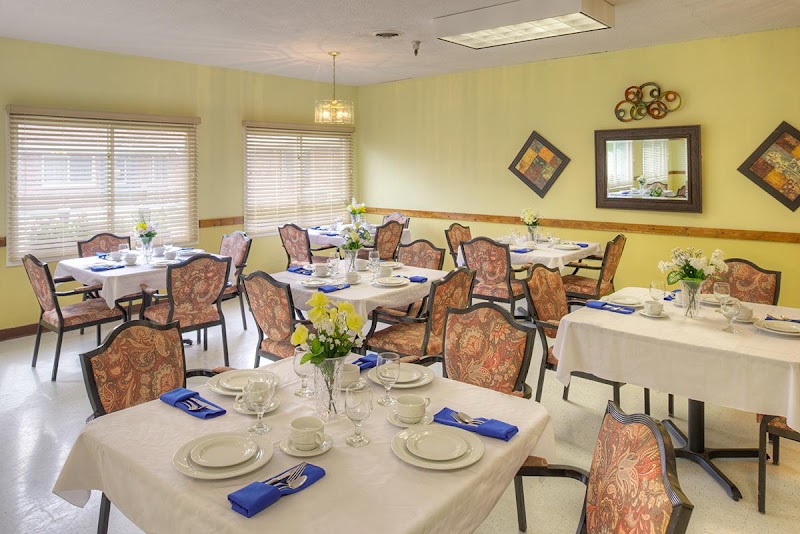
How is Canfield Healthcare Center Staffed?

CMS rates CANFIELD HEALTHCARE CENTER's staffing level at 1 out of 5 stars, which is much below average compared to other nursing homes. Staff turnover is 59%, which is 13 percentage points above the Ohio average of 46%. High turnover can affect care consistency as new staff learn residents' individual needs.

What Have Inspectors Found at Canfield Healthcare Center?

State health inspectors documented 51 deficiencies at CANFIELD HEALTHCARE CENTER during 2019 to 2025. These included: 1 Immediate Jeopardy (the most serious level, indicating potential for serious harm or death), 2 that caused actual resident harm, 47 with potential for harm, and 1 minor or isolated issues. Immediate Jeopardy findings are rare and represent the most serious regulatory concerns. They require immediate corrective action.

Who Owns and Operates Canfield Healthcare Center?

CANFIELD HEALTHCARE CENTER is owned by a for-profit company. For-profit facilities operate as businesses with obligations to shareholders or private owners. The facility is operated by COMMUNICARE HEALTH, a chain that manages multiple nursing homes. With 90 certified beds and approximately 68 residents (about 76% occupancy), it is a smaller facility located in YOUNGSTOWN, Ohio.

How Does Canfield Healthcare Center Compare to Other Ohio Nursing Homes?

Compared to the 100 nursing homes in Ohio, CANFIELD HEALTHCARE CENTER's overall rating (2 stars) is below the state average of 3.2, staff turnover (59%) is significantly higher than the state average of 46%, and health inspection rating (1 stars) is much below the national benchmark.

What Should Families Ask When Visiting Canfield Healthcare Center?

Based on this facility's data, families visiting should ask: "What changes have been made since the serious inspection findings, and how are you preventing similar issues?" "What safeguards and monitoring systems are in place to protect residents from abuse or neglect?" "How do you ensure continuity of care given staff turnover, and what is your staff retention strategy?" "Can you walk me through typical staffing levels on day, evening, and night shifts?" These questions are particularly relevant given the facility's Immediate Jeopardy citations, the substantiated abuse finding on record, the facility's high staff turnover rate, and the below-average staffing rating.

Is Canfield Healthcare Center Safe?

Based on CMS inspection data, CANFIELD HEALTHCARE CENTER has documented safety concerns. The facility has 1 substantiated abuse finding (meaning confirmed case of resident harm by staff or other residents). Inspectors have issued 1 Immediate Jeopardy citation (the most serious violation level indicating risk of serious injury or death). The facility is currently on the Special Focus Facility watch list (a federal program monitoring the lowest-performing 1% of nursing homes nationwide). The facility has a 2-star overall rating and ranks #100 of 100 nursing homes in Ohio. Families considering this facility should ask detailed questions about what corrective actions have been taken since these incidents.

Do Nurses at Canfield Healthcare Center Stick Around?

Staff turnover at CANFIELD HEALTHCARE CENTER is high. At 59%, the facility is 13 percentage points above the Ohio average of 46%. High turnover means new staff may not know residents' individual needs, medications, or preferences. It can also be disorienting for residents, especially those with dementia who rely on familiar faces. Families should ask: What is causing the turnover? What retention programs are in place? How do you ensure care continuity during staff transitions?

Was Canfield Healthcare Center Ever Fined?

CANFIELD HEALTHCARE CENTER has been fined $59,072 across 2 penalty actions. This is above the Ohio average of $33,670. Fines in this range indicate compliance issues significant enough for CMS to impose meaningful financial consequences. Common causes include delayed correction of deficiencies, repeat violations, or care failures affecting resident safety. Families should ask facility leadership what changes have been made since these penalties.

Is Canfield Healthcare Center on Any Federal Watch List?

CANFIELD HEALTHCARE CENTER is currently an SFF Candidate, meaning CMS has identified it as potentially qualifying for the Special Focus Facility watch list. SFF Candidates have a history of serious deficiencies but haven't yet reached the threshold for full SFF designation. The facility is being monitored more closely — if problems continue, it may be added to the official watch list. Families should ask what the facility is doing to address the issues that led to this status.