OMNI MANOR NURSING HOME
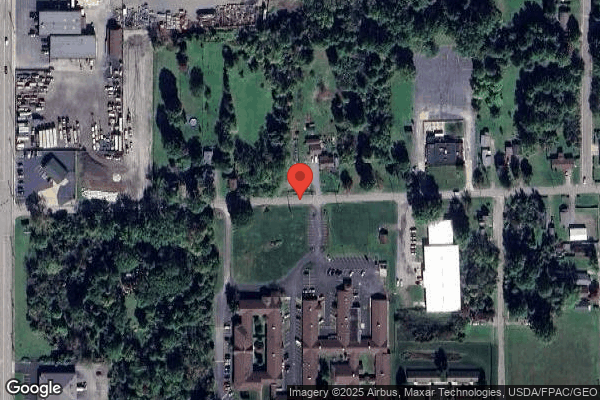

3245 VESTAL ROAD, YOUNGSTOWN, OH 44509 (330) 793-5648
For profit - Corporation 145 Beds WINDSOR HOUSE, INC. Data: November 2025
Trust Grade
45/100
#521 of 913 in OH
Last Inspection: August 2024

Within standard 12-15 month inspection cycle. Federal law requires annual inspections.

Overview

Omni Manor Nursing Home has received a Trust Grade of D, indicating below-average quality with some concerns. It ranks #521 out of 913 facilities in Ohio, placing it in the bottom half, and #18 out of 29 in Mahoning County, meaning only a few local options are better. The facility's trend is improving, with a reduction in issues from 10 in 2024 to 3 in 2025. Staffing is a notable strength, with a 4/5 star rating and a turnover rate of 33%, which is much lower than the state average. However, they face some serious concerns, including incidents where a resident fell out of bed due to inadequate assistance and another where a resident experienced urinary retention due to delayed treatment. Additionally, the kitchen cleanliness has been questioned, affecting food safety for many residents.

Trust Score
D
45/100
In Ohio
#521/913
Bottom 43%
Safety Record
Moderate
Needs review
Inspections
Getting Better
10 → 3 violations
Staff Stability
○ Average
33% turnover. Near Ohio's 48% average. Typical for the industry.
Penalties
✓ Good
$28,440 in fines. Lower than most Ohio facilities. Relatively clean record.
Skilled Nurses
⚠ Watch
Each resident gets only 24 minutes of Registered Nurse (RN) attention daily — below average for Ohio. Fewer RN minutes means fewer trained eyes watching for problems.
Violations
⚠ Watch
34 deficiencies on record. Higher than average. Multiple issues found across inspections.
★★★☆☆
3.0
Overall Rating
★★★★☆
4.0
Staff Levels
★★★★★
5.0
Care Quality
★★☆☆☆
2.0
Inspection Score
Stable
2024: 10 issues
2025: 3 issues

The Good

  • 4-Star Staffing Rating · Above-average nurse staffing levels
  • 5-Star Quality Measures · Strong clinical quality outcomes
  • Full Sprinkler Coverage · Fire safety systems throughout facility
  • No fines on record
  • Staff turnover below average (33%)

    15 points below Ohio average of 48%

Facility shows strength in staffing levels, quality measures, fire safety.

The Bad

3-Star Overall Rating

Near Ohio average (3.2)

Meets federal standards, typical of most facilities

Staff Turnover: 33%

13pts below Ohio avg (46%)

Typical for the industry

Federal Fines: $28,440

Below median ($33,413)

Moderate penalties - review what triggered them

Chain: WINDSOR HOUSE, INC.

Part of a multi-facility chain

Ask about local staffing decisions and management

The Ugly 34 deficiencies on record

2 actual harm
Aug 2025 1 deficiency
CONCERN (D) 📢 Someone Reported This

A family member, employee, or ombudsman was alarmed enough to file a formal complaint

Potential for Harm - no one hurt, but risky conditions existed

Deficiency F0628 (Tag F0628)

Could have caused harm · This affected 1 resident

**NOTE- TERMS IN BRACKETS HAVE BEEN EDITED TO PROTECT CONFIDENTIALITY** Based on record review, interview and policy review, the facility failed to ensure a safe discharge for residents requiring dura...

Read full inspector narrative →
**NOTE- TERMS IN BRACKETS HAVE BEEN EDITED TO PROTECT CONFIDENTIALITY** Based on record review, interview and policy review, the facility failed to ensure a safe discharge for residents requiring durable medical equipment including a tube feed pump. This affected one (Resident #5) of four residents reviewed for discharge. The facility census was 104. Findings include:Review of the medical record for Resident #5 revealed an admission date of 04/25/25 and a discharge date of 06/24/25. Diagnoses included need for assistance with personal care, anxiety disorder, dysphagia oropharyngeal phase, and moderate protein-calorie malnutrition. Review of the plan of care dated 04/27/25 noted Resident #5 had the potential for fluid deficit related to receiving nutrition via a gastrostomy tube (G-tube). Review of the comprehensive Minimum Data Set (MDS) 3.0 assessment dated [DATE] noted Resident #5 had intact cognition. Resident #5 received nutrition via G-tube. Review of the physician order dated 05/29/25 noted Resident #5 was receiving Fibersource (tube feeding supplement) 1.2 continuous at 65 milliliters (ml) per hour. Review of the discharge order/summary dated 06/21/25 noted Resident #5 was to receive Fiber source 1.2 at 65 ml with auto flush of 30 ml every hour. The discharge summary did not indicate Resident #5 would be bolus feeding herself until a tube feed pump was available. The summary indicated no other instructions related to tube feeding or the tube feeding pump. Review of the nursing progress note dated 06/23/25 at 4:15 P.M. noted Resident #5 had received extensive training on preparing and administering medications via G-tube. Resident #5 received education on working the tube feed pump including how to unhook and hook self and start pump. Review of the nursing progress note dated 06/24/25 at 3:22 P.M. noted staff explained to Resident #5 that the feeding supplies were not yet ordered due to insurance not returning a call. Review of the nursing progress note dated 06/26/25 at 5:28 P.M. noted calls were made to several home service agencies who did not offer home services or did not provide tube feeding supplies. The facility would still search for providers. Review of the nursing progress note dated 06/30/25 at 3:00 P.M. noted calls were made to several home service agencies who did not offer home services or did not provide tube feeding supplies. The facility would still search for providers. Resident #5's insurance sent a month's supply of feeding at that point. Review of the nursing progress note dated 07/18/25 at 3:42 P.M. noted the facility was still trying to contact a home health company to provide tube feed and supplies. Interview on 08/09/25 at 9:34 A.M., a family member stated Resident #5 was not able to receive nutrition after being discharged due to not having the pump and being nauseated from the bolus (a method of delivering liquid nutrition into the stomach through a feeding tube using a syringe or gravity) feed. Interview on 08/09/25 at 11:00 A.M., the Director of Nursing (DON) and the Administrator noted there was a slight delay in getting everything for Resident #5. The DON stated staff were going to educate Resident #5 on giving herself a bolus; but Resident #5 left the facility before the education could be provided. The Administrator stated Resident #5 was getting sick from the bolus feeds. Interview on 08/09/25 at 11:36 A.M., Licensed Practical Nurse (LPN) #201 stated she worked the day after Resident #5 was discharged and received a call from Resident #5 stated she did not have the pump. LPN #201 stated she spoke with the dietitian regarding the process for providing bolus feeds to herself. LPN #201 stated Resident #5 was educated weeks before her discharge on how to give herself a bolus feeding. LPN #201 stated the daughter came to the facility that afternoon and picked up a pump the facility provided. Interview on 08/09/25 at 12:33 P.M., Clinical Director (CD) #202 stated no one knew why Resident #5 did not receive a feeding pump upon discharge. CD#202 stated Resident #5 was given approximately 20 bags of feed when she was discharged , CD#202 did state that Resident #5 was getting nauseated from the bolus feeds. CD#202 verified the physician orders indicating Resident #5 was to receive continuous tube feeding. Review of a policy titled Discharge to Home, dated 2008, noted the facility would provide a written summary and verbal explanation of the resident's condition. This deficiency represents non-compliance investigated under Complaint Number 1357084 (OH00167209).
Apr 2025 2 deficiencies
CONCERN (D) 📢 Someone Reported This

A family member, employee, or ombudsman was alarmed enough to file a formal complaint

Potential for Harm - no one hurt, but risky conditions existed

Accident Prevention (Tag F0689)

Could have caused harm · This affected 1 resident

**NOTE- TERMS IN BRACKETS HAVE BEEN EDITED TO PROTECT CONFIDENTIALITY** Based on record review, interview and facility policy review, the facility failed to ensure a thorough investigation of Resident...

Read full inspector narrative →
**NOTE- TERMS IN BRACKETS HAVE BEEN EDITED TO PROTECT CONFIDENTIALITY** Based on record review, interview and facility policy review, the facility failed to ensure a thorough investigation of Resident #120 who claimed he hit his head on the ceiling of the van when the transport driver drove over speed bumps while on an appointment on 01/28/25. This affected one resident (#120) of three residents reviewed for accidents. The facility census was 119. Findings include: Review of the medical record for Resident #120 revealed an admission date of 01/09/25 and a discharge date of 01/31/25. Diagnoses included malnutrition, osteomyelitis (infection of the bone), muscle weakness, arthritis, kidney disease, and diabetes. Review of the comprehensive Minimum Dat Set (MDS) assessment dated [DATE] revealed Resident #120 was cognitively intact. He was independent with eating, oral hygiene, toileting and showering. Review of the health progress noted dated 01/28/15 revealed Resident #120 had an appointment with the Blood and Cancer Center. Review of the social services progress note dated 01/29/25 revealed Resident #120 reported he hit his head on the ceiling of the van while driving over speed bumps at the prior days' appointment. He also reported he had to bend far to the side, so his head did not hit the ceiling. Interview on 04/14/25 at 2:34 P.M. with Licensed Social Worker (LSW) #404 confirmed she was told by Transport Aide #393 that Resident #120 did not have much space in the facility van between his head and the ceiling, and Resident #120 hit his head during transportation to his appointment on 01/28/25. Interview on 04/14/25 at 2:38 P.M. with the Director of Nursing (DON) confirmed there was no documented evidence in the medical record that Resident #120 was assessed for injury upon hearing him hitting his head on the ceiling of the van on 01/28/25, and no investigation had been completed. He provided two witness statements, not part of the medical record, dated 01/29/25 from LSW #404 and Licensed Practical Nurse (LPN) #414 referencing the incident. LSW #404's witness statement stated, Transport Aide #393 reported that Resident #120 bumped his head while going over speed bumps. Transport Aide #393 and LSW #404 reported this to the nurse on the [NAME] Wing. LPN #414's statement stated, Resident #120 complained of pain to the right hip which is not new. Resident #120 complained of a bumpy ride to and from his appointment the prior day. No visible injuries noted per head-to-toe assessment. Neuro checks were within normal limits. (There was no documented evidence of neurological checks in the medical record. There was also no nursing progress note related to this assessment). Interview on 04/14/25 at 3:59 P.M. with Transport Aide #393 revealed she had no knowledge of Resident #120 hitting his head during transportation to his appointment on 01/28/25 until LSW #404 asked her about it on 01/29/25. Review of the facility policy titled Incident, Accident and Unusual Occurrence/Risk Management Report dated November 2024 revealed the facility would document any accidents including date, time and place of the incident, a description of the accident or incident and assess the resident. Investigation summaries would include the facts of the incident, the resident assessment, intervention by staff to reduce the chance of reoccurrence and additional interventions as necessary. This deficiency represents noncompliance investigated under Master Complaint Number OH00162169.
CONCERN (E) 📢 Someone Reported This

A family member, employee, or ombudsman was alarmed enough to file a formal complaint

Potential for Harm - no one hurt, but risky conditions existed

Deficiency F0806 (Tag F0806)

Could have caused harm · This affected multiple residents

**NOTE- TERMS IN BRACKETS HAVE BEEN EDITED TO PROTECT CONFIDENTIALITY** Based on record review, observation, interview and facility policy review, the facility failed to honor residents' preferences f...

Read full inspector narrative →
**NOTE- TERMS IN BRACKETS HAVE BEEN EDITED TO PROTECT CONFIDENTIALITY** Based on record review, observation, interview and facility policy review, the facility failed to honor residents' preferences for meals. This affected nine Residents (#41, #71, #73, #75, #77, #78, #91, #92 and #104) of ten reviewed for meal preferences. The facility census 119. Findings include: Review of the medical record for Resident #41 revealed an admission date of 06/28/22. Diagnoses included obsessive compulsive disorder, hypertension, mild intellectual disabilities and epilepsy. Review of the quarterly Minimum Data Set (MDS) assessment dated [DATE] revealed Resident #41 was severely cognitively impaired. He required partial to moderate assistance with eating. Review of the medical record for Resident #71 revealed an admission date of 08/01/20. Diagnoses included Alzheimer's disease, dementia, and depression. Review of the quarterly MDS assessment dated [DATE] revealed resident #71 was severely cognitively impaired. She required supervision or touching assistance with eating. Review of the medical record for Resident #73 revealed an admission date of 11/29/21. Diagnoses included dementia, depression, glaucoma and anemia. Review of the quarterly MDS assessment dated [DATE] revealed Resident #73 was severely cognitively impaired. He required set up assistance for eating. Review of the medical record for Resident #75 revealed an admission date of 01/30/24. Diagnoses included dementia, muscle wasting, high cholesterol and diabetes. Review of the comprehensive MDS assessment dated [DATE] revealed Resident #75 was severely cognitively impaired. He was independent in eating. Review of the medical record for Resident #77 revealed an admission date of 11/27/19. Diagnoses included schizophrenia, history of stroke, depression and urinary incontinence. Review of the quarterly MDS assessment dated [DATE] revealed Resident #77 was severely cognitively impaired. She required set up assistance for eating. Review of the medical record for Resident #78 revealed an admission date of 03/29/25. Diagnoses included muscle weakness, dementia and kidney disease. Review of the comprehensive MDS assessment dated [DATE] revealed Resident #78 was cognitively intact. Her functional abilities had not yet been fully assessed. Review of the medical record for Resident #91 revealed an admission date of 10/27/16. Diagnoses included Alzheimer's disease, diabetes, kidney failure, malnutrition and depression. Review of the comprehensive MDS assessment dated [DATE] revealed Resident #91 was severely cognitively impaired. He was totally dependent on staff for eating. Review of the medical record for Resident #92 revealed an admission date of 03/26/24. Diagnoses included depression, dysphagia, constipation and muscle weakness. Review of the comprehensive MDS assessment dated [DATE] revealed Resident #92 was cognitively intact. He required set up assistance for eating. Review of the medical record for Resident #104 revealed an admission date of 10/11/24. Diagnoses included breast cancer, muscle wasting, kidney disease and dysphagia (difficulty swallowing). Review of the quarterly MDS assessment dated [DATE] revealed Resident #104 was cognitively intact. She required set-up help for eating. Review of the tray tickets for the lunch meal on 04/14/25 revealed Resident #41 was not to receive bread, Resident #71 was to receive extra gravy, Resident #73 wanted extra gravy with meats, Resident #77 did not want gravy, Resident #91 wanted gravy on the side, and Resident #104 did not want rolls. Interviews on 04/14/25 at 10:51 A.M. with Residents #75, #78 and #92 revealed they did not always get what they ordered for meals, and meal preferences were not always honored. Observation on 04/14/25 at 11:25 A.M. revealed lunch was being served which consisted of country fried steak, gravy, potatoes with onions, creamed corn, a roll and chilled cinnamon apples. Preparation of meal service revealed, Resident #41 received a roll with his lunch, Resident #71 did not receive extra gravy with her lunch, Resident #73 did not receive extra gravy with his lunch, Resident #77 received gravy with his lunch, Resident #91 had gravy served top of her country fried steak, and Resident #104 received a roll with her lunch. Interviews at the time of the observations with [NAME] #356 confirmed the above resident preferences were not honored during the lunch service. Review of the facility policy titled Accommodating Religious, Ethnic, Cultural and Personal Preferences dated February 2023 revealed the facility would provide dietary preferences if requested. This deficiency is an incidental finding identified during the complaint investigation.
Aug 2024 8 deficiencies
CONCERN (D)

Potential for Harm - no one hurt, but risky conditions existed

Deficiency F0558 (Tag F0558)

Could have caused harm · This affected 1 resident

**NOTE- TERMS IN BRACKETS HAVE BEEN EDITED TO PROTECT CONFIDENTIALITY** Based on observation, interview and record review, the facility failed to ensure call lights were within reach. This affected tw...

Read full inspector narrative →
**NOTE- TERMS IN BRACKETS HAVE BEEN EDITED TO PROTECT CONFIDENTIALITY** Based on observation, interview and record review, the facility failed to ensure call lights were within reach. This affected two residents (#45 and #53) of five residents reviewed for call light accessibility and had the potential to affect all residents. The facility census was 121. Findings include: Review of the medical record for Resident #45 revealed an admission date of 11/12/19. Diagnoses included dementia, depression, chronic obstructive pulmonary disease (COPD) and coronary artery disease. Review of the quarterly minimum data set (MDS) assessment date 06/14/24 revealed the resident was rarely or never understood. She required substantial or maximum assistance for eating and was dependent for oral hygiene of toileting, showering and personal hygiene. Review of the care plan dated 06/14/24 revealed Resident #45 was at risk for falls due to poor safety awareness, history of putting herself on the floor, being combative with care and Alzheimer's. Interventions included therapy referrals as needed, anticipating the residents' needs and ensuring the call light was in reach. Observation on 07/29/24 at 9:31 A.M. revealed Resident #45's call light was wrapped around a plastic guard rail approximately 8 inches from the floor, and not within reach of the resident. Interview at the time of the observation with Housekeeper #146 confirmed Resident #45's call light was not in reach. Review of the medical record for Resident #53 revealed an admission date of 11/01/21. Diagnoses included Alzheimer's, muscle weakness, anemia, depression and difficulty swallowing. Review of the comprehensive MDS assessment dated [DATE] revealed Resident #53 was severely cognitively impaired. She was required partial to moderate assistance for eating and substantial or maximum assistance for toileting, showering and personal hygiene. Review of the care plan dated 05/09/24 revealed Resident #53 was at a high risk for falls due to weakness and poor safety awareness. Interventions included ensuring the call light was reach, assisting with toileting as needed and having commonly used articles within reach. Observation on 07/29/24 at 9:31 A.M. revealed Resident #53's call light was on the floor next to her bed, and not within reach. Interview at the time of the observation with Housekeeper #146 confirmed Resident #53's call light was not in reach of the resident. Review of the facility policy titled Call Light, Use Of (dated March 2024) revealed call lights would be positioned in a convenient place for the resident.
CONCERN (D)

Potential for Harm - no one hurt, but risky conditions existed

Deficiency F0569 (Tag F0569)

Could have caused harm · This affected 1 resident

Based on record review, interview, and policy review, the facility failed to refund resident funds within 30 days of discharge. This affected two residents (#373 and #374) of seven residents reviewed ...

Read full inspector narrative →
Based on record review, interview, and policy review, the facility failed to refund resident funds within 30 days of discharge. This affected two residents (#373 and #374) of seven residents reviewed for resident funds. The facility census was 121. Findings include: #1. Review of resident records for Resident #373 revealed an admission date of 10/13/22 and a discharge date of 09/01/23. A review of the Document titled; Choice of Resident Funds Disposition revealed Resident #373 authorized the facility to hold, safeguard and account for personal funds. The document was signed by Resident #373's son on 10/18/19. On 07/31/24 at 12:58 P.M. a review of resident fund balances dated 07/30/24 revealed a balance of $1485.33 for Resident #373. An interview with Bookkeeper #124 at the time of fund review verified an account balance of $1485.33 for Resident #373. Bookkeeper #124 also verified the funds were not refunded within 30 days of discharge and the account was still active. #2. Review of resident records for Resident #374 revealed an admission date of 05/07/21 and a discharge date of 06/12/24. A review of the Document titled; Choice of Resident Funds Disposition revealed Resident #374 authorized the facility to hold, safeguard and account for personal funds. The document was signed by Resident #374's daughter on 05/23/21. On 07/31/24 at 12:58 P.M. a review of resident fund balances dated 07/30/24 revealed a balance of $1790.93 for Resident #374. An interview with Bookkeeper #124 at the time of fund review verified an account balance of $1790.93 for Resident #374. Bookkeeper #124 also verified the funds were not refunded within 30 days of discharge and the account was still active. A review of the policy titled; Conveyance of Funds Upon Death (dated January 2024), revealed upon death of a resident with a personal fund deposited with the facility, the facility will convey within 30 days the resident's funds, and a final accounting of those funds.
CONCERN (D)

Potential for Harm - no one hurt, but risky conditions existed

Deficiency F0582 (Tag F0582)

Could have caused harm · This affected 1 resident

**NOTE- TERMS IN BRACKETS HAVE BEEN EDITED TO PROTECT CONFIDENTIALITY** Based on review of Notice of Medicare Non-Coverage letters and staff interview, the facility failed to provide residents forty e...

Read full inspector narrative →
**NOTE- TERMS IN BRACKETS HAVE BEEN EDITED TO PROTECT CONFIDENTIALITY** Based on review of Notice of Medicare Non-Coverage letters and staff interview, the facility failed to provide residents forty eight (48) hours' notice of their skilled services were no longer covered. This affected three residents (#97, #107 and #122) of three reviewed for liability notices. The census was 121. Findings include: 1. Review of Resident #97's medical record revealed they were admitted to the facility on [DATE]. A Notice of Medicare Non-Coverage letter revealed services were ended on 03/13/24. The time sensitive, appeal notification letter was signed by Resident #97 but dated by facility staff. Unable to verify accurate date of notification. 2. Review of Resident #107's medical record revealed they were admitted to the facility on [DATE]. A Notice of Medicare Non-Coverage letter revealed services were ended on 07/25/24. The time sensitive, appeal notification letter was signed by Resident #107 on 07/24/24, not allowing 48 hours' notice of non-coverage. 3. Review of Resident #122's medical record revealed they were admitted to the facility on [DATE]. A Notice of Medicare Non-Coverage letter revealed services were ended on 03/28/24. The time sensitive, appeal notification letter was signed by Resident #122 but dated by facility staff. Unable to verify accurate date of notification. Interview on 07/31/24 at 3:53 P.M., Bookkeeper #124 verified the letters to the residents did not provide forty eight hours' notice of non-coverage.
CONCERN (E)

Potential for Harm - no one hurt, but risky conditions existed

Menu Adequacy (Tag F0803)

Could have caused harm · This affected multiple residents

Based on record reviews,resident council minute review, interviews and observations the facility failed to follow the menu. This affected 15 of 119 residents (#3, #5, #7, #28, #30, #38, #41, #42, #50,...

Read full inspector narrative →
Based on record reviews,resident council minute review, interviews and observations the facility failed to follow the menu. This affected 15 of 119 residents (#3, #5, #7, #28, #30, #38, #41, #42, #50, #71, #75, #95, #99, #113 and #118) who received meals from the kitchen. There were two residents (#29 and #37) who received nothing by mouth. The census was 121. Findings include: Review of the dinner menu on 07/30/24 revealed sloppy joes, sweet potato waffle fries and corn were on the menu for dinner. The alternate to the main entree was a hot ham and cheese sandwich and mashed potatoes. Observation on 07/30/24 from 4:10 P.M. to 6:00 P.M. revealed the facility ran out of sloppy joes and sweet potato waffle fries during dinner service for 16 residents. They used the four remaining hot ham and cheese sandwiches and mashed potatoes, the alternate, to replace four of them. They used peanut butter and jelly sandwiches for the remaining 12. At the time of the observation, Food Service Director #168 verified the facility did not calculate the proper amount of food needed. The Registered Dietitian (RD) #222 and Corporate RD (#301) were present and told them to use peanut butter and jelly sandwiches. 1. Review of the medical record for Resident #3 revealed an admission date of 04/12/23. Diagnoses included pressure ulcer of sacral region, dementia and chronic obstructive pulmonary disorder. Resident #3 was on a regular, no added salt diet. 2. Review of the medical record for Resident #5 revealed an admission date of 11/19/21. Diagnoses included type two diabetes mellitus, chronic atrial fibrillation and muscle weakness. Resident #5 was on mechanical soft diet. 3. Review of the medical record for Resident #7 revealed an admission date of 06/13/20. Diagnoses included multiple sclerosis, muscle wasting and atrophy and anxiety disorder. Resident #7 was on a regular, no added salt diet. 4. Review of the medical record for Resident #28 revealed an admission date of 01/29/16. Diagnoses included type one diabetes mellitus, essential hypertension and epilepsy. Resident #28 was on a regular diet. 5. Review of the medical record for Resident #30 revealed an admission date of 01/27/23. Diagnoses included multiple sclerosis, dysphagia and muscle weakness. Resident #30 was on a regular diet. Interview on 07/31/24 at 10:14 A.M. with Resident #30 revealed the did not receive a sloppy joe on 07/30/24. She stated it happened regularly where they do not get what the menu says. She stated They give you what they have. It can be cold too. 6. Review of the medical record for Resident #38 revealed an admission date of 03/25/22. Diagnoses included neurocognitive disorder, schizoaffective disorder and contracture of right hand. Resident #38 was on a mechanical soft with pureed meats. The resident did not receive the sweet potato waffle fries. 7. Review of the medical record for Resident #41 revealed an admission date of 05/31/24. Diagnoses included rhabomyolysis, type two diabetes mellitus and hyperlipidemia. Resident #41 was on a regular diet. 8. Review of the medical record for Resident #42 revealed an admission date of 04/26/23. Diagnoses included encephalopathy, mild cognitive impairment and type two diabetes mellitus. Resident #42 was on a regular, no added salt diet. 9. Review of the medical record for Resident #50 revealed an admission date of 12/07/23. Diagnoses included hypertension, congestive heart failure and major depressive disorder. Resident #50 was on a regular diet. He did not receive the sweet potato waffle fries. 10. Review of the medical record for Resident #71 revealed an admission date of 08/10/20. Diagnoses included atherosclerosis of native artery, other pulmonary embolism and paranoid schizophrenia. Resident #71 was on a regular, no added salt, no concentrated sweets diet. Interview on 07/31/24 at 9:50 A.M. with Resident #71 revealed he received rice and mixed vegetables. He stated they do not always get what was on the menu. 11. Review of the medical record for Resident #75 revealed an admission date of 07/20/24. Diagnoses included major depressive disorder, essential tremor and anxiety disorder. Resident #75 was on a regular diet. 12. Review of the medical record for Resident #95 revealed an admission date of 12/02/22. Diagnoses included anemia, gastro-esophageal reflux disease and chronic kidney disease. Resident #95 was on a regular diet with mechanical soft texture. 13. Review of the medical record for Resident #99 revealed an admission date of 05/24/24. Diagnoses included Alzheimer's Disease, muscle wasting and atrophy and dysphagia. Resident #99 was on a regular diet. 14. Review of the medical record for Resident #113 revealed an admission date of 11/22/23. Diagnoses included hypertensive chronic kidney disease, irritable bowel syndrome and mild cognitive impairment. Resident #113 was on a mechanical soft diet. 15. Review of the medical record for Resident #118 revealed an admission date of 05/31/24. Diagnoses included cellulitis, hyperlipidemia and adult failure to thrive. Resident #118 was on a regular diet. Interview on 07/31/24 at 12:20 P.M. with CRD #301 revealed the manager orders and calculates food needs. Review of the Resident Council notes from August 2023 through July 2024 revealed comments about food not matching what the menus states.
CONCERN (E) 📢 Someone Reported This

A family member, employee, or ombudsman was alarmed enough to file a formal complaint

Potential for Harm - no one hurt, but risky conditions existed

Deficiency F0804 (Tag F0804)

Could have caused harm · This affected multiple residents

Based on record reviews, interviews and observations the facility failed to provide food that was served at a palatable temperature. This had the potential to affect 119 residents as two residents (#2...

Read full inspector narrative →
Based on record reviews, interviews and observations the facility failed to provide food that was served at a palatable temperature. This had the potential to affect 119 residents as two residents (#29 and #37) received nothing by mouth. The census was 121. Findings include: Interviews on 07/29/24 during the screening process of the annual survey with Resident #45, Resident #48, Resident #55, Resident #71, Resident #74 and Resident # 422 revealed concerns with temperature of the food stating it was often cold. Observation of trayline on 07/30/24 from 4:10 P.M. through 6:00 P.M. revealed staff were not utilizing bases for hot pellets until questioned by surveyor. Interview at 4:12 P.M. with Food Service Manager #168 revealed they did not use those. The staff did use them for tray line at the time however they ran out of bases for the following: North Unit-11 residents, East Unit-12 residents and South Unit-16 residents. The same cart for South Unit also ran out of hot pellets for 16 residents. Observation of the test tray on 07/31/24 revealed it was delivered to the South unit at 12:15 P.M. Registered Dietitian (RD) # 222 and Corporate RD (CRD) #301 were present to test the temperatures. Observation of RD #222 taking the temperatures revealed the sauerkraut was 127 degrees Fahrenheit and the milk was 55 degrees Fahrenheit. Both RD #222 and CRD #301 verified the temperatures. Review of the Resident Council notes from August 2023 through July 2024 revealed comments about food being cold, inconsistent, lacking quality and not matching what the menus states. Review of the facility policy titled Preparing Cold Foods, (dated 03/14/23) revealed safe service cold food must be 41 degrees Fahrenheit or below. Review of the facility policy titled Preparing Hot Foods, (dated 03/14/23) revealed safe service cold food, vegetables must be at least 140 degrees Fahrenheit. This deficiency represents non-compliance investigated under Complaint Number OH00155823.
CONCERN (F)

Potential for Harm - no one hurt, but risky conditions existed

Food Safety (Tag F0812)

Could have caused harm · This affected most or all residents

Based on observation, interview and policy review the facility failed to ensure the kitchen area was maintained in a clean and sanitary manner and that all food was labeled, dated and stored properly....

Read full inspector narrative →
Based on observation, interview and policy review the facility failed to ensure the kitchen area was maintained in a clean and sanitary manner and that all food was labeled, dated and stored properly. This had the potential to affect 119 residents receiving food from the kitchen. There were two residents identified as receiving nothing by mouth (#29 and #37). The facility census was 121. Findings include: During the initial kitchen tour conducted on 07/29/24 at 9:15 A.M. the following was observed and verified with Dietary Supervisor #168. 1. Drawer one of the right three drawer utensil cabinet for clean utensils storage had visible dirt and grease in it. 2. Drawer three of the left three drawer cabinet contained an open container of chicken stock. The chicken stock was unlabeled as to when it was opened. There was also an open, one pound bag of country gravy mix. The bag of gravy mix was one quarter full and unlabeled as to when it was opened. 3. In the dry storage area there was a one- and one-half pound bag of crispy onions. The bag was one quarter full, opened and undated. 4. In the standup refrigerator located by the door there was a one liter opened bottle of water identified as belonging to a staff member. 5. Ceiling fan noted with heavy buildup of black debris. DS #168 stated the fan worked and they used it. DS #168 turned the fan on, and debris came flying off the fan as the blades were spinning. A review of the policy titled; Storage: Food, Equipment and Utensils (dated February 2019) revealed food, equipment and utensils must be stored in a clean and dry location. The policy also stated all food will be labeled and dated.
CONCERN (F)

Potential for Harm - no one hurt, but risky conditions existed

Garbage Disposal (Tag F0814)

Could have caused harm · This affected most or all residents

Based on observation and staff interview, the facility failed to ensure its refuse area was maintained in a clean and sanitary condition. This had the potential to affect all residents. The facility c...

Read full inspector narrative →
Based on observation and staff interview, the facility failed to ensure its refuse area was maintained in a clean and sanitary condition. This had the potential to affect all residents. The facility census was 121. Findings include: Observation of the outside kitchen area with Dietary Supervisor (DS) #168 on 07/29/24 at 9:15 A.M. revealed numerous items of debris including Styrofoam cups, plastic wear and other numerous refuse items around the door where garbage was taken out of the kitchen. A grey cart with wheels had bagged garbage in it that was uncovered. There were grey lids for the cart located in the area. The large dumpster for garbage was overflowing with bagged garbage. The lid for the large dumpster was unable to be closed. DS #168 verified the aforementioned findings at the time of the observation. Interview on 07/29/24 with DS #168 during the observation, revealed the garbage in the small grey bin was not taken to the large dumpster because it was overflowing and there was no room for current garbage to be placed. DS #168 stated the large dumpster was often full. Interview on 07/29/24 at 11:00 A.M. with Regional Administrator (RA) #300 revealed the large garbage dumpster is emptied five times weekly. RA #300 stated the large dumpster is not emptied on the weekends and is picked up mid-morning on Mondays. RA #300 verified there were lids for the gray garbage carts that should be used to keep the carts covered in the event the large dumpster is full.
MINOR (C)

Minor Issue - procedural, no safety impact

Staffing Information (Tag F0732)

Minor procedural issue · This affected most or all residents

Based on observation and staff interview, the facility failed to ensure posted nursing staff information was updated in a timely manner. This had the potential to affect all residents. The facility ce...

Read full inspector narrative →
Based on observation and staff interview, the facility failed to ensure posted nursing staff information was updated in a timely manner. This had the potential to affect all residents. The facility census was 121. Findings include: Observation of the posted nursing staff information on 07/29/24 at 7:52 A.M. revealed the posted nursing staff information was dated 07/26/24. Interview on 07/29/24 at 9:34 A.M. with the Director of Nursing (DON) confirmed the posted staffing information had not been updated since 07/26/24. Observation of the posted staffing information on 07/31/24 at 8:20 A.M. revealed the posted staffing information was dated 07/30/24. Interview on 07/31/24 at 9:33 A.M. with the DON confirmed the posted staffing information had not been updated.
Jun 2024 2 deficiencies
CONCERN (D) 📢 Someone Reported This

A family member, employee, or ombudsman was alarmed enough to file a formal complaint

Potential for Harm - no one hurt, but risky conditions existed

Quality of Care (Tag F0684)

Could have caused harm · This affected 1 resident

**NOTE- TERMS IN BRACKETS HAVE BEEN EDITED TO PROTECT CONFIDENTIALITY** Based on closed medical record review and staff interview the facility failed to ensure wound care was completed as ordered. Thi...

Read full inspector narrative →
**NOTE- TERMS IN BRACKETS HAVE BEEN EDITED TO PROTECT CONFIDENTIALITY** Based on closed medical record review and staff interview the facility failed to ensure wound care was completed as ordered. This affected one resident (Resident #150) of three residents reviewed for wound care. The census was 117. Findings include: Review of Resident #150's closed medical record revealed an admission date of 04/21/23 with the diagnoses of antineutrophilic cytoplasmic antibody vasculitis (a rare autoimmune disorder that causes inflammation of the blood vessels), calculus of the kidney, and an abnormal electrocardiogram (test to detect heart rhythm). Review of Resident #150's care plan dated 05/03/23 revealed interventions to include administration of medications and treatments as ordered. Review of the resident's Quarterly Minimum Data Set (MDS) dated [DATE] revealed intact cognition and the presence of skin tears. Review of the skin assessments revealed the resident had a skin tear to the back of her right hand. Review of the physician orders for Resident #150 revealed an order for wound care beginning on 09/29/23 to cleanse the area to the back of the right hand, apply betadine and Cuticerin (a brand of gauze used for superficial wounds) and cover with an ABD (large gauze pad) and kerlix (gauze wrap) until resolved every day shift. Review of the treatment administration record for October 2023 revealed no evidence of documentation for the above wound care on 10/02/23, 10/10/23, and 10/11/23. An interview with the Registered Nurse #501 on 05/09/24 at 2:03 P.M. verified there was no evidence Resident #150's wound care was completed per orders on 10/02/23, 10/10/23 and 10/11/23. This deficiency represents non-compliance investigated under Complaint Number OH00153046.
CONCERN (D) 📢 Someone Reported This

A family member, employee, or ombudsman was alarmed enough to file a formal complaint

Potential for Harm - no one hurt, but risky conditions existed

Medical Records (Tag F0842)

Could have caused harm · This affected 1 resident

Based on record review and interviews the facility failed to ensure wound care was documented as ordered. This affected two residents (Resident #61 and #101) of three residents reviewed for wound care...

Read full inspector narrative →
Based on record review and interviews the facility failed to ensure wound care was documented as ordered. This affected two residents (Resident #61 and #101) of three residents reviewed for wound care. The facility census was 117. Findings Include: 1. Medical record review for Resident #61 revealed an admission date of 04/17/23. Resident #61's current diagnoses include congestive heart failure, cerebral infarction (stroke), myocardial infarction (heart attack), neuromuscular dysfunction of the bladder, colostomy, chronic obstructive pulmonary disease, and chronic kidney disease. Review of the 04/02/24 Minimum Data Set (MDS) revealed Resident #61 to be cognitively intact. Review of Resident #61's physician orders revealed an order dated 02/13/24 through 04/23/24 for the sacrum to be cleansed with normal saline, apply drawtec (a dressing that promotes moist wound healing) in a single layer and cover with coversite plus (a waterproof composite dressing that can replace gauze and tape) every shift. A new treatment order was written and completed from 04/24/24 through 04/30/24. Review of the corresponding treatment administration record (TAR) for February 2024 through April 2024 revealed no documentation the treatment was completed on day shift the following dates: 03/02/24, 03/08/24, 03/16/24, 03/23/24, 03/25/24, 03/27/24, 04/02/24, 04/04/24, 04/08/24, 04/11/24, 04/12/24. Further review of the physician orders revealed an order written 04/30/24 to cleanse the sacrum with saline, apply a single layer of drawtec, and cover with coversite plus every shift. Review of the May 2024 TAR revealed the treatment was not documented as completed on day shift 05/02/24, 05/03/24, and 05/05/24 and nightshift 05/06/24. An interview with Resident #61 on 05/09/24 at 11:26 A.M. revealed wound care was performed daily as ordered. An interview with Registered Nurse #501 on 05/09/24 at 2:03 P.M. verified the the treatments/wound care were not documented on the dates indicated. 2. Medical record review for Resident #101 revealed an admission date of 04/12/23. Current diagnoses include pressure ulcer of the sacral region, neuromuscular dysfunction of the bladder, chronic respiratory failure, dementia, heart failure, mild cognitive impairment, hypertension, and chronic pain syndrome. Review of Resident #101's physician orders revealed an order dated 03/12/24 through 04/02/24 for the sacrum to be cleansed with normal saline, apply durafiber and coversite every shift. Review of the March TAR revealed no documentation the treatments were completed on 03/14/24 and 03/24/24 dayshift and on 03/28/24 night shift. Further review of the physician orders revealed an order dated 04/02/24 through 04/23/24 to cleanse the sacrum with normal saline, apply a single layer of drawtec, cover with a single 4 x 4 filling and coversite plus every shift. Review of the April 2024 TAR revealed no documentation the treatment was completed on 04/04/24, 04/05/24, 04/18/24, and 04/19/24 day shift and 04/15/24, 04/20/24 and 04/21/24 night shift. Review of the physician orders dated 04/23/24 through 04/30/24 revealed an order to cleanse the sacrum with acetic acid, apply drawtec in a single layer, 4 x 4 filling and coversite plus every shift. Review of the April 2024 TAR revealed no documentation the treatment was completed on 04/26/24. Review of the physician orders dated 04/30/24 revealed an order to cleanse the sacrum with acetic acid and apply durafiber AG (silver containing antimicrobial gelling dressing), gauze and coversite plus change every shift. Review of the May TAR revealed no evidence the treatment was documented on 05/02/24, day shift. An interview on 05/09/24 at 1:30 P.M. with Resident #101 verified the treatments were completed as scheduled. An interview with the Registered Nurse # 501 on 05/09/24 at 2:03 P.M. verified wound treatments were not documented as ordered.
Dec 2022 1 deficiency 1 Harm
SERIOUS (G) 📢 Someone Reported This

A family member, employee, or ombudsman was alarmed enough to file a formal complaint

Actual Harm - a resident was hurt due to facility failures

Accident Prevention (Tag F0689)

A resident was harmed · This affected 1 resident

**NOTE- TERMS IN BRACKETS HAVE BEEN EDITED TO PROTECT CONFIDENTIALITY** Based on observation, record review and interview the facility failed to ensure Resident #100 was provided adequate assistance a...

Read full inspector narrative →
**NOTE- TERMS IN BRACKETS HAVE BEEN EDITED TO PROTECT CONFIDENTIALITY** Based on observation, record review and interview the facility failed to ensure Resident #100 was provided adequate assistance and proper assistive devices to prevent a fall out of bed with injury. Actual Harm occurred on 12/03/22 when Resident #100, who was cognitively impaired, at risk for falls and assessed to require two staff for bed mobility sustained a fall out of bed while being provided incontinence care by one staff member (State Tested Nursing Assistant (STNA) #510). At the time of the incident, STNA #510 also failed to ensure the resident's half side rail was properly locked/in place to aide in bed mobility. The resident landed on the floor and was assessed to have a laceration to her left eye brow requiring transport to the emergency room. Resident #100 was also subsequently assessed to have a nondisplaced fracture to her left medial malleolus (ankle) and distal fibula (lower leg bone in ankle area) as a result of the fall. This affected one resident (#100) of three residents reviewed for falls. The facility census was 108. Findings include: Review of the medical record for Resident #100 revealed an admission date of 04/18/18 with diagnoses including Alzheimer's disease, osteoarthritis, and major depressive disorder. Review of the activities of daily living self-care performance deficit care plan, initiated on 04/10/19, revealed Resident #100 was at risk for falls due to her diagnoses, weakness and decreased safety awareness. This care plan indicated Resident #100 required extensive assistance from two staff for bed mobility and for incontinence care which was to be provided in bed. Resident #100 was to have the top two side rails (of the bed) up for assistance with bed mobility. Review of the Minimum Data Set (MDS) 3.0 assessments, dated 01/02/22, 04/02/22, 07/02/22, and 08/08/22 revealed Resident #100 was severely cognitively impaired and required extensive two-person physical assistance for bed mobility (turning/repositioning in bed). Review of the MDS 3.0 assessment, dated 11/07/22 revealed the resident was severely cognitively impaired and continued to be assessed to require extensive assistance from two staff for bed mobility and toilet use. The assessment also revealed Resident #100 was assessed to be always incontinent of bladder and bowel. Review of Resident #100's nursing progress note, dated 12/03/22 at 10:20 P.M. revealed the nursing assistant requested help from this nurse to get Resident #100 off the floor. The nurse indicated when she entered the room, the resident's bed was at waist height and Resident #100 was laying on the floor to the right side of the bed. Resident #100 was assessed and noted to have bleeding from a laceration on her left eyebrow. The nursing assistant told the nurse, she went to roll her over to change her and she didn't realize the bed rail on the bed wasn't locked when she rolled her over, she rolled out of the bed. This note indicated the family and physician were notified and Resident #100 was sent to the hospital for evaluation. Review of a nursing progress note, dated 12/04/22 at 7:05 A.M. revealed Resident #100 arrived back to the facility from the hospital. Resident #100 was assessed to have bruising (ecchymosis) to her left eye and her left ankle. Review of a nursing progress note, dated 12/04/22 at 1:30 P.M. revealed Resident #100's left ankle had increased swelling and pain was noted when touching or moving her left leg/foot. The physician and family were notified and an x-ray was ordered for her left ankle. Review of nursing progress note, dated 12/04/22 at 5:48 P.M. revealed Resident #100's left ankle x-ray was positive for a fracture of the ankle and distal fibula. The physician and family were notified. The physician gave an order for an orthopedic consult. Review of nursing progress note dated 12/05/22 at 12:25 P.M. for Resident #100 revealed the physician ordered Tramadol (an opioid pain medication) 50 milligrams twice a day for pain control. The progress notes for Resident #100 revealed the orthopedic physician's office was called for the consult on 12/05/22 at 3:22 P.M. and were going to call the nursing facility back with an appointment. On 12/06/22 at 1:58 P.M. Resident #100 was observed sitting in her chair in her room. The resident was noted to be only alert and oriented to herself and not interviewable. Resident #100 was observed to have a large black eye covering the left side of her face. A restorative progress note, dated 12/07/22 at 3:00 P.M. revealed Resident #100 was sent to the hospital on [DATE] after she fell from bed. Resident #100 returned to the facility (on 12/04/22) and her left eyebrow area had a 2.0 centimeter laceration which had been closed with dermabond, a medical grade glue. On 12/08/22 at 9:20 A.M. interview with the Director of Nursing (DON) and Administrator confirmed STNA #510 was providing incontinence care for Resident #100 on 12/03/22. They verified when STNA #510 turned Resident #100 to her side, the right side rail on the bed was not locked and Resident #100 rolled out of the bed onto the floor resulting in injuries. On 12/08/22 at 10:56 A.M. interview with Corporate MDS Coordinator #617 confirmed Resident 100's annual MDS 3.0 assessment and previous MDS 3.0 assessments in 2022 (01/02/22, 04/02/22, 07/02/22 and 08/08/22) indicated Resident #100 was assessed to require two person physical assistance for bed mobility. This deficiency represents non-compliance investigated under Complaint Number OH00138004.
Apr 2022 5 deficiencies 1 Harm
SERIOUS (G)

Actual Harm - a resident was hurt due to facility failures

Incontinence Care (Tag F0690)

A resident was harmed · This affected 1 resident

**NOTE- TERMS IN BRACKETS HAVE BEEN EDITED TO PROTECT CONFIDENTIALITY** Based on observation, interview, record review, and review of facility policy, the facility failed to timely complete a voiding ...

Read full inspector narrative →
**NOTE- TERMS IN BRACKETS HAVE BEEN EDITED TO PROTECT CONFIDENTIALITY** Based on observation, interview, record review, and review of facility policy, the facility failed to timely complete a voiding trial, thoroughly monitor urinary output, assess abdominal discomfort or fullness, and properly treat Resident #82's urinary retention. Due to the delay in urinary retention treatment, actual harm occurred on 04/12/22 when Resident #82's abdomen was hard and distended, she grabbed her perineal area, winced and grimaced when her perineal area was touched, had 700 cc urine output when catheterized, the catheter was attached to a drainage bag and fifteen minutes later an additional 800 cc of urine drained into the bag. On 04/13/22 at 9:56 A.M. Resident #82's indwelling catheter was draining dark red, bloody urine, blood pressure was 96/50 with a pulse of 110 and was transported and admitted to the local hospital for evaluation. This affected one resident (Resident #82) out of three residents reviewed for catheter care and services. The facility census was 109. Findings include: Review of Resident #82's medical record revealed an admission date of 03/24/22 and diagnoses included hemiplegia (paralysis) and hemiparesis (weakness) following cerebral infarction affecting the left dominant side, neuromuscular dysfunction of the bladder, and Alzheimer's disease. Review of Resident #82's care plan dated 03/24/22, revealed Resident #82 had an indwelling catheter related to urinary retention, had a possible bladder mass noted in the hospital, and would be followed by urology for a possible cystoscopy (visualize bladder using endoscope). Resident #82 would remain free from catheter related trauma and would show no signs and symptoms of urinary infection through the review date. Interventions included to monitor for signs and symptoms of discomfort on urination and frequency; monitor and document intake and output per facility policy, monitor and document for pain and discomfort due to catheter; monitor, record and report to physician for signs and symptoms of urinary tract infection including pain, burning, blood tinged urine, cloudiness, no urine output, deepening of urine color. Review of Resident #82's admission Minimum Data Set (MDS) 3.0 assessment dated [DATE] revealed Resident #82 had severe cognitive impairment and required the extensive assistance of two staff members for bed mobility and toilet use, and had total dependence of two staff members for transfers. Resident #82 had an indwelling catheter. Review of Resident #82's urology office visit and physician orders on 04/01/22 included Resident #82 was to have a voiding trial, and to remove Resident #82's catheter no later than 7:00 A.M. and the same day she would need to have a renal ultrasound and a bladder ultrasound with a post void (urine) residual. If at anytime Resident #82 was unable to urinate and became uncomfortable it was alright to reinsert the catheter. The results of the ultrasound needed to be called to Urologist #610. The physician instructions were sent with Resident #82 when she returned to the facility. If the catheter was replaced Resident #82 would need monthly catheter changes and as needed. Review of Resident #82's progress notes from 04/01/22 through 04/07/22 did not reveal a voiding trial was initiated and did not reveal Urologist #610 was contacted regarding urology office visit and physician orders written on 04/01/22. Review of Resident #82's progress notes on 04/07/22 revealed Resident #82's incontinence brief was wet. Resident #82 had a catheter and the catheter was clogged and unable to be irrigated. Licensed Practical Nurse (LPN) #602 contacted Urologist #610's office for instructions. LPN #602 was instructed to begin the voiding trial and if Resident #82 failed the voiding trial the catheter was to be reinserted, and the ultrasound of the kidney and bladder cancelled. The note stated Resident #82 was incontinent of urine at 6:45 P.M. Review of Resident #82's physician orders on 04/07/22 revealed begin voiding trial today (04/07/22) and if Resident #82 did not void within eight hours reinsert the catheter and update urology. Additional orders revealed bladder and renal ultrasound with post void residual (PVR) related to retention of urine. Please send results to Urologist #610. Review of Resident #82's progress notes on 04/08/22 at 9:45 A.M. revealed mobile x-ray arrived for the kidney and bladder ultrasound. Review of Resident #82's ultrasound of the kidney and bladder reported on 04/08/22 at 3:51 P.M. revealed the prevoid volume measured 806 cc and Resident #82 could not void (urinate). The medical record contained no evidence the ultrasound results were sent to Urologist #610. Review of Resident #82's progress notes on 04/10/22 at 5:34 P.M. revealed Resident #82 had increased altered mental status, restlessness and fidgeting over the past two days. The notes stated Resident #82 was incontinent of urine and it was foul smelling. Orders from the physician for a urinalysis and a urine culture and sensitivity. Review of Resident #82's physician orders on 04/10/22 revealed collect urine for urinalysis and culture and sensitivity via sterile intermittent catheterization one time only for altered mental status. Additional orders revealed Bactrim DS tablet (sulfamethoxazole-trimethoprim) 800-160 milligram, give one tablet via PEG (percutaneous endoscopic gastrostomy tube) tube two times a day for pending urinalysis, altered mental status, foul smelling urine for seven days, start after urinalysis was collected. Review of Resident #82's progress notes on 04/11/22 revealed several notes Resident #82's urine was unable to be obtained due to incontinence. A note at 2:14 P.M. revealed Resident #82 was straight cathed for a large amount dark amber cloudy urine and the urine was sent for a urinalysis and culture and sensitivity. Review of Resident #82's progress notes on 04/12/22 at 5:26 P.M. revealed Resident #82 appeared to be in discomfort and was grabbing her perineal area. Resident #82's abdomen was distended and hard, Resident #82 winced and grimaced when her abdomen was palpated and her urine was dark brown. Tylenol was given for pain, fluids were pushed throughout the shift through the PEG tube. A 16 french (size) catheter was inserted and an immediate return of 700 cubic centimeters (cc) of dark brown foul smelling urine returned. Fifteen minutes later after the catheter was attached to a drainage bag an additional 800 cc of urine drained into the bag. Would update urology on 04/13/22. Review of Resident #82's medical record on 04/12/22 at 8:17 P.M. revealed 500 cc of urine was obtained from the indwelling catheter drainage bag. Review of Resident #82's progress notes on 04/13/22 at 9:00 A.M. revealed Resident #82's indwelling catheter was draining dark red, bloody urine and her blood pressure was 96 (systolic) over 50 (diastolic), pulse was 110. Resident #82 was restless, alert, opened eyes, did not respond (not unusual), the physician was notified and orders were given to transport Resident #82 to the local Emergency Department. Resident #82 was transported to the Emergency Department at 9:56 A.M. Review of Resident #82's progress notes from 04/07/22 through 04/13/22 revealed documentation Resident #82 was incontinent, but there was no documentation about the amount of incontinence observed (small, moderate, large). Further review of the progress notes from 04/07/22 through 04/12/22 did not reveal documentation Resident #82's bladder was evaluated for discomfort, fullness. Review of Resident #82's progress notes from 04/08/22 through 04/13/22 (when Resident #82 was transported to the hospital) did not reveal documentation Urologist #610 was notified of the ultrasound results for her bladder and kidney. Interview on 04/27/22 at 3:28 P.M. with Licensed Practical Nurse (LPN) #602 revealed on 04/07/22 an unidentified State Tested Nursing Assistant (STNA) reported to her Resident #82's incontinence brief was wet and she had an indwelling catheter. LPN #602 stated an attempt to irrigate Resident #82's catheter was unsuccessful, the catheter was clogged and removed, and she received physician orders to start a voiding trial. LPN #602 indicated Resident #82 was incontinent of a significant amount of urine after the catheter was removed and an indwelling catheter was not re-inserted. LPN #602 stated Resident #82 was incontinent over the next few days, her urine was foul smelling, a darker color in her incontinence brief, she notified the physician and received orders on 04/10/22 for a urinalysis and culture and sensitivity. LPN #602 indicated it was the end of her shift and she passed on to the night shift nurse the need to obtain Resident #82's urine for urinalysis and culture and sensitivity. The night shift nurse did not collect the specimen and the day shift nurse on 04/11/22 collected the specimen. LPN #602 stated on 04/12/22 an unidentified STNA told her Resident #82's urine was foul smelling, and a dark color when she changed the incontinence brief, and when Resident #82 was evaluated her abdomen was distended and firm. LPN #602 stated she called the physician and received orders to insert a catheter and if there was greater than 240 cc urine, leave the catheter in. LPN #602 stated she catheterized Resident #82, had a return of 700 cc of urine, attached a drainage bag, and Resident #82 drainage bag had another 800 cc of urine in it 15 minutes later. LPN #602 indicated the results of Resident #82's urinalysis and culture and sensitivity had not been reported yet, and the Bactrim was not started until 04/11/22, after the urine was collected for the culture and sensitivity. LPN #602 stated Resident #82 was incontinent of urine since 04/07/22 when the catheter was removed. Interview on 04/27/22 at 4:02 P.M. with LPN #602 revealed the results of Resident #82's ultrasound of her bladder and kidney should have been forwarded to Urologist #610, and she did not know if that had been done. LPN #602 indicated on 04/13/22 Resident #82's urine was very dark and bloody, she notified the physician and Resident #82 was transported to the local hospital Emergency Department. Interview on 04/28/22 at 11:47 A.M. with Family Member (FM) #611 revealed Urologist #610 was Resident #82's urology physician. Interview on 04/28/22 at 2:10 P.M. with the Administrator, Director of Nursing, Assistant Director of Nursing (ADON) #514, and Corporate Quality Assurance Nurse (CQAN) #612 revealed Resident #82 was incontinent of urine from 04/07/22 through 04/12/22 when the indwelling catheter was inserted. CQAN #612 stated Resident #82's urine collection for urinalysis and culture and sensitivity was unable to be obtained until 04/11/22 because she was incontinent. CQAN #612 stated Bactrim was started after the urine sample was collected. CQAN #612 stated Resident #82's ultrasound of bladder and kidney results should have been sent to Urologist #611 and that had not been done. Interview on 04/28/22 at 3:09 P.M. with ADON #514 revealed Resident #82's orders from Urologist #610 on 04/01/22 needed clarification because of issues with incontinence. ADON #514 stated Urologist #610 was called a couple times, but he didn't know if the calls were documented in the medical record. ADON #514 indicated Resident #82's catheter was clogged on 04/07/22 and removed. Review of the facility policy titled, Indwelling Urinary Catheter Removal For Voiding Trial, dated 01/2022, revealed the facility would follow instructions from the attending physician or urinary specialist for the voiding trials, including any orders to straight catheterize to assess for urinary retention, time between voiding for additional notification (usually between six to eight hours) and any other specific instructions such as bladder scan or bladder ultrasound. If the resident was incontinent the nursing staff would document the resident was voiding and the amount of incontinence noted. If no output or minimal output was noted with eight hours of the catheter removal the attending physician would be notified to obtain orders for a straight catheter insertion to assess for retention or to re-insert the catheter. The resident would be assessed for any complaints of pain or burning with urinary output or any discomfort in the abdominal and pelvic area and these would be reported to the physician.
CONCERN (D)

Potential for Harm - no one hurt, but risky conditions existed

Respiratory Care (Tag F0695)

Could have caused harm · This affected 1 resident

Based on observation, interview, record review, and review of the facility policy, the facility failed to ensure Resident #97's oxygen was administered per physician orders by licensed nursing staff. ...

Read full inspector narrative →
Based on observation, interview, record review, and review of the facility policy, the facility failed to ensure Resident #97's oxygen was administered per physician orders by licensed nursing staff. This affected one resident (Resident #97) out of three residents reviewed for respiratory care. Findings include: Review of Resident #97's medical record revealed an admission date of 01/26/22 and diagnoses included Alzheimer's disease, dementia, acute embolism and thrombosis of the left femoral vein. Review of Resident #97's Quarterly Minimum Data Set (MDS) 3.0 assessment, dated 04/01/22, revealed Resident #97 had severe cognitive impairment and required the extensive assistance of one person for bed mobility and toilet use, and required total dependence of two staff members for transfers. Review of Resident #97's care plan dated 04/01/22, revealed Resident #97 had altered respiratory status and difficulty breathing related to chronic infiltrates on chest x-ray. Resident #97 would have no complications related to shortness of breath through the review date. Interventions included oxygen settings for oxygen via nasal cannula at five liters per minute. Review of Resident #97's physician orders on 02/09/22 revealed to administer oxygen at five liters per nasal cannula continuously. Observation on 04/26/22 at 8:49 A.M. of Resident #97's oxygen concentrator revealed Resident #97 was not in her room, but observation of the oxygen concentrator revealed there was no tubing connected and the concentrator was on the setting of five liters per minute and the concentrator was blowing the oxygen into the air. State Tested Nursing Assistant (STNA) #538 confirmed the concentrator was blowing oxygen into the air at five liters per minute and Resident #97 was not in the room. Observation on 04/26/22 at 9:06 A.M. of Resident #97 revealed she was sitting in a wheelchair in the common area, wearing a nasal cannula with the tubing connected to a portable oxygen tank on the back of the wheelchair. The portable oxygen tank was set to deliver oxygen at three liters per minute. Therapy Assistant (TA) #613 arrived to transport Resident #97 to her therapy appointment and stated Resident #97's oxygen was set at three liter per minute. Interview on 04/26/22 at 9:10 A.M. of STNA #538 revealed she disconnected Resident #97 from her oxygen concentrator in the room. STNA #538 stated she connected Resident #97's oxygen to the portable tank and turned the portable tank on to three liters per minute via nasal cannula when she assisted Resident #97 into the common area. Observation on 04/27/22 at 9:27 A.M. of Resident #97 revealed she was sitting in a wheelchair in the common area with a portable oxygen tank on the back of the wheelchair. The oxygen was administered to Resident #97 at a rate of five liters per minute via nasal cannula. Observation of State Tested Nursing Assistant (STNA)'s #538 and STNA #530 revealed they transported Resident #97 from the common area to her room and used a mechanical lift to transfer her from the wheelchair to her bed. STNA #538 disconnected the oxygen tubing from the portable tank, handed the disconnected tubing to STNA #530 and STNA #530 placed the tubing in Resident #97's lap for the transfer. After the transfer was completed and Resident #97 was in her bed, STNA #530 took the oxygen tubing and connected it to the oxygen concentrator in the room, the oxygen concentrator was set at five liters per nasal cannula. Review of facility policy titled, Oxygen Administration, dated 01/2019, revealed to check physician orders for liter flow and method of administration. Oxygen was considered a medication and oxygen administration including application, setting liter flow, switching to portable oxygen was only done by a licensed nurse.
CONCERN (E)

Potential for Harm - no one hurt, but risky conditions existed

Safe Environment (Tag F0921)

Could have caused harm · This affected multiple residents

**NOTE- TERMS IN BRACKETS HAVE BEEN EDITED TO PROTECT CONFIDENTIALITY** Based on observation, interview, and record review, the facility failed to ensure Resident #2, Resident #32, Resident #37, Resid...

Read full inspector narrative →
**NOTE- TERMS IN BRACKETS HAVE BEEN EDITED TO PROTECT CONFIDENTIALITY** Based on observation, interview, and record review, the facility failed to ensure Resident #2, Resident #32, Resident #37, Resident #39, Resident #65, Resident #68, and Resident #85 bathrooms were in good repair. This affected 7 residents (Resident #2, Resident #32, Resident #37, Resident #39, Resident #65, Resident #68, and Resident #85) of seven residents oberved for environment. Findings include: Observation on 04/26/22 at 8:47 A.M. revealed the bathroom sink faucet was observed to be leaking in the jack and [NAME] bathroom in between Residents #2, #65, and #68. Interview during the observation with Resident #2 confirmed the faucet has been leaking for a long time. Observation on 04/26/22 at 8:48 A.M. revealed the toilet seat in the jack and [NAME] bathroom for Residents #32, #37, #39, and #85 was broken off the toilet. The seat was slid to the right and half covering the opening of the toilet. Interview and observation on 04/28/22 at 8:47 A.M. with Housekeeper #462 confirmed the broken toilet seat for Residents #32, #37, #39, and #85. She revealed she notified maintenance on 04/21/22. Housekeeper #462 also confirmed the bathroom faucet for Residents #2, #65, and #68 was leaking. She reported she was unaware the faucet was leaking. Interview on 04/28/22 at 9:09 A.M. with Maintenance #408 revealed he was unaware of the maintenance issues for those two restrooms. He reported there was a maintenance log on each unit and every morning the maintenance staff checks the logs for repair requests. Observation on 04/28/22 at 9:17 A.M. revealed the maintenance repair sheet on the east wing at the nurse's station had nothing written on it. Interview at the time of the observation with State Tested Nursing Assistant (STNA) #534 confirmed there was nothing written on the repair request form.
CONCERN (F)

Potential for Harm - no one hurt, but risky conditions existed

Deficiency F0761 (Tag F0761)

Could have caused harm · This affected most or all residents

Based on observation, interview, and facility policy review, the facility failed to ensure medication carts and medication storage areas did not contain expired medications and failed to ensure insuli...

Read full inspector narrative →
Based on observation, interview, and facility policy review, the facility failed to ensure medication carts and medication storage areas did not contain expired medications and failed to ensure insulin pens were labeled with the date opened. This affected 13 residents (Resident #6, #33, #37, #46, #50, #62, #65, #83, #88, #90, #91, #106, and #113) and had the potential to affect all 109 residents residing in the facility. Findings include: 1. Observation on 04/27/22 at 8:18 A.M. of the medication cart on the South wing revealed the following findings: • Lantus Solostar 100 units per milliliter (u/ml) insulin pen for Resident #91 was not marked with the date opened. • Lispro 100 u/ml insulin pen for Resident #62 was not marked with the date opened. • Lantus 100 u/ml vial for Resident #62 was not marked with the date opened. • Haloperidol oral solution 2 milligrams per milliliter (mg/ml) for Resident #106 was not marked with the date opened. Interview with Registered Nurse (RN) #420 on 04/27/22 at 8:30 A.M. during observation of medication cart for the South wing verified the above medications were not properly labeled. 2. Observation on 04/28/22 at 8:32 A.M. of the medication cart on the North wing revealed the following findings: • Lantus Solostar 100 u/ml insulin pen for Resident #46 was not marked with the date opened. • A bottle of Artificial Tears one drop (gtt) in both eyes three times a day for Resident #46 expired 11/2021. • Basaglar 100 u/ml insulin pen for Resident #83 was not marked with the date opened. • A bottle of Milk of Magnesia for resident #50 expired 11/2021. Observation of the medication storage room on the North wing on 04/28/22 at 8:45 A.M. revealed the following finding: • Polyethylene Glycol 3350 dissolve 17 grams (gm) in 4 to 8 ounces (oz) of water daily for Resident #88 expired 01/2022. Interview on 04/28/22 at 9:05 A.M. during the observation of medication storage on the North wing with Licensed Practical Nurse (LPN) #434 verified the above medications were either expired or not labeled properly. 3. Observation on 04/28/22 at 9:17 A.M. of the medication storage room refrigerator on the South wing revealed the following findings: • Bisacodyl 10 mg suppositories, five total in the bag, for Resident #90 expired on 03/12/22. • Bisacodyl 10 mg suppositories, three total in the bag, for Resident #33 expired on 10/20/20. • Facility stock Acetaminophen 650 mg suppositories, two total in the bag, expired on 01/29/22. Interview on 04/28/22 at 9:27 A.M. with RN #420 during the observation of the South wing medication storage refrigerator verified the above medications were expired. 4. Observation on 04/28/22 at 2:57 P.M. of the medication cart on the East wing revealed the following findings: • Lispro 100 u/ml insulin pen for Resident #37 was not marked with the date opened. • Lispro 100 u/ml insulin pen for Resident #113 was not marked with the date opened. • Ondansetron HCL 4 mg tablets for Resident #6 expired on 03/23/22. • Senna-tabs 8.6 mg for Resident #65 expired on 12/21/21. Observation on 04/28/22 at 3:09 P.M. of the medication storage refrigerator on the East wing revealed the following finding: • A vial of Tuberculin solution 5 u/0.1 ml was not labeled with the date opened. Interview on 04/28/22 at 3:10 P.M. with LPN #700 during the observation of the medication cart and medication storage refrigerator on the East wing verified the above medications were either expired or not labeled properly. Review of the facility policy titled, Medication Administration, dated 11/2021, revealed when first opening a multi-dose vial of medications, including vaccines, the bottle would be initialed and dated. Multi-does medication pens would be initialed and dated when first opened. Manufacturer instructions would be followed for expiration dates of the medications. Review of the facility policy titled, Medication Storage Policy, dated 11/2015, revealed expired, deteriorated, or contaminated medications would be disposed of properly.
CONCERN (F)

Potential for Harm - no one hurt, but risky conditions existed

Deficiency F0886 (Tag F0886)

Could have caused harm · This affected most or all residents

**NOTE- TERMS IN BRACKETS HAVE BEEN EDITED TO PROTECT CONFIDENTIALITY** Based on observation, interview, and record review, the facility failed to test Resident #9 who was displaying signs and symptom...

Read full inspector narrative →
**NOTE- TERMS IN BRACKETS HAVE BEEN EDITED TO PROTECT CONFIDENTIALITY** Based on observation, interview, and record review, the facility failed to test Resident #9 who was displaying signs and symptoms of COVID-19. This had the potential to affect all 109 residents residing in the facility. Findings include: Review of medical record for Resident #9 revealed an admission date of 02/29/20 with diagnoses including chronic respiratory failure with hypoxia, hypertension, and gastroesophageal reflux disease. Review of quarterly Minimum Data Set assessment dated [DATE] for Resident #9, revealed he had moderate cognitive impairment. Resident #9 required extensive two-person physical assistance for bed mobility, extensive one-person physical assistance for dressing, toileting, and personal hygiene, and supervision set up help only for eating. Resident #9 had an indwelling catheter for urine and was always incontinent of bowel. Review of nursing progress note dated 04/23/22, revealed Resident #9 had an increased temperature of 99 degrees Fahrenheit, his heart rate was increased at 103 beats per minute, and his oxygen level was 77%. Resident #9 was also complaining of shivering. He was administered Tylenol and the physician was notified. Review of nursing progress note for Resident #9 dated 04/24/22, revealed he had a low-grade temperature of 99 degrees Fahrenheit. The physician was notified with orders for a urine culture and sensitivity and an antibiotic. Observation on 04/25/22 at 9:44 P.M. revealed Resident #9 lying in bed shivering with a moist cough. Interview on 04/27/22 at 8:47 A.M. with Resident #9 revealed he did have a runny nose and cough. The resident reported it had been going on for a few days, but he had stopped shivering. Interview on 04/27/22 at 11:20 A.M. with Registered Nurse (RN) #426 confirmed Resident #9 did have a low-grade fever and cough but was found to have a urinary tract infection. She confirmed he was not COVID-19 tested. Interview on 04/27/22 at 5:00 P.M. with RN #514 confirmed Resident #9 was not COVID-19 tested despite displaying symptoms. Review of facility policy titled, COVID-19 preventative measures and management protocol for Ohio, revised 03/14/22, revealed immediate droplet plus isolation for any resident with symptoms that may be COVID-19 related in an area designated for symptom related isolation or in their own room, preferably alone with the door closed. Symptoms may include decrease in pulse oxygen reading from baseline, low BP, increased temp of 100.0 or above, (two temperature increases 99 degrees), increased pulse rate from baseline, GI symptoms, cough, shortness of breath, changes in neuro status, loss of taste/smell, headache, lethargy, body aches. A COVID-19 RT-PCR or POC antigen test would be obtained when symptoms develop.
Apr 2019 15 deficiencies
CONCERN (D)

Potential for Harm - no one hurt, but risky conditions existed

Deficiency F0567 (Tag F0567)

Could have caused harm · This affected 1 resident

**NOTE- TERMS IN BRACKETS HAVE BEEN EDITED TO PROTECT CONFIDENTIALITY** Based on record review and interview the facility did not ensure a witness signature was obtained on an authorization to manage ...

Read full inspector narrative →
**NOTE- TERMS IN BRACKETS HAVE BEEN EDITED TO PROTECT CONFIDENTIALITY** Based on record review and interview the facility did not ensure a witness signature was obtained on an authorization to manage personal funds in the facility for Resident #6. This affected one of five residents reviewed for personal funds. The facility census was 115. Findings include: Record review was conducted for Resident #6 who was admitted to the facility on [DATE] with diagnoses that included cerebral palsy and unspecified intellectual disabilities. The Minimum Data Set (MDS) assessment dated [DATE] revealed he was severely impaired for cognitive skills for decision making, was unable to complete the resident interview for cognition and was totally dependent on staff for transfers, eating, toileting and hygiene. Resident #6's brother was listed as his Power of Attorney (POA) over his financial and clinical care. Review of the facility document titled, Trust Transaction History, dated 01/03/19 to 03/31/19 revealed Resident #6's financial liability was being paid to the facility from the income source listed as social security. Review of the facility document titled, Choice of Resident Funds Disposition, revealed an authorizing signature from Resident #6's brother dated 05/16/18 for the facility to manage the personal funds for Resident #6. The witness signature line on this form was blank. Interview was conducted on 04/23/19 at 3:10 P.M. with Bookkeeper #349 who verified they should have had a witness sign the form. Bookkeeper #349 verified they had failed to obtain a witness signature.
CONCERN (D)

Potential for Harm - no one hurt, but risky conditions existed

Free from Abuse/Neglect (Tag F0600)

Could have caused harm · This affected 1 resident

**NOTE- TERMS IN BRACKETS HAVE BEEN EDITED TO PROTECT CONFIDENTIALITY** Based on record review, review of a facility self-reported incident (SRI) and associated investigation, and interviews, the faci...

Read full inspector narrative →
**NOTE- TERMS IN BRACKETS HAVE BEEN EDITED TO PROTECT CONFIDENTIALITY** Based on record review, review of a facility self-reported incident (SRI) and associated investigation, and interviews, the facility failed to ensure adequate supervision to protect Resident #27 from sexual abuse, failed to implement their action plan to protect residents from sexual abuse, and failed to ensure staff were knowledgeable regarding interventions implemented to prevent future abuse. This affected two (Residents #79 and #27) of four residents reviewed for abuse. Findings include: Review of Resident #79's medical record revealed he was admitted to the facility 10/24/17 and diagnoses included depression. A plan of care card dated 07/13/18, and updated 10/31/18, indicated Resident #79 used a power wheelchair independently. A quarterly Minimum Data Set (MDS) assessment dated [DATE] indicated Resident #79 was able to make himself understood and he understood others. Resident #79 was assessed as cognitively intact with no behavioral symptoms. Resident #79 required limited assistance with locomotion on the unit and supervision with locomotion off the unit. A Social Service note dated 02/24/19 indicated Resident #79 was found in a female resident's (not identified) room touching her breasts. The female resident was confused and did not react. Resident #79 was removed from the room and placed on 15 minute checks to ensure safety for all of the residents. A Social Service note dated 02/25/19 indicated the social worker met with Resident #79 regarding his sexually inappropriate behaviors with the female resident. Resident #79 was fully aware of touching the resident's breasts and understood he was wrong. A behavior meeting note dated 02/26/19 indicated Resident #79 was found in Resident #27's room with his hands underneath her gown touching her breasts. A care plan initiated 03/01/19 indicated Resident #79 had been sexually inappropriate with a confused female resident, having been found in her room touching her breasts. The care plan was updated (no date) with an intervention to have an orange flag placed on the electric wheelchair to monitor Resident #79's whereabouts. The order for the orange flag was not written until 03/29/19. Review of Resident #27's medical record revealed she was a female resident admitted [DATE]. Diagnoses included major depression with psychosis, stroke, dementia, and receptive aphasia (difficulty understanding written and spoken language). A quarterly MDS assessment dated [DATE] revealed Resident #27 was sometimes able to make herself understood and sometimes understood others. Resident #27 had short and long term memory problems and had severely impaired cognitive skills for daily decision making. Resident #27 required extensive assistance for locomotion on and off the unit and dressing. A psychiatrist's progress note dated 02/06/19 indicated Resident #27 was disoriented to person, place and time. The psychiatrist documented Resident #27 had poor insight, judgment and impulse control and her thought content was illogical/delusional. A nursing note dated 02/24/19 at 11:30 A.M. indicated Resident #27 was in her room and a male resident was noted to be in her room playing with her breasts as her shirt was pulled all the way up. The male resident was asked to leave the room. Review of SRI #169231 and the facility's investigation and plan of action revealed a statement by State Tested Nursing Assistant (STNA) #320 dated 02/24/16 (incorrect year) which indicated she observed Resident #79 in Resident #27's room feeling Resident #27's breast. The statement indicated Resident #79's hands were over Resident #27's shirt and that STNA #320 got the charge nurse. A copy of a nursing note by Licensed Practical Nurse (LPN) #321 dated 02/24/19 at 11:30 A.M. indicated Resident #27 was in her room and a male resident was playing with her breasts. The male resident had Resident #27's shirt pulled all the way up. The male resident was asked to leave the room. There was no evidence in the facility investigation that LPN #321 had been interviewed. A statement from an LPN (signature not legible) dated 02/25/19 indicated Resident #79 verified he had been in Resident #27's room over the weekend and he stated, I was fondling her boobs. The statement indicated Resident #79 was counseled and informed the behavior was inappropriate and he could not touch anyone in that manner. The LPN documented Resident #79 verbalized understanding and stated OK. I guess I won't do it again. The summary of the investigation indicated the facility's plan to protect residents from further potential sexual abuse by Resident #79 included interviewing other alert and oriented residents to determine if there had been any concerns with Resident #79. The investigation included interviews of five residents. There was no indication there were any assessments of confused residents to determine if there were signs of sexual abuse. The facility's summary also indicated Resident #79 would be referred to the psychiatrist for an evaluation. On 04/23/19 at 3:10 P.M., Social Services Director #314 verified only five alert and oriented residents had been interviewed regarding whether Resident #79 had exhibited any inappropriate sexual behaviors. Social Services Director #314 stated she interviewed residents who could provide truthful answers and who were familiar with Resident #79. Social Services Director #314 verified Resident #79 propelled throughout the facility in his motorized wheelchair, therefore placing other residents at potential risk. On 04/24/19 at 2:57 P.M., LPN #315 stated she was unaware why Resident #79 had an orange flag on his wheelchair until that morning. LPN #316, who was present, stated she thought it was so Resident #79 could be more easily observed if he was outdoors in his wheelchair. On 04/24/19 at 3:07 P.M., STNA #317 stated she was unsure if the use of an orange flag on Resident #79's wheelchair had a special meaning. STNA #317 stated she was unaware of any physical relationships or interactions between Resident #79 and any other residents. On 04/24/19 at 3:26 P.M., the Director of Nursing (DON) was interviewed regarding the psychiatric evaluation referred to in the SRI as no documentation was located in the medical record. The DON stated the nurse who made that notation about the incident on 02/24/19 worked for a staffing agency the facility used but she no longer worked for the agency and there was no contact information for follow-up. On 04/24/19 at 3:53 P.M., Social Services Director #314 stated the psychiatrist visited the facility twice a month. Social Services Director #314 indicated there had not been a psychiatric referral made for Resident #79 but was uncertain why it was not made. Social Services Director #314 indicated the referral would be made the week of 04/28/19 when the psychiatrist made his routine visits. On 04/24/19 at 4:28 P.M., Social Services Director #314 verified she wrote the notes from the behavior meeting conducted 02/26/19 which indicated Resident #79's hand was under Resident #27's gown touching her breasts. Social Services Director #314 stated she realized discrepancies between the accounts of what happened but that she was going by what staff told her (could not identify staff). Social Services Director #314 insisted there was only one isolated incident but was unable to explain the discrepancies in the accounts. On 04/24/19 at 4:47 P.M., LPN #306 stated the orange flag on Resident #79's wheelchair had no special purpose. LPN #306 stated she was unaware of any behaviors exhibited toward other residents by Resident #79. On 04/25/19 at 8:20 A.M., Resident #79 was interviewed about his interactions with Resident #27. Resident #79 stated he knew Resident #27 from the other side but could not explain further. Resident #79 stated Resident #27's brother used to say she was crazy and he knew she acted differently, describing Resident #27 as goofy. Resident #79 stated he was not a doctor and could not say if Resident #27 was confused. Resident #79 verified he went into Resident #27's room but stated he could not recall why. While there, Resident #27 asked him to scratch her breast and he stated that was what he was doing. Resident #79 stated he would not have classified his prior relationship with Resident #27 as a friend but that she was a jolly person and an acquaintance. Resident #79 stated Resident #27 has been nothing but trouble for him. Resident #79 reacted defensively during the interview, indicating it was done and over with and would not happen again so it should be forgotten. On 04/25/19 at 9:12 A.M., the Administrator was interviewed regarding the process he used to determine if the plans of action addressed in the SRI summary were implemented. The Administrator stated staff had multiple discussions regarding the incident and he was certain the psychiatric evaluation had been completed. The Administrator also verified more resident interviews would have provided a more complete investigation. On 04/25/19 at 11:10 A.M., the Administrator verified the psychiatrist never visited/evaluated Resident #79 after the incident, stating he was surprised it was never done because staff had discussed the issue multiple times. On 04/25/19 at 2:05 P.M., Corporate Quality Assurance (QA) nurse #303 stated although the investigation did not reveal assessment of other confused residents after Resident #79 was observed exhibiting inappropriate sexual behavior toward Resident #27, all residents had skin assessments completed on a weekly basis so they would have all been assessed within one week. On 04/26/19 at 9:33 A.M., LPN #321 was interviewed via phone. LPN #321 stated she was informed by a STNA (could not recall the name as she has only worked at the facility about three times in the past six months) that Resident #79 was observed going into Resident #27's room so she went to redirect him. LPN #321 stated she observed Resident #79 with his hands on Resident #27's bare breasts fondling them. Resident #27 was just looking at Resident #79. LPN #321 stated she redirected Resident #79 to the common area at that time. LPN #321 stated she was unaware of any other behaviors exhibited by Resident #79 and there had been no report of Resident #79 exhibiting other inappropriate behaviors with staff redirecting him from the room. Review of the facility's Resident Abuse/Prevention Practices, revised November 2016, revealed sexual abuse was defined as non-consensual sexual contact of any type with a resident. The policy revealed investigations would begin immediately after receiving a complaint of abuse. Alleged, suspected, or observed abuse of a resident were to be thoroughly investigated by the Administrator and Director of Nursing or designee. The resident would be examined for injury at the time of complaint. Written statements were to be obtained from anyone involved or witnessing the event. A plan of support for the resident would be initiated. The policy indicated in the case of resident to resident abuse it was the facility's purpose to protect all residents from harm.
CONCERN (D)

Potential for Harm - no one hurt, but risky conditions existed

Investigate Abuse (Tag F0610)

Could have caused harm · This affected 1 resident

**NOTE- TERMS IN BRACKETS HAVE BEEN EDITED TO PROTECT CONFIDENTIALITY** Based on record review, review of a facility self-reported incident (SRI) and associated investigation, and interviews, the faci...

Read full inspector narrative →
**NOTE- TERMS IN BRACKETS HAVE BEEN EDITED TO PROTECT CONFIDENTIALITY** Based on record review, review of a facility self-reported incident (SRI) and associated investigation, and interviews, the facility failed to conduct a thorough investigation into an allegation of sexual abuse, failed to implement their action plan to protect residents from sexual abuse, and failed to ensure staff were knowledgeable regarding interventions implemented to prevent future abuse. This affected two (Residents #79 and #27) of four residents reviewed for abuse. Findings include: Review of Resident #79's medical record revealed he was a male resident admitted to the facility 10/24/17. Resident #79 had a diagnosis of depression. A plan of care card dated 07/13/18, and updated 10/31/18, indicated Resident #79 used a power wheelchair independently. A quarterly Minimum Data Set (MDS) assessment dated [DATE] indicated Resident #79 was able to make himself understood and he understood others. Resident #79 was assessed as cognitively intact with no behavioral symptoms. Resident #79 required limited assistance with locomotion on the unit and supervision with locomotion off the unit. A Social Service note dated 02/24/19 indicated Resident #79 was found in a female resident's (not identified) room touching her breasts. The female resident was confused and did not react. Resident #79 was removed from the room and placed on 15 minute checks to ensure safety for all of the residents. A Social Service note dated 02/25/19 indicated the social worker met with Resident #79 regarding his sexually inappropriate behaviors with the female resident. Resident #79 was fully aware of touching the resident's breasts and understood he was wrong. A behavior meeting note dated 02/26/19 indicated Resident #79 was found in Resident #27's room with his hands underneath her gown touching her breasts. A care plan initiated 03/01/19 indicated Resident #79 had been sexually inappropriate with a confused female resident, having been found in her room touching her breasts. The care plan was updated (no date) with an intervention to have an orange flag placed on the electric wheelchair to monitor Resident #79's whereabouts. The order for the orange flag was not written until 03/29/19. Review of Resident #27's medical record revealed she was a female resident admitted [DATE]. Diagnoses included major depression with psychosis, stroke, dementia, and receptive aphasia (difficulty understanding written and spoken language). A quarterly MDS assessment dated [DATE] revealed Resident #27 was sometimes able to make herself understood and sometimes understood others. Resident #27 had short and long term memory problems and had severely impaired cognitive skills for daily decision making. Resident #27 required extensive assistance for locomotion on and off the unit and dressing. A psychiatrist's progress note dated 02/06/19 indicated Resident #27 was disoriented to person, place and time. The psychiatrist documented Resident #27 had poor insight, judgment and impulse control and her thought content was illogical/delusional. A nursing note dated 02/24/19 at 11:30 A.M. indicated Resident #27 was in her room and a male resident was noted to be in her room playing with her breasts and her shirt was pulled all the way up. The male resident was asked to leave the room. Review of the SRI, #169231, and the facility's investigation and plan of action revealed a statement by State Tested Nursing Assistant (STNA) #320 dated 02/24/16 (incorrect year) which indicated she observed Resident #79 in Resident #27's room feeling Resident #27's breast. The statement indicated Resident #79's hands were over Resident #27's shirt and that STNA #320 got the charge nurse. A copy of a nursing note by Licensed Practical Nurse (LPN) #321 dated 02/24/19 at 11:30 A.M. indicated Resident #27 was in her room with a male resident playing with her breasts. The male resident had Resident #27's shirt pulled all the way up. The male resident was asked to leave the room. There was no evidence of LPN #321 being interviewed. A statement from an LPN (signature not legible) dated 02/25/19 indicated Resident #79 verified he had been in Resident #27's room over the weekend and that he stated, I was fondling her boobs. The statement indicated Resident #79 was counseled and informed the behavior was inappropriate and he could not touch anyone in that manner. The LPN documented Resident #79 verbalized understanding and stated OK. I guess I won't do it again. The summary of the investigation indicated the facility's plan to protect residents from further potential sexual abuse by Resident #79 included interviewing other alert and oriented residents to determine if there had been any concerns with Resident #79. The investigation included interviews of five residents. There was no indication there were any assessments of confused residents to determine if there were signs of sexual abuse. The facility's summary also indicated Resident #79 would be referred to the psychiatrist for an evaluation. On 04/23/19 at 3:10 P.M., Social Services Director #314 verified only five alert and oriented residents had been interviewed regarding whether Resident #79 had exhibited any inappropriate sexual behaviors. Social Services Director #314 stated she interviewed residents who could provide truthful answers and who were familiar with Resident #79. Social Services Director #314 verified Resident #79 propelled throughout the facility in his motorized wheelchair, therefore placing other residents at potential risk. On 04/24/19 at 2:57 P.M., LPN #315 stated she was unaware why Resident #79 had an orange flag on his wheelchair until that morning. LPN #316, who was present, stated she thought it was so Resident #79 could be more easily observed if he was outdoors in his wheelchair. On 04/24/19 at 3:07 P.M., STNA #317 stated she was unsure if the use of an orange flag on Resident #79's wheelchair had a special meaning. STNA #317 stated she was unaware of any physical relationships or interactions between Resident #79 and other residents. On 04/24/19 at 3:26 P.M., the Director of Nursing (DON) was interviewed regarding the psychiatric evaluation referred to in the SRI as no documentation was located in the medical record. The DON stated the nurse who made the notation about the incident on 02/24/19 worked for a staffing agency the facility used but she no longer worked for the agency and there was no contact information. On 04/24/19 at 3:53 P.M., Social Services Director #314 stated the psychiatrist visited the facility twice a month. Social Services Director #314 indicated there had not been a psychiatric referral made for Resident #79 but was uncertain why it was not made. Social Services Director #314 indicated the referral would be made the week of 04/28/19 when the psychiatrist made his routine visits. On 04/24/19 at 4:28 P.M., Social Services Director #314 verified she wrote the notes from the behavior meeting conducted 02/26/19 which indicated Resident #79's hand was under Resident #27's gown touching her breasts. Social Services Director #314 stated she realized there were discrepancies between the accounts of what happened but that she was going by what staff told her (could not identify staff). Social Services Director #314 insisted there was only one isolated incident but was unable to explain the discrepancies in accounts. On 04/24/19 at 4:47 P.M., LPN #306 stated the orange flag on Resident #79's wheelchair had no special purpose. LPN #306 stated she was unaware of any behaviors exhibited toward other residents by Resident #79. On 04/25/19 at 8:20 A.M., Resident #79 was interviewed about his interactions with Resident #27. Resident #79 stated he knew Resident #27 from the other side but could not explain further. Resident #79 stated Resident #27's brother used to say she was crazy and he knew she acted differently, describing Resident #27 as goofy. Resident #79 stated he was not a doctor and could not say if Resident #27 was confused. Resident #79 verified he went into Resident #27's room but stated he could not recall why. While there, Resident #27 asked him to scratch her breast and stated that was what he was doing. Resident #79 stated he would not have classified his prior relationship with Resident #27 as a friend but that she was a jolly person and an acquaintance. Resident #79 stated Resident #27 has been nothing but trouble for him. Resident #79 reacted defensively during the interview, indicating it was done and over with and would not happen again so it should be forgotten. On 04/25/19 at 9:12 A.M., the Administrator was interviewed regarding the process he used to determine plans of action addressed in the SRI summary were implemented. The Administrator stated staff had multiple discussions regarding the incident and he was certain the psychiatric evaluation had been completed. The Administrator also verified more resident interviews would have provided a more complete investigation. On 04/25/19 at 11:10 A.M., the Administrator verified the psychiatrist never visited/evaluated Resident #79 after the incident, stating he was surprised it was never done because staff had discussed the issue multiple times. On 04/25/19 at 2:05 P.M., Corporate Quality Assurance (QA) nurse #303 stated although the investigation did not reveal assessment of other confused residents after Resident #79 was observed exhibiting inappropriate sexual behavior toward Resident #27 all residents had skin assessments completed on a weekly basis so they would have all been assessed within one week. On 04/26/19 at 9:33 A.M., LPN #321 was interviewed via phone. LPN #321 stated she was informed by a STNA (could not recall the name as she has only worked at the facility about three times in the past six months) that Resident #79 was observed going into Resident #27's room so she went to redirect him. LPN #321 stated she observed Resident #79 with his hands on Resident #27's bare breasts fondling them. Resident #27 was just looking at Resident #79. LPN #321 stated she redirected Resident #79 to the common area at that time. LPN #321 stated she was unaware of any other behaviors exhibited by Resident #79 and there had been no report of Resident #79 exhibiting other inappropriate behaviors with staff redirecting him from the room. Review of the facility's Resident Abuse/Prevention Practices, revised November 2016, revealed sexual abuse was defined as non-consensual sexual contact of any type with a resident. The policy revealed investigations would begin immediately after receiving a complaint of abuse. Alleged, suspected, or observed abuse of a resident were to be thoroughly investigated by the Administrator and Director of Nursing or designee. The resident would be examined for injury at the time of complaint. Written statements were to be obtained from anyone involved or witnessing the event. A plan of support for the resident would be initiated. The policy indicated in the case of resident to resident abuse it was the facility's purpose to protect all residents from harm.
CONCERN (D)

Potential for Harm - no one hurt, but risky conditions existed

Assessment Accuracy (Tag F0641)

Could have caused harm · This affected 1 resident

**NOTE- TERMS IN BRACKETS HAVE BEEN EDITED TO PROTECT CONFIDENTIALITY** Based on record review and interview, the facility failed to ensure minimum data set (MDS) assessments were correctly coded to a...

Read full inspector narrative →
**NOTE- TERMS IN BRACKETS HAVE BEEN EDITED TO PROTECT CONFIDENTIALITY** Based on record review and interview, the facility failed to ensure minimum data set (MDS) assessments were correctly coded to accurately reflect resident condition. This affected three residents (Resident #22, Resident #54 and Resident #109) of 28 residents reviewed for accurate assessments. Findings include: 1. Record review revealed Resident #54 was admitted on [DATE] with diagnoses including dementia with behavioral disturbances, Alzheimer's disease, blindness in left eye, and hypertension (high blood pressure). The medical record revealed a hospice contract was signed 05/23/18 and a physician's order dated 05/22/18 to start hospice care. A plan of care dated 05/23/18 was in place for Resident #54's hospice services, with a goal of the resident being supported to promote dignity and comfort throughout the dying process daily though 06/30/19. Review of a quarterly Minimum Data Set (MDS) assessment dated [DATE] revealed the Resident #54 was cognitively impaired but was not coded as receiving hospice services and was not coded as having a prognosis for a condition or chronic disease resulting in a life expectancy of less than six months. Interview on 04/25/19 at 1:39 P.M. with the Corporate MDS Nurse (CMN) #313 verified Resident #54's MDS dated [DATE] was coded inaccurately and did not reflect hospice services or prognosis of life expectancy of less than six months. 2. Record review was conducted for Resident #109 who was admitted to the facility on [DATE] with diagnoses including dementia and muscle wasting. The MDS assessment dated [DATE] indicated she was always continent of bladder and bowel, needed extensive assistance of one staff for toileting and had no cognitive impairment. The MDS assessment dated [DATE] indicated she was always continent of bladder and bowel and had no cognitive impairment. The plan of care with an initial date of 08/16/18 indicated she was at risk for skin breakdown due to incontinence. Review of the facility document titled, Bladder Elimination Task, from 03/27/19 to 04/02/19 revealed Resident #109 had six documented incontinence episodes. An interview was conducted on 04/25/19 at 10:55 A.M. with Resident #109 who revealed she preferred to wear a disposable undergarment because she could no longer tell when she had to urinate and could be incontinent of both bladder and bowel. An interview was conducted on 04/25/19 at 11:20 A.M. with Licensed Practical Nurse (LPN) #318 who verified Resident #109 was incontinent of bladder and bowel. An interview was conducted on 04/25/19 at 2:17 P.M. with CMN #313 who verified the MDS assessment dated [DATE] was inaccurate and verified he should have coded her as being occasionally incontinent based on the six documented incontinence episodes from 03/27/19 to 04/02/19. 3. Review of Resident #22's medical record revealed an admission date of 11/08/17 and diagnoses including edema and chronic congestive heart failure. Review of the January 2019 Medication Administration Record (MAR) revealed between 01/22/19 and 01/29/19 Resident #22 received indapamide (a diuretic/water pill medication) every day and torsemide (a diuretic medication) four days. The quarterly MDS assessment dated [DATE] indicated Resident #22 received a diuretic four days. On 04/24/19 at 12:41 P.M., the Director of Nursing (DON) was interviewed regarding the coding of the quarterly MDS for diuretic use. On 04/24/19 at 3:40 P.M., Licensed Practical Nurse (LPN) #323 provided documentation of a MDS modification, verifying the diuretic use was inaccurately coded on the 01/29/19 MDS.
CONCERN (D)

Potential for Harm - no one hurt, but risky conditions existed

Deficiency F0676 (Tag F0676)

Could have caused harm · This affected 1 resident

Based on record review and staff interview, the facility failed to provide restorative nursing services according to the care plan for Resident #22. This affected one of three residents reviewed for a...

Read full inspector narrative →
Based on record review and staff interview, the facility failed to provide restorative nursing services according to the care plan for Resident #22. This affected one of three residents reviewed for accidents. Findings include: Review of Resident #22's medical record revealed diagnoses including emphysema, polyarthritis, chronic pain and chronic obstructive pulmonary disease. A restorative plan of care revealed Resident #22 was scheduled to receive a restorative ambulation program six to seven days a week for 15 minute sessions because she was at risk for decline with ambulation due to weakness and decreased mobility related to emphysema and decreased endurance. Review of restorative delivery records for February 2019 revealed the services were not documented as provided in accordance with the plan of care. For the week of 02/03/19 through 02/09/19 Resident #22 received five days of restorative ambulation. For the week of 02/10/19 through 02/06/19 she only received three days of restorative ambulation. For the week of 02/17/19 through 02/23/19 she only received five days of restorative ambulation. The restorative ambulation program was discontinued after Resident #22 fell and sustained a left humerus (upper arm)fracture on 03/06/19. On 04/24/19 at 12:41 P.M., the Director of Nursing (DON) was interviewed regarding the restorative delivery records not reflecting the ambulation program was delivered as planned. On 04/24/19 at 4:00 P.M., Licensed Practical Nurse (LPN) #323 verified the restorative ambulation program was not provided as planned because restorative aides were pulled from their duties to replace staff providing daily care as nursing assistants as they had reported off from work. This happened on 11 of the days the restorative services were not provided to Resident #22 in February 2019.
CONCERN (D)

Potential for Harm - no one hurt, but risky conditions existed

Deficiency F0679 (Tag F0679)

Could have caused harm · This affected 1 resident

**NOTE- TERMS IN BRACKETS HAVE BEEN EDITED TO PROTECT CONFIDENTIALITY** 2. Review of Resident #97's medical record revealed an admission date of 03/17/16 with diagnoses including Alzheimer's disease, ...

Read full inspector narrative →
**NOTE- TERMS IN BRACKETS HAVE BEEN EDITED TO PROTECT CONFIDENTIALITY** 2. Review of Resident #97's medical record revealed an admission date of 03/17/16 with diagnoses including Alzheimer's disease, dysphagia (difficulty swallowing), heart failure, depression and dementia without behavioral disturbance. Review of an annual MDS assessment dated [DATE] revealed the resident was cognitively impaired. This assessment revealed music was very important, being around animals was very important, being with groups with people was somewhat important, going outside when the weather was good was very important, and it was not important to participate in religious services or practices. Review of activity documentation for Resident #97 from February 2019 through April 2019 revealed eight activities recorded for February 2019, nine activities recorded for March 2019, and three activities recorded for April 2019. Wandering through halls was marked as an activity on 02/08/19, 02/12/19, 02/19/19, 02/21/19, 02/27/19, 03/05/19, 03/11/19, 03/13/19, 03/19/19 and 03/29/19. A notation for 04/22/19 indicated partial participation with eye contact was documented regarding staff conversation with Resident #97 about pictures and the resident's shirt. A notation for 04/23/19 indicated partial participation and eye contact was documented for a balloon toss activity. Review of an undated plan of care contained a notation directing staff, when wandering, provide distractions such as snacks, conversation to decrease risk of irritating others. Review of a care plan revised 12/11/18 for impaired cognitive function related to dementia, impaired decision making and Alzheimer's disease revealed a goal of maintaining cognitive function through the review date of 07/01/19. Listed interventions included engage the resident in simple, structured activities that avoid overly demanding tasks. The care plan indicated Resident #97 preferred events with animals and music and staff were to keep the resident's routine consistent and try to provide consistent care givers as much as possible in order to decrease confusion. Review of an activities care plan dated 01/21/18 revealed activities were to be provided as documented in the preferences for customary routine interview which indicated Resident #97 loved sweets, participated in religious services, napped on and off throughout the day, enjoyed [NAME] and oldies music, watched television and enjoyed special snacks like cookies and ice cream. No revisions or updates were made to this document. Observation on 04/22/19 at 10:32 A.M. revealed Resident #97 was alone in the dining room while activities were provided in a different area of the secured unit. Resident #97 did not respond to her name or any of the surveyor's questions. She continued to self-propel her wheelchair in the dining room and at one point, was flipping up the lid of the dirty linen hamper. Observation on 04/23/19 at 10:14 A.M. revealed Resident #97 in her wheelchair by one of the exit doors of the secured unit, away from the dining and television areas of the unit. A sing-a-long activity was going on at that time. Interview on 04/24/19 at 4:14 P.M. with State Tested Nursing Assistant (STNA) #304 revealed the secured unit only provided a morning and an afternoon activity for residents. STNA #304 stated the only evening activities provided consisted of a church service on Sundays. Interview on 04/25/19 at 9:41 A.M. with STNA #308 revealed Resident #97 did not participate in activities and the secured unit only had two activities during day shift if Bingo was scheduled. Interview on 04/25/19 at 11:02 A.M. with Activity Director #312 revealed the facility required activity staff to also be STNA-trained. She said only four activity aides worked in the department in addition to herself. Activity Director #312 verified Resident #97's care plan for activities was not person centered and did not address the resident's programming needs, which included one-to-one meetings with facility staff. Activity Director #312 stated the facility was providing one-to-one activities twice a week. She said if Resident #97 started to wander, staff would not go get her or try to offer her additional activity choices. An additional interview on 04/25/19 at 3:38 P.M. with Activity Director #312 revealed only one activity staff person was present on the weekends to provide activity programming for all residents in the facility. This programming consisted of music and movies and one-to-one visits if able. Activity Director #312 said the activity staff person was also involved with serving lunch and dinner and answering call lights. She confirmed activity staff were pulled away from activities to work on the floor as a nursing assistant on a weekly basis. Review of a policy for resident activities, revised March 2013, revealed the facility provided an ongoing program of activities designed to meet the interest and physical, mental and psychosocial well-being of each resident. The resident's individual activity plan of care was to be reviewed by the activity coordinator at least quarterly and with any significant change. Individual or group activities should be planned and reviewed according to this schedule. Activities included bingo, cards, singing, exercises, crafts, discussion groups, reading groups, talking books, shopping and short excursions. Based on record review, observation and interview the facility failed to ensure Resident #44 and Resident #97 were provided activities of interest to meet their individualized needs. This affected two of two residents reviewed for activities. The facility census was 115. Findings included: 1. Record review revealed Resident #44 was admitted to the facility on [DATE] with diagnoses including stroke, legal blindness, traumatic brain injury, major depression and dementia. The Minimum Data Set (MDS) assessment dated [DATE] indicated he had severe cognitive impairment, needed extensive assistance of one to two staff for all activities of daily living. The plan of care, initiated on 11/13/17, indicated he needed assistance with all activities of daily living. An observation was conducted of Resident #44 on 04/23/19 from 11:52 A.M. to 12:33 P.M. He was initially found sitting in his wheelchair in a hallway near a common area where other residents were sitting in a group. He was approximately ten feet away from the common area and faced away from the other residents. He was wearing a soft, protective helmet on his head. At 12:00 P.M. Licensed Practical Nurse (LPN) #318 verified Resident #44 routinely sat in the hallways as he was at risk for falls and it was typical of him to sit with his head on his hands between his knees. LPN #318 indicated he was not able to participate in group activities due to his severe cognitive impairment. LPN #318 said he mostly sat in his wheelchair in common areas throughout the day except for meals and at bed time. Resident #44 was situated in the same spot during the entire observation with slight bobbing of his head noted. His eyes appeared to be closed and he did not respond to verbal stimuli. At 12:33 P.M. State Tested Nursing Assistant (STNA) #310 took him to the dining room for lunch. He was unable to participate in feeding himself and made unintelligible, soft verbal responses to STNA #307 as she spoke to him. Observation on 04/24/19 from 9:45 A.M. to 10:44 A.M. of Resident #44 revealed him sitting in his wheelchair in the hallway about five feet from the perimeter of a group activity where Activity Aide #319 was showing pictures to the group. He was leaning forward in his wheelchair half way between the back of his wheelchair and would randomly lean further forward to rest his forehead onto his knees with his eyes closed. He was not oriented to the activity. At 10:12 A.M. Activity Aide #319 pulled his wheelchair into the group and held his hand while she spoke to him directly about the picture she was holding. He rose up to a semi-slummed position, made no direct eye contact with her and proceeded to remove his helmet. Activity Aide #319 let go of his hand at 10:13 A.M. and proceeded to engage the other residents in the group. Resident #44 immediately returned to a bent over position with his head approximately three inches above his knees and and started rubbing his head. Resident #57 rolled over to him in her wheelchair and began rubbing his hair as Activity Aide #319 continued with the activity. At 11:20 A.M. STNA #308 walked up to him, put his helmet back on and walked away. At 11:27 A.M., LPN #308 went up to him, asked if he wanted to lay down in bed but he did not respond. At 11:35 A.M., LPN # 305 took Resident #44 to his room and with assistance from STNA #308, transferred him into bed for a nap. Interview was conducted on 04/25/19 at 9:11 A.M. with Activity Director #312 who revealed Resident #44 was very low functioning cognitively and was to received one-to-one (individual) activity visits from activity staff. Review of the facility document titled, MDS: Section F, dated 10/04/18 indicated Resident #44's preferences for everyday living which were important to him were to go outside, listen to gospel music and have family visits. The document indicated he was to be offered one-to-one activities. Review of Resident #44's activity participation log for April 2019 revealed he was provided seven one-to-one activity sessions with Activity Aide #319 or Activity Aide #325 on 04/02/19, 04/05/19, 04/09/19, 04/12/19, 04/17/19, 04/22/19 and 04/24/19 for the month. The activities included reality orientation, walk through halls and tactile sensory. There was no evidence Resident #44 was provided activities with gospel music or going outside which were listed as his preferences. There was no record of any family visits. Interview on 04/25/19 at 3:38 P.M. with Activity Director #312 revealed one-to-one visits should be a minimum of 15 to 20 minutes. She said Resident #44 loved music but her staff mostly sit with him in his room looking at military photos or a favorite book his family brought in for him. Activity Director #312 verified Resident #44 had not participated in gospel music or going outside for his one-to-one activities for April 2019. Activity Director #312 said they had music on Resident #44's unit on Saturday for all the residents and said it could not be individualized for each resident's preferences since they only had one activity aide for the whole facility on Saturdays.
CONCERN (D)

Potential for Harm - no one hurt, but risky conditions existed

Deficiency F0692 (Tag F0692)

Could have caused harm · This affected 1 resident

**NOTE- TERMS IN BRACKETS HAVE BEEN EDITED TO PROTECT CONFIDENTIALITY** Based on record review, observation and interviews the facility failed to provide a nutritional supplement according to physicia...

Read full inspector narrative →
**NOTE- TERMS IN BRACKETS HAVE BEEN EDITED TO PROTECT CONFIDENTIALITY** Based on record review, observation and interviews the facility failed to provide a nutritional supplement according to physician orders for Resident #44. This affected one of six residents reviewed for nutrition. Findings included: Record review for Resident #44 revealed he was admitted to the facility on [DATE] with diagnoses including stroke, legal blindness, traumatic brain injury, major depression and dementia. The Minimum Data Set (MDS) assessment dated [DATE] indicated he had severe cognitive impairment, needed extensive assistance of one to two staff for bed mobility, transfers, toileting, eating, dressing and hygiene. The plan of care with an initial date of 11/02/17 indicated he had the potential for skin, nutrition and hydration problems related to his cognitive impairment, was at risk for weight loss and should be provided nutritional supplements as ordered. Review of the Medical Nutrition Therapy Evaluation dated 04/09/19, authored by Registered Dietitian (RD) #301, on indicated that Resident #44 was 84 percent of his ideal body weight, was trending a weight loss over the last six months and needed to have the six ounce NJD supplement increased from twice a day to three times a day. A physician order dated 04/09/19 indicated Resident #44 was to be provided a nutritious juice drink (NJD) three times a day at meals in addition to his usual diet and staff were to record the amount of NJD consumed. Resident #44's weights from 10/05/18 to 04/05/19 as were as follows: 10/05/18 - 131# (pounds), 11/06/18 - 128#, 12/05/18 - 129#, 01/07/19 - 124#, 02/11/19 - 128#, 03/05/19 - 125# and 04/05/19 - 119#. The weight records revealed a 4.8 percent weight loss from 03/05/19 to 04/05/19. Meal observation conducted of the lunch meal on 04/23/19 from 12:33 P.M. to 12:48 P.M. revealed Resident #44's lunch tray contained ground chicken club, spinach, cornbread, margarine, homebaked cookie, two-percent milk and decaffeinated coffee. State Tested Nursing Assistant (STNA) #307 began to feed Resident #44 at 12:38 P.M. There was no NJD on his tray and it was not included on his tray or meal ticket. Interview was conducted on 04/23/19 at 12:44 P.M. with STNA #307 who verified there was no NJD supplement on Resident #44's and said it was not sent from the kitchen for the meal. STNA #307 explained that he was supposed to get the NJD supplement with breakfast but she was not aware if he was supposed to have it for lunch, She said that was why she never questioned it. Meal observation was conducted of the lunch meal on 04/24/19 from 12:29 P.M. to 12:49 P.M. There was no NJD supplement provided for Resident #44 at the lunch meal. Interview was conducted on 04/24/19 at 12:35 P.M. with STNA #308 who was feeding Resident #44. STNA #308 verified there was no NJD supplement provided on the lunch meal tray for Resident #44. Review of a copy of Resident #44's tray tickets followed by the kitchen staff to prepare Resident #44's meal trays revealed a six ounce NJD supplement was on the tray tickets for breakfast and dinner. There was none indicated on the tray ticket for lunches, so dietary staff were not serving the NJD supplement on the lunch meal tray. Review of the Treatment Administration Record (TAR) for Resident #44 dated 04/01/19 to 04/30/19 revealed no NJD supplements were offered at any meal on 04/08/19, 04/09/19 and 04/10/19. This supplement was also not administered as ordered from 04/14/19 to 04/17/19 and 04/19/19 to 04/24/19. Interview was conducted on 04/24/19 at 2:55 P.M. with Registered Dietitian (RD) #301 and Corporate RD #302. The TAR and meal tray tickets from April 2019 were reviewed with them. RD#301 and RD #302 verified Resident #44 should have been receiving the NJD supplement at all three meals. They also verified the TAR reflected he was not receiving it as ordered and the lunch tray tickets were printed without the NJD supplement on it. Meal observation was conducted on 04/25/19 from 5:33 P.M. to 5:37 P.M. At 5:37 P.M., STNA #350 began feeding Resident #44 and verified he did not have the NJD supplement on his dinner tray. STNA #350 stated she did not believe he needed the supplement at the meal anyway because he accepted his meal. STNA #350 verified the NJD supplement was not sent from the kitchen.
CONCERN (D)

Potential for Harm - no one hurt, but risky conditions existed

Unnecessary Medications (Tag F0759)

Could have caused harm · This affected 1 resident

Based on observation, record review and interview, the facility failed to ensure medications were administered in accordance with physician orders resulting in three medication errors out of 25 opport...

Read full inspector narrative →
Based on observation, record review and interview, the facility failed to ensure medications were administered in accordance with physician orders resulting in three medication errors out of 25 opportunities with a medication error rate of 12%. This affected three (Residents #17, #48, and #72) of eight residents observed for medication administration. Findings include: 1. On 04/24/19 at 8:07 A.M., Licensed Practical Nurse (LPN) #306 was observed administering medication to Resident #48. As LPN #306 prepared to apply a Lidocaine 5% patch (applied topically to the skin for pain) to Resident #48's arm she discovered there was already a patch on the right arm. LPN #306 removed the Lidocaine patch from the right arm and applied the new patch to the left arm. Immediately following the application of the patch, LPN #306 verified the order for the Lidocaine patch indicated it was to be applied for 12 hours then removed for 12 hours. LPN #306 verified the Medication Administration Record (MAR) revealed the lidocaine patch had been applied on the right arm the morning of 04/23/19. Although, it was documented as removed the evening of 04/23/19, it remained on the arm until she removed it at 8:07 A.M. on 04/24/19. 2. On 04/24/19 at 8:26 A.M., LPN #305 was observed administering 17 grams of Miralax (laxative) mixed in four ounces of water to Resident #82. Review of Resident #82's physician order sheet revealed instructions for nurses to mix the Miralax with 6-8 ounces of fluid. On 04/24/19 at 5:00 P.M., LPN #305 verified she had not mixed the Miralax with the prescribed amount of fluid. LPN measured the amount of fluid the cup could hold and verified the cup did not hold six ounces of fluid. 3. On 04/24/19 at 11:20 A.M., Registered Nurse (RN) #351 was observed administering two units of Novolin R insulin into Resident #17's left arm. After injecting the insulin, RN #35 was observed rubbing the injection site. Review of the Novolin R drug insert information revealed instructions not to rub the injection site after administration of the insulin. On 04/24/19 at 11:21 A.M., RN #351 was interviewed regarding the rationale for rubbing the insulin injection site and stated it was habit. Review of the facility's Medication Administration policy, revised January 2019, revealed nurses were instructed to review the MAR for medication administration orders and instructions and to follow the instructions. These three medication errors out of 25 opportunities resulted in a medication error rate of 12%.
CONCERN (D)

Potential for Harm - no one hurt, but risky conditions existed

Medical Records (Tag F0842)

Could have caused harm · This affected 1 resident

Based on interview and record review the facility failed to ensure meal and supplement intake records were consistently recorded. This affected two residents (Resident #42 and Resident #49) of six res...

Read full inspector narrative →
Based on interview and record review the facility failed to ensure meal and supplement intake records were consistently recorded. This affected two residents (Resident #42 and Resident #49) of six residents reviewed for nutrition. The facility census was 115 residents. Findings include: 1. Review of Resident #42's medical record revealed an admission date of 02/04/19 with diagnoses including repeated falls, hypertension (high blood pressure), depression and hypothyroidism. Review of physician orders for April 2019 revealed an order dated 02/27/19 for a no added salt diet with vanilla ice cream at dinner. Review of the April 2019 treatment administration record (TAR) revealed oral intakes at meals were not recorded for dinner on 04/02/19; all three meals on 04/03/19; breakfast and lunch on 04/04/19, 04/05/19 and 04/06/19; dinner on 04/07/19; all three meals on 04/08/19, 04/09/19 and 04/10/19; breakfast and lunch on 04/11/19, 04/12/19 and 04/13/19; all three meals on 04/14/19; dinner on 04/15/19; all three meals on 04/16/19 and 04/17/19; dinner on 04/18/19; breakfast and lunch on 04/19/19; dinner on 04/21/19, 04/22/19 and 04/23/19. Review of the April 2019 TAR revealed intakes for before-bed (HS) snack were not recorded on 04/02/19, 04/07/19, 04/08/19, 04/09/19, 04/10/19, 04/14/19, 04/15/19, 04/16/19, 04/18/19, 04/19/19, 04/21/19, 04/22/19 and 04/23/19. Review of the April 2019 TAR revealed intakes for fluid at meals was not recorded for dinner on 04/02/19; breakfast, lunch and dinner on 04/03/19; breakfast and lunch on 04/04/19, 04/05/19 and 04/06/19; dinner on 04/07/19; all three meals on 04/08/19, 04/09/19 and 04/10/19; breakfast and lunch on 04/11/19, 04/12/19 and 04/13/19; all three meals on 04/14/19; dinner on 04/15/19; all three meals on 04/16/19 and 04/17/19; dinner on 04/18/19; breakfast and lunch on 04/19/19 and dinner on 04/21/19, 04/22/19 and 04/23/19. Review of the April 2019 TAR revealed intakes for vanilla ice cream at dinner (as a supplement) were only recorded five out of 23 opportunities on 04/01/19, 04/04/19, 04/05/19, 04/15/19 and 04/23/19. Review of the electronic medical record (EMR) for meal intakes from 03/27/19 through 04/24/19 revealed missing meal intakes on 03/27/19, 03/29/19, 04/05/19, 04/08/19, 04/17/19, 04/19/19 and 04/20/19. Interview on 04/24/19 at 2:48 P.M. with Registered Dietitian (RD) #301 and Corporate Registered Dietitian (CRD) #302 revealed nursing staff documented meal and supplement intakes in three areas: on the TAR, on paper intake records and on the computer in the EMR. Interview on 04/25/19 at 8:35 A.M. with Corporate Quality Assurance Nurse (CQAN) #303 revealed until the electronic medical record was fully implemented in July 2019, staff were still required to document all meal and supplement intakes on the TARs, paper intake records and in the EMR. Review of a policy on clinical documentation, updated May 2018, revealed treatments were to be charted at the time the treatment was performed. 2. Review of Resident #49's medical record revealed an admission date of 04/12/18 and diagnoses including dementia with behavioral disturbance, constipation, chronic kidney disease stage three; major depressive disorder and unspecified psychosis. Review of physician's orders for April 2019 revealed an order dated 11/16/18 for a regular diet with finger foods; Four ounces, four times a day of TwoCal (a liquid supplement) with medication pass and six ounces nutritious juice drink (a supplement) three times a day with meals. Review of the April 2019 TAR revealed oral intakes for HS snacks were not recorded on 04/01/19, 04/02/19, 04/07/19, 04/08/19, 04/09/19, 04/14/19, 04/15/19, 04/16/19, 04/18/19, 04/19/19, 04/21/19, 04/22/19 and 04/23/19. Review of the April 2019 TAR revealed oral intakes for meals were not recorded for all three meals on 04/01/19; dinner on 04/02/19; all three meals on 04/03/19; breakfast and lunch on 04/04/19, 04/05/19 and 04/06/19; dinner on 04/07/19; all three meals on 04/08/19, 04/09/19 and 04/10/19; breakfast and lunch on 04/11/19, 04/12/19 and 04/13/19; all three meals on 04/14/19; dinner on 04/15/19; all three meals on 04/16/19 and 04/17/19; dinner on 04/18/19; all three meals on 04/19/19; and dinner on 04/21/19, 04/22/19 and 04/23/19. Review of the April 2019 TAR revealed fluid intakes at meals were not recorded for all three meals on 04/01/19; dinner on 04/02/19; all three meals on 04/03/19; breakfast and lunch on 04/04/19, 04/05/19 and 04/06/19; dinner on 04/07/19; all three meals on 04/08/19, 04/09/19 and 04/10/19; breakfast and lunch on 04/11/19, 04/12/19 and 04/13/19; all three meals on 04/14/19; dinner on 04/15/19; all three meals on 04/16/19 and 04/17/19; dinner on 04/18/19; all three meals on 04/19/19; and dinner on 04/21/19, 04/22/19 and 04/23/19. Review of the April 2019 TAR revealed nutritious juice was to be given three times a day with meals and was not administered for all three meals on 04/01/19; dinner on 04/02/19; all three meals on 04/03/19 and 04/04/19; dinner on 04/07/19; all three meals on 04/08/19, 04/09/19 and 04/10/19; breakfast and lunch on 04/11/19 and 04/12/19; all three meals on 04/14/19, 04/16/19 and 04/17/19. The supplement was changed to a once daily administration on 04/19/19 and was not marked as administered on 04/21/19. Review of meal intake records in the electronic medical record from 03/27/19 to 04/24/19 revealed missing meal intakes on 03/29/19, 04/15/19 and 04/17/19. Interview on 04/24/19 at 2:48 P.M. with Registered Dietitian (RD) #301 and Corporate Registered Dietitian (CRD) #302 revealed nursing staff documented meal and supplement intakes in three areas: on the TARs, on paper intake records and on the computer in the EMR. Interview on 04/25/19 at 8:35 A.M. with Corporate Quality Assurance Nurse (CQAN) #303 revealed until the electronic medical record was fully implemented in July 2019, staff were still required to document all meal and supplement intakes on the TARs, paper intake records and in the EMR. Review of a policy on clinical documentation, updated May 2018, revealed treatments were to be charted at the time the treatment was performed.
CONCERN (E)

Potential for Harm - no one hurt, but risky conditions existed

Resident Rights (Tag F0550)

Could have caused harm · This affected multiple residents

**NOTE- TERMS IN BRACKETS HAVE BEEN EDITED TO PROTECT CONFIDENTIALITY** 2. Record review revealed Resident #82 was admitted to the facility on [DATE] with diagnoses including paranoid schizophrenia, d...

Read full inspector narrative →
**NOTE- TERMS IN BRACKETS HAVE BEEN EDITED TO PROTECT CONFIDENTIALITY** 2. Record review revealed Resident #82 was admitted to the facility on [DATE] with diagnoses including paranoid schizophrenia, dementia with behavioral disturbance, Alzheimer's disease, vitamin D deficiency, and history of mental and behavioral disturbances. Review of a quarterly minimum data set (MDS) assessment dated [DATE] revealed Resident #82 was cognitively impaired, always continent of bowel and bladder and needed set-up help only with staff supervision for toileting. A care plan dated 12/20/18 revealed Resident #82 used incontinence briefs to manage her toileting needs. Observation on 04/23/18 at 9:15 A.M. revealed Resident #82 stating she was incontinent. Resident #82 sat in the television and activity area where most of the residents on the secured unit were gathered. At 9:18 A.M., State Tested Nursing Assistant (STNA) #308 grabbed an incontinence brief and handed it to Resident #82 who was still seated with the other residents. Interview with STNA #308 immediately following the above observation revealed she should have given Resident #82 the incontinence brief in private. Review of a policy, Dignity, Respect and Privacy, revised August 2016, revealed all residents were to be treated with respect and care for in a manner than maintained their privacy, whether involved in personal hygiene or toileting. Based on observation, record review, and interview, the facility failed to provide dignity for residents during dining and regarding incontinence status. This affected four (Residents #55, #82, #103, and #110) of all 116 residents observed for dignity. Findings include: 1. On 04/22/19 between 11:51 A.M. and 1:15 P.M., observations were made of dining on the South wing. The first meal cart arrived on the unit at 11:51 A.M. and trays were delivered to residents eating in their rooms. At 12:15 P.M., State Tested Nursing Assistant (STNA) #348 was overheard asking Registered Nurse (RN) #350 to call the dietary department and inform them three trays were needed. RN #350 made the call. Within seconds of the phone call, the second cart arrived. The first meal in the dining was served at 12:19 P.M. Residents #55, #103, and #110 were still sitting at the tables with no meal at 12:53 P.M. while all other residents were eating. Resident #55 stated he sometimes had to wait while other residents ate and it did bother him, stating he was ready to return to his room without eating. At 12:54 P.M., RN #350 took a phone call and repeated names of the three residents (Residents #55, #103, and #110) for whom she had requested trays be sent at 12:15 P.M. On 04/22/19 at 1:10 P.M., STNA #348 stated the first meal cart always contained trays for residents served in their rooms. STNA #348 stated trays for Residents #55, #103, and #110 were delivered on the first cart. However, the three residents were eating in the dining room so trays were not able to be distributed to them without other residents having their trays. Therefore, replacement trays were requested because by the time the dining room trays arrived the trays would have been sitting too long. STNA #348 verified Residents #55, #103, and #110 continued to wait on their meal. On 04/22/19 at 1:15 P.M., trays were delivered for Residents #55, #103, and #110. Review of the facility's Meal Service policy, revised July 2015, revealed nursing services should communicate to the dietary department the area where residents would be eating. Nursing Services would distribute meals to residents on the units, dining rooms and ancillary rooms in a timely manner.
CONCERN (E)

Potential for Harm - no one hurt, but risky conditions existed

Deficiency F0725 (Tag F0725)

Could have caused harm · This affected multiple residents

Based on record review and interview, the facility failed to ensure sufficient staff were available to provide restorative nursing services. This affected one resident (Resident #22) of three resident...

Read full inspector narrative →
Based on record review and interview, the facility failed to ensure sufficient staff were available to provide restorative nursing services. This affected one resident (Resident #22) of three residents reviewed for accidents and had the potential to affect all 36 other residents identified by the facility who were currently on restorative nursing programs (Residents #1, #4, #5, #6, #10, #17, #19, #20, #21, #23, #25, #26, #28, #29, #32, #35, #38, #40, #47, #53, #57, #58, #61, #69, #71, #76, #77, #78, #85, #86, #101, #102, #105, #107, #109, and #113). Findings include: Review of Resident #22's medical record revealed diagnoses including emphysema, polyarthritis, chronic pain and chronic obstructive pulmonary disease. A restorative plan of care revealed Resident #22 was scheduled to receive a restorative ambulation program six to seven days a week for 15 minute sessions because she was at risk for decline with ambulation due to weakness and decreased mobility related to emphysema and decreased endurance. Review of restorative delivery records for February 2019 and March 2019 revealed the services were not documented as provided in accordance with the plan of care. The restorative ambulation program was discontinued after Resident #22 fell and sustained a left humerus fracture on 03/06/19. On 04/24/19 at 12:41 P.M., the Director of Nursing (DON) was interviewed regarding the restorative delivery records not reflecting the ambulation program was delivered as planned. On 04/24/19 at 4:00 P.M., Licensed Practical Nurse (LPN) #323 verified the restorative ambulation program was not provided as planned because restorative aides were pulled from their duties to replace staff who had reported off 11 of the days the services were not received in February 2019. On 04/26/19 at 8:27 A.M., Restorative State Tested Nursing Assistant (STNA) #326 verified restorative staff were pulled from the restorative nursing program to work an assigned unit at times. Although some restorative services could be provided, not all of the programs were able to be implemented. The facility identified 36 other residents currently on restorative nursing programs, Residents #1, #4, #5, #6, #10, #17, #19, #20, #21, #23, #25, #26, #28, #29, #32, #35, #38, #40, #47, #53, #57, #58, #61, #69, #71, #76, #77, #78, #85, #86, #101, #102, #105, #107, #109, and #113.
CONCERN (E)

Potential for Harm - no one hurt, but risky conditions existed

Infection Control (Tag F0880)

Could have caused harm · This affected multiple residents

**NOTE- TERMS IN BRACKETS HAVE BEEN EDITED TO PROTECT CONFIDENTIALITY** Based on observation, record review, and interview, the facility failed to ensure appropriate infection control practices were m...

Read full inspector narrative →
**NOTE- TERMS IN BRACKETS HAVE BEEN EDITED TO PROTECT CONFIDENTIALITY** Based on observation, record review, and interview, the facility failed to ensure appropriate infection control practices were maintained for Resident #216, who was on contact isolation. This had the potential to affect the other residents on the South wing, one of four resident units. The facility identified 34 residents (Residents #4, #5, #8, #21, #22, #23, #26, #27, #32, #38, #39, #46, #53, #54, #55, #59, #62, #64, #71, #75, #76, #77, #79, #85, #92, #95, #102, #103, #104, #107, #109, #110, #215, #216) who resided on South wing. Findings include: Resident #216 was admitted to the facility on [DATE] and diagnoses included cellulitis. Review of Resident #216's medical record revealed a physician order dated 04/19/19 for contact isolation to be in place due to pseudomonas, an infection, in his leg wounds. On 04/24/19 at 9:50 A.M., State Tested Nursing Assistant (STNA) #352 was observed pushing an over bed table with a water mug out of Resident #216's room and leaving the table sitting in the hall outside the door, took the water mug and walked down the hall. At 9:54 A.M., STNA #352 returned to Resident #216's room providing him with a mug of ice water in a mug that had the same appearance as the one removed from the room. On 04/24/19 at 10:46 A.M., STNA #352 verified the water mug had been removed from Resident #216's isolation room and taken to the ice chest sitting on the south hall near the nursing station to be filled. STNA #352 indicated no special precautions were required although Resident #216 was on isolation precautions. Review of the facility Contact Precautions policy, revised September 2015, revealed contact precautions should be used in addition to standard precautions for residents with specific infections that could be transmitted by direct and indirect contact. Gloves should be removed before leaving the resident's room and hand hygiene should be performed immediately. After glove removal and hand hygiene, hands should not touch potentially contaminated environmental surfaces or items. Review of the Policy On Miscellaneous Aspects of Isolation: Dishes, Water Pitchers, Etc, policy dated March 2011, indicated in general, no special precautions or procedures were indicated unless the item was visibly contaminated or likely to be contaminated with infective material. Water pitchers were to be treated the same as dishes and eating utensils. If items were visibly contaminated with infective material, reusable dishes, utensils and trays would be bagged and labeled before being returned to the food service department. Personnel who handled the dishes should wear gloves and wash their hands before handling clean dishes or food. Review of the facility's Procedure For Passing Ice, dated March 2011, indicated the ice chest should be kept in the hall and moved to the door of each resident's room. When staff were through passing ice, empty the ice chest and leave it open to air dry. Ice and the scoop were to be stored in the Clean Utility Room or other clean area. The policy was silent regarding any special procedure for distributing ice to residents who were in isolation. This had the potential to affect the other 34 residents residing on the South wing, Residents #4, #5, #8, #21, #22, #23, #26, #27, #32, #38, #39, #46, #53, #54, #55, #59, #62, #64, #71, #75, #76, #77, #79, #85, #92, #95, #102, #103, #104, #107, #109, #110, #215, and #216.
CONCERN (F)

Potential for Harm - no one hurt, but risky conditions existed

Food Safety (Tag F0812)

Could have caused harm · This affected most or all residents

Based on observation, interview and policy review, the facility failed to ensure safe storage of resident foods. This had the potential to affect 113 of 115 residents receiving meals/food from the fac...

Read full inspector narrative →
Based on observation, interview and policy review, the facility failed to ensure safe storage of resident foods. This had the potential to affect 113 of 115 residents receiving meals/food from the facility (the facility identified two residents, Resident #9 and Resident #48, as not receiving meals/food from the facility). The facility census was 115 residents. Findings include: Observational tour of the resident snack areas with Kitchen Manager (KM) #300 on 04/22/19 starting at 9:38 A.M. revealed the following concerns: the North unit refrigerator had a container of resident food dated 03/24/19; the East unit refrigerator had three unlabeled and undated plates of resident food and the [NAME] unit had a container of some type of dip that was unlabeled and undated. Interview with KM #300 at the time of the above observations revealed dietary staff only monitored the expiration dates of facility-provided nourishments. KM #300 stated foods were to be labeled, dated and discarded within three days if not consumed. Review of a facility policy, Refrigerator and Freezer Outside of Nutrition Services, revised February 2018, revealed these areas were checked every two to three days for proper temperatures and any food items nearing the expiration date were to be removed. Review of a facility policy,Outside Source Food, revised November 2016, revealed foods brought in to the facility were to be labeled with the resident's name, food contents and the date. Food brought in could be stored in a facility refrigerator in limited quantities at the facility's discretion and was to be stored for five days from the date brought into the facility. These facility policies did not provide any information as to which facility staff were responsible for monitoring resident food stored in the nourishment refrigerators.
CONCERN (F)

Potential for Harm - no one hurt, but risky conditions existed

Deficiency F0838 (Tag F0838)

Could have caused harm · This affected most or all residents

**NOTE- TERMS IN BRACKETS HAVE BEEN EDITED TO PROTECT CONFIDENTIALITY** Based on record review and interview the facility failed to accurately represent the acuity needs of the residents, update the a...

Read full inspector narrative →
**NOTE- TERMS IN BRACKETS HAVE BEEN EDITED TO PROTECT CONFIDENTIALITY** Based on record review and interview the facility failed to accurately represent the acuity needs of the residents, update the assessment when contracted services from staffing agencies were added to the facility and annually educate all staff on abuse training. This had the potential to affect all residents in the facility. The facility census was 115. Findings included: 1. An interview was conducted on 04/25/19 at 9:31 A.M. with the Director of Nursing (DON) who said the facility began utilizing two staffing agencies on 11/26/18 to provide additional State Tested Nursing Assistants and Licensed Nurses to the facility due to staffing challenges. Record review was conducted of the active nurse staffing list provided by the DON revealed approximately 66 agency nursing services staff had been set-up to use the electronic documentation system for the facility. Record review was conducted of the Facility Annual assessment dated [DATE]. The addition of the two contracted staffing agencies was not included on the assessment. An interview was conducted on 04/26/19 at 2:35 P.M. with the DON who verified the use of staffing agencies had not been added to the facility assessment. 2. The Facility Assessment indicated that all staff were to be evaluated annually for competencies and provided abuse training at orientation and annually. The personnel file for Licensed Practical Nurse (LPN) #343 revealed she had not had annual abuse training, a competency evaluation or dementia with behaviors training. LPN #343 was listed on the active staffing list for the facility. An interview was conducted on 04/26/19 at 10:59 A.M. with Corporate Registered Nurse (CRN) #344 who verified LPN #343 had not completed the annual training and competency evaluation because she only worked per diem (as needed) and had last worked on 09/17/18. CRN #344 verified LPN #343's date of hire was 11/08/16 and she was eligible, as an active staff member, to work in the facility at any time. The personnel files were reviewed for State Tested Nursing Assistants (STNA) #345, #347 and #348. STNA #345 and STNA #348 had no evidence they received annual dementia with difficult behaviors training. STNA #347 had no evidence of annual abuse training or annual dementia with difficult behaviors training. An interview was conducted on 04/26/19 at 2:43 P.M. with CRN #344 who verified STNAs #345, #347 and #348 had not had the annual abuse and/or dementia with difficult behaviors trainings. 3. Review of the Facility Annual Assessment, specifically the section to address the acuity needs of the residents revealed the average facility census was 115. Incorrect numbers of residents who needed one to two staff for assistance with bathing, dressing, toileting, eating and transferring were identified and were listed between 261 to 333 residents. Interview on 04/26/19 at 3:59 P.M. with the Administrator verified the numbers to reflect the acuity needs of the residents on the Facility Annual Assessment were inaccurate and he would need to update those numbers.
CONCERN (F)

Potential for Harm - no one hurt, but risky conditions existed

Deficiency F0943 (Tag F0943)

Could have caused harm · This affected most or all residents

Based on record review and interview the facility failed to provide annual abuse prevention training to all staff. This affected four of 11 staff personnel files reviewed and had the potential to affe...

Read full inspector narrative →
Based on record review and interview the facility failed to provide annual abuse prevention training to all staff. This affected four of 11 staff personnel files reviewed and had the potential to affect all residents in the facility. The facility census was 115. Findings included: 1. Review of the personnel file for Licensed Practical Nurse (LPN) #343 no annual abuse training, competency evaluation or dementia with behaviors training. LPN #343 was listed on the active staffing list for the facility. An interview was conducted on 04/26/19 at 10:59 A.M. with Corporate Registered Nurse (CRN) #344 who verified LPN #343 was not included in the annual training and competency evaluation because she only worked per diem (as needed) and had last worked on 09/17/18. CRN #344 verified LPN #343's date of hire was 11/08/16 and she was eligible as an active staff member to work in the facility at any time. 2. The personnel files for State Tested Nursing Assistants (STNAs) #345, #347 and #348 were reviewed. There was no documentation to indicate STNA #345 and STNA #348 had received annual dementia with difficult behaviors training. Three was no documentation STNA #347 had received annual abuse training or annual dementia with difficult behaviors training. Interview was conducted on 04/26/19 at 3:21 P.M. with CRN #344 who confirmed that all staff are to be trained on the abuse policy and how to care for dementia residents with difficult behaviors at least annually. CRN #344 verified STNA #345, STNA #347 and STNA #348 were all active staff for the facility.
Understanding Severity Codes (click to expand)
Life-Threatening (Immediate Jeopardy)
J - Isolated K - Pattern L - Widespread
Actual Harm
G - Isolated H - Pattern I - Widespread
Potential for Harm
D - Isolated E - Pattern F - Widespread
No Harm (Minor)
A - Isolated B - Pattern C - Widespread

Questions to Ask on Your Visit

  • "Can I speak with families of current residents?"
  • "What's your RN coverage like on weekends and overnight?"

Our Honest Assessment

Strengths
  • • 33% turnover. Below Ohio's 48% average. Good staff retention means consistent care.
Concerns
  • • 34 deficiencies on record, including 2 serious (caused harm) violations. Ask about corrective actions taken.
  • • $28,440 in fines. Higher than 94% of Ohio facilities, suggesting repeated compliance issues.
  • • Grade D (45/100). Below average facility with significant concerns.
Bottom line: Trust Score of 45/100 indicates significant concerns. Thoroughly evaluate alternatives.

About This Facility

What is Omni Manor's CMS Rating?

CMS assigns OMNI MANOR NURSING HOME an overall rating of 3 out of 5 stars, which is considered average nationally. Within Ohio, this rating places the facility higher than 0% of the state's 100 nursing homes. This mid-range rating indicates the facility meets federal standards but may have areas for improvement.
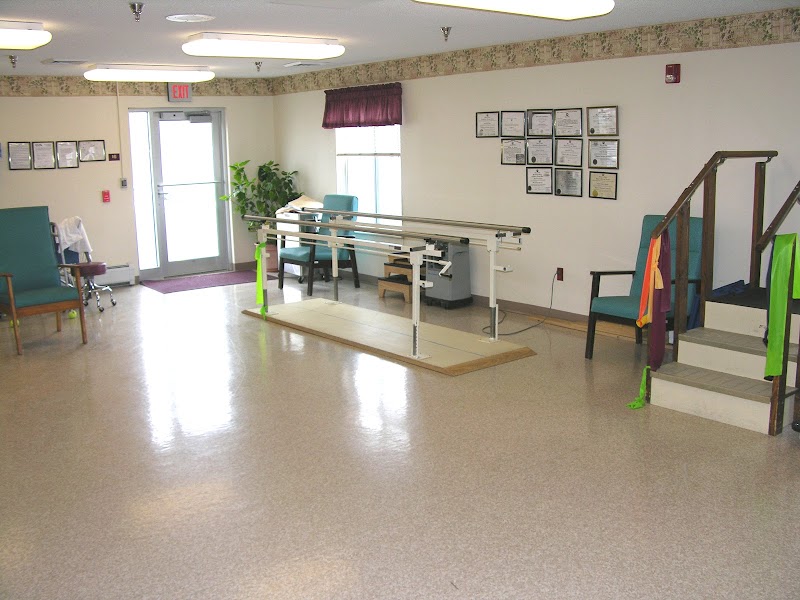
How is Omni Manor Staffed?

CMS rates OMNI MANOR NURSING HOME's staffing level at 4 out of 5 stars, which is above average compared to other nursing homes. Staff turnover is 33%, compared to the Ohio average of 46%. This relatively stable workforce can support continuity of care.

What Have Inspectors Found at Omni Manor?

State health inspectors documented 34 deficiencies at OMNI MANOR NURSING HOME during 2019 to 2025. These included: 2 that caused actual resident harm, 31 with potential for harm, and 1 minor or isolated issues. Deficiencies causing actual harm indicate documented cases where residents experienced negative health consequences.
Who Owns and Operates Omni Manor?

OMNI MANOR NURSING HOME is owned by a for-profit company. For-profit facilities operate as businesses with obligations to shareholders or private owners. The facility is operated by WINDSOR HOUSE, INC., a chain that manages multiple nursing homes. With 145 certified beds and approximately 114 residents (about 79% occupancy), it is a mid-sized facility located in YOUNGSTOWN, Ohio.
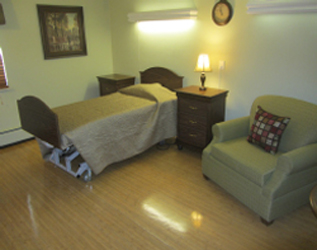
How Does Omni Manor Compare to Other Ohio Nursing Homes?

Compared to the 100 nursing homes in Ohio, OMNI MANOR NURSING HOME's overall rating (3 stars) is below the state average of 3.2, staff turnover (33%) is significantly lower than the state average of 46%, and health inspection rating (2 stars) is below the national benchmark.

What Should Families Ask When Visiting Omni Manor?

Based on this facility's data, families visiting should ask: "Can I visit during a mealtime to observe dining assistance and food quality?" "How do you handle medical emergencies, and what is your hospital transfer rate?" "Can I speak with family members of current residents about their experience?"

Is Omni Manor Safe?

Based on CMS inspection data, OMNI MANOR NURSING HOME has a clean safety record: no substantiated abuse findings (meaning no confirmed cases of resident harm), no Immediate Jeopardy citations (the most serious violation level indicating risk of serious injury or death), and is not on the Special Focus Facility watch list (a federal program monitoring the lowest-performing 1% of nursing homes). The facility has a 3-star overall rating and ranks #100 of 100 nursing homes in Ohio. While no facility is perfect, families should still ask about staff-to-resident ratios and recent inspection results during their visit.

Do Nurses at Omni Manor Stick Around?

OMNI MANOR NURSING HOME has a staff turnover rate of 33%, which is about average for Ohio nursing homes (state average: 46%). Moderate turnover is common in nursing homes, but families should still ask about staff tenure and how the facility maintains care continuity when employees leave.

Was Omni Manor Ever Fined?

OMNI MANOR NURSING HOME has been fined $28,440 across 1 penalty action. This is below the Ohio average of $33,363. While any fine indicates a compliance issue, fines under $50,000 are relatively common and typically reflect isolated problems that were subsequently corrected. Families should ask what specific issues led to these fines and confirm they've been resolved.

Is Omni Manor on Any Federal Watch List?

OMNI MANOR NURSING HOME is not on any federal watch list. The most significant is the Special Focus Facility (SFF) program, which identifies the bottom 1% of nursing homes nationally based on persistent, serious quality problems. Not being on this list means the facility has avoided the pattern of deficiencies that triggers enhanced federal oversight. This is a positive indicator, though families should still review the facility's inspection history directly.