PARK CENTER HEALTHCARE AND REHABILITATION
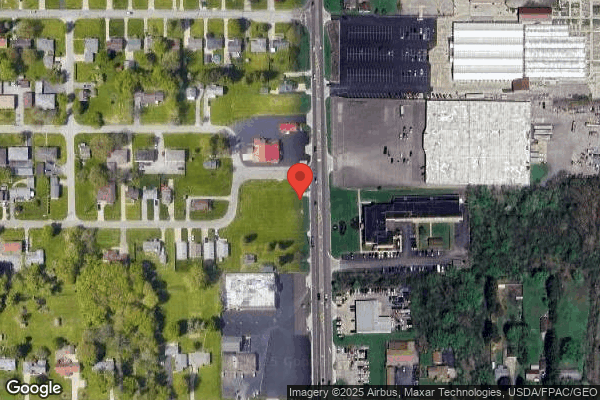
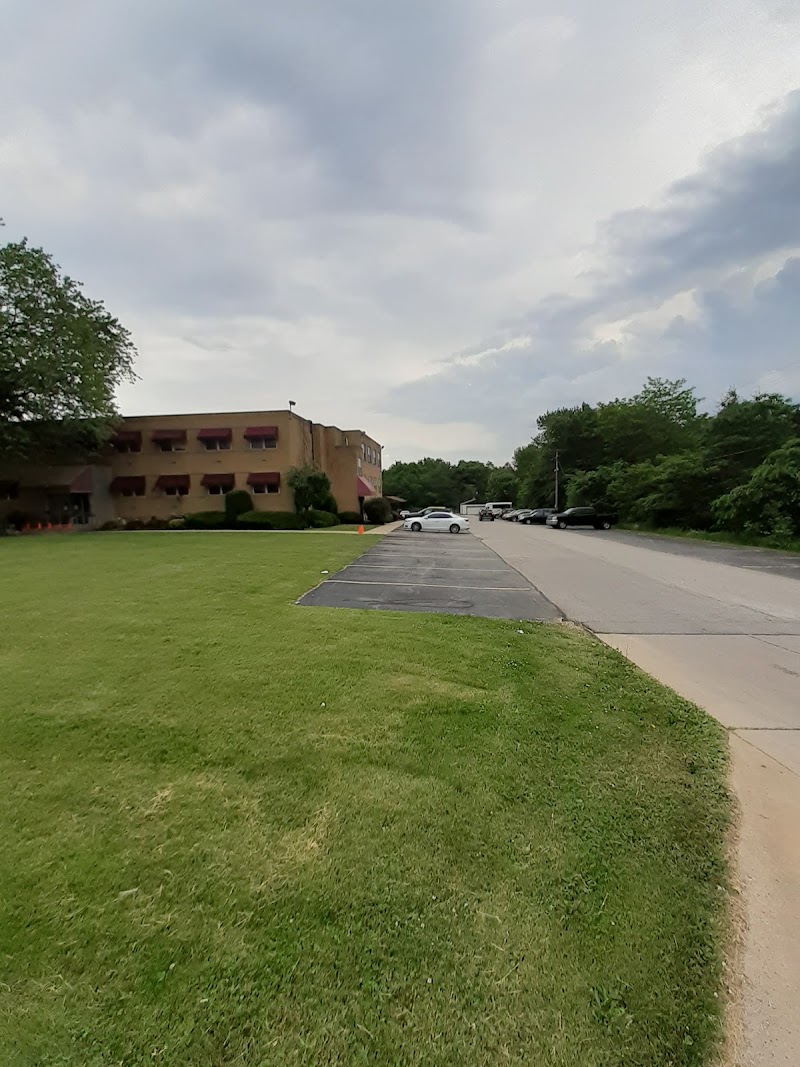
5665 SOUTH AVE, YOUNGSTOWN, OH 44512 (330) 782-1173
For profit - Partnership 99 Beds DAVID OBERLANDER Data: November 2025 1 Immediate Jeopardy citation
Trust Grade
0/100
#892 of 913 in OH
Last Inspection: April 2024

Within standard 12-15 month inspection cycle. Federal law requires annual inspections.

Overview

Park Center Healthcare and Rehabilitation has received a Trust Grade of F, which indicates significant concerns regarding the quality of care provided. Ranking #892 out of 913 in Ohio places it in the bottom half of all facilities in the state, and #28 out of 29 in Mahoning County means there is only one local option that is rated better. While the facility has shown improvement by reducing issues from 32 in 2024 to 5 in 2025, its staffing rating is below average at 2 out of 5 stars, and the turnover rate is concerning at 49%. Additionally, the facility has accumulated fines of $39,108, which is higher than 81% of Ohio facilities, suggesting ongoing compliance issues. Specific incidents include a staff member physically abusing a resident, leading to severe psychological harm, and failures in pressure ulcer prevention that resulted in actual harm to residents. While there are some positive trends, families should weigh these serious concerns carefully.

Trust Score
F
0/100
In Ohio
#892/913
Bottom 3%
Safety Record
High Risk
Review needed
Inspections
Getting Better
32 → 5 violations
Staff Stability
⚠ Watch
49% turnover. Above average. Higher turnover means staff may not know residents' routines.
Penalties
✓ Good
$39,108 in fines. Lower than most Ohio facilities. Relatively clean record.
Skilled Nurses
○ Average
Each resident gets 31 minutes of Registered Nurse (RN) attention daily — about average for Ohio. RNs are the most trained staff who monitor for health changes.
Violations
⚠ Watch
72 deficiencies on record. Higher than average. Multiple issues found across inspections.
★☆☆☆☆
1.0
Overall Rating
★★☆☆☆
2.0
Staff Levels
★☆☆☆☆
1.0
Care Quality
★☆☆☆☆
1.0
Inspection Score
Stable
2024: 32 issues
2025: 5 issues

The Good

  • Full Sprinkler Coverage · Fire safety systems throughout facility
  • No fines on record

Facility shows strength in fire safety.

The Bad

1-Star Overall Rating

Below Ohio average (3.2)

Significant quality concerns identified by CMS

Staff Turnover: 49%

Near Ohio avg (46%)

Higher turnover may affect care consistency

Federal Fines: $39,108

Above median ($33,413)

Moderate penalties - review what triggered them

Chain: DAVID OBERLANDER

Part of a multi-facility chain

Ask about local staffing decisions and management

The Ugly 72 deficiencies on record

1 life-threatening 1 actual harm
Jan 2025 5 deficiencies
CONCERN (D) 📢 Someone Reported This

A family member, employee, or ombudsman was alarmed enough to file a formal complaint

Potential for Harm - no one hurt, but risky conditions existed

Deficiency F0553 (Tag F0553)

Could have caused harm · This affected 1 resident

**NOTE- TERMS IN BRACKETS HAVE BEEN EDITED TO PROTECT CONFIDENTIALITY** Based on record review, interview and review of the facility policy the facility failed to ensure Resident #45's responsible par...

Read full inspector narrative →
**NOTE- TERMS IN BRACKETS HAVE BEEN EDITED TO PROTECT CONFIDENTIALITY** Based on record review, interview and review of the facility policy the facility failed to ensure Resident #45's responsible party was included in the development and revision of the care plan for Resident #45. This affected one resident (Resident #45) out of three residents reviewed for participation in care planing. The facility census was 92. Findings include: Review of Resident #45's medical record revealed an admission date of 11/06/23 and diagnoses including Alzheimer's disease, white matter disease (damage to the brain's white matter caused by reduced blood flow to the tissues), anxiety disorder, chronic ischemic heart disease and type two diabetes without complications. Review of Resident #45's Annual Minimum Data Set 3.0 assessment dated [DATE] included Resident #45 had severe cognitive impairment. Resident #45 required supervision or touching assistance for toileting hygiene and setup or clean-up assistance with personal hygiene. Resident #45 was independent for eating, upper and lower body dressing, bed mobility and walking ten feet. Resident #45 required supervision or touching assistance for transfer from bed to chair or wheelchair, and toilet transfer. Resident #45 was always continent of urine and bowel. Review of Resident #45's care plan dated 11/07/23 and revised on 11/19/24 included neurological deficiencies related to white matter signal abnormalities which were likely the sequela of chronic small vessel disease, Alzheimer's dementia. Resident #45 would have ADL (Activity of Daily Living) needs met with staff assistance. Resident #45 would maintain the ability to participate in all ADL's and activities of choice as condition permitted. Interventions included to obtain labs and diagnostic tests as ordered and notify the physician of results; to obtain vital signs as clinically needed; to report signs or symptoms of tremors, rigidity, dizziness, changes in level of consciousness and slurred speech. Review of Resident #45's care plan dated 11/07/23 and revised on 12/16/24 included Resident #45 had an ADL self care deficit related to cognitive loss in dementia, generalized muscle weakness, unsteady gait, ischemic heart disease, type two diabetes and moderate malnutrition. Resident #45 would be clean, dressed and well groomed daily to promote dignity and psychosocial well-being. Interventions included toileting required supervision and verbal cues; Resident #45 was independent for bed mobility and ambulation required supervision and verbal cues. Review of Resident #45's social services notes dated 02/15/24, 05/16/24 and 08/16/24 revealed Resident #45 was reviewed for quarterly assessments and the notes included Resident #45's care plan was reviewed and updated and Resident #45 and her family were made aware of any changes to the care plan. Review of Resident #45's social services notes and progress notes dated 08/16/24 through 01/23/25 did not reveal evidence Resident #45 was reviewed for a quarterly assessment related to planning care which included the resident representative. Interview on 01/23/25 at 9:47 A.M. of Family Member (FM) #672 revealed she was Resident #45's Power of Attorney and Resident #45 had a change in condition and decline in Activity of Daily Living's and no one from the facility called her to discuss these issues or to set up a care conference. FM #672 stated when she was at the facility it was hard to find a nurse or aide to ask questions and address her concerns. FM #672 stated she did not think Resident #45 required a secured unit now, and would prefer her to be off the unit and would like to discuss the possibility with facility staff, but no one ever called her. FM #672 indicated she was only invited by the facility to one care conference and that was close to when Resident #45 was first admitted to the facility. FM #672 stated she had not been invited to a care meeting for about a year. Interview on 01/23/25 at 11:04 A.M. of Social Services Director (SSD) #617 revealed care conferences were completed every three months and per request. SSD #617 stated she worked with Registered Nurse/Minimum Data Set (RN/MDS) #624 to plan and conduct resident care conferences. SSD #617 stated RN/MDS #624 either placed a phone call or sent an email to invite responsible parties to resident care conferences. SSD #617 indicated Power of Attorney's were included and invited to resident care conferences. SSD #617 confirmed Resident #45 did not have a care conference since 08/16/24. Interview on 01/23/25 at 10:15 A.M. of RN/MDS #624 revealed she sent letters and made phone calls to invite resident's responsible parties to the care conferences. RN/MDS #624 stated if she did not have an address to send a letter then she made a phone call to the responsible party. RN/MDS #624 stated care conferences were documented in the progress notes, and she documented if she mailed letters or made phone calls to responsible parties. RN/MDS #624 indicated she reviewed Resident #45's medical record including progress notes and did not see where she documented she placed a phone call, left messages or sent a letter to FM #672 who was Resident #45's POA for care conferences on 02/15/24, 05/16/24 and 08/16/24 . RN/MDS #624 confirmed there should have been a care conference in October 2024 and there wasn't. RN/MDS #624 stated Resident #45's last care conference was 08/16/24. Review of the facility policy titled Care Planning Interdisciplinary Team, dated 12/2008, revealed the resident and resident representative are encouraged to participate in the development of and revisions to the resident care plan. Every effort will be made to schedule care plan meetings at the best time of day for the resident and family. Care plans shall incorporate goals and objectives that lead to the resident's highest attainable level of independence. This deficiency represents noncompliance identified during investigation of Complaint Number OH00161689
CONCERN (D) 📢 Someone Reported This

A family member, employee, or ombudsman was alarmed enough to file a formal complaint

Potential for Harm - no one hurt, but risky conditions existed

Notification of Changes (Tag F0580)

Could have caused harm · This affected 1 resident

**NOTE- TERMS IN BRACKETS HAVE BEEN EDITED TO PROTECT CONFIDENTIALITY** Based on observation, interview, record review and review of the facility policy the facility failed to ensure Resident #45's ch...

Read full inspector narrative →
**NOTE- TERMS IN BRACKETS HAVE BEEN EDITED TO PROTECT CONFIDENTIALITY** Based on observation, interview, record review and review of the facility policy the facility failed to ensure Resident #45's change in condition was reported to Resident #45's primary care physician and responsible party in a timely manner. This affected one resident (Resident #45) out of three residents reviewed for change of condition. The facility census was 92. Findings include: Review of Resident #45's medical record revealed an admission date of 11/06/23 and diagnoses included Alzheimer's disease, white matter disease (damage to the brain's white matter caused by reduced blood flow to the tissues), anxiety disorder, chronic ischemic heart disease and type two diabetes without complications. Review of Resident #45's Annual Minimum Data Set 3.0 assessment dated [DATE] included Resident #45 had severe cognitive impairment. Resident #45 required supervision or touching assistance for toileting hygiene and setup or clean-up assistance with personal hygiene. Resident #45 was independent for eating, upper and lower body dressing, bed mobility and walking ten feet. Resident #45 required supervision or touching assistance for transfer from bed to chair or wheelchair, and toilet transfer. Resident #45 was always continent of urine and bowel. Review of Resident #45's care plan dated 11/07/23 and revised on 11/19/24 included neurological deficiencies related to white matter signal abnormalities which were likely the sequela of chronic small vessel disease, Alzheimer's dementia. Resident #45 would have ADL (Activity of Daily Living) needs met with staff assistance. Resident #45 would maintain the ability to participate in all ADL's and activities of choice as condition permitted. Interventions included to obtain labs and diagnostic tests as ordered and notify the physician of results; to obtain vital signs as clinically needed; to report signs or symptoms of tremors, rigidity, dizziness, changes in level of consciousness and slurred speech. Review of Resident #45's care plan dated 11/07/23 and revised on 12/16/24 included Resident #45 had an ADL self care deficit related to cognitive loss in dementia, generalized muscle weakness, unsteady gait, ischemic heart disease, type two diabetes and moderate malnutrition. Resident #45 would be clean, dressed and well groomed daily to promote dignity and psychosocial well-being. Interventions included toileting required supervision and verbal cues; Resident #45 was independent for bed mobility and ambulation required supervision and verbal cues. Review of Resident #45's progress notes dated 01/12/25 at 12:51 P.M. included Resident #45 needed increased assistance with ADL's. Extensive assistance was needed with all transfers, Resident #45 was incontinent of bladder and incontinence care was provided as needed. Resident #45 required extensive assistance with feeding. Much cueing was provided and was ineffective. Staff fed Resident #45 breakfast and lunch. Therapy services informed. There was no evidence Resident #45's physician or responsible party were notified. Review of Resident #45's progress notes dated 01/13/25 at 8:11 A.M. revealed on 01/13/25 at 12:04 A.M. Resident #45 appeared fatigued during medication administration, and signs of lethargy despite having vital signs within normal limits. Resident #45 reported feeling more tired than usual but had no complaints of pain or discomfort. The on call Nurse Practitioner (NP) (unidentified) was notified to discuss the situation and the NP ordered laboratory tests including Complete Blood Count (CBC) and Comprehensive Metabolic Panel (CMP) in the morning. There was no evidence Resident #45's responsible party was notified. Review of Resident #45's physician progress notes dated 01/13/25 written by Nurse Practitioner (NP) #670 included nursing endorsed Resident #45 had increased fatigue, confusion, weakness and needed increased assistance with ADL's. The on call NP was contacted and a CBC and CMP were ordered STAT (immediately). Upon exam Resident #45 denied shortness of breath, chest pain, lightheadedness, dizziness, headache, nausea, vomiting, diarrhea. Resident #45 endorsed she had constipation with no tenderness upon palpation to abdomen. There was no mention of Resident #45's bladder incontinence. Review of Resident #45's physician progress notes dated 01/14/25 written by NP #670 included Resident #45 was seen yesterday and noted to have tachycardia, electrocardiogram (EKG) was ordered and was pending. Resident #45's kidney, ureter, bladder (KUB) test ordered on 01/13/25 for complaints of constipation and hypoactive bowel sounds revealed gas and a normal amount of stool was scattered throughout the colon into the rectum and the impression was nonspecific nonobstructed bowel gas pattern by plain radiography. There was no mention of Resident #45's bladder incontinence. Review of Resident #45's physician progress notes dated 01/16/25 written by NP #670 included labs were ordered due to increased muscle weakness, increased need for assistance with ADL's as well as trouble feeding self. Upon exam Resident #45 denied shortness of breath, chest pain, lightheadedness, dizziness, headaches, blurred vision, nausea, vomiting, diarrhea. There was no mention of Resident #45's bladder incontinence. Observation on 01/23/25 at 8:56 A.M. of Resident #45 sitting at a table in the common area, her head was down and resting on her arms which were placed on the table in front of her. Resident #45's hair was clean and tied back into a ponytail and her face could not be seen. Interview on 01/23/25 at 9:47 A.M. of Family Member (FM) #672 revealed she visited Resident #45 on 01/12/25 around 3:00 P.M. and she was way worse than I have ever seen her. FM #672 stated she did not receive a call from the facility about Resident #45's change of condition. FM #672 stated she was Resident #45's Power of Attorney and she was not notified by the facility nor physician that Resident #45 was incontinent and needed incontinent briefs. Interview on 01/23/25 at 11:04 A.M. of Social Services Director (SSD) #617 confirmed FM #672 contacted her on 01/13/25 and told her she visited Resident #45 over the weekend and had some concerns. SSD #617 stated FM #672 told her Resident #45 was lethargic, was not doing well, and the nurse told her labs and a urinalysis were supposed to be ordered. SSD #617 indicated FM #672 was concerned about Resident #45's overall health, and there was also a concern about her medications, but she was not sure what the issue was. SSD #617 stated she documented the concerns and reported them to to Clinical Director (CD) #506. Interview on 01/23/25 at 11:38 A.M. of Certified Nursing Assistant (CNA) #538 revealed Resident #45 used to be independent and now she was confused, incontinent, not eating, sleepy, always tired and this was a big change for her. CNA #538 confirmed the nurses were aware of it. Interview on 01/23/25 at 11:43 A.M. of Registered Nurse (RN) #611 revealed Resident #45 had declined, she used to walk and use a rollator then she went to the wheelchair recently. RN #611 confirmed Resident #45 was incontinent now and that was a change for her. RN #611 stated she had not talked to FM #672 or updated her about Resident #45's changes in condition. Interview on 01/23/25 at 2:24 P.M. of NP #670 revealed she was not notified on 01/12/25 of a change in Resident #45's condition, but became aware of it on 01/13/25. NP #670 stated on 01/13/25 the on call Nurse Practitioner was notified early in the morning and she became aware later in the day. NP #670 stated she did not know if Resident #45 had a urinalysis completed. NP #670 indicated she was not told by the staff that Resident #45 was incontinent and she did not order a dip stick to check for a urine infection or a urinalysis or a urine culture and sensitivity. NP #670 stated there was nothing in her notes about Resident #45 having urinary incontinence and she was unaware of it. NP #670 stated she could not be in the facility 24/7. Interview on 01/23/25 at 3:32 P.M. of SSD #617 revealed FM #672 called her on 01/13/25 and asked about lab results for Resident #45's urinalysis and other lab results that were drawn and she reported this in a meeting on 01/16/24. SSD 3617 stated she told CD #506 to let FM #672 know about Resident #45's lab results and CD #506 stated she would follow up. Interview on 01/23/25 at 3:45 P.M. of CD #506 revealed she was notified FM #672 was asking about Resident #45's labs and urinalysis, but she got busy and forgot to call FM #672. CD #506 stated she checked a book she kept which had her to do list in it and confirmed she did not call FM #672. CD #506 stated she felt really badly she did not call FM #672 and confirmed FM #672 was not contacted regarding Resident #45's change in condition on 01/12/25 at 12:51 P.M. or 01/13/25 at 12:04 A.M. CD #506 confirmed neither Resident #45's physician or Nurse Practitioner were contacted on 01/12/25 regarding Resident #45's change of condition and they should have been notified. CD #506 indicated she did not contact NP #670 and report Resident #45 was incontinent and she was not aware if other nurses had contacted NP #670 about her incontinence. Review of the facility policy titled Notification of Significant Change in Resident Condition undated included the policy was established to ensure family members or designated [NAME] of Attorney (POA) were promptly notified in the event of a significant change in the condition of a resident within the Skilled Nursing Facility (SNF). Timely communication with family members or POA was essential for maintaining transparency, facilitating decision-making and ensuring the well-being of residents. The policy applied to all staff members responsible for the care and monitoring of residents within the SNF, including nursing staff, physicians and administrative personnel. A significant change in resident condition included but was not limited to changes in medical status, such as new diagnoses, exacerbation of existing conditions, or unexpected deterioration; changes in mental or cognitive status, such as confusion, agitation, or a significant decline in memory or functioning; any other change that might impact the resident's health, safety, or quality of life. In the event of a significant change in resident condition, the primary nurse or attending physician was responsible for promptly notifying the resident's family member or designated POA. Notification should occur within a reasonable timeframe, typically within 24 hours of the change being identified or as soon as practically possible. All notification to family members or POA regarding significant changes in resident condition must be documented in the resident's medical record. Following the initial notification, staff members should provide regular updates to the resident's family member or POA as appropriate, keeping them informed of any changes in the resident's condition or care plan. Staff should be available to answer questions, address concerns, and provide support to the family member or POA throughout the process. This deficiency represents noncompliance identified during investigation of Complaint Number OH00161689.
CONCERN (D) 📢 Someone Reported This

A family member, employee, or ombudsman was alarmed enough to file a formal complaint

Potential for Harm - no one hurt, but risky conditions existed

Deficiency F0676 (Tag F0676)

Could have caused harm · This affected 1 resident

**NOTE- TERMS IN BRACKETS HAVE BEEN EDITED TO PROTECT CONFIDENTIALITY** Based on observation, interview, record review and review of bowel and bladder assessments the facility failed to ensure Residen...

Read full inspector narrative →
**NOTE- TERMS IN BRACKETS HAVE BEEN EDITED TO PROTECT CONFIDENTIALITY** Based on observation, interview, record review and review of bowel and bladder assessments the facility failed to ensure Resident #45 was provided toileting assistance to maintain a level of ability with toileting activity of daily living. This affected one resident (Resident #45) out of three residents reviewed for Activity of Daily Living's. The facility census was 92. Findings include: Review of Resident #45's medical record revealed an admission date of 11/06/23 and diagnoses included Alzheimer's disease, white matter disease (damage to the brain's white matter caused by reduced blood flow to the tissues), anxiety disorder, chronic ischemic heart disease and type two diabetes without complications. Review of Resident #45's Bowel and Bladder Continence Evaluation dated 09/16/24 revealed Resident #45 had high restorative potential (retraining). Review of Resident #45's Annual Minimum Data Set assessment dated [DATE] included Resident #45 had severe cognitive impairment. Resident #45 required supervision or touching assistance for toileting hygiene and setup or clean-up assistance with personal hygiene. Resident #45 was independent for eating, upper and lower body dressing, bed mobility and walking ten feet. Resident #45 required supervision or touching assistance for transfer from bed to chair or wheelchair, and toilet transfer. Resident #45 was always continent of urine and bowel. Review of Resident #45's care plan dated 11/07/23 and revised on 11/19/24 included neurological deficiencies related to white matter signal abnormalities which were likely the sequela of chronic small vessel disease, Alzheimer's dementia. Resident #45 would have ADL (Activity of Daily Living) needs met with staff assistance. Resident #45 would maintain the ability to participate in all ADL's and activities of choice as condition permitted. Interventions included to obtain labs and diagnostic tests as ordered and notify the physician of results; to obtain vital signs as clinically needed; to report signs or symptoms of tremors, rigidity, dizziness, changes in level of consciousness and slurred speech. Review of Resident #45's Bowel and Bladder Continence Evaluation dated 12/16/24 revealed Resident #45 had moderate restorative potential (habit/prompted). Resident #45 was continent of bowel and usually continent of urine with occasional incontinence but not daily. Review of Resident #45's medical record including progress notes and evaluations did not reveal evidence Resident #45 had a trial of a toileting program attempted (scheduled toileting, prompted voiding, bladder training). Review of Resident #45's care plan dated 11/07/23 and revised on 12/16/24 included Resident #45 had an ADL self care deficit related to cognitive loss in dementia, generalized muscle weakness, unsteady gait, ischemic heart disease, type two diabetes and moderate malnutrition. Resident #45 would be clean, dressed and well groomed daily to promote dignity and psychosocial well-being. Interventions included toileting required supervision and verbal cues; Resident #45 was independent for bed mobility and ambulation required supervision and verbal cues. Review of Resident #45's care plan dated 11/07/23 and revised on 12/16/24 did not reveal a care plan to assist with bowel and bladder continence. Review of Resident #45's progress notes dated 12/16/24 through 01/12/25 did not reveal documentation Resident #45 was incontinent, had a trial toileting program or a toileting program was currently being used to manage Resident #45's bladder incontinence. Review of Resident #45's progress notes dated 01/12/25 at 12:51 P.M. included Resident #45 needed increased assistance with ADL's. Extensive assistance was needed with all transfers, Resident #45 was incontinent of bladder and incontinence care was provided as needed. Observation on 01/23/25 at 8:56 A.M. of Resident #45 sitting at a table in the common area, her head was down and resting on her arms which were placed on the table in front of her. Resident #45's hair was clean and tied back into a ponytail and her face could not be seen. Interview on 01/23/25 at 9:35 A.M. of Family Member (FM) #672 revealed she was Resident #45's Power of Attorney (POA). FM #672 stated Resident #45 was in diapers now. FM #672 stated she did not know if the aides attempted to take Resident #45 to the bathroom on a schedule to help keep her continent, but when Resident #45 stopped being able to go to the bathroom she noticed she started wearing diapers. FM #672 stated she was not told by facility staff Resident #45 was wearing incontinence briefs and she had no idea she was wearing them until an aide told her she needed to change Resident #45's incontinence brief. Interview on 01/23/25 at 11:43 A.M. of Registered Nurse (RN) #611 revealed Resident #45 had declined and was now incontinent. RN #611 stated she did not know if Resident #45 had a trial toileting program initiated and completed. RN #611 confirmed she did not talk to FM #672 regarding Resident #45's bladder incontinence. Interview on 01/23/25 at 2:04 P.M. of Clinical Director (CD) #506 revealed she completed Resident #45's Bowel and Bladder Evaluation on 09/16/24 and 12/16/24 and acknowledged she had a change from high restorative potential (retraining) to moderate restorative potential (habit/prompted). CD #506 indicated the aides and nurses on the unit assisted Resident #45 to the bathroom but there was no scheduled toileting program. CD #506 stated interventions to assist with continence could be placed in Resident #45's electronic record by either herself or another nurse, and she did not have a good answer for why it was not done. CD #506 stated she completed Resident #45's Bowel and Bladder Evaluations but did not do anything further once the evaluations were finished. CD #506 confirmed Resident #45 had a decline in her continence in a short period of time and had no idea why and thought maybe her disease process is catching up to her. Interview on 01/23/25 at 4:02 P.M. of the Director of Nursing confirmed no scheduled toileting program for Resident #45 was implemented and Resident #45 went from a high to a moderate restorative potential for bladder and bowel continence and it would have been a good idea to put a plan in place, but it did not happen. The DON stated the aides took Resident #45 to the bathroom but not on a schedule. Interview on 01/23/25 at 4:16 P.M. of Occupational Therapist (OT) #671 revealed she worked with Resident #45 due to shoulder pain limiting her function. OT #671 stated Resident #45 declined about halfway through therapy, became weak and could not safely walk any longer and was started on wheelchair management. OT #671 stated incontinence was not brought to her attention as an issue and she did not work with Resident #45 for incontinence. This deficiency represents noncompliance identified during investigation of Complaint Number OH00161689.
CONCERN (E) 📢 Someone Reported This

A family member, employee, or ombudsman was alarmed enough to file a formal complaint

Potential for Harm - no one hurt, but risky conditions existed

Deficiency F0804 (Tag F0804)

Could have caused harm · This affected multiple residents

Based on observation, record review and interview the facility did not ensure palatable food was served at residents meals. This affected four residents (Resident #11, #32, #69 and #90) of six residen...

Read full inspector narrative →
Based on observation, record review and interview the facility did not ensure palatable food was served at residents meals. This affected four residents (Resident #11, #32, #69 and #90) of six residents reviewed for food/nutrition. The facility census was 92. Findings include: Interview was conducted on 01/21/25 at approximately 9:25 A.M. with Licensed Practical Nurse (LPN) #577 who stated the residents do complain about the food being served cold and not hot enough. Interviews were conducted on 01/21/25 from 9:30 A.M. to 10:10 A.M. with Resident #69, #90, #32 and #11. Resident #69, #90 and #11 stated the hot food was served cold and was not always palatable. Resident #32 stated she had received spoiled milk and the food is sometimes too hard. Observation of tray line on 01/21/25 from 12:15 P.M. through 12:47 P.M. revealed food was above 165 degrees Fahrenheit ( F) at the start of tray line. A test tray was requested as the last resident's food was plated. The food cart left the kitchen at 12:47 P.M. and arrived at the unit at 12:48 P.M. When the last tray on the cart was delivered on 01/21/25 at 1:06 P.M., the test tray was removed from the food cart and placed on a table when food temperatures were taken. Dietary Manager (DM) #634 took the temperatures of the food and verified the temperature for the iced tea was 48 degrees F, two percent milk was 52 degrees F, mandarin oranges 59 degrees F, pasta with sausage 138 degrees F and brussels sprouts were 120 degrees F. Upon taste test of the brussel sprouts the temperature was barely warm and not hot. Review of the facility policy titled Food and Nutrition Services, dated 10/2017, revealed each resident would be provided a nourishing, palatable diet and food service staff would ensure attractive food was served at palatable temperatures. The policy did not indicate a temperature range to maintain palatable food temperatures. This deficiency represents non-compliance investigated under Complaint Number OH00160967.
MINOR (C) 📢 Someone Reported This

A family member, employee, or ombudsman was alarmed enough to file a formal complaint

Minor Issue - procedural, no safety impact

Safe Environment (Tag F0921)

Minor procedural issue · This affected most or all residents

**NOTE- TERMS IN BRACKETS HAVE BEEN EDITED TO PROTECT CONFIDENTIALITY** Based on observation, interview and review of facility policy the facility did not ensure a safe, functional, sanitary, and comf...

Read full inspector narrative →
**NOTE- TERMS IN BRACKETS HAVE BEEN EDITED TO PROTECT CONFIDENTIALITY** Based on observation, interview and review of facility policy the facility did not ensure a safe, functional, sanitary, and comfortable environment for all residents. This had the potential to affect all 92 residents living in the facility. Findings include: Observations were conducted on 01/21/25 from 9:30 A.M. to 10:30 A.M. and the following physical environment concerns were identified: • On the 300 hallway by the telephone there were 12 holes in the drywall. • The lower elevator entrance located near the activities room had excessive amount of scuff marks on the elevators interior, particularly around the kick plate. Additionally, the kick plate itself had chipped paint, and there was dark debris accumulated in each corner of the elevator. The same elevator entrance on the 300-hall had excessive scuff marks and the entrance kick plate had chipped paint. • The 200 hall and 300 hall flooring had noticeable dark scuff marks and a build-up of a black, dirt-like substance along the baseboards. • The 300 hall unsecured unit had a PVC pipe protruding from the wall , and the 300 hall secured unit had a PVC pipe and metal brackets extending from the wall at shoulder height. • The bottom of room [ROOM NUMBER]'s door frame was detached from the wall causing the door frame to protrude. • The elevator near the rehab entrance had a build-up of dark colored dirt-like substance in the corners of the flooring. • The 200 hall had a missing corner piece on the hand railing exposing a sharp edge. Interviews conducted on 01/21/25 from 9:35 A.M. to 9:55 A.M. with Resident # 5, #69, #32 and #6 revealed they would like the environment to be updated. On 01/21/25 at 1:46 P.M. interview with the Housekeeping Supervisor #636 and Maintenance Director #637 verified the observations. Review of facility policy titled Quality of Life Homelike Environment dated May 2017, revealed residents would be provided a safe, clean, comfortable and homelike environment . This deficiency represents non-compliance investigated under Complaint Number OH00160967, OH00160981 and OH00159424.
Sept 2024 2 deficiencies
CONCERN (E) 📢 Someone Reported This

A family member, employee, or ombudsman was alarmed enough to file a formal complaint

Potential for Harm - no one hurt, but risky conditions existed

Safe Environment (Tag F0921)

Could have caused harm · This affected multiple residents

Based on observation, interview and policy review, the facility failed to provide a clean and homelike environment. This affected five residents (#42, #52, #62, #65) and had the potential to affect 16...

Read full inspector narrative →
Based on observation, interview and policy review, the facility failed to provide a clean and homelike environment. This affected five residents (#42, #52, #62, #65) and had the potential to affect 16 residents living on Hall 2A (#79, #80, #81, #82, #83, #84, #85, #86, #87, #88, #89, #90, #91, #92, #93 and #94)) and 25 residents living on Hall 3B (#52, #54, #55, #56, #57, #58, #59, #60, #61, #62, #63, #64, #65, #66, #67, #68, #69, #70, #71, #72, #73, #75, #76, #77 and #78). The facility census was 92. Findings include: On 09/09/24 at 10:25 A.M. a tour of the building revealed the shower room in Hall 2A had an overflowing sharps container with used razors. Razors were also noted sitting on top of the sharps container. The findings were verified at the time of the observation by Registered Nurse (RN) #201. At 10:50 A.M. on observation of Resident #42's room revealed built up dirt in corners of the bathroom. Resident #42 was laying in bed and appeared sleeping. On the right side of the bed on the floor was dried spit. On the wall was dried spit. On top of register there was dried spit. The aforementioned findings were verified by State Tested Nurse Aide (STNA) #136 and STNA #126 at the time of the observation. On 09/09/24 at 10:50 A.M. an observation of hall 3B revealed a built-up black substance along the baseboards. Resident #72's room had a loaf of bread and pickles on the floor. There was also clothing on hangers on the floor. Built up dirt was noted at the door thresh hold. The room of Residents #52, #62 and #65 had dried spilled coffee on the floor by a fall mat. Upon lifting the fall mat and there was a puddle of wet coffee underneath. A garbage can had garbage in it and no bag. There was resident clothing on the floor against the left-hand wall when facing the windows from the doorway. The aforementioned findings were verified by Licensed Practical Nurse (LPN) #161 at the time of the observation. LPN #161 stated floors were not done on the weekends. On 09/09/24 at 11:45 A.M. an interview with Director of Environmental Services #159 revealed resident rooms were to be cleaned daily. A review of the document titled, Park Center Daily Housekeeping Room Checklist that was undated revealed resident rooms were to have floors swept and mopped daily. A review of the document titled, Room Cleaning Policy that was undated revealed the policy was established to ensure resident rooms within the Skilled Nursing Facility were maintained in a clean, sanitary, and safe condition to promote the health and wellbeing of residents. Under the subtitle Frequency of Cleaning it indicated resident rooms would be cleaned on a regular basis according to a predetermined schedule and high touch surfaces would be cleaned and disinfected daily. Under the subtitle Cleaning Procedures it indicated the facility would follow established cleaning procedures and protocols to ensure thorough and effective cleaning of resident rooms. A review of the policy titled, Quality of Life-Homelike Environment dated August 2009 revealed residents were provided with a safe, clean, comfortable, and homelike environment. The policy also indicated the facility staff and management should maximize, to the extent possible, the characteristics of the facility that reflected a personalized, homelike setting This deficiency represents non-compliance investigated under Complaint Number OH00156539.
CONCERN (F) 📢 Someone Reported This

A family member, employee, or ombudsman was alarmed enough to file a formal complaint

Potential for Harm - no one hurt, but risky conditions existed

Food Safety (Tag F0812)

Could have caused harm · This affected most or all residents

Based on observation, interview and policy review the facility failed to ensure food was stored and served in a manner to prevent contamination and food born illness. This had the potential to affect ...

Read full inspector narrative →
Based on observation, interview and policy review the facility failed to ensure food was stored and served in a manner to prevent contamination and food born illness. This had the potential to affect all 92 residents residing in the facility. There were no residents identified as having a nothing by mouth diet. The facility census was 92. Findings include: On 09/09/24 at 10:02 A.M. a tour of the kitchen revealed in the small upright refrigerator a two-quart plastic container of chicken noodle soup that was half full and not dated as to when it was stored. There were slices of bologna wrapped in plastic with no date. There was sliced ham 48 oz open and undated. The refrigerator also contained eight hard- boiled eggs wrapped in plastic and undated. A two- pound package of cake mix was open and wrapped in plastic with no date as to when it was opened. An interview at the time of the observation with Director of Kitchen Operations (DKO) #149 verified the aforementioned findings. DKO #149 stated the items should have been dated. On 09/09/24 at 12:00 P.M. an observation of tray service in the kitchen revealed Dietary Aide (DA) #142 and DA #145 without hair nets. An interview at the time of the observation with DKO #149 verified the findings. DKO #149 stated DA #142 and DA #145 should be wearing hair nets. A review of the policy titled; Food Receiving and Storage dated December 2008 revealed, All foods stored in the refrigerator or freezer will be covered, labeled and dated. A review of the policy titled; Dress Code that was undated revealed in subpoint five: depending on duty assignment or work area. an employee with long hair may be required to wear a hair net.
Apr 2024 30 deficiencies
CONCERN (D)

Potential for Harm - no one hurt, but risky conditions existed

Deficiency F0558 (Tag F0558)

Could have caused harm · This affected 1 resident

**NOTE- TERMS IN BRACKETS HAVE BEEN EDITED TO PROTECT CONFIDENTIALITY** Based on observation, interview and record review, the facility failed to ensure call lights were within reach for Resident #8 a...

Read full inspector narrative →
**NOTE- TERMS IN BRACKETS HAVE BEEN EDITED TO PROTECT CONFIDENTIALITY** Based on observation, interview and record review, the facility failed to ensure call lights were within reach for Resident #8 and #67. This affected two residents (#8 and #67) of 32 residents reviewed for call light accessibility. The facility census was 92. Findings include: 1. Review of the medical record for Resident #8 revealed an admission date of 10/15/12. Diagnoses included muscle wasting, irregular heartbeat, schizophrenia, emphysema and repeated falls. Review of the quarterly Minimum Data Set (MDS) 3.0 assessment date 03/17/24 revealed the resident was rarely or never understood. He required supervision for eating, partial or moderate assistance for oral hygiene and substantial/maximum assistance of toileting, showering and dressing. Review of the care plan dated 01/18/24 revealed the resident was at risk for falls due to impaired balance, involuntary movements, medication side effects and decreased safety awareness. Interventions included minimizing the risk for falls, ensuring the call bell was in reach, having commonly used articles within reach and providing assistance with transfers and ambulation as needed. Observation on 04/15/24 at 11:18 A.M. revealed the resident's call light was hanging from a box to the right upper side of his bed, and not within reach. Interview at the time of the observation with State Tested Nurse Aide (STNA) #429 confirmed resident #8's call light was not in reach. 2. Review of the medical record for resident #67 revealed an admission date of 02/02/24. Diagnoses included diabetes, hypertension, paralysis of left dominant side due to stroke and muscle weakness. Review of the comprehensive MDS assessment dated [DATE] revealed the resident was moderately cognitively impaired. She was independent in eating, required partial to moderate assistance for oral and personal hygiene, substantial or maximum assistance for showering and dependent for toileting. Review of the care plan dated 02/02/24 revealed the resident was at risk for falls due to diabetes, paralysis affecting the left dominant side and an overactive bladder. Interventions included ensuring the call light was reach, changing positions slowly and having commonly used articles within reach. Observation on 04/15/24 at 11:03 A.M. revealed no evidence the call light was within reach for Resident #67. Interview at the time of the observation with Resident #67 confirmed she did not know where her call light was. Interview on 04/15/24 at 11:20 A.M. with STNA #429 confirmed the resident's call light had fallen behind her dresser and the resident was unable to reach it. Review of the facility policy titled Answering the Call Light dated October 2010 revealed call lights would be within easy reach of the resident.
CONCERN (D)

Potential for Harm - no one hurt, but risky conditions existed

Deficiency F0569 (Tag F0569)

Could have caused harm · This affected 1 resident

Based on review of resident funds accounts, medical record review and staff interview, the facility failed to ensure resident funds were maintained under the Medicaid limit. This affected one resident...

Read full inspector narrative →
Based on review of resident funds accounts, medical record review and staff interview, the facility failed to ensure resident funds were maintained under the Medicaid limit. This affected one resident (#8) of five residents reviewed for personal funds. The facility census was 92. Findings include: Record review revealed Resident #8 was admitted to facility on 10/05/12 with diagnoses including other secondary Parkinsonism, dysphagia, muscle wasting and atrophy, schizophrenia, anxiety, emphysema, and hypertension. Review of the resident fund account for Resident #8 revealed the facility managed his funds however Resident #8 had a guardian of person and estate. Further review of Resident #8's resident fund account revealed Resident #8 had a balance of $4,253.24 on 09/30/23, a balance of $4,408.45 on 12/31/23, and a balance of $4,565.29 on 03/31/24 in his resident funds account. Interview on 04/22/24 at 3:55 P.M. with Business Office Manager #472 confirmed Resident #8's guardian was not notified that Resident #8 had reached and exceeded the amount limit set by Medicaid.
CONCERN (D)

Potential for Harm - no one hurt, but risky conditions existed

Deficiency F0578 (Tag F0578)

Could have caused harm · This affected 1 resident

**NOTE- TERMS IN BRACKETS HAVE BEEN EDITED TO PROTECT CONFIDENTIALITY** Based on medical record review, interview, and facility policy review the facility failed to ensure a resident's wishes regardin...

Read full inspector narrative →
**NOTE- TERMS IN BRACKETS HAVE BEEN EDITED TO PROTECT CONFIDENTIALITY** Based on medical record review, interview, and facility policy review the facility failed to ensure a resident's wishes regarding end-of-life measures were clearly identified in the medical record. This affected one resident (Residents #196) of three residents reviewed for Advanced Directives. The facility census was 92. Findings include: Review of the medical record for resident #196 revealed an admission date of 11/09/23. Diagnoses included end stage renal disease, colitis, anxiety and depression. Review of the comprehensive Minimum Data Set (MDS) 3.0 assessment dated [DATE] revealed the resident was cognitively intact. She was independent in eating, oral hygiene and showering and required supervision or touch assistance for dressing and personal hygiene. Review of the physician orders for April 2024 revealed no evidence of a code status. Interview on 04/16/24 at 12:47 P.M. with Licensed Practical Nurse (LPN) #434 revealed code status was listed in the electronic medical record (EMR) next to the resident's photo and allergies. She confirmed the EMR for resident #196 did not have a code status. Review of the facility policy titled Advance Directives dated April 2008 revealed information about advance directives would be displayed prominently in the medical record.
CONCERN (D)

Potential for Harm - no one hurt, but risky conditions existed

Investigate Abuse (Tag F0610)

Could have caused harm · This affected 1 resident

**NOTE- TERMS IN BRACKETS HAVE BEEN EDITED TO PROTECT CONFIDENTIALITY** Based on record review, interview, review of a Self-Reported Incident (SRI) and facility policy review the facility failed to th...

Read full inspector narrative →
**NOTE- TERMS IN BRACKETS HAVE BEEN EDITED TO PROTECT CONFIDENTIALITY** Based on record review, interview, review of a Self-Reported Incident (SRI) and facility policy review the facility failed to thoroughly investigate potential resident to resident abuse as required. This affected two residents (#33 and #346) of three residents reviewed for abuse. The facility census was 92. Findings include: 1. Review of the medical record for Resident #33 revealed an admission date of 02/20/23. Medical diagnoses included Alzheimer's disease, bipolar disorder, schizoaffective disorder bipolar, major depressive disorder, generalized communication deficit, and unspecified mood disorder. Review of the annual Minimum Data Set (MDS) 3.0 assessment dated [DATE] revealed Resident #33 was severely cognitively impaired, had delusions and was observed to have physical behavioral symptoms. Review of Resident #33's care plan dated 02/20/23 revealed the resident was independent with ambulation and transfers. Review of a Body Audit dated 04/10/24 revealed Resident #33 was found to have a new left hand skin tear. 2. Review of medical record for Resident #346 revealed an admission date of 04/04/24 and a discharge date of 04/11/24. Medical diagnoses included unspecified dementia with other behavioral disturbance, other psychoactive substance abuse, ventral hernia without obstruction or gangrene, type two diabetes mellitus, unspecified asthma, radiculopathy cervical region, benign and innocent cardiac murmurs, essential primary hypertension and insomnia. Review of Medicare 5-Day MDS 3.0 assessment dated [DATE] revealed Resident #346 was severely cognitively impaired, had delusions and was observed to show physical behavioral symptoms directed towards others as well as not directed toward others and verbal behavioral symptoms directed towards others. Resident #346 showed the behavior of wandering. Review of Resident #346 care plan dated 04/04/24 revealed the resident was at risk for behavior symptoms and was known to become verbally aggressive toward staff related to diagnosis of dementia with behavioral disturbance. Resident #346 was known to show exit seeking behavior, throw objects at staff and wander into other resident rooms. Resident #346 was not easily redirected. Review of a Body Audit dated 04/10/24 revealed Resident #346 refused skin to be observed. Review of the facility SRI dated 04/10/24 revealed an allegation of physical abuse was made when Resident #346 wandered into Resident #33's room looking and touching Resident #33's belongings. Resident #33 attempted to stop Resident #346 and leave his room and contact was made which resulted in a couple minor scratches and skin tear to Resident #33's hand. Residents were separated, skin assessments were completed on both residents, resident representatives and Nurse Practitioner were notified and staff were to monitor to ensure residents were kept at distance from one another. Further review of the SRI revealed as a result of the investigation interviews were completed on all parties present and involved in the incident, residents were assessed and treated, Psych Services Nurse Practitioner and Psych Counselor were consulted for further assessment and medication adjustment. Resident #346 was sent to the hospital for medication adjustment. Facility to consider a room change to create more distance between the two residents involved. Facility unsubstantiated allegation of physical abuse due to the evidence found indicated abuse did not occur. Further review of facility SRI documentation revealed facility staff who worked the unit on the day of the incident were interviewed regarding Resident #346 and Resident #33. SRI documentation did not show any evidence that there were interviews completed on like residents who could have potentially been affected by unwitnessed behavior or skin assessments on residents who were not able to provide meaningful information due to their cognitive status. There was no evidence facility staff were educated on abuse or the facility abuse policy after completion of investigation. Interview on 04/22/24 at 2:45 P.M. with the Director of Nursing (DON) stated that SRI regarding allegation of physical abuse between Resident #346 and Resident #33 was unsubstantiated due to no evidence actual willful intent of physical abuse took place. The DON stated as part of the investigation she had interviewed those who worked the unit the day of the allegation. The DON stated no interviews or skin assessments were completed on other residents who resided on the unit and no staff education was completed regarding abuse since October 2023. Review of facility untitled and undated policy regarding abuse revealed the Administrator or DON was responsive to receive and investigate all alleged violations of abuse timely, thoroughly and objectively.
CONCERN (D)

Potential for Harm - no one hurt, but risky conditions existed

Assessment Accuracy (Tag F0641)

Could have caused harm · This affected 1 resident

**NOTE- TERMS IN BRACKETS HAVE BEEN EDITED TO PROTECT CONFIDENTIALITY** Based on observation, record review and interview, the facility failed to ensure resident assessments accurately reflected the d...

Read full inspector narrative →
**NOTE- TERMS IN BRACKETS HAVE BEEN EDITED TO PROTECT CONFIDENTIALITY** Based on observation, record review and interview, the facility failed to ensure resident assessments accurately reflected the dental status for Resident #28 and #196. This affected two residents (Residents #28 and #196) of 32 residents reviewed for accurate resident assessments. The facility census was 92. Findings include: 1. Review of the medical record for resident #28 revealed an admission date of 08/17/16. Diagnoses included muscle weakness, dysphagia, neuropathy and need for assistance with personal care. Review of the quarterly Minimum Data Set (MDS) 3.0 assessment dated [DATE] revealed the resident was moderately cognitively impaired. He required set up or clean up assistance for eating and oral hygiene, partial or moderate assistance for personal hygiene and substantial or maximum assistance for toileting, showering and dressing. He had no broken or missing teeth. Review of the care plan dated 04/04/24 revealed the resident had an oral health problem related to carious (cavities or decaying) teeth. Interventions included administering medications as ordered, assisting with oral hygiene and reporting changes in oral status and chewing as needed. Observation and interview on 04/17/24 at 9:22 A.M. with resident #28 revealed the resident did have some of his natural teeth, but he was missing some of them. He denied any issues with chewing or swallowing. Interview on 04/17/24 at 3:00 P.M. with Licensed Practical Nurse (LPN) #451 confirmed resident #28's MDS assessment did not accurately reflect his dental status. 2. Review of the medical record for resident #196 revealed an admission date of 11/09/23. Diagnoses included end stage renal disease, colitis, anxiety and depression. Review of the comprehensive MDS 3.0 assessment dated [DATE] revealed the resident was cognitively intact. She was independent in eating, oral hygiene and showering and required supervision or touch assistance for dressing and personal hygiene. She had no problems eating, drinking or swallowing and had no broken or missing teeth. Review of the care plan dated 04/08/24 revealed the resident had no natural teeth and did not wear her dentures. Interventions included administering medications as ordered, assisting with oral hygiene as needed, referring to the dentist for evaluation as needed and reporting changes in oral cavity and chewing as needed. Observation and interview on 04/17/24 at 9:25 A.M. with resident #196 revealed she did not have her own natural teeth. The resident stated she did have dentures, but chose not to wear them. She denied problems with chewing or swallowing. Interview on 04/17/24 at 3:00 P.M. with LPN #451 confirmed resident #196's MDS assessment did not accurately reflect her dental status. Review of the facility policy titled Charting and Documentation undated, revealed charting would be complete and accurate, reflecting treatment and response to care as well as progress.
CONCERN (D)

Potential for Harm - no one hurt, but risky conditions existed

Deficiency F0657 (Tag F0657)

Could have caused harm · This affected 1 resident

**NOTE- TERMS IN BRACKETS HAVE BEEN EDITED TO PROTECT CONFIDENTIALITY** 3. Review of the medical record for Resident #50 revealed an admission date of 03/07/24. Diagnoses included pneumonia, acute kid...

Read full inspector narrative →
**NOTE- TERMS IN BRACKETS HAVE BEEN EDITED TO PROTECT CONFIDENTIALITY** 3. Review of the medical record for Resident #50 revealed an admission date of 03/07/24. Diagnoses included pneumonia, acute kidney failure, depression, anxiety disorder, type two diabetes mellitus without complications, dysphagia (difficulty swallowing), essential hypertension (high blood pressure), and personal history of transient ischemic attack (TIA) and cerebral infarction (stroke) without resident deficits. Review of Resident #50's physician orders revealed an order written 03/29/24 for a consistent carbohydrate diet (CCHO)/no added salt (NAS) diet, mechanically altered ground texture, thin liquid consistency. Review of the most recent MDS 3.0 ssessment dated 03/11/24 revealed Resident #50 was severely impaired cognitively, required supervision or touch assistance for eating, and was on a mechanically altered diet. Resident #50 would hold food in mouth, cough when eating, complain of difficulty or pain when swallowing and had no significant weight change. Review of Resident #50's weights from 03/07/24 to 03/30/24 revealed a weight of 156 pounds on 03/07/24, a weight of 150.2 pounds on 03/25/24, and a weight of 145.0 pounds on 03/30/24 which reflected a significant weight loss of 11 pounds, or seven percent, between 03/07/24 and 03/30/24. Further review of Resident's #50's medical record revealed a dietary note, dated 04/04/24 and authored by Dietitian #503, indicated Resident #50 had a significant weight loss over five percent in thirty days. Review of care plan created on 03/14/24 revealed Resident #50 had a nutritional problem or potential nutritional problem related to nutrition, hydration, poly pharmacy, depression, type two diabetes, and mechanically altered diet. There was no indication of the resident having had a significant weight loss. Interview on 04/18/24 at 9:26 A.M. with Dietitian #503 confirmed Resident #50's care plan hadn't been updated to reflect Resident #50's significant weight loss. Review of the facility policy titled Goals and Objectives Care Plans dated October 2009 revealed care plan goals were derived from information contained in the resident's comprehensive assessment would be measurable, contain timetables to meet the resident's needs in accordance with the comprehensive assessment and goals and objectives would be entered on the resident's care plan so that all disciplines had access to information and were able to report whether or not the desired outcomes were being achieved. Goals and objectives were reviewed and revised quarterly. Review of the facility policy titled Charting and Documentation undated, revealed care plans would reflect the effectiveness of interventions and the status of goals. Based on record review and interview, the facility failed to ensure care plans were updated to accurately reflect resident's needs. This affected three residents (residents #31, #50, and #71) of 32 residents reviewed for care plans. The facility census was 92. Findings include: 1. Review of the medical record for resident #31 revealed an admission date of 07/11/22. Diagnoses included acute kidney failure, hypothyroidism, diabetes, dementia and cognitive communication deficit. Review of the quarterly Minimum Data Set (MDS) 3.0 assessment dated [DATE] revealed the resident was moderately cognitively impaired. He was independent with eating and required supervision for oral care, showering and personal hygiene. He had no behaviors and was not on an antipsychotic or antidepressant. Review of the physician's orders for April 2024 revealed an order for Olanzapine (Zyprexa), an antipsychotic medication, 5 milligrams (mg) one tablet by mouth (po) once per day (QD) for an antipsychotic. The order began on 01/23/24. There was also an order for Namenda, used to treat dementia, 5 mg po two times per day (BID) with no indication for its use. The order began 01/24/24. Review of the care plan dated 02/08/24 revealed no evidence of interventions for psychosis or dementia. 2. Review of the medical record for resident #71 revealed an admission date of 09/16/22. Diagnoses included dementia, bipolar disorder, depression, insomnia and heart failure. Review of the quarterly MDS 3.0 assessment dated [DATE] revealed the resident was severely cognitively impaired. She was independent in eating and toileting and required supervision or oral hygiene, showering and personal hygiene. Review of the physician's orders for April 2024 revealed an order for an Exelon patch, used to treat dementia, transdermal (applied to the skin) one patch at bedtime (QHS) for unspecified dementia. The order began on 03/14/24. There was also an order for Namenda 5 mg PO BID for dementia, which began on 03/22/24. Review of the care plan dated 03/07/24 revealed no evidence dementia had been addressed. Interview on 04/17/24 at 3:00 P.M. with LPN #451 confirmed there was no evidence dementia care had been addressed in resident #71's care plan and there was no evidence psychosis or dementia care were addressed in resident #31's care plan.
CONCERN (D)

Potential for Harm - no one hurt, but risky conditions existed

ADL Care (Tag F0677)

Could have caused harm · This affected 1 resident

**NOTE- TERMS IN BRACKETS HAVE BEEN EDITED TO PROTECT CONFIDENTIALITY** 2. Review of the medical record for Resident #50 revealed an admission date of 03/07/24. Diagnoses included pneumonia, acute kid...

Read full inspector narrative →
**NOTE- TERMS IN BRACKETS HAVE BEEN EDITED TO PROTECT CONFIDENTIALITY** 2. Review of the medical record for Resident #50 revealed an admission date of 03/07/24. Diagnoses included pneumonia, acute kidney failure, depression, anxiety disorder, type two diabetes, muscle weakness, and need for assistance with personal care. Review of the most recent Minimum Data Set (MDS) 3.0 assessment, dated 03/11/24, revealed Resident #50 was severely impaired cognitively. He required partial/moderate assistance from staff for oral hygiene; substantial/maximal assistance from staff to shower/bathe self and with personal hygiene; and was dependent on staff for toileting hygiene. He had not rejected any evaluations or care. Review of care plan, created on 03/11/24, revealed Resident #50 had a self-care deficit related to pneumonia, type two diabetes mellitus, generalized muscle weakness, and history of a cerebrovascular accident (stroke) without residual effects. Interventions included assisting with daily hygiene, grooming, dressing, oral care and eating as needed. Interview on 04/15/24 at 1:17 P.M. with Resident #50 revealed he wanted his fingernails cut and was unsure when they were last cut. Observation at the time of the interview revealed the resident's fingernails were grown out approximately one quarter to one-half inch past the end of his fingers with a brown substance beneath right thumb nail and right middle fingernail. Interview on 04/15/24 at 1:20 P.M. with LPN #442 confirmed Resident #50's nails were long and dirty. Interview on 04/17/24 at 1:50 P.M. with Resident #50 revealed his nails still hadn't been trimmed and he still wanted them cut. Observation of Resident #50's nails at the time of interview revealed nails continue to be long and brown substance remains beneath some of the nails. Interview on 04/17/24 at 1:52 P.M. with State Tested Nursing Assistant (STNA) #421 confirmed Resident #50's nails were long and there was a brown substance under his nails. She stated nails were to be trimmed during showers, but if the resident was a diabetic, the nurse had to cut the nails. Review of facility policy Activities of Daily Living (ADLs), Supporting, revised March 2018, revealed appropriate care and services will be provided for residents will be provided for residents who are unable to carry out ADLs independently including appropriate support and assistance with hygiene (bathing, dressing, grooming, and oral care). Based on observation, interview and record review, the facility failed to ensure showers and nail care were provided consistently and according to resident preference. This affected two residents (resident #28 and #50) of five reviewed for assistance with daily living (ADL)'s. The facility census was 92. Findings include: 1. Review of the medical record for resident #28 revealed an admission date of 08/17/16. Diagnoses included muscle weakness, dysphagia, neuropathy and need for assistance with personal care. Review of the quarterly Minimum Data Set (MDS) 3.0 assessment dated [DATE] revealed the resident was moderately cognitively impaired. He required set up or clean up assistance for eating and oral hygiene, partial or moderate assistance for personal hygiene and substantial or maximum assistance for toileting, showering and dressing. It was very important for him to choose between a tub bath, shower, bed bath or sponge bath. Review of the physician's orders for April 2024 revealed the resident preferred to have a shower or bath on Wednesday and Saturday. Refusals would be documented. Interview on 04/16/24 at 7:29 A.M. with resident #28 revealed he was supposed to get a shower twice a week because he prefered showers, but did not always get one as prefered. Observation at the time of the interview revealed the resident appeared fairly groomed with no apparent odor or neglect of ADLs. Review of the shower sheets dated 01/03/24 through 03/27/24 revealed the resident received a shower on 01/03/24, 01/21/24, 01/27/24, 02/08/24, 02/24/24 and 03/19/24. He received a bed bath on 03/01/24 and 03/23/24. Of the 14 shower sheets reviewed, six did not indicate what type of hygiene was provided. No refusals were documented. Review of the nursing progress notes dated 01/03/24 through 04/09/24 revealed no evidence the resident received or refused a shower, bed bath or sponge bath. Interview on 04/17/24 at 3:00 P.M. with Licensed Practical Nurse (LPN) #451 confirmed showers and refusals were not documented consistently for resident #28. She could provide no further evidence the resident received a shower based on his preference and physician's order.
CONCERN (D)

Potential for Harm - no one hurt, but risky conditions existed

Accident Prevention (Tag F0689)

Could have caused harm · This affected 1 resident

**NOTE- TERMS IN BRACKETS HAVE BEEN EDITED TO PROTECT CONFIDENTIALITY** Based on record review, observation, interview, and facility policy review the facility failed to ensure Resident #24 who was at...

Read full inspector narrative →
**NOTE- TERMS IN BRACKETS HAVE BEEN EDITED TO PROTECT CONFIDENTIALITY** Based on record review, observation, interview, and facility policy review the facility failed to ensure Resident #24 who was at risk for elopement was adequately supervised while outside smoking, did not ensure for Resident #4 that the appropriate safe smoking equipment and supervision were provided during smoking break, and did not ensure fall interventions were in place for Resident #72. This affected three residents (#4, #24 and #72) of five residents reviewed for accidents/hazards. The facility census was 92. Findings include: 1. Review of medical record for Resident #24 revealed an admission date of 11/07/19. Medical diagnoses included unspecified focal traumatic brain injury with loss of consciousness, metabolic encephalopathy, schizoaffective disorder, dementia with other behavioral disturbance, opioid abuse with intoxication, alcohol abuse, cocaine abuse, and major depressive disorder. Review of the quarterly Minimum Data Set (MDS) 3.0 assessment dated [DATE] revealed Resident #24 was severely cognitively impaired. Resident #24 displayed no behaviors regarding wandering. Resident #24 was independent with eating, and required setup or clean-up assistance with oral hygiene, toileting hygiene, shower/bathe, upper body dressing, lower body dressing, putting on/taking off footwear, and personal hygiene. Review of physician orders for Resident #24 revealed a physician order dated 05/26/23 for Resident #24 to have a wanderguard to left ankle, staff to check placement and function every shift for safety and elopement risk. Review of Resident #24's elopement assessments revealed on 08/25/21 resident was found to be at risk for elopement. Further review of elopement assessments revealed as of 04/16/24 no elopement assessments had been completed since 08/25/21. Review of Resident #24's care plan dated 12/28/17 revealed Resident #24 was at risk of elopement related to poor cognition and history of elopement. Intervention included a wanderguard/alarming bracelet per physician orders and when exhibiting exit seeking behavior redirect to an appropriate area and provide supervision. Further review of the medical record revealed Resident #24 had not had any documented elopements or attempts to elope from the smoking area. Observation on 04/16/24 at 4:14 P.M. with Receptionist #420 revealed Resident #24 was outside the facility entrance doors unsupervised by staff in the smoking area with two additional residents. This smoking area was directly in front of the main entrance/exit of the facility on the bottom level of the facility and within line of sight of the reception area where residents and visitors signed in and out. However, depending on where the resident was seated or standing in the smoking area, the view of the resident could become limited and/or completely obstructed from the view of the receptionist. Interview on 04/16/24 at 4:40 P.M. with Assistant Director of Nursing (ADON) #451 confirmed Resident #24 did not have a follow up elopement assessment since 08/25/21 and if a resident is at risk of elopement, they should be supervised if outside. Review of facility policy titled Wandering, Unsafe Resident dated 12/07 revealed staff will institute a detailed monitoring plan, as indicated for residents who are assessed to have a high risk of elopement or other unsafe behavior. 2. Review of medical record for Resident #4 revealed an admission date of 03/12/10. Medical diagnoses included type two diabetes mellitus with hyperglycemia, major depressive disorder, hypertension, schizophrenia, delusional disorder, hallucinations, bipolar disorder, legal blindness, cocaine abuse, alcohol abuse, nicotine dependence, unspecified psychosis and brief psychotic disorder. Review of quarterly MDS 3.0 assessment dated [DATE] revealed Resident #4 had moderate cognitive impairment, required set up or clean up assistance with eating, and required supervision or touching assistance with oral hygiene, toileting hygiene, shower/bathe self, upper body dressing, lower body dressing, putting on/taking off footwear and personal hygiene. Review of the care plan dated 02/17/15 revealed Resident #4 was at increased health risks related to tobacco use. Resident #4 had been educated on potential side effects of tobacco product use and continues to smoke. Per policy all smokers are supervised. Resident #4 needed assistance with walking to and from the smoking pavilion. Review of Smoking Risk Form dated 04/03/24 revealed Resident #4 had cognitive loss and had a visual deficit. Resident #4 smokes two to five times a day in the morning, afternoon and evenings. Resident #4 can not light her own cigarette. Resident #4 assessed to need to wear a smoking apron and be supervised. Further review of the medical record revealed no incidents or accidents related to smoking for Resident #4. Observation on 04/16/24 at 4:14 P.M. with Receptionist #420 revealed Resident #4 was outside smoking unsupervised with no smoking apron on. Interview on 04/16/24 at 4:20 P.M. with MDS Registered Nurse (RN) #438 confirmed Resident #4 should not have been outside unsupervised smoking since Resident #4's smoking assessment indicated Resident #4 should be supervised and wearing a smoking apron. Review of facility undated policy titled Tobacco-Restrictive Policy Acknowledgement revealed every resident who smokes will be assessed for safety. Staff will dispense the resident's cigarettes, light the cigarette and stay with the resident until the cigarette is properly extinguished. All residents smoke with supervision and will do so only in the designated area at designated times. All cigarettes, lighters and any other smoking materials will be kept at the nurses' station. Residents may smoke outside in the designated smoking area in the back patio at designated times and under supervision. Safety aprons are required if resident fails the smoking assessments. 3. Review of medical record for Resident #72 revealed an admission date of 02/21/23. Medical diagnoses included Alzheimer's disease, unspecified dementia with mood disturbance, personal history of traumatic brain injury, post traumatic seizures, paranoid schizophrenia, unspecified psychosis, hypertension, and anxiety disorder. Review of the annual MDS 3.0 assessment dated [DATE] revealed Resident #72 was severely cognitively impaired. Resident #72 required supervision or touching assistance with eating, required partial to moderate assistance with oral hygiene, shower/bathe, and upper body dressing, required substantial to maximal assistance with toileting hygiene, lower body dressing, and personal hygiene. Resident #72 has had two or more falls with no injury. Review of Resident #72's care plan dated 02/22/23 revealed Resident #72 was at risk for falls due to a traumatic brain injury associated cognitive loss, unsteady gait, generalized muscle weakness, and use of antipsychotic, anticonvulsant medications that increased risk of falls. Interventions included to have call light in reach, fall mat next to bed for injury prevention related to frequent falls, and toileting program per physician order, upon rising, before and after meals, at bedtime and as needed throughout the night. Review of Resident #72's fall risk reviews revealed on 10/10/23 and 03/04/24 Resident #72 was identified to be at high risk for falling. Review of Resident #72 progress notes revealed a nursing note dated 09/01/24 7:08 A.M. that stated resident was found on the floor, urinary catheter dislodged, resident sent to the hospital for catheter reinsertion. Further review of progress notes revealed a nursing note dated 10/04/24 7:17 P.M. that stated resident alarm was sounding and resident was found sitting on the floor, resident stated he had slipped out of bed. Review of fall incident report for Resident #72 dated 09/01/24 revealed interventions that were initiated post fall included bed alarm and fall mat. Review of fall incident report for Resident #72 dated 10/04/24 revealed intervention that was initiated post fall was a perimeter overlay to mattress. Observation on 04/16/24 at 3:57 P.M. revealed Resident #72 was laying in bed, bed was in lowest position, no floor mat or perimeter overlay was in place. Observation on 04/17/24 at 2:50 P.M. revealed fall mat was in place to the right side of Resident #72's bed, however no perimeter overlay mattress was observed. Observation was confirmed at time of observation by Registered Nurse (RN) #437. Interview on 04/17/24 at 3:08 P.M. with the Assistant Director of Nursing (ADON) #451 stated Resident #72 was no longer ordered a bed alarm as he was assessed to not need the alarm anymore. Review of physician orders for Resident #72 revealed an order dated 10/25/23 for a perimeter overlay mattress. Further review of physician orders revealed an order dated 09/01/23 for a fall mat to right side of bed, check placement every shift. Review of facility policy titled Managing Falls and Falls Risk dated 12/07 revealed based on previous evaluations and current data, the staff will identify interventions related to the resident's specific risks and causes to try to prevent the resident from falling to try to minimize complications.
CONCERN (D)

Potential for Harm - no one hurt, but risky conditions existed

Deficiency F0692 (Tag F0692)

Could have caused harm · This affected 1 resident

**NOTE- TERMS IN BRACKETS HAVE BEEN EDITED TO PROTECT CONFIDENTIALITY** Based on record review and staff interview the facility failed to ensure accurate weights were obtained as ordered. This affecte...

Read full inspector narrative →
**NOTE- TERMS IN BRACKETS HAVE BEEN EDITED TO PROTECT CONFIDENTIALITY** Based on record review and staff interview the facility failed to ensure accurate weights were obtained as ordered. This affected two residents (Residents #50 and #196) of three residents reviewed for nutrition. The facility census was 92. Findings Include: 1. Review of the medical record for Resident #50 revealed an admission date of 03/07/24. Diagnoses included pneumonia, acute kidney failure, depression, anxiety disorder, type two diabetes mellitus without complications, dysphagia (difficulty swallowing), essential hypertension (high blood pressure), and personal history of transient ischemic attack (TIA) and cerebral infarction (stroke) without resident deficits. Review of the most recent Minimum Data Set assessment dated [DATE] revealed Resident #50 was severely impaired cognitively, required supervision or touch assistance for eating, and was on a mechanically altered diet. Resident #50 would hold food in mouth, cough when eating, complain of difficulty or pain when swallowing and had no significant weight change. Review of care plan created on 03/14/24 revealed Resident #50 had a nutritional problem or potential nutritional problem related to nutrition, hydration, poly pharmacy, depression, type two diabetes, and mechanically altered diet. Interventions included monitor/record/report to physician significant weight loss of three pounds in one week, greater than five percent weight loss in one month, greater than seven and a half percent weight loss in three months and greater than ten percent weight loss in six months. Review of Resident #50's physician orders revealed an order written 03/29/24 for a consistent carbohydrate diet (CCHO)/no added salt (NAS) diet, mechanically altered ground texture, thin liquid consistency. Review of Resident #50's weights from 03/07/24 to 03/30/24 revealed the resident weighed 156 pounds (lbs) on 03/07/24 (admission) and wasn't weighed until 03/25/24 (18 days later) when he weighed 150.2 lbs. Interview on 04/18/24 at 9:26 A.M. with Registered Dietitian (RD) #503 revealed weights should be done on admission then weekly for four weeks then monthly unless on daily weights. RD #503 confirmed weekly weights were not done for four weeks for Resident #50. RD #503 stated she sent an email weekly to the unit managers and the director of nursing of the weights that still need to be obtained for residents. She stated there are still weights not obtained but it was getting better. Interview on 04/18/24 at 10:23 P.M. with Assistant Director of Nursing (ADON) #451 stated the residents' treatment administration record (TAR) would indicate when a weight needed to be obtained, and it was the responsibility of the nurse to let the state tested nursing assistants aware of who needed to be weighed. ADON #451 revealed Dietitian #503 did send an email indicating residents who still needed weights. She stated they get after staff to get the weights done but confirmed weights were still being missed. Review of facility policy Weight Assessment and Intervention, revised December 2008, revealed nursing staff would measure resident weights on admission, the next day, and weekly for two weeks thereafter. any weight change of 5% or more since the last weight assessment would be retake the next day for confirmation. 2. Review of the medical record for resident #196 revealed an admission date of 11/09/23. Diagnoses included end stage renal disease, colitis, anxiety and depression. Review of the comprehensive MDS 3.0 assessment dated [DATE] revealed the resident was cognitively intact. She was independent in eating, oral hygiene and showering and required supervision or touch assistance for dressing and personal hygiene. She had no problems eating, drinking or swallowing and had no broken or missing teeth. Review of the physician's orders for April 2024 revealed an order for weekly weights. The order began on 11/13/24. Review of the nutrition assessment dated [DATE] revealed the resident would be weighed on a weekly basis for at least four weeks. Review of the weight record revealed weights were obtained on 11/27/23, 01/23/24, 02/02/24, 02/13/24, 02/22/24, 03/22/24, 03/29/24 and 04/12/24. No significant weight loss was identified. Review of the progress notes dated 11/13/24 through 03/27/24 revealed no evidence the resident refused to be weighed. Interview on 04/18/24 at 9:27 A.M. with RD #503 revealed weights were usually ordered weekly for four weeks after admission, then monthly. She worked in the facility on Thursdays and reviewed weights at that time. She confirmed weights were not obtained weekly as ordered for resident #196. Review of the facility policy titled Weight Assessment and Intervention dated December 2008 revealed the facility would obtain the residents' weight on admission, the next day and weekly for two weeks thereafter. If no weight concerns were noted, weights would be obtained monthly. Weights would be recorded in the resident's chart or medical record.
CONCERN (D)

Potential for Harm - no one hurt, but risky conditions existed

Deficiency F0698 (Tag F0698)

Could have caused harm · This affected 1 resident

**NOTE- TERMS IN BRACKETS HAVE BEEN EDITED TO PROTECT CONFIDENTIALITY** Based on record review and interview, the facility failed to ensure dialysis orders were accurate and assessments were completed...

Read full inspector narrative →
**NOTE- TERMS IN BRACKETS HAVE BEEN EDITED TO PROTECT CONFIDENTIALITY** Based on record review and interview, the facility failed to ensure dialysis orders were accurate and assessments were completed before and after dialysis. This affected one resident (Resident #196) of two reviewed for dialysis. The facility census was 92. Findings include: Review of the medical record for resident #196 revealed an admission date of 11/09/23. Diagnoses included end stage renal disease, colitis, anxiety and depression. Review of the comprehensive Minimum Data Set (MDS) 3.0 assessment dated [DATE] revealed the resident was cognitively intact. She was independent in eating, oral hygiene and showering and required supervision or touch assistance for dressing and personal hygiene. She was on dialysis. Review of the physician's orders for April 2024 revealed an order for hemodialysis on Tuesday, Thursday and Saturday and an order to check the bruit and thrill every shift. No blood draws were to be obtained from an unspecified arm. Review of the care plan dated 04/08/24 revealed the resident had renal insufficiency with a dependence on dialysis. Interventions included administering medications as ordered, arranging for transportation to and from the dialysis facility, conferring with the physician and/or dialysis facility regarding changes and coordinating dialysis care with the dialysis facility. Review of the pre and post dialysis assessments dated 01/25/24 through 04/13/24 revealed vitals and weights were obtained on 01/25/24, 01/27/24, 02/08/24, 02/10/24, 02/13/24, 02/15/24, 02/17/24, 02/20/24, 02/22/24, 02/27/24, 02/29/24, 03/07/24, 03/16/24, 03/19/24, 03/21/24, 03/26/24, 03/28/24, 4/11/24 and 04/13/24 which was not inclusive of all days the resident went to dialysis during this time frame and should have received pre and post dialysis assessments from the facility. Interview on 04/17/24 at 2:17 P.M. with resident #196 revealed she was asked by Licensed Practical nurse (LPN) #443 where to get the papers from dialysis because the facility did not do them. Interview on 04/17/24 at 2:20 P.M. with Registered Nurse (RN) #440 revealed the facility did not do pre and post dialysis assessments. She confirmed they checked bruit and thrill and weights were normally obtained weekly. Interview on 04/17/24 at 3:00 P.M. with LPN #451 confirmed the order for not obtaining blood draws did not specify which arm should be used. LPN #451 revealed the resident was aware enough to tell staff which arm to use. She also confirmed pre and post dialysis assessments were not completed consistently and refusals should be documented. She confirmed no evidence that refusals had been documented from 01/25/24 through 04/13/24. Review of the facility policy titled End Stage Renal Disease, Care of a Resident with dated September 2010 revealed staff caring for residents with end stage renal disease would document relevant information about the resident's condition on a daily or on a per shift basis, care for the resident's graphs and fistulas and exchange information between the facility and the dialysis facility.
CONCERN (D)

Potential for Harm - no one hurt, but risky conditions existed

Deficiency F0699 (Tag F0699)

Could have caused harm · This affected 1 resident

**NOTE- TERMS IN BRACKETS HAVE BEEN EDITED TO PROTECT CONFIDENTIALITY** 3. Review of medical record for Resident #45 revealed an admission date of 04/29/21. Medical diagnoses included occlusion and st...

Read full inspector narrative →
**NOTE- TERMS IN BRACKETS HAVE BEEN EDITED TO PROTECT CONFIDENTIALITY** 3. Review of medical record for Resident #45 revealed an admission date of 04/29/21. Medical diagnoses included occlusion and stenosis of bilateral carotid arteries, ischemic cardiomyopathy, acute ischemic heart disease, chest pain, unspecified convulsions, type two diabetes mellitus, chronic obstructive pulmonary disease, unspecified dementia, post-traumatic stress disorder (PTSD), major depressive disorder, suicidal ideations, personality disorder, anxiety disorder, other psychoactive substance abuse. Review of the quarterly MDS 3.0 assessment dated [DATE] revealed Resident #45 was moderately cognitively impaired. Resident #45 showed no mood or behavior concerns and did not exhibit the behavior of rejection of care. Resident #45 was independent with eating, required supervision or touching assistance with oral hygiene, toileting hygiene, shower/bathe self, upper body dressing, lower body dressing, and personal hygiene. Resident #45 had diagnosis of PTSD. Review of the care plan dated 09/29/21 revealed Resident #45 had cognitive loss related to dementia, PTSD, anxiety, and sequelae of cerebrovascular accident. Interventions included to allow adequate time to respond, do not rush or supply words, attempt to provide consistent routines and caregivers and to identify self when speaking with resident. Resident #45, known to show verbal and physical agitation or aggression related to alcohol and drug withdrawal, has a history of substance abuse. Resident #45 was known to make statements referring to hurting himself at times and can become verbally and physically aggressive toward staff. Resident #45 may need one on one interaction for de-escalation during behaviors. Resident #45 had a history of throwing furniture or other objects when agitated. Further review of care plan for Resident #45 revealed no care plan related to residents PTSD and associated triggers. Interview on 04/16/24 at 3:32 P.M. with Social Service Designee (SSD) #474 stated that if a resident was admitted with a diagnosis of PTSD, the diagnosis should be part of their care plan with identified triggers, so staff were aware of how to interact and care with the resident. Interview on 04/16/24 at 3:35 P.M. with the MDS Registered Nurse (RN) #438 confirmed Resident #45 care plan did not address his PTSD. Review of the facility undated policy titled Trauma-Informed Policy revealed the goal is to create a safe, supportive, and empowering environment that promotes healing and resilience. Staff members will incorporate trauma-informed care practices into their daily interactions and routines, including approaches that promote safety, empowerment and resilience. Trauma triggers will be identified and minimized whenever possible and residents will be supported with developing coping strategies and skills to manage stress and emotions. Based on interview, record review, review of the facility assessment, and review of facility policy, the facility failed to ensure staff were aware of known triggers for three residents (#5, #45, and #81) with a diagnosis of post traumatic stress disorder (PTSD). This affected three residents (#5, #45 and #81) of three residents reviewed for trauma informed care. The facility identified five residents #5, #20, #42, #45, and #81 with a diagnosis of PTSD. The facility census was 92. Findings include: 1.Review of the medical record for Resident #81 revealed an admission date of 05/23/23. Diagnoses included fracture of left femur, chronic obstructive pulmonary disease (COPD), cerebral palsy, bipolar disorder, generalized anxiety, post-traumatic stress disorder (PTSD), and major depressive disorder. Review of most recent Minimum Data Set (MDS) 3.0 assessment dated [DATE] indicated Resident #81 was cognitively intact. The resident hadn't exhibited any potential indicators of psychosis, behavioral symptoms, or rejection of care. Resident #81 was independent for eating and oral hygiene, and required supervision or touch assistance for toileting hygiene, showering/bathing self, and transfers. Review of the care plan, created on 05/24/23, revealed Resident #81 was at risk for changes in mood related to bipolar disorder, anxiety, depression, and PTSD. Interventions included administer medication per physician orders; assess for physical/environmental changes that may precipitate change in mood; and monitor for signs/symptoms of PTDS exacerbation and ensure consistent care, avoid excess noise and avoid potential PTSD triggers. Interview on 04/15/24 at 4:14 P.M. with Resident #81 indicated when a nurse, who he was not familiar with their voice, woke him when he was sleeping, it would trigger his PTSD. Interview on 04/17/24 at 8:56 A.M. with Social Services #474 revealed when Resident #81 was first admitted he didn't want to talk to anybody about his PTSD. He has since started to talk more and he had never mentioned what his triggers were for his PTSD. Social Services #474 stated she hadn't followed up since admission to ask what his triggers were. When reviewing Resident #81's care plan with the state surveyor, Social Services #474 confirmed the care plan interventions included avoid potential PTSD triggers, and no one knew what Resident #81's triggers were. Interview on 04/23/24 11:11 AM with State Tested Nursing Assistant #419 stated she had never been told what Resident #81's triggers were when it came to his PTSD. When asked where she could find his triggers, she stated the triggers might be listed in a folder somewhere or they might be in the computer, which she didn't have access to seeing. 2.Review of the medical record for resident #5 revealed an admission date of 01/06/23. Diagnoses included neuropathy, chronic respiratory failure, diabetes, anxiety and post traumatic stress disorder (PTSD). Review of the comprehensive MDS assessment dated [DATE] revealed the resident was cognitively intact. She required set up or clean up help for eating, supervision or touch assistance for oral hygiene, partial or moderate assistance for personal hygiene, substantial or maximum assistance for showering and was dependent for toileting. Review of the care plan dated 03/21/24 revealed the resident was at risk for changes in mood related to anxiety and PTSD. Interventions included accepting care and medications as prescribed, maintaining involvement in activities of daily living and social activities, administering medications per orders, and assessing for physical or mental changes that may precipitate a change in mood. Interview on 04/17/24 at 11:52 A.M. with resident #5 revealed her ex-husband was abusive, and she sometimes had a hard time working with men. She confirmed she told the facility about her history so when she was assigned a male aide, they would understand her anxiety and fear in working with her. Interview on 04/17/24 at 3:00 P.M. with licensed practical nurse (LPN) #451 confirmed there were no triggers or specific techniques to address PTSD in resident #5's care plan.
CONCERN (D)

Potential for Harm - no one hurt, but risky conditions existed

Drug Regimen Review (Tag F0756)

Could have caused harm · This affected 1 resident

**NOTE- TERMS IN BRACKETS HAVE BEEN EDITED TO PROTECT CONFIDENTIALITY** Based on record review, interview and facility policy review, the facility failed to document appropriate justifications for dec...

Read full inspector narrative →
**NOTE- TERMS IN BRACKETS HAVE BEEN EDITED TO PROTECT CONFIDENTIALITY** Based on record review, interview and facility policy review, the facility failed to document appropriate justifications for declining a gradual dose reduction (GDR) recommendation for Resident #31. This affected one resident (#31) out of seven residents reviewed for unnecessary medications and had the potential to affect all residents in the facility. The facility census was 92. Findings include: Review of the medical record for Resident #31 revealed an admission date of 07/11/22 with diagnoses including acute kidney failure, hypothyroidism, diabetes, dementia, and cognitive communication deficit. Review of the quarterly Minimum Data Set (MDS) assessment dated [DATE] revealed Resident #31 was moderately cognitively impaired. He was independent with eating and required supervision for oral care, showering, and personal hygiene. He had no behavior problems and was not on an antipsychotic or antidepressant. Review of the document titled Pharmacists Recommendation to the Provider dated 02/19/24 revealed a recommendation to clarify the approved diagnosis and justification for the use of Olanzapine, an antipsychotic medication, and to update the client's electronic medical record (EMR). The note was signed by the Director of Nursing (DON) on 02/22/24 with a note stating it would be addressed at the next visit by the psychiatric nurse practitioner. Interview on 04/17/24 at 3:00 P.M. with Licensed Practical Nurse (LPN) #451 confirmed there was no evidence the pharmacist's recommendation from 02/19/24 had been addressed for Resident #31. Review of the facility policy titled Antipsychotic Medication Use, dated April 2007, revealed the physician would follow up on medications by changing or stopping medications when necessary or documenting why the benefits of the medication outweighed the risks.
CONCERN (D)

Potential for Harm - no one hurt, but risky conditions existed

Deficiency F0757 (Tag F0757)

Could have caused harm · This affected 1 resident

**NOTE- TERMS IN BRACKETS HAVE BEEN EDITED TO PROTECT CONFIDENTIALITY** Based on record review, interview and facility policy review, the facility failed to ensure non-pharmacological interventions we...

Read full inspector narrative →
**NOTE- TERMS IN BRACKETS HAVE BEEN EDITED TO PROTECT CONFIDENTIALITY** Based on record review, interview and facility policy review, the facility failed to ensure non-pharmacological interventions were attempted prior to the administration of pain medication for Resident #52. This affected one resident (#52) of seven residents reviewed for unnecessary medication. The facility census was 92. Findings include: Review of the medical record for Resident #52 revealed an admission date of 06/10/21 with diagnoses including chronic obstructive pulmonary disease (COPD), lung cancer, muscle weakness, depression, and insomnia. Review of the comprehensive Minimum Data Set (MDS) assessment dated [DATE] revealed Resident #52 was cognitively intact. She required supervision for eating and oral care, partial to moderate assistance for personal hygiene, substantial or maximum assistance for showering, and was dependent for toileting. Review of the physician's orders for April 2024 revealed orders for Morphine Sulfate 0.25 milliliters (ml) (opioid pain medication) by mouth (PO) every hour as needed (PRN) for pain. The order began 02/08/24. There was also an order for Tylenol 1000 milligrams (mg) (analgesic and fever reducer) PO daily (QD) as needed for pain which began on 03/22/24. Review of the Medication Administration Record (MAR) for February 2024 revealed Resident #52 received two doses of morphine on 02/08/24 for a pain level of zero, one dose on 02/09/24 for a pain level of zero and one does for a pain level of five, three doses on 02/11/28 two for pain levels of zero and one for pain level of six, three doses on 02/12/24 two for a pain level of zero and one for a pain level of five, one dose on 02/13/24 for a pain level of zero, one dose on 02/14/24 for a pain level of zero, three doses on 02/15/24 for a pain level of zero, and one dose on 02/28/24 for a pain level of five. Review of the MAR for March 2024 revealed Resident #52 received one dose of morphine on 03/19/24 for a pain level of zero, one dose on 03/20/24 for a pain level of zero, one dose on 03/20/24 for a pain level of seven, and one dose on 03/20/24 for a pain level of eight, and one dose on 3/21/24 for a pain level of zero. Review of the MAR for April 2024 revealed Resident #52 received one dose of morphine on 04/06/24 for a pain level of seven, one dose on 04/09/24 for a pain level of zero, one dose on 04/14/24 for a pain level of zero, and one dose on 04/14/24 for a pain level of five. The resident received one dose of Tylenol on 04/14/24 for a pain level of three. Interview on 04/17/24 at 3:00 P.M. with Licensed Practical Nurse (LPN) #451 confirmed the physician's order did not specify when to administer Tylenol versus Morphine. She revealed if nonpharmacological interventions were attempted, they would be documented in the progress notes; she confirmed there were none noted. She also revealed she would use her judgment and determining whether to administer Tylenol or Morphine; generally, if a resident reported a pain level of five or higher, she would administer Morphine. Review of the facility policy titled Pain Assessment and Management, dated March 2020, revealed the facility would identify and use specific strategies for different levels and sources of pain.
CONCERN (D)

Potential for Harm - no one hurt, but risky conditions existed

Medication Errors (Tag F0758)

Could have caused harm · This affected 1 resident

**NOTE- TERMS IN BRACKETS HAVE BEEN EDITED TO PROTECT CONFIDENTIALITY** Based on record review, interview and facility policy review, the facility failed to ensure appropriate diagnoses for medication...

Read full inspector narrative →
**NOTE- TERMS IN BRACKETS HAVE BEEN EDITED TO PROTECT CONFIDENTIALITY** Based on record review, interview and facility policy review, the facility failed to ensure appropriate diagnoses for medications and failed to ensure behaviors were tracked for medication efficacy. This affected three residents (#31, #35 and #71) of seven residents reviewed for unnecessary medications. The facility census was 92. Findings include: 1. Review of the medical record for Resident #31 revealed an admission date of 07/11/22 with diagnoses including acute kidney failure, hypothyroidism, diabetes, dementia, and cognitive communication deficit. Review of the quarterly Minimum Data Set (MDS) assessment dated [DATE] revealed Resident #31 was moderately cognitively impaired. He was independent with eating and required supervision for oral care, showering, and personal hygiene. He had no behavior problems and was not on an antipsychotic or antidepressant. Review of the physician's orders for April 2024 revealed an order for Namenda, used to treat dementia, five mg by mouth (PO) two times per day (BID) with no indication for its use. The order began 01/24/24. There was also an order for Olanzapine (Zyprexa), an antipsychotic medication, five mg one tablet PO once per day (QD) for an antipsychotic which began on 01/23/24 and Duloxetine 30 mg PO QD for depression which began on 01/24/24. Interview on 04/17/24 at 2:49 P.M. with Licensed Practical Nurse (LPN) #451 confirmed there was no evidence of a diagnosis for the use of Olanzapine for Resident #31. She also confirmed behaviors were usually tracked as a result of the medication order. She confirmed there was no evidence behaviors were being tracked for Resident #31. 2. Review of the medical record for Resident #35 revealed an admission date of 04/04/23 with diagnoses including diabetes, anxiety disorder, asthma, morbid obesity, muscle contracture of the right lower leg, and edema. Review of the quarterly MDS assessment dated [DATE] revealed Resident #35 was cognitively intact. She was independent in eating, required supervision for oral care, partial to moderate assistance for personal hygiene, substantial to maximum assistance for showering, and was totally dependent for toileting. Review of the care plan dated 03/21/24 revealed Resident #35 was at risk for changes in mood due to anxiety, depression, and borderline personality disorder. Interventions included accepting care and medication as prescribed, maintaining involvement with activities of daily living (ADL) and social activities, administering medications per the physician's order, and assessing the environment for changes that may affect her mood. Review of the physician's orders for April 2024 revealed an order for Effexor, used to treat depression, 225 mg PO QD. The order began on 04/05/23. There was also an order for Hydroxyzine mg one capsule PO three times a day (TID) for anxiety which began on 11/15/23, and Klonopin 0.25 mg PO QD and 1 mg PO QD for anxiety which began on 11/22/23. Interview on 04/17/24 at 2:49 P.M. with LPN #451 confirmed behaviors were usually tracked as a result of the medication order. She confirmed there was no evidence behaviors were being tracked for Resident #35. 3. Review of the medical record for Resident #71 revealed an admission date of 09/16/22 with diagnoses including dementia, bipolar disorder, depression, insomnia, and heart failure. Review of the quarterly MDS assessment dated [DATE] revealed Resident #71 was severely cognitively impaired. She was independent in eating and toileting and required supervision or oral hygiene, showering, and personal hygiene. Review of the care plan dated 03/07/24 revealed Resident #71 was at risk for behavior symptoms including wearing multiple layers of clothing, refusing to shower, suicidal ideation, and making false accusations. Interventions included observing mental status and behavioral changes inconsistent approaches when giving care. She also suffered from cognitive loss with interventions including allowing adequate time to respond, explaining each activity or care procedure before beginning and identifying yourself when speaking with the resident. Review of the physician's orders for April 2024 revealed an order for an Exelon, used to treat dementia, transdermal (applied to the skin) one patch at bedtime (HS) for unspecified dementia. The order began on 03/14/24. There were also orders for Namenda 5 mg PO BID for dementia, which began on 03/22/24, Depakote 250 mg BID for other mental disorders which began on 06/16/23, and Olanzapine 2.5 mg PO BID for depression which began on 02/02/24. Interview on 04/17/24 at 2:49 P.M. with LPN #451 confirmed behaviors were usually tracked as a result of the medication order. She confirmed there was no evidence behaviors were being tracked for Resident #71. Review of the facility policy titled Antipsychotic Medication Use, dated April 2007, revealed residents would only receive antipsychotic medications when necessary to treat specific conditions for which they are indicated including, schizoaffective disorder, mood disorders, psychosis, schizophrenia, delusional disorder, and dementia with behavioral symptoms and nursing staff would document the resident's targeted symptoms.
CONCERN (D)

Potential for Harm - no one hurt, but risky conditions existed

Medical Records (Tag F0842)

Could have caused harm · This affected 1 resident

**NOTE- TERMS IN BRACKETS HAVE BEEN EDITED TO PROTECT CONFIDENTIALITY** Based on medical record review, interview, observation and policy review the facility failed to ensure daily weights were docume...

Read full inspector narrative →
**NOTE- TERMS IN BRACKETS HAVE BEEN EDITED TO PROTECT CONFIDENTIALITY** Based on medical record review, interview, observation and policy review the facility failed to ensure daily weights were documented per physician orders related to congestive heart failure monitoring for Resident #45. The facility also failed to ensure Resident #196's diet order accurately reflected the resident's dietary needs. This affected two resident's (#45 and #196) of 32 residents reviewed for documentation. In addition, the facility failed to have documented evidence of weekly body audits on Resident #79 as ordered to monitor the status of wounds. This affected one resident (#79) of three residents reviewed for pressure ulcers and had the potential to affect nine additional residents (#9, #27, #42, #43, #46, #49, #58, #74, and #195) identified by the facility as having wounds. The facility census was 92. Findings include: 1. Review of medical record for Resident #45 revealed an admission date of 04/29/21. Medical diagnoses included occlusion and stenosis of bilateral carotid arteries, congestive heart failure, ischemic cardiomyopathy, acute ischemic heart disease, chest pain, type two diabetes mellitus, chronic obstructive pulmonary disease, hypertension, post-traumatic stress disorder, major depressive disorder, and anxiety disorder. Review of quarterly Minimum Data Set (MDS) 3.0 assessment dated [DATE] revealed Resident #45 had mild cognitive impairment, was independent for eating, required supervision or touching assistance for oral hygiene, toileting hygiene, shower/bathing, upper body dressing, lower body dressing and personal hygiene, and required partial to moderate assistance with putting on and taking off footwear. Resident #45 did not show any behaviors of rejection of care. Resident #45 had none or unknown weight loss or weight gain. Review of Resident #45's care plan dated 09/29/21 revealed the resident had cardiac disease related to ischemic cardiomyopathy, coronary artery disease, congestive heart failure, history of myocardial infarction, hyperlipidemia, hypertension and presence of a cardiac pacemaker. Review of physician orders for Resident #45 revealed an order dated 04/24/23 for daily weights to be obtained for heart failure, notify physician if Resident #45 had gained or lost four pounds or more. Review of Medication Administration Records (MAR) and Treatment Administration Records (TAR) for January 2024, February 2024, March 2024 and April 2024 revealed no weights or refusals were documented for 01/01/24, 01/03/24, 01/04/24, 01/06/24, 01/13/24, 01/14/24, 01/15/24, 01/17/24, 01/18/24, 01/19/24, 01/21/24, 01/23/24, 01/24/24, 01/25/24, 01/26/24, 01/27/24, 01/28/24, 01/30/24, 01/31/24, 02/06/24, 02/07/24, 02/09/24, 02/10/24, 02/14/24, 02/15/24, 02/16/24, 02/18/24, 02/19/24, 02/20/24, 02/21/24, 02/24/24, 02/25/24, 02/26/24, 02/29/24, 03/01/24, 03/03/24, 03/05/24, 02/09/24, 03/11/24, 03/14/24, 03/15/24, 03/16/24, 03/19/24, 03/20/24, 03/22/24, 03/25/24, 03/27/24, 03/29/24, 03/30/24, 03/31/24, 04/01/24, 04/03/24, 04/11/24, 04/12/24, and 04/16/24. Interview on 04/16/24 at 3:49 P.M. with Assistant Director of Nursing (ADON) #451 confirmed Resident #45 was ordered to have daily weights and confirmed there was no documentation that weights were obtained for 01/01/24, 01/03/24, 01/04/24, 01/06/24, 01/13/24, 01/14/24, 01/15/24, 01/17/24, 01/18/24, 01/19/24, 01/21/24, 01/23/24, 01/24/24, 01/25/24, 01/26/24, 01/27/24, 01/28/24, 01/30/24, 01/31/24, 02/06/24, 02/07/24, 02/09/24, 02/10/24, 02/14/24, 02/15/24, 02/16/24, 02/18/24, 02/19/24, 02/20/24, 02/21/24, 02/24/24, 02/25/24, 02/26/24, 02/29/24, 03/01/24, 03/03/24, 03/05/24, 02/09/24, 03/11/24, 03/14/24, 03/15/24, 03/16/24, 03/19/24, 03/20/24. Review of undated facility policy titled Charting and Documentation revealed the purpose of charting and documentation is to provide a complete account of the residents, care, treatment, response to the care, signs and symptoms as well as the progress of the resident's care. Staff are to document daily treatment, vital signs in the appropriate location. 2. Review of the medical record for resident #196 revealed an admission date of 11/09/23. Diagnoses included end stage renal disease, colitis, anxiety and depression. Review of the physician orders for April 2024 reflected a regular diet order for Resident #196. Review of the comprehensive Minimum Data Set (MDS) 3.0 assessment dated [DATE] revealed the resident was cognitively intact. She was independent in eating, oral hygiene and showering and required supervision or touch assistance for dressing and personal hygiene. She had no problems eating, drinking or swallowing and had no broken or missing teeth. Review of the care plan dated for 04/08/24 revealed the resident was at risk for renal insufficiency due to end stage renal disease with a dependence on dialysis. Interventions included administering medications per physician's orders, conferring with the physician and/or dialysis treatment center regarding changes in medication administration times or dosage prior to dialysis, following the resident's diet per physicians orders and obtaining labs as ordered and notifying the physician of results. Review of the meal ticket dated 04/16/24 for resident #196 revealed the resident was on a liberalized renal diet. Interview on 04/18/24 at 9:27 A.M. with Registered Dietician (RD) #503 revealed Resident #196 should in fact be on a liberalized renal diet and not a regular diet. RD #503 verified the regular diet order did not accurately reflect Resident #196's liberalized renal diet. 3. Review of the medical record for Resident #79 revealed an admission date of 05/10/23 with diagnoses including cellulitis of the left lower extremity, morbid obesity, malignant neoplasm of the large intestine, and major depression. Review of the care plan dated 02/01/24 revealed Resident #79 was care planned for actual skin breakdown related to a Stage IV pressure ulcer (Full thickness tissue loss with exposed bone, tendon, or muscle. Slough may be present on some parts of the wound bed. Often include undermining and tunneling.) to the left heel. Review of the April 2024 physician's orders included an order for weekly body audits. A review of the medical record for April 2024 revealed no documented evidence weekly body audits were completed as ordered by the physician. On 04/16/24 at 3:45 P.M. an interview with the Assistant Director of Nursing (ADON)/Licensed Practical Nurse (LPN) #451 who is also the wound care nurse, verified there was no documentation within Resident #79 records indicating the weekly body audits were completed on 04/05/24 and 04/12/24 as ordered. LPN #451 stated she was behind on inputting body audits. LPN #451 stated body audits were completed for Resident #79 on 04/05/24 and 04/12/24, but she did not have any documented evidence to verify they were completed. Observation of wound care on 04/17/24 at 11:22 A.M. with LPN #451 revealed the left heel wound was improving and almost healed. A review of the policy titled, Prevention of Pressure Ulcers dated September 2013 revealed the facility should have a system/procedure to assure assessments are timely and appropriate and changes in condition are recognized, evaluated, reported to the practitioner, physician, and family, and addressed.
CONCERN (D)

Potential for Harm - no one hurt, but risky conditions existed

Deficiency F0919 (Tag F0919)

Could have caused harm · This affected 1 resident

**NOTE- TERMS IN BRACKETS HAVE BEEN EDITED TO PROTECT CONFIDENTIALITY** Based on observation, interviews, and review of the facility policy, the facility failed to ensure it had a functional call ligh...

Read full inspector narrative →
**NOTE- TERMS IN BRACKETS HAVE BEEN EDITED TO PROTECT CONFIDENTIALITY** Based on observation, interviews, and review of the facility policy, the facility failed to ensure it had a functional call light system for Residents #27, #81, and #82. This affected three residents (#27, #81 and #82) out of 32 residents reviewed for call lights. The facility census was 92. Findings Include: 1. Record review for Resident #82 revealed an admission date of 06/06/23. Diagnoses included encounter for other orthopedic aftercare, presence of left artificial hip joint, bilateral primary osteoarthritis of hip, pain in left and right hip, major depressive disorder, generalized anxiety disorder, type two diabetes mellitus without complications, other abnormalities of gait and mobility, and muscle weakness (generalized). Review of most recent Minimum Data Set (MDS) 3.0 assessment dated [DATE] revealed Resident #82 was cognitively intact, required partial/moderate assistance for toilet hygiene, and supervision or touch assistance of staff for toilet transfer and walking up to 150 feet. The resident was occasionally incontinent of urine and bowel and no fall history since previous assessment. Review of the care plan initiated on 06/09/23 revealed Resident #82 was at risk for falls due to generalized weakness, bilateral hip pain and osteoarthritis, unsteady gait, diabetes, coronary artery disease (CAD), hypertension (high blood pressure), hypothyroidism, and hyperlipidemia. Interventions included administering medications per physician order, call bell in reach, encourage to transfer and change positions slowly, and provide assistance to transfer and ambulate as needed. Interview and observation on 04/15/24 at 10:44 A.M. with Resident #82 revealed her call light was not working in the bathroom. She stated she had told a couple aides months ago about it not working and she has not brought the issue up again because they heard her and that is where it dropped. Resident #82 stated she now carries her cell phone with her when she needs to go the bathroom to be on the safe side. Observation of call light in the bathroom revealed when the string was pulled there was no light or sound outside the door indicating the call light had been activated. Interview on 04/15/24 at 10:57 A.M. with Licensed Practical Nurse (LPN) #442 verified the bathroom call light wasn't working. Interview on 04/23/24 at 1:30 P.M. with Director of Environmental Services (DES) #487 at 1:30 P.M. revealed the only way a maintenance staff member knew if a call light wasn't functioning was if a work order was made by a staff member. The maintenance department did not conduct routine audits to ensure call lights were functioning. Review of work orders for non-working call lights from 10/09/23 to 04/18/24 revealed there was no work order made for Resident #82's nonfunctioning call light in the bathroom. Review of facility policy Answering the Call Light, revised October 2010, revealed the purpose of this procedure is to respond to the resident's request and staff were to report all defective call lights to the nurse supervisor promptly. 2. Review of medical record for Resident #81 revealed an admission date of 05/23/23. Diagnoses included fracture of unspecified part of neck of left femur, subsequent encounter for closed fracture with routine healing, unspecified fall, presence of other orthopedic joint implants, chronic obstructive pulmonary disease (COPD), cerebral palsy, bipolar disorder, generalized anxiety, post traumatic disorder, and depressive disorder. Review of most recent MDS 3.0 assessment dated [DATE] indicted Resident #81 was cognitively intact and required supervision or touch assistance for toileting hygiene, showering/bathing self, chair to bed transfer, toileting transfer, and walking up to 150 feet. Resident #81 was always continent of bowel and bladder and had no falls since prior assessment. Interview and observation on 04/15/24 at 4:21 P.M. with Resident #81 revealed his call light on his wall did not work. Observation at the time of interview revealed the call light would not light up or sound when activated. Interview on 04/15/24 at 4:23 P.M. with Maintenance Assistant (MA) #488 confirmed the call light was not working. Review of work orders for non-functioning call lights from 10/0923 to 04/28/24 revealed there had not been a work order for Resident #82's nonfunctioning call light until it had been pointed out by the state surveyor on 04/15/24 at 4:23 P.M. Interview on 04/23/24 at 1:30 P.M. with DES #487 at 1:30 P.M. revealed the only way a maintenance staff member knew if a call light wasn't functioning was if a work order was made by a staff member. The maintenance department did not conduct routine audits to ensure call lights were functioning. Review of facility policy Answering the Call Light, revised October 2010, revealed the purpose of this procedure is to respond to the resident's request and staff were to report all defective call lights to the nurse supervisor promptly. 3. Review of medical record for Resident #27 revealed an admission date of 09/14/23. Diagnoses included paraplegia (impairment in the motor or sensory function of the extremities) , polyneuropathy (general degeneration of the peripheral nerves that spreads toward the center of th body), anxiety disorder, type two diabetes without complications, chronic obstructive pulmonary disease (COPD), polyosteoarthritis, chronic pain, osteoporosis, peripheral vascular disease (condition in which narrowed arteries reduce blood flow to the extremities) , and muscle weakness. Review of the most recent MDS 3.0 assessment dated [DATE] revealed Resident #27 was cognitively intact. The resident required supervision or touching assistance from staff for oral hygiene, toileting hygiene, shower/bathe self, personal hygiene, sit to stand, chair to bed transfer, toilet transfer, and tub/shower transfer. Resident #27 intermittently catharized himself, was always continent of bowel, and had no falls since previous assessment. Review of the care plan created on 09/19/23 revealed Resident #27 had an activity of daily living (ADL) care deficit related to paraplegia, polyneuropathy, sciatica, right foot drop, lumbar spinal stenosis with neurogenic claudication, osteoporosis, low back pain, type two diabetes, cervical disc degeneration/displacement, COPD, and artificial bilateral hip joints. Interventions included extensive assist of one for toileting, extensive assistance for dressing, limited assistance for bathing, supervision/verbal cues for transfers and bed mobility. Review of the care plan created on 09/19/23 revealed Resident #27 was at risk for falls due to impaired balance/poor coordination, sensory deficit, paraplegia, polyneuropathy, sciatica, right foot drop, low back pain, type two diabetes, cervical disc degeneration/displacement, artificial bilateral hip joints, and COPD. Interventions include administer medications per physician order, call bell in reach, and reinforce wheelchair safety as needed such as locking brakes. Interview and observation on 04/15/24 at 3:03 P.M. with Resident #27 revealed his call light was not working. Observation at the time of the interview revealed when the call light activated, the light did not turn on at the wall or outside the room. Interview on 04/15/24 at 4:25 P.M. with MA #488 confirmed Resident #27's call light was not working. Review of work orders for non-functioning call lights from 10/0923 to 04/28/24 revealed there had not been a work order for Resident #27's nonfunctioning call light until it had been pointed out by the state surveyor on 04/15/24 at 4:25 P.M. Interview on 04/23/24 at 1:30 P.M. with DES #487 revealed the only way a maintenance staff member knew if a call light wasn't functioning was if a work order was made by a staff member. The maintenance department did not conduct routine audits to ensure call lights were functioning. Review of facility policy Answering the Call Light, revised October 2010, revealed the purpose of this procedure is to respond to the resident's request and staff were to report all defective call lights to the nurse supervisor promptly.
CONCERN (E)

Potential for Harm - no one hurt, but risky conditions existed

Resident Rights (Tag F0550)

Could have caused harm · This affected multiple residents

**NOTE- TERMS IN BRACKETS HAVE BEEN EDITED TO PROTECT CONFIDENTIALITY** 2 .Record review revealed Resident #45 was admitted to facility on 04/29/21 with diagnoses including occlusion and stenosis of b...

Read full inspector narrative →
**NOTE- TERMS IN BRACKETS HAVE BEEN EDITED TO PROTECT CONFIDENTIALITY** 2 .Record review revealed Resident #45 was admitted to facility on 04/29/21 with diagnoses including occlusion and stenosis of bilateral carotid arteries, ischemic cardiomyopathy, type two diabetes, major depressive disorder, recurrent severe without psychotic features, chronic obstructive pulmonary disease, unspecified dementia, unspecified severity with other behavioral disturbance, and post-traumatic stress disorder. Review of the quarterly Minimum Data Set (MDS) 3.0 assessment dated [DATE] revealed Resident #45 had moderate cognitive impairment. Resident #45 was independent with eating, required supervision or touching assistance for oral hygiene, toileting hygiene, shower/bathe self, upper body dressing, lower body dressing and personal hygiene, and required partial to moderate assistance for putting on and taking off footwear. Resident #45 was always continent of bowel and occasionally incontinent of urine. Observation on 04/18/24 at 8:25 A.M. revealed Resident #45's bed was the first bed observed upon entering the room which was shared with another resident. Resident #45's bed was approximately six feet from the bathroom entrance in the room. No privacy curtain was observed separating Resident #45's bed from the entrance to the room or from the entrance to the bathroom. A privacy curtain was observed between Resident #45's bed and his roommate which gave his roommate privacy. Due to the lack of a privacy curtain, Resident #45 was unable to section off his bed and personal space to provide privacy upon entry to the room. Interview on 04/18/24 at 8:26 A.M. with Resident #45 revealed he had been without a privacy curtain since his admission to the facility. Resident #45 reported he previously asked the facility's maintenance man directly if he could have a privacy curtain but was unable to recall when the conversation occurred. Interview on 04/22/24 at 9:19 A.M., with STNA #449 confirmed Resident #45 did not have a privacy curtain. Review of facility work orders from October 2023 to April 2024 revealed no work order was placed for a privacy curtain for Resident #45. Review of facility policy titled Quality of Life - Homelike Environment (2009) revealed the facility staff and management were to maximize, to the extent possible, the characteristics of the facility that reflect a personalized, homelike setting. Review of facility policy titled Resident Rights (2009) revealed the facility would make every effort to assist each resident in exercising his/her rights to assure that the resident is always treated with respect, kindness, and dignity. Based on observation, interview, record review and review of facility policy, the facility did not ensure all residents were treated with a dignified dining experience due to serving meal trays without providing knives to cut food and apply condiments to their foods. This affected all 64 residents receiving meals from the kitchen excluding two residents the facility identified as receiving pureed diets (Resident #8 and #85) and 24 residents (#6, #7, #10, #15, #30, #33, #34, #37, #39, #40, #41, #45, #53, #55, #59, #64, #68, #70, #72, #75, #78, #80, #86, and #89) who resided on the secured behavior unit where knives were not provided at meal times for safety. The facility also did not ensure Resident #45 had a privacy curtain. This affected one resident (#45) of 92 residents reviewed for privacy curtains. The facility census was 92. Findings include: 1. Observation of the tray line on 04/16/24 at 12:10 P.M. revealed a Hawaiian ham slice, four ounces of red skin potatoes, four ounces of carrots, a dinner roll and four ounces of banana pudding were being served for lunch. All 92 meal trays had a fork and a spoon but no knife. Interview on 04/16/24 at 12:37 P.M. with Food Service Director (FSD) #499 confirmed knives should have been placed on the meal trays, and it would be difficult to cut a ham slice without a knife. FSD #499 stated the facility had an adequate supply of knives. Observation on 04/16/24 at 12:47 P.M. of Resident #17 eating lunch at the bedside revealed there was no knife on the tray, so the resident had picked up the ham slice with their hands to eat it. Observation on 04/16/24 at 12:48 P.M. of State Tested Nursing Assistant (STNA) #416 asking FSD #499 for knives, because she couldn't cut the ham without a knife. Interview at the time of observation with STNA #416 confirmed there were usually no knives on the meal trays. Interviews were conducted on 04/17/24 from 10:04 A.M. through 10:42 A.M. with Residents #1, #4, #22, #29 and #54 at the resident council meeting. The residents were alert and oriented to person, place, time, and situation. Residents revealed they were never given a knife at mealtime, only a spoon and fork, so they could not cut their foods. Interview on 04/18/24 at 9:45 A.M. with Registered Dietitian (RD) #503 revealed she had seen missing knives on the residents' meal trays and sent emails to the administrator, Director of Nursing, unit managers and she had told FSD #499 about the missing knives. RD #503 stated the speech therapist has told her the facility was still not putting knives on the residents' trays. Review of facility policy Resident Rights, revised August 2009, revealed our facility will make every effort to assist each resident in exercising his/her rights to assure that the resident is always treated with respect, kindness, and dignity.
CONCERN (E)

Potential for Harm - no one hurt, but risky conditions existed

Deficiency F0565 (Tag F0565)

Could have caused harm · This affected multiple residents

Based on record review and interviews, the facility failed to resolve ongoing food related concerns expressed at resident council. This affected five residents (Resident # #1, #4, #22, #29 and #54) of...

Read full inspector narrative →
Based on record review and interviews, the facility failed to resolve ongoing food related concerns expressed at resident council. This affected five residents (Resident # #1, #4, #22, #29 and #54) of 92 residents receiving meals from the kitchen. The facility census was 92. Findings Include: Review of Resident Council meeting minutes from 09/28/23 to 03/26/24 revealed on 10/26/23 dietary still unsatisfactory', on 11/28/23 Food Service Director (FSD) #499 had responded to dietary concerns and Resident Council was not satisfied with the response, on 01/18/24 dietary continued to have same issues and the Administrator was always busy, on 02/21/24 dietary continued to have same issues and the administrator still too busy to attend, on 03/26/24 the residents voiced concerns related to not enough food, being tired of peanut butter and jelly sandwiches, and Food Service Director (FSD) #499 was not supportive of the residents concerns related to double portions. The Administrator attended and stated he would follow up with the kitchen issues. Interviews were conducted on 04/17/24 from 10:04 A.M. through 10:42 A.M. with Residents #1, #4, #22, #29 and #54 at the Resident Council meeting. The residents were alert and oriented to person, place, time, and situation. The residents revealed they were served chicken and rice all the time and they did not receive enough food, even when they asked for double portions. Double portions usually consisted of double of only one menu item instead of all items. They were not offered milk at each meal, only at breakfast. If the residents wanted cottage cheese they would have to order it in place of their meal because it was never offered in addition to the meal. They revealed if they did not want what was posted on the menu, they needed to request it an hour before meal service otherwise you might not get the alternate. If they were served the scheduled daily meal and then decided they did not want it, they would tell a nurse, but most often did not get anything else. When asked about preferences, the residents stated they could identify items they did not like, but substitutions were not offered in their place. For example, if you did not like peas and peas were on the menu, you did not get an alternate vegetable. Residents revealed they were never given a knife at meal time, only a spoon and fork. Residents revealed there had been issues with the food at the facility for as long as they could remember. They reported talking about it every month at the Resident Council meeting but nothing ever changed. Interview conducted on 04/17/24 between 10:45 and 10:48 A.M. with Dietary Supervisor #500 confirmed there were times when a resident didn't like a certain item, they would not receive a replacement, and there were times when an alternate meal item request for a grilled cheese was not made. Interview on 04/18/24 at 9:45 A.M. with Registered Dietitian (RD) #503 revealed the main issue at the facility was the quality of food, and it depended on the cook if recipes were followed. She stated the menu could be adjusted, the Spring/Summer menu would start next week, and she hadn't had a chance to look at what meal items were included on the menu. Interview on 04/23/24 at 2:59 P.M. with Director of Nursing (DON)and Senior Administrator #504 revealed the kitchen concerns have been ongoing. The residents were not happy with the menu and were asking for more food activities. Interviews conducted on 04/24/24 between 9:01 A.M. and 9:36 A.M. with the DON revealed she was aware of the food concerns of the residents and the food concerns were discussed during the Quality Assurance Performance Improvement (QAPI) meeting, but the interdisciplinary team really couldn't do much with food concerns, since it was more of an Administrator and FSD #499 issue. The DON stated the facility needed to conduct more checks and balances and more follow-up with concerns.
CONCERN (E)

Potential for Harm - no one hurt, but risky conditions existed

Safe Environment (Tag F0584)

Could have caused harm · This affected multiple residents

Based on observation, interview and policy review the facility failed to repair or replace broken window blinds for 14 residents (#11, #17, #24, #36, #42, #43, #46, #49, #54, #56, #60, #62, #71 and #9...

Read full inspector narrative →
Based on observation, interview and policy review the facility failed to repair or replace broken window blinds for 14 residents (#11, #17, #24, #36, #42, #43, #46, #49, #54, #56, #60, #62, #71 and #91) and failed to provide an adequately clean room for Resident #16. This affected a total of 15 residents out of 92 residents reviewed for a safe/clean/comfortable environment. The facility census was 92. Findings include: On 04/15/24 at 10:35 A.M. an observation of the room for Resident #16 revealed built-up visible dust on the chair rail going around the room. State Tested Nurse Aide (STNA) #415 verified the built-up visible dust on the chair rail at the time of the observation. On 04/17/24 between 10:10 A.M. and 10:55 A.M. an observation of resident rooms for Residents #11, #17, #24, #36, #42, #43, #46, #49, #54, #56, #60, #62, #71 and #91 revealed broken window blinds in need of repair or replacement. The broken window blinds were verified at the time of the observation by STNAs #416 and #426. On 04/18/24 at 10:49 A.M. an interview with. the Director of Environmental Services (DES) #487 revealed resident rooms are cleaned daily and resident rooms deep cleaned monthly and upon discharge. Deep cleanings are scheduled monthly. The facility utilizes a computer program (TELLS) to input work orders for repairs. Nurses will input repairs needed in TELLS system and housekeeping will write repairs needed on a list. DES #487 stated he does not do monthly audits for repairs needed or cleanliness of rooms. DES #487 stated he was aware of broken blinds and did an audit yesterday to see what blinds needed replaced. DES #487 stated several blinds have been replaced over the last three weeks. This surveyor asked for the list of replaced blinds. The list was not provided. A review of the document titled, Park Center Daily Housekeeping Room Checklist that was undated revealed resident rooms are to be dusted daily. A review of the document titled, Room Cleaning Policy, undated, revealed the policy was established to ensure resident rooms within the Skilled Nursing Facility are maintained in a clean, sanitary, and safe condition to promote the health and wellbeing of residents. Under the subtitle Frequency of Cleaning it is stated resident rooms will be cleaned on a regular basis according to a predetermined schedule and high touch surfaces will be cleaned and disinfected daily. Under the subtitle Cleaning Procedures it is stated the facility will follow established cleaning procedures and protocols to ensure thorough and effective cleaning of resident rooms. A review of the policy titled, Quality of Life-Homelike Environment, dated August 2009, revealed residents are provided with a safe, clean, comfortable, and homelike environment. The policy also stated the facility staff and management shall maximize, to the extent possible, the characteristics of the facility that reflect a personalized, homelike setting.
CONCERN (E)

Potential for Harm - no one hurt, but risky conditions existed

Respiratory Care (Tag F0695)

Could have caused harm · This affected multiple residents

**NOTE- TERMS IN BRACKETS HAVE BEEN EDITED TO PROTECT CONFIDENTIALITY** 5. Record review for Resident #16 revealed a date of admission of 03/07/24. Diagnoses included Alzheimer's Disease, anxiety, adu...

Read full inspector narrative →
**NOTE- TERMS IN BRACKETS HAVE BEEN EDITED TO PROTECT CONFIDENTIALITY** 5. Record review for Resident #16 revealed a date of admission of 03/07/24. Diagnoses included Alzheimer's Disease, anxiety, adult failure to thrive, chronic respiratory failure with hypoxia (low oxygen levels) and major depressive disorder. Physician orders included oxygen 3 liters per minute per nasal cannula as needed to keep oxygen saturation above 92%, change oxygen tubing weekly and as needed, place in dated bag when not in use, and ipratropium-albuterol solution 0.5-2.5 mg per/3 ml, inhale 3 ml via nebulizer every six hours as needed for shortness of breath. On 04/15/24 at 10:35 A.M. an observation in the room of Resident #16 revealed the nebulizer mask was on the floor uncovered. The nebulizer tubing was not dated as to when it was changed. The nasal cannula for oxygen delivery was laying on the bed without being bagged as ordered. The nasal cannula tubing was undated as to when it had been changed. STNA #415 verified the nebulizer mask was on the floor and was undated. STNA #415 also verified the nasal cannula for oxygen delivery was unbagged and undated at the time of the observation. A review of the policy titled, Oxygen and Nebulizer Policy that was undated revealed no information in regard to the proper storage of oxygen and nebulizer equipment when not in use to prevent contamination and the spread of infection. 4. Review of medical record for Resident #45 revealed an admission date of 04/29/21. Medical diagnoses included occlusion and stenosis of bilateral carotid arteries, congestive heart failure, ischemic cardiomyopathy, acute ischemic heart disease, chest pain, type two diabetes mellitus, chronic obstructive pulmonary disease, hypertension, post-traumatic stress disorder, major depressive disorder, and anxiety disorder. Review of quarterly Minimum Data Set (MDS) 3.0 assessment dated [DATE] revealed Resident #45 had mild cognitive impairment, was independent for eating, required supervision or touching assistance for oral hygiene, toileting hygiene, shower/bathing, upper body dressing, lower body dressing and personal hygiene, and required partial to moderate assistance with putting on and taking off footwear. Resident #45 did not show any behaviors of rejection of care. Review of the care plan dated 09/29/21 revealed Resident #45 had and was at risk for respiratory impairment related to chronic obstructive pulmonary disease. Review of physician orders for Resident #45 revealed an order for an aerosol treatment iprtopium-albuterol solution 0.5 mg per three ml to receive one application daily at bedtime via inhalation. Observation on 04/15/24 at 9:23 A.M. revealed Resident #45's nebulizer mask sitting on bedside table uncovered and attached tubing had no date attached to indicate last time the tubing was changed. Interview on 04/15/24 at 11:13 A.M. with RN #435 confirmed nebulizer tubing was not dated and nebulizer mask was not covered. RN #435 stated all nebulizer masks should be covered with a bag and the attached tubing should be dated. 3. Review of medical record for Resident #246 revealed an admission date of 03/25/24. Diagnoses included chronic obstructive pulmonary disease (COPD), chronic respiratory failure with hypoxia (lack of oxygen), adult failure to thrive, and anxiety disorder. Review of the most recent MDS 3.0 assessment dated [DATE] revealed Resident #246 was cognitively intact. He was independent for eating and required supervision or touch assistance for oral hygiene, toileting hygiene, showering/bathing self, and personal hygiene. He hadn't rejected any care. Review of Resident #246's physician orders revealed an order dated 04/09/24 for two liters/minute via nasal cannula to maintain oxygen levels above 92 percent, an order dated 04/09/24 change oxygen tubing weekly and as needed, and an order dated 04/09/24 for ipratropium-albuterol inhalation solution, a medication used to treat COPD(0.5-2.5 (3) milligram (mg)/3 milliliter (ml) , 3 ml inhale orally every four hours as needed for shortness of breath related to COPD. Review of the care plan created on 03/25/24 indicated Resident #246 had respiratory impairment related to COPD, chronic respiratory failure, and centrilobular emphysema (a form of COPD). Interventions included administering medications/treatments per physician orders and oxygen at two liters/minute via nasal cannula. Observation on 04/15/24 at 11:05 A.M. revealed Resident #246's oxygen tubing had a date of 04/03/24 and there was no date on the nebulizer tubing. Interview on 04/15/24 at 11:08 A.M. with Licensed Practical Nurse (LPN) #442 confirmed the date on Resident #246's oxygen tubing was 04/03/24 and there was no date on the nebulizer tubing. She stated the oxygen tubing should be dated weekly, but she was unsure if the nebulizer tubing should be dated. Interview on 04/15/24 at 11:13 A.M. with Registered Nurse (RN) #435 stated the attached tubing to the nebulizer should be dated. Based on observation, interview and record review, the facility failed to ensure oxygen and nebulizers were stored and administered according to physician's orders. This affected five residents (Residents #16, #45, #52, #71, and #246) of five reviewed for respiratory care. The facility identified 10 residents as using oxygen and/or nebulizer treatments. The facility census was 92. Findings include: 1. Review of the medical record for resident #52 revealed an admission date of 06/10/21. Diagnoses included chronic obstructive pulmonary disease (COPD), lung cancer, muscle weakness, depression and insomnia. Review of the physician's orders for April 2024 revealed orders for Albuterol solution 0.5-2.5 milligrams (mg) every four hours, Symbicort inhalation aerosol 160-4.5 micrograms (mcg) two puffs per day and oxygen at four liters continuously. Oxygen tubing was to be changed weekly. Review of the comprehensive Minimum Data Set (MDS) 3.0 assessment dated [DATE] revealed the resident was cognitively intact. She required supervision for eating and oral care, partial to moderate assistance for personal hygiene, substantial or maximum assistance for showering and was dependent for toileting. Review of the care plan dated 2/29/24 revealed Resident #52 was at risk for a respiratory impairment due to COPD and lung cancer. Interventions include maintaining the residents airway, administering medications and treatments as ordered, four liters of oxygen via nasal cannula and nebulizer treatments as ordered. The resident was able to self administer nebulizer treatments and maintain the nebulizer at bedside. 2. Review of the medical record for resident #71 revealed an admission date of 09/16/22. Diagnoses included dementia, depression, heart failure and neuropathy. Review of the physician's orders for April 2024 revealed an order for Albuterol 108 mcg two puffs every four hours for shortness of breath which began on 09/07/23, 0.5 to 2.5 mg every six hours for shortness of breath which began on 09/16/22 and Stiolto aerosol 2.5 mcg two puffs one per day (QD) which began on 10/05/23. Review of the quarterly MDS 3.0 assessment dated [DATE] revealed the resident was severely cognitively impaired. She was independent in eating and toileting and required supervision for oral hygiene, showering and hygiene. Observation on 04/15/24 at 9:53 A.M. revealed two nebulizer masks on the floor in resident #71's room with the tubing undated. Interview at the time of the observation with State Tested Nurses Aide (STNA) #415 confirmed the masks should not be on the floor and the tubing did not have a date. Observation on 04/15/24 at 10:49 A.M. revealed resident #52's oxygen tank was set at six liters. The oxygen tubing and nebulizer tubing were both undated. Interview at the time of the observation with resident #52 revealed she thought her oxygen should be set at six liters. She could not identify when or if her oxygen or nebulizer tubing had been changed. A sign on the back on the residents' door revealed reminder to reset the resident's oxygen to six liters after toileting. Interview on 4/15/24 at 11:06 AM with STNA #429 confirmed resident #52's oxygen was set at six liters. She believed this was the correct setting. She also confirmed the oxygen and nebulizer tubing were both undated. Review of the facility policy titled Oxygen and Nebulizer Policy undated revealed the facility would ensure safe and appropriate use of oxygen and nebulizer treatments including cleaning and disinfecting, and following orders as written.
CONCERN (F)

Potential for Harm - no one hurt, but risky conditions existed

Deficiency F0679 (Tag F0679)

Could have caused harm · This affected most or all residents

**NOTE- TERMS IN BRACKETS HAVE BEEN EDITED TO PROTECT CONFIDENTIALITY** Based on observation, interview, and record review the facility did not ensure all residents were provided therapeutic activitie...

Read full inspector narrative →
**NOTE- TERMS IN BRACKETS HAVE BEEN EDITED TO PROTECT CONFIDENTIALITY** Based on observation, interview, and record review the facility did not ensure all residents were provided therapeutic activities as scheduled and in the evenings to meet their needs and preferences. This affected all 92 residents residing in the facility. The facility census was 92. Findings include: Record review of the facility activity calendar dated November 2023 revealed coffee social took place every day at 10:00 A.M., one-to-one visits every day and there were no activities scheduled after 2:30 P.M. except one day on 11/24/23 there was black Friday bingo at 3:00 P.M. There were no religious services scheduled for the month. There was no activity calendar specific to the residents residing on the secured behavior unit (unit 3A). Record review of the facility activity calendar dated December 2023 revealed the latest activity was scheduled at 4:00 P.M. on 12/13/23 and on the weekends the last activity, coffee social, was scheduled at 10:00 A.M. with activity packets also indicated on Saturdays. No religious services were scheduled for the entire month. There was no activity calendar specific to the residents residing on the secured behavior unit (unit 3A). Record review of the facility activity calendar dated January 2024 revealed one-to-one visits and coffee social would be provided daily, on Saturdays was coffee social and activity packets, Sundays was coffee social except for Sunday 01/21/24 wild uno was on the calendar but crossed off. There were no activities scheduled after 2:30 P.M. except for six days there was a 5:30 P.M. activity listed on the calendar. There was no activity calendar specific to the residents residing on the secured behavior unit (unit 3A). Record review of the facility activity calendar for February 2024 revealed there were no scheduled activities on the weekends except for coffee social from 10:00 A.M. to 11:00 A.M. and activity packets and one-to-one visits. Monday through Friday during this month there were no activities scheduled after 4:00 P.M. except for late bingo at 5:00 P.M. on 02/23/24. There was a trip to Walmart on 02/08/24 which was circled in ink and did not go written next to it. There was one weekend activity on Sunday 02/11/24 other than resident coffee social and one-on-one visits. There were no religious services scheduled for the month of February. There was no activity calendar specific to the residents residing on the secured behavior unit (unit 3A). Record review of the facility activity calendar for March 2024 revealed no activities were scheduled after 4:00 P.M. and the weekend activities consisted of only one-to-one visits with no other times listed for scheduled activities. An activity listed as Fun with Mary was scheduled for every Sunday., however, there was no time or description on the calendar for the activity. There were no religious services scheduled for the month of March. There was no activity calendar specific to the residents residing on the secured behavior unit (unit 3A). Record review of the facility activity calendar for April 2024 revealed there were no activities scheduled after 4:00 P.M., and on weekends there were no activities scheduled after 1:00 P.M. There was a shopping trip scheduled for 04/04/24 but it was canceled. Activity packets were to be handed out on Saturday 04/06/24. There were no religious services scheduled for this month. A review of the document titled Facility Assessment Tool updated on 02/21/24 revealed on page four the facility will provide opportunities for social activities/life enrichment (individual, small group, community). On page eight under the subtitle services the document stated religious, exercise, recreational music and activities would be provided. Record review of the activity packets for the residents revealed the packets consisted of adult coloring pages, sudoku and word find puzzles which would not be appropriate for all residents in the facility. Some of the word find puzzles were written in very small font and would be difficult to read if visually impaired. A record review was conducted of the facility meal delivery schedules as it related to activity times on the calendar. This review revealed the 4:00 P.M. activity schedule conflicted with the dinner meal which occurred between 4:00 P.M. and 5:00 P.M. A review of the facility Activity Attendance books for April 2024 revealed 39 (#6, #8, #10, #12, #13, #15, #17, #20, #21, #24, #25, #27, #31, #32, #34, #36, #38, #44, #46, #47, #48, #50, #51, #52, #56, #60, #61, #63, #65, #67, #69, #74, #78, #81, #82, #83, #84, #88 and #195) residents had no activity attendance documented. A review of the facility One on One attendance book for April revealed 50 ( #7,#8, #9, #10, #13, #15, #16, #17, #21, #27, #31, #32, #33, #34, #35, #36, #37, #38, #40, #44, #45, #46, #47, #48, #50, #51, #52, #56, #59, #60, #61, #63, #64, #65, #67, #69, #70, #71, #72, #74, #75, #80, #81, #82, #83, #84, #86, #87, #88 and #195) residents had no documented one-on-one room visits. A review of the personnel file for AD #492 revealed a date of hire of 10/07/22 as an activity aide. AD #492 signed the job description for the activity director position on 04/20/23. A certificate from the Activity Directors Network revealed AD #492 completed the course for certification on 03/21/24. A review of the document titled Job Description and Performance Standards, Position Title: Activity Director revealed some of the primary functions and responsibilities of the position are: (1) Plan, schedule, and implement a program of individual and group activities based on residents' schedule. (2) Document all interaction with resident and or family in the assessment, care plan and progress notes as required by federal and state requirements. (3) Plan and implement Reality Orientation programs when appropriate. (4) Plan and implement evening and weekend functions as necessary. (5) Organize and schedule community events related to residents' interests. (6) Plan, schedule and implement room visits and in-room activities for residents unable to leave their rooms. (7) Plan, schedule and implement indoor and outdoor activity programs. (8) Maintain an activity attendance record for each resident. The document also revealed the Activity Director reports to the Administrator of the facility. The document was signed by AD #492 on 04/20/23. Observations conducted throughout the survey on 04/15/24 from 10:50 A.M. to 11:25 A.M., 04/16/24 3:45 P.M. to 4:00 P.M., 04/17/24 2:30 P.M. to 3:15 P.M. and 04/18/24 10:50 A.M. to 11:25 A.M. revealed residents on the secured behavior unit (unit 3A) were observed sitting in common areas entertaining themselves with watching television and talking with other residents. Several residents were observed walking the hallways with no engagement from staff. Remaining Residents were observed in resident rooms sleeping or talking with their roommates. No activity calendar was observed to be posted on the unit. Residents were observed to be taken off this unit by staff for therapy and smoking breaks during observations. On 04/15/24 at 9:16 A.M. an interview with resident #196 revealed there were no activities held at the facility that she enjoyed. Resident #196 revealed the facility would only do things they chose to do, and the residents did not get to go on outings. Resident #196 confirmed residents were given papers to complete for activities and she would like to leave the facility on outings. On 04/15/24 at 9:19 A.M. an interview with Resident #83 revealed activities did not come to her room. Resident #83 also stated she would like to go to Bingo, but no one would take her. There was an activity calendar titled December 2023 hanging on the clothing cabinet in her room. State Tested Nursing Assistant (STNA) # 416 was present and verified the activity calendar date of December 2023 at the time of the interview. On 04/15/24 at 9:27 A.M. an interview with resident #38 revealed activities are not the same. The activities department often changes or cancels the activities on the calendar or cancels them, so he does not go anymore. On 04/15/24 at 9:50 A.M. an interview with resident #26 confirmed the facility only held activities when they wanted to, the residents received papers to complete as an activity and they did not get to leave the facility to go shopping. On 04/15/24 at 10:21 A.M. an interview with Resident #35 revealed residents did not get to go anywhere or do anything. Resident #35 stated would like to go shopping at Walmart, but they must give a list of things they need to staff, and they do the shopping for them. Resident #34 said she would also enjoy karaoke, watching square dancers or other shopping outings. On 04/16/24 at 12:13 P.M. an interview with the Activities Director (AD) #492 revealed one of the activities held at the facility included a coffee social. For residents who could not or chose not to come out of their rooms, they would take coffee to them and complete a one-on-one activity such as talking with them. She confirmed she did not ask for input from any of the residents about what activities they would like to see offered, and outings have been cancelled for the past few months because there is no one available to drive the facility van. She confirmed November 2023 was the last outing the residents had attended. On 04/17/24 at 7:56 A.M. an interview with Resident #41 and #53, who resided on the secured unit, revealed they did not have an updated activity calendar and there were no activities on the weekends. Both confirmed the activity staff had not asked them what they like to do for activities. On 04/17/24 at 8:06 A.M. an interview was conducted with Resident #80, who resided on the secured unit, revealed she was not asked to attend activities nor asked to attend resident council to share her thoughts on activities that she would prefer or want to attend. On 04/17/24 at 10:10 A.M. an interview with Resident #79 revealed she had never received an activity packet. On 04/17/23 at 10:17 A.M. an interview with Resident #83 revealed she has never received an activity packet. Resident #83 stated she would like that because she likes art. On 04/17/23 at 10:30 A.M. an interview with Resident #47 revealed he had never received an activity packet. On 04/17/24 at 10:35 A.M. an interview with Resident #9 who is alert and oriented to person, place, and time, revealed she has never had a one-on-one visit. Resident #9 stated it would be nice to have a one-on-one visit as she is very limited in her mobility. Resident #9 stated she would not get a visit because, that would be the right thing to do. Resident #9 stated she has never gotten an activity packet. Resident #9 stated there had not been a shopping trip for months. She also stated afternoon activities were scheduled during mealtimes, so no one goes. On 04/17/24 from 10:04 A.M. through 10:42 A.M. a resident council meeting was held with the surveyor with Resident #1, #4, #22, #29 and #54 present for the meeting. The residents were alert and oriented to person, place, time, and situation. The meeting was scheduled during the residents' coffee hour. The residents revealed they had not been provided opportunities to give input into what activities were put on the activity calendar. They identified interests such as painting, shopping, music, and pet therapy. They reported there were no activities in the evenings or on the weekend, particularly on Sundays, so they primarily stayed in their rooms. Resident #22 revealed activities were sometimes cancelled but could not recall ever being told an activity was cancelled, or anything else being done in its place. She also revealed she had talked with AD #492 about wanting to go on outings and was told she does not have a license so she can't take the residents anywhere. There have been no activities or holidays parties as far as any of the residents could remember. Resident #54 revealed the activity department was good about three years ago under the previous Administrator. Since that time activities have been very minimal. On 4/17/24 at 4:17 P.M. an observation revealed there were no residents for the sewing activity that was scheduled for 4:00 P.M. The activity room was empty with no set up for the activity. An interview with AD #492 at the time of the observation revealed there was not an activity happening. AD #492 stated she would only get stuff out if residents came down for activity. This surveyor asked if they ever went and got residents and AD #492 stated sometimes but they know what is going on. When asked about one-on-one activities for alert and oriented residents, AD #492 stated everyone needed one on one time. This surveyor asked why Resident #83 had no documented one-on-one visits. AD #492 stated the resident refuses. This surveyor asked if that was documented anywhere. AD #492 stated no. On 04/18/24 08:33 A.M. an interview with STNA #418 and STNA #449 revealed the secured unit (3A) used to have activity calendars in every room plus the dining room, but they do not get them anymore. Both stated that many residents expressed a desire to go to activities and believe the reason they do not have any calendars is, so the residents remain unaware of activities, so they don't ask to attend. STNA #418 stated she expressed her complaints to the DON and administration multiple times about the unit having activities, but no changes have been implemented. STNA #418 stated residents do not receive any one-on-one activities either. STNA #418 also stated even with y'all (state surveyors) here, they still ain't doing nothing STNA #449 Stated that the residents are neglected as far as activities. Stated activities will come at 10:00 A.M. for coffee and take residents to smoke but does not feel those are activities. She expressed being embarrassed on Easter because there were no activities planned for when family visited and stated the entire activity department took Easter off. STNA #449 expressed her disdain that the activity department does not do any activities that involve inviting family to participate. On 04/18/24 at 8:26 AM an observation of hall 3A (locked unit: rooms 301-314) revealed no activity calendars were hanging in the hallways, nurses' station or in the dining room/common area. Observation of resident rooms for Resident #15, #41, #45, #64, #70, #80 and #89 revealed no activity calendars. On 04/18/24 at 1:12 P.M. an interview with the Administrator revealed the facility did have a van which was operational. He thought it held approximately 12 people. He confirmed any licensed driver had the ability to drive the van however, AD #492 had only driven it once and was not comfortable driving it so the residents were not going on any social outings with the activity staff. 04/22/24 at 1:30 P.M. an interview with AD #492 revealed she does not schedule one-on- one visits. AD#492 stated whatever documentation was in the one-on-one visit book is what was done. AD #492 also stated there are no special activities for the secured unit so there was no specific calendar for the residents on that unit. On 04/23/24 at 10:55 A.M. an interview with STNA #419 revealed for the 3A unit (secured unit) they think coffee and donuts was an activity. At one time they were doing bingo up there. Activities may come do an activity on the secured unit when there was a special holiday but really the only activity they got was coffee and donuts four times a week. The other day they took some of the residents out of the unit for an activity but that was very rare. There were really no activities on the secured unit. They used to do more but that has dwindled. STNA #419 stated one of the women in room [ROOM NUMBER] loves bingo, but they will only do bingo with her occasionally. On 04/23/24 at 11:46 A.M. an interview AD #492 revealed usually, a day or two before the end of the month, activities will go and hang up calendars. AD #492 said the activity staff post in rooms and post in the elevator and outside elevator doors. There was a church service last night, but it was impromptu. The person called the day before to see if she could come in. On 04/23/24 at 3:00 P.M. an interview with AD #492 revealed she did not receive any training from the Administrator when she took over the position of activity director. On 04/23/24 at 3:10 P.M. an interview with Licensed Nursing Home Administrator (LNHA) #504 who was covering the facility for the Administrator revealed AD #492 would have been trained by the Administrator of the facility and the Administrator of the facility should make sure they are trained. AD #492 would have spent time at a sister facility with their activity director. AD #492 spent time at his facility and has called the AD there for her guidance. There is no formal checklist for activity director training. An interview was conducted on 04/25/24 at 9:17 A.M. with AD #492 who verified any 4:00 P.M. activity listed on the activity calendar was scheduled at the same time as the evening meal service which started at 4:00 P.M. AD #492 stated it was trial and error to have an activity at this time. When asked how the residents were going to attend the 4:00 P.M. activity if it was mealtime, AD #492 said usually after they get done eating, they will come down after that, but only a couple people participate at that time. AD #492 explained there was one activity aide in the facility from 9:00 A.M. to 6:00 P.M. on Saturdays and Sundays yet the expectation was that each resident would be provided a one-to-one activity and there was no time to document if it was completed with each resident. AD #492 said the one-to-one activity was passive and was not being done with all the residents like she wanted because the activity staff have their favorites and for those residents who do not participate in group activities the one-to-one would be very important for them. AD #492 stated that for every residents care plan, she had selected that they receive one-to-one activities. AD #492 also stated that every other week there was one activity aide Monday through Friday from 10:00 A.M. to 1:00 P.M. and that person was a runner who would go out to shop for the residents in addition to covering smoke break and coffee social at 10:00 A.M. AD #492 verified the staff does the shopping for the residents instead of the residents going shopping. A review of the policy titled Programming for Residents with Cognitive Impairments and other special needs, dated August 2006, revealed activity programs are provided for the maintenance and enhancement of each resident's quality of life while promoting physical, cognitive and emotional health. The facility will offer meaningful programs for residents with cognitive impairments that use reality and sensory awareness techniques. A review of the policy titled Preparation for Activities dated August 2006 revealed residents requiring assistance to and from scheduled activities will be assisted by the Activity Department, Nursing Services, and facility volunteers. It also revealed the Activity Director is responsible for the scheduling of all activity functions. A list of activities scheduled for the month is posted on the resident bulletin board. Activity schedules are also provided individually to residents who cannot access the bulletin board. Also, within the policy it was stated activities should start on time as stated on the Activities Calendar. If an outside provider delays or cancels a program, an alternate, similar type of program is provided at the same time and place of the canceled event.
CONCERN (F)

Potential for Harm - no one hurt, but risky conditions existed

Deficiency F0761 (Tag F0761)

Could have caused harm · This affected most or all residents

Based on observation, interview and facility policy review, the facility failed to store Tuberculin Purified Protein (serum used for intradermal injection to test for tuberculosis) and Lispro Insulin ...

Read full inspector narrative →
Based on observation, interview and facility policy review, the facility failed to store Tuberculin Purified Protein (serum used for intradermal injection to test for tuberculosis) and Lispro Insulin in a manner to ensure efficacy of the medication. This affected one resident (#18) whom the Lispro Insulin was prescribed for and had the potential to affect all residents residing in the facility. The facility census was 92. Findings include: On 04/17/24 at 8:54 A.M. an observation of the medication storage room with Registered Nurse (RN) #440 on 2A hall revealed an open container of Tuberculin Purified Protein one milliliter in the refrigerator. There was approximately one-half milliliter of serum in the vial. The container was undated as to when it was opened. There was also an open vial of Lispro Insulin for Resident #18. The vial was undated as to when it was opened. Interview with RN #440 on 04/17/24 at the time of the observation verified both vials of medication were undated as to when they were opened. A review of the package insert for the Tuberculin Purified Protein revealed vials in use more than 30 days should be discarded due to possible oxidation and degradation which may affect potency. A review of the package insert for Lispro at www.accessdata.fda.gov revealed Lispro insulin should be used within 28 days of opening or discarded. A review of the facility policy titled Administering Medications, dated December 2009, revealed when opening a multi-dose container, the date shall be recorded on the container.
CONCERN (F)

Potential for Harm - no one hurt, but risky conditions existed

Deficiency F0801 (Tag F0801)

Could have caused harm · This affected most or all residents

Based on interview and record review, the facility failed to ensure they had a qualified food service director. This had the potential to affect 92 residents who received food from the kitchen. The fa...

Read full inspector narrative →
Based on interview and record review, the facility failed to ensure they had a qualified food service director. This had the potential to affect 92 residents who received food from the kitchen. The facility identified all residents in the facility received food from the kitchen. The facility census was 92. Findings include: Interviews conducted on 04/15/24 between 8:09 A.M. and 04/18/24 at 2:35 P.M. with Food Service Director (FSD) #499 revealed the dietitian was at the facility weekly and wasn't involved in the kitchen so had not been providing regular consultations to FSD #499. FSD #499 stated she had not been a food service director until she had moved into the position of food service director, had no formal dietary education, but had a food protection manager certificate. Interview on 04/15/24 at 10:49 A.M. with resident #52 revealed the food was horrible. She revealed the person running the kitchen used to work in laundry and she did not believe she was qualified to run the kitchen. Interview on 04/18/24 at 9:45 A.M. with Registered Dietitian #503 revealed it depended on the cooks if recipes are followed and the recipes were not always followed. She stated the main issue at the facility was the quality of food. Interview on 04/18/24 at 2:20 P.M. with Human Resources #472 revealed FSD #499 had been the housekeeping director from 03/08/21 until 11/15/22, and then she moved into her new position as food service director on 11/16/22. Review of the personnel file for Food Service Director (FSD) #499 revealed she was not a certified dietary manager, did not have a similar national certification for food service managment and safety from a national certifying body, did not have at least an associate degree in food service management or hospitality, did not have two or more years in a position of director of food and nutrition services in a nursing facility prior to moving into the food service director position but had successfully completed the standard set forth for the Food Protection Manager on 11/02/23, which was valid through 11/02/28. Review of website www.always foodsafe.com, where FSD #499 had received her certificate as a food protection manager, revealed the Food Protection Manager program was the same level as the ServSafe program. Review of the facility's Job Description and Performance Standards for Food Service Director revealed the purpose of this position is to implement and maintain effective, efficient systems to operate the dietary department and provide food service to residents in a cost-effective, efficient manner to safely meet residents' needs in compliance with federal, state, and local requirements. Authority is delegated to the individual in this position to implement dietary and food service policies to meet residents' needs; supervise preparation of menus to meet residents' dietary needs; assess residents' dietary needs and develop appropriate dietary plans; and supervise the entire operation of the dietary department.
CONCERN (F)

Potential for Harm - no one hurt, but risky conditions existed

Menu Adequacy (Tag F0803)

Could have caused harm · This affected most or all residents

Based on observation, interviews, and review of facility policy, the facility failed to ensure the facility menu was well balanced in regards to calcium sources for all residents. This had the potenti...

Read full inspector narrative →
Based on observation, interviews, and review of facility policy, the facility failed to ensure the facility menu was well balanced in regards to calcium sources for all residents. This had the potential to affect all 92 residents receiving meals from the kitchen. The facility identified zero residents as receiving nothing by mouth (NPO). The facility census was 92. Findings include: Interview on 04/16/24 at 8:56 A.M. with the Ombudsman #507 revealed her biggest concern at the facility was the food. She stated she had gone back and forth with the Administrator about almost no residents getting milk on their lunch and dinner trays. She stated she had advocated for all residents to be asked what they want. Observation of tray line on 04/16/24 from 12:00 P.M. to 12:33 P.M. revealed there were three residents (#15, #53, and #84) meal trays with milk placed on them out of the 92 resident meals being served at the meal. Interview on 04/16/24 at 12:01 P.M. with Dietary [NAME] #498 revealed the beverage carts were stocked with Kool aid and coffee. Milk and supplements were placed on the resident's individual meal trays. Observation of lunch and dinner meals being passed on the Three B unit on 04/16/24 between 12:33 P.M. and 4:44 P.M. revealed there was a beverage cart which consisted of a carafe of coffee and a plastic square dispenser of Kool aid. There was no observation of any milk items on the beverage cart. Interview on 04/17/24 at 7:57 A.M. with Resident #27 revealed he didn't want milk for lunch and dinner, but he didn't know he could have cottage cheese or yogurt as a calcium replacement. Interview on 04/18/24 at 9:45 A.M. with Dietitian #503 confirmed there was no documentation on the tray card or in the medical chart indicating a resident did not want milk at lunch or dinner or if they were offered a calcium alternate. Dietitian #503 confirmed dietary preferences weren't being consistently obtained from the residents. Interview on 04/18/24 at 11:43 A.M. with the Administrator revealed the facility had found that generally residents were not drinking milk at lunch and dinner. The facility had sent all the residents a letter that as a standard residents would only receive milk at breakfast, and residents could receive milk at lunch and dinner upon request. The Administrator indicated the letter was sent last year and again two months ago. The Administrator was unsure how new residents who were admitted after the letter was sent would know milk was only served at breakfast unless requested by the resident. The Administrator thought the information was in the admission packet. The Administrator confirmed the residents hadn't been offered other calcium options at lunch and dinner, such as yogurt or cottage cheese. Interviews were conducted on 04/17/24 from 10:04 A.M. through 10:42 A.M. with Residents #1, #4, #22, #29 and #54 at the resident council meeting. The residents were alert and oriented to person, place, time, and situation. They were not offered milk at each meal, only at breakfast. If the residents wanted cottage cheese, they would have to order it in place of their meal since it was never offered in addition to the meal. Observation of the 04/18/24 menus posted at the two elevators on each floor revealed a choice of milk would be provided for breakfast, lunch, and dinner. There was no observation of any posting stating milk would only be provided at breakfast, unless requested by the resident for lunch and dinner. Review of the facility admission packet revealed there was nothing in the admission packet regarding when milk would be served. Interview on 04/23/24 at 9:53 A.M. with Assistant Director of Nursing (ADON) revealed during the admission process, nursing didn't go over any dietary areas, which included when a resident wanted milk. Review of facility policy Menus, revised December 2008, the Resident Council would be included in menu planning. Menus would provide a variety of foods from the basic daily food groups and will indicate standard portion at each meal. if a food group was missing from a resident's daily diet (e.g. dairy products) the resident would be provided an alternate means of meeting the resident's nutritional needs (e.g. calcium supplement or fortified non dairy alternatives).
CONCERN (F)

Potential for Harm - no one hurt, but risky conditions existed

Deficiency F0806 (Tag F0806)

Could have caused harm · This affected most or all residents

Based on observation, interviews, record reviews and review of facility policy, the facility failed to ensure resident food preferences were honored and appropriate substitutions were made per residen...

Read full inspector narrative →
Based on observation, interviews, record reviews and review of facility policy, the facility failed to ensure resident food preferences were honored and appropriate substitutions were made per resident preferences. This had the potential to affect all 92 residents who received meals from the kitchen. The facility identified zero residents as receiving nothing by mouth (NPO). The facility census was 92. Findings include: Interview on 04/16/24 at 8:56 A.M. with the Ombudsman #507 revealed her biggest concern at the facility was the food. She stated she had advocated for all residents to be asked what they want to eat. Observation of tray line on 04/16/24 at 12:00 P.M. revealed on the steam table was ham, mechanical soft ham, carrots, roast red skin potatoes, and fish patties. (There was no alternate vegetable prepared). Interview on 04/16/24 at 12:33 P.M. with Food Service Director (FSD) #499 stated the residents don't like the recipes. She stated the number of meal item dislikes that could be listed on a resident's tray card was limited, which left the staff to memorize what the residents disliked if they had multiple dislikes. FSD #499 confirmed the facility did not offer a select menu to any of the residents, so the residents were served whatever the kitchen prepared for the day which may or may not be what was listed on the menu. Interview on 04/17/24 at 7:57 AM with Resident #27 revealed he didn't want milk for lunch and dinner and didn't know he could have cottage cheese or yogurt as a milk replacement. Interviews were conducted on 04/17/24 from 10:04 A.M. through 10:42 A.M. with Residents #1, #4, #22, #29 and #54 at the resident council meeting. The residents were alert and oriented to person, place, time, and situation. They were not offered milk at each meal, only at breakfast. If the residents wanted cottage cheese they would have to order it in place of their meal, it was never offered in addition to the meal. They revealed if they did not want what was posted on the menu, they needed to request it an hour before meal service otherwise, you might not get the alternate. If you were served the scheduled daily meal and then decided you did not want it, you could tell your nurse, but you most likely did not get anything else. When asked about preferences, the residents stated they could identify items they did not like, but substitutions were not offered in their place. For example, if you did not like peas and peas were on the menu, you did not get an alternate vegetable. Residents revealed there had been issues with the food at the facility for as long as they could remember. They reported talking about it every month at the Resident Council meeting but nothing ever changed. Interview on 04/17/24 at 10:45 A.M. with Dietary Supervisor #500 confirmed for lunch on 04/16/24 she hadn't made an alternate vegetable. She stated she knew Resident #38 disliked carrots but had not given him an alternate vegetable for that meal. When asked what she would offer if the resident did not want ham or fish, she stated she would offer a cold sandwich even if they requested a grilled cheese she would refuse to make it if the kitchen was short staffed that day. Review of the tray card for lunch 04/16/24 revealed Resident #38 disliked carrots. Interview on 04/17/24 at 10:48 A.M. with Food Service Director #499 confirmed there were times when a request for a grilled cheese sandwich from a resident was not made. Interview on 04/17/24 at 1:55 P.M. with Registered Nurse (RN) #440 revealed everybody complained about the food. The kitchen refused to make alternates at times which was sad. Interview on 04/18/24 at 9:45 A.M. with Dietitian #503 confirmed food preferences from the residents are not being routinely done, and if a resident doesn't like a particular food item, an alternate should be given instead of the food item being eliminated. She confirmed there was no documentation on the tray card or in the medical chart indicating a resident did not want milk at lunch or dinner or if they were offered a calcium alternate. Dietitian #503 stated the quality of food was the main issue at the facility. She stated she was able to alter the menu. Dietitian #503 stated the new Spring menu was starting next week, but she hadn't had a chance to look at the new menu and had no idea what was on the menu. Interview on 04/18/24 at 11:35 A.M. with Resident #82 revealed she didn't like any of her breakfast and had never been asked about her food preferences. Interview on 04/18/24 at 11:43 A.M. with the Administrator revealed the facility had found that generally residents were not drinking milk at lunch and dinner. The facility had sent all the residents a letter that as a standard residents would only receive milk at breakfast and residents could receive milk at lunch and dinner upon request. The Administrator indicated the letter was sent last year and again two months ago. The Administrator was unsure how new residents who were admitted after the letter was sent would know that milk was only served at breakfast unless requested by the resident. The Administrator thought the information was in the admission packet. The Administrator confirmed the residents hadn't been offered other calcium options at lunch and dinner, such as yogurt or cottage cheese. Observation of the 04/18/24 menus posted at the two elevators on each floor revealed a choice of milk would be provided for breakfast, lunch, and dinner. Observation of the admission packet revealed there nothing in the admission packet regarding when milk would be served. Interview on 04/23/24 at 9:53 A.M. with Assistant Director of Nursing (ADON) revealed during the admission process, nursing didn't go over any dietary areas, which included when a resident wanted milk. Interview on 04/23/24 at 2:59 P.M. with Administrator #504, who is senior administrator over the building and the administrator of a sister facility, and the Director of Nursing revealed the residents were not happy with the menu and were asking for more food activities since they don't like the menu. Administrator #504 stated his facility shared the same ombudsman who had shared her concerns with him regarding dietary. Review of facility policy Menus, revised December 2008, the Resident Council would be included in menu planning. Menus would provide a variety of foods from the basic daily food groups and will indicate standard portion at each meal. if a food group was missing from a resident's daily diet (e.g. dairy products) the resident would be provided an alternate means of meeting the resident's nutritional needs (e.g. calcium supplement or fortified non dairy alternatives). Review of facility policy Resident Rights, revised August 2009, revealed our facility will make every effort to assist each resident in exercising his/her rights to assure that the resident is always treated with respect, kindness, and dignity.
CONCERN (F)

Potential for Harm - no one hurt, but risky conditions existed

Food Safety (Tag F0812)

Could have caused harm · This affected most or all residents

Based on observation, interview, and review of facility policy, the facility failed to ensure proper sanitation was followed in the kitchen and during meal tray delivery. This had the potential to aff...

Read full inspector narrative →
Based on observation, interview, and review of facility policy, the facility failed to ensure proper sanitation was followed in the kitchen and during meal tray delivery. This had the potential to affect all 92 residents in the facility. The facility identified zero residents as receiving nothing by mouth (NPO). The facility census was 92. Findings include: 1. Observation of the tray line process on 04/16/24 from 12:00 P.M. to 12:33 P.M. revealed at 12:14 P.M. Dietary [NAME] #498 and Dietary Aide #506 took a food cart out of the kitchen for delivery. Upon return to the kitchen at 12:16 P.M. Dietary [NAME] #498 and Dietary Aide #506 did not wash their hands. At 12:19 P.M. Dietary [NAME] #498 and Dietary Aide #506 took another food cart out of the kitchen for delivery. Upon return to the kitchen at 12:22 P.M., they did not wash their hands. At 12:24 P.M. Dietary [NAME] #498 and Dietary Aide #506 took another food cart out of the kitchen for delivery. Upon return to the kitchen at 12:31 P.M., they did not wash their hands. Interview on 04/16/24 at 12:33 P.M. with Food Service Director #499 confirmed Dietary [NAME] #498 and Dietary Aide #506 had not washed their hands upon entering the kitchen after delivering the meal trays and stated kitchen staff should be washing their hands upon entering the kitchen. Review of facility policy Preventing Foodborne Illness-Employee Hygiene and Sanitary, revised December 2008, revealed employees must wash their hands whenever entering or re-entering the kitchen. 2. Observation of tray line process on 04/16/24 from 12:00 P.M. to 12:33 P.M. revealed Dietary [NAME] #498 was observed with artificial nails approximately one inch to one and a half inches from the end of the finger with three-dimensional art observed on the nails. Interview on 04/16/24 at 12:33 P.M. with Food Service Director (FSD) #499 confirmed Dietary [NAME] #498 was wearing artificial nails with three-dimensional art. FSD #499 revealed she didn't know the facility's policy on false nails in the kitchen. Review of facility policy Park Center Health Care and Rehabilitation Employee Dress Code, effective date 01/15/16, revealed for dietary employee's nails must be kept short (no more than ¼ from top of finger). Fingernail polish and acrylic nails were not permitted. 3. Observation of items being pureed on 04/17/24 10:50 A.M. revealed Dietary Supervisor (DS) #500 took two servings of cake and placed them into a commercial blender and processed the items until it achieved the appropriate puree consistency with the addition of milk. DS #500 took a spatula and evenly divided the pureed cake into two small bowls. DS #500 then took the bowl and lid of the commercial blender and the spatula and washed them in a bucket of soapy water and rinsed them with running water in the three-compartment sink. There was no observation of the items being sanitized. DS #500 returned from the three compartment sink with the commercial blender bowl, lid and spatula. DS #500 placed the bowl and lid on the base of the commercial blender and proceeded to puree one hotdog and bun. DS #500 used the spatula to spoon the pureed hotdog into a small bowl. Interview on 04/17/24 at 10:55 A.M. with DS #500 confirmed she washed the items in soapy water and rinsed with running water and the items were not sanitized. Review of facility policy Sanitation, revised December 2008, revealed manual washing and sanitizing will employ a three step process for washing, rinsing and sanitizing. 4. Observation on 04/16/24 from 12:33 P.M. to 12:55 P.M. of two unidentified state nursing assistants walking meal trays up the Three B hallway with coffee and Kool Aids uncovered. Interview on 04/16/24 at 12:35 P.M. with Food Service Director #499 confirmed the coffee and Kool Aid were uncovered as state tested nursing assistants passed meal trays down the hallway. FSD #499 stated the staff should take the beverage carts as they deliver the meal trays, or the beverages should be covered. Observation on 04/16/24 from 4:41 P.M. to 4:55 P.M. revealed State Tested Nursing Assistant (STNA) #416 poured coffee into empty coffee cups in the resident lounge located at the end of the Three B hallway and placed the uncovered filled coffee cups on a tray on the meal cart and proceeded to walk the food cart down the hallway to deliver meal trays. STNA #415 was observed pouring Kool Aid in eight-ounce plastic cups (uncovered) in the same resident lounge and placed them on the second tier of a three tier cart. She then proceeded to push the three-tier cart down the hallway and stopped at resident rooms to see if a resident wanted Kool Aid to drink. Interview on 04/16/24 at 4:55 P.M. with FSD #499 confirmed the beverages were served uncovered and the beverage cart should be taken to the room instead of walking the beverages down the hall uncovered.
CONCERN (F)

Potential for Harm - no one hurt, but risky conditions existed

Garbage Disposal (Tag F0814)

Could have caused harm · This affected most or all residents

Based on observation, interview, and review of the facility policy, the facility did not maintain garbage and refuse properly in a closed dumpster free of surrounding litter. This had the potential to...

Read full inspector narrative →
Based on observation, interview, and review of the facility policy, the facility did not maintain garbage and refuse properly in a closed dumpster free of surrounding litter. This had the potential to affect all residents residing in the facility. The census was 92. Findings include: Observation of the dumpster area during the initial kitchen tour on 04/15/24 from 8:09 A.M. to 8:29 A.M. with Food Service Director (FSD) #499 revealed the left lid was open and the right lid was closed. There was a buildup of debris around the base of the dumpster, which included approximately 20 blue medical examination gloves, numerous plastic white spoons, numerous cigarette butts, one broken blue storage bin observed to be approximately six inches by six inches, one small unidentifiable white plastic bottle with a lid, and numerous dried up white papers, which appeared to be paper towels or napkins. This lack of sanitation predisposed the faciity to the risk of pests such as rodents and insects although no pests were seen at the time of the observation. Interview on 04/15/24 at 8:20 A.M. with FSD #499 confirmed the area around the dumpster was full of debris, and the lid to the dumpster was open. FSD #499 stated the lids to the dumpster should be closed when not in use, and the area around the dumpster should be kept clean. Review of facility policy Food-Related Garbage and Rubbish Disposal, revised December 2008, revealed outside dumpsters provided by garbage pickup services will be kept closed and free of surrounding litter.
CONCERN (F)

Potential for Harm - no one hurt, but risky conditions existed

Administration (Tag F0835)

Could have caused harm · This affected most or all residents

Based on observation, record review, job description review, and interview the facility failed to be administered in a manner that enabled it to use its resources effectively and efficiently to attain...

Read full inspector narrative →
Based on observation, record review, job description review, and interview the facility failed to be administered in a manner that enabled it to use its resources effectively and efficiently to attain or maintain the highest practicable physical, mental, and psychosocial well-being of each resident. This had the potential to affect all 92 residents who resided in the facility. The facility census was 92. Findings include: Review of facility document titled Job Description and Performance Standards for position of Administrator revealed the Administrator had a signed job description on 12/16/21. The description revealed the purpose of this position is to establish and maintain systems that are effective and efficient to operate the facility in a manner to safely meet residents' needs in compliance with federal, state, and local requirements. To establish and maintain systems that are effective and efficient to operate the facility in a financially sound manner. The Administrator was to establish systems to enforce the facility policies and procedures, supervise all department supervision and administration staff, observe all infection control policies and procedures, assume responsibility for identification, investigation, and follow up on concerns identified in the facility quality indicator report, and assume responsibility for implementation of an effective Quality Assurance program. Review of facility document titled Job Description and Performance Standards for position of Director of Nursing Services revealed the Director of Nursing (DON) had a signed job description on 05/03/22. The description revealed the purpose of the position was to provide nursing management, set resident care standards for all direct care providers and provide complete supervision and management for the nursing department. The Director of Nursing Services was to assume accountability for the development, organization and implementation of approved policies and procedures, direct, evaluate and supervise all resident care and initiate corrective action as necessary, assess resident care needs and assist in the development of individualized plans of resident care, analyze quality indicator reports, identify concerns and implement corrective action to improve resident care, report problems to the Administrator, conduct daily resident rounds and initiate corrective action as necessary, observe infection control procedures, observe all facility policies and procedures, and constantly work cooperatively with residents, resident representatives, facility staff, physicians, consultants and ancillary service providers. During an interview on 04/24/24 at 9:01 A.M. with the DON regarding the identified survey findings, the DON was asked if they were currently working on any Quality Assurance Performance Improvement (QAPI) projects in these areas. The DON indicated they had not identified the below concerns and/or had not developed any type of quality improvement plans in these areas. During the annual survey, observations, record reviews and interviews resulted in concerns related to the overall operation of the facility including but not limited to activities, infection control, dietary, and environment. The facility failed to provide evidence administrative staff, including the Administrator and/or DON had effective systems in place to timely identify and correct quality, care and environmental concerns. A. The facility failed to ensure all residents were provided therapeutic activities as scheduled and, in the evenings, to meet their needs and preferences. This had the potential to affect all 92 residents in the facility and resulted in substandard quality of care. Review of the facility activity calendars dated November 2023 through April 2024 revealed no religious services routinely scheduled for the months, no activity calendar specific to the secured behavior unit (3A), a lack of therapeutic activities on weekends for all residents, a lack of evening activities that did not conflict with the evening meal times and met the needs and interests of the residents, and a lack of community outings since November 2023. Interviews conducted on 04/15/24 through 04/17/24 with Residents #196, #83, #1, #4, #22, #29 and #54 confirmed a lack of therapeutic activities to meet the needs and interests of the residents. Observations conducted throughout the survey on 04/15/24 from 10:50 A.M. to 11:25 A.M., 04/16/24 3:45 P.M. to 4:00 P.M., 04/17/24 2:30 P.M. to 3:15 P.M. and 04/18/24 10:50 A.M. to 11:25 A.M. revealed residents on the secured behavior unit (unit 3A) were observed sitting in common areas entertaining themselves with watching television and talking with other residents. Several residents were observed walking the hallways with no engagement from staff. Remaining Residents were observed in resident rooms sleeping or talking with their roommates. No activity calendar was observed to be posted on the unit. Residents were observed to be taken off this unit by staff for therapy and smoking breaks during observations. Interviews conducted on 04/18/24 with State Tested Nursing Assistants (STNA) #418 and #449 confirmed a lack of therapeutic activities on the secured behavior unit (3A) and a lack of a calendar of activities on that unit. Interview with the Activity Director on 04/23/24 at 3:00 P.M. and again on 04/25/24 at 09:17 A.M. revealed she did not receive any training from the Administrator when she took over the position of activity director and her expectations was for all residents to receive one-on-one activities which was not being done as she had care planned for all residents. On 04/23/24 at 3:10 P.M. an interview with Licensed Nursing Home Administrator (LNHA) #504 who was covering the facility for the Administrator revealed AD #492 would have been trained by the Administrator of the facility and the Administrator of the facility should make sure they are trained. AD #492 would have spent time at a sister facility with their activity director. AD #492 spent time at his facility and has called the AD there for her guidance. There is no formal checklist for activity director training. B. The facility failed to develop and oversee an effective infection control program. Throughout the duration of the survey, multiple concerns were noted regarding infection control. Observation on 04/15/24 at 7:20 A.M. of the 200-hall revealed one resident (#15) had a sign on their door that stated the resident was on contact precautions. Review of the facility provided resident matrix dated 04/15/24 revealed Resident #32 was the only resident in the facility on contact precautions. Interview on 04/15/24 at 9:53 A.M. with Assistant Director of Nursing (ADON) #451 revealed the matrix provided was inaccurate and Residents #2 and #32 were supposed to be on contact precautions while Residents #5, #9, #27, #31, #46, #49, #79, #195 and #197 were supposed to be on enhanced barrier precautions. ADON #451 revealed the residents on enhanced barrier precautions officially went on the precautions on 04/01/24, most of them for chronic wounds, and two for catheters. ADON #451 confirmed she did not do any formal education with staff when placing residents in contact or enhanced barrier precautions and only verbally told them. Observations on 04/15/24 between 9:53 A.M. to 11:13 A.M. revealed Residents #16, #45, #52, #71, and #246 nebulizer equipment was not properly stored following infection control practices, nebulizer masks were observed laying on the floor, and on bedside tables uncovered. Interview and observation on 04/18/24 at 11:12 A.M. with Housekeepers #479 and #484 revealed both clean and dirty laundry entered and exited the laundry room through the same door. Housekeeper #484 revealed she knew dirty laundry should come in one door and once cleaned go out a separate door however, Housekeeper #479 revealed she did not follow that practice and all laundry, both clean and dirty, went in and out the same door. Interview on 04/23/24 at 9:50 A.M. with Director of Environmental Services #487 revealed he believed Legionella testing should be performed annually but had only been employed by the facility for the last three months and had no evidence the Legionella Water Management policy had been implemented. Observations on 04/17/24 at 8:10 A.M. revealed Licensed Practical Nurse (LPN) #430 cleansed multi-use glucometer with an alcohol wipe after checking Resident #84's blood sugar. A second observation was made on 04/17/24 at 8:36 A.M. when Registered Nurse (RN) #440 cleansed a multi-use glucometer with an alcohol wipe after checking Resident #50's blood sugar. Interview on 04/17/24 at 11:00 A.M. with the Assistant Director of Nursing (ADON) #451 revealed the multi-use glucometer machines should be cleansed with a disposable germicidal cloth. Interview on 04/24/24 at 9:53 A.M. with the DON revealed the Assistant Director of Nursing (ADON) was responsible for in-servicing staff on enhanced barrier and transmission-based precautions. The DON believed the lack of staff knowledge regarding which residents were on precautions and what type of precaution was because the ADON had not yet in-serviced all staff. The DON had no knowledge of any concerns with Legionella water management, nebulizer storage or laundry and confirmed administration had not identified any recent issues regarding infection control. C. The facility failed to ensure dietary staff followed proper infection control measures in the kitchen, provided milk with all meals per resident choice and follow up with resident dietary concerns that were brought up during resident council and food audits. Interview on 04/15/24 with Food Service Director #499 revealed the residents didn't like the recipes and Dietitian #503 was slowly switching items on the menu. The dietitian wasn't involved in the kitchen. Observation during tray line on 04/16/24 from 12:00 P.M. to 12:33 P.M. revealed Dietary [NAME] #498 and Dietary Aide #506 did not wash hands upon entering the kitchen after delivering meal trays. Observation of lunch and meal items being served on 04/16/24 between 12:00 P.M. and 4:44 P.M. revealed recipes for Hawaiian Ham for lunch and cheesy potatoes for dinner were not followed, an alternate vegetable choice wasn't served for lunch for residents who didn't carrots, and tray tickets indicated the residents would receive a choice of milk however only three residents had milk placed on their meal trays. Observation of staff passing meal trays on the second floor on 04/16/24 between 4:41 PM and 4:50 P.M. revealed State Tested Nursing Assistants (STNAs) #415 and #416 passing koolaid and coffee uncovered down the 200 hallways as meal trays were delivered. Interview on 04/17/24 at 10:45 A.M. with FSD #499 and Dietary Supervisor #500 revealed there were times when they refused to make grilled cheese for a resident's alternate meal request. Observation of a puree process on 04/17/24 at 10:50 A.M. with Dietary Supervisor #500 revealed the bowl and lid to the commercial blender and the spatula was not properly sanitized between use. Interview on 04/18/24 at 9:45 A.M. with Dietitian #503 revealed recipes are not always followed, milk was not being provided with lunch and dinner meals unless requested by the resident, but calcium alternative hadn't been offered to residents as a replacement for the milk at lunch and dinner, and residents' food and beverage preferences weren't always being obtained. Review of resident food audits completed by facility staff from 01/24/24 from 04/14/24 revealed most audits indicated at least 25 percent of the residents interviewed did not feel the food was appealing or the food was good. Review of Resident Council minutes from 11/28/23 t 03/26/24 revealed the same dietary issues were being brought up each month. Interview on 04/24/24 at 9:01 A.M. with the Director of Nursing (DON) revealed there was definitely room to be made for improvements. The facility needed more check and balances and more follow-up with concerns. D. The facility did not ensure a clean, safe, homelike environment for Residents #27, #81 and #82. Interview and observation on 04/15/24 at 10:44 A.M. with Resident #82 revealed the call light was not functioning in the bathroom. Resident #82 stated she had told a couple aides months ago about it not working. Resident #82 stated she now carries her cell phone with her when she needs to use the bathroom in case, she needs to get ahold of someone. Observation of call light in the bathroom revealed when the string was pulled there was no light or sound outside the door indicating the call light had been activated. Interview on 04/15/24 at 10:57 A.M. with LPN #442 verified the bathroom call light was not functioning for Resident #82. Interview and observation on 04/15/24 at 4:21 P.M. with Resident #81 revealed his call light on his wall did not work. Observation at the time of interview revealed the call light would not light up or sound when activated. Interview on 04/15/24 at 4:23 P.M. with Maintenance Assistant #488 confirmed the call light was not working. Interview and observation on 04/15/24 at 3:03 P.M. with Resident #27 revealed his call light was not working. Observation at the time of the interview revealed when the call light activated, the light did not turn on at the wall or outside the room. Interview on 04/15/24 at 4:25 P.M. with Maintenance Assistant #488 confirmed Resident #27's call light was not working. Interview on 04/23/24 at 1:30 P.M. with Director of Environmental Services #487 at 1:30 P.M. revealed the only way a maintenance staff member knew if a call light wasn't functioning was if a work order was made by a staff member. The maintenance department did not conduct routine audits to ensure call lights were functioning. Review of work orders for non-working call lights from 10/09/23 to 04/18/24 revealed there was no work order made for Residents #27, #81, #82's nonfunctioning call lights. E. The facility failed to repair or replace broken window blinds for 14 residents (#11, #17, #24, #36, #42, #43, #46, #49, #54, #56, #60, #62, #71 and #91). Observation on 04/17/24 between 10:10 A.M. to 10:55 A.M. revealed broken window blinds for Residents #11, #17, #24, #36, #42, #43, #46, #49, #54, #56, #60, #62, #71 and #91. Interview on 04/18/24 at 10:49 A.M. with the Director of Environmental Services #487 revealed the facility utilized a computer program (TELS) to input work orders for repairs. Nurses will input repairs needed in TELS system and housekeeping will write repairs needed on a list. Director of Environmental Services #487 stated he did not do any audits for repairs needed.
CONCERN (F)

Potential for Harm - no one hurt, but risky conditions existed

QAPI Program (Tag F0867)

Could have caused harm · This affected most or all residents

Based on observations, record reviews and interviews the facility failed to develop and implement a system to address, analyze, monitor and resolve quality assurance and performance improvement relate...

Read full inspector narrative →
Based on observations, record reviews and interviews the facility failed to develop and implement a system to address, analyze, monitor and resolve quality assurance and performance improvement related to the pervasive and ongoing food quality concerns in the facility. This had the potential to affect all 92 residents residing in the facility, as the facility identified zero residents who did not eat by mouth (NPO). The facility census was 92. Findings Include: Review of food audits conducted by facility staff from 01/24/24 to 04/14/24 revealed on 01/24/24 two out of the four residents interviewed didn't feel the food was appealing or good, on 01/18/24 two out of the four residents interviewed didn't feel the food was good or appealing, on 01/20/24 one out of the four residents interviewed didn't feel the food was good or appealing, on 02/06/24 four out of four residents interviewed didn't feel the food was appealing and those four residents had asked for alternate for the meal, on 02/26/24 four out of four residents interviewed felt the food was good and appealing, on 03/07/24 one out of four residents interviewed didn't feel the food was good or appealing, on 03/13/24 all three residents interviewed felt the food was good and appealing, on 03/19/24 one resident out of three interviewed felt the food wasn't appealing and all three interviewed didn't feel the food was good, on 04/02/24 two out of four residents interviewed didn't feel the food was good or appealing, on 04/10/24 all four residents interviewed felt the food was good and appealing, and on 04/14/24 one out of four residents interviewed didn't feel the food was appealing or good. Review of Resident Council meeting minutes from 09/28/23 to 03/26/24 revealed on 10/26/23 dietary still unsatisfactory', on 11/28/23 Food Service Director (FSD) #499 had responded to dietary concerns and Resident Council was not satisfied with the response, on 01/18/24 dietary continues to have same issues and the Administrator was always busy, on 02/21/24 dietary continues to have same issues and the administrator still too busy to attend, on 03/26/24 the residents voiced concerns related to not enough food, being tired of peanut butter and jelly sandwiches, and FSD #499 not being supportive regarding resident concerns about double portions. The Administrator attended and stated he would follow up with the kitchen issues. Interview on 04/16/24 at 8:56 A.M. with Ombudsman #507 revealed her biggest concern with the facility had to do with the food complaints from the residents and the Administration was aware of these concerns. Interviews conducted on 04/16/24 between 12:33 P.M. and 12:37 P.M. with FSD #499 confirmed the residents had been complaining about the food quality. FSD #499 confirmed standardized recipes were not being followed and residents did not like what items were on the facility menus. Interview on 04/16/24 at 5:11 P.M. with Dietary Supervisor (DS) #500 confirmed she did not follow standardized recipes. Interviews were conducted on 04/17/24 from 10:04 A.M. through 10:42 A.M. with Residents #1, #4, #22, #29 and #54 at the Resident Council meeting. All in attendance confirmed there were multiple food quality concerns brought up month after month and as long as they could remember. The concerns included being served chicken and rice all the time, not getting enough food even when they ask for double portions, not being offered milk to drink, not being aware of or being offered a milk substitute such as cottage cheese and not receiving an alternate if they did not like what was served. Interviews conducted on 04/17/24 between 10:45 and 10:48 A.M. with DS #500 confirmed there were times when a resident didn't like a certain item, they would not receive a replacement, and there were times when an alternate meal item request was not made. Interview on 04/18/24 at 9:45 A.M. with Dietitian #503 revealed the main issue at the facility was the quality of food, and it depended on the cook if recipes were followed. She stated the menu could be adjusted, the Spring/Summer menu were starting next week, and she hadn't had a chance to look at what meal items were included on the menu. Interview on 04/23/24 at 2:59 P.M. with Director of Nursing (DON)and Senior Administrator #504 revealed the kitchen concerns have been ongoing. The residents were not happy with the menu and were asking for more food activities. Interviews conducted on 04/24/24 between 9:01 A.M. and 9:36 A.M. with the DON revealed she was aware the food was being audited, but there had been no additional investigation into the root cause of the food concerns. She indicated it varied from week to week if the food concerns were getting better. She stated the food concerns were discussed during the Quality Assurance Performance Improvement (QAPI) meeting, but the interdisciplinary team really couldn't do much with food concerns, since it was more of an Administrator and FSD #499 issue. The DON stated there was room to be made for improvements regarding QAPI, and the facility needed to conduct more checks and balances and more follow-up with concerns. The DON confirmed although food quality was identified as a systemic problem and food audits had been done, there had been no analysis or corrective performance improvement plan put into place to address it. Review of facility policy Quality Assurance and Performance Improvement (QAPI) Plan, revised April 2014, revealed the facility shall develop, implement, and maintain an ongoing, facility-wide QAPI plan designed to monitor and evaluate the quality and safety of resident care, pursue methods to improve care quality, and resolve identified problems.
CONCERN (F)

Potential for Harm - no one hurt, but risky conditions existed

Infection Control (Tag F0880)

Could have caused harm · This affected most or all residents

**NOTE- TERMS IN BRACKETS HAVE BEEN EDITED TO PROTECT CONFIDENTIALITY** 5. Record review for Resident #84 revealed an admission date of 06/27/23. Significant diagnosis included, major depression, Park...

Read full inspector narrative →
**NOTE- TERMS IN BRACKETS HAVE BEEN EDITED TO PROTECT CONFIDENTIALITY** 5. Record review for Resident #84 revealed an admission date of 06/27/23. Significant diagnosis included, major depression, Parkinson's disease, adult failure to thrive, and diabetes mellitus type II with hyperglycemia (high blood sugar). Significant orders included Lantus insulin 16 units subcutaneously at bedtime and Humalog insulin inject as per sliding scale: if blood sugar reading is 0 - 150 = 0; 151 - 200 = 2 units; 201 - 250 = 4 units; 251 - 300 = 6 units; 301 - 350 = 8 units; 351 - 400 = 10 units; 401 - 450 = 12 units greater than 450mg/dL call provider, subcutaneously with meals for diabetes; hold if fasting blood sugar is less than 100. On 04/17/24 at 8:10 A.M. the blood sugar check for Resident #84 by LPN #430 was observed. LPN #430 wiped off the multiuse glucometer (a machine used to check blood sugar levels) with an alcohol pad after completion of the blood sugar check for Resident #84. LPN #430 verified the usage of the alcohol pad at the time of the observation. Record review for Resident #50 revealed an admission date of 03/07/24. Significant diagnoses included pneumonia, depression, diabetes mellitus type II, and anxiety. Significant orders included blood sugar check one time daily. On 04/17/24 at 8:36 A.M. the blood sugar check for Resident #50 by RN #440 was observed. RN #440 wiped off the glucometer machine with an alcohol pad after completion of the blood sugar check for Resident #50. RN #440 verified the usage of the alcohol pad at the time of the observation. On 04/17/24 at 11:00 A.M. an interview with the Assistant Director of Nursing (ADON) #451 revealed the multiuse glucometer machines should have been wiped with a disposable germicidal cloth. A review of the facility policy titled Glucometer Disinfecting, dated March 2013, revealed before after each use of the glucometer, the nurse must clean and wipe this equipment before using it on the next resident. Gloves and a disinfecting germicidal disposable wipe will be utilized to clean the glucometer to ensure possible contaminated body fluids are removed between resident to resident. The treated surface of the glucometer must remain visibly wet for a full two minutes. 6. Review of the medical record for Resident #16 revealed a date of admission of 03/07/24. Significant diagnoses included Alzheimer's disease, anxiety, adult failure to thrive, chronic respiratory failure with hypoxia (low oxygen levels), and major depressive disorder. Significant orders included oxygen three liters per minute per nasal cannula as needed to keep oxygen saturation above 92%, change oxygen tubing weekly and as needed, place in dated bag when not in use, and ipratropium-albuterol solution 0.5-2.5 mg per/3 milliliters (ml), inhale 3 ml via nebulizer every six hours as needed for shortness of breath. On 04/15/24 at 10:35 A.M. an observation in the room of Resident #16 revealed the nebulizer mask on the floor uncovered. The nasal cannula for oxygen delivery was lying on the bed without being bagged. STNA #415 verified the nebulizer mask on the floor and the unbagged nasal cannula at the time of the observation. A review of the undated facility policy titled, Oxygen and Nebulizer Policy revealed no information in regard to the proper storage of oxygen and nebulizer equipment when not in use to prevent contamination and the spread of infection. 2. Interview on 04/18/24 at 11:12 A.M. with Housekeepers #479 and #484 revealed both clean and dirty laundry entered and exited the laundry room through the same door. Housekeeper #484 revealed she knew dirty laundry should come in one door and once cleaned go out a separate door; however, Housekeeper #479 revealed she did not follow that practice and all laundry, both clean and dirty, went in and out the same door. Review of the facility policy titled Departmental (Environmental) Services, Laundry and Linen, dated January 2014, revealed clean and soiled linen would be separated at all times. 3. Interview on 04/23/24 at 9:50 A.M. with Director of Environmental Services #487 revealed he believed Legionella testing should be performed annually but had only been at the facility three months and had no documented evidence the Legionella water management policy had been implemented. Review of the facility policy titled Legionella Water Management Program, dated July 2017, revealed the water management program would identify areas in the water system that could encourage the growth and spread of Legionella or other waterborne bacteria and be reviewed at least yearly, sooner if needed. 4. Review of the medical record for Resident #45 revealed an admission date of 04/29/21. Medical diagnoses included occlusion and stenosis of bilateral carotid arteries, congestive heart failure, ischemic cardiomyopathy, acute ischemic heart disease, chest pain, type two diabetes mellitus, chronic obstructive pulmonary disease, hypertension, post-traumatic stress disorder, major depressive disorder, and anxiety disorder. Review of quarterly MDS assessment dated [DATE] revealed Resident #45 had mild cognitive impairment, was independent for eating, required supervision or touching assistance for oral hygiene, toileting hygiene, shower/bathing, upper body dressing, lower body dressing and personal hygiene, and required partial to moderate assistance with putting on and taking off footwear. Resident #45 did not show any behaviors of rejection of care. Review of the care plan dated 09/29/21 revealed Resident #45 had and was at risk for respiratory impairment related to chronic obstructive pulmonary disease. Review of the physician orders for Resident #45 revealed an order for an aerosol treatment iprtopium-albuterol solution 0.5 milligrams (mg) per three milliliters (ml) to receive one application daily at bedtime via inhalation. Observation on 04/15/24 at 9:23 A.M. revealed Resident #45's nebulizer mask sitting on bedside table uncovered, and the attached tubing had no date attached to indicate last time the tubing was changed. Interview on 04/15/24 at 11:13 A.M. with Registered Nurse (RN) #435 confirmed the nebulizer tubing was not dated and the nebulizer mask was not covered. RN #435 stated all nebulizer masks should be covered with a bag and the attached tubing should be dated. Based on observation, interview, record review and facility policy review, the facility failed to ensure appropriate infection control procedures were followed regarding transmission-based precautions (TBP) and enhanced barrier precautions (EBP), failed to separate clean and dirty linens, failed to ensure an effective Legionella water management program, failed to ensure appropriate nebulizer and oxygen tubing storage, and failed to clean multiuse glucometers according to facility policy. This affected 17 residents (#2, #5, #9, #16, #27, #31, #32, #43, #45, #46, #49, #50, #58, #79, #84, #195 and #197) of 32 residents reviewed for infection control and had the potential to affect all 92 residents residing in the facility. Findings include: 1. Review of the facility provided resident matrix dated 04/15/24 revealed Resident #32 was the only resident in the facility on TBP precautions. Observation on 04/15/24/at 7:20 A.M. of the 200-hall revealed Resident #27 had a sign on his door that stated the resident was on contact precautions as well as a cart of personal protective equipment (PPE) next to his door. Observation on tour of the facility 04/15/24 between 7:20 A.M. and 7:37 A.M. revealed Residents #27 was the only resident isolation precaution signage on the door of the room and a cart with PPE outside of the room. Interview on 04/15/24 at 9:53 A.M. with Assistant Director of Nursing (ADON)/ Licensed Practical Nurse (LPN) #451, the facility infection preventionist, revealed the matrix provided was inaccurate and Residents #2 and #32 were supposed to be on contact precautions while Residents #5, #9, #27, #31, #46, #49, #79, #195 and #197 were supposed to be on EBP. She revealed the residents on EBP officially went on the precautions on 04/01/24, most of them for chronic wounds, and two for indwelling urinary catheters. She confirmed she did not do any formal education with staff when placing residents in contact or EBP and only verbally told them. Interview on 04/15/24 at 2:53 P.M. with State Tested Nurse's Aides (STNAs) #427 and #429 revealed Resident #32 was in isolation and on contact precautions, and Residents #5, #31 and #58 were on contact precautions. Both STNA #427 and #429 confirmed none of the rooms had signs on the doors indicating what type of isolation precautions were in place and neither knew what PPE or precautions they should take prior to entering the resident's room. Review of the medical record for Resident #2 revealed an admission date of 10/02/23 with diagnoses including diabetes, chronic kidney disease, anemia, fatigue, and pneumonia. Review of the medical record revealed no physician's orders for TBP or EBP. Review of the medical record for Resident #5 revealed an admission date of 01/06/23 with diagnoses including neuropathy, chronic respiratory failure, diabetes, anxiety, and post-traumatic stress disorder (PTSD). Review of the medical record revealed no physician's orders for TBP or EBP. Review of the medical record for Resident #9 revealed an admission date of 09/20/17 with diagnoses including anemia, pressure ulcer of the sacral region, chronic pain, and anxiety. Review of the medical record revealed no physician's orders for TBP or EBP. Review of the medical record for Resident #27 revealed an admission date of 09/14/23 with diagnoses including paraplegia, anxiety, diabetes, chronic obstructive pulmonary disease (COPD), and an open wound to the left buttock. Review of the medical record revealed no physician's orders for TBP or EBP; however, Resident #27 had a sign for EBP and PPE outside of his door. Review of the medical record for Resident #31 revealed an admission date of 07/11/22 with diagnoses including acute kidney failure, hypothyroidism, diabetes, dementia, and cognitive communication deficit. Review of the medical record revealed no physician's orders for TBP or EBP. Review of the medical record for Resident #32 revealed an admission date of 03/11/17 with diagnoses including COPD, anxiety, chronic respiratory failure, and altered mental status. Review of the physician's orders dated 04/09/24 revealed Resident #32 was on TBP for ESBL (an enzyme produced by some bacteria that makes them resistant to certain antibiotics). Resident #32 did not have signage for TBP on the door of the room or a cart outside the door with PPE. Review of the care plan dated 1/25/24 revealed Resident #32 was on contact precautions related to multi drug resistant organisms (MDRO) in the urine. Interventions included remaining in enhanced barrier precautions for prevention. Review of the medical record for Resident #43 revealed an admission date of 03/14/24 with diagnoses including iron deficiency, COPD, depression, and cognitive communication deficit. Review of the physician's orders for April 2024 revealed Resident #43 was on enhanced barrier precautions (EBP) due to chronic wounds, with gloves and gowns needed when in direct contact with the resident. The order was dated 04/10/24. Resident #43 did not have signage for EBP on the door of the room or a cart outside the door with PPE. Review of the medical record for resident #46 revealed an admission date of 12/11/21. Diagnoses included Hernia, bilateral hearing loss, dementia hypertension and adult failure to thrive. Review of the medical record revealed no physician's orders for TBP or EBP. Review of the medical record for Resident #49 revealed an admission date of 01/16/24 with diagnoses including diabetes, hypertension, depression, and insomnia. Review of the medical record revealed no physician's orders for TBP or EBP. Review of the medical record for Resident #58 revealed an admission date of 02/12/23 with diagnoses including epilepsy, adult failure to thrive, schizoaffective disorder, diabetes, and neuropathy. Review of the medical record revealed no physician's orders for TBP or EBP. Review of the medical record for Resident #79 revealed an admission date of 05/10/23 with diagnoses including lymphedema, epilepsy, morbid obesity, depression, and hypertension. Review of the medical record revealed no physician's orders for TBP or EBP. Review of the medical record for resident #195 revealed an admission date of 03/15/24 with diagnoses including diabetes, COPD, chronic kidney disease, history of stroke, and osteoarthritis. Review of the medical record revealed no physician's orders for TBP or EBP. Review of the care plan dated 03/15/24 revealed Resident #195 required EBP per facility policy related to chronic wounds. Interventions included remaining in EBP for prevention and no signs or symptoms of wound infection. Resident #195 did not have signage for EBP on the door of the room or a cart outside the door with PPE. Review of the medical record for Resident #197 revealed an admission date of 04/03/24 with diagnoses including hypertension, stomach cancer, depression, and muscle weakness. Review of the medical record revealed no physician's orders for TBP or EBP. Review of the facility policy titled Infection Control Guidelines for All Nursing Procedures, dated August 2012, revealed staff will have the appropriate training regarding standard and transmission-based precautions prior to direct care responsibilities as well as how to manage infections including MDRO and how to monitor for signs and symptoms of infection. Review of the facility policy titled Isolation - Initiating Transmission-Based Precautions, dated August 2010, revealed the facility would ensure protective equipment was near the residents' room when on transmission-based precautions and post the appropriate notice on the room entrance door to ensure all staff were aware of precautions.
Nov 2023 1 deficiency
CONCERN (D) 📢 Someone Reported This

A family member, employee, or ombudsman was alarmed enough to file a formal complaint

Potential for Harm - no one hurt, but risky conditions existed

Medical Records (Tag F0842)

Could have caused harm · This affected 1 resident

**NOTE- TERMS IN BRACKETS HAVE BEEN EDITED TO PROTECT CONFIDENTIALITY** Based on record review, observation and interview, the facility failed to document in the medical record an incident involving R...

Read full inspector narrative →
**NOTE- TERMS IN BRACKETS HAVE BEEN EDITED TO PROTECT CONFIDENTIALITY** Based on record review, observation and interview, the facility failed to document in the medical record an incident involving Resident #14 getting stuck in a stairwell. This affected one resident (#14) of three residents reviewed for accurate documentation. The facility census was 91. Findings include: Record review was conducted for Resident #14 who admitted to the facility on [DATE] with diagnoses including type two diabetes mellitus with diabetic neuropathy, cerebral infarction, morbid obesity, generalized anxiety disorder, abnormalities of gait and mobility, need for assistance for personal care, contractures of muscles lower left leg, contracture of muscle right lower leg, infarction of spinal cord, major depressive disorder recurrent severe without psychotic features, muscle weakness and borderline personality disorder. Review of the Minimum Data Set ( MDS) 3.0 assessment for Resident #14, dated 10/01/23, revealed Resident #14 had clear speech, was able to make self-understood, was able to understand others and had intact cognition with no signs of delirium, or disorganized thinking or hallucination, no rejection of care or wandering. Resident #14 had limited range of motion of upper extremity and lower extremities and a wheelchair was used for mobility. Resident #14 was low risk for elopement and depended on staff assistance for mobility off the unit. Review of Resident #14's plan of care dated 09/21/23 revealed she had a deficit in self-care activites related to generalized muscle weakness, type two diabetes, stroke and infarction of spinal cord requiring extensive assistance of one staff person for mobility. Further review of the medical record revealed no documentation in October 2023 through 11/20/23 of Resident #14 getting stuck in a stairwell and later found by staff. Observation of the stairwell on 11/20/23 revealed an unsecured door on the first floor opened into a stairwell with steps going up to the second floor. There were no steps going down to a lower level. Interview was conducted on 11/20/23 at 12:50 P.M. with Resident #14 who revealed she had requested to sit in the first floor activity room after buying herself something from the vending machine, and the aide who took her to the activity room was suppose to come get her within 20 minutes. Resident #14 stated she was confused how to get back to the elevator because it was the first time she was downstairs so another resident ended up pushing her into a stairwell on the first floor. Resident #14 stated she was crying for help and another resident heard her crying for help and told staff someone was in the stairwell. Resident #14 stated she felt upset and anxious, and it felt like she was in the stair well for two hours. Resident #14 stated the Assistant Director of Nursing (ADON) was notified of the incident after the staff found Resident #14. An interview was conducted on 11/20/23 at 4:56 P.M. with State Tested Nurse Assistant ( STNA) #334 who revealed about two weeks prior Resident #14 asked STNA #334 to go to the vending machine around 5:50 P.M. STNA #334 wheeled Resident #14 into the elevator on the second floor and rode down to the activities room where the vending machine was so the resident could use her own debit card for vending. Resident #14 requested to stay in the activities room to look around at magazines after her purchase and asked STNA #334 to come back to get her in about 20 minutes. STNA #334 went back to the second floor to finish her end of day duties and returned in twenty minutes to find the resident was missing from the activities room by the vending machine. STNA #334 looked for Resident #14 on the first floor and did not find the resident so STNA #334 immediately notified Resident #14's nurse who found the resident within twenty minutes because Resident #14 began yelling and another resident heard her yelling. Resident #14 was found on the first floor behind a door leading to the stairwell going up to the second floor. STNA #334 could not recall exactly which day this incident occured. STNA #334 said another resident had pushed Resident #14 into the stairwell. Interview on 11/21/23 at 9:00 A.M. with Resident #01 revealed he heard Resident #14 asking for help in the stair well because his room was next to the stair well on the second floor. Resident #01 stated Resident #14 was found a few minutes after he alerted a nurse. Interview on 11/21/23 at 12:18 P.M. with the assistant director of nursing ( ADON) #302 revealed Resident #14 was mentally ill and was not a harm to herself or others. ADON #302 stated a staff member brought Resident #14 to the vending machine and Resident #14 stated they were shoved into a stairwell. ADON #302 verified the incident was not documented in the resident record of Resident #14. Interview on 11/21/23 at 1:26 P.M. with the Director of Nursing ( DON) revealed she was not notified by ADON #302 of the incident therefore she did not document the incident. The DON stated after interview with staff it was revealed another resident who was now discharged pushed Resident #14 into a stair well. Interview on 11/21/23 at 2:10 P.M. with Licensed Practical Nurse ( LPN) #306 revealed LPN #306 found Resident #14 in the first floor stair well around 6:45 P.M. because another resident (Resident #01) heard Resident #14 yelling for help. Resident #14 needed help to wheel out of the stair well because she did not know how to open the door behind her. LPN #306 did not know what day this happened because LPN #306 did not document the incident in the resident's record. This deficiency resulted from incidental findings during the investigation of Complaint Number OH00148157.
Oct 2023 1 deficiency 1 IJ
CRITICAL (J) 📢 Someone Reported This

A family member, employee, or ombudsman was alarmed enough to file a formal complaint

Immediate Jeopardy (IJ) - the most serious Medicare violation

Free from Abuse/Neglect (Tag F0600)

Someone could have died · This affected 1 resident

Based on medical record review, review of a self-reported incident (SRI), review of the local police report, review of the facility investigation, policy review, and resident and staff interviews, the...

Read full inspector narrative →
Based on medical record review, review of a self-reported incident (SRI), review of the local police report, review of the facility investigation, policy review, and resident and staff interviews, the facility failed to ensure residents were free from physical abuse by a staff member. This resulted in Immediate Jeopardy and serious psychosocial harm for Resident #72, when Licensed Practical Nurse (LPN) #315 pushed Resident #72's head into a wall and physically restrained Resident #72 with her hands around Resident #72's throat in response to aggressive behaviors exhibited by Resident #72 with resultant gasping for air, trying to say she could not breath, fear for her safety in the facility and subsequent sleep disturbance requiring the prescription of a hypnotic sleep medication and psychological counseling. This affected one resident (#72) of eight residents reviewed for abuse. The facility census was 90. On 10/03/23 at 12:20 P.M. the Licensed Nursing Home Administrator (LNHA) #900 and Director of Nursing were notified Immediate Jeopardy began on 09/27/23 at approximately 9:00 P.M. when LPN #315 was witnessed by State Tested Nursing Assistant (STNA) #330 and Resident #92 using aggressive force against Resident # 72. LPN #315 was observed grabbing Resident #72 around the throat, pushed her head into the wall and began choking her with her hands, as a result of Resident #72 being aggressive towards the LPN. Resident #72 struggled to say she could not breath and her face was turning red. STNA #330 broke up the altercation, the police were called, and Resident #72 was taken to the hospital where she was found to have erythema (redness) present on her neck and complained of pain. The Immediate Jeopardy was removed on 10/03/23 at 11:59 P.M. when the facility implemented the following corrective actions: On 09/27/23 at approximately 9:00 P.M. State Tested Nurse Aide (STNA) #330, immediately separated Resident #72 and Licensed Practical Nurse (LPN) #315 to ensure resident safety. STNA #330 remained with Resident #72 until law enforcement arrived. On 09/27/23 Resident #72 was sent to the emergency room for evaluation/assessment following the report given to law enforcement. On 09/27/23 LPN #315 was immediately placed on suspension pending investigation and removed from facility after police took her statement on 9/27/2023. On 09/27/23 at approximately 10:00 P.M. Resident #72's guardian and the medical director were notified by LPN #306 of the incident and Resident #72's transfer to the emergency room. On 09/27/23 at approximately 10:00 P.M. the Director of Nursing (DON) started full investigation of the incident. On 09/28/23 at 12:30 A.M. the DON filed a self-reported incident with the Ohio Department of Health. On 09/28/23 at approximately 9:30 A.M. the DON initiated interviews with alert and oriented residents with Brief Interview for Mental Status (BIMS) greater than or equal to 12 to ensure they had no concerns and initiated education on abuse and behavioral residents with staff. On 09/28/23 Resident #72 returned to facility from the hospital emergency room with no new orders. On 09/28/23 Resident #72 was seen by Psychiatrist # 403 to follow for any psychological effects. A new order for sleep aid was obtained for Resident #72. On 10/03/23 from 1:00 P.M. to 4:00 P.M., RN #320, LPN/Unit Manager (UM) #301 and LPN/UM #300 completed full body assessments on 90 of 90 residents with no negative findings on the skin assessments. On 10/03/23 at approximately 1:00 P.M. LNHA #900 began education on Abuse/Neglect/Misappropriation Policy as well as the Unmanageable Resident Policy on how to manage residents with behaviors with the management team including SSD #354, Staffing Coordinator (SC) #355, Human Resources (HR)#352, Physical Therapist (PT)#371, Housekeeping Supervisor (HS) #380 and Dietary Supervisor (DS) #389. The management team then went on to educate all staff working in the facility in each department. The DON also assisted with the education beginning at 1:50 P.M. with facility staff present in the facility and by phone. Education would be completed on 102 of 102 staff members by 10/03/23 at 11:59 P.M. On 10/03/23 at approximately 1:15 P.M. LNHA #900 and Activity Director (AD) #396 initiated QIS Abuse Questionnaires to ensure 90 of 90 residents felt safe in the facility. The questionnaires to be completed by 4:00 P.M. on 10/03/23. On 10/03/2023 at approximately 1:50pm facility staffing agencies were notified by LNHA #900 of necessary education required prior to next shift. Education will be available to all agency staff to be educated prior to shift. On 10/03/23 at 4:00 P.M. HR #352 and the DON terminated LPN #315's employment by phone. On 10/03/23 a Quality Assurance Performance Improvement (QAPI) meeting (with LNHA #900, the DON, AD #396, LPN/UM #301 and #300, RN #320, HS #380, SC #355, HR #352 and SSD #354 in attendance) was held, and subsequent meetings scheduled for 10/10/23, 10/17/23, 10/24/23 and 10/31/23. On 10/04/23 at 7:00 A.M. the DON will begin education audits on the Abuse and Unmanageable Resident policy. Audits will be completed on eight staff members weekly for four weeks, then twice monthly for two months and randomly thereafter. The Ohio Board of Nursing to be contacted 10/4/2023 by end of business (5:00pm) by the DON. Beginning the week of 10/08/23, the Administrator or Designee will conduct 10 resident interviews weekly for four weeks using the QIS abuse questionnaire then monthly times three, then randomly thereafter to ensure resident safety. Residents will be randomly selected from the entire population to ensure all residents are feeling safe in their home. All Audits and Facility Processes will be reported to and reviewed by the QAPI team weekly times 4 weeks. Although the Immediate Jeopardy was removed on 10/03/23, the deficiency remained at Severity level two (no actual harm with potential for more than minimal harm that is not Immediate Jeopardy) as the facility was in the process of implementing their corrective action plan and were monitoring to ensure on-going compliance. Findings include: Review of medical record for Resident #72 revealed an admission date of 04/03/19 with diagnoses including unspecified dementia unspecified severity without behavioral disturbance, psychotic disturbance, mood disturbance and anxiety, anxiety disorder unspecified, cervical disc disorder unspecified cervical region, major depressive disorder, suicidal ideations, anoxic brain damage, need for assistance with personal care and schizoaffective disorder bipolar type. Review of Resident #72's Minimum Data Set (MDS) 3.0 assessment, dated 09/29/23, revealed Resident #72 was assessed as severe cognitive impairment with a Brief Interview for Mental Status (BIMS) of 04 out of 15, and was assessed as having physical and verbal behavioral symptoms directed towards others. Review of the comprehensive care plan, start date 07/13/23, documented Resident #72 was at risk for verbal and physical agitation aggression related to cognitive impairment. Resident #72 was verbally and physically abusive toward staff and will yell and scream when she does not get her way. Further review documented a goal Resident #72 will not harm self or others, will not verbally abuse others , will not strike others. Interventions included administration of medication per physician orders, allow patient time to respond to directions or requests, gain patient's attention before speaking or touching, give patient clear and concise explanation of anything about to occur, if behavioral intervention strategies are not working then leave if safe to do so and reapproach later, and psych consult as needed. Review of a nursing note dated 09/27/23 written by Licensed Practical Nurse ( LPN) #315 revealed Resident #72 was given night medication. Resident #72 became verbally abusive toward this nurse. Nurse #315 attempted to redirect unsuccessfully. Resident #72 continued verbal assaults, threatened to physically harm this nurse then actually punched this nurse. LPN #315 documented she tried to restrain Resident #72 who continued to punch her and knocked her glasses off. LPN #315 documented Resident #72 was held where she could no longer do harm to this nurse. STNA came to assist and spent 20 minutes with the resident. Review of the facility SRI investigation, dated 09/27/23, revealed Resident #72 had a verbal exchange with LPN #315. Resident #72 began to yell at LPN #315 then Resident #72 hit LPN #315 knocking her glasses off. STNA #330 witnessed LPN #315 grab Resident #72 by the neck/throat and shoved the resident up against the wall and choked the resident until STNA #330 intervened and separated them. STNA #330 took Resident #72 to her room. STNA #330 then located the supervisor to report the incident. Education was given to staff about Abuse policy and Handling Difficult Residents. Review of STNA #330's witness statement, dated 09/27/23 revealed Resident #72 swung at Nurse #315 and nurse #315 pushed Resident #72 into a door and grabbed the resident by her neck and was choking the resident to the point Resident #72 stated she could not breath. STNA #330 brought Resident #72 to her room to calm the resident down. Resident #72 neck was bright red and resident was crying. Review of STNA #341 witness statement, dated ( not date on the statement) revealed Resident #72 punched LPN #315. LPN #315 restrained Resident #72 until STNA #330 broke them up. Review of Resident #92's witness statement, dated 09/27/23 revealed LPN #315 pushed Resident #72 head against a metal door then pushed Resident #72 into a corner and choked the resident. Resident #72 mumbled she could not breath and her face was red. Resident #92 stated she was afraid Resident #72 was going to die. Review of Resident #68 witness statement dated 09/27/23 revealed Resident #72 hit LPN #315 and LPN #315 held her forearm against Resident #72 to stop the resident. Review of LPN #315 witness statement, ( no date on report) revealed Resident #72 hit her and she restrained the resident until the STNA came. Review of the local police department report for Incident #23B016570, dated 09/28/23, revealed officers were sent to Park Center for an assault/patient abuse report following an altercation in the hallway between patient and nurse that occurred on 09/27/23 at about 9:00 P.M. Resident #92 was the reportee and witnessed the altercation. Resident #92 stated Resident #72 swung at Nurse #315 first because she did not want to take her medication and stated Resident #72 was choked. Resident #92 states she observed LPN #315 aggressively push Resident #72's head up against the metal door frame very hard, then LPN #315 grabbed Resident #72 by her throat and pushed her up against the wall with her hands choking the resident. Resident #92 stated she heard Resident #72 say I can't breathe and her face turned red. Resident #92 returned to her room because she was upset and called the police. Another State tested nurse aid ( STNA) #330 stated she saw Resident #72 swing at LPN #315 then observed LPN #315 push Resident #72 into the door frame and grabbed her by the neck and had resident up against the door. STNA #330 stated he separated the resident and nurse. STNA #330 stated he witnessed LPN #315 intentionally slam Resident #72's head against the door and choke her to the point her face was red and heard Resident #72 gasping for air and said she could not breath. LPN #315 stated she restrained Resident #72 against the wall by using her forearm. Another resident ( Resident #68) stated he was in the hallway and witnessed LPN #315 restrain Resident #72 up against the wall using her forearm to resident's chest to keep her there until another employee arrived. STNA #341 stated she observed Resident #72 hit LPN #315. LPN #315 then restrained Resident #72 up against the wall until STNA #330 arrived and broke them up. Police Report further stated Resident #72 had several fresh red marks and slight swelling around her neck area and Resident #72 complained of difficulty swallowing. Resident #72 was transported to the hospital. Review of the hospital emergency room (ER) documentation dated 09/27/23 at 11:32 P.M. revealed Resident #72 was sent to the ER after strangulation type injury. admission physical exam revealed vague erythema (superficial reddening of the skin, usually as a result of injury or irritation causing dilatation of the blood capillaries) noted to the anterior bilateral neck. There was some concern for arterial injury, esophageal injury, and soft tissue injury therefore a Computed Axial Tomography ( CAT ) scan was ordered. Radiology preliminary results of the CAT scan showed no evidence of soft tissue injury or soft tissue hematoma in neck and was released to be discharged back to the Park Center on 09/28/23 at 5:38 A.M. with a diagnosis of reported assault and anterior neck pain in stable condition. Review of LPN #315's employee file revealed a date of hire of 01/25/23. There was a verbal warning dated 02/28/23 for not completing learning assignments by assigned dates which consisted of Ethics in Health care Part 3: Boundaries and Boundary violation, Abuse and Neglect in Healthcare. Interview on 09/29/23 at 8:33 A.M. with the Director of Nursing (DON) revealed there was conflicting evidence of what happened the night of 09/27/23 so the police did not arrest LPN #315 the night of the incident. The DON suspended LPN #315 pending results of the incident investigation and local police department detective investigation. Staff education had been started and Resident #72 was seen by a psychiatrist and was willing to attend counseling services. Interview on 09/29/23 at 9:42 A.M. with Resident #92 by phone revealed she witnessed Resident #72 hit LPN #315 and stated LPN #315 took the resident by her throat and hit her head against the wall and proceeded to choke Resident #72 . STNA #330 was in the hallway. She stated the police came around 9:30 P.M. Interview on 09/29/23 at 10:19 A.M. with STNA #341 on 09/29/23 verified Resident #72 was restrained up against the wall and STNA #330 broke up the fight. Interview on 09/29/23 at 11:24 A.M. with LNHA #901 via telephone revealed the abuse allegation was still under investigation. LNHA #901 stated LPN #315 was with the facility for a while. The facility has reeducated staff on the abuse policy and dealing with difficult residents. He stated the Human Resources department ran an entire audit on all staff in the abuse registry. A quality assurance performance plan was started on abuse with a root cause analysis. Interview on 09/29/23 at 11:20 A.M. with Resident #68 revealed he witnessed LPN #315 had one arm against Resident #72 trying to stop Resident #72 from hitting her. Resident #68 verified Resident #72 hit her head on the wall. Interview on 09/29/23 at 2:30 P.M. with Specified Resident ( SR) #72 revealed she was choked by LPN #315 . Resident #72 stated she choked me hard and verified by name LPN #315 put her hands around her neck. Resident #72 stated LPN #315 wanted to give her medication and she did not want it. Resident #72 stated she punched LPN #315 because she made her mad. After she punched LPN #315 the nurse choked her. She stated she was still a little scared and needed a sleeping pill to sleep at night. Interview on 09/29/23 at 10:04 P.M. by phone , revealed STNA #330 verified he was sitting in the lounge on the night of 09/27/23 and heard yelling escalating in the hallway of 3B. When STNA #330 went to the hallway he observed Resident #72 swing her right arm and hit LPN #315 causing her glasses to fall off her face. LPN #315 grabbed Resident #72 by the neck and choked the resident. STNA #330 broke up the fight and took Resident #72 to her room for safety. STNA #330 stated Resident #72 neck was very red, and her face was red. STNA #330 felt he had to save Resident #72. Interview on 10/02/23 at 9:30 A.M. with Nurse Practitioner (NP) #402 revealed she did evaluate Resident #72 the next day and the resident did have some bruising to her neck and neck pain. NP #402 stated Resident #72 stated she swung at LPN #315 because the nurse was not listening to her. Interview was conducted on 10/03/23 at approximately 9:20 A.M. with the DON who described Resident #72 as having good mentation and able to give a reliable recollection regarding what LPN #315 did to her the evening on 09/27/23. The DON stated she believed physical abuse occurred towards Resident #72 from LPN #315. Interview on 10/02/23 at 10:00 AM. with Psychiatrist #403 verified Resident #72 was fearful the incident would happen again and did not sleep well at night. Psychiatrist #403 stated the resident clearly stated a nurse hit her and tried to strangle her and had clear memories for the incident. Interview on 10/02/23 at 12:34 P.M. with LPN #315 verified she was passing night medication when Resident #72 started screaming at her. LPN #315 stated she told Resident #72 to go back in her room. LPN #315 continued to pass medication when Resident #72 punched her in the face and knocked her glasses off. LPN #315 stated she moved Resident #72 to the wall and held the resident's arm with one hand and her forearm across the chest with her other hand. Finally, somebody came and assisted LPN #315 and placed Resident #72 back in her room. LPN #315 stated she knows Resident #72 could have behavior problems but did not know any care plan intervention for Resident #72's aggression. LPN #315 stated she did not assault Resident #72 , but she was the one assaulted and moved Resident #72's body to the wall. Review of the facility policy titled Abuse, Neglect, and Exploitation of Residents dated 2003, documented the definition of physical abuse as the inappropriate physical contact with a resident which harms or is likely to harm the resident. It is the policy of the facility that acts of physical, verbal, mental and financial abuse directed against a resident are absolutely prohibited. Based on medical record review, review of a facility self-reported incident (SRI) and investigation, review of a police report, review of the facility Abuse policy and resident and staff interviews, the facility failed to ensure Resident #72 was free from physical and emotional/psychosocial abuse. This resulted in Immediate Jeopardy and actual physical harm with serious psychosocial harm on 09/27/23 at approximately 9:30 P.M. when Licensed Practical Nurse (LPN) #315 abused Resident #72 by pushing the resident's head into a wall and physically restraining the resident with her hands around Resident #72's throat/neck. Resident #72 was observed by witnesses gasping for air and attempting to verbalize she could not breath. The resident was assessed to have erythema (redness) and bruising to her neck, voiced fear for her safety in the facility and suffered subsequent sleep disturbance requiring the prescription of a hypnotic sleep medication and psychological counseling because of the incident. This affected one resident (#72) of eight residents reviewed for abuse. The facility census was 90. On 10/03/23 at 12:20 P.M. Licensed Nursing Home Administrator (LNHA) #900 and the Director of Nursing (DON) were notified Immediate Jeopardy began on 09/27/23 at approximately 9:30 P.M. when State Tested Nursing Assistant (STNA) #330 and Resident #92 witnessed LPN #315 using aggressive force against Resident # 72. LPN #315 was observed grabbing Resident #72 around the throat, pushed the resident's head into the wall and began choking her with her hands. Resident #72 struggled to say she could not breath and her face was turning red. STNA #330 broke up the altercation, the police were called, and Resident #72 was taken to the hospital where she was found to have erythema (redness) present on her neck and complained of pain. The Immediate Jeopardy was removed on 10/03/23 when the facility implemented the following corrective actions: • On 09/27/23 at approximately 9:00 P.M. STNA #330, immediately separated Resident #72 and LPN #315 to ensure resident safety. STNA #330 remained with Resident #72 until law enforcement arrived. • On 09/27/23 Resident #72 was sent to the emergency room for evaluation/assessment following the report given to law enforcement. • On 09/27/23 LPN #315 was immediately placed on suspension pending investigation and removed from facility after police took her statement on 9/27/2023. • On 09/27/23 at approximately 10:00 P.M. Resident #72's guardian and the medical director were notified by LPN #306 of the incident and Resident #72's transfer to the emergency room. • On 09/27/23 at approximately 10:00 P.M. the DON started a full investigation of the incident. • On 09/28/23 at 12:30 A.M. the DON filed a self-reported incident with the Ohio Department of Health. • On 09/28/23 at approximately 9:30 A.M. the DON initiated interviews with alert and oriented residents with Brief Interview for Mental Status (BIMS) greater than or equal to 12 to ensure they had no concerns and initiated education on abuse and behavioral residents with staff. • On 09/28/23 Resident #72 returned to facility from the hospital emergency room. • On 09/28/23 Resident #72 was seen by Psychiatrist #403 to follow for any psychological effects. A new order for sleep aid was obtained for Resident #72. • On 10/03/23 from 1:00 P.M. to 4:00 P.M., RN #320, LPN/Unit Manager (UM) #301 and LPN/UM #300 completed full body assessments on 90 of 90 residents with no negative findings on the skin assessments. • On 10/03/23 at approximately 1:00 P.M. LNHA #900 began education on the facility Abuse/Neglect/Misappropriation Policy as well as the Unmanageable Resident Policy on how to manage residents with behaviors with the management team including Social Service Director (SSD) #354, Staffing Coordinator (SC) #355, Human Resources (HR)#352, Physical Therapist (PT)#371, Housekeeping Supervisor (HS) #380 and Dietary Supervisor (DS) #389. The management team then proceeded to educate all staff working in the facility in each department. The DON also assisted with the education beginning at 1:50 P.M. with facility staff present in the facility and by phone. A plan for education to be completed for all 102 of 102 staff members by 10/03/23 at 11:59 P.M. was implemented. • On 10/03/23 at approximately 1:15 P.M. LNHA #900 and Activity Director (AD) #396 initiated Quality Indicator Survey (QIS) Abuse Questionnaires to ensure 90 of 90 residents felt safe in the facility. The questionnaires were completed by 4:00 P.M. on 10/03/23. • On 10/03/2023 at approximately 1:50 P.M. facility staffing agencies were notified by LNHA #900 of necessary education required prior to next shift. Education would be available to all agency staff to be educated prior to shift. • On 10/03/23 at 4:00 P.M. HR #352 and the DON terminated LPN #315's employment by phone. • On 10/03/23 a Quality Assurance Performance Improvement (QAPI) meeting (with LNHA #900, the DON, AD #396, LPN/UM #301 and #300, RN #320, HS #380, SC #355, HR #352 and SSD #354 in attendance) was held to discuss the issue with subsequent meetings scheduled for 10/10/23, 10/17/23, 10/24/23 and 10/31/23. • On 10/04/23 at 7:00 A.M. the DON began education audits on the Abuse and Unmanageable Resident policy. Audits would be completed on eight staff members weekly for four weeks, then twice monthly for two months and randomly thereafter. • The facility indicated the Ohio Board of Nursing would be notified of the incident involving LPN #315 on 10/4/2023 by end of business (5:00 P.M.) by the DON. • Beginning the week of 10/08/23, the Administrator or Designee would conduct 10 resident interviews weekly for four weeks using the QIS abuse questionnaire then monthly times three, then randomly thereafter to ensure resident safety. Residents would be randomly selected from the entire population to ensure all residents felt safe in their home. • The facility implemented a plan for all audits and facility processes to be reported to and reviewed by the QAPI team weekly for four weeks. Although the Immediate Jeopardy was removed on 10/03/23, the deficiency remained at Severity level two (no actual harm with potential for more than minimal harm that is not Immediate Jeopardy) as the facility was in the process of implementing their corrective action plan and were monitoring to ensure on-going compliance. Findings include: Review of medical record for Resident #72 revealed an admission date of 04/03/19 with diagnoses including unspecified dementia unspecified severity without behavioral disturbance, psychotic disturbance, mood disturbance and anxiety, anxiety disorder unspecified, cervical disc disorder unspecified cervical region, major depressive disorder, suicidal ideations, anoxic brain damage, need for assistance with personal care and schizoaffective disorder bipolar type. Review of the comprehensive care plan, with a start date of 07/13/23 revealed Resident #72 was at risk for verbal and physical agitation/aggression related to cognitive impairment. Resident #72 was verbally and physically abusive toward staff and would yell and scream when she does not get her way. Further review documented a goal for Resident #72 to not harm self or others, not verbally abuse others and not strike others. Interventions included administration of medication per physician orders, allow patient time to respond to directions or requests, gain patient's attention before speaking or touching, give patient clear and concise explanation of anything about to occur, if behavioral intervention strategies are not working then leave if safe to do so and reapproach later, and psych consult as needed. Review of a nursing note dated 09/27/23 written by Licensed Practical Nurse (LPN) #315 revealed Resident #72 was given night medication. Resident #72 became verbally abusive toward this nurse. Nurse #315 attempted to redirect unsuccessfully. Resident #72 continued verbal assaults, threatened to physically harm this nurse then actually punched this nurse. LPN #315 documented she tried to restrain Resident #72 who continued to punch her and knocked her glasses off. LPN #315 documented Resident #72 was held where she could no longer do harm to this nurse. STNA came to assist and spent 20 minutes with the resident. Review of a facility SRI investigation, dated 09/27/23, revealed Resident #72 had a verbal exchange with LPN #315. Resident #72 began to yell at LPN #315 then Resident #72 hit LPN #315 knocking her glasses off. STNA #330 witnessed LPN #315 grab Resident #72 by the neck/throat and shoved the resident up against the wall and choked the resident until STNA #330 intervened and separated them. STNA #330 took Resident #72 to her room. STNA #330 then located the supervisor to report the incident. Resident #72 complained of neck/throat pain and difficulty swallowing. Resident #72 was very upset and difficult to calm down. Resident #72 had redness with some swelling around her neck with no other apparent injuries. The local police department was notified of the incident at 10:00 P.M. Review of STNA #330's witness statement, dated 09/27/23, revealed Resident #72 swung at LPN #315 and LPN #315 pushed Resident #72 into a door and grabbed the resident by her neck and was choking the resident to the point Resident #72 stated she could not breath. STNA #330 brought Resident #72 to her room to calm the resident down. Resident #72's neck was bright red, and the resident was crying. Review of STNA #341 undated witness statement revealed Resident #72 punched LPN #315. LPN #315 restrained Resident #72 until STNA #330 broke them up. Review of Resident #92's witness statement, dated 09/27/23, revealed LPN #315 pushed Resident #72's head against a metal door then pushed Resident #72 into a corner and choked the resident. Resident #72 mumbled she could not breathe, and her face was red. Resident #92 stated she was afraid Resident #72 was going to die. Review of Resident #68's witness statement, dated 09/27/23, revealed Resident #72 hit LPN #315 and LPN #315 held her forearm against Resident #72 to stop the resident from hitting her. Review of LPN #315 undated witness statement, revealed Resident #72 hit her and she restrained the resident until the STNA came to assist. Review of the local police department report for Incident #23B016570, dated 09/28/23, revealed officers were sent to Park Center for an assault/patient abuse report following an altercation in the hallway between patient and nurse that occurred on 09/27/23 at about 9:00 P.M. Resident #92 was the reportee and witnessed the altercation. Resident #92 stated Resident #72 swung at LPN #315 first because she did not want to take her medication and stated Resident #72 was choked. Resident #92 stated she observed LPN #315 aggressively push Resident #72's head up against the metal door frame very hard, then LPN #315 grabbed Resident #72 by her throat and pushed her up against the wall with her hands choking the resident. Resident #92 stated she heard Resident #72 say I can't breathe and her face turned red. Resident #92 returned to her room because she was upset and called the police. STNA #330 stated he saw Resident #72 swing at LPN #315 then observed LPN #315 push Resident #72 into the door frame and grabbed her by the neck and had resident up against the door. STNA #330 stated he separated the resident and nurse. STNA #330 stated he witnessed LPN #315 intentionally slam Resident #72's head against the door and choke her to the point her face was red and heard Resident #72 gasping for air and said she could not breath. LPN #315 stated she restrained Resident #72 against the wall by using her forearm. Another resident ( Resident #68) stated he was in the hallway and witnessed LPN #315 restrain Resident #72 up against the wall using her forearm to resident's chest to keep her there until another employee arrived. STNA #341 stated she observed Resident #72 hit LPN #315. LPN #315 then restrained Resident[TRUNCATED]
Jul 2023 15 deficiencies
CONCERN (D)

Potential for Harm - no one hurt, but risky conditions existed

Deficiency F0578 (Tag F0578)

Could have caused harm · This affected 1 resident

Based on medical record review, interview, and facility policy review the facility failed to ensure resident wishes regarding end-of-life measures were clearly identified in the medical record. This a...

Read full inspector narrative →
Based on medical record review, interview, and facility policy review the facility failed to ensure resident wishes regarding end-of-life measures were clearly identified in the medical record. This affected two residents (#81 and #84) of three residents reviewed for Advanced Directives. The facility census was 91. Findings include: 1. Review of the medical record for Resident #81 revealed an admission date of 02/04/23. Diagnoses included chronic kidney disease, heart failure, cirrhosis of the liver, and depression. Review of the physician's orders for June 2023 revealed Resident #81 was a Full Code. Information along the top of the record located near the allergy list also indicated a Full Code status. Review of a progress note dated 04/17/23 revealed Resident #81 changed his code status from Full Code to Do Not Resuscitate Comfort Care Arrest Do Not Intubate (DNR-CCA DNI), and the paperwork had been signed and verified. Interview on 06/28/23 at 3:04 P.M. with the Director of Nursing (DON) verified there was no evidence the change in code status from Full Code to DNRCCA DNI and back to Full Code for Resident #81. Review of an email dated 06/28/23 at 4:51 P.M. from Advanced Practice Registered Nurse (APRN) #1097 revealed Resident #81 was indecisive about his code status and should remain a Full Code. 2. Review of the medical record for Resident #84 revealed an admission date of 01/13/23. Diagnoses included heart disease, cirrhosis of the liver, and diabetes. Review of Resident #84's physician's orders for June 2023 revealed no code status. Information along the top of the record located near the allergy list also indicated no code status. Interview on 06/28/23 at 3:04 P.M. with the DON verified there was no evidence of a code status for Resident #84. Review of the facility policy titled Advance Directives, dated April 2008, revealed the Advance Directive status would be documented in the medical record.
CONCERN (D)

Potential for Harm - no one hurt, but risky conditions existed

Deficiency F0582 (Tag F0582)

Could have caused harm · This affected 1 resident

Based on record review and interview, the facility failed to ensure residents discharged from skilled services were provided appropriate notification of services ending. This affected one resident (#2...

Read full inspector narrative →
Based on record review and interview, the facility failed to ensure residents discharged from skilled services were provided appropriate notification of services ending. This affected one resident (#251) of three residents reviewed for beneficiary notification. The facility census was 91. Findings include: Review of Resident #251's Skilled Nursing Facility (SNF) Beneficiary Protection Notification Review form indicated the resident's last covered day of Part A services was on 03/06/23. The form revealed the SNF Advanced Beneficiary Notice (ABN) Form CMS-10055 was provided to Resident #251's son on 03/06/23. Interview on 06/28/23 at 1:40 P.M. with the Social Services Director (SSD) #1070 confirmed the SNF ABN Form CMS-10055 was not provided at least two days before the resident was cut from skilled services.
CONCERN (D)

Potential for Harm - no one hurt, but risky conditions existed

ADL Care (Tag F0677)

Could have caused harm · This affected 1 resident

**NOTE- TERMS IN BRACKETS HAVE BEEN EDITED TO PROTECT CONFIDENTIALITY** Based on observation, interview, record review, and review of facility policy the facility failed to ensure Resident #88 did not...

Read full inspector narrative →
**NOTE- TERMS IN BRACKETS HAVE BEEN EDITED TO PROTECT CONFIDENTIALITY** Based on observation, interview, record review, and review of facility policy the facility failed to ensure Resident #88 did not have very long, dirty, yellow toenails. This affected one resident (#88) out of three residents reviewed for long toenails. In addition, the facility failed to ensure shower/bed baths were given to Resident #58 according to the physician's orders and plan of care. This affected one resident (#58) of six residents reviewed for activities of daily living (ADL). The facility census was 91. Findings include: 1. Review of Resident #88's medical record revealed an admission date of 04/25/23 with diagnoses including unspecified sequelae of other cerebrovascular disease, other specified disorders of the brain, and alcohol abuse. Review of Resident #88's Quarterly Minimum Data Set (MDS) 3.0 assessment dated [DATE] revealed Resident #88 was cognitively intact. Resident #88 was independent and required no set up or physical help from staff for bed mobility and transfers. Resident #88 required supervision and set up help for personal hygiene. Review of Resident #88's care plan dated 04/26/23 included Resident #88 had an ADL self-care deficit related to sequelae of CVA (cerebrovascular accident), atrophy and periventricular leukomalacia, and other diagnoses. Resident #88 would receive assistance necessary to meet ADL needs. Resident #88 would be clean, dressed, and well-groomed daily to promote dignity and psychosocial well-being. Interventions included Resident #88 required supervision and verbal cues for dressing and bathing. Observation on 06/26/23 at 11:42 A.M. of Resident #88 revealed he was sleeping in his bed with no covers on and observation of his feet revealed he had very long, yellow toenails, about three quarter of an inch in length. Interview on 06/26/23 at 11:42 A.M. of Licensed Practical Nurse (LPN) #1092 confirmed Resident #88's toenails were really long. LPN #1092 stated Resident #88 needed a podiatrist. Interview on 06/28/23 at 9:00 A.M. of Social Services Designee (SSD) #1070 revealed the podiatrist comes to the facility on a regular basis about every two to three months. SSD #1070 stated Resident #88 had not been seen by the podiatrist since he was admitted . SSD #1070 stated neither the nurses or aides had notified her Resident #88 needed to see a podiatrist, and if they had she would have made sure the podiatrist was notified that Resident #88 needed his toenails cut. Interview on 06/28/23 at 11:57 A.M. of Registered Nurse (RN) #1007 revealed she did not remember any aides telling her Resident #88 needed his toenails cut. Interview on 06/28/23 at 11:59 A.M. of State Tested Nursing Assistant (STNA) #1106 revealed she noticed Resident #88 had long toenails and she told the nurse about it. STNA #1106 did not remember which nurse she told. Observation on 06/29/23 at 10:19 A.M. with RN #1007 confirmed Resident #88's toenails were long. RN #1007 stated Resident #88 really needed his toenails cut. Review of the facility policy titled Activities of Daily Living (ADLs), Supporting, revised 03/2018, included residents who were unable to carry out activities of daily living independently would receive the services necessary to maintain good nutrition, grooming and personal and oral hygiene. Appropriate care and services would be provided for residents who were unable to carry out ADL independently, with the consent of the resident and in accordance with the plan of care, including appropriate support and assistance with hygiene (bathing, dressing, grooming, and oral care). 2. Review of the medical record for Resident #59 revealed an admission date of 07/01/22. Diagnosis included Alzheimer's disease, diabetes, arthritis, and hepatitis. Review of the quarterly MDS 3.0 assessment dated [DATE] revealed Resident #58 was severely cognitively impaired. He required extensive assistance of one person for bed mobility, transfers, dressing, toilet use, and hygiene. It was very important for him to choose between a bed bath, shower, or sponge bath. Review of the physician's orders for June 2023 revealed Resident #58 was to receive a shower on Sundays and Thursdays and refusals were to be documented. Review of the plan of care dated 06/22/23 revealed Resident #58 had an ADL self-care performance deficit related to dementia and low back pain. Interventions included assisting with ADL, baths, and showers as needed. Review of the shower sheets for April, May, and June 2023 revealed Resident #58 received a shower 04/03/23, 04/06/23, 04/10/23, 04/13/23, 04/20/23, 04/24/23, 05/04/23, 05/11/23, 05/18/23, 05/25/23, 05/28/23, 06/01/23, 06/08/23, 06/22/23, and 06/23/23. Interview on 06/20/23 at 10:00 A.M. with Resident #59 revealed he only gets a shower once every other week. Interview on 06/28/23 at 3:04 P.M. with the Director of Nursing (DON) confirmed Resident #59 was not receiving showers based on the physician's order and the resident preference. Review of the facility policy titled Activities of Daily Living, (ADL)'s supporting, dated March 2018, revealed residents would receive the care and services needed to maintain ADL.
CONCERN (D)

Potential for Harm - no one hurt, but risky conditions existed

Quality of Care (Tag F0684)

Could have caused harm · This affected 1 resident

**NOTE- TERMS IN BRACKETS HAVE BEEN EDITED TO PROTECT CONFIDENTIALITY** Based on observation, interview, record review, and review of facility policy the facility failed to ensure Resident #82's urine...

Read full inspector narrative →
**NOTE- TERMS IN BRACKETS HAVE BEEN EDITED TO PROTECT CONFIDENTIALITY** Based on observation, interview, record review, and review of facility policy the facility failed to ensure Resident #82's urine culture was collected and sent to the lab per physician's orders. This affected one resident (#82) out of three residents reviewed for urine cultures. The facility census was 91. Findings include: Review of Resident #82's medical record revealed an admission date of [DATE] with diagnoses including cerebral infarction, personality disorder, and altered mental status. Review of Resident #82's Quarterly Minimum Data Set (MDS) 3.0 assessment dated [DATE] revealed Resident #82 had moderate cognitive impairment. Resident #82 was independent for bed mobility, required supervision and set-up help only for transfers, toileting, and eating. Review of Resident #82's physician's orders dated [DATE] revealed urinalysis with culture and sensitivity, one time only for urinary frequency until [DATE]. Review of Resident #82's Treatment Administration Record (TAR) revealed a urinalysis with culture and sensitivity one time for urinary frequency was collected on [DATE] at 8:42 A.M. Review of Resident #82's lab results from [DATE] through [DATE] did not reveal results of urine culture and sensitivity ordered on [DATE]. Review of Resident #82 care plan dated [DATE] included Resident #82 had the potential risk for altered nutrition, hydration status due to diagnoses. Resident #82 utilized diuretic therapy. Resident #82 displayed significant weight loss. Resident #82's skin to remain intact, no signs and symptoms of edema, dehydration, or electrolyte imbalance, continue adequate oral intake of meals and maintain current body weight of 138 pounds plus or minus one to five pounds through the next review. Interventions included to monitor lab, diagnostic work as ordered and report results to the physician and follow up as indicated; provide and serve diet as ordered and monitor intake and record every meal. Observation on [DATE] at 8:54 A.M. of Resident #82 revealed she was sitting in the common area. Resident #82 was pleasant and answered questions. Observation on [DATE] at 3:33 P.M. of Resident #82's water pitcher in her room revealed it was empty. Interview on [DATE] at 3:33 P.M. of State Tested Nursing Assistant (STNA) #1106 revealed Resident #82's water pitcher was empty and had been empty all day. STNA #1106 stated Resident #82's water pitcher was supposed to be kept full at her bedside because she was dehydrated and needed to drink water. Interview on [DATE] at 9:05 A.M. of the Director of Nursing (DON) revealed Resident #82's urine culture on [DATE] was not sent to the lab for analysis. The DON stated the staff obtained the urine sample for culture and sensitivity on [DATE] and put it in the locked specimen box for pick-up by a courier. The DON indicated typically the courier arrived at the facility and picked up specimens from the locked box, but the courier on [DATE] said he was not allowed in the building and staff needed to meet him at the door with the specimens. The DON stated there was miscommunication and the staff did not meet the courier at the door to give him the specimens in the box. The DON stated Clinical Supervisor (CS) #1003 found Resident #82's urine specimen in the locked specimen box and spoke with the courier's supervisor regarding appropriate protocol for specimen pick up. The DON stated Resident #82's urine specimen was expired and CS #1003 was supposed to ensure another urine specimen was collected from Resident #82 for a urine culture, but the culture was not collected and sent to the lab. The DON stated she did not know where the communication broke down between staff, but Resident #82's urine specimen for culture and sensitivity was never collected and sent to the lab. The DON stated Resident #82's sister-in-law asked for a urine culture because Resident #82 had frequency of urination. Interview on [DATE] at 10:34 A.M. of CS #1003 confirmed Resident #82's urine specimen was not picked up by the courier on [DATE]. CS #1003 confirmed she was aware Resident #82 needed another urine specimen sent for culture and sensitivity. CS #1003 indicated she told a nurse but could not remember which nurse that Resident #82 needed a urine culture, and she forgot to follow up to ensure this was completed. CS #1003 confirmed the urine specimen was never collected sent to the lab. CS #1003 confirmed the sister-in-law requested the specimen due to increased frequency of urination. CS #1003 stated the urine specimen would be collected today ([DATE]). CS #1003 stated neither Resident #82's Nurse Practitioner or physician asked about the results of her urine culture. Review of the facility policy titled Specimen Collection, revised 04/2007, included all specimens, sputum's, etcetera, ordered for testing should be obtained in accordance with established nursing service procedures. Specimen collections must be placed in their proper container, securely sealed, and properly labeled for transfer to the laboratory.
CONCERN (D)

Potential for Harm - no one hurt, but risky conditions existed

Accident Prevention (Tag F0689)

Could have caused harm · This affected 1 resident

**NOTE- TERMS IN BRACKETS HAVE BEEN EDITED TO PROTECT CONFIDENTIALITY** Based on record review, interview, and facility policy review the facility failed to prevent Resident #35's fall in the facility...

Read full inspector narrative →
**NOTE- TERMS IN BRACKETS HAVE BEEN EDITED TO PROTECT CONFIDENTIALITY** Based on record review, interview, and facility policy review the facility failed to prevent Resident #35's fall in the facility and failed to ensure fall prevention interventions were in place for Resident #8. This affected two residents (#35 and #8) out of five residents reviewed for falls. The facility census was 91. Findings include: 1. Resident #35 was admitted on [DATE] and re-admitted on [DATE] with diagnoses including alcohol abuse, attention-deficit hyperactivity disorder, bipolar disorder, morbid obesity with a body mass index of 38 to 38.9, need for assistance with personal care, abnormality of gait and mobility, major depressive disorder, right below the knee amputation, muscle wasting and atrophy with generalized muscle weakness. A review or Resident #35's Minimum Data Set (MDS) assessment dated [DATE] indicated Resident #35 needed extensive assistance with transfers. Resident #35's fall assessment dated [DATE] indicated Resident #35 had a moderate risk for falls. Resident #35's plan of care initiated on 06/20/18 indicated a risk for falls related to history of fall, medication side effects, and Resident #35's instability with toileting and transfer requiring staff assistance. Interventions on the plan of care did not include the use of a Hoyer (mechanical) lift for transferring. Resident #35's nursing progress note dated 06/14/23 indicated while transporting resident from her bed to her wheelchair via mechanical lift (Hoyer Lift), the lift pad tore and Resident #35 fell to the floor. Resident #35 informed the nurse she had struck her head and lower back on the floor and Hoyer Lift. A head-to-toe assessment was performed and Resident #35 sustained a bruise on the back of her scalp with no raised or broken skin visible. Resident #35 had a red area on her lower back and complained of lower back pain rating a three out of ten with ten indicating severe pain. The physician was notified and Resident #35 was sent to the hospital for evaluation and treatment. An interview with Resident #35 on 06/26/23 at 9:54 A.M. indicated the staff was assisting her with a transfer using a Hoyer Lift when the sling tore and she fell to the floor on her buttocks. A review of the fall investigation dated 06/15/23 indicated the events described above in the nursing progress note and implemented and audit of all Hoyer Lift pads to ensure safety and any found to be unsafe would be discarded. An interview with State Tested Nursing Assistant (STNA) #1024 on 06/28/23 at 9:38 A.M. stated he and another STNA were assisting Resident #35 out of bed using a Hoyer Lift when the strap located by Resident #35's head tore and dumped Resident #35 out of the sling to the floor. STNA #1024 stated the sling used for the transfer was old and worn looking and should have been discarded and not used for the transfer. STNA #1024 stated Resident #35 was sent to the hospital. A review of the hospital documentation dated 06/14/23 revealed upon examination Resident #35 was hemodynamically stable, able to move all extremities, and normal range of motion with no sensory deficits. A computerized tomography (CT) scan was performed of the lower back region and found a subtle fracture of the lumber-1 vertebral body without compression which could be acute or subacute. Resident #35 was instructed to consume Tylenol (analgesic) for pain and to follow-up with neurosurgery and primary care physician further tests. An interview with Director of Nursing (DON) on 06/27/23 at 2:50 P.M. verified the above findings. A review of the facility policy and procedure titled Falls and Fall Risk, Managing, dated April 2007, indicated staff and physician should identify appropriate interventions to reduce the risk of falls. Review of resident's functional ability and implement exercise and balance training including possible rearrangement of room furniture as necessary. If falling occurs despite interventions, implement additional interventions, or indicate why current interventions remain relevant. Monitor and document each resident's response to interventions intended to reduce falling or the risks of falling. If underlying causes cannot be readily identified or corrected, staff will try various interventions, based on assessment of the nature or category of falling, until falling is reduced or stopped, or until the reason for the continuation of the falling is identified as unavoidable. If the resident continues to fall. staff will re-evaluate the situation and weather it is appropriate to continue or change current interventions. As needed, the attending physician will help the staff reconsider possible causes that may not previously have been identified. 2. Review of the medical record for Resident #8 revealed an admission date of 10/15/12. Diagnoses included Parkinson's disease, muscle wasting, atrial fibrillation, and schizophrenia. Review of the quarterly MDS assessment dated [DATE] revealed Resident #8 had severe cognitive impairment. He required extensive assistance of one staff for bed mobility, transfers, toilet use, and hygiene. Review of the fall risk assessment date 05/27/22 revealed Resident #5 was at high risk for falls. Review of the fall risk care plan dated 04/28/22 for Resident #8 revealed he was at risk for falls due to Parkinson's, involuntary movements, and medication side effects. Interventions included call bell in reach, fall mats bilaterally (both sides) of the bed, bed to remain in lowest position, and nonskid footwear when out of bed. Review of the nurse's note dated 06/14/22 revealed Resident #8 was on the floor in his room. He was sitting up with his back to the chair facing the television with his legs extended. Bright red blood was coming from the top left rear of his head, onto the residents' neck. The wound was cleansed, and pressure was applied; the wound was not actively bleeding. The resident was assessed and was alert with no complaints. He stated he was going to bed when fell. He had white socks on (not nonskid socks). Review of the fall investigation dated 06/15/22 revealed the resident was sitting on floor with his legs extended in front of a sitting chair. A small open area was noted to the top rear of his left head. The call light was in reach but not activated, and he was wearing plain white gym socks. An intervention was added to ensure nonskid footwear was on at all times when out of bed. Review of the care plan dated 07/06/22 revealed Resident #8 was at risk for falls due to involuntary movements, medication side effects, and a history of falls in the facility. Interventions included call bell in reach, bed in lowest position, toileting with rounds and as needed and non-slip strips at bedside. Review of the nursing note dated 07/28/22 revealed Resident #8 was getting out of bed when he fell to the floor and sustained a small, reddened area to the forehead. His skin was intact. He was alert with baseline confusion and had no complaints of pain. He was wearing shoes at the time of the fall, the resident was assisted back to bed, the call light was placed in reach and the bed was placed in the lowest position. Review of the fall investigation dated 07/29/22 revealed the nurse witnessed the resident get out of bed and attempt to walk unassisted when he lost his balance and fell. No injuries, pain, or discomfort were noted. Nonskid socks were in place, the floor was dry and clean of debris, the bed was placed in the lowest position and the call light was placed in reach. There was no evidence the call bell was in reach, or the bed was in the lowest position at the time of the fall, non-slip strips were in place at the bedside, or when he was last toileted. Interview on 06/28/23 at 13:04 P.M. with the DON verified the investigation was not thorough and did not include if all fall prevention interventions were in place at the time of the falls on 06/14/22 and 07/28/22. Review of the facility policy titled Falls and Fall Risk, Managing, dated April 2007, revealed fall interventions would be initiated as appropriate.
CONCERN (D)

Potential for Harm - no one hurt, but risky conditions existed

Deficiency F0692 (Tag F0692)

Could have caused harm · This affected 1 resident

**NOTE- TERMS IN BRACKETS HAVE BEEN EDITED TO PROTECT CONFIDENTIALITY** Based on observation, interview, record review and review of the facility policy the facility failed to ensure Resident #36 rece...

Read full inspector narrative →
**NOTE- TERMS IN BRACKETS HAVE BEEN EDITED TO PROTECT CONFIDENTIALITY** Based on observation, interview, record review and review of the facility policy the facility failed to ensure Resident #36 received nutritional supplements and double portions of food per physician orders, failed to ensure weights were obtained per physician orders, failed to ensure Resident #36's meal percentages of food eaten were documented and failed to ensure Resident #36's significant weight loss was monitored from 03/16/23 through 06/26/23. The facility failed to ensure Resident #82 was provided fluids per physician orders, failed to ensure Resident #82's fluid intake was recorded and failed to ensure Resident #82's daily fluid requirements were documented by the facility Dietician in an initial nutritional assessment. The facility also failed to obtain monthly weights as ordered for resident #32. This affected three residents (Resident's #32, #36 and #82) out of three residents reviewed for nutrition. The facility census was 91. Findings include: 1. Review of the medical record for Resident #32 revealed an admission date of 09/01/22. Diagnoses included hyperlipidemia, depression, anxiety and Cerebral Palsy. Review of the quarterly Minimum Data Set assessment (MDS) dated [DATE] revealed the resident was rarely or never understood. He had no oral or dental issues and no weight loss or gain. Review of the medical record revealed the resident weighed 176.9 lbs on 10/27/22. Review of the care plan dated 06/01/23 revealed the resident was at risk for altered nutrition status due to a mechanical soft textured diet depression, anxiety, chronic fatigue and irritable bowel syndrome. Interventions included monitoring intake of meals, monitoring for signs and symptoms of difficulty swallowing and obtaining and recording weight as ordered. Review of the quarterly nutrition assessment dated [DATE] revealed the resident had no significant weight change in the past month and was weighed monthly. Recommendations were to continue monitoring weights, labs and tolerance of diet texture. Review of the quarterly nutrition assessment dated [DATE] revealed the resident had no significant weight change in the past month and was weighed monthly. Recommendations were to continue monitoring weights, labs and tolerance of diet texture. Interview on 06/29/23 at 8:43 A.M. with Registered Dietician (RD) #1095 revealed Resident #32 should be weighed monthly. She reviewed monthly weights that were not obtained the previous month and submitted a list to facility staff, but confirmed she did not follow up with the list to ensure those weights were obtained. She confirmed Resident #32 had not been weighed since 10/27/22. 2. Review of Resident #36's medical record revealed an admission date of 02/20/23 and diagnoses included dementia with other behavioral disturbance, schizoaffective disorder, bipolar type, and mood disorder. Review of Resident #36's weights from 02/20/23 (180 pounds) through 06/01/23 (166.8 pounds) revealed Resident #36 had a 7.33 percent weight loss. Review of Resident #36's physician orders dated 02/28/23 revealed monthly weight, document refusal, every day shift starting on the third and ending on the third every month. Review of Resident #36's dietary progress notes dated, 03/16/23 revealed Resident #36 had a weight change of greater than five percent over 30 days. Resident #36's current body weight on 03/13/23 was 170.4 pounds. Resident #36 was on a regular diet, regular texture and consistency. Fluids and snacks were offered between meals. No chewing or swallowing concerns were noted per current diet order. Secondary to significant weight loss receiving house supplement twice a day at lunch and dinner. Continue to monitor. Review of Resident #36's physician orders dated 03/16/23 revealed house supplement, two times a day at lunch and dinner. Review of Resident #36's progress notes and evaluations from 03/16/23 through 06/26/23 did no reveal dietary progress notes or nutritional evaluations. Review of Resident #36's weights from 03/13/23 through 05/03/23 did not reveal a weight was documented. Review of Resident #36's Quarterly Minimum Data Set (MDS) 3.0 assessment dated [DATE] revealed Resident #36 had severe cognitive impairment. Resident #36 required supervision and set up help only for bed mobility and transfers, and was independent with set up help only for eating. Resident #36 had a weight loss of five percent or more in the last month or loss of 10 percent or more in the last six months. Review of Resident #36's care plan dated 05/18/23 included Resident #36 had a nutritional problem or potential nutritional problem related to nutrition, and diagnoses. Resident #36 displayed significant weight loss. Resident #36 would maintain adequate nutritional status as evidenced by maintaining weight within 10 percent of 171 pounds, no signs and symptoms of malnutrition, and consuming at least greater than 50 percent of at least two to three meals daily through review date. Interventions included to receive house supplement two times a day, monitor, record, and report to the physician as needed signs and symptoms of malnutrition: emaciation (cachexia), muscle wasting, significant weight loss: three pounds in one week, greater than five percent in one month, greater than seven and a half percent in three months, greater than ten percent in six months, Registered Dietician to evaluate and make diet change recommendations as needed. Review of Resident #36's Activity of Daily Living aide charting for meal percentages eaten from 06/01/23 through 06/26/23 revealed mostly zeros in the daily areas for breakfast and lunch. Review of 06//01/23, 06/02/23, 06/13/23 and 06/14/23 lunch meal revealed a 100 percent was documented for percentage of meal eaten, but the rest of the days had zeros. Review of Resident #36's physician orders dated 06/22/23 revealed nutrition evaluation and treat resident needs double portions, every day shift for nutrition. Observation on 06/28/23 at 12:35 P.M. of Wife #1105 revealed meal trays arrived to the floor, and Wife #1105 assisted Resident #36 to the dining area. Wife #1105 stated Resident #36 ate 100 percent of whatever food was on his plate during meals. Observation on 06/28/23 at 12:45 P.M. of Resident #36 revealed he was sitting in the dining area with his meal tray in front of him. Resident #36's meal tray did not have a house supplement on it and his meal tray did not contain double portions of the meal served. Interview on 06/28/23 at 12:45 P.M. of Registered Nurse (RN) #1007 and State Tested Nursing Assistant (STNA) #1106 confirmed Resident #36 did not have a house supplement or double portions of food on his meal tray. Review of Resident #36's meal ticket on 06/28/23 for the lunch meal revealed the very top of the ticket stated house supplement, but the bottom of the ticket did not have house supplement or double portions listed. Interview on 06/28/23 at 12:52 P.M. of Dietary Director (DD) #1057 revealed review of Resident #36's meal ticket did not have double portions listed on it. DD #1057 stated Registered Dietitican (RD) #1095 would email her if she updated a resident meal ticket and she did not receive an email from RD #1095 about Resident #36's double portions. DD #1057 stated she was not aware Resident #36 should have double portions on his meal ticket. DD #1057 stated Resident #36 did not receive a house supplement because the house supplement was not listed at the bottom of the ticket and that was where the dietary staff referred to when they were preparing the meal trays on the tray line. DD #1057 stated to her knowledge Resident #36 had not received a house supplement with any meal since it was ordered on 03/16/23. DD #1057 stated the dietary staff would not know to put a house supplement on Resident #36's tray because it was not listed at the bottom of the meal ticket. DD #1057 stated the way the meal tickets were arranged during tray line revealed only the bottom of the ticket (not the top) so it was important for the correct infomation to be on the bottom of the ticket. DD #1057 stated usually the dietician would update the meal ticket, list the house supplement at the bottom of the ticket, and notify her it was updated by email or verbally. Interview on 06/28/23 at 2:47 P.M. of the Director of Nursing (DON) revealed when the physician, Nurse Practitioner or Dietician placed an order Registered Dietician (RD) #1095 reviewed all new orders and the nursing staff updated new orders in resident records. Interview on 06/28/23 at 3:35 P.M. of State Tested Nursing Assistant's (STNA)'s #1028 and #1106 confirmed Resident #36's meal percentages were not documented in the Activity of Daily Living Binder area for meal percentages for breakfast and lunch. STNA #1106 stated there was a zero in the area that should have percentage of meals eaten documented in it. STNA #1106 stated Resident #36 was independent for eating and a zero was the code for independent. STNA #1106 stated education was needed for the aides to correctly chart Resident #36's meal percentages, and it would be nice to have a meeting once in a while to tell them about these things. Interview on 06/29/23 at 8:40 A.M. of Registered Dietician (RD) #1095 revealed she worked in the facility every Thursday. RD #1095 stated Resident #36 did not trigger for a weight loss because she charts at one, three and six months and those were the only months that would pop up as a trigger and she had already charted for the weight loss from february to march. RD #1095 stated she could send an updated meal ticket for Resident #36 but instead she sent an email to DD #1057, Clinical Supervisor (CS) #1003, Dietary Technician (DT) #1094, and Clinical Supervisor (CS) #1005 about Resident #36's weight loss and the need for a house supplement to promote weight stability. RD #1095 stated one of them could update Resident #36's meal ticket. RD #1095 stated Resident #36's weight had been stable even though he had a significant weight loss from 02/20/23 through 06/01/23. RD #1095 stated she was not aware Resident #36 had an order for double portions, she did not have an email from CS #1003 about double portions, and might have received a text but she did not have her phone with her and could not check the messages. RD #1095 stated she was aware there were zeros documented in the Activity of Daily Living aide charting for meal percentages eaten. RD #1095 stated she asked the aides and nurses if Resident #36 was eating his meals and they told her he was eating enough. Interview on 06/29/23 at 9:05 A.M. of the DON confirmed the aides were documenting a zero for Resident #36's percentage of food eaten and should be writing the percentage of the meal eaten. Interview on 07/03/23 at 8:18 A.M. of the DON revealed RD #1095 was in the facility every Thursday and residents weights were reported to her and weights were also documented in residents electronic record and RD #1095 pulled the weekly weights for review. The DON stated RD #1095 would be able to see a resident had a weight loss. The DON stated Resident #36 was not a resident who they discussed about weight loss. The DON reviewed the Risk Meeting information and Resident #36 was not documented in the information and she would have to call RD #1095 about Resident #36's weight loss and why he was not discussed in the Risk Meeting information. Review of the facility policy titled Weight Assessment and Intervention revised 09/2008 included the multidisciplinary team would strive to prevent, monitor, and intervene for undesirable weight loss for the residents. Any weight change of five percent or more since the last weight assessment would be retaken the next day for confirmation. If the weight was verified, nursing would immediately notify the Dietitian in writing. Verbal notification must be confirmed in writing. The Dietitian would respond within 24 hours of receipt of written notification. 3. Review of Resident #82's medical record revealed an admission date of 12/15/22 and diagnoses included cerebral infarction, personality disorder and altered mental status. Review of Resident #82's medical record including progress notes from 12/15/22 through 06/26/23 did not reveal an initial Nutritional Assessment was completed including fluid requirements per day. Review of Resident #82's Quarterly Nutritional Assessments documented in the progress notes on 01/01/23 and 04/08/23 did not reveal documentation related to Resident #82 daily fluid intake needs. Review of Resident #82's Quarterly Minimum Data Set (MDS) 3.0 assessment dated [DATE] revealed Resident #82 had moderate cognitive impairment. Resident #82 was independent for bed mobility, required supervision and set up help only for transfers and eating. Resident #82 had a five percent or more weight loss in the last month or loss of ten percent or more in the last six months. Resident #82 was not on a prescribed weight-loss regimen. Review of Resident #82's lab results dated 05/17/23 included a Blood Urea Nitrogen of 22 (normal range was 7 to 18 mg/dL (milligram per decilitre)). Review of Resident #82's physician orders dated 05/19/23 revealed encourage oral hydration, every shift for oral hydration. The orders did not state minimum amount of fluids to encourage per shift. Review of Resident #82's progress notes dated 05/19/23 at 7:03 A.M. revealed Resident #82's Nurse Practitioner was made aware of a critical lab of BUN (used to assist with identification of dehydration). Nurse Practitioner stated to make sure Resident #82 was hydrated. Review of Resident #82's dietary progress note dated 06/01/23 at 9:09 A.M. included Resident #82's intakes were noted good per nursing, fluids and snacks offered between meals. Continue current nutrition, monitor and make recommendations as needed. Review of Resident #82's Activity of Daily Living aide charting for fluid intake from 06/01/23 through 06/26/23 did not reveal documentation regarding fluid intake. Review of Resident #82's Medication Administration Record and Treatment Administration Record from 06/01/23 through 06/26/23 did not reveal documentation regarding fluid intake. Review of Resident #82 care plan dated 06/15/23 included Resident #82 had the potential risk for altered nutrition, hydration status due to diagnoses. Resident #82 utilized diuretic therapy. Resident #82 displayed significant weight loss. Resident #82's skin to remain intact, no signs and symptoms of edema, dehydration, or electrolyte imbalance, continue adequate oral intake of meals and maintain current body weight of 138 pounds plus or minus one to five pounds thorugh the next review. Interventions included to monitor lab, diagnostic work as ordered and report results to the physician and follow up as indicated; provide and serve diet as ordered and monitor intake and record every meal. Observation on 06/28/23 at 8:54 A.M. revealed Resident #82 was sitting in the common area with the Speech Therapist with no water on the table in front of her. Observation on 06/28/23 at 8:54 A.M. of Resident #82's room did not reveal a cup of water or a pitcher of water on the bedside table or over the over bed table. Further observation of Resident #82's room revealed an empty water pitcher with her roommates name written on it. Observation on 06/28/23 at 10:26 A.M. of Resident Resident #82's room revealed no pitcher of water or cup of water. Observation on 06/28/23 at 10:26 A.M. of Resident #82 revealed she was sitting in common area, and she did not have a cup of water or any fluids in front of her Interview on 06/28/23 at 2:44 P.M. of the Director of Nursing (DON) revealed aides documented in an Activity of Daily Living binder located at the nurses station. The DON stated aides told the nurses if a resident was not eating or drinking and the nurse would report it to the unit manager. Interview on 06/28/23 at 3:33 P.M. of State Tested Nursing Assistant (STNA) #1106 confirmed Resident #82's water pitcher in her room was empty and had been empty all day. STNA #1106 stated most of the residents were given water in small cups because the water pitchers get spilled. STNA #1106 stated Resident #82's water pitcher should have been filled with water and left at the bedside because she was dehydrated and they were supposed to keep water in it for her to drink. Interview on 06/28/23 at 3:35 P.M. of STNA's #1028 and #1106 revealed they did not track and document fluids for Resident #82. STNA's #1028 and #1106 stated they only documented fluids if residents were on a fluid restriction. STNA's #1028 and #1106 confirmed they passed out water for some of the residents, but not all of them including Resident #82 since they arrived at 7:00 A.M. Interview on 06/28/23 at 3:38 P.M. of Registered Nurse (RN) #1007 revealed Resident #82's fluid intake was not documented in the aide charting or the nurses charting on the Medication Administration Record or the Treatment Administration Record. RN #1007 stated only nutritional supplement fluid intake was recorded. Interview on 06/29/23 at 8:52 A.M. of Registered Dietician (RD) #1095 revealed she documented her Annual and Quarterly nutritional assessments in Resident #82's progress notes. RD #1095 stated she monitored Resident #82's fluid intake. RD #1095 stated Resident #82 needed encouragement to drink fluids and it was hard when the fluids were not documented and she had to rely on the staff. RD #1095 stated she was aware there were no fluids documented by the aides for Resident #82 in the Activity of Daily Living binder. When asked how she monitored the fluids if they were not documented, RD #1095 stated she asked the nurse and aides if Resident #82 was drinking adequate fluids. Interview on 06/29/23 at 9:05 A.M. with the DON revealed the aides should be documenting Resident #82's fluid intake in the Activity of Daily Living binder. The DON confirmed Resident #82 did not have fluids documented by the aides in the binder, and confirmed there was no area for aides to document Resident #82's fluids in the binder and there should be. Review of the facility policy titled Resident Hydration and Prevention of Dehydration revised 12/2008 included the facility would endeavor to provide adequate hydration and to prevent and treat dehydration. The Dietitian would assess all residents for hydration adequacy at least quarterly, and more often as necessary per resident need. Minimum fluid needs would be calculated and documented on initial, annual, and significant change assessments, using current Standards of Practice. Nurses' Aides would provide and encourage intake of bedside, snack and meal fluids, on a daily and routine basis as part of daily care. Intake would be documented in the medical records. Aides would report intake of less than 1200 milliliters (ml) per day to nursing staff. Orders might be written for extra fluids to be encouraged between meals and, or with medication passes. A specific minimum amount should be included in the order (for example, 240 ml fluids twice a day with medication pass). Force fluids was not an appropriate order. Encourage fluids was not an adequate order. Nursing would monitor and document fluid intake and the Dietitian would be kept informed of status. Interdisciplinary Team will update care plan and document resident response to interventions until team agrees that fluid intake and relating factors were resolved.
CONCERN (D)

Potential for Harm - no one hurt, but risky conditions existed

Deficiency F0698 (Tag F0698)

Could have caused harm · This affected 1 resident

**NOTE- TERMS IN BRACKETS HAVE BEEN EDITED TO PROTECT CONFIDENTIALITY** Based on record review and interview the facility failed to obtain Resident #6's laboratory results during dialysis treatments a...

Read full inspector narrative →
**NOTE- TERMS IN BRACKETS HAVE BEEN EDITED TO PROTECT CONFIDENTIALITY** Based on record review and interview the facility failed to obtain Resident #6's laboratory results during dialysis treatments as ordered by the physician. This affected one resident (#6) out of one resident reviewed for hemodialysis care. The facility census was 91. Findings include: Resident #6 was admitted on [DATE] and re-admitted on [DATE] with diagnoses including end stage renal disease, anemia, renal osteodystrophy (a bone disease that occurs in adults and children with chronic kidney disease), and chronic viral hepatitis C. Resident #6's medical record indicated on 12/02/21 a physician order to arrange transportation to the dialysis center for hemodialysis treatments on Tuesdays, Thursdays, and Saturdays. Resident #6's physician order dated 05/30/23 indicated to obtain a complete blood count, and basic metabolic panel every three months starting on the last day of the month. Further review of Resident #6's clinical record revealed no laboratory results were obtained on 05/31/23. An interview with Clinical Supervisor (CS) #1005 on 06/29/23 at 12:13 P.M. indicated he assumed responsibility to ensure the communication between the dialysis center and the facility was documented on Resident #6's dialysis communication form. CS #1005 stated the nurse caring for Resident #6 on 05/30/23 failed to notify the dialysis center of the need to obtain the complete blood count and basic metabolic panel during his dialysis treatment. CS #1005 stated the nurse should have notified the dialysis center via phone and sent the requisition to the dialysis center via facsimile to the dialysis center. CS #1005 verified Resident #6's laboratory tests were not obtained on 05/31/23. The facility agreement between the facility and the contracted dialysis center indicated under item 3.3.3 the facility would agree to cooperate facilitating and communicating information to the dialysis center which was useful or necessary for the care of the resident. Item number 3.5 indicated the facility shall assume full responsibility for obtaining services that meet professional standards and principles that apply to professionals providing services in such a facility and timeliness of services.
CONCERN (D)

Potential for Harm - no one hurt, but risky conditions existed

Drug Regimen Review (Tag F0756)

Could have caused harm · This affected 1 resident

**NOTE- TERMS IN BRACKETS HAVE BEEN EDITED TO PROTECT CONFIDENTIALITY** Based on record review and interview, the facility failed to ensure medications were reviewed monthly. This affected one residen...

Read full inspector narrative →
**NOTE- TERMS IN BRACKETS HAVE BEEN EDITED TO PROTECT CONFIDENTIALITY** Based on record review and interview, the facility failed to ensure medications were reviewed monthly. This affected one resident (#8) of five resident reviewed for unnecessary medications and had the potential to affect all residents in the facility. The facility census was 91. Findings include: Review of the medical record for Resident #8 revealed an admission date of 10/15/12. Diagnoses included Parkinson's disease, muscle wasting, atrial fibrillation, and schizophrenia. Review of the quarterly Minimum Data Set (MDS) assessment dated [DATE] revealed Resident #8 had severe cognitive impairment. He required extensive assistance of one staff for bed mobility, transfers, toilet use, and hygiene. Review of the physician's orders for June 2023 revealed Resident #8 was ordered Seroquel (antipsychotic) 100 milligrams (mg) two times a day (BID) and Seroquel 200 mg once per day (QD), Duloxetine (antidepressant) 20mg QD, Metoprolol (medication to treat high blood pressure, chest pain, and heart failure) 25 mg QD, Trihexyphenidyl (medication to treat Parkinson's disease) 5mg three times a day (TID) and Ativan (antianxiety) 0.5 mg every four hours as needed (prn). Review of the monthly pharmacy reviews reveled the resident's medications were reviewed in May 2022, June 2022, November 2022, December 2022, February 2023, March 2023, May 2023, and June 2023. Interview on 06/28/23 at 3:04 P.M. with the Director of Nursing (DON) confirmed medication reviews were not completed monthly.
CONCERN (D)

Potential for Harm - no one hurt, but risky conditions existed

Medication Errors (Tag F0758)

Could have caused harm · This affected 1 resident

**NOTE- TERMS IN BRACKETS HAVE BEEN EDITED TO PROTECT CONFIDENTIALITY** Based on record review, interview, and review of the facility policy the facility failed to ensure non-pharmacological intervent...

Read full inspector narrative →
**NOTE- TERMS IN BRACKETS HAVE BEEN EDITED TO PROTECT CONFIDENTIALITY** Based on record review, interview, and review of the facility policy the facility failed to ensure non-pharmacological interventions were utilized, behavioral symptoms were monitored, and anti-anxiety medications were not used for longer than 14 days without a rationale. This affected one resident (#8) of five residents reviewed for unnecessary medications. The facility census was 91. Findings include: Review of the medical record for Resident #8 revealed an admission date of 10/15/12. Diagnoses included Parkinson's disease, muscle wasting, atrial fibrillation, and schizophrenia. Review of the quarterly Minimum Data Set (MDS) assessment dated [DATE] revealed the Resident had severe cognitive impairment. He required extensive assistance of one staff for bed mobility, transfers, toilet use and hygiene. Review of the physician's orders for June 2023 revealed Resident #8 was ordered Seroquel (antipsychotic) 100 milligrams (mg) two times a day (BID) and Seroquel 200 mg once per day (QD), Duloxetine (antidepressant) 20mg QD, Metoprolol (medication to treat high blood pressure, chest pain, and heart failure) 25 mg QD, Trihexyphenidyl (medication to treat Parkinson's disease) 5mg three times a day (TID) and Ativan (antianxiety) 0.5 mg every four hours as needed (prn) which began 02/13/23. Review of the medical record revealed no evidence non-pharmacological interventions were attempted prior to the administration of Ativan, no evidence behavioral symptoms were monitored, and no evidence the physician provided a rationale for the continued use of Ativan. Interview on 06/21/23 at 11:14 A.M. with Licensed Practical Nurse (LPN) #1014 confirmed she did not document any interventions attempted prior to administering prn anti-anxiety medications such as Ativan and did not document any behavioral concerns. Interview on 06/29/23 at 9:02 A.M. with the Director of Nursing (DON) confirmed there was no stop date for the prn Ativan and the physician had not provided a rationale for its continued use. Review of the facility policy titled Antipsychotic Medication Use, dated December 2016, revealed staff would document information such as behaviors and prn medications extended past 14 days would include a rationale for continued use.
CONCERN (D)

Potential for Harm - no one hurt, but risky conditions existed

Infection Control (Tag F0880)

Could have caused harm · This affected 1 resident

**NOTE- TERMS IN BRACKETS HAVE BEEN EDITED TO PROTECT CONFIDENTIALITY** Based on observation, record review, interview, and facility policy review the facility failed to ensure staff washed their hand...

Read full inspector narrative →
**NOTE- TERMS IN BRACKETS HAVE BEEN EDITED TO PROTECT CONFIDENTIALITY** Based on observation, record review, interview, and facility policy review the facility failed to ensure staff washed their hands to prevent possible cross contamination of infections during Resident #23's incontinence care and wound care. This affected one resident (#23) out of three residents reviewed for wounds and incontinence care. The facility census was 91. Findings include: Resident #23 was admitted on [DATE] with diagnoses including iron deficiency anemia, gastrointestinal hemorrhage, Alzheimer's disease, diabetes mellitus, skin cancer, contracture of the right hip, major depression, dementia, and anxiety. Resident #23's wound documentation dated 06/26/23 indicated she had a cancer lesion located on the right trochanter measuring 1.2 centimeter (cm) in length by 1.1 cm width with no undermining or tunneling. The wound had serous exudate with edges flush with wound bed. Additional care needs included to provide incontinence management and nutrition/dietary supplementation. The wound was stable with no decline or improvement in the wound assessment. An observation of State Tested Nursing Assistant (STNA) #1018 on 06/29/23 at 1:39 P.M. perform Resident #23's incontinence care revealed a concern with following infection control standards related to handwashing. STNA #1018 donned a pair of disposable gloves removed Resident #23's incontinence brief and cleaned feces on the perineal area using disposable body wipes. STNA #1018 did not wash her hands or change her gloves. STNA #1018 proceeded to search for moisture barrier cream and clothing in Resident #23's bed side drawer and clothing dresser with the same gloved hands used for cleaning feces from Resident #23's perineal area. STNA #1018 applied the moisture barrier cream to Resident #23's perineal area and assisted Resident #23 with donning clean clothing items with the same gloved hands used during the incontinence care. An interview with STNA #1018 on 06/29/23 at 1:50 P.M. verified the above findings and agreed she did not follow infection control standards. An observation of Registered Nurse (RN) #1012 on 06/29/23 at 1:50 P.M. perform Resident #23's wound treatment revealed a concern with following infection control standards. RN #1012 washed her hands and donned a pair of disposable gloves prior to performing Resident #23's wound care. RN #1012 removed Resident #23's wound dressing and placed the soiled wound dressing in a bio-hazard bag. RN #23 then cleaned the wound with normal saline applied to a gauze pad and patted the area dry with a dry gauze pad. RN #23 did not remove her gloves and wash her hands before applying the wound treatment (apply skin prep and cover with foam dressing) to Resident #23's right trochanter wound. RN #1012 removed her gloves and did not wash her hands. RN #1012 exited the room and discarded the soiled wound dressing in bio-hazard bag in the appropriate waste receptacle. RN #1012 re-entered the room and assisted with transferring Resident #23 up to her wheelchair. An interview with RN #1012 on 06/29/23 at 2:10 P.M. verified the above findings. A review of the infection control policy and procedure titled Handwashing/Hand Hygiene, revised 08/2019, indicated the following guidance: This facility considers hand hygiene the primary means to prevent the spread of infections. The Policy Interpretation and Implementation procedure indicated: 1. All personnel shall be trained and regularly in-serviced on the importance of hand hygiene in preventing the transmission of healthcare-associated infections. 2. All personnel shall follow the handwashing/hand hygiene procedures to help prevent the spread of infections to other personnel, residents, and visitors. 3. Hand hygiene products and supplies (sinks, soap, towels. alcohol-based hand rub. etc.) shall be readily accessible and convenient for staff use to encourage compliance with hand hygiene policies. 4. Triclosan-containing soaps will not be used. 5. Residents, family members and/or visitors will be encouraged to practice hand hygiene through the use of fact sheets. pamphlets and/or other written materials provided at the time of admission and/or posted throughout the facility. 6. Wash hands with soap (antimicrobial or non-antimicrobial) and water for the following situations: a. When hands are visibly soiled; and b. After contact with a resident with infectious diarrhea including, but not limited to infections caused by norovirus, salmonella, shigella and C. difficile. 7. Use an alcohol-based hand rub containing at least 62% alcohol; or, alternatively, soap (antimicrobial or non-antimicrobial) and water for the following situations: a. Before and after coming on duty. b. Before and after direct contact with residents. c. Before preparing or handling medications. d. Before performing any non-surgical invasive procedures. e. Before and after handling an invasive device (e.g., urinary catheters, IV access sites). f. Before donning sterile gloves. g. Before handling clean or soiled dressings, gauze pads, etc. h. Before moving from a contaminated body site to a clean body site during resident care. i. After contact with a resident's intact skin. J. After contact with blood or bodily fluids. k. After handling used dressings, contaminated equipment, etc. I. After contact with objects (e.g., medical equipment) in the immediate vicinity of the resident. m. After removing gloves. n. Before and after entering isolation precaution settings. o. Before and after eating or handling food. p. Before and after assisting a resident with meals. q. After personal use of the toilet or conducting your personal hygiene. 8. Hand hygiene is the final step after removing and disposing of personal protective equipment. 9. The use of gloves does not replace hand washing/hand hygiene. Integration of glove use along with routine hand hygiene is recognized as the best practice for preventing healthcare-associated infections. 10. Single-use disposable gloves should be used: a. Before aseptic procedures. b. When anticipating contact with blood or body fluids. c. When in contact with a resident, or the equipment or environment of a resident, who is on contact precautions. 11. Wearing artificial fingernails is strongly discouraged among staff members with direct resident-care responsibilities and is prohibited among those caring for severely ill or immunocompromised resident The Infection Preventionist maintains the right to request the removal of artificial fingernails at any time: he or she determines that they present an unusual infection control risk.
CONCERN (E)

Potential for Harm - no one hurt, but risky conditions existed

Deficiency F0558 (Tag F0558)

Could have caused harm · This affected multiple residents

**NOTE- TERMS IN BRACKETS HAVE BEEN EDITED TO PROTECT CONFIDENTIALITY** Based on observation, interview, and record review the facility failed to ensure Resident #8's call light did not have exposed w...

Read full inspector narrative →
**NOTE- TERMS IN BRACKETS HAVE BEEN EDITED TO PROTECT CONFIDENTIALITY** Based on observation, interview, and record review the facility failed to ensure Resident #8's call light did not have exposed wires, failed to ensure Resident #40's call light and bed controller were working appropriately, failed to ensure Resident's #24, #39, and #75 had a call light connected to the call light system in their rooms. This affected five residents (#8, #24, #39, #40 and #75) out of six residents reviewed for call lights. The facility census was 91. Findings include: 1. Review of Resident #40's medical record revealed an admission date of 11/08/19 with diagnoses including dementia, hemiplegia (paralysis) and hemiparesis (weakness) following cerebral infarction affecting the right dominant side, and major depressive disorder. Review of Resident #40's Quarterly Minimum Data Set (MDS) 3.0 assessment dated [DATE] revealed Resident #40 had moderate cognitive impairment. Resident #40 required supervision and set-up help only for bed mobility, limited assistance of one staff member for transfers, and extensive assistance of one staff member for dressing and toilet use. Review of Resident #40's care plan dated 06/01/23 included Resident #40 had an activity of daily living (ADL) self-care deficit related to requiring assistance completing ADL due to cognitive deficit and impaired mobility. Resident #40 would receive assistance necessary to meet ADL needs. Interventions included Resident #40 required assistance with toilet use and dressing. Observation on 06/26/23 at 2:35 P.M. of Resident #40 revealed he held up his call light and stated it did not work. Resident #40 pushed the button to activate the call light, and the call light did not turn on. Observation on 06/27/23 at 9:13 A.M. of Resident #40 revealed his call light button did not activate the call light when he pressed the button. Resident #40 stated his bed controller was also not working. Resident #40 tried to activate the controller so adjust his bed, and the controller did not work to change the position of his bed. Interview on 06/27/23 at 1:53 P.M. of Registered Nurse (RN) #1007 and State Tested Nursing Assistant (STNA) #1028 confirmed Resident #40's bed controller was not working to adjust his bed, and Resident #40's call light did not activate the call system when the button was pressed. STNA #1028 stated Maintenance Assistant (MA) #1041 was on the way with a bed controller, and she would tell him about the call light when he arrived. 2. Review of Resident #8's medical record revealed an admission date of 10/05/12 with diagnoses including secondary Parkinsonism, dysphagia, oropharyngeal phase, schizophrenia, and schizoaffective disorder. Review of Resident #8's Annual MDS 3.0 assessment dated [DATE] revealed Resident #8 had severe cognitive impairment. Resident #8 required extensive assistance of one person for bed mobility, transfers, locomotion, and toilet use, Observation on 07/03/23 at 11:30 A.M. of Resident #8 revealed he was sitting in a chair in his room and pleasantly spoke to the surveyor. Further observation revealed a call light cord was on the floor next to Resident #8's chair. The call light cord was missing the plastic holder with the call button to activate the call system and bare wires were dangling from the end of the call light. Interview on 07/03/23 at 11:50 A.M. of the Director of Nursing (DON) confirmed Resident #8's call light cord was missing the call button and bare wires were dangling from the end of the call light. 3. Review of Resident #75's medical record revealed an admission date of 10/18/22 with diagnoses including schizoaffective disorder, mood disorder, and hypertension. Review of Resident #75's Quarterly MDS 3.0 assessment dated [DATE] revealed Resident #75 had moderate cognitive impairment. Resident #75 required supervision for walking in corridor, locomotion on the unit, dressing, and toilet use. Observation on 07/03/23 at 11:40 A.M. of Resident #75 revealed he was standing in his room. Further observation revealed Resident #75 did not have a call light in his room. Resident #75 confirmed he did not have a call light and did not know how long he didn't have a call light. Interview on 07/03/23 at 11:50 A.M. of the DON confirmed Resident #75 did not have a call light in his room. 4. Observation during the screening process on 06/26/23 from 9:30 A.M. through 12:30 P.M. revealed Resident #24 had no call light by her bed. Interview on 06/26/23 at 9:30 A.M. with Resident #24 revealed she never had a call light. Interview on 06/26/23 at 9:37 A.M. with STNA #1031 verified there was no call light in Resident #24's room. 5. Observation during the screening process on 06/26/23 from 9:30 A.M. through 12:30 P.M. revealed Resident #39's call light was missing the end piece where the button should be. Interview on 06/26/23 at 11:13 A.M. with Resident #39 revealed it was missing for at least a week. She stated her roommate activated her call light for when she needed assistance. Interview on 06/26/23 at 11:15 A.M. with Licensed Practical Nurse (LPN) #1022 and STNA #1031 verified the Resident #39's call light was not working.
CONCERN (E)

Potential for Harm - no one hurt, but risky conditions existed

Safe Environment (Tag F0584)

Could have caused harm · This affected multiple residents

**NOTE- TERMS IN BRACKETS HAVE BEEN EDITED TO PROTECT CONFIDENTIALITY** Based on observation, interview, record review, and review of the facility policy the facility failed to ensure the temperature ...

Read full inspector narrative →
**NOTE- TERMS IN BRACKETS HAVE BEEN EDITED TO PROTECT CONFIDENTIALITY** Based on observation, interview, record review, and review of the facility policy the facility failed to ensure the temperature on the third-floor nursing units were within the required temperature range of 71 to 81 degrees Fahrenheit. This affected one resident (#19) and had the potential to affect all 54 residents (#3, #4, #5, #7, #9, #10, #11, #13, #14, #15, #16, #18, #19, #20, #21, #23, #24, #25, #33, #36, #37, #39, #40, #41, #42, #43, #44, #45, #46, #47, #49, #50, #54, #56 #57, #58, #59, #60, #63, #66, #67, #68, #70, #71, #72, #75, #79, #80, #82, #83, #85, #88, #89, #195) residing on the third-floor of the facility. The facility census was 91. Findings include: Review of Resident #19's medical record revealed an admission date of 05/17/21 with diagnoses including pseudobulbar affect (inappropriate involuntary laughing and crying due to a nervous system disorder, can be treated, cannot be cured), vascular dementia, social phobia, generalized anxiety, and schizoaffective disorder. Review of Resident #19's Quarterly Minimum Data Set (MDS) 3.0 assessment dated [DATE] revealed Resident #19's cognitive status and mood were not assessed. Resident #19 was independent with bed mobility and required supervision for transfers and personal hygiene. Observation 06/26/23 at 10:54 A.M. of the third-floor nursing units revealed the temperature felt very warm. Interview on 06/26/23 at 10:54 A.M. with Licensed Practical Nurse (LPN) #1092 revealed Maintenance Assistant (MA) #1041 was notified about the warm temperature and hopefully it would be fixed soon because the air conditioning was not working. Observation on 06/26/23 at 10:59 A.M. of the third-floor secured unit temperature gauge revealed it did not show the temperature of the nursing unit. Interview on 06/26/23 at 10:59 A.M. of State Tested Nursing Assistant (STNA) #1037 revealed the thermometer was broken, she was not sure for how long, and the gauge was used for the air conditioning on the third floor secured nursing unit. Interview on 06/26/23 at 11:49 A.M. of MA #1041 revealed the facility maintenance director resigned about six weeks ago and he was by himself in the building since that time. MA #1041 confirmed the temperature was very warm on the third-floor nursing units and had been that way since Friday. MA #1041 stated he called the air conditioning company last week and they were either going to come on Friday (06/23/23) or Monday (06/26/23). MA #1041 stated he called the air conditioning company multiple times in the past couple months, they come to the facility, work on the air conditioning, it works for one day then freezes up and stops working. When asked about work orders MA #1041 stated he would not know where to look for work orders for having the air conditioning company come to the facility for maintenance on the air conditioning unit. Observation on 06/26/23 at 11:49 A.M. of MA #1041 revealed he had a temperature recording device, and the device registered the temperature on the third-floor secured nursing unit and the third-floor unsecured nursing unit at 83.5 degrees Fahrenheit. Observation on 06/26/23 at 2:22 P.M. of Resident #19 revealed he waved the surveyor over to speak to him while he was standing outside of his room. Interview on 06/26/23 at 2:22 P.M. of Resident #19 revealed Resident #19 stated it was too hot in his room. Resident #19 pointed to the air vent above his head on the ceiling and said it was blowing hot air. Temperature of the air from the vent felt very warm. Resident #19 stated in a loud voice that the air blowing out was hot air and to fix it right. Resident #19 stated it was entirely too hot! Interview on 06/26/23 at 2:44 P.M. of Air Conditioning Company Representative (ACCR) #1107 revealed work needed done. ACCR #1107 stated there were not enough vents in the halls, there were only 17 on each side and there should be 35 on each side. ACCR #1107 indicated he had been coming to the facility for multiple years related to air conditioning problems. Interview on 06/26/23 at 2:44 P.M. of Maintenance Director (MD) #1096 revealed he was filling in at the facility until a Maintenance Director could be hired. MD #1096 stated he was the Maintenance Director for a sister facility and came to the facility as often as possible to assist MA #1041. MD #1096 indicated the cold air return on the third floor was in a room with the door kept in a closed position, and that could be contributing to the freezing up of the air conditioning unit. Review of the facility policy titled Quality of Life - Homelike Environment, revised 05/2017, included residents were provided with a safe, clean, comfortable, and homelike environment and encouraged to use their personal belongings to the extent possible. The facility staff and management should maximize, to the extent possible, the characteristics of the facility that reflect a personalized, homelike setting. These characteristics included comfortable and safe temperatures (71°F - 81°F).
CONCERN (E)

Potential for Harm - no one hurt, but risky conditions existed

Deficiency F0657 (Tag F0657)

Could have caused harm · This affected multiple residents

**NOTE- TERMS IN BRACKETS HAVE BEEN EDITED TO PROTECT CONFIDENTIALITY** Based on record review, interview, and facility policy review the facility failed to provide a written invitation or conduct an...

Read full inspector narrative →
**NOTE- TERMS IN BRACKETS HAVE BEEN EDITED TO PROTECT CONFIDENTIALITY** Based on record review, interview, and facility policy review the facility failed to provide a written invitation or conduct an interdisciplinary team care plan meeting for Residents #22, #76, #48, #3, #11, #21, #33, #40, #45, #49, #51, #16, #44, #7, #24, #58, and #75. This affected 17 residents (#22, #76, #48, #3, #11, #21, #33, #40, #45, #49, #51, #16, #44, #7, #24, #58 and #75) out of 91 residents screened for plan of care meetings. The facility census was 91. Findings include: 1a. Review of the medical record for Resident #3 revealed an admission date of 06/01/18. Diagnoses included cerebral infarction, encephalopathy, dysphagia, and alcohol abuse. Resident #3 was cognitively intact. Review of the record revealed no evidence of a care plan meeting. b. Review of the medical record for Resident #11 revealed an admission date of 11/04/21. Diagnoses included chronic obstructive pulmonary disease, cerebral ischemia, and depression. Resident #11 was cognitively impaired. Review of the record revealed no evidence of a care plan meeting. c. Review of the record for Resident #16 revealed an admission date of 04/23/15. Diagnoses included congestive heart failure, chronic obstructive pulmonary disease, and type two diabetes mellitus. Resident #16 was cognitively intact. Review of the record revealed no evidence of a care plan meeting. d. Review of the medical record for Resident #21 revealed an admission date of 02/26/13. Diagnoses included heart disease, congenital mitral insufficiency, and rhabdomyolysis. Resident #21 was cognitively impaired. Review of the record revealed no evidence of a care plan meeting. e. Review of the medical record for Resident #44 revealed an admission date of 01/21/20. Diagnoses included congestive heart failure, atrial fibrillation, and muscle wasting and atrophy. Resident #44 had impaired cognition. Review of the record revealed no evidence of a care plan meeting. f. Review of the medical record for Resident #49 revealed an admission date of 11/18/19. Diagnoses included major depressive disorder, Parkinson's disease, and anemia. Resident #49 was cognitively impaired. Review of the record revealed no evidence of a care plan meeting. g. Review of the medical record for Resident #75 revealed an admission date of 10/18/22. Diagnoses included schizoaffective disorder, hypertension, and mood disorder. Resident #75 was cognitively impaired. Review of the record revealed no evidence of a care plan meeting. Interviews on 06/26/23 during the screening process revealed Resident #7, Resident #24 and Resident #58 were not aware of care plan meetings. Interview on 06/28/23 at 9:54 A.M. with Minimum Data Set Nurse (MDS) #1069 revealed she verbally invited the responsible party and resident to the care plan meetings. Interview on 06/29/23 at 11:00 A.M. with the guardian of the above residents (#3, #11, #16, #21, #44, #49 and #75) revealed she had not received any verbal or written invitation to care plan meetings but rather she self-initiated and requested meetings for her wards. 2a. Review of the medical record for Resident #33 revealed an admission date of 01/12/18. Diagnoses included other schizophrenia, major depressive disorder, and chronic viral hepatitis. Resident #33 was cognitively impaired. Review of the record revealed no evidence of a care plan meeting. b. Review of the medical record for Resident #40 revealed and admission date of 11/08/19. Diagnoses included dementia, aphasia, and cognitive communication deficit. Resident #40 was cognitively impaired. Review of the record revealed no evidence of a care plan meeting. c. Review of the medical record for Resident #45 revealed an admission date of 11/08/19. Diagnoses included Alzheimer's Disease, difficulty walking, and cognitive communication deficit. Resident #45 had impaired cognition. Review of the record revealed no evidence of a care plan meeting. d. Review of the medical record for Resident #51 revealed and admission date of 02/21/20. Diagnoses included residual schizophrenia, hypoosmolality, and cognitive communication deficit. Review of the record revealed no evidence of a care plan meeting. Interviews on 06/26/23 during the screening process revealed Resident #7, Resident #24 and Resident #58 were not aware of care plan meetings. Interview on 06/28/23 at 9:54 A.M. with MDS #1069 revealed she verbally invited the responsible party and resident to the care plan meetings. Interview on 06/29/23 at 11:15 A.M. with the guardian of the above residents (#33, #40, #45 and #51) revealed he had not received any verbal or written invitation to care plan meetings. He stated he became their guardian 04/01/23. Further review of the record revealed each of the residents had an MDS due after he became the guardian and prior to this survey. 3. Resident #76 was admitted on [DATE] with diagnoses including paraplegia secondary to spinal cord injury following a motor vehicle accident, chronic pain syndrome, neuromuscular bowel and bladder, benign prostatic hypertrophy, gastroesophageal reflux disease, dry eye syndrome, polyneuropathies, anxiety, and depression. A review of Resident #76's clinical record revealed no documentation an interdisciplinary team plan of care meeting or of an invitation to attend a plan of care meeting. An interview with Resident #76 on 06/26/23 at 11:27 A.M. revealed a concern with conducting plan of care conference meetings to discuss his medical and discharge needs. Resident #76 stated the facility had not conducted any plan of care conferences since his admission to the facility. An interview with Social Service Designee (SSD) #1070 on 06/27/23 at 2:03 P.M. revealed the MDS nurse (MDS Registered Nurse (RN) #1069) should invite residents, guardians and/or responsible party to the plan of care meeting quarterly to discuss Resident #76's discharge needs and other care concerns. SSD #1070 verified there was no documentation in Resident #76's record of an invitation to the plan of care conference. An interview with MDS RN #1069 on 06/28/23 at 10:50 A.M. revealed she did not routinely document the plan of care meetings in the resident's record. MDS RN #1069 stated any notification of the plan of care meetings was communicated to the resident, guardian and/or responsible party verbally. MDS RN #1069 verified there was no documentation in Resident #76's record of providing an invitation verbally or written of the plan of care meetings. MDS RN #1069 verified there was not documentation of the interdisciplinary team discussion during plan of care meetings in Resident #76's clinical record. 4. Resident #48 was admitted on [DATE] with diagnoses including cerebral infarction, cognitive communication deficit, tachycardia (rapid heart rate), tremors, depression, overactive bladder, left and right foot and shoulder pain, Alzheimer's dementia, cervical disc degeneration, left hand contraction, and muscle wasting and atrophy. A review of Resident #48's clinical record indicated no documentation an interdisciplinary team meeting was conducted with Resident #48, Resident #48's representative or other staff in the facility. There was no documentation Resident #48 or representative were invited to a plan of care meeting. An interview with Resident #48 on 06/26/23 at 1:58 P.M. indicated the facility had not conducted a plan of care meeting with her to discuss her discharge needs and/or care in the facility with her representative or other staff in the facility. 5. Review of Resident #22's medical record revealed an admission date of 05/28/21 and diagnoses included type 1 diabetes mellitus with ketoacidosis without coma, post-traumatic stress disorder, unspecified psychosis not due to a substance or known physiological condition, disorder of the brain, vascular dementia, with other behavioral disturbance, and major depressive disorder. Review of Resident #22's progress notes from 05/07/23 through 06/29/23 did not reveal documentation related to Resident #22's care plan meeting. Review of Resident #22's Annual MDS 3.0 assessment dated [DATE] revealed Resident #22 had severe cognitive impairment. Resident #22 required supervision for bed mobility, transfers, locomotion on unit, and toilet use. Interview on 06/28/23 at 10:52 A.M. of RN/MDS #1069 revealed she was responsible for resident care plan meetings. RN/MDS #1069 indicated the residents received verbal invitations for care plan meetings, and there was no documentation of meeting invitations or plan of care meetings in their medical records. Interview on 06/29/23 at 3:52 P.M. of RN/MDS #1069 revealed she arranged care plan meetings and Resident #22 had a care plan meeting around the time of the last care plan update. RN/MDS #1069 stated she went with SSD #1070 to talk to Resident #22. RN/MDS #1069 stated Resident #22's Power of Attorney was not invited to attend the meeting. Interview on 06/29/23 at 3:55 P.M. of Power of Attorney (POA) #1108 revealed she was Resident #22's Durable Power of Attorney. POA #1108 stated she had never been invited to Resident #22's care plan meetings. An interview with SSD #1070 on 06/27/23 at 2:03 P.M. revealed the MDS/RN #1069 should invite residents, guardians and/or responsible party to the plan of care meeting quarterly to discuss Resident #22's discharge needs and other care concerns. SSD #1070 verified there was no documentation in Resident #76's record of an invitation to the plan of care conference. An interview with MDS RN #1069 on 06/28/23 at 10:50 A.M. revealed she did not routinely document the plan of care meetings in the resident's record. MDS RN #1069 stated any notification of the plan of care meetings was communicated to the resident, guardian and/or responsible party verbally. MDS RN #1069 verified there was no documentation in Resident #22's record of providing an invitation verbally or written of the plan of care meetings. MDS RN #1069 verified there was not documentation of the interdisciplinary team discussion during plan of care meetings in Resident #76's clinical record. The facility's Care Planning/Interdisciplinary Team was responsible for the development of an individualized comprehensive care plan for each resident. The undated facility policy titled Policy Interpretation and Implementation indicated the following guidelines for conducting the plan of care meetings in the facility: A comprehensive care plan for each resident is developed within seven (7) days of completion of the resident assessment (MDS). The care plan is based on the resident's comprehensive assessment and is developed by a Care Planning/Interdisciplinary Team which includes, but is not necessarily limited to the following personnel: The resident's Attending Physician. The Registered Nurse who has responsibility for the resident. The Dietary Manager/Dietician. The Social Services Worker responsible for the resident. The Activity Director/Coordinator. Therapists (speech, occupational, recreational, etc.), as applicable. Consultants (as appropriate). The Director of Nursing (as applicable). The Charge Nurse responsible for resident care. Nursing Assistants responsible for the resident's care; and Others as appropriate or necessary to meet the needs of the resident. The resident, the resident's family and/or the resident's legal representative/guardian or surrogate are encouraged to participate in the development of and revisions to the resident's care plan. Every effort will be made to schedule care plan meetings at the best time of the day for the resident and family. When a resident has no family, the ombudsman will be invited to attend the care plan meeting if desired by the resident. The mechanics of how the Interdisciplinary Team meets its responsibilities in the development of the interdisciplinary care plan (e.g., face-to-face, teleconference, written communication, etc.) is at the discretion of the Care Planning Committee.
CONCERN (E) 📢 Someone Reported This

A family member, employee, or ombudsman was alarmed enough to file a formal complaint

Potential for Harm - no one hurt, but risky conditions existed

Deficiency F0804 (Tag F0804)

Could have caused harm · This affected multiple residents

Based on record review, interviews and observations, the facility did not ensure food was served in a manner to maintain quality and palatability of all food served to the residents. This had the pote...

Read full inspector narrative →
Based on record review, interviews and observations, the facility did not ensure food was served in a manner to maintain quality and palatability of all food served to the residents. This had the potential to affect all residents receiving meals from the kitchen. The facility census was 91. Findings include: Review of the resident council minutes revealed during the meeting on 12/29/22 council presented concerns regarding the food not looking appealing to the residents stating the food was unrecognizable and terrible. Twelve residents attended, ten of which were current residents (#1, #3, #11, #14, #20, #24, #25, #31, #32 and #67). Review of the grievance log, dated 06/27/22, revealed the Director of Nursing purchased pizza for all the residents because they were not satisfied with the dinner. Interview on 07/03/23 at 1:30 P.M. with the DON verified the residents were dissatisfied with the meatloaf served on 06/27/23. Interviews on 06/26/23 with Residents (#7, #9, #11 #14, #24, #41, #58 and #68) revealed the food did not look appealing and within the past month they had been served frozen French fries. Additional concerns identified during the interviews included the food could not always be identified by looking at it. Interviews on 06/26/23 between 12:07 P.M. and 12:38 P.M. with Licensed Practical Nurse (LPN) #1022 and State Testing Nursing Assistants (STNA's) #1031 and #1039 revealed the food did not look appetizing a lot of the time. They mentioned meatloaf, ravioli, French fries. They also stated they could not always identify the food by looking at it. Observation and interviews on 06/27/23 at 5:00 P.M. of the dinner tray line with [NAME] #1059 and Food Service Director (FSD) #1057 revealed they were serving French fries that were smashed up and falling apart and did not look like a French fry. [NAME] #1059 and FSD #1057 stated they would send the fries back had they received them at a restaurant looking like that. FSD #1057 stated there was nothing she could do about it. During the same dinner service chili dogs were being served. A four-ounce scoop of chili sauce was added on top of the hot dog which saturated the entire hot dog bun so it could not be picked up to eat without soiling fingers. [NAME] #1059 and FSD #1057 stated they thought they were to use a large ladle (four ounces) of chili sauce, and both verified the entire bun was smothered with sauce and could not be picked up to eat without using utensils. [NAME] #1059 started using half a ladle but it was still covering the bun. Additional concerns related to palatability included the peas and carrots served were not drained well so water from the vegetable was on the plate with the chili dog. FSD #1057 stated they had not used monkey dishes for vegetables since prior to the pandemic. Interview on 06/29/23 at 8:59 A.M. with Registered Dietitian (RD) #1095 revealed the chili sauce served was to be one to two ounces, not four ounces. This violation represents non-compliance under Complaint Number OH00142951.
CONCERN (F)

Potential for Harm - no one hurt, but risky conditions existed

Deficiency F0727 (Tag F0727)

Could have caused harm · This affected most or all residents

Based on record review and interviews the facility failed to have a registered nurse (RN) for eight consecutive hours on 06/18/23. This had the potential to affect all 91 residents. Findings include: ...

Read full inspector narrative →
Based on record review and interviews the facility failed to have a registered nurse (RN) for eight consecutive hours on 06/18/23. This had the potential to affect all 91 residents. Findings include: Review of the schedule while completing the staffing tool for the week of 06/18/23 revealed there was no RN present in the building for 06/18/23. Interview on 07/03/23 at 11:38 A.M. with Staffing Coordinator (SC) #1067 verified there was no RN coverage per the schedule. Interviews on 07/03/23 from 11:44 A.M. through 1:39 P.M. with management who were on a rotating on-call schedule including Minimum Data Set Nurse (MDS) #1069, Unit Manager #1003 and Unit manager #1005 revealed they did not work on 06/18/23. Interview on 07/03/23 at 4:00 P.M. with the Director of Nursing (DON) revealed she did not work on 06/18/23. She stated there was no RN that day as the one who was scheduled was hospitalized . Review of the punch details revealed there was no RN on 06/18/23.
Mar 2023 2 deficiencies
CONCERN (D) 📢 Someone Reported This

A family member, employee, or ombudsman was alarmed enough to file a formal complaint

Potential for Harm - no one hurt, but risky conditions existed

Deficiency F0692 (Tag F0692)

Could have caused harm · This affected 1 resident

**NOTE- TERMS IN BRACKETS HAVE BEEN EDITED TO PROTECT CONFIDENTIALITY** Based on observation, interview, record review, and review of the facility policy the facility failed to provide Residents #11, ...

Read full inspector narrative →
**NOTE- TERMS IN BRACKETS HAVE BEEN EDITED TO PROTECT CONFIDENTIALITY** Based on observation, interview, record review, and review of the facility policy the facility failed to provide Residents #11, #64, and #79 with nutritional supplements as ordered by the physician. This affected three residents (#11, #64, and #79) of five residents reviewed for nutrition and had the potential to affect 24 additional residents (#3, #6, #7, #10, #16, #19, #20, #21, #22, #25, #29, #33, #55, #59, #62, #67, #71, #76, #77, #82, #85, #86, #90, and #92) who had orders for house supplements. The facility census was 92. Findings include: 1. Review of the open medical record for Resident #11 revealed an admission date of 02/23/22 with diagnoses including hypertension, hyperlipidemia, and dysphagia. Review of the physician's orders for March 2023 identified orders for a house supplement once daily at lunch. Review of the quarterly Minimum Data Set (MDS) assessment dated [DATE] revealed Resident #11 had moderate cognitive impairment, was independent for eating, and had no significant weight loss. Review of the nutrition care plan, revised 01/09/23, revealed Resident #11 was at-risk for alteration in nutrition and hydration due to cerebrovascular accident, dysarthria, rhabdomyolysis, hypertension, coronary artery disease, dysphagia, and a history of unplanned significant weight loss. Interventions included administer medications as ordered, provide diet as ordered, and provide supplements as ordered. 2. Review of the open medical record for Resident #79 revealed an admission date of 09/16/22 with diagnoses including major depressive disorder, adult failure to thrive, bipolar disorder, and dysphagia. Review of the physician's orders for March 2023 identified orders for house supplement three times daily due to adult failure to thrive. Review of the quarterly MDS assessment dated [DATE] revealed Resident #79 had moderate cognitive impairment, was independent for eating, and had no significant weight changes. Review of the nutrition care plan, revised 02/05/23, revealed Resident #79 was at-risk for alteration in nutrition and hydration due to depression, adult failure to thrive, hypertension, hyperlipidemia, hypothyroidism, and unspecified mental disorder. Interventions included administer medications as ordered, provide diet as ordered, and provide supplements as ordered. 3. Review of the open medical record for Resident #64 revealed an admission date of 04/02/22 with diagnoses including cerebral infarction, congestive heart failure, hypertension, and dysphagia. Review of the physician's orders for March 2023 identified orders for house supplement twice daily at lunch and dinner. Review of the quarterly MDS assessment dated [DATE] revealed Resident #64 had severe cognitive impairment, was independent for eating, and had no significant weight changes. Review of the nutrition care plan, revised 01/15/23, revealed Resident #64 was at-risk for alteration in nutrition and hydration due to cerebrovascular accident, change in mental status, congestive heart failure, atrial fibrillation, hypertension, and multiple areas of impaired skin. Interventions included administer medications as ordered, provide diet as ordered, and provide supplements as ordered. Observation on 03/09/23 at 12:55 P.M. revealed Residents #11, #64, and #79 did not receive nutritional supplements on their lunch trays. Interview on 03/09/23 at 1:03 P.M. with State Tested Nurse Aide (STNA) #152 and STNA #157 verified no nutritional supplements were delivered with the lunch trays for Residents #11, #64, and #79. Both STNA #152 and STNA #157 stated dietary did not always send the supplements, and there were no supplements stored on the unit. Interview on 03/13/23 at 12:45 P.M. with Licensed Practical Nurse (LPN) #139 stated dietary was supposed to deliver nutritional supplements with meal trays, and dietary did not always send the supplements. She stated no supplements were kept at the nurse's station. Interview on 03/14/23 at 10:47 A.M. with Dietary Director #116 stated nutritional supplements were usually sent on the meal trays. She stated on the morning of 03/09/23, nursing staff took all the nutritional supplements from the kitchen to the units, so they did not have any supplements in the kitchen to send on the trays. She verified those supplements were not given to the residents with their meals. She said nursing staff likes to use nutritional supplements for their medication pass and they often try to take the supplements from the kitchen for that purpose. Review of the undated facility policy titled Fortified Foods/Supplements, revealed fortified foods and supplements would be provided to promote adequacy of the diet as a nutrition intervention. This deficiency represents non-compliance investigated under Complaint Number OH00140385.
CONCERN (D) 📢 Someone Reported This

A family member, employee, or ombudsman was alarmed enough to file a formal complaint

Potential for Harm - no one hurt, but risky conditions existed

Deficiency F0800 (Tag F0800)

Could have caused harm · This affected 1 resident

Based on observation, interview, and review of the meal ticket the facility failed to ensure Resident #88 received his diet as ordered by the physician and per resident preferences. This affected one ...

Read full inspector narrative →
Based on observation, interview, and review of the meal ticket the facility failed to ensure Resident #88 received his diet as ordered by the physician and per resident preferences. This affected one resident (#88) of five residents reviewed for nutrition. The facility census was 92. Findings include: Review of the open medical record for Resident #88 revealed an admission date of 08/19/22 with diagnoses including stage three chronic kidney disease, type two diabetes mellitus, and hypertension. Review of the physician's orders for March 2023 identified orders for consistent carbohydrate diet, no added salt diet, and double portions at all meals. Review of the progress note dated 03/04/23 at 11:04 A.M. revealed Resident #88 had no known food allergies, was ordered double portions at all meals, and had no significant weight changes over six months. Observation on 03/09/23 at 12:19 P.M. of Resident #88's lunch tray revealed he did not have double portions on his tray. Review of the meal ticket on his tray indicated Resident #88 was ordered double portions and preferred no pork. Interview at the time of observation with Resident #88 stated he did not always get his double portions at meals, and the facility did not follow his preference for no pork. Interview on 03/09/23 at 12:24 P.M. with Registered Nurse (RN) #127 verified Resident #88's diet order for double portions was not followed. She also stated that the residents with preferences for no pork sometimes did receive pork on their trays. Observation on 03/09/23 at 4:30 P.M. of Resident #88's dinner tray revealed he had a double portion of ham on his tray. Review of the meal ticket on his tray indicated Resident #88 was ordered double portions and preferred no pork. Interview on 03/09/23 at 4:32 P.M. with State Tested Nurse Aide (STNA) #149 verified Resident #88 received a double portion of ham on his dinner tray even though his meal ticket indicated a preference for no pork. Interview on 03/14/23 at 10:47 A.M. with Dietary Director #116 stated they try to accommodate all food preferences and Resident #88 had a preference of no pork. She also stated Resident #88 sometimes didn't receive double portions on his tray because they did not always have enough to send double portions and his tray was always sent back to the kitchen untouched anyway. Review of the facility policy titled Resident Food Preferences, dated December 2008, revealed the facility would identify resident likes and dislikes, discuss food preferences with residents, and the food services department will accommodate resident preferences as able. This deficiency represents non-compliance investigated under Complaint Number OH00140385.
Nov 2022 3 deficiencies
CONCERN (D) 📢 Someone Reported This

A family member, employee, or ombudsman was alarmed enough to file a formal complaint

Potential for Harm - no one hurt, but risky conditions existed

Deficiency F0679 (Tag F0679)

Could have caused harm · This affected 1 resident

**NOTE- TERMS IN BRACKETS HAVE BEEN EDITED TO PROTECT CONFIDENTIALITY** Based on observation, interview, and record review the facility failed to ensure activities were offered to meet resident prefer...

Read full inspector narrative →
**NOTE- TERMS IN BRACKETS HAVE BEEN EDITED TO PROTECT CONFIDENTIALITY** Based on observation, interview, and record review the facility failed to ensure activities were offered to meet resident preferences. This affected one (Resident #19) of four residents reviewed for activities and had the potential to affect all 96 residents residing in the facility. Findings include: Review of the medical record for Resident #19 revealed an admission date of 08/17/19. Diagnoses included diabetes, muscle weakness, depression, and glaucoma. Review of the annual Minimum Data Set (MDS) 3.0 assessment dated [DATE] revealed Resident #19 had moderately impaired cognition. It was very important for the resident to be around pets, keep up with the news, participate in his favorite activities and be outside. It was somewhat important to do things with groups of people. Random intermittent observations on 11/21/22 from 7:59 A.M. through 4:15 P.M. revealed most residents were in their rooms, common areas, or outside socializing. A resident lounge was located on the 300-hall consisting of a television and various board games, though it was not being utilized. Interview on 11/21/22 at 7:59 A.M. with Resident #19 revealed he thought the facility had no activities since the COVID-19 pandemic but would like to participate if there were activities. Interview on 11/22/22 at 9:09 A.M. with Activity Aide #210 revealed coffee was provided in the cafeteria in the morning along with a game show, the news, or another television program. She then provided activities to the residents on the secured unit such as bingo, games, or coloring. An afternoon activity usually occurred around 2:00 P.M. to 3:00 P.M. She confirmed some residents felt there were not enough activities available, and she agreed two activities per day was not much. She did not confirm all residents were invited to attend activities. Interview on 11/22/22 at 12:07 P.M. with the Administrator revealed smoking was considered an activity as well, though not all residents smoked, and nothing was provided to residents who did not smoke. The Administrator agreed there were not many activities in the evening. Review of the activity calendars for August 2022, September 2022, October 2022, and November 2022 revealed the facility provided a coffee social around 11:00 A.M. and an activity at 3:00 P.M. to include cooking, bingo, crafts, and movies, seven days per week. Review of the Resident Council meeting minutes for 12/06/21, 01/13/22, 02/07/22, 03/23/22, 04/23/22, 05/16/22, 06/30/22, 07/26/22, 08/24/22, 09/29/22 and 10/29/22 revealed concerns about activities not being offered in the evening and a desire for more activities and entertainment. This deficiency represents non-compliance investigated under Master Complaint Number OH00137437.
CONCERN (F) 📢 Someone Reported This

A family member, employee, or ombudsman was alarmed enough to file a formal complaint

Potential for Harm - no one hurt, but risky conditions existed

Deficiency F0804 (Tag F0804)

Could have caused harm · This affected most or all residents

Based on observation, record review, and interview the facility failed to ensure food was served palatable. This had the potential to affect all 96 residents residing in the facility. Findings include...

Read full inspector narrative →
Based on observation, record review, and interview the facility failed to ensure food was served palatable. This had the potential to affect all 96 residents residing in the facility. Findings include: Interviews on 11/21/22 from 7:59 A.M. through 4:15 P.M. with Resident's #4, #7, #19, #57 and #65 revealed concerns with cold food, small portions, and undercooked foods at times. Observation of the tray line service on 11/21/22 at 11:51 A.M. revealed a lunch consisting of chicken paprikash, pasta, green beans, rolls, and banana pudding. Cooking temperatures obtained at this time by [NAME] #207 using a facility thermometer, confirmed the chicken paprikash, pasta, and green beans reached temperatures that assured food safety. Food and beverage items prepared for this meal were confirmed to be consistent with the printed menu. Egg salad sandwiches were served in place in chicken to Resident's #73 and #74 when the facility ran out of chicken. Further observation continued as dietary staff plated the lunch meal from a steam table in the kitchen. As the tray line neared an end, the surveyor requested a test tray be prepared and placed on the last food cart delivered. Observation was made as the test tray was prepared, placed on the cart at 1:05 P.M., and transported by State Tested Nurse Aide (STNA) #220 to the 300 unit where it arrived at 1:16 P.M. The test tray remained on the cart in view of the surveyor, until all other trays were distributed to residents. The test tray was removed from the cart and taken to the kitchen where [NAME] #207 used a facility thermometer to confirmed the temperatures of the test tray. The egg salad sandwich was 70 degrees Fahrenheit (F), the pasta 107 degrees F, and the green beans were 112 degrees F. Interview at the time of the observation with Dietary Manager #208 confirmed the foods were not at appropriate serving temperatures. Immediately following confirmation of the test tray temperatures, the surveyor taste-tested the egg salad sandwich, green beans, and pasta. The egg salad sandwich was found to be warm, the green beans were bland with little to no seasoning, and the pasta was dry with little sauce. Interview on 11/21/22 at 4:15 P.M. with the Administrator revealed most of the staff in the kitchen had been hired in the past week. He was aware of issues with food service and quality and was working to make changes. Review of the Resident Council meeting minutes for 12/06/21, 01/13/22, 02/07/22, 03/23/22, 04/23/22, 05/16/22, 06/30/22, 07/26/22, 08/24/22, 09/29/22 and 10/29/22 revealed concerns with food temperatures, portions, substitutions, and variety. This deficiency represents non-compliance investigated under Master Complaint Number OH00137437 and Complaint Number OH00137288.
CONCERN (F) 📢 Someone Reported This

A family member, employee, or ombudsman was alarmed enough to file a formal complaint

Potential for Harm - no one hurt, but risky conditions existed

Food Safety (Tag F0812)

Could have caused harm · This affected most or all residents

Based on observation, record review, interview, and facility policy review the facility failed to ensure food was stored and prepared in a manner to prevent foodborne illness and contamination. This h...

Read full inspector narrative →
Based on observation, record review, interview, and facility policy review the facility failed to ensure food was stored and prepared in a manner to prevent foodborne illness and contamination. This had the potential to affect all 96 residents in the facility. Findings include: Observation of the kitchen on 11/21/22 at 9:54 A.M. revealed a smaller refrigerator holding an undated plastic jug of orange liquid and an undated pan of diced tomatoes. [NAME] #206 could not identify the orange liquid but confirmed all food and drinks should be labeled and dated to be used within three days of the date they are opened. She confirmed neither the orange liquid nor the diced tomatoes were dated. She then discarded them. The walk-in refrigerator revealed turkey burgers dated 11/14/22, sliced Swiss cheese dated 11/16/22, four whole, moldy cucumbers in a box dated 10/17/22, five cartons of unopened lactose-free milk dated use by 11/12/22, two large containers identified as premixed Kool-Aid, undated, two boxes labeled sliced tomatoes dated use by 11/14/22, and three boxes of bananas, brown in color. The freezer contained two bag of frozen breadsticks, undated. The dry storage area contained four bags of cereal, undated, two bags of pasta open and undated, four packs of buns with 12 in each bag dated use by 11/12/22, and three plastic racks of bagged rolls, undated. The kitchen prep area contained a bin labeled frosted flakes dated use by 10/31/22, a bin of raisin bran with the scoop inside dated use by 11/13/22, and a bin labeled corn flakes dated use by 11/13/22. [NAME] #207 confirmed the above findings and further confirmed all food should be labeled, dated, and used within three days of opening. Observation of the tray line service on 11/21/22 at 11:51 A.M. revealed a lunch consisting of chicken paprikash, pasta, green beans, rolls, and banana pudding. Cooking temperatures obtained at this time by [NAME] #207 using a facility thermometer, confirmed the chicken paprikash, pasta, and green beans reached temperatures that assured food safety. Food and beverage items prepared for this meal, were confirmed to be consistent with the printed menu. Egg salad sandwiches were served in place in chicken to Residents #73 and #74 when the facility ran out of chicken. Further observation continued as dietary staff plated the lunch meal from a steam table in the kitchen. Dietary Aide #222 began placing the prepared pudding on the lunch trays, as well as a prepared thickened beverage on Resident #76's tray which did not have lids. Interview at the time of the observation with Dietary Supervisor #221 confirmed all items should be covered when served to residents. She then placed saran wrap on the thickened beverage, but the puddings remained uncovered. Interview on 11/21/22 at 4:15 P.M. with the Administrator, revealed most of the staff in the kitchen had been hired in the past week. He was aware of issues with food service, quality, and storage and was working to make changes. Review of a policy titled Food Receiving and Storage, dated December 2008, revealed food should be covered, labeled, and dated with a use by date. Review of a policy titled Food Preparation and Service, dated December 2010, revealed food would be prepared with the proper hygiene and sanitation practices to prevent foodborne illness. This deficiency represents non-compliance investigated under Master Complaint Number OH00137437.
May 2021 13 deficiencies 1 Harm
SERIOUS (G)

Actual Harm - a resident was hurt due to facility failures

Pressure Ulcer Prevention (Tag F0686)

A resident was harmed · This affected 1 resident

**NOTE- TERMS IN BRACKETS HAVE BEEN EDITED TO PROTECT CONFIDENTIALITY** Based on observation, interview, review of the facility policy and procedure for skin management, and record review the facility...

Read full inspector narrative →
**NOTE- TERMS IN BRACKETS HAVE BEEN EDITED TO PROTECT CONFIDENTIALITY** Based on observation, interview, review of the facility policy and procedure for skin management, and record review the facility failed to implement a comprehensive and effective pressure ulcer prevention program to prevent and identify pressure ulcers in a timely manner for Resident #9. Actual Harm occurred on 06/02/20 when Resident #9, who required extensive assist of one person with bed mobility and extensive assist of two persons with transfers was found to have a Stage three (full thickness tissue loss, with subcutaneous fat may be visible but bone, tendon, or muscle are not exposed) pressure ulcer to her right heel. In addition, the facility failed to timely complete a wound assessment upon discovery of a new wound for Resident #56. This affected two residents (Resident #9 and #56) of two residents reviewed for pressure ulcers. The facility identified two facility acquired pressure ulcers (Resident #9 and #56). The facility census was 68. Finding included: 1. Review of medical record for Resident #9 revealed she was admitted on [DATE] with diagnoses including multiple sclerosis, peripheral vascular disease, lymphedema, and hypertension. Review of the care plan dated 02/16/18 revealed Resident #9 had a risk for alteration in skin integrity related to impaired mobility and incontinence. Interventions included encourage and assist Resident #9 with repositioning and use assistive devices as needed, observe for changes in skin condition and report abnormalities, pressure redistributing device to bed and chair and provide preventative skin care after each incontinent episode and as needed. Review of a care plan dated 03/23/18 revealed Resident #9 had a functional status deficit and the inability to perform activities of daily living tasks independently related to multiple sclerosis. Interventions included extensive assist of one person with bed mobility. Review of the facility form titled, Guar- Braden Scale for Predicting Pressure Sore Risk dated 04/27/20 revealed Resident #9 was at risk for skin breakdown because she was constantly moist, chairfast, and had a potential problem with friction and shear. Review of quarterly Minimum Data Set (MDS) 3.0 dated 05/02/20 revealed Resident #9 had intact cognition with no behaviors. The resident required extensive assist of one person with bed mobility and extensive assist of two person with transfers. She was at risk for pressure ulcers and had no unhealed pressure ulcers. Review of nursing notes dated 05/01/20 to 06/02/20 revealed there was no documentation of Resident #9's right heel pressure ulcer being identified prior in the nursing notes other than the documentation per Wound Care Physician #501 per his wound care progress note that identified her pressure ulcer to her right heel on 06/02/20. Review of a wound care progress note labeled, Wound Assessment and Plan authored by Wound Care Physician #501 and dated 06/02/20 revealed Resident #9 had a Stage three pressure ulcer to her right heel that measured 7.0 centimeters (cm) in length, 1.0 cm in width, and 0.2 cm in depth. The wound was described as 80 percent granulation, and 20 percent slough with minimal exudate. Interventions included to offload pressure on her right lateral heel. Review of facility wound assessment labeled, Guar- Wound Evaluation (1 wound 12 weeks) - V1 authored per Former Assistant Director of Nursing (ADON) #800 and dated 06/09/20 at 5:16 P.M. revealed Resident #9 had a Stage 3 pressure ulcer (Full thickness tissue loss, subcutaneous fat may be visible, but bone tendon or muscles is not exposed. Slough may be present but does not obscure the depth of tissue loss. May include undermining or tunneling.) that was inhouse acquired to her right heel that was identified on 06/02/20. The pressure ulcer measured a length of 0.2 cm, width of 0.8 cm and a depth of 0.1 cm. Interventions included heel boots. There was no previous wound assessment documented in the medical record prior to 06/09/20 per the facility regarding Resident #9's pressure ulcer to her right heel other than Wound Care Physician #501's progress note dated 06/02/20. Review of the care plan dated 08/26/20 for Resident #9 revealed she had actual skin breakdown related to impaired mobility, needed assistance with personal care as she had a Stage 3 pressure ulcer to her right heel. Interventions included administer treatment as ordered, encourage to turn and reposition, encourage or assist to suspend and float heels as able when in bed, pressure reducing mattress and cushion to bed and wheelchair, and use pillows and positioning devices as needed. Review of the quarterly MDS dated [DATE] revealed Resident #9 had intact cognition and continued to require extensive assist of one person with bed mobility and extensive assist of two people with transfers. She continued to be at risk for pressure ulcers and had a Stage 3 pressure ulcer that was not present on admission. Review of current physician orders for May 2021 revealed Resident #9 had a physician order dated 10/08/20 to wear Pressure Relief of the Ankle and Foot (PRAFO) boots as tolerated for pressure relief and a physician order dated 05/11/21 to cleanse her right posterior heel pressure sore with 0.125 percent Dakin's and apply wet to moist and cover with an ABD pad and gauze wrap every shift. Review of wound care progress note labeled, Wound Assessment and Plan authored by Wound Care Physician #900 and dated 05/10/21 revealed the wound to her right lateral heel had declined as it continued to be a Stage 3 and measured a length of 1.4 cm, width of 1.1cm, and a depth of 0.6 cm. The wound contained 10 percent granulation and 90 percent slough. The peri wound was described as macerated and showed signs of infection with redness, odor, and increased warmth. Wound Care Physician #900 completed a sharp debridement to Resident #9's right heel under local anesthesia and she tolerated the procedure well. Wound Care Physician #900 changed her treatment order and recommended Resident #9 to offload pressure on both lateral heels and heel protectors to both sides when available. Interview on 05/12/21 at 1:16 P.M. with the Director of Nursing (DON) revealed she was not the DON at the time Resident #9's pressure ulcer was identified but revealed she reviewed the medical record and verified Resident #9's pressure ulcer to her right heel was found at a Stage 3 on 06/02/20 as documented by Wound Care Physician #501. She also verified Resident #9's pressure ulcer had declined as the pressure ulcer was larger in size, especially the depth from when the pressure ulcer was first identified on 06/02/20 the depth was 0.2 cm and now the depth on 05/10/21 was 0.6 cm. Observation of a dressing change completed by Licensed Practical Nurse (LPN)/ Scheduler #400 on 05/12/21 at 1:55 P.M. revealed Resident #9's pressure ulcer to her right heel was measured per LPN #400 and measured a length of 2.9 cm, width of 2.2 cm and she stated she was unable to determine the depth as there was over 90 percent slough present to the wound bed. The treatment was completed as ordered and without any issues. She revealed preventative measures were to continue with pressure reducing mattress, and off load her bilateral heels. Observation on 05/16/21 at 8:38 A.M. revealed Resident #9's bilateral heels with socks in place were in direct contact with the mattress as she was not wearing PRAFO boots as ordered and her heels were not floated. Interview and observation on 05/16/21 at 8:47 A.M. with Registered Nurse (RN) #455 revealed she was not aware if Resident #9 had PRAFO boots as an order or not and she verified Resident #9's bilateral heels were in direct contact with the mattress as they were not floated and she was not wearing PRAFO boots. Resident #9 stated to RN #455 that the facility did not have enough pillows in the building to prop her heels up off the bed like they should be. RN #455 acknowledged by shaking her head yes and then walked out of room and went back to administering medications. Resident #9's bilateral heels remained in direct contact with the mattress. Observation on 05/16/21 at 9:41 A.M. revealed Resident #9 remained in the same position with her bilateral heels without any PRAFO boots in place or her heels off loaded or floated off the bed. Interview and observation on 05/16/21 at 10:09 A.M. with State Tested Nursing Assistant (STNA) #305 verified Resident #9 continued to not have any PRAFO boots in place and her bilateral heels were not offloaded or floated off the mattress. After STNA #305 verified and acknowledged that Resident #9's heels should be off loaded she continued to walk and go to the secured unit. Interview and observation on 05/16/21 at 10:15 A.M. with STNA #306, who stated she was the STNA assigned to Resident #9 revealed she was not aware of Resident #9 having any PRAFO boots and she stated she was not aware her heels were to be off loaded or floated. She revealed anytime she had come in to work on her unit Resident #9's heels were just laying flat on the mattress as they currently were, and she had never seen her heels up on a pillow or offloaded. STNA #306 walked out of the room and yelled down the hallway to RN #455 that she was going on a 15-minute break. She did not reposition, or off load Resident #9's heels prior to leaving on break. Interview and observation on 05/16/21 at 10:44 A.M. with the DON verified Resident #9's bilateral heels continued to not have PRAFO boots nor were they floated or off loaded. She verified RN #455, and STNAs #305 and #306 should have off loaded or looked for Resident #9's PRAFO boots instead of leaving her heels in direct contact with the mattress. Resident #9 stated to the DON she had not had boots for her feet for months and she had been told there were not enough pillows in the facility to prop her heels up. Observation and interview on 05/16/21 at 12:42 P.M. of the laundry room with Housekeeping Laundry Central Supply (HLCS) #500 revealed there was sufficient supply of extra pillows to assist in proper positioning of Resident #9. Review of policy labeled, Pressure Ulcers/ Skin Breakdown- Clinical Protocol dated April 2013 revealed the nurse was to assess and document a full assessment of the pressure sore including location, stage, length, width, depth, presence of exudates or necrotic tissue. The policy revealed the physician would help identify medical interventions related to wound management. 2. Review of Resident #56's medical record revealed an admission date of 12/28/17 with diagnoses that included dementia and protein-calorie malnutrition. Further review of the medical record including nurse's notes found evidence of a new open wound to the coccyx discovered on 02/12/21. Further review of the medical record including wound assessments found no evidence of a wound assessment completed until 02/16/21. Interview with the DON on 05/13/21 at 11:30 A.M. verified Resident #56's wound was not assessed and staged until 02/16/21, four days after discovery.
CONCERN (D)

Potential for Harm - no one hurt, but risky conditions existed

Resident Rights (Tag F0550)

Could have caused harm · This affected 1 resident

**NOTE- TERMS IN BRACKETS HAVE BEEN EDITED TO PROTECT CONFIDENTIALITY** Based on interview, observation and record review the facility failed to provide a protective dignity pouch for Resident #163's ...

Read full inspector narrative →
**NOTE- TERMS IN BRACKETS HAVE BEEN EDITED TO PROTECT CONFIDENTIALITY** Based on interview, observation and record review the facility failed to provide a protective dignity pouch for Resident #163's indwelling Foley catheter (thin tube inserted into the bladder to remove urine) drainage bag. This affected one resident (Resident #163) out of two residents (Resident #162 and Resident #163) reviewed for dignity in regards to their catheter bag. The facility had two residents with catheters (Resident #162 and Resident #163) and the facility census was 68. Findings include: Review of medical record for Resident #163 revealed an admission date of 03/26/21 and diagnoses included diabetes, obstructive and reflux uropathy, chronic obstructive pulmonary disease, acute and chronic respiratory failure with hypoxia, and sleep apnea. Review of the admission Minimum Data Set (MDS) dated [DATE] revealed Resident #163 had intact cognition and required extensive assist of two people with bed mobility, and toileting. She was totally dependent on two people for transfer. She was unable to ambulate and she was independent with set up help only with locomotion. She had an indwelling urinary catheter. Review of the care plan dated 04/26/21 revealed Resident #163 had an indwelling urinary catheter related to obstructive and reflux uropathy. Interventions included change catheter per physician order, maintain catheter drainage bag below the bladder level, and report changes in amount, color, or odor of urine. The care plan did not include to ensure the catheter drainage bag was placed inside a dignity pouch. Review of current physicians orders for May 2021 revealed Resident #163 had an order for an indwelling catheter to continuous drainage. Observation and interview on 05/12/21 at 11:44 A.M. revealed Resident #163 was in therapy on the first floor and when her therapy was completed, she used her electric wheelchair to transport herself up the elevator back to her room located on the third floor. During this observation it was observed her catheter bag was one fourth full of yellow urine on the front of her wheelchair. The catheter bag was not in a dignity pouch and was visible to several residents who were in the hallways as she traveled from the therapy room to her room. Resident #163 revealed the facility never put her catheter bag in a dignity pouch. She revealed it did bother her to have her urine catheter bag exposed for others to see. Interview on 05/12/21 at 11:52 A.M. with Licensed Practical Nurse (LPN) #401 verified Resident #163's catheter bag was visible on the front of her wheelchair and was not in a dignity pouch and that Resident #163 had just got back from therapy. She verified all catheter drainage bags should be in a dignity pouch to provide dignity for a resident. Review of facility policy titled, Quality of Life- Dignity dated October 2009 revealed the facility failed to implement their policy as the policy revealed demeaning practices and standards of care that compromise dignity was prohibited. The policy revealed staff would promote dignity and assist a resident as needed by helping the resident to keep urinary catheter bags covered. This deficiency substantiates Complaint Number OH00122293.
CONCERN (D)

Potential for Harm - no one hurt, but risky conditions existed

Safe Transfer (Tag F0626)

Could have caused harm · This affected 1 resident

**NOTE- TERMS IN BRACKETS HAVE BEEN EDITED TO PROTECT CONFIDENTIALITY** Based on interview and record review, the facility failed to ensure Resident #46 was readmitted to the facility after a recent h...

Read full inspector narrative →
**NOTE- TERMS IN BRACKETS HAVE BEEN EDITED TO PROTECT CONFIDENTIALITY** Based on interview and record review, the facility failed to ensure Resident #46 was readmitted to the facility after a recent hospitalization. This affected one (Resident #46) of three residents (#46, #54, #61) reviewed for discharge. The facility census was 68. Findings include: Resident #46 was admitted on [DATE] with diagnoses including pancreatitis, stroke with hemiplegia, chronic obstructive pulmonary disease (COPD), congestive heart failure, tracheotomy, chronic kidney disease diabetes, depression, schizoaffective disorder, bipolar disorder and anxiety. Review of the care plan dated 03/23/21 revealed care areas for use of antidepressant and antianxiety medications, behaviors, change in mood, cardiac disease, diabetes, pain, and verbal and physical aggression. The Minimum Data Set (MDS) 3.0 dated 03/25/21 revealed the resident was cognitively intact with no behaviors, required extensive assist of two for activities of daily living, used a wheelchair for mobility and received antipsychotics, antidepressants and opioids daily. Review of progress notes revealed the resident was admitted to the hospital on [DATE] for a peg (feeding) tube placement. She returned to the facility on [DATE] at 10:15 P.M. in an agitated state. As the nurse was trying to assess Resident #46, she began throwing things at the nurse and refused the assessment. The resident got on the elevator and proceeded to the first floor and exited the building threatening to harm herself and staff. The police were called and after being threatened by the resident, swinging her catheter bag at them, called for a transport to the hospital for psychiatric evaluation. A social service note dated 05/17/21 revealed Resident #46 had bed hold days and a bed hold letter was sent to her responsible party. Interview on 05/18/21 at 11:55 A.M. with the facility's Ombudsman revealed the facility was refusing to accept Resident #46 back due to her aggressive behavior towards staff and the police on 05/14/21. The Ombudsman stated she had spoken with the hospital, the Director of Nursing (DON) and the Administrator who all reported the facility would rather be cited than take the resident back. Interview on 05/18/21 at 12:00 P.M. with the Administrator verified the facility would not re-admit Resident #46. The Administrator reported she would only take the resident back after a psychiatric stay and or a medication adjustment. She reported the psychiatric facilities were not willing to accept the resident due to her having a tracheotomy. Review of the Discharging the Resident Policy of November 2012 revealed the resident should be consulted about the discharge and that discharges could be frightening to the resident and should be approached in a positive manner.
CONCERN (D)

Potential for Harm - no one hurt, but risky conditions existed

Quality of Care (Tag F0684)

Could have caused harm · This affected 1 resident

Based on Resident interview, record review and staff interview, the facility failed to document a skin tear in the medical record upon incident. This affected one (Resident #38) of one residents revie...

Read full inspector narrative →
Based on Resident interview, record review and staff interview, the facility failed to document a skin tear in the medical record upon incident. This affected one (Resident #38) of one residents reviewed for skin issues including skin tears. The facility census was 68. Findings include: Interview with Resident #38 on 05/10/21 at 2:19 P.M. revealed she had a wound on her bottom. Review of Resident #38's medical record revealed an admission date of 06/18/18 with diagnoses that included schizoaffective disorder and irritable bowel syndrome. Further medical review including physician's orders found wound care orders dated 05/05/21 for a skin tear to the left upper thigh. Review of the progress found no evidence of any incident related to a skin tear to Resident #38's left upper thigh. Interview with the Director of Nursing on 05/17/21 at 10:55 A.M. verified no progress note in place for the skin tear to left upper thigh for Resident #38.
CONCERN (D)

Potential for Harm - no one hurt, but risky conditions existed

Incontinence Care (Tag F0690)

Could have caused harm · This affected 1 resident

**NOTE- TERMS IN BRACKETS HAVE BEEN EDITED TO PROTECT CONFIDENTIALITY** Based on interview, observation and record review the facility failed to ensure Resident #163's physician order for a urinalysis...

Read full inspector narrative →
**NOTE- TERMS IN BRACKETS HAVE BEEN EDITED TO PROTECT CONFIDENTIALITY** Based on interview, observation and record review the facility failed to ensure Resident #163's physician order for a urinalysis was completed in a timely manner. This affected one resident (Resident #163) out of one resident reviewed for urinary tract infections. The facility census was 68. Findings include: Review of medical record for Resident #163 revealed an admission date of 03/26/21 and diagnoses included diabetes, obstructive and reflux uropathy, chronic obstructive pulmonary disease, acute and chronic respiratory failure with hypoxia, and sleep apnea. Review of the admission Minimum Data Set (MDS) dated [DATE] revealed Resident #163 had intact cognition and required extensive assist of two people with bed mobility, and toileting. She was totally dependent of two people for transfer. She was unable to ambulate and she was independent with set up help only with locomotion. She had an indwelling urinary catheter. Review of care plan dated 04/26/21 revealed Resident #163 had an indwelling urinary catheter related to obstructive and reflux uropathy. Interventions included change catheter per physician order, maintain catheter drainage bag below the bladder level, report changes in amount, color, or odor of urine and report to physician signs of urinary tract infection such as blood, cloudy urine, fever, increased restlessness, lethargy, and complaints of pain or burning. Review of current physician orders for May 2021 revealed Resident #163 had an order for an indwelling catheter to continuous drainage. Review of a nursing note dated 05/05/21 at 11:50 A.M. authored by Licensed practical Nurse (LPN) #402 revealed Resident #163 stated she was exhibiting urinary discomfort when urinating and she had a catheter. Her urine was dark and cloudy. Her Primary Care Physician #300 was notified and ordered to obtain a urinalysis. Review of a nursing note dated 05/06/21 at 4:01 A.M. authored by LPN #301 revealed the lab was unable to a collect urine specimen sample due to inadequate supplies. Review of nursing notes dated 05/10/21 at 6:49 P.M. authored by LPN #302 revealed the nurse placed a call to the lab to check on the status of the urinalysis and the lab stated the urine was obtained and submitted 05/10/21 and results would be faxed to the facility to notify the physician. Review of urinalysis lab report for Resident #163 revealed the specimen was collected 05/07/21 and reported on 05/10/21. The urinalysis indicated abnormal results of 2 plus blood, 2 plus leukocytes, white blood cell counts greater than 50, and many bacteria. The lab report noted the urine culture was performed on a urine sample that was not received in preferred Boritex preservative vials. The report indicated this may compromise the validity of the test result. The report noted non-preserved urine samples were stable only for two hours at room temperature and 24 hours if immediately refrigerated. The report noted for future urine cultures submit two boritex vials and a urine cup. Review of nursing notes dated 05/13/21 at 1:39 A.M. authored by LPN #303 revealed the previous urinalysis was not collected in the proper container and the nurse practitioner was notified and a new order was received to obtain a new sample and a new sample was obtained. Interview and observation on 05/13/21 at 12:03 P.M. and on 05/16/21 at 8:54 A.M. with the Director of Nursing (DON) verified there was a delay as she verified on 05/06/21 the urine was not collected per LPN #301 as LPN #301 had stated per the nursing notes there was inadequate supplies. The DON revealed there were adequate supplies as proper supplies were maintained on all nursing units as well as in central supply. The DON also verified the urine specimen was sent out on 05/07/21 but the facility had sent the specimen in the wrong type container as the facility sent the urine in a specimen cup instead of the preferred boritex preservative vials to ensure stability of the urine and accuracy per the lab preference. The DON verified the urinalysis lab report resulted on 05/10/21 but the facility did not contact the nurse practitioner until 05/13/21 to report the results of the urinalysis and to report the issue of the urine being collected in the wrong container resulting in the urine needing recollected and a new sample sent out. Observation of nursing station with the DON revealed adequate supplies to collect urine specimens including the boritex preservative vials. Review of policy titled, Collecting a Urine Specimen From a Closed Drainage System dated October 2010 revealed the purpose of the procedure was to obtain an uncontaminated urine specimen from a resident with a catheter. The facility failed to follow the policy as the policy indicated to assemble the equipment and supplies as needed and report information in accordance with the facility policy and professional standards of practice. The policy did not indicate specific containers to collect the urine specimen in including the lab preferred boritex preservative vials.
CONCERN (D)

Potential for Harm - no one hurt, but risky conditions existed

Respiratory Care (Tag F0695)

Could have caused harm · This affected 1 resident

**NOTE- TERMS IN BRACKETS HAVE BEEN EDITED TO PROTECT CONFIDENTIALITY** Based on interview, observation, and record review the facility failed to ensure Resident #163's respiratory equipment was dated...

Read full inspector narrative →
**NOTE- TERMS IN BRACKETS HAVE BEEN EDITED TO PROTECT CONFIDENTIALITY** Based on interview, observation, and record review the facility failed to ensure Resident #163's respiratory equipment was dated when it was changed last. This affected one resident (Resident #163) out of one resident reviewed for respiratory care. This had the potential to affect 18 residents (Resident #262, #46, #38, #10, #264, #40, #53, #163, #51, #45, #35, #41, #59, #44, #36, #52, #33, and #19) identified by the facility with respiratory care equipment. Findings include: Review of medical record for Resident #163 revealed an admission date of 03/26/21 and diagnoses included chronic obstructive pulmonary disease with acute exacerbation, acute and chronic respiratory failure with hypoxia, chronic congestive heart failure, and sleep apnea. Review of admission Minimum Data Set (MDS) dated [DATE] revealed Resident #163 had intact cognition and required extensive assist of two people with bed mobility, and toileting. She was totally dependent of two people for transfer. She was unable to ambulate and she was independent with set up help only with locomotion. She had oxygen and a non-invasive mechanical ventilator. Review of the care plan dated 04/26/21 revealed Resident #163 was at risk for respiratory impairment related to chronic obstructive pulmonary disease, respiratory failure, and a pulmonary embolism. Interventions included administer medications and treatments per physician orders, bilevel positive airway pressure (Bipap) per physician orders, and oxygen per nasal cannula. There were no interventions listed regarding changing and dating of the respiratory equipment. Review of physician orders for May 2021 revealed Resident #163 had an order for oxygen at two liters per minute by nasal cannula to maintain oxygen saturation rate at 90 percent or higher, Ipratropium-albuterol solution .5- 2.5 milligram per three milliliters inhale orally three times a day per nebulizer, and encourage to wear trilogy (non-invasive positive pressure ventilation) while in bed every night due to carbon dioxide retention. Observation and interview on 05/11/21 at 1:41 P.M. revealed Resident #163 had an aerosol with a nebulizer sitting on a dresser next to her bed with no date on the tubing. She had oxygen tubing coming from a concentrator with no date and she had the trilogy machine next to her bed with tubing and mask without a date. Resident #163 revealed she had not seen them change her respiratory equipment recently and she felt it may have been over a month since it was changed. Observation on 05/12/21 at 11:44 A.M. revealed Resident #163 continued to have a nasal cannula connected to portable oxygen on the back of her wheelchair that was not dated, an aerosol with a nebulizer without a date, and her trilogy machine with tubing and mask without a date. Interview on 05/12/21 at 11:52 A.M. with Licensed Practical Nurse (LPN) #401 verified Resident #163's oxygen nasal cannula, trilogy tubing and mask, and her aerosol nebulizer was not dated. LPN #401 was unable to indicate when the last time any of Resident #163's respiratory equipment was changed and stated she was going to change all her respiratory equipment out since she was unable to determine how long the equipment had been in the room. Interview on 05/12/21 at 1:06 P.M. with the Director of Nursing (DON) revealed all respiratory equipment should be changed weekly on Sundays by the charge nurse when she changed the respiratory equipment should date and initial the equipment when changed. She revealed she was unsure when Resident #163's respiratory equipment was last changed. Observation and interview on 05/13/21 at 10:27 A.M. with the DON verified Resident #163's respiratory equipment including her nasal cannula, trilogy, and her aerosol nebulizer continued to not be dated when it was changed last and she was unsure if LPN #401 changed her respiratory equipment after it was brought to her attention on 05/12/21. Review of facility policy titled, Oxygen Administration dated 11/10/19 revealed the facility failed to implement their policy as the policy indicated to date and initial tubing and humidifiers when started each week.
CONCERN (D)

Potential for Harm - no one hurt, but risky conditions existed

Deficiency F0757 (Tag F0757)

Could have caused harm · This affected 1 resident

Based on record review and staff interview, the facility failed to ensure appropriate monitoring of bowel movements were completed every shift. This affected two (Residents #38 and #46) of five reside...

Read full inspector narrative →
Based on record review and staff interview, the facility failed to ensure appropriate monitoring of bowel movements were completed every shift. This affected two (Residents #38 and #46) of five residents reviewed for medication use. The facility census was 68. Findings include: 1. Review of Resident #38's medical record revealed an admission date of 06/18/18 with diagnoses that included irritable bowel syndrome and constipation. Current physician's orders included the use of Senna-plus 8.6 milligram (mg)/50 mg (laxative) every day. Review of State Tested Nurse Aide (STNA) bowel movement logs for the month of May 2021 revealed evidence of monitoring completed on 05/01 P.M., 05/02 P.M., 05/03 A.M., 05/08 P.M., 05/10 A.M. and P.M., and on 05/11 A.M. and PM. 2. Review of Resident #46's medical record revealed an admission date of 05/03/19 with diagnoses that included pacreatitis and constipation. Current physician's orders included the use of Senna 8.6 mg two capsules every day. Review of the STNA bowel movement logs for the month of May 2021 revealed evidence of monitoring completed on 05/01 P.M., 05/02 P.M., 05/03 A.M., 05/08 P.M., 05/10 A.M. and P.M., and on 05/11 A.M. and P.M. On 05/13/21 at 11:20 A.M., interview with the Director of Nursing verified lack of bowel movement monitoring completed every shift for Residents #29 and #48.
CONCERN (D)

Potential for Harm - no one hurt, but risky conditions existed

Deficiency F0883 (Tag F0883)

Could have caused harm · This affected 1 resident

**NOTE- TERMS IN BRACKETS HAVE BEEN EDITED TO PROTECT CONFIDENTIALITY** Based on interview and record review the facility failed to ensure influenza and/ or pneumococcal vaccines were offered in a tim...

Read full inspector narrative →
**NOTE- TERMS IN BRACKETS HAVE BEEN EDITED TO PROTECT CONFIDENTIALITY** Based on interview and record review the facility failed to ensure influenza and/ or pneumococcal vaccines were offered in a timely manner. This affected two residents (Resident #163 and Resident #164) out of five residents reviewed for immunizations. The facility census was 68. Findings include: 1. Review of medical record for Resident #163 revealed an admission date of 03/26/21 and diagnoses included chronic obstructive pulmonary disease with acute exacerbation, acute and chronic respiratory failure with hypoxia, chronic congestive heart failure, and sleep apnea. Review of immunization record revealed no documentation that Resident #163 was offered the influenza or pneumococcal vaccine. Review of the admission Minimum Data Set (MDS) dated [DATE] revealed Resident #163 had intact cognition. Review of a care plan dated 04/26/21 revealed Resident #163 was at risk for respiratory impairment related to chronic obstructive pulmonary disease, respiratory failure, and a pulmonary embolism. Interventions included administer medications and treatments per physician orders, bilevel positive airway pressure (Bipap) per physician orders, and oxygen per nasal cannula. Interview on 05/12/21 at 11:44 A.M. with Resident #163 revealed she could not remember if she was offered the influenza or pneumococcal vaccine on admission but that she usually does not take vaccines. Interview on 05/13/21 at 10:34 A.M. with the Director of Nursing (DON) verified there was no documentation per Resident #163's medical record that she had been offered the influenza or pneumococcal vaccine upon admission or as of 05/13/21. She verified upon admission the nurse was to ask each resident if they wanted the influenza vaccine between October 1st and March 31st of each year and if they wanted the pneumococcal vaccine. She revealed the facility was to have the resident sign a informed consent either consenting to the vaccine or a consent to decline the vaccine. Review of a nursing note dated 05/13/21 at 2:53 P.M. revealed Resident #163 declined all vaccinations and she stated she does not believe in them. She had not had the influenza or the pneumonia vaccine and was educated on the risk of not taking the vaccines. She verbalized understanding and still declined. Review of a facility form labeled, Pneumococcal Vaccination revealed Resident #163 signed on 05/13/21 that she refused the pneumococcal vaccine. 2 Review of medical record for Resident #164 revealed an admission date of 04/09/21 and diagnoses of multiple fractures of the ribs, cerebral infarction, and gastro-esophageal reflux. Review of the immunization record revealed no documentation that Resident #164 was offered the pneumococcal vaccine. He was admitted after 03/31/21 indicating he did not require to be offered the influenza vaccine. Review of the admission MDS dated [DATE] revealed Resident #164 had intact cognition. Interview on 05/12/21 at 11:37 A.M. with Resident #163 revealed he could not remember if he was offered the pneumococcal vaccine on admission but that he did not want the vaccine. Interview on 05/13/21 at 10:34 A.M. with the DON verified there was no documentation per Resident #164's medical record that he had been offered the pneumococcal vaccine upon admission or as of 05/13/21. She verified upon admission the nurse asked each resident if they wanted the influenza vaccine between October 1st and March 31st but he was admitted after 03/31/21. She verified staff should have asked him if he wanted the pneumococcal vaccine and have Resident #164 sign an informed consent either consenting to the vaccine or a consent to decline the vaccine. Review of facility form labeled, Pneumococcal Vaccination revealed Resident #164 signed on 05/13/21 that he refused the pneumococcal vaccine. Review of facility policy titled, Influenza Vaccine dated December 2008 revealed all residents would be offered the influenza vaccine annually to encourage and promote the benefits associated with vaccinations against the influenza. The facility failed to implement their policy as the policy revealed residents admitted between October 1st and March 31st shall be offered the vaccine within five days of the resident's admission to the facility. Review of facility policy titled, Pneumococcal Vaccine dated December 2008 revealed all residents will be offered the pneumococcal vaccine to aide in preventing pneumococcal infections. The facility failed to implement their policy as prior to or upon admission residents would be assessed for the eligibility to receive the pneumococcal vaccine and if indicated then the resident would be offered the vaccination within 30 days of admission to the facility unless medically contraindicated or the residents had already been vaccinated.
CONCERN (E)

Potential for Harm - no one hurt, but risky conditions existed

ADL Care (Tag F0677)

Could have caused harm · This affected multiple residents

**NOTE- TERMS IN BRACKETS HAVE BEEN EDITED TO PROTECT CONFIDENTIALITY** Based on interview, observation, and record review the facility failed to ensure showers were completed as scheduled and per res...

Read full inspector narrative →
**NOTE- TERMS IN BRACKETS HAVE BEEN EDITED TO PROTECT CONFIDENTIALITY** Based on interview, observation, and record review the facility failed to ensure showers were completed as scheduled and per resident preference for Residents #19, #41 and #165. This affected three (Residents #19, #41, and #165) out of six residents reviewed for showers. The facility census was 68. Findings include: 1. Review of the medical record for Resident #41 revealed an admission date of 03/09/21 and diagnoses included lymphedema, hemiplegia and hemiparesis following cerebral infarction affecting right dominant side, chronic obstructive pulmonary disease, hypertension, diabetes, and severe morbid obesity. Review of the care plan dated 03/12/21 revealed Resident #41 had an activities of daily living self- care deficit related to disease process and physical limitations. Interventions included assist of one person with activities of daily living and assist to bathe and shower as needed. Review of the undated facility form labeled, Shower Schedule revealed Resident #41 was scheduled to have a shower on the 7:00 P.M. to 7:00 A.M. shift on Mondays and Thursdays. Review of facility forms labeled, Resident Shower Documentation revealed Resident #41 had a bed bath on 03/16/21, refused a shower on 03/20/21, refused a shower on 04/04/21, had a bed bath on 04/08/21, refused a shower on 04/12/21, had a bed bath on 05/03/21 and a form dated 05/06/21 but was blank as to whether Resident #41 received a bath, shower, or if he refused. Review of the admission Minimum Data Set (MDS) dated [DATE] revealed Resident #41 had intact cognition and required extensive assist of one person with transfers, and limited assist of one person with personal hygiene. He required physical assist of one person with bathing. Interview and observation with Resident #41 on 05/11/21 at 9:59 A.M. revealed he had not had a shower or bath in over a month as the water was too cold and he stated he was most likely starting to stink because of it. Observation revealed he was in a hospital gown with stains on it and body odor was noted. Interview with Resident #41 on 05/12/21 at 11:05 A.M. revealed he preferred to have a shower twice a week and he did not have a preferred time of day for the shower. Interview on 05/12/21 at 1:11 P.M. with the Director of Nursing (DON) revealed on admission a resident was asked their preference on bathing and the facility updated the shower schedule as to the resident preference regarding how often and what time of day. She verified she was aware showers or baths were not provided as scheduled at times. She verified Resident #41 preferred a bath/ shower twice a week per the shower schedule. She verified the facility only had documentation he was offered a bath/ shower on 03/16/21, 03/20/21, 04/04/21, 04/08/21, 04/12/21, 05/03/21, and on 05/06/21 (form was blank). She verified from 03/21/21 to 04/03/21, from 04/13/21 to 05/02/21, and from 05/07/21 to 05/12/21 she had no documentation Resident #41 was offered a bath/ shower, and that the form on 05/06/21 was blank as to if Resident #41 received a shower, bath or if he refused. 2. Review of the medical record for Resident #19 revealed an admission date of 09/01/20 and diagnoses included hypertension, anoxic brain damage, muscle wasting, and complications of gastric band procedure. Review of the care plan dated 10/06/20 revealed Resident #19 had an activities of daily living self- care deficit related to anoxic brain injury related to complications of gastric band procedure, and physical limitations. Interventions included assist to bath and shower as needed with extensive assist of one to two people. Review of the quarterly MDS dated [DATE] revealed Resident #19 had impaired cognition and required extensive assist of two people with bed mobility. He required total assist of two people with transfers and was unable to ambulate. He required physical help of one person with bathing. Review of undated facility form labeled, Shower Schedule revealed Resident #19 was scheduled to have a shower on the 7:00 P.M. to 7:00 A.M. shift on Wednesdays and Saturdays. Review of facility forms labeled, Resident Shower Documentation revealed Resident #19 had a shower on 03/03/21, 03/06/21, 03/17/21, he refused a shower on 03/24/21, he had a shower on 03/26/21, on 04/07/21 the sheet indicated there was no hot water so they could not continue with the shower, he received a bed bath on 04/08/21, he showered 04/14/21, 04/30/21, 05/01/21, and he refused a shower on 05/05/21. Interview and observation on 05/11/21 at 9:37 A.M. with Resident #19 revealed he had not had a shower for two weeks and that he was supposed to get a shower on second shift twice a week per his preference. He revealed the staff either say the water was too cold to give showers or they do not have enough staff to be able to give me one. On observation he was laying in bed with his hair uncombed and appeared not groomed as he had particles of food on his face, sheets, and clothing. Interview on 05/12/21 at 1:11 P.M. with the DON revealed on admission a resident was asked their preference on bathing and the facility updated the shower schedule as to the resident preference regarding how often and what time of day. She verified she was aware showers or bathes were not provided as scheduled at times. She verified Resident #19 preferred a bath/ shower twice a week per the shower schedule. She verified the facility only had documentation he was offered a shower/ bath on 03/03/21, 03/06/21, 03/17/21, 03/24/21, 03/26/21, 04/07/21, 04/08/21, 04/14/21, 04/30/21, 05/01/21, and 05/05/21. She verified from 03/07/21 to 03/16/21, from 03/18/21 to 03/23/21, from 03/27/21 to 04/06/21, from 04/09/21 to 04/13/21, from 05/06/21 to 05/12/21 she had no documentation Resident #19 was offered a bath/ shower per his shower schedule. 3. Interview on 05/13/21 at 8:38 A.M. with Licensed Practical Nurse (LPN) #402 revealed she was from an agency but worked at the facility a lot and she felt the facility had staff but the staff they had did not provide proper care for the residents as they needed to including giving showers. She revealed she assigned showers at the beginning of the shift for staff to do and the staff frequently just did not do them. She revealed the staff were supposed to notify her if the resident refused and the staff did not. She revealed she notified management of staff not doing their work as expected including showers but she felt management did nothing about the situation and lets the aides continue to not take care of the residents as they should be taken care of. Interview on 05/13/21 at 8:45 A.M. and on 05/16/21 at 8:04 A.M. with State Tested Nursing Assistant (STNA) #309 revealed she did not feel there was enough staff to meet the needs of the residents including being able to provide them a shower or bath per the schedule. She revealed showers just do not get done as there was not enough staff. She revealed on 05/16/21 at 8:04 A.M. that there were only three aides on the third floor and when there was only three aides she revealed showers do not get done and she felt the needs of the residents were not met when there was only three aides. Interview on 05/16/21 at 7:42 A.M. with STNA #403 revealed there was only one nurse and two aides on the second floor and she revealed there was no way everything that was expected to be done could get done including showers with only two aides on the unit. Interview on 05/16/21 at 7:45 A.M. with STNA #310 revealed there was only two aides on the second floor, and she stated, showers won't get done, as it was not possible to get showers done with only two aides. She revealed there were several times they were not able to get showers done due to not enough staff. Interview on 05/16/21 at 8:17 A.M. with Registered Nurse (RN) #455 revealed she did not feel there was enough staff especially when there were only three aides on the third floor to meet the needs of the residents including showers. She revealed sometimes showers do not get done because of not enough staff. Interview on 05/16/21 at 8:20 A.M. with STNA #311 revealed she was the aide on the secured unit on the third floor and revealed she was the only aide on the unit most of the day. She said it was difficult to give a resident a shower on the secured floor when she was the only aide as there was not a shower room on the secured unit and she had to take the residents to the shower room which was located off the secured unit. When she was the only aide this was difficult as she could not leave the floor unattended. She revealed there had been times showers just did not get done then. 4. Review of the medical record for Resident #1 revealed the resident was admitted on [DATE] with diagnoses including exocrine pancreatic insufficiency (EPI), a condition characterized by deficiency of the exocrine pancreatic enzymes, resulting in the inability to digest food properly; severe protein-calorie malnutrition, and type two diabetes. The resident was discharged to the hospital with abdominal pain on 05/08/21. Review of the MDS 3.0 of 04/30/21 revealed the resident was cognitively intact, with no behaviors, required limited assist of one for most Activities of Daily Living (ADL), used a walker and wheelchair for mobility and the resident indicated it was somewhat important to choose between a tub bath, shower, bed bath or sponge bath. Review of the care plan of 04/18/21 revealed care areas included ADL self care deficit related to disease process, diabetic neuropathy, EPI and severe protein calorie malnutrition with an intervention for assistance to bathe/shower as needed. Review of shower sheets for Resident #165 revealed the resident received a bed bath on 04/19/21, 4/21/21 and refused on 04/26/21, 04/30/21 and 05/03/21. There were no additional shower sheets for the period from 04/17/21 to 05/08/21. Review of the progress note of 4/23/21 revealed the resident would not shower but allowed the nurse to wash the peri-area, buttocks and back with warm water and soap. Interview on 05/12/21 at 1:17 P.M. with the DON verified the shower sheets should be signed by the STNA giving/offering the shower and the nurse assigned to that unit. Whenever a resident refused a shower, they should be reapproached and offered a shower the next shift or the next day and it should then be documented if the resident bathed, showered or refused. In the case of refusals, the nurse was supposed to educate the resident and/or see if the resident's bathing preferences have changed. The DON verified there were no additional shower sheets documenting attempts to shower/bath for Resident #165. Review of facility policy titled, Shower/ Tub Bath dated October 2010 revealed the facility failed to implement their policy as the purpose of the procedure was to promote cleanliness, provide comfort to the resident and observe the condition of the resident's skin. The policy revealed the following information should be recorded on the resident activities of daily living record and/ or in the resident's medical record: date and time the shower/ bath was performed, name and title of the individual who assisted the resident, assessment data obtained during the shower/ bath, how the resident tolerated, if the resident refused the shower or bath the reason for and the intervention taken and the signature and title of the person recording the data. The policy revealed the staff were to notify the supervisor if the resident refused. This deficiency substantiates Master Complaint Number OH00122336 and Complaint Number OH00122293.
CONCERN (E)

Potential for Harm - no one hurt, but risky conditions existed

Deficiency F0692 (Tag F0692)

Could have caused harm · This affected multiple residents

**NOTE- TERMS IN BRACKETS HAVE BEEN EDITED TO PROTECT CONFIDENTIALITY** 3. Review of the medical record for Resident #165 revealed the resident was admitted on [DATE] with diagnoses including exocrine...

Read full inspector narrative →
**NOTE- TERMS IN BRACKETS HAVE BEEN EDITED TO PROTECT CONFIDENTIALITY** 3. Review of the medical record for Resident #165 revealed the resident was admitted on [DATE] with diagnoses including exocrine pancreatic insufficiency (a condition characterized by deficiency of the exocrine pancreatic enzymes, resulting in the inability to digest food properly), severe protein-calorie malnutrition, type 2 diabetes. The resident was discharged to the hospital with abdominal pain on 05/08/21. Review of the Minimum Data Set (MDS) 3.0 of 04/30/21 revealed the resident was cognitively intact, with no behaviors, required limited assist of one for most Activities of Daily Living (ADL), and used a walker and wheelchair for mobility. Review of the care plan of 04/18/21 revealed care areas included a potential for alteration in nutrition and hydration with interventions including: consume appropriate amounts of food and fluids to maintain nutritional status and safely consume more than 50% of foods and fluids to obtain desired goal weight of 150 pounds with no significant weight change . Review of weights for Resident #165 on 04/18/21 revealed the resident was 70 inches tall, weighed 125 pounds and had a body mass index of 17.5. No other weights were recorded. Review of the meal intake for Resident #165 from 04/17/21 to 05/08/21 revealed no meal intakes were recorded for the month of April and only three meals on 05/03/21 recorded for the month of May. Review of the nutrition assessment of 04/27/21 revealed Resident #165 was admitted with a therapeutic low concentrated sweets (LCS) diet and speech therapy downgraded food consistency to mechanical soft on 04/21/21. Therapeutic mechanical soft, LCS diet appropriately in place for the nutrition management of Dysphasia and diabetes. Intakes less than adequate the resident self-reported his intake was poor. Resident #165 had four to six boxes delivered to the facility with many snack-type foods, none were protein-rich and most appeared to be processed foods that were simple carbohydrates and not diabetic-friendly. Resident #165 was not willing to discuss poor nutrition choices. Weekly weights in place but Resident #165 did not allow nursing to take his weights despite multiple approaches unless he decided. Continued monitoring and follow up as needed. Interview on 05/12/21 at 1:24 P.M. with the DON verified no other meal intakes were recorded for Resident #165. On 05/13/21 at 12:45 P.M., phone interview with Registered Dietician (RD/LD) #415, verified meal intakes were not being recorded accurately after meals by staff members. RD/LD #415 stated they were important for her due to evaluating diet intakes and making adjustments as needed. Based on record review and staff interview, the facility failed to ensure meal intakes were monitored daily after each meal. This affected three (Residents #29, #48 and #165) of three residents reviewed for nutritional services. The facility census was 68. Findings include: 1. Review of Resident #29's medical record revealed an admission date of 04/16/15 with diagnoses that included chronic kidney disease with hemodialysis. Review of the State Tested Nurse Aide (STNA) Meal Intake Records revealed no evidence of meal intake monitoring recorded for the month of May 2021 and for the month of April 2021 meal intakes recorded only on: 04/01 A.M., noon, 04/02 A.M., noon, 04/05 A.M., 04/06 A.M., 04/07 A.M., noon, 04/09 A.M., 04/10 A.M., noon, 04/11 A.M., noon, 04/12 A.M., noon, 04/13 A.M., noon, 04/14 A.M., noon, 04/15 A.M., noon, 04/16 A.M., noon, 04/17 A.M., noon, 04/18 A.M., noon, 04/19 A.M., noon, 04/20 A.M., noon, 04/21 P.M., 04/22 A.M., 04/23 A.M., noon, P.M., 04/26 A.M., 04/28 P.M., 04/29 P.M., and 04/30 P.M. 2. Review of Resident #48's medical record revealed an admission date of 03/12/20 with diagnoses that include dementia and diabetes mellitus type two. Review of STNA Meal Intake Records revealed for the month of May 2021 intakes recorded on 05/04 and 05/11 only. For the month of April 2021 intakes record on 04/01 A.M., noon, 04/02 A.M., 04/03 A.M., noon, 04/07 A.M., noon, 04/10 A.M., 04/11 A.M., 04/13 A.M., noon, 04/14 A.M., noon, 04/16 A.M., 04/18 P.M., 04/19 A.M., P.M., 04/20 A.M., P.M. and 04/21 A.M., noon. On 05/13/21 at 11:20 A.M. interview with the DON verified lack of documentation for meal intakes for Residents #29 and #48.
CONCERN (E)

Potential for Harm - no one hurt, but risky conditions existed

Deficiency F0725 (Tag F0725)

Could have caused harm · This affected multiple residents

**NOTE- TERMS IN BRACKETS HAVE BEEN EDITED TO PROTECT CONFIDENTIALITY** Based on interview, observation, and record review the facility failed to ensure there was adequate staffing to ensure showers w...

Read full inspector narrative →
**NOTE- TERMS IN BRACKETS HAVE BEEN EDITED TO PROTECT CONFIDENTIALITY** Based on interview, observation, and record review the facility failed to ensure there was adequate staffing to ensure showers were completed as scheduled and medications were administered in a timely manner. This affected four residents (Resident #16, #19, #41, and #165) out of nine residents reviewed for proper staffing for showers and medication administration. The facility census was 68. Findings include: 1. Review of medical record For Resident #41 revealed an admission date of 03/09/21 and diagnoses included lymphedema, hemiplegia and hemiparesis following cerebral infarction affecting right dominant side, chronic obstructive pulmonary disease, hypertension, diabetes, and severe morbid obesity. Review of a care plan dated 03/12/21 revealed Resident #41 had an activities of daily living self- care deficit related to disease process and physical limitations. Interventions included assist of one person with activities of daily living and assist to bath and shower as needed. Review of an undated facility form labeled, Shower Schedule revealed Resident #41 was scheduled to have a shower on the 7:00 P.M. to 7:00 A.M. shift on Mondays and Thursdays. Review of facility forms labeled, Resident Shower Documentation revealed Resident #41 had a bed bath on 03/16/21, refused a shower on 03/20/21, refused a shower on 04/04/21, had a bed bath on 04/08/21, refused a shower on 04/12/21, had a bed bath on 05/03/21 and a form dated 05/06/21 was blank as to if Resident #41 received a bath, shower, or if he refused. Review of admission Minimum Data Set (MDS) dated [DATE] revealed Resident #41 had intact cognition and required extensive assist of one person with transfers, and limited assist of one person with personal hygiene. He required physical assist of one person with bathing. Interview and observation with Resident #41 on 05/11/21 at 9:59 A.M. revealed he had not had a shower or bath in over a month as the water was too cold and he stated he was most likely starting to stink because of it. Observation revealed he was in a hospital gown with stains on it and had body odor noted. Interview with Resident #41 on 05/12/21 at 11:05 A.M. revealed he preferred to have a shower twice a week and he did not have a preference time of day of the shower. Interview on 05/12/21 at 1:11 P.M. with the Director of Nursing (DON) revealed on admission a resident was asked their preference on bathing and the facility updated the shower schedule as to the resident preference regarding how often and what time of day. She revealed she was aware at times showers or baths were not provided as scheduled. She verified Resident #41 preferred a bath/ shower twice a week per the shower schedule. She verified the facility only had documentation he was offered a bath/ shower on 03/16/21, 03/20/21, 04/04/21, 04/08/21, 04/12/21, 05/03/21, and on 05/06/21 (form was blank). She verified from 03/21/21 to 04/03/21, from 04/13/21 to 05/02/21, and from 05/07/21 to 05/12/21 she had no documentation Resident #41 was offered a bath/ shower, and that the form on 05/06/21 was blank as to if Resident #41 received a shower, bath or if he refused. 2. Review of medical record for Resident #19 with an admission date of 09/01/20 revealed diagnoses included hypertension, anoxic brain damage, muscle wasting, and complications of gastric band procedure. Review of a care plan dated 10/06/20 revealed Resident #19 had an activities of daily living self- care deficit related to anoxic brain injury related to complications of gastric band procedure, and physical limitations. Interventions included assist to bath and shower as needed with extensive assist of one to two people. Review of the quarterly MDS dated [DATE] revealed Resident #19 had impaired cognition and required extensive assist of two people with bed mobility. He required total assist of two people with transfers and was unable to ambulate. He required physical help on one person assist with bathing. Review of undated facility form labeled, Shower Schedule revealed Resident #19 was scheduled to have a shower on the 7:00 P.M. to 7:00 A.M. shift on Wednesdays and Saturdays. Review of facility forms labeled, Resident Shower Documentation revealed Resident #19 had a shower on 03/03/21, 03/06/21, 03/17/21, he refused a shower on 03/24/21, he had a shower on 03/26/21, on 04/07/21 the sheet indicated there was no hot water so they could not continue with the shower, he received a bed bath on 04/08/21, he showered 04/14/21, 04/30/21, 05/01/21, and he refused a shower on 05/05/21. Interview on 05/12/21 at 1:11 P.M. with the DON revealed on admission a resident was asked their preference on bathing and the facility updated the shower schedule as to the resident preference regarding how often and what time of day. She revealed she was aware at times showers or bathes were not provided as scheduled. She verified Resident #19 preferred a bath/ shower twice a week per the shower schedule. She verified the facility only had documentation he was offered a shower/ bath on 03/03/21, 03/06/21, 03/17/21, 03/24/21, 03/26/21, 04/07/21, 04/08/21, 04/14/21, 04/30/21, 05/01/21, and 05/05/21. She verified from 03/07/21 to 03/16/21, from 03/18/21 to 03/23/21, from 03/27/21 to 04/06/21, from 04/09/21 to 04/13/21, from 05/06/21 to 05/12/21 she had no documentation Resident #19 was offered a bath/ shower per his shower schedule. Interview and observation on 05/11/21 at 9:37 A.M. with Resident #19 revealed he had not had a shower for two weeks and that he was supposed to get a shower on second shift twice a week and that was his preference as well. He revealed the staff either say the water was too cold to give showers or they do not have enough staff to be able to give me one. On observation he was lying in bed with his hair uncombed and appeared not groomed as he had particles of food on his face, sheets, and clothing. 3. Review of the medical record for Resident #165 revealed the resident was admitted on [DATE] with diagnoses including exocrine pancreatic insufficiency (EPI), a condition characterized by deficiency of the exocrine pancreatic enzymes, resulting in the inability to digest food properly; severe protein-calorie malnutrition, type two diabetes. The resident was discharged to the hospital with abdominal pain on 05/08/21. Review of the care plan of 04/18/21 revealed care areas included ADL Self-care deficit related to disease process, diabetic neuropathy, and severe protein calorie malnutrition with assistance to bathe/shower as needed. Review of the Minimum Data Set (MDS) 3.0 of 04/30/21 revealed the resident was cognitively intact, with no behaviors, required limited assist of one for most Activities of Daily Living (ADL), used a walker and wheelchair for mobility and the resident indicated it was somewhat important to choose between a tub bath, shower, bed bath or sponge bath. Review of shower sheets for Resident #165 revealed the resident received a bed bath on 04/19/21, 4/21/21 and refused on 04/26/21, 04/30/21 and 05/03/21. There were no additional shower sheets for the period from 04/17/21 to 05/08/21. Review of the progress note of 4/23/21 revealed the resident would not shower but allowed the nurse to wash peri-area, buttocks and back with warm water and soap. Interview on 05/12/21 at 1:17 P.M. with the DON verified the shower sheets should be signed by the State Tested Nurse Aide (STNA) giving/offering the shower and the nurse assigned to that unit. Whenever a resident refused a shower, they should be reapproached and offered a shower the next shift or the next day and it should then be documented if the resident bathed, showered, or refused. In the case of refusals, the nurse was supposed to educate the resident and/or see if the resident's bathing preferences have changed. The DON verified there were no additional shower sheets documenting attempts to shower/bath for Resident #165. 4. Observation of medication administration with Licensed Practical Nurse (LPN) #410 on 05/11/21 at 11:30 A.M. revealed nine medications administered to Resident #16. Medications administered included: Calcium with Vitamin D 500 milligram (mg)/ 200 international units (IU), Depakote Sprinkles 125 mg 2 capsules, Neurontin 100 mg, Vistaril 25 mg, Keppra 1000 mg and 250 mg, Lisinopril 40 mg, Invega 6 mg, Toprol XL 25 mg 1/2 tablet and Glucophage 500 mg. Review of Resident #16's medical record including physician's orders and medication administration record (MAR) revealed morning medications were to be administered at 9:00 A.M. Medications to be administered at 9:00 A.M. included: Calcium with Vitamin D 500 milligram mg/ 200 IU, Depakote Sprinkles 125 mg 2 capsules, Neurontin 100 mg, Vistaril 25 mg, Keppra 1000 mg and 250 mg, Lisinopril 40 mg, Invega 6 mg, Toprol XL 25 mg 1/2 tablet and Glucophage 500 mg. Review of the facility policy titled Administering Medications revision date December 2009 indicated medications must be administered within one hour of their prescribed time. Interview with LPN #410 on 05/11/21 at 11:40 A.M. verified she was late administering the medications as ordered. LPN #410 further stated she was late due to administering medications on two units, 2A and 2B, and needed additional staff for assistance such as administering medications. 5. Interview on 05/12/21 at 8:20 A.M. with LPN #400 revealed she scheduled the nurses and STNAs. She revealed they used approximately five staffing agencies to assist with staffing the facility. She revealed depending on census on the second floor as the census ranged from 21 to 27 residents they usually staffed first and second shift with at least one nurse and three aides to meet the needs of the residents. She revealed on the third floor they at least staffed with two nurses and three aides on first and second shift. Interview on 05/13/21 at 8:38 A.M. with LPN #402 revealed she was from an agency but worked at the facility a lot and she felt the facility had staff but that the staff that they had did not ensure their care needs for the residents were taken care of including giving showers. She revealed she assigned the staff the showers at the beginning of the shift and the staff frequently just did not do them. She revealed the staff were supposed to notify her if a resident refused a shower and the staff did not. She revealed she notified management of staff not doing their work as expected including showers but she felt management did nothing about the situation and lets the aides continue to not take care of the residents as they should be taken care of. Interview on 05/13/21 at 8:45 A.M. and on 05/16/21 at 8:04 A.M. with STNA #309 revealed she did not feel there was enough staff to meet the needs of the residents including being able to provide them a shower or bath per the schedule. She revealed showers just do not get done because there was not enough staff. She revealed on 05/16/21 at 8:04 A.M. that there were only three aides on the third floor and when there were only three aides showers do not get done. Observation on 05/16/21 (Sunday) at 7:35 A.M. revealed the facility had on the second floor one nurse and two STNAs and on the third floor they had three STNAs and two nurses. Interview on 05/16/21 at 7:42 A.M. with STNA #403 revealed there was only one nurse and two aides on the second floor and she revealed there was no way everything that was expected to be done could get done with only two aides on the unit including showers. Interview on 05/16/21 at 7:45 A.M. with STNA #310 revealed there was only two aides on the second floor, and she stated, showers won't get done, as it was not possible to get showers done with only two aides. She revealed there was several times they were not able to get showers done due to not enough staff. Interview on 05/16/21 at 8:17 A.M. with Registered Nurse (RN) #455 revealed she did not feel there was enough staff especially when only three aides on the third floor to meet the needs of the residents including showers. She revealed sometimes showers did not get done because of not enough staff. Interview on 05/16/21 at 8:20 A.M. with STNA #311 revealed she was the aide on the secured unit on the third floor and revealed she was the only aide on the unit. She said it was difficult to give a resident a shower on the secured floor when she was the only aide as there was not a shower room on the secured unit and she had to take the residents to the shower room which was not located on the secured unit and when she was the only aide this was difficult as she could not leave the floor unattended. She revealed there had been times showers just do not get done then. This deficiency substantiates Complaint Number OH00122293.
CONCERN (E)

Potential for Harm - no one hurt, but risky conditions existed

Unnecessary Medications (Tag F0759)

Could have caused harm · This affected multiple residents

Based on observation, record review, policy review and staff interview, the facility failed to ensure medications were administered timely as ordered by the physician. This led to a medication adminis...

Read full inspector narrative →
Based on observation, record review, policy review and staff interview, the facility failed to ensure medications were administered timely as ordered by the physician. This led to a medication administration error rate of 30%; nine of 30 total medications observed were administered late. This affected one (Resident #16) of three residents observed for medication administration. The facility census was 68. Findings include: Observation of medication administration with Licensed Practical Nurse (LPN) #410 on 05/11/21 at 11:30 A.M. revealed nine medications administered to Resident #16. Medications administered included: Calcium with Vitamin D 500 milligram (mg)/ 200 international units (IU), Depakote Sprinkles 125 mg 2 capsules, Neurontin 100 mg, Vistaril 25 mg, Kepra 1000 mg and 250 mg, Lisinopril 40 mg, Invega 6 mg, Toprol XL 25 mg 1/2 tablet and Glucophage 500 mg Review of Resident #16's medical record including physician's orders and medication administration record (MAR) revealed morning medications were to be administered at 9:00 A.M. Medications to be administered at 9:00 A.M. included: Calcium with Vitamin D 500 milligram mg/ 200 IU, Depakote Sprinkles 125 mg 2 capsules, Neurontin 100 mg, Vistaril 25 mg, Kepra 1000 mg and 250 mg, Lisinopril 40 mg, Invega 6 mg, Toprol XL 25 mg 1/2 tablet and Glucophage 500 mg. Review of the facility policy titled Administering Medications revision date December 2009 indicated medications must be administered within one hour of their prescribed time. Interview with LPN #410 on 05/11/21 at 11:40 A.M. verified she was late administering the medications as ordered. LPN #410 further stated she was late due to administering medications on two units, 2A and 2B, and needed additional staff for assistance such as administering medications.
CONCERN (E)

Potential for Harm - no one hurt, but risky conditions existed

Food Safety (Tag F0812)

Could have caused harm · This affected multiple residents

Based on observation and interview, the facility failed to ensure that unit refrigerators were monitored for appropriate temperature and food was labeled, dated and disposed of when no longer edible. ...

Read full inspector narrative →
Based on observation and interview, the facility failed to ensure that unit refrigerators were monitored for appropriate temperature and food was labeled, dated and disposed of when no longer edible. This affected three of four unit refrigerators and had the potential to affect 50 of 68 residents. Residents #1, #4, #5, #6, #7, #10, #17, #18, #20, #21, #23, #30, #37, #45, #49, #52, #54 and #161 resided on the unaffected unit. Findings include: 1. Observation of the unit refrigerator on Unit 2 B on 0512/21 at 2:45 P.M. revealed the thermometer was sitting on top of the refrigerator, instead of inside it Review of the temperature log for May 2021 revealed temperatures were recorded 05/01/21 to 05/05/21. Interview with Licensed Practical Nurse (LPN) #403 on 05/12/21 at 2:45 P.M. verified the thermometer should have been inside the refrigerator and temperatures should have been recorded through 05/11/21. The LPN reported the night shift nurse was responsible for recording the temperature. 2. Observation of the unit refrigerator on Unit 2 A 05/13/21 at 8:55 A.M. revealed the temperatures were only recorded for 05/01/21 through 05/05/21. Interview with LPN #403 on 05/13/21 at 8:55 A.M. verified the thermometer should have been inside the refrigerator and temperatures should have been recorded through 05/11/21. 3. Observation of the unit refrigerator on Unit 3 B on 05/13/21 at 9:03 A.M. revealed an unlabeled, undated foam contain with rib bones and dried up paste, a yogurt with an expiration date of 04/09/21, two meat sandwiches in plastic bags 09/04/21 and 04/27/21 and six peanut butter and jelly sandwiches dating from 04/09/21 to 05/10/21. Interview with State tested Nurse Aide (STNA) #312 on 05/13/21 at 9:03 A.M. verified the outdated and unlabeled food items should have been discarded. Review of the undated Policy for Foods Brought by Family/Visitors revealed Perishable foods must be stored in re-sealable containers with tightly fitting lids in the refrigerator. Containers will be labeled with the resident's name, the item and the use by date. The nursing staff is responsible for discarding perishable foods on or before the use by date.
Understanding Severity Codes (click to expand)
Life-Threatening (Immediate Jeopardy)
J - Isolated K - Pattern L - Widespread
Actual Harm
G - Isolated H - Pattern I - Widespread
Potential for Harm
D - Isolated E - Pattern F - Widespread
No Harm (Minor)
A - Isolated B - Pattern C - Widespread

Questions to Ask on Your Visit

  • "What changes have you made since the serious inspection findings?"
  • "Can I speak with families of current residents?"
  • "What's your RN coverage like on weekends and overnight?"

Our Honest Assessment

Strengths
  • • Licensed and certified facility. Meets minimum state requirements.
Concerns
  • • Multiple safety concerns identified: 1 life-threatening violation(s), Special Focus Facility, 1 harm violation(s), $39,108 in fines. Review inspection reports carefully.
  • • 72 deficiencies on record, including 1 critical (life-threatening) violation. These warrant careful review before choosing this facility.
  • • $39,108 in fines. Higher than 94% of Ohio facilities, suggesting repeated compliance issues.
  • • Grade F (0/100). Below average facility with significant concerns.
Bottom line: This facility is on CMS's Special Focus list for poor performance. Consider alternatives strongly.

About This Facility

What is Park Center Healthcare And Rehabilitation's CMS Rating?

CMS assigns PARK CENTER HEALTHCARE AND REHABILITATION an overall rating of 1 out of 5 stars, which is considered much below average nationally. Within Ohio, this rating places the facility higher than 0% of the state's 100 nursing homes. A rating at this level reflects concerns identified through health inspections, staffing assessments, or quality measures that families should carefully consider.
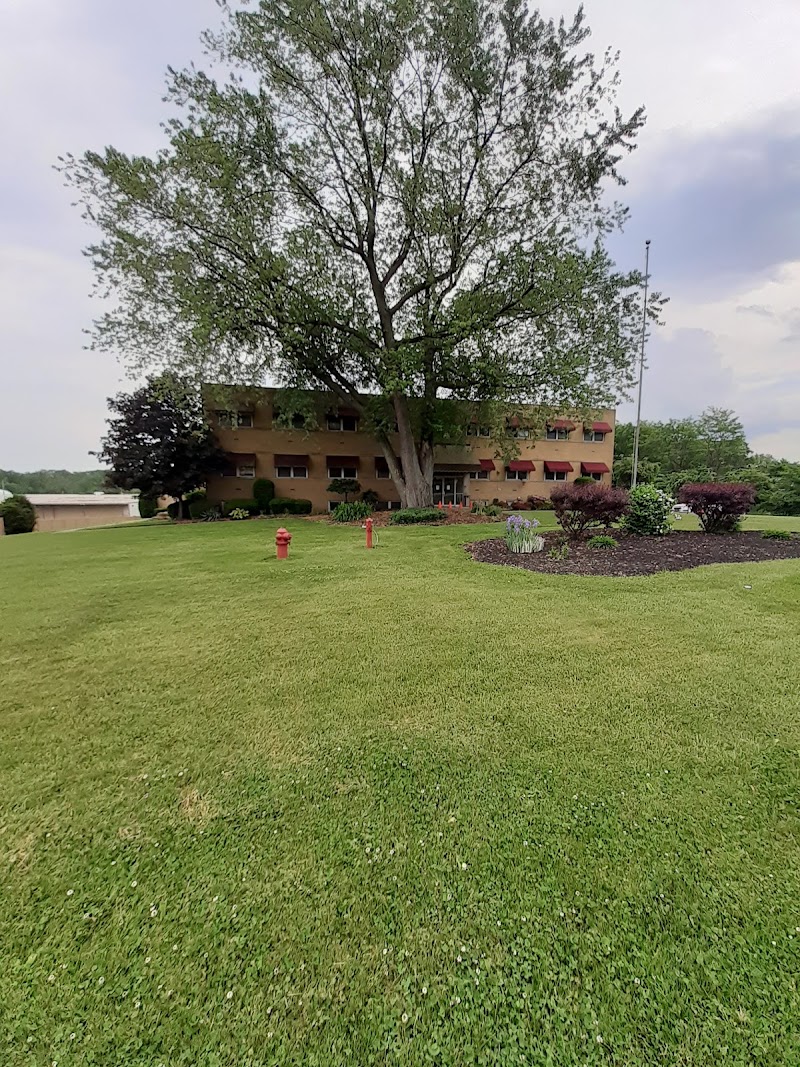
How is Park Center Healthcare And Rehabilitation Staffed?

CMS rates PARK CENTER HEALTHCARE AND REHABILITATION's staffing level at 2 out of 5 stars, which is below average compared to other nursing homes. Staff turnover is 49%, compared to the Ohio average of 46%.

What Have Inspectors Found at Park Center Healthcare And Rehabilitation?

State health inspectors documented 72 deficiencies at PARK CENTER HEALTHCARE AND REHABILITATION during 2021 to 2025. These included: 1 Immediate Jeopardy (the most serious level, indicating potential for serious harm or death), 1 that caused actual resident harm, 69 with potential for harm, and 1 minor or isolated issues. Immediate Jeopardy findings are rare and represent the most serious regulatory concerns. They require immediate corrective action.
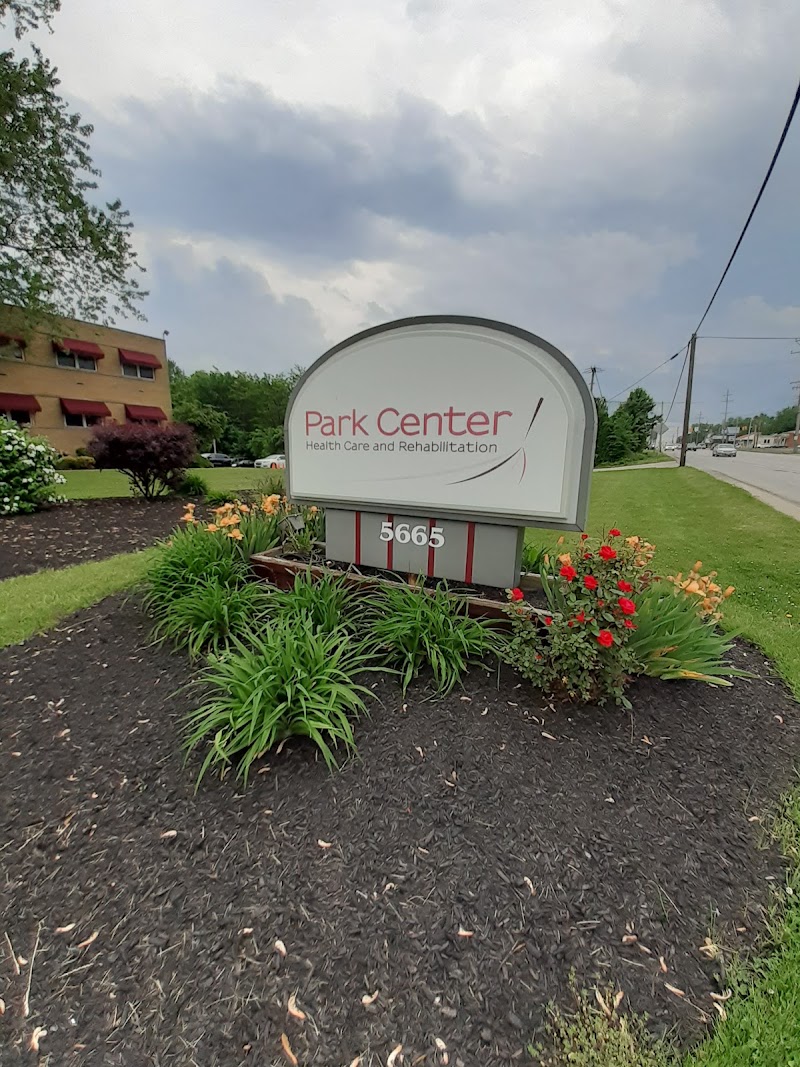
Who Owns and Operates Park Center Healthcare And Rehabilitation?

PARK CENTER HEALTHCARE AND REHABILITATION is owned by a for-profit company. For-profit facilities operate as businesses with obligations to shareholders or private owners. The facility is operated by DAVID OBERLANDER, a chain that manages multiple nursing homes. With 99 certified beds and approximately 89 residents (about 90% occupancy), it is a smaller facility located in YOUNGSTOWN, Ohio.
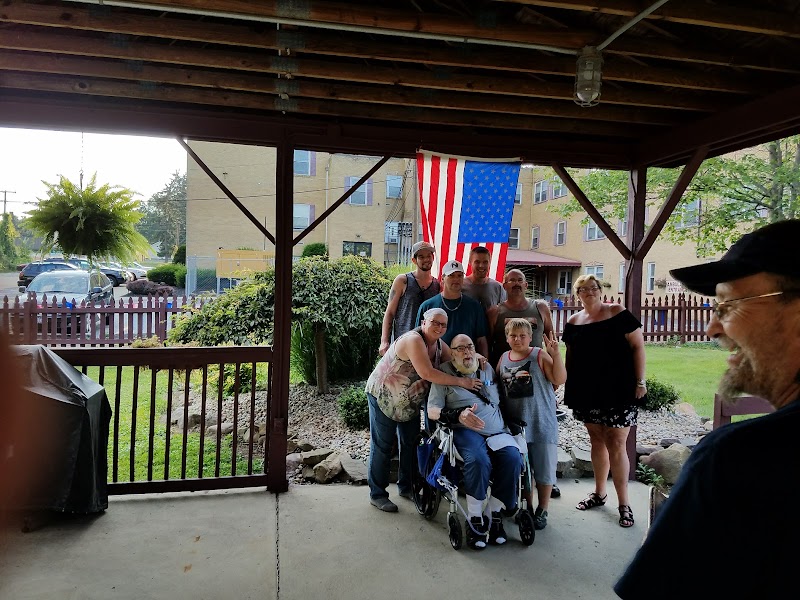
How Does Park Center Healthcare And Rehabilitation Compare to Other Ohio Nursing Homes?

Compared to the 100 nursing homes in Ohio, PARK CENTER HEALTHCARE AND REHABILITATION's overall rating (1 stars) is below the state average of 3.2, staff turnover (49%) is near the state average of 46%, and health inspection rating (1 stars) is much below the national benchmark.

What Should Families Ask When Visiting Park Center Healthcare And Rehabilitation?

Based on this facility's data, families visiting should ask: "What changes have been made since the serious inspection findings, and how are you preventing similar issues?" "Can you walk me through typical staffing levels on day, evening, and night shifts?" "Can I visit during a mealtime to observe dining assistance and food quality?" "How do you handle medical emergencies, and what is your hospital transfer rate?" These questions are particularly relevant given the facility's Immediate Jeopardy citations and the below-average staffing rating.

Is Park Center Healthcare And Rehabilitation Safe?

Based on CMS inspection data, PARK CENTER HEALTHCARE AND REHABILITATION has documented safety concerns. Inspectors have issued 1 Immediate Jeopardy citation (the most serious violation level indicating risk of serious injury or death). The facility is currently on the Special Focus Facility watch list (a federal program monitoring the lowest-performing 1% of nursing homes nationwide). The facility has a 1-star overall rating and ranks #100 of 100 nursing homes in Ohio. Families considering this facility should ask detailed questions about what corrective actions have been taken since these incidents.

Do Nurses at Park Center Healthcare And Rehabilitation Stick Around?

PARK CENTER HEALTHCARE AND REHABILITATION has a staff turnover rate of 49%, which is about average for Ohio nursing homes (state average: 46%). Moderate turnover is common in nursing homes, but families should still ask about staff tenure and how the facility maintains care continuity when employees leave.

Was Park Center Healthcare And Rehabilitation Ever Fined?

PARK CENTER HEALTHCARE AND REHABILITATION has been fined $39,108 across 1 penalty action. The Ohio average is $33,470. While any fine indicates a compliance issue, fines under $50,000 are relatively common and typically reflect isolated problems that were subsequently corrected. Families should ask what specific issues led to these fines and confirm they've been resolved.

Is Park Center Healthcare And Rehabilitation on Any Federal Watch List?

PARK CENTER HEALTHCARE AND REHABILITATION is currently an SFF Candidate, meaning CMS has identified it as potentially qualifying for the Special Focus Facility watch list. SFF Candidates have a history of serious deficiencies but haven't yet reached the threshold for full SFF designation. The facility is being monitored more closely — if problems continue, it may be added to the official watch list. Families should ask what the facility is doing to address the issues that led to this status.