PARK VISTA NURSING AND REHAB
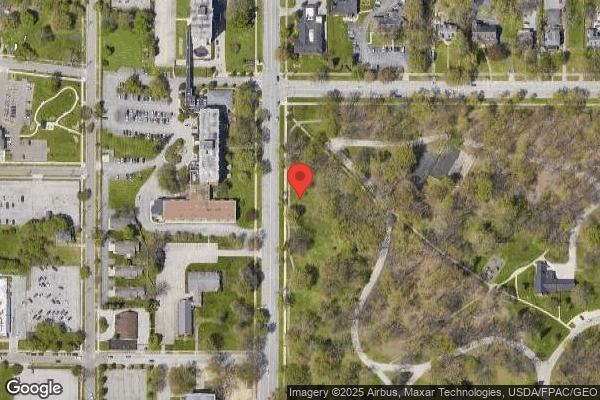
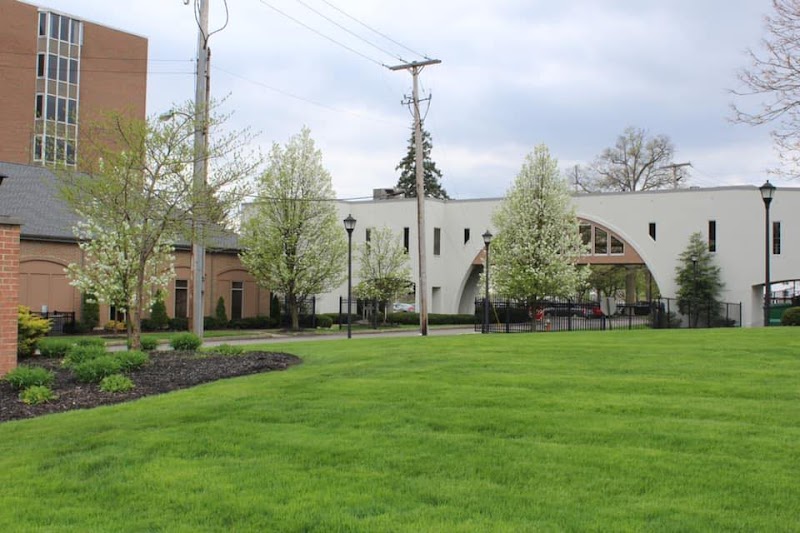
1216 5TH AVE, YOUNGSTOWN, OH 44504 (330) 746-2944
For profit - Corporation 114 Beds Independent Data: November 2025
Trust Grade
15/100
#894 of 913 in OH
Last Inspection: February 2025

Within standard 12-15 month inspection cycle. Federal law requires annual inspections.

Overview

Park Vista Nursing and Rehab has received a Trust Grade of F, indicating significant concerns about the quality of care provided. Ranking #894 out of 913 facilities in Ohio places it in the bottom half, and it is the lowest-ranked facility in Mahoning County. The situation appears to be worsening, with the number of issues rising from 8 in 2024 to 22 in 2025. Staffing is a major concern, with a low rating of 1 out of 5 stars and a turnover rate of 72%, which is much higher than the state average. Additionally, the facility faces fines totaling $36,501, which is higher than 78% of other Ohio facilities, suggesting ongoing compliance problems. There are serious incidents reported, including a failure to provide timely incontinence care to a resident, resulting in significant skin damage, and another resident suffered a serious allergic reaction due to inadequate management of food allergies, leading to hospitalization. While the facility does have average RN coverage, the overall quality of care and the alarming number of issues highlight both serious weaknesses and a lack of reliable support for residents.

Trust Score
F
15/100
In Ohio
#894/913
Bottom 3%
Safety Record
Moderate
Needs review
Inspections
Getting Worse
8 → 22 violations
Staff Stability
⚠ Watch
72% turnover. Very high, 24 points above average. Constant new faces learning your loved one's needs.
Penalties
✓ Good
$36,501 in fines. Lower than most Ohio facilities. Relatively clean record.
Skilled Nurses
○ Average
Each resident gets 33 minutes of Registered Nurse (RN) attention daily — about average for Ohio. RNs are the most trained staff who monitor for health changes.
Violations
⚠ Watch
84 deficiencies on record. Higher than average. Multiple issues found across inspections.
★☆☆☆☆
1.0
Overall Rating
★☆☆☆☆
1.0
Staff Levels
★★★★☆
4.0
Care Quality
★☆☆☆☆
1.0
Inspection Score
Stable
2024: 8 issues
2025: 22 issues

The Good

  • 4-Star Quality Measures · Strong clinical quality outcomes
  • Full Sprinkler Coverage · Fire safety systems throughout facility
  • No fines on record

Facility shows strength in quality measures, fire safety.

The Bad

1-Star Overall Rating

Below Ohio average (3.2)

Significant quality concerns identified by CMS

Staff Turnover: 72%

25pts above Ohio avg (46%)

Frequent staff changes - ask about care continuity

Federal Fines: $36,501

Above median ($33,413)

Moderate penalties - review what triggered them

Staff turnover is very high (72%)

24 points above Ohio average of 48%

The Ugly 84 deficiencies on record

2 actual harm
Jun 2025 2 deficiencies
CONCERN (E) 📢 Someone Reported This

A family member, employee, or ombudsman was alarmed enough to file a formal complaint

Potential for Harm - no one hurt, but risky conditions existed

Safe Environment (Tag F0584)

Could have caused harm · This affected multiple residents

**NOTE- TERMS IN BRACKETS HAVE BEEN EDITED TO PROTECT CONFIDENTIALITY** Based on observation, interview, record review, review of the AccuWeather forecast and facility policy review, the facility fail...

Read full inspector narrative →
**NOTE- TERMS IN BRACKETS HAVE BEEN EDITED TO PROTECT CONFIDENTIALITY** Based on observation, interview, record review, review of the AccuWeather forecast and facility policy review, the facility failed to maintain a comfortable temperature in the facility. This affected six (Residents #3, #15, #18, #55, #64, and #84) and had the potential to affect all residents in the facility. The facility census was 92. Findings include: Review of facilities recent hospital transfers revealed Residents #3 and #18 were sent to the hospital on [DATE] due to heat exhaustion symptoms including lethargy, shortness of breath, dizziness, and weakness. 1. Review of Resident #3's medical record revealed an admission date of 01/31/25. Diagnoses included adult failure to thrive, encephalopathy, atrial fibrillation, chronic obstructive pulmonary disease, major depressive disorder, and hypertension. Review of the quarterly Minimum Data Set (MDS) assessment dated [DATE] revealed Resident #3 had severely impaired cognition and required set up assistance with eating and oral hygiene, supervision or touching assistance with showers, dressing, personal hygiene and bed mobility and required partial to moderate assistance by staff for toileting hygiene. Review of Resident #3's progress notes dated 06/23/25 at 8:45 P.M. revealed the resident had gone outside for an extended period of time with another resident. Further review of Resident #3's progress notes dated 06/23/25 at 11:24 P.M. revealed the resident was sent to a local emergency room due to facility staff indicating how hot the facility was, and the resident had complaints of shortness of breath, feeling dizzy, and unable to catch his breath. Vital signs included blood pressure (BP) 115/88, pulse (P) 84, temperature (T) 98.1 degrees Fahrenheit (F), respirations (R) 20 and oxygen saturation (SpO2) 90 percent (%) on three liters per minute of oxygen. Nursing staff assessed the resident and found lungs were clear to auscultation, the resident was very lethargic with slurred speech. The resident had no complaints of pain. Further review of Resident #3's medical record revealed he returned from the hospital on [DATE] at 3:56 A.M. with no new orders. 2. Review of Resident #18's medical record revealed an admission date of 10/14/24 with diagnoses including Multiple Sclerosis, anxiety, hypertension, and protein calorie malnutrition. Review of Resident #18's quarterly MDS assessment dated [DATE] revealed the resident had intact cognition. He was independent with eating, oral hygiene and personal hygiene. He required partial to moderate assistance with bed mobility, substantial to maximal assistance with showers, and dressing and was dependent on staff for toileting hygiene. Review of Resident #18's progress notes dated 06/23/25 at 3:00 P.M. from the social worker revealed the resident was observed sleeping soundly in the outdoor gazebo in his wheelchair. They gently woke him up to make sure he was feeling okay. The resident stated he was feeling fine. They offered him and other residents in the gazebo water. Resident #18 declined water. Review of Resident #18's progress notes dated 06/23/25 at 8:10 P.M. revealed the resident asked a Certified Nursing Assistant (CNA) to assist him in from outside stating he was dizzy and lethargic. The resident had been outside most of the day. The resident was noted to be lethargic and slow to respond and was complaining of dizziness. The nurse notified the on-call Nurse Practitioner (NP) regarding the resident and received order to send the resident to the hospital. Review of Resident #18's progress note dated 06/24/25 at 9:05 A.M. revealed the resident returned from the hospital after being assessed for fatigue and dehydration. The resident was given intravenous (IV) fluids while at the hospital and returned with no new orders. Interview on 06/25/25 at 3:45 P.M. with the Administrator revealed the air conditioning system had been broken for approximately a year and they were attempting to get it fixed. They stated there was a generator to be delivered on 06/26/25 as well as two 12-ton air conditioning units. The Administrator confirmed Residents #3 and #18 were sent to the hospital on [DATE] due to heat exhaustion symptoms including lethargy, shortness of breath, dizziness, and weakness. Observations made on 06/25/25 at various times of resident room and hallway temperatures with the Maintenance Director (MD) #801 who verified all temperatures taken revealed at: • 4:51 P.M. room [ROOM NUMBER] was 84.2 degrees Fahrenheit (F) • 4:55 P.M. room [ROOM NUMBER] was 81.5 degrees F • 5:01 P.M. room [ROOM NUMBER] was 83 degrees F • 5:03 P.M. room [ROOM NUMBER] was 86 degrees F • 5:05 P.M. room [ROOM NUMBER] was 84.6 degrees F • 5:07 P.M. room [ROOM NUMBER] was 82.4 degrees F • 5:13 P.M. room [ROOM NUMBER] was 84.4 degrees F • 5:16 P.M. room [ROOM NUMBER] was 81.2 degrees F • 5:18 P.M. Nursing 200 Hall was 81.6 degrees F • 5:23 P.M. room [ROOM NUMBER] was 85 degrees F • 5:25 P.M. room [ROOM NUMBER] was 85 degrees F • 5:29 P.M. room [ROOM NUMBER] was 82.2 degrees F • 5:35 P.M. room [ROOM NUMBER] was 85.5 degrees F • 5:38 P.M. room [ROOM NUMBER] was 83.2 degrees F Interview on 06/25/25 at 4:51 P.M. with Resident #15 revealed she was too hot and wanted to leave her room to get to some place cooler. She was sweating, and her hair was sticking to her face due to how hot she was, and she stated she was dizzy and weak. Interview on 06/25/25 at 4:52 P.M. with Licensed Practical Nurse (LPN) #802 revealed the facility was hot and humid. She stated the air conditioning was not working. LPN #802 stated it was so hot in the facility she was wearing a fan attached to her uniform to cool down. Interview on 06/25/25 at 5:01 P.M. with Resident #55's husband stated her room was entirely too hot, and the facility needed to do something to fix it. Interview on 06/25/25 at 5:03 P.M. with Resident #64 revealed she was very hot and uncomfortable. Her room was 86 degrees F. She stated she needed the two fans in their room due to how hot the facility was, and she was very unhappy about it. Interview on 06/25/25 at 5:09 P.M. with CNA #808 revealed the facility was hot and uncomfortable not just for staff but for the residents too. CNA #808 stated they were offering residents water and trying to keep them as cool as possible until the air conditioning was fixed. Interview on 06/25/25 at 5:13 P.M. with Resident #80 revealed his room was too hot and he was uncomfortable. Resident #80's room was 84.4 degrees F. Interview on 06/25/25 at 5:45 P.M. with MD #801 confirmed the facility ordered a total of 15 portable air conditioning units. He was waiting for them to arrive. He confirmed the one heating and air company comes and fixes certain units for the main system, and a third company fixes the issues they are having now. He was unable to provide the names and/or invoices of the second company. MD#801 confirmed no one was onsite to fix the air conditioning problems at the moment, but he was waiting for someone to arrive. MD #801 confirmed the residents' rooms were not at the appropriate temperatures. Review of AccuWeather.com revealed the outdoor temperatures included: • 06/21/25 was a high of 87 degrees F. • 06/22/25 was a high of 92 degrees F. • 06/23/25 was a high of 93 degrees F. • 06/24/25 was a high of 94 degrees F. • 06/25/25 was a high of 90 degrees F. Review of the facility Emergency Preparedness Policy, dated 10/10/17, revealed in the event that there is a loss of function in the cooling system or there is an area in the facility that the system has failed during hot weather, the following procedures should be implemented when the facility temperature reaches 81 degrees F and remains for greater than four hours, set up fans and portable air conditioners, draw all shades, remove residents from direct sunlight, provide ample fluids, and contact the medical director. Central air coolers are maintained at a comfortable temperature range generally between 72-78 degrees F. This deficiency represents non-compliance investigated under Master Complaint Number OH00166949.
CONCERN (F) 📢 Someone Reported This

A family member, employee, or ombudsman was alarmed enough to file a formal complaint

Potential for Harm - no one hurt, but risky conditions existed

Safe Environment (Tag F0921)

Could have caused harm · This affected most or all residents

**NOTE- TERMS IN BRACKETS HAVE BEEN EDITED TO PROTECT CONFIDENTIALITY** Based on observation, invoice review and interview, the facility failed to ensure the dishwasher was in good working condition. ...

Read full inspector narrative →
**NOTE- TERMS IN BRACKETS HAVE BEEN EDITED TO PROTECT CONFIDENTIALITY** Based on observation, invoice review and interview, the facility failed to ensure the dishwasher was in good working condition. The facility has served all meals since 05/09/25 on paper products with plastic silverware when the dishwasher broke. This affected 90 of 92 residents residing in the facility. Residents #8 and #88 did not receive food from the kitchen. The facility census was 92. Findings include: Observation on 06/25/25 at 4:23 P.M. of residents eating dinner in the dining room and in residents' rooms revealed they were being served on paper plates with plastic silverware. Observation of the dishwasher on 06/26/25 at 1:00 P.M. revealed it was broken and not in working order. Interview on 06/26/25 at 1:15 P.M. with Maintenance Director (MD) #801 confirmed the dishwasher had a power surge that caused it to stop functioning. He reported the delay in getting it fixed was ordering parts and scheduling of the maintenance service. Interview on 06/26/25 at 1:18 P.M. with the Administrator revealed they confirmed the dishwasher had been broken since 05/09/25 after a power surge. The Administrator stated they had a company come out to fix it and they needed to order parts. The Administrator stated the company was to return to the facility on [DATE] to repair the dishwasher. Interview on 06/30/25 at 2:05 P.M. with the Administrator revealed the repair company did come to the facility on [DATE] but were unable to fix the dishwasher due to the additional parts needed. Interview on 06/30/25 at 2:10 P.M. with the Dietary Manager (DM) #810 revealed they confirmed residents have been served on paper plates with plastic silverware for the past six weeks. They reported that the dishwasher had a power surge, and it still was not working. DM #810 confirmed all adaptive devices were still used per order and were washed, rinsed and sanitized using the three-bay sink system in the kitchen after every meal. Review of the invoices for the dishwasher revealed that the machine went down on 05/09/25. Repairs were not made until 06/20/25, and new parts were ordered on 06/23/25. The machine was still not functional. This deficiency was an incidental finding identified during the complaint investigation.
Jun 2025 1 deficiency
CONCERN (F) 📢 Someone Reported This

A family member, employee, or ombudsman was alarmed enough to file a formal complaint

Potential for Harm - no one hurt, but risky conditions existed

Safe Environment (Tag F0921)

Could have caused harm · This affected most or all residents

**NOTE- TERMS IN BRACKETS HAVE BEEN EDITED TO PROTECT CONFIDENTIALITY** Based on observation, interview, record review and review of facility policy, the facility failed to provide a safe, functional,...

Read full inspector narrative →
**NOTE- TERMS IN BRACKETS HAVE BEEN EDITED TO PROTECT CONFIDENTIALITY** Based on observation, interview, record review and review of facility policy, the facility failed to provide a safe, functional, sanitary and comfortable environment for all residents. This had the potential to affect all 89 residents residing in the facility. Findings include: Record review of the resident concern log dated May 2025 revealed on 05/02/25 Resident #4 had a concern about floors being sticky. On 05/15/25 there was a concern noted regarding room cleanliness by Resident #15. On 05/22/25 a concern was noted for cleanliness of the room by two residents (#90 and #91). On 05/26/25 another concern for room cleanliness was logged by Resident #90. Record review of the Resident Council meeting minutes dated 04/17/25 revealed a concern for housekeeping on the weekends. Record review of the Resident Council meeting minutes dated 05/27/25 revealed residents requesting rooms be cleaned more thoroughly. Observations were conducted on 06/04/25 between 10:45 A.M. and 12:40 P.M. with admission Director (AD) #267 of the general facility environment, resident rooms and resident common areas throughout the facility. AD #267 verified the following concerns at the time of the observations: • room [ROOM NUMBER] was noted to have a toilet with a broken handle, there was a large stain on the carpet and the curtains did not function properly due to being incorrectly hung. • Resident #79's room had curtains on the window that were not hung correctly so the curtain did not properly function. • Resident #82's room had a heavily stained carpet. • room [ROOM NUMBER], which was unoccupied at the time of the observation, had a urinal sitting on a table with approximately 300 cubic centimeters (cc) of urine in it. AD #267 stated at the time of the observation that the resident who occupied the room had been out to the hospital since 05/30/25 and verified urine was left in the urinal. • A large stain was noted in the third floor hallway in front of room [ROOM NUMBER] and the carpet inside of room [ROOM NUMBER] was heavily stained. • Resident #86's room was noted to have a stained carpet. • room [ROOM NUMBER] was noted to have a carpet that was stained and bubbled so it did not properly adhere to the floor • The hall carpet in front of room [ROOM NUMBER] was noted with a large stain and the burgundy strip that was going across the hallway was noted to be frayed causing the walking surface of the carpet to be uneven. • Resident #69's room revealed curtains that were not hung correctly so were not operable, and the paint on the top wall to the left of the window was noted with a patched area not yet repaired. • room [ROOM NUMBER] had a large stain on the carpet. • In the hallway outside of room [ROOM NUMBER], the carpet was stained. • room [ROOM NUMBER] was noted with a large stain on the carpet. Visible insulation was noted between the screen and the window. The screen was hung on the inside of the room as opposed to the outside of the window so the insulation could have been touched. • A large red stain was noted on the hall carpet in between rooms [ROOM NUMBERS]. • The room of Resident #31 and #48 had stained carpet. • Resident #55's bed had stained and dirty sheets on it and the window curtain was not properly hung so it was not operable. • The first floor carpet in both hallways was worn and stained throughout. • Resident #33's room had a brown stain resembling fecal matter smeared on the wall between the bathroom and the resident bed. The privacy curtain was noted to have brown smears on it. There was spaghetti on the floor at the foot of the bed. Certified Nurse Aide (CNA) #234 was present at the time of the observation and stated the resident had just finished lunch and had a behavior for throwing food. • room [ROOM NUMBER] had frayed carpet that caused an uneven walking surface in the room. • A large carpet stain was noted between room [ROOM NUMBER] and 164 in the hall. • There was a large water stain on the ceiling tile between rooms [ROOM NUMBERS]. An interview with Maintenance Supervisor #299 at the time of the observation verified the stained ceiling tile. On 06/04/25 at 12:50 P.M. an interview with the Administrator revealed the carpet cleaning machines had been broken since February 2025. The Administrator also stated the Housekeeping Supervisor position had been vacant since the beginning of May. The Administrator stated housekeeping had been a challenge all month. On 06/05/25 at 12:45 P.M. an interview with Housekeeper (HK) #304 revealed resident rooms should be cleaned daily. HK #304 stated any repairs that need done that are non-emergent in nature are reported via the TELS system to maintenance for repair. HK #304 stated it was housekeeping's responsibility to hang curtains and check curtains for proper hanging and operability. A review of the document titled Daily Cleaning Log, undated, revealed all surfaces, medical equipment, curtains, shower, sink, toilet, trash, and floors are to be addressed daily. A review of the policy titled Quality of Life-Homelike Environment, dated May 2017, revealed residents were provided with a safe, clean, comfortable and homelike environment. This deficiency represents non-compliance investigated under Complaint Number OH00166022 and Complaint Number OH00165979.
Feb 2025 19 deficiencies
CONCERN (D) 📢 Someone Reported This

A family member, employee, or ombudsman was alarmed enough to file a formal complaint

Potential for Harm - no one hurt, but risky conditions existed

Deficiency F0558 (Tag F0558)

Could have caused harm · This affected 1 resident

**NOTE- TERMS IN BRACKETS HAVE BEEN EDITED TO PROTECT CONFIDENTIALITY** Based on observation, interview, record review and review of the facility policy, the facility failed to ensure Resident's #46 a...

Read full inspector narrative →
**NOTE- TERMS IN BRACKETS HAVE BEEN EDITED TO PROTECT CONFIDENTIALITY** Based on observation, interview, record review and review of the facility policy, the facility failed to ensure Resident's #46 and #98 were transported to their scheduled appointments. This affected two residents (#46 and #98) out of three residents reviewed for transportation to appointments. The facility census was 101. Findings include: 1. Review of Resident #46's medical record revealed an admission date of 12/12/22 with diagnoses including congestive heart failure, chronic obstructive pulmonary disease, dysphagia following cerebral infarction, and anxiety disorder. Review of the annual Minimum Data Set (MDS) 3.0 assessment dated [DATE] revealed Resident #46 was cognitively intact. Resident #46 required partial to moderate assistance rolling left and right, the ability to come to a standing position from sitting in a chair, wheelchair, or on the side of the bed, and the ability to transfer to and from a bed to a chair or wheelchair. Review of the care plan revised 12/20/24 included Resident #46 had an activities of daily living (ADL) self-care performance deficit related to weakness, chronic obstructive pulmonary disease, and endocarditis. Resident #46 would maintain ADL through the next review date. Interventions included Resident #46 required partial to moderate assistance to move between surfaces, from bed to wheelchair, from wheelchair to toilet, and for showers. Review of Resident #46's Transportation Scheduling Request dated 01/08/25 included the transportation company was called on 01/16/25 and transportation was arranged for a pickup time on 02/12/25 at 8:00 A.M. for a physician appointment at 9:00 A.M. Observation on 02/12/25 at 7:45 A.M. revealed Resident #46 was provided incontinence care for a bowel movement at 7:48 A.M. Observation on 02/12/25 at 8:20 A.M. revealed Resident #46 was sitting in a wheelchair by the elevator with her coat on. Observation on 02/12/25 at 8:45 A.M. revealed Resident #46 was sitting in a wheelchair close to the elevator of the nursing unit she resided in. Certified Nursing Assistant (CNA) #804 was talking to other staff members by the nurse's station and pushing a metal cart. After she was done talking to the staff members, CNA #804 told Licensed Practical Nurse (LPN) #963 she was going to take Resident #46 downstairs to the main entrance so she would be ready for transportation to pick her up for her appointment (the pickup time was 8:00 A.M.). CNA #804 used the elevator and transported Resident #46 to the main entrance of the facility. Observation on 02/12/25 at 8:55 A.M. revealed CNA #804 returned to the nursing unit with Resident #46. CNA #804 stated the transportation driver did not take Resident #46 to her appointment. CNA #804 stated the transportation driver said she called the nursing unit to tell them she was at the facility and ready to take Resident #46 to her appointment, but no one answered the phone. LPN #963 stated she did not hear the phone ring. CNA #804 stated she was assisting residents and did not hear the phone ring. LPN #963 confirmed Resident #46's pick up time was at 8:00 A.M., and Resident #46 should have been at the main entrance at that time and ready to go to her appointment. Interview on 02/12/25 at 8:56 A.M. of CNA #919 revealed she was in Resident #46's room at 7:59 A.M. (observation at 7:48 A.M. revealed the incontinence care was completed) providing incontinence care for a bowel movement. CNA #919 stated she did not hear the phone ring at the nurse's station. Interview on 02/12/25 at 8:59 A.M. of LPN #963 revealed the two aides assigned to the nursing unit have a lot of things they are responsible for, and it puts so much on the aides to also have to transport residents to the front entrance of the facility for their appointments. Review of Resident #46's progress notes dated 02/12/25 at 3:19 P.M. revealed Resident #46 missed an orthopedic appointment today, and the appointment was rescheduled for 02/26/25 at 2:40 P.M. The transport paper was sent, and Resident #46 was aware. Interview on 02/18/25 at 2:12 P.M. of Business Office Manager (BOM) #971 and Business Office Assistant (BOA) #935 revealed they scheduled transportation for the residents, and there were issues with some of the transportation companies. BOA #935 stated the drivers were only required to wait five minutes, and if the residents were not ready to go, the transportation drivers leave. BOM #971 stated the drivers would leave even if they knew the resident was on the way to the transportation van. BOM #971 indicated the facility tried to get the residents transported to the main entrance before the scheduled pick-up time just to make sure they do not miss their ride, and the residents sometimes waited a long time before they were picked up. Interview on 02/19/25 at 8:07 A.M. of CNA #919 indicated that depending on the time of day a resident had an appointment, it could be hard for the aides to take residents to the transportation van because the elevators had to be used to take them downstairs to the front entrance to be picked up by the drivers. CNA #919 stated if the aides were passing meal trays, or providing care to another resident, it is hard to take everyone where they need to go at the time they need to go. Interview on 02/19/25 at 8:35 A.M. of the Administrator revealed the nurses' were responsible to tell the aides what time the residents needed to be taken to the main entrance for their pick up when they had an appointment. Review of the facility policy titled Transportation, reviewed 08/2024, included it was the policy of the facility to arrange and ensure transportation was provided for doctors and specialist appointments if the resident did not have family, a friend or responsible party available for transport. The facility staff would schedule transportation to and from the appointment as needed. The facility staff would notify staff involved of the appointment. The resident would be transported to the appointment. 2. Review of Resident #98's medical record revealed an admission date of 01/13/25 with diagnoses including unstable burst fracture of T7-T8 thoracic vertebra, type two diabetes mellitus, morbid obesity, and chronic obstructive pulmonary disease. Review of Resident #98's physician orders dated 01/18/25 revealed an order for oxygen therapy at four liters per minute via nasal cannula, may titrate as needed, every shift. Review of the admission MDS 3.0 assessment dated [DATE] revealed Resident #98 was cognitively intact. Resident #98 required substantial to maximal assistance with toileting hygiene, bathing, and was dependent on staff for lower body dressing. Resident #98 required partial to moderate assistance for the ability to transfer to and from a bed to a chair or wheelchair and for the ability to come to a standing position from sitting in a chair, wheelchair, or on the side of the bed. Resident #98 used oxygen therapy. Review of Resident #98's Transportation Scheduling Request dated 01/21/25 included transportation was scheduled on 02/03/25 for Resident #98's appointment on 02/12/25 at 9:30 A.M. Resident #98's pick up time for his appointment was at 8:30 A.M. Review of Resident #98's care plan dated 01/24/25 included Resident #98 had an ADL self-care performance deficit related to activity intolerance, disease process, impaired balance, limited mobility, pain fracture T7-T8 vertebrae, and other diagnoses. Resident #98 would improve his current level of function through the review date. Interventions included Resident #98 required supervision or touching assistance for chair-to-bed-to-chair transfers. Observation on 02/12/25 at 8:04 A.M. of Registered Nurse (RN) #815 revealed she was sitting in the back room of the nurse's station, had a concerned look on her face and stated she worked night shift, and the day shift nurse had not shown up yet. RN #815 stated she was really stressed out about it because she had to take her son to school and now, he was late. RN #815 stated she called the Director of Nursing (DON), and he assured her someone would come, but no one did. RN #815 indicated she had been waiting an hour for her relief. Interview on 02/12/25 at 8:11 A.M. of the DON revealed he was not aware RN #815 had not been relieved by a day shift nurse, and he would make sure someone came to relieve her so she could go home. Review of RN #815's timecard revealed she clocked out on 02/12/25 at 8:20 A.M. Observation on 02/12/25 at 9:15 A.M. with Assistant Director of Nursing (ADON) #911 revealed Resident #98 was sitting in a wheelchair and was assisted out of the elevator and to his room by CNA #894. Interview on 02/12/25 at 9:15 A.M. of ADON #911 revealed he took over for RN #815 around 8:30 A.M. because she said she had to leave. ADON #911 stated Resident #98 missed an appointment. ADON #911 stated Resident #98's pick up time was 8:30 A.M., and he did not make his appointment because ADON #911 had to find an oxygen tank that would fit on a bariatric wheelchair. ADON #911 stated he did not find an oxygen tank to fit on the wheelchair but sent an oxygen tank on wheels with Resident #98. ADON #911 stated the transportation driver called and said he was at the facility, and ADON #911 indicated he told the receptionist to tell the driver to wait because he was getting him ready, but the driver did not wait. ADON #911 stated Resident #98's pick up time was 8:30 A.M. and he was downstairs by 8:55 A.M. ADON #911 indicated the transportation drivers only wait five minutes and then they leave. Review of Resident #98's late entry progress notes dated 02/12/25 at 3:33 P.M. revealed Nurse Practitioner (NP) #1005 was updated regarding Resident #98 missing a pulmonology appointment today related to transportation. The appointment was rescheduled for 02/27/25 at 9:15 A.M. Review of the facility policy titled Transportation, reviewed 08/2024, included it was the policy of the facility to arrange and ensure transportation was provided for doctors and specialist appointments if the resident did not have family, a friend or responsible party available for transport. The facility staff would schedule transportation to and from the appointment as needed. The facility staff would notify staff involved of the appointment. The resident would be transported to the appointment. This deficiency represents noncompliance investigated under Complaint Number OH00161578.
CONCERN (D) 📢 Someone Reported This

A family member, employee, or ombudsman was alarmed enough to file a formal complaint

Potential for Harm - no one hurt, but risky conditions existed

Safe Environment (Tag F0584)

Could have caused harm · This affected 1 resident

**NOTE- TERMS IN BRACKETS HAVE BEEN EDITED TO PROTECT CONFIDENTIALITY** Based on observation, interview, record review and review of the facility policy, the facility failed to ensure Residents #57 an...

Read full inspector narrative →
**NOTE- TERMS IN BRACKETS HAVE BEEN EDITED TO PROTECT CONFIDENTIALITY** Based on observation, interview, record review and review of the facility policy, the facility failed to ensure Residents #57 and #90 and had a clean, sanitary and homelike environment. This affected two residents (#57 and #90) out of three residents reviewed for sanitary homelike environment. The facility census was 101. Findings include: 1. Review of Resident #57's medical record revealed an admission date of 08/06/24 with diagnoses including bipolar disorder, major depressive disorder, and nontraumatic intracranial hemorrhage. Review of the quarterly Minimum Data Set (MDS) 3.0 assessment dated [DATE] revealed Resident #57 was cognitively intact. Resident #57 had no impairment of the upper and lower extremities. Resident #57 required set-up or clean-up assistance for activity of daily living (ADL). Observation on 02/12/25 at 10:21 A.M. of Resident #57 revealed she walked up to Registered Nurse (RN) #997 and was very upset and told RN #997 her room needed cleaned. Resident #57 stated her trash can was so full that you cannot even put a Q-tip in it and her bathroom was dirty, and she cleaned it herself today. Resident #57 indicated she did not have toilet paper and had to go searching for a new roll. Resident #57 stated her room had not been cleaned for a couple of days. Observation on 02/12/25 at 10:22 A.M. of Resident #57's room with Housekeeping Aide (HA) #955 confirmed the trash receptacle was very full, and it would be hard to fit anything else in it. HA #955 confirmed Resident #57's bathroom floor and toilet needed cleaned. HA #955 confirmed the toilet paper roll was empty, and there was a new roll propped up on the towel rack. HA #955 stated Resident #57's room needed cleaned, and she would clean it right now. Interview on 02/13/25 at 2:31 P.M. of Housekeeping Director (HD) #844 revealed resident rooms should be cleaned daily which included sweeping, mopping, dusting, clean surfaces, sink, toilet, trash and floors. HD #844 reviewed Resident #57's housekeeping record, and it showed her room was cleaned daily. HD #844 stated she would educate the housekeeping staff on the correct way to clean resident rooms. 2. Review of the medical record revealed that Resident #90 was admitted to the facility on [DATE] with diagnosis including alcoholic cirrhosis of the liver and a new diagnosis of alcoholic induced dementia on 11/25/24. Review of the MDS 3.0 assessment dated [DATE] revealed Resident #90 had a Brief Interview for Mental Status (BIMS) score of 00, indicating severe cognitive impairment with long- and short-term memory impairments. Review of the care plan dated 01/29/25 stated Resident #90 had a behavior problem and preferred to be nude. Resident #90 often had bowel movement (BM) on the floor of his room and painted the walls and floor with feces. He often ate other people's food. The care plan also stated he refused to allow staff to put sheets and pads on his bed, refused to wear clothes or an incontinence brief, he removed his clothing and soiled linen and threw it on the floor and sometimes walked in the hallway nude. Observation of Resident #90 on 02/10/24 at 8:10 P.M. revealed him lying in bed wearing only a continence brief. He was agitated and asked the surveyor to go away. The surveyor observed kernels of corn and breadcrumbs on his floor; Resident #90 was unable to recall how the food ended up on the floor or how long it had been there. Observation on 02/11/25 3:55 P.M. revealed Resident #90 was lying in bed awake and wearing only a shirt. The floor was messy with crumbs of food and various papers. Yesterday's corn was gone. He was agitated and asked the surveyor to leave. The surveyor observed a chair in the corner of the room with a note attached that said, please clean chair: FECES! Observation on 02/12/25 at 9:00 A.M. revealed Resident #90 lying in bed without clothes wearing only a brief. He asked the surveyor to leave his room. The surveyor observed the dirty chair still in the corner. It had not been cleaned, and the sign was still on it. The surveyor also observed feces on Resident #90's toilet seat and bed linens. Interview with CNA #872 on 02/12/25 9:40 A.M. stated Resident #90 routinely took his clothing off shortly after they help him get dressed, and his room needs cleaned after every meal as he throws food everywhere. CNA #872 also stated she asks housekeeping to clean resident's room more often as he gets feces all over himself and his bed and toilet seat. Observation of Resident #90's room on 02/13/25 at 8:31 A.M. revealed the soiled chair in corner still displaying the sign asking for it to be clean as it had feces on it. Crumbs were observed on the floor. Observation on 02/13/25 at 11:07 A.M. revealed Resident #90 lying in bed wearing a hospital gown. Housekeeping was in the process of cleaning his room at the time of surveyor's observation; the room was clean and comfortable. No crumbs or papers were on the floor. The soiled chair was still sitting in the corner displaying the sign asking for it to be cleaned which was confirmed by Housekeeper #926 at the time of the observation. This deficiency represents noncompliance investigated under Master Complaint Number OH00161714.
CONCERN (D)

Potential for Harm - no one hurt, but risky conditions existed

Deficiency F0655 (Tag F0655)

Could have caused harm · This affected 1 resident

**NOTE- TERMS IN BRACKETS HAVE BEEN EDITED TO PROTECT CONFIDENTIALITY** Based on record review, interview and facility policy review, the facility did not ensure a baseline care plan was completed wit...

Read full inspector narrative →
**NOTE- TERMS IN BRACKETS HAVE BEEN EDITED TO PROTECT CONFIDENTIALITY** Based on record review, interview and facility policy review, the facility did not ensure a baseline care plan was completed within 48 hours for Residents #11, #92, and #257. This affected three residents (#11, #92, and #257) of the 30 resident records reviewed. The facility census was 101. Findings include: 1. Record review revealed Resident #11 was admitted [DATE] with diagnoses of acute osteomyelitis of the right ankle and foot, legal blindness, chronic diastolic (congestive) heart failure, and chronic obstructive pulmonary disease. Review of the admission Minimum Data Set (MDS) 3.0 assessment dated [DATE] revealed Resident #11's cognition was intact as evidenced by the Brief Interview for Mental Status (BIMS) assessment score of 15 out of 15. The resident required moderate assistance for toileting, dressing, showers and transfers. Review of the care plan revealed a baseline care plan was initiated on 12/28/24. Interview on 02/18/25 at 10:24 A.M. with Unit Manager #859 confirmed a baseline care plan was not completed until 12/28/24 and not within 48 hours of admission. 2. Record review revealed Resident #257 was admitted [DATE] with diagnoses of lobar pneumonia, chronic respiratory failure with hypoxia, chronic obstructive pulmonary disease, and chronic diastolic (congestive) heart failure. Review of the Medicare 5-Day MDS 3.0 assessment dated [DATE] revealed Resident #257 had mild cognitive impairment as evidenced by the BIMS assessment score of 11 out of 15. Resident #257 was dependent on staff for toileting and dressing and required maximal assistance with showers. Review of the care plan revealed a baseline care plan was initiated 02/02/25. Interview on 02/18/25 at 10:35 A.M. with Unit Manager #859 confirmed a baseline care plan was not completed until 02/02/25 and not within 48 hours of admission. 3. Record review revealed Resident #92 was admitted [DATE] with diagnoses of malignant neoplasm of unspecified part of right bronchus or lung, chronic obstructive pulmonary disease, anxiety, and protein calorie malnutrition. Review of the admission MDS 3.0 assessment dated [DATE] revealed Resident #92 had mild cognitive impairment as evidenced by the BIMS assessment score of 13 out of 15. Resident #92 required moderate assistance with showers and supervision with dressing. Review of the care plan revealed a baseline care plan was initiated on 01/05/25. Interview on 02/12/25 at 3:29 P.M. with Unit Manager #861 confirmed a baseline care plan was not completed until 01/05/25 and not within 48 hours of admission. Review of the Care Plan Policy and Procedure, dated 12/01/18, revealed as procedure, a baseline care plan be developed within 48 hours of a resident's admission and must include the minimum healthcare information necessary to properly care for a resident including, but not limited to initial goals based on admission orders, physician orders, dietary orders, therapy services, social services, and Pre-admission Screening and Resident Review (PASRR) recommendation, if applicable.
CONCERN (D)

Potential for Harm - no one hurt, but risky conditions existed

Deficiency F0657 (Tag F0657)

Could have caused harm · This affected 1 resident

**NOTE- TERMS IN BRACKETS HAVE BEEN EDITED TO PROTECT CONFIDENTIALITY** Based on record review, interview and facility policy review, the facility failed to ensure an initial care conference was compl...

Read full inspector narrative →
**NOTE- TERMS IN BRACKETS HAVE BEEN EDITED TO PROTECT CONFIDENTIALITY** Based on record review, interview and facility policy review, the facility failed to ensure an initial care conference was completed for Resident #11 and failed to ensure the quarterly care conference was completed for Resident #31. This affected two residents (#11 and #31) of the 30 resident records reviewed. The facility census was 101. Findings include: 1. Record review revealed Resident #11 was admitted [DATE] with diagnoses of acute osteomyelitis of the right ankle and foot, legal blindness, chronic diastolic (congestive) heart failure, and chronic obstructive pulmonary disease. Review of the admission Minimum Data Set (MDS) 3.0 assessment dated [DATE] revealed Resident #11's cognition was intact as evidenced by the Brief Interview for Mental Status (BIMS) assessment score of 15 out of 15. The resident required moderate assistance for toileting, dressing, showers and transfers. Review of Resident #11's medical record revealed no documented evidence a care conference had occurred. Interview on 02/18/25 at 10:06 A.M. with Social Service Designee (SSD) #883 confirmed no care conference had been conducted since Resident #11 was admitted to the facility on [DATE]. 2. Record review revealed Resident #31 was admitted [DATE] with diagnoses of cerebral infarction, atherosclerotic heart disease of the native coronary artery without angina pectoris, chronic obstructive pulmonary disease, type II diabetes, morbid (severe) obesity due to excess calories, and psychotic disorder with delusions due to known physiological condition. Review of the Annual MDS 3.0 assessment dated [DATE] revealed Resident #31 had mild cognitive impairment as evidenced by the BIMS assessment score of 13 out of 15. Resident #31 had an impairment to one side and was dependent on staff for toileting, showers, and dressing, and required maximal assistance for personal hygiene and transfers. Review of Resident #31's medical record revealed the last quarterly care conference occurred 10/17/24. Interview on 02/18/25 at 10:06 A.M. with SSD #883 confirmed the quarterly care conference for Resident #31 was not completed in January 2025 which was when the next quarterly conference was to have been conducted. Review of the Care Conferences Policy, dated January 2024, revealed as procedure, care conferences were to be scheduled to include the resident, resident representative, and interdisciplinary team as soon as possible after admission, routinely, and with a change in condition.
CONCERN (D)

Potential for Harm - no one hurt, but risky conditions existed

ADL Care (Tag F0677)

Could have caused harm · This affected 1 resident

**NOTE- TERMS IN BRACKETS HAVE BEEN EDITED TO PROTECT CONFIDENTIALITY** Based on observation, record review, interview and facility policy review, the facility failed to ensure Resident #29 was provid...

Read full inspector narrative →
**NOTE- TERMS IN BRACKETS HAVE BEEN EDITED TO PROTECT CONFIDENTIALITY** Based on observation, record review, interview and facility policy review, the facility failed to ensure Resident #29 was provided adequate nail care. This finding affected one resident (#29) of four residents reviewed for activities of daily living (ADL). The facility census was 101. Findings include: Review of Resident #29's medical record revealed the resident was initially admitted on [DATE] and readmitted on [DATE] with diagnoses including hemiplegia affecting the right dominant side, dementia, and cerebral infarction. Review of Resident #29's current ADL care plan revealed an intervention dated 08/05/21 to check the nail length and trim and clean on bath days and as necessary. Report any changes to the nurse. Review of the Annual Minimum Data Set (MDS) 3.0 assessment dated [DATE] revealed Resident #29 exhibited severe cognitive impairment and was dependent on staff for ADL care. Telephone interview on 02/11/25 at 10:02 A.M. with Resident #29's power-of-attorney (POA) revealed the POA had concerns of the resident's nail care not being provided, including cutting and cleaning the fingernails. Observation on 02/11/25 at 1:30 P.M. with Certified Nursing Assistant (CNA) #993 of Resident #29's incontinence care did not reveal concerns of infection control. The resident appeared to have brown debris under her fingernails on both the right and left hands. CNA #991 indicated the resident had some type of food items for the lunch meal that was underneath her fingernails. Observation on 02/12/25 at 12:50 P.M. with the Director of Nursing (DON) revealed Resident #29 was lying in bed, and both her right and left hands had brown debris underneath her fingernails. Interview at the time of the observation with the DON verified Resident #29's right and left hands had brown debris underneath her fingernails. Interview on 02/12/25 at 1:56 P.M. with Registered Nurse (RN) #859 confirmed staff were to clean underneath fingernails. RN #859 also verified nursing staff cut fingernails and the podiatrist cut toenails. Review of the Care of Fingernails and Toenails policy, revised 02/2018, revealed the purpose of the procedure was to clean the nail bed, to keep the nails trimmed, and to prevent infections.
CONCERN (D)

Potential for Harm - no one hurt, but risky conditions existed

Deficiency F0679 (Tag F0679)

Could have caused harm · This affected 1 resident

**NOTE- TERMS IN BRACKETS HAVE BEEN EDITED TO PROTECT CONFIDENTIALITY** Based on record review, interview and facility policy review, the facility failed to ensure Resident #49 was provided an ongoing...

Read full inspector narrative →
**NOTE- TERMS IN BRACKETS HAVE BEEN EDITED TO PROTECT CONFIDENTIALITY** Based on record review, interview and facility policy review, the facility failed to ensure Resident #49 was provided an ongoing activities program to meet the needs of the resident. This finding affected one resident (#49) of one resident reviewed for activities. The facility census was 101. Findings include: Review of the medical record revealed Resident #49 was initially admitted on [DATE] and readmitted on [DATE] with diagnoses including rheumatoid arthritis, spinal stenosis, and anxiety disorder. Review of Resident #49's current activity care plans revealed an intervention dated 11/17/23 which revealed the resident needed a variety of activity types and locations to maintain the resident's interests. Review of the Minimum Data Set (MDS) 3.0 assessment dated [DATE] revealed Resident #49 had intact cognition. Review of Resident #49's activity logs from 01/07/25 to 02/12/25 revealed the resident received two one-to-one activity visits from the activity staff, including one on 01/07/25 and one on 02/11/25. Interview on 02/10/25 at 8:03 P.M. with Resident #49 revealed she had not received activities as she was unable to get into a wheelchair to go to the activities and was not provided with activities in her room. Interview on 02/12/25 at 11:23 A.M. with Activity Director (AD) #891 revealed Resident #49 did not have one-to-one activities in her room because two activity staff members were terminated in the prior month. AD #891 confirmed Resident #49's documentation revealed the resident was provided two one-to-one activities from 01/01/25 to 02/12/25, including one on 01/07/25 and one on 02/11/25. She confirmed the staff had not documented the activity on 02/11/25 at the time of the interview because the staff were busy with activities. Review of the Activity policy, revised 01/2020, revealed it was the policy of the facility to provide activity programming to promote the physical, mental and psychosocial well-being of each resident. Activity programs were designed to meet the interests of the residents and encourage independence and interaction in the community.
CONCERN (D)

Potential for Harm - no one hurt, but risky conditions existed

Deficiency F0688 (Tag F0688)

Could have caused harm · This affected 1 resident

**NOTE- TERMS IN BRACKETS HAVE BEEN EDITED TO PROTECT CONFIDENTIALITY** Based on observation, record review, interview and facility policy review, the facility failed to ensure orthotics/braces were a...

Read full inspector narrative →
**NOTE- TERMS IN BRACKETS HAVE BEEN EDITED TO PROTECT CONFIDENTIALITY** Based on observation, record review, interview and facility policy review, the facility failed to ensure orthotics/braces were applied as ordered for Resident #86. This affected one resident (#86) of five residents reviewed for limited range of motion (ROM) and had the potential to affect 13 residents (#5, #6, #7, #29, #31, #40, #42, #43, #64, 72, #81 and #86) identified by the facility as requiring application of orthotics/braces. The facility census was 101. Findings include: Review of the medical record for Resident #86 revealed an admission date of 02/15/24 with diagnoses including cerebral infarction, vascular dementia, diabetes type two, and difficulty walking. Review of the physician's orders revealed an order dated 10/08/24 for a right ankle foot orthosis (AFO) brace when out of bed. (An AFO brace is a brace utilized for support and control the ankle and foot. An AFO is typically used to improve mobility, reduce pain, and prevent deformities). In addition, there was an order dated 11/30/24 to consult Western Reserve Orthotics for right AFO as the current AFO is broken. There was no documented evidence in the medical record on 11/30/24 that the facility called the orthotics company to have the AFO fixed. Review of the quarterly Minimum Data Set (MDS) 3.0 assessment dated [DATE] revealed Resident #86 was cognitively intact. He did not reject care and had no limitation of ROM to upper and lower extremities. He required setup or clean-up help with eating and personal hygiene, partial to moderate staff assistance with upper and lower body dressing, toileting hygiene, putting on and taking off footwear, and sit to stand and chair to bed transfer, and he was dependent on staff for showers. He was able to walk ten feet with supervision or touching assistance. He was independent for wheeling a wheelchair. He was frequently incontinent of bowel and bladder. He received physical therapy (PT) and occupational therapy (OT). Review of the care plan dated 11/29/24 revealed Resident #86 had an alteration in musculoskeletal status and used a right AFO. Review of Resident #86's Medication Administration Records (MARs) dated 12/01/24 through 12/31/24 and 01/01/25 through 01/31/25 revealed the right AFO brace was signed off as applied and removed as ordered. (The right AFO was broken and unavailable from 11/30/24 to 12/30/24 when it was returned according to Director of Rehabilitation (DOR) #839; however, there was no documented evidence in the medical record that the AFO was returned until the physical therapy (PT) evaluation on 02/05/25. Review of the physical therapy (PT) evaluation dated 02/05/25 revealed Resident #86 was referred to therapy due to a functional decline as a result of bilateral lower extremity weakness and atrophy, reduced functional activity tolerance, and is at high risk for falls. The resident has received a new right AFO and requires gait training. Review of Resident #86's physician's orders revealed an order dated 02/06/25, PT eval completed. PT to treat three to five times a week for 30 days to include therapeutic exercise, therapeutic activity, neuro re-education, and gait. Observations on 02/10/25 at 8:00 P.M. and 02/12/25 at 9:30 A.M and 2:10 P.M. of Resident #86 was up in the wheelchair and was not wearing the right AFO. Interview on 02/12/25 at 9:34 A.M. with Certified Nurse Assistant (CNA) #841 revealed they had been trained on brace application. CNA #841 stated the only resident on the 100-nursing unit with leg braces was Resident #81. (Resident #86 was on the 100-hall and had an order for a brace, a right AFO brace when out of bed). Interview on 02/12/25 at 9:40 A.M. with Registered Nurse (RN) #861 verified there was no brace applied to Resident #86. RN #861 checked the orders and revealed the right AFO broke on 11/30/24. Interview on 02/12/25 at 3:22 P.M. with RN #861 revealed the orthotics company was called today regarding the broken AFO for Resident #86. RN #861 stated the company was coming Tuesday [02/18/25] to have it repaired. Review of the PT note dated 02/14/25 revealed Resident #86 was to have the right AFO brace for gait and transfers. Interview on 02/18/25 an interview with DOR #839 revealed Resident #86's right AFO brace broke in November of 2024, was repaired and returned on 12/30/24. DOR #839 stated Resident #86 was currently receiving therapy services for gait training and new right AFO brace. (The PT evaluation for the new right AFO was completed on 02/05/25). Review of the facility policy titled Resident Mobility and Range of Motion, dated July 2017, revealed residents with limited mobility will receive appropriate services, equipment (braces/splints etc.) and assistance to maintain or improve mobility unless reduction in mobility is unavoidable.
CONCERN (D)

Potential for Harm - no one hurt, but risky conditions existed

Accident Prevention (Tag F0689)

Could have caused harm · This affected 1 resident

**NOTE- TERMS IN BRACKETS HAVE BEEN EDITED TO PROTECT CONFIDENTIALITY** Based on record review, review of the facility incident log, interview and review of the facility post fall investigation, the f...

Read full inspector narrative →
**NOTE- TERMS IN BRACKETS HAVE BEEN EDITED TO PROTECT CONFIDENTIALITY** Based on record review, review of the facility incident log, interview and review of the facility post fall investigation, the facility failed to ensure Resident #47 had a comprehensive fall assessment completed after experiencing falls. This affected one resident (#47) out of three residents reviewed for falls. The facility census was 101. Findings include: Review of Resident #47's medical record revealed an admission date of 12/13/24 with diagnoses including cerebral infarction due to unspecified occlusion or stenosis or right anterior cerebral artery, chronic obstructive pulmonary disease, and muscle weakness. Review of Resident #47's Fall Risk Evaluation dated 12/16/24 revealed she was at risk for falls. Review of the care plan dated 12/16/24 revealed Resident #47 was at risk for falls and potential injury related to debilitation, weakness, impaired balance, impaired cognition. Resident #47 was at high risk for falls due to impulsivity. Resident #47 would be free from major injury through the next review date. A fall without major injury such as a fracture or requiring transfer to the Emergency Department would not require a new intervention. Interventions included having commonly used articles within easy reach such as water, call light, remote control, monitor for side effects of psychotropic medications, and notify the physician of any irregularities. Review of the admission Minimum Data Set (MDS) 3.0 assessment dated [DATE] revealed Resident #47 was cognitively intact. Resident #47 required substantial to maximal assistance for toileting hygiene and lower body dressing. Resident #47 required partial to moderate assistance for the ability to come to a standing position from sitting in a chair, wheelchair, or on the side of the bed, for toilet transfer, and the ability to transfer to and from a bed to a chair or wheelchair. Review of the facility incident log dated 12/26/24 revealed Resident #47 had unwitnessed falls at 9:00 A.M. and 2:23 P.M. Review of Resident #47's medical record including progress notes dated 12/26/24 did not reveal evidence Resident #47 experienced a fall at 9:00 A.M. Review of Resident #47's progress notes dated 12/26/24 at 2:41 P.M. included Resident #47 activated her call light. An unidentified certified nursing assistant (CNA) found Licensed Practical Nurse (LPN) #1006. Resident #47 was lying on her right side and stated she was fine and did not hit her head. The nurse obtained vital signs and assisted Resident #47 off the floor. Range of motion (ROM) was at baseline, and a call was placed to the resident's responsible party. Review of Resident #47's progress notes dated 12/26/24 at 3:06 P.M. revealed Resident #47 stated she was trying to use the bathroom and slid out of the chair. Review of Resident #47's medical record including progress notes and assessments dated 12/26/24 did not reveal evidence Resident #47's physician was notified of the falls at 9:00 A.M. or 2:23 P.M., or the family was notified of Resident #47's fall at 9:00 A.M. The medical record had no documented evidence a fall assessment or pain assessment was completed, and there was no documentation of events leading up to either fall. Interview on 02/19/25 at 8:34 A.M. of the Administrator and the Director of Nursing (DON) confirmed Resident #47 had falls documented on the incident log on 12/26/24 at 9:00 A.M. and 2:23 P.M. but there was no documentation in Resident #47's medical record including progress notes regarding a fall at 9:00 A.M. The DON and Administrator confirmed on 12/26/24 there was no evidence Resident #47 had fall assessments, a pain assessment, or the physician was notified of the falls. The DON and Administrator did not provide statements regarding the falls from the staff on duty. The DON and Administrator did not provide additional information regarding Resident #47's falls on 12/26/24 at 9:00 A.M. and 2:23 P.M. Interview on 02/18/25 at 12:46 P.M. of CNA #950 revealed she vaguely remembered working on 12/26/24 and could not remember if it was a busy day and could not remember details regarding Resident #47's falls. CNA #950 stated Resident #47 was sometimes confused and often tried to get up without assistance. CNA #950 indicated she tried to keep a close watch on Resident #47 and check on her every hour if possible. CNA #950 stated it was important to have at least two aides working on the nursing unit, and it would be really helpful if there was a float aide who floated between the two nursing rehab units. CNA #950 stated on 12/26/24, she worked with an aide who was in orientation, and he did not count in the numbers, but he was a really good aide and was helpful. CNA #950 stated there should have been a second aide not in orientation also working with both of them. Interview on 02/19/25 at 3:51 P.M. of LPN #1006 revealed she did not remember working on 12/26/24 and did not remember if it was busy that day or if Resident #47 had falls. LPN #1006 stated it was almost two months ago, and she could not remember that far back. LPN #1006 stated she tried not to stay late to finish her work, but it was often unavoidable because she could not finish everything during her shift, and she did not like to leave anything unfinished such as fall documentation or new admissions. LPN #1006 confirmed she worked until 7:50 P.M. on 12/26/24 and should have finished working at 7:30 P.M. Review of the facility Post Fall Investigation revealed when a resident had a fall the resident's name, unit, date, and time of fall should be documented. There should be physician and family notification documented in the electronic record, neuro checks if head injury or unwitnessed fall, progress notes relating to the fall with interventions and vital signs in the electronic record. There should be an order written for immediate intervention related to how the fall occurred. There should be fall assessments and pain assessments documented in the electronic record. Pass on in report to document every shift for three days. Get statements from nurses and CNAs on the unit. Complete incident report in the electronic record.
CONCERN (D)

Potential for Harm - no one hurt, but risky conditions existed

Incontinence Care (Tag F0690)

Could have caused harm · This affected 1 resident

**NOTE- TERMS IN BRACKETS HAVE BEEN EDITED TO PROTECT CONFIDENTIALITY** Based on observation, interview, record review and review of the facility policy, the facility failed to ensure Residents #34 an...

Read full inspector narrative →
**NOTE- TERMS IN BRACKETS HAVE BEEN EDITED TO PROTECT CONFIDENTIALITY** Based on observation, interview, record review and review of the facility policy, the facility failed to ensure Residents #34 and #203's incontinence care was provided timely and failed to ensure Resident #203's care planned interventions for reporting changes in skin status were implemented. This affected two residents (#34 and #203) out of three residents reviewed for incontinence care. The facility census was 101. Findings include: 1. Review of Resident #203's medical record revealed an admission date of 02/03/25 with diagnoses including multiple fractures of the ribs, left side, displaced fracture of lateral condyle of right femur, displaced fracture of surgical neck of unspecified humerus, displaced articular fracture of head of left femur, and type II diabetes mellitus without complications. Review of Resident #203's Weekly Wound assessment dated [DATE] included the first observation of Resident #203's left hip revealed it was well approximated with 26 staples, light serosanguinous drainage and no signs and symptoms of infection. Measurements of the left trochanter (hip) included a length 17.0 centimeters (cm), width of 0.1 cm, and the depth was not measured. Review of Resident #203's progress notes dated 02/03/25 through 02/12/25 revealed no documented evidence that Resident #203's left hip staples had reddened skin around them or her entire left buttock was reddened with white scaly open areas mixed in with the redness and no documented evidence that Resident #203's physician was notified of these findings. Review of the admission Minimum Data Set (MDS) 3.0 assessment dated [DATE] revealed Resident #203 was cognitively intact. Resident #203 had upper extremity impairment on one side and lower extremity impairment on both sides. Resident #203 was dependent on staff for toileting hygiene and bathing. Review of Resident #203's care plan revised 02/11/25 included Resident #203 had functional bladder, bowel incontinence related to multiple healing fractures, dependence on staff for toileting needs and care. Resident #203 would remain free from skin breakdown due to incontinence and brief use through the review date. Interventions included to clean the resident's peri-area with each incontinence episode; check and change as required for incontinence and wash, rinse and dry perineum. Resident #203 had the potential for pressure ulcer development related to immobility, existing incisions to the left hip, left medial knee, left lateral knee and right lower extremity. Resident #203 would develop intact skin free of redness, blisters, or discoloration through the review date. Interventions included assessing, recording, monitoring wound healing and measuring length, width, and depth where possible, assessing and documenting the status of the wound perimeter, wound bed and healing progress, report improvements and declines to the physician; if Resident #203 refused treatment, confer with the resident, interdisciplinary team, and family to determine why and try alternative methods to gain compliance and document alternative methods. Observation on 02/11/25 at 9:28 A.M. of Resident #203 revealed she was lying in bed with the head of the bed elevated. Resident #203 stated she wore an incontinence brief and had to clean myself up because no one comes in to do it, or I just pee in the Depend (brand of incontinence brief) which already has pee in it. Resident #203 stated the doctor said she was getting red from laying in pee. Resident #203 indicated she would activate her call light, and no one answered it, or if they did answer it, the aides would tell her two people were needed to change her, and they did not return. Resident #203 stated the aides change me very infrequently. Observation on 02/12/25 at 10:34 A.M. of Resident #203 revealed she was lying in bed; the sheets were half off the bed, and the bare mattress could be seen. Resident #203 stated she had not been changed this morning and just now threw her incontinence brief in the trash can which was next to her bed. Observation of the trash can revealed an incontinence brief was lying on top of the other trash, and it was saturated with urine and had a pungent smell. When asked about her staples, Resident #203 rolled a little to her right side, and the staples on her left hip could be seen. Observation of Resident #203's left hip revealed a long curving line of staples, and the area around the staples was red. Resident #203's entire left buttock had reddening skin and whitish, scaly open areas mixed in with the redness. The sheet under Resident #203 was bunched up and saturated with urine and pinkish colored drainage was noted on the urine-soaked sheet. Resident #203 stated she had an appointment today. Observation on 02/12/25 at 10:35 A.M. revealed Resident #203 activated her call light and at 10:46 A.M. Certified Nursing Assistant (CNA) #872 answered the call light. CNA #872 confirmed Resident #203's staples on the left hip and left buttock had large, reddened areas around them with some whitish scaly open areas. CNA #872 stated Resident #872 told her the area hurt and when she looked, the area was red and inflamed. When asked if she told the nurse about the open, reddened areas, CNA #872 stated the nurse and other aides knew about the reddened areas because they told her about it. CNA #872 confirmed Resident #203's urine saturated incontinence brief was in the trash can. CNA #872 confirmed Resident #203's bed had the sheet half off and the sheet was bunched under Resident #203 and was saturated with urine and a pinkish colored drainage. CNA #872 stated Resident #203 used a bedpan at times, and the urine on the sheets could have been from the bedpan. Resident #203 stated she activated her call light, it was not answered timely, and by the time it was answered she had to pee so bad she asked for a bedpan. Interview on 02/12/25 at 11:01 A.M. of CNA #894 revealed she often worked on the nursing unit that Resident #203 resided on, and there was not enough staff. CNA #894 stated call lights could take a long time to be answered because the aides were in other rooms assisting residents and providing care, and the call light could not be answered until the resident's care was completed. CNA #894 indicated the nursing unit typically had one nurse and one to two aides working on the floor. Interview on 02/12/25 at 11:15 A.M. of Registered Nurse/Wound Nurse (RN/WN) #861 revealed when Resident #203 was admitted to the facility her staples on the left hip looked good, were approximated and had no drainage or redness. RN/WN #861 stated she looked at Resident #203's left hip staples on 02/11/25, but did not look at the entire left hip area, and the staples had redness around them. RN/WN #861 stated today (02/12/25) the left hip area looked much worse, confirmed the left hip had open areas which were draining, and the skin was very red and inflamed. RN/WN #861 indicated Resident #203 did not ask to use the bedpan and urinated on herself. Review of Resident #203's After Visit Summary from an orthopedic appointment dated 02/12/25 at 1:10 P.M. included staples were removed today, steri-strips placed, continue to monitor for signs and symptoms of infection, and maceration was noted to the left hip. A new order was given for nystatin cream 100,000 unit per gram (treats fungal or yeast infections), apply topically two times daily. Review of Resident #203's progress notes dated 02/12/25 at 4:38 P.M. included surgeon noted maceration to left hip and prescribed Nystatin cream and a portion of staples were removed. Review of the facility policy titled Incontinence Management Standard of Care, dated 01/2024, included it was the policy of the facility to promote intact skin, maintain dryness and respect the resident's standard and individualized interventions. The procedure was to implement standard interventions to promote healthy skin integrity. Interventions included routine rounding every two hours with turning and repositioning, timely response to the needs of the resident, provision of personal hygiene and skin care after each incontinent episode, barrier cream applied after each incontinent episode. 2. Record review revealed Resident #34 was admitted to the facility on [DATE] with diagnoses including irritable bowel syndrome (IBS) and difficulty walking. Review of the MDS 3.0 assessment dated [DATE] revealed Resident #34 was frequently incontinent of bowel and bladder and was dependent upon staff for toileting hygiene. Resident #34 was cognitively intact with a Brief Interview of Mental Status (BIMS) score of 15 out of 15. The care plan dated 01/13/25 revealed that Resident #34 had bowel incontinence due to immobility and IBS, and staff would check the resident every two hours and assist with toileting as needed. Interview with Resident #34 on 02/10/25 at 8:05 P.M. revealed she had to wait too long for incontinence care at times. She stated she was supposed to be on an every two-hour check and change program, but sometimes it was four hours before she received incontinence care. She stated the staff does not check on her every two hours and only checks on her when she presses her call light. Interview on 02/12/25 at 9:40 A.M. with CNA #872 revealed Resident #34 will let staff know when she needs changed, so sometimes more than two hours will pass before incontinence care was provided. CNA #872 further stated staff does not check Resident #34 for incontinence unless she pressed her call button for assistance. A follow-up interview on 02/18/25 9:48 A.M. with Resident #34, she stated, the aides do not check on me; I have to ask. I have not been changed today or checked on by aides. They wait for me to put my light on, and do not ask if I need anything. Observation on 02/18/25 at 10:05 A.M., Resident 34's call light was activated; two aides were in another resident room; the nurse was in the back room of the nurse's station with the door closed, and no one was available to answer call light. Observation on 02/18/25 at 10:30 A.M., Resident #34's call light was answered, and the resident said she needed changed. Observation on 02/18/25 at 10:36 A.M. of CNA's #842 and #1001 revealed they entered Resident #34's room and proceeded to provide incontinence care. Resident #34's incontinence brief was wet with urine, and her sacral area, perineal area, and the inside area of her buttocks were reddened, with no skin breakdown noted. CNA #842 confirmed Resident #34's perineal area, sacral area, and the inside of her buttocks were reddened and stated Resident #34 was admitted to the facility with the reddened areas. Review of the facility Incontinence Management policy, dated 01/2024, stated staff will conduct routine rounding every two hours with turning and repositioning.
CONCERN (D)

Potential for Harm - no one hurt, but risky conditions existed

Deficiency F0692 (Tag F0692)

Could have caused harm · This affected 1 resident

**NOTE- TERMS IN BRACKETS HAVE BEEN EDITED TO PROTECT CONFIDENTIALITY** Based on record review, interview and facility policy review, the facility failed to ensure Resident #13 was provided with the d...

Read full inspector narrative →
**NOTE- TERMS IN BRACKETS HAVE BEEN EDITED TO PROTECT CONFIDENTIALITY** Based on record review, interview and facility policy review, the facility failed to ensure Resident #13 was provided with the diet as ordered and failed to ensure Resident #86 was weighed weekly as ordered. This affected two residents (#13 and #86) of five residents reviewed for nutrition. The facility census was 101. Findings include: 1. Review of the medical record revealed Resident #13 was admitted to the facility on [DATE] with diagnoses including hemiplegia, unspecified protein-calorie malnutrition, and paranoid schizophrenia. Review of Resident #13's current alteration in nutrition and hydration care plans revealed an intervention dated 03/05/24 to provide the diet as ordered. Review of the Nutritional assessment dated [DATE] revealed Resident #13 was on a regular diet, mechanical soft texture, regular/thin liquids with a nighttime snack daily and a divided plate. Review of the dietary progress note dated 02/07/25 at 8:04 P.M. revealed Resident #13 had a weight change, was on a regular diet, regular texture, regular thin liquids diet with a nighttime snack daily and a divided plate at meals. Frozen nutritional supplements were offered twice daily for lunch and dinner with 100% acceptance documented and house protein twice daily with 25% to 50% accepted. Weekly weights were ordered and continue. A recommendation for Personalized Food First (PFF) scrambled eggs with cheese with breakfast daily and will follow acceptance of the recommendation. Review of Resident #13's physician orders revealed an order dated 02/07/25 for a regular diet, regular texture, regular-thin consistency. The resident was ordered the PFF program with scrambled eggs and cheese for breakfast. Interview on 02/13/25 at 10:08 A.M. with Diet Tech #994 revealed Resident #13 would receive a breakfast tray with the main entree in addition to scrambled eggs with cheese (fortified eggs) as indicated in the PFF program. Interview on 02/13/25 at 10:20 A.M. with [NAME] #949 with Diet Tech #994 in attendance confirmed she provided Resident #13 with two ounces of scrambled eggs with cheese and oatmeal for the breakfast meal. [NAME] #994 confirmed she did not provide Resident #13 with double the portion of eggs per the PFF program. Interview on 02/13/25 at 10:25 A.M. with Diet Tech #994 revealed the PFF program was not new, and Resident #13 should have received eggs with cheese in addition to the scheduled eggs for the breakfast meal as indicated in the PFF program. Interview on 02/13/25 at 10:30 A.M. with [NAME] #949 stated she provided Resident #13 one two ounce scoop of cheesy eggs. [NAME] #949 stated she was aware the resident was on PFF but only gave her one serving of cheesy eggs. Interview on 02/13/25 at 11:18 A.M. with Dietary Director #867 revealed the reason Resident #13 only received one serving of cheesy eggs and not two servings per the PFF program was because it was a miscommunication between Dietary Tech #992 and the kitchen staff. Dietary Director #867 revealed the PFF program would be placed on Resident #13's meal ticket and the staff did not realize the resident was supposed to receive two servings of eggs for the breakfast meal, including the cheesy eggs per the PFF program. Review of the Menus for the breakfast meal on 02/13/25 revealed residents would be provided a choice of cereal, scrambled eggs, blueberry muffin, vanilla yogurt, margarine, juice of choice, 2% milk and coffee/tea. Review of the spreadsheet for 02/13/25 for the breakfast meal revealed one serving of cereal (four ounces), #16 scoop (2 ounces) of scrambled eggs, one blueberry muffin, 1/2 cup (four ounces) of vanilla yogurt, six fluid ounces of juice, eight fluid ounces of milk, and six fluid ounces of coffee/tea. Review of the Personalized Food First Program policy dated 12/2019 revealed individualized nutrition approaches increase acceptance, decrease malnutrition risk and may help improve nutrition status. Providing nutrient dense preferred foods before suing nutritional supplements may benefit residents by increasing calorie and protein intake. 2. Review of the medical record revealed Resident #86 was admitted to the facility on [DATE] with diagnoses including cerebral infarction, vascular dementia, mood disturbance, anxiety, type II diabetes mellitus, difficulty walking, and acute kidney failure. Review of the quarterly Minimum Data Set (MDS) 3.0 assessment dated [DATE] revealed Resident #86 was cognitively intact. The nutritional assessment on the quarterly MDS revealed no swallowing difficulties, was on a physician prescribed weight gain regimen, and was on a therapeutic and mechanically altered diet. A review of a care plan dated 11/29/24 revealed Resident #86 had the potential for alteration in nutrition and hydration related to chronic disease, acute kidney failure, cerebral infarction, and diabetes mellitus type two. Interventions included to obtain weights as ordered. Review of the February 2025 physician's orders included regular diet mechanical soft texture, cut up foods, regular thin consistency liquids, an order for a health supplement three times a day dated 04/27/24, and a frozen meal supplement daily dated 01/01/25, and an order dated 01/04/25 for weekly weights times four weeks and then monthly. Review of weights for Resident #86 revealed no weight was obtained on 01/04/25 as ordered. On 01/12/25, Resident #86 weighed 146.8 pounds. There was no documented evidence of weights from 01/13/25 through 02/13/25. Interview on 02/13/25 at 10:00 A.M. with Dietary Technician (DT) #994 verified weekly weights were not obtained as ordered for Resident #86. Review of the facility policy titled Weight Policy, dated November 2018, revealed it is the policy of this facility to attain/maintain a resident's weight within the recommended range as appropriate in relation to their medical and physical status. Weights will be obtained in a timely and accurate manner, documented and responded to appropriately. Residents with significant weight loss/weight gains will be brought into the routine weight meetings until stabilization occurs and/or clinical indications warrant a discontinuation of the weight protocol as indicated by a physician's order such as, the end-of-life process.
CONCERN (D)

Potential for Harm - no one hurt, but risky conditions existed

Tube Feeding (Tag F0693)

Could have caused harm · This affected 1 resident

**NOTE- TERMS IN BRACKETS HAVE BEEN EDITED TO PROTECT CONFIDENTIALITY** Based on observation, record review, interview and facility policy review, the facility failed to ensure Resident #66's tube fee...

Read full inspector narrative →
**NOTE- TERMS IN BRACKETS HAVE BEEN EDITED TO PROTECT CONFIDENTIALITY** Based on observation, record review, interview and facility policy review, the facility failed to ensure Resident #66's tube feeding was infusing as ordered by the physician. This affected one resident (#66) of one resident reviewed for tube feedings. The facility census was 101. Findings include: Medical record review revealed Resident #66 was admitted to the facility on [DATE] with diagnoses including cerebral infarction due to occlusion or stenosis of unspecified cerebral artery, dysphagia, oropharyngeal phase, muscle wasting and atrophy, not elsewhere classified, multiple sites, type II diabetes, vascular dementia, moderate without behavioral disturbance psychotic disturbance, mood disturbance and anxiety, moderate protein-calorie malnutrition. Review of the Minimum Data Set (MDS) 3.0 assessment dated [DATE] revealed Resident #66 exhibited moderate cognitive impairment, weighed 133 pounds and did not have any oral intake. Resident #66 required a feeding tube for oral intake. Review of Resident #66's weights from 10/15/24 through 01/31/25 revealed on 10/15/24 the resident weighed 136.4 pounds (lbs) and 01/31/25 the resident weighed 131.8 lbs. Review of the medical record revealed Resident #66 was discharged to the hospital on [DATE] for percutaneous endoscopic gastrostomy (PEG) tube replacement and returned to the facility on [DATE]. He returned from the hospital with orders for NPO, and speech therapy (ST) to evaluate and treat for diagnosis of dysphagia (difficulty swallowing). Review of the February 2025 physician's orders for Resident #66's revealed an order dated 08/22/24 to change the tube feed piston syringe daily and label with the date every night shift; an order dated 11/25/24 for Diabetisource (nutritional supplement) tube feeding at 55 milliliters (ml) per hour for 12 hours to be implemented at 7:00 P.M. and removed at 7:00 A.M. with a 25 ml per hour water flush; and an order dated 11/26/24 for Diabetisource carton (250 ml) one carton bolus feeding with a 30 ml water flush following the bolus at 9:00 A.M., 12:00 P.M., 2:00 P.M. and 4:00 P.M. Observation on 02/10/25 at 7:03 P.M. revealed that Resident #66 was lying in bed. The resident was not able to be interviewed. The tube feeding solution was hanging on a tube feeding pole and connected to an automatic tube feeding pump which was turned off at the time of the observation. The tubing of the feeding tube was connected to the resident's PEG tube. The tube feed solution was dated 02/09/25 and flush bag was dated 02/08/25. The piston syringe was observed hanging on pole in a plastic bag, and the bag was undated. Observation on 02/10/25 at 8:30 P.M. with Licensed Practical Nurse (LPN) #990 revealed Resident #66's tube feeding solution was turned off and connected to the resident. (The tube feeding solution should have been turned on at 7:00 P.M.). LPN #990 turned tube feed pump on to infuse. She did not know why Resident #66's tube feeding was shut off and indicated it is usually running per order. Interview with Dietitian #995 on 02/18/25 at 1:53 P.M. revealed Resident #66 had a history of weight gain prior to a 08/24 hospitalization at that time he was eating by mouth (PO). He was intubated due to aspiration pneumonia. Resident # 66 had failed two modified swallow studies at the time of hospitalization and a PEG tube was placed, and Resident #66 became dependent on the PEG tube for nutrition. On 09/12/24 reweighs were ordered and a weight loss was identified. Dietitian #995 adjusted the tube feed orders. Resident # 66 was documented as disconnecting the tube feed and refusing weekly weights. Dietitian #995 ordered bolus tube feeding and nocturnal feedings to meet Resident #66's nutritional needs because the tube feeding was Resident #66's source of nutrition and hydration. Review of the Enteral Nutrition policy, revised 11/2018, revealed adequate nutritional support through enteral nutrition is provided to residents as ordered.
CONCERN (D)

Potential for Harm - no one hurt, but risky conditions existed

Deficiency F0697 (Tag F0697)

Could have caused harm · This affected 1 resident

**NOTE- TERMS IN BRACKETS HAVE BEEN EDITED TO PROTECT CONFIDENTIALITY** Based on observation, interview and record review, the facility failed to ensure Resident #206's pain was addressed timely. This...

Read full inspector narrative →
**NOTE- TERMS IN BRACKETS HAVE BEEN EDITED TO PROTECT CONFIDENTIALITY** Based on observation, interview and record review, the facility failed to ensure Resident #206's pain was addressed timely. This affected one resident (#206) out of three residents reviewed for pain. The facility census was 101. Findings include: Review of Resident #206's medical record revealed and admission date of 02/06/25 with diagnoses including encounter for orthopedic aftercare following surgical amputation, type II diabetes mellitus with diabetic chronic kidney disease, acquired absence of the left leg below the knee. Review of Resident #206's physician orders dated 02/06/25 revealed oxycodone HCl oral capsule (opioid pain medication) 5 milligrams (mg), give one capsule by mouth every six hours as needed for pain for five days. The order was discontinued on 02/11/25. Review of Resident #206's physician orders dated 02/07/25 revealed acetaminophen oral tablet (Tylenol) (analgesic), give 1300 mg by mouth three times a day for pain. Review of Resident #206's physician orders dated 02/10/25 revealed acetaminophen oral tablet 325 mg, give two tablets by mouth every six hours as needed for pain. Review of Resident #206's admission Minimum Data Set (MDS) 3.0 assessment dated [DATE] revealed Resident #206 was cognitively intact. Resident #206 required supervision or touching assistance for activity of daily living (ADL) and mobility. Resident #206 frequently had pain or hurting in the last five days, and the pain made it hard for her to sleep at night. Resident #206 stated in the last five days she frequently limited her participation in rehabilitation therapy sessions due to pain. Resident #206 stated over the past five days her worst pain was rated as severe. Review of Resident #206's progress note dated 02/12/25 at 7:09 A.M. and written by MDS Nurse #961 included Resident #206 rated her pain in the left thigh over the past five days as severe and rated it at an eight on a pain scale of zero to ten, zero being no pain and ten being the worst pain. Observation on 02/12/25 at 10:08 A.M. of Registered Nurse (RN) #997 revealed she was administering medications to the residents on the nursing unit. Certified Nursing Assistant (CNA) #894 told RN #997 that Resident #206 was having pain in her leg. RN #997 walked into Resident #206's room to ask her about the pain she was experiencing, and Resident #206 stated her pain level was an eight out of a ten. RN #997 stated she would check Resident #206's orders for pain medication, and when she checked she found Resident #206's order for oxycodone was discontinued on 02/11/25. RN #997 wanted to clarify Resident #206's Tylenol orders with NP #1005 before administering the Tylenol to Resident #206. RN #997 also wanted to check with NP #1005 about getting a new order for oxycodone. RN #997 stated she wanted to talk to Assistant Director of Nursing (ADON) #911 about the orders. Interview on 02/12/25 at 10:59 A.M. of ADON #911 revealed he confirmed 1300 mg of Tylenol three times a day was an unusual dose, and he was going to check with NP #1005 to see if she wanted to adjust the dose. ADON #911 stated the Tylenol order was verified when Resident #206 was admitted to the facility. Interview on 02/12/25 at 12:43 P.M. of RN #997 revealed she was waiting to hear back from NP #1005 about Resident #206's oxycodone and Tylenol orders. Observation on 02/12/25 at 1:01 P.M. of Resident #206 revealed her pain level was a six out of ten. Resident #206 stated she thought RN #997 gave her Tylenol earlier, but she had minimal relief. Resident #206 stated she was lying in bed on her side trying to relax and control her pain, but it was hurting pretty bad. Interview on 02/12/25 at 1:20 P.M. of RN #997 revealed she stated no when asked if she administered Tylenol to Resident #206 earlier in the day. RN #997 checked Resident #206's orders and found a Tylenol order for 650 mg by mouth every six hours as needed. Review of Resident #206's Medication Administration Record (MAR) dated 02/12/25 at 1:29 P.M. revealed Resident #206 was administered 650 mg acetaminophen by mouth for a pain rating of six out of ten. Interview on 02/12/25 at 2:12 P.M. of RN #997 revealed NP #1005 changed Resident #206's Tylenol order and ordered oxycodone. Review of Resident #206's progress notes dated 02/12/25 at 2:41 P.M. included Nurse Practitioner (NP) #1005 was in the facility and met with Resident #206 to discuss pain management. Resident #206's Tylenol order was updated, and oxycodone hydrochloride 5 mg capsule was ordered every six hours as needed. Resident #206 was alert and agreeable. Review of Resident #206's care plan dated 02/17/25 included Resident #206 had pain related to a left below the knee amputation (LBKA) and diabetic neuropathy. Resident #206 would not have discomfort related to side effects of analgesia through the review date. Resident #206 would verbalize adequate relief of pain or ability to cope with incompletely relieved pain through the review date. Interventions included administering analgesia as ordered, give a half hour before treatments or care; anticipate Resident #206's need for pain relief and respond immediately to any complaint of pain. Interview on 02/19/25 at 8:13 A.M. of MDS Nurse #961 confirmed when she interviewed Resident #206 on 02/12/25 at 7:09 A.M. Resident #206 stated she had a pain of eight out of ten and it was severe pain. MDS Nurse #961 stated Resident #206's nurse was well aware of her pain, and she did not mention it to the nurse.
CONCERN (D)

Potential for Harm - no one hurt, but risky conditions existed

Deficiency F0698 (Tag F0698)

Could have caused harm · This affected 1 resident

**NOTE- TERMS IN BRACKETS HAVE BEEN EDITED TO PROTECT CONFIDENTIALITY** Based on record review, interview and facility policy review, the facility failed to ensure Resident #4's thrill and bruit were ...

Read full inspector narrative →
**NOTE- TERMS IN BRACKETS HAVE BEEN EDITED TO PROTECT CONFIDENTIALITY** Based on record review, interview and facility policy review, the facility failed to ensure Resident #4's thrill and bruit were assessed every shift per facility policy. This finding affected one resident (#4) of one resident reviewed for dialysis services. The facility census was 101. Findings include: Review of Resident #4's medical record revealed the resident was admitted on [DATE] with diagnoses including end stage renal disease and dependence on renal dialysis. Review of Resident #4's physician's orders revealed an order dated 06/27/24 for vital signs before and after dialysis and an order dated 06/26/24 for hemodialysis every Tuesday, Thursday and Saturday with an arrival time of 10:10 A.M. There was no order to assess Resident #4's thrill and bruit. Review of Resident #4's medication administration records (MARs) and treatment administration records (TARs) from 01/01/25 to 02/13/25 did not reveal evidence the resident's bruit and thrill were assessed every shift per facility policy. Interview on 02/13/25 at 2:39 P.M. with Assistant Director of Nursing (ADON) #911 confirmed Resident #4's medical record and physician orders did not have evidence the resident's bruit and thrill were assessed every shift per facility policy. Review of the Dialysis Care policy, revised 07/2020, revealed it was the policy of the facility to ensure residents that receive dialysis treatments were safe, well assessed and that the facility collaborates with the dialysis center. Bruit and thrill of the fistula were to be assessed every shift for patency and recorded on the medication administration record (MAR).
CONCERN (D)

Potential for Harm - no one hurt, but risky conditions existed

Drug Regimen Review (Tag F0756)

Could have caused harm · This affected 1 resident

**NOTE- TERMS IN BRACKETS HAVE BEEN EDITED TO PROTECT CONFIDENTIALITY** Based on record reviews, interviews and facility policy review, the facility failed to ensure Resident #31 was free from unneces...

Read full inspector narrative →
**NOTE- TERMS IN BRACKETS HAVE BEEN EDITED TO PROTECT CONFIDENTIALITY** Based on record reviews, interviews and facility policy review, the facility failed to ensure Resident #31 was free from unnecessary medications and failed to ensure pharmacy recommendations were conducted monthly for Resident #14. This affected two residents (#31 and #14) of six residents reviewed for unnecessary medications. The census was 101. Findings include: 1. Record review revealed Resident #31 was admitted [DATE] with diagnoses of cerebral infarction, atherosclerotic heart disease of native coronary artery without angina pectoris, chronic obstructive pulmonary disease, major depressive disorder, and anxiety. Review of the Vital Signs and Pain Only Evaluation dated 01/22/25 revealed Resident #31's pain was moderate. Review of the Annual Minimum Data Set (MDS) 3.0 assessment dated [DATE] revealed Resident #31's cognition was intact, and he had an impairment on one side in the upper and lower extremity. He was dependent on staff for toileting, showers, dressing, and required maximal assistance for personal hygiene and transfers. Pain management section of the MDS noted Resident #31 was not on a scheduled pain regimen and received pain medication as needed for moderate shoulder pain. Review of current physician's orders revealed an order for pain scale every shift, Percocet (opioid pain medication) tablet 10-325 milligrams (mg) one tablet by mouth every six hours as needed for pain, and acetaminophen tablet 325 mg (analgesic) two tablets every four hours as needed for mild pain . Review of the December 2024 MAR revealed on 12/14/24 Percocet was administered when pain level was three; On 12/15/24 Percocet was administered twice when pain levels were two and three; 12/17/24 Percocet was administered when pain level was zero. Review of the January 2025 MAR revealed on 01/09/25 Percocet was administered when pain level was three; On 01/11/25 Percocet was administered when pain level was one. Review of the February 2025 MAR revealed on 02/14/25 Percocet was administered when pain level was two, and on 02/16/25 Percocet was administered when pain level was one. Interview on 02/18/25 at 12:55 P.M. with Resident #31 revealed his pain was adequately managed with pain medication which the nurses administered as requested. Interview on 02/18/25 at 12:56 P.M. with Licensed Practical Nurse (LPN) #1002 revealed there were no parameters in place to indicate when Percocet was to be administered, and it was given when requested. Interview on 02/18/25 at 2:06 P.M. with Unit Manager #859 revealed a pain level was obtained prior to administering Percocet and confirmed Percocet did not have parameters for administration in place, so it was administered anytime Resident #31 requested it. Unit Manager #859 identified Agency Nurses #997 and #998 as having administered Percocet when pain level was zero and/or one. Interview on 02/18/25 at 2:32 P.M. with Agency Nurse #997 revealed if she documented pain level on 02/16/24 as one, then it was an error because Resident #31's pain was usually six or seven. Review of the Medication Therapy Policy, revised April 2007, revealed upon or shortly after admission, and periodically thereafter, the staff and practitioner will review an individual's current medication regimen to identify whether: there is a clear indication for treating that individual with the medication to avoid unnecessary medications, the dosage was appropriate, the frequency of administration and duration of use was appropriate. 2. Record review revealed Resident #14 was admitted to the facility on [DATE] with diagnoses of major depressive disorder and anxiety disorder. Review of the MDS 3.0 assessment dated [DATE] revealed Resident #14 admitted to feeling down, depressed or hopeless nearly every day, had trouble falling or staying asleep, or sleeping too much nearly every day, feeling tired or having little energy several days per week, had a poor appetite or over-ate nearly every day. Record review reveals Resident #14 was ordered Venlafaxine HCl ER Oral Capsule Extended Release 24 Hour 75 milligrams (mg) (Venlafaxine HCl) (antidepressant) which was discontinued on 12/24/24 then was ordered Desvenlafaxine ER Oral Tablet Extended Release 24 Hour 50 mg (Desvenlafaxine) (antidepressant) on 12/25/24. Review of the care plan dated 12/31/24 stated Resident #14 was on antidepressant medication due to diagnosis of depression and anxiety. The facility would consult with pharmacy, medical doctor (MD) to consider dosage reduction when clinically appropriate at least quarterly. Monthly pharmacy reviews and medication reductions were requested from the facility Administrator #965; the facility was able to produce only one pharmacy review dated 06/20/24 when the pharmacist asked the physician to consider a gradual dose reduction of Resident #14's order of Desvenlafaxine ER 50 milligrams daily. There was no documentation in the clinical record showing the physician's response or action. Interview with the Administrator on 02/18/25 at 5:23 P.M. stated staff had produced everything they could find for this request. Review of the facility's policy titled Psychotropic Medication Use, dated 8/2024, states the attending physician will identify, evaluate and document with input from other disciplines and consultants as needed symptoms that may warrant the use of psychotropic medications. The policy also states the physician, consultant physician, nurse practitioner shall respond appropriately by changing or stopping problematic doses or medications or clearly documenting (based on the assessing situation) why the benefits of the medication outweigh the risks or suspected or confirmed adverse consequences. The facility did not provide a policy related to gradual dose reduction.
CONCERN (D)

Potential for Harm - no one hurt, but risky conditions existed

Medical Records (Tag F0842)

Could have caused harm · This affected 1 resident

**NOTE- TERMS IN BRACKETS HAVE BEEN EDITED TO PROTECT CONFIDENTIALITY** Based on record review, interviews and facility policy review, the facility failed ensure Resident #86's medical record accurate...

Read full inspector narrative →
**NOTE- TERMS IN BRACKETS HAVE BEEN EDITED TO PROTECT CONFIDENTIALITY** Based on record review, interviews and facility policy review, the facility failed ensure Resident #86's medical record accurately reflected the status of a right lower extremity brace. This affected one resident (#86) of 33 residents who had a review of medical records. The facility census was 101. Findings include: Review of the medical record for Resident #86 revealed an admission date of 02/15/24 with diagnoses including cerebral infarction, vascular dementia, diabetes type two, and difficulty walking. Review of the physician's orders revealed an order dated 10/08/24 for a right ankle foot orthosis (AFO) brace when out of bed. (An AFO brace is a brace utilized for support and control the ankle and foot. An AFO is typically used to improve mobility, reduce pain, and prevent deformities). In addition, there was an order dated 11/30/24 to consult Western Reserve Orthotics for right AFO as the current AFO is broken. There was no documented evidence in the medical record on 11/30/24 that the facility called the orthotics company to have the AFO fixed. Review of the quarterly Minimum Data Set (MDS) 3.0 assessment dated [DATE] revealed Resident #86 was cognitively intact. He did not reject care and had no limitation of ROM to upper and lower extremities. He required setup or clean-up help with eating and personal hygiene, partial to moderate staff assistance with upper and lower body dressing, toileting hygiene, putting on and taking off footwear, and sit to stand and chair to bed transfer, and he was dependent on staff for showers. He was able to walk ten feet with supervision or touching assistance. He was independent for wheeling a wheelchair. He was frequently incontinent of bowel and bladder. He received physical therapy (PT) and occupational therapy (OT). Review of the care plan dated 11/29/24 revealed Resident #86 had an alteration in musculoskeletal status and used a right AFO. Review of Resident #86's Medication Administration Records (MARs) dated 12/01/24 through 01/31/25 revealed the right AFO brace was signed off as applied and removed as ordered. (The right AFO was broken and unavailable from 11/30/24 to 12/30/24 when it was returned according to Director of Rehabilitation (DOR) #839; however, there was no documented evidence in the medical record that the AFO was returned until the physical therapy (PT) evaluation on 02/05/25. Review of the PT evaluation dated 02/05/25 revealed Resident #86 was referred to therapy for gait training (walking), bilateral lower extremity weakness, and a new right AFO brace. On 02/12/25 at 9:40 A.M. an interview with Registered Nurse (RN) #861 verified Resident #86's right AFO was broken 11/30/24 and there was no documented evidence in the medical record that it was returned on 12/30/24. On 02/12/25 at 3:38 P.M. an interview with RN/Unit Manager (UM) #859 verified that Resident #86 did not have a right AFO brace. RN/UM #859 verified the documentation in the MARs from 12/01/24 through 01/31/25 was inaccurate as there was right AFO to apply and remove. A PT note dated 02/14/25 revealed Resident #86 was to have the right AFO brace for gait and transfers. Interview on 02/18/25 an interview with DOR #839 revealed Resident #86's right AFO brace broke in November of 2024, was repaired and returned on 12/30/24. DOR #839 stated Resident #86 was currently receiving therapy services for gait training and new right AFO brace. (The PT evaluation for the new right AFO was completed on 02/05/25). A review of the policy titled Charting and Documentation, dated July 2017, revealed all services provided to the resident, progress toward the care plan goals, or any changes in the resident's medical, physical, functional or psychosocial condition, shall be documented in the resident's medical record. Documentation in the medical record will be objective (not opinionated or speculative), complete, and accurate.
CONCERN (E)

Potential for Harm - no one hurt, but risky conditions existed

Deficiency F0725 (Tag F0725)

Could have caused harm · This affected multiple residents

**NOTE- TERMS IN BRACKETS HAVE BEEN EDITED TO PROTECT CONFIDENTIALITY** Based on observation, interview, record review and review of the facility policy, the facility failed to ensure sufficient staff...

Read full inspector narrative →
**NOTE- TERMS IN BRACKETS HAVE BEEN EDITED TO PROTECT CONFIDENTIALITY** Based on observation, interview, record review and review of the facility policy, the facility failed to ensure sufficient staffing to meet the needs of Resident's #34, #46, #98, and #203. This affected four residents (#34, #46, #98, and #203) and had the potential to affect 41 additional residents (#2, #7, #9, #10, #12, #14, #18, #22, #28, #30, #38, #40, #41, #42, #43, #49, #53, #55, #56, #57, #61, #64, #65, #66, #68, #70, #72, #73, #75, #76, #77, #82, #83, #88, #90, #96, #102, #103, #204, #205, and #206), residing on the nursing two and rehab two nursing units. The facility census was 101. Findings include: 1. Review of Resident #46's medical record revealed an admission date of 12/12/22 with diagnoses including congestive heart failure, chronic obstructive pulmonary disease, dysphagia following cerebral infarction, and anxiety disorder. Review of the Annual Minimum Data Set (MDS) 3.0 assessment dated [DATE] revealed Resident #46 was cognitively intact. Resident #46 required partial to moderate assistance rolling left and right, the ability to come to a standing position from sitting in a chair, wheelchair, or on the side of the bed, and the ability to transfer to and from a bed to a chair or wheelchair. Review of the care plan revised 12/20/24 included Resident #46 had an activities of daily living (ADL) self-care performance deficit related to weakness, chronic obstructive pulmonary disease, and endocarditis. Resident #46 will maintain ADL through the next review date. Interventions included Resident #46 required partial to moderate assistance to move between surfaces, from bed to wheelchair, from wheelchair to toilet and for showers. Review of Resident #46's Transportation Scheduling Request dated 01/08/25 included the transportation company was called on 01/16/25 and transportation was arranged for a pickup time on 02/12/25 at 8:00 A.M. for a physician appointment at 9:00 A.M. Observation on 02/12/25 at 7:45 A.M. revealed Certified Nursing Assistant (CNA) #919 and Licensed Practical Nurse (LPN) #963 were providing Resident #46's incontinence care for a bowel movement, and the incontinence care was completed at 7:48 A.M. Observation on 02/12/25 at 8:24 A.M. revealed Resident #46 was sitting in a wheelchair by the elevator with her coat on. Observation on 02/12/25 at 8:25 A.M. while standing at the medication cart with LPN #963 revealed Resident #73 was heard loudly screaming over and over. No aides were seen in the hall and were not available to check on Resident #73. LPN #963 secured the medications she was preparing for a resident and went to see why Resident #73 was screaming. A hospice aide was in the room changing Resident #73's incontinence brief and needed assistance. LPN #963 stayed in the room and assisted the hospice aide with Resident #73's care. When she was finished, LPN #963 stated Resident #73 had a fractured right hip, and it took two staff to change her incontinence brief. Observation on 02/12/25 at 8:29 A.M. while standing at the medication cart with LPN #963 revealed Resident #28 was heard loudly screaming in his room. No aides were available to check on Resident #28 and again LPN #963 secured the medication cart and went in Resident #28's room to see why he was screaming. When LPN #963 exited Resident #28's room, she stated he needed his mouth wash, and she got it for him. LPN #963 stated she did not know where the aides were. Observation on 02/12/25 at 8:35 A.M. of LPN #963 revealed she was standing at the medication cart preparing a resident's medication, several resident call lights were activated, and no aides were available to answer the call lights. LPN #963 had a stressed look on her face, slapped her hands against her legs in frustration, secured the medication cart and answered the call lights. Observation on 02/12/25 at 8:45 A.M. revealed Resident #46 was sitting in a wheelchair close to the elevator of the nursing unit she resided in. CNA #804 was talking to other staff members by the nurse's station and pushing a metal cart. After she was done talking to the staff members, CNA #804 told LPN #963 she was going to take Resident #46 downstairs to the main entrance so she would be ready for transportation to pick her up for her appointment (the pickup time was 8:00 A.M.). CNA #804 used the elevator and transported Resident #46 to the main entrance of the facility. Observation on 02/12/25 at 8:55 A.M. revealed CNA #804 returned to the nursing unit with Resident #46. CNA #804 stated the transportation driver did not take Resident #46 to her appointment. CNA #804 stated the transportation driver said she called the nursing unit to tell them she was at the facility and ready to take Resident #46 to her appointment, but no one answered the phone. LPN #963 stated she did not hear the phone ring. CNA #804 stated she was assisting residents and did not hear the phone ring. LPN #963 confirmed Resident #46's pickup time was at 8:00 A.M., and Resident #46 should have been at the main entrance at that time and ready to go to her appointment. Interview on 02/12/25 at 8:56 A.M. of CNA #919 revealed she was in Resident #46's room at 7:59 A.M. (observation at 7:48 A.M. revealed the incontinence care was completed) providing incontinence care for a bowel movement. CNA #919 stated she did not hear the phone ring at the nurse's station because she was in another resident room providing care. Interview on 02/12/25 at 8:59 A.M. of LPN #963 revealed the two aides assigned to the nursing unit have a lot of things they are responsible for, and it puts so much on the aides to also have to transport residents to the front entrance of the facility for their appointments. Interview on 02/12/25 at 9:34 A.M. revealed LPN #963 stated she helped Resident #46 with incontinence care for a bowel movement around 7:45 A.M. Review of Resident #46's progress notes dated 02/12/25 at 3:19 P.M. revealed Resident #46 missed an orthopedic appointment today, and the appointment was rescheduled for 02/26/25 at 2:40 P.M. The transport paper was sent, and Resident #46 was aware. Interview on 02/18/25 at 2:12 P.M. of Business Office Manager (BOM) #971 and Business Office Assistant (BOA) #935 revealed they scheduled transportation for the residents, and there were issues with some of the transportation companies. BOA #935 stated the drivers were only required to wait five minutes and if the residents were not ready to go, the transportation drivers leave. BOM #971 stated the drivers would leave even if they knew the resident was on the way to the transportation van. Interview on 02/19/25 at 8:07 A.M. of CNA #919 indicated that depending on the time of day a resident had an appointment, it could be hard for the aides to take residents to the transportation van because the elevators had to be used to take them downstairs to the front entrance to be picked up by the drivers, and that took time. CNA #919 stated if the aides were passing meal trays, or providing care to another resident it is hard to take everyone where they need to go at the time they need to go. CNA #919 stated there were usually only two aides assigned to the nursing unit, and it would be helpful if there was a third aide to help with things taking residents to the front entrance on time, so they did not miss their appointments. Interview on 02/19/25 at 8:35 A.M. of the Administrator revealed the nurses were responsible for telling the aides what time the residents needed to be taken to the main entrance for their pickup when they had an appointment. Review of the facility policy titled Transportation, reviewed 08/2024, included it was the policy of the facility to arrange and ensure transportation was provided for doctors and specialist appointments if the resident did not have family, a friend or responsible party available for transport. The facility staff would schedule transportation to and from the appointment as needed. The facility staff would notify staff involved of the appointment. The resident would be transported to the appointment. 2. Review of Resident #98's medical record revealed an admission date of 01/13/25 with diagnoses including unstable burst fracture of T7-T8 thoracic vertebra, type II diabetes mellitus, morbid obesity, and chronic obstructive pulmonary disease. Review of Resident #98's physician orders dated 01/18/25 revealed oxygen therapy at four liters per minute via nasal cannula, may titrate as needed, every shift. Review of the admission MDS 3.0 assessment dated [DATE] revealed Resident #98 was cognitively intact. Resident #98 required substantial to maximal assistance with toileting hygiene, bathing, and was dependent on staff for lower body dressing. Resident #98 required partial to moderate assistance for the ability to transfer to and from a bed to a chair or wheelchair and for the ability to come to a standing position from sitting in a chair, wheelchair, or on the side of the bed. Resident #98 was on oxygen therapy. Review of Resident #98's Transportation Scheduling Request dated 01/21/25 included transportation was scheduled on 02/03/25 for Resident #98's appointment on 02/12/25 at 9:30 A.M. Resident #98's pickup time for his appointment was at 8:30 A.M. Review of the care plan dated 01/24/25 included Resident #98 had an ADL self-care performance deficit related to activity intolerance, disease process, impaired balance, limited mobility, pain fracture T7-T8 vertebrae, and other diagnoses. Resident #98 would improve the current level of function through the review date. Interventions included Resident #98 required supervision or touching assistance for chair-to-bed-to-chair transfers. Observation on 02/12/25 at 8:04 A.M. of Registered Nurse (RN) #815 revealed she was sitting in the back room of the nurse's station, had a concerned look on her face and stated she worked night shift, and the day shift nurse had not shown up yet. RN #815 stated she was really stressed out about it because she had to take her son to school and now, he was late. RN #815 stated she called the Director of Nursing (DON), and he assured her someone would come, but no one did. RN #815 stated she kept calling and each time she called she was told different nurses were coming to the nursing unit to relieve her. RN #815 indicated she had been waiting an hour for her relief and had not started the day shift nurse's work because she thought someone was coming to relieve her. Interview on 02/12/25 at 8:11 A.M. of the DON revealed he was not aware RN #815 had not been relieved by a day shift nurse, and he would make sure someone came to relieve her so she could go home. Review of RN #815's timecard revealed she clocked out on 02/12/25 at 8:20 A.M. Observation on 02/12/25 at 9:15 A.M. with Assistant Director of Nursing (ADON) #911 revealed Resident #98 was sitting in a wheelchair and was assisted out of the elevator and to his room by CNA #894. Interview on 02/12/25 at 9:15 A.M. of ADON #911 revealed he took over from RN #815 around 8:30 A.M. because she said she had to leave. ADON #911 stated Resident #98 missed an appointment. ADON #911 stated Resident #98's pickup time was 8:30 A.M. for his appointment, and he did not make his appointment because ADON #911 had to find an oxygen tank that would fit on a bariatric wheelchair. ADON #911 stated he did not find an oxygen tank to fit on the wheelchair but sent an oxygen tank on wheels with Resident #98. ADON #911 stated the transportation driver called and said he was at the facility, and ADON #911 indicated he told the receptionist to tell the driver to wait because he was getting him ready, but the driver did not wait. ADON #911 stated Resident #98's pick up time was 8:30 A.M. and he was downstairs by 8:55 A.M. ADON #911 indicated the transportation drivers only wait five minutes and then they leave. Observation on 02/12/25 at 9:15 A.M. revealed RN #997 arrived at the nursing unit and received report regarding the residents and counted narcotics with ADON #911. RN #997 stated she worked for a staffing agency, and she picked the shift up on 02/12/25 at 7:00 A.M. RN #997 stated the shift was just posted this morning, and she lived an hour away from the facility which was why she just arrived. Review of Resident #98's late entry progress notes dated 02/12/25 at 3:33 P.M. revealed Nurse Practitioner (NP) #1005 was updated regarding Resident #98 missing a pulmonology appointment today related to transportation. The appointment was rescheduled for 02/27/25 at 9:15 A.M. Interview on 02/13/25 at 9:43 A.M. of Staffing Coordinator (SC) #855 revealed when nurse's or aides called off for their work shift, she would check with facility staff to see if they wanted to pick a shift up. If no one picked up the shift, she would call the staffing agency. SC #855 stated the cut off for calling off was two hours before the shift started, and LPN #878 called off in plenty of time. SC #855 stated LPN #878 called off the night before around 9:00 P.M., and her shift was picked up by an agency nurse within hours. Review of the facility policy titled Transportation, reviewed 08/2024, included it was the policy of the facility to arrange and ensure transportation was provided for doctors and specialist appointments if the resident did not have family, a friend or responsible party available for transport. The facility staff would schedule transportation to and from the appointment as needed. The facility staff would notify staff involved of the appointment. The resident would be transported to the appointment. 3. Review of Resident #203's medical record revealed an admission date of 02/03/25 with diagnoses including multiple fractures of the ribs, left side, displaced fracture of lateral condyle of right femur, displaced fracture of surgical neck of unspecified humerus, displaced articular fracture of head of left femur, and type II diabetes mellitus without complications. Review of Resident #203's Weekly Wound assessment dated [DATE] included the first observation of Resident #203's left hip revealed it was well approximated with 26 staples, light serosanguinous drainage and no signs and symptoms of infection. Measurements of the left trochanter (hip) were length 17.0 centimeters (cm), width of 0.1 cm, depth was not measured. Review of Resident #203's progress notes dated 02/03/25 through 02/12/25 did not reveal evidence Resident #203's left hip staples had reddened skin around them or her entire left buttock was reddened with white scaly open areas mixed in with the redness, or evidence that Resident #203's physician was notified of these findings. Review of the admission MDS 3.0 assessment dated [DATE] revealed Resident #203 was cognitively intact. Resident #203 had upper extremity impairment on one side and lower extremity impairment on both sides. Resident #203 was dependent on staff for toileting hygiene and bathing. Review of the care plan revised 02/11/25 included Resident #203 had functional bladder, bowel incontinence related to multiple healing fractures, dependence on staff for toileting needs and care. Resident #203 would remain free from skin breakdown due to incontinence and brief use through the review date. Interventions included to clean peri-area with each incontinence episode; check and change as required for incontinence and wash, rinse, and dry perineum. Resident #203 had the potential for pressure ulcer development related to immobility, existing incisions to the left hip, left medial knee, left lateral knee and right lower extremity. Resident #203 would develop intact skin free of redness, blisters, or discoloration through the review date. Interventions included assessing, recording, monitoring wound healing and measuring length, width, and depth where possible, assessing and documenting status of wound perimeter, wound bed and healing progress, reporting improvements and declines to the physician; if Resident #203 refused treatment confer with the resident, interdisciplinary team and family to determine why and try alternative methods to gain compliance and document alternative methods. Observation on 02/11/25 at 9:28 A.M. of Resident #203 revealed she was lying in bed with the head of bed elevated. Resident #203 stated she wore an incontinence brief and had to clean myself up because no one comes in to do it, or I just pee in the depends which already has pee in it. Resident #203 stated the doctor said she was getting red from laying in pee. Resident #203 indicated she would activate her call light and no one answered it, or if they did answer it the aides would tell her two people were needed to change her and they did not return. Resident #203 stated the aides change me very infrequently. Observation on 02/12/25 at 10:34 A.M. of Resident #203 revealed she was lying in bed; the sheets were half off the bed, and the bare mattress could be seen. Resident #203 stated she had not been changed this morning and just now threw her incontinence brief in the trash can which was next to her bed. Observation of the trash can revealed an incontinence brief was lying on top of the other trash, and it was saturated with urine and had a pungent smell. When asked about her staples, Resident #203 rolled a little to her right side, and the staples on her left hip could be seen. Observation of Resident #203's left hip revealed a long curving line of staples, and the area around the staples was red. Resident #203's entire left buttock had reddening skin and whitish, scaly open areas mixed in with the redness. The sheet under Resident #203 was bunched up and saturated with urine and pinkish colored drainage was noted on the urine-soaked sheet. Resident #203 stated she had an appointment today. Observation on 02/12/25 at 10:35 A.M. revealed Resident #203 activated her call light and at 10:46 A.M. Certified Nursing Assistant (CNA) #872 answered the call light. CNA #872 confirmed Resident #203's staples on the left hip and left buttock had large, reddened areas around them with some whitish scaly open areas. CNA #872 stated Resident #872 told her the area hurt and when she looked, the area was red and inflamed. When asked if she told the nurse about the open, reddened areas, CNA #872 stated the nurse and other aides knew about the reddened areas because they told her about it. CNA #872 confirmed Resident #203's urine saturated incontinence brief was in the trash can. CNA #872 confirmed Resident #203's bed had the sheet half off and the sheet was bunched under Resident #203 and was saturated with urine and a pinkish colored drainage. CNA #872 stated Resident #203 used a bedpan at times, and the urine on the sheets could have been from the bedpan. Resident #203 stated she activated her call light, it was not answered timely, and by the time it was answered she had to pee so bad she asked for a bedpan. Interview on 02/12/25 at 11:01 A.M. of CNA #894 revealed she often worked on the nursing unit that Resident #203 resided on, and there was not enough staff. CNA #894 stated call lights could take a long time to be answered because the aides were in other rooms assisting residents and providing care, and the call light could not be answered until the resident's care was completed. CNA #894 indicated the nursing unit typically had one nurse and one to two aides working on the floor. Interview on 02/12/25 at 11:15 A.M. of RN/Wound Nurse (RN/WN) #861 revealed when Resident #203 was admitted to the facility her staples on the left hip looked good, were approximated and had no drainage or redness. RN/WN #861 stated she looked at Resident #203's left hip staples on 02/11/25, but did not look at the entire left hip area, and the staples had redness around them. RN/WN #861 stated today (02/12/25) the left hip area looked much worse, confirmed the left hip had open areas which were draining, and the skin was very red and inflamed. RN/WN #861 indicated Resident #203 did not ask to use the bedpan and urinated on herself. Review of Resident #203's progress notes dated 02/12/25 at 4:38 P.M. included surgeon noted maceration to left hip and prescribed Nystatin cream and a portion of staples removed. Review of the facility policy titled Incontinence Management Standard of Care, dated 01/2024, included it was the policy of the facility to promote intact skin, maintain dryness and respect the resident's standard and individualized interventions. The procedure was to implement standard interventions to promote healthy skin integrity. Interventions included routine rounding every two hours with turning and repositioning, timely response to the needs of the resident, provision of personal hygiene and skin care after each incontinent episode, barrier cream applied after each incontinent episode. 4. Review of Resident #34's medical record revealed an admission date of 01/13/25 with diagnoses including acute respiratory failure with hypoxia, congestive heart failure, irritable bowel syndrome and chronic pain syndrome. Review of the admission MDS 3.0 assessment dated [DATE] revealed Resident #34 was cognitively intact. Resident #34 had upper and lower extremity impairment on both sides. Resident #34 was dependent on staff for toileting hygiene, bathing, and personal hygiene. Resident #34 was dependent for the ability to roll from lying on back to left and right side and return to lying on back on the bed. Lying to sitting on the side of the bed, sit to lying, sit to stand and chair, bed to chair transfer was not attempted due to medical condition or safety concerns. Resident #34 was frequently incontinent of urine and bowel. Review of the care plan dated 01/24/25 included Resident #34 had an ADL self-care performance deficit related to her disease process, limited mobility, limited range of motion and pain. Resident #34 would improve the current level of function through the review date (it did not specify the ADL). Interventions included Resident #34 was dependent on two staff for transferring and required a mechanical lift and two staff for transfers. Observation on 02/18/25 at 10:05 A.M. revealed Resident #34 activated her call light. There were no staff available to answer the call light. LPN #878 was in the back room of the nursing station, and CNA #842 and CNA #1001 were in resident rooms providing care. Observation on 02/18/25 at 10:30 A.M. Resident #34's call light was answered by CNA #842, and Resident #34 told CNA #842 she needed changed. Observation on 02/18/25 at 10:36 A.M. revealed CNA's #842 and #1001 entered Resident #34's room to provide incontinence and morning care. CNA #842 stated after they were done providing Resident #34's care they would assist her up to a chair. Resident #34 stated okay, but she only wanted to be up for an hour because that was all she could tolerate. Observation on 02/18/25 at 10:49 A.M. revealed CNA's #842 and #1001 assisted Resident #34 to a padded chair in her room using a mechanical lift. Observation on 02/18/25 at 12:27 P.M. of Resident #34 revealed she was sitting in the padded chair in her room. Resident #34 stated her knees were really starting to hurt and wanted to go back to bed but was unable to because two aides were needed to assist her back to bed, and one of the aides was on a break. CNA #842 stated CNA #1001 was on a break, and Resident #34 had to wait until after the residents had their lunch meal to go back to bed. Resident #34 stated her pain was a 12 out of a 10 and she was really starting to hurt. Observation on 02/18/25 at 1:12 P.M. revealed CNA #842 and CNA #1001 assisted Resident #34 back to her bed. Resident #34 stated her pain in the knees was severe and was an 11 out of 10. CNA #842 stated Resident #34 always said she had a lot of pain and it was an 11 or 12. Resident #34 had tears in her eyes and stated she only wanted to be up for an hour. Review of the facility policy titled Resident Rights included federal and state laws guarantee certain basic rights to all residents of the facility and these rights included the right to self-determination.
CONCERN (E) 📢 Someone Reported This

A family member, employee, or ombudsman was alarmed enough to file a formal complaint

Potential for Harm - no one hurt, but risky conditions existed

Infection Control (Tag F0880)

Could have caused harm · This affected multiple residents

**NOTE- TERMS IN BRACKETS HAVE BEEN EDITED TO PROTECT CONFIDENTIALITY** Based on observation, record review, interview, review of the manufacturer recommendations for a glucometer and facility policy ...

Read full inspector narrative →
**NOTE- TERMS IN BRACKETS HAVE BEEN EDITED TO PROTECT CONFIDENTIALITY** Based on observation, record review, interview, review of the manufacturer recommendations for a glucometer and facility policy review, the facility failed to ensure Residents #1 and #95, with physician ordered isolation precautions, had the appropriate signage on the entrance door to the resident's rooms indicating the type of precautions and type of personal protective equipment (PPE) required when providing care. This finding affected two residents (#1 and #96) of four residents reviewed for isolation precautions and had the potential to affect an additional 35 residents (#5, #11, #12, #16, #24, #26, #30, #33, #34, #38, #40, #43, #47, #53, #55, #57, #58, #61, #63, #64, #65, #82, #83, #84, #89, #90, #94, #98, #99, #102, #203, #205, #206, #253, #256) residing on the 200 and 300 Rehab Units. In addition, the facility failed to ensure the glucometer blood glucose testing machine (BGT) was appropriately cleaned and sanitized after use on Resident #40 to prevent the potential for cross contamination of bloodborne pathogens. This affected one resident (#40) of two residents reviewed for BGT and had the potential to affect five additional residents (#30, #33, #64, #98 and #203) identified by the facility to receive BGT testing on the 200 Rehab Unit that used the same glucometer. The facility census was 101. Findings include: 1. Review of the medical record revealed Resident #1 was readmitted on [DATE] with diagnoses including other acute osteomyelitis, methicillin susceptible staphylococcus aureus (MSSA), and chronic obstructive pulmonary disease. Review of the Minimum Data Set (MDS) 3.0 assessment dated [DATE] revealed Resident #1 exhibited intact cognition. Review of Resident #1's physician orders revealed an order dated 01/12/25 for contact isolation precautions for Carbapenem-Resistant Enterobacteriaceae (CRE). (CRE is a group of bacteria that are resistant to certain antibiotics, making them difficult to treat). Review of Resident #1's care plans revealed an intervention dated 01/13/25 for staff to provide enhanced barrier precautions (EBP) and staff to gown and glove with hands on care (the resident was on contact precautions which includes wearing to gown and gloves when coming into contact with the resident or the resident's environment). Observation on 02/12/25 at 3:00 P.M. revealed Resident #1's door signage revealed the resident was in EBP and not contact isolation precautions as ordered. The care plans were not updated to reflect contact isolation precautions. Interview on 02/12/25 at 3:04 P.M. with Registered Nurse (RN) #960 confirmed the signage on Resident #1's door was not correct, and it should have been contact precautions instead of EBP. 2. Review of Resident #96's medical record revealed the resident was admitted on [DATE] with diagnoses including cutaneous abscess of the buttock, local infection of the skin, and subcutaneous tissue and resistance to vancomycin (antibiotic). Review of Resident #96's admission MDS 3.0 assessment dated [DATE] revealed the resident exhibited intact cognition. Review of Resident #96's physician orders revealed an order dated 01/08/25 for contact isolation precautions every shift for vancomycin resistant enterococci (VRE). (VRE is a bacterial infection caused by a strain of enterococci bacteria that have developed resistance to the antibiotic vancomycin). Review of Resident #96's care plans revealed an intervention dated 01/15/25 for contact isolation precautions related to VRE of the coccyx wound. Observation on 02/11/25 at 3:50 P.M. of Resident #96's resident door revealed EBP signage and not contact isolation precautions. Interview on 02/11/25 at 3:56 P.M. with RN #859 confirmed the signage on Resident #96's door was not correct, and it should have been contact precautions instead of EBP. Review of the Standard Precautions policy, revised 08/2022, revealed contact isolation precautions were intended to prevent the transmission of infectious disease that were spread by direct (i.e. person-to-person) or indirect contact with the resident or the environment, and the use of appropriate PPE, including a gown and gloves upon entering (i.e. before making contact with the resident or resident's environment). Prior to leaving the resident's room, the PPE was removed and hand hygiene performed. 3. Review of Resident #40's medical record revealed an admission date of 12/19/24 with diagnoses including acute embolism and thrombosis of unspecified deep veins of lower extremity, bilateral, type II diabetes without complications and chronic obstructive pulmonary disease. Review of Resident #40's physician orders dated 09/28/24 revealed insulin Lispro subcutaneous solution pen-injector 100 units per milliliter (ml), inject per sliding scale, if blood sugar was 151 to 200 inject 2 units, if blood sugar was 201 to 250 inject 4 units, if blood sugar was 251 to 300 inject 6 units, if blood sugar was 301 to 350 inject 8 units, if blood sugar was 351 plus give 10 units and if blood sugar was over 400 contact the Nurse Practitioner or Physician. Observation on 02/12/25 at 9:47 A.M. of RN #997 revealed she checked Resident #40's blood sugar using a glucometer. After checking Resident #40's blood sugar with the glucometer, RN #997 returned to the medication cart, found an isopropyl alcohol swab and proceeded to clean the glucometer with the isopropyl alcohol swab. RN #997 confirmed she did not use an Environmental Protection Agency (EPA) approved, commercially available 1:10 quaternary/alcohol wipe or bleach wipe and thoroughly wipe down the meter. Review of the manufacturer's instructions for the glucometer included using a lint free cloth dampened with isopropyl alcohol (70 to 80 percent) or a pre-moistened isopropyl alcohol wipe to clean the outside of the blood glucose meter. To disinfect the meter, use an EPA approved, commercially available 1:10 quaternary/alcohol wipe or bleach wipe and thoroughly wipe down the meter and follow the manufacturer recommendations for contact time. This deficiency represents noncompliance investigated under Complaint Number OH00161578.
CONCERN (F)

Potential for Harm - no one hurt, but risky conditions existed

Food Safety (Tag F0812)

Could have caused harm · This affected most or all residents

Based on observation, interview and facility policy review, the facility failed to store food in a manner to prevent contamination. The facility also failed to have test strips at the three-sink manua...

Read full inspector narrative →
Based on observation, interview and facility policy review, the facility failed to store food in a manner to prevent contamination. The facility also failed to have test strips at the three-sink manual dishwash area to test for proper sanitation levels and failed to maintain clean floors in the kitchen. In addition, the facility failed to ensure refrigerator maintenance on Nursing Unit One. This had the potential to affect 99 residents receiving food from the kitchen. The facility identified two residents (#19 and #66) who received nothing by mouth. The facility census was 101. Findings include: Observation on 02/11/25 at 8:10 A.M. during the initial tour of the kitchen revealed the drawer with clean utensils at the puree food prep station was dirty. There was visible dirt and a dried green food substance in the drawer. Dietary Director (DD) #867 verified the findings at the time of the observation. There were no test strips to test for proper sanitation levels at the three-sink manual dishwash station. An interview with DD #867 at the time of the observation verified the lack of test strips. When asked how staff were testing the sanitation levels at the three-sink manual dishwash station, DD #867 stated she did not know. There was a heavy amount of water located on the floor between the automatic dishwasher and the three sink manual dishwash station. DD #867 verified the heavy water on the floor at the time of the observation. DD #867 stated the dishwasher was leaking. The initial tour also revealed dried foods stored improperly. There was one half of a five pound bag of ziti pasta opened and undated, a five pound bag of five minute grits one quarter full opened and undated, a 15-ounce container of brown gravy mix one quarter full opened and undated, a 1.9-pound package of instant mashed potatoes one quarter full opened and undated, a five pound package of macaroni half full opened and undated, and chicken flavoring 16-ounces one quarter full opened and undated. DD #867 verified the opened and undated aforementioned food items at the time of the observation. DD #867 stated food items should be sealed and dated after opening. Observation on 02/12/25 at 9:15 A.M., of the refrigerator on Nursing Unit One revealed a small carton of two percent milk with an expiration date of 01/22/25. The temperature sheet on the front of the refrigerator read January 2025. A large amount of water was on the bottom of the refrigerator with visible floating dirt. Certified Nurse Assistant (CNA) #841 verified the findings at the time of the observation. CNA #841 stated the refrigerator was to be cleaned by housekeeping. On 02/12/25 at 9:40 A.M. an interview with Licensed Practical Nurse (LPN)/Unit Manager (UM) #859 revealed night shift was to check the refrigerator for cleanliness and expired food items. A review of the policy titled Kitchen Sanitization Policy, dated October 2008, revealed the food service area shall be maintained in a clean and sanitary manner. All utensils, counters, shelves and equipment shall be kept clean, maintained in good repair and shall be free from breaks, corrosion, open seams, cracks and chipped areas that may affect their use or proper cleaning. A review of the policy titled Food Storage, dated 2023, revealed food will be stored at appropriate temperatures and by methods designed to prevent contamination or cross contamination. Subpoint eight stated Plastic containers with tight fitting covers or sealable plastic bags must be used for storing grain products, sugar, dried vegetables and broken lots of bulk foods or opened packages. All containers or storage bags must be legible and accurately labeled and dated. A review of the policy titled Cleaning Dishes-Manual Dishwashing, dated 2023, revealed dishes and cookware will be cleaned and sanitized after each meal. Subpoint five revealed to check the sanitation sink frequently using a test strip to assure the level of sanitizing solution is appropriate. A review of the policy titled Refrigerator and Freezers, dated December 2014, revealed the facility will ensure safe refrigerator and freezer maintenance, temperatures, and sanitation, and will observe food expiration guidelines. The policy also revealed monthly tracking sheets for all refrigerators and freezers will be posted to record temperatures. Subpoint ten stated refrigerators and freezers will be kept clean, free of debris, and mopped with sanitizing solution on a regularly scheduled basis and more often as necessary.
CONCERN (F)

Potential for Harm - no one hurt, but risky conditions existed

Room Equipment (Tag F0908)

Could have caused harm · This affected most or all residents

Based on observation, interview, laundry work order review and facility policy review, the facility failed to maintain the walk-in refrigerator, walk-in freezer and automatic dishwasher in a safe oper...

Read full inspector narrative →
Based on observation, interview, laundry work order review and facility policy review, the facility failed to maintain the walk-in refrigerator, walk-in freezer and automatic dishwasher in a safe operating condition. This had the potential to affect 99 residents receiving dietary services. There were two residents (#19 and #66) identified by the facility as receiving nothing by mouth. In addition, the facility failed to ensure the laundry room, washers and dryers were maintained in clean working order. This had the potential to affect all residents residing in the facility. The facility census was 101. Findings include: 1. Observation on 02/11/25 at 8:10 A.M. during an initial tour of the kitchen the first metal panel of the floor of the walk-in refrigerator to be coming up. There was a noticeable gap between the concrete underflooring and the metal panel. The walk-in freezer had heavy ice buildup in the right upper corner of the unit. Dietary Director (DD) #867 verified the findings of the floor coming up in the refrigerator and the heavy ice buildup in the freezer at the time of the observation. The initial tour also revealed a large amount of water on the floor between the automatic dishwasher and the three-sink manual dishwashing area. DD #867 verified the large amount of water on the floor between the automatic dishwasher and the three-sink manual dishwashing area at the time of the observation. DD #867stated the dishwasher was leaking. A review of the facility policy titled Kitchen Sanitization Policy, dated October 2008, revealed the food service area shall be maintained in a clean and sanitary manner. All utensils, counters, shelves and equipment shall be kept clean, maintained in good repair and shall be free from breaks, corrosion, open seams, cracks and chipped areas that may affect their use or proper cleaning. 2. Review of the dryer lint logs and work orders from 11/01/24 through 02/13/25 revealed on 02/12/25 at 12:02 P.M., dryer lint traps were being signed off as being cleaned on every shift. Observation on 02/11/25 at 1:46 P.M. revealed one large laundry room and on the right side were two industrial washers, two racks of clothing and four industrial dryers. The facility had a household dryer in between the four industrial dryers which appeared to have a screwdriver stuck inside the selection knob. Two household washers were observed by the entrance with signage stating not to use the washers. Interview on 02/11/25 at 1:48 P.M. with Laundry Staff #809 confirmed that dryer #1 and dryer #3 were not in working order. Laundry Staff #809 confirmed that two manual washers were not to be used and not in working order with signage stating they were out of order. Observation on 02/11/25 at 1:53 P.M. revealed large lint buildup behind the dryers, on the ceilings, walls, and floors. Interview on 02/11/25 at 1:55 P.M. Laundry Staff #809 confirmed that the lint was built up behind the dryers and had not been cleaned. Observation on 02/11/25 at 1:56 P.M. revealed a dirty fan covered with dust by the laundry press, not in use at the present time. Interview on 02/11/25 at 1:58 P.M. Laundry Staff #809 confirmed the dirty fan covered in dust, not in use. Observation on 02/11/25 at 2:00 P.M. revealed a metal screwdriver in place of control knob on the manual dryer in between the two commercial dryers. Interview on 02/11/25 at 2:01 P.M. Laundry Staff #986 confirmed that a screwdriver was being used as knob on the manual dryer. Observation on 02/11/25 at 2:02 P.M. a large fan hanging over the laundry table was covered with dust. Interview on 02/11/25 at 2:08 P.M. Laundry Staff #986 confirmed that the large fan hanging over laundry was covered in dust. Interview on 02/12/25 at 9:53 A.M. Regional Environmental Service Manager (RESM) #992 confirmed that the lint buildup behind the dryers could be better. He confirmed that non-working washers and dryers that were awaiting repairs should have been removed but were still present in laundry area. Observation on 02/12/25 at 10:10 A.M. revealed the screwdriver was removed from non-working dryer, and the dryer was noted to be out of service. Interview on 02/12/25 at 9:53 A.M. with RESM #992 revealed nightshift maintenance was to be performed monthly. He confirmed that several washers and dryers were out of service, waiting for repairs and should have been removed. On 02/15/25 at 1:57 P.M. review of the laundry work orders, revealed work order#16540, placed on 08/03/24, for dryer not getting hot, work order #15948, placed on 04/20/24, for need dryer fixed, and work order #14776, placed on 10/24/23, for dryers not getting hot. Review of the Maintenance Service policy, revised December 2009, revealed the maintenance director was responsible for developing and maintaining a schedule of maintenance service to assure that the buildings, grounds, and equipment were maintained in a safe and operable manner.
Sept 2024 1 deficiency
CONCERN (D) 📢 Someone Reported This

A family member, employee, or ombudsman was alarmed enough to file a formal complaint

Potential for Harm - no one hurt, but risky conditions existed

Deficiency F0655 (Tag F0655)

Could have caused harm · This affected 1 resident

Based on record review, interview, and facility policy review, the facility failed to ensure a base line care plan was completed for one resident (#99) out of three reviewed for care plans. The facili...

Read full inspector narrative →
Based on record review, interview, and facility policy review, the facility failed to ensure a base line care plan was completed for one resident (#99) out of three reviewed for care plans. The facility census was 96. Findings include: Review of the medical record for Resident #99 revealed an admission date of 09/10/24 and a discharge date of 09/19/24. Diagnoses included acute respiratory failure with hypercapnia, chronic obstructive pulmonary disease (COPD), tracheostomy status, gastrostomy status, other seizures, peripheral vascular disease, gastro-esophageal reflux disease (GERD) without esophagitis. Review of the Medicare five-day Minimum Data Set (MDS) assessment, dated 09/12/24, revealed it was still in progress. Review of the facility assessment titled N Adv-Clinical Admission, dated 09/10/24, revealed Resident #99 was alert and oriented with some forgetfulness. She exhibited shortness of breath upon exertion, while sitting, and while laying flat. She received oxygen via her tracheostomy. Her gait was unsteady, and she had poor balance. She was bedrest all or most of the time. Further review of Resident #99's medical record revealed the resident's baseline care plan, dated 09/11/24, had not been completed. Interview on 09/23/24 with Registered Nurse (RN) Minimum Data Set (MDS) #367 confirmed Resident #99's baseline care plan had been opened by her on 09/11/24 but had not been completed. When asked why the baseline care plan had not been completed, she stated she missed it. Review of the facility policy Care Plan Policy and Procedures, dated 12/01/18, revealed a baseline care plan would be developed within 48 hours of a resident's admission.
May 2024 2 deficiencies
CONCERN (D) 📢 Someone Reported This

A family member, employee, or ombudsman was alarmed enough to file a formal complaint

Potential for Harm - no one hurt, but risky conditions existed

Quality of Care (Tag F0684)

Could have caused harm · This affected 1 resident

**NOTE- TERMS IN BRACKETS HAVE BEEN EDITED TO PROTECT CONFIDENTIALITY** Based on record review and interview the facility failed to ensure physician's orders were followed for Residents #69 and #83. T...

Read full inspector narrative →
**NOTE- TERMS IN BRACKETS HAVE BEEN EDITED TO PROTECT CONFIDENTIALITY** Based on record review and interview the facility failed to ensure physician's orders were followed for Residents #69 and #83. This affected two residents (#69 and #83) of three residents reviewed for following physician's orders. The facility census was 82. Findings include: 1. Review of the medical record for Resident #83 revealed an admission date of 03/27/24 and a discharge date of 04/27/24. Medical diagnoses included hypertensive heart and chronic kidney disease with heart failure with stage five chronic kidney disease, type two diabetes mellitus with diabetic chronic kidney disease, unspecified severe protein-calorie malnutrition, and end stage renal disease. Review of the admission Minimum Data Set (MDS) assessment dated [DATE] revealed Resident #83 was severely cognitively impaired. Resident #83 was dependent on staff with toileting, and lower body dressing, and required substantial to maximal assistance with oral hygiene, shower/bathing, upper body dressing, and personal hygiene. Review of the physician orders for Resident #83 revealed an order dated 03/30/24 for Lidocaine pain relief patch four percent, to be applied to the low back and knees topically every 12 hours as needed for pain once daily, on for 12 hours and off for 12 hours. Review of the Medication Administration Record (MAR) for April 2024 revealed Resident #83 had Lidocaine patch documented as administered on 04/25/24 at 12:45 A.M. Further review of the MAR revealed there was no documented evidence that the lidocaine patch was removed after 12 hours. Review of progress notes for Resident #83 revealed a Medication Administration Note dated 04/25/24 at 6:08 A.M. that revealed the Lidocaine patch that was administered effectively treated pain. Interview on 05/15/24 at 11:15 A.M. with Assistant Director of Nursing (ADON) #349 stated that Lidocaine patch orders should have documentation for time the Lidocaine patch was administered and the time that the Lidocaine patch was removed. ADON #349 further confirmed there was no documented evidence that Resident #83's Lidocaine patch was removed on 04/25/24. 2. Review of the medical record for Resident #69 revealed an admission date of 07/13/18. Medical diagnoses included borderline personality disorder, acute embolism and thrombosis of unspecified beep veins of lower extremity, essential primary hypertension, primary osteoarthritis, and lymphedema. Review of the quarterly MDS assessment dated [DATE] revealed Resident #69 was cognitively intact. Resident #69 required setup or clean-up assistance with oral and personal hygiene and required supervision or touching assistance for toileting. Review of the physician orders for Resident #69 revealed an order dated 11/19/23 for a Lidocaine pain relief four percent patch to be applied to right knee daily for pain. The Lidocaine patch was to be applied at 6:00 A.M. and removed at hour of sleep. Review of the MARs for March 2024, April 2024, and May 2024 revealed the right knee lidocaine patch was documented as administered daily. There was no documented evidence of the right knee Lidocaine patch being removed at hour of sleep. Review of the progress notes for Resident #69 from 03/01/24 to 05/14/24 revealed no documented evidence of the right knee Lidocaine patch being removed at hour of sleep. Interview on 05/15/24 at 11:15 A.M. with ADON #349 stated that Lidocaine patch orders should have documentation for time the Lidocaine patch was administered and the time that the Lidocaine patch was removed. ADON #349 further confirmed there was no documented evidence that Resident #69's Lidocaine patch for the right knee was removed from 03/01/24 to 05/14/24. This deficiency represents non-compliance investigated under Complaint Number OH00153521.
CONCERN (F) 📢 Someone Reported This

A family member, employee, or ombudsman was alarmed enough to file a formal complaint

Potential for Harm - no one hurt, but risky conditions existed

Food Safety (Tag F0812)

Could have caused harm · This affected most or all residents

**NOTE- TERMS IN BRACKETS HAVE BEEN EDITED TO PROTECT CONFIDENTIALITY** Based on observation, interview, and facility policy review, the facility failed to ensure the kitchen was clean and sanitary an...

Read full inspector narrative →
**NOTE- TERMS IN BRACKETS HAVE BEEN EDITED TO PROTECT CONFIDENTIALITY** Based on observation, interview, and facility policy review, the facility failed to ensure the kitchen was clean and sanitary and items were properly stored and dated. This had the potential to affect all 82 residents residing in the facility. The facility identified all residents as receiving meals from the kitchen. Findings include: Observation of the kitchen on 05/14/24 from 4:12 P.M. to 4:29 P.M. with Dietary Director #407 revealed the following concerns: • The square chest freezer in the hallway outside of the dry storage area had a buildup of ice approximately three to four inches thick around the perimeter of the unit. There was a buildup of debris on the sliding doors and around the perimeter of the doors. There was no thermometer in the unit. Dietary Director #407 confirmed the areas of concern at the time of observation. • In the milk and juice walk-in cooler there were three unopened quarts of heaving whipping cream with a use by date of 05/01/24 sitting on an elevated shelf. Dietary Director #407 confirmed the areas of concern at the time of observation, and stated, the items should have been thrown out. • The cooler connected to the walk-in freezer was observed with a clear plastic covering which had numerous tears. On the bottom shelf of the cart were two uncovered and unshelled hard-boiled eggs sitting in the egg crate with raw eggs. On one of the shelves of the cart was Canadian bacon loosely wrapped in plastic wrap which was open to air and undated. There was an undated clear plastic square storage container with a green lid ¼ full of [NAME] jack shredded cheese. There was one undated package of [NAME] jack shredded cheese opened and resealed with plastic wrap. There was one full pan of cooked sausage links loosely wrapped and open to air and undated. There was one quarter pan of puree sausage covered with plastic wrap and undated. There was one quarter pan of cooked mechanical soft sausage covered with plastic wrap and undated. There were approximately seven to eight round French toasts wrapped in plastic wrap and undated. Dietary Director #407 confirmed the areas of concern at the time of observation. • Observation of the walk-in freezer connected to the walk-in cooler revealed a large buildup of ice approximately three to four inches high on the floor under the shelving on the right-hand side of the unit under the condenser. Dietary Director #407 confirmed the areas of concern at the time of observation and stated, the ice buildup and was from the condenser. Review of the facility policy titled Food Storage, dated March 2022, revealed leftover food should be stored in covered containers or wrapped carefully and securely and clearly labeled and dated. All freezer units should be kept clean. All foods would be consumed by their use by date. Cooked foods must be stored above raw foods to prevent contamination. This deficiency was an incidental finding identified during the complaint investigation.
Apr 2024 2 deficiencies 1 Harm
SERIOUS (G) 📢 Someone Reported This

A family member, employee, or ombudsman was alarmed enough to file a formal complaint

Actual Harm - a resident was hurt due to facility failures

ADL Care (Tag F0677)

A resident was harmed · This affected 1 resident

**NOTE- TERMS IN BRACKETS HAVE BEEN EDITED TO PROTECT CONFIDENTIALITY** Based on observation, record review, interview and facility policy review the facility failed to ensure Resident #87, who requir...

Read full inspector narrative →
**NOTE- TERMS IN BRACKETS HAVE BEEN EDITED TO PROTECT CONFIDENTIALITY** Based on observation, record review, interview and facility policy review the facility failed to ensure Resident #87, who required staff assistance for activities of daily living (ADL) care, received adequate and timely incontinence care. Actual Harm occurred on 04/10/24 when Resident #87, who was totally dependent on staff for bed mobility and toileting went from 04/10/24 at approximately 6:00 A.M. to 11:52 A.M. (almost six hours) before being provided incontinence care. Resident #87 was observed to be saturated in urine resulting in a red, bleeding, open area to her right thigh that was approximately the size of a dime. Resident #87 revealed her skin was raw, hurt, and burned from the lack of timely incontinence care. She also was observed to have her incontinence brief fastened rather than being left open as ordered by the physician. This affected one resident (#87) of three residents reviewed for incontinence care. The facility identified 49 residents (#1, #2, #5, #8, #9, #10, #12, #13, #14, #15, #16, #17, #22, #25, #26, #30, #31, #33, #34, #35, #36, #38, #39, #40, #42, #43, #44, #46, #48, #49, #51, #52, #53, #57, #62, #63, #64, #66, #67, #69, #71, #74, #75, #76, #78, #83, #84, #85, and #87) who were identified to be incontinent of bowel and/or bladder. The facility census was 87. Findings include: Review of the medical record for Resident #87 revealed an admission date of 02/11/22 with diagnoses including atrophy (muscle wasting), urinary tract infection, morbid obesity, adult failure to thrive, and needing assistance with personal care. Review of the care plan dated 02/21/22 revealed Resident #87 had an ADL self-care performance deficit related to activities intolerance, and impaired balance. Interventions included extensive assistance with two staff for toileting, mechanical lift for transfers to move between surfaces, and skin inspection with care. Review of the care plan dated 02/21/22 revealed Resident #87 had bladder incontinence related to impaired mobility. Interventions included disposable briefs and change as needed, clean peri-area with each incontinence episode, check as required for incontinence, and apply barrier cream to protect skin. Review of the care plan dated 02/09/24 revealed Resident #87 had skin alteration (right medial thigh) related to brief use. Interventions included inspecting skin during routine care, leaving brief open to air when in bed, and treatments as ordered. Review of the care plan dated 02/14/24 revealed Resident #87 can be resistant to care as she declined to get out of bed unless her sister was present to take her for a smoke, refused medications and skin checks. Interventions included if resident resisted ADL care, reassure the resident, leave and return five to ten minutes later and try again. Review of the Braden Scale for Predicting Pressure Ulcer Risk dated 03/01/24 revealed Resident #87 was at moderate risk for developing pressure ulcers as she was slightly limited with her sensory perception, was very moist, chairfast, very limited in mobility, and she had a problem with friction and shear. Review of the readmission Bladder and Bowel Assessment completed by Registered Nurse (RN)/ Wound Nurse #550 dated 03/03/24 revealed Resident #87 was incontinent of bowel and urine. Review of the Medicare Five-Day Minimum Data Set (MDS) assessment dated [DATE] revealed Resident #87 had intact cognition. She was totally dependent on staff to roll left and right, with toileting, and transfers. She was always incontinent of bowel and bladder. She was at risk for pressure ulcers but had no unhealed pressure ulcers. Review of the nursing note dated 03/28/24 at 7:31 P.M. completed by RN/ Wound Nurse #550 revealed Resident #87's skin was assessed, and her right inner thigh was intact with no open wounds or discoloration. The note revealed to continue her treatment as preventative. Resident #87 was alert and oriented and updated on the status. Review of the April 2024 Physician Orders revealed Resident #87 had an order dated 12/07/23 to cleanse buttocks/ coccyx after each incontinence episode and apply thick layer of zinc cream every shift, an order dated 02/08/24 to apply zinc to her right medial thigh twice a day and with periods of incontinence every shift, and an order dated 02/08/24 to leave her incontinence brief open when in bed every shift. Interview and observation on 04/10/24 at 11:04 A.M. with Resident #87 revealed she was in bed under a sheet and blanket. She revealed she was last changed (provided incontinence care) on night shift, 04/10/24 at approximately 6:00 A.M. The resident stated no staff had been in to check and/or change her since. During the interview, the resident voiced concerns her incontinence care was not completed in a timely manner as it had been over five hours since the last time she was changed, and stated this happened often. The resident shared she had an open area on her bottom because they (staff) did not change her in a timely manner. She stated, it gets raw and hurts . burns. The resident stated some staff applied cream when they changed her, but some staff did not. Observation on 04/10/24 at 11:52 A.M. revealed State Tested Nurse Aide (STNA) #551 entered Resident #87's room to provide her morning care, including incontinence care. The STNA revealed she began her shift at 7:00 A.M., and stated this was the first time she was able to get to change Resident #87. She revealed she started at the one end of her assignment and worked her way down the hall. She stated Resident #87 was one of the last residents she had to complete morning care for. The STNA verified it had been almost six hours since Resident #87 was changed. The STNA provided morning care including incontinence care, and the resident's incontinence brief was observed to be fastened, not opened as ordered by the physician. Resident #87's incontinence brief was saturated in urine, and STNA #551 verified it appeared Resident #87 had urinated multiple times in the brief as she stated, yeah probably by the time I got to her. She also verified on the resident's right thigh she had an open area that was approximately the size of a dime that was red and bleeding. STNA #551 provided incontinence care, applied peri guard protective barrier cream and antifungal powder. The STNA verified she was not using zinc as she was not aware the nurse was to apply zinc after each incontinence episode per the physician's order. She stated she had always just put the barrier cream on the resident. Interview on 04/10/24 at 2:38 P.M. with the Administrator verified residents should be provided incontinence care every two hours and/or as needed, and Resident #87's orders to keep her incontinence brief open in bed and zinc to be applied after incontinence episodes should have been completed as ordered. Review of the progress notes from 01/01/24 through 04/10/24 revealed Resident #87 occasionally refused showers, medication, and lab work; however, there was no documented evidence Resident #87 refused incontinence care. Observation on 04/11/24 at 2:37 P.M. with RN/ Wound Nurse #550 revealed the last time (date not provided) she evaluated Resident #87, her skin was intact, including her right inner thigh, and she had not heard it had re-opened. She stated this area had been an issue before, and as preventative measure, staff were to leave the resident's brief open (unfastened), and the nurse was to apply zinc after each incontinent episode. She verified Resident #87 had a new open area to her right inner thigh that measured 2.4 centimeters (cm) in length by 0.6 cm in width, with a depth of 0.1 cm. She revealed she felt the area was an abrasion caused by the friction of her incontinence brief, especially if the brief was fastened. Interview on 04/11/24 at 3:30 P.M. with the Administrator revealed the facility did not have a policy specifically for incontinence care, instead they followed the ADL policy. On 04/16/24 at 11:45 A.M. the Administrator and Director of Nursing provided a witness statement dated 04/10/24 at 8:30 A.M. completed by STNA #573 stating she went into Resident #87's room to give her breakfast tray at 8:30 A.M., and asked Resident #87 if she needed to be changed but the resident stated she did not. (This information was provided seven days after the incident was brought to the attention of the Administrator (on 04/10/24 at 2:38 P.M.)). Interview on 04/16/24 at 12:38 P.M. with STNA #573 revealed she had started working at the facility on 04/05/24 and was still on orientation the date of incident on 04/10/24. She stated she was assigned a different section on the unit than Resident #87 resided; therefore, she was not assigned to provide direct care to Resident #87. She stated, on 04/10/24 at 8:30 A.M. she assisted in passing breakfast trays and stated she always asked every resident that she passed a tray to if they needed changed before providing them their tray. She stated she did ask Resident #87, and she stated she did not need to be changed. She stated she did not see Resident #87 anymore that day, including asking her again if she needed changed. Review of the facility policy titled Activities of Daily Living (ADL), Supporting, dated August 2021, revealed residents would be provided with care, treatment, and services as appropriate to maintain or improve their ability to carry out ADL. The policy revealed appropriate care and services would be provided for residents who were unable to carry out ADL independently including incontinence care. The policy revealed care and services would be provided in accordance with their plan of care. This deficiency represents non-compliance investigated under Master Complaint Number OH00152380.
CONCERN (D) 📢 Someone Reported This

A family member, employee, or ombudsman was alarmed enough to file a formal complaint

Potential for Harm - no one hurt, but risky conditions existed

Report Alleged Abuse (Tag F0609)

Could have caused harm · This affected 1 resident

Based on interview, record review, review of a self-reported incident (SRI), and review of the facility policy revealed the facility did not timely report an allegation of misappropriation to the stat...

Read full inspector narrative →
Based on interview, record review, review of a self-reported incident (SRI), and review of the facility policy revealed the facility did not timely report an allegation of misappropriation to the state agency. This affected one resident (#88) out of one resident reviewed for misappropriation. The facility census was 87. Findings include: Review of the closed medical record for Resident #88 revealed an admission date of 12/19/23. Resident #88 was discharged to the assisted living on 04/04/24. Diagnoses included hypotension, cerebral palsy, anxiety disorder, and chronic pain. Review of the witness statement dated 03/29/24 and completed by Resident #88 revealed she had an envelope of four hundred dollars that was missing from her purse in her drawer. The witness statement stated that she checked the money at least two times daily and more if needed. She had signed and dated the witness statement for 03/29/24. Review of the witness statement dated 03/29/24 at 6:30 P.M. and completed by Licensed Practical Nurse (LPN) #552 revealed LPN #552 was getting ready to go into another room when Resident #88 had asked her how she goes about reporting a robbery. The statement revealed she had asked Resident #88 what happened, and Resident #88 stated she had four hundred dollars in an envelope in her pocketbook, and it was gone. The statement revealed staff assisted Resident #88 to look through everything in her room, and nothing was found. The statement revealed management, including the Director of Nursing (DON) and Administrator, were notified. Review of SRI tracking number #245887, date of discovery as 04/02/24 at 3:21 P.M., revealed the facility filed an SRI for misappropriation (three days after the incident). The SRI revealed Resident #88 had first reported the money missing on 03/29/24 to staff and then on 04/01/24 she believed her money was stolen. Resident #88 stated she counted her money every morning and evening; therefore, she knew her money went missing on Friday, 03/29/24. Resident #88's son was contacted and verified she had money as she had wanted him to come pick it up to pay her bills. The camera was reviewed and noted three staff entered her room throughout the day (03/29/24). Laundry Aide #554 entered her room to deliver her laundry and detergent (Resident #88 was in her room at the time she had entered). State Tested Nurse Aide (STNA) #555 entered her room; she stated she had completed a head count of the residents as the alarm had gone off. Maintenance Assistant #553 and he could not remember when interviewed why he had entered her room as he entered rooms for various reasons fixing things. The police were notified and came to the facility to initiate an investigation. Interview on 04/11/24 at 10:41 A.M. with Resident #88 revealed she had four hundred dollars (all in 20-dollar bills) in an envelope that she kept in a pink polka dot wallet that she kept inside a large brown purse. She kept her purse in the cabinet in her room and counted her money at least two times a day. Her son was coming to pick up the money to pay some of her bills outside in the community. She left her room on 03/29/24 and when she returned, she went to count her money inside her purse and found that the envelope with the money was gone. The purse had been in the cabinet and appeared as when she had last left it. She immediately reported to LPN #552 that her money was gone. She felt it had been stolen right from the beginning as she felt one of the other residents had taken it, but the facility stated no residents entered her room as they watched the camera. At first the facility stated they would investigate, but after they were unable to solve it, they contacted the police upon her request who came in and she filed a report with them. The case was still under investigation. Interview on 04/11/24 at 3:45 P.M. with LPN #552 revealed on 03/29/24 Resident #88 was upset stating she was missing four hundred dollars. They searched her room and were unable to locate the missing money. Management was notified. Interview on 04/16/24 at 8:56 A.M. with the Administrator and Director of Nursing (DON) verified on 03/29/24 at 6:30 P.M. per the witness statement of LPN #552, Resident #88 asked how she went about reporting a robbery as she was missing four hundred dollars. Resident #88 filled out a witness statement stating she was missing four hundred dollars from her purse in her drawer. They verified an SRI was not reported to the state agency until 04/02/24 at 3:21 P.M. which was not within 24-hours of the allegation. Review of the facility policy labeled, Abuse, Mistreatment, Neglect, Exploitation, and Misappropriation of Resident Property, dated October 2023 revealed misappropriation was the deliberate misplacement, exploitation or wrongful temporary or permanent use of residents belongs and money without the resident's consent. The policy revealed all other allegations involving neglect, exploitation, mistreatment, misappropriation of resident property and injuries of unknown source would be reported to the Ohio Department of Health immediately but in no event later than 24 hours for the time the incident/allegation was made. This deficiency was an incidental finding identified during the complaint investigation.
Mar 2024 1 deficiency
CONCERN (D) 📢 Someone Reported This

A family member, employee, or ombudsman was alarmed enough to file a formal complaint

Potential for Harm - no one hurt, but risky conditions existed

Accident Prevention (Tag F0689)

Could have caused harm · This affected 1 resident

**NOTE- TERMS IN BRACKETS HAVE BEEN EDITED TO PROTECT CONFIDENTIALITY** Based on record review and interviews, the facility did not ensure a thorough post-fall investigation was completed to identify ...

Read full inspector narrative →
**NOTE- TERMS IN BRACKETS HAVE BEEN EDITED TO PROTECT CONFIDENTIALITY** Based on record review and interviews, the facility did not ensure a thorough post-fall investigation was completed to identify hazards, and evaluate and analyze hazards and risks to prevent falls for Resident #89. This affected one resident (#89) of four residents reviewed for accidents/hazards. The facility census was 88. Findings include: Review of the medical record revealed Resident #89 was admitted to the facility on [DATE] and discharged from the facility on 02/20/24 to another nursing facility. Medical Diagnoses included multiple myeloma, anemia due to chemotherapy, type two diabetes, chronic kidney disease , diabetic cataract, lack of coordination, and muscle atrophy. Review of the Minimum Data Set ( MDS) 3.0 assessment dated [DATE] revealed moderate cognitive impairment. Resident #89 required moderate assistance to roll in bed, sit to lie flat on the bed, lie to sit on side of bed, sit to stand, chair to bed transfer and toilet transfer. Resident #89 did not attempt to walk ten feet nor attempt to pick up an object. Review of the Plan of Care dated 01/04/24 revealed Resident #89 was at risk for falls and potential injury related to impaired cognition and multiple myeloma with intracranial space metastasis. Interventions included assist with transfers as needed, have commonly used articles within easy reach such as call light including remote control and telephone, monitor for change in gait of balance and refer to therapy if needed, every two-hour toileting, toilet in advanced of need, offer before and after meals and at night and as needed, and use a toilet riser. Review of the facility document titled Fall Risk Evaluation dated 01/02/24 revealed Resident #89 was a high fall risk. Review of a nurse progress note dated 02/07/24 written by LPN # 214 at 4:03 P.M. revealed Resident #89 was found on the side of the bed sitting with back against the bed at a ninety-degree angle. Resident #89 stated she was trying to go to the restroom and tripped over her feet and lost her balance. Resident # 89 denied hitting head, no injuries noted. Resident #89's daughter was notified, Nurse Practitioner notified and no new orders. Resident #89's intervention was to have one-on-one with staff for the duration of the shift. Record review of the facility document Physical Therapy PT Discharge Summary, dated 02/19/24, revealed Resident #89 had diagnoses of anemia due to chemotherapy and muscle wasting and atrophy. The resident was receiving skilled physical therapy for lower body strengthening from 01/02/24 through 02/19/24 and was actively participating with plans to discharge to a community setting. At the time of discharge from therapy the resident required stand by assistance with maximum cues for safety with transfers and was able to ambulate 240 feet with a front wheeled walker with contact guard assist and stand by assistance with wheelchair follow for increased safety. The discharge recommendations included bilateral lower extremity home exercise program. Further review of the medical record for Resident #89 revealed no incident report for the fall on 02/07/24 had been completed nor was a fall risk investigation or updated fall risk assessment completed to identify hazards and evaluate and analyze hazards and risks to prevent further falls for Resident #89. The plan of care was also not updated to reflect this fall. The only piece of information available on this fall besides the progress note entry was a hard copy of neurological checks done post fall which was not part of the electronic medical record and brought to the surveyor after the surveyor asked the DON if neurological checks had been done on Resident #89 after the fall on 02/07/24. Review of the Incident and Accident Log for February 2024 showed Resident #89 had a fall on 02/20/24 . There was no fall listed on this log for 02/07/24. Further review of the medical record revealed a nurse's note dated 02/20/24 revealing Resident #89 had another unwitnessed fall in her room after falling to her knees in front of the bedside chair and she could not get up. Review of the facility document labeled #772 Unwitnessed, dated 02/20/24 and time stamped 2:00 P.M., revealed Resident #89 had another fall. The nursing description included that Resident #89's call light was on, state tested nursing assistant (STNA) responded to find her sitting in front of her bedside chair and reporting she fell to her knees while trying to plug in her phone and had an issue with her walker. One side of the walker was folded in. Her vital signs were within normal limits and she denied pain. She was able to get up to a chair with staff assistance. No injuries were noted. The resident reported when she fell to her knees she could not get up without assistance so sat on her bottom. Neurological checks were initiated. The document indicated the resident was also assessed for mental status, environmental factors, predisposing psychological factors and situation factors that could have contributed to the fall. Other details included that the walker seemed to not be locked as the right side was half folded inward. The residents family, physician and the DON were notified of the incident between 2:27 P.M. and 2:28 P.M. Interview was conducted on 03/05/24 at approximately 1:14 P.M. with Director of Nursing (DON) #119 who stated she was unable to find a fall incident report and investigation for the fall on 02/07/24 because an incident report was never completed by the nurse responsible for Resident #89 when she fell on [DATE]. DON #119 said a progress note about the fall was the only thing documented in the medical record. DON #119 said she educated the nurse for not completing an incident report. When asked if neurological checks had been done on Resident #89 post-fall since it was unwitnessed, she said she would have to look to see if she could find anything because things were disorganized. DON #119 verified the facility incident log did not list SR #89's unwitnessed fall dated 02/07/24 because an incident report had not been completed on 02/07/24. A follow-up interview on 03/06/24 at 9:11 A.M. with DON # 119 revealed LPN # 214 had left the facility before writing the incident report. DON #119 stated an incident report should be done after each fall in order to trigger a Fall Risk Assessment in the electronic medical record and also would trigger an update for the plan of care if needed. DON #119 verified a new Fall Risk Evaluation did not populate in the electronic medical record and SR #89's plan of care was not updated. DON #119 said LPN #214 was counseled to document an incident report before leaving the facility. DON #119 showed the surveyor a document titled #790 Unwitnessed and said LPN #214 documented it as a new incident report on 03/05/24 for the fall that occurred on 02/07/24. The DON also explained the Incident and Accident Log would also be updated to reflect the fall that occurred on 02/07/24 for Resident #89. Interview on 03/06/24 at 9:21 A.M. with LPN #214 revealed she was the nurse on duty 02/07/24 the day Resident #89 had an unwitnessed fall. LPN #214 stated she wrote a progress note regarding the fall but was unaware an incident report was needed. LPN #214 also stated it would have been difficult to write out an incident report that day because she had needed to leave by 4:00 P.M. and did not have time to do it. Review of the facility policy titled Falls, Fall risk, Managing dated August 2023 revised. The staff will identify interventions related to the resident's risks and try to prevent the resident from falling . If fall occurred despite interventions staff may implement additional interventions. Attempt root cause analysis until falling is reduced or stopped unless reason was unavoidable, then monitor subsequent falls and fall risk. Staff will monitor the resident response to interventions. This deficiency represents noncompliance identified during the investigation of Complaint Number OH00150954.
Jan 2024 2 deficiencies
CONCERN (D) 📢 Someone Reported This

A family member, employee, or ombudsman was alarmed enough to file a formal complaint

Potential for Harm - no one hurt, but risky conditions existed

Resident Rights (Tag F0550)

Could have caused harm · This affected 1 resident

**NOTE- TERMS IN BRACKETS HAVE BEEN EDITED TO PROTECT CONFIDENTIALITY** Based on observation, interview, medical record review, and policy review the facility failed to ensure Resident #32 was treated...

Read full inspector narrative →
**NOTE- TERMS IN BRACKETS HAVE BEEN EDITED TO PROTECT CONFIDENTIALITY** Based on observation, interview, medical record review, and policy review the facility failed to ensure Resident #32 was treated in a dignified manner that included providing privacy during incontinence care. This affected one resident (#32) of three residents reviewed for incontinence care. The facility census was 86. Findings include: Review of medical record for Resident #32 revealed an admission date of 04/17/23 with medical diagnoses including hypertension, cognitive communication deficit, diverticulosis of intestine, need for assistance with personal care. Review of annual Minimum Data Set (MDS) 3.0 assessment dated [DATE] revealed Resident #32 was dependent on toileting and was frequently incontinent of bowel and bladder. Review of the care plan dated 04/17/23 revealed Resident #32 had mixed bladder incontinence related to impaired right shoulder fusion and diuretic use. Interventions included to clean peri-area with each incontinence episode. Observation of incontinence care for Resident #32 completed by State Tested Nurse Aide (STNA) #321 on 01/23/24 at 2:10 P.M. revealed STNA #321 provided privacy by shutting resident's door, privacy curtain remained open, and Resident #32 was in view by roommate. STNA #321 proceeded to uncover Resident #32 and provided incontinence care with privacy curtain not pulled to provide privacy. Interview with STNA #321 on 01/23/24 at 2:20 P.M. confirmed the privacy curtain was not pulled to provide privacy for Resident #32 and was in view of roommate during incontinence care. STNA #321 confirmed that privacy curtain should have been pulled to protect Resident #32's dignity. Review of the facility policy titled incontinence care, dated 08/23, revealed after explaining procedure to the resident, staff are to provide privacy before initiating task. This deficiency represents non-compliance investigated under Master Complaint Number OH00149814 and Complaint Number OH00149812.
CONCERN (D) 📢 Someone Reported This

A family member, employee, or ombudsman was alarmed enough to file a formal complaint

Potential for Harm - no one hurt, but risky conditions existed

ADL Care (Tag F0677)

Could have caused harm · This affected 1 resident

**NOTE- TERMS IN BRACKETS HAVE BEEN EDITED TO PROTECT CONFIDENTIALITY** Based on observation, interview, and medical record review, the facility failed to provide nail care to Resident #55. This affec...

Read full inspector narrative →
**NOTE- TERMS IN BRACKETS HAVE BEEN EDITED TO PROTECT CONFIDENTIALITY** Based on observation, interview, and medical record review, the facility failed to provide nail care to Resident #55. This affected one resident (#55) of three residents reviewed for activities of daily living. The facility census was 86. Findings include: Review of the medical record for Resident #55 revealed an admission date of 07/06/23 with medical diagnoses including unspecified injury of head, Alzheimer's disease, hypertension, type two diabetes mellitus, major depressive disorder, cognitive communication deficit, and adult failure to thrive. Review of the care plan dated 07/06/23 revealed Resident #55 had an activities of daily living (ADL) self-care performance deficit related to confusion and impaired balance. Interventions included checking nail length and trimming and cleaning nails on bath day and as necessary. Resident #55 required partial moderate assistance with personal hygiene. Review of the quarterly Minimum Data Set (MDS) 3.0 assessment dated [DATE] for Resident #55 revealed the resident was dependent on staff to shower/bathe and required partial to moderate assistance for personal hygiene. Observation of Resident #55 on 01/22/24 at 4:18 P.M. revealed the resident's nails were approximately 1/8th of an inch long and had dried brown buildup under the nails of the left and right hands. Interview with the Director of Nursing (DON) on 01/22/24 at 4:18 P.M. confirmed Resident #55's nails were approximately 1/8th of an inch long and had dried brown buildup under the nails of the left and right hands. Further review of Resident #55's medical record revealed no documentation regarding refusal of nail care. Interview on 01/23/24 at 8:46 A.M. with the DON stated that Resident #55 is resistive to care and refuses nail care and confirmed that Resident #55's care plan was updated on 01/23/24 to include often refuses nail care. Interview on 01/24/24 at 2:54 P.M. with State Tested Nurse Aide (STNA) #424 stated that Resident #55 does often eat with his hands. Interview on 01/24/24 at 3:12 P.M. with STNA #477 stated that nail care is done on shower days as well as needed when resident's nails are visibly dirty. This deficiency represents non-compliance investigated under Complaint Number OH00149812.
Sept 2023 7 deficiencies
CONCERN (D) 📢 Someone Reported This

A family member, employee, or ombudsman was alarmed enough to file a formal complaint

Potential for Harm - no one hurt, but risky conditions existed

Grievances (Tag F0585)

Could have caused harm · This affected 1 resident

**NOTE- TERMS IN BRACKETS HAVE BEEN EDITED TO PROTECT CONFIDENTIALITY** Based on record review, interview, and facility policy review the facility failed to timely follow-up on Resident #99's family c...

Read full inspector narrative →
**NOTE- TERMS IN BRACKETS HAVE BEEN EDITED TO PROTECT CONFIDENTIALITY** Based on record review, interview, and facility policy review the facility failed to timely follow-up on Resident #99's family concern regarding missing items. This finding affected one resident (#99) of three residents reviewed for grievances. Findings include: Review of Resident #99's medical record revealed the resident was admitted on [DATE] and discharged on 08/18/23 with diagnoses including vascular dementia, chronic diastolic congestive heart failure, and diabetes. Review of Resident #99's comprehensive Minimum Data Set (MDS) 3.0 assessment dated [DATE] revealed the resident exhibited moderate cognitive impairment. Review of Resident #99's Missing/Lost Item Replacement Documentation form dated 08/18/23 indicated a standard black wheelchair was missing and dentures were missing with the family to obtain a new set. The form stated on 09/22/23 the daughter was coming to the facility on [DATE] to pick up a wheelchair. The form also indicated on 09/27/23 the family had reported additional missing items including five pairs of extra-large pants/leggings. Review of a text message between Resident #99's daughter and Regional Registered Nurse (RN) #822 indicated on 08/21/23 at 10:30 A.M. Regional RN #822 sent a text message to the daughter revealing she was in a team meeting and would call after the meeting. Telephone interview on 09/25/23 at 4:09 P.M. with Ombudsman #818 indicated Resident #99's daughter had reported missing items including dentures and a wheelchair and the resident was discharged home. Ombudsman #818 confirmed the daughter's concern was not addressed in a timely manner. Interview on 09/26/23 at 11:35 A.M. with the Administrator indicated the family of Resident #99 picked up the resident following her respite stay and reported the resident's teeth and wheelchair were missing. The Administrator indicated the family was provided a loaner wheelchair, but she still had to get back to the family regarding the resident's dentures and the facility could not find these items. Telephone interview on 09/27/23 at 11:20 A.M. with Resident #99's daughter indicated the facility had lost her mother's wheelchair and dentures. She stated they did provide a loaner wheelchair and she attempted to contact them via text message on 08/21/23 at 10:26 A.M. to follow up on the wheelchair, dentures, and missing pants. Resident #99's daughter indicated the facility texted her back on 08/21/23 at 12:33 P.M. and stated the social worker would follow-up on the concerns. Resident #99's daughter indicated she called the facility again on 08/31/23 as no staff had contacted her regarding the missing items. Resident #99's daughter indicated the facility contacted her on 09/26/23 to resolve the missing items because she had been involved with the Ombudsman's office. Email interview on 09/27/23 at 12:24 P.M. with the Administrator indicated the facility followed up on Resident #99's concern of missing items when the resident was picked up and did not get followed up after 08/21/23 until the family called and asked if the facility had found the wheelchair yet. Review of the Grievance/Concern policy, dated 08/23, indicated the Grievance Committee shall complete an investigation of the grievance and review of facility processes, program and policies, as well as interviews with staff, residents and visitors, as indicated, and any other review deemed necessary. This deficiency represents non-compliance investigated under Complaint Number OH00146654.
CONCERN (D) 📢 Someone Reported This

A family member, employee, or ombudsman was alarmed enough to file a formal complaint

Potential for Harm - no one hurt, but risky conditions existed

Pressure Ulcer Prevention (Tag F0686)

Could have caused harm · This affected 1 resident

**NOTE- TERMS IN BRACKETS HAVE BEEN EDITED TO PROTECT CONFIDENTIALITY** Based on observation, record review, interview, and facility policy review the facility failed to ensure Residents #51 and #94's...

Read full inspector narrative →
**NOTE- TERMS IN BRACKETS HAVE BEEN EDITED TO PROTECT CONFIDENTIALITY** Based on observation, record review, interview, and facility policy review the facility failed to ensure Residents #51 and #94's pressure ulcer wound care was completed as ordered. This finding affected two residents (#51 and #94) of three residents investigated for pressure ulcers. Findings include: 1. Review of Resident #51's medical record revealed the resident was admitted on [DATE] with diagnoses including chronic diastolic congestive heart failure, essential hypertension, and difficulty in walking. Review of Resident #51's Minimum Data Set (MDS) 3.0 assessment dated [DATE] revealed the resident exhibited intact cognition. Review of Resident #51's physician orders revealed an order dated 08/24/23 to cleanse the coccyx wound with normal saline, apply triad cream (sterile coating that can be used on broken skin) to the wound and cover with a dry dressing daily and as needed. Review of Resident #51's Weekly Observation Tool dated 09/14/23 revealed the resident had a stage three pressure wound (wound that had broken completely through the top two layers of skin and into the fatty tissue below) which was improving and measured 14 mm (millimeters) length by 1 mm width by 2 mm depth with no odor and small serous drainage. Review of Resident #51's medication administration records (MARS) and treatment administration records (TARS) from 09/01/23 to 09/25/23 revealed documentation of a nursing note on 09/22/23 which stated the nurse was unable to assess the resident and no evidence wound care was completed on 09/23/23. An interview was conducted on 09/25/23 at 8:28 A.M. with Resident #51 who reported his sacral pressure ulcer dressing changes were not completed daily. Observation on 09/25/23 at 9:10 A.M. of Resident #51's incontinence care revealed the resident's sacral pressure ulcer dressing was not in place at the time of the observation. Interview on 09/25/23 at 9:15 A.M. with State Tested Nursing Assistant (STNA) #807 confirmed Resident #51's sacral pressure ulcer dressing was not in place at the time of the incontinence care. 2. Review of Resident #94's medical record revealed the resident was admitted on [DATE] with diagnoses including cerebral infarction, aphasia, and pressure ulcer of the sacral region. Review of Resident #94's annual MDS 3.0 assessment dated [DATE] revealed the resident exhibited a memory problem. Review of Resident #94's physician orders revealed an order dated 09/07/23 to cleanse the coccyx with normal saline, apply calcium alginate (used for wounds with moderate to large amounts of drainage) and dry dressing daily and as needed. Review of Resident #94's MARS from 09/01/23 to 09/25/23 revealed no evidence wound care was completed on 09/14/23 or 09/20/23. The documentation indicated the resident refused the sacral pressure ulcer dressing on 09/24/23. Review of Resident #94's Weekly Observation Tool dated 09/14/23 revealed the resident had a stage three sacral pressure wound which was improving and measured 11 mm length by 2 mm width by 5 mm depth with a moderate amount of serous drainage. Observation on 09/25/23 at 10:40 A.M. with Assistant Director of Nursing (ADON) #811 and STNA #816 of Resident #95's incontinence care revealed no evidence the dressing was in place at the time of the observation. Interview on 09/25/23 at 10:43 A.M. with STNA #816 indicated she thought there was a sacral pressure ulcer dressing on the resident and she did not report a dressing was not in place following incontinence care. Interview on 09/25/23 at 10:48 A.M. with ADON #811 confirmed Resident #94's sacral pressure ulcer dressing was not in place at the time of the observation. Review of the Pressure Ulcer Wound Care Policy reviewed. 08/23, indicated the purpose of the procedure was to provide guidelines for the care of wounds to promote healing including applying treatments as indicated. This deficiency represents non-compliance investigated under Complaint Number OH00146379.
CONCERN (D) 📢 Someone Reported This

A family member, employee, or ombudsman was alarmed enough to file a formal complaint

Potential for Harm - no one hurt, but risky conditions existed

Accident Prevention (Tag F0689)

Could have caused harm · This affected 1 resident

**NOTE- TERMS IN BRACKETS HAVE BEEN EDITED TO PROTECT CONFIDENTIALITY** Based on video surveillance, record review, interview, and facility policy review the facility failed to ensure resident safety ...

Read full inspector narrative →
**NOTE- TERMS IN BRACKETS HAVE BEEN EDITED TO PROTECT CONFIDENTIALITY** Based on video surveillance, record review, interview, and facility policy review the facility failed to ensure resident safety was maintained during the use of Hoyer mechanical lifts and failed to ensure Hoyer mechanical lifts were in good working order. This finding affected three residents (#38, #46 and #55) of four residents investigated for Hoyer Mechanical Lifts. Findings include: 1. Review of Resident #38's medical record revealed the resident was readmitted on [DATE] with diagnoses including cerebral infarction, hemiplegia, and major depressive disorder. Review of Resident #38's Minimum Data Set (MDS) 3.0 assessment dated [DATE] revealed the resident exhibited a memory problem and required extensive two person assist for bed mobility and personal hygiene as well as total dependence two person assist for transfers. Review of Resident #38's Assistance with Daily Living (ADL) Care Plan indicated an intervention on [DATE] revealed the resident was totally dependent on two staff members with a mechanical lift for transferring. Review of Resident #38's physician orders revealed an order dated [DATE] for Hoyer mechanical lift for all transfers. Observation on [DATE] at 4:40 P.M. of undated video surveillance provided by Ombudsman #818 revealed Resident #38 was in bed with a Hoyer pad underneath of her and the Hoyer pad was connected to a Hoyer mechanical lift. State Tested Nursing Assistant (STNA) #817 had the Hoyer mechanical remote control in her hands and was observed lifting the resident up from the bed using the Hoyer mechanical lift. The video surveillance confirmed STNA #817 was the only staff member in the room, and she was observed rummaging in the top drawer of the resident's dresser while she used the remote control to lift the resident from the bed using the Hoyer mechanical lift. Telephone interview on [DATE] at 4:09 P.M. with Ombudsman #818 indicated Resident #38's family member had sent her the video surveillance confirming one staff member did not safely transfer the resident while using a Hoyer mechanical lift to transfer the resident from a bed to a chair. Telephone interview on [DATE] at 4:43 P.M. with Resident #38's family member confirmed the family member sent video surveillance to the Ombudsman's office early 08/23 which clearly showed one staff member had transferred the resident from the bed to a wheelchair using a Hoyer mechanical lift. An additional email interview on [DATE] at 8:29 P.M. with Ombudsman #818 revealed Resident #38's video surveillance of one staff member transferring the resident using a Hoyer mechanical lift instead of two per the facility policy was dated [DATE] at approximately 1:00 P.M. and she spoke to the Administrator about this concern on [DATE]. Interview on [DATE] at 11:35 A.M. with the Administrator confirmed Ombudsman #818 had provided video surveillance on [DATE] of STNA #817 using a Hoyer mechanical lift to transfer the resident from the bed to the wheelchair without staff assistance as identified in the facility policy. The Administrator indicated STNA #817 was educated on the use of a Hoyer mechanical lift following the incident. 2. Review of Resident #46's medical record revealed the resident was admitted on [DATE] with diagnoses including Alzheimer's disease, dysphasia, and anxiety disturbance. Review of Resident #46's MDS 3.0 assessment dated [DATE] revealed the resident exhibited a memory problem and required extensive two person assist for bed mobility and toilet use as well as total dependence two person assist for transfers and toilet use. Review of Resident #46's ADL care plan dated [DATE] revealed the resident required a mechanical lift with two staff assist for transfers. Observation on [DATE] at 10:00 A.M. with STNA #814 and STNA #815 of Resident #46's incontinence care did not reveal concerns. STNA #814 and STNA #815 proceeded to transfer the resident from the bed to a modified wheelchair using a Hoyer mechanical lift. While the resident was positioned over the wheelchair and still in the air, the Hoyer mechanical lift battery had died and was not working. STNA #814 and STNA #815 had to use the emergency release and have the boom or arm of the Hoyer mechanical lift lower to place the resident in the wheelchair. Interviews on [DATE] at 10:08 A.M. with STNA #814 and STNA #815 confirmed there was no way to know if the battery of the Hoyer mechanical lift was charged and they would check to see if the Hoyer worked prior to using it. STNA #814 confirmed the battery died and they had to put the battery on charge. She was observed placing the battery on charge and taking another battery off the charger for the mechanical lift. 3. Review of Resident #55's medical record revealed the resident was admitted on [DATE] with diagnoses including muscle wasting and atrophy, dementia, and failure to thrive. Review of Resident #55's physician orders revealed an order dated [DATE] for a Hoyer Mechanical lift for all transfers. Review of Resident #55's MDS 3.0 assessment dated [DATE] revealed the resident exhibited an intact cognition and required two person extensive assist for bed mobility, one person assist for personal hygiene, total dependence two person assist for transfers and total dependence one person assist for dressing. Telephone interview on [DATE] at 4:09 P.M. with Ombudsman #818 indicated she was in Resident #55's room with the resident's sister on [DATE] around 2:00 P.M. and the resident wanted transferred from her chair to the bed. Ombudsman #818 indicated the staff tried to transfer the resident with a Hoyer mechanical lift with two different Hoyer lifts and both did not work. Ombudsman #818 confirmed the resident was not transferred to the bed due to the lack of a working Hoyer mechanical lift. Telephone interview on [DATE] at 5:30 P.M. with Resident #55's sister indicated she visited her sister on [DATE] around 12:00 P.M. and her sister had told her that she had wanted out of bed but required a Hoyer mechanical lift. The sister indicated staff attempted to get the resident out of bed using a Hoyer mechanical lift and attempted with two different Hoyer mechanical lifts and neither one of them worked due to lack of battery life. Resident #55's sister confirmed she left around 3:00 P.M. and the resident was still not out of bed due to the lack of a working Hoyer lift. Interview on [DATE] at 10:06 A.M. of Resident #55 with the Director of Nursing (DON) present revealed on [DATE] the staff could not find a Hoyer mechanical lift that worked to get her out of bed for a visit with her sister. Interview on [DATE] at 11:35 A.M. with the Administrator indicated she became aware of Resident #55's concern of not getting out of bed during a resident council meeting on [DATE] and it was reported the Hoyer mechanical lift batteries were not charged and the resident could not get out of bed for a visit with the sister. Review of the Concern Form dated [DATE] indicated the family provided a video of care concerns. Review of the Mechanical Lift Transferring policy, reviewed 08/22, indicated two nursing staff members would be used for mechanical lift transfers. This deficiency represents non-compliance investigated under Complaint Number OH00146654.
CONCERN (D) 📢 Someone Reported This

A family member, employee, or ombudsman was alarmed enough to file a formal complaint

Potential for Harm - no one hurt, but risky conditions existed

Incontinence Care (Tag F0690)

Could have caused harm · This affected 1 resident

**NOTE- TERMS IN BRACKETS HAVE BEEN EDITED TO PROTECT CONFIDENTIALITY** Based on observation, record review, interview, and facility policy review the facility failed to ensure Resident #51 was provid...

Read full inspector narrative →
**NOTE- TERMS IN BRACKETS HAVE BEEN EDITED TO PROTECT CONFIDENTIALITY** Based on observation, record review, interview, and facility policy review the facility failed to ensure Resident #51 was provided education for using three incontinence briefs on the resident at one time. This finding affected one resident (#51) of three residents investigated for incontinence care. Findings include: Review of Resident #51's medical record revealed an admission date of 08/17/22 with diagnoses including congestive heart failure, diabetes, and muscle weakness. Review of Resident #51's Minimum Data Set (MDS) 3.0 comprehensive assessment dated [DATE] revealed the resident exhibited intact cognition, required extensive two person assist for toileting and was always incontinent of bowel and bladder. Interview on 09/25/23 at 6:49 A.M. with State Tested Nursing Assistant (STNA) #806 indicated she provided Resident #51 incontinence care around 5:30 A.M. to Resident #51. She stated there was not enough staff to provide timely care. Observation on 09/25/23 at 9:10 A.M. of Resident #51's incontinence care revealed the resident had three incontinence briefs on. When questioned, the resident stated he had requested two briefs because he had to wait so long for incontinence care, and he did not want to be wet. Interview on 09/26/23 at 10:12 A.M. with Resident #51 with the Director of Nursing (DON) in attendance indicated he was a heavy wetter and requested two incontinence briefs. Interview on 09/26/23 at 11:50 A.M. with the DON confirmed she was unaware Resident #51 was provided incontinence care with three incontinence briefs and the resident was educated on the risks and benefits of using three incontinence briefs at one time on 09/25/23 after the concern was brought to her attention. Review of the Incontinence Care policy, dated 08/22, indicated the purpose was to promote cleanliness and prevent infection. This deficiency represents non-compliance investigated under Complaint Number OH00146653.
CONCERN (D) 📢 Someone Reported This

A family member, employee, or ombudsman was alarmed enough to file a formal complaint

Potential for Harm - no one hurt, but risky conditions existed

Medical Records (Tag F0842)

Could have caused harm · This affected 1 resident

**NOTE- TERMS IN BRACKETS HAVE BEEN EDITED TO PROTECT CONFIDENTIALITY** Based on record review and interview, the facility failed to ensure medications were documented on Resident #98's medication adm...

Read full inspector narrative →
**NOTE- TERMS IN BRACKETS HAVE BEEN EDITED TO PROTECT CONFIDENTIALITY** Based on record review and interview, the facility failed to ensure medications were documented on Resident #98's medication administration records (MARS). This finding affected one resident (#98) of seven resident records reviewed for accuracy. Findings include: Review of Resident #98's medical record revealed the resident was admitted on [DATE], discharged to the hospital on [DATE], returned to the facility on [DATE], discharged to the hospital on [DATE] with diagnoses including encounter for surgical aftercare following surgery on the genitourinary system, carcinoma in situ of bladder, and major depressive disorder. Review of Resident #98's Minimum Data Set (MDS) 3.0 assessment dated [DATE] revealed the resident exhibited severe cognitive impairment. Review of Resident #98's physician orders revealed an order dated 08/29/23 and discontinued 08/31/23 for magnesium hydroxide oral suspension 400 milligrams (mg)/5 milliliters (ml) give 30 ml by mouth as needed for constipation and an order dated 08/10/23 and discontinued 08/24/23 for Milk of Magnesia (MOM) give 30 ml by mouth every 24 hours as needed for constipation. Review of Resident #98's physician orders revealed an order dated 08/10/23 and discontinued 08/24/23 to administer a bisacodyl suppository 10 mg insert one rectally every 72 hours as needed for constipation (if MOM not successful after eight hours then administer bisacodyl) and an order dated 08/31/23 and discontinued 09/09/23 to insert one bisacodyl suppository rectally every 72 hours as needed for constipation (if MOM not successful after eight hours administer bisacodyl). Review of Resident #98's physician orders revealed an order dated 08/10/23 and discontinued 08/24/23 for a fleet oil enema insert one unit rectally every 72 hours as needed for constipation (administer if bisacodyl suppository was not successful) and an order dated 08/31/23 and discontinued 09/09/23 to administer fleet oil enema insert one unit rectally every 72 hours as needed for constipation (administer if bisacodyl was not successful). Review of Resident #98's medication administration records (MAR) from 08/10/23 to 09/04/23 revealed no documented evidence bisacodyl suppositories, MOM, or fleet enemas were administered to the resident. Review of Resident #98's progress note dated 09/02/23 at 6:21 P.M. indicated the family was in to see the resident and had transferred the resident onto the toilet themselves due to the resident not having a bowel movement (BM). The resident was educated on an appropriate transfer as she required a two person Hoyer mechanical lift assist. An enema was given, and no BM was produced. Would update once the BM was produced. Interview on 09/25/23 at 11:40 A.M. with the Director of Nursing (DON) confirmed Resident #98's MAR did not accurately reflect an enema that was administered by the nurse on 09/02/23. This deficiency represents non-compliance investigated under Complaint Number OH00146379.
CONCERN (E) 📢 Someone Reported This

A family member, employee, or ombudsman was alarmed enough to file a formal complaint

Potential for Harm - no one hurt, but risky conditions existed

Safe Environment (Tag F0584)

Could have caused harm · This affected multiple residents

Based on observation and interview, the facility failed to ensure the facility was maintained in a clean and sanitary manner. This affected Nursing Unit One and its 24 residents (#3, #4, #8, #9, #11, ...

Read full inspector narrative →
Based on observation and interview, the facility failed to ensure the facility was maintained in a clean and sanitary manner. This affected Nursing Unit One and its 24 residents (#3, #4, #8, #9, #11, #13, #14, #17, #23, #24, #32, #39, #40, #44, #48, #49, #52, #60, #70, #72, #85, #92, #94, and #96) and had the potential to affect all 97 residents residing in the facility. Findings include: Interview on 09/22/23 at 3:40 P.M. with Ombudsman #818 revealed her concern regarding the cleanliness and sanitariness of the nursing units. Observations on 09/25/23 from 9:15 A.M. to 10:30 A.M. revealed plastic wrap debris, coffee cups, and general dirty floors in Nursing Unit One. Nursing Unit Two and Rehab Unit Two were clean, sanitary, and free from dirt and debris. Interviews on 09/25/23 from 9:15 A.M. to 10:30 A.M. with Residents #85, #49, and #11 indicated the housekeepers could use some help. Interview on 09/25/23 at 4:00 P.M. with the Administrator revealed she was aware of the concerns with the cleanliness and was actively working on hiring housekeepers. This deficiency represents non-compliance investigated under Complaint Number OH00146654.
CONCERN (F) 📢 Someone Reported This

A family member, employee, or ombudsman was alarmed enough to file a formal complaint

Potential for Harm - no one hurt, but risky conditions existed

Infection Control (Tag F0880)

Could have caused harm · This affected most or all residents

Based on record review, interview, and facility policy review the facility failed to ensure routine, ongoing, and systematic collection, analysis, interpretation, and dissemination of surveillance dat...

Read full inspector narrative →
Based on record review, interview, and facility policy review the facility failed to ensure routine, ongoing, and systematic collection, analysis, interpretation, and dissemination of surveillance data to identify infections to maintain or improve resident health status was completed timely. This finding had the potential to affect all 97 residents residing in the facility. Findings include: Review of the infection control surveillance tracking system from 01/01/23 to 09/28/23 revealed no evidence the appropriate infection control surveillance including monitoring, evaluating, reporting, and responding to infections was conducted for 06/23, 07/23, and 08/23. Interview on 09/28/23 at 12:50 P.M. with Registered Nurse (RN) Assistant Director of Nursing (ADON) #881 revealed she was the infection preventionist of the facility and it was her responsibility to tracking infections and conduct the appropriate infection surveillance. She indicated she was unable to complete the tracking for 06/23, 07/23, and 08/23 due to nursing staff call-offs which required her to work on the floor as a staff nurse. Review of the Infectious Diseases policy, dated 09/22, indicated the policy was to protect residents, families, and staff from harm resulting from exposure to an emergent infectious disease while in the facility and included review of the surveillance and antibiotic stewardship programs.
Aug 2023 4 deficiencies
CONCERN (D) 📢 Someone Reported This

A family member, employee, or ombudsman was alarmed enough to file a formal complaint

Potential for Harm - no one hurt, but risky conditions existed

Quality of Care (Tag F0684)

Could have caused harm · This affected 1 resident

**NOTE- TERMS IN BRACKETS HAVE BEEN EDITED TO PROTECT CONFIDENTIALITY** Based on observation, interview, and record review the facility failed to ensure Resident #42 was turned and repositioned. This ...

Read full inspector narrative →
**NOTE- TERMS IN BRACKETS HAVE BEEN EDITED TO PROTECT CONFIDENTIALITY** Based on observation, interview, and record review the facility failed to ensure Resident #42 was turned and repositioned. This affected one resident (#42) of three residents reviewed for turning and repositioning. The facility census was 88. Findings include: Review of the medical record for Resident #42 revealed an admission date of 03/29/21. Diagnoses included Alzheimer's disease, hypertension, communication deficit, and malnutrition. Review of the quarterly Minimum Data Set (MDS) assessment dated [DATE] revealed Resident #42 was rarely or never understood. She was totally dependent on two people for transfers and required extensive assistance of two people for bed mobility. Review of the physician's orders for August 2023 revealed an order for staff to turn and reposition Resident #42 every two hours. Observation on 08/29/23 at 8:40 A.M. of Resident #42 revealed she was lying in bed on her back with the head of the bed elevated approximately 45 degrees. Interview on 08/29/23 at 8:40 A.M. with Resident #42's brother revealed he was concerned his sister was not being turned or repositioned enough. Observation on 08/29/23 at 10:39 A.M. of Resident #42 revealed she was lying in bed on her back with the head of the bed elevated approximately 45 degrees. Observation on 08/29/23 at 1:04 P.M. of Resident #42 revealed she was lying in bed on her back with the head of the bed elevated approximately 45 degrees. Interview at the time of the observation with Resident #42's brother confirmed no one turned or repositioned the resident since he arrived this morning at approximately 8:30 A.M. Interview on 08/29/23 at 1:08 P.M. with State Tested Nurses' Aide (STNA) #204 revealed she had not turned or repositioned Resident #42 since she started her shift this morning. This deficiency represents non-compliance investigated under Complaint Numbers OH00145565 and OH00145528.
CONCERN (D) 📢 Someone Reported This

A family member, employee, or ombudsman was alarmed enough to file a formal complaint

Potential for Harm - no one hurt, but risky conditions existed

Deficiency F0688 (Tag F0688)

Could have caused harm · This affected 1 resident

**NOTE- TERMS IN BRACKETS HAVE BEEN EDITED TO PROTECT CONFIDENTIALITY** Based on observation, interview, and record review the facility failed to ensure palm protectors were in use for Resident #42 as...

Read full inspector narrative →
**NOTE- TERMS IN BRACKETS HAVE BEEN EDITED TO PROTECT CONFIDENTIALITY** Based on observation, interview, and record review the facility failed to ensure palm protectors were in use for Resident #42 as ordered. This affected one resident (#42) of three reviewed for skin breakdown. The facility census was 88. Findings include: Review of the medical record for Resident #42 revealed an admission date of 03/29/21. Diagnoses included Alzheimer's disease, hypertension, communication deficit, and malnutrition. Review of the quarterly Minimum Data Set (MDS) assessment dated [DATE] revealed Resident #42 was rarely or never understood. She was totally dependent on two people for transfers and toilet use, was totally dependent on one person for hygiene, required extensive assistance of two people for bed mobility, and extensive assistance of one person for dressing and eating. Review of the physician's orders for August 2023 revealed an order for palm protectors at all times except for bathing and hygiene. Review of the care plan dated 06/21/23 revealed Resident #42 had an alteration in musculoskeletal status to her bilateral hands due to immobility. Interventions included bilateral palm protectors per physician's orders. Review of the Occupational Therapy (OT) evaluation dated 06/19/23 revealed a goal to tolerate bilateral palm protectors with no redness to prevent skin breakdown. Observation on 08/29/23 at 8:40 A.M. of Resident #42 revealed she was lying in bed with no palm protectors in either hand. Interview on 08/29/23 at 8:40 A.M. with Resident #42's brother revealed he found palm protectors in the resident's dresser at the foot of her bed, but could not confirm he had ever seen staff apply them. Observation on 08/29/23 at 10:39 A.M. of Resident #42 revealed she was lying in bed with no palm protectors in either hand. Observation on 08/29/23 at 1:04 P.M. of Resident #42 revealed she was lying in bed with no palm protectors in either hand. Interview at the time of the observation with Resident #42's brother confirmed no one had applied the palm protectors for the Resident since he arrived this morning at approximately 8:30 A.M. Interview on 08/29/23 at 1:08 P.M. with State Tested Nurses' Aide (STNA) #204 revealed she had no knowledge of palm protectors needing to be in use for Resident #42 and had never applied them. Observation at the time of the observation with STNA #204 confirmed Resident #42 did not have palm protectors in use. This deficiency represents non-compliance investigated under Complaint Numbers OH00145565 and OH00145528.
CONCERN (D) 📢 Someone Reported This

A family member, employee, or ombudsman was alarmed enough to file a formal complaint

Potential for Harm - no one hurt, but risky conditions existed

Medical Records (Tag F0842)

Could have caused harm · This affected 1 resident

**NOTE- TERMS IN BRACKETS HAVE BEEN EDITED TO PROTECT CONFIDENTIALITY** Based on observation, record review, and staff interview the facility failed to ensure an accurate medical record for Resident #...

Read full inspector narrative →
**NOTE- TERMS IN BRACKETS HAVE BEEN EDITED TO PROTECT CONFIDENTIALITY** Based on observation, record review, and staff interview the facility failed to ensure an accurate medical record for Resident #34. This affected one resident (#34) of three residents reviewed for accurate medical records. The facility census was 88. Findings include: Review of the medical record for Resident #34 revealed an admission date of 02/13/23. Diagnoses included cerebral infarction, depression, glaucoma, and breast cancer. Review of the quarterly Minimum Data Set (MDS) assessment dated [DATE] revealed Resident #34 was rarely or never understood. She was totally dependent on two people for transfers, required extensive assistance of two people for bed mobility and toilet use, and extensive assistance of one person for dressing, eating, and hygiene. Review of the physician's orders for August 2023 revealed an order for enteral feed (a method of supplying nutrients directly into the gastrointestinal tract) of Isosource 1.5 at 45 cubic centimeters (cc) from 9:00 P.M. to 6:00 A.M. each day. Review of the Medication Administration Record (MAR) for August 2023 revealed Resident #34's Isosource 1.5 was administered beginning 08/29/23 at 9:00 P.M. and turned off on 08/30/23 at 6:00 A.M. Observation on 08/30/23 at 5:16 A.M. of Resident #34 revealed she was lying in bed. The tube feed was not running at the time. Interview on 08/30/23 at 5:20 A.M. with Registered Nurse (RN) #206 confirmed Resident #34 complained of stomach pain the previous night therefore he did not administer the tube feeding. Review of the facility policy titled Medication Administration, dated 06/21/27, revealed documentation of medication administration would occur immediately after administration. This deficiency is an incidental finding discovered during the complaint investigation.
MINOR (C) 📢 Someone Reported This

A family member, employee, or ombudsman was alarmed enough to file a formal complaint

Minor Issue - procedural, no safety impact

Staffing Information (Tag F0732)

Minor procedural issue · This affected most or all residents

Based on observation and staff interview, the facility failed to ensure posted nursing staff information was updated in a timely manner. This had the potential to affect all residents. The facility ce...

Read full inspector narrative →
Based on observation and staff interview, the facility failed to ensure posted nursing staff information was updated in a timely manner. This had the potential to affect all residents. The facility census was 88. Findings include: Observation of the posted nursing staff information on 08/29/23 at 7:52 A.M. revealed the posted nursing staff information was dated 08/25/23. Interview on 08/29/23 at 7:52 A.M. with Receptionist #203 confirmed the posted staffing information had not been updated since 08/25/23. Observation of the posted staffing information on 08/29/23 at 8:20 A.M. dated 08/25/23 revealed a facility census of 235. Observation of the posted staffing information on 08/29/23 at 12:44 P.M. dated 08/29/23 revealed a facility census of 235. Interview at the time of the observation with the Director of Nursing (DON) confirmed the census listed on the posted staffing information was not accurate and she had not yet changed the information. Observation on 08/30/23 at 5:32 A.M. revealed the posted nursing staff information was dated 08/29/23 with a census of 235. This deficiency is an incidental finding discovered during the complaint investigation.
Aug 2023 2 deficiencies
CONCERN (D) 📢 Someone Reported This

A family member, employee, or ombudsman was alarmed enough to file a formal complaint

Potential for Harm - no one hurt, but risky conditions existed

Unnecessary Medications (Tag F0759)

Could have caused harm · This affected 1 resident

**NOTE- TERMS IN BRACKETS HAVE BEEN EDITED TO PROTECT CONFIDENTIALITY** Based on observation, record review, interview, and facility policy review the facility failed to ensure a medication error rate...

Read full inspector narrative →
**NOTE- TERMS IN BRACKETS HAVE BEEN EDITED TO PROTECT CONFIDENTIALITY** Based on observation, record review, interview, and facility policy review the facility failed to ensure a medication error rate of less than five percent (%). The medication error rate was calculated to be 20% and included five medication errors of 25 medication administration opportunities. This affected three residents (#49, #50 and #65) of five residents observed for medication administration. Findings include: 1. Review of Resident #65's medical record revealed an admission date of [DATE] with diagnoses including muscle wasting and atrophy, diabetes, and major depressive disorder. Review of Resident #65's quarterly Minimum Data Set (MDS) 3.0 assessment dated [DATE] revealed the resident exhibited intact cognition. Review of Resident #65's physician orders revealed an order dated [DATE] for aspirin chewable 81 mg (milligrams) one tablet by mouth one time a day for COVID-19 protocol, an order dated [DATE] for Ergocalciferol capsule (calcium) 1.25 mg or 50,000 iu (international units) give one capsule by mouth one time a day every Monday for vitamin deficiency, and an order dated [DATE] for Eliquis (anticoagulant) 5 mg by mouth every morning and at bedtime for prophylaxis. Interview on [DATE] at 8:11 A.M. with Licensed Practical Nurse (LPN) #808 revealed the facility did not have Resident #65's Eliquis available for administration as ordered and she marked unavailable on the resident's medication administration record (MAR). Observation on [DATE] at 8:14 A.M. with LPN #808 revealed the nurse administered seven medications to Resident #65 including aspirin enteric coated 81 mg and five tablets of vitamin D 1000 iu (international units) for a total dose 5,000 iu. Interview on [DATE] at 11:40 A.M. with LPN #808 confirmed she gave the aspirin as enteric coated because she did not know the facility had chewable aspirin. LPN #808 also confirmed she mistakenly administered 5,000 units of vitamin D instead of 50,000 units and the unit manager brought her an Eliquis from their stock computer system to administer to the resident. A total of three medication errors were identified during this medication administration observation. 2. Review of Resident #50's medical record revealed she was admitted on [DATE] with diagnoses including atherosclerotic heart disease, chronic obstructive pulmonary disease, and diabetes. Review of Resident #50's quarterly MDS 3.0 assessment dated [DATE] revealed she exhibited intact cognition. Review of Resident #50's physician orders revealed an order dated [DATE] to inject Lispro fast acting insulin as per sliding scale if the blood sugar was zero to 90 inject no units, 91 to 140 inject eight units, 141 to 200 inject 10 units, 201 to 260 inject 12 units, 261 to 400 inject 16 units and if greater than 400 call the physician. Observation on [DATE] at 9:00 A.M. revealed Registered Nurse (RN) #809 administered Lispro fast acting insulin 10 units to Resident #50 for a blood sugar of 158. Further observation of the insulin bottle revealed the bottle was not dated with the date the insulin was first used. The label provided by the pharmacy which was affixed to the insulin bottle revealed the resident's name and stated it was delivered to the facility on [DATE]. Interview on [DATE] at 9:03 A.M. with RN #809 confirmed the fast-acting insulin did not have a date of first use and it was delivered to the facility on [DATE] (per the label). RN #809 confirmed the fast-acting insulin was appropriate to administer to the resident for twenty-eight days after first use and was potentially expired when the insulin was administered to Resident #50. One medication error was identified during this medication administration observation. 3. Review of Resident #49's medical record revealed she was admitted on [DATE] with diagnoses including Parkinson's disease, unspecified dementia, and overactive bladder. Review of Resident #49's annual MDS 3.0 assessment dated [DATE] revealed the resident exhibited moderate cognitive impairment. Review of Resident #49's physician orders revealed an order dated [DATE] for Carbidopa-Levodopa 25-100 mg (treats Parkinson's disease) give one tablet by mouth every four hours for symptom prophylaxis. Review of Resident #49's MARS from [DATE] to [DATE] revealed the Carbidopa-Levodopa 25-100 mg tablet was due at 12:00 A.M., 4:00 A.M., 8:00 A.M., 12:00 P.M., 4:00 P.M. and 8:00 P.M. Observation on [DATE] at 9:11 A.M. with RN #809 of Resident #49's medication administration revealed four medications were administered including Carbidopa-Levodopa 25-100 mg. Interview on [DATE] at 9:30 A.M. with RN #809 revealed he did not administer Resident #49's Carbidopa-Levodopa in a timely manner because the administrative staff could not decide what his assignment was going to be. He confirmed the medication was not administered timely. One medication error was identified during this medication administration observation. Review of the Medication Administration Policy, dated [DATE], indicated medications would be administered by legally-authorized and trained persons in accordance to appliance State, Local and Federal laws and consistent with accepted standards of practice. This deficiency is an incidental finding discovered during the course of the complaint investigation.
CONCERN (E) 📢 Someone Reported This

A family member, employee, or ombudsman was alarmed enough to file a formal complaint

Potential for Harm - no one hurt, but risky conditions existed

Deficiency F0725 (Tag F0725)

Could have caused harm · This affected multiple residents

**NOTE- TERMS IN BRACKETS HAVE BEEN EDITED TO PROTECT CONFIDENTIALITY** Based on observation, record review and interview, the facility failed to maintain sufficient levels of nursing staff on the Nur...

Read full inspector narrative →
**NOTE- TERMS IN BRACKETS HAVE BEEN EDITED TO PROTECT CONFIDENTIALITY** Based on observation, record review and interview, the facility failed to maintain sufficient levels of nursing staff on the Nursing One unit to meet the total care needs of all residents on the unit. This affected three residents (#44, #52 and #75) and had the potential to affect an additional 18 residents (#2, #3, #11, #17, #27, #32, #33, #34, #41, #47, #48, #57, #60, #64, #72, #83, #91 and #92) who resided on the Nursing One unit. The facility census was 93. Findings include: 1. Review of Resident #44's medical record revealed the resident was admitted on [DATE] with diagnoses including unspecified dementia, hyperlipidemia, and hypertension. Review of Resident #44's quarterly Minimum Data Set (MDS) 3.0 assessment dated [DATE] revealed she exhibited severe cognitive impairment, was always incontinent of bladder and required extensive two person assist for bed mobility and extensive two person assist for toileting. Interview on 07/31/23 at 6:30 A.M. with State Tested Nurse Aide (STNA) #803 indicated the nightshift nurse on Nursing One left between 11:30 P.M. and 12:00 A.M. and Licensed Practical Nurse (LPN) #805 came to check on her around midnight. She stated LPN #805 left after midnight and did not come back until 5:30 A.M. to check on the residents. STNA #803 stated she was the only staff member on Nursing One from approximately 12:15 A.M. to 5:30 A.M. and was unable to check and change her residents in a timely manner. She confirmed she did not change Resident #44 from 7:00 P.M. to 2:00 A.M. due to the lack of staff. 2. Review of Resident #52's medical record revealed the resident was admitted on [DATE] with diagnoses including essential hypertension, mixed hyperlipidemia, and adult failure to thrive. Review of Resident #52's quarterly MDS 3.0 assessment dated [DATE] revealed the resident exhibited intact cognition, was always incontinent of bladder and required extensive one person assist for bed mobility and toileting. Interview on 07/31/23 at 6:30 A.M. with STNA #803 indicated the nightshift nurse on Nursing One left between 11:30 P.M. and 12:00 A.M. and LPN #805 came to check on her around midnight. She stated LPN #805 left after midnight and did not come back until 5:30 A.M. to check on the residents. STNA #803 stated she was the only staff member on Nursing One from approximately 12:15 A.M. to 5:30 A.M. and was unable to check and change her residents in a timely manner. STNA #803 confirmed she did not change Resident #52 from 7:00 P.M. to 3:00 A.M. due to the lack of staff. Interview on 07/31/23 at 9:51 A.M. with Resident #52 revealed she requested incontinence care prior to midnight and no staff came in and provided the incontinence care until early morning. She was unsure of the exact time. 3. Review of Resident #75's medical record revealed the resident was admitted on [DATE] with diagnoses including multiple sclerosis, Alzheimer's disease, and neuromuscular dysfunction of the bladder. Review of Resident #75's annual MDS 3.0 assessment dated [DATE] revealed the resident exhibited a memory problem, was always incontinent of bowel and bladder and required extensive one person assist for bed mobility and toileting. Review of Resident #75's physician orders revealed an order dated 07/12/23 for Jevity 1.5 enteral feeding every shift continuously at 65 ml (milliliters) per hour with a 60 cc (cubic centimeter) flush every hour. Observation on 07/31/23 at 6:20 A.M. revealed two nurses and one STNA on Nursing One including STNA #803, LPN #804 and LPN #805. Interview on 07/31/23 at 6:24 A.M. with LPN #804 confirmed there was not a nurse on Nursing One from 12:00 A.M. to 5:30 A.M. and only one STNA to provide care to 21 residents, which included Resident #2, #3, #11, #17, #27, #32, #33, #34, #41, #44, #47, #48, #52, #57, #60, #64, #72, #75, #83, #91 and #92. Interview on 07/31/23 at 6:30 A.M. with STNA #803 indicated the nightshift nurse on Nursing One left between 11:30 P.M. and 12:00 A.M. and LPN #805 came to check on her around midnight. She stated LPN #805 left after midnight and did not come back until 5:30 A.M. to check on the residents. STNA #803 stated she was the only staff member on Nursing One from approximately 12:15 A.M. to 5:30 A.M. and was unable to check and change her residents in a timely manner. She revealed she had to shut Resident #75's tube feed off around 5:00 A.M. because there was no nursing staff there to fill the water flush and she did not want the beeping to wake the resident. An additional interview on 07/31/23 at 6:44 A.M. with LPN #804 revealed she was not aware Resident #75's tube feed was shut off and required nursing intervention. She stated she arrived to the floor around 6:00 A.M. Interview on 07/31/23 at 6:47 A.M. with LPN #805 indicated she was not aware Resident #75's tube feeding was shut off and not infusing per the physician's order. Observation on 07/31/23 at 6:50 A.M. revealed Resident #75's tube feed was turned back on and infusing as ordered. The tube feed was turned off for approximately one hour and fifty minutes (due to a lack of staff). Interview on 07/31/23 at 10:03 A.M. with the Administrator revealed an agency nurse was supposed to work Nursing One on the nightshift from 7:00 P.M. to 7:00 A.M. and she had called off. The Administrator confirmed Registered Nurse (RN) Unit Manager #806 worked Nursing One until 11:57 P.M. per the time punch and then the staffing agency was supposed to send another nurse to replace her. Interview on 07/31/23 at 10:10 A.M. with LPN Assistant Director of Nursing (ADON) #807 revealed LPN #805 called her around 1:00 A.M. and reported she had the keys for Nursing One. She stated LPN #805 did not report any other concerns and she was unaware of staffing concerns on Nursing One until she came in for her shift this morning at 8:00 A.M. This deficiency represents non-compliance investigated under Master Complaint Number OH00144907.
Jul 2023 2 deficiencies
CONCERN (D) 📢 Someone Reported This

A family member, employee, or ombudsman was alarmed enough to file a formal complaint

Potential for Harm - no one hurt, but risky conditions existed

Quality of Care (Tag F0684)

Could have caused harm · This affected 1 resident

**NOTE- TERMS IN BRACKETS HAVE BEEN EDITED TO PROTECT CONFIDENTIALITY** Based on observation, record review and interview, the facility failed to ensure Residents #18, #37 and #42's percutaneous endos...

Read full inspector narrative →
**NOTE- TERMS IN BRACKETS HAVE BEEN EDITED TO PROTECT CONFIDENTIALITY** Based on observation, record review and interview, the facility failed to ensure Residents #18, #37 and #42's percutaneous endoscopic gastrostomy (PEG) tube (allows nutrition directly through the stomach) dressings were changed per the physician's order. This finding affected three (Residents #18, #37 and #42) of four residents reviewed for PEG tube dressings. Findings include: 1. Review of Resident #18's medical record revealed he was admitted on [DATE] with diagnoses including Parkinson's disease, muscle weakness and difficulty in walking. Review of Resident #18's Minimum Data Set (MDS) 3.0 assessment dated [DATE] revealed the resident exhibited moderate cognitive impairment. Review of Resident #18's physician orders revealed an order dated 07/01/23 to cleanse the PEG tube site with normal saline, apply a drain sponge daily and as needed every night shift. Review of Resident #18's treatment administration records (TARS) from 07/01/23 to 07/12/23 revealed Licensed Practical Nurse (LPN) #816 documented the PEG tube dressing was completed on 07/11/23 on the 7:00 P.M. to 7:00 A.M. shift. Interview on 07/12/23 at 10:40 A.M. with Licensed Practical Nurse (LPN) #815 indicated Resident #18's PEG tube dressing was dated 07/09/23 when she changed it earlier in the shift and the nightshift nursing staff (LPN #816) documented the PEG tube dressing was completed when it was not changed. Telephone interview on 07/12/23 at 6:43 P.M. with LPN #816 revealed she documented Resident #18's dressing on the TAR as completed on 07/11/23 but then she got distracted and did not complete the PEG tube dressing as required prior to ending her shift. 2. Review of Resident #37's medical record revealed she was readmitted on [DATE] with diagnoses including acute respiratory failure with hypoxia, flaccid hemiplegia and gastrostomy status. Review of Resident #37's MDS 3.0 assessment dated [DATE] revealed she exhibited a memory problem. Review of Resident #37's physician order revealed an order dated 05/18/23 to cleanse the PEG tube site with normal saline, apply zinc and drain sponge twice a day and as needed Review of Resident #37's TARS from 07/01/23 to 07/12/23 revealed LPN #816 documented the PEG tube dressing was completed on 07/11/23 on the 7:00 P.M. to 7:00 A.M. shift. Interview on 07/12/23 at 10:40 A.M. with LPN #815 indicated Resident #37's PEG tube dressing was dated 07/09/23 when she changed it earlier in the shift and the nightshift nursing staff (LPN #816) documented the PEG tube dressing was completed when it was not changed. Telephone interview on 07/12/23 at 6:43 P.M. with LPN #816 revealed she was told by another nurse that Resident #37's PEG tube dressing was completed earlier in the shift on 07/11/23 so she documented the treatment as completed on the TAR. She confirmed she did not check to ensure the dressing was completed prior to documenting the treatment on the TAR. 3. Review of Resident #42's medical record revealed she was readmitted to the facility on [DATE] with diagnoses including Alzheimer's disease, essential hypertension and muscle weakness. Review of Resident #42's MDS 3.0 assessment dated [DATE] indicated she exhibited a memory problem. Review of Resident #42's physician orders revealed an order dated 06/29/23 to cleanse the PEG tube site with normal saline, apply triad cream and cover with a drain sponge twice daily and as needed. Review of Resident #42's TARS from 07/01/23 to 07/12/23 revealed LPN #816 documented the PEG tube dressing was completed on 07/11/23 on the 7:00 P.M. to 7:00 A.M. shift. Observation on 07/12/23 at 10:25 A.M. with State Tested Nursing Assistant (STNA) #818 and LPN #815 of Resident #42's morning care revealed the resident was provided a bed bath and incontinence care. LPN #815 was observed to change the PEG tube dressing which was undated and appeared to have a moderate amount of green and brown drainage on the dressing. Interview on 07/12/23 at 10:40 A.M. with LPN #815 indicated Resident #42's PEG tube dressing did not appear to have been changed. Telephone interview on 07/12/23 at 6:43 P.M. with LPN #816 revealed she was told by another nurse that Resident #42's PEG tube dressing was completed earlier in the shift on 07/11/23 so she documented the treatment as completed on the TAR. She confirmed she did not check to ensure the dressing was completed prior to documenting the treatments on the TAR. Review of the Wound Care Policy revised 08/2022 indicated to document in the resident's medical record the type of wound care given, the date and time the wound care was given, the name and title of the individual performing the wound care, all assessment data, how the resident tolerated the procedure and if the resident refused the treatment.
CONCERN (E) 📢 Someone Reported This

A family member, employee, or ombudsman was alarmed enough to file a formal complaint

Potential for Harm - no one hurt, but risky conditions existed

Safe Environment (Tag F0584)

Could have caused harm · This affected multiple residents

**NOTE- TERMS IN BRACKETS HAVE BEEN EDITED TO PROTECT CONFIDENTIALITY** Based on observation, record review and interview, the facility failed to ensure Resident #86's customized wheelchair was clean ...

Read full inspector narrative →
**NOTE- TERMS IN BRACKETS HAVE BEEN EDITED TO PROTECT CONFIDENTIALITY** Based on observation, record review and interview, the facility failed to ensure Resident #86's customized wheelchair was clean and sanitary and failed to ensure the ice machine on Nursing Unit #1 on the first floor was clean and in good repair. This finding affected one (86) of three residents reviewed for wheelchair use and had to potential to affect nineteen residents (Residents #3, #4, #14, #19, #27, #32, #33, #37, #41, #46, #47, #51, #54, #58, #67, #68, #78, #87 and #88) who reside on Nursing Unit #1 who receive ice with their water from the ice machine. Findings include: 1. Observation on 07/12/23 at 7:23 A.M. with Dietary Aide #808 of Nursing Unit #1 revealed the ice machine located in the room by the nursing station had white build up on the outside of the ice machine and on the top and bottom of the machine. Wet, soiled towels were located on the floor underneath and in front of the ice machine. When the ice machine was opened, black debris was located on the plastic ice dispenser in the machine and the machine was full of ice. Interview on 07/12/23 at 7:25 A.M. with Licensed Practical Nurse (LPN) #809 confirmed the ice machine was not maintained in a clean and sanitary manner. Nineteen residents receive ice with their water on Nursing Unit #1 including Residents #3, #4, #14, #19, #27, #32, #33, #37, #41, #46, #47, #51, #54, #58, #67, #68, #78, #87 and #88. 2. Review of Resident #86's medical record revealed she was admitted on [DATE] with diagnoses including Alzheimer's disease, unspecified dementia and other abnormalities of gait and mobility. Review of Resident #86's Minimum Data Set (MDS) 3.0 assessment dated [DATE] revealed she exhibited a memory problem. Review of Resident #86's physician orders revealed an order dated 11/27/22 for visual supervision while up in the wheelchair every shift. Observation on 07/12/23 at 7:01 A.M. with State Tested Nursing Assistant (STNA) #803 of Resident #86's wheelchair located in the hall revealed the wheelchair had food debris on the bilateral arms and footrest as well as white debris on the wheelchair seat. Interview on 07/12/23 at 7:03 A.M. with STNA #803 and LPN #802 confirmed Resident #86's wheelchair was not maintained in a clean and sanitary manner and the resident used the wheelchair on a daily basis. This deficiency represents non-compliance investigated under Complaint Number OH00143898.
May 2023 1 deficiency
CONCERN (D) 📢 Someone Reported This

A family member, employee, or ombudsman was alarmed enough to file a formal complaint

Potential for Harm - no one hurt, but risky conditions existed

Tube Feeding (Tag F0693)

Could have caused harm · This affected 1 resident

**NOTE- TERMS IN BRACKETS HAVE BEEN EDITED TO PROTECT CONFIDENTIALITY** Based on interview, observation, record review, and review of the facility policy revealed the facility did not ensure enteral t...

Read full inspector narrative →
**NOTE- TERMS IN BRACKETS HAVE BEEN EDITED TO PROTECT CONFIDENTIALITY** Based on interview, observation, record review, and review of the facility policy revealed the facility did not ensure enteral tube feedings were labeled with the type of enteral feeding and/or dated when the enteral feeding was hung. This affected three residents (#29, #37, and #79) out of four residents reviewed for tube feedings. This had the potential to affect six residents (#29, #37, #54, #60, #63, and #79) who had orders to receive tube feedings. The facility census was 80. Finding include: 1. Review of the medical record for Resident #79 revealed an admission date of 06/22/22 with diagnoses including cerebral infarction, gastrostomy status, dysphagia, and aphasia. Review of the care plan dated 03/07/23 revealed Resident #79 had a nutritional problem related to multiple diagnoses, mechanically altered diet, and enteral nutrition. Interventions included serving diet as ordered, and the dietitian to evaluate. There was nothing in the care plan regarding labeling, dating, and/or timing of the tube feeding. Review of the May 2023 physician orders for Resident #79 included enteral feeding Jevity 1.5 50 milliliter (ml) per hour that was ordered 07/12/22 and was discontinued on 05/26/23 and she had an order for Isosource 1.5 at 50 ml per hour that was initiated on 05/26/23. Review of the quarterly minimum data set (MDS) assessment dated [DATE] revealed Resident #79 was cognitively impaired. She required extensive assistance from one staff with eating. She received tube feeding as well as a mechanically altered diet. Observation on 05/26/23 at 8:29 A.M. revealed there was a clear tube feeding bag with tube feeding material inside the bag infusing at 50 ml per hour. The clear tube feeding bag was unlabeled to indicate what tube feeding material was inside the bag and did not have the date and time when the tube feeding was hung. Interview on 05/26/23 at 8:32 A.M. with Licensed Practical Nurse (LPN)/ Unit Manager #611 verified the tube feeding bag was unlabeled as to the product that was contained inside the bag as well as did not have the date and time the bag was hung. 2. Review of the medical record for Resident #29 revealed an admission date of 08/17/21 with diagnoses including acute respiratory failure, cerebral infarction, hemiplegia affecting right dominant side, gastrostomy status, and dysphagia. Review of the care plan dated 09/02/21 revealed Resident #29 required nocturnal tube feeding related to poor appetite. Interventions included elevating the head of the bed to 45 degrees during and thirty minutes after tube feedings. Resident #29 was dependent on staff with tube feedings and water flushes, and dietitian to evaluate quarterly or as needed. There was nothing in the care plan regarding labeling, dating, and/or timing of the tube feeding. Review of the May 2023 physician orders revealed Resident #29 had an order for Isosource 1.5 at 45 ml per hour from 9:00 P.M. until 6:00 A.M. Review of the quarterly MDS assessment dated [DATE] revealed Resident #29 was cognitively impaired. She required extensive assistance from one person with eating. She had a feeding tube that provided 26 to 50 percent of her daily calories as well as received an oral diet. Observation on 05/26/23 at 9:14 A.M. of Resident #29 revealed a bag of Isosource 1.5 was hanging on the intravenous pole but was not running. There was approximately 700 ml out of the 1000 ml in the bag and the tube feeding tubing was primed. There was no date or time on the bag as to when the bag was hung. Interview on 05/26/23 at 9:19 A.M. with LPN #605 verified the bag of Isosource 1.5 was not labeled with the date and/or time when it was hung. She revealed Resident #29 only received her tube feeding from 9:00 P.M. to 6:00 A.M. 3. Review of the medical record for Resident #37 revealed an admission date of 03/29/21 with diagnoses including Alzheimer's disease, muscle wasting, protein- calorie malnutrition and hypertension. Review of the care plan dated 08/25/21 revealed Resident #37 required tube feedings due to failure to thrive. Interventions included she was dependent on staff with her tube feedings and water flushes and maintain head of bed at 45 degrees during and thirty minutes after her feedings. There was nothing in the care plan regarding labeling, dating, and/or timing of the tube feeding. Review of the annual MDS assessment dated [DATE] revealed Resident #37 was cognitively impaired. She required extensive assistance from one person with eating. She received enteral feedings as well as an oral diet. Review of the May 2023 physician's orders revealed Resident #37 had an order for Isosource 1.5 at 40 ml per hour. Observation on 05/26/23 at 9:20 A.M. of Resident #37 revealed Isosource 1.5 was infusing at 40 ml continuous. The bag contained approximately 600 ml out of the 1000 ml tube feeding and was not labeled with the date and or time as to when it was hung. Interview on 05/26/23 at 9:20 A.M. with LPN #605 verified the bag of Isosource 1.5 was not labeled with the date and/or time when it was hung. Review of the facility policy labeled Basic Guidelines for Enteral Feeding, dated 2005, revealed the basic guidelines enteral feeding would be followed by all staff delivering care to enterally fed residents. The policy did not include anything regarding properly labeling the tube feeding bag with the date and time the bag was hung and/or ensuing the product was identified on the bag. This deficiency represents non-compliance investigated under Complaint Number OH00142857.
Apr 2023 2 deficiencies
CONCERN (D) 📢 Someone Reported This

A family member, employee, or ombudsman was alarmed enough to file a formal complaint

Potential for Harm - no one hurt, but risky conditions existed

Report Alleged Abuse (Tag F0609)

Could have caused harm · This affected 1 resident

**NOTE- TERMS IN BRACKETS HAVE BEEN EDITED TO PROTECT CONFIDENTIALITY** Based on interview, record review, and review of the facility policy the facility failed to report an allegation of verbal/emoti...

Read full inspector narrative →
**NOTE- TERMS IN BRACKETS HAVE BEEN EDITED TO PROTECT CONFIDENTIALITY** Based on interview, record review, and review of the facility policy the facility failed to report an allegation of verbal/emotional abuse made by Resident #50 to the Ohio Department of Health. This affected one resident (#50) of three residents reviewed for abuse and had the potential to affect all residents residing in the facility. The facility census was 90. Findings include: Review of the medical record for Resident #50 revealed an admission date of 07/27/18. Diagnoses included borderline personality disorder, hypertension, and morbid obesity. Review of the annual Minimum Data Set (MDS) assessment dated [DATE] revealed Resident #50 had intact cognition. Resident #50 required limited one-person physical assistance for bed mobility, transfers, dressing, and toilet use; supervision with set up help only for eating; and supervision with one-person physical assistance for personal hygiene. Resident #50 was always continent of urine and bowel. Review of the care plan for Resident #50 dated 03/03/23 revealed she had a behavior problem of being extremely manipulative and deceptive. Interventions included explaining all procedures to the resident before starting and allowing the resident to adjust to the changes. Also, an intervention for her to have a lock box and be encouraged to keep her valuable items stored. Interview on 04/10/23 at 9:06 A.M. with Resident #50 revealed that one day while State Tested Nursing Assistant (STNA) #651 was wheeling her down the hallway, Licensed Practical Nurse (LPN) #585 was having a conversation in the hallway with another nurse. LPN #585 noticed Resident #50 and stopped the conversation and rolled her eyes at her. Resident #50 reported when STNA #651 got her to the elevator, she asked STNA #651 if she saw the same thing. STNA #651 confirmed that she saw LPN #585 roll her eyes at her. STNA #651 then informed Resident #50 that LPN #585 had stated loudly at the nurse's station that morning that she could not stand Resident #50. Resident #50 reported the old Administrator did speak with her about it and then LPN #585 was removed from her floor. Resident #50 reported she lives here at the facility and feels like her care can be messed with because she is at the mercy of LPN #585. Resident #50 reported she was very hurt by LPN #585's actions and comments, and it made her feel scared to be in the facility. Interview on 04/10/23 at 2:55 P.M. with Human Resources #612 confirmed on 02/09/23 STNA #651 came to her to report verbal and emotional abuse from staff to a resident regarding the incident of eye rolling and comments made by LPN #585 to Resident #50. Human Resources #612 confirmed that she took a written statement from STNA #651 and immediately gave the information to the Administrator. Human Resources #612 also confirmed LPN #585 was moved off the second floor to the first floor and no other investigation was completed and nothing was reported to the Ohio Department of Health. Interview on 04/10/23 at 3:41 P.M. with LPN #585 revealed on the morning of 02/09/23 she was in the hallway speaking to another nurse about a medication delivery from the pharmacy. She reported she did see STNA #651 wheeling Resident #50 down the hallway, but she never made eye contact with them or rolled her eyes as she was deep in conversation with the other nurse. LPN #585 denied ever stating at the nurse's station that she could not stand Resident #50. LPN #585 reported if she overheard another staff member speaking of another resident like that, she would immediately report it for abuse. LPN #585 confirmed that day the Administrator did pull her aside and let her know of Resident #50's accusations and she was moved to only work on the first floor. Interview on 04/10/23 at 4:06 P.M. with the Administrator revealed he did not start working at the facility until 02/13/23. He reported when he started it was reported to him that Resident #50 stated LPN #585 said she did not like Resident #50 not that she could not stand her. He reported the facility did act by moving LPN #585 to the first floor only. The Administrator confirmed the facility had no complete formal investigation into the allegation of verbal and emotional abuse from Resident #50, and the Ohio Department was not notified. Interview on 04/11/23 at 7:50 A.M. with STNA #651 revealed other employees at the facility were mad at her for speaking the truth about LPN #585 and what she did and said about Resident #50. STNA #651 reported on the morning of 02/09/23 she was wheeling Resident #50 down the hallway when LPN #585 was talking to another nurse. She reported LPN #585 spotted her and Resident #50 looked right at them and rolled her eyes. She reported when she got Resident #50 to the elevator, she asked her if she saw the eye roll. STNA #651 confirmed she did see LPN #585 roll her eyes at Resident #50. STNA #651 then reported to Resident #50 that earlier that morning LPN #585 was at the nurse's station going through shower sheets and when she got to Resident #50's shower sheet she stated aloud that she could not stand Resident #50. STNA #651 stated Resident #50 was upset over LPN #585's actions and statement. STNA #651 then went to human resources when her shift was over and wrote out a statement to the human resources manager regarding the incidents. Review of the undated facility policy titled Abuse, Mistreatment, Exploitation, and Misappropriation of Resident Property revealed abuse is the willful infliction of injury, unreasonable confinement, intimidation, or punishment with resulting physical harm, pain, or mental anguish. It includes verbal abuse, sexual abuse, physical abuse, and mental abuse. A situation or occurrence that is observed or reported by staff, resident, relative, visitor, or other but has not been investigated and, if verified, could be noncompliance with federal requirements related to mistreatment, exploitation, neglect, or abuse including injuries of unknown source, and misappropriation of resident property. All incidences of allegations of abuse must be reported immediately to the Administrator or the designee. If any form of abuse is alleged, the Ohio Department of Health must be notified within twenty-four hours from the time the incident was made known to the staff member. This deficiency substantiates noncompliance found during the investigation of Master Complaint Number OH00141394 and Complaint Number OH00141271.
CONCERN (D) 📢 Someone Reported This

A family member, employee, or ombudsman was alarmed enough to file a formal complaint

Potential for Harm - no one hurt, but risky conditions existed

Investigate Abuse (Tag F0610)

Could have caused harm · This affected 1 resident

**NOTE- TERMS IN BRACKETS HAVE BEEN EDITED TO PROTECT CONFIDENTIALITY** Based on interview, record review, and review of the facility policy the facility failed to investigate an allegation of verbal/...

Read full inspector narrative →
**NOTE- TERMS IN BRACKETS HAVE BEEN EDITED TO PROTECT CONFIDENTIALITY** Based on interview, record review, and review of the facility policy the facility failed to investigate an allegation of verbal/emotional abuse reported by Resident #50. This affected one resident (#50) of three residents reviewed for abuse and had the potential to affect all residents residing in the facility. The facility census was 90. Findings include: Review of the medical record for Resident #50 revealed an admission date of 07/27/18. Diagnoses included borderline personality disorder, hypertension, and morbid obesity. Review of the annual Minimum Data Set (MDS) assessment dated [DATE] revealed Resident #50 had intact cognition. Resident #50 required limited one-person physical assistance for bed mobility, transfers, dressing, and toilet use; supervision with set up help only for eating; and supervision with one-person physical assistance for personal hygiene. Resident #50 was always continent of urine and bowel. Review of the care plan for Resident #50 dated 03/03/23 revealed she had a behavior problem of being extremely manipulative and deceptive. Interventions included explaining all procedures to the resident before starting and allowing the resident to adjust to the changes. Also, an intervention for her to have a lock box and be encouraged to keep her valuable items stored. Interview on 04/10/23 at 9:06 A.M. with Resident #50 revealed that one day while State Tested Nursing Assistant (STNA) #651 was wheeling her down the hallway, Licensed Practical Nurse (LPN) #585 was having a conversation in the hallway with another nurse. LPN #585 noticed Resident #50 and stopped the conversation and rolled her eyes at her. Resident #50 reported when STNA #651 got her to the elevator, she asked STNA #651 if she saw the same thing. STNA #651 confirmed that she saw LPN #585 roll her eyes at her. STNA #651 then informed Resident #50 that LPN #585 had stated loudly at the nurse's station that morning that she could not stand Resident #50. Resident #50 reported the old Administrator did speak with her about it and then LPN #585 was removed from her floor. Resident #50 reported she lives here at the facility and feels like her care can be messed with because she is at the mercy of LPN #585. Resident #50 reported she was very hurt by LPN #585's actions and comments, and it made her feel scared to be in the facility. Interview on 04/10/23 at 2:55 P.M. with Human Resources #612 confirmed on 02/09/23 STNA #651 came to her to report verbal and emotional abuse from staff to a resident regarding the incident of eye rolling and comments made by LPN #585 to Resident #50. Human Resources #612 confirmed that she took a written statement from STNA #651 and immediately gave the information to the Administrator. Human Resources #612 also confirmed LPN #585 was moved off the second floor to the first floor and no other investigation was completed and nothing was reported to the Ohio Department of Health. Interview on 04/10/23 at 3:41 P.M. with LPN #585 revealed on the morning of 02/09/23 she was in the hallway speaking to another nurse about a medication delivery from the pharmacy. She reported she did see STNA #651 wheeling Resident #50 down the hallway, but she never made eye contact with them or rolled her eyes as she was deep in conversation with the other nurse. LPN #585 denied ever stating at the nurse's station that she could not stand Resident #50. LPN #585 reported if she overheard another staff member speaking of another resident like that, she would immediately report it for abuse. LPN #585 confirmed that day the Administrator did pull her aside and let her know of Resident #50's accusations and she was moved to only work on the first floor. Interview on 04/10/23 at 4:06 P.M. with the Administrator revealed he did not start working at the facility until 02/13/23. He reported when he started it was reported to him that Resident #50 stated LPN #585 said she did not like Resident #50 not that she could not stand her. He reported the facility did act by moving LPN #585 to the first floor only. The Administrator confirmed the facility had no complete formal investigation into the allegation of verbal and emotional abuse from Resident #50, and the Ohio Department was not notified. Interview on 04/11/23 at 7:50 A.M. with STNA #651 revealed other employees at the facility were mad at her for speaking the truth about LPN #585 and what she did and said about Resident #50. STNA #651 reported on the morning of 02/09/23 she was wheeling Resident #50 down the hallway when LPN #585 was talking to another nurse. She reported LPN #585 spotted her and Resident #50 looked right at them and rolled her eyes. She reported when she got Resident #50 to the elevator, she asked her if she saw the eye roll. STNA #651 confirmed she did see LPN #585 roll her eyes at Resident #50. STNA #651 then reported to Resident #50 that earlier that morning LPN #585 was at the nurse's station going through shower sheets and when she got to Resident #50's shower sheet she stated aloud that she could not stand Resident #50. STNA #651 stated Resident #50 was upset over LPN #585's actions and statement. STNA #651 then went to human resources when her shift was over and wrote out a statement to the human resources manager regarding the incidents. Review of the undated facility policy titled Abuse, Mistreatment, Exploitation, and Misappropriation of Resident Property revealed abuse is the willful infliction of injury, unreasonable confinement, intimidation, or punishment with resulting physical harm, pain, or mental anguish. It includes verbal abuse, sexual abuse, physical abuse, and mental abuse. A situation or occurrence that is observed or reported by staff, resident, relative, visitor, or other but has not been investigated and, if verified, could be noncompliance with federal requirements related to mistreatment, exploitation, neglect, or abuse including injuries of unknown source, and misappropriation of resident property. All incidences of allegations of abuse must be reported immediately to the Administrator or the designee. If any form of abuse is alleged, the Ohio Department of Health must be notified within twenty-four hours from the time the incident was made known to the staff member. This deficiency substantiates noncompliance found during the investigation of Master Complaint Number OH00141394 and Complaint Number OH00141271.
Mar 2023 2 deficiencies
CONCERN (D) 📢 Someone Reported This

A family member, employee, or ombudsman was alarmed enough to file a formal complaint

Potential for Harm - no one hurt, but risky conditions existed

Pressure Ulcer Prevention (Tag F0686)

Could have caused harm · This affected 1 resident

Based on medical record review and staff interview the facility failed to appropriately stage pressure ulcer wounds and complete weekly pressure ulcer wound assessments. This affected one resident (#8...

Read full inspector narrative →
Based on medical record review and staff interview the facility failed to appropriately stage pressure ulcer wounds and complete weekly pressure ulcer wound assessments. This affected one resident (#85) of three residents reviewed for wounds. The facility census was 84. Findings include: Review of Resident #85's closed medical record revealed an admission date of 01/22/23 with admission diagnoses including acute respiratory failure with pneumonia, chronic obstructive pulmonary disease, and diabetes mellitus. Further review of the medical record including progress notes revealed on 02/01/23 Resident #85 was found with blisters on the bottom of his bilateral feet from rubbing his feet on the foot board of the bed. Review of the weekly wound observation tool assessment completed on 02/02/23 revealed the staging of the wounds to the bilateral feet were identified as a stage two pressure ulcer (partial thickness loss of dermis presenting as a shallow open ulcer with a red-pink wound bed, without slough). Additional review of the weekly wound observation tool assessment found no evidence of any weekly assessment completed on 02/09/23. Weekly wound assessments were completed on 02/02/23, 02/16/23 and 02/23/23. Further review of the weekly wound observation assessment tool revealed wound assessment on 02/16/23 indicated the wound to the right foot had healed and the wound on the left foot was now scabbed (eschar) over and was identified as a stage two pressure ulcer. Additional assessment completed on 02/23/23 also identified a scabbed wound to the left foot and was identified as a stage two pressure ulcer. Interview with the Director of Nursing on 03/15/23 at 12:35 P.M. verified Resident #85's wounds were incorrectly identified as a stage two pressure ulcer on 02/02/23 when they should have been identified as a suspected deep tissue injury (purple or maroon localized area of discolored intact skin with a thin blister over a dark wound). The Director of Nursing also verified wound assessments completed on 02/16/23 and 02/23/23 incorrectly staged the wound to Resident #85's left foot. The wound was staged as a stage two, when it should have been identified as unstageable (known but unstageable due to coverage of wound bed by slough or eschar). Additional interview on 03/15/23 at 2:15 P.M. with the Director of Nursing also verified no weekly wound assessment completed for Resident #85's bilateral feet wounds on 02/09/23. This deficiency represents non-compliance investigated under Complaint Number OH00140693.
CONCERN (D) 📢 Someone Reported This

A family member, employee, or ombudsman was alarmed enough to file a formal complaint

Potential for Harm - no one hurt, but risky conditions existed

Accident Prevention (Tag F0689)

Could have caused harm · This affected 1 resident

Based on medical record review and staff interview, the facility failed to safely lift a resident in bed causing an abrasion to the head. This affected one resident (#85) of three residents reviewed f...

Read full inspector narrative →
Based on medical record review and staff interview, the facility failed to safely lift a resident in bed causing an abrasion to the head. This affected one resident (#85) of three residents reviewed for accidents. The facility census was 84. Findings include: Review of Resident #85's closed medical record revealed an admission date of 01/22/23 with admission diagnoses including acute respiratory failure with pneumonia, chronic obstructive pulmonary disease, and diabetes mellitus. Further review of the medical record including progress notes revealed on 02/17/23 Resident #85 was being pulled up in bed by staff members when they hit Resident #85s head on the headboard of the bed causing an abrasion to his scalp. On 03/15/23 at 12:35 P.M. the Director of Nursing verified staff members lifting Resident #85 up in bed and hitting his head off the top of the headboard causing an abrasion to the scalp. This deficiency represents non-compliance investigated under Complaint Number OH00140693.
Jan 2023 7 deficiencies
CONCERN (D) 📢 Someone Reported This

A family member, employee, or ombudsman was alarmed enough to file a formal complaint

Potential for Harm - no one hurt, but risky conditions existed

Deficiency F0602 (Tag F0602)

Could have caused harm · This affected 1 resident

**NOTE- TERMS IN BRACKETS HAVE BEEN EDITED TO PROTECT CONFIDENTIALITY** Based on closed record review, facility self-reported incident (SRI) review, facility policy and procedure review and interview,...

Read full inspector narrative →
**NOTE- TERMS IN BRACKETS HAVE BEEN EDITED TO PROTECT CONFIDENTIALITY** Based on closed record review, facility self-reported incident (SRI) review, facility policy and procedure review and interview, the facility failed to ensure Resident #89 was free from misappropriation of funds. This affected one resident (#89) of three residents reviewed for misappropriation. Findings include: Review of the closed medical record for Resident #89 revealed the resident was admitted to the facility on [DATE] and discharged [DATE]. Resident #89 had diagnoses including pneumonia due to Coronavirus, acute respiratory failure, chronic obstructive pulmonary disease (COPD), congestive heart failure (CHF), and type II diabetes. Review of the Medicare five-day Minimum Data Set (MDS) 3.0 assessment dated [DATE] revealed the resident was cognitively intact and required limited assistance from one staff for activities of daily living (ADL) care. Review of Resident #89's bank statement, dated 11/01/22 to 11/30/22 revealed 18 charges for fast-food delivery were made using the resident's card. Review of a Fraudulent Transaction Log dated 12/07/22 and completed by Resident #89's power of attorney revealed an additional six fraudulent transactions for fast food delivery from 12/01/22 to 12/06/22 with all fraudulent activity totaling $937.18. Review of a facility SRI, tracking number 229905, dated 12/08/22 at 12:37 P.M. revealed the facility reported an allegation of misappropriation to the State agency involving Resident #89. A brief description of the incident revealed ombudsman reported allegation of theft. No details reported. Investigation initiated. Additional information contained in the SRI revealed the victim (Resident #89) reported to local police that fraudulent charges were on her account under $800.00. The local police department reported the incident to the ombudsman indicating the fraudulent charges had occurred around the time of the resident's discharge. The facility investigation revealed the resident indicated she had fraudulent charges on her credit card statement when it came that started while she was a resident at the facility and reported it to police. A detective was investigating with the company used to purchase door dash delivery to identify a suspect. On 12/15/22, when the facility completed and submitted their final SRI report to the State agency, they unsubstantiated the allegation of misappropriation related to the incident indicating the evidence was inconclusive. However, the SRI did reflect misappropriation was suspected. On 12/19/22 at 12:30 P.M. interview with Regional Administrator (RA) #537 revealed the police were investigating the misappropriation of Resident #89's money. RA #537 revealed the police had identified a perpetrator who was a former employee, State Tested Nursing Assistant (STNA) #700. RA #537 revealed the STNA had quit suddenly about a month before the incident was reported. On 12/19/22 at 12:40 P.M. interview with Police Detective/Sergeant (PDS) #536 revealed as part of their investigation of misappropriation involving Resident #89, they identified charges for food delivery orders placed and delivered to the address of STNA #700. The detective reported he spoke with RA #537 earlier that day and informed her of his findings. PDS #536 revealed he provided copies of the fraudulent charges to the facility, and tracking supplied by the fast-food delivery company identifying the food was ordered by/delivered to STNA #700. Review of the personnel file for STNA #700 revealed she was hired 10/15/22 and terminated on 11/05/22 after she failed to report her scheduled shift. On 12/22/22 an addendum note to the SRI entered by the Administrator revealed the Administrator spoke with the detective who confirmed misappropriated items were purchased by the phone number and delivered to an address on file for a former employee. Attempts were made to reach Resident #89 on 12/22/22 at 10:33 A.M. and 10:34 A.M. The phone was answered both time and immediately hung up. A voicemail was left on 12/22/22 at 10:35 A.M. with no return call received. Review of the undated facility policy Abuse, Mistreatment, Neglect, Exploitation and misappropriation of Resident Property revealed allegations of misappropriation of resident property were reported to immediately to the Administrator and within 24 hours to the Ohio Department of Health. The facility provided screening and training of new employees as well as investigating and reporting to law enforcement authorities as needed. Any suspected staff were removed from the facility pending investigation. This deficiency is an incidental findings discovered during the complaint investigation.
CONCERN (D) 📢 Someone Reported This

A family member, employee, or ombudsman was alarmed enough to file a formal complaint

Potential for Harm - no one hurt, but risky conditions existed

ADL Care (Tag F0677)

Could have caused harm · This affected 1 resident

**NOTE- TERMS IN BRACKETS HAVE BEEN EDITED TO PROTECT CONFIDENTIALITY** Based on observation, record review and interview the facility failed to ensure Resident #71 and Resident #77, who required staf...

Read full inspector narrative →
**NOTE- TERMS IN BRACKETS HAVE BEEN EDITED TO PROTECT CONFIDENTIALITY** Based on observation, record review and interview the facility failed to ensure Resident #71 and Resident #77, who required staff assistance for activities of daily living (ADL) care received timely and adequate assistance with bathing, transferring out of bed and/or toileting. This affected two residents (#71 and #77) of three residents reviewed for ADL care. Findings include: 1. Review of the medical record revealed Resident #77 was admitted to the facility on [DATE] with diagnoses including congestive heart failure, chronic obstructive pulmonary disease (COPD), type II diabetes, spinal stenosis, depression, and morbid obesity. A physician's order, dated 03/21/22 revealed the resident was scheduled for bed baths or showers every Monday and Thursday on day shift. Review of the quarterly Minimum Data Summary (MDS) 3.0 assessment, dated 10/12/22 revealed the resident was cognitively intact, required extensive assistance from two staff for transfers and physical assist of one staff for bathing. Review of the care plan, dated 10/12/22 revealed the resident required (staff) assistance with ADLs, had a preference for showers which was somewhat important to the resident and had a self-care deficit due to debility and stroke. The care plan noted the resident required extensive assistance from two staff for transfers, had impaired decision making, and resistance to care at times with interventions including encouragement to participate and re-approach as needed. On 12/22/22 at 9:20 A.M. interview with Resident #77 revealed she felt the facility had significantly declined in the eight years she had been a resident. The resident revealed there was never enough staff for her to get bed baths or get transferred to her wheelchair at her request. The resident reported she usually only received a clean gown on the days when she received a bed bath. On 12/22/22 at 1:30 P.M. interview with Agency State Tested Nurse Aide (STNA) #539 and Agency STNA #540 revealed there was not sufficient staff to meet the needs of the residents, including Resident #77. The two STNAs indicated they were assigned to provide care for 35 residents. The STNA staff reported they were unable to complete showers and were unable to transfer residents requiring extensive assistance from bed to chair, including Resident #77. They were also unable to provide bed baths per the resident's request for Resident #77. Review of the Point of Care (POC) ADL transfer log from 08/29/22 to 12/20/22 revealed Resident #77 was transferred out of bed only eight times during this time period. There was no indication the resident had refused transfers out of bed. Review of the bath/shower sheets from 11/03/22 to 12/21/22 revealed Resident #77 received no showers during this time period and had received bed baths only on 11/03/22, 11/07/22, 11/10/22, 11/14/22, 11/17/22, 11/24/22, 11/28/22, 12/08/22, 12/11/22, 12/13/22 and 12/18/22. There was one documented refusal on 11/21/22. On 12/30/22 at 4:20 P.M. interview with Human Resource Manager (HR) #535 and Business Office Manager (BOM) #600, who consulted with the Director of Nursing (DON) by phone, revealed the facility had no other documented evidence of showers/baths or transfers for Resident #77 based on the resident's preference/schedule. There DON verified there was no documented evidence of refusals to transfer and only the one bed bath refusal. BOM #600 verified refusals should have been documented in the medical record. 2. Record review for Resident #71 revealed the resident was admitted to the facility on [DATE] and discharged [DATE]. Resident #71 had diagnoses including COVID-19 pneumonia, cognitive communication deficit. and difficulty walking. Review of the care plan, dated 12/14/22 revealed care areas included assistance with ADL, including assist of two staff for toileting and impaired cognition. Review of the 12/20/22 Medicare 5-day MDS 3.0 assessment revealed the resident was severely cognitively impaired and required limited assistance from two staff for ADL care. On 12/22/22 at 9:13 A.M. Resident #71's bathroom call light was activated. The bathroom call light remained activated at 9:29 A.M. At 9:29 A.M. the resident was observed in the bathroom with no staff present. Interview with the resident at the time of the observation revealed the resident was finished using the bathroom but no staff were available to assist her. The resident revealed she had been assisted to the toilet by Unit Manager / Licensed Practical Nurse (UM/LPN) #534, had put the call light on when done and had been waiting about 15 minutes for someone to help her back to her bed. Two additional calls lights were observed activated at that time. A call light for another resident had been activated at 9:02 A.M. and a call light for a resident was activated at 9:11 A.M. On 12/22/22 at 9:30 A.M. interview with LPN #541, who was outside Resident #71's room revealed she would assist the resident and verified Resident #71 had been taken to the bathroom by UM/LPN #534. LPN #541 verified the active call lights and times of their initiation as well the importance of answering a bathroom call light quickly for safety reasons. On 12/22/22 at 9:45 A.M. interview with the DON verified it was not acceptable for staff to take 16 minutes to respond to a resident's bathroom call light. This deficiency represents non-compliance investigated under Complaint Number OH00138456. This deficiency is also an example of continued non-compliance from the survey completed on 11/02/22.
CONCERN (D) 📢 Someone Reported This

A family member, employee, or ombudsman was alarmed enough to file a formal complaint

Potential for Harm - no one hurt, but risky conditions existed

Accident Prevention (Tag F0689)

Could have caused harm · This affected 1 resident

**NOTE- TERMS IN BRACKETS HAVE BEEN EDITED TO PROTECT CONFIDENTIALITY** Based on observation, record review, review of an Ombudsman report, facility policy and procedure review and interview the facil...

Read full inspector narrative →
**NOTE- TERMS IN BRACKETS HAVE BEEN EDITED TO PROTECT CONFIDENTIALITY** Based on observation, record review, review of an Ombudsman report, facility policy and procedure review and interview the facility failed to ensure medications were maintained in a safe and secure manner to prevent potential unauthorized access/consumption. This affected one resident (#49) and had the potential to affect four additional residents (Residents #36, #38, #64, and #83) residing on the second floor assessed to be independently mobile and cognitively impaired. The facility census was 87. Findings include: Review of the medical record for Resident #49 revealed an admission date of 07/07/21. Diagnoses included chronic kidney disease stage three, type two diabetes mellitus, and chronic obstructive pulmonary disease. Review of the physician's orders for Resident #49 revealed no order to leave medications at the bedside for the resident to self-administer medications. Review of the quarterly Minimum Data Set (MDS) 3.0 assessment dated [DATE] revealed Resident #49 had intact cognition. Resident #49 required extensive one-staff physical assistance for bed mobility, dressing, toilet use, and personal hygiene; extensive two-staff physical assistance for transfer, and was independent with set-up help only for eating. Review of the care plan dated 09/30/22 for Resident #49 revealed he had a diagnoses of coronary artery disease. Interventions included to give medications for hypertension and document response to medication side effects. Observation on 12/19/22 at 8:49 A.M. of medication administration with Licensed Practical Nurse (LPN) #502 revealed LPN #502 filled a medication cup for Resident #49 with Allopurinol 100 mg (milligrams) (uric acid reducer), Eliquis 2.5 mg (blood thinner), Metoprolol 50 mg (blood pressure medication), Aldactone 25 mg (diuretic), Tylenol 1000 mg (pain reliever), Aspirin 81 mg (blood thinner), and MiraLAX one capful (laxative), LPN #502 then took the medication cup to Resident #49's room. He greeted Resident #49, placed the medication cup on Resident #49's bedside table and exited the room. Interview on 12/19/22 at 9:10 A.M. with LPN #502 confirmed he did leave the medication on Resident #49's bedside table. He confirmed he always leaves the medications for Resident #49 for him to take on his own. LPN #502 confirmed Resident #49 had no order to self-administer medications. Interview on 12/19/22 at 4:40 P.M. with Resident #49 confirmed nurses do leave his medications on his bedside table for him to take himself. He reported he requests them to do that because he takes too long to swallow pills. In addition, during the investigation on 12/16/22 at 9:52 A.M. interview with Ombudsman #537 revealed while she was in the facility on 12/14/22 around 2:00 P.M. she observed an unlocked medication cart on the second floor next to the activities room. She reported there were numerous residents sitting in the activities room watching television or ambulating past the medication cart. After 20 minutes, Ombudsman #537 notified the Assistant Director of Nursing Licensed Practical Nurse (LPN) #500 that the cart was unlocked, and LPN #500 proceeded to lock the drawers. Review of the Ombudsman's report from 12/14/22 revealed a photograph of an unlocked medication cart on the second floor with no staff in the immediate area. The facility identified four residents (Resident #36, #38, #64, and #83) residing on the second floor who were independently mobile and cognitively impaired. Review of facility policy for medication administration, dated 06/21/17, revealed medications will be administered by legally authorized and trained persons in accordance with applicable State, Local, and Federal laws and consistent with accepted standards of practice. If a medication is unavailable, contact the pharmacy and document accordingly. The policy also states to administer medication and remain with the resident while the medication is swallowed. Never leave a medication in a resident's room without orders to do so. This deficiency represents non-compliance discovered during the investigation of Complaint Number OH00138456. This deficiency is also an example of continued non-compliance from the survey completed on 11/02/22.
CONCERN (D) 📢 Someone Reported This

A family member, employee, or ombudsman was alarmed enough to file a formal complaint

Potential for Harm - no one hurt, but risky conditions existed

Unnecessary Medications (Tag F0759)

Could have caused harm · This affected 1 resident

**NOTE- TERMS IN BRACKETS HAVE BEEN EDITED TO PROTECT CONFIDENTIALITY** Based on observation, interview, record review, and review of the facility policy the facility failed to maintain a medication e...

Read full inspector narrative →
**NOTE- TERMS IN BRACKETS HAVE BEEN EDITED TO PROTECT CONFIDENTIALITY** Based on observation, interview, record review, and review of the facility policy the facility failed to maintain a medication error rate of less than five (5) percent (%). This facility medication error rate was calculated to be 9.67% and included three medication errors of 31 medication administration opportunities. This affected two residents (#49 and #50) of four residents observed for medication administration. The facility census was 87. Findings include: 1. Review of the medical record for Resident #50 revealed and admission date of 10/16/22. Diagnoses included esophagitis; pressure ulcer stage three of left hip, right heel, right buttocks, and left heel (full-thickness tissue loss, subcutaneous fat may be visible, but bone, tendon or muscle are not exposed, slough may be present but does not obscure the depth of tissue loss, may include undermining and tunneling); and nonalcoholic steatohepatitis. Review of the physician's order dated 10/16/22 for Resident #50 revealed an order to administer Ferrous sulfate 325 milligrams (mg) twice a day for anemia. Review of the physician's order dated 10/17/22 for Resident #50 revealed an order to administer folic acid 400 micrograms (mcg) two tablets every morning for supplement. Review of the admission Minimum Data Set (MDS) 3.0 assessment for Resident #50 revealed he had intact cognition. Resident #50 required limited two-staff physical assistance for bed mobility and transfers; independent with set-up help only for eating; and extensive two-staff physical assistance for toilet use and personal hygiene. Resident #50 had an indwelling urinary catheter and as occasionally incontinent of bowel. Review of the care plan dated 10/26/22 for Resident #50 revealed he had a diagnosis of anemia. Interventions included to give medications as ordered and monitor for side effects. Observation of medication administration on 12/19/22 at 8:26 A.M. with Licensed Practical Nurse (LPN) #532 revealed her filling a medication cup for Resident #50. During the medication preparation Resident #50's folic acid tablets and iron tablets were not available in the medication cart. Interview with LPN #532 at the time of the observation revealed she had contacted the pharmacy on 12/18/22 and the facility was still waiting for the medications. LPN #532 revealed the facility was often out of medications to administer to residents. 2. Review of the medical record for Resident #49 revealed an admission date of 07/07/21. Diagnoses included chronic kidney disease stage three, type two diabetes mellitus, and chronic obstructive pulmonary disease. Review of the physician's orders for Resident #49 dated 07/30/21 revealed an order to administer L-Myelthfolate B6-B12 capsule once a day for vitamin deficiency. Review of the quarterly MDS 3.0 assessment dated [DATE] revealed Resident #49 had intact cognition. Resident #49 required extensive one-staff physical assistance for bed mobility, dressing, toilet use, and personal hygiene; extensive two-staff physical assistance for transfer; and independent with set-up help only for eating. Resident #49 was always incontinent of urine and bowel. Observation of medication administration on 12/19/22 at 8:49 A.M. with LPN #502 revealed him filling a medication cup for Resident #49. He reported Resident #49's L-metholfolate B6 B12 capsule was not available, and he was unable to administer. LPN #502 reported the medication was reordered from the pharmacy on 12/13/22 and still was not in the facility. Review of Medication Administration Record (MAR) for December 2022 revealed Resident #49 did not receive L-methylfolate B6-B12 capsule on 12/19/22 and 12/20/22 because the medication was not available. Review of the facility policy for medication administration, dated 06/21/17, revealed medications will be administered by legally authorized and trained persons in accordance with applicable State, Local and Federal laws and consistent with accepted standards of practice. If a medication is unavailable, contact the pharmacy and document accordingly. The policy also states to administer medication and remain with the resident while the medication is swallowed. Never leave a medication in a resident's room without orders to do so. This deficiency represents non-compliance discovered during the investigation of Complaint Number OH00138456.
CONCERN (D) 📢 Someone Reported This

A family member, employee, or ombudsman was alarmed enough to file a formal complaint

Potential for Harm - no one hurt, but risky conditions existed

Deficiency F0760 (Tag F0760)

Could have caused harm · This affected 1 resident

Based on record review, facility policy and procedure review and interview the facility failed to ensure Resident #88 was free from a significant medication error when the resident did not receive the...

Read full inspector narrative →
Based on record review, facility policy and procedure review and interview the facility failed to ensure Resident #88 was free from a significant medication error when the resident did not receive the anti-coagulant medication, Heparin as ordered on 12/10/22 and 12/11/22. This affected one resident (#88) of six residents reviewed for medication administration. Findings include: Review of the medical record of Resident #88 revealed an admission date 12/09/22 and a discharge date of 12/12/22. Resident #88 had diagnoses including fracture of right foot subsequent encounter for fracture with routine healing, acute kidney failure, type two diabetes mellitus, and hypertensive chronic kidney disease. Review of the hospital discharge documentation for Resident #88, dated 12/09/22 revealed an order to administer Heparin 10,000 units per milliliter (ml) (anticoagulant) inject 0.5 ml into the skin three times a day for seven days. The report listed the next dose was due in the morning on 12/10/22. Review of the nursing progress note, dated 12/09/22 at 10:40 P.M. for Resident #88 revealed she arrived at the facility from the hospital via an ambulance at approximately 6:00 P.M. The note indicated Resident #88 was placed into a room, was assessed, and given supplies. Resident #88 was alert and oriented to person, place, time, and purpose. Resident #88 had no complaints of pain, and her family was present. Review of the physician's orders for Resident #88 revealed an order, dated 12/10/22 for Heparin 1000 units/ml inject 0.5 ml three times a day for deep vein thrombosis (blood clot) prevention. Review of the physician's order for Resident #88, dated 12/11/22 at 5:00 A.M. revealed Heparin 1000 units/ml inject 0.5 ml three times a day for deep vein thrombosis prevention. Review of physician's order for Resident #88 dated 12/11/22 at 12:00 P.M. revealed Heparin 10,000 units/ml inject 0.5 ml three times a day for deep vein thrombosis until 12/16/22. Review of the Medication Administration Record (MAR) for Resident #88 revealed no Heparin was ever administered to Resident #88 her during her stay at the facility. The MAR was marked drug was not available. Review of the nursing progress note, dated 12/11/22 at 12:33 P.M. revealed Resident #88's daughter called the facility stating they were going to take the resident out of the facility against medical advice (AMA). The resident's daughter and husband complained Resident #88 was not eating, getting any of her medications, or getting out of bed. The nurse explained to the family that Resident #88 did get her medications that morning and reviewed the medication list with the family. The nurse also informed them Resident #88 did get out of bed that morning and the nurse personally applied footrests to the resident's chair for comfort. The family expressed concerns because she was not receiving her diuretics or potassium medication. The nurse went over the hospital discharge paperwork and explained to the family those medications were stopped in the hospital and not restarted. The family requested Resident #88 be moved to a private room, and Resident #88 was moved. After the move, Resident #88 expressed to the nurse that she was going to die in the facility. The nurse provided comfort. Resident #88 reported to the nurse she needed Mucinex (expectorant) medication because she had COVID-19 before and that was what cured it. The nurse obtained an order from the physician for Mucinex. Review of the five-day Minimum Data Set (MDS) 3.0 assessment, dated 12/12/22 revealed Resident #88 had intact cognition. Resident #88 required limited one-staff physical assistance for bed mobility, transfers, dressing, and toilet use; and she was independent with help for eating and personal hygiene. Resident #88 continence level of urine and bowel were not assessed. Review of the nursing progress note, dated 12/12/22 at 12:07 P.M. for Resident #88 revealed she demanded to be discharged home. The physician was notified and approved her discharge. Resident #88 refused any discharge teaching and exited the facility at approximately 11:45 A.M. Review of the pharmacy delivery sheets for Resident #88 revealed Heparin was not delivered to the facility until 12/12/22 at 1:52 A.M. Interview on 12/19/22 at 4:55 P.M. with Licensed Practical Nurse (LPN) #533, Unit Manager for the first floor, reported when a new admission comes into the facility the after-visit summary from the hospital was used to enter the medications into the electronic medical record system at the facility. She reported their electronic medical record system was tied to the pharmacy, so the pharmacy was alerted to fill the medication orders and send them to the facility. Telephone interview on 12/20/22 at 9:20 A.M. with Registered Nurse (RN) #509 revealed she audited Resident #88's chart on 12/10/22 and identified the resident's order for Heparin had been entered incorrectly (wrong dose). She corrected the error and resubmitted the information to the pharmacy. She also confirmed the Heparin was not delivered to the facility until 12/12/22. RN #509 confirmed the physician was notified on 12/10/22 that Resident #88's Heparin was not administered because it was not available, and no new orders were received. Telephone interview on 12/20/22 at 9:31 A.M. with Resident #88 revealed the facility did administer her medications with the exception of the Heparin while she was at the facility. Resident #88 reported they did have the Heparin on 12/12/22 and they came into her room to administer her the dose and she refused because she was leaving. Resident #88 reported she did not keep taking the Heparin at home because she only needed it at the facility. Interview on 12/20/22 at 11:30 A.M. with the Director of Nursing (DON) and LPN #500 confirmed the pharmacy did not deliver Resident #88's Heparin until 12/12/22. Review of the facility policy for medication administration, dated 06/21/17, revealed medications would be administered by legally authorized and trained persons in accordance with applicable State, Local and Federal laws and consistent with accepted standards of practice. If a medication was unavailable, contact the pharmacy and document accordingly. The policy also stated to administer medication and remain with the resident while the medication was swallowed. Never leave a medication in a resident's room without orders to do so. This deficiency represents non-compliance investigated under Complaint Number OH00138456. This deficiency is also an example of continued non-compliance from the survey completed on 10/03/22.
CONCERN (F) 📢 Someone Reported This

A family member, employee, or ombudsman was alarmed enough to file a formal complaint

Potential for Harm - no one hurt, but risky conditions existed

Deficiency F0725 (Tag F0725)

Could have caused harm · This affected most or all residents

**NOTE- TERMS IN BRACKETS HAVE BEEN EDITED TO PROTECT CONFIDENTIALITY** Based on observation, record review, review of the facility Centers for Medicare and Medicaid Census and Condition (Form 672) an...

Read full inspector narrative →
**NOTE- TERMS IN BRACKETS HAVE BEEN EDITED TO PROTECT CONFIDENTIALITY** Based on observation, record review, review of the facility Centers for Medicare and Medicaid Census and Condition (Form 672) and interview the facility failed to maintain sufficient staffing to meet the total care needs of all residents. This affected two residents (#71 and #77) and had the potential to affect all 87 residents residing in the facility. Findings include: Review of the facility completed Centers for Medicare and Medicaid (CMS) Census and Condition form 672, dated 12/16/22, revealed the facility provided ADL information for 87 residents currently in the facility. The facility identified one resident independent for bathing, dressing, transferring, and toileting. The facility identified 38 residents independent for eating, 46 residents who required the assist of one or two staff, and three residents who were totally dependent on staff for eating. The facility identified 65 residents who required the assistance of one or two staff for bathing, and 21 residents totally dependent on staff for bathing. The facility identified 82 residents requiring assist of one or two staff and four totally dependent on staff for dressing. The facility identified 68 residents who required the assist of one or two staff for transfers and 18 residents who were totally dependent on staff for transfers. The facility identified 83 residents requiring assist of one or two staff and three residents who were totally dependent on staff for toilet use. The facility identified no residents who were bedfast all or most of the time and 55 residents in a chair most of the time. There were 47 residents identified as occasionally or frequently incontinent of bladder and 37 occasionally or frequently incontinent of bowel. 1. Review of the medical record revealed Resident #77 was admitted to the facility on [DATE] with diagnoses including congestive heart failure, chronic obstructive pulmonary disease (COPD), type II diabetes, spinal stenosis, depression, and morbid obesity. A physician's order, dated 03/21/22 revealed the resident was scheduled for bed baths or showers every Monday and Thursday on day shift. Review of the quarterly Minimum Data Summary (MDS) 3.0 assessment, dated 10/12/22 revealed the resident was cognitively intact, required extensive assistance from two staff for transfers and physical assist of one staff for bathing. Review of the care plan, dated 10/12/22 revealed the resident required (staff) assistance with ADLs, had a preference for showers which was somewhat important to the resident and had a self-care deficit due to debility and stroke. The care plan noted the resident required extensive assistance from two staff for transfers, had impaired decision making, and resistance to care at times with interventions including encouragement to participate and re-approach as needed. On 12/22/22 at 9:20 A.M. interview with Resident #77 revealed she felt the facility had significantly declined in the eight years she had been a resident. The resident revealed there was never enough staff for her to get bed baths or get transferred to her wheelchair at her request. The resident reported she usually only received a clean gown on the days when she received a bed bath. On 12/22/22 at 1:30 P.M. interview with Agency State Tested Nurse Aide (STNA) #539 and Agency STNA #540 revealed there was not sufficient staff to meet the needs of the residents, including Resident #77. The two STNAs indicated they were assigned to provide care for 35 residents. The STNA staff reported they were unable to complete showers and were unable to transfer residents requiring extensive assistance from bed to chair, including Resident #77. They were also unable to provide bed baths per the resident's request for Resident #77. Review of the Point of Care (POC) ADL transfer log from 08/29/22 to 12/20/22 revealed Resident #77 was transferred out of bed only eight times during this time period. There was no indication the resident had refused transfers out of bed. Review of the bath/shower sheets from 11/03/22 to 12/21/22 revealed Resident #77 received no showers during this time period and had received bed baths only on 11/03/22, 11/07/22, 11/10/22, 11/14/22, 11/17/22, 11/24/22, 11/28/22, 12/08/22, 12/11/22, 12/13/22 and 12/18/22. There was one documented refusal on 11/21/22. Review of the daily staffing schedule for 12/22/22 revealed there were four nurses and six STNAs for 87 residents. There were two agency nurses and two STNAs for 35 residents on the first floor, where Resident #77 resided. On 12/30/22 at 4:20 P.M. interview with Human Resource Manager (HR) #535 and Business Office Manager (BOM) #600, who consulted with the Director of Nursing (DON) by phone, revealed the facility had no other documented evidence of showers/baths or transfers for Resident #77 based on the resident's preference/schedule. There DON verified there was no documented evidence of refusals to transfer and only the one bed bath refusal. BOM #600 verified refusals should have been documented in the medical record. 2. Record review for Resident #71 revealed the resident was admitted to the facility on [DATE] and discharged [DATE]. Resident #71 had diagnoses including COVID-19 pneumonia, cognitive communication deficit. and difficulty walking. Review of the care plan, dated 12/14/22 revealed care areas included assistance with ADL, including assist of two staff for toileting and impaired cognition. Review of the 12/20/22 Medicare 5-day MDS 3.0 assessment revealed the resident was severely cognitively impaired and required limited assistance from two staff for ADL care. On 12/22/22 at 9:13 A.M. Resident #71's bathroom call light was activated. The bathroom call light remained activated at 9:29 A.M. At 9:29 A.M. the resident was observed in the bathroom with no staff present. Interview with the resident at the time of the observation revealed the resident was finished using the bathroom but no staff were available to assist her. The resident revealed she had been assisted to the toilet by Unit Manager / Licensed Practical Nurse (UM/LPN) #534, had put the call light on when done and had been waiting about 15 minutes for someone to help her back to her bed. Two additional calls lights were observed activated at that time. A call light for another resident had been activated at 9:02 A.M. and a call light for a resident was activated at 9:11 A.M. On 12/22/22 at 9:30 A.M. interview with LPN #541, who was outside Resident #71's room revealed she would assist the resident and verified Resident #71 had been taken to the bathroom by UM/LPN #534. LPN #541 verified the active call lights and times of their initiation as well the importance of answering a bathroom call light quickly for safety reasons. On 12/22/22 at 9:45 A.M. interview with the DON verified it was not acceptable for staff to take 16 minutes to respond to a resident's bathroom call light. 3. Review of the Park Vista Meal Delivery Logs revealed two food carts were delivered to the first floor on 12/22/22 at 9:06 A.M. for the low end and 9:16 A.M. for the high end. On 12/22/22 at 9:29 A.M. observation of meal delivery on the first floor, revealed the high end of the hall had not received their breakfast trays. Two meal carts were observed on the first floor with trays being passed on the low end of the hall. Trays for the high end of the hall were not passed until 9:35 A.M. (19 minutes after the cart was delivered). On 12/22/22 at 9:43 A.M. interview with Licensed Practical Nurse (LPN) #533 verified Resident #77 had just received her breakfast tray. Interview and temperature check of a tray on the food cart for the high end of the first floor with [NAME] #552 on 12/22/22 at 9:35 A.M. revealed the scrambled eggs were 87.4 degrees Fahrenheit (F). On 12/22/22 at 11:41 A.M. interview with the Regional Dietary Manager (RDM) #538 revealed concerns the facility was understaffed with nursing personnel and pulled staff between the residential care facility/assisted living and the skilled nursing facility located in the same building. RDM #538 revealed dietary staff have gone back to get carts from the floors at least an hour after all trays were passed and they were not ready to be picked up. 4. On 12/22/22 at 8:40 A.M. observation of call lights on the second floor revealed a call light for room [ROOM NUMBER] was activated at 8:09 A.M. and the call light for room [ROOM NUMBER] was activated at 8:25 A.M. On 12/22/22 at 9:17 A.M. interview with LPN #551, a nurse on the second floor revealed she was an agency nurse, who was working in the facility for the first time. The LPN revealed she was not familiar with the residents or their care needs. She reported STNA #524 was the only STNA for her hall of sixteen residents. On 12/22/22 at 9:18 A.M. interview with STNA #524 revealed she was the only STNA working on the hall. She thought there was supposed to be another STNA but had not seen one. She stated she was doing the best she could to answer call lights in a timely manner. She verified the activation times for the call lights for room [ROOM NUMBER] and room [ROOM NUMBER] which remained unanswered at that time. 5. On 12/22/22 at 1:20 P.M. interview with LPN #541 revealed staff tried to meet resident needs the best they could. She reported she floated and administered medications to residents on the second floor in addition to the 16 residents on her floor. The LPN indicated the facility could use more staff. On 12/22/22 at 1:23 P.M. interview with LPN #542 revealed the facility did not have enough staff to ensure resident needs were met and residents were kept safe. He referenced a long call light response time and a fall sustained by Resident #58 that occurred as he was finishing his med pass on 12/21/22. The resident was not injured. The LPN correlated the fall with a lack of staff. On 12/30/22 at 3:52 P.M. an interview was attempted with Resident #58. However, the resident was unable to provide any additional information. 6. On 12/30/22 from 3:30 P.M. to 3:50 P.M. observation revealed there were two nurses (Agency LPN #560 and Agency LPN #561), a nurse orientee (who was not observed) being trained by LPN #560 and nine STNAs. There were no nurse managers in the building. On 12/30/22 at 3:50 P.M. interview with Agency LPN #561 revealed she used to work at the facility, left about two years ago and recently returned as an agency nurse. On 12/30/22 at 4:20 P.M. interview with Human Resources (HR) #535 and Business Office Manager (BOM) #600, who consulted with the Director of Nursing (DON) by phone, verified there were no nurse managers on site on this date. The staff indicated they were unsure as to who was the nurse currently in charge. The DON reported via text Agency LPN #561 was in charge. HR #535 verified she recently returned to the facility as agency. HR #535 and BOM #600 verified the facility currently was without a scheduler, having terminated the most recent scheduler on 12/29/22 for failure to ensure adequate staffing. They were working together to schedule staff currently until the position was filled. The staff indicated they were trying to schedule three or four STNAs per floor. On 01/03/23 at 9:10 A.M. interview with the DON revealed the scheduler had been in the position for about two months but had recently been terminated because she was not a good fit. During the interview, the DON also verified they facility did not have a registered nurse on duty on for 12/30/22. The DON revealed this must have been overlooked. Review of the nursing schedule for 12/30/22 revealed two LPNs and one nurse orientee from 7:00 A.M to 7:00 P.M. and no Registered Nurse (RN) for the day. This deficiency represents non-compliance investigated under Complaint Number OH00138456. This deficiency is also an example of continued non-compliance from the surveys dated 10/03/22, 11/02/22, and 12/01/22.
CONCERN (F) 📢 Someone Reported This

A family member, employee, or ombudsman was alarmed enough to file a formal complaint

Potential for Harm - no one hurt, but risky conditions existed

Deficiency F0727 (Tag F0727)

Could have caused harm · This affected most or all residents

Based on observation, record review and interview the facility failed to use the services of a registered nurse for at least eight consecutive hours a day, seven days a week as required. This had the ...

Read full inspector narrative →
Based on observation, record review and interview the facility failed to use the services of a registered nurse for at least eight consecutive hours a day, seven days a week as required. This had the potential to affect all 87 residents residing in the facility. Findings include: On 12/30/22 from 3:30 P.M. to 3:50 P.M. observation revealed there were two nurses working in the facility, Agency Licensed Practical Nurse (LPN) #560 and Agency LPN #561 and one nurse orientee (who was not observed), being trained by LPN #560. There were no nurse managers or RN staff observed working in the building. On 12/30/22 at 3:50 P.M. interview with LPN #561 revealed she used to work at the facility, left about two years ago and recently returned as an agency nurse. On 12/30/22 at 4:20 P.M. interview with Human Resources (HR) #535 and Business Office Manager (BOM) #600, who consulted with the Director of Nursing (DON) by phone, verified there were no nurse managers or RNs on site on this date. On 01/03/23 at 9:10 A.M. interview with the DON verified there was no RN scheduled for 12/30/22. She reported it must have been overlooked. She stated she usually worked Fridays and the Minimum Data Set (MDS) nurse, also an RN, was usually there. The MDS nurse was off with COVID-19 and the RN took the day off. Review of the nursing schedule for 12/30/22 revealed two LPNs and one nurse orientee from 7:00 A.M. to 7:00 P.M. and five LPNs from 7:00 P.M. to 7:00 A.M. The schedule reflected no RN worked on this date. This deficiency represents non-compliance investigated under Complaint Number OH00138456.
Dec 2022 2 deficiencies
CONCERN (D) 📢 Someone Reported This

A family member, employee, or ombudsman was alarmed enough to file a formal complaint

Potential for Harm - no one hurt, but risky conditions existed

Pressure Ulcer Prevention (Tag F0686)

Could have caused harm · This affected 1 resident

**NOTE- TERMS IN BRACKETS HAVE BEEN EDITED TO PROTECT CONFIDENTIALITY** Based on record review, interview, and facility policy review the facility failed to put wound interventions in place upon admis...

Read full inspector narrative →
**NOTE- TERMS IN BRACKETS HAVE BEEN EDITED TO PROTECT CONFIDENTIALITY** Based on record review, interview, and facility policy review the facility failed to put wound interventions in place upon admission for Resident #87 and Resident #12. This affected two (Residents #12 and #87) of four residents reviewed for wound care. The facility census was 86. Findings include: 1. Review of the medical record for Resident #87 revealed an admission date of 11/15/22 and a discharge date of 11/21/22. Diagnoses included COVID-19, acute respiratory failure with hypoxia, and congestive heart failure. Review of the history and physical from the hospital dated 11/10/22 revealed Resident #87 had no open skin areas or concerns. Review of the hospital physician paperwork dated 11/12/22 for Resident #87 revealed she had a pressure ulcer to her coccyx. No stage was noted. Review of admission nursing note dated 11/15/22 at 6:42 P.M. revealed Resident #87 had an open area to her coccyx and a blackened left heel and great toe. Review of the baseline care plan for Resident #87 dated 11/15/22 revealed she had open areas to her buttocks, left toes, and left heel. Interventions included to provide treatments as ordered by the physician and turn and reposition every two hours. Review of the admission Minimum Data Set (MDS) 3.0 assessment dated [DATE] revealed Resident #87 had intact cognition. Resident #87 required extensive one-staff physical assistance for bed mobility, dressing, and personal hygiene; extensive two-staff physical assistance for transfers and toileting; and she was independent with set-up help only for eating. Resident #87 was always incontinent of urine and bowel. The MDS assessment also revealed Resident #87 was admitted with one unstageable pressure ulcer (full thickness tissue loss in which the base of the ulcer is covered by slough (yellow, tan, gray, green or brown) and/or eschar (tan, brown or black) in the wound bed) and one suspected deep tissue injury (a purple or maroon localized area of discolored intact skin or blood-filled blister due to damage of underlying soft tissue due to pressure and/or shear). Review of the wound assessment dated [DATE] for Resident #87 revealed a stage four pressure ulcer (full thickness tissue loss with exposed bone, tendon, or muscle; slough may be present on some parts of the wound bed) to the coccyx. The wound bed was described as having 100 percent (%) slough and was moist with a light amount of serous drainage. The coccyx pressure ulcer measured six centimeters (cm) in length by four cm in width with no depth. The edges of the wound were noted as fragile, red, and irregular. Interventions included to clean with normal saline solution, apply Santyl (debriding agent) cream, and dry sterile dressing daily. There was no documented evidence of an assessment of the left foot. Review of the wound care assessment dated [DATE] for Resident #87 revealed this was a first documented assessment of the left foot. The left heel had a suspected deep tissue injury. It was documented as dark purple in color. The edges were soft and intact. Her left heel area measured four cm in length by five cm in width with no depth. Interventions included to apply Skin-Prep (a liquid film-forming dressing that, upon application to intact skin, forms a protective film to help reduce friction) and protect. Review of the wound care assessment dated [DATE] for Resident #87 revealed this was a first documented assessment of the left foot toes. The left foot toes were blackened and necrotic (death of cells or tissue). Interventions included to pad and protect and notify the wound care physician for further assessment and treatment. Review of the physician's order dated 11/20/22 for Resident #87 revealed an order to apply Skin-Prep and a dry sterile dressing daily to darkened areas on left foot including the heel. Review of the wound care nurse practitioner note dated 11/21/22 for Resident #87 revealed a left foot partial thickness wound was found. The left heel was noted as black and discolored and entire area surrounded by necrotic tissue. The left heel wound measured 11.0 cm in length by 20.0 cm in width with no depth. The wound care nurse practitioner sent Resident #87 to the emergency room for further evaluation. Interview on 11/29/22 at 6:07 P.M. with the Assistant Director of Nursing (ADON) #517 and the Director of Nursing (DON) revealed the only intervention for Resident #87 was to turn and reposition every two hours related to her skin issues until 11/20/22 when the physicians order to pad and protect her left heel and toe were put into place. Review of the facility policy titled Prevention, Detection, and Treatment of Pressure Ulcers, revised 09/30/22, revealed based upon the assessment and the resident's clinical condition, choices, and identified needs, basic and routine care should include interventions to: redistribute pressure (repositioning, heel protectors, etc.), minimize exposure to moisture and keep skin clean, provide appropriate pressure redistributing support surfaces, provide non-irritating surfaces, and maintain or improve nutrition and/or hydration status. To the extent possible, avoid positioning the resident on an existing pressure ulcer. To provide comfort and to reduce sheering force, products such as sheepskin and heel and elbow protectors may be indicated. 2. Review of the medical record for Resident #12 revealed an admission date of 11/15/22. Diagnoses included pneumonia due to COVID-19, acute respiratory failure, type two diabetes mellitus, hypertension, and Parkinson's disease. Review of the skin pressure risk assessment dated [DATE] revealed Resident #12 was at high risk for developing pressure ulcers. Review of the nursing skin assessment completed 11/15/22 revealed Resident #12 had an area of maceration (broken down by moisture) to her coccyx. Review of the care plan dated 11/15/22 revealed Resident #12 had a pressure ulcer to her coccyx and potential for pressure ulcer development related to immobility and incontinence. Interventions included to administer treatments as ordered and turn and reposition every two hours and as needed. Review of the Medication Administration Record (MAR) and Treatment Administration Record (TAR) for November 2022 for Resident #12 revealed no treatments or medications ordered for her coccyx. Interview on 11/29/22 at 3:45 P.M. with Resident #12 revealed her bottom had been sore since she was admitted but she reported one time she had to wait over an hour for her brief to be changed and her bottom burned and hurt very bad. She reported the staff were trying, but they don't have enough staff. Interview on 11/29/22 at 6:07 P.M. with ADON #517 and the DON confirmed there were no documented interventions or treatments in place for Resident #12's area of maceration to her coccyx. The DON reported staff was applying barrier cream to her coccyx after each incontinent episode, but no documented evidence of completion was available. Review of the facility policy titled Prevention, Detection, and Treatment of Pressure Ulcers, revised 09/30/22, revealed based upon the assessment and the resident's clinical condition, choices, and identified needs, basic and routine care should include interventions to: redistribute pressure (repositioning, heel protectors, etc.), minimize exposure to moisture and keep skin clean, provide appropriate pressure redistributing support surfaces, provide non-irritating surfaces, and maintain or improve nutrition and/or hydration status. To the extent possible, avoid positioning the resident on an existing pressure ulcer. To provide comfort and to reduce sheering force, products such as sheepskin and heel and elbow protectors may be indicated. This deficiency substantiates Complaint Number OH00137320.
CONCERN (E) 📢 Someone Reported This

A family member, employee, or ombudsman was alarmed enough to file a formal complaint

Potential for Harm - no one hurt, but risky conditions existed

Deficiency F0725 (Tag F0725)

Could have caused harm · This affected multiple residents

Based on observation, interview, record review, and facility policy review the facility failed to have enough staff to meet the needs of the residents. This affected nine (Residents #4, #35, #75, #14,...

Read full inspector narrative →
Based on observation, interview, record review, and facility policy review the facility failed to have enough staff to meet the needs of the residents. This affected nine (Residents #4, #35, #75, #14, #7, #12, #26, #37 and #28) and had the potential to affect all 86 residents residing in the facility. Findings include: Interviews on 11/28/22 from 8:40 A.M. to 8:58 A.M. with Residents #4, #35, and #75 revealed the staff do not answer call lights timely because they are busy and short staffed. They reported sometimes they must wait over two hours and must sit in their own feces and urine. They also stated that it was not the staff's fault; they were trying their hardest, there was not enough staff. Interview on 11/28/22 at 9:03 A.M. with Resident #14 revealed she must wait over 45 minutes at times, or they don't come at all for call lights. She reported it was not the staff's fault; they don't have enough staff. She denied any skin issues. Interviews on 11/28/22 from 10:05 A.M. to 10:35 A.M. with Residents #7, #12, #26, and #37 revealed the staff are very busy and short staffed and they must wait a long time for call lights to be answered. They confirmed they often are not changed as quickly as they should be, because there was not enough staff. Interview on 11/30/22 at 8:14 A.M. with Resident #28 revealed she liked to get up every morning at 5:30 A.M. but no one had been in her room to get her up. She reported the day shift nurse just informed her no aides showed up for day shift and it was just her and another nurse on the floor. Resident #28 was observed in bed in pajamas. She confirmed she did hit her call light around 5:30 A.M. but it was not answered until 7:30 A.M. when the day shift staff came in. Interview on 11/30/22 at 8:16 A.M. with State Tested Nurse Aide (STNA) #611 confirmed she was an agency aide, and she had just arrived on the unit. Observation on 11/30/22 at 9:44 A.M. of Resident #28 revealed she was still in bed in the same position in her pajamas. She reported she was getting concerned because the wheelchair company was coming to the facility that day at 1:00 P.M. to fit her for a new wheelchair and she wanted to be up and dressed. Observation on 11/30/22 at 11:00 A.M. revealed Resident #28 still in bed but dressed. She reported staff had just left and they cleaned her up and dressed her. She reported she was just waiting for them to come back to get her out of bed. Interview on 11/30/22 at 11:10 A.M. with Licensed Practical Nurse (LPN) #555 confirmed when she arrived on the unit at 7:00 A.M. no aides were available. She reported they tried to answer the call lights timely, but it was hard because they needed to check blood sugars and begin medication pass. She reported one nursing assistant showed up at 8:15 A.M. and a second did come at 10:30 A.M. She confirmed she was trying to find a third nursing assistant because she had two residents who are very confused and very high fall risk and required a lot of one-on-one attention. She also reported they were now trying to play catch up from the morning, and Resident #28 liked to get up every day at 5:30 A.M. She confirmed Resident #28 was still not up for the day. Interview on 11/30/22 at 11:30 A.M. with the Director of Nursing (DON) confirmed the second floor did have three aides call off last night. She reported she was not notified until 8:15 A.M., and she rushed to the facility to help. Review of Resident Council Minutes dated 08/18/22, 09/22/22, 10/20/22, and 11/17/22 revealed residents complained about staffing on 08/18/22 and 09/22/22. Review of the facility policy on staffing, reviewed November 2022, revealed our facility provides enough staff with the skills necessary to provide care and services for all residents in accordance with resident care plans and the facility assessments. This deficiency substantiates Complaint Numbers OH00137783, OH00137699, and OH00137320 and is an example of continued noncompliance from the surveys dated 10/03/22 and 11/02/22.
Nov 2022 12 deficiencies 1 Harm
SERIOUS (G) 📢 Someone Reported This

A family member, employee, or ombudsman was alarmed enough to file a formal complaint

Actual Harm - a resident was hurt due to facility failures

Deficiency F0692 (Tag F0692)

A resident was harmed · This affected 1 resident

**NOTE- TERMS IN BRACKETS HAVE BEEN EDITED TO PROTECT CONFIDENTIALITY** Based on interview, observation and record review, the facility failed to manage Resident #23's nutritional needs while accommod...

Read full inspector narrative →
**NOTE- TERMS IN BRACKETS HAVE BEEN EDITED TO PROTECT CONFIDENTIALITY** Based on interview, observation and record review, the facility failed to manage Resident #23's nutritional needs while accommodating the resident's allergies. This affected one of nine residents (#2, #18, #23, #24, #34, #6, #73, #35, and #53) identified with food allergies. Resident #23 experienced actual harm including emergent transfer to hospital and subsequent admission to intensive care for treatment of allergic reaction. Findings include: 1. Review of the medical record revealed Resident #23 was admitted to the facility on [DATE] with diagnoses including acute respiratory failure with hypercapnia, profound intellectual disabilities, chronic obstructive pulmonary disease, bipolar disorder, trisomy 21 translocation, schizophrenia, Down's syndrome and ventral hernia. Review of the at risk for allergic reaction plan of care initiated on 07/15/22 indicated Resident #23 had allergies to fish, nuts, shell fish, shrimp and tree nuts. The interventions included identifying the allergies and listing in the medical record, monitoring for signs and symptoms of anaphylactic reaction or sudden severe dyspnea (shortness of breath); notifying the physician immediately, notifying pharmacy of medication allergies, and notifying the dietary department of food allergies. Review of the diet orders dated 09/23/22 and 10/19/22 indicated Resident #23 was to receive a carbohydrate controlled diet, pureed texture and honey consistency liquids. Review of the allergy list in her electronic health record dated 08/04/22 revealed allergies to fish and nuts. Review of the Minimum Data Set 3.0 assessment dated [DATE] indicated Resident #23 had no psychosis or behavioral symptoms and required supervision for eating. Review of the nutrition note dated 08/04/22 at 1:58 P.M. indicated shrimp/shell fish allergy noted on meal ticket so staff could honor. Review of the progress note dated 09/16/22 at 11:25 P.M. revealed Resident #23 notified the nurse that she ate peanut butter and she wanted to go to the emergency room. The physician was notified and she was sent to the emergency room. The note dated 09/17/22 at 3:09 P.M. indicated when the nurse woke Resident #23 up to take her night medication at 11:49 P.M. the resident stated she needed to go to the hospital, she was allergic to nuts and she ate peanut butter. The mother was notified and wished she be sent to the hospital. She was admitted to the hospital with aspiration pneumonia. She was readmitted to the facility on [DATE]. Review of the hospital record revealed a history and physical dated 09/17/22 indicating Resident #23 ate a peanut butter sandwich and then developed itching on her arms. She was noted to be hypoxic by emergency medical services. She was seen in the emergency room and was hypoxic and agitated. Diagnostic evaluation revealed bilateral pulmonary opacifications (opaque or cloudy areas). Review of the pulmonary rehabilitation associate note dated 09/21/22 indicated they were following Resident #23 for acute respiratory failure with hypoxia and hypercapnia CC allergic reaction. The assessment indicated she had acute on chronic respiratory failure with hypoxia and hypercapnia requiring mechanical ventilation and was intubated on 09/17/22. Allergic reaction. Bilateral groundglass opacities (hazy opacity that does not obscure the underling bronchial structures or pulmonary vessels), suspect pulmonary edema/volume overload. Review of the facility investigation revealed a statement from State Tested Nurse Aide (STNA) #313 indicating Resident #23 said she was hungry and STNA #313 gave her a peanut butter and jelly sandwich. STNA #434's statement indicated Resident #23 called her over and handed the STNA an empty bag and said peanut butter. STNA #434 took the bag to notify the nurse Resident #23 was allergic to peanut butter. The nurse indicated she would handle it from there. Review of Licensed Practical Nurse (LPN) #435's statement indicated the STNA reported Resident #23 ate a sandwich. LPN #435 went to the room to give Resident #23 her medications and the resident sat up in bed. LPN #435 took Resident 23's vital signs and the resident told her she ate nuts and wanted to go to the hospital. LPN #435 notified the mother that she had a sandwich and her blood pressure was high. The mother wanted her sent out for an evaluation. Interview with Resident #34 with his family member present on 10/24/22 at 9:50 A.M. reported he was allergic to eggs but they kept serving them to him. Interview with Resident #73 on 10/24/22 at 11:00 A.M. reported she was allergic to fish and had several specified food items she would not eat. She indicated when fish was on the menu she was served the fish. Interview with LPN #433 on 10/24/22 at 11:15 A.M. reported the refrigerator on the unit had to be locked because Resident #23 went and got herself a peanut butter sandwich and was allergic to it. Interview with Resident #23's mother on 10/25/22 at 9:59 A.M. revealed an aide gave Resident #23 a peanut butter sandwich but the facility reported Resident #23 got the sandwich herself. Resident #23's mother reported receiving a call from the nurse stating her daughter ate a peanut butter and jelly sandwich and her blood pressure was 140 or 100 and asked the mother what should she do. The mother said to send her to the hospital. Interview on 10/25/22 at 11:14 A.M. with Registered Nurse (RN) #312 indicated upon admission during the skin assessment she always asked about food allergies to verify the information from the hospital transfer sheet with the resident. Interview with LPN #332 revealed she relied on the admission transfer sheet from the hospital for allergies and would confirm them with the resident. She reported Resident #22 had an allergy to fish and had been sent fish from the kitchen. Interview with Resident #2 on 10/25/22 at 11:28 A.M. revealed she was allergic to eggs and they kept sending her eggs. Interview with Resident #23 on 10/25/22 at 11:50 A.M. reported she was allergic to nuts and to fish. She reported when she lived on the first floor an aide gave her a peanut butter sandwich, she ate it and ended up going to the hospital. She also reported even though she was allergic to fish she was being sent fish. Interview with the Director of Nursing (DON) on 10/25/22 at 5:00 P.M. reported she investigated the incident and found out an aide gave Resident #23 the sandwich and did not know she had an allergy. The DON indicated it was between 7:00 P.M. and 11:00 P.M. when another aide found the sandwich bag and reported to the nurse who took it from there. That was when Resident #23 told the nurse she ate a peanut butter sandwich and had to go to the hospital. Further interview with the DON on 10/26/22 at 11:10 A.M. indicated Resident #23's diet was downgraded and she wanted regular food. The aide did not know she had an allergy to nuts. The DON indicated at the time of the incident Resident #23 had no health concerns going on and her vital signs were normal but since the mother requested she go to the hospital she was sent where she was diagnosed with aspiration pneumonia. Interview with STNA #313 on 10/26/22 at 11:55 A.M. reported there was a lot going on that night with staffing issues and issues with families. She indicated she was moving a little bit too fast. STNA #313 said Resident #23 gets hungry and they did not have big snacks to give. She checked the refrigerator and then the snack tray. STNA handed Resident #23 the peanut butter and jelly sandwich. STNA #313 said she was working with one other aide and they had 20 residents each. She reported Resident #23 was not on her assignment that night but she would get antsy and try to stand up without help. STNA #313 said she was trying to be nice and had no idea Resident #23 was allergic to nuts. STNA #313 indicated there was a new snack policy and process that had been put into place to avoid this from happening again. Further review of the facility investigation indicated a new process was initiated. The nurses must print out an allergy an diet order list for the residents at the beginning of their shift. Only nurses were to give snacks at night. The snacks would be locked in a refrigerator in the copy room. All staff had been educated on the new process. The nurses were educated regarding allergic reactions. All resident allergies would be listed in the electronic medical record and on the [NAME]. Interview with the DON on 10/26/22 at 2:30 P.M. reported allergies were to be noted upon admission to the facility. Review of the facility's 46 page clinical admission assessment lacked indication allergies were assessed upon admission to the facility. Review of the facility's allergy report indicated seven residents had allergies to food items. Resident #2 was allergic to eggs, Resident #18 was allergic to seafood and shellfish, Resident #23 was allergic to fish, shellfish, shrimp and nuts, Resident #24 was allergic to bananas, Resident #34 was allergic to shellfish, Resident #56 was allergic to fish, Resident #73 was allergic to fish and shellfish, Resident #35 was allergic to tomatoes and Resident #53 was allergic to peaches. The allergy report did not have Resident #34 listed as allergic to eggs nor Resident #22 allergic to fish. On the report was an icon indicating if the resident had a prior anaphylactic reaction but no residents had the icon next to their name/allergen. This deficiency represents non-compliance investigated under Complaint Number Number OH00136591 and is an example of continued noncompliance from the survey dated 10/03/22.
CONCERN (D) 📢 Someone Reported This

A family member, employee, or ombudsman was alarmed enough to file a formal complaint

Potential for Harm - no one hurt, but risky conditions existed

Accident Prevention (Tag F0689)

Could have caused harm · This affected 1 resident

**NOTE- TERMS IN BRACKETS HAVE BEEN EDITED TO PROTECT CONFIDENTIALITY** Based on observations, interviews, and record review, the facility failed to provide adequate supervision and assistance devices...

Read full inspector narrative →
**NOTE- TERMS IN BRACKETS HAVE BEEN EDITED TO PROTECT CONFIDENTIALITY** Based on observations, interviews, and record review, the facility failed to provide adequate supervision and assistance devices to prevent falls. This affected one of three residents reviewed for accidents, Resident #55. Facility census was 98. Findings include: Review of the medical record revealed Resident #55 was admitted to the facility on [DATE] with diagnoses including cerebral infarction, chronic kidney disease, anxiety disorder, hemiplegia and hemiparesis affecting left dominant side, psychotic disorder with delusions, history of COVID 19, and diabetes. Review of the Minimum Data Set (MDS) 3.0 assessment dated [DATE] indicated Resident #55 had moderate cognitive impairment and displayed no behaviors. She was totally dependent on staff for personal hygiene. She had two or more falls since her admission with minor injury. Review of Resident #55's fall risk care plan initiated on 07/06/22 indicated to anticipate her needs, have call light in reach, Dycem (a non-skid mat) to the wheelchair, ensure she wore the appropriate footwear when ambulating, Review of the progress note dated 07/27/22 at 2:40 P.M. indicated Resident #55 fell at 2:00 P.M. while reaching for an item on the tray table from her wheelchair. She sustained a skin tear to the left knee. On 08/26/22 at 2:20 P.M. she was found on the floor in front of her bed lying on the left side with her head against the wall. She verbalized pain to the left lower extremity. Resident #55 reported she was trying to pick up a shirt from the floor while sitting in her wheelchair when she fell. She was sent to the hospital for an evaluation. She returned to the facility on [DATE] at 10:37 P.M. with no injuries identified. On 09/07/22 at 12:40 P.M. she was found sitting on the foot rest of her wheelchair. No injuries were identified. On 10/02/22 at 6:15 P.M. she was found lying on the floor with the wheelchair behind her. Resident #55 reported she did not fall. She had no injuries. On 10/07/22 at 10:30 A.M. the resident was found on the floor with her head resting on the leg of the bed. A large amount of bleeding was noted from her forehead. Neurological checks were within normal limits. Slipper socks were on. She was sent to the hospital. She returned on 10/08/22 at 6:28 A.M. with two stitches to the left side of her forehead. Further review of the medical record revealed on 10/25/22 at 3:54 P.M. Resident #55 was found face down on the floor in front of her wheelchair. She sustained a laceration on her forehead that was actively bleeding. She was sent to the hospital. She returned on 10/26/22 at 4:37 A.M. Five of the Resident #55's falls were from the wheelchair and the most recent intervention to prevent further falls was dated 08/26/22 when a Dycem was placed in the seat of her wheelchair. On 10/26/22 at 9:30 A.M. Resident #55 revealed she was alert but could not tell her name. She had a bandage on the left forehead and another area that was red on the right forehead. When asked how she got injured she said someone must have punched her in face. Interview with the Director of Nursing on 10/26/22 at 9:25 A.M. indicated the facility had put many interventions in place for Resident #55. She was informed the last intervention initiated to prevent further falls was dated 08/26/22 and she had multiple falls from the wheelchair after that date. This deficiency represents non-compliance investigated under Complaint Number OH00136591.
CONCERN (E) 📢 Someone Reported This

A family member, employee, or ombudsman was alarmed enough to file a formal complaint

Potential for Harm - no one hurt, but risky conditions existed

Deficiency F0565 (Tag F0565)

Could have caused harm · This affected multiple residents

**NOTE- TERMS IN BRACKETS HAVE BEEN EDITED TO PROTECT CONFIDENTIALITY** Based on interviews, review of resident council minutes, staffing records and completion of a test tray, the facility failed to ...

Read full inspector narrative →
**NOTE- TERMS IN BRACKETS HAVE BEEN EDITED TO PROTECT CONFIDENTIALITY** Based on interviews, review of resident council minutes, staffing records and completion of a test tray, the facility failed to act upon concerns from the resident council and families. This affected 15 residents (#2, #5, #8, #11, #29, #30, #34, #43, #48, #50, #52, #56, #73, #81, and #93) of 98 residents in the facility. Findings include: Review of the resident council minutes revealed no meeting was held in July 2022. The meeting held on 08/18/22 indicated the residents wanted a variety of foods, meals to be served on time, and more staff. The meeting held on 09/22/22 again indicated residents wanted more variety in meals and more staff. Interview with the Administrator, Director of Nursing (DON) and Assistant Director of Nursing (ADON) on 10/20/22 at 10:00 A.M. reported receiving multiple concerns in regards to dietary services and dietary services were contracted. They also reported staffing concerns with multiple call offs and the administrative nurses having to work as aides consistently to meet the residents' needs. A test tray was conducted with Food Service Director #525 on 10/20/22 on the second floor. The food cart left the kitchen at 12:23 P.M. and arrived on the second floor at 12:26 P.M. The kitchen staff had the nurse sign receipt of the food cart and aides began delivering meal trays. All trays were passed by 12:42 P.M. when the test tray food temperatures were taken and tasted with Food Service Director #525. The Sloppy [NAME] measured 121 degrees Fahrenheit (F) and tasted luke warm but had good flavor; peas were 106 degrees F, hard, wrinkled, and tasted ice cold; the onion rings were 101 degrees F and were not hot. Interviews with Residents #5, #11, #29, #30, and #52 on 10/20/22 at 12:50 P.M. with Food Service Director #525 revealed complaints of the food being cold, running out of food items, meals being late, and lack of variety. Interview Food Service Director #525 on 10/20/22 at 1:00 P.M. reported the food was cold because the facility did not have insulated bases and domes for all of the residents and did not have enough staff provide meal service in the dining rooms. Food Service Director #525 began employment recently and had a plan to open the dining rooms and to purchase insulated domes and bases. Interviews with Residents #2, #8, #34, #50, #56, #73, #81, and #93 on 10/24/22 and 10/25/22 between 9:48 A.M. and 3:00 P.M. reported food was not good, the food was served late, the food was served cold, they often ran out of food items, and there was not enough staff to meet their needs. Interviews with families of Residents #34, #43, and #48 on 10/24/22 at 10:15 A.M. and 10:46 A.M. and on 10/25/22 at 3:00 P.M. revealed all voiced concerns care was not provided consistently to their loved ones because there was not enough staff, the food was cold, the food was awful, the inability to identify the food, and the families brought in food from the outside. Interviews with Registered Nurse (RN) #312, Licensed Practical Nurses (LPNs) #332, #336 and #433, and State Tested Nurse Aides (STNAs) #379, and #432 on 10/20/22, 10/24/22 and 10/25/22 at various times all reported concerns with not having enough staff. Review of as worked staffing schedules with LPN #357 on 10/26/22 at 2:55 P.M. revealed the facility provided less than 2.50 hours of direct care per resident per day on three of seven days reviewed (10/15/22 through 10/21/22). This deficiency represents non-compliance investigated under Complaint Numbers OH00136673, OH00136765, and OH00136591.
CONCERN (E) 📢 Someone Reported This

A family member, employee, or ombudsman was alarmed enough to file a formal complaint

Potential for Harm - no one hurt, but risky conditions existed

Deficiency F0568 (Tag F0568)

Could have caused harm · This affected multiple residents

Based on interview and review of resident accounts, the facility failed to ensure resident accounts were managed according to generally accepted accounting principles. This affected 59 residents (#1, ...

Read full inspector narrative →
Based on interview and review of resident accounts, the facility failed to ensure resident accounts were managed according to generally accepted accounting principles. This affected 59 residents (#1, #4, #7, #11, #17, #20, #22, #27, #28, #31, #32, #35, #36, #37, #38, #44, #45, #48, #51, #55, #57, #62, #64, #69, #70, #71, #81, #84, #90, #94, #95, #96, #97, #98, #99, #100, #101, #102, #103, #104, #105, #106, #107, #108, #109, #110, #111, #112, #113, #114, #115, #116, #117 #118, #119, #120, #121, #122, and #123) who paid for received services and the facility failed to pay the provider of those services. Findings include: Interview with Field Manager of Beauty Shop #438 on 10/24/22 at 1:31 P.M. indicated beauty shop services were suspended at the facility because the facility had not paid them for services provided in 2022. The facility owed $13,000.00. Field Manager of Beauty Shop #438 provided a list of 59 residents (#1, #4, #7, #11, #17, #20, #22, #27, #28, #31, #32, #35, #36, #37, #38, #44, #45, #48, #51, #55, #57, #62, #64, #69, #70, #71, #81, #84, #90, #94, #95, #96, #97, #98, #99, #100, #101, #102, #103, #104, #105, #106, #107, #108, #109, #110, #111, #112, #113, #114, #115, #116, #117 #118, #119, #120, #121, #122, and #123) who received salon services since 01/01/22. Review of resident accounts with Business Office Manager (BOM) #408 on 10/26/22 at 3:00 P.M. revealed Residents #1, #17, #35, #36, #38, #44, #45, #70, #81 and #84 had authorized the facility to manage their accounts. There was evidence of quarterly statements with activity and interest noted. The facility had receipts for all activity. However, BOM #408 reported knowledge the provider of beauty shop services had not been paid. BOM #408 indicated there was a community bill account for beauty shop services. The residents received the service, charges were added, the resident paid the facility, the facility paid the management company who paid the provider of the beauty shop services. BOM #408 reported when the management company took over the facility they took over all accounts payable and the facility was not privy to the issues. She reported the Administrator had been trying to work with the management company to pay the beautician bills but got no where. BOM #408 reported the beauty shop provider received a partial payment on 10/25/22 and indicated they would resume services. She had no idea where the money provided to the management company went. Interview with regional manger of the management company, Regional Manager #437 on 10/26/22 at 3:35 P.M. reported his company provided back office support while another company was the owner of the facility. He began his employment with the company five weeks ago and lacked knowledge bills were not being paid. Regional Manager #437 verified once the facility withdrew funds from resident accounts to pay for beauty shop services the money was commingled and Regional Manager #437 could account to where their money went. Regional Manager #437 provided the check register for the facility from 09/26/22 to 10/25/22 indicting there were 63 transactions to vendors. Of the 63 transactions 45 indicated they were in transit. There was indication on 10/24/22 the beauty shop provider was paid $1,500.00 (in transit). This deficiency represents non-compliance investigated under Complaint Number OH00136810.
CONCERN (E) 📢 Someone Reported This

A family member, employee, or ombudsman was alarmed enough to file a formal complaint

Potential for Harm - no one hurt, but risky conditions existed

Safe Environment (Tag F0584)

Could have caused harm · This affected multiple residents

Based on observations, interviews and review of environmental cleanliness policy and housekeeping schedules, the facility failed to ensure the environment was maintained in a clean, comfortable and ho...

Read full inspector narrative →
Based on observations, interviews and review of environmental cleanliness policy and housekeeping schedules, the facility failed to ensure the environment was maintained in a clean, comfortable and homelike manner. This affected seven residents (#2, #29, #30, #34, #43, #48, and #73) of 98 residents in the facility. Findings include: Interview with Resident #81 on 10/24/22 at 9:50 A.M. reported her daughter had to clean and mop her room and bathrooms several times because the facility housekeepers were not cleaning. Interview with Resident #34 and his family member and observations of his room on 10/24/22 at 10:00 A.M. revealed the tube feeding pole and base to be heavily soiled with a tan substance that appeared to be tube feeding. The floor was heavily soiled with loose and dried sticky debris including black marks that were removable by rubbing it with a shoe. The trash cans were filled and the bathroom floor, toilet and sink were soiled as well as multiple soiled towels hanging on top of each other on the rack. There were small flying insects the resident was swatting away. Interview with Resident #43's family member and observation of Resident #43's room on 10/24/22 at 10:46 A.M. revealed two tube feeding poles and bases that were heavily soiled with a thick dried tan liquid. The garbage can was filled to the top. Interviews with and observations of Resident's #29 and #30's room on 10/24/22 at 10:50 A.M. revealed loose debris all over the floor and the trash can filled to the top. Observation of the second floor hallway and common areas on 10/24/22 at 10:55 A.M. revealed the hallway littered with loose debris and bags with soiled linen on the carpet. The carpet was heavily stained in several areas. Interview with the Housekeeping Supervisor #393 on 10/24/22 at 11:00 A.M. reported he had been on leave and was just returning to work. He planned to clean the second floor. Interview with and observation of Resident #73's rooms on 10/24/22 at 11:10 A.M. reported her carpet had not been cleaned in over a year. She had placed area rugs on top of the soiled areas. There were gouges and black marks across the lower part of the walls. Interview with Resident #48's family on 10/25/22 at 3:00 P.M. reported the bathroom was never cleaned when she visited which was often. Interview with the unit manager and observation of the second floor galley where the microwave and the refrigerator was located on 10/24/22 at 11:15 A.M. revealed the area was heavily soiled with loose and dried debris. The unit manager attempted to throw away food items but the large bin was overflowing. Interview with and observations of Resident #2's room on 10/25/22 at 11:28 A.M. revealed her carpet to be heavily stained and soiled as well as a copious amount of loose debris on the carpet. Observation of Resident #43's room on 10/26/22 at 9:00 A.M. revealed the tube feeding poles continued to be heavily soiled with the thick tan substance on the pole and bases. Observations on 10/26/22 at 9:15 A.M. of Resident #34's room revealed paper debris all over the floor, the black marks remained and the bathroom was in the same condition. Housekeeping Supervisor #393 was in the hallway and was requested to come into the room. He said he personally cleaned the room on 10/24/22 but verified the room was not clean. Review of the weekly housekeeping and laundry schedule from 10/17/22 through 10/25/22 indicated there were six staff in the departments. On 10/17/22 there were two staff scheduled to work, 10/18/22 there were three staff scheduled to work, 10/19/22 there were three staff, 10/20/22 there were three staff, 10/21/22 there was one staff, 10/22/22 there were three staff, 10/23/22 there were two staff, 10/24/22 there was one staff, and 10/25/22 there were two staff that were responsible for three resident floors, the common areas and the laundry. Review of the environmental cleanliness policy revised on 08/31/22 indicated the facility must be maintained in a clean and sanitary condition. This deficiency represents non-compliance investigated under Complaint Numbers OH00136591, OH00136673, and OH00136765 and is an example of continued noncompliance from the survey dated 10/03/22.
CONCERN (E) 📢 Someone Reported This

A family member, employee, or ombudsman was alarmed enough to file a formal complaint

Potential for Harm - no one hurt, but risky conditions existed

ADL Care (Tag F0677)

Could have caused harm · This affected multiple residents

**NOTE- TERMS IN BRACKETS HAVE BEEN EDITED TO PROTECT CONFIDENTIALITY** Based on observations, interviews, record and policy review, the facility failed to ensure Residents #34, #43, #48, #55, #56, an...

Read full inspector narrative →
**NOTE- TERMS IN BRACKETS HAVE BEEN EDITED TO PROTECT CONFIDENTIALITY** Based on observations, interviews, record and policy review, the facility failed to ensure Residents #34, #43, #48, #55, #56, and #81, who were dependent on staff for care, received the necessary services to maintain personal hygiene. This affected six of 98 residents in the facility. Findings include: 1. Observation of Resident #56 on 10/24/22 at 9:48 A.M. revealed long, broken, and jagged fingernails. His hair was matted to his head, greasy with skin flakes throughout. Interview with Resident #56 at the time of the observation indicated it had been 11 days without a shower and they never cut his nails. Resident #56 was observed again on 10/26/22 at 8:49 A.M. to have his hair and nails in the same condition. He vehemently denied refusing care. Review of the medical record revealed Resident #56 was admitted to the facility on [DATE] with diagnoses including traumatic ischemia of muscle, diabetes, hyperlipidemia, hypothyroidism dysphagia, history of transient ischemic attack, cerebral infarction, major recurrent depressive disorder, hypertension, and benign prostatic hyperplasia. Review of the most recent podiatry note dated 01/21/22 indicated Resident #56 was seen for toenail debridement and to follow up in two months for nail care. There was no evidence of follow up. Review of the physician order dated 05/27/22 indicated a shower or bed bath on Tuesdays and Fridays on the day shift. Review of Resident #56's progress notes since 07/14/22 lacked any refusals of care. Review of the modification quarterly Minimum Data Set (MDS) 3.0 assessment dated [DATE] indicated Resident #56 was cognitively intact. No psychosis or behavior symptoms were identified. Resident #56 required the extensive assistance of one staff for personal hygiene and bathing. Review of the activity of daily living self care performance deficit dated 08/16/21 indicated provide sponge bath when a full bath or shower could not be tolerated. Review of the bathing tasks indicated Resident #56 received none in the last 30 days. Review of the personal hygiene task revealed Resident #56 was totally dependent on staff on 09/24/22, 09/25/22, 10/07/22, 10/08/22, 10/11/22 and 10/12/22 and needed one person physical help on 10/20/22. There was no documentation between 10/12/22 and 10/20/22 (eight days). Review of the shower record revealed Resident #56 had four showers on 10/03/22, 10/06/22, 10/10/22, 10/13/22 10/17/22 and refused showers on 10/20/22 and 10/24/22. There was no notation about the condition of his nails. 2. Review of the medical record revealed Resident #81 was admitted to the facility on [DATE] with diagnoses including acute on chronic combined congestive heart failure, chronic obstructive pulmonary disease, diabetes, spinal stenosis, chronic fatigue, anxiety disorder, acute and chronic respiratory failure and morbid obesity. Review of the activity of daily living care plan revised on 08/26/21 indicated to provided a sponge bath when a full bath could not be tolerated. Review of the modified annual MDS 3.0 assessment dated [DATE] indicated Resident #81 was alert, oriented and independent in daily decision making ability. No behaviors were identified. Resident #81 required the extensive assistance of staff for bathing. Review of the current physician's orders indicated Resident #81 was to have a shower or bed bath every Monday and Thursday. Review of the hygiene task for the last 30 days revealed Resident #81 received hygiene on 12 of 30 days. Interview with Resident #81 on 10/24/22 at 9:50 A.M. reported she got washed up every other day and preferred to be washed up daily. 3. Review of the medical record revealed Resident #34 was admitted to the facility on [DATE] with diagnoses including acute respiratory failure with hypoxia, acute kidney failure, essential hypertension, alcoholic cirrhosis of the liver with ascites, gout, artificial openings of the digestive tract and psychotic disorder with delusions due to known physical condition. Review of the admission MDS 3.0 assessment dated [DATE] indicated Resident #34 had moderate cognitive impairment, choice in the type of bath was very important to him, and he required extensive to total assistance of staff for hygiene and bathing. Review of the care plan initiated on 10/13/22 revealed Resident #34 had an activity of daily living plan of care indicating check nail length and trim and clean on bath days as necessary. The plan of care also indicated he was totally dependent on staff for bath/shower. Interview with Resident #34 with his family member present on 10/24/22 at 10:00 A.M. reported he had gone a few weeks without a shower and that his girlfriend had to wash him up. He reported he showered daily when he was home. He also reported not getting supplies to brush his teeth. Review of the bathing task indicated Resident #34 had one bath since his admission on [DATE]. Review of the shower sheets revealed Resident #34 received a shower on 10/04/22, 10/07/22 and 10/18/22. It was noted the family provided a bed bath on 10/14/22. It was also noted his nails needed cut on 10/07/22 and 10/18/22. 4. Review of the medical record revealed Resident #43 was admitted to the facility on [DATE] with diagnoses including Alzheimer's disease, dysphagia, hypertension, mixed receptive-expressive language disorder, dementia, muscle wasting and atrophy. Review of the activity of living plan of care revised on 08/24/21 indicated Resident #43 required dependent assistance for bathing/showering and to check nail length and trim and clean on bath days as necessary. Review of the MDS 3.0 assessment dated [DATE] indicated Resident #43 was rarely/never understood. No behaviors were identified. Resident #43 was totally dependent on staff for personal hygiene. Review of the current physician orders indicated Resident #43 was to receive a bed bath on Tuesday and Saturday on the night shift, and mouth care to be completed every day and night shift. Review of the shower sheets indicated Resident #43 was bathed on 10/01/22, 10/05/22, 10/08/22, 10/12/22, 10/15/22, 10/19/22 and 10/22/22. It was noted on 09/11/22 her nails needed trimmed. Interview with Resident #43's family on 10/24/22 at 10:46 A.M. reported Resident #43 was not getting mouth care, bathed or getting her nails cut. Observation at the time of interview revealed Resident #43's family member removing the lower covers from Resident #43's feet showing Resident #43's toenails were long and curled. Resident #43's fingernails were long and had black debris under the nail. Her mouth and lips had thick dried cracked debris. Observation of Resident #43 on 10/26/22 at 9:00 A.M. revealed he nails had not been cared for and she had thick plaques of debris across her lips. 5. Review of the medical record revealed Resident #48 was admitted to the facility on [DATE] with diagnoses including pneumonia, COVID 19, adult failure to thrive, vitamin D deficiency, hypocalcemia, hypomagnesemia, depression and dementia with other behavioral disturbances. Review of the activity of daily living care plan initiated on 02/21/22 indicated Resident #48 required the extensive assistance of one to two staff for bathing/showering. Review of the quarterly MDS 3.0 assessment dated [DATE] indicated Resident #48 was alert, oriented, and independent in daily decision making ability. No behaviors were identified. Resident #48 required the extensive to total assistance of one staff for activities of daily living. Review of the bathing task for the last 30 days revealed Resident #48 received on shower on 08/31/22. Review of the personal hygiene task revealed she received personal hygiene on 15 of 30 days. Interview with Resident #48's family on 10/25/22 at 3:00 P.M. reported Resident #48 preferred bed baths over showers but was only getting her face washed. 6. Review of the medical record revealed Resident #55 was admitted to the facility on [DATE] with diagnoses including cerebral infarction, chronic kidney disease, anxiety disorder, hemiplegia and hemiparesis affecting left dominant side, psychotic disorder with delusions, history of COVID 19 and diabetes. Review of the activity of daily living care plan initiated on 07/06/22 indicated Resident #55 required extensive assistance for bathing or showers and to check nail length, trim and clean on bath days and as necessary. Review of the MDS 3.0 assessment dated [DATE] indicated Resident #55 had moderate cognitive impairment and displayed no behaviors. Resident #55 was totally dependent on staff for personal hygiene. She had two or more falls since her admission with minor injury. Review of the last 30 days of bathing task data revealed Resident #55 was not marked has receiving a bath or shower. Review of the last 30 days of personal hygiene task revealed Resident #55 received hygiene on 24 of 30 days. Observation of Resident #55's toenails on 10/26/22 at 9:40 A.M. revealed her toenails to be excessively long beyond the toe pad. Interview with the Director of Nursing (DON) on 10/25/22 at 5:00 P.M. revealed the staff were making every effort to ensure care was being completed. The DON was informed the documentation did not match the observations or the interviews. Review of the facility's undated activities of daily living supporting policy indicated residents would be provided with care, treatment and services as appropriate to maintain or improve their ability to carry out activities of daily living. This included the appropriate support and assistance with hygiene. This deficiency represents non-compliance investigated under Complaint Number Number OH00136591.
CONCERN (E) 📢 Someone Reported This

A family member, employee, or ombudsman was alarmed enough to file a formal complaint

Potential for Harm - no one hurt, but risky conditions existed

Deficiency F0800 (Tag F0800)

Could have caused harm · This affected multiple residents

Based on observations, interviews, and review of menus the facility failed to take into consideration the preferences of each resident. This affected nine (#5, #11, #29, #30, #52, #34, #50, #73, and #...

Read full inspector narrative →
Based on observations, interviews, and review of menus the facility failed to take into consideration the preferences of each resident. This affected nine (#5, #11, #29, #30, #52, #34, #50, #73, and #81) of 96 residents who took food by mouth and had the potential to affect all residents who consumed food by mouth. Facility census was 98. Findings include: Interview with the Administrator, Director and Assistant Director of Nursing on 10/20/22 at 10:00 A.M. reported dietary services were contracted and they received multiple complaints about the meals including food choices. Interview with Food Service Director (FSD) #425 on 10/20/22 at 11:55 A.M. reported she was newly employed by the contracted dietary company and identified areas that needed improvement. She reported the contracted food supplier did not always have the foods available to support their menus so they had to substitute the foods. They had also run out of hamburgers and hot dogs which was on their always available menu. FSD #425 indicated they just began the fall menu cycle and hoped to have a food committee to discuss the food by itself. Interviews with Resident's #5, #11, #29, #30, and #52 on 10/20/22 at 12:50 A.M. with FSD #525 revealed complaints of running out of food items and a lack of variety. Resident #29 requested iced tea and was told the kitchen had no tea bags to make iced tea. Residents #34, #50, #73, and #81 all requested to have breakfast meat daily but it was not provided. Interview with Medical Director #442 on 10/24/22 at 2:06 P.M. reported they discussed dietary and nutrition services at the risk meeting. She reported concerns with dietary services were illused to by nursing and residents were not happy with the menu choices. Interview with Food Distributor #436 on 10/24/22 at 2:20 P.M. indicated he relied on communication from the customer. He reported food shortages were very common in the industry. He indicated if they did not have a food item requested they offered a substitution of a comparable item. He reported over the summer there were problems with getting chicken and eggs but never had an issue with hamburgers or hot dogs. Review of the resident council minutes dated 08/18/22 indicated residents wanted a variety of foods and on 09/22/22 they wanted different menu options. Review of 17 weeks of week at a glance menus revealed every Friday fish was served, about every other week a tuna melt and Sloppy Joe's were on the menu. Although the menus were found to have a variety listed throughout the month, the reports of food items not being available and no evidence of substitutions made it plausible the residents did not receive the variety of foods they desired. No alternates were listed on the week at a glance menus. This deficiency represents non-compliance investigated under Complaint Number OH00136765, OH00136673, and OH00136591.
CONCERN (E) 📢 Someone Reported This

A family member, employee, or ombudsman was alarmed enough to file a formal complaint

Potential for Harm - no one hurt, but risky conditions existed

Deficiency F0806 (Tag F0806)

Could have caused harm · This affected multiple residents

**NOTE- TERMS IN BRACKETS HAVE BEEN EDITED TO PROTECT CONFIDENTIALITY** Based on interview and record review, the facility failed to accommodate resident allergies and preferences. This affected nine ...

Read full inspector narrative →
**NOTE- TERMS IN BRACKETS HAVE BEEN EDITED TO PROTECT CONFIDENTIALITY** Based on interview and record review, the facility failed to accommodate resident allergies and preferences. This affected nine residents (#2, #18, #23, #24, #34, #6, #73, #35, and #53) identified with food allergies and four residents (#34, #50, #73, and #81) who preferred having breakfast meats. The facility identified 96 residents who took food by mouth out of 98 residents in the facility. Findings include: 1. Review of the medical record revealed Resident #23 was admitted to the facility on [DATE] with diagnoses including acute respiratory failure with hypercapnia, profound intellectual disabilities, chronic obstructive pulmonary disease, bipolar disorder, trisomy 21 translocation, schizophrenia, Down's syndrome and ventral hernia. Review of the diet order dated 09/23/22 and 10/19/22 indicated she was to receive a carbohydrate controlled diet, pureed texture and honey consistency liquids. Review of the allergy list in her electronic health record dated 08/04/22 she had an allergy to fish and nuts. Review of the at risk for allergic reaction plan of care initiated on 07/15/22 indicated she had allergies to fish, nuts, shell fish, shrimp and tree nuts. The interventions included identifying the allergies and list them in the medical record, monitor for signs and symptoms of anaphylactic reaction or sudden severe dyspnea and notify the physician immediately, notify pharmacy of medication allergies and notify the dietary department of food allergies. Review of the nutrition note dated 08/04/22 at 1:58 P.M. indicated shrimp/shell fish allergy noted on meal ticket so staff could honor. Review of the progress note dated 09/16/22 at 11:25 P.M. Resident #23 notified the nurse that she ate peanut butter and she wanted to go to the emergency room. The physician was notified and she was sent to the emergency room. The note dated 09/17/22 at 3:09 P.M. indicated when the nurse woke her up to take her night medication at 11:49 P.M. the resident stated she needed to go to the hospital, she was allergic to nuts and she ate peanut butter. The mother was notified and wished she be sent to the hospital. She was admitted to the hospital with aspiration pneumonia. She was readmitted to the facility on [DATE]. Interview with Resident #34 with his family member present on 10/24/22 at 9:50 A.M. reported he was allergic to eggs but they kept serving them to him. Interview with Resident #73 on 10/24/22 at 11:00 A.M. reported she was allergic to fish and had several specified food items she would not eat. She indicated when fish was on the menu she was served the fish. Interview with Resident #23's mother on 10/25/22 at 9:59 A.M. reported receiving a call from the nurse stating her daughter at a peanut butter and jelly sandwich. The mother said to send her to the hospital. Interview with Resident #2 on 10/25/22 at 11:28 A.M. said she was allergic to eggs and they keep sending her eggs. Interview with Resident #23 on 10/25/22 at 11:50 A.M. reported she was allergic to nuts and to fish. She reported when she lived on the first floor an aide gave her a peanut butter sandwich, she ate it and ended up going to the hospital. She also reported even though she was allergic to fish she was being sent fish. Interviews on 10/25/22 at 11:14 A.M. with Registered Nurse (RN) #312 indicated upon admission during the skin assessment she always asked about food allergies to verify the information from the hospital transfer sheet with the resident. Interview with Licensed Practical Nurse (LPN) #332 indicated she relied on the admission transfer sheet from the hospital for allergies and would confirm them with the resident. She reported Resident #22 had an allergy to fish and had been sent fish from the kitchen. Review of the facility's 46 page clinical admission assessment lacked indication allergies were assessed upon admission to the facility. Review of the allergy report indicated seven residents had allergies to food items. Resident #2 was allergic to eggs, Resident #18 was allergic to seafood and shellfish, Resident #23 was allergic to fish, shellfish, shrimp and nuts, Resident #24 was allergic to bananas, Resident #34 was allergic to shellfish, Resident #56 was allergic to fish, Resident #73 was allergic to fish and shellfish, Resident #35 was allergic to tomatoes and Resident #53 was allergic to peaches. The allergy report did not have Resident #34 listed as allergic to eggs nor Resident #22 allergic to fish. On the report was an icon indicating if the resident had a prior anaphylactic reaction but no residents had the icon next to their name/allergen. Interview with the Director of Nursing on 10/26/22 at 2:30 P.M. reported allergies were to be noted upon admission to the facility. 2. Interviews with Residents #34, #50, #73, and #81 on 10/24/22 and 10/25/22 at various times reported they did not get breakfast meats and preferred to have a meat at the breakfast meal. They reported complaining over and over and still received no breakfast meats. Interview with Licensed Practical Nurse #332 on 10/25/22 at 11:15 A.M. reported residents have complained to her that they did not get any meats for breakfast. This deficiency represents non-compliance investigated under Complaint Number OH00136591.
CONCERN (F) 📢 Someone Reported This

A family member, employee, or ombudsman was alarmed enough to file a formal complaint

Potential for Harm - no one hurt, but risky conditions existed

Deficiency F0725 (Tag F0725)

Could have caused harm · This affected most or all residents

**NOTE- TERMS IN BRACKETS HAVE BEEN EDITED TO PROTECT CONFIDENTIALITY** Based on observation, interview, record review, review of resident council minutes, and review of the facility assessment, the f...

Read full inspector narrative →
**NOTE- TERMS IN BRACKETS HAVE BEEN EDITED TO PROTECT CONFIDENTIALITY** Based on observation, interview, record review, review of resident council minutes, and review of the facility assessment, the facility failed to ensure sufficient staffing to provide adequate care and services to meet the residents' needs. This affected Resident #56, #43, #48, #23 and had the potential to affect all 98 residents in the facility. Findings include: 1. Review of the medical record revealed Resident #56 was admitted to the facility on [DATE] with diagnoses including traumatic ischemia of muscle, diabetes, hyperlipidemia, hypothyroidism dysphagia, history of transient ischemic attack and cerebral infarction, major recurrent depressive disorder, hypertension, and benign prostatic hyperplasia. Review of the physician order dated 05/27/22 indicated a shower or bed bath on Tuesdays and Fridays on the day shift. Review of the modification quarterly Minimum Data Set (MDS) 3.0 assessment dated [DATE] indicated he was cognitively intact. No psychosis or behavior symptoms were identified. He required the extensive assistance of one staff for personal hygiene and bathing. Review of the activity of daily living self care performance deficit dated 08/16/21 indicated to provide sponge bath when a full bath or shower could not be tolerated. Review of the bathing tasks indicated he received none in the last 30 days. Review of the personal hygiene task revealed he was totally dependent on staff on 09/24/22, 09/25/22, 10/07/22, 10/08/22, 10/1/22 and 10/12/22. plus needed one person physical help on 10/20/22. There was no documentation between 10/12/22 and 10/20/22 (eight days). Review of the progress notes since 07/14/22 lacked any refusals of care. Review of the shower record revealed he had four showers on 10/03/22, 10/06/22, 10/10/22, 10/13/22 10/17/22 and refused showers on 10/20/22 and 10/24/22. Observation of Resident #56 on 10/24/22 at 9:48 A.M. revealed long, broken, and jagged fingernails. His hair was matted to his head, greasy with skin flakes throughout. Interview with Resident #56 at that time indicated it had been 11 days without a shower and they never cut his nails. Resident #56 was observed again on 10/26/22 at 8:49 A.M. to have his hair and nails in the same condition. He vehemently denied refusing care. 2. Review of the medical record revealed Resident #43 was admitted to the facility on [DATE] with diagnoses including Alzheimer's disease, dysphagia, hypertension, mixed receptive-expressive language disorder, dementia, muscle wasting and atrophy. Review of the physician orders indicated she was to receive a bed bath on Tuesday and Saturday on the night shift. And mouth care to be completed every day and night shift. Review of the MDS 3.0 assessment dated [DATE] indicated she was rarely/never understood. No behaviors were identified. She was totally dependent on staff for personal hygiene. Review of the activity of living plan of care revised on 08/24/21 indicated she required dependent assistance for bathing/showering and to check nail length and trim and clean on bath days as necessary. Review of the shower sheets indicated she was bathed on 10/01/22, 10/05/22, 10/08/22, 10/12/22, 10/15/22, 10/19/22 and 10/22/22. It was noted on 09/11/22 her nails needed trimmed. Interview with Resident #43's family and observation of the resident on 10/24/22 at 10:46 A.M. reported she was not getting mouth care, bathed or getting her nails cut. Resident #43's family member removed the lower covers from her feet revealing long toenails that curled. Her fingernails were long and had black debris under the nail. Her mouth and lips had thick dried cracked debris. Observation on 10/26/22 at 9:00 A.M. revealed Resident #43 still did not have her nails cared for and to have thick plaques of debris across her lips. Resident #43's family reported two aides and one nurse for 40 people was not effective and that was why residents were not getting the care they deserved. 3. Review of the medical record revealed Resident #48 was admitted to the facility on [DATE] with diagnoses including pneumonia, COVID 19, adult failure to thrive, vitamin D deficiency, hypocalcemia, hypomagnesemia, depression and dementia with other behavioral disturbances. Review of the quarterly MDS 3.0 assessment dated [DATE] indicated she was alert, oriented, and independent in daily decision making ability. No behaviors were identified. She required the extensive to total assistance of one staff for activities of daily living. Review of the activity of daily living care plan initiated on 02/21/22 indicated she required the extensive assistance of one to two staff for bathing/showering. Review of the bathing task for the last 30 days revealed she received on shower on 08/31/22. Review of the personal hygiene task revealed she received personal hygiene on 15 of 30 days. Interview with Resident #48's family on 10/25/22 at 3:00 P.M. reported the resident preferred bed baths over showers but was only getting her face washed. 4. Review of the medical record revealed Resident #23 was admitted to the facility on [DATE] with diagnoses including acute respiratory failure with hypercapnia, profound intellectual disabilities, chronic obstructive pulmonary disease, bipolar disorder, trisomy 21 translocation, schizophrenia, Down's syndrome and ventral hernia. Review of the diet orders dated 09/23/22 and 10/19/22 indicated Resident #23 was to receive a carbohydrate controlled diet, pureed texture and honey consistency liquids. Review of the allergy list in her electronic health record dated 08/04/22 revealed allergies to fish and nuts. Review of the progress note dated 09/16/22 at 11:25 P.M. revealed Resident #23 notified the nurse that she ate peanut butter and she wanted to go to the emergency room. The physician was notified and she was sent to the emergency room. The note dated 09/17/22 at 3:09 P.M. indicated when the nurse woke Resident #23 up to take her night medication at 11:49 P.M. the resident stated she needed to go to the hospital, she was allergic to nuts and she ate peanut butter. The mother was notified and wished she be sent to the hospital. She was admitted to the hospital with aspiration pneumonia. She was readmitted to the facility on [DATE]. Review of the facility investigation revealed a statement from State Tested Nurse Aide (STNA) #313 indicating Resident #23 said she was hungry and STNA #313 gave her a peanut butter and jelly sandwich. Interview with Resident #23 on 10/25/22 at 11:50 A.M. reported she was allergic to nuts and to fish. She reported when she lived on the first floor an aide gave her a peanut butter sandwich, she ate it and ended up going to the hospital. Interview with STNA #313 on 10/26/22 at 11:55 A.M. reported there was a lot going on that night with staffing issues and issues with families. She indicated she was moving a little bit too fast. STNA #313 said Resident #23 gets hungry and they did not have big snacks to give. She checked the refrigerator and then the snack tray. STNA handed Resident #23 the peanut butter and jelly sandwich. STNA #313 said she was working with one other aide and they had 20 residents each. She reported Resident #23 was not on her assignment that but she was trying to help. 5. Interview with the Director and Assistant Director of Nursing on 10/20/22 at 9:45 A.M. reported both had worked five 12 hour days last week because they were not able to schedule enough staff to meet the residents' needs. Further interview with the Director of Nursing on 10/25/22 at 5:00 P.M. revealed the staff were making every effort to ensure care was being completed. Review of the resident council minutes dated 08/18/22 and 09/22/22 indicated residents voiced complaints about staffing at both meetings without effective resolution. Review of the activities of daily living supporting policy (undated) indicated residents would be provided with care, treatment and services as appropriate to maintain or improve their ability to carry out activities of daily living. This included the appropriate support and assistance with hygiene. Review of the facility assessment dated [DATE] indicated there was an average daily census was 95 residents. The assessment indicated staffing was based on acuity and census requiring two to three nurses per shift and four to five aides per shift equaling a ratio of one to 12. Review of staffing schedules with Licensed Practical Nurse #433 on 10/26/22 at 2:55 P.M. for 10/15/22 to 10/21/22 revealed the facility provided less than 2.5 hours of care per resident per day on three of seven days (Saturday 10/15/22, Sunday 10/16/22, and Monday 10/17/22). This deficiency represents non-compliance investigated under Complaint Number OH00136765 and OH00136673 and is an example of continued noncompliance from the survey dated 10/03/22.
CONCERN (F) 📢 Someone Reported This

A family member, employee, or ombudsman was alarmed enough to file a formal complaint

Potential for Harm - no one hurt, but risky conditions existed

Deficiency F0804 (Tag F0804)

Could have caused harm · This affected most or all residents

**NOTE- TERMS IN BRACKETS HAVE BEEN EDITED TO PROTECT CONFIDENTIALITY** Based on observation, interview and completion of a test tray, the facility failed to provide palatable foods and an appetizing ...

Read full inspector narrative →
**NOTE- TERMS IN BRACKETS HAVE BEEN EDITED TO PROTECT CONFIDENTIALITY** Based on observation, interview and completion of a test tray, the facility failed to provide palatable foods and an appetizing appearance. This affected 15 residents (Residents #5, #11, #29, #30, #52, #2, #8, #34, #50, #56, #73, #81, #93, #43, and #48) and the potential to affect all 96 residents who consumed food by mouth. The facility census was 98. Findings include: Interview with the Administrator, Director and Assistant Director of Nursing on 10/20/22 at 10:00 A.M. reported dietary services were contracted and they received multiple complaints about the meals including food temperatures. The tray line was observed on 10/20/22 beginning at 11:55 A.M. The food temperatures on the tray line were 187 degrees Fahrenheit (F) for the Sloppy [NAME], hamburgers were 179 degrees F, peas were 178 degrees F and onion rings were 179 degrees F. There was roast pork on the tray line but the temperature was not taken. The foods were plated and often covered with plastic wrap because there were not enough insulated domes. The majority of the trays were placed into thermal carts and other trays were placed on a rack with a plastic covering. A test tray was requested for the second floor. The cart with the test tray left the kitchen at 12:23 P.M. and arrived on the second floor at 12:26 P.M. The dietary staff had the nurse sign receipt of the food cart. The aides were observed to deliver all of the meals by 12:42 P.M. at which time the test tray was conducted. Food Service Director (FSD) #425 took the temperatures using a probe thermometer. The sloppy joe was 121 degrees F and tasted luke warm but had good flavor, peas were 106 degrees F were hard, wrinkled, and tasted ice cold, the onion rings were 101 degrees F and were not hot. Interview with FSD #525 on 10/20/22 at 1:00 P.M. reported reasons the food was cold was because the facility did not have insulated bases and dome covers for all of the residents and did not have enough staff to open up the dining rooms. Interviews with Residents #5, #11, #29, #30, and #52 on 10/20/22 at 12:50 A.M. with the FSD #525 revealed complaints of the food being cold, running out of food items, being late, and lacking variety. Interviews with Residents #2, #8, #34, #50, #56, #73, #81, and #93 on 10/24/22 and 10/25/22 between 9:48 A.M. and 3:00 P.M. reported food was not good. The food was served late and cold. Resident #73 showed pictures on her cellular phone of the food she had been served and asked if the surveyor could identify the food. The pictures of the foods she showed were not identifiable. Interviews with the families of Residents #34, #43, and #48 on 10/24/22 at 10:15 A.M. and 10:46 A. M and on 10/25/22 at 3:00 P.M. reported cold food, awful food, unable to identify the food, and having to bring in food from the outside. This deficiency represents non-compliance investigated under Complaints Numbers OH00136765, OH00136673, and OH00136591.
CONCERN (F) 📢 Someone Reported This

A family member, employee, or ombudsman was alarmed enough to file a formal complaint

Potential for Harm - no one hurt, but risky conditions existed

Administration (Tag F0835)

Could have caused harm · This affected most or all residents

**NOTE- TERMS IN BRACKETS HAVE BEEN EDITED TO PROTECT CONFIDENTIALITY** Based on interviews, review of contracted agency agreements and the facility assessment, the facility failed to ensure the manag...

Read full inspector narrative →
**NOTE- TERMS IN BRACKETS HAVE BEEN EDITED TO PROTECT CONFIDENTIALITY** Based on interviews, review of contracted agency agreements and the facility assessment, the facility failed to ensure the management company paid resources that were used resulting in unpaid bills and residents not receiving the care and services they required. This affected all 98 residents in the facility. Findings include: Interview with the Administrator, Director and Assistant Director of Nursing on 10/20/22 at 10:00 A.M. revealed the facility was having problems obtaining staff and with dietary services. The Director of the Assisted Living joined the interview on 10/20/22 at 10:15 A.M. and shared they had no beauty shop services because they had not been paid. When the question was directed to the Administrator he denied any knowledge of contracted agencies not being paid. 1. Telephone interview with Transportation company representative #439 on 10/24/22 at 1:41 P.M. reported they entered into contract with the facility on 09/01/22 and to date are owed $4,000.00 and have not received a single payment. 2. Telephone interview with Field Manager of Beauty Shop #438 on 10/24/22 at 1:31 P.M. reported they suspended services at the facility because they had not paid since 01/01/22 and were owed $13,000.00. She believed because of the surveyor's inquiry, the facility made a payment agreement on 10/23/22 and received one payment. The services were scheduled to resume next week. 3. Telephone interview with Locksmith Representative #440 on 10/24/22 at 1:25 P.M. reported they would only provided services to the facility for cash because otherwise they would not get paid. 4. Telephone interview with Electronic Representative #441 on 10/24/22 at 1:37 P.M. indicated they were owed service calls to fix smoke detectors totaling approximately $500.00. He indicated his company would not set foot in the facility. 5. Telephone interview with Medical Director #442 on 10/24/22 at 2:06 P.M. indicated she had not been told specifically the facility owed money but had heard rumblings and grumbling about agencies not being paid. 6. Telephone interview with Staffing Agency Representative #443 on 10/24/22 at 1:47 P.M. indicated the facility owed $22,007.75 plus had open invoices that were not yet due totaling about $75,000.00. 7. Telephone interview with Staffing Agency Representative #444 on 10/24/22 at 1:55 P.M. reported they pulled out in August 2022 because they had extensive balances of $60,000.00. She indicated she worked with the facility and made a payment arrangement because they did not want to leave them short staffed. She indicated they really tried working with the facility but then they ghosted us (stopped responding). The agency reached out to an attorney. 8. Telephone interview with Pharmacy Representative #445 on 10/31/22 at 1:15 P.M. indicated the facility had a balance of $221,857.00. He spoke with the vice president of operations of the management company about negotiating a forbearance that would be interest bearing. He reported the management company never followed through and he had no further contact until notifying them of medications to be delivered C.O.D. (cash on delivery). After the COD notification the pharmacy received a payment of $20,000.00 which covered one month of resident medications. Pharmacy Representative #445 reported the vice president of operations then opted for forbearance on a 24 month note but there had been no further communication since then. Pharmacy Representative indicated the pharmacy would discontinue service mid November 2022 due to the non payment. Review of the agency contracts indicated they were current contracts that would automatically renew based on meeting the content in the agreements. Review of the facility assessment dated [DATE] indicated under the direction of the Administrator, the facility reviewed all third party agreements and contracts and memorandums of understanding via process which reviewed vendor agreements, terms of contracts, and the provision of services daily or in emergent need. These arrangements for the provisions of services, equipment, and supplies to provide the level and types of care needed for the resident population. Interview with Regional Manager #437 on 10/25/22 at 5:02 P.M., with the Administrator present, reported awareness the facility owed some bills but was unable to voice any specifics. They were made aware of the above vendors that were owed money. This deficiency represents non-compliance investigated under Complaint Number OH00136810.
CONCERN (F) 📢 Someone Reported This

A family member, employee, or ombudsman was alarmed enough to file a formal complaint

Potential for Harm - no one hurt, but risky conditions existed

Deficiency F0865 (Tag F0865)

Could have caused harm · This affected most or all residents

Based on interview and review of the check register, the facility failed to identify, discuss and make good faith efforts to ensure vendors received payments to continue resident services. This affect...

Read full inspector narrative →
Based on interview and review of the check register, the facility failed to identify, discuss and make good faith efforts to ensure vendors received payments to continue resident services. This affected all 98 residents in the facility. Findings include: During interview with the Administrator on 10/20/22 at 10:00 A.M. he initially denied knowledge contractors/vendors were not receiving payment of their services. Interview with the Medical Director (MD) #442 on 10/24/22 at 2:06 P.M. indicated finances were not discussed in the quality assurance meetings but MD had heard rumblings and grumblings that agencies were not getting paid. Further interview with the Administrator on 10/31/22 at 4:46 P.M. reported finances were not discussed at the quality assurance meetings. Review of the check register from 09/26/22 to 10/25/22 indicated there were 63 transactions with 45 in transit. Out of the 63 transactions there was no evidence the pharmacy, transportation, locksmith, electronic or two staffing agencies were paid any monies. There was evidence one payment was made to the beauty salon provider on 10/24/22 after surveyor inquiries.
Jun 2022 10 deficiencies
CONCERN (D)

Potential for Harm - no one hurt, but risky conditions existed

Deficiency F0558 (Tag F0558)

Could have caused harm · This affected 1 resident

Based on observation and interview the facility failed to ensure call lights were with in reach for all residents. This affected four residents (Residents #12, #17, #32, and #35) of 30 residents initi...

Read full inspector narrative →
Based on observation and interview the facility failed to ensure call lights were with in reach for all residents. This affected four residents (Residents #12, #17, #32, and #35) of 30 residents initially screened. The facility census was 82. Finding include: Interview on 06/14/22 at 3:27 P.M. with Resident #32 revealed he was not aware of where his call light was. Observation at time of interview revealed Resident #32's call light was wrapped around the bottom of his bed side railing and he was unable to reach it. At the time of this observation, Resident #32's roommate, Resident #17, as asleep in bed and his call light was observed on the floor and out of reach. Observation on 06/14/22 at 3:47 P.M. with Licensed Practical Nurse (LPN) #821 confirmed Resident #32's and Resident #17's call lights were out of reach. An additional observation with LPN #821 at that time revealed Resident #35 and Resident #12 were in their beds with their call lights on the floor and out of reach. Resident #32 and #17 were not interviewable. LPN #821 confirmed their call lights were out of reach. LPN #821 verified call lights should be within reach of all residents at all times.
CONCERN (D)

Potential for Harm - no one hurt, but risky conditions existed

ADL Care (Tag F0677)

Could have caused harm · This affected 1 resident

**NOTE- TERMS IN BRACKETS HAVE BEEN EDITED TO PROTECT CONFIDENTIALITY** Based on observation, record review and interview the facility failed to provide timely incontinence care to Resident #50, who w...

Read full inspector narrative →
**NOTE- TERMS IN BRACKETS HAVE BEEN EDITED TO PROTECT CONFIDENTIALITY** Based on observation, record review and interview the facility failed to provide timely incontinence care to Resident #50, who was dependent on staff for toileting. This affected one of one resident observed for incontinence care. The facility census was 82. Finding include: Review of Resident #50's medical record revealed an admission date of 09/23/20 with diagnoses including muscle wasting, diabetes and anxiety. Review of the minimum data set assessment dated [DATE] revealed Resident #50 required extensive assistance from staff for toileting and was incontinent of bowel and bladder. Resident #50's brief interview for mental status revealed a score of 13, scores of 13 to 15 indicate the person is alert and oriented. Review of the care plan dated 06/10/22 revealed Resident #50 was to be checked by staff for incontinence every two hours and were to provide incontinence care as needed. Interview on 06/14/22 at 1:48 P.M. with Resident #50 revealed he had requested incontinence care at approximately 10:00 A.M. Resident #50 said he was still waiting for staff to provide his personal care and help him get cleaned up. While interviewing Resident #50, State Tested Nursing Assistant (STNA) #820 entered the room. STNA #820 confirmed she had not provided incontinence care for Resident #50 since she had started her shift at 7:00 A.M. STNA #820 said she was responsible for the care of 17 residents and verified she had not had time to assist Resident #50 until now. Observation of incontinence care at that time with STNA #820 revealed Resident #50 had been incontinent of a large amount of urine and stool, which had saturated his incontinence brief and came through the brief and onto his mattress.
CONCERN (D)

Potential for Harm - no one hurt, but risky conditions existed

Deficiency F0692 (Tag F0692)

Could have caused harm · This affected 1 resident

**NOTE- TERMS IN BRACKETS HAVE BEEN EDITED TO PROTECT CONFIDENTIALITY** Based on observation, record review and interview, the facility failed to ensure Resident #4 was served and assisted timely with...

Read full inspector narrative →
**NOTE- TERMS IN BRACKETS HAVE BEEN EDITED TO PROTECT CONFIDENTIALITY** Based on observation, record review and interview, the facility failed to ensure Resident #4 was served and assisted timely with meals. This affected one of eight residents reviewed for food and nutrition. Findings include: Review of the medical record revealed Resident #4 was readmitted to the facility on [DATE] with diagnoses including major depressive disorder, dementia without behavioral disturbance and anxiety. Review of the current altered nutrition/hydration status care plan revealed an intervention dated 09/28/21 for staff to provide and serve the diet as ordered and to monitor intake and record each meal. Review of Resident #4's Minimum Data Set (MDS) 3.0 assessment dated [DATE] revealed she exhibited severe cognitive impairment. Observation on 06/14/22 at 1:30 P.M. revealed State Tested Nursing Assistant (STNA) #802 was in Resident #4's room with the door closed. Upon entry, STNA #802 was observed in the middle of Resident #4's room. Resident #4 was awake in bed and alert but she was not interviewable. The overbed table was positioned over Resident #4 in bed in preparation for the lunch meal. Interview on 06/14/22 at 1:34 P.M. with STNA #802 revealed Resident #4 had not received her lunch meal tray. STNA #802 indicated he had just been adjusting Resident #4 in bed and did not know why she did not get her lunch meal. Interview on 06/14/22 at 1:35 P.M. with STNA #803 revealed the room trays for lunch arrived on the second floor at 12:15 P.M. and she thought STNA #802 was assisting Resident #4 to eat her lunch meal. STNA #803 said she was did not know why Resident #4 did not receive a lunch meal tray and confirmed Resident #4 should have received her meal one hour and twenty-five minutes earlier with the other residents on the floor. STNA #802 verified Resident #4 was dependent on staff for eating her meals.
CONCERN (D)

Potential for Harm - no one hurt, but risky conditions existed

Respiratory Care (Tag F0695)

Could have caused harm · This affected 1 resident

**NOTE- TERMS IN BRACKETS HAVE BEEN EDITED TO PROTECT CONFIDENTIALITY** Based on observation, staff interview, and record review, the facility failed to ensure the oxygen tubing for Resident #29 was c...

Read full inspector narrative →
**NOTE- TERMS IN BRACKETS HAVE BEEN EDITED TO PROTECT CONFIDENTIALITY** Based on observation, staff interview, and record review, the facility failed to ensure the oxygen tubing for Resident #29 was changed per physician order. This affected one of four residents (#18, #29, #50, and #75) who received oxygen on the first floor. The facility census was 82. Findings include: Review of the medical record for Resident #29 revealed an admission date of 09/09/21. Diagnoses included acute and chronic respiratory failure with hypoxia, chronic obstructive pulmonary disease, and morbid (severe) obesity due to excess calories. Review of the quarterly minimum data set assessment dated [DATE] revealed Resident #29 was alert, oriented and had intact cognition. Review of the physician orders for June 2022 revealed an order initiated on 05/08/22 for staff to change the oxygen tubing for Resident #29 every Sunday night and as needed on night shift. Observation on 06/12/22 at 12:10 P.M. revealed Resident #29 in bed receiving oxygen therapy via oxygen tubing and oxygen concentrator. There was a piece of tape on the oxygen tubing near Resident #29's chin with the date of 05/23/22. Observation and interview on 06/12/22 at 12:28 P.M. with Licensed Practical Nurse (LPN) #812 of Resident #29's oxygen tube verified the identified finding. LPN #812 stated the oxygen tubing was supposed to be changed weekly by one of the night shift nurses. Observation on 06/13/22 at 11:42 A.M. of Resident #29's oxygen tubing revealed it was still dated 05/23/22 on the oxygen tubing near Resident #29's chin. However, a new piece of tape was observed on the other end of the tubing near the oxygen concentrator and was dated 06/13/22. Resident #29 verified no staff had changed the oxygen tubing since the day before. Observation and interview on 06/13/22 at 11:54 A.M., with Unit Manager (UM) #813 of Resident #29's oxygen tubing verified the identified findings and stated she would change the oxygen tubing. UM #813 verified the oxygen tubing was supposed to be changed every Sunday night.
CONCERN (D)

Potential for Harm - no one hurt, but risky conditions existed

Deficiency F0725 (Tag F0725)

Could have caused harm · This affected 1 resident

**NOTE- TERMS IN BRACKETS HAVE BEEN EDITED TO PROTECT CONFIDENTIALITY** Based on observation, record review and interview the facility failed to provide adequate staffing for provision of timely incon...

Read full inspector narrative →
**NOTE- TERMS IN BRACKETS HAVE BEEN EDITED TO PROTECT CONFIDENTIALITY** Based on observation, record review and interview the facility failed to provide adequate staffing for provision of timely incontinence care to Resident #50, who was dependent on staff for toileting. This affected one of one resident observed for incontinence care. The facility census was 82. Finding include: Review of Resident #50's medical record revealed an admission date of 09/23/20 with diagnoses including muscle wasting, diabetes and anxiety. Review of the minimum data set assessment dated [DATE] revealed Resident #50 required extensive assistance from staff for toileting and was incontinent of bowel and bladder. Resident #50's brief interview for mental status revealed a score of 13, scores of 13 to 15 indicate the person is alert and oriented. Review of the care plan dated 06/10/22 revealed Resident #50 was to be checked by staff for incontinence every two hours and were to provide incontinence care as needed. Interview on 06/14/22 at 1:48 P.M. with Resident #50 revealed he had requested incontinence care at approximately 10:00 A.M. Resident #50 said he was still waiting for staff to provide his personal care and help him get cleaned up. While interviewing Resident #50, State Tested Nursing Assistant (STNA) #820 entered the room. STNA #820 confirmed she had not provided incontinence care for Resident #50 since she had started her shift at 7:00 A.M. STNA #820 said she was responsible for the care of 17 residents and verified she had not had time to assist Resident #50 until now. Observation of incontinence care at that time with STNA #820 revealed Resident #50 had been incontinent of a large amount of urine and stool, which had saturated his incontinence brief and came through the brief and onto his mattress.
CONCERN (D)

Potential for Harm - no one hurt, but risky conditions existed

Deficiency F0919 (Tag F0919)

Could have caused harm · This affected 1 resident

Based on observation and interview the facility failed to ensure Resident #32 and Resident #17's call lights were functional. This affected two of four residents reviewed for call lights. The facility...

Read full inspector narrative →
Based on observation and interview the facility failed to ensure Resident #32 and Resident #17's call lights were functional. This affected two of four residents reviewed for call lights. The facility census was 82. Findings include: Interview on 06/14/22 at 3:27 P.M. with Resident #32 stated his call light had not been functioning for approximately three weeks. Observation of his call light confirmed his call light was not been functioning. Observation of his roommates call light, Resident #17, revealed his call light was also not functioning. Interview on 06/14/22 at 3:47 P.M. with Licensed Practical Nurse #821 confirmed the call lights of Resident #32 and #17 had not been functioning. Interview on 06/14/22 at 3:57 P.M. with State Tested Nursing Assistant (STNA) #820 revealed she was aware Resident #32 and Resident #17's call lights had not been functioning for approximately three weeks. STNA #820 stated she had informed the nursing staff, however the issue had not been fixed.
CONCERN (E)

Potential for Harm - no one hurt, but risky conditions existed

Safe Environment (Tag F0584)

Could have caused harm · This affected multiple residents

Based on observations and staff interviews, the facility failed to ensure a clean and home like environment. This affected Resident #62 and all of the other 18 residents, Residents #26, #36, #55, #57,...

Read full inspector narrative →
Based on observations and staff interviews, the facility failed to ensure a clean and home like environment. This affected Resident #62 and all of the other 18 residents, Residents #26, #36, #55, #57, #70, #79, #80, #81, #82, #83, #84, #123, #128, #129, #130, #131, and #132, who resided on the third floor. The facility census was 82. Findings include: 1. Observation on 06/14/22 at 8:01 A.M. on the third floor revealed three bags of trash on the floor with leakage on the floor and three bags of trash sitting on top of the trash can. Interview at that time with Environmental Services (EVS) Staff #818 verified the identified findings. 2. Observation on 06/15/22 at 10:05 A.M. of Resident #62's bathroom sink revealed the water was running from the faucet and was unable to be turned off. Interview on 06/15/22 at 10:05 A.M. with Maintenance #814 verified this concern and stated he had been aware of it for a couple of weeks now.
MINOR (B)

Minor Issue - procedural, no safety impact

Transfer Notice (Tag F0623)

Minor procedural issue · This affected multiple residents

**NOTE- TERMS IN BRACKETS HAVE BEEN EDITED TO PROTECT CONFIDENTIALITY** 4. Review of the medical record for Resident #35 revealed an admission date of 04/06/18. Diagnoses included stroke, hemiplegia a...

Read full inspector narrative →
**NOTE- TERMS IN BRACKETS HAVE BEEN EDITED TO PROTECT CONFIDENTIALITY** 4. Review of the medical record for Resident #35 revealed an admission date of 04/06/18. Diagnoses included stroke, hemiplegia affecting the right dominant side, flaccid hemiplegia affecting the right dominant side, and breast cancer. Review of the quarterly MDS 3.0 assessment dated [DATE] revealed Resident #35 had impaired cognition and required extensive assistance of two staff for bed mobility and toilet use and was totally dependent on two staff for transfers. Review of the progress note dated 03/24/22 at 1:22 P.M. revealed the STNA notified the nurse that Resident #35 had blood in her stool. The nurse assessed Resident #35 and found a moderate amount of bright red blood in the stool. The physician was notified the physician and Resident #35 was sent to the hospital for an evaluation. This note indicated a message was left for Resident #35's power of attorney (POA). The progress note dated 03/25/22 at 12:32 A.M. revealed Resident #35 had been admitted to the hospital with the diagnosis of a gastrointestinal hemorrhage. Review of the nurse's note dated 04/22/22 at 5:49 P.M. revealed an STNA reported Resident #35 had blood in her stool. The nurse assessed Resident #35 and found a small amount of blood mixed in with bowel movement. Resident #35 complained of lower abdominal pain. The physician was called and Resident #35 was ordered to be sent to the hospital. Review of the nurse's note dated 05/6/2022 at 8:00 A.M. revealed Resident #35 complained of chest pain to the STNA and was assessed by the nurse. Resident #35 indicated the pain was at her mid-sternal area. The physician was notified and gave orders to send Resident #35 to the hospital for an evaluation. Resident's POA was notified of the transfer. Interview on 06/14/22 at 3:20 P.M. with LSW #801 indicated she was not aware if notifications were provided in writing for any of Resident #35's discharges to the hospital. LSW #801 verified she did not notify the State Ombudsman's office of any of these transfers to the hospital. She indicated she provided discharge information to the local Ombudsman's office upon their request. The facility provided no evidence the written notice of transfer to the hospital was provided to Resident #35 and/or her POA for her hospital transfers on 03/24/22, 04/22/22, and 05/06/22. Based on record review and interview, the facility failed to ensure Residents #6, #35, #44 and #52 and/or their representatives were notified in writing of the reason for their discharge to the hospital and failed to notify the Ombudsman of Resident #44's transfer to the hospital. This finding affected four (Residents #6, #35, #44 and #52) of six resident records reviewed for hospitalization. Findings include: 1. Review of Resident #6's medical record revealed she was admitted on [DATE] with diagnoses including periprosthetic fracture around the internal prosthetic right hip joint, altered mental status and major depressive disorder. Resident #6's son was listed as her first emergency contact. Review of Resident #6's Minimum Data Set (MDS) 3.0 assessment dated [DATE] revealed she exhibited severe cognitive impairment. Review of the progress note dated 06/06/22 at 8:35 A.M. indicated the nurse was called into the room by a State Tested Nursing Assistant (STNA) and Resident #6 had vomited clear phlegm and was dry heaving. Her skin was clammy and her blood sugar was 164. Resident #6 asked to use the bathroom and she was assisted to the bathroom by the nurse and STNA. She used the toilet and then slumped over with her eyes rolling into back in her head and she leaned against the bathroom wall. Resident #6 was diaphoretic (sweaty) and drooling and was assisted back to bed. She was sent to the emergency room for treatment and returned to the facility on [DATE] at 5:30 P.M. Interview on 06/14/22 at 3:20 P.M. with Licensed Social Worker (LSW) #801 indicated she was not aware if Resident #6 and/or her representative were notified in writing of the discharge to the hospital. No documentation of the notification was found in the medical record. LSW #801 also indicated she did not notify the State Ombudsman's office of Resident #44's discharge to the hospital. LSW #801 said she only provided discharge information to the local Ombudsman's office upon their request. 2. Review of the medical record revealed Resident #44 was admitted to the facility on [DATE] with diagnoses including chronic obstructive pulmonary disease, atrial fibrillation (irregular heart rate) and essential hypertension. Resident #44's brother was listed as her first emergency contact. Review of Resident #44's MDS 3.0 assessment dated [DATE] revealed she was alert, oriented and exhibited intact cognition. Review of the progress note dated 04/22/22 at 8:04 P.M. indicated Resident #44 complained of chest pain which was unrelieved with rest. A call was placed to the physician with a new order to send Resident #44 to the emergency room for evaluation. A message was left with Resident #44's brother on her condition and her transfer to the emergency room. Interview on 06/14/22 at 3:20 P.M. with LSW #801 indicated she was not aware if Resident #44 or her representative were notified in writing of the discharge to the hospital. No documentation was provided. 3. Review of the medical record revealed Resident #52 was admitted on [DATE] with diagnoses including chronic obstructive pulmonary disease (COPD), heart failure and COVID-19. Review of Resident #52's MDS dated [DATE] revealed she exhibited severe cognitive impairment. Review of the progress note dated 05/18/22 at 7:13 A.M. indicated Resident #52 exhibited signs of labored breathing, altered mental state and increased productive cough. The progress note stated Resident #52 was sent to an area hospital for treatment and the son was notified. Interview on 06/14/22 at 3:20 P.M. with LSW #801 indicated she was not aware if Resident #52's representative was notified in writing of her discharge to the hospital in an easily understood language. No documentation was provided.
MINOR (B)

Minor Issue - procedural, no safety impact

Deficiency F0625 (Tag F0625)

Minor procedural issue · This affected multiple residents

**NOTE- TERMS IN BRACKETS HAVE BEEN EDITED TO PROTECT CONFIDENTIALITY** 3. Review of the medical record for Resident #35 revealed an admission date of 04/06/18. Diagnoses included stroke, hemiplegia a...

Read full inspector narrative →
**NOTE- TERMS IN BRACKETS HAVE BEEN EDITED TO PROTECT CONFIDENTIALITY** 3. Review of the medical record for Resident #35 revealed an admission date of 04/06/18. Diagnoses included stroke, hemiplegia affecting the right dominant side, flaccid hemiplegia affecting the right dominant side, and breast cancer. Review of the quarterly MDS 3.0 assessment dated [DATE] revealed Resident #35 had impaired cognition and required extensive assistance of two staff for bed mobility and toilet use and was totally dependent on two staff for transfers. Review of the progress note dated 03/24/2022 at 1:22 P.M. revealed the STNA notified the nurse Resident #35 had blood in her stool. Resident #35 was assessed and found with a moderate amount of bright red blood in her stool. The physician was notified and Resident #35 was sent to the hospital. A message was left for the resident's power of attorney (POA). The progress note dated 03/25/22 at 12:32 A.M. revealed Resident #35 had been admitted to the hospital with a diagnosis of gastrointestinal hemorrhage. Review of the nurse's note dated 04/22/22 at 5:49 P.M. revealed the STNA reported Resident #35 had blood in her stool. Resident #35 was assessed and had a small amount of blood mixed in her bowel movement and she complained of lower abdominal pain. The physician was called and Resident #35 was ordered to be sent to the hospital. Review of the nurse's note dated 05/06/22 at 8:00 A.M. revealed Resident #35 complained of chest pain to the STNA and was assessed by the nurse. The physician was notified and orders given to send Resident #35 to the hospital for an evaluation. Resident #35's POA was notified of the transfer. The facility did not have any evidence of proper bed-hold notices being provided to Resident #35 and/or her POA for any of her hospital transfers on 03/24/22, 04/22/22, or 05/06/22. Interview on 06/14/22 at 3:20 P.M. with LSW #801 verified this concern. Review of the undated Bed Hold and Notification form indicated it was the policy of the facility to inform residents and/or their legal representatives upon admission and after leaving the facility for hospitalization, observation or therapeutic leave of the bed hold policy and notification. Based on record review and interview, the facility failed to provide bed hold notice information to residents/resident representatives as required. This finding affected three (Residents #35, #44 and #52) of six resident records reviewed for transfers/hospitalizations. Findings include: 1. Review of Resident #44's medical record revealed she was admitted to the facility on [DATE] with diagnoses including chronic obstructive pulmonary disease, atrial fibrillation (irregular heart rate) and essential hypertension. Resident #44's first emergency contact was her brother. Review of Resident #44's Minimum Data Set (MDS) 3.0 assessment dated [DATE] revealed she exhibited intact cognition. Review of the progress note dated 04/22/22 at 8:04 P.M. indicated Resident #44 complained of chest pain which was unrelieved with rest. A call was placed to the physician and an order was received to send Resident #44 to the emergency room for evaluation. A message was left with her brother regarding Resident #44's condition and going to the emergency room. Interview on 06/14/22 at 3:20 P.M. with Licensed Social Worker (LSW) #801 indicated she did not provide the required bed-hold notice to Resident #44 and/or her representative. Review of the undated Bed Hold and Notification form indicated it was the policy of the facility to inform residents and/or their legal representatives upon admission and after leaving the facility for hospitalization, observation or therapeutic leave of the bed hold policy and notification. 2. Review of the medical record revealed Resident #52 was admitted on [DATE] with diagnoses including chronic obstructive pulmonary disease (COPD), heart failure and COVID-19. Review of Resident #52's MDS dated [DATE] revealed she exhibited severe cognitive impairment. Review of the progress note dated 05/18/22 at 7:13 A.M. indicated Resident #52 exhibited signs of labored breathing, altered mental state and increased productive cough. Resident #52 was sent to the hospital for treatment and the son was notified. Interview on 06/14/22 at 3:20 P.M. with LSW #801 indicated she was not aware if Resident #52 or her representative were notified of the bed-hold policy upon discharge to the hospital. There was no documentation to indicate the bed-hold policy was provided as required. Review of the undated Bed Hold and Notification form indicated it was the policy of the facility to inform residents and/or their legal representatives upon admission and after leaving the facility for hospitalization, observation or therapeutic leave of the bed hold policy and notification.
MINOR (C)

Minor Issue - procedural, no safety impact

Deficiency F0730 (Tag F0730)

Minor procedural issue · This affected most or all residents

Based on record review and interview, the facility failed to ensure State Tested Nursing Assistants (STNAs) received annual performance evaluations as required. This finding affected two of four STNAs...

Read full inspector narrative →
Based on record review and interview, the facility failed to ensure State Tested Nursing Assistants (STNAs) received annual performance evaluations as required. This finding affected two of four STNAs employee files reviewed and had the potential to affect all 82 residents residing in the facility. Findings include: Review of STNA #806's employee file revealed she was hired at the facility on 07/23/14 and her last annual performance evaluation was completed on 05/29/19. Review of STNA #807's employee file revealed she was hired at the facility on 08/29/94 and her last annual performance evaluation was completed on 05/30/19. Interview on 06/15/22 at 8:58 A.M. with Director of Human Resources #806 confirmed STNA #806 and STNA #807's performance evaluations were not completed annually as required.
Jun 2019 3 deficiencies
MINOR (B)

Minor Issue - procedural, no safety impact

Transfer Notice (Tag F0623)

Minor procedural issue · This affected multiple residents

**NOTE- TERMS IN BRACKETS HAVE BEEN EDITED TO PROTECT CONFIDENTIALITY** 3. Review of Resident #8's medical record revealed diagnoses including chronic obstructive pulmonary disease, chronic right hear...

Read full inspector narrative →
**NOTE- TERMS IN BRACKETS HAVE BEEN EDITED TO PROTECT CONFIDENTIALITY** 3. Review of Resident #8's medical record revealed diagnoses including chronic obstructive pulmonary disease, chronic right heart failure, and asthma. Resident #8 was admitted to the hospital 09/25/18 after a chest computed tomography (A CT scan or computed tomography scan makes use of computer-processed combinations of many X-ray measurements taken from different angles to produce cross-sectional images of specific areas of a scanned object, allowing the user to see inside the object without cutting.) showed multiple pulmonary nodules and infiltrates [Infiltration is the diffusion or accumulation (in a tissue or cells) of foreign substances or in amounts in excess of the normal. The material collected in those tissues or cells is called infiltrate.] Resident #8 returned to the facility 09/29/18. Resident #8 was again hospitalized from [DATE] - 02/25/19 for sepsis related to pneumonia. Resident #8 was re-admitted to the hospital from [DATE]-[DATE] with pneumonia. No written transfer/discharge notices to the family or ombudsman were noted. On 06/20/19 at 12:04 P.M., the DON verified there was no documentation of the ombudsman being notified of any of Resident #8's discharges to the hospital. On 06/20/19 at 1:10 P.M., the DON verified the facility did not provide Resident #8 a written notification of reasons for transfer/discharges. Based on record review and interview the facility failed to provide written transfer or discharge notices to residents and their representatives and send a copy to the Office of the State Long-Term Care Ombudsman for transfers to the hospital. This affected three (Residents #51, #32 and #8) of four residents reviewed for hospitalization. Findings include: 1. Resident #51 was admitted to the facility on [DATE] and had diagnoses including chronic kidney disease stage 4, adult failure to thrive, peptic ulcer, bradycardia and atrial fibrillation. The medical record revealed Resident #51 was transferred to the hospital on [DATE],10/18/18, 12/13/18, 03/30/19, 04/15/19, 04/29/19 and 05/07/19. She was admitted for treatment and readmitted to the facility each time. There was no evidence the facility provided written notices of the transfers to the resident or her representative on 12/13/18, 03/30/19, 04/15/19 or 05/07/19. There was no evidence the facility sent copies of the notices to the Office of the State Long-Term Care Ombudsman for transfers to the hospital on [DATE], 10/18/18, 12/13/18, 03/30/19, 04/15/19, 04/29/19 or 05/07/19. This was verified with the Director of Nursing (DON) on 06/20/19 at 12:07 P.M. 2. Resident #32 was admitted to the facility on [DATE] and had diagnoses including gangrene of the left toe with amputation and osteomyelitis of the left ankle and foot. The medical record revealed Resident #32 was transferred to the hospital on [DATE] and 04/04/19. He was admitted for treatment both times and then readmitted to the facility. There was no evidence the facility provided written notices of the transfers to the resident or his representative or the facility sent copies of the notices to the Office of the State Long-Term Care Ombudsman. This was verified with the DON on 06/20/19 at 3:10 P.M.
MINOR (B)

Minor Issue - procedural, no safety impact

Deficiency F0625 (Tag F0625)

Minor procedural issue · This affected multiple residents

**NOTE- TERMS IN BRACKETS HAVE BEEN EDITED TO PROTECT CONFIDENTIALITY** 3. Record review was conducted for Resident #15 who was admitted to the facility on [DATE] with diagnoses including muscle weakn...

Read full inspector narrative →
**NOTE- TERMS IN BRACKETS HAVE BEEN EDITED TO PROTECT CONFIDENTIALITY** 3. Record review was conducted for Resident #15 who was admitted to the facility on [DATE] with diagnoses including muscle weakness and repeated falls. A Progress Note dated 06/20/19 revealed Resident #15 was transferred to the hospital and admitted with pneumonia. There was no evidence in the medical record that a written bed hold notice was given to the resident or his responsible party. An interview was conducted on 06/20/19 at 12:07 P.M. with the DON who verified Resident #15 was not given a written notice of bed hold prior to the hospitalization on 06/20/19. Based on record review and interview the facility failed to provided written information of the facility's bed hold policy to the resident or representative upon transfer to the hospital for three residents (Resident #51, #32 and #15). This affected three of four residents reviewed for hospitalization. Findings include: 1. Resident #51 was admitted to the facility on [DATE] and had diagnoses including chronic kidney disease stage 4, adult failure to thrive, peptic ulcer, bradycardia and atrial fibrillation. The medical record revealed Resident #51 was transferred to the hospital on [DATE],10/18/18, 12/13/18, 03/30/19, 04/15/19, 04/29/19 and 05/07/19. She was admitted for treatment and readmitted to the facility each time. There was no evidence the facility provided written notification of the bed hold policy to the resident or her representative for transfers to the hospital on [DATE], 04/15/19 or 04/29/19. The findings were verified with the Director of Nursing (DON) on 06/20/19 at 12:07 P.M. 2. Resident #32 was admitted to the facility on [DATE] and had diagnoses including gangrene of the left toe with amputation and osteomyelitis of the left ankle and foot. The medical record revealed Resident #32 was transferred to the hospital on [DATE] and 04/04/19. He was admitted for treatment both times and then readmitted to the facility. There was no evidence the facility provided written information of the facility's bed hold policy for either transfer to the hospital. This was verified with the DON on 06/20/19 at 3:10 P.M.
MINOR (C)

Minor Issue - procedural, no safety impact

Deficiency F0838 (Tag F0838)

Minor procedural issue · This affected most or all residents

Based on record review and interview the facility failed to ensure the facility assessment included contracted nursing services agencies. This had the potential to affect all 95 residents currently li...

Read full inspector narrative →
Based on record review and interview the facility failed to ensure the facility assessment included contracted nursing services agencies. This had the potential to affect all 95 residents currently living in the facility. Findings include: An interview was conducted on 06/20/19 at 12:11 P.M. with the Director of Nursing (DON) who revealed the facility had contracts with eight nursing services agencies and used the agency staff daily to provide resident care on all units in the facility. A record review was conducted of the contracts between the facility and the eight nursing services agencies. Agency number one through eight were contracted on 06/13/11, 11/26/14, 11/02/16, 03/17/17, 10/25/17 for two of them, 03/05/18 and 04/11/2018. A record review was conducted of the facility document titled Facility Assessment, dated 11/23/18, that indicated it was completed by the DON, Administrator, Medical Director and a Governing Body Representative. The assessment did not include the eight contracted nursing services agencies providing care to the residents in the facility. A record review was conducted of the nursing services schedule dated 06/17/19 to 06/21/19. On each shift and on each unit there were agency nurses and state tested nursing assistants scheduled in the facility. An interview was conducted on 06/20/19 at 4:28 P.M. with the Administrator and DON who verified they had not included the nursing services agencies in the Facility Assessment but would add to it.
Understanding Severity Codes (click to expand)
Life-Threatening (Immediate Jeopardy)
J - Isolated K - Pattern L - Widespread
Actual Harm
G - Isolated H - Pattern I - Widespread
Potential for Harm
D - Isolated E - Pattern F - Widespread
No Harm (Minor)
A - Isolated B - Pattern C - Widespread

Questions to Ask on Your Visit

  • "Why is there high staff turnover? How do you retain staff?"
  • "Can I speak with families of current residents?"
  • "What's your RN coverage like on weekends and overnight?"

Our Honest Assessment

Strengths
  • • Licensed and certified facility. Meets minimum state requirements.
Concerns
  • • Multiple safety concerns identified: 2 harm violation(s), $36,501 in fines, Payment denial on record. Review inspection reports carefully.
  • • 84 deficiencies on record, including 2 serious (caused harm) violations. Ask about corrective actions taken.
  • • $36,501 in fines. Higher than 94% of Ohio facilities, suggesting repeated compliance issues.
  • • Grade F (15/100). Below average facility with significant concerns.
Bottom line: Trust Score of 15/100 indicates significant concerns. Thoroughly evaluate alternatives.

About This Facility

What is Park Vista Nursing And Rehab's CMS Rating?

CMS assigns PARK VISTA NURSING AND REHAB an overall rating of 1 out of 5 stars, which is considered much below average nationally. Within Ohio, this rating places the facility higher than 0% of the state's 100 nursing homes. A rating at this level reflects concerns identified through health inspections, staffing assessments, or quality measures that families should carefully consider.
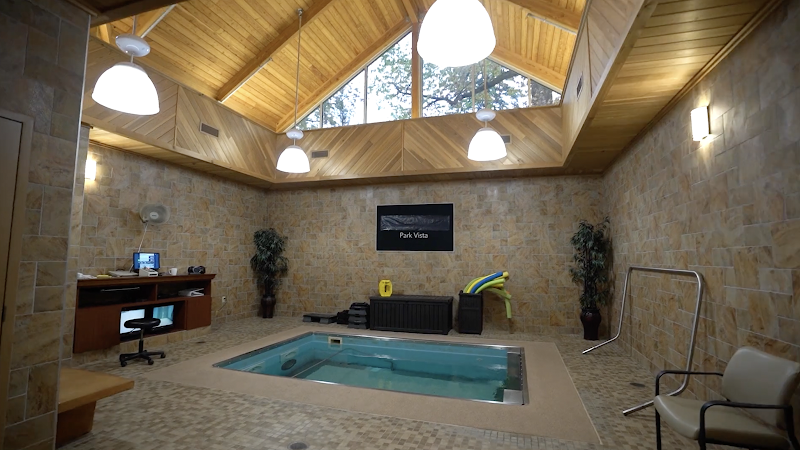
How is Park Vista Nursing And Rehab Staffed?

CMS rates PARK VISTA NURSING AND REHAB's staffing level at 1 out of 5 stars, which is much below average compared to other nursing homes. Staff turnover is 72%, which is 25 percentage points above the Ohio average of 46%. High turnover can affect care consistency as new staff learn residents' individual needs. RN turnover specifically is 63%, which is notably high. RNs provide skilled clinical oversight, so turnover in this role can affect medical care quality.

What Have Inspectors Found at Park Vista Nursing And Rehab?

State health inspectors documented 84 deficiencies at PARK VISTA NURSING AND REHAB during 2019 to 2025. These included: 2 that caused actual resident harm, 75 with potential for harm, and 7 minor or isolated issues. Deficiencies causing actual harm indicate documented cases where residents experienced negative health consequences.
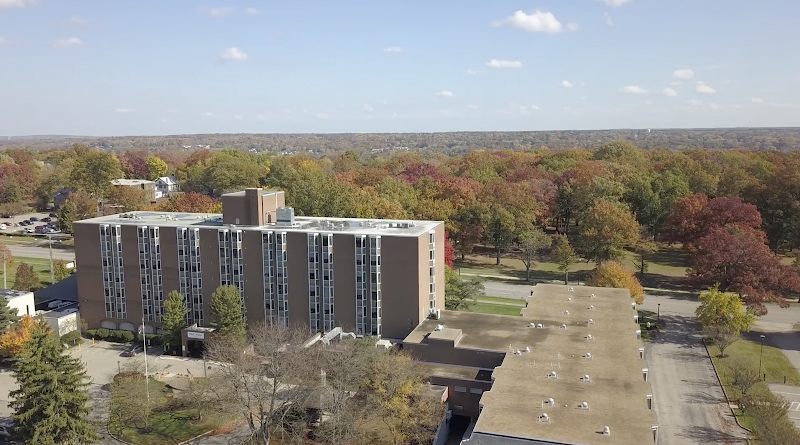
Who Owns and Operates Park Vista Nursing And Rehab?

PARK VISTA NURSING AND REHAB is owned by a for-profit company. For-profit facilities operate as businesses with obligations to shareholders or private owners. The facility operates independently rather than as part of a larger chain. With 114 certified beds and approximately 92 residents (about 81% occupancy), it is a mid-sized facility located in YOUNGSTOWN, Ohio.
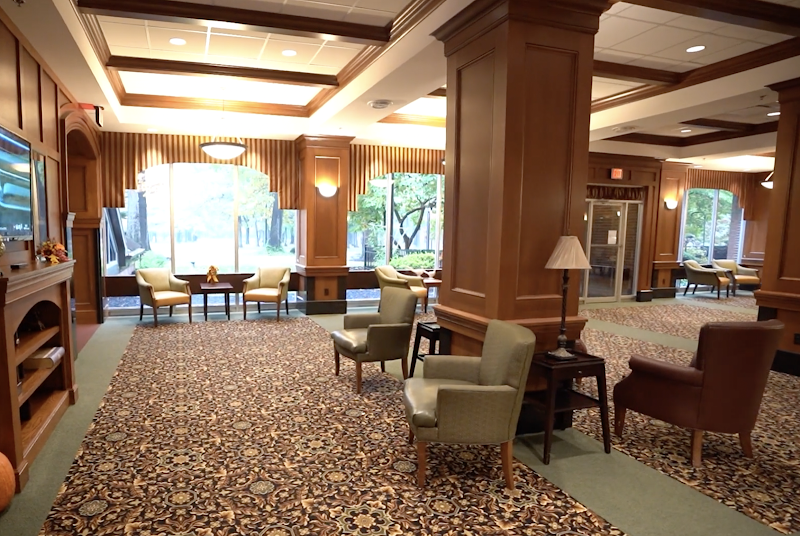
How Does Park Vista Nursing And Rehab Compare to Other Ohio Nursing Homes?

Compared to the 100 nursing homes in Ohio, PARK VISTA NURSING AND REHAB's overall rating (1 stars) is below the state average of 3.2, staff turnover (72%) is significantly higher than the state average of 46%, and health inspection rating (1 stars) is much below the national benchmark.

What Should Families Ask When Visiting Park Vista Nursing And Rehab?

Based on this facility's data, families visiting should ask: "How do you ensure continuity of care given staff turnover, and what is your staff retention strategy?" "Can you walk me through typical staffing levels on day, evening, and night shifts?" "Can I visit during a mealtime to observe dining assistance and food quality?" "How do you handle medical emergencies, and what is your hospital transfer rate?" These questions are particularly relevant given the facility's high staff turnover rate and the below-average staffing rating.

Is Park Vista Nursing And Rehab Safe?

Based on CMS inspection data, PARK VISTA NURSING AND REHAB has a clean safety record: no substantiated abuse findings (meaning no confirmed cases of resident harm), no Immediate Jeopardy citations (the most serious violation level indicating risk of serious injury or death), and is not on the Special Focus Facility watch list (a federal program monitoring the lowest-performing 1% of nursing homes). The facility has a 1-star overall rating and ranks #100 of 100 nursing homes in Ohio. While no facility is perfect, families should still ask about staff-to-resident ratios and recent inspection results during their visit.

Do Nurses at Park Vista Nursing And Rehab Stick Around?

Staff turnover at PARK VISTA NURSING AND REHAB is high. At 72%, the facility is 25 percentage points above the Ohio average of 46%. Registered Nurse turnover is particularly concerning at 63%. RNs handle complex medical decisions and coordinate care — frequent RN changes can directly impact care quality. High turnover means new staff may not know residents' individual needs, medications, or preferences. It can also be disorienting for residents, especially those with dementia who rely on familiar faces. Families should ask: What is causing the turnover? What retention programs are in place? How do you ensure care continuity during staff transitions?

Was Park Vista Nursing And Rehab Ever Fined?

PARK VISTA NURSING AND REHAB has been fined $36,501 across 2 penalty actions. The Ohio average is $33,444. While any fine indicates a compliance issue, fines under $50,000 are relatively common and typically reflect isolated problems that were subsequently corrected. Families should ask what specific issues led to these fines and confirm they've been resolved.

Is Park Vista Nursing And Rehab on Any Federal Watch List?

PARK VISTA NURSING AND REHAB is not on any federal watch list. The most significant is the Special Focus Facility (SFF) program, which identifies the bottom 1% of nursing homes nationally based on persistent, serious quality problems. Not being on this list means the facility has avoided the pattern of deficiencies that triggers enhanced federal oversight. This is a positive indicator, though families should still review the facility's inspection history directly.