SHEPHERD OF THE VALLEY-BOARDMAN

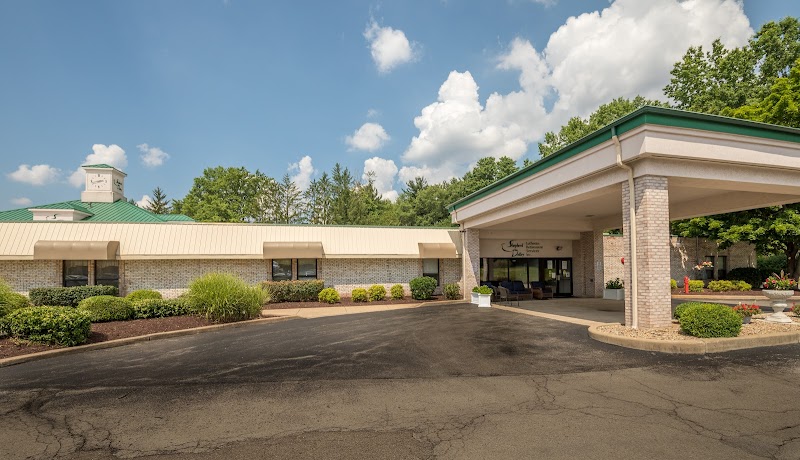
7148 WEST BLVD, YOUNGSTOWN, OH 44512 (330) 726-9061
Non profit - Corporation 57 Beds Independent Data: November 2025
Trust Grade
90/100
#164 of 913 in OH
Last Inspection: March 2023

Over 2 years since last inspection. Current conditions may differ from available data.

Overview

Shepherd of the Valley-Boardman has an excellent Trust Grade of A, which indicates a high level of care and reliability. It ranks #164 out of 913 facilities in Ohio, placing it in the top half, and #11 out of 29 in Mahoning County, meaning there are only ten better local options. However, the facility is showing a worsening trend, with issues increasing from 1 in 2024 to 2 in 2025. Staffing is an average strength with a 3/5 rating and a turnover rate of 49%, which is in line with the state average. Notably, there have been no fines, which is a positive sign, but there have been some concerns, such as failing to ensure that wound treatments were completed as per physician orders for one resident and not providing the required RN coverage for extended periods on several occasions, which could affect the quality of care. Despite these weaknesses, the overall care quality remains strong, with excellent health inspection ratings.

Trust Score
A
90/100
In Ohio
#164/913
Top 17%
Safety Record
Low Risk
No red flags
Inspections
Getting Worse
1 → 2 violations
Staff Stability
⚠ Watch
49% turnover. Above average. Higher turnover means staff may not know residents' routines.
Penalties
✓ Good
No fines on record. Clean compliance history, better than most Ohio facilities.
Skilled Nurses
○ Average
Each resident gets 37 minutes of Registered Nurse (RN) attention daily — about average for Ohio. RNs are the most trained staff who monitor for health changes.
Violations
○ Average
8 deficiencies on record. Average for a facility this size. Mostly minor or procedural issues.
★★★★★
5.0
Overall Rating
★★★☆☆
3.0
Staff Levels
★★★★☆
4.0
Care Quality
★★★★★
5.0
Inspection Score
Stable
2024: 1 issues
2025: 2 issues

The Good

  • 4-Star Quality Measures · Strong clinical quality outcomes
  • Full Sprinkler Coverage · Fire safety systems throughout facility
  • No fines on record

Facility shows strength in quality measures, fire safety.

The Bad

Staff Turnover: 49%

Near Ohio avg (46%)

Higher turnover may affect care consistency

The Ugly 8 deficiencies on record

May 2025 2 deficiencies
CONCERN (D) 📢 Someone Reported This

A family member, employee, or ombudsman was alarmed enough to file a formal complaint

Potential for Harm - no one hurt, but risky conditions existed

Pressure Ulcer Prevention (Tag F0686)

Could have caused harm · This affected 1 resident

**NOTE- TERMS IN BRACKETS HAVE BEEN EDITED TO PROTECT CONFIDENTIALITY** Based on observation, record review and interview, the facility failed to ensure wound treatments were competed per physician or...

Read full inspector narrative →
**NOTE- TERMS IN BRACKETS HAVE BEEN EDITED TO PROTECT CONFIDENTIALITY** Based on observation, record review and interview, the facility failed to ensure wound treatments were competed per physician orders for Resident #24. This effected one resident (Resident #24) out of three residents reviewed for wound care. The facility census was 42. Findings include: Review of the medical record for Resident #24 revealed an admission date of 12/05/22 with diagnoses including sepsis, orthostatic hypotension, anemia, dysphagia, type two diabetes mellitus, sacral wound, dementia, chronic kidney disease, and spinal stenosis of the lumbar region. Review of Resident #24's quarterly Minimum Data Set (MDS) 3.0 assessment dated [DATE] revealed the resident had severely impaired cognition. They required partial to moderate assistance with eating and upper body dressing. They required substantial to maximal assistance with oral hygiene, personal hygiene, and bed mobility. Additionally, they were dependent on staff for showers, toileting hygiene, bed mobility and transfers with a full lift by two staff members. Review of Resident #24's care plan indicated 03/10/25 the resident had an unstageable pressure ulcer to her sacrum. The resident was at risk for pressure ulcers related to incontinence, poor skin integrity, lumbar stenosis, rediculopathy, constipation, hypertension, weakness and chronic kidney disease. Goals and interventions included reduction of the risk for skin breakdown over the next 90 days, assess and monitor for additional skin breakdown and report to the physician, turn and reposition at a minimum of every two hours, suspend heels off bed surface with pillow under lower legs, wound care per physician orders, and pressure reduction measures to wheelchair and bed. Review of Resident #24's physician orders dated May 2025 revealed the resident was to be turned and repositioned every two hours and as needed every shift, pressure redistribution pad in wheelchair every shift, air mattress to bed every shift, and cleanse site to buttocks with normal sterile saline (NSS), apply Santyl ointment nickel thickness to wound bed and loosely pack with moistened NSS kerlix gauze and cover with an abdominal dressing daily and as needed. Review of Resident #24's Treatment Administration Record (TAR) for May 2025 revealed all treatments had been initialed as completed per physician orders. Observation on 05/14/25 at 10:20 A.M. of wound care for Resident #24 by Licensed Practical Nurse (LPN) #800 with assistance from Certified Nursing Assistant (CNA) #805 revealed the dressing on Resident #24's buttocks was dated 05/12/25. LPN #800 proceeded to remove this dressing and provide wound care per physician orders and followed appropriate infection control procedures. LPN #800 stated Resident #24's dressing was to be changed every day or as needed. Interview on 05/14/25 at 10:32 A.M. with LPN #800 confirmed Resident #24 was to have their dressing to their coccyx changed daily and when performing wound care this A.M. the old dressing removed was dated for 05/12/24. This deficiency represents non-compliance identified during the investigation of Complaint Number OH00164318.
CONCERN (D) 📢 Someone Reported This

A family member, employee, or ombudsman was alarmed enough to file a formal complaint

Potential for Harm - no one hurt, but risky conditions existed

Deficiency F0698 (Tag F0698)

Could have caused harm · This affected 1 resident

**NOTE- TERMS IN BRACKETS HAVE BEEN EDITED TO PROTECT CONFIDENTIALITY** Based on record review, interview, and review of facility policy, the facility failed to ensure weights were obtained per physic...

Read full inspector narrative →
**NOTE- TERMS IN BRACKETS HAVE BEEN EDITED TO PROTECT CONFIDENTIALITY** Based on record review, interview, and review of facility policy, the facility failed to ensure weights were obtained per physician orders for residents receiving dialysis treatment. This effected three residents (Residents #22, #34, and #35) of three residents reviewed for dialysis. The facility identified eight residents (#22, #34, #35, #36, #37, #39, #42 and #43) as receiving dialysis treatment. The facility census was 42. Findings include: 1. Review of the medical record for Resident #22 revealed an admission date of 05/01/24 with diagnoses including pleural effusion, dependence on renal dialysis, and endstage renal disease. Review of Resident #22's annual Minimum Data Set (MDS) 3.0 assessment dated [DATE] revealed the resident had cognitive impairment. They required setup assistance with eating, supervision with oral hygiene, and bed mobility, they required substantial to maximal assistance with dressing and was dependent for toileting hygiene, showers, and personal hygiene. Review of Resident #22's care plan dated 06/05/24 revealed Resident #22 had end-stage renal disease, required dialysis and had a tessio catheter to right chest. Resident #22 received dialysis at the facility Monday through Friday. Goals and interventions included the resident would remain free from complications related to dialysis, shunt or tessio access over the review period, and weights and vital signs as ordered pre and post dialysis and daily. Review of Resident #22's physician orders dated for May 2025 revealed the resident was to be weighed daily every day shift and document the weight and notify the physician as needed. Review of Resident #22's daily weights from 04/01/25 to 05/13/25 revealed there were six weights not completed on 04/08/25, 04/13/25, 04/19/25, 04/26/25, 04/27/25, and on 05/04/25. 2. Review of the medical record for Resident #34 revealed an admission date of 09/05/24 with diagnoses including end stage renal disease, dependence on renal dialysis, and acute on chronic systolic congestive heart failure. Review of Resident #34's quarterly MDS 3.0 assessment dated [DATE] revealed some cognitive impairment. They required setup or clean up assistance for eating and oral hygiene, supervision or touching assistance for toileting hygiene, showers, dressing and bed mobility and were independent with personal hygiene. Review of Resident #34's care plan revealed they were at risk for weight changes due to dialysis. Goals and interventions included the resident would maintain an intake of 50 -100 percent of their meals, maintain a weight of 97 pounds plus or minus three pounds, daily weights, and monitor labs and diagnostic work as ordered with results to the physician. Review of Resident #34's physician orders dated for May 2024 revealed the resident was to be weighed daily every day shift, staff were to document the weight and notify the physician as needed. Review of Resident #34's daily weights from 04/01/25 to 05/14/25 revealed there were 11 weights not completed on 04/05/25, 04/06/25, 04/10/25, 04/12/25, 04/13/25, 04/19/25, 04/25/25, 04/27/25, 05/03/25, 05/04/25, and 05/10/25. Interview on 05/14/25 at 10:07 A.M. with Resident #34 revealed they were not weighed everyday per their physician orders for dialysis. 3. Review of the medical record for Resident #35 revealed an admission date of 04/28/25 with diagnoses including endstage renal disease, and dependence on renal dialysis. Review of Resident #35's Medicare five day MDS 3.0 assessment dated [DATE] revealed the resident had intact cognition. They required setup or clean up assistance with eating, supervision or touching assistance with oral hygiene, partial to moderate assistance with toileting hygiene, showers, dressing, and personal hygiene. They were independent with bed mobility. Review of Resident #35's care plan dated 04/28/25 revealed the resident had nutritional problem or potential nutritional problems related to end stage renal disease on hemodialysis, hypertension, hyperlipidemia, and diabetes. Interventions and goals included the resident was at risk for weight changes due to dialysis, fluid restriction, staff would monitor, document, and report any significant weight changes. Review of Resident #35's physician orders dated May 2025 revealed the resident was to be weighed daily every dayshift and document weight and notify the physician as needed. Review of Resident #35's daily weights dated from 04/01/25 to 05/13/25 revealed there were 10 weights not completed per physician orders on 04/02/25, 04/05/25, 04/06/25, 04/09/25, 04/28/25, 05/03/25, 05/04/25, 05/08/25, 05/10/25, and 05/11/25. Interview on 05/13/25 at 11:00 A.M. with the Director of Clinical Services and Licensed Practical Nurse (LPN) #800 revealed they confirmed the missing weights for Residents #22, #34, and #35. Interview on 05/13/25 at 11:45 A.M. with Certified Nursing Assistant (CNA) #805 revealed weights were obtained and documented correctly for dialysis residents but at times they are missed especially when they are pulled to the floor to provide resident care on the units. Interview on 05/13/25 at 2:52 P.M. with Resident #35 revealed he was not weighed per physician orders. Resident #35 stated there were days when he was not weighed at all before or after dialysis. Review of the facility policy titled Weight Monitoring, dated 07/02/2020, revealed a weight monitoring schedule would be developed upon admission and if clinically indicated, weights would be obtained daily. This deficiency represents non-compliance identified during the investigation of Complaint Number OH00161533
Nov 2024 1 deficiency
CONCERN (D) 📢 Someone Reported This

A family member, employee, or ombudsman was alarmed enough to file a formal complaint

Potential for Harm - no one hurt, but risky conditions existed

Infection Control (Tag F0880)

Could have caused harm · This affected 1 resident

Based on observation, interview, medical record review, and review of the facility policy, the facility failed to ensure appropriate hand hygiene was performed during medication administration for Res...

Read full inspector narrative →
Based on observation, interview, medical record review, and review of the facility policy, the facility failed to ensure appropriate hand hygiene was performed during medication administration for Residents #21 and #44 and failed to ensure appropriate identification of resident transmission-based precautions status for Resident #44. This affected two residents (#21 and #44) of three residents who were observed during medication administration and had the potential to affect all 41 residents resining in the facility. Findings include: 1. Review of the medical record for Resident #21revealed an initial admission date of 08/10/24 and a re-entry date of 11/06/24. Diagnoses included acute and chronic respiratory failure with hypoxia, active COVID-19 infection upon initial admission, chronic obstructive pulmonary disease (COPD), asthma, and presence of a cardiac pacemaker. Review of the most recent comprehensive Minimum Data Set (MDS) assessment completed on 09/07/24 revealed Resident #21 had intact cognition. High-risk medications included antidepressants, antibiotics, and antiplatelets. Review of the physician orders revealed an order dated 11/07/24 for Symbicort Inhalation Aerosol 160-4.5 micrograms per actuation (mcg/act)(Budesonide-Formoterol Fumarate Dihydrate), two puffs inhaled orally one time a day related to COPD. Observation on 11/12/24 from 8:40 A.M. to 8:43 A.M. revealed Licensed Practical Nurse (LPN) #331 completed medication administration for Resident #29 and exited Resident #29's room without performing hand hygiene. During the observation, LPN #331 proceeded to open the drawer to the medication cart, remove an inhaler labeled for Resident #21, used her laptop to document medication administration for Resident #29, poured water in a cup, and brought the cup of water, empty cup, and inhaler into the room of Resident #21 without performing hand hygiene. At 8:43 A.M., LPN #331 administered one puff of Symbicort Inhalation Aerosol (the first of the two ordered puffs was administered prior to the administration of Resident #21's medications), then assisted Resident #21 in taking water into his mouth by cup and instructed him to rinse and spit in the empty cup she held to his mouth. No hand hygiene was performed before or after administration of Resident #21's inhalation medication. Interview on 11/12/24 at 9:00 A.M. with LPN #331 confirmed she had not performed hand hygiene between administering medications to Resident #29 and Resident #21, and hand hygiene should be performed between providing medications to each resident. Review of the facility policy titled Medication Administration, last revised 06/18/24, revealed staff were to wash their hands prior to medication administration per facility protocol Review of the facility policy titled Hand Hygiene, dated June 2023, revealed staff were to perform hand hygiene between resident contacts, before preparing and handling medications, and before and after applying and removing gloves. 2. Review of the medical record for Resident #44 revealed an admission date of 11/07/24 with diagnoses including acute on chronic combined systolic and diastolic congestive heart failure (CHF), type two diabetes mellitus, cellulitis of the right lower limb, chronic deep vein thrombosis right lower extremity, lymphedema, primary hypertension, and hypothyroidism. Review of the physician orders revealed an order dated 11/08/24 at 2:28 A.M. for contact isolation for clostridium difficile (c. diff) (a bacterium that can cause diarrhea and other intestinal conditions), that was discontinued on 11/08/24. Another order, dated 11/08/24 and timed 2:28 A.M., was for enhanced barrier precautions (EBP) every shift for a leg wound. There were no orders in any status (active, discontinued, complete, pending signature, or struck out) for droplet isolation. Observation on 11/12/24 from 8:44 A.M. to 8:56 A.M. revealed LPN #331 completed medication administration for Resident #21 and exited Resident #21's room without performing hand hygiene. During the observation, LPN #331 proceeded to prepare medications for administration to Resident #44, grabbed two pairs of gloves, entered the room of Resident #44 (whose door had a personal protective equipment [PPE] organizer and a sign indicating he was in droplet isolation) with no hand hygiene, no mask, and gloves in her hand. Observation from the doorway revealed LPN #331 administered Resident #44 his oral medications, donned gloves, administered eye drops into each eye, removed and discarded the gloves, donned a clean pair of gloves without performing hand hygiene in-between glove changes, and administered Resident #44 his insulin before discarding the gloves and washing her hands. Interview on 11/12/24 at 9:00 A.M. with LPN #331 confirmed she had not performed hand hygiene between administering medications to Resident #21 and Resident #44 and hand hygiene should be performed between providing medications to each resident. LPN #331 further confirmed the sign on Resident #44's door indicated he was in droplet isolation but should not have been in droplet isolation. During the interview, LPN #331 stated Resident #44 was being checked for c. diff, while in the hospital, but his result was negative. LPN #331 confirmed droplet isolation was not the correct form of transmission-based precautions for c. diff but added that he was no longer in isolation and was uncertain as to whether he was in EBP or not. Review of the facility policy titled Medication Administration, last revised 06/18/24, revealed staff were to wash their hands prior to medication administration per facility protocol Review of the facility policy titled Hand Hygiene, dated June 2023, revealed staff were to perform hand hygiene between resident contacts, before preparing and handling medications, and before and after applying and removing gloves. Review of the facility policy titled Transmission-Based Precautions, revised 06/09/19, revealed the form of isolation should be the least restricted possible, and droplet precautions were indicated when there was a risk of transmission of pathogens through close respiratory or mucous membrane contact with respiratory secretions and staff were to wear a mask when droplet precautions are in place. This deficiency is an incidental finding identified during the complaint investigation.
Aug 2023 1 deficiency
CONCERN (D) 📢 Someone Reported This

A family member, employee, or ombudsman was alarmed enough to file a formal complaint

Potential for Harm - no one hurt, but risky conditions existed

Quality of Care (Tag F0684)

Could have caused harm · This affected 1 resident

**NOTE- TERMS IN BRACKETS HAVE BEEN EDITED TO PROTECT CONFIDENTIALITY** Based on record review and interview, the facility did not ensure Resident #40 received a post-surgical follow up visit with her...

Read full inspector narrative →
**NOTE- TERMS IN BRACKETS HAVE BEEN EDITED TO PROTECT CONFIDENTIALITY** Based on record review and interview, the facility did not ensure Resident #40 received a post-surgical follow up visit with her surgeon in a timely manner. This affected one resident (Resident #40) of three residents reviewed for hospitalization. The facility census was 39. Finding include: Record review for Resident #40 revealed she was admitted to the facility on [DATE] for post-surgical aftercare and rehabilitation following spinal surgery on 05/05/23. Her list of diagnoses upon admission included sepsis, type two diabetes mellitus, spinal stenosis, cirrhosis of the liver, chronic kidney disease stage three, history of bacteremia, multidrug resistant organisms, urinary tract infection, splenial megaly, anemia and hypothyroidism. Resident #40 was discharged to the hospital on [DATE] at the request of her family for an evaluation. Review of physician orders from 05/09/23 to 05/26/23 revealed an order for the facility to call Resident #40's surgeon's office on 05/10/23 to set up a follow-up appointment as soon as possible. The order did not specify if the appointment needed to be in-person or via telehealth appointment. There were no other orders to reflect an actual appointment date had been set with the surgeon either via telehealth visit or in-person office visit for Resident #40 through 05/26/23. Review of the facility document provided to the surveyor by Medical Records (MR) #310 revealed MR #310 kept a calendar of medical appointments scheduled for residents at the facility. On this calendar she had written the cost to transport Resident #40 by ambulance would be a rate of $742.00. An appointment was scheduled on 05/18/23 at 9:15 A.M. then was cancelled by the facility. The appointment was moved to 06/08/23 with notes on the calendar reflecting the facility was trying to make a telehealth appointment due to the expense of transportation by ambulance. Review of progress notes dated 05/09/23 to 05/26/23 revealed no evidence the facility had asked Resident #40 or her family if they still wanted to proceed with the ambulance ride to the follow-up appointment on 05/18/23 with the surgeon despite the out-of-pocket cost nor were any alternative options for transportation or a telehealth option documented as discussed with the resident or her family. Review of nurse practitioner visit notes dated 05/11/23 and 05/25/23 and authored by Nurse Practitioner (NP) #329 revealed Resident #40 had a surgical incision on her back with sutures (a row of stitches holding a surgical wound together) and the surgeon would need to give orders regarding the status of the sutures. Review of the plan of care meeting notes dated 05/17/23 revealed a plan of care meeting was held with Resident #40 and her family. The note was silent from any discussion regarding when or how Resident #40 would be transported to her follow-up appointment with her surgeon or when a follow-up appointment would take place. Review of the progress note dated 05/26/23 revealed the family insisted Resident #40 be sent to the hospital for an evaluation. The facility had her transferred via ambulance on 05/26/23. Interview was conducted on 07/31/23 at 4:08 P.M. with NP #329 who explained sutures do not get removed until the surgeon gives an order to remove the sutures. NP #329 verified as of 05/25/23 Resident #40 had no orders from the surgeon regarding the sutures. Interview was conducted on 08/01/23 at 9:30 A.M. with MR #310 who verified she was responsible to schedule Resident #40's follow up appointment and there was a physician order to call the surgeon's office on 05/10/23 and have a follow-up appointment scheduled as soon as possible. MR #310 also verified an appointment was successfully scheduled with the surgeon on 05/18/23 but the facility cancelled the appointment due to the cost of ambulance transportation and instead was seeking a telehealth appointment on 06/08/23. Interview was conducted on 08/01/23 at 11:55 A.M. with Licensed Practical Nurse (LPN) #300 who identified herself as the skin nurse at the facility. LPN #300 verified Resident #40 had still not been seen for a post-surgery follow-up visit by the surgeon prior to her discharge to the hospital on [DATE]. Interview was conducted on 08/01/23 at 1:55 P.M. via telephone with Employee #969 from Resident #40's surgeon's office who verified the facility had called their office on 05/11/23 and secured a follow-up appointment for Resident #40 on 05/18/23 then called back to cancel it related to the cost to transport Resident #40 to the appointment. Employee #969 said the surgeon took time off every year around Memorial day so the follow-up appointment was re-scheduled for 06/08/23 via telehealth. This deficiency represents non-compliance as an incidental finding during the investigation of Complaint Number OH00144797.
Oct 2019 2 deficiencies
CONCERN (D)

Potential for Harm - no one hurt, but risky conditions existed

Antibiotic Stewardship (Tag F0881)

Could have caused harm · This affected 1 resident

**NOTE- TERMS IN BRACKETS HAVE BEEN EDITED TO PROTECT CONFIDENTIALITY** Based on record review and interview the facility failed to implement an effective antibiotic (ATB) stewardship program to ensur...

Read full inspector narrative →
**NOTE- TERMS IN BRACKETS HAVE BEEN EDITED TO PROTECT CONFIDENTIALITY** Based on record review and interview the facility failed to implement an effective antibiotic (ATB) stewardship program to ensure the proper use of antibiotics. This affected two residents (#31 and #12) residents residing in the facility. Findings include: 1. Resident #31 was admitted to the facility on [DATE] with a diagnosis which included pancreatic cancer. Review of a nursing note, dated 07/23/19 revealed the resident did not have any signs and/or symptoms (s/s) of a urinary tract infection (UTI). Further review revealed the Hospice nurse recommended a urinalysis. Review of the physician's orders, dated 07/25/19 revealed an order to obtain a urinalysis. Review of the urinalysis results received 07/29/19 revealed the resident had one organism present. Review of the physician's orders, dated 07/29/19 revealed an order to start an ATB, Ampicillin 500 milligrams (mg) three times a day (TID) for seven days, for a urinary tract infection. Further review of the medication administrator record (MAR) from 07/29/19 through 08/05/19 revealed the resident received the ATB as ordered. Review of the July 2019 ATB stewardship monthly log revealed there was no indication the resident was on an ATB. Further review revealed there was no McGreer Constitutional Criteria Protocol (MCCP) or ATB use tool completed for the resident. Review of the August 2019 ATB log revealed the resident had a UTI which an ATB was given but the McGreer criteria was not met indicating an ATB was not warranted. There was no evidence of notifying the physician. Review of the nursing notes dated 08/23/19 through 08/26/19 revealed the resident did not have any s/s of an UTI. Further review of the 08/26/19 note indicated the Hospice nurse requested an urinalysis. Review of the nursing note dated 08/29/19 revealed the physician was contacted, ordered ATB and requested the cultures be sent to him when available. Review of the physician's order dated 08/29/19 revealed to start an ATB, Keflex 500 mg three times per day for seven days for UTI. Further review of the MAR revealed the resident received the ATB as ordered. Review of the urinalysis received 08/31/19 revealed the resident had one organism. The report indicated which ATB were effective (sensitivity) in treating the infection and Keflex was not listed. Further review of the handwritten note on the report revealed the resident was to receive the ATB but did not have any s/s of UTI, it was signed and dated 09/03/19. On 10/30/19 at 4:55 P.M., interview with Registered Nurse (RN) #400 revealed the facility used the McGreer protocol for the use of ATBs. RN #400 stated when a resident presented with s/s of a possible infection, the physician was notified. If the physician wanted to order an ATB the nurse talking to the physician was supposed to complete the MCCP and if the criteria was not met, indicating an ATB was not warranted, the physician was to be informed. After completing the MCCP the nurse was to put the assessment in RN #400's mailbox for her to review. She stated it could take up to three days to review. RN #400 stated she would then complete an ATB use tool to ensure the ATB stewardship program was being implemented and was effective. If the physician was not willing to follow the protocol she would attempt to talk to the physician about the requirements. RN #400 verified the MCCP assessments were not being completed when ATBs were being ordered. RN #400 verified residents were receiving ATBs when the McGreer criteria was not met. RN #400 verified there was no evidence the Resident #31 was receiving the ATB in July 2019. RN #400 verified Resident #31 had a positive urinalysis but did not have s/s therefore did not meet the McGreer's criteria for receiving ATBs but the ATB was ordered and there was no evidence the physician was questioned about the use of the ATB. 2. Resident #12 was admitted to the facility on [DATE] with a diagnosis which included heart disease. Review of the nursing notes, dated 08/23/19 through 08/27/19 revealed there was no evidence of s/s of an UTI. Review of the urinalysis collected 08/27/19 and received 09/03/19 revealed a handwritten note stating the UTI was uncomplicated and start ATB. Review of the physician's orders dated 09/03/19 revealed to start an ATB, Levaquin 250 mg at night for three nights for UTI. Further review of the MAR revealed the ATB was given as ordered. Review of the ATB use tool revealed the resident did not met the MCCP criteria for the use of the ATB. Review of the MCCP dated 09/03/19 revealed it did not indicate specifically how and if the resident met the criteria for the use of the ATB. On 10/30/19 at 4:55 P.M., interview with Registered Nurse (RN) #400 revealed the facility used the McGreer protocol for the use of ATBs. RN #400 stated when a resident presented with s/s of a possible infection, the physician was notified. If the physician wanted to order an ATB the nurse talking to the physician was supposed to complete the MCCP and if the criteria was not met, indicating an ATB was not warranted, the physician was to be informed. After completing the MCCP the nurse was to put the assessment in RN #400's mailbox for her to review. She stated it could take up to three days to review. RN #400 stated she would then complete an ATB use tool to ensure the ATB stewardship program was being implemented and was effective. If the physician was not willing to follow the protocol she would attempt to talk to the physician about the requirements. RN #400 verified the MCCP assessments were not being completed when ATBs were being ordered. RN #400 verified residents were receiving ATBs when the McGreer criteria was not met. Review of the ATB stewardship policy, revised 10/01/17, revealed it was to promote the appropriate use of antibiotics and a system of monitoring to improve resident outcomes and reduce ATB resistance. ATB would be prescribed for the correct indication, dose and duration to appropriately treat the resident while attempting to reduce the development of ATB-resistant organisms or other adverse consequences or outcomes. When the nurse suspected the resident had an infection, the nurse would perform an evaluation of the resident while utilizing the MCCP to determine if any ATB was necessary or if a change in therapy could be needed. Notify the physician of the change of condition and the evaluation information. The nurse would monitor for results of any ordered diagnostics and notify the physician of the results to ensure the resident was taking the appropriate ATB or if ATB needs to be discontinued or changed. If indicated, based on the criteria, an ATB would be ordered, the physician would identify the diagnosis, the appropriate ATB, proper dose, duration and route. In the event the physician ordered an ATB without identification of the infection criteria, the physician would be requested to identify rationale for ordered ATB. The medical director would be contacted for further direction. If the resident was admitted to the facility an ATB ordered, the nurse would identify the indication for the use, documentation for dose, route, duration, effectiveness and potential adverse consequences. The infection preventions would track ATB use an monitor adherence to evidence-based criteria. During the monthly quality improvement committee meeting ATB use would be analyzed and any potential action plans related to the analysis of the tracking and trending would be implemented.
CONCERN (F)

Potential for Harm - no one hurt, but risky conditions existed

Deficiency F0727 (Tag F0727)

Could have caused harm · This affected most or all residents

Based on record review and interview the facility failed to maintain the services of a registered nurse (RN) for at least eight (8) consecutive hours a day, seven (7) days per week. This had the poten...

Read full inspector narrative →
Based on record review and interview the facility failed to maintain the services of a registered nurse (RN) for at least eight (8) consecutive hours a day, seven (7) days per week. This had the potential to affect all 40 residents residing in the facility. Findings include: Review of the staffing schedule from 10/01/19 through 10/28/19 revealed there was no RN coverage for at least eight consecutive hours on 10/12/19, 10/13/19, 10/26/19 or 10/27/19. On 10/30/19 at 4:00 P.M., interview with RN #400 verified the above finding. This deficiency substantiates Complaint Number OH00107669.
Sept 2018 2 deficiencies
CONCERN (D)

Potential for Harm - no one hurt, but risky conditions existed

Pressure Ulcer Prevention (Tag F0686)

Could have caused harm · This affected 1 resident

**NOTE- TERMS IN BRACKETS HAVE BEEN EDITED TO PROTECT CONFIDENTIALITY** Based on observation, medical record review, and interview, the facility failed to implement interventions/physician orders for ...

Read full inspector narrative →
**NOTE- TERMS IN BRACKETS HAVE BEEN EDITED TO PROTECT CONFIDENTIALITY** Based on observation, medical record review, and interview, the facility failed to implement interventions/physician orders for prevention of pressure ulcers for one (Resident #23) of three residents reviewed for pressure ulcers. Findings include: Review of Resident #23's medical record revealed diagnoses including Alzheimer's disease, atrial fibrillation, esophageal and intestinal tract cancer, type I diabetes mellitus, hypertension, anxiety, and depression. A plan of care initiated 03/13/18 indicated Resident #23 was at risk for pressure ulcers related to esophageal cancer with sepsis, bacteremia, diabetes, atrial fibrillation, anal and rectal cancer, and hypertension. Interventions included turning/repositioning Resident #23 during rounds and as necessary, suspending his heels off the bed surface with a pillow under his lower legs while in bed, and completing pressure ulcer risk assessments at least quarterly. A quarterly Minimum Data Set (MDS) assessment dated [DATE] indicated Resident #23 sometimes understood others but did not reject care. Resident #23 was severely cognitively impaired. The MDS indicated Resident #23 required extensive assistance of one person for bed mobility and was at risk of developing pressure ulcers. Skin and ulcer treatments included a turning/repositioning program. A Braden Scale for Predicting Pressure Sore Risks dated 08/07/18 indicated Resident #23 was at high risk for developing pressure ulcers. Risk factors included very limited sensory perception, constantly moist skin, very limited mobility, and a potential problem with friction and shear. Review of the physician order sheet revealed an order from 08/07/18 to turn and reposition Resident #23 every round and as needed. Observations on 09/04/18 at 9:25 A.M., 11:40 A.M., 12:26 P.M., 2:28 P.M. and 5:05 P.M. revealed Resident #23 was lying in bed with the head of his bed raised 30 degrees. Resident #23 was lying on his back with each observation. Observations on 09/05/18 at 10:45 A.M., 11:53 A.M., 1:24 P.M., 2:52 P.M., 3:24 P.M. and 4:57 P.M. revealed Resident #23 was lying in bed with the head of his bed raised 30 degrees. Resident #23 was lying on his back with each observation. On 09/05/18 at 1:36 P.M., State Tested Nursing Assistant (STNA) #456 stated Resident #23 did not have any interventions regarding pressure ulcer prevention and she was unaware of a turning schedule. On 09/05/18 at 3:27 P.M., Registered Nurse (RN) #452 stated she was unaware of Resident #23 having an order or interventions for a turning schedule. RN #452 stated Resident #23 used to be moving/sliding out of his bed but was more calm lately. When it was addressed that every observation of Resident #23 revealed he was lying on his back, RN #452 stated Resident #23 had been more stationary lately. On 09/05/18 at 5:07 P.M., upon surveyor request, observations of Resident #23's skin with Licensed Practical Nurse (LPN) #455 and RN #454 revealed no pressure ulcers but RN #454 verified Resident #23 had an abrasion on his scrotum. On 09/06/18 at 5:50 A.M., Resident #23 was observed lying in bed on his back with the head of the bed raised. At 8:34 A.M., Resident #23 was observed in bed with the head of the bed raised 30 degrees. Resident #23's heels were resting on the surface of the mattress and not suspended as care planned. On 09/6/18 at 8:44 A.M. , Director of Clinical Operations #460 verified Resident #23 was on his back and his heels were not suspended off the surface of the mattress.
CONCERN (E)

Potential for Harm - no one hurt, but risky conditions existed

Deficiency F0655 (Tag F0655)

Could have caused harm · This affected multiple residents

**NOTE- TERMS IN BRACKETS HAVE BEEN EDITED TO PROTECT CONFIDENTIALITY** Based on record review and interview the facility failed to develop and implement a baseline care plan including instructions to...

Read full inspector narrative →
**NOTE- TERMS IN BRACKETS HAVE BEEN EDITED TO PROTECT CONFIDENTIALITY** Based on record review and interview the facility failed to develop and implement a baseline care plan including instructions to provide effective care for Resident's #15, #16, #23, #44 and #47. This affected five of nine resident records reviewed for baseline care plans. Findings include: 1. Review of the medical record for Resident #15 revealed an admission date of 06/06/18. The primary diagnosis for admission was atrial fibrillation (irregular heartbeat), diabetes mellitus, hypertension, cancer, anxiety, urine retention and macular degeneration. Review of the comprehensive assessment, the minimum data set (MDS) 3.0, completed on 07/02/18 revealed a brief interview for mental status (BIMS) score of 13, scores of 13 to 15 indicate intact cognition. Resident #15 was reliant upon a two staff persons for transfers and one staff person for personal hygiene. Review of the medical record was conducted and included both the computer or electronic charting and the hard charting in the physical chart. The purpose of the baseline care plan was to provide the resident with the necessary healthcare information to properly care for the immediate needs of the resident. The review was void of any evidence of a written care plan having been developed and put in place within 48 hours of admission related to the initial baseline care plan having addressed the medication and the nutrition needs of Resident #15. In an interview with the Administrator and the Director of Nursing (DON) on 09/05/18 at 12:38 P.M., it was stated the nursing staff had been responsible for providing the baseline care plan to the resident or the residents representative. Due to a change in policy the facility had developed a new process for the completion of the initial care plan and this was to have been provided by Registered Nurse (RN) #450. The new process was adopted at the end of April 2018. During the interview on 09/05/18, the DON stated the facility had failed to complete the initial baseline care plan upon admission and provide written instructions to the residents or the representatives of the residents within the 48 hour time period upon admission. The DON said she did not know why the initial baseline care plans had not been completed. 2. Review of the medical record for Resident #47 revealed an admission to the facility on [DATE]. The primary diagnosis for admission was pneumonia. Other diagnosis included end stage renal disease (kidney failure) requiring dialysis treatments three days a week, anemia, heart failure, irregular heartbeat and protein calorie malnutrition. The comprehensive MDS 3.0 assessment dated [DATE] had a brief interview for mental status (BIMS) score of 14 which indicated intact cognition. Review of the admission orders revealed Resident #47 was admitted to the facility and required dialysis treatments upon admission. These treatments had been scheduled for Mondays, Wednesdays and Fridays. The dietary order for meals was for a no added salt diet, regular consistency with thin liquids and avoid foods high in potassium. Review of the electronic charting and care plans along with the hard charting for Resident #47 was void of any evidence to indicate a base line care plan had been developed within 48 hours of admission related to dialysis and nutrition orders. In an interview with the Administrator and the DON on 09/05/18 at 12:38 P.M., it was stated the nursing staff had been responsible for providing the baseline care plan to the resident or the residents representative. Due to a change in policy the facility had developed a new process for the completion of the initial care plan and this was to have been provided by RN #450. The new process was adopted at the end of April 2018. During the interview on 09/05/18, the DON stated the facility had failed to complete the initial baseline care plan upon admission and provide written instructions to the residents or the representatives of the residents within the 48 hour time period upon admission. The DON said she did not know why the initial baseline care plans had not been completed. 3. Resident #16 was admitted to the facility on [DATE] and admitting diagnoses were altered mental status, obstructive and reflux uropathy, and Alzheimer's disease. Resident #16 required extensive assistance from staff for transfers, bed mobility, and locomotion. Record review revealed no baseline care plan as required within the first 48 hours of admission in the facility's electronic or paper charts on the unit. In an interview with the Administrator and the DON on 09/05/18 at 12:38 P.M., it was stated the nursing staff had been responsible for providing the baseline care plan to the resident or the residents representative. Due to a change in policy the facility had developed a new process for the completion of the initial care plan and this was to have been provided by RN #450. The new process was adopted at the end of April 2018. During the interview on 09/05/18, the DON stated the facility had failed to complete the initial baseline care plan upon admission and provide written instructions to the residents or the representatives of the residents within the 48 hour time period upon admission. The DON said she did not know why the initial baseline care plans had not been completed. 4. Review of Resident #23's medical record revealed an admission date of 03/12/18. Diagnoses included altered mental status, atrial fibrillation, esophageal and intestinal tract cancer, type I diabetes mellitus, anxiety disorder, depression, hypertension, and Alzheimer's disease. An admission nursing assessment indicated Resident #23 required extensive assistance with bed mobility and was totally dependent on staff for transfers, eating, toilet use, and personal hygiene. The assessment revealed Resident #23 had a gastrostomy (feeding) tube and had an order for nothing by mouth. Resident #23 was verbally inappropriate. Resident #23 also had a urinary catheter. There was no evidence a baseline care plan was developed within 48 hours of admission. On 09/06/18 at 11:12 A.M., the DON verified Resident #23 did not have a baseline care plan. 5. Review of Resident #44's medical record revealed an admission date of 08/03/18. Diagnoses included rheumatoid arthritis, gastroesophageal reflux disease, hypertension, left wrist fracture, anxiety disorder, compression fracture of the fourth lumbar vertebrae, urinary tract infection, rhabdomyolysis, and cognitive communication deficit. An admission assessment indicated Resident #44 required extensive assistance with bed mobility and limited assistance with eating. The assessment indicated Resident #44 had a partial upper denture she only word when eating. Resident #44 reported mild intermittent pain that started when she fell and sustained a fracture. The assessment indicated Resident #44 had dizziness and wore glasses. There was no evidence a baseline care plan was developed. On 09/05/18 at 12:39 P.M., the DON verified Resident #44 had no baseline care plan developed.
Understanding Severity Codes (click to expand)
Life-Threatening (Immediate Jeopardy)
J - Isolated K - Pattern L - Widespread
Actual Harm
G - Isolated H - Pattern I - Widespread
Potential for Harm
D - Isolated E - Pattern F - Widespread
No Harm (Minor)
A - Isolated B - Pattern C - Widespread

Questions to Ask on Your Visit

  • "Can I speak with families of current residents?"
  • "What's your RN coverage like on weekends and overnight?"

Our Honest Assessment

Strengths
  • • Grade A (90/100). Above average facility, better than most options in Ohio.
  • • No major safety red flags. No abuse findings, life-threatening violations, or SFF status.
  • • No fines on record. Clean compliance history, better than most Ohio facilities.
Concerns
  • • No significant concerns identified. This facility shows no red flags across CMS ratings, staff turnover, or federal penalties.
Bottom line: Generally positive indicators. Standard due diligence and a personal visit recommended.

About This Facility

What is Shepherd Of The Valley-Boardman's CMS Rating?

CMS assigns SHEPHERD OF THE VALLEY-BOARDMAN an overall rating of 5 out of 5 stars, which is considered much above average nationally. Within Ohio, this rating places the facility higher than 99% of the state's 100 nursing homes. This rating reflects solid performance across the metrics CMS uses to evaluate nursing home quality.

How is Shepherd Of The Valley-Boardman Staffed?

CMS rates SHEPHERD OF THE VALLEY-BOARDMAN's staffing level at 3 out of 5 stars, which is average compared to other nursing homes. Staff turnover is 49%, compared to the Ohio average of 46%.

What Have Inspectors Found at Shepherd Of The Valley-Boardman?

State health inspectors documented 8 deficiencies at SHEPHERD OF THE VALLEY-BOARDMAN during 2018 to 2025. These included: 8 with potential for harm.

Who Owns and Operates Shepherd Of The Valley-Boardman?

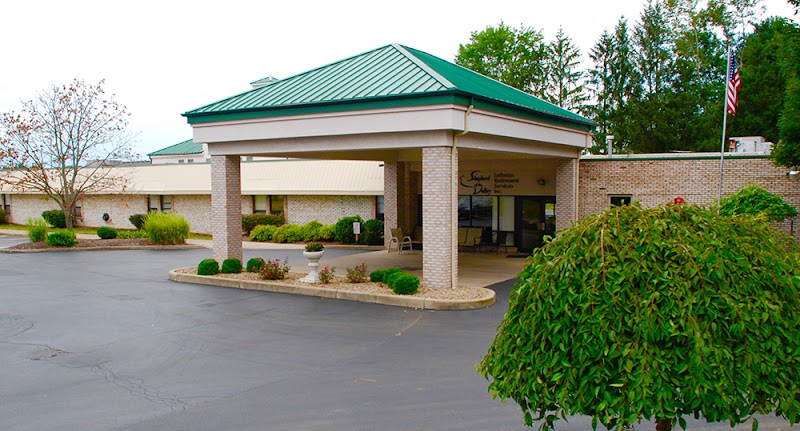
SHEPHERD OF THE VALLEY-BOARDMAN is owned by a non-profit organization. Non-profit facilities reinvest revenue into operations rather than distributing to shareholders. The facility operates independently rather than as part of a larger chain. With 57 certified beds and approximately 40 residents (about 70% occupancy), it is a smaller facility located in YOUNGSTOWN, Ohio.
How Does Shepherd Of The Valley-Boardman Compare to Other Ohio Nursing Homes?

Compared to the 100 nursing homes in Ohio, SHEPHERD OF THE VALLEY-BOARDMAN's overall rating (5 stars) is above the state average of 3.2, staff turnover (49%) is near the state average of 46%, and health inspection rating (5 stars) is much above the national benchmark.

What Should Families Ask When Visiting Shepherd Of The Valley-Boardman?

Based on this facility's data, families visiting should ask: "Can I visit during a mealtime to observe dining assistance and food quality?" "How do you handle medical emergencies, and what is your hospital transfer rate?" "Can I speak with family members of current residents about their experience?"

Is Shepherd Of The Valley-Boardman Safe?

Based on CMS inspection data, SHEPHERD OF THE VALLEY-BOARDMAN has a clean safety record: no substantiated abuse findings (meaning no confirmed cases of resident harm), no Immediate Jeopardy citations (the most serious violation level indicating risk of serious injury or death), and is not on the Special Focus Facility watch list (a federal program monitoring the lowest-performing 1% of nursing homes). The facility has a 5-star overall rating and ranks #1 of 100 nursing homes in Ohio. While no facility is perfect, families should still ask about staff-to-resident ratios and recent inspection results during their visit.

Do Nurses at Shepherd Of The Valley-Boardman Stick Around?

SHEPHERD OF THE VALLEY-BOARDMAN has a staff turnover rate of 49%, which is about average for Ohio nursing homes (state average: 46%). Moderate turnover is common in nursing homes, but families should still ask about staff tenure and how the facility maintains care continuity when employees leave.

Was Shepherd Of The Valley-Boardman Ever Fined?

SHEPHERD OF THE VALLEY-BOARDMAN has no federal fines on record. CMS issues fines when nursing homes fail to meet care standards or don't correct problems found during inspections. The absence of fines suggests the facility has either maintained compliance or corrected any issues before penalties were assessed. This is a positive indicator, though families should still review recent inspection reports for the full picture.

Is Shepherd Of The Valley-Boardman on Any Federal Watch List?

SHEPHERD OF THE VALLEY-BOARDMAN is not on any federal watch list. The most significant is the Special Focus Facility (SFF) program, which identifies the bottom 1% of nursing homes nationally based on persistent, serious quality problems. Not being on this list means the facility has avoided the pattern of deficiencies that triggers enhanced federal oversight. This is a positive indicator, though families should still review the facility's inspection history directly.