WINDSOR HEALTH CARE CENTER
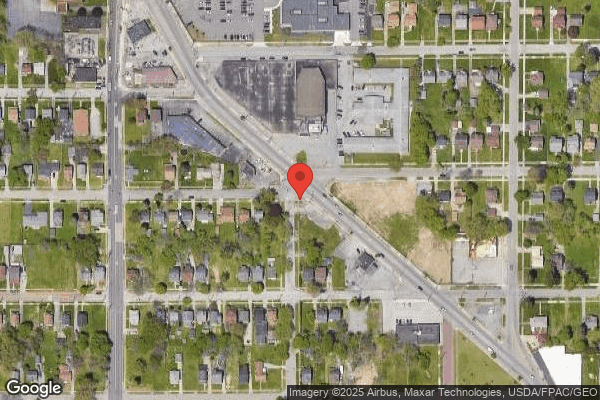
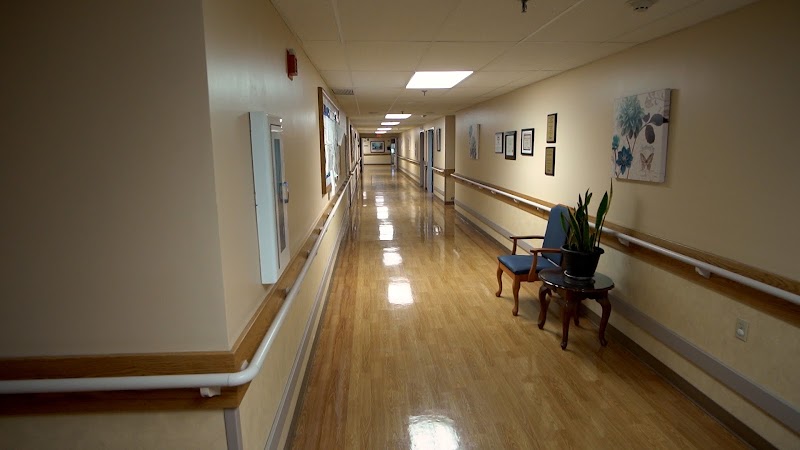
1735 BELMONT AVENUE, YOUNGSTOWN, OH 44504 (330) 743-1393
For profit - Corporation 58 Beds WINDSOR HOUSE, INC. Data: November 2025
Trust Grade
68/100
#381 of 913 in OH
Last Inspection: June 2025

Inspected within the last 6 months. Data reflects current conditions.

Overview

Windsor Health Care Center in Youngstown, Ohio, has a Trust Grade of C+, indicating it is slightly above average but not outstanding. It ranks #381 out of 913 facilities in Ohio, placing it in the top half, and #14 out of 29 in Mahoning County, meaning only a few local options are better. The facility is currently worsening, with the number of issues increasing from 1 in 2024 to 6 in 2025. Staffing is a concern, with a 2/5 star rating and less RN coverage than 79% of Ohio facilities, despite having a lower turnover rate of 33% compared to the state average. Additionally, the facility has incurred $15,000 in fines, which is higher than 76% of other facilities in the state, suggesting some compliance problems. Specific incidents include failing to ensure an RN was present for at least eight consecutive hours on multiple days, which could impact all residents. Another concern involved the lack of an effective antibiotic stewardship program, potentially affecting up to 15 residents who were prescribed antibiotics without proper monitoring. Despite these weaknesses, the facility has a strong quality measures rating of 5/5 stars, indicating good outcomes for residents in certain areas. Overall, families should weigh these strengths and weaknesses carefully when considering this facility for their loved ones.

Trust Score
C+
68/100
In Ohio
#381/913
Top 41%
Safety Record
Low Risk
No red flags
Inspections
Getting Worse
1 → 6 violations
Staff Stability
○ Average
33% turnover. Near Ohio's 48% average. Typical for the industry.
Penalties
✓ Good
$15,000 in fines. Lower than most Ohio facilities. Relatively clean record.
Skilled Nurses
⚠ Watch
Each resident gets only 24 minutes of Registered Nurse (RN) attention daily — below average for Ohio. Fewer RN minutes means fewer trained eyes watching for problems.
Violations
⚠ Watch
21 deficiencies on record. Higher than average. Multiple issues found across inspections.
★★★★☆
4.0
Overall Rating
★★☆☆☆
2.0
Staff Levels
★★★★★
5.0
Care Quality
★★★☆☆
3.0
Inspection Score
Stable
2024: 1 issues
2025: 6 issues

The Good

  • 5-Star Quality Measures · Strong clinical quality outcomes
  • Full Sprinkler Coverage · Fire safety systems throughout facility
  • No fines on record
  • Staff turnover below average (33%)

    15 points below Ohio average of 48%

Facility shows strength in quality measures, fire safety.

The Bad

Staff Turnover: 33%

13pts below Ohio avg (46%)

Typical for the industry

Federal Fines: $15,000

Below median ($33,413)

Minor penalties assessed

Chain: WINDSOR HOUSE, INC.

Part of a multi-facility chain

Ask about local staffing decisions and management

The Ugly 21 deficiencies on record

Jun 2025 6 deficiencies
CONCERN (D)

Potential for Harm - no one hurt, but risky conditions existed

Pressure Ulcer Prevention (Tag F0686)

Could have caused harm · This affected 1 resident

**NOTE- TERMS IN BRACKETS HAVE BEEN EDITED TO PROTECT CONFIDENTIALITY** Based on observation, interview, record review, and facility policy review the facility failed to ensure a low air loss mattress...

Read full inspector narrative →
**NOTE- TERMS IN BRACKETS HAVE BEEN EDITED TO PROTECT CONFIDENTIALITY** Based on observation, interview, record review, and facility policy review the facility failed to ensure a low air loss mattress (a specialized therapeutic surface to help redistribute pressure across the body to prevent pressure ulcers) was initiated for Resident #32 as recommended per Wound Nurse Practitioner (NP) #479. This affected one (Resident #32) out of two residents reviewed for wounds. The facility identified 13 residents (#6, #7, #9, #11, #29, #30, #31, #32, #35, #36, #40, #48, #57) with wounds. The facility census was 57. Findings include: Review of medical record for Resident #32 revealed an admission date of 03/27/25 and diagnoses including diabetes, muscle wasting, chronic kidney disease, and peripheral vascular disease. Review of the Braden Scale dated 03/27/25, completed by Registered Nurse (RN) #440, revealed Resident #32 was at risk for developing pressure ulcers as she was very moist and had limited mobility. Review of Wound NP #479's progress note dated 03/27/25 revealed Resident #32 had barriers to wound healing that included immobility, malnutrition, and atrophy (muscle or tissue wasting). Wound NP #479 evaluated Resident #32, who was admitted with pressure ulcers to her left and right buttock. Wound NP #479 recommended Resident #32 to have a low air loss mattress and to be reposition every two hours. Review of the Medicare Five-Day Minimum Data Set (MDS) assessment dated [DATE] revealed Resident #32 had intact cognition. Resident #32 required total dependence of staff assistance with toileting and transfers and was unable to ambulate. Resident #32 required substantial to maximum staff assistance with rolling left and right in bed and putting or taking off footwear. Resident #32 was at risk for developing pressure ulcers and had pressures ulcers present on admission. Review of Wound NP #479's progress notes dated 04/28/25, and 05/05/25 revealed Wound NP #479 continued to recommend a low air loss mattress. Review of Wound Tracking dated 05/12/25, completed by RN/ Wound Nurse #403, revealed Resident #32 was found to have an intact non-blanchable (stays red/purple when skin pushed indicating little or no blood flow to area) purple discoloration to her left medial heel that measured two centimeters in length and two cm in width. Review of Wound NP #479's progress note dated 05/19/25 revealed Wound NP #479 continued to recommend a low air loss mattress. Resident #32 had a new deep tissue injury (DTI) to her left medial heel that was purple and non-blanchable. Wound NP #479 recommended to clean the wound bed, pat dry, apply skin prep (creates a protective layer on the skin to shield it from adhesive trauma, friction, and moisture damage) cover with ABD (large bulky gauze pad) and wrap with kling daily. Review of Wound NP #479's progress note dated 05/26/25 revealed Wound NP #479 continued to recommend a low air loss mattress. Review of the care plan dated 05/28/25 revealed Resident #32 was at risk for complications related to the pressure ulcer to her left heel. Interventions included administer treatments as ordered, monitor for signs of infection, instruct and assist to shift weight frequently as tolerated, and follow facility policies for the prevention and treatment of skin breakdown including use of pressure reducing mattress to bed. There was nothing in the care plan regarding a low air loss mattress. Review of June 2025 Physician Orders revealed Resident #32 had an order dated 03/27/25 for a pressure reducing mattress. She also had orders dated 04/21/25 to wear heel protectors while in bed and off load her bilateral heels with pillows while in bed. Review of Wound NP #479's progress note dated 06/02/25 revealed Resident #32's left medial pressure ulcer declined and was classified as an unstageable (full- thickness skin and tissue loss in which the extent of the tissue damage within the ulcer cannot be confirmed because it was obscured by slough (dead skin) and/or eschar). Wound NP #479 described the wound as having serosanguinous (combination of watery fluid and bloody) drainage) drainange with slough (dead tissue). Wound NP #479 changed the treatment to clean the wound bed, pat dry, apply mesalt (absorbs drainage from the wound) cut to size, apply ABD pad and wrap with Kerlix daily. Wound NP #479 continued to recommend a low air loss mattress. Review of Wound NP #479's notes dated 06/09/25 and 06/16/25 revealed Wound NP #479 continued to recommend a low air loss mattress. Observation on 06/16/25 at 4:00 P.M. and 06/17/25 at 7:26 A.M. revealed Resident #32 had a pressure reducing mattress, but it was not a low air loss mattress. Observation of wound care on 06/17/25 at 10:40 A.M. completed by RN/Wound Nurse #403 revealed the wound care was completed as ordered. RN/Wound Nurse #403 described the wound as an opened unstageable pressure ulcer with serous (clear or pale-yellow fluid) drainage that contained white slough. Resident #32 did not have a low air loss mattress in place. Interview on 06/17/25 at 10:51 A.M. with RN/Wound Nurse #403 verified Resident #32's left medial heel was opened with drainage and contained slough. RN/Wound Nurse #403 verified per Wound NP #479's weekly progress notes from 03/27/25 to 06/16/25 that Wound NP #479 recommended a low air loss mattress. RN/Wound Nurse #403 verified Resident #32 had not had a low air loss mattress since admission. Interview on 06/18/25 at 10:05 A.M. with Wound NP #479 revealed she evaluated all wounds at the facility including Resident #32 weekly. Wound NP #479 verified she had recommended a low air loss mattress and that was still her recommendation as she felt it would help with wound healing and prevention especially since Resident #32 at times refused to wear her heel protectors. Wound NP #479 revealed the left medial heel was a DTI that was purple and non-blanchable but then declined to an unstageable pressure ulcer. Wound NP #479 said it was hard to say if the low air loss mattress could have prevented the DTI and/or decline as there were several other contributing factors including Resident #32 dangled her feet without elevating most of the day, and bumped into things with her feet while up but that it was possible especially with her noncompliance with the heel protectors. Review of the facility policy labeled, Pressure Ulcer Prevention and Care Protocol dated January 2025 revealed the facility would use the criteria as part of the resident's comprehensive assessment to determine risk of pressure ulcer development and development of resident's plan of care. The policy revealed all facility beds had a pressure redistribution mattress that reduced friction and shear during movement. The facility would select a surface that met the residents' needs based on risk assessment and current skin issues that could include a low air loss mattress. The policy revealed treatment of pressure ulcers would vary depending on orders from the consulting wound specialist and the nurse would carry out the treatment as ordered and implement measures to prevent pressure ulcers.
CONCERN (D)

Potential for Harm - no one hurt, but risky conditions existed

Deficiency F0688 (Tag F0688)

Could have caused harm · This affected 1 resident

**NOTE- TERMS IN BRACKETS HAVE BEEN EDITED TO PROTECT CONFIDENTIALITY** Based on observation, interview, review of medical record and review of facility policy the facility failed to ensure passive ra...

Read full inspector narrative →
**NOTE- TERMS IN BRACKETS HAVE BEEN EDITED TO PROTECT CONFIDENTIALITY** Based on observation, interview, review of medical record and review of facility policy the facility failed to ensure passive range of motion (PROM) and splinting restorative programs were completed per therapy recommendations. This affected two residents (#22 and #53) out of two residents reviewed for ROM. The facility identified 21 residents (#4, #6, #8, #10, #11, #12, #14, #15, #18, #19, #22, #23, #25, #26, #30, #32, #34, #35, #43, #51 and #53) with impaired ROM. The facility census was 57. Findings include: 1. Review of medical record for Resident #53 revealed an admission date of 02/14/25 and diagnoses including hemiplegia and hemiparesis following cerebral infarction affecting left non-dominant side, dementia, and heart failure. Review of physician orders and electronic task bar from 02/14/25 to 06/16/25 for Resident #53 revealed there were no orders or documentation for restorative range of motion and/or splints. Review of the Occupational Therapy (OT) Evaluation and Plan of Treatment dated 03/13/25 completed by Occupational Therapist (OT) #478 revealed Resident #53 had a cerebral infarction, muscle wasting and need for assistance with personal care. The evaluation revealed Resident #53 had impaired bilateral upper and lower range of motion and had functional limitation due to contractures to his bilateral upper hands and wrists which he had resting hand splints for. The evaluation recommended OT therapy three times a week for two weeks with a goal to safely wear his resting hand splints on his bilateral hands for up to four hours. The evaluation revealed he was wearing the splints currently less than 30 minutes. Review of the OT Discharge Summary dated 03/24/25 completed by OT #478 revealed Resident #53 was discharged from therapy and recommended a restorative PROM (passive range of motion) program with splint wearing schedule. The summary revealed upon discharge Resident #53 was safely wearing his bilateral hand splints for 30 minutes. Review of the Restorative Nursing Program Communication Form dated 03/24/25 completed by Former Occupational Therapy Assistant (OTA)/ Rehab Director #900 revealed Resident #53 was recommended a PROM to his upper and lower extremities and to be out of bed in a wheelchair three to five times a week. There was nothing on the communication form regarding bilateral hand splints. Review of the care plan dated 03/28/25 revealed Resident #53 had a self-care deficit. Interventions included therapy evaluation and treat as ordered, assisting with toileting as applicable, and encouraging to do as much as possible. There was nothing in the comprehensive care plan regarding contractures to his upper and lower extremities, PROM and/or bilateral hand splints. Review of the quarterly Minimum Data Set (MDS) assessment dated [DATE] revealed Resident #53 had impaired cognition. Resident #53 had impairment to both upper and lower extremities. Resident #53 was dependent of staff for his activities of daily living (ADLs) including toileting hygiene, bathing, rolling left and right in bed and transfers. There was no restorative ROM and splinting completed during this assessment period. Observation on 06/16/25 at 10:25 A.M. revealed Resident #53 was lying in his bed, and his right hand was in a clenched position with his fingers touching the inside of his palm area in a contracted position. Resident #53's left hand also appeared to have the fingers bent towards his palm area in a contracted position. There were no splints to his bilateral hands. Observation on 06/16/25 at 3:58 P.M. revealed Resident #53 was up in a Broda chair (reclined chair on wheels), and his bilateral hands continued to be clenched with his fingers touching the inside of his palm area in a contracted position. There were no splints to his bilateral hands. Observation on 06/17/25 at 7:29 A.M. revealed Resident #53 was lying in bed and his bilateral hands continued to be clenched with his fingers touching the inside of his palm area in a contracted position. There were no splints to his bilateral hands. Observation on 06/17/25 at 8:55 A.M., 11:05 A.M. and 4:25 P.M. revealed Resident #53 continued to lay in bed with his bilateral hands clenched with his fingers touching the inside of his palm area in a contracted position. There were no splints to his bilateral hands. Interview on 06/17/25 at 11:14 A.M. with Rehab Director #477 and OT #478 verified Resident #53 had significant contractures to his bilateral hands and wrists. OT #478 verified Resident #53 was discharged on 03/24/25 from OT and it was recommended per the discharge summary that Resident #53 receive restorative nursing PROM of bilateral upper extremities and to follow with splint wearing schedule. OT #478 verified a restorative nursing program communication form was provided to nursing for a PROM program to his upper and lower extremities three to five days a week. OT #478 was unsure why the bilateral hand splints were not included in the communication form but felt it was because Resident #53 did not tolerate the splints well in therapy. OT #478 verified documentation on the discharge summary indicated Resident #53 did tolerate wearing the bilateral hand splints safely for 30 minutes and the discharge summary recommended a splint wearing schedule. Interview on 06/17/25 at 11:28 A.M. with Registered Nurse (RN)/ MDS #416 revealed she oversaw the restorative programs at the facility. RN/MDS #416 revealed therapy placed restorative communication forms in her mailbox for anyone that was to be on a program. RN/MDS #416 revealed she did not remember getting a form for Resident #53 to be on a program. RN/MDS #416 verified Resident #53 had not been receiving a PROM and/or splinting program since discharge from therapy on 03/24/25. Review of the nursing note dated 06/17/25 timed 12:35 P.M. completed by RN/ MDS #416 revealed an assessment was completed by Rehab Director #477 and noted bilateral upper and lower contractures which were present on admission. PROM was performed on all extremities and Resident #53 tolerated. The note revealed there was no change in contractures, and a PROM program was initiated. 2. Review of the medical record for Resident #22 revealed an admission date of 10/24/22 and diagnoses including cerebral infarction, muscle wasting, dementia, and diabetes. Review of the care plan dated 02/14/23 revealed Resident #22 required a PROM restorative program due to functional maintenance. Interventions included explaining procedure prior to performing exercises, providing rest periods, and stoping PROM if the resident had any signs of pain. Review of the care plan dated 03/08/24 revealed Resident #22 had a restorative splinting program for contracture prevention. Interventions included explaining procedure, right hand and elbow splints for five hours per day, monitoring for redness, irritation, and/ or open areas, range of motion prior to applying and after removing the splints, and referring to therapy as ordered. Review of the Restorative Nursing Program Communication Form dated 02/20/25 completed by Former Occupational Therapy Assistant (OTA)/ Rehab Director #900 revealed Resident #22 was being discharged from OT on 02/25/25 and it was recommended to have a restorative PROM program to her bilateral upper extremities and left resting hand splint to be worn one to two hours. Review of the Occupational Therapy Discharge Summary dated 02/24/25 completed by OT #478 revealed Resident #22 had received OT therapy from 01/23/25 to 02/24/25 due to cerebral infarction, muscle wasting and need for assistance with personal care. During therapy it was documented Resident #22 had been tolerating wearing the left hand and elbow splint for one and a half hours. The summary revealed Resident #22 was referred to restorative for splint program for contractual management. Review of quarterly Minimum Data Set (MDS) dated [DATE] revealed Resident #22 had impaired cognition and had impairments to her upper and lower extremities. Resident #22 was dependent on staff assistance with all her activities of daily living (ADLs) including toileting hygiene, bathing, rolling left and right in bed and transfers. There was no restorative range of motion and splinting completed during this assessment period. Review of the task bar per electronic record from 05/21/25 to 06/16/25 revealed Resident #22 had an order for restorative splint program that she was to wear her left hand and elbow splint for five hours per day as tolerated. There was no documentation the splint was applied on 05/23/25, 05/28/25, 05/30/25, 06/01/25, 06/05/25, and 06/10/25. There was also no documentation Resident #22 had refused. Interview on 06/17/25 at 11:14 A.M. with Rehab Director #477 and OT #478 revealed Resident #22 was discharged from OT on 02/24/25 and recommendations at that time were for a restorative splinting program to wear the left elbow and hand splint every day up to four hours. Interview on 06/17/25 at 11:28 A.M. with RN/MDS #416 revealed she oversaw the restorative programs at the facility. RN/MDS #416 revealed the facility used to have specific restorative certified nursing assistants (CNAs) that completed the restorative programs but beginning 05/01/25 there was no longer restorative CNAs; instead, the programs were to be completed per the CNAs on the floor. RN/MDS #416 revealed it had been an issue with the CNAs on the floor ensuring the programs were completed and documented appropriately as ordered. RN/MDS #416 verified Resident #22 had a restorative splinting program to wear her left hand and elbow splint for five hours per day as tolerated. RN/MDS #416 verified the communication form per Former Occupational Therapy Assistant (OTA)/ Rehab Director #900 revealed Resident #22 was to wear the splints one to two hours. RN/MDS #416 also verified per the task bar on the electronic medical record there was no documentation the program was completed six days including 05/23/25, 05/28/25, 05/30/25, 06/01/25, 06/05/25, and 06/10/25 out of the last 30 days. Review of the facility policy labeled, Range of Motion dated December 2022 revealed residents who had or could develop functional limitations in joint movement would be provided with active or passive range of motion to prevent further decline/ contractures and would maintain joint mobility. The policy revealed staff would document date, time, type of activity, resident participation, if any refusal of treatment and reason of refusal.
CONCERN (D)

Potential for Harm - no one hurt, but risky conditions existed

Deficiency F0692 (Tag F0692)

Could have caused harm · This affected 1 resident

**NOTE- TERMS IN BRACKETS HAVE BEEN EDITED TO PROTECT CONFIDENTIALITY** Based on interview, record review and review of facility policy the facility failed to ensure Resident #4's weights were obtaine...

Read full inspector narrative →
**NOTE- TERMS IN BRACKETS HAVE BEEN EDITED TO PROTECT CONFIDENTIALITY** Based on interview, record review and review of facility policy the facility failed to ensure Resident #4's weights were obtained and the physician notified as ordered. This affected one resident (#4) out of four residents reviewed for nutrition. The facility census was 57. Findings include: Review of medical record for Resident #4 revealed an admission date of 11/20/24 and diagnoses including dysphagia, dementia, gastro-esophageal reflux disease, and hypertension. Review of weight records from 11/22/24 to 06/16/25 revealed on 11/22/24 Resident #4's weight was 119.6 pounds. The record revealed on 03/18/25 her weight was 129.6 pounds (10 pound gain from admission), on 03/23/25 her weight was 131.8 pounds (12.2 pound gain from admission), on 03/25/25 her weight was 132.8 pounds (13.2 pound gain from admission), on 04/03/25 her weight was 143.6 pounds (24 pound gain from admission), on 04/08/25 her weight was 143.4 pounds, 04/17/25 her weight was 121.2 pounds (22.2 pound weight loss in one week), 04/23/25 her weight was 121.2 pounds, 04/24/25 her weight was 121.2 pounds, on 05/01/25 her weight was 134.4 pounds (13.2 pound gain in one week), on 05/28/25 her weight was 138.2, on 06/06/25 her weight was 142.4 pounds, and 06/12/25 her weight was 139 pounds. There were entries documented per the weight record per Dietitian Tech #449 that a reweight was needed 04/02/25, 04/18/25, and 05/02/25. There was no record a weight was obtained from 05/01/25 to 05/28/25 even after a request on 05/02/25 for a reweight until 05/28/25. Review of the care plan dated 12/16/24 revealed Resident #4 had a nutritional problem related to dementia, and heart disease. Interventions included providing diet as ordered, monitoring intake, recording intake every meal, supplements as ordered, and monitoring monthly weights. There was nothing in the care plan regarding weekly weights per order and notifying physician if weight greater or less than three pounds from her admission weight. Review of Physician Significant Weight Notification dated 04/09/25 revealed Resident #4 had a six percent weight loss in one month. The notification revealed her oral intakes widely varied and she had a history of edema with diuretic therapy. The recommendation was to continue weekly weights. Review of quarterly Minimum Data Set (MDS) assessment dated [DATE] revealed Resident #4 had impaired cognition, and she ate independently. Her weight was recorded as 121 pounds, and she had weight loss that was not prescribed. Review of the Medical Nutrition Therapy Evaluation dated 05/21/25 completed by Dietitian Tech #449 revealed Resident #4's monthly weight was pending as her last weight on 04/24/25 was 121.2 pounds that triggered a significant weight loss for one month of eight percent and three month of 9.8 percent. The evaluation noted that the physician was notified, and a nutritious drink was added at breakfast for additional support. There was no mention of weekly weight not being completed as ordered. Review of the Physician Significant Weight Notification dated 05/28/25 completed by Dietitian Tech #449 revealed Primary Care Physician #475 was notified of Resident #4's significant weight gain of 15.6 percent in six months. The weight change was likely due to drinking 100 percent of nutritional supplements and good intakes. The notification recommended to follow and monitor. Review of June 2025 physician orders revealed Resident #4 was on a regular diet, nutritious juice with meals, two Kcal supplement three times a day and an order dated 03/18/25 for a weekly weight and to notify the physician if greater and/or less than three pounds from admission weight. Interview on 06/17/25 at 1:27 P.M. with Dietitian #476 verified Resident #4 had an order for a weekly weight dated 03/18/25 and that the physician was to be notified if there was a three-pound gain and/or loss from her admission weight. Dietitian #476 verified there was no record a weight was obtained from 05/01/25 to 05/28/25. Dietitian #476 revealed per the record it appeared Dietitian Tech #449 had requested a reweight on 05/02/25 but that a reweight had not been completed until 05/28/25. Dietitian #476 verified Resident #4's weight on 04/24/25 was 121.2 and on 05/01/25 her weight was 133.4 (12.2 pound increase in one week). Dietitian #476 revealed notification to the physician would be by nursing since it was a physician order to notify if the resident gained or lost three pounds from admission. Dietitian #476 was unsure what weight nursing went by but verified her admission weight was 119.6 which was obtained on 11/22/24. Dietitian #476 verified Resident #4's weight increased on 05/01/25 from 133.4 to 138.2 on 5/28/25 which was a 4.8 pound gain, and then increased on 06/06/25 to 142.4 (4.2 pound increase). Dietitian #476 was unsure if the physician was notified of the weight increase as ordered as nursing would complete the notification. Interview on 06/17/25 at 2:00 P.M. with the Director of Nursing and Clinical Director #450 verified Resident #4 had an order dated 03/18/25 for a weekly weight and to notify the physician if greater and or less than three pounds from admission weight. They verified Resident #4 had no record a weight was completed from 05/01/25 to 05/28/25. They thought Dietician #476 or Dietician Tech #449 made notification regarding all weight changes including as ordered. They verified they had no further evidence the physician was notified each time the weekly weight was greater or less than three pounds from the admission weight including on 03/18/25, 04/03/25, 04/17/25, 05/01/25, 06/06/25, and 06/12/25 in which the weight was recorded greater or less than three pounds from her admission weight. Review of the facility policy labeled, Weight Protocol dated February 2025 revealed residents were to be weighed monthly or as ordered by the physician. Reweights would be completed if a five pound or greater variance was noted from the last recorded weight. Reweights would be completed within 24 to 72 hours. The nutrition clinician would send a physician significant weight notification with documentation of residents' weight changes for one, three and six months along with any recommendations. The notification was to be sent even if no recommendations were made.
CONCERN (D)

Potential for Harm - no one hurt, but risky conditions existed

Deficiency F0699 (Tag F0699)

Could have caused harm · This affected 1 resident

Based on interviews, record review and facility policy review, the facility failed to provide trauma-informed care to Resident #28. This affected one resident (#28) out of three residents reviewed for...

Read full inspector narrative →
Based on interviews, record review and facility policy review, the facility failed to provide trauma-informed care to Resident #28. This affected one resident (#28) out of three residents reviewed for trauma-informed care. The facility reported three residents (#28, #31 and #42) who had trauma related diagnoses. The facility census was 57. Findings include: Review of the medical record for Resident #28 revealed an admission date of 06/05/21 and diagnoses of dementia, major depressive disorder, anxiety disorder, intermittent explosive disorder, alcohol abuse, and post-traumatic stress disorder (PTSD). Review of a psychosocial note dated 06/11/21 revealed Resident #28 related memories of being in a fight where a jealous boyfriend hit him in the head with an object, and also being in the Vietnam War. Review of a psychosocial note dated 06/17/21 revealed Resident #28's family provided clarifying information of the resident getting beat up with a pipe at an apartment. The perpetrator was convicted and sentenced, and since the incident had some memory issues. Review of a psychosocial note dated 03/25/22 revealed Resident #28 voiced stories about being in the military and certain people triggered certain conversations. Review of a psychosocial note dated 07/19/22 revealed Resident #28 talked about what he went through in the military and the stories were very tragic. The resident voiced when seeing a person of authority then he knew it was alright to talk about what he had been through but otherwise kept so much bottled up inside. Review of a psychosocial note dated 10/04/22 revealed Resident #28 started counseling services. Review of the Minimum Data Set (MDS) screening completed on 01/02/24 revealed Resident #28 answered moderately to having repeated, disturbing memories, thoughts or images of a stressful experience from the past and feeling very upset when something reminded of a stressful experience from the past. Review of a psychosocial note dated 06/04/24 revealed Resident #28's counseling services were stopped due to the resident's declined cognition. Review of a psychosocial note dated 07/11/24 revealed Resident #28 had poor cognition and difficulty with forming sentences. The staff had to sometimes guess what the resident was trying to say. Resident #28 had a constant worried expression on the face but would follow another's lead. Review of a psychosocial note dated 10/09/24 revealed Resident #28 was getting combative during hands on care, and had progressing dementia, not always understanding staff's intentions or direction. It was believed the resident's resistance and combativeness might be from frustration. Review of the MDS screening completed on 01/07/25 revealed Resident #28 answered a little bit to having repeated, disturbing memories, thoughts or images of a stressful experience from the past and feeling very upset when something reminded of a stressful experience from the past. Review of a psychosocial note dated 01/28/25 revealed Resident #28 displayed paranoia and hallucinations. Review of the care plan initiated on 06/05/21 and last reviewed on 04/28/25, revealed Resident #28 was dependent on staff for meeting emotional, intellectual, physical and social needs related to cognitive deficits. There was no reference in the care plan relevant to Resident #28's trauma including triggers and trauma-informed care. Review of the Quarterly MDS assessment completed 05/27/25 revealed Resident #28 had severe cognitive impairment and PTSD. Review of Resident #28's Kardex (patient information) for nursing assistants effective June 2025 revealed no information relevant to trauma including triggers and trauma-informed care. Review of nursing progress notes from June 2024 to June 2025 revealed no documentation relevant to Resident #28's trauma or trauma-informed care. Review of assessments for Resident #28 revealed no trauma focused assessments completed since admission. Interview on 06/17/25 at 11:09 A.M. with Licensed Practical Nurse (LPN) #406 revealed Resident #28 had behaviors including wandering, fear with personal care, and resistance during care. LPN #406 was able to identify Resident #28 as a Vietnam veteran but denied knowledge of specific trauma related care or trauma triggers. Interview on 06/17/25 at 11:15 A.M. with Certified Nursing Assistant (CNA) #466 revealed Resident #28 was resistive to care but denied knowledge of specific trauma related care or trauma triggers. Interview on 06/17/25 at 11:26 A.M. with Social Services (SS) #405 revealed there was no specific assessment related to trauma but there was a screening completed upon admission. SS #405 reported if a resident had a trauma diagnosis then psychiatric services were referred, but Resident #28 was now unable to participate in those services due to dementia. Interview on 06/17/25 at 11:40 A.M. with Registered Nurse (RN)/MDS #416 verified there was no trauma assessment used for Resident #28 but two questions for screening were completed last on 04/01/25. RN/MDS #416 reported knowing the resident was in the Vietnam War and had PTSD, but confirmed the care plan did not reflect any specific trauma related care or trauma triggers, including the Kardex because it was generated off the care plan. Review of the facility policy, Trauma Informed and Behavioral Health Care Policy, reviewed January 2025, revealed all residents were assessed on admission and quarterly for behavioral health and trauma related issues. The care plan was reviewed quarterly and with any significant change in condition. Interventions were updated as needed and as recommended or requested by residents, resident representatives, mental health professionals and the interdisciplinary team. The care plan included non-pharmacological interventions to address behaviors and reduce stress, triggers to avoid that would re-traumatize, behavioral health services provided, and cultural and religious preferences. The care plan included monitoring for effectiveness of the interventions with measurable goals.
CONCERN (D)

Potential for Harm - no one hurt, but risky conditions existed

Infection Control (Tag F0880)

Could have caused harm · This affected 1 resident

**NOTE- TERMS IN BRACKETS HAVE BEEN EDITED TO PROTECT CONFIDENTIALITY** Based on observation, interview, record review, facility policy review, and review of the memorandum from the Department of Heal...

Read full inspector narrative →
**NOTE- TERMS IN BRACKETS HAVE BEEN EDITED TO PROTECT CONFIDENTIALITY** Based on observation, interview, record review, facility policy review, and review of the memorandum from the Department of Health and Human Services, the facility failed to initiate and use enhanced barrier precautions (EBP) when appropriate for Resident #32. This affected one resident (#32) out of two residents observed for use of enhanced barrier precautions. The facility identified 17 residents (#7, #14, #16, #18, #22, #29, #30, #32, #33, #35, #38, #40, #43, #52, #53, #56, and #57) on enhanced barriers. Facility census was 57. Findings include: Review of medical record for Resident #32 revealed an admission date of 03/27/25 and diagnoses including diabetes, muscle wasting, chronic kidney disease, and peripheral vascular disease. Review of the Medicare Five-Day Minimum Data Set (MDS) assessment dated [DATE] revealed Resident #32 had intact cognition, required total dependence of staff assistance with toileting and transfers, and was unable to ambulate. Resident #32 required substantial to maximum staff assistance with rolling left and right in bed and putting or taking off footwear and had pressures ulcers present on admission. Review of the Wound Tracking dated 05/12/25 completed by Registered Nurse (RN)/Wound Nurse #403 revealed Resident #32 was found to have an intact non-blanchable (stays red/purple when skin was pushed indicating little or no blood flow to area) purple discoloration to her left medial heel. Review of the care plan dated 05/28/25 revealed Resident #32 was at risk for complications related to the pressure ulcer to her left heel. Interventions included administering treatments as ordered and monitoring for signs of infection. There was nothing in the care plan regarding EBP. Review of June 2025 Physician Orders revealed Resident #32 did not have an order for EBP. Review of Wound Nurse Practitioner (NP) #479's progress note dated 06/02/25 revealed Resident #32's left medial pressure ulcer declined and was classified as unstageable (full- thickness skin and tissue loss in which the extent of the tissue damage within the ulcer could not be confirmed because it was obscured by slough (dead skin) and/or eschar). Wound NP #479 described the wound as having serosanguinous (a combination of watery fluid and blood) drainage with slough. Observation on 06/16/25 at 4:00 P.M. revealed Resident #32 had no signage and/or personal protective equipment (ppe) on or near her door indicating she was on EBP. Observation of wound care on 06/17/25 at 10:40 A.M. completed by RN/Wound Nurse #403 revealed she performed hand hygiene, applied gloves but no gown and proceeded to unwrap the ace wrap and dressing to Resident #32's left foot. RN/Wound Nurse #403 performed hand hygiene and applied new gloves but did not don a gown to cleanse the left medial heel with normal saline. RN/Wound Nurse #403 described the wound as an opened pressure ulcer with serous (clear or pale-yellow fluid) drainage that contained white slough. RN/Wound Nurse #403 then applied mesalt (absorbs drainage from the wound) that was cut to the size of the wound, covered with an ABD pad and wrapped with Kerlix. RN/Wound Nurse #403 then removed her gloves and performed hand hygiene. During the observation RN/Clinical Director #450, who was the infection control preventionist, was also in the room and observed the wound care but did not provide any hands-on care. Interview on 06/17/25 at 10:51 A.M. with RN/Wound Nurse #403 verified Resident #32's left medial heel was opened with drainage and contained slough. RN/Wound Nurse #403 verified Resident #32 did not have a physician order for EBP, and there was no signage in her room indicating to staff that she was on EBP. RN/Wound Nurse #403 verified that she did not follow EBP including wearing a gown during the wound care. RN/Wound Nurse #403 revealed she felt it was an oversight because at first Resident #32's wound was not opened but verified when the wound opened the facility should have obtained an order for EBP and implemented EBP during care including wound care. Interview on 06/17/25 at 2:13 P.M. with the Director of Nursing and RN/Clinical Director #450 they verified staff should have implemented EBP which would included use of a gown during Resident #32's care including wound care. Review of the memorandum, QSO-24-08-NH, entitled Enhanced Barrier Precautions in Nursing Homes, dated 03/20/24, by the Centers for Medicare & Medicaid Services, Department of Health & Human Services revealed enhanced barrier precautions were indicated for residents with wounds and/or indwelling medical devices even if the resident was not known to be infected or colonized with a multi-drug resistant organism (MDRO). The effective date for implementation of enhanced barrier precautions under the guidelines was 04/01/24. Review of facility policy labeled, Enhanced Barrier Precautions (EBP) dated November 2024 revealed EBP was an infection control intervention designed to reduce the transmission/ spread of multidrug resistant organisms. The policy revealed precautions were used in conjunction with standard precautions and expanded to the use of ppe with the donning of a gown and gloves during high contact resident care activities. Indications for EBP use included residents that had indwelling medical devices, or wounds. The policy revealed high contact care activities for which EBP was indicated included wound care and treatments. Communication to staff for the use of EBP was through EBP signage.
CONCERN (E)

Potential for Harm - no one hurt, but risky conditions existed

Antibiotic Stewardship (Tag F0881)

Could have caused harm · This affected multiple residents

**NOTE- TERMS IN BRACKETS HAVE BEEN EDITED TO PROTECT CONFIDENTIALITY** Based on record review, interview, and review of the facility policy, the facility failed to utilize an effective antibiotic ste...

Read full inspector narrative →
**NOTE- TERMS IN BRACKETS HAVE BEEN EDITED TO PROTECT CONFIDENTIALITY** Based on record review, interview, and review of the facility policy, the facility failed to utilize an effective antibiotic stewardship program that monitored antibiotic use including reducing the risk of adverse effects of the development of antibiotic resistant organisms from unnecessary or inappropriate antibiotic use. This affected 15 residents (#4, #7, #11, #19, #30, #31, #32, #33, #34, #37, #42, #49, #56, #57 and #61) out of 16 residents who were ordered antibiotics during the months of April 2025 and May 2025. The facility census was 57. Findings include: 1. Review of the Monthly Infection Log for April 2025 revealed the facility tracked residents who received antibiotics during the month. It included the resident name, admission date, onset of symptoms, the site of infection, if the infection was healthcare associated (nosocomial), the antibiotic received, and if the infection met McGeer criteria (infection surveillance definitions for long term facilities for antibiotic use). The following nine residents were identified on the log as receiving antibiotic treatment for infections but did not meet McGeer's criteria for infections: A. Resident #30 who was admitted on [DATE] received flagyl, cefepime and vancomycin for a left below the knee amputation; however, the log specified the indication for antibiotic use did not meet McGeer criteria for infections. B. Resident #11 who was admitted on [DATE] received doxycycline for pneumonia; however, the log specified the indication for antibiotic use did not meet McGeer criteria for infections. C. Resident #49 who was admitted on [DATE] received doxycycline for a urinary tract infection (UTI); however, the log specified the indication for antibiotic use did not meet McGeer criteria for infections. D. Resident #56 who was admitted on [DATE] received vancomycin and rocephin for an infection on the head; however, the log specified the indication for antibiotic use did not meet McGeer criteria for infections. E. Resident #4 who was admitted on [DATE] received doxycycline for a chronic infection of the right hip; however, the log specified the indication for antibiotic use did not meet McGeer criteria for infections. F. Resident #32 who was admitted on [DATE] received fluconazole for a UTI; however, the log specified the indication for antibiotic use did not meet McGeer criteria for infections. G. Resident #34 who was admitted on [DATE] received doxycycline and levofloxacin for a UTI; however, the log specified the indication for antibiotic use did not meet McGeer criteria for infections. H. Resident #7 who was admitted on [DATE] received cipro for a UTI; however, the log specified the indication for antibiotic use did not meet McGeer criteria for infections. I. Resident #61 who was admitted on [DATE] received cefepime and vancomycin for a left foot infection; however, the log specified the indication for antibiotic use did not meet McGeer criteria for infections. Review of the medical records for Residents #4, #7, #11, #30, #32, #34, #49, #56 and #61 revealed there was no evidence the physician was made aware of the McGeer criteria results to evaluate for necessary and appropriate antibiotic use. 2. Review of the Monthly Infection Log for April 2025 revealed the following eight residents were identified on the log as receiving antibiotic treatment for infections but did not meet McGeer's criteria for infections: A. Resident #33 who was admitted on [DATE] received ceftin for pneumonia; however, the log specified the indication for antibiotic use did not meet McGeer criteria for infections. B. Resident #4 who was admitted on [DATE] received doxycycline for a chronic infection of the right hip; however, the log specified the indication for antibiotic use did not meet McGeer criteria for infections. C. Resident #57 who was admitted on [DATE] received ceftin for a respiratory infection; however, the log specified the indication for antibiotic use did not meet McGeer criteria for infections. D. Resident #37 who was admitted on [DATE] received acyclovir for a chronic blood infection; however, the log specified the indication for antibiotic use did not meet McGeer criteria for infections. E. Resident #19 who was admitted on [DATE] received cefdinir and flagyl for a gastrointestinal infection; however, the log specified the indication for antibiotic use did not meet McGeer criteria for infections. F. Resident #56 who was admitted on [DATE] received doxycycline for a left head infection; however, the log specified the indication for antibiotic use did not meet McGeer criteria for infections. G. Resident #42 who was admitted on [DATE] received cipro for a genitourinary infection; however, the log specified the indication for antibiotic use did not meet McGeer criteria for infections. H. Resident #31 who was admitted on [DATE] received keflex for a genitourinary infection; however, the log specified the indication for antibiotic use did not meet McGeer criteria for infections. Review of the medical records for Residents #4, #19, #31, #33, #37, #42, #56 and #57 revealed there was no evidence that the physician was made aware of McGeer criteria results to evaluate for necessary and appropriate antibiotic use. 3. Review of the medical record for Resident #11 revealed an admission date of 06/20/15 and diagnoses including quadriplegia, chronic pain syndrome, and epileptic spasms. Review of Resident #11's physician orders revealed an order dated 06/29/18 for the antibiotic cephalexin to be administered every six hours for a spinal abscess. The order had no stop date or duration for the antibiotic use. Review of the medication administration records from June 2024 until June 2025 revealed Resident #11 received the antibiotic cephalexin as ordered. Review of the hospital record dated 11/27/13 revealed an assessment and plan for an antibiotic as Resident #11 would likely need lifelong prophylactic treatment. Review of the hospital record dated 10/14/15 revealed Resident #11 had an order for cephalexin four times daily and would receive it indefinitely due to a history of a spinal abscess. There was no McGeer criteria available for review related to this antibiotic use. Review of Resident #11's nursing and physician progress notes from 06/24/24 to 05/22/25 revealed no evidence the physician reviewed or evaluated the necessity and appropriateness for the ongoing antibiotic use. Interview on 06/17/25 at 2:14 P.M. with Clinical Director #450 and the Director of Nursing confirmed Resident #11's antibiotic order had no stop date or indication of duration and indicated the physician was aware of its ongoing use but was unable to verify or provide evidence the physician had reviewed its appropriateness or continued necessity. 4. Review of the facility policy, Antibiotic Stewardship Program, dated November 2017 revealed the infection preventionist monitored and supported antibiotic stewardship activities, and the Director of Nursing (DON) conveyed expectations to nursing staff and set practice standards for assessing, monitoring and communicating change in resident condition by front line nursing staff. The facility followed McGeer criteria for identification of infections and tracked how and why antibiotics were prescribed, how often and the number of antibiotics prescribed, and adverse outcomes if any from antibiotic use. Antibiotic use, tracking and trending was compiled monthly and results reported to infection control committee and quality assurance team. Clinicians, nursing, staff, residents and families were provided with antibiotic stewardship education. Every dose, duration, route and indication of every antibiotic was documented in the medical record and reviewed monthly to assess compliance. Providers utilized the assessment criteria when considering antibiotic use. There was no evidence on the facility policy of its annual review. Interview on 06/17/25 at 8:54 A.M. with Clinical Director (CD) #450, who was the infection preventionist, verified the above findings. CD #450 confirmed McGeer's criteria was not assessed for any residents who had chronic infections or came from the hospital but were noted on the infection log as not meeting criteria. If a resident was involved with an infection disease specialist, then McGeer's was not completed. Instead, orders were followed and any follow-up completed. The facility did not get involved with assessing or determining appropriateness or necessity of antibiotic use unless the infection started in the facility. CD #450 denied getting involved with any physicians outside of the facility because of being able to communicate with the facility physician, as other physicians were difficult to reach. CD #450 reported talking with the facility physician about antibiotic use but was unable to confirm or provide evidence for reviewing McGeer criteria for the residents unless it was reflected in a progress note. CD #450 stated the facility physician had a tendency to order antibiotics as did the hospitals. Interview on 06/17/25 at 10:56 A.M. with the DON verified being a participant in staff training and confirmed there was no known staff training on antibiotic stewardship. The DON confirmed they lacked documentation for the assessment and evaluation of the necessity and appropriateness for ongoing antibiotic use. During interview on 06/17/25 at 2:14 P.M. with CD #450 and the DON, the DON indicated the antibiotic stewardship policy was reviewed annually despite the policy date being November 2017 but was unable to provide evidence of the last annual review.
Dec 2024 1 deficiency
CONCERN (F) 📢 Someone Reported This

A family member, employee, or ombudsman was alarmed enough to file a formal complaint

Potential for Harm - no one hurt, but risky conditions existed

Deficiency F0727 (Tag F0727)

Could have caused harm · This affected most or all residents

Based on record review and staff interview, the facility failed to ensure there was a registered nurse ( RN) on duty for at least eight consecutive hours a day and seven days a week as required. This ...

Read full inspector narrative →
Based on record review and staff interview, the facility failed to ensure there was a registered nurse ( RN) on duty for at least eight consecutive hours a day and seven days a week as required. This had the potential to affect all 56 residents. The facility census was 56. Findings include: Review of the staff schedule for the week of 12/22/24 to 12/28/24 revealed there was no RN scheduled in the building on 12/22/24, 12/25/24, and 12/28/24. Interview on 12/31/24 at 11:45 A.M. with the Payroll Coordinator (PC) #360 stated an RN was scheduled on 12/22/24 but was pulled to another facility. PC #360 confirmed no RN was scheduled on 12/25/24 or 12/28/24 or present in the facility. Interview on 12/31/24 at 1:00 P.M. with the Director of Nursing ( DON) revealed a Licensed Practical Nurse ( LPN) was called in to cover the call-off of the RN on 12/22/24, therefore, no RN was in the facility 12/22/24. The DON also verified no RN was scheduled or in the facility on 12/25/24 and 12/28/24.
Feb 2023 8 deficiencies
CONCERN (D)

Potential for Harm - no one hurt, but risky conditions existed

Deficiency F0567 (Tag F0567)

Could have caused harm · This affected 1 resident

**NOTE- TERMS IN BRACKETS HAVE BEEN EDITED TO PROTECT CONFIDENTIALITY** Based on record review, interview, and facility policy review the facility failed to obtain authorization and a third-party witn...

Read full inspector narrative →
**NOTE- TERMS IN BRACKETS HAVE BEEN EDITED TO PROTECT CONFIDENTIALITY** Based on record review, interview, and facility policy review the facility failed to obtain authorization and a third-party witness to manage their finances for Residents #30 and #41. This affected two residents (#30 and #41) of five reviewed for funds. The facility census was 47. Findings include: 1. Review of the medical record for Resident #30 revealed an admission date of 03/16/21 with diagnoses including heart failure, hypothyroidism, and Alzheimer's disease. Review of the comprehensive Minimum Data Set (MDS) 3.0 assessment dated [DATE] revealed Resident #30 was severely cognitively impaired. He had a power of attorney for finances. Review of Resident #30's financial records revealed no authorization for resident funds or witness to such authorization available for review. 2. Review of the medical record for Resident #41 revealed an admission date of 06/05/21 with diagnoses including dementia, post-traumatic stress disorder (PTSD), depression, and anxiety. Review of the quarterly MDS 3.0 assessment dated [DATE] revealed Resident #41 had moderate cognitive impairment. He had a power of attorney for finances. Review of Resident #41's financial records revealed no authorization for resident funds or witness to such authorization available for review. Interview on 02/27/23 at 1:47 P.M. with the Administrator confirmed no authorization for resident funds or witness to such authorizations were available for Resident's #30 and #41. Review of the facility policy titled Resident Funds, dated January 2017, revealed the facility would not manage resident funds without authorization from the resident, and the authorization would be witnessed by a person not affiliated with the facility in any way.
CONCERN (D)

Potential for Harm - no one hurt, but risky conditions existed

Abuse Prevention Policies (Tag F0607)

Could have caused harm · This affected 1 resident

**NOTE- TERMS IN BRACKETS HAVE BEEN EDITED TO PROTECT CONFIDENTIALITY** Based on record review, interview, review of the facility self-reported incident (SRI), and facility policy review the facility ...

Read full inspector narrative →
**NOTE- TERMS IN BRACKETS HAVE BEEN EDITED TO PROTECT CONFIDENTIALITY** Based on record review, interview, review of the facility self-reported incident (SRI), and facility policy review the facility failed to follow their policy for abuse when they did not thoroughly investigate an incident of staff to resident verbal abuse for Resident #26. This affected one resident (#26) of three residents reviewed for abuse and had the potential to affect all 47 residents in the facility. Findings include: Review of the medical record for Resident #26 revealed an admission date of 12/12/22 with diagnoses including diabetes, anxiety, hypertension, and hyperlipidemia. Review of the comprehensive Minimum Data Set (MDS) 3.0 assessment dated [DATE] revealed Resident #26 was cognitively intact. He required supervision of one staff for bed mobility, hygiene, eating, dressing, and toilet use and was independent in transfers. He had no behavioral concerns. Review of the facility SRI tracking number 231391 dated 01/24/23 revealed Resident #26 reported State Tested Nurse Aide (STNA) #479 looked at him with a mean look, told him to leave, asked why he was still at the facility, and would not give him things he asked for. Interview on 02/23/23 at 8:09 A.M. with the Administrator confirmed the investigation revealed other employees reported STNA #479 used rough talk with residents, had a rough tone of voice, and was stern. Her employment was terminated as a result of the investigation for not following the employee Code of Conduct. The Administrator further confirmed the SRI was complete but did not contain all the information necessary for the investigation to be considered thorough. She confirmed non-interviewable residents were not assessed and all staff working at the time of the incident were not interviewed. Review of the facility policy for Resident Abuse Prevention Practices, dated October 2022, revealed the facility would thoroughly investigate all allegations of abuse.
CONCERN (D)

Potential for Harm - no one hurt, but risky conditions existed

Investigate Abuse (Tag F0610)

Could have caused harm · This affected 1 resident

**NOTE- TERMS IN BRACKETS HAVE BEEN EDITED TO PROTECT CONFIDENTIALITY** Based on record review, interview, review of the facility self-reported incident (SRI), and facility policy review the facility ...

Read full inspector narrative →
**NOTE- TERMS IN BRACKETS HAVE BEEN EDITED TO PROTECT CONFIDENTIALITY** Based on record review, interview, review of the facility self-reported incident (SRI), and facility policy review the facility failed to thoroughly investigate on incident of staff to resident verbal abuse for Resident #26. This affected one resident (#26) of three residents reviewed for abuse and had the potential to affect all 47 residents in the facility. Findings include: Review of the medical record for Resident #26 revealed an admission date of 12/12/22 with diagnoses including diabetes, anxiety, hypertension, and hyperlipidemia. Review of the comprehensive Minimum Data Set (MDS) 3.0 assessment dated [DATE] revealed Resident #26 was cognitively intact. He required supervision of one staff for bed mobility, hygiene, eating, dressing, and toilet use and was independent for transfers. He had no behavioral concerns. Review of the facility SRI tracking number 231391 dated 01/24/23 revealed Resident #26 reported State Tested Nurse Aide (STNA) #479 looked at him with a mean look, told him to leave, asked why he was still at the facility, and would not give him things he asks for. Interview on 02/23/23 at 8:09 A.M. with the Administrator confirmed the investigation revealed other employees reported STNA #479 used rough talk with residents, had a rough tone of voice, and was stern. Her employment was terminated as a result of the investigation for not following the employee Code of Conduct. The Administrator further confirmed the SRI was complete but did not contain all the information necessary for the investigation to be considered thorough. She confirmed non-interviewable residents were not assessed and all staff working at the time of the incident were not interviewed. Review of the facility policy for Resident Abuse Prevention Practices, dated October 2022, revealed the facility would thoroughly investigate all allegations of abuse.
CONCERN (D)

Potential for Harm - no one hurt, but risky conditions existed

Tube Feeding (Tag F0693)

Could have caused harm · This affected 1 resident

**NOTE- TERMS IN BRACKETS HAVE BEEN EDITED TO PROTECT CONFIDENTIALITY** Based on observation, interview, record review, and facility policy review the facility failed to ensure residual of a residents...

Read full inspector narrative →
**NOTE- TERMS IN BRACKETS HAVE BEEN EDITED TO PROTECT CONFIDENTIALITY** Based on observation, interview, record review, and facility policy review the facility failed to ensure residual of a residents continuous tube feeding was checked prior to administering medications. This affected one resident (#34) of two residents observed for tube feeding medication administration. The facility identified six residents (#13, #21, #32, #34, #35, and #356) with a feeding tube. The facility census was 47. Findings include: Review of Resident #34's medical record revealed an admission date of 07/27/22 with diagnoses including stroke, dysphagia (difficulty swallowing), and altered mental status. Review of the Minimum Data Set (MDS) 3.0 assessment dated [DATE] revealed Resident #34 had impaired cognition and required extensive assistance with toileting and personal hygiene. Resident #34 was dependent on staff for eating as he received nothing by mouth (NPO) and had a feeding tube. Review of the care plan dated 01/18/23 revealed Resident #34 was NPO and required a feeding tube (tube inserted through the abdomen into the stomach) for nutrition and medication administration. Interventions included check for tube placement and residual volume and prior to use. Review of the physician orders for February 2023 revealed to check tube feeding placement before initiation of formula and medication administration. There were no orders related to a feeding tube dressing or checking for residual. Observation of medication administration for Resident #34 on 02/23/23 at 8:05 A.M. with Licensed Practical Nurse (LPN) #415 revealed the resident had a feeding tube. Observation revealed LPN #415 prepared the residents medications by crushing them to administer via his feeding tube. LPN #415 did check for placement but did not check for residual prior to administering the resident's medications. Interview with LPN #415 revealed she should have checked residual prior to administering the medications. Further observation revealed Resident #34 had a gauze dressing around the feeding tube insertion site that was dated 02/21/23 and was soiled with what appeared to be the tube feed substance. Interview with LPN #415 at time of observation confirmed the soiled dressing and stated the dressing should have been changed when soiled. Review of the facility policy titled Medications trough N/G (nasogastric, feeding tube inserted through the nose into the stomach) or G-Tube (gastrostomy tube, feeding tube inserted through the abdomen into the stomach), Administration Of, revised 06/2017, stated once medications are ready for administration, the nurse will stop the feeding, disconnect the feeding administration tubing and check for placement, then flush briskly with 30 cubic centimeters (cc) of warm water. If the resident has an order to check the residual stomach contents: insert feeding syringe into the feeding tube and aspirate the stomach contents gently. Follow any established physician orders for administration of the feeding. If there are no specific physician orders: • For 50 cc's or less of residual, return aspirate to the stomach and administer the feeding as prescribed. • For 50-100 cc's of residual, return aspirate to the stomach, subtract the amount from the feeding to be administered. • For 100 cc's or more, return the aspirate to the stomach, hold the feeding, and notify the physician.
CONCERN (D) 📢 Someone Reported This

A family member, employee, or ombudsman was alarmed enough to file a formal complaint

Potential for Harm - no one hurt, but risky conditions existed

Deficiency F0697 (Tag F0697)

Could have caused harm · This affected 1 resident

**NOTE- TERMS IN BRACKETS HAVE BEEN EDITED TO PROTECT CONFIDENTIALITY** Based on observation, interview, record review, and facility policy review the facility failed to ensure pain assessments were d...

Read full inspector narrative →
**NOTE- TERMS IN BRACKETS HAVE BEEN EDITED TO PROTECT CONFIDENTIALITY** Based on observation, interview, record review, and facility policy review the facility failed to ensure pain assessments were documented prior to and after narcotic pain medications were administered. This affected three residents (#16, #47 and #353) of three residents reviewed for narcotics. The facility census was 47. Findings include: 1. Review of Resident #16's medical records revealed an admission date of 06/20/15 with diagnoses including quadriplegia, chronic pain syndrome, contractures, and muscle weakness. Review of the Minimum Data Set (MDS) 3.0 assessment dated [DATE] revealed Resident #16 had intact cognition and required extensive assistance with bed mobility, toileting, and personal hygiene. Review of the care plan dated 02/08/23 revealed Resident #16 was at risk for acute and chronic pain related to medical conditions. Interventions included administer medications as ordered and assess pain type and intensity using a scale of 1-10 before and after intervention and evaluate the effectiveness of pain interventions. Review of the physician orders for February 2023 revealed Resident #16 had an order for Oxycodone (narcotic pain medication) 10 milligrams (mg) every four hours as needed. Review of the narcotic sign out sheets for January and February 2023 revealed Oxycodone had been signed out on the narcotic sheets on 01/27/23 at 5:30 P.M., 01/29/23 at 5:00 P.M., 01/31/23 at 11:35 A.M., 02/03/23 at 12:00 A.M., 02/03/23 at 11:00 A.M., 02/04/23 at 8:00 A.M., 02/04/23 at 2:00 P.M., 02/05/23 at 12:00 P.M., 02/11/23 at 12:00 P.M., 02/11/23 at 5:30 P.M., 02/12/23 at 12:00 P.M., 02/12/23 at 5:30 P.M., 02/14/23 at 11:00 A.M., 02/18/23 at 12:20 A.M., 02/18/23 at 5:00 A.M., 02/18/23 at 11:35 P.M., 02/19/23 at 10:00 A.M. and 02/19/23 at 8:00 P.M. Review of the Medication Administration Record (MAR) revealed the medication had not been signed off as administered and no pain assessment of evaluation for effectiveness was documented. Interview on 02/21/23 at 12:34 P.M. with Resident #16 revealed she could not recall if she had received all of her doses of pain medication. 2. Review of Resident #47's medical records revealed an admission date of 09/21/22 with diagnoses including cervical cancer and chronic pain. Review of the MDS 3.0 assessment dated [DATE] revealed Resident #47 had intact cognition, was independent for ambulation and required supervision with toileting and personal hygiene. Review of the care plan dated 12/26/22 revealed Resident #47 was at risk for chronic and acute pain related to cancer diagnosis. Interventions included administer medications as ordered, evaluate the effectiveness of pain interventions, record and monitor pain characteristics using scale of 1-10. Review of the physician orders for February 2023 revealed Resident #47 had an order for Oxycodone 20 mg every four hours as needed for pain. Review of the narcotic sign out sheets from January and February 2023 revealed Oxycodone had been signed out on the narcotic sheets on 02/05/23 at 5:00 P.M., 02/06/23 at 9:00 A.M., 02/06 23 at 6:42 P.M., 02/08/23 at 6:20 P.M. 02/10/23 at 1:50 P.M., 02/12/23 at 9:00 A.M., 02/13/23 at 9:00 A.M., 02/15/23 at 7:30 P.M., 02/17/23 at 1:50 P.M., 02/18/23 at 9:00 A.M., 02/19/23 at 9:00 A.M., 02/20/23 at 9:00 A.M. and 02/22/23 at 6:45 P.M. Review of the MAR revealed the medication had not been signed off as administered and no pain assessment of evaluation for effectiveness was documented. 3. Review of Resident #353's medical record revealed an admission date of 02/16/23 with diagnoses including spinal fusion and chronic pain syndrome. Review of the MDS 3.0 assessment dated [DATE] revealed Resident #354 had intact cognition. The resident's functional assessment was in progress. Review of the care plan dated 02/16/23 revealed no care plan related to pain. Review of the physician orders for February 2023 revealed Resident #353 had an order for Oxycodone 15 mg every four hours as needed and Methadone (narcotic pain medication) 10 mg every eight hours as needed. Review of narcotic sign out sheets for February 2023 revealed Oxycodone was signed out on 02/19/23 at 1:00 P.M., 02/19/23 at 7:30 P.M., 02/20/23 at 2:00 P.M., and 02/22/23 at 4:10 A.M. Review of the MAR revealed the medication had not been signed off as administered and no pain assessment of evaluation for effectiveness was documented. Review of the MAR for February 2023 revealed Oxycodone had been signed off as administered on 02/17/23 at 4:17 A.M., 02/17/23 at 1:52 P.M., 02/22/23 at 3:24 P.M. and 02/22/23 at 7:46 P.M. Further review revealed no documented evidence on the narcotic sign out sheet of the medication having been signed out. Review of the narcotic sign out sheet for February 2023 revealed Methadone was signed out on 02/18/23 at 4:30 A.M. and 02/20/23 at 2:00 P.M. Review of the MAR revealed the medication had not been signed off as administered and no pain assessment of evaluation for effectiveness was documented. Interview on 02/23/23 at 9:53 A.M. the Director of Nursing (DON) stated a pain assessment as well as follow up for effectiveness of pain medications were to be documented in the MAR before and after a pain medication was administered. Review of the facility policy titled Medication Administration, revised 05/22, revealed medications were to be charted in the MAR. This deficiency represents non-compliance investigated under Complaint Number OH00136547.
CONCERN (D) 📢 Someone Reported This

A family member, employee, or ombudsman was alarmed enough to file a formal complaint

Potential for Harm - no one hurt, but risky conditions existed

Pharmacy Services (Tag F0755)

Could have caused harm · This affected 1 resident

**NOTE- TERMS IN BRACKETS HAVE BEEN EDITED TO PROTECT CONFIDENTIALITY** Based on observation, interview, record review, and facility policy review the facility failed to ensure narcotic pain medicatio...

Read full inspector narrative →
**NOTE- TERMS IN BRACKETS HAVE BEEN EDITED TO PROTECT CONFIDENTIALITY** Based on observation, interview, record review, and facility policy review the facility failed to ensure narcotic pain medications were properly documented and accounted for. This affected three residents (#16, #47 and #353) of three residents reviewed for narcotics. The facility census was 47. Findings include: 1. Review of Resident #16's medical records revealed an admission date of 06/20/15 with diagnoses including quadriplegia, chronic pain syndrome, contractures, and muscle weakness. Review of the Minimum Data Set (MDS) 3.0 assessment dated [DATE] revealed Resident #16 had intact cognition and required extensive assistance with bed mobility, toileting, and personal hygiene. Review of physician orders for February 2023 revealed Resident #16 had an order for Oxycodone (narcotic pain medication) 10 milligrams (mg) every four hours as needed. Review of narcotic sign out sheets for January and February 2023 revealed Oxycodone was signed out on 01/27/23 at 5:30 P.M., 01/29/23 at 5:00 P.M., 01/31/23 at 11:35 A.M., 02/03/23 at 12:00 A.M., 02/03/23 at 11:00 A.M., 02/04/23 at 8:00 A.M., 02/04/23 at 2:00 P.M., 02/05/23 at 12:00 P.M., 02/11/23 at 12:00 P.M., 02/11/23 at 5:30 P.M., 02/12/23 at 12:00 P.M., 02/12/23 at 5:30 P.M., 02/14/23 at 11:00 A.M., 02/18/23 at 12:20 A.M., 02/18/23 at 5:00 A.M., 02/18/23 at 11:35 P.M., 02/19/23 at 10:00 A.M. and 02/19/23 at 8:00 P.M. Review of the Medication Administration Record (MAR) revealed the Oxycodone was not signed off as administered. Interview on 02/21/23 at 12:34 P.M. with Resident #16 revealed she could not recall if she had received all of her doses of pain medication. 2. Review of Resident #47's medical records revealed an admission date of 09/21/22 with diagnoses including cervical cancer and chronic pain. Review of the MDS 3.0 assessment dated [DATE] revealed Resident #47 had intact cognition, was independent for ambulation, and required supervision with toileting and personal hygiene. Review of the physician orders for February 2023 revealed Resident #47 had an order for Oxycodone 20 mg every four hours as needed for pain. Review of the narcotic sign out sheets from January and February 2023 revealed Oxycodone was signed out on 02/05/23 at 5:00 P.M., 02/06/23 at 9:00 A.M., 02/06/23 at 6:42 P.M., 02/08/23 at 6:20 P.M. 02/10/23 at 1:50 P.M., 02/12/23 at 9:00 A.M., 02/13/23 at 9:00 A.M., 02/15/23 at 7:30 P.M., 02/17/23 at 1:50 P.M., 02/18/23 at 9:00 A.M., 02/19/23 at 9:00 A.M., 02/20/23 at 9:00 A.M. and 02/22/23 at 6:45 P.M. Review of the MAR revealed the medication was not signed off as administered. 3. Review of Resident #353's medical records revealed an admission date of 02/16/23 with diagnoses including spinal fusion and chronic pain syndrome. Review of the MDS 3.0 assessment dated [DATE] revealed Resident #353 had intact cognition. Resident #353's functional assessment was in progress. Review of the physician orders for February 2023 revealed Resident #353 had an order for Oxycodone 15 mg every four hours as needed and Methadone (narcotic pain medication) 10 mg every eight hours as needed. Review of the narcotic sign out sheets for February 2023 revealed Oxycodone was signed out on 02/19/23 at 1:00 P.M., 02/19/23 at 7:30 P.M., 02/20/23 at 2:00 P.M., and 02/22/23 at 4:10 A.M. Review of the MAR revealed the Oxycodone was not signed off as administered. Review of the MAR for February 2023 revealed Oxycodone was signed off as administered on 02/17/23 at 4:17 A.M., 02/17/23 at 1:52 P.M., 02/22/23 at 3:24 P.M. and 02/22/23 at 7:46 P.M. Further review revealed no documentation on the narcotic sign out sheet of the medication having been signed out. Review of the narcotic sign out sheet for February 2023 revealed Methadone was signed out on 02/18/23 at 4:30 A.M. and 02/20/23 at 2:00 P.M. Review of the MAR revealed the Methadone was not signed off as administered. Observation of medication administration on 02/22/23 at 8:12 A.M. with Licensed Practical Nurse (LPN) #465 revealed Resident #353 requested pain medication. LPN #465 informed the resident she would look at her orders and see what she was able to have. LPN #465 checked the orders and informed the resident she was able to receive her ordered Oxycodone, and the resident was agreeable. LPN #465 proceeded to obtain the medication from the narcotic drawer, and there was one Oxycodone left in the medication card. LPN #465 removed the medication, and she removed the used medication card. LPN #465 proceeded to document the removal of the medication card on the narcotic sign out sheet. LPN #465 stated the narcotic card count was off by one. LPN #465 stated the narcotic card count sheet stated there were a total of ten medication cards; however, only there were only nine medication cards in the narcotic drawer. LPN #465 was unable to state why the count was off and stated she would inform the Director of Nursing (DON). LPN #465 proceeded to document administering Resident #353's Oxycodone and stated the medication was signed out in the narcotic sign out sheet on 02/22/23 at 4:10 A.M.; however, the MAR stated the medication last administered on 02/21/23 at 4:32 P.M. LPN #465 stated narcotics were to be signed out on the narcotic sign out sheet as well signed off as administered on the MAR. Interview on 02/22/23 at 2:48 P.M. with the DON revealed she was informed of the narcotic discrepancy by LPN #465 and stated she investigate into the situation. The DON denied being aware of concerns related to narcotic discrepancy previously. Interview on 02/23/23 at 9:53 A.M. the DON stated she investigated the situation regarding the narcotic discrepancy. At 10:56 A.M. the DON returned with narcotic sign out sheets; however, she was unable to specify why the narcotic card count was not accurate. Review of the narcotic sign out sheets with the DON at time of interview revealed on 11/01/22 the narcotic count was identified as having six cards; however, the correct number should have been seven. The DON stated a nurse made an error and that had caused the count to be off by one. The DON stated the error should have been caught sooner; however, the nurses who had performed the daily narcotic count did not identify the error. Interview with the DON further revealed the narcotic medications were to be signed out on the narcotic sign out sheets as well as in the MAR. Review of the facility policy titled Controlled Drug Count, dated 11/16, revealed two nurses were to complete a physical inventory of controlled substances at change of each shift, ensure proper record keeping, no more than one prescription for a controlled drug was to be entered on an individual controlled drug sheet and if the count was not accurate, the off going nurse was to remain on duty until the count could be reconciled and all discrepancies were to be reported to the DON immediately. Review of the facility policy titled Medication Administration, revised 05/22, revealed medications were to be charted in the MAR. This deficiency represents non-compliance investigated under Complaint Number OH00136547.
CONCERN (D)

Potential for Harm - no one hurt, but risky conditions existed

Infection Control (Tag F0880)

Could have caused harm · This affected 1 resident

**NOTE- TERMS IN BRACKETS HAVE BEEN EDITED TO PROTECT CONFIDENTIALITY** Based on observation, record review, and interview the facility failed to follow infection control policies and procedures for w...

Read full inspector narrative →
**NOTE- TERMS IN BRACKETS HAVE BEEN EDITED TO PROTECT CONFIDENTIALITY** Based on observation, record review, and interview the facility failed to follow infection control policies and procedures for wound care and medication administration. This affected one resident (#5) of one resident reviewed for wound care and one resident (#34) of one resident reviewed for medication administration. The facility census was 47. Findings include: 1. Review of the medical record revealed Resident #5 was initially admitted to the facility on [DATE] with diagnoses including end stage renal disease, dependence on renal dialysis, type II diabetes mellitus with diabetic neuropathy, hypothyroidism, pleural effusion, acute kidney failure, hyperkalemia, and stage IV pressure ulcer (full-thickness tissue loss with exposed bone, tendon, or muscle. Slough may be present on some parts of the wound bed) as of 09/30/22 with wound infection. Review of the five-day Minimum Data Set (MDS) 3.0 assessment of 01/31/23 revealed Resident #5 was cognitively impaired with periods of confusion, was totally dependent on two staff for activities of daily living, was always incontinent of bowel and bladder, and had developed a Stage IV pressure ulcer after admission to hospital on [DATE]. Review of the care plan of 01/18/23 revealed a care area for actual impairment to skin integrity related to pressure area to the sacrum. The care plan also noted Resident #5 was at increased risk for further impairment to skin integrity related to impaired cognition, diabetes, incontinence, impaired mobility, and generalized weakness. Interventions included wound care to evaluate and treat as needed, assessing, recording, and monitoring wound healing, turning, air mattress, pressure reducing cushion to wheelchair, monitoring diet as ordered and intake, and repositioning frequently with rounds and as needed. Review of Resident #5's progress notes for wound care from 09/30/22 through 02/26/23 revealed a wound to the sacrum was discovered on admission after hospital stay on 09/30/22. Review of Resident #5's physician's orders dated February 2023 revealed orders for turn an repositioning every two hours and as needed using pillows to offload buttocks, barrier cream to bilateral buttocks after each incontinence episode, weekly skin checks every Tuesday on night shift, cleanse sacral wound with normal saline, pat dry, apply nickel thick layer of Santyl (ointment that removes dead tissue from wounds to aide in healing) to the wound bed, apply Dakin's solution (antiseptic) to dampen sterile gauze, lightly pack wound, and cover with a foam dressing twice a day and as needed due to drainage or incontinence. Observations on 02/27/23 at 9:00 A.M. and 11:30 A.M. revealed Resident #5 was repositioned after two hours, air mattress was in place, resident was lying her left side by using pillows to offload buttocks. Pressure reducing cushion to wheelchair was observed to be in place. Observation on 02/27/23 at 12:00 P.M. of Resident #5's right sacral area revealed a stage IV pressure ulcer. The wound bed was pink in color in the center and was red around the edges. There was a moderate amount of bluish-green drainage on the old dressing. Registered Nurse (RN) #456 stated Resident #5's wound deteriorated after an admission to the hospital with return to the facility on [DATE]. RN #456 gathered wound care supplies and brought them into the resident's room where a floor nurse was checking Resident #5's blood pressure, and there was a break in infection control when RN #456 placed all dressing supplies on tray table without disinfecting surface. There was a glass of water and medication cup that the floor nurse had placed on tray table and other items belonging to Resident #5. RN #456 then placed a protective barrier on the tray table again without disinfecting the tray table and did not put any of the dressing supplies on the barrier. RN #456 proceeded with wound care, repositioned the resident for comfort during wound care, removed the old dressing, completed hand hygiene, cleansed the wound with normal saline, applied Santyl to 0.125 percent Daskins solution-soaked gauze, and covered with foam dressing. Resident was then repositioned again for comfort with pillows for offloading. Interview on 02/27/23 at 12:30 P.M. with Resident #5 revealed she stated wound care was completed as ordered multiple times a day due to drainage or incontinence. 2. Review of Resident #34's medical records revealed an admission date of 07/27/22 with diagnoses including stroke, dysphasia (difficulty swallowing), and altered mental status. Review of the MDS 3.0 assessment dated [DATE] revealed Resident #34 had impaired cognition and required extensive assist with toileting and personal hygiene. Review of the physician orders for February 2023 revealed Resident #34 was ordered Omeprazole (medication used to treat heartburn) 40 milligrams (mg) to be administered via the residents feeding tube. Observation of medication administration on 02/23/23 at 8:05 A.M. with Licensed Practical Nurse (LPN) # 415 for Resident #34 revealed LPN #465 had obtained the residents Omeprazole capsule. LPN #465 proceeded to break open the capsule with an ungloved hand and had poured the contents of the capsule into a medication cup. Interview with LPN #415 at time of observation confirmed she should have been wearing gloves prior to opening the capsule.
CONCERN (F)

Potential for Harm - no one hurt, but risky conditions existed

Deficiency F0727 (Tag F0727)

Could have caused harm · This affected most or all residents

Based on record review and interview, the facility failed to have a Registered Nurse (RN) working in the facility for eight consecutive hours each day of the week. This had to potential to affect all ...

Read full inspector narrative →
Based on record review and interview, the facility failed to have a Registered Nurse (RN) working in the facility for eight consecutive hours each day of the week. This had to potential to affect all 47 residents in the facility. Findings include: Review of the schedule for 01/22/23 through 02/26/23 revealed the facility did not have an RN working for eight consecutive hours on 01/22/23, 01/28/23, 01/29/23, 02/04/23, 02/05/23, 02/11/23/ 02/12/23, 02/18/23, 02/19/23, 02/25/23 and 02/26/23. Interview on 02/22/23 at 6:52 A.M. with Licensed Practical Nurse (LPN) #409 revealed she had no knowledge of any RN's working for the facility except for the Director of Nursing (DON) and the Assistant Director of Nursing (ADON) #456. Interview on 02/23/23 at 8:09 A.M. with the Administrator confirmed no RN worked eight consecutive hours on the dates listed above.
Feb 2020 6 deficiencies
CONCERN (D)

Potential for Harm - no one hurt, but risky conditions existed

Resident Rights (Tag F0550)

Could have caused harm · This affected 1 resident

**NOTE- TERMS IN BRACKETS HAVE BEEN EDITED TO PROTECT CONFIDENTIALITY** Based on record review, observations and interviews the facility did provide dignified dining for Resident #6 and Resident #28. ...

Read full inspector narrative →
**NOTE- TERMS IN BRACKETS HAVE BEEN EDITED TO PROTECT CONFIDENTIALITY** Based on record review, observations and interviews the facility did provide dignified dining for Resident #6 and Resident #28. This affected two of 48 residents reviewed for dignity. The facility census was 48. Findings included: 1. Record review for Resident #28, who was admitted to the facility on [DATE], had diagnoses including profound intellectual disabilities, blindness in the right eye, legal blindness, abnormal posture, swallowing problem, generalized anxiety and unspecified bipolar disorder. The Minimum Data Set (MDS) assessment dated [DATE] revealed the resident was unable to complete the brief interview for mental status and was dependent on two staff for bed mobility, transfers, dressing and toilet use and needed the assistance of one staff for eating. The plan of care, initiated 11/21/19, revealed the resident was dependent on staff for self-care and performance due to being nonverbal with profound mental retardation and all his care needs would need to be anticipated by staff. Observation was conducted on 02/18/20 from 12:26 P.M. to 12:45 P.M. of Stated Tested Nursing Assistant (STNA) #807 feeding Resident #28 in the South unit dining area. STNA #807 fed the resident from his right side (from his blind side), calling his name frequently before she spooned food into his mouth. STNA #807 stood to feed him during the entire observation. There were multiple chairs available in the dining area and his wheelchair height placed his eyes level with the staff's rib cage while he was being fed. Observation and interview was conducted on 02/18/20 from 5:05 P.M. to 5:11 P.M. with STNA #808 feeding Resident #28 in the South unit dining area. STNA #808 was standing on his left side during the entire observation feeding him the meal. When asked why she chose to feed him while standing she said it was just easier to feed him that way and because he could not see out of his left eye and she felt he could see her better. There was no documentation found in the medical record, including the current plan of care, to direct staff to stand to feed Resident #28. Interview was conducted on 02/18/20 at 5:11 P.M. with Licensed Practical Nurse (LPN) #809 who revealed she usually fed Resident #28 standing up as an instinct because she believed he ate better that way. LPN #809 added she realized proper feeding was to sit at eye level with the resident but since he was profoundly retarded she did not think he even knew that staff was standing up to feed him. 2. Record review was conducted for Resident #6 who was admitted to the facility on [DATE] with diagnoses including vascular dementia, swallowing problems, schizoaffective disorder and bipolar disorder. The MDS assessment dated [DATE] revealed she needed the assistance of two staff for bed mobility, transfers, dressing and toileting and one staff assistance for eating. The current plan of care indicated the resident required the assistance of one staff for eating. Observation was conducted on 02/20/20 at 8:58 A.M. and Resident #6 was observed being fed breakfast in her room by LPN #810, who was standing while feeding the resident. Interview was conducted on 02/20/20 at 12:41 P.M. with LPN #810 who verified she stood while feeding the breakfast to Resident #6.
CONCERN (D)

Potential for Harm - no one hurt, but risky conditions existed

Deficiency F0688 (Tag F0688)

Could have caused harm · This affected 1 resident

**NOTE- TERMS IN BRACKETS HAVE BEEN EDITED TO PROTECT CONFIDENTIALITY** Based on record review, observations and interviews the facility did not ensure Resident #28 was provided a restorative nursing ...

Read full inspector narrative →
**NOTE- TERMS IN BRACKETS HAVE BEEN EDITED TO PROTECT CONFIDENTIALITY** Based on record review, observations and interviews the facility did not ensure Resident #28 was provided a restorative nursing program as recommended by physical and occupational therapies. This affected one of 16 residents screened and one of one resident reviewed for positioning. The facility census was 48. Findings included: Record review for Resident #28 revealed he was admitted to the facility on [DATE] with diagnoses including profound intellectual disabilities, blindness in right eye, legal blindness, abnormal posture, swallowing problem, generalized anxiety and unspecified bipolar disorder. The Plan of Care, initiated on 11/21/19, revealed Resident #28 was dependent on staff for personal care and performance due to him being nonverbal with profound mental retardation. All of his care needs would need to be anticipated by staff. The Minimum Data Set (MDS) assessment dated [DATE] revealed the resident was unable to complete the brief interview for mental status due to his impaired cognition and was dependent on two staff for bed mobility, transfers, dressing and toilet use and needed the assistance of one staff for eating. Review of the facility document titled, Physical Therapy Evaluation and Plan of Treatment, dated 11/22/19, authored by Physical Therapist (PT) #812, revealed Resident #28's right lower extremity had a 20 degree impairment of knee flexion and the left lower extremity had a 40 degree knee flexion impairment. The document titled, Physical Therapy Discharge Summary, dated 01/08/20, authored by PT #812, revealed Resident #28 was to be discharged from physical therapy on 01/08/20 with a recommendation for a restorative nursing program for continued range of motion to be provided. Review of the facility document titled, Occupational Therapy Evaluation and Plan of Treatment, dated 11/22/19, authored by Occupational Therapist (OT) #815, revealed Resident #28 was being seen for treatment to the upper extremities for strengthening for positioning and contracture management. The document titled, Occupational Therapy Discharge Summary, dated 01/14/20, authored by OT #816 recommended a restorative nursing program for self-feeding. Review of the, 5 Day Cut Notice, dated 01/09/20, authored by Certified Occupational Therapy Assistant (COTA) #813 revealed physical therapy ended on 01/08/20, occupational therapy ended on 01/14/20 and the discharge plan was for the resident to be long term care without a restorative program. Review of a nursing progress note dated 01/16/20, authored by Registered Nurse (RN) #805, revealed Resident #28 was not receiving any type of restorative program and indicated he had no contractures (limited movement of a joint due to changes in muscles, tendons and ligaments around the joint). Review of the facility evaluation titled, Restorative MDS version 5, dated 01/17/20, authored by RN #805, timed 2:08 P.M. and locked at 2:22 P.M. revealed Resident #28 had impaired range of motion to his upper and lower extremities (arms/hands and legs/feet) on both sides, contractures on both sides of his body and indicated a restorative program was in place. Observation was conducted on 02/18/20 at 12:49 P.M. and 5:05 P.M. of Resident #28 being assisted at meals by staff. He required total assistance by State Tested Nursing Assistant (STNA) #807 and STNA #808 to consume his food and beverages. He appeared frail, underweight for his frame and was not capable of responding to verbal stimuli by the staff member except to make unintelligible noises in response to his name. His arms and hands were curled up onto his chest and his entire body was leaning toward the right side of his specialized wheelchair past midline position the entire time the staff member fed him. He was drooling at the mouth and he repeatedly pulled his legs into a curled position as if he was trying to go into a fetal position. He readily consumed a pureed diet with honey thickened liquids fed to him by STNA #807 and STNA #808 and could not feed himself at all during the observations. Interview was conducted on 02/19/20 at 1:13 P.M. with RN #805 who revealed Resident #28 liked to curl up like a pretzel in bed, had problems with positioning, was at risk for contractures but was not currently on a restorative nursing program because he was not contracted. RN #805 verified she had documented on the 01/17/20 Restorative MDS form that the resident was contracted on both sides of his body and needed a restorative nursing program but she said she made a mistake on the form. Interview and record review was conducted on 02/19/20 at 2:18 P.M. with Director of Therapy (DOT) #811 who verified the occupational therapist and physical therapist who treated Resident #28 did recommended a restorative nursing program for both his upper and lower extremities but COTA #813 inaccurately marked the 5 Day Cut Notice to say he did not need a restorative nursing program. Interview was conducted via phone on 02/19/209 at 2:44 P.M. with COTA #813, with DOT #811, present during the interview. COTA #813 verified she had inaccurately marked the 5 Day Cut Notice and Resident #28 did need to be on a restorative nursing program for upper extremity strengthening. Interview was conducted via phone on 02/19/20 at 2:45 P.M. with Physical Therapist (PT) #812, with DOT #811 present during the interview. PT #812 revealed she had personally treated Resident #28 and he had been discharged from physical therapy on 01/08/20 needing a restorative nursing program for range of motion to both of his lower extremities. Interview was conducted on 02/19/20 at 3:41 P.M. with DOT #811 who said she screened Resident #28 and he had no upper or lower extremity contractures and she was recommending the restorative nursing program as per the prior discharge recommendations written on 01/08/20 and 01/14/20 by the other therapists.
CONCERN (D)

Potential for Harm - no one hurt, but risky conditions existed

Medical Records (Tag F0842)

Could have caused harm · This affected 1 resident

**NOTE- TERMS IN BRACKETS HAVE BEEN EDITED TO PROTECT CONFIDENTIALITY** Based on record review and interview, the facility failed to ensure Resident #21's pressure ulcer wound care was documented accu...

Read full inspector narrative →
**NOTE- TERMS IN BRACKETS HAVE BEEN EDITED TO PROTECT CONFIDENTIALITY** Based on record review and interview, the facility failed to ensure Resident #21's pressure ulcer wound care was documented accurately. This finding affected one (Resident #21) of one resident reviewed for pressure ulcer wounds. Findings include: Review of Resident #21's medical record revealed the resident was admitted to the facility on [DATE] with diagnoses including paraplegia (paralysis of the legs/lower body), spastic hemiplegia (neuromuscular conditions of muscles of one side of the body being in a constant state of contraction) and pressure ulcer. Review of Resident #21's physician orders revealed an order dated 01/23/20 for nursing staff to cleanse the coccyx pressure ulcer with normal saline, pack with iodoform roping and cover with a foam dressing daily. Review of Resident #21's progress notes, medication administration records (MARS) and treatment administration records (TARS) from 01/23/20 to 02/19/20 revealed the pressure ulcer treatment was not documented as completed as ordered on 01/24/20, 01/29/20, 01/31/20, 02/01/20, 02/02/20, 02/05/20, 02/06/20, 02/07/20, 02/09/20, 02/15/20 and 02/16/20. Interview on 02/19/20 at 1:11 P.M. with Registered Nurse (RN) #805 indicated the facility was having a hard time with agency nursing staff not documenting resident care. RN #805 confirmed she checked residents every day for wound care completion and she had not identified any concerns with Resident #21's pressure ulcer wound care being completed as ordered.
CONCERN (E)

Potential for Harm - no one hurt, but risky conditions existed

Deficiency F0565 (Tag F0565)

Could have caused harm · This affected multiple residents

Based on observation, record review and interview, the facility failed to ensure ongoing concerns from resident council meetings concerning fresh ice water daily were addressed/resolved timely. This a...

Read full inspector narrative →
Based on observation, record review and interview, the facility failed to ensure ongoing concerns from resident council meetings concerning fresh ice water daily were addressed/resolved timely. This affected Residents #3, #7, #17, #45 and #150 and had the potential to affect all other residents except 13 residents: six residents who do not take fluids orally (Residents #12, #19, #27, #29, #41 and #44); five residents on thickened liquids (Residents #6, #14, #28, #30 and #100); and eight residents with percutaneous endoscopic gastrostomy feeding tubes (Residents #12, #14, #19, #21, #27, #29, #37 and #44). The facility census was 48. Findings included: Review of the facility's Resident Council Meeting Minutes and Need for Improvement/Resident Family Concerns, dated 01/08/19 through 01/14/20 revealed repeat concerns. On 07/16/19, a concern from residents was documented that ice water distribution was inconsistent. On 09/10/19, a concern was documented about residents not being given fresh drinking water. On 01/14/20, a concern was documented of water not being passed to residents on a regular basis. There was no documented follow-up from the facility staff/administration to attempt to resolve issues related to water pass to residents. Observation and interview was conducted on 02/18/20 at 3:10 P.M. of Resident #150's room and at 3:54 P.M. of Resident #7's room. Both residents had water pitchers on their bed side tray tables that were one third to half full of water without ice. The pitchers were room temperature to touch. Resident #150 and Resident #7 both reported they had not been passed fresh water that day. They both said they did not get fresh water on most days unless they asked for it. Interview was conducted on 02/20/20 from 9:25 A.M. to 9:56 A.M. with a group of residents. Those in attendance were Residents #3, #7, #33 and #45. The residents asked Activity Coordinator (AC) #814 to stay and AC #814 remained present throughout the meeting. When asked if the council felt administration addressed the concerns expressed by the resident council, they were in agreement that some concerns were addressed, but not all. When asked to elaborate Resident #3, #7 and #45 revealed they did not receive fresh drinking water daily. Resident #3 said on 02/19/20 around 9:00 P.M. to 10:00 P.M. she had asked State Tested Nursing Assistant (STNA) #818 to bring her some fresh water. She said STNA #818 took her water pitcher and never brought any water back for her to drink. Resident #3 shared sometimes she went for days without fresh water being passed to her and the only way she gets any is if she asks for it several times. Resident #7 said warm water will sit in his water pitcher for days and the only people who get fresh water are those who can go get it themselves or if he repeatedly asks for it. Resident #45 nodded in agreement to Resident #7's concern. Resident #45 said the staff does not pass him fresh water. Resident #3 said she had tried to go get her own ice and water but the staff told her she was not allowed to do it. All three of the residents expressed they felt the situation would not change because they had brought it to the attention of the prior administrator and the new administrator and they still were not receiving fresh ice water or fresh water every day as they should be receiving it. AC #814 verified the residents had brought this concern up several times before and it remained a concern of residents. Observation and interview was conducted on 02/20/20 at 10:03 A.M. with Resident #17. The resident was oriented to the conversation and was sitting in a wheelchair in her room. The resident had no water to drink in her room and said she often goes without water and is not able to get it for herself. General observations were conducted on 02/20/20 from 10:03 A.M. to 10:11 A.M. of the resident rooms on the South unit and there was no evidence fresh water had been passed. Interview was conducted on 02/20/20 at 10:11 A.M. with STNA #817 who identified herself as working on the South unit from 6:00 A.M. to 3:00 P.M. STNA #817 revealed she was supposed to pass fresh water when she started her day on the unit. She said she was usually not able to do it due to the number of residents who need up assistance to get up for breakfast or showered. STNA #817 verified she had not passed fresh water to any of the residents. Interview was conducted on 02/20/20 at 10:22 A.M. with Licensed Practical Nurse (LPN) #809 who revealed it was the expectation the STNA's pass fresh ice water to all resident's unless they are ordered not to have water or other fluids by mouth. They said STNA's are to pass fresh water to residents, preferably within the first two hours of each shift. LPN #809 said she was not aware the residents were not receiving fresh water pass each shift. Interview was conducted on 02/20/20 at 11:34 A.M. with the Administrator who said any concerns expressed by resident council and any related follow-up was documented within the resident council documents, which he had provided. He said there were no water related concerns on their grievance log.
CONCERN (E)

Potential for Harm - no one hurt, but risky conditions existed

Deficiency F0658 (Tag F0658)

Could have caused harm · This affected multiple residents

**NOTE- TERMS IN BRACKETS HAVE BEEN EDITED TO PROTECT CONFIDENTIALITY** Based on observation, interview, and record review the facility failed to ensure medications were documented at the time of admi...

Read full inspector narrative →
**NOTE- TERMS IN BRACKETS HAVE BEEN EDITED TO PROTECT CONFIDENTIALITY** Based on observation, interview, and record review the facility failed to ensure medications were documented at the time of administration per best nursing practice guidelines. This finding affected eight (Residents #5, #16, #25, #30, #37, #44, #48 and #100) of sixteen residents residing on the memory care unit. Findings include: Observation on 02/18/20 at 8:53 A.M. confirmed Registered Nurse (RN) #806 was standing at the medication cart by the nursing station documenting on the computer. The nurse indicated she had completed her entire medication pass to her assigned residents and was now documenting the medications she had previously administered to Residents #25 and #48. Interview on 02/18/20 at 9:00 A.M. with RN #806 confirmed she had completed medication administration for all residents including Residents #25 and #48 and was documenting the administration of the medications after completion of her medication pass and not after each individual resident received his or her medications. RN #806 also indicated she was completing documentation at the same time for medications she had already administered to Residents #5, #16, #30, #37, #44 and #100. She verified she did not document the medications given at the time she actually administered each resident's medications per best practice guidelines. Review of the Medication Administration policy dated 05/19 indicated nursing staff were to chart the medication as given on the medication administration record. The eight rights of residents for medication administration, found on NursingCenter.com, by [NAME] nursing publications, indicate nurses are to document administration of medications after they are given with the time and any other specific information that is necessary.
CONCERN (E)

Potential for Harm - no one hurt, but risky conditions existed

Deficiency F0883 (Tag F0883)

Could have caused harm · This affected multiple residents

Based on record review and interview, the facility did not ensure residents received the influenza vaccine timely. This affected seven (Residents #13, #17, #19, #26, #29, #30 and #46) of thirty-two re...

Read full inspector narrative →
Based on record review and interview, the facility did not ensure residents received the influenza vaccine timely. This affected seven (Residents #13, #17, #19, #26, #29, #30 and #46) of thirty-two residents reviewed for influenza vaccine. Findings include: Review of facility Influenza Vaccine consent forms for 2019 revealed Resident #13's guardian signed the consent on 10/02/19, Resident #17's family gave verbal consent on 10/23/19, Resident #19's family signed the consent on 09/27/19, Resident #26 signed the consent on 11/06/19, Resident #29's guardian signed the consent on 10/02/19, Resident #30's guardian signed the consent on 10/01/19 and Resident #46's family signed the consent on 09/23/19. Review of the influenza tracking form authored by the facility confirmed Residents #13, #17, #19, #26, #29, #30 and #46 were administered the influenza vaccine on 02/18/20. Interview on 02/19/20 at 9:05 A.M. with Licensed Practical Nurse (LPN) #804, with Regional Registered Nurse (RN) #803 in attendance, confirmed she did not administer the influenza vaccine to seven residents in a timely manner and indicated it was her error.
Understanding Severity Codes (click to expand)
Life-Threatening (Immediate Jeopardy)
J - Isolated K - Pattern L - Widespread
Actual Harm
G - Isolated H - Pattern I - Widespread
Potential for Harm
D - Isolated E - Pattern F - Widespread
No Harm (Minor)
A - Isolated B - Pattern C - Widespread

Questions to Ask on Your Visit

  • "Can I speak with families of current residents?"
  • "What's your RN coverage like on weekends and overnight?"

Our Honest Assessment

Strengths
  • • No major safety red flags. No abuse findings, life-threatening violations, or SFF status.
  • • 33% turnover. Below Ohio's 48% average. Good staff retention means consistent care.
Concerns
  • • 21 deficiencies on record. Higher than average. Multiple issues found across inspections.
  • • $15,000 in fines. Above average for Ohio. Some compliance problems on record.
Bottom line: Mixed indicators with Trust Score of 68/100. Visit in person and ask pointed questions.

About This Facility

What is Windsor Health's CMS Rating?

CMS assigns WINDSOR HEALTH CARE CENTER an overall rating of 4 out of 5 stars, which is considered above average nationally. Within Ohio, this rating places the facility higher than 99% of the state's 100 nursing homes. This rating reflects solid performance across the metrics CMS uses to evaluate nursing home quality.
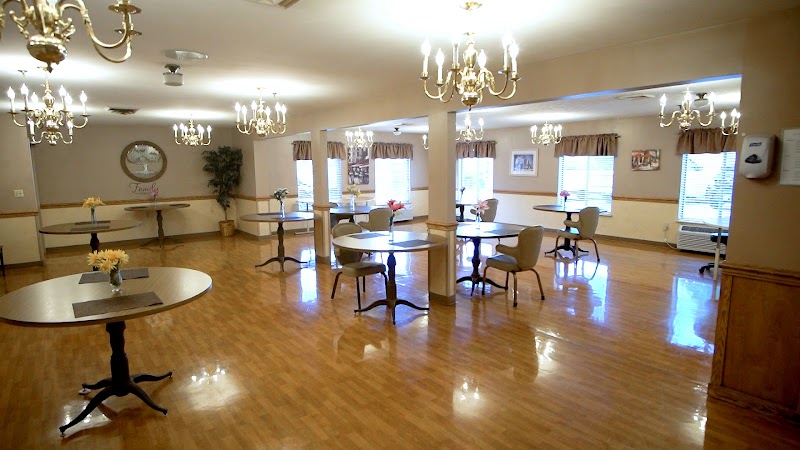
How is Windsor Health Staffed?

CMS rates WINDSOR HEALTH CARE CENTER's staffing level at 2 out of 5 stars, which is below average compared to other nursing homes. Staff turnover is 33%, compared to the Ohio average of 46%. This relatively stable workforce can support continuity of care.

What Have Inspectors Found at Windsor Health?

State health inspectors documented 21 deficiencies at WINDSOR HEALTH CARE CENTER during 2020 to 2025. These included: 21 with potential for harm.
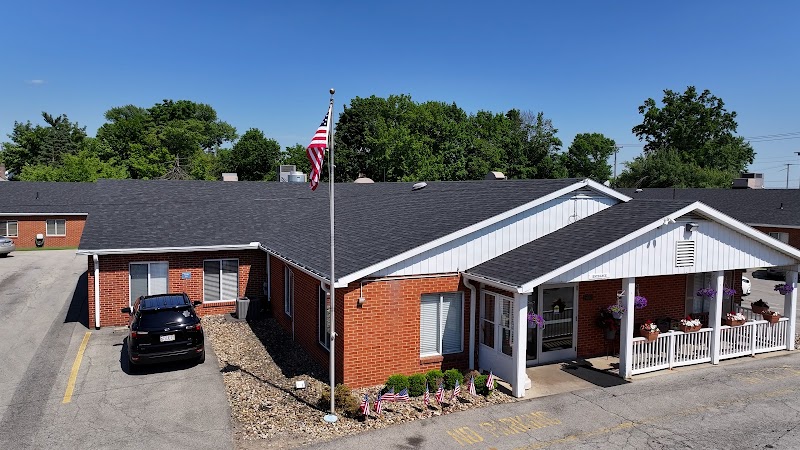
Who Owns and Operates Windsor Health?

WINDSOR HEALTH CARE CENTER is owned by a for-profit company. For-profit facilities operate as businesses with obligations to shareholders or private owners. The facility is operated by WINDSOR HOUSE, INC., a chain that manages multiple nursing homes. With 58 certified beds and approximately 57 residents (about 98% occupancy), it is a smaller facility located in YOUNGSTOWN, Ohio.
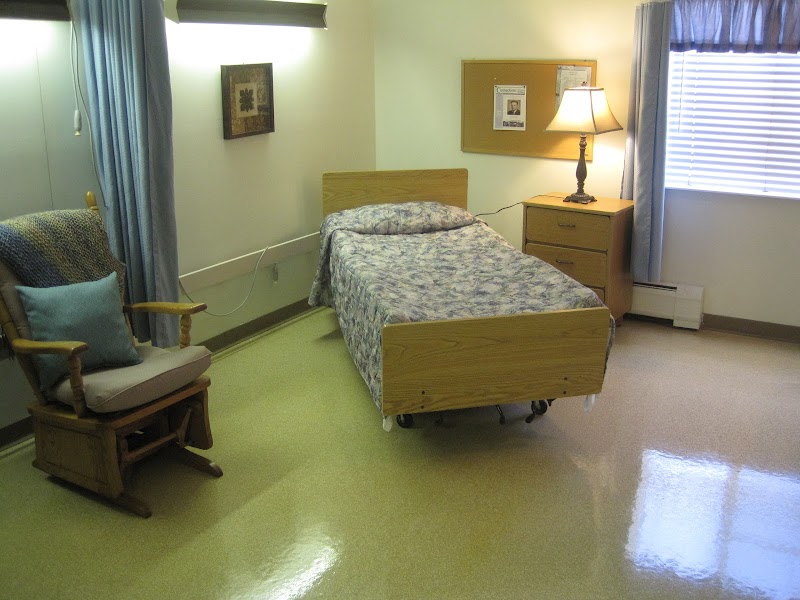
How Does Windsor Health Compare to Other Ohio Nursing Homes?

Compared to the 100 nursing homes in Ohio, WINDSOR HEALTH CARE CENTER's overall rating (4 stars) is above the state average of 3.2, staff turnover (33%) is significantly lower than the state average of 46%, and health inspection rating (3 stars) is at the national benchmark.

What Should Families Ask When Visiting Windsor Health?

Based on this facility's data, families visiting should ask: "Can you walk me through typical staffing levels on day, evening, and night shifts?" "Can I visit during a mealtime to observe dining assistance and food quality?" "How do you handle medical emergencies, and what is your hospital transfer rate?" "Can I speak with family members of current residents about their experience?" These questions are particularly relevant given the below-average staffing rating.

Is Windsor Health Safe?

Based on CMS inspection data, WINDSOR HEALTH CARE CENTER has a clean safety record: no substantiated abuse findings (meaning no confirmed cases of resident harm), no Immediate Jeopardy citations (the most serious violation level indicating risk of serious injury or death), and is not on the Special Focus Facility watch list (a federal program monitoring the lowest-performing 1% of nursing homes). The facility has a 4-star overall rating and ranks #1 of 100 nursing homes in Ohio. While no facility is perfect, families should still ask about staff-to-resident ratios and recent inspection results during their visit.

Do Nurses at Windsor Health Stick Around?

WINDSOR HEALTH CARE CENTER has a staff turnover rate of 33%, which is about average for Ohio nursing homes (state average: 46%). Moderate turnover is common in nursing homes, but families should still ask about staff tenure and how the facility maintains care continuity when employees leave.

Was Windsor Health Ever Fined?

WINDSOR HEALTH CARE CENTER has been fined $15,000 across 1 penalty action. This is below the Ohio average of $33,229. While any fine indicates a compliance issue, fines under $50,000 are relatively common and typically reflect isolated problems that were subsequently corrected. Families should ask what specific issues led to these fines and confirm they've been resolved.

Is Windsor Health on Any Federal Watch List?

WINDSOR HEALTH CARE CENTER is not on any federal watch list. The most significant is the Special Focus Facility (SFF) program, which identifies the bottom 1% of nursing homes nationally based on persistent, serious quality problems. Not being on this list means the facility has avoided the pattern of deficiencies that triggers enhanced federal oversight. This is a positive indicator, though families should still review the facility's inspection history directly.