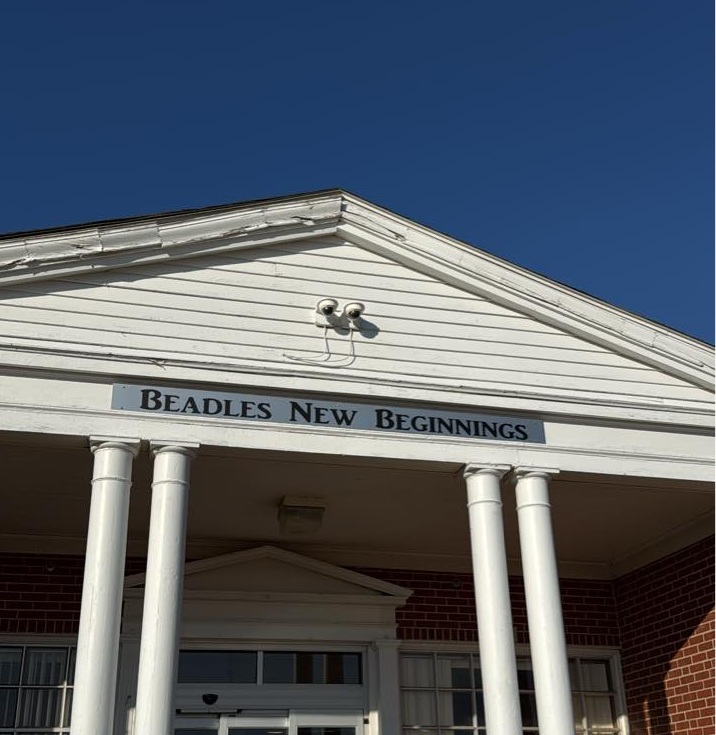
BEADLES NEW BEGINNINGS
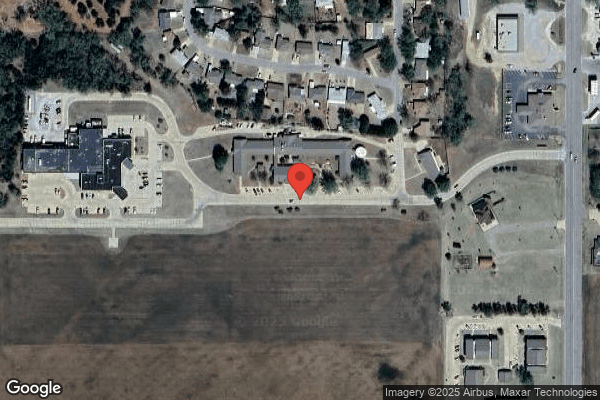
730 SHARE DRIVE, ALVA, OK 73717 (580) 732-0311
Government - Hospital district 80 Beds Independent Data: November 2025
Trust Grade
88/100
#2 of 282 in OK
Last Inspection: August 2024

Within standard 12-15 month inspection cycle. Federal law requires annual inspections.

Overview

Beadles New Beginnings in Alva, Oklahoma, has a Trust Grade of B+, which means it is considered above average and recommended for families seeking care. The facility ranks #2 out of 282 nursing homes in Oklahoma, placing it in the top half, and is #1 of 2 in Woods County, indicating it is the best local option. The facility is improving, having reduced its issues from one in 2023 to none in 2024, and it has a solid staffing rating with a turnover rate of 0%, well below the state average, showing that staff members tend to stay long-term. However, there are some concerns, including a fine of $9,438, which is average, and issues noted in inspections, such as failure to submit accurate staffing information and not having a proper care plan for a resident with specific medical needs. Overall, while Beadles New Beginnings has strengths in staffing and rankings, families should be aware of these compliance issues.

Trust Score
B+
88/100
In Oklahoma
#2/282
Top 1%
Safety Record
Low Risk
No red flags
Inspections
Getting Better
1 → 0 violations
Staff Stability
○ Average
Turnover data not reported for this facility.
Penalties
⚠ Watch
$9,438 in fines. Higher than 88% of Oklahoma facilities, suggesting repeated compliance issues.
Skilled Nurses
✓ Good
Each resident gets 42 minutes of Registered Nurse (RN) attention daily — more than average for Oklahoma. RNs are trained to catch health problems early.
Violations
⚠ Watch
11 deficiencies on record. Higher than average. Multiple issues found across inspections.
★★★★★
5.0
Overall Rating
★★★★☆
4.0
Staff Levels
★★★☆☆
3.0
Care Quality
★★★★★
5.0
Inspection Score
Stable
2023: 1 issues
2024: 0 issues

The Good

  • 4-Star Staffing Rating · Above-average nurse staffing levels
  • Full Sprinkler Coverage · Fire safety systems throughout facility
  • No fines on record

Facility shows strength in staffing levels, fire safety.

The Bad

Federal Fines: $9,438

Below median ($33,413)

Minor penalties assessed

The Ugly 11 deficiencies on record

Jul 2023 1 deficiency
CONCERN (E)

Potential for Harm - no one hurt, but risky conditions existed

Staffing Data (Tag F0851)

Could have caused harm · This affected multiple residents

Based on record review and interview, the facility failed to submit direct care staffing information based on payroll data. The Resident Census and Conditions of Resident, dated 07/25/23 documented t...

Read full inspector narrative →
Based on record review and interview, the facility failed to submit direct care staffing information based on payroll data. The Resident Census and Conditions of Resident, dated 07/25/23 documented the census was 29. Findings: The Quality of Care Reports, dated January thru June 2023, documented the staffing ratios were at or above the required ratio. On 07/27/23 at 12:25 p.m., the Administrator was asked who was responsible to enter the staffing data into the Payroll Based Journal. The Administrator stated the Payroll Based Journal had not been entered or submitted since October 2022.
Jun 2022 10 deficiencies
CONCERN (D)

Potential for Harm - no one hurt, but risky conditions existed

Deficiency F0578 (Tag F0578)

Could have caused harm · This affected 1 resident

Based on record review and interview the facility failed to ensure a code status was designated for one (#8) of three residents sampled for advance directives. The Resident Census and Conditions of Re...

Read full inspector narrative →
Based on record review and interview the facility failed to ensure a code status was designated for one (#8) of three residents sampled for advance directives. The Resident Census and Conditions of Residents documented 33 residents resided in the facility. Findings: Resident #8 had diagnoses which included dementia, depression, and diabetes. A quarterly assessment, dated 4/13/22, documented resident #8 was severely cognitively impaired and required limited assistance with ADL's. On 6/21/22 a record review was conducted and there was no code status documented in resident #8's chart. On 6/21/22 at 5:00 p.m., LPN #1 stated she believed the resident's code status was DNR, but could not find any documentation in the chart. On 6/21/22 at 5:04 p.m., the executive assistant stated she had checked all the places she could think of for a code status in resident #8's chart, but could not find any information. On 6/22/22 at 10:50 a.m., the DON stated she would have to call resident #8's family regarding the code status. She stated that a number of people review this information at admission including the social services and front office staff.
CONCERN (D)

Potential for Harm - no one hurt, but risky conditions existed

PASARR Coordination (Tag F0644)

Could have caused harm · This affected 1 resident

**NOTE- TERMS IN BRACKETS HAVE BEEN EDITED TO PROTECT CONFIDENTIALITY** Based on record review and interview the facility failed to notify the State Health Care Authority of a resident with a new seri...

Read full inspector narrative →
**NOTE- TERMS IN BRACKETS HAVE BEEN EDITED TO PROTECT CONFIDENTIALITY** Based on record review and interview the facility failed to notify the State Health Care Authority of a resident with a new serious mental illness for one (#5) of one resident reviewed for PASRR evaluations. The ''Census and Conditions of Residents'' report documented four residents received antipsychotic medications. Findings: Res #5 was admitted to the facility on [DATE] and at that time did not have any serious mental illness diagnoses documented. The resident's current EHR diagnoses documented the resident received a diagnosis of schizophrenia on 01/31/2017. On 06/22/22 at 9:50 a.m., the DON stated she could not find where the facility had notified the state. She stated she was not aware they had to notify the state when there were new serious psychiatric diagnoses.
CONCERN (D)

Potential for Harm - no one hurt, but risky conditions existed

Deficiency F0657 (Tag F0657)

Could have caused harm · This affected 1 resident

Based on record review and interview the facility failed to update the care plan for one (#11) of one sampled resident reviewed for falls. The Resident Census and Conditions of Residents documented 3...

Read full inspector narrative →
Based on record review and interview the facility failed to update the care plan for one (#11) of one sampled resident reviewed for falls. The Resident Census and Conditions of Residents documented 33 residents resided in the facility. Findings: Res #32 had diagnoses which included dementia, anxiety, and insomnia. An incident report, dated 07/20/21, documented the resident was placed in a wheechair after a fall due to an unsteady gait. An incident report, dated 11/18/21, documented a new intervention to declutter by bathroom door, and encourage and educate the resident to use the walker while walking. A fall risk evaluation, dated 03/02/22, documented Res #32 was at risk for falls with a score of 13. A quarterly assessment, dated 06/01/22, documented the resident was severely cognitively impaired, independent with transfers, independent with walking, had range of motion limitation to one upper extremity, used a rolling walker, and had one fall with major injury since previous assessment. A care plan, review date of 06/05/22, documented the resident was at low risk for falls. The care plan did not include an unsteady gait as a risk for falls. The care plan did not address the interventions documented related to the falls that occurred on 07/20/21 or 11/18/21. On 06/21/22 at 8:28 a.m., resident #32 was observed using the rolling walker to walk down the hall without staff assistance. The resident had a slow shuffling gait and walked hunched over the walker. On 06/22/22 at 8:39 a.m., CNA #1 stated the staff were to supervise the resident, make sure the walker was with the resident, ensure the room was clear of clutter, and walk with the resident for long distances. 06/22/22 at 10:35 a.m. the DON stated she was the care plan person from December of 2021 until May of this year and she did not believe she updated the care plan after the falls for Res #32.
CONCERN (D)

Potential for Harm - no one hurt, but risky conditions existed

Accident Prevention (Tag F0689)

Could have caused harm · This affected 1 resident

Based on record review, observation, and interview the facility failed to develop and implement fall interventions for one (#11) of one resident reviewed for falls. The Resident Census and Conditions...

Read full inspector narrative →
Based on record review, observation, and interview the facility failed to develop and implement fall interventions for one (#11) of one resident reviewed for falls. The Resident Census and Conditions of Residents documented 33 residents resided in the facility. Findings: Res #32 had diagnoses which included dementia, anxiety, and insomnia. A fall risk evaluation, dated 03/02/22, documented the resident at risk for falls with a score of 13. An incident report, dated 03/12/22, documented the resident had a fall resulting in a fracture. The contributing factor listed the resident's shoes were loose. A quarterly assessment, dated 06/01/22, documented the resident was severely cognitively impaired, independent with transfers, independent with walking, had range of motion limitation to one upper extremity, used a rolling walker, and had one fall with major injury since previous assessment. A care plan, review date of 06/05/22, documented the resident was at low risk for falls. The care plan did not include an unsteady gait as a risk for falls. The care plan did not address the cause for the fall or an intervention to prevent recurrence. On 06/21/22 at 8:28 a.m., Res #32 was observed using the rolling walker to walk down the hall without staff assistance. The resident had a slow shuffling gait and walked hunched over the walker. On 06/22/22 at 8:39 a.m., CNA #1 stated the staff were to supervise the resident, make sure the walker was with the resident, ensure the room was clear of clutter, and walk with the resident for long distances. On 06/22/22 at 9:37 a.m., RN #1 stated she was involved with coming up with interventions after falls. Regarding the fall with injury, she stated she did not remember what the intervention was, but she was sure they did something. She stated the interventions were communicated via verbal report and the care plan. On 06/22/22 at 10:35 a.m. the DON stated she was the care plan person from December of 2021 until May of this year, and she did not believe she updated the care plan after the fall for Res #32.
CONCERN (D)

Potential for Harm - no one hurt, but risky conditions existed

Drug Regimen Review (Tag F0756)

Could have caused harm · This affected 1 resident

Based on record review and interview, the facility failed to ensure the pharmacist provided monthly medication regimen reviews (MRRs) and failed to ensure the physician responded to the MRRs for one (...

Read full inspector narrative →
Based on record review and interview, the facility failed to ensure the pharmacist provided monthly medication regimen reviews (MRRs) and failed to ensure the physician responded to the MRRs for one (#24) of five sampled residents whose medications were reviewed. The Resident Census and Conditions of Residents report documented 21 residents on psychoactive medications. Findings: Res #24 had diagnoses which included hypertension and anxiety. The facility was unable to produce an MRR for June of 2021. The facility was unable to produce an MRR for August of 2021. A MRR, dated 10/05/21, documented a request for a trial reduction of the resident's diazepam 5 mg every 24 hours as needed. There was no response from the physician documented. A MRR, dated 04/04/22, documented a blood pressure and pulse for the resident's metoprolol was needed. There was no response from the physician documented. A significant change assessment, dated 5/26/22, documented the resident was severely cognitively impaired and required limited to extensive assistance with ADL's. On 6/22/22 at 3:21 p.m., the DON stated there was no physician response form found for the dates requested.
CONCERN (E)

Potential for Harm - no one hurt, but risky conditions existed

Comprehensive Care Plan (Tag F0656)

Could have caused harm · This affected multiple residents

4. Resident #11 had diagnoses which included paraplegia, nutritional deficiency, and altered mental status. An admission assessment, dated 04/20/22, documented the resident had an ostomy, moderate cog...

Read full inspector narrative →
4. Resident #11 had diagnoses which included paraplegia, nutritional deficiency, and altered mental status. An admission assessment, dated 04/20/22, documented the resident had an ostomy, moderate cognitive impairment, and required extensive assistance with most ADL's. A physician order, dated 05/03/22, documented to change the colostomy appliance weekly on Tuesdays. On 06/21/22 at 2:32 p.m., ostomy care was observed being performed by LPN #1. Res #11 stated his appliance was different and had been showing the staff how to do it. As of the record review on 6/23/22 at 10:50 a.m., there was no ostomy care plan for resident #11. On 6/23/22 at 10:52 a.m., the DON stated that she had not care planned the ostomy. She stated there should be one and would fix it. 5. Res #24 had diagnoses which included hypertension, coronary artery disease, and nonrhuematic aortic valve disorder. A physician order, dated 01/12/20, documented Lasix (a diuretic medication) 20 mg, give two tablets every 24 hours as needed for swelling related to nonrheumatic aortic valve disorder. A physician order, dated 03/24/22, documented hydrochlorothiazide (a diuretic) 25 mg in the morning related to hypertension. A significant change assessment, dated 05/26/22, documented the resident was severely cognitively impaired and received a diuretic five of seven days during the look-back period. A care plan, with a review date of 06/04/22, had no care plan related to diuretic use. On 06/22/22 at 5:27 p.m., the DON stated there was no diuretic care plan. 2. Res #15 admitted with diagnoses which included diabetes mellitus. A physician order, dated 08/05/21, documented to administer Novolin R insulin per sliding scale. A physician order, dated 10/01/21, documented to inject Levemir insulin 40 units in the morning and 40 units at bedtime. A physician order, dated 02/13/22, documented in inject a Freestyle system kit for blood glucose monitoring every 14 days. A quarterly assessment, dated 04/28/22, documented the resident was severely impaired with cognition and required limited assistance with most ADLs. The assessment documented the resident received insulin medication seven days in the look back period. A care plan, dated 05/11/22, documented the resident was on a NCS diet. The care plan documented she feeds herself and makes her own choices. The care plan documented the resident was on two diuretic medications. The care plan did not document the resident had diabetes or received insulin medication. On 06/23/22 at 12:09 p.m., the DON stated there should have been a diabetic care plan for resident #15. 3. Res #23 admitted with diagnoses which included edema and diabetes mellitus. A quarterly assessment, dated 05/24/22, documented the resident was severely impaired with cognition and required limited assistance with ADLs. The assessment documented the resident had two unhealed pressure ulcers. A care plan, review date of 05/31/22, did not document the resident was at risk or had pressure ulcers. On 06/21/22 at 8:47 a.m., Res #23 was observed sitting in her recliner. She stated she thought the pressure ulcer was gone but was not sure. On 06/22/22 at 10:33 a.m., the DON stated she had been the one doing the care plans from December until recently. The DON stated Res #23 should have had a skin care plan. Based on record review, observation, and interview, the facility failed to develop a comprehensive person-centered care plan for five (#5, 11, 15, 23, and #24) of 13 sampled residents whose care plans were reviewed. The facility failed to develop care plans to address: a. contractures and restorative services for Res #5. b. a diagnosis of diabetes and insulin use for Res #15. c. pressure ulcer care for Res #23. d. ostomy care for Res #11. e. diuretic use for Res #24. The ''Census and Conditions of Residents report documented 33 residents resided in the facility. Findings: 1. Res #5 had diagnoses which included atheroscerotic heart disease, depression, osteoarthritis, cerebrovascular disease, pain, and anxiety. A physician order, dated 08/11/21, documented restorative services for passive ROM. The quarterly assessment, dated 05/05/22, documented the resident was moderately impaired with decision making skills, required assistance with ADLs, had impairment in both lower extremities, and received hospice services. The EHR documented the resident received restorative services ten times in the last four months. On 06/21/22 at 2:57 p.m., the restorative aide stated the resident would participate in restorative services about every other day. She stated there were some days she refused to participate. She stated the resident had a contracture in her left knee for several years. On 06/22/22 at 10:44 a.m., the DON stated there should have been a care plan for contractures/ROM and restorative services. On 06/22/22 at 11:21 a.m., the resident was observed with CNA #1 and the DON. The resident was observed to have a slight contracture to her left knee and both feet. The DON stated the resident's contractures may be due to her osteoarthritis.
CONCERN (E)

Potential for Harm - no one hurt, but risky conditions existed

Deficiency F0761 (Tag F0761)

Could have caused harm · This affected multiple residents

Based on observation and interview, the facility failed to provide permanently affixed compartment for storage of refrigerated controlled drugs. The Census and Conditions of Residents report document...

Read full inspector narrative →
Based on observation and interview, the facility failed to provide permanently affixed compartment for storage of refrigerated controlled drugs. The Census and Conditions of Residents report documented 33 residents resided in the facility. Findings: On 6/23/22 at 2:48 p.m., ACMA #1 was observed during a narcotic count and stated that liquid lorazepam was kept in the refrigerator. She was observed opening the refrigerator which contained a black plastic lock box with a three digit combination lock. She was observed picking up the box to examine it. The box was not affixed to the refrigerator and was able to be removed in its entirety. On 6/23/22 at 3:25 p.m. the DON stated the facility had just got refrigerators and they had not yet secured the controlled drug storage box.
CONCERN (E)

Potential for Harm - no one hurt, but risky conditions existed

Laboratory Services (Tag F0770)

Could have caused harm · This affected multiple residents

2. Resident #24's physician order, dated 05/14/21, documented to inject B-12 1000 mcg/ml on the 14th of every month for a diagnosis of anemia. A physician order, dated 01/03/22, documented to collect...

Read full inspector narrative →
2. Resident #24's physician order, dated 05/14/21, documented to inject B-12 1000 mcg/ml on the 14th of every month for a diagnosis of anemia. A physician order, dated 01/03/22, documented to collect a B-12 level annually. A MRR, dated 04/04/22, documented the B-12 lab due January 2022 was not found in the lab results. On 06/23/22 at 11:47 a.m., the DON stated the B-12 lab requested in January was not found. She stated she had called the lab and they did not have it. She stated she did not believe it was drawn or rescheduled to be drawn at a later date. Based on record review and interview, the facility failed to obtain laboratory services as ordered by the physician for two (#5 and #24) of five residents sampled for medication review. The Resident Census and Conditions of Residents'' report documented 33 residents resided in the facility. Findiings: 1. Res #5 had diagnoses which included hypertension and heart failure. A physician order, dated 04/15/21, documented to obtain a digoxin level every six months starting on 05/01/21. A physician order, dated 04/15/21, documented to administer Digoxin 125 mcg in the morning for heart failure. A quarterly assessment, dated 05/05/22, documented the resident was moderately cognitively impaired. On 06/22/22 at 2:00 p.m., the DON was asked to provide the digoxin lab results. On 06/22/22 at 3:20 p.m., the DON stated she could not find the digoxin level lab results.
CONCERN (E)

Potential for Harm - no one hurt, but risky conditions existed

Food Safety (Tag F0812)

Could have caused harm · This affected multiple residents

**NOTE- TERMS IN BRACKETS HAVE BEEN EDITED TO PROTECT CONFIDENTIALITY** Based on record review, observation, and interview, the facility failed to ensure food was stored, prepared, and served in a san...

Read full inspector narrative →
**NOTE- TERMS IN BRACKETS HAVE BEEN EDITED TO PROTECT CONFIDENTIALITY** Based on record review, observation, and interview, the facility failed to ensure food was stored, prepared, and served in a sanitary manner. The facility failed to: a. keep the scoops handles from being in contact with the flour in the bins. b. label and date opened drinks and applesauce in the refrigerators. c. perform hand hygiene after touching unclean surfaces during meal service and meal pass. The Census and Conditions of Residents form documented 33 residents lived in the facility. Findings: 1. On 06/21/22 at 8:05 a.m., during initial tour of the kitchen, observations of two cups of applesauce in the refrigerator with loose plastic wrap over both cups with no date was observed. A small scoop was observed in a small flour bin in the storage room with the handle touching the flour. The scoop for the large flour bin was observed with the handle up and flour all over the handle. On 06/21/22 at 8:15 a.m., in the walk in refrigerator, a green pitcher with milk in it was not labeled or dated and a bottle of opened Gatorade was not labeled or dated. On 06/21/22 at 8:16 a.m., the DM stated they marked the date on the tray the product was sitting on. The tray observed had a date for the cake but not the applesauce. She stated the items should be dated individually if served and put back in the refrigerator. The DM stated the scoop should not be laying in the small flour bin but the scoops could be in the bins if the handles were sticking up. She stated the milk and opened Gatorade should have been labeled and dated. On 06/23/22 at 8:17 a.m., cook #1 was showing the surveyor the temperature book for the steam table. [NAME] #1 then went and put on gloves and made a resident an omelet for breakfast. The cook did not wash their hands before putting on the gloves. The cook was observed to touch the omelet with ungloved bare left hand then with gloved right hand. On 06/23/22 at 8:25 a.m., cook #1 was observed to touch dirty dishes with gloved hands and then make a resident a piece of toast. At 8:28 a.m., the cook cut the toast with a knife that had been placed with other used dirty utensils and then took the utensils to the dish room to be washed. On 06/23/22 at 9:38 a.m., the DM stated the kitchen staff should wash their hands before making a meal and when touching anything dirty. 2. On 06/22/22 at 8:17 a.m., hand hygiene was observed before meal trays were passed. ACMA #1 was observed to deliver a meal to a resident and get the resident a cup of coffee and help with meal set up. ACMA #1 then pushed the cart up the hall and touched her face and another resident's knee. ACMA #1 then went back to the food cart got a meal for another resident, assisted the resident to the dining room to sit at the table, and set up the resident meal, cutting up her food and touched the water glass by the rim. Hand hygiene was not observed before assisting the resident. ACMA #1 was observed to take a meal tray to room [ROOM NUMBER]. During meal set up for the resident the ACMA wiped her hands on her scrubs and then continued with placing sweetener in the resident's hot cereal. On 06/22/22 at 8:32 a.m., ACMA #1 was observed at the meal cart. She touched her scrub pants, retrieved a tray, took it to a resident in the dining room, assisted with meal set up, touched the resident on the back, then performed hand hygiene. On 06/23/22 at 9:56 a.m., the DON stated she would expect to see the staff performing hand hygiene between residents when passing meals.
CONCERN (E)

Potential for Harm - no one hurt, but risky conditions existed

Infection Control (Tag F0880)

Could have caused harm · This affected multiple residents

3. Res #11 had diagnoses which included paraplegia and nutritional deficiency. An admission assessment, dated 04/20/22, documented the resident had an ostomy, moderate cognitive impairment, and requi...

Read full inspector narrative →
3. Res #11 had diagnoses which included paraplegia and nutritional deficiency. An admission assessment, dated 04/20/22, documented the resident had an ostomy, moderate cognitive impairment, and required extensive assistance with most ADL's. A physician order, dated 05/03/22, documented to change the colostomy appliance weekly on Tuesdays. On 06/21/22 at 2:32 p.m., LPN #1 was observed performing ostomy care for Res #11. During the procedure the nurse failed to change her gloves after touching the soiled ostomy bag and before touching and placing the new ostomy wafer. The nurse then removed her gloves and was observed affixing the new ostomy bag without gloves. She did not perform hand hygiene after removing gloves. Based on record review, observation, and interview, the facility failed to ensure proper hand hygiene was performed while providing wound care for two (#15 and #23) and ostomy care for one (#11) of three residents observed during care. The Census and Conditions of Residents form documented 33 residents lived in the facility. Findings: 1. Res #15 admitted with diagnoses which included diabetes mellitus, local infections of the skin and subcutaneous tissue, and osteomyelitis of the right hand. A quarterly assessment, dated 04/28/22, documented the resident was severely impaired with cognition and required limited assistance with most ADLs. The assessment documented the resident had no pressure ulcers. A care plan, dated 05/11/22, documented the resident had impaired skin integrity and to administer treatment as ordered and monitor for effectiveness. On 6/22/22 at 2:18 p.m., wound care was observed for Res #15. During wound care of the resident's finger on her right hand, RN #1 did not perform hand hygiene after cleaning the wound on the resident's finger. RN#1 then retrieved a roll of toilet paper, opened it, got some toilet paper off the roll, and handed it to the DON to wipe the resident's nose while still wearing the same gloves. The RN then proceeded to apply treatment to the resident's finger and dressed the wound in the same gloves. On 06/23/22 at 10:58 a.m., the DON stated there were infection control issues during the resident's wound care and the nurse should have changed her gloves and performed hand hygiene between dirty and clean. 2. Res #23 admitted with diagnoses which included edema, diabetes mellitus, and depression. A quarterly assessment, dated 05/24/22, documented the resident was severely impaired with cognition and required limited assistance with ADLs. The assessment documented the resident had two unhealed pressure ulcers. A care plan, review date of 05/31/22, did not document the resident was at risk or had pressure ulcers. On 06/22/22 at 2:06 p.m., RN #1 performed wound care for Res #23. RN #1 did not remove her gloves or perform hand hygiene after cleaning the residents wound before administering treatment and dressing. On 06/22/22 at 2:15 p.m., the DON stated the nurse should have changed her gloves and performed hand hygiene between dirty and clean.
Understanding Severity Codes (click to expand)
Life-Threatening (Immediate Jeopardy)
J - Isolated K - Pattern L - Widespread
Actual Harm
G - Isolated H - Pattern I - Widespread
Potential for Harm
D - Isolated E - Pattern F - Widespread
No Harm (Minor)
A - Isolated B - Pattern C - Widespread

Questions to Ask on Your Visit

  • "Can I speak with families of current residents?"
  • "What's your RN coverage like on weekends and overnight?"

Our Honest Assessment

Strengths
  • • Grade B+ (88/100). Above average facility, better than most options in Oklahoma.
  • • No major safety red flags. No abuse findings, life-threatening violations, or SFF status.
Concerns
  • • 11 deficiencies on record. Higher than average. Multiple issues found across inspections.
Bottom line: Generally positive indicators. Standard due diligence and a personal visit recommended.

About This Facility

What is Beadles New Beginnings's CMS Rating?

CMS assigns BEADLES NEW BEGINNINGS an overall rating of 5 out of 5 stars, which is considered much above average nationally. Within Oklahoma, this rating places the facility higher than 99% of the state's 100 nursing homes. This rating reflects solid performance across the metrics CMS uses to evaluate nursing home quality.

How is Beadles New Beginnings Staffed?

CMS rates BEADLES NEW BEGINNINGS's staffing level at 4 out of 5 stars, which is above average compared to other nursing homes.

What Have Inspectors Found at Beadles New Beginnings?

State health inspectors documented 11 deficiencies at BEADLES NEW BEGINNINGS during 2022 to 2023. These included: 11 with potential for harm.

Who Owns and Operates Beadles New Beginnings?

BEADLES NEW BEGINNINGS is owned by a government entity. Government-operated facilities are typically run by state, county, or municipal agencies. The facility operates independently rather than as part of a larger chain. With 80 certified beds and approximately 29 residents (about 36% occupancy), it is a smaller facility located in ALVA, Oklahoma.

How Does Beadles New Beginnings Compare to Other Oklahoma Nursing Homes?

Compared to the 100 nursing homes in Oklahoma, BEADLES NEW BEGINNINGS's overall rating (5 stars) is above the state average of 2.7 and health inspection rating (5 stars) is much above the national benchmark.

What Should Families Ask When Visiting Beadles New Beginnings?

Based on this facility's data, families visiting should ask: "Can I visit during a mealtime to observe dining assistance and food quality?" "How do you handle medical emergencies, and what is your hospital transfer rate?" "Can I speak with family members of current residents about their experience?"

Is Beadles New Beginnings Safe?

Based on CMS inspection data, BEADLES NEW BEGINNINGS has a clean safety record: no substantiated abuse findings (meaning no confirmed cases of resident harm), no Immediate Jeopardy citations (the most serious violation level indicating risk of serious injury or death), and is not on the Special Focus Facility watch list (a federal program monitoring the lowest-performing 1% of nursing homes). The facility has a 5-star overall rating and ranks #1 of 100 nursing homes in Oklahoma. While no facility is perfect, families should still ask about staff-to-resident ratios and recent inspection results during their visit.

Do Nurses at Beadles New Beginnings Stick Around?

BEADLES NEW BEGINNINGS has not reported staff turnover data to CMS. Staff turnover matters because consistent caregivers learn residents' individual needs, medications, and preferences. When staff frequently change, this institutional knowledge is lost. Families should ask the facility directly about their staff retention rates and average employee tenure.

Was Beadles New Beginnings Ever Fined?

BEADLES NEW BEGINNINGS has been fined $9,438 across 2 penalty actions. This is below the Oklahoma average of $33,173. While any fine indicates a compliance issue, fines under $50,000 are relatively common and typically reflect isolated problems that were subsequently corrected. Families should ask what specific issues led to these fines and confirm they've been resolved.

Is Beadles New Beginnings on Any Federal Watch List?

BEADLES NEW BEGINNINGS is not on any federal watch list. The most significant is the Special Focus Facility (SFF) program, which identifies the bottom 1% of nursing homes nationally based on persistent, serious quality problems. Not being on this list means the facility has avoided the pattern of deficiencies that triggers enhanced federal oversight. This is a positive indicator, though families should still review the facility's inspection history directly.