ANADARKO NURSING & REHAB
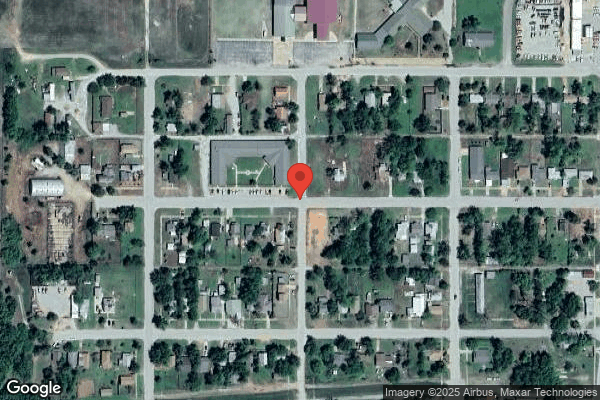
300 WEST WASHINGTON, ANADARKO, OK 73005 (405) 247-3346
For profit - Limited Liability company 92 Beds BRADFORD MONTGOMERY Data: November 2025 2 Immediate Jeopardy citations
Trust Grade
49/100
#40 of 282 in OK
Last Inspection: November 2024

Within standard 12-15 month inspection cycle. Federal law requires annual inspections.

Overview

Anadarko Nursing & Rehab has received a Trust Grade of D, indicating below-average performance with some concerns. They rank #40 out of 282 facilities in Oklahoma, placing them in the top half, and #1 out of 3 in Caddo County, meaning they are the best local option. However, the facility is trending downwards, with issues increasing from 4 in 2023 to 5 in 2024. Although they maintain a 4/5 star rating overall, staffing is a concern with a rating of 3/5 stars and a turnover rate of 46%, which is below the state average of 55%. The facility has faced significant issues, including a critical incident where a resident was not safely secured in a wheelchair during transport, resulting in serious injury, and another critical failure to provide a prescribed therapeutic diet that led to a resident choking and hospitalization. While there are strengths in the overall quality ratings, these serious incidents highlight important areas for families to consider.

Trust Score
D
49/100
In Oklahoma
#40/282
Top 14%
Safety Record
High Risk
Review needed
Inspections
Getting Worse
4 → 5 violations
Staff Stability
⚠ Watch
46% turnover. Above average. Higher turnover means staff may not know residents' routines.
Penalties
○ Average
$14,867 in fines. Higher than 70% of Oklahoma facilities. Some compliance issues.
Skilled Nurses
⚠ Watch
Each resident gets only 8 minutes of Registered Nurse (RN) attention daily — below average for Oklahoma. Fewer RN minutes means fewer trained eyes watching for problems.
Violations
⚠ Watch
13 deficiencies on record. Higher than average. Multiple issues found across inspections.
★★★★☆
4.0
Overall Rating
★★★☆☆
3.0
Staff Levels
★★★★☆
4.0
Care Quality
★★★★☆
4.0
Inspection Score
Stable
2023: 4 issues
2024: 5 issues

The Good

  • 4-Star Quality Measures · Strong clinical quality outcomes
  • Full Sprinkler Coverage · Fire safety systems throughout facility
  • No fines on record

Facility shows strength in quality measures, fire safety.

The Bad

Staff Turnover: 46%

Near Oklahoma avg (46%)

Higher turnover may affect care consistency

Federal Fines: $14,867

Below median ($33,413)

Minor penalties assessed

Chain: BRADFORD MONTGOMERY

Part of a multi-facility chain

Ask about local staffing decisions and management

The Ugly 13 deficiencies on record

2 life-threatening
Nov 2024 1 deficiency 1 IJ
CRITICAL (J) 📢 Someone Reported This

A family member, employee, or ombudsman was alarmed enough to file a formal complaint

Immediate Jeopardy (IJ) - the most serious Medicare violation

Accident Prevention (Tag F0689)

Someone could have died · This affected 1 resident

**NOTE- TERMS IN BRACKETS HAVE BEEN EDITED TO PROTECT CONFIDENTIALITY** A past noncompliance Immediate Jeopardy (IJ) was determined to exist effective 11/13/24 related to the facility's failure to ens...

Read full inspector narrative →
**NOTE- TERMS IN BRACKETS HAVE BEEN EDITED TO PROTECT CONFIDENTIALITY** A past noncompliance Immediate Jeopardy (IJ) was determined to exist effective 11/13/24 related to the facility's failure to ensure a resident was free from accident hazards. The facility failed to safely secure Resident #1 in their wheelchair during transport which resulted in serious injury/harm. On 11/18/24 at 2:48 p.m., the Oklahoma State Department of Health verified the existence of the past noncompliance related to the facility's failure to safely secure a resident in a wheelchair during transport. The past noncompliance IJ was removed effective 11/14/24 after the facility put measures in place to prevent recurrence. On 11/14/24 the facility maintenance supervisor inspected the facility transport van to ensure all safety straps and harnesses were in working order and implemented monthly inspections to ensure proper working order, all drivers were inserviced on proper uses and placement of safety straps in the facility transport van and they will be inserviced quarterly, a QAPI improvement plan was initiated, and CNA #1 was suspended on 11/13/24 and then terminated on 11/14/24. On 11/18/24 at 11:55 a.m., the facilty's transport van was inspected. All harnesses and safety straps were observed to be in good repair with no issues. An IJ was identified from 11/13/24 through 11/14/24. Based on observation, record review, and interview, the facility failed to safely secure a resident in a wheelchair during transport for one (#1) of three sampled residents reviewed for safe transportation. Findings: An undated facility policy/job description titled Transportation Aide, read in part, Has completed a facility orientation on functioning facility transport vehicle and proper placement of straps for resident transport. The policy also read, At any point that it is discovered that any safety mechanism is not functioning properly that the maintenance/ administrator be notified immediately and transportation will be suspended until repairs are made. Resident #1 was admitted to the facility on [DATE] with diagnoses which included end stage renal disease, hypertensive heart disease, and dependence on renal dialysis. Resident #1's admission assessment, dated 10/15/24, documented Resident #1 was not cognitively impaired, ambulated with the assist of a wheelchair and required extensive assistance with ADLs. A facility Incident/Accident Report, dated 11/13/24 at 3:40 p.m., read in part, Reported to me by [CNA#1] that resident fell out of wheel chair in van during transport. Knot to back of head and upper back pain noted. Resident sent to ER. A Nurse's Note, dated 11/13/24 at 4:40 p.m., read in part, [CNA#1] transport called this nurse and stated that [they] had left the hospital with resident and was turning the corner when resident fell out of wheel chair. The document also read, [they] stated [Resident #1] had a knot on [their] head and c/o of upper back pain. The document also read, [name withheld] explained that [they] couldn't latch [them]. An Investigative Witness Statement, dated and signed by CNA #1 on 11/13/24, read in part, I didn't have the residents wheelchair secured, the back of the wheel chair was locked and [their] tires. I didn't lock the front because I thought I did lock them. When I went to step on the gas [they] went flying backwards and [they] hit the metal ramp. An intital Incident Report Form, dated 11/13/24 at 9:59 p.m., documented Resident #1 was being transported back to the facility from the hospital when the driver turned a corner, the resident fell out of their wheelchair. It documented the resident was transported to the ER then transported to [name of hospital withheld] for further evaluation. Resident #1's Emergency Department Note, dated 11/13/24 at 4:39 p.m., read in part, was in a transport van that apparently accelerated too quickly when [their] wheel chair tipped over backwards c/o head neck and upper spine pain. The note also read, there is a nondisplaced vertical linear fracture through the mid C6 vertebrae. The note documented Resident #1 was placed in a neck brace, given Tylenol and morphine for pain, and transferred to an acute care hospital. Resident #1's After Visit Summary, dated 11/13/24, documented Resident #1 was diagnosed with a closed nondisplaced fracture of the sixth cervical vertebrae and a closed head injury from a ground level fall. On 11/18/24 at 3:30 p.m., Resident #1 stated CNA #1 did not buckle their wheelchair in the front in the transport van correctly. They stated when CNA #1 accelerated from the traffic light they fell backwards hitting their head and neck on the ramp in the transport van. Resident #1 stated their family was called and told CNA #1 to take them to the ER. Resident #1 was observed wearing a cervical neck collar and stated they had pain in their neck and shoulders as a result of the accident. On 11/18/24 at 4:25 p.m., the ADON stated CNA #1 reported to the hospital they did not secure the resident in the van, but then they changed their story. The ADON stated CNA #1 reported a passerby and unidentified police helped sit the resident back into the chair and CNA #1 contacted the family which directed them to take the resident to the ER. On 11/18/24 at 4:30 pm., the administrator stated CNA #1 changed their story frequently. They stated the CNA admitted to not securing the residents wheelchair in the transport van correctly and should not have picked up the resident after the incident. The administrator stated CNA #1 was suspended immediately then terminated for the incident.
Nov 2024 4 deficiencies
CONCERN (D) 📢 Someone Reported This

A family member, employee, or ombudsman was alarmed enough to file a formal complaint

Potential for Harm - no one hurt, but risky conditions existed

Notification of Changes (Tag F0580)

Could have caused harm · This affected 1 resident

Based on record review and interview, the facility failed to ensure a resident's power of attorney was notified of doctor appointments for one (#28) of two sampled residents reviewed for notifications...

Read full inspector narrative →
Based on record review and interview, the facility failed to ensure a resident's power of attorney was notified of doctor appointments for one (#28) of two sampled residents reviewed for notifications. The administrator identified 79 residents resided in the facility. Findings: Resident #28 had diagnoses which included cardiac arrhythmia and hypertension. A comprehensive assessment, dated 08/27/24, documented Resident #28 had moderately impaired cognition. A progress note, dated 10/23/24, documented the resident was out of the facility for a doctor's appointment via the transport team. The progress note documented at 1:10 p.m., the resident returned to the facility and a follow up appointment had been made for December 5th at 8:30 a.m. The note documented social services was made aware. On 11/07/24 at 9:58 a.m., Resident #28's POA reported they were still having an issue with not being notified of all the resident's scheduled doctors appointments. On 11/12/24 at 12:22 p.m., Social Services reported residents family members were notified of their doctors appointments when the facility scheduled the appointments. Social Services reported Resident #28's POA was aware of scheduled doctor appointments. The social services staff reported notifications to the resident's POA had not been documented. On 11/12/24 at 12:30 p.m., LPN #1 reported residents family members were to be notified of doctors appointments, new orders, and changes in condition. The LPN reported Resident #28's POA was made aware of changes and doctors appointments. The LPN reported the POA was probably contacted on 10/23/24 with notification of a doctor's appointment scheduled for 12/05/24, but the LPN had failed to document the notification.
CONCERN (D)

Potential for Harm - no one hurt, but risky conditions existed

PASARR Coordination (Tag F0644)

Could have caused harm · This affected 1 resident

**NOTE- TERMS IN BRACKETS HAVE BEEN EDITED TO PROTECT CONFIDENTIALITY** Based on record review and interview, the facility failed to refer residents with newly diagnosed mental illnesses to the OHCA a...

Read full inspector narrative →
**NOTE- TERMS IN BRACKETS HAVE BEEN EDITED TO PROTECT CONFIDENTIALITY** Based on record review and interview, the facility failed to refer residents with newly diagnosed mental illnesses to the OHCA and or LOCEU for a level II PASARR evaluation for one (#28) of three sampled residents reviewed for PASARR. The administrator identified 79 residents resided in the facility. Findings: A PASARR policy and procedure, dated 09/01/17, read in part, a new condition of intellectual disability or mental illness must be referred to the LOCEU by the nursing facility for determination of the need for the Level II assessment. Resident #28 was admitted to the facility on [DATE]. The resident was diagnosed with anxiety disorder on 06/27/17 and schizoaffective disorder on 08/04/21. A comprehensive assessment, dated 08/27/24, documented moderately impaired cognition. The assessment also documented the use of antianxiety medication. The level I PASARR screen completed on admission was unavailable in the resident's medical record. The Order Summary report, dated 11/07/24, documented the following medication: divalproex sodium (anticonvulsant medication) 125 mg for schizoaffective disorder and hydroxyzine pamoate (antihistamine medication) 25 mg for anxiety. On 11/12/24 at 10:41 a.m., the ADON reported not being able to locate the resident's PASARR completed on admission. The ADON reported being unaware if the anxiety disorder diagnosis given to the resident had been reported to the OHCA. The ADON reported the diagnosis of schizoaffective disorder was not reported to the OHCA. The ADON reported they had recently been made aware a new diagnosis of mental illness, not on the level I PASARR, needed to be reported to the OHCA.
CONCERN (D)

Potential for Harm - no one hurt, but risky conditions existed

Deficiency F0645 (Tag F0645)

Could have caused harm · This affected 1 resident

**NOTE- TERMS IN BRACKETS HAVE BEEN EDITED TO PROTECT CONFIDENTIALITY** Based on record review and interview, the facility failed to ensure a level I PASARR assessment was completed before or on admis...

Read full inspector narrative →
**NOTE- TERMS IN BRACKETS HAVE BEEN EDITED TO PROTECT CONFIDENTIALITY** Based on record review and interview, the facility failed to ensure a level I PASARR assessment was completed before or on admission for one (#9) of three sampled residents reviewed for PASARR. The administrator reported 79 residents resided in the facility. Findings: A PASARR policy and procedure, dated 09/01/17, read in part, the nursing facility must independently evaluate the Level I PASARR screen regardless of who completes the form and determine whether or not to admit an individual to the facility .nursing facilities which inappropriately admit a person without a PASARR screen are subject to recoupment of funds. Resident #9 was admitted to the facility on [DATE] with diagnoses which included major depressive disorder and mood disorder. A comprehensive assessment, dated 10/08/24, documented the resident's cognition was intact. The assessment also documented antipsychotic and antidepressant medication use. An Order Summary report, dated 11/07/24, documented the following medication: donepezil hcl (cholinesterase medication) 5 mg for mood disorder, lamotrigine (phenyltriazine medication) 25 mg for mood disorder, riluzole (benzothiazole medication) 50 mg major depressive disorder, risperidone (antipsychotic medication) 1 mg for mood disorder, sertraline (antidepressant medication) hcl for major depressive disorder, and Vraylar (antipsychotic medication) 3 mg for mood disorder. On 11/07/24 at 3:43 p.m., the ADON reported a level I PASARR was not completed for Resident #9. They reported it was missed.
CONCERN (E) 📢 Someone Reported This

A family member, employee, or ombudsman was alarmed enough to file a formal complaint

Potential for Harm - no one hurt, but risky conditions existed

Free from Abuse/Neglect (Tag F0600)

Could have caused harm · This affected multiple residents

**NOTE- TERMS IN BRACKETS HAVE BEEN EDITED TO PROTECT CONFIDENTIALITY** Based on record review and interview, the facility failed to ensure a resident was free from sexual abuse for one (#47) of five ...

Read full inspector narrative →
**NOTE- TERMS IN BRACKETS HAVE BEEN EDITED TO PROTECT CONFIDENTIALITY** Based on record review and interview, the facility failed to ensure a resident was free from sexual abuse for one (#47) of five residents sampled for abuse. The administrator reported two allegations of sexual abuse. An Abuse Policy and Procedure policy, dated 07/23/21, read in part, We will endeavor to protect our occupants from maltreatment, which means adult abuse, exploitation, neglect, physical abuse, sexual abuse, neglect .Sexual abuse includes sexual harassment, sexual coercion, or sexual assault. Resident #47 was admitted to the facility on [DATE] and had diagnoses which included schizophrenia, bipolar disorder, depression, rheumatoid arthritis, lupus, anxiety, and history of traumatic brain injury. An annual assessment for Resident #47, dated 08/13/24, documented the resident was cognitively intact. An OSDH incident report form, dated 11/01/24, documented Resident #47 reported to a dietary employee CNA #1 came to their room at approximately midnight on 11/01/24 during the 6:00 p.m. to 6:00 a.m. shift. The incident report documented the CNA exposed their genitals to the resident and made sexually explicit comments to the resident while requesting sexual favors. The report documented the CNA was immediately suspended and an investigation was conducted. A care plan for Resident #47, updated 11/04/24, documented the resident had behaviors which included attention seeking. The care plan documented the resident often fabricated stories against others. The care plan documented two staff members would provide care at all times and no employee would assist the resident without a female employee present. On 11/06/24 at 1:22 p.m., the administrator reported an allegation of sexual abuse involving Resident #47 and CNA #1 had been substantiated. The administrator reported the facility would be submitting their 5-day final report to the SA in the next day or two. The administrator reported they had interviewed other residents and staff members to ensure there were no other allegations against CNA #1. On 11/06/24 at 2:24 p.m., Resident #47 was interviewed in their room. The resident spoke freely about the incident and stated nothing like this had ever happened before. The resident reported CNA #1 had worked at the facility off and on for a couple of years and had never done anything to make the resident uncomfortable. The resident stated they felt safe and was not fearful of anything happening again and had no fear of being abused in any way. On 11/08/24 at 1:14 p.m., LPN #2 reported there had been recent staff in-services following the incident with Resident #47 and CNA #1. The LPN reported staff had been informed no male staff member should go into a female residents' room without a female staff member being present. The LPN reported they were attempting to have male CNAs care for male residents and female CNAs care for female residents. On 11/08/24 at 1:34 p.m., LPN #3 reported Resident #47's care plan had been updated to reflect changes in how care would be provided for this resident. The LPN reported they had implemented a two-person assist with all of Resident #47's care. On 11/12/24 at 11:26 a.m., the administrator reported Resident #47 initially reported the incident with CNA #1 to dietary aide #1. The administrator stated the resident waited until the dietary aide came on duty the following day to say anything. The administrator reported they were not sure why the resident reported the incident to the dietary aide and the dietary aide was not available for interview with the SA. The administrator reported CNA #1 was suspended as soon as the incident was reported and ultimately terminated.
Nov 2023 4 deficiencies
CONCERN (D)

Potential for Harm - no one hurt, but risky conditions existed

Deficiency F0657 (Tag F0657)

Could have caused harm · This affected 1 resident

Based on record review and interview, the facility failed to revise comprehensive care plans with new interventions after a fall with injury to prevent future falls for one (#31) of seven residents re...

Read full inspector narrative →
Based on record review and interview, the facility failed to revise comprehensive care plans with new interventions after a fall with injury to prevent future falls for one (#31) of seven residents reviewed for falls. The Administrator reported 78 residents resided in the facility. Findings: The Care Plans, Comprehensive Person-Centered policy, dated 12/01/16, documented .The interdisciplinary team must review and update the care plan: When a desired outcome is not met; and at least quarterly, in conjunction with the required quarterly MDS assessment . Res #31 was admitted to the facility with diagnoses which included multiple sclerosis and paraplegia. A care plan, updated 01/19/23, read in part, .I have fallen in the past and I am at risk for other falls .Goal: I will be free from falls through the review date . Interventions: Nursing staff will use a lift pad when transferring me from surface to surface; Please ensure the lift if being used correctly to avoid injury .I am transferred using Hoyer lift x2 staff members .Nursing staff will monitor me during and between rounds .Ensure I am sitting in my Broda chair correctly and I am not sliding down/out. Reposition me as needed . A state reportable incident report documented Res #31 had a fall with injury on 07/16/23. The report documented Res #3's reclining wheelchair tipped over causing her to hit her forehead on the base of the bed frame in her room, resulting in a laceration to forehead. An MDS assessment, dated 09/26/23, documented Res #31's cognition was intact and was totally dependent on staff for ADLs. On 11/14/23 at 2:29 p.m., RN #1 reported a fall scene investigation should have been conducted to determine the cause of the fall and new interventions implemented to prevent future falls. RN #1 reported that Res #31's care plan had not been revised after the fall with injury on 07/16/23. RN #1 reported that resident #31's care plan should have been revised with new interventions to prevent further falls.
CONCERN (D)

Potential for Harm - no one hurt, but risky conditions existed

Accident Prevention (Tag F0689)

Could have caused harm · This affected 1 resident

Based on observation, record review, and interview, the facility failed to investigate the cause of a fall and implement new interventions to prevent falls for one (#31) of seven residents reviewed fo...

Read full inspector narrative →
Based on observation, record review, and interview, the facility failed to investigate the cause of a fall and implement new interventions to prevent falls for one (#31) of seven residents reviewed for falls. The administrator reported 78 residents resided in the facility. Findings: The Assessing Falls and Their Causes policy, dated 10/01/10, documented .Residents must be assessed in a timely manner for potential causes of falls .Relevant environmental issues should be addressed promptly .Within 24 hours of a fall, the nursing staff will begin to try to identify possible or likely causes of the incident .The staff will continue to collect and evaluate information until they either identify the cause of falling or determine that the cause cannot be found .When a resident falls, the following information should be recorded in the resident's medical record: Completion of a falls risk assessment. Appropriate interventions taken to prevent future falls . Res #31 was admitted to the facility with diagnoses which included multiple sclerosis and paraplegia. A care plan, updated 01/19/23, documented I have fallen in the past and I am at risk for other falls .Nursing staff will use a lift pad when transferring me from surface to surface; Please ensure the lift if being used correctly to avoid injury .I am transferred using Hoyer lift x2 staff members .Nursing staff will monitor me during and between rounds .Ensure I am sitting in my Broda chair correctly and I am not sliding down/out. Reposition me as needed. A state reportable incident report documented Res #31 had a fall with injury on 07/16/23. The report documented Res #31 had just been placed into her reclining wheelchair and while the CNA was returning the lift to the hallway the residents tipped over backwards causing her to hit her forehead on the base of the bed frame in her room. The report documented the fall resulted in a laceration to forehead. An MDS assessment, dated 09/26/23, documented Res #31's cognition was intact and was totally dependent on staff for ADLs. On 11/14/23 at 1:36 p.m., Res #31 reported that staff always use two staff and the mechanical lift when transferring her to her Broda chair from the bed. Res #31 reported that staff had already left the room when she fell out of her Broda chair and hit her head on 07/16/23. Res #31 reported the Broda chair had bars on the back to prevent it from falling backwards but it did not prevent the fall. On 11/14/23 at 2:29 p.m., RN #1 reported a fall scene investigation was not conducted for Res #31's fall on 07/16/23. RN #1 reported a fall scene investigation should have been conducted to determine the cause of the fall and new interventions implemented to prevent future falls.
CONCERN (E)

Potential for Harm - no one hurt, but risky conditions existed

Deficiency F0804 (Tag F0804)

Could have caused harm · This affected multiple residents

Based on observation and interview, the facility failed to ensure pureed foods were prepared in a manner to maintain flavor and nutritive value. The dietary manager reported five residents received a...

Read full inspector narrative →
Based on observation and interview, the facility failed to ensure pureed foods were prepared in a manner to maintain flavor and nutritive value. The dietary manager reported five residents received a pureed diet. Findings: The Food and Nutrition Services policy, dated 10/01/2022, documented Each resident is provided with a nourishing, palatable, well-balanced diet that meets his or her daily nutritional and special dietary needs .Pureed food: Never use water to puree - must always add liquid/gravy/broth/sauce that adds nutritional/caloric value and complements the food being pureed . On 11/14/23 at 11:24 a.m., observation was made of a dietary staff member preparing pureed food for the noon meal. The dietary staff member put 6 servings of black eyed peas into the food processor to puree and added water to thin. The dietary manager put 6 servings of meat into the food processor and added water to thin. On 11/17/23 at 10:11 a.m., the dietary manager reported the dietary staff member that prepped the pureed food had used water to thin the black eyed peas and meat on 11/14/23. The dietary manager reported that water should not be used to thin pureed food. The dietary manager reported that black eyed peas should have been prepped with broth or juice from cooking to get pureed consistency. The dietary manager reported the meat should have been mixed with broth or gravy to puree.
CONCERN (E)

Potential for Harm - no one hurt, but risky conditions existed

Food Safety (Tag F0812)

Could have caused harm · This affected multiple residents

Based on observation and interview, the facility failed to ensure staff practiced proper hand hygiene and food safety while serving food, drinks, and snacks to residents. The administrator reported 78...

Read full inspector narrative →
Based on observation and interview, the facility failed to ensure staff practiced proper hand hygiene and food safety while serving food, drinks, and snacks to residents. The administrator reported 78 residents resided in the facility. Findings: The Food and Nutrition Services policy, dated 10/01/22, documented .Residents that are served meals or snacks outside of the dining room shall be covered to ensure that food or beverages are not contaminated . The Preventing Foodborne Illness - Employee Hygiene and Sanitary Practices policy, dated 10/01/2023, documented Food and nutrition service employees will follow appropriate hygiene and sanitary procedures to prevent the spread of foodborne illness .Employees must wash their hands: after engaging in other activities the contaminate the hands .Antimicrobial hand gel cannot be used in place of handwashing in food service areas .However can be used in between passing trays during meal service in accordance with infection control practices .Gloves are considered single-use items and must be discarded after completing the task for which they are used . The use of disposable gloves does not substitute for proper handwashing . On 11/08/23 at 11:59 a.m., observation of the east side dining room was conducted. Staff members passing trays to residents in the east dinging room were observed wearing gloves while passing trays to residents, and retrieving condiments and drinks from the kitchenette area of the dining room. Staff members were observed setting up utensils and drinks for residents without changing gloves, washing hands or using hand gel between residents. Staff members were observed opening and closing the door of the kitchenette area with gloved hands, while not changing gloves before touching residents plates, cups or utensils. On 11/14/23 at 2:53 p.m., Dietary Staff #1 was observed pushing a cart down the hall wearing gloves while passing out fruit cups and a spoon to residents. Dietary Staff #1 was observed pulling a residents door closed with his gloved hand and pass out fruit cups and spoons to other residents without changing gloves and performing hand hygiene. The fruit cups that were being passed for residents in their rooms were not covered to prevent contamination. On 11/17/23 at 10:11 a.m., the dietary manager reported staff should not be wearing gloves in place of performing hand hygiene while passing food, drinks, and snacks to residents. The dietary manager reported if staff were going to wear gloves then the gloves should be changed between each resident. The dietary manager reported all food that was passed to residents down the hallways and in their rooms should be covered to prevent contamination.
Oct 2022 4 deficiencies 1 IJ
CRITICAL (J)

Immediate Jeopardy (IJ) - the most serious Medicare violation

Menu Adequacy (Tag F0803)

Someone could have died · This affected 1 resident

**NOTE- TERMS IN BRACKETS HAVE BEEN EDITED TO PROTECT CONFIDENTIALITY** On 10/19/22, an Immediate Jeopardy (IJ) situation was determined to exist related to the facility's failure to provide a physici...

Read full inspector narrative →
**NOTE- TERMS IN BRACKETS HAVE BEEN EDITED TO PROTECT CONFIDENTIALITY** On 10/19/22, an Immediate Jeopardy (IJ) situation was determined to exist related to the facility's failure to provide a physician-ordered therapeutic diet for Resident #2, which resulted in the resident choking and requiring emergency services. The facility failed to provide a mechanical soft diet, causing resident #2 to choke, become unresponsive, and require hospitalization. The resident had a physician's order for a mechanical soft/chopped diet. On 08/26/22, the resident was served coleslaw which had not been properly prepared per the physician order. The facility failed to provide a mechanical diet for texture according to the facility policy for therapeutic diets. The resident choked for approximately five minutes prior to becoming unresponsive and emergency medical services (EMS) documented suffocation/asphyxia. The resident was hospitalized for six days. The hospital discharge summary record documented a diagnosis of acute encephalopathy (damage that affects the brain) present upon arrival to the hospital, likely secondary to suspected aspiration pneumonia versus dysphagia with choking. An Elite Comprehensive Report for resident #2, from emergency medical services and dated 08/26/22 at 1:20 p.m., documented in parts .Complaint Unresponsive . 08/26/22 1:25 p.m., . Patient Care Report .Staff met us at the rear entrance. The female staff member stated that the pt had choked on fish while eating lunch approximately 20 minutes prior to our arrival. She stated that they removed the obstruction from the pt's airway and he was breathing on his own: but has remained unresponsive to verbal stimulus since the event. They stated that the choking event lasted approximately 5 minutes total . As we approached the patient he was sitting upright in his wheelchair. His head was slumped down and snoring respirations were noted . The patient's airway was manually opened via head tilt chin lift. The airway remained open with manual stabilization. The snoring respiration subsided at this point.The patient was unresponsive and unable to follow commands. The PT's pupils were bilaterally pin point and unresponsive to light.His airway was patent and manually maintained throughout transport. Intermittently the patient would cough up small amounts of food with saliva and I would suction the foreign body from the PT's mouth.Clinical impression . Possible anoxic brain injury.No interventions improved patient's unresponsiveness . The patient was determined to be a priority 2 transport to {name deleted} hospital. The pt however never became alert or oriented. On 10/19/22 at 4:04 p.m., the Oklahoma State Department of Health was notified and verified the existence of the IJ situation. On 10/19/22 at 4:50 p.m., the Administrator and the corporate RN were notified of the IJ situation. On 10/20/22 at 4:17 p.m., an acceptable Plan of Removal was provided by the corporate RN and Administrator. It documented the following: Corrective Action: Plan of removal On, 10/19/2022, All staff In-serviced on Facility Policy and Procedure Choking, Heimlich Maneuver, Preventing Choking, and completion of Incident reports. 1. All new hires will be educated on choking, Heimlich maneuver, and preventing choking. 2. Admin/designee will review new hire packets to ensure all training is completed. 3. Admin/designee will report any negative findings quarterly to Qapi On 10/19/2022, all licensed RN/LPN In-serviced on Facility Policy and Procedure Documentation, Physician Notification. Completed by 8 p.m. 10/19/22 1. All licensed new hires will be educated on Facility Policy and Procedure Documentation and Physician notification. 2. Don/designee will review all new hire packets to ensure all training is completed. 3. Don/designee will report any negative findings quarterly to Qapi On 10/19/22 Inservice provide to all dietary/nursing staff on Facility Policy and Procedure Therapeutic Diet. To be completed 6 p.m. 10/19/22. 1. All new hires will be educated on the Facility Policy and Procedure Therapeutic Diet. 2. Dietary manager will review all new hire packets to ensure all training is completed. 3. Dietary manager will report any negative findings quarterly to Qapi 4. Observation of meal service will be conducted by dietary/nursing staff to ensure proper diets are being served per physician orders. On 10/19/22 Chart review of all 67 resident's dietary orders were reviewed and cross referenced with dietary cards to ensure physician ordered diets are followed. Completed by 10 a.m. 10/20/22 1. Dietary manager/designee will observe meal service to ensure physician ordered diet is served daily X 3 weeks or until substantial compliance is achieved. 2. Dietary manager/designee will report any negative findings to DON at time of occurrence. 3 Dietary Manager/designee will report any negative findings quarterly to Qapi. On 10/20/22, interviews were conducted with facility staff regarding education and in-service training pertaining to the immediate jeopardy plan of removal. Staff reported they had been in-serviced and were able to verbalize understanding of the information and training provided. The immediacy was lifted, effective 10/20/22 at 10:00 a.m., when all elements of the plan of removal had been implemented. The deficient practice remained at an isolated level with potential for harm to the resident. Based on record review, observation, and interview, it was determined the facility failed to ensure the therapeutic diet policy was implemented, and the emergency procedure for choking was followed, for one (#2) of five residents reviewed for therapeutic diets. The facility reported 13 residents with mechanical soft/ground diet orders (not including pureed). Findings: The facility Therapeutic Diets policy, dated October 2017, read in parts, .Therapeutic diets are prescribed by the Attending Physician to support the resident's treatment and plan of care in accordance with his or her goals and preferences.A therapeutic diet is considered a diet ordered by a physician, practitioner or dietitian as part of treatment for a disease or clinical condition, to modify specific nutrients in the diet, or to alter the texture of a diet . The facility's Emergency Procedure - Choking policy, dated August 2018, read in parts, .Conscious Resident -- Standing or Sitting 1. Ask the resident if he or she is choking . 2. Ask the resident to cough or speak if at all possible . 6. If the resident cannot cough, only then should abdominal thrusts be performed . .Unconscious Resident . 1. Ease the resident .to the floor. 4. Perform abdominal thrusts . 5. Perform the finger sweep maneuver to check for a foreign body . a. Keep the resident's face up . Documentation The person performing this procedure should record the following information in the resident's medical record: 1. The date and time the procedure was performed. 2. The name and title of the individuals who performed the procedure. 3. The exact time the choking began. 4. The exact time of any unconsciousness. 5. All assessment data obtained during the procedure. 6. The time the procedure was started and stopped. 7. The resident's response to the procedure. 8. The signature and title of the person recording the data. .Reporting 1. Report results promptly to the supervisor and the attending physician. 2. Notify the resident's personal physician of all assessment data, observations and results. 3. Report other information in accordance with facility policy and professional standard of practice. Resident #2 had diagnoses which included right-sided CVA hemiplegia, aphasia, hypertension and depression. The resident's Care Plan, dated 04/21/20 and revised on 07/15/22, read in parts .I have potential for nutritional problems because I have no teeth, .and communication problems. Intervention, I eat a soft mechanical chopped diet double portion with regular liquids.Nursing staff will monitor me while eating to ensure that I am having no difficulty chewing or swallowing my food . A plan of care for code status was revised on 11/21/21, read in parts .I have chosen to be full code status. Intervention, If I choke perform the Heimlich Maneuver and proceed with CPR as needed. The resident's monthly Physician's Order, dated 08/01/22 to 08/31/22, documented Soft mechanical chopped diet double portions regular liquids. A weekly menu, dated 08/26/22, in the lunch column documented: Fried Fish, French Fries, Creamy Coleslaw, Hushpuppies, Tarter Sauce, Lemon Pie. A nurse note for resident #2, dated 08/26/22 at 12:30 p.m., documented Resident in dinner [sic] room @ lunch eating choked on coleslaw and stopped breathing normal after choking sent out via ambulance -- [Name deleted] LPN. A Diet Sheet for resident #2, dated 08/26/22, documented the resident consumed 100% of his lunch meal. Resident #2's Treatment Record had no vital signs documented on 08/26/22 related to the choking incident. An emergency room Report for resident #2, dated 08/26/22 at 6:05 p.m., documented in parts .nursing home resident who presented with complaint of unresponsiveness. Reportedly patient choked on a fish for almost 5 minutes around 1 PM.since then he has become less responsive. Hospital records documented resident #2 remained in the hospital from [DATE] through 08/31/22. The Hospital Discharge Summary, dated 08/31/22 at 10:49 a.m., documented Discharge DX: Acute encephalopathy, present on admission (POA) likely secondary to suspected aspiration pneumonia versus dysphagia with choking. On 10/19/22 at 10:20 a.m., the dietary manager reported the resident's coleslaw had not been ground up per the therapeutic diet order. The dietary manager reported, we fixed it right then and made sure even if the food was chopped up it would still need to be ground up in the blender. The dietary manager reported a staff member had swept their finger through the resident's mouth but she couldn't remember if anyone had attempted a Heimlich maneuver on the resident. She reported the resident did become unresponsive. On 10/19/22 at 10:52 a.m., the corporate nurse reported they did not do an incident report and no one had attempted a Heimlich maneuver on the resident. On 10/19/22 at 11:30 a.m., the DON reported LPN #2 noticed the resident choking and reported it to the DON. The DON reported she went to the resident and attempted a finger sweep of the resident's mouth. The DON reported she continued this procedure the whole time. The DON stated she removed a hand-full of fish from the resident's mouth and stated, I couldn't believe how much fish I got out of him. The DON reported she did not think to attempt the Heimlich maneuver. The DON reviewed the choking policy and stated she did not follow the facility policy or the resident's care plan. On 10/19/22 at 12:45 p.m., the resident was observed in the dining room feeding himself. His food was observed to be mechanical soft ground. Staff members were observed in the dining room supervising residents while eating. On 10/20/22 at 10:10 a.m. LPN #2 reported she was supervising lunch in the dining room on 8/26/22. She stated resident #2 was eating fish and coleslaw. The LPN stated she noticed the resident was choking on the coleslaw, went to check on him, and gave him a thrust to the back. The LPN stated some of the coleslaw came out, she removed the remainder of coleslaw from the resident's plate, a few minutes later the resident was coughing and choking on the fish. The LPN reported the coleslaw was regular slaw, not ground. The LPN stated the fish was fried and the crust was hard. The LPN reported the DON was coming around the corner so she got her attention. The LPN stated the resident was slumping down so she straightened him back up but he kept slumping over. The LPN stated the DON started doing a finger sweep and continued this procedure. The LPN stated she told the DON the resident should be sent out to the emergency room and the DON left to call for emergency services. The LPN stated she thought the resident aspirated on the coleslaw before he continued to eat the fish. On 10/20/22 at 4:00 p.m., the DON was interviewed and stated the resident's care plan for a therapeutic diet, as well as the choking policy, should have been followed.
CONCERN (D)

Potential for Harm - no one hurt, but risky conditions existed

Notification of Changes (Tag F0580)

Could have caused harm · This affected 1 resident

Based on record review and interview, the facility failed to ensure the physician was notified of a choking incident for one (#2) of five residents reviewed for physician notification. The incident le...

Read full inspector narrative →
Based on record review and interview, the facility failed to ensure the physician was notified of a choking incident for one (#2) of five residents reviewed for physician notification. The incident led to the resident being hospitalized . The Resident Census and Conditions of Residents documented 67 residents resided in the facility. Findings: Resident #2 had diagnoses which included right sided CVA hemiplegia, aphasia, hypertension and depression. A nurse note, dated 08/26/22 at 12:30 p.m., documented Resident in dinner [sic] room @ lunch eating choked on coleslaw and stopped breathing normal after choking sent out via ambulance -- [Name deleted] LPN. The facility Transfer and Referral Record for resident #2, dated 08/26/22, did not document an attending physician. Resident #2's clinical record was reviewed and contained no documentation to indicate the physician was notified of the choking incident and the subsequent hospitalization of the resident. On 10/20/22 at 4:00 p.m., the DON was interviewed and stated the physician should have been notified of the incident.
CONCERN (E)

Potential for Harm - no one hurt, but risky conditions existed

Comprehensive Care Plan (Tag F0656)

Could have caused harm · This affected multiple residents

**NOTE- TERMS IN BRACKETS HAVE BEEN EDITED TO PROTECT CONFIDENTIALITY** Based on record review, observation, and interview, the facility failed to implement the resident's Care Plan, and perform a Hei...

Read full inspector narrative →
**NOTE- TERMS IN BRACKETS HAVE BEEN EDITED TO PROTECT CONFIDENTIALITY** Based on record review, observation, and interview, the facility failed to implement the resident's Care Plan, and perform a Heimlich maneuver when the resident choked, for one (#2) of 15 residents whose care plans were reviewed. The Resident Census and Conditions of Residents form documented 67 residents who resided in the facility. Findings: The facility's Emergency Procedure - Choking policy, dated August 2018, read in parts . Conscious Resident -- Standing or Sitting 1. Ask the resident if he or she is choking . 2. Ask the resident to cough or speak if at all possible . 6. If the resident cannot cough, only then should abdominal thrusts be performed . .Unconscious Resident 1. Ease the resident .to the floor. 4. Perform abdominal thrusts . 5. Perform the finger sweep maneuver to check for a foreign body . a. Keep the resident's face up Resident #2 had diagnoses which included right sided CVA hemiplegia, aphasia, hypertension and depression. The resident's Care Plan, dated 11/21/21, read in parts .Care Plan Description, I have chosen to be full code status . Intervention, If I choke perform the Heimlich Maneuver and proceed with CPR as needed. A nurse note, dated 08/26/22 at 12:30 p.m., documented, Resident in dinner [sic] room @ lunch eating choked on coleslaw and stopped breathing normal after choking sent out via ambulance -- [Name deleted] LPN. There was no other documentation by facility staff related to this incident. An Elite Comprehensive Report for resident #2, from emergency medical services and dated 08/26/22 at 1:20 p.m., documented in parts .Complaint Unresponsive . 08/26/22 13:25, .Patient Care Report .Staff met us at the rear entrance. The female staff member stated that the pt had choked on fish while eating lunch approximately 20 minutes prior to our arrival. She stated that they removed the obstruction from the pt's airway and he was breathing on his own: but has remained unresponsive to verbal stimulus since the event. They stated that the choking event lasted approximately 5 minutes total . As we approached the patient he was sitting upright in his wheelchair. His head was slumped down and snoring respirations were noted . The patient's airway was manually opened via head tilt chin lift. The airway remained open with manual stabilization. The snoring respiration subsided at this point.The patient was unresponsive and unable to follow commands. The PT's pupils were bilaterally pin point and unresponsive to light.His airway was patent and manually maintained throughout transport. Intermittently the patient would cough up small amounts of food with saliva and I would suction the foreign body from the PT's mouth.Clinical impression . Possible anoxic brain injury.No interventions improved patient's unresponsiveness . The patient was determined to be a priority 2 transport to {name deleted} hospital. The pt however never became alert or oriented. An emergency room Report for resident #2, dated 08/26/22 at 6:05 p.m., documented in parts .nursing home resident who presented with complaint of unresponsiveness. Reportedly patient choked on a fish for almost 5 minutes around 1 PM.since then he has become less responsive. Hospital records documented resident #2 remained in the hospital from [DATE] through 08/31/22. A Hospital Discharge Summary, dated 08/31/22 at 10:49 a.m., documented Discharge DX: Acute encephalopathy, present on admission (POA) likely secondary to suspected aspiration pneumonia versus dysphagia with choking. On 10/19/22 at 10:20 a.m., the dietary manager reported a staff member had swept their finger through the resident's mouth but she couldn't remember if anyone had attempted a Heimlich maneuver on the resident. She reported the resident did become unresponsive. On 10/19/22 at 10:52 a.m., the corporate nurse reported they did not do an incident report and no one had attempted a Heimlich maneuver on the resident. On 10/19/22 at 11:30 a.m., the DON reported when the incident occurred, LPN #2 noticed the resident choking and reported it to the DON. The DON reported she went to the resident and attempted a finger sweep of the resident's mouth. The DON reported she continued this procedure the whole time. The DON stated she removed a hand-full of fish from the resident's mouth and stated, I couldn't believe how much fish I got out of him. The DON reported she did not think to attempt the Heimlich maneuver. The DON reviewed the choking policy and stated the facility policy was not followed and the resident's care plan was not implemented. On 10/19/22 at 12:45 p.m., the resident was observed in the dining room feeding himself. His food was observed to be mechanical soft ground. Staff members were observed in the dining room supervising residents while eating. On 10/20/22 at 10:10 a.m. LPN #2 reported she was supervising lunch in the dining room on 8/26/22. She stated resident #2 was eating fish and coleslaw. The LPN stated she noticed the resident was choking on the coleslaw, went to check on him, and gave him a thrust to the back. The LPN reported the DON was coming around the corner so she got her attention. The LPN stated the resident was slumping down so she straightened him back up but he kept slumping over. The LPN stated the DON started doing a finger sweep and continued this procedure. The LPN stated she told the DON the resident should be sent out to the emergency room and the DON left to call for emergency services. On 10/20/22 at 4:00 p.m., the DON was interviewed and stated the resident's care plan and choking policy should have been followed.
CONCERN (E)

Potential for Harm - no one hurt, but risky conditions existed

Quality of Care (Tag F0684)

Could have caused harm · This affected multiple residents

Based on record review, observation, and interview, the facility failed to ensure pain medication was administered per physician orders for one (#64) of one resident reviewed for pain management. The...

Read full inspector narrative →
Based on record review, observation, and interview, the facility failed to ensure pain medication was administered per physician orders for one (#64) of one resident reviewed for pain management. The Resident Census and Conditions of Residents documented 36 residents were on a pain management program. Findings: Resident #64 was admitted with diagnoses which included chronic pain, chronic obstructive pulmonary disease, and anxiety. The resident's admission Assessment, dated 08/23/22, documented the resident's cognition was intact and the resident received scheduled and as-needed pain medications. The pain frequency was documented as almost constantly with a numeric rating of 7 out of 10 as the worse pain over the last 5 days. The resident's Care Plan, dated 08/31/22, documented to apply gel topically to bilateral knees/ankles for joint pain. A physician order for resident #64, dated 08/31/22, documented, Votaren gel- apply topically to bilateral knees and ankles every four hours PRN joint pain. On 10/19/22 at 12:30 p.m., the medication and treatment administration record was reviewed and did not document administration of the pain gel as needed. On 10/19/22 at 12:41 p.m., resident #64 was interviewed and reported no pain relieving gel had been offered or applied for joint pain. On 10/19/22 at 12:50 p.m., the corporate nurse reviewed the clinical record and reported the physician order was missed and had not been added to resident #64's medications to be administered.
Understanding Severity Codes (click to expand)
Life-Threatening (Immediate Jeopardy)
J - Isolated K - Pattern L - Widespread
Actual Harm
G - Isolated H - Pattern I - Widespread
Potential for Harm
D - Isolated E - Pattern F - Widespread
No Harm (Minor)
A - Isolated B - Pattern C - Widespread

Questions to Ask on Your Visit

  • "What changes have you made since the serious inspection findings?"
  • "Can I speak with families of current residents?"
  • "What's your RN coverage like on weekends and overnight?"

Our Honest Assessment

Strengths
  • • Licensed and certified facility. Meets minimum state requirements.
Concerns
  • • Multiple safety concerns identified: 2 life-threatening violation(s). Review inspection reports carefully.
  • • 13 deficiencies on record, including 2 critical (life-threatening) violations. These warrant careful review before choosing this facility.
  • • $14,867 in fines. Above average for Oklahoma. Some compliance problems on record.
  • • Grade D (49/100). Below average facility with significant concerns.
Bottom line: Trust Score of 49/100 indicates significant concerns. Thoroughly evaluate alternatives.

About This Facility

What is Anadarko Nursing & Rehab's CMS Rating?

CMS assigns ANADARKO NURSING & REHAB an overall rating of 4 out of 5 stars, which is considered above average nationally. Within Oklahoma, this rating places the facility higher than 99% of the state's 100 nursing homes. This rating reflects solid performance across the metrics CMS uses to evaluate nursing home quality.

How is Anadarko Nursing & Rehab Staffed?

CMS rates ANADARKO NURSING & REHAB's staffing level at 3 out of 5 stars, which is average compared to other nursing homes. Staff turnover is 46%, compared to the Oklahoma average of 46%.

What Have Inspectors Found at Anadarko Nursing & Rehab?

State health inspectors documented 13 deficiencies at ANADARKO NURSING & REHAB during 2022 to 2024. These included: 2 Immediate Jeopardy (the most serious level, indicating potential for serious harm or death) and 11 with potential for harm. Immediate Jeopardy findings are rare and represent the most serious regulatory concerns. They require immediate corrective action.

Who Owns and Operates Anadarko Nursing & Rehab?

ANADARKO NURSING & REHAB is owned by a for-profit company. For-profit facilities operate as businesses with obligations to shareholders or private owners. The facility is operated by BRADFORD MONTGOMERY, a chain that manages multiple nursing homes. With 92 certified beds and approximately 77 residents (about 84% occupancy), it is a smaller facility located in ANADARKO, Oklahoma.

How Does Anadarko Nursing & Rehab Compare to Other Oklahoma Nursing Homes?

Compared to the 100 nursing homes in Oklahoma, ANADARKO NURSING & REHAB's overall rating (4 stars) is above the state average of 2.6, staff turnover (46%) is near the state average of 46%, and health inspection rating (4 stars) is above the national benchmark.

What Should Families Ask When Visiting Anadarko Nursing & Rehab?

Based on this facility's data, families visiting should ask: "What changes have been made since the serious inspection findings, and how are you preventing similar issues?" "Can I visit during a mealtime to observe dining assistance and food quality?" "How do you handle medical emergencies, and what is your hospital transfer rate?" "Can I speak with family members of current residents about their experience?" These questions are particularly relevant given the facility's Immediate Jeopardy citations.

Is Anadarko Nursing & Rehab Safe?

Based on CMS inspection data, ANADARKO NURSING & REHAB has documented safety concerns. Inspectors have issued 2 Immediate Jeopardy citations (the most serious violation level indicating risk of serious injury or death). The facility has a 4-star overall rating and ranks #1 of 100 nursing homes in Oklahoma. Families considering this facility should ask detailed questions about what corrective actions have been taken since these incidents.

Do Nurses at Anadarko Nursing & Rehab Stick Around?

ANADARKO NURSING & REHAB has a staff turnover rate of 46%, which is about average for Oklahoma nursing homes (state average: 46%). Moderate turnover is common in nursing homes, but families should still ask about staff tenure and how the facility maintains care continuity when employees leave.

Was Anadarko Nursing & Rehab Ever Fined?

ANADARKO NURSING & REHAB has been fined $14,867 across 1 penalty action. This is below the Oklahoma average of $33,228. While any fine indicates a compliance issue, fines under $50,000 are relatively common and typically reflect isolated problems that were subsequently corrected. Families should ask what specific issues led to these fines and confirm they've been resolved.

Is Anadarko Nursing & Rehab on Any Federal Watch List?

ANADARKO NURSING & REHAB is not on any federal watch list. The most significant is the Special Focus Facility (SFF) program, which identifies the bottom 1% of nursing homes nationally based on persistent, serious quality problems. Not being on this list means the facility has avoided the pattern of deficiencies that triggers enhanced federal oversight. This is a positive indicator, though families should still review the facility's inspection history directly.