CHOCTAW NATION NURSING HOME
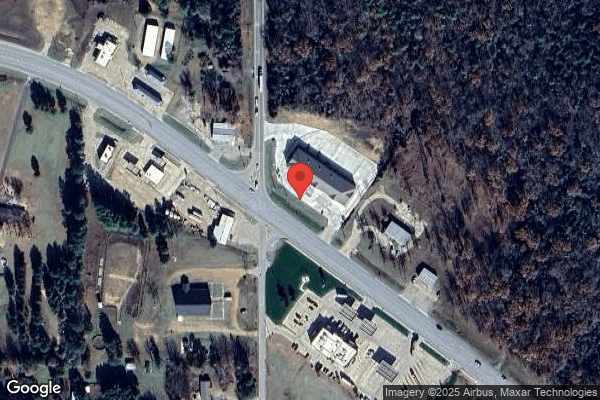
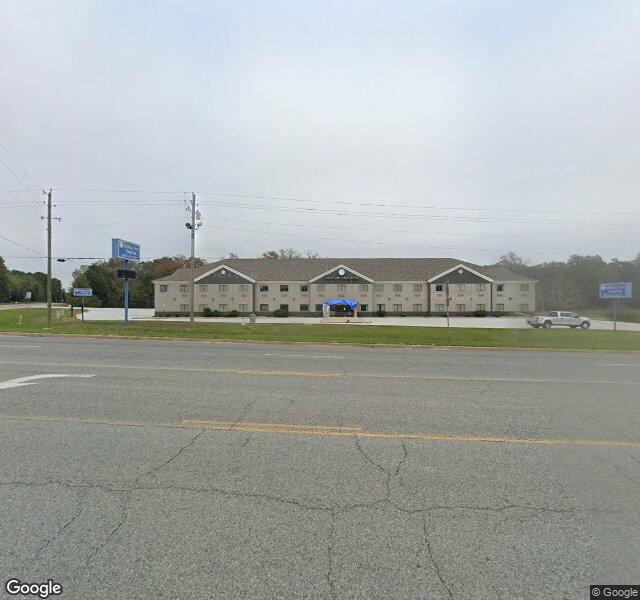
400 SOUTHWEST O STREET, ANTLERS, OK 74523 (580) 298-5528
For profit - Limited Liability company 72 Beds BGM ESTATE Data: November 2025
Trust Grade
30/100
#210 of 282 in OK
Last Inspection: February 2024

Within standard 12-15 month inspection cycle. Federal law requires annual inspections.

Overview

Choctaw Nation Nursing Home has a Trust Grade of F, indicating significant concerns about the quality of care provided. Ranking #210 out of 282 facilities in Oklahoma places it in the bottom half of the state, and it is the second-best option in Pushmataha County, suggesting limited choices for families. While the facility is showing improvement, having reduced issues from 19 in 2024 to just 3 in 2025, it still faces serious challenges, including $38,532 in fines, which is higher than 85% of Oklahoma facilities. Staffing is somewhat of a strength, with good RN coverage exceeding 95% of state facilities, but there were failures to provide adequate RN coverage on several days, and the turnover rate is at 50%, which is below the state average. Specific incidents include a failure to assess fall risks for residents who subsequently suffered serious injuries, and improper food storage practices that pose health risks to residents. Overall, while there are some positive aspects, families should be aware of the significant deficiencies and the need for continued improvement.

Trust Score
F
30/100
In Oklahoma
#210/282
Bottom 26%
Safety Record
Moderate
Needs review
Inspections
Getting Better
19 → 3 violations
Staff Stability
⚠ Watch
50% turnover. Above average. Higher turnover means staff may not know residents' routines.
Penalties
✓ Good
$38,532 in fines. Lower than most Oklahoma facilities. Relatively clean record.
Skilled Nurses
⚠ Watch
Each resident gets only 25 minutes of Registered Nurse (RN) attention daily — below average for Oklahoma. Fewer RN minutes means fewer trained eyes watching for problems.
Violations
⚠ Watch
35 deficiencies on record. Higher than average. Multiple issues found across inspections.
★☆☆☆☆
1.0
Overall Rating
★☆☆☆☆
1.0
Staff Levels
★★☆☆☆
2.0
Care Quality
★☆☆☆☆
1.0
Inspection Score
Stable
2024: 19 issues
2025: 3 issues

The Good

  • Full Sprinkler Coverage · Fire safety systems throughout facility
  • No fines on record

Facility shows strength in fire safety.

The Bad

1-Star Overall Rating

Below Oklahoma average (2.6)

Significant quality concerns identified by CMS

Staff Turnover: 50%

Near Oklahoma avg (46%)

Higher turnover may affect care consistency

Federal Fines: $38,532

Above median ($33,413)

Moderate penalties - review what triggered them

Chain: BGM ESTATE

Part of a multi-facility chain

Ask about local staffing decisions and management

The Ugly 35 deficiencies on record

1 actual harm
Jun 2025 3 deficiencies
CONCERN (D) 📢 Someone Reported This

A family member, employee, or ombudsman was alarmed enough to file a formal complaint

Potential for Harm - no one hurt, but risky conditions existed

Comprehensive Assessments (Tag F0636)

Could have caused harm · This affected 1 resident

Based on record review and interview, the facility failed to ensure an annual assessment had been completed in the time frame required for 1 (#12) of 5 sampled residents reviewed for MDS assessments. ...

Read full inspector narrative →
Based on record review and interview, the facility failed to ensure an annual assessment had been completed in the time frame required for 1 (#12) of 5 sampled residents reviewed for MDS assessments. The administrator stated 27 residents at the facility required MDS assessments. Findings: A facility policy titled Resident Assessment Instrument, dated October 2010, read in part, The Assessment Coordinator is responsible for ensuring that the Interdisciplinary Assessment Team conduct timely resident assessments and reviews according to the following schedule: a. Within fourteen (14) days of the resident's admission to the facility; b. When there has been a significant change in the resident's condition; c. At least quarterly; and d. Once every twelve (12) months. On 06/17/25 at 3:36 p.m., Res #12's EMR was reviewed for MDS assessments. In the MDS section, a list of assessments and their status showed Res #12's annual assessment, dated 04/15/25, was still in progress. On 06/18/25 at 8:50 a.m. the administrator stated the former MDS coordinator had quit suddenly, and the facility did not have another person trained to perform the duties of that office until about one week prior to this survey. They stated they understood Res #12's annual assessment had not been completed in the required time frame. On 06/18/25 at 8:53 a.m., the regional director of operations #1 stated the corporation had two MDS coordinators from two facilities quit about the same time, so they did not have anyone available to immediately come to this facility. They stated they have recently trained someone, and they will catch up on past due assessments including Res #12's annual assessment.
CONCERN (E) 📢 Someone Reported This

A family member, employee, or ombudsman was alarmed enough to file a formal complaint

Potential for Harm - no one hurt, but risky conditions existed

Deficiency F0605 (Tag F0605)

Could have caused harm · This affected multiple residents

Based on record review and interview, the facility failed to ensure a resident was not prescribed an antipsychotic medication for a diagnosis of Alzheimer's disease for 2 (#8 and #18) of 5 sampled res...

Read full inspector narrative →
Based on record review and interview, the facility failed to ensure a resident was not prescribed an antipsychotic medication for a diagnosis of Alzheimer's disease for 2 (#8 and #18) of 5 sampled residents reviewed for unnecessary medications. The ADON stated there were 6 residents prescribed antipsychotic medications at the facility. Findings: A facility policy titled Antipsychotic Medication Use, dated July 2022, read in part, Residents will only receive antipsychotic medications when necessary to treat specific conditions for which they are indicated. 1. A physician's medication order for Res #8, dated 06/02/25, showed the resident had an order for Quetiapine [an antipsychotic medication] 25 mg at bedtime for the diagnosis of unspecified dementia, mild, with other behavioral disturbance. On 06/17/25 at 3:49 p.m., the DON reviewed Res #8's order for Quetiapine and stated the resident was being administered and antipsychotic medication. They stated the resident did not have a diagnosis that was approved for the use of Quetiapine. They stated the resident had been admitted to the facility with that diagnosis for that medication. 2. A physician's medication order for Res #18, dated 08/14/24, showed the resident had an order for Quetiapine [an antipsychotic medication] 12.5 mg at bedtime for the diagnosis of Alzheimer's disease, unspecified. 06/17/25 at 11:35 a.m., the DON was asked to define what Quetiapine was and its uses. They stated it was a medication used for such things as hallucinations and had serious side effects. They stated it was used for specific mental health diagnoses and was not to be used for people diagnosed with dementia. They stated Res #18's order was supposed to have been changed. They stated Res #18 was taking Quetiapine because they take their belt off and try to hit people with it. They stated they did not know why the resident did that, but they would meet with the physician and pharmacist to see what would be appropriate for the resident.
CONCERN (F) 📢 Someone Reported This

A family member, employee, or ombudsman was alarmed enough to file a formal complaint

Potential for Harm - no one hurt, but risky conditions existed

Deficiency F0727 (Tag F0727)

Could have caused harm · This affected most or all residents

Based on record review and interview, the facility failed to ensure there was RN coverage 8 hours/day, 7 days/week. The DON identified 27 residents resided in the facility. Findings: A PBJ Staffing D...

Read full inspector narrative →
Based on record review and interview, the facility failed to ensure there was RN coverage 8 hours/day, 7 days/week. The DON identified 27 residents resided in the facility. Findings: A PBJ Staffing Data Report, dated 01/01/25 through 03/31/25 [the second quarter of fiscal year 2025], showed the facility did not have RN coverage on 9 of the 90 days in that quarter. The dates identified on the PBJ report as not having RN coverage in January, February, and March 2025 were 01/06/25, 01/13/25, 01/14/25, 01/27/25, 02/03/25, 02/11/25, 02/12/25, 02/17/25, and 03/31/25. A facility document titled Time Detail Report, dated 01/01/25 through 03/31/25, showed there was not a registered nurse on duty on 01/06/25, 01/13/25, 01/14/25, 01/27/25, 02/03/25, 02/11/25, 02/12/25, 02/17/25, and 03/31/25. On 06/17/25 at 2:08 p.m., the regional director of operations #2 stated they had reviewed their staffing records and found the PBJ report for the facility, for the first quarter of 2025, was accurate. They stated the facility had not had an RN on duty on 01/06/25, 01/13/25, 01/14/25, 01/27/25, 02/03/25, 02/11/25, 02/12/25, 02/17/25, and 03/31/25.
Feb 2024 19 deficiencies 1 Harm
SERIOUS (H)

Actual Harm - a resident was hurt due to facility failures

Accident Prevention (Tag F0689)

A resident was harmed · This affected multiple residents

**NOTE- TERMS IN BRACKETS HAVE BEEN EDITED TO PROTECT CONFIDENTIALITY** Based on observation, record review, and interview, the facility failed to assess for fall risk, update care plans related to fa...

Read full inspector narrative →
**NOTE- TERMS IN BRACKETS HAVE BEEN EDITED TO PROTECT CONFIDENTIALITY** Based on observation, record review, and interview, the facility failed to assess for fall risk, update care plans related to falls, and educate staff related to resident falls for two (#1 and #11) of three residents who were reviewed for falls with major injury. Res #1 had a fall on 11/14/23 and sustained an abrasion to the head and on 12/07/23 Res #1 fell and sustained a closed head injury with a concussion. Res #11 had a fall on 04/28/23 and on 08/24/23 Res #11 had a fall resulting in a left femur fracture. No interventions were added or care plan updated after the falls for either resident. The administrator identified nine residents who have fallen in the last six months. Findings: A Falls - Evaluation and Prevention policy, dated 03/2015, read in part, .Residents should be evaluated for their fall risk: On admission/readmission to the facility, following a significant change in condition, quarterly, and following a fall .Upon admission, the nursing staff/interdisciplinary team should determine if a resident is at risk for falls and develop appropriate interventions based on the evaluation. The goal is to prevent falls, if possible, and avoid any injury related to falls .Following a fall, the following steps should be undertaken .Complete the Incident report .document the physician's orders and/or response .If the fall was un-witnessed, initiate the fall scene investigation including witness statements from staff and residents .Review all falls immediately following stand-up the next business day - have charts (computer) present for review of nurses note documentation and CP updating. Fall interventions are to be reviewed for appropriateness, to ensure that they are a new intervention, and to ensure that they have been implemented. The fall is to be logged on the incident report log by month, the fall is to be logged on the intervention to prevent reoccurrence log individualized for each resident within the facility . 1. Res #1 had diagnoses which included history of CVA with left hemiparesis/wheelchair bound, muscle wasting/atrophy, lack of coordination, and muscle weakness. Res #1's annual assessment, dated 01/31/24, documented Res #1 was severely cognitively impaired, non-ambulatory, dependent for transfers, and has impaired range of motion to upper and lower extremities to one side. Res #1's medical record did not include any fall risk assessments. Res #1's event report, dated 11/14/23, documented Res #1 fell and sustained an abrasion to their left forehead. Res #1's care plan was not updated with an intervention to prevent reoccurrence. Res #1's hospital paperwork, documented Res #1 fell on [DATE] and sustained a closed head injury with concussion and was hospitalized until 12/13/23. Res #1's care plan was not updated with an intervention to prevent reoccurrence. There was no event report for Res #1's fall on 12/07/23. There was no nursing note regarding Res #1's fall on 12/07/23. An initial report regarding Res #1's fall on 12/07/23 was completed and submitted to OSDH, but a final report was not completed or submitted. On 02/13/24 at 1:00 p.m., Res #1 was observed to be sitting in the hallway in their wheelchair. On 02/13/24 at 1:30 p.m., CMA #1 reported they didn't know of any fall interventions for Res #1. On 02/13/24 at 1:35 p.m., LPN #1 reported they weren't aware of any interventions for Res #1. On 02/13/24 at 1340: CNA #1 reported they weren't aware of any intervention to prevent falls for Res #1. On 02/14/24 at 8:45 a.m., the DON reported they had a falling star program. The DON reported Res #1 was not on the program and should be. The DON reported no one had stars on their assistive devices or at their doors because they didn't have any printed out and laminated. The DON reported the staff have no way to identify residents at risks for falls. The DON reported they could not explain why Res #1 didn't have an event report or nursing note regarding Res #1's fall on 12/07/23. DON reported the nurse should have completed an event report and documented the fall in the nursing notes. The DON denied using any logs as referenced in the facilities Fall - Prevention and Evaluation policy. 2. Res #11 had diagnoses which included left femur fracture, muscle wasting/atrophy, lack of coordination, difficulty walking, muscle weakness and cognitive communication deficit. Res #11's quarterly assessment, dated 11/21/23, documented Res #11 was severely cognitively impaired, required set up to partial assistance with self care, supervision to partial assistance with mobility and was independent with their wheelchair. Res #11's medical record did not include any fall risk assessments. Res #11's event report, dated 04/28/23 documented Res #11 slid to the floor in the shower room during a transfer. Res #11's care plan was not updated with an intervention to prevent reoccurrence. Res #11's event report, dated 08/24/23, documented Res #11 fell and was transferred to the local hospital. A review of Res #11's progress notes, dated 08/29/23, documented Res #11 sustained a left femur fracture that required surgical intervention from their fall on 08/24/23. Res #11's care plan was not updated with an intervention to prevent reoccurrence. On 02/13/24 at 1:00 p.m., Res #11 was observed to be in their room, in their wheelchair with visitor present. On 02/13/24 at 1:30 p.m., CMA #1 reported they didn't know of any fall interventions for Res #11. On 02/13/24 at 1:35 p.m., LPN #1 reported they weren't aware of any interventions for Res #11. On 02/13/24 at 1:40 p.m., CNA #1 reported they weren't aware of any intervention to prevent falls for Res #11. On 02/14/24 at 8:45 a.m., the DON reported they had a falling star program and Res #11 was on the program but did not have any stars on Res #11's assistive device or at their doors because they didn't have any printed out and laminated. The DON reported the staff have no way to identify resident at risks for falls. The DON denied using any logs as referenced in the facilities Fall - Prevention and Evaluation policy. On 02/14/24 at 2:59 p.m., the DON reported we have a great fall policy and program. We are not currently utilizing our fall policy/program and should be. The DON reported Res #1 and #11's care plans should have been updated with fall interventions after each fall to prevent future falls.
CONCERN (D)

Potential for Harm - no one hurt, but risky conditions existed

Deficiency F0578 (Tag F0578)

Could have caused harm · This affected 1 resident

Based on record review and interview, the facility failed to ensure a DNR form was signed by a resident representative with the authority to make medical decisions for residents for one (#5) of 16 res...

Read full inspector narrative →
Based on record review and interview, the facility failed to ensure a DNR form was signed by a resident representative with the authority to make medical decisions for residents for one (#5) of 16 residents whose records were reviewed for advanced directives. The Long-Term Care Facility Application for Medicare and Medicaid form documented 25 residents lived in the facility. Findings: Res #5 had diagnoses which included aphasia, dysphagia, conversion disorder with seizures, and cognitive communication deficit. An Oklahoma Do-Not-Resuscitate (DNR) Consent Form, dated 07/15/17, documented a signature of a representative for Res #5. A five day PPS assessment, dated 12/25/23, documented the resident was moderately impaired in cognitive skills for daily decision making. A review of the resident's documents did not reveal the resident had assigned a representative as a health care proxy or POA. On 02/08/24 at 11:41 a.m., the administrator stated they had contacted the representative who signed the DNR and confirmed with them they had not been delegated as a proxy or POA for Res #5. The administrator stated the facility would contact the resident's physician as the resident could no longer make decisions for themselves.
CONCERN (D)

Potential for Harm - no one hurt, but risky conditions existed

Deficiency F0582 (Tag F0582)

Could have caused harm · This affected 1 resident

Based on record review and interview, the facility failed to ensure ABN notices were provided for two (#11 and #13) of three residents who had been discharged from skilled services and had benefit day...

Read full inspector narrative →
Based on record review and interview, the facility failed to ensure ABN notices were provided for two (#11 and #13) of three residents who had been discharged from skilled services and had benefit days remaining. The facility identified five residents who had been discharged from skilled services with benefit days remaining in the previous six months. Findings: Res #11 had been discharged from skilled nursing services on 12/05/23 with benefit days remaining and had remained in the facility. The facility did not provide the resident or resident representative with an ABN notice. Res #13 had been discharged from skilled nursing services on 01/11/24 with benefit days remaining and had remained in the facility. The facility did not provide the resident or resident representative with an ABN notice. On 02/14/24 at 11:12 a.m., the MDS coordinator, the staff member assigned to provide ABN and NOMNC letters and notices to residents who received skilled services, stated they did not know what an ABN notice was. On 02/14/24 at 11:13 a.m., corporate nurse #1 confirmed Res #11 and #13 had not received their ABN notices. The corporate nurse stated the facility should have provided an ABN notice prior to the resident discharge from skilled services.
CONCERN (D)

Potential for Harm - no one hurt, but risky conditions existed

Report Alleged Abuse (Tag F0609)

Could have caused harm · This affected 1 resident

Based on record review and interview, the facility failed to ensure an allegation of abuse was reported within two hours to OSDH for one (#7) of six residents whose records were reviewed. The administ...

Read full inspector narrative →
Based on record review and interview, the facility failed to ensure an allegation of abuse was reported within two hours to OSDH for one (#7) of six residents whose records were reviewed. The administrator identified 25 residents who resided in the facility. Findings: A review of Res #7's incident report form and investigative notes, documented an incident of verbal abuse was witnessed by staff members on 04/30/23 at approximately 5:30 p.m. The incident was not reported to OSDH until 05/01/23 at 1:17 p.m On 02/14/24 at 4:55 p.m., the administrator reported an allegation of abuse should be reported within two hours. The administrator reported an initial incident report should have been sent in when an allegation was made, but the charge nurse at the time was new and not aware of the requirements. The administrator reported the nurse who did the combined initial and final incident report should have sent OSDH an initial incident report immediately and then worked on the investigation and completed a final incident report to OSDH within the required timeframe.
CONCERN (D)

Potential for Harm - no one hurt, but risky conditions existed

MDS Data Transmission (Tag F0640)

Could have caused harm · This affected 1 resident

Based on record review and interview, the facility failed to ensure MDS assessments were transmitted to CMS within seven days from completion for two (Res #2 and Res #12) who were identified by CMS fo...

Read full inspector narrative →
Based on record review and interview, the facility failed to ensure MDS assessments were transmitted to CMS within seven days from completion for two (Res #2 and Res #12) who were identified by CMS for MDS records over 120 days. The Long-Term Care Facility Application for Medicare and Medicaid form documented 25 residents lived in the facility. Findings: The facility EHR system was reviewed for the past 12 months and documented Res #2 and Res #12 had assessments completed every three months. On 02/14/24 at 1:42 p.m., Corporate Nurse #1 reviewed the EHR documentation for both residents and stated the failure to transmit the assessments would have most likely occurred during the time when CMS updated the MDS forms or there was an error which caused the MDS to be rejected and the facility had not followed up with a correction. They stated they would pull the transmission reports and try to identify the issues. On 02/14/24 at 1:49 p.m., the corporate nurse stated the MDS assessment for Res #2, with an ARD date of 07/08/23, had not been submitted until 12/14/23. They stated an MDS assessment for Res #12, with an ARD date of 09/28/23, was also submitted on 12/14/23, and a second MDS assessment, with an ARD date on 06/28/23, had not been submitted until 09/19/23. The corporate nurse confirmed these assessments had not been submitted to CMS within seven days of completion.
CONCERN (D)

Potential for Harm - no one hurt, but risky conditions existed

Assessment Accuracy (Tag F0641)

Could have caused harm · This affected 1 resident

Based on record review and interview, the facility failed to ensure a resident assessment was accurate regarding medications and falls for one (#11) of six residents whose resident assessments were re...

Read full inspector narrative →
Based on record review and interview, the facility failed to ensure a resident assessment was accurate regarding medications and falls for one (#11) of six residents whose resident assessments were reviewed. The administrator identified 25 residents who resided in the facility. Findings: Res #11 had diagnoses which included dementia and left femur fracture. A progress note, dated 04/18/23 at 7:15 a.m., documented Res #11 had a fall in their room sustaining bruising to bilateral eyes and lip and a laceration to temple region which required transfer and treatment to the local hospital emergency room. A progress note, dated 04/28/23 at 8:55 a.m., documented Res #11 slid to the floor in the shower room during transfer to wheelchair. A quarterly assessment, dated 05/21/23, did not document any falls for Res #11. Progress notes, dated 08/24/23, documented Res #11 fell in their room and sustained a left hip fracture. A physician order, dated 08/29/23, documented hydroxyzine 25mg 1/2 tablet twice a day. A physician order, dated 08/29/23, documented tramadol 50mg every six hours PRN. A quarterly assessment, dated 11/21/23, did not document Res #11 was taking an anti-anxiety and opioid medication, and had a fall with major injury. On 02/12/23 at 3:00 p.m., the DON reported the resident assessment for Res #11 should have documented the medications and falls for the resident. On 02/12/23 at 3:35 p.m., the MDS Coordinator reported they have only been in their position for one month, but the resident assessment should be accurately completed to include the medication Res #11 was taking and their falls.
CONCERN (D)

Potential for Harm - no one hurt, but risky conditions existed

Deficiency F0657 (Tag F0657)

Could have caused harm · This affected 1 resident

**NOTE- TERMS IN BRACKETS HAVE BEEN EDITED TO PROTECT CONFIDENTIALITY** Based on record review and interview, the facility failed to ensure comprehensive care plans were updated for two (#1 and #11) o...

Read full inspector narrative →
**NOTE- TERMS IN BRACKETS HAVE BEEN EDITED TO PROTECT CONFIDENTIALITY** Based on record review and interview, the facility failed to ensure comprehensive care plans were updated for two (#1 and #11) of six residents whose care plans were reviewed. The administrator identified six residents who falls in the last six months. Findings: A Falls - Evaluation and Prevention policy, dated 03/2015, read in part, .Review of falls immediately .have charts (computer) present for review of nurses note documentation and CP updating. Fall interventions are to be reviewed for appropriateness, to ensure that they are a new intervention, and to ensure that they have been implemented . 1. Res #1 had diagnoses which included history of CVA with left hemiparesis/wheelchair bound, muscle wasting/atropy, lack of coordination and muscle weakness. Res #1's event report, dated 11/14/23, documented Res #1 fell and sustained an abrasion to their left forehead. Res #1's hospital paperwork, documented Res #1 fell on [DATE] and sustained a closed head injury with concussion and was hospitalized until 12/13/24. The care plan was not updated with an intervention after Res #1's falls on 11/14/23 and 12/07/23 to help prevent future falls. 2. Res #11 had diagnoses which included left femur fracture, muscle wasting/atrophy, lack of coordination, difficulty walking, muscle weakness and cognitive communication deficit. Res #11's event report, dated 04/28/23, documented Res #11 slid to the floor in the shower room during a transfer. Res #11's event report, dated 08/24/23, documented Res #11 fell and was transferred to the local hospital. Res #11's progress notes, dated 08/29/23, documented Res #11 sustained a left femur fracture that required surgical intervention from their fall on 08/24/23. The care plan was not updated with an intervention after Res #11's falls on 04/28/23 and 08/24/23 to help prevent future falls. 02/14/24 at 2:59 p.m., the DON reported we have a great fall policy and program. We are not currently utilizing our fall policy/program and should be. The DON reported Res #1 and #11's care plans should have been updated with fall interventions after each fall to prevent future falls.
CONCERN (D)

Potential for Harm - no one hurt, but risky conditions existed

Incontinence Care (Tag F0690)

Could have caused harm · This affected 1 resident

Based on observation, interview and record review, the facility failed to ensure physician's orders were written for a resident who had an indwelling urinary catheter for one (#6) of one resident revi...

Read full inspector narrative →
Based on observation, interview and record review, the facility failed to ensure physician's orders were written for a resident who had an indwelling urinary catheter for one (#6) of one resident reviewed for catheters and failed to ensure a resident who is incontinent of bladder received services to help prevent urinary tract infections for one (#3) of one resident reviewed for UTIs. The facility census was 25. Findings: 1. Res #6 had diagnoses which included third degree burns to female genital region and pressure ulcers to left and right buttocks. Res #6's care plan, dated 06/06/23, read in part, .Resident requires an indwelling urinary catheter related to third degree burns .Cath size Fr. (French) 18 with 30cc balloon per MD order .change catheter every month, per MD order . Res #6's physicians orders did not include orders for Res #6 to have an indwelling urinary catheter or for the indwelling urinary catheter to be changed. On 02/13/24 at 10:35 a.m., Res #6 was observed to have an indwelling foley catheter in place. On 02/14/24 at 3:05 p.m., the DON reported they change catheters monthly and as needed. The DON reported there should be an order for Res #6 to have a catheter, what size the catheter should be and order for when the catheter should be changed. 2. Res #3 had diagnoses which included urinary tract infection. A nurse note, dated 12/21/23, documented the resident was readmitted to the facility from the hospital with diagnoses including urinary tract infection and congestive heart failure. The note documented the resident was to receive antibiotics for an additional five days. A quarterly assessment, dated 12/24/23, documented the resident had modified independence with cognitive skills for daily decision making and required substantial to dependent with ADLs. A care plan, last reviewed on 01/24/24, documented the resident had been on antibiotics for a diagnosis of urinary tract infection. The care plan documented the staff were to follow universal/standard precaution to prevent cross contamination and spread of infection. On 02/07/24 at 1:21 p.m., CNA #1 was observed providing incontinent care for Res #3. The CNA was observed to use a wash cloth, they had used to wipe feces from the resident's bottom, to wipe the residents vagina. Feces was visible on the wash cloth. The CNA was observed to not remove their gloves or perform hand hygiene between wiping the feces and urine from the resident and repositioning the resident and covering the resident with their sheets and blanket. The CNA was then observed to offer the resident a drink while still wearing the soiled gloves. At that time, the CNA was interviewed and confirmed they did used the same washcloth to clean feces from the resident's bottom to clean the resident's vagina. The CNA stated they had not brought enough washcloths in as they did not realize the resident had been incontinent of stool. The CNA was asked if they performed hand hygiene in a manner to prevent cross contamination and they stated they had washed their hands when they entered the room but not between dirty and clean and confirmed they should have. On 02/08/24 at 12:27 p.m., the DON stated the CNA should have doffed their gloves and washed their hands between dirty and clean and should have not wiped the resident's vaginal area with a cloth they had used to clean feces off the resident's bottom.
CONCERN (D)

Potential for Harm - no one hurt, but risky conditions existed

Staffing Information (Tag F0732)

Could have caused harm · This affected 1 resident

Based on observation, record review, and interview, the facility failed to document and retain daily staffing information. The administrator identified 25 residents who resided in the facility. Findin...

Read full inspector narrative →
Based on observation, record review, and interview, the facility failed to document and retain daily staffing information. The administrator identified 25 residents who resided in the facility. Findings: On 02/07/24 at 11:00 a.m. and throughout the survey, a white board at the nursing station was observed to include the facility name, date, and names and titles of staff on duty. There was no documentation of the facility census or staffing hours worked. On 02/14/24 at 3:15 p.m., the DON reported they were unaware of the requirements regarding posted staffing information and the retention of staffing information.
CONCERN (D)

Potential for Harm - no one hurt, but risky conditions existed

Drug Regimen Review (Tag F0756)

Could have caused harm · This affected 1 resident

Based on record review and interview, the facility failed to ensure a physician responded to a pharmacist medication regimen review for two (#7 and #11) of five residents whose monthly medication regi...

Read full inspector narrative →
Based on record review and interview, the facility failed to ensure a physician responded to a pharmacist medication regimen review for two (#7 and #11) of five residents whose monthly medication regimen reviews were reviewed The administrator identified 25 resident who resided in the facility. Findings: The Consultant Pharmacist Reports policy, last revised on December 2019, read in part, .Recommendations are acted upon and documented by the facility staff and/or the prescriber. If the prescriber does not respond to recommendation directed to him/her within 30 days, the Director of Nursing and/or the consultant pharmacist may contact the Medical Director . 1. Res #7 had diagnoses which included depression. A Medication Regimen Review, dated 11/07/23, read in part, .Current orders include Lexapro 5mg qd. State and Federal guidelines require the dosage reduction potential of this medication to be addressed at this time. Do you feel that this resident is stable enough to tolerate a trial dc of this medication at this time? There was no documented physician response to the 11/07/23 medication regimen review. On 02/12/23 at 3:00 p.m., the Corp RN #1 reported they could not find a physician response for Res #7's medication regimen review. On 02/14/24 at 3:00 p.m., the DON reported they send the medication regimen review to the physician every month but don't always receive them back. The DON reports they try to call and inquire about them, but the physician/physician's staff is not always cooperative. 2. Res #11 had diagnoses which included atrial fibrillation and cerebral infarction. A Medication Regimen Review, dated 11/07/23, read in part, .Current orders include Warfarin 8mg qd. There is an INR ordered monthly but it doe not appear that the lab is being drawn as ordered or at least the results are not being made available for review. Would it be feasible to change to Eliquis 2.5mg bid . There was no documented physician response to the 11/07/23 medication regimen review. On 02/12/23 at 3:00 p.m., the Corp RN #1 reported they could not find a physician response for Res #7's medication regimen review. On 02/14/24 at 3:00 p.m., the DON reported they send the medication regimen review to the physician every month but don't always receive them back. The DON reports they try to call and inquire about them, but the physician/physician's staff is not always cooperative.
CONCERN (E)

Potential for Harm - no one hurt, but risky conditions existed

Comprehensive Care Plan (Tag F0656)

Could have caused harm · This affected multiple residents

**NOTE- TERMS IN BRACKETS HAVE BEEN EDITED TO PROTECT CONFIDENTIALITY** Based on record review and interview, the facility failed to ensure care plans were developed regarding medication for two (#11 ...

Read full inspector narrative →
**NOTE- TERMS IN BRACKETS HAVE BEEN EDITED TO PROTECT CONFIDENTIALITY** Based on record review and interview, the facility failed to ensure care plans were developed regarding medication for two (#11 and #19) and for skin lesions for one (#5) of fifteen residents whose care plans were reviewed. The administrator identified 25 residents who resided in the facility. Findings: 1. Res #11 had diagnoses which included dementia. A physician's order, dated 08/29/23, documented hydroxyzine 25mg 1/2 tablet twice a day. The comprehensive care plan for Res #11 did not include a care plan for use of a psychotropic (anti-anxiety) medication. On 02/14/24 at 2:57 p.m., the DON reported the medication should have been care planned. On 02/14/24 at 3:15 p.m., the MDS coordinator reported the anti-anxiety medication for Res #11 should have been care planned. 2. Res #5 had diagnoses which included rash and other nonspecific skin eruption. An annual assessment, dated 09/11/23, documented Res #5 was severely impaired in cognition, required extensive to total assistance with most ADLs, and was at risk for pressure ulcers but did not have one at that time. Pressure ulcers triggered for care planning. A physician order, dated 12/22/23, documented the facility was to clean the area to the resident's right temple with normal saline and wound wash, pat the area dry, apply collagen particles, and cover the area with a band-aid daily. wound care orders: A five day PPS assessment, dated 12/25/23, documented Res #5 did was moderately impaired in cognitive skills for daily decision making and had an open lesion other than ulcers, rashes, or cuts. A care plan, last reviewed on 12/31/23, did not document a plan of care related to the skin lesion on the resident's right temple. On 02/13/24 at 11:07 a.m., wound care on the resident's wound on their right temple was observed as performed by LPN #1. At tat time, the LPN stated the wound was not pressure related but was an overgrowth of skin. The LPN stated the family and the resident's physician had decided not to do a surgical intervention due to the resident's age and general condition. On 02/13/24 at 12:37 p.m., MDS coordinator #1 reviewed the care plan for Res #5 and stated there was not a plan of care related to the lesion on the resident's right temple. The MDS coordinator stated there a care plan should have been developed regarding the skin lesion. Res #19 was admitted to the facility on [DATE] and had diagnoses which included amputation, A-fib, DVT, GERD, aphasia, dementia, and depression. An admission MDS assessment, dated 12/08/23, documented the resident was severely cognitively impaired, required moderate assist with ADLs, and received opioid medication. The pain portion of the MDS documented the resident received a PRN pain medication or was offered and declined. The assessment documented the pain interview should be conducted but was not documented. A physician order, dated 01/08/24, documented acetaminophen extra strength 500 mg every six hours as needed. A physician order, dated 01/09/24, documented hydrocodone-acetaminophen 7.5-325 mg every six hours as needed. There was no care plan for pain or the need for pain medication. On 02/12/24 at 4:20 p.m., Res #19 when asked about any pain issues, they stated their neck hurt. The resident was asked if they received pain medication. They stated sometimes they would take something. On 02/12/24 at 4:30 p.m., LPN #1 stated the resident hardly ever complained and if they said they were hurting, they wouldn't take medication for it. On 02/12/24 at 4:31 p.m., LPN #1 asked the resident about their pain and asked them to rate it. The resident stated his neck hurt and rated it as a seven on a scale of one to ten. The resident also stated they didn't want any thing for it. On 02/12/24 at 4:53 p.m., the MDS coordinator stated the MDS pain interview should have been completed. She stated there should be a care plan for pain, also.
CONCERN (E)

Potential for Harm - no one hurt, but risky conditions existed

ADL Care (Tag F0677)

Could have caused harm · This affected multiple residents

Based on record review and interview, the facility failed to ensure residents were bathed when scheduled for three (#15, 17, and #80) of three residents who were reviewed for bathing. The administrato...

Read full inspector narrative →
Based on record review and interview, the facility failed to ensure residents were bathed when scheduled for three (#15, 17, and #80) of three residents who were reviewed for bathing. The administrator identified 25 resident who resided in the facility. Findings: 1. Res #15 had diagnoses which included Alzheimer's disease, difficulty walking, lack of coordination, muscle wasting/atrophy, and muscle weakness. A Bath Schedule, updated on 02/08/24, documented Res #15 is to receive a bath on Monday, Wednesday and Friday. The Nurse Assistant Daily Body Observation Form, read in part, .Complete during shower or bath for each resident scheduled . The January and February Nursing Assistant Daily Body Observation Form, and the Point of Care History, dated 01/15/24 - 02/14/24, were reviewed and documented Res #15 did not receive five baths in January and two baths in February. On 02/14/24 at 3:00 p.m., the DON reported the resident refused their showers. The DON reported the refusals were not documented in Res #15's progress notes or care plan. The DON reported no baths are scheduled on Sundays so they can make up baths that were not given during the week. The DON reported Res #15 didn't have any documented make-up baths. 2. Res #17 had diagnoses which included Alzheimer's disease and candidiasis of skin and nail. A care plan, last reviewed on 12/31/23, documented the resident could dress themselves and needed assistance with personal hygiene and was to be showered by staff. The care plan documented the staff were to set up and assist the resident with showering, shaving, oral care, hair care, and nail care per the schedule and as needed. A quarterly assessment, dated 01/13/24, documented the resident was moderately impaired in daily decision making, required supervision with oral and toilet hygiene, and partial to moderate assistance with personal hygiene and bathing/showering. On 02/07/24 at 1:59 p.m., Res #17 was observed in their room. The resident had facial hair which was approximately 1/2 inch long and their hair appeared to be greasy and not combed. At that time, the resident was asked if they desired to have facial hair or would they want to have been clean shaven. The resident stated they preferred to be clean shaven. On 02/14/24 at 10:21 a.m., Res #17 was observed lying on their bed. The resident's clothing was soiled with food from the morning meal, their hair was greasy and uncombed, and the resident's facial hair was still present but appeared to have been shaved into the shape of a goatee and mustache. At that time, the resident was asked if they were trying to grow out their beard, they rubbed their chin and stated they needed a hair cut badly. Asked if they were talking about their beard or their hair, they replied they needed a hair cut. On 01/14/24 at 10:30 a.m., corporate nurse #1 provided a Point of Care History form, dated from 01/15/24 through 02/14/24, to review the frequency of the resident receiving baths/showers. The form documented the resident had received three baths/showers out of 11 opportunities during the previous 30 days. The corporate nurse confirmed the resident had not received the scheduled bath/shower per the documentation on the point of care history form. On 02/14/24 at 11:20 a.m., the DON provided the shower sheets they could find for Res #17. The DON stated Res #17 refused to shower frequently and they needed a shower as the resident smelled bad. The DON stated the staff were to fill out a shower form for each time the resident was to receive a shower and document it if the resident refused. They stated the nursing staff were to follow up and try to get the resident to shower. The DON provided five shower sheets for the previous 30 days and stated these were the only sheets they could find. They reviewed the sheets at that time and stated four of the sheets documented the resident had refused to shower. On 02/14/24 at 12:30 p.m., the DON confirmed the facility had not provided or attempted to provide Res #17 with their scheduled showers. They stated the resident was exceedingly modest and would not let most shower aides shower them. The DON stated the staff, including themselves, had fallen down on this resident's showers. The DON stated the staff had not been proactive in following up to attempt to shower resident. At that time, the DON was asked about the resident's desire to have a hair cut. They reported the facility did not have a barber or hair stylist. They stated if the resident wanted to have their hair cut, a family member would have to take them out of the facility to a barber or come in and cut their loved ones hair themselves. The DON stated if they did not have family willing to do this the resident could not have a hair cut. 3. Res #80 had diagnoses which included cerebral palsy. An admission assessment, dated 02/04/24, documented the resident was moderately impaired in cognition and was dependent on staff for self care. A care plan, dated 02/07/24, documented one to two staff members were to have provided assistance with bathing the resident three times weekly. On 02/07/24 at 1:50 p.m., Res #80 indicated they had not been shaved since their admission to the facility. The resident's facial hair was approximately 1/4 of an inch long. At that time a family member of the resident stated the resident always wanted to be clean shaven. When asked if the resident had told staff of their wishes the resident replied, Yes. On 02/13/24 at 11:30 a.m., the resident was observed in the living room area of the facility. The resident had visible facial hair. On 01/13/24 at 2:39 p.m., the resident was asked if they had received a shave since they were admitted to the facility. The resident confirmed they had been shaved one time. On 02/13/24 at 2:41 p.m., the shower book was reviewed and documented the resident had received a shower on 02/09/24. The shower book did not contain any other shower sheets for Res #80. At that time, corporate nurse #1 stated the shower sheets were scattered and the DON might have had more of them. On 02/13/24 at 2:42 p.m., the DON stated the resident should have been shaved on their shower day. At that time the DON observed the residents whiskers and confirmed with the resident they had only been shaved one time since admission. On 02/13/24 at 3:07 p.m., corporate nurse #1 provided the Point of Care History form for Res #80 documenting the showers the resident had received since admission. The form documented the resident had received three showers out of five scheduled opportunities. The corporate nurse stated there was not a task for shaving and it was to be done when the resident was showered. The corporate nurse confirmed the resident had not received their showers as scheduled.
CONCERN (E)

Potential for Harm - no one hurt, but risky conditions existed

Laboratory Services (Tag F0770)

Could have caused harm · This affected multiple residents

Based on record review and interview, the facility failed to obtain lab tests as ordered by the physician for one (#11) of four residents whose lab orders and results were reviewed. The administrator ...

Read full inspector narrative →
Based on record review and interview, the facility failed to obtain lab tests as ordered by the physician for one (#11) of four residents whose lab orders and results were reviewed. The administrator identified 25 residents who resided in the facility. Findings: Res #11 had diagnoses which included atrial fibrillation and cerebral infarction. A Medication Regimen Review, dated 04/11/23, read in part, .The last INR available for review is from 03/01/23. Could we add monthly INR to the orders for this resident? . The physician marked, I agree with this recommendation. A progress note, dated 04/17/23 at 5:30 p.m., read in part, [Name withheld NP here reviewing pt's chart and talking with MDS coordinator concerning frequency of PT/INR. Order was changed to every two weeks until further notice. Order was written . There was no physician order written for every two week PT/INR's in the paper medical chart or the electronic health record. An Expanded DRR Report, dated 07/12/23, read in part, .INR is being drawn per progress notes (drawn on 7-3) but results are not available for review in chart. Please be sure to filed results in chart when possible . An Expended DRR Report, dated 09/13/23, read in part, .no recent INR results available for review .need to file results in chart when possible . A Medication Regimen Review, dated 11/07/23, read in part, .There is an INR ordered monthly but it does not appear that the lab is being drawn as ordered or at least the results are not being made available for review . There were no lab results in the paper medical chart or the electronic health record for August, October, November, or December 2023. On 02/14/24 at 3:11 p.m., the DON reported they didn't have a system to monitor the lab orders and lab results related to the Res #11's use of Coumadin (anticoagulant). The DON could not reconcile the lab orders for PT/INR with the lab results in Res #11's record. The DON was unable to provide additional lab results that may not have been filed in Res #11's record. The DON reported they had a hard time getting lab results. The DON reported the routine lab orders were not being followed because interim lab orders were being given and the nurses were writing those orders on the lab calendar but not writing a physician order regarding lab. The DON stated, Things aren't flowing well and we need to get better with tracking.
CONCERN (E)

Potential for Harm - no one hurt, but risky conditions existed

Menu Adequacy (Tag F0803)

Could have caused harm · This affected multiple residents

**NOTE- TERMS IN BRACKETS HAVE BEEN EDITED TO PROTECT CONFIDENTIALITY** Based on observation, record review, and interview, the facility failed to ensure menus were followed and residents who received...

Read full inspector narrative →
**NOTE- TERMS IN BRACKETS HAVE BEEN EDITED TO PROTECT CONFIDENTIALITY** Based on observation, record review, and interview, the facility failed to ensure menus were followed and residents who received altered textured diets were served the same foods as the residents who received the regular diet. The DON identified two residents who received a puree diet. Findings: An undated facility policy, titled Meal Substitution, read in part, .Menu substitutions must provide equal nutritive value and must not be excessive .1. Substitutions or changes shall be noted in the menu substitution book with the reason, date, and what was substituted indicated .3. Substitutions shall be of equal nutritive value to the original menu items, i.e.: .b. Protein source for another protein source c. Vitamin A source for another Vitamin A source d. Vitamin C source for another Vitamin C source e. Caloric value shall be equivalent 4. Substitutions shall be made in an emergency situation only and not for the convenience of the department . A menu, titled Fall/Winter 2023-2024, documented the kitchen was to serve eight ounces of turkey and dressing casserole for the regular diet, and two #8 scoops of pureed turkey and dressing for the pureed diet along with two ounces of poultry gravy. The menu documented the residents were to receive broccoli, a dinner roll, and a frosted pumpkin bar. On 02/06/24 at 5:11 p.m., the kitchen was observed during the evening meal service. The DM stated the meal consisted of Beef [NAME], a bread stick, and ice cream, along with a drink of choice. The DM stated the residents who received pureed meals were to receive prepackaged pureed food identified by the DM as consisting of pureed pork, vegetables, and a dessert. When asked if this was the meal the menu had scheduled the DM stated the menu documented the residents were to have received a meal of turkey with dressing, broccoli, dinner roll, and a pumpkin bar. When asked why they had not prepared the menu as documented the DM stated the residents liked variety. The DM was asked if they had discussed the menu change with the dietitian, the DM stated the dietitian had told them they could substitute meals as long as the nutrition was equivalent with the scheduled menu. The DM was asked if the they had prepared a vegetable to serve with the substituted meal and they confirmed they had not prepared any vegetables. A slotted spoon was observed in the pan of beef [NAME]. The DM was asked what amount they had served the residents the DM stated they had used a #4 scoop. The DM stated the #4 scoop had fallen on the floor and they had to use the slotted spoon to finish the service. The DM was asked what size the menu documented for the serving size of Beef [NAME], the DM stated there were papers somewhere in the kitchen which told how much to serve but they would have to find them. In the upright refrigerator in the kitchen area, multiple containers of pre-packaged pureed food was observed. At that time, the DM stated the packages had been placed there to thaw for the next days pureed meal service. On 02/08/24 at 12:14 p.m., the observation of the meals provided to the regular and pureed diet residents were reviewed with the administrator and the corporate administrator. They confirmed the DM should have followed the menu and the pureed meals were to have been the same as the regular diet meals.
CONCERN (E)

Potential for Harm - no one hurt, but risky conditions existed

Infection Control (Tag F0880)

Could have caused harm · This affected multiple residents

Based on observation, record review, and interview, the facility failed to ensure written standards for infection control were followed to prevent the spread of infection when passing meal trays and w...

Read full inspector narrative →
Based on observation, record review, and interview, the facility failed to ensure written standards for infection control were followed to prevent the spread of infection when passing meal trays and when providing incontinent care for dependent residents. The Long-Term Care Facility Application for Medicare and Medicaid form documented 25 residents lived in the facility. Findings: An undated facility policy, titled PERINEAL CARE, read in part, .1. Observe standard universal precautions or other infection control standards as approved by appropriate facility committee . An undated facility policy, titled Policies and Practices - Infection Control Policy Statement, read in part, The facility's infection control policies and practices are intended to facilitate maintaining a safe, sanitary and comfortable environment and to help prevent ad [sic] manage transmission of disease and infections .4. All personnel will be trained on our infection control policies and practices upon hire and periodically thereafter, including where are [sic] how to find and use pertinent procedures and equipment related to infection control. The depth of employee training shall be appropriate to the degree of direct resident contact and job responsibilities. 1. On 02/06/24 at 5:30 p.m., the evening meal service in the dining room was observed. RN #1 was observed while assisting an unidentified resident to eat. The RN was then observed to use their cane and walk to another resident, bend over and grab the resident's wheelchair but the rail under the seat to move the resident closer to the table. The RN was observed to then open and set up the resident's meal, retrieve a clothing protector, and encourage the resident to start eating. The RN was then observed to set up other resident meals. The RN was then observed to return to the first resident and start assisting the resident to eat again. The RN was not observed to perform hand hygiene at anytime during this observation. On 02/07/24 at 12:00 p.m., the hall trays were observed while being passed by CNA #1. The CNA was observed moving from a resident room to resident room, adjusting the overbed tables, clearing trash from the tables, assisting the residents to sit up for the meal, moved garbage cans, moved wheelchairs and geri chairs, and then opening meal trays, silverware, and drinks for approximately nine residents. The CNA was observed to go to the linen cart for a towel to place on the 10th resident and sat down at the resident's bedside to assist the resident to eat. The staff member was not observed to perform hand hygiene throughout this observation. On 02/07/24 at 1:33 p.m., CNA #1 stated they had not performed hand hygiene at all during the passing of hall trays. The CNA stated they should have performed hand hygiene between each resident and after touching anything that may have been contaminated. On 02/08/24 at 12:19 p.m., the administrator stated the staff should always perform hand hygiene between residents and between touching dirty and clean when passing trays and assisting residents to eat. 2. On 02/07/24 at 1:21 p.m., CNA #1 was observed providing incontinent care for Res #3. The CNA was observed to use a wash cloth, they had used to wipe feces from the resident's bottom, to wipe the residents vagina. Feces was visible on the wash cloth. The CNA was observed to not remove their gloves or perform hand hygiene between wiping the feces and urine from the resident and repositioning the resident and covering the resident with their sheets and blanket. The CNA was then observed to offer the resident a drink while still wearing the soiled gloves. At that time, the CNA was interviewed and confirmed they did used the same washcloth to clean feces from the resident's bottom to clean the resident's vagina. The CNA stated they had not brought enough washcloths in as they did not realize the resident had been incontinent of stool. The CNA was asked if they performed hand hygiene in a manner to prevent cross contamination and they stated they had washed their hands when they entered the room but not between dirty and clean and confirmed they should have. On 02/08/24 at 12:27 p.m., the DON stated the CNA should have doffed their gloves and washed their hands between dirty and clean and should have not wiped the resident's vaginal area with a cloth they had used to clean feces off the resident's bottom.
CONCERN (E)

Potential for Harm - no one hurt, but risky conditions existed

Deficiency F0944 (Tag F0944)

Could have caused harm · This affected multiple residents

Based on record review and interview, the facility failed to include QAPI program mandatory training that outlined and informed staff of the elements and goals of the facility's QAPI program. The Long...

Read full inspector narrative →
Based on record review and interview, the facility failed to include QAPI program mandatory training that outlined and informed staff of the elements and goals of the facility's QAPI program. The Long-Term Care Facility Application for Medicare and Medicaid form documented 25 residents lived in the facility. Findings: An undated facility document, titled QAPI Plan, read in entirety, QAPI will be held Quarterly and or as needed for identified issues. On 02/14/24 at 4:06 p.m., the administrator stated the facility had not implemented QAPI training for the staff.
CONCERN (E)

Potential for Harm - no one hurt, but risky conditions existed

Deficiency F0949 (Tag F0949)

Could have caused harm · This affected multiple residents

Based on record review and interview, the facility failed to ensure the staff were provided with behavioral health training consistent with the requirements and as determined by the facility assessmen...

Read full inspector narrative →
Based on record review and interview, the facility failed to ensure the staff were provided with behavioral health training consistent with the requirements and as determined by the facility assessment. The Long-Term Care Facility Application for Medicare and Medicaid form documented 25 residents lived in the facility. Findings: The facility assessment was reviewed and did not document behavioral training for the staff based on the diagnoses documented in the assessment. On 02/14/24 at 4:39 p.m., the administrator stated the ombudsman came in to discuss dementia care with the staff. The administrator stated they had discussed behavioral care needs with staff but did not have any formal training documented based on the facility assessment and resident diagnoses.
CONCERN (F)

Potential for Harm - no one hurt, but risky conditions existed

Food Safety (Tag F0812)

Could have caused harm · This affected most or all residents

Based on observation and interview, the facility failed to ensure food for resident meals were stored in a safe and sanitary manner. The Long-Term Care Facility Application for Medicare and Medicaid ...

Read full inspector narrative →
Based on observation and interview, the facility failed to ensure food for resident meals were stored in a safe and sanitary manner. The Long-Term Care Facility Application for Medicare and Medicaid form documented 25 residents lived in the facility. Findings: On 02/06/24 at 5:11 a tour of the kitchen area was conducted. A large metal bowl, covered with foil and dated with 02/04, was observed to contain raw hamburger meat, diced peppers and onions, and dried bread cubes. An unlabeled resealable plastic container with lid was observed to contain what appeared to have been raw chicken wings in sauce. A resealable plastic container, with a label documenting tuna salad with a date of 02/03 was observed. The container of tuna salad appeared to have been served out of. An undated and opened container of Hormel Thick and Easy drink was observed on the top shelf of the refrigerator. This container documented to dispose of the drink 10 days after opening. A second container of thickened drink was observed to have been opened and was undated. This container documented to dispose of the container three days after opening. A resealable plastic container was observed to have a date of 01/15. The DM stated the container contents were turkey lunch meat they had taken out of the original package and placed in the container on 01/15. At that time, the DM stated they did not know what day the turkey lunch meat would expire. The DM stated they thought the facility could keep meats for seven days, deserts for five days, and eggs for three days. The DM stated they had opened the thickened drinks earlier in the day and were unaware the package documented how long the drinks could be kept after opening. The DM stated they were unaware potentially hazardous foods should have been disposed of specific hours of opening/preparing/and-or storing for later use depending on what the food was. The DM stated they were unaware raw meat should not have sliced onions and bread placed in the bowl and stored in the same container for future use in the refrigerator. The walk in freezer was observed to have a box of bacon on the floor of the freezer. The DM stated this was where the delivery person had placed the box. The upright freezer was observed and multiple resealable plastic bags of uncooked chicken was observed on shelves over packages of frozen vegetables. The DM stated they had not stored them this way and the meat should not have been over the vegetables. The upright refrigerator was observed to have multiple containers of single serve prepackaged pureed food. The containers were not labeled as to when they were placed in the refrigerator to thaw. The DM stated the packages were for the next day's pureed meals. On 02/08/24 at 12:14 p.m., the administrator and the corporate administrator were informed of the above and confirmed the above foods had not been stored in a safe and sanitary manner. The administrator stated the DM would be re-educated.
CONCERN (F)

Potential for Harm - no one hurt, but risky conditions existed

Staffing Data (Tag F0851)

Could have caused harm · This affected most or all residents

Based on record review and interview, the facility failed to ensure the information submitted on the PBJ was accurate. The Long-Term Care Facility Application for Medicare and Medicaid form documente...

Read full inspector narrative →
Based on record review and interview, the facility failed to ensure the information submitted on the PBJ was accurate. The Long-Term Care Facility Application for Medicare and Medicaid form documented 25 residents lived in the facility. Findings: A document titled PBJ staffing Data Report, dated Quarter 1 2023 (October 1 - December 31) documented one date in November of 2023 with no documented RN hours and three days in December 2023 with no RN hours documented. The report documented the facility failed to have licensed nursing coverage 24 hours a day for eight days in October 2023, six days in November, and 10 days in December of 2024. On 02/13/24 at 1:34 p.m., the administrator provided documentation the facility had RN coverage for at least eight consecutive hours on the days in question. At that time, the administrator stated they did not know why the PBJ was incorrect. The administrator stated they felt it was a problem with the accounting/payroll service who entered the facility data. On 02/14/24 at 10:49 a.m., the administrator was asked to clarify the documentation they provided for proof of coverage by licensed nurses on a 24 hour basis. At that time, the administrator they and the corporate staff had discovered this was not the only home which had experienced a discrepancy with the PBJ. The administrator provided time cards for the months of October, November, and December, 2023 for licensed nursing staff and reviewed the clock in and outs of the licensed staff. All the dates on the PBJ which indicated no licensed nurse coverage had licensed nurses on duty 24 hours a day per the time cards. At that time, the corporate director of operations stated they had discovered several of their homes were experiencing errors on the data entry by the accounting/payroll service. The corporate director of operations stated they would get the issue corrected.
Apr 2023 3 deficiencies
CONCERN (D) 📢 Someone Reported This

A family member, employee, or ombudsman was alarmed enough to file a formal complaint

Potential for Harm - no one hurt, but risky conditions existed

Comprehensive Care Plan (Tag F0656)

Could have caused harm · This affected 1 resident

Based on observation, record review, and interview, the facility failed to ensure a pressure ulcer care plan was developed for a resident with a pressure ulcer for one (#1) of three sampled residents ...

Read full inspector narrative →
Based on observation, record review, and interview, the facility failed to ensure a pressure ulcer care plan was developed for a resident with a pressure ulcer for one (#1) of three sampled residents reviewed for pressure ulcers. The Resident Census and Conditions of Residents report, dated 04/19/23, documented three residents had pressure ulcers. Findings: Resident #1 had diagnoses which included stage II pressure ulcer to the coccyx. On 04/19/23 at 11:30 a.m., observed a Stage II pressure ulcer to Resident #1's coccyx area. A nursing note, dated 03/28/23 at 11:08 a.m., documented wound care had been administered to Resident #1's coccyx wound. A Weekly Wound Documentation form, dated 04/16/23, documented Resident #1 had a stage II coccyx wound. There was no care plan for Resident #1's Stage II pressure ulcer of the coccyx. On 4/19/23 at 2:30 p.m., the MDS Coordinator reported Resident #1's Stage II pressure ulcer of the coccyx should have been care planned.
CONCERN (D) 📢 Someone Reported This

A family member, employee, or ombudsman was alarmed enough to file a formal complaint

Potential for Harm - no one hurt, but risky conditions existed

Pressure Ulcer Prevention (Tag F0686)

Could have caused harm · This affected 1 resident

2. Resident #1 had diagnoses which included stage two pressure ulcer of the coccyx. On 04/19/23 at 11:30 a.m., observed a Stage II pressure ulcer to Resident #1's coccyx area. A nursing note, dated ...

Read full inspector narrative →
2. Resident #1 had diagnoses which included stage two pressure ulcer of the coccyx. On 04/19/23 at 11:30 a.m., observed a Stage II pressure ulcer to Resident #1's coccyx area. A nursing note, dated 03/28/23 at 11:08 a.m., documented wound care had been administered to the stage II coccyx pressure ulcer. A Weekly Wound Documentation form, dated 04/16/23, documented Resident #1 had a stage II pressure ulcer to the coccyx. There were no physician's orders for a wound care treatment for Resident #1 's Stage II pressure ulcer of the coccyx. On 4/19/23 at 2:30 p.m., LPN #1 reported there should have been a wound care treatment order for Resident #1 's Stage II pressure ulcer to the coccyx. Based on observation, record review, and interview, the facility failed to ensure: a. physician's orders were followed for wound care for one (#2), and b. physician's orders were obtained for pressure ulcers for one (#1) of three sampled residents reviewed for pressure ulcers. The Resident Census and Conditions of Residents report, dated 04/19/23, documented three pressure ulcers. Findings: 1. Resident #2 had diagnoses which included unstageable pressure ulcers. A Physician's Order, dated 04/19/23, documented to clean areas to the right hip with wound cleaner, pat dry, apply calcium alginate, and cover with bordered foam dressing daily. On 04/19/23 at 2:25 p.m., Resident #2 was observed in bed on their left side. LPN #1 was observed to provide wound care for Resident #2. LPN #1 donned gloves and exposed Resident #2's right hip. The hip was observed to have three open areas (wounds #2, 3, and #4). Wound #2 was observed to have slough in the wound bed. Wounds #3 and #4 were observed to have slough and necrotic tissue. The skin between wounds #3 and #4 was black in color. LPN #1 used a gauze pad to clean wounds #2, 3, and #4. LPN #1 used a gauze to pat dry wounds #2, 3, and #4. LPN #1 then used a cotton tipped applicator and applied Santyl to wounds #3 and #4. There was no physician's order for Santyl to be applied to the right hip areas. LPN #1 then applied calcium alginate to all four wounds, covered all three wounds with one large foam dressing, and secured with medfix tape. At 3:08 p.m., RN #1 stated they did not know why LPN #1 had put Santyl on two of the right hip wounds. On 04/19/23 at 4:32 p.m., LPN #1 was asked which pressure ulcers had physician's orders for Santyl. They stated, Only the right gunky one. LPN#1 was asked how staff know what treatment orders were in place. They stated by looking at the order as you pull supplies from the cart.
CONCERN (D) 📢 Someone Reported This

A family member, employee, or ombudsman was alarmed enough to file a formal complaint

Potential for Harm - no one hurt, but risky conditions existed

Infection Control (Tag F0880)

Could have caused harm · This affected 1 resident

Based on observation, record review, and interview, the facility failed to ensure proper infection control measures were followed during wound care for one (#2) of three sampled residents reviewed for...

Read full inspector narrative →
Based on observation, record review, and interview, the facility failed to ensure proper infection control measures were followed during wound care for one (#2) of three sampled residents reviewed for pressure ulcers. The Resident Census and Conditions of Residents report, dated 04/19/23, documented three pressure ulcers. Findings: Resident #2 had diagnoses which included unstageable pressure ulcers. A Physician's Order, dated 03/31/23, documented to clean the right lower buttock with wound cleaner, pat dry with gauze, apply Santyl to the wound bed, cover with calcium alginate, and secure with a bordered foam dressing twice daily. Physician's Orders, dated 04/19/23, documented the following: 1. clean the coccyx with wound cleaner, pat dry, apply calcium alginate, and cover with bordered foam dressing daily, 2. clean areas to left hip with wound cleaner, pat dry, apply calcium alginate, and cover with bordered foam dressing daily, 3. clean areas to right hip with wound cleaner, pat dry, apply calcium alginate, and cover with bordered foam dressing daily, and 4. clean area to left great toe with wound cleaner, pat dry, and apply skin prep daily. On 04/19/23 at 2:25 p.m., Resident #2 was observed in bed on their left side. LPN #1 was observed to provide wound care for Resident #2. LPN #1 donned gloves, uncovered the resident's left foot, and applied skin prep to Resident #2's outer left great toe. LPN #1 removed their gloves. LPN #1 did not clean their hands prior to providing the treatment. Without washing or sanitizing their hands, LPN #1 donned a pair of gloves, opened the treatment cart, covered a tray with waxed paper, and obtained medfix tape, several pieces of non-sterile 4x4 gauze, two bordered gauze dressings, two foam dressings, a box with Santyl ointment, two packs of calcium alginate dressing, a bottle of wound cleanser, several pairs of gloves, and two packages of sterile cotton tipped applicators. LPN #1 placed the items on the treatment tray. LPN #1 removed their gloves, used hand sanitizer, took the treatment tray to Resident #2's room, and placed it on the bedside table. LPN #1 donned gloves, uncovered Resident #2 and exposed a large wound (wound #1) to the Resident's lower right buttock/ischial area. The Resident's right hip was observed to have three open areas (wounds #2, 3, and #4). LPN #1 was observed to spray wound cleaner to all four wounds. LPN #1 used one gauze pad to clean wound #1. LPN #1 used a second gauze pad to clean wounds #2, 3, and #4. LPN #1 used a gauze to pat wound #1 dry, and used the same gauze to pat dry wounds #2, 3, and #4. LPN #1 did not change their gloves and sanitize their hands after they cleaned the wounds. LPN #1 then used a cotton tipped applicator and applied Santyl to wound #1, then used a second applicator and applied Santyl to wounds #3 and #4. LPN #1 then applied calcium alginate to all four wounds, covered all four wounds with one large foam dressing, and secured with medfix tape. LPN #1 removed their gloves. Without washing or sanitizing their hands, LPN #1 donned gloves and assisted CNA #1 to turn Resident #2 to their right side. LPN #1 removed a bordered foam dressing from the Resident #2's left hip. LPN #1 removed their gloves, used ABHR, and donned gloves. Using wound cleaner and one gauze, LPN #1 cleaned three open areas (wounds #5, 6, and #7) to the left hip, then used one gauze to dry the three areas. LPN #1 applied calcium alginate to all areas and covered them with a bordered foam dressing. LPN #1 removed their gloves, went to the clean linen cart on the hall, and got an incontinent pad. Without washing or sanitizing their hands, LPN #1 donned gloves and assisted CNA #1 to roll Resident #2 side to side to reposition the incontinent pad. When Resident #2 was rolled to their left side, there was a small amount of feces to the buttocks. A large, open area was observed to Resident #2's coccyx area (wound #8). LPN #1 took a wet washrag and cleaned the feces from Resident #2's bottom. Without changing gloves and sanitizing their hands, LPN #1 used wound cleaner and gauze to clean the coccyx wound, then patted it dry with a clean gauze. LPN #1 was observed to removed their right glove and went to the treatment cart to look at the TAR. LPN #1 then put a glove on their right hand, and applied calcium alginate to the wound bed using their 1st and 2nd fingers of both hands to press it onto wound #8. LPN #1 covered the wound with a bordered foam dressing. LPN #1 removed their gloves. LPN #1 donned gloves, assisted CNA #1 to reposition Resident #2, adjusted their sheet and blanket, and pulled up the half side rail. LPN #1 then placed the tube of Santyl into it's box and placed it back on the contaminated treatment tray. LPN #1 placed all the trash from the treatment tray into a trash bag and removed their gloves. LPN #1 took the treatment tray to the treatment cart, placed the contaminated Santyl and wound cleaner spray on top of the cart, wiped the treatment tray with a sanitizing wipe, and placed it in the treatment cart drawer. LPN #1 was observed to place the Santyl and wound cleaner back in the treatment cart. LPN #1 was observed to go back in to Resident #2's room and washed their hands. On 04/19/23 at 4:32 p.m., LPN #1 was asked what the policy was for handwashing related to wound care. LPN #1 stated at any time you feel like the field needs gloves changed, hands washed, or sanitized, do it. LPN #1 stated you should wash your hands before and after getting wound care supplies, and before and after wound care treatments. LPN #1 was asked what the policy was for returning multi use items to the treatment cart. LPN #1 stated if they were able to be wiped down, to use the sani wipes. They stated other items, like their personal tubes, would be put back in the box, close it up, and put it back in the cart.
Jan 2023 4 deficiencies
CONCERN (D)

Potential for Harm - no one hurt, but risky conditions existed

Deficiency F0657 (Tag F0657)

Could have caused harm · This affected 1 resident

Based on record review and interview, the facility failed to ensure a care plan was revised for a resident on anticoagulation (a medication to prevent blood clots) therapy for one (#7) of two resident...

Read full inspector narrative →
Based on record review and interview, the facility failed to ensure a care plan was revised for a resident on anticoagulation (a medication to prevent blood clots) therapy for one (#7) of two residents reviewed for anticoagulation therapy. The DON reported five residents were on anticoagulants. Findings: Res #7 was admitted with diagnoses which included DVT. A physician's order, dated 11/01/22 at 4:30 p.m., read in parts .Hold Eliquis (an anticoagulant) x3 days per PA-C . The DVT care plan for Res #7 was not updated regarding the physician's order to hold Eliquis. On 01/06/22 at 11:15 a.m., the Administrator and MDS Coordinator reported the care plan should have been updated regarding the physician's order to hold Eliquis. On 01/06/22 at 11:30 a.m., the DON reported the care plan should have been updated regarding the physician's order to hold Eliquis.
CONCERN (D)

Potential for Harm - no one hurt, but risky conditions existed

Quality of Care (Tag F0684)

Could have caused harm · This affected 1 resident

Based upon record review and interview, the facility failed to ensure an anticoagulant (a medication to prevent blood clots) was held per physician's orders for one (#7) of two residents reviewed for ...

Read full inspector narrative →
Based upon record review and interview, the facility failed to ensure an anticoagulant (a medication to prevent blood clots) was held per physician's orders for one (#7) of two residents reviewed for anticoagulation therapy. The DON reported five residents were on anticoagulants. Findings: Res #7 was admitted with diagnoses which included DVT. A physician's order, dated 11/01/22 at 4:30 p.m., read in parts .Hold Eliquis (an anticoagulant) x 3 days per PA-C . The November 2022 MAR, documented Eliquis was administered twice a day and was not held per physician's orders. On 01/06/22 at 11:15 a.m., the Administrator and MDS Coordinator reported the physician's order was not noted by a nurse which caused the Eliquis to not be held. On 01/06/22 at 11:30 a.m., the DON reported the Eliquis should have been held per physician's orders.
CONCERN (D)

Potential for Harm - no one hurt, but risky conditions existed

Accident Prevention (Tag F0689)

Could have caused harm · This affected 1 resident

**NOTE- TERMS IN BRACKETS HAVE BEEN EDITED TO PROTECT CONFIDENTIALITY** Based on record review, observation, and interview, the facility failed to ensure fall risk assessments were completed per the f...

Read full inspector narrative →
**NOTE- TERMS IN BRACKETS HAVE BEEN EDITED TO PROTECT CONFIDENTIALITY** Based on record review, observation, and interview, the facility failed to ensure fall risk assessments were completed per the facility's policy for three (#7, 17, and #73) of three residents reviewed for falls. The DON reported 21 residents had fallen in the last 12 months. Findings: The Falls - Evaluation and Prevention policy, dated 3/2015, read in parts, .It is the policy of this facility to evaluate residents for their fall risk and develop interventions for prevention .RESIDENTS SHOULD BE EVALUATED FOR THEIR FALL RISK: On admission/readmission to the facility .Quarterly, Following a fall .Upon admission, the nursing staff/interdisciplinary team should determine if a resident is at risk for falls and develop appropriate interventions based on the evaluation . Res #7 was admitted with diagnoses which included difficulty walking, muscle atrophy, and muscle weakness. A document entitled (Name withheld) Fall list documented Res #7 had five falls in 2022. There were no fall risk assessments completed for Res #7 in 2022. Res #17 was admitted with diagnoses which included cerebrovascular accident. A progress note, dated 04/07/22, documented in parts .at 2203 Fall Event: Resident reaching for items on table and became tangled in linens .slid to the floor . A Quarterly Fall Risk Assessment, dated 04/07/22, documented Res #17 was at high risk for falls. A progress note, dated 04/22/22, documented in parts .at 0347 CNA heard a noise and we found in front of closet, the resident had slid out of W/C to the floor . A Quarterly Fall Risk Assessment, dated 04/22/22, documented Res #17 was at high risk for falls. A quarterly assessment, dated 10/13/22, documented Res #17 was severely impaired with cognition, had continuous inattention behavior, and disorganized thinking. It documented Res #17 was non-ambulatory, utilized a wheelchair, and required extensive assistance with dressing and toileting. The assessment documented the resident was unsteady and required the assistance of one with transfers. A care plan, last reviewed/revised on 01/02/23, documented Res #17 was at risk for falls. There were no fall risk assessments completed for Res #17 since their fall on 04/22/22. Res #73 was admitted on [DATE] with diagnoses which included convulsions. A progress noted, dated 12/29/22 at 10:30 a.m., documented in parts, .upon entering resident room finding resident next to their bed with trauma to head, blood loss noted .received order to send to ER . There were no fall risk assessments completed for Res #73 upon admission or after their fall on 12/29/22. On 01/05/23 at 10:55 a.m., Res #17 was in bed with the door to the room closed. The resident was lying in bed wearing socks without non-skid souls and the call light was at the foot of the bed. On 01/05/23 at 11:00 a.m., the DON stated, We are to complete fall risk assessments upon admission, quarterly and with each fall. The DON reported there were no fall risk assessments for Res #7 and #73. On 01/06/23 at 9:40 a.m., the DON reported Res #17 had not had a quarterly fall risk assessment completed since 04/22/22.
CONCERN (D)

Potential for Harm - no one hurt, but risky conditions existed

Respiratory Care (Tag F0695)

Could have caused harm · This affected 1 resident

Based on record review, observation, and interview, the facility failed to ensure oxygen tubing was changed according to physician's orders, for one (#18) of four residents reviewed for oxygen therapy...

Read full inspector narrative →
Based on record review, observation, and interview, the facility failed to ensure oxygen tubing was changed according to physician's orders, for one (#18) of four residents reviewed for oxygen therapy. The Resident Census and Conditions of Residents, dated 01/03/23, documented five residents received oxygen therapy. Findings: Res #18 had diagnoses which included chronic pain syndrome. A physician's order, dated 07/20/22, documented in part, May use O2 at 2L via N/C PRN . A physician's order, dated 07/28/22, documented in part, Change O2 tubing out on Thursday nights . A quarterly assessment, dated 11/01/22, documented Res #18 was legally blind, required assistance with activities of daily living, and was on oxygen therapy. A care plan, last revised on 12/20/22, documented in parts .Resident requires oxygen therapy .Administer oxygen at 2l/m via NC . A monthly summary, dated 12/17/22, documented Res #18 was on oxygen therapy. On 01/03/23 at 9:40 a.m., Res #18 was observed in bed with oxygen via NC at 2L with tubing labeled 12/23/22. On 01/03/23 at 12:15 p.m., Res #18 was observed with staff at bedside , with oxygen via NC at 2L with tubing labeled 12/23/22. On 01/04/23 at 9:01 a.m., Res #18 was observed with oxygen via NC at 2L with tubing labeled 12/23/22. On 01/05/23 at 1:40 p.m., Res #18 was observed with oxygen via NC at 2L with tubing labeled 12/23/22. On 01/06/23 at 9:04 a.m., Res #18 was observed with oxygen via NC at 2L with tubing labeled 12/23/22. On 01/06/23 at 9:30 a.m., the DON stated residents with oxygen therapy were to have the tubing changed every Thursday per physician's orders.
Oct 2021 6 deficiencies
CONCERN (D)

Potential for Harm - no one hurt, but risky conditions existed

Resident Rights (Tag F0550)

Could have caused harm · This affected 1 resident

Based on interview and record review, the facility failed to ensure the residents could exercise their rights as a citizen or resident of the United States. The facility failed to ensure the residents...

Read full inspector narrative →
Based on interview and record review, the facility failed to ensure the residents could exercise their rights as a citizen or resident of the United States. The facility failed to ensure the residents could vote in elections. LPN #1 reported 25 residents resided in the facility. Findings: A quarterly assessment, dated 09/11/21, documented resident (Res) #20 was intact in cognition. On 10/25/21 at 1:35 p.m., during a resident council meeting attended by six residents, Res #20 reported they had lived in the facility for a number of years. Res #20 stated they had no knowledge of the facility providing a mechanism for the residents to vote. The remaining residents were asked if the facility had a process to ensure they could vote. The remaining residents did not report they had knowledge they were allowed to vote in elections. On 10/26/21 at 2:40 p.m., the Administrator and the CRN were asked about the process to allow the residents to vote in elections. The Administrator and the CRN stated they had no knowledge of the process to assist residents to exercise their right to vote. On 10/27/21 at 9:34 a.m., during the QAA and QAPI meeting, an unidentified dietary representative stated she remembered discussions regarding the residents' ability to vote but did not know if a process was ever initiated.
CONCERN (E)

Potential for Harm - no one hurt, but risky conditions existed

Quality of Care (Tag F0684)

Could have caused harm · This affected multiple residents

Based on interview and record review, the facility failed to assess a resident according to physician orders for one (#3) of three residents sampled for closed record review. The corporate administra...

Read full inspector narrative →
Based on interview and record review, the facility failed to assess a resident according to physician orders for one (#3) of three residents sampled for closed record review. The corporate administrator identified 25 residents with orders for daily v/s. Findings: Resident (Res) #3 had diagnoses which included open wound to the leg, cellulitis, and chronic pain syndrome. A physician order, dated 05/08/19, documented the staff were to obtain a B/P daily between 6:00 a.m. and 11:00 a.m., for Res #3. A physician order, dated 02/26/21, documented to obtain the resident's v/s every shift (days, evenings, and nights) and to monitor for signs and symptoms of COVID-19. A skilled nursing facility admission assessment, dated 07/05/21, documented the resident was intact in cognition and required extensive assistance with bed mobility, transfer, hygiene, and toileting. A nurse progress note, dated 10/24/21 at 4:02 p.m., documented Res #3 had been medicated for pain at 2:40 p.m., without relief. The note documented Res #3 had requested to go to the hospital for pain relief. The note documented Res #3's spouse was at the bedside and the ambulance and the ER had been notified. The note did not document an assessment or v/s. The note did not document Res #3's leg had increased redness or the physician for Res #3 had been notified. A nurse note, dated 10/24/21 at 9:59 p.m., documented the hospital had called and reported Res #3 had been admitted to the hospital for a diagnosis of cellulitis, pneumonia, and uncontrolled pain. On 10/26/21 at 3:58 p.m., CRN #2 reviewed Res #3's EMR entries and provided a paper v/s record for Res #3. The v/s record had eight v/s entries from 10/01/21 and no v/s entries past 10/12/21. CRN #2 stated it appeared Res #3 had not had v/s recorded as ordered. On 10/26/21 at 4:20 p.m., LPN #1 reported if a resident was transferred to the hospital a set of v/s should have been obtained prior to transfer. LPN #1 stated a transfer sheet should have been completed, a copy made and placed into the residents chart. LPN #1 stated she would look for the vital signs and transfer sheet. The MAR, dated for the month of October 2021, documented only blood pressures for Res #3 had been obtained daily. On 10/27/21 at 5:40 p.m., RN #1 stated she should have documented the assessment, increased redness to the leg, attempts to contact the physician, and v/s but failed to do so.
CONCERN (E)

Potential for Harm - no one hurt, but risky conditions existed

Deficiency F0730 (Tag F0730)

Could have caused harm · This affected multiple residents

Based on interview and record review, the facility failed to ensure one (CNA #1) of two CNAs employed by the facility for greater than one year completed a performance review every 12 months. The CRN ...

Read full inspector narrative →
Based on interview and record review, the facility failed to ensure one (CNA #1) of two CNAs employed by the facility for greater than one year completed a performance review every 12 months. The CRN identified two CNAs who had worked at the facility for longer than 12 months. Findings: On 10/26/21 at 9:53 a.m., CRN #2 reported the facility had two CNAs who had been employed for the facility for greater than one year. On 10/26/21 at 10:19 a.m., CRN #2 provided documentation CNA #1's last annual skills competency performance review was completed on 09/13/19.
CONCERN (E)

Potential for Harm - no one hurt, but risky conditions existed

Drug Regimen Review (Tag F0756)

Could have caused harm · This affected multiple residents

**NOTE- TERMS IN BRACKETS HAVE BEEN EDITED TO PROTECT CONFIDENTIALITY** Based on interview and record review, the facility failed to obtain a physician's rationale and signature for one (#6) of five r...

Read full inspector narrative →
**NOTE- TERMS IN BRACKETS HAVE BEEN EDITED TO PROTECT CONFIDENTIALITY** Based on interview and record review, the facility failed to obtain a physician's rationale and signature for one (#6) of five residents reviewed for unnecessary medications. The census and condition report documented 18 residents received antipsychotic medications. Findings: Resident (Res) #6 was admitted to the facility on [DATE] with diagnoses which included Alzheimer's Disease, cognitive communication deficit, and mood disorder. The facilities policy and procedure, titled Consultant Pharmacist Reports, effective November 2018, documented in part .Prescriber accepts and acts upon suggestion or rejects and provides an explanation for disagreeing. A physician order, dated 11/05/19, documented sertraline (an antidepressant medication) 50 mg at hs. A physician order, dated 01/13/20, documented Risperidone (an antipsychotic medication) 1 mg at hs. A physician order, dated 01/13/20, documented trazodone (an antidepressant medication) 50 mg at hs. A pharmacist medication review, dated 12/11/20, documented .Could Zoloft be changed from 50 mg to 25 mg? The medication regimen review documented the physician had disagreed with the recommendation but no rationale was provided. A pharmacist medication review, dated 03/24/21, documented . physician did not wish to reduce Zoloft from Dec consult, did not provide a rationale. Please note that a rationale is required per regulations if the physician does not agree with a consult. A pharmacist medication review, dated 05/18/21, documented . The following medications are due for consideration of gradual dose reduction per state and federal guidelines, sertraline 50 mg daily and trazodone 50 mg at hs. Do you feel the resident is stable enough to tolerate a trial dosage reduction of either of the above medications at this time? If not please provide your clinical rationale. The pharmacist medication review did not document a rationale nor a physician signature. A pharmacist medication review, dated 07/12/21, documented . Current orders include Risperdal 1 mg q hs. State and federal guidelines require the dosage reduction potential of this medication to be addressed at this time. Would it be feasible to reduce the dosage of this medication to be Risperdal 0.5 mg q hs? If not please provide your clinical rationale. The pharmacist medication review did not document a rationale or physician signature. Res #6's annual MDS, dated [DATE], documented the resident had severe cognitive impairment. On 10/26/21 at 11:25 a.m., RN #2 stated a GDR had not been attempted for Res #6's psychotropic medications. RN #2 stated the pharmacist had requested a GDR but the physician neither signed the request nor documented a rationale for the four requests. RN #2 stated the physician should have attempted a reduction or provided a rationale along with a signature.
CONCERN (E)

Potential for Harm - no one hurt, but risky conditions existed

Medication Errors (Tag F0758)

Could have caused harm · This affected multiple residents

**NOTE- TERMS IN BRACKETS HAVE BEEN EDITED TO PROTECT CONFIDENTIALITY** Based on observation and interview, the facility failed to attempt a gradual dose reduction of an antipsychotic medication on on...

Read full inspector narrative →
**NOTE- TERMS IN BRACKETS HAVE BEEN EDITED TO PROTECT CONFIDENTIALITY** Based on observation and interview, the facility failed to attempt a gradual dose reduction of an antipsychotic medication on one (#6) of five residents sampled for unnecessary medications. The census and condition report documented five residents who received antipsychotic medications. Findings: Resident (Res) #6 was admitted to the facility on [DATE] with diagnoses which included Alzheimer's Disease, cognitive communication deficit, and mood disorder. A physician order, dated 01/13/20, documented Risperidone (an antipsychotic medication) 1 mg at hs. A pharmacist medication review, dated 07/12/21, documented . Current orders include Risperdal 1 mg at hs. State and federal guidelines require the dosage reduction potential of this medication to be addressed at this time. Would it be feasible to reduce the dosage of this medication to be Risperdal 0.5 mg at hs? If not please provide your clinical rationale. The pharmacist medication review did not document a rationale or physician signature. Res #6's annual MDS, dated [DATE], documented the resident had severe cognitive impairment. On 10/26/21 at 11:25 a.m., RN #2 stated a GDR had not been attempted on Res #6's antipsychotic medications. RN #2 stated the pharmacist had requested a GDR but the physician neither signed the request nor documented a rationale. RN #2 stated the physician should have attempted a reduction or provided a rationale.
CONCERN (E)

Potential for Harm - no one hurt, but risky conditions existed

Food Safety (Tag F0812)

Could have caused harm · This affected multiple residents

Based on observation, interview, and record review, the maintenance staff failed to clean and disinfect the ice machine on a routine schedule. The dietary manager stated 25 residents received ice from...

Read full inspector narrative →
Based on observation, interview, and record review, the maintenance staff failed to clean and disinfect the ice machine on a routine schedule. The dietary manager stated 25 residents received ice from the ice machine. Findings: The ice machine checklist documented the ice machine had not been cleaned from 01/2021 through 06/2021. On 10/25/21 at 9:30 a.m., the DM was observed to have donned gloves and used a clean white cloth to wipe the inner lip of the ice machine. A moderate amount of black and brown substance was observed on the white cloth. On 10/25/21 at 9:36 a.m., the DM stated the brown and black substances should not have been on the inner lip of the ice machine. On 10/25/21 at 4:17 p.m., the corporate dietary assistant stated maintenance was responsible for the disinfection of the ice machine. On 10/25/21 at 4:24 p.m., the maintenance supervisor stated the maintenance department was responsible for disinfection of the ice machine and the ice machine had not been cleaned monthly.
Understanding Severity Codes (click to expand)
Life-Threatening (Immediate Jeopardy)
J - Isolated K - Pattern L - Widespread
Actual Harm
G - Isolated H - Pattern I - Widespread
Potential for Harm
D - Isolated E - Pattern F - Widespread
No Harm (Minor)
A - Isolated B - Pattern C - Widespread

Questions to Ask on Your Visit

  • "Can I speak with families of current residents?"
  • "What's your RN coverage like on weekends and overnight?"

Our Honest Assessment

Strengths
  • • Licensed and certified facility. Meets minimum state requirements.
Concerns
  • • 35 deficiencies on record, including 1 serious (caused harm) violation. Ask about corrective actions taken.
  • • $38,532 in fines. Higher than 94% of Oklahoma facilities, suggesting repeated compliance issues.
  • • Grade F (30/100). Below average facility with significant concerns.
Bottom line: Trust Score of 30/100 indicates significant concerns. Thoroughly evaluate alternatives.

About This Facility

What is Choctaw Nation's CMS Rating?

CMS assigns CHOCTAW NATION NURSING HOME an overall rating of 1 out of 5 stars, which is considered much below average nationally. Within Oklahoma, this rating places the facility higher than 0% of the state's 100 nursing homes. A rating at this level reflects concerns identified through health inspections, staffing assessments, or quality measures that families should carefully consider.

How is Choctaw Nation Staffed?

CMS rates CHOCTAW NATION NURSING HOME's staffing level at 1 out of 5 stars, which is much below average compared to other nursing homes. Staff turnover is 50%, compared to the Oklahoma average of 46%. RN turnover specifically is 60%, which is notably high. RNs provide skilled clinical oversight, so turnover in this role can affect medical care quality.

What Have Inspectors Found at Choctaw Nation?

State health inspectors documented 35 deficiencies at CHOCTAW NATION NURSING HOME during 2021 to 2025. These included: 1 that caused actual resident harm and 34 with potential for harm. Deficiencies causing actual harm indicate documented cases where residents experienced negative health consequences.

Who Owns and Operates Choctaw Nation?

CHOCTAW NATION NURSING HOME is owned by a for-profit company. For-profit facilities operate as businesses with obligations to shareholders or private owners. The facility is operated by BGM ESTATE, a chain that manages multiple nursing homes. With 72 certified beds and approximately 27 residents (about 38% occupancy), it is a smaller facility located in ANTLERS, Oklahoma.

How Does Choctaw Nation Compare to Other Oklahoma Nursing Homes?

Compared to the 100 nursing homes in Oklahoma, CHOCTAW NATION NURSING HOME's overall rating (1 stars) is below the state average of 2.6, staff turnover (50%) is near the state average of 46%, and health inspection rating (1 stars) is much below the national benchmark.

What Should Families Ask When Visiting Choctaw Nation?

Based on this facility's data, families visiting should ask: "Can you walk me through typical staffing levels on day, evening, and night shifts?" "Can I visit during a mealtime to observe dining assistance and food quality?" "How do you handle medical emergencies, and what is your hospital transfer rate?" "Can I speak with family members of current residents about their experience?" These questions are particularly relevant given the below-average staffing rating.

Is Choctaw Nation Safe?

Based on CMS inspection data, CHOCTAW NATION NURSING HOME has a clean safety record: no substantiated abuse findings (meaning no confirmed cases of resident harm), no Immediate Jeopardy citations (the most serious violation level indicating risk of serious injury or death), and is not on the Special Focus Facility watch list (a federal program monitoring the lowest-performing 1% of nursing homes). The facility has a 1-star overall rating and ranks #100 of 100 nursing homes in Oklahoma. While no facility is perfect, families should still ask about staff-to-resident ratios and recent inspection results during their visit.

Do Nurses at Choctaw Nation Stick Around?

CHOCTAW NATION NURSING HOME has a staff turnover rate of 50%, which is about average for Oklahoma nursing homes (state average: 46%). Moderate turnover is common in nursing homes, but families should still ask about staff tenure and how the facility maintains care continuity when employees leave.

Was Choctaw Nation Ever Fined?

CHOCTAW NATION NURSING HOME has been fined $38,532 across 1 penalty action. The Oklahoma average is $33,464. While any fine indicates a compliance issue, fines under $50,000 are relatively common and typically reflect isolated problems that were subsequently corrected. Families should ask what specific issues led to these fines and confirm they've been resolved.

Is Choctaw Nation on Any Federal Watch List?

CHOCTAW NATION NURSING HOME is not on any federal watch list. The most significant is the Special Focus Facility (SFF) program, which identifies the bottom 1% of nursing homes nationally based on persistent, serious quality problems. Not being on this list means the facility has avoided the pattern of deficiencies that triggers enhanced federal oversight. This is a positive indicator, though families should still review the facility's inspection history directly.