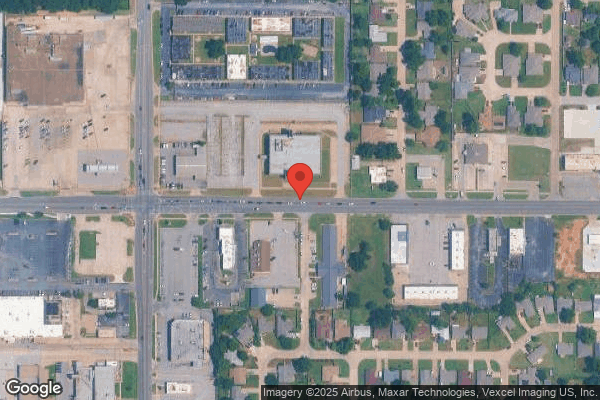
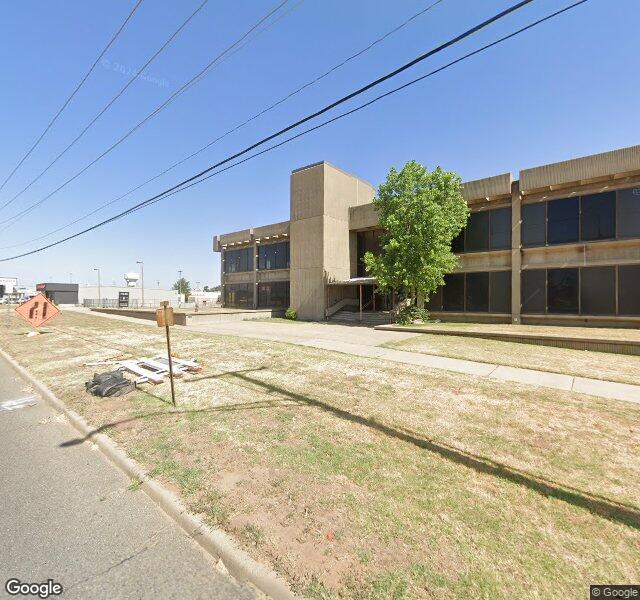
HERITAGE PARK

6912 NORTHWEST 23RD STREET, BETHANY, OK 73008 (405) 789-7208
For profit - Corporation 55 Beds Independent Data: November 2025 1 Immediate Jeopardy citation
Trust Grade
31/100
#167 of 282 in OK
Last Inspection: October 2024

Within standard 12-15 month inspection cycle. Federal law requires annual inspections.

Overview

Heritage Park in Bethany, Oklahoma, has a Trust Grade of F, indicating significant concerns and a poor overall assessment. It ranks #167 out of 282 facilities in Oklahoma, placing it in the bottom half, and #22 out of 39 in Oklahoma County, meaning only one local option is rated worse. The facility is worsening, with issues increasing from 10 in 2023 to 13 in 2024. Staffing is rated 2 out of 5 stars, with a turnover rate of 65%, which is higher than the state average, suggesting challenges in retaining staff. There have been concerning incidents, including a critical finding where a resident was able to leave the facility unsupervised, highlighting serious safety risks, and failures in providing residents access to their trust account funds during weekends, which raises questions about financial management. While there are some strengths, like average RN coverage, the overall performance and safety concerns are significant factors for families to consider.

Trust Score
F
31/100
In Oklahoma
#167/282
Bottom 41%
Safety Record
High Risk
Review needed
Inspections
Getting Worse
10 → 13 violations
Staff Stability
⚠ Watch
65% turnover. Above average. Higher turnover means staff may not know residents' routines.
Penalties
⚠ Watch
$7,834 in fines. Higher than 79% of Oklahoma facilities, suggesting repeated compliance issues.
Skilled Nurses
⚠ Watch
Each resident gets only 12 minutes of Registered Nurse (RN) attention daily — below average for Oklahoma. Fewer RN minutes means fewer trained eyes watching for problems.
Violations
⚠ Watch
25 deficiencies on record. Higher than average. Multiple issues found across inspections.
★★☆☆☆
2.0
Overall Rating
★★☆☆☆
2.0
Staff Levels
★★☆☆☆
2.0
Care Quality
★★☆☆☆
2.0
Inspection Score
Stable
2023: 10 issues
2024: 13 issues

The Good

  • Full Sprinkler Coverage · Fire safety systems throughout facility
  • No fines on record

Facility shows strength in fire safety.

The Bad

2-Star Overall Rating

Below Oklahoma average (2.6)

Below average - review inspection findings carefully

Staff Turnover: 65%

19pts above Oklahoma avg (46%)

Frequent staff changes - ask about care continuity

Federal Fines: $7,834

Below median ($33,413)

Minor penalties assessed

Staff turnover is elevated (65%)

17 points above Oklahoma average of 48%

The Ugly 25 deficiencies on record

1 life-threatening
Oct 2024 13 deficiencies
CONCERN (D)

Potential for Harm - no one hurt, but risky conditions existed

Deficiency F0574 (Tag F0574)

Could have caused harm · This affected 1 resident

Based on observation and interview, the facility failed to ensure contact information for filing a complaint with the State agency was available to the residents. LPN #2 identified 41 residents reside...

Read full inspector narrative →
Based on observation and interview, the facility failed to ensure contact information for filing a complaint with the State agency was available to the residents. LPN #2 identified 41 residents resided in the facility. Findings: On 10/21/24 at 1:06 p.m., both resident halls and the main living area were observed. There was no information regarding filing a complaint with the State agency. On 10/21/24 at 2:15 p.m., a confidential interview was held with the resident council group. On 10/21/24 at 2:33 p.m., the resident council group was asked if they had been informed of their rights, and given information on how to formally complain to the State about the care they were receiving. They stated, No. On 10/21/24 at 2:51 p.m., the administrator stated the facility had information on how to formally file a complaint with the State agency posted. The administrator walked out of their office and observed the wall next to their office and stated it was right by the ombudsman sign. They stated it was not posted, but it used to be.
CONCERN (D)

Potential for Harm - no one hurt, but risky conditions existed

Deficiency F0577 (Tag F0577)

Could have caused harm · This affected 1 resident

Based on observation, record review and interview, the facility failed to ensure the most recent survey results were readily accessible to the residents. LPN #2 identified 41 residents resided in the ...

Read full inspector narrative →
Based on observation, record review and interview, the facility failed to ensure the most recent survey results were readily accessible to the residents. LPN #2 identified 41 residents resided in the facility. Findings: On 10/21/24 at 1:01 p.m., binders with survey results for 2018, 2019, and 2022 were located on the wall between the medication storage room and the administrator's office. The survey results from the most recent survey were not located. On 10/21/24 at 2:15 p.m., a confidential interview was held with the resident council group. On 10/21/24 at 2:32 p.m., the resident council group stated the State survey results were not available to read without having to ask. They stated they did not even know that they post them. On 10/21/24 at 2:50 p.m., the administrator stated the latest survey results were supposed to be posted. They stated they never got posted back after the painting.
CONCERN (D)

Potential for Harm - no one hurt, but risky conditions existed

Safe Environment (Tag F0584)

Could have caused harm · This affected 1 resident

**NOTE- TERMS IN BRACKETS HAVE BEEN EDITED TO PROTECT CONFIDENTIALITY** Based on observation, record review and interview the facility failed to provide a homelike environment for one (#10) of one sam...

Read full inspector narrative →
**NOTE- TERMS IN BRACKETS HAVE BEEN EDITED TO PROTECT CONFIDENTIALITY** Based on observation, record review and interview the facility failed to provide a homelike environment for one (#10) of one sampled resident reviewed for homelike environment. LPN #2 identified 41 residents resided in the facility. Findings: A Homelike Environment policy, revised 02/21, read in part, .Residents are provided with a safe, clean, comfortable and homelike environment and encouraged to use their personal belongings to the extent possible .The facility staff and management maximizes, to the extent possible the characteristics of the facility that reflect a personalized homelike setting. These characteristics include .clean, sanitary and orderly environment . Resident #10 had diagnoses which included cardiomyopathy and acute respiratory failure with hypoxia. A Quarterly Resident Assessment, dated [DATE], documented Resident #10's cognition was intact. On [DATE] at 2:37 p.m., Resident #10 stated they had concerns with the wall spackle and the top of their wall. They stated they paid a lot of money to live at the facility and they wanted it to look good. On [DATE] at 8:58 a.m, Resident #10's wall next to their television was observed to have two areas of white plaster like material covering the wall as well as five plastic screw anchors in the wall. Resident #10 stated the wall had been in that condition since they moved in. On [DATE] at 9:29 a.m., CNA #3 stated anything they took into a residents room they made sure they took it back out. They stated they would put items away so nothing was hanging out and tidied up when they could to provide a clean homelike environment. They stated if something needed repaired, they would notify maintenance and write it in the book. On [DATE] at 9:37 a.m., LPN #3 stated the facility provided a homelike environment by allowing residents to go out as they wished. They stated they would notify maintenance if a residents room needed repaired. On [DATE] at 9:44 a.m., Maintenance #1 stated they were the staff member responsible for repairs. On [DATE] at 9:47 a.m., Maintenance #1 walked into Resident #10's room and observed the wall. They stated the wall looked like someone had started the repairs and did not finish them. They stated this was prior to them taking on the maintenance role.
CONCERN (D)

Potential for Harm - no one hurt, but risky conditions existed

Deficiency F0661 (Tag F0661)

Could have caused harm · This affected 1 resident

Based on record review and interview the facility failed complete a discharge summary with a recapitulation of their stay for one (#41) two closed records reviewed. LPN #2 identified 41 residents res...

Read full inspector narrative →
Based on record review and interview the facility failed complete a discharge summary with a recapitulation of their stay for one (#41) two closed records reviewed. LPN #2 identified 41 residents resided in the facility. Findings: The undated policy, Discharge Summary and Plan , read in part, .a discharge summary and post discharge pan will be developed .the discharge summary will include the recapitulation of the resident's stay at this facility and a final summary of the residents status at the time of discharge . An incident progress note, dated 08/12/24 at 8:19 p.m., documented the emergency services arrived. It documented Resident #41 coded and the emergency services took over care. Resident #41's discharge assessment, dated 08/12/24, documented the discharge was due to a death in the facility. Resident #41's census report documented they were discharged from the facilty on 08/12/24. There was no documentation the facilty had completed a discharge summary for Resident #41. On 10/21/24 at 9:27 a.m., the DON was asked for the discharge summary for Resident #41. The DON looked through the record and stated they did not see one and would try and locate it. On 10/21/24 at 9:41 a.m., the ADON with the DON present stated the facility did not have a discharge summary because they were in the hospital when they passed away.
CONCERN (D)

Potential for Harm - no one hurt, but risky conditions existed

Deficiency F0800 (Tag F0800)

Could have caused harm · This affected 1 resident

Based on observation, record review, and interview, the facility failed to ensure pureed meals were served at the correct consistency for one of one pureed meal preparation. The DM identified four re...

Read full inspector narrative →
Based on observation, record review, and interview, the facility failed to ensure pureed meals were served at the correct consistency for one of one pureed meal preparation. The DM identified four residents who had diet orders for pureed meals. Findings: An undated facility policy, Therapeutic Diets, read in part, .Therapeutic diets are reflected on the menu extension . The menu extension, dated 10/20/24, documented the noon pureed meal was to have baked meat loaf, scalloped potatoes, dinner roll, and pineapple cake. On 10/20/24 at 12:33 p.m., the DM was observed preparing the noon purred. The DM pureed meat loaf, potato salad, and cabbage. The DM added water to each of the items pureed. Once completed the pureed item was tasted by the DM and surveyor. Items were not smooth and had fine chunks of meat, cabbage, and potatoes. On 10/202/4 at 1:10 p.m., the dietary staff was observed serving four out of four pureed trays with the incorrect consistency. On 10/21/24 at 1:29 p.m., the DM stated pureed foods should be made to a smooth consistency. When asked about the consistency of the Sunday noon meal, the DM stated it was not smooth, the food was grainy, and had fine chunks in it.
CONCERN (D)

Potential for Harm - no one hurt, but risky conditions existed

Menu Adequacy (Tag F0803)

Could have caused harm · This affected 1 resident

Based on observation, record review, and interview, the facility failed to ensure menus were followed for pureed diets for one of one meal service observed. The DM identified four residents who had di...

Read full inspector narrative →
Based on observation, record review, and interview, the facility failed to ensure menus were followed for pureed diets for one of one meal service observed. The DM identified four residents who had diet orders for pureed meals. Findings: An undated facility policy, Therapeutic Diets, read in part, .Therapeutic diets are reflected on the menu extension . The menu extension, 10/20/24, documented the noon pureed meal was to have baked meat loaf, scalloped potatoes, dinner roll, and pineapple cake. On 10/20/24 at 12:33 p.m., the DM was observed preparing the noon purred meal. The DM pureed single portions of meat loaf, potatoes salad, and cabbage. The dietary manager did not pureed any bread, or pineapple cake. On 10/20/24 at 1:10 p.m., the dietary staff was observed serving four out of four pureed trays without bread or pineapple cake. On 10/21/24 at 1:29 p.m., the DM stated the current diet orders were on each meal ticket for all diet types. They stated they prepared four pureed meals on Sunday afternoon and all residents were to receive their diet order and all menu items. They stated the pineapple cake was not made and nothing else was provided. The dietary manager stated there was no bread as the menu called for. They stated the potato salad was a substitute for scalloped potatoes because the residents had the scalloped potatoes the night before. The dietary manager stated they did not provide all menu items like they should have.
CONCERN (D)

Potential for Harm - no one hurt, but risky conditions existed

Deficiency F0925 (Tag F0925)

Could have caused harm · This affected 1 resident

Based on observation, record review, and interview, the facility failed to ensure the environment was free from pests for one (#13) of one sampled residents reviewed for pests. LPN #2 identified 41 re...

Read full inspector narrative →
Based on observation, record review, and interview, the facility failed to ensure the environment was free from pests for one (#13) of one sampled residents reviewed for pests. LPN #2 identified 41 residents resided in the facility. Findings: A Pest Control Policy, updated 01/01/24, read in part, .Pest control services treat the facility on a monthly and as needed basis for preventative and ongoing maintenance. Should staff at any time suspect pests/rodents in the facility, they are to communicate with the Maintenance Director/Administration immediately so the service can be initiated . Resident #13 had diagnoses which included multiple sclerosis. A Significant Change Resident Assessment, dated 09/26/24, documented Resident #13's cognition was intact. On 10/22/24 at 2:26 p.m., three flies were observed in Resident #13's room. Resident #13 stated the flies were very bad and they usually had three or four flies in the room during the day or evening. They stated they had reported it to staff many times, but nothing was ever done. On 10/22/24 at 9:06 a.m., Resident #13 was observed in their room in a seated position in their bed. There was one fly observed on the window next to the resident and one fly observed on the resident's pillow. On 10/22/24 at 9:11 a.m., CNA #3 stated they were not sure what the pest control policy was. They stated if they identified any pests, other than a fly, they would let maintenance know. They stated flies had never really been an issue until this year. CNA #3 was asked about the flies in the room. CNA #3 stated they honestly did not know. They stated they were not part of the housekeeping service. On 10/22/24 at 9:37 a.m., LPN #3 stated the facility had a monthly pest control service that sprayed the facility. They stated the pest control service would ask the facility if they had identified any pest concerns during their monthly visit. LPN #3 stated if the staff identified pests, they could call the company to come out in between the scheduled monthly visits. On 10/22/24 at 9:44 a.m., Maintenance/Housekeeping #1 stated they would have their supervisor set up pest control if there was an identified pest concern. They stated laundry was the only staff member who had been in the department more than two weeks. They stated the rest of the staff was new. On 10/22/24 at 9:48 a.m., Maintenance/Housekeeping #1 walked into Resident #13's room. Three flies were observed. Resident #13 started speaking about the flies. Maintenance/Housekeeping #1 stated they were not aware of the fly concern in this particular room. They stated they had made their supervisor aware of the need for fly lights yesterday evening.
CONCERN (E)

Potential for Harm - no one hurt, but risky conditions existed

Deficiency F0567 (Tag F0567)

Could have caused harm · This affected multiple residents

Based on record review and interview, the facility failed to ensure residents had access to their trust account money on nights and weekends for three (#9, 10, and #26) of three sampled residents revi...

Read full inspector narrative →
Based on record review and interview, the facility failed to ensure residents had access to their trust account money on nights and weekends for three (#9, 10, and #26) of three sampled residents reviewed for access to their trust account money. The BOM identified 33 residents who had money in the trust account. Findings: The Policy and Procedure of Resident Trust Fund, last updated 03/01/24, read in part, .The management of the trust shall be managed by the business office or it's designees and ensure that proper accounting principals are followed .but not to exclude State and Federal regulations . A review of the trust account ledgers for Resident #9, Resident #10 and Resident #26 contained no entries of money being withdrawn at night or on the weekends. On 10/20/24 at 2:21 p.m., Resident #26 stated they could not get funds on the weekends. They stated if they wanted money they would need to request it and get it on Friday. On 10/22/24 at 8:25 a.m., the BOM stated they worked at the facility Monday through Friday and resident funds were kept in a safe in the administrators office. They stated the administrator and themselves were the only ones that had access to the funds. The BOM then stated if the residents wanted money at night they were not able to get it. When asked about access on the weekends they stated the residents needed to get the money requested on Friday. They stated the residents did not have access to funds on the nights and weekends. On 10/22/24 at 8:34 a.m., Resident #10 stated they could not get money on the weekends or when the BOM was gone. They stated they had to ask for money on Friday for the weekends.
CONCERN (E)

Potential for Harm - no one hurt, but risky conditions existed

Deficiency F0569 (Tag F0569)

Could have caused harm · This affected multiple residents

Based on record review and interview, the facility failed to ensure residents received notification when they were within $200 of the Medicaid resource limit of $2,000 for four (#5, 9, 10, and #26) of...

Read full inspector narrative →
Based on record review and interview, the facility failed to ensure residents received notification when they were within $200 of the Medicaid resource limit of $2,000 for four (#5, 9, 10, and #26) of four sampled residents reviewed for notifications of trust balances. The BOM identified 33 residents who had money in the trust account. Findings: The Policy and Procedure of Resident Trust Fund, last updated 03/01/24, read in part, .The management of the trust shall be managed by the business office or it's designees and ensure that proper accounting principals are followed .but not to exclude State and Federal regulations . 1. Resident #5's face sheet documented they had a payer source of Medicaid. Resident #5's trust account ledger, dated 10/21/24, documented a current balance of $2,444.21. 2. Resident #10's face sheet documented they had a payer source of Medicaid. Resident #10's trust account ledger, dated 10/21/24, documented a current balance of $2,152.88. 3. Resident #9's face sheet documented they had a payer source of Medicaid. Resident #9's trust account ledger, dated 10/21/24, documented a current balance of $2,446.25. 4. Resident #26's face sheet documented they had a payer source of Medicaid. Resident #26's trust account ledger, dated 10/21/24, documented a current balance of $1,853.72. There was no documentation the facility had notified Resident #5, Resident #9, Resident #10, and Resident #26 when their trust account balance was within $200 of the Medicaid resource limit of $2,000. On 10/22/24 at 8:25 a.m., the BOM stated the resource limit for residents with Medicaid was $2,000. They were asked how they provided notices to Resident #5, Resident #9, Resident #10, and Resident #26 when their trust account was within $200 of the resource limit. They stated notices have not been provided to the residents when they were close to the resource limit. On 10/22/24 at 8:34 a.m., Resident #10 stated the facility had not provided any notices. They stated they needed to spend money. On 10/22/24 at 8:37 a.m., Resident #26 stated they were not aware their balance was close to $2,000 and they needed to spend money.
CONCERN (E)

Potential for Harm - no one hurt, but risky conditions existed

Deficiency F0692 (Tag F0692)

Could have caused harm · This affected multiple residents

**NOTE- TERMS IN BRACKETS HAVE BEEN EDITED TO PROTECT CONFIDENTIALITY** Based on observation, record review, and interview the facility failed to: a. monitor fluid input and output for one (#93) of on...

Read full inspector narrative →
**NOTE- TERMS IN BRACKETS HAVE BEEN EDITED TO PROTECT CONFIDENTIALITY** Based on observation, record review, and interview the facility failed to: a. monitor fluid input and output for one (#93) of one sampled resident reviewed for fluid restrictions; and b. provide nutritional interventions for weight loss of providing nutritional supplements and double portions at meals for two (#3 and #5) of two sampled residents reviewed for nutritional. The DM identified four residents who were on a pureed diet. The ADON identified one resident on a fluid restriction, 13 residents who had physician orders for double portions, and 23 residents who had orders for health shakes with meals. Findings: An undated policy Encouraging and Restricting Fluids , read in part, .restricting fluids .record the amount of fluid .intake and output . 1. Resident #93 was admitted to the facility on [DATE] with diagnosis which included ESRD and acute kidney failure. Resident #93's October 2024 orders documented they had dialysis services every Tuesday, Thursday and Saturday. It documented they received a renal diet with a 2,000 milliliter fluid restriction. Resident #93's care plan, dated 10/18/24, documented they received hemodialysis related to stage four chronic kidney disease. Interventions included to monitor input and output. There was no documentation the facility was monitoring the input and output. On 10/20/24 at 4:06 p.m., Resident #93 was observed in their room with a small refrigerator with over thirty cans of various drinks. Resident #93 stated they were on a fluid restriction and they did not follow it all the time. They stated the facility did not monitor or ask them how much they have consumed in fluids. On 10/23/24 at 8:20 a.m., LPN #1 stated Resident #93 was on a fluid restriction, but they did not document input and output. They stated it should be documented on the TAR if they documented them. On 10/23/24 at 9:32 a.m., the ADON stated Resident #93 was on a fluid restriction and no monitoring was being completed on input and output. 2. Resident #3 had diagnosis which included dementia, dysphagia, and major depression. Resident #3's care plan dated 02/05/24, documented interventions of diet as ordered. A physician order, dated 06/10/24, documented the resident was to receive a pureed diet with double portions and a supplemental shake for weight loss. Resident #3's significant change assessment, dated 10/11/24, documented they were on a mechanically altered diet and had no weight loss. Resident #3's diet card documented they were to receive a pureed meal with double portions and a shake with each meal. On 10/20/24 at 2:37 p.m., Resident #3 was observed receiving a pureed meal. Dietary staff was observed serving a single portion of pureed meat loaf, potato salad, and cabbage. The resident was not served a shake or double portions. On 10/21/24 at 12:50 p.m., Resident #3 was observed receiving the noon meal with single portions and no shake. On 10/21/24 at 1:18 p.m., CNA #1 stated Resident #3 received a pureed diet and only received a shake if they wanted one. CNA #1 stated Resident #3 always received a single portion unless they asked for more and never received a double portion. 3. Resident #5 had diagnosis of abnormal weight loss and dementia. Resident #5's care plan, dated 10/19/23, documented nutrition interventions were to provide and serve diet as ordered and to receive health shakes with all meals. A physician order, dated 09/12/24, documented the resident was to receive a double portion pureed diet with a shake with meals for weight loss. On 10/20/24 at 2:37 p.m., Resident #5 was observed receiving a pureed meal. Dietary staff was observed serving a single portion of pureed meat loaf, potato salad, and cabbage. The resident was not served a shake or double portions. On 10/21/24 at 12:50 p.m., Resident #5 was observed receiving the noon meal with single portions and no shake. On 10/21/24 at 1:12 p.m., CNA #2 stated Resident #5 did not have any orders for a health shake, but was to receive double portions. CNA #2 stated Resident #5 did not have double portions served to them and dietary staff were to ensure the portion sizes were correct. CNA #2 stated the meal ticket did have double portions and health shake on it, but it was not provided. On 10/21/24 at 1:29 p.m., the DM stated Resident #3 and Resident #5 had orders for double portions and health shakes with each meal. They stated health shakes were not provided due to running out and not having any on hand. They stated Resident #3 and Resident #5 had not been provided double portions with their meals as care planned and ordered. On 10/21/24 at 2:37 p.m., the ADON stated Resident #3 and Resident #5 had orders and care plan interventions for double portions and health shakes with each meal. The ADON stated the care plan interventions and orders for weight loss were not being followed.
CONCERN (E)

Potential for Harm - no one hurt, but risky conditions existed

Deficiency F0698 (Tag F0698)

Could have caused harm · This affected multiple residents

**NOTE- TERMS IN BRACKETS HAVE BEEN EDITED TO PROTECT CONFIDENTIALITY** Based on record review and interview, the facility failed to complete pre and post dialysis assessments for one (#93) of one sam...

Read full inspector narrative →
**NOTE- TERMS IN BRACKETS HAVE BEEN EDITED TO PROTECT CONFIDENTIALITY** Based on record review and interview, the facility failed to complete pre and post dialysis assessments for one (#93) of one sampled resident reviewed for dialysis services. The administrator identified one resident who received dialysis. Findings: An undated policy Dialysis Care/ Arterial Fistula, read in parts, .All residents receiving dialysis will have monitoring before and after dialysis treatment to ensure condition is stable after treatment .The charge nurse prior to an upon return from dialysis shall evaluate the residents condition, including but not limited to vital signs and the graft/fistula site .check bruit and thrill . Resident #93 was admitted to the facility on [DATE] with diagnoses which included end stage renal disease and acute kidney failure. Resident #93's October 2024 orders documented they had dialysis services every Tuesday, Thursday, and Saturday. A dialysis communication form, dated 10/03/24, did not document a post assessment had been completed. There was no documentation a dialysis communication form had been completed on 10/05/24. A dialysis communication form, dated 10/17/24, did not document all areas in the pre and/or post assessment were completed. Resident #93's care plan, dated 10/18/24, documented they received hemodialysis related to stage four chronic kidney disease. Interventions included to encourage resident to go to scheduled dialysis appointments on Tuesday, Thursday and Saturday. Dialysis communication forms, dated 10/19/24 and 10/22/24, did not document pre and/or post assessments had been fully completed. On 10/23/24 at 8:20 a.m., LPN #1 stated Resident #93 was the only resident who received dialysis. LPN #1 stated Resident #93 was to be checked before and after disables with vitals, bruit, thrill, and to make sure all information was filled out in the dialysis binder. On 10/23/24 at 9:32 a.m., the ADON was asked how the facility monitored dialysis residents. The ADON stated they had communication forms which were filled out before and after disables and all other monitoring was documented in the progress notes. The ADON reviewed the communication forms and stated the facility had not been completing pre and post dialysis assessments.
CONCERN (E)

Potential for Harm - no one hurt, but risky conditions existed

Unnecessary Medications (Tag F0759)

Could have caused harm · This affected multiple residents

Based on observation, record review and interview, the facility failed to ensure a medication error rate of less than five percent during the medication pass observation. LPN #2 identified 41 resident...

Read full inspector narrative →
Based on observation, record review and interview, the facility failed to ensure a medication error rate of less than five percent during the medication pass observation. LPN #2 identified 41 residents resided in the facility. The ADON identified 21 residents with ordered blood pressure parameters. Findings: An Administering Medications, policy, revised 04/19, read in part, .Medications are administered in a safe and timely manner, and as prescribed .The following information is checked/verified for each resident prior to administering medications .vital signs, if necessary . 1. Resident #33 had diagnoses which included polyneuropathy and neurogenic bowel. A Physician Order, start date 09/10/24, documented Colace (laxative) give 100 mg by mouth two times a day related to neurogenic bowel. A fax transmission, dated 10/18/24 at 11:17 a.m., documented Resident #33's Colace order was faxed with an order category of pharmacy. On 10/21/24 at 9:20 a.m., CMA #1 was observed preparing Resident #33's medications for administration. They stated they were waiting for the resident's Colace to be delivered by pharmacy because it was a new order. CMA #1 stated they had to go to their nurse on Friday because the Colace was discontinued on the pharmacy's end, but it was still an active order for the facility. They stated last week they said they would get it in. On 10/21/24 at 9:43 a.m., CMA #1 provided a copy of the fax transmission for Resident #33's Colace dated 10/18/24. They stated it usually took a few days to get medications in. They stated they believed the issue was pharmacy had it as a discontinued order. They stated the Colace could be received that night because medications were delivered on the evening shift. On 10/21/24 at 9:47 a.m., CMA #1 was observed administering Resident #33's morning medications. The scheduled Colace was not administered. On 10/22/24 at 11:30 a.m., CMA #1 stated Resident #33's Colace had come in. 2. Resident #38 had diagnoses which included hypertension. A Physician Order, start date 10/09/24, documented carvedilol (nonselective adrenergic blocker) 25 mg give one tablet by mouth two times a day, hold for systolic 110 or below or diastolic 60 or below. On 10/21/24 at 9:50 a.m., ACMA #2 was observed preparing Resident #38's medication. They placed the resident's carvedilol 25 mg one tablet into a separate medicine cup from the other medications. On 10/21/24 at 9:56 a.m., ACMA #2 entered Resident #38's room and took their blood pressure. The reading was blood pressure 146/50 with a pulse of 83. ACMA #2 administered all of the resident's medications by mouth including the carvedilol. On 10/21/24 at 10:25 a.m., ACMA #2 stated they would triple check medications and ensure it was the right medication, right dosage, and ensure the medications were available to administer. They stated they would also ensure the resident took all of the medications before leaving. On 10/21/24 at 10:27 a.m., ACMA #2 stated if a resident had blood pressure parameters with a medication, they would separate that medication and not give it if the blood pressure was below parameters. On 10/21/24 at 10:28 a.m., ACMA #2 reviewed Resident #38's order and stated the parameter was for a systolic lower than 110 and a diastolic for 60 or below. They stated Resident #38's diastolic blood pressure was below 60 and they did administer the resident's carvedilol. They stated they honestly thought the order said pulse rate. They stated, Yes, that is on me. On 10/21/24 at 10:32 a.m., ACMA #2 stated routine medications came in packets daily to the facility. They stated if medications were not routine, the facility would order them monthly. They stated if a medication was not available for administration, they would mark not here, notify the nurse, and call pharmacy to get it sent out. They stated pharmacy delivered medications everyday.
CONCERN (E)

Potential for Harm - no one hurt, but risky conditions existed

Deficiency F0868 (Tag F0868)

Could have caused harm · This affected multiple residents

Based on record review and interview, the facility failed to ensure the medical director was part of the quality assurance program. LPN #2 identified 41 residents resided in the facility. Findings: ...

Read full inspector narrative →
Based on record review and interview, the facility failed to ensure the medical director was part of the quality assurance program. LPN #2 identified 41 residents resided in the facility. Findings: The undated Quality Assurance and Performance Improvement policy, read in part, .The administrator is responsible for assuring that the facilities QAPI program complies with federal, state, local regulatory agency requirements . A review of the facility list of committee members as listed in their QAPI plan indicated all department heads, the administrator, and DON were part of the committee. The list did not include a physician and/or medical director. A review of the sign in sheets for the QA meetings for January 2024 to October 2024 contained no signature medical director being part of of the committee. A review of the medical director contract documented they were to participate as part of the QA program. On 10/23/24 at 12:04 p.m., the administrator stated the facility had not had a physician or medical director that participated as part of the committee for all of 2024. The administrator stated the last time the medical director was part of the committee was December 2023.
Sept 2023 7 deficiencies
CONCERN (D)

Potential for Harm - no one hurt, but risky conditions existed

Deficiency F0582 (Tag F0582)

Could have caused harm · This affected 1 resident

Based on record review and interview, the facility failed to ensure residents who were discharged from Part A skilled services, with benefit days remaining, were issued ABN and/or NOMNC notices for tw...

Read full inspector narrative →
Based on record review and interview, the facility failed to ensure residents who were discharged from Part A skilled services, with benefit days remaining, were issued ABN and/or NOMNC notices for two (#150 and #151) of three sampled residents reviewed for beneficiary notices. The Beneficiary Notice worksheet identified five residents who were discharged from Part A skilled services with benefit days remaining in the previous six months. Findings: Res #151 was admitted to Part A skilled services on 03/21/23, discharged from skilled services on 06/25/23, and remained in the facility. Res #150 was admitted to Part A skilled services on 05/01/23, discharged from skilled services on 06/23/23, and remained in the facility. On 09/13/23 at 11:00 a.m., the ADON was asked to provide documentation that ABN and/or NOMNC notices were provided upon discharge from skilled services. On 09/13/23 at 1:05 p.m., Corporate Nurse #1 stated the ABN and/or NOMNC notices were not provided to Res #151 and only the NOMNC notice was provided to Res #150. They stated the correct notices were not provided as required.
CONCERN (D)

Potential for Harm - no one hurt, but risky conditions existed

Deficiency F0657 (Tag F0657)

Could have caused harm · This affected 1 resident

Based on observation, record review, and interview, the facility failed to update the care plan related to nutrition for one (#46) of one sampled resident whose care plan was reviewed. The Resident C...

Read full inspector narrative →
Based on observation, record review, and interview, the facility failed to update the care plan related to nutrition for one (#46) of one sampled resident whose care plan was reviewed. The Resident Census and Conditions of Residents documented one resident who received tube feedings. Findings: Res #46 had diagnoses which included dysphagia, ileus, and gastrostomy. An admission assessment, dated 03/24/23, documented Res #46 was moderately cognitively impaired, totally dependent with eating, and received 51% or more of total calories thru tube feeding. A care plan, dated 04/03/23, documented Res #46 was at risk for nutritional problem related to feeding pump use for all nutritional intake with interventions to infuse Isosource 1.5 calories at 65 milliliters per hour per PEG tube every shift. The care plan documented a NPO diet. A physician order, dated 04/20/23, documented a pureed texture, regular/thin consistency diet with small bites/sips at a time. The order documented meals under close nursing supervision and to encourage throat clearing. A dietary note, dated 04/20/23, documented the resident completed a swallow study and had new orders for a pureed diet with regular thin liquids. Meals to be supervised by a nurse. Nursing to assess lung sounds and temperature after meals. A quarterly assessment, dated 06/24/23, documented Res #46 was severely cognitively impaired, required supervision with eating, and received 25% or less of total calories thru tube feeding. The care plan had not been updated to reflect Res #46's current diet and nutritional interventions. On 09/12/23 at 1:40 p.m., Res #46 was observed standing in their room. A capped PEG tube was observed to the resident's left mid-abdomen. Res #46 stated the PEG tube was no longer used for nutritional intake. The resident stated having been able to eat regular food without any problems for a while now. On 09/14/23 at 11:18 a.m., Corporate Nurse #1 stated Res #46's care plan should have been updated to reflect the current diet and nutritional interventions.
CONCERN (D)

Potential for Harm - no one hurt, but risky conditions existed

Drug Regimen Review (Tag F0756)

Could have caused harm · This affected 1 resident

Based on record review and interview, the facility failed to ensure the physician responded to a pharmacist MRR for one (#32) of five sampled residents reviewed for unnecessary medications. The Reside...

Read full inspector narrative →
Based on record review and interview, the facility failed to ensure the physician responded to a pharmacist MRR for one (#32) of five sampled residents reviewed for unnecessary medications. The Resident Census and Conditions of Residents form documented 36 residents received psychoactive medications. Findings: A Medication Monitoring policy, dated 10/01/18, documented for non-urgent recommendations, the facility and attending physician must address the recommendation(s) in a timely manner that meets the needs of the resident - but no later than their next routine visit to assess the resident - and the attending physician should document what irregularity has been reviewed and what action has been taken to address the issue. The policy documented the pharmacy recommendation itself can be used as a tool to document in the medical record, or a notation may be indicated in the medical record. If the attending physician declines or otherwise rejects the consultant pharmacist's recommendation, an explanation as to the rationale for the rejection shall be documented in the resident's medical record. 1. Res #32 had diagnoses which included intermittent explosive disorder and anxiety disorder. An annual assessment, dated 02/25/23, documented Res #32 was cognitively intact, independent with most ADLs, had minimal depression, and received antipsychotics during the review period. A physician order, dated 02/28/23, documented to administer Vistaril 50 mg every six hours as needed for itching, anxiety, or allergies. A physician order, dated 03/09/23, documented to administer Vistaril 25 mg every 8 hours for itching/rash. A pharmacist MRR, dated 03/14/23, read in part, .The resident continues on Vistaril 25 mg by mouth every 8 hours for rash/itching and Vistaril 50 mg by mouth every 6 hours as needed for anxiety/itching/allergies. Federal regulations require that any resident on a prn psychoactive (including anxiolytics) have an in-person evaluation by the physician every 14 days while the resident continues on the prn psychoactive medications and then write a progress note to be filed in the chart as to the continued need for the prn psychoactive. Would you consider adding a 14 day stop date to the prn Vistaril at this time . There was no documentation the physician had responded to the MRR in the medical record. On 09/18/23 at 11:48 a.m., Corporate Nurse #1 stated the physician did not respond to the MRR request for Res #32 but should have per facility policy.
CONCERN (D)

Potential for Harm - no one hurt, but risky conditions existed

Food Safety (Tag F0812)

Could have caused harm · This affected 1 resident

Based on observation and interview, the facility failed to ensure proper kitchen sanitation was provided. The facility reported 49 of 49 residents received food from the dietary department. Findings: ...

Read full inspector narrative →
Based on observation and interview, the facility failed to ensure proper kitchen sanitation was provided. The facility reported 49 of 49 residents received food from the dietary department. Findings: A facility policy documented if hair is long and not covered properly with a cap, a hairnet must be worn. On 09/14/23 at 2:00 p.m., an unknown dietary staff member was observed in the kitchen by the stove/oven. The female staff member had long hair with no hair net in place. On 09/14/23 at 2:12 p.m., the unknown dietary staff member was observed entering the kitchen from the dining room without a hairnet/cap. They reported they were the cook. They was asked if they are supposed to have a hairnet on before entering the kitchen. They reported they were. On 09/19/23 at 1:43 p.m., the DM was interviewed about employees wearing hairnets. The dietary manager was made aware of observations of the cook not wearing hairnet. They reported they all know to have them on.
CONCERN (E)

Potential for Harm - no one hurt, but risky conditions existed

Deficiency F0578 (Tag F0578)

Could have caused harm · This affected multiple residents

**NOTE- TERMS IN BRACKETS HAVE BEEN EDITED TO PROTECT CONFIDENTIALITY** Based on record review and interview, the facility failed to ensure residents were offered the choice to formulate advanced dire...

Read full inspector narrative →
**NOTE- TERMS IN BRACKETS HAVE BEEN EDITED TO PROTECT CONFIDENTIALITY** Based on record review and interview, the facility failed to ensure residents were offered the choice to formulate advanced directives for six (#20, 29, 10, 40, 4, and #52) of 20 sampled residents reviewed for advanced directives. The Resident Census and Conditions of Residents form documented 49 residents resided in the facility. Findings: 1. Res #20 was admitted to the facility on [DATE] with diagnoses of Alzheimer's disease, unspecified psychosis, major depressive disorder, and hypertension. There was no documentation the resident and/or their representative was offered the choice to formulate an advanced directive. 2. Res # 29 was admitted to the facility on [DATE] with diagnoses of unspecified dementia, Crohn's disease, cerebral infarction, and pain. There was no documentation the resident and/or their representative was offered the choice to formulate an advanced directive. 3. Res #10 was admitted to the facility on [DATE] with diagnoses of unspecified psychosis, major depressive disorder, schizophrenia, and acute kidney failure. There was no documentation the resident and/or their representative was offered the choice to formulate an advanced directive. 4. Res #40 was admitted to the facility on [DATE] with diagnoses of vascular dementia, insomnia, depression, and Alzheimer's disease. There was no documentation the resident and/or their representative was offered the choice to formulate an advanced directive. 5. Res #4 was admitted to the facility on [DATE] with diagnoses of major depressive disorder, edema, anorexia, and hypothyroidism. There was no documentation the resident and/or their representative was offered the choice to formulate an advanced directive. 6. Res #52 was admitted to the facility on [DATE] with diagnoses of chronic obstructive pulmonary disease, major depressive disorder, and malignant neoplasm of left breast. There was no documentation the resident and/or their representative was offered the choice to formulate an advanced directive. On 09/13/23 at 3:23 p.m., Corporate Nurse #1 reported the residents did not have an advanced directive acknowledgment or an advanced directive.
CONCERN (E) 📢 Someone Reported This

A family member, employee, or ombudsman was alarmed enough to file a formal complaint

Potential for Harm - no one hurt, but risky conditions existed

Deficiency F0730 (Tag F0730)

Could have caused harm · This affected multiple residents

Based on record review and interview, the facility failed to perform annual nurse aid performance reviews. The Resident Census and Conditions of Residents form documented 49 residents resided in the f...

Read full inspector narrative →
Based on record review and interview, the facility failed to perform annual nurse aid performance reviews. The Resident Census and Conditions of Residents form documented 49 residents resided in the facility. Findings: An employee staff list documented six CNA s who had hire dates greater than one year. On 09/19/23 at 11:30 p.m., the annual nurse aid performance reviews were requested. On 09/19/23 at 12:52 p.m., the corporate nurse reported the annual nurse aid performance reviews were not completed.
CONCERN (E)

Potential for Harm - no one hurt, but risky conditions existed

Infection Control (Tag F0880)

Could have caused harm · This affected multiple residents

Based on observation, record review, and interview, the facility failed to maintain an infection prevention and control program to prevent the spread of infections. The facility failed to ensure: a. a...

Read full inspector narrative →
Based on observation, record review, and interview, the facility failed to maintain an infection prevention and control program to prevent the spread of infections. The facility failed to ensure: a. a water management system was in place to detect/prevent Legionella. b. COVID-19 transmission-based precautions were conducted for three (#3, 17, and #42) of four residents reviewed for transmission based precautions. c. COVID-19 testing was performed per policy for one (#3) of four residents reviewed for transmission based precautions. The Resident Census and Conditions of Residents form, documented 49 residents resided in the facility. Findings: A Legionella Water Management Program policy, revised July 2017, documented the water management program included the following elements: a. An interdisciplinary water management team. b. A detailed description and diagram of the water system in the facility. c. The identification of areas in the water system that could encourage the growth and spread of Legionella or other waterborne bacteria. d. The identification of situations that can lead to Legionella growth. e. Specific measures used to control the introduction and/or spread of Legionella. f. The control limits or parameters that are acceptable and that are monitored. g. A diagram of where control measures are applied. h. A system to monitor control limits and the effectiveness of control measures. i. A plan for when control limits are not met and/or control measures are not effective. j. Documentation of the program. An Infection Prevention and Control Program policy, dated 05/12/23, read in parts, .A resident with an infection or communicable disease shall be placed on transmission-based precautions as recommended by current CDC guidelines .healthcare personnel who enter the room of a resident with suspected or confirmed SARS-CoV-2 infection should adhere to standard precautions and use a NIOSH-approved particulate respirator with KN95/N95 filters or higher, gown, gloves, and eye protection .Isolation signs are used to alert staff, family members, and visitors of transmission-based precautions .Asymptomatic residents with close contact with someone with SARS-CoV-2 infection should have a series of three viral tests for SARS-CoV-2 infection. Testing is recommended immediately (but not earlier than 24 hours after exposure) and, if negative, again 48 hours after the first negative test, and if negative, again 48 hours after the second negative test. This will typically be at day 1 (where day of exposure is day 0), day 3, and day 5 .Discontinuation of transmission-based precautions on SARS-CoV-2 infection can occur when at least 10 days have passed since symptoms first appeared for residents with mild to moderate illness .At least 10 days have passed since date of their first positive viral test for asymptomatic residents . Interim Infection Prevention and Control Recommendations for Healthcare Personnel During the Coronavirus Disease 2019 (COVID-19) Pandemic, Updated May 8, 2023, read in part, .2. Recommended infection prevention and control (IPC) practices when caring for a patient with suspected or confirmed SARS-CoV-2 infection .Place a patient with suspected or confirmed SARS-CoV-2 infection in a single-person room. The door should be kept closed (if safe to do so). Ideally, the patient should have a dedicated bathroom. If cohorting, only patients with the same respiratory pathogen should be housed in the same room . 1. On 09/18/23 at 2:00 p.m., Corporate Nurse #1 was asked to provide documentation of the Legionella water management program. On 09/18/23 at 2:24 p.m., Corporate Nurse #1 stated the facility had not conducted any of the the Legionella water management program measures documented in the policy. 2. Res #3 had diagnoses which included cerebral infarction, hypertension, and diabetes mellitus. A nurse note, dated 09/05/23, documented a negative COVID rapid test this shift. 3. Res #42 had diagnoses which included cerebral infarction, hypertension, and acute respiratory failure with hypoxia. A medical record entry, dated 09/09/23, documented a positive COVID test. On 09/13/23 at 2:10 p.m., Res #3 was observed in a shared room with Res #42. No transmission-based precaution signage or PPE cart was observed outside the room. On 09/14/23 at 11:08 a.m., Res #3 was observed in a shared room with Res #42. No transmission-based precaution signage or PPE cart was observed outside the room. On 09/18/23 at 10:18 a.m., Res #3 was observed in a shared room with Res #42. No transmission-based precaution signage or PPE cart was observed outside the room. On 09/19/23 at 9:45 a.m., Res #3 was observed in a shared room with Res #42. No transmission-based precaution signage or PPE cart was observed outside the room. On 09/19/23 at 9:50 a.m., the housekeeping supervisor stated Res #42 was COVID positive but had not been in transmission-based precautions. On 09/19/23 at 9:52 a.m., CNA #1 was asked if Res #42 was COVID positive. CNA #1 stated they did not know and having been confused as to which residents did or did not have COVID on a daily basis due to the lack of communication between the nursing staff and the infection preventionist. On 09/19/23 at 9:55 a.m., the IP was made aware of the absence of transmission-based precaution signage or a PPE cart outside Res #3 and Res #42's shared room. The IP was asked if Res #3 had been tested for COVID after Res #42 had tested positive for COVID. The IP stated Res #42 tested positive for COVID on 09/09/23 and should have been in transmission-based precautions until 09/20/23. The IP stated Res #3 had last tested negative for COVID on 09/05/23 but had not been retested for COVID after Res #42 tested positive on 09/09/23. The IP stated Res #3 should have been retested for COVID at day 1, day 3, and day 5 after close contact with Res #42 per policy. 4. Res #17 had diagnoses which included heart failure, chronic kidney disease, and chronic obstructive pulmonary disease. A nurse note, dated 09/12/23, documented a COVID positive test. On 09/19/23 at 10:05 a.m., Res #17 was observed in their room with two CNAs assisting with transfer. The CNAs were observed wearing KN95 masks and no additional PPE. No transmission-based precaution signage or PPE cart was observed outside the room. On 09/19/23 at 10:08 a.m., CNA #2 was asked if Res #17 was in transmission-based precautions for COVID. CNA #2 stated they thought the resident's precautions were discontinued the night before because there was no signage or PPE cart outside their room this morning. On 09/19/23 at 10:12 a.m., LPN #1 was asked if Res #17 was in transmission-based precautions. LPN #1 stated they were not sure if Res #17 was supposed to be in isolation due to confusion regarding the facility's isolation policies and the lack of communication between the staff and administration. On 09/19/23 at 11:00 a.m., the IP stated all residents that have tested positive for COVID are placed in droplet precautions for 10 days and can come out of the precautions on day 11. The IP stated Res #17 should have remained in transmission-based precautions for 11 days after having tested positive on 09/11/23. On 09/19/23 at 11:26 a.m., the IP stated the nursing staff and administration should have monitored and ensured proper testing procedures and transmission-based precaution guidelines were followed.
Mar 2023 3 deficiencies 1 IJ
CRITICAL (J) 📢 Someone Reported This

A family member, employee, or ombudsman was alarmed enough to file a formal complaint

Immediate Jeopardy (IJ) - the most serious Medicare violation

Accident Prevention (Tag F0689)

Someone could have died · This affected 1 resident

**NOTE- TERMS IN BRACKETS HAVE BEEN EDITED TO PROTECT CONFIDENTIALITY** On 03/28/23 at 3:20 p.m., the Oklahoma State Department of Health (OSDH) confirmed the existence of an immediate jeopardy situat...

Read full inspector narrative →
**NOTE- TERMS IN BRACKETS HAVE BEEN EDITED TO PROTECT CONFIDENTIALITY** On 03/28/23 at 3:20 p.m., the Oklahoma State Department of Health (OSDH) confirmed the existence of an immediate jeopardy situation existed due to the facilities failure to have a system in place to ensure residents were not missing from the facility and had procedures in place to account for all residents during the shift. Resident #1 had diagnoses which included depression, insomnia, alcohol dependency with alcohol induced dementia. The Residents cognition was intact and he was his own responsible party. The resident had wandering assessments dated 08/15/22, 11/01/22 and 01/18/23 with scores of 7.0 which was a moderate risk for wandering. The care plan did not address wandering or elopement risk for Resident #1. Resident #1 was interviewed and stated he had left the facility by climbing over the fence by a ladder that was in the court yard. Resident #1 stated they left after the 6:30 p.m., smoking when everyone was back in the facility including the staff supervising the smoking. Video surveillance was observed with the DON and Resident #1 was last seen on the camera in any part of the facility and/or property at 7:05 p.m. on 03/12/23. Interviews with the staff working on 03/12/23 when the resident eloped were conducted and they had no knowledge the resident was gone from the facility until they received a call at approximately 1:30 a.m. The 3-11 p.m. staff had no knowledge Resident #1 was out of the facility. On 03/28/23 two ladders remained in the court yard. On 03/29/223 at 8:05 a.m., an acceptable plan of care was received. The plan of removal documented, Heritage Park Plan of Removal Immediate Jeopardy 3/28/23 The facility's response to the IJ called for the facility to implement a plan of removal to ensure there is a system in place to account for all residents at all times. 1. Wander assessments to be completed on all residents to determine elopement risk by 8pm 3/28/23. 2. Any resident noted to be at risk for elopement will have care plan updated with strategies and interventions to maintain the resident's safety by 8pm on 3/28/23. 3. In-service all staff, including agency staff, over Wander and Elopement Policy by 8pm on 3/28/23. 4. In-service nursing staff, to include agency staff over the new policy and procedure for checking residents at least every 2 hours and/or according to their care plan to account for all residents at all times by 8pm on 3/28/23. 5. In-service nursing staff to include agency staff, over performing walking rounds at shift change to check that all residents are safe and present to be completed by 8pm on 3/28/23. On 02/29/23 after interviews with facility staff, review of wandering assessments for all residents, care plans for moderate to high risk residents, and in-services the immediacy was lifted effective 03/29/23 at 10:43 a.m., when the last in-service was provided. The deficient practice remained at a pattern with potential for more then minimal harm. Based on observation, record review, and interview, the facility failed to have a system in place to account for residents that were moderate to high risk wandering and elopement for one (#1) of three sampled residents who were a moderate of high risk for wandering and elopement. Resident #1 left the faciity on [DATE] at approximately 7:05 p.m., and was gone for over seven hours without staff knowing he was missing. Resident #1 was cold, hungry and weak when they had someone call from a convenience store and was returned to the facility. The corporate nurse identified seven residents that were a moderate to high risk for wandering and elopement. Findings: An undated facility policy, Wandering and Elopements, read in parts, .if identified as at risk for wandering, elopement .the resident's care plan will include strategies and interventions to maintain resident's safety . Resident #1 had diagnoses which included depression, insomnia, alcohol dependency with alcohol induced dementia. The Wandering assessments dated 08/15/22, 11/01/22 and 01/18/23, documented Resident #1 was a moderate risk for wandering and elopement. A review of Resident #1 care plan, reviewed on 02/28/23 did not address the resident moderate risk for wandering and elopement. A review of the sign in and out sheet for Resident #1 had no documented times they had signed out of the facility. A review of the staffing schedule documented LPN #1, LPN #2, CMA #1, CNA #2, CNA #3 and CNA #4 worked on 03/12/23 for the 3:00 p.m. through 11:00 p.m. shift; and LPN #3, CNA #3, CNA #6, and CNA #7 worked on the 11:00 p.m. through 7:00 a.m. shift. A review of the MAR documented Resident #1 received Melatonin 3 mg at 8:00 p.m., on 03/12/23. The medication were documented as being provided by CMA #1. A nursing progress note, dated 03/13/23 at 1:45 a.m., read in parts, .Received call from gas station, this resident had a customer of the store call facility. Resident had exited facility, and went to gas station. Facility staff on the way to pick up resident from gas station . A final report to the Oklahoma State Department of Health, dated 03/20/23, read in parts, .Staff was notified that Resident was at a gas station. Resident left the facility without staff knowledge ladder that was chained to courtyard fence was removed to prevent other residents from using . The report was signed by the administrator. A review of the care plan last up dated 03/13/23, read in parts, .A care plan dated 03/13/2023 read in parts, problem .[Resident #1] is at risk for elopement/wandering r/t dx [related to diagnosis] of alcohol induced persisting dementia and poor safety awareness .Interventions .monitor location every 30 min X 72 hours document wandering behavior and attempted diversonal interventions .Distract .from wandering by offering pleasant diversions, structured activities, food, conversation, television, books etc .Identify pattern of wandering: Is wandering purposeful, aimless, or escapist .looking for something .Does it indicate the need for more exercise .Intervene as appropriate . This was the first care plan to address Resident #1 wandering and elopement risk. On 03/26/23 at 10:05 p.m., CNA #4 stated there had been no problems with residents getting out of the building and eloping and all residents were checked on every two hours. CNA #4 stated Resident #1 had never left the building and there had been no problems with him wandering or attempting to elope. CNA #4 was on the schedule the night Resident #1 eloped from the facility. On 03/26/23 at 10:10 p.m., CNA #2 stated Resident #1 had never eloped from the facility. CNA #2 stated there had been no one that had left during their shifts and all residents should be checked on at least every two hours. CNA #2 was on the schedule working the night Resident #1 had eloped from the facility. On 03/26/23 at 10:20 p.m., CNA #1 stated Resident #1 had never eloped from the facility. CNA #1 further stated he had never attempted to leave the building while working and they were required to check on all residents every two hours. On 03/26/23 at 10:20 p.m., CNA #3 stated Resident #1 had never left the building and all residents were to be checked on every two hours. CNA #3 was scheduled to work and assigned to Resident #1 on the 3:00 p.m. through 11:00 p.m. shift and 11:00 p.m. through 7:00 a.m. shift on the night they had eloped from the building. On 03/26/23 at 10:31 p.m., CMA #1 stated Resident #1 had never been missing from the facility. CMA #1 further stated all residents were to be checked on at least every two hours. CMA #1 was scheduled to work and assigned to Resident #1 on the 3:00 p.m. through 11:00 p.m. shift on 03/12/23, and documented the the Resident received melatonin at 8:00 p.m. On 03/26/23 at 10:39 p.m., CMA #2 stated Resident #1 had never been missing from the facility and all residents were to be checked on every two hours. CMA #2 was scheduled to work on the 3:00 p.m. through 11:00 p.m. shift on 03/12/23, the night the Resident had eloped from the building. On 03/26/23 at 11:05 p.m., Resident #1 was observed wandering the facility from his room to the common areas and back to his room. The resident stated he had left the facility two weeks ago and climbed over fence using a ladder. Resident #1 stated they left the facility after 6:30 p.m. The resident stated it was a cold night and he was very cold and hungry when arriving back at the facility. On 03/26/23 at 11:35 p.m., CNA #5 stated they were not aware of Resident #1 being at risk for wandering and elopement. They further stated no Resident had left the facility including Resident #1 and all residents needed checked on every two hours. On 03/26/23 at 11:55 p.m., CNA #6 stated Resident #1 had left the facility two weeks ago and no one knew he was gone until the received a call from a 7-11 between 1:30 a.m. and 2:00 a.m. on 03/13/23. CNA #6 stated they went to pick up Resident #1 approximately eight to ten miles away from the facility. CNA #6 stated the resident was cold and weak when they picked them up from the 7-11. CNA #6 was scheduled to work on the 11:00 p.m. through 7:00 a.m. shift on 03/12/23, the night the Resident had eloped from the building. On 03/27/23 at 12:04 a.m., CNA #7 stated Resident #1 had left the facility two weeks ago after they signed out. CNA #7 stated the facility went and picked Resident #1 up from a 7-11 between 1:30 a.m. and 2:00 a.m. on 03/13/23. CNA #7 stated the resident was cold and hungry once they arrived back to the facility. CNA #7 stated they did not check the sign in and out book to know if Resident #1 had signed out. CNA #7 was scheduled to work on the 11:00 p.m. through 7:00 a.m. shift on 03/12/23. On 03/27/23 at 12:04 a.m., LPN #3 stated the facility did not know Resident #1 was gone until a call was received and someone went and picked them up. LPN #3 stated CNA #3 never told them he was gone and the resident would not tell them how he got out, but LPN #3 never checked the sign out book located at the front door. LPN #3 then stated Resident #1 had left earlier in the evening. The LPN stated the resident was cold, weak and hungry when arriving back at the facility. LPN #3 stated they provided a sandwich and Resident #1 went to bed. LPN #3 was the charge nurse working on the 11:00 p.m. through 7:00 a.m. shift on 03/12/23. 03/28/23 at 9:05 a.m., a tour of the court yard was conducted. There were no unlocked fences, the south west gate had a secured coded gate and the North east gate had a padlock. There were two ladders observed in the court yard resting against the facility behind some bushes. On 03/28/23 at 10:10 a.m., the Corporate Maintenance Supervisor stated there were two ladders in the court yard between the bushes and the facility. They stated the ladders have always been out there and had never been moved. On 03/28/23 at 10:19 a.m., Resident #1 stated they went over the fence after the 6:30 p.m. smoke break when everyone came back in. Resident #1 stated the ladder was in the corner near a shed when they climbed over and the ladders were no longer in the courtyard. On 03/28/23 at 10:40 a.m., the administrator received a call from LPN #3 informing them Resident #1 was at a gas station and told someone to call the facility. I instructed the nurse to have someone go and pick up the resident. The administrator stated there was no code on the exit door to the smoke area and that was how the resident exited the building. The administrator stated Resident #1 used a ladder that was against the fence to climb over the fence and leave. The administrator stated they reviewed the MAR and he received his medication and they had no knowledge of in accurate documentation. The administrator stated staff should check on Resident's every two to three hours or more often depending on the resident. The administrator stated the ladders had been removed from the court yard. On 03/28/23 at 10:55 a.m., LPN #1 stated they worked a double shift on 03/12/23 and worked with Resident #1. The LPN stated she does not know when the Resident was last observed in the facility. LPN #1 stated Resident #1 had signed themselves out of the facility and went to the store and would be shocked if he did not sign out. LPN #1 further stated they did not confirm if Resident #1 had signed out of the facility on 03/12/23. LPN #1 stated the facility aides should monitor residents every two hours and they were not aware the resident had used a ladder to leave the facility. On 03/28/23 from 12:50 p.m., through 2:00 p.m., the facility surveillance camera footage for 03/12/23 was observed with the director of nursing. The footage was observed continuously for the time frame of 6:00 p.m. through 9:30 p.m. Resident #1 was observed setting a ladder up against the south fence line towards the east corner, attempting to get out a lock gate near the smoke area twice and attempting to climb a tree. The last observation of Resident #1 was at 7:05 p.m. as he took a wheel chair and rolled it towards a gate on the southwest side of the building. Resident #1 was not observed in the video footage inside the building or on the grounds after 7:05 p.m. On 03/28/23 at 2:00 p.m., The DON stated Resident #1 was last on camera at 7:05 p.m., and Resident #1 had been gone a long time without anyone knowing. The DON then stated Resident #1 had been gone over seven hours without staff knowing they were missing.
CONCERN (D) 📢 Someone Reported This

A family member, employee, or ombudsman was alarmed enough to file a formal complaint

Potential for Harm - no one hurt, but risky conditions existed

Medical Records (Tag F0842)

Could have caused harm · This affected 1 resident

Based on observation, record review, and interview, the facility failed to accurately document medications for residents not in the facility for one (#1) of three sampled residents reviewed for accura...

Read full inspector narrative →
Based on observation, record review, and interview, the facility failed to accurately document medications for residents not in the facility for one (#1) of three sampled residents reviewed for accurate documentation, The facility census was 48. Findings: Resident #1 had diagnoses which included depression, insomnia, alcohol dependency with alcohol induced dementia. A review of the medication administration record (MAR) documented Resident #1 received Melatonin 3 mg at 8:00 p.m., on 03/12/23. A nursing progress note, dated 03/13/23 at 1:45 a.m., read in parts, .Received call from gas station, this resident had a customer of the store call facility. Resident had exited facility, and went to gas station. Facility staff on the way to pick up resident from gas station . On 03/28/23 from 12:50 p.m., through 2:00 p.m., the facility surveillance camera footage for 03/12/23 was observed with the director of nursing. The footage was observed continuously for the time frame of 6:00 p.m. through 9:30 p.m. The last observation of Resident #1 either inside the building or on the grounds was at 7:05 p.m. On 03/29/23 at 2:55 p.m., the DON stated the MAR was not accurate because the resident was not in the building at 8:00 p.m on 03/12/23.
CONCERN (E) 📢 Someone Reported This

A family member, employee, or ombudsman was alarmed enough to file a formal complaint

Potential for Harm - no one hurt, but risky conditions existed

Comprehensive Care Plan (Tag F0656)

Could have caused harm · This affected multiple residents

Based on observation, record review, and interview the facility failed to develop a care plan for wandering and elopement for two (#1 and #3) of three sampled residents reviewed for wandering and elop...

Read full inspector narrative →
Based on observation, record review, and interview the facility failed to develop a care plan for wandering and elopement for two (#1 and #3) of three sampled residents reviewed for wandering and elopement. The facility DON identified 17 residents who were moderate to high risk for wandering and elopement. Findings: An undated facility policy, Wandering and Elopements, read in parts, .if identified as at risk for wandering, elopement .the resident's care plan will include strategies and interventions to maintain resident's safety . 1. Resident #1 had diagnoses which included depression, insomnia, alcohol dependency with alcohol induced dementia. The Wandering assessments dated 08/15/22, 11/01/22 and 1/18/23, documented Resident #1 was a moderate risk for elopement. A nursing progress note, dated 03/13/23 at 1:45 a.m., read in parts, .Received call from gas station, this resident had a customer of the store call facility. Resident had exited facility, and went to gas station. Facility staff on the way to pick up resident from gas station . A review of the care plan last up dated 03/13/23, read in parts, .problem .[Resident #1] is at risk for elopement/wandering r/t dx [related to diagnosis] of alcohol induced persisting dementia and poor safety awareness . Goal [Resident #1 safety will be maintained through the review date . Interventions .monitor location every 30 min X 72 hours document wandering behavior and attempted diversonal interventions .Distract .from wandering by offering pleasant diversions, structured activities, food, conversation, television, books etc .Identify pattern of wandering: Is wandering purposeful, aimless, or escapist .looking for something .Does it indicate the need for more exercise .Intervene as appropriate . The care plan was not developed for wandering and elopement prior to Resident #1 elopement from the facility on 03/12/23. 2. Resident #3 had diagnosis of chronic obstructive pulmonary disease, intermittent explosive disorder, anxiety and depression. The Wandering assessments dated 12/08/22 and 03/14/23 documented Resident #3 was a moderate risk for elopement. A review of the care plan last revised 12/11/22 was not developed to address the moderate risk of wandering and elopement. On 03/29/23 at 2:46 p.m., the assistant director of nursing (ADON) stated if the wandering assessment was a moderate or high risk the care plan needed to address wandering and elopement risk. The ADON stated Resident #1 should have had a care plan developed for wandering and elopement prior to 03/12/23 and it wasn't. The ADON when asked if Resident #3 had a care plan developed prior to 03/29/23. They stated it should have been, but it was not.
Oct 2022 2 deficiencies
CONCERN (D)

Potential for Harm - no one hurt, but risky conditions existed

Comprehensive Care Plan (Tag F0656)

Could have caused harm · This affected 1 resident

**NOTE- TERMS IN BRACKETS HAVE BEEN EDITED TO PROTECT CONFIDENTIALITY** 3. Resident #37 was admitted to the facility on [DATE] with diagnoses which included depression, seizure disorder, urinary tract...

Read full inspector narrative →
**NOTE- TERMS IN BRACKETS HAVE BEEN EDITED TO PROTECT CONFIDENTIALITY** 3. Resident #37 was admitted to the facility on [DATE] with diagnoses which included depression, seizure disorder, urinary tract infection, diabetes mellitus, and polyneuropathy. The resident's Interim Care Plan, dated 08/17/22, documented .The resident was a smoker with supervision, no impaired skin integrity, impaired cognition, and assistance required with most ADLs .The resident had a medical condition of diabetes mellitus and received insulin. The resident's admission Assessment, dated 08/30/22, documented severally impaired cognition with delusions, limited assistance with ADLs, use of a wheelchair for ambulation, two non injury falls and two injury falls since admission, and the resident received insulin injections seven of the seven previous days. The resident's Physician Orders, dated October 2022, documented prescribed medications which included: Levetiracetam for convulsions, Gabapentin and Aspirin for polyneuropathy, Humalog injection per sliding scale for diabetes, Glucagon Emergency Kit diabetes mellitus with hypoglycemia, and Amlodipine for hypertension. Resident #37's clinical record was reviewed and no comprehensive care plan had been developed to include seizure disorder, diabetes mellitus, polyneuropathy, pain, depression, behaviors and falls. On 10/10/22 at 11:15 a.m., resident #37 was observed sitting on the side of bed with a wheelchair next to bed. On 10/11/22 at 11:49 a.m., the DON reported a comprehensive care plan had not been developed at this time for resident #37. On 10/12/22 at 4:45 p.m., the Administrator stated she had considered going back to paper instead of the electronic medical record due to being so behind on care plans. Based on observation, record review, and interview, the facility failed to develop comprehensive, person-centered care plans for three (#30, #31, and #37) of three residents sampled for comprehensive care plans. The facility Resident Census and Conditions of Residents form documented 48 residents resided in the facility. Findings: The facility Care Plans, Comprehensive Person-Centered policy, no date provided, documented in parts .The interdisciplinary team, in conjunction with the resident and his/her family or legal representative, develops and implements a comprehensive, person-centered care plan for each resident .the care planning process will include an assessment of the resident's strengths and needs identifying problem areas and their causes, and developing interventions that are targeted and meaningful to the resident, are the endpoint of an interdisciplinary process .The comprehensive, person-centered care plan is developed within seven (7) days of the completion of the required comprehensive assessment (MDS) .The Interdisciplinary Team must review and update the care plan . 1. Resident (Res) #30 had diagnoses which included dementia, depression, insomnia, hypertension, history of gastrointestinal hemorrhage (GI bleed), history of pulmonary embolism (PE), and malignant neoplasm of the bladder (bladder cancer). A Care Plan, last updated 12/15/21, did not address the resident's diagnoses of dementia, depression, GI bleed, PE, or bladder cancer and the medications or interventions required to treat these conditions. Review of hospital records for resident #30 documented the resident had been hospitalized in June and July 2022 for an acute pulmonary embolism, acute cystitis with hematuria, and gastrointestinal bleed. The resident's Significant Change Assessment, dated 08/12/22, documented the resident received antidepressants seven of seven days, anticoagulants three of seven days, and antibiotics five of seven days previous. The resident's Physician Orders, dated September 2022, documented the resident was prescribed medications which included, Eliquis (a blood thinner) for a history of PE, Trazodone and Fluoxetine (antidepressants), and Divalproex for dementia. On 10/11/22 at 4:36 p.m., the DON reported they had been trying to transition from paper to computer with the care plans but had not been able to get caught up. The DON stated a comprehensive care plan had not been developed and implemented for Res #30 to address each of his conditions and subsequent hospital visits. 2. Resident (Res) #31 had diagnoses which included dementia, anxiety, congestive heart failure, altered mental status, type 2 diabetes mellitus, peripheral vascular disease, asthma, and malignant neoplasm of bronchus/lung. The resident's Interim Care Plan, dated 08/18/22, documented the resident had no impaired skin integrity at admission. The ICP documented the resident was cognitively impaired but could easily communicate with staff. The ICP documented medical conditions of congestive heart failure and chronic obstructive pulmonary disease, and that the resident received diuretics and psychotropic medications. A Skin/Wound Note for Res #31, dated 08/23/22, documented in parts .found while in shower this morning, right lower foot noted to be red, warm, swollen & painful with sore to joint just below great toe, hard dried skin noted to heel and underside of foot-does not want foot touched due to pain .NP notified of condition & orders received for STAT Podiatrist appointment, start Bactrim DS 1 PO BID X & Days, FSBS AC & HS with Novolin R Sliding Scale-orders written & copy of referral order given to SSD for appointment . The clinical record for Res #31 was reviewed and a comprehensive care plan was not found to be in place, to include skin/wound treatments, pain control, or infection which required antibiotics. On 10/11/22 at 11:49 a.m., Res #31 was observed propelling himself per wheelchair down the hallway. The resident was noted to have a large dressing in place to the right foot. On 10/11/22 at 4:36 p.m., the DON reported they had been trying to transition from paper to computer with the care plans but had not been able to get caught up. The DON stated a comprehensive care plan had not been developed and implemented for Res #31 to address each of his conditions.
CONCERN (D)

Potential for Harm - no one hurt, but risky conditions existed

Deficiency F0761 (Tag F0761)

Could have caused harm · This affected 1 resident

Based on observation, record review, and interview, the facility failed to properly lock compartments, permit only authorized personnel to have access to keys, and to stored narcotics awaiting destruc...

Read full inspector narrative →
Based on observation, record review, and interview, the facility failed to properly lock compartments, permit only authorized personnel to have access to keys, and to stored narcotics awaiting destruction. The facility Census and Conditions of Residents Report, documented 48 residents resided in the facility. Findings: The facility did not provide a policy related to storage of drugs and/or narcotics being stored in locked compartments. On 10/11/22 at 10:34 a.m., the Director of Nursing's (DON) office was observed to have a locked file cabinet with three separate padlocks attached to the file cabinet. The DON was observed to share the office with two other employees but stated she was the only one with a key to the locked cabinet. On 10/11/22 at 10:43 a.m., the DON reported narcotics to be destroyed are locked in the file cabinet until the pharmacist comes to the facility to destroy the narcotics with the DON. The DON stated destruction sheets are kept in the cabinet and narcotic count sheets are kept separately as a record of what is currently locked in the file cabinet. On 10/11/22 at 11:00 a.m., the DON was interviewed regarding an incident which occurred in September of 2021, in which narcotics were allegedly stolen from the file cabinet in the DON's office. The DON reported the incident happened on an in-service day and she had left her keys in her purse with her office door open. The DON stated at that time, the file cabinet where the narcotics to be destroyed were kept only had one lock on it. The DON stated normally she would have her keys with her and her office door would be locked, but that day she had left her keys in her purse with the office unlocked. The DON stated the facility did an investigation and, after reviewing video footage, two employees were identified as going into her office during the in-service. The DON stated, I just wasn't thinking and didn't think anyone would ever get keys out of my purse. The DON reported she accidentally left her office door open during the in-service. The DON stated the staff in question were suspended during the investigation and a police report was filed. The DON reported after the incident occurred, on the following day, additional locks were added to the file cabinet for increased security and she never left her keys in her office unattended. A copy of a police report, provided by the facility on 10/13/22, documented the incident in question occurred on 09/23/21. The DON confirmed additional locks were installed by the following day.
Understanding Severity Codes (click to expand)
Life-Threatening (Immediate Jeopardy)
J - Isolated K - Pattern L - Widespread
Actual Harm
G - Isolated H - Pattern I - Widespread
Potential for Harm
D - Isolated E - Pattern F - Widespread
No Harm (Minor)
A - Isolated B - Pattern C - Widespread

Questions to Ask on Your Visit

  • "What changes have you made since the serious inspection findings?"
  • "Why is there high staff turnover? How do you retain staff?"
  • "Can I speak with families of current residents?"
  • "What's your RN coverage like on weekends and overnight?"

Our Honest Assessment

Strengths
  • • Licensed and certified facility. Meets minimum state requirements.
Concerns
  • • Multiple safety concerns identified: 1 life-threatening violation(s). Review inspection reports carefully.
  • • 25 deficiencies on record, including 1 critical (life-threatening) violation. These warrant careful review before choosing this facility.
  • • Grade F (31/100). Below average facility with significant concerns.
  • • 65% turnover. Above average. Higher turnover means staff may not know residents' routines.
Bottom line: Trust Score of 31/100 indicates significant concerns. Thoroughly evaluate alternatives.

About This Facility

What is Heritage Park's CMS Rating?

CMS assigns HERITAGE PARK an overall rating of 2 out of 5 stars, which is considered below average nationally. Within Oklahoma, this rating places the facility higher than 0% of the state's 100 nursing homes. A rating at this level reflects concerns identified through health inspections, staffing assessments, or quality measures that families should carefully consider.

How is Heritage Park Staffed?

CMS rates HERITAGE PARK's staffing level at 2 out of 5 stars, which is below average compared to other nursing homes. Staff turnover is 65%, which is 19 percentage points above the Oklahoma average of 46%. High turnover can affect care consistency as new staff learn residents' individual needs. RN turnover specifically is 100%, which is notably high. RNs provide skilled clinical oversight, so turnover in this role can affect medical care quality.

What Have Inspectors Found at Heritage Park?

State health inspectors documented 25 deficiencies at HERITAGE PARK during 2022 to 2024. These included: 1 Immediate Jeopardy (the most serious level, indicating potential for serious harm or death) and 24 with potential for harm. Immediate Jeopardy findings are rare and represent the most serious regulatory concerns. They require immediate corrective action.

Who Owns and Operates Heritage Park?

HERITAGE PARK is owned by a for-profit company. For-profit facilities operate as businesses with obligations to shareholders or private owners. The facility operates independently rather than as part of a larger chain. With 55 certified beds and approximately 42 residents (about 76% occupancy), it is a smaller facility located in BETHANY, Oklahoma.

How Does Heritage Park Compare to Other Oklahoma Nursing Homes?

Compared to the 100 nursing homes in Oklahoma, HERITAGE PARK's overall rating (2 stars) is below the state average of 2.6, staff turnover (65%) is significantly higher than the state average of 46%, and health inspection rating (2 stars) is below the national benchmark.

What Should Families Ask When Visiting Heritage Park?

Based on this facility's data, families visiting should ask: "What changes have been made since the serious inspection findings, and how are you preventing similar issues?" "How do you ensure continuity of care given staff turnover, and what is your staff retention strategy?" "Can you walk me through typical staffing levels on day, evening, and night shifts?" "Can I visit during a mealtime to observe dining assistance and food quality?" These questions are particularly relevant given the facility's Immediate Jeopardy citations, the facility's high staff turnover rate, and the below-average staffing rating.

Is Heritage Park Safe?

Based on CMS inspection data, HERITAGE PARK has documented safety concerns. Inspectors have issued 1 Immediate Jeopardy citation (the most serious violation level indicating risk of serious injury or death). The facility has a 2-star overall rating and ranks #100 of 100 nursing homes in Oklahoma. Families considering this facility should ask detailed questions about what corrective actions have been taken since these incidents.

Do Nurses at Heritage Park Stick Around?

Staff turnover at HERITAGE PARK is high. At 65%, the facility is 19 percentage points above the Oklahoma average of 46%. Registered Nurse turnover is particularly concerning at 100%. RNs handle complex medical decisions and coordinate care — frequent RN changes can directly impact care quality. High turnover means new staff may not know residents' individual needs, medications, or preferences. It can also be disorienting for residents, especially those with dementia who rely on familiar faces. Families should ask: What is causing the turnover? What retention programs are in place? How do you ensure care continuity during staff transitions?

Was Heritage Park Ever Fined?

HERITAGE PARK has been fined $7,834 across 1 penalty action. This is below the Oklahoma average of $33,157. While any fine indicates a compliance issue, fines under $50,000 are relatively common and typically reflect isolated problems that were subsequently corrected. Families should ask what specific issues led to these fines and confirm they've been resolved.

Is Heritage Park on Any Federal Watch List?

HERITAGE PARK is not on any federal watch list. The most significant is the Special Focus Facility (SFF) program, which identifies the bottom 1% of nursing homes nationally based on persistent, serious quality problems. Not being on this list means the facility has avoided the pattern of deficiencies that triggers enhanced federal oversight. This is a positive indicator, though families should still review the facility's inspection history directly.