THE GRAND AT BETHANY SKILLED NURSING AND THERAPY
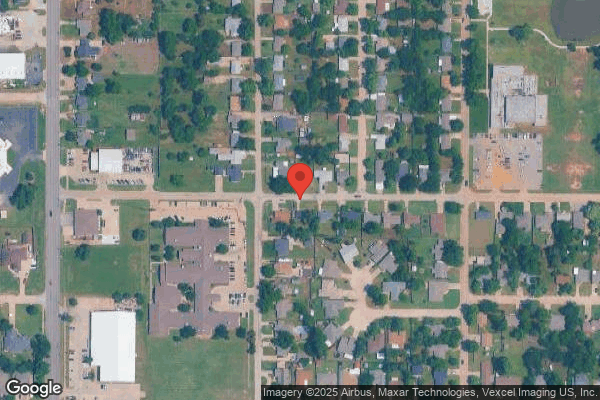
7000 NORTHWEST 32ND STREET, BETHANY, OK 73008 (405) 789-7242
For profit - Partnership 161 Beds BRIDGES HEALTH Data: November 2025 2 Immediate Jeopardy citations
Trust Grade
0/100
#272 of 282 in OK
Last Inspection: September 2024

Within standard 12-15 month inspection cycle. Federal law requires annual inspections.

Overview

The Grand at Bethany Skilled Nursing and Therapy has received a Trust Grade of F, indicating significant concerns about care quality and overall performance. Ranking #272 out of 282 facilities in Oklahoma places it in the bottom half, and #36 out of 39 in Oklahoma County suggests there are very few local options that are worse. Although the facility is improving from a trend of 19 issues in 2024 to just 6 in 2025, the presence of critical incidents raises serious alarm. For example, a resident became unresponsive while unsupervised in a whirlpool, which led to an Immediate Jeopardy situation. Additionally, a transfer mishap resulted in a fractured femur for another resident, highlighting a need for better adherence to safety protocols. On a more positive note, staffing is rated average, with a turnover rate of 54%, which is slightly below the state average, and there is adequate RN coverage. However, the facility's $30,943 in fines and critical incidents indicate there are still important improvements needed to ensure resident safety and care quality.

Trust Score
F
0/100
In Oklahoma
#272/282
Bottom 4%
Safety Record
High Risk
Review needed
Inspections
Getting Better
19 → 6 violations
Staff Stability
⚠ Watch
54% turnover. Above average. Higher turnover means staff may not know residents' routines.
Penalties
✓ Good
$30,943 in fines. Lower than most Oklahoma facilities. Relatively clean record.
Skilled Nurses
⚠ Watch
Each resident gets only 14 minutes of Registered Nurse (RN) attention daily — below average for Oklahoma. Fewer RN minutes means fewer trained eyes watching for problems.
Violations
⚠ Watch
31 deficiencies on record. Higher than average. Multiple issues found across inspections.
★☆☆☆☆
1.0
Overall Rating
★★★☆☆
3.0
Staff Levels
★★★☆☆
3.0
Care Quality
★☆☆☆☆
1.0
Inspection Score
Stable
2024: 19 issues
2025: 6 issues

The Good

  • Full Sprinkler Coverage · Fire safety systems throughout facility
  • No fines on record

Facility shows strength in fire safety.

The Bad

1-Star Overall Rating

Below Oklahoma average (2.6)

Significant quality concerns identified by CMS

Staff Turnover: 54%

Near Oklahoma avg (46%)

Higher turnover may affect care consistency

Federal Fines: $30,943

Below median ($33,413)

Moderate penalties - review what triggered them

Chain: BRIDGES HEALTH

Part of a multi-facility chain

Ask about local staffing decisions and management

The Ugly 31 deficiencies on record

2 life-threatening 1 actual harm
Aug 2025 1 deficiency
CONCERN (D) 📢 Someone Reported This

A family member, employee, or ombudsman was alarmed enough to file a formal complaint

Potential for Harm - no one hurt, but risky conditions existed

Pressure Ulcer Prevention (Tag F0686)

Could have caused harm · This affected 1 resident

Based on record review and interview, the facility failed to ensure a resident received care and services to prevent pressure ulcers from developing or worsening for 1 (#1) of 3 sampled residents revi...

Read full inspector narrative →
Based on record review and interview, the facility failed to ensure a resident received care and services to prevent pressure ulcers from developing or worsening for 1 (#1) of 3 sampled residents reviewed for pressure ulcer treatment.The administrator reported 103 residents resided in the facility.Findings: Resident #1s monthly physician orders showed resident was admitted to facility on 12/17/24, with the following diagnoses: history of cardiac arrest resulting in anoxic brain damage, congestive heart failure, hypernatremia, acute respiratory failure with hypoxia, acute kidney injury, and PEG tube status. A skin assessment, dated 12/17/24, showed sacrum with redness and superficial breakdown and had treatment order: cleanse bilateral buttocks with normal saline solution, pat dry, apply Triad cream twice daily and as needed for 14 days for wound prevention. A skin assessment, dated 12/22/24, read in part, Shearing to sacrum, with treatment order in place for wound management, which documented resident has pillow in place underneath 1 side to offload pressure. [Resident #1's family member] confirmed understanding. Will continue to monitor and provide prevention as ordered.A wound care note titled Woundynamics, dated 12/23/24, read in part, stage III pressure injury pressure ulcer, and has received a status of unhealed. Wound measurements, 6cm X 11cm X 0.2cm and small amount of serosanguineous drainage noted. Apply triad cream BID cover wound with bordered foam 4X4.On 08/18/25 at 3:24 p.m., a telephone interview with Resident #1's family member was conducted. They reported Resident #1 obtained a bed sore while a resident at this facility. The family member reported the wound initially looked like a scratch from square fingernails. Resident #1's family member reported Resident #1 was not receiving enough water and was not turned and repositioned as needed. They stated when family visited, they would have to go find nurses to turn Resident #1. On 08/18/25 at 4:03 p.m., the DON reported Resident #1 was not skilled appropriately due to being total care with lots of edema. The DON reported addressing all of Resident #1's family member's concerns. The DON reported the nurse who documented the shearing may not have been as accurate as the wound care person when staging pressure wounds.
Apr 2025 1 deficiency
CONCERN (E) 📢 Someone Reported This

A family member, employee, or ombudsman was alarmed enough to file a formal complaint

Potential for Harm - no one hurt, but risky conditions existed

Assessment Accuracy (Tag F0641)

Could have caused harm · This affected multiple residents

**NOTE- TERMS IN BRACKETS HAVE BEEN EDITED TO PROTECT CONFIDENTIALITY** Based on observation, record review, and interview, the facility failed to ensure assessments were accurate for 2 (#1 and #3) of...

Read full inspector narrative →
**NOTE- TERMS IN BRACKETS HAVE BEEN EDITED TO PROTECT CONFIDENTIALITY** Based on observation, record review, and interview, the facility failed to ensure assessments were accurate for 2 (#1 and #3) of 2 sampled residents reviewed for accuracy of assessments. The DON identified 94 residents resided in the facility. Findings: 1. Resident #1's care plan, dated 02/07/25, showed they were admitted on [DATE] and discharged on 03/08/25 with diagnosis which included unspecified dementia, hypotension, syncope and collapse, and arteriosclerotic heart disease of native coronary artery without angina pectoris. Resident #1's admission assessment, dated 05/07/24, showed their cognition was moderately impaired for decision making with a BIMS score of 10. The assessment showed the resident was at risk for pressure ulcers/injuries and did not have one or more unhealed pressure ulcers upon admission and did not have any unhealed deep tissue injuries upon admission. Resident #1's discharge assessment, dated 03/08/25, showed the resident had one unstageable pressure ulcer/injury that were present upon admission/entry or reentry and two unstageable deep tissue injuries present upon admission or reentry. 2. On 04/23/25 at 3:13 p.m., Resident #3 was observed in bed and was edentulous (no natural teeth or tooth fragments). Resident #3's care plan, dated 04/09/25, showed they were admitted on [DATE] with diagnoses which included pressure ulcers and atherosclerosis. Resident #3's admission assessment, dated 05/22/24, showed their cognition was moderately impaired for decision making with a BIMS score of 12. The assessment showed the resident was not edentulous (no natural teeth or tooth fragments). Resident #3's quarterly assessment, dated 03/08/25, showed the resident did not have difficulty chewing. On 04/23/25 at 3:13 p.m., Resident #3 stated they had no natural teeth in their mouth, did not have dentures, and had difficulty chewing food. On 4/23/25 at 4:03 p.m., a family representative stated Resident #3 was admitted without natural teeth. On 04/24/25 at 11:07 a.m., the DON was shown Resident #3's admission assessment, dated 05/22/24. They were asked what section L documented. The DON stated section L was not accurate because the resident was admitted edentulous. On 04/24/25 at 11:54 a.m., the MDS coordinator was shown Resident #3's admission assessment, dated 05/22/24, section L. They were asked what was documented. They stated it showed Resident #3 was not edentulous. They stated the assessment was not accurate because the resident was edentulous upon admission. The MDS coordinator was showed resident #1's discharge assessment dated [DATE]. They stated the assessment was not accurate based upon it documented the resident had two unstageable deep tissue injuries present upon admission and one unstageable pressure/ulcer injury that was present upon admission.
Apr 2025 1 deficiency
CONCERN (D) 📢 Someone Reported This

A family member, employee, or ombudsman was alarmed enough to file a formal complaint

Potential for Harm - no one hurt, but risky conditions existed

Deficiency F0685 (Tag F0685)

Could have caused harm · This affected 1 resident

Based on record review and interview, the facility failed to ensure appointments were scheduled for 1 (#1) of 3 sampled residents reviewed for appointments. ADON #1 identified 95 residents resided at ...

Read full inspector narrative →
Based on record review and interview, the facility failed to ensure appointments were scheduled for 1 (#1) of 3 sampled residents reviewed for appointments. ADON #1 identified 95 residents resided at the facility. Findings: A Procedural Visit note from a local eye specialty hospital, dated 10/15/24, showed to follow up in about four months (around 02/15/25). There was no documentation located in the resident's clinical record which showed the follow up appointment had been scheduled. Resident #1's annual assessment, dated 10/16/24, showed the resident's vision was highly impaired. The assessment showed the visual function care area was triggered related to the resident's diagnoses of glaucoma and macular degeneration. Resident #1's quarterly assessment, dated 01/07/25, showed the resident's vision was highly impaired. It showed the resident's brief score for mental illness was 15, which indicated the resident's cognition was intact. On 04/07/25 at 1:20 p.m., Resident #1 stated they had missed an eye appointment in February 2025. They stated they thought it was forgotten about, but they were not sure. On 04/08/25 at 1:54 p.m., ADON #3 stated they started making the residents' doctor's appointments around October 2024. They stated if the residents expressed the need to see a physician outside of the facility, they made the appointment for them and sat up transport. ADON #3 stated Resident #1's family member complained the resident had missed an eye appointment. ADON #3 stated when they called the eye specialty hospital, the hospital confirmed Resident #1 had missed an appointment in February 2025. ADON #3 was asked why Resident #1 had missed the appointment. They stated they were not sure but stated staff might not have communicated it.
Feb 2025 2 deficiencies 2 IJ
CRITICAL (J) 📢 Someone Reported This

A family member, employee, or ombudsman was alarmed enough to file a formal complaint

Immediate Jeopardy (IJ) - the most serious Medicare violation

Deficiency F0678 (Tag F0678)

Someone could have died · This affected 1 resident

**NOTE- TERMS IN BRACKETS HAVE BEEN EDITED TO PROTECT CONFIDENTIALITY** On [DATE] an Immediate Jeopardy (IJ) situation was determined to exist related to the facility's failure to ensure staff could i...

Read full inspector narrative →
**NOTE- TERMS IN BRACKETS HAVE BEEN EDITED TO PROTECT CONFIDENTIALITY** On [DATE] an Immediate Jeopardy (IJ) situation was determined to exist related to the facility's failure to ensure staff could identify a resident's code status in an emergency. Resident #1 became unresponsive while in the whirlpool tub and CPR was initiated before the resident's code status was confirmed. The resident had a DNR in place. On [DATE] at 5:56 p.m., the Oklahoma State Department of Health was notified and verified the existence of an IJ situation. On [DATE] at 6:09 p.m., the administrator and regional RN were notified of the IJ situation and provided the IJ template. On [DATE] at 5:29 p.m., the administrator was notified of an amended IJ template related to Resident #1's code status via telephone. On [DATE] at 5:49 p.m., an amended IJ template was provided to the administrator and the regional RN via email. On [DATE] at 11:03 a.m., an acceptable plan of removal was submitted to the Oklahoma State Department of Health. The facility's plan of removal, dated [DATE], read in part, Plan of removal of IJ .[DATE] .The facility will observe resident's DNR code wishes.Removal Plans must include: . 1. How facility will ensure harm will not occur or recur; .In-service all staff regarding resident code status and proper procedure [DATE].Audit to verify all current residents' code status.Compliance rounds continued daily since 2/19.In-service all staff regarding resident code status and proper procedure [DATE]. 2. Date of implementation- planned implementation (actions do not need fully resolved prior to the survey team exiting the organization) .[DATE] . 3. Identify those recipients who have suffered or are likely to suffer, a serious adverse outcome as a result of the noncompliance; and .Residents that have a valid DNR in place. 4. Specify the action the entity will take to alter the process or system failure to prevent a serious adverse outcome from occurring or recurring, and when the action will be complete.In-service all staff regarding resident code status and proper procedure on 2/19 and 2/25.Audit to verify all current residents' code status.The likelihood for serious harm to any resident no longer exists effective [DATE].QAPI meeting held to review .Root cause analysis of event.Plan of correction implemented on [DATE], and continued with compliance rounds and education through [DATE] at 8:00 p.m.The pan [sic] continues to be monitored by QA committee. The IJ was lifted, effective [DATE] at 8:00 p.m., when all components of the plan of removal had been completed. The deficiency remained at an isolated level with the potential for more than minimal harm. Based on observation, record review and interview, the facility failed to ensure the code status was verified before CPR was initiated for a resident who had become unresponsive in the whirlpool tub for 1 (#1) of 3 sampled residents reviewed for advanced directives. The administrator identified 114 residents resided in the facility. Findings: On [DATE] at 8:15 p.m., green and red color coded name plates were observed at each residents' door. The facility policy titled DNR, Advance Directives and End of Life Decisions, dated [DATE], read in part, It is the policy of the Facility to comply with a Resident's Advanced Directive and Do Not Resuscitate Consent.The facility should implement a procedure for identifying the DNR/code status for all resident in the facility .For example, the facilty could implement the following procedure .Residents with DNR Orders are identified by placing a red name plate on the door to the Resident's room. The original or a cop of the DNR Order will be placed in a red folder in the front of the Resident's chart .Residents with no DNR Order are identified by placing a green name plate on the door to the Resident's room. Resident #1 had diagnoses which included chronic obstructive pulmonary disease, hypertension, recurrent depressive disorder, diabetes with history of ketoacidosis with coma, transient ischemic attack, and cerebral infarction without residual deficits, dysphagia, and acute pylonephritis. A document titled OKLAHOMA DO NOT RESUSCITATE (DNR) Consent Form showed Resident #1 signed the consent on [DATE]. Resident #1's care plan, dated [DATE], read in part, [Resident #1] has a DNR.If [Resident #1] has no respirations or heartbeat, DO NOT START CPR. A physician's order, dated [DATE], showed the resident was a DNR. Resident #1's quarterly assessment, dated [DATE], showed the resident's BIMS was 15 which indicated the resident's cognition was intact. A nurse's progress note for Resident #1, dated [DATE] at 9:20 p.m., read in part, Staff alerted this nurse that res was unresponsive in the whirlpool. This nurse responded immediately, Res was sitting in whirlpool with head titled back and back was up against the whirlpool. Resident was lowered to the floor. No rise and fall of the chest, no pulse present, no response to chest rub. CPR was initiated chest compressions 30:2 given, and continued to be administered until [emergency medical service] arrived. [emergency medical service] arrived and took over code. Resident pronounced deceased at 2140 [9:40 p.m.] [Name withheld] on call for [physician name withheld] notified at this time. On [DATE] at 9:25 p.m., CNA #2 stated CNA #1 was in the hall and notified them Resident #1 was in the whirlpool and not breathing. CNA #2 stated they went to the whirlpool room, felt to see if Resident #1 had a pulse, did a sternal rub and chest compressions, while CMA #1 went to get LPN #1. CMA #2 stated when LPN #1 arrived they got Resident #1 out of the whirlpool tub and onto the floor and started doing chest compressions with no response from the resident. CNA #2 stated they had an in-service about not leaving residents in the whirlpool tub alone and could not remember any other in-service after this happened on [DATE]. The CNA did not state they had an in-service about CPR. On [DATE] at 9:40 p.m., CMA #1 was asked how they identified a resident's code status in an emergency. CMA #1 did not answer. They were asked what the red and green colors meant on the resident name plates on the doors. CMA #1 stated the green color indicated the resident could move a little bit and the red meant the resident needed help. They were asked what they would do if a resident's heart stopped or the resident quit breathing. CMA #1 stated they would check the resident's pulse and start CPR until they were told the resident was a DNR. CMA #1 stated Resident #1 was found unresponsive in the whirlpool tub on [DATE] by CNA #1. CMA#1 stated they assisted with getting the resident out of the whirlpool tub and the nurses started CPR right away. CMA #1 stated they did not know Resident #1 was a DNR at the time. On [DATE] at 1:39 p.m. LPN #1 stated CMA #1 was shouting that they needed to go to the whirlpool room. LPN #1 stated Resident #1 was sitting up in the whirlpool with water in the tub and they yelled at Resident #1 and rubbed the resident's chest and did not get a response. LPN #1 stated they started CPR because they did not know the resident was a DNR. LPN #1 stated later they were told by one of the supervisors they could look at the name plates by the residents door. LPN #1 stated the red name plate was for DNR and the green name plate was for a full code. On [DATE] at 1:59 p.m., the RN/regional nurse consultant stated Resident #1 had a DNR order. The regional nurse consultant stated the staff started CPR on the resident because they were in attendance when the resident became unresponsive. The regional nurse consultant stated they did not know who initiated CPR. On [DATE] at 3:45 p.m., the administrator stated they were not sure if the staff knew Resident #1 was a DNR. The administrator was asked if the staff should have known the resident's code status prior to starting CPR. The administrator stated one staff member did go to find out the resident's code status because this happened in the whirlpool room.
CRITICAL (J) 📢 Someone Reported This

A family member, employee, or ombudsman was alarmed enough to file a formal complaint

Immediate Jeopardy (IJ) - the most serious Medicare violation

Accident Prevention (Tag F0689)

Someone could have died · This affected 1 resident

**NOTE- TERMS IN BRACKETS HAVE BEEN EDITED TO PROTECT CONFIDENTIALITY** On [DATE] an Immediate Jeopardy (IJ) situation was determined to exist related to the facility's failure to ensure a resident wa...

Read full inspector narrative →
**NOTE- TERMS IN BRACKETS HAVE BEEN EDITED TO PROTECT CONFIDENTIALITY** On [DATE] an Immediate Jeopardy (IJ) situation was determined to exist related to the facility's failure to ensure a resident was supervised while in the whirlpool. Resident #1 became unresponsive while in the whirlpool tub alone and was pronounced deceased at 9:40 p.m. On [DATE] at 5:56 p.m., the Oklahoma State Department of Health was notified and verified the existence of an IJ situation. On [DATE] at 6:09 p.m., the administrator and regional RN were notified of the IJ situation related to supervision in the whirlpool tub and provided the IJ template. On [DATE] at 5:29 p.m., the administrator was notified of an amended IJ template related to resident supervision while in the whirlpool via phone. On [DATE] at 5:49 p.m., an amended IJ template was provided to the administrator and the regional RN via email. On [DATE] at 11:03 a.m., an acceptable plan of removal was submitted to the Oklahoma State Department of Health. The facility's plan of removal, dated [DATE], read in part, Plan of removal of IJ .[DATE] .The facility will monitor and keep resident's safe during bathing.Removal plans must include: . 1. How facility will ensure harm will not occur or recur; .Inservice all staff regarding Whirlpool Tub Bath policy and procedure [DATE] .Audit to verify all current resident's code status.Compliance rounds continued daily since 2/19.Inservice all staff regarding Whirlpool Tub Bath policy and procedure [DATE]. 2. Date of implementation- planned implementation (actions do not need fully resolved prior to the survey team exiting the organization); .[DATE] . 3. Identify those recipients who have suffered or are likely to suffer, a serious adverse outcome as a result of the noncompliance; and .Residents that require assistance with bathing . 4. Specify the action the entity will take to alter the process or system failure to prevent a serious adverse outcome from occurring or recurring, and when the action will be complete.Inservice all staff regarding Whirlpool Tub Bath Policy and procedure on 2/19 and 2/25.The likelihood for serious harm to any resident no longer exists effective [DATE].QAPI meeting held to review .Root cause analysis of event.Plan of correction implemented on [DATE], and continued with compliance rounds and education through [DATE] at 8:00 p.m. The pan [sic] continues to be monitored by QA committee. The IJ was lifted, effective [DATE] at 8:00 p.m., when all components of the plan of removal had been completed. The deficiency remained at an isolated level with the potential for more than minimal harm. Based on observation, record review, and interview, the facility failed to ensure a resident was not left unsupervised while in the whirlpool tub for 1 (#1) of 3 sampled residents observed for supervision during bathing. The administrator identified 114 residents resided in the facility and no current residents utilized the whirlpool tub for baths. Findings: On [DATE] at 9:42 a.m., the whirlpool rooms on hall 300, 200, and the shower room on hall 100 were observed with the administrator. The emergency call systems in each whirlpool/shower room were activated and could be heard in the halls and at the nurses station on the hall the whirlpool or shower room was located. The staff responded immediately when the emergency lights were activated in the whirlpool and shower rooms. An undated facility policy titled Whilrpool [sic]Tub Bath, read in part, Assist the resident into the tub and remain with resident for safety. Resident #1 had diagnoses which included chronic obstructive pulmonary disease, hypertension, recurrent depressive disorder, diabetes with history of ketoacidosis with coma, transient ischemic attack, and cerebral infarction without residual deficits. Resident #1's ADL care plan, dated [DATE], showed the resident was at risk for ADL self care performance deficit and had the option of when to bathe, what kind of bath to take, with scheduled days suggested, but had the option to change if the resident chose to change the date and time. A document titled Course Completion History, dated [DATE] through [DATE], showed CNA #1 had been provided training related to Bathing without a Battle on [DATE]. There was no other training listed on the document related to supervision with showering or bathing in the whirlpool. Resident #1's quarterly assessment, dated [DATE], showed the resident's BIMS was 15 which indicated the resident's cognition was intact. The assessment showed they required set up or clean-up assistance with bathing/showering, and was independent with transferring in and out of the tub or shower. A nurse's progress note for Resident #1, dated [DATE] at 9:20 p.m., read in part, Staff alerted this nurse that res was unresponsive in the whirlpool. This nurse responded immediately, Res was sitting in whirlpool with head titled back and back was up against the whirlpool. Resident was lowered to the floor. No rise and fall of the chest, no pulse present, no response to chest rub. CPR was initiated chest compressions 30:2 given, and continued to be administered until [emergency medical service] arrived. [emergency medical service] arrived and took over code. Resident pronounced deceased at 2140 [9:40 p.m.] [Name withheld] on call for [physician name withheld] notified at this time. An undated statement from CNA #1 related to Resident #1 dying while in the whirlpool, read in part, took res to get whirlpool, got res in and relaxed and pulled privacy curtain to where could still see [Resident #1] and set timer for 25 minutes, talked w/[with] [Resident #1] until timer rang and res asked for ten more minutes, set timer for another ten minutes and kept talking-res got real quiet and could see [they] was w/ head slumped forward but not underwater. rushed to [them]. no response, rubbed chest and yelled no response, ran for help, saw [CMA #1] and [they] ran to get help while I continued to try to wake [Resident #1] [Resident #1] head was never underwater. On [DATE] at 8:33 p.m., CNA #5 stated Resident #1 was able to use the whirlpool unsupervised. On [DATE] at 8:57 p.m., employee #2 stated Resident #1 only required set up assistance with whirlpool baths and did not like the staff to stay in the whirlpool room with them. They stated CNA #1 took Resident #1 to the whirlpool room located on hall 300, assisted the resident to the whirlpool tub, closed the door and came out of the whirlpool room. Employee #1 stated CNA #1 was observed on hall 200 while Resident #1 was in the whirlpool tub. They stated CNA #1 set the timer for Resident #1 because they requested 10 more minutes in the whirlpool tub and the next thing they knew they were calling staff to go the whirlpool room. On [DATE] at 9:25 p.m., CNA #2 stated CNA #1 was in the hall and reported Resident #1 was not breathing. CNA #2 stated they went to the whirlpool room, felt for a pulse, did a sternal rub while the resident was in the whirlpool tub, assisted the other staff with getting Resident #1 out of the whirlpool tub. CNA #2 stated the facility had working emergency call lights in the whirlpool room. They were asked why CNA #2 had not activated the emergency call light. They stated they thought the CNA just panicked and went down the hall. On [DATE] at 10:15 a.m., Resident #4 stated they had been very close to Resident #1. Resident #4 stated Resident #1 went to take a whirlpool and passed away while in the whirlpool tub. Resident #4 stated Resident #1 had told them before the staff checked on them while they were in the whirlpool, but they did not stay in the whirlpool room with them. Resident #4 stated Resident #1 had been taking whirlpools without supervision for a long time. On [DATE] at 10:45 a.m., CNA #4 stated they had been assigned to hall 300 and observed CNA #1 walking on the halls while Resident #1 was in the whirlpool. CNA #4 stated they heard a muffled sound and stood up and looked down the hall and saw multiple staff running towards the whirlpool room. CNA #4 stated they observed staff lift Resident #1 out of the whirlpool and saw CNA #1 put their hand on their head, crying, and hollering. CNA #4 stated they heard CNA #1 state they were told Resident #1 could be in the whirlpool alone. CNA #4 stated they had told CNA #1 they should not have left Resident #1 in the whirlpool alone, that it was negligent homicide. On [DATE] at 11:34 a.m., CNA #1 stated they had put Resident #1 in the whirlpool tub and stayed in the room with the resident talking with them. CNA #1 stated the resident requested to stay in the whirlpool for 10 more minutes. CNA #1 stated the resident did not like for the staff to be in the whirlpool room, so they were outside of the door. CNA #1 stated when they came back in the whirlpool room the resident's face was a little under the water and was blue and the resident was laying slumped forward to the side. CNA #1 stated they pulled the resident up and ran out to get help. CNA #1 stated they forgot there was a call light in the whirlpool room. CNA #1 stated they were told Resident #1 only needed set up assistance for bathing. They stated the staff would set a timer, leave Resident #1 in the whirlpool tub, and go back and check on the resident. CNA #1 stated if they would have known they would not have left the resident in the whirlpool. On [DATE] at 1:38 p.m. LPN #1 was asked if they had an in-service recently related to the incident with Resident #1 on [DATE]. They stated they had answered the questions about what happened. LPN #1 they had not been told about supervision in the whirlpool after the incident with Resident #1. They stated they had been told about the name plates for code status. On [DATE] at 1:59 p.m., the RN/regional nurse consultant stated they conducted in-services concerning supervision in the whirlpool just to reiterate not to leave the residents alone in the whirlpool room. The regional nurse consultant stated Resident #1 was never left alone in the whirlpool room. They stated there were no exceptions to policy related to supervision in the whirlpool. The regional nurse consultant stated the staff were instructed to stay in whirlpool room with the resident even if the resident could bathe themselves. The regional nurse consultant stated the facility had privacy curtains in the shower and whirlpool rooms if the residents wanted privacy. The regional nurse consultant was asked if a QAPI meeting was held related to the incident. They stated they started compliance rounds on [DATE]. On [DATE] at 2:58 p.m., CNA #1 was asked about the statement they wrote which showed they were in the room with Resident #1 when they became unresponsive. CNA #1 stated they wrote that statement because they were afraid of going to jail because they were not in the whirlpool room with the resident. CNA #1 stated they had been outside the door of the whirlpool room for less than 10 minutes and CNA #4 was calling them a murderer and told them they were going to go to jail for killing Resident #1. On [DATE] at 11:44 a.m., CNA #9 stated they had their first in-service related to supervision in the whirlpool/shower on [DATE] at 5:30 a.m. and a second in-service on [DATE] at 7:00 p.m. On [DATE] at 5:33 p.m., CNA #1 stated they assisted Resident #1 into the whirlpool tub sometime between 8:00 p.m. and 8:30 p.m. On [DATE] at 6:35 p.m., CNA #2 stated when they first arrived to the whirlpool room on [DATE] Resident #1's color was beige yellowish, eyes were fixed, mouth was opened, and the resident was slumped back to the left side. CNA #2 stated they saw CNA #1 in the hall after supper, but was not sure what time that was or if Resident #1 was in the whirlpool when they saw CNA #1.
Jan 2025 1 deficiency
CONCERN (E) 📢 Someone Reported This

A family member, employee, or ombudsman was alarmed enough to file a formal complaint

Potential for Harm - no one hurt, but risky conditions existed

Free from Abuse/Neglect (Tag F0600)

Could have caused harm · This affected multiple residents

**NOTE- TERMS IN BRACKETS HAVE BEEN EDITED TO PROTECT CONFIDENTIALITY** Based on record review and interview, the facility failed to ensure residents were [NAME] from abuse and misappropriation for tw...

Read full inspector narrative →
**NOTE- TERMS IN BRACKETS HAVE BEEN EDITED TO PROTECT CONFIDENTIALITY** Based on record review and interview, the facility failed to ensure residents were [NAME] from abuse and misappropriation for two (#1 and #2) of three sampled residents reviewed for abuse. The administrator identified 109 residents resided in the facility. Findings: The facility policy titled Resident Abuse, Neglect and Misappropriation of Property, last revised 01/01/22, read in parts, The resident has the right to be free from verbal, sexual, physical and mental abuse .the facilty will not tolerate mistreatment, neglect, or abuse of residents, including sexual or .misappropriation of property. 1. Resident #1 was admitted to the facility on [DATE] with diagnoses which included cerebral infraction, DM II; hyperlipidemia, cannabis use, anxiety, quadriplegia, and retention of urine. Resident #1's care plan, last revised 02/26/24, documented they had a decline in asssistance with daily living performance and required maximum asssistance with care. Resident #1's quarterly MDS assessment, dated 11/18/24, documented their cognition was intact with a brief interview for mental status score of 15. The assessment further documented Resident #1 had impairment to both sides of the upper and lower extremities and was dependent on staff for toileting, dressing, and personal hygiene. An incident report form to the OSDH, dated 01/02/25, read in parts, Resident [Resident #1] stated that [they] was sexually assaulted by a female staff member .also stated the same staff member stole [their] [name deleted drinks]. On 01/08/25 at 1:05 p.m., Resident #1 stated they had lived at the facility for six months and a staff member put their hands on their groin and stated, You know you want me. Resident #1 stated the aide also took their personal drinks from them and took them all of the time. Resident #1 stated when they confronted the aide about taking their drinks the aide stated, You know that I did. Resident #1 identified the aide as CNA #1. 2. Resident #2 was admitted to the facility on [DATE] with diagnoses which included dementia, COPD, recurrent depression, seizures, reflux, and hemiplegia affecting left side. Resident #2's quarterly MDS assessment, dated 12/16/24, documented their cognition was moderately impaired with a BIMS of 12. The assessment further documented Resident #2 had lower extremity deficits to both sides and impairment to one side of the upper extremity. It documented Resident #2 had no behaviors and did not resist care. Resident #2's care plan, last revised 12/26/24, documented they had impaired cognitive function and had a self-care performance deficit related to their disease process, limited mobility, and contractures to the left upper extremities. An incident report form to the OSDH, dated 01/02/25, documented Resident #2 alleged CNA #1 was rough during the provision of care and stole their personal drinks. On 01/08/25 at 2:40 p.m., Resident #2 stated CNA #1 was very rough and mean during care and stole their drinks from their room all of the time. On 01/09/25 at 10:30 a.m., the administrator stated they had two allegations on CNA #1 related to stealing and mistreatment and the aide was fired. The administrator stated it was abuse and was not tolerated in the facility. The administrator stated it was not right to touch a resident's groin area and say what they said and to take their personal property. A review of the in-service documentation related to the investigation documented the facility completed an all staff training on abuse, neglect, and misappropriation on 01/02/25. A review of the employee list and signatures indicated all employees had been in-serviced. There was documentation the facility interviewed other residents regarding abuse and misapplication on 01/02/25. Interviews with staff during all days of the survey indicated the had knowledge of the in-service education provided regarding the abuse and misapplication of Resident #1 and Resident #2. Staff demonstrated knowledge of identification and reporting and different types of abuse. The facility initiated a QA plan of improvement with monitoring on 01/02/25. The facility provided ongoing monitoring and interviews with residents for abuse.
Oct 2024 2 deficiencies 1 Harm
SERIOUS (G) 📢 Someone Reported This

A family member, employee, or ombudsman was alarmed enough to file a formal complaint

Actual Harm - a resident was hurt due to facility failures

Accident Prevention (Tag F0689)

A resident was harmed · This affected 1 resident

Based on record review, and interview, the facility failed to ensure staff followed proper transfer technique to prevent accidents for one (#2) of three sampled residents reviewed for falls. The failu...

Read full inspector narrative →
Based on record review, and interview, the facility failed to ensure staff followed proper transfer technique to prevent accidents for one (#2) of three sampled residents reviewed for falls. The failure resulted in a fractured femur for Resident #2. The administrator identified 106 residents resided in the facility. Findings: A Fall Program policy, revised 05/2024, read in part, develop care plan using appropriate interventions. Resident #2 had diagnoses which incldued intracerebral hemorrhage, speech deficit, and convulsions. A care plan intervention, initiated 06/25/20, documented the resident needed the assistance of two staff for transfers. A progress note, dated 09/21/24 at 6:18 p.m., documented the resident was lowered to the floor during a transfer. It was documented the resident stated, Broke and pointed to their leg. It was documented a fracture was identified and the resident requested to be sent to the hospital. A progress note, dated 09/25/24 at 2:27 p.m., documented the resident returned from the hospital with 15 staples to their right hip and a dignosis of fracture of neck of right femur. On 10/07/24 at 3:00 p.m., an interview was attempted with Resident #2. When asked about ADL care they stated, You know, 1234567 yeah. Attempts were made to interview emergency contacts, but was unsuccessful in contacting emergency contact #1 and #2. On 10/08/24 at 12:23 p.m., CNA #2 was called, but the phone number was restricted. On 10/08/24 at 12:24 p.m., LPN #1 stated they questioned whether the break happened while being lowered to the floor. They stated they could not remember if there was enough staff on the hall to help the CNA with the transfer, but LPN #1 was not asked to help with the transfer. LPN #1 stated the staff have been in-serviced about falls and being lowered to the floor would be considered a fall. On 10/08/24 at 12:43 p.m., the administrator stated CNA #2 was transferred from a sister facility recently and had been through training on transfer procedures in June of 2024 at the sister facility. They stated CNA #2 did not look at the care plan to see how Resident #2 should have been transferred.
CONCERN (D) 📢 Someone Reported This

A family member, employee, or ombudsman was alarmed enough to file a formal complaint

Potential for Harm - no one hurt, but risky conditions existed

Free from Abuse/Neglect (Tag F0600)

Could have caused harm · This affected 1 resident

Based on record review and interview, the facility failed to ensure residents were free from abuse for two (#5 and #6) of four sampled residents reviewed for abuse. The administrator identified 106 re...

Read full inspector narrative →
Based on record review and interview, the facility failed to ensure residents were free from abuse for two (#5 and #6) of four sampled residents reviewed for abuse. The administrator identified 106 residents resided in the facility. Findings: An undated Resident Abuse, Neglect, and Misappropriation of Property policy, read in part, The resident has the right to be free from verbal, sexual, physical, and mental abuse. The policy also read, If the alleged perpetrator is facility staff, removal of the alleged perpetrator's access to the alleged victim and other residents and assurance that ongoing safety and protection is provided for the alleged victim and other residents. 1. Resident #5 had diagnoses which included atrial fibrillation and anxiety. 2. Resident #5's significant change assessment, dated 08/26/24, documented the resident was severely cognitively impaired and was dependent with most ADLs. Resident #6 had diagnoses which included hemiplegia, bipolar, depression, anxiety, and spinal stenosis. Resident #6's significant change assessment, dated 08/17/24, documented the resident was cognitively intact, but was dependent with most ADLs. A Final State Reportable Incident form, dated 09/13/24, documented an allegation of abuse/mistreatment. It was documented on 09/13/24 at 3:40 p.m., the police department was notified of an allegation of abuse made by Resident #5 and Resident #6. It was documented CNA #1 had abused/handled them roughly. It was documented the physician and family were notified. It was documented involved staff and residents were interviewed, and focused assessments were performed on the residents. It was documented there were evaluations of their medications, medical and incident history. It was documented the facility updated the residents' care plans. It was documented CNA #1 was terminated the day of completion of the investigation. It was documented the facility provided in-service on abuse to staff. A Notification of Nurse Aide/Nontechnical Service Worker form, dated 09/13/24, documented that CNA #1 was terminated on 09/13/24. On 09/13/24, an in-service on abuse was conducted. The facility form titled Compliance Rounds documented compliance rounds were made on 09/13/24, 09/17/24, 09/23/24, 09/24/24, and 10/01/24. On 10/07/24 at 2:35 p.m., Resident #6 stated CNA #1 had been wiping them roughly and the CNA did not adjust when they complained to them it was painful. They stated they felt it was abusive and told the social worker about it. They stated the next thing they knew the police were at their door. On 10/07/24 at 2:55 p.m., an interview was attempted with Resident #5. They asked for a tissue and was instructed to push the call light. By the time the resident was able to push the call light, they had already forgotten what they needed. On 10/07/24 at 3:22 p.m., the administrator stated they did their investigation, substantiated the findings, terminated the employee, and began the process of in-servicing on abuse. They stated they also completed compliance rounds and made a performance improvement plan. They stated they QAPI committee had not had a meeting since the incident, but it was on the agenda for the next meeting.
Sept 2024 16 deficiencies
CONCERN (D)

Potential for Harm - no one hurt, but risky conditions existed

Deficiency F0554 (Tag F0554)

Could have caused harm · This affected 1 resident

Based on observation, record review, and interview, the facility failed to ensure a resident was safe to self-administer medications for one (#5) of one sampled resident reviewed for self-administrati...

Read full inspector narrative →
Based on observation, record review, and interview, the facility failed to ensure a resident was safe to self-administer medications for one (#5) of one sampled resident reviewed for self-administration of medications. The Administrator identified 117 residents resided in the facility. Findings: The Self-Administration and Storage of Bedside Medications policy, dated 02/07/02, read in part, Beside medication storage is permitted for residents who are able to self-administer medications, upon the written order of the prescriber and when it is deemed appropriate in the judgement of the facility's interdisciplinary resident assessment team. An assessment is conducted by the interdisciplinary team of the resident's cognitive, physical, and visual ability to carry out this responsibility during the care planning process. Resident #5 had diagnoses which included vascular dementia and hypertension. On 08/26/24 at 10:09 a.m., observed three bottles of eye drops in Resident #5's room. The Resident stated one of the eye drop bottles was missing a cap and they were using a tissue to wrap the opening. Two out of the three eye drop medications were used. Resident #5 stated they used the eye drops at least four times a day. There was no documentation the Resident had a physician's order to self-administer medications and no self-administration assessment was completed. On 08/26/24 at 10:25 a.m., LPN #6 retrieved the three eye drops from Resident #5's room. On 08/26/24 at 10:28 a.m., LPN #6 reviewed Resident #5's health record. They stated the Resident did not have a physician's order to self-administer medications and no assessment was completed. On 08/27/24 at 10:57 a.m., the DON stated self-administration of medications required a physician's order and completion of a self-administration assessment.
CONCERN (D)

Potential for Harm - no one hurt, but risky conditions existed

Deficiency F0577 (Tag F0577)

Could have caused harm · This affected 1 resident

Based on observation, record review and interview, the facility failed to ensure the results of the most recent surveys of the facility were available to residents, family members, and legal represent...

Read full inspector narrative →
Based on observation, record review and interview, the facility failed to ensure the results of the most recent surveys of the facility were available to residents, family members, and legal representatives. The Administrator identified 117 residents resided in the facility. Findings: On 08/27/24 at 2:44 p.m., a book labeled survey results was observed located on a brown table on Hall 100. Inside the book, the latest survey results were dated 12/07/20. The results documented a Covid-19 focused infection control survey was conducted on 12/07/20 and the facility was in substantial compliance. The front page of the survey results was dated 12/09/20. On 08/27/24 at 2:54 p.m., the Administrator stated the facility kept a book with the most recent surveys in it down by human resources. On 08/27/24 at 2:55 p.m., the Administrator walked down to hall 100 and looked at the book labeled survey results and stated the latest survey results in the book were dated 12/09/20. The Administrator stated they believed they were the person responsible for ensuring the survey book was up to date. On 08/28/24 at 2:06 p.m., the Resident Council Group stated no, the results of the State inspections were not available to read.
CONCERN (D)

Potential for Harm - no one hurt, but risky conditions existed

Quality of Care (Tag F0684)

Could have caused harm · This affected 1 resident

Based on observation, record review, and interview, the facility failed to ensure wound care was completed for one (#266) of one sampled resident reviewed for wound care. The Corporate Nurse Consulta...

Read full inspector narrative →
Based on observation, record review, and interview, the facility failed to ensure wound care was completed for one (#266) of one sampled resident reviewed for wound care. The Corporate Nurse Consultant identified 25 residents received wound care in the facility. Findings: Resident #266 had diagnoses which included displaced subtrochanteric fracture of left femur and subsequent encounter for closed fracture with routine healing. A physician's order, dated 08/22/24, cleanse left trochanter with normal saline, pat dry, apply skin prep around wound bed, fill wound bed with black foam cut to fit and cover with drape entirely. Place suction dome after cutting nickel sized hole in drape on top of black foam, skin prep drape after placement. Connect machine set at 125 mmHg. Change every Monday, Wednesday, Friday, and PRN. Every day shift related to displaced subtrochanteric fracture of left femur, subsequent encounter for closed fracture with routine healing. A physician's order, dated 08/22/24, cleanse left trochanter with normal saline, pat dry, apply normal saline wet to dry gauze, abdominal pad and secure with tape as needed for if wound vac becomes soiled or dislodged. On 08/27/24 at 8:39 a.m., Resident #266 stated they had a broken left hip and femur. They stated they had a wound vac on the incision which was discontinued on 08/23/24. They stated the staff put a new dressing on the incision and it was the last time any staff had checked on her wound. Upon observation, noted small greenish drainage on the dressing. On 08/27/24 at 8:53 a.m., LPN #6 made observations of Resident #266's wound dressing. On 08/27/24 at 8:56 a.m., LPN #6 asked the Resident if the wound care nurse had come by. The Resident informed LPN #6 no one came by since the wound vac was removed. On 08/27/24 at 8:58 a.m., LPN #6 stated the wound drainage was greenish. They reviewed the Resident's current wound care orders. On 08/27/24 at 9:03 a.m., LPN #6 stated the Resident did not have wound care orders for the dressing they currently had on the wound incision. On 08/27/24 at 9:04 a.m., LPN #6 stated the dressing needed to be changed because it can lead to infection. On 08/27/24 at 10:48 a.m., Wound Care Nurse #1 stated they discontinued the wound vac on 08/23/24 and put the new dressing on the Resident. They stated they were waiting on wound care orders from the Resident's Surgeon because the wound vac was no longer needed. They stated they should have updated the Resident's orders with the new dressing. They stated they received an order this morning for wound care.
CONCERN (D)

Potential for Harm - no one hurt, but risky conditions existed

Staffing Information (Tag F0732)

Could have caused harm · This affected 1 resident

Based on observation and interview, the facility failed to ensure staffing information was posted with the required components and was accessible to all residents. The Administrator identified 117 re...

Read full inspector narrative →
Based on observation and interview, the facility failed to ensure staffing information was posted with the required components and was accessible to all residents. The Administrator identified 117 residents resided in the facility. Findings: On 08/27/24 at 2:48 p.m., a tour of the facility was conducted. The nursing staffing boards were located on each hall. The nursing staffing boards did not document the facility name, the census, or the actual hours worked for each staff member. On 08/27/24 at 2:58 p.m., Regional Nurse Consultant #2 stated that the census and facility name were not on the board. They stated they did not have a policy for nursing staff postings. On 08/27/24 at 3:09 p.m., Payroll Clerk #1 stated they only kept staffing information one pay period at a time. They stated they did not have 18 months of posted staffing information.
CONCERN (D)

Potential for Harm - no one hurt, but risky conditions existed

Food Safety (Tag F0812)

Could have caused harm · This affected 1 resident

Based on observation and interview, the facility failed to ensure: a. the kitchen was kept clean and maintained in good repair; and b. expired foods were removed from circulation. The Corporate Nurse ...

Read full inspector narrative →
Based on observation and interview, the facility failed to ensure: a. the kitchen was kept clean and maintained in good repair; and b. expired foods were removed from circulation. The Corporate Nurse Consultant identified 115 residents received services from the kitchen. Findings: On 08/26/24 at 8:26 a.m., a tour of the kitchen was conducted. The following observations were made; a. baseboards were missing on the walls in the dish machine area, b. there was black and brown residue along the wall in the dish machine area, c. there was black and brown residue along the floor on the dish machine area, d. the paint on the floor in the dish machine area was chipped and peeled, e. rusted metal pipes and stained white pipes in the dish machine area, f. used baking powder with expiration date of 11/12/22, g. used raspberry dessert topping with expiration date of 03/15/20, h. used barbeque sauce with expiration date of 06/08/24. On 08/26/24 at 8:45 a.m., [NAME] #1 stated the baking powder, raspberry dessert topping and barbeque sauce were expired, and should not be on the shelf. They stated foods in the dry storage were checked weekly for expirations. On 08/26/24 at 12:19 p.m., the Assistant CDM stated the dish machine area needed new paint or new flooring. They stated the baseboards were missing. They stated the facility is aware of the repair needs. On 08/26/24 at 12:19 p.m., the Assistant CDM stated the dish machine area should be cleaned after every shift. On 08/27/24 at 11:09 a.m., the Administrator made observations of the dish machine area. They stated they were not aware of the repair needs.
CONCERN (D)

Potential for Harm - no one hurt, but risky conditions existed

Deficiency F0825 (Tag F0825)

Could have caused harm · This affected 1 resident

Based on interview and record review, the facility failed to ensure physical therapy services were offered to restore highest practicable level of physical function for one (#60) of two residents revi...

Read full inspector narrative →
Based on interview and record review, the facility failed to ensure physical therapy services were offered to restore highest practicable level of physical function for one (#60) of two residents reviewed for specialized rehabilitation. The Administrator identified 117 residents resided in the facility. Findings: Resident #60 had diagnoses which included age-related osteoporosis without current pathological fracture. Resident #60's quarterly resident assessment, dated 06/05/24, documented Resident #60's cognition was intact and they needed assistance with activities of daily living. A physician's order, dated 06/03/24, documented PT to eval and treat if indicated. A physician's order, dated 06/05/24, documented PT clarification order: Patient to be seen for three days a week times 60 days due to muscle wasting and atrophy and lack of coordination with treatment approaches that include therapeutic exercises, therapeutic activities, gait training, neuro re-education techniques, manual therapy, and group therapy. On 08/26/24 at 9:44 a.m., Resident #60 stated they were supposed to receive physical therapy after transferring to the facility but had not received any. They stated they called their insurance company and were told they were qualified to receive PT. The Resident stated no one at the facility was communicating with them about getting PT. They stated their goal was to start walking again. A PT Evaluation and Plan of Treatment, dated 06/05/24, documented Resident #60 had good rehab potential with 60 days of therapy, three times a week. It documented the Resident's goal was to improve their strength and be able to walk again. A PT Discharge Summary, dated 07/01/24, documented discharge from the evaluation completed on 06/05/24. It documented no further intervention approved by payor source. On 08/30/24 at 9:41 a.m., OTA #1 stated once an evaluation is completed and the resident is approved for PT, they provided the plan to the facility. The facility provided the PT company payments prior to starting the planned therapy. They stated no PT would be completed without payments. On 08/30/24 at 9:43 a.m., OTA #1 stated they never received payments for Resident #60's PT evaluation and plan of treatment completed on 06/05/24. On 08/30/24 at 9:51 a.m., the BOM stated if a resident had an order for PT evaluation, the business office provided PT with a consent verification. Upon receiving a resident's PT evaluation and plan of treatment, it is sent to the insurance company for payment authorization. On 08/30/24 at 9:53 a.m., the BOM stated PT was provided with an evaluation only consent on 06/03/24. They stated they had not received the 06/05/24 PT evaluation and plan of treatment for Resident #60. On 08/30/24 at 9:55 a.m., the BOM stated they were not sure what the facility's process was on following up with PT evaluations. On 08/30/24 at 10:34 a.m., OTA #1 stated the PT discharge summary on 07/01/24 meant they must have waited for insurance approval and payment for PT and never received them. On 08/30/24 at 1:28 p.m., Regional Nurse Consultant #1 stated Resident #60's insurance company denied the 06/05/24 PT evaluation and plan of treatment. They stated the Resident filed a grievance on 08/19/24 for not receiving PT services. They stated another evaluation order was submitted to PT on 08/19/24. They stated Resident #60 was approved for PT services by the insurance on 08/30/24. Surveyor requested documentation on the insurance denial for the 06/05/24 PT evaluation and treatment plan. The facility was unable to provide documentation on Resident #60's insurance denial for PT services.
CONCERN (D)

Potential for Harm - no one hurt, but risky conditions existed

Medical Records (Tag F0842)

Could have caused harm · This affected 1 resident

Based on record review and interview, the facility failed to ensure Resident Advance Directives were accessible to direct care staff for one (#69) of 32 sampled residents reviewed for Advance Directiv...

Read full inspector narrative →
Based on record review and interview, the facility failed to ensure Resident Advance Directives were accessible to direct care staff for one (#69) of 32 sampled residents reviewed for Advance Directives. The Administrator identified 117 residents resided in the facility. Findings: 1. Resident #69 had diagnoses which included aphasia, hemiplegia and hemiparesis following cerebral infarction affecting left non-dominant side. A Quarterly Resident Assessment, dated 05/23/24, documented Resident #69's cognition was intact. An Advanced Directive DNR Consent form for Resident #69, undated, documented a check next to I currently Have and Advance Directive and I currently Have a DNR Consent. The form documented a check next to A copy of my advanced directive and/or DNR has been given to the facility. The form was not dated or signed by anyone. On 08/27/24 at 8:54 a.m., there was no advanced directive for Resident #69 observed in their hard chart or their electronic chart. On 08/27/24 at 9:07 a.m., the Admissions Coordinator stated residents who had an Advance Directive usually would provide it to the facility upon admission. They stated each resident received information on Advance Directive with their admission paperwork. They stated if the resident had one, the facility would request a copy. They stated a copy of it would be scanned into their file. They stated they scanned it under the MR record. They stated staff would have to have a nurse manager to access the record, and it would be in the resident's chart. On 08/27/24 at 9:14 a.m., the Administrator stated the facility was switching to electronic medical records. They stated a copy of the residents' Advance Directives were provided at the time they admitted to the facility. They stated it would go in the resident's paper chart and get scanned into the electronic record. The Administrator stated it should be uploaded under documents. On 08/27/24 at 9:19 a.m., the Administrator stated the consent form for Resident #69 documented the resident had an Advance Directive. On 08/27/24 at 9:20 a.m., the Administrator was unable to locate the resident's Advance Directive under documents in the electronic record. The Administrator accessed Resident #69's Advance Directive under a MR Program. They stated Administration, the DON, ADONs, Medical Records, and Human Resources had access to the program. They stated direct resident care staff did not have access to the program.
CONCERN (D)

Potential for Harm - no one hurt, but risky conditions existed

Infection Control (Tag F0880)

Could have caused harm · This affected 1 resident

Based on observation, record review, and interview, the facility failed to maintain infection control during the provision of incontinent care for two (#15 and #40) of two sampled residents observed f...

Read full inspector narrative →
Based on observation, record review, and interview, the facility failed to maintain infection control during the provision of incontinent care for two (#15 and #40) of two sampled residents observed for incontinent care. The DON identified 69 residents required assistance with incontinent care in the facility. Findings: 1. Resident #40 had diagnoses which included cerebral infarction and chronic pain. Resident #40's annual resident assessment, dated 06/30/24, documented the Resident had moderate cognitive impairment and required physical assistance with toileting hygiene. On 08/28/24 at 6:41 a.m., CNA #8 donned gloves and provided incontinent care on Resident #40. The Resident had a bowel movement. CNA #8 had on the same gloves during the provision of incontinent care. On 08/28/24 at 6:48 a.m., CNA #8 completed incontinent care, provided the resident with clean clothes, new bed pad, adjusted the resident's pillow, grabbed bed remote and lowered the bed. CNA #8 had on the same gloves used in the provision of incontinent care. On 08/28/24 at 6:51 a.m., CNA #8 removed their gloves and discarded them, tied the trash bag, put the bedside table and call light within reach of the Resident. They removed soiled linens and trash from the Resident's room and washed their hands. 2. Resident #15 had diagnoses which included dementia and protein calorie malnutrition. Resident #15's quarterly resident assessment, dated 06/07/24, documented the Resident had severe cognitive impairment and required physical assistance with toileting hygiene. On 08/28/24 at 7:02 a.m., CNA #8 donned gloves and provided incontinent care on Resident #15. The Resident's pad was wet. CNA #8 cleansed the Resident front and back with cleanser, removed the wet pad and put in plastic bag. CNA #8 cleansed the Resident lower body with cleanser, put new brief and pad under the Resident. CNA #8 had on the same gloves during the provision of incontinent care. On 08/28/24 at 7:08 a.m., CNA #8 removed gloves and discarded them. They donned new gloves and retrieved Resident #8's outfit from their closet and got them dressed for the day. They adjusted the Resident in bed, covered with blanket, and lowered the bed. They removed soiled linens and trash from the Resident's room and cleaned hands with hand sanitizer. On 08/28/24 at 7:13 a.m., CNA #8 stated they were not sure how often they should change their gloves during incontinent care. They stated they did not change their gloves while providing incontinent care for Resident #40 but had changed them once while providing incontinent care for Resident #15. On 08/28/24 at 7:21 a.m., the DON stated gloves should be changed as needed during incontinent care, between dirty and clean tasks.
CONCERN (E)

Potential for Harm - no one hurt, but risky conditions existed

Deficiency F0578 (Tag F0578)

Could have caused harm · This affected multiple residents

**NOTE- TERMS IN BRACKETS HAVE BEEN EDITED TO PROTECT CONFIDENTIALITY** 2. Resident #10 had diagnoses that included Alzheimer's and age-related osteoporosis. A Quarterly Resident Assessment, dated [DA...

Read full inspector narrative →
**NOTE- TERMS IN BRACKETS HAVE BEEN EDITED TO PROTECT CONFIDENTIALITY** 2. Resident #10 had diagnoses that included Alzheimer's and age-related osteoporosis. A Quarterly Resident Assessment, dated [DATE], documented Resident #10's cognition was intact. An Advanced Directive DNR Consent admission Acknowledgement form for Resident #10, documented a check next to I currently DO NOT have an Advance Directive and I currently DO NOT have a DNR Consent. The form was not dated or signed by anyone. On [DATE] at 8:56 a.m., the DON was asked if there was a signed copy of the Advanced Directive DNR Consent admission Acknowledgement form. The DON checked the medical record in EHR and it was also blank. The DON was asked if the Advanced Directive had been offered to Resident #10 on admission. They stated they could not be sure. 3. Resident #77 had diagnoses that included atherosclerotic heart disease. A Quarterly Resident Assessment, dated [DATE], documented Resident #77's cognition was intact. A 'physician's order', dated [DATE], documented Resident #77's code status as DNR. The Facesheet in the EHR and documentation on Resident #77's physical chart listed Resident #77's code status as DNR. An Oklahoma Do-Not-Resuscitate (DNR) Consent form for Resident #77, was signed by resident's spouse. The form was not dated or witnessed by anyone. There was no POA, health care proxy, nor guardianship paperwork for Resident #77's spouse in their electronic record. On [DATE] at 8:56 a.m., the DON was asked the code status for Resident #77. They stated Resident #77 was a DNR. The DON was asked if there was a completed copy of the Oklahoma DNR Consent form on file for Resident #77. The DON checked the electronic medical record and stated the DNR had been signed by the spouse. The DON was asked if the DNR Consent form was dated or witnessed. They stated no. The DON was asked if an incomplete DNR Consent form was considered valid. They stated no. When asked if there was a signed POA, health care proxy, or guardianship paperwork for Resident #77's spouse in their medical record, the DON reviewed the record and stated no. The DON was asked if Resident #77 had a properly executed DNR order. They stated no Resident #77 should be a full code. Based on record review and interview, the facility failed to ensure: a. an Advance Directive DNR Consent admission Acknowledgement form was complete for two (#10 and #69) of 32 sampled residents reviewed for Advance Directives. b. the DNR order was properly executed for one (#77) of 32 sampled residents reviewed for Advance Directives. The DON identified 117 residents resided in the facility. Findings: A DNR, Advance Directives and End of Life Decisions Policy, revised [DATE], read in part, .It is the policy of this Facility to comply with a Resident's Advanced Directive and Do Not Resuscitate Consent .Upon admission the Facility will ask every new Resident and/or the Resident's Representative, if the Resident has a written advance directive, Durable Power of Attorney for Health Care, DNR Consent, or related form .If the Resident has one .the Facility should request a copy be brought to the Facility .it cannot act upon any document until a copy has been provided to the Facility .Advanced Directives .To be valid, the Directive must be signed in the presence of two witnesses who are [AGE] years old and who will not inherit from the resident .cardiopulmonary resuscitation (CPR) should be administered to a Resident .unless the Resident has a properly executed DNR order . The Oklahoma Do-Not-Resuscitate (DNR) Consent form, read in part, Signature of Representative (Limited to an attorney-in-fact for health care decisions acting under the Durable Power of Attorney Act, a health care proxy acting under the Oklahoma Rights of the Terminally Ill or Persistently unconscious Act, or a guardian of the person appointed under the Oklahoma Guardianship and Conservatorship Act) . 1. Resident #69 had diagnoses which included aphasia, hemiplegia and hemiparesis following cerebral infarction affecting left non-dominant side. A Quarterly Resident Assessment, dated [DATE], documented Resident #69's cognition was intact. An Advanced Directive DNR Consent form for Resident #69, undated, documented a check next to I currently Have and Advance Directive and I currently Have a DNR Consent. The form documented a check next to A copy of my advanced directive and/or DNR has been given to the facility. The form was not dated or signed by anyone. On [DATE] at 8:54 a.m., there was no advanced directive for Resident #69 observed in their hard chart or their electronic chart. On [DATE] at 9:07 a.m., the Admissions Coordinator stated residents who had an Advance Directive usually would provide it to the facility upon admission. They stated each resident received information on Advance Directive with their admission paperwork. They stated if the resident had one, the facility would request a copy. They stated a copy of it would be scanned into their file. They stated they scanned it under the MR record. They stated staff would have to have a nurse manager to access the record, and it would be in the resident's chart. On [DATE] at 9:13 a.m., the Admissions Coordinator stated an Advance Directive was mainly residents' wishes. On [DATE] at 9:14 a.m., the Administrator stated the facility was switching to electronic medical records. They stated a copy of the residents' Advance Directives were provided at the time they admitted to the facility. They stated it would go in the resident's paper chart and get scanned into the electronic record. The Administrator stated it should be uploaded under documents. On [DATE] at 9:19 a.m., the Administrator stated the consent form documented the resident had an Advance Directive and had a DNR, but the DNR had been revoked. On [DATE] at 9:20 a.m., the Administrator stated they did not know the reason the Advance Directive DNR consent form for Resident #69 was not signed. They stated they were unable to locate the resident's Advance Directive under documents in the electronic record. The Administrator accessed Resident #69's Advance Directive under a MR Program.
CONCERN (E)

Potential for Harm - no one hurt, but risky conditions existed

Notification of Changes (Tag F0580)

Could have caused harm · This affected multiple residents

Based on record review and interview, the facility failed to notify the physician when they held a routine insulin for one (#103) of five sampled residents reviewed for unnecessary medications. Region...

Read full inspector narrative →
Based on record review and interview, the facility failed to notify the physician when they held a routine insulin for one (#103) of five sampled residents reviewed for unnecessary medications. Regional Nurse Consultant #2 identified 32 residents who received insulin resided in the facility. Findings: A Resident's Family or Physician Notification of Change policy, dated 12/01/09, read in part, .The facility will inform the resident; consult with the resident's physician .of the following events .A significant change in the resident's physical, mental, or psychosocial status A need to alter treatment significantly . Resident #103 had diagnoses which included type two diabetes mellitus without complications. A Physician Order, dated 03/29/24, documented Tresiba Flextouch subcutaneous solution pen injector 200 unit/ml inject eight units subcutaneously one time a day related to type two diabetes mellitus without complications. The July 2024 Insulin record documented a 13 for the following Tresiba administrations on: a. 07/02/24 for a BS of 89; b. 07/03/24 for a BS of 77; and c. 07/05/24 for a BS of 82. The August 2024 Insulin record documented a 13 for the following Tresiba administrations on: a. 08/02/24 for a BS of 72; b. 08/06/24 for a BS of 74; c. 08/13/24 for a BS of 66; d. 08/15/24 for a BS of 79; and e. 08/21/24 for a BS of 72. The chart code for 13 documented Sliding Scale Insulin Not Required. There was no documentation the physician was notified when Resident #103's Tresiba insulin was held. On 08/30/24 at 10:12 a.m., LPN #3 stated a 13 code meant sliding scale insulin was not required. On 08/30/24 at 10:16 a.m., LPN #3 stated Resident #103's Tresiba order did not contain and parameters for holding the medication. On 08/30/24 at 10:21 a.m., LPN #3 stated they were unsure of the reason staff did not administer the scheduled Tresiba in July and August 2024. They stated they marked 13 because it was low and they didn't give the insulin. LPN #3 stated they would have notified the physician if they were going to hold insulin that did not have parameters to hold. On 08/30/24 at 10:26 a.m., LPN #3 stated staff would document in progress notes if they notified the physician when they held the Tresiba. LPN #3 reviewed Resident #103's progress notes and stated, I don't see anything. On 08/30/24 at 10:38 a.m., the DON stated staff would notify the nurse, the nurse would notify the physician and put in a note anytime a medication was held. On 08/30/24 at 10:38 a.m., the DON reviewed Resident #103's Tresiba order and stated there were no hold parameters in the order. On 08/30/24 at 10:41 a.m., the DON stated a 13 code meant the sliding scale insulin was not required. The DON reviewed the Tresiba administration for August 2024 and stated they did not see where the physician was notified when the Tresiba was held.
CONCERN (E)

Potential for Harm - no one hurt, but risky conditions existed

Comprehensive Care Plan (Tag F0656)

Could have caused harm · This affected multiple residents

Based on record review and interview, the facility failed to implement fall interventions for three (#10, 62, and #82) of four sampled residents reviewed for accidents. The Administrator identified 11...

Read full inspector narrative →
Based on record review and interview, the facility failed to implement fall interventions for three (#10, 62, and #82) of four sampled residents reviewed for accidents. The Administrator identified 117 residents resided in the facility. Findings: 1. Resident #10 had diagnoses that included Alzheimer's disease, age-related osteoporosis and rheumatoid arthritis. A 'Fall Risk Assessment', dated 07/03/24, documented Resident #10 was at high risk for falls. A 'Care Plan' for Resident #10 documented the following interventions related to falls: concave mattress 07/16/20 and when resident is in bed, keep bed in lowest position 10/05/17. On 08/26/24 at 10:02 a.m., Resident #10 was observed in bed with bed in high position. On 08/28/24 at 6:30 a.m., Resident #10 was observed in bed asleep with bed in high position. On 08/28/24 at 6:40 a.m., the Administrator and CNA #4 were taken to Resident #10's room and asked if bed was in low position. CNA #4 and the Administrator stated no. 2. Resident #62 had diagnoses that included morbid (severe) obesity and major depressive disorder A 'Fall Risk Assessment', dated 06/09/24, documented Resident #62 was at high risk for falls. A 'Care Plan' for Resident #62 documented the following interventions related to falls: bed in low position when in bed 11/22/23 and follow facility fall protocol 02/10/23. On 08/26/24 at 10:51 a.m., Resident #62 was observed in bed with bed in high position. On 08/28/24 at 6:33 a.m., Resident #62 was observed in bed asleep with bed in high position. On 08/28/24 at 6:41 a.m., the Administrator and CNA #4 were taken to Resident #62's room and asked if bed was in low position. CNA #4 and the Administrator stated no. 3. Resident #82 had diagnoses that included acute kidney failure. A 'Fall Risk Assessment', dated 08/20/24, documented Resident #82 was at high risk for falls. A 'Care Plan' for Resident #82 documented the following interventions related to falls: 2/4/24 ensure [Resident #82] is in a comfortable position in center of bed and fall mat at bedside 02/04/24 and when [Resident #82] is in bed, keep bed in lowest position 05/29/24. On 08/26/24 at 10:20 a.m., Resident #82 was observed in bed with bed at medium height. A fall mat was observed folded and standing beside their cupboard. On 08/27/24 at 9:16 a.m., Resident #82 was observed in bed with bed at medium height. A fall mat was observed folded up on the side of cupboard. On 08/28/24 at 6:42 a.m., the Administrator and CNA #4 were taken to Resident #82's room and asked if the bed was in low position. CNA #4 and the Administrator stated no. On 08/28/24 at 6:45 a.m., the Administrator was asked if the care plans had been implemented for Resident #10, Resident #62, and Resident #82. They stated no.
CONCERN (E)

Potential for Harm - no one hurt, but risky conditions existed

Deficiency F0657 (Tag F0657)

Could have caused harm · This affected multiple residents

2. Resident #10 had diagnoses that included Alzheimer's disease, age-related osteoporosis and rheumatoid arthritis. A 'Fall Risk Assessment', dated 07/03/24, documented Resident #10 was at high risk f...

Read full inspector narrative →
2. Resident #10 had diagnoses that included Alzheimer's disease, age-related osteoporosis and rheumatoid arthritis. A 'Fall Risk Assessment', dated 07/03/24, documented Resident #10 was at high risk for falls. A 'Care Plan' for Resident #10 documented the following interventions related to falls: concave mattress 07/16/20 and when resident is in bed, keep bed in lowest position 10/05/17. On 08/26/24 at 10:02 a.m., Resident #10 was observed in bed with bed in high position. On 08/28/24 at 6:30 a.m., Resident #10 was observed in bed asleep with bed in high position. 3. Resident #62 had diagnoses that included morbid (severe) obesity and major depressive disorder A 'Fall Risk Assessment', dated 06/09/24, documented Resident #62 was at high risk for falls. A 'Care Plan' for Resident #62 documented the following interventions related to falls: bed in low position when in bed 11/22/23 and follow facility fall protocol 02/10/23. On 08/26/24 at 10:51 a.m., Resident #62 was observed in bed with bed in high position. On 08/28/24 at 6:33 a.m., Resident #62 was observed in bed asleep with bed in high position. 4. Resident #82 had diagnoses that included acute kidney failure. A 'Fall Risk Assessment', dated 08/20/24, documented Resident #82 was at high risk for falls. A 'Care Plan' for Resident #82 documented the following interventions related to falls: 2/04/24 ensure [Resident #82] is in a comfortable position in center of bed and fall mat at bedside 02/04/24 and when [Resident #82] is in bed, keep bed in lowest position 05/29/24. On 08/26/24 at 10:20 a.m., Resident #82 was observed in bed with bed at medium height. A fall mat was observed folded and standing beside their cupboard. On 08/27/24 at 9:16 a.m., Resident #82 was observed in bed with bed at medium height. A fall mat was observed folded up on the side of cupboard. On 08/28/24 at 6:42 a.m., CNA #4 was asked if the care plans had been followed for Resident #10, Resident #62, or Resident #82. They stated these residents did not like their beds in the low position and they would complain if staff tried to put them there. CNA #4 was asked if these complaints had been reported to anyone. They stated yes, the nurses and the administrator are aware. On 08/28/24 at 6:43 a.m., the Administrator reported they were aware of the residents refusing to have their beds put in the low position and acknowledged that care plan updates should have been done. Based on record review and interview, the facility failed to revise a resident's care plan for four (#10, 62, 82 and #103) of 27 sampled residents reviewed for care plans. The Administrator identified 117 residents resided in the facility. Findings: 1. Resident #103 had diagnoses which included cerebral infarction and transient alteration of awareness. Resident #103's Care Plan was initiated on 03/29/24 and had a next review date of 06/27/24. The care plan had not been updated with the quarterly resident assessment. The care plan documented the resident had a urinary tract infection, and was receiving skilled nursing and therapy. Resident #103 had a Quarterly Resident Assessment dated 06/28/24. On 08/28/24 at 9:43 a.m., Regional Nurse Consultant #2 was asked to verify the surveyor was looking at the latest care plan for Resident #103. They stated it was the right care plan, but it looked like it hadn't been updated because it was showing overdue. On 08/28/24 at 9:56 a.m., MDS Coordinator #1 stated they were new to the facility, however they had been in an MDS role since around 2018. On 08/28/24 at 9:58 a.m., MDS Coordinator #1 stated they updated care plans with significant changes in their function. They stated they would have corporate look over MDS information when they had a question. On 08/28/24 at 9:59 a.m., MDS Coordinator #1 stated they would look through every new order and every discontinued order every day. They stated if they were made aware of anything that changed with a resident, they would update the care plan right then. On 08/28/24 at 10:00 a.m., MDS Coordinator #1 and MDS Coordinator #2 reviewed Resident #103's record and stated the last care plan documented the next review was 06/27/24. On 08/28/24 at 10:02 a.m., MDS Coordinator #2 stated the resident was not receiving skilled services and the care plan documented the resident was receiving skilled services. MDS Coordinator #2 stated Resident #103 did not have a urinary tract infection and the care plan documented they did.
CONCERN (E)

Potential for Harm - no one hurt, but risky conditions existed

ADL Care (Tag F0677)

Could have caused harm · This affected multiple residents

3. Resident #60 had diagnoses which included age-related osteoporosis without current pathological fracture. Resident #60's quarterly resident assessment, dated 06/05/24, documented Resident #60's cog...

Read full inspector narrative →
3. Resident #60 had diagnoses which included age-related osteoporosis without current pathological fracture. Resident #60's quarterly resident assessment, dated 06/05/24, documented Resident #60's cognition was intact and they were dependent on another person for bathing. A Documentation Survey Report v2, dated August 2024, documented Resident #60's bathing schedule was Monday, Wednesday, and Friday. The report documented the Resident had not received a bath, six out of 12 opportunities. The report documented blanks for 08/02/24, 08/05/24, 08/21/24, 08/23/24, 08/26/24, and 08/28/24. On 08/26/24 at 10:16 a.m., Resident #60 stated their bath schedule was Monday, Wednesday, and Friday. They stated they did not get their baths as scheduled. They sometimes get a bath once a week. On 09/03/24 at 9:21 a.m., CNA #7 stated baths given and refusals were documented on the shower sheets and electronic health record. On 09/03/24 at 9:23 a.m., CNA #7 stated the blanks on the August survey report meant the baths were not documented. On 09/03/24 at 9:24 a.m., LPN #3 stated bath refusals were documented in the progress notes. There was no documentation Resident #60 refused baths in the progress notes. On 09/03/24 at 10:22 a.m., the ADON stated baths were to be documented on the shower sheets, and the electronic health record. All refusals were to be documented on the residents' progress notes. On 09/03/24 at 10:24 a.m., the ADON stated the blanks meant the baths were not given. Based on observation, record review and interview, the facility failed to ensure residents received bathing assistance as scheduled for three (#1, 60, and #103) of four sampled residents reviewed for ADLs. The Administrator identified 117 residents resided in the facility. Findings: A Showers policy, dated 10/01/01, read in part, .Showering is important because it gets rid of surface dirt, eliminates body odors, stimulates circulation and gives you the opportunity to inspect the skin for any abnormalities or breakdown . 1. Resident #1 had diagnoses which included hemiplegia and hemiparesis following unspecified cerebrovascular disease affecting right dominant side. A Quarterly Resident Assessment, dated 05/21/24, documented Resident #1's cognition was severely impaired for cognitive skills for daily decision making. It documented the resident had functional limitation in range of motion on both sides for upper and lower extremities. It documented the resident was dependent for the task of shower/bath. A Hall 200 Bath Schedule, undated, documented Resident #1's bathing schedule was Monday, Wednesday, Friday on the 7:00 a.m. to 3:00 p.m. shift. Resident #1's bathing records for June 2024 was blank on the 14th. Resident #1's bathing record for July 2024 was blank for the 5th, 8th, 17th, 24th, and 29th. Resident #1's bathing record for August 2024 was blank for the 2nd and the 19th. The facility also utilized shower sheets for documentation of bathing. There were no shower sheets provided for the above missed dates. On 08/26/24 at 1:44 p.m., Family Member #1 stated the facility was too short handed to provide bathing assistance to Resident #1. They stated the resident was scheduled to receive a bath/shower on Monday, Wednesday, and Friday. They stated the issue was ongoing. On 08/26/24 at 2:12 p.m., Family Member #2 stated sometimes the facility was good at bathing their loved one and sometimes they were not. On 08/30/24 at 12:08 p.m., Resident #1 was observed being wheeled down to their room by CNA #6. The resident's hair was observed to be wet. On 08/30/24 at 12:09 p.m., CNA #6 stated Resident #1 was able to wash their face in the shower, but staff did everything else. On 08/30/24 at 12:11 p.m., CNA #6 stated today was the resident's shower day. They stated the resident's scheduled days were Monday, Wednesday, and Friday on the 7:00 a.m. to 3:00 p.m. shift. On 08/30/24 at 12:12 p.m., CNA #6 stated they had not identified any concerns with the resident receiving bathing assistance as scheduled. On 08/30/24 at 12:37 p.m., the DON stated Resident #1 was total dependence of one staff member for the task of bathing. They stated the resident was scheduled to receive bathing assistance on Monday, Wednesday, and Friday on the 7:00 a.m. to 3:00 p.m. shift. The DON reviewed the above bathing records and stated the resident did not receive bathing assistance as scheduled. 2. Resident #103 had diagnoses which included cerebral infarction and transient alteration of awareness. A Quarterly Resident Assessment, dated 06/28/24, documented Resident #103's cognition was intact and they required substantial/maximal assistance for the task of shower/bath. A Hall 200 Bath Schedule, undated, documented Resident #103's bathing schedule was Tuesday, Thursday, Saturday on the 3:00 p.m. to 11:00 p.m. shift. Resident #103's bathing record for June 2024 documented a blank on the 8th. Resident #103's bathing record for July 2024 documented blanks for the 11th, 23rd, 25th, and the 27th. Resident #103's bathing record for August 2024 documented blanks for the 3rd, 8th, 10th, 13th, 17th, 24th, and the 27th. The facility also utilized shower sheets for documentation of bathing. There were no shower sheets provided for the above missed dates. On 08/26/24 at 11:56 a.m., Family Member #3 approached the surveyor and stated it had been days since Resident #103 was bathed. On 08/26/24 at 11:57 a.m., Resident #103 stated it had been well over a week since they had been bathed last. They stated they were scheduled to be bathed in the evening every other day. They stated it took one staff member to bathe them. They stated, That's my main complaint is not having regular showers. The resident was observed with disheveled hair. They stated, It's just nasty. They stated they didn't know how the facility could get by with no showers what so ever. On 08/29/24 at 8:56 a.m., CNA #4 stated Resident #103 required limited assistance for bathing. They stated the resident liked to do their upper body themselves, and staff would do their legs, back, feet, and bottom. On 08/29/24 at 8:58 a.m., CNA #4 stated they allowed residents to do what they could for bathing and then assisted them as needed. They stated there was a bathing schedule for the hall. On 08/29/24 at 9:01 a.m., CNA #4 reviewed the bathing schedule and stated Resident #103 was scheduled on Tuesday, Thursday, and Saturday on the 3:00 p.m. to 11:00 p.m. shift. CNA #4 stated they worked all shifts and were unaware of any bathing concerns with the resident. On 08/30/24 at 10:30 a.m., the DON stated staff were to follow resident bathing preferences. They stated residents were able to choose what shift and what days they preferred to be bathed. They stated if a resident refused to bathe, they have them sign a shower sheet. On 08/30/24 at 10:36 a.m., the DON and Regional Nurse Consultant #2 reviewed the bathing records for June, July and August 2024 and stated the resident did not receive their bath/shower as scheduled.
CONCERN (E)

Potential for Harm - no one hurt, but risky conditions existed

Pharmacy Services (Tag F0755)

Could have caused harm · This affected multiple residents

2. Resident #37 had diagnoses that included Stage 3 CKD and infection of amputation stump, left lower extremity. A 'physician's order', dated 08/01/24, documented Resident #37 was to receive meropenem...

Read full inspector narrative →
2. Resident #37 had diagnoses that included Stage 3 CKD and infection of amputation stump, left lower extremity. A 'physician's order', dated 08/01/24, documented Resident #37 was to receive meropenem 1 GM reconstituted in 50ml of sodium chloride and administered intravenously every 12 hours for 30 days. The August 2024 MAR documented Resident #37 was to receive meropenem 1 GM reconstituted in 50ml of sodium chloride via IV at 9 a.m. and at 9 p.m. On 08/28/24 at 6:50 a.m., LPN #1 was observed starting meropenem 1gm/50ml 0.9% sodium chloride at 100ml/hour via PICC line for Resident #37. LPN #1 was asked why the medication was being administered 3 hours before the scheduled administration time. LPN #1 stated he was administering the medication early because the resident had to leave the facility for an appointment this morning. There was no order in Resident #37's clinical record for a change or adjustment in administration time. On 08/28/24 at 9:30 a.m., a review of Resident #37's August MAR had documentation meropenem 1gm/50ml 0.9% sodium chloride at 100ml/hour via PICC line was administered 08/28/24 at 8:23 a.m. by LPN #2. On 08/28/24 at 10:30 a.m., LPN #2 was asked if they had administered Resident #37's IV antibiotic this am. They stated no, the night nurse gave it around 7 a.m. When asked if facility policy allowed for signing medications given by someone else, LPN #2 stated no it did not. On 08/28/24 at 10:41 a.m., the DON was asked the facility policy on giving medications outside of scheduled times written on the MAR. They reported the facility had a 1 hour before and 1 hour after window in which to give the medication if it was scheduled for a specific time. The DON was asked the procedure if a medication had to be administered outside of the 1 hour before or 1 hour after timeframe. They stated the nurse would need to notify the physician to obtain a one-time order to give the medication outside of the established timeframe. The DON was asked the facility policy on signing for medications you did not give. They stated that was against facility policy, only the person who gave it can sign. The DON was informed of the observations detailed above and they acknowledged the staff who hung the medication and the staff that signed the MAR did not follow facility policy for administering medications as ordered. Based on record review and interview, the facility failed to administer medication as ordered for two (#37 and #103) of five sampled residents reviewed for unnecessary medications. The Administrator identified 117 residents resided in the facility. Regional Nurse Consultant #2 identified 32 residents who received insulin resided in the facility. Findings: A Preparation for Medication Administration policy, revised 12/01/12, read in part, .Medications are administered as prescribed in accordance with good nursing principals and practices .Medications are administered within 60 minutes of scheduled time .unless otherwise specified by the prescriber .The resident's MAR is initialed by the person administering the medication . 1. Resident #103 had diagnoses which included type two diabetes mellitus without complications. A Physician Order, dated 03/29/24, documented Tresiba Flextouch subcutaneous solution pen injector 200 unit/ml inject eight units subcutaneously one time a day related to type two diabetes mellitus without complications. A Physician Order, dated 05/23/24, documented Novolog flexpen subcutaneous solution pen injector 100 unit/ml inject 20 units subcutaneously two times a day related to type two diabetes mellitus. It documented do not give if glucose reading is less than 125. The July 2024 Insulin record documented a 13 for the following Tresiba administrations on: a. 07/02/24 for a BS of 89; b. 07/03/24 for a BS of 77; and c. 07/05/24 for a BS of 82. The chart code for 13 documented Sliding Scale Insulin Not Required. The July 2024 Insulin record documented Novolog insulin was administered at 8:00 a.m. on the following dates: a. 07/02/24 for a BS of 84; b. 07/03/24 for a BS of 112; c. 07/09/24 for a BS 108; d. 07/10/24 for a BS of 108; e. 07/11/24 for a BS of 111; f. 07/12/24 for a BS of 112; g. 07/22/24 for a BS of 112; and h. 07/31/24 for a BS of 81. The August 2024 Insulin record documented a 13 for the following Tresiba administrations on: a. 08/02/24 for a BS of 72; b. 08/06/24 for a BS of 74; c. 08/13/24 for a BS of 66; d. 08/15/24 for a BS of 79; and e. 08/21/24 for a BS of 72. The chart code for 13 documented Sliding Scale Insulin Not Required. The August 2024 Insulin record documented Novolog insulin was administered at 8:00 a.m. on the following dates: a. 08/01/24 for a BS of 98; b. 08/08/24 for a BS of 110; c. 08/09/24 for a BS of 111; d. 08/12/24 for a BS of 81; e. 08/16/24 for a BS of 114; f. 08/20/24 for a BS of 86; g. 08/21/24 for a BS of 87; and h. 08/26/24 for a BS of 86. There was no documentation a hold order was obtained when Resident #103's Tresiba insulin was held. On 08/30/24 at 10:09 a.m., LPN #3 stated staff were to look at the MAR, check the medication three times, make sure it was the right time, right resident, and right medication before administering medications to residents. They stated staff were to ensure the resident took all of their medications while in the residents' room. On 08/30/24 at 10:12 a.m., LPN #3 stated a 13 code meant sliding scale insulin was not required. On 08/30/24 at 10:15 a.m., LPN #3 stated hopefully staff would let them know if they were holding a medication. They stated there would need to be a reason they were holding it. On 08/30/24 at 10:16 a.m., LPN #3 stated Resident #103's Tresiba order did not contain and parameters for holding the medication. They stated the Novolog had orders to hold if the glucose reading was less than 125. On 08/30/24 at 10:18 a.m., LPN #3 reviewed Resident #103's Novolog administration and stated, That would be me. They stated they clicked it off as administered. They stated they know they didn't give it at the time. They stated they waited until the resident ate breakfast and would recheck the BS and give the insulin. LPN #103 did not produce additional BS documentation for the resident for the above administrations of Novolog insulin. On 08/30/24 at 10:21 a.m., LPN #3 stated they were unsure of the reason staff did not administer the scheduled Tresiba in July and August 2024. They stated they marked 13 because it was low and they didn't give the insulin. LPN #3 stated they would have notified the physician if they were going to hold insulin that did not have parameters to hold. On 08/30/24 at 10:26 a.m., LPN #3 stated staff would document in progress notes if they notified the physician when they held the Tresiba. LPN #3 reviewed Resident #103's progress notes and stated, I don't see anything. On 08/30/24 at 10:38 a.m., the DON stated staff would notify the nurse, the nurse would notify the physician and put in a note anytime a medication was held. On 08/30/24 at 10:38 a.m., the DON reviewed Resident #103's Tresiba order and stated there were no hold parameters in the order. They stated the Novolog documented do not give if BS was below 125. On 08/30/24 at 10:41 a.m., the DON stated a 13 code meant the sliding scale insulin was not required. The DON reviewed the Tresiba administration for August 2024 and stated they did not see where the physician was notified when the Tresiba was held. On 08/30/24 at 10:43 a.m., the DON stated they did not have any knowledge of staff administering Novolog outside of ordered parameters.
CONCERN (E)

Potential for Harm - no one hurt, but risky conditions existed

Deficiency F0761 (Tag F0761)

Could have caused harm · This affected multiple residents

**NOTE- TERMS IN BRACKETS HAVE BEEN EDITED TO PROTECT CONFIDENTIALITY** Based on record review, observation, and interview, the facility failed to ensure medications were properly labeled and stored i...

Read full inspector narrative →
**NOTE- TERMS IN BRACKETS HAVE BEEN EDITED TO PROTECT CONFIDENTIALITY** Based on record review, observation, and interview, the facility failed to ensure medications were properly labeled and stored in one medication room (Hall 200) and two nurse medication carts (Hall 200 and Hall 300) of two sampled medication rooms and five sampled medication carts reviewed for medication storage and handling. The administrator identified 117 residents resided in the facility. Findings: A 'Medication Storage in the Facility- Storage of Medications' policy, effective January 2022, read in parts, .All medications are maintained within the temperature ranges noted .Refrigerated 36 [degrees] F to 46 [degrees] F .Controlled-substances that require refrigeration are stored within a locked box within the refrigerator . A 'Preparation and General Guidelines- Vials and Ampules of Injectable Medications' policy, effective January 2022, read in parts, .USP<797> guidelines recommend discarding multidose vials .at 28 days after opened. The date opened and the triggered expiration date should be recorded on a label for such purpose affixed to the vial . A 'Disposal of Medications and Medication-Related Supplies- Discontinued Medications' policy, effective January 2022, read in parts, .Medications are removed from the medication cart or active supply immediately upon receipt of an order to discontinue . On 08/29/24 at 11:25 a.m., the medication room on Hall 200 was reviewed with CMA #1 and LPN #3. These were my findings: a. There was no lock on the refrigerator. b. The lock box inside refrigerator was locked, but when opened controlled medications that were supposed to be inside were not there. c. Medication for a resident who expired on 06/26/24 was still in the refrigerator. d. A box of arformoterol inh soln with exp date on rx label 11/18/23 and exp date on actual packets 07/2024 was still in the refrigerator. e. A large container of various types of insulin pens for multiple residents was in refrigerator some used and some new had the following used flexpens inside: 1. Resident #82 insulin aspart flexpen- 1/2 full no open date and no discard date on pen. 2. Resident #79 Tresiba flexpen- 1/2 full no open date and no discard date on pen. 3. Resident #25 Novolin R flexpen- 1/4 full no open date and no discard date on pen. On 08/29/24 at 11:29 a.m., CMA #1 was asked the facility policy for discarding discontinued and/or expired medications. They stated the medications should have been removed from the refrigerator and given to the DON to discard. On 08/29/24 at 11:30 a.m., LPN #3 was asked where the contents of the refrigerator lock box were. They stated they had taken all the controlled drugs out when they arrived this am to count them, and they were currently still on the medication cart on the hall. When asked if they were supposed to remain refrigerated, LPN #3 stated yes. LPN #3 was asked the policy for opening and storing insulin? They stated it should be dated when opened and discarded after 30 days. LPN #3 acknowledged this was not done. On 08/29/24 at 11:45 a.m., the nurse's medication/treatment cart on Hall 200 was reviewed with LPN #3. These were my findings: a. Opened insulin flexpens and vials currently in use on the medication cart included: b. Resident #69 insulin glargine-yfgn soln flexpen & insulin aspart 10ml multiple dose vial no open date and no discard date on pen nor on vial. c. Resident #103 Novolog flexpen & insulin degludec flexpen no open date and no discard date on pens. d. Resident #25 basaglar flexpen & Novolin R flexpen no open date and no discard date on pens. e. Resident #81 Lantus 10ml multiple dose vial no open date and no discard date on vial. On 08/29/24 at 1:26 p.m., the nurse's medication/treatment cart on Hall 300 was reviewed with LPN #2. These were my findings: Medication for the following discharged residents was still on the medication cart: a. Unnamed Resident #1 discharged [DATE] b. Unnamed Resident #2 discharged [DATE] c. Unnamed Resident #3 discharged [DATE] On 08/29/24 at 1:27 p.m., LPN #2 was asked the policy for handling medications after a resident is discharged . They stated the medication should be removed from the medication cart and given to the DON for disposal. LPN #2 acknowledged this was not done. On 08/29/24 at 3:24 p.m., the DON was made aware of the findings for the medication room on Hall 200, the nurses medication/treatment cart on Hall 200, the nurses medication/treatment cart on Hall 300, as outlined above. The DON reported facility policy dictated that medications are to be keep refrigerated as indicated on the RX label, open insulin pens and vials were to be labeled with the date first used and discarded after 30 days, and discontinued and expired medications were to be immediately pulled off the medication cart and given to the DON to discard unless it was being sent home with the resident. The DON acknowledged facility policy had not been followed.
CONCERN (E)

Potential for Harm - no one hurt, but risky conditions existed

Deficiency F0809 (Tag F0809)

Could have caused harm · This affected multiple residents

**NOTE- TERMS IN BRACKETS HAVE BEEN EDITED TO PROTECT CONFIDENTIALITY** Based on observation and interview, the facility failed to ensure snacks were offered to all residents in the facility for one o...

Read full inspector narrative →
**NOTE- TERMS IN BRACKETS HAVE BEEN EDITED TO PROTECT CONFIDENTIALITY** Based on observation and interview, the facility failed to ensure snacks were offered to all residents in the facility for one of one snack observation. Regional Nurse Consultant #1 identified 115 residents who received services from the kitchen resided in the facility. Findings: On 08/28/24 at 2:00 p.m., the Resident Council Group stated the facility had snacks out, but you have to go get them. They stated if residents asked for snacks they would receive them, but staff did not pass snacks. They stated snacks were available at 7:00 p.m. and at 7:00 a.m. On 08/28/24 at 6:30 p.m., snacks were observed being placed at the nurses' station on Hall 100. On 08/28/24 at 6:31 p.m., Dietary Aide #1 delivered a bucket of ice with various snacks in it to the nurses' station located on Hall 200. On 08/28/24 at 6:43 p.m., the snack container was observed on the lower counter of the nurses' station on Hall 200. On 08/28/24 at 6:48 p.m., LPN #4 was observed taking two bags of Doritos into room [ROOM NUMBER]. On 08/28/24 at 6:52 p.m., a second container of snacks was observed on the bottom shelf of the white hydration cart on Hall 200. The container had various items including cheese-its, crackers, applesauce, and soda. On 08/28/24 at 7:22 p.m., the Housekeeping Supervisor was observed offering two residents at the nurses' station on Hall 200 a snack. On 08/28/24 at 7:44 p.m., CNA #2 was observed pushing the hydration cart with snacks on it down hall 200 and began offering ice/water to the residents. On 08/28/24 at 7:44 p.m., CMA #4 picked up the snacks on Hall 100 and carried them behind the nurses' station. On 08/28/24 at 8:10 p.m., CMA #4 was observed opening a package of peanut butter crackers for Resident #2 on Hall 100. On 08/28/24 at 8:18 p.m., the admission Coordinator joined CNA #2 and began offering ice/water to the residents on Hall 200. On 08/28/24 at 8:37 p.m., both residents in room [ROOM NUMBER] asked CNA #2 for a snack, they exited the room, walked up to the nurses' station and obtained two peanut butter crackers and two graham crackers and took them to room [ROOM NUMBER]. On 08/28/24 at 8:42 p.m., the residents in the last room on Hall 200 were offered water/ice by the admission Coordinator. Staff were observed going from room to room on Hall 200 from 7:44 p.m. through 8:43 p.m. offering ice/water to each resident. Staff did not offer snacks to each of the residents. The only residents observed to receive a snack were those who asked for it themselves. On 08/28/24 at 8:43 p.m., CNA #2 stated staff usually passed ice water on each shift to keep residents hydrated. On 08/28/24 at 8:44 p.m., CNA #2 stated staff put out snacks on the 7:00 a.m. to 3:00 p.m. shift and the 3:00 p.m. to 11:00 p.m. shift. They stated most of the residents would go up and ask for the snacks, or staff would offer them after supper. On 08/28/24 at 8:46 p.m., CNA #2 stated they should have offered residents snacks when they were passing water. The CNA acknowledged there was a bucket of snacks on the cart that contained apple sauce, jello, water bottles, cheese-its, pudding, and graham crackers. Hall 100 was observed for the passing of snacks from 6:30 p.m. through 8:48 p.m. Staff were not observed going room to room offering snacks to all residents on the hall. On 08/28/24 at 8:49 p.m., CNA #1 stated staff usually brought snacks at seven, but most residents had snacks in their rooms because family brought them. On 08/28/24 at 8:50 p.m., CNA #1 stated some resident would come up and ask for snacks. On 08/28/24 at 8:51 p.m., CNA #1 stated they would ask residents when they were in their room if they wanted a snack. On 08/28/24 at 8:51 a.m., the Administrator stated the facility always had snacks available. They stated snacks were put out every shift. They stated most of the residents would cruise by and get them themselves. They stated a few of the residents would hit their call lights if they knew snacks were out and staff would offer them as they went to resident rooms. The Administrator stated there was not a set snack pass at the facility. They stated snacks were out all the time on the water cart. On 08/28/24 at 8:52 p.m., CNA #1 stated they had not obtained snacks from the nurses' station to pass to the residents.
Jul 2024 1 deficiency
CONCERN (D) 📢 Someone Reported This

A family member, employee, or ombudsman was alarmed enough to file a formal complaint

Potential for Harm - no one hurt, but risky conditions existed

Report Alleged Abuse (Tag F0609)

Could have caused harm · This affected 1 resident

Based on record review and interview, the facility failed to ensure an allegation of abuse was reported within two hours to OSDH for one (#3) of three sampled residents reviewed for allegations of abu...

Read full inspector narrative →
Based on record review and interview, the facility failed to ensure an allegation of abuse was reported within two hours to OSDH for one (#3) of three sampled residents reviewed for allegations of abuse. The administrator identified 118 residents resided in the facility. Findings: The facility's Allegation of Abuse Guideline policy, revised 09/06/16, read in part, Director of nursing/Administrator do initial state report. The policy also read, .Immediately but not later than 2 hours-if the alleged violation involves abuse. A nursing note, dated 07/23/24 at 1:09 p.m., documented Resident #3 made a statement to a [company name withheld] driver that they were raped last night. A document titled Incident Report Form reported on 07/25/24 at 11:02 a.m., documented an incident date of 07/22/24. On 07/30/24 at 2:42 p.m., the Administrator stated they were the abuse coordinator. On 07/30/24 at 2:48 p.m., the Administrator stated when made aware of an abuse allegation, they were to filed an initial report to OSDH within two hours. On 07/30/24 at 3:00 p.m., the Administrator stated they were aware of the abuse allegation by Resident #3 on 07/23/24 when the [company name withheld] driver brought the Resident back and reported it to the facility. On 07/30/24 at 3:06 p.m., the Administrator stated they could not provide documentation the initial report to OSDH was sent on 07/23/24 within two hours.
Jul 2023 4 deficiencies
CONCERN (D)

Potential for Harm - no one hurt, but risky conditions existed

PASARR Coordination (Tag F0644)

Could have caused harm · This affected 1 resident

Based on record review and interview, the facility failed to ensure a resident with a new diagnosis of mental illness was referred to OHCA for evaluation and determination of specialized services for ...

Read full inspector narrative →
Based on record review and interview, the facility failed to ensure a resident with a new diagnosis of mental illness was referred to OHCA for evaluation and determination of specialized services for one (#21) of two sampled residents reviewed for PASARR. The Resident Census and Conditions of Residents report, dated 07/24/23, documented 37 residents with psychiatric diagnoses. Findings: 1. Resident #21's admission assessment, dated 01/03/23, documented the resident was currently not considered to have serious mental illness. A Medical Diagnosis report, dated 03/31/23, documented the resident had diagnoses which included bipolar disorder, current episode depressed, severe with psychotic features. There was no documentation in Resident #21's medical record a referral had been made to OHCA after the diagnosis of mental illness. On 07/26/23 at 12:51 p.m., the DON was asked what the process was when a resident had a psychiatric diagnosis. He stated they completed the PASARR form and if the questions on the form indicated to call, they would notify the OHCA. The DON was asked if a PASARR had been completed after Resident #21 had been diagnosed with bipolar disorder. He stated he wasn't sure and would look in to it. On 07/26/23 at 1:27 p.m., Corp. Nurse Consult. #1 stated a PASARR was not completed after Resident #21 had the diagnosis and should have been.
CONCERN (D)

Potential for Harm - no one hurt, but risky conditions existed

Infection Control (Tag F0880)

Could have caused harm · This affected 1 resident

Based on observation and interview, the facility failed to ensure proper storage of clean and soiled linen in a manner which prevent cross contamination in one of one laundry room. The Resident Census...

Read full inspector narrative →
Based on observation and interview, the facility failed to ensure proper storage of clean and soiled linen in a manner which prevent cross contamination in one of one laundry room. The Resident Census and Conditions of Residents report, dated 07/24/23, documented 105 residents resided in the facility. Findings: On 07/27/23 at 8:19 a.m., the following observations were made in the laundry room by the washing machines: a. multiple unbagged pillows, boxes and other items stacked on top of each other, on the shelving and the floor in a corner, b. an untied clear plastic bag containing two blankets and one live fly next to the boxes on the floor, c. a white sheet hanging partially out of a white container, touching the floor, next to the untied clear plastic bag, d. a black plastic bag of unknown contents on the floor near the untied clear plastic bag, e. a gray barrel with microfiber towels and mopping pads without a lid next to the washing machines, and f. an unbagged Geri chair pad was on the floor behind the gray barrels. On 07/27/23 at 8:27 a.m., the housekeeping supervisor stated the unbagged pillows were clean and that particular section of the laundry room stored clean items. They stated the two bags on the floor in the clean section were dirty. They stated the microfiber towels and mopping pads were clean and the gray barrel should have a lid. The housekeeping supervisor stated the Geri pad on the floor was clean. On 07/27/23 at 8:28 a.m., the housekeeping supervisor was asked if there was a chance for cross contamination with the way the items were stored. They stated, Of course. They stated dirty items should be separated from clean items, The housekeeping supervisor motioned toward the section of the laundry room and stated All this should be bagged.
CONCERN (E)

Potential for Harm - no one hurt, but risky conditions existed

ADL Care (Tag F0677)

Could have caused harm · This affected multiple residents

3. Resident #6 had diagnoses which included paranoid schizophrenia, diabetes mellitus type 2, and benign lipomattous neoplasm. A quarterly assessment, dated 05/07/23, documented Resident #6 required t...

Read full inspector narrative →
3. Resident #6 had diagnoses which included paranoid schizophrenia, diabetes mellitus type 2, and benign lipomattous neoplasm. A quarterly assessment, dated 05/07/23, documented Resident #6 required total assistance of two staff members with bathing. A Bathing Task report for the last 30 days from 07/25/23, documented the resident didn't receive a bath 10 out of 11 scheduled days. On 07/25/23 at 1:54 p.m., CNA# 2 was asked what days Resident #6 was scheduled for their baths. They stated Resident #6 received their bath on Mondays, Wednesdays, and Fridays. On 07/25/23 at 2:13 p.m., LPN #1 stated they put notes in the electronic health record if a resident refused showers/baths. They were asked if Resident #6 had any recent refusals. They stated they were not aware of any recent refusals from them. On 07/25/23 at 2:19 p.m., the ADON stated Resident #6 did not receive their baths as scheduled. Based on observation, record review, and interview, the facility failed to ensure showers were provided to three (#3, 6, and #38) of five sampled residents reviewed for ADLs. The Resident Census and Conditions of Residents report, dated 07/24/23, documented 105 residents required assistance with bathing. 1. Resident #38 had diagnoses which included hypertension. A Quarterly Assessment, dated 06/15/23, documented the resident's cognition was moderately impaired. It documented the resident required extensive assistance with bathing. On 07/24/23 at 9:14 a.m., Resident #38 stated they hadn't received a shower in over a week. They stated they were suppose to get them Monday, Wednesday, and Friday. They stated, We will see if I get one today. On 07/25/23 at 10:31 a.m. Resident #38 stated they didn't receive a shower yesterday. A Bathing Task report for the last 30 days from 07/25/23, documented the resident didn't receive a bath nine out of 13 scheduled days. On 07/25/23 at 1:54 p.m., CNA #2 stated the residents' showers were scheduled on certain days and certain shifts. They stated the staff looked at the computer to see the shower schedule for the day. CNA #2 was asked how staff ensured the showers were completed. They stated they chart it in the computer and the CNAs communicated between themselves. CNA #2 was asked when Resident #38 was scheduled to receive a shower. CNA #2 stated they were scheduled Monday, Wednesday, and Friday. CNA #2 stated [Resident #38] is one that wants one all the time. [Resident #38] likes to be clean. CNA #2 stated they worked the day before but didn't give the resident a shower. They stated they didn't know if the resident received a shower or not. On 07/25/23 at 2:03 p.m., CNA #2 was observed to go into Resident #38's room and asked the resident if they received a shower yesterday. Resident #38 stated, No. On 07/25/23 at 2:12 p.m., the ADON was asked how they ensured showers were offered to the residents and showers were completed. The ADON stated they get a list every morning from the CNAs. They stated if the resident doesn't want a shower, the CNAs let the charge nurse or the ADON know and they chart it. The ADON was asked if they were aware of any showers not completed yesterday. The ADON stated, No. The ADON stated bathing documentation was completed on the computer. They stated if the resident refused, it should be documented in a progress note. The ADON was asked to look at Resident #38's progress notes and bathing documentation for the last 30 days. They stated, It looks like [the resident] hasn't had one. We can go ask [the resident] if [they] have had one. [The resident] is very with it. On 07/25/23 at 2:21 p.m., the ADON was observed to go in and speak with Resident #38. The ADON asked the resident if they have been receiving their baths this month. The resident stated, No. The resident stated the staff don't ask or offer a shower sometimes. 2. Resident #3 had diagnoses which included COPD. A Care Plan, dated 06/19/23, documented Resident #3 was at risk for ADL self care performance deficit related to impaired mobility. An admission Assessment, dated 06/23/23, documented the resident's cognition was intact. It documented they required setup help and supervision from staff for bathing. On 07/24/23 at 10:23 a.m., Resident #3 stated they were to receive a shower Monday, Wednesday, and Friday but it doesn't always happen. Resident #3 was scheduled for a shower on this day. On 07/25/23 at 10:28 a.m., Resident #3 stated they didn't receive a shower yesterday. A Bathing Task report for the last 30 days from 07/25/23, documented the resident didn't receive a bath as scheduled on 07/14/23 or 07/24/23. On 07/25/23 at 3:07 p.m., CNA #1 stated Resident #3 was suppose to have received a shower yesterday, but staff weren't able to complete it.
CONCERN (E)

Potential for Harm - no one hurt, but risky conditions existed

Deficiency F0725 (Tag F0725)

Could have caused harm · This affected multiple residents

3. The Quality of Care Report for January, documented the facility did not meet the required 2.90 staffing on 01/01, 01/07, 01/08, 01/14, 01/15, 01/21, and 01/22/23. The Quality of Care Report for Feb...

Read full inspector narrative →
3. The Quality of Care Report for January, documented the facility did not meet the required 2.90 staffing on 01/01, 01/07, 01/08, 01/14, 01/15, 01/21, and 01/22/23. The Quality of Care Report for February, documented the facility did not meet the required 2.90 staffing on 02/05, 02/19, 02/25, and 02/26/23. The Quality of Care Report for March, documented the facility did not meet the required 2.90 staffing on 03/05, 03/18, and 03/19/23. The Quality of Care Report for April, documented the facility did not meet the required 2.90 staffing on 04/01, 04/02, 04/08, and 04/29/23. The Quality of Care Report for May, documented the facility did not meet the required 2.90 staffing on 05/07, 05/14, and 05/21/23. The Quality of Care Report for June, documented the facility did not meet the required 2.90 staffing on 06/24 and 06/25/23. All of the above dates were weekend days. On 07/26/23 at 10:31 a.m., HR was asked how they ensured adequate staff to meet the needs of the residents. They stated I work on it until I get it covered. They were asked how they monitored staffing to ensure compliance. They stated they followed the census for what they needed with guidance from the corporate office. On 07/26/23 at 10:39 a.m., HR was asked if they were aware of any days that were not staffed to meet requirements. They stated Sometimes on the weekend I know we fall short on these days. I would say shorter not short. On 07/27/23 at 9:04 a.m., Corporate Nurse Consultant #1 stated the facility did not have a staffing policy. They stated We are required 2.9 per day and we meet the needs of the facility. Based on record review, observation, and interview, the facility failed to ensure adequate staff: a. to meet the needs of dependent residents for two (#3 and #38) of five sampled residents reviewed for bathing and b. for 23 days of six months reviewed for staffing. The Resident Census and Conditions of Residents report, dated 07/24/23, documented 105 residents resided in the facility and all residents required assistance with bathing. Findings: 1. Resident #38 had diagnoses which included hypertension. A Quarterly Assessment, dated 06/15/23, documented the resident's cognition was moderately impaired. It documented the resident required extensive assistance with bathing. On 07/24/23 at 9:14 a.m., Resident #38 stated they haven't received a shower in over a week. They stated, We will see if I get one today. Resident #38 stated the staff tell them there wasn't enough staff to complete their showers. On 07/25/23 at 10:31 a.m., Resident #38 stated they didn't receive a shower yesterday. On 07/25/23 at 1:54 p.m., CNA #2 was asked how staff ensured the showers were completed. They stated they chart it in the computer and the CNAs communicated between themselves. CNA #2 stated they worked the day before but didn't give the resident a shower. They stated they didn't know if the resident received a shower yesterday. On 07/25/23 at 2:03 p.m., CNA #2 was observed to go into Resident #38's room and asked the resident if they received a shower yesterday. Resident 38 stated, No. On 07/25/23 at 2:21 p.m., the ADON was observed to go in and speak with Resident #38. The ADON asked the resident if they have been receiving their baths this month. The resident stated, No. The ADON asked the resident why not. The resident stated the staff say they don't have time or the staff will say ok but then never come back to give the shower. The resident stated the staff don't ask or offer a shower sometimes. 2. Resident #3 had with diagnoses which included COPD. A Care Plan, dated 06/19/23, documented Resident #3 was at risk for ADL self care performance deficit related to impaired mobility. A admission Assessment, dated 06/23/23, documented the resident's cognition was intact. It documented they required setup help and supervision from staff for bathing. On 07/24/23 at 10:23 a.m., Resident #3 stated they were to receive a shower Monday, Wednesday, and Friday but it doesn't always happen. They stated staff said they don't have enough help. Resident #3 was scheduled for a shower on this day. On 07/25/23 at 10:28 a.m., Resident #3 stated they didn't receive a shower yesterday. On 07/25/23 at 3:07 p.m., CNA #1 stated Resident #3 was suppose to have received a shower yesterday but staff weren't able to complete it. They were asked if it was normal for staff to not be able to complete the scheduled showers. They stated, Depends on the day. CNA #1 stated yesterday there were two CNAs on the floor and today there were three. They were asked if there was enough staff to complete showers yesterday, 07/24/23. They stated, No.
May 2023 2 deficiencies
CONCERN (D) 📢 Someone Reported This

A family member, employee, or ombudsman was alarmed enough to file a formal complaint

Potential for Harm - no one hurt, but risky conditions existed

Notification of Changes (Tag F0580)

Could have caused harm · This affected 1 resident

Based on record review and interview, the facility failed to ensure a resident's physician was contacted when the resident went to the ER for one (#5) of three sampled residents reviewed for notificat...

Read full inspector narrative →
Based on record review and interview, the facility failed to ensure a resident's physician was contacted when the resident went to the ER for one (#5) of three sampled residents reviewed for notification. The Resident Census and Conditions of Residents report, dated 05/09/23, documented 96 residents resided in the facility. Findings: A Resident's Family or Physician Notification of Change policy, dated 12/01/09, read in parts, .The facility will .consult with the resident's physician .of the following events .A decision to transfer or discharge the resident from the facility . Resident #5 had diagnoses which included heart failure and COPD. An Emergency Department note, dated 12/24/22, at 4:12 p.m., documented Resident #5 was being admitted for cellulitis. A facility Orders Administration note, dated 12/24/22, at 6:42 p.m., read in parts, .hospital . There was no documentation in Resident #5's clinical record the physician had been notified Resident #5 had been sent to the hospital. On 05/10/23, at 4:58 p.m., LPN #1 was asked the reason Resident #5 had been sent to the ER. They stated Resident #5 was complaining of pain to their legs, they requested to be sent to the ER, so LPN #1 sent Resident #5 to the ER. LPN #1 was asked if the physician had been notified of the transfer. LPN #1 stated Resident #5 wanted to be sent, so they sent them.
CONCERN (D) 📢 Someone Reported This

A family member, employee, or ombudsman was alarmed enough to file a formal complaint

Potential for Harm - no one hurt, but risky conditions existed

Quality of Care (Tag F0684)

Could have caused harm · This affected 1 resident

Based on record review and interview, the facility failed to ensure a resident was assessed for a change in condition for one (#5) of three sampled residents reviewed for assessments. The Resident Cen...

Read full inspector narrative →
Based on record review and interview, the facility failed to ensure a resident was assessed for a change in condition for one (#5) of three sampled residents reviewed for assessments. The Resident Census and Conditions of Residents report, dated 05/09/23, documented 96 residents resided in the facility. Findings: Resident #5 had diagnoses which included heart failure and COPD. An Emergency Department note, dated 12/24/22, at 4:12 p.m., documented Resident #5 was being admitted for cellulitis. There was no documentation in Resident #5's clinical record an assessment had been conducted prior to being sent to the ER. A facility Orders Administration note, dated 12/24/22, at 6:42 p.m., read in parts, .hospital . On 05/10/23, at 4:58 p.m., LPN #1 was asked the reason Resident #5 had been sent to the ER. They stated Resident #5 was complaining of pain to their legs, they requested to be sent to the ER, so LPN #1 sent Resident #5 to the ER. LPN #1 was asked if an assessment had been conducted on Resident #5 prior to sending them to the ER. They stated they had a medication aide give Resident #5 a pain pill for leg pain, the pain got worse, so LPN #1 sent Resident #5 to the hospital. On 05/10/23 at 5:02 p.m., the DON was asked if staff would do an assessment if a resident reported being in pain. They stated, Yes.
Understanding Severity Codes (click to expand)
Life-Threatening (Immediate Jeopardy)
J - Isolated K - Pattern L - Widespread
Actual Harm
G - Isolated H - Pattern I - Widespread
Potential for Harm
D - Isolated E - Pattern F - Widespread
No Harm (Minor)
A - Isolated B - Pattern C - Widespread

Questions to Ask on Your Visit

  • "What changes have you made since the serious inspection findings?"
  • "What safeguards are in place to prevent abuse and neglect?"
  • "Can I speak with families of current residents?"
  • "What's your RN coverage like on weekends and overnight?"

Our Honest Assessment

Strengths
  • • Licensed and certified facility. Meets minimum state requirements.
Concerns
  • • Multiple safety concerns identified: Federal abuse finding, 2 life-threatening violation(s), 1 harm violation(s), $30,943 in fines. Review inspection reports carefully.
  • • 31 deficiencies on record, including 2 critical (life-threatening) violations. These warrant careful review before choosing this facility.
  • • $30,943 in fines. Higher than 94% of Oklahoma facilities, suggesting repeated compliance issues.
  • • Grade F (0/100). Below average facility with significant concerns.
Bottom line: This facility has a substantiated abuse finding. Extreme caution advised. Explore alternatives.

About This Facility

What is The Grand At Bethany Skilled Nursing And Therapy's CMS Rating?

CMS assigns THE GRAND AT BETHANY SKILLED NURSING AND THERAPY an overall rating of 1 out of 5 stars, which is considered much below average nationally. Within Oklahoma, this rating places the facility higher than 0% of the state's 100 nursing homes. A rating at this level reflects concerns identified through health inspections, staffing assessments, or quality measures that families should carefully consider.
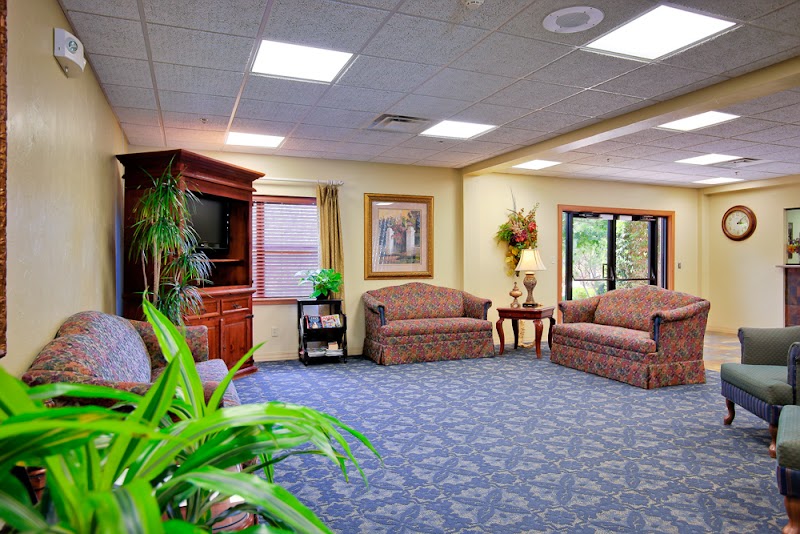
How is The Grand At Bethany Skilled Nursing And Therapy Staffed?

CMS rates THE GRAND AT BETHANY SKILLED NURSING AND THERAPY's staffing level at 3 out of 5 stars, which is average compared to other nursing homes. Staff turnover is 54%, compared to the Oklahoma average of 46%.

What Have Inspectors Found at The Grand At Bethany Skilled Nursing And Therapy?

State health inspectors documented 31 deficiencies at THE GRAND AT BETHANY SKILLED NURSING AND THERAPY during 2023 to 2025. These included: 2 Immediate Jeopardy (the most serious level, indicating potential for serious harm or death), 1 that caused actual resident harm, and 28 with potential for harm. Immediate Jeopardy findings are rare and represent the most serious regulatory concerns. They require immediate corrective action.
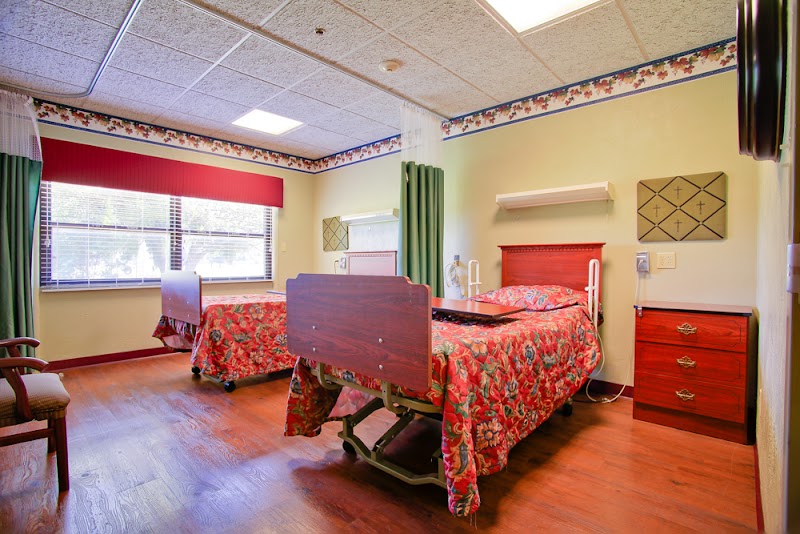
Who Owns and Operates The Grand At Bethany Skilled Nursing And Therapy?

THE GRAND AT BETHANY SKILLED NURSING AND THERAPY is owned by a for-profit company. For-profit facilities operate as businesses with obligations to shareholders or private owners. The facility is operated by BRIDGES HEALTH, a chain that manages multiple nursing homes. With 161 certified beds and approximately 102 residents (about 63% occupancy), it is a mid-sized facility located in BETHANY, Oklahoma.
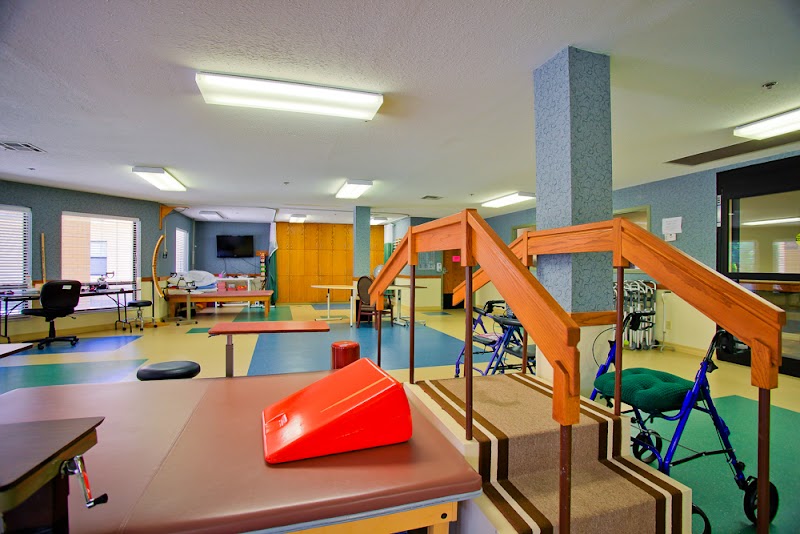
How Does The Grand At Bethany Skilled Nursing And Therapy Compare to Other Oklahoma Nursing Homes?

Compared to the 100 nursing homes in Oklahoma, THE GRAND AT BETHANY SKILLED NURSING AND THERAPY's overall rating (1 stars) is below the state average of 2.6, staff turnover (54%) is near the state average of 46%, and health inspection rating (1 stars) is much below the national benchmark.

What Should Families Ask When Visiting The Grand At Bethany Skilled Nursing And Therapy?

Based on this facility's data, families visiting should ask: "What changes have been made since the serious inspection findings, and how are you preventing similar issues?" "What safeguards and monitoring systems are in place to protect residents from abuse or neglect?" "Can I visit during a mealtime to observe dining assistance and food quality?" "How do you handle medical emergencies, and what is your hospital transfer rate?" These questions are particularly relevant given the facility's Immediate Jeopardy citations and the substantiated abuse finding on record.

Is The Grand At Bethany Skilled Nursing And Therapy Safe?

Based on CMS inspection data, THE GRAND AT BETHANY SKILLED NURSING AND THERAPY has documented safety concerns. The facility has 1 substantiated abuse finding (meaning confirmed case of resident harm by staff or other residents). Inspectors have issued 2 Immediate Jeopardy citations (the most serious violation level indicating risk of serious injury or death). The facility has a 1-star overall rating and ranks #100 of 100 nursing homes in Oklahoma. Families considering this facility should ask detailed questions about what corrective actions have been taken since these incidents.

Do Nurses at The Grand At Bethany Skilled Nursing And Therapy Stick Around?

THE GRAND AT BETHANY SKILLED NURSING AND THERAPY has a staff turnover rate of 54%, which is 8 percentage points above the Oklahoma average of 46%. Moderate turnover is common in nursing homes, but families should still ask about staff tenure and how the facility maintains care continuity when employees leave.

Was The Grand At Bethany Skilled Nursing And Therapy Ever Fined?

THE GRAND AT BETHANY SKILLED NURSING AND THERAPY has been fined $30,943 across 2 penalty actions. This is below the Oklahoma average of $33,388. While any fine indicates a compliance issue, fines under $50,000 are relatively common and typically reflect isolated problems that were subsequently corrected. Families should ask what specific issues led to these fines and confirm they've been resolved.

Is The Grand At Bethany Skilled Nursing And Therapy on Any Federal Watch List?

THE GRAND AT BETHANY SKILLED NURSING AND THERAPY is not on any federal watch list. The most significant is the Special Focus Facility (SFF) program, which identifies the bottom 1% of nursing homes nationally based on persistent, serious quality problems. Not being on this list means the facility has avoided the pattern of deficiencies that triggers enhanced federal oversight. This is a positive indicator, though families should still review the facility's inspection history directly.