Broken Bow Nursing Home
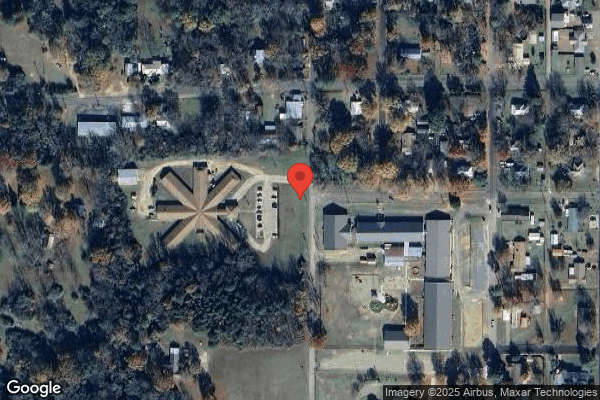

700 West Jones, Broken Bow, OK 74728 (580) 584-6433
For profit - Partnership 105 Beds Independent Data: November 2025 1 Immediate Jeopardy citation
Trust Grade
16/100
#204 of 282 in OK
Last Inspection: December 2024

Within standard 12-15 month inspection cycle. Federal law requires annual inspections.

Overview

Broken Bow Nursing Home has received a Trust Grade of F, indicating significant concerns and a poor reputation in the care provided. In Oklahoma, it ranks #204 out of 282 facilities, placing it in the bottom half, though it is the best option out of three in McCurtain County. The facility is showing improvement, with a decrease in reported issues from 9 in 2024 to 4 in 2025. Staffing is a concern, with a low rating of 1 out of 5 stars and a turnover rate of 59%, which is about average for the state. Notably, there have been critical incidents, including a failure to timely provide necessary pharmacy services and a serious incident where a resident was transferred improperly, leading to a fall and fracture. While there is good RN coverage, the overall environment at Broken Bow Nursing Home requires careful consideration due to these weaknesses.

Trust Score
F
16/100
In Oklahoma
#204/282
Bottom 28%
Safety Record
High Risk
Review needed
Inspections
Getting Better
9 → 4 violations
Staff Stability
⚠ Watch
59% turnover. Above average. Higher turnover means staff may not know residents' routines.
Penalties
✓ Good
$7,443 in fines. Lower than most Oklahoma facilities. Relatively clean record.
Skilled Nurses
⚠ Watch
Each resident gets only 20 minutes of Registered Nurse (RN) attention daily — below average for Oklahoma. Fewer RN minutes means fewer trained eyes watching for problems.
Violations
⚠ Watch
36 deficiencies on record. Higher than average. Multiple issues found across inspections.
★☆☆☆☆
1.0
Overall Rating
★☆☆☆☆
1.0
Staff Levels
★★★☆☆
3.0
Care Quality
★★☆☆☆
2.0
Inspection Score
Stable
2024: 9 issues
2025: 4 issues

The Good

  • Full Sprinkler Coverage · Fire safety systems throughout facility
  • No fines on record

Facility shows strength in fire safety.

The Bad

1-Star Overall Rating

Below Oklahoma average (2.6)

Significant quality concerns identified by CMS

Staff Turnover: 59%

13pts above Oklahoma avg (46%)

Frequent staff changes - ask about care continuity

Federal Fines: $7,443

Below median ($33,413)

Minor penalties assessed

Staff turnover is elevated (59%)

11 points above Oklahoma average of 48%

The Ugly 36 deficiencies on record

1 life-threatening 1 actual harm
Aug 2025 4 deficiencies 1 IJ
CRITICAL (J) 📢 Someone Reported This

A family member, employee, or ombudsman was alarmed enough to file a formal complaint

Immediate Jeopardy (IJ) - the most serious Medicare violation

Pharmacy Services (Tag F0755)

Someone could have died · This affected 1 resident

On 08/21/25, an IJ situation was determined to exist related to the facilities failure to provide pharmacy services for Resident #1 in a timely manner.The facility was notified on 08/21/25 at 5:30 p.m...

Read full inspector narrative →
On 08/21/25, an IJ situation was determined to exist related to the facilities failure to provide pharmacy services for Resident #1 in a timely manner.The facility was notified on 08/21/25 at 5:30 p.m., the Oklahoma State Department of Health was notified of the existence of an Immediate Jeopardy situation. On 08/21/25 at 5:38 p.m., the DON and administrator were notified of the existence of an IJ situation related to pharmacy services for Resident #1 . The IJ template was provided to administrator.On 08/23/25 at 9:26 a.m., an acceptable plan of removal was approved by the Oklahoma State Department of Health. The plan of removal, read in part,Removal of Immediate Jeopardy StatementFacility Name: Broken Bow Health And Rehab Date IJ Identified: August 21, 2025 Resident Affected: Resident #1Actions Taken to Remove the Immediate JeopardyUpon discovery, the facility immediately implemented the following corrective actions to mitigate risk and remove the Immediate Jeopardy:Resident-Centered Interventions-Resident #1 continues on current medication regiment with current cancer treatment.-Resident #1's care plan is updated with the Cancer diagnosis and treatment.-Care Plan meeting is scheduled on 8/22/25 with Resident #1, POA, and Hospice to discuss plan for further follow-up and treatment for the breast cancer.-The Pharmacy Consultant will review Resident #1's chart on 8/22/25 to determine any discrepancy that may need intervention by PCP.Systemic Corrective Measures ImplementedTo prevent recurrence of this type of error, the following systemic interventions were implemented:- Change of Pharmacy was initiated on February 17th, to be electronic and less dependent on fax to reduce opportunity for errors, and if any errors are discovered it will be corrected immediately.-During daily standup and 24 hour report review which contains all new orders; will be reviewed to ensure medications have been ordered and are in the facility. If not, it will be immediately be addressed and corrected.- QA meeting will be held 8/22/25 reviewing system break downs with the missed medication and Diagnosis.Education & Competency- No Registered Nurses, Licensed Nurses, and Certified Medication will work until they are in-serviced. Starting immediately Registered Nurses, Licensed Nurses, and Certified Medication Aides will be in-serviced on the following items:Med Administration policy & procedureTimeliness of implementation of orderNoting orders and transfer to MARAny conflicts of order must contact PCP for clarificationsIf medications are delivered with no orders they are to be reported to DON or ADON asap to ensure appropriate intervention- All Licensed Nursing staff will be in-serviced on responsible party notification and PCP notifications of med changes from outside consultants policy and procedure.- The [NAME] President of Clinical/CEO will in-service DON and ADON will be on clinical morning meeting routine policy; reviewing 24 hour report to catch items that need to be followed up on.All full-time staff will be in-serviced by the end of 8/22/25, and all P.R.N staff will be in-serviced before to being utilized as needed.On 08/26/25 at 11:27 a.m., after interviews with the facility staff, review of in-services, care plans, medication regimen reviews, medication administration records, and pharmacy consultant sheets. The immediacy was lifted and effective 08/26/25 at 12:10 p.m. The deficient practice remained at an isolated level with the potential for more than minimal harm.Based on record review and interview, the facility failed to provide pharmacy services in a timely manner for 1 (#1) of 3 resident reviewed for pharmacy services.The DON reported 61 residents resided in the facility.Findings:A minimum date set, dated 03/08/25, read in part, BIMS Score 06.A physician order, dated 03/24/25, read in part, Anastrozole 1 mg tablet, 1mg orally daily.A nursing note, dated 03/26/25, read in part, 03/24/25 Progress notes from doctor at oncology faxed to clinic at this time.A MAR, dated 03/01/25 through 03/31/25, did not show the medication had been administered.A MAR, dated 04/01/25 through 04/30/25, did not show the medication had been administered.A facility policy titled Pharmacy Services Overview, dated 04/2025, read in part, 2. The facility shall contract with a licensed consultant pharmacist to help obtain and maintain timely and appropriate pharmacy services that support residents' needs, are consistent with current standards of practice, and meet state and federal requirements.A medication order sheet, dated 04/2025, read in part, date received: 04/28/25 Anastrozole 1 mg rx# 1563586, amount received 30, received by CMA #1.A nursing note, dated 04/30/25, showed, read in part, concerning Resident #1 oncology apt they called and spoke with the POA and they said cancel appointment due to not receiving the medication oncologist was supposed to put Resident #1 on the first time they seen the doctor .The nurse said the oncologist had sent the script to pharmacy back then.A medication order sheet, dated 04/2025, showed, read in part, date received: 04/28/25 Anastrozole 1 mg rx# 1563586, amount received 30, received by CMA #1.A MAR, dated 05/01/25 through 05/31/25, showed the cancer medication was administered daily from 05/26/25 through 05/31/25. Resident #1 did not receive 77 doses of the cancer medication.A fax document, dated 05/20/25, read in part, Anastrozole 1 mg tablet, 1mg orally daily .To be done: 03/24/25. with LPN #1 signature on 05/26/25.On 08/21/25 at 10:50 a.m., the ADON stated the physicians order was written on 03/24/25 for Resident #1. They did not administer the medication for Resident #1 until 05/26/25. On 08/21/25 at 10:51 a.m., the DON stated Resident #1's cancer medication was not administered in March 2025 and April 2025. Resident #1 went 2 months without the cancer medication.On 08/21/25 at 10:01 a.m., the social services personnel stated they scanned the physician orders into their system for Resident #1 on 04/28/25.On 08/21/25 at 10:20 a.m., CMA #1 stated Resident #1's medication was received on 04/28/25 on the medication order and reorder form. The nurses were supposed to put the orders in the system. They did not put the medication in the system until 05/26/25, so they did not know to administer the medication to Resident #1.On 08/21/25 at 10:23 a.m., the DON stated without the administration of the medication the cancer could spread.
CONCERN (D) 📢 Someone Reported This

A family member, employee, or ombudsman was alarmed enough to file a formal complaint

Potential for Harm - no one hurt, but risky conditions existed

Comprehensive Care Plan (Tag F0656)

Could have caused harm · This affected 1 resident

Based on record review and interview, the facility failed to ensure a care plan was updated for 1 (#1) of 3 sampled residents reviewed for care plan.The DON reported 61 residents resided in the facili...

Read full inspector narrative →
Based on record review and interview, the facility failed to ensure a care plan was updated for 1 (#1) of 3 sampled residents reviewed for care plan.The DON reported 61 residents resided in the facility.Findings:A facility policy titled Care Plan, Comprehensive Person-Centered, dated December 2016, read in part, A comprehensive, person-centered care plan that includes measurable objectives and timetables to meet the resident's physical, psychosocial and functional needs is developed and implemented for each resident .13. Assessments of resident are ongoing, and care plans are revised as information about the residents and the residents' conditions change. 14. The Interdisciplinary Team must review and update the care plan: a. When there has been a significant change in the resident's condition;A physician consultation note for Resident #1, dated 03/24/25, read in part, Principal Diagnosis: Breast Cancer.A care plan for Resident #1, dated 05/27/25, showed no interventions or diagnosis for cancer was updated on the most recent care plan.On 08/21/25 at 10:51 a.m., the ADON reviewed Resident #1's most recent care plan, dated 05/27/25. They stated Resident #1 had no cancer diagnosis or interventions.On 08/21/25 at 11:16 a.m., the DON stated according to policy Resident #1's care plan should have been updated with interventions and a cancer diagnosis.
CONCERN (D) 📢 Someone Reported This

A family member, employee, or ombudsman was alarmed enough to file a formal complaint

Potential for Harm - no one hurt, but risky conditions existed

Deficiency F0865 (Tag F0865)

Could have caused harm · This affected 1 resident

Based on record review and interview, the facility failed to ensure a resident who missed 77 cancer medications was included quality assurance and program improvement for 1 (#1) of 3 sampled residents...

Read full inspector narrative →
Based on record review and interview, the facility failed to ensure a resident who missed 77 cancer medications was included quality assurance and program improvement for 1 (#1) of 3 sampled residents reviewed for medication administration.The DON reported 61 residents resided in the facility.Findings:A facility policy titled Quality Assurance and Performance Improvement, revised 02/2020, read in part, This facility shall develop, implement, and maintain an ongoing, facility-wide, data-driven QAPI program that is focused on indicators of the outcomes of care and quality of life for our residents . f. monitoring or evaluating the effectiveness of corrective action/performance improvement activities, and revising as needed . Coordination 2. The QAPI coordinator assists other committees, individuals, departments, and/or services in developing quality indicators, monitoring tools, assessments methodologies and documentation, and in making adjustments to plan.On 08/19/25 at 11:19 a.m., the ADON stated how could they QAPI for the cancer medication we did not know about.On 08/26/25 at 11:40 a.m., the DON stated our last QAPI meetings were 06/10/25 and 08/08/25 and Resident #1's cancer diagnosis or interventions were not included in the meetings.
CONCERN (E) 📢 Someone Reported This

A family member, employee, or ombudsman was alarmed enough to file a formal complaint

Potential for Harm - no one hurt, but risky conditions existed

Deficiency F0761 (Tag F0761)

Could have caused harm · This affected multiple residents

Based on observation, record review, and interview, the facility failed to ensure 3 (#1, #2 and #3) of 3 sampled treatment carts were locked.The DON reported 61 residents resided in the facility.Findi...

Read full inspector narrative →
Based on observation, record review, and interview, the facility failed to ensure 3 (#1, #2 and #3) of 3 sampled treatment carts were locked.The DON reported 61 residents resided in the facility.Findings:On 08/19/25 at 2:26 p.m., treatment cart #1 was observed to be on the left side of the nurse's station unlocked and unsupervised.On 08/19/25 at 2:27 p.m., treatment cart #2 was observed to be on the right side of the nurse's station unlocked and unsupervised.On 08/19/25 at 2:28 p.m., treatment cart #3 (wound care cart) was observed to be at the front entrance by the ADON office unlocked.A facility policy titled Security of Medication Cart, revised 04/2007, read in part, 1. The nurse must secure the medication cart during pass to prevent unauthorized entry .4. Medication carts must be securely locked at all times when out of the nurse's view .5. When the medication cart is not being used, it must be locked and parked.On 08/19/25 at 2:25 p.m. LPN #2 was observed walking away from the unlocked treatment cart. They walked into a medication supply closet and closed the door. There were no other staff observed in the area.On 08/19/25 at 2:29 p.m., the ADON was asked about treatment carts being unlocked. They stated, According to policy, all the carts are to be locked and supervised.On 08/19/25 at 3:21 p.m., LPN #2 stated they went to go get medication cups out of the medication room. The treatments carts were supposed to be locked and supervised.On 08/26/25 at 12:31 p.m., the DON stated they had no wanderers in the facility.
Dec 2024 7 deficiencies
CONCERN (D)

Potential for Harm - no one hurt, but risky conditions existed

Deficiency F0554 (Tag F0554)

Could have caused harm · This affected 1 resident

Based on observation, record review, and interview, the facility failed to assess a resident for self-administration of medication for one (#54) of one sampled resident who was reviewed to self-admini...

Read full inspector narrative →
Based on observation, record review, and interview, the facility failed to assess a resident for self-administration of medication for one (#54) of one sampled resident who was reviewed to self-administer medication. The administrator identified three residents who self-administered medications. Findings: A policy titled Self-Administration of Medication read in part, Residents have the right to self-administer medications if the interdisciplinary team has determined that it is clinically appropriate and safe for the resident to do so .If it is deemed safe and appropriate for the resident to self-administer medications, this is documented in the medical record and the care plan .Self-administered medications are stored in a safe and secure place, which is not accessible by other residents. If safe storage is not possible in the resident's room, the medications of residents permitted to self-administer are stored on a central medication cart or in the medication room. Resident #54 had diagnoses which included chronic obstructive pulmonary disease, reflux disease, and legal blindness. The care plan, dated 09/23/24, did not document self-administration of medication for the resident. The admission 5 day assessment, dated 09/27/24, documented the resident was cognitively independent and was independent with most ADLs. On 12/10/24 at 12:33 p.m., the resident was sitting on the side of the bed in their room. An inhaler (Spiriva HandiHaler inhaler), an over-the-counter bottle of cold medicine, and a tube of Cortisone 10 cream was on the resident's bedside table. The resident obtained an inhaler from their pocket and stated they had another inhaler for emergencies. On 12/10/24 at 3:52 p.m., LPN #1 reviewed the resident's clinical record and stated they could not locate a medication self-administration assessment record for the resident. The LPN stated if the resident self-administered medication an assessment should have been completed. The LPN stated they were aware of the inhaler at the bedside, but not other medications. On 12/10/24 4:17 p.m., the DON reviewed the resident's clinical record and stated no self-administration of medication assessment had been completed for the resident. The DON stated they were unaware the resident had medications at the bedside. They stated per policy the medication should stored in a safe and secure place, which was not accessible by other residents.
CONCERN (D)

Potential for Harm - no one hurt, but risky conditions existed

Medical Records (Tag F0842)

Could have caused harm · This affected 1 resident

Based on record review and interview, the facility failed to ensure medical records were accurate for one (#34) of two sampled residents reviewed for pressure ulcers. The administrator reported the fa...

Read full inspector narrative →
Based on record review and interview, the facility failed to ensure medical records were accurate for one (#34) of two sampled residents reviewed for pressure ulcers. The administrator reported the facility census was 55. Findings: A facility policy titled Charting and Documentation, read in part, All services provided to the resident, progress toward the care plan goals, or any changes in the resident's medical, physical, functional or psychosocial condition, shall be documented in the resident's medical record .The following information is to be documented in the resident medical record .Treatments or services performed. Resident #34 had diagnoses which included congestive heart failure and urinary incontinence. An admission assessment, dated 11/13/24, documented Resident #34 had one stage II and two stage III pressure ulcers that were present upon admission. A physician's order, dated 11/09/24, documented Resident #34 was to receive wound care to the left ankle daily. A physicians orders, dated 11/21/24, documented Resident #34 was to receive wound care to the left heel daily and the coccyx daily. A review of Resident #34's TAR did not document wound care had been performed on 12/05/24, 12/07/24, 12/08/24 or 12/09/24. On 12/11/24 at 2:30 p.m., the ADON stated they had performed the wound care on Resident #34 on 12/05/24 and they must have forgotten to document it. They also stated wound care should always be documented on the TAR. On 12/11/24 at 3:02 p.m., LPN #3 stated they had performed the wound care on Resident #34 on 12/09/24 and forgotten to document it. On 12/12/24 at 11:14 a.m., LPN #2 stated wound care should always be documented on the TAR. On 12/12/24 at 11:24 a.m., the DON wound care should always be documented.
CONCERN (E)

Potential for Harm - no one hurt, but risky conditions existed

Assessment Accuracy (Tag F0641)

Could have caused harm · This affected multiple residents

Based on record review and interview, the facility failed to ensure MDS assessments had been completed accurately for two (#10 and #12) of 15 sampled residents reviewed for MDS accuracy. A daily censu...

Read full inspector narrative →
Based on record review and interview, the facility failed to ensure MDS assessments had been completed accurately for two (#10 and #12) of 15 sampled residents reviewed for MDS accuracy. A daily census, dated 12/09/24, documented 57 residents resided at the facility. Findings: A facility policy titled Certifying Accuracy of the Resident Assessment, dated November 2019, read in part, The information captured on the assessment reflects the status of the resident during the observation period (look back) period for the assessment. 1. An active physician's order, dated 02/09/24, documented Resident #10 was admitted to long term care under the care a contracted hospice provider. A significant change assessment, dated 02/09/24, documented Resident #10 did not receive hospice services. An active physician's order, dated 09/14/24, documented staff were to assess and document the resident's status and collaborate with a contracted hospice provider. A quarterly MDS assessment, dated 11/11/24, documented in Section O that Resident #10 did not receive hospice services. On 12/11/24 at 2:00 p.m., the MDS coordinator stated the significant change and quarterly assessments for Residents #10 were inaccurate because Resident #10 was on hospice services during the time assessments were created. On 12/11/24 at 2:01 p.m., DON stated the significant change assessment was made because Resident #10 had started hospice services. They stated both the assessment were inaccurate. 2. A physician's order, dated 10/08/22, documented the Resident #12 was to be administered Risperdal [an antipsychotic medication] 0.5 mg once daily. The order's discontinue date was 12/11/24. An active physician's order, dated 06/22/23, documented the resident was to be administered Risperdal 1 mg once daily. A MAR, dated 11/01/24 through 11/30/24, documented Resident #12 had been administered Risperdal 0.5 mg once daily and Risperdal 1 mg once daily on each date in that month. A quarterly MDS assessment, dated 11/21/24, documented in Section N that Resident #12 had not been administered an antipsychotic medication during the assessments look back period. On 12/11/24 at 11:45 a.m., the MDS coordinator stated the quarterly assessment for Resident #12 were inaccurate because they thought the question was asking if the resident had started an antipsychotic medication during the assessment look back period and not merely being administered the medication. On 12/11/24 at 11:53 a.m., the DON stated regarding Resident #12 quarterly assessment, the MDS coordinator had answered the questions about antipsychotic medication use incorrectly as they were new to the job and still learning. They stated they were in the process of teaching the MDS coordinator the material.
CONCERN (E) 📢 Someone Reported This

A family member, employee, or ombudsman was alarmed enough to file a formal complaint

Potential for Harm - no one hurt, but risky conditions existed

ADL Care (Tag F0677)

Could have caused harm · This affected multiple residents

Based on record review and interview, the facility failed to provide ADL assistance with showers/baths for one (#9) of one sampled resident reviewed for ADL assistance. The administrator identified 5...

Read full inspector narrative →
Based on record review and interview, the facility failed to provide ADL assistance with showers/baths for one (#9) of one sampled resident reviewed for ADL assistance. The administrator identified 55 residents resided in the facility. Findings: A policy titled Bath, Shower/Tub read in part, Documentation 1. The date and time the shower/tub bath was performed. 2. The name and title of the individual (s) who assisted the resident with the shower/tub bath .Reporting 1. Notify the supervisor if the resident refused the shower/tub bath. Resident #9 had diagnoses which included hemiplegia and hemiparesis following a cerebral infarction and aphasia and dysphagia following a cerebral infarction. The care plan, dated 03/01/22, documented the staff were to assist the resident with a bath at least three times a week and per the resident's request. The care plan documented the resident was a two person assist with shower transfers. A quarterly assessment, dated 09/13/24, documented the resident had modified independent for daily decision making. It was documented the resident required moderate assistance with personal hygiene and supervision with showers/baths. The electronic health record for November 2024 documented the resident received one shower/bath for the month. On 12/10/24 at 10:42 a.m., the resident stated they had not had a shower in five days. They stated they were to get a shower/bath three times a week and did not. The electronic health record for December 2024 documented the resident received one shower/bath for the month. On 12/12/24 at 8:18 a.m., CNA #1 stated there was a paper shower schedule signed by the staff providing the shower and the charge nurse on duty daily. On 12/12/24 at 8:20 a.m., LPN #1 stated at the end of the day the paper shower schedule was given to the DON or ADON for review. On 12/12/24 at 11:14 a.m., the DON stated the form signed by the CNA and charge nurse was for their reference. The DON stated the staff were to chart showers/baths in the electronic heath record. The DON reviewed the resident's electronic health record and stated documentation had not been completed regarding the resident receiving showers/baths.
CONCERN (E)

Potential for Harm - no one hurt, but risky conditions existed

Medication Errors (Tag F0758)

Could have caused harm · This affected multiple residents

Based on record review and interview, the facility failed to ensure a resident did not receive an antipsychotic that had been discontinued by a physician for one (#12) of five sampled residents review...

Read full inspector narrative →
Based on record review and interview, the facility failed to ensure a resident did not receive an antipsychotic that had been discontinued by a physician for one (#12) of five sampled residents reviewed for unnecessary medications. The DON identified eight residents in the facility were prescribed antipsychotic medications. Findings: A facility policy titled Medication and Treatment Orders, dated July 2016, read in part, Medication shall be administered only upon the written order of a person duly licensed and authorized to prescribe such medications in this state. Resident #12 had diagnoses which included major depressive disorder with psychotic features. A medication order, dated 10/08/22, documented Resident #12 was to have been administered Risperdal [an antipsychotic medication] 0.5 mg once daily. A document titled Pharmaceutical Consultant Report, dated 07/17/24, documented a pharmacist recommendation to reduce the dose of four psychotropic medications which included Risperdal 0.5 mg once daily and Risperdal 1 mg once daily. The report also documented a physician's response which was an order to stop the use of Risperdal 0.5 mg once daily. The report had a signature of the physician and the date 10/22/24. A MAR for November 2024 and December 2024 documented the order for Risperdal 0.5mg tablet once daily remained on the records. The records further documented Resident #12 had been administered Risperdal 0.5 mg tablets once on each date 11/01/24 through 12/11/24. On 12/11/24 at 11:07 a.m., LPN #1 stated the pharmaceutical report for Resident #12, dated 04/17/24, did include a physician's order to discontinue Risperdal 0.5mg once daily. They stated after looking at the electronic health record for Resident #12 the order was still active, and the resident had been getting the medication daily. They stated the pharmaceutical reports go through the DON and they distributed them to the nurses. On 12/11/24 at 11:12 a.m., the DON stated they had confirmed the Risperdal 0.5mg once daily order should have been discontinued. They stated the process for the reports from the pharmacist was that once they receive it, they communicate with the appropriate nurse and make any changes ordered. They stated they were new at the time of this report and must have missed it.
CONCERN (E)

Potential for Harm - no one hurt, but risky conditions existed

Food Safety (Tag F0812)

Could have caused harm · This affected multiple residents

Based on observation, record review and interview, the facility failed to ensure the dish machine temperature and sanitizer concentration was monitored and logged daily, kitchen equipment functioned p...

Read full inspector narrative →
Based on observation, record review and interview, the facility failed to ensure the dish machine temperature and sanitizer concentration was monitored and logged daily, kitchen equipment functioned properly, and food was stored in an appropriate manner. The administrator identified 54 residents received meals from the kitchen. Findings: An initial tour of the kitchen was conducted on 12/09/24 at 2:45 p.m. The following observations were made: a. the paper towel dispenser at the handwashing sink was not functioning; b. the Dish Machine Temperature Log, for December 2024 did not document the temperature or the concentration of sanitizer for 12/05/24, 12/06/24, 12/07/24, 12/08/24, or 12/09/24; c. there were two opened bottles of prune juice with no received on date or opened date; d. there were 10 individual sized cups of ranch dressing with no date of preparation; e. there was an opened 32-ounce carton of whole eggs with no received on or opened date; f. there was an opened uncovered can of pudding with no received on or opened date; g. there was an opened uncovered bulk container of brown sugar sitting on the floor in the storeroom; h. there was an opened uncovered bulk container of flour; e. there was an opened uncovered box of long grain rice; f. there was an undated case of canned pears sitting on the floor; and g. there was an undated case of turnip greens sitting on the floor. On 12/09/24 at 3:06 p.m., the DM stated the temperature of the dish machine and the chemical concentration of the sanitizer should be checked three times a day. They also stated the paper towel machine at the handwashing sink needed to be repaired. The DM further stated dry goods should be stored off the floor in closed containers and all food items should have a received date and should be dated when they were opened.
CONCERN (E)

Potential for Harm - no one hurt, but risky conditions existed

Infection Control (Tag F0880)

Could have caused harm · This affected multiple residents

Based on record review and interview, the facility failed to implement a water management plant to prevent the spread of water borne pathogens. The administrator reported the census was 55. Findings: ...

Read full inspector narrative →
Based on record review and interview, the facility failed to implement a water management plant to prevent the spread of water borne pathogens. The administrator reported the census was 55. Findings: A facility policy titled Legionella Surveillance and Detection, read in part, Our facility is committed to the prevention, detection and control of water-borne contaminants, including Legionella .Legionnaire's disease will be included as part of our infection surveillance activities. On 12/12/24 at 7:53 a.m., the administrator reported they were unable to locate any documentation of monitoring for water-borne pathogens.
Nov 2024 2 deficiencies
CONCERN (E) 📢 Someone Reported This

A family member, employee, or ombudsman was alarmed enough to file a formal complaint

Potential for Harm - no one hurt, but risky conditions existed

Deficiency F0760 (Tag F0760)

Could have caused harm · This affected multiple residents

Based on record review and interview, the facility failed to ensure residents were free from significant medication errors for one (#5) of five sampled residents reviewed for medication administration...

Read full inspector narrative →
Based on record review and interview, the facility failed to ensure residents were free from significant medication errors for one (#5) of five sampled residents reviewed for medication administration. The administrator identified 56 residents who resided in the facility. Findings: Resident #5 had diagnoses which included epileptic seizures, cerebral infarction, and cognitive communication deficit. The care plan, dated 12/04/19, documented the resident had a history of a seizure disorder. The care plan documented the staff were to administer seizure medication as ordered by the physician. The quarterly assessment, dated 08/20/24, documented the resident was severely impaired for daily decision making and was dependent with activities of daily living. A physician order, dated 09/28/24, documented the resident was to receive phenytoin (an anticonvulsant medication) 125 mg/5 ml and give 5 ml via peg tube daily for seizures. The MAR for November 2024 documented the resident did not receive the phenytoin medication seven out of 25 opportunities. On 11/25/24 at 3:05 p.m., the DON reviewed the resident's MAR and stated they were unsure why the resident's phenytoin medication had not been given. The DON stated if the medication was not given the resident could have seizures.
CONCERN (E) 📢 Someone Reported This

A family member, employee, or ombudsman was alarmed enough to file a formal complaint

Potential for Harm - no one hurt, but risky conditions existed

Deficiency F0809 (Tag F0809)

Could have caused harm · This affected multiple residents

Based on observation, record review, and interview, the facility failed to provide snacks between meal times for two (#2 and #4) of two sampled residents reviewed for snacks provided between meals. T...

Read full inspector narrative →
Based on observation, record review, and interview, the facility failed to provide snacks between meal times for two (#2 and #4) of two sampled residents reviewed for snacks provided between meals. The administrator identified 56 residents resided in the facility. Findings: A facility policy titled Snacks (Between Meal and Bedtime), Serving read in part, purpose of this procedure is to provide the resident with adequate nutrition .Arrange the snack so that it can be easily reached by the resident .Notify the supervisor if the resident refuses the snack and why. 1. Resident #2 had diagnoses which included cerebrovascular disease, dysphagia, and aphasia. The admission assessment, dated 09/02/24, documented the resident was cognitively intact and required setup assistance with eating. The assessment documented it was very important to the resident to have snacks available between meals. On 11/26/24 at 8:32 a.m., Resident #2 stated if they were hungry between meals they would like to have a snack. 2. Resident #4 had diagnoses which included cerebral infarction, muscle weakness, and diabetes. The admission assessment, dated 09/17/24, documented the resident was cognitively intact and required supervision with eating. The assessment documented it was somewhat important to have snacks between meals. On 11/25/24 at 3:28 p.m., the resident stated snacks were only available at night. The resident stated one time they continued to ask the staff for a snack and was provided with a package of crackers. The resident stated they decided to just quit asking for a snack during the day. On 11/21/24 at 10:45 a.m., a tour of the facility was conducted. During tour and throughout the survey no snacks were observed being offered or provided to the residents between meals. On 11/25/24 at 12:37 p.m., the DM stated snacks were only provided for the residents only at night. The DM stated they have had residents request snacks during the day. The DM stated they were unable to provide resident snacks between meals during the day unless it was a medical need, such as the resident was a diabetic.
Aug 2023 9 deficiencies 1 Harm
SERIOUS (G) 📢 Someone Reported This

A family member, employee, or ombudsman was alarmed enough to file a formal complaint

Actual Harm - a resident was hurt due to facility failures

Accident Prevention (Tag F0689)

A resident was harmed · This affected 1 resident

**NOTE- TERMS IN BRACKETS HAVE BEEN EDITED TO PROTECT CONFIDENTIALITY** Based on observation, record review, and interview, the facility failed to ensure a resident was transferred properly to prevent...

Read full inspector narrative →
**NOTE- TERMS IN BRACKETS HAVE BEEN EDITED TO PROTECT CONFIDENTIALITY** Based on observation, record review, and interview, the facility failed to ensure a resident was transferred properly to prevent a fall with major injury for one (#2) of three sampled residents who were reviewed for falls. CNA #3 transferred Res #2 without the required assistance of another staff member resulting in a fall with a fracture to Res #2's left tibula/fibula. The Resident Census and Conditions of Residents, dated 08/24/23 documented 44 residents required assistance with transfers. Findings: A Limited Lift Resident Handling Policy, dated January 2017, read in part, .The transfers will be designated into one of the following categories .2 or equivalent = 2-person transfer .Resident transfer status will be tagged in the resident's room to inform the staff of the appropriate transfer to use . Res #2 was admitted with diagnoses which included age-related osteoporosis, intellectual disabilities, dementia, legal blindness, and convulsions. Res #2's ADL care plan, dated 05/23/23, documented Res #2 required extensive assistance with ADL's and transfers required the assistance of two staff members. The annual resident assessment, dated 05/30/23, documented Res #2 had moderately impaired cognition, required extensive assistance with ADLS; and two staff member extensive assistance with transfers; did not walk; and had ROM impairment in both lower extremities. An incident report, dated 07/07/23, documented Res #2 had a fall in the shower room resulting in a left tibula/fibula fracture. The report documented CNA #3 did not follow the facility transfer policy when transferring the resident. The report documented CNA #3 was suspended immediately and an investigation was initiated. A facility in-service was conducted on 07/07/23 at 1:00 p.m. The DON in-serviced all direct care staff regarding the Limited Lift Resident Handling Policy. Upon entrance to the facility on [DATE] and throughout the investigation staff were observed to be following the Limited Lift Resident Handling Policy and transfers were observed to be conducted safely and according to the facility policy. Sampled residents were observed for correct transfer information in their room. Staff were interviewed and reported knowledge of the Limited Lift Resident Handling Policy and demonstrated compliance with the policy. Incident reports were reviewed and there were no other falls related to unsafe transfers. On 08/28/23 at 11:00 a.m., Res #2 was observed in the TV room, sitting up in their wheelchair with their left leg supported by pillows. On 08/30/23 at 3:30 p.m., the DON reported the staff have been in-serviced regarding the Limited Lift Resident Handling Policy and new staff were required to read and sign the policy upon hire.
CONCERN (D) 📢 Someone Reported This

A family member, employee, or ombudsman was alarmed enough to file a formal complaint

Potential for Harm - no one hurt, but risky conditions existed

ADL Care (Tag F0677)

Could have caused harm · This affected 1 resident

Based on observation,record review, and interview, the facility failed to ensure residents received showers/baths as scheduled for two (#24 and #43) of two residents sampled for showers/baths. The Res...

Read full inspector narrative →
Based on observation,record review, and interview, the facility failed to ensure residents received showers/baths as scheduled for two (#24 and #43) of two residents sampled for showers/baths. The Residents Census and Conditions of Residents, dated 08/24/23, documented 57 residents required assistance with showers/baths. Findings: 1. Res #24 was admitted with diagnoses which included multiple sclerosis, urinary incontinence, and obesity. A quarterly assessment, dated 06/25/23, documented Res #24 required physical assistance with bathing. A care plan, last updated on 08/17/23, documented Res #24 required two staff in the shower room and limited assistance with bathing three times weekly. A bathing record, dated 08/01/23 to 08/31/23, documented Res #24 had seven missed opportunities for bathing. On 08/28/23 at 9:40 a.m., Res #24 reported they had not received showers as scheduled. On 08/31/23 at 9:46 a.m., the ADON reviewed Res #24's bathing record. The ADON reported the documentation showed Res #24 had received six showers and had seven missed opportunities. The ADON reported the resident sometimes refused showers. The ADON reported the documentation did not show the resident had refused any showers 2. Res #43's quarterly assessment, dated 06/16/23, documented the resident was cognitively intact and required the extensive assistance of one person with bathing. Res #43's bathing record for 08/01/23 through 08/30/23 documented the resident's shower scheduled was Tuesday, Thursday, and Saturday. The record showed no showers documented for the 1st, 15th, 17th, 19th, and the 24th. The resident missed five of 13 shower opportunities. On 08/29/23 at 8:36 a.m., the resident stated they were not getting their showers like they were supposed to. They said they were supposed to be getting them on Tuesday, Thursday, and Saturday. They said they were lucky to get two showers a week. On 08/30/23 at 5:44 p.m., the DON stated the resident may be refusing some showers. They stated the refusals were not documented.
CONCERN (D) 📢 Someone Reported This

A family member, employee, or ombudsman was alarmed enough to file a formal complaint

Potential for Harm - no one hurt, but risky conditions existed

Pressure Ulcer Prevention (Tag F0686)

Could have caused harm · This affected 1 resident

Based on observation, record review, and interview, the facility failed to ensure pressure ulcer treatments were performed as ordered by the physician for one (#37) of two sampled residents reviewed f...

Read full inspector narrative →
Based on observation, record review, and interview, the facility failed to ensure pressure ulcer treatments were performed as ordered by the physician for one (#37) of two sampled residents reviewed for pressure ulcers. The Resident Census and Condition of Residents form documented one resident had pressure ulcers. Findings: Res #37 had diagnoses which included pressure ulcer of sacral region stage IV, fracture of neck of left femur, subsequent encounter for closed fracture with routine healing, chronic kidney disease, COPD, protein-calorie malnutrition, DM, and rheumatoid arthritis. A physician order, dated 06/26/23, documented to cleanse wound to sacrum with wound cleanser, pat dry with gauze, pack with Dakin's soaked kerlix, and cover with bordered dressing two times a day. The order was discontinued on 07/05/23. A physician order, dated 06/29/23, documented to paint left heel blister with Betadine one time a day for blister. The order was discontinued on 07/18/23. The June 2023 wound treatment record showed three missed treatments out of nine opportunities to the sacrum and missed one of two treatments scheduled for the left heel. An admission assessment, dated 07/06/23, documented the resident was cognitively intact, required extensive assistance with ADLs, and had a stage IV pressure ulcer on admission. A physician order, dated 07/06/23, documented to cleanse wound to sacrum with wound cleanser, pat dry with gauze, pack with Dakin's soaked kerlix, and cover with bordered dressing every day and evening shift. The order was discontinued on 07/31/23. A physician order, dated 07/19/23, documented to cleanse wound to left heel with wound cleanser, pat dry with 4 x 4 gauze, place hydrogel dressing, cover with ABD pad, wrap with kerlix, and secure with tape one time a day. The order was discontinued on 07/31/23. The July 2023 wound treatment record showed 20 blank spaces for the treatments to the sacrum and two missed treatments to the left heel. A physician order, dated 08/01/23, documented to cleanse wound to sacrum with wound cleanser, pat dry with gauze, pack with calcium alginate rope impregnated with santyl, and cover with bordered dressing one time a day. A physician order, dated 08/03/23, documented to apply santyl external ointment 250 unit/gm to sacral wound one time a day. A physician order, dated 08/27/23, documented to cleanse wound to left heel with wound cleanser, pat dry with 4 x 4 gauze, place hydrogel dressing, cover with ABD pad, wrap with kerlix, and secure with tape one time a day. The August 2023 wound treatment record showed seven missed treatments to the sacrum and 20 missed 20 missed treatments to the left heel. On 08/28/23 at 8:46 a.m., the resident was asked about any pressure ulcers they might have. They stated they had a pressure ulcer on their bottom and their heel. They stated they were receiving treatments and the wounds were doing better. She stated she was able to move themselves a little better since going to therapy. On 08/29/23 at 3:19 p.m., the wound nurse was observed performing wound care to the resident's coccyx and left heel according to the physician orders. The wound on the coccyx was approximately 3.0 x 3.0 x 1.0 cm, pink tissue, no slough or eschar. The left heel ulcer was approximately 1.0 x 1.0 cm unstageable ulcer with a very small amount of slough in the center. On 08/30/23 at 10:40 a.m., the wound nurse stated she was the one who did the wound treatments, but had just started the position on 08/25/23. They stated they did not know why the resident's wound treatments were missed. On 08/30/23 at 11:02 a.m., the DON stated she believed the treatments were being done; they were just not marking them as done.
CONCERN (D)

Potential for Harm - no one hurt, but risky conditions existed

Incontinence Care (Tag F0690)

Could have caused harm · This affected 1 resident

Based on interview and record review, the facility failed to ensure one (#34 ) of one resident sampled for catheter care received indwelling catheter care as ordered by the physician. The Resident Cen...

Read full inspector narrative →
Based on interview and record review, the facility failed to ensure one (#34 ) of one resident sampled for catheter care received indwelling catheter care as ordered by the physician. The Resident Census and Conditions of Residents, dated 08/24/23, documented three residents with indwelling urinary catheters. Findings: Res #34 was admitted with diagnoses which included paraplegia and neuro-muscular dysfunction of the bladder. A physician's order, dated 01/05/23, documented to provide catheter care every shift. A physician's order, dated 07/03/23, documented to change the catheter bag every Sunday on evening shift. A quarterly assessment, dated 08/03/23, documented Res #34 had an indwelling urinary catheter. A physician order, dated 08/03/23, documented levofloxacin (an antibiotic) 750 milligrams to be administered one time a day for three days for urinary tract infection. The August 2023 TAR documented Res 34's catheter bag was not changed as ordered on 08/13/23, 08/21/23, 08/24/23, and 08/27/23. On 08/30/23 at 2:38 p.m., LPN #2 reported they had not performed catheter care for Res #34 on 08/24/23 as ordered. On 08/30/23 at 2:40 p.m., LPN #3 reported they had not performed catheter care as ordered on 08/21/23 and 08/27/23.
CONCERN (D) 📢 Someone Reported This

A family member, employee, or ombudsman was alarmed enough to file a formal complaint

Potential for Harm - no one hurt, but risky conditions existed

Deficiency F0692 (Tag F0692)

Could have caused harm · This affected 1 resident

**NOTE- TERMS IN BRACKETS HAVE BEEN EDITED TO PROTECT CONFIDENTIALITY** Based on observation, record review, and interview, the facility failed to ensure the physician was notified of significant weig...

Read full inspector narrative →
**NOTE- TERMS IN BRACKETS HAVE BEEN EDITED TO PROTECT CONFIDENTIALITY** Based on observation, record review, and interview, the facility failed to ensure the physician was notified of significant weight loss and implement interventions to maintain and/or prevent further weight loss for two (#7 and #44) of two sampled resident reviewed for weight loss. The Resident Census and Conditions of Residents, dated 08/24/23 documented a census of 58 residents. Findings: 1. Res #7 was admitted with diagnoses which included anxiety and depression. On 08/27/23 at 12:45 p.m., Res #7 was observed eating independently in the dining room. The Weight Assessment and Intervention policy, last revised September 2008, read in part, .Any weight change of 5% or more .nursing will immediately notify the dietician in writing. Verbal notification must be confirmed in writing. The dietician will respond within 24 hours of receipt of written notification .negative trends will be evaluated by the treatment team whether or not the criteria for significant weight change has been met .Individualized care plans shall address .the identified causes of weight loss, goals and benchmarks for improvement; and time frames and parameters for monitoring and reassessment . A physician's order, dated 12/16/22, read in part, Liberal diet, Mechanical soft . The quarterly assessment, 03/25/23, documented the resident was 64 inches tall and weighed 203 lbs. The assessment documented the resident had no significant weight loss. A five-day scheduled assessment, dated 05/09/23, documented the resident weighed 200 lbs. The assessment documented the resident had a significant weight loss of 5% or more in the last month or 10% or more in the last six months and was not on a physician-prescribed weight loss program. A quarterly assessment, dated 06/23/23, documented the resident was independent with eating and required setup help only. The assessment documented the resident weighed 185 lbs and had a weight loss of 5% or more in the last month or 10% or more in the last six months and was not on a physician-prescribed weight loss program. Res #7's weight log documented the following: 01/04/23: 219 lbs 02/01/23: 209 lbs 03/02/23: 203 lbs 04/03/23: 199.5 lbs (8.9% loss in 3 months) (05/2023 no weight documented) (MDS dated [DATE] documented 200 lbs) 06/05/23: 184.5 lbs ( 9.1% loss in 3 months) 07/04/23: 189.5 lbs (13.4 % loss in 6 months) 08/01/23: 189 lbs (9.5% loss in 6 months) The resident's record did not document any physician orders or interventions for weight loss. The nutrition care plan for Res #7 did not address weight loss. There was no documentation the registered dietician was notified of Res #7's weight loss. There were no notes or recommendations from the dietician or CDM. There was no documentation the physician was notified of Res #7's significant weight loss. On 08/30/23 at 2:25 p.m., Corp Nurse Consultant #1 reported the facility failed to follow their policy regarding physician and dietician notification of weight loss. The Corp Nurse Consultant #1 also reported the care plan for Res #7 should have been revised to reflect the Res #7's weight loss. On 08/30/23 at 3:15 p.m., the DON reported the physician and dietician should have bee notified of Res #7's weight loss. On 08/30/23 at 4:05 p.m., the MDS Coordinator reported Res #7's MDS should have documented Res #7's weight loss and their care plan should have been revised regarding their weight loss. 2. Res #44 was admitted with diagnoses which included bipolar, schizophrenia, and anxiety. On 08/24/23 at 4:45 p.m., Res #44 was observed to be eating independently in the dining room. A quarterly assessment, dated 04/08/23, documented the resident was 66 inches tall and weighed 170 lbs and had no significant weight loss. A physician order, dated 06/21/21, read in part, Liberal diet, regular texture . The annual assessment, dated 07/07/23, documented Res #44 was independent with eating and required no setup or physical help from staff. The assessment documented the resident weighed 173 lbs and had no weight loss. Res #44's weight log documented the following: 01/04/23: 182 lbs 02/02/23: 177 lbs 03/02/23: 173.5 lbs 04/03/23: 169.5 lbs (10% loss in 5 months since 11/01/22 weight of 189.5) (05/2023 no weight documented) 06/05/23: 170 lbs 07/04/23: 172.5 lbs 08/01/23: 162 lbs (6% loss in 1 month) The nutrition care plan for Res #44 did not address Res #44's weight loss. There was no documentation the registered dietician was notified of Res #44's weight loss. There was no documentation the physician was notified of Res #44's significant weight loss. On 08/29/23 at 2:45 the DON reported the physician and dietician should have been notified of Res #44's weight loss. The DON also reported the resident should have been on a house supplement for weight loss but was not. On 08/30/23 at 2:25 p.m., Corp Nurse Consultant #1 reported the facility failed to follow their policy regarding physician and dietician notification of weight loss. The Corp Nurse Consultant #1 also reported the care plan for Res #44 should have been revised to reflect the Res #44's weight loss. On 08/30/23 at 4:05 p.m., the MDS Coordinator reported Res #44's care plan should have been revised regarding their weight loss.
CONCERN (D) 📢 Someone Reported This

A family member, employee, or ombudsman was alarmed enough to file a formal complaint

Potential for Harm - no one hurt, but risky conditions existed

Pharmacy Services (Tag F0755)

Could have caused harm · This affected 1 resident

Based on observation, record review, and interview, the facility failed to ensure physician orders were followed related to: a. the administration of warfarin (an anticoagulant), b. FSBS screening and...

Read full inspector narrative →
Based on observation, record review, and interview, the facility failed to ensure physician orders were followed related to: a. the administration of warfarin (an anticoagulant), b. FSBS screening and sliding scale insulin administration, and c. notifying the physician of FSBS results over 400 for one (#37) of five sampled residents whose medications were reviewed. The Resident Census and Conditions of Residents form documented 15 residents received injections. Findings: Res #37 had diagnoses which included fracture of neck of left femur, subsequent encounter for closed fracture with routine healing, personal history of other venous thrombosis and embolism, hereditary deficiency of other clotting factors, atherosclerotic heart disease of native coronary artery without angina pectoris, and DM. A physician order, dated 06/25/23, documented to inject NovoLog insulin subcutaneously before meals and at bedtime related to DM per the following sliding scale: FSBS 200 - 250 = 4 U; FSBS 251 - 300 = 6 U; FSBS 301 - 350 = 8 U; FSBS 351 - 400 = 10 U; FSBS 401 - 450 = 12 U If greater than 400 administer dose and call the physician. A physician order, dated 06/26/23, documented warfarin 4 mg in the evening related to atherosclerotic heart disease of coronary artery with angina pectoris. A physician order, dated 06/30/23, documented to inject Levemir FlexPen 15 units subcutaneously two times a day related to type II diabetes mellitus. The June 2023 TAR documented two doses of Levemir insulin not administered of seven opportunities. The TAR documented four doses of NovoLog sliding scale insulin not administered of 20 opportunities. The June 2023 TAR documented four FSBS results over 400. There was no documentation in the resident's record the physician was notified of the results. An admission assessment, dated 07/06/23, documented the resident was cognitively intact and received insulin injections and anticoagulant medications. The July 2023 TAR documented ten doses of Levemir insulin not administered of 62 opportunities. The TAR documented 16 doses of NovoLog sliding scale insulin not administered of 124 opportunities. The July 2023 TAR documented 19 FSBS results over 400. There was no documentation in the resident's record the physician was notified and/or a physician response and if a follow up FSBS result was obtained. The August 2023 TAR documented five doses of Levemir insulin not administered of 59 opportunities. The TAR documented nine doses of NovoLog sliding scale insulin not administered of 118 opportunities. The August 2023 TAR documented 10 FSBS results over 400. There was no documentation in the resident's record the physician was notified and/or a physician response and if a follow up FSBS result was obtained. A physician order, dated 08/24/23, documented to increase warfarin dosing to 4.5 mg daily. The August 2023 MAR documented the resident received warfarin dosing to 4.0 mg daily through 08/29/23. On 08/30/23 at 3:52 p.m., LPN #5 was asked about missing FSBS results, insulin administration, and physician notification. They stated they would send a text to the physician then would try to make a note in the record. The LPN was able to show one text, but there was no response and could find nothing in the record which corresponded. On 08/30/23 at 2:17 p.m., LPN #1 was asked about missing FSBS results, insulin administration, and physician notification. They stated they had called the physician but had not documented it. They stated they did not know why insulin documentation was not there. The LPN was asked about the warfarin order change. They stated they did not know the warfarin order had changed on the 24th. They stated the physician did mention today that he wanted the amount to be 4.5 mg. On 08/30/23 at 2:37 p.m., LPN #4 stated the times the FSBS results were over 400, they had called the physician, but had not documented a response. They said they would recheck the the resident's sugar, but there was no where to document it. On 08/31/23 at 9:44 a.m., the DON was asked about the order for the warfarin not being followed. They stated the physician put the order in the note section of the EHR and the nurse was not aware. On 08/31/23 at 9:56 a.m., the DON was asked about the resident's FSBS and if the physician should have been notified. They stated the nurses should be calling the physician for the high FSBS readings and documenting the physician response. When asked about the FSBS reading and missed doses of sliding scale insulin, the DON stated she believed the FSBS results were obtained but not documented in the EHR.
CONCERN (E) 📢 Someone Reported This

A family member, employee, or ombudsman was alarmed enough to file a formal complaint

Potential for Harm - no one hurt, but risky conditions existed

Resident Rights (Tag F0550)

Could have caused harm · This affected multiple residents

Based on observation and interview, the facility failed to ensure residents who received meals from the kitchen were served in a timely manner and avoided the daily use of disposable cutlery for 38 re...

Read full inspector narrative →
Based on observation and interview, the facility failed to ensure residents who received meals from the kitchen were served in a timely manner and avoided the daily use of disposable cutlery for 38 residents sampled for respect and dignity. The DON reported 58 residents received meals from the kitchen. Findings: A document, titled Complaints Resident Council, dated 08/10/23, documented in part, .meals served later and later everyday . Resident Council Minutes, dated 06/22/23, documented in part, .certain residents always get real plates no matter what and residents are tired of using plastic silverware . On 08/24/23 at 8:45 a.m., a sign in the dining room, by the kitchen window, documented breakfast at 8:00, lunch at 12:30, and dinner at 4:30. On 08/24/23 at 9:00 a.m., 19 residents were in the dining room, one resident had been served food. Staff were assisting three residents with being seated in the dining room. On 08/24/23 at 9:10 a.m., 19 residents had food and staff were assisting residents entering the dining room. On 08/24/23 at 9:15 a.m., Dietary Aide #1 reported it wasn't possible to feed residents seated at the same table at the same time. On 08/28/23 at 8:28 a.m., 15 residents were observed in the dining room with disposable utensils. On 08/29/23 at 8:33 a.m., Res #43 stated he would like real silverware, not plasticware. On 08/29/23 at 9:30 a.m., hall trays were served with plastic utensils, CNA #2 reported food trays delivered to resident rooms always had plastic utensils, the CNA reported they did not know why the residents were served with plastic utensils. On 08/31/23 at 8:30 a.m., three residents were observed in the dining room being assisted with eating by staff using disposable silverware. The residents' meals were on disposable plates. On 08/31/23 at 10:17 a.m., the certified dietary manager reported there was not enough non-disposable silverware or plates for all of the residents. They reported they didn't know why there weren't enough. The CDM reported they weren't aware serving with disposable utensils and plates was interfering with the homelike environment. They reported they were at the resident council meetings in June and August of 2023 when residents at the meeting reported they didn't want disposable utensils and plates. The CDM reported they didn't know residents seated at the same table should have been served at the same time. The DM reported they didn't think it was going to work. On 08/31/23 at 11:26 a.m., the Corp. Nurse Consultant #1 reported the expectation was to have no disposable utensils or plates unless requested by a resident and care planned. The Corp. Nurse Consultant also reported the residents seated at the same table should have been served food at the same time.
CONCERN (E)

Potential for Harm - no one hurt, but risky conditions existed

Safe Environment (Tag F0584)

Could have caused harm · This affected multiple residents

**NOTE- TERMS IN BRACKETS HAVE BEEN EDITED TO PROTECT CONFIDENTIALITY** Based on observation, interview, and record review, the facility failed to ensure floors were cleaned in two (#107 and #108) of ...

Read full inspector narrative →
**NOTE- TERMS IN BRACKETS HAVE BEEN EDITED TO PROTECT CONFIDENTIALITY** Based on observation, interview, and record review, the facility failed to ensure floors were cleaned in two (#107 and #108) of two resident rooms sampled for a clean, homelike environment. The Resident Census and Conditions of Residents, dated 08/27/23, documented a census of 58 residents. Findings: A document, titled Complaints Resident Council, dated 08/10/23, documented in part, .floors are dirty. Made by all 12 . On 08/29/23 at 7:17 a.m., an unidentified housekeeping staff member was observed mopping room [ROOM NUMBER] and placing a wet floor sign in the doorway of room [ROOM NUMBER]. The floor of room [ROOM NUMBER] was observed to be wet upon entry by the surveyor. Three rolls of toilet tissue, two plastic spoons, and a straw were on the floor between the resident's bed and the wall. A potato chip bag and a pink plastic bottle were under the resident's bed. The DON was summoned to room [ROOM NUMBER] by the surveyor. The DON stated the room did not appear to have been cleaned. The DON stated if the floor had not been wet, they would not have known housekeeping had been in the room. The DON also reported the floor felt sticky. On 08/29/23 at 9:40 a.m., a blue blanket was observed on the floor of room [ROOM NUMBER]. The DON observed the blanket on the floor. On 08/29/23 at 9:45 a.m., Res #10 and Res #34 reported housekeeping had been in room [ROOM NUMBER] earlier and had mopped around the blanket on the floor. The residents reported housekeeping staff did not move items on the floor, the staff mopped around items on a daily basis. On 08/29/23 at 9:50 a.m., the DON reported room [ROOM NUMBER] did not appear to have been cleaned. On 08/31/23 at 2:33 p.m., the housekeeping supervisor reported the uncleanliness of rooms #107 and #108 was not acceptable. The supervisor reported items should have been removed from the floor prior to being swept and mopped.
CONCERN (E)

Potential for Harm - no one hurt, but risky conditions existed

Drug Regimen Review (Tag F0756)

Could have caused harm · This affected multiple residents

**NOTE- TERMS IN BRACKETS HAVE BEEN EDITED TO PROTECT CONFIDENTIALITY** Based on record review and interview, the facility failed to provide monthly drug regime reviews for three (#7, 15 and #46) of t...

Read full inspector narrative →
**NOTE- TERMS IN BRACKETS HAVE BEEN EDITED TO PROTECT CONFIDENTIALITY** Based on record review and interview, the facility failed to provide monthly drug regime reviews for three (#7, 15 and #46) of three sampled residents who were reviewed for unnecessary medications. The Resident Census and Conditions of Residents, dated 08/24/23 documented a census of 58 residents. Findings: 1. Res #7 was admitted with diagnoses which included anxiety and depression. The DON was unable to provide a monthly drug regime review for May and June of 2023. 2. Res #46 was admitted with diagnoses which included schizoaffective disorder, bipolar type brief psychotic disorder and schizophrenia. The DON was unable to provide a monthly drug regime review for March, April and June of 2023. On 08/31/23 at 2:05 p.m., the Corp Nurse Consultant reported the staff could not locate a monthly drug regime review for every month for the past year. The Corp Nurse Consultant reported scanning was backed up and it was difficult to locate the required documents. 3. Res #15 was admitted to the facility on [DATE] and had diagnoses which included vascular dementia with other behavioral disturbance, major depressive disorder, hypertensive heart disease with heart failure, hypothyroidism, DM, COPD, pain, and insomnia. A quarterly assessment, dated 07/10/23, documented the resident was cognitively intact and received insulin, antipsychotic, antianxiety, antidepressant, and diuretic medications. On 08/31/23 at 11:51 a.m., the resident's monthly pharmacy consult medication reviews were not found in the resident's medical record except for the months of January and July 2023. The DON was asked to provide the monthly reviews. On 08/31/23 at 2:57 p.m., the DON was asked about the process for the reviews. They stated when the physician signs off on them they should be scanned in the the medical record. They stated they had a lot of documents that need to be scanned in. They stated they could not provide the medication regimen reviews which had been signed off by the physician.
Mar 2023 3 deficiencies
CONCERN (D) 📢 Someone Reported This

A family member, employee, or ombudsman was alarmed enough to file a formal complaint

Potential for Harm - no one hurt, but risky conditions existed

Notification of Changes (Tag F0580)

Could have caused harm · This affected 1 resident

Based on record review and interview, the facility failed to ensure a resident's physician and representative were notified of a new pressure ulcer for one (#1) of two residents reviewed for pressure ...

Read full inspector narrative →
Based on record review and interview, the facility failed to ensure a resident's physician and representative were notified of a new pressure ulcer for one (#1) of two residents reviewed for pressure ulcers. LPN #2 identified three residents who had pressure ulcers in the last three months. Findings: A late entry nursing note, dated 03/12/23 at 3:59 p.m., for the date of, 03/01/23, read in parts, This nurse was notified by (name withheld) Hospice aide that resident had a wound on coccyx, this nurse assessed area noted Nickel [sic] sized wound to coccyx calcium alginate Ag applied to wound bed and covered with bordered dressing. There was no documentation in the nursing notes of physician or family notification at the time the wound was identified. On 03/14/23 at 11:30 a.m., the DON reported when the pressure ulcer was identified the physician and family should have been notified immediately. The DON stated she could not explain why LPN #2 did not notify the physician or family of Res #1's pressure ulcer. On 03/14/23 at 1:45 p.m., LPN #2 reported they did not notify the physician and family of the pressure ulcer when it was identified but should have.
CONCERN (D) 📢 Someone Reported This

A family member, employee, or ombudsman was alarmed enough to file a formal complaint

Potential for Harm - no one hurt, but risky conditions existed

Deficiency F0657 (Tag F0657)

Could have caused harm · This affected 1 resident

Based on record review and interview, the facility failed to ensure a care plan was revised regarding pressure ulcers for one (#1) of two residents reviewed for pressure ulcers. LPN #2 identified thre...

Read full inspector narrative →
Based on record review and interview, the facility failed to ensure a care plan was revised regarding pressure ulcers for one (#1) of two residents reviewed for pressure ulcers. LPN #2 identified three residents who had pressure ulcers in the last three months. Findings: A late entry nursing note, dated 03/12/23 at 3:59 p.m., for the date of, 03/01/23, read in parts, This nurse was notified by (name withheld) Hospice aide that resident had a wound on coccyx, this nurse assessed area noted Nickel [sic] sized wound to coccyx calcium alginate Ag applied to wound bed and covered with bordered dressing. A care plan, dated 04/18/18, read in parts, .at risk for skin impairments/breakdowns r/t Chronic venous insufficiency . was not revised to include the pressure ulcer identified on 03/01/23. On 03/14/23 at 11:30 a.m., the DON reported the care plan should have been updated for Res #1 when their pressure ulcer was identified.
CONCERN (D) 📢 Someone Reported This

A family member, employee, or ombudsman was alarmed enough to file a formal complaint

Potential for Harm - no one hurt, but risky conditions existed

Pressure Ulcer Prevention (Tag F0686)

Could have caused harm · This affected 1 resident

Based on record review and interview, the facility failed to complete wound care documentation on two (#1 and #3) of two residents reviewed for pressure ulcers and provide a wound care treatment for o...

Read full inspector narrative →
Based on record review and interview, the facility failed to complete wound care documentation on two (#1 and #3) of two residents reviewed for pressure ulcers and provide a wound care treatment for one (#1) of two residents reviewed for pressure ulcers. LPN #2 identified three residents who had pressure ulcers in the last three months. Findings: Res #1 was admitted with diagnoses which included heart failure and chronic obstructive pulmonary disease. A late entry nursing note, dated 03/12/23 at 3:59 p.m., for the date of, 03/01/23, read in part, This nurse was notified by (name withheld) Hospice aide that resident had a wound on coccyx, this nurse assessed area noted Nickel [sic] sized wound to coccyx calcium alginate Ag applied to wound bed and covered with bordered dressing. There was no wound care assessment or documentation on Res #1's pressure ulcer. A physician's order, dated 03/06/23, read in part, Cleanse wound to coccyx with N/S or wound cleanser, pat dry with 4x4 (4 x 4 piece of gauze), cover wound bed with Calcium alg AG, cover with bordered dressing. A Treatment Administration Record, dated March 2023, documented the wound care for Res #1 started on 03/06/23, five days after the wound was identified. On 03/14/23 at 11:45 a.m., the DON reported Res #1 should have had a wound assessment completed and treatment should have started the day the pressure ulcer was identified. On 03/14/23 at 1:45 p.m., LPN #2 verified Res #1 had a wound on 03/01/23 and could not explain why they didn't complete an assessment or obtain wound care orders when the wound was identified. Res #3 was admitted with diagnoses which include heart failure and chronic kidney disease. A Wound - Weekly Observation Tool, dated 03/13/23, read in parts, .Stage II pressure ulcer coccyx .date acquired, 03/01/23 . There was no wound assessment or observation tool for 03/01/23, when the pressure ulcer was identified. On 03/14/23 at 11:45 a.m., the DON reported Res #3 should have had a wound assessment completed the day the pressure ulcer was identified. On 03/14/23 at 1:45 p.m., LPN #2 verified Res #3's pressure ulcer was identified on 03/01/23. LPN #2 stated there was no wound assessment completed when the pressure ulcer was identified, one was completed on 03/13/23. LPN #2 reported Res #3's wound was healed on 03/12/23.
Sept 2022 11 deficiencies
CONCERN (D)

Potential for Harm - no one hurt, but risky conditions existed

Deficiency F0655 (Tag F0655)

Could have caused harm · This affected 1 resident

**NOTE- TERMS IN BRACKETS HAVE BEEN EDITED TO PROTECT CONFIDENTIALITY** Based on record review and interview, the facility failed to develop a baseline care plan for one (#61) of two residents reviewe...

Read full inspector narrative →
**NOTE- TERMS IN BRACKETS HAVE BEEN EDITED TO PROTECT CONFIDENTIALITY** Based on record review and interview, the facility failed to develop a baseline care plan for one (#61) of two residents reviewed for baseline care plans. The Resident Census and Conditions of Residents, dated 09/26/22, documented 56 residents resided in the facility. Findings: Res #61 was admitted on [DATE] with diagnoses which included malignant cancer of the lung. A physician's order, dated 07/14/22, documented in parts . morphine sulfate (a pain medication)100mg/5ml give 1 ml by mouth every 2 hours for pain .lorazepam (an anti-anxiety medication) 0.5 mg, give 1 tablet by mouth 2 times a day for anxiety. During a review of Res #61's electronic health records, a care plan was not located. On 09/28/22, the corporate RN reported Res #61 did not have a base line care plan.
CONCERN (D)

Potential for Harm - no one hurt, but risky conditions existed

Deficiency F0657 (Tag F0657)

Could have caused harm · This affected 1 resident

Based on observation, record review, and interview, the facility failed to revise a care plan for one (#44) of one residents sampled for care plans. The Residents Census and Conditions of Residents, ...

Read full inspector narrative →
Based on observation, record review, and interview, the facility failed to revise a care plan for one (#44) of one residents sampled for care plans. The Residents Census and Conditions of Residents, dated 09/26/22, documented two residents received peg tube feedings in the facility. Findings: Res #44 was admitted with diagnoses which included Alzheimer's and dysphagia. A policy and procedure, revised 12/2016, titled Care Plans, Comprehensive Person-Centered, documented in part . Assessments of residents are ongoing and care plans are revised as information about the residents and residents' conditions change . A physician's order, dated 08/19/22, documented, Osmolite 1.5 Cal Liquid (nutritional supplements[sic]) give 180 ml via peg tube four times a day for supplement. A quarterly assessment, dated 08/20/22, documented Res #44 required tube feedings. A care plan, revised on 09/13/22, documented, Osmolite 1.5 cal via peg tube five times a day. On 09/26/22 at 3:45 p.m., Res #44 was observed receiving a feeding via the peg tube. On 09/27/22 at 3:15 p.m., the corporate nurse reported the care plan should have been revised to include Osmolite 1.5 cal to four times a day.
CONCERN (D)

Potential for Harm - no one hurt, but risky conditions existed

Deficiency F0661 (Tag F0661)

Could have caused harm · This affected 1 resident

**NOTE- TERMS IN BRACKETS HAVE BEEN EDITED TO PROTECT CONFIDENTIALITY** Based on record review and interview, the facility failed to ensure discharge summaries were completed for two (#2 and #62) of t...

Read full inspector narrative →
**NOTE- TERMS IN BRACKETS HAVE BEEN EDITED TO PROTECT CONFIDENTIALITY** Based on record review and interview, the facility failed to ensure discharge summaries were completed for two (#2 and #62) of three residents reviewed for discharge summaries. The DON reported 35 residents had been discharged from the facility in the past six months. Findings: 1. Res #2 was admitted on [DATE]. A progress note, dated 07/09/22, documented Res #2 was discharged to home with family. 2. Res #62 was admitted on [DATE]. A progress note, dated 07/27/22, documented Res #62 was discharged to home. The Discharge Summary and Plan policy, revised 12/16, documented in parts .a discharge summary and a post-discharge plans [sic] will be developed to assist the resident to adjust to his/her new living environment .will include a recapitulation of the resident's stay .every resident will be evaluated for his or her discharge needs and will have an individualized discharge plan. On 09/28/22 at 9:10 a.m., the corporate RN reported discharge summaries had not been completed for residents #2 and #62.
CONCERN (D)

Potential for Harm - no one hurt, but risky conditions existed

Respiratory Care (Tag F0695)

Could have caused harm · This affected 1 resident

Based on observation, record review, and interview, the facility failed to ensure oxygen tubing was labeled with a change date and to obtain a physician's order for oxygen tubing changes for two (#36 ...

Read full inspector narrative →
Based on observation, record review, and interview, the facility failed to ensure oxygen tubing was labeled with a change date and to obtain a physician's order for oxygen tubing changes for two (#36 and #52) of three residents reviewed for oxygen therapy. The DON reported 14 residents were receiving oxygen therapy. Findings: A policy and procedure, revised 10/2010, Oxygen Administration did not document how often the tubing should have been changed or if the tubing should have been labeled. 1. Res #36 was admitted with diagnoses which included respiratory failure and dyspnea. There was no physician's order for changing the oxygen tubing. A physician's order, dated 08/26/22, documented, oxygen via nasal cannula to be turned above 4 liter per minute every shift for supplement. On 09/26/22 at 10:42 a.m., Res #36 was observed in bed with oxygen in use. The oxygen tubing was not labeled or dated. Res #36 stated they were not sure how often their oxygen tubing was changed. On 09/26/22 at 3:43 p.m., Res #36 was observed with oxygen in use. The oxygen tubing was not labeled or dated. On 09/27/22 at 8:10 a.m., Res #36 was observed with their oxygen in use. The oxygen tubing was not labeled or dated. On 09/28/22 at 8:08 a.m., RN #1 reported the oxygen tubing should have been labeled and dated. On 09/28/22 at 8:11 a.m., the corporate nurse reported the oxygen tubing should have been labeled and dated. 2. Resident #52 was admitted with diagnoses which included COPD. A physician's order dated, 08/12/22, documented, Continuous O2 @ 2L/M via NC. There was no physician's order for changing the oxygen tubing. On 09/26/22 at 8:41 a.m., Resident #52 was observed lying in bed with O2 in use at 2LPM via NC. Oxygen tubing was not labeled. On 09/27/22 at 4:00 p.m., Resident #52 was observed lying in bed with O2 in use at 2LPM via NC. Oxygen tubing was not labeled. On 09/28/22 at 9:30 a.m., the resident reported they could not remember when the oxygen tubing was last changed. On 09/28/22 at 2:25 p.m., the ADON reported there should have been an order for oxygen tubing changes and the tubing should have been labeled and dated.
CONCERN (D)

Potential for Harm - no one hurt, but risky conditions existed

Deficiency F0700 (Tag F0700)

Could have caused harm · This affected 1 resident

Based on observation, record review, and interview, the facility failed to perform interdisciplinary assessments on two (#38 and #44) of two residents reviewed for side rails. The DON reported ten re...

Read full inspector narrative →
Based on observation, record review, and interview, the facility failed to perform interdisciplinary assessments on two (#38 and #44) of two residents reviewed for side rails. The DON reported ten residents required side rails. Findings: A Bed Safety Policy, revised 12/07, documented in part, If side rails are used, there shall be an interdisciplinary assessment of the resident . 1. Res #38 was admitted with diagnoses which included intracranial injury and chronic obstructive pulmonary disease. A significant change assessment, dated 07/25/22, documented Res #38 was severely cognitively impaired, required extensive assistance with activities of daily living, and used side rails daily. The electronic health record was reviewed and did not contain documentation of a side rail assessment, or a care plan for side rails. On 09/26/22 at 10:52 a.m., Res #38 was observed in bed with half side rails raised on both sides. 2. Res #44 was admitted with diagnoses which included Alzheimer's and cerebral infarction. A quarterly assessment, dated 08/20/22, documented the resident was severely cognitively impaired, required extensive assistance with activities of daily living, and used side rails daily. The electronic health record was reviewed and did not contain documentation of a side rail assessment, or a care plan for side rails. On 09/26/22 at 10:38 a.m., observed the resident in bed with full side rails raised. On 09/27/22 at 11:00 a.m., observed the resident in bed with full side rails raised. On 09/27/22 at 1:03 p.m., the DON stated the side rail assessments for Res #38 and #44 should have been documented upon placement of the side rails and monthly. On 09/27/22 at 1:20 p.m., the administrator stated the side rail assessments for Res #38 and #44 should have been documented.
CONCERN (D)

Potential for Harm - no one hurt, but risky conditions existed

Deficiency F0909 (Tag F0909)

Could have caused harm · This affected 1 resident

Based on observation, record review, and interview, the facility failed to document side rail maintenance for two (#38 and #44) of two residents sampled for side rails. The DON reported ten residents...

Read full inspector narrative →
Based on observation, record review, and interview, the facility failed to document side rail maintenance for two (#38 and #44) of two residents sampled for side rails. The DON reported ten residents required side rails. Findings: The Bed Safety policy, revised 12/07, documented in parts .To try to prevent death/injury from the beds .inspection by maintenance staff of all beds .as part of our regular bed safety program .ensure that bed side rails are properly installed .the maintenance department shall provide a copy of the inspections to the administrator . 1. Res #38 was admitted with diagnoses which included intracranial injury and chronic obstructive pulmonary disease. A significant change assessment, dated 07/25/22, documented Res #38 was severely cognitively impaired, required extensive assistance with activities of daily living, and used side rails daily. The electronic health record did not contain side rail maintenance documentation. On 09/26/22 at 10:52 a.m., Res #38 was observed in bed with half side rails up on both sides. 2. Res #44 was admitted with diagnoses which included Alzheimer's and cerebral infarction. A quarterly assessment, dated 08/20/22, documented the resident was severely cognitively impaired, required extensive assistance with activities of daily living, and used side rails daily. The electronic health record did not contain side rail maintenance documentation. On 09/26/22 at 10:38 a.m., observed the resident in bed with full side rails raised. On 09/27/22 at 11:00 a.m., observed the resident in bed with side rails raised. On 09/27/22 at 1:00 p.m., the maintenance supervisor reported the side rail maintenance logs should have been documented upon applying the side rails, monthly, and as needed. The maintenance supervisor reported there was no documentation of side rail maintenance. On 09/27/22 at 1:03 p.m., the DON reported the side rail maintenance logs were not completed on Res #38 and #44. On 09/27/22 at 1:20 p.m., the administrator reported the side rail maintenance logs were not completed and should have been.
CONCERN (E)

Potential for Harm - no one hurt, but risky conditions existed

Deficiency F0578 (Tag F0578)

Could have caused harm · This affected multiple residents

Based on record review and interview, the facility failed to provide an advance directive acknowledgment for three (#26, 32, and #36) of three residents sampled for advance directives. The Resident C...

Read full inspector narrative →
Based on record review and interview, the facility failed to provide an advance directive acknowledgment for three (#26, 32, and #36) of three residents sampled for advance directives. The Resident Census and Conditions of Residents documented 56 residents resided in the facility. Findings: Upon review of residents' electronic health record, an advance directive acknowledgment was not documented on residents #26, 32, and #36. A policy titled, Advance Directives revised on 12/2016, read in part .Upon admission, the resident will be provided with written information concerning the right to refuse or accept medical or surgical treatment and to formulate an advance directive if he or she chooses to do so . On 09/28/22 at 8:30 a.m., the corporate RN stated the advance directive acknowledgments were not provided to the residents.
CONCERN (E)

Potential for Harm - no one hurt, but risky conditions existed

Assessment Accuracy (Tag F0641)

Could have caused harm · This affected multiple residents

**NOTE- TERMS IN BRACKETS HAVE BEEN EDITED TO PROTECT CONFIDENTIALITY** Based on observation, record review, and interview, the facility failed to ensure resident assessments were completed accurately...

Read full inspector narrative →
**NOTE- TERMS IN BRACKETS HAVE BEEN EDITED TO PROTECT CONFIDENTIALITY** Based on observation, record review, and interview, the facility failed to ensure resident assessments were completed accurately for four (#30, 45, 52 and #56) of five residents whose assessments were reviewed for accuracy. The Resident Census and Conditions of Residents dated, 09/26/22, documented 58 residents resided in the facility. Findings: 1. Res #30 was admitted with diagnoses which included scoliosis. A comprehensive care plan dated, 07/30/21, documented in part, I have bed rails/enabler bars per my request to assist me with bed mobility . An annual resident assessment, dated, 10/15/21, documented in error side rails were used daily as a restraint. A quarterly resident assessment, dated, 01/15/22, documented in error side rails were used daily as a restraint. A quarterly resident assessment, dated, 04/17/22, documented in error side rails were used daily as a restraint. A quarterly resident assessment, dated, 07/18/22, documented in error side rails were used daily as a restraint. On 09/26/22 at 8:21 a.m., Res #30 was in bed with right half side rail up and left half side rail down. On 09/27/22 at 10:50 a.m., Res #30 was in bed asleep with right half side rail up and left half side rail down. On 09/27/22 at 1:44 p.m., Res #30 stated I want my right side rail up. It helps me all the time to reposition. I only use the rail on my right side. They leave the left side down. I can't get out of bed because I can't walk. On 09/27/22 at 3:14 p.m., when asked why she coded the side rails as restraints, the MDS Coordinator reported that she was informed on the last recertification survey side rails were to be coded as restraints. 2. Res. #45 was re-admitted to the facility on [DATE] with a diagnosis of UTI. A significant change resident assessment, dated, 09/13/22, did not include an active diagnosis of UTI. On 09/28/22 at 2:40 p.m., the MDS Coordinator stated I must have missed that or not counted the days right. 3. Res #52 was admitted with diagnoses which included COPD and CHF. An admission resident assessment, dated, 08/19/22, documented in error side rails were used daily as a restraint. On 09/26/22 at 3:52 p.m., Res #52 in bed with bilateral (both sides) half side rails in low position. On 09/27/22 at 10:00 a.m., Res #52 in bed with bilateral half side rails in low position. On 09/27/22 at 2:39 p.m., Res #52 stated I have the aides put up my rails when they are helping me in the bed so that I can reposition myself. If they are not working with me the rails stay down. On 09/27/22 at 3:14 p.m., when asked why she coded the side rails as restraints, the MDS Coordinator reported that she was informed on the last recertification survey side rails were to be coded as restraints. 4. Res #56 was admitted to the facility on Hospice services for Atherosclerotic Heart Disease of Native Coronary Artery. An admission resident assessment, dated, 05/23/21, did not document the resident was receiving Hospice care. A quarterly resident assessment, dated, 08/23/21, did not document the resident was receiving Hospice care. A quarterly resident assessment, dated, 11/23/21, did not document the resident was receiving Hospice care. A quarterly resident assessment, dated, 02/23/22, did not document the resident was receiving Hospice care. On 09/28/22 at 2:15 p.m., the Corporate RN stated The MDS should have been coded to reflect Hospice care. On 09/28/22 at 2:18 p.m., the MDS Coordinator stated I noticed the MDS' were not coded right when I did their annual assessment.
CONCERN (E)

Potential for Harm - no one hurt, but risky conditions existed

Food Safety (Tag F0812)

Could have caused harm · This affected multiple residents

Based on observation and interview, the facility failed to prepare pureed meals in a sanitary manner. Cook #1 reported five residents received pureed meals from the kitchen. Findings: On 09/27/22 at...

Read full inspector narrative →
Based on observation and interview, the facility failed to prepare pureed meals in a sanitary manner. Cook #1 reported five residents received pureed meals from the kitchen. Findings: On 09/27/22 at 11:10 a.m., [NAME] #1 was observed preparing pureed meals. On 09/27/22 at 11:12 a.m., [NAME] #1 placed the blender bowl on the preparation table. On 09/27/22 at 11:13 a.m., [NAME] #1 donned gloves. On 09/27/22 at 11:15 a.m., [NAME] #1 was observed scratching their arm and proceeded to obtain sandwiches from a plate and place them in the blender bowl. On 09/27/22 at 11:20 a.m.,Cook #1 carried the blender bowl to the dishwasher, washed and returned the blender bowl to the base, and proceeded to puree potato salad. The cook did not perform hand hygiene or change gloves. On 09/27/22 at 11:30 a.m., [NAME] #1 reported they should have performed hand hygiene and changed gloves. On 09/27/22 at 11:35 a.m., the DM reported the cook had been in-serviced on infection control and should have changed gloves and performed hand hygiene.
CONCERN (E)

Potential for Harm - no one hurt, but risky conditions existed

Antibiotic Stewardship (Tag F0881)

Could have caused harm · This affected multiple residents

Based on record review and interview, the facility failed to develop and implement an antibiotic stewardship program. The Resident Census and Conditions of Residents, dated 09/26/22, documented two re...

Read full inspector narrative →
Based on record review and interview, the facility failed to develop and implement an antibiotic stewardship program. The Resident Census and Conditions of Residents, dated 09/26/22, documented two residents were receiving antibiotics. Findings: The Antibiotic Stewardship policy, revised 12/2016, documented in parts, Antibiotics will be prescribed and administered to residents under the guidance of the facility's Antibiotic Stewardship Program .the purpose of our Antibiotic Stewardship Program is to monitor the use of antibiotics in our residents .The IP will monitor .and report to the IPCC (Infection Prevention and Control Committee) . Reviewed Antibiotic Stewardship binder, documentation ended on 07/22. On 09/27/22 at 3:35 p.m., the corporate RN reported antibiotic stewardship data had not been collected since 07/22. She reported the data had not been trended or reported to the QAPI committee. On 09/28/22 at 9:23 a.m., the IP stated the antibiotic stewardship data wasn't current.
CONCERN (F)

Potential for Harm - no one hurt, but risky conditions existed

Comprehensive Care Plan (Tag F0656)

Could have caused harm · This affected most or all residents

Based on observation, record review, and interview, the facility failed to develop a comprehensive person centered care plan on five (#32, 36, 38, 44 and #51) of five residents sampled for care plans....

Read full inspector narrative →
Based on observation, record review, and interview, the facility failed to develop a comprehensive person centered care plan on five (#32, 36, 38, 44 and #51) of five residents sampled for care plans. The Residents Census and Conditions of Residents documented 56 residents resided in the facility. Findings: A policy and procedure, revised 12/2016, titled Care Plans, Comprehensive Person-Centered read in part, Assessments of resident are ongoing and care plans are revised as information about the residents and residents' conditions change . 1. Res #32 was admitted with diagnoses which included dementia, hypertension, and cachexia. A physician's order, dated 07/14/22 at 3:00 p.m., documented paint blister to right heel with betadine until resolved, every shift for healing. A significant change assessment, dated 07/19/22, documented Res #32 was severely cognitively impaired and required extensive assistance with activities of daily living. A care plan, dated 07/27/22, was reviewed and the stage two pressure injury had not been care planned. A progress note, dated 07/29/22 at 2:41 a.m., read in parts stage two pressure injury noted to right heel . A physician's order, dated 07/29/22 at 7:00 a.m., documented heel protectors (a pressure relieving device) to be worn while in bed at all times. A physician's order, dated 08/15/22 at 6:00 a.m., documented wound nurse to assess/measure/document on wound weekly, every day shift every Monday. On 09/26/22 at 10:23 a.m., Res #32 was observed in bed with heel protectors in place. On 09/28/22 at 9:22 a.m., the corporate nurse reported the care plan should have been revised to include the pressure injury. 2. Res #36 was admitted with diagnoses which included respiratory failure and dyspnea. A significant change assessment, dated 08/08/22, documented Res #36 was cognitively intact and required extensive assistance with activities of daily living. A physician's order, dated 08/26/22, documented oxygen via nasal cannula to be turned above 4 liters per minute every shift for supplement. A care plan, revised 09/13/22, was reviewed and oxygen therapy had not been included in the care plan. On 09/26/22 at 10:42 a.m., Res #36 was observed in their room with oxygen in place. On 09/28/22 at 10:00 a.m., the corporate nurse reported oxygen therapy should have been documented in the care plan. 3. Res. #38 was admitted with diagnoses which included intracranial injury and chronic obstructive pulmonary disease. A significant change assessment, dated 07/25/22, documented the resident was severely impaired in cognition, required extensive assistance with activities of daily living, and used bed rails daily. The electronic health record was reviewed and no orders or care plan for the bed rails were documented. On 09/26/22 at 10:52 a.m., Res #38 was observed in bed with half bed rails raised on both sides. On 09/28/22 at 2:14 p.m., the corporate nurse reported the bed rails should have been documented in the care plan. 4. Res #44 was admitted with diagnoses which included Alzheimer's and cerebral infarction. A quarterly assessment, dated 08/20/22, documented the resident was severely cognitively impaired, required extensive assistance with activities of daily living, and bed rails were used daily. A care plan, revised 09/13/22, did not include bed rails documentation. On 09/26/22 at 2:15 p.m., Res #44 was observed in bed with full bed rails raised on both sides. On 09/27/22 at 11:00 a.m., observed resident in room with full bed rails raised on both sides. On 09/28/22 at 2:00 p.m., the corporate nurse reported the bed rails should have been documented in the care plan. 5. Resident #51 was admitted with diagnoses which included chronic kidney disease and nephrostomy catheter. A physician's order dated, 09/22/22, read in parts, Amoxicillin (an antibiotic) .500mg, give 1 capsule orally three times a day for UTI for 10 days until finished. A care plan was not developed for Res #51's UTI. On 09/28/22 at 2:41 p.m., the Corporate RN stated there should have been a care plan for the resident's UTI.
Understanding Severity Codes (click to expand)
Life-Threatening (Immediate Jeopardy)
J - Isolated K - Pattern L - Widespread
Actual Harm
G - Isolated H - Pattern I - Widespread
Potential for Harm
D - Isolated E - Pattern F - Widespread
No Harm (Minor)
A - Isolated B - Pattern C - Widespread

Questions to Ask on Your Visit

  • "What changes have you made since the serious inspection findings?"
  • "Why is there high staff turnover? How do you retain staff?"
  • "Can I speak with families of current residents?"
  • "What's your RN coverage like on weekends and overnight?"

Our Honest Assessment

Strengths
  • • Licensed and certified facility. Meets minimum state requirements.
Concerns
  • • Multiple safety concerns identified: 1 life-threatening violation(s), 1 harm violation(s). Review inspection reports carefully.
  • • 36 deficiencies on record, including 1 critical (life-threatening) violation. These warrant careful review before choosing this facility.
  • • Grade F (16/100). Below average facility with significant concerns.
  • • 59% turnover. Above average. Higher turnover means staff may not know residents' routines.
Bottom line: Trust Score of 16/100 indicates significant concerns. Thoroughly evaluate alternatives.

About This Facility

What is Broken Bow Nursing Home's CMS Rating?

CMS assigns Broken Bow Nursing Home an overall rating of 1 out of 5 stars, which is considered much below average nationally. Within Oklahoma, this rating places the facility higher than 0% of the state's 100 nursing homes. A rating at this level reflects concerns identified through health inspections, staffing assessments, or quality measures that families should carefully consider.

How is Broken Bow Nursing Home Staffed?

CMS rates Broken Bow Nursing Home's staffing level at 1 out of 5 stars, which is much below average compared to other nursing homes. Staff turnover is 59%, which is 13 percentage points above the Oklahoma average of 46%. High turnover can affect care consistency as new staff learn residents' individual needs. RN turnover specifically is 75%, which is notably high. RNs provide skilled clinical oversight, so turnover in this role can affect medical care quality.

What Have Inspectors Found at Broken Bow Nursing Home?

State health inspectors documented 36 deficiencies at Broken Bow Nursing Home during 2022 to 2025. These included: 1 Immediate Jeopardy (the most serious level, indicating potential for serious harm or death), 1 that caused actual resident harm, and 34 with potential for harm. Immediate Jeopardy findings are rare and represent the most serious regulatory concerns. They require immediate corrective action.

Who Owns and Operates Broken Bow Nursing Home?

Broken Bow Nursing Home is owned by a for-profit company. For-profit facilities operate as businesses with obligations to shareholders or private owners. The facility operates independently rather than as part of a larger chain. With 105 certified beds and approximately 59 residents (about 56% occupancy), it is a mid-sized facility located in Broken Bow, Oklahoma.

How Does Broken Bow Nursing Home Compare to Other Oklahoma Nursing Homes?

Compared to the 100 nursing homes in Oklahoma, Broken Bow Nursing Home's overall rating (1 stars) is below the state average of 2.6, staff turnover (59%) is significantly higher than the state average of 46%, and health inspection rating (2 stars) is below the national benchmark.

What Should Families Ask When Visiting Broken Bow Nursing Home?

Based on this facility's data, families visiting should ask: "What changes have been made since the serious inspection findings, and how are you preventing similar issues?" "How do you ensure continuity of care given staff turnover, and what is your staff retention strategy?" "Can you walk me through typical staffing levels on day, evening, and night shifts?" "Can I visit during a mealtime to observe dining assistance and food quality?" These questions are particularly relevant given the facility's Immediate Jeopardy citations, the facility's high staff turnover rate, and the below-average staffing rating.

Is Broken Bow Nursing Home Safe?

Based on CMS inspection data, Broken Bow Nursing Home has documented safety concerns. Inspectors have issued 1 Immediate Jeopardy citation (the most serious violation level indicating risk of serious injury or death). The facility has a 1-star overall rating and ranks #100 of 100 nursing homes in Oklahoma. Families considering this facility should ask detailed questions about what corrective actions have been taken since these incidents.

Do Nurses at Broken Bow Nursing Home Stick Around?

Staff turnover at Broken Bow Nursing Home is high. At 59%, the facility is 13 percentage points above the Oklahoma average of 46%. Registered Nurse turnover is particularly concerning at 75%. RNs handle complex medical decisions and coordinate care — frequent RN changes can directly impact care quality. High turnover means new staff may not know residents' individual needs, medications, or preferences. It can also be disorienting for residents, especially those with dementia who rely on familiar faces. Families should ask: What is causing the turnover? What retention programs are in place? How do you ensure care continuity during staff transitions?

Was Broken Bow Nursing Home Ever Fined?

Broken Bow Nursing Home has been fined $7,443 across 1 penalty action. This is below the Oklahoma average of $33,153. While any fine indicates a compliance issue, fines under $50,000 are relatively common and typically reflect isolated problems that were subsequently corrected. Families should ask what specific issues led to these fines and confirm they've been resolved.

Is Broken Bow Nursing Home on Any Federal Watch List?

Broken Bow Nursing Home is not on any federal watch list. The most significant is the Special Focus Facility (SFF) program, which identifies the bottom 1% of nursing homes nationally based on persistent, serious quality problems. Not being on this list means the facility has avoided the pattern of deficiencies that triggers enhanced federal oversight. This is a positive indicator, though families should still review the facility's inspection history directly.